Fine line tattoos are everywhere on mood boards right now, and the reality is that what looks delicate on screen does not always age the same on real skin. Placement, line weight, and skin tone matter far more than the filter used in a reel. Read on for 17 Japanese tattoo ideas that factor in longevity, pain, and wardrobe so you get a piece you still want in five years.
1. Delicate Cherry Blossom Branch on Shoulder Blade
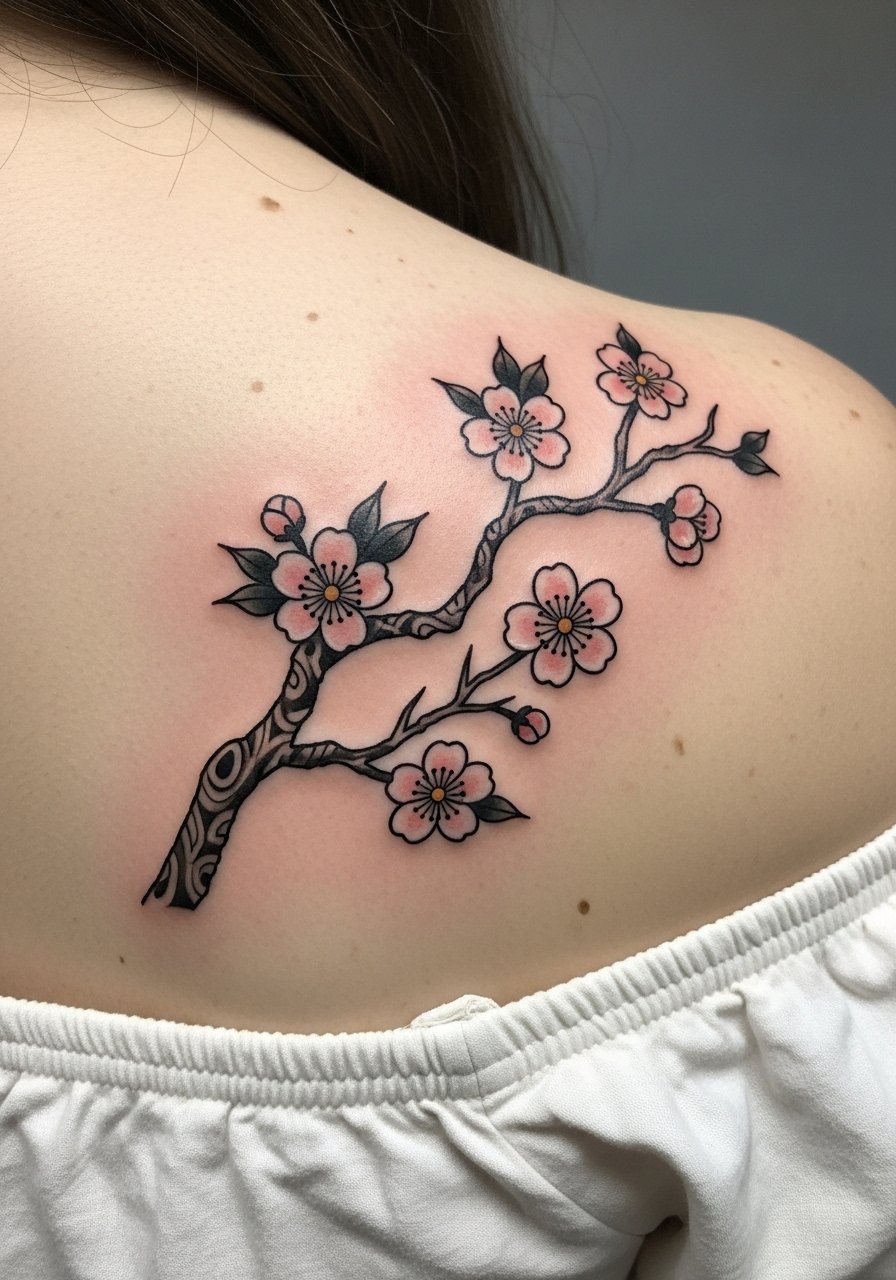
I've seen this placement keep its presence for years because the scapula has low friction and a predictable muscle plane. Mention nagare flow to your artist so the branch follows the muscle curve and does not sit rigid. Fair warning, tiny petal details bleed if the linework is too fine. Ask for slightly bolder contour lines and a soft stipple fill so the petals keep definition at year two and year five. For the session, wear an off-shoulder blouse so the artist can access the area without straps digging in.
2. Elegant Koi Swimming Up the Thigh
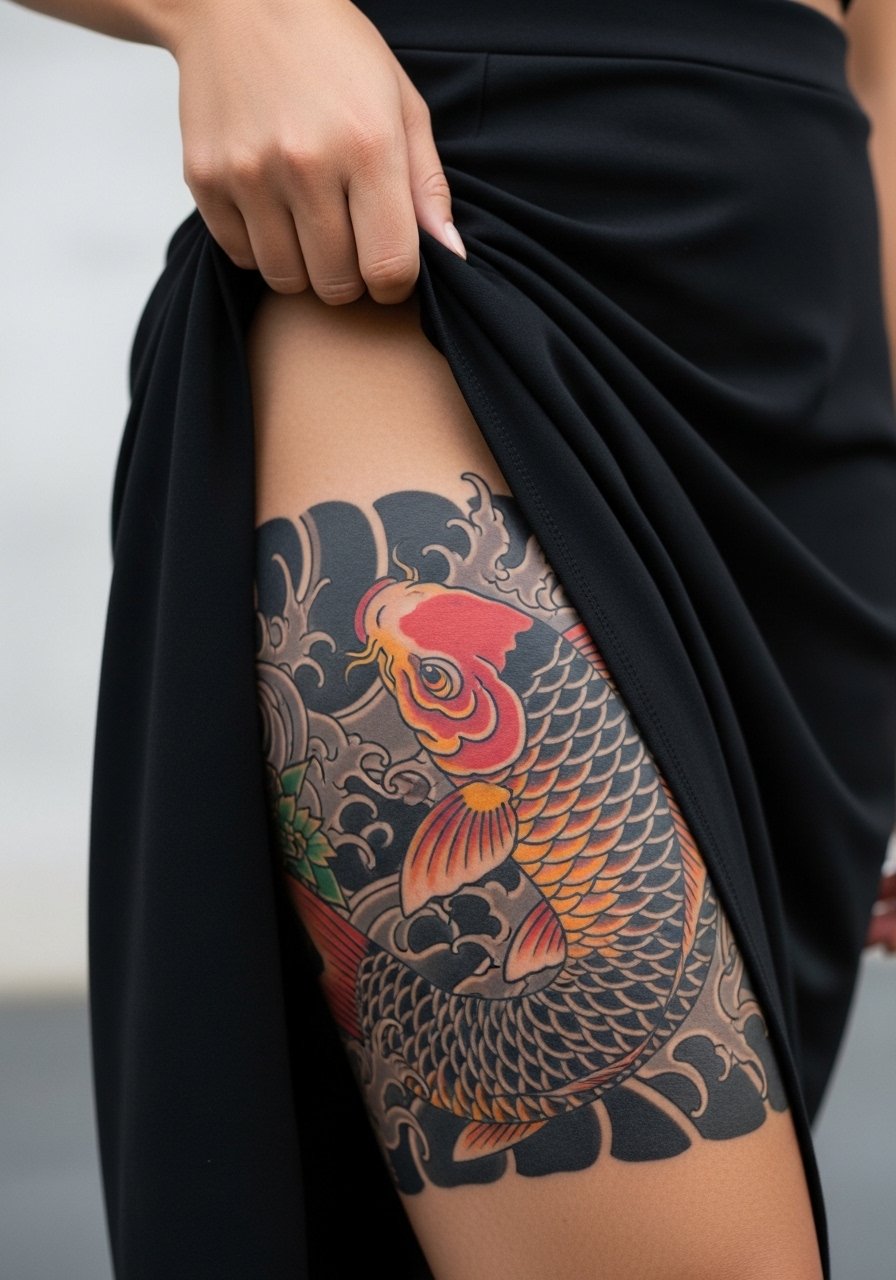
Thigh pieces heal well on most body types because the area moves but is not constantly rubbed. Expect a multi-session commitment for a full wrap, and plan placement with nagare flow so the koi reads as motion when you walk. The common mistake is compressing a large narrative into a tiny space. Scale this design so the color saturation can breathe. For show-off looks, pair the finished piece with a high-slit midi skirt that highlights the curve the koi accentuates. Session wear that helps is loose drawstring pants you can pull down without constricting the hip.
3. Bold Peony Bloom on the Ribcage
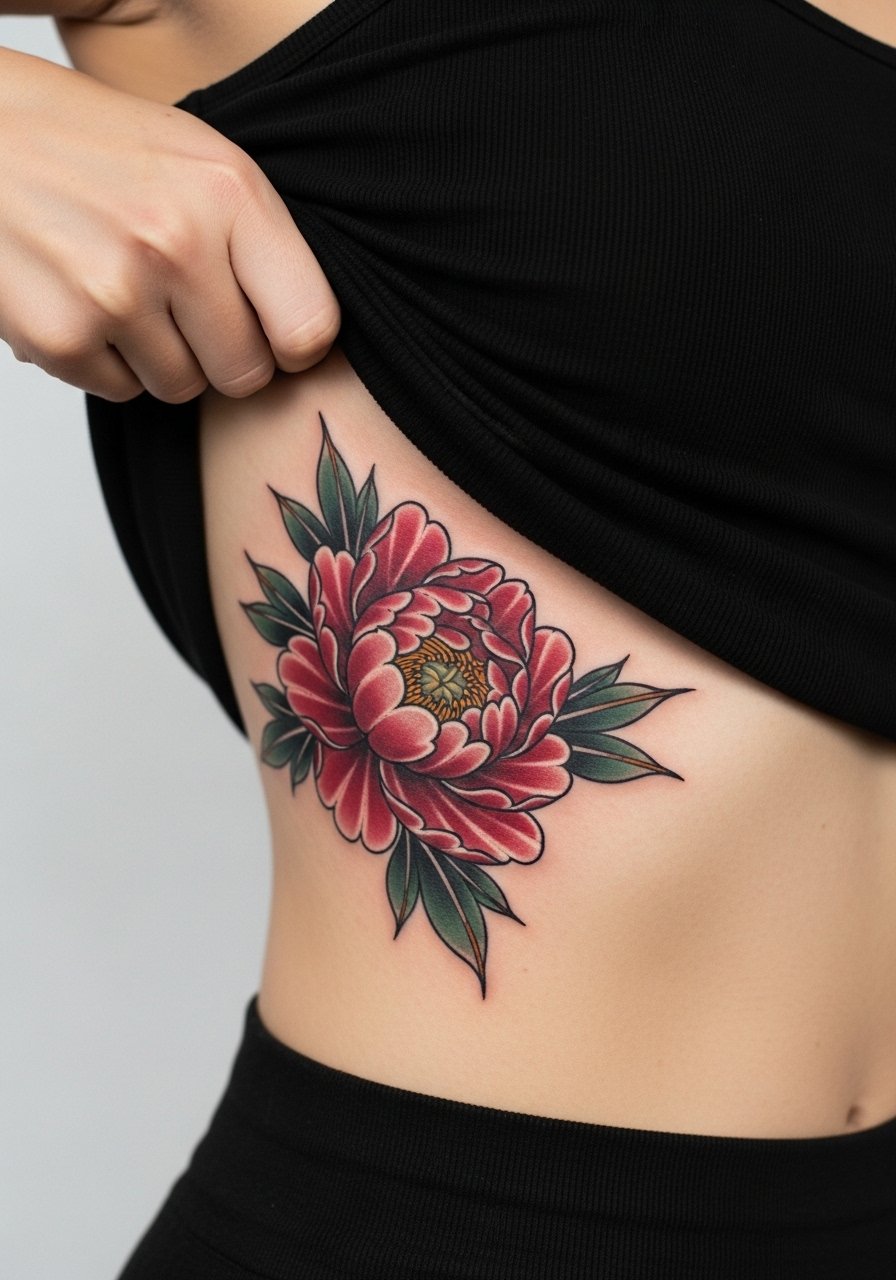
Ribcage sessions are notorious on the pain scale, and the outline often takes longer than people expect. If you want a peony here, tell your artist you prefer bold outlines and saturated petals rather than microscopic shading. That helps the bloom retain contrast on olive and darker tones. The aging story goes like this. After six months the petals look vibrant. At two years fine inner shading can soften. At five years the bold outline keeps the silhouette readable. For the appointment wear a side cut crop top you can lift without tight bands. Consider discussing numbing options if you know ribs are a high pain zone.
4. Mystical Kitsune on the Inner Forearm
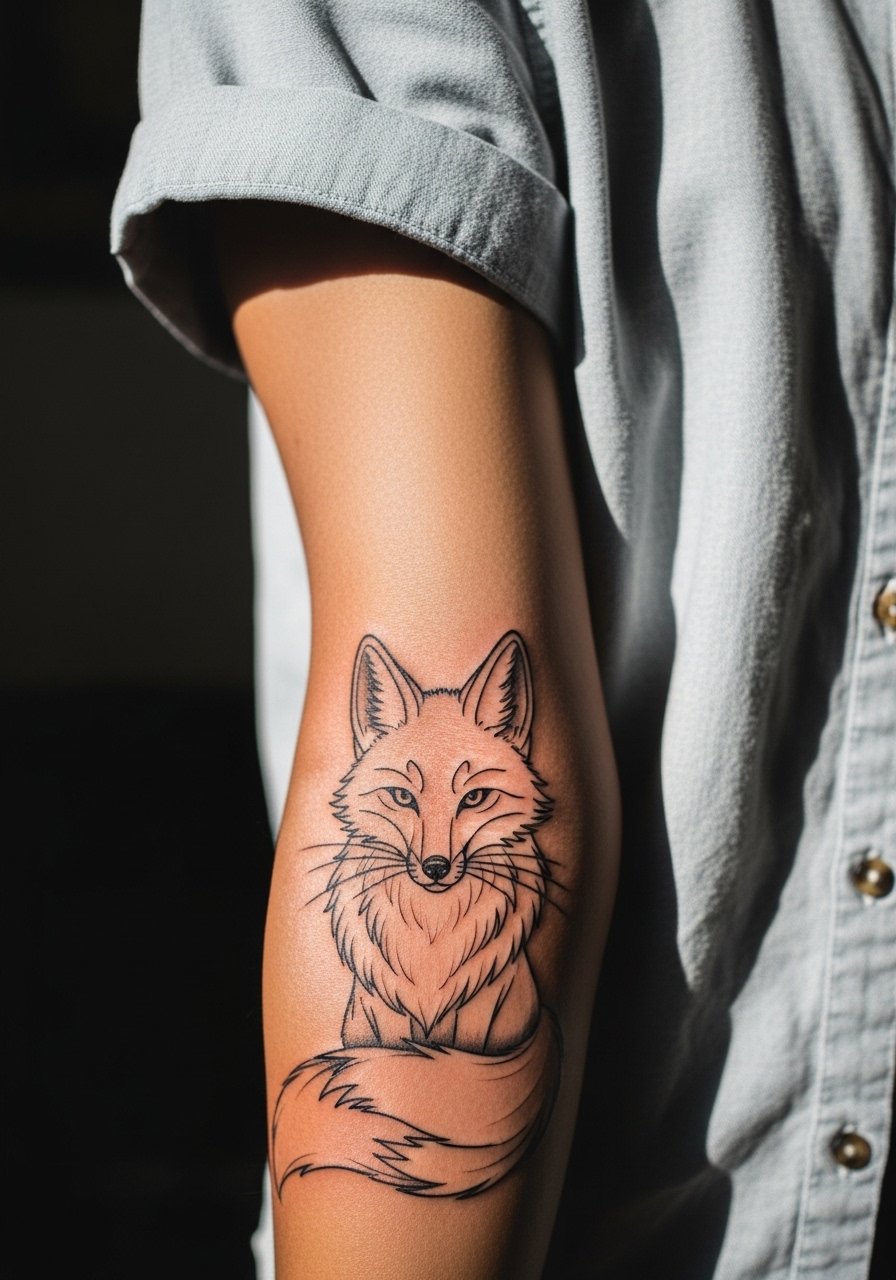
Inner forearm pieces are visible and versatile. Kitsune designs shrink well into a small-medium size, and I recommend a mix of clean linework and punchy black shading for contrast. A common mistake is asking for too much delicate detail in a tiny forearm tattoo. That detail can fog into a blur at year three. Tell your artist you want medium-weight linework and crisp negative space to preserve the fox's face. During the session, wear a sage green blouse with rolled cuffs or a short-sleeve button-up so the arm is free while keeping the rest of the torso covered.
5. Hannya Mask Centered on the Upper Back
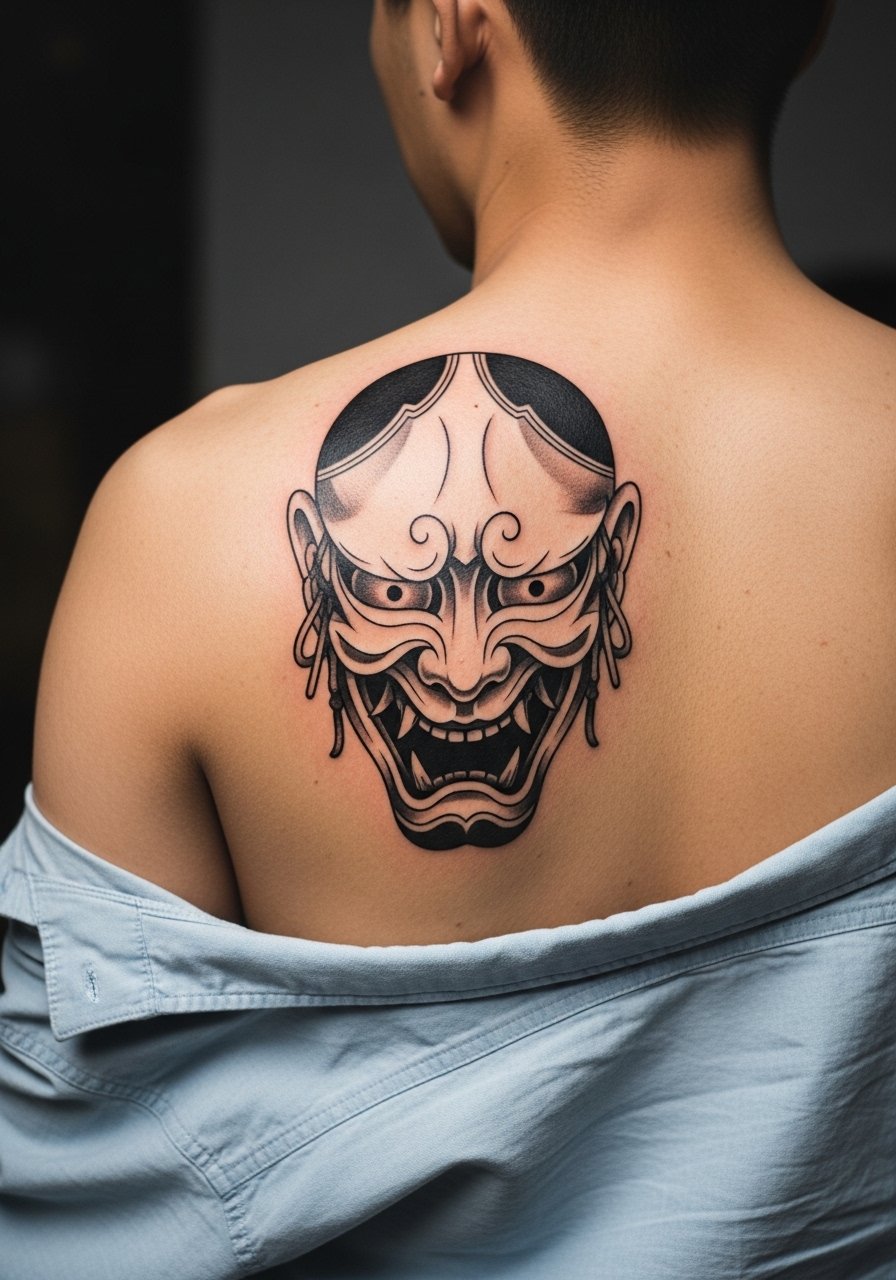
Upper back pieces let you go bold without constant visibility. The hannya mask reads as a tight blackwork statement when done with saturated blacks and confident linework. The common regret I hear is scaling the mask too emotionally large for daily life. If you want the symbolism without the intensity, ask for softer shaping around the eyes and more negative space to breathe. For session access, a loose button-down that can be removed or pulled aside makes the artist’s job easier and keeps skin clean. Note that a bold black mask will age well, while ultra-fine facial detail tends to lose crispness after a few years.
6. Sakura Branch Cascading Down the Spine
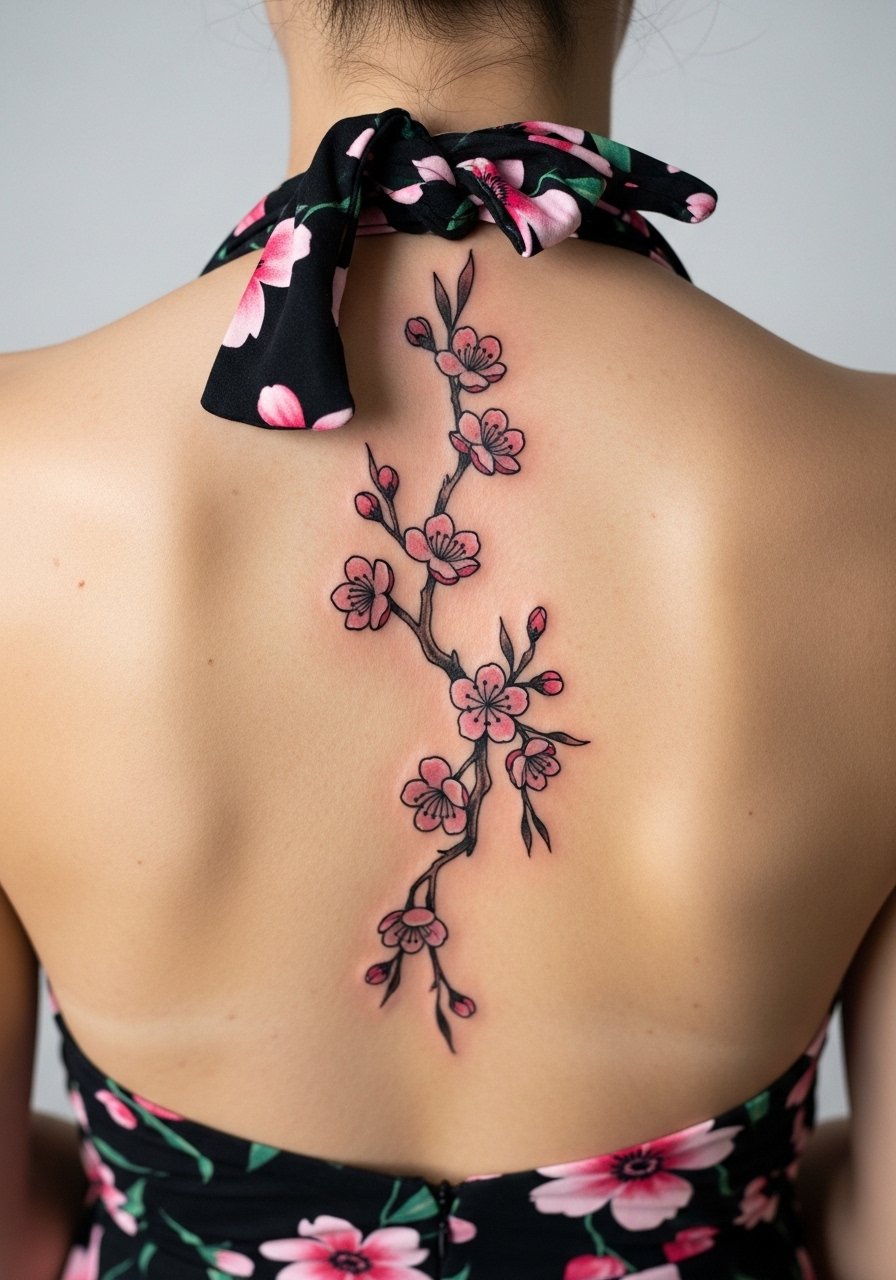
Spine work looks gorgeous with vertical flow that follows the trapezius and erector spinae. I like recommending the trapezius line integration so the blossoms move when the head turns. The trade-off is that spines can take several sessions and are sensitive spots for Saniderm versus dry healing debates. One camp says protective film speeds surface heal and reduces scabbing. The other camp prefers dry healing on spines so ink settles without trapped moisture. Ask your artist which method they prefer and why. For showing it off, pair with a backless halter dress that lets the vertical composition take breath.
Studio Day Picks
The first six pieces above include ribs, spine, upper back, and shoulder work, so these picks focus on prep and first-week needs for both sensitive and low-friction zones.
-
Hildene tattoo balm. Thinner texture than heavier ointments makes it a good match for color saturation on thigh and flank pieces without leaving a greasy film.
-
Japanese rice bran oil balm. Fast-absorbing and favored for floral pieces like peonies when you want a less sticky alternative during the first two weeks.
-
Tea tree salve. Lightweight and anti-inflammatory for areas with finer needlework, such as collarbone or wrist pieces that swell easily.
-
Aussie non-petroleum aftercare gel. Useful in humid climates for thigh and calf work where breathability matters during the initial heal.
-
Aquaphor healing ointment. A thin layer during the first 48 hours helps protect linework on fine forearm pieces, but many people switch to a lighter balm after that.
7. Phoenix Tail Wrapping the Hip
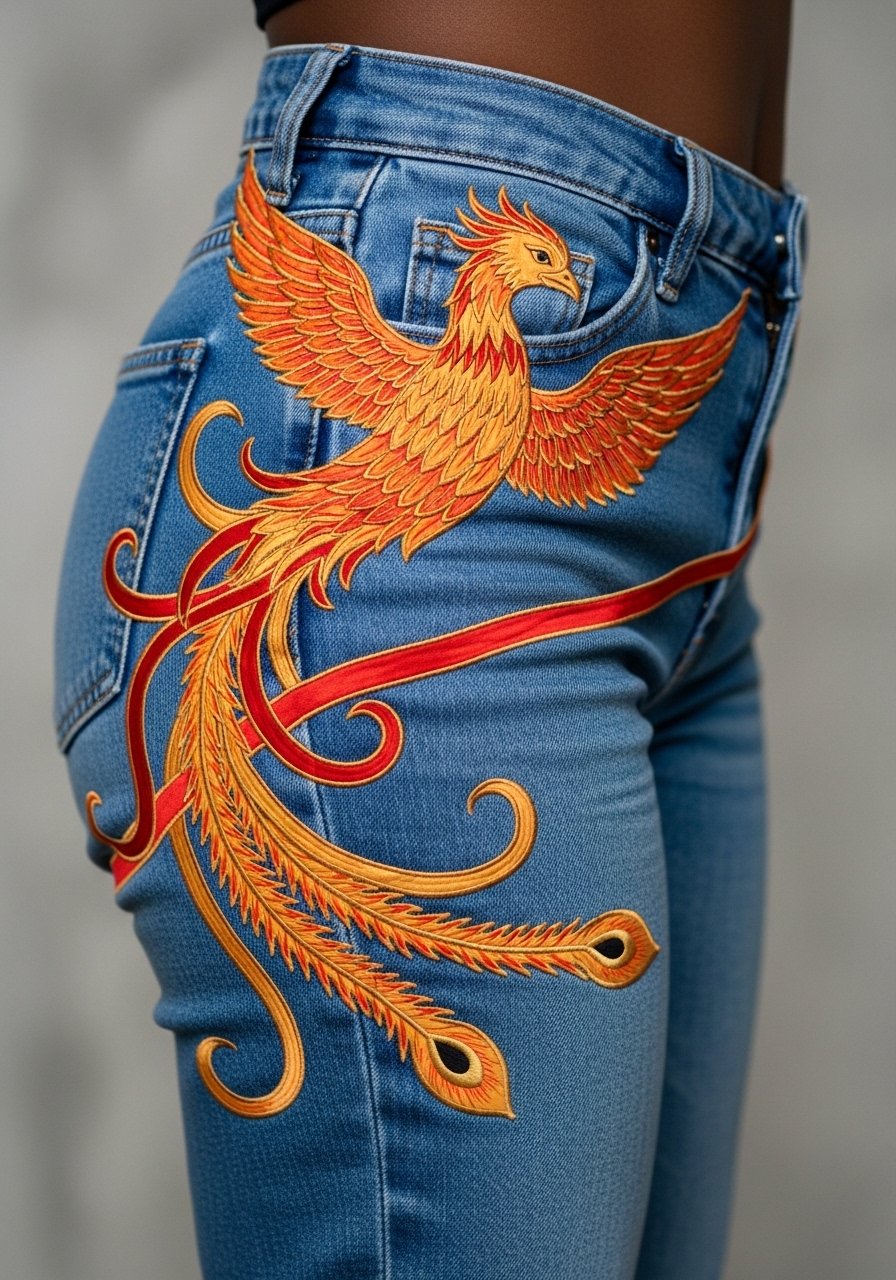
Hip wraps that curve onto the thigh read as three-dimensional when the artist plans for body movement. The common mistake is letting the design sit flat instead of wrapping along the curve where it will look animated in motion. Expect a longer session and plan your wardrobe for both access and comfort. For the appointment, a drawstring linen pant is ideal because you can lower the waistline slightly without pressure on the area. Keep in mind that weight changes can alter the visual of wrapping motifs, so place larger elements on stable flesh if that is a concern.
8. Micro-Realism Geisha on the Collarbone
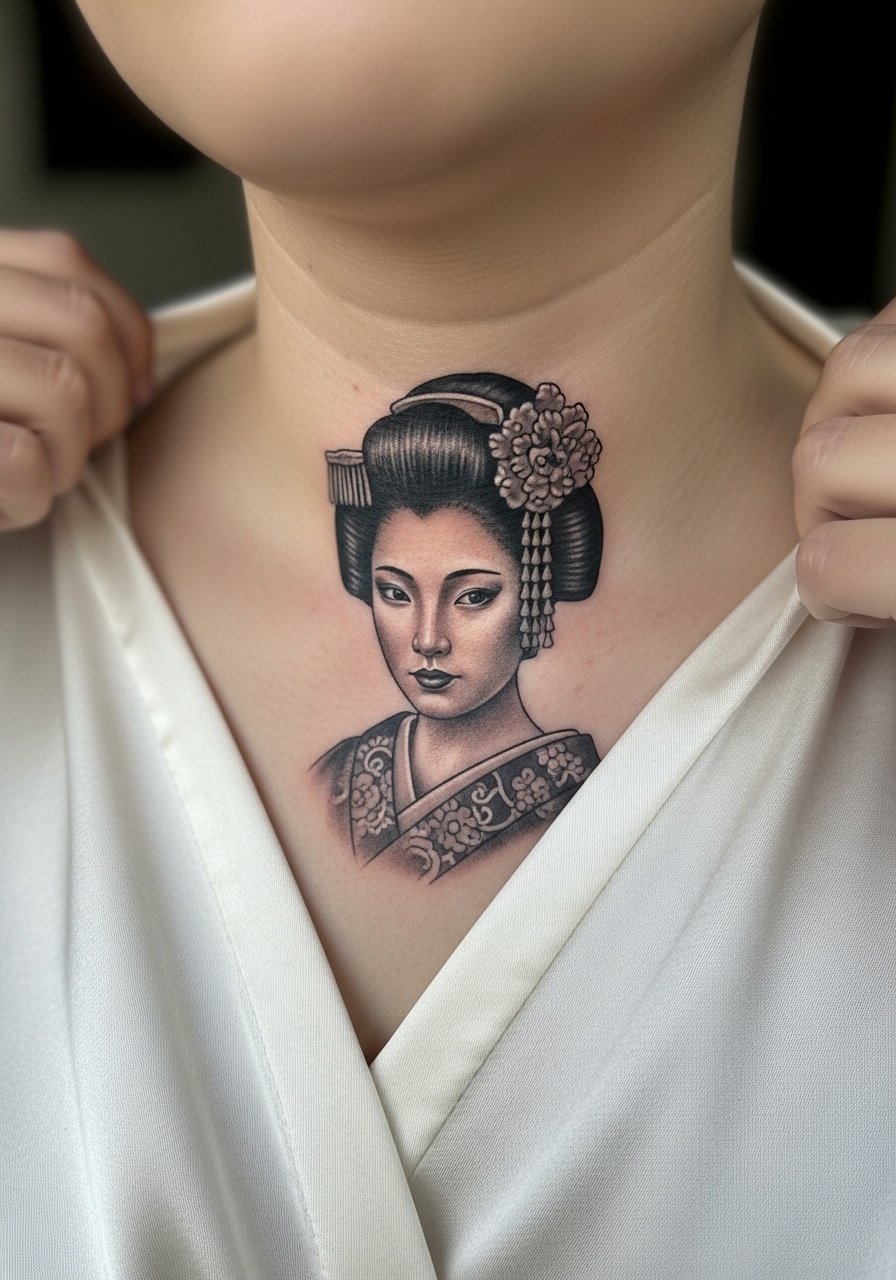
Collarbone portraits sit in a visible slice of skin that moves with breathing and garments. For micro-realism here, ask your artist to simplify contrast and keep feature lines deliberate rather than fuzzy. On tan or olive skin the mid-tones can cloak subtle gray shading, so prefer higher contrast and allow for a touch-up at year two. For evenings out, a V-neck silk wrap frames the piece without competing. Session wear that works is a strapless bra or a loose top you can shift aside.
9. Climbing Bamboo Along the Side Ribcage
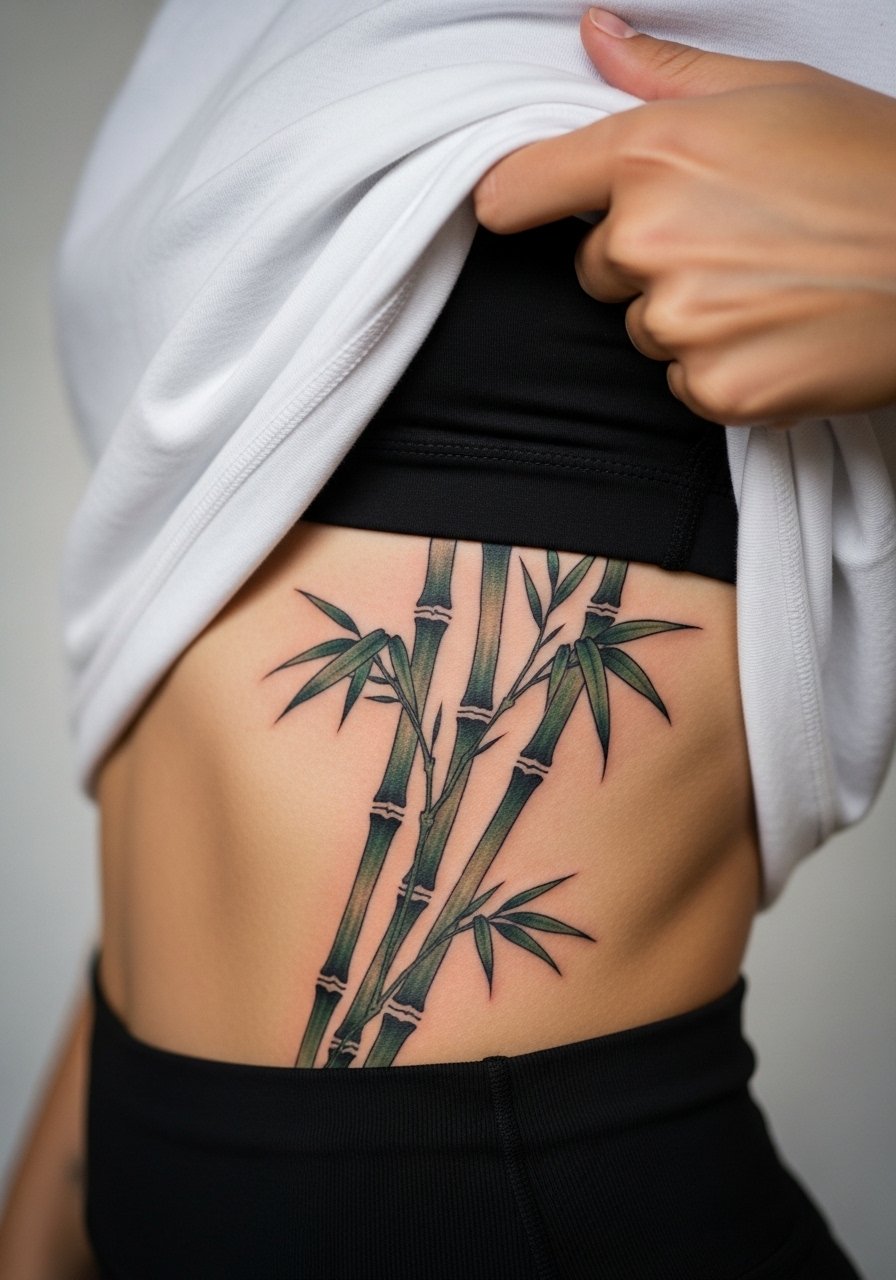
Bamboo reads as a growth motif when placed vertically on the side torso. Tell your artist you want varied node spacing and negative space between leaves so the piece breathes. The ribcage is sensitive, and many people choose to split shading across sessions to manage pain. A common aging issue is faint green tones losing pop on deeper skin tones. Bold outlines and dark contrast help maintain definition after two years. For the session, wear a stretchy tank you can lift without tight bands.
10. Oni Horns Peeking from the Shoulder
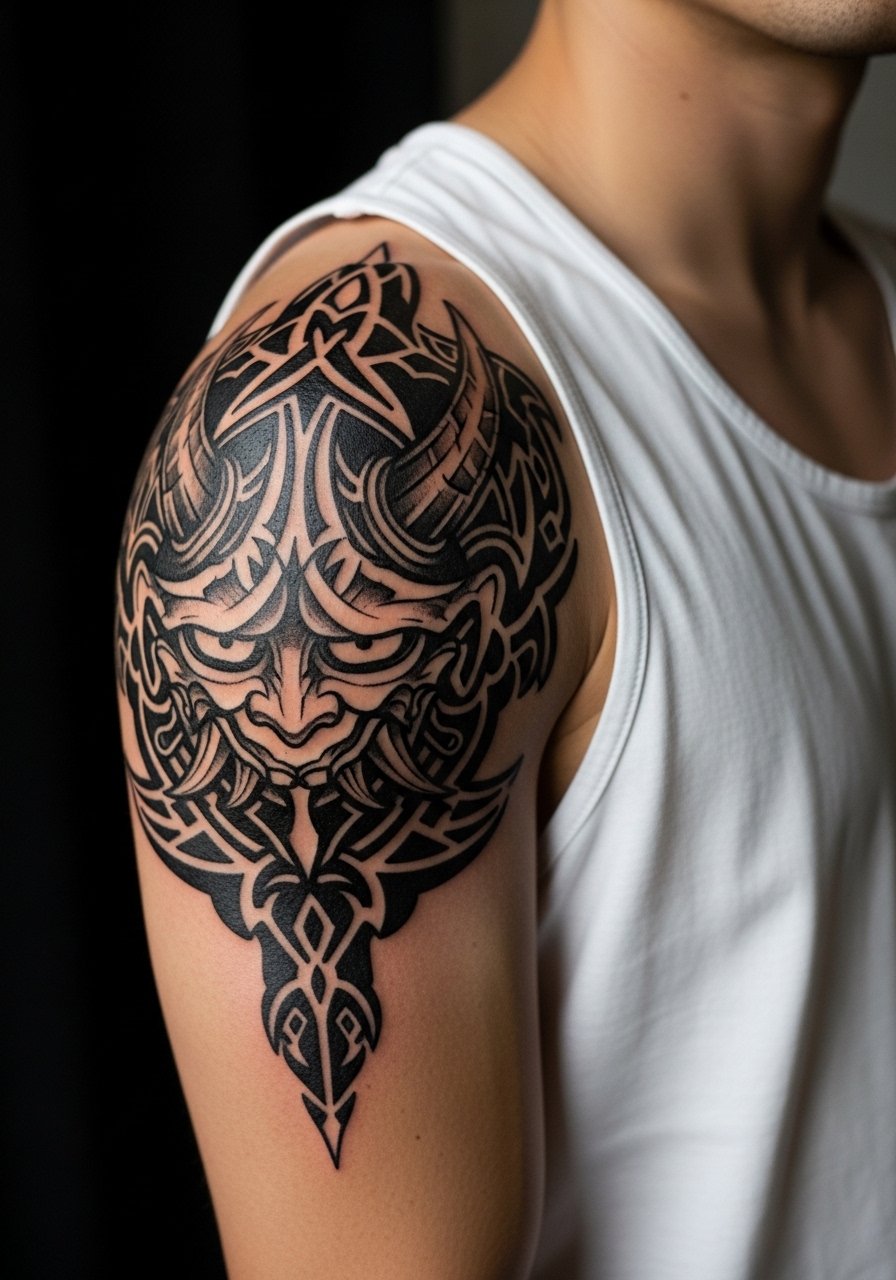
Small shoulder pieces like scaled-down oni horns give protective energy without dominating a wardrobe. The shoulder cap has low blowout risk when linework is handled cleanly. Avoid asking for extremely fine facial detail within the horn at a small scale, because those lines will soften. This placement is forgiving for touch-ups and usually fits into a single session. For the appointment wear a tank top or button-down you can pull aside so the artist has unobstructed access.
11. Subtle Wave Crest on the Outer Forearm
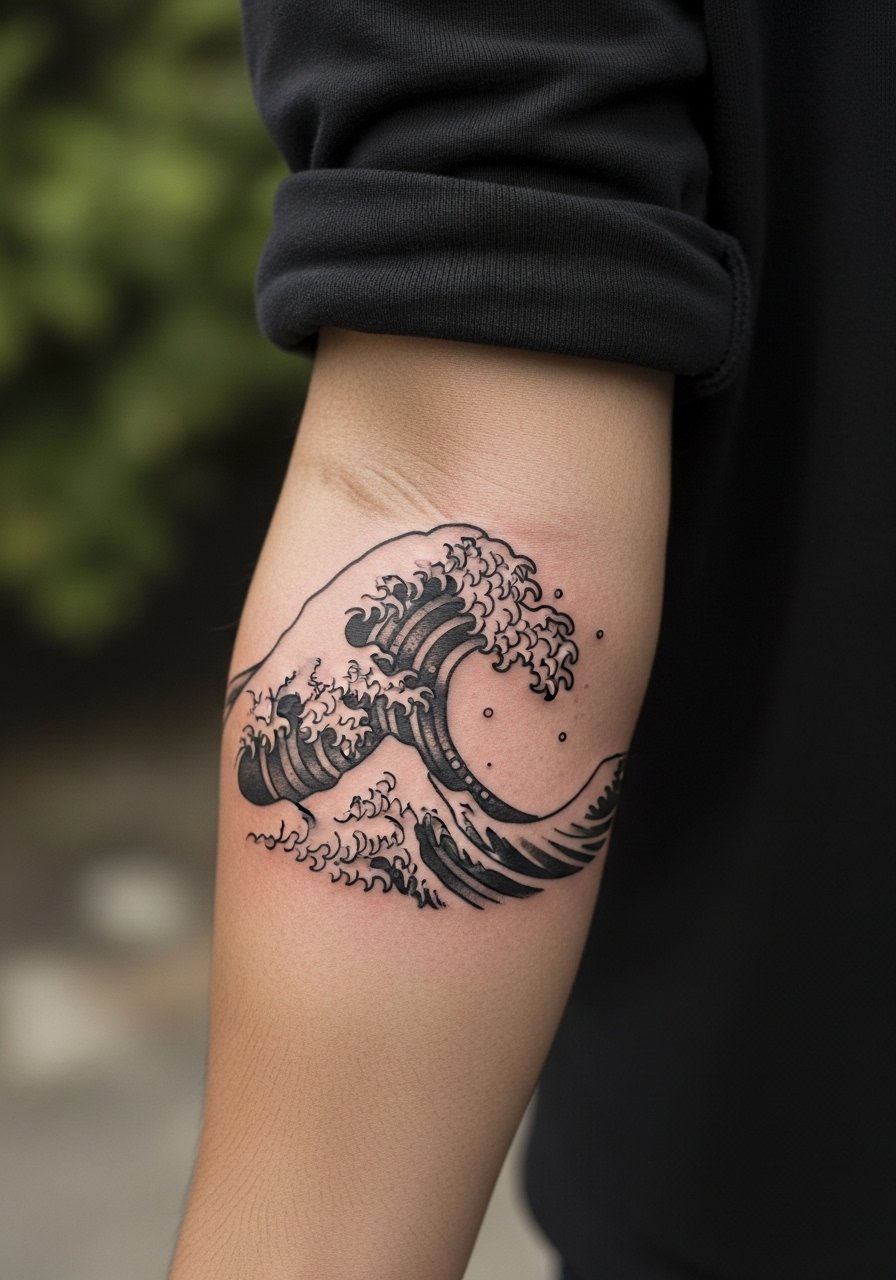
Wave motifs are classic for movement and translate well to forearms because the canvas is long and visible. For longevity ask for clear negative space between crest lines and moderate saturation rather than micro-shading. The common mistake is packing too much tiny pattern into the forearm, which can blur into gray after a few years. Forearm tattoos are easy to show off and also easy to protect from sun, which will slow fading. During the session wear a short-sleeve shirt you can roll without constricting the arm.
12. Chrysanthemum Cluster Wrapping the Calf
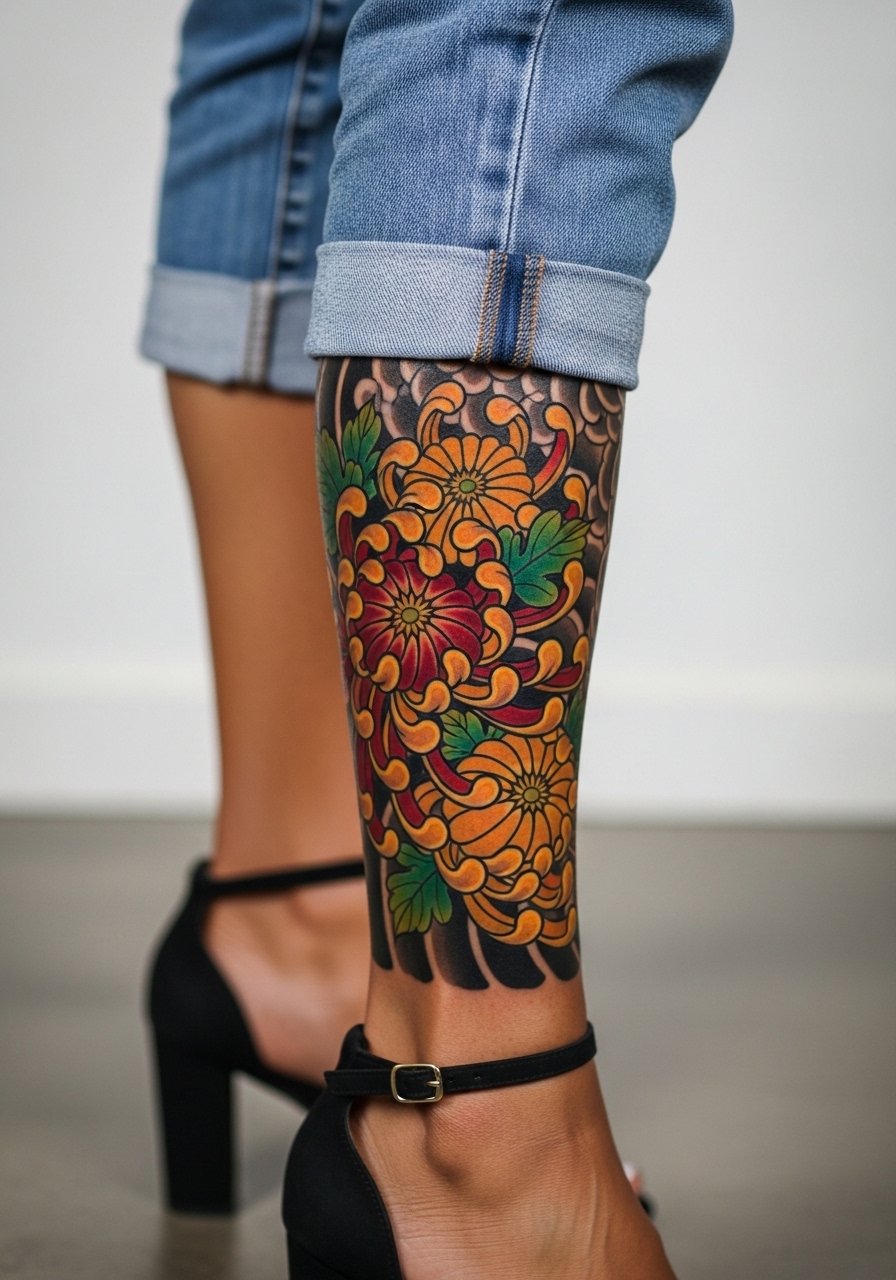
Calf wraps age predictably because the area has thicker skin and less daily friction than shins. Chrysanthemums take well to layered petals and saturated color. A common misstep is crowding petals without negative space, which makes the motif read as a blob at distance. If you want seasonal visibility, pair the tattoo with ankle-strap heels or rolled cuff pants that expose the wrap. For the session, loose joggers that can be rolled up are ideal so you can rest the leg comfortably.
13. Tebori-Style Lotus on the Wrist
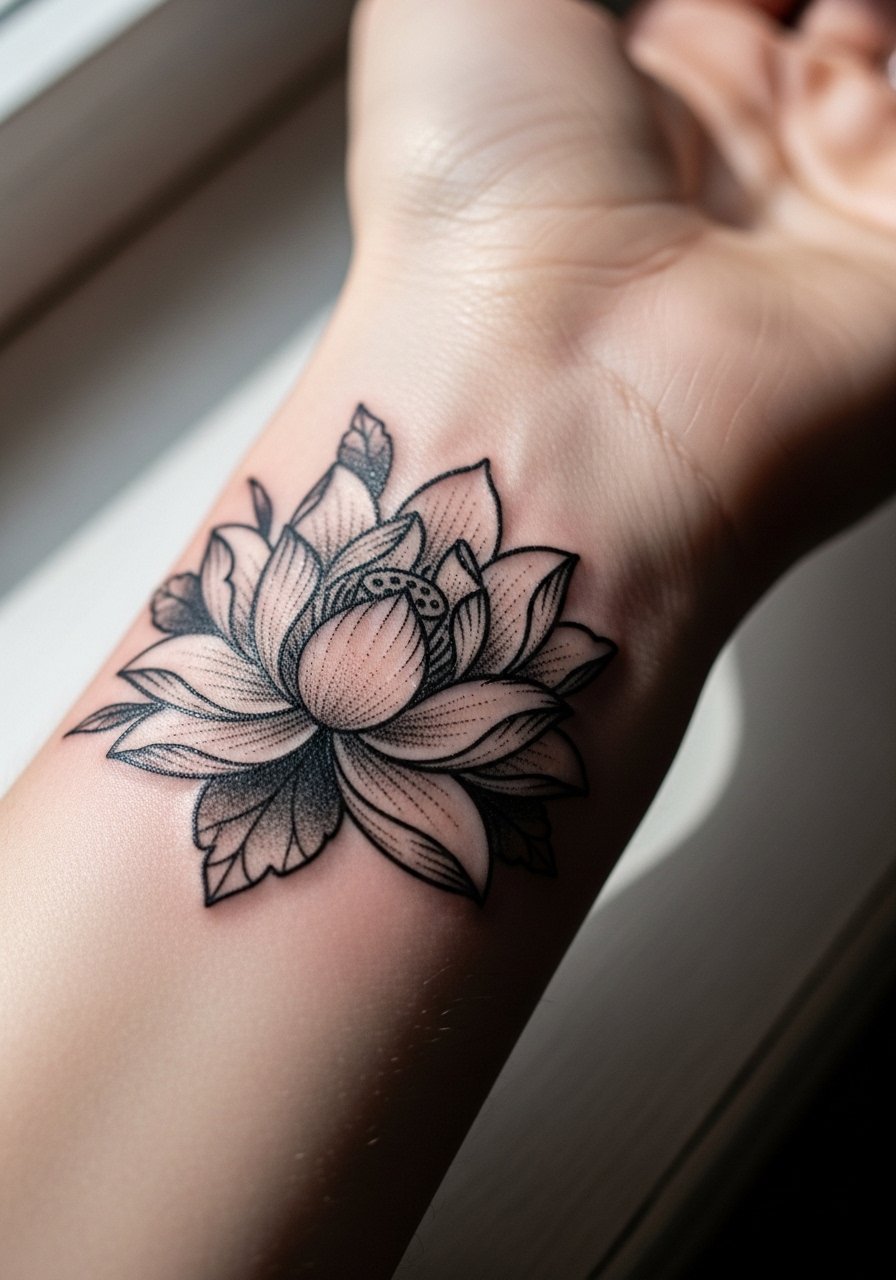
Hand-poked or tebori texture gives a tactile depth that machine shading sometimes lacks. On the wrist keep the lotus compact and allow for slightly bolder outlines because wrists are high-motion zones and thin lines fade faster there. One controversy with fine line wrists is whether they blur within a year. One group says the motion and skin thickness make blurring inevitable. The other group argues that with proper depth and spacing, fine work lasts longer. Ask which camp your artist works with and what their touch-up practice is. For the session, avoid tight bracelets and bring a soft top you can roll up.
14. Crane in Flight Across the Shoulder
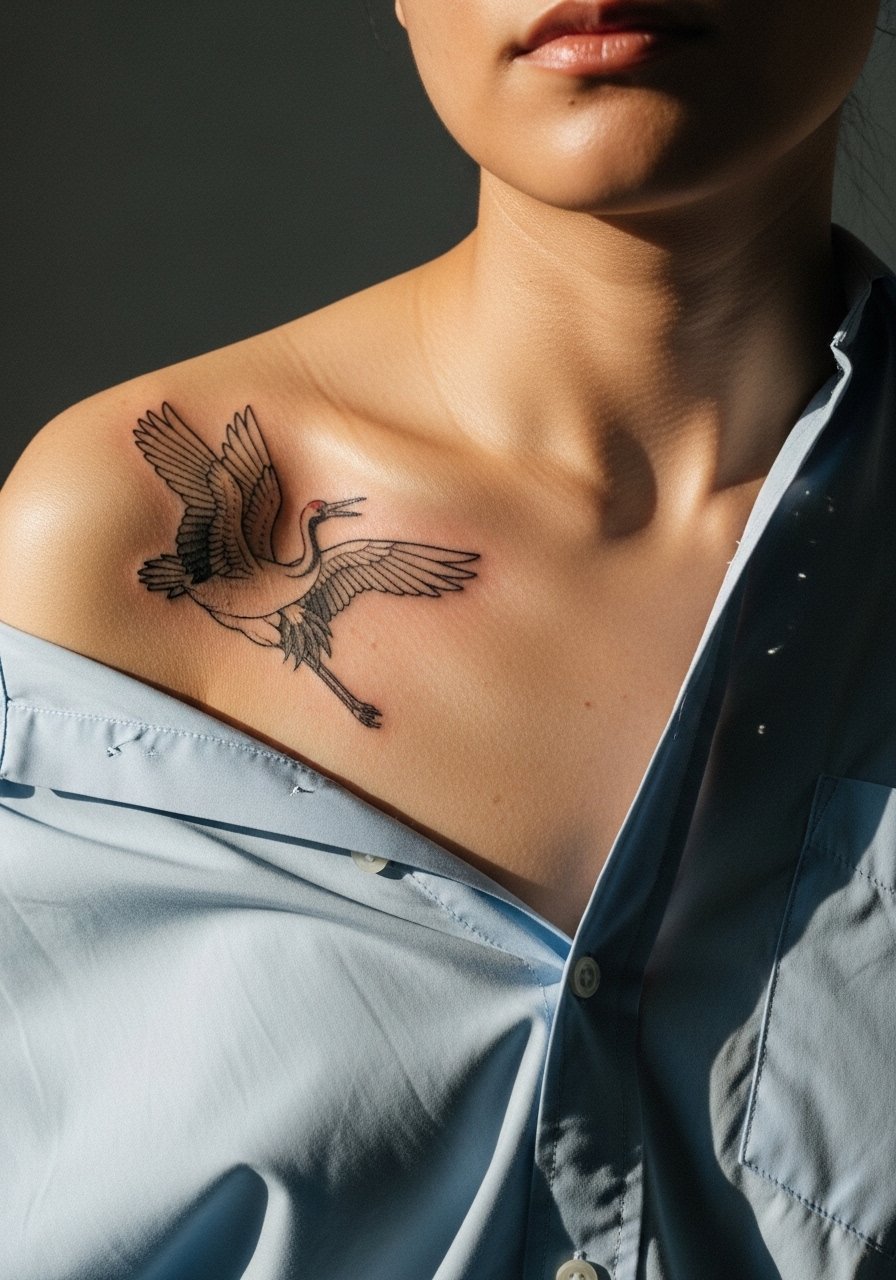
Cranes benefit from negative space so the wings feel airy and do not merge during healing. The upper shoulder carries the design well and allows for expansion later. A mistake people make is requesting tiny wing feathers with no contrast. Ask for alternating line weights and subtle stipple shading to keep the wings readable at five years. For the session wear a loose button-down you can shift without friction on the area.
15. Small Torii Gate Near the Hip Crease
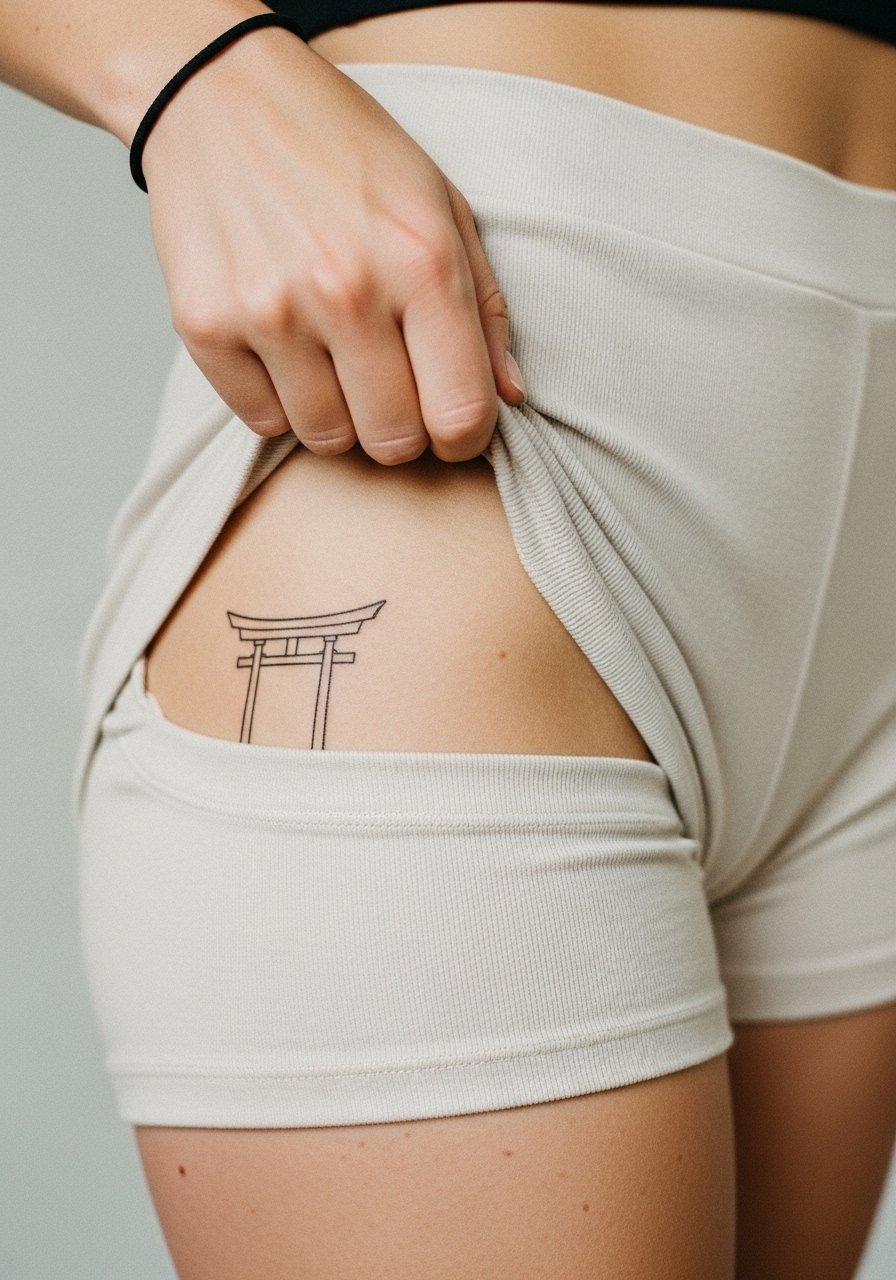
Micro architecture pieces like a torii gate read best in clean geometric lines and modest scale. The hip crease has variable movement, so plan for a touch-up if you expect fluctuating weight. The common error is requesting ultra-fine work without leaving room for touch-up margins. If you want a visible but discreet symbol, place it where clothing reveals it with a subtle motion. Session wear that helps is high-waisted shorts or underwear you can shift slightly without chafing.
16. Maple Leaves Scattered Along the Ankle
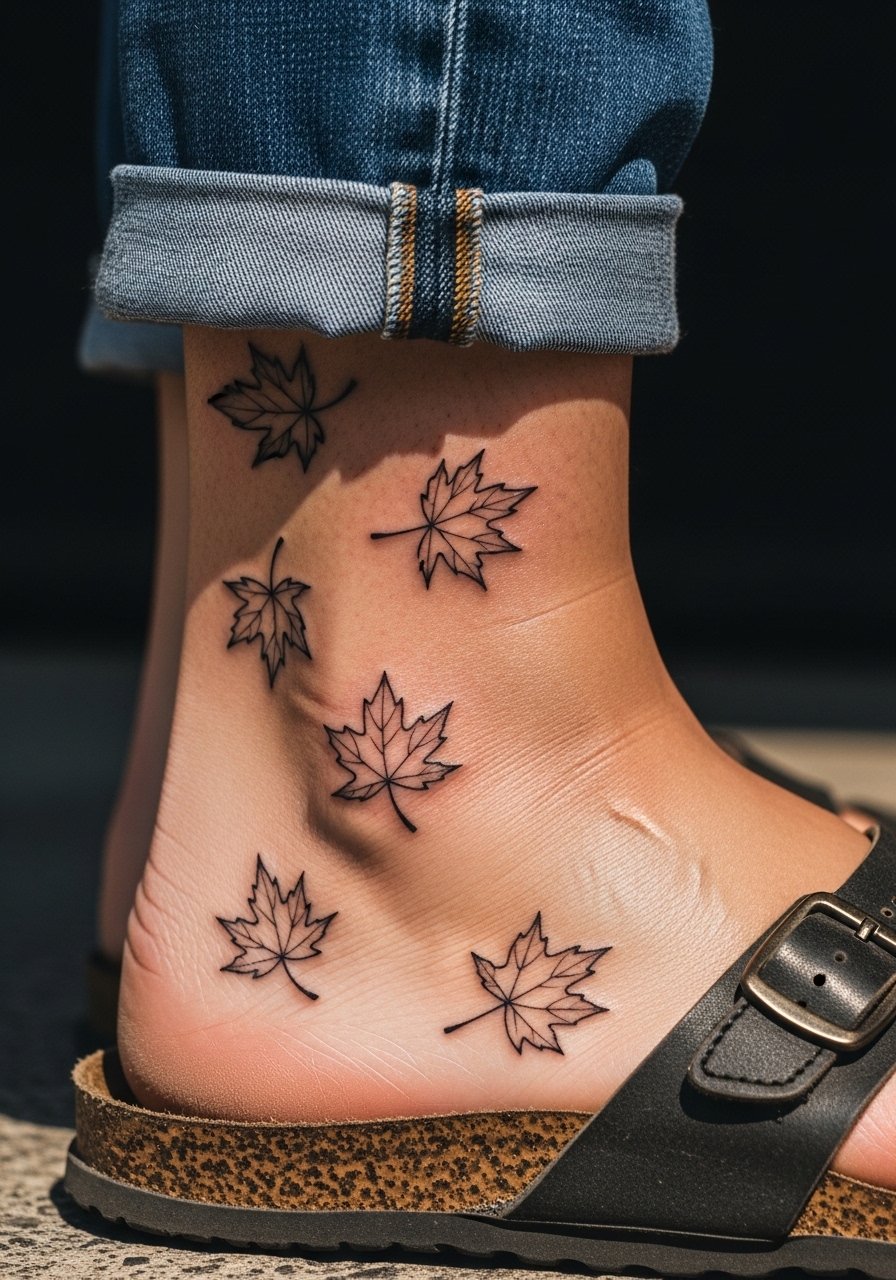
Ankle pieces face a lot of friction from socks and shoes, so small motifs need clear outline and moderate spacing. Expect that fine leaf veins may soften faster than bold silhouettes. A common tip is to keep leaf stems short and lines slightly stronger to resist early blurring. To show the piece in summer, pair it with sandals or rolled jeans. For the session wear pants that roll easily without pressure on the ankle.
17. Moon, Clouds, and Negative Space for a Back-of-Arm Panel
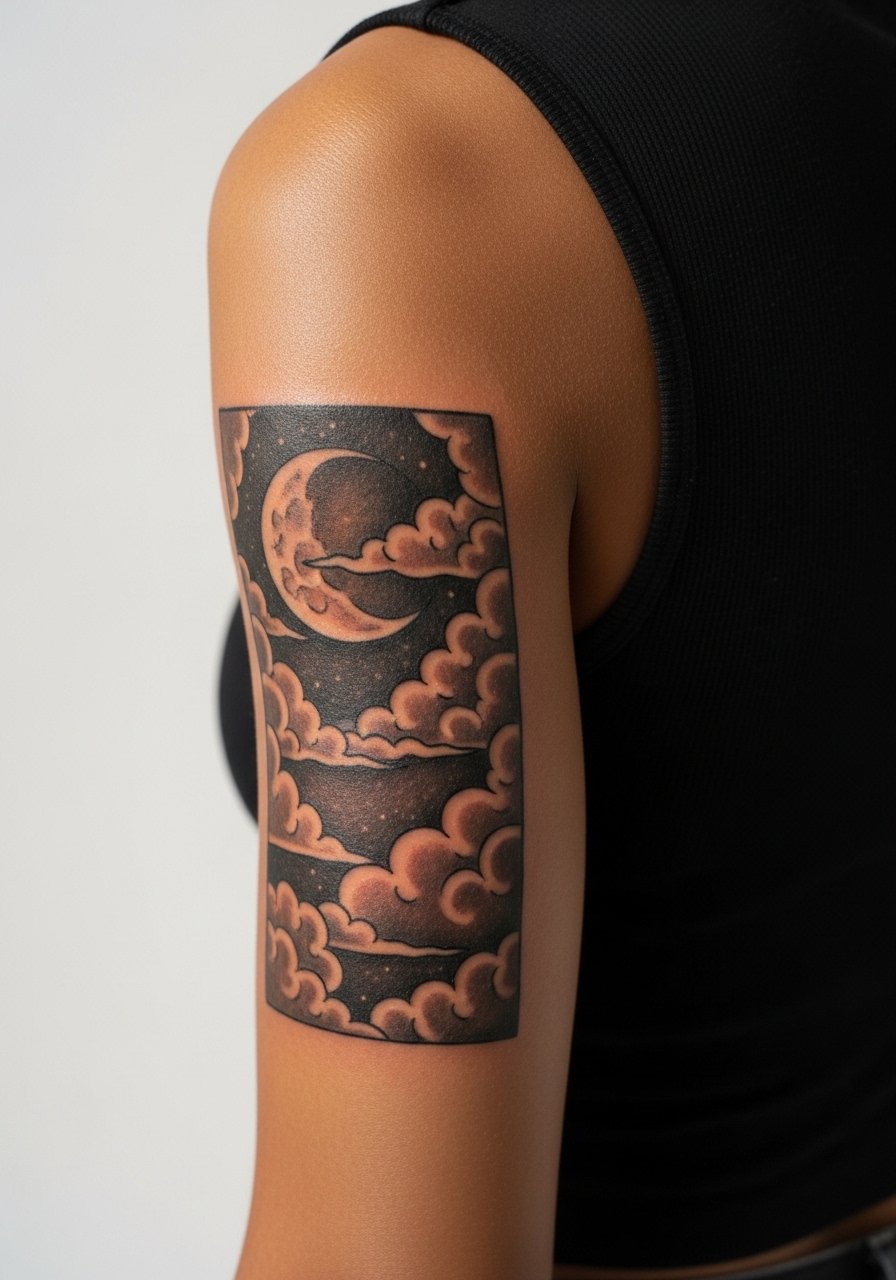
This ornamental panel uses kūki negative space to keep a larger area breathable and avoid a dense "suit" look. Artists who favor negative space argue it preserves a feminine silhouette while still offering coverage. Some traditionalists prefer full dense fills for classic Irezumi contrast. Name both approaches during your consult and ask which look holds for your skin tone. A simple session tip is to wear a sleeveless top you can raise slightly so the artist can work the whole panel without shoulder strain.
Frequently Asked Questions
Q: How painful are ribcage peonies compared with thigh koi, and what helps during sessions?
A: Ribs tend to be near the top of most pain charts because the needle sits close to bone and the skin is thin. Thigh areas usually register lower because flesh is thicker. For ribs, split the work into shorter sessions, ask your artist about topical numbing options, and wear a loose tank that you can shift so the artist has access without pushing on the area.
Q: Do fine line collarbone portraits fade faster on tan or olive skin, and how can I plan for that?
A: On deeper mid-tones subtle gray shading may soften faster than on lighter skin. Planning for slightly higher contrast and medium-weight contour lines helps the portrait keep definition. Expect possible touch-ups around year two if you want to maintain micro-realism fidelity.
Q: Saniderm versus dry healing for spine and rib work, which camp should I follow?
A: Artists divide into two camps. One prefers protective film for spines and ribs to reduce surface scabbing and speed exterior healing. The other prefers dry healing so trapped moisture does not interfere with ink settling. Ask your artist what they have seen work on similar placements in their studio and follow their protocol for the best outcome.
Q: My ankle and wrist tattoos tend to fade. Are there clothing or care choices that help longevity?
A: Friction from socks, shoes, and bracelets accelerates fading. Wear sandals and roll pants to reduce constant rubbing, and protect those small areas from UV when you can. Also plan for touch-ups earlier on wrists and ankles than on thighs or upper back.
Q: What should I ask an artist during a consultation for a tebori lotus or hand-poked piece?
A: Ask about their tebori experience and healed examples on similar skin tones. Request to see healed photos at one year if possible. Clarify touch-up policies and how they approach depth and spacing so the tactile texture holds up.
Q: Are guest-spot cancellations a real problem for Irezumi, and how do I reduce that risk?
A: Yes, guest-spot cancellations happen. Book through platforms that provide clear scheduling policies, consider local studios with stable calendars, and have a backup plan if travel is involved. If you are traveling for a specific artist, allow cushion days in your schedule for rescheduling.