
Fine line florals are all over feeds right now, but they do not always age like the photos make them look. The pieces that still read crisp after three years usually pair careful placement with slightly stronger edges and realistic spacing. Expect trade offs between fresh delicacy and longterm legibility. Below are 27 floral takes that push the moodier end of the spectrum, with notes on where they last, what to ask your artist, and which outfits actually show them off.
1. Edgy Fine Line Rose with Thorns on Inner Forearm
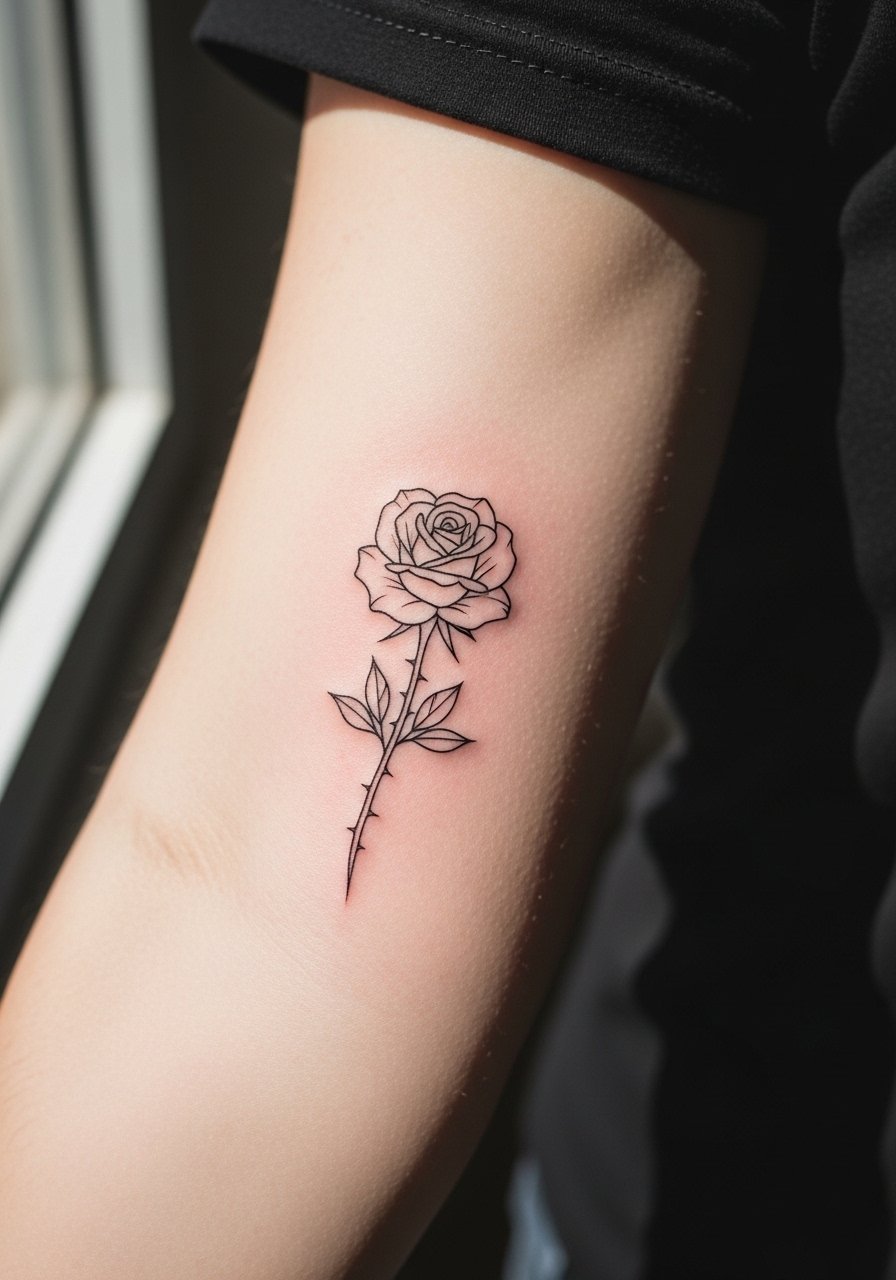
I see this design a lot in consultations because it balances romance with bite. For better longevity ask the artist to thicken the outer stem line slightly and space the thorns so they do not crowd petal detail. Fair warning, forearm pieces run into friction from sleeves and backpacks, so expect a touch-up around year two to three. Session time is usually one sitting under two hours for a 2 to 3 inch repeatable motif. For showing it off, roll up a rolled cuff chambray shirt to frame the arm without covering the linework.
2. Gothic Black Rose on Shoulder Cap
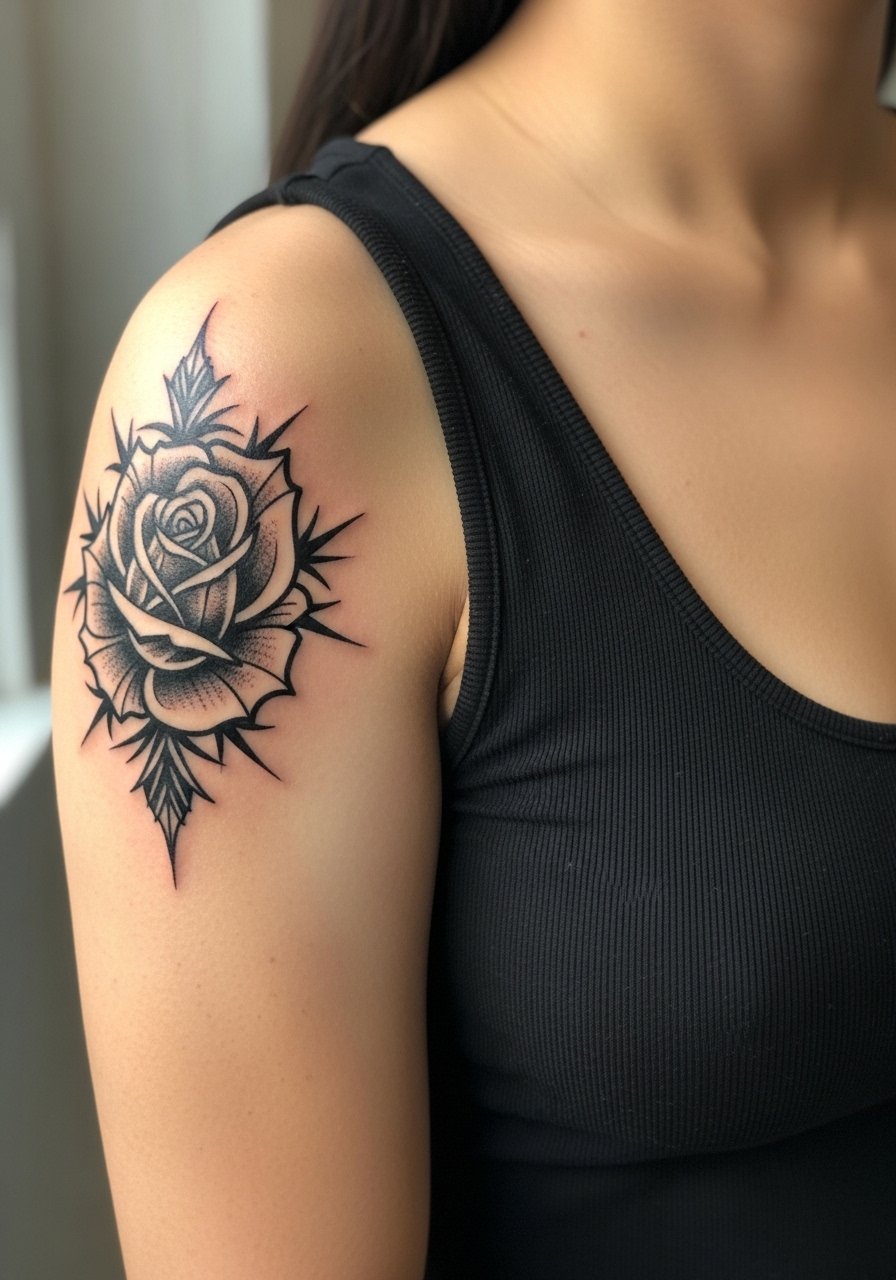
This one reads bold from across a room because of heavy saturation and deep shadows. Shoulders tolerate saturation well and the blowout risk is lower than hands. Tell your artist you want saturated fills and crisp negative space around petals to avoid muddy heal. The session can run two sessions for larger pieces. Pair it with a sleeveless leather vest over a simple tee to match the dark romance of the ink.
3. Single-Stem Sunflower Vine on Inner Forearm
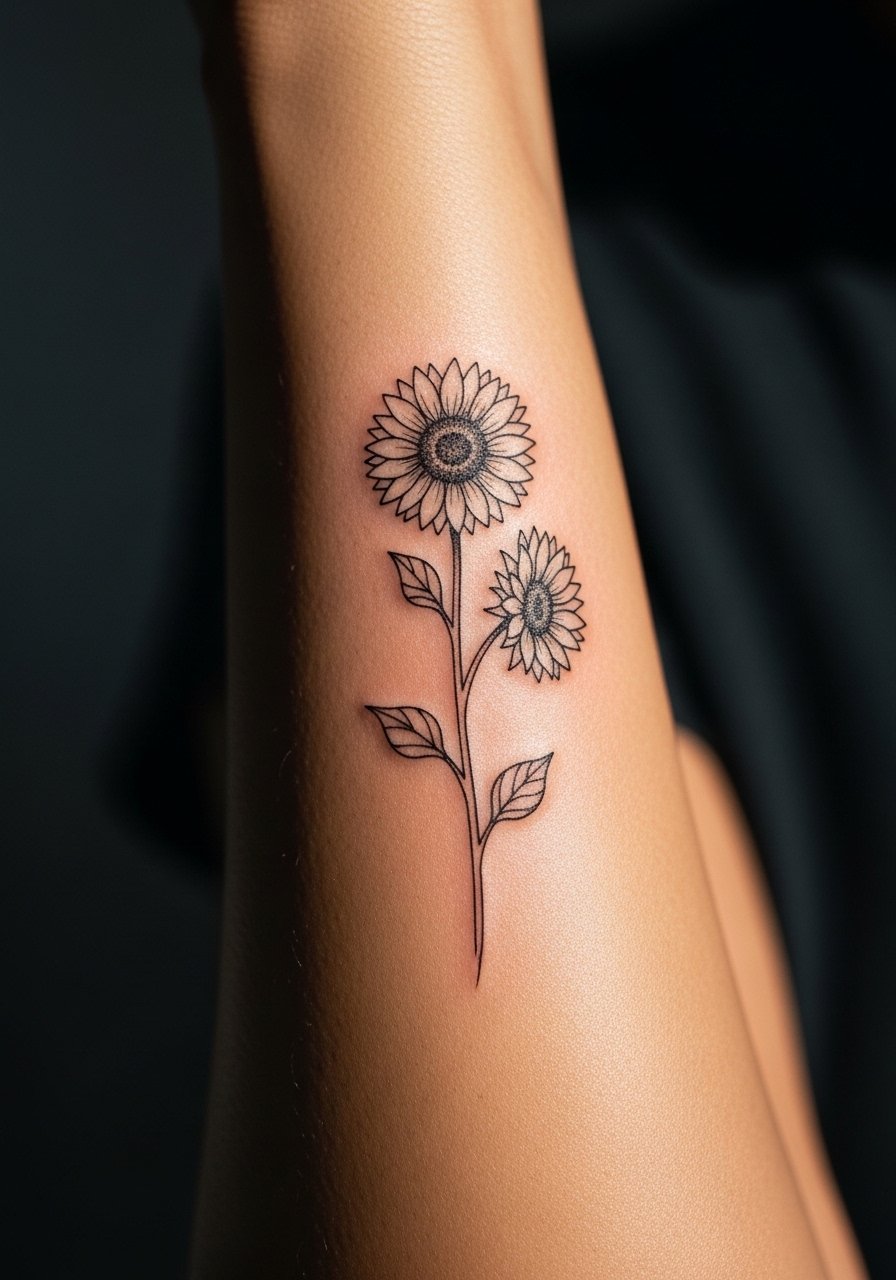
This style is ideal if you want vertical flow that moves with the arm. Ask for a slightly stronger stem line than usual so the yellow center or blackwork holds against fading. It tends to heal clean on inner forearms because the skin is stable, though bright pigments will need touch-ups faster than black. One session, under two hours, is common. For the appointment wear a loose short sleeve shirt men so the artist can extend the arm easily.
4. Neo-Traditional Thorny Floral Bouquet on Upper Arm
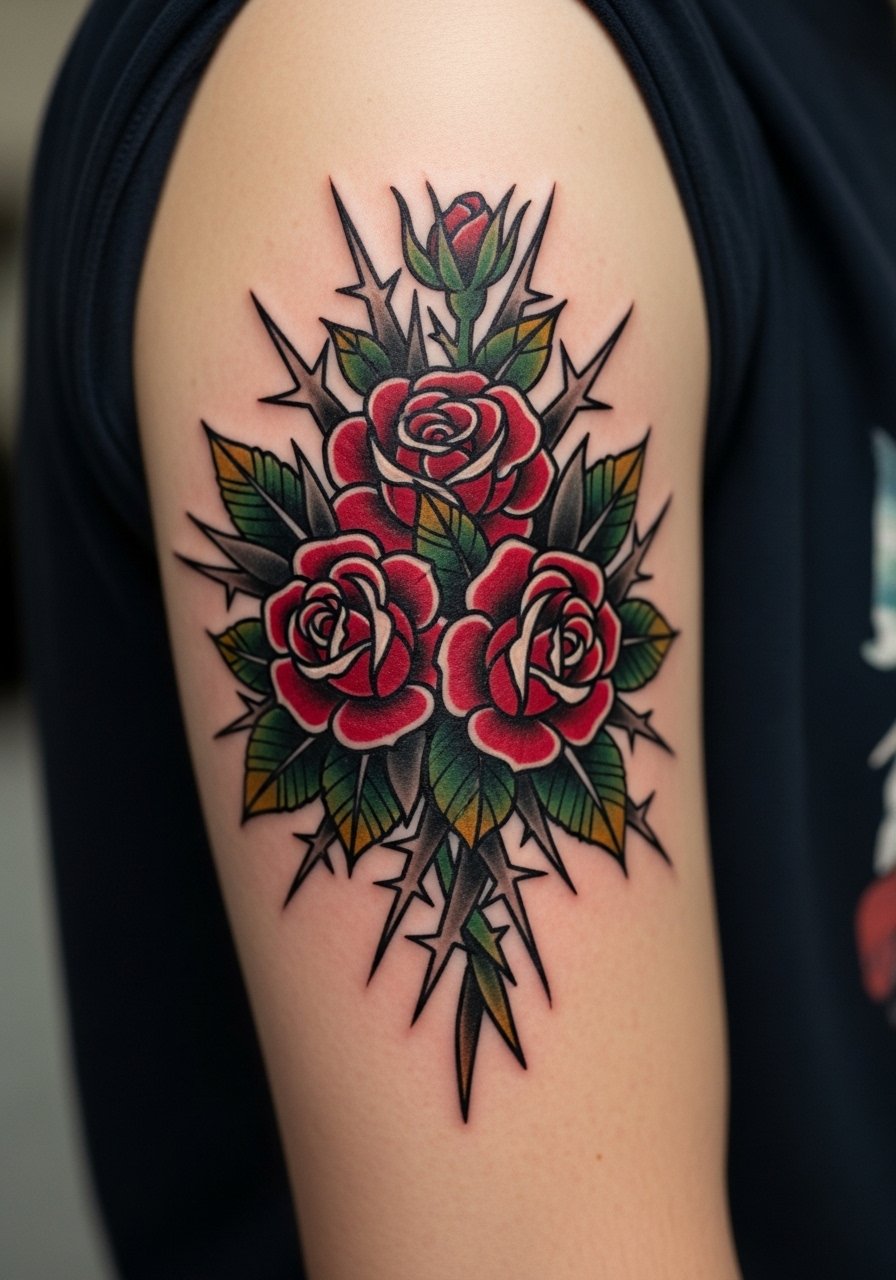
This is the pick for people who want color but still crave an edge. The trick is to ask for heavy outer outlines around the bouquet so color saturation sits inside defined borders, which helps aging. Most artists split a piece like this into two sessions if it is larger than a palm. Upper arm placement means the piece can be shown or hidden easily. Try an open button down shirt you can pull aside during the session and use for showing it off.
5. Dotwork Dead Flower Cluster on Collarbone
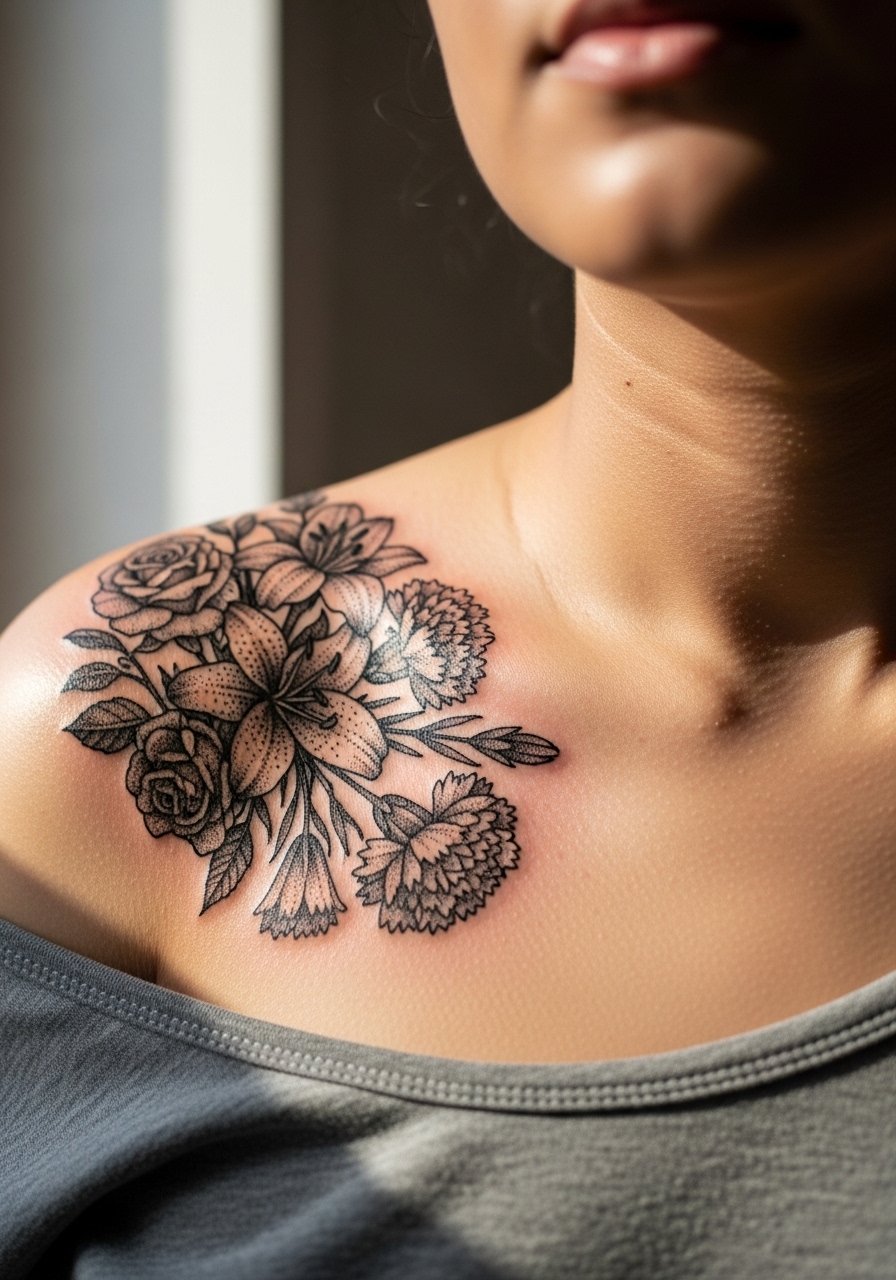
Dotwork brings a meditative, shadowy vibe that ages into texture rather than a flat fade. Collarbone skin is thin and moves with breathing, so request stipple shading that reads at medium scale rather than micro detail that will merge. Expect two sessions for a detailed 3 to 4 inch cluster. For sessions wear a wide-neck shirt pulled slightly aside so the artist has clean access without exposure beyond the tattoo zone.
6. Black and Gray Fine Line Wildflower Sprig at the Wrist
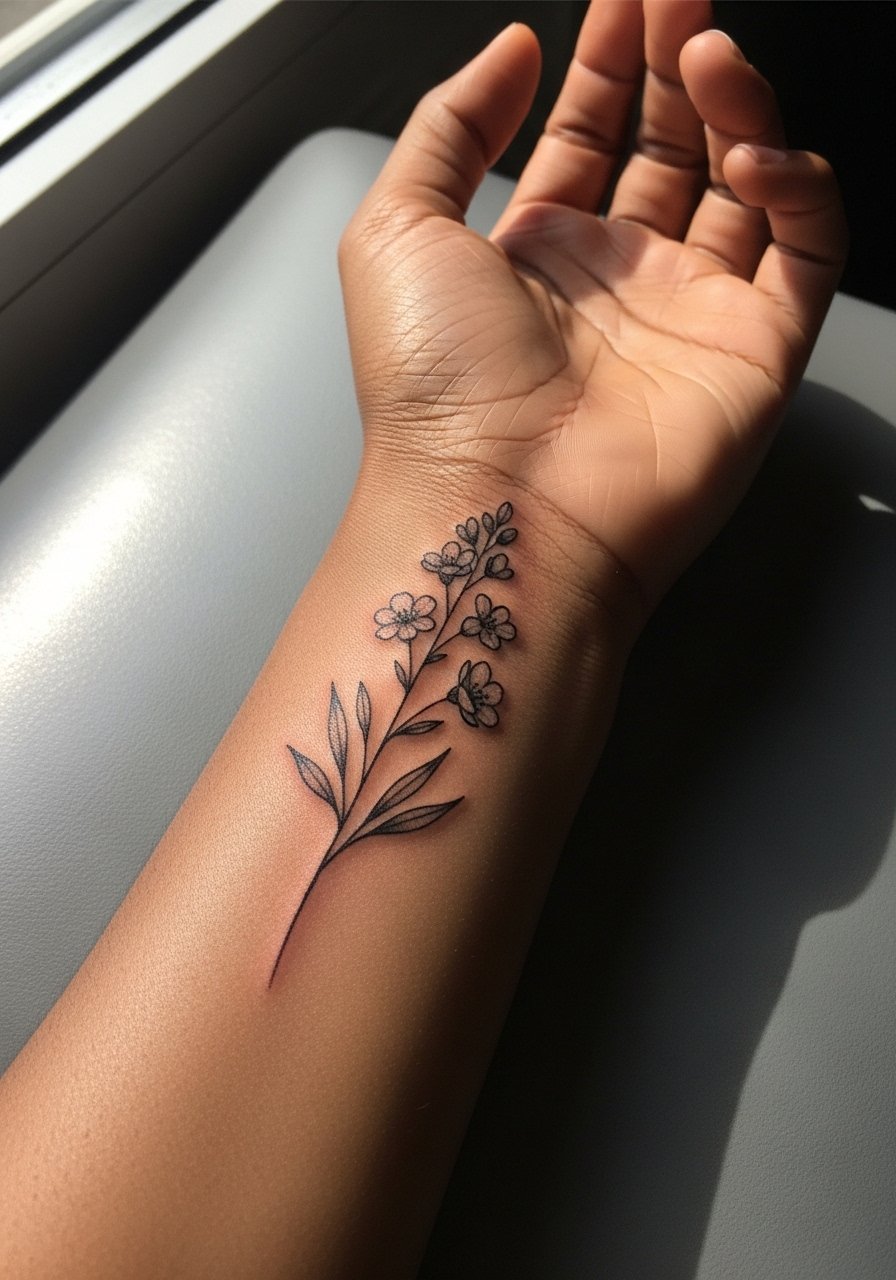
Wrist florals look delicate but take a beating from washing and bracelets. The common mistake is going too thin on line weight. Ask for slightly reinforced outer lines and plan a touch-up every 12 to 18 months if you are active. Sessions are quick, often under an hour for a small sprig, but pain is higher here compared to the forearm. Style it with a thin leather bracelet on the opposite wrist to balance the look without crowding the tattoo.
Studio Day Picks
The first six ideas cover high-motion zones like wrists and forearms plus thin-skin spots like the collarbone, so these items smooth the session and early healing.
-
Black Widow Tattoo Co tea tree salve. A lighter salve some users prefer for blackwork that helps reduce itchy scabs without excessive greasiness on dense shading pieces.
-
Green Sheep Aftercare Balm. Non-greasy balm that works well in humid climates, helpful for fine line pieces in friction zones.
-
H2Ocean tattoo spray. A sea salt based spray praised for dotwork healing and keeping stippling clean on thigh or collarbone placements.
-
Woad ink conditioner. Rare pre-tattoo skin prep mentioned for dark skin tones to reduce inflammation and help initial saturation.
-
Fragrance-free CeraVe Healing Ointment. A thinner alternative to heavier balms for the first few days, useful on fine line work on wrists and forearms.
7. Ornamental Thorny Lotus Mandala on Back or Thigh
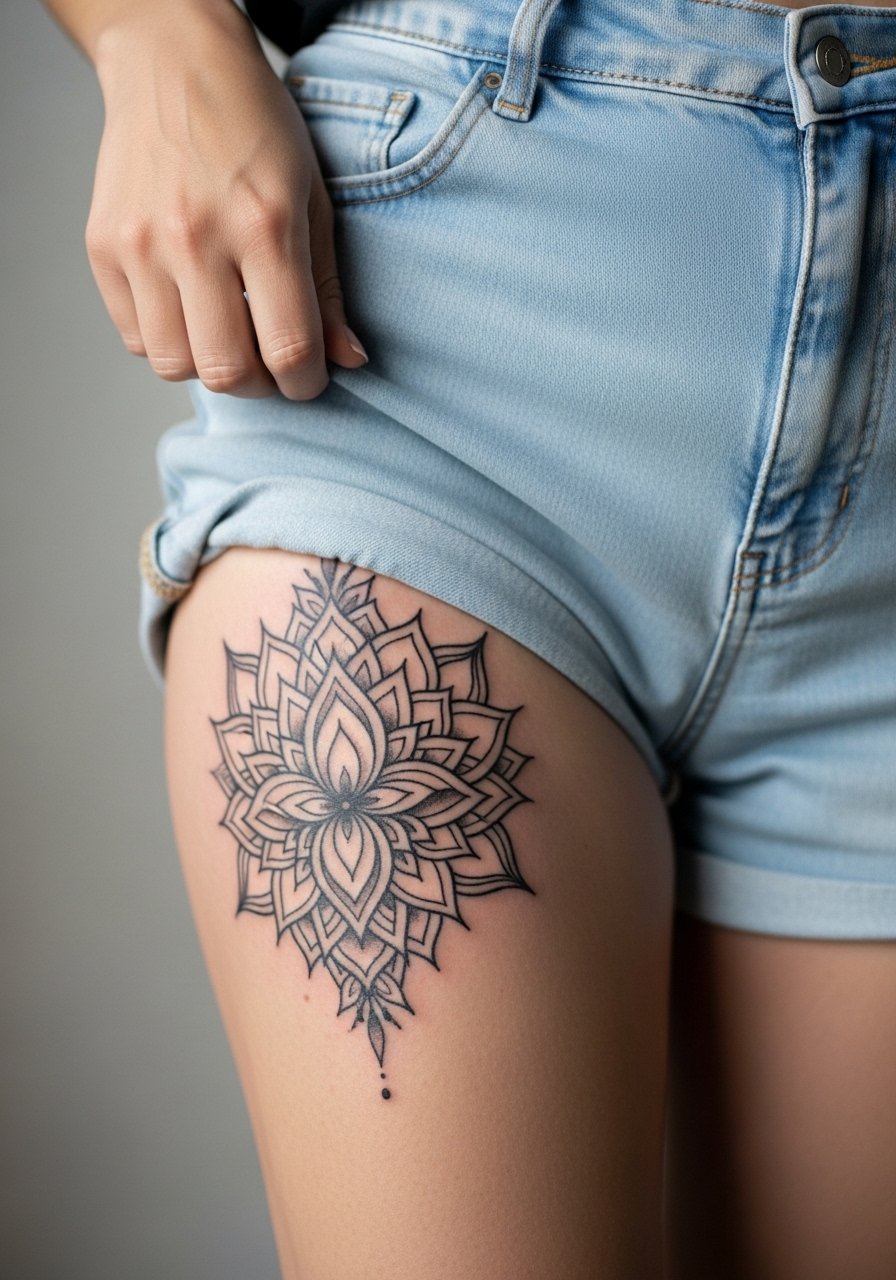
This one pairs geometry with resistant symbolism. The challenge is keeping tiny mandala elements legible. Tell your artist you want negative space in concentric rings so dense areas do not merge over time. Thigh or back placement tolerates scale, and big mandalas often need two to three sessions. For sessions pick high waisted black shorts so the artist can expose the area without you being uncomfortable.
8. Micro-Realism Wilted Daisy with Skull Accent on Inner Bicep
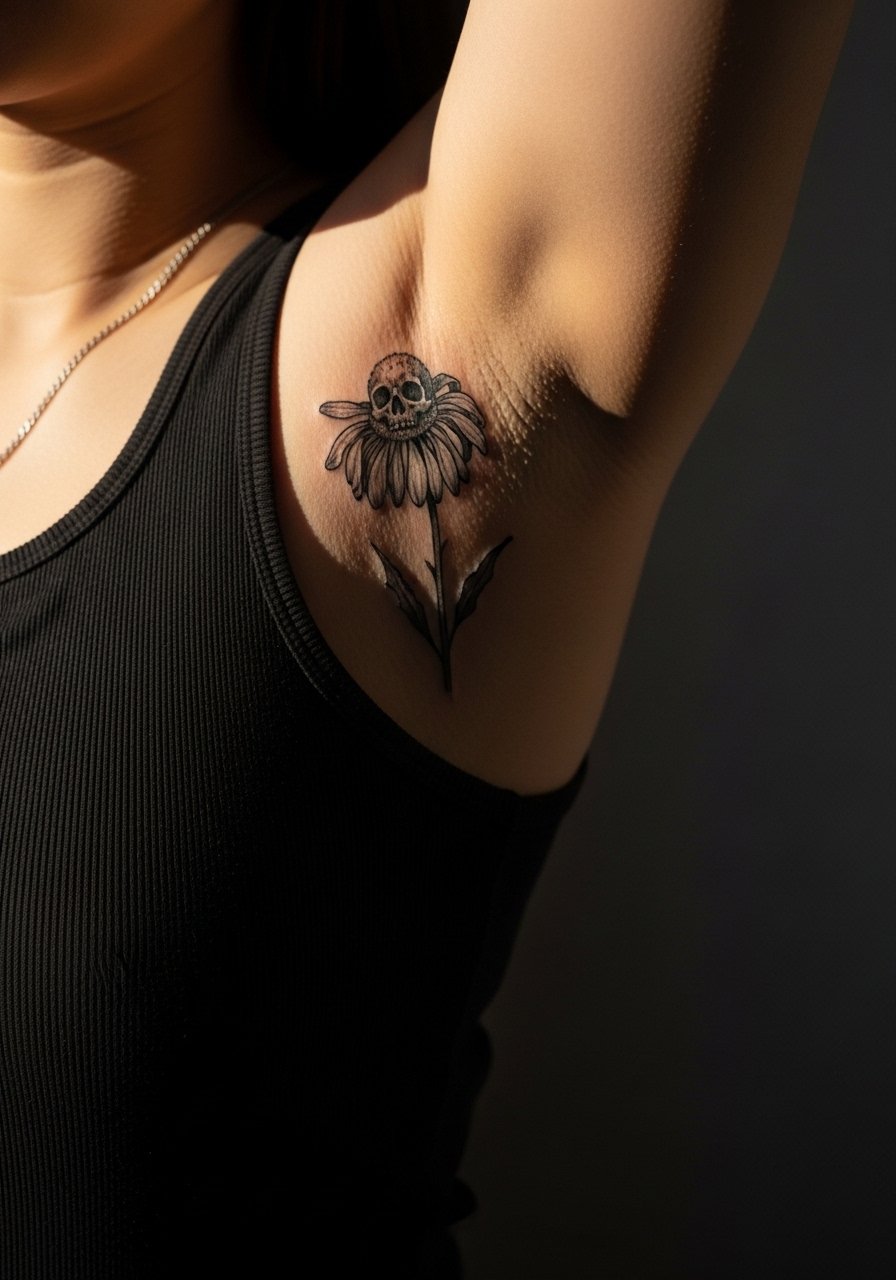
Fine micro-realism reads striking up close but risks blurring if boxed too small. Ask for a slightly larger scale than the reference so shadows have room to breathe. The inner bicep is less prone to sun but can be tender during sessions. Expect a one to two hour session for a 2 inch micro piece and a possible touch-up window at year two. This design nods to decay without being overt.
9. Ignorant Style Oversized Poppy Burst on Calf
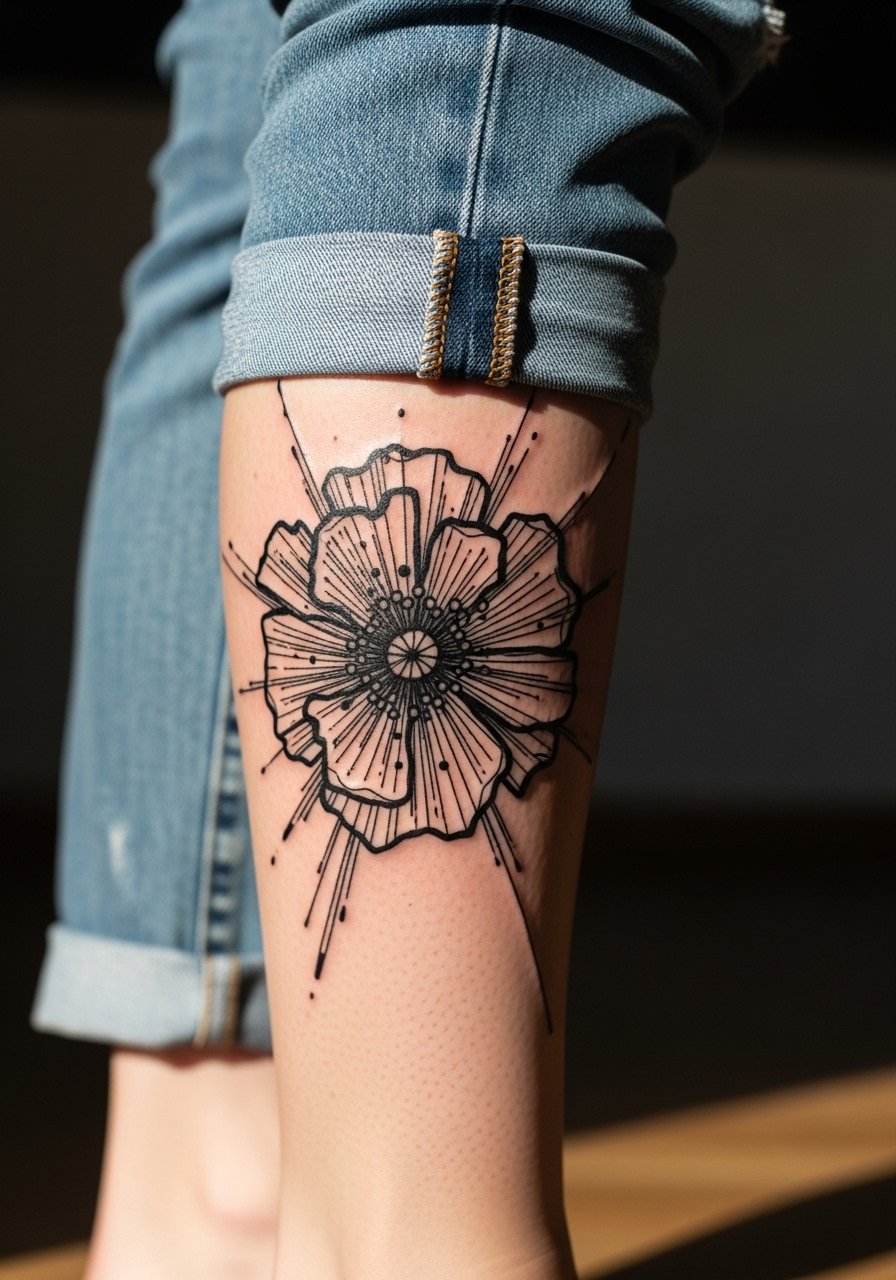
Ignorant style thrives on imperfect, raw lines that warp with movement. Calves are forgiving for bold strokes and look great in shorts. The session can run two hours for a five inch burst and the pain is moderate. The main mistake is over-cleaning during healing which removes desirable texture. Show it off with bootcut skinny jeans rolled up for casual visibility.
10. Watercolor Gothic Rose Splash on the Ribcage
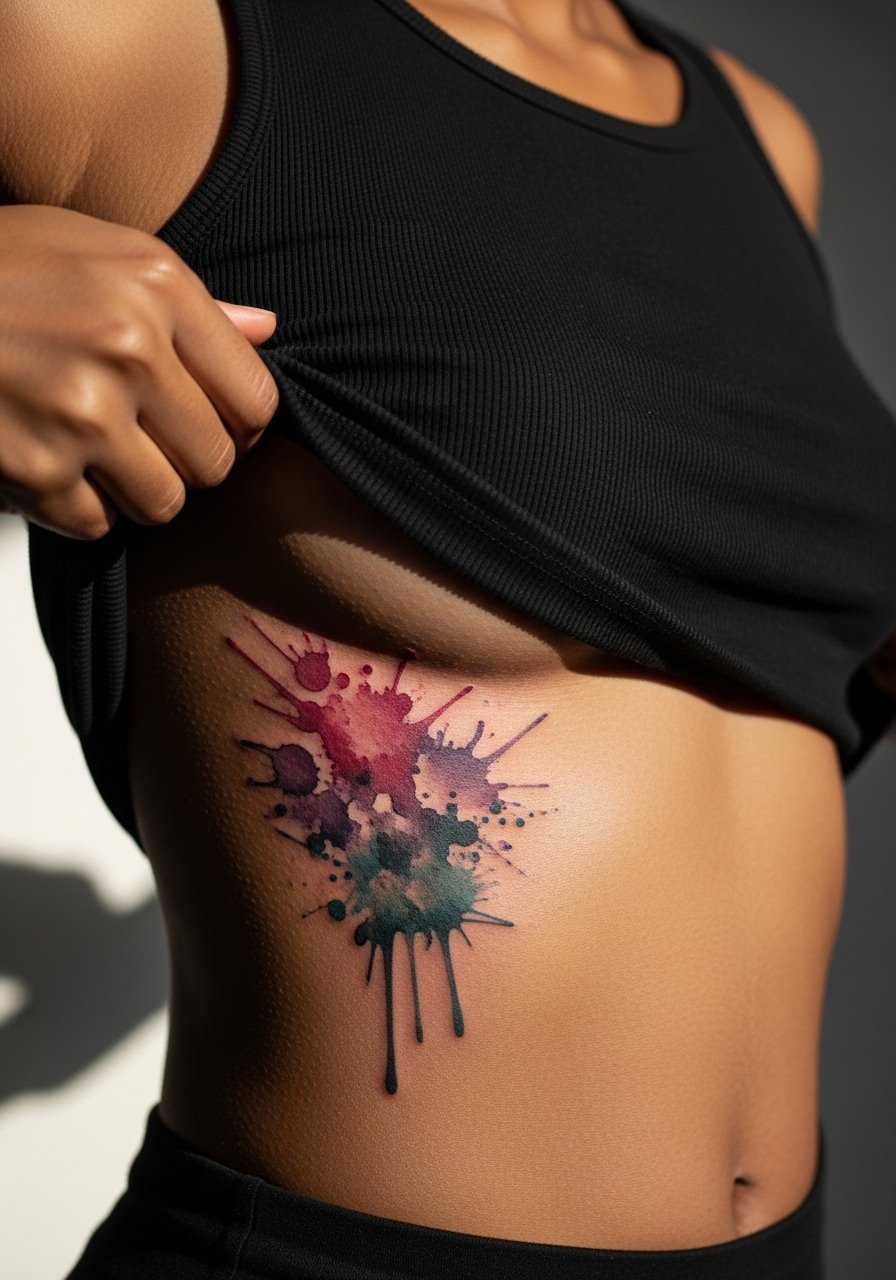
Ribcage sessions are painful and unforgiving if the design is too fine. Watercolor needs larger washes and strategic gray anchors near bones so the piece does not blur into bruising tones. Artists split ribcage work into multiple sittings. Also the controversy over Saniderm versus dry healing surfaces here because large color areas can scab differently. One camp says wrap helps color settle, the other says it traps moisture. Ask your artist which method they use for large watercolor fills before booking.
11. Traditional American Floral with Daggers on Outer Forearm
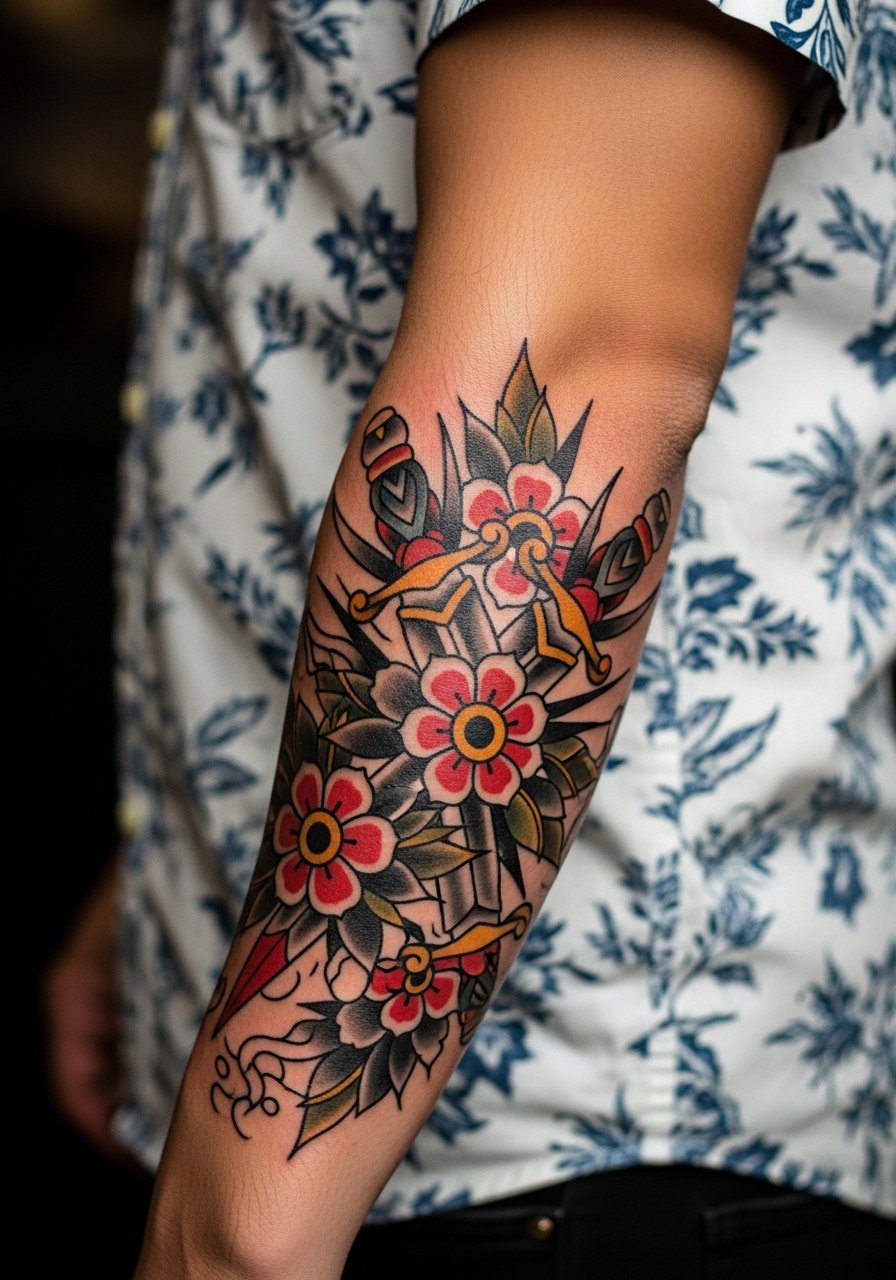
Traditional lines and saturated colors age predictably because the outlines protect pigment. For this edgy twist ask for thorned daggers to intersect the petals rather than sit as separate icons. Outer forearm is a forgiving stage for bold work and sessions typically take two to three hours. For showing off pair it with a black chambray button down with sleeves rolled to spotlight the piece.
12. Blackwork Vine-Entwined Dead Blooms for Sleeves
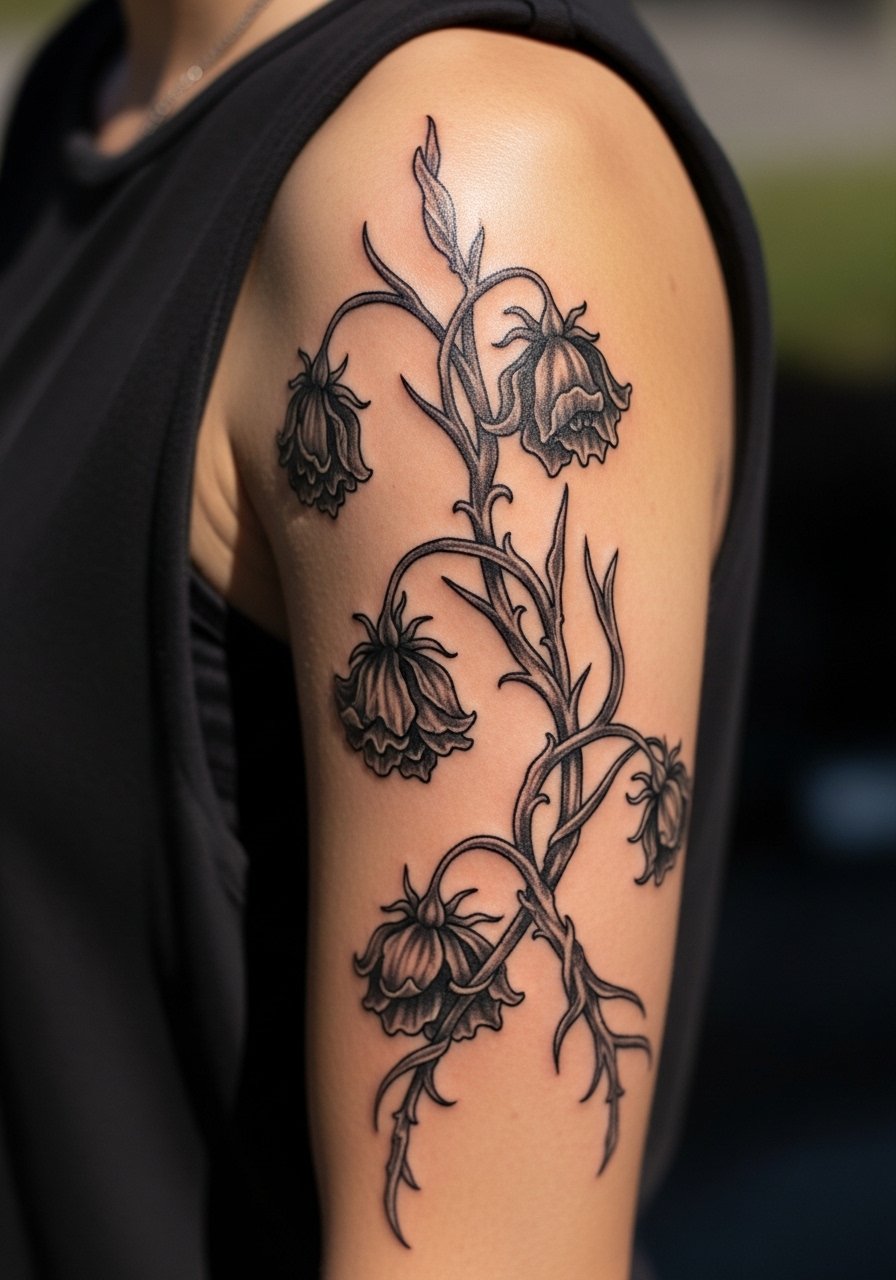
This is a sleeve-building approach where negative space and dense black balance each other. The common error is filling too many small flowers without connective flow. Ask for vine scaffolding that can connect later additions. Blackwork tolerates heavy sessions, but full segments often need multiple appointments and the risk of large areas blending requires strategic breaks. Sleeves allow you to hide or reveal as needed.
13. Minimalist Thorn-Only Outline on Neck or Finger
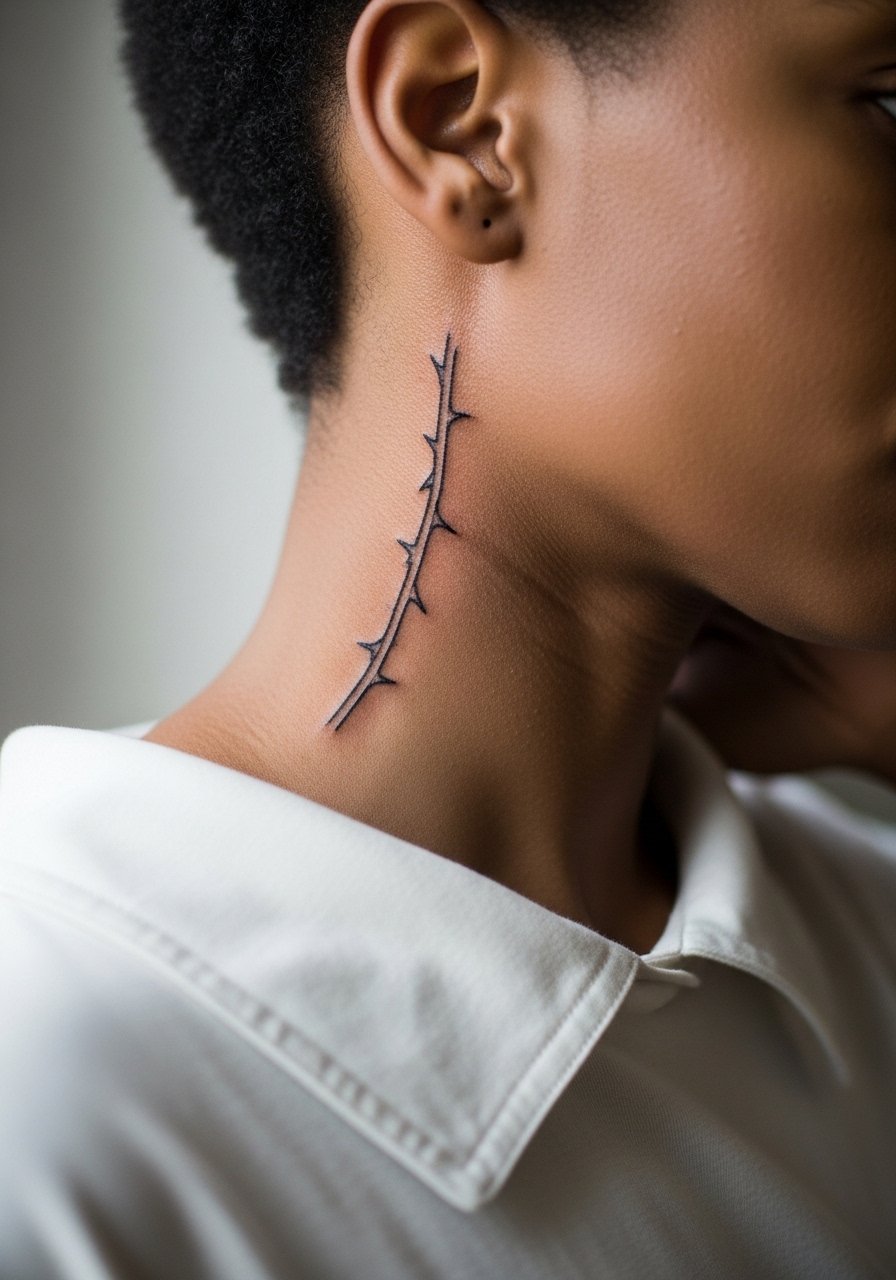
Thorn-only silhouettes are a clever trick if you want edginess without petals. On fingers the linework fades fastest because of constant washing and friction, so prefer the neck if you want longevity. The neck version needs a subtle consult about career considerations because the placement is visible. For the session plan a quick appointment and expect touch-ups earlier on fingers than on neck. A thin leather choker can frame a neck thorn subtly.
14. Bleeding Rose with Stitchwork Accent on Sternum

Sternum tattoos are intimate and painful but dramatic in the right scale. The risk is going too small for complex stitch detail. Ask for slightly bolder linework around the stitched areas and plan for careful aftercare. Sessions may be split to avoid long single sittings over tender bone. Consider a strapless top or sports bra for the session so the artist has clean access.
15. Half-Skeleton Peony on Thigh
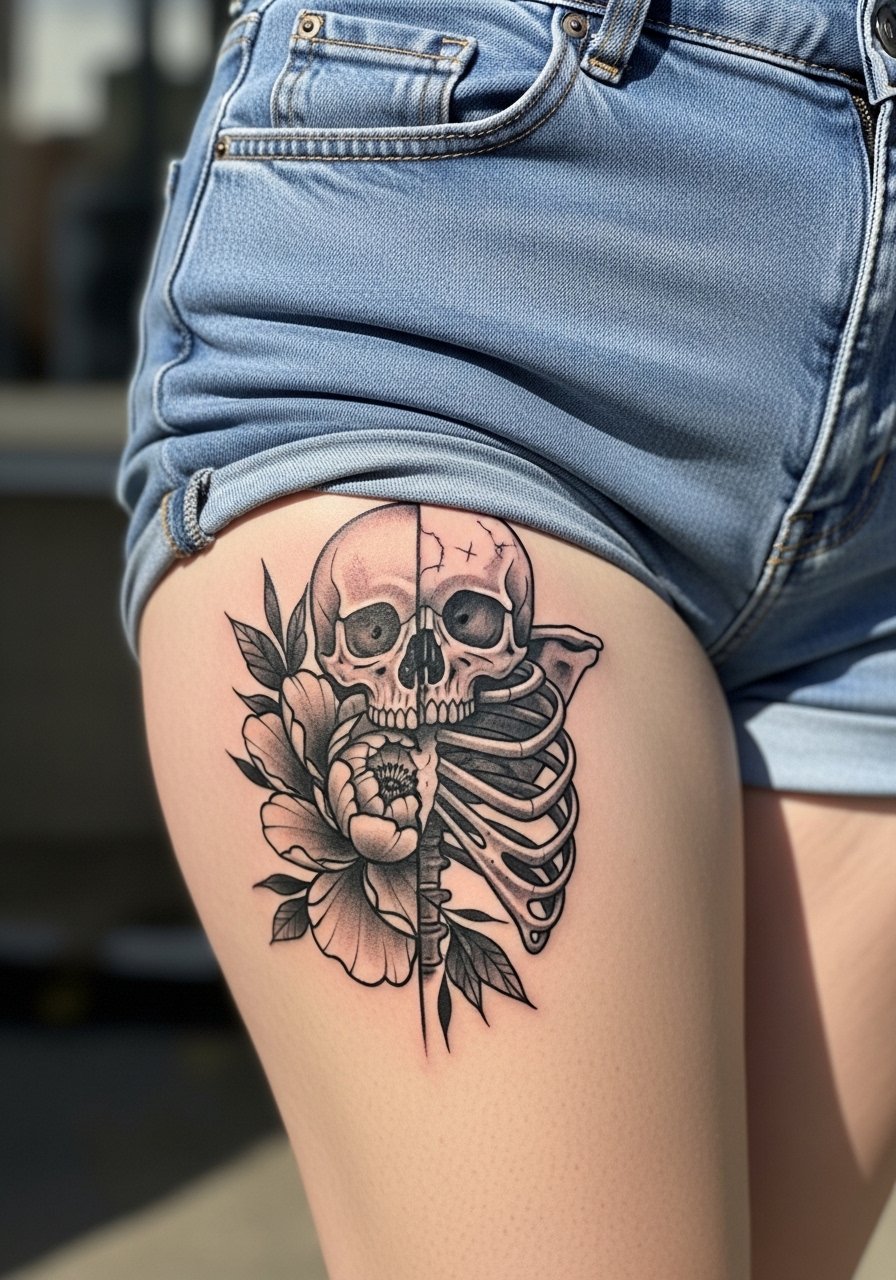
Combining bone elements with florals adds subtle morbidity and reads well at larger scale. Thigh flesh is forgiving and takes shading nicely, which helps micro-realism survive the first years. The typical mistake is compressing too many details into a small footprint. Larger scale means more shading sessions but cleaner longterm results. For the session choose ripped denim shorts you can shift for access.
16. Micro Dotwork Poppy Halo on Collarbone
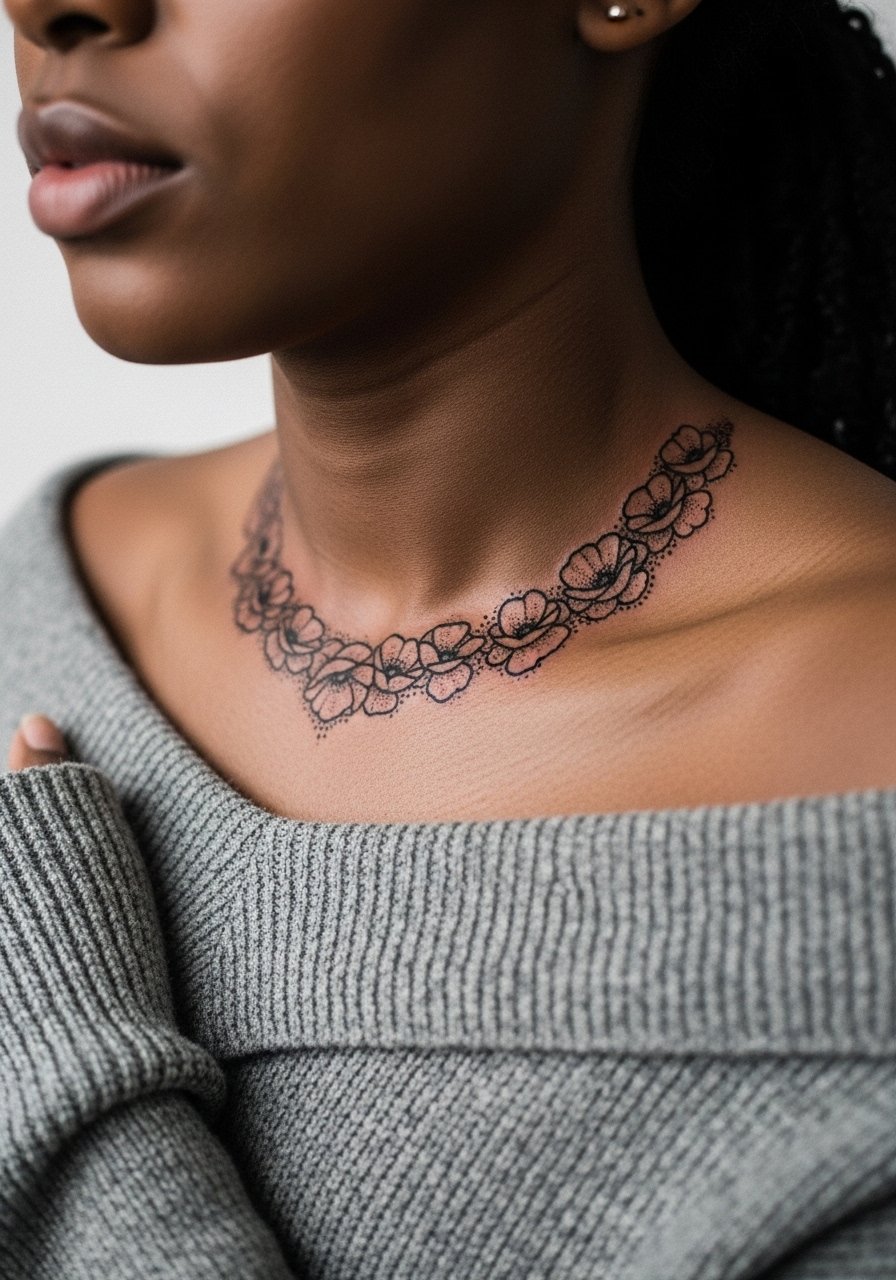
Tiny stippling around the collarbone gives that faintly gothic halo without heavy black. The collarbone moves with breathing so tell your artist you prefer slightly larger dots to prevent merging. Dotwork often settles into texture rather than vanish, but expect touch-ups at two to three years if you want the halo crisp. Pair it with an off shoulder sweater that frames the area.
17. Floral Chain with Daggers for Calf Wrap
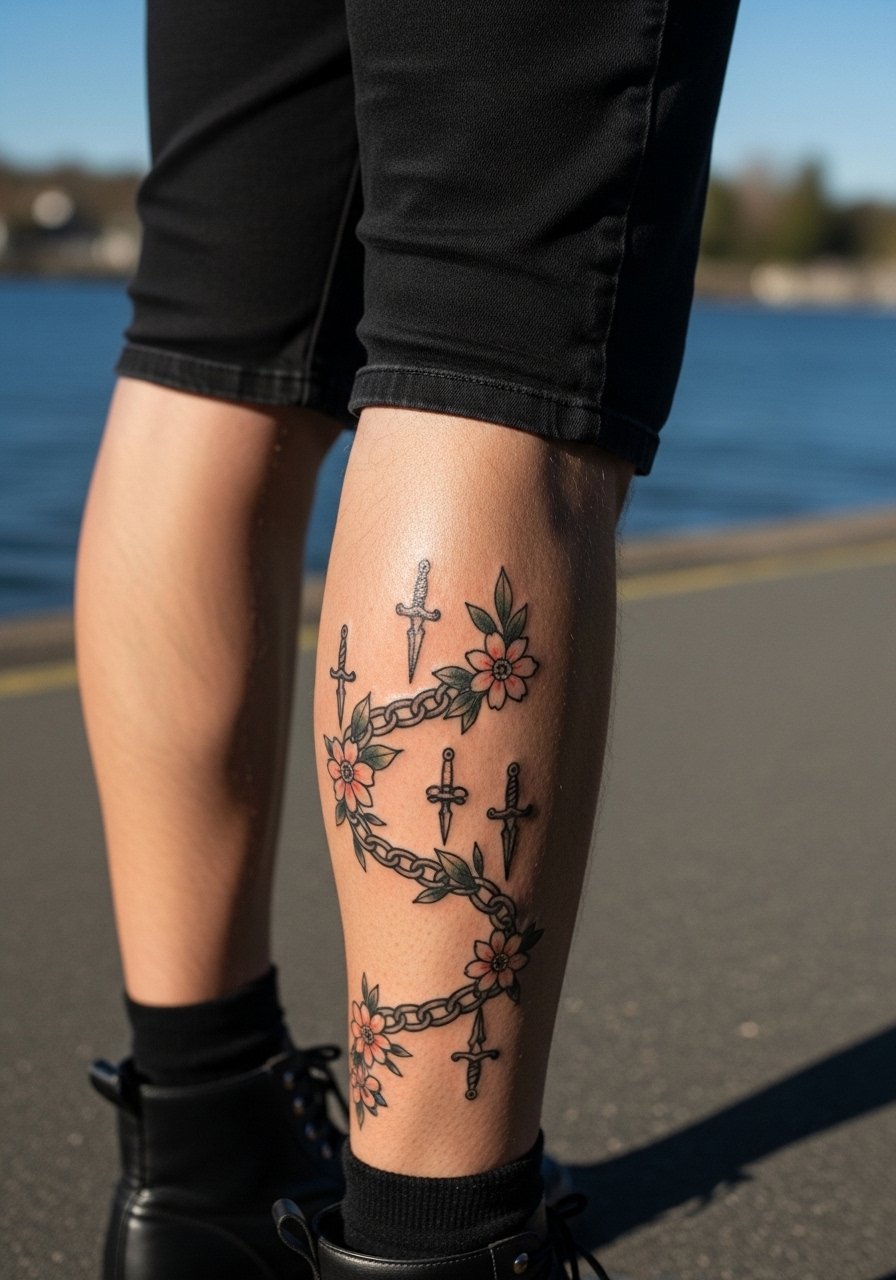
Calves are great for wrap-around motifs that flex with muscle. The risk here is making the chain too tight which breaks when you move. Ask for breaks in the pattern and for the daggers to punctuate rather than overwhelm. Sessions are moderate in pain and usually done in one or two sittings. Show off with mid calf shorts rolled just so.
18. Vintage Botanical Scan Flower with Edgy Labels on Ribcage
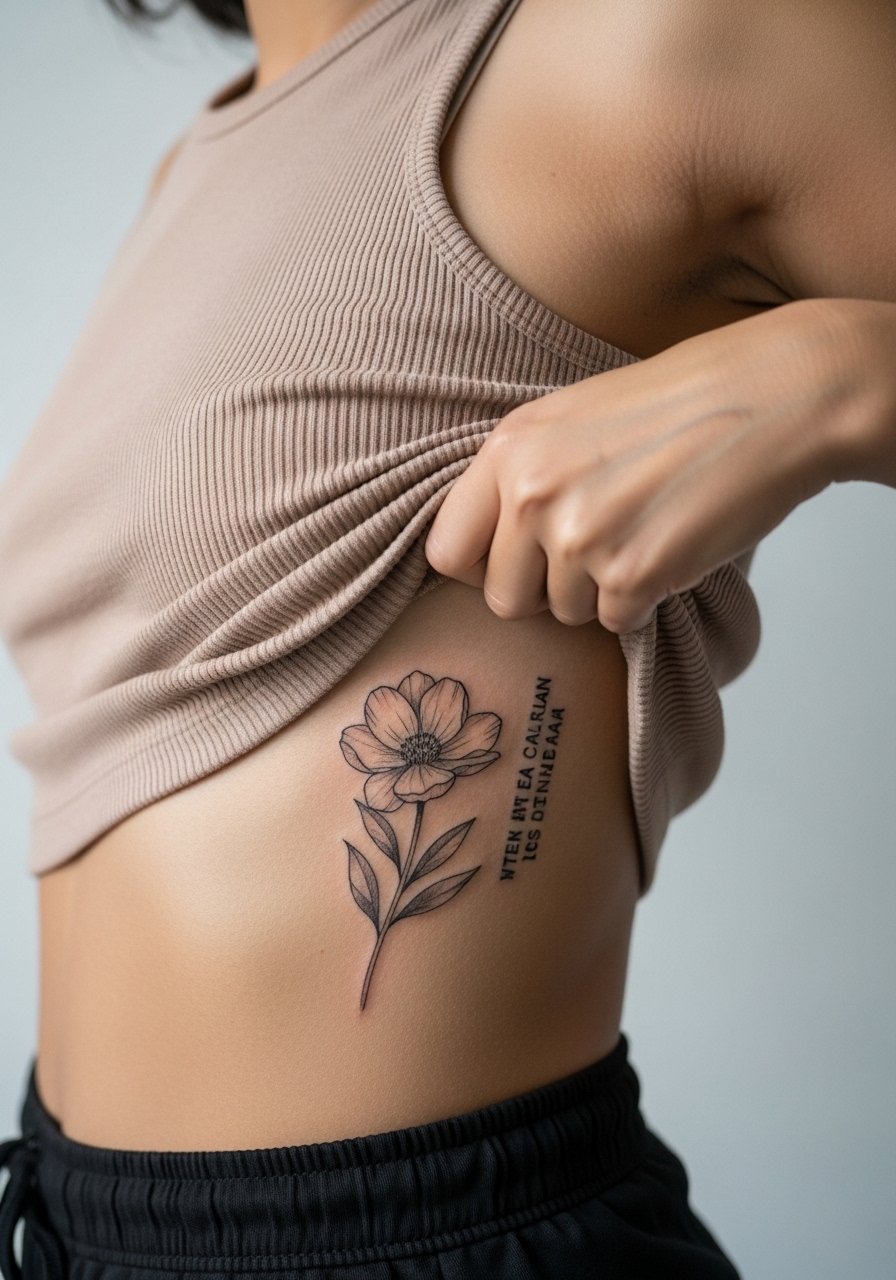
This nostalgia angle uses scanned botanical lines with tiny labels for a museum look. Ribcage demands careful spacing because the thin skin can blur micro text. If you want labels, have the artist render them larger than you think. Two camps disagree on fine line on ribs. One camp says the skin stretch blurs lines within two years. The other camp argues that with proper depth and spacing fine line settles fine. Ask your artist where they land before booking.
19. Dark Floral Sleeve Connector with Dense Black Panels
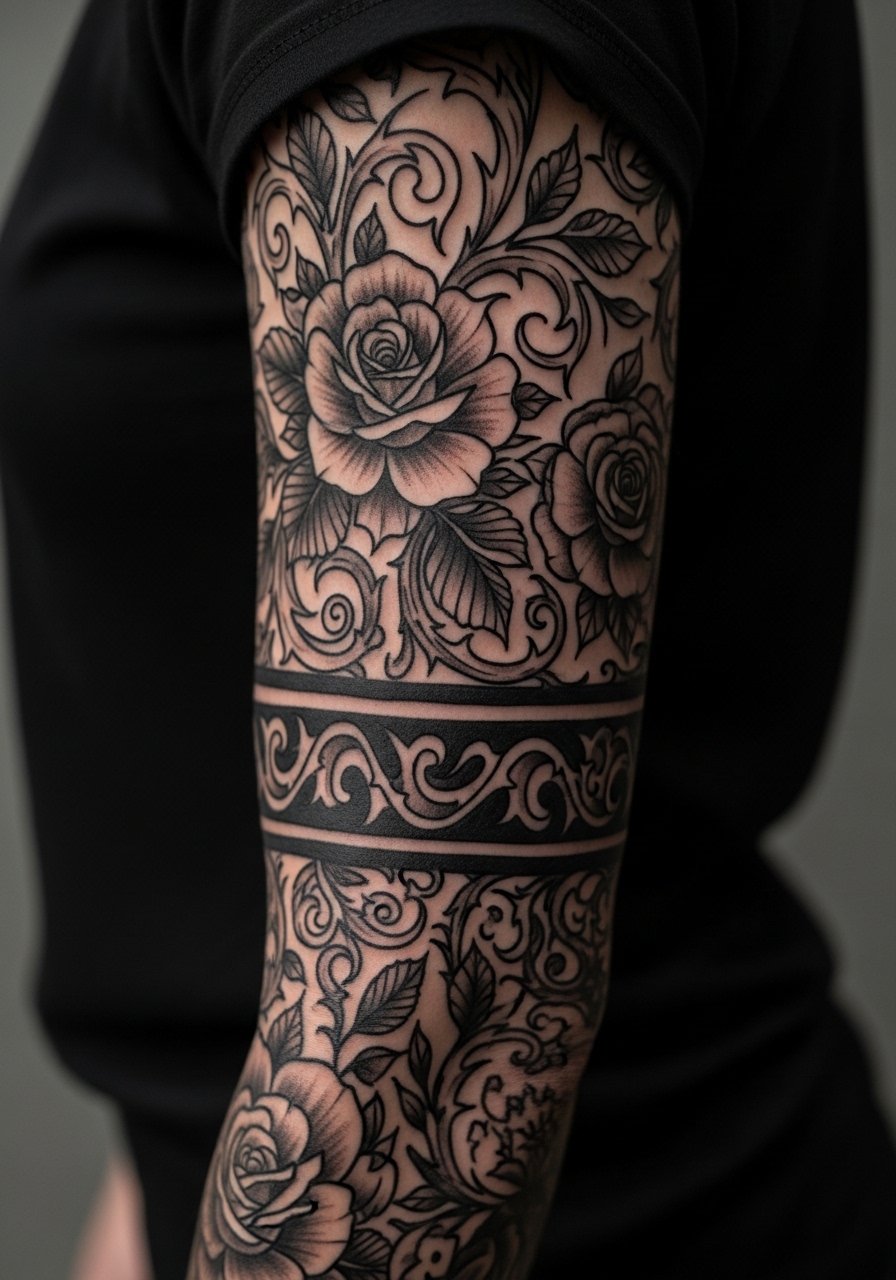
If you are building a sleeve this connector style uses black panels to link disparate pieces and creates negative space drama. The common mistake is not planning future fills, which makes later additions feel forced. Instead, ask for removable scaffold vines that can guide future work. Large black panels take multiple sessions but age predictably.
20. Minimalist Wildflower Stack on Ankle
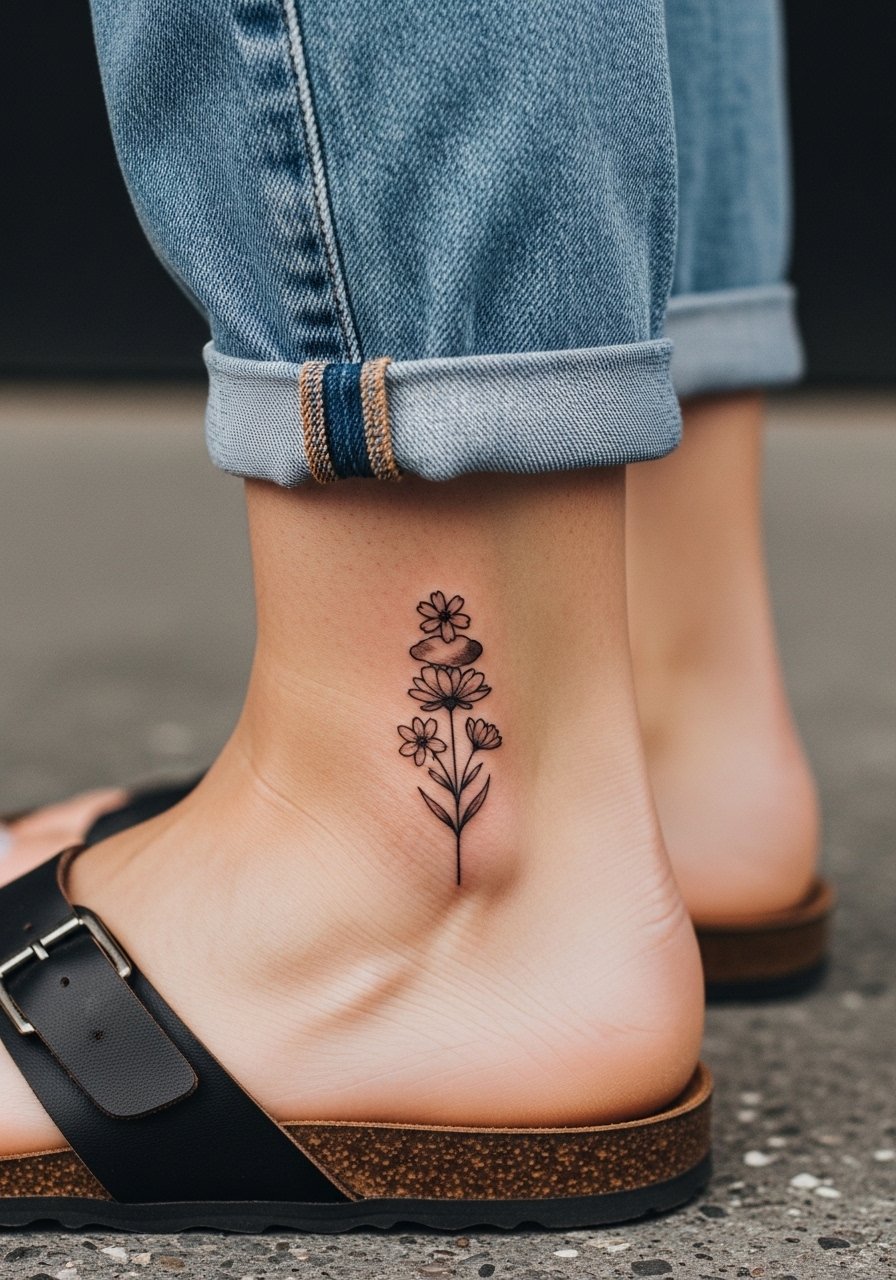
Ankle pieces are seasonal show-offs but pay the price in fast fading due to friction from shoes. Ask for reinforced outer lines and avoid tiny petal dots. Expect a touch-up within 12 to 18 months if you walk a lot. For visibility style with strappy flat sandals in summer to give the tattoo room to breathe.
21. Black and Gray Peony with Lace Overlay on Shoulder Blade
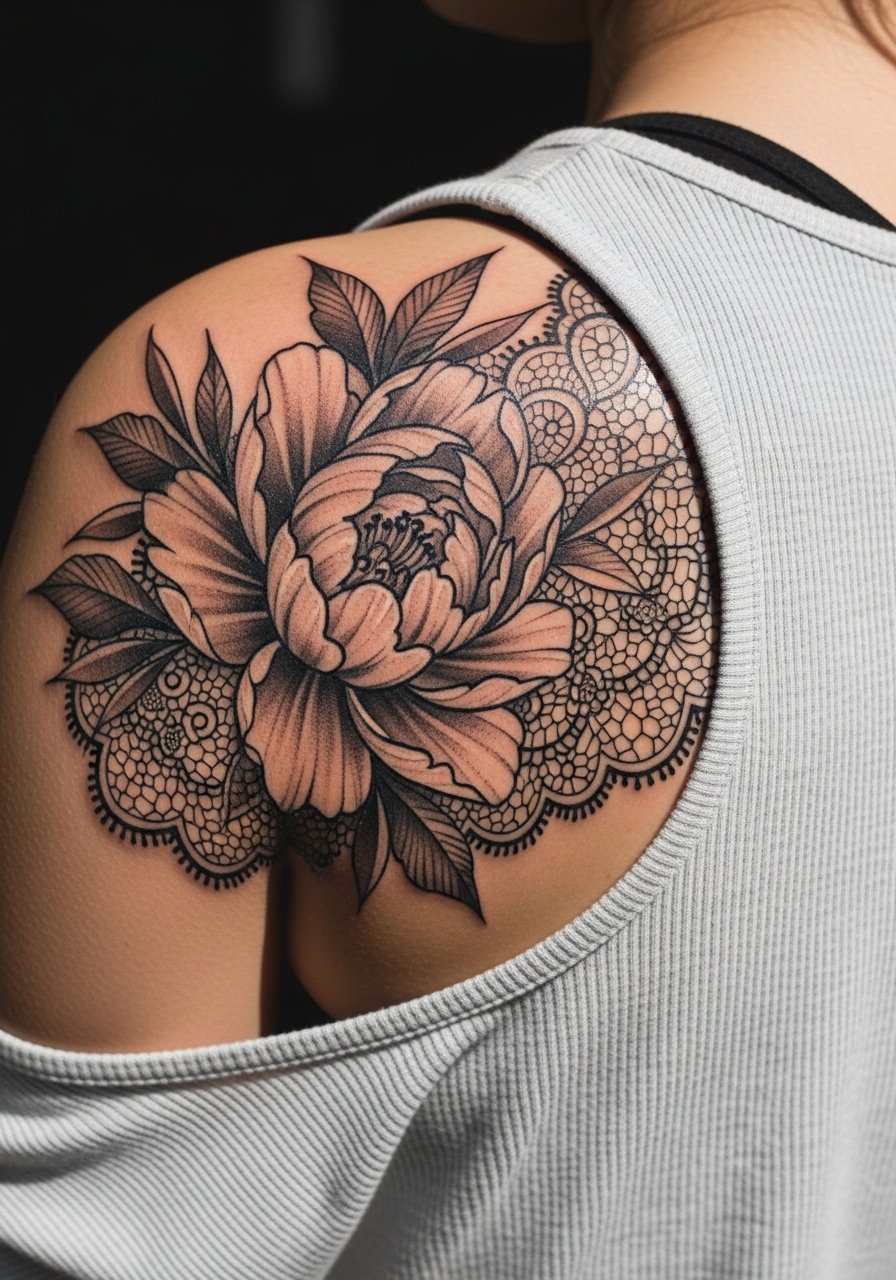
Shoulder blade pieces sit nicely under clothing and age well because sun exposure can be controlled. Lace overlays need contrast so request deeper grays in the lace and softer grays in the flower. Sessions are moderate length and healing is straightforward. Wear a racerback tank for the session so the artist has access.
22. Dead Sunflower Cluster with Subtle Script on Outer Thigh
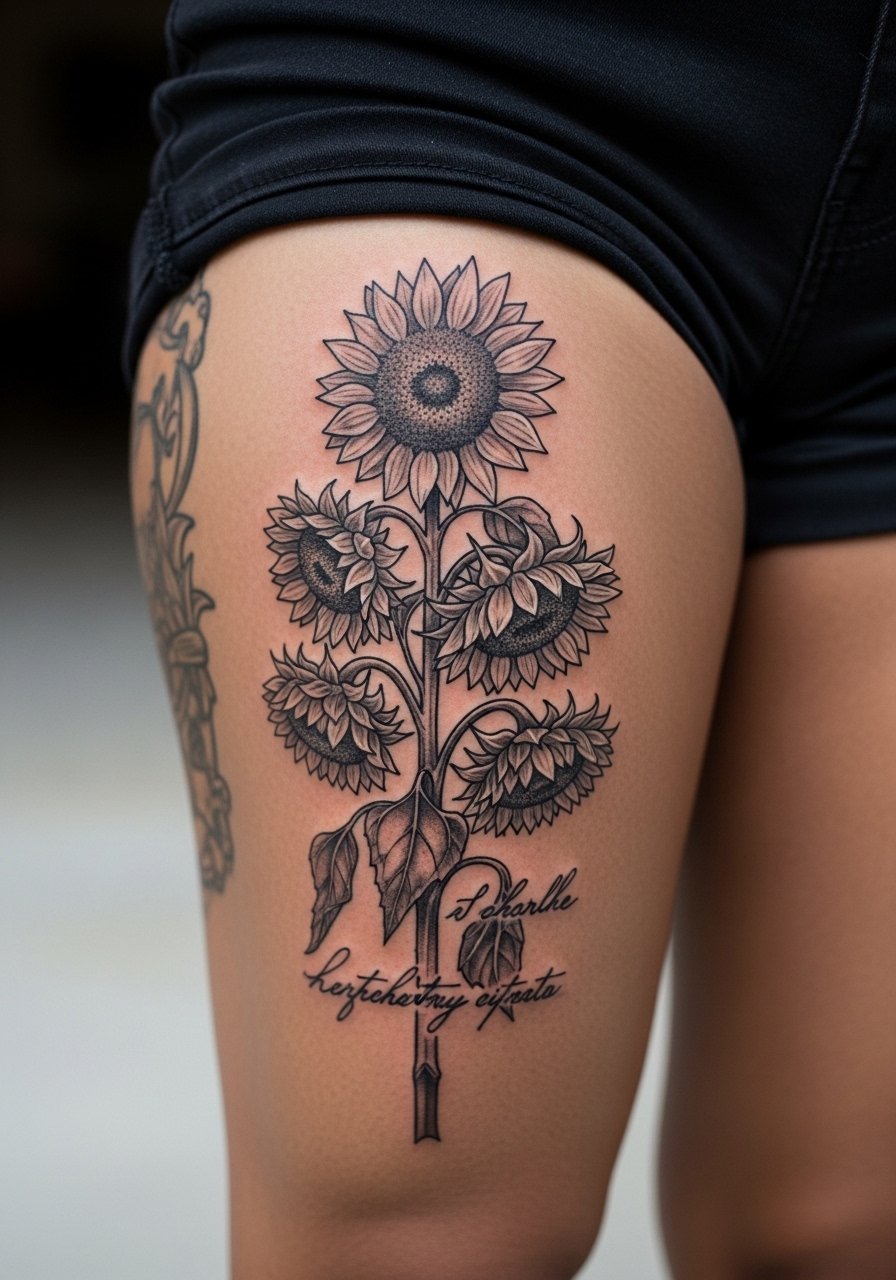
Thigh works for memorial florals because of scale and privacy. Micro script next to dead blooms needs room to read, so scale up letter height. Expect two sessions for a 4 inch cluster. For the appointment pick loose jogger pants you can slide for access without constricting the area.
23. Stippled Chrysanthemum with Geometric Frame on Collarbone
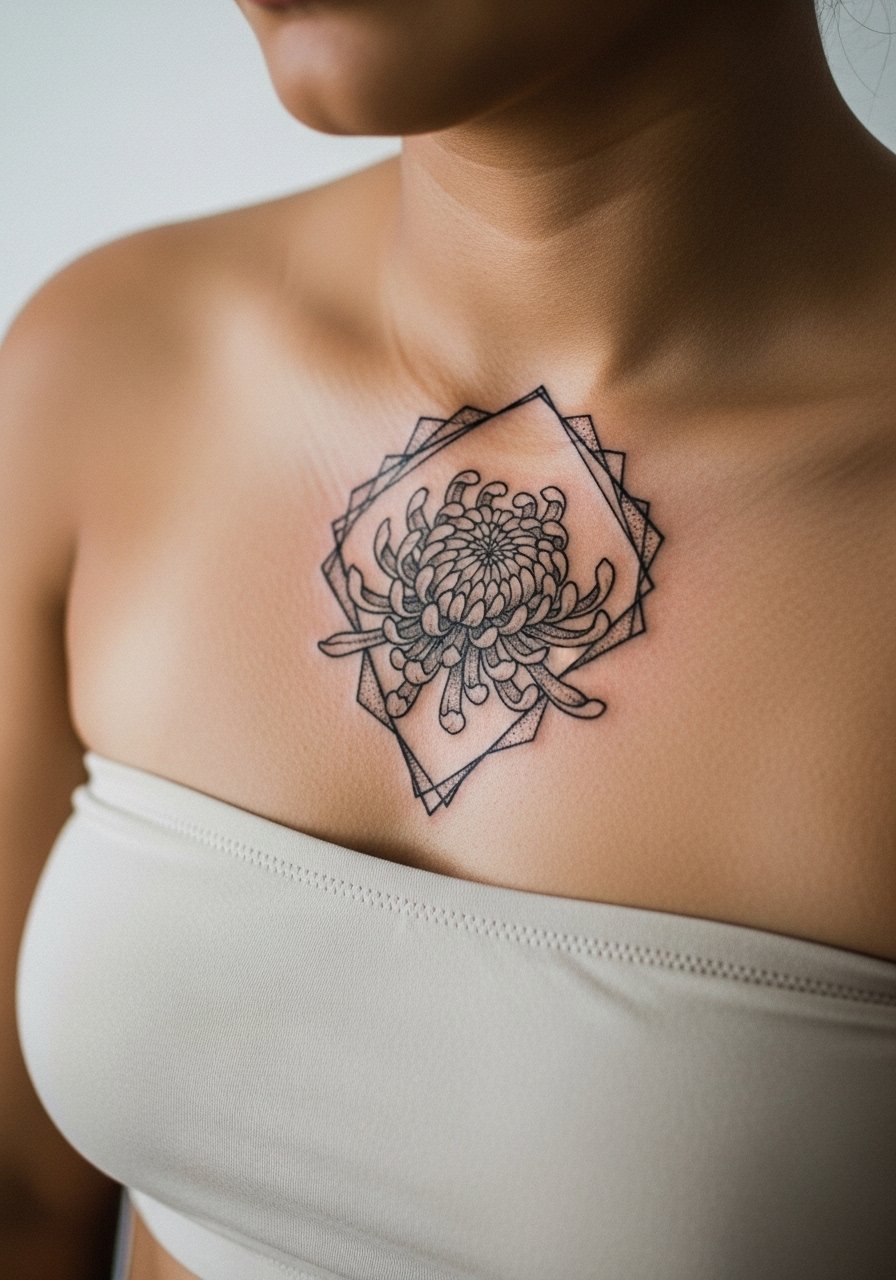
Combining geometry with stipple brings structure to floral softness. The collarbone placement calls for a close consult about spacing so the geometric frame does not crowd bone. Sessions for detailed stippling take time but age into texture rather than flat loss. Pair with a strapless bralette for evening wear that highlights the angle.
24. Thorn-Only Silhouette for Joint Areas
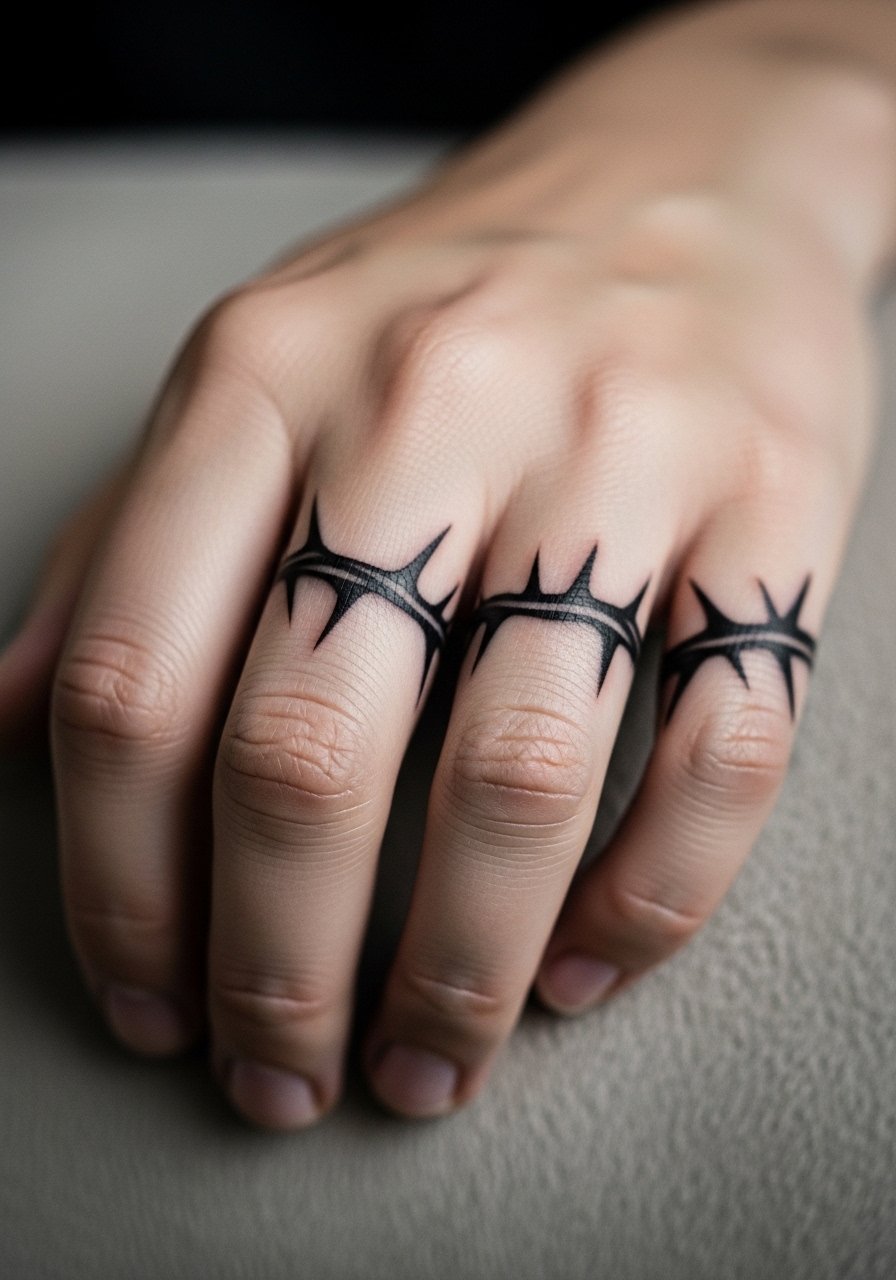
This under-covered idea is smart for joints because thorns keep meaningful shape even after skin stretches. The design intentionally has no petals so there is less detail to lose. Fingers require small scale and frequent touch-ups, so consider the knuckle junction where the silhouette will read despite wear. For the session expect a quick but precise appointment and plan touch-ups sooner than wrist work.
25. Watercolor Gothic Rose with Gray Wash on Rib Side
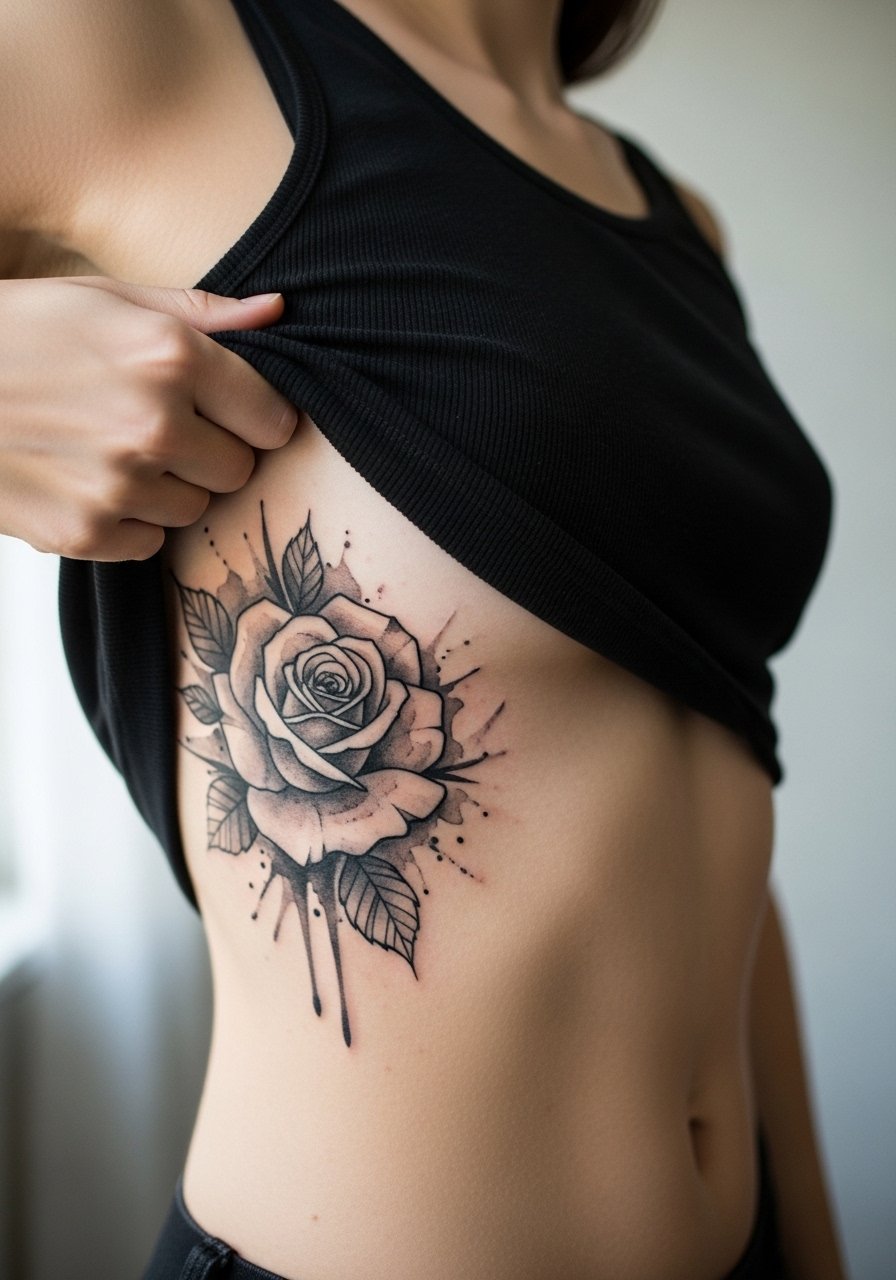
If you want painterly drama but worry about longevity, ask for gray or black anchors around the watercolor to hold shape as pigments fade. The rib side is a high pain area and needs staging into sessions to avoid fatigue. The summer healing debate about saltwater and swimming applies here, so avoid extended sun and sea during the first month.
26. Micro-Realism Single Poppy with Ignorant Smudge on Calf
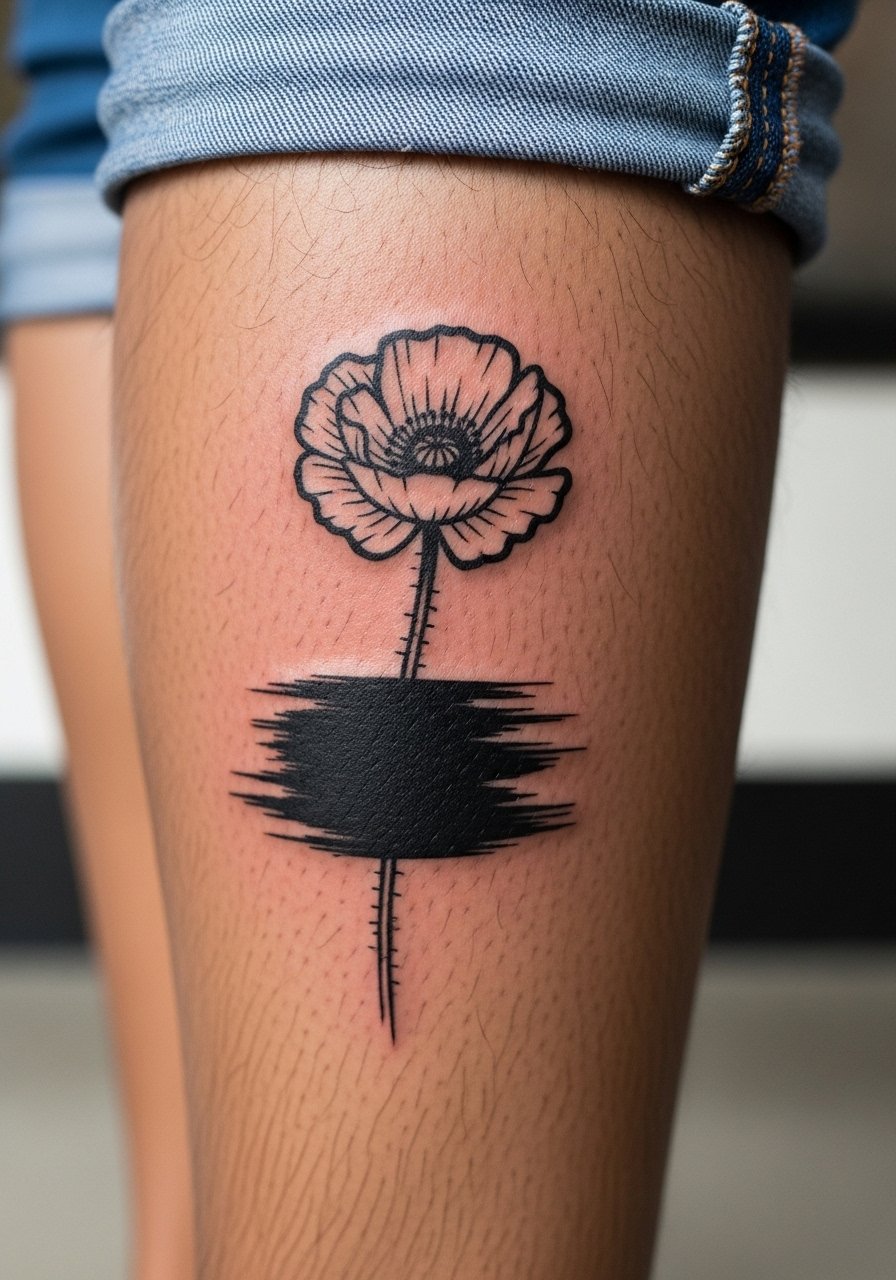
This hybrid mixes precision with purposeful mess. Calves are forgiving, so you can combine crisp center petals with smudged edges and let movement warp the smudge in interesting ways. Sessions are moderate and pain is low to moderate. The main mistake is overdefining the smudge during healing. Wear shorts or capris for the session so the artist has clear access.
27. Blackwork Vine with Dead Blooms for Full Sleeve Segment
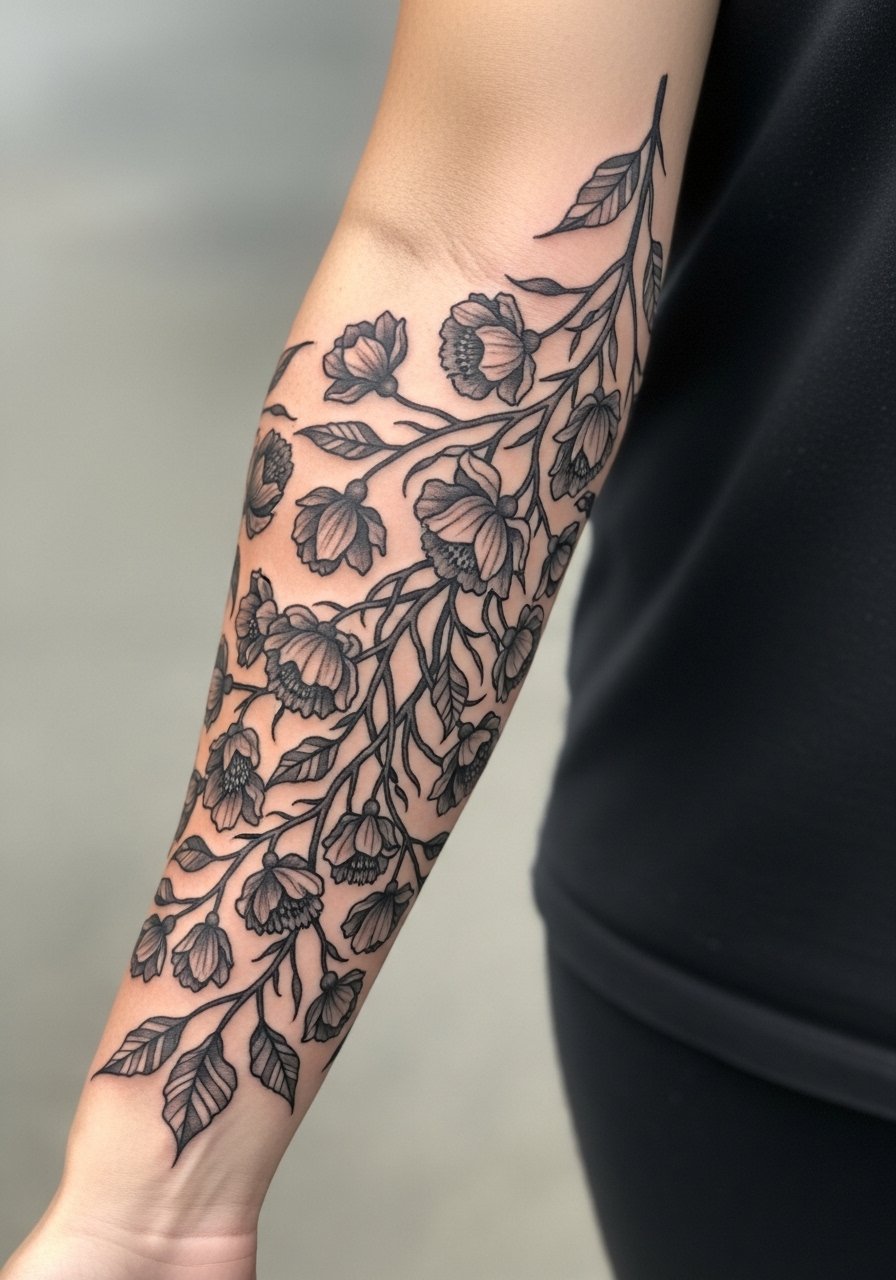
End with a piece built to age into texture. Full sleeve segments rely on rhythm, not isolated blooms. If you plan to expand later, ask for flexible negative spaces between the blooms for future fills. Large black panels help the sleeve read as one piece. Sessions will span multiple appointments and touch-up planning is part of the build.
Frequently Asked Questions
Q: Will fine line roses on my forearm need touch-ups more often than blackwork pieces?
A: From what I have seen fine line pieces on high-friction areas like forearms typically need touch-ups sooner. Fine single-needle petals can blur as early as year two. If you want the look but less maintenance, ask the artist for slightly stronger outer lines or small black anchors inside the design.
Q: Which healing method is better for a ribcage watercolor tattoo, Saniderm or dry healing?
A: Artists and collectors split into two camps on this. One camp prefers Saniderm for large color areas because it can reduce scabbing. The other camp favors dry healing to avoid trapped moisture on delicate linework. The right choice depends on your skin type and your artist's experience with large color pieces.
Q: Are dotwork floral clusters safer on collarbones than fine line versions?
A: Yes, dotwork often holds texture rather than crisp lines, so collarbone stippling tends to age into a soft shadow instead of losing legibility entirely. If you want a collarbone piece to look good at year five, ask for larger dot spacing and avoid micro hairline details.
Q: How do I prepare clothing for a thigh or rib tattoo session to stay comfortable?
A: Pick loose session wear you can shift without stretching the area. For thigh work choose loose jogger pants or high-waisted shorts. For rib sessions a cropped tank or sports bra that can be lifted slightly gives the artist access and keeps you comfortable.
Q: Can dark skin still show fine line florals clearly, or should I go blackwork?
A: Darker skin tones sometimes need slightly bolder line weight or subtle shading to read in photos. Many people on darker skin opt for blackwork edges or small shading to preserve contrast. Discuss pigment choices and contrast with the artist before booking.
Q: What is the realistic pain expectation for sternum or rib placements compared with forearm pieces?
A: Sternum and ribs are generally higher on the pain scale because of bone proximity. Forearms and calves are moderate and often more forgiving for a first time. Eat a protein-rich meal before long sessions and plan breaks so you do not fatigue.
Q: How can I avoid an artist changing my custom floral design during the session?
A: Bring printed references and confirm a final mockup in person before the needle touches skin. Politely insist on a signed or photographed approved stencil if that makes you comfortable. That prevents mid-session edits that you did not agree to.