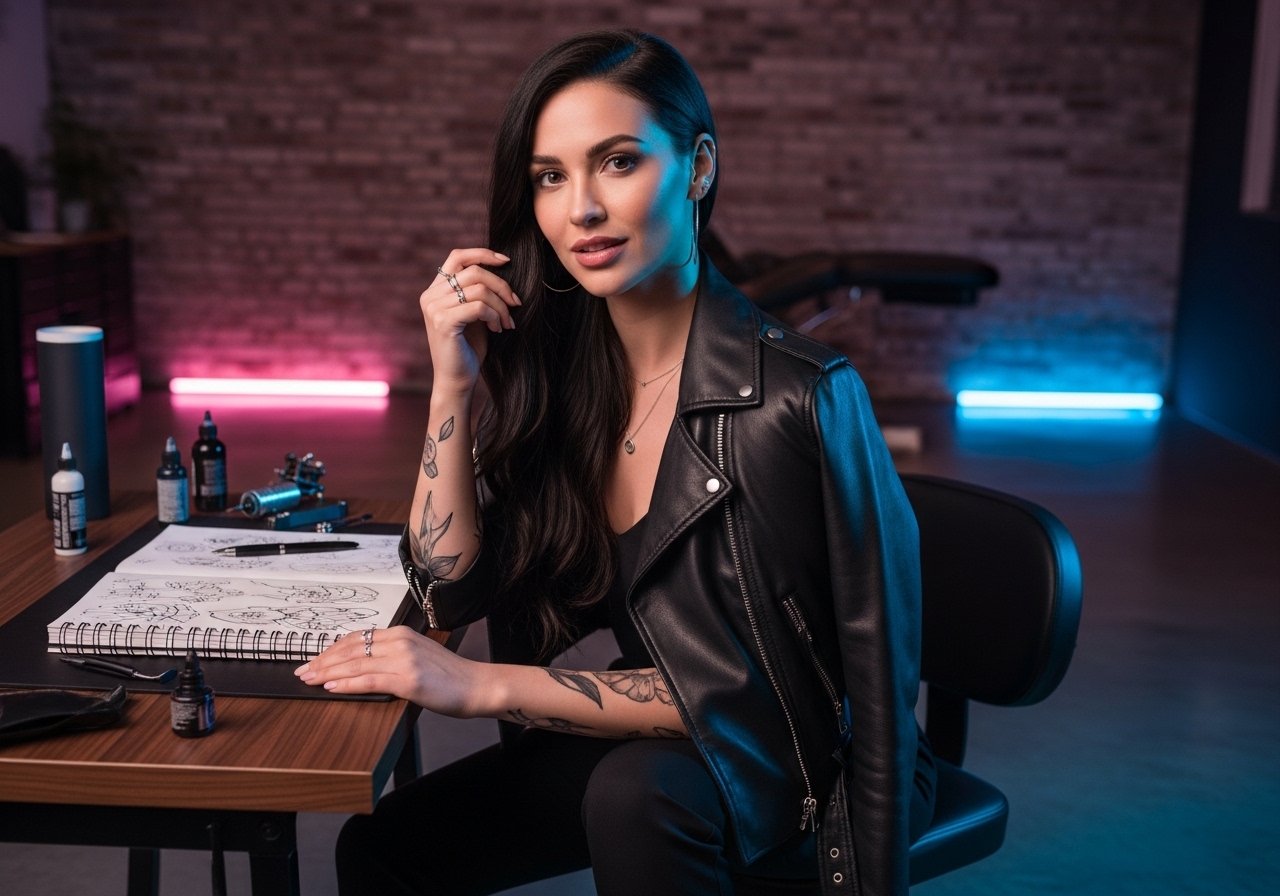
Fine line palm tree tattoos are everywhere online, but the pieces that still read clean after a few years are chosen for placement and spacing more than for trend. Pick the right scale and tell your artist exactly how you want the trunk and fronds to breathe on skin, and you get a small piece that ages well. Below are 17 palm tree ideas with notes on longevity, session feel, and how to wear them.
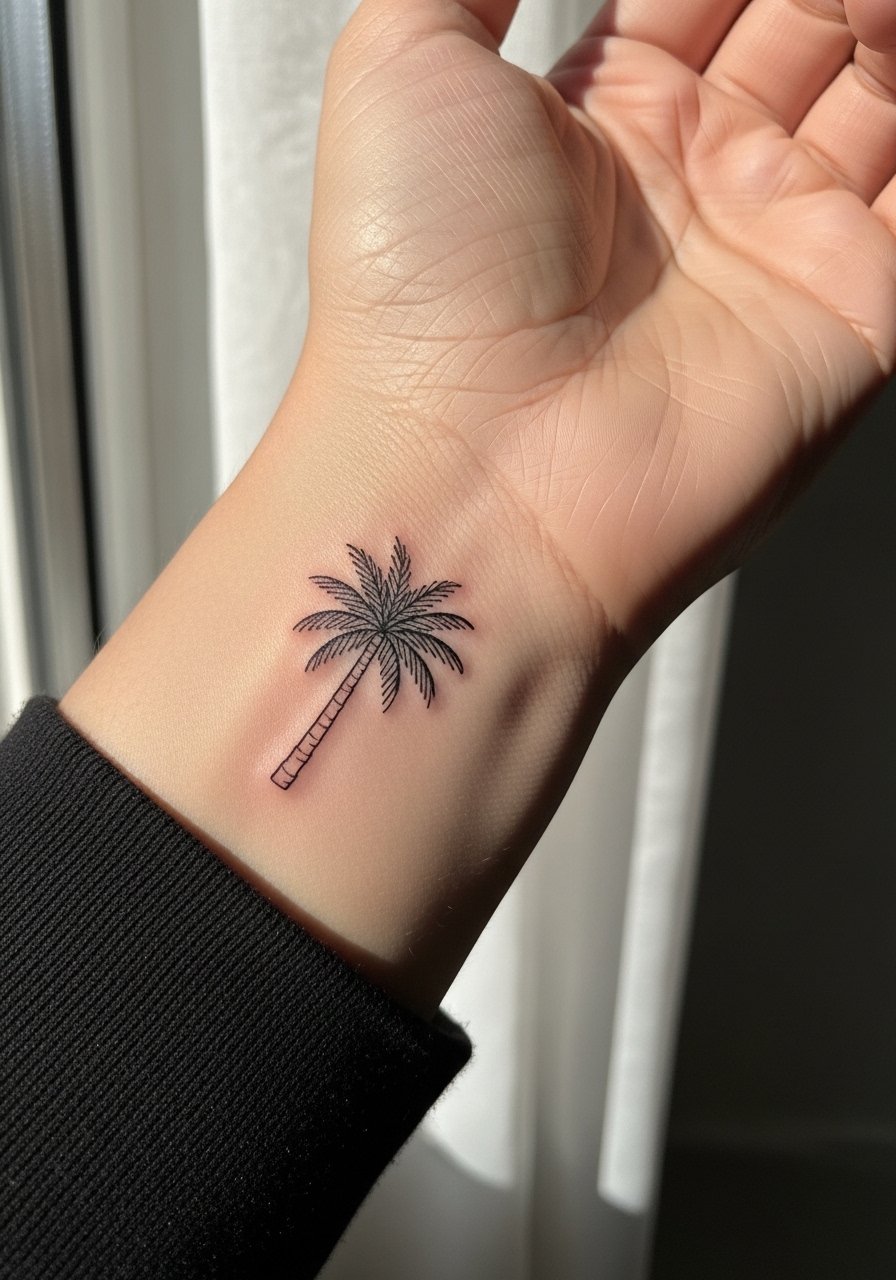
1. Fine Line Mini Palm on the Inner Wrist
I've seen this tiny wrist palm last best when artists lift the fronds slightly off the trunk so lines do not overlap. Ask for single-needle linework with modest negative space so the fronds do not fuse over time. Fair warning, the wrist is a high-motion area so expect a touch-up around year two or three for many clients. The session is quick and feels like consistent tapping with short breaks. Pair this with a thin chain bracelet when you want to show the wrist without hiding the tattoo. Image prompt follows.
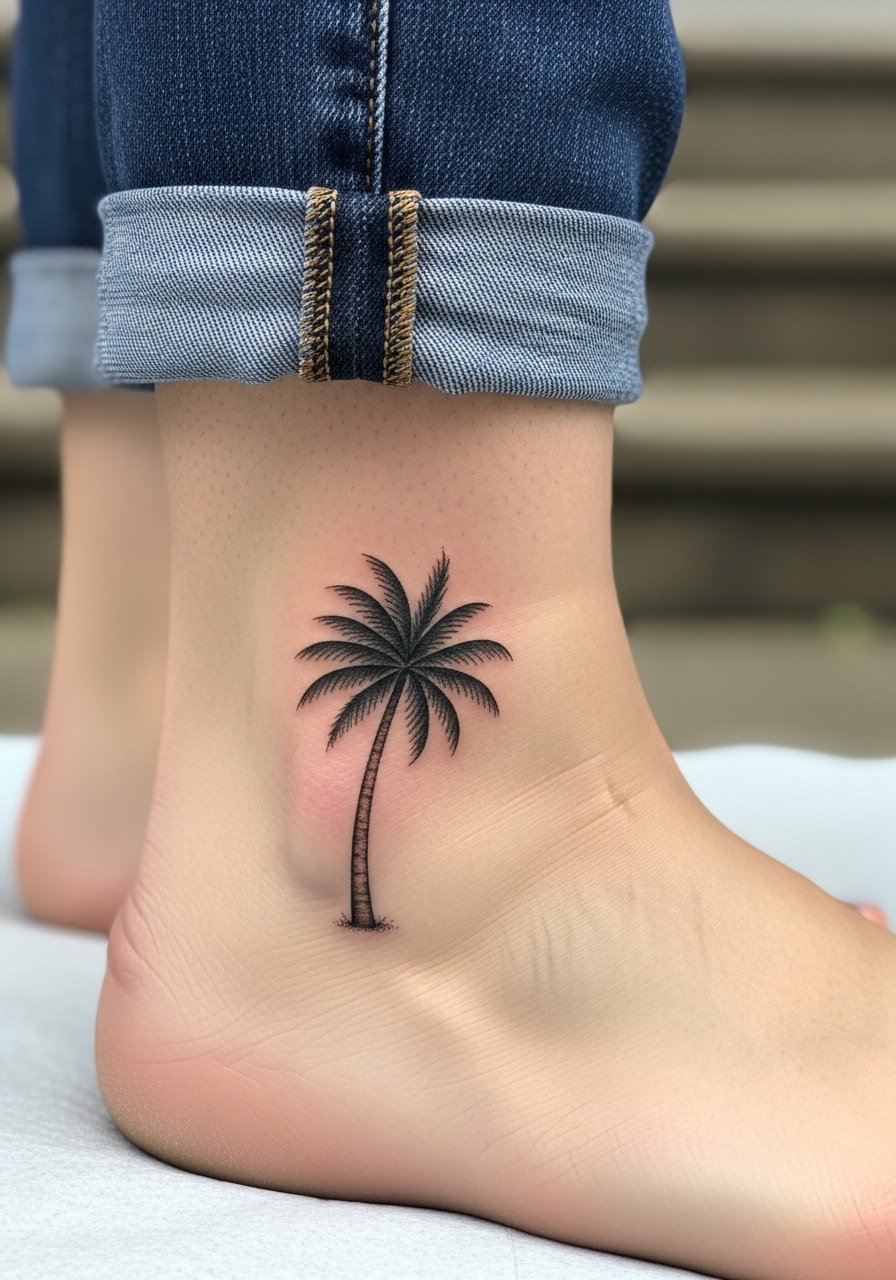
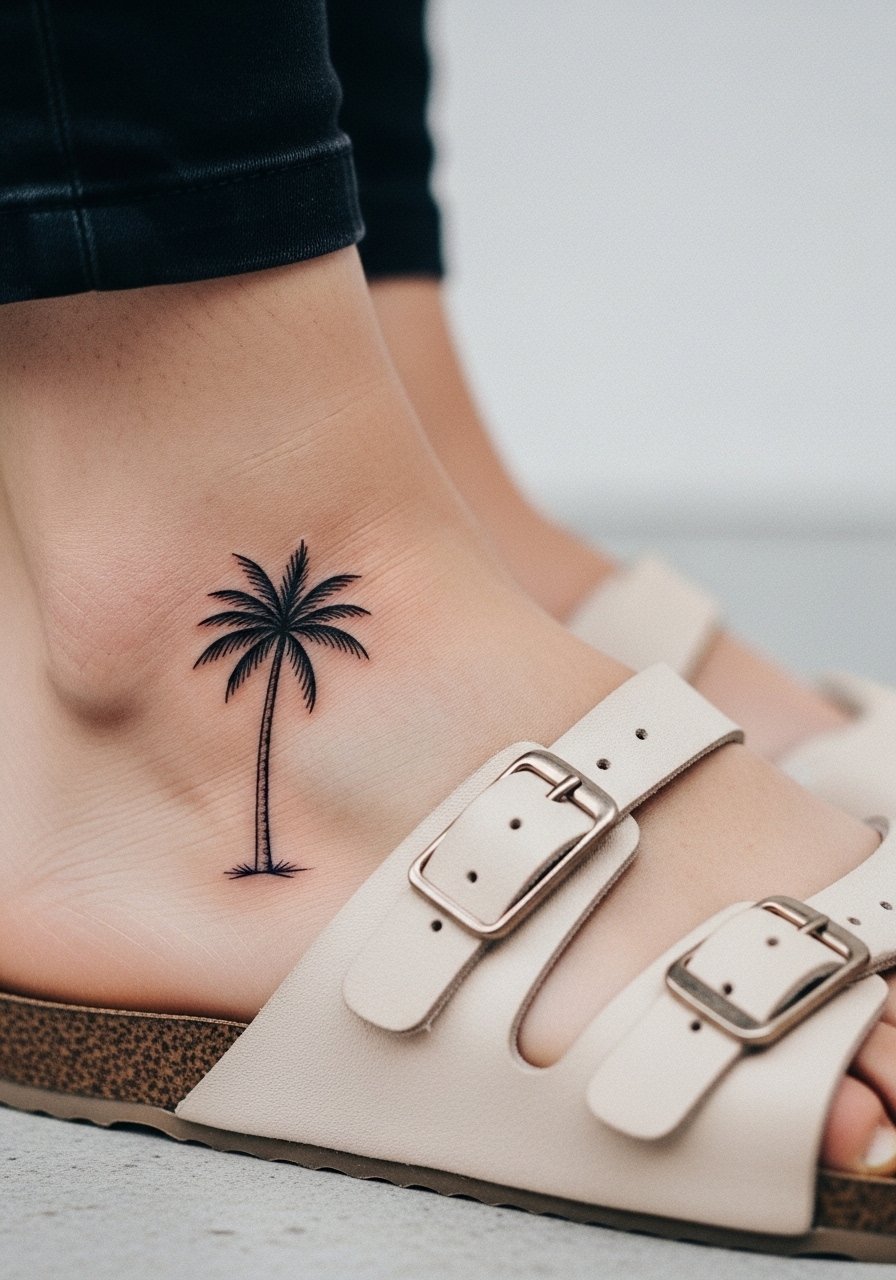
2. Micro-Realism Palm at the Ankle
Most ankle palm trees read like tiny scenes on cured skin if shaded softly with dot work for texture. Pain is moderate because the ankle sits close to bone, but sessions are brief. Tell your artist you want stipple shading inside the canopy, not block shading, so the texture softens instead of blotting as it heals. Friction from socks and shoes can scuff fresh ink in the first week, so wear loose shoes and roll-up pants to the salon. For showing this off, a pair of strappy sandals frames the ankle without covering the tattoo. Image prompt follows.
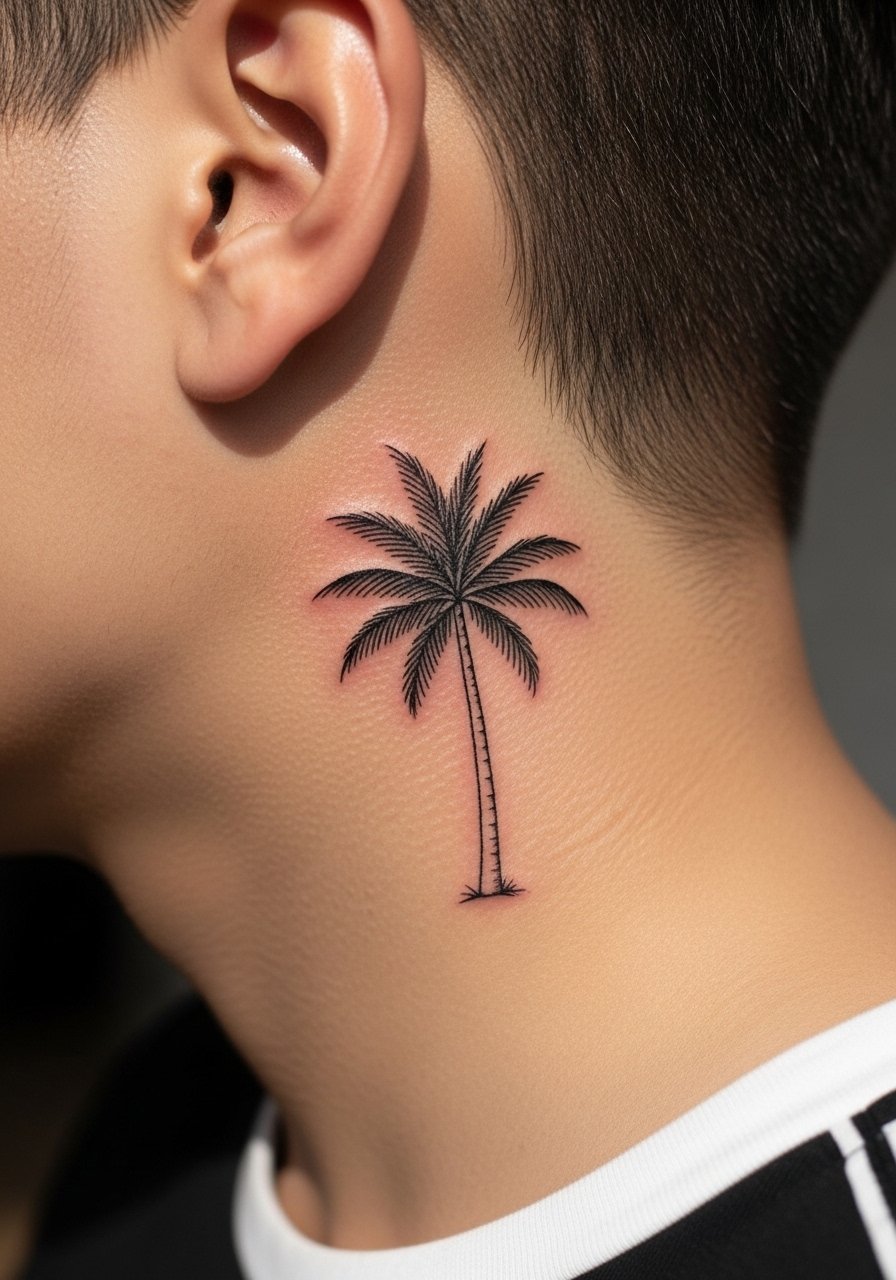
3. Tiny Palm Behind the Ear, Below the Hairline
When placed just behind the ear below the hairline, a micro palm is discreet and ages well if kept tiny. The challenge is transfer and stencil placement because curves change how lines sit. During consultation, ask for a slightly thicker single line so the ink holds as hairlines shift. This area has little sun exposure so fading is slower, but touch-ups on tiny work can be fussy. For the session, tuck hair back with a clip and wear a lightweight button-up you can move aside. Image prompt follows.
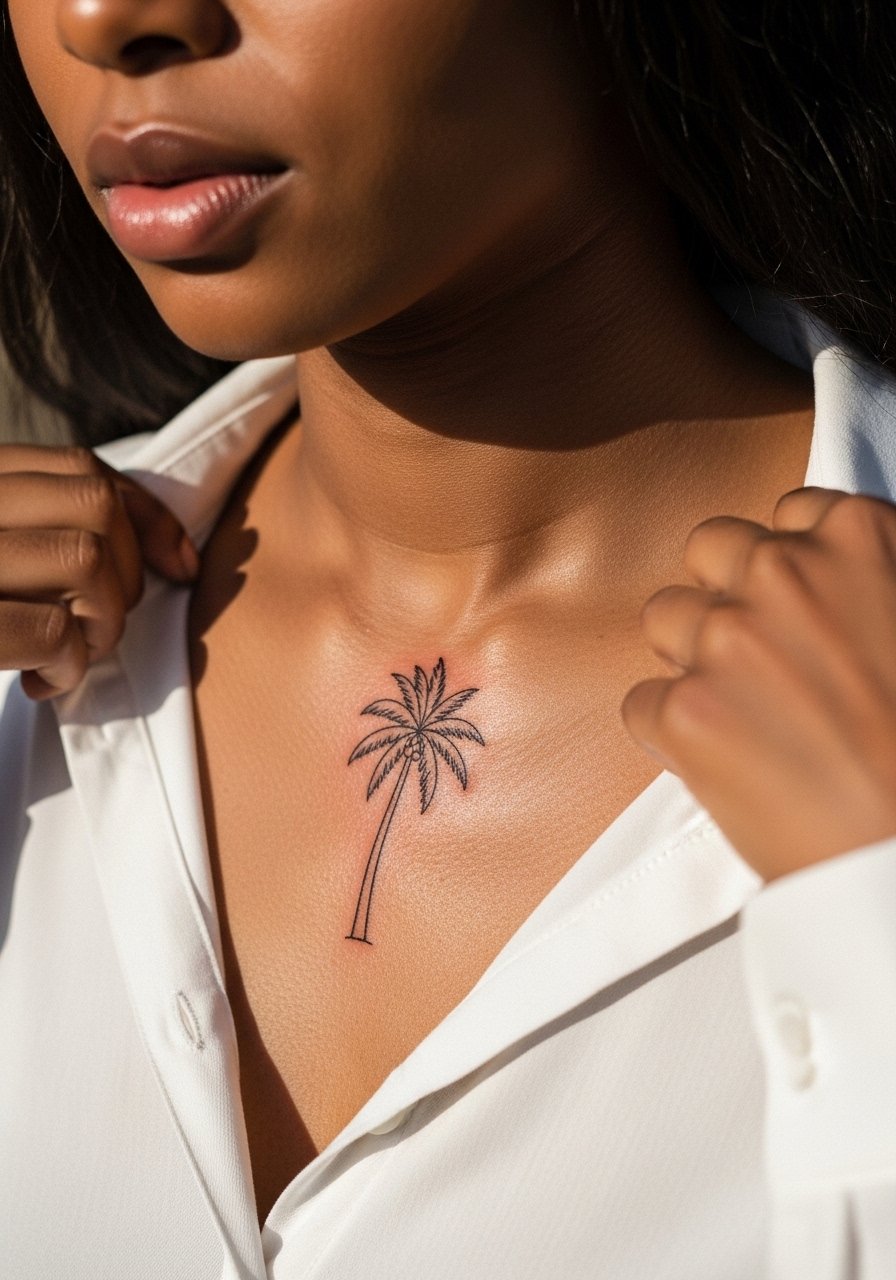
4. Collarbone Outline Palm with Minimal Shading
A collarbone palm reads like jewelry when spaced away from the clavicle and kept airy. Most people underestimate how placement changes scale; a palm that looks small on paper can seem large along the collarbone curve. Ask for a composition that hugs the bone without sitting directly on it to avoid distortion when you move. The session is low to moderate pain and usually under an hour. Pair this with an open-neck blouse to reveal the design for evening wear. Image prompt follows.
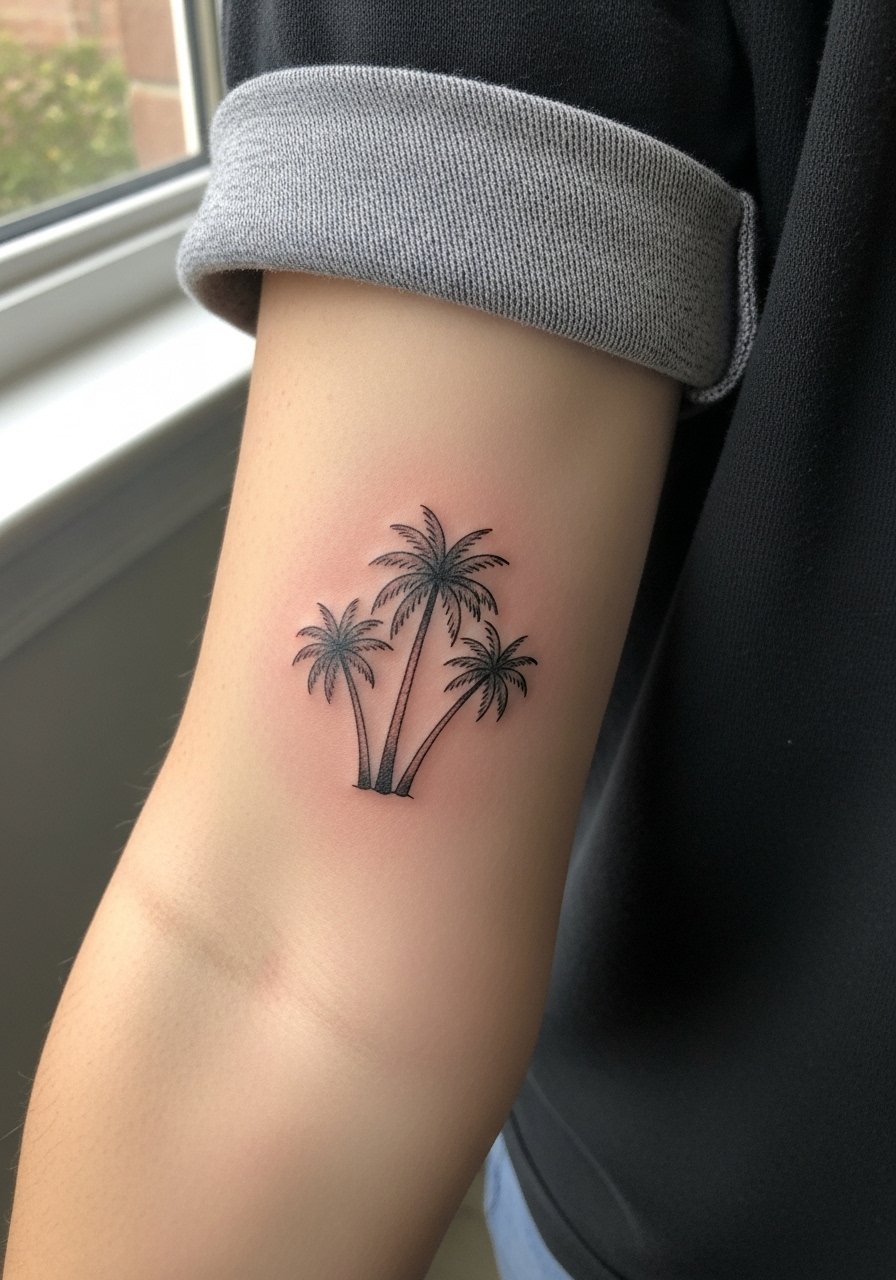
5. Forearm Cluster: Several Small Palms in a Row
I've seen friends space tiny palms in a row along the forearm for a narrative feel, and spacing is the difference between readable composition and blurred clusters. Use modest negative space between trunks and avoid tiny interior frond detail. Ask your artist for slightly bolder trunk lines and stipple canopy fills to age more predictably. Forearm sessions are forgiving and easy to show off. For casual wear, roll up sleeves or pick a linen long-sleeve you can cuff so the cluster is visible without competing prints. Image prompt follows.
Studio Day Picks
Those forearm and wrist pieces above need different prep than chest and ribcage sessions, so these items smooth the session and the first week.
-
Stencil transfer paper kit. Lets you preview placement on curved areas like behind the ear or along the collarbone before the needle touches skin.
-
Thin protective film roll. Useful for ankle and wrist pieces that face daily friction from shoes and watches during the first few days.
-
Fragrance free gentle body wash. Cleanses healing skin without stripping fine line saturation on small palms.
-
Topical numbing cream. Helpful for sensitive spots like the ankle or inner arm when you want a more comfortable short session.
-
Aquaphor healing ointment. Thin layer in the first days protects delicate single-needle linework without suffocating the skin.
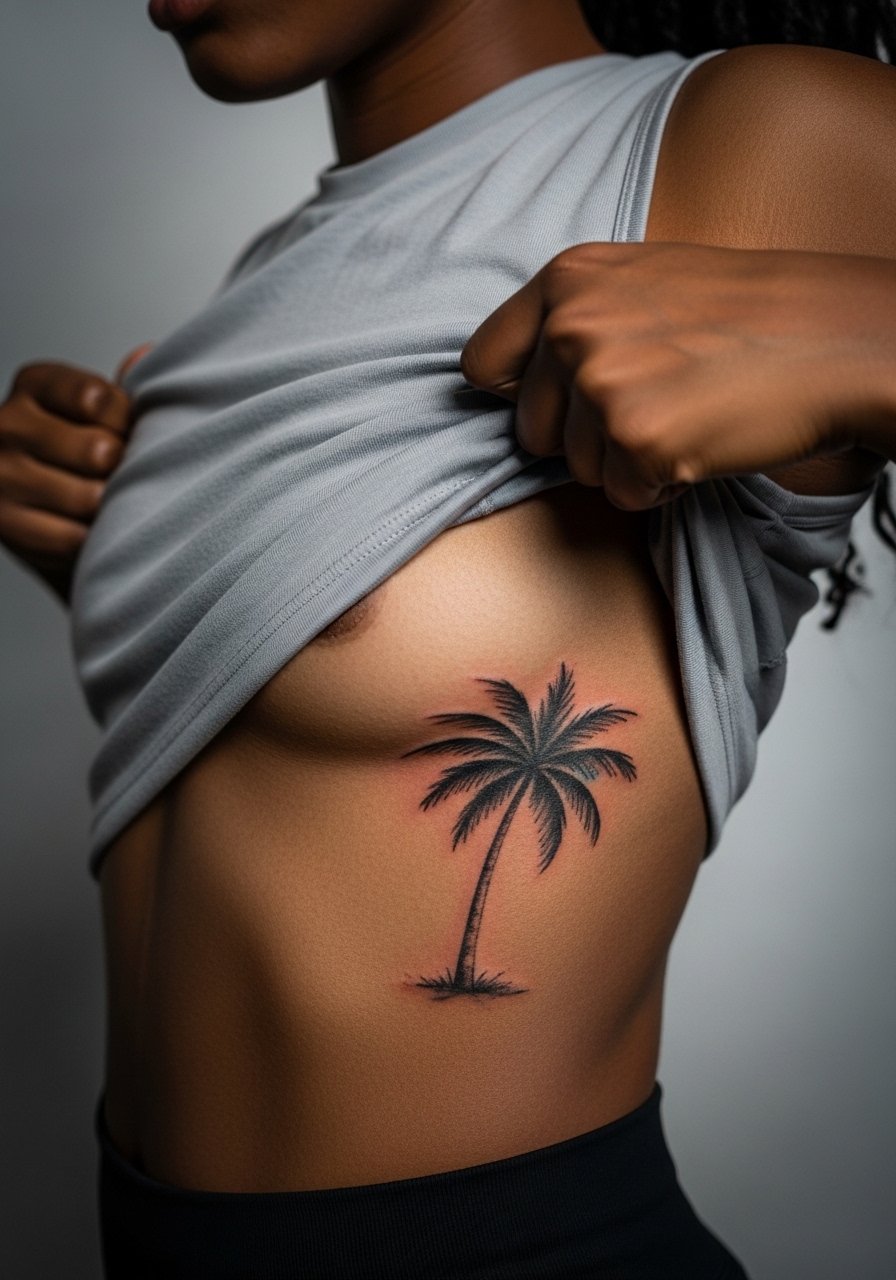
6. Small Palm on the Side Rib with Watercolor Wash
Most watercolor-style ribs fade unevenly if pigment is applied too shallowly, so ask for slightly more spacing and less saturated wash. Artists split on fine line on ribs. One camp says skin stretch and movement blur lines within two years. The other camp argues proper needle depth and spacing let fine detail settle just fine. Name both and ask the artist where they stand before booking. Sessions here are more painful and require breaks, but the result reads like a painting across the torso. For the appointment, wear a cropped top or sports bra you can lift slightly to reveal only the area. Image prompt follows.
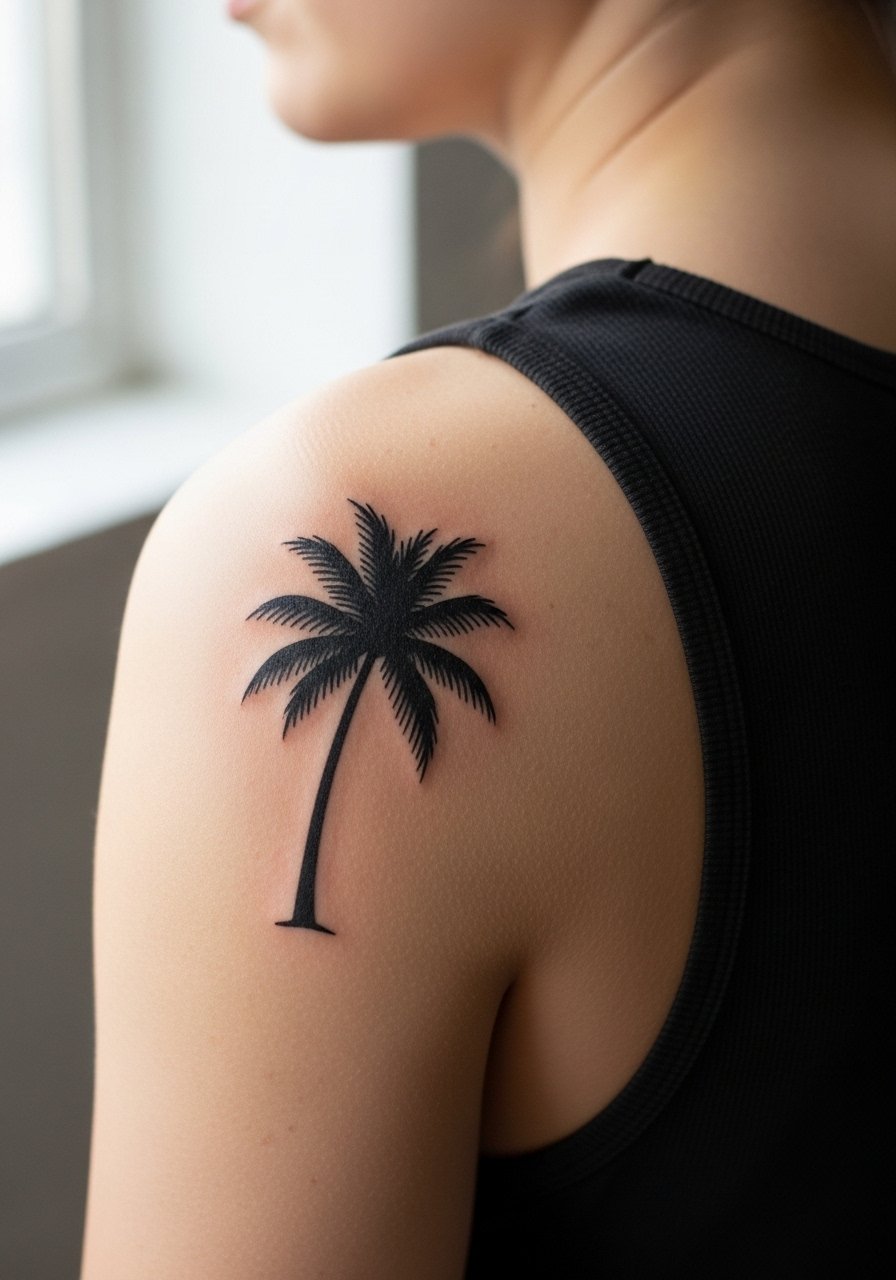
7. Palm Silhouette Behind the Shoulder Blade
A palm silhouette placed just off the shoulder blade is forgiving because skin is thicker and sun exposure is variable. The biggest mistake is cramming too much canopy detail into a small silhouette. Tell your artist you want bold negative space inside the canopy so the silhouette remains readable over time. Sessions are medium pain and often one long sitting. This placement pairs well with open-back dresses when you want to show it, but it is also easy to hide under tees. Image prompt follows.
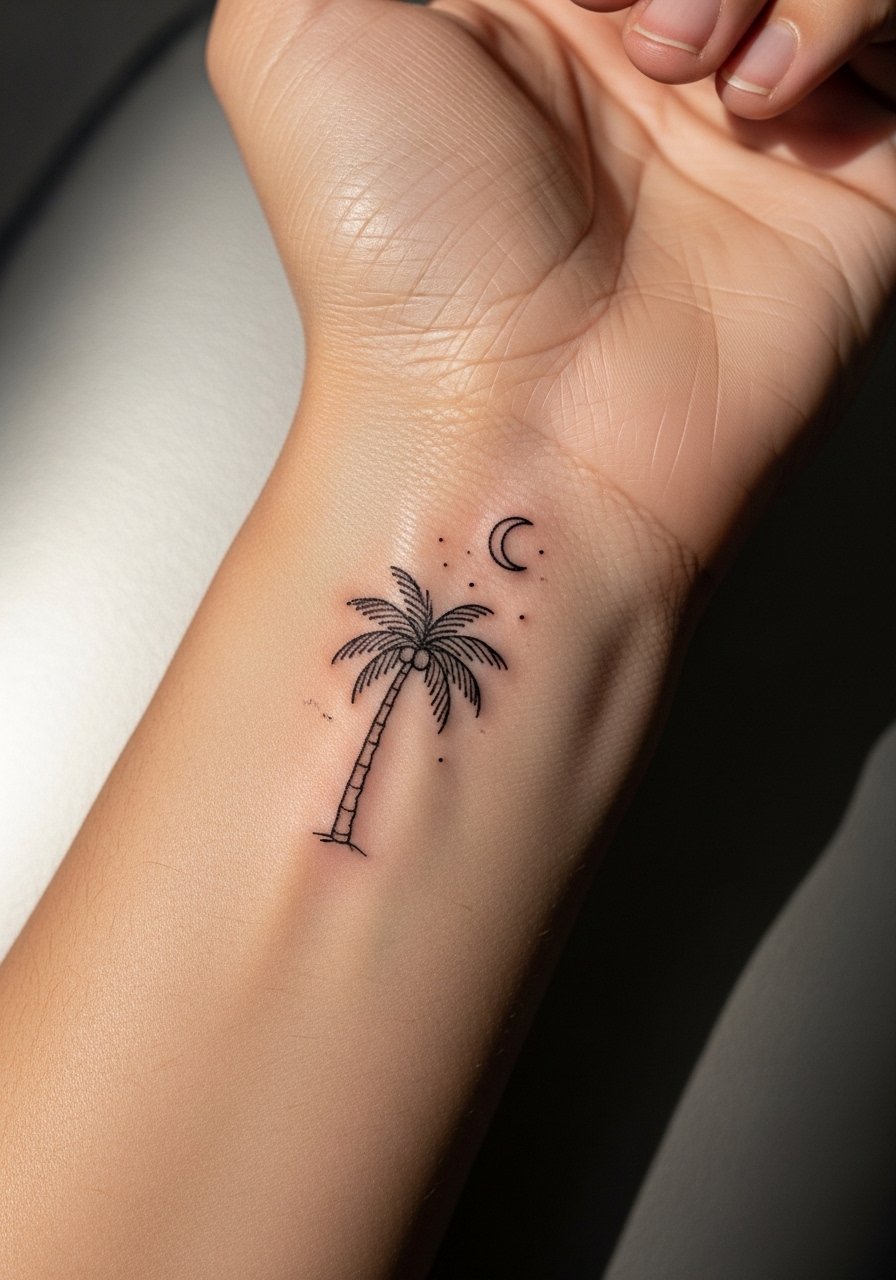
8. Small Palm and Crescent Moon on the Wrist
Most clients want a moon with a tiny palm for symbolism, and the trick is scale. Keep the moon thin and the palm trunk slightly bolder so both elements remain distinct as they age. The wrist heals quickly but sees constant washing. Wear a thin chain bracelet you can remove during showers to avoid rubbing the fresh ink. Ask for a glaze-style touch-up at year two if you want the moon to stay crisp. Image prompt follows.
9. Tiny Palm on the Side of the Foot
Foot tattoos face a lot of friction and can fade unevenly if ink is placed too shallowly. The secret is solid linework, a thin negative space canopy, and planning clothing for the first week. The session stings more than a forearm piece and needs careful bandaging afterward. For showing the design, slip into simple sandals after the first week to avoid constant rubbing. Expect a touch-up window around six to twelve months depending on footwear. Image prompt follows.
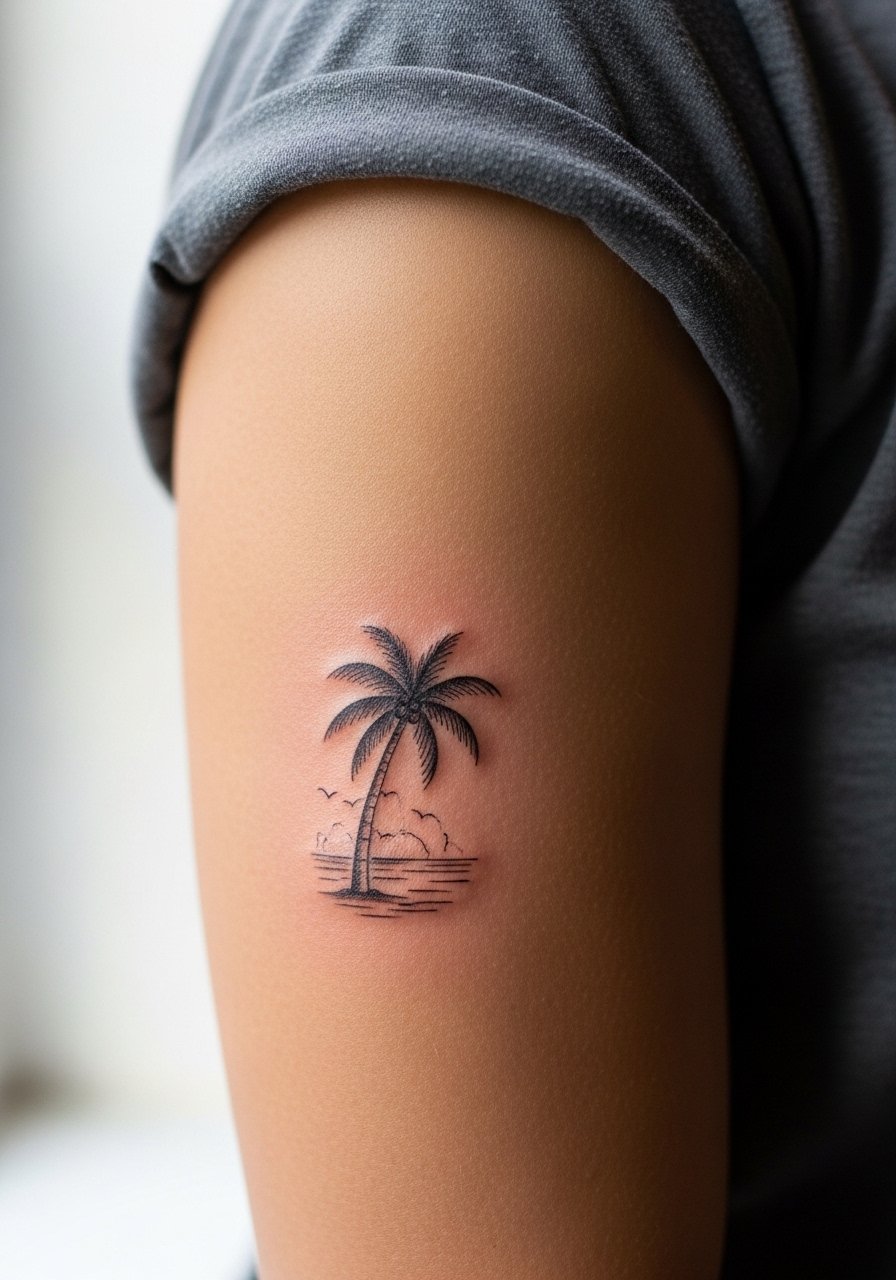
10. Palm Scene as a Small Upper Arm Half Sleeve
There's something about a compact scene on the upper arm that reads like a little poster. This placement lets you combine a palm with horizon lines or tiny waves while keeping scale safe. During consultation, ask your artist to plan the composition as a vertical strip that follows muscle flow, not as a wrap that pinches corners. Upper arm work tolerates heavier saturation so it ages slower than wrist or hand work. For casual showing, wear a rolled sleeve tee to frame the scene without fully revealing it. Image prompt follows.
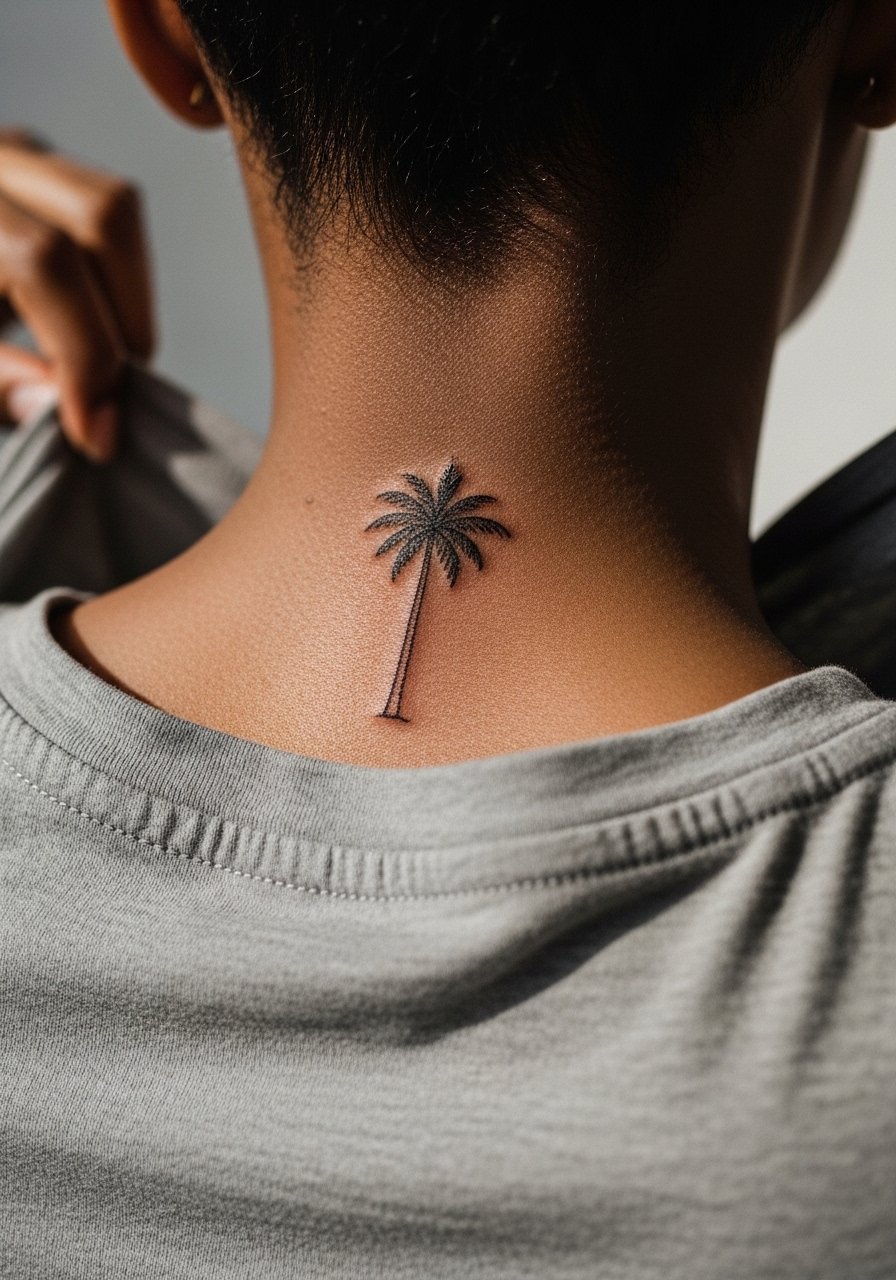
11. Palm Tattoo at the Nape of the Neck
Consultation lead works well here. When you meet your artist for a nape tattoo, show photos that match your hairline and collar choices so the design sits where you want it when hair is up or down. A nape palm is subtle and ages slower because it often avoids direct sun. The session is short but requires careful stencil placement to avoid asymmetry. This spot pairs well with a wide-neck sweater you can pull aside to reveal the nape rather than an all-night exposure. Image prompt follows.
12. Palm Crescent Around an Ankle Chain Area
Visual impact lead fits this one. A small palm curving around the ankle looks sculptural when the trunk follows the bone. The frequent mistake is making the trunk too delicate; give it a touch more weight to resist fading from shoe friction. For the session, sit with the leg propped so the artist can keep the stencil flat. After healing, styling with an anklet chain highlights rather than obscures the tattoo. Image prompt follows.
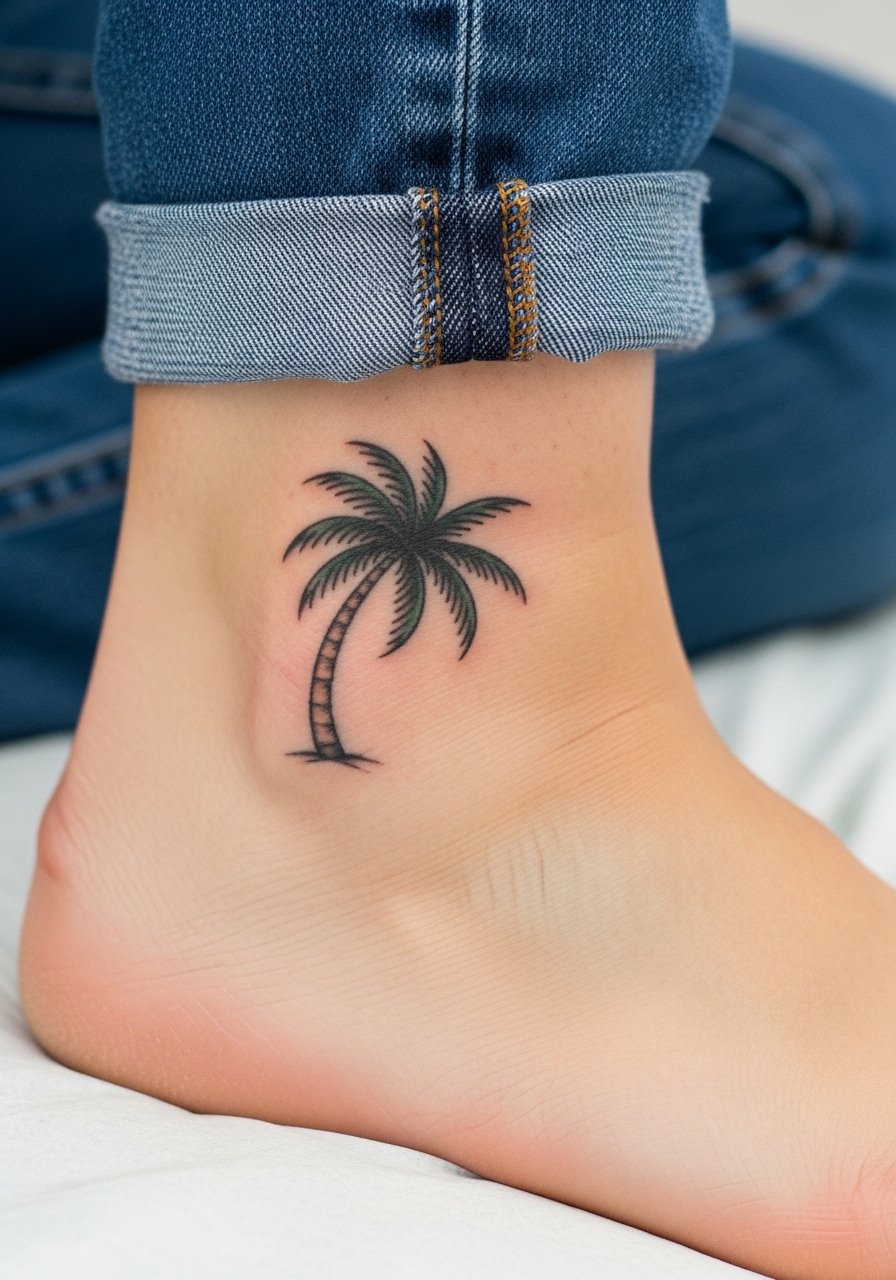
13. Tiny Palm on the Inner Bicep
Artists split on whether fine detail holds on inner biceps. One camp points to frequent stretching that blurs tight lines. The other says careful needle depth and modest spacing keep detail intact. If you choose this placement, ask for slightly bolder trunks and stipple shading in the canopy rather than dense linework. The inner bicep session can be more sensitive when the arm is extended. This piece is easy to hide under a sleeve for work. Image prompt follows.
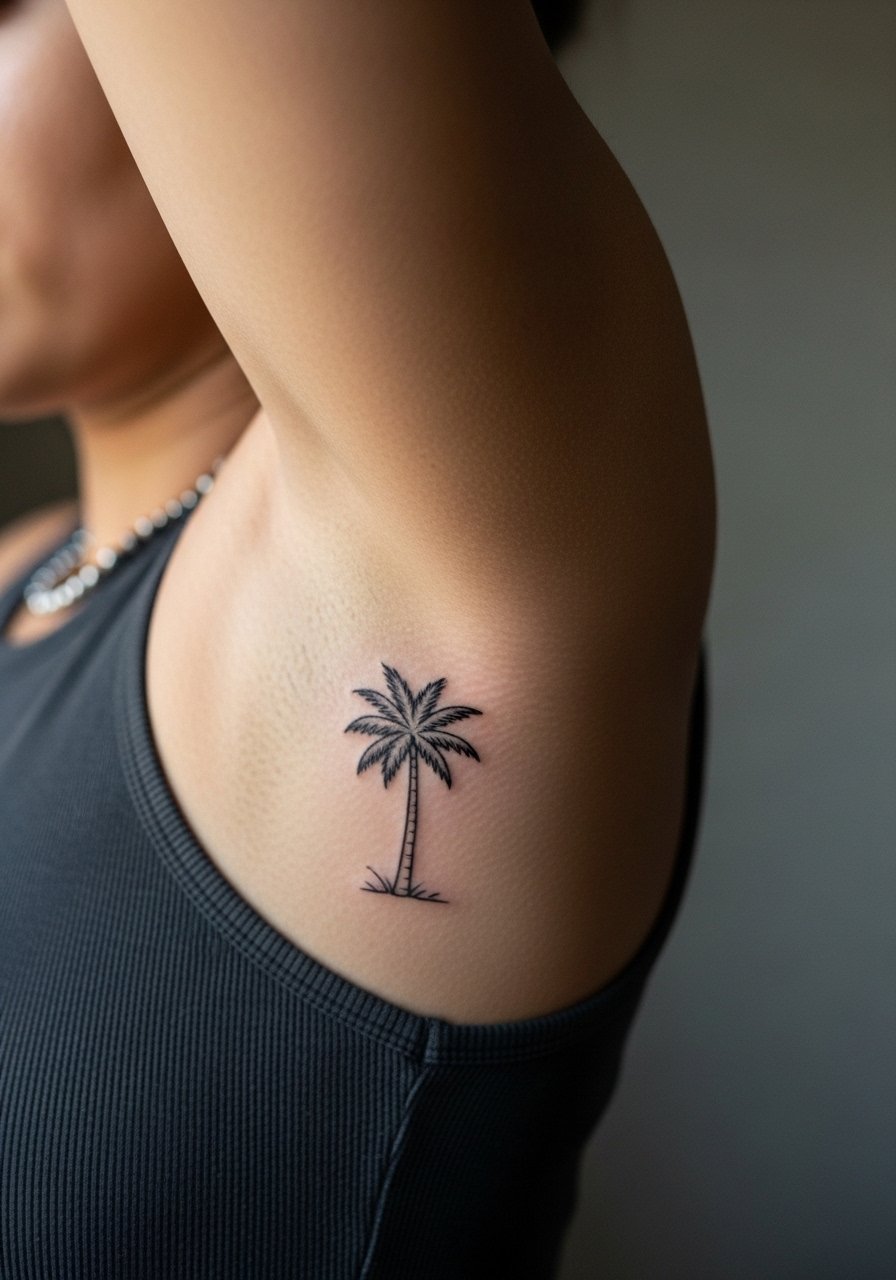
14. Minimal Palm on the Side Hip, Peeking from High-Waisted Denim
Mistake lead applies. The biggest error with hip palms is scale; people often want detail that the area cannot hold as it stretches. Keep the design simple and the trunk slightly angled to follow the hip curve. For the session, wear high-waisted bottoms you can slide down slightly so only the tattoo zone is exposed. When you want to show it off, pair with high-waisted denim that frames the tattoo without fully revealing it. Image prompt follows.
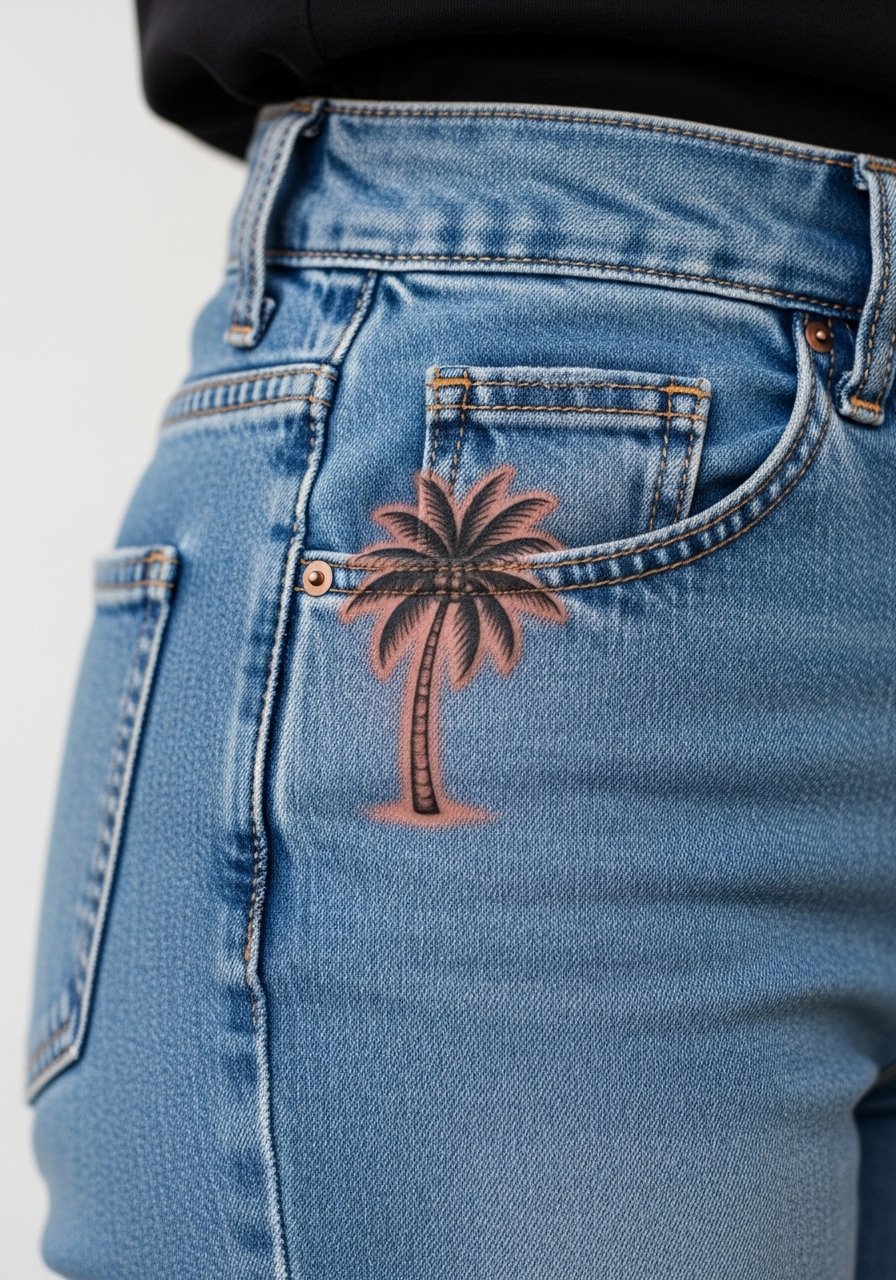
15. Palm and Wave Micro Scene on the Back of the Calf
Personal observation lead: I first saw this pairing on someone who biked a lot and the piece held up because it stayed out of direct sun and had bold trunks. Calf skin tolerates saturation so combine tiny palms with a few wave lines for depth. The session is moderate and can be done standing or lying depending on the chair. For footwear that frames the back calf, a low-strap sandal keeps attention on the design without rubbing the area. Image prompt follows.
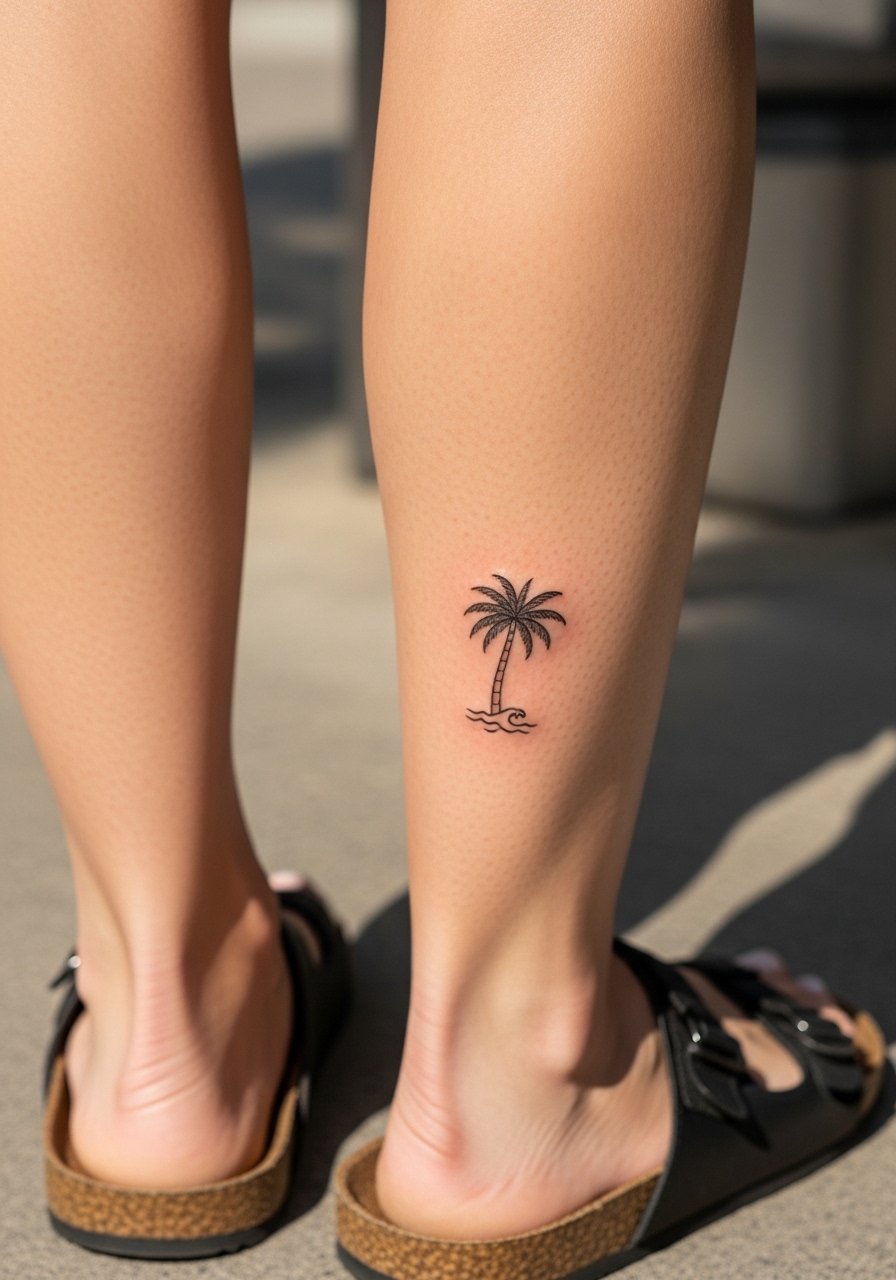
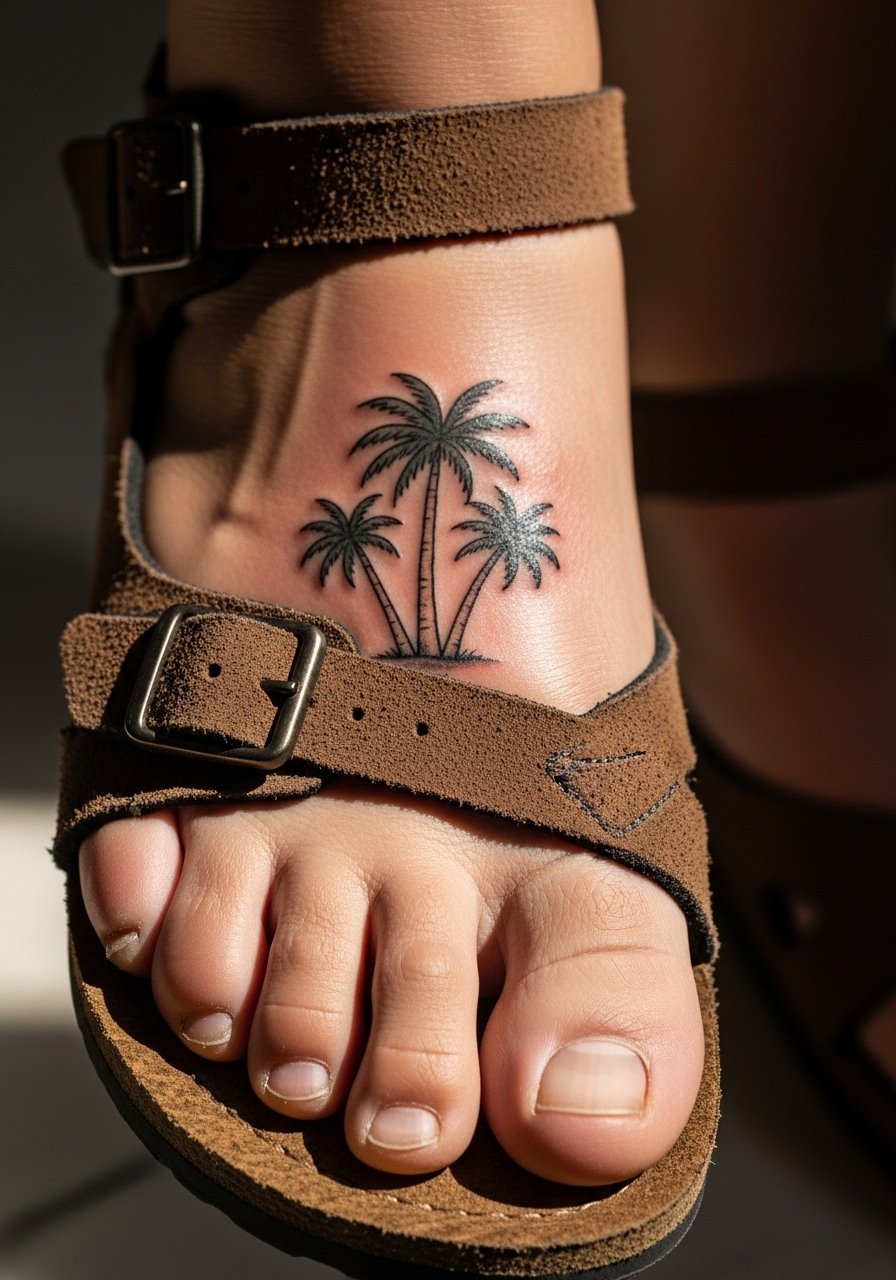
16. Palm Linework Cluster Across the Top of the Foot
Mistake lead warns that top-of-foot tattoos can lose clarity quickly when placed too densely. Space trunks and fronds so each element breathes. The top of the foot is sensitive and the session can sting, but a small cluster is usually a single short visit. Keep shoes loose in the first week and avoid heavy surfaces. Image prompt follows.
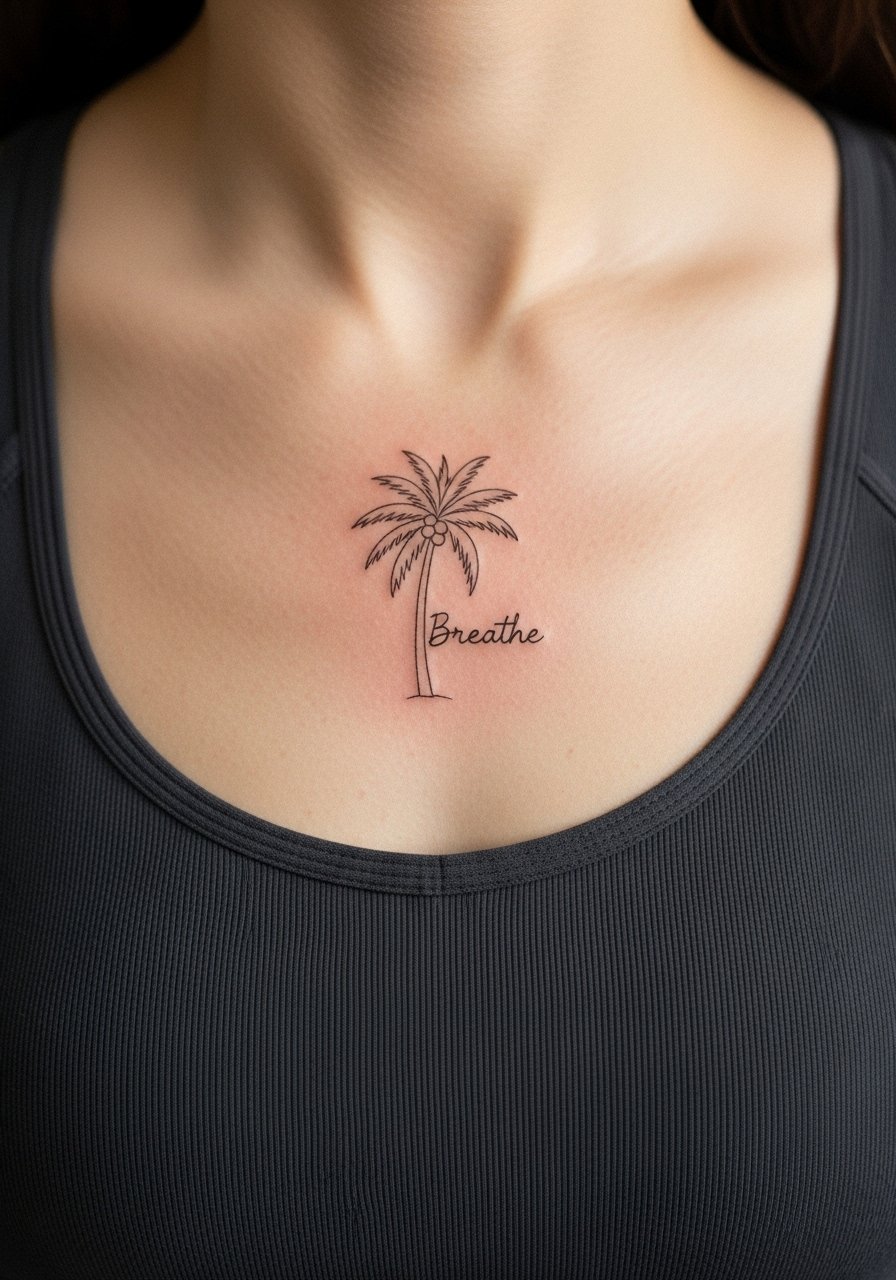
17. Small Palm with Tiny Script at the Sternum Edge
Aging-reality lead fits because sternum work shifts with body movement. If you add text, specify exact wording and font so the artist places it where fabric lines will not crease over the letters. This is a sensitive placement so wear a fitted sports bra or bandeau you can adjust to expose only the area. Expect the session to be more intense than an arm piece and plan for breaks. Many clients prefer the result because the sternum can hide or reveal the piece depending on outfit. Image prompt follows.
Frequently Asked Questions
Q: Will a fine line palm tattoo blur faster on my ribs than on my forearm?
A: It depends on scale, spacing, and how much sun the area sees. Ribs move and stretch more, so dense detail can blur sooner. Ask your artist for more negative space and slightly bolder trunks on the ribs to improve longevity.
Q: Can I get a palm tattoo on the hand and still work in a conservative office?
A: Hand tattoos remain visible and sometimes affect hiring in certain fields. One view says visible hand ink is now broadly accepted. The other cautions it can limit opportunities in conservative settings. Consider placement that hides under a watch or pick a tiny design you can cover for interviews.
Q: How should I dress for a collarbone or chest palm session?
A: Wear a wide-neck shirt or a zip-front hoodie you can pull to one side so the artist has clean access. A lightweight button-up works too. For showing the healed piece, a low or open-neck top displays the palm without exposing more than you want. You can find open-neck styles with keywords like open+neck+blouse in online searches for options.
Q: Do palm tattoos need touch-ups more often than traditional blackwork?
A: In my experience, tiny fine line palms often need touch-ups sooner than bold blackwork because the lines are smaller and more susceptible to UV and friction. Expect a potential minor touch-up around year two to three for fine-needle work.
Q: Is it safe to get a palm tattoo if I exercise a lot or swim frequently?
A: High activity can affect healing, especially for ankle, foot, and wrist placements. Keep fresh tattoos dry and away from tight gear in the first week. If swimming frequently, plan sessions during a low-activity window and protect the area while it seals.