Fine line lion tattoos have been everywhere online, and the gap between the trending look and how it holds up is wider than most people expect. Fine lines can read like lace at first and then soften into a blur if placement, skin tone, and touch-ups are not planned. Scrolling saved boards does not prepare you for scheduling snafus, weight changes that warp linework, or how dark skin can shift thin ink. Read these 27 soft lion ideas with notes on aging, consultation language, and what to wear on tattoo day so the result actually lasts.
1. Fine line lion head with floral crown on inner forearm
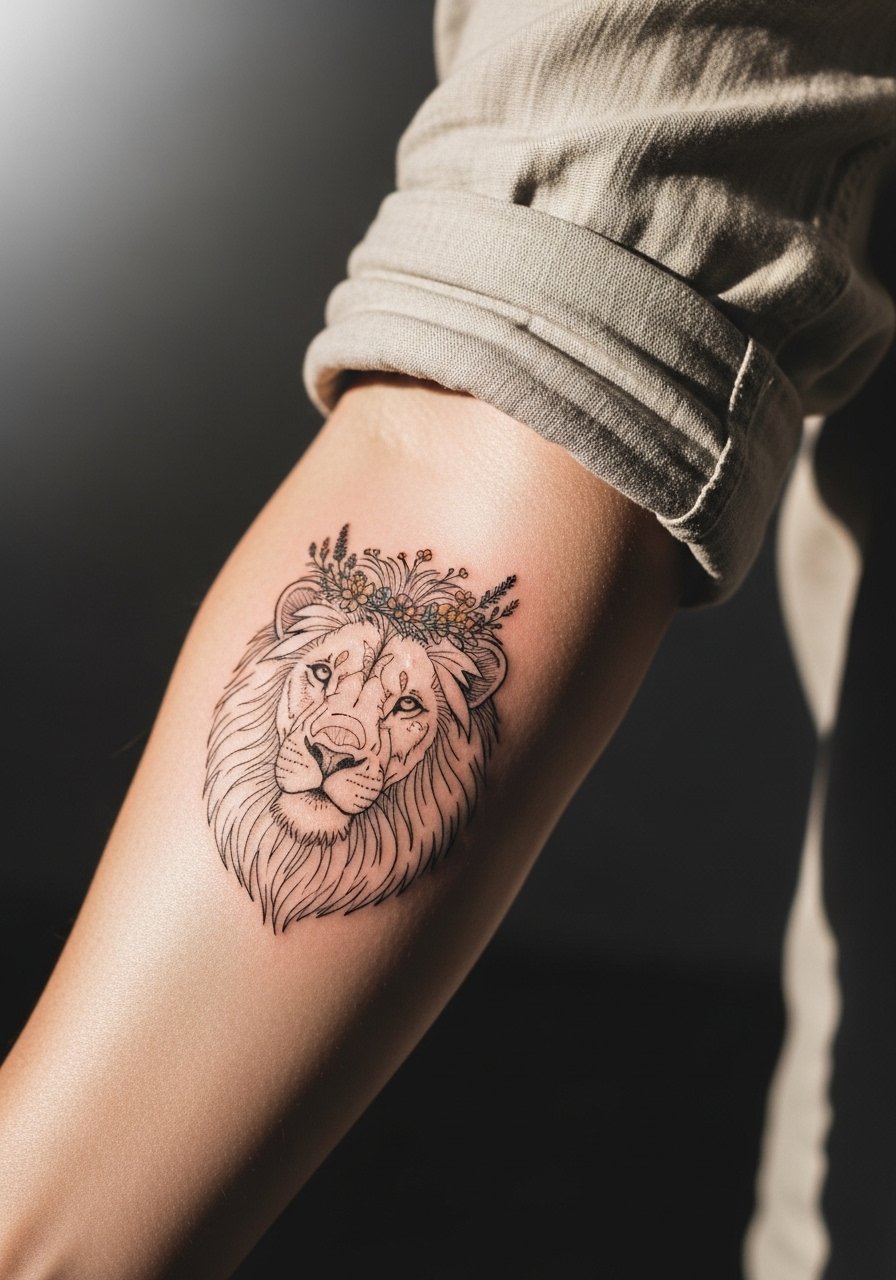
I recommend this for someone who wants the look of strength without heavy saturation, but fair warning, fine line on forearms can soften in sun-exposed spots. Tell your artist you want slightly bolder outer anchor lines and lighter internal detail lines so the contours hold as the delicate detail ages. Expect one session under two hours for a 2.5 to 3 inch piece and a likely touch-up around the six to twelve month mark. For the appointment, pull on a linen roll cuff blouse you can roll up without tugging the stencil.
2. Watercolor mane silhouette on the shoulder blade
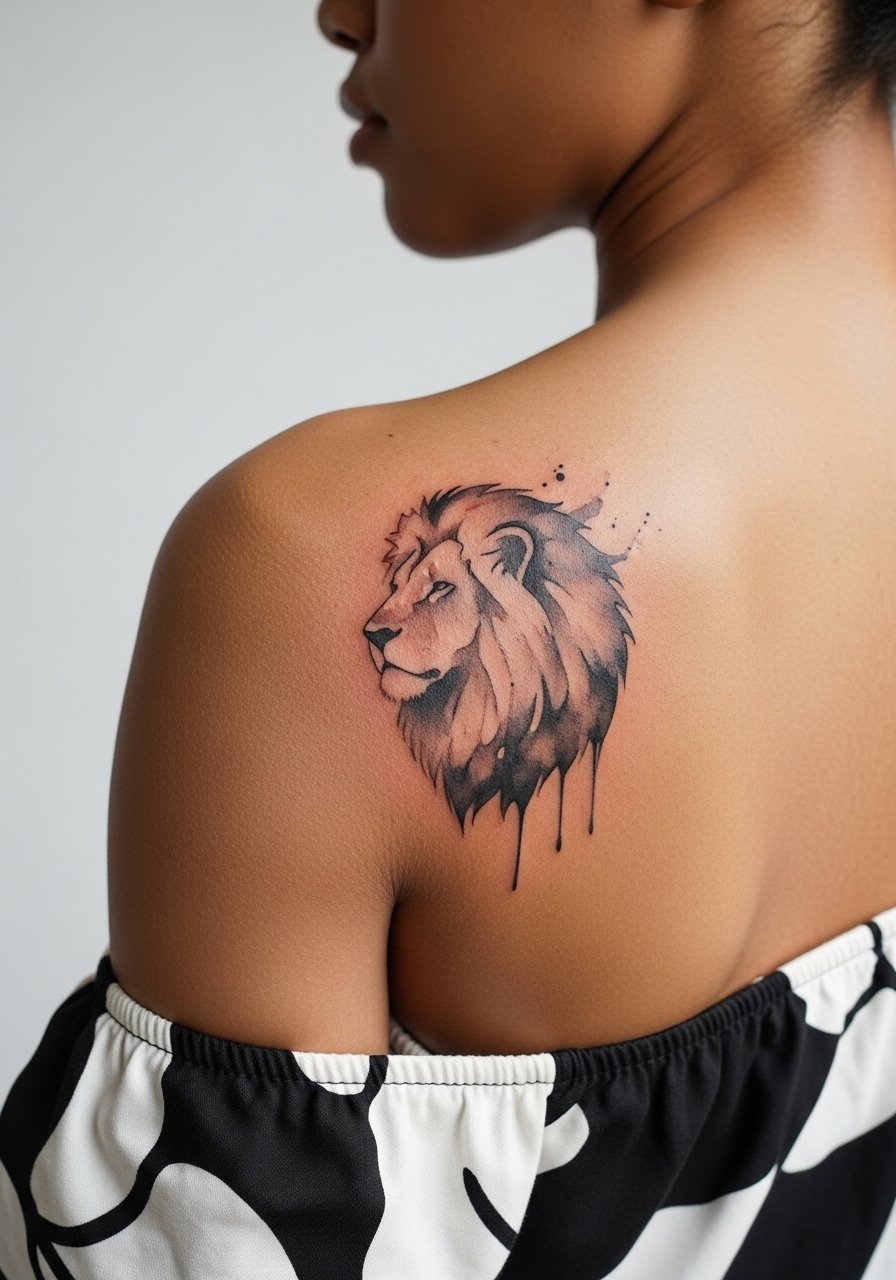
Watercolor helps soften the lion motif so it reads like an impression instead of a portrait. The shoulder blade is forgiving during healing but needs indirect light in the first two weeks to preserve pigments. If you want the color to stay diffuse rather than patchy, ask for softer needle passes and larger negative-space transitions. The session is usually one medium-length block. For show-off outfits, pack a strapless midi dress for post-session photos and loose tops for the chair.
3. Minimalist lion outline with negative-space mane on inner wrist
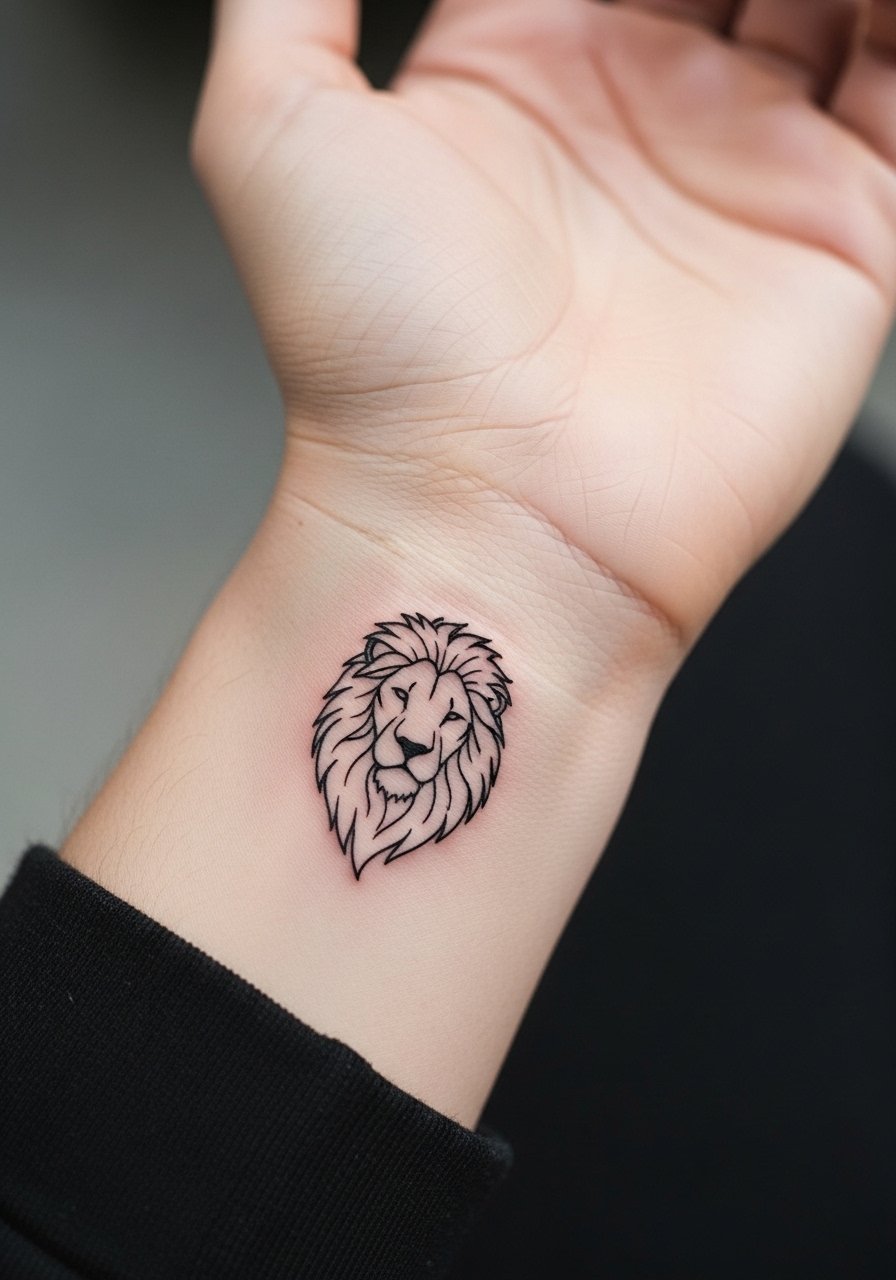
Wrist placements love minimal designs but they take more abuse from sun and washing. The common mistake is asking for lines too fine. During consultation, request slightly increased line weight at the outer contour and open negative-space areas in the mane so the design breathes. Expect a short session and plan for a touch-up at year one if you use a lot of sunscreen or wear bracelets. For showing it off, pair the piece with a dainty chain bracelet stack on the opposite wrist so the tattoo stays visible without competing with metal.
4. Neo-traditional lioness with geometric mandala on outer thigh
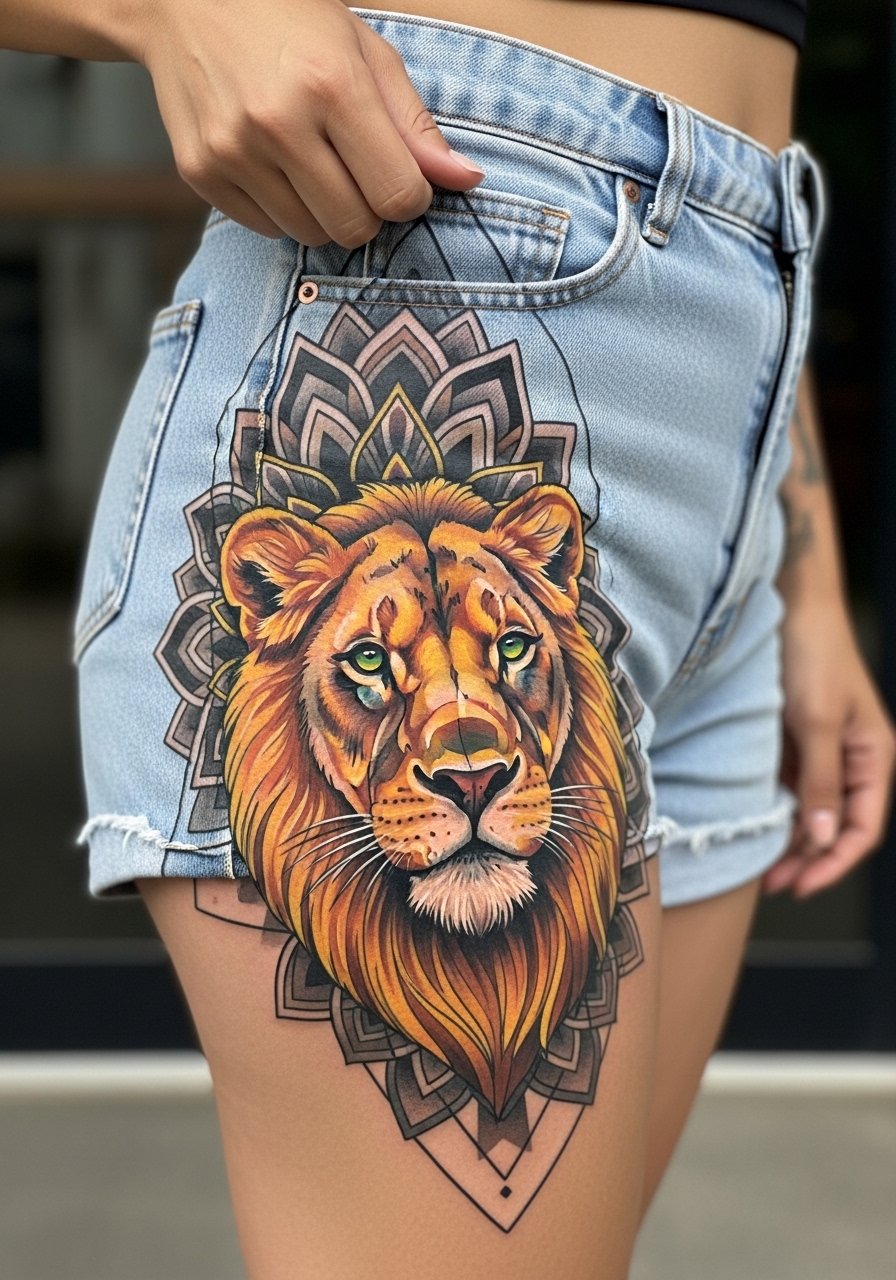
Thigh work gives plenty of room for color and mandala spacing, and it tolerates heavier saturation during touch-ups better than thin-skinned zones. The biggest mistake is cramming mandala detail too small. Tell your artist you want mandala elements that scale at 4 to 6 inches so negative space preserves pattern over time. Sessions tend to be longer, often two blocks. For showing this off, pair with high waist denim shorts or split skirts that let the roses and geometry sit on solid color.
5. Blackwork lioness portrait on upper arm with dot shading
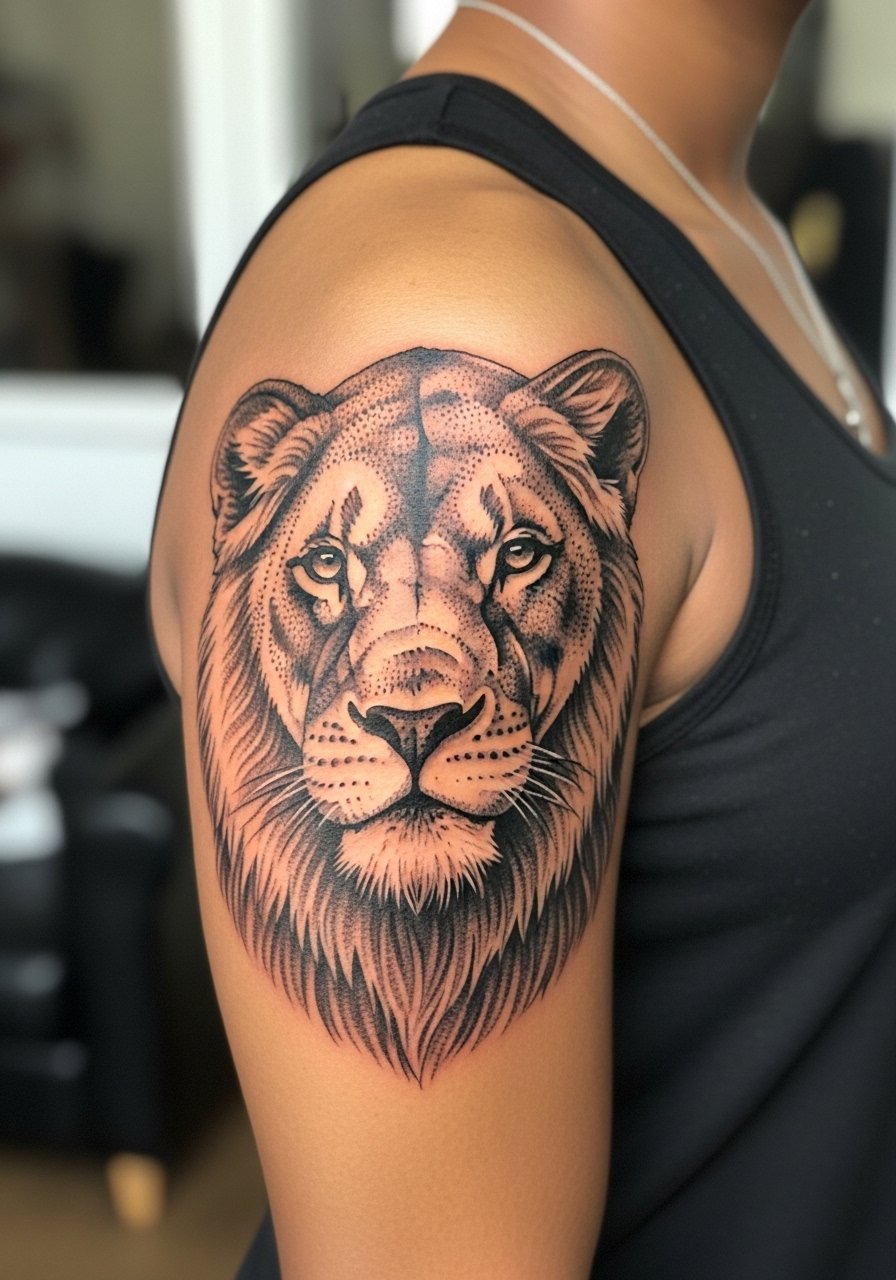
Heavier blackwork ages well on darker tones because saturation reads clearly in photographs and daily life. If you are worried about fine lines fading on your tone, opt for dot shading and stronger anchor lines instead. A mistake to avoid is asking for photorealism at a small scale. Expect two to three sessions for a medium-sized portrait. For the session wear, a loose tank top with removable jewelry keeps access clean.
6. Ornamental lion with vine and petal integration on ribcage
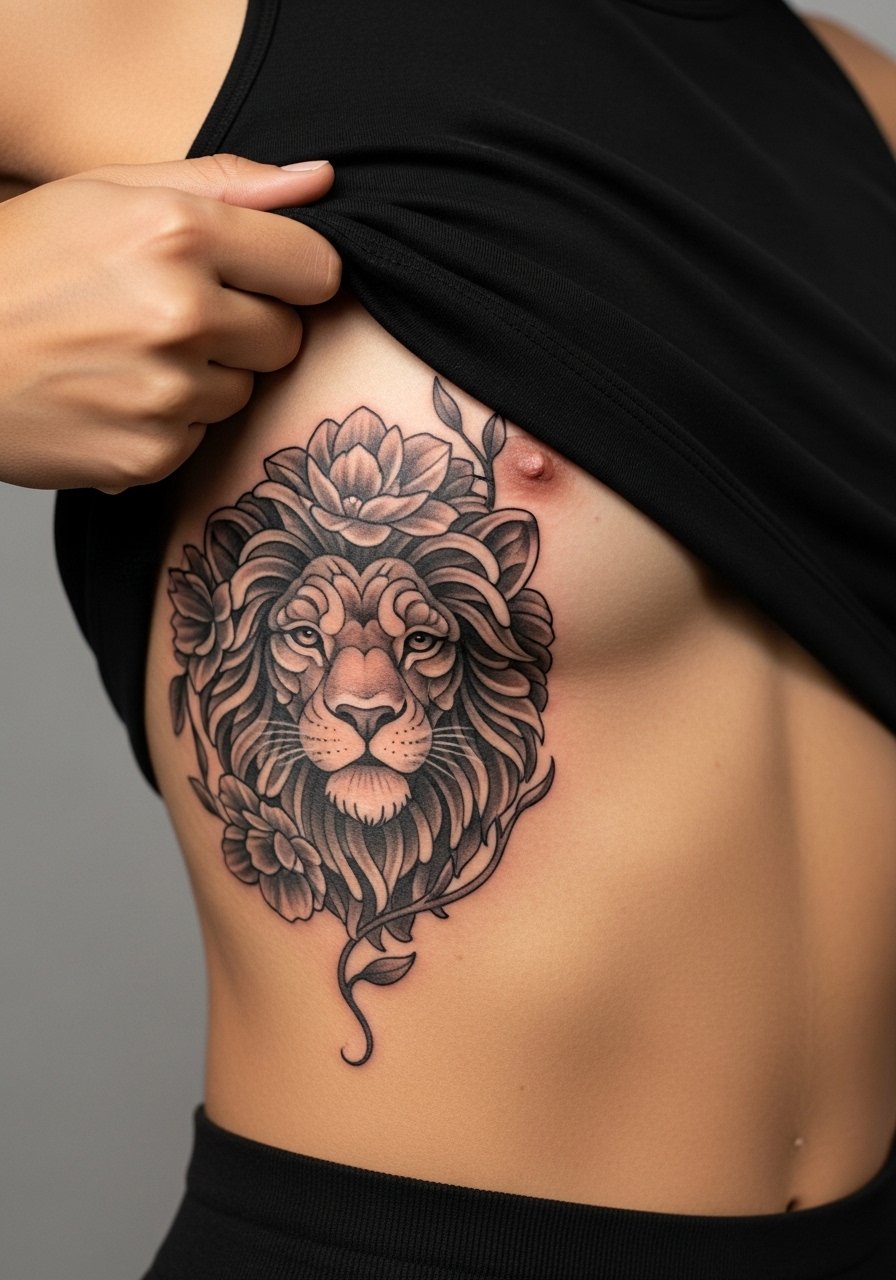
Fair warning about ribs, the pain is higher and sessions can be interrupted. The ornamental approach lets you contour the lion into the body curve so the piece moves with you rather than against you. Artists split on whether fine line holds on ribs. One camp says skin stretch blurs lines in two years. The other camp says careful depth and spacing stabilizes fine work. Ask your artist where they stand and plan longer sessions with breaks. For the appointment, bring a soft top you can lift like a lace strapless top so the area is discreet but accessible.
Studio Day Picks
Rib and thigh designs ask for different prep than wrist pieces, and the right small items smooth the session and the first week of healing.
-
Tea tree balm. Lightweight anti-itch balms are often praised for watercolor zones and help watercolor lion edges heal without heavy greasiness.
-
Manuka honey salve. A dry-air salve can be useful for ankle and rib work during summer when sweaty bandaging feels sticky.
-
Rice bran oil serum. Some artists mention it for helping color hold on deeper skin tones without clogging follicles.
-
Soy-based ink conditioner. Used pre-session by a few shops to condition the skin, which can help saturation in neo-traditional pieces.
-
Hustle Butter. A thinner alternative to thicker ointments, it is often recommended for fine line work on arms to avoid excess buildup.
7. Micro-realism lion cub face on the ankle
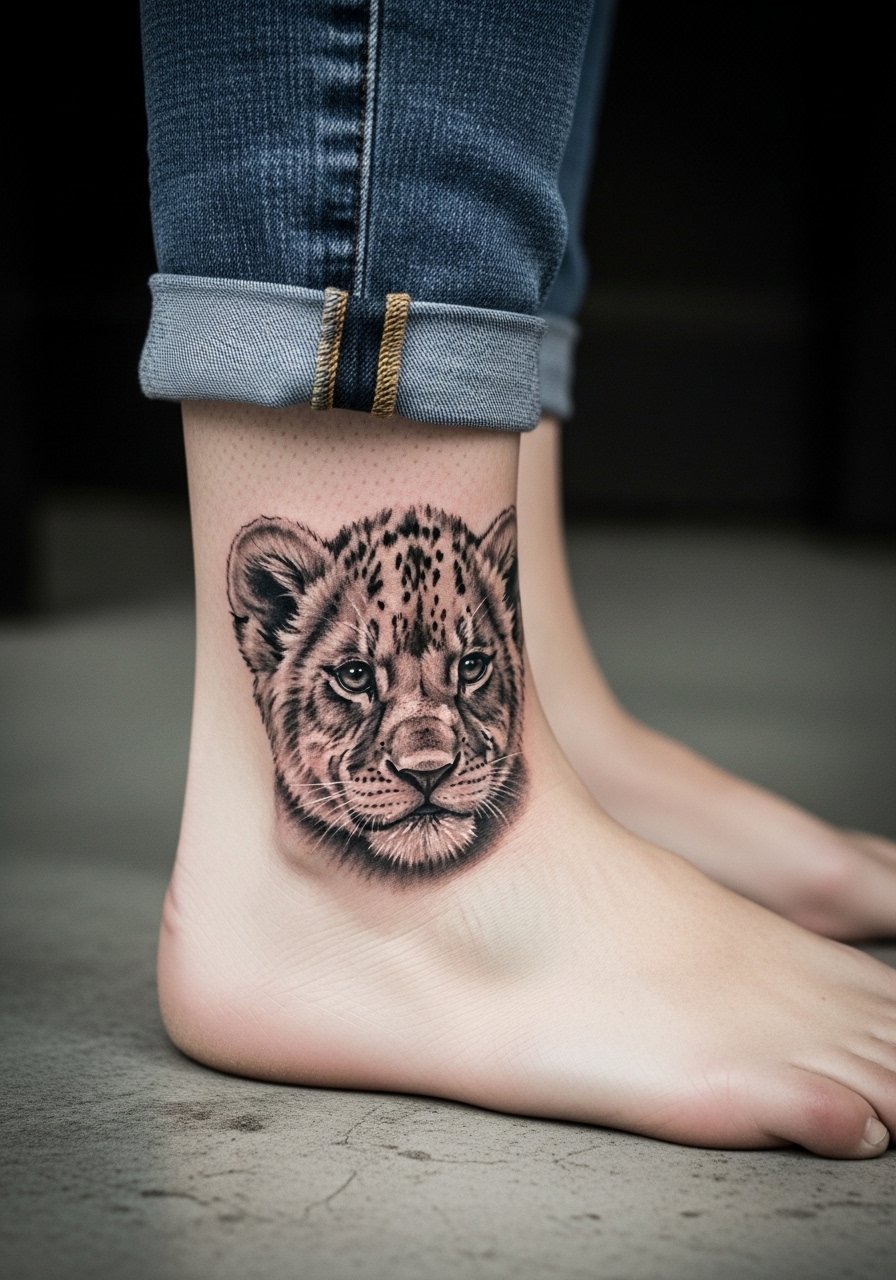
Ankle pieces are charming and work well small, but they sit in high-friction zones during daily wear. Micro-realism needs tiny needlework, so ask for slightly denser stipple shading and avoid ultra-thin outlines. The session is usually short to medium. Expect a one to two year touch-up for micro detail if you wear sandals and expose the area to sun often. Wear sockless shoes and bring cropped pants for the appointment so the artist can work without fabric rubbing.
8. Tribal lioness in circular frame on the calf
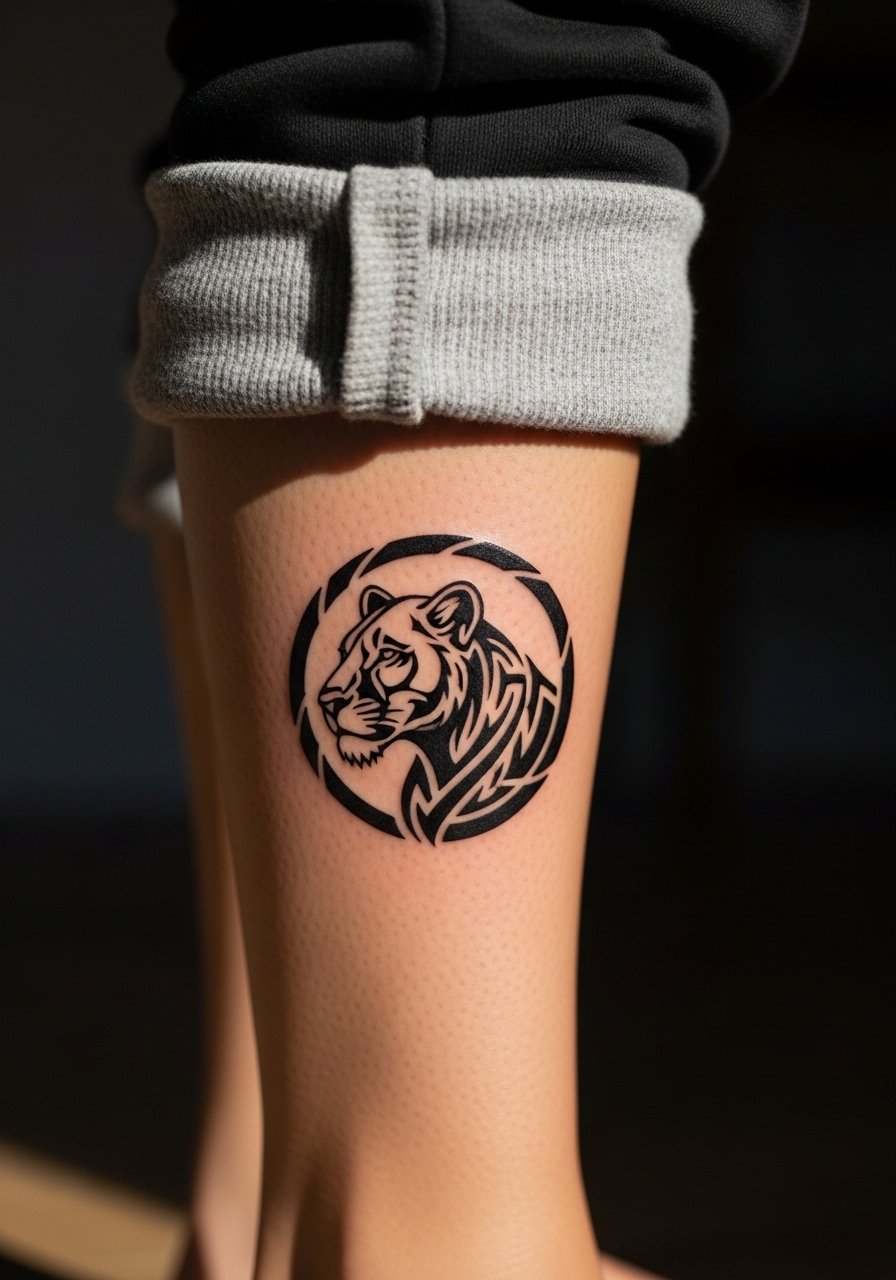
Calf placements handle bold black tribal work well and show clean geometry from a distance. The common error is forcing too many small negative shapes inside a tight circle. Tell the artist you want strong negative breaks and consistent line thickness so the circle reads even as the skin stretches. Sessions are typically single but steady. Style it with a midi wrap skirt or rolled joggers to frame the design when you want it visible.
9. Ignorant style soft lion on the outer wrist
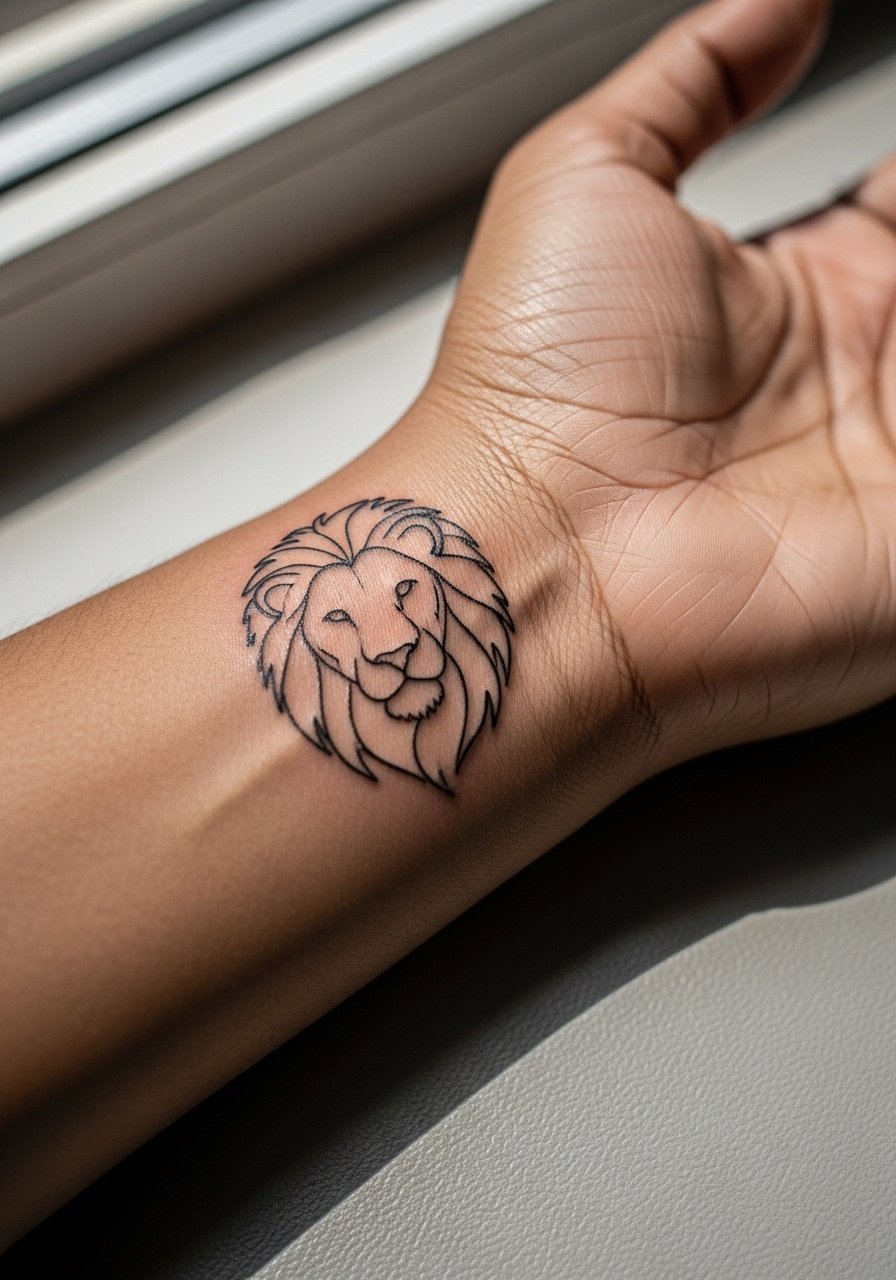
Ignorant style reduces features into playful shapes that age more forgivingly than tiny photorealism. The mistake is asking for micro detail at wrist scale. Ask for simplified contours and one or two fill points to keep the charm. Short session and easy healing but protect from sun. For showing off, a sheer sleeve blouse pulled back or a stack of small bracelets works. Slip on a sheer sleeve blouse after your session if you want soft photos without metal interference.
10. Black and gray realistic mane portrait across the upper back
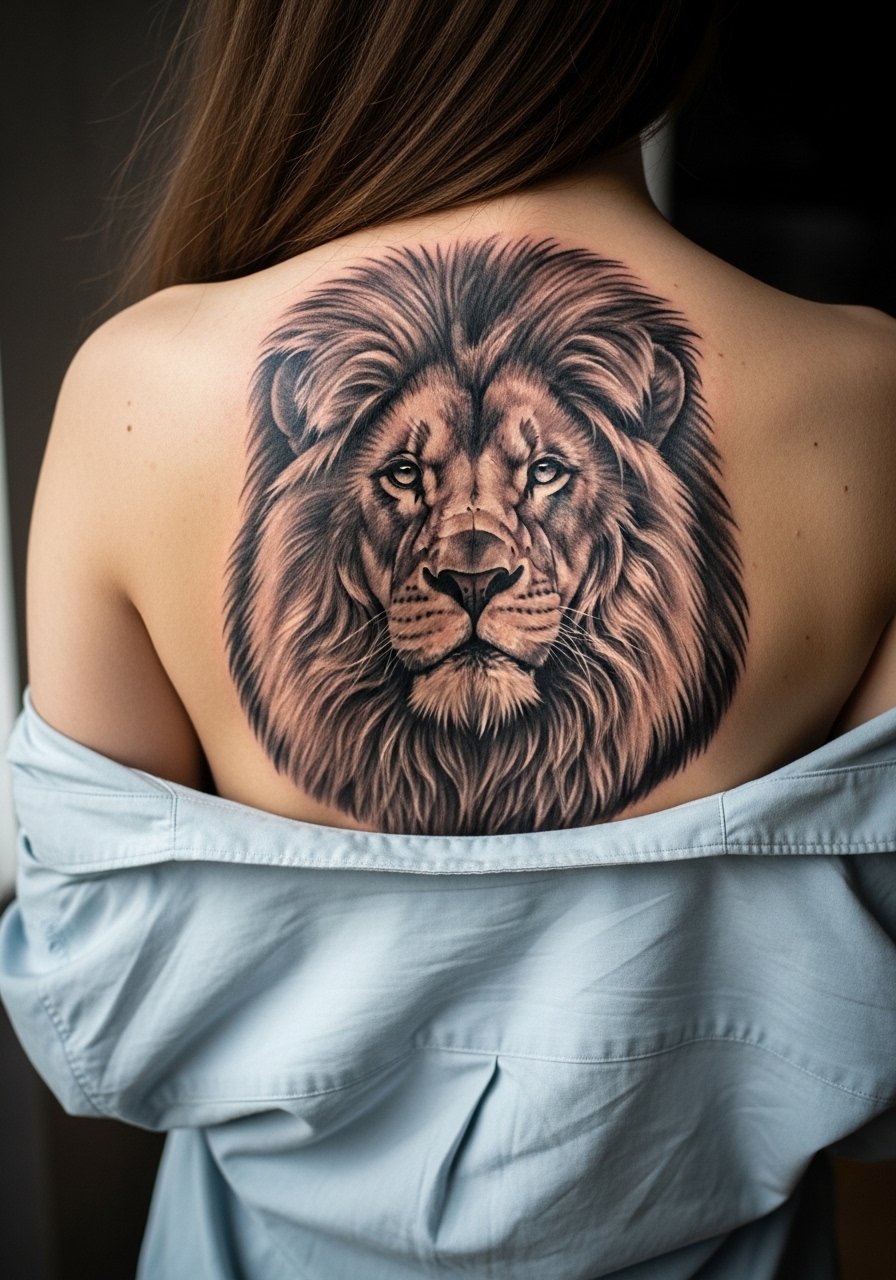
Large back portraits let artists use long hair strokes that age into texture rather than blur. The trade-off is multiple sessions and more aftercare vigilance for heavy shading. A common mistake is underestimating session time which leads to rushed shading and patchy saturation. Expect two to three sessions for a six-inch portrait and ask your artist about staged sessions to maximize even saturation. For session wear, a loose button-down you can pull aside helps access without overexposure.
11. Fine line lioness with heart elements on the collarbone
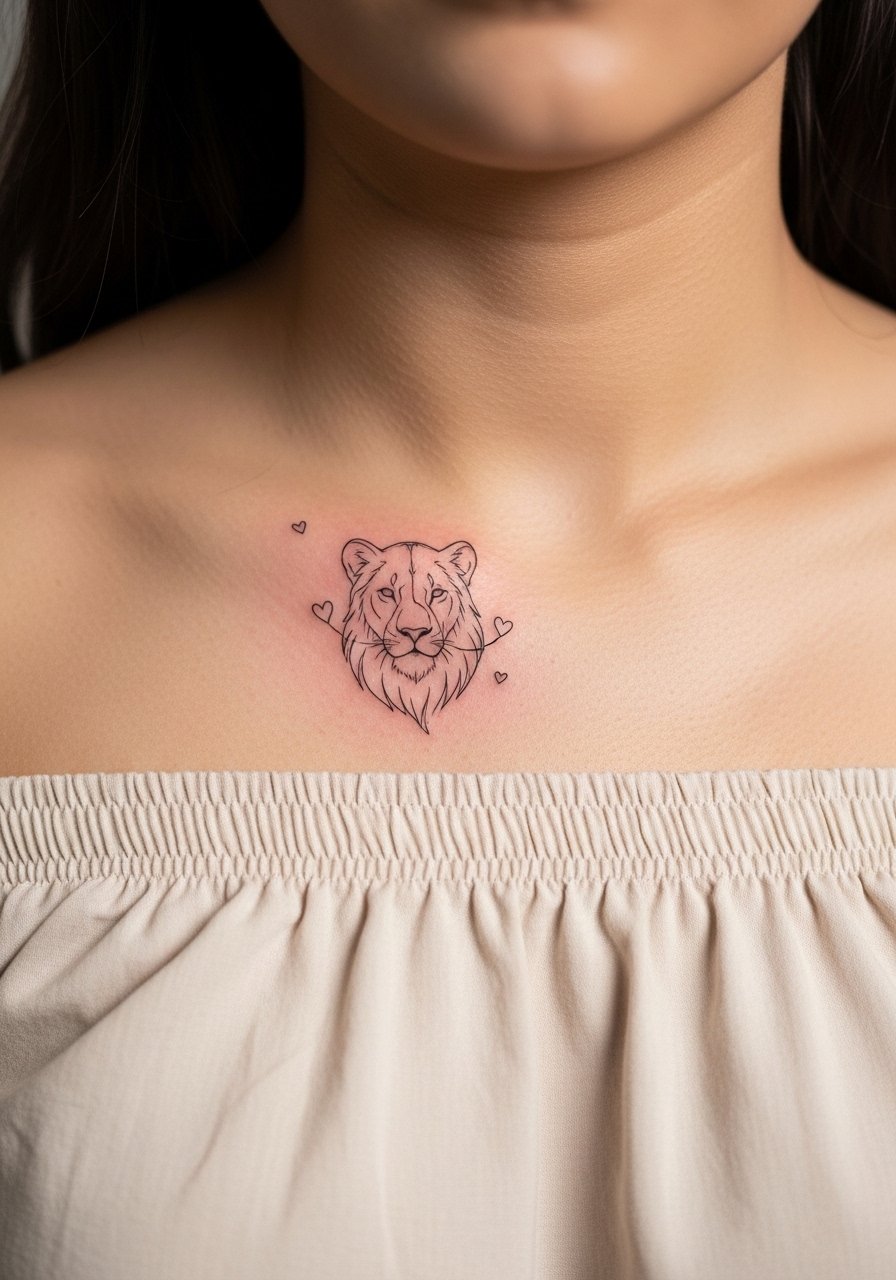
Collarbone pieces read delicate and pair well with neckline styling, but the bones create tricky canvas and movement affects healing. The aging risk is skin stretching and sun exposure flattening tiny heart details. Ask your artist for slightly bolder primary contour lines with faint internal hatching. Expect a one hour session and schedule a six-week check for touch-up if lines look too faint after initial healing. For showing this off, an off shoulder blouse cream frames the tattoo without competing.
12. Neo-traditional lion with rose entanglement on outer thigh, color accents
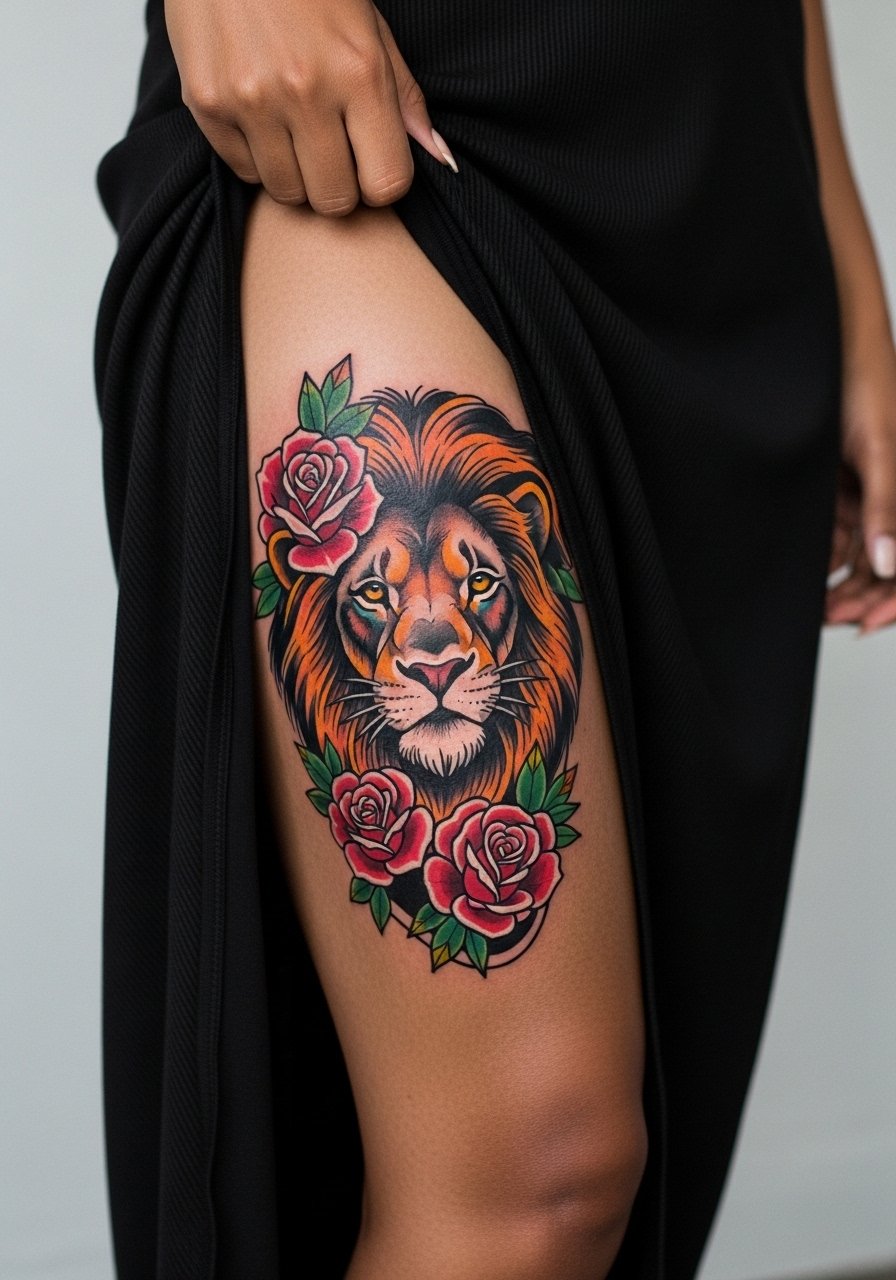
Color accents in neo-traditional work look lively on thighs where the skin is stable after weight changes, but saturation planning matters. A mistake I see is overloading small petals with too many hues which can muddy with time. Ask for saturated anchors and simpler midtones in the petals. Expect two sessions and a touch-up after full settling. For styling pairings, high-waist shorts or a side slit maxi skirt let the roses take center stage.
13. Minimalist lion outline on the ankle strap area
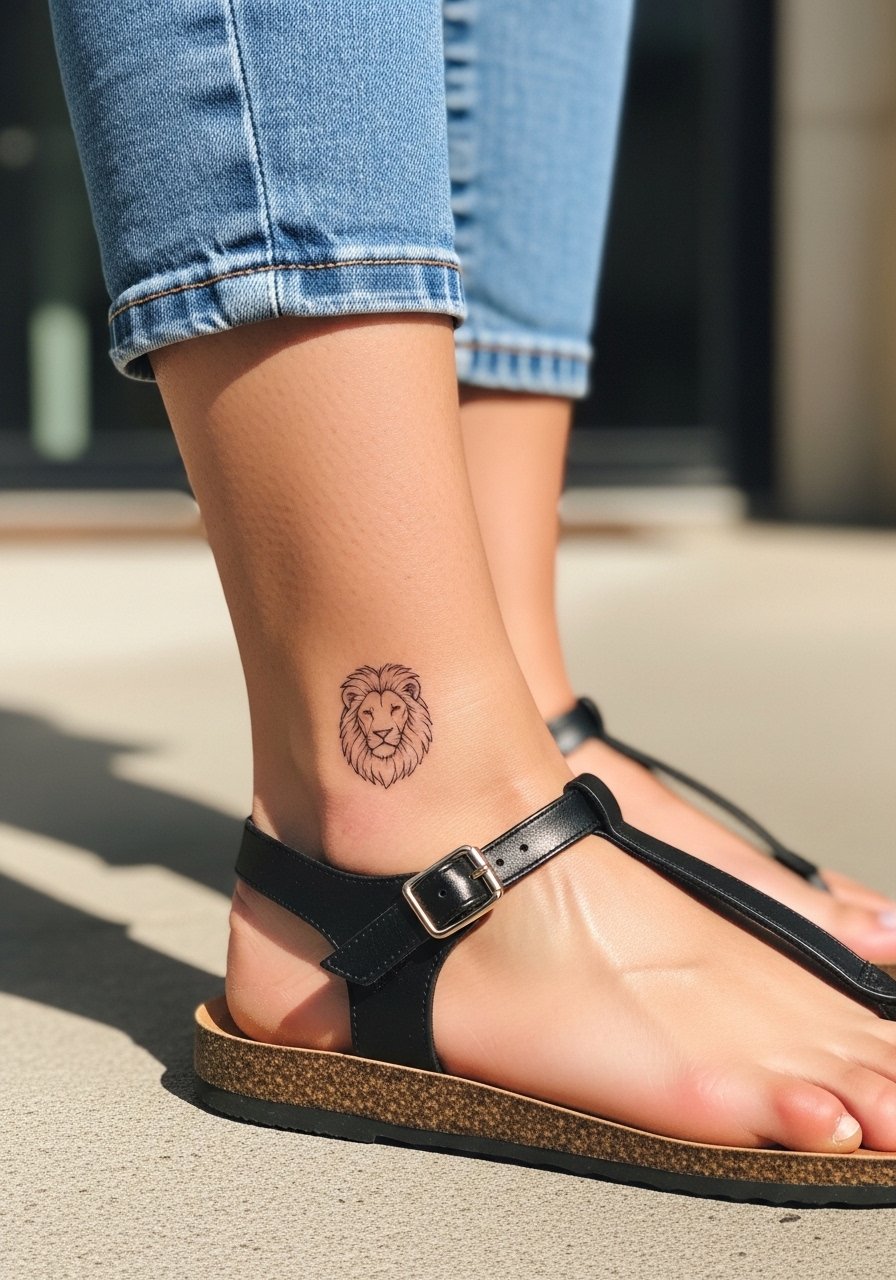
Ankle strap placements rub against shoes and socks, and tiny outlines are vulnerable to blowout and fade from friction. The safer route is a slightly heavier outline and minimal interior detail. A one-session ankle piece will need protective care during the first week and a possible touch-up at one year. For session clothing, bring short pants and sandals so the artist has clear access and you can test visibility with your usual shoes.
14. Ornamental shoulder cap lion with vine accents
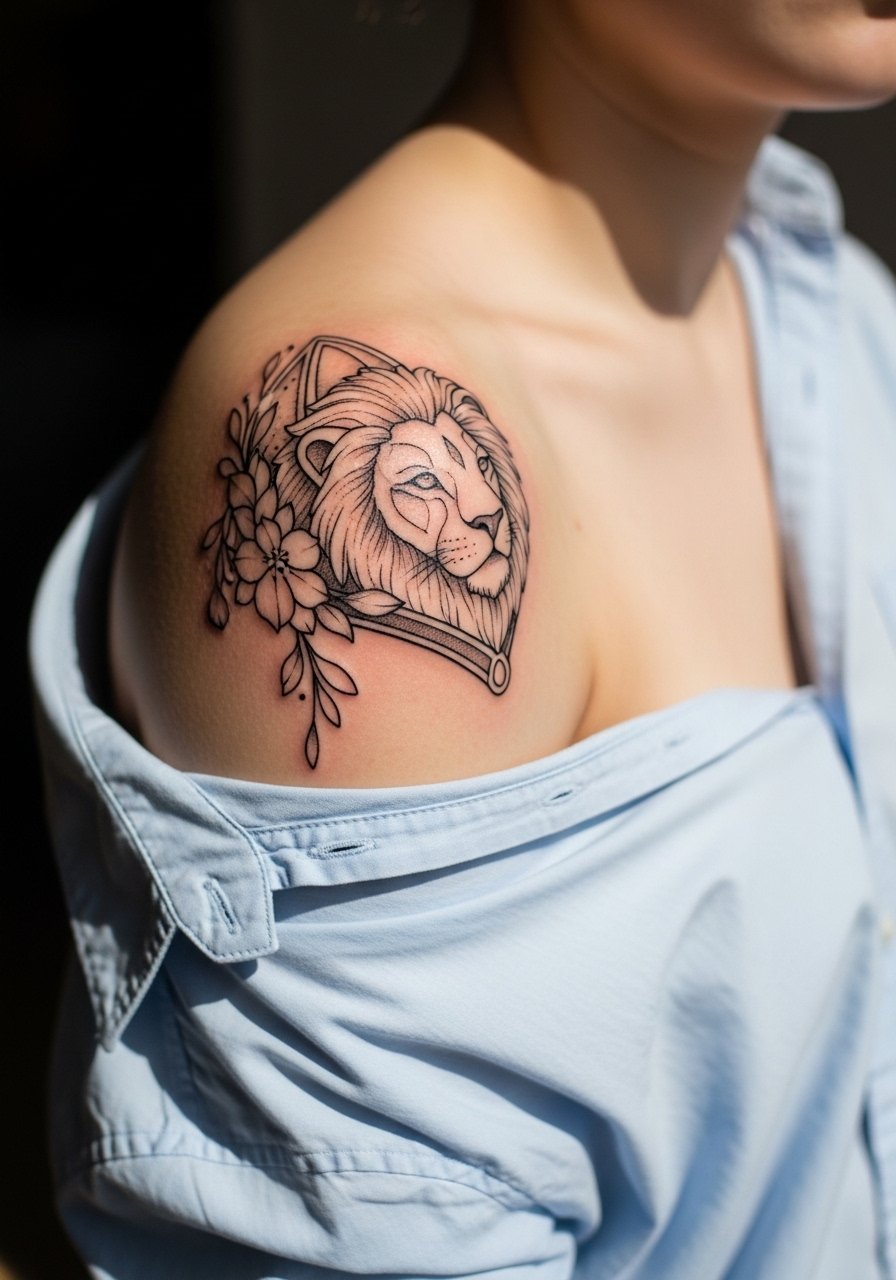
Shoulder caps are great for ornamental framing because the curvature lets the vines flow naturally. The error is centering the heavy detail where shoulder motion will distort it. Ask for composition that follows muscle lines and leaves small negative spaces so the vines read crisp. Sessions are comfortable and usually single block for medium sizes. For the session, a loose button-down shirt pulled aside gives easy access without exposing the torso.
15. Micro-realism lion cub on the inner bicep
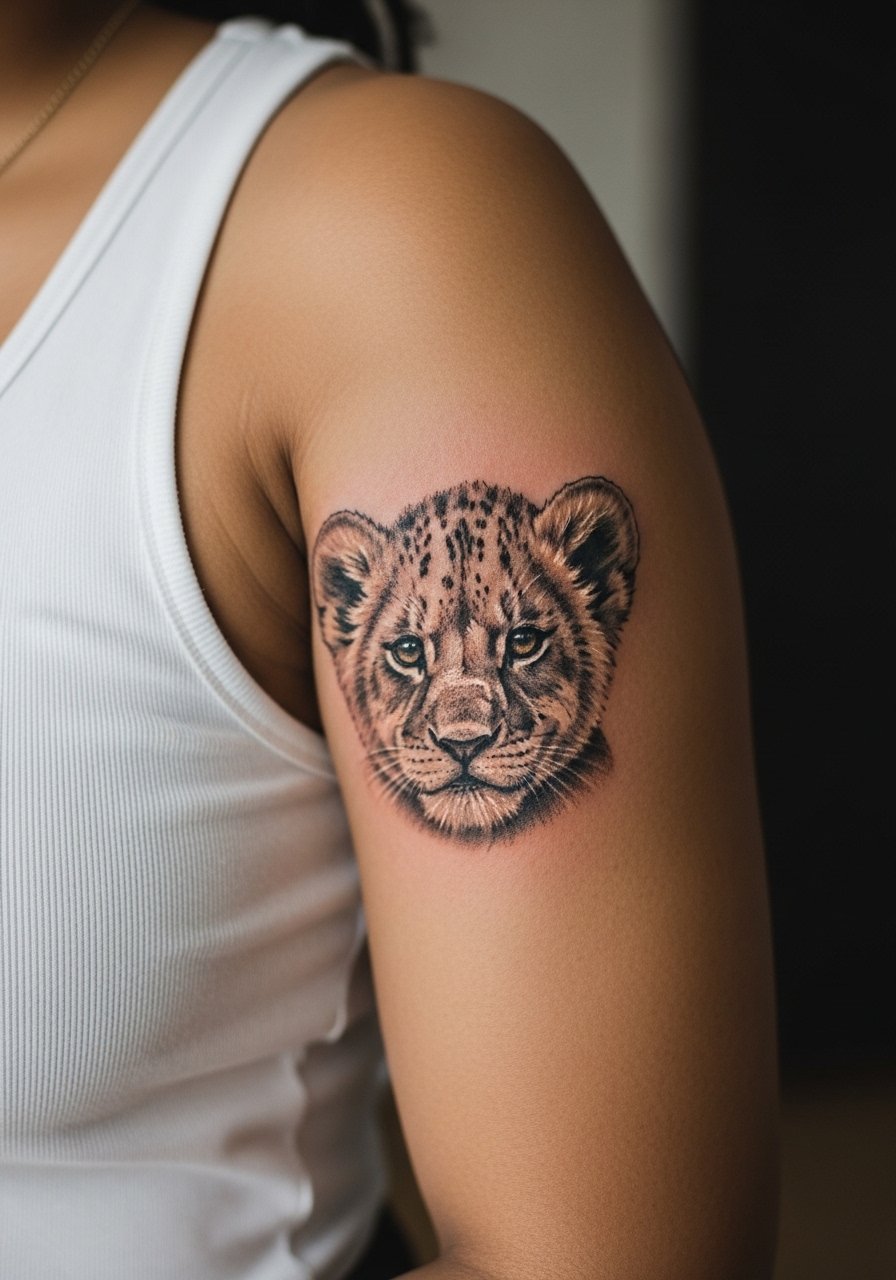
Inner bicep skin is softer, and micro-realism there can look crisp early but soften as the area moves. Ask for slightly denser stipple shading and avoid ultra-fine single-hair lines. The session may be more sensitive and require breaks. Plan a touch-up window at three to six months for micro detail settling. Because this area sees less sun, the longevity for micro texture is often better than wrist placements.
16. Blackwork mane band wrapping the forearm
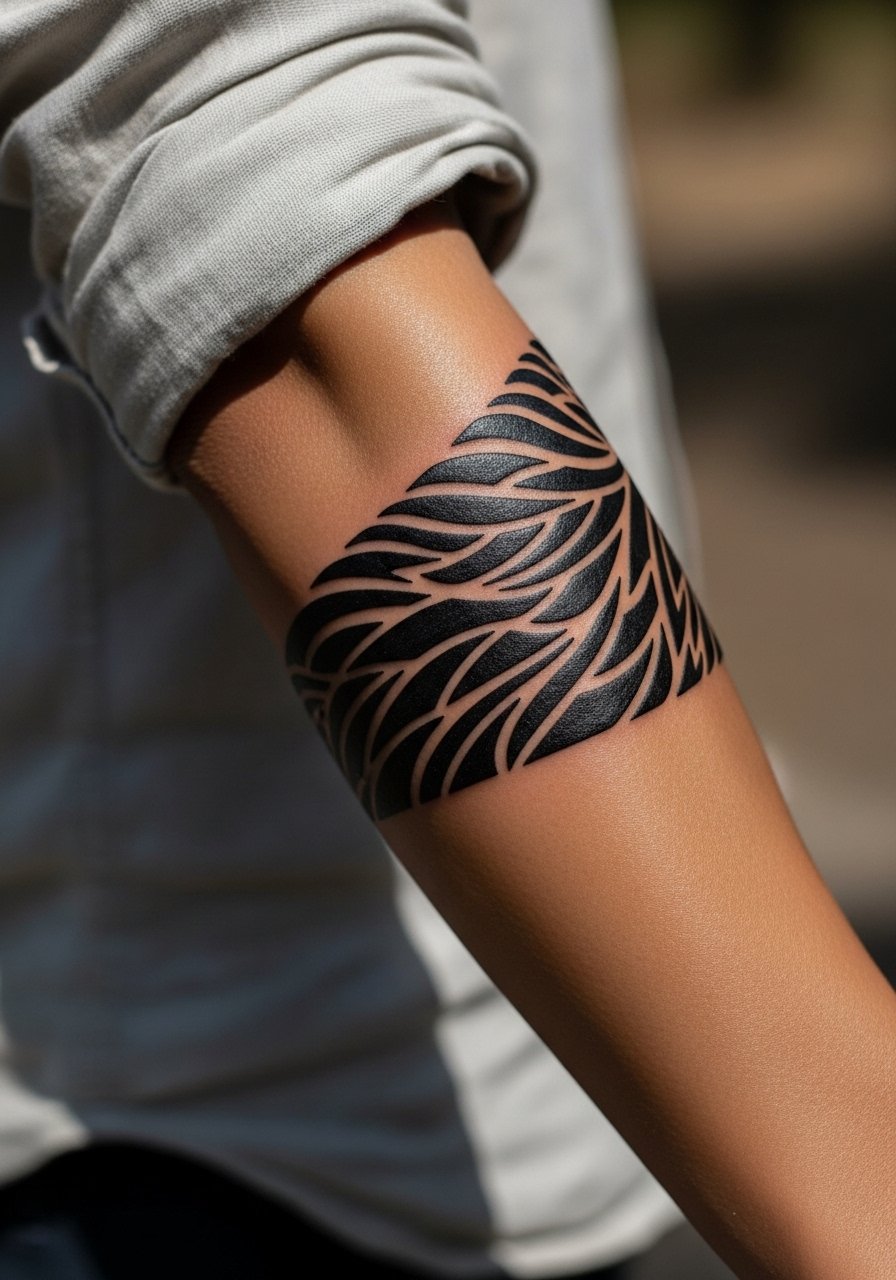
A wrap-around band in blackwork is bold and tends to age into a defined silhouette if executed with consistent saturation. The mistake is uneven wrap thickness which becomes visible as the piece settles. For longevity ask for consistent saturation across the band and plan for a one-hour to two-hour session depending on width. Pair the piece with rolled sleeves in a taupe linen shirt to show the wrap without overexposing the wrist.
17. Watercolor lion mane wash on the shoulder top
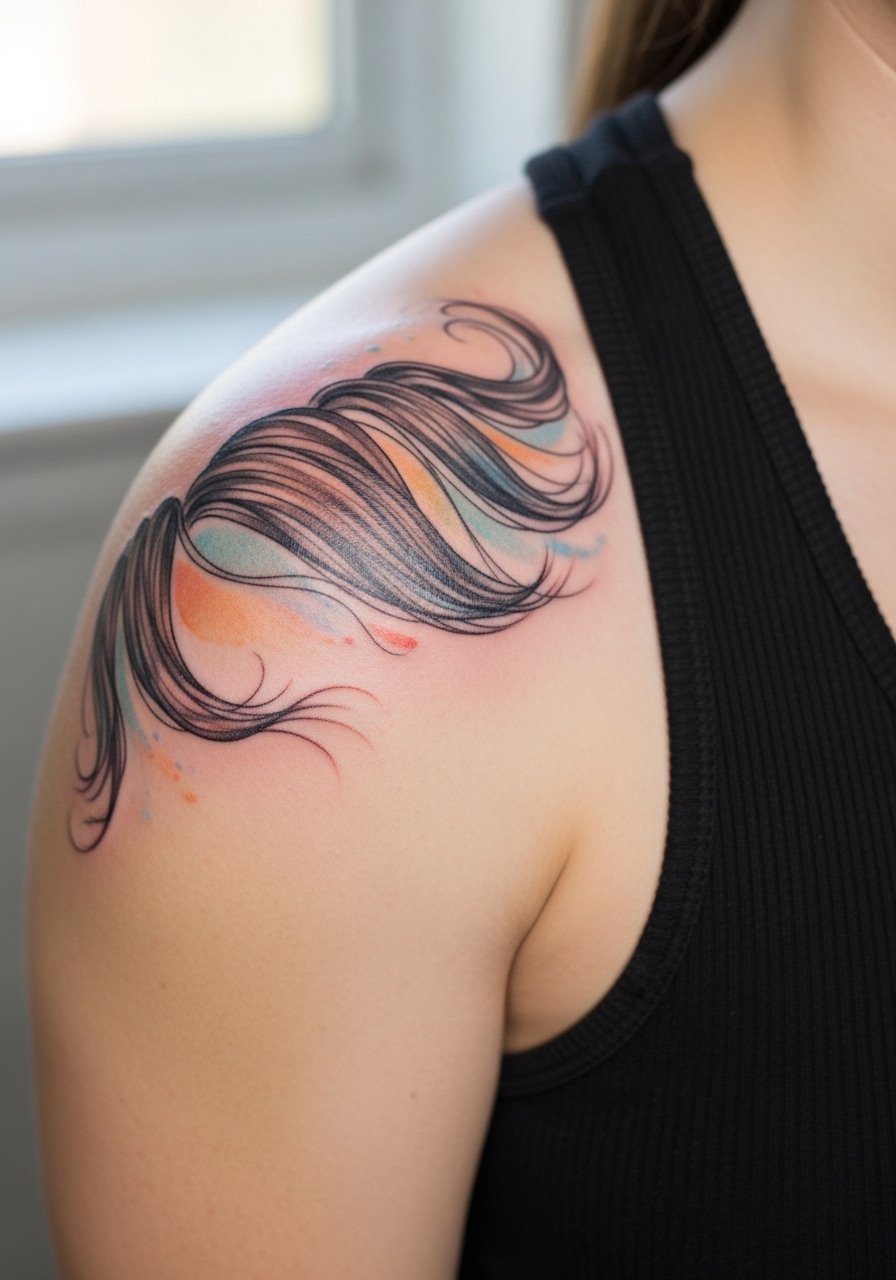
Shoulder-top watercolors diffuse beautifully but need plan for pigment migration during healing. The common regret is asking for tiny color islands rather than broad washes. Tell the artist you want gradient washes with clear negative-space transitions and minimal hard lines. Sessions are usually single but expect careful aftercare about indirect light. For showing off, a racerback tank pastel keeps the silhouette visible.
18. Small geometric mane and mandala at the sternum
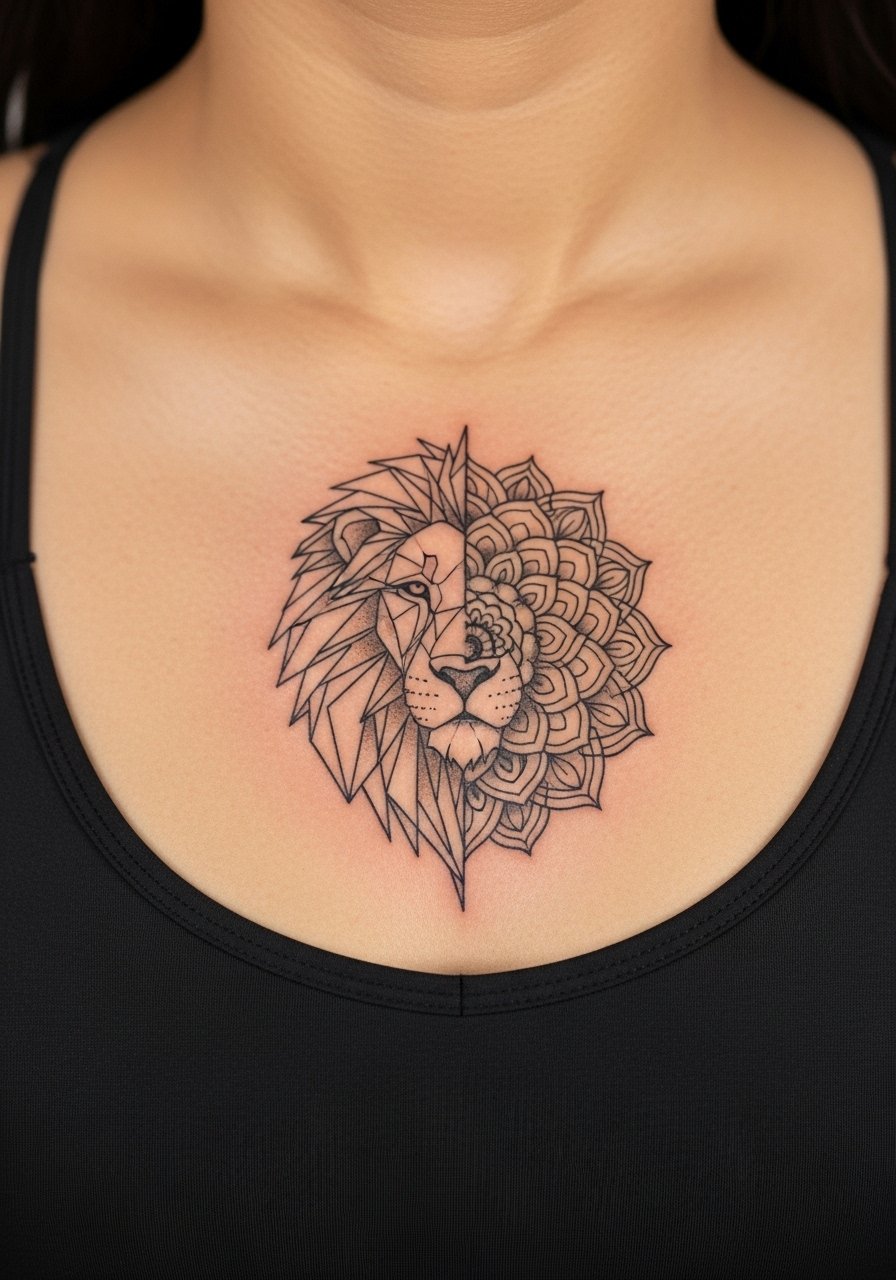
Sternum placements sit over moving skin and higher pain tolerance is needed. The controversy around fine lines on chest is alive. One group warns that tight lines on sternum blur quickly. The other group argues that with correct spacing and deeper anchor lines they can settle fine. If you go chest, prioritize spacing in the mandala and larger repeating geometry to let the piece age predictably. Wear a supportive fitted sports bra the day of the session for modest access.
19. Small heart-accent lioness near the collarbone, off-centre
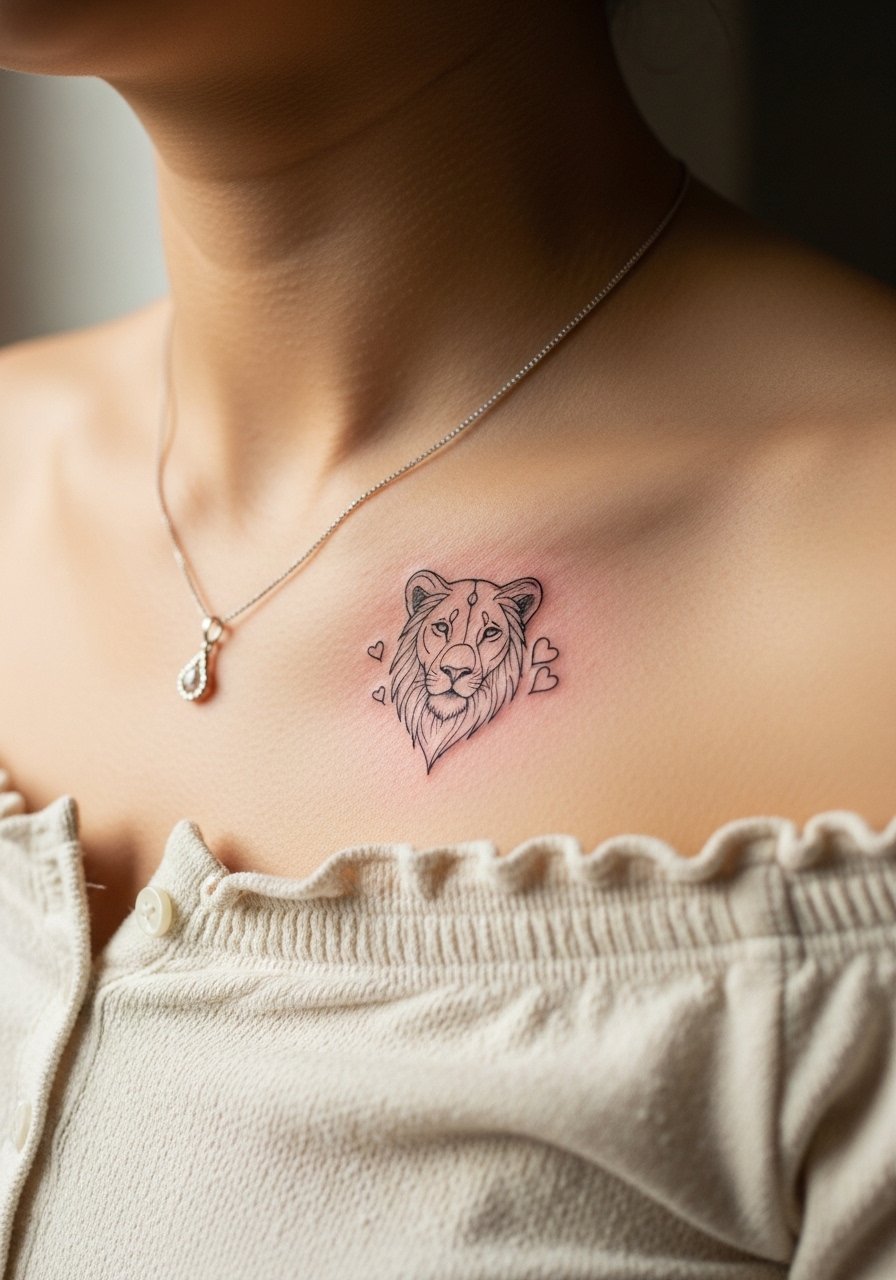
Off-centre collarbone placements have visual interest but bone proximity can make lines look thinner. The common mistake is expecting hairline lines to behave like skin-only placements. Ask for slightly thicker anchor outlines and open spacing in tiny heart accents. Expect a shorter session and schedule a six-week check. For styling, a delicate drop necklace sits nicely under the piece without crowding it.
20. Ornamental hip lion with petal filigree
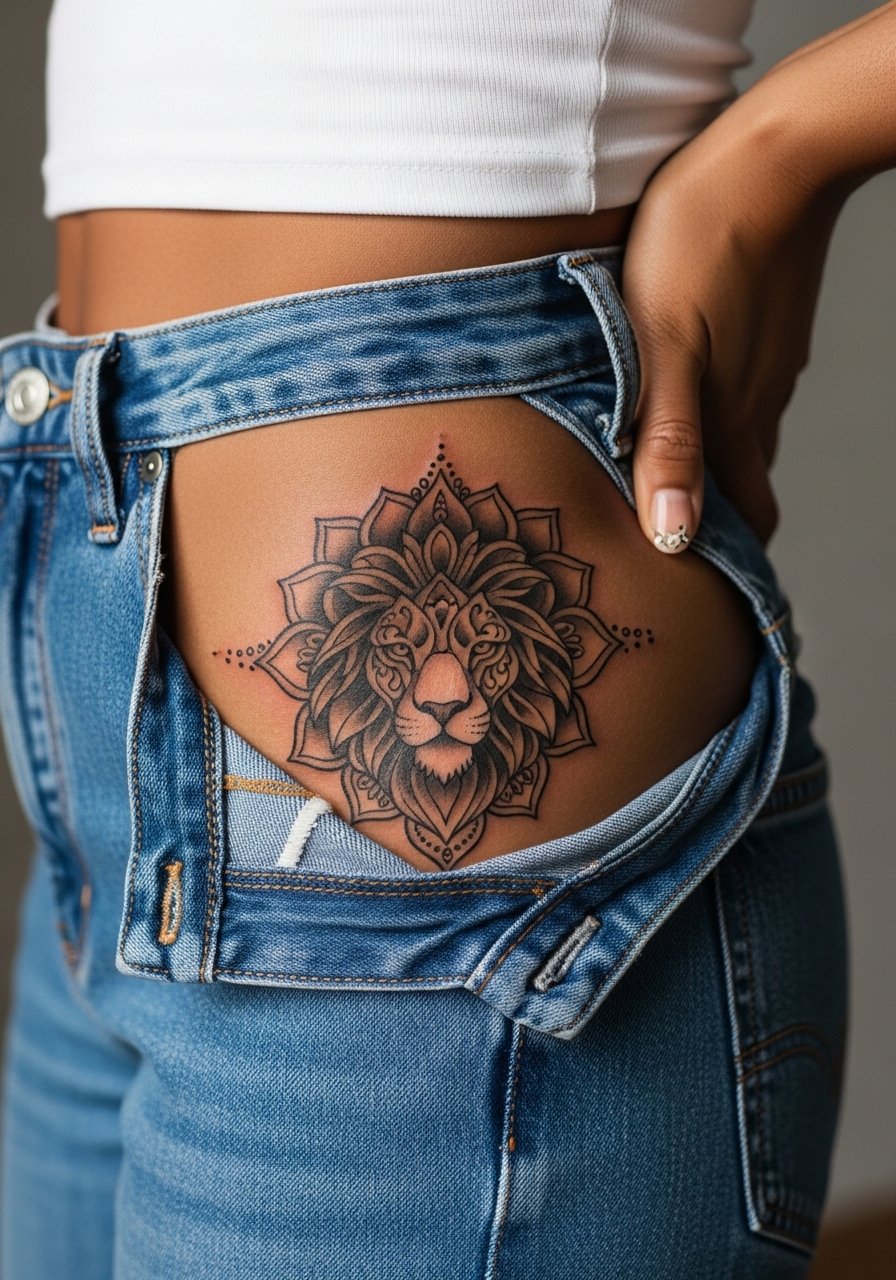
Hip pieces are intimate and often sit under clothing friction. The mistake is packing details into an area that will get abrasion from waistbands. Ask the artist to place primary motifs away from the waistband and use filigree that sits higher. Sessions range short to medium. For appointment day, high-waisted bottoms you can lower slightly make access easy and discreet.
21. Blackwork lioness chest plate near the sternum edge
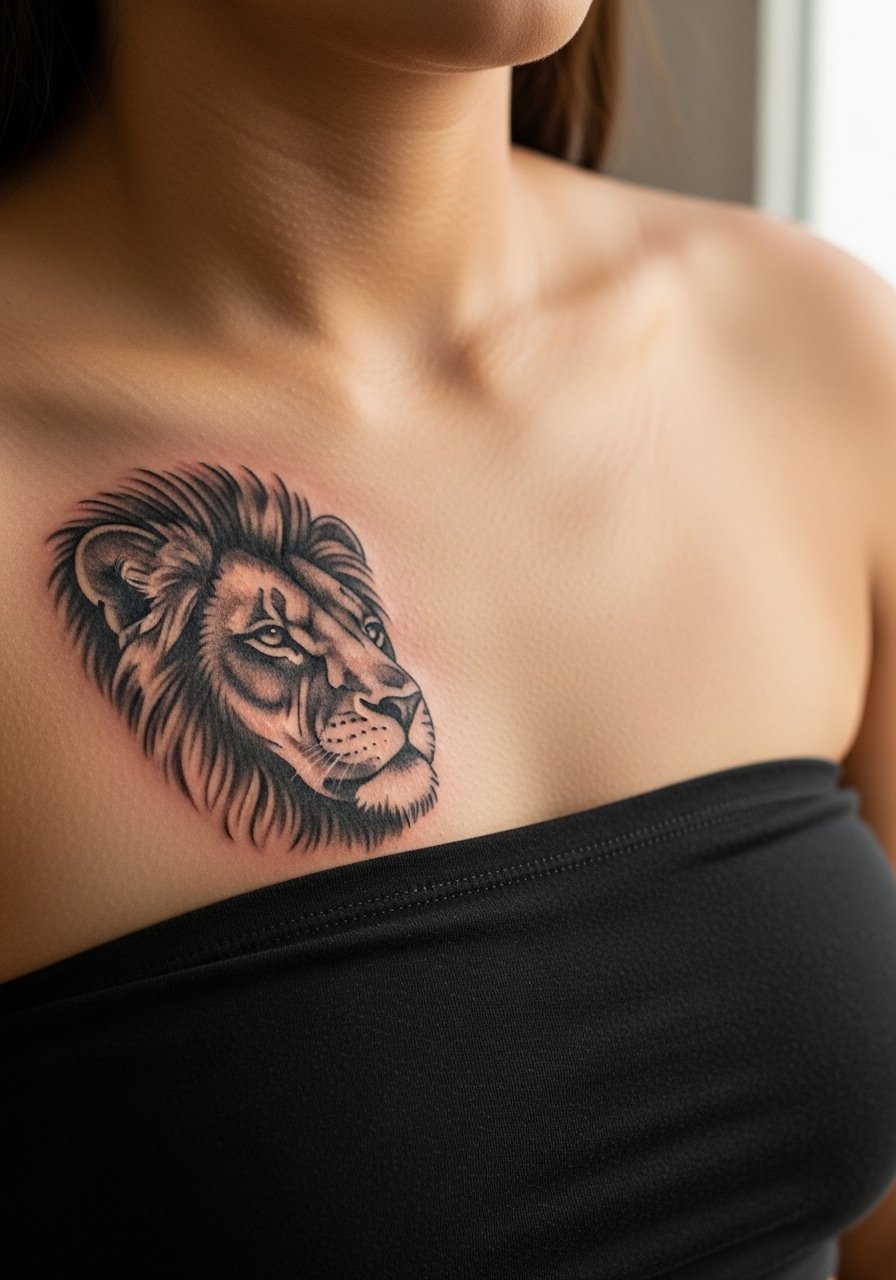
Chest blackwork gives strong contrast and photographs consistently across tones. A common mistake is starting too small with heavy black, which can spread visually over time. Plan for proportionate scale so the blackwork reads at a distance. Sessions are longer and you may need to sit across two appointments. For modesty in the chair, a bandeau can give access while keeping you comfortable.
22. Micro-realism lion cub near the ankle bone
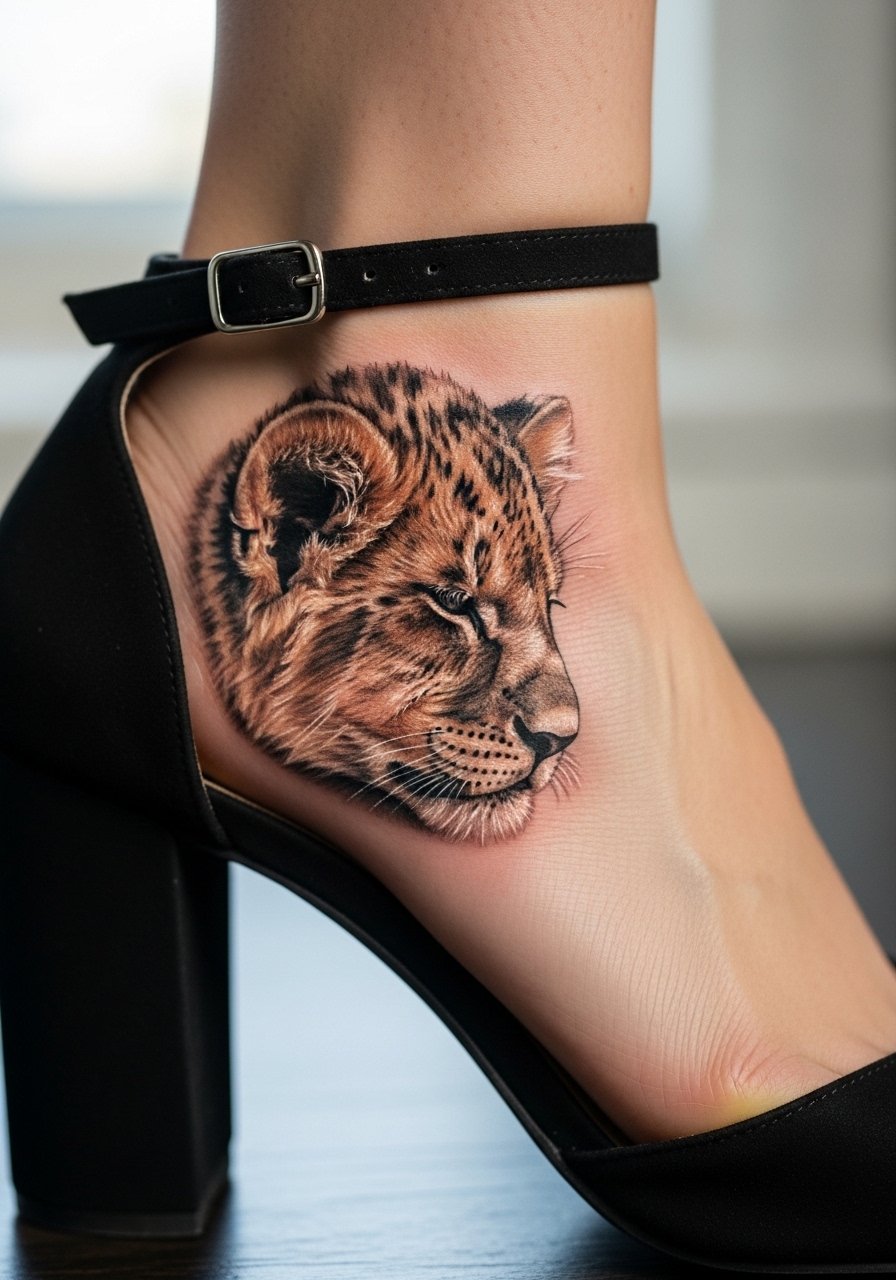
Ankle bone placements are bony and unforgiving for micro detail. The error is requesting the highest level of detail at hairline scale. Instead ask for slightly enlarged features and denser dot work to maintain legibility. The session is short but plan for a minor touch-up at six to twelve months. For summer wear, strappy sandals frame the small cub well with a strappy heeled sandals look.
23. Linework lioness with sun motif behind the head on upper arm
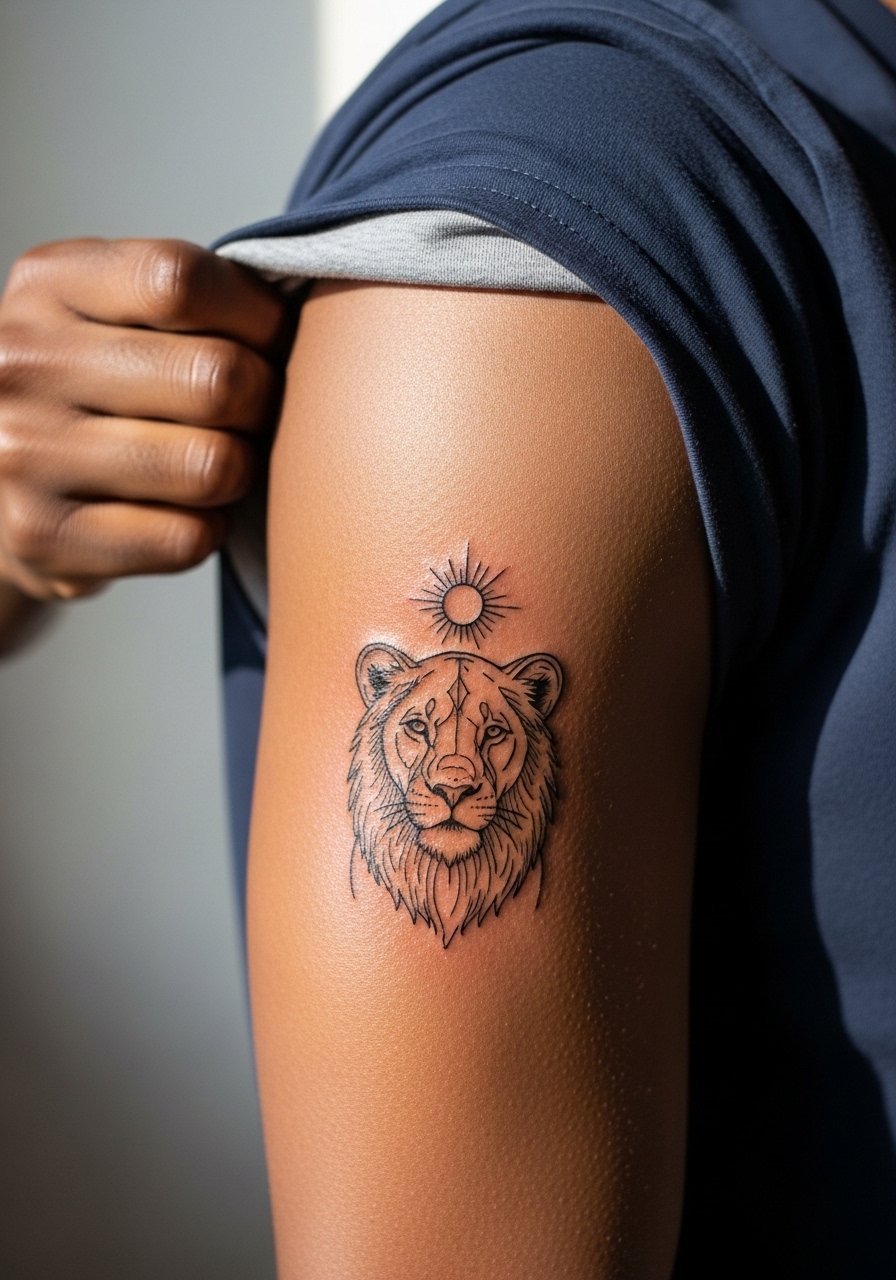
Outer upper arm receives less sun and handles medium linework well, which helps when pairing a sun motif. The typical mistake is packing tiny rays too close to the main lines. Ask for fewer, broader rays and slightly bolder outer contours. The session is comfortable and may be done in one block. Wear a short sleeve top you can pull aside to give clean access.
24. Small minimalist lion outline on the ankle inside
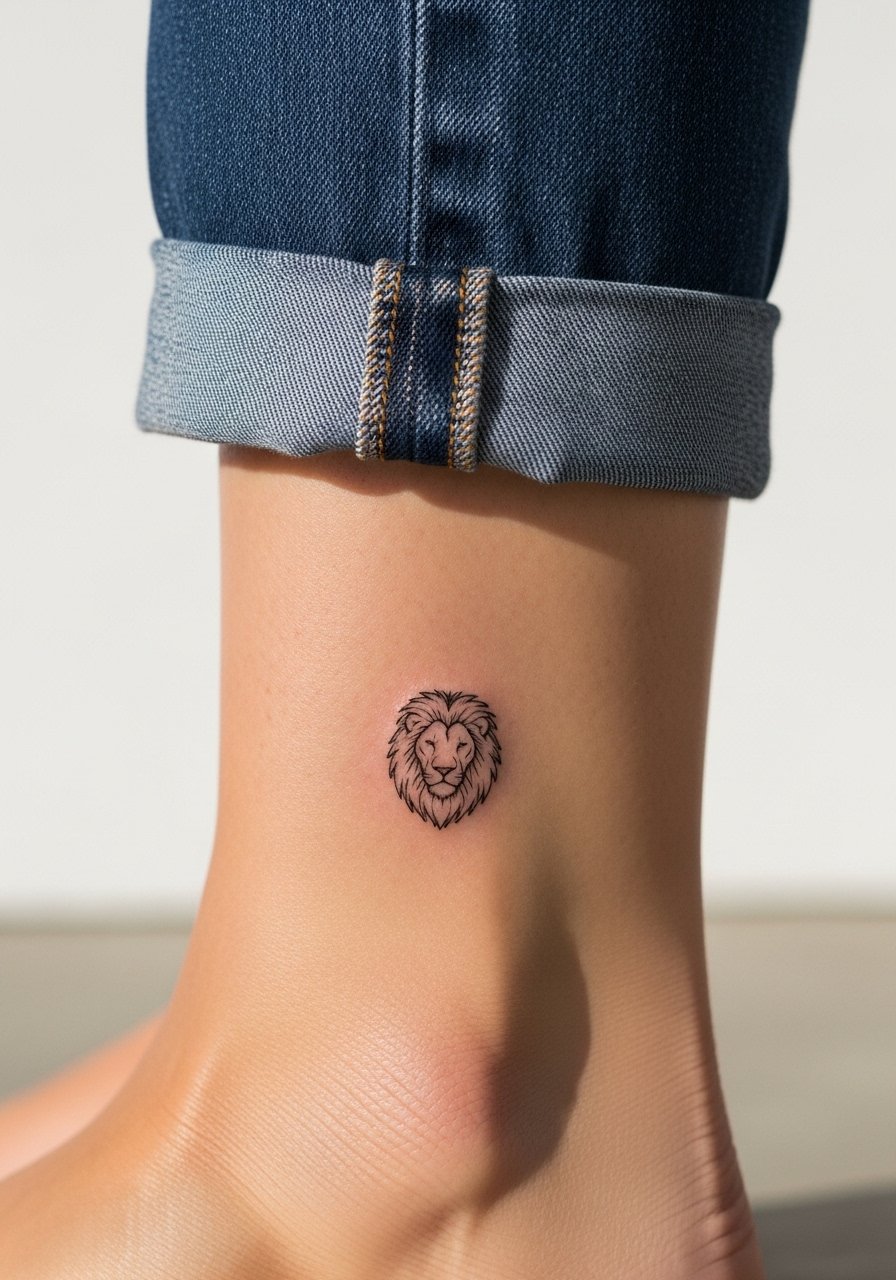
Inside-ankle placements face the same friction and sun issues as outer ankles but are a bit more covered by shoes. The mistake is ultra-fine lines that succumb to blowout from movement. Ask for conservative line weight and simple interior negative space. The session will be brief. Bring footwear that you plan to wear afterward so you can test if the piece will rub.
25. Ornamental lioness throat-side near the neck edge
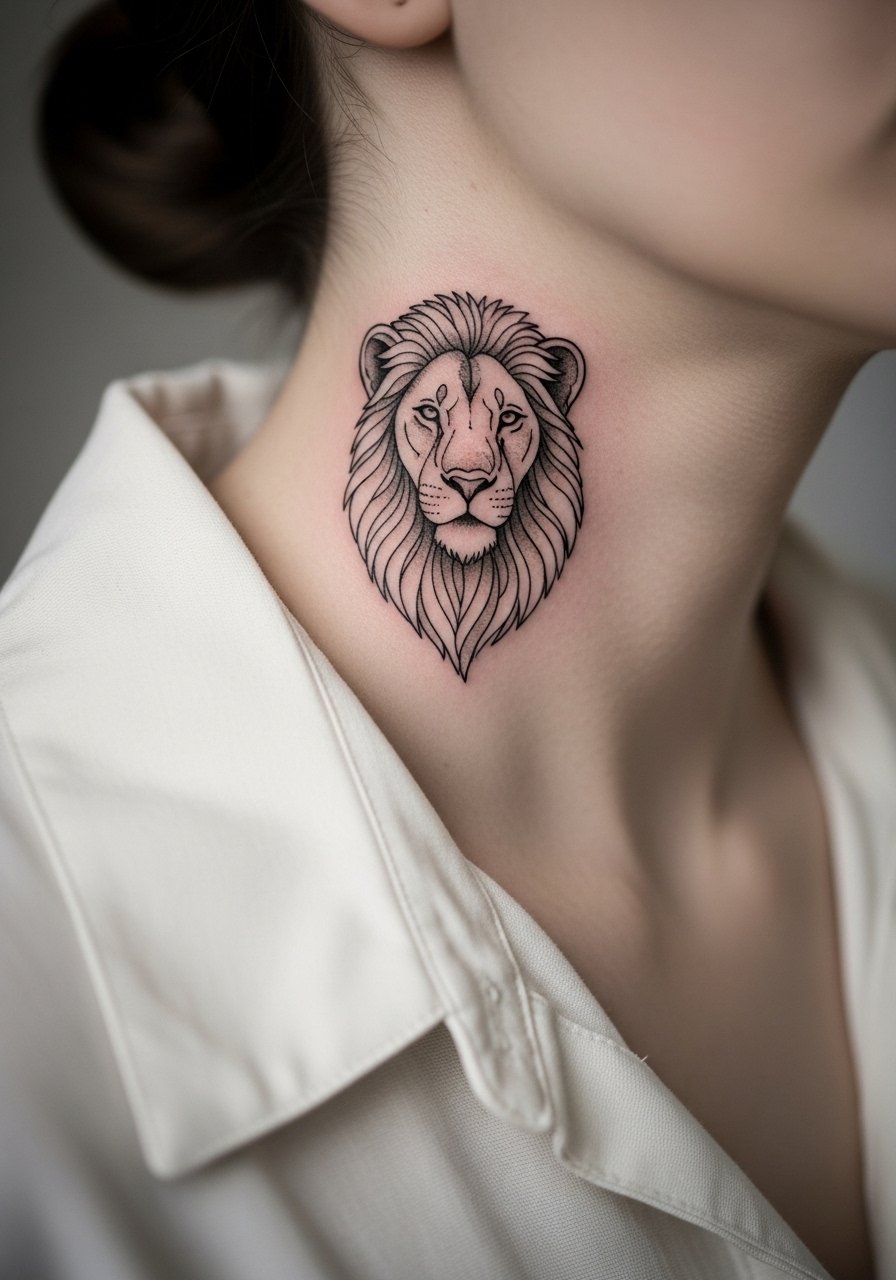
Neck pieces are visible and can affect first impressions in some industries. The practical concern is sun exposure and constant movement. The common argument among artists is whether thin lines work on necks at all. One camp says they blur quickly. The other camp says with deeper anchors and spacing they can hold. If you choose neck placement, favor slightly bolder lines and plan for touch-ups at year two. Pick a wide-neck shirt you can easily pull aside during the session.
26. Blackwork dot-shaded lioness portrait on the upper thigh
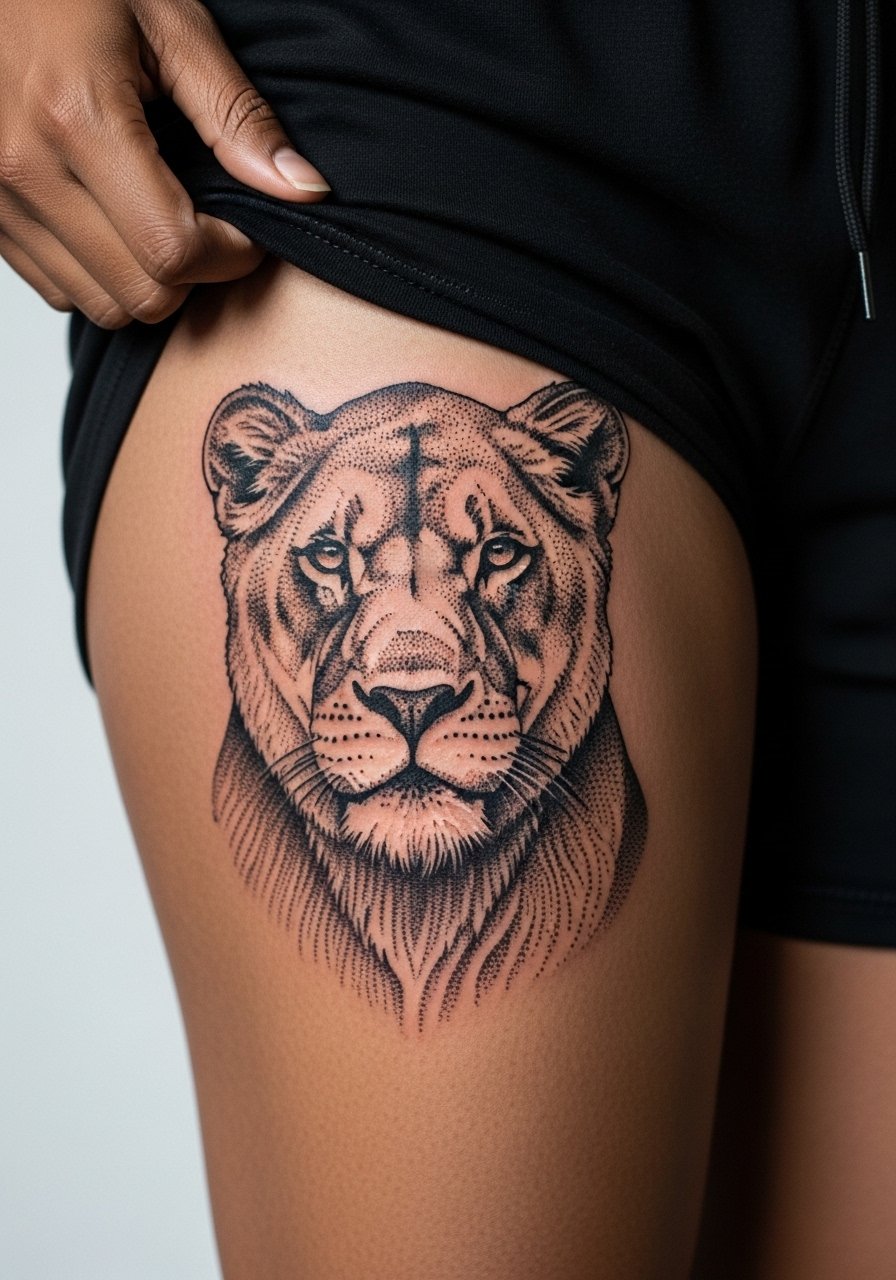
Upper thigh handles dense dot shading because the area tolerates heavy passes and is less exposed to sun. A mistake is overworking the skin in one long session which can cause extended soreness. Schedule two shorter blocks if you want deep texture without prolonged trauma. For session comfort, bring loose shorts or a skirt so the artist can access the area while you stay covered.
27. Minimalist negative-space mane behind the ear-neck junction
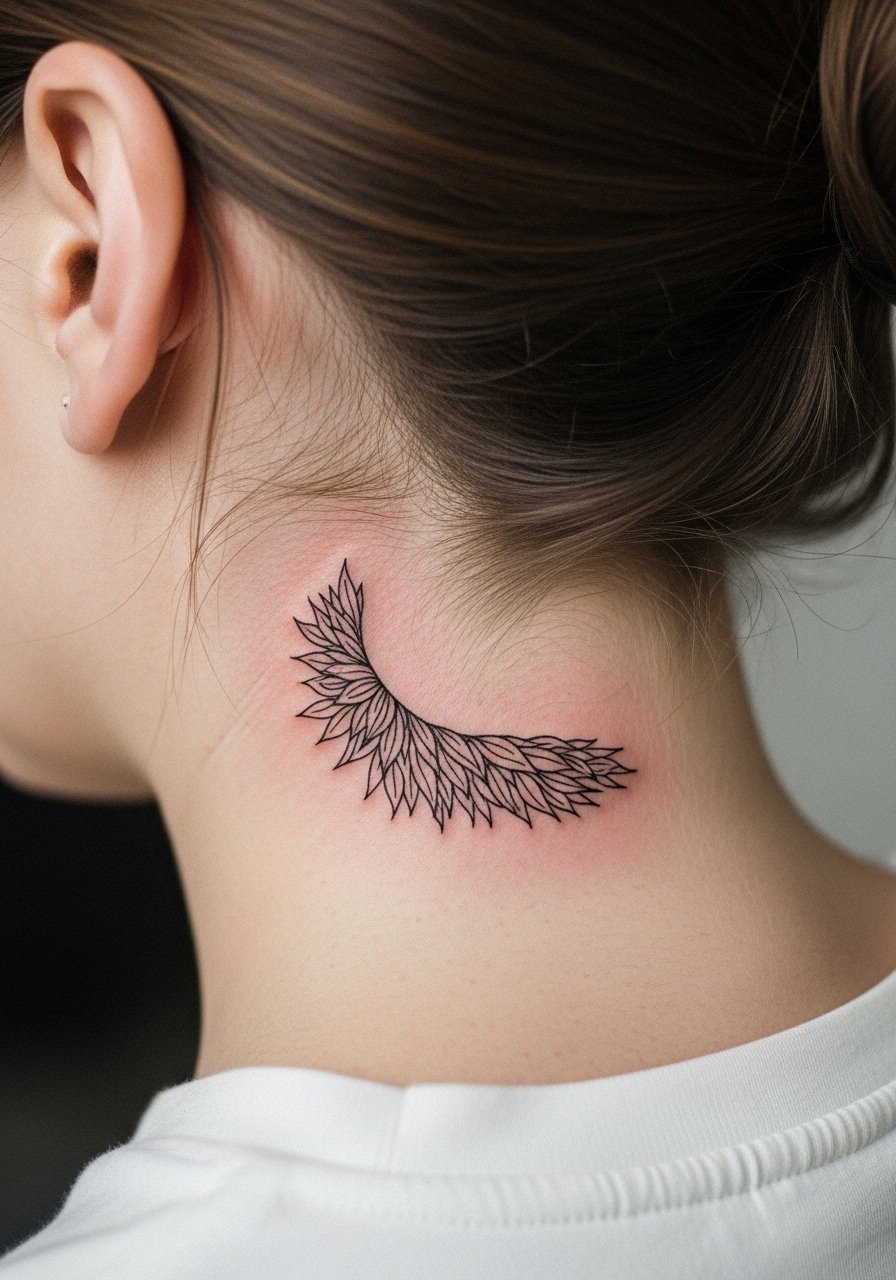
Behind-the-ear placements need precise wording in your consultation because the skin there is thin and movement is constant. Never request micro shading there. Ask for negative-space mane strokes and slightly bolder anchor lines so the shape holds. The session is short. For privacy and comfort, have your hair clipped back and bring a wide-neck top so the artist can work with clear access.
Frequently Asked Questions
Q: Will fine line lion tattoos blur faster on darker skin tones, and what are the options?
A: Fine line tends to soften faster on deeper tones if the lines are hairline thin. A common solution is to ask for slightly thicker outer contours and dot shading for internal texture. I have seen blackwork and dot shading hold up better across tones, and many people plan touch-ups every 12 to 18 months to keep crispness.
Q: Is Saniderm better than dry healing for watercolor manes and soft lions?
A: Artists and community members split into two camps. One camp favors Saniderm for a cleaner, protected initial phase. The other camp prefers dry healing to avoid trapped moisture and possible ink loss. The right choice depends on your daily routine and the shop's aftercare preferences. If you travel or work in humid conditions, ask the studio how they handle similar cases.
Q: How should I prepare clothing-wise for a thigh or rib lion session?
A: For thigh pieces bring loose shorts or a skirt you can shift, and for ribs bring a strapless bra or a fitted sports bra you can lift slightly. Comfort and access matter for long sessions. I recommend clothes that expose only the working area so the artist can adjust the stencil without tugging fabric.
Q: How long before a watercolor lion fades noticeably in humid summer climates?
A: Watercolor pigments can soften faster in humid summers if they see lots of sun and sweat. From what I have gathered, hydrated, indirect healing and avoiding heavy friction for the first month helps. Plan for a possible color refresh at year two depending on exposure.
Q: What should I ask during consultation to avoid an artist ghosting or cancellations?
A: Ask about the studio's cancellation policy, whether they require deposits, and confirm guest spot dates in writing. Many people find booking platforms with clear policies reduces the risk of no-shows. Also ask how many sessions the artist anticipates so you can plan time between appointments.
Q: Can a small forearm lion be made to age better if I want subtlety now?
A: Yes. Request slightly stronger anchor lines with delicate internal stippling rather than full fine-hair lines. That way the design reads soft fresh and still has structure years later. Expect a touch-up timeline at around a year depending on sun exposure and wear.