
Bold, saturated black coverups hide old mistakes better than delicate detail does. Picking a high-contrast approach lets the new art read like a deliberate piece rather than a patch job. If your faded flash or amateur script needs serious hiding, these dark, edgy coverups give you options that age predictably and survive longer in high-friction spots. Read the first idea and get a clear action to take into your consultation.
1. Blackout Sleeve Patch on Upper Arm

When a scattered old sleeve reads messy, a localized blackout patch gives you a canvas for new negative-space shapes. I recommend asking for layered saturation and planned pockets of untouched skin that form silhouettes, not random holes. The session feels straightforward for the arm, with predictable pain and long passes where the artist packs pigment. Common mistakes are asking for blackout in a single thin pass or expecting the black to be patchy for texture. That causes uneven saturation and touch-ups sooner. Expect touch-up work at year two in high-sun exposure areas. If you want to show it off, roll sleeves up with a loose button-down shirt so the cuff frames the dark block without crowding it.
2. Neo-Traditional Skull Panel for Upper Back
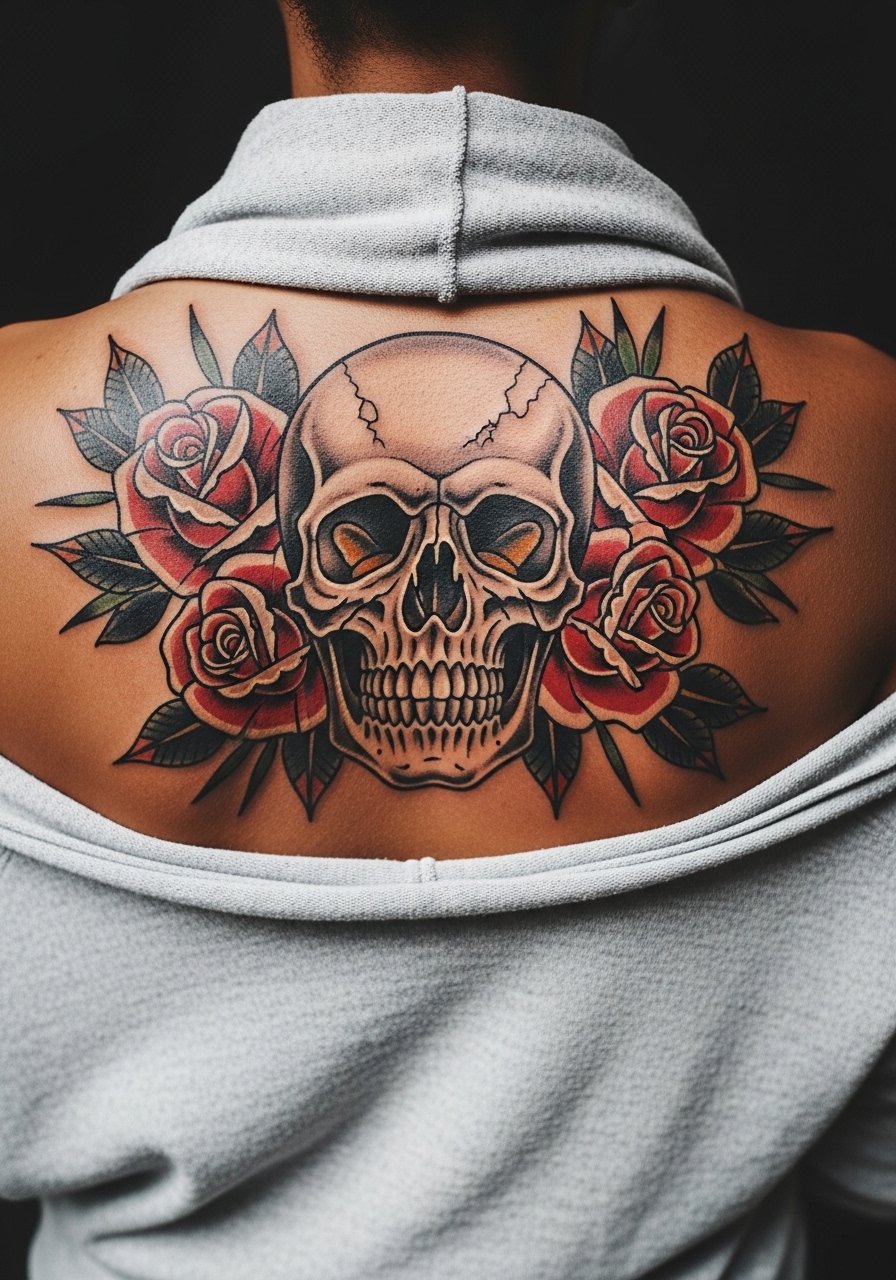
A compact neo-trad skull with heavy black outlines covers mid-sized back tattoos elegantly. Bring references that show the exact line weight you want and ask the artist to draw the skull so the darkest areas sit over the most distracting old ink. Most people forget to tell the artist where the faded color sits, and the artist needs that map to plan saturation. On the upper back the session is doable in one long visit or split into two shorter ones. The real risk is mismatched contrast; a skull with too-light shading will reveal old color. This piece pairs well with open-back looks for nights out, try an open-back midi dress when you want to let the new work breathe.
3. Stipple Mandala Sternum Panel
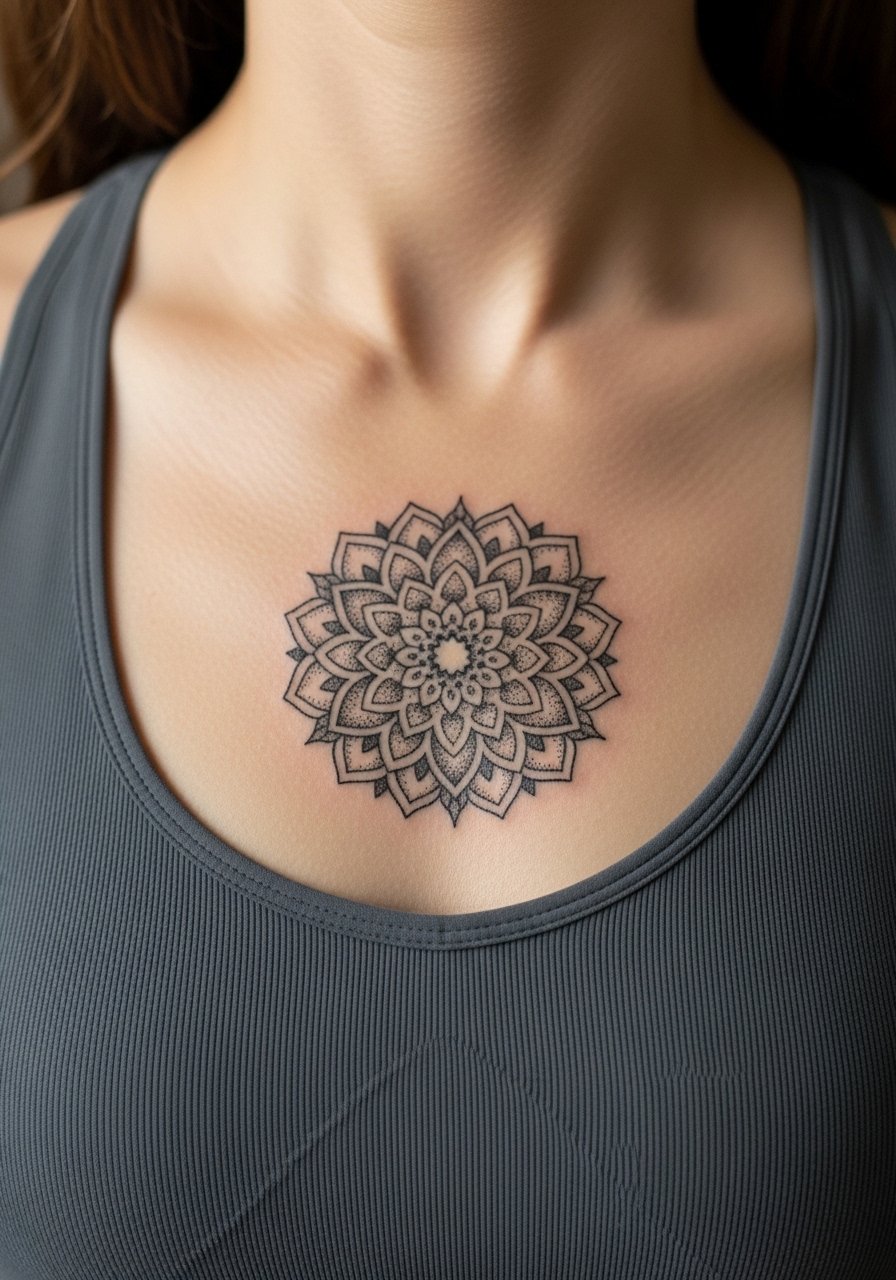
Dotwork mandalas hide layered ink by collapsing texture into dense fields of stipple shading. For sternum coverups, ask your artist to scale the pattern slightly larger than you imagine so the dense dots sit over the old marks. Expect the session to be tender around the chest. Artists split on whether fine dotwork holds on sternum skin. One camp warns the stretch and movement blur fine dots within a couple of years. The other camp says planned depth and spacing keep stipple crisp. Ask the artist which side they’re on and why. For showing it off, a thin chain pendant works well with the central placement and does not compete visually, try a thin chain pendant necklace.
4. Bio-Mechanical Ribcage Coverup
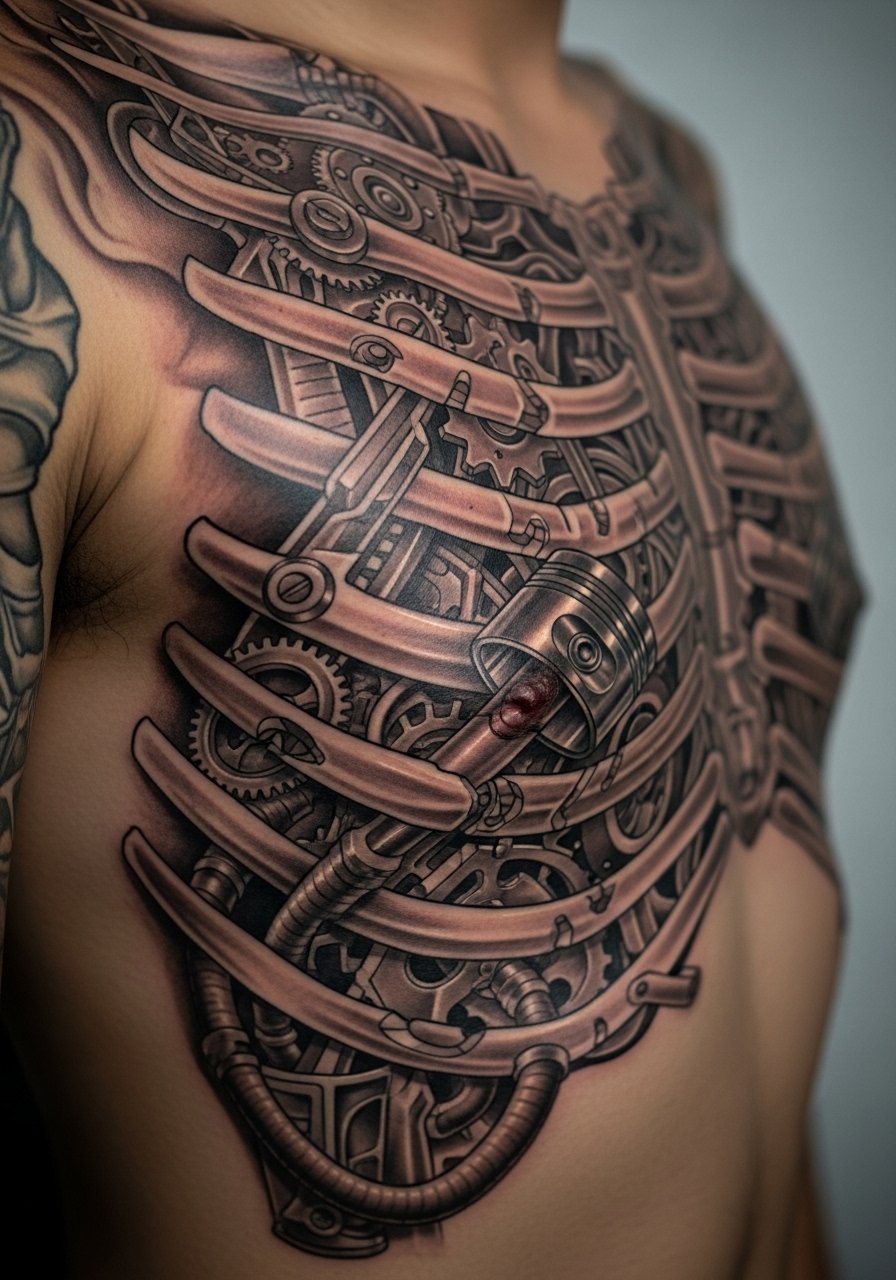
Ribcage coverups need heavy contrast because the skin there carries old ink with shifting tones. I usually advise clients to plan for layered shading that tucks old elements into the shadow plane of mechanical forms. The session on the ribs is intense and can take several blocks with breaks. The common mistake is wanting delicate lines over old ink on the ribs. That fails because the skin moves and dense old color leaks through. Expect to discuss touch-up timing during consultation. For appointment comfort, wear a zip-up hoodie you can lift rather than something you must remove.
5. Heavy Blackwork Floral Composite on Forearm
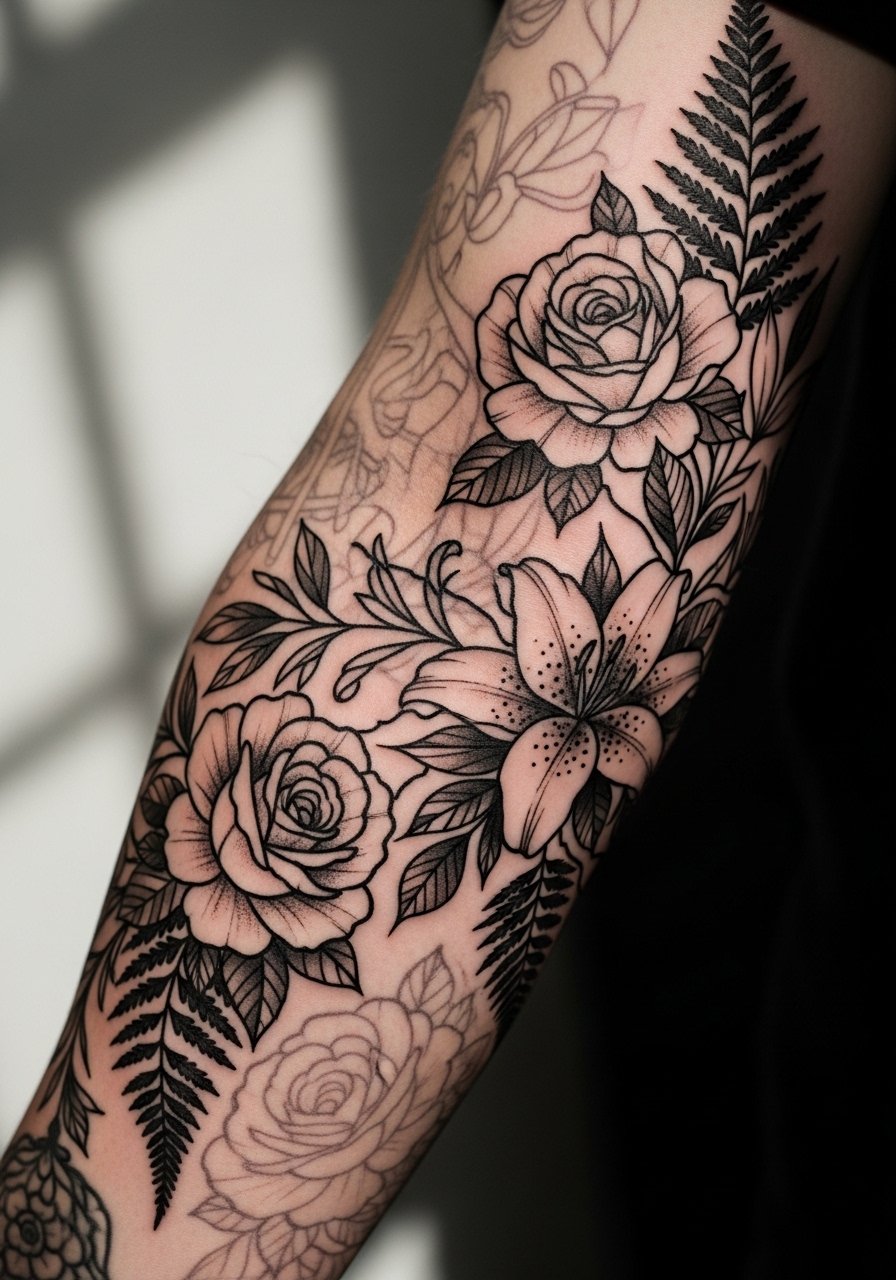
A dense floral cluster with saturated black fills and negative-space petals can swallow small, stubborn old pieces on the forearm. Tell your artist exactly which bits of the old tattoo you want fully obscured and which edges can remain visible as texture. Forearm sessions are moderate on pain and friendly for single long visits. A mistake is requesting tiny, delicate petals to mask large old swaths. That invites visible remnants. This look pairs well with rolled-up linen shirts in neutral tones, so try a rolled-up linen shirt to frame the forearm without overshadowing the linework.
6. Micro-Realism Noir Portrait on Calf
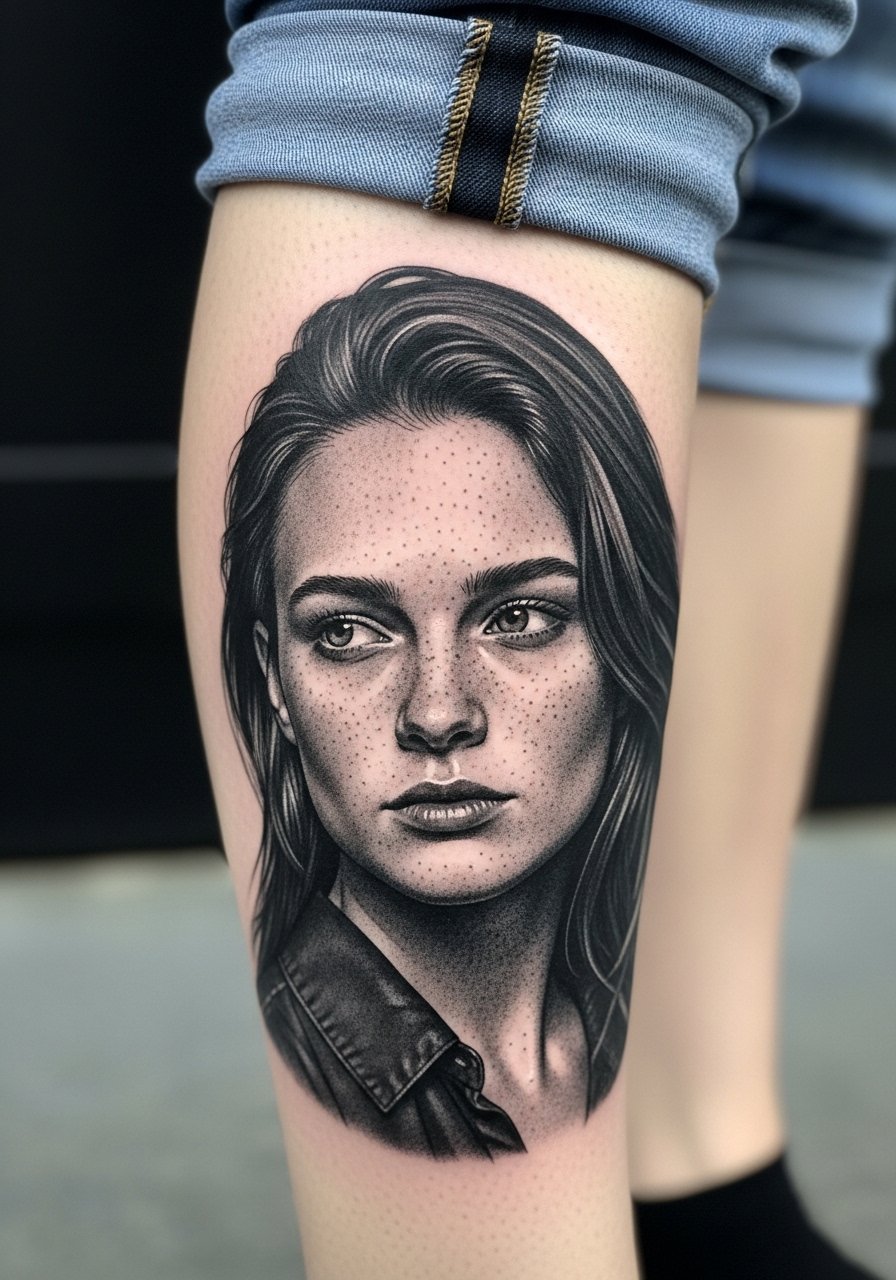
Calf coverups give artists room to work with tonal shifts that hide old figures. For a portrait, ask your artist to design heavy dark planes that overlap problematic ink, then let the lighter portrait areas sit away from residual color. The calf tolerates longer sessions with manageable pain. A common error is asking for full tonal portraits over multi-color old tattoos without accepting additional passes for saturation. Plan on at least one touch-up at year two if you live in sunny climates. For weekend styling, a pair of mid-calf boots or cropped denim shows the calf work, and a mid-calf boot helps create that framed look.
Studio Day Picks
The upper-arm and forearm pieces above require different prep than sternum or ribs, so a few targeted items smooth the session and the first week.
-
Stencil transfer paper kit. Lets you preview the linework on skin before committing, which helps for complex mandalas and floral composites.
-
Topical numbing cream. Applied about 45 minutes before can ease rib and sternum sensitivity without masking the artist's feedback.
-
Thin protective film roll. Keeps high-friction areas like hands and forearms protected during the first week of daily washing and wear.
-
Fragrance-free gentle body wash. Cleanses without irritating newly inked skin, which matters for dense blackwork that needs consistent moisture management.
-
Aquaphor healing ointment. A thin layer in the first days locks in moisture for packed-black work without suffocating the needle channels.
7. Geometric Blackwork Thigh Panel
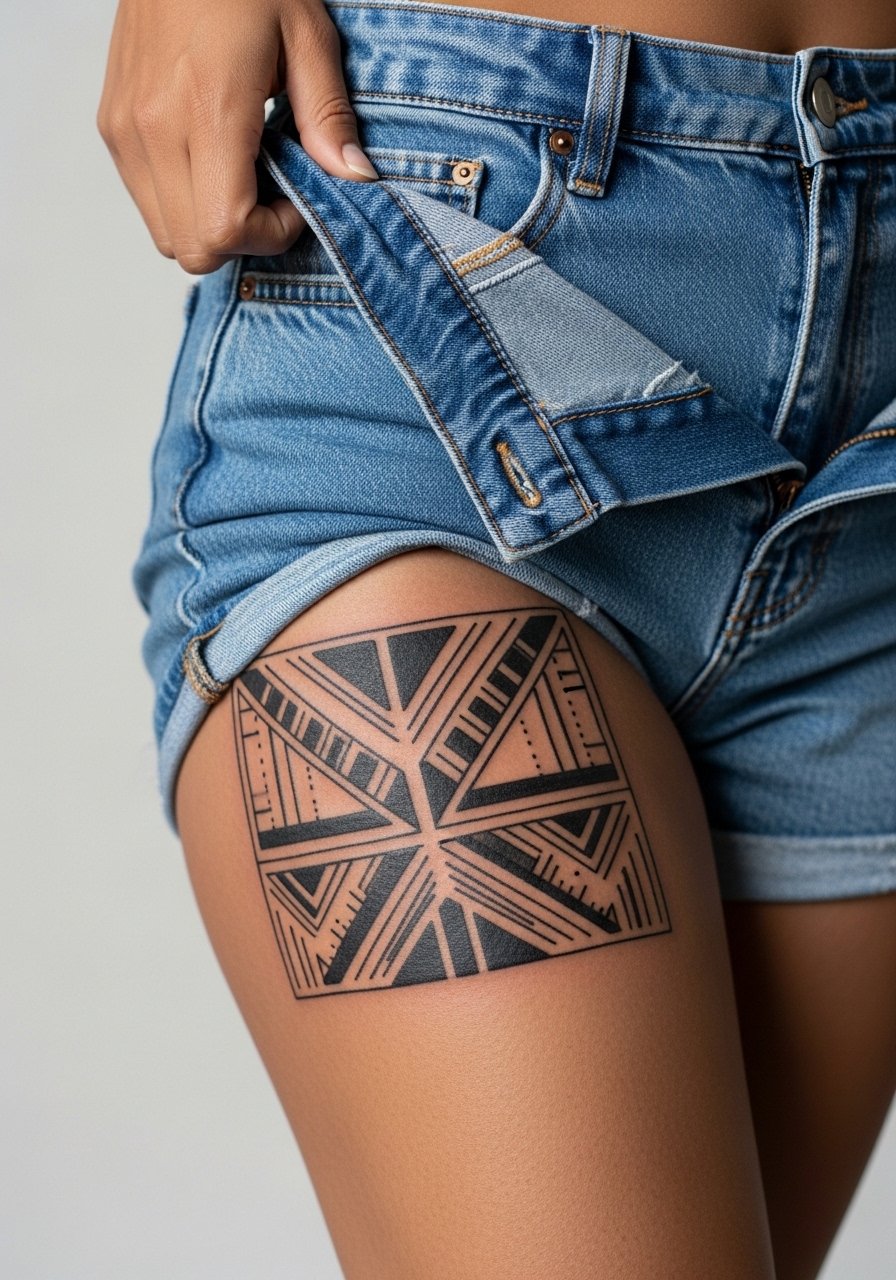
Thigh panels are ideal when old ink sprawls and you want a defined shape to cover it. Geometric blackwork lets you plan dense fills over the worst parts and leave negative-space lines to suggest structure. The inner and outer thigh have different stretch and healing. Inner thigh requires extra discussion about aftercare and friction. A common mistake is shrinking the geometry too small. Scale gives the pattern room so lines do not merge when healed. For sessions, wear shorts you can shift easily and show the piece with high-waisted skirts. I like pairing this with a high-rise denim short for casual reveal.
8. Neo-Tribal Collarbone Patch
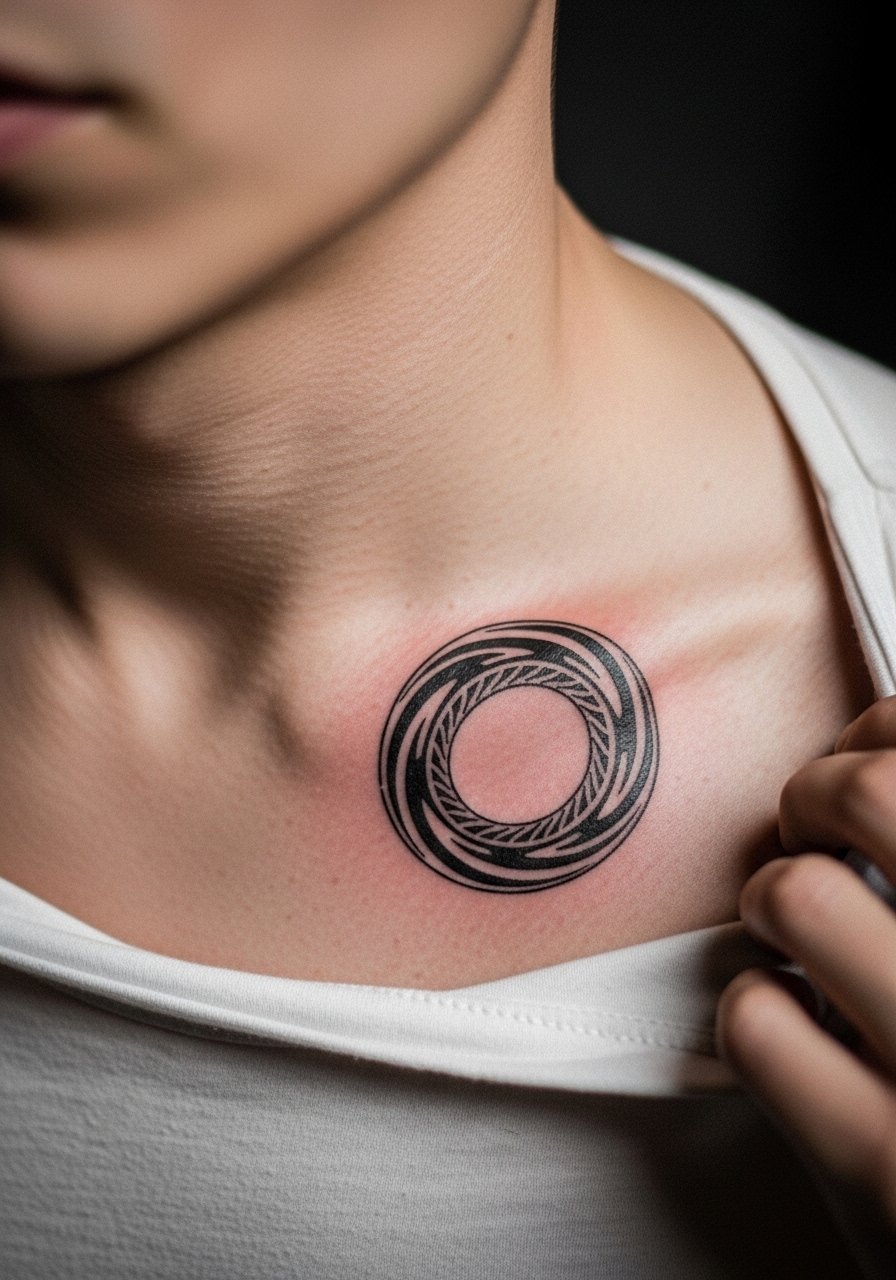
Collarbones are high-visibility places, and bold neo-tribal forms read clearly while covering older, lighter designs. Tell your artist which old edges must vanish so they can route the heaviest blacks to those zones. The collarbone can be tingly during the session but heals predictably. Some people worry tribal work looks dated. One camp says bold black tribal ages like armor and stays readable. The other camp says cultural patterns should be used with respect and modified rather than copied directly. If you plan to show this off, wide-neck tops that let the edge of the design breathe work best. Try a wide-neck sweater for evening wear.
9. Bio-Mechanical Shoulder Cap

Shoulder caps let you bury old circular or random scars under a single coherent form. Ask the artist to stitch darker areas around the old ink and bring lighter, textured highlights to the outer edges. The shoulder takes shading well and sessions are often split into two passes. A mistake is treating the shoulder like a flat canvas. Movement changes perceived shapes, so get a mockup with arm in several positions. For the appointment wear a loose tank top that the artist can move aside to work without removing layers.
10. Stipple Spine Column Cover

A vertical stipple column rides the spine beautifully and can mask elongated old tattoos by redirecting attention into a rhythmic dot pattern. During consultation ask for the darkest tonal blocks to overlap the most visible parts of the old ink. Spine pieces can be tender and require careful session pacing. People often underestimate how much skin movement affects linear work there. Expect to book a touch-up for midline clarity at year two or three. This placement benefits from loose, adjustable tops for the session rather than anything you must peel off.
11. Black Script Band Over Finger Tattoo

Finger and ring-band coverups are tricky but possible with bold black script or bands that absorb older tiny marks. Ask for slightly thicker letters or a filled band that maps to the old ink location. Fingers heal under constant friction, so touch-ups are the norm. The common mistake is choosing micro-lettering for a finger that had saturated color underneath. That invites uneven fading. For showing off, pair a minimal band with slim stacking rings or a minimalist watch; try a minimalist watch to frame the hand without crowding it.
12. Negative-Space Blackout Patch for Stomach
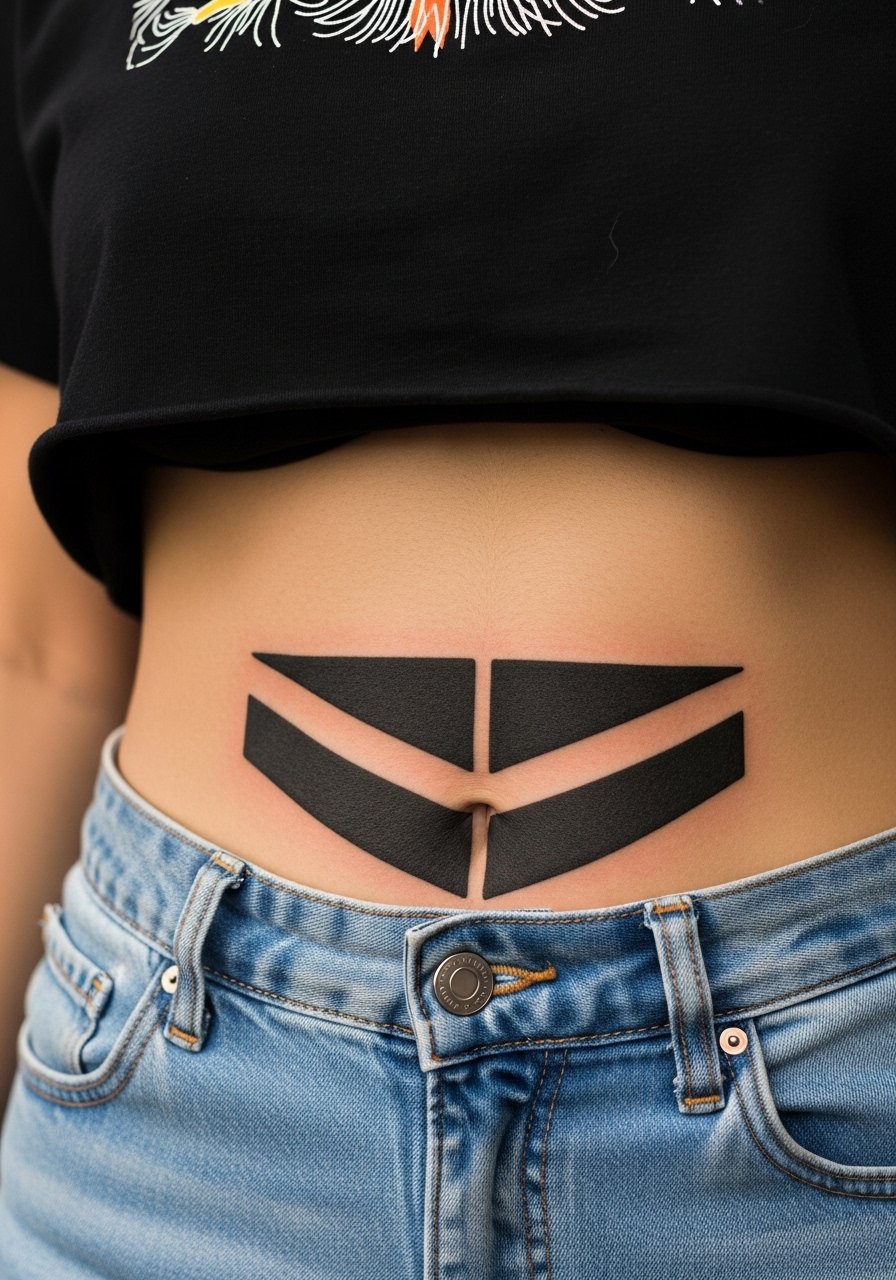
Stomach skin moves with weight changes and clothing, so negative-space blackout patches work well to hide large, faded tattoos while creating a clear silhouette. Discuss how the ink will interact with the bellybutton area and any scars during consultation. Sessions here can be long but manageable with breaks. Many people ask for fine detail instead of dense fills and later regret it when the lines blur. Expect scheduled touch-ups where friction from waistlines is heavy. For the session pick high-waisted bottoms you can shift down slightly and bring a loose tee you can lift rather than remove.
13. Gothic Floral Inner Thigh Panel
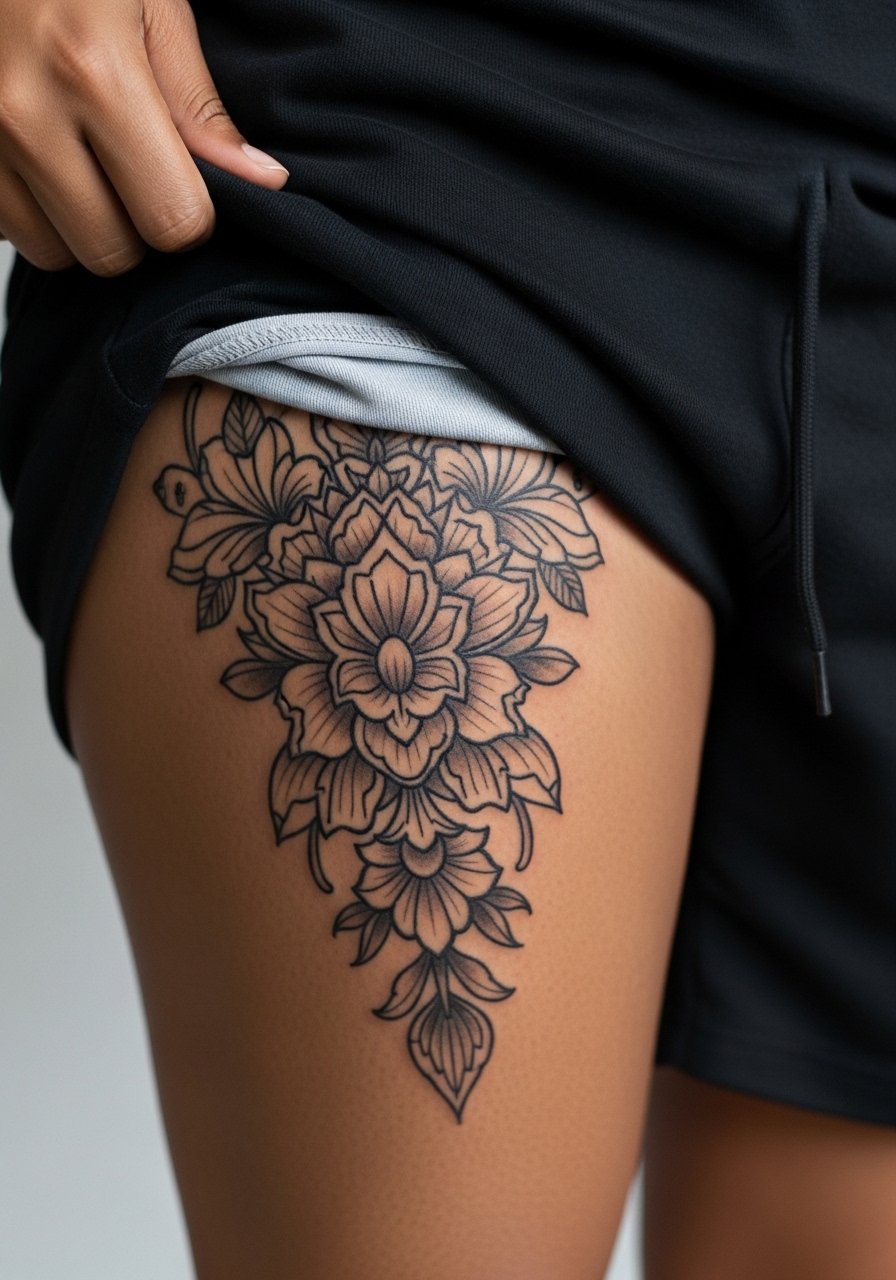
Inner thigh coverups suit bold, shadowed florals that consume old script or small portraits. The inner thigh is sensitive and sits in a friction zone, so plan for aftercare that minimizes rubbing. A mistake is picking extremely fine stems and expecting them to stay crisp in that area. Go heavier with texture and accept that touch-ups are part of long-term upkeep. For showing it off in warmer months try high-cut swim bottoms or a wrap skirt. I often suggest a wrap skirt when you want a teaser reveal.
14. Rib-to-Sternum Dark Fantasy Connector

Connector pieces that travel from the ribs into the sternum work when two separate old tattoos need a cohesive fix. One camp argues that ribs plus sternum make fine line details unreliable because skin there moves and stretches. The other camp says if you plan bold shading and accept layered sessions, the connector reads as a single image for years. Tell the artist you want the heaviest blacks concentrated where old ink is densest. Sessions will be lengthy and tender. For the appointment wear a sports bra you can shift and plan for extra recovery time.
15. Minimalist Black Ankle Anchor
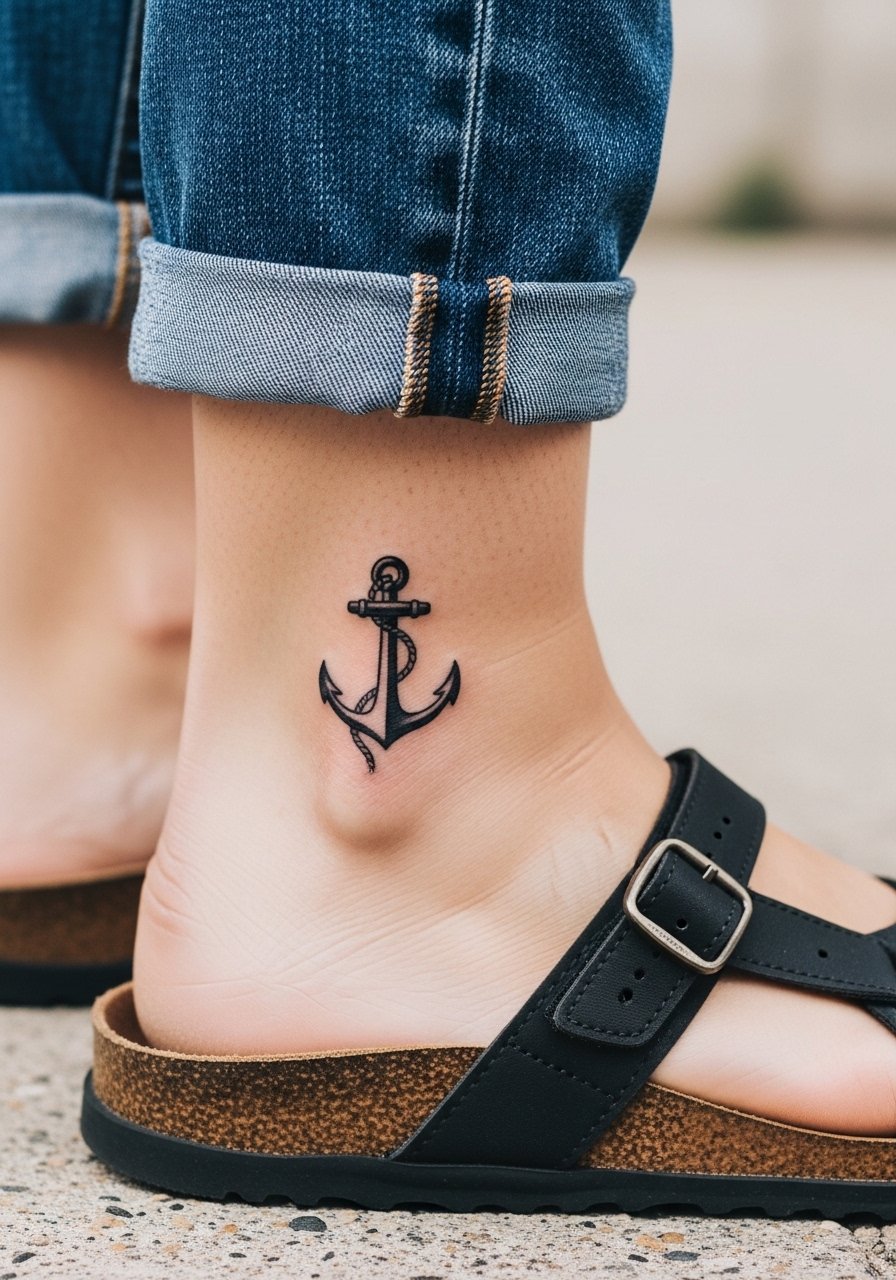
Ankle coverups work best when the new design uses strong, compact black shapes to cover small old marks. Anchors and geometric motifs let you pack pigment while keeping the silhouette simple. Mistakes happen when people choose too much micro-detail for the ankle. Living with daily shoe friction means touch-ups at year one or two are likely. For weekend wear, sandals or rolled denim show the piece; try pairing it with classic slide sandals to keep attention on the ink.
16. Behind-the-Ear Black Rose Accent

Tiny black accents behind the ear are great for covering small initials or mini tattoos without dramatic sessions. Keep expectations measured because that skin is thin and prone to blowout if the artist packs too heavily. The session is quick but precise. A common error is asking for heavy shading in that tiny area. That risks spread. If career visibility is a concern, remember behind-the-ear work can show with certain hairstyles. For discovery look through hashtag searches, local directories, and forum threads to find artists who work fine in small zones.
17. Bold Neck Wrap Ornament
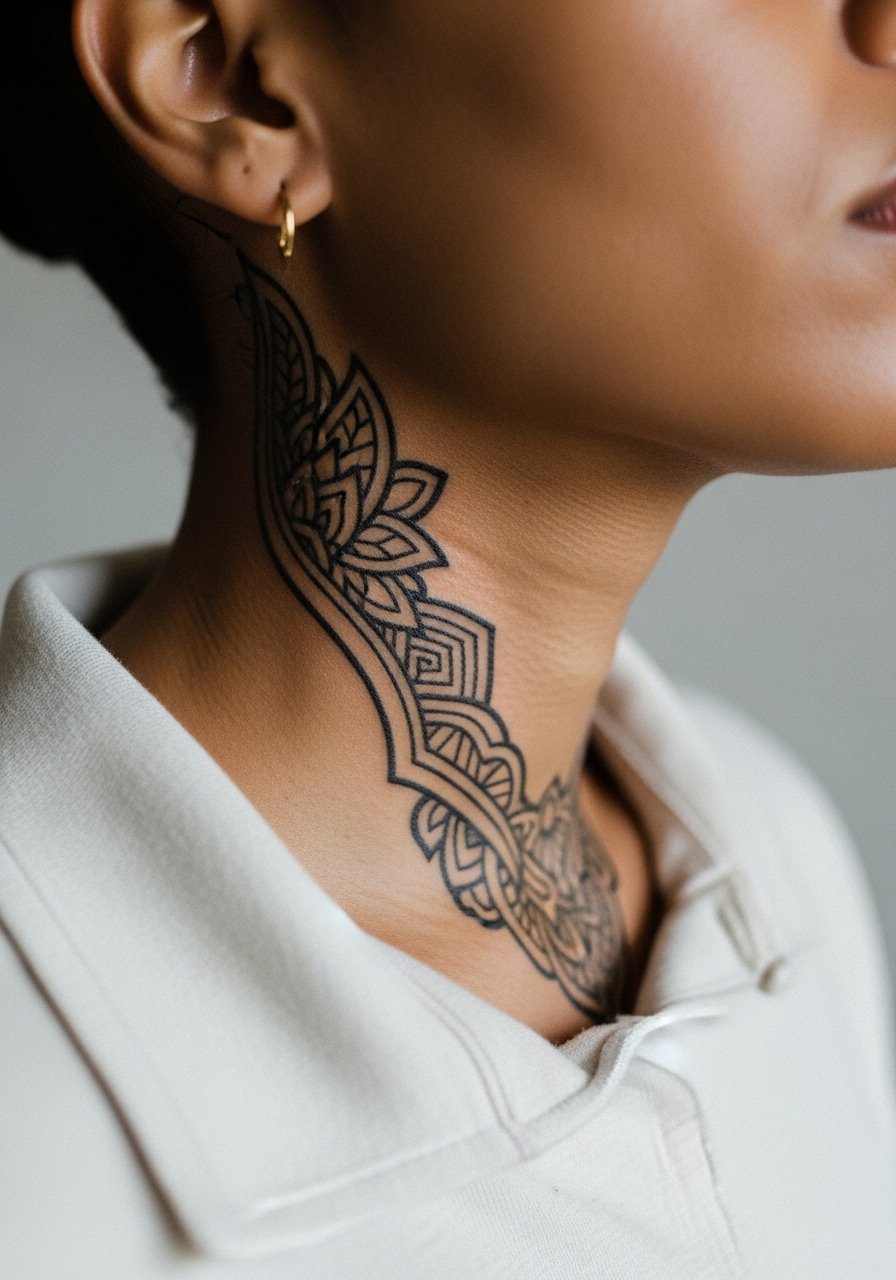
Neck coverups need bold contrast because the area is always visible and exposed. A wrap ornament with heavy blacks and strategic negative space can mask a previous neck or upper-chest mark and still look intentional. Sessions on the neck are fast but sting. People often request thin script there and then regret it when fading makes it unreadable. Expect to discuss touch-up schedules. For booking, choose an artist who shows healed neck work in portfolios you can find via directories and convention galleries. If you plan to show the piece, wide-neck tops let the wrap breathe and look deliberate, try a wide-neck blouse.
Frequently Asked Questions
Q: How dark does a coverup need to be to hide old color, especially for chest and rib work?
A: For chest and ribs, dark areas should be planned as the shadow layer that sits over old color. That often means heavier black fills around the problem zones and lighter detail away from them. The exact darkness depends on the old ink density and the artist's method, so ask for a mockup that shows where pigment will be deepest.
Q: Will blackout or heavy blackwork limit future tattoo options on the same area?
A: Yes, large blackout patches limit future light or pastel additions in that exact spot without laser removal. Some people accept that and build around the blackout with negative-space shapes or fresh contrasting areas nearby. If you want future color, discuss partial coverup strategies rather than full blackout.
Q: How long should I expect touch-ups after a dense black coverup on a forearm or hand?
A: Dense black forearm work can be stable for several years, but hands and fingers often need touch-ups at year one or two due to constant friction. Plan for realistic upkeep rather than a one-and-done expectation.
Q: Are there cultural concerns I should know about when choosing tribal or mandala-inspired coverups?
A: Yes. Tribal and mandala patterns have cultural origins. Some people adapt motifs with clear attribution or choose abstracted variations instead of direct replicas. If cultural respect matters to you, ask the artist about modifications and where they sourced their references.
Q: What should I wear to a rib or sternum session to be comfortable and give the artist access?
A: Wear a fitted sports bra or a zip-up hoodie you can lift so the artist has clean, consistent access without you removing too much clothing. Comfortable layers also help you regulate body temperature during a long session.
Q: How do I find an artist who's good at heavy coverups without naming artists directly?
A: Look through local studio portfolios, tattoo convention galleries, and community threads on forums and social platforms. Search hashtags for healed coverup work, and read client posts about multi-pass saturation. Booking a consult with mockup references helps confirm skills before committing.