Fine line watercolor looks incredible fresh, but it asks for planning that most people skip. The pigments sit differently on inner forearm skin than on the outer arm, and that means placement, spacing, and session pacing decide whether a piece looks like art at year five or like a soft stain. Read these hands-on ideas and the practical notes you should bring to your consultation.
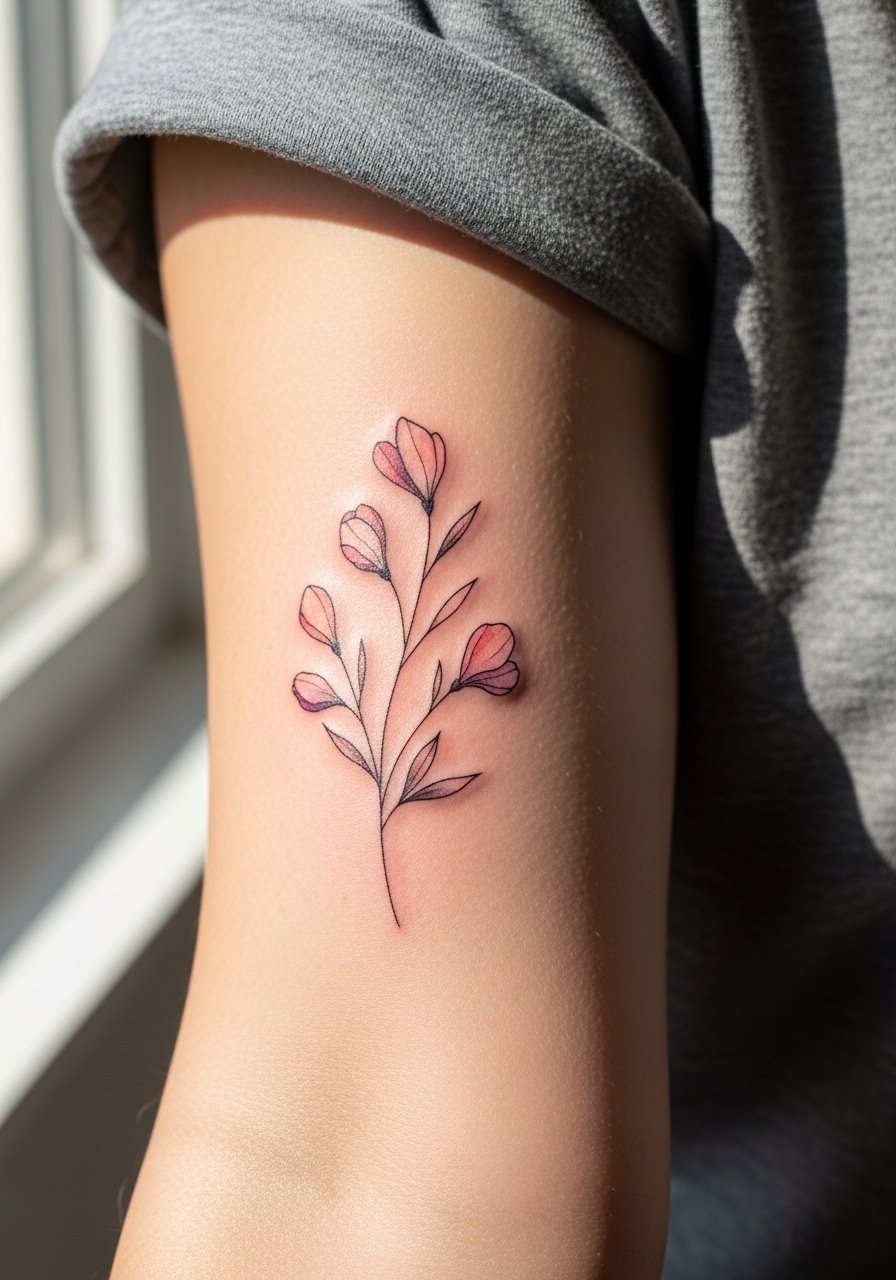
1. Delicate Floral Sprig on the Inner Forearm
I've seen this small floral sprig age well when artists use a light fine line stem with blown-out watercolor petals that sit just outside the linework. Pain is mild for most people, and a single session of 45 to 75 minutes usually does the trick. Tell your artist you want pigment layered behind the linework, not dumped on top, so the color fades more gracefully. A common mistake is requesting the petals too small; that makes color bleed together at year two. For showing it off, roll up a linen short-sleeve shirt so the forearm reads like a framed strip of skin.
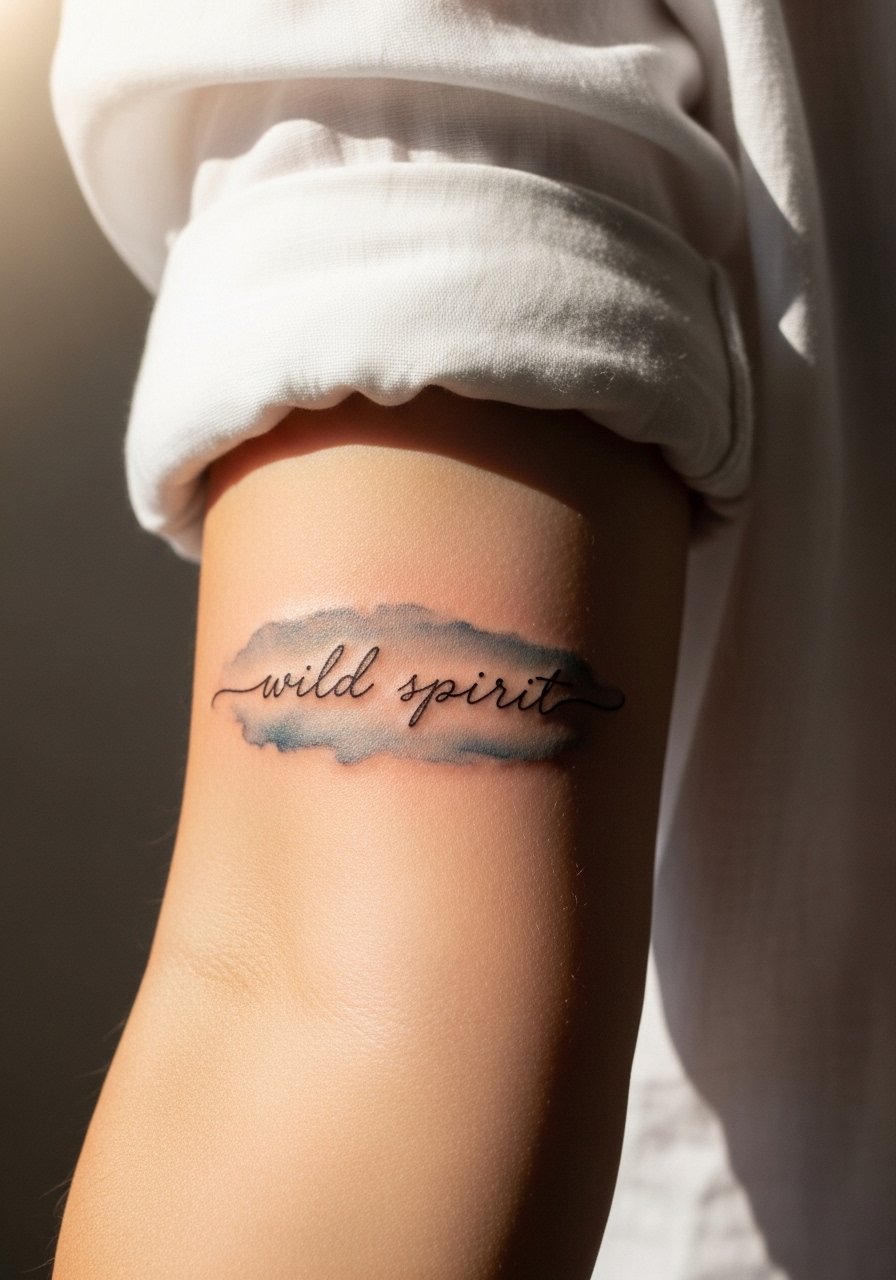
2. Scripted Phrase with a Watercolor Backdrop
When you want words that feel painterly, pair thin script with a soft color wash behind the letters. Expect a 45 minute session for short phrases. The inner forearm gives enough flat canvas that lettering holds its shape, but small, delicate letters can blur if placed too close together. During consultation, specify exact letter spacing and ask to see stencil placement on your arm lines. Trust your artist to recommend slight spacing increases if they warn you. Wear a loose button-down shirt to the appointment so the sleeve can be shifted without tugging at the area.
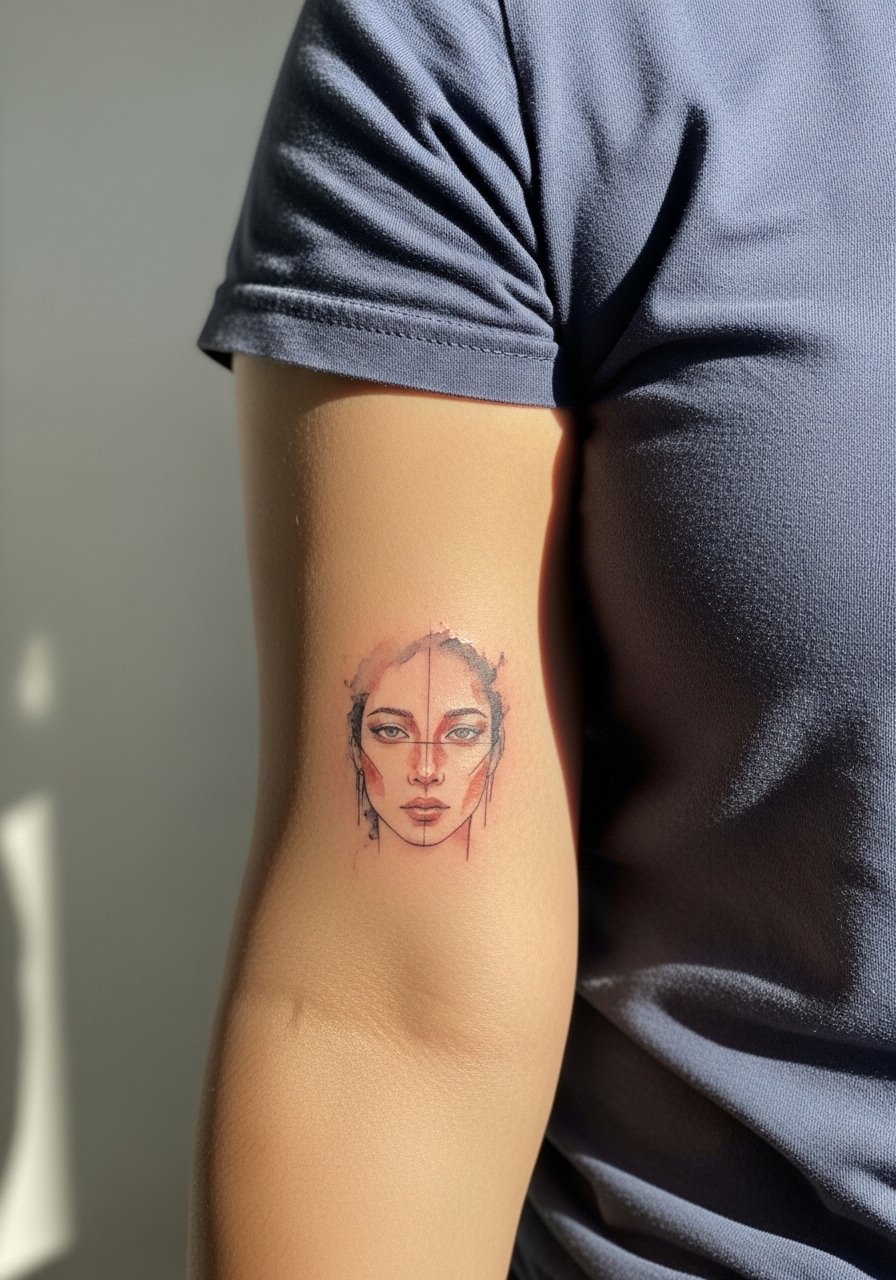
3. Miniature Watercolor Portrait Accent
Most small portrait work done in watercolor style invites debate. One camp argues that watercolor soft edges and low saturation do not survive frequent sun exposure, so details wash out faster. The other camp insists that careful saturation and contrast around key features preserve likeness for years. For a tiny portrait on the inner forearm plan a 90 to 150 minute session depending on detail. Ask your artist to preserve a small amount of linework around eyes or jaw so the face has anchors. A common mistake is asking for a photo-perfect mini without accepting the limits of scale. For the session, wear a short-sleeve tee so the artist can work without sleeve interference.
4. Abstract Color Wash with Negative Space
There is a visual economy to letting skin act as a compositional element. An abstract wash centered on the inner forearm uses negative space to keep the piece readable as it softens over time. Sessions run 30 to 60 minutes when the aim is relaxed pigment, not heavy saturation. Tell your artist that you want preserved skin breaks between colors so the washes do not merge into a single muddy tone after a year. The most common error is overfilling the negative space. For evenings out, pair this piece with a rolled sleeve linen blazer that lets the color peek without competing with patterned fabrics.
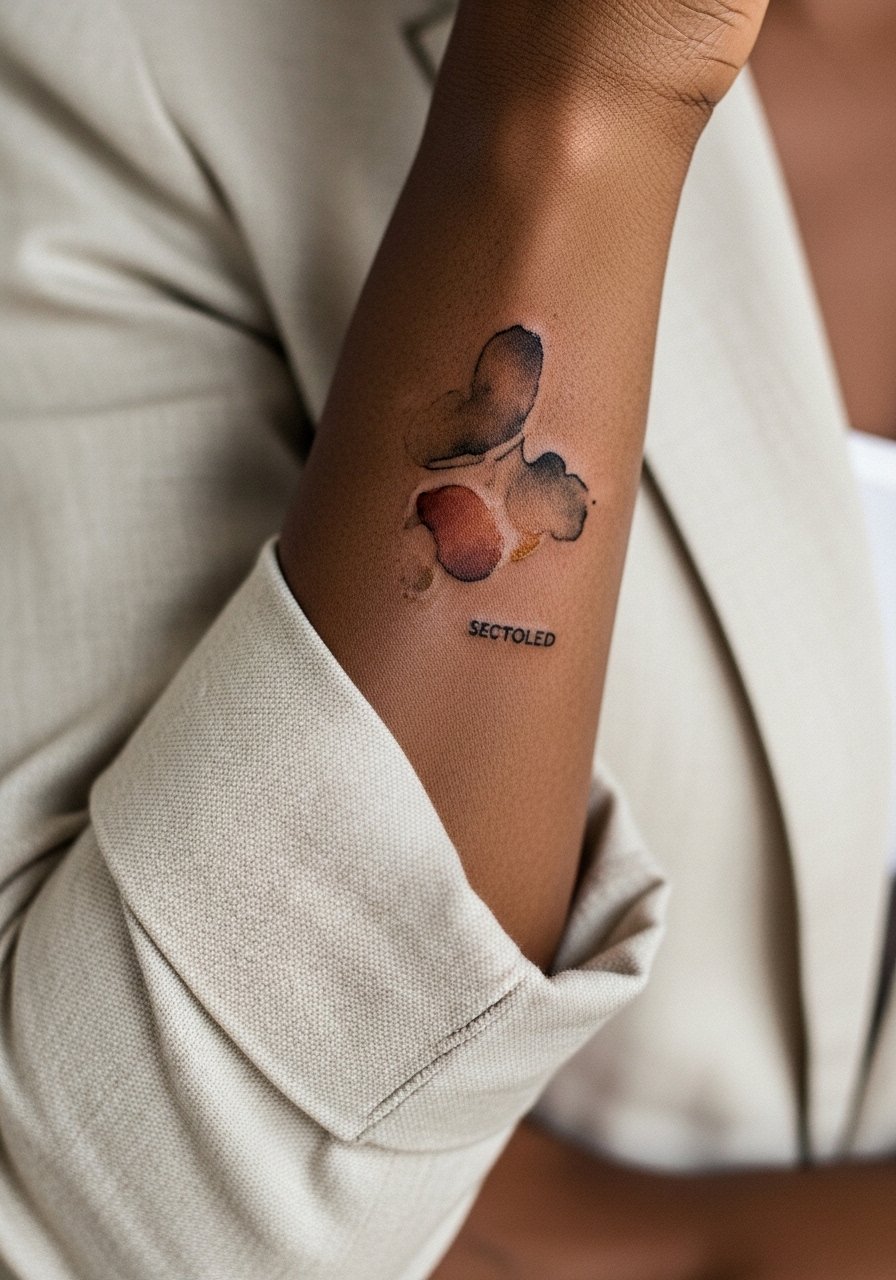
5. Botanical Cluster with Subtle Outline
A clustered botanical that mixes thin black stems and soft pigment pools reads like a sketchbook study. Expect a 60 to 120 minute session depending on number of elements. For longevity, ask the artist to set linework slightly bolder than ultra-fine in areas that touch high-motion zones of the forearm. An error I see often is tiny leaf details pressed too close together, which merge as the piece settles. For showing it off on warm days, a cap sleeve linen dress frames the forearm and keeps attention on the botanical cluster.
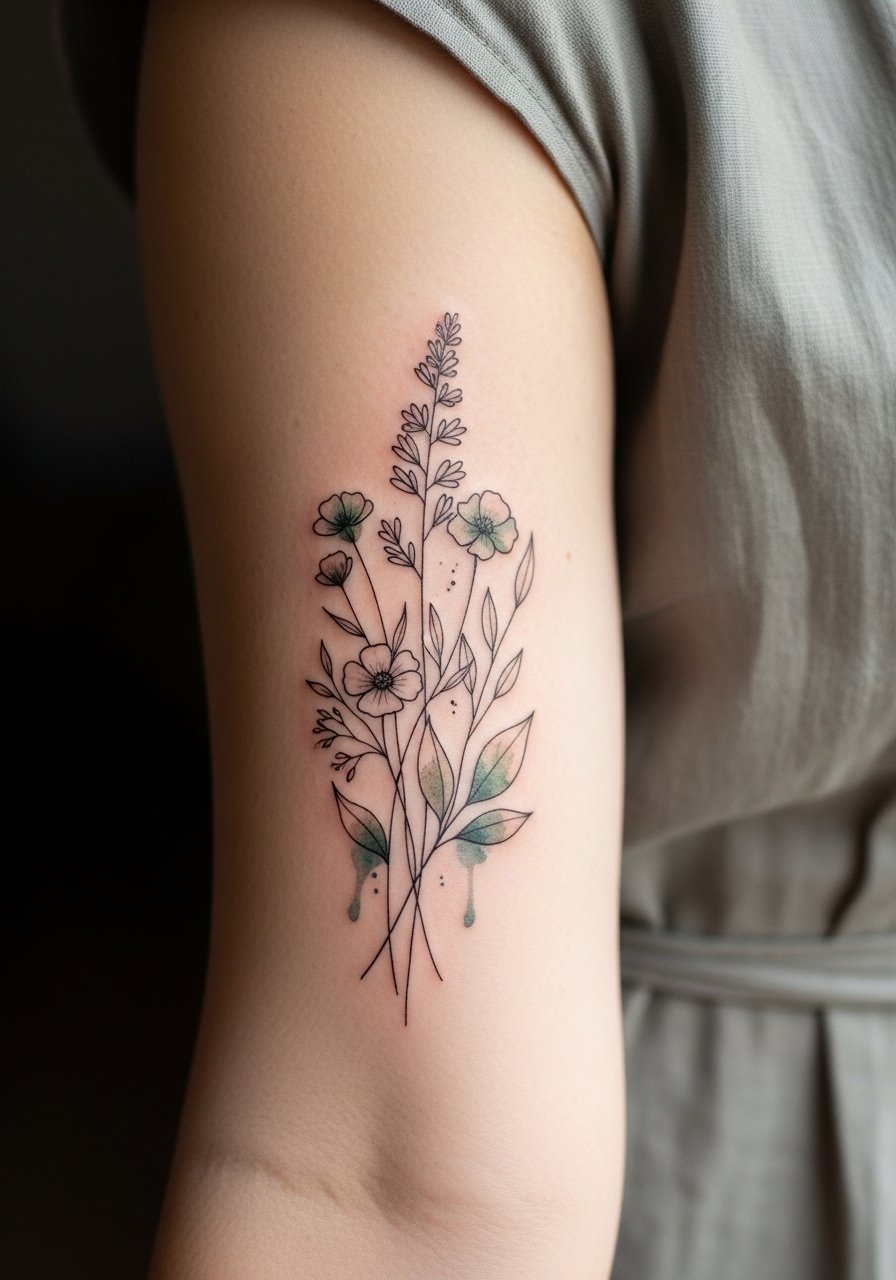
6. Tiny Constellations in Watercolor Hints
Delicate constellation dots and tiny stars get charm from spacing, not size. Pain is low and sessions are often 30 to 45 minutes. The trick is to space stars widely enough that small blowouts do not connect them into lines over time. Ask your artist to use single-needle dots with color haloing around, not saturated fields. People commonly request dense star clusters which age unpredictably. For casual wear, a minimalist bracelet stack complements the wrist edge of the inner forearm without crowding the tiny marks.
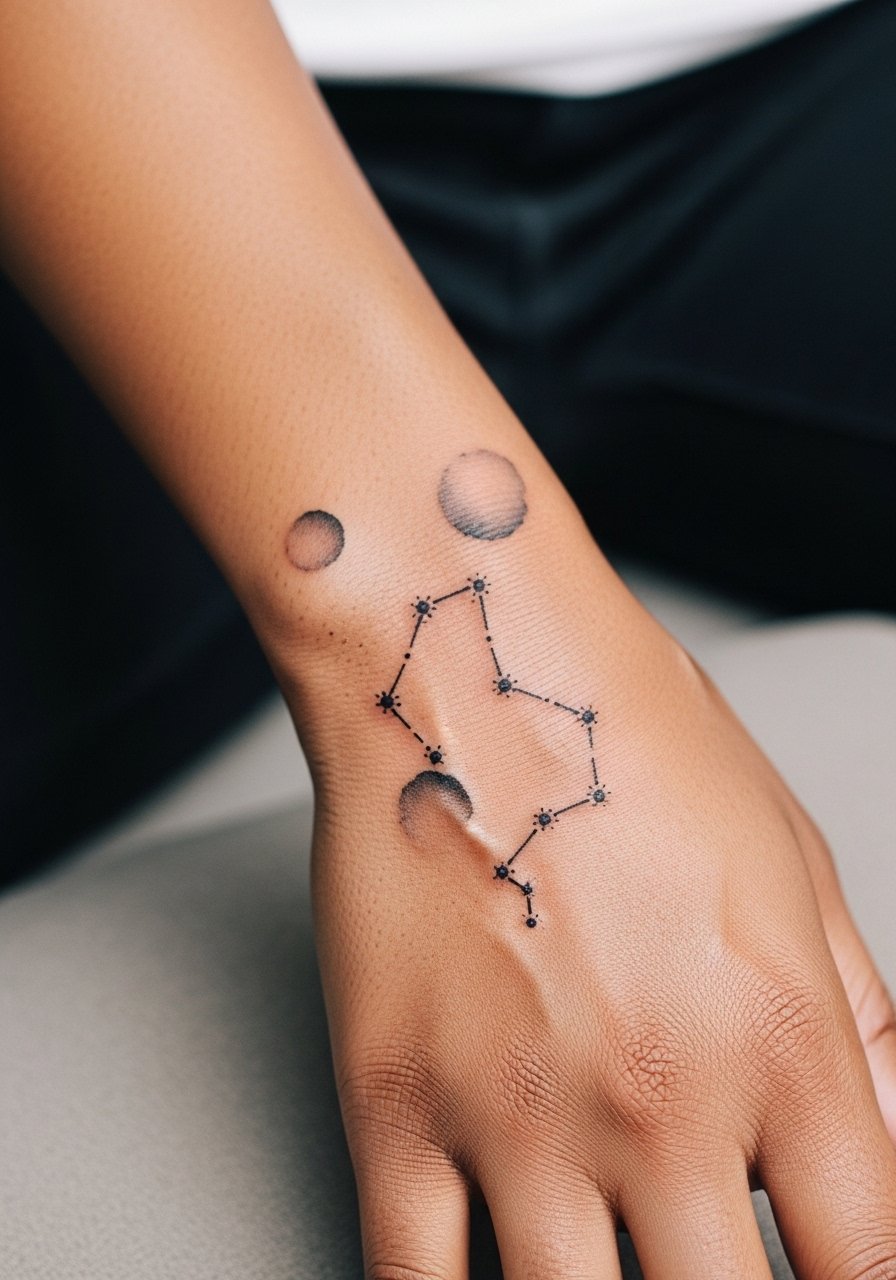
Studio Day Picks
The first six forearm ideas include everything from small script to larger botanical clusters, and a few of them ask for careful preparation on session day.
-
Stencil transfer paper kit. Lets you check placement on the inner forearm before the needle hits skin, which is crucial for script and portrait pieces above.
-
Topical numbing cream. Useful for longer watercolor portrait sessions on the inner forearm so the last hour stays steady and less tense.
-
Thin protective film roll. Helps protect low-friction forearm pieces during the first few days when clothing rubbing can smudge fresh watercolor edges.
-
Fragrance-free gentle body wash. Cleans the area without stripping pigment, especially important for pale washes and fine script.
-
Aquaphor healing ointment. A thin layer for the initial hours helps keep watercolor tints from crusting too thickly on the surface during the first day.
7. Watercolor Succulent Band
A horizontal band of succulent shapes across the inner forearm reads like a painted cuff. Session time is 60 to 120 minutes depending on the number of rosettes. For depth that lasts, ask the artist to place slightly darker pigment at the core of each rosette, with soft color gradients outward. A lot of people make the mistake of asking for too many tiny rosettes; scale up a handful for longevity. If you want a weekend outfit that highlights this cuff, try a three-quarter sleeve blouse and roll sleeves to the same line as the tattoo so the band sits at eye level.
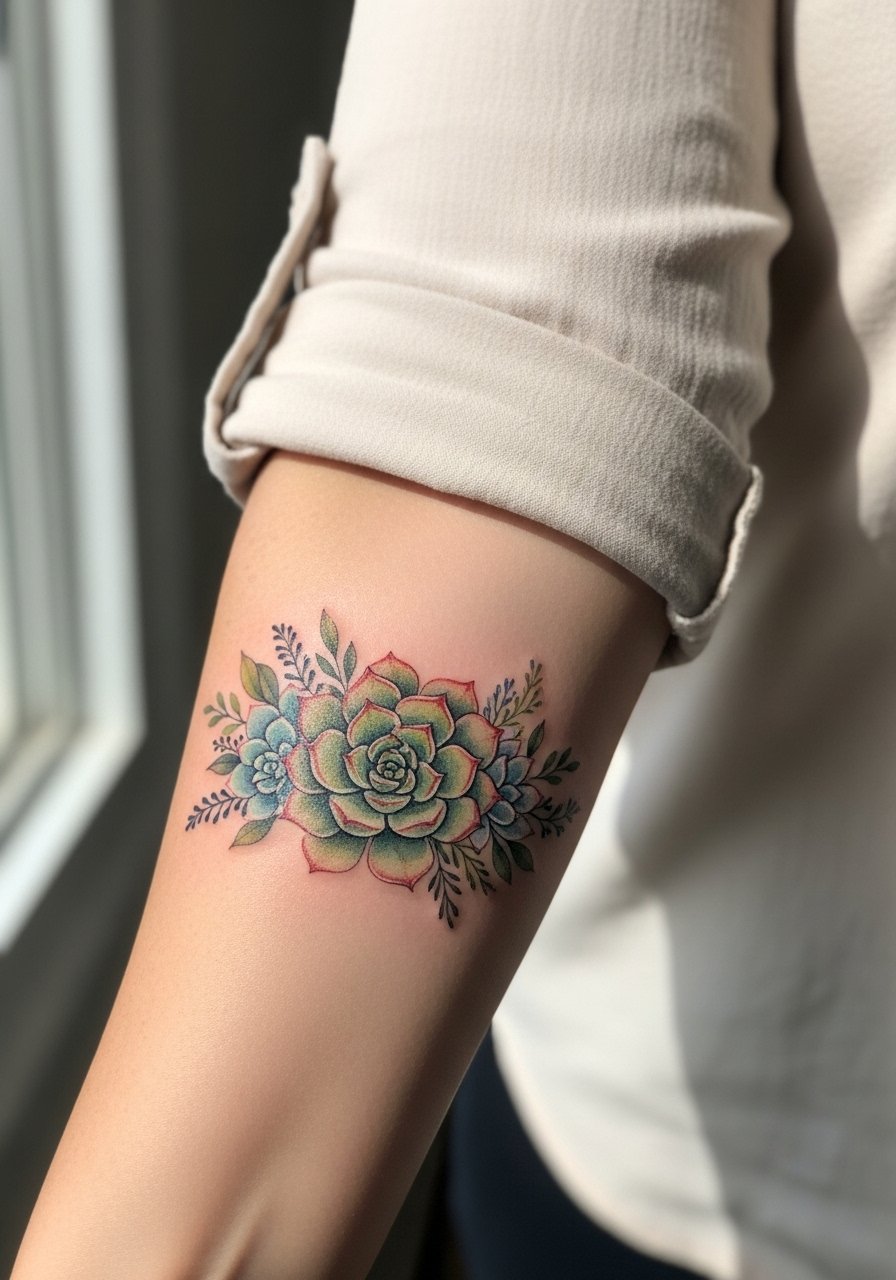
8. Single-Petal Bloom with Watercolor Halo
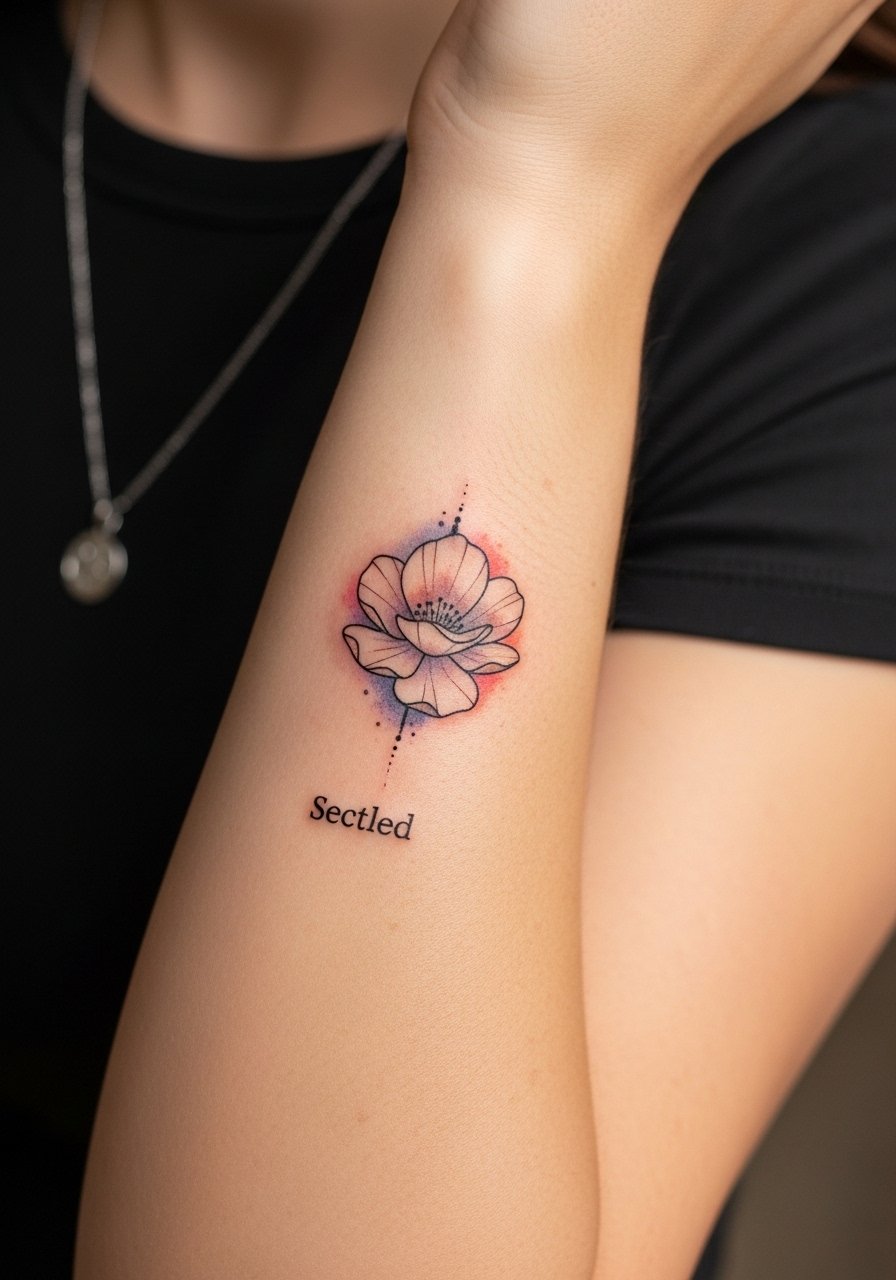
A single large petal or bloom can be more dramatic than a complex sleeve on the inner forearm. Pain is mild and session length is 40 to 90 minutes. The piece survives longer if the artist leaves tiny skin breaks inside the petal and focuses color in thin layers. Newcomers often ask for a thick, saturated petal that evolves into a muddied patch. For a modern pairing, wear a thin chain pendant necklace that sits above the wrist line when the arm is relaxed; it adds a vertical counterpoint to the horizontal bloom.
9. Geometric Shape with Watercolor Fill
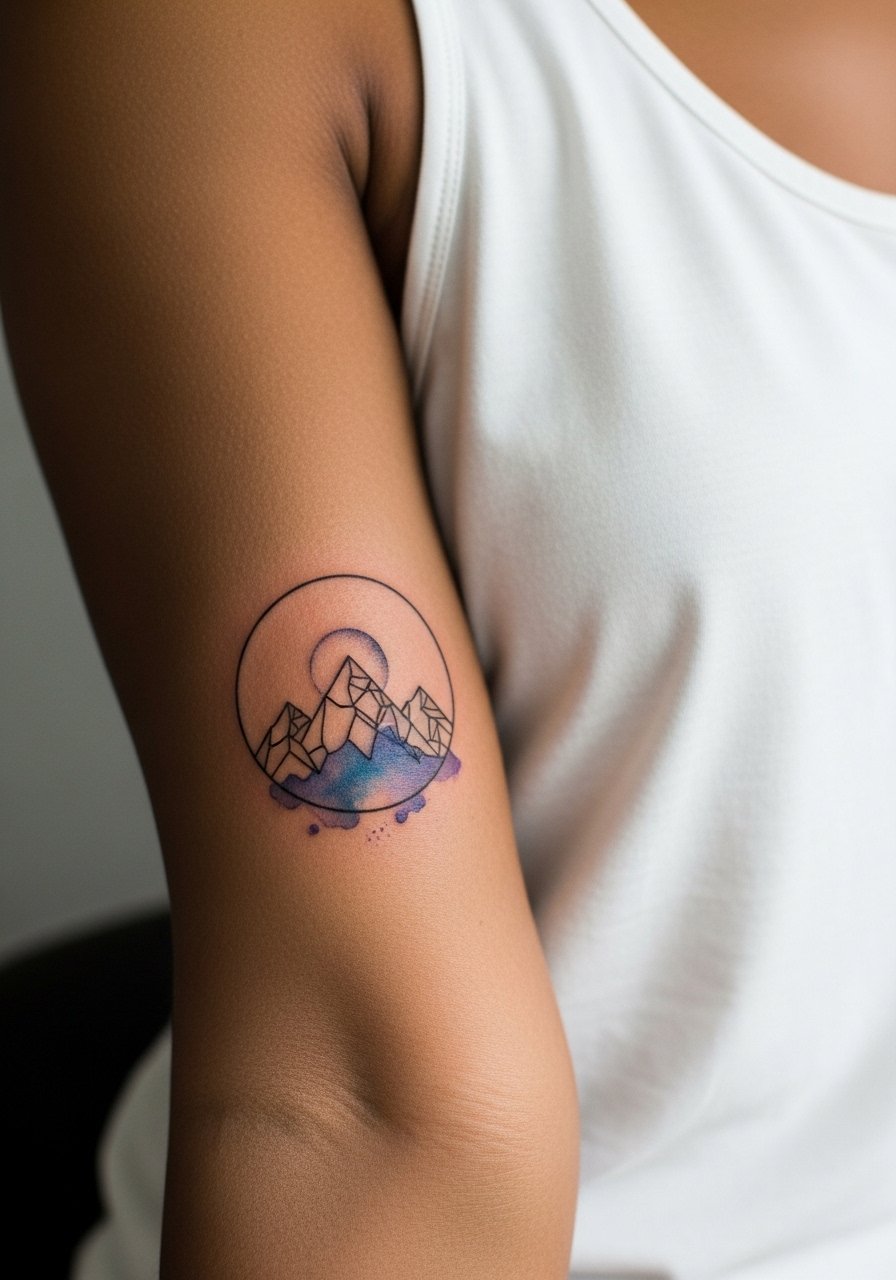
Pair hard-edged geometry with soft pigment inside for a contrast that reads well on the inner forearm. Expect a 60 to 100 minute session because clean edges require careful hand speed. Artists split on how much edge to keep. One camp says crisp edges preserve form; the other says slightly feathered edges make the piece more painterly and forgiving. Both approaches work when the sizing is right, so ask which they prefer for your skin tone. A common mistake is choosing too-small geometry which loses shape as the pigment spreads. For appointment comfort, a loose tank top gives full access without friction on the forearm.
10. Feathered Quill with Ink Bloom
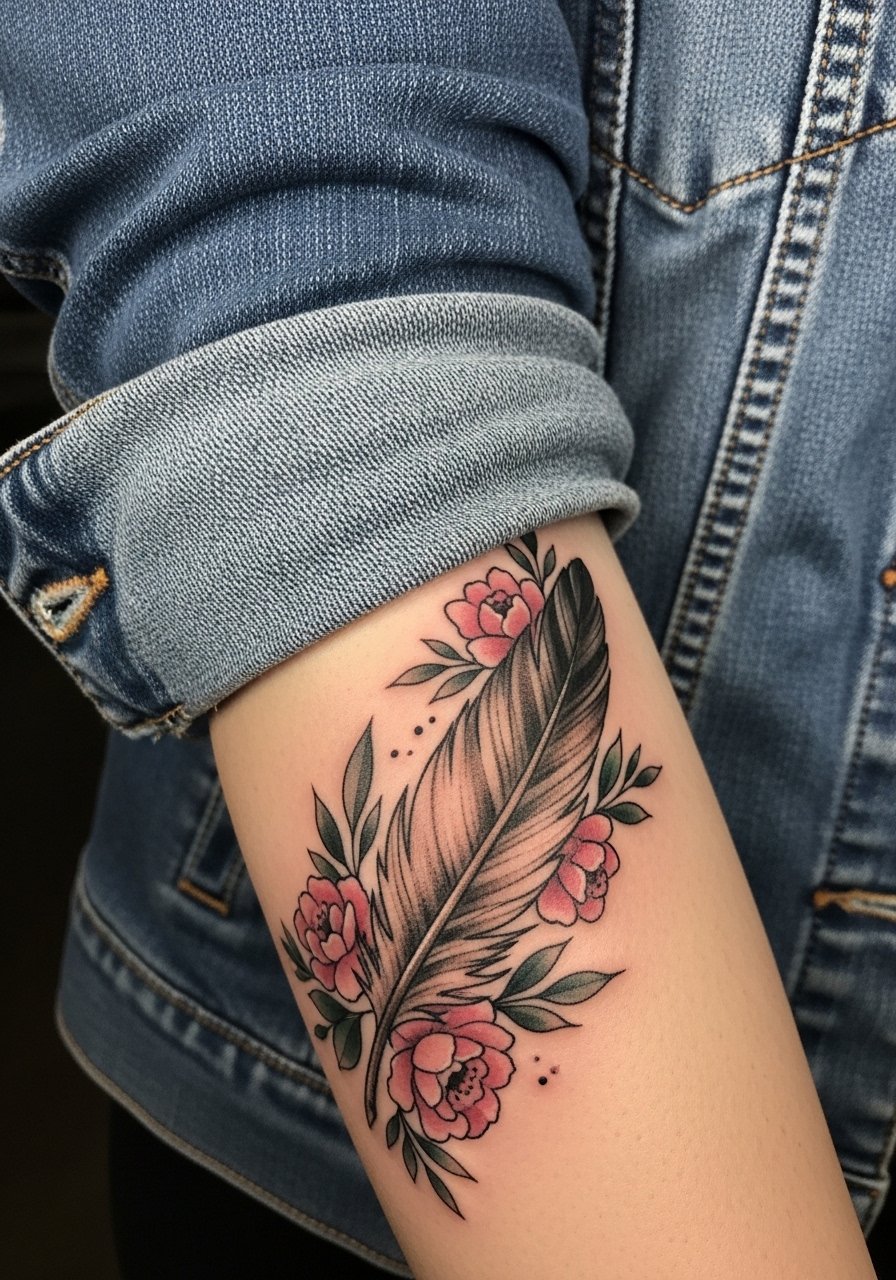
A feather motif rendered in soft watercolor looks like a tiny painting when placed longitudinally on the inner forearm. Expect a 45 to 90 minute session. Ask for a slightly darker central quill to keep the shape readable as the feather edges soften. People often request too many tiny barbs which blend after a year. For casual showing, a rolled sleeve denim jacket pairs well and frames the forearm in a relaxed way.
11. Nautical Wave Strip with Color Gradient
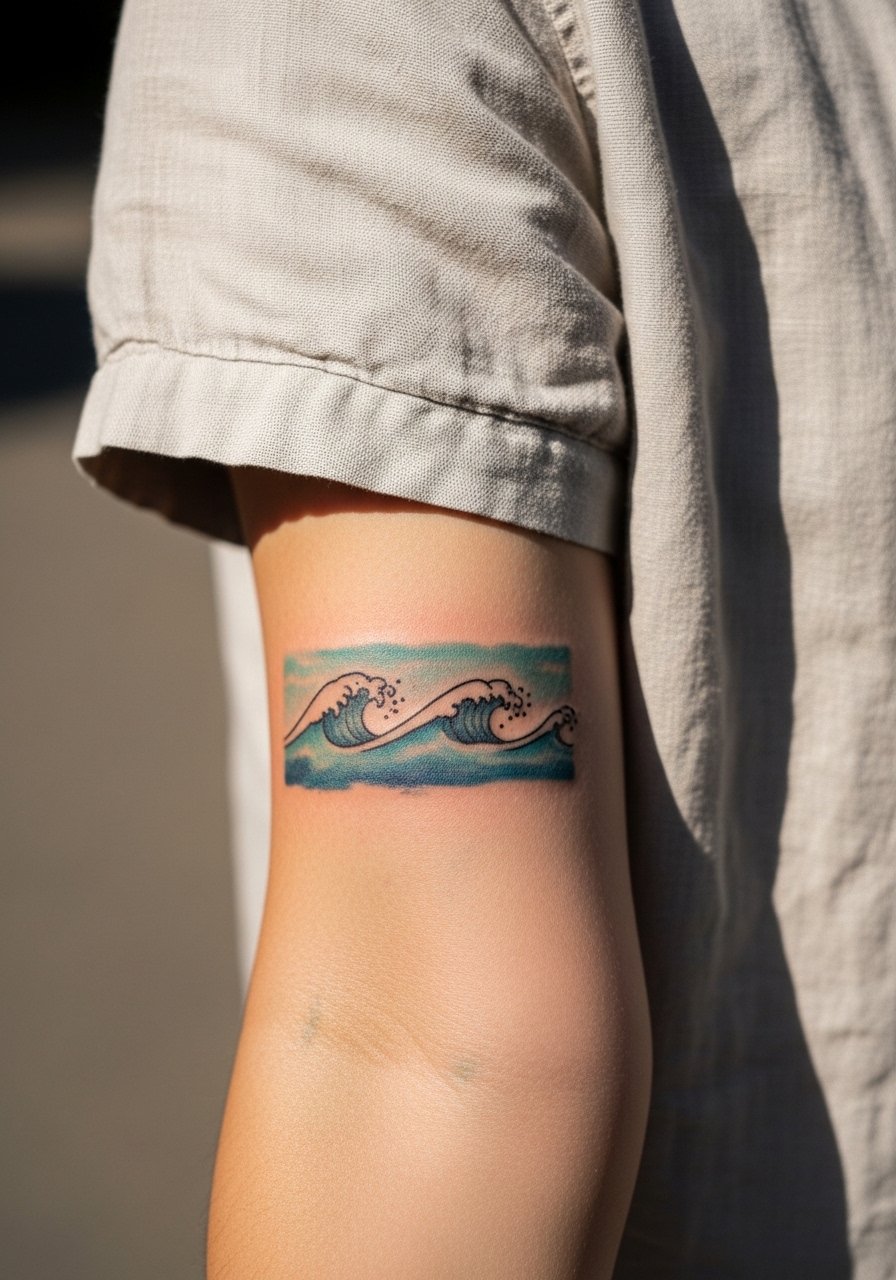
A short wave strip that follows the forearm curve uses gradient blues and teal to suggest movement. Sessions vary 45 to 80 minutes. For staying power, ask for slightly increased saturation at the wave crests and softer pigment on the troughs. Commonly asked tiny wave lines are prone to chipping and blur. If you want to show this on vacation, wear a short-sleeve linen shirt that lets the inner forearm be visible while you move.
12. Watercolor Mandala Slice—Controversial Size Choices
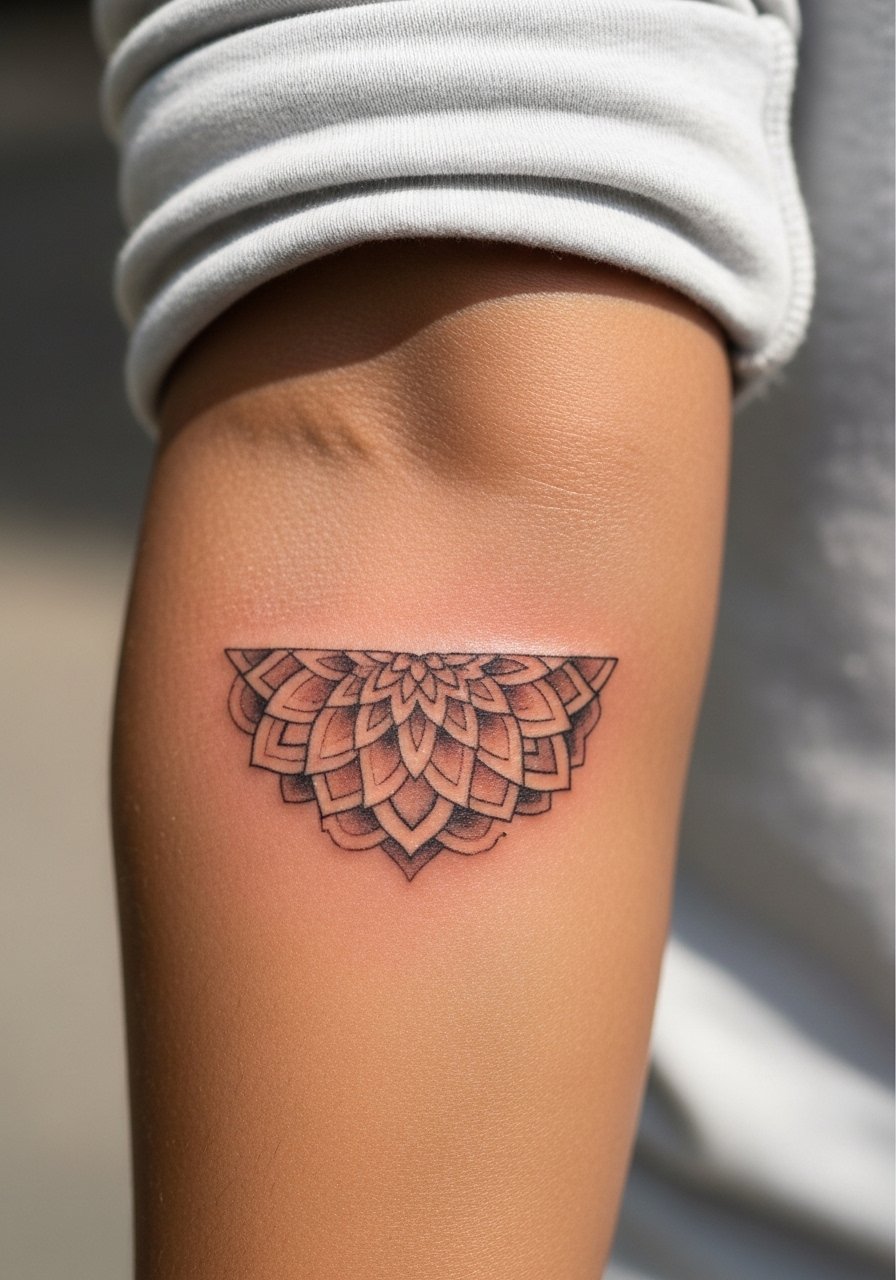
Mandala elements in watercolor split artists into two camps. One side argues complex mandala work belongs to flat, low-motion areas and that tiny mandala slices on the inner forearm will lose detail fast. The other side says a pared-back slice with controlled spacing and thicker anchor lines will hold much better. If you want a mandala slice, plan for a 90 to 150 minute session for crisp geometry and layered color. Ask your artist to draw the negative spaces clearly on the stencil so you can see how it breathes. The biggest mistake is asking for dense dot work at too small a scale. For show-off styling, pair a mandala slice with a rolled-up long-sleeve cotton shirt so the pattern sits in a clear frame.
13. Botanical Watercolor Sleeve Starter
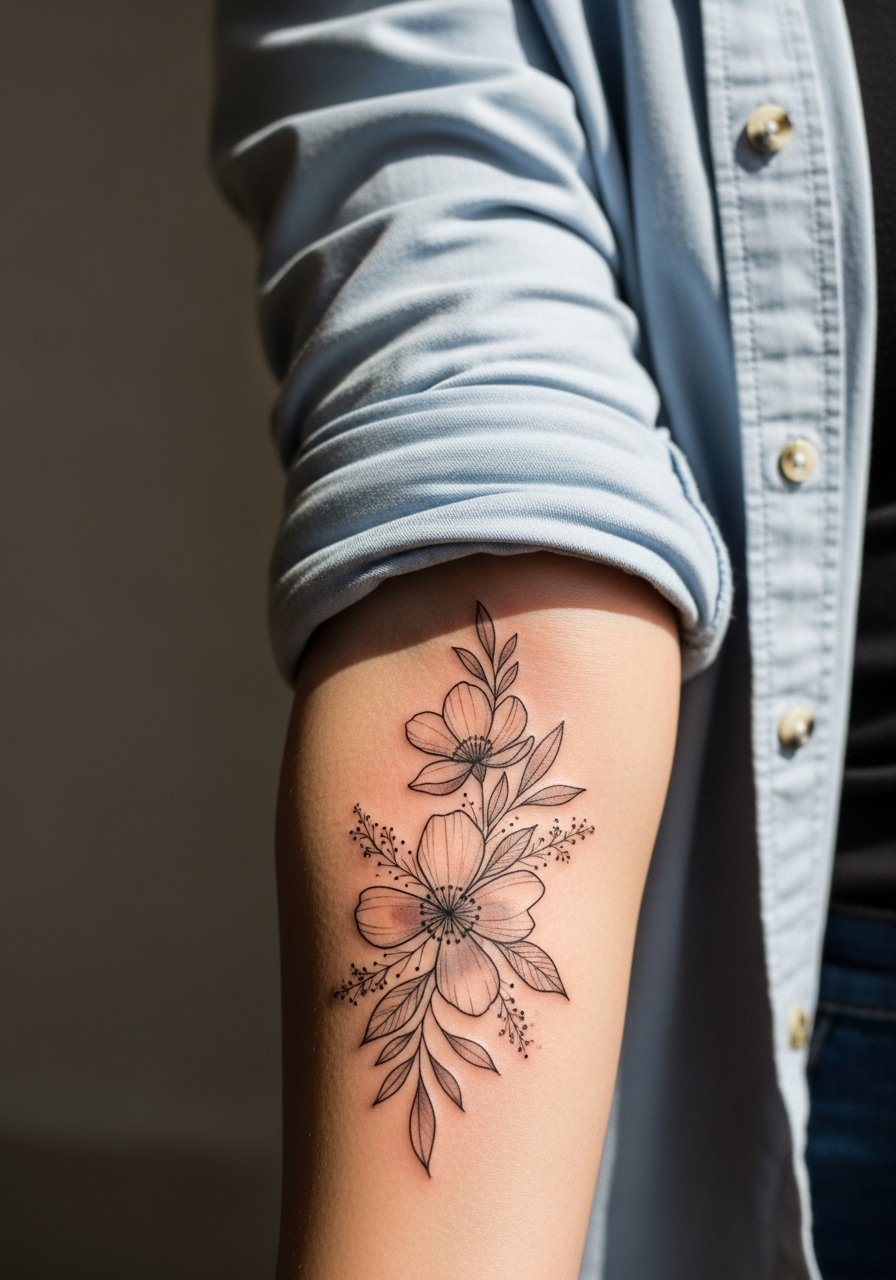
If you plan to expand into a sleeve later, start with a watercolor focal that sits well within future composition. Sessions run 90 to 180 minutes for a strong focal piece. During consult, map hypothetical adjacent elements with the artist so the starter does not conflict with future pieces. A common error is placing a focal too close to the wrist or elbow where later elements must work around it. For session day comfort, wear a button-down shirt you can pull aside without stretching the arm.
14. Watercolor Animal Silhouette Accent
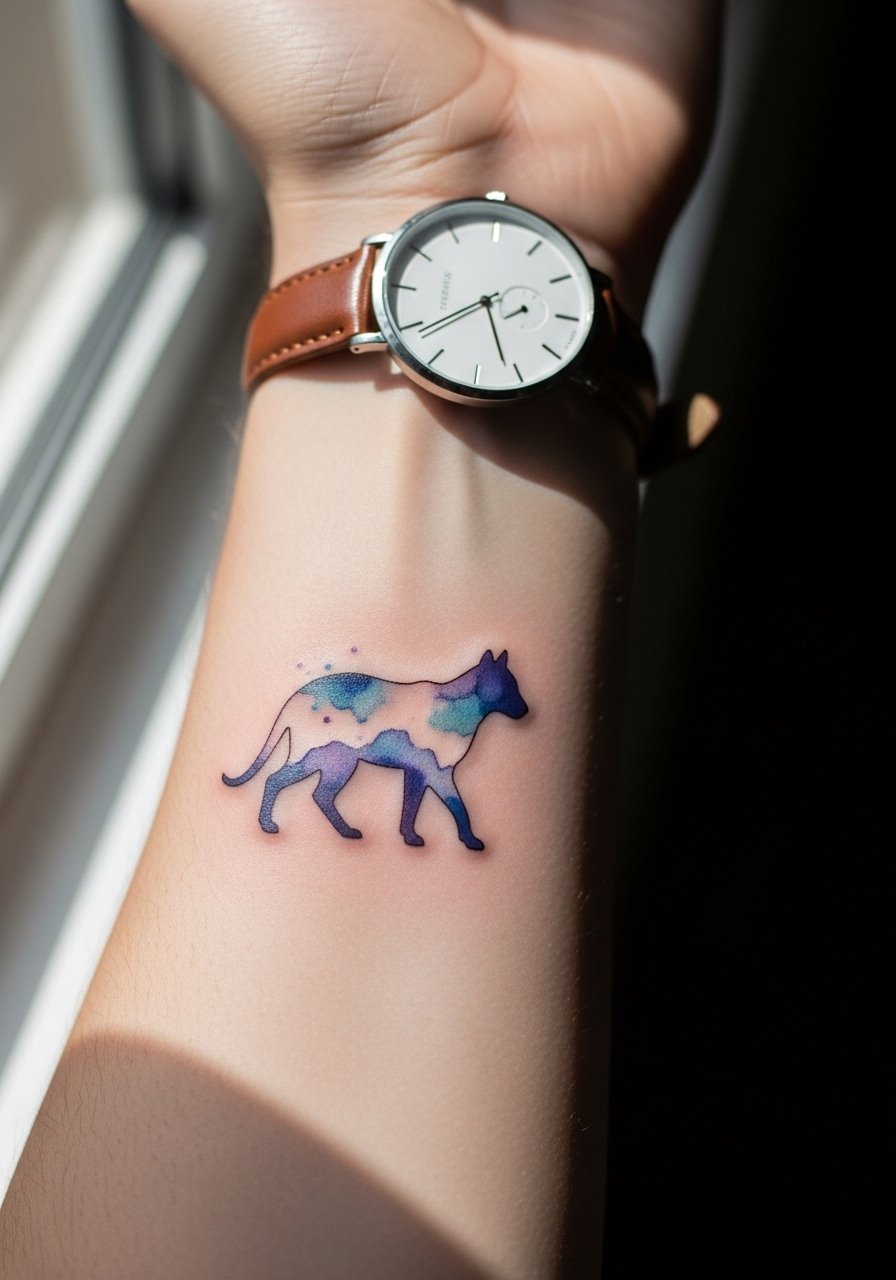
A small animal silhouette filled with watercolor accents reads as a subtle emblem on the inner forearm. Expect a 60 to 120 minute session depending on silhouette detail. Tell the artist you want defined negative shape edges so the silhouette reads even as color fades. People sometimes push for too many tiny interior details which do not translate at this scale. For a polished look, pair this piece with a minimalist leather watch worn just above the tattoo when the arm is neutral.
15. Monochrome Blue Wash with Line Anchor
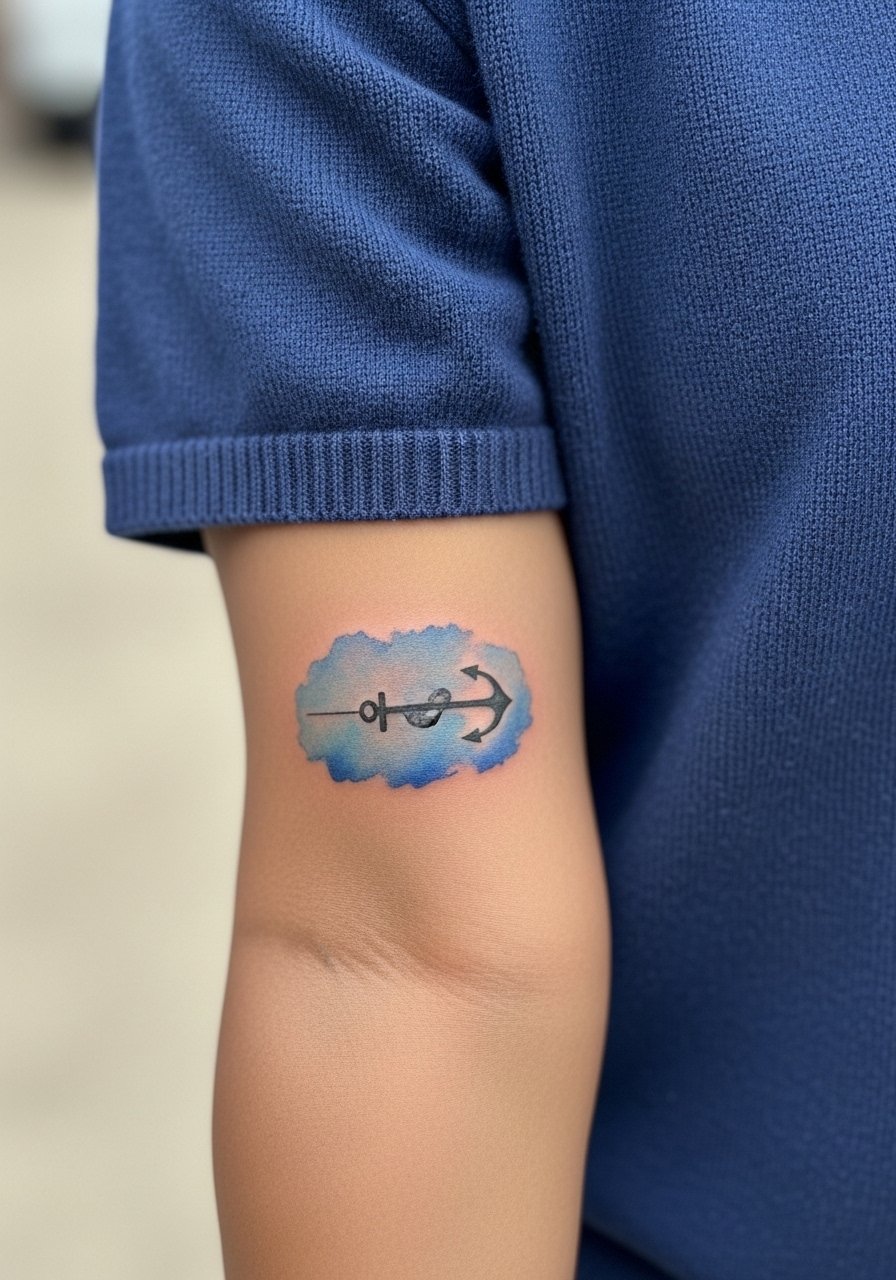
Using a single color wash and a thin anchor line creates a calm, focused piece. Sessions are typically 30 to 60 minutes. Monochrome washes age more predictably than multiple mixed colors because there is less pigment interaction. A common misstep is asking for too much overlap of light and dark blue which forms muddy patches over time. For the appointment, a short-sleeve pullover offers easy access and keeps the area relaxed.
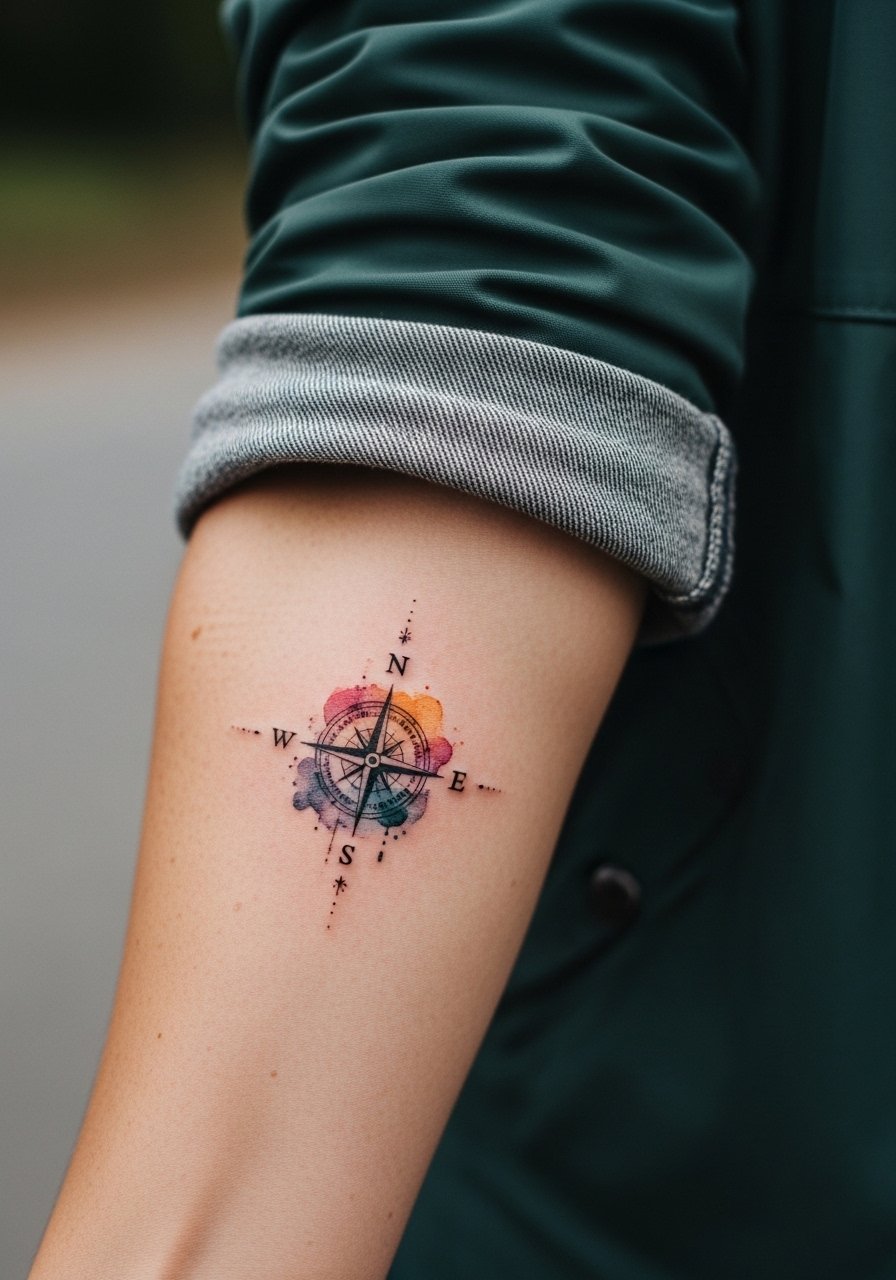
16. Small Watercolor Compass with Fine Lines
A tiny compass pairs crisp directional lines with soft color shadows for a travel-themed piece. Session time is 45 to 90 minutes. Ask your artist to preserve bolder entry points at the compass cardinal marks to keep orientation clear as the piece ages. The usual error is shrinking the compass below a readable size. For flight days or travel shows, tuck a rolled sleeve travel jacket when you want the forearm visible but protected.
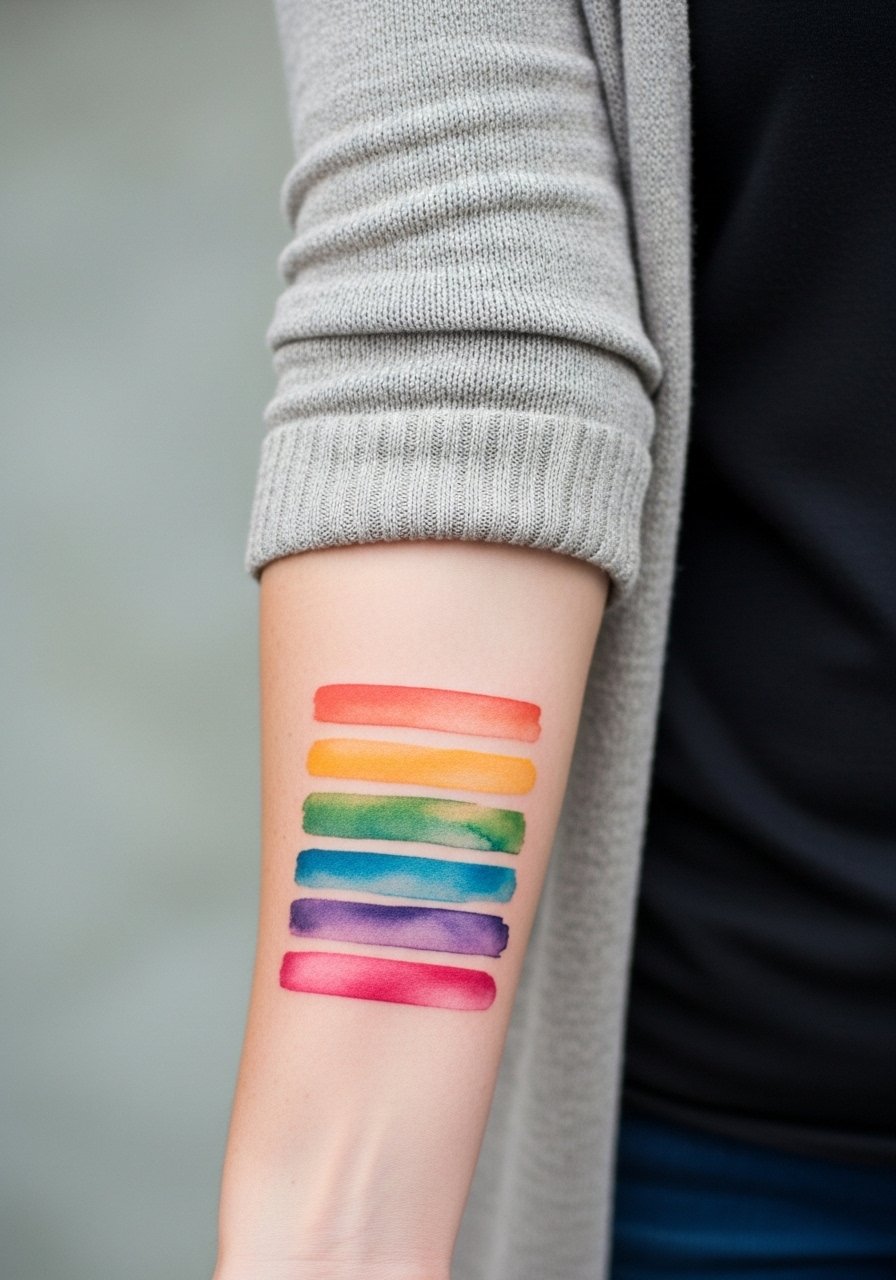
17. Painterly Wrist-to-Elbow Gradient Stripe
A painterly stripe that runs from the wrist toward the elbow uses graduated pigment for a directional study on the inner forearm. Expect 60 to 150 minutes depending on length. For long-term clarity, ask for deliberate spacing between color bands and a thin anchor line at the wrist to prevent run. A common mistake is pushing for full saturation in every band which makes touch-ups more frequent. When you want to show the full stripe, a three-quarter sleeve cardigan pushed back to the right point frames the gradient without covering it.
Frequently Asked Questions
Q: Do watercolor-style tattoos on the inner forearm need different aftercare than traditional pieces?
A: No aftercare routine needs to be radically different, but lighter watercolor tints depend more on careful initial cleaning and moisture balance during the first week. Keep sun exposure minimal as the area heals, and follow the studio's thin-application guidance for any recommended ointment. The Inline product list above covers the basic items many people find helpful for the first days.
Q: How often will a watercolor inner forearm tattoo need touch-ups?
A: It depends on saturation and sun exposure. Pale washes often show softening around year two to four and may ask for a touch-up then. Darker anchors and small areas of preserved linework typically extend the visual lifespan. If longevity is a priority, discuss planned touch-up intervals with your artist during booking.
Q: Can dark or deeper skin tones wear bright watercolor palettes on the inner forearm?
A: Yes, but color choices and contrast need adjustment. Artists will often increase saturation in key areas and rely on contrast with thin linework to keep shapes readable. Bring reference images of healed pieces on similar skin tones when you consult so you and the artist agree on realistic expectations.
Q: Are there staffing or licensing things to check before booking a watercolor piece?
A: Ask the shop about healed portfolio examples of watercolor work, and whether the artist often does layered color pieces on forearms. In my experience, shops that show multiple healed photos tend to be more reliable for this style. Also confirm touch-up policy so you know how they handle settling pigment after months.
Q: Will the inner forearm placement be painful for multiple sessions?
A: Most people rate inner forearm pain as moderate to low, but longer sessions can become uncomfortable as muscles tire. Break up long projects into two sittings if pain management matters to you. Wear clothing that does not press on the area and plan for short breaks during sessions.