The tattoos that still read crisp at year five are rarely the hyper-detailed faces everyone saves. Bold blackwork holds up in a way that flatters aging skin, and the Hunter X Hunter motifs that use heavy saturation age into readable icons rather than smudged portraits. Below are fan-focused blackwork options that prioritize longevity, character, and bold silhouette while keeping session and wardrobe realities in mind.
1. Gon Silhouette on the Inner Forearm
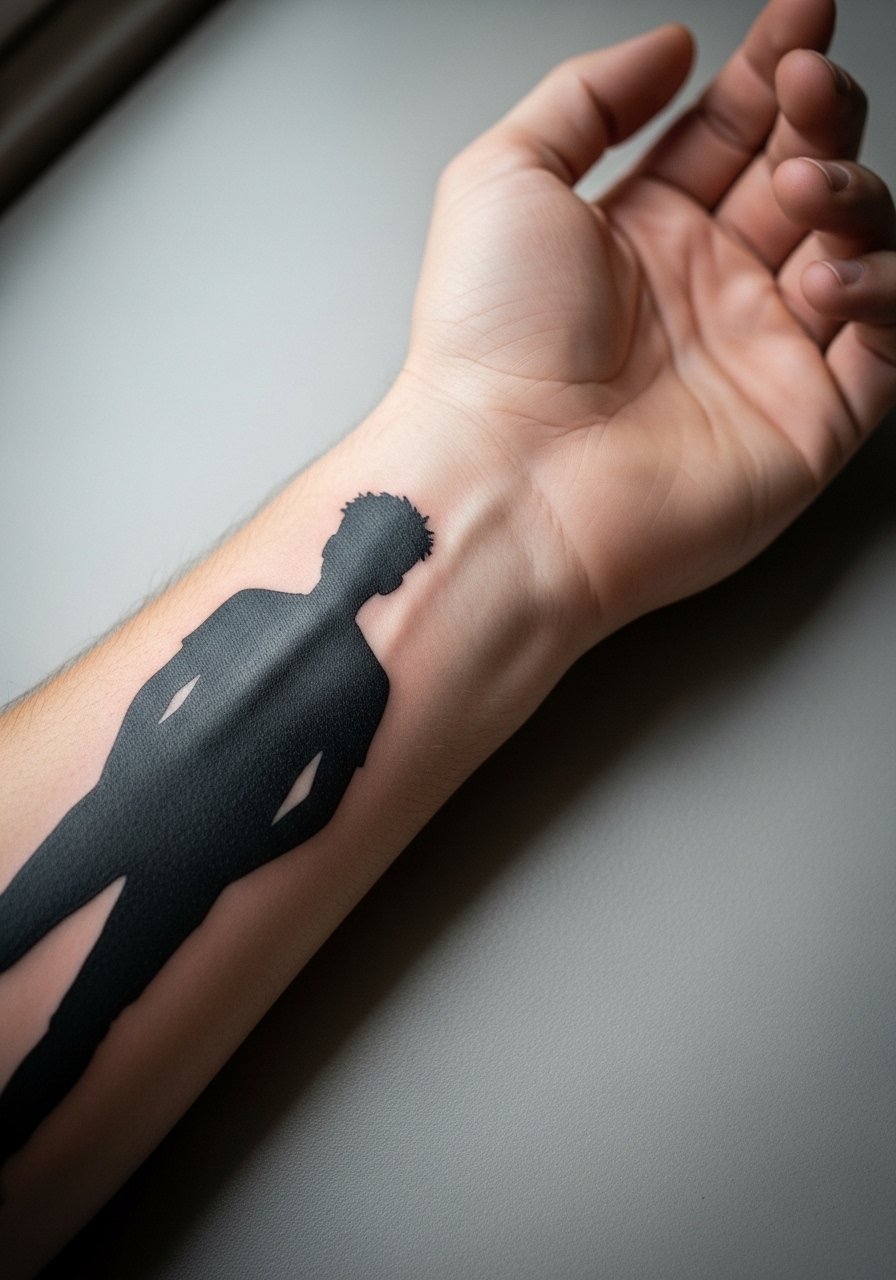
I recommend the inner forearm for a Gon-style silhouette because it reads from across a room and ages predictably. Tell your artist you want thick linework with solid saturation and a slight negative-space highlight for the hair. Common mistake is asking for micro detail inside the silhouette, which merges over time. Pain is low, session time usually under two hours, and touch-ups are rare if saturation is dense. For showing it off, roll up sleeves and wear a loose button-down shirt to frame the piece without crowding the wrist.
2. Killua Lightning Sleeve Accent
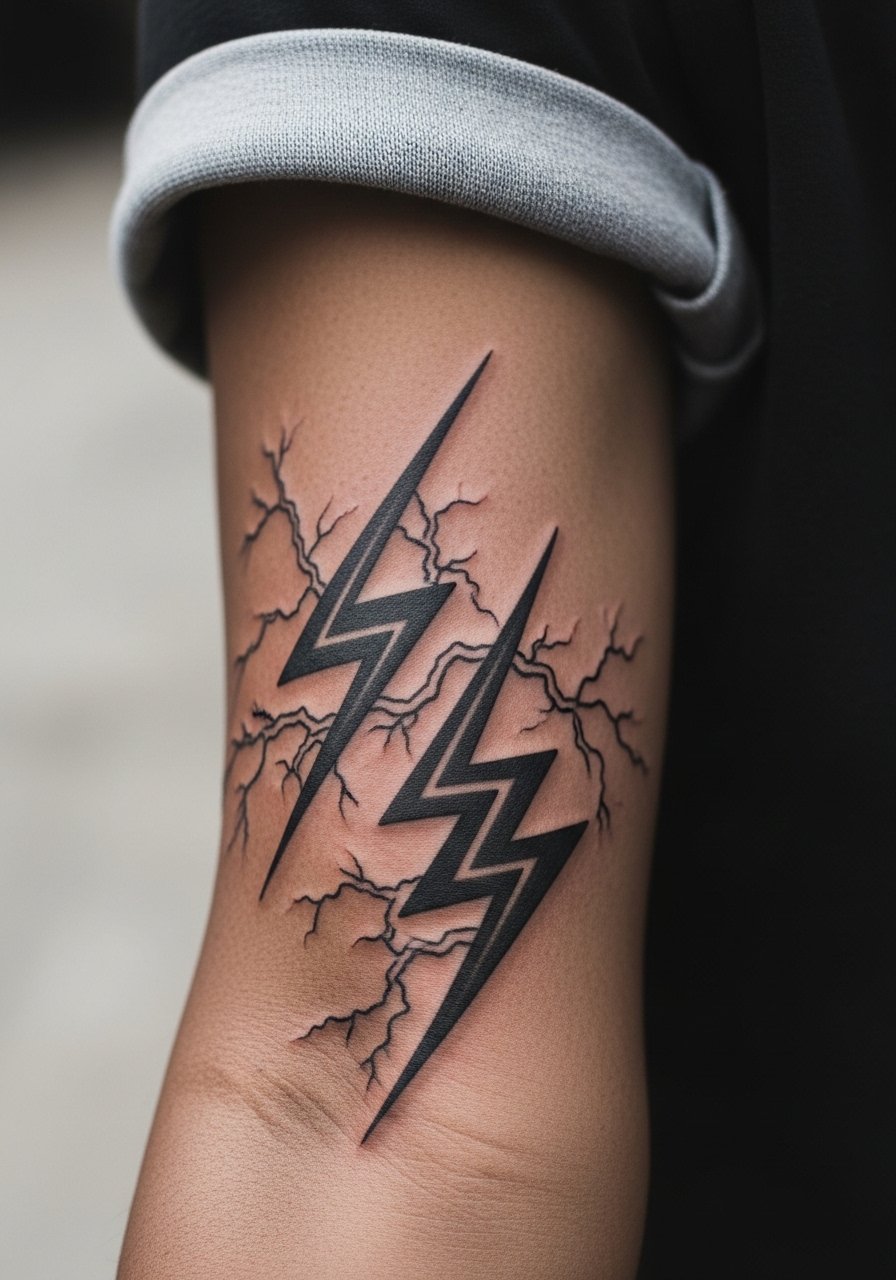
This outer forearm accent pairs well with other blackwork pieces or a half-sleeve. When you consult, ask for whip shading at the bolt edges and stipple shading inside negative spaces to avoid heavy solid blocks that crack over joints. Expect the session to feel like steady buzzing along bone and muscle, moderate discomfort. A frequent error is starting too small with thin lightning branches. For day of the session wear a short-sleeve tee you can roll without rubbing the fresh ink.
3. Chrollo Portrait in High-Contrast Blackwork

Realism in blackwork is divisive among fans and artists. One camp wants near-photoreal likeness, the other camp favors stylized silhouettes that keep the character readable long term. If you prefer longevity, choose bold contrast and simplified facial planes rather than micro-shading across cheeks. Tell your artist which visual reference to simplify, and expect a longer session for detailed facial contours. Upper arm sessions are moderate on the pain scale and wear well when saturation is deep. Pair this with sleeveless tops and a simple thin chain pendant necklace that won't compete with the shoulder line.
4. Hisoka Card Motif on the Ribcage
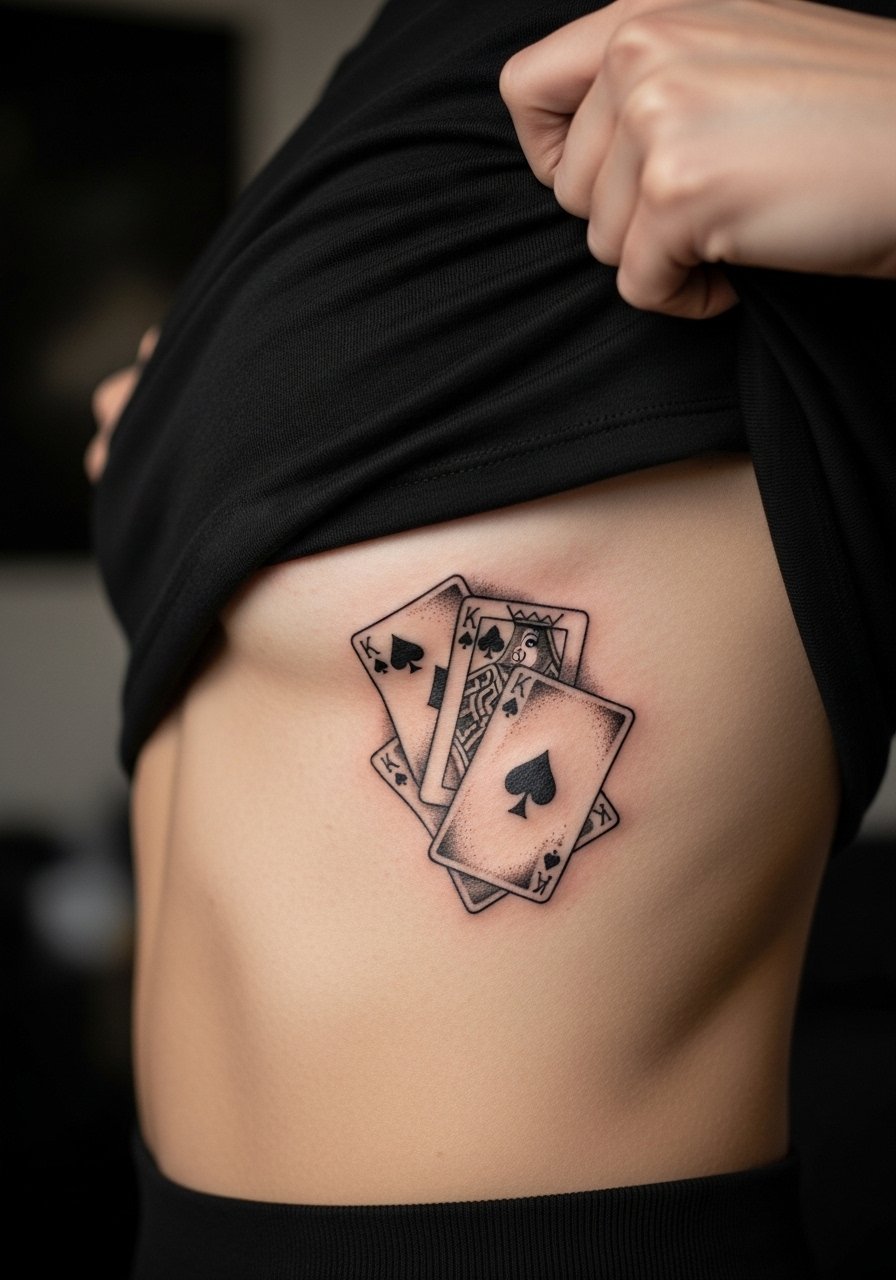
Fair warning, ribs are a higher pain area but the black saturation here pays off in readability. Artists split on fine detail on ribs. One side says the skin stretch blurs tight lines within two years. The other side says proper depth and spacing keeps fine detail intact. My call is to use bold graphic shapes with minimal tiny linework so the motif stays crisp. During consultation ask about spacing and depth specifically. For the session wear a cropped athletic top so the artist can expose just the area needed.
5. Nen Ability Symbol Behind the Ear

Behind-the-ear pieces read tiny and intimate. The main mistake is asking for too many tiny details in a cramped spot. Tell the artist you want thicker linework and a clear silhouette to avoid blowout. Session time is quick but the area can sting because the skin is thin. This spot is easy to hide under hair when needed. For the session, pin back hair and wear a wide-headband so the artist has clean access without tugging.
6. Gon and Killua Dual Anklet Band

Anklet bands are small but need saturated black to survive daily friction and shoe rubbing. A common mistake is keeping gaps too narrow between elements, which causes merging at year two. Ask for slightly wider spacing and consistent saturation. Expect low to moderate pain and a session under 90 minutes. For showing it off in warm months pair the wrap with strappy sandals or roll your pants so the band stays visible without crowding the ankle.
Pre-Session Essentials
The arm, ribcage, and ankle pieces above have different prep needs, so a few targeted items make sessions more comfortable and the first days of healing easier.
- Stencil transfer paper kit. Lets you preview how the design sits on curved areas like the forearm and ribs before the needle touches skin.
- Topical numbing cream. Applied about forty-five minutes before the session eases the sting on ribs and inner arm without dulling fine detail.
- Thin protective film roll. Keeps ankle and wrist pieces clean during the first week of friction from shoes and daily handwashing.
- Fragrance-free body wash. Gentle cleansing for the first week helps preserve linework on high-contact placements.
- Aquaphor healing ointment. Thin layers in the first days lock in moisture for dense blackwork without suffocating the healing skin.
7. Silhouette Sleeve Panel
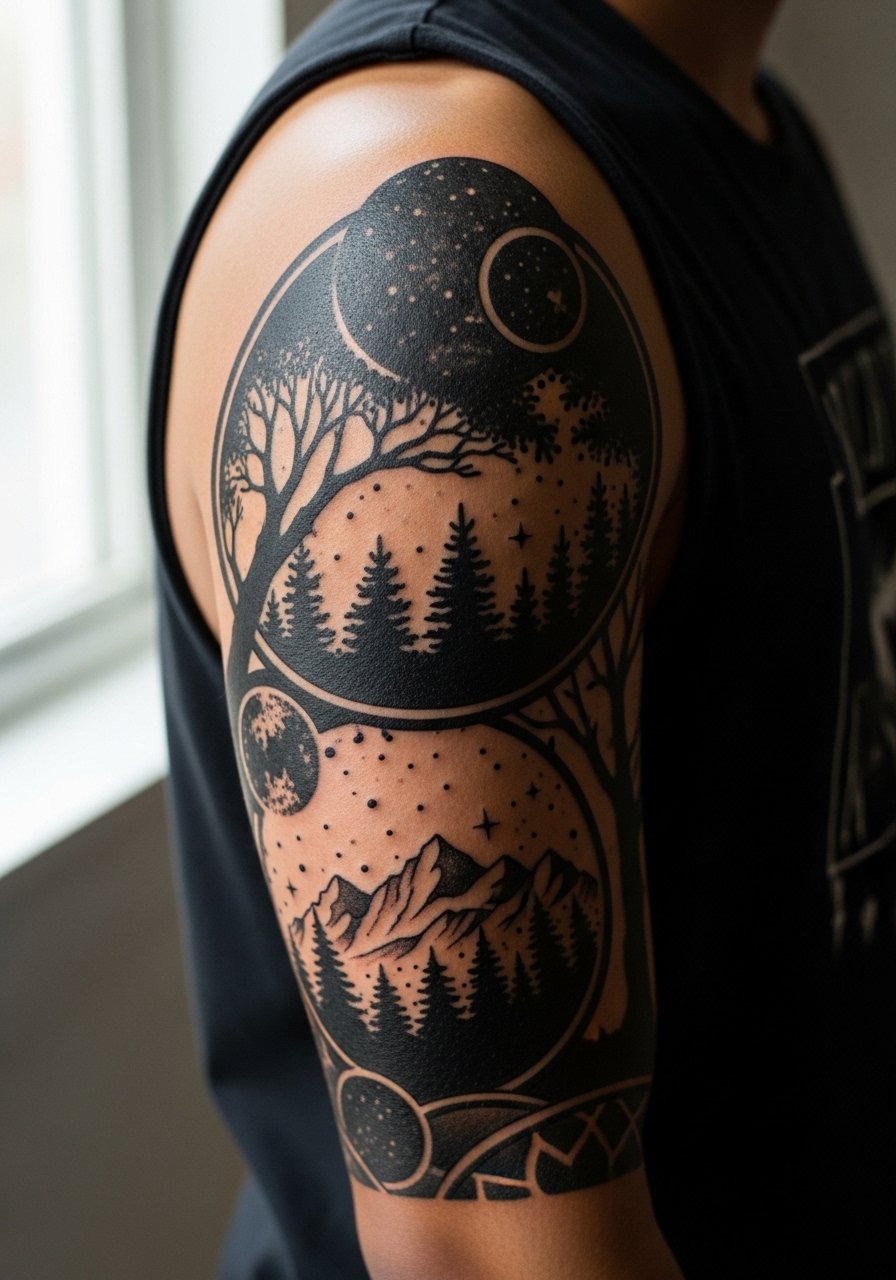
A silhouette sleeve panel works when you want cohesive blackwork without micro detail that smudges. During consultation ask the artist to map negative space so shapes stop short of joints. Big mistake is filling entire arm without breaks, which creates a heavy cloth-like block that ages unevenly. Sessions vary by size, expect multiple appointments. For showing it off, pair with rolled-sleeve linen shirts that highlight the outer arm without covering the art.
8. Minimalist Phantom Troupe Logo on the Collarbone
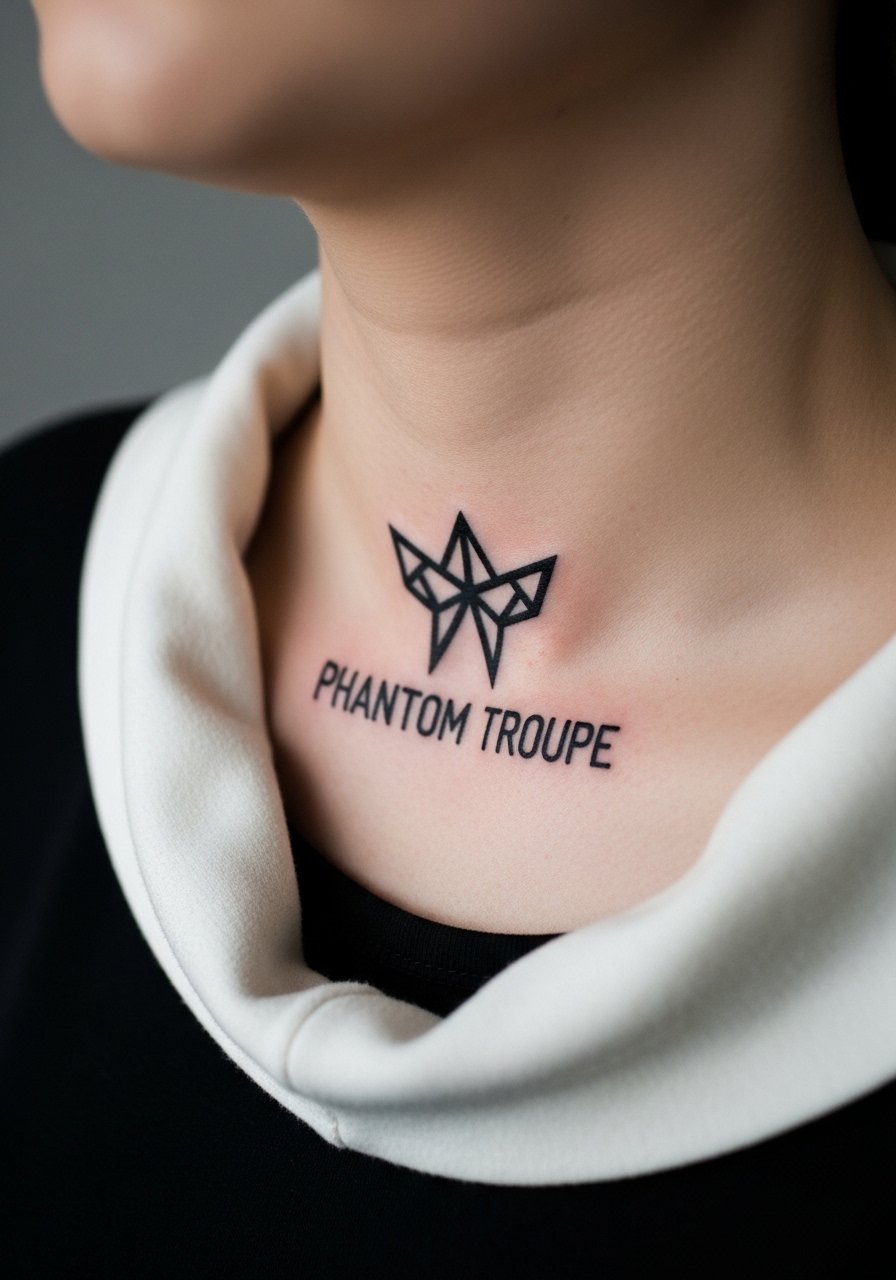
Collarbones give design a prominent horizontal line but are unforgiving for very thin work. Tell your artist you want thicker outlines and a small safe margin from the bone. Common error is making the logo too fine, which fades faster because of movement and skin tension. Pain here is moderate. For evenings out, show this with open-neck blouses that let the tattoo sit above a neckline without competing.
9. Blackwork Inked Hunter License on the Calf
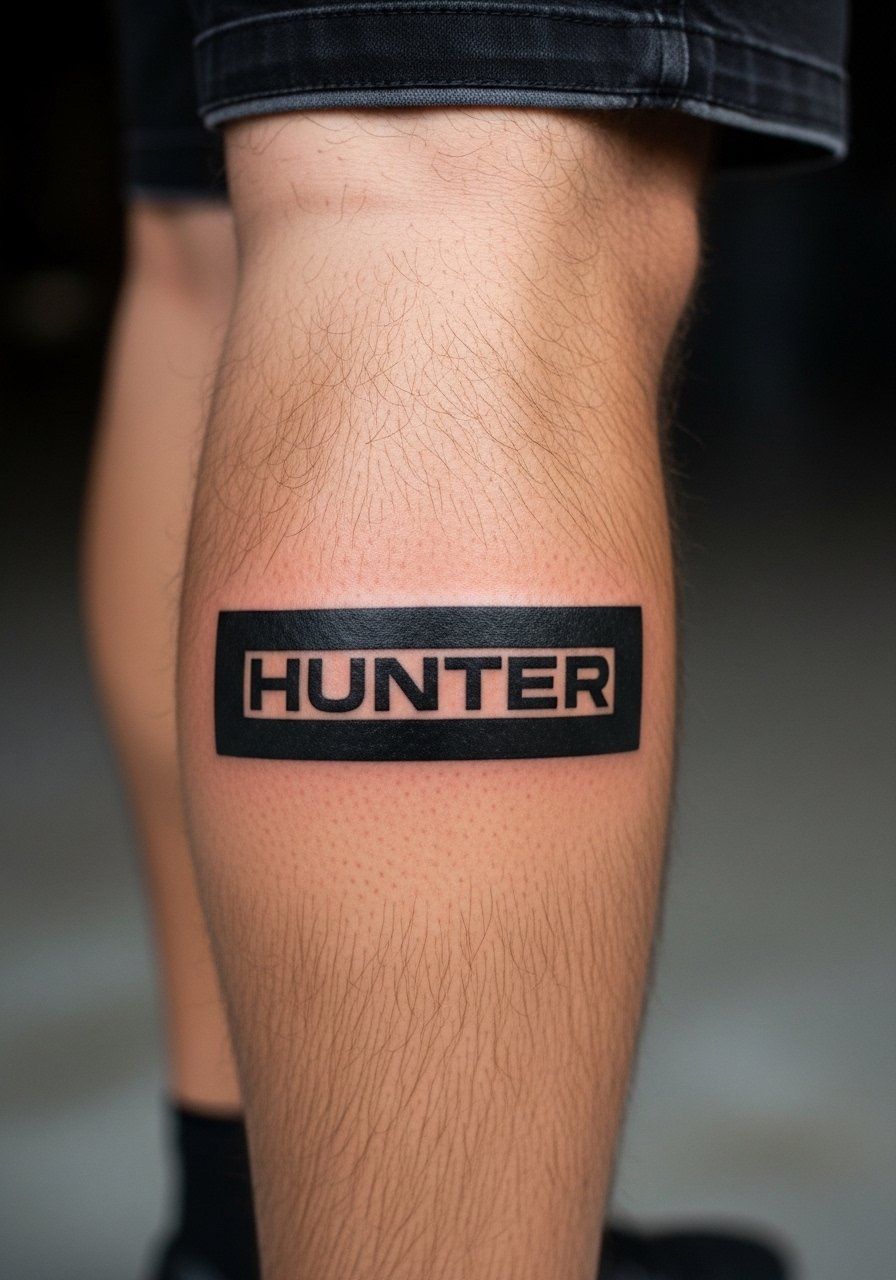
Calf pieces are resilient and wear well because the skin there does not stretch as much. Ask for dense saturation and solid outlines for small lettering or emblem details. Mistakes include compressing text too tightly, which loses legibility over time. Calf is moderate on the pain scale and sessions can be an hour or two. Pair this with high-waisted shorts or cropped pants so the design remains visible without rubbing from long trousers.
10. Stylized Chibi Blackwork Wrist Band
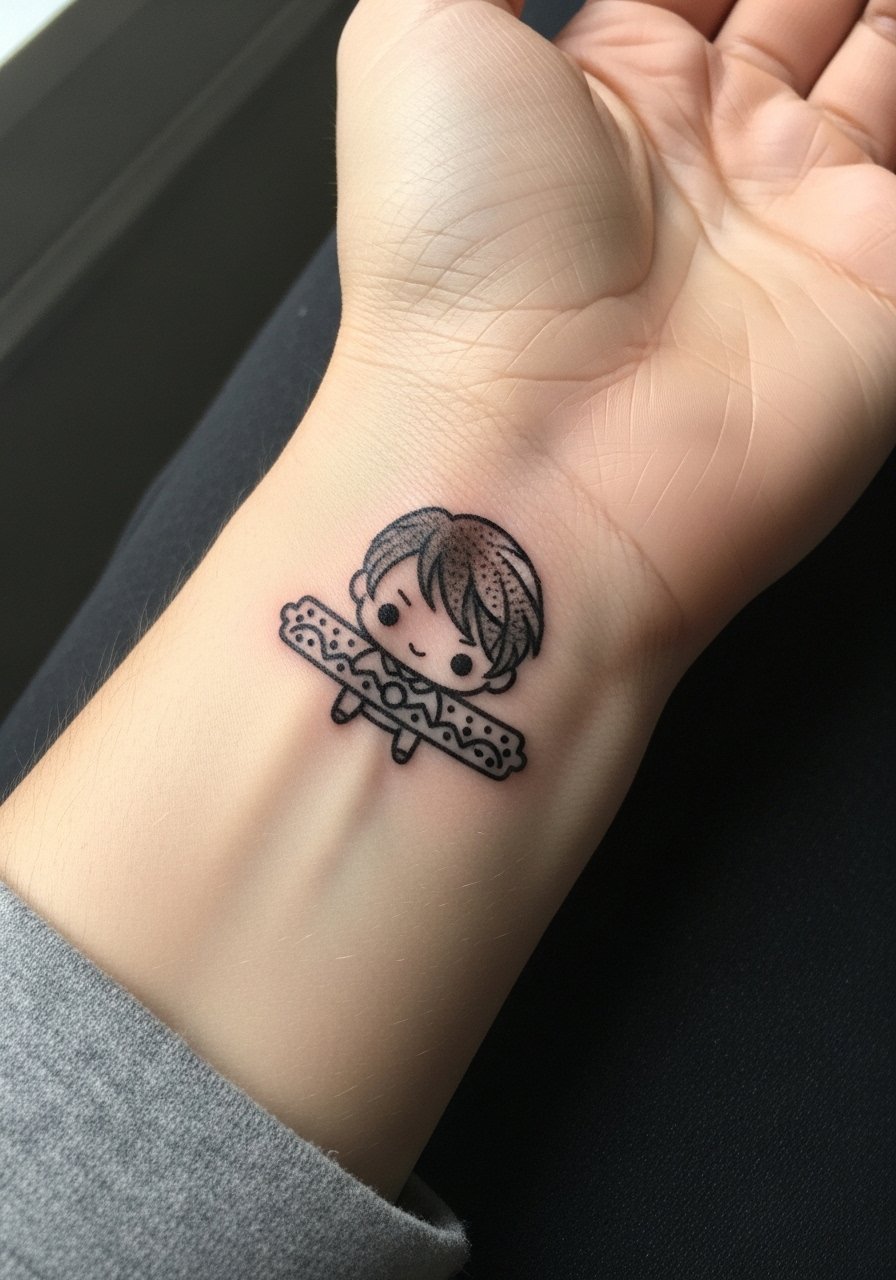
Wrist bands demand solid, consistent black because the area sees lots of washing and movement. The biggest mistake is tiny internal detail or open stipple, which disappears with frequent friction. Tell the artist you want crisp linework and a thin negative-space edge. Expect higher touch-up likelihood than a forearm piece because of skin thickness and exposure. For the session wear a loose drawstring linen pant so you can keep sleeves rolled without tugging at the area.
11. Blackwork Gon Throwing Pose on the Thigh
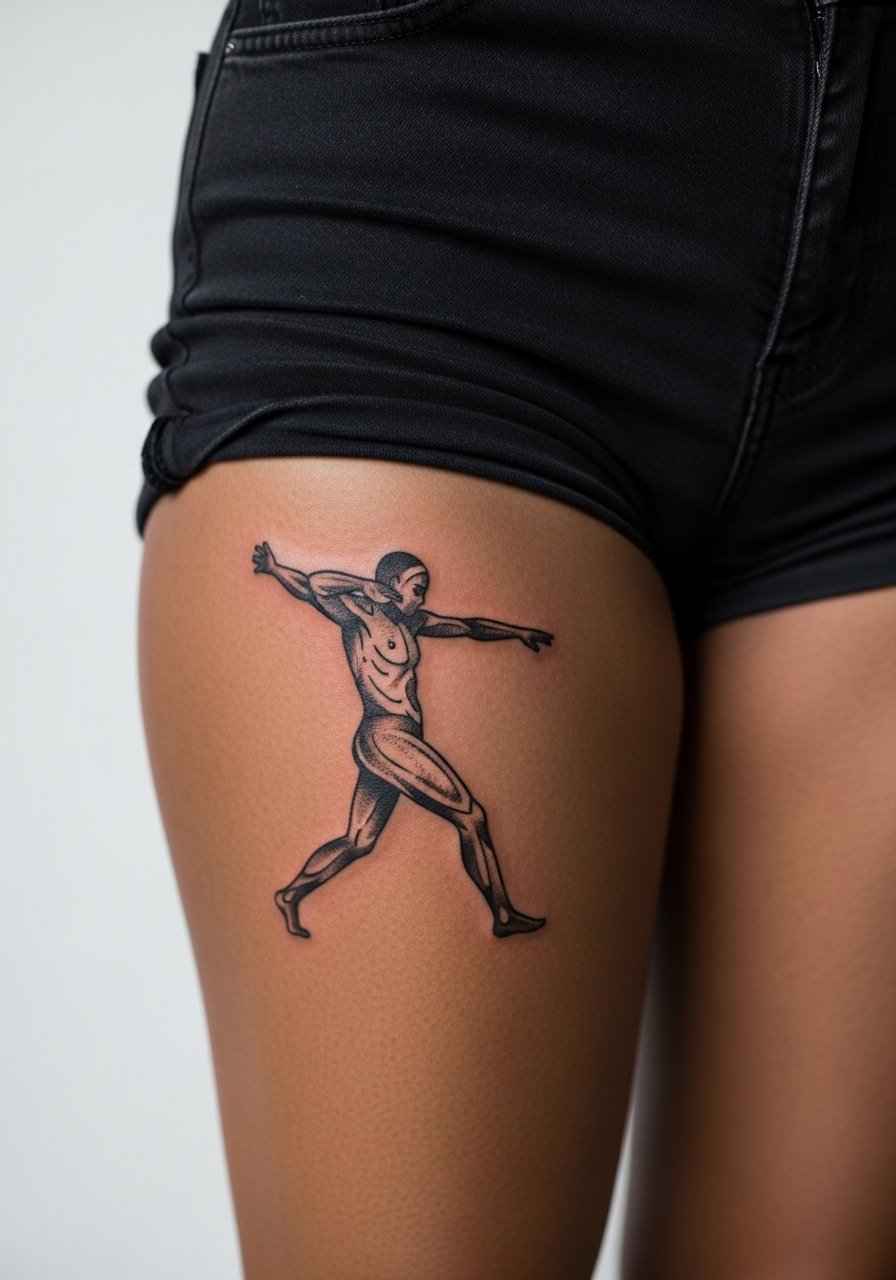
Outer thigh is forgiving for larger blackwork pieces and ages predictably when spacing is considered. One mistake is placing too close to the seam of clothing, which creates repeated rubbing. Consult about placement and friction zones if you wear tight waistbands. Sessions feel moderate and sometimes long depending on size. This placement is easy to hide for work but looks striking with high-slit skirts or shorts that reveal the outer thigh.
12. Silenced Hunter Notebook Icon on the Inner Bicep
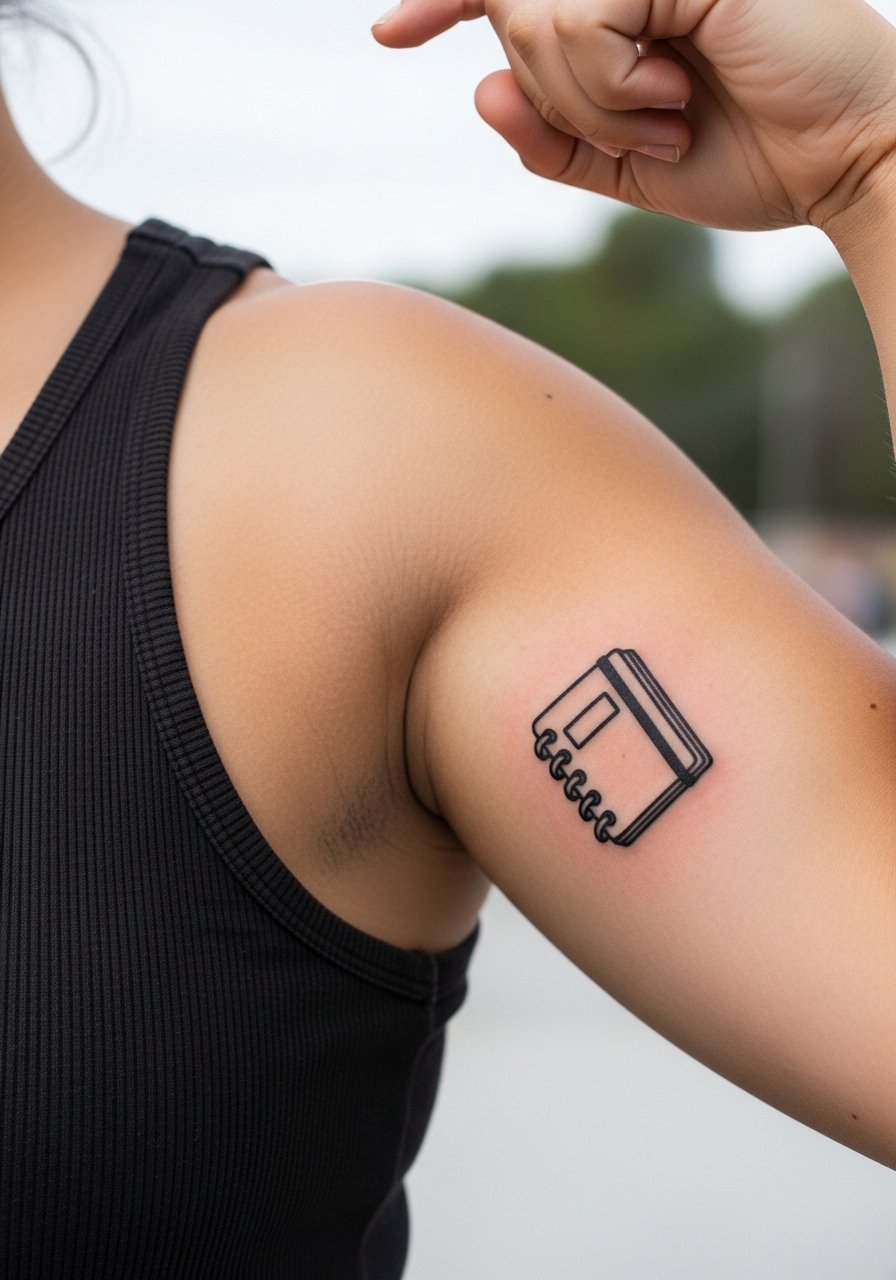
Inner bicep work can look refined but the skin there is softer, which increases blowout risk for thin lines. Ask for firm line depth and a slightly bolder outline. The session can be a bit uncomfortable when the arm is raised. A frequent mistake is insisting on hair-fine detail that migrates into a blur. For the session wear a loose tank top to give the artist clean access while keeping the rest covered.
13. Killua’s Skateboard in Solid Black on the Side Calf
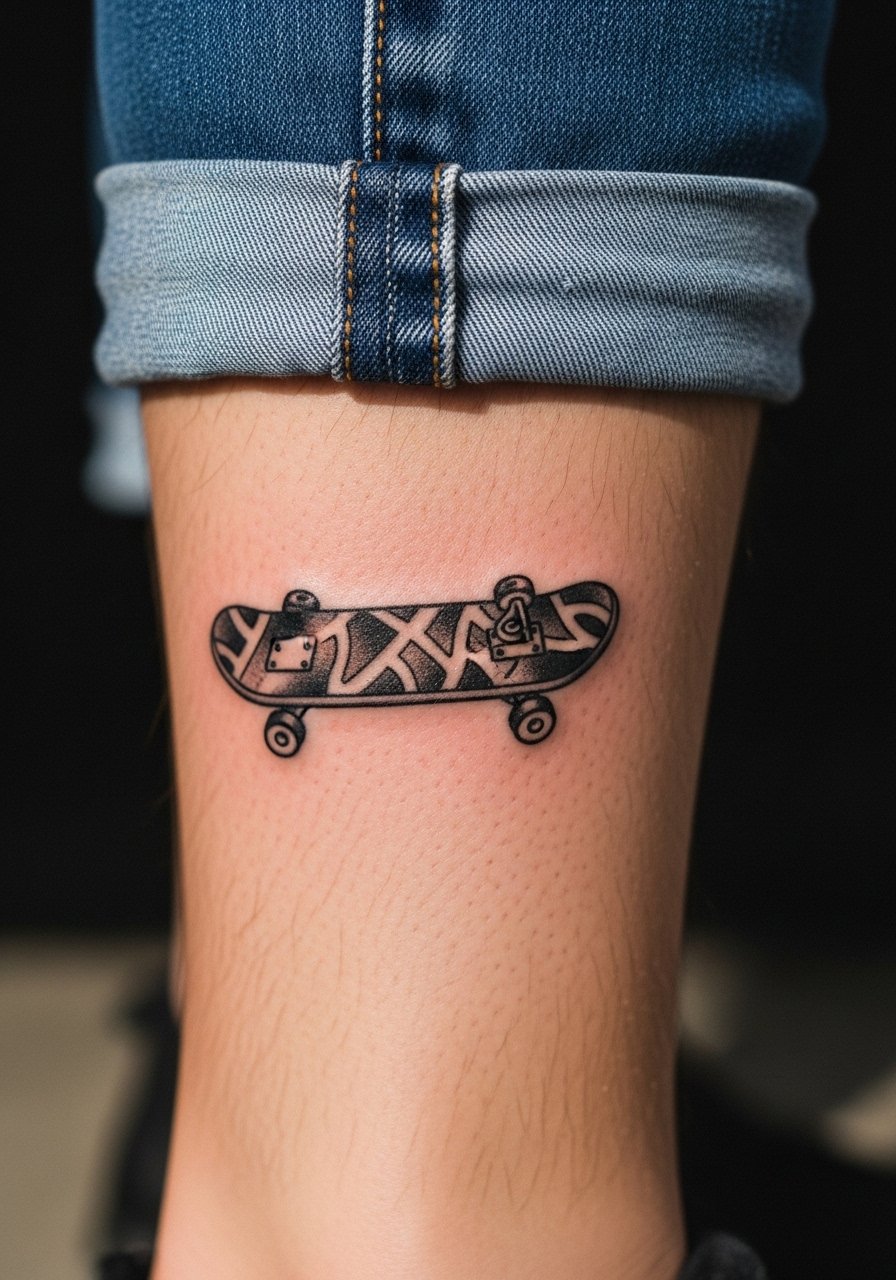
A side calf piece takes movement well and keeps crisp edges when filled solidly. Tell your artist you want the board as a strong silhouette without tiny deck graphics, which disappear quickly. Mistake is overloading the board with micro symbols. Sessions are moderate and touch-ups are uncommon if saturation is consistent. Show it off with rolled jeans or cropped trousers so the side calf reads cleanly.
14. Greed Island Blackwork Map on the Upper Back
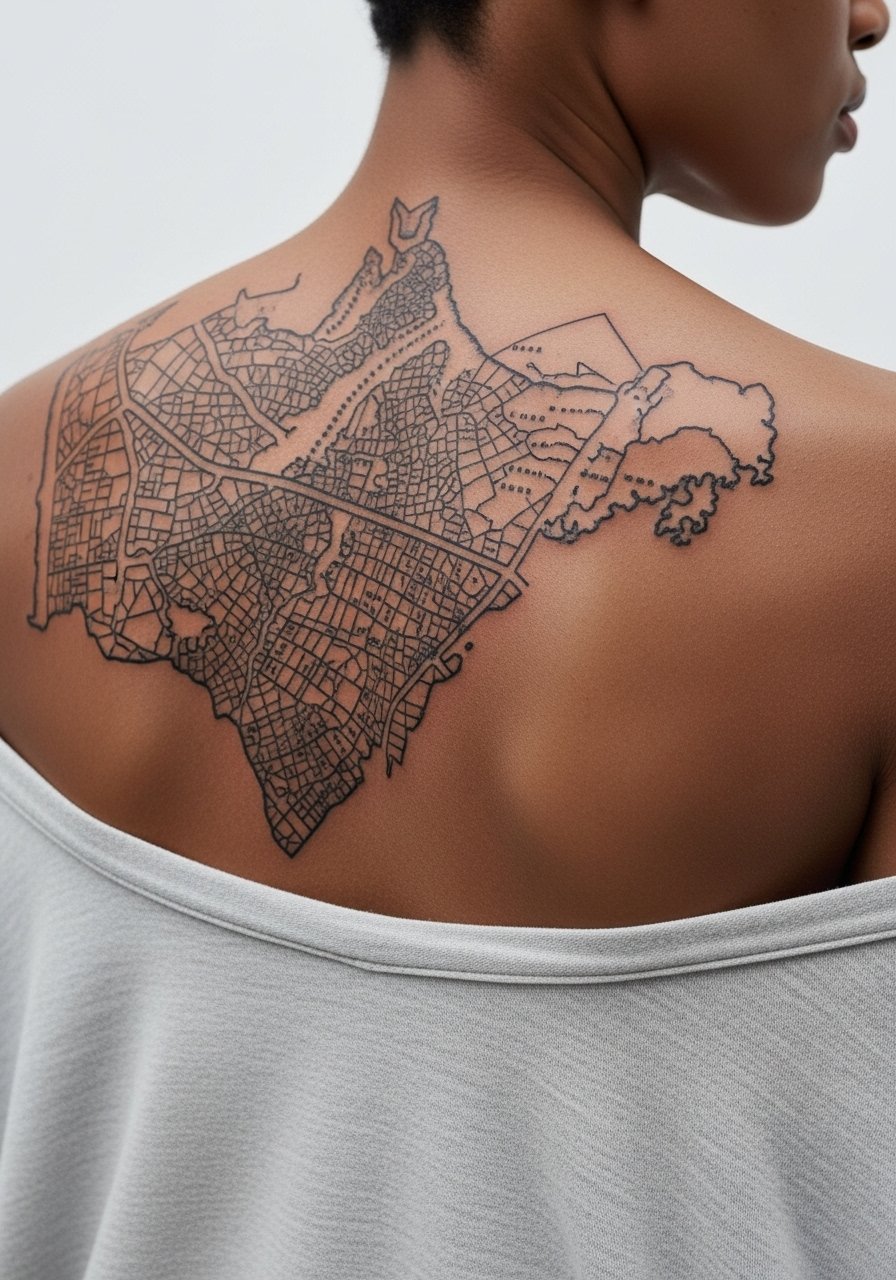
Upper back panels let you play with scale. The risk is packing tiny map details into a small area. Ask the artist for bold paths and selective negative space rather than micro text. Sessions for panels can be long and often split across days. For comfort wear a button-down shirt you can remove or pull aside so the artist can reach the back without you being uncomfortable.
15. Stylized Zoldyck Family Crest on the Sternum
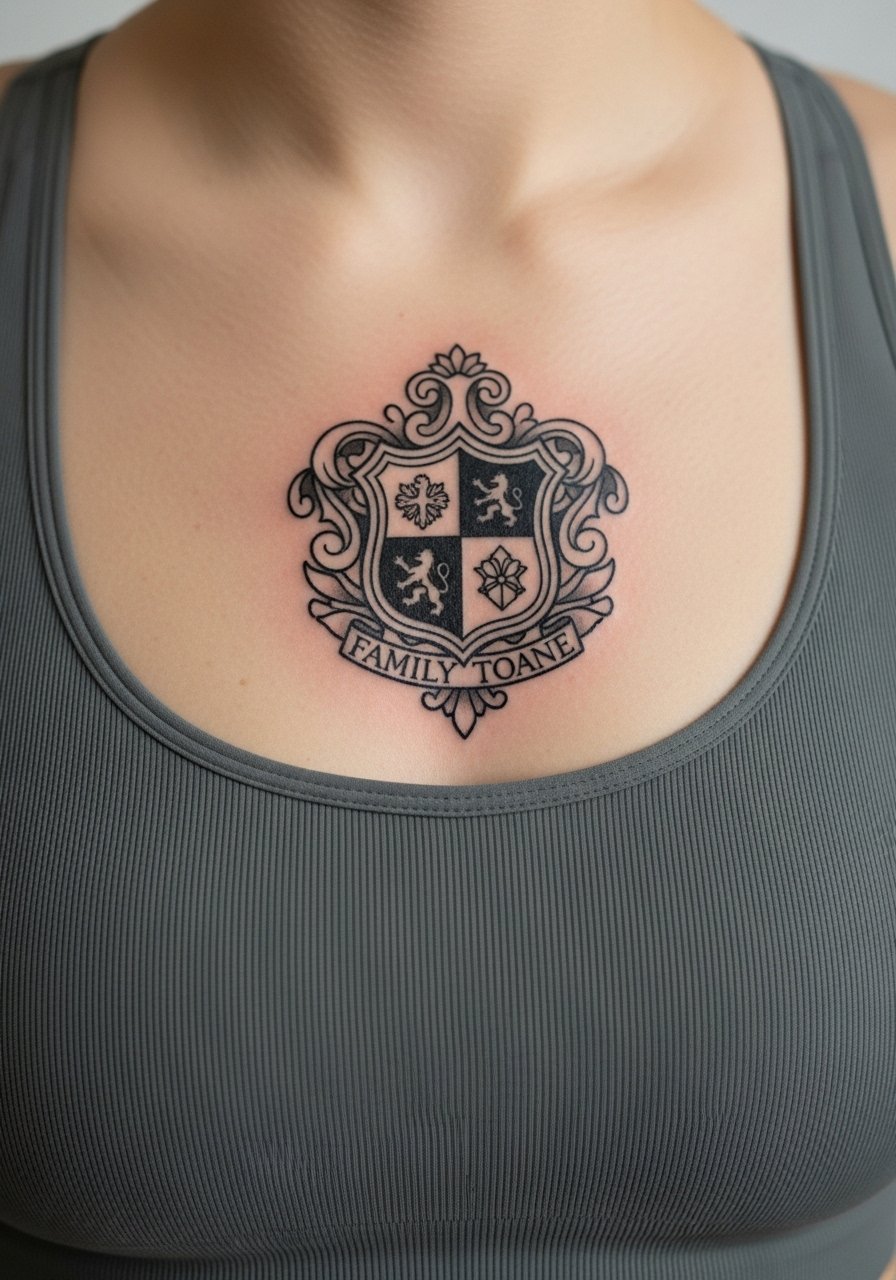
Sternum pieces are intimate and need clear discussion about size and spacing. The common mistake is compressing complex crests into a small area. That looks noisy after healing. One-sentence professional note: sternum and underbust work benefits from an artist experienced with chest contours. Sessions can be intense and require breaks. For the session wear a fitted sports bra so the artist can expose only the area needed without full torso exposure.
16. Blackwork Hunter License Corner Tattoo on the Hand

Hand tattoos still affect hiring in some industries, so think about career context. Hands also fade faster because of constant washing and use. Tell your artist you want thick borders and to avoid hair-fine internal lines. Expect touch-ups more frequently than arm or back work. Sessions are short but uncomfortable. For showing off use minimal jewelry so the piece remains visible without being crowded.
17. Stylized Gon’s Fishing Rod Wrapped Around the Forearm
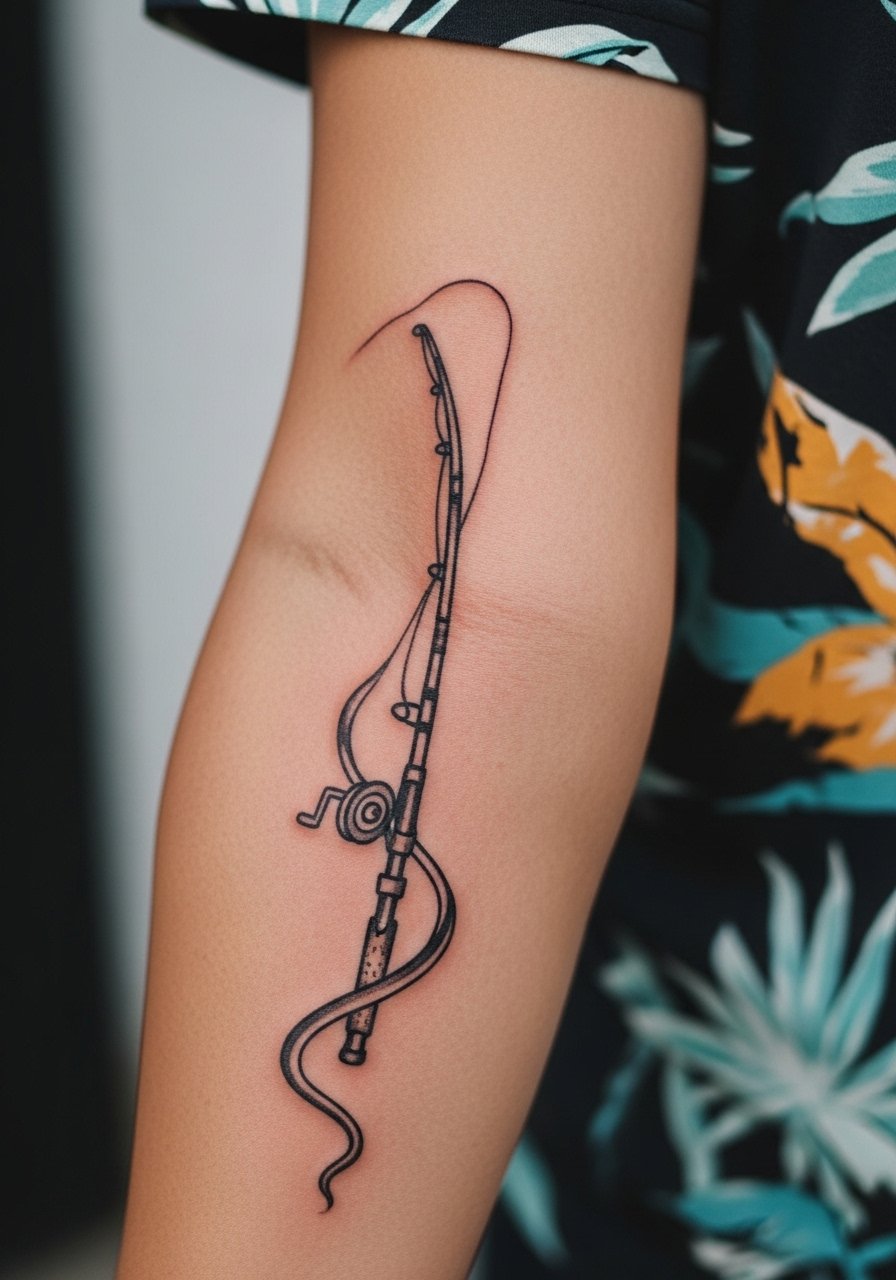
A wraparound forearm piece reads dynamically when the rod line has breathing room. The mistake is wrapping too tightly so the rod detail hits joints where skin creases, which causes distortion. Tell your artist where you want the main visual anchor and leave negative space around it. Sessions are moderate and may be split into two if shading is dense. For the session wear a short-sleeve tee you can roll up easily.
18. Spectral Silhouette on the Side Neck
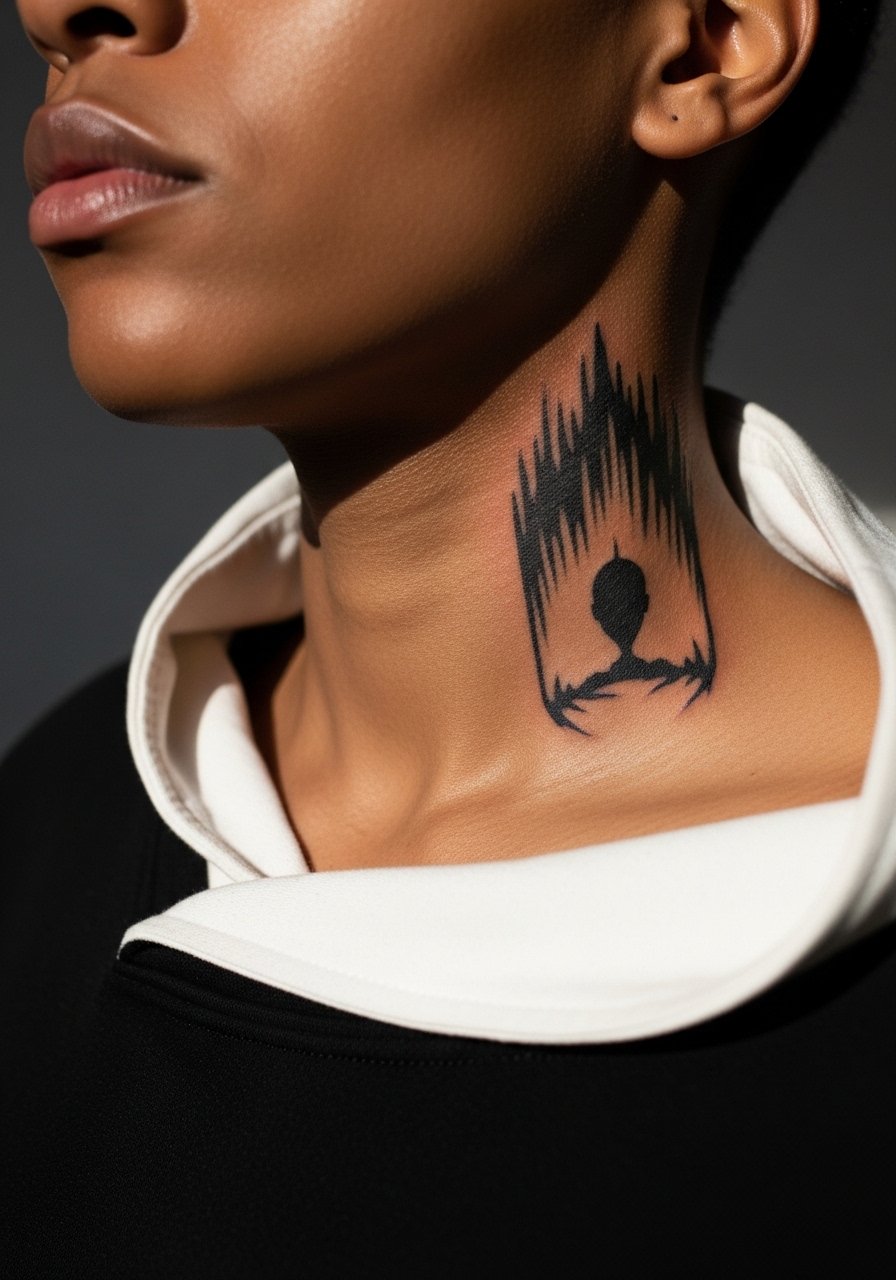
Neck tattoos are visible and can influence first impressions in professional settings. They also sit on thin skin and require bold, simple shapes to hold up. The wrong call is requesting tiny filigree. Ask the artist about depth and line thickness specifically. Expect higher pain and careful aftercare. For session access wear a wide-neck shirt you can shift without exposing more than the neck.
19. Blackwork Palm-Sized Hunter’s Mark on the Shoulder Blade

Shoulder blade pieces sit on a plane that moves with the shoulder. Keep the mark bold and avoid tiny interior strokes that will blur as the skin flexes. Mistake is cramming text into this zone. Sessions are moderate and easy to hide with shirts. For the session wear a tank top you can shift without full undress.
20. Blackwork Manga Panel on the Outer Thigh
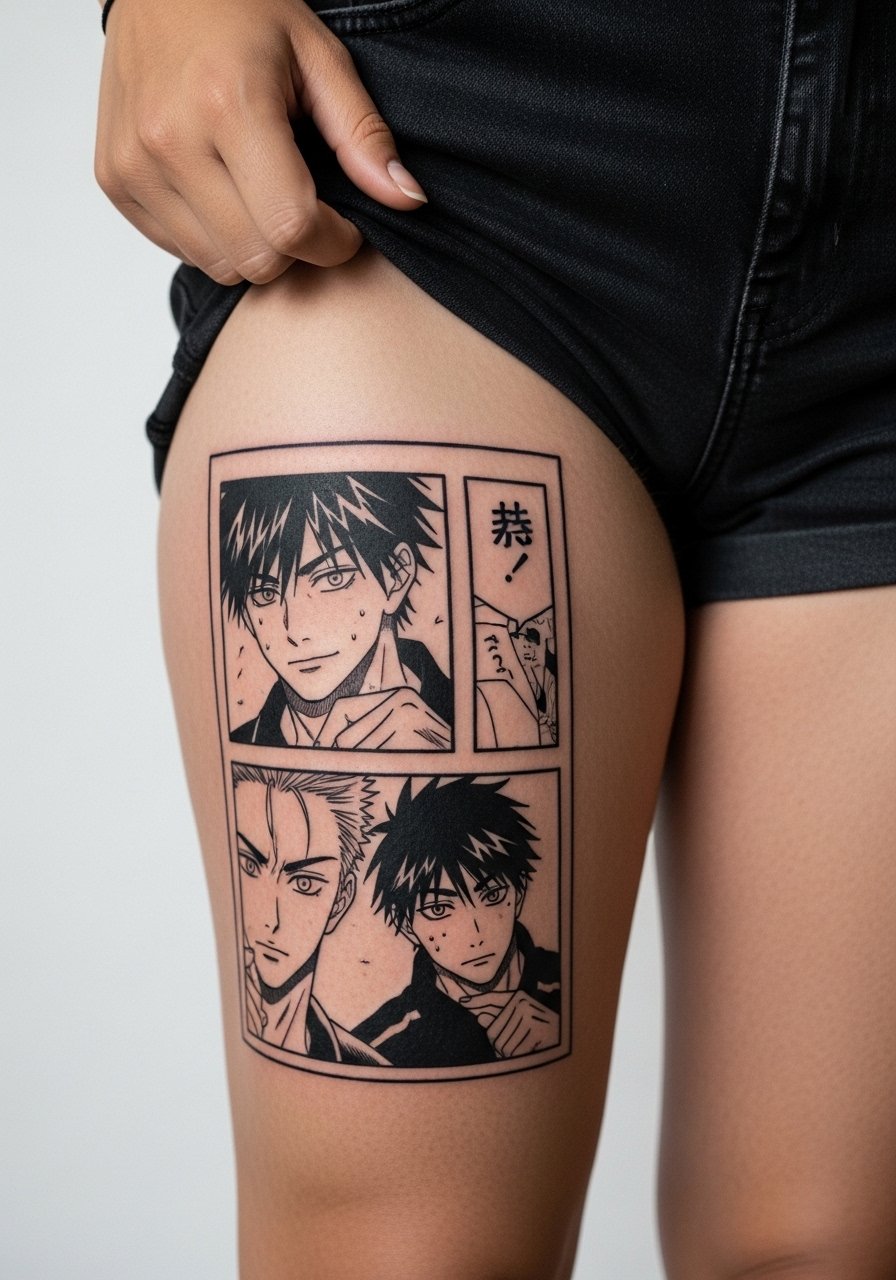
Thigh panels can handle dense black fields and maintain crisp edges. The usual error is plotting tiny line detail intended for paper scale that does not translate to skin. Ask the artist to adapt line weight for flesh. Sessions can be long but are tolerable on the thigh. For showing it off pair with swim bottoms or shorts that reveal the panel without rubbing.
21. Bounty Hunter Emblem on the Finger Side Panel
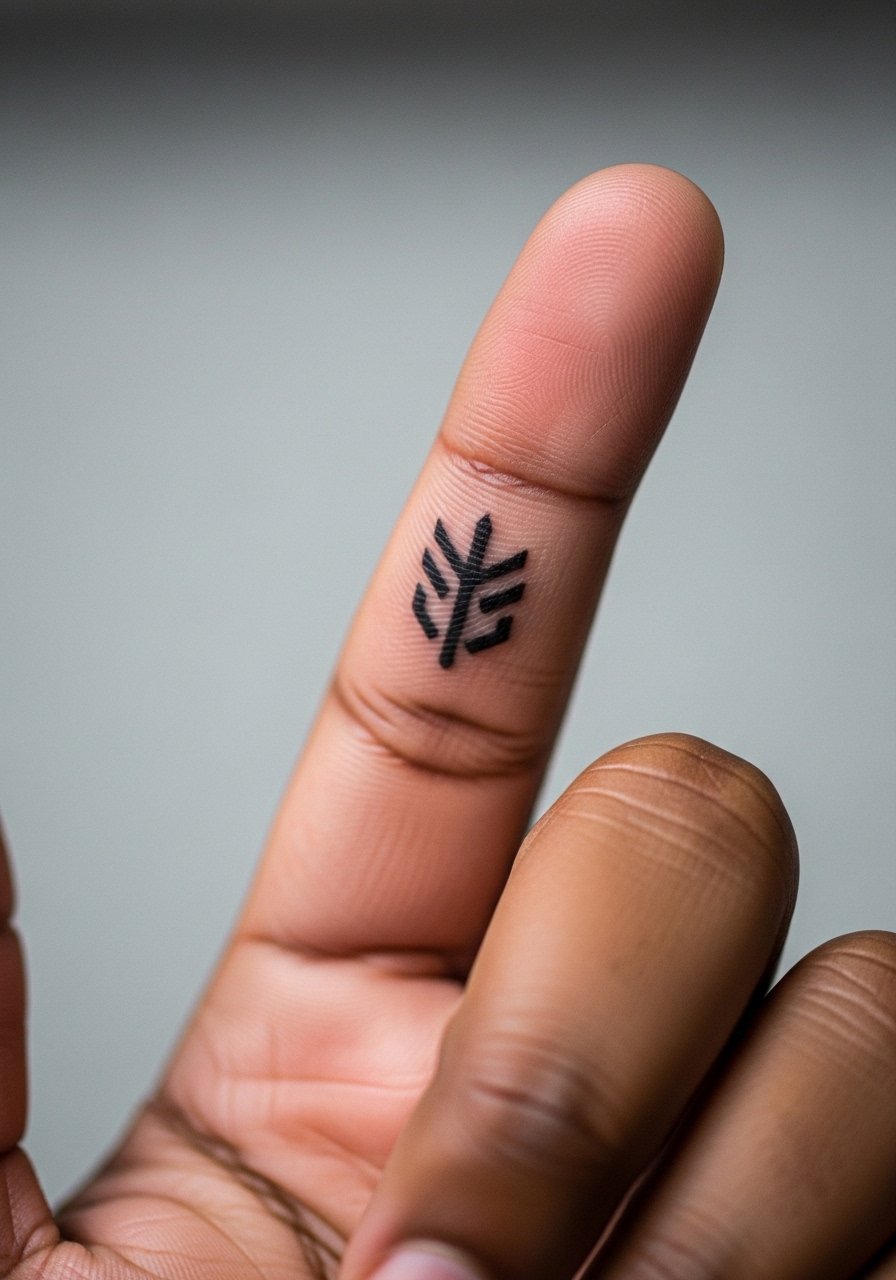
Finger tattoos are notoriously high-maintenance because of skin renewal and constant use. The common mistake is adding interior detail and expecting permanence. Opt for a simple, bold emblem and accept touch-ups will likely be needed every few years. Sessions are short but can sting. For showing it off keep the rest of your hand minimalist and avoid heavy rings that sit over the ink.
22. Blackwork Hunter Badge on the Lower Back
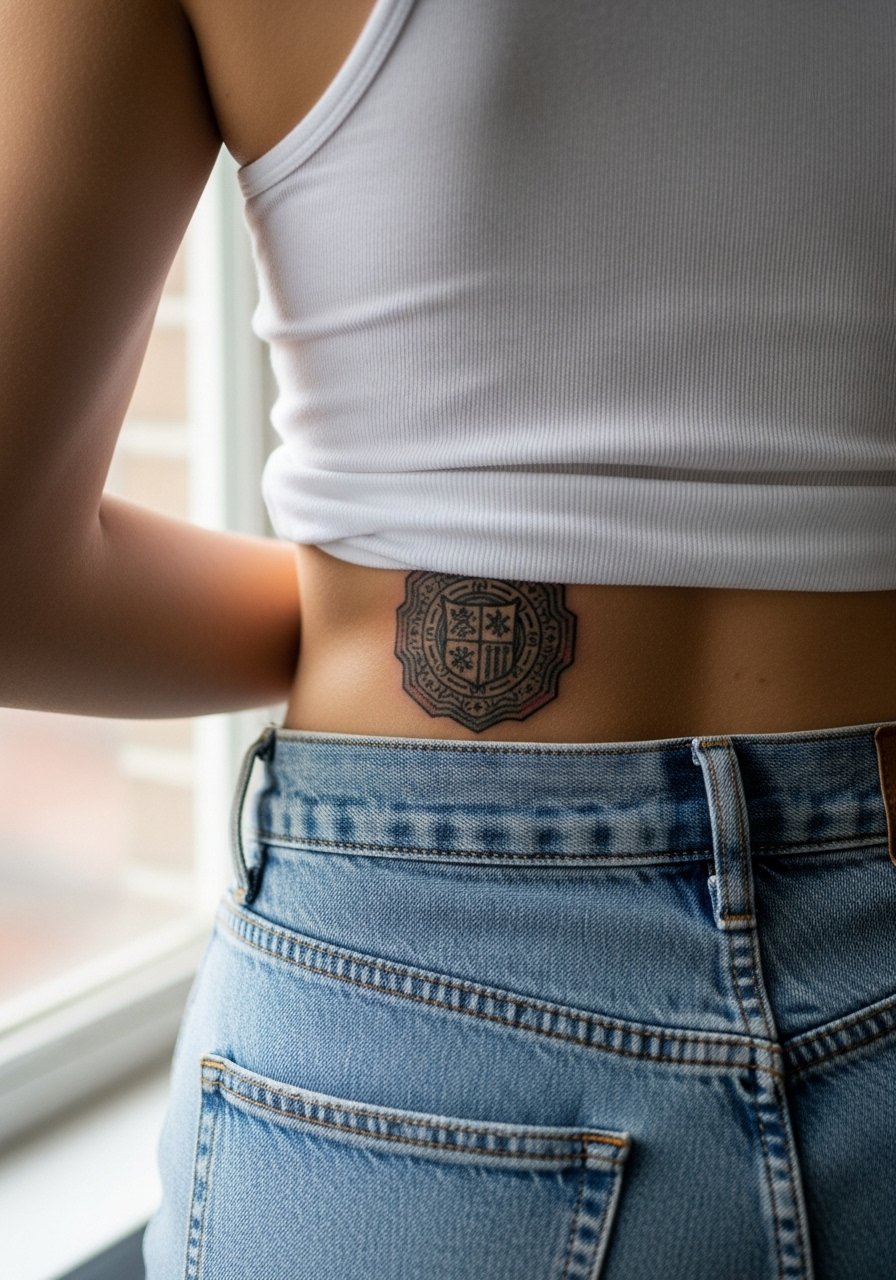
Lower back pieces are protected from sun and often age well. Avoid designing too close to the waistband where repeated friction will erode edges. Ask your artist about ideal vertical placement relative to your clothing lines. Sessions are moderate in discomfort. For comfort during the session wear a tank top so the artist can access the area without you removing clothing.
23. Blackwork Matchstick Knife on the Inner Wrist

Inner wrist work is visible and delicate. The mistake is requesting hairline strokes that wash out under frequent washing. Request a slightly thicker outline and shallow but firm needle depth. Sessions are quick but the area is sensitive. For the appointment wear a loose button-down shirt with sleeves you can pull up without pressing on fresh ink.
24. Stylized Zoldyck Daggers on the Shins
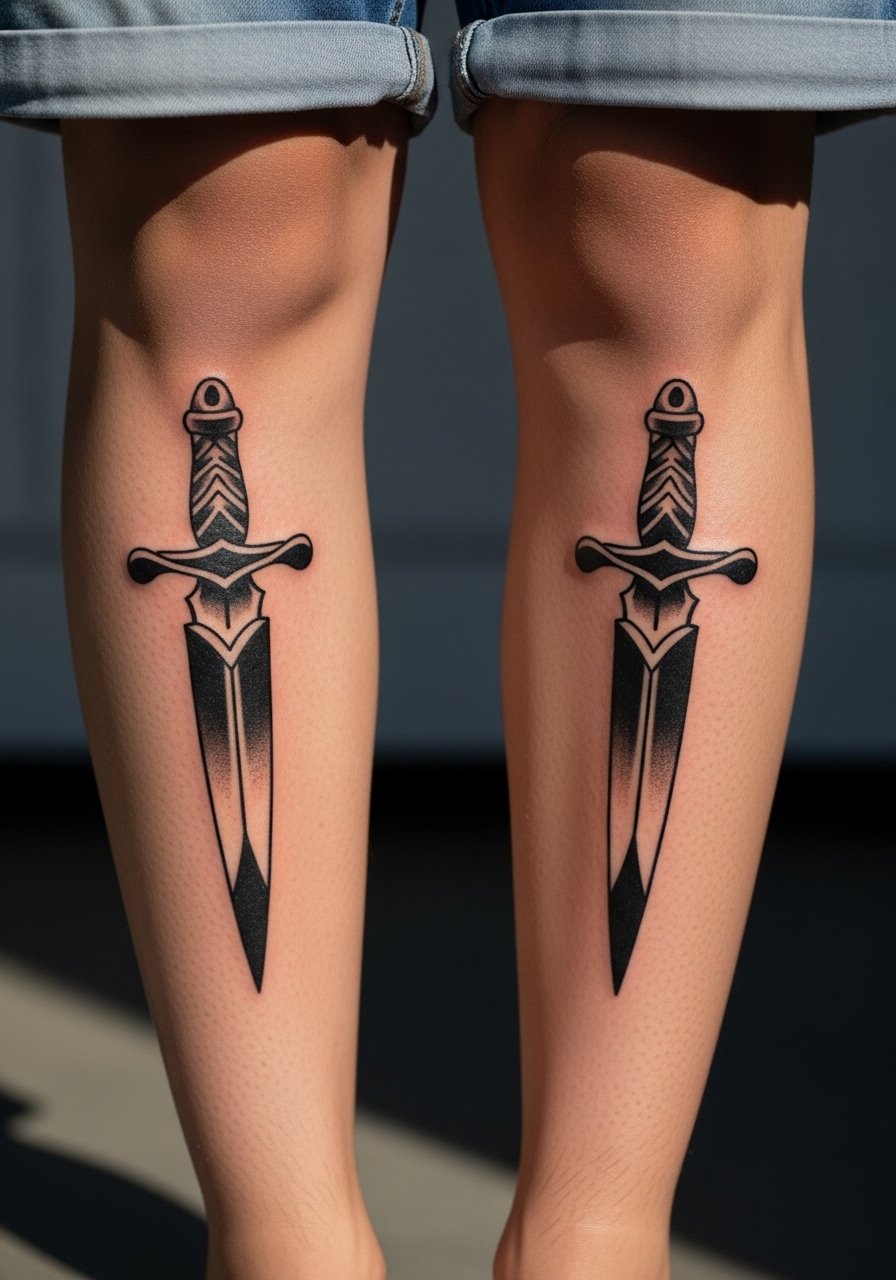
Shins can handle vertical motifs and keep straight edges with proper saturation. The mistake is placing blades too narrow, which results in softening as the skin moves. Talk to your artist about slight widening of key lines. Sessions are bony and can be painful in patches. For showing the piece, wear cropped trousers or shorts so the shins remain visible without chafing.
25. Blackwork Manga Speech Bubble Behind the Ear Lobe
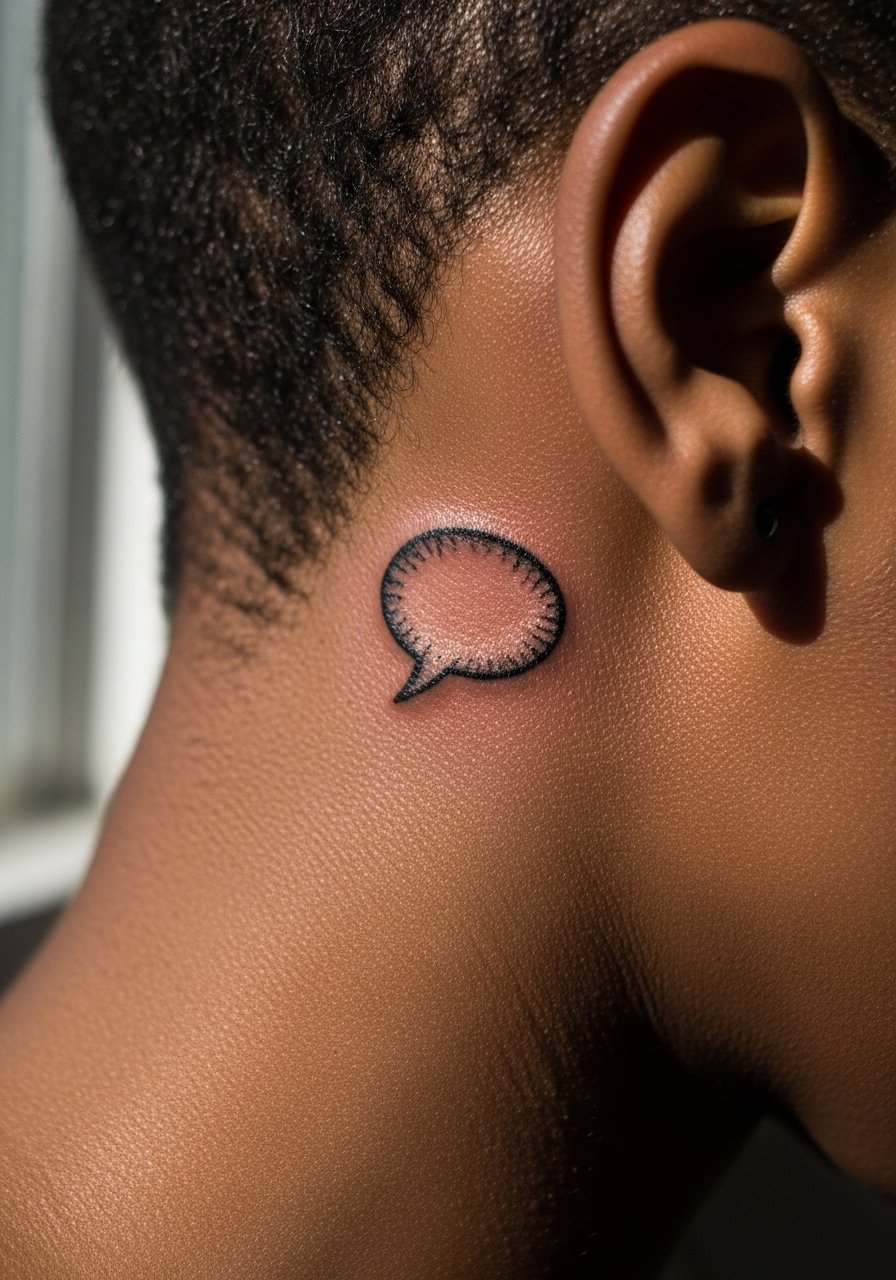
Behind-the-ear placements are subtle and need a bold outline to stay legible. The common error is trying to text inside that is too small. Opt for a visual symbol instead of words. Sessions are quick but sensitive. For the session pin hair up and wear a wide-headband so the artist can access the area cleanly.
26. Large Blackwork Gon Jumping Panel on the Back of the Thigh
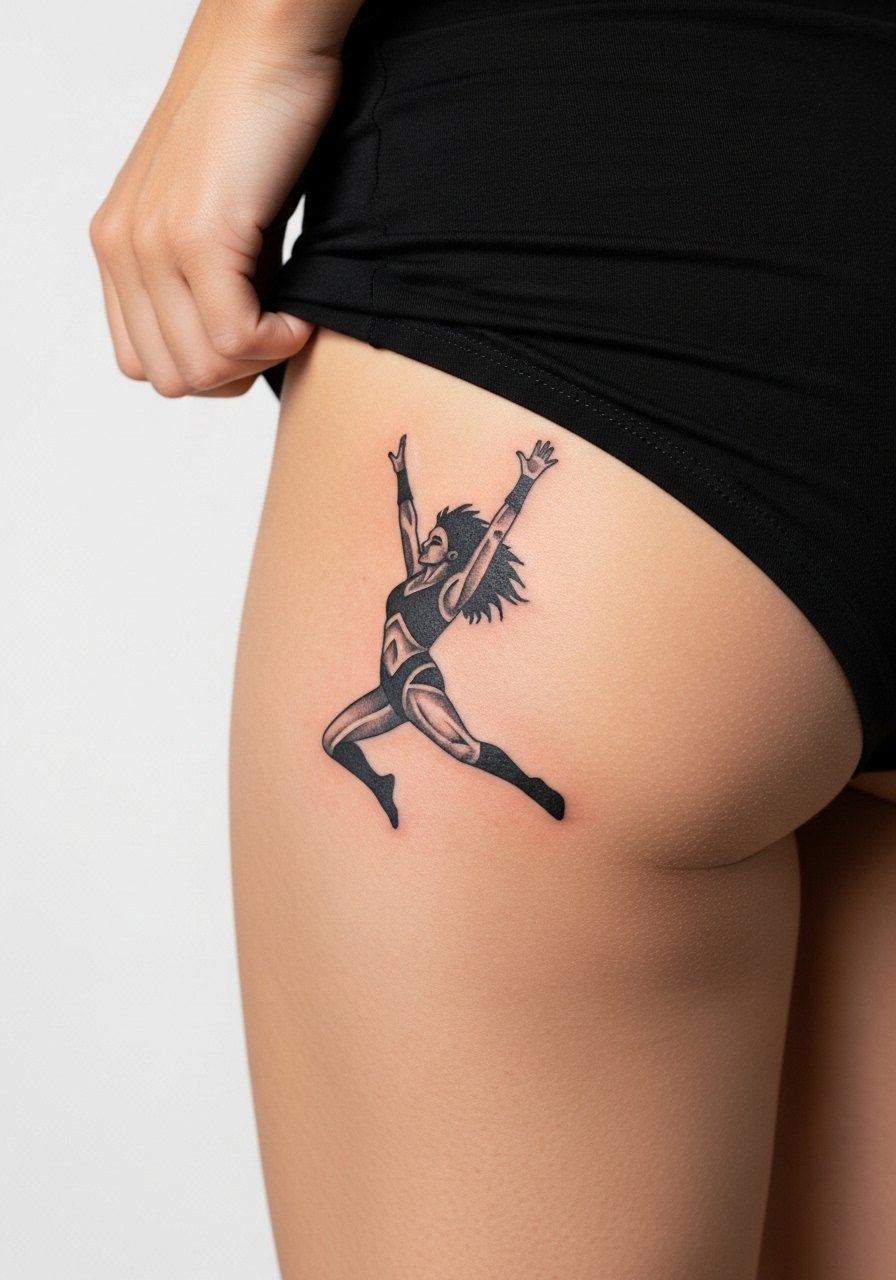
Back-of-thigh work is durable and hides well under clothing. Avoid compressing fine detail into small zones that suffer from fabric friction. Ask your artist to plan the panel around likely pressure points from sitting. Sessions can be long and require repositioning. For the session wear shorts that can be shifted without pressure on the area.
27. Blackwork Minimalist Hunter Emblem at the Nape
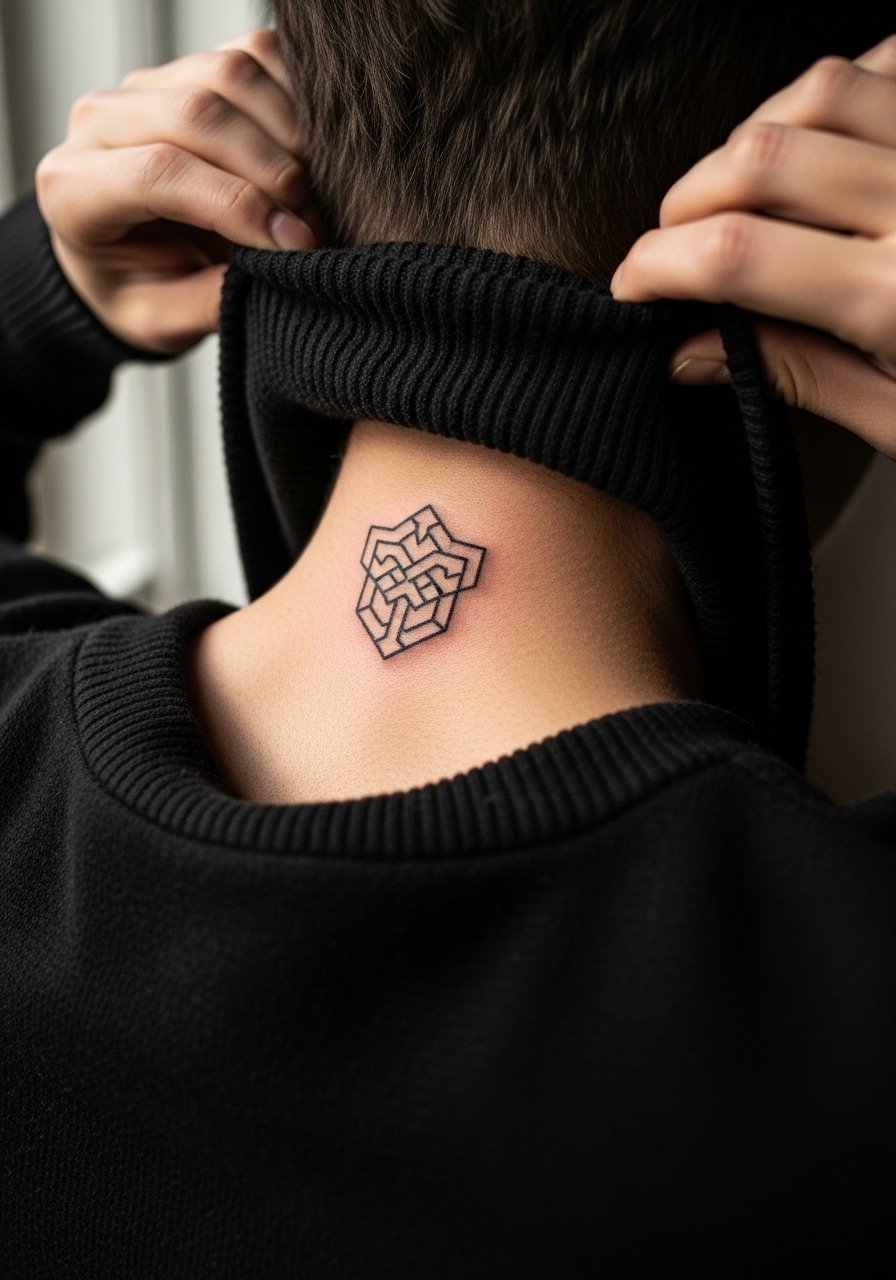
Nape tattoos are easy to hide with hair and collars but sit on thin skin. The mistake is overcomplicating the emblem with fine interior lines. Ask for a confident outline and leave the interior mostly negative space. Sessions are brief but the area can feel tender. For the appointment wear a turtleneck you can pull down slightly so only the nape is exposed.
Frequently Asked Questions
Q: Will bold blackwork character silhouettes hold up better than detailed portraits over time?
A: In my experience bold silhouettes age more predictably because they rely on strong edge contrast rather than tiny tonal gradients. Detailed portraits can look incredible fresh but need precise touch-ups as lines soften. If longevity is your priority, ask for simplified planes and deep saturation.
Q: How often should I expect touch-ups for wrist, hand, and finger blackwork?
A: Those placements see the most wear from washing and sun, so plan for touch-ups every one to three years depending on how exposed the pieces are. Keeping the area protected from UV and friction stretches out the interval.
Q: Are there copyright or design concerns when tattooing recognizable Hunter X Hunter portraits?
A: Fans and artists split on this. One camp prefers faithful likenesses and direct character art. The other camp advises stylized or symbolic treatments to avoid overly literal replicas that may age poorly. Discuss your reference and whether the artist prefers adapting imagery into a custom blackwork approach.
Q: What should I wear to a ribcage or sternum session for comfort and access?
A: For chest areas pick a fitted sports bra or a wide-neck shirt you can pull aside without exposing more than the targeted zone. That keeps you comfortable while letting the artist work without tugging at fabric.
Q: Do blackwork tattoos need different aftercare than color pieces?
A: The core healing steps are similar, but very saturated black fills benefit from keeping the area moisturized and out of direct sun while healing. Avoid abrasive clothing and heavy friction where possible to protect the solid black fields.