
Fine line tattoos dominate saved boards, and the colorful faith-over-fear pieces people screenshot most are often the ones that look best fresh. The reality is that saturation, placement, and spacing determine whether those colors sing or sag over time. These 17 designs favor approaches that hold up, with notes on what to ask for at consultation, how they age, and clothing tips so the work reads like it belongs to you.
1. Small Script "Faith Over Fear" on Inner Forearm
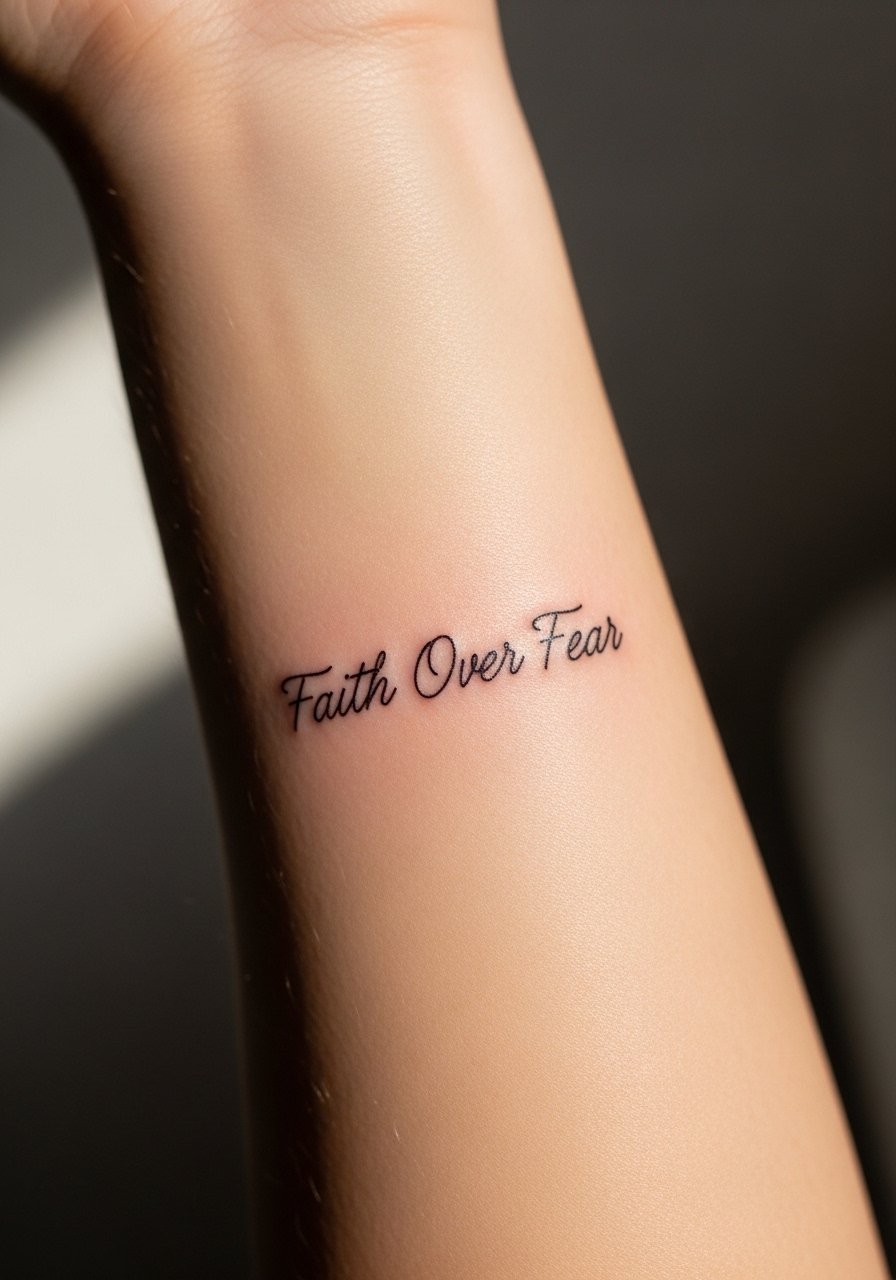
I like this placement for first-time text tattoos because the forearm gives enough room for letter spacing that prevents crowding as the ink settles. Tell your artist you want slightly more letter spacing and a medium lineweight so the counters do not close up after a year. Common mistake is asking for the thinnest possible script, which often needs touch-ups around year two. Expect a quick session and moderate discomfort. For showing it off, roll up sleeves or pair with a minimalist watch to frame the script without covering it.
2. Watercolor Dove with Tiny Script on Shoulder
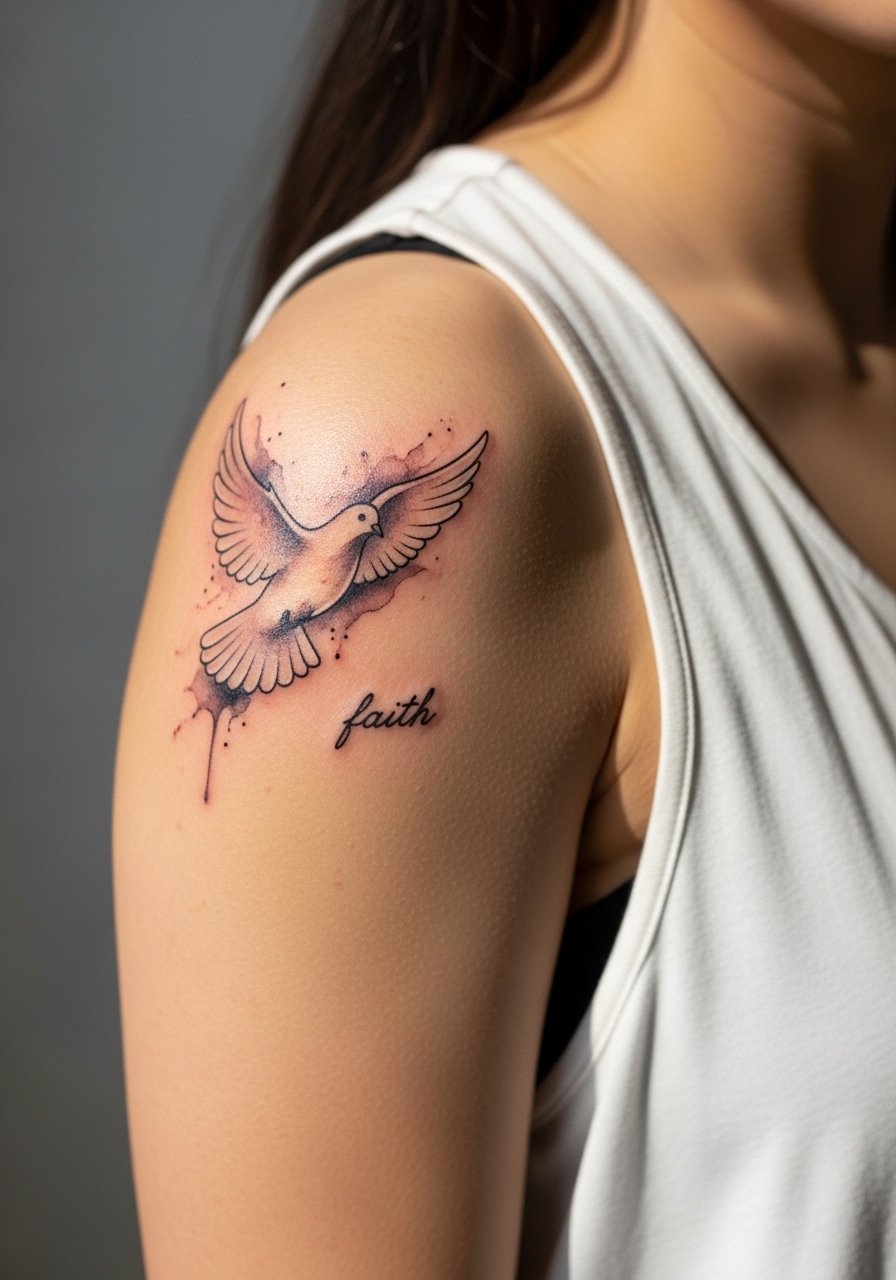
This colorful, painterly dove reads like a quiet statement when placed on the shoulder. In consultation ask for saturated centers with soft edges and a crisp micro-script tucked under the wing. Aging-wise the soft watercolor edges will blur faster on high-sun areas, so expect subtle fading by year three and a low-cost touch-up at that point. The session feels like moderate buzzing with short color passes. For session comfort wear a loose tank top so the artist has clear access without you feeling exposed.
3. Stained-Glass Cross on Upper Chest
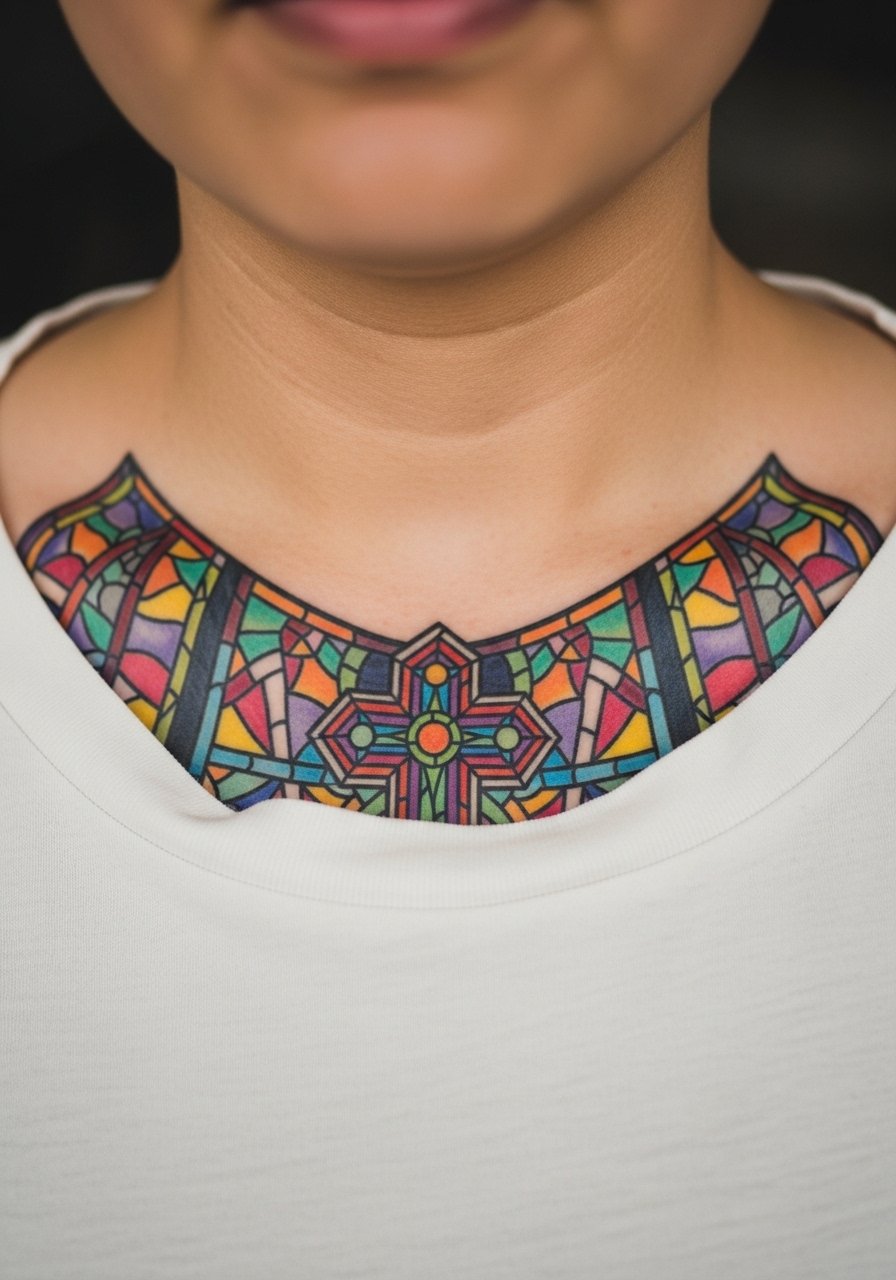
Bold color blocks framed by clean black linework help stained-glass pieces age better than diffuse watercolor. The controversial edge here is visible. One camp sees overt religious imagery as a sincere daily reminder of faith. The other camp worries about visual shorthand that can feel performative outside a personal context. Ask your artist how they handle color saturation to keep panels bright without overworking the skin. Pain is moderate and sessions can run longer for color packing. For show-off outfits consider an open-back midi dress that keeps attention on the chest opening.
4. Rosary Beads Wrapping the Wrist
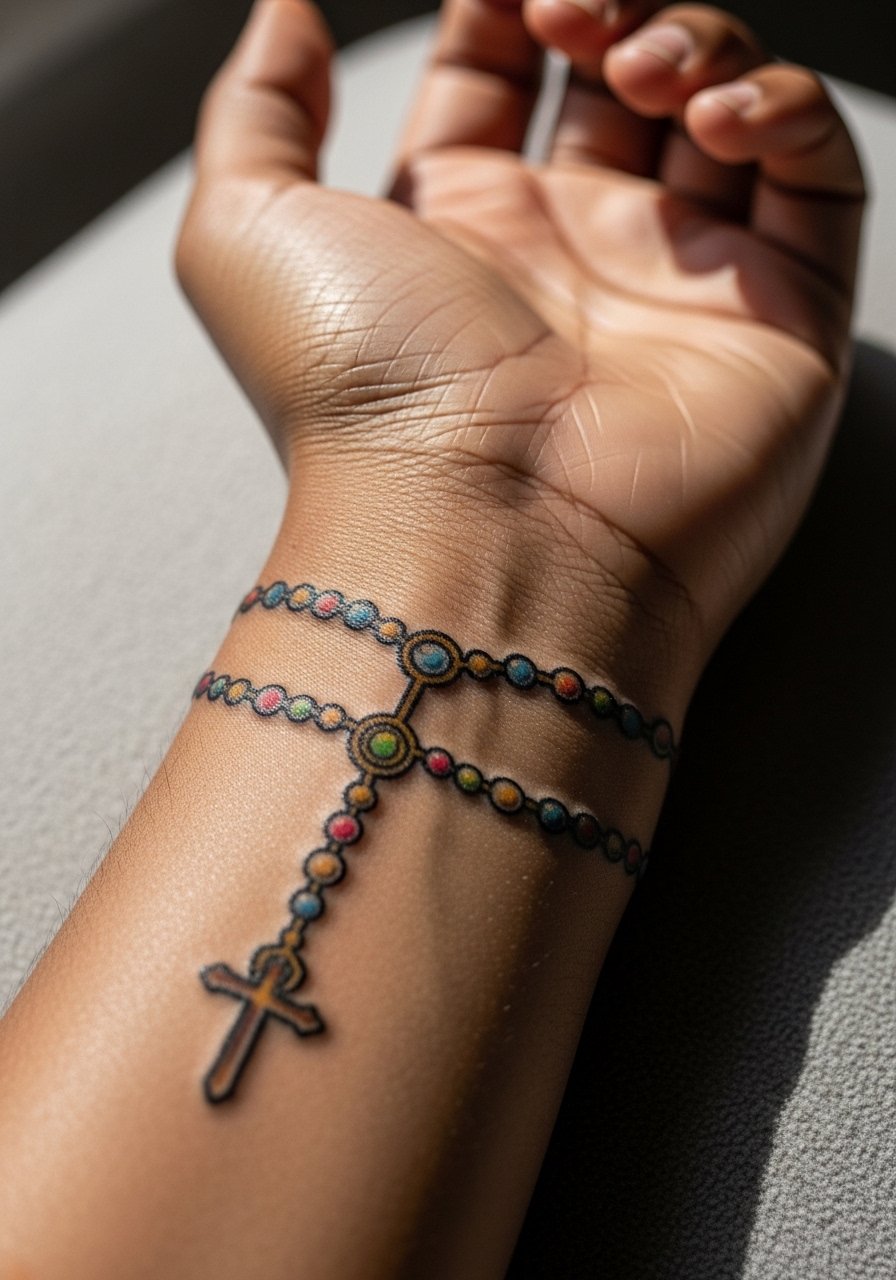
A rosary around the wrist works like a bracelet that never comes off, and the thin beads need enough negative space between them to avoid merging. Tell your artist you want slightly larger beads and consistent saturation so the bead highlights stay visible at two years. A common mistake is tight bead spacing that looks fine fresh and then softens into a smudge. Expect a short, sensitive session. Pair this with a thin chain bracelet when you want layered wristwear that complements the ink.
5. Colorful Phoenix Rising with "Fear Less" Banner on Ribcage
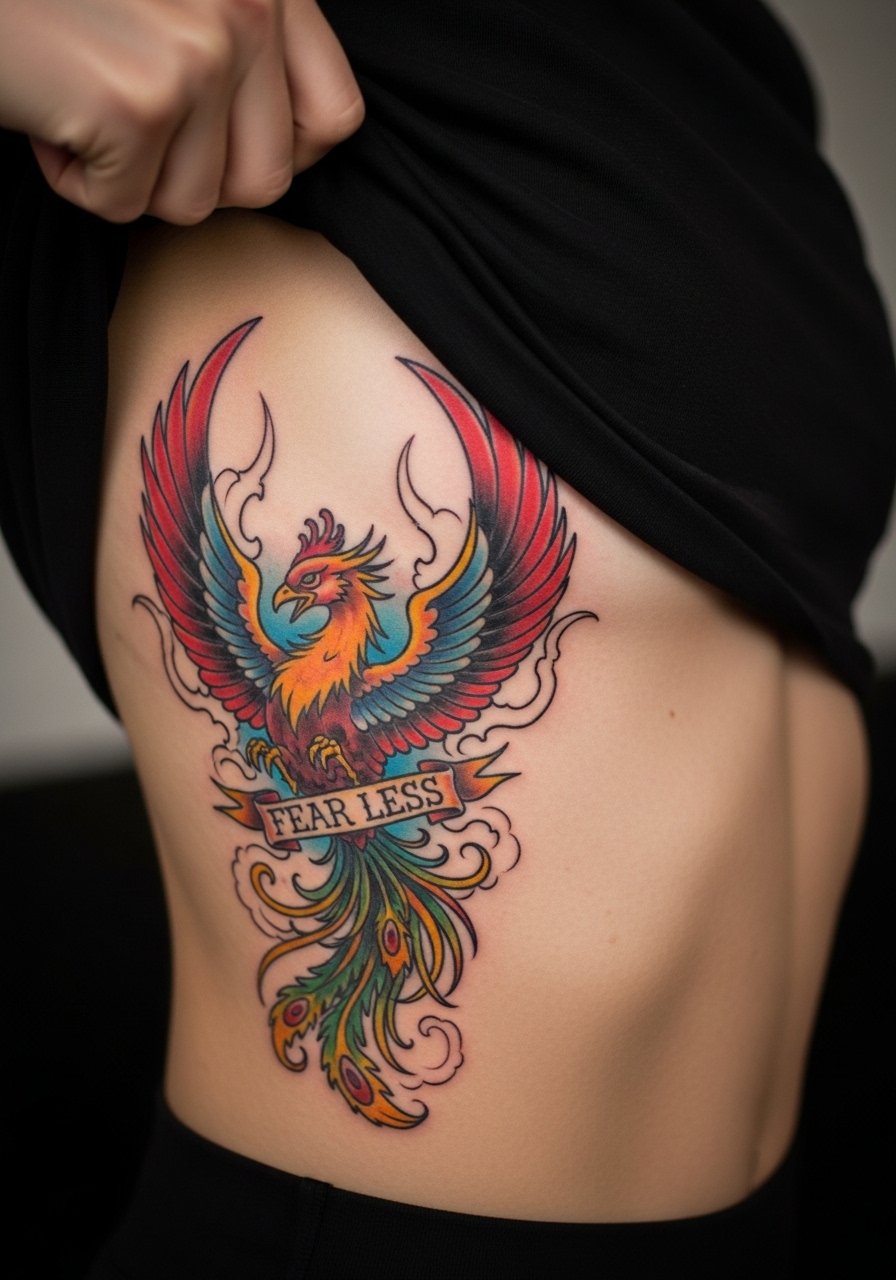
Ribcage sessions are famously painful, but the canvas allows large color gradients that hold up nicely if packed well. In consultation be explicit about how much white ink for highlights you want, because white fades faster and can yellow depending on skin tone. Artists split on fine line here. One camp says ribs are too stretchy for fine script and lines blur. The other camp says with proper depth and spacing it settles fine. Expect longer session time and plan for layers across multiple visits. For the session wear a cropped athletic top you can lift without exposing more than needed.
6. Tiny Faith Word on Side of Finger
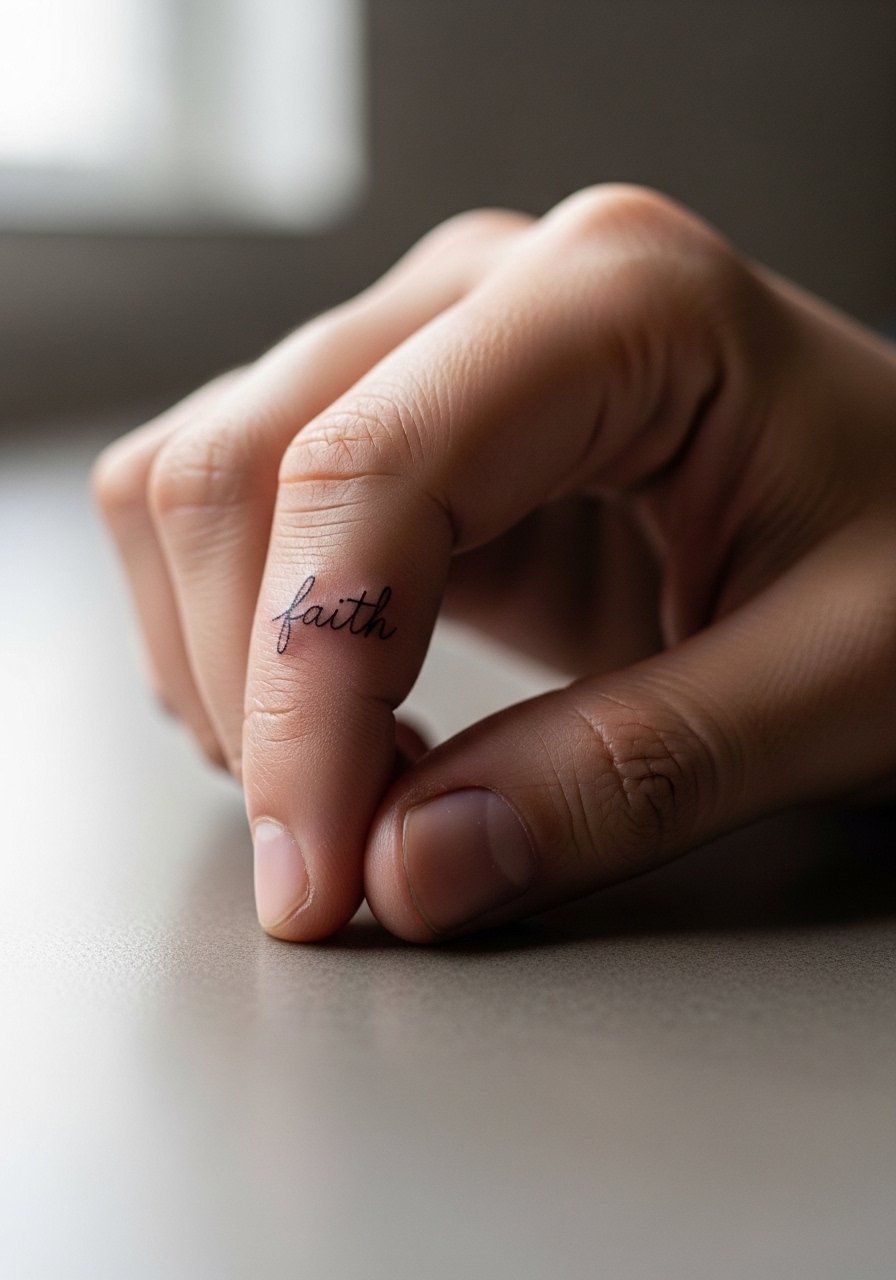
Finger tattoos have a high touch and wash cycle which means faster fade and more frequent touch-ups. The smartest move is to keep letters larger and the negative space clear so the word reads at six months and still at two years. A common error is compressing script to fit the finger exactly. Pain is high in short bursts. For showing it off, layer simple rings rather than wide bands that could rub the area while it heals. Try a delicate ring stack to keep attention on the tiny script.
Studio Day Picks
The pieces above include wrist, finger, and ribcage work, which each need different prep and first-week items to make the session and healing smoother.
-
Stencil transfer paper kit. Lets you test placement and line spacing on skin before the needle starts, especially helpful for forearm scripts and finger words.
-
Topical numbing cream. Applied per instructions before a ribcage session to reduce initial pain without affecting how the ink takes.
-
Thin protective film roll. Useful for protecting wrist and finger work from friction during the first few days of healing.
-
Fragrance-free gentle body wash. Cleanses the tattooed area without irritating delicate linework, which is important for fine scripts and small beads.
-
Aquaphor healing ointment. Thin layers in the initial days lock moisture into small-line tattoos without suffocating the skin.
7. Color-Blocked Anchor with Ribbon Script on Calf
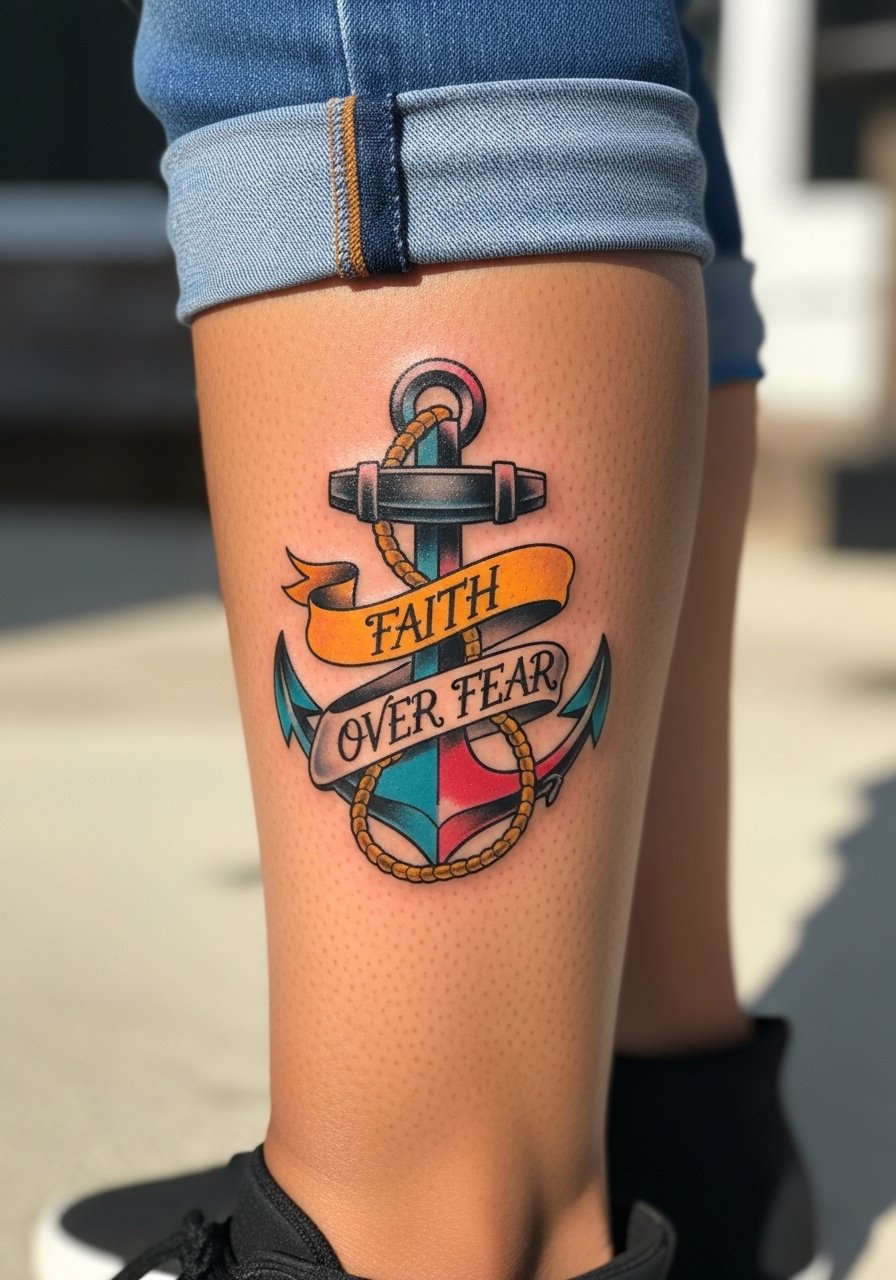
The calf tolerates color packing and ages predictably since it is a low-friction zone. Tell your artist you want bold color fields with clear black outlines so the ribbon lettering remains legible at two years. A mistake I see is too much fine detail inside the ribbon that blurs into color patches over time. The session is moderate in length and tolerable for most people. For evenings out let the tattoo peek under a midi skirt with a side slit to frame the anchor and ribbon.
8. Vibrant Compass with Script Coordinates on Upper Back
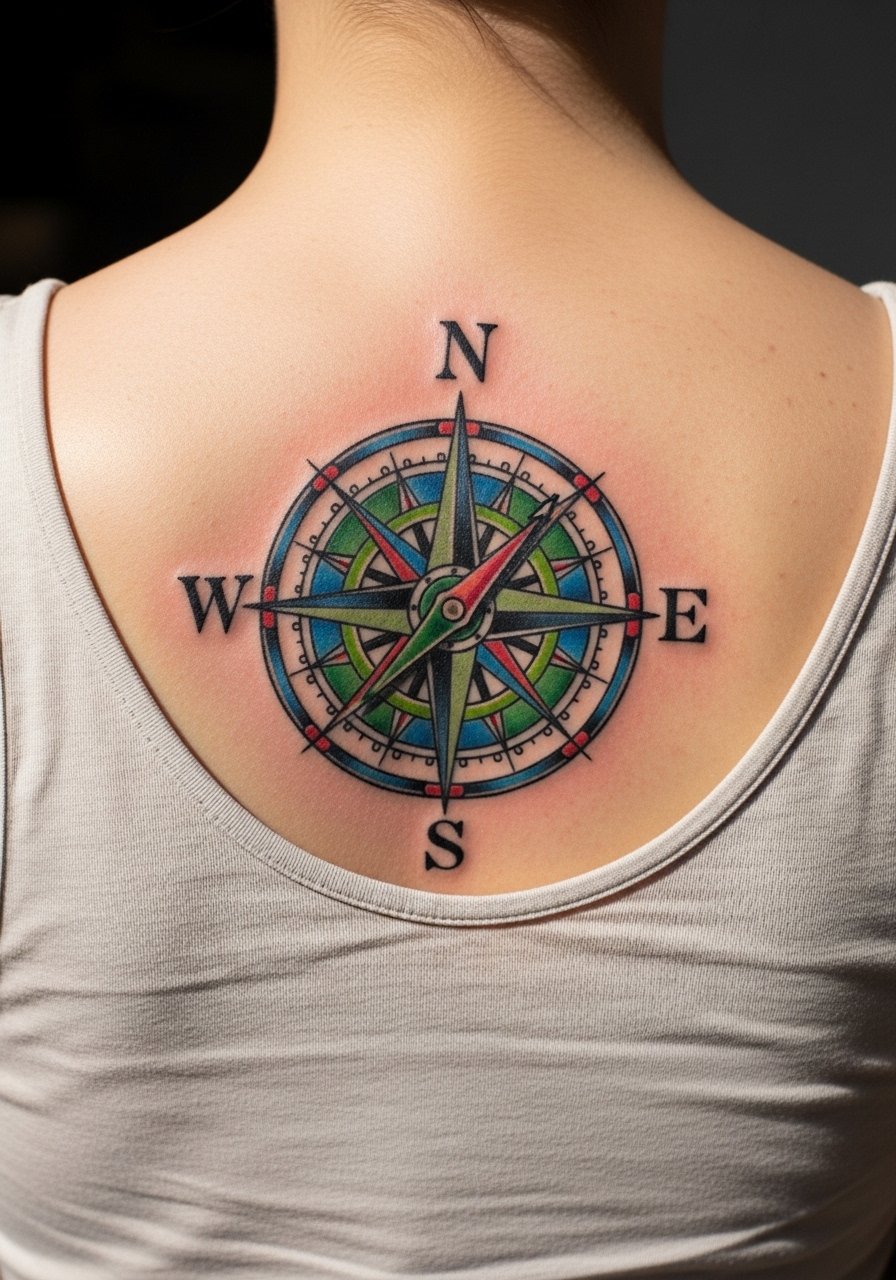
Upper back pieces wear well because sun exposure can be controlled more easily than forearms. If you want coordinates or tiny script with the compass, ask for increased letter spacing and heavier saturation in the ink fill so the letters do not disappear into shading. The session tends to be longer when incorporating color gradients. For showing the work pair it with an open-back blouse that lets the compass read as intended.
9. Floral Heart with "Over Fear" Banner on Sternum
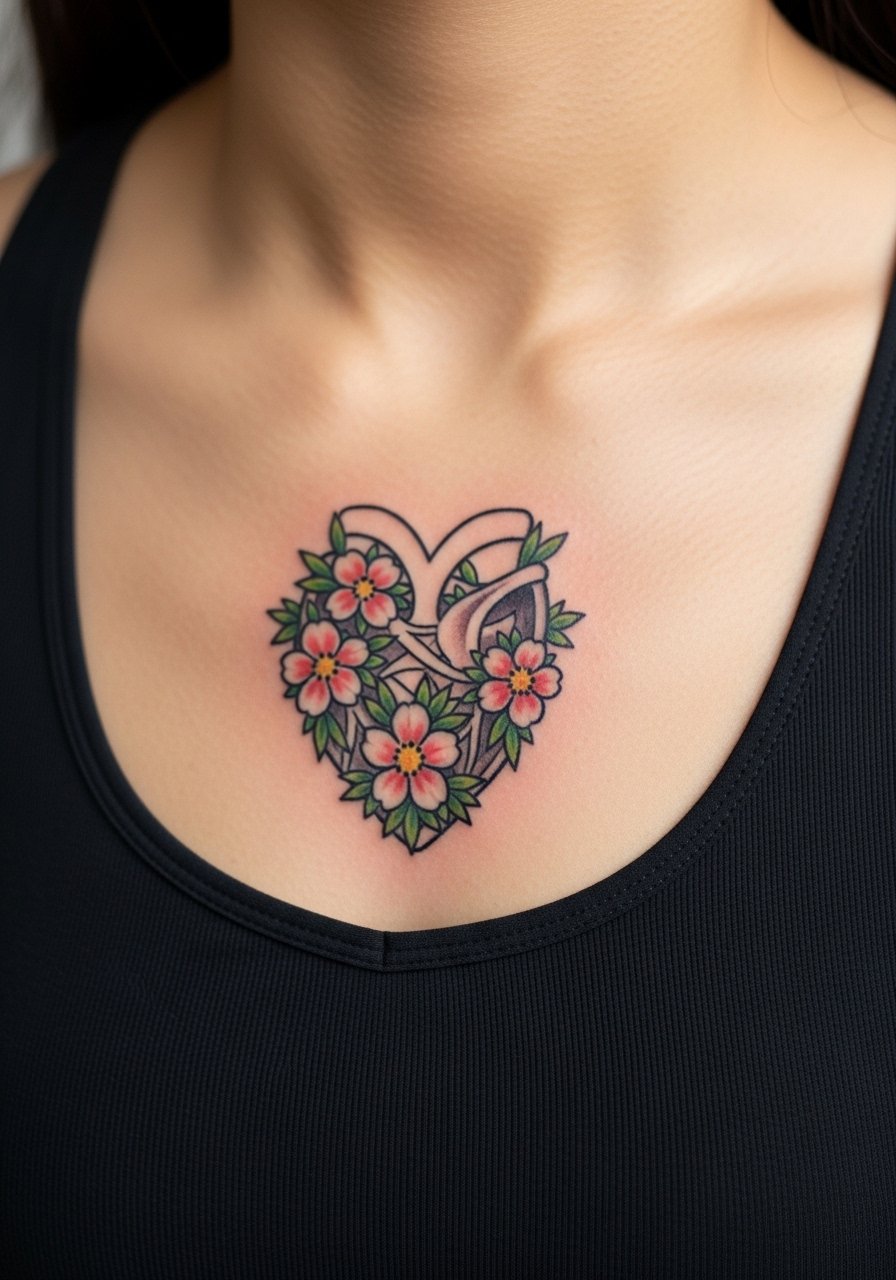
Sternum tattoos need an artist experienced with centralized chest placement because the skin stretch and breathing movement can distort tight scripts. One camp argues that bold chest script reads as a clear testament of faith. The other camp worries about overexposed religious imagery in public spaces. Ask how they plan to space the banner and whether they advise bold or medium script for long-term legibility. Expect sensitivity in the session and possibly multiple short passes. For the appointment wear a fitted sports bra you can remove easily if needed for access.
10. Minimalist Cross Behind the Ear
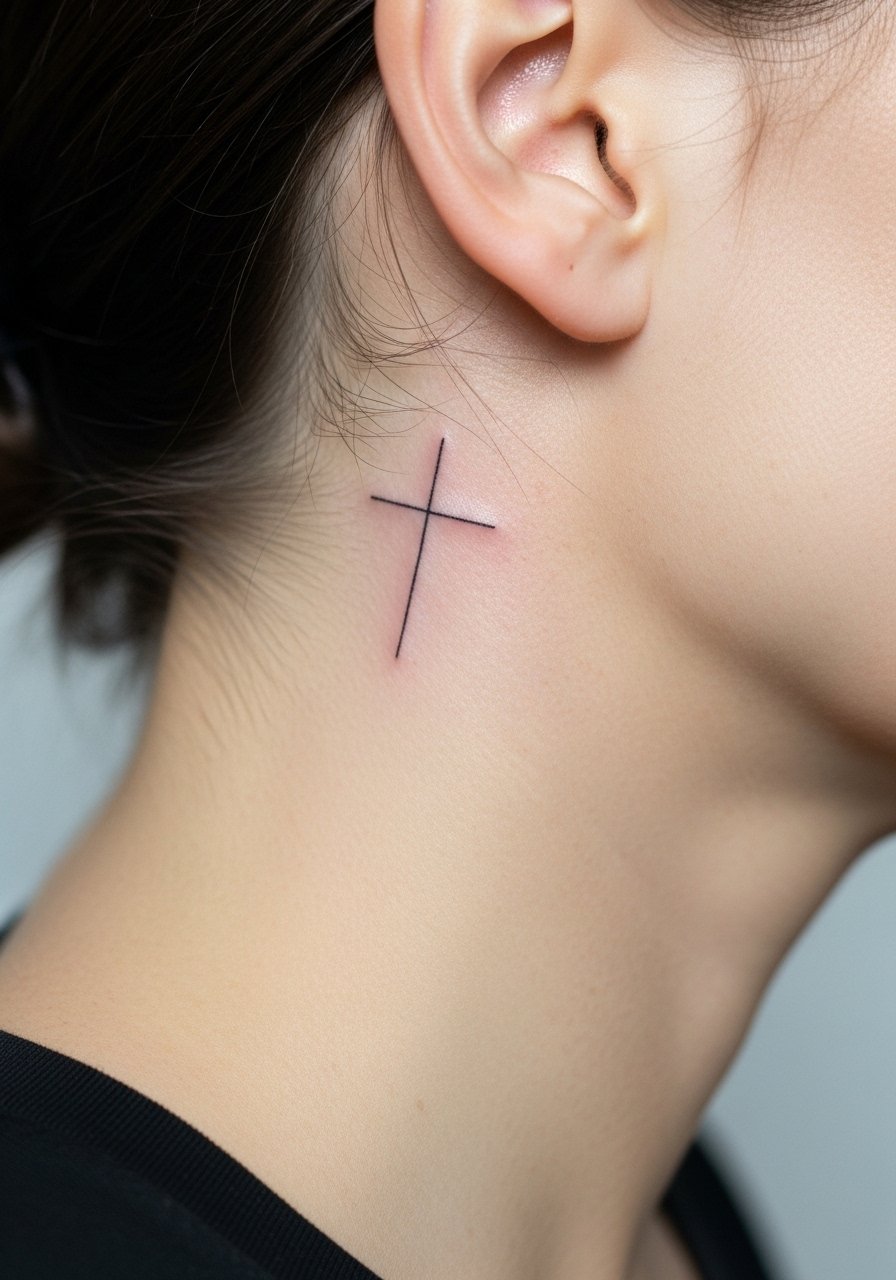
Behind-the-ear tattoos are intimate and require a precise stencil placement because even a millimeter shift shows. Ask for a slightly bolder line than you think you need because the skin there is thin and lines can fade faster. The session is quick, but the area is sensitive. A professional consideration is that small neck-adjacent tattoos may still prompt workplace questions in some fields. For session comfort have hair clipped back or wear a wide-headband so the artist can access the area cleanly.
11. Full-Color Phoenix Sleeve with Script Fragments
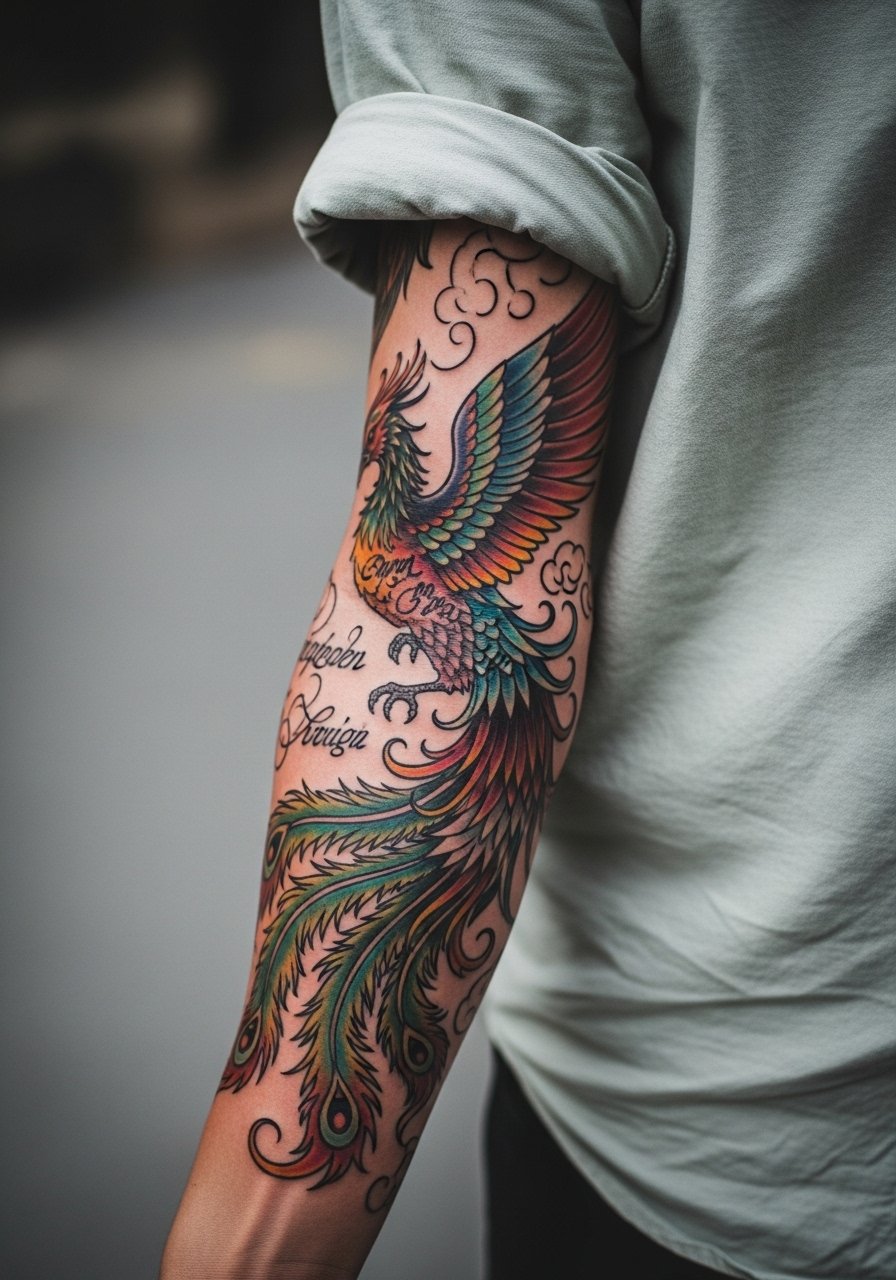
When you go sleeve-size, plan for staged sessions and consistent saturation calls across visits so color blends look cohesive. Tell your artist which text fragments you want legible at arm distance and which can read as texture. A common mistake is cramming long sentences into a sleeve without considering how the arm moves. Healing for color sleeves involves more scabbing and a longer visible fade period, so expect touch-ups around year two. For show-off looks roll sleeves and pair with a loose button-down shirt so the artwork reads when you move.
12. Tiny Stained-Glass Heart on Ankle
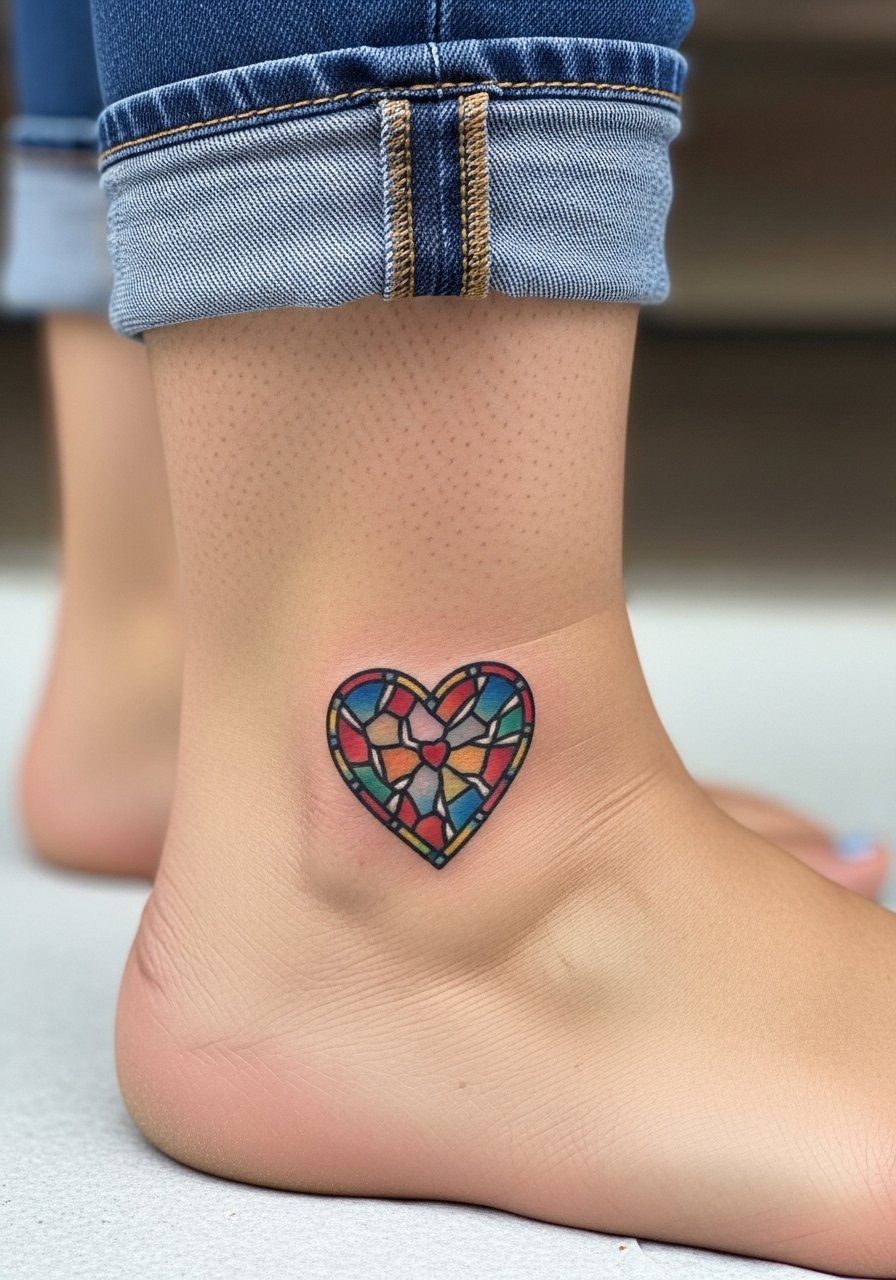
Ankle tattoos are exposed to friction from shoes and socks which accelerates fading. Keep the color fields large and the black outlines consistent to slow that process. Ask for a slightly heavier outline and generous negative space in the interior shapes so the stained-glass panes do not merge over time. The session is short and the pain is brief but sharp. For casual outfits try sandals or cropped pants and a pair of simple sandals to keep the ankle visible without rubbing.
13. Watercolor Script Across Collarbone
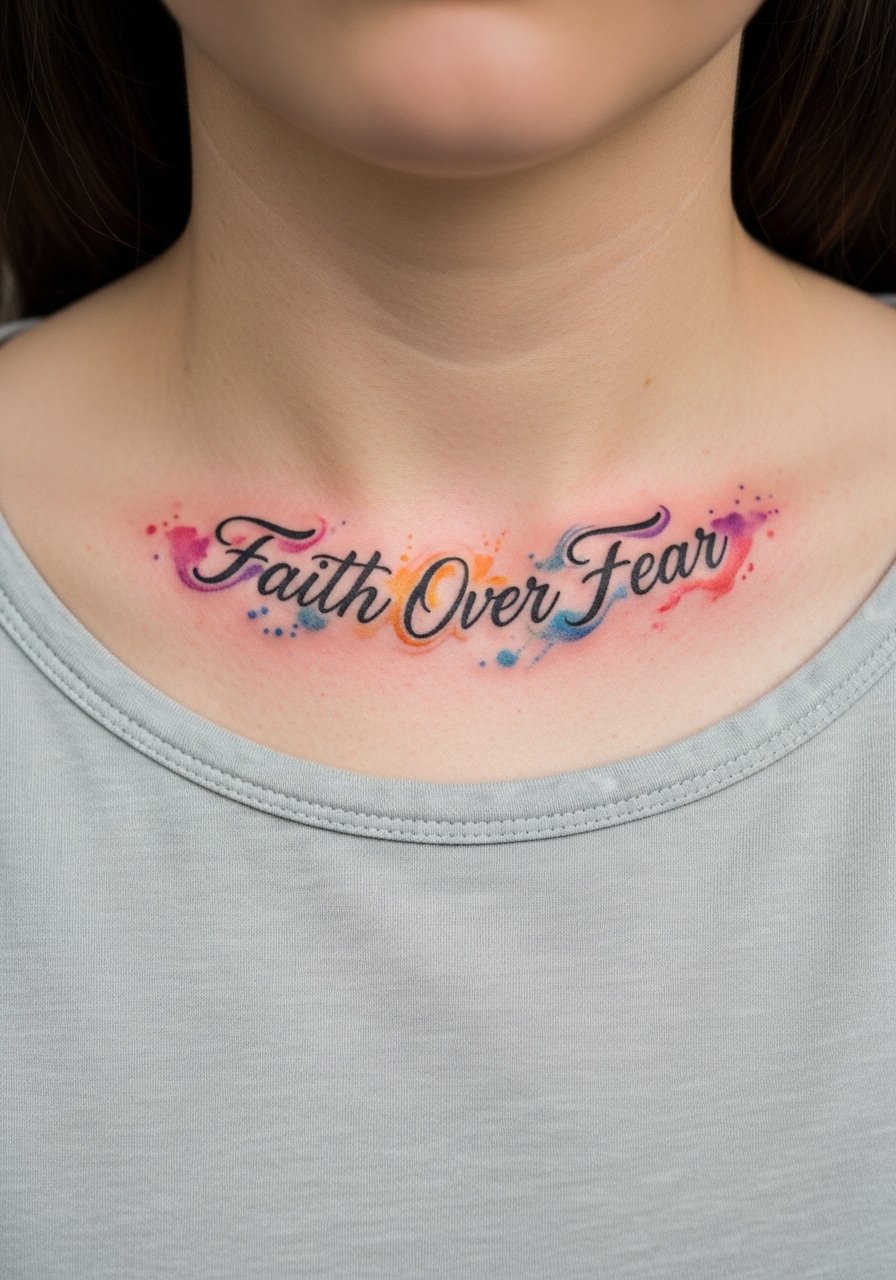
Collarbones are flattering for horizontal text but they sit on an area that moves with breathing and posture. Ask for increased letter spacing and slightly darker inks so the watercolor wash does not swallow the lettering over time. A mistake is requesting watercolor washes over tiny script without extra saturation in the letters. The session feels like a steady hum with some sensitivity near the bone. For evenings out try an off-the-shoulder top to let the collarbone script be the focal point.
14. Tiny Scripture Verse in Roman Numerals on Rib Side
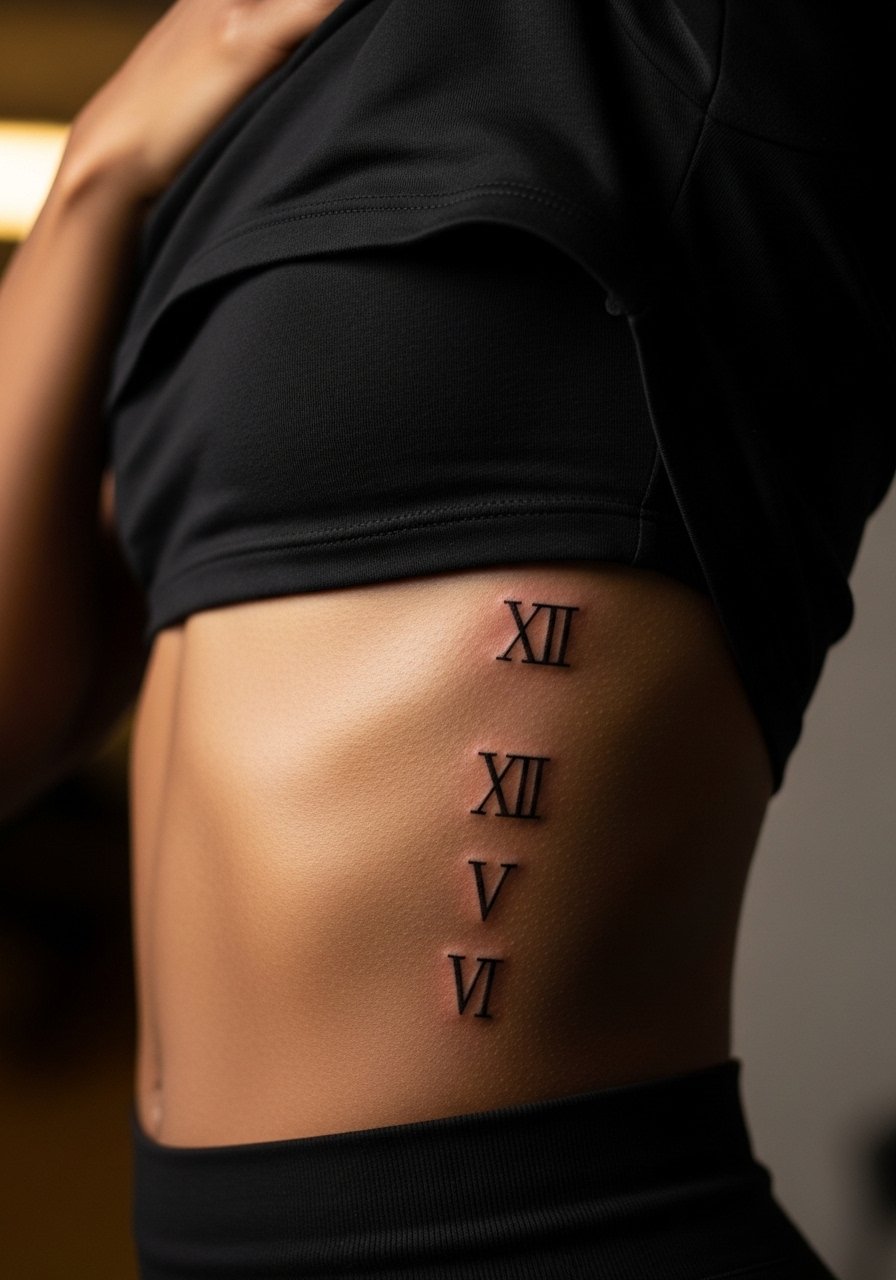
Roman numerals are great when you want meaning without obvious text, but on the ribs small numerals can blur if placed too close. Tell your artist to space the numerals and use medium lineweight so the characters keep their rhythm at 1 and 3 years. This placement is painful and best done in short sittings. For the session choose flexible clothing like high-waisted leggings that you can slide down slightly without exposing more than needed.
15. Colorful Mandala Halo Over Shoulder Blade
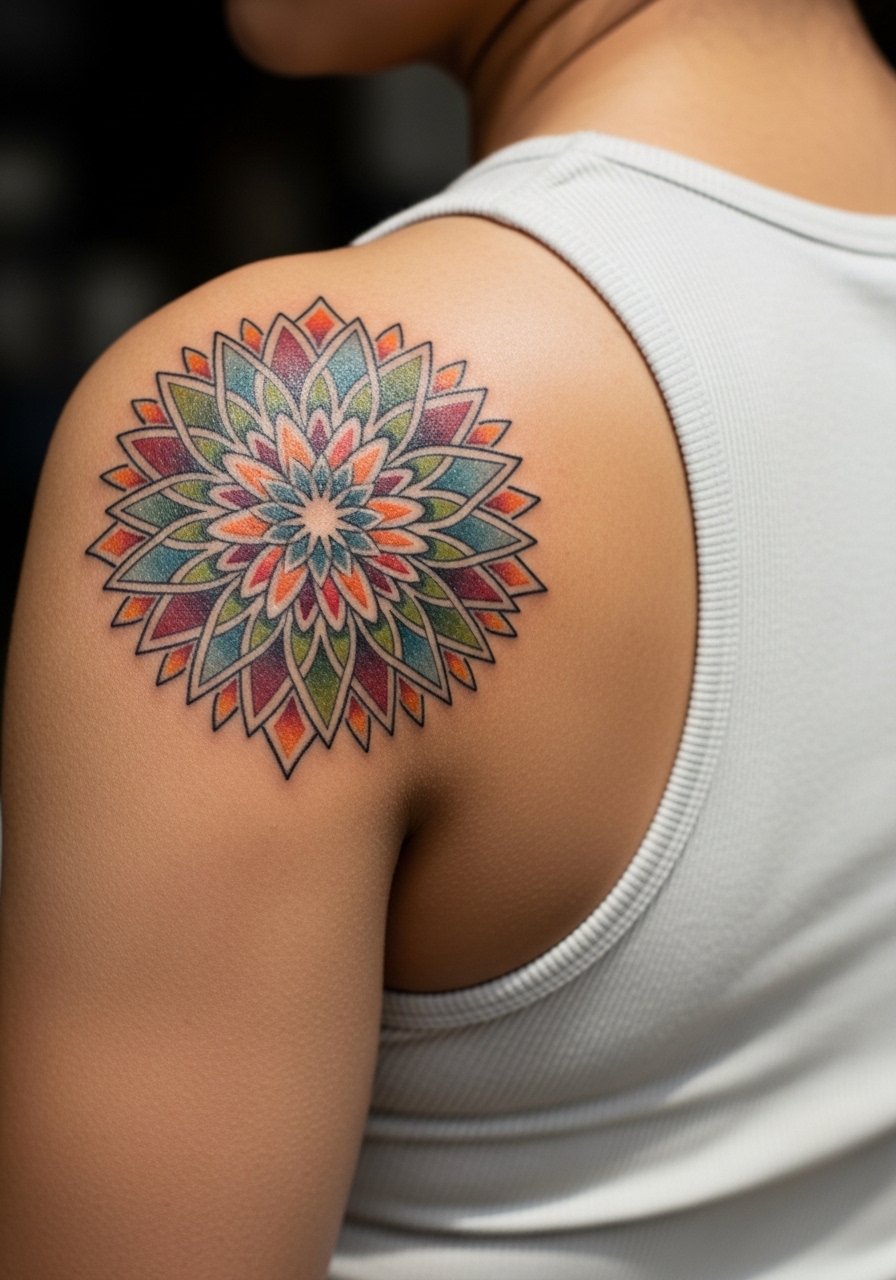
Complex mandalas need breathing room. The common error is shrinking the pattern to fit a smaller space which leads to merged dot work and lost radial clarity. Ask your artist for airy negative space between concentric rings and stipple shading rather than dense shading in the inner rings. Shoulder blade work heals well and tolerates bold saturation. For show-off looks pair with a racerback tank that frames the halo without distracting from its symmetry.
16. Tiny Faith Glyph on Thumb
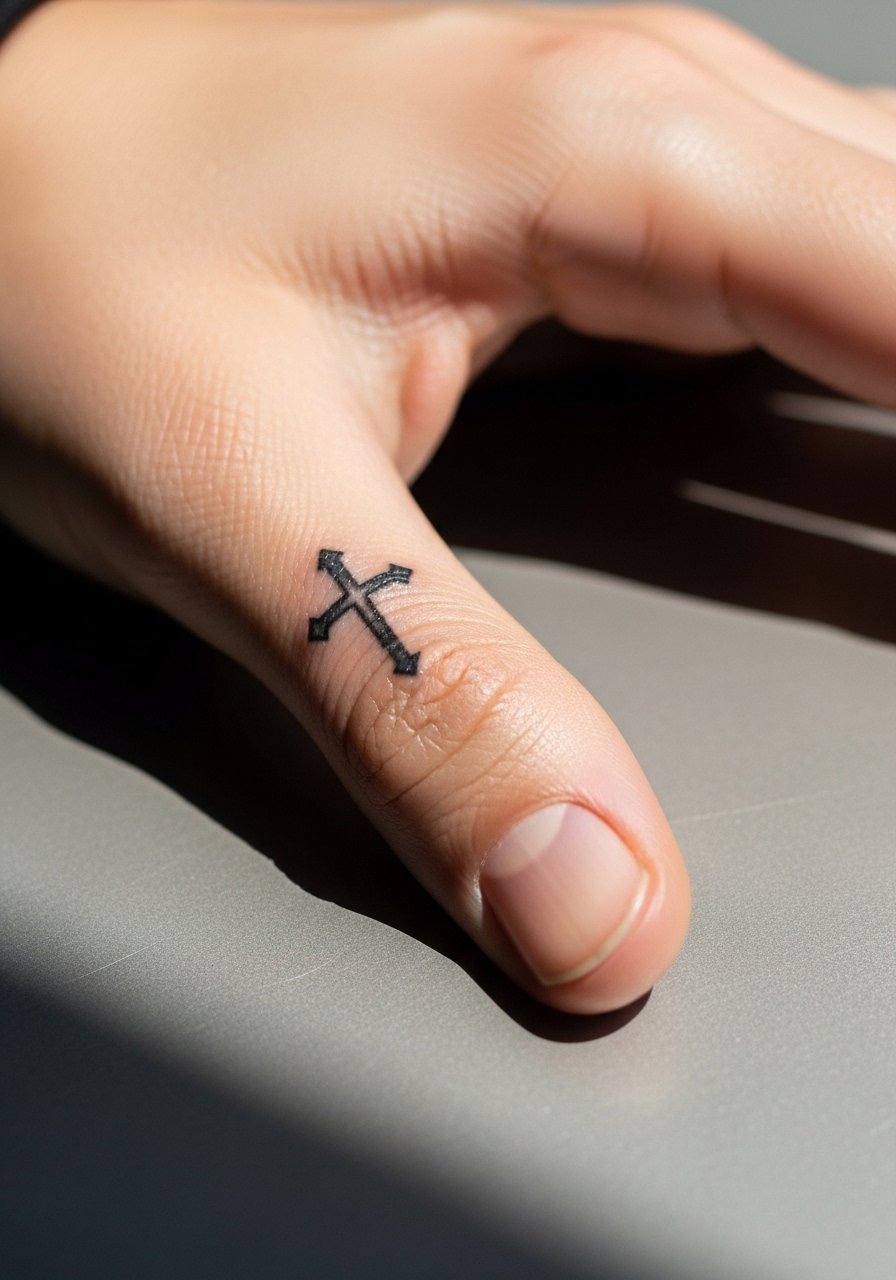
Thumb tattoos are high-friction and wash out faster than other hand spots. The safest route is a slightly bolder glyph with clean negative space so the symbol keeps form as the skin regenerates. The session is short but the area is sensitive. Consider the career implications because thumb and hand work is still viewed differently in many workplaces. For subtle presentation wear a thin leather bracelet when you need to downplay the thumb symbol.
17. Back-of-Neck Script with Gradient Watercolor
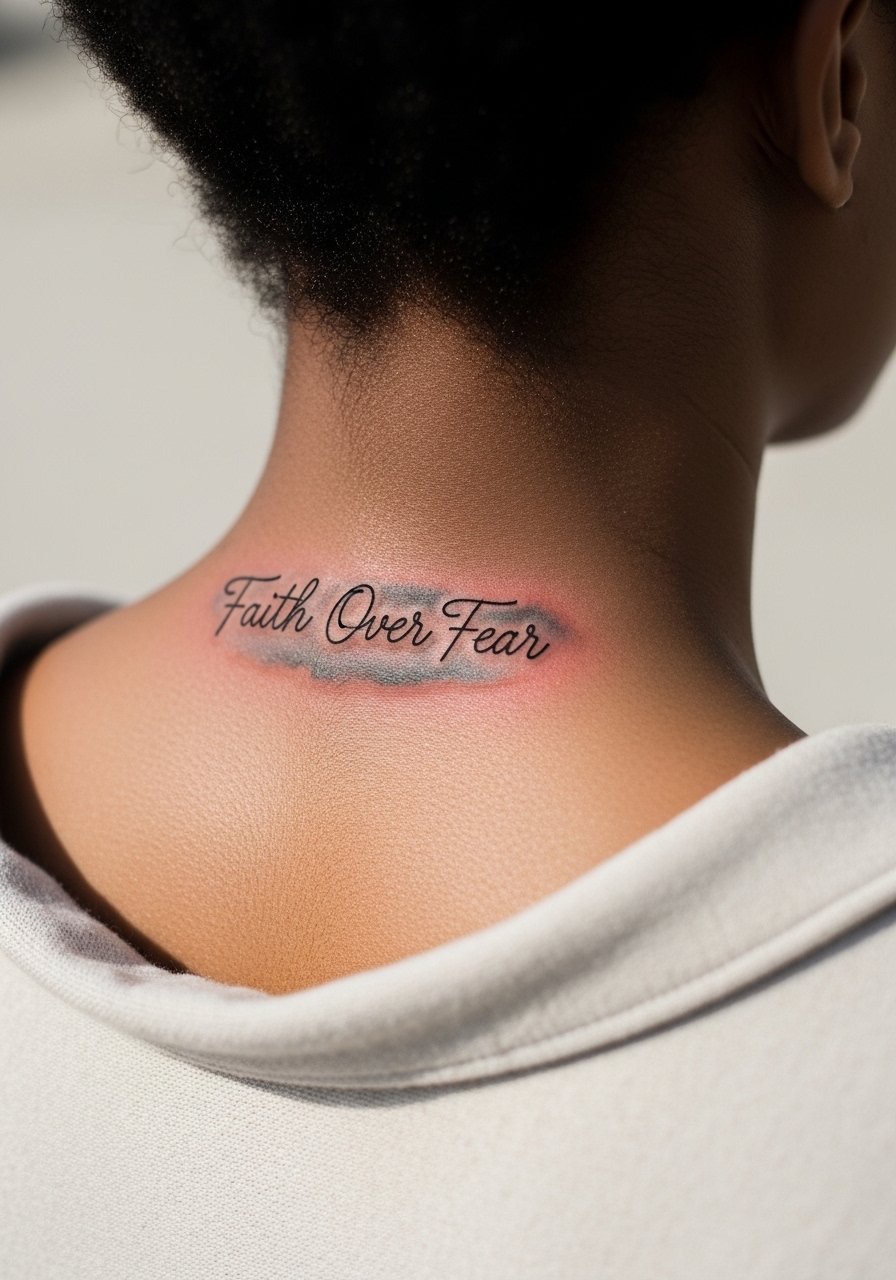
Back-of-neck pieces age based on hair coverage and sun exposure. If you want a watercolor gradient behind the text, request sufficient saturation so the wash does not disappear under regular shampooing and sun. A common mistake is under-packing color in gradients which looks faint after a few months. The session is quick but the area is sensitive for many people. For easy access at the appointment wear a wide-neck shirt you can shift aside without being bare.
Frequently Asked Questions
Q: Will a colorful watercolor faith tattoo need touch-ups sooner than a bold traditional piece?
A: It depends on placement and saturation. Watercolor edges soften faster than solid color blocks, so expect touch-ups sooner if the piece sits on a high-friction zone. If longevity matters, ask for slightly heavier saturation in focal areas during consultation.
Q: Is fine line script safe for ribcage or should I choose bolder lettering?
A: Artists split into two camps on ribs. One camp warns that the stretch and thin skin blur fine lines faster. The other camp says careful depth and spacing can keep fine script readable. The safe choice is medium weight script with extra spacing, and a discussion about touch-up timelines before you book.
Q: How should I prepare clothing for a sternum or ribcage session?
A: Wear something you can lift or remove without exposing more than necessary. A zip-up hoodie or a fitted sports bra is practical because you can adjust access without full undressing, which keeps you comfortable and the artist focused.
Q: Do colorful religious symbols require special cultural consideration?
A: Yes. One group treats vivid religious imagery as deeply personal devotion. Another group cautions about context and public display, especially when icons have specific cultural origins. If the design references a particular tradition, consider modest alterations or ask the artist about respectful approaches.
Q: How long before a wrist or finger script looks noticeably faded?
A: From what I have seen, finger work can soften within 12 to 24 months and wrist scripts often need a touch-up around year two or three, depending on sun exposure and friction. Plan accordingly and discuss touch-up rates with your artist.