Fine dotwork Monster High pieces are everywhere on saved boards, but the ones that still read crisp in photos years later balance detail with spacing and placement. Tiny stippled portraits look incredible on the feed, yet placement and skin texture decide whether the shading stays distinct or softens. Below are 17 dotwork Monster High ideas that aim for character and longevity, starting with a forearm take that fits daytime wear and frequent touch-ups.
1. Forearm Portrait in Stipple Shading
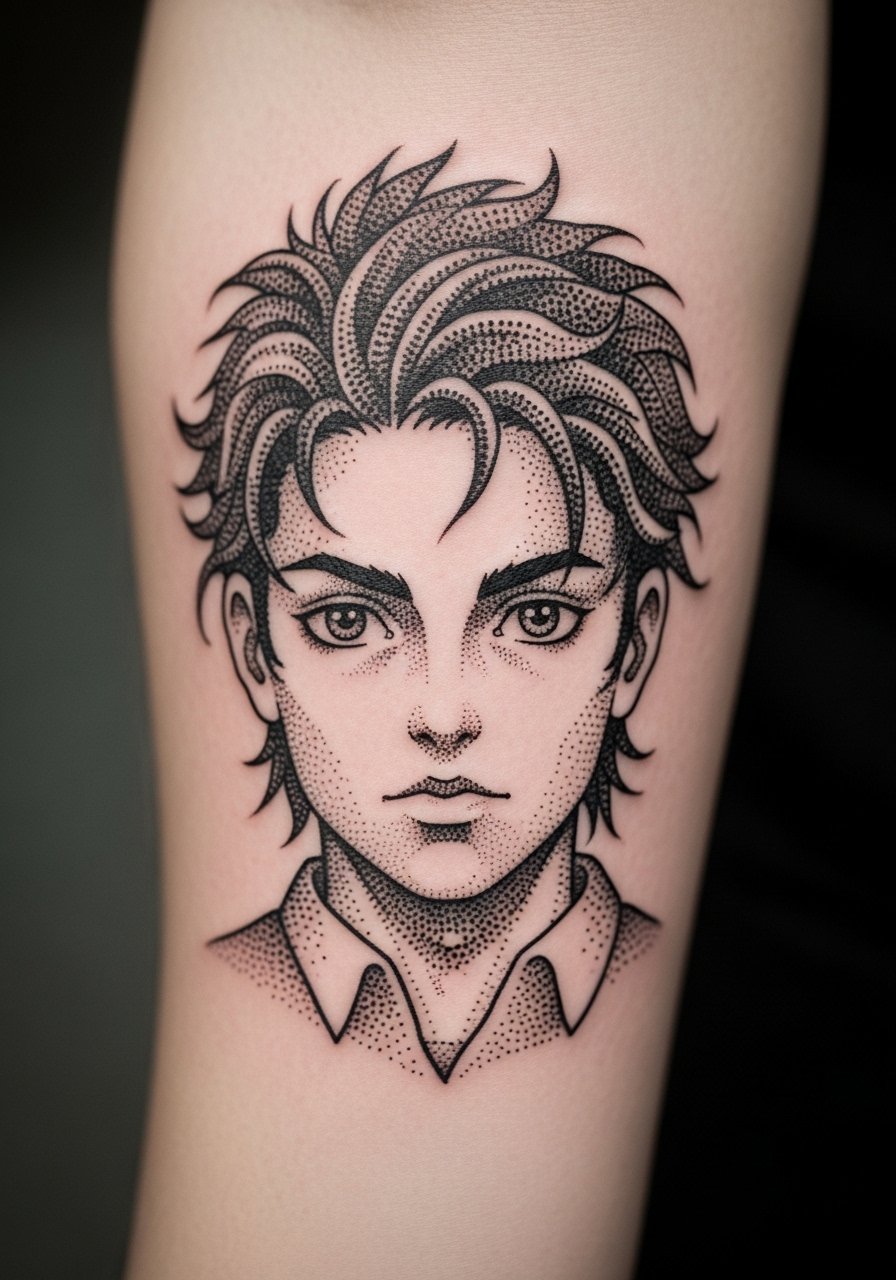
A forearm portrait lets you keep a recognizable Monster High character without cramming tiny details. I suggest stipple shading rather than all micro-line detail so the face reads at arm’s length and holds when healed. Tell your artist to scale facial features slightly larger than your photo reference and to use wider spacing between stipple clusters for longevity. Expect moderate pain and a one to two hour session depending on complexity. The common mistake is asking for ultra-tight dot clusters that merge after a year. For showing it off with sleeves rolled, pair it with a rolled sleeve linen shirt that frames the forearm without covering the art.
2. Collarbone Linework with Dotwork Fill
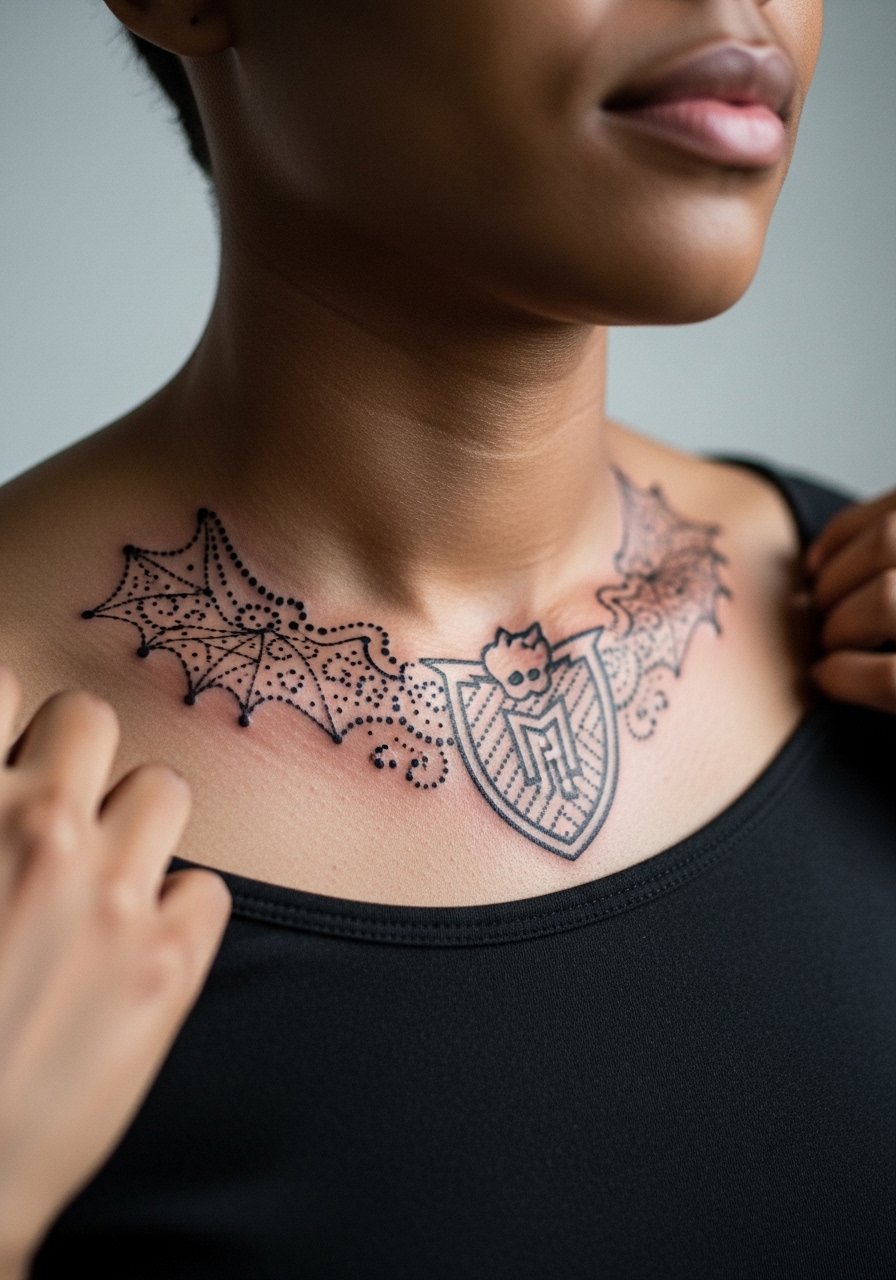
The collarbone is ideal for a decorative Monster High emblem done in dotwork. Fair warning, this placement can feel sharp during the session. Ask your artist for slightly bolder anchor lines and stipple fills so the piece does not fade into the clavicle shadow. A common version that ages poorly keeps lines too fine and dots too dense near bone. Sessions usually run 45 to 75 minutes. For wardrobe that highlights the piece, try a wide-neck linen top for evenings and a low-strap tank for layered looks.
3. Mini Finger Glyph in Clean Dotwork
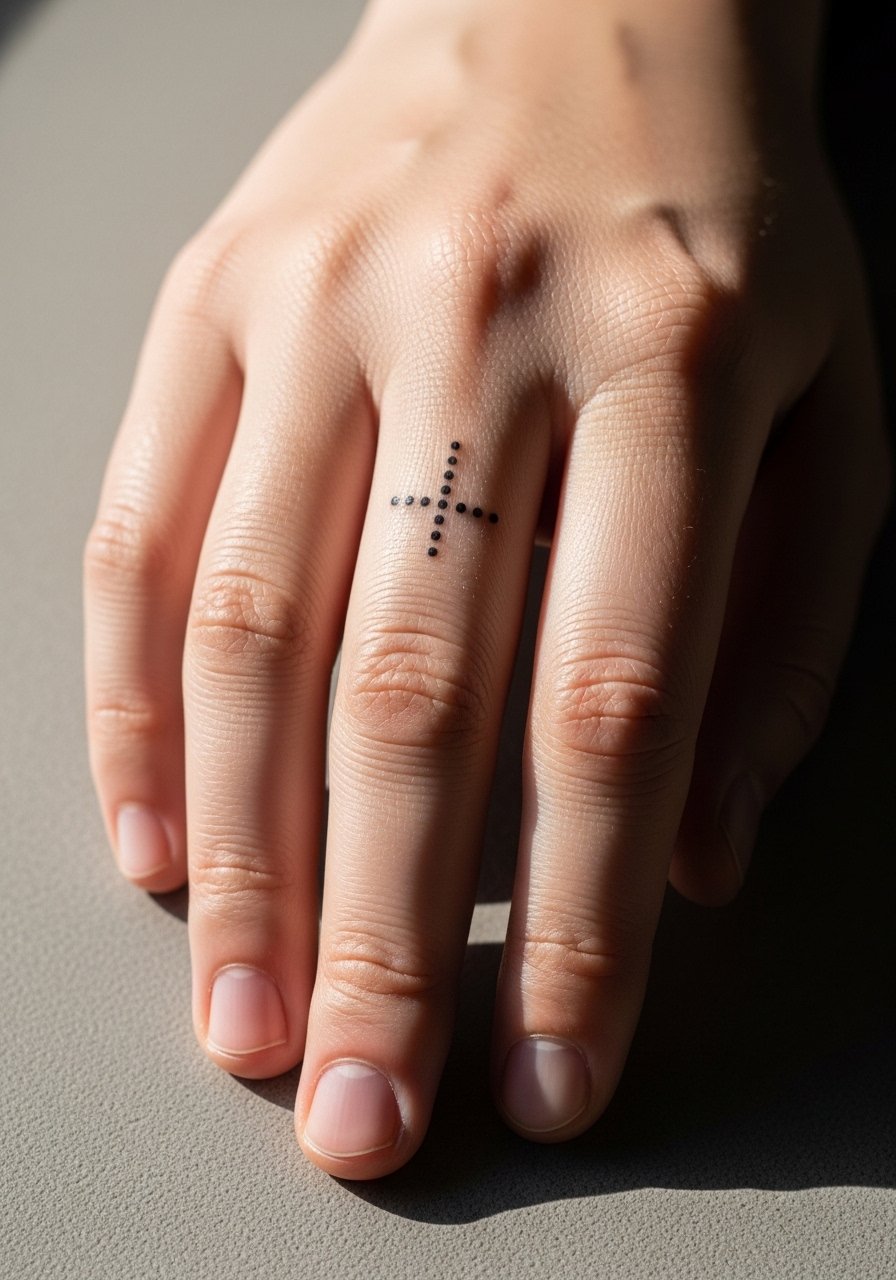
Finger placements are bold but unforgiving for dotwork. Expect the pigment to sit more shallowly and to blur faster because of constant friction. My recommendation is a micro-glyph rather than a full portrait. Tell your artist to keep the design very simple and to plan for a touch-up at year one. Sessions are brief but slightly more painful. Wear a slim silicone ring during healing to avoid metal irritation and to frame the glyph when you want it visible.
4. Upper Back Crest with Stipple Halo
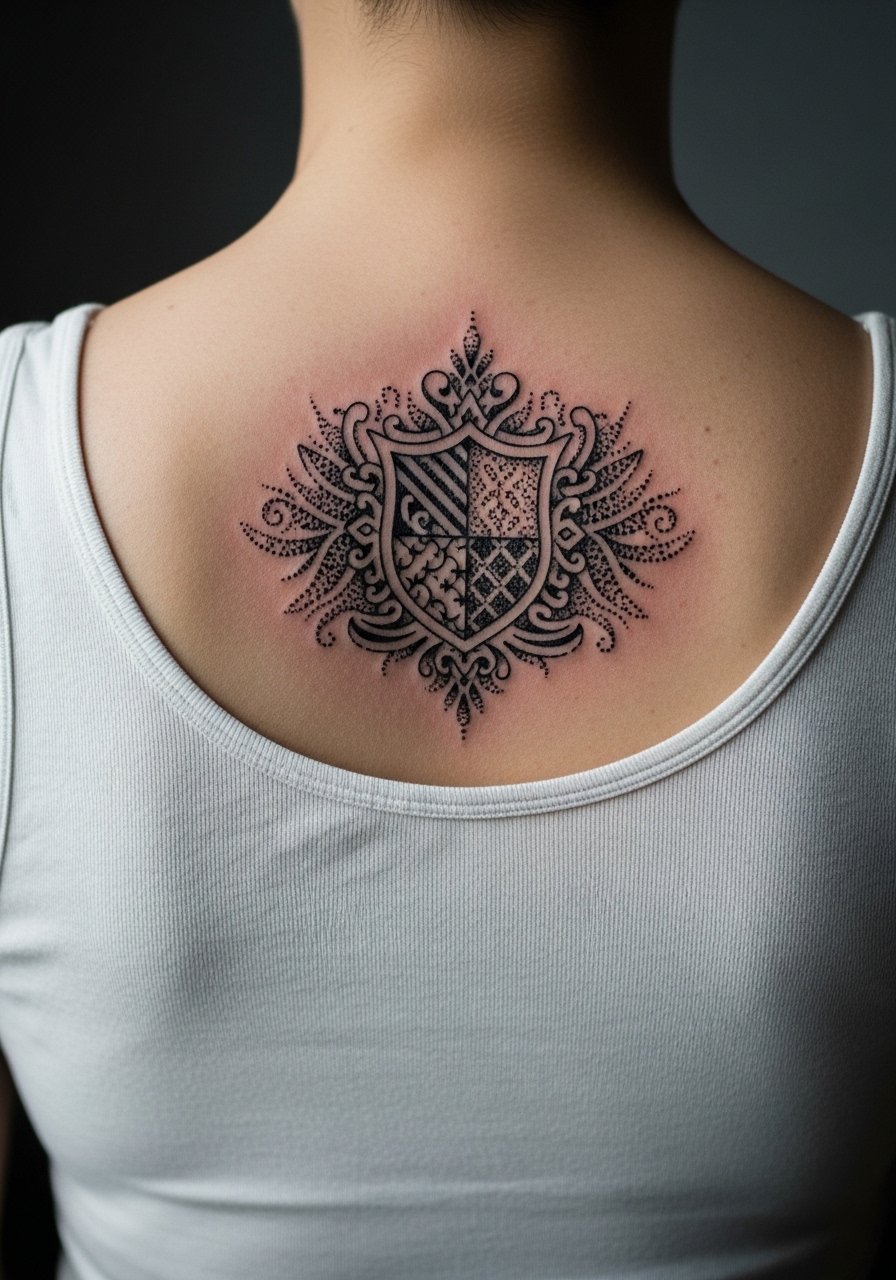
An upper back crest gives enough canvas for dot gradients around a Monster High crest motif. The back tolerates dense dotwork well, so you can keep tonal shifts without risking blowout. Bring reference showing the exact halo pattern you like and mention you want gradual spacing between dots to avoid muddying. Sessions can run two to four hours. For session wear, a loose tank top makes it easy to access the area and stays comfortable during long sittings.
5. Ankle Charm in Micro Dotwork
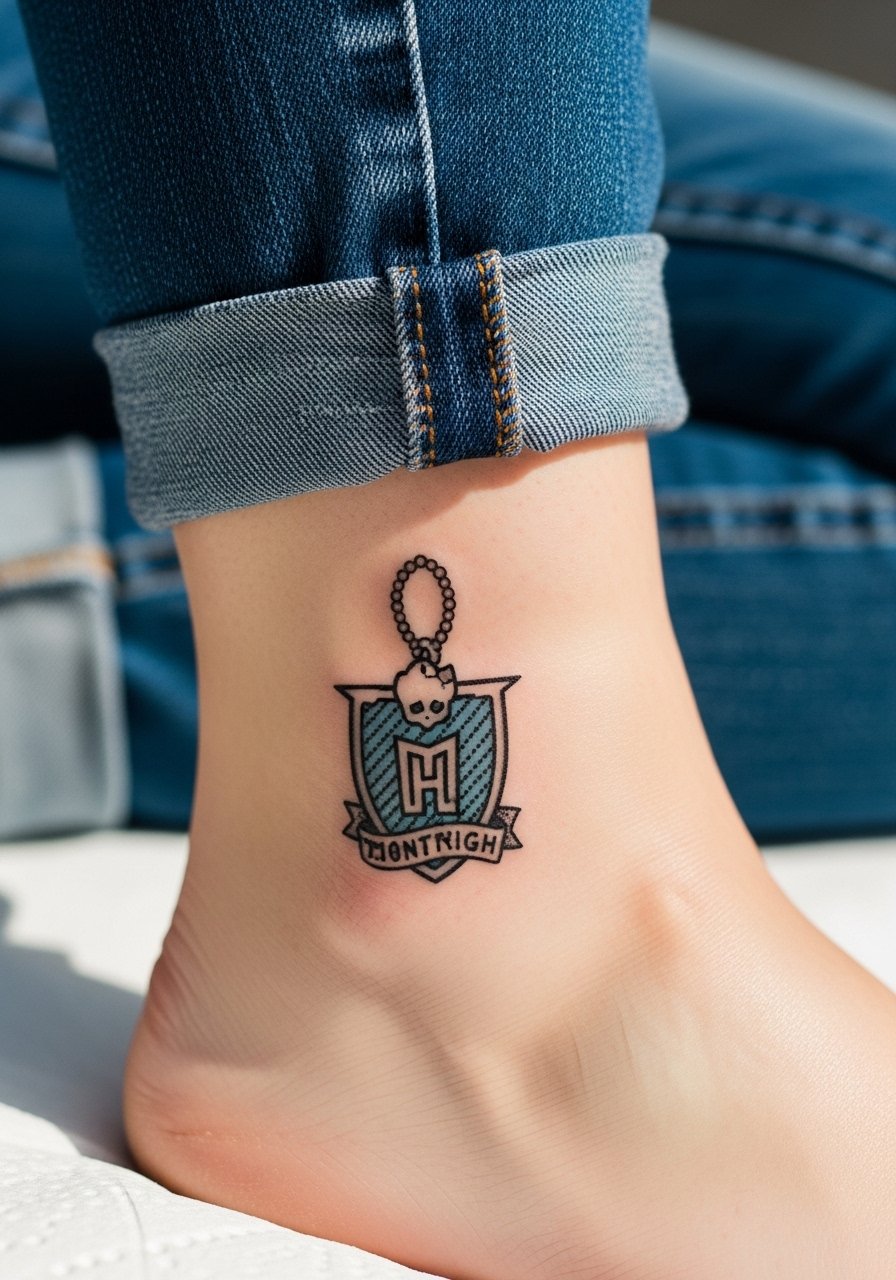
An ankle charm gives a discreet nod to the franchise while keeping detail tight. The downside is that ankles experience a lot of rubbing from shoes and socks. I suggest slightly increased dot spacing and a thin outer contour so the charm keeps its silhouette through wear. Sessions are short and the pain is moderate. For showing it off, cropped trousers or a wrap sandal work well with the placement.
6. Sternum Line Portrait in Dotwork
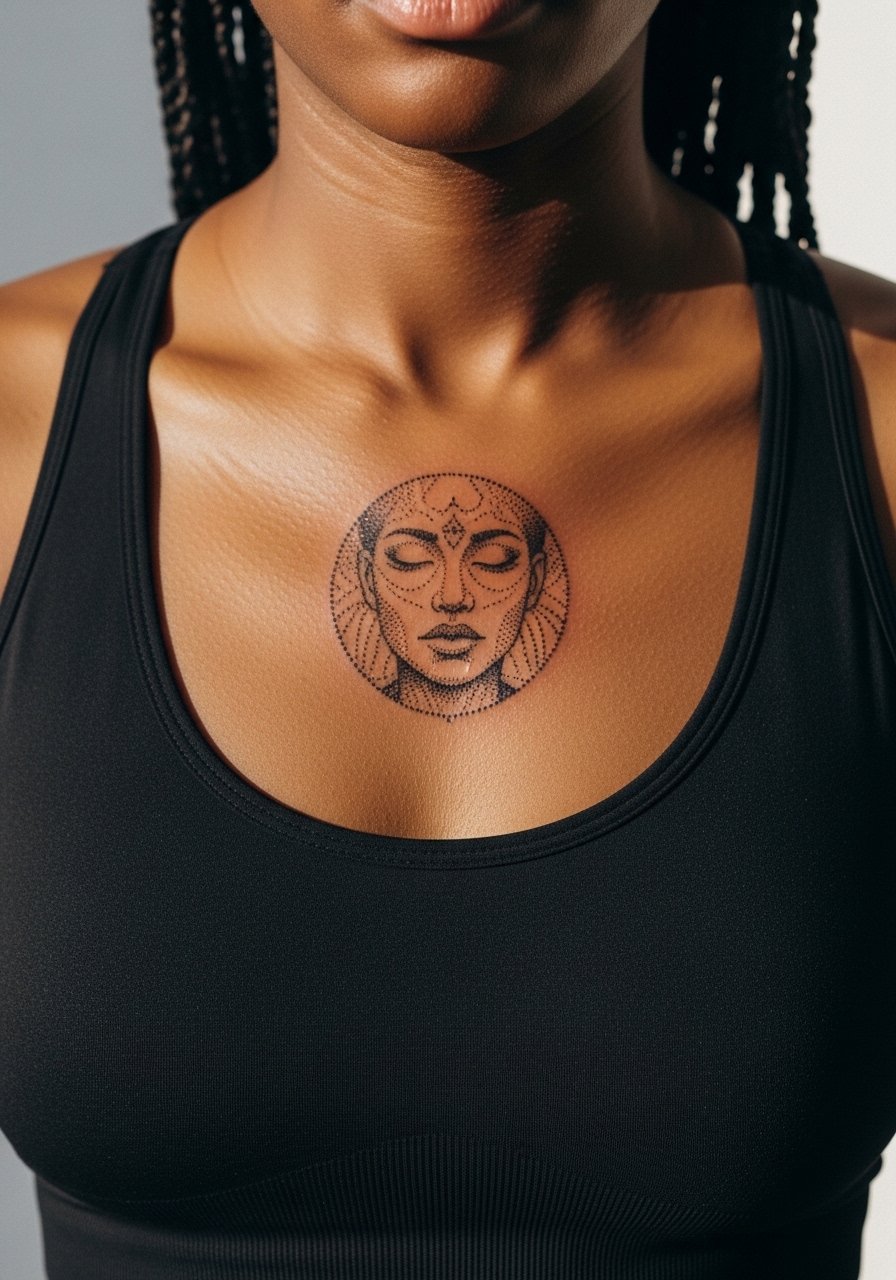
Sternum pieces read dramatic when done in high-contrast dotwork, but they require an artist comfortable with curved, moving skin. Artists split on this placement. One camp warns that chest movement and tight clothing cause faster fading. The other camp says careful spacing and the right depth settle well if the artist plans for it. Bring references that show how the art sits against breasts and rib movement. Pain is higher and sessions can be long. Wear a fitted sports bra the day of the appointment so the artist can work without wardrobe strain.
Studio Day Picks
The forearm, sternum, and ankle pieces above each present different friction and access issues, so a few focused items make studio day and the first week smoother.
-
Stencil transfer paper kit. Lets you preview placement and scale on skin before the needle touches, which is useful for small portrait and collarbone designs.
-
Topical numbing cream. Applied per the product instructions about 45 minutes before the session it can reduce the edge on chest and sternum work.
-
Thin protective film roll. Ideal for ankle and finger pieces that face friction from socks and shoes during the first 48 hours.
-
Fragrance-free gentle body wash. Use during showers to cleanse healing dotwork without stripping pigments.
-
Aquaphor healing ointment. Thin layers in the initial days lock in hydration for tight dotwork without smothering the skin.
7. Sleeve Accent: Dotwork Cameo Panel
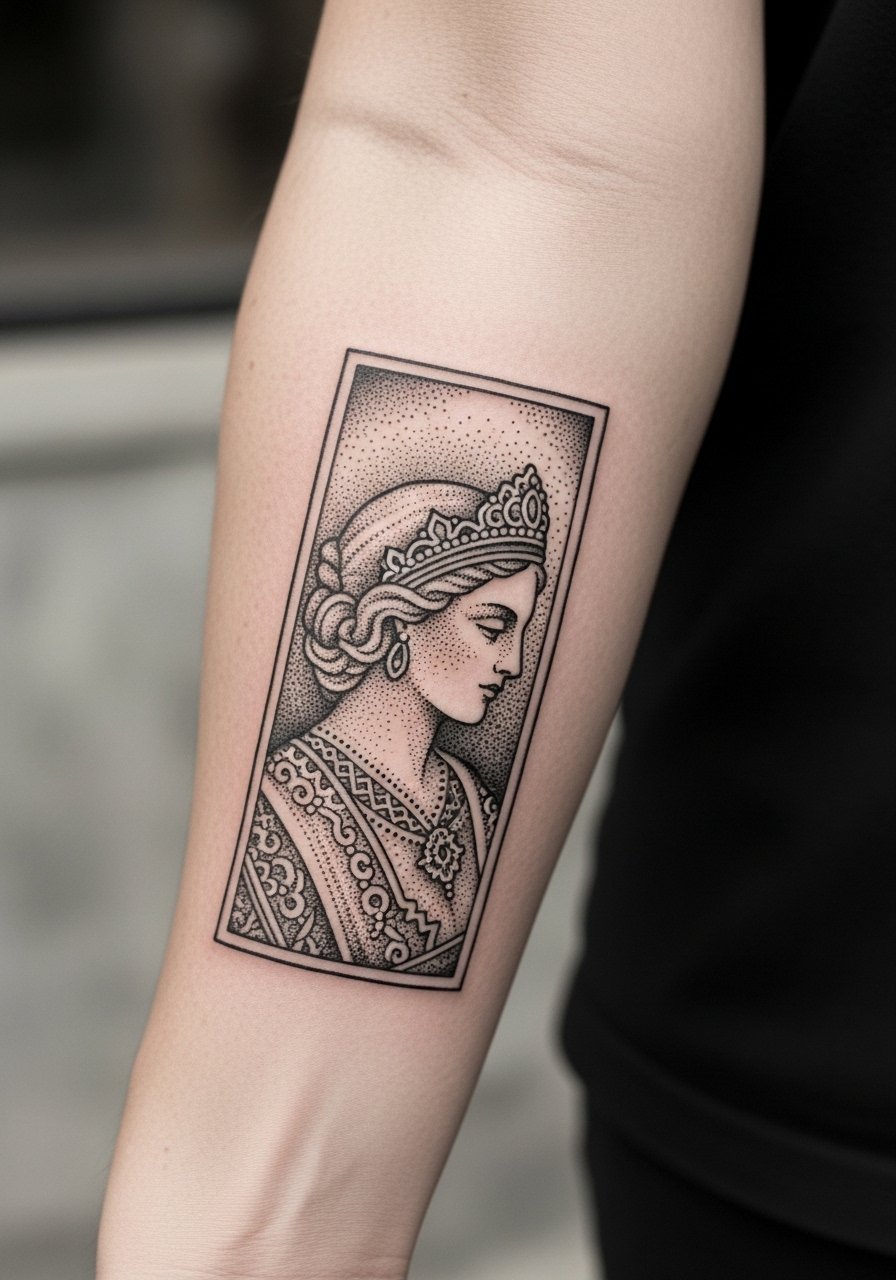
For a partial sleeve focal point, a vertical cameo panel gives a Monster High character a framed presence among other elements. Ask your artist to plan negative space between cameo dots and surrounding motifs. That spacing helps the cameo avoid getting lost when arm skin stretches. Sessions vary by size but expect multiple sittings. A common misstep is adding too many tiny neighboring elements that compete with the cameo. Roll sleeves or wear a short sleeve button shirt when you want the panel visible without exposing a full arm.
8. Thigh Portrait with Dotwork Backdrop
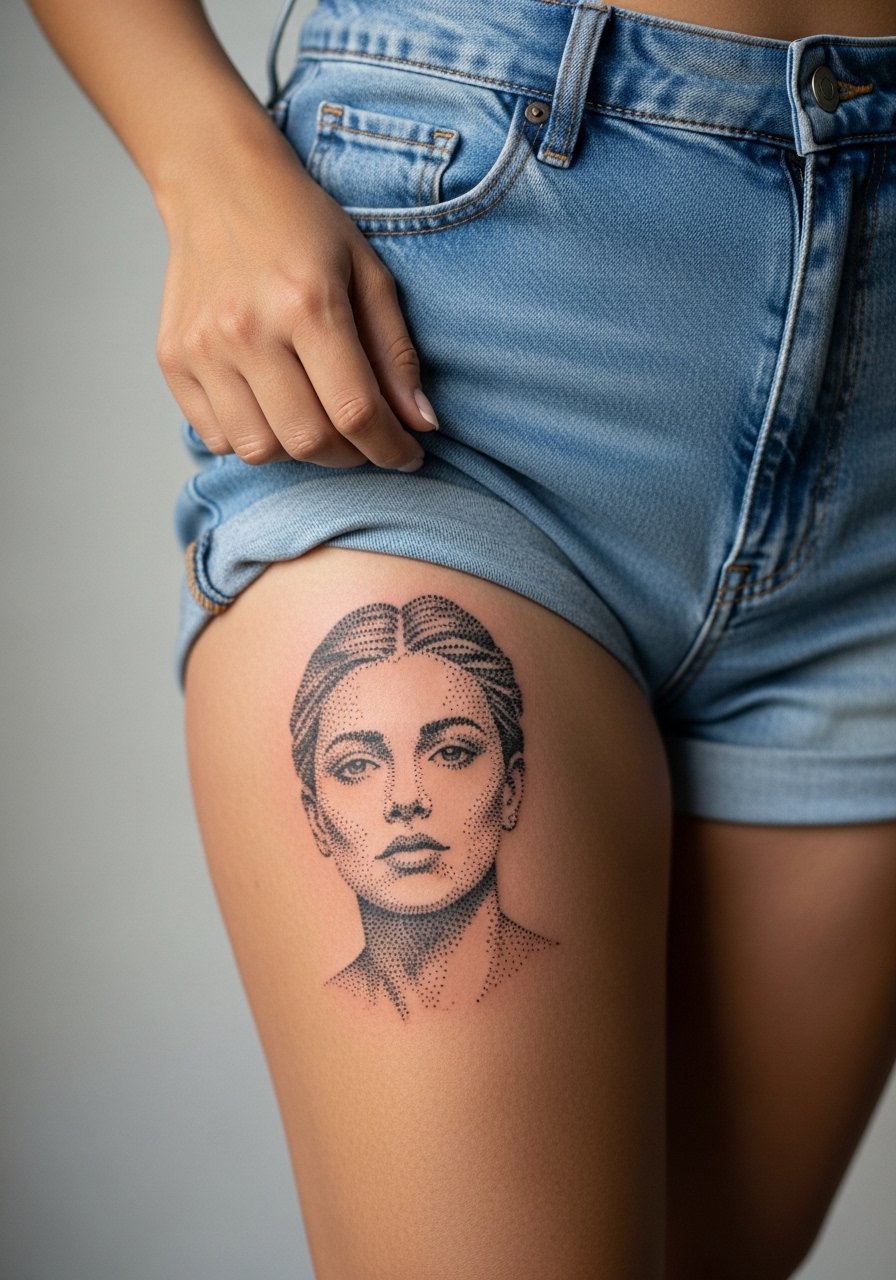
The thigh offers generous space for a detailed Monster High face with a stipple backdrop. Thigh skin handles denser dotwork well, so you can employ tighter gradients. Bring references that show the exact angle you want and request a touch-up discussion in your consultation. Sessions can last two to three hours and pain is moderate. For the appointment wear high-waisted shorts you can shift for access without discomfort.
9. Nape Script with Dotwork Accent
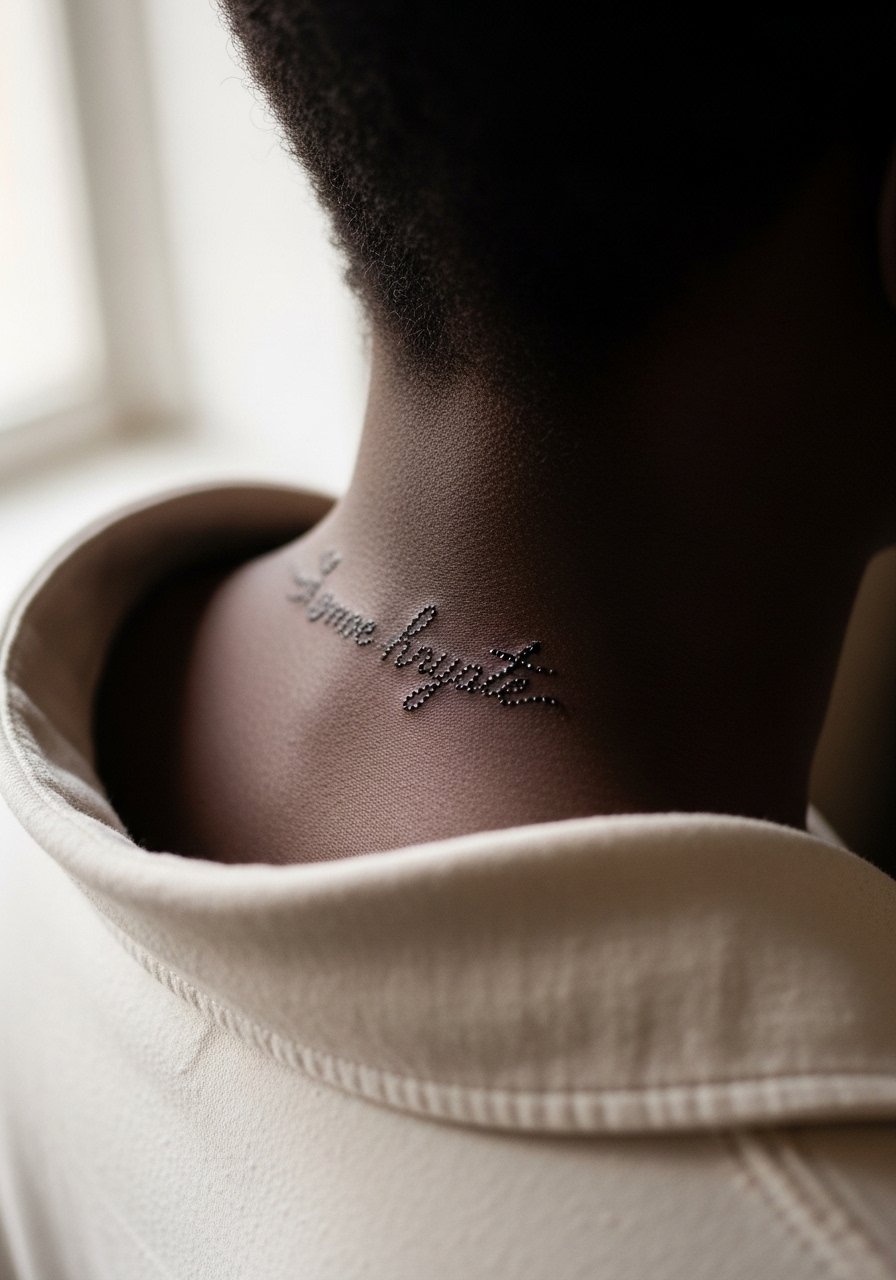
A tiny name or phrase tied to a Monster High motif at the nape uses dotwork accents to keep it delicate. The neck can blur if lines are too thin. Ask for slightly thicker script stroke and surrounding dot accents spaced outward to protect the letters as they settle. Pain is variable and sessions are brief. For showing it off wear an off-shoulder top with the collar pulled to one side.
10. Ribcage Silhouette in Dense Dotwork
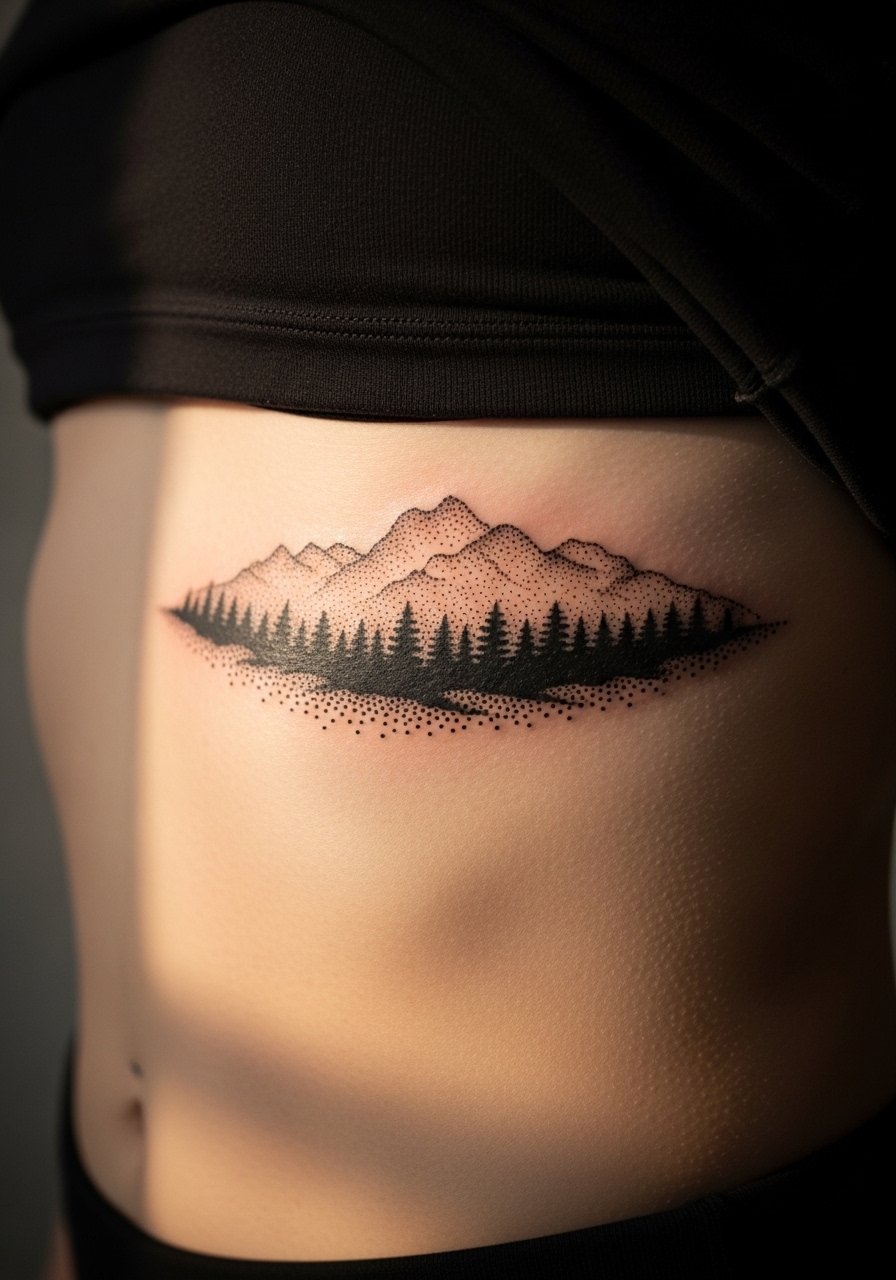
Ribcage dotwork can look incredibly dramatic but it is a placement with aging considerations. Artists split into two camps on fine line and ribs. One camp says the skin stretch and frequent movement blur close dot clusters within a couple of years. The other camp maintains that with wider dot spacing and correct depth, the work holds. My suggestion is to increase spacing in dense areas and plan for a touch-up at year two. Pain is high and sessions tend to be multiple short sittings. Wear a cropped athletic top for the appointment so you can adjust coverage without readjusting straps.
11. Calf Panel with Dotwork Linework
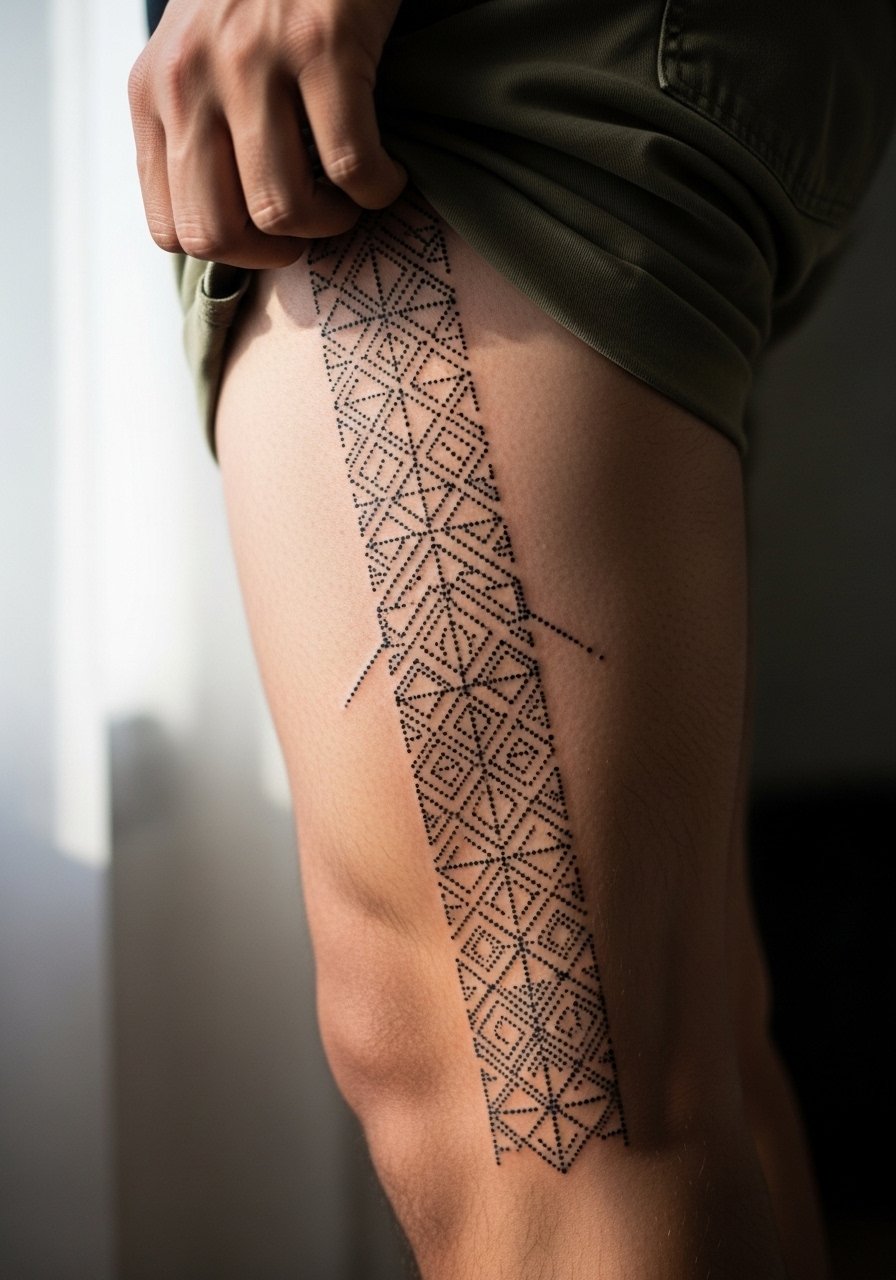
Calf panels let you use elongated dot gradients to create mood around a Monster High motif. The calf experiences less friction than ankles so you can use tighter dot clusters near the center. Sessions are comfortable for many and run one to two hours. A common mistake is compressing the design too narrowly which makes it hard to read from the side. For showing off choose cropped trousers and a loose cotton short combination.
12. Hand Back Motif in Sparse Dotwork
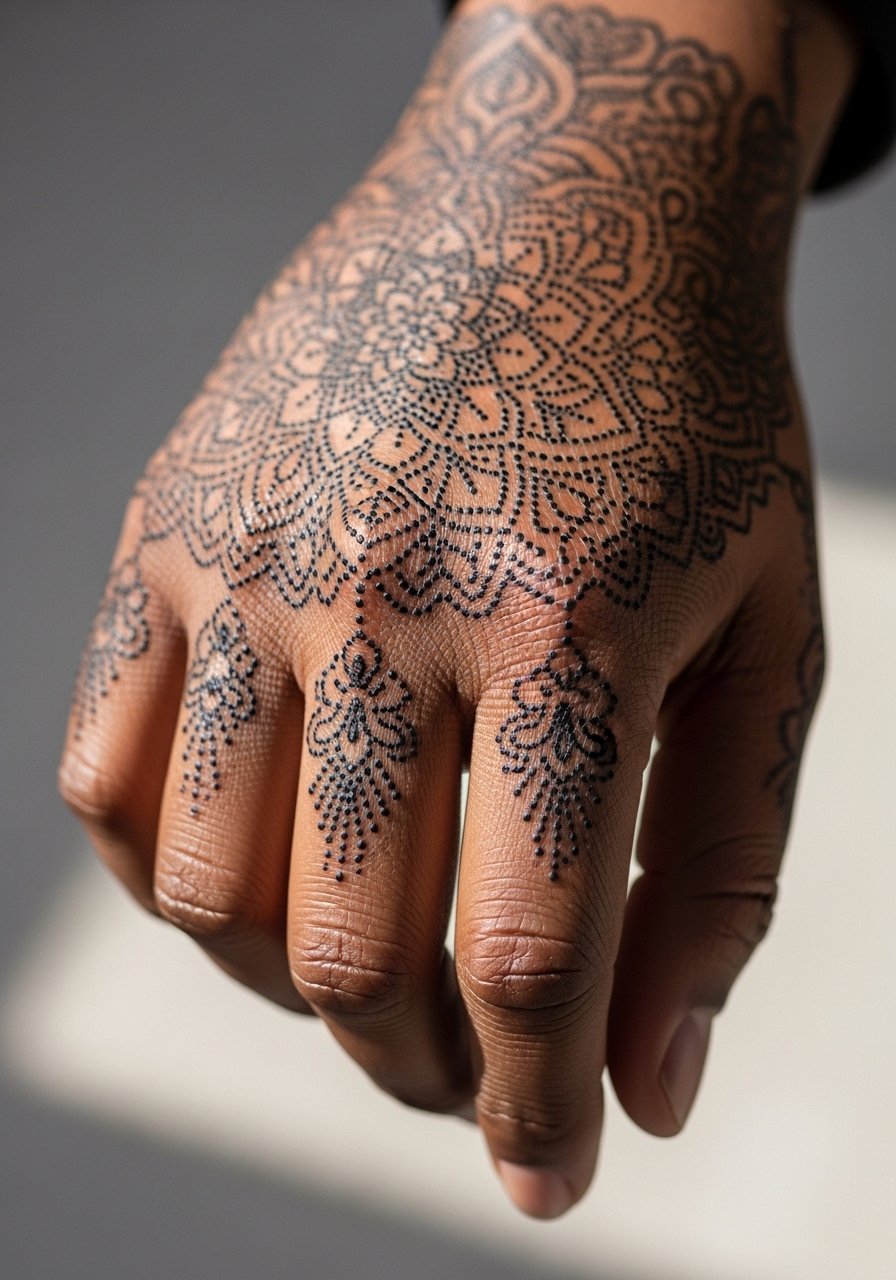
Back-of-hand pieces read strong but fade faster due to constant washing and exposure. For dotwork keep the design sparse and rely on negative space to preserve silhouette. Expect a touch-up sooner than other locations. The session is quick and painful. A real mistake is packing too much stipple close to the knuckles where skin creases. Consider minimalist nail polish and a slim leather bracelet to balance attention away from heavy hand exposure.
13. Hip Crescent in Fine Dotwork
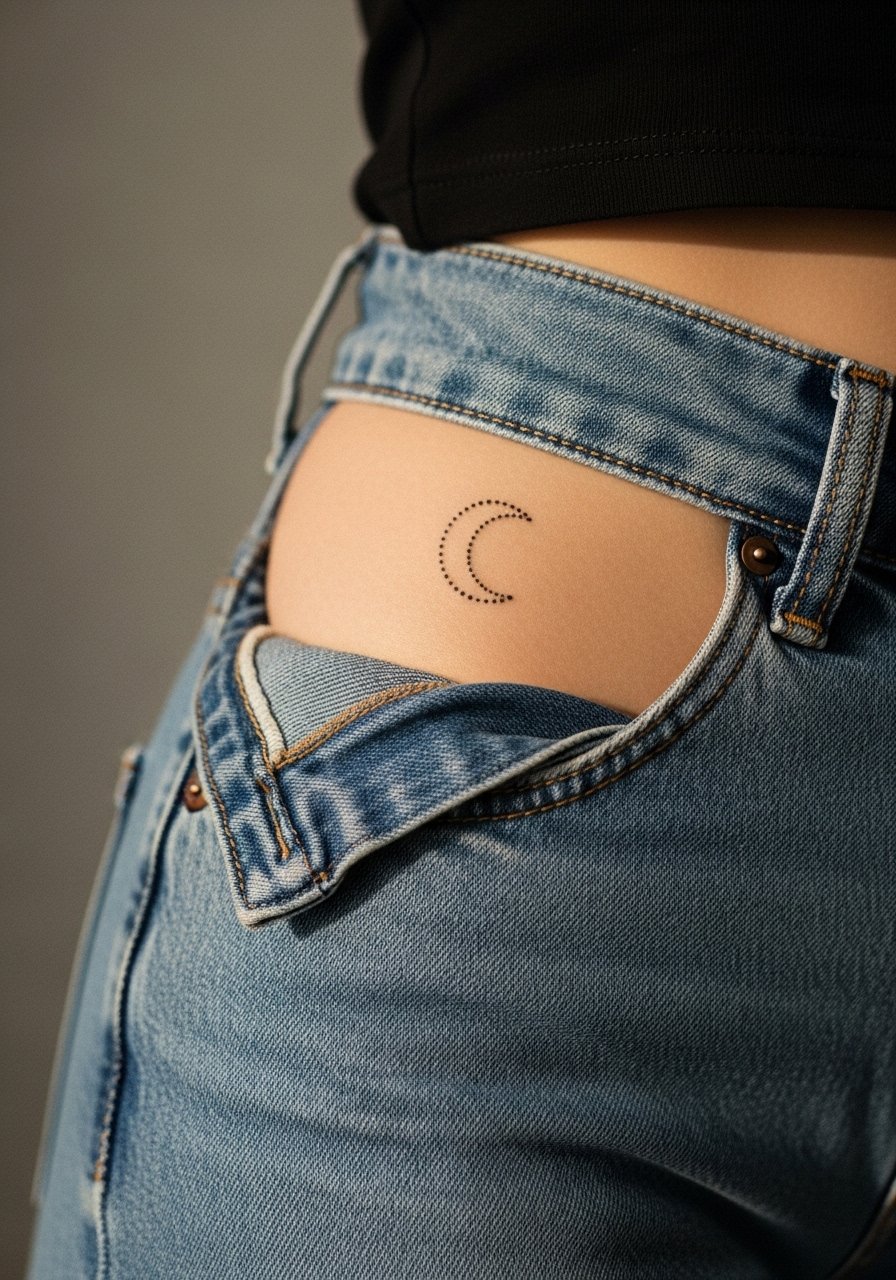
Hip placements let you hide a Monster High crescent in clothing and reveal it selectively. Because the hip moves with body contour, ask for dot spacing that follows natural stretch lines. Sessions are low to moderate on pain and usually short. A frequent error is over-detailing a small crescent that loses shape after a year. For session comfort wear high-waisted denim you can shift slightly for access.
14. Shoulder Cap Emblem in Radial Dotwork
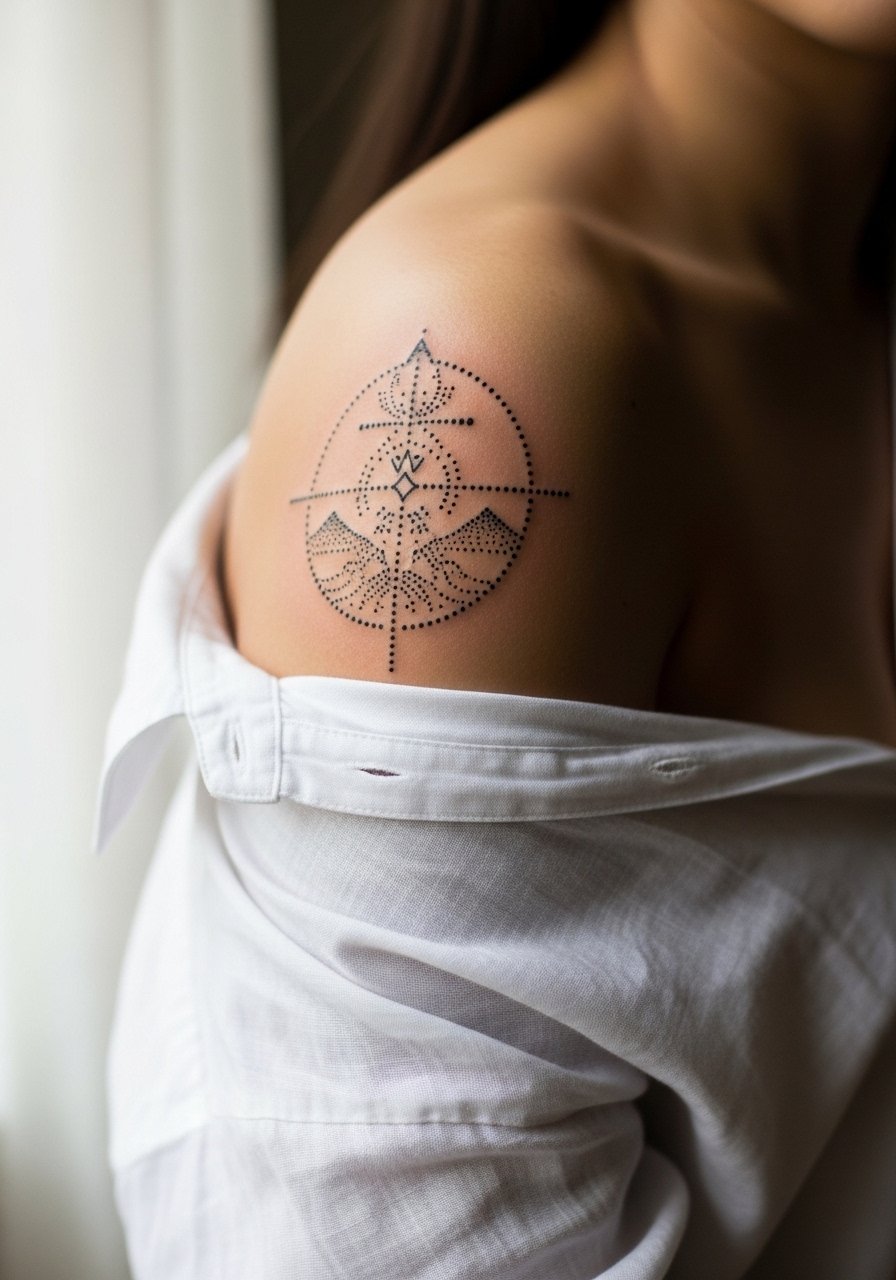
The shoulder cap is a forgiving surface for radial dotwork around a Monster High emblem. It holds saturation and resists blowout if dots are spaced correctly. Sessions are comfortable and often under two hours. Avoid crowding the radial dots close to the shoulder seam or with heavy outlines that age unevenly when the arm moves. For showing off pair with a loose button-down shirt worn off one shoulder.
15. Ear-Adjacent Botanical Dotwork Accent
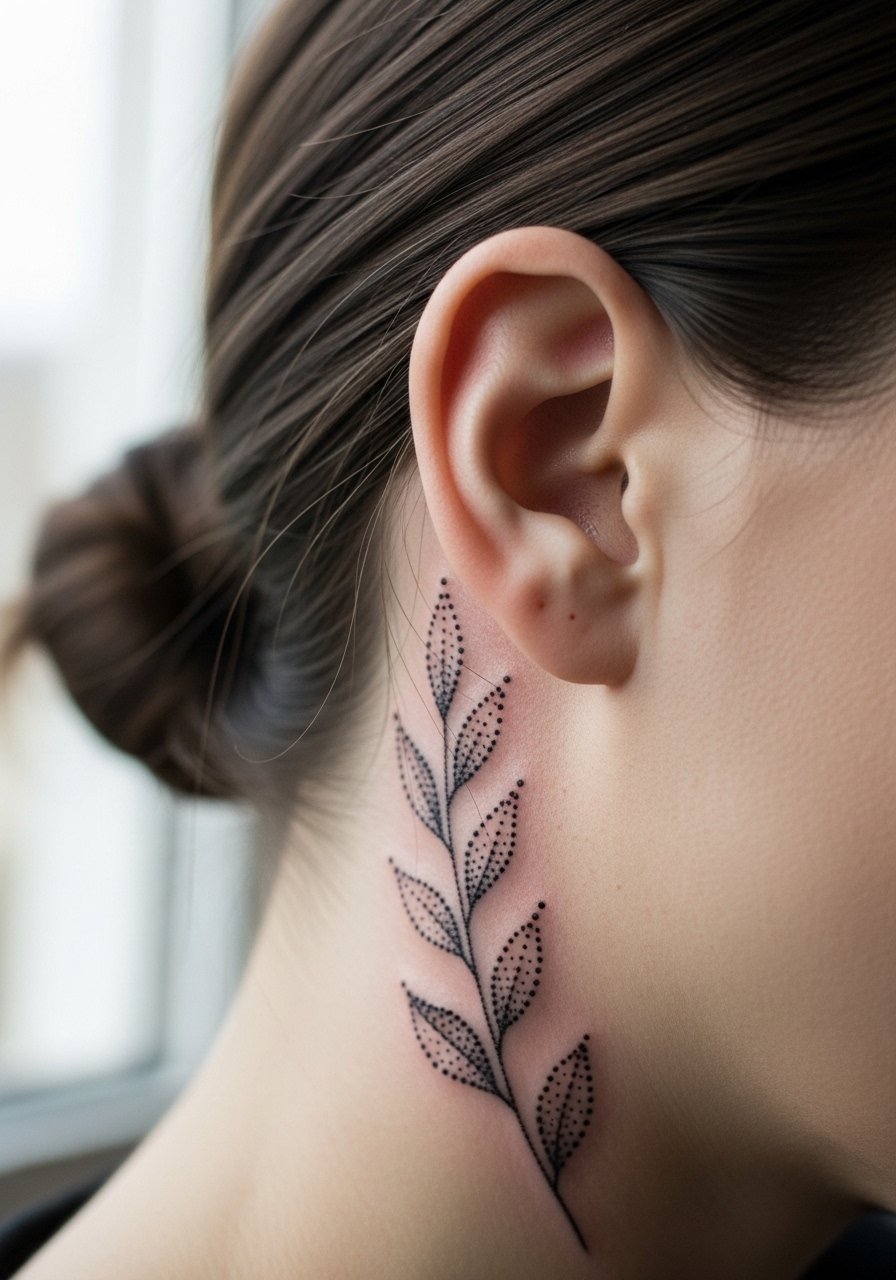
A small botanical dotwork behind the ear can reference Monster High motifs without being overt. It requires careful placement because the skin there is thin. Tell the artist you want sparse dots and a soft edge to avoid sharp contrast against hairline. Sessions are short and the pain is low to moderate. This placement may be visible when hair is up, so consider hair styling. For appointments try a wide headband to keep hair away and reveal the area for the artist.
16. Rib-to-Side Panel in Directional Dotwork
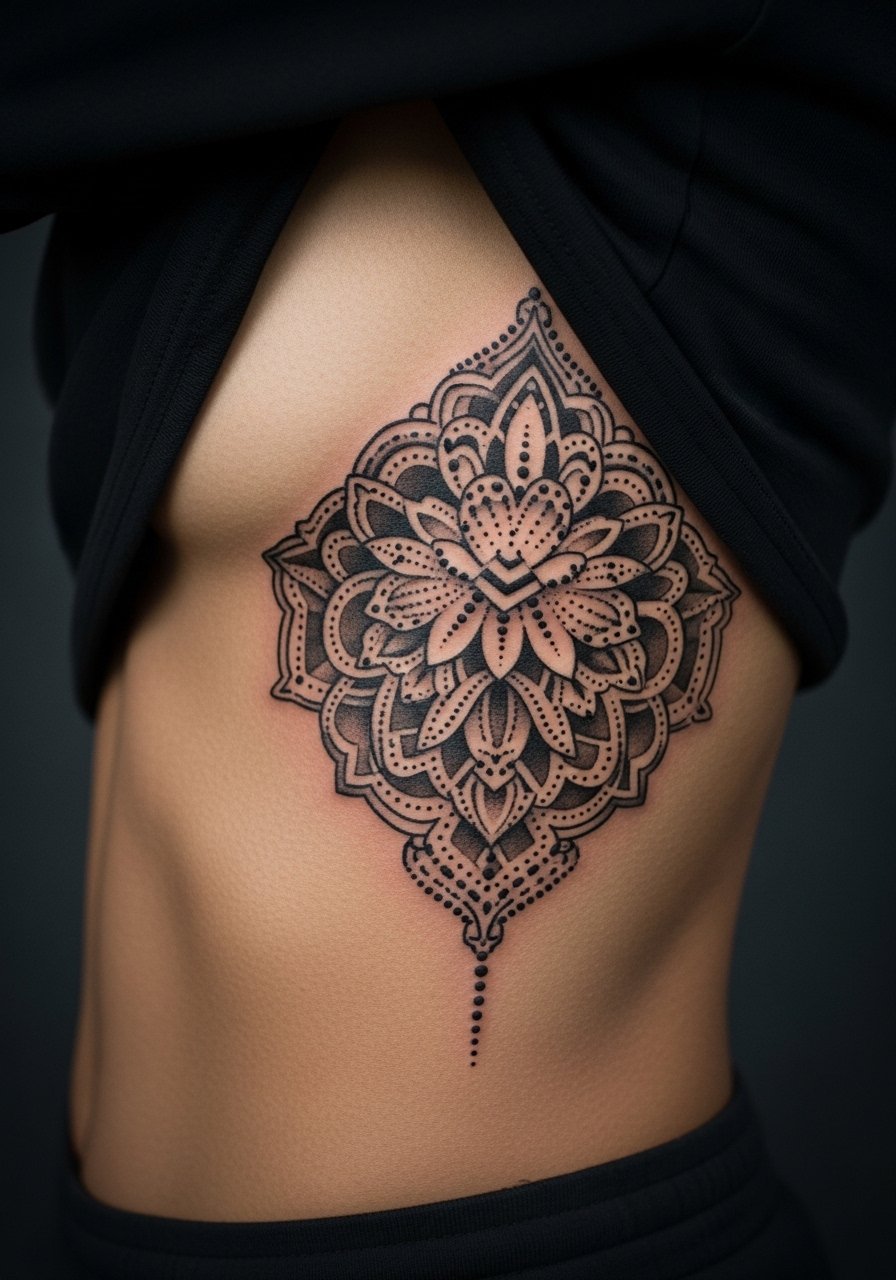
A side panel can create motion in dotwork around a Monster High figure. Because this area flexes, directional spacing is critical to prevent dense fields from merging. Artists debate ribs and side torso for tight work. One camp says avoid tiny dots there entirely. The other camp will execute it carefully and plan a touch-up window. Pain is high and sessions may be split. For the session, wear a cropped top you can shift for access without discomfort.
17. Small Spine Accent in Vertical Dotwork
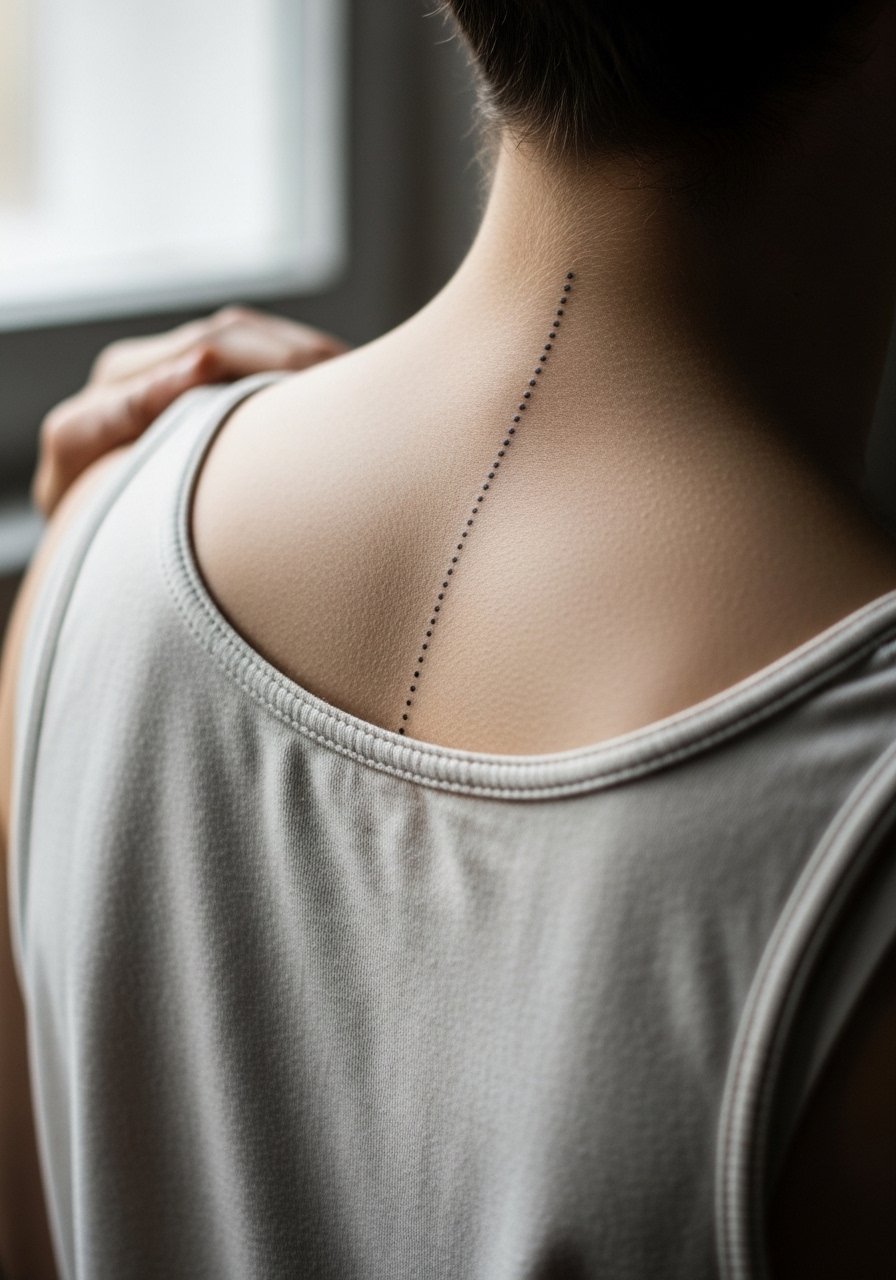
A spine accent gives a subtle nod to gothic Monster High aesthetics while remaining elegant. The spinal skin tolerates vertical dotwork well, but alignment matters to avoid visual imbalance. Ask for a composition mockup that shows how the dots sit with posture so the design still reads standing or seated. Sessions are moderate in pain and usually under two hours. A common mistake is placing the focal point too low where clothing rubs. For showing it off try an open-back tank that frames the vertical line.
Frequently Asked Questions
Q: Are Monster High character tattoos likely to cause legal problems if I get one in dotwork style?
A: Fans fall into two camps on this. One camp treats character tattoos as personal fan expression that rarely leads to issues. The other camp warns about direct commercial reproduction because copyright owners can be protective. For private, non-commercial tattoos done as fan art you are unlikely to face legal action. If you plan to sell prints or use the artwork commercially, ask the studio or an IP specialist about permissions.
Q: How does dotwork portrait detail hold up on different skin tones and placements?
A: Dotwork visibility depends on contrast and placement more than tone alone. Lighter skin can show finer dots more easily. On medium and dark tones you often need slightly denser or higher-contrast dots for the same visual read. Placement also matters. Areas with more movement or friction need wider dot spacing. Discuss test stencils in your consultation so you can see how the dots read on your skin.
Q: If I want a tiny Monster High face, what should I ask my artist in the consultation?
A: Ask the artist to show examples of similar-scale portraits they have healed for at least a year. Request scaled-up facial features and looser dot spacing around high-density areas. Ask about expected touch-up timelines and how they handle top layers of shading. If the artist cannot provide healed examples of similar work, look for someone who can.
Q: Which placements need extra planning for wardrobe during sessions and healing?
A: Sternum, ribcage, hip, and upper thigh need clothing you can shift without exposing too much. For collarbone, shoulder, and upper back, a loose button-down or tank top is practical. I recommend bringing a garment that allows access and comfort. The product block above lists items that make studio day easier depending on the first six ideas.
Q: Will dotwork tattoos require more touch-ups than bold blackwork?
A: In my experience dotwork can need touch-ups sooner because much of its definition comes from tiny contrasts. Bold blackwork tends to age into a stable silhouette. Plan for a review at year one and then again at year three for dotwork portraits and dense stipple pieces. Proper spacing and placement reduce the need for frequent work.