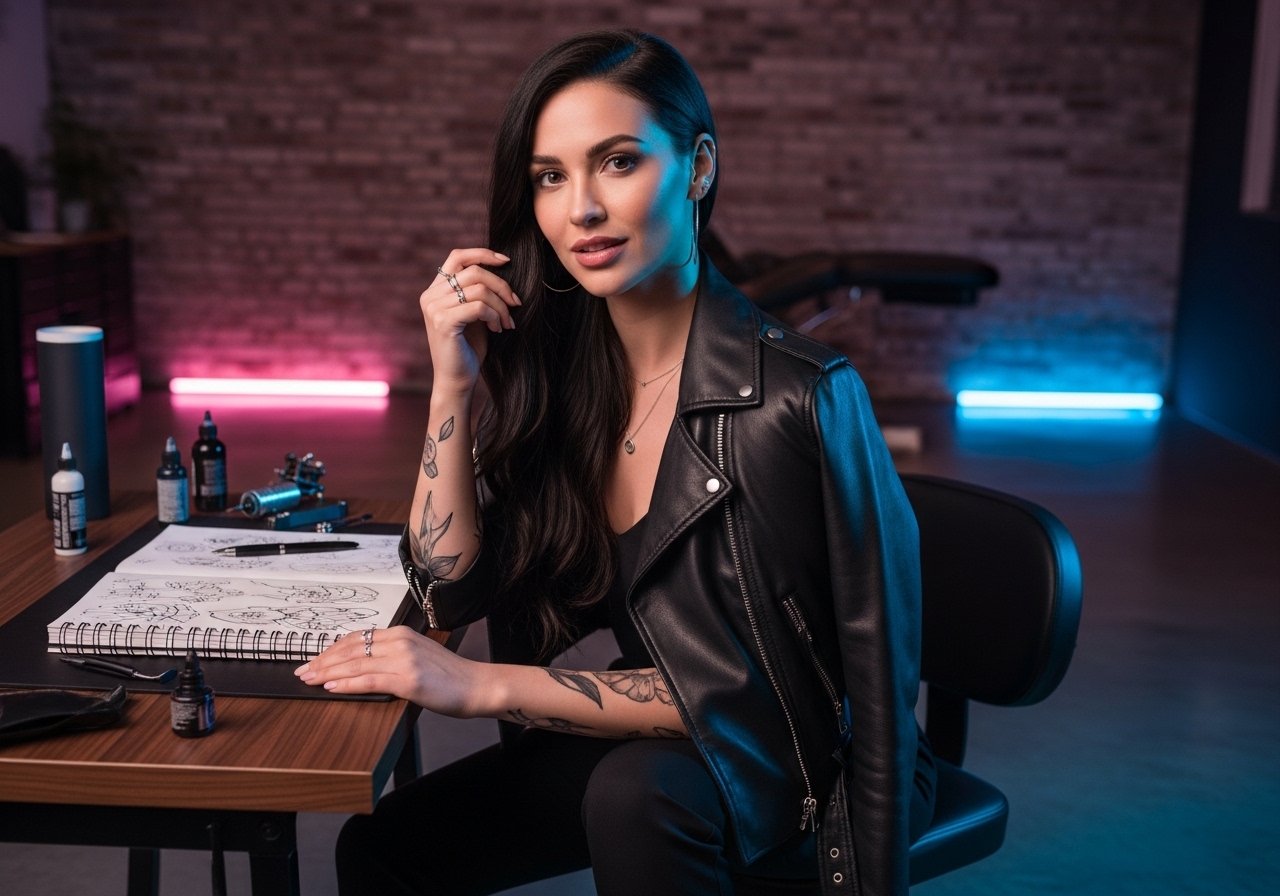
Fine line Fleetwood Mac motifs are everywhere on saved boards right now, but trends and longevity do not always line up. What looks delicate on screen can blur if placed where skin stretches or rubs daily. These 21 illustrative takes focus on designs that read like the band without asking for literal portraits, with notes on placement, how they age, and what to tell your artist at the chair.
1. Inner Forearm Script of a Line from "Landslide"
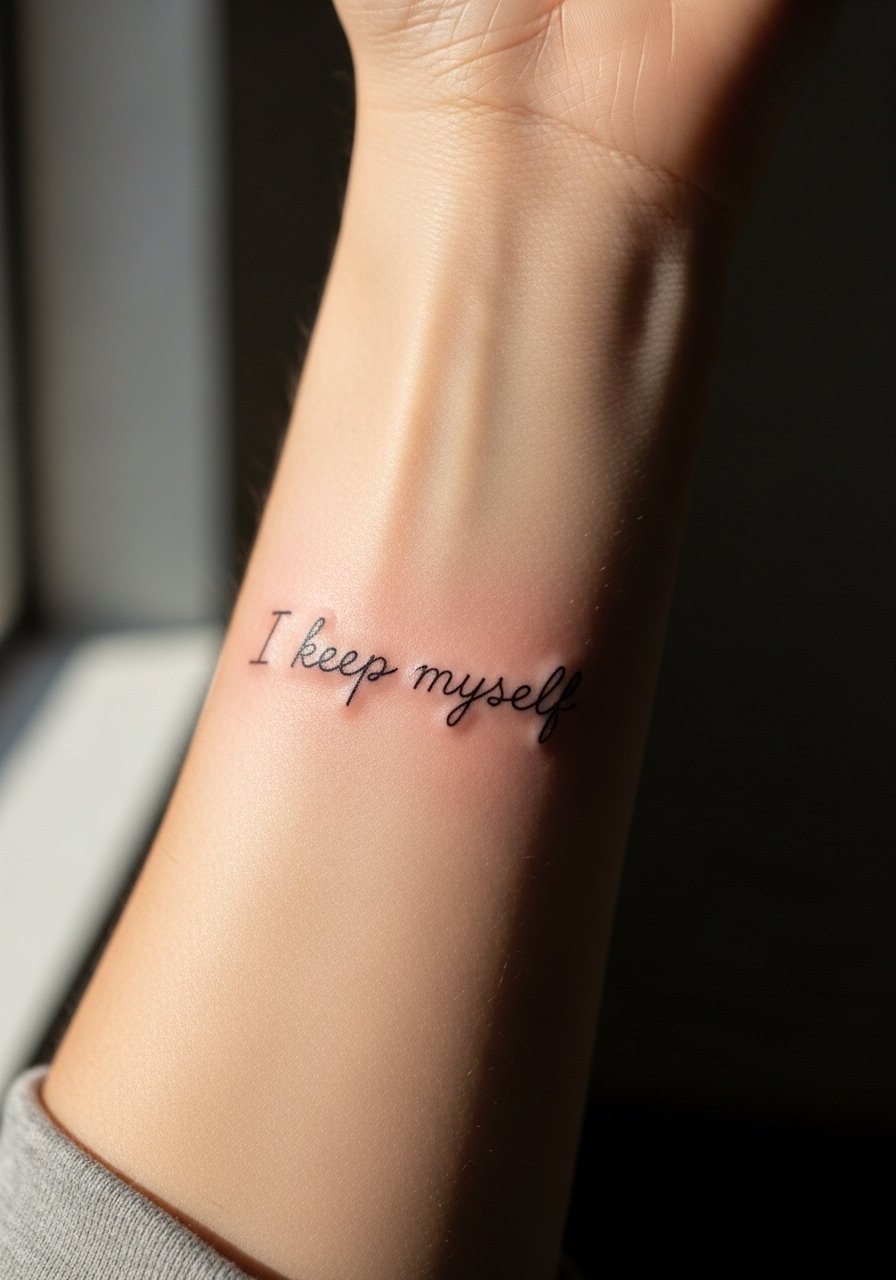
I recommend this placement when you want an intimate nod to the song rather than a full portrait. Tell your artist you want slightly wider spacing between letters so the script reads clean at year two and five. Common mistake is asking for ultra-tiny cursive which can merge into a thin blur on the inner forearm. Pain is low to moderate and session time is short. It pairs well with rolled-up sleeves and a minimalist bracelet for showing off the lines, try a minimalist chain bracelet when you want the text framed at wrist level.
2. Tiny Stevie Crescent Moon on the Wrist
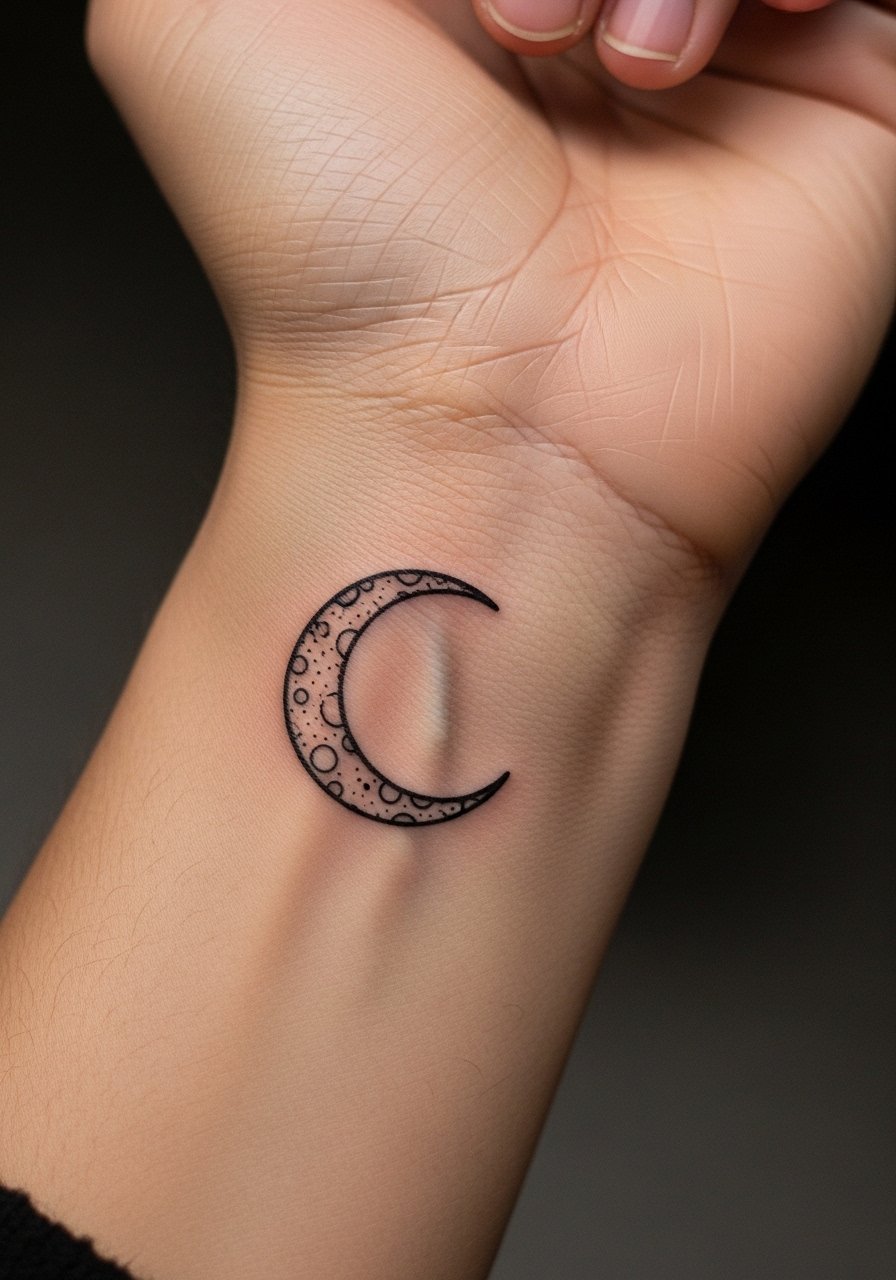
Wrist tattoos face friction from watches and daily washing, so expect a touch-up sooner than larger pieces. Ask for bold linework instead of whisper-thin strokes to preserve shape through frequent movement. Session feels quick but sensitive, especially nearer bone. A common error is placing the crescent too close to the hand where blowout risk increases. For evenings out, pair the wrist piece with a delicate leather band watch that sits slightly above the ink to avoid rubbing.
3. Line-Work Rumours Album Symbol on the Shoulder Blade
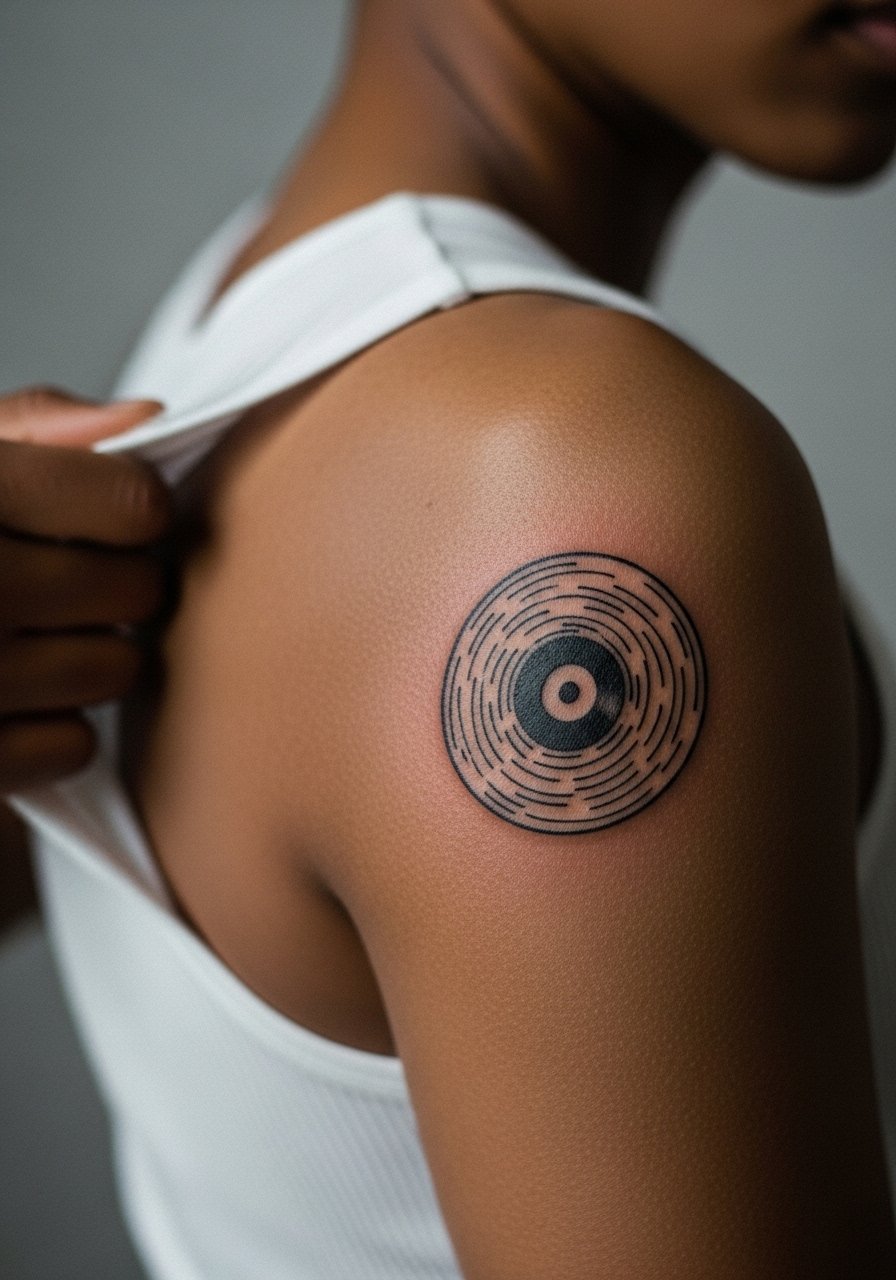
Shoulder blade pieces age well because the area sees limited sun and friction. Bring reference images showing exact line weight and ask for medium depth so the linework settles without blowout. Expect a moderate pain level and a single session for a compact piece. Mistake to avoid is cramming too much fine detail into a small patch. Wear a loose tank top to the appointment so the artist can access the shoulder without you tugging at clothing.
4. Botanical Fleetwood Mac Lyric with Stipple Shading on the Calf
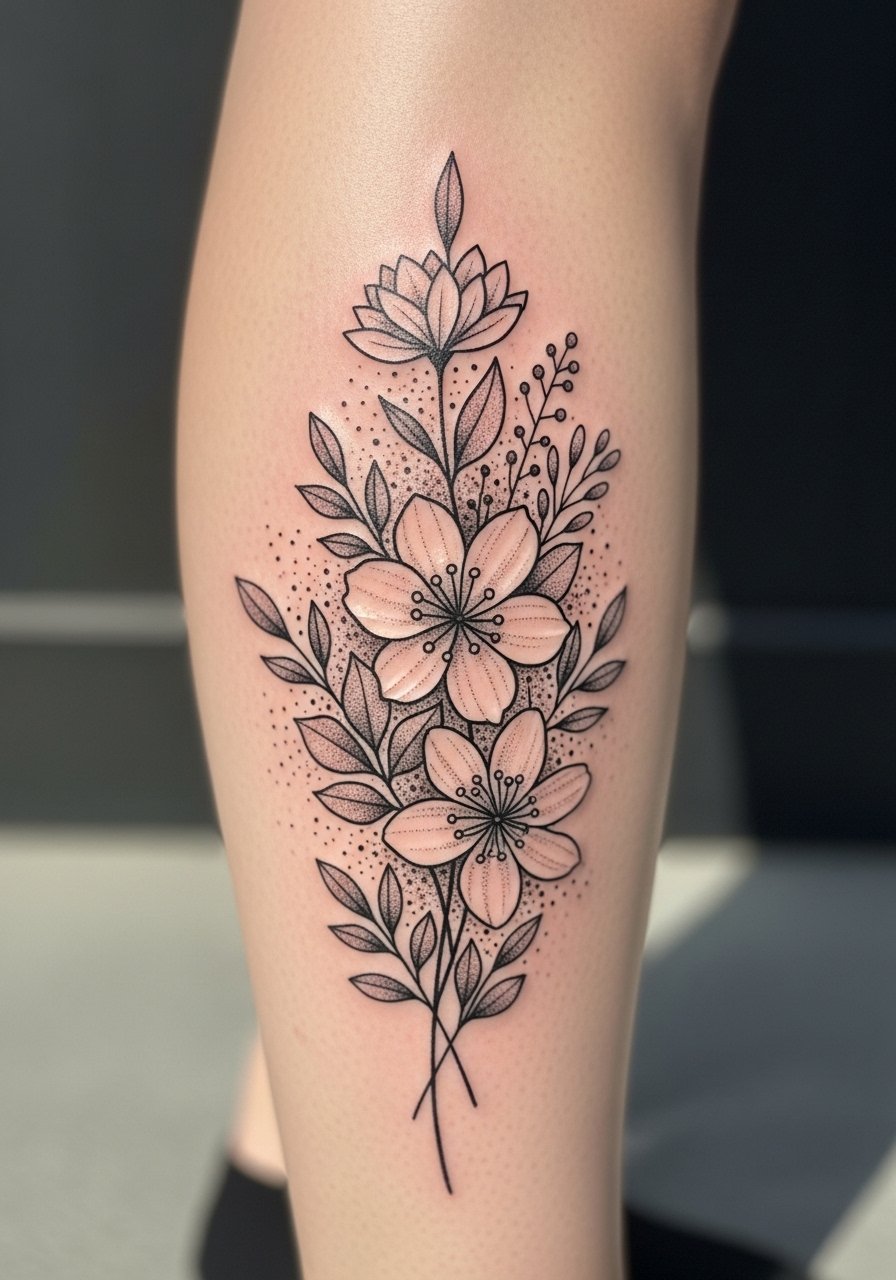
Calf pieces let stipple shading breathe and hold contrast better than tiny extremity work. Tell your artist you want larger dot spacing so the shading maintains texture at year five. The session can be longer and the area is muscular, which sometimes makes the needle feel bouncier. A frequent mistake is compressing dot work too densely which flattens over time. For show-off outfits, pair this with denim cutoffs or a midi skirt with a side slit to reveal the piece while moving.
5. Tiny Constellation Portrait on a Finger
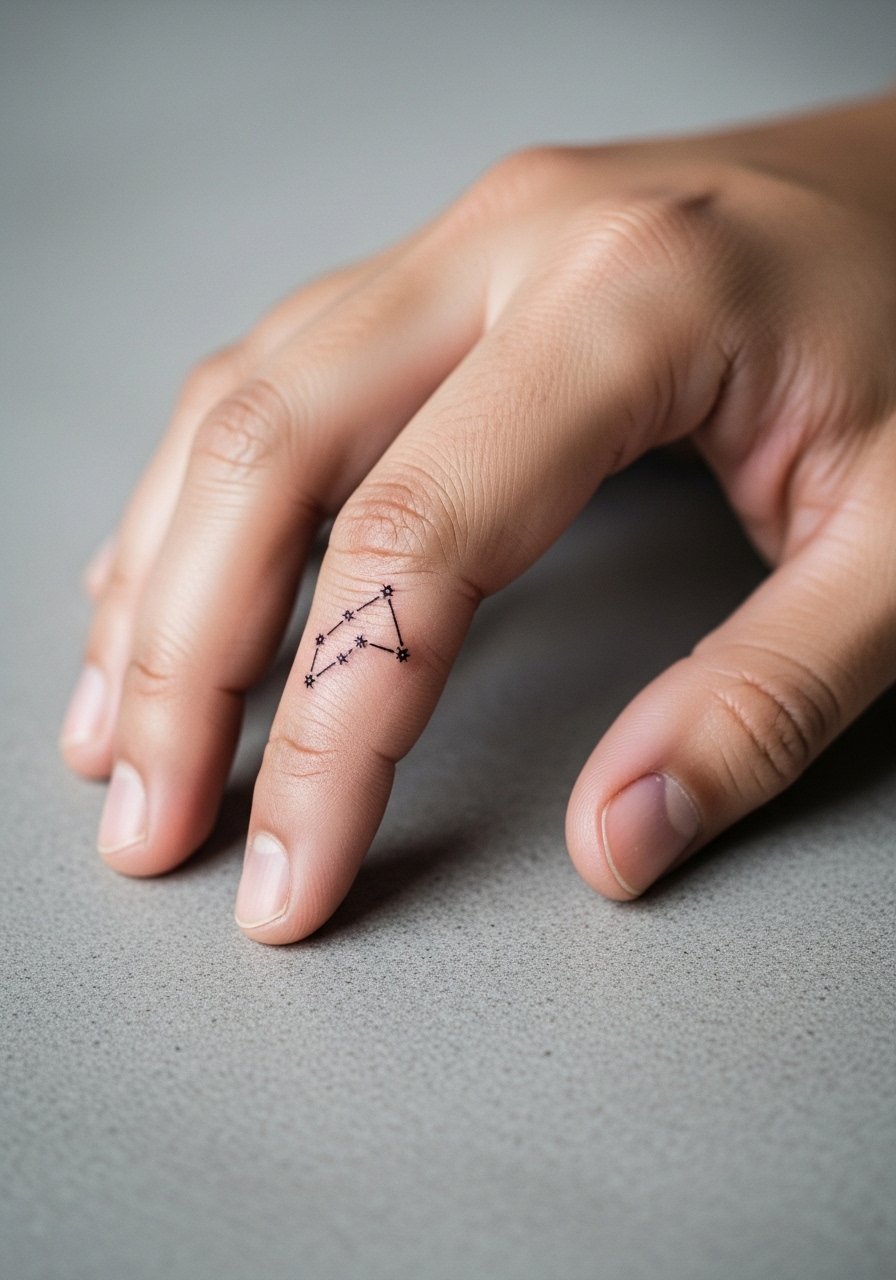
Finger tattoos are high maintenance because of constant hand use and frequent washing. Expect fading faster than on arm or leg placements and plan for touch-ups. The biggest mistake is choosing complex shading or minute script on fingers. For the consultation, ask for bold simplified shapes that read when the hand moves. Consider keeping accessories minimal during healing and show off with a slim stacking ring set worn above the joint so the tattoo stays visible and uncluttered.
6. Minimalist Line Portrait of Stevie on the Upper Arm
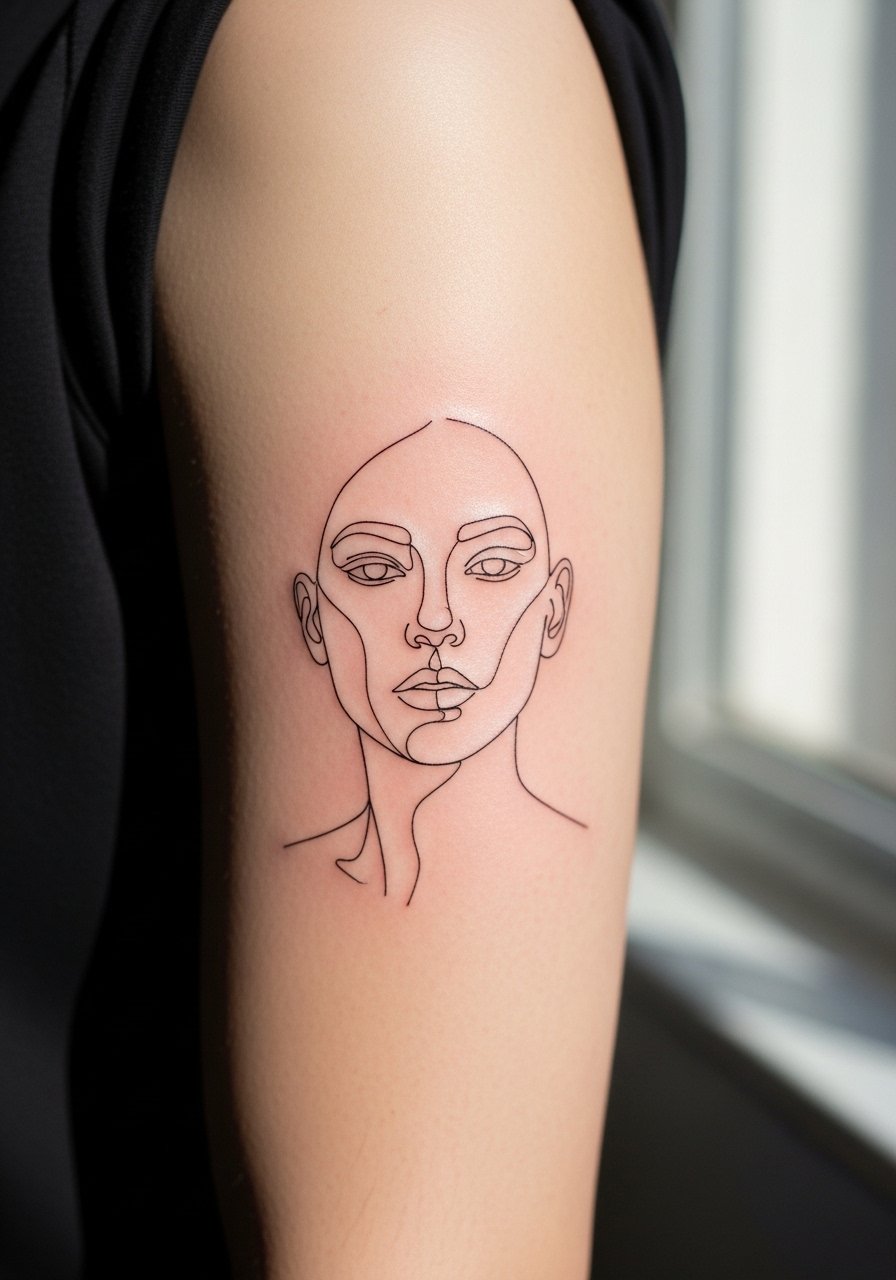
Upper arm work is forgiving and ages relatively slowly, partly because clothing rarely rubs it directly. For a minimalist portrait, ask the artist to prioritize bold contour lines and reserve tiny detail for accents. The session is moderate in length and pain is manageable. A common error is requesting ultra-fine hairline strokes that disappear after a couple of years. Pair this piece with a rolled short sleeve or a loose button-down shirt to frame the portrait without hiding it.
Studio Day Picks
The small wrist, finger, and forearm pieces above behave differently from larger calf and shoulder work, so a few targeted items smooth the session and the first week.
-
Stencil transfer paper kit. Lets you preview how a lyric or tiny portrait sits on curved skin before the artist inks it, which is useful for the inner forearm and wrist ideas above.
-
Topical numbing cream. Applied per instructions before a sensitive finger or wrist session reduces the initial bite and helps keep you relaxed.
-
Thin protective film roll. Useful for the first 24 hours on high-friction spots like fingers and wrists to limit scabbing from constant contact.
-
Fragrance-free gentle body wash. Cleans the area without stripping moisture from delicate fine line work on forearms and calves.
-
Aquaphor healing ointment. A thin initial layer helps keep small linework from drying into tight flakes that can pull pigment from the needle channels.
7. Collarbone Lyric Fragment with Negative Space
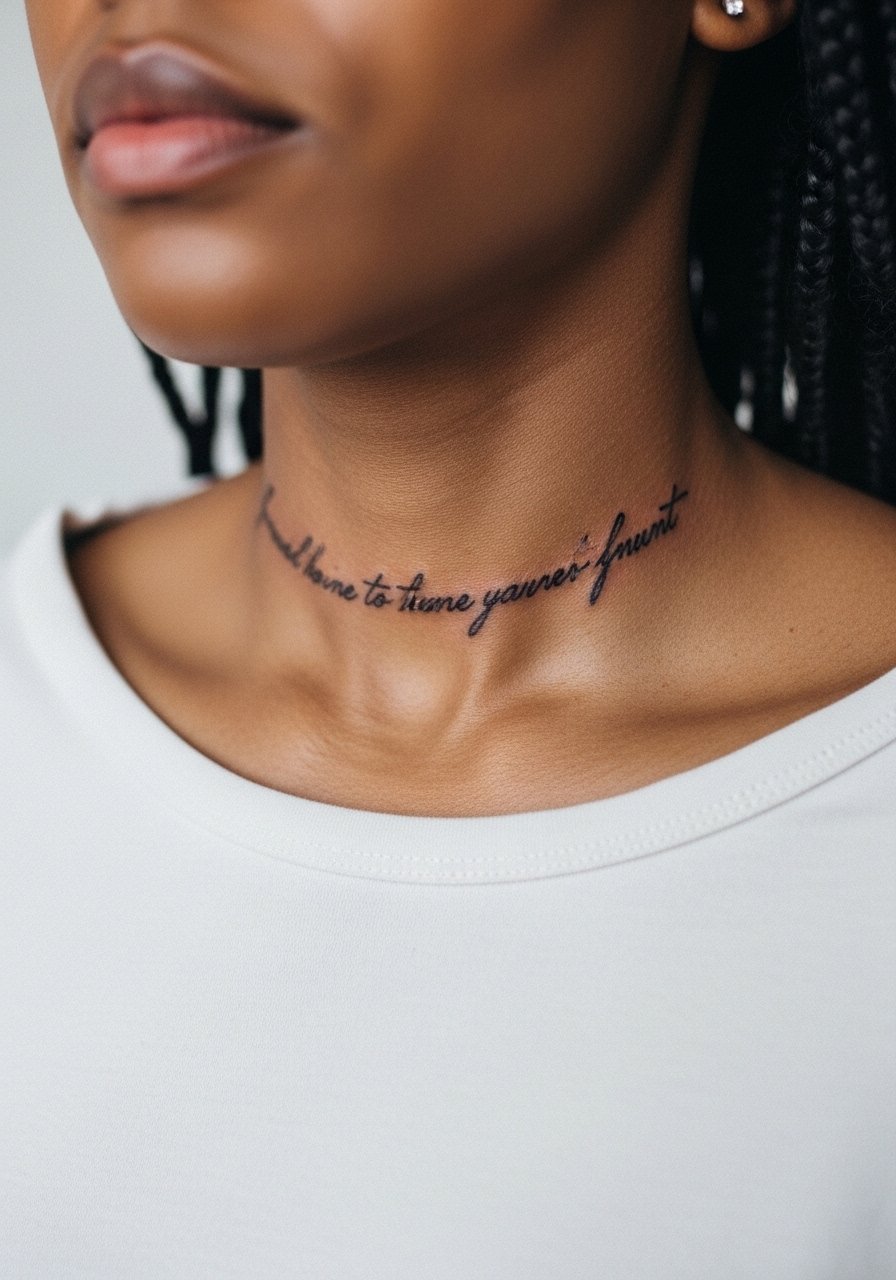
Collarbones are visible and flattering for short lyric fragments, but the skin there can be thin. Ask for negative space around letters so the texture stays readable as the ink settles. Expect a moderate pain level when the needle approaches the bone. A frequent mistake is requesting dense lettering across the clavicle where movement makes lines soften. For a night out, pair this with an open-neck blouse so the lyric sits above the fabric line and reads clearly.
8. Ribcage Floral Wreath with Script
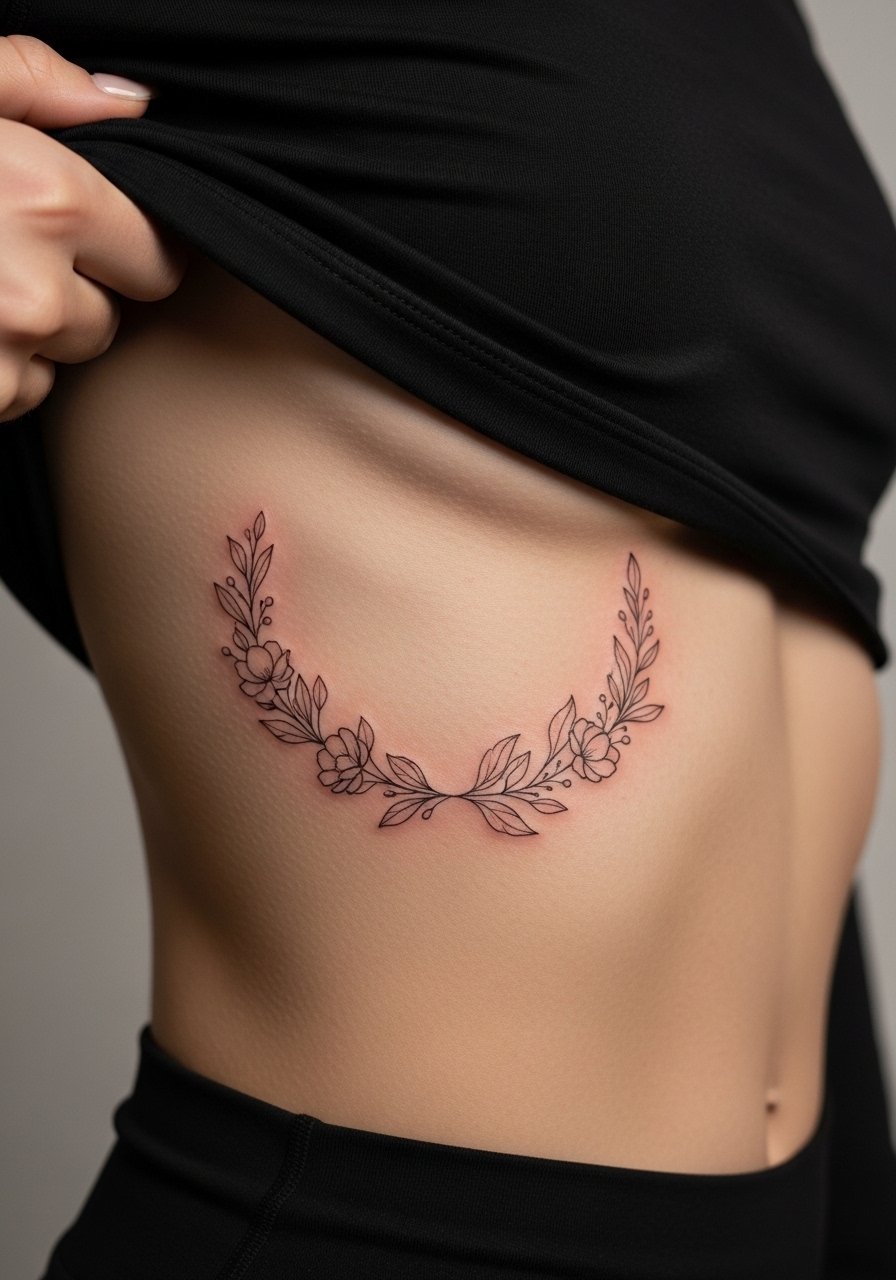
Fine line on the ribs splits artists into two camps. One group warns that skin stretch and frequent breathing blur thin lines quickly. The other group says with the right depth and spacing fine line settles fine on ribs. Ask your artist where they land before booking. If you go forward, request open spacing between petals and a slightly heavier outline so the wreath retains shape. Sessions here are more painful and may require breaks. For comfort at the appointment, wear a zip-up hoodie you can open during work and close during breaks.
9. Back-of-Neck Script in Tiny Serif
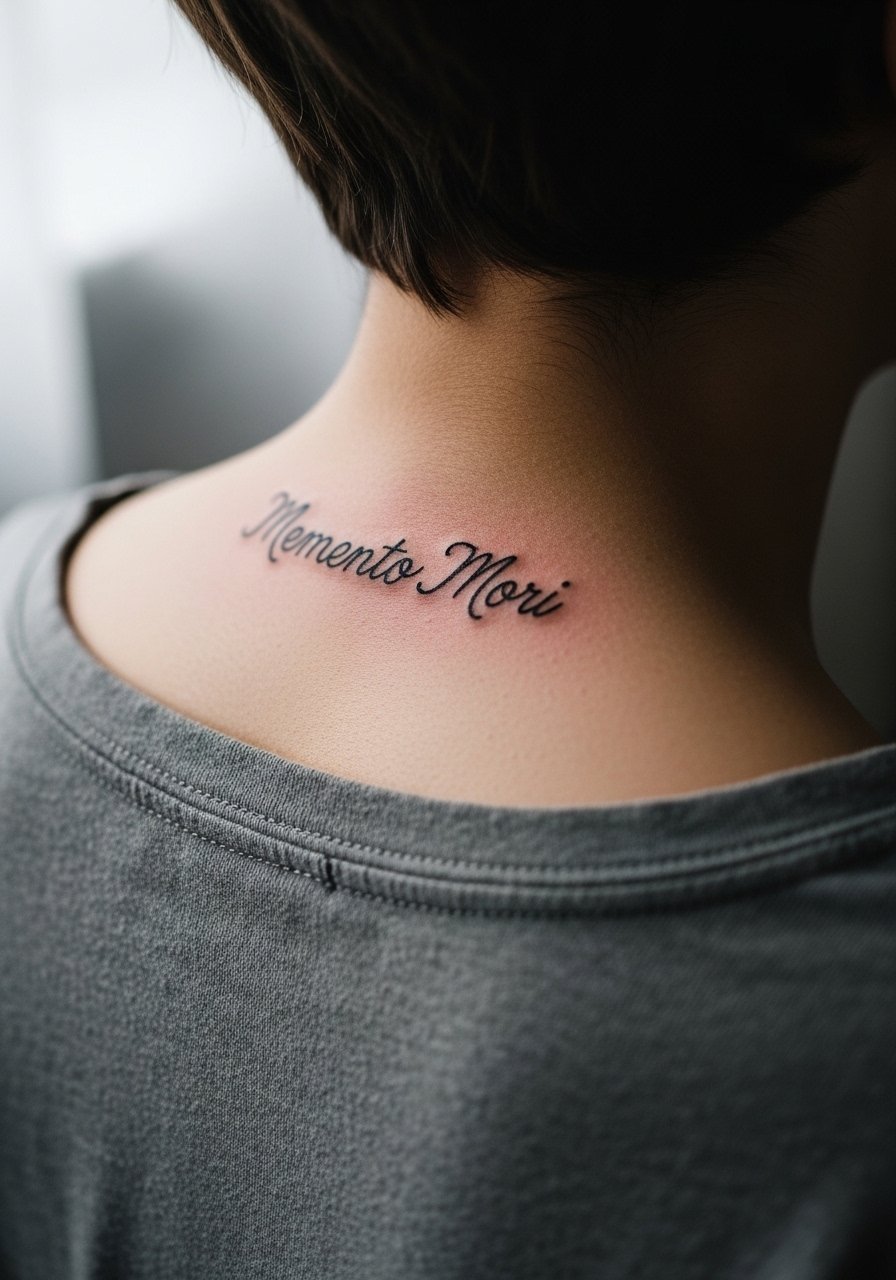
Neck pieces are visible and can affect job conversations depending on your field, so think realistically about exposure. Ask for compact serif lettering with deliberate spacing that will keep edges crisp at year two. Pain is moderate and sessions are quick. Mistake is going too tiny where letters merge with time. To style it, use a simple thin chain necklace that sits just above the type and frames the script without covering it.
10. Small Ship Silhouette on the Ankle
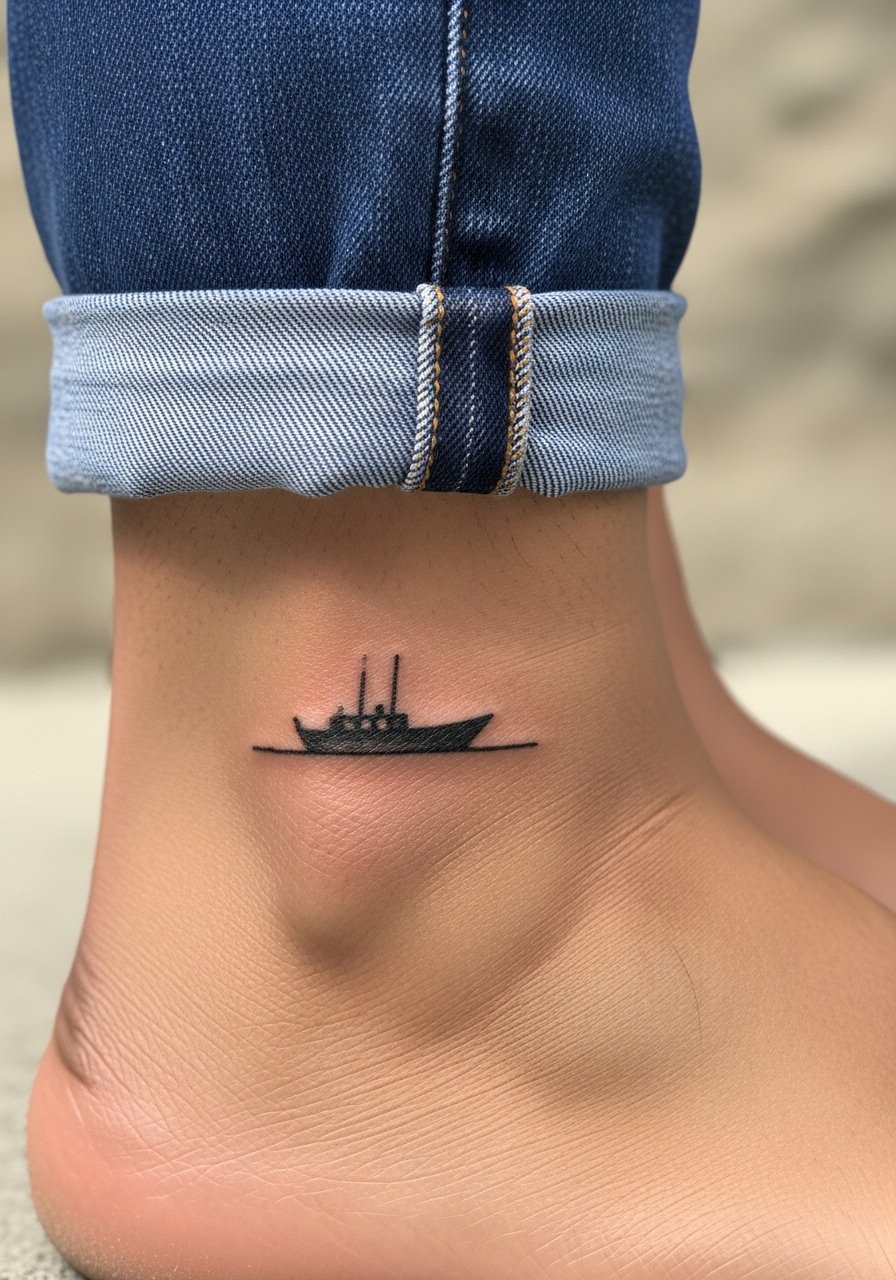
Ankle placements get lots of abrasion from shoes and socks, so expect faster fading than arm or back work. Choose simplified silhouettes and deeper line weight so the shape reads after multiple seasons. Sessions are short but uncomfortable near bone. A common mistake is overcomplicating with shading that disappears. For casual show-off looks, pair with sandals or ankle boots and rolled pant hems to keep the ship visible.
11. Illustrated Echoes of the Fleetwood Mac Logo on the Thigh
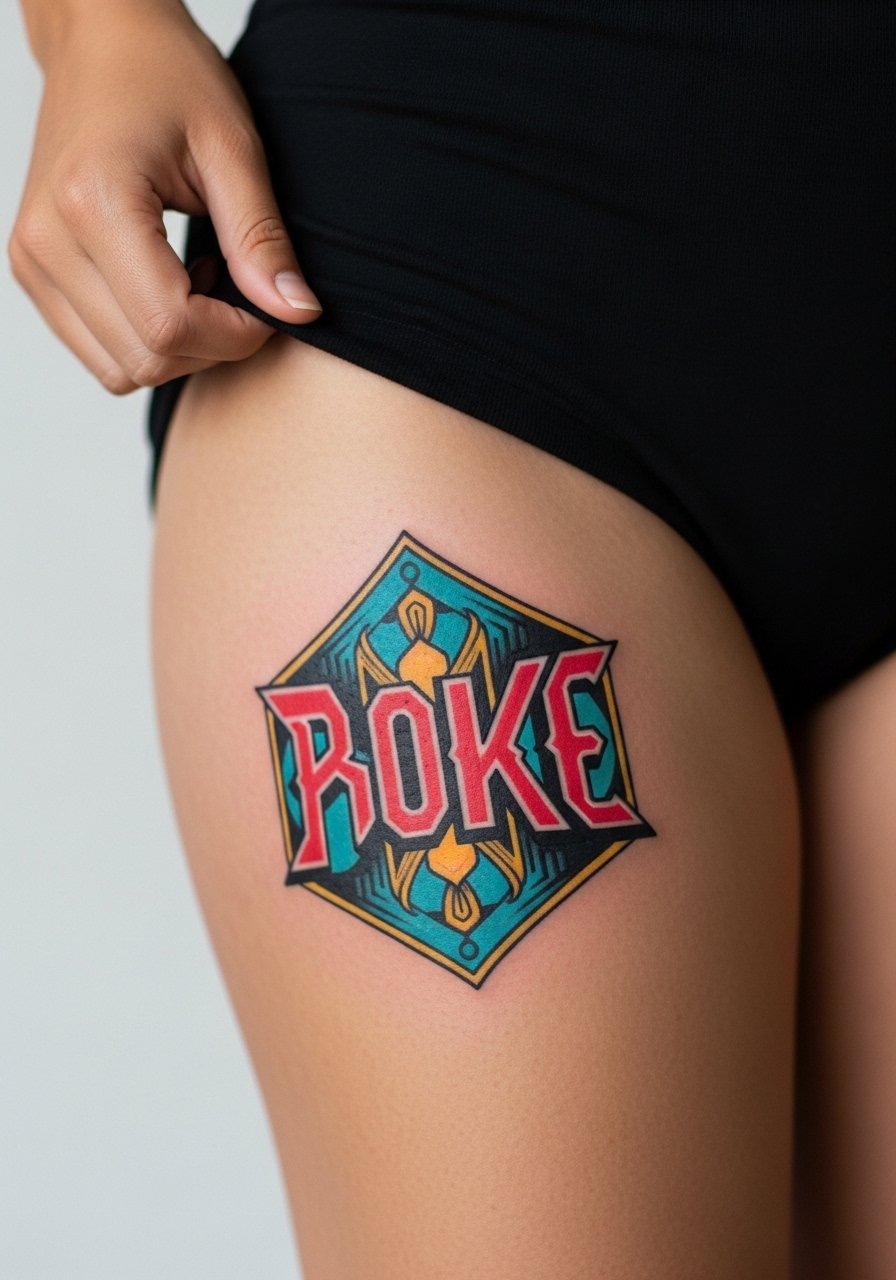
Thighs offer an excellent canvas for saturated illustrative work that keeps contrast over time. Ask for mid-level saturation and clear contour lines to avoid early flattening. The session can be long and the area tolerates heavier shading. Avoid compressing too much detail into a small section or the piece will read muddy later. For the session, wear loose shorts or a wrap skirt so the artist can access the upper thigh without you tugging at fabric.
12. Small Back Spine Lyric with Dot Work Trail
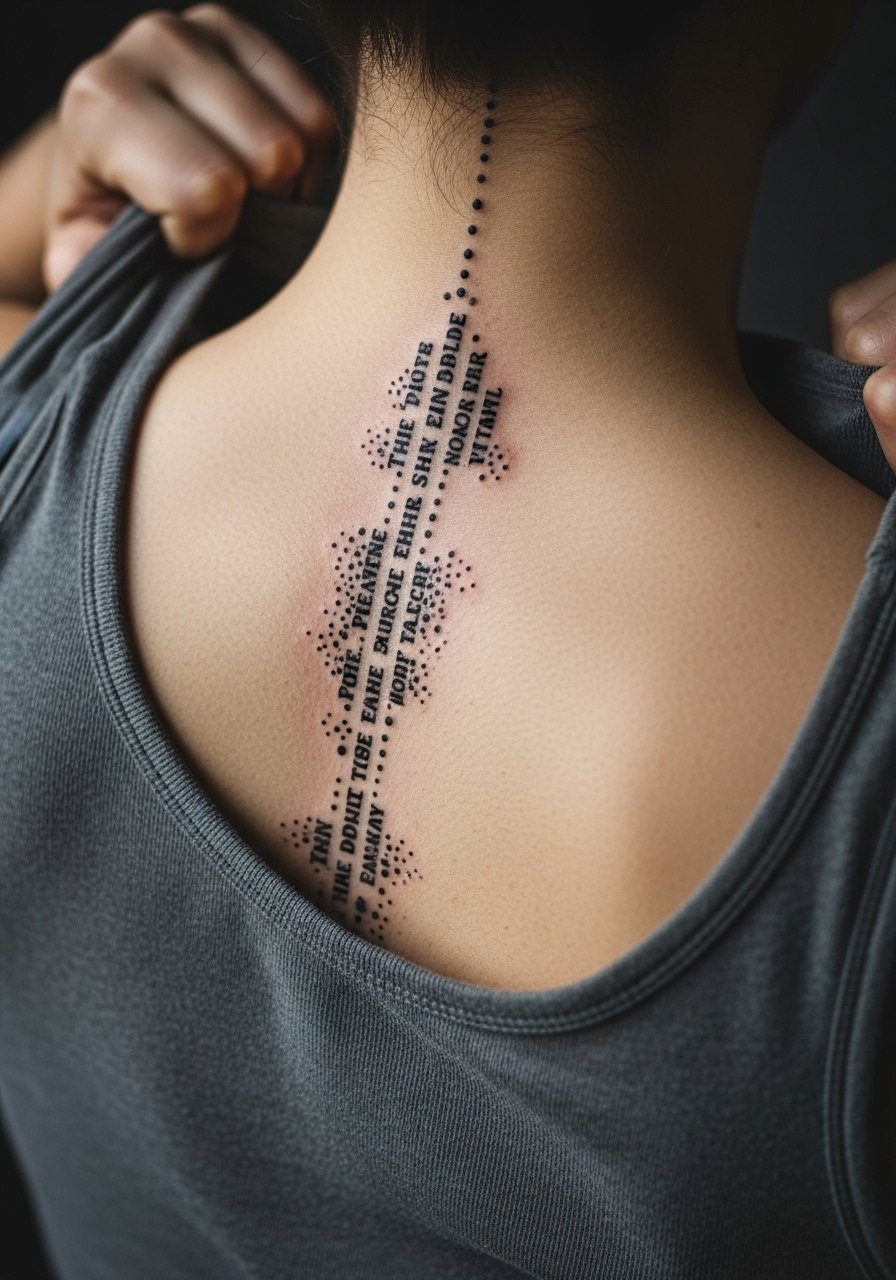
Spine tattoos can look striking when centered and spaced deliberately. Tell your artist you want the dot work spaced progressively wider lower down to preserve texture at five years. Expect a sensitive session along the vertebrae and potentially multiple shorter sittings. A mistake people make is packing dots too tightly, which can merge. For evening wear, open-back dresses or a thin strap halter top frames a spine lyric and keeps the focus on the vertical line.
13. Vintage Micro-Realism Radio on the Upper Thigh
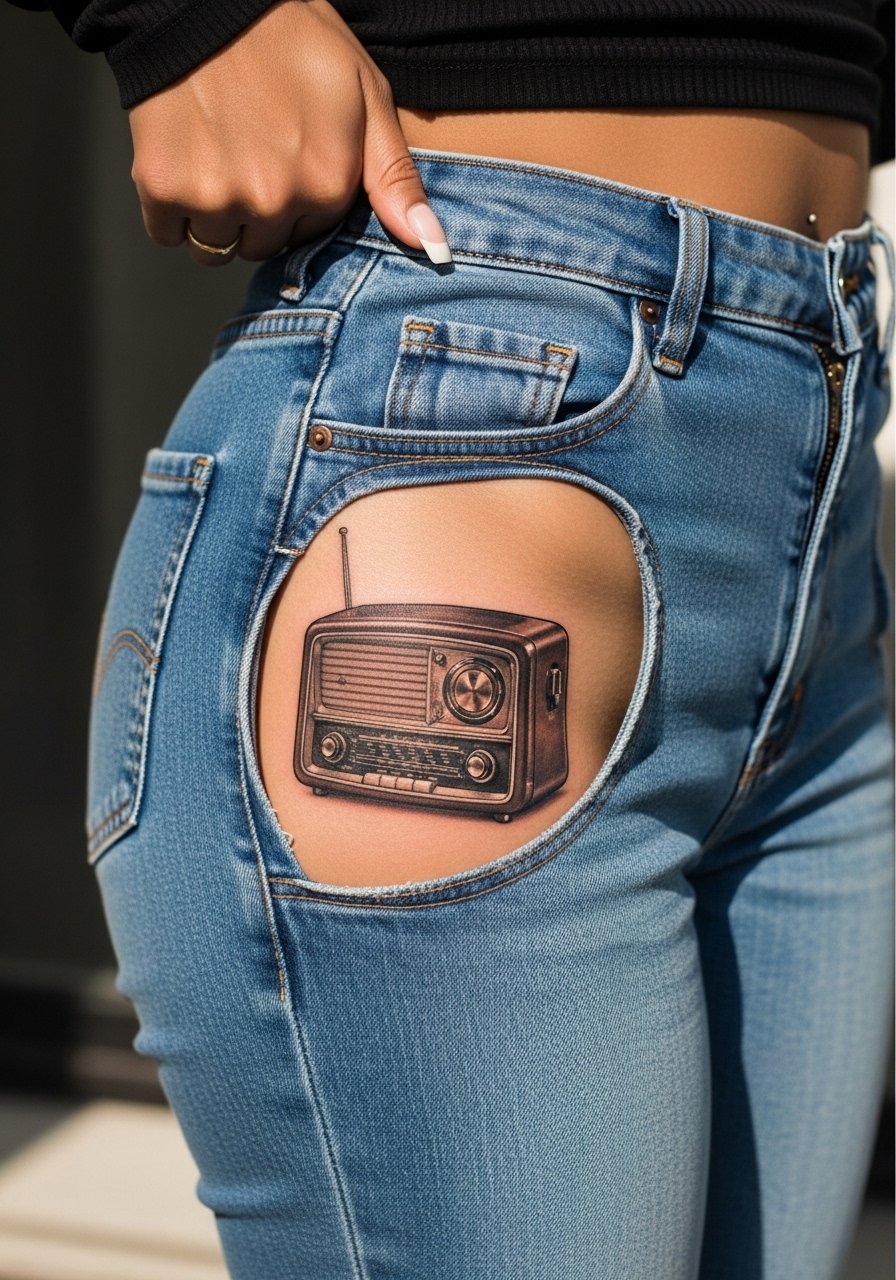
Micro-realism thrives on thighs because the skin there allows fine detail and absorbs less friction. Ask for tonal separation in highlights and midtones so the radio reads from a distance at year three. Sessions are longer and often done in one or two sittings. The common mistake is compressing too many tiny elements that flatten with time. Show this one off with high-waisted skirts and a cropped sweater that reveals the upper thigh when seated.
14. Small Anchor Behind the Ear with Botanical Accent
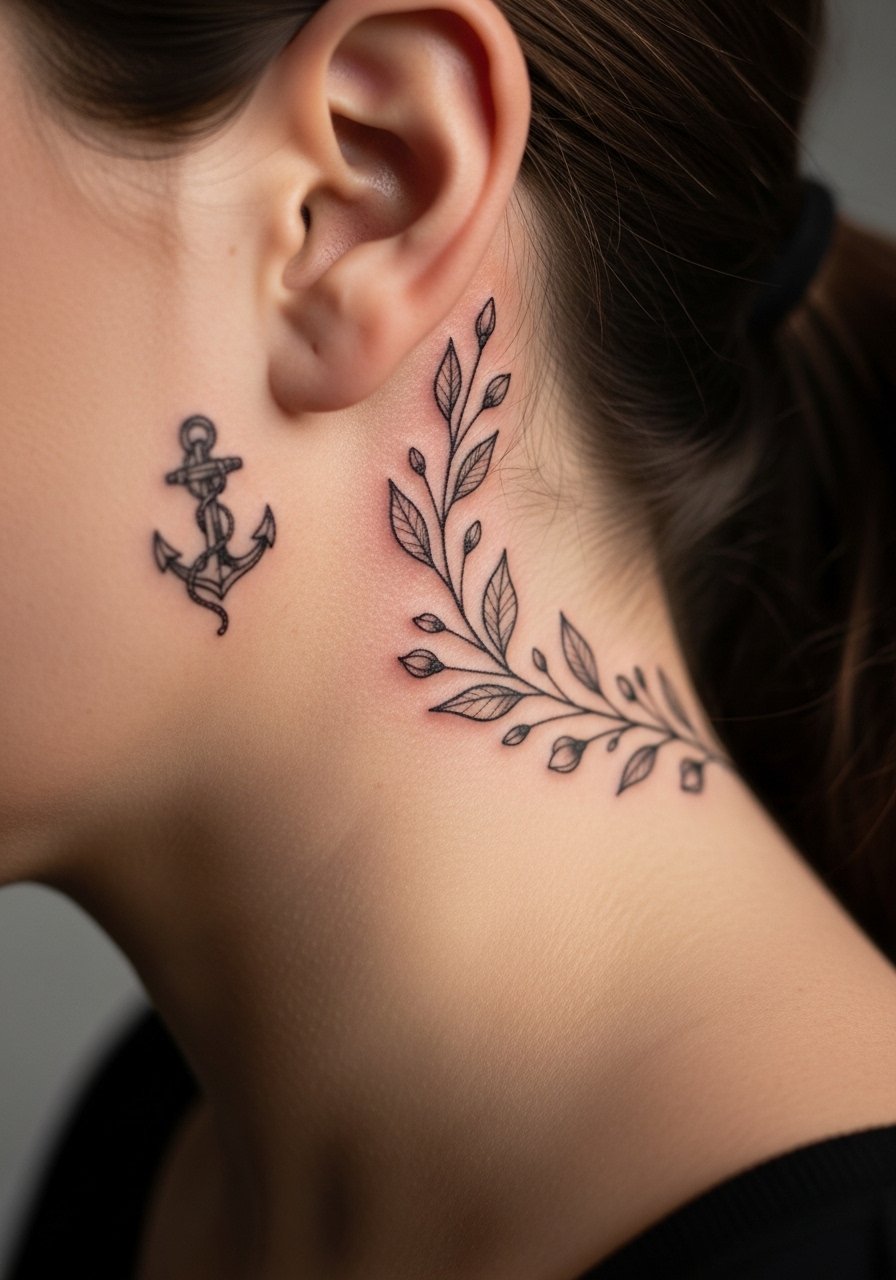
Behind-the-ear ink requires careful framing so only a small section is visible. Request simple clean shapes rather than dense detail. Artists debate how well tiny lines hold there because the area is tight and often hidden by hair. If you proceed, plan for touch-up, and ask the artist which depth works best for that spot. For appointments, wear hair up and bring clips so the artist can access the area without pulling.
15. Sleeve-Adjacent Botanical Chain on the Outer Forearm
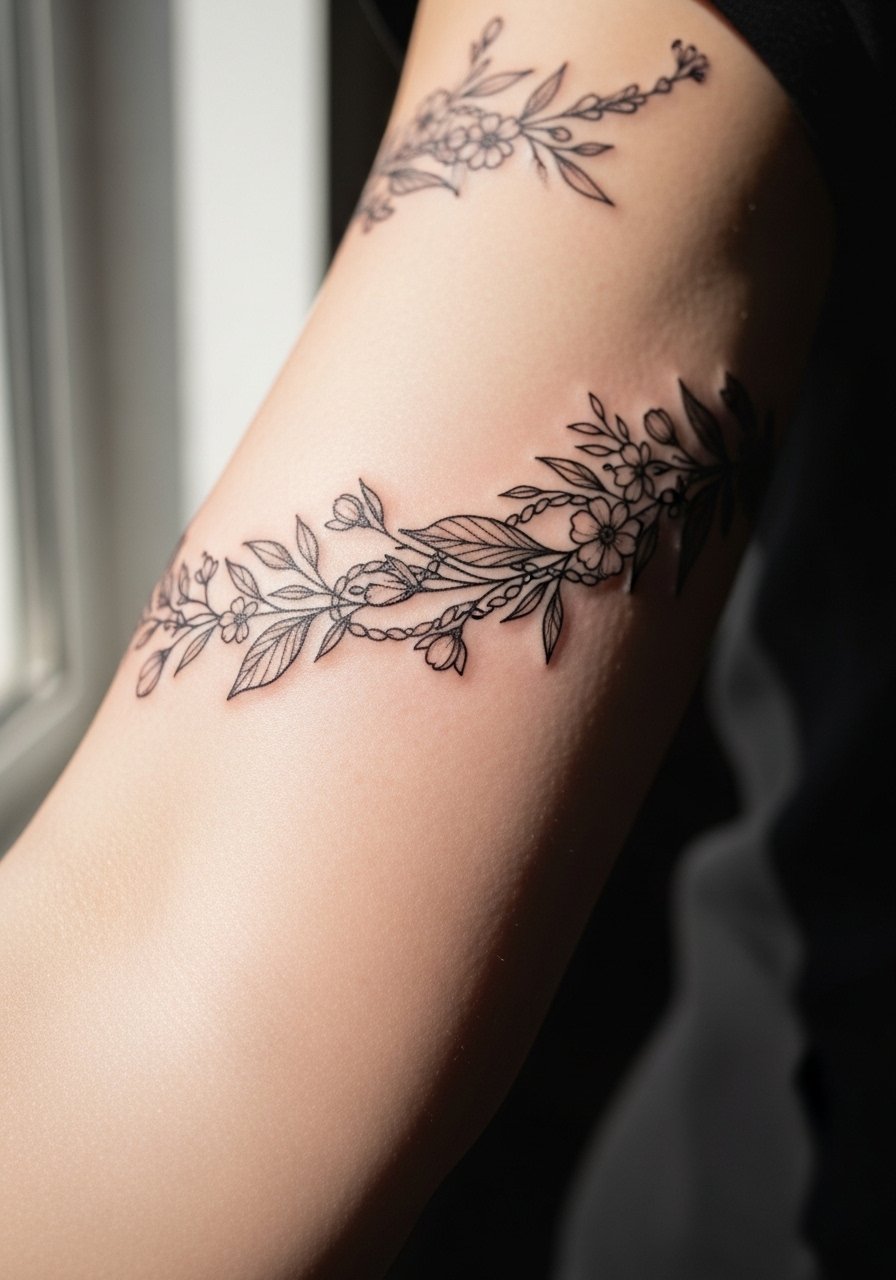
Outer forearm pieces are a display canvas and generally age well in terms of linework. For a chain-like botanical motif, ask for alternating thick and thin lines so texture survives sun exposure. Expect a multi-hour session depending on length. A mistake is choosing too many micro-details that wash out under sun. Style this with rolled sleeves or a linen button-up to let the chain sit visibly along the arm.
16. Geometric Mandala over the Knee Cap
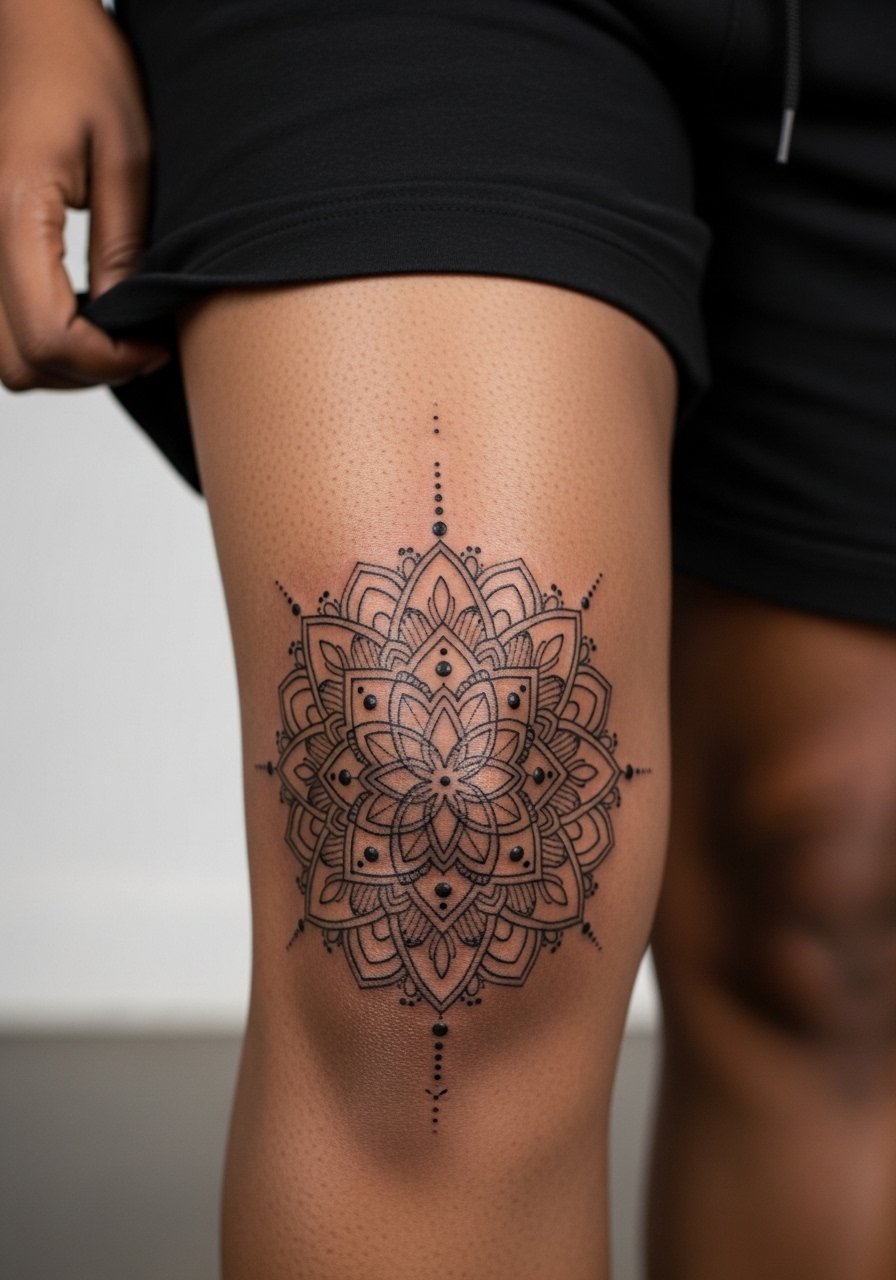
Knee cap pieces must factor in movement because the skin there flexes a lot. Ask for open negative spaces and thicker primary lines so the mandala keeps shape after walking and bending. Sessions can be uncomfortable and may need breaks. A common error is packing filigree too tight, which merges with joint movement. For comfort during the session, wear athletic shorts you can pull up comfortably without binding.
17. Simple Linework Lightning Bolt on the Ribcage
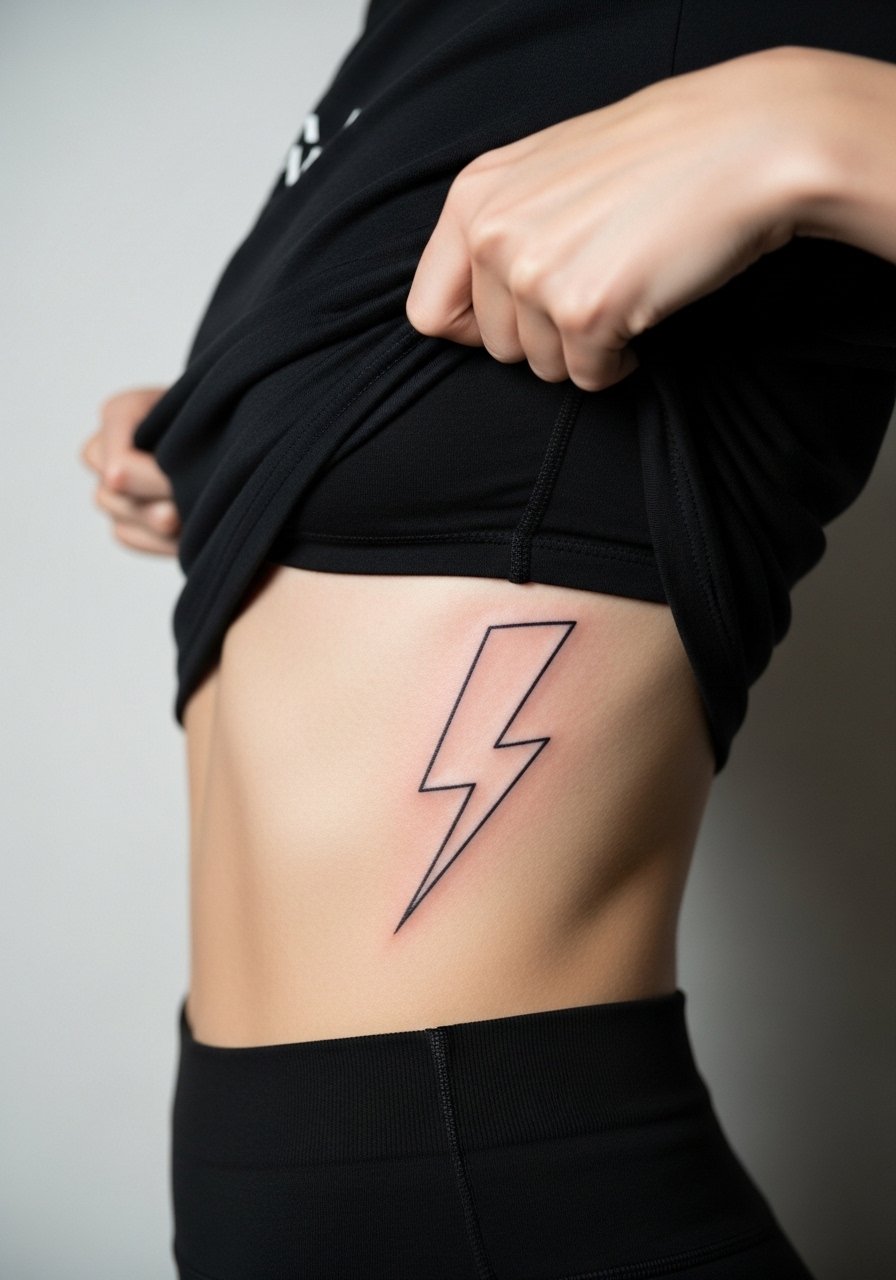
This placement touches the ribs controversy again because artists split into camps on fine line there. One camp says thin lines blur quickly with breathing motion. The other camp says a slightly bolder single line holds if implanted at even depth and with spacing. Ask where your chosen artist stands and request the thickness they prefer. Sessions are painful near the ribs and you should plan for rest. For the appointment, a bandeau or sports bra lets the artist expose only the work zone.
18. Small Anchor on the Thumb Side of the Wrist
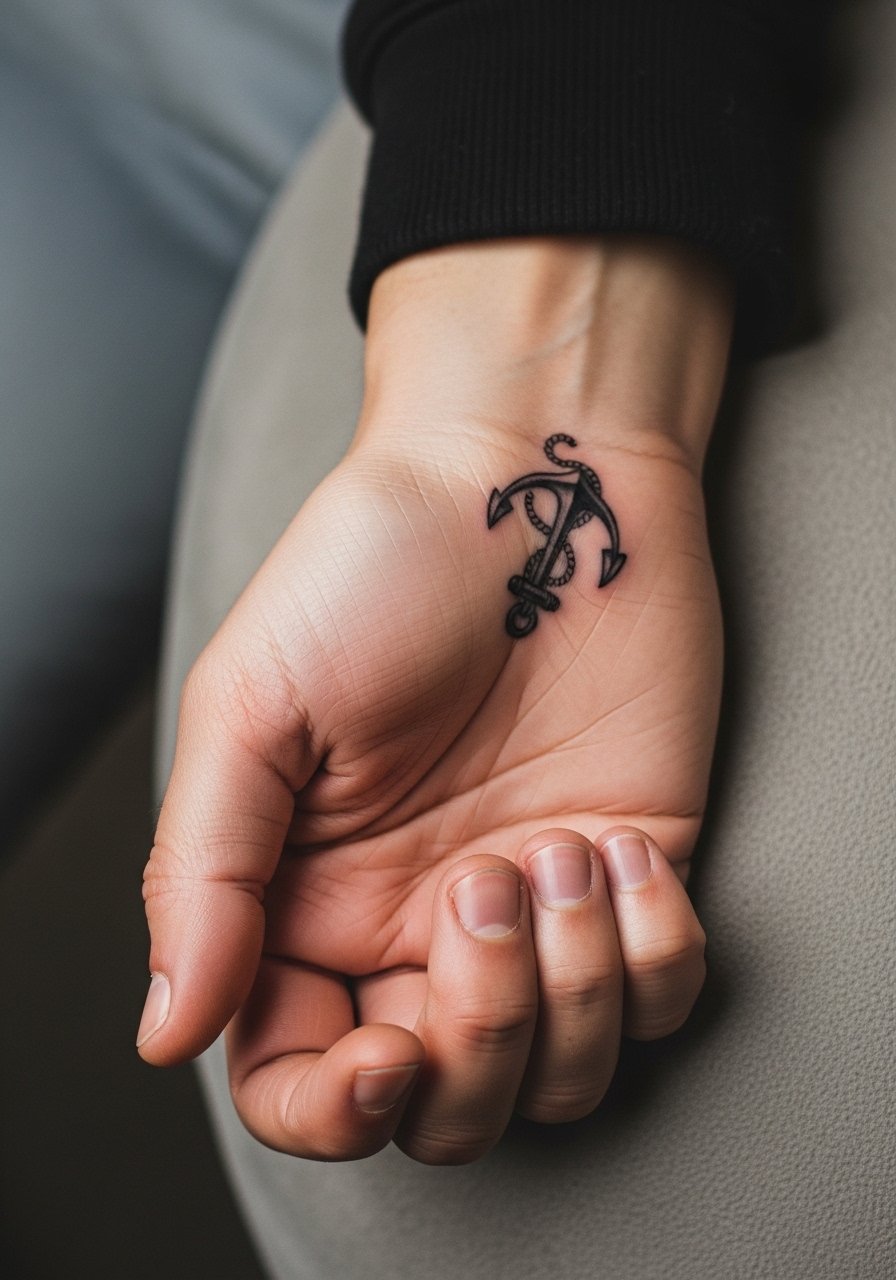
The thumb-side wrist sees extra movement and hand washing that reduces longevity of ultra-fine work. For an anchor, favor a compact silhouette with a slightly stronger line weight for endurance. Session time is brief but sore because nerves are near. The common mistake is choosing too little ink in a high-motion zone. Pair the piece with a thin cord bracelet worn above the wrist so the anchor stays unobstructed.
19. Abstract Wave Illustration on the Outer Bicep
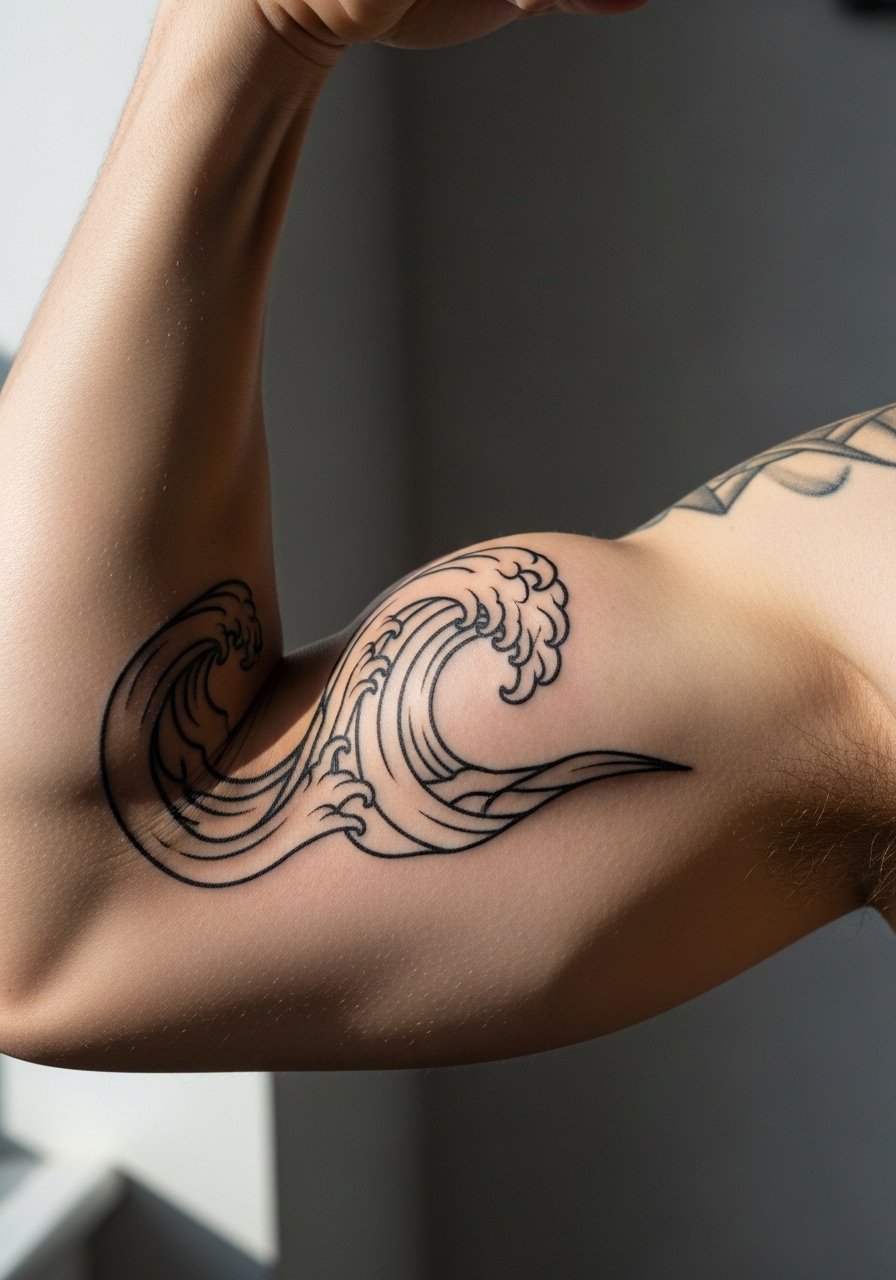
Outer bicep designs recover well and hold saturation because clothes rarely rub against them. Tell your artist you want a clear primary contour and softer internal shading so the wave reads from distance. Sessions are comfortable and can be completed in a single sitting. Mistake is over-inking the internal texture which flattens after healing. For summer reveals, wear a muscle tank that exposes the outer bicep cleanly.
20. Minimalist Cassette Tape on the Back of the Arm Near the Elbow
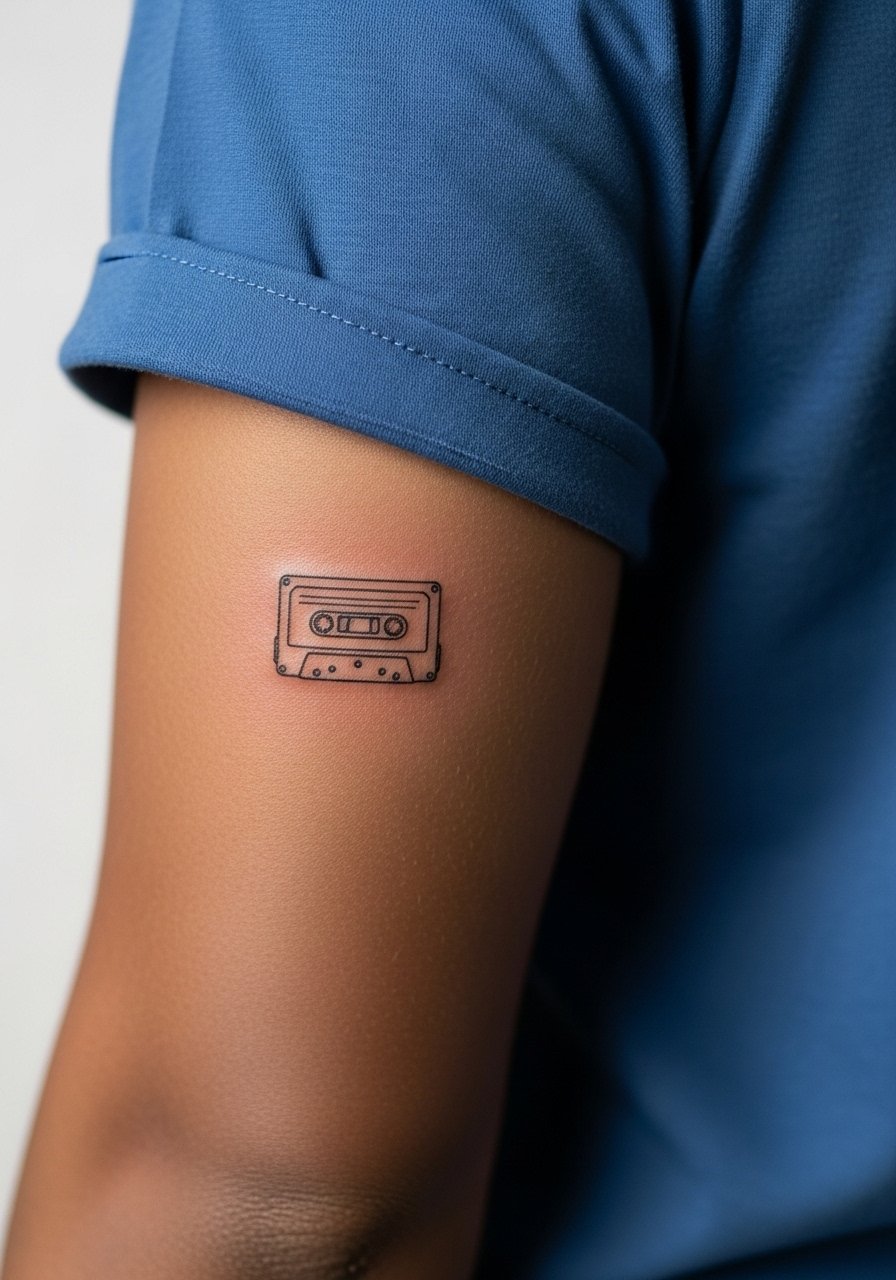
This spot experiences moderate movement and occasional friction but tends to keep simple shapes well. Request a compact silhouette with slightly darker outline so the tape retains its form after a year. Sessions are short and the area feels moderate discomfort. The mistake is adding lots of tiny inner text or decoration which blurs. Pair it with a casual rolled sleeve and a canvas bracelet to keep attention on the small retro motif.
21. Small Mandala Wristband That Wraps Partway Around the Wrist
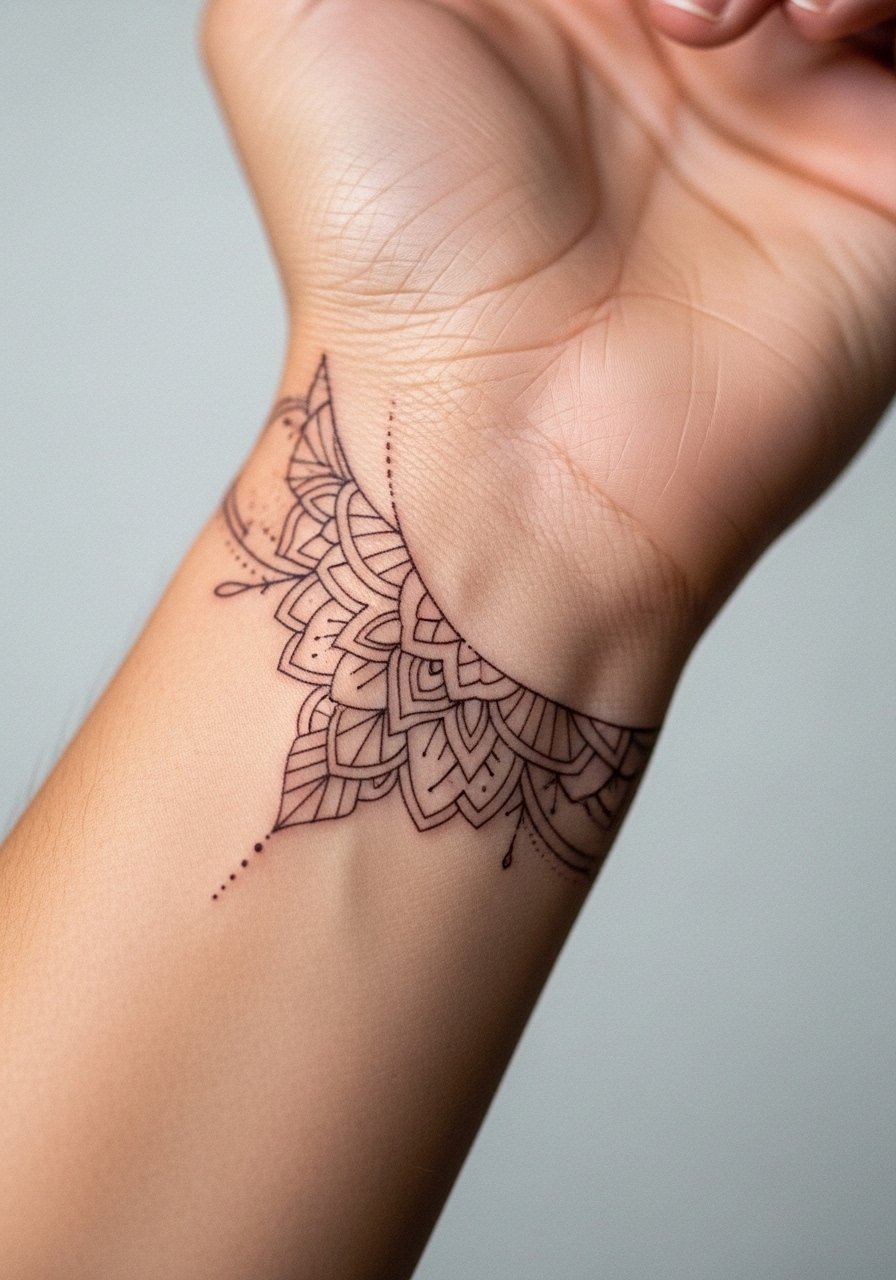
Wristband pieces need breathing room in the pattern to avoid merging as the skin expands and contracts. Ask for slightly larger gaps between petals and a clear primary outline. Touch-ups are common at year two for intricate wrist wraps. The biggest mistake is asking for a full 360-degree wrap with too-fine detail which becomes indistinguishable. Style with stacked minimal bracelets or a thin leather cuff worn either above or below the band so the mandala remains the visual anchor.
Frequently Asked Questions
Q: Will fine line script on the inner forearm need touch-ups more often than the upper arm?
A: In my experience inner forearm script tends to need touch-ups sooner than upper arm work because the forearm gets more sun and abrasion. Ask your artist about slightly wider letter spacing and a modest line weight to cut down on early softening.
Q: Are ribcage tattoos worth it if artists disagree about fine line there?
A: It depends on how sensitive you are to pain and how much maintenance you want. One camp says ribs blur fast with thin lines. The other camp says proper spacing and needle depth can make fine line last. Talk to an artist who regularly tattoos ribs and ask for healed photos of their rib work.
Q: How should I dress for a shoulder blade session versus a thigh session?
A: For a shoulder blade session wear a loose tank top you can pull aside. For thigh work bring loose shorts or a wrap skirt so the artist can access the area without you tugging at fabric.
Q: If I want a tiny portrait of a band member, should I get micro-realism on the thigh or the upper arm?
A: Choose thigh for finer detail and longer longevity because the skin tolerates density better. Upper arm is a good compromise if you want visibility and slightly faster healing. Ask the artist for reference shots of healed micro-realism on both placements.
Q: Do mandalas count as cultural designs and how should I approach that?
A: Mandala forms trace to specific spiritual traditions and many people choose variations that honor the source rather than direct replicas. Bring references and ask the artist about respectful adaptation if you want symbolism without copying sacred designs.