
Fine line pet memorial tattoos look delicate at first glance, and that fragility is part of the appeal. The same thread-thin strokes that make a tiny paw feel intimate also demand smart placement and spacing, or the design will soften over time. Below are 21 fine line ways to honor a pet that balance what looks good today and what will still read clearly years from now.
1. Fine Line Paw Print on Inner Wrist
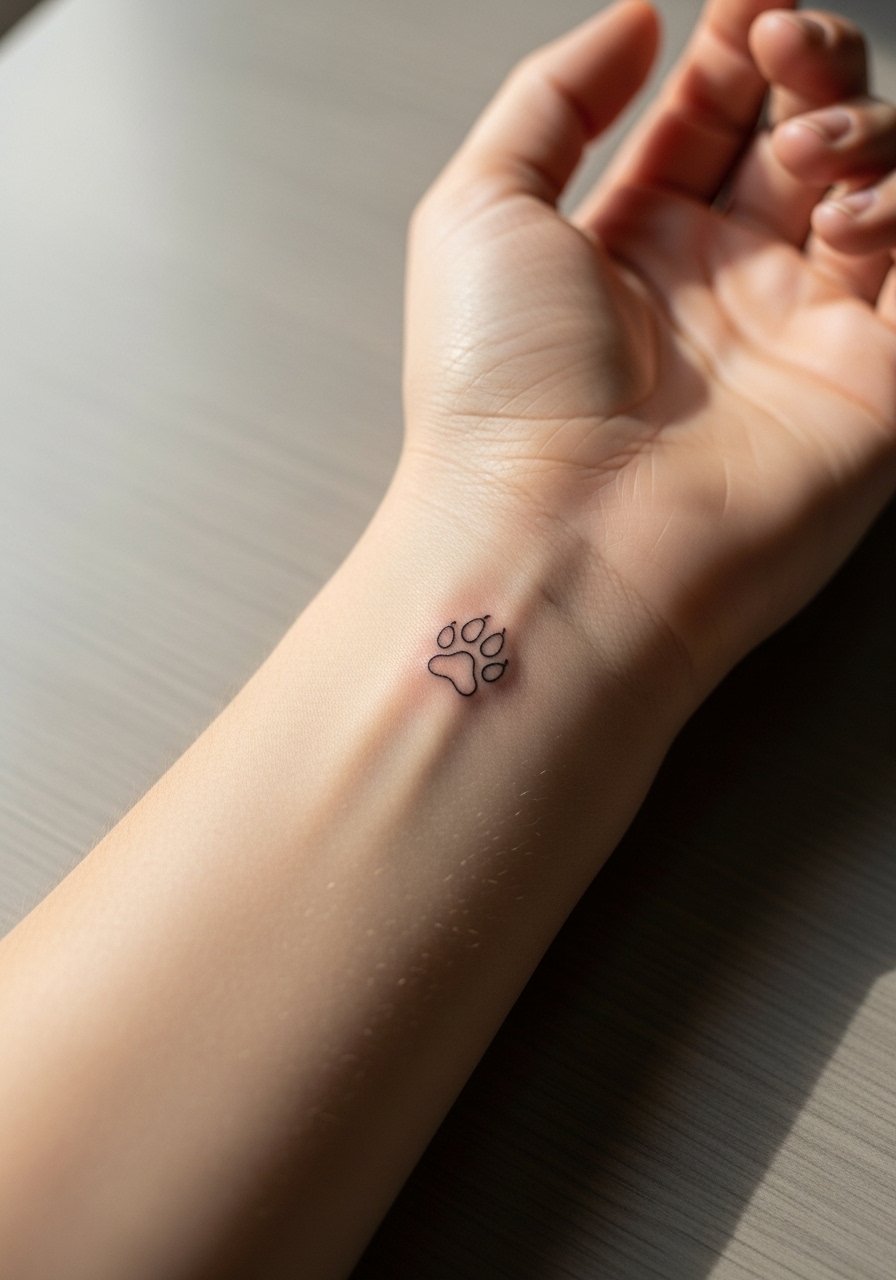
A single paw on the inner wrist reads like a secret that you can show or hide with a sleeve. I recommend slightly increasing the negative space between pads so the dots do not bleed together as the piece heals and settles. Tell your artist you want the outline to be crisp but not hairline thin, and plan for a short touch-up around year two. Expect a quick session and low pain. For showing this off, pair with stacked dainty bracelets that frame the wrist without covering the print. A common mistake is asking for the tiniest dots possible, which often merge on warm skin types.
2. Micro Portrait of a Pet on the Collarbone
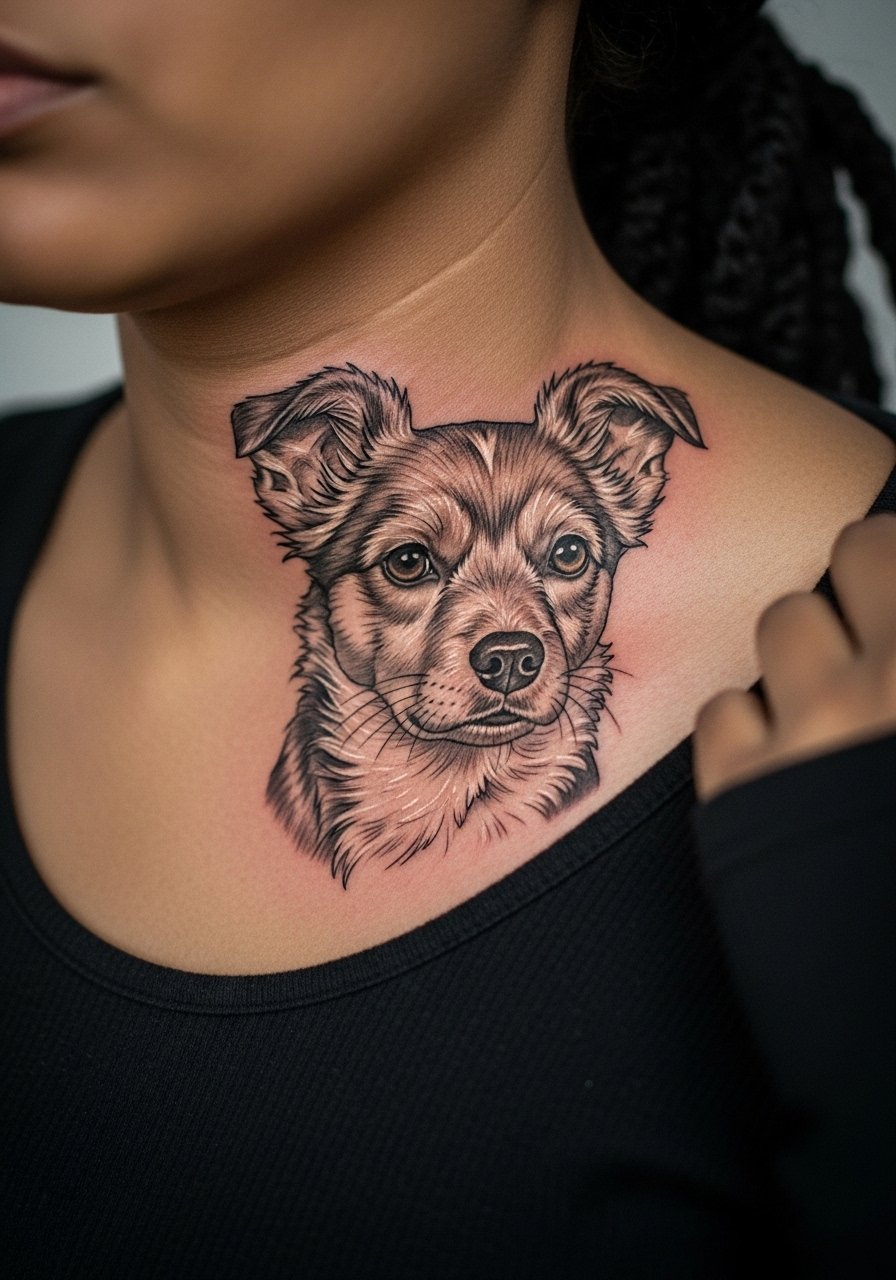
A micro portrait near the collarbone reads intimate and hangs with necklaces. For fine line portraits, ask for simplified features and a focus on the pet's most identifying mark, like a nose or ear silhouette, not every whisker. This placement ages well when the piece sits above the strap line and away from frequent friction. Bring a clear, high-contrast photo to consultation, and ask the artist how they space eyes and nose to avoid muddying. Pain is moderate. Pair it with a thin chain pendant necklace so the jewelry sits just above the script without competing for attention.
3. Minimal Paw Trail Along the Side of the Ribcage
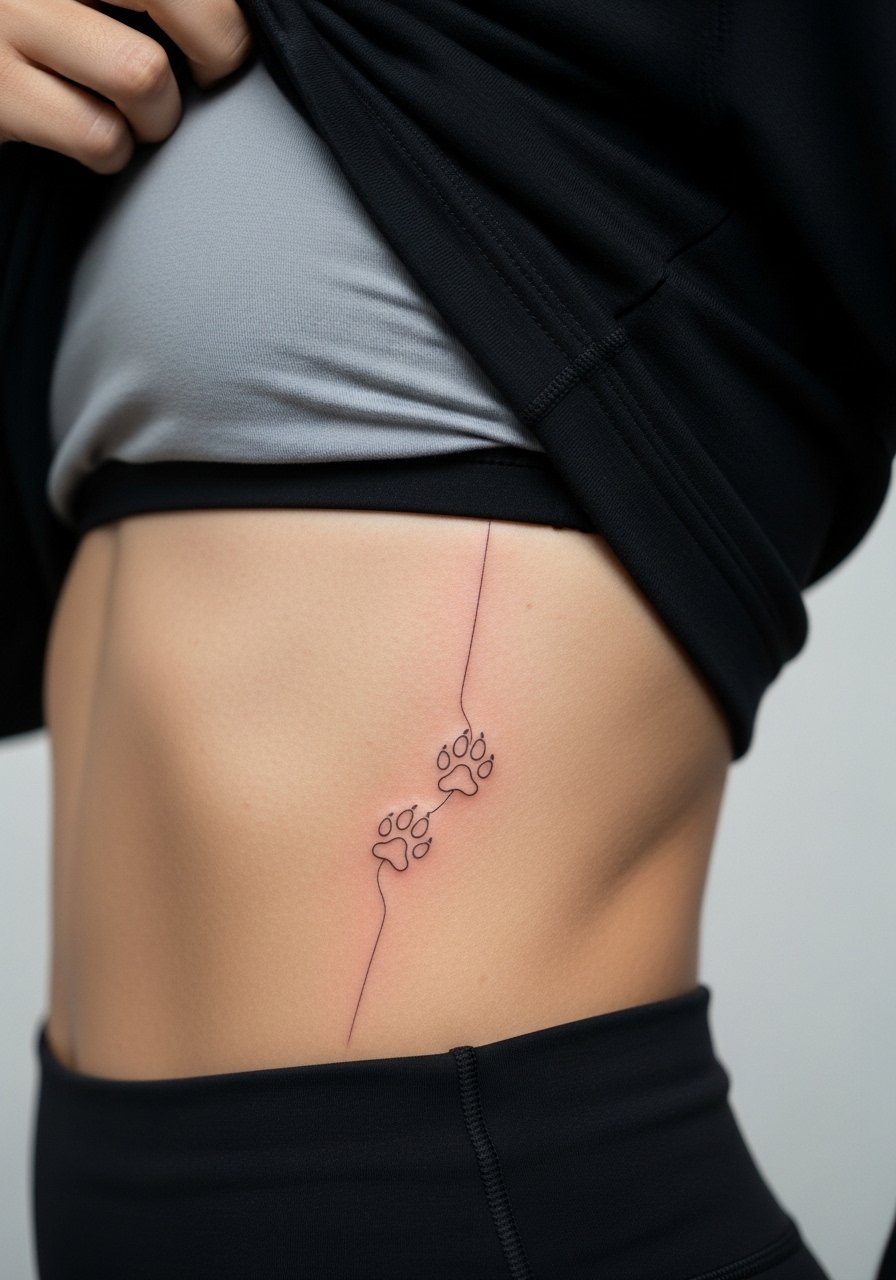
Fair warning, ribs are a sensitive canvas. Some artists argue that skin stretch and movement there causes fine line detail to blur faster. Others say that with proper spacing and slightly heavier line weight the design holds. Name both camps in your consultation and ask where your chosen artist lands. A paw trail works best with small gaps between prints, not tiny clustered dots. The session will be more uncomfortable than arm work, and you may want to plan a short rest day afterward. Wear a cropped athletic top you can lift so the artist has clean access without full exposure.
4. Tiny Bone Outline on the Finger Side
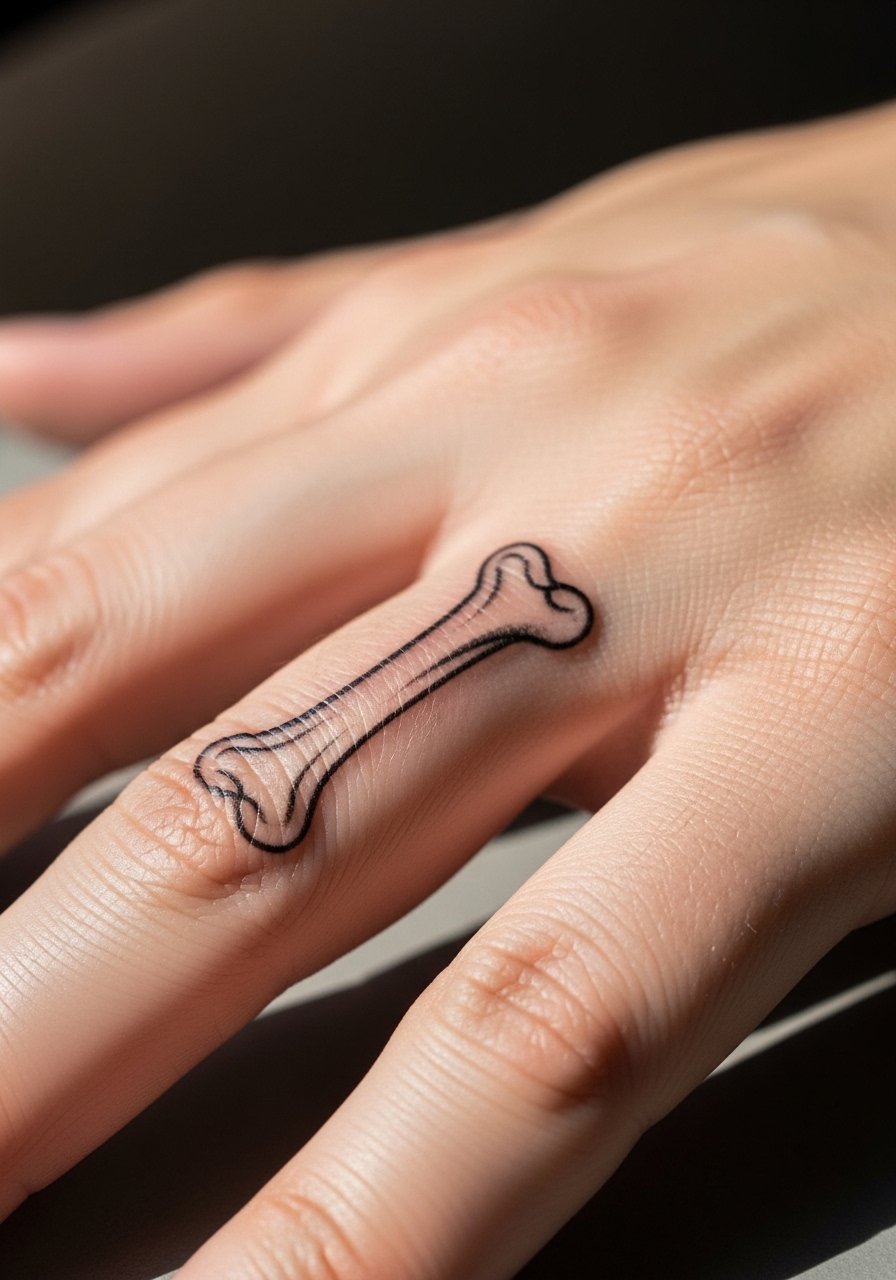
Finger work reads personal but demands realistic expectations. Lines can blur faster here because the skin regenerates and the area gets frequent washing. Ask for a slightly bolder outline than what you see in flash to extend clarity into year two. Expect a short, stingy session and a likely touch-up at six to twelve months. Styling is minimal and shows best with a simple thin band ring or two worn nearby rather than stacked chunky jewelry. The biggest mistake is asking for hairline script or extremely small details on a fingertip.
5. Heartbeat Line with a Paw Over the Sternum
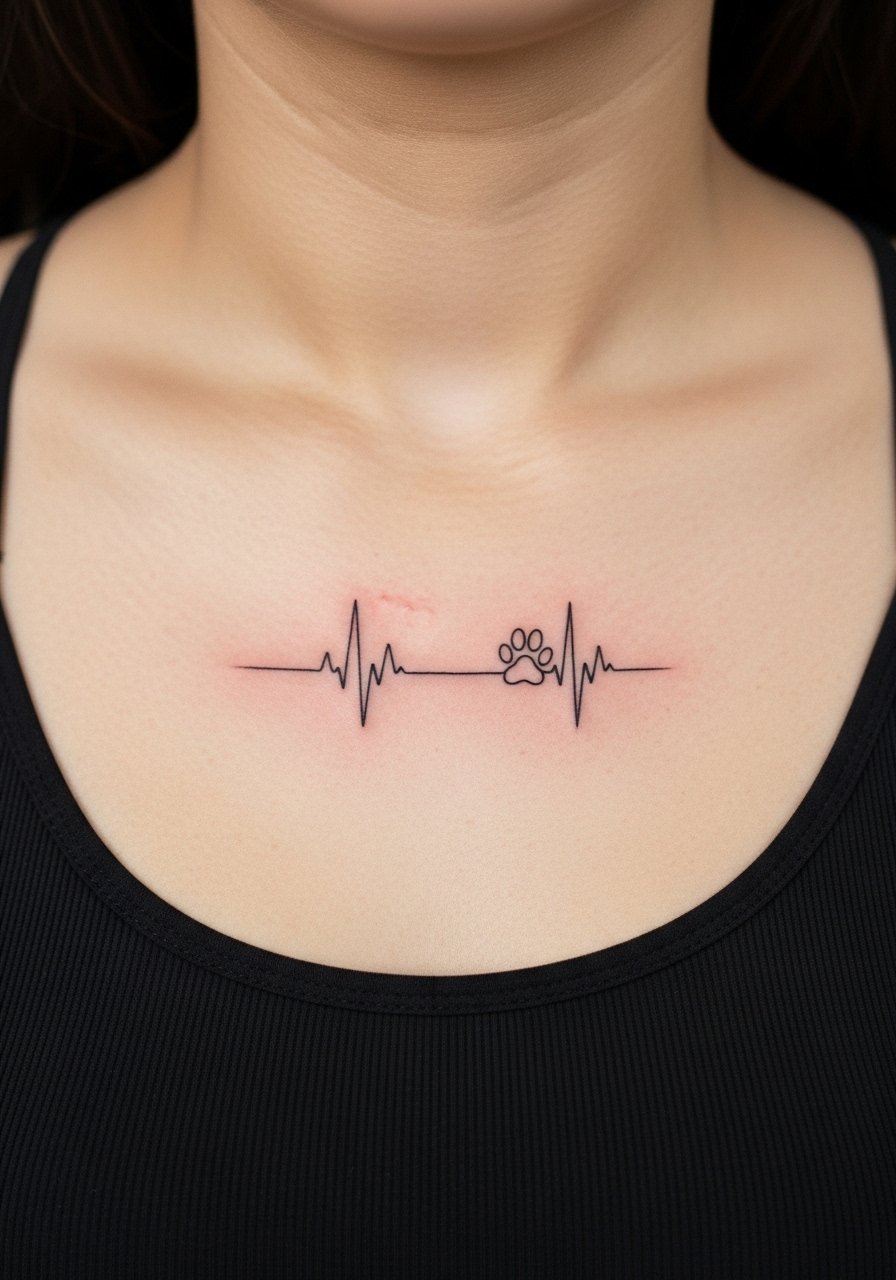
Sternum placements sit close to the chest bone and move with breathing. The design must breathe too. Request slightly more spacing between the heartbeat peaks and the paw so the linework does not condense into a thick band as it heals. Session pain is moderate to high, and you should prepare for shorter breaks. This design pairs with strapless eveningwear and low-cut tops, so plan outfits accordingly. For the session, a fitted sports bra makes access simple. A common error is cramping the paw and waveform into a very narrow horizontal line, which ages into a blur.
6. Negative-Space Silhouette of Your Pet on the Upper Arm
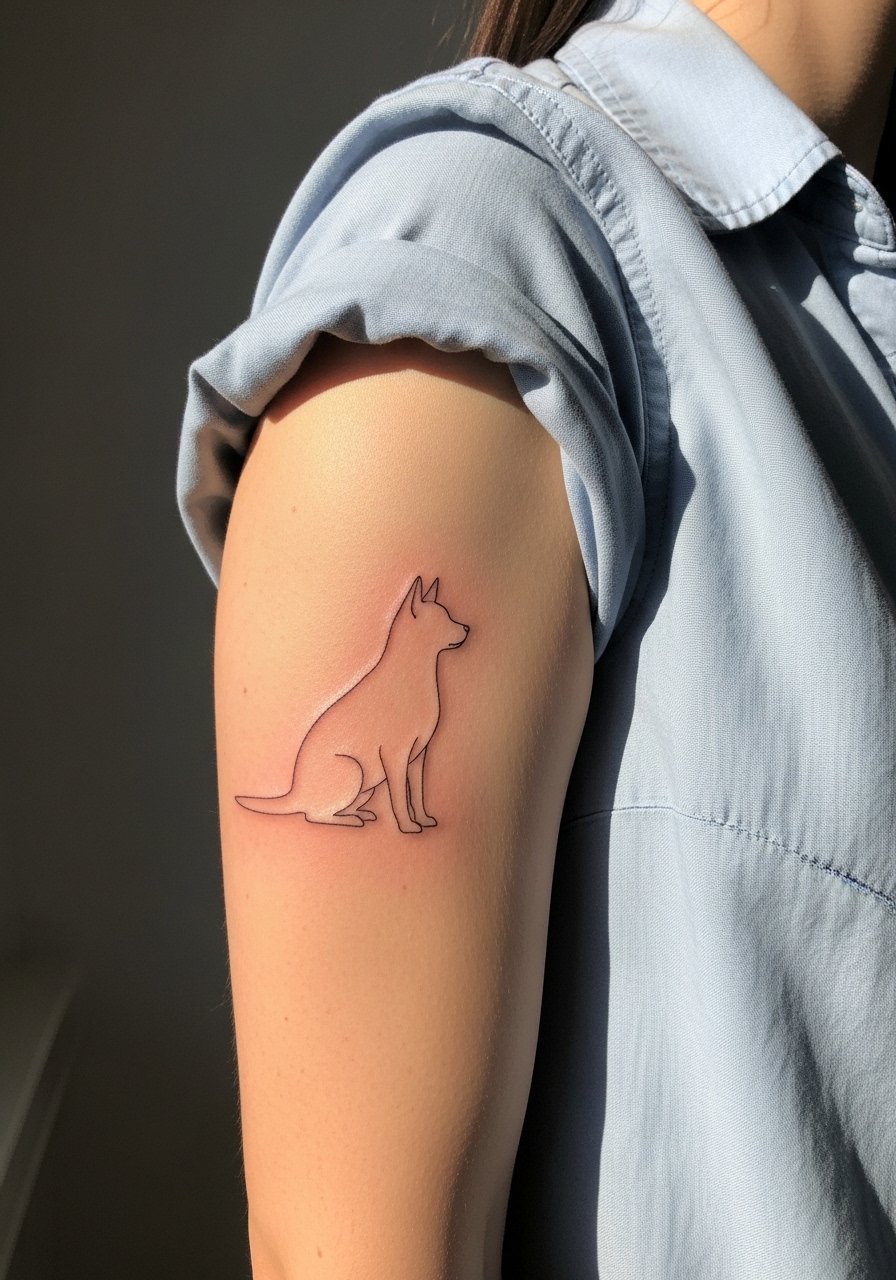
Negative-space silhouettes rely on surrounding linework instead of filled black. That makes placement important since the surrounding skin tone defines the pet. Outer upper arm is forgiving because it gets less friction and shows well in short sleeves. During consultation, say you want a crisp outer contour and no internal dot work that could merge. The session time is short to moderate. For showing off the profile, cuff a loose button-down shirt and roll the sleeve. A common mistake is packing tiny interior details that will not survive a touch-up window.
Pre-Session Essentials
The wrist and finger pieces above heal differently from larger arm and chest work, so a few small items smooth the session and the first week.
-
Stencil transfer paper kit. Lets you preview line placement on skin before committing, especially useful for the tiny paw and finger ideas above.
-
Topical numbing cream. Applied 45 minutes before can ease the sting on ribs and sternum sessions without altering how the artist works.
-
Thin protective film roll. Helps finger and wrist tattoos that face daily friction during the initial healing window.
-
Fragrance-free body wash. Cleans the area safely during showers without stripping delicate fine line ink.
-
Aquaphor healing ointment. A thin layer for the first few days keeps moisture in and reduces scabbing that can pull on fine line work.
7. Tiny Script of a Pet’s Name Along the Collarbone
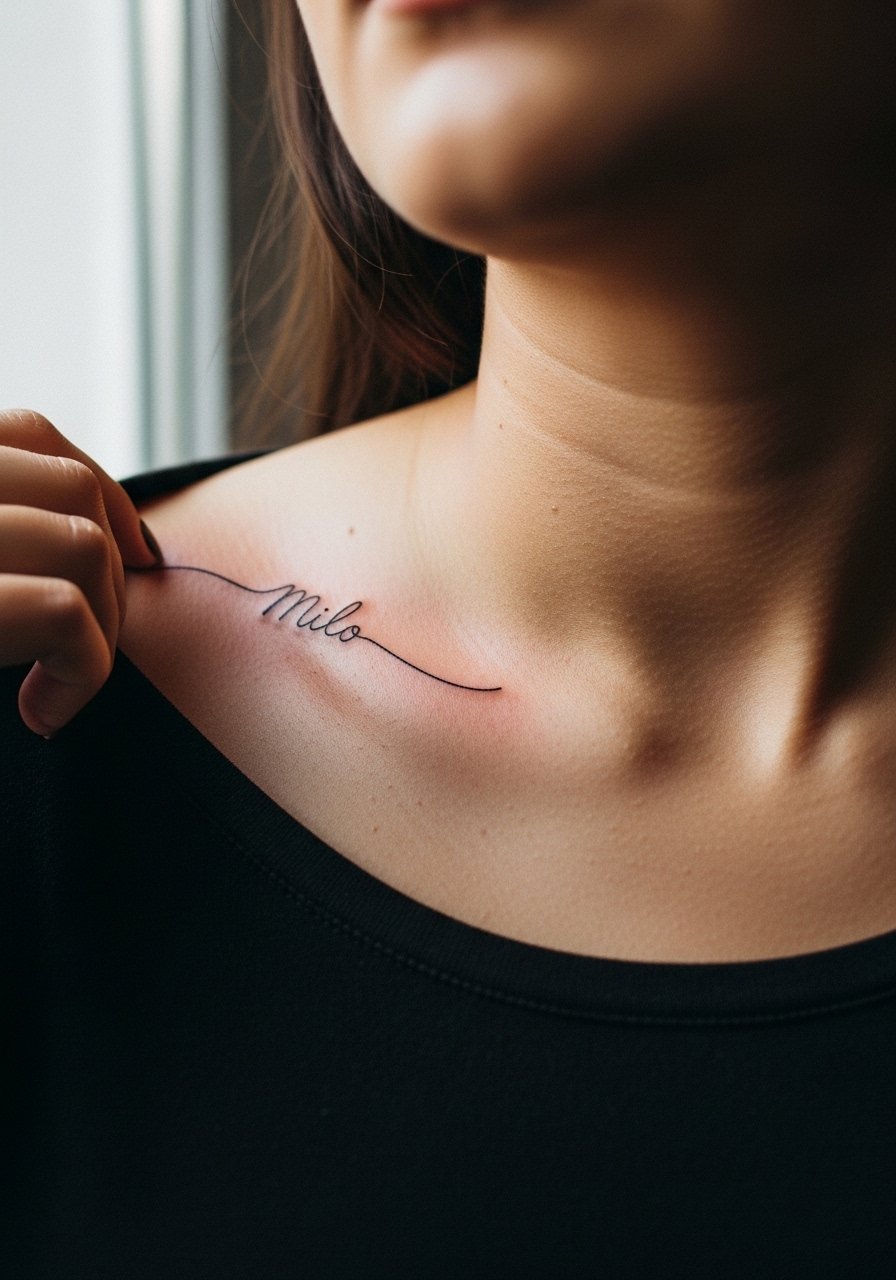
Names need legibility more than flourish. When booking, bring the exact lettering you want and ask the artist to scale the x-height so each letter holds up. Tiny, delicate cursive works well above the collarbone if spaced out and not cramped with other elements. Expect a short session and low to moderate pain. This piece pairs with crew-necks and pendant necklaces in a subtle way. For styling, a thin chain pendant necklace sits just above the script and draws the eye without covering it. The common mistake is asking for overly ornate script on a small scale.
8. Micro-Realism Nose or Paw Close-Up Behind the Ear
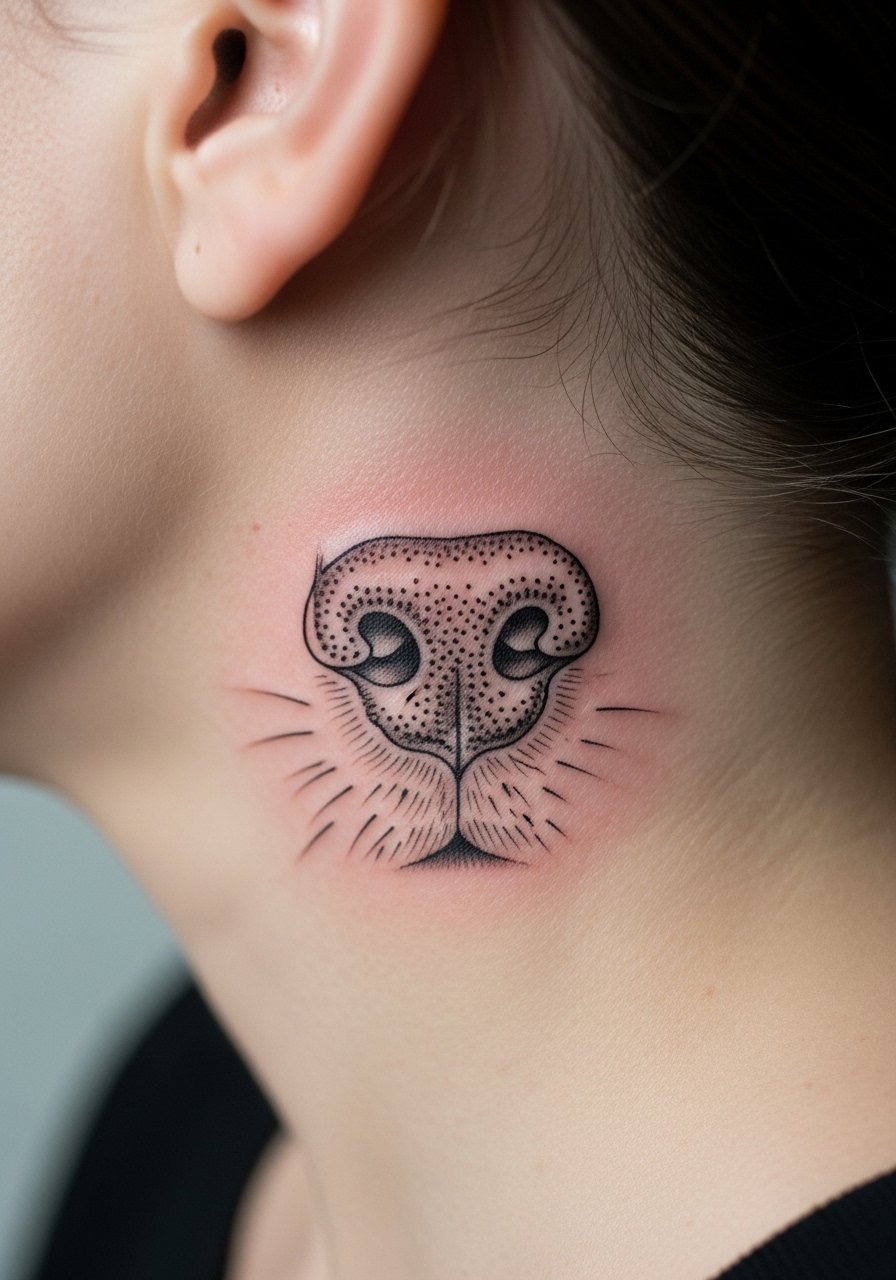
Behind-the-ear work is discreet and graceful. The spot is small so choose one distinctive feature to represent your pet, like a nose or paw pad. The image area is tight so the artist will simplify. Sensitive placement and hairline coverage require an artist comfortable with micro work. Pain is low to moderate. For session wear, keep hair up and easy to move so the artist can access the area. Note that the location is best for people who want a private memorial rather than a showpiece. Avoid packing extra lines that will blur against the curve.
9. Constellation of Tiny Paws Along the Ankle
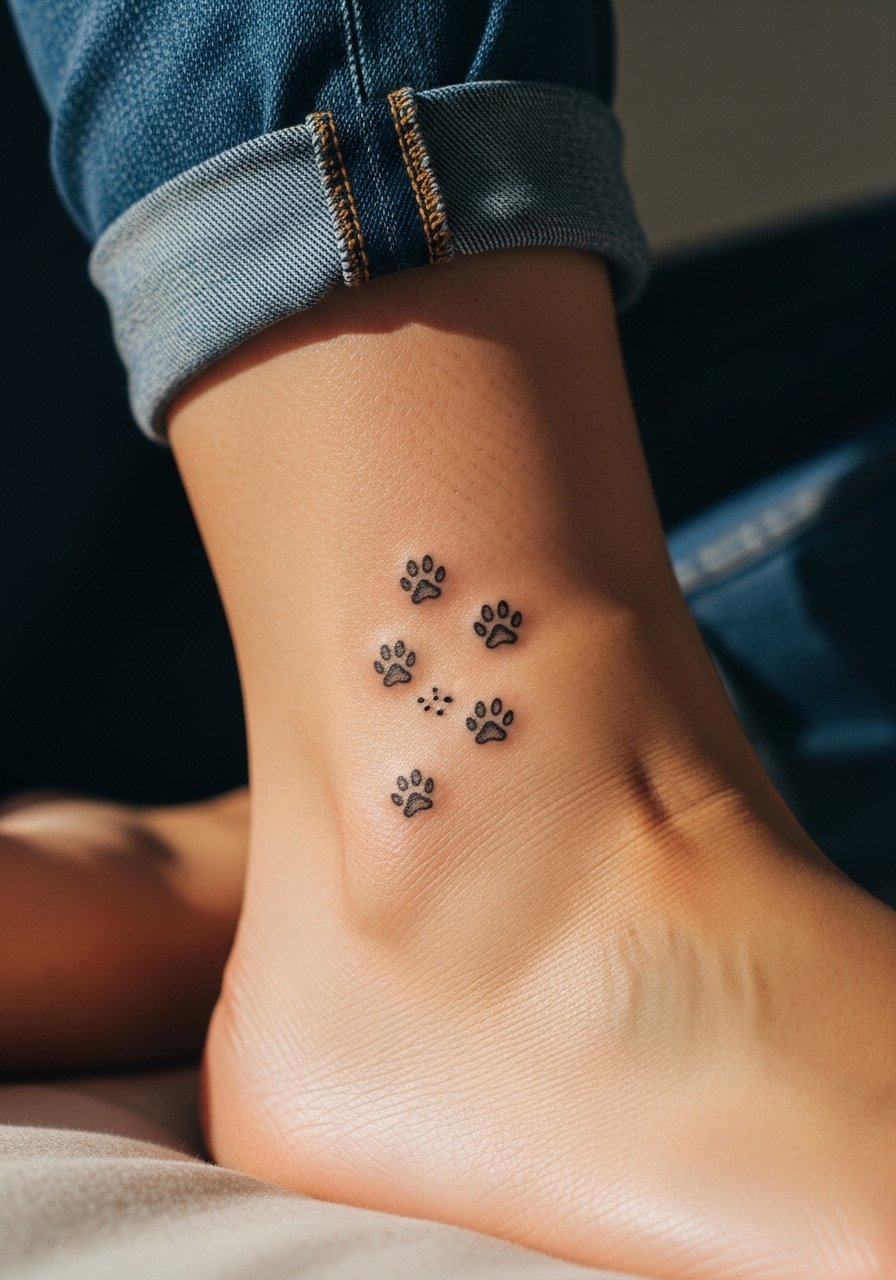
Ankle work looks delicate and can be visible or hidden by shoes and pants. The challenge here is friction from socks and shoes during healing. Place the prints on the bone ridges rather than in soft creases to reduce smudging. Sessions are quick but consider avoiding tight footwear for a week. For showing the piece, rolled cuffs or ankle-grazing sandals frame the ink. Pair with minimalist ankle bracelets that do not rub directly on the tatt. A common mistake is placing several tiny dots too close together, which merges over time.
10. Matching Tiny Paw Rings Around a Finger
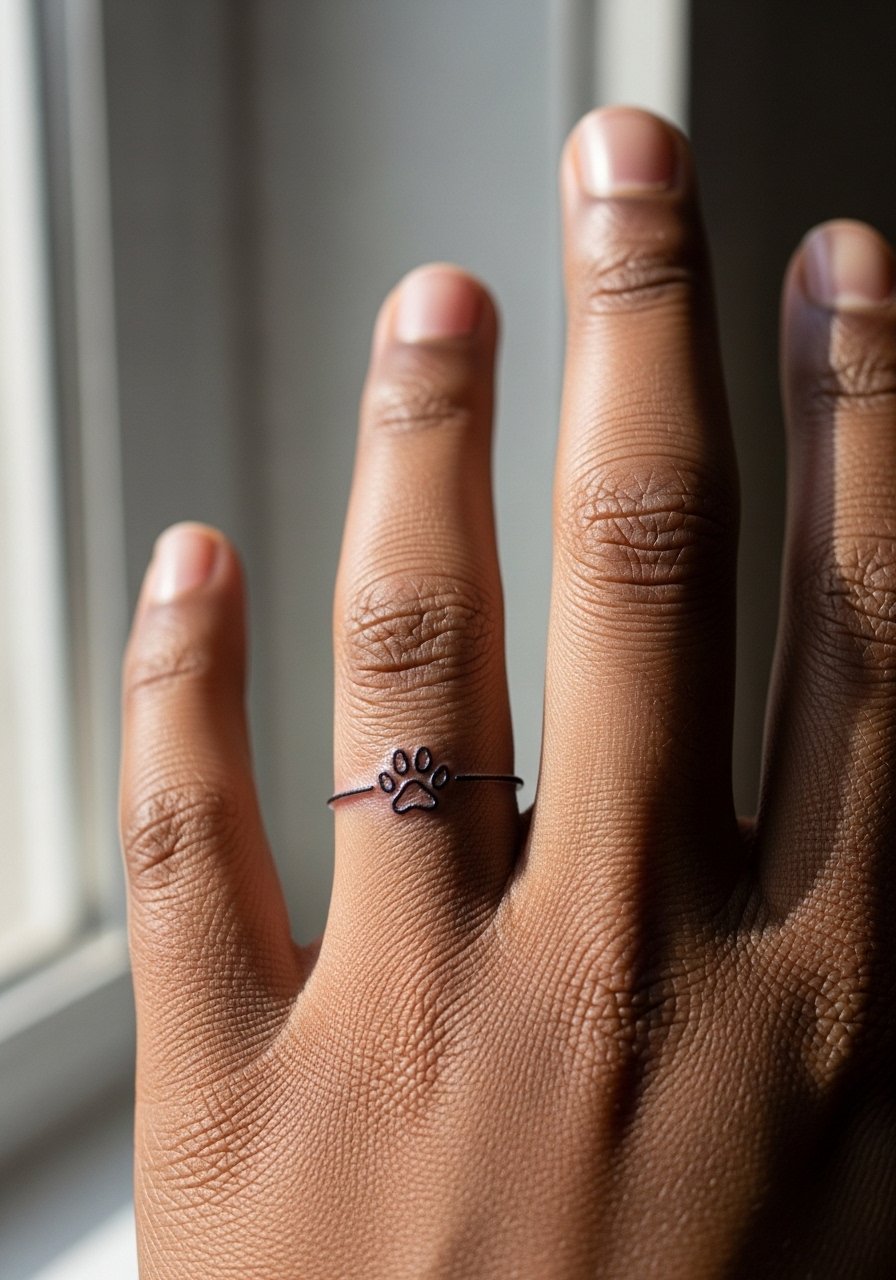
Ring tattoos are symbolic but face high wear from soap, water, and rings. Ask your artist for slightly bolder outlines and plan for a touch-up in the first year. Placement at the base of the finger can fade faster than on the outer phalange, so be honest about which finger receives the most contact. Session time is short but the sensation is sharp. Style the look with complementary rings worn above or below rather than directly over the tattoo. A common error is expecting a tiny hairline band to last without maintenance.
11. Tiny Portrait in a Floral Wreath on the Upper Back
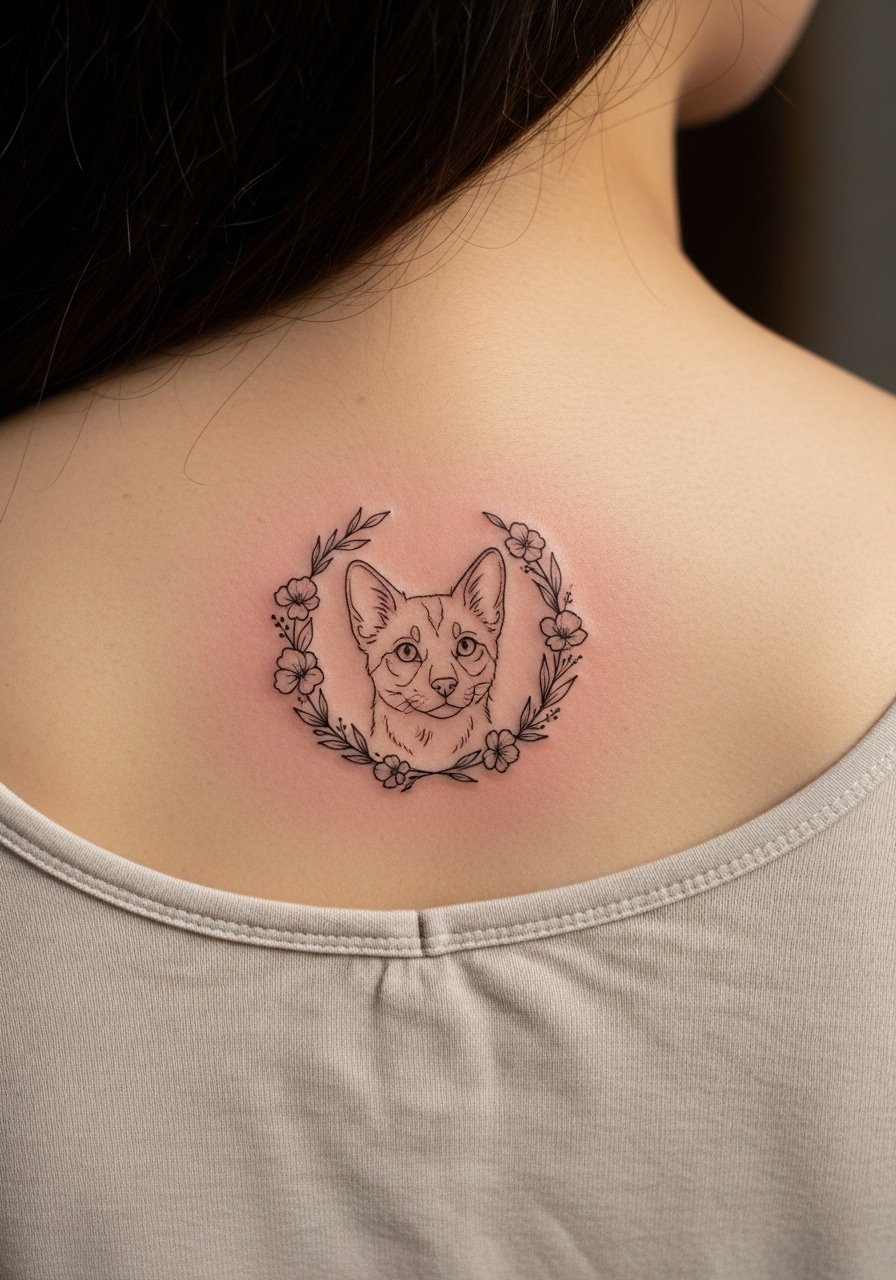
Upper back offers a flat canvas that suits small, contained memorials. A portrait nested in a wreath balances detail with a frame that preserves negative space. Ask for the portrait at a scale that leaves the wreath open and airy. Healing is straightforward since the area sees limited friction. For showing off, an open-back dress or halter pairs well. Consider a open-back midi dress for evenings when you want the tattoo visible. Avoid cramming fine stipple shading into the face area or it can look muddy from a distance.
12. Minimal Outline of Your Pet’s Silhouette on the Calf
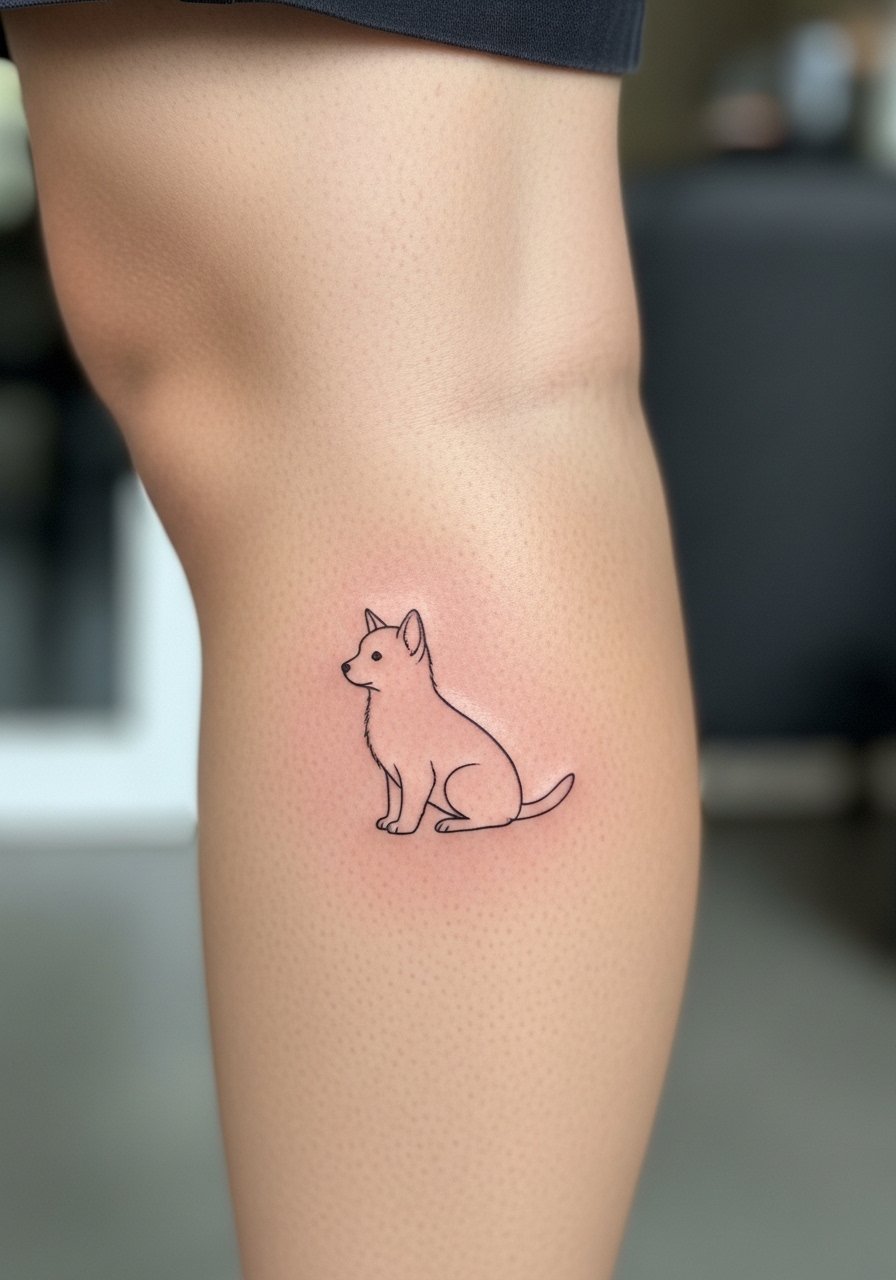
Calf tattoos age predictably because the skin there is stable and not subject to constant abrasion. A silhouette reads clearly if the outer contour stays bold enough. Tell your artist you want the main curve emphasized rather than internal detail. Session time is moderate and pain low to moderate. For showing the design outdoors, pair with loose linen drawstring pants rolled up or mid-length shorts. Avoid asking for too many interior line separations that will narrow the silhouette as it reforms.
13. Tiny Watercolor Accent with Fine Line Portrait on the Thigh
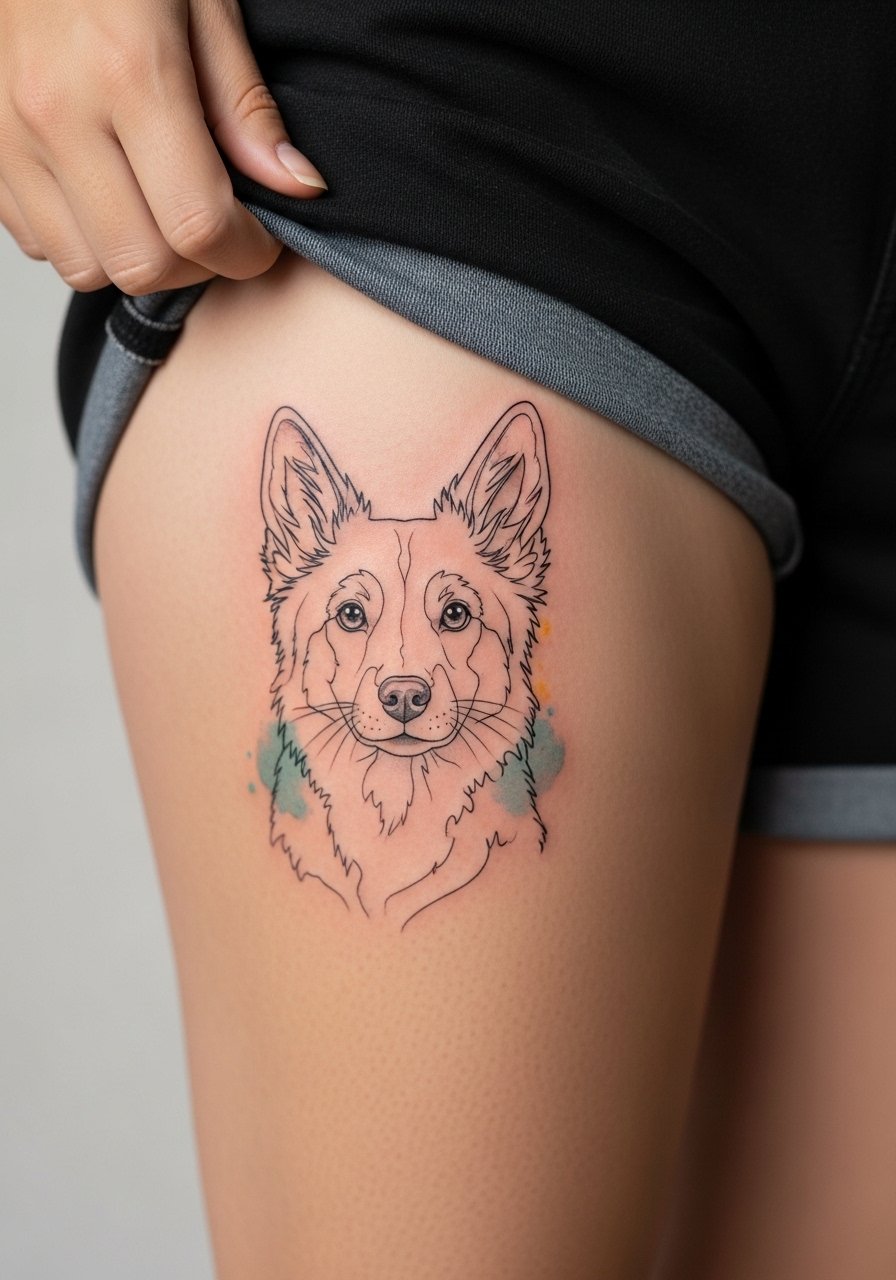
Adding a subtle wash of color behind fine line portrait can add emotional weight without overpowering the linework. On the thigh the color tends to hold longer than on hands or feet. Ask the artist to keep the wash translucent and separate from the primary linework to avoid saturation bleed. The session is moderate and you should wear loose shorts or a skirt for comfort. For the appointment, a loose drawstring linen pant that can roll up easily works well. A mistake is asking for intense watercolor that sits on top of fragile lines, which can obscure tiny portrait features.
14. Pawprint with Roman Numeral Date on the Side of the Rib
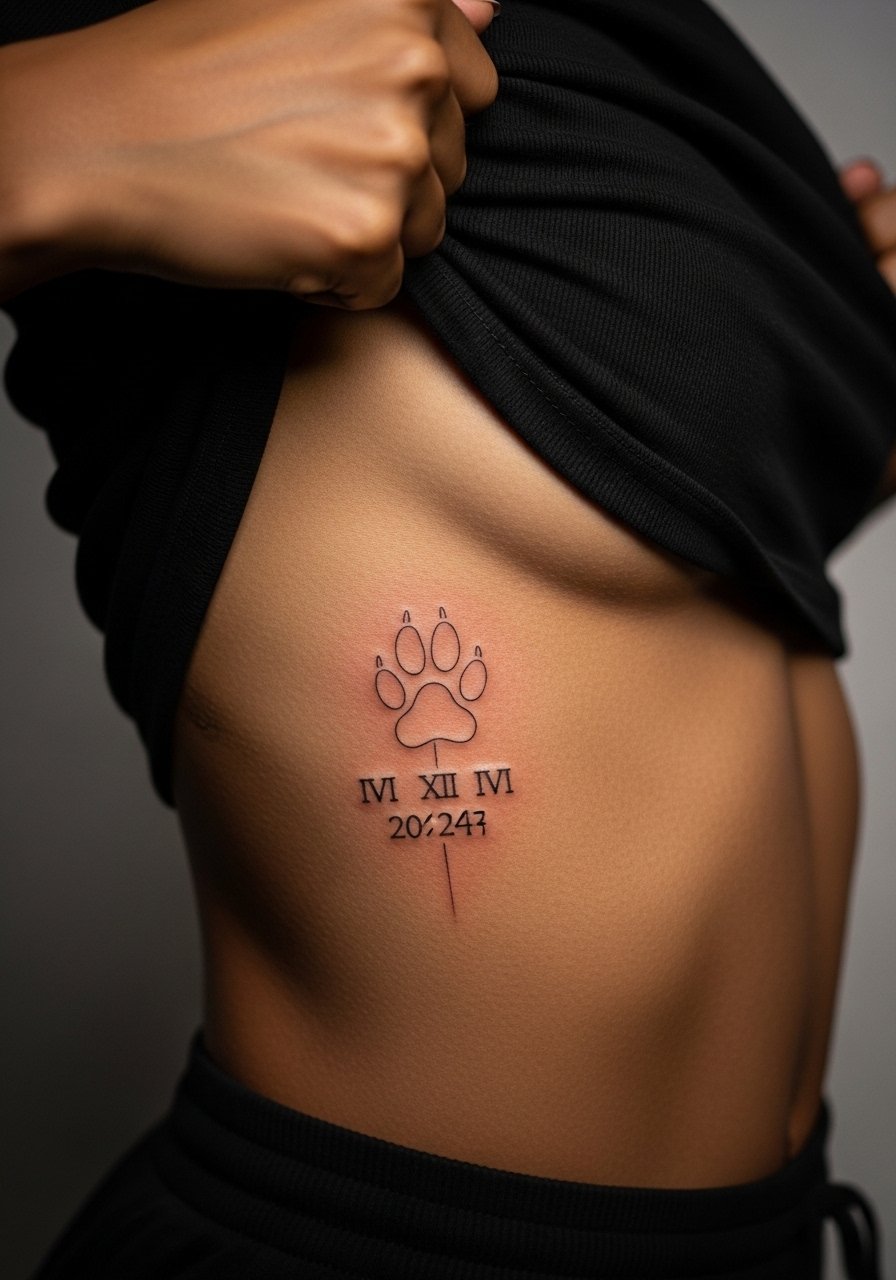
Dates in Roman numerals pair naturally with small symbols. On ribs keep numerals spaced and legible, and avoid tiny serifs. The controversy around ribs and fine line deserves naming here. One camp says the skin stretch makes lines merge within two years. The other camp insists proper needle depth and spacing keep fine line readable on ribs. Clarify which approach your artist uses before booking. Expect a more painful session and plan clothing that allows easy access. Do not cram a long date string into a tiny space or it will lose meaning.
15. Pawprint Wreath on the Lower Back
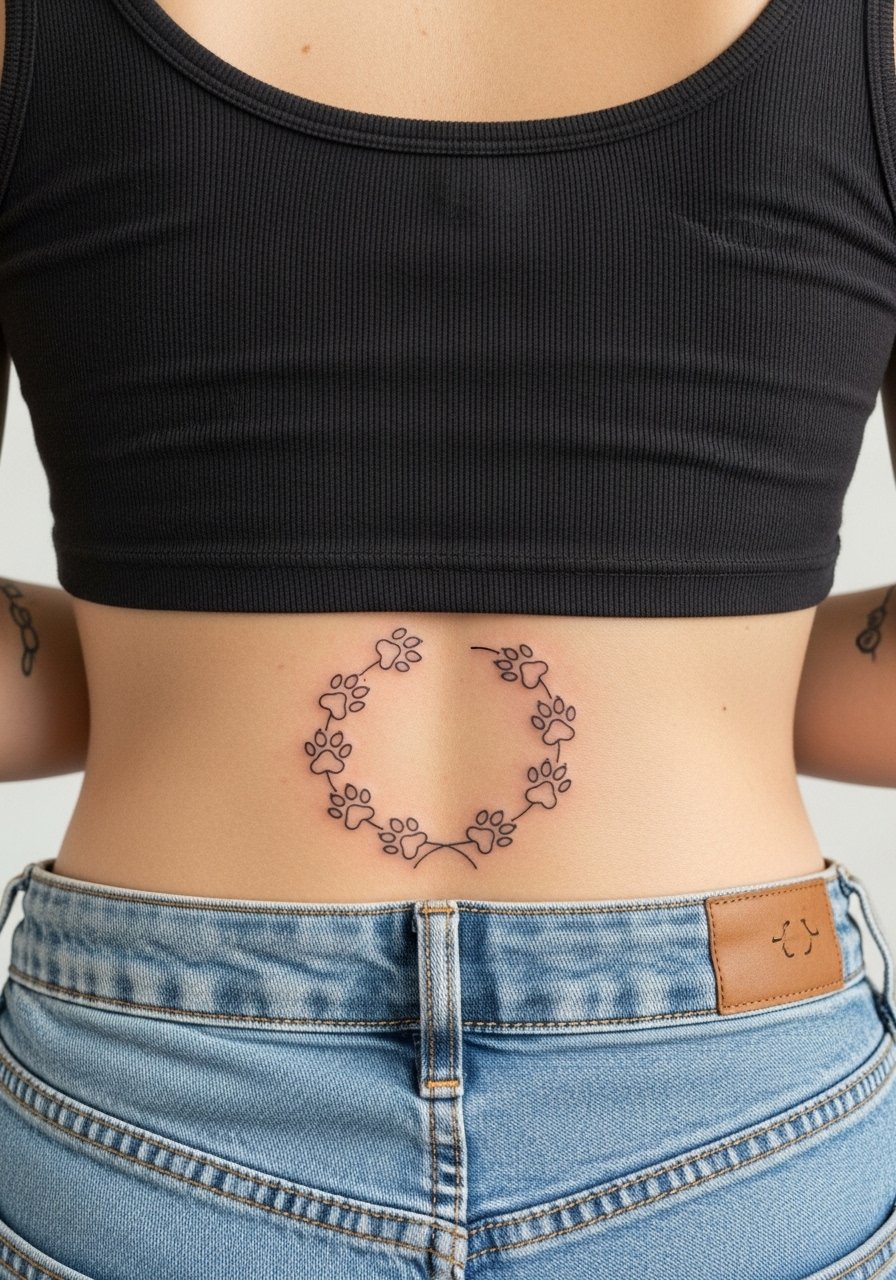
Lower back gives room for a circular composition that can be meaningful and symmetrical. Choose moderate spacing between the paw elements and leave interior negative space so the wreath reads at a glance. The area is lower friction when wearing high-waisted bottoms but watch out for waistbands during the first week. For showing, a low-back top pairs well. A common mistake is making the wreath too tight so it reads as a blob when healed. Ask for simple stipple accents rather than high-density shading.
16. Fine Line Pet Silhouette Behind the Knee
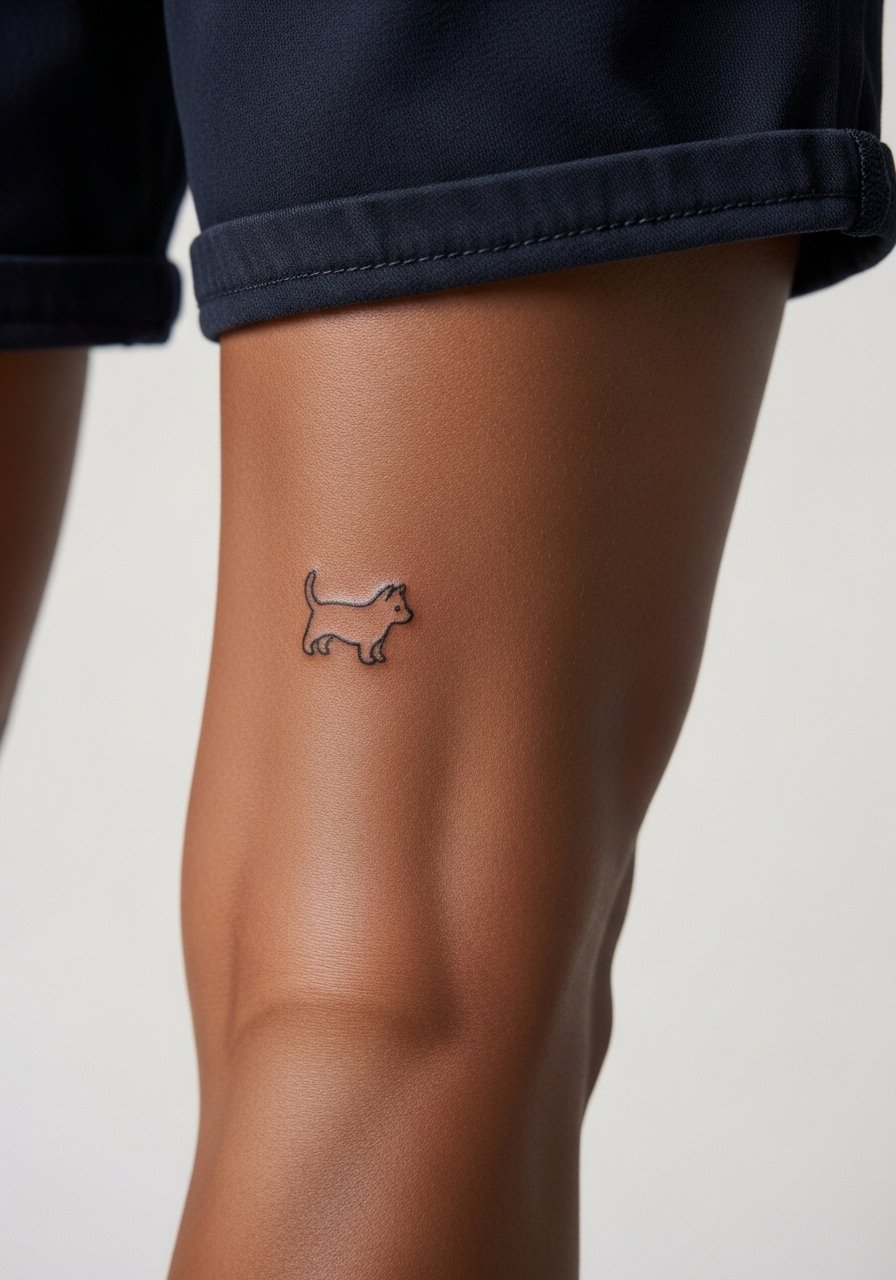
Behind-knee placement moves with walking and bending, so the design needs forgiving lines and spacing. Keep the silhouette larger than you think to prevent distortion when the leg flexes. Sessions are short but the skin quality can make fine detail less predictable. For comfort during the appointment, wear shorts or a skirt. Showing it off is seasonal since the spot is often covered by pants. The biggest mistake is compressing details that break when the leg extends.
17. Tiny Paw with Soundwave of a Bark or Purr on the Forearm
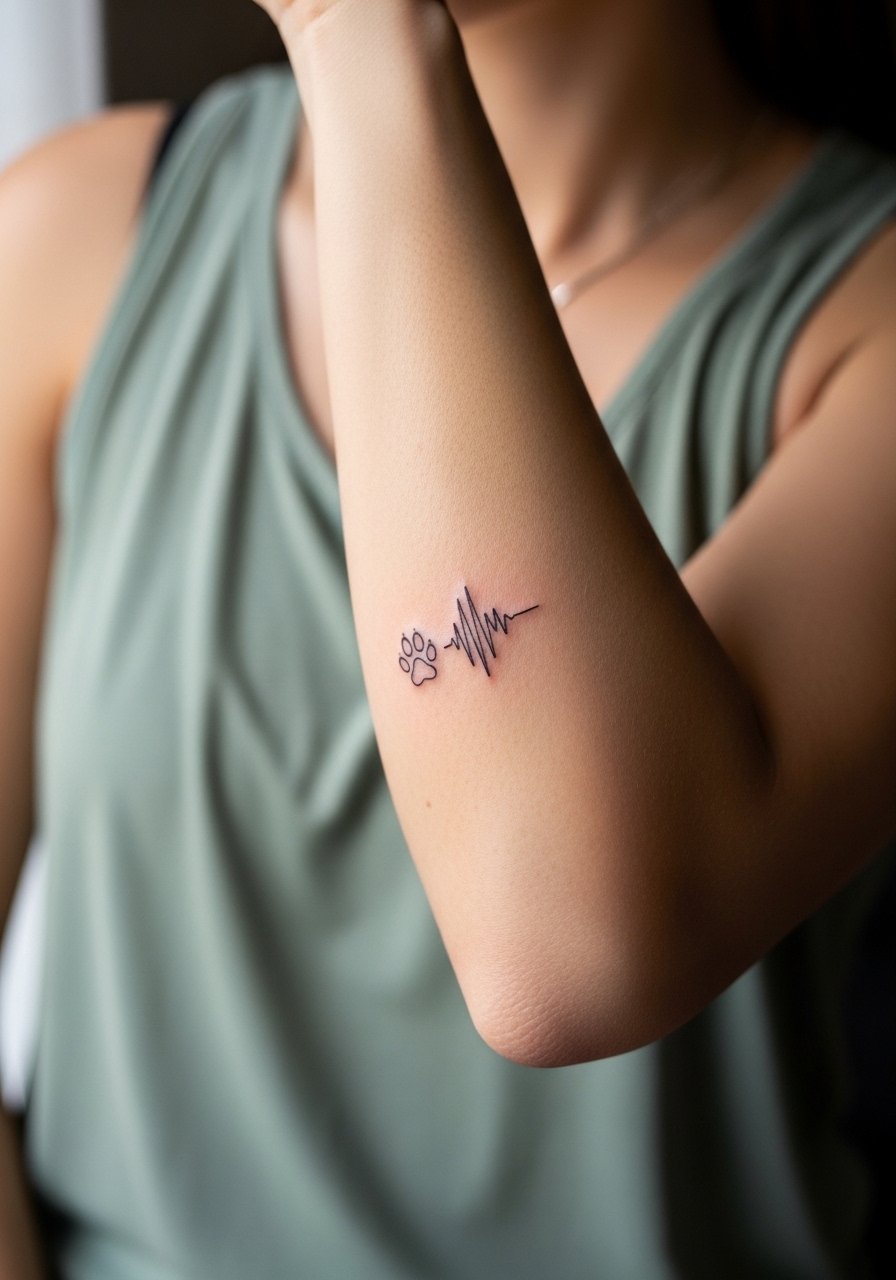
Soundwave tattoos translate an audio clip into a visual form, but intricate peaks can blur if scaled too small. Pair a simplified waveform with a discrete paw so both elements have breathing room. Forearm placement shows well and is easier to touch up if needed. During consultation bring the exact audio file and ask the artist to render the waveform at a readable scale. Session pain is low to moderate. For showing the design, roll sleeves or wear a racerback tank. Avoid compressing the waveform peaks into a narrow band.
18. Tiny Line Drawing of the Pet’s Silhouette on the Inner Bicep
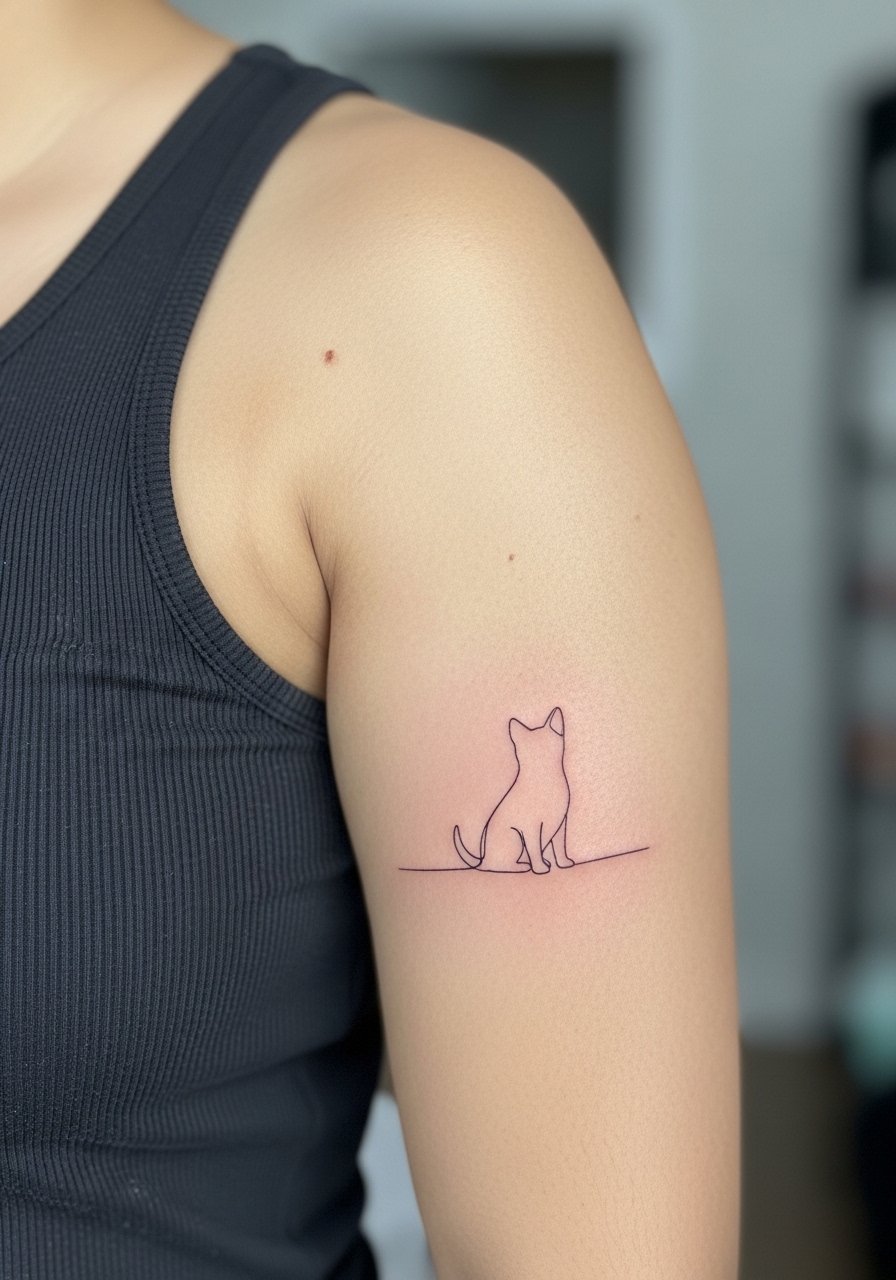
Inner bicep skin is softer and more prone to puckering during healing. Keep the silhouette simple and avoid long, continuous single-stroke lines that can thin as the skin settles. The location feels private but is easy to show when you want to. Expect a moderate session with tender spots. For the session wear a tank top that the artist can move aside easily. A common mistake is asking for highly detailed facial lines that do not translate on curved soft tissue.
19. Tiny Paw in Negative Space Inside a Floral Wreath on the Shoulder Blade
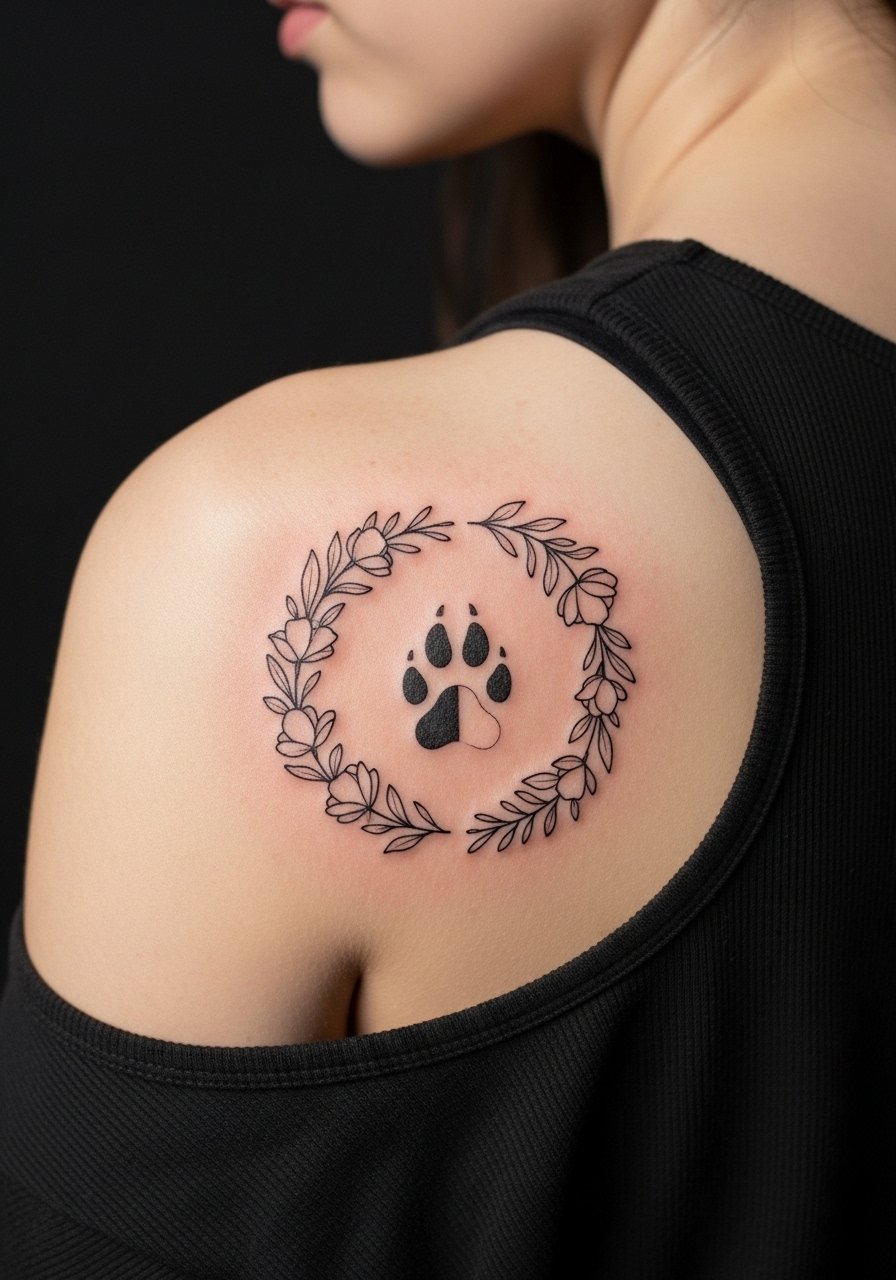
Shoulder blade holds detail well because the skin is relatively flat and sees moderate sun but low constant friction. Negative-space paw inside a wreath balances delicacy with structure. Ask the artist to keep the wreath airy around the central negative paw. Sessions are moderate and aftercare is straightforward if your clothing does not rub the area. For showing off, an open-back top or halter pairs nicely. The common mistake is loading the wreath with tiny leaves that age into a texture blob.
20. Minimalist Leash Around the Wrist That Forms a Paw
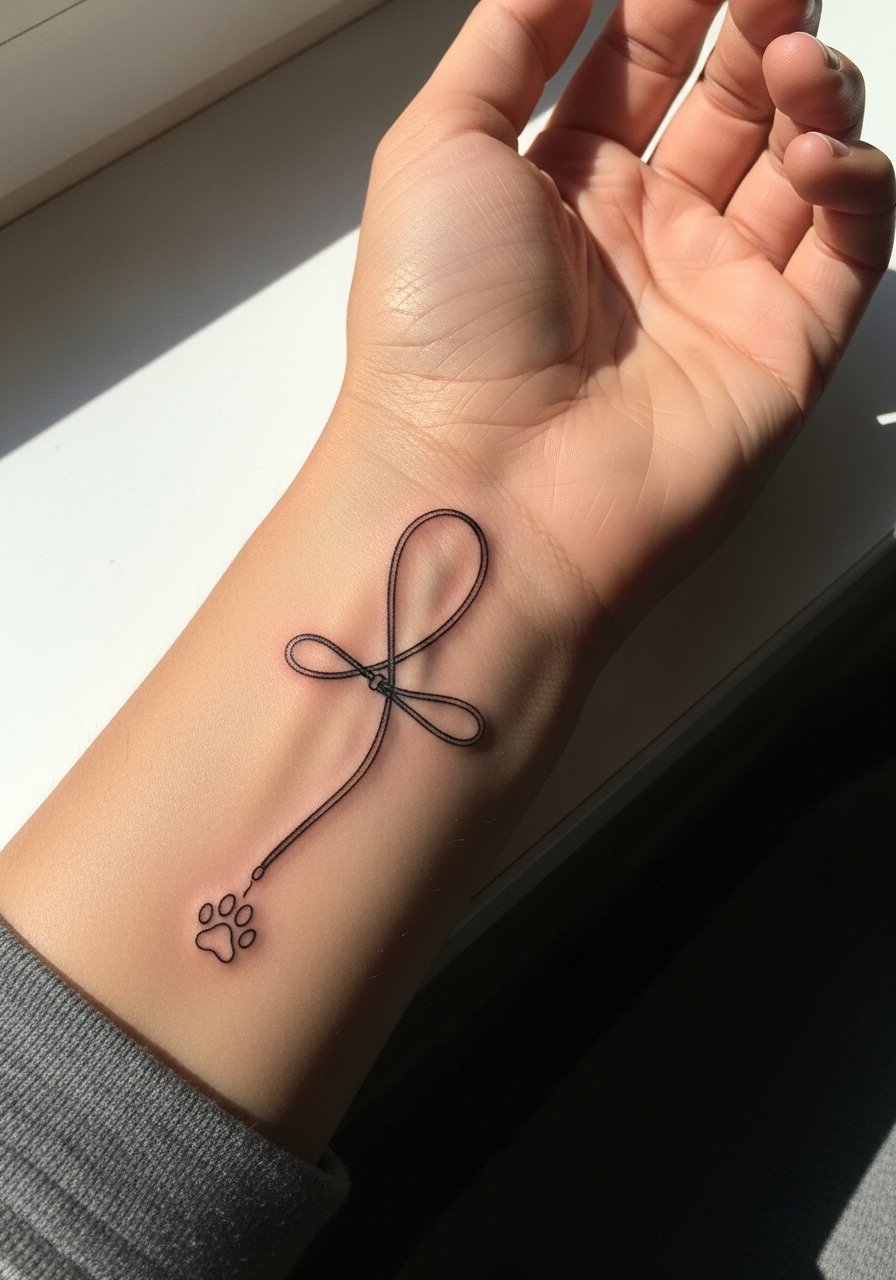
A leash motif can double as a band and a symbol. Wrist placement faces frequent washing and bracelet friction so the leash line should be clear and slightly stronger than hairline. Discuss with the artist whether a continuous band or a small break at the knot will suit your lifestyle. Expect short session time but plan for a touch-up. For styling, stack with thin bracelets or a minimalist watch that does not press into the ink. Avoid asking for micro-knot details that will not hold in a high-friction spot.
21. Tiny Portrait on the Inner Ankle with a Small Date
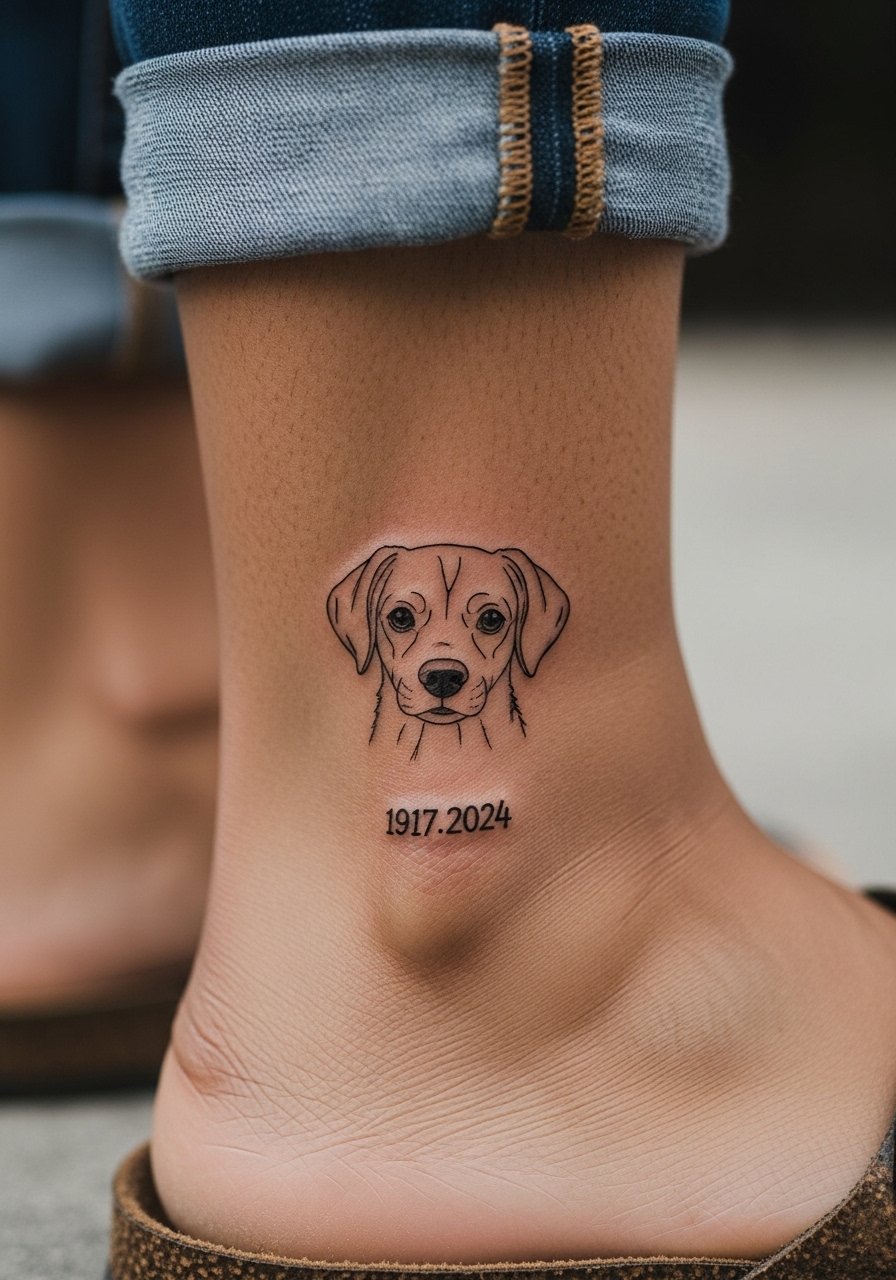
Inner ankle gives a private spot that peeks with cropped pants or sandals. The skin here takes fine detail reasonably well but can suffer from shoe and sock friction. Place the portrait slightly higher on the inner ankle to avoid rubbing zones. Keep the date in simple Roman numerals or condensed digits to maintain legibility. Session time is short. For showing the work, rolled jeans or sandals are ideal. A common mistake is placing the portrait too low where the shoe collar rubs and accelerates fading.
Frequently Asked Questions
Q: Will a fine line pet portrait hold up on the ribs or sternum long term?
A: It depends on how the piece is planned. Ribs and sternum move more and can blur faster if lines are too close or hair-thin. One camp believes ribs are a no-go for fine line because of stretch. The other camp says careful spacing and slightly heavier line weight keep detail readable. Ask your artist which approach they prefer and view healed photos of similar placements.
Q: How often should I expect to touch up small paw prints on fingers or hands?
A: Fingers and hands face a lot of washing and friction so touch-ups are common around year one or sooner. Plan for a touch-up window and ask the artist about their typical touch-up policy before booking. Choosing slightly bolder outlines at the start reduces how often you need to return.
Q: What should I wear to the appointment for a collarbone or sternum pet memorial?
A: Wear something that gives the artist easy access without full exposure, like a wide-neck shirt or a fitted sports bra you can pull slightly aside. That keeps you comfortable and the artist efficient.
Q: Are negative-space silhouettes better than filled portraits for longevity?
A: Negative-space silhouettes can age well because they rely on surrounding skin tone and avoid heavy saturation. They are often more forgiving on placements that see movement. The trade-off is less internal detail, so pick the silhouette if recognizability comes from the pet's outline.
Q: Can I combine a fine line portrait with a small watercolor wash and still keep clarity?
A: Yes if the watercolor is kept translucent and separate from the linework. Ask the artist to place the wash behind the lines, not over them, and to keep pigment saturation low. On calmer skin zones like the thigh or upper back this combo holds up best.