
Bold black cover-ups are the reliable fix when old ink refuses to fade. Dark traditional shapes and saturated fills can mask reds, blues, and patchy outlines while still reading like a classic tattoo rather than a forced patch. Below are 27 coverup ideas that use traditional weight, negative space, and placement to hide vintage work and give the piece new life.
1. Bold Rose Over an Old Name on the Inner Forearm
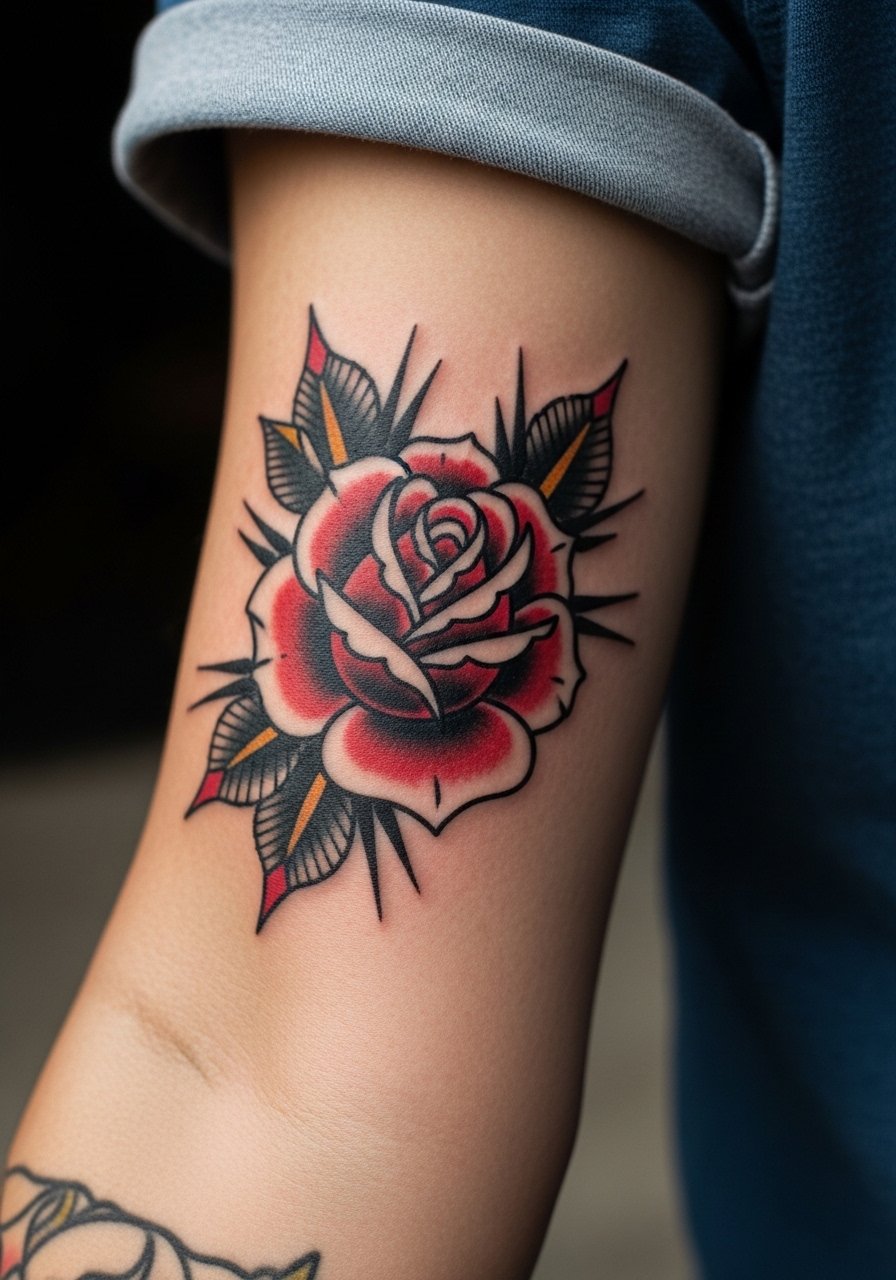
If an old name or thin script sits on the inner forearm, a saturated traditional rose covers it without reading like a patch. I usually tell people to bring the original photo so the artist can plan petal placement and negative-space highlights that mask the letters. Pain on the inner forearm is moderate. Expect a single two-hour session for most medium-size roses. The common mistake is trying to do too many tiny details; heavy outlines and solid shading hold longer than micro detail in this spot. Pair with rolled-up linen sleeves and a loose button-down shirt when you want the piece visible.
2. Anchor and Banner to Hide a Faded Sailor Tattoo on the Wrist
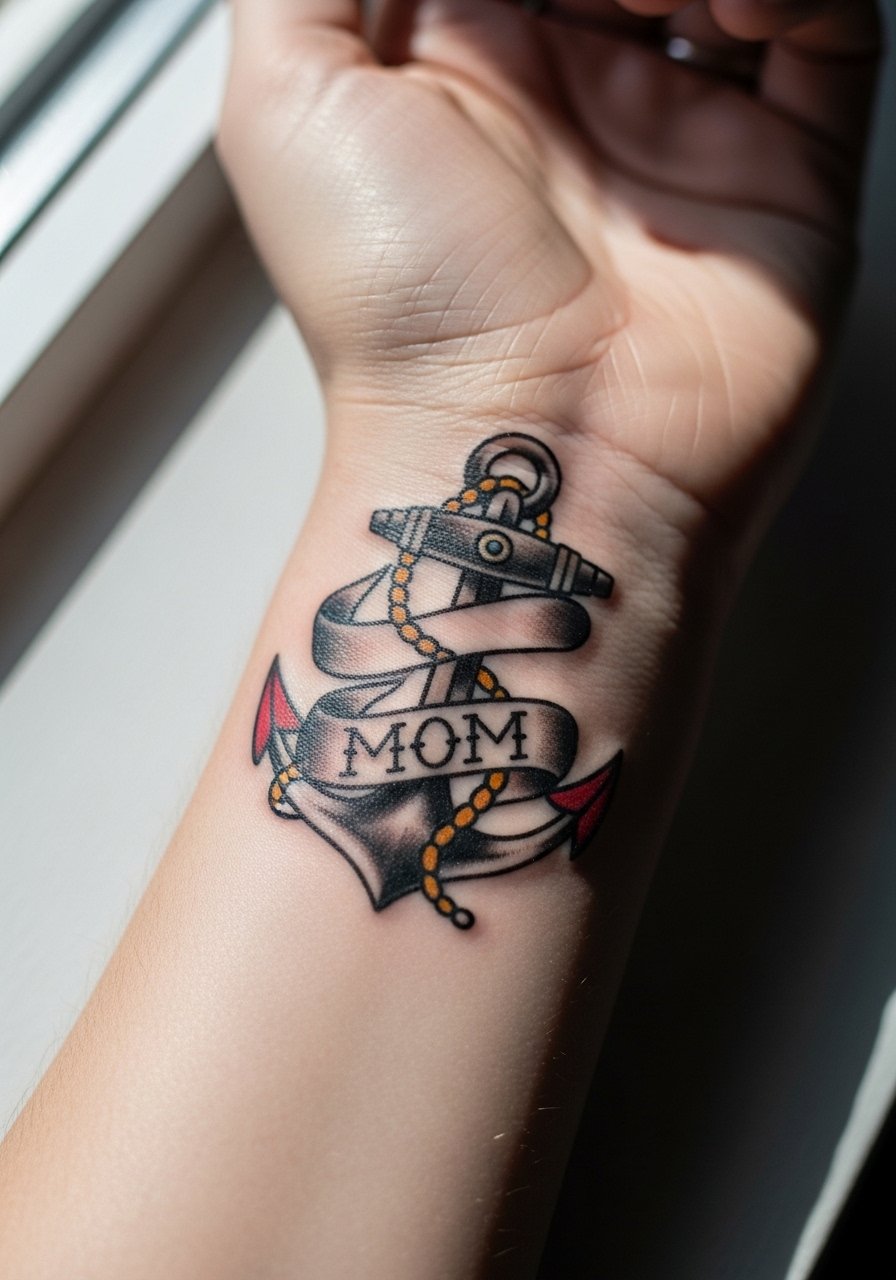
Wrist cover-ups demand strong outlines and compact design. An anchor with a thick banner masks older sailor-style marks and works around blown-out edges. Tell your artist to keep the banner roomy so the text area can be layered over the old ink. Expect a one to two hour session and brief soreness when typing or wearing a wristwatch. The mistake is trying to keep the new piece too dainty. For showing it off, a thin chain bracelet or a minimalist watch complements the wrist without crowding the tattoo.
3. Blackout Petal Sleeve Patch for Scattered Small Tattoos on the Upper Arm
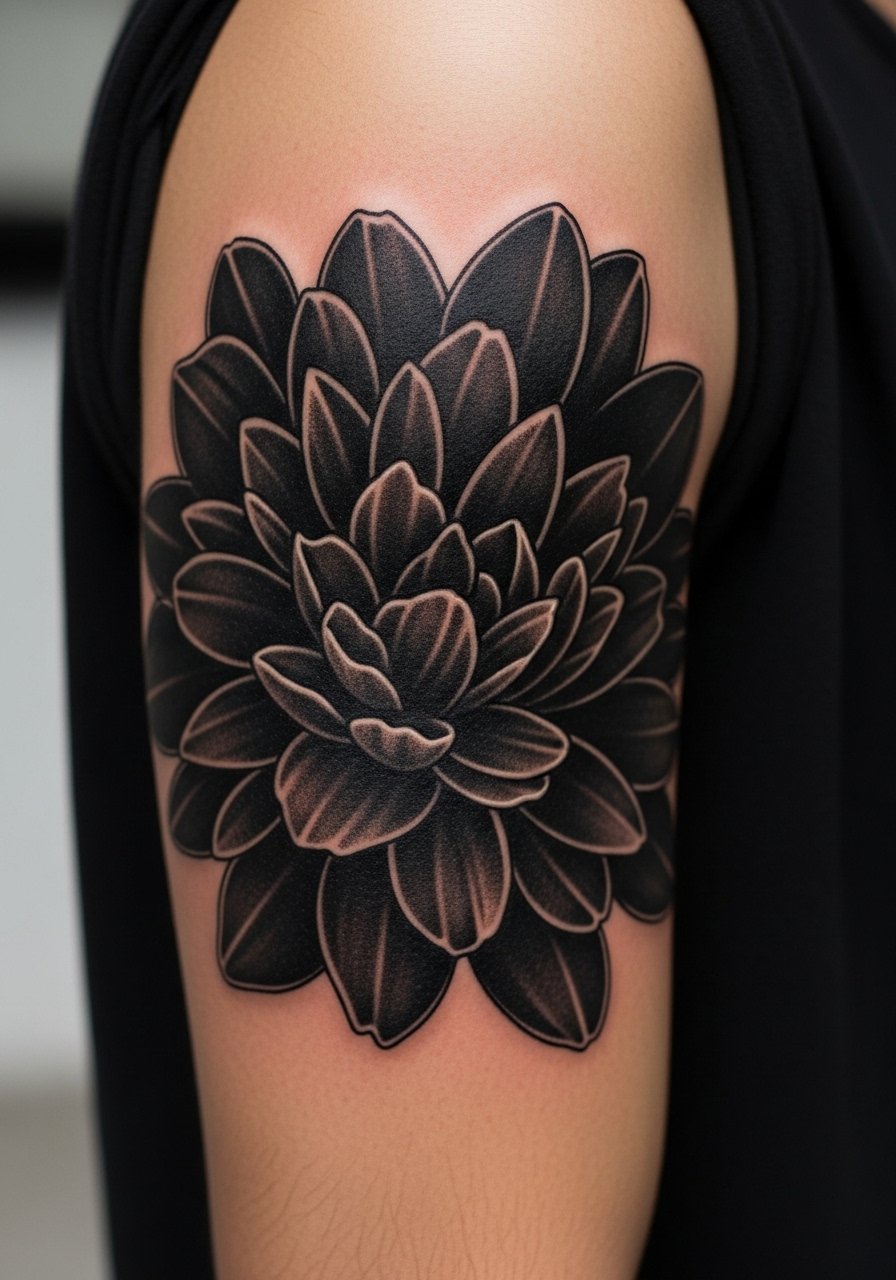
When small, scattered tattoos cover the upper arm, a traditional petal or scalloped blackout can unify the area and hide old bits. In consultation, ask for layered black saturation with small pockets of negative space so the piece breathes. Session time varies by coverage, but plan for two to four hours per sitting. The visual impact is immediate and it ages well because saturation resists blowout visibility. A common client mistake is wanting visible seams from the old tattoos. For session comfort, wear a loose tank top so the artist can reach the whole upper arm easily.
4. Traditional Skull and Dagger Over Unwanted Shoulder Flash
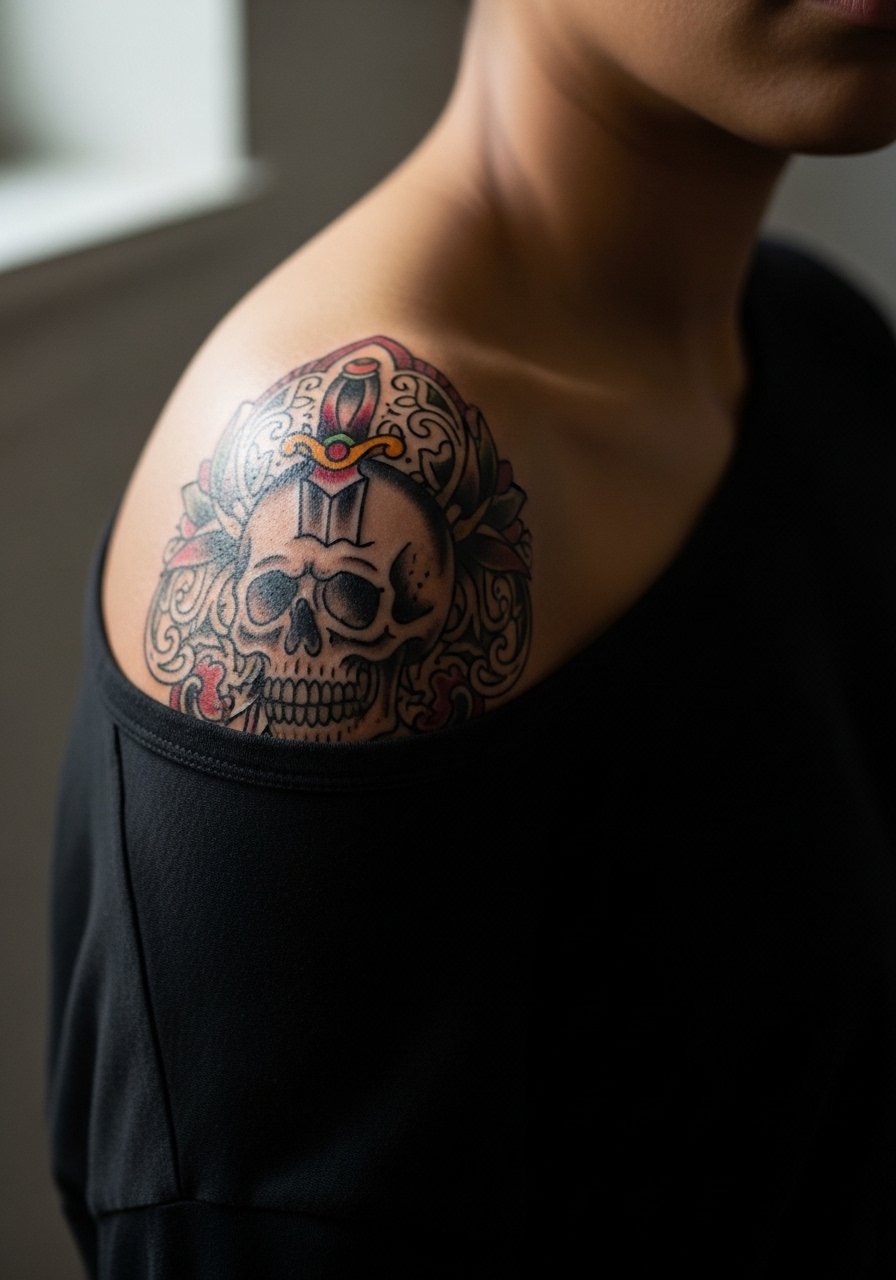
The shoulder cap is forgiving for cover-ups because the skin here holds saturation. A bold skull and dagger built with heavy outlines hides older shoulder flash without needing complete blackout. Tell your artist to angle the dagger to break up old linear elements. Expect moderate pain and a two-hour session for a medium piece. The mistake is placing the new piece too small. This design pairs well with sleeveless tops and a wide-neck shirt for evenings out.
5. Nautical Star Cluster to Mask Patchy Color on the Lower Calf
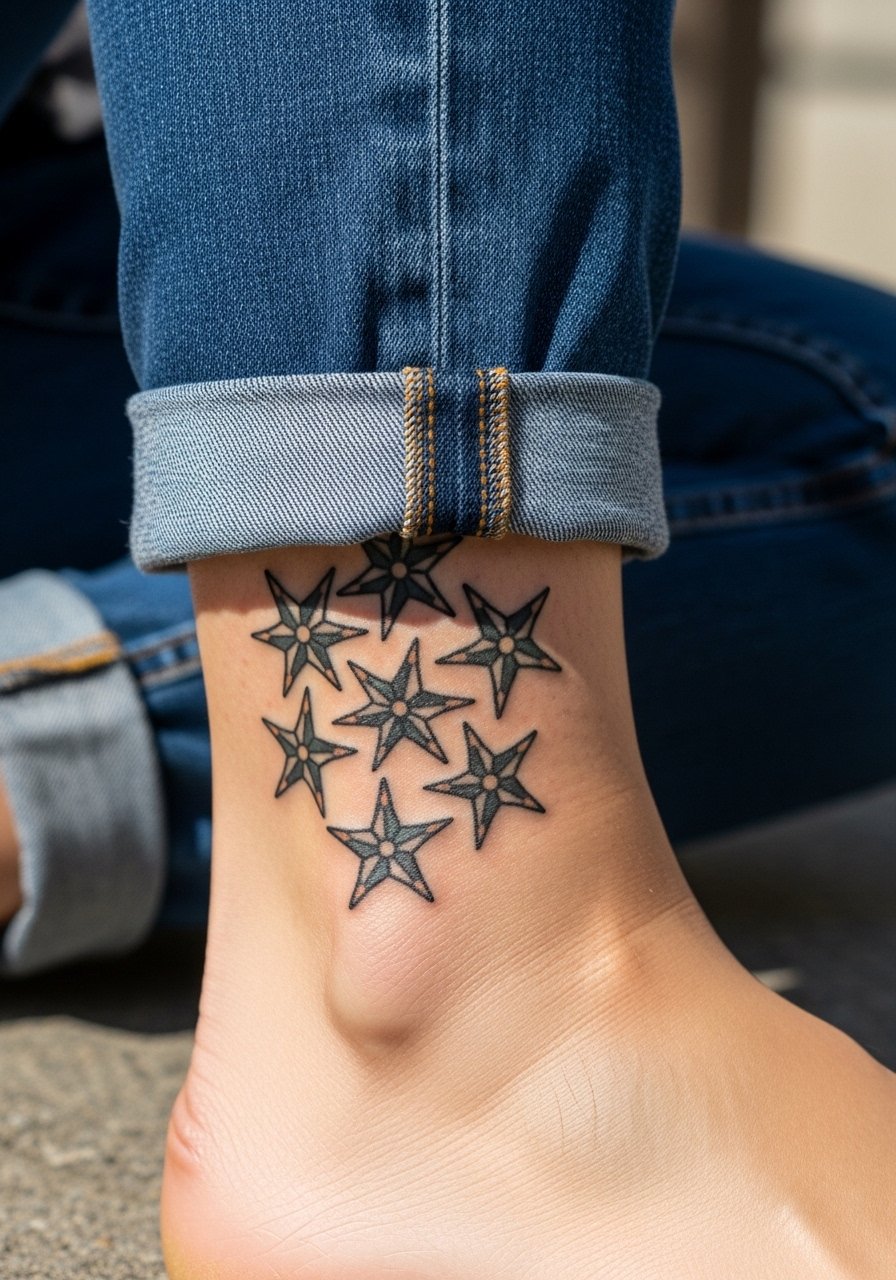
Patchy color on the lower calf can read messy under thin work. A cluster of nautical stars with bold black outlines and filled points creates a tile-like pattern that covers old speckled ink. Tell the artist to use varied star sizes so the eye moves across the cover rather than landing on remnants. The session is usually one to two hours and the calf is relatively low on pain. Avoid requesting thin line stars only, they fade faster here. For showing off the cluster, roll up jeans and wear a pair of sandals or ankle boots.
6. Heavy Traditional Banner on the Chest to Replace an Old Portrait
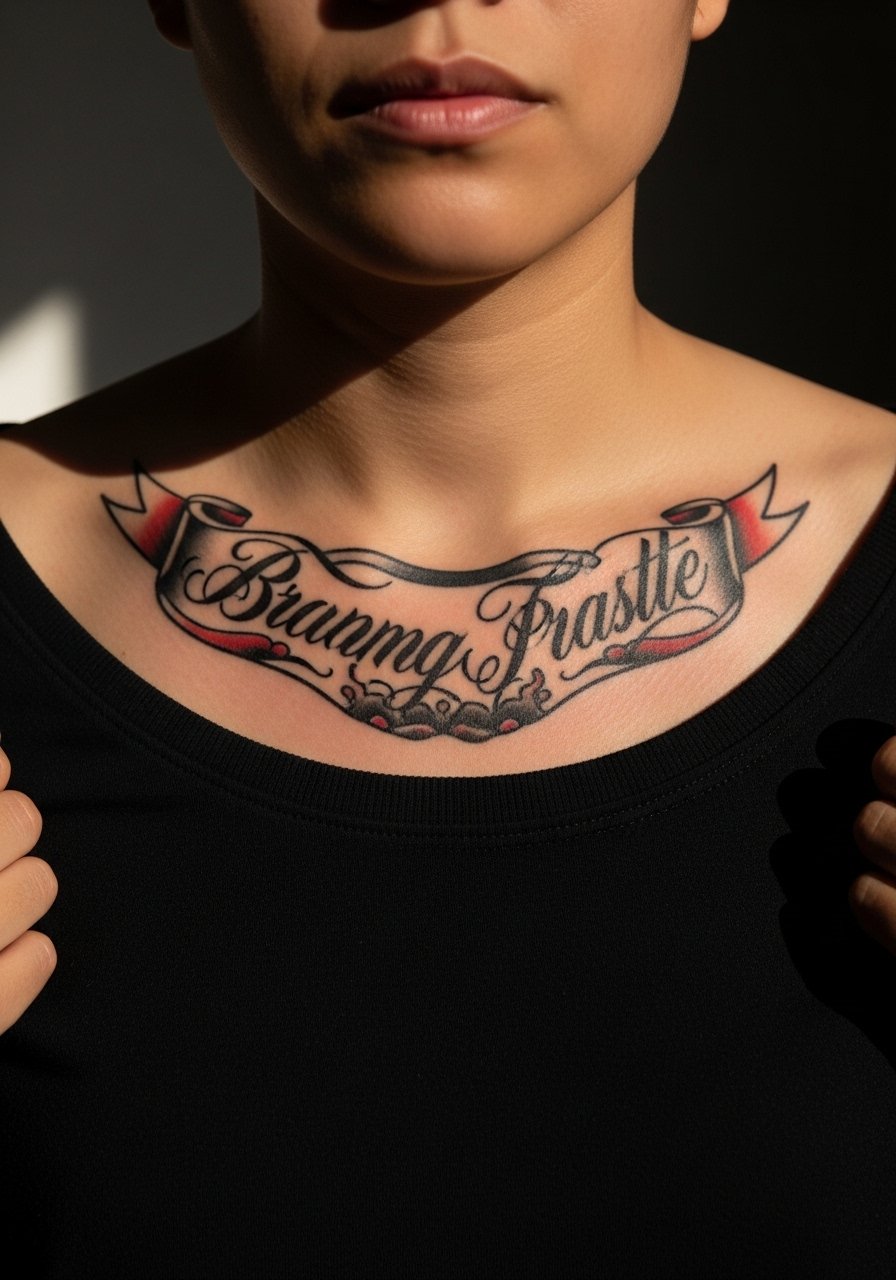
Chest portraits that age poorly are common. A heavy banner with saturated fill and script can cover facial features and integrate the surrounding tone. Tell your artist which parts of the portrait you want fully obscured so they can plan the filler shapes. Chest sessions can sting more than arms and may take two to three hours. The biggest mistake is keeping the cover too small. For outfits that frame the chest tattoo, try an open-collar shirt.
Studio Day Picks
The wrist and calf pieces above heal differently from chest and shoulder work, so a compact kit focused on access and clean washing smooths out the session and the first week.
-
Stencil transfer paper kit. Lets you preview line placement directly on skin, which is useful when mapping a banner over an old portrait.
-
Topical numbing cream. Applied about forty five minutes before can reduce the sting for wrist and chest sessions without distorting the stencil.
-
Thin protective film roll. Keeps ankle and calf tattoos clean during the first week of friction from shoes and socks.
-
Fragrance-free body wash. Gentle cleansing for the first few showers helps fine line and dense blackwork alike.
-
Aquaphor healing ointment. Thin layers in the immediate days after the session lock moisture for saturated covers without suffocating the wound.
7. Anchor-Filled Back of the Hand Cover for Old Tiny Tattoos
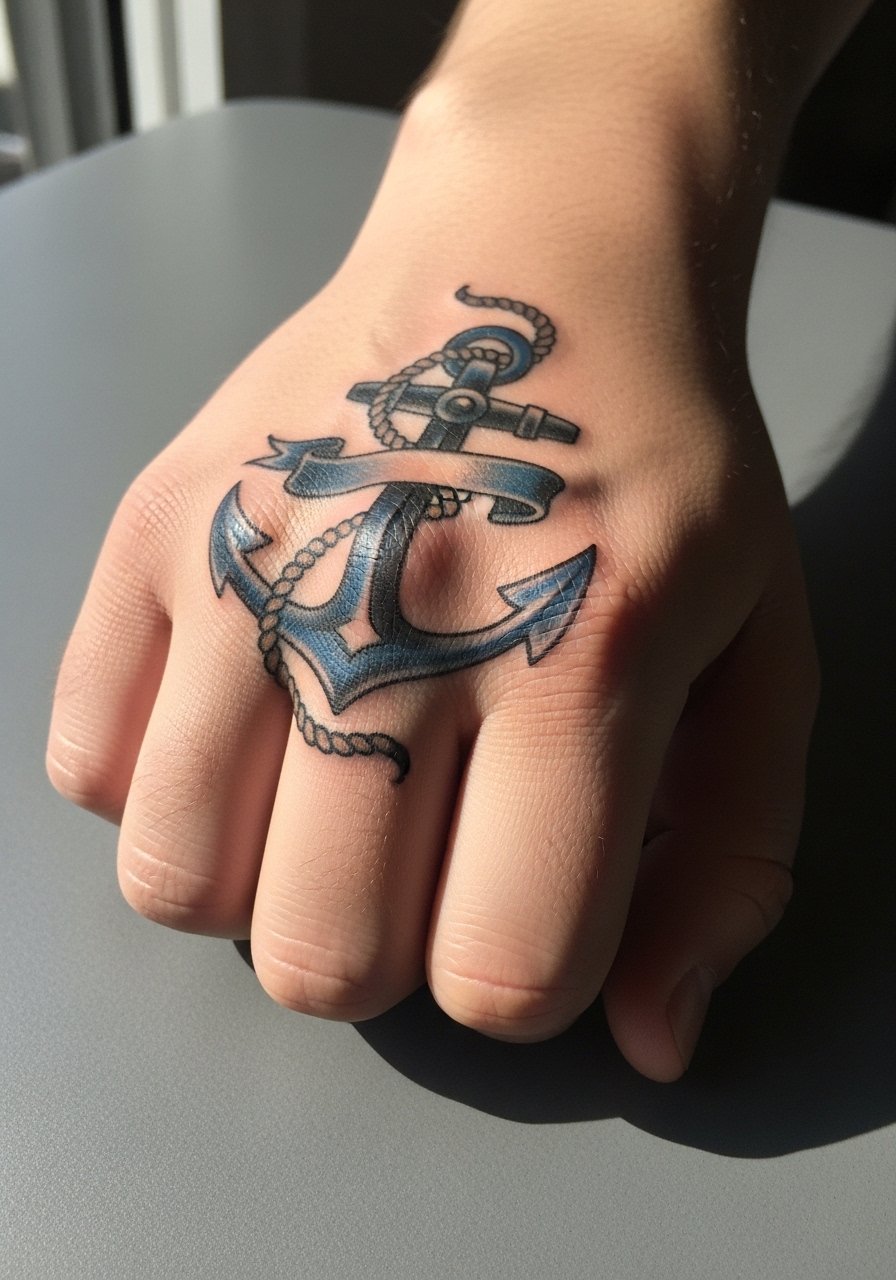
Hand cover-ups are tricky because skin there moves and fades quickly. A compact, heavily outlined anchor with filled black shadow can mask tiny old tattoos and reads clearly in daily life. Be aware that hand tattoos still affect some hiring decisions. Expect higher pain and a quick session under an hour for small pieces, but plan for more frequent touch-ups. The common error is choosing delicate detail on the hand. For days after the appointment wear a loose cuff bracelet if you want the piece framed without rubbing the healing skin.
8. Classic Sailor Swallow Over a Faded Upper Arm Portrait
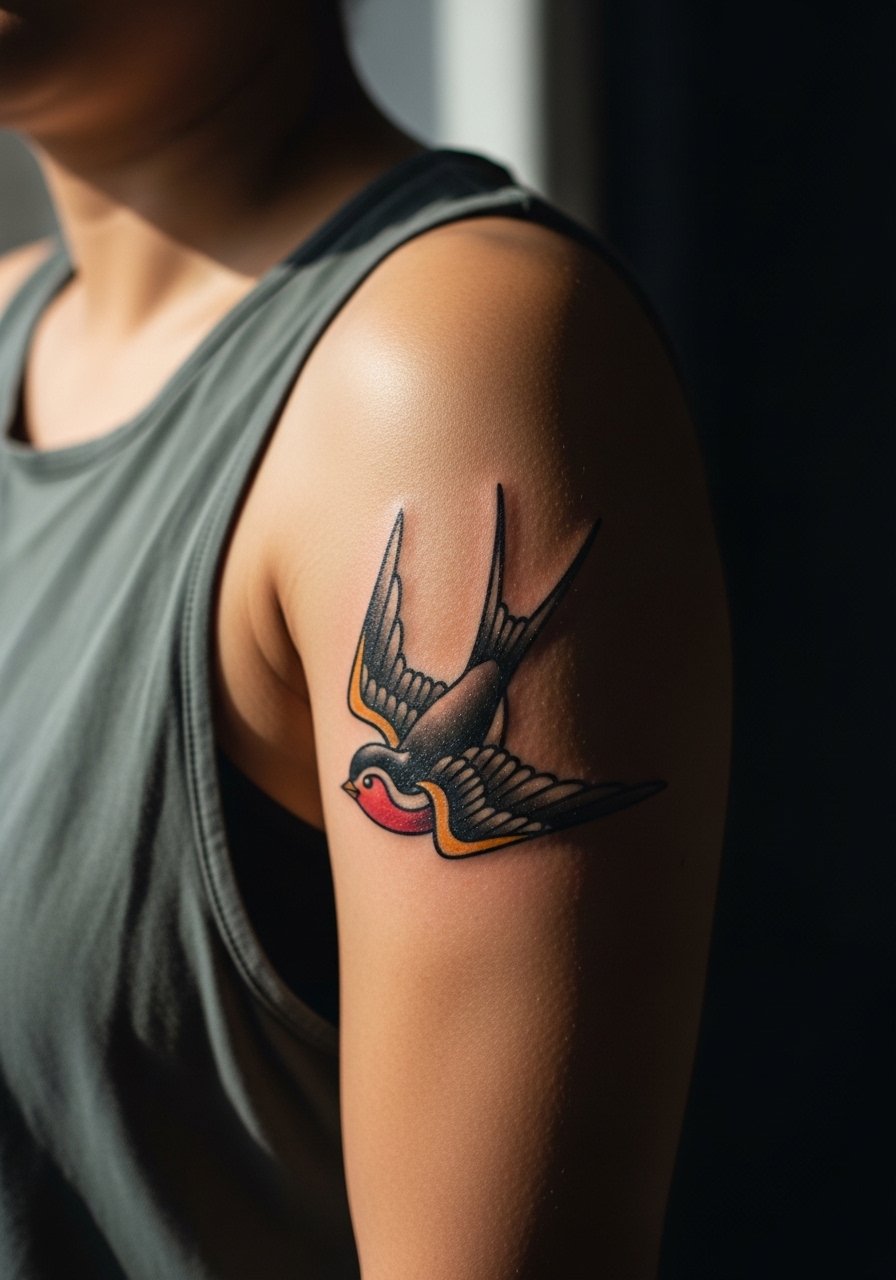
Upper arm portraits that have lost detail are perfect candidates for a swallow with bold wing shading. Ask the artist to orient the wing to cover the portrait's facial area and to use stipple shading around the edges. Pain is low to moderate on the outer arm, and a medium swallow takes about one to two hours. People sometimes ask for tiny feathers which blur over time. For show-off looks, a loose tank top keeps the piece visible while you heal.
9. Heavy Blackwork Flower to Conceal a Neckline Scar Tattoo
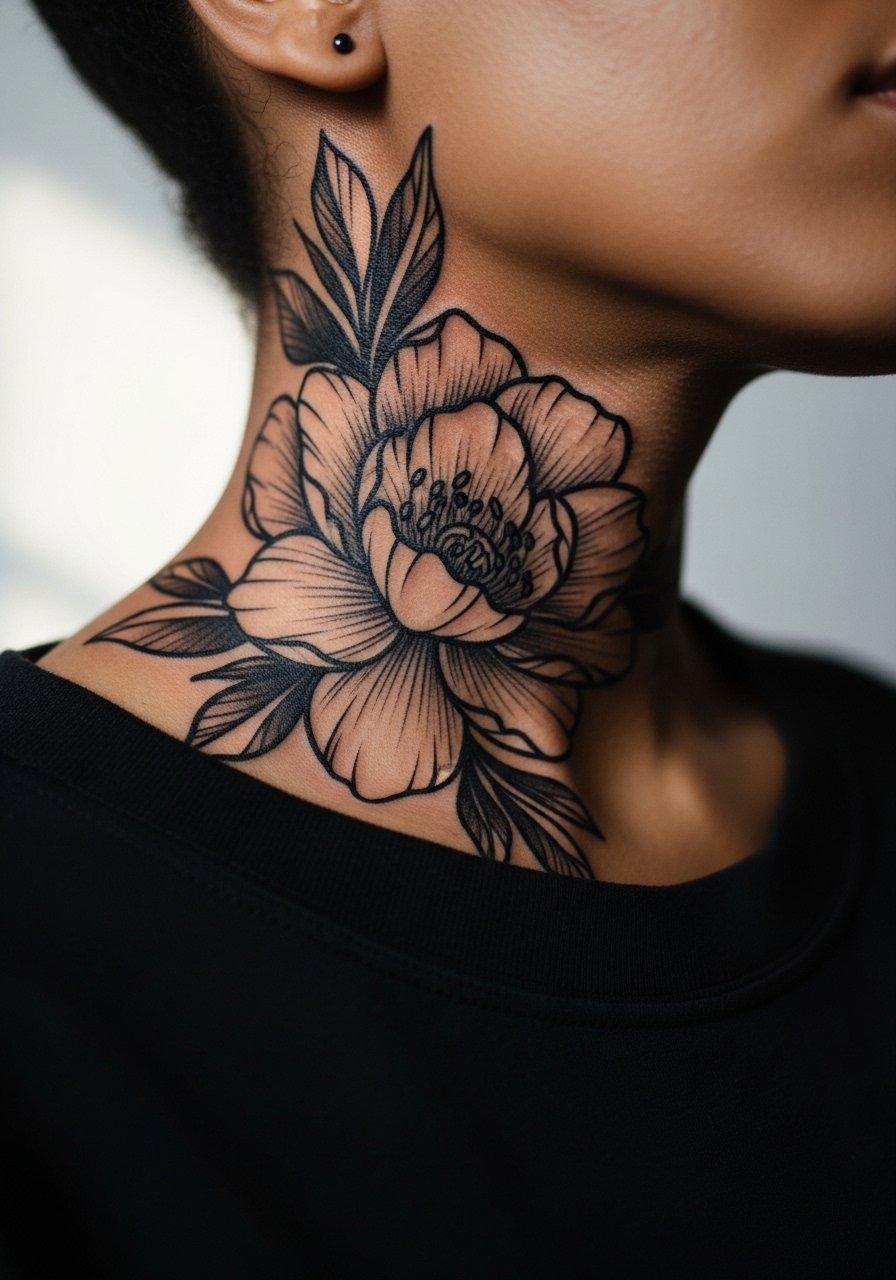
Scars and old ink near the neck can be sensitive. A dense blackwork flower with layered petals absorbs uneven tones and sits naturally near the collar. When you consult, mention the scar so the artist can plan depth without overworking scar tissue. Neck skin thins quickly and can ache more than limbs. The mistake is trying to match tiny details around the scar instead of using bold shapes. Wear a wide-neck shirt to your session so the artist has clean access without full exposure.
10. Ribcage Traditional Sail to Replace a Botched Watercolor
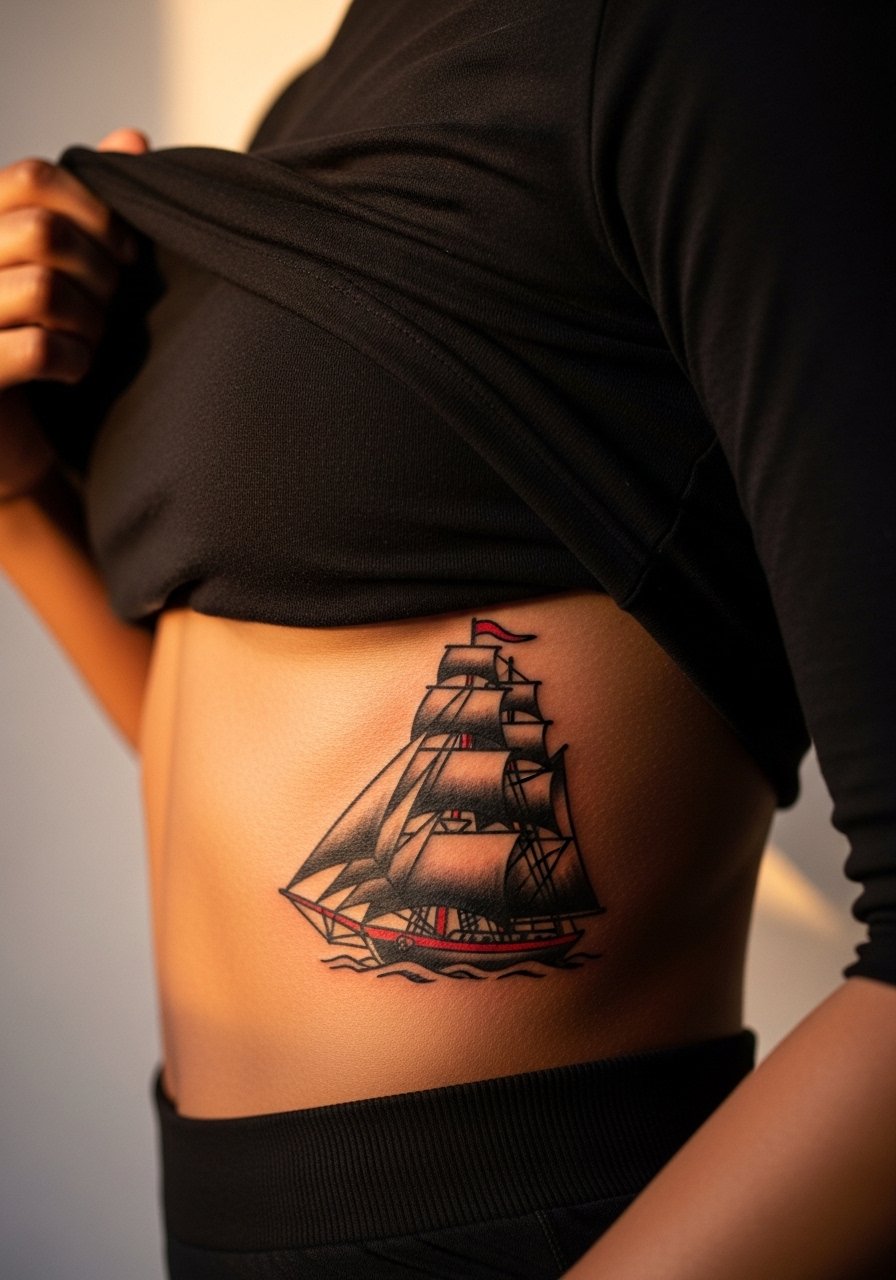
Fine watercolor washes often look like bruises after a few years on the ribs. Traditional saturated black and limited color blocks do a better job concealing those faded smears. Artists are split on fine line on ribs. One camp says the stretch blurs lines within two years. The other camp argues proper depth and spacing can keep lines crisp. Ask your artist which camp they fall into and request bold linework if you want longevity. Rib sessions can be painful and may take multiple sittings for larger sails. For the appointment, wear a cropped athletic top you can lift slightly.
11. Traditional Rose Cluster for Hip and Upper Thigh Patchwork
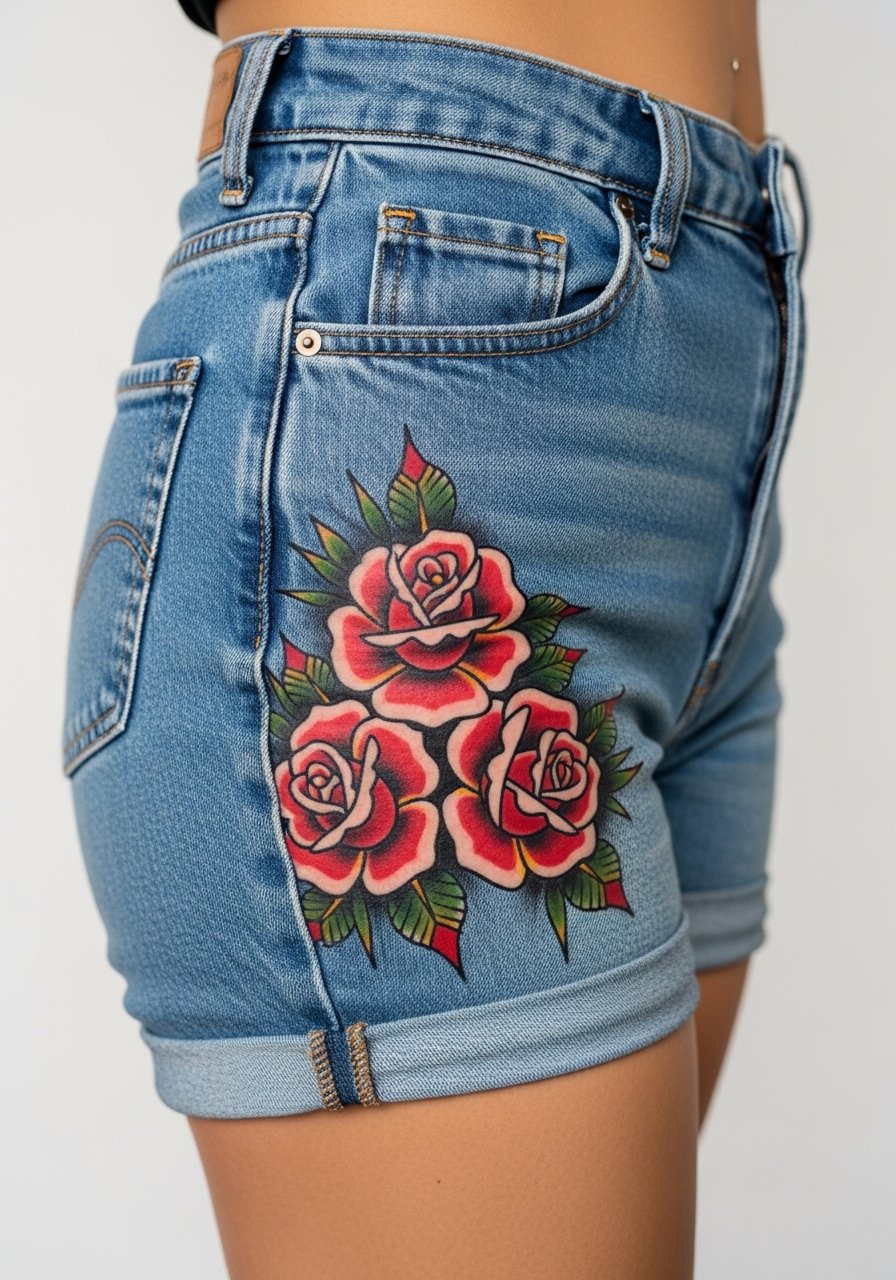
Old tattoos on the hip and upper thigh that peter out can be consolidated into a rose cluster that flows with the body curve. Tell your artist to sketch the cluster to wrap gently around the hip bone so old ink sits inside petal shapes. Pain on the hip can be moderate. Sessions may be two hours for a medium composition. A mistake is keeping the cover two small to avoid stretching across the old lines. If you plan to reveal the area, a high-waisted skirt or bikini bottom frames the artwork nicely.
12. Bold Geometric Blackwork Over a Patchy Back Tattoo
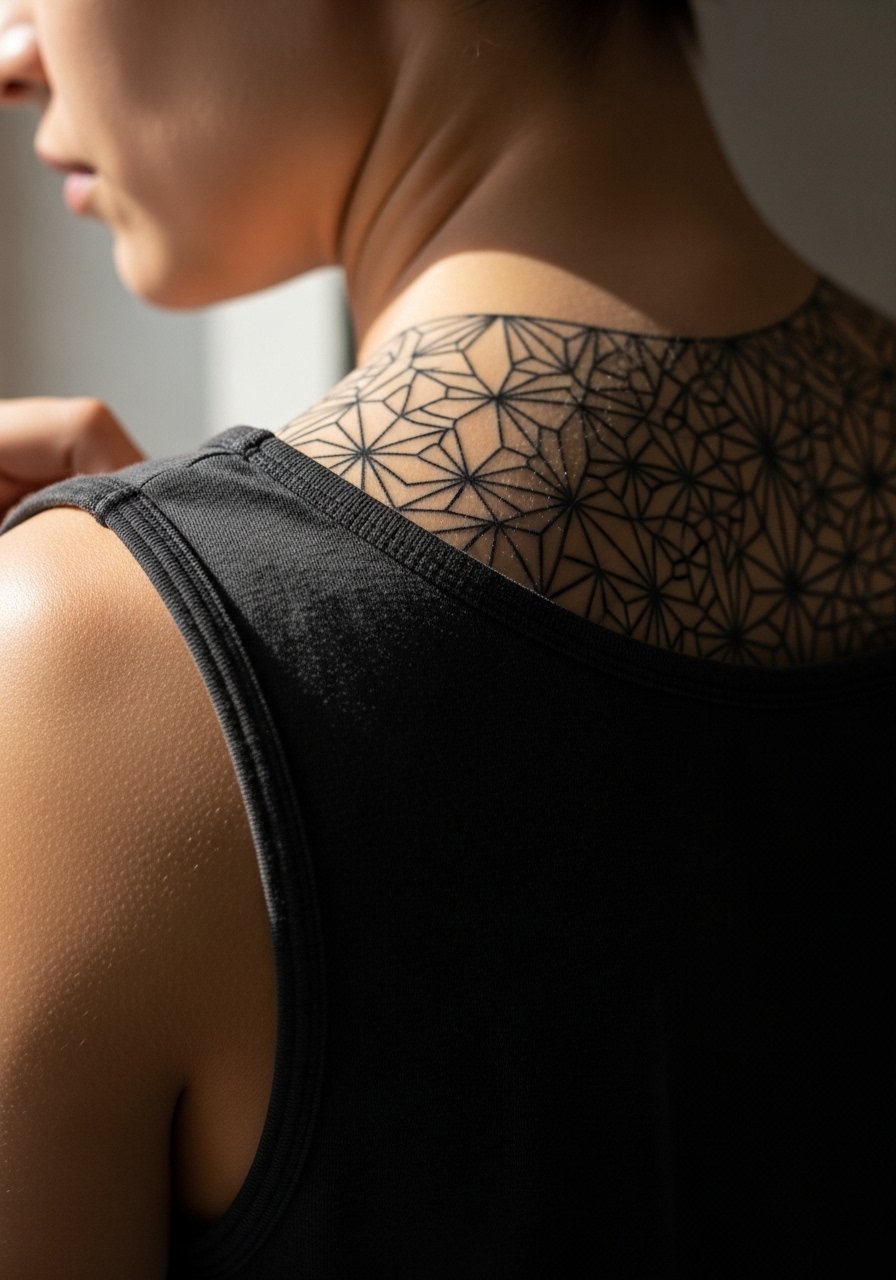
When old back pieces are patchy, geometric blackwork with thick fills and repeating shapes can mask inconsistencies. Ask the artist to use repeating motifs that break up old linear elements. Upper back sessions are moderate in pain and can stretch into longer sittings for larger coverage. The common misstep is trying to preserve too much of the old image. For sitting comfort wear a loose button-down shirt you can slide off one shoulder for access.
13. Bold Traditional Rose over a Forearm Tattoo Sleeve Fragment
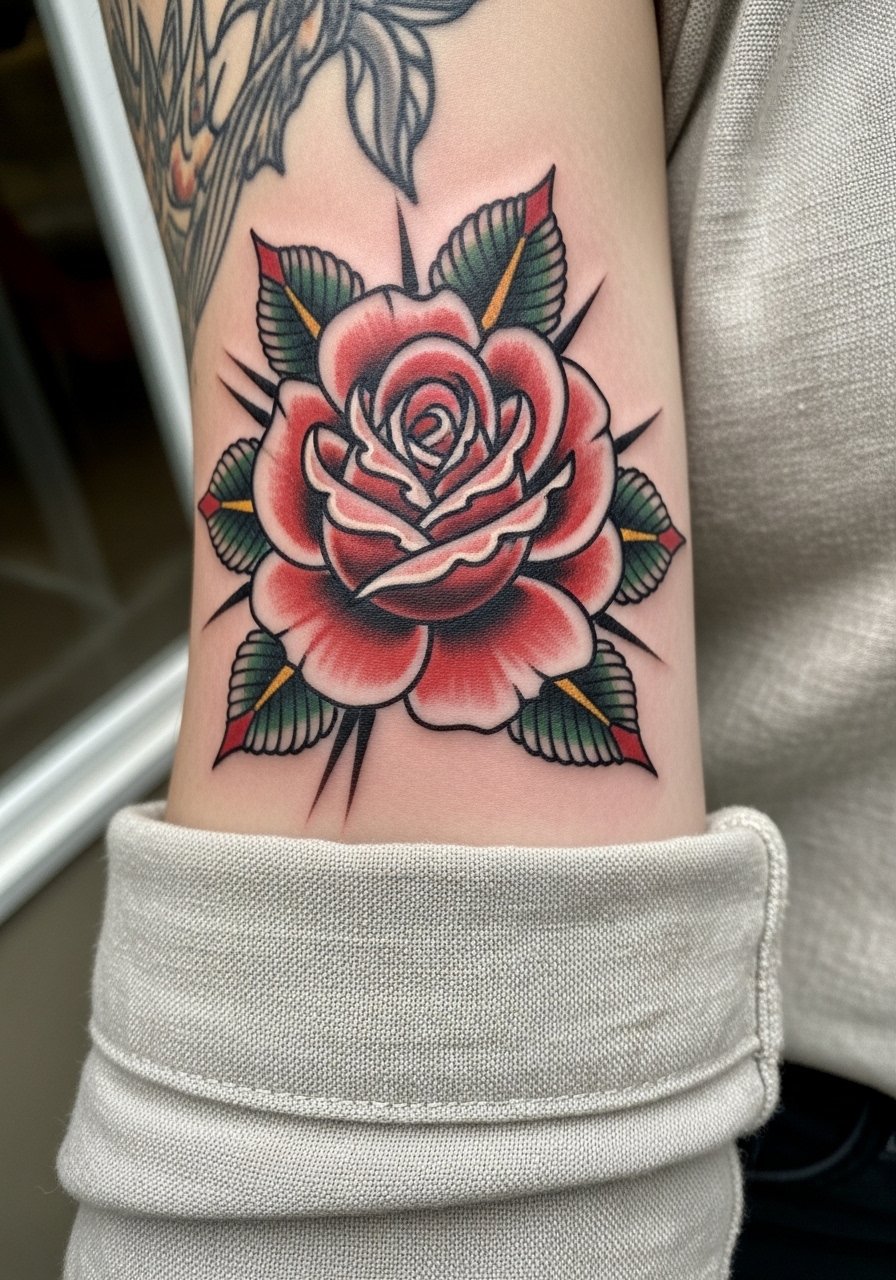
Sleeve fragments that have poor saturation benefit from larger rose motifs with weighted outlines. During the consult, specify which fragments to hide and where you want the new negative-space highlights. The forearm is moderate in pain and sessions vary with size. A frequent error is insisting on light gray shading when full saturation is needed for concealment. Roll up sleeves and wear a loose linen shirt for the session and when showing the piece off.
14. Heavy Traditional Eagle Across the Sternum to Mask a Broken Script
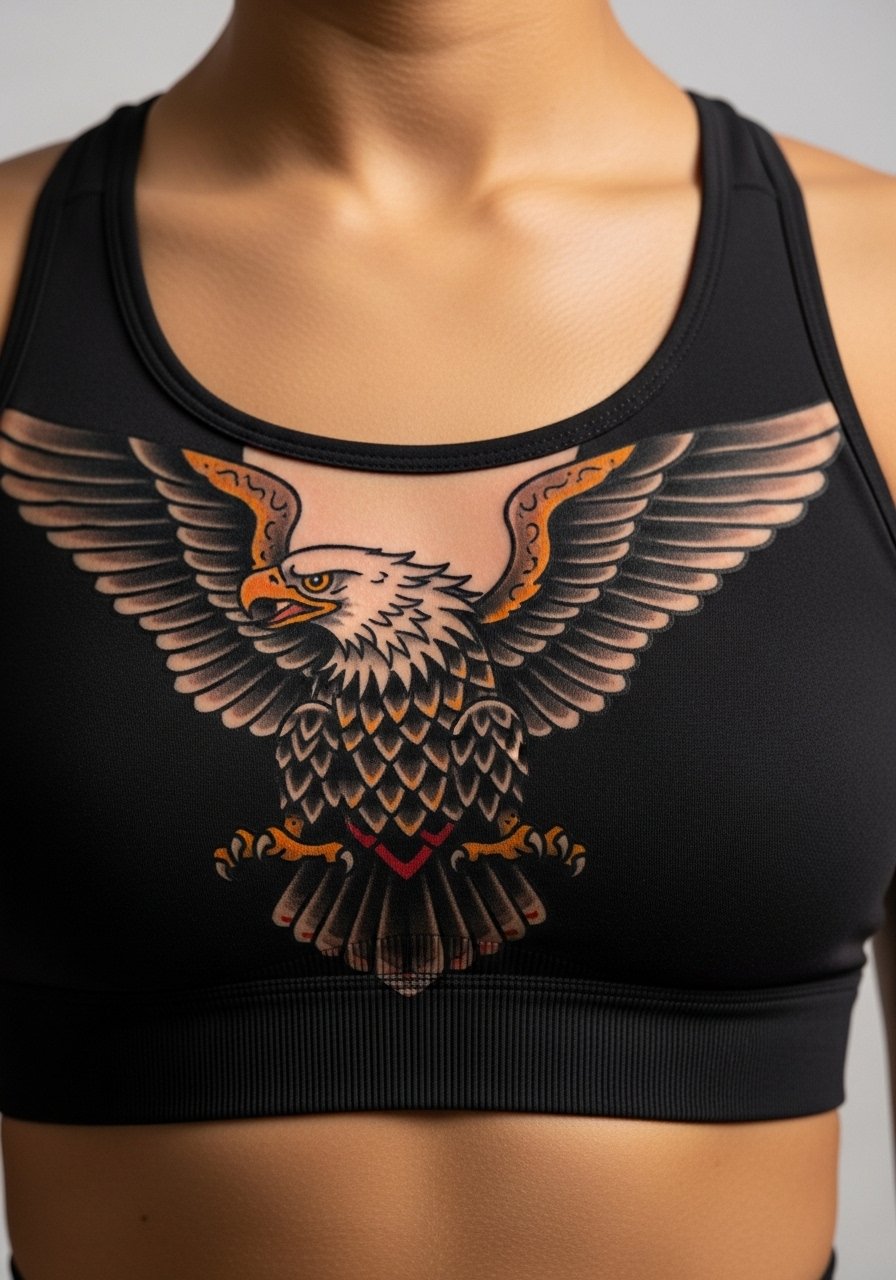
Sternum scripts that blurred with age can be covered with a symmetrical eagle that uses solid black underwing fills to mask letters. Ask the artist to center the bird so the body obliterates the old text. Sternum work can be one of the more painful areas. Sessions may be split. A common mistake is trying to keep the bird too small which leaves old lines visible. For the appointment wear a fitted sports bra you can adjust so only the sternum area is exposed.
15. Traditional Black Snake Coil to Hide an Old Ankle Piece
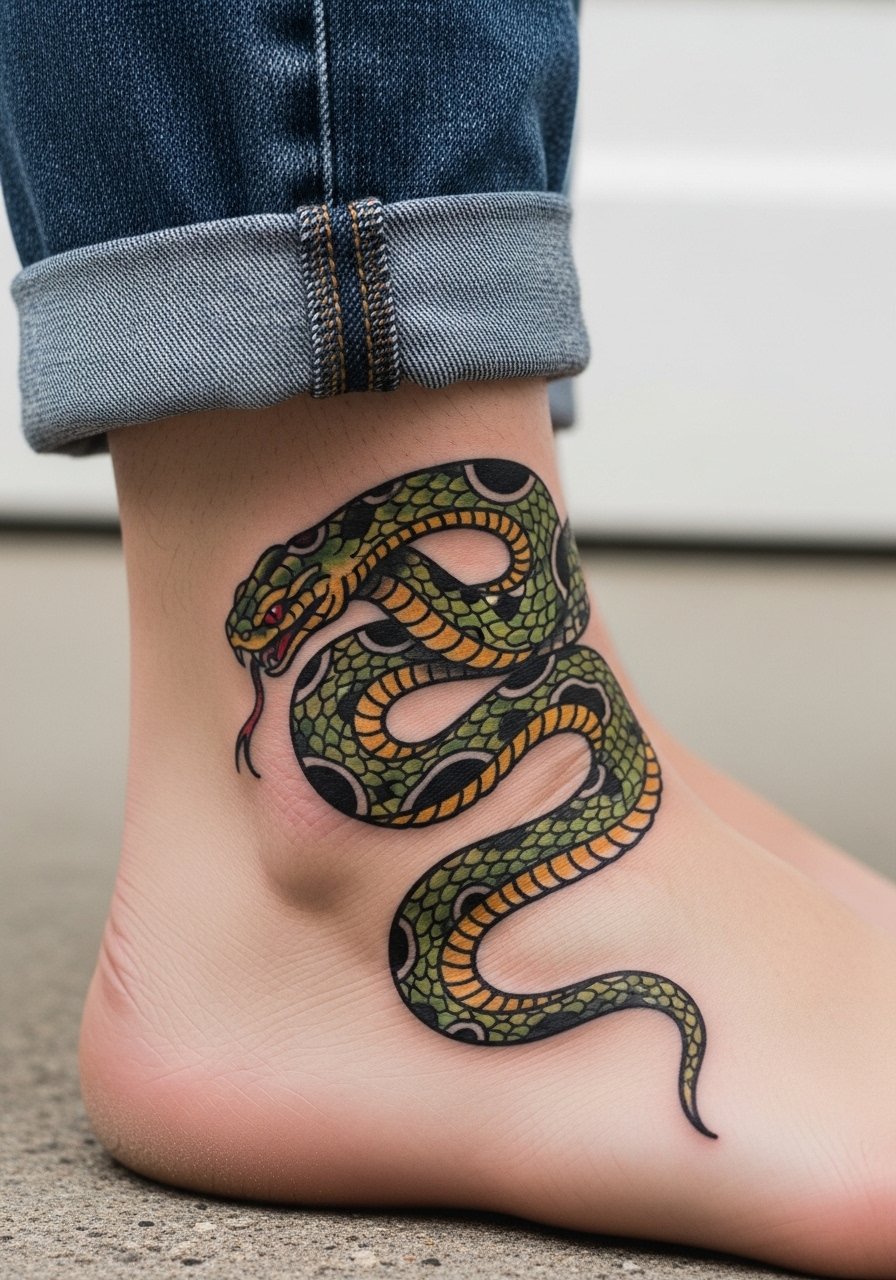
Ankle tattoos face constant friction from socks and shoes. A coiled snake in heavy black with patterned scales camouflages older small tattoos while remaining readable. Tell your artist to design the coil to cover the worn spots. Pain is lower than ribs but higher than outer arm. Expect a short session for a medium snake. The mistake is choosing too many micro details that shoes will rub away. Roll up jeans and wear a pair of slide sandals after healing to show the artwork.
16. Blackwork Compass Over a Blurred Chest Medallion
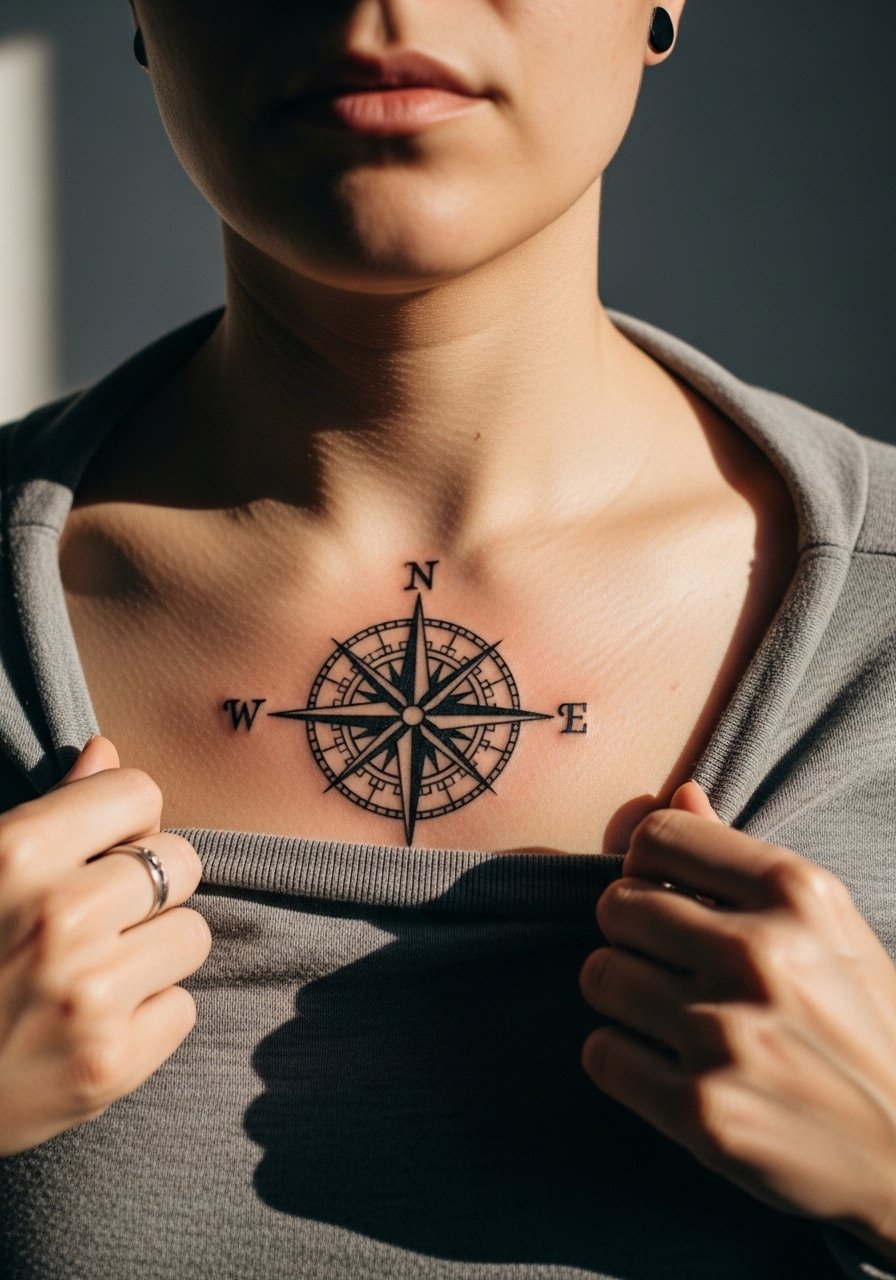
When chest medallions have blurred, a saturated compass with thick cardinal points and black shading can obscure the old medallion while keeping the new piece geometric. Ask the artist to offset heavy fills over the old areas. Pain depends on proximity to bone and may be moderate. The mistake is keeping the compass tiny. For showing the piece, an open-collar shirt works well.
17. Black Rose and Leaves to Conceal an Underdone Thigh Tattoo
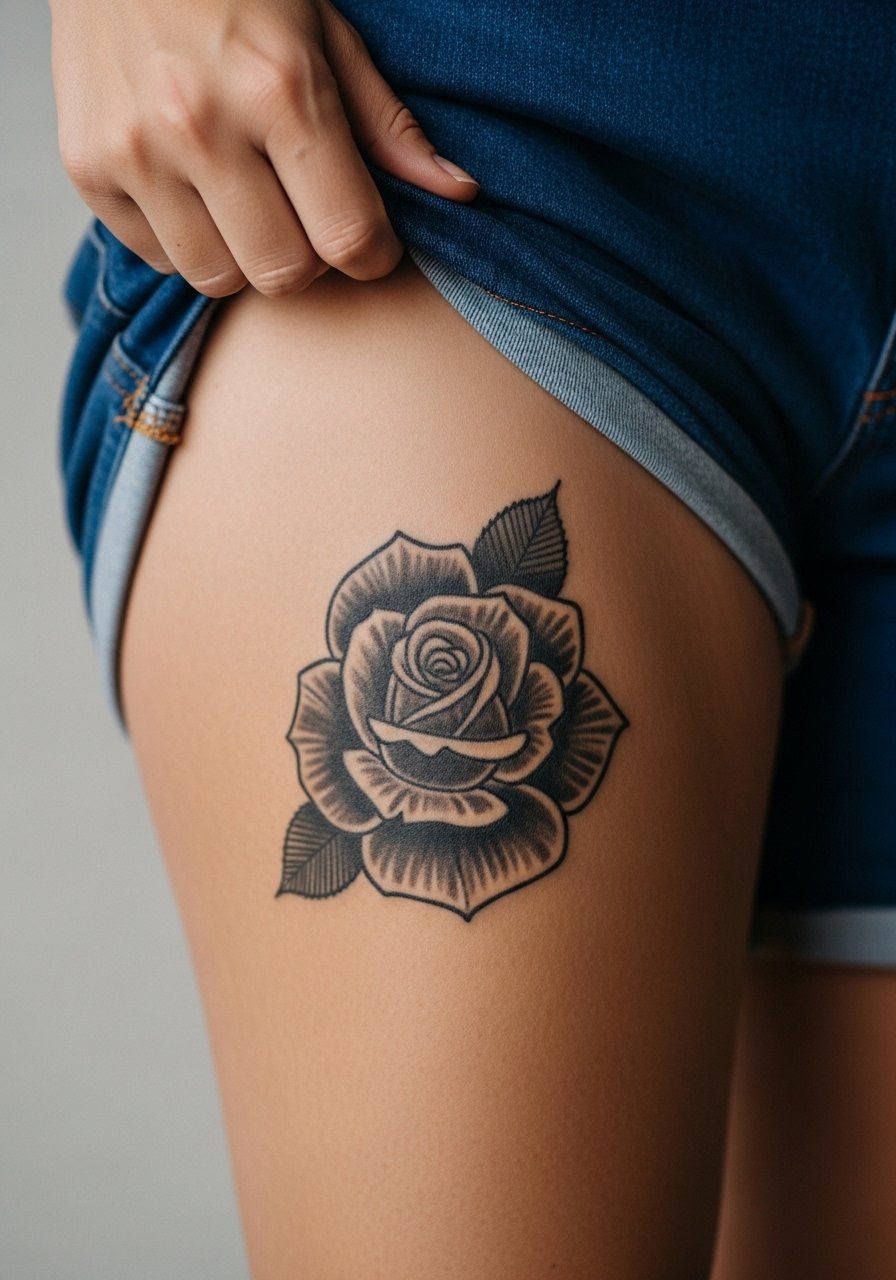
Thigh tattoos that never saturated present a chance for heavy black roses and leaf work that take the old ink out of sight. In consultation, note where stretch marks or old ink sit so the artist avoids thin details there. Thigh sessions are lower on pain and can be longer. The common error is attempting delicate dot work over weak pigment. For the session wear loose drawstring shorts so the artist can adjust without pressure on the area.
18. Traditional Panther on the Upper Back to Replace a Small Portrait
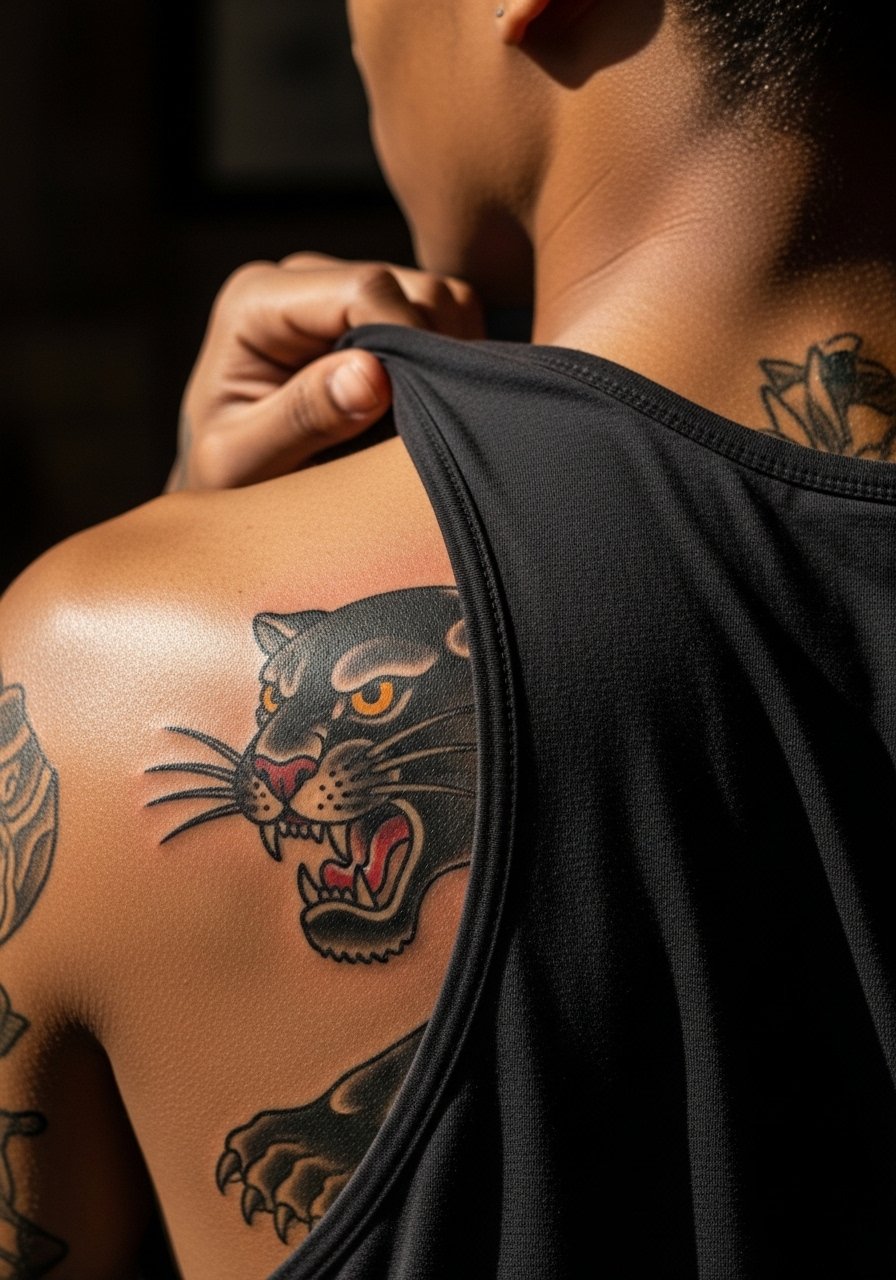
Small portraits on the upper back that age into blotches are good candidates for a panther with heavy black shading and negative-space teeth highlights. Tell the artist to orient the panther to overlap problem zones. Upper back work is moderate and can be done in longer sittings. The mistake is too much fine detail when bold shapes are needed. For comfort on the chair, wear a tank top you can slide to one side.
19. Heavy Anchor and Rope to Mask a Faded Foot Tattoo
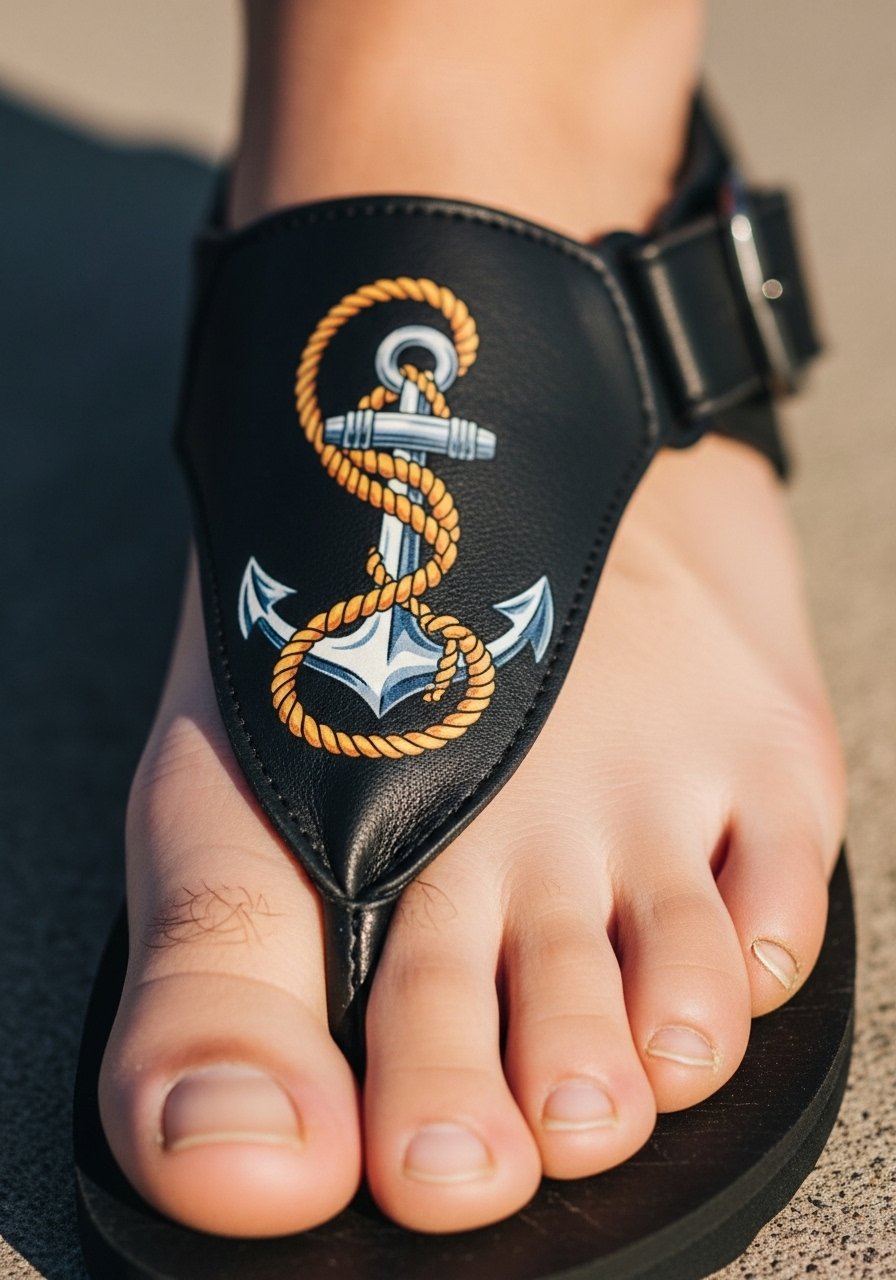
Foot tattoos fade quickly with wear. A dense anchor and rope with black fills hides smudged low-saturation work and keeps a nautical feel. Discuss sole friction and where shoes contact the ink. Foot sessions are painful and may need touch-ups. The common mistake is picking soft gray shading on the foot. After healing, wear open footwear like a pair of sandals to display the piece.
20. Bold Black Script Banner Over Old Cursive on the Bicep
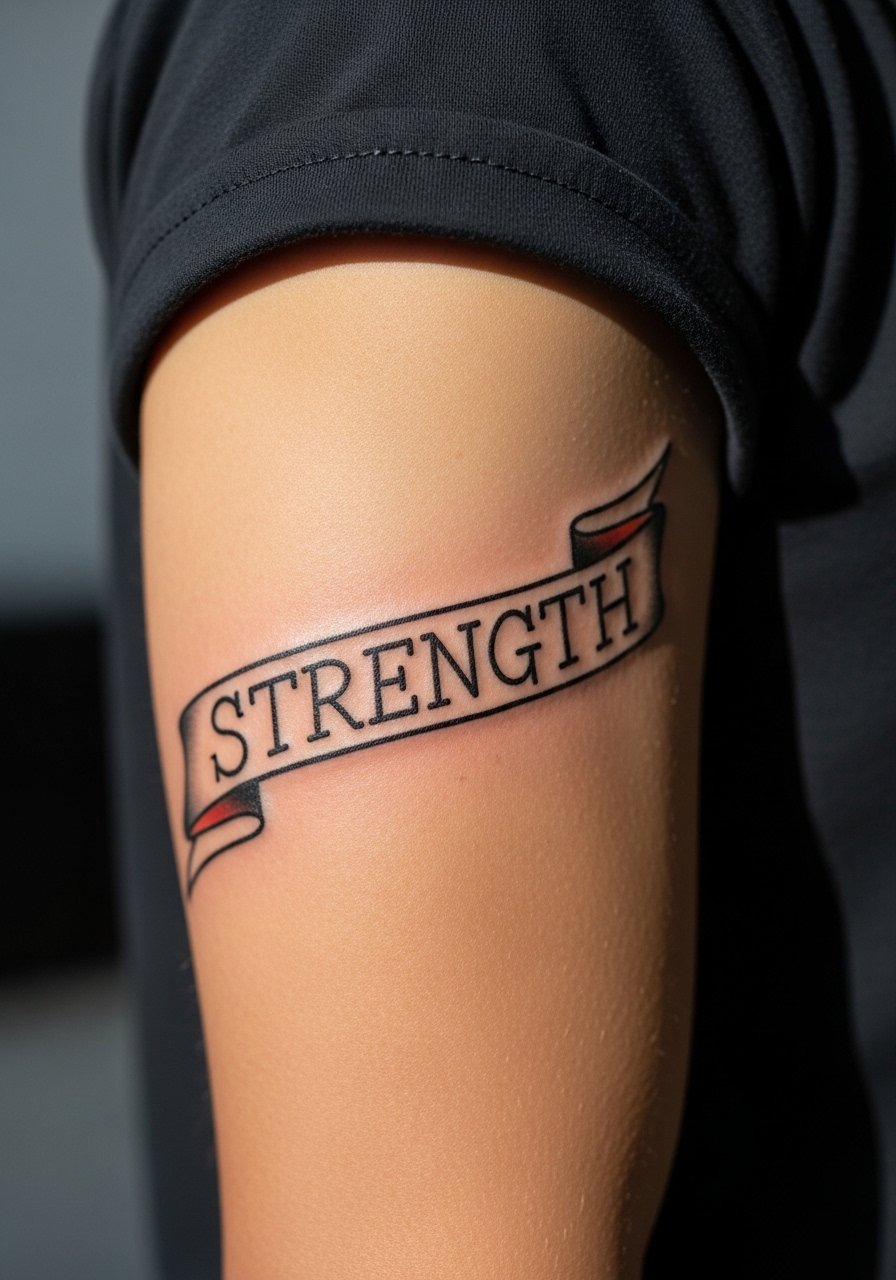
When cursive names look messy on the bicep, a thick banner with new script and heavy black shadow covers the old text while still feeling classic. Tell the artist to plan the banner width to sit over the original letters. The bicep is moderate in pain and usually done in a single session. People often ask for very thin lettering which will fade. For the session wear a short sleeve tee you can roll up.
21. Traditional Rose and Dagger on the Lower Back to Hide a Pale Tattoo
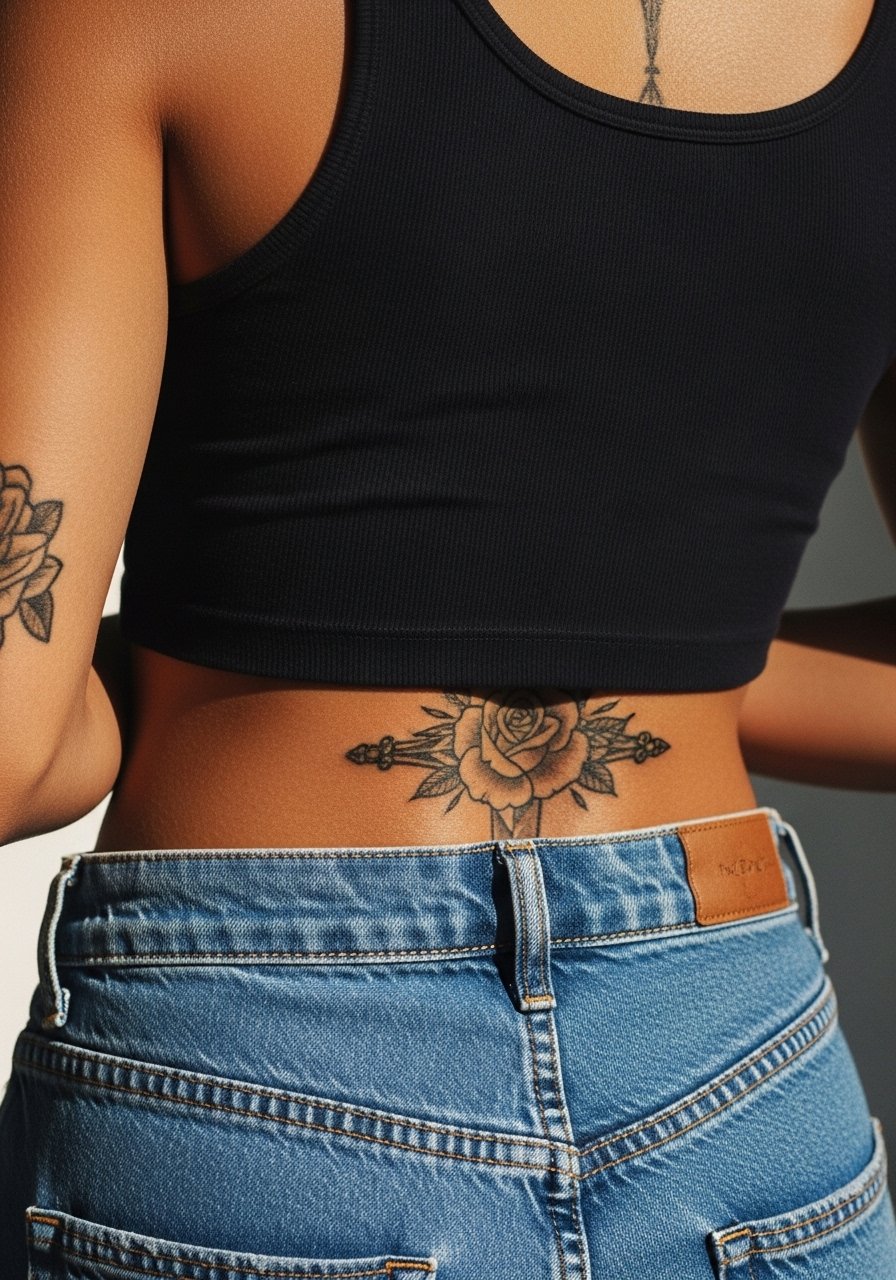
Lower back tattoos that faded unevenly can be concealed with a vertically oriented rose and dagger. Ask for heavy shading down the spine line to cover pale patches and to leave a small halo of negative space at the edges. Lower back sessions are moderate and often comfortable. The main mistake is keeping coverage too narrow. For showing the piece, try a crop top and high-waisted jeans.
22. Thick Black Crescent Moon for Small Finger Tattoo Errors
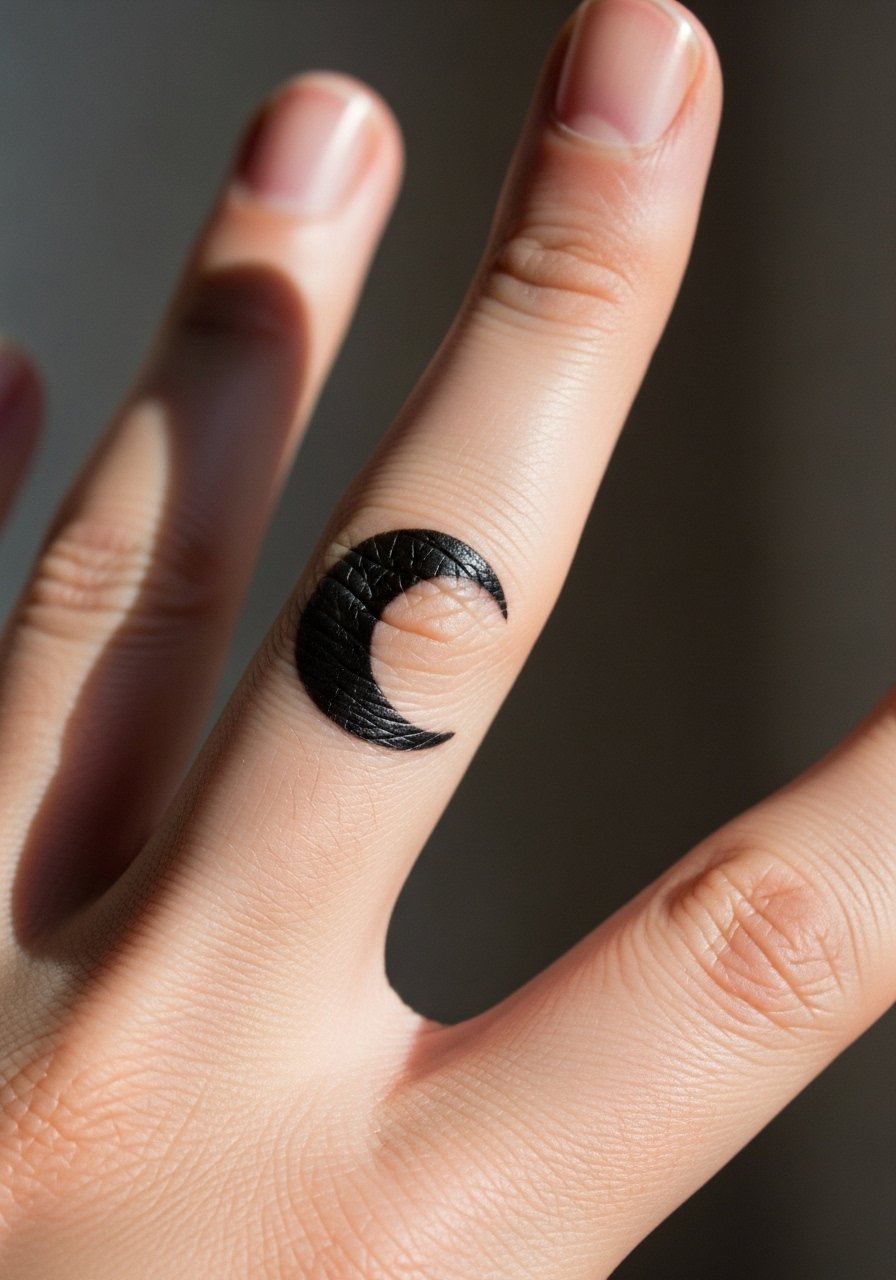
Fingers are high maintenance and small mistakes blur fast. A thick crescent moon with solid black fills can mask a botched tiny symbol. Tell the artist to keep the shape broad and to avoid thin filigree. Finger sessions are painful and need frequent touch-ups. Avoid expecting it to last like larger body work. For show-off styling, stack with a thin chain ring set rather than bulky bands.
23. Bold Blackwork Mandala Segment for an Old Back Piece
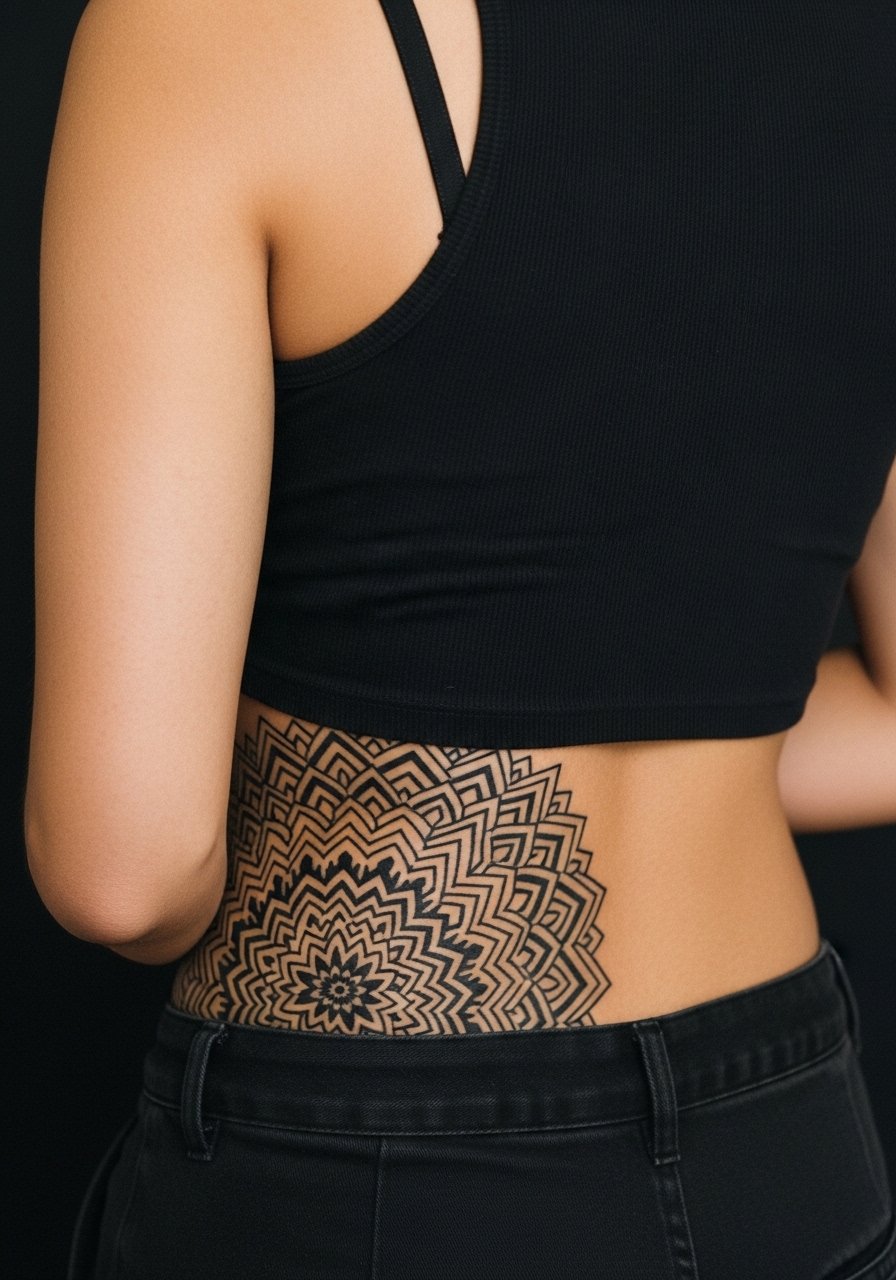
When a back piece has uneven color, a mandala segment with heavy black radial fills can overlay problem spots and create a new focal area. Discuss which parts of the old design must be hidden and where to place negative-space rays. Mid-back sessions are moderate in pain and may take multiple sittings. A mistake is asking for microscopic points that will merge. For showing off the segment, an open-back dress frames it beautifully.
24. Bold Traditional Lion to Replace a Faded Chest Portrait
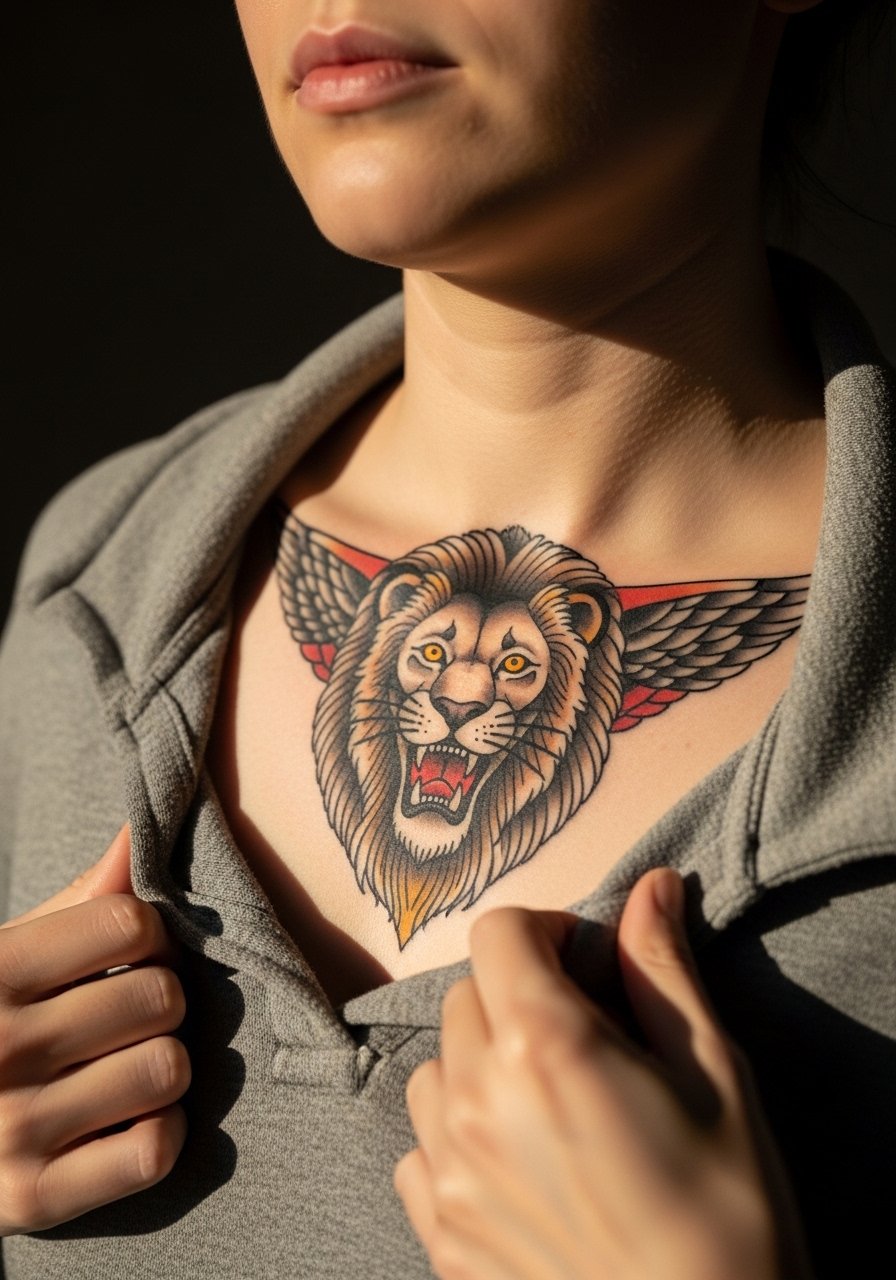
Chest portraits that lost definition take on new life as a lion with saturated mane and thick lines. Tell the artist to use mane fills that intersect the old portrait lines so nothing remains legible. Expect two to three hour sessions and moderate to high pain. The error is trying to keep too much of the original image visible. For outfits try a wide-neck shirt when showing the work.
25. Heavy Traditional Floral Band for an Old Upper Arm Band Tattoo
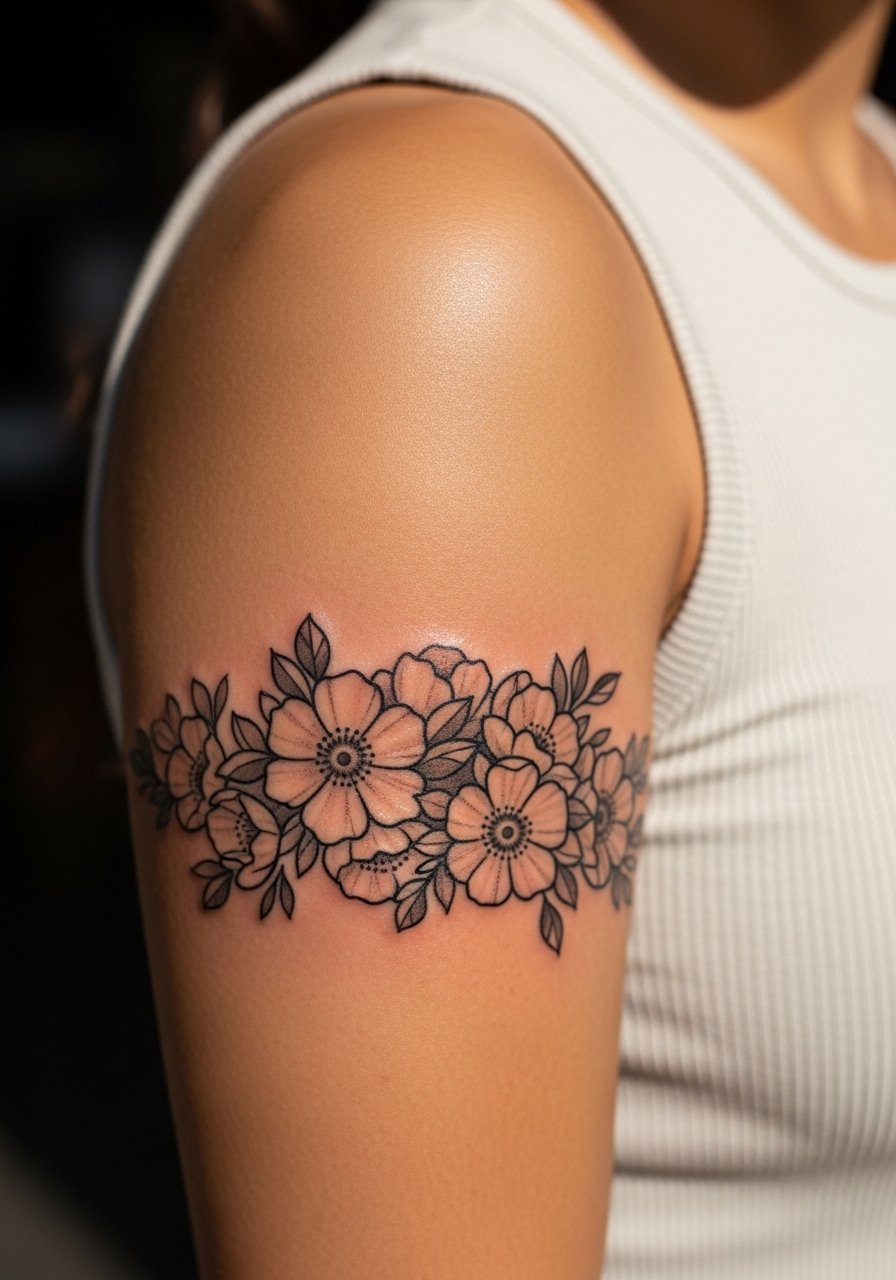
Upper arm bands that have blurred can be reworked as floral bands with layered petals and bold black filler. Ask your artist for varying petal sizes to avoid symmetry that highlights old gaps. The session is comfortable and often quick. A common mistake is insisting on a single thin line around the arm. For showing the band off wear a sleeveless top.
26. Solid Black Rose on the Hip to Cover a Tiny Tattoo
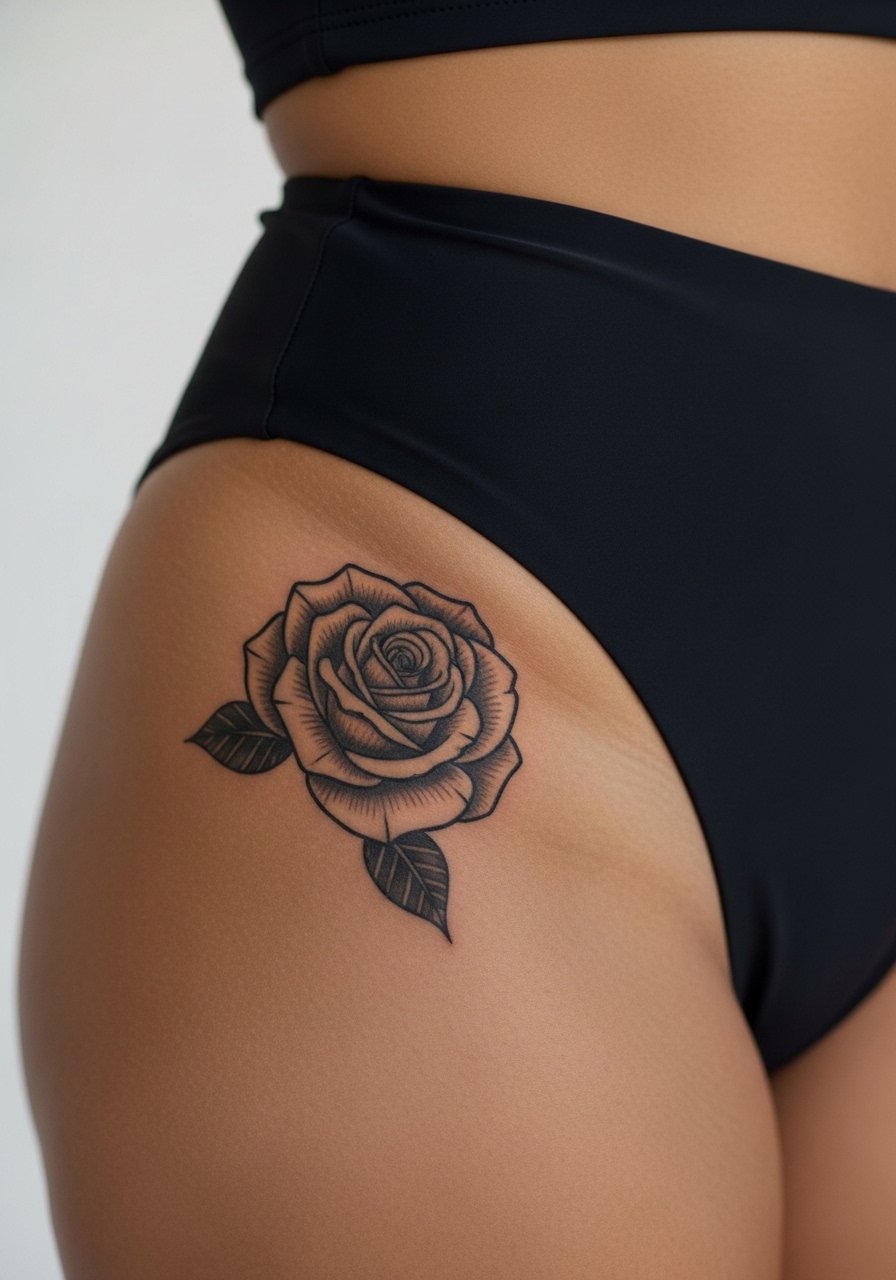
Tiny tattoos on the hip that look patchy can be replaced with a solid black rose silhouette. The hip can be sensitive when the sun hits it. Plan for a short session and ask the artist to use crisp edges. The usual error is trying to match delicate shading over weak pigment. For beach days choose a high-cut swimsuit bottom that shows the piece without overexposure.
27. Heavy Traditional Back Piece to Replace an Old Full Back Patch
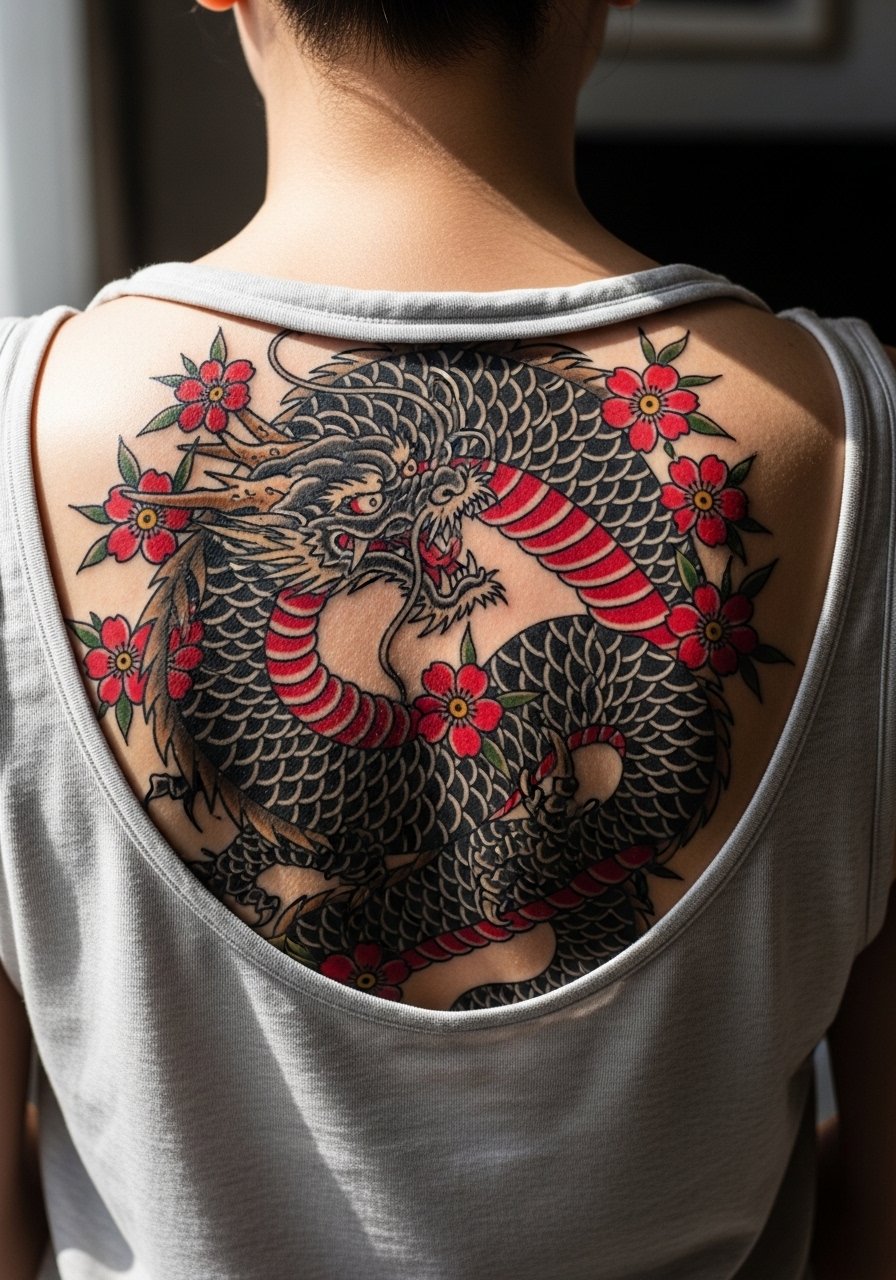
When a whole back patch is unusable, a new traditional back piece with bold panels, saturated black fields, and strategic negative space can hide older forms and create a coherent composition. In consultation, review the existing shapes so the artist can plan which areas to obliterate and which to incorporate. Back sessions are longer and may be split over several sittings. The mistake is underestimating the time needed. For session comfort wear a tank top that can be moved without exposing the whole back.
Frequently Asked Questions
Q: How dark does a cover-up need to be to mask faded color tattoos on the ribs?
A: For the ribs, usually heavier black saturation and larger shapes do the job because the skin there can cause colors to look patchy over time. Expect your artist to plan fills that sit over the old pigment rather than trying to micromatch the previous hues. The trade-off is a bolder look that lasts longer.
Q: Can a traditional blackwork cover look natural over a small portrait on the chest?
A: Yes, if the artist designs the new image to incorporate the portrait's lines into shadowed areas the result reads as an intentional composition. Ask for samples of previous chest cover-ups in person and review healed photos. That will give you a realistic sense of the final look.
Q: Do hand and finger cover-ups need more touch-ups than forearm covers?
A: From what I've seen, hands and fingers require more frequent touch-ups because of constant washing and thinner skin. Forearm covers tend to settle more predictably. Factor that into your plan if you want minimal maintenance.
Q: Is it better to cover an old tattoo with a new piece or to remove ink first?
A: It depends on the ink density and your aesthetic goal. If the old work is light and you want a restrained cover, laser sessions can reduce pigment before the tattoo. If you want a classic traditional piece with heavy saturation, direct covering often works and saves time compared with multiple removal sessions.
Q: How should I pick clothing for the studio day for a sternum or ribcage cover-up?
A: Wear something you can lift or pull aside without full undressing so the artist has clear access and you stay comfortable. For ribs a cropped athletic top or a zip hoodie you can open works well. For sternum choose a fitted sports bra or bandeau so only the small area is exposed.