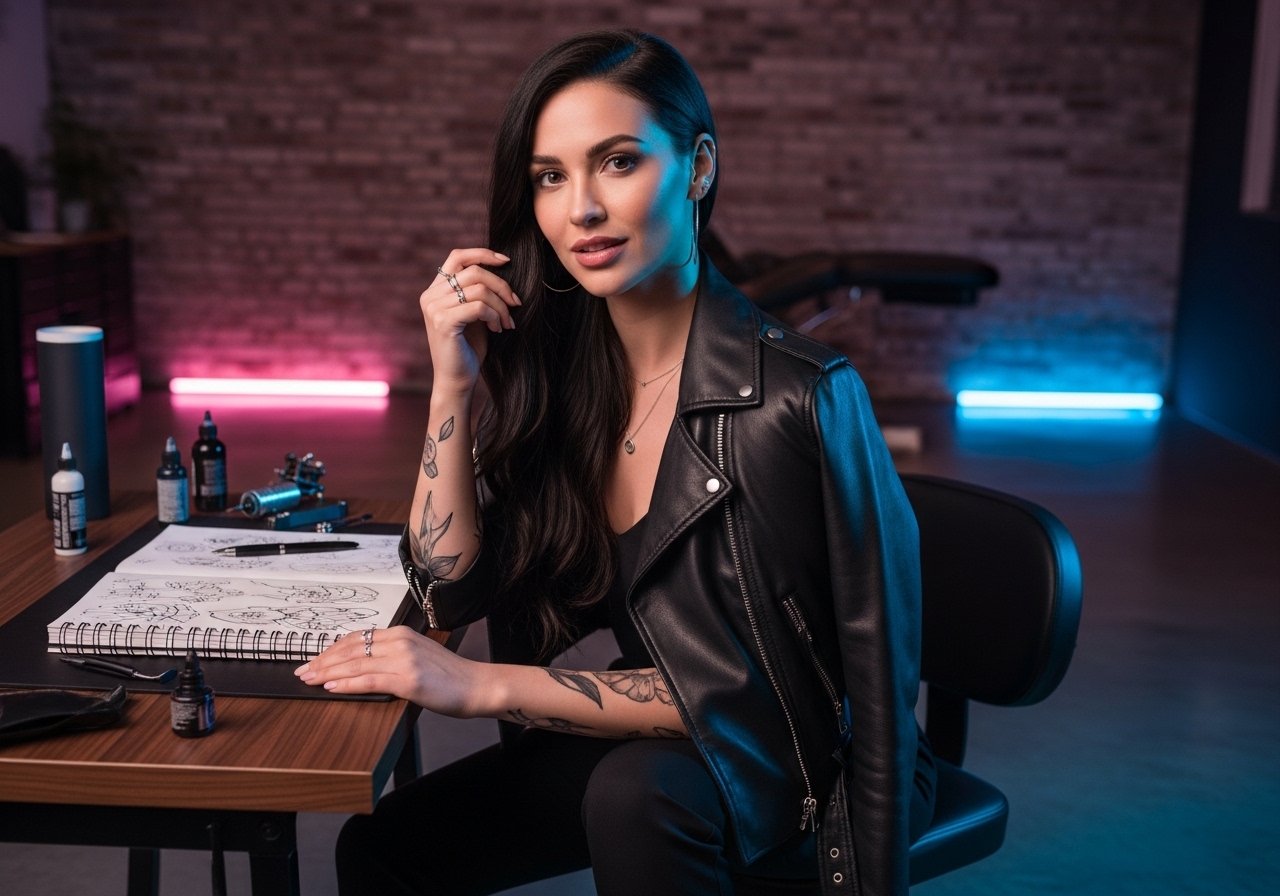
Fine line lion outlines are everywhere on saved boards, and the trend looks gorgeous on first reveal. The reality is that what reads delicate at day one can soften unevenly over the years. Pick placements and line weight that match your lifestyle, plan for touch-ups, and use the visual ideas below to decide which lion drawing will age into something you still want to see in a decade.
1. Fine line lion head outline with floral crown on the wrist
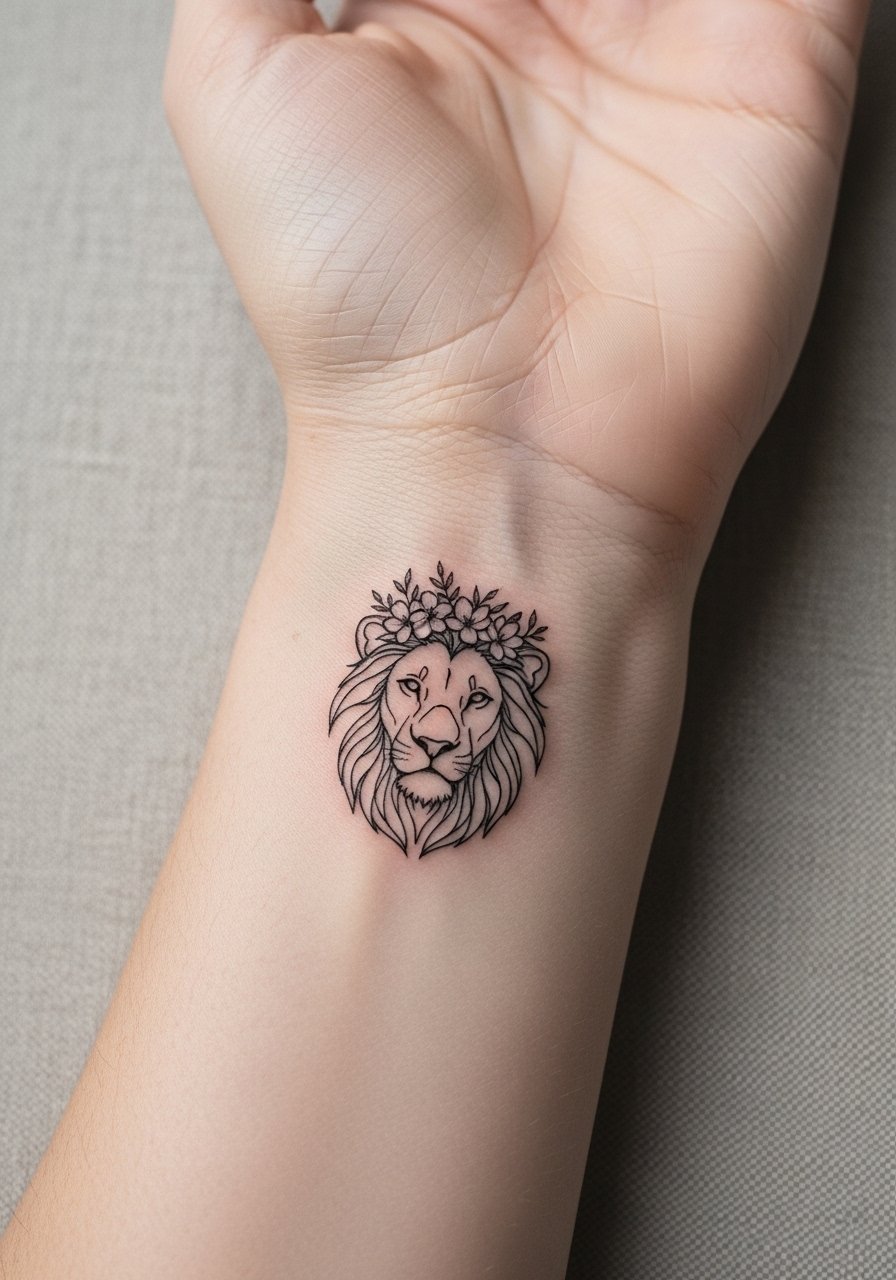
I recommend this when you want a small, narrative piece that reads as jewelry more than a portrait. Tell your artist you want slightly thicker primary contour lines and very light inner detailing so the crown reads after healing. The common mistake is asking for ultra-thin lines everywhere. That fades into a smudge at year two on high-movement spots like the inner wrist. Expect a single short session and touch-up around year two if you wash hands a lot. For showing it off, stack a thin gold chain bracelet on the opposite wrist and roll linen cuff sleeves during warm months to keep the linework visible.
2. Watercolor lioness portrait with mane accents on the shoulder blade
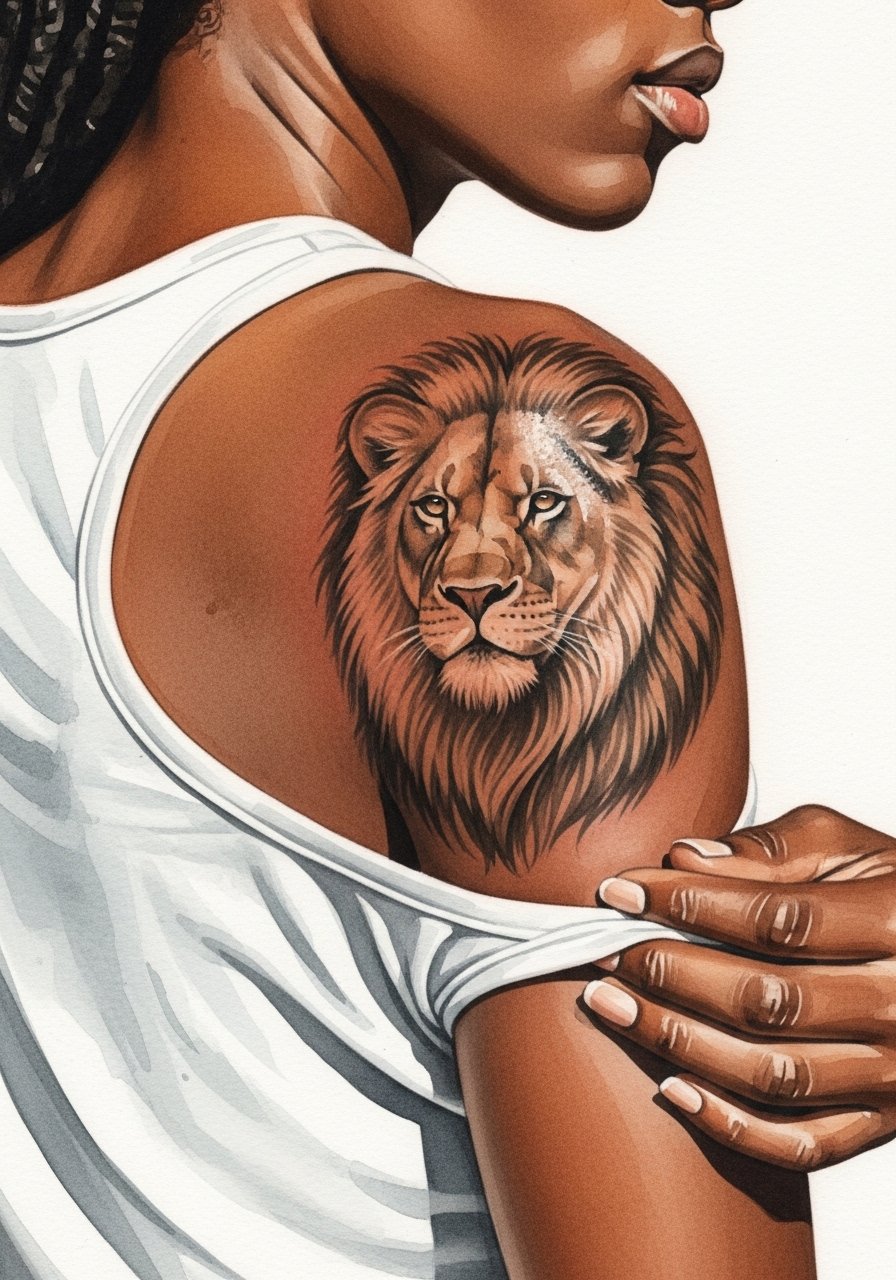
Watercolor works beautifully on the shoulder because the canvas is broad and sun exposure can be controlled with clothing. Ask for softer edges in the color fields and a thin black anchor line near the eyes so the portrait keeps structure as pigments fade. The session feels like a medium-length appointment with more time spent on layering than on linework. Colors will pop in the first year then mellow, so plan touch-ups for five years if you want vibrancy. When dressing it up, a sleeveless linen kimono or a halter top lets the shoulder tattoo read like wearable art.
3. Minimalist roaring lion silhouette on the inner forearm
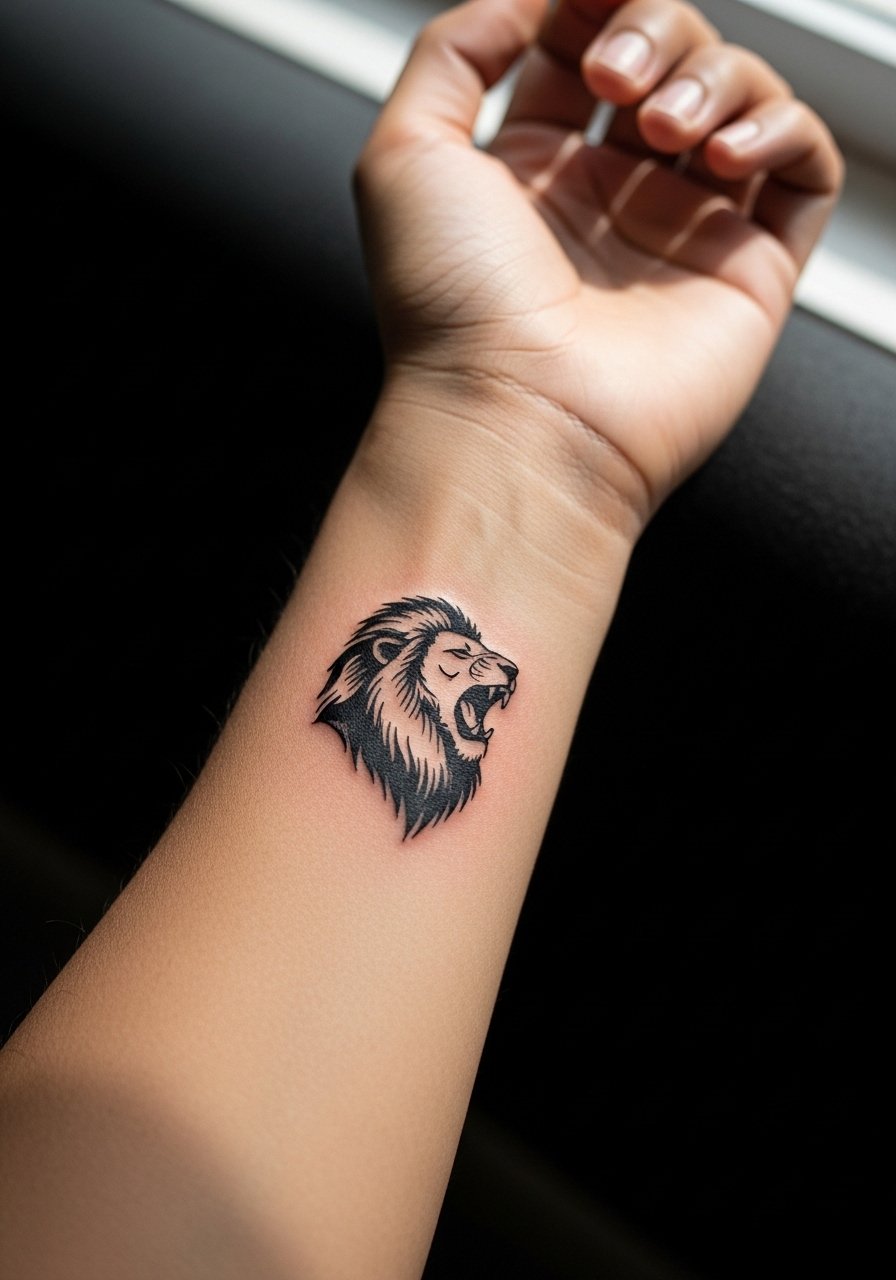
This silhouette is a solid pick for a first tattoo. In consultation, request a single-session design roughly 2 to 3 inches tall and emphasize crisp negative space around the mane so it does not blur into shading later. The biggest mistake is making the silhouette too detailed. Small internal lines will merge within a year on an active placement like the forearm. Expect low pain and an easy healing window. For everyday wear, rolled cream button-downs or an olive tank frame the forearm without crowding the silhouette.
4. Neo-traditional lioness with geometric mandala on the thigh
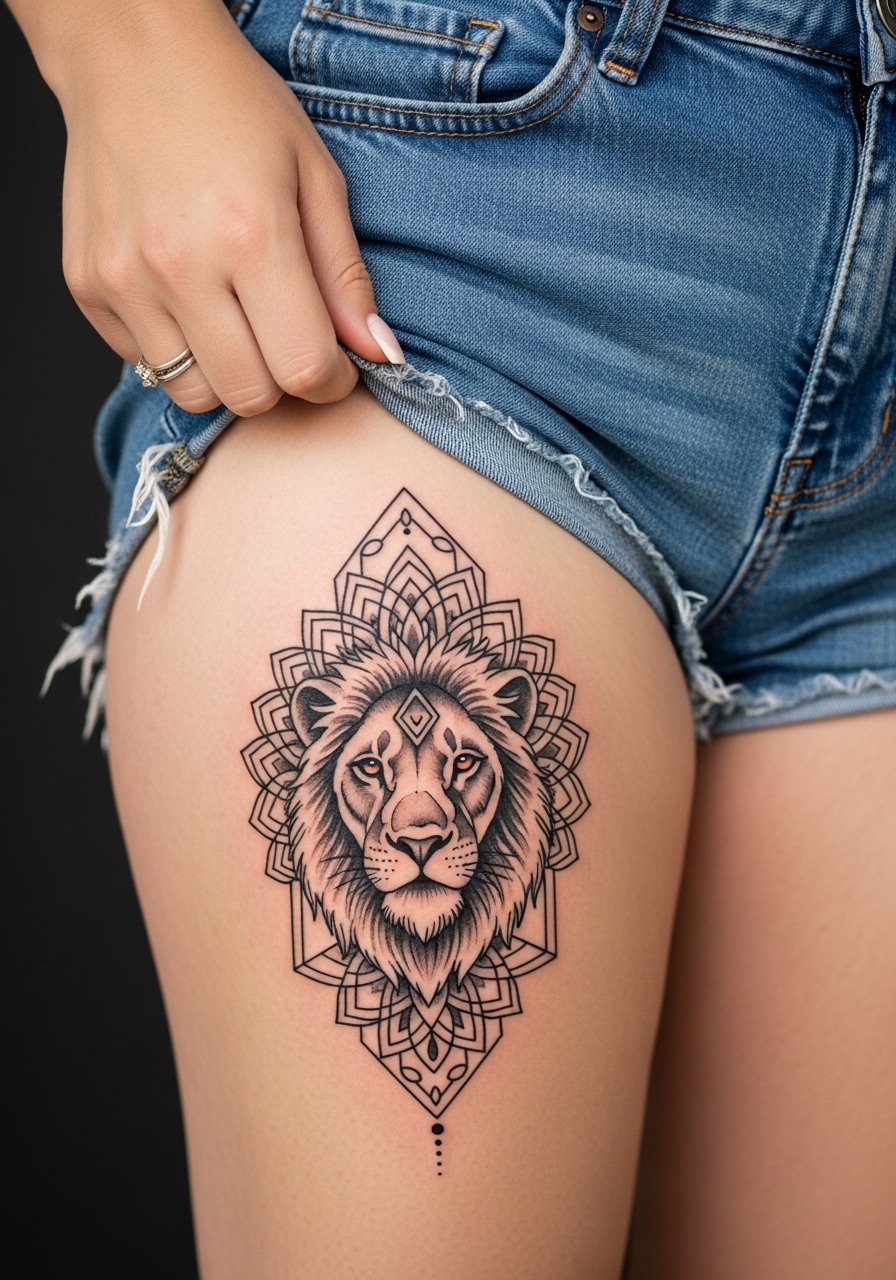
Thigh placements let neo-traditional saturation breathe. Ask for bold outlines around the lion and slightly looser mandala spacing so the mandala's small elements do not collapse over time. A common issue is cramming too much dot work into the mandala at a small scale. That detail loses contrast when skin stretches. Sessions are longer and may require two visits for saturation. If your body fluctuates, discuss scale and placement; thigh tattoos can shift with weight change. For summer looks, pair the piece with high waisted denim shorts or a side-slit skirt so the art reads without competing patterns.
5. Blackwork lion paw print with crown at the ankle
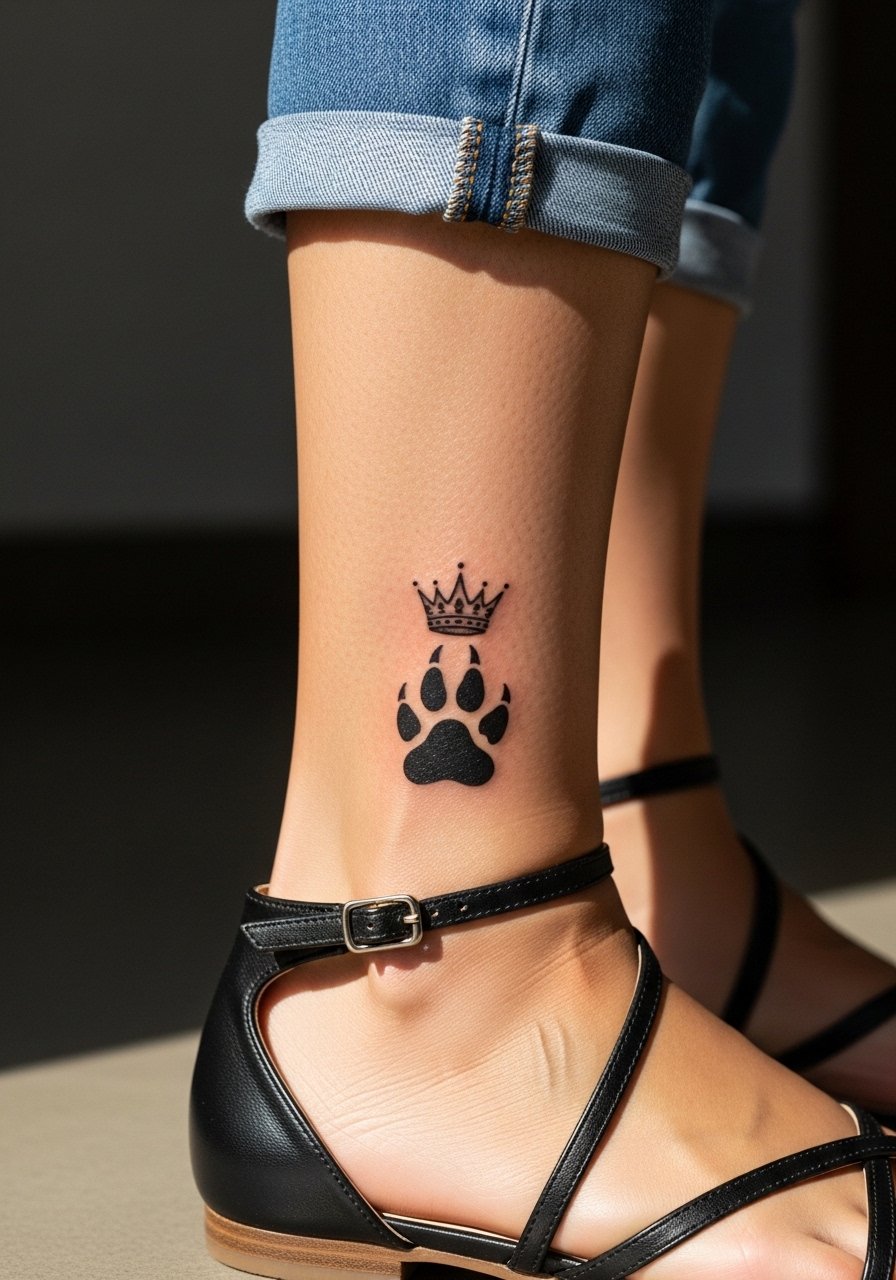
Solid blackwork is forgiving on the ankle because saturation ages into a readable silhouette. During the consult, request dense fill and slightly thicker rim lines so daily footwear and friction do less damage. A frequent mistake is making the paw tiny. Tiny black solids on the ankle can blur into a single blob after repeated rubbing from socks. Plan for a brief one-session appointment and possible touch-up at year three if you wear a lot of closed shoes. For show-off outfits, ankle-strap sandals or cropped straight jeans keep the area visible without friction.
6. Micro-realism lioness eye with a single tear behind the ear
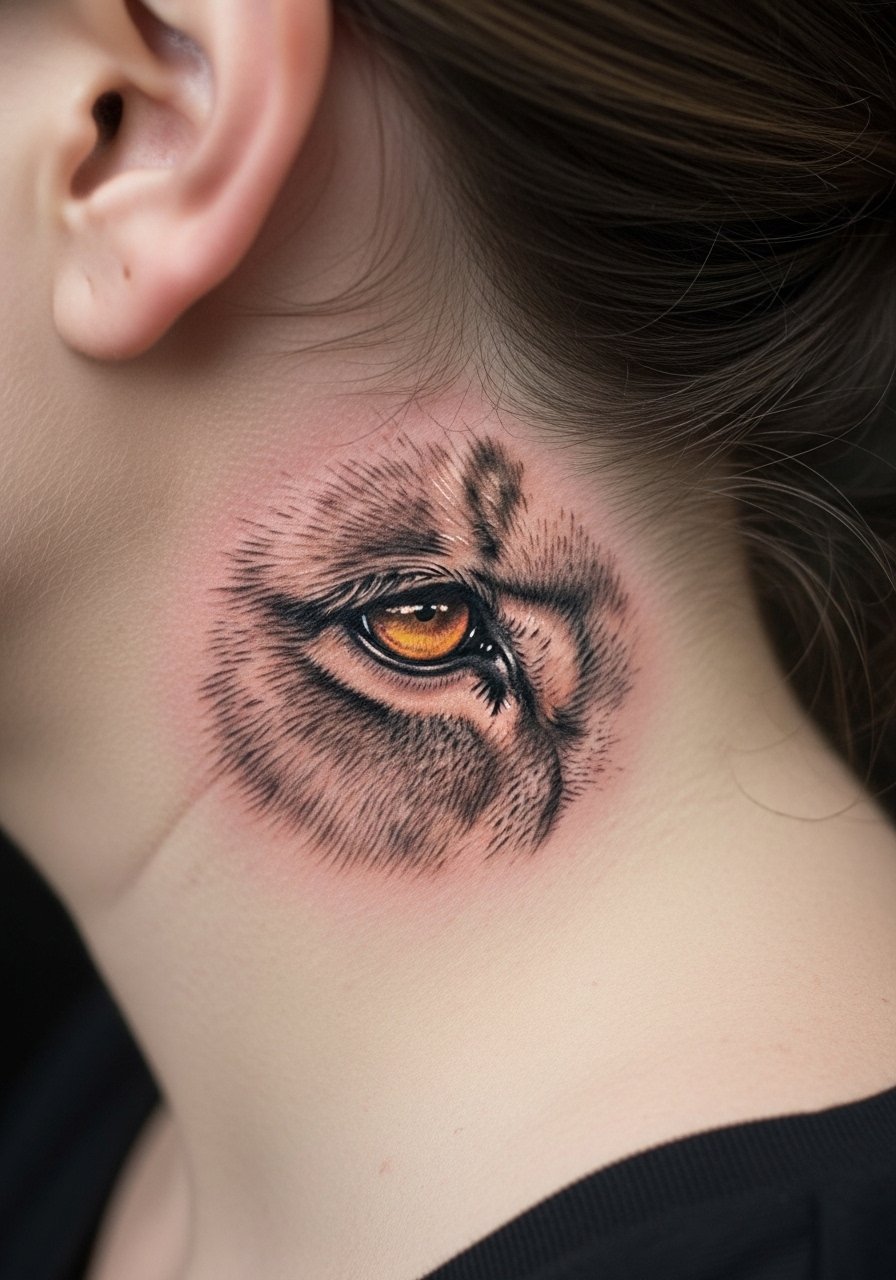
Micro-realism behind the ear reads intimate and detailed. Tell your artist you want a focus on the pupil and a light highlight so the eye retains depth after healing. The ribcage of this tiny zone is sensitive to blowout because the skin is thin and the area moves with hair and head turns. The session is short but requires steady handwork and a two-session touch-up window is common. Note that for tattoos behind the ear, long hair styles and frequent washing can affect how long the fine detail looks crisp. For session wear, have hair tied up or clipped so the artist can work cleanly.
Studio Day Picks
The first six ideas above include small wrist and ear pieces as well as denser shoulder and thigh work, so a handful of targeted items smooth the session and early healing.
-
Indie thin balm for fine line work. Thinner than heavier ointments, this type of balm keeps delicate linework from becoming occluded during the first week without over-moisturizing.
-
Australian tea tree salve. Useful in humid conditions when you need a lighter, less greasy option that still calms irritation around shoulder and thigh pieces.
-
Breathable protective wrap alternative. A roll or single-use film that adheres gently to curves prevents edge lift on ankle and ribcage placements.
-
Stencil transfer paper kit. Lets you preview placement and line weight on the wrist and collarbone before the needle touches skin, which is especially helpful for fine line crowns and silhouettes.
-
Aquaphor healing ointment. A thin layer in the first days locks in moisture for small detailed pieces without clogging delicate needle channels.
7. Ornamental lion frame with vines on the ribcage
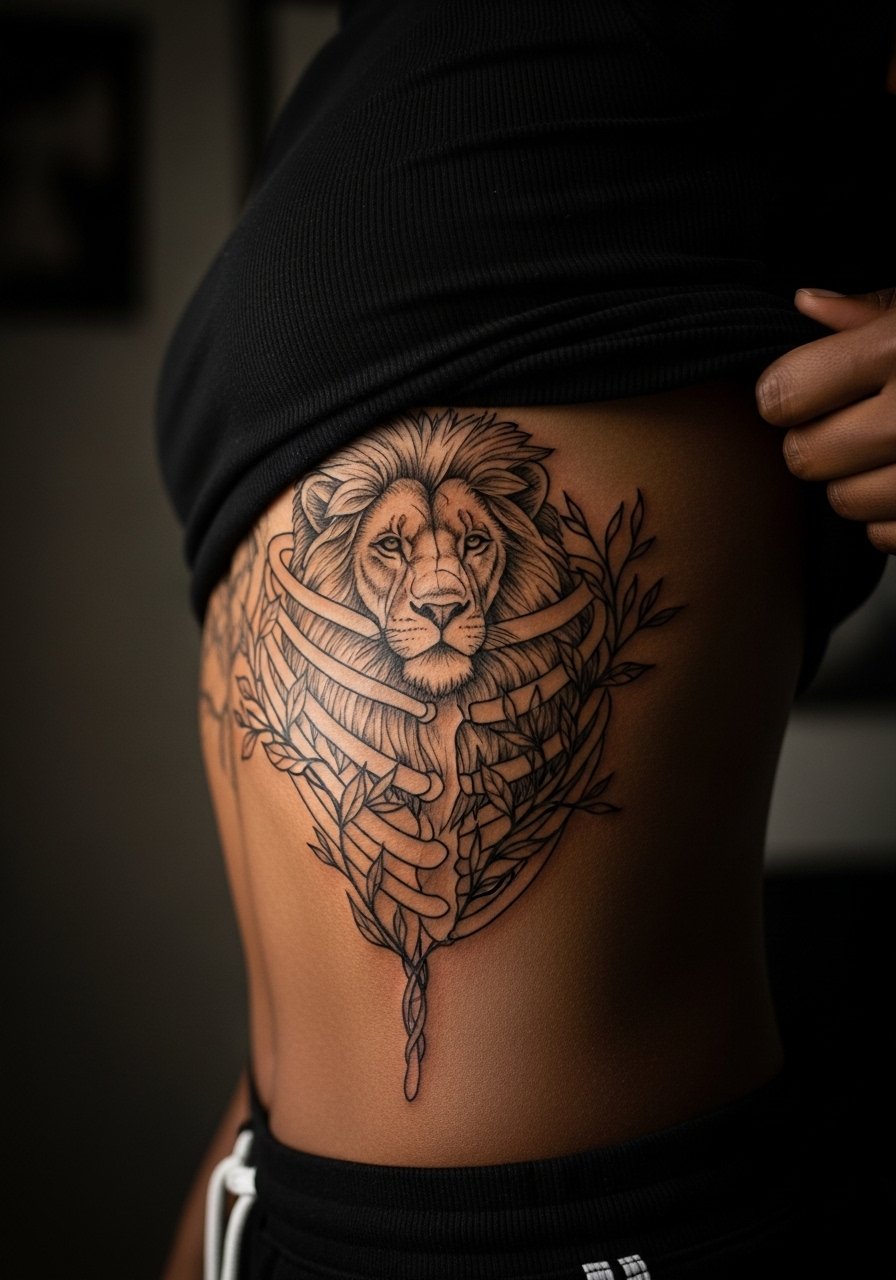
Fair warning, the ribcage rates high on most pain scales, but the canvas gives ornate frames real presence. Ask your artist for increased spacing between vine loops so the linework keeps its definition as the area heals. The common mistake is packing too much filigree into a small ribpiece. That leads to merged lines at year two. For appointment day, wear a strapless or cropped top you can lift easily. Because ribs move with breathing, expect two shorter sittings rather than one marathon. Acknowledge that artists split on fine detail there. One camp says the skin stretch blurs thin lines quickly. The other camp says correct depth and spacing let ornate frames hold up. Ask your artist where they land before booking.
8. Traditional lion head with roses on the outer forearm
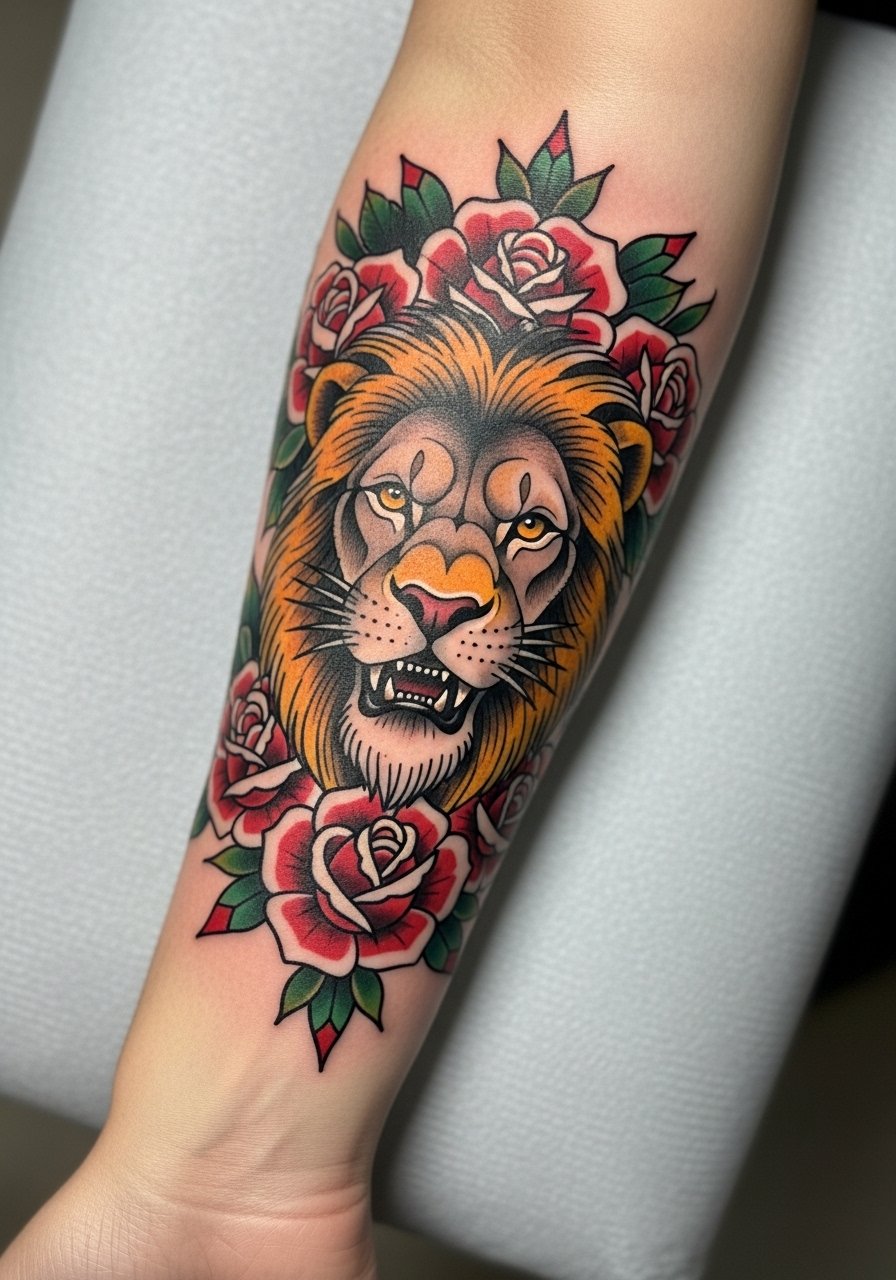
There is something about bold outlines and saturated color that reads from across a room. For a forearm piece, request classic thick rim lines and solid color packs in the roses so the composition ages into a bold silhouette. The error is over-detailing the mane with tiny strokes. Those soften into gray-scale fuzz. The session is longer and may need two appointments for full saturation. Forearms heal predictably and tolerate a lot of sun if you use sunscreen after healing. For casual styling, rolled sleeves or a minimalist watch keep attention on the piece without covering it.
9. Ignorant style fragmented lioness on the upper arm
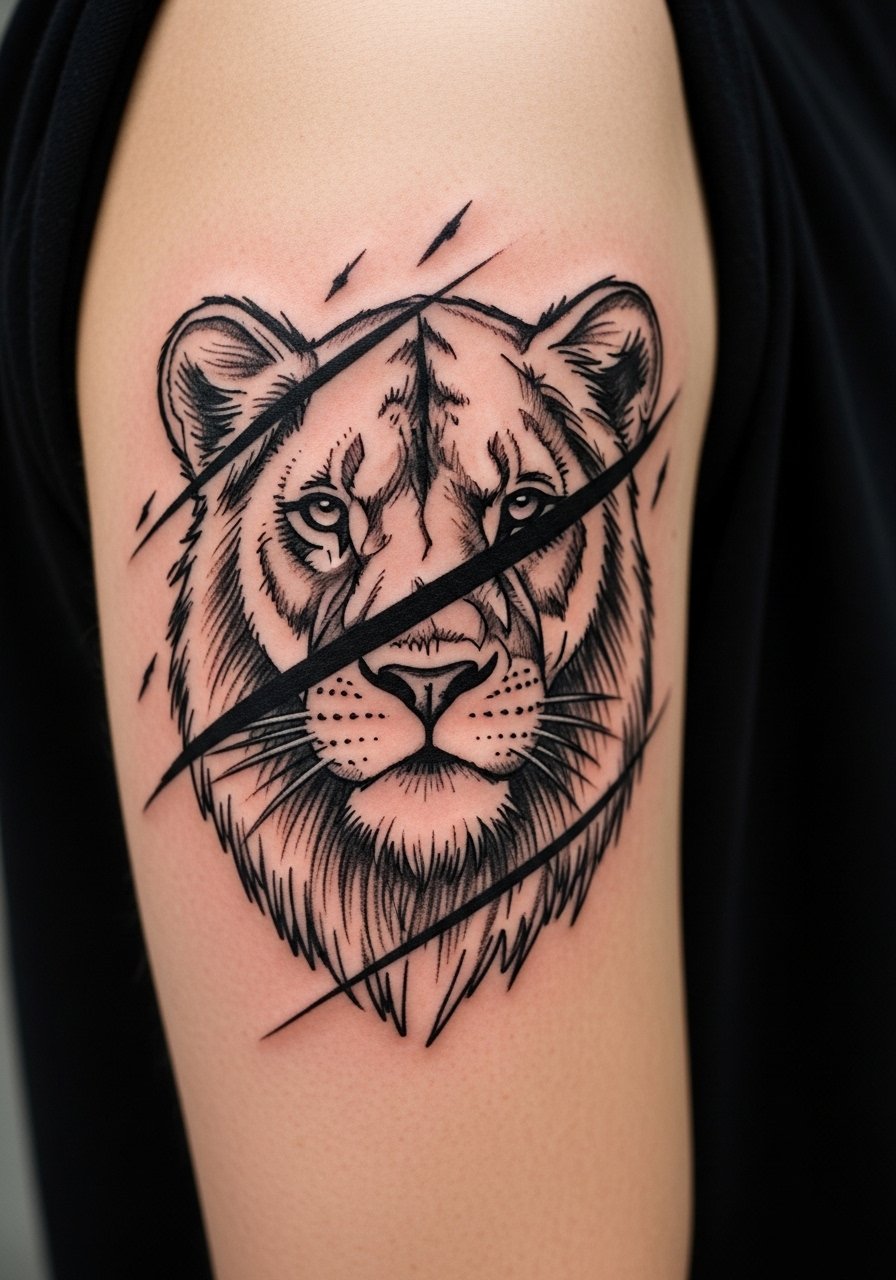
If you want raw, expressive shapes that read like an abstract study, this style is a good match. Ask the artist to keep intentional gaps in the composition so the fragments read as design choices rather than missed strokes. The common mistake is asking for tiny fragments that need precise shading. Those lose character quickly. Upper arm muscle tone helps this style stay readable through movement and weight change. Sessions are medium length and often feel more like brushwork than dot work. For a daytime look, pair with sleeveless linen pieces or a loose button-down shirt you can pull aside for tattoo access.
10. Fine line lioness with cub silhouette across the collarbone
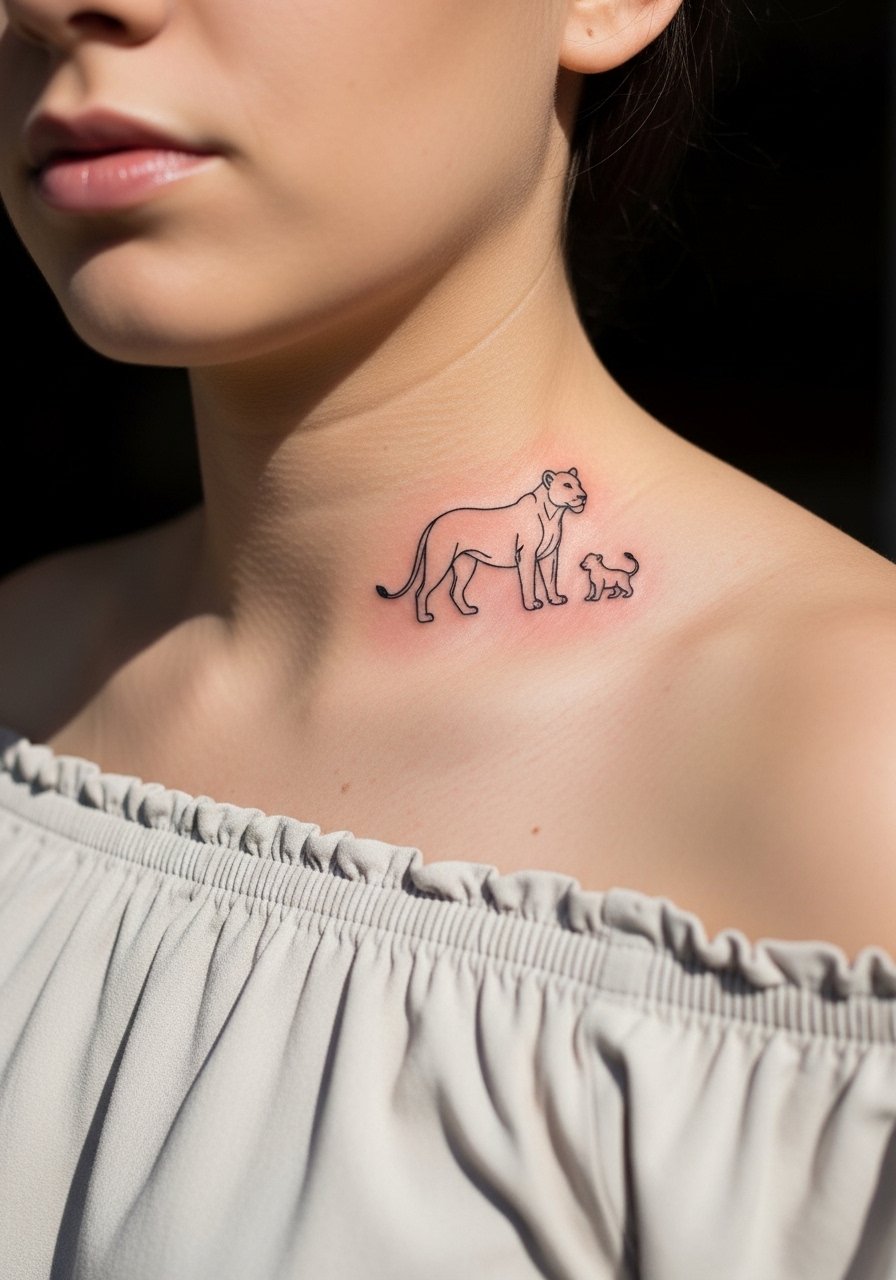
Collarbone pieces read like jewelry and photograph well with minimal styling. In your consult, show exact placement over the clavicle so the cub sits naturally in the negative space. The biggest mistake is placing ultra-fine detail crossing the collarbone ridge. That can fade unevenly where skin moves against fabric. Expect light to moderate pain and a short session. Artists disagree on fine line longevity here. One group warns small collarbone lines blur in a couple of years. The other group says careful depth and spacing let collarbone pieces keep delicate detail. Ask for stencils and a small test check before the needle. For evenings out, a strapless midi dress or an off+shoulder+blouse shows the art with minimal competition.
11. Hand-poked miniature lion outline for fingers
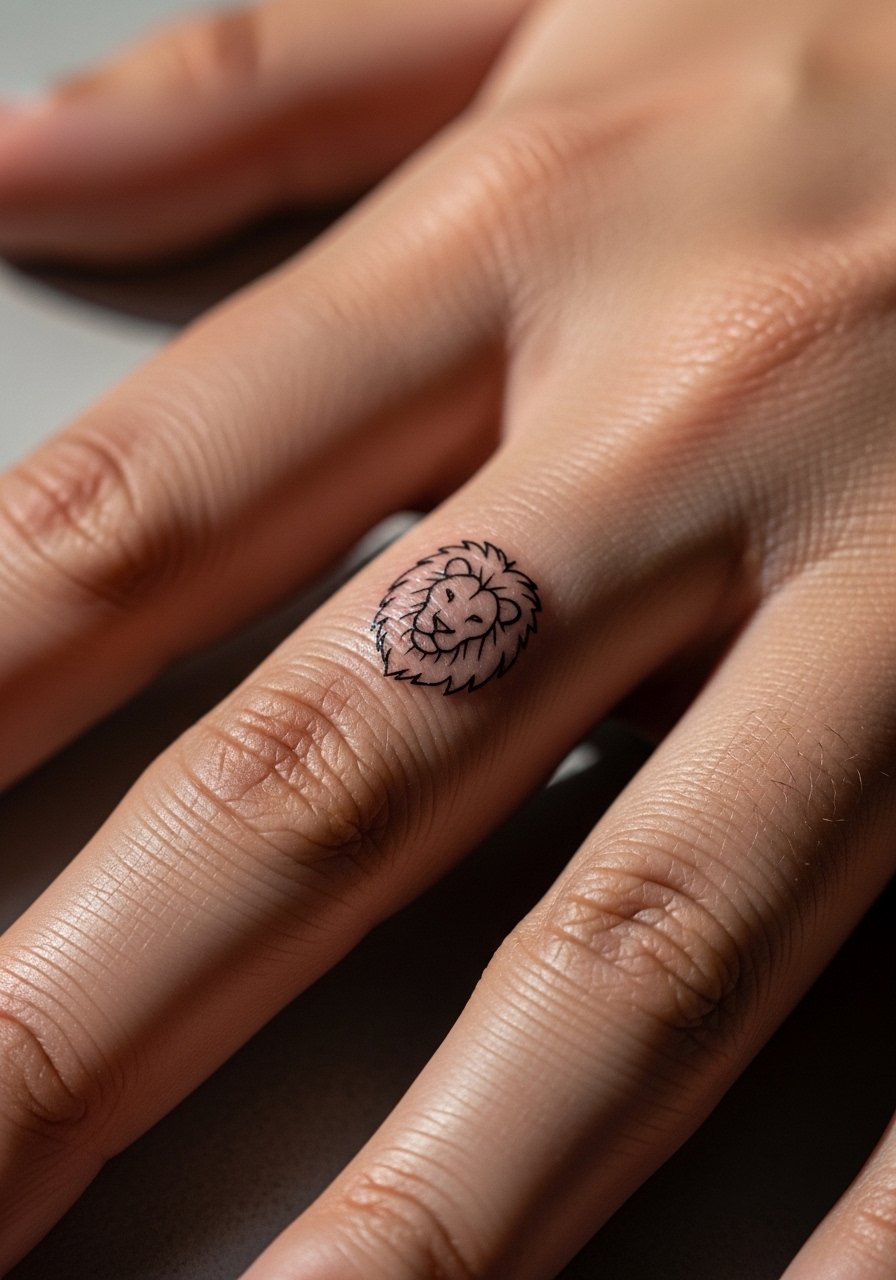
Hand-poked lines age differently than machine work and can soften into a pleasing faded look if you want subtlety. Tell the practitioner you prefer a slightly thicker outline for longevity and expect the poke method to require very little swelling but more time between dots. The common regret is requesting hairline detail on fingers. Fingers see constant washing and friction and need small touch-ups at year one to maintain clarity. Pain is mild to moderate for short bursts. Be aware that many workplaces still have policies about visible hand tattoos, so consider placement carefully.
12. Lion mandala down the spine for yoga and meditation
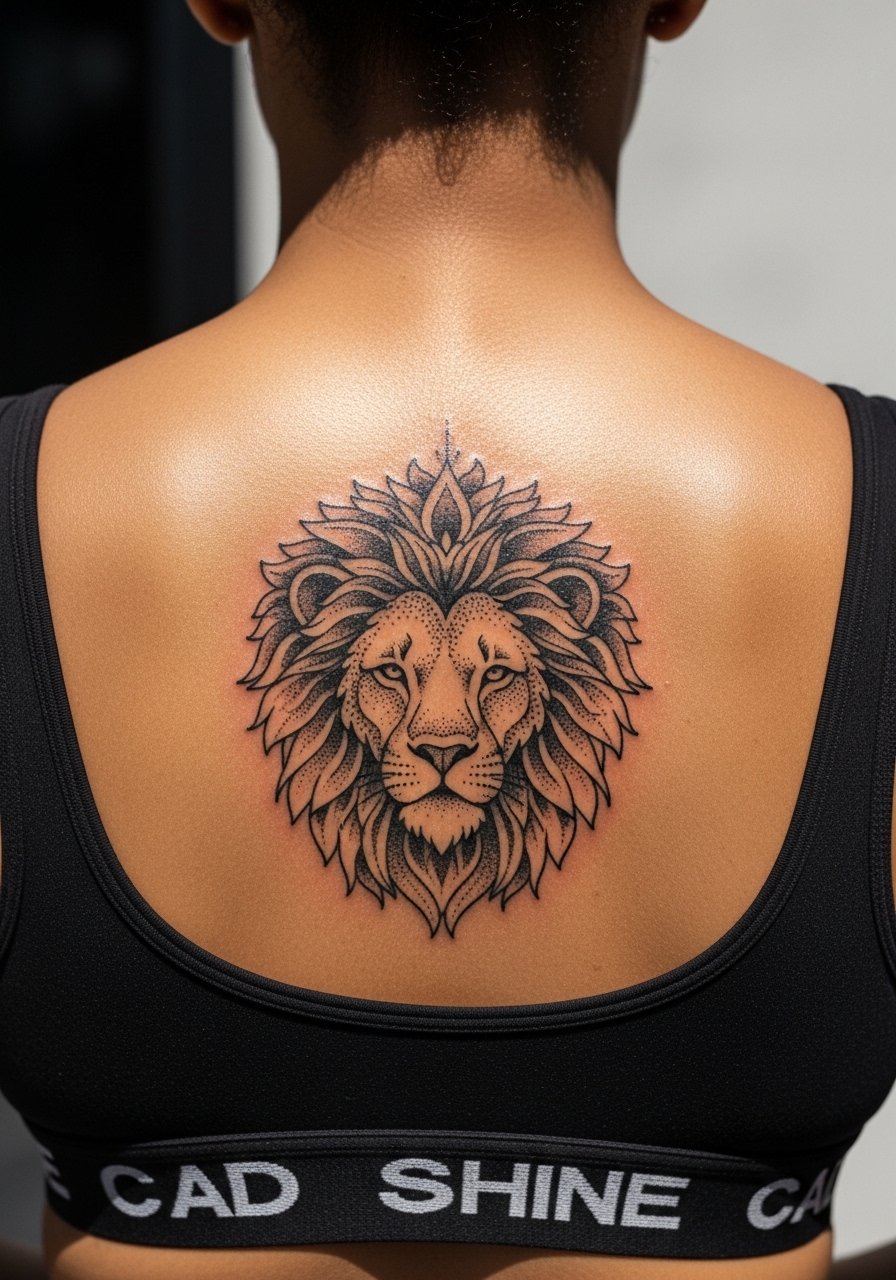
A spine mandala reads as both a portrait and a meditative symbol when scaled properly. Ask for central negative space and a thicker outer ring so the mandala keeps its silhouette at distance. A frequent mistake is choosing a highly dense dot pattern too close to the spine. That can lose definition with movement. Sessions are long and require breaks since the spine is sensitive. For showing it off at retreats, an open-back sports bra or halter dresses let the mandala be visible without exposing the torso.
13. Micro-realism lion eye on the sternum
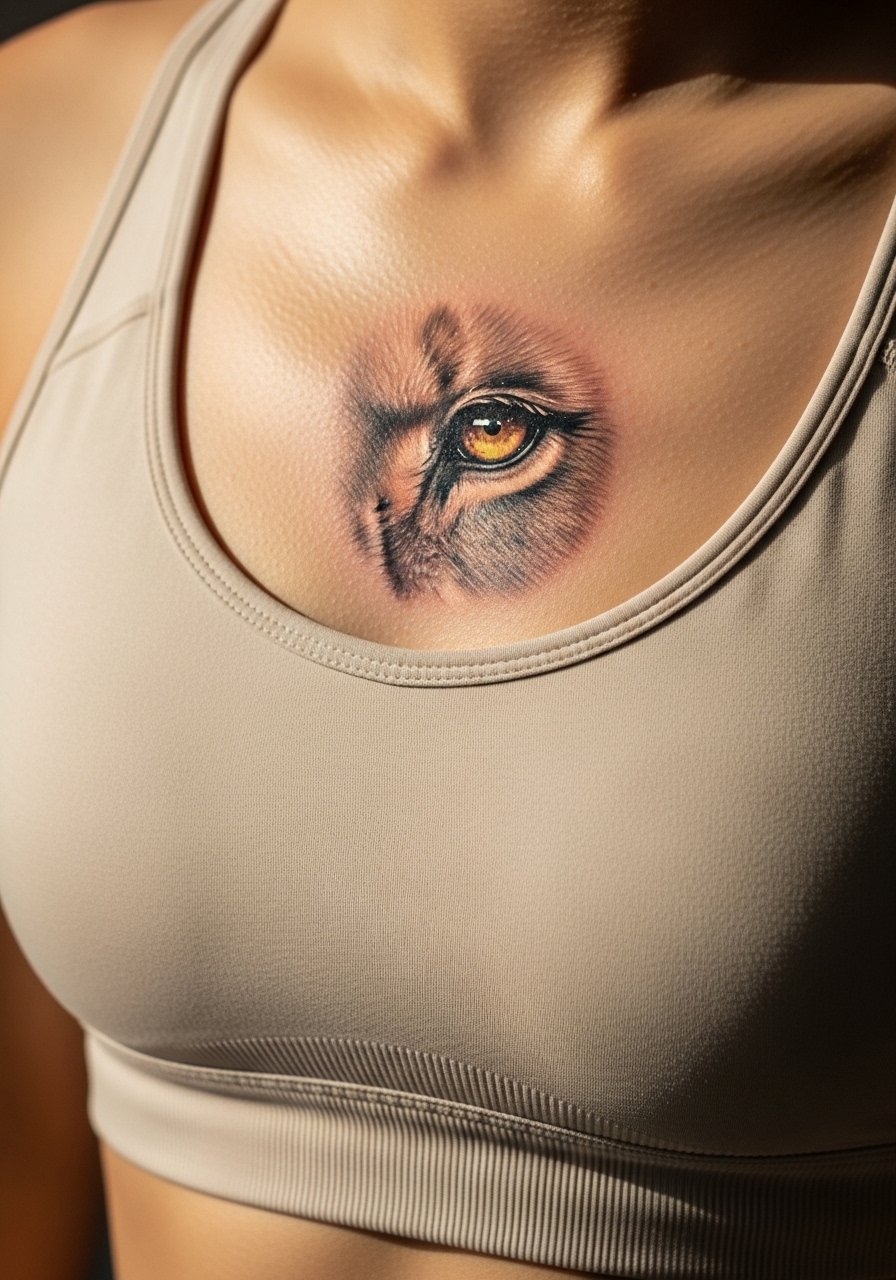
Sternum placements demand a careful consult about pain and clothing during healing. I tell clients to plan for a bracketed appointment and to bring a zip-up or a sports bra to keep the area supported. Micro shading here can look stunning up close but may require a touch-up at year two because of the thinner skin and motion. The common mistake is asking for small highlights that wash out during flushing and scabbing. Be ready for honest talk about pain management and session pacing.
14. Calf lion portrait scaled for body changes
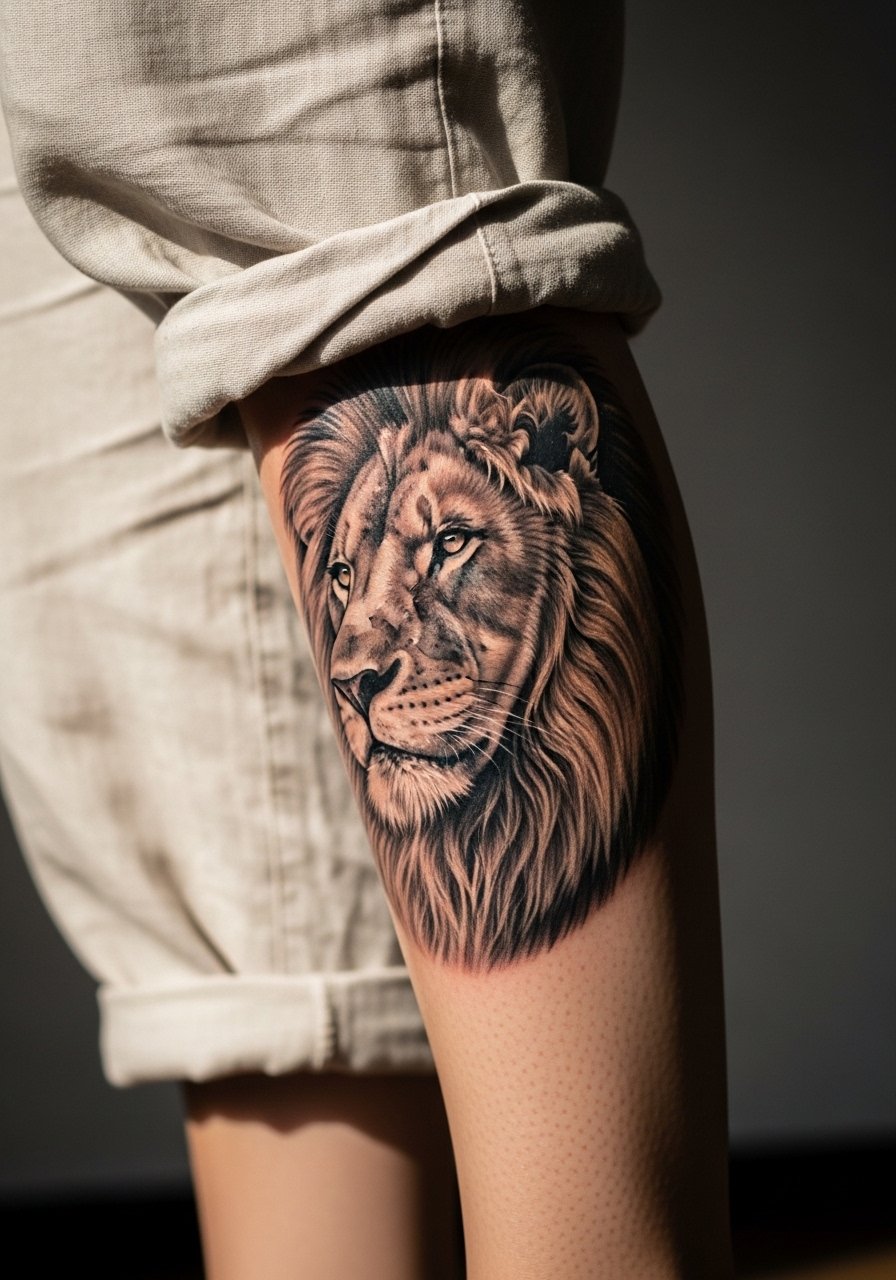
For people who anticipate body changes, the calf is a stretch-resistant canvas. I recommend scaling the portrait so features are broad rather than micro-detailed. That approach mitigates distortion with weight fluctuation. The typical mistake is insisting on tiny facial detail that does not age well with natural body changes. Sessions are comfortable and healing is straightforward. For casual pairing, high-waisted shorts and mid-calf boots show off the calf piece without compressing it.
15. Negative-space female lion with cubs on the hip
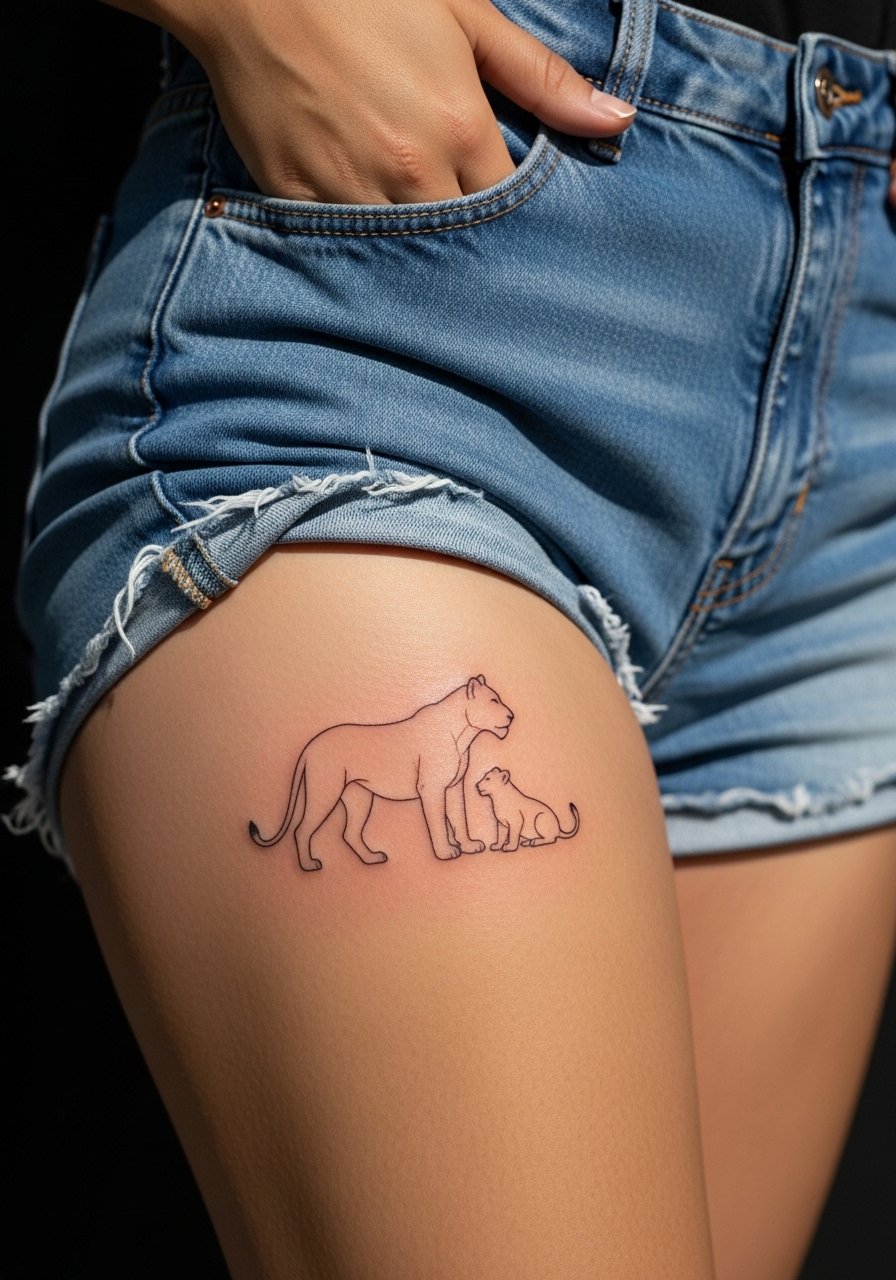
Negative space compositions let you tell a layered story without heavy shading. On the hip, ask your artist to map the negative cub silhouettes against skin tones to ensure contrast. A common mistake is too many tiny voids that read as noise after healing. Hip tattoos can be sensitive, so bring loose bottoms for the session and a plan for aftercare that avoids tight waistbands. For show-off looks, high-waisted shorts or swimsuits reveal the design without pulling at the skin.
16. Hand-stitched style lion face on the lower back
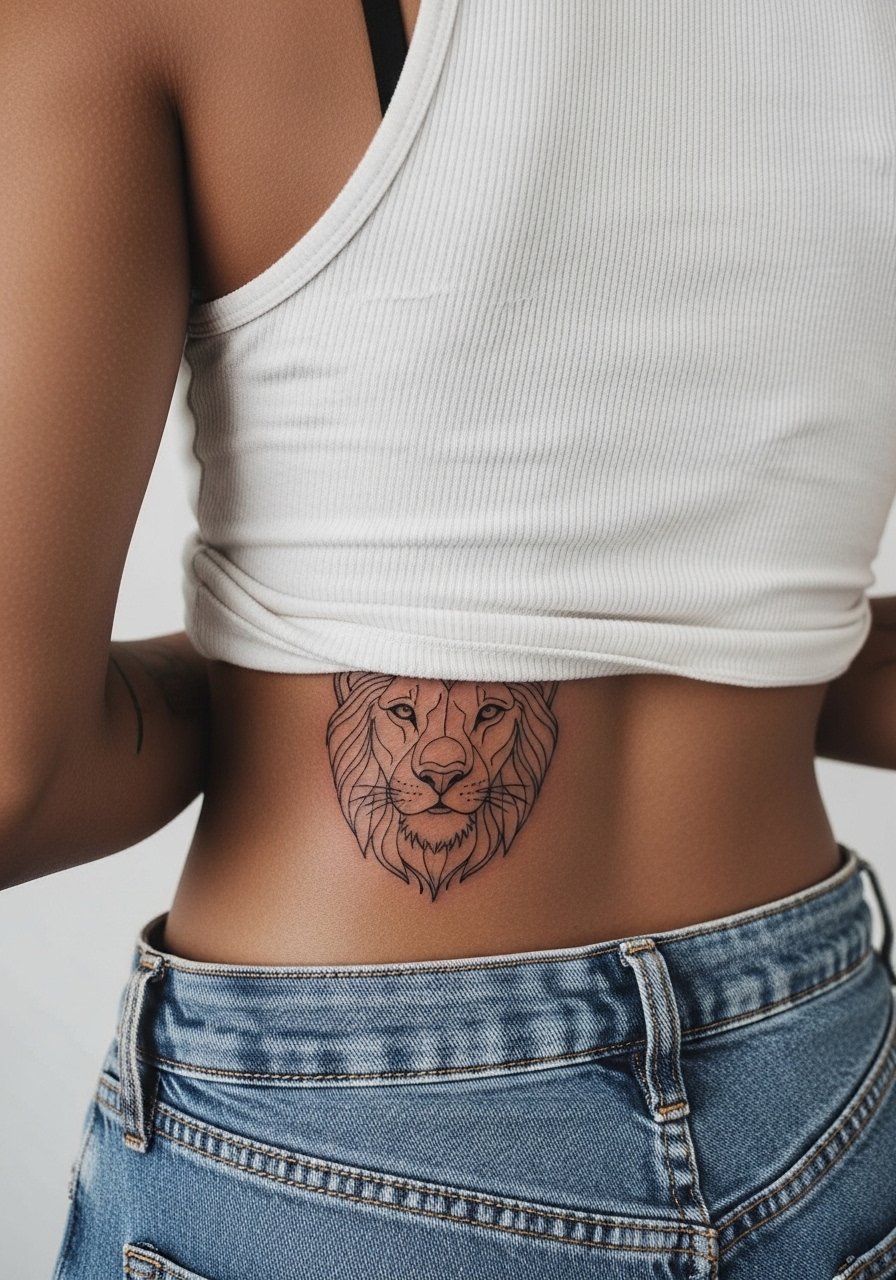
Lower back pieces suit hand-stitched aesthetics because the horizontal space lets the rows of tiny marks breathe. In consultation, request slightly more spacing between stitch lines so they do not merge with time. Mistakes happen when artists compress the rows to make the piece smaller. That tends to create a blurred texture in a few years. Sessions are medium length and healing is helped by avoiding tight waistbands for the first two weeks. For a casual reveal, choose a tank top with high-waisted jeans shifted down slightly.
17. Mini portrait lioness on the inner bicep for private visibility
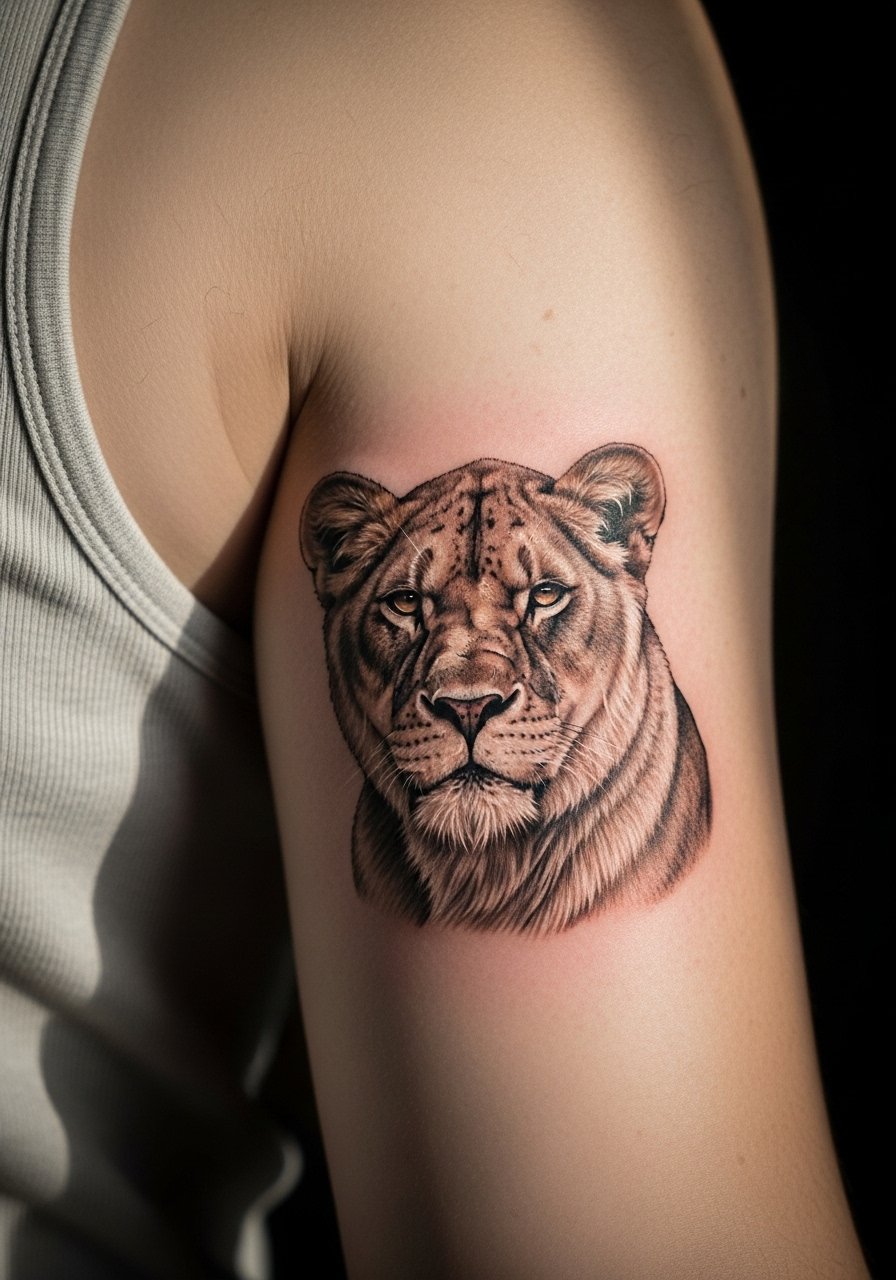
The inner bicep is a private spot that still allows for a detailed small portrait when you want discretion. Tell your artist you prefer slightly heavier shading near contours so the face stays readable when the arm relaxes. The danger is choosing too many tiny highlights that disappear as the skin stretches. The session can feel tender because the area is thinner and moves when you breathe. Plan a two-week period of loose sleeves and limited strenuous lifting while the piece seals.
Frequently Asked Questions
Q: Will fine line lion tattoos blur faster on wrists and collarbones than on shoulders or thighs?
A: From what I've seen, yes, fine line pieces on wrists and collarbones tend to soften sooner than the same work on shoulders or thighs. The key reasons are constant movement and friction from clothing. If you love the fine look, ask for slightly stronger primary lines and plan a touch-up window around year two to three.
Q: How different is aftercare for watercolor-style lioness tattoos versus blackwork pieces?
A: Watercolor palettes need gentler sun protection because pigments fade faster, while blackwork relies on saturation and holds up better under normal sun exposure. In both cases, initial cleansing and light moisture are important. For watercolor on the shoulder, avoid direct sun and consider a breathable cover in the first week if you will be outdoors a lot.
Q: Are there placement choices that minimize blowout risk for micro-realism?
A: Yes. Areas with thicker skin and less movement, like the upper calf or outer forearm, reduce blowout risk for micro-realism. Thin mobile areas such as the ribs, behind the ear, and fingers carry higher blowout chances. Ask your artist for a stencil test and for recommendations on line weight before committing.
Q: How should I dress on session day for a thigh or hip lion design?
A: Wear loose drawstring or high-waisted shorts you can pull down or shift easily to expose the area without tugging. For a thigh piece, a loose linen drawstring pant lets you roll the leg without pressure and keeps the rest of you comfortable during a long session.
Q: Do blackwork ankle pieces need different prep than forearm work?
A: Yes. Ankle pieces see more friction from footwear and socks, so wear shoes and socks that are easy to remove and avoid new or stiff footwear for at least two weeks. Ask your artist about edge protection products if you expect a lot of walking right after your appointment.