The boldest HxH pieces are not always the ones that age best. Fine line portraits look gorgeous fresh but often need touch-ups sooner, while simplified blackwork or a small badge can stay crisp for years. If you worry about fading on darker skin, surprise session fees, or flaky artists canceling, this list balances longevity, placement, and wardrobe so you walk into the chair ready and calm.
1. Gon Portrait on Outer Forearm
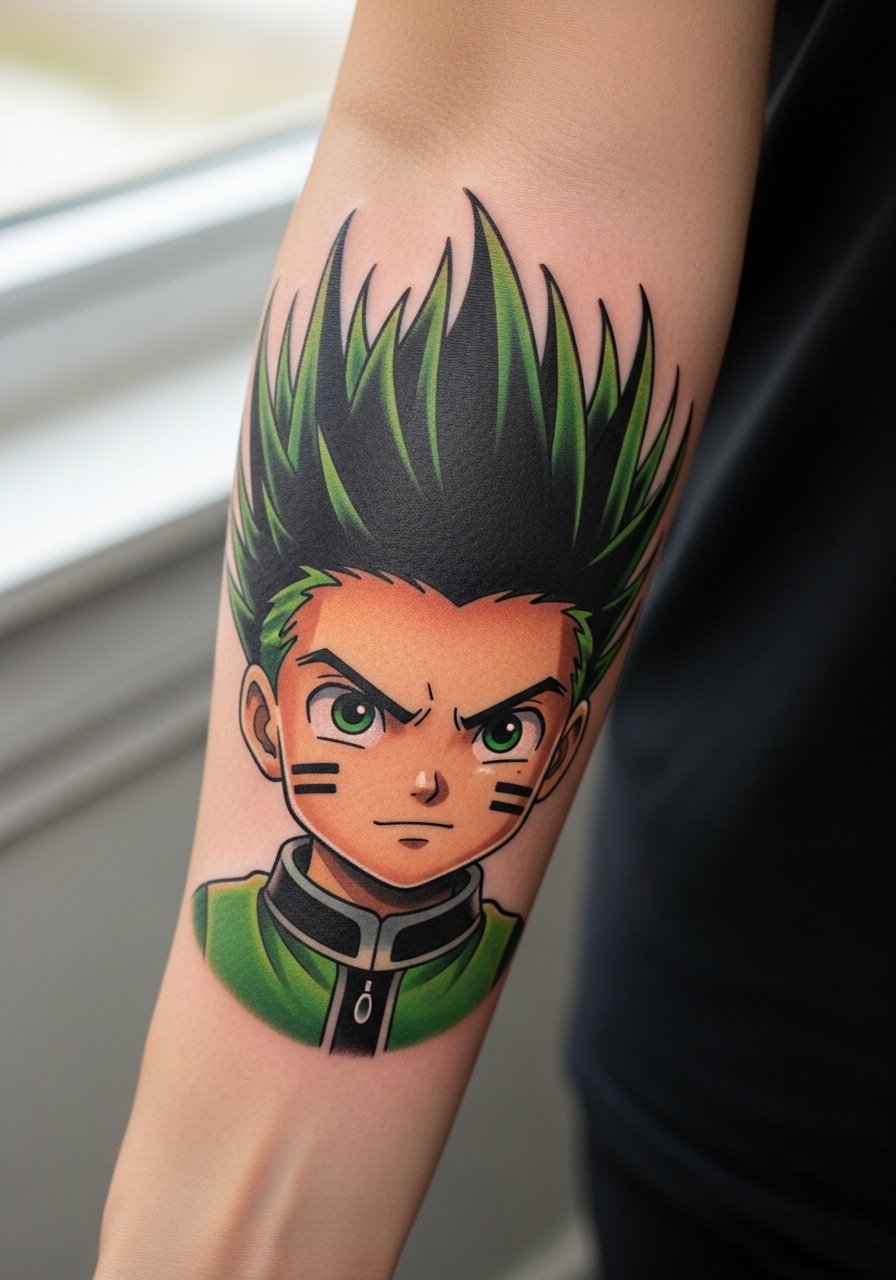
I recommend the outer forearm for a Gon portrait because the flat canvas keeps neo-traditional linework readable over time. Expect a medium pain level and a one to two session workflow depending on saturation. Tell your artist you want slightly heavier linework than an anime cel to prevent early softening. A common mistake is shrinking the face too small so facial detail blurs by year three. For the session wear a loose fit tank so the arm is free and the cuff does not rub the healing area. Touch-ups at year two to three are normal for vibrancy.
2. Killua Electric Aura on Upper Arm
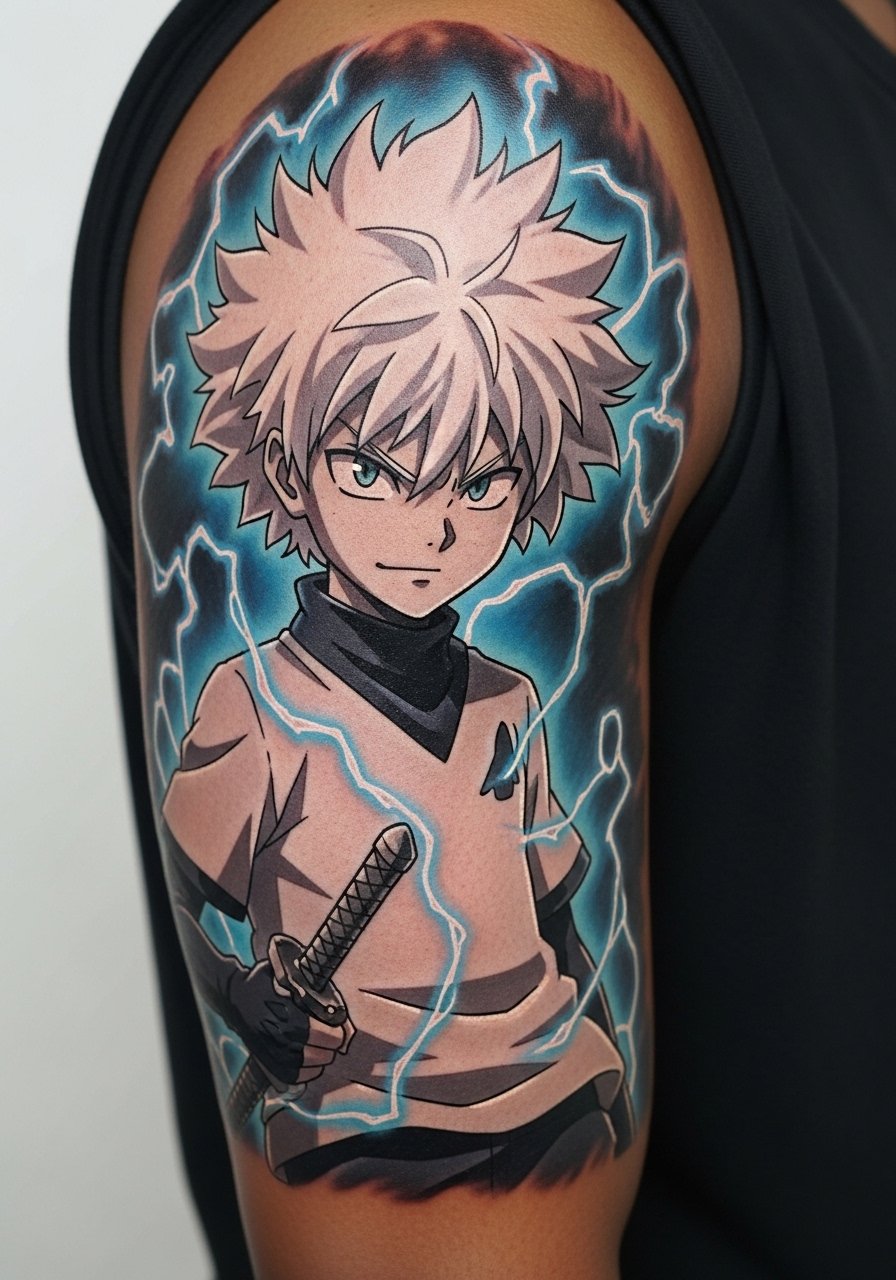
Upper arm micro-realism captures Killua's sparks without demanding a sleeve. The spot takes two sessions for refined shading and tiny highlights. In consultation, show close-up references of the electric effects and ask for contrast between linework and glow. The main mistake is over-detailing the sparks at too-small a scale, which makes them fade into noise. Expect a 4 to 5 out of 10 pain rating for the upper arm. For showing it off, a fitted muscle tee frames the piece without distracting from the micro highlights. Artists differ on fine detail here, so ask how they handle small-scale micro-realism before booking.
3. Hisoka Joker Card on Shoulder
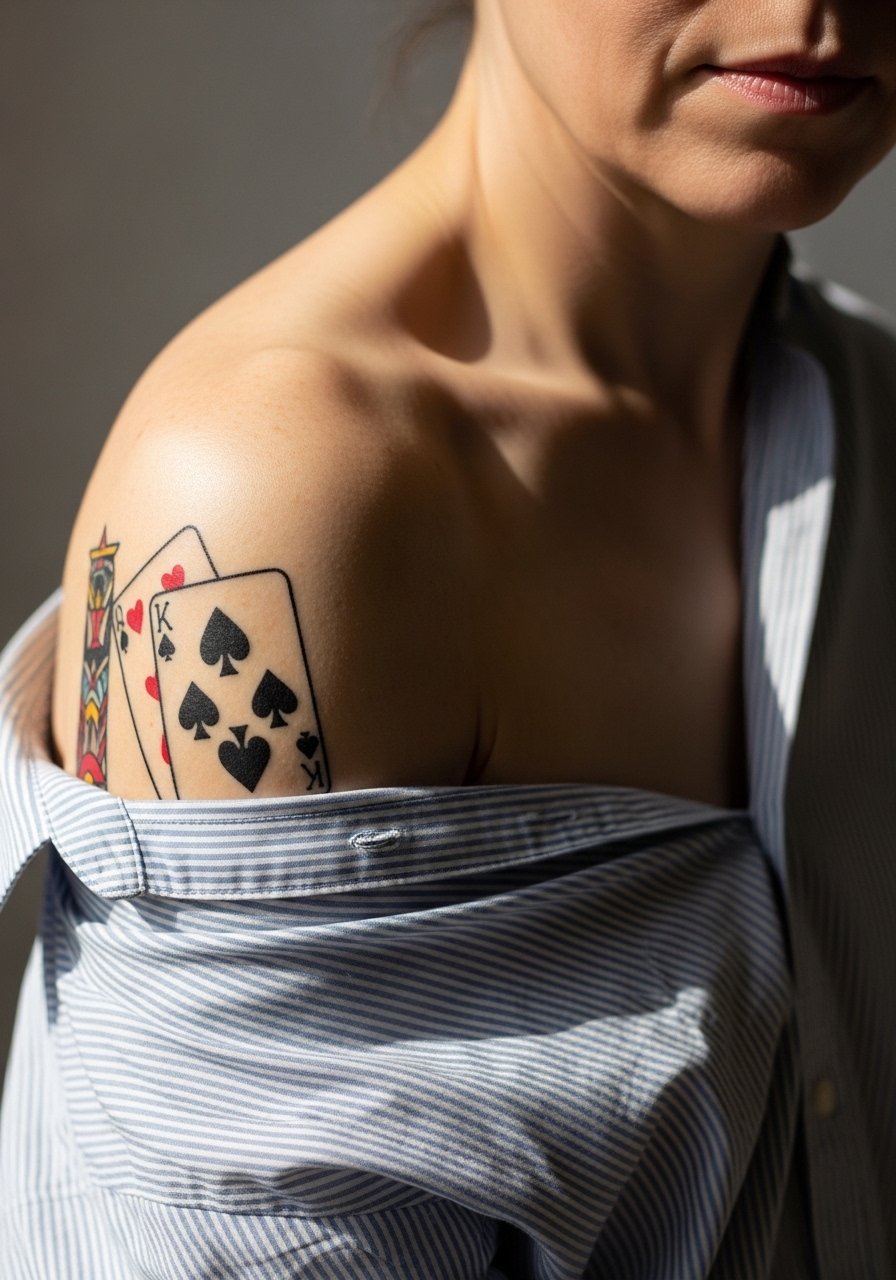
Shoulder placements make Hisoka's card motif playful and easy to hide under sleeves. This traditional piece works best with saturated color and confident outlines to resist fading. Shoulder skin takes a single session for a small design and heals with low friction from clothing. The usual error is making the card too thin or sketchy, which softens within a couple of years. For session day wear, choose a loose button-down shirt you can pull aside without stretching the area. If you plan to sun the shoulder, keep it covered during the first year to protect saturation.
4. Kurapika Scarlet Eyes on Inner Bicep
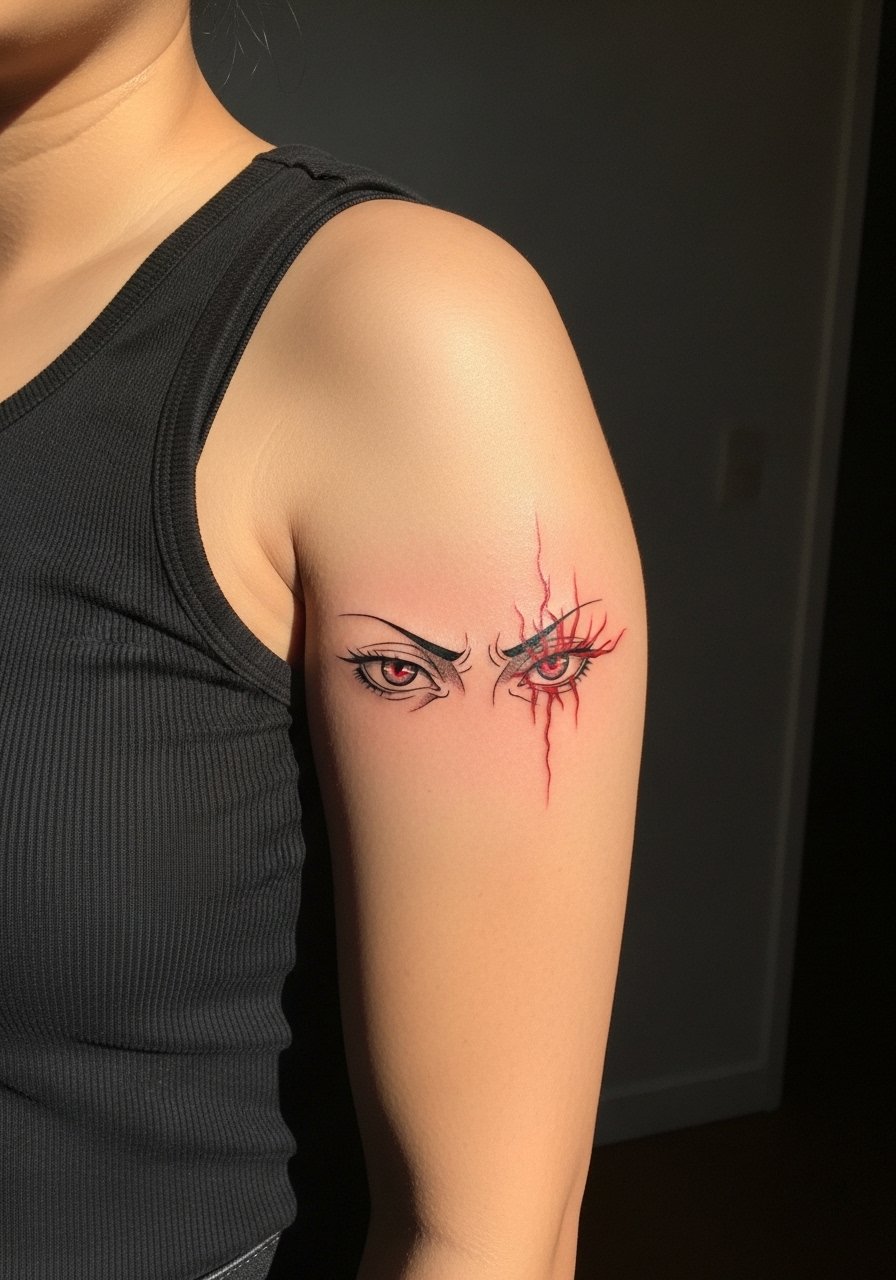
Fair warning, the inner bicep is one of the more sensitive spots. Fine line illustrative Kurapika eyes look intense there, but they need careful spacing and slightly bolder outlines than you might expect. Ask for red highlights to be layered, not painted thin, which helps them hold on darker tones. A common mistake is requesting ultra-fine single-needle lines on this stretch-prone area; those can blur sooner. Expect one to two sessions and a touch-up around year two for color refresh. For the session, wear a loose tank top so the artist can access the inner arm without rubbing fabric on fresh ink.
5. Nen Aura Hands Clashing on Calf
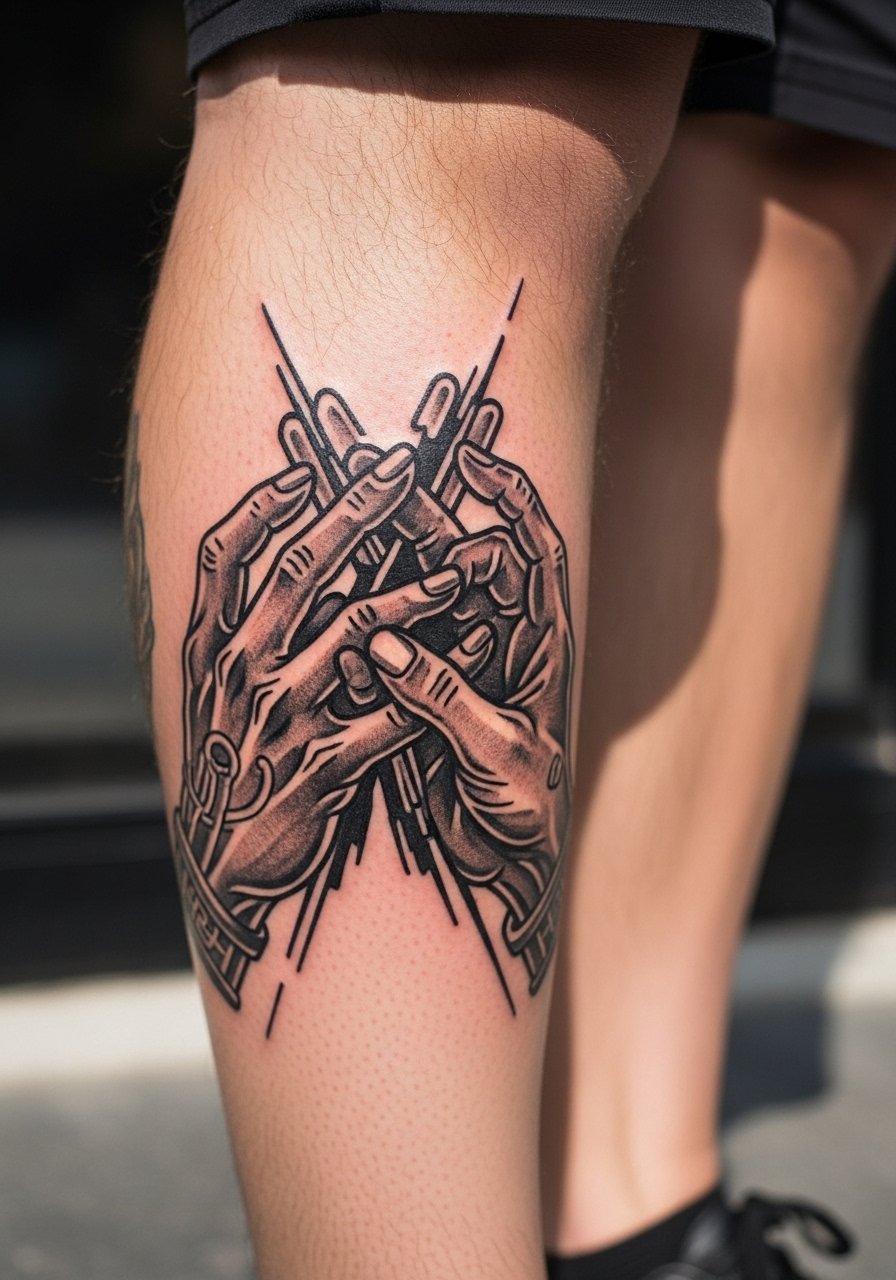
Calf blackwork is durable and dramatic for Nen clashes because the skin there holds saturation well. Expect two to three sessions depending on size. The main aging advantage is that bold black ages into a strong silhouette rather than a soft blur. Mistakes include over-texturing the negative space, which can read muddy after healing. Pain for the calf is moderate to high during longer fills. For showing this off, roll up slim fit joggers or pair with shorts and low socks. Large black pieces absorb sun fast so sunscreen after healing is important.
6. Chrollo Spider with Book on Wrist
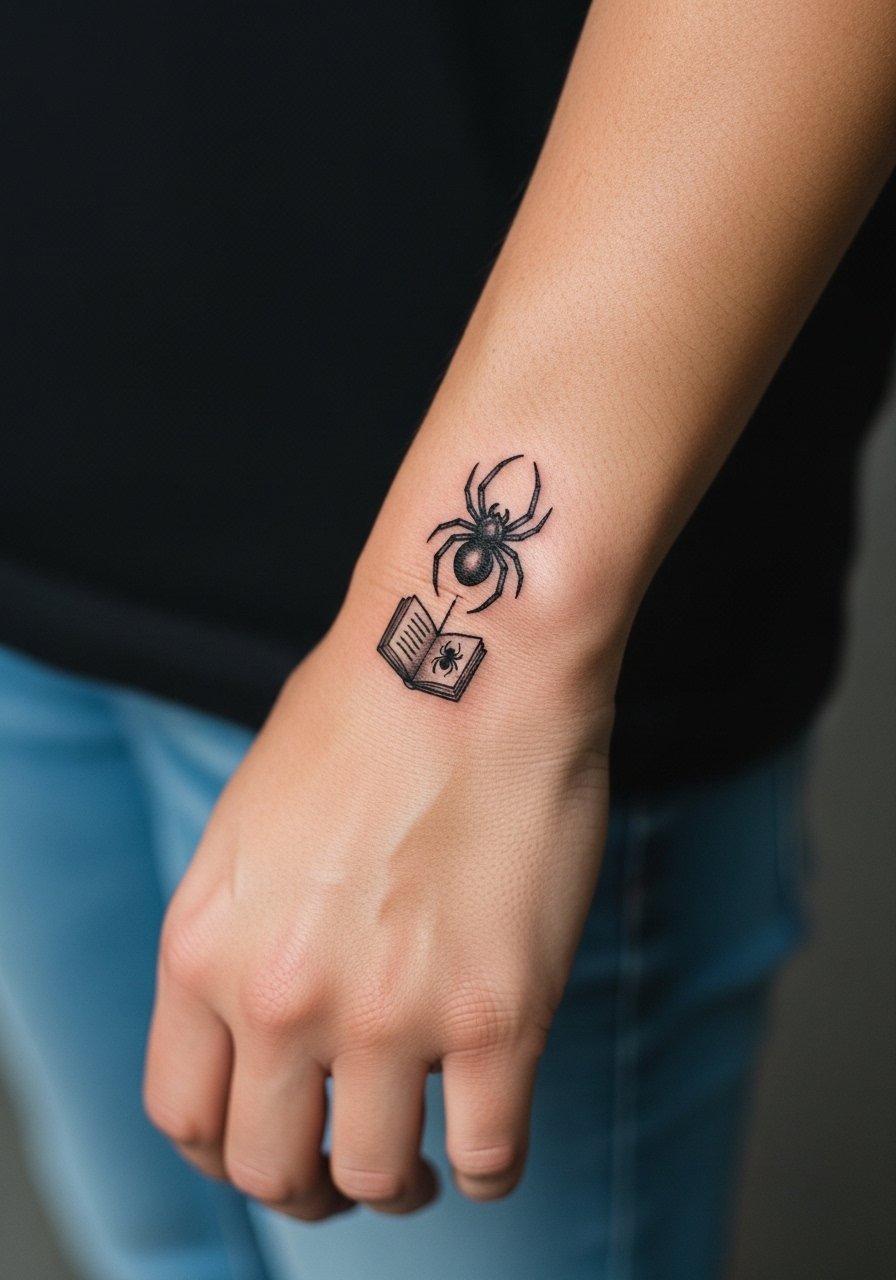
Wrist tattoos take daily wear from washing and bracelets, so keep linework confident and scale small but not hairline thin. The ornamental Chrollo spider with a tiny book reads well as a wrist piece and fits a single session. A common mistake is putting too much micro detail, which gets lost under friction and washing. Ask your artist for slightly thicker primary outlines and tight stipple shading rather than single-needle fill. For showing the wrist off, a thin chain bracelet on the opposite wrist complements without crowding. During the session avoid jewelry on the tattooed side to prevent interference.
Studio Day Picks
The wrist and calf pieces above need different prep than upper arm portraits, so these items help with access, sensitivity, and first-week friction.
-
Indie Nen-themed healing balm. A thinner-than-Aquaphor salve favored by some artists for color retention, useful for vibrant forearm and Gon portraits.
-
Breathable protective wrap alternative. Lighter adhesive film that reduces residue on small wrist and ankle badges during the first 48 hours.
-
Tea tree salve for itching relief. Calms itch on dense blackwork like Phantom Troupe spiders without heavy pore-clogging.
-
Fragrance free gentle body wash. Keeps the skin clean during showers without stripping pigment from fine line collarbone or rib work.
-
Aquaphor healing ointment. A thin layer often recommended the first two days for sealing delicate linework on wrists and inner biceps.
7. Leorio Medical Symbol on Collarbone
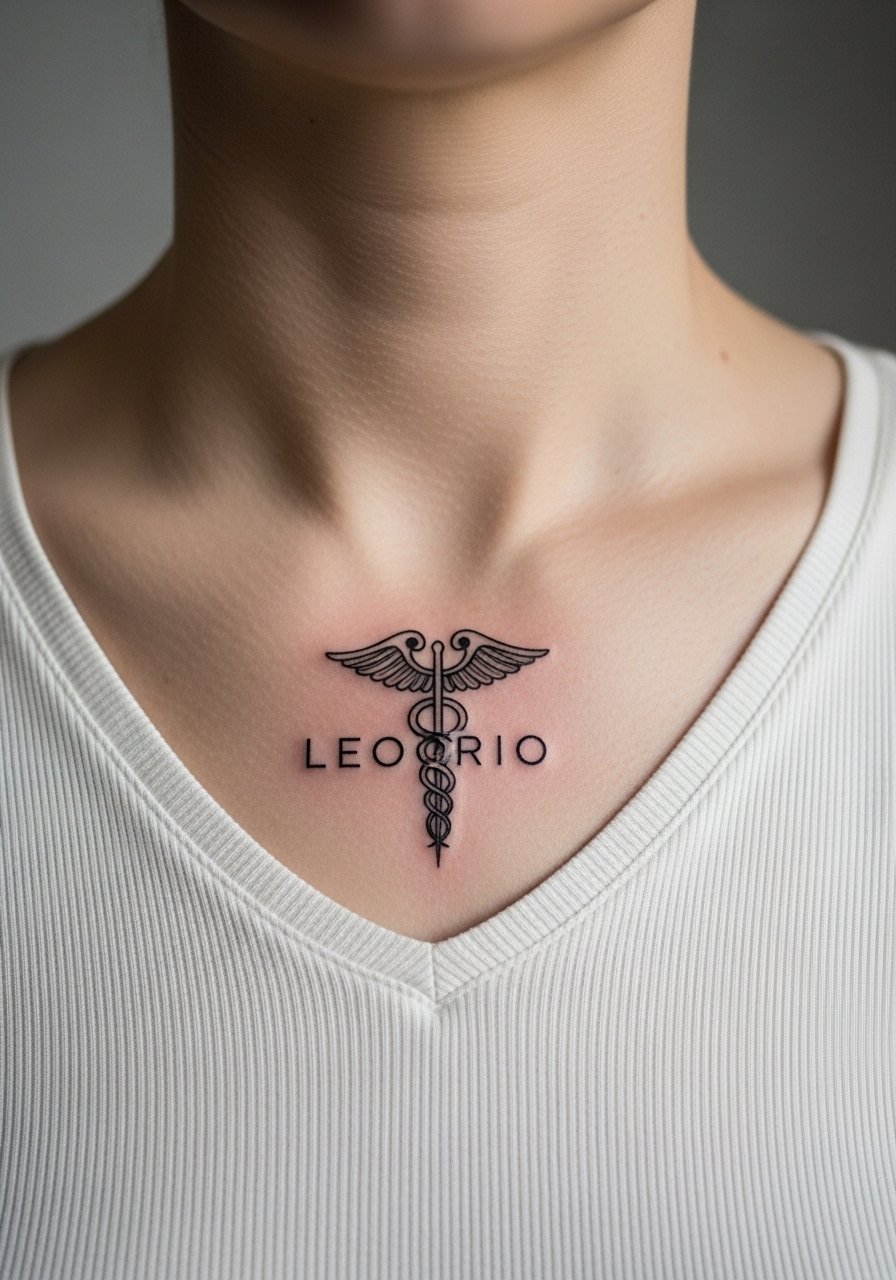
Collarbone placements are great for small minimalist motifs like Leorio's briefcase and medical symbol. The area is visible in many outfits and resists the same friction as wrists. Fine line works, but ask for slightly heavier primary strokes so the symbol stays crisp over time. A common mistake is choosing text too small near the collarbone. Expect single session work and low pain for most people. For showing it off, pair with a v neck tank top or delicate chains that trail above the symbol. If your job needs discretion, this placement can be covered with shirts easily.
8. Hunter License Badge on Ankle
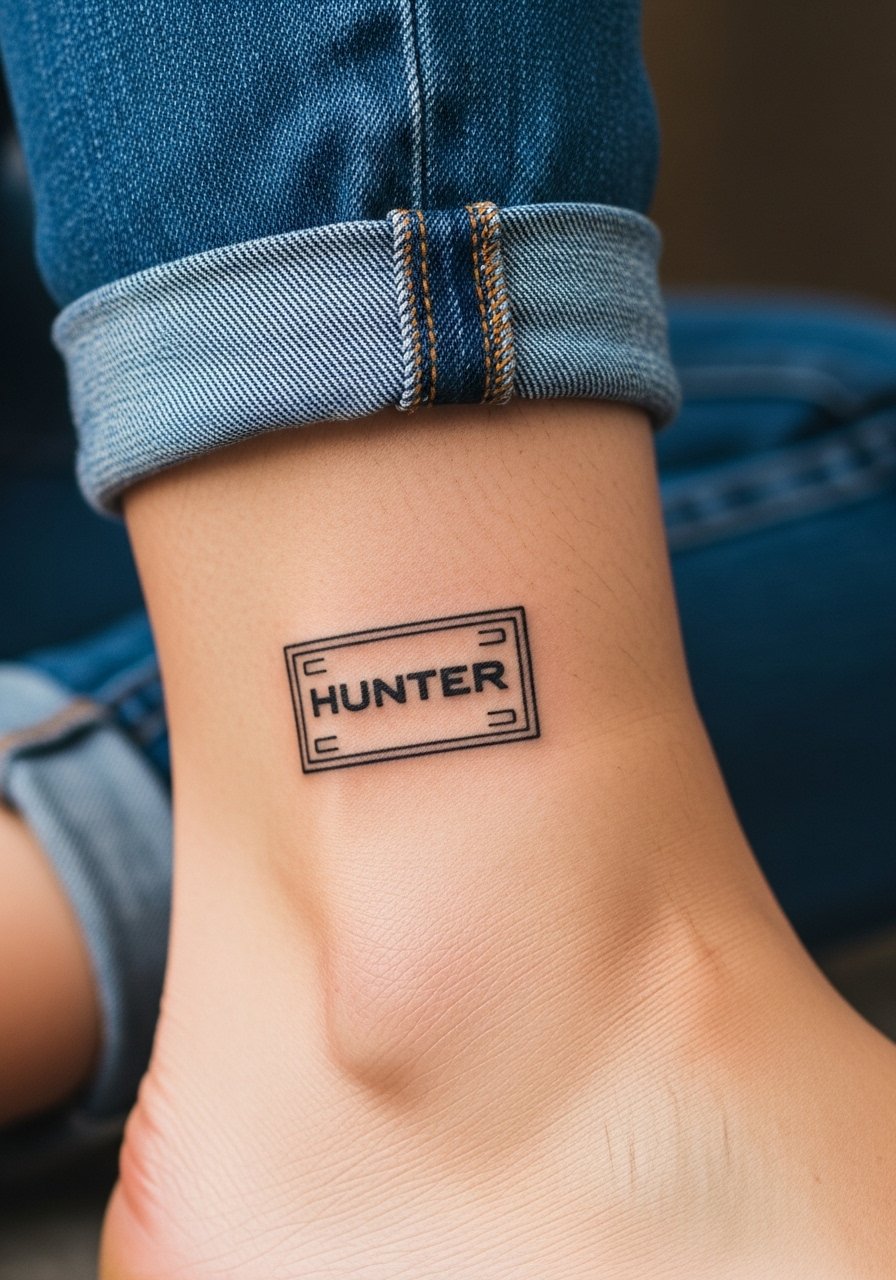
Ankle badges are small, low commitment, and ideal for first-timers. The ankle has frequent rubbing from shoes, which can fade fine detail, so request slightly bolder outlines and avoid tiny text. Pain is higher than forearm for many due to thin skin over bone, but sessions are short. A common mistake is placing the badge too low near footwear seams, which speeds friction wear. For session comfort and showing the piece, wear jeans rolled up or low cut ankle socks so the area is exposed without friction. Expect touch-ups around year two if you wear shoes that constantly rub the zone.
9. Meruem Silhouette on Thigh
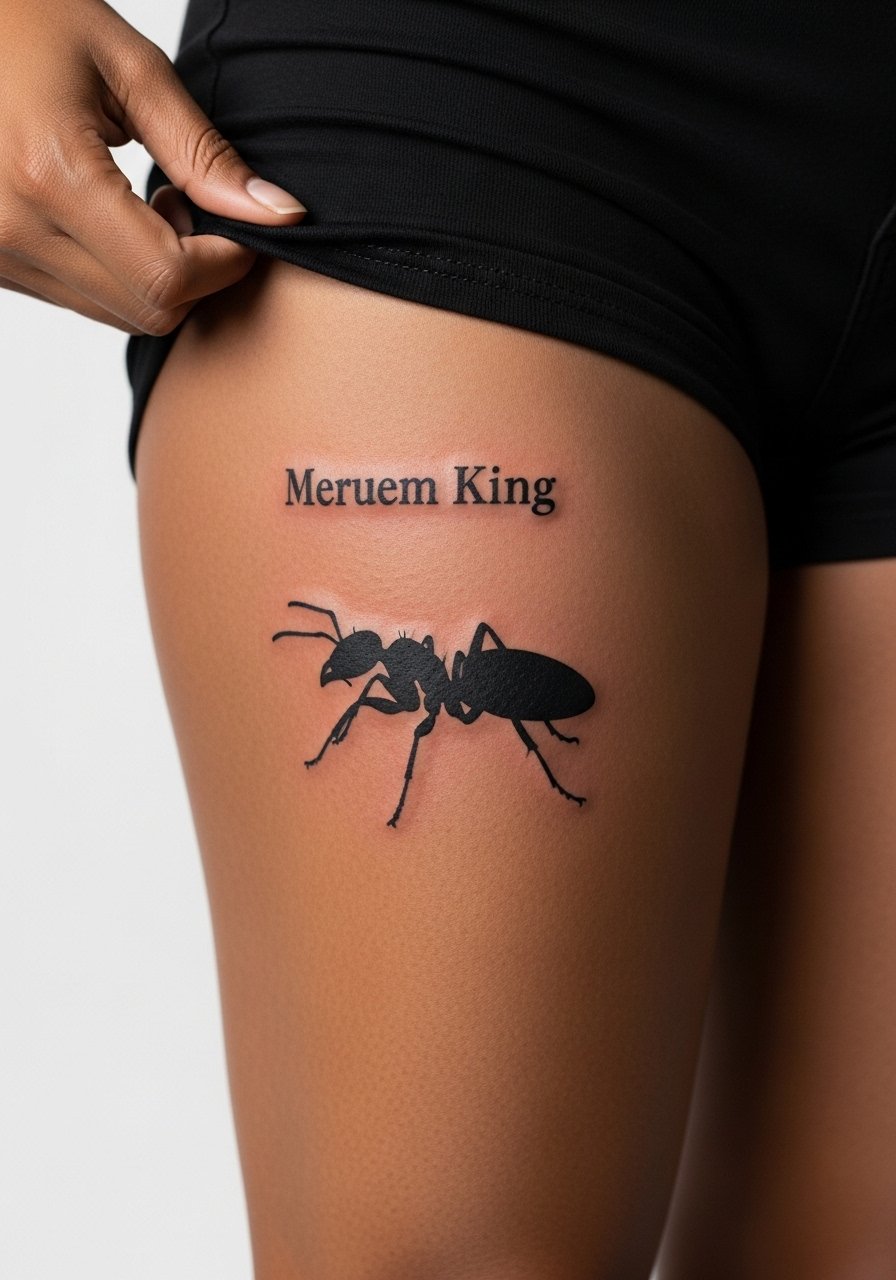
Thigh placements hide well and tolerate larger black silhouettes like Meruem. The skin tone and flesh cushion help saturation last. Sessions usually span two sittings for medium pieces. The typical mistake is making inner details inside the silhouette, which read as noise after healing. For session wear, choose high-waisted shorts so the artist can work without fabric pressure on the area. Thigh pieces age predictably and hide under clothing for long periods, which helps color retention.
10. Alluka Eye on Ribcage
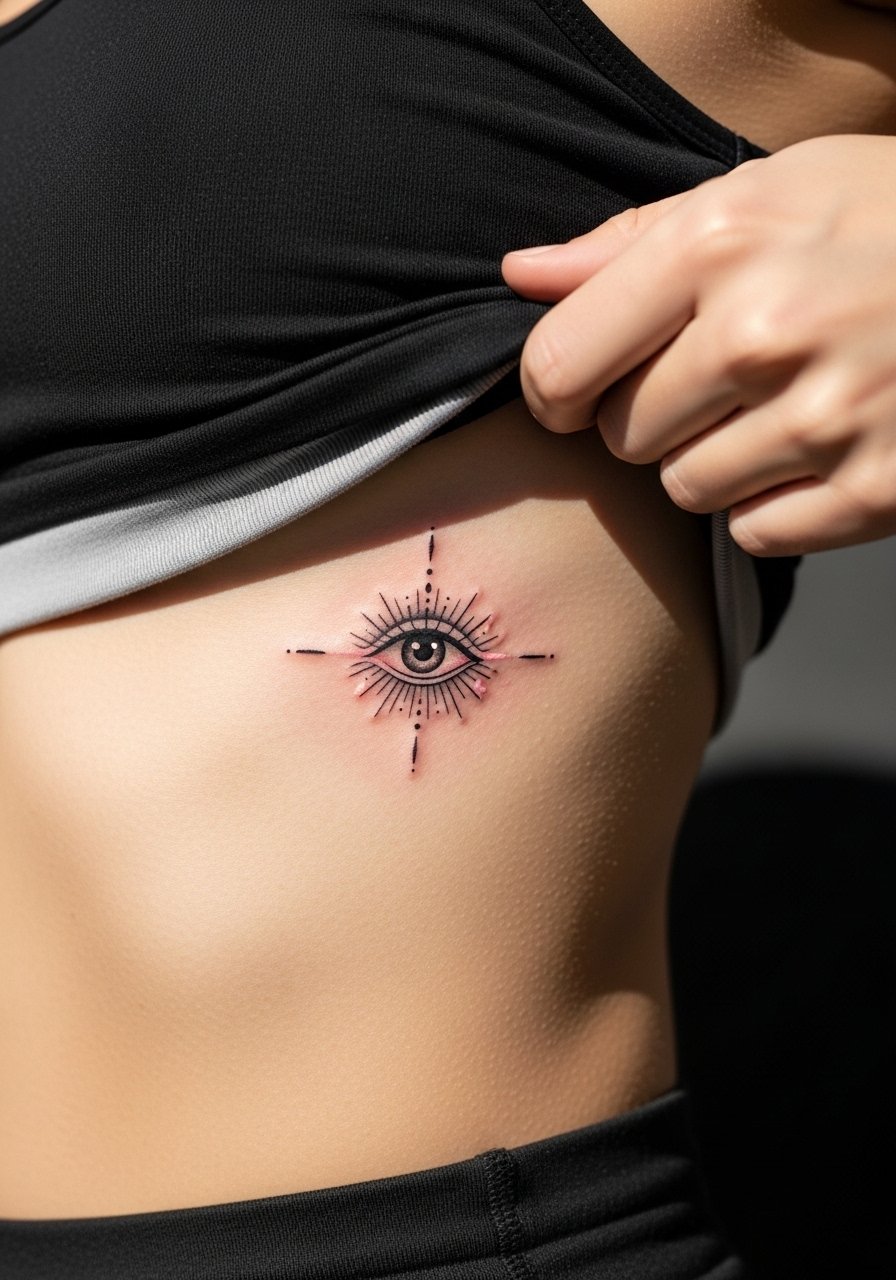
Fair warning, the ribcage rates high on the pain chart. Micro-realism Alluka eyes there deliver intimacy and secrecy, but the ribs stretch with breathing. Artists split on fine line there. One camp says the skin stretch blurs lines within two years. The other camp argues that with correct needle depth and spacing, fine detail can settle well. Ask your artist which side they fall on before booking. Wear a fitted sports bra for the session so only the target area is exposed. Expect one to two sessions and a possible touch-up at year two depending on movement and sun exposure.
11. Ging Freecss World Map on Back
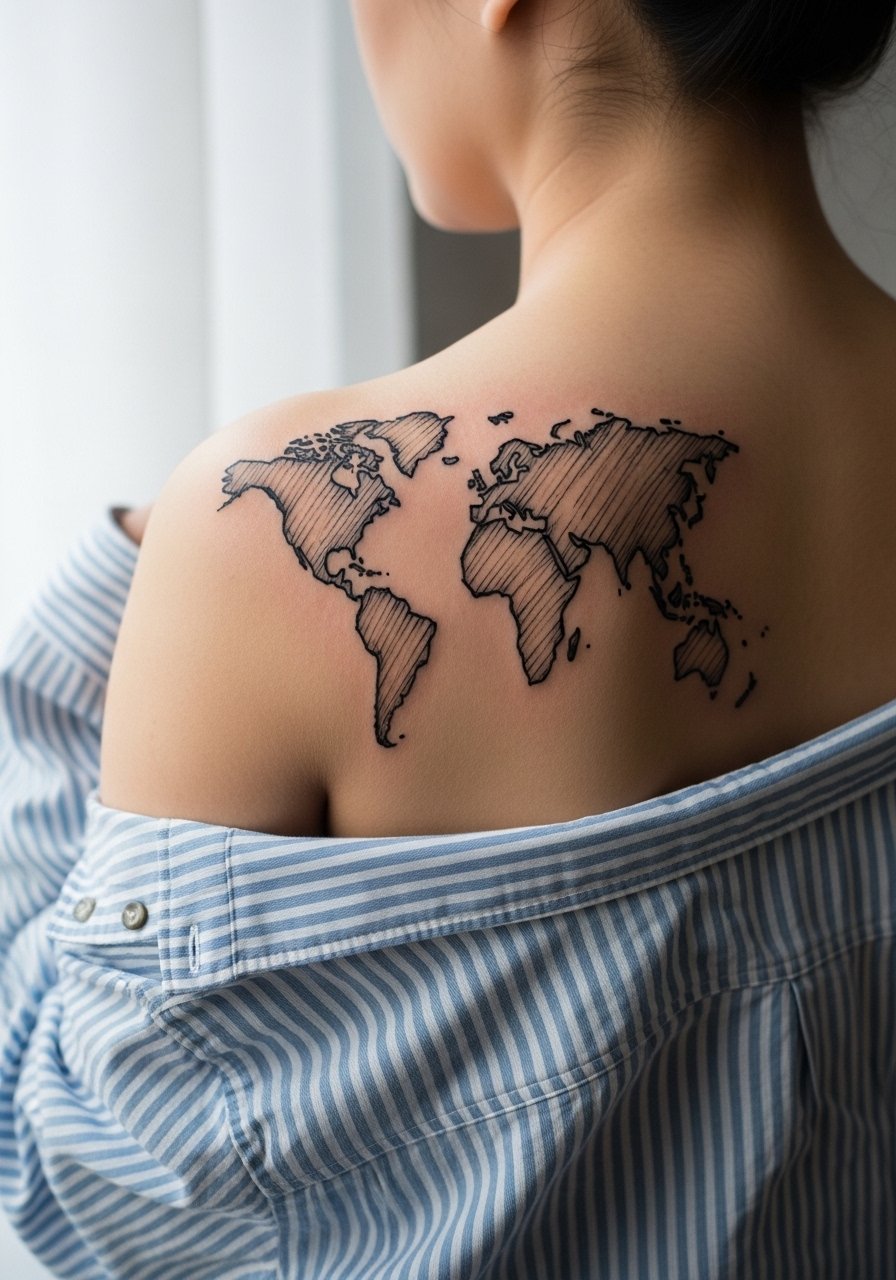
Back canvases suit Ging's map sketch because the larger scale keeps lines readable over years. Sessions commonly take two sittings for even saturation and to layer thin sketch lines. A frequent mistake is compressing too much detail into a small back tattoo, which softens after healing. For session comfort, wear a loose button-down shirt so you can keep it on and pull one side aside for access. The back is forgiving for aging, but sun protection is still essential when showing it off.
12. Biscuit Transformation Pose on Outer Forearm
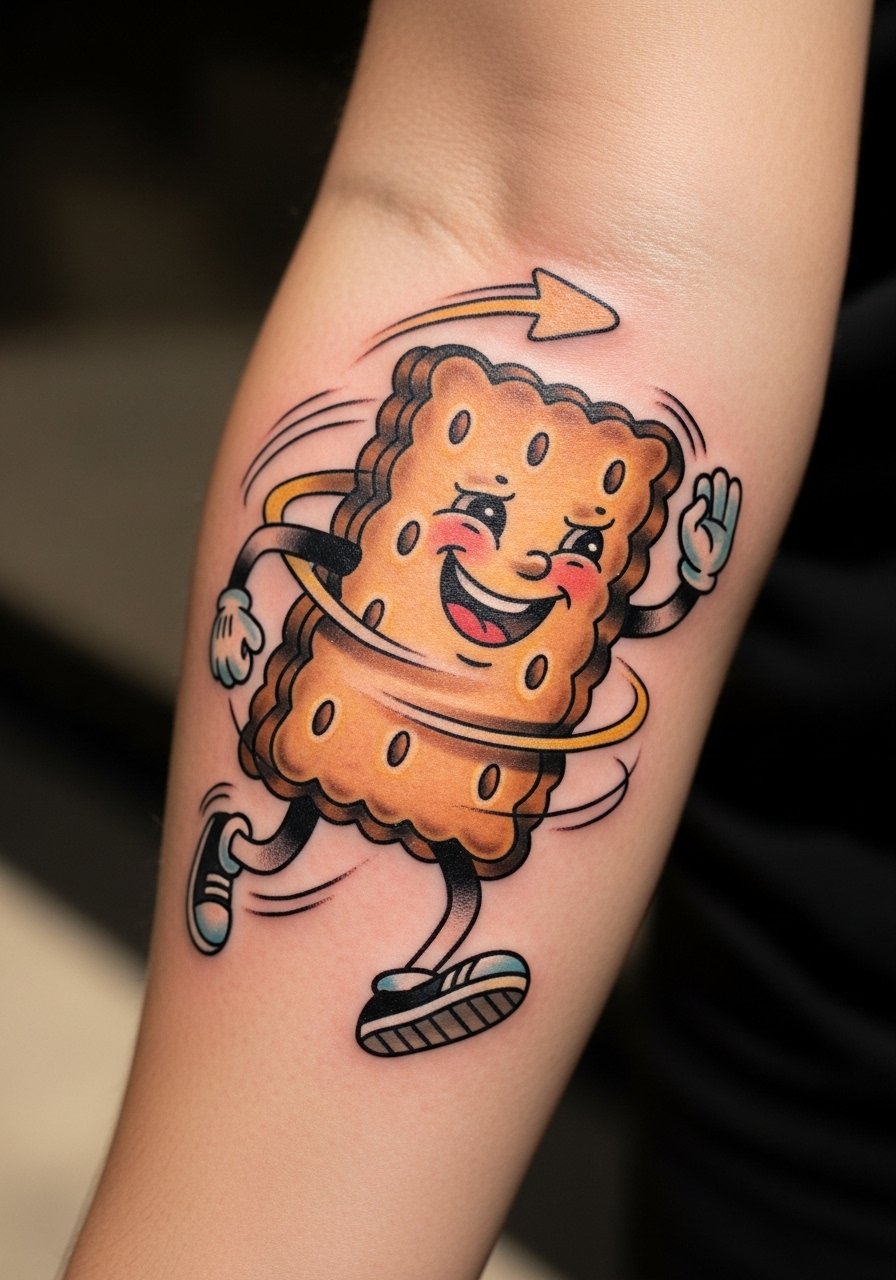
Outer forearm neo-traditional pieces like Biscuit's pose read well from a distance and hold color better than finer details. Expect two sessions for layered saturation. The common error is overscaling small elements into a tight forearm area, which reduces longevity. For showing off this piece, rolled sleeve graphic tees or a thin leather arm cuff on the opposite arm balances the look without covering the tattoo. Forearms see sun and friction, so sunscreen and occasional touch-ups keep colors lively.
13. Phantom Troupe Spider Web on Neck
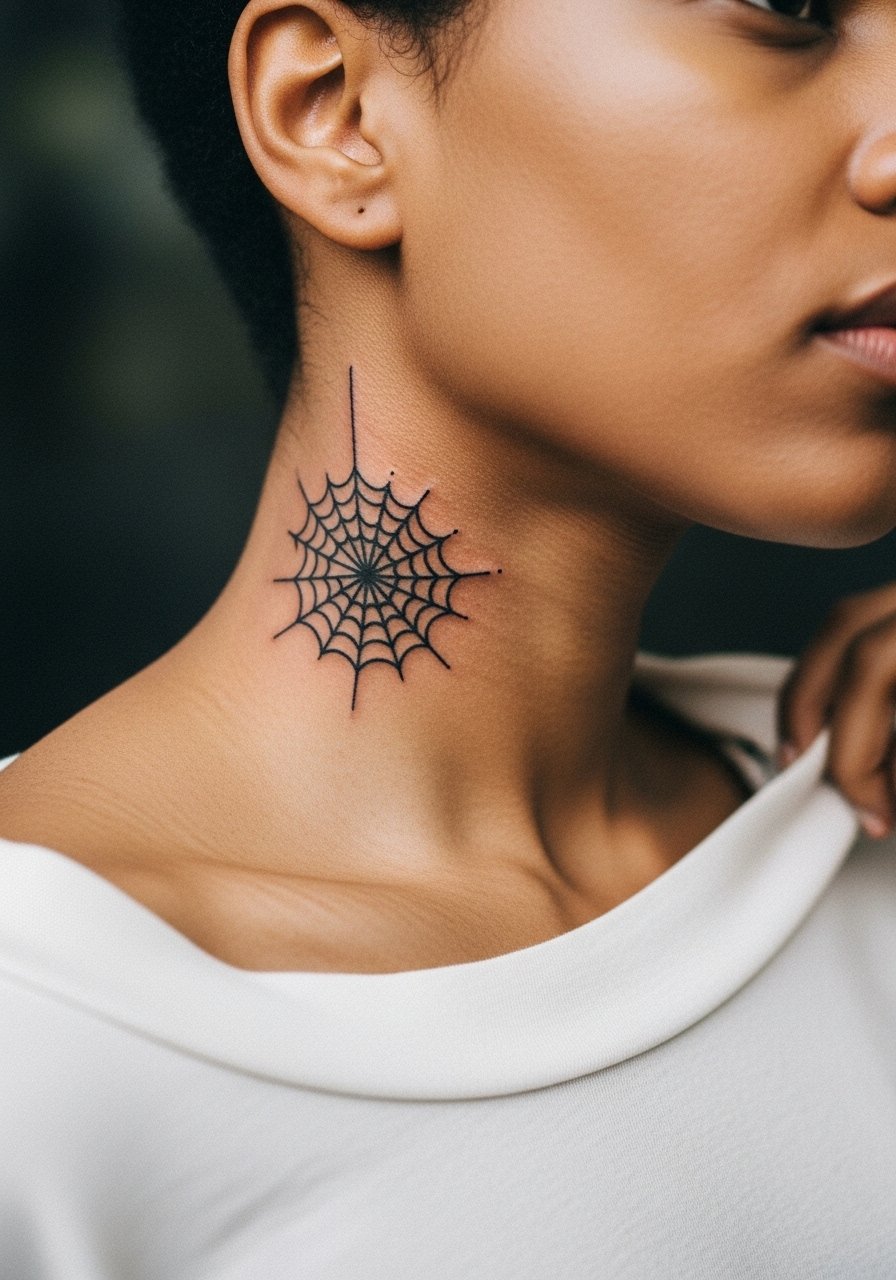
Neck pieces are visible and require careful career consideration. Phantom Troupe geometric spiders look crisp in blackwork, but dense geometry can merge if scaled too small. The mistake is compressing too many lines into a tiny neck area. For the session wear a wide neck shirt so the artist can reach the spot without stretching. Expect single session for small neck pieces. Artists and clients often debate healing methods for neck work, so ask about aftercare specifics during booking.
14. Nen Type Personalized Aura on Inner Wrist
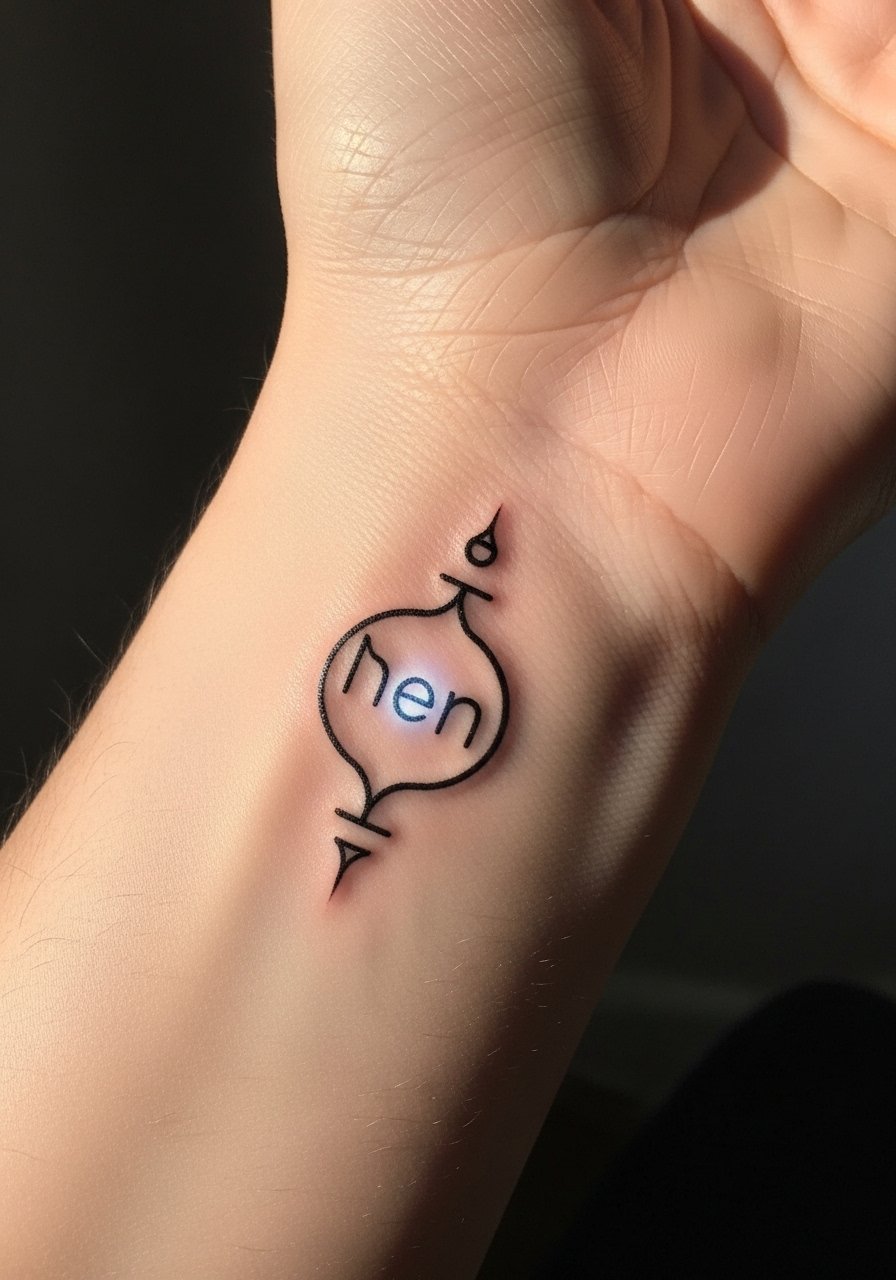
Inner wrist ideas that map to your Nen type are subtle and meaningful. The wrist faces frequent washing and movement, so request a compact design with slightly thicker outline. A common error is over-detailing tiny aura filigree which fades quickly. For session day wear, keep sleeves short and jewelry off the tattoo side. Pair the finished wrist with a minimalist watch on the opposite arm for balance. Expect a touch-up around year two if you wash hands heavily.
15. Dual Gon-Killua Split on Upper Back
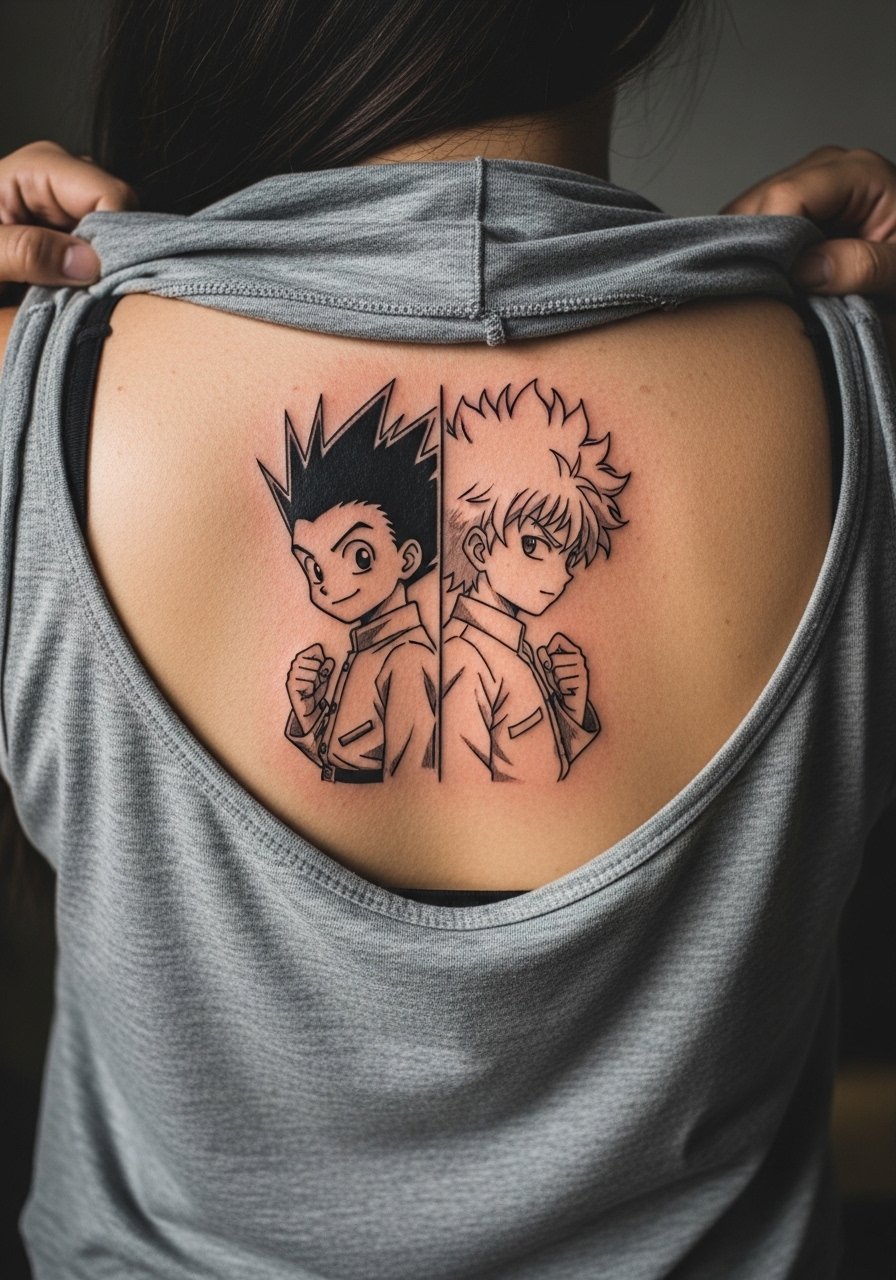
Upper back split portraits allow two characters without sleeve commitment. This placement keeps faces large enough for aging resilience. The common mistake is cramming both faces too close together, which causes facial detail to become muddy. In consultation, ask for clear negative space around each portrait so they heal separately. Wear a loose tank top you can adjust during the session. Two sessions are standard with touch-ups depending on how much sun you expose your back.
16. Aged Manga Panel on Sternum
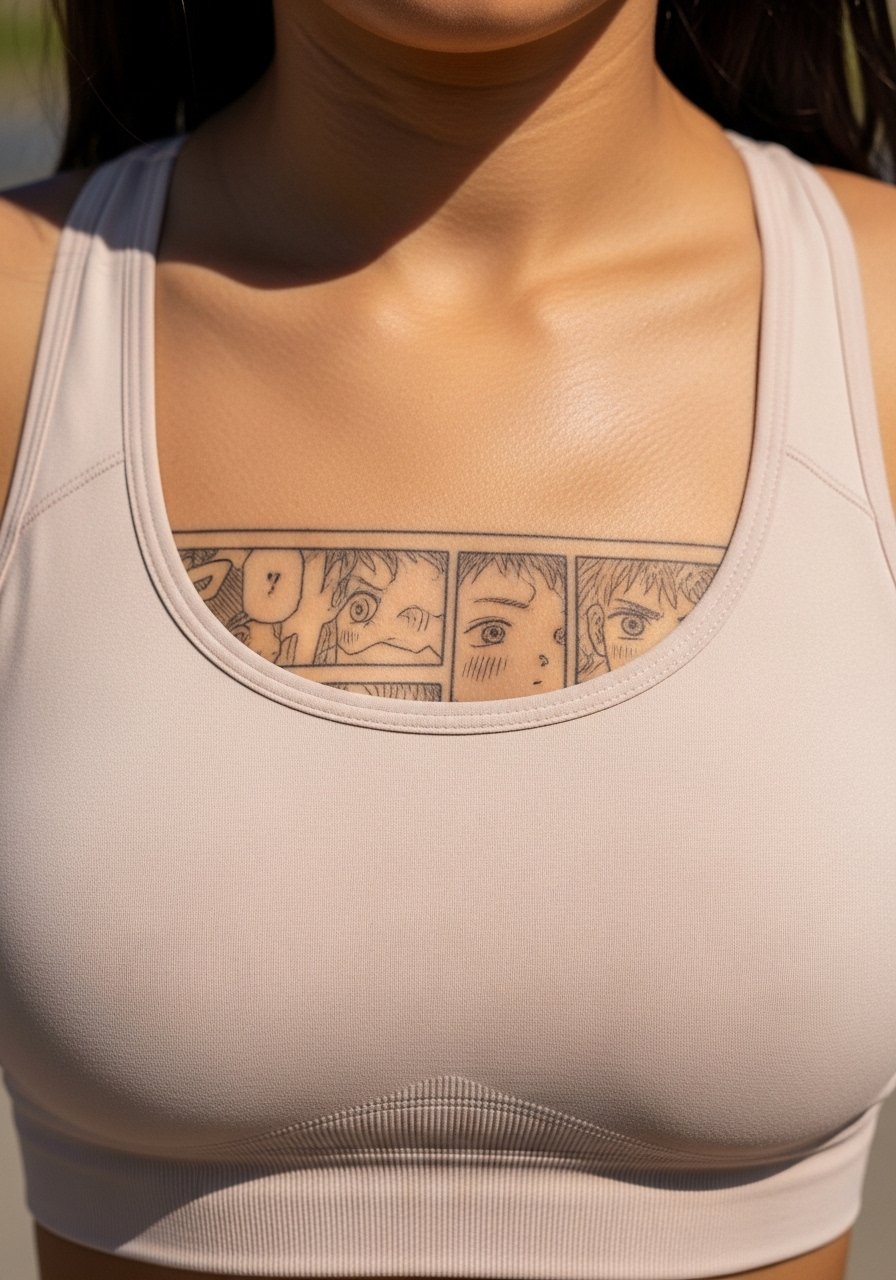
Sternum and underbust work looks striking in a manga panel aesthetic, but the area is sensitive and moves with breath. One camp of artists worries that fine sketch lines there blur rapidly. Another camp says that with enough spacing and layered depth, the sketch can heal clean. Ask your artist which approach they recommend for sternum work. Session pain will be high for many and one to two sittings are common. Wear a fitted sports bra for the appointment. Many choose slight variations of the panel instead of direct manga scans to avoid composition issues and respect source material.
17. Small Killua Eye Micro on Behind the Ear
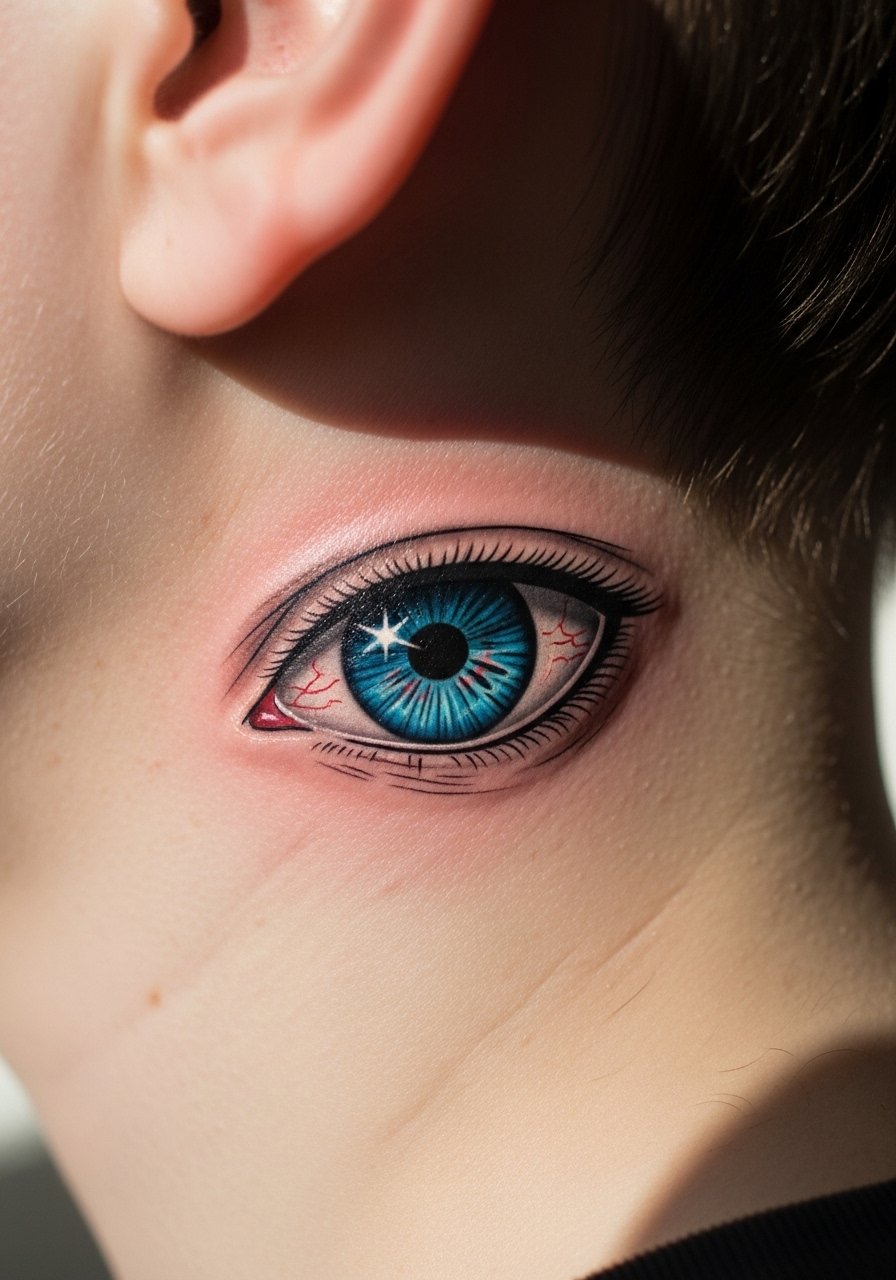
Behind-ear micro pieces are private and delicate. The skin there is thin and slightly stretchy, so ask your artist for simplified micro-realism rather than tiny photorealism. People often mistake tiny faces for a single-needle line job, which can blur faster than denser shading. Pain is low to moderate. This placement hides under hair for discretion. Because of the location, it helps to find an artist who does many ear-adjacent micro pieces. Expect a single short session and a possible touch-up at year two.
18. Hunter Badge Minimalist on Ankle Strap
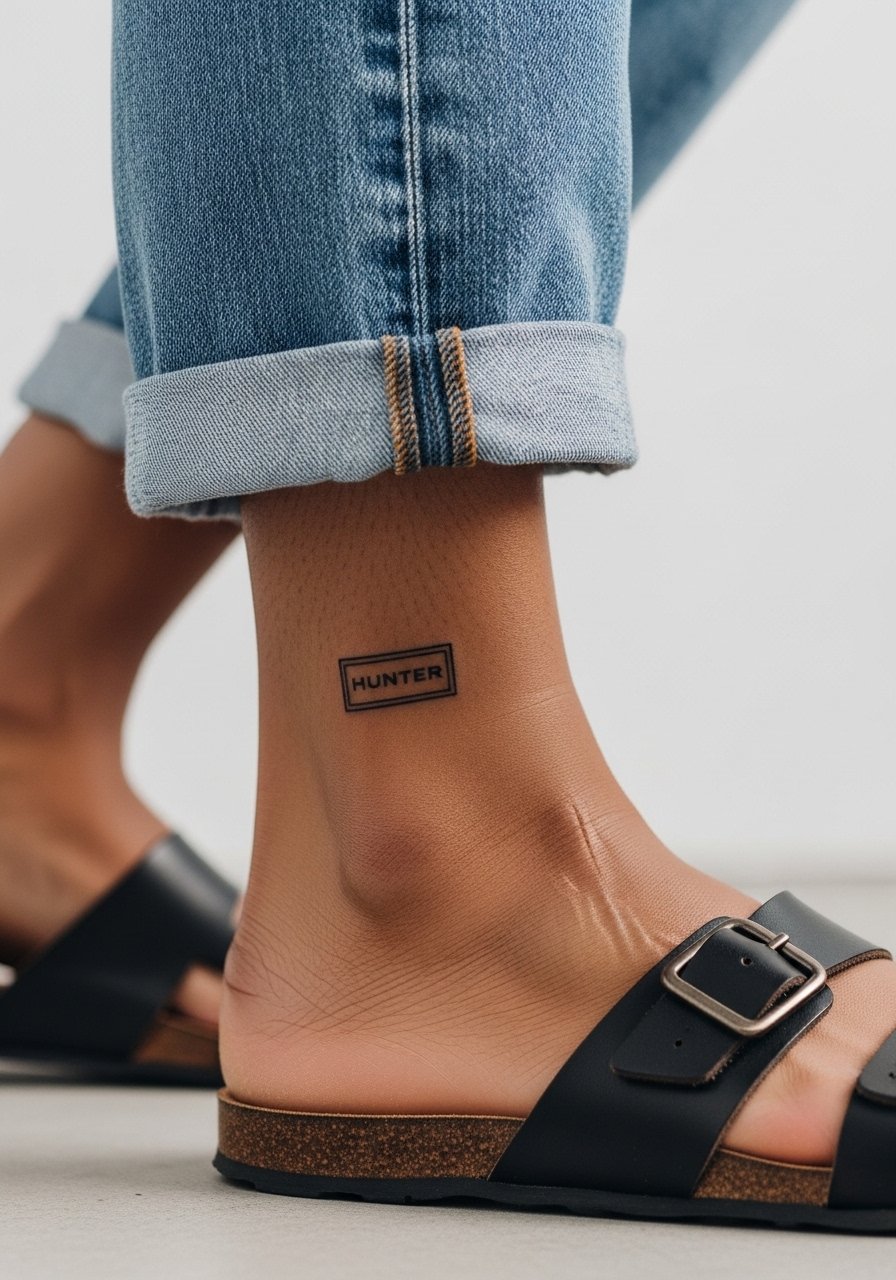
Ankle strap placements mimic jewelry and pair well with minimalist badge outlines. The ankle endures shoe friction, so request a clean outline with solid spacing and avoid hairline text. A typical mistake is adding tiny numerals or fonts that do not hold. For showing the piece wear sandals or roll up pants for visibility. Sessions are short but may sting more due to thin skin. Touch-ups are common after the first year if footwear rubs the area constantly.
19. Phantom Troupe Pocket Spider on Ribcage
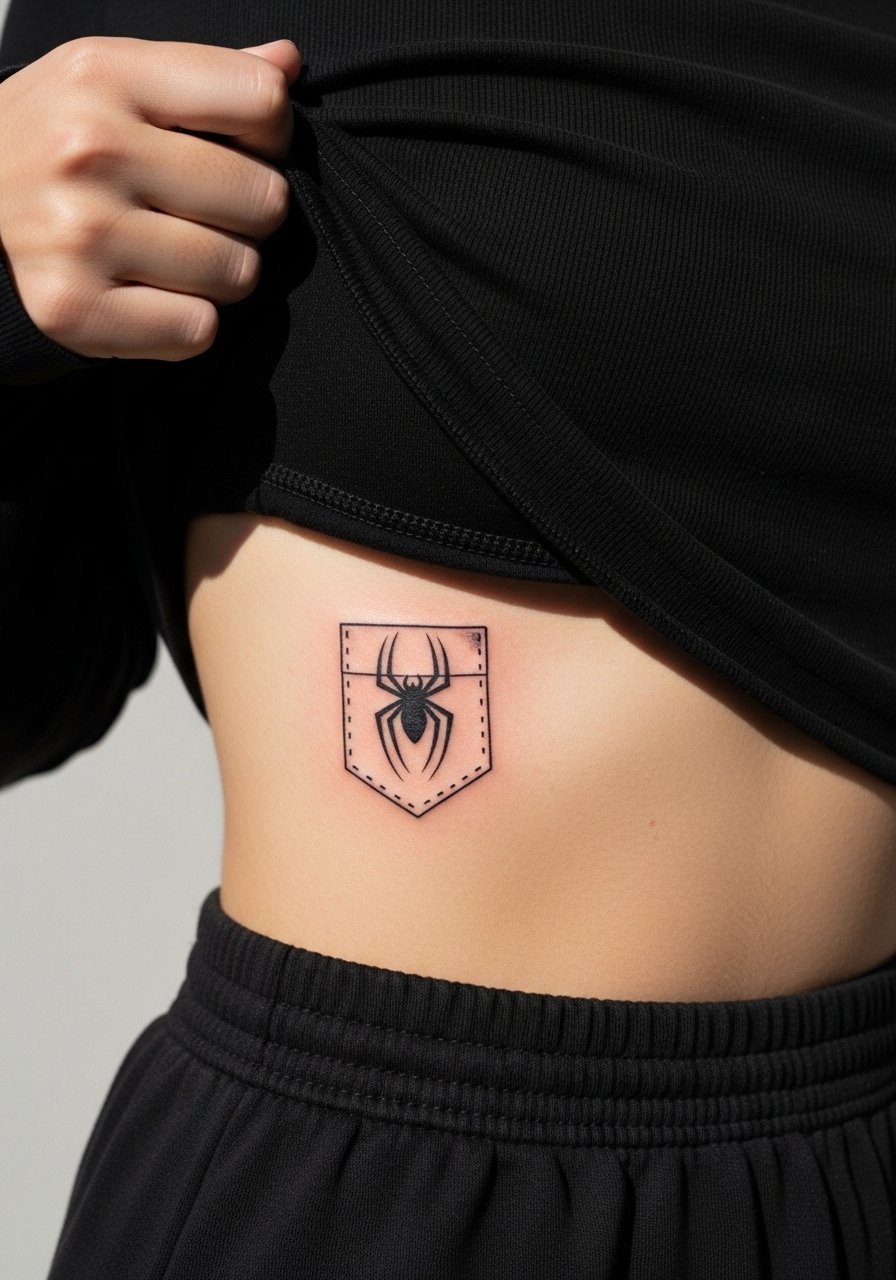
Ribcage pockets are intimate and easy to conceal. The ribs move during breathing and sleeping so spacing matters. Artists disagree on fine line there. Some warn it blurs quickly because of the stretch. Others say with deeper yet careful needle placement and room between strokes, lines settle well. If you choose ribs, plan for a touch-up at year two. For the session wear a cropped top that you can lift slightly to expose only the zone. The pain will be higher but many say the concealability is worth it.
20. Nen Hands Minimalist on Mid-Back
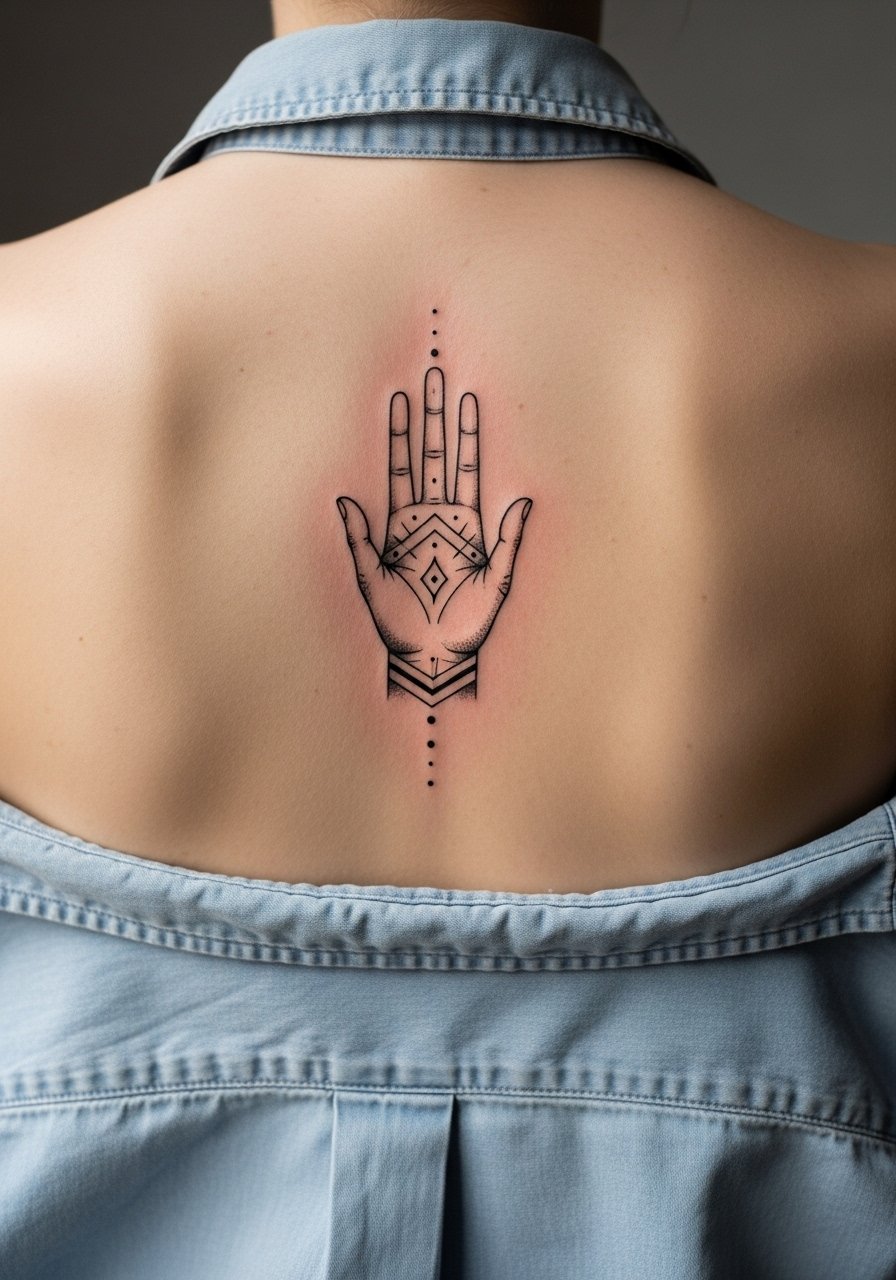
Mid-back blackwork pairs drama with easy coverage. Minimalist Nen hands form a silhouette that withstands aging because of the bold negative space. The mistake is adding tiny crossings or stipple that can merge after healing. Sessions are moderate length and usually handled in a single larger sitting. For comfort, wear a loose button-down you can slide partially off one shoulder. The mid-back is forgiving for touch-ups and resists daily abrasion, which helps blackwork stay bold.
21. Dual Tiny Symbols Along the Finger Side
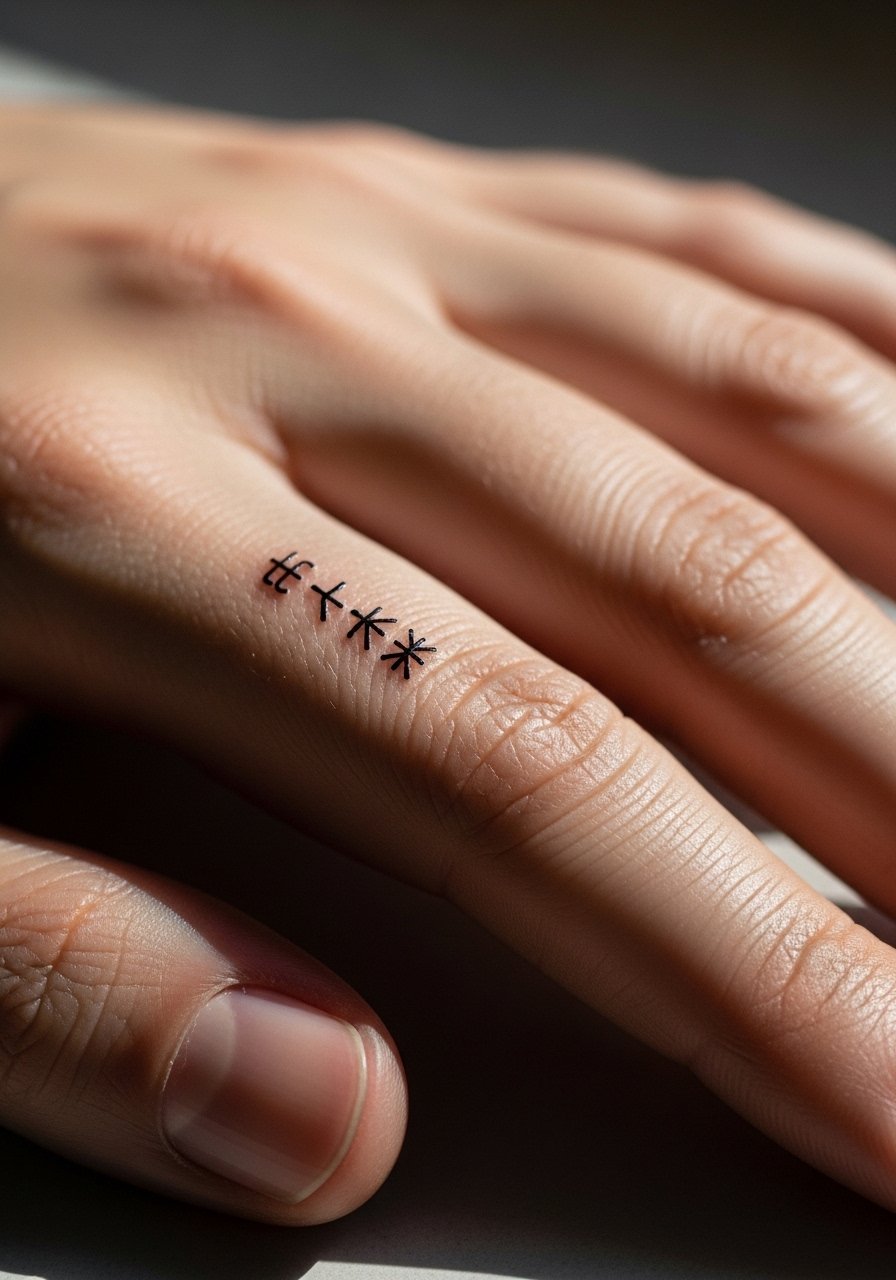
Finger-side placements are highly visible and subject to frequent washing, which speeds fading. Keep symbols very simple and slightly thicker than cosmetic single-needle strokes. The usual mistake is asking for dense detail on the finger edge, which breaks down rapidly. Sessions are short but expect multiple small touch-ups over time. For the appointment skip rings on the tattooed hand and keep the area clean. Artists often recommend going slightly larger than you imagine to keep the shapes legible after healing.
Frequently Asked Questions
Q: Will fine line Gon or Kurapika portraits blur faster than neo-traditional or bold blackwork?
A: From what I have seen, fine line portraits do tend to soften sooner, especially on high-movement areas like ribs and inner bicep. Bold blackwork and neo-traditional saturation usually age into a cleaner silhouette. If you love fine line, plan for a touch-up around year two to three and pick placements with less friction.
Q: How should I find an artist who actually understands anime portraiture without naming specific accounts?
A: Look through hashtag searches such as #hunterxhuntertattoo and #hxhtattoo on Instagram and TikTok. Use local filters on apps like Tattoodo and scan portfolios for healed photos, not just fresh work. Ask for healed shots in consultation and confirm cancellation policies when booking so you avoid deposit loss.
Q: Is Saniderm or dry healing better for color retention on vibrant Gon pieces?
A: Two camps argue this out. One camp prefers Saniderm for less scabbing and cleaner first-week hygiene. The other camp swears dry healing helps color settle without trapping moisture. The best approach depends on your skin type and the artist's aftercare protocol. Discuss this with the artist and follow their recommended method.
Q: My skin tone is medium to dark. Which HxH styles hold up best for me?
A: Strong blackwork silhouettes and saturated neo-traditional pieces tend to read best across a range of skin tones. Micro-realism and thin single-needle highlights can vanish on deeper tones unless artists use denser layering and contrast. Ask to see healed examples on similar skin tones during consultation.
Q: Should I expect extra fees for color complexity on a small Killua or Gon tattoo?
A: Shops vary. Some charge flat rates for small customs and others add time-based color charges. To avoid surprises, ask for a flat quote that includes color complexity before any deposit. That question is part of a good consultation and prevents last-minute upsells.