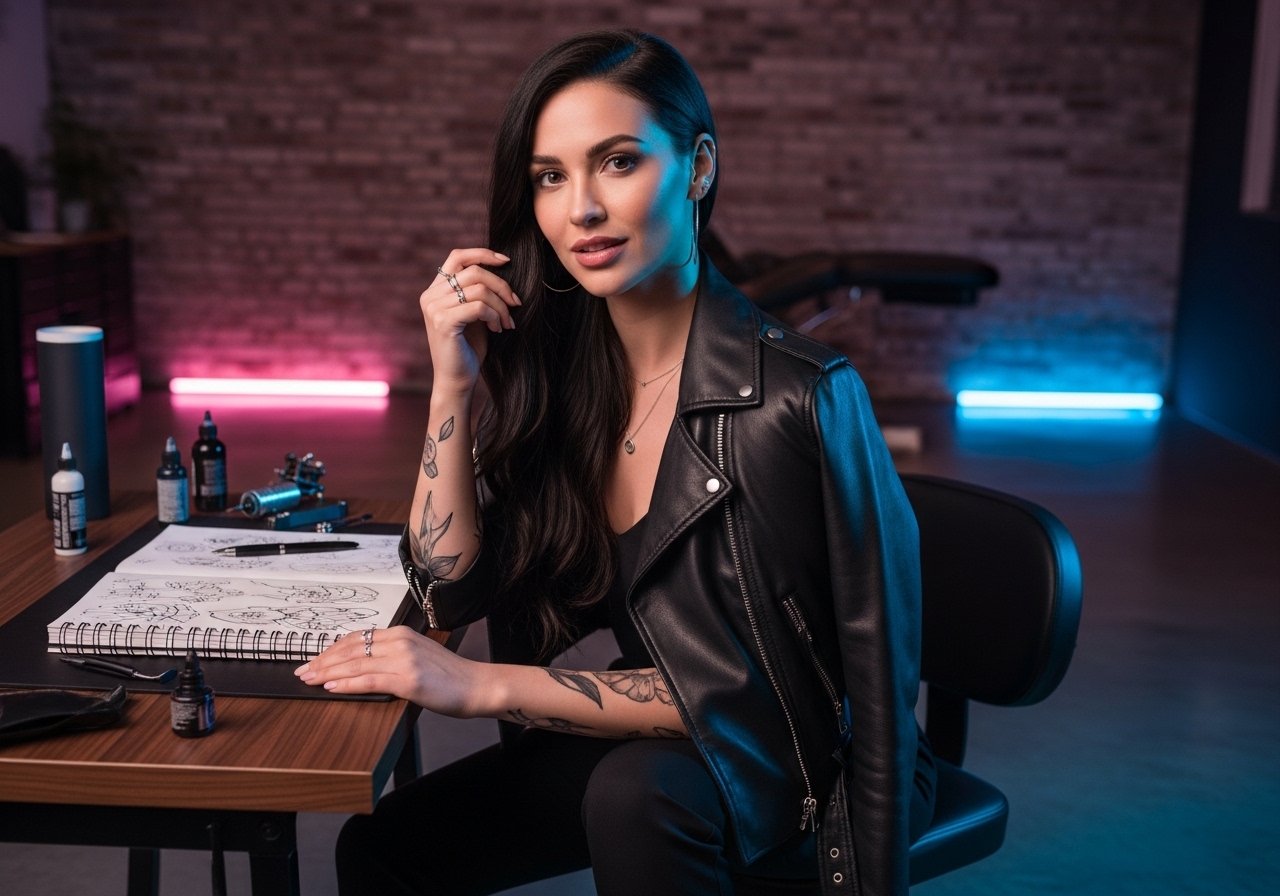
Fine line Japanese words are trending online, and the pieces that actually look deliberate ten years from now are not always the ones that got the most likes on day one. Placement, spacing, and choosing a phrase that carries personal meaning matter more than chasing what looks neat on a phone screen. Below are 27 Japanese word and phrase references, with placement, aging notes, what to tell your artist, and wardrobe tips to show them off right.
1. 愛 (Ai) — Love, Single Kanji Wrist Script
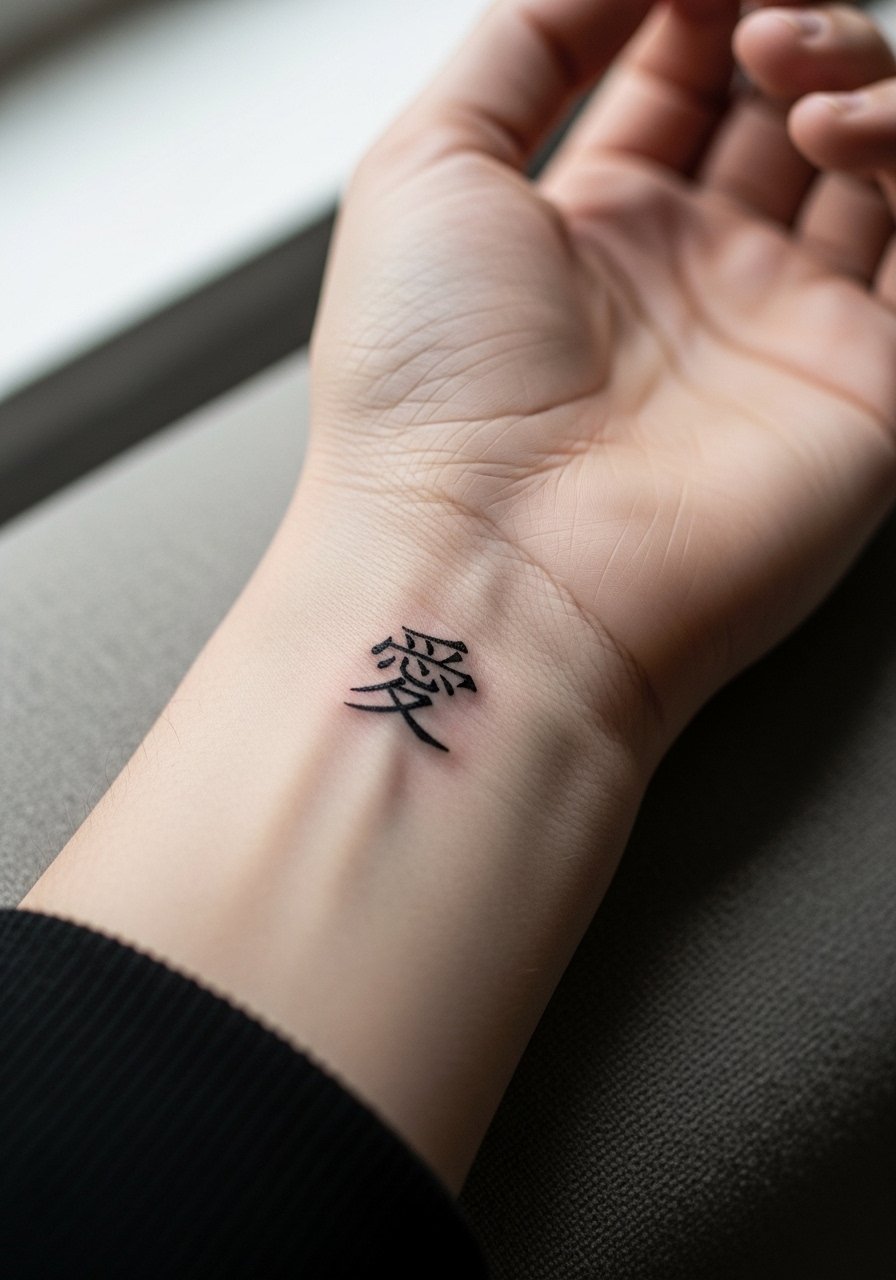
Ai is the classic single-character choice for someone who wants a compact, readable symbol of love. Ask your artist for slightly heavier linework than the finest micro style so the vertical strokes hold over time, especially on a wrist that sees a lot of sun and friction. Fair warning, the wrist fades faster than the forearm, so expect a light touch-up at year two or three. For the session, bring a loose button-down shirt you can pull aside. For showing it off, a thin chain pendant necklace sits just above the script without competing.
2. 夢 (Yume) — Dream, Vertical Forearm Script
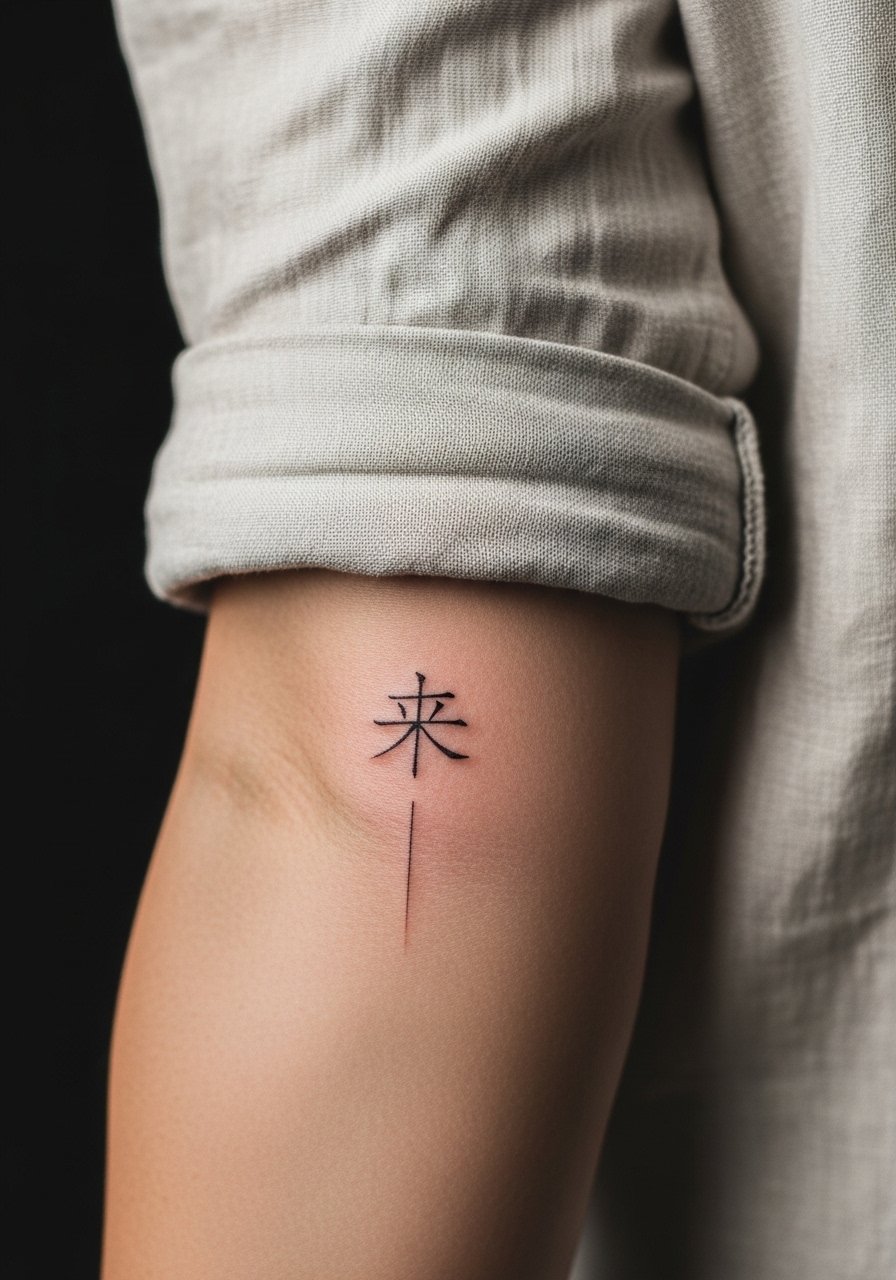
A vertical forearm placement lets the kanji read like a small statement when your sleeve rolls up. Tell the artist you want a single-pass, consistent lineweight and to avoid overworking the skin, which raises blowout risk on the flat forearm. Visually, fine line shows detail at six months but may soften by year three. For the session wear a loose linen shirt you can roll without tugging. If you plan a longer script later, layout the spacing now so letters do not compress as the piece grows.
3. 生き甲斐 (Ikigai) — Reason for Living, Collarbone Pairing
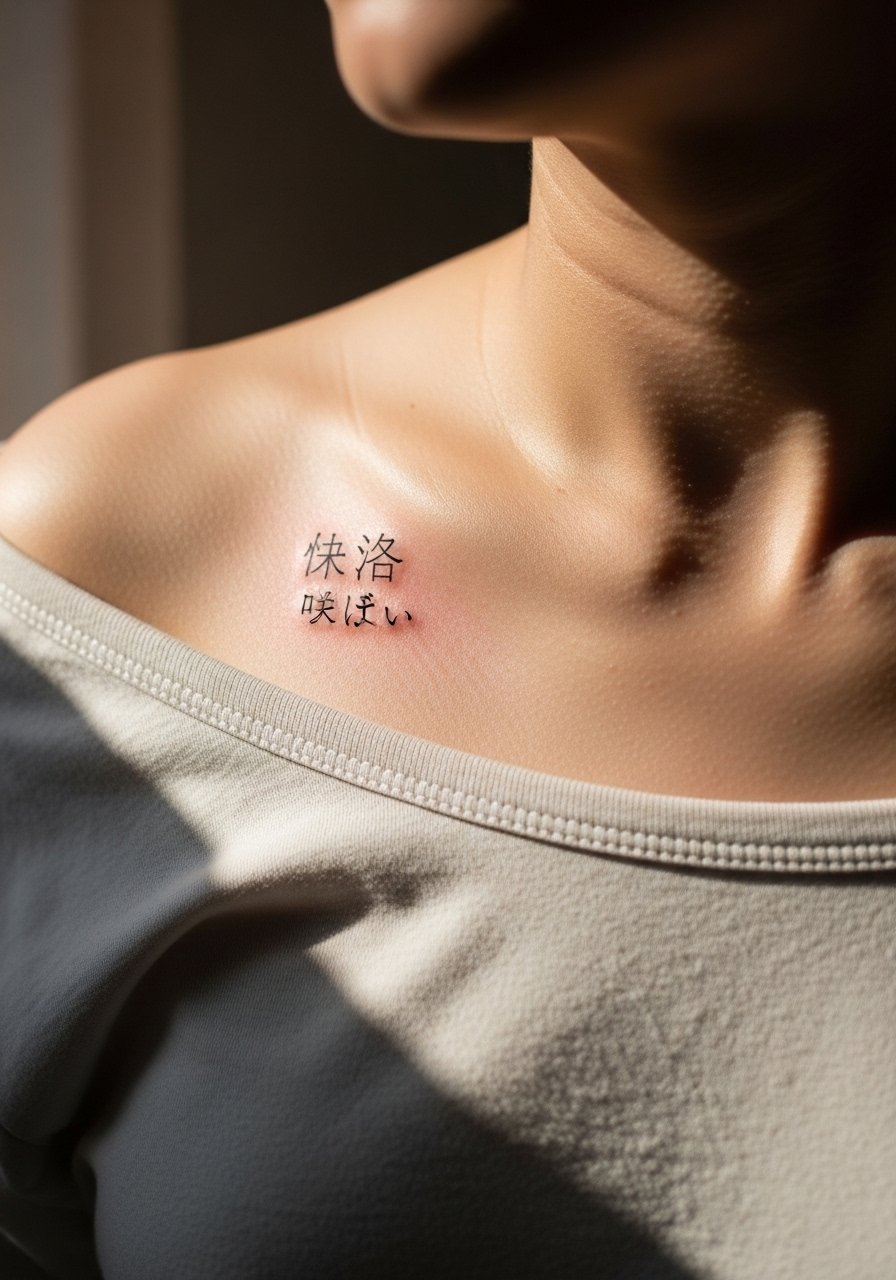
Ikigai works well as a short phrase across the upper chest or collarbone. Because the area moves with breathing, ask for slightly bolder strokes and for the artist to stencil the layout while you sit upright. The chest can hold saturation, but thin strokes on the collarbone may blur over time if spaced too tightly. Pair the piece with an open-back midi dress or a racerback tank to frame it. A brief note about origins feels right here, since some phrases are compact and carry cultural nuance beyond a literal translation.
4. 侘び寂び (Wabi-Sabi) — Imperfection and Beauty, Upper Arm Blackwork
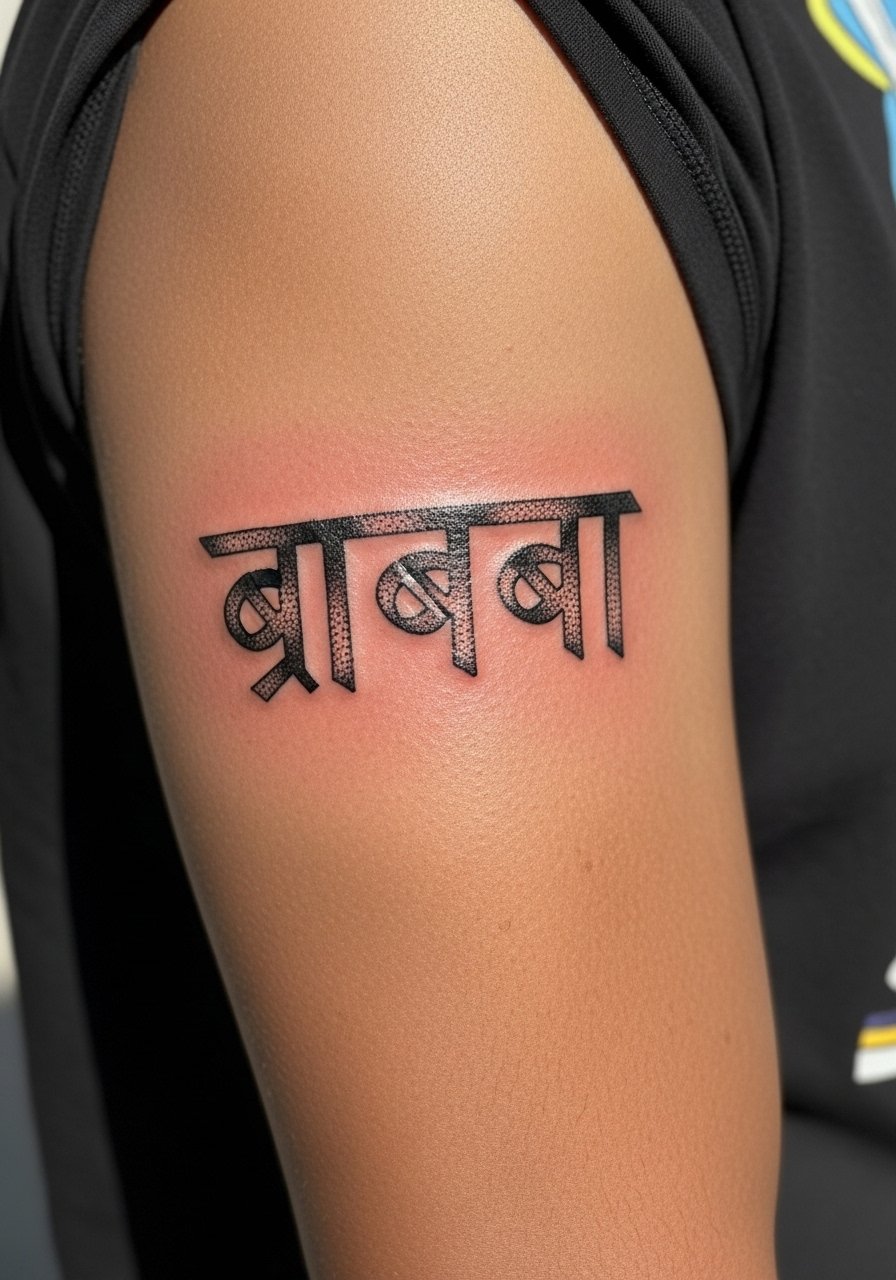
Wabi-sabi reads like a philosophy in kanji and suits an outer upper arm for a piece that ages with subtlety. Stipple shading around the characters keeps the script readable while adding texture that holds better than tiny hairlines. During consultation say you want spacing between characters to preserve definition as the skin settles. For showing it off, roll sleeves up to elbow level or wear a short-sleeve linen top. Some people debate whether non-Japanese wearers should use untranslated phrases, one camp says it is a respectful appreciation with proper research, the other argues it can be appropriation. I suggest reflecting on personal connection and asking where the phrase sits culturally before committing.
5. 一期一会 (Ichigo Ichie) — Once-in-a-Lifetime Encounter, Inner Bicep Placement
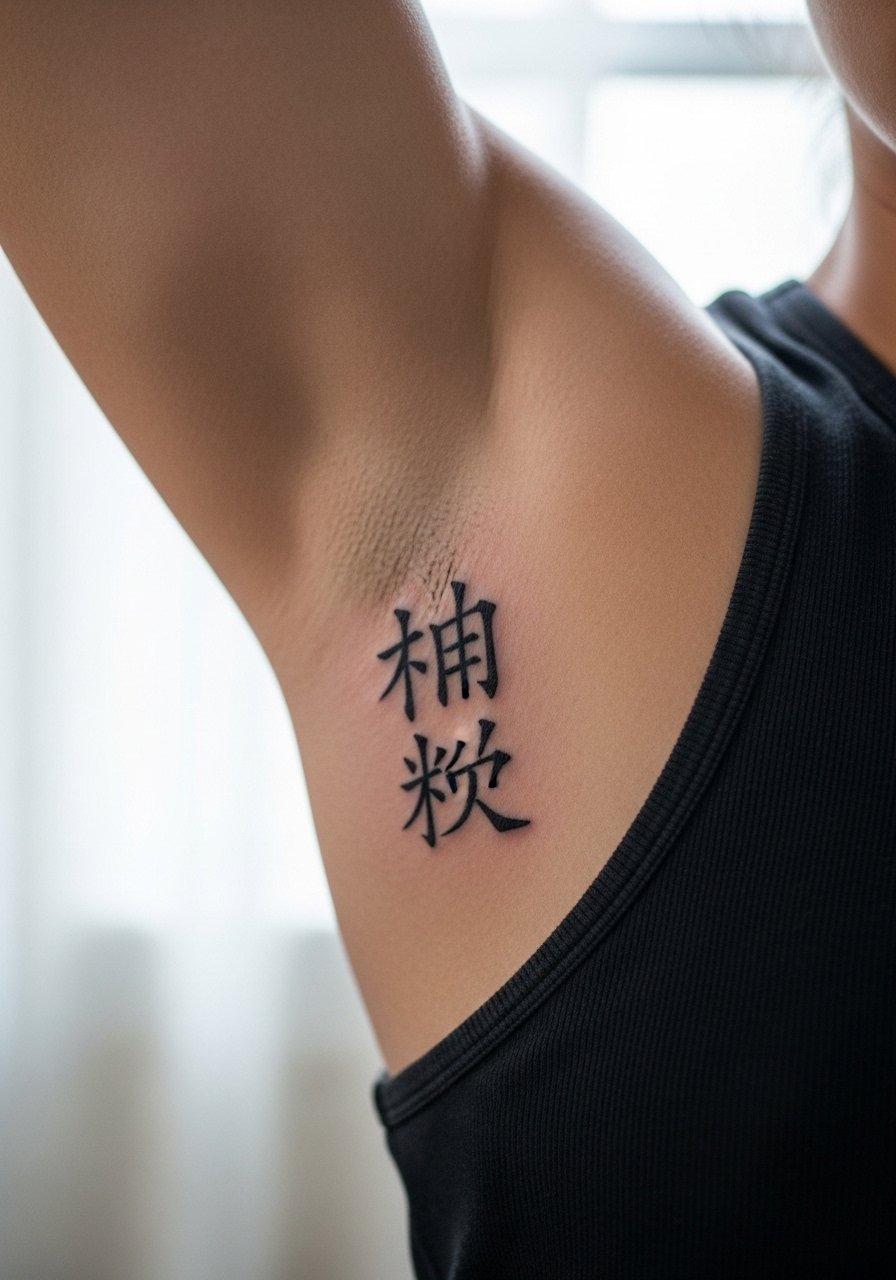
This four-character idiom fits the inner bicep where it remains private unless you lift your arm. Inner bicep skin is soft and tattoos there can sting more, so expect a higher pain level and a sit-down session of moderate length. Ask the artist to space the kanji vertically and to avoid tiny decorative flourishes that compress over time. For session wear bring a loose tank top you can lift easily. Because the area rarely sees sun, touch-ups tend to be later rather than sooner.
6. 不撓不屈 (Futō Fukutsu) — Never Give Up, Ribcage Calligraphy
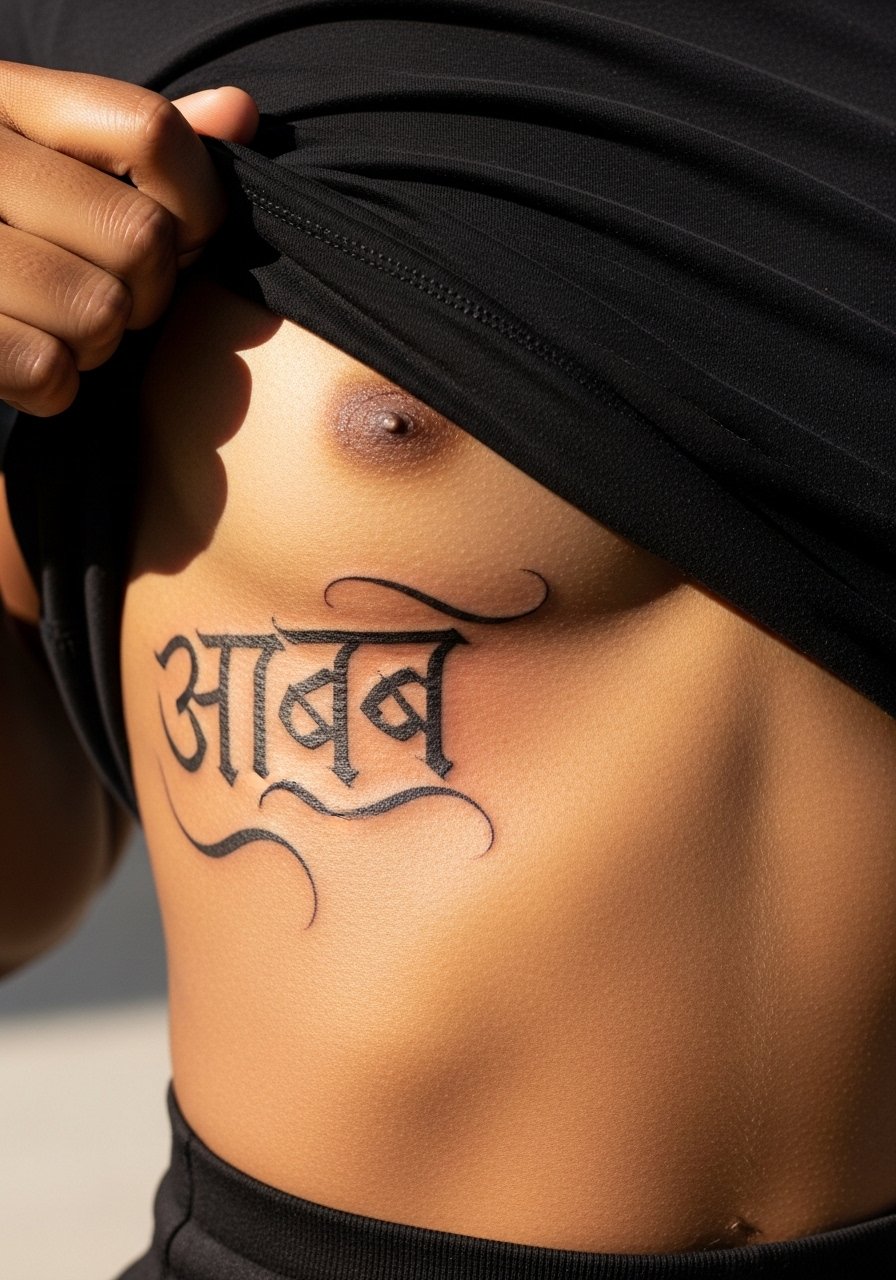
Ribcage scripts deliver drama but come with real trade-offs. The ribs are a high-pain area and the skin stretches with breathing. Artists disagree on fine line here, one camp says the stretch causes blurring, the other camp says correct needle depth and spacing work fine. Ask where the artist stands before booking. During the session wear a fitted sports bra or bandeau so the artist can lift fabric for access, and plan for longer breaks. Expect the piece to need a touch-up sooner than forearm work, especially if you move or carry weight differently over the years.
Studio Day Picks
The short sayings and ribcage work above need different prep than wrist pieces, so a few targeted items smooth the session and first week.
-
Stencil transfer paper kit. Lets you preview exactly where the kanji will sit on curved areas like the ribcage or collarbone, which matters for phrases that run horizontally.
-
Plant-based topical numbing cream. Applied per instructions before a high-pain session like ribs, it can make breathing through a long stencil easier without compromising the stencil.
-
Thin protective film roll. Keeps wrist and finger scripts cleaner during early washes and while you type or handle daily friction.
-
Fragrance-free gentle body wash. Cleans healing skin without stripping, helpful for collarbone and forearm areas that get soap exposure.
-
Aquaphor Healing Ointment. A thin layer for the first few days locks in moisture for precise kanji linework while you follow your artist's wrap schedule.
7. 忍耐 (Nintai) — Endurance, Ankle Script
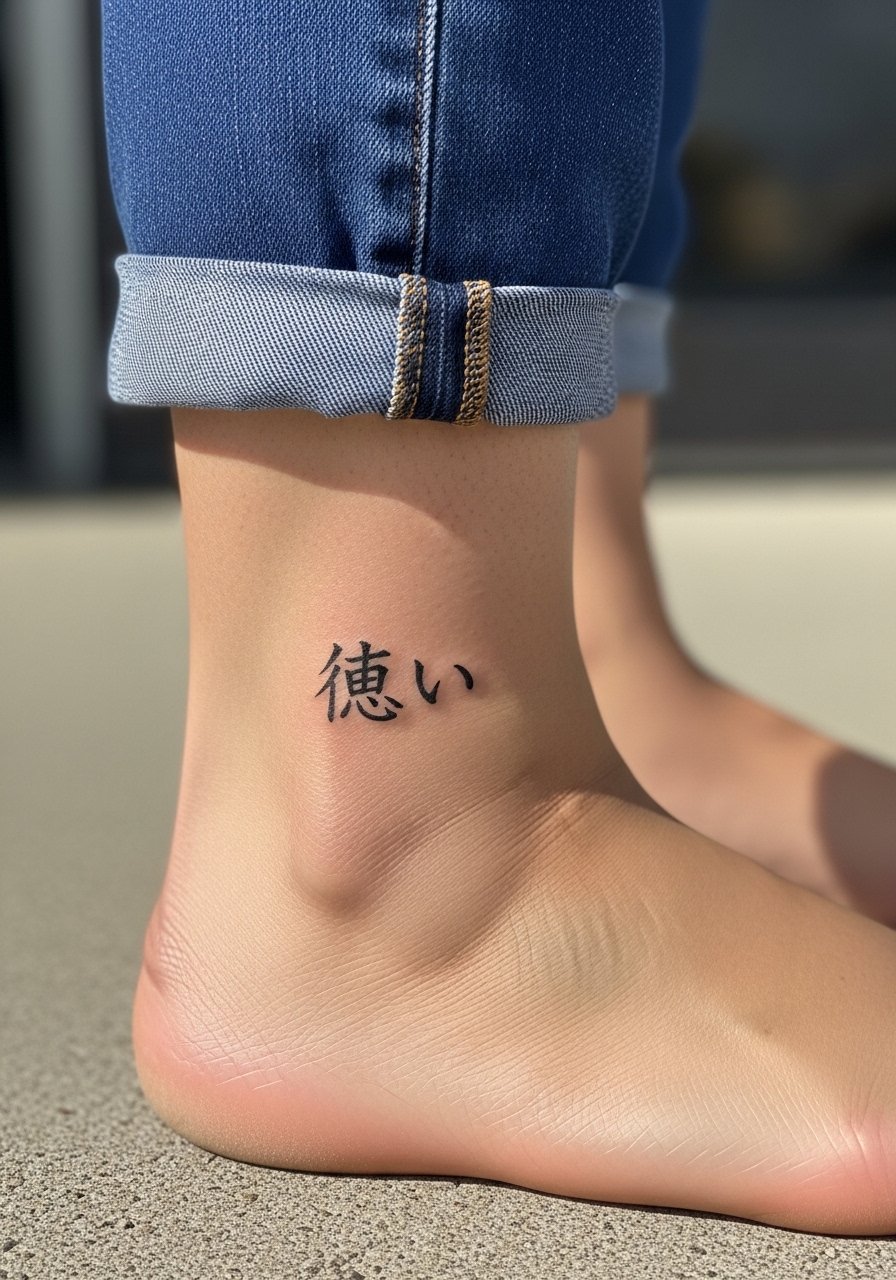
An ankle kanji is subtle and wearable, but it sits in a high-friction zone with socks, shoes, and constant movement. Ask for slightly bolder strokes to resist early fading. Session-wise the ankle is bristly and can be a quick but sharp experience. For the appointment roll pants up or wear slip-on sandals so you do not have to tug clothing afterward. Expect touch-ups earlier than thigh or upper arm work.
8. 力 (Chikara) — Strength, Back of Neck Script
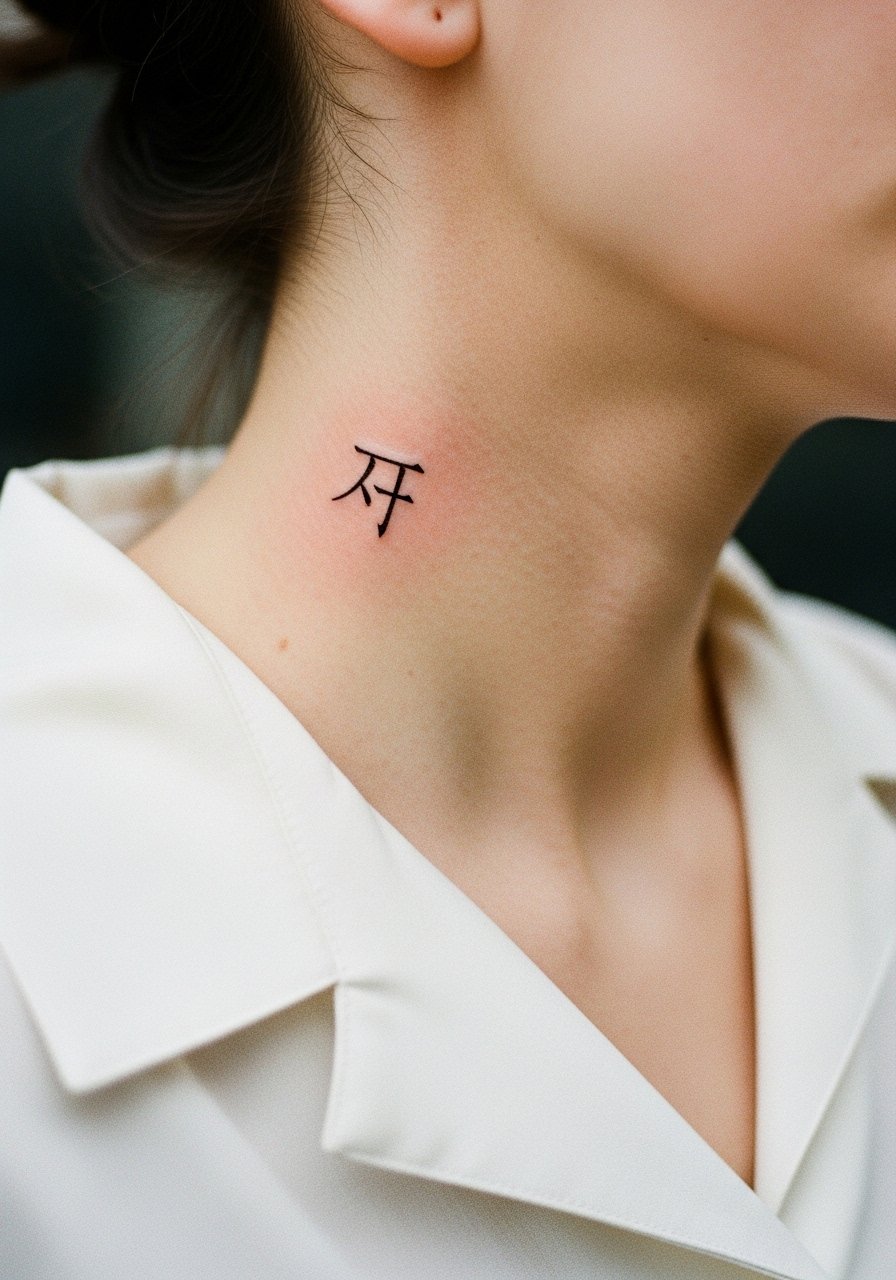
A small kanji at the side or back of the neck reads quietly when your collar exposes it. Neck tattoos can influence professional perceptions in some fields, so think through career implications first. The area moves and sweats, so the ink needs precise depth to avoid blowout. Ask for a clean, slightly heavier line than a micro-fine stroke. For showing it off try a wide-neck sweater that frames the area without distraction.
9. 永遠 (Eien) — Eternity, Inner Wrist Band
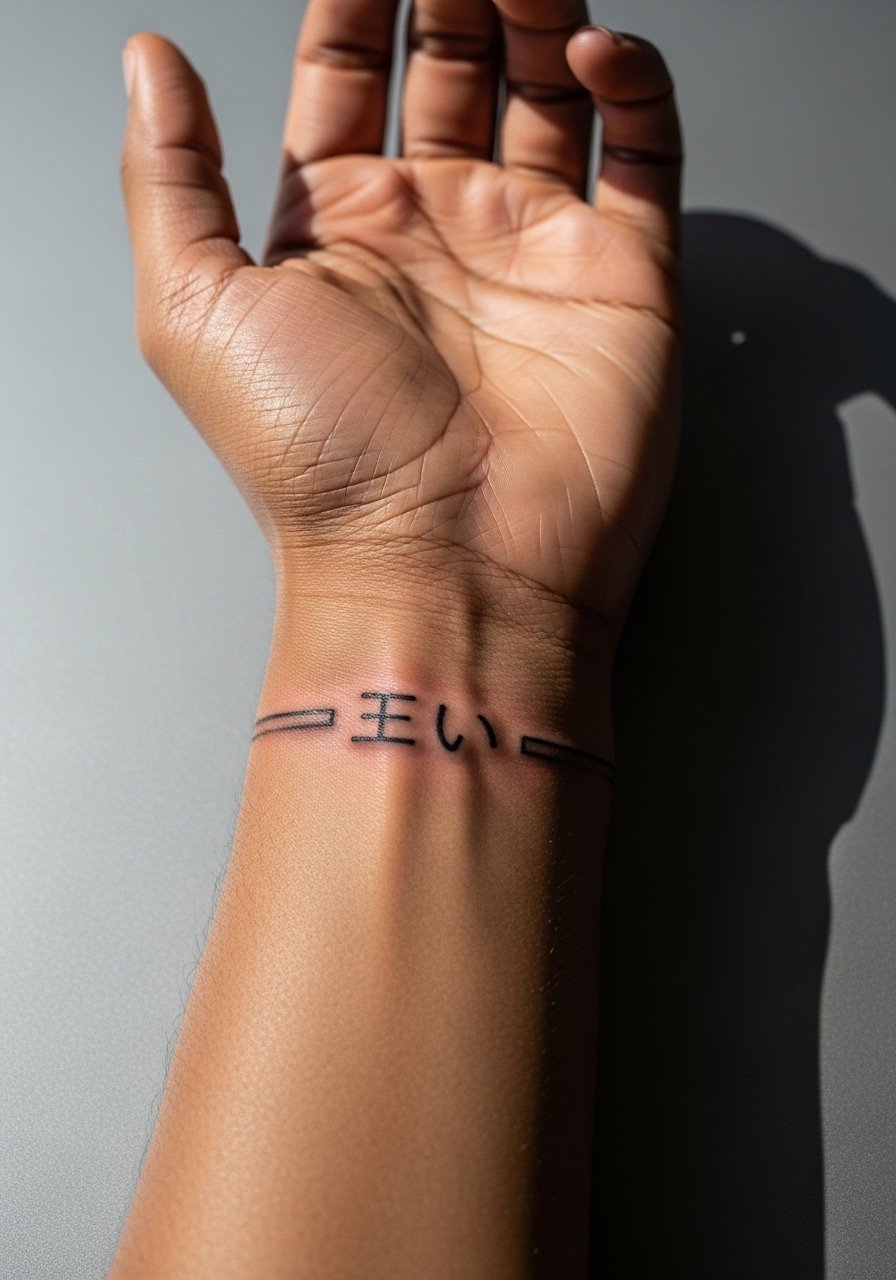
Eien as a wrist band reads like a cuff, and the skin there takes repeated washing and rubbing. Make the characters slightly larger than you think, and ask for separation between the characters so the band does not compress visually. During the session, minor discomfort is expected but it is typically a short appointment. Pair the piece with stacked dainty bracelets or a minimalist watch to keep attention on the kanji without crowding the wrist.
10. 希望 (Kibō) — Hope, Sternum Line Work
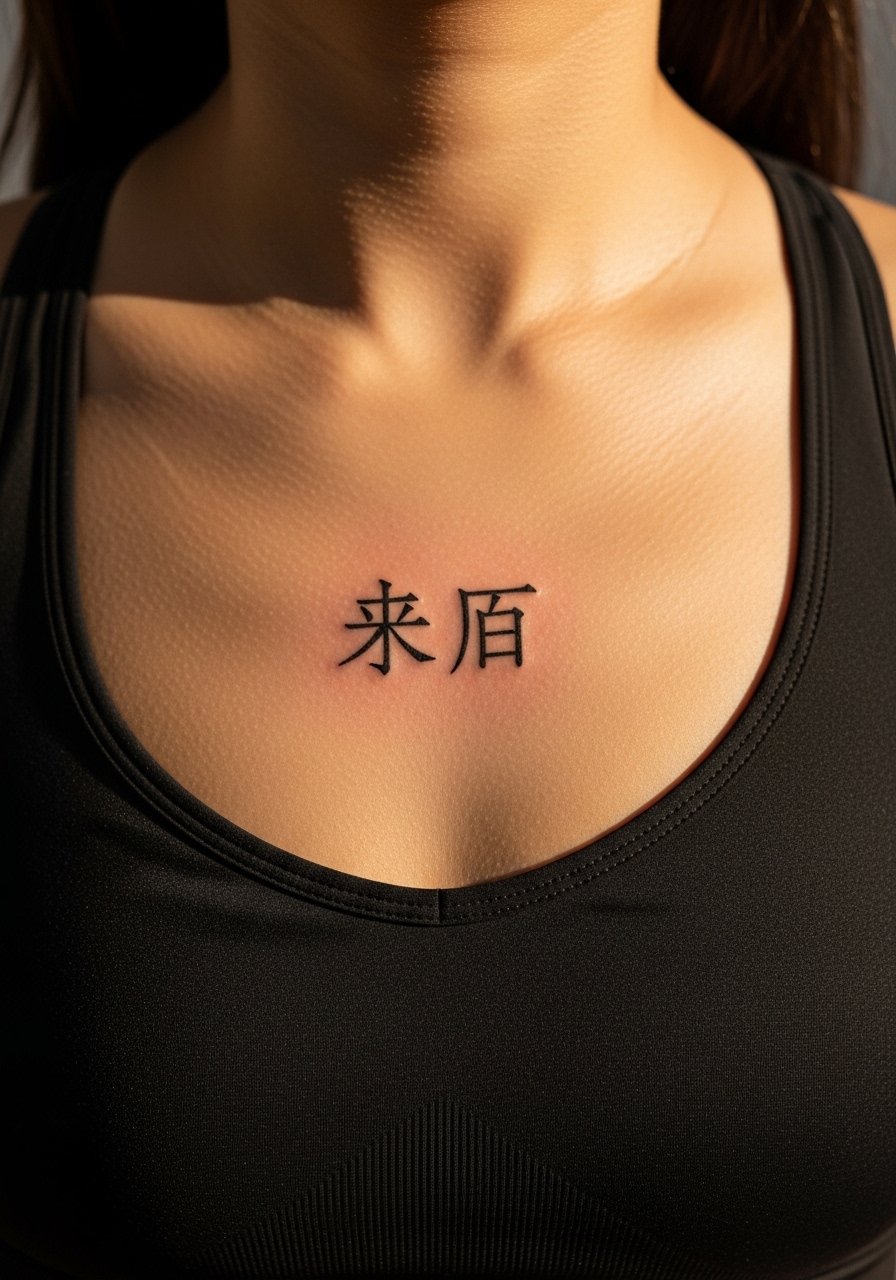
Sternum placements carry intimacy and require a specialist hand because the area moves with breathing and the skin is thin. For this, bring clear references and ask the artist about needle depth for shallow areas. Session pain can be high and breaks are common. Wear a fitted sports bra or bandeau so the artist can adjust fabric without exposing more than necessary. Because the sternum sits under clothing edges, think about wardrobe that avoids constant rubbing across the piece.
11. 勇気 (Yuuki) — Courage, Calf Vertical Script
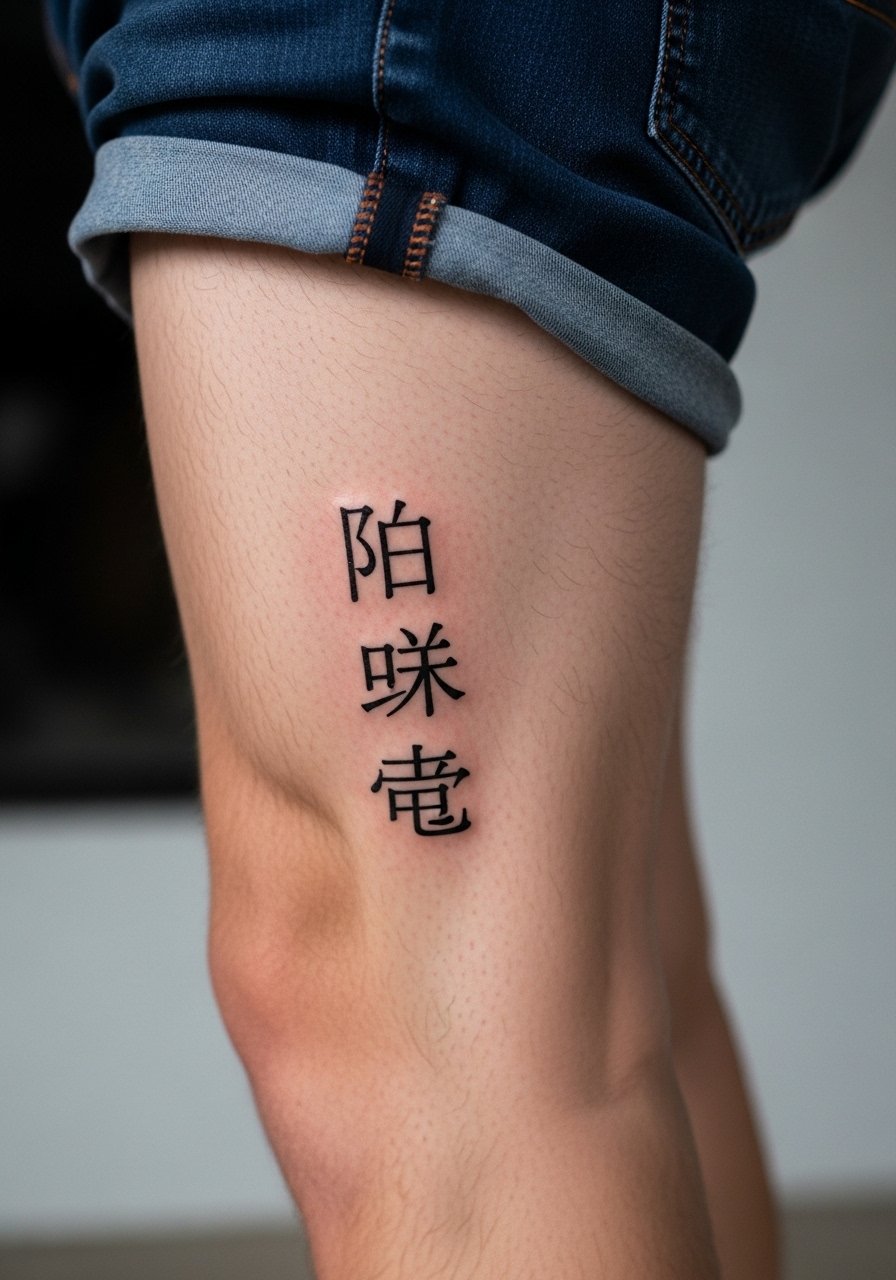
A calf placement holds well over time because it sees less friction and sun than lower-leg zones. Vertical scripts read well here, and the session tends to be moderate in pain with a comfortable seating position. Ask your artist to account for muscle curvature in the stencil so the characters do not look skewed while standing. For showing it off, wear loose drawstring linen pants you can roll up or shorts that align with the design.
12. 絆 (Kizuna) — Bond, Matching Inner Forearm Pair
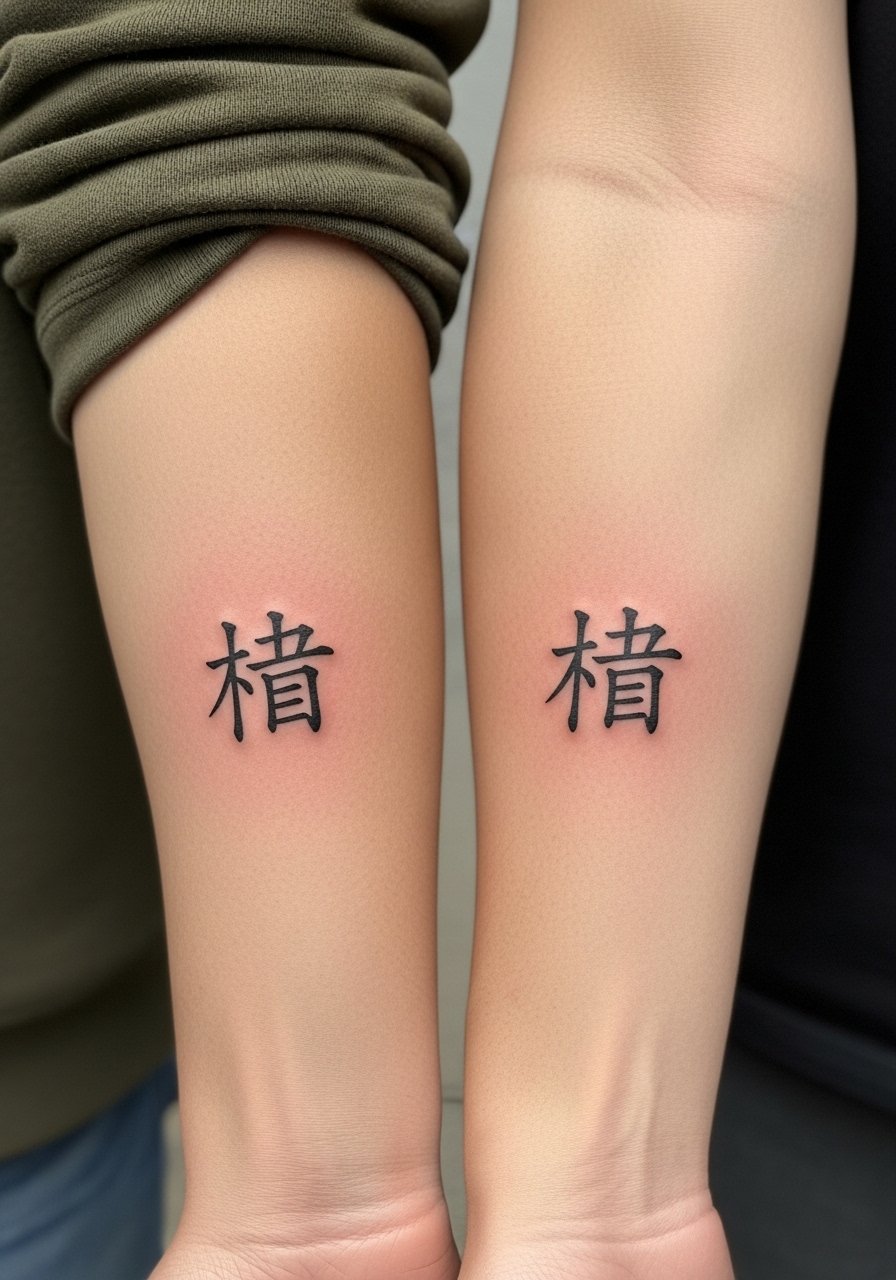
Kizuna works well as a single forearm piece for a matching set with a partner or friend. Forearms handle fine detail better than wrists, but lines still soften over years. When getting matching work, share sizing and spacing references so both artists or both sessions align. For the session wear a loose button-down shirt to expose the inner forearm without stretching skin. Touch-ups are usually minor if initial spacing is generous.
13. 以心伝心 (Ishin Denshin) — Tacit Understanding, Collarbone Script Pairing
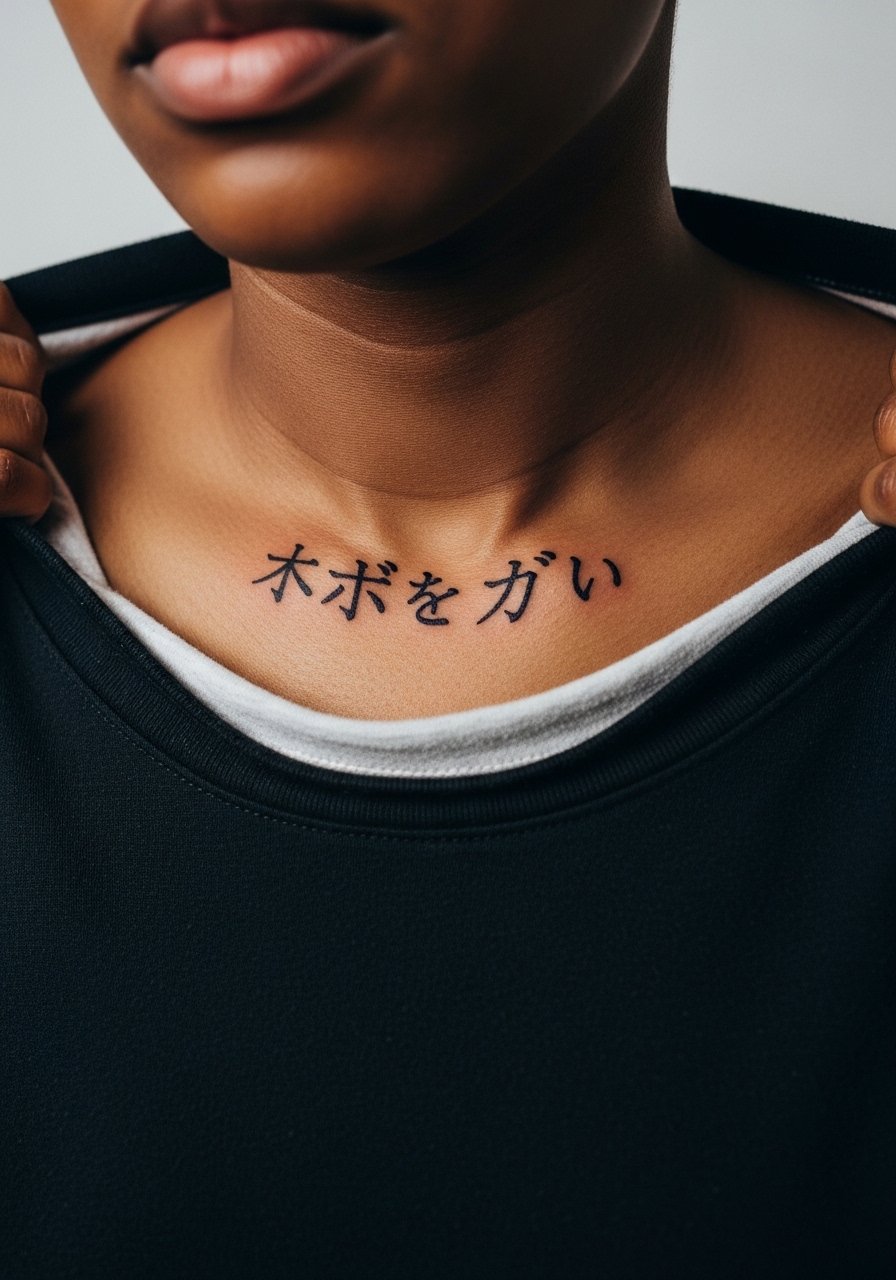
This phrase conveys a deep bond and reads poetically across the upper chest or collarbone. The area moves with posture, so sit upright for stencil checks. Ask for slightly heavier downstrokes so the characters remain legible under clothing edges. For evenings out, pair with an open-back top or a wide-neck blouse that frames the kanji. Because longer phrases can compress visually, plan spacing with a live stencil on your body.
14. 改善 (Kaizen) — Continuous Improvement, Side Rib Vertical Script
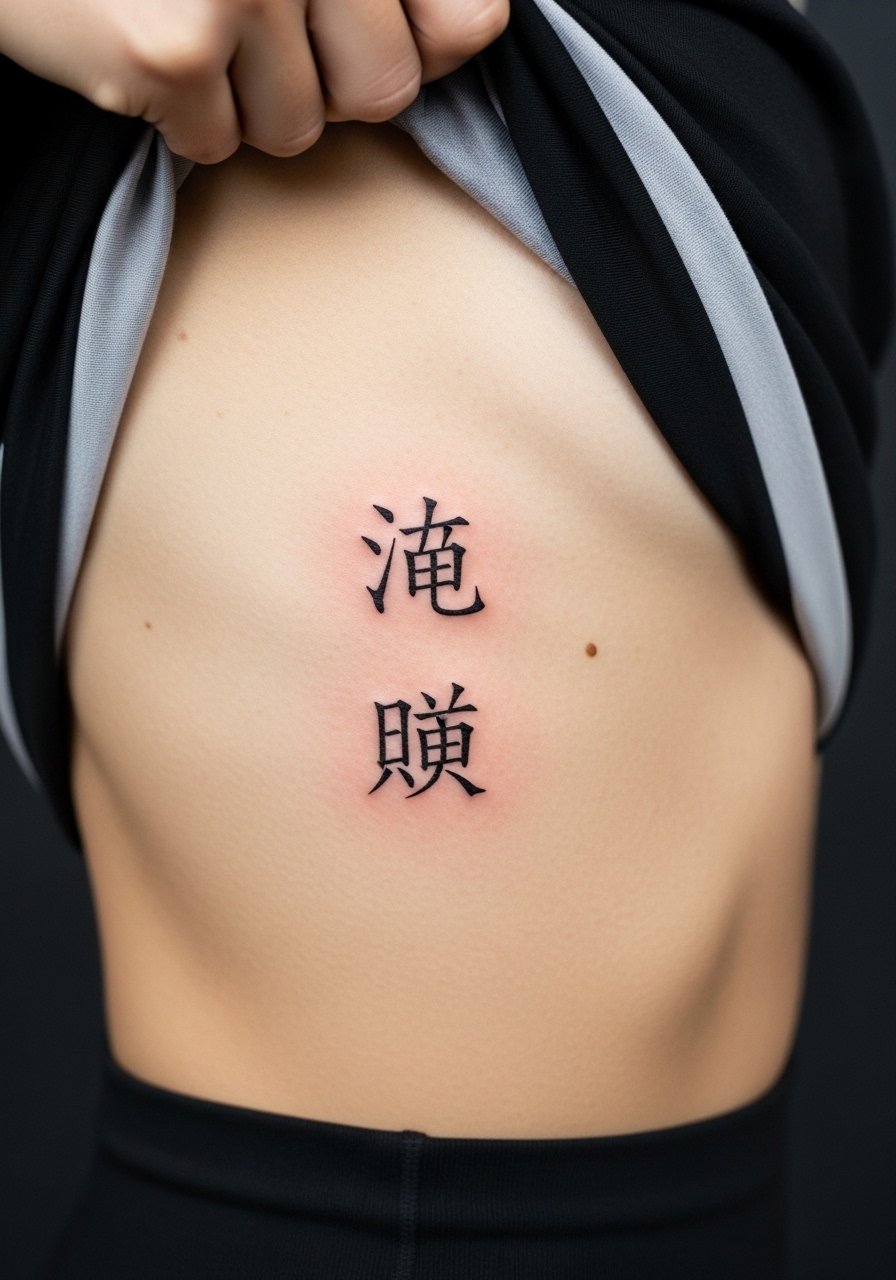
Kaizen is compact and personal, but the side rib is a high-movement zone. Discuss with your artist whether vertical spacing or slight horizontal orientation reads better on your torso. The rib area tends to blur faster under thin strokes, so ask for room between characters and for solid contrast. For session wear choose a cropped athletic top you can lift and lower without fuss. Expect a longer healing window if you plan to be active right after the session.
15. 木漏れ日 (Komorebi) — Sunlight Through Trees, Shoulder Blade Script
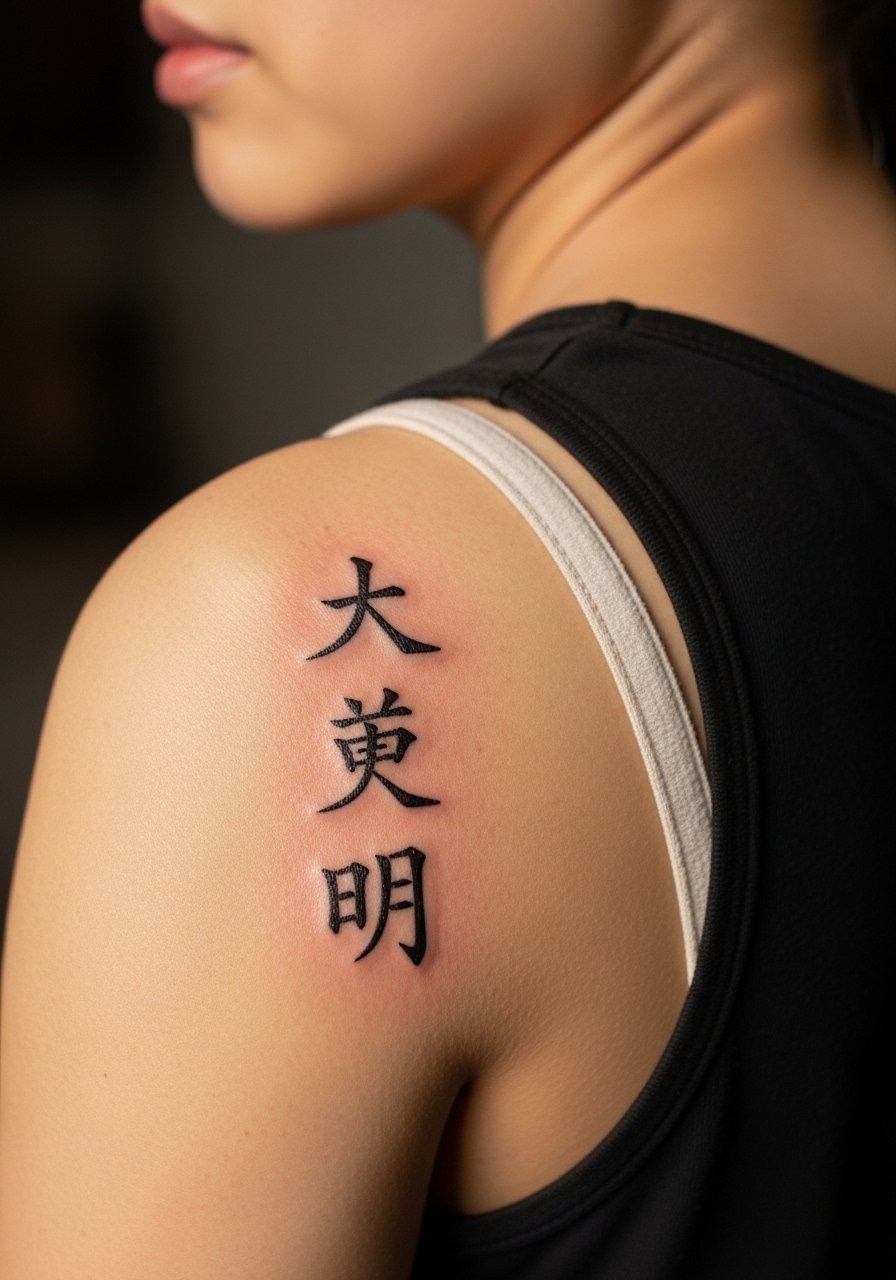
Komorebi reads like a small poem and suits the shoulder blade because the canvas is large enough for modest spacing. The area heals well and sees less direct sun if you keep shirts on, which helps longevity. Tell the artist you want the characters balanced within negative space so they do not feel crowded by shoulder contours. For showing off, an open-back dress frames the area without competing with the script.
16. 一生懸命 (Isshoukenmei) — Wholehearted Effort, Bicep Wrap
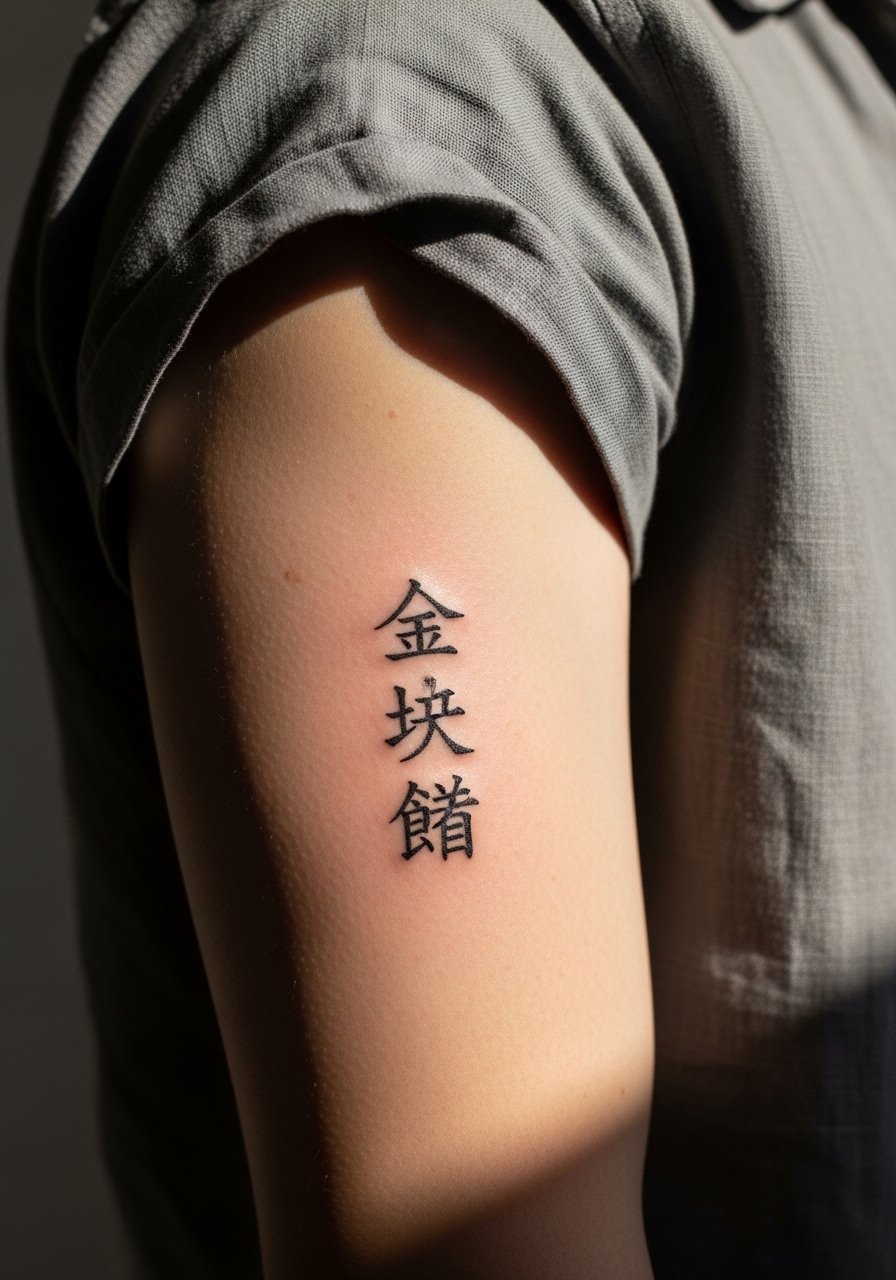
This phrase suits an outer bicep wrap because the area reads clearly and ages predictably. Ask for clean separation between characters and for consistent linework to reduce softening in the long run. Biceps take color and saturation well, so if you want a subtle background texture discuss dot work or light shading. For the session wear a short-sleeve linen shirt that you can roll up without tugging at the skin.
17. 忠誠 (Chūsei) — Loyalty, Chest Pocket-Sized Kanji

A pocket-sized chest kanji sits close to where a heart would be, for intentional symbolism. The skin here varies in thickness, so ask for a test stencil and for the artist to mark how the piece shifts with breath. Session pain is usually moderate. For showing it off try a button-down shirt worn backward or a low V-neck that frames the characters without exposure.
18. 運命 (Unmei) — Destiny, Side Thigh Script
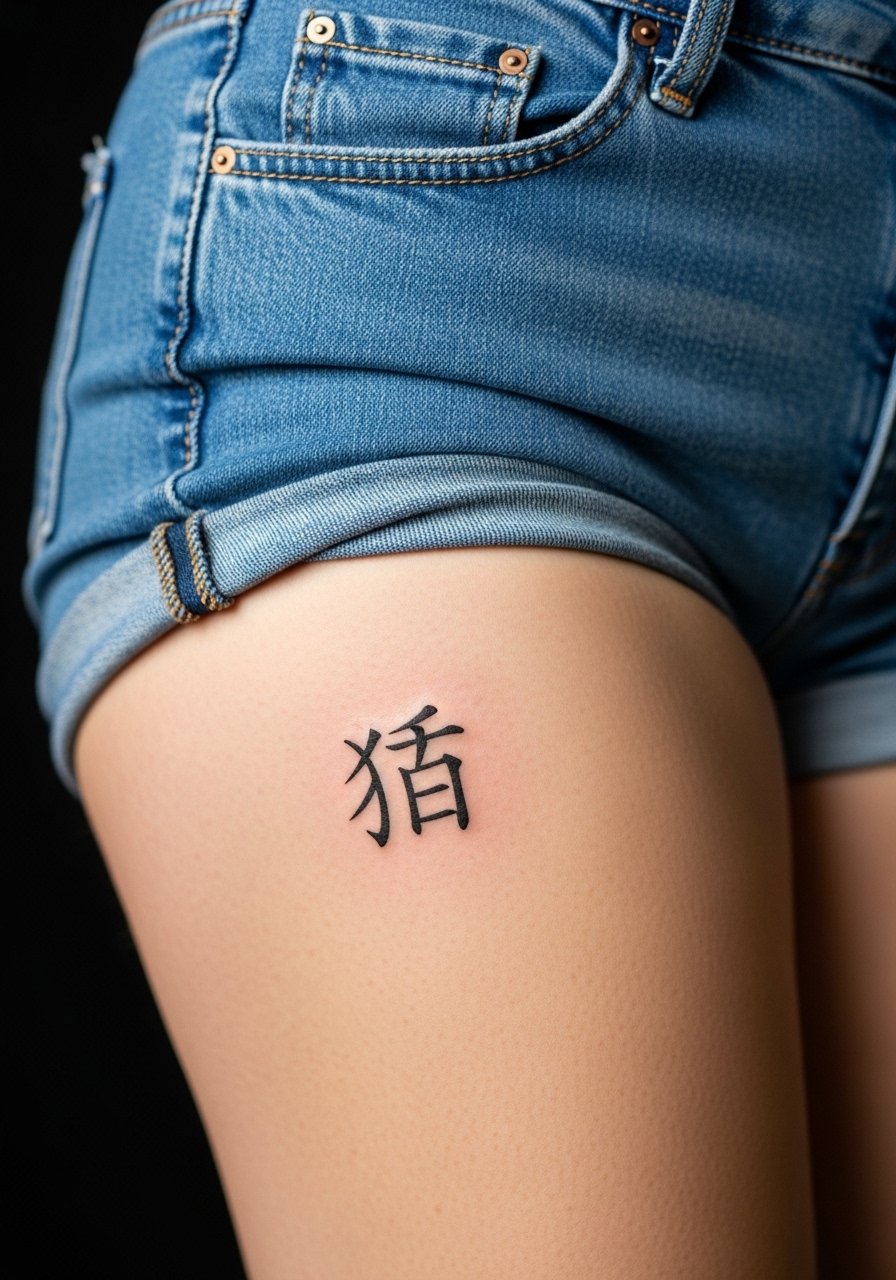
The outer thigh is forgiving for text because it sees less sun and friction. Vertical or horizontal scripts both work, but larger character sizing keeps clarity as the skin ages. For the session wear high-waisted shorts you can lower slightly to reveal the area without full exposure. Thigh pieces typically heal cleanly and need fewer touch-ups than wrist or ankle work.
19. 武士道 (Bushidō) — Way of the Samurai, Upper Arm Traditional
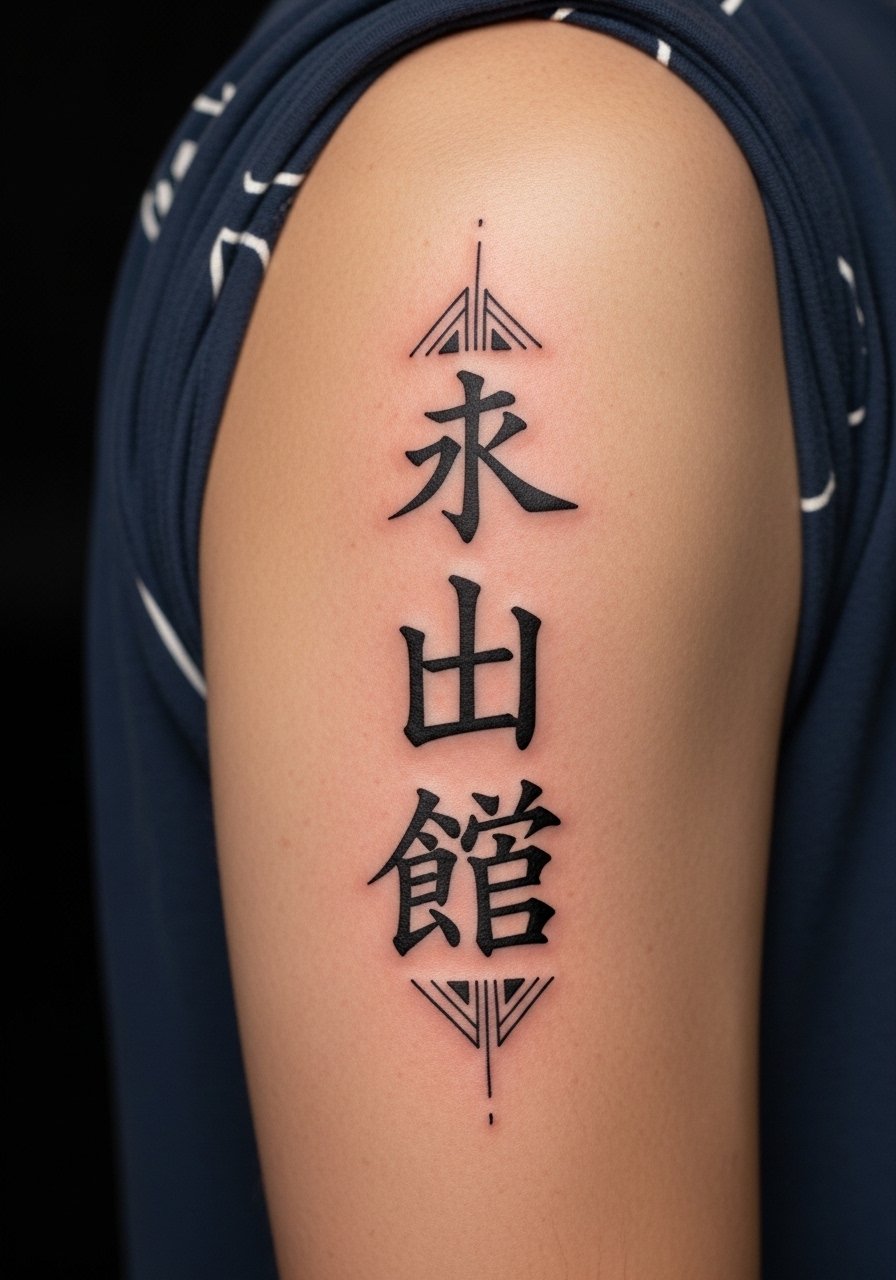
Bushidō is culturally loaded and connects to historical concepts of honor. Some consider it an homage when worn with respect, others caution against appropriating martial symbolism without context. Name both camps in conversation, and choose whether to translate or leave it as kanji. The outer arm is forgiving for saturation and holds bold strokes well. For showing it off pair with a sleeve-rolled button-down.
20. 希望と夢 (Kibō to Yume) — Hope and Dream, Inner Wrist Pair
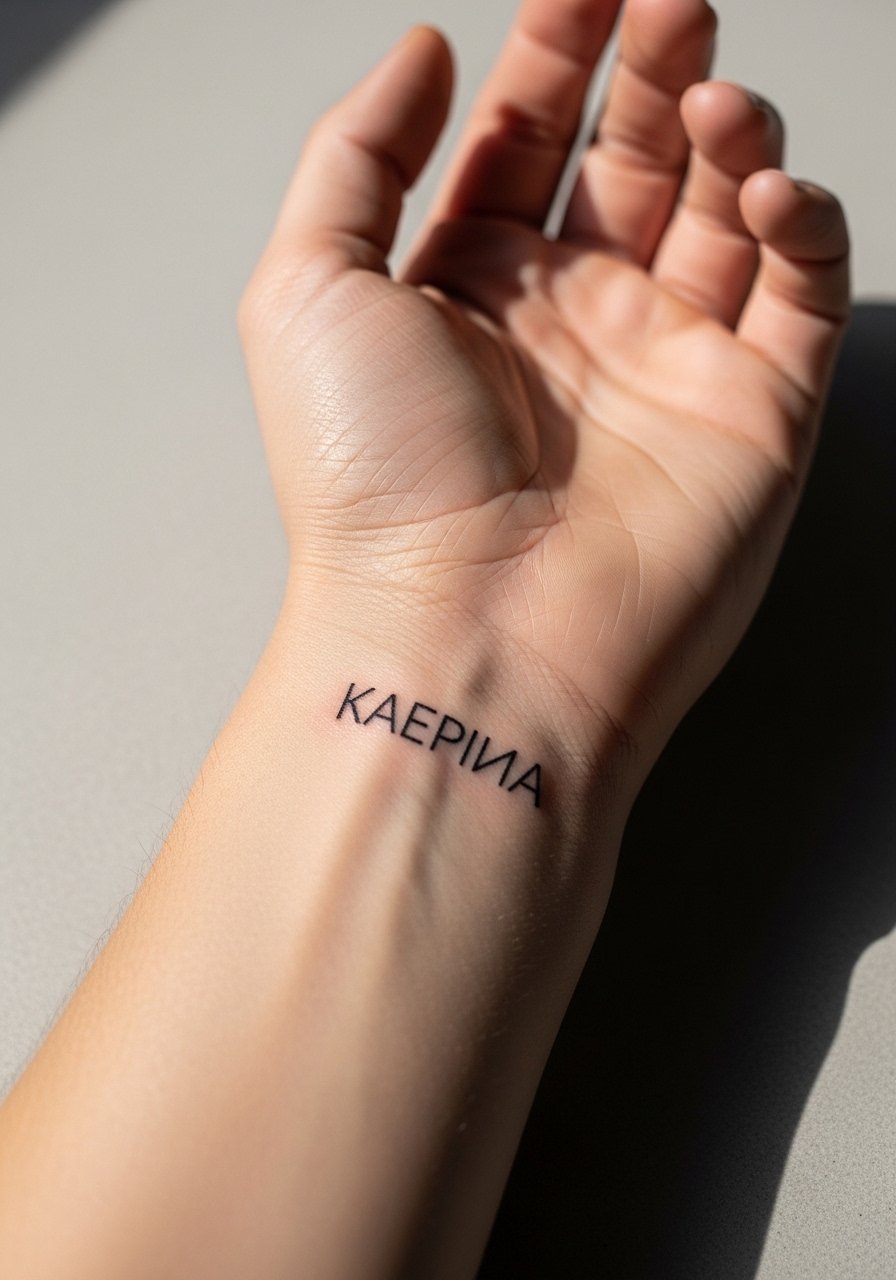
A paired phrase across the inner wrist reads like a mantra when you glance down. Keep character sizing slightly larger than micro-tiny so everyday washing does not wash away definition. Ask for the connector character 'と' to be clear but minimal so the pair reads as one thought. For the session, wear a loose button-down shirt you can slide aside. Plan for a possible touch-up at year two depending on sun exposure.
21. 希 (Nozomi) — Wish, Finger Side Script
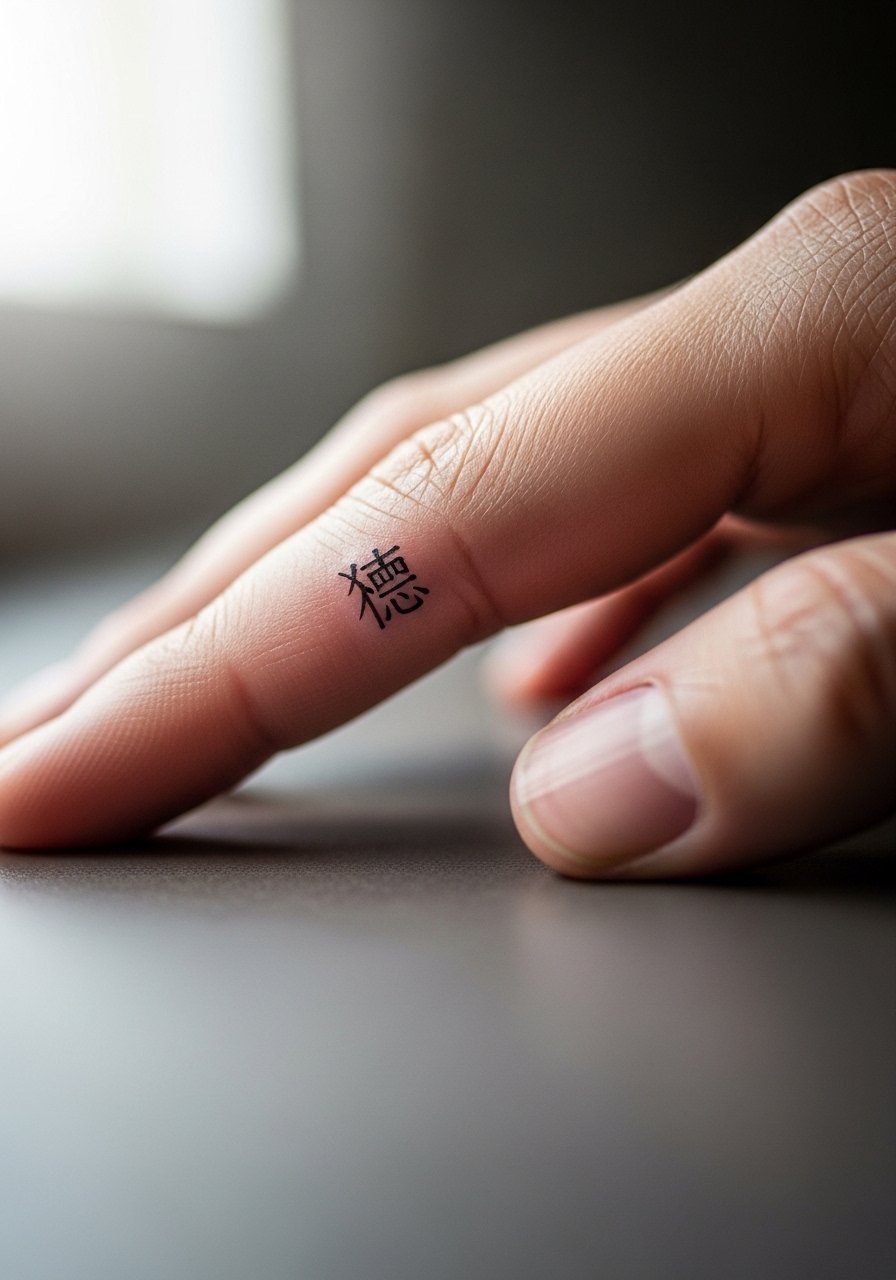
Finger side scripts are intimate and visible, but the skin and tissue there cause fast fading. If you want longevity, ask the artist to place the character slightly away from the joint and to use a bolder touch than a hairline. The session is quick but sharp. For a wearable look, pair with thin stacking rings rather than wide bands which rub the area. Expect frequent touch-ups for finger work.
22. 心 (Kokoro) — Heart/Mind, Center Wrist Script
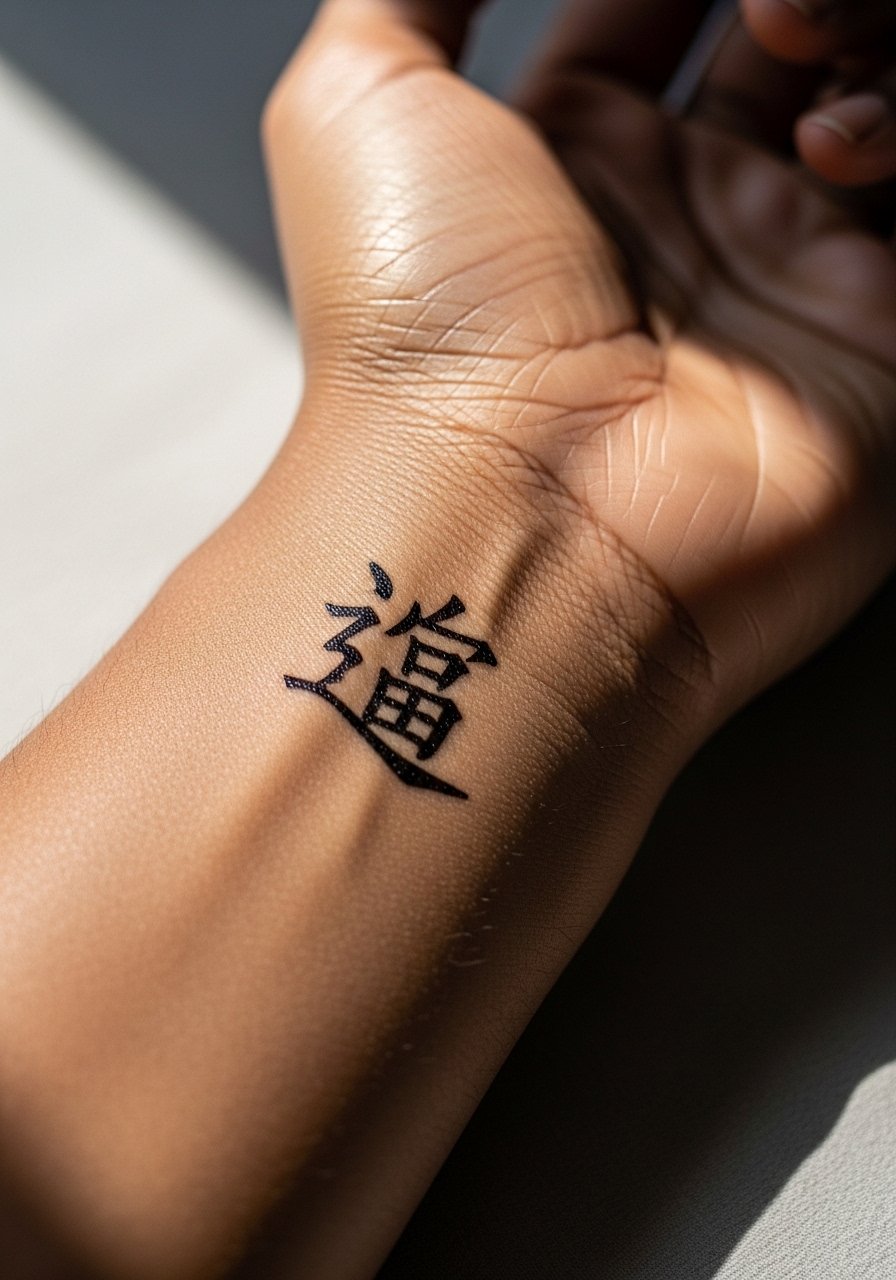
Kokoro is a compact visual of inner life and pairs well with bracelet styling. Because the wrist sees constant motion, ask for medium lineweight instead of ultra-fine strokes. For showing it off use stacked dainty bracelets or a minimalist watch that does not press directly on the ink. Touch-ups are common around the three-year mark for wrists.
23. 光 (Hikari) — Light, Behind the Ear Nuance
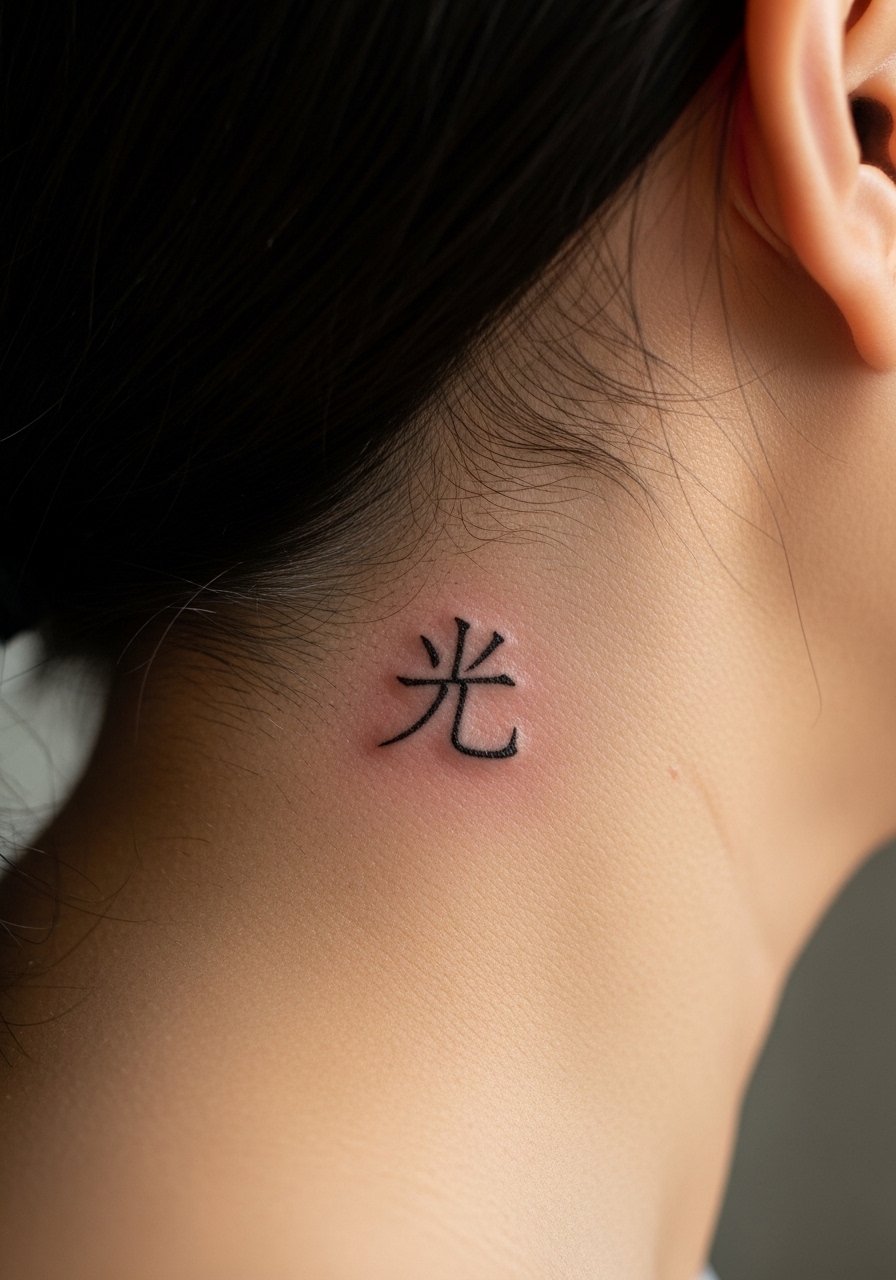
Behind-the-ear kanji are discreet and delicate. Always describe placement as on the skin behind the ear, below the hairline on the neck, so the stencil sits correctly. The area is tiny and sensitive, and some artists avoid heavy detail there. Wear your hair in a loose bun for the session so the artist can check placement and you can avoid irritation during healing. Expect a small touch-up window if the lines soften.
24. 勝利 (Shōri) — Victory, Calf Wrap Accent
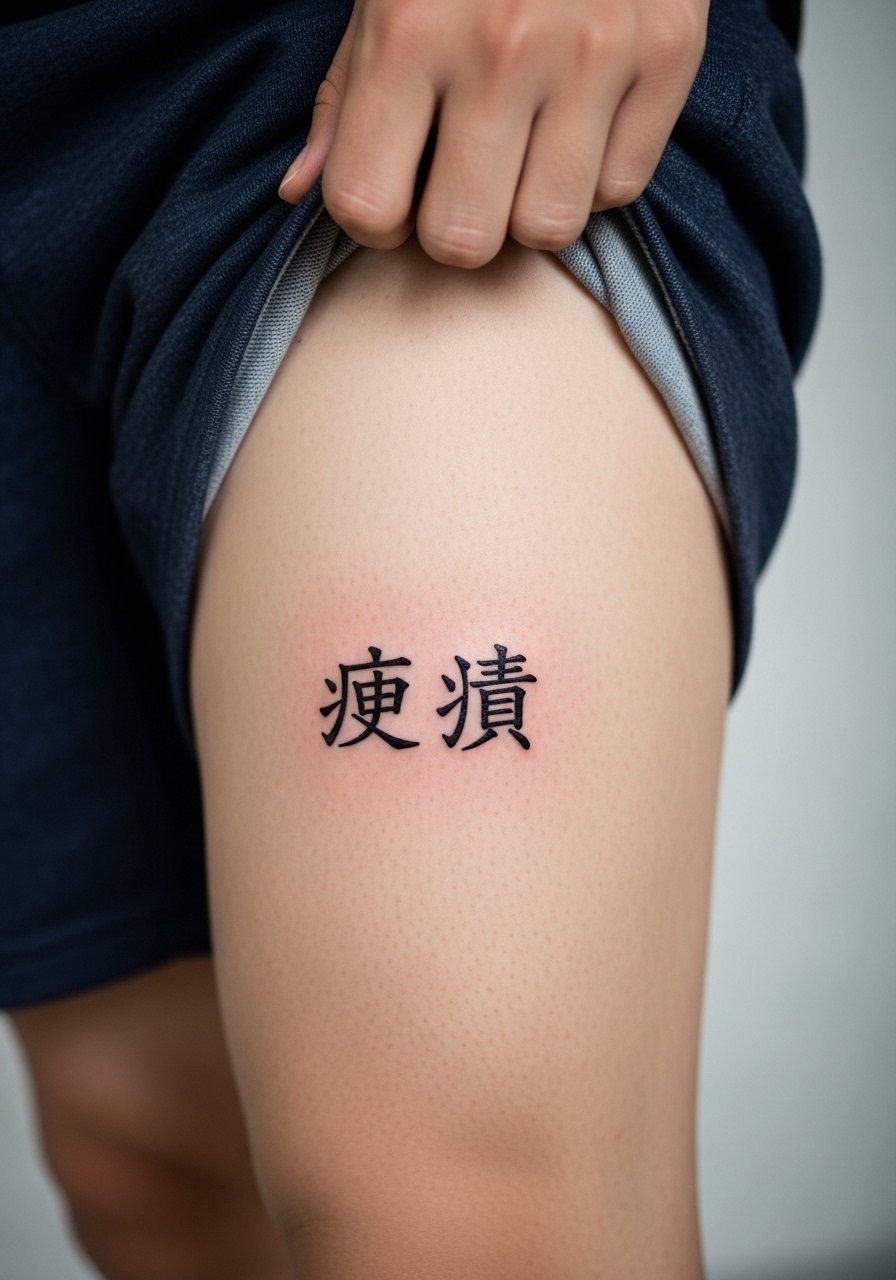
Victory kanji suits a calf where action and movement balance the wording. The calf is comfortable for longer sessions and holds character edges well. Ask for a mockup while standing and sitting so the artist accounts for muscle flexing. For showing it off roll trousers or wear athletic shorts that align with the vertical script.
25. 覚悟 (Kakugo) — Resolve, Hand Outer Edge
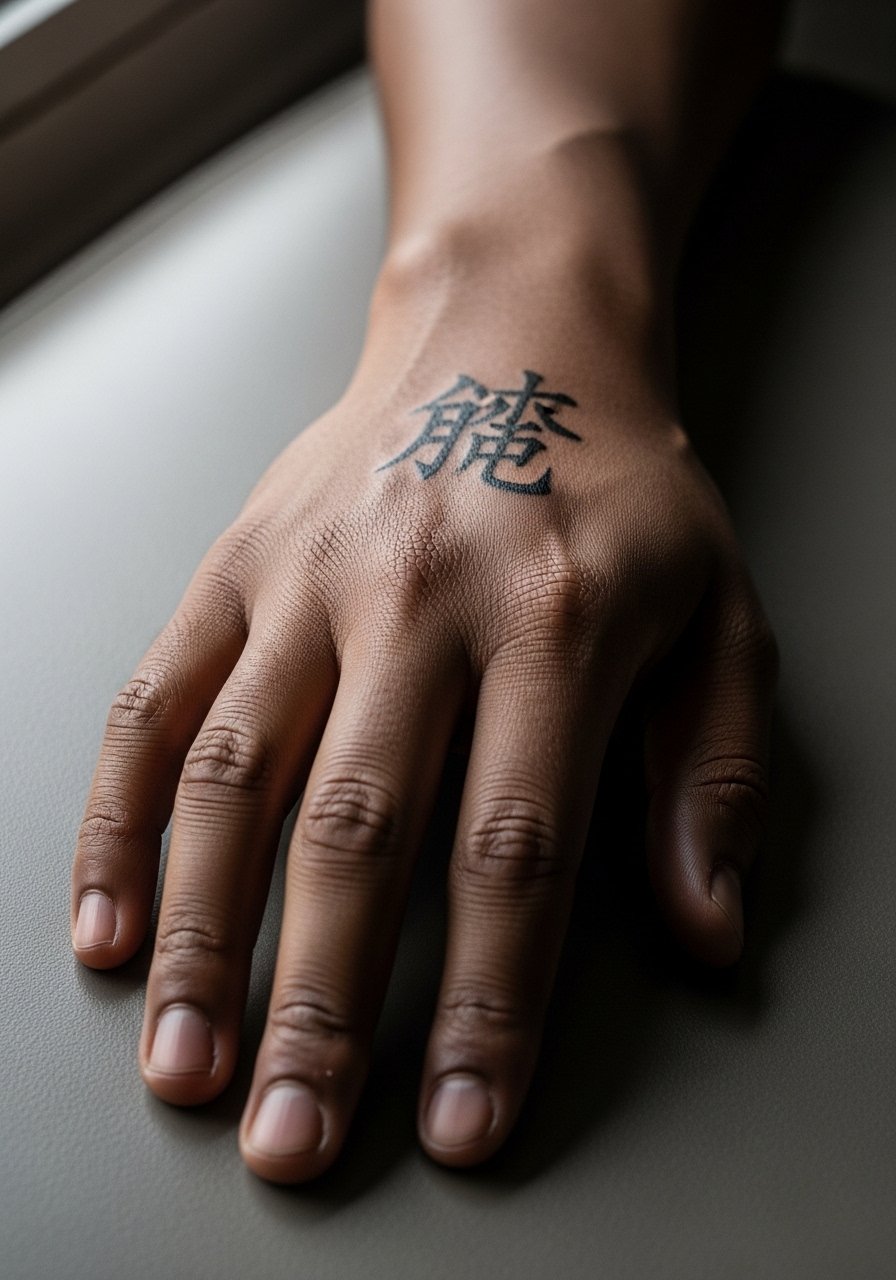
Hand-edge placements show intentionally but suffer from heavy use and washing. If you choose this placement, accept a higher refresh rate. Ask for bold strokes and to avoid tiny serif details that disappear under skin movement. For the session, the hand is quick but sensitive. Consider a matching glove-free style that does not rub constantly against the area during the first two weeks.
26. 夢想 (Musō) — Vision, Upper Thigh Script
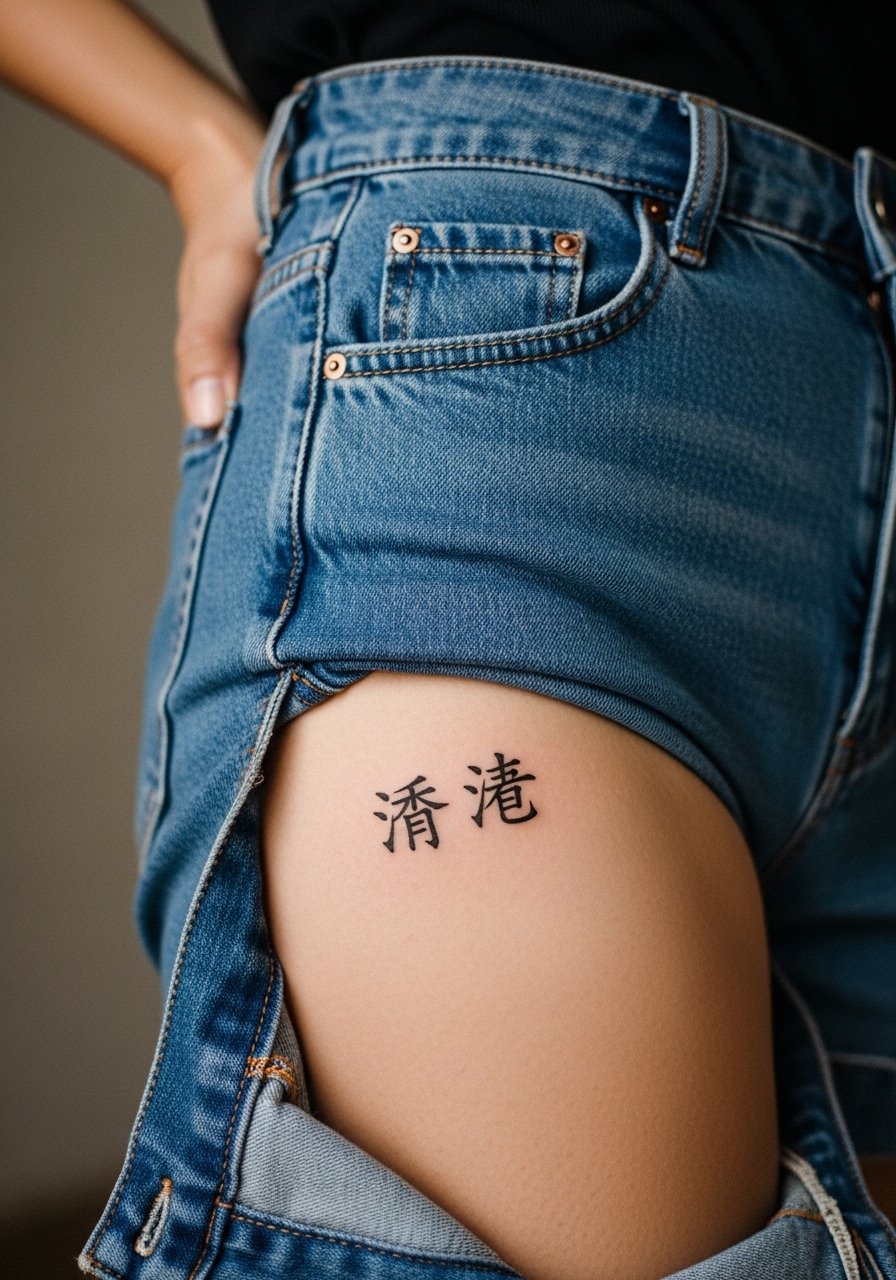
Upper thigh scripts are private and age gracefully when shielded from sun. This placement allows larger characters for crisp detail and longer spacing to avoid future compression. For the session wear relaxed shorts you can lower slightly without full exposure. Healing here is usually straightforward and touch-ups are less frequent than hands or wrists.
27. 七転び八起き (Nanakorobi Yaoki) — Fall Seven Times, Rise Eight, Back Spine Accent
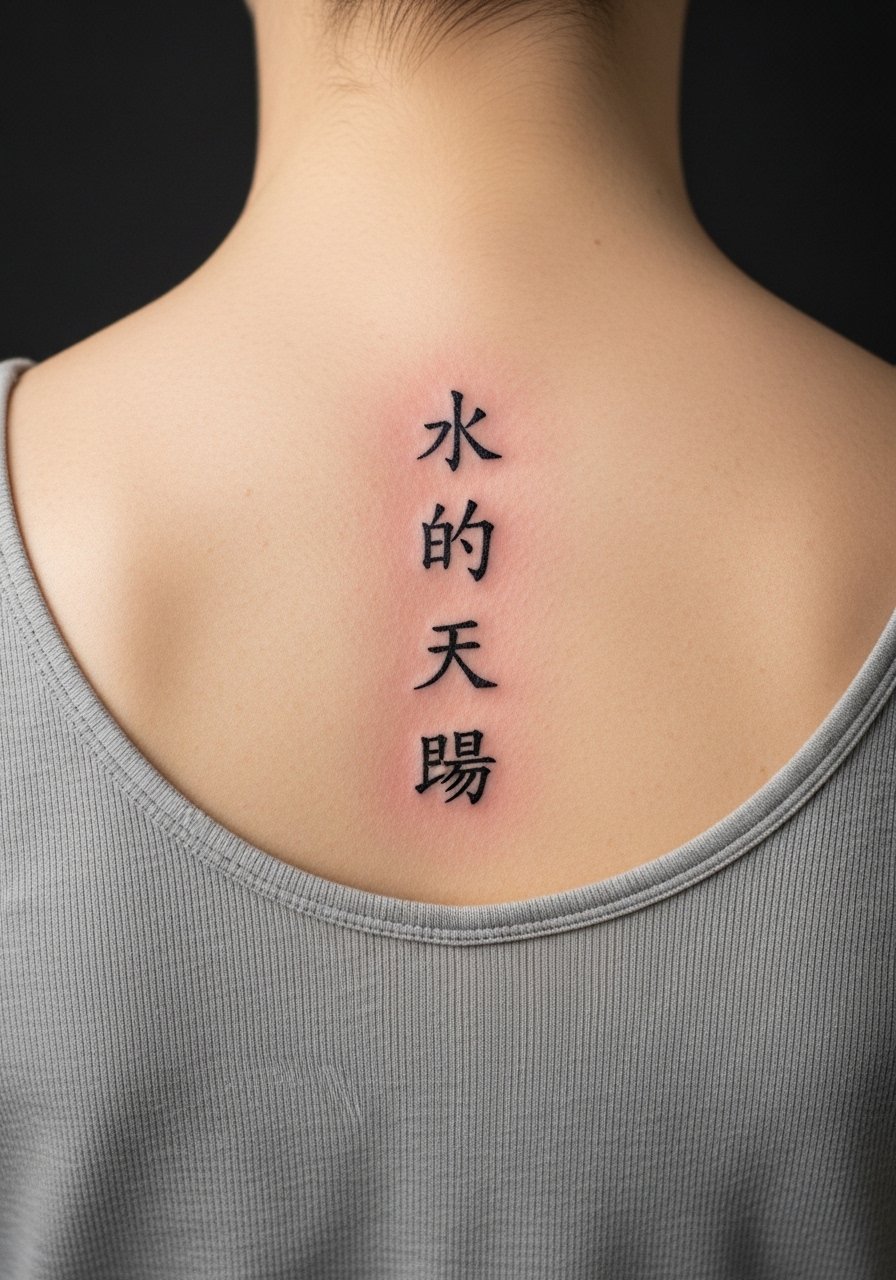
This resilience proverb makes a strong vertical spine piece, and the back muscles provide a flat plane for clear characters. Stencil the full phrase carefully while standing so it runs centered with posture. Spine work can feel sharp in places, so plan breaks and a longer session if the phrase is long. For evenings out, open-back dresses or halter tops will frame the vertical text elegantly.
Frequently Asked Questions
Q: How do I avoid picking a Japanese phrase that sounds off or is mistranslated?
A: Bring several reputable translations and ask the artist to help verify spacing and script style. Use Japanese language forums or native readers to confirm nuance, and consider asking for the phrase in both kanji and romaji on a temporary stencil option before committing.
Q: Will fine line kanji blur faster than bold blackwork on the ribs and sternum?
A: From what I have seen, fine line on ribs and sternum tends to soften sooner because the skin there stretches and moves a lot. Bold blackwork holds longer on those same areas. A middle-ground approach is moderate lineweight with generous spacing, which keeps the characters readable while preserving the delicate look.
Q: Are untranslated phrases disrespectful if I am not Japanese?
A: There are two visible camps. One says careful use with researched meaning is respectful and can honor the language. The other argues some phrases carry cultural weight and should not be used by outsiders. Reflect on why you want the phrase, do the homework, and if you remain unsure choose a different symbol or incorporate context that makes your intention clear.
Q: How often do people typically need touch-ups for wrist and finger kanji?
A: Expect wrist and finger work to need a touch-up every one to four years depending on sun exposure and daily friction. Lighter linework will need touch-ups sooner. Planning slightly bolder strokes from the start reduces the frequency.
Q: What should I wear to a ribcage or sternum session to make the artist's life easier?
A: Wear something that reveals only the area and that you can lift or adjust without full removal, like a fitted sports bra or a cropped tank. That keeps the rest of you warm and makes for cleaner access during stencil checks.
Q: Does skin tone change how kanji should be designed?
A: Yes, contrast and lineweight matter across skin tones. Darker skin often benefits from slightly thicker strokes and generous spacing so the characters remain crisp. Show your artist clear healed photos of similar skin tones and ask for recommendations on lineweight and negative space.