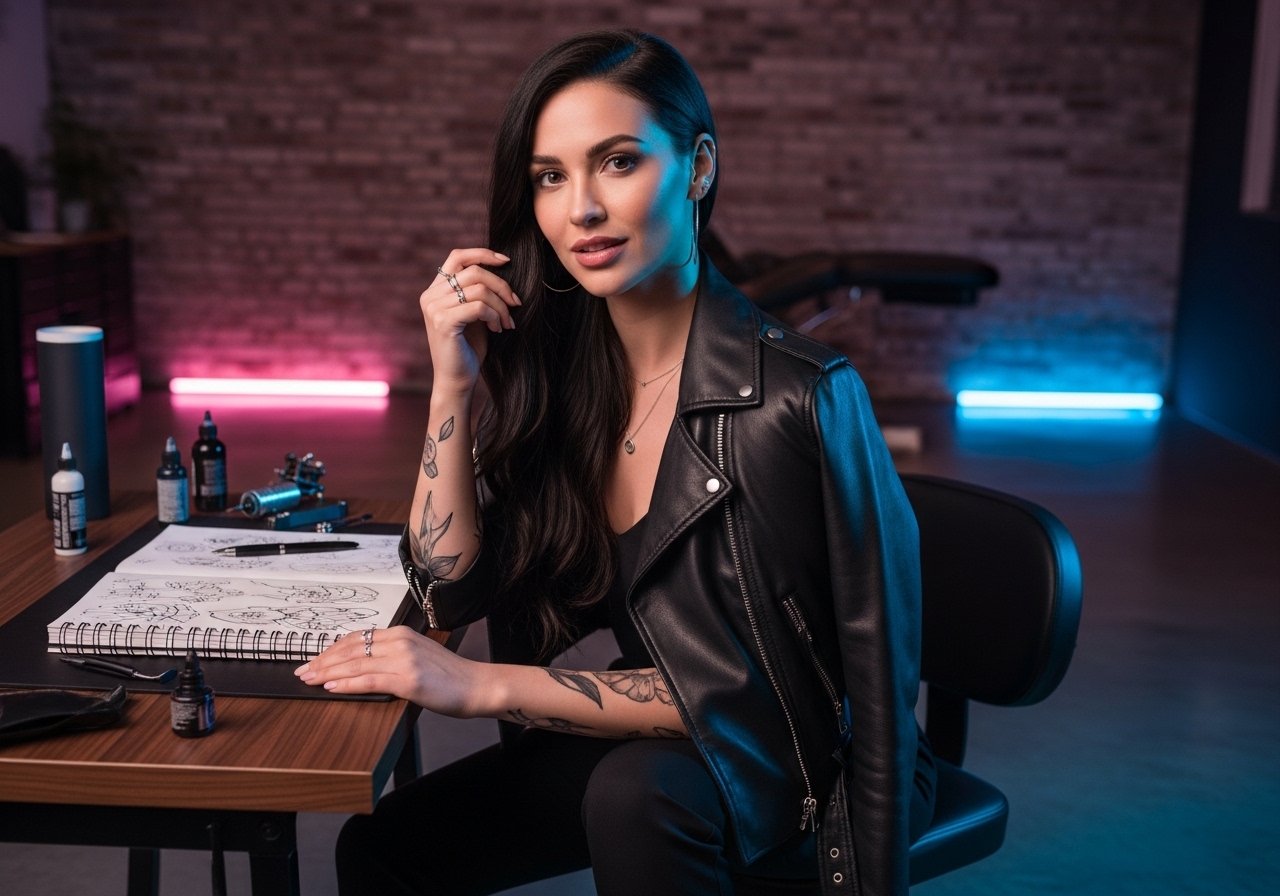
Fine line numbers are everywhere on my feed, and the same hands posting them are quietly booking touch-ups at year two. The look is delicate and immediate. The trick is choosing the right number, placement, and line weight so a minimalist angel number tattoo still reads clean at year five. Below are 21 ideas that balance small scale with how skin actually ages, plus what to say in the consult.
1. Minimalist 1111 Script on Inner Wrist
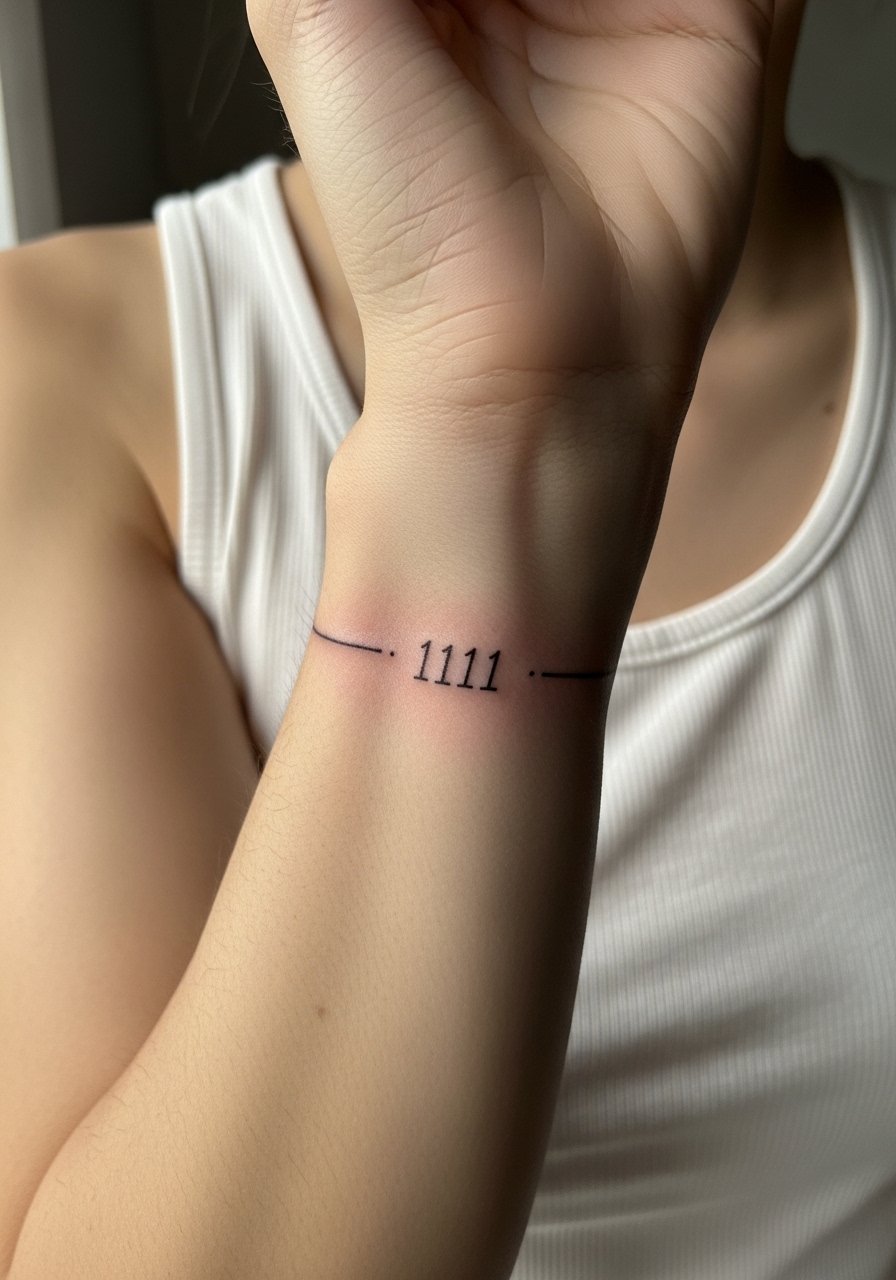
I recommend this for anyone who wants a daily-visible reminder without flash. Tell your artist you want one- to two-inch height, single-needle fine line and slightly increased spacing between digits so the numbers do not blur together over time. Fair warning, the wrist sees constant friction from sleeves and watches so expect a touch-up at year two or three for the finest scripts. For your session wear, pull on a sleeveless tank top so the artist has full access and your cuff won't smudge fresh ink. A common mistake is asking for ultra-tiny lettering and then being surprised when the lines soften.
2. Thin Line 111 with Crescent on Inner Forearm
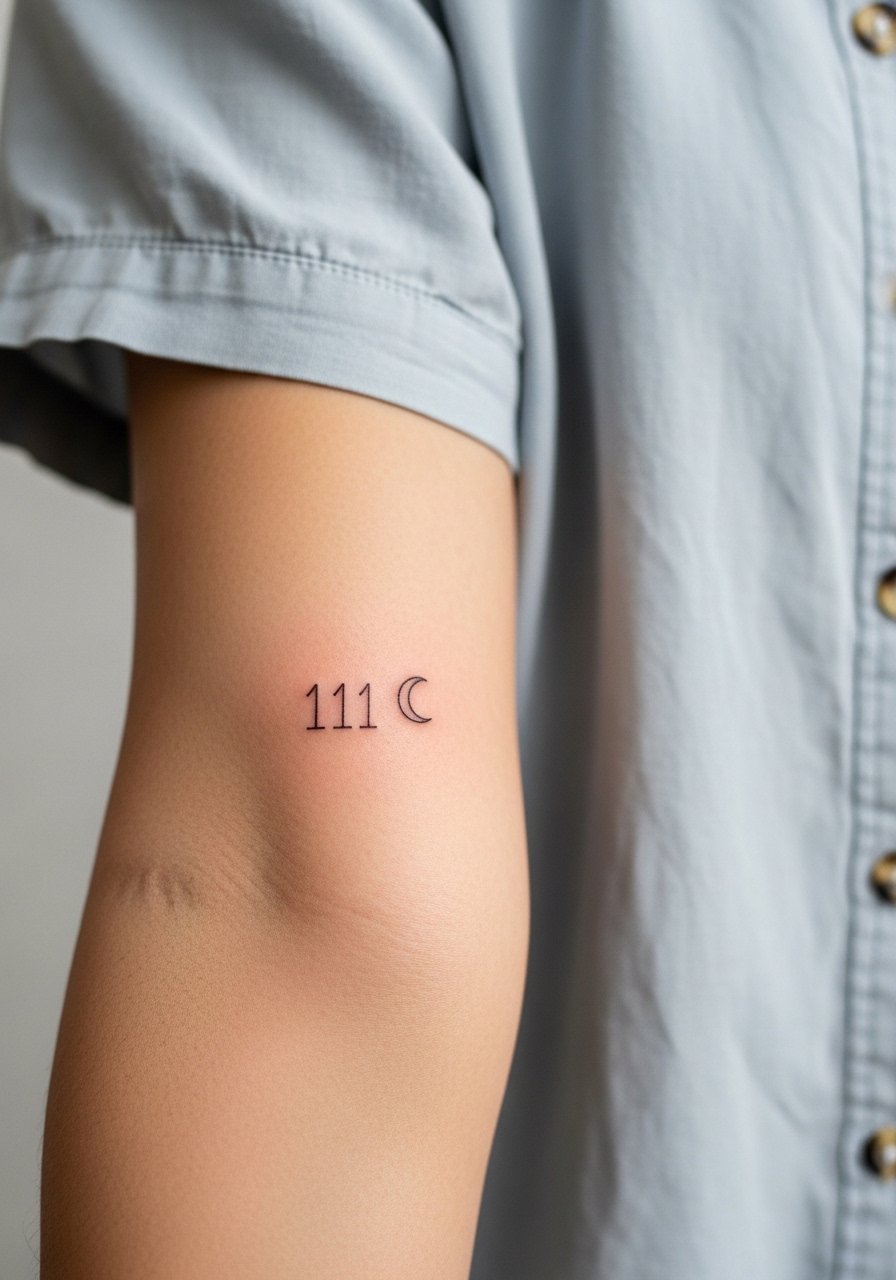
This pairs the clarity of numbers with a small celestial accent to anchor the motif. Ask for one-and-a-half-inch height, a single pass for outline, and a slightly heavier terminal on the crescent so it keeps shape as the ink settles. The inner forearm is forgiving on touch-up schedules but avoid asking for hair-fine weight unless your skin holds linework well. For showing it off, a linen short sleeve shirt rolled at the cuff frames the area without covering it. During the consult, point out sample photos with the exact line thickness you want.
3. Dotwork 777 with Lotus Accent on Ribcage
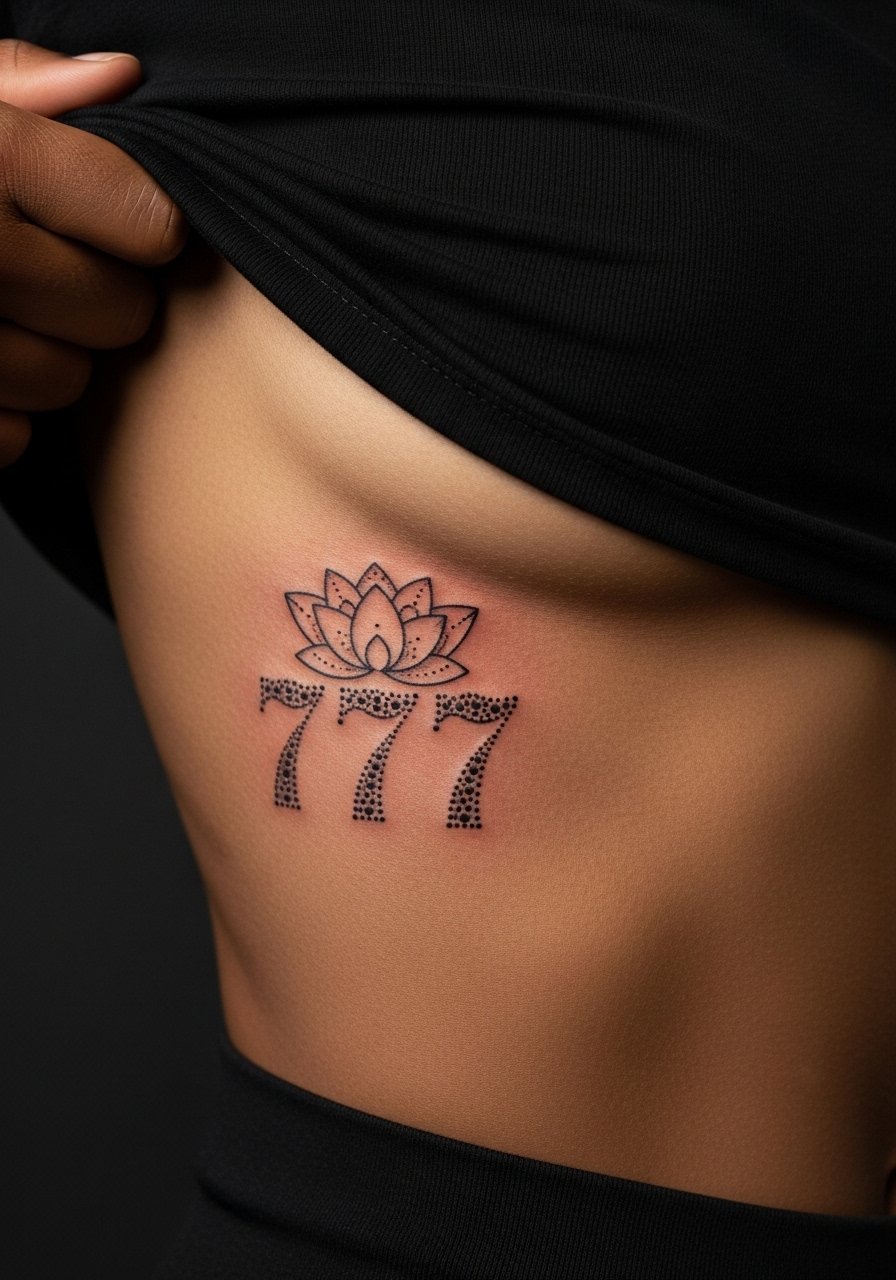
Expect ribs to be a painful session; most people rate it a 7 out of 10. Dotwork here gives texture without relying on heavy lines that blow out on thinner skin. Artists are split about fine line on ribs. One camp says the stretch and motion blur ultra-thin lines within two years. The other camp says well-spaced dotwork and thoughtful needle depth solves that. If you want minimal fading, ask for denser dot clusters in the lotus and wider spacing between the numbers. For session wear, bring a strappy bralette so the artist can access the side comfortably and you stay modest during the appointment. Numbing cream is debated for ribs, so ask the studio policy in advance.
4. Vertical 222 Stack Down the Spine
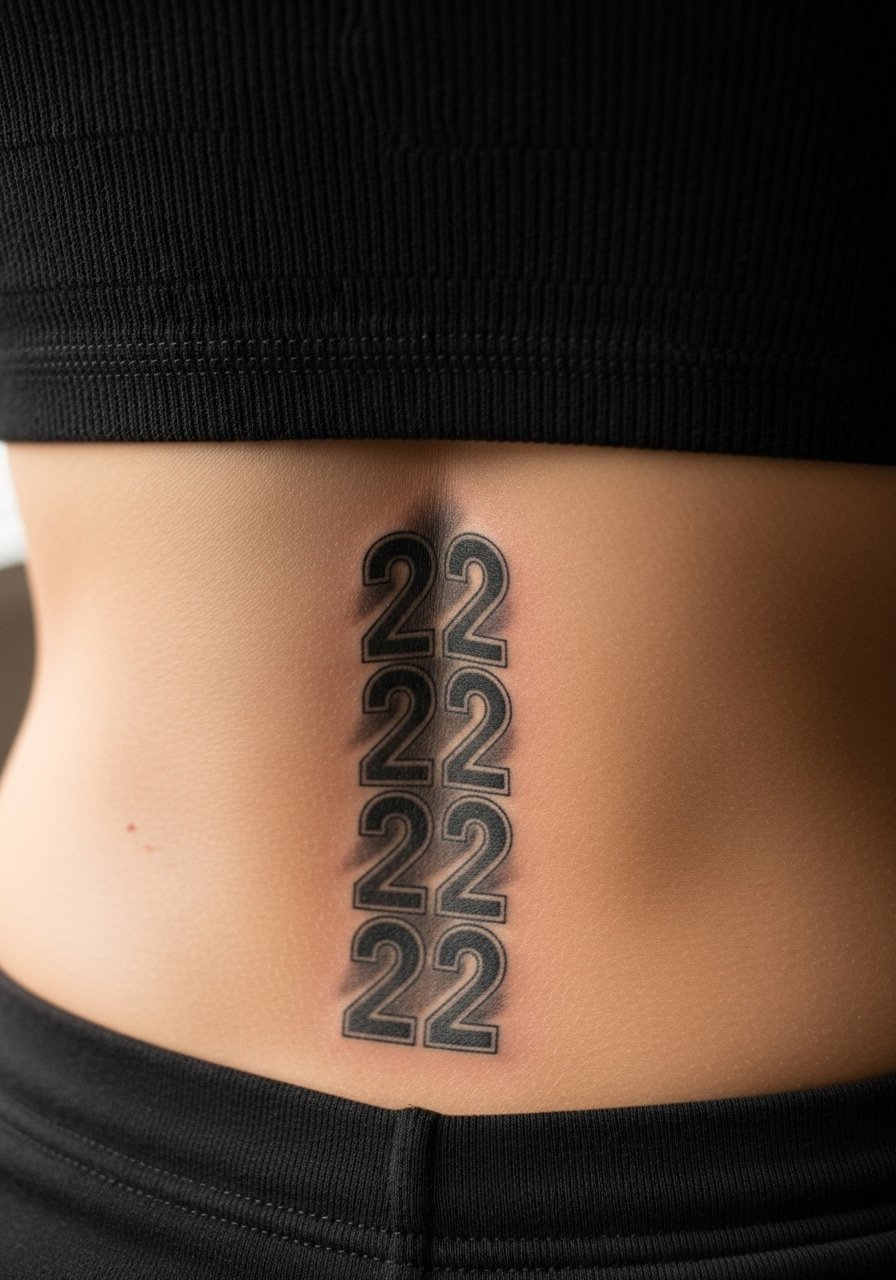
A vertical stack reads private and elongated, great for people who want something discreet. Ask for a four-inch tall stack with soft gray shading to keep contrast without creating harsh edges that age into stark blur. Spine sessions often take longer because the canvas is narrow and curvature affects needle approach. Expect two sessions if you want shading that wraps cleanly. For showing it off, a low back crop top pairs naturally with the placement. The biggest mistake is compressing the numbers too tightly; give them breathing room so linework stays legible as the skin moves.
5. Fine Line 333 with Tiny Third-Eye Motif Behind the Ear
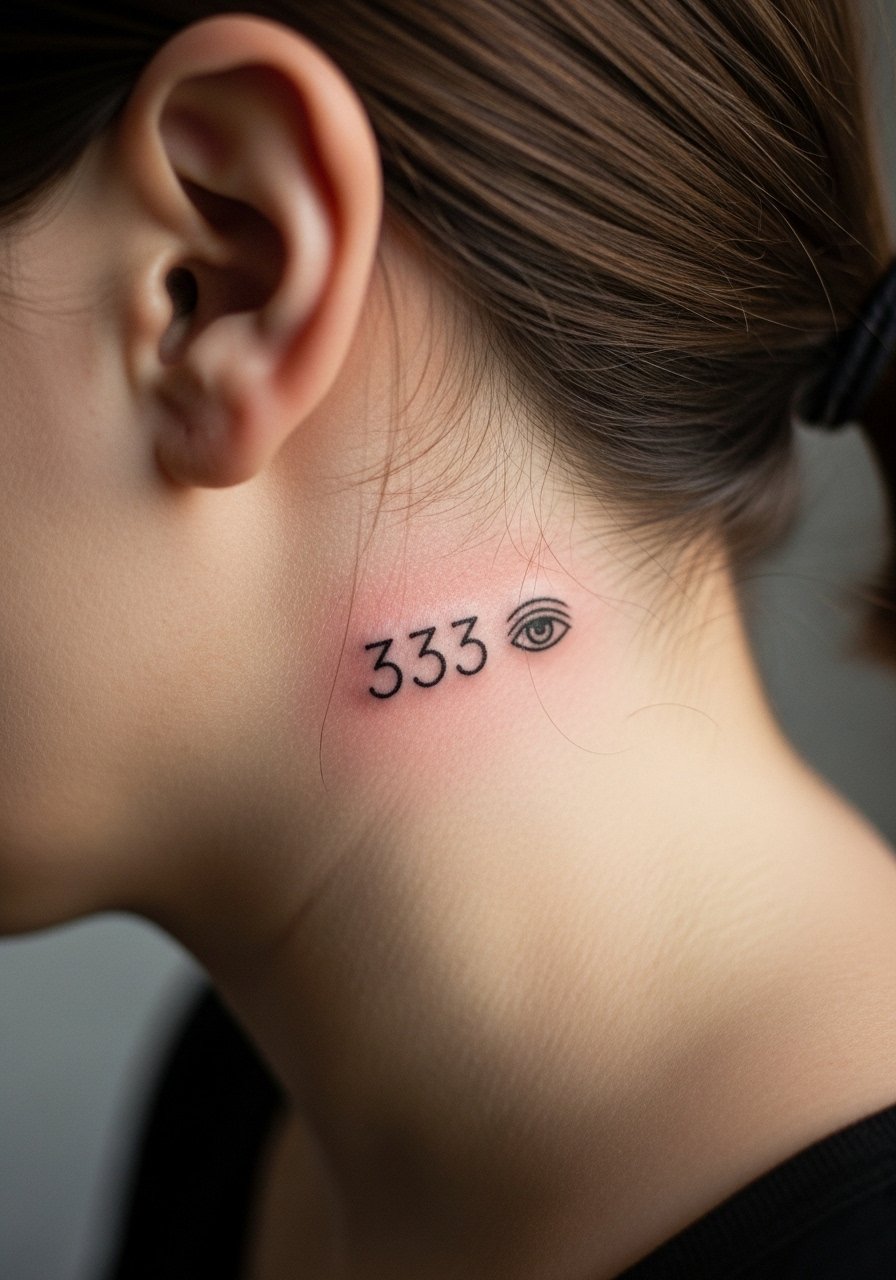
Behind-the-ear pieces are almost invisible in daily life which makes them ideal for a quiet, private symbol. Keep it to about an inch and request a slightly bolder anchor stroke for the third-eye so it reads after healing. The area is low on fat and the skin is thin, so plan for a single quick pass and check the stencil once more before the machine. For the session, have your hair tied back with a hair ties silk so the artist can work cleanly. If you want the motif to age better, avoid ultra-tiny dots in the eye; they tend to blur first.
6. Minimalist 444 Wing Outline on Collarbone
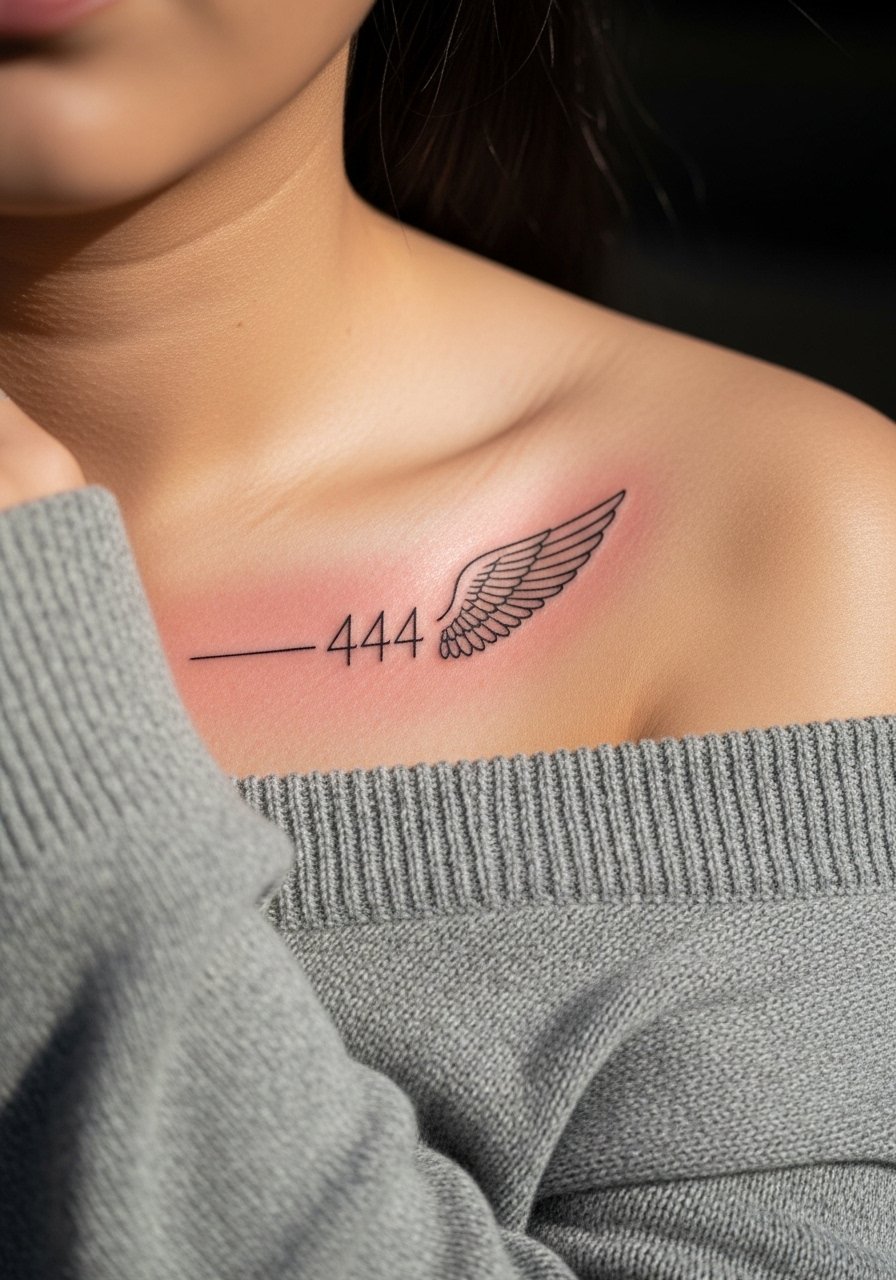
Collarbone placements sit at the edge of clothing friction and sun exposure. Request a two-inch span and a wing outline with even lineweight so you do not lose the contour as the years pass. There is a color debate for this placement. Purists favor black ink for clarity and longevity. Others suggest a soft moon-glow tint to emphasize femininity. Name which camp you prefer and have the artist show healed examples on similar skin tones. For showing it off, layer a layered necklace set below the script. Avoid necklaces that sit directly on top of the tattoo for the first month.
Studio Day Picks
Those first six ideas cover wrists, forearms, neck, ribs, spine, and collarbone, and each asks for different prep and protection during the session.
-
Stencil transfer paper kit. Lets you preview exact placement for linear pieces like the wrist script and spine stacks before the needle touches skin.
-
Topical numbing cream. Helpful for rib and sternum sessions if you and the studio agree on its use.
-
Thin protective film roll. Keeps small finger and wrist tattoos clean during the first few days of heavy washing.
-
Fragrance-free body wash. Gentle on healing skin for collarbone and rib sessions that rub against clothing.
-
Aquaphor healing ointment. Thin layers for the initial healing window help fine lines settle without clogging.
7. Script 555 with Tiny Butterfly at the Ankle
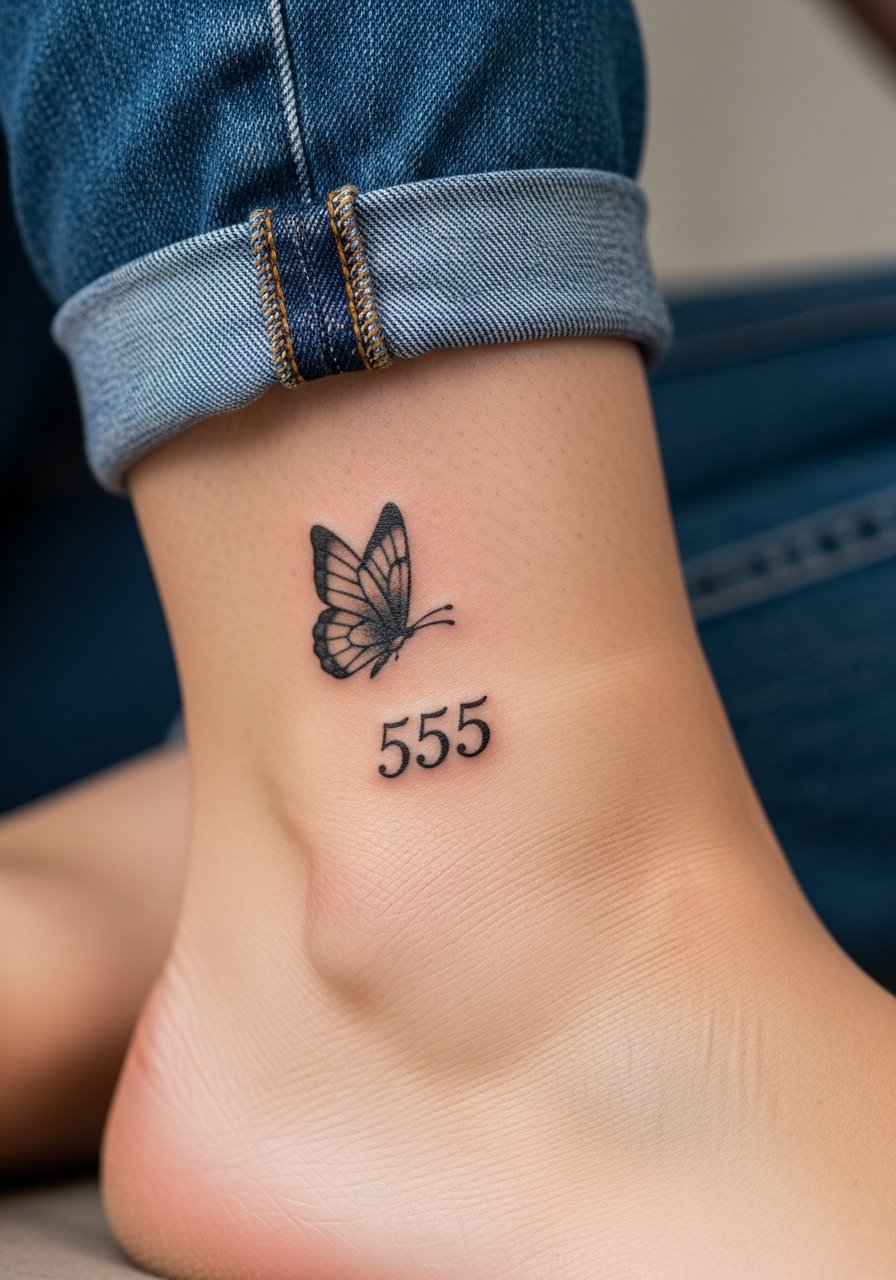
Ankle pieces live in a high-friction zone between shoes and clothing. Ask for a two-and-a-half-inch height for the butterfly so color accents can hold. The ankle heals well if dressed carefully for the first week; elevation and loose footwear help. For a festival-ready look, cuff denim like cuffed ankle jeans or wear sandals while the piece matures. The common mistake is choosing heavy color saturation in too small a space; the pigments need room to keep shape.
8. Blackwork 777 with Celestial Stars on Outer Forearm
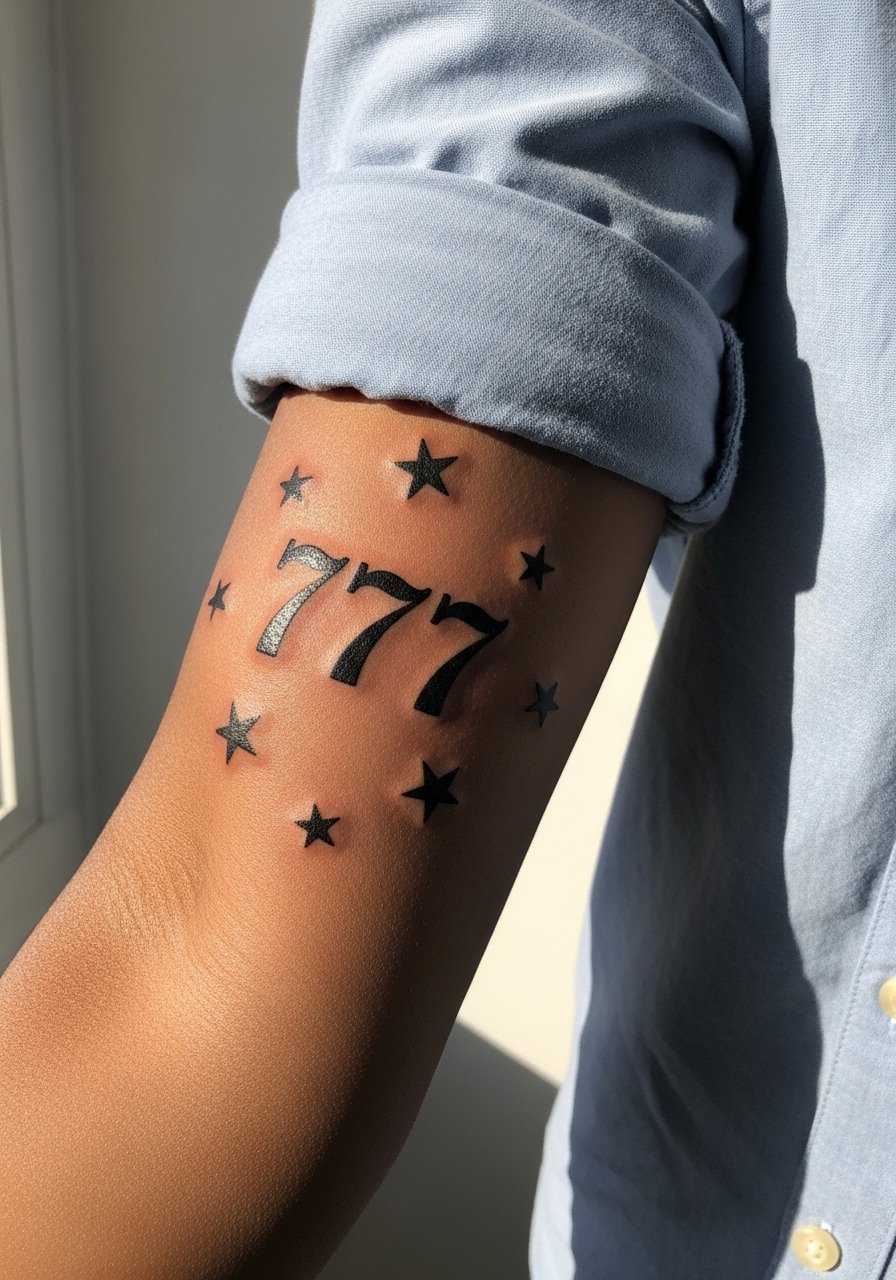
This is for people who want a bolder minimalist statement. Solid black nodes age into a reliable silhouette, and when placed on the outer forearm the saturation lasts longer than ultra-thin lines. Tell your artist you want solid fills for the star accents and a three-inch diameter field so the design reads from a distance. For session comfort and later styling, a loose button up shirt that you can roll is perfect. One mistake is sneaking in two competing styles; pick blackwork or fine line and resist combining the two in the same small area.
9. Micro 888 Infinity Loop on Finger
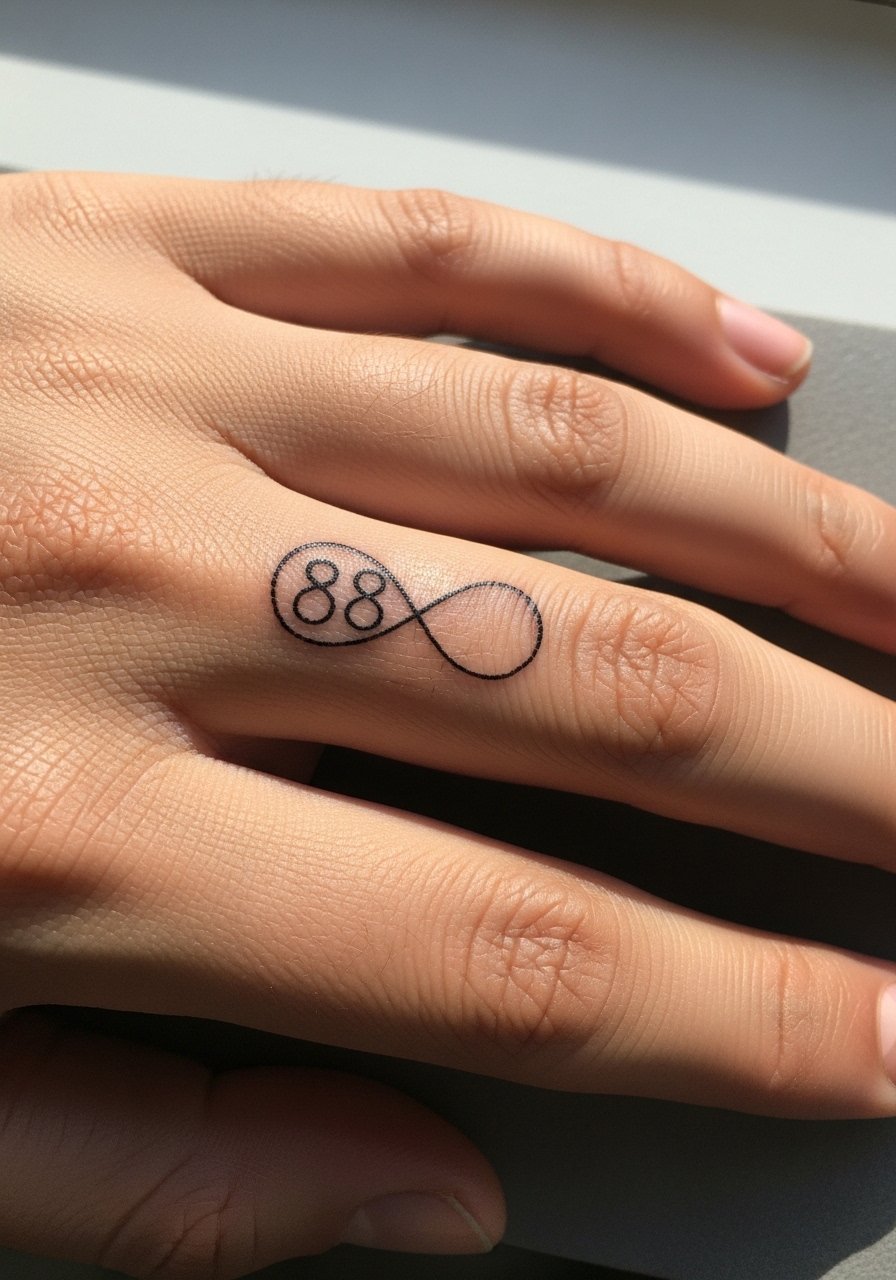
Finger tattoos fade faster because of constant washing and friction. Keep the design tiny, about three-quarters of an inch, and request slightly heavier lineweight than you think you need. Expect touch-ups at year one to maintain crispness. For session wear, bare hands are required and avoid wearing rings that might press on the fresh ink. The frequent mistake is wanting needle-fine script on the finger and then being surprised when it softens quickly.
10. Dotwork 000 Ethereal Halo at the Back of the Neck
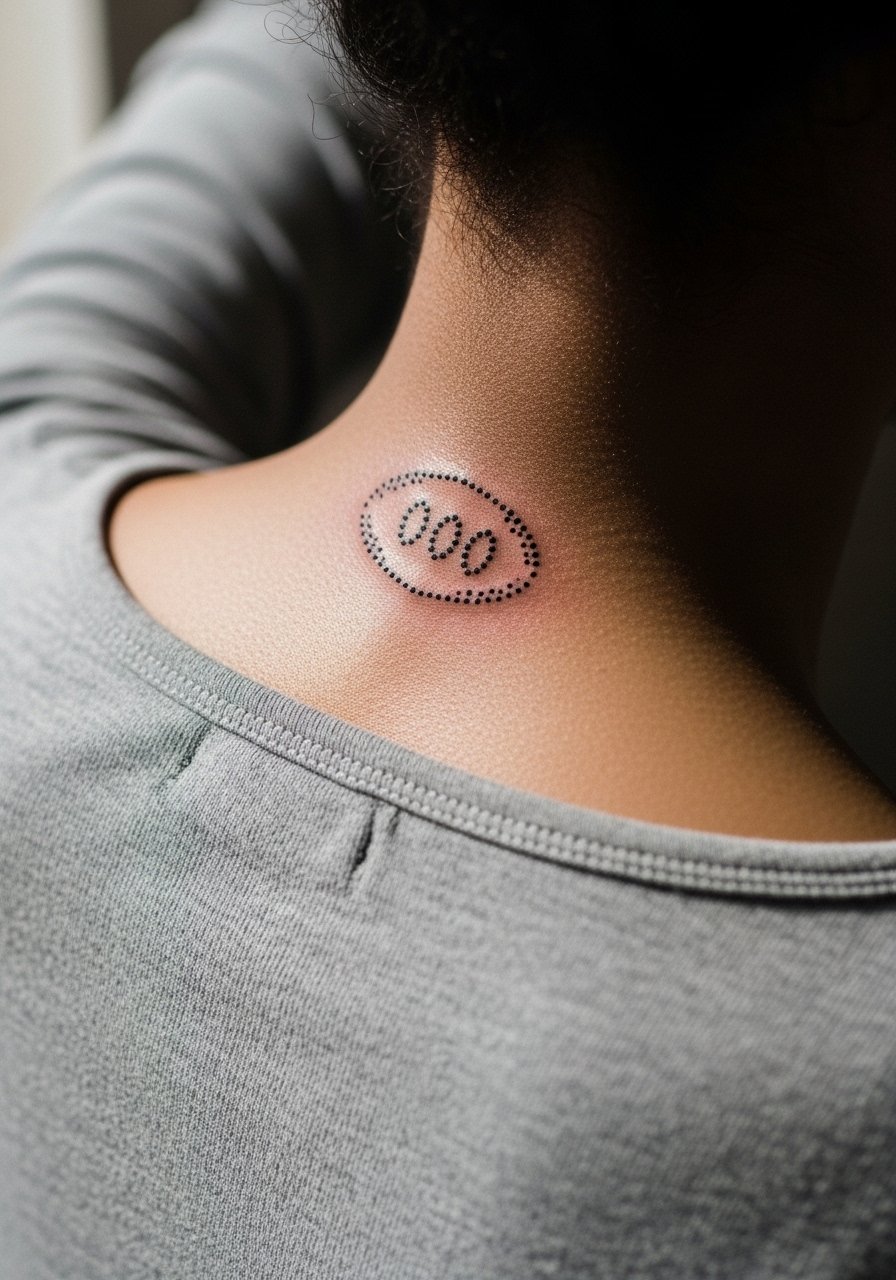
Back-of-neck placements are subtle and modern when kept to a two-inch circle. Dotwork halo gives gradation without heavy lines, making the piece hold while remaining soft under collars. If you often tie hair up, be mindful that constant friction can dull dots over time. Ask for sample healed photos on similar skin tones during the consult. Keep hair ties handy that do not rub too tightly and consider simple half-up styles to show the area without irritation.
11. Fine Line 1111 Shooting Star on Inner Bicep
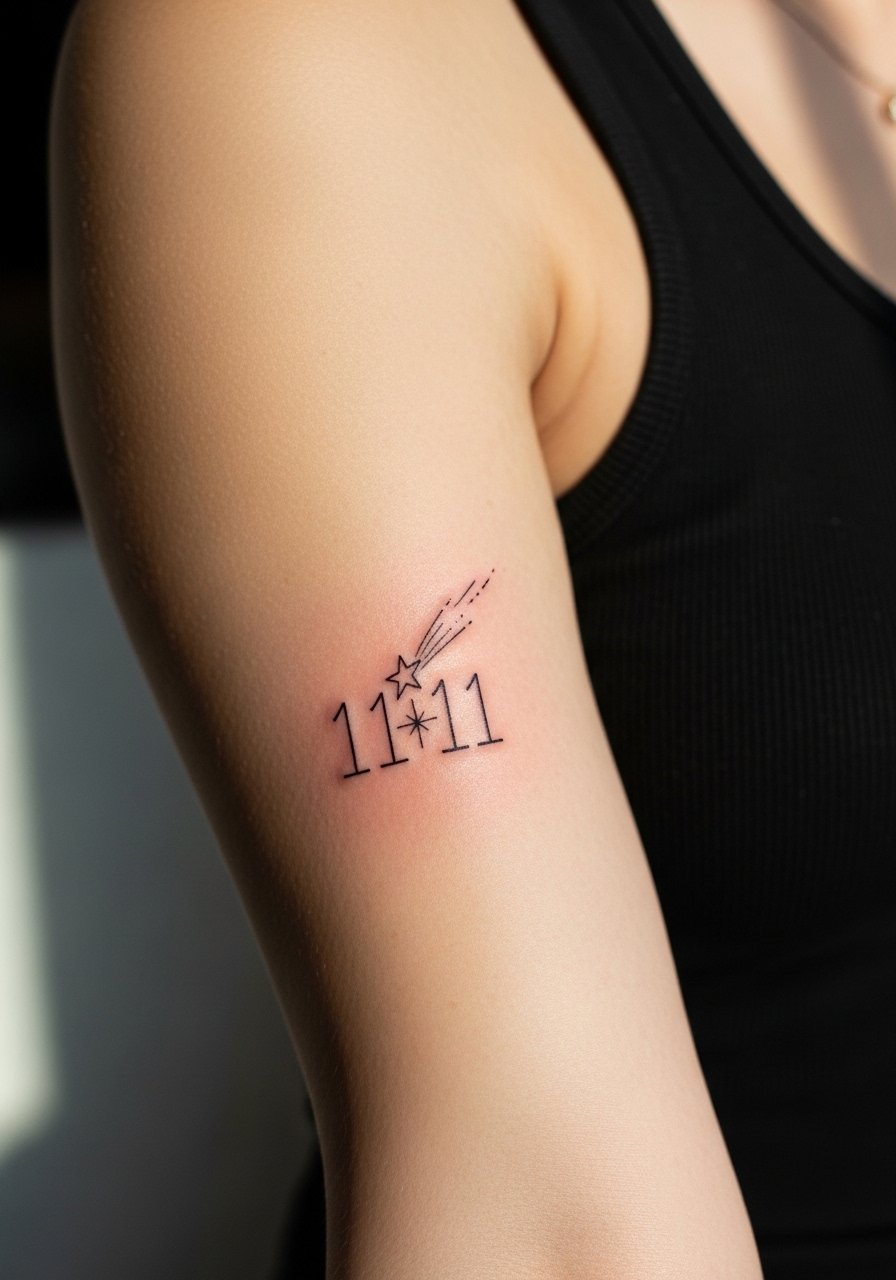
Inner bicep is a tender spot with good canvas for three-inch designs. Lines can stay crisp if the artist spaces digits and avoids ultra-fine passes. The session feels like tight vibration rather than deep stabbing, and you may need short breaks if nerves spike. For session wear, a sleeveless tank top makes access easy. A common mistake is asking for a dense star field in a small space which later reads as muddled shading.
12. Minimalist 333 Vertical Stack on Ribs for Growth Markers
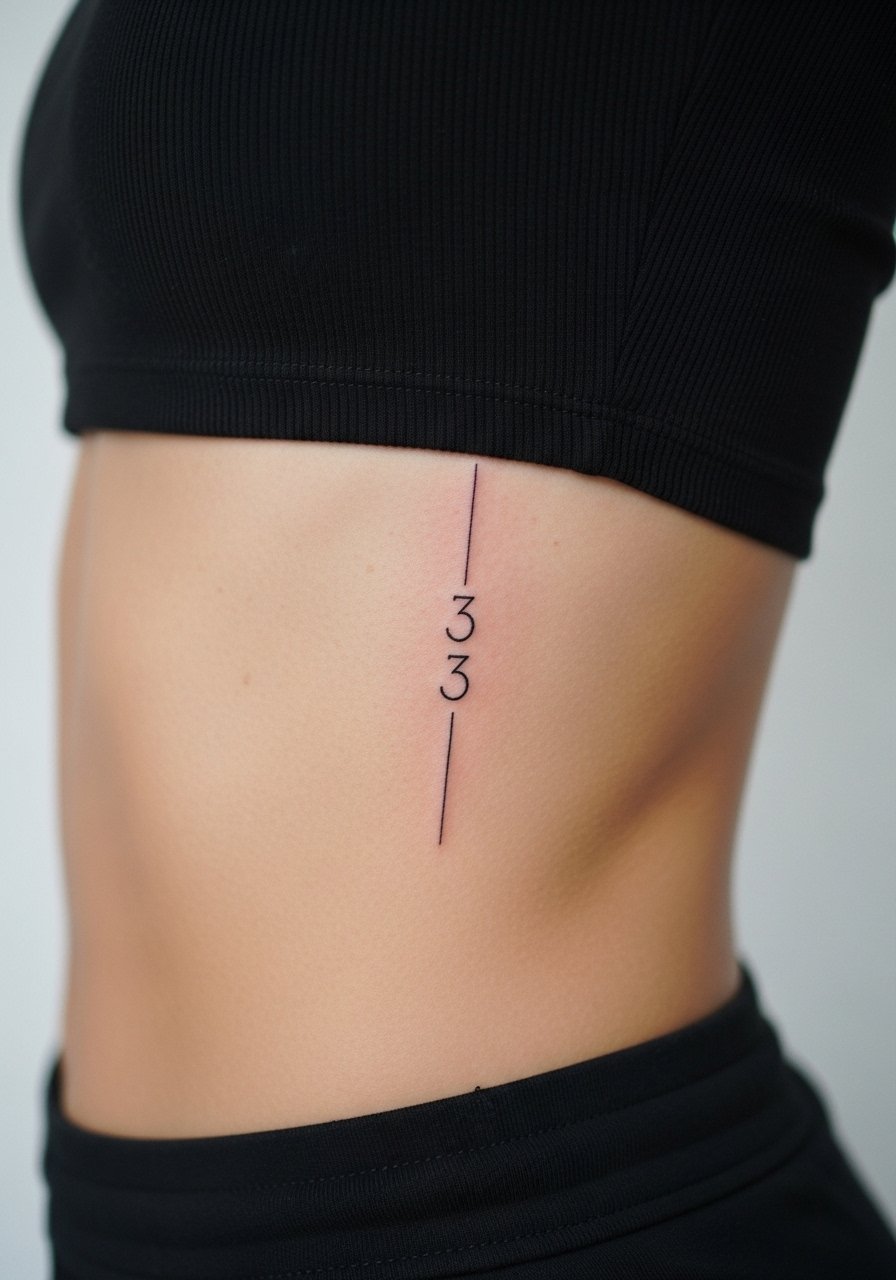
Rib stacks are intimate and elongating. If you want the stack to age well, spread each number vertically by at least half an inch and choose clean single-line digits rather than decorative scripts. The session can be painful but quick when the piece is small. Expect one to two sessions if you ask for subtle shading between numbers. For modesty and ease, wear a loose tank top women you can lift slightly during the process. A usual mistake is compressing the whole stack into a narrow column that later blurs.
13. Black and Gray 444 Support Frame on Shoulder Blade
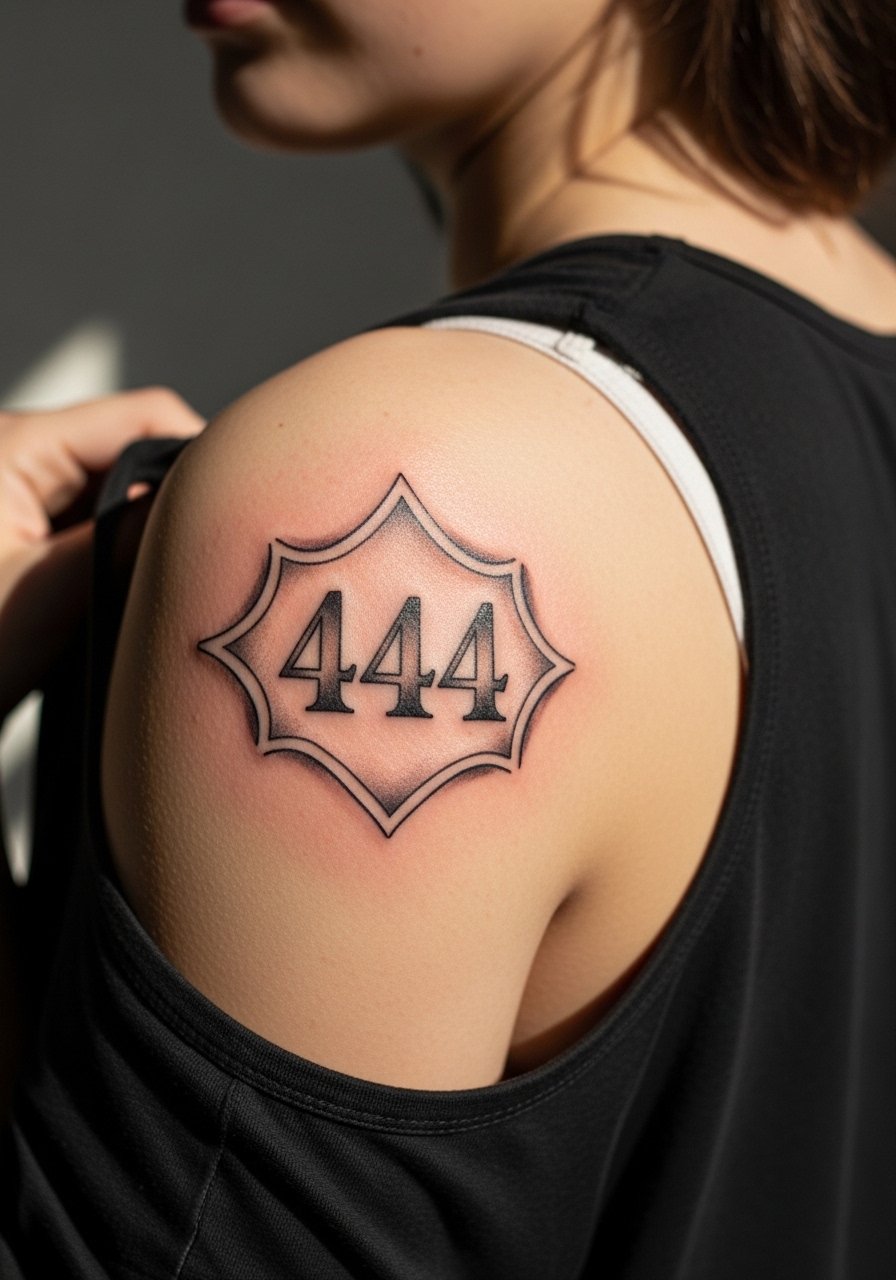
Shoulder blade work benefits from smooth curvature and shading that follows musculature. Ask for a two-and-a-half-inch width and soft gray gradients instead of stark black outlines to avoid a blocky look as the skin moves. This placement tolerates touch-ups less frequently than hands but more than the torso. For session wear, a loose button up shirt that you can pull aside helps the artist. One mistake is picking overly dense blackwork and then discovering the piece reads too heavy on lighter fabric.
14. Script 555 Evolving Butterfly on Calf
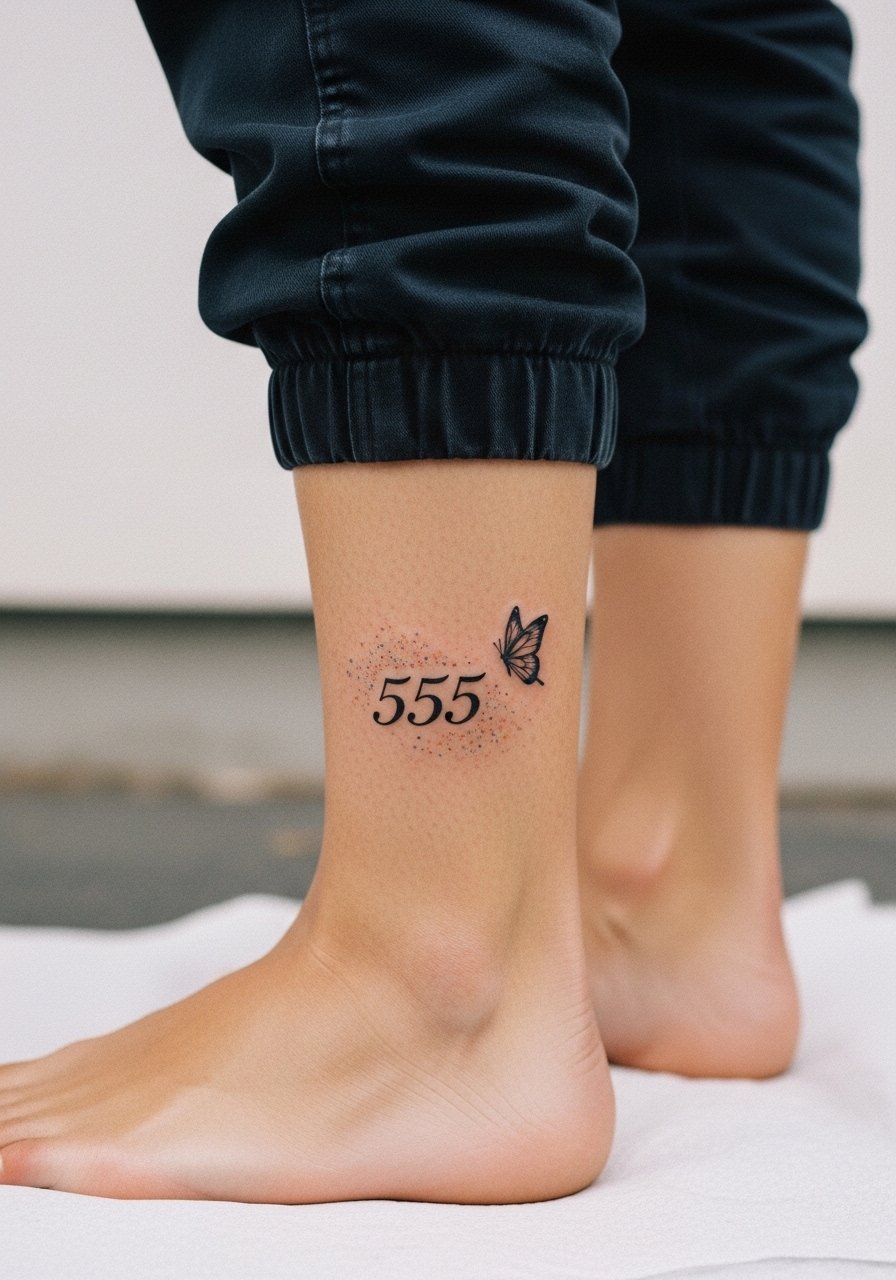
Calf pieces are forgiving for size and color. A two-to-three-inch height allows for subtle color accents in the butterfly without risking early bleed. The session is moderate on pain and often tolerable standing or seated. For wearing after the session, loose bottoms like loose joggers prevent rubbing. Avoid trapping the area with tight socks or boots in the first week.
15. Blackwork 777 Underboob for Hidden Power
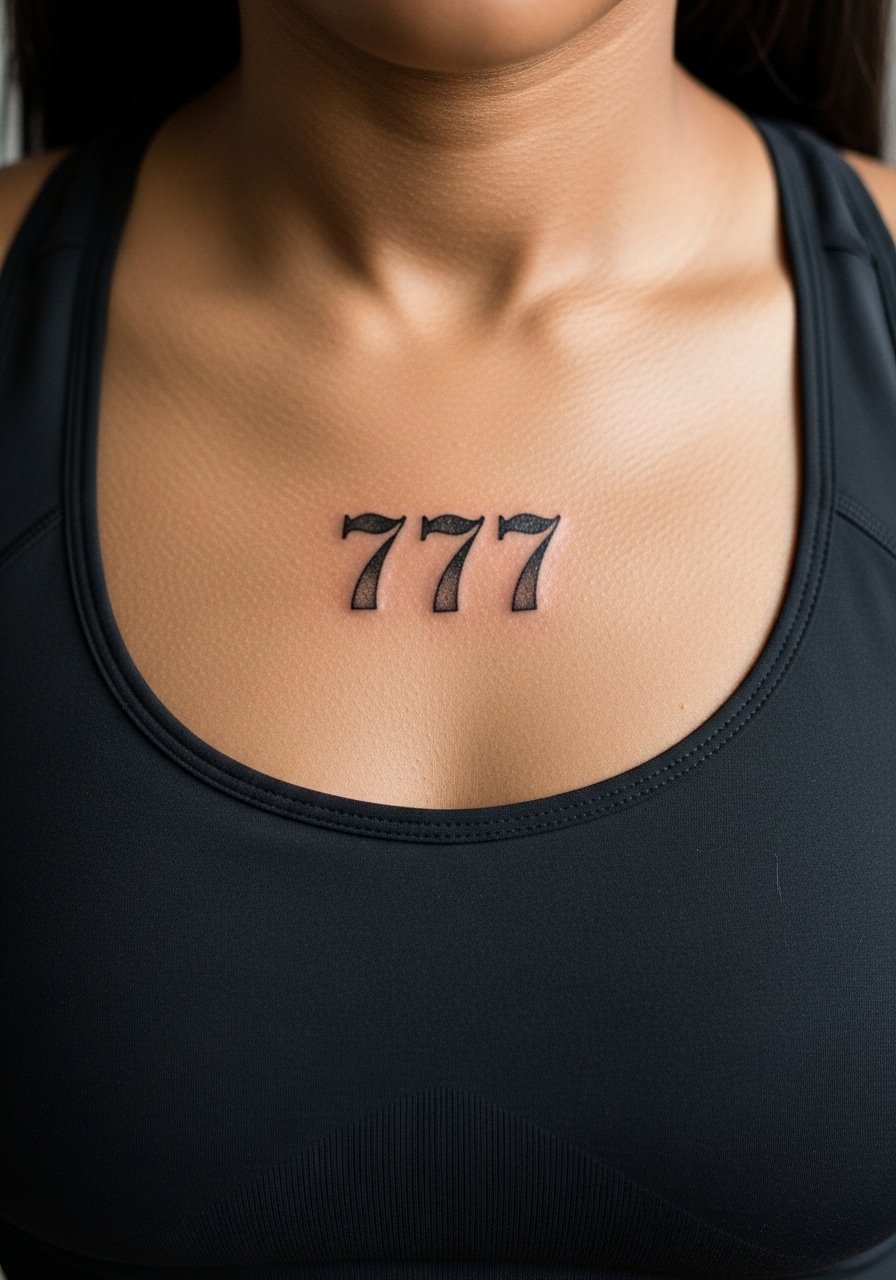
Underbust placements are intimate and best suited to experienced clients comfortable with chest sessions. Solid blackwork will keep its silhouette but requires careful consideration of how the piece sits against bra lines. If you want longevity, plan for a slightly bolder outline and avoid tiny flourishes that blur over time. This session can be sensitive. For modesty, wear a fitted sports bra to the appointment. Some studios require female-only spaces for chest work, so check discovery pathways like local studio directories and guest spot alerts.
16. Micro 111 Tiny Placement Behind the Ear Lobe Line
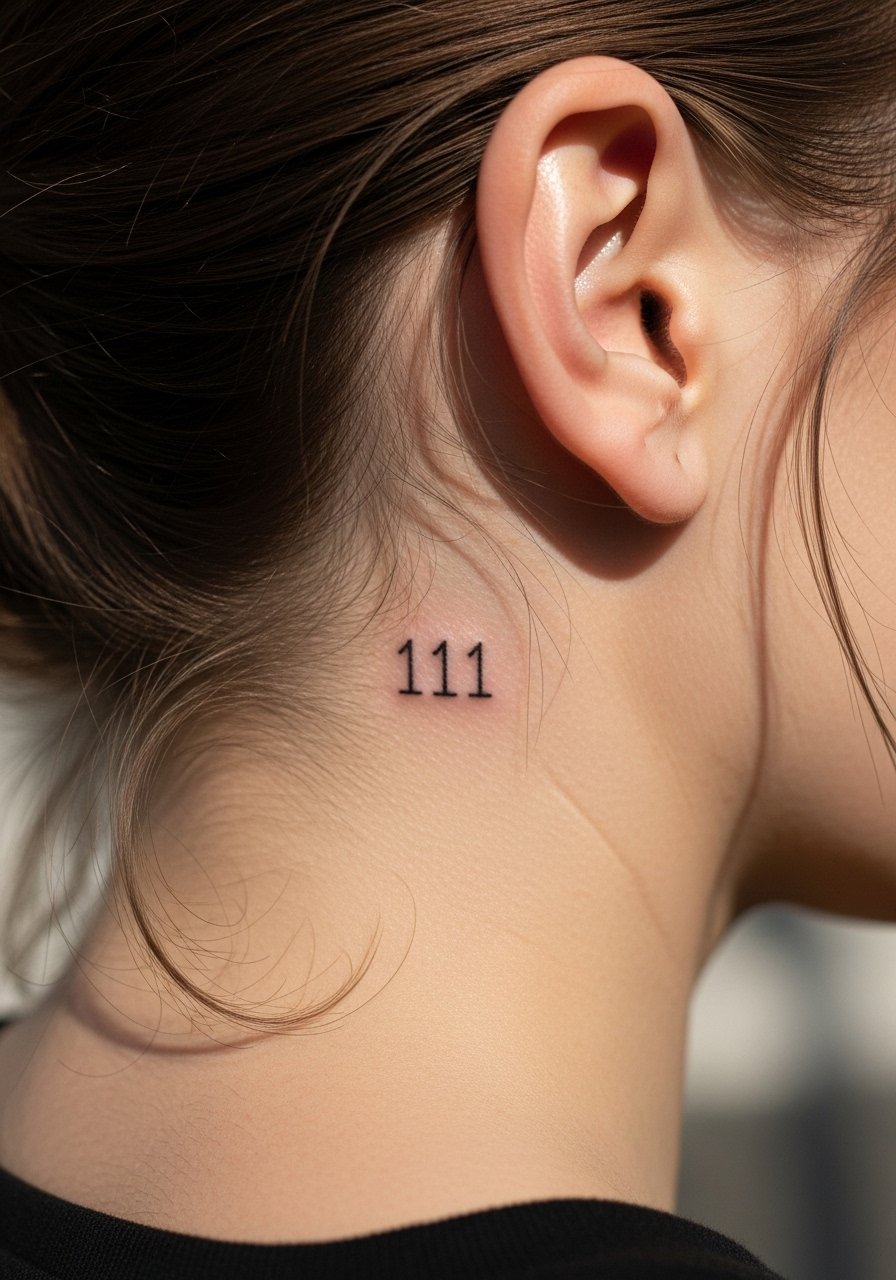
A subtler option than the larger behind-ear motif, this works best at about a half-inch and with a slightly bolder baseline to help the digits stay legible. The area is low on fat and can be sensitive, so brief sessions are the norm. For the appointment, tie your hair with a hair ties silk and ask the artist to check stencil positioning while you move your head to ensure it sits where you want. Avoid asking for decorative dots in such a tight space; they tend to merge.
17. Fine Line 222 Small Wrist Stack for Balance
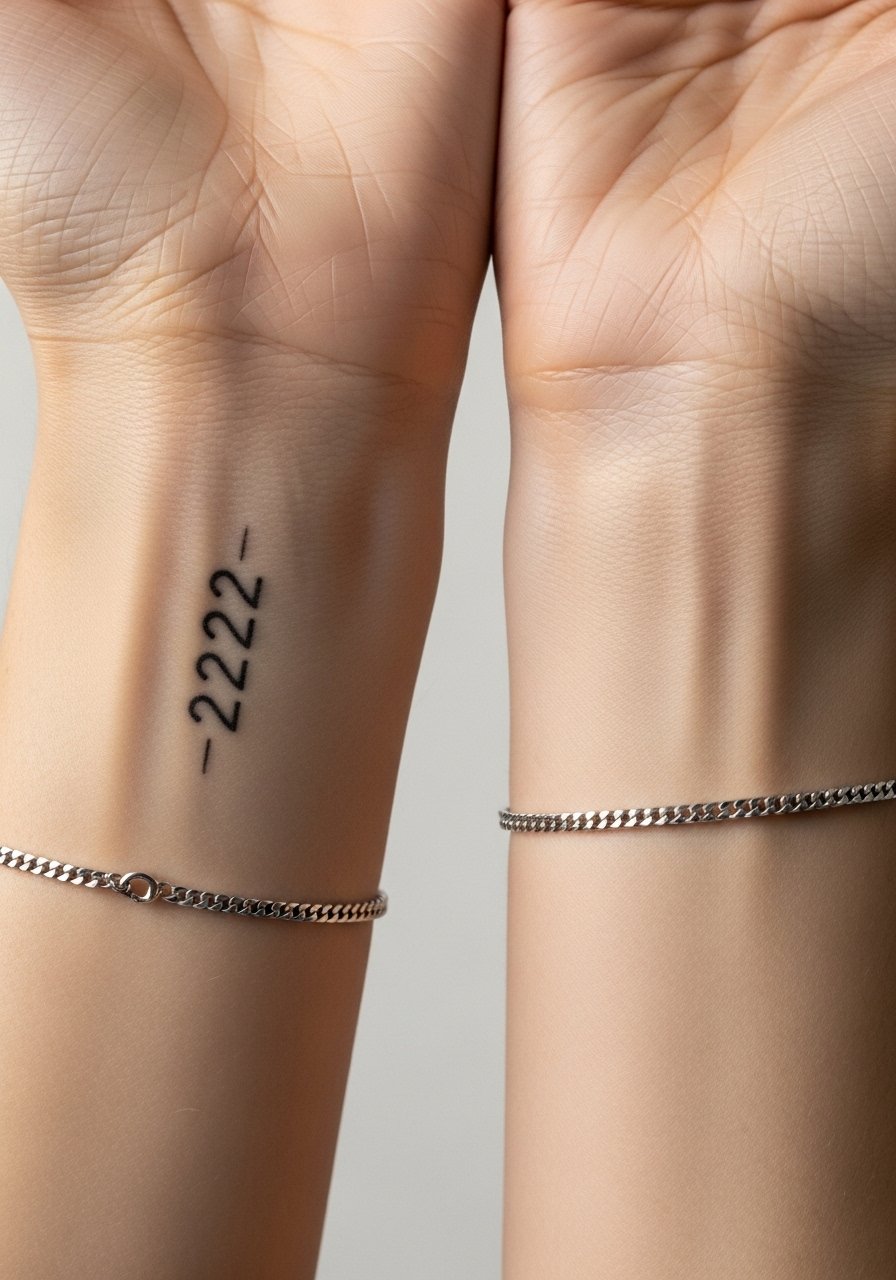
A compact wrist stack works well if you want repeated sightings throughout the day. Keep it around one to one-and-a-half inches tall and request slightly increased spacing between digits so hand motion does not pull lines together. For showing it off, a thin silver chain bracelet on the other wrist balances attention. During the consult, ask the artist for healed photos of similar wrists since visibility varies with vein prominence and skin texture.
18. Dotwork 000 Halo at Upper Back Base
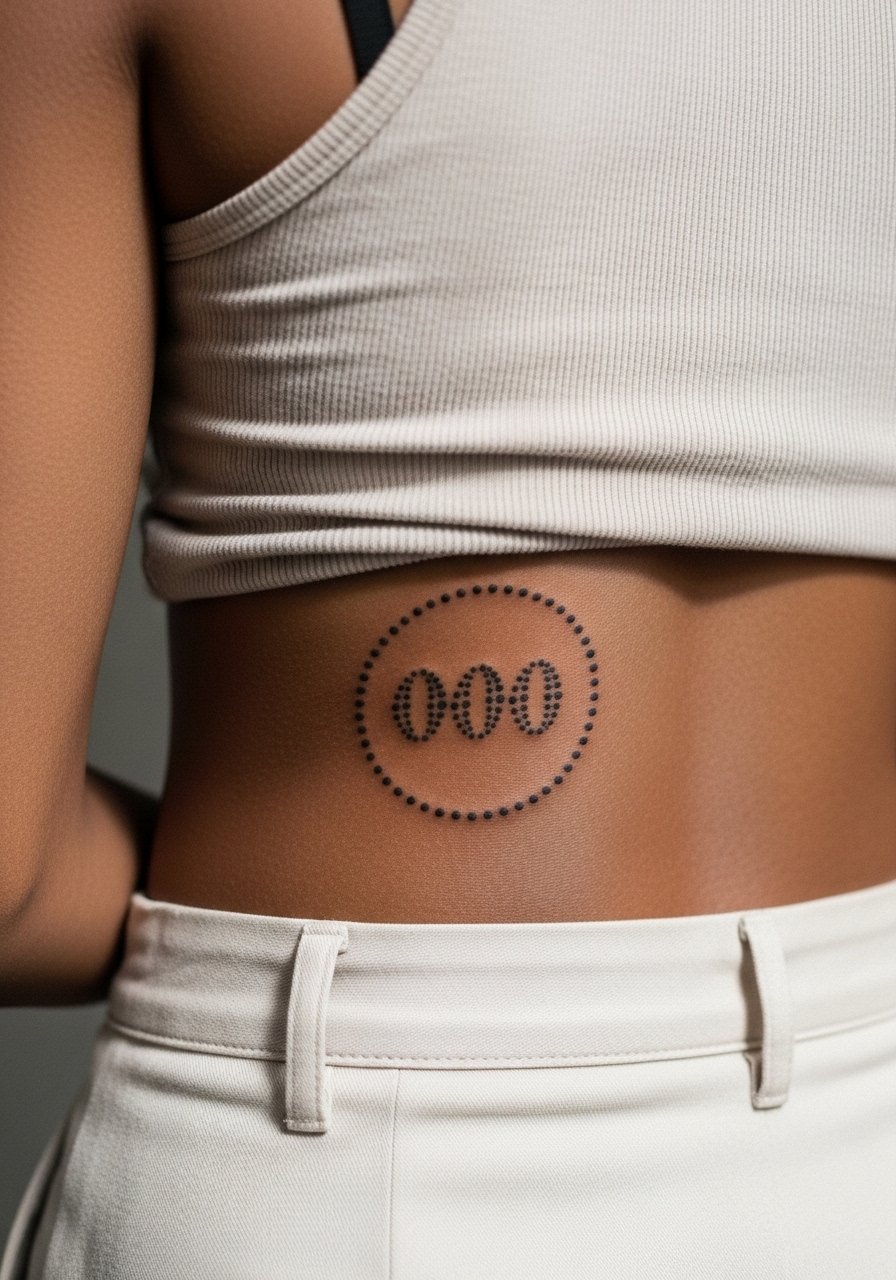
Upper back placements are roomy and forgiving. A two-inch halo rendered in dotwork creates a soft gradient that resists heavy blowout if the dots are spaced correctly. For session comfort, you may lie prone or sit depending on studio setup. Avoid asking for heavy, tight stippling in a small area. For post-session wardrobe, high-waisted pants help keep waistbands from rubbing the tattoo while it heals.
19. Minimalist 444 Tiny Shield on the Collarbone Edge
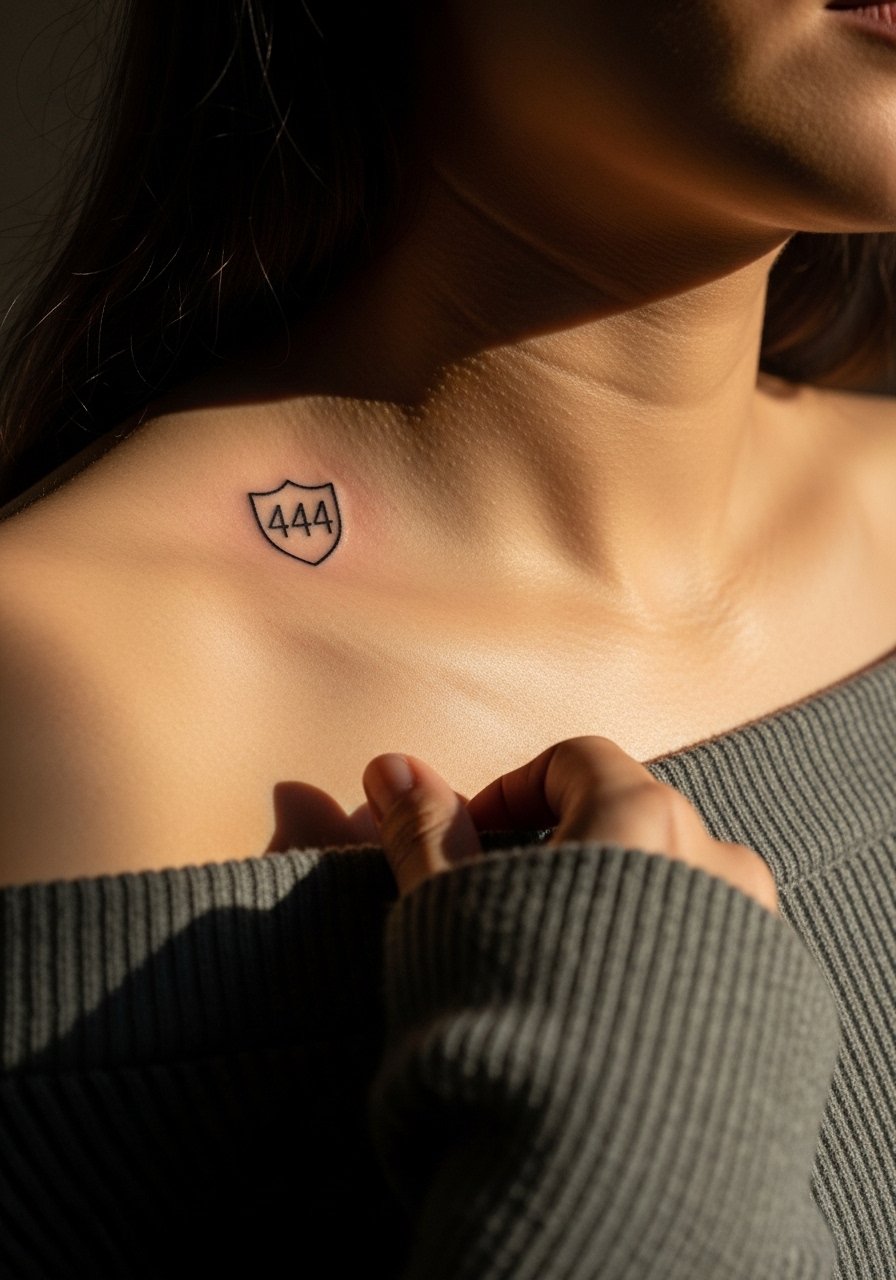
A small shield or outline near the collarbone reads like a quiet protective mark. Keep it around two inches and choose straightforward black linework for easier longevity. This placement gets sun and fabric contact, so name the sunscreen strategy with your artist and expect a touch-up sooner than for torso pieces. For showing off, an off shoulder sweater lets the little mark peek without full exposure.
20. Script 1111 Integrated with a Shooting Star on Inner Thigh
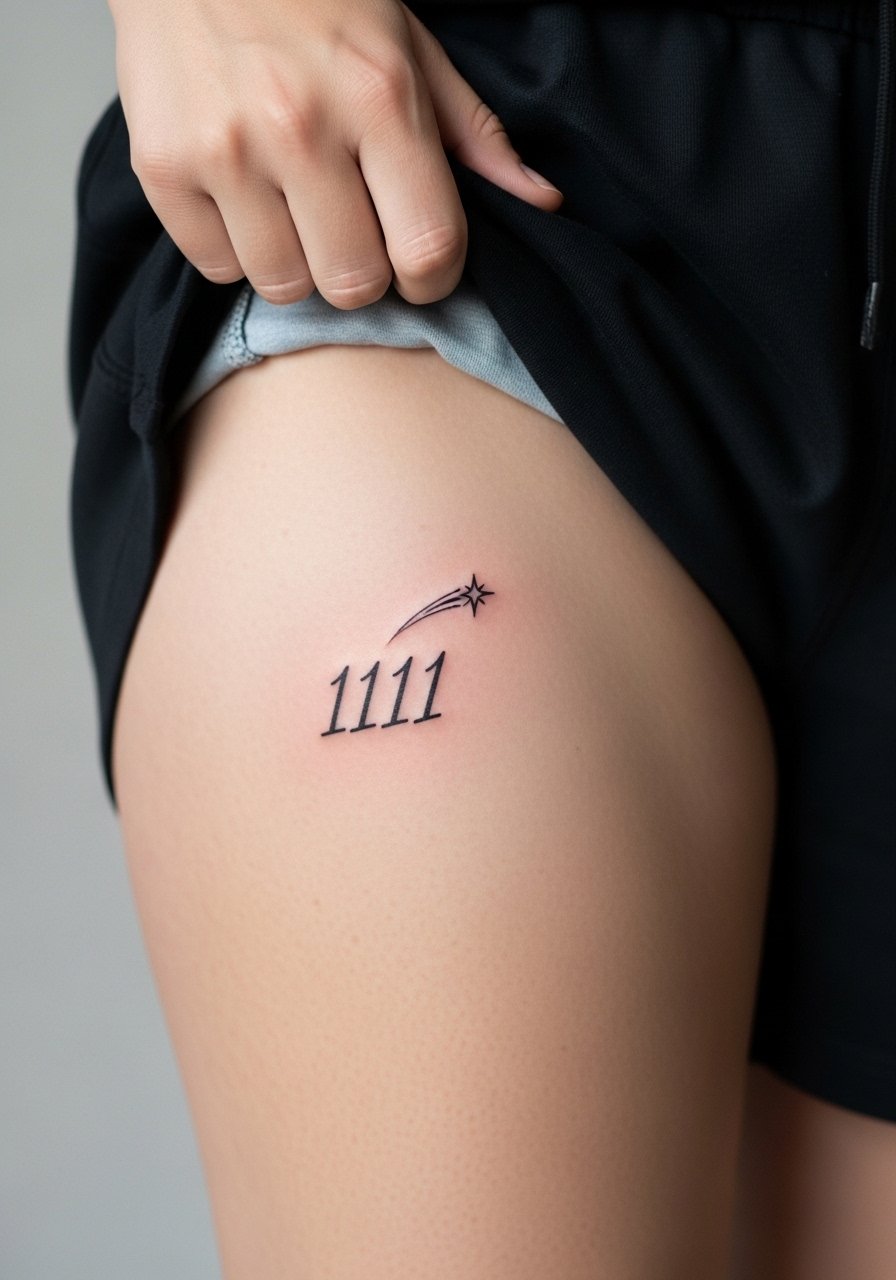
Inner thigh pieces sit where privacy meets impact. A three-inch length works well so the script can breathe. The area tolerates shading and will keep linework if given room. For the session, wear shorts you can shift slightly; tight underwear can irritate the spot during healing. Avoid requesting extremely fine, dense scripts in this zone if you plan to exercise heavily in the month after the session.
21. Micro 777 Small Infinity on the Side Rib Near Underarm
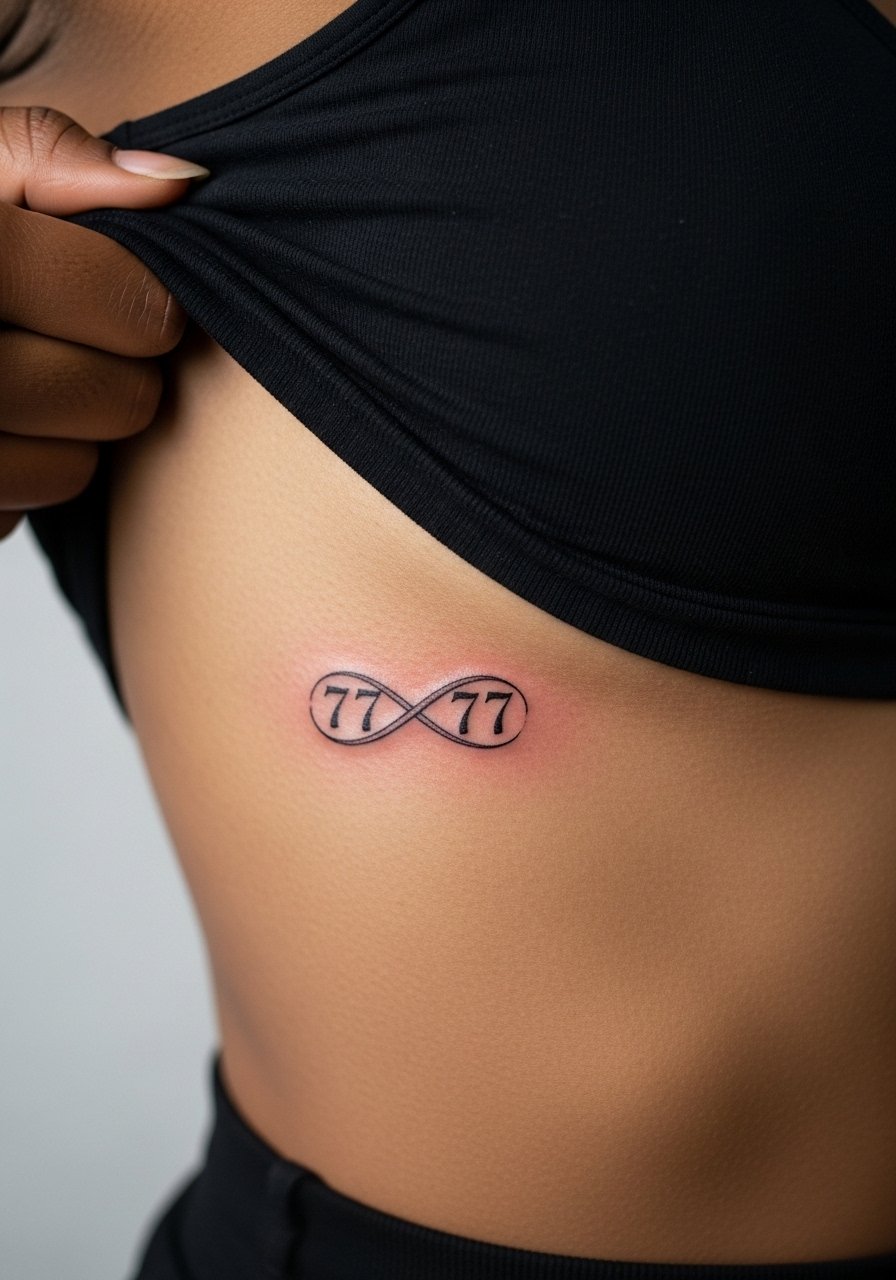
This keeps the piece small and discreet while placing it near an area that moves a lot. Micro linework here needs breathing room, so ask for slightly bolder endpoints and spacing between loops. The session can be sharp given proximity to the rib edge. For modesty and access, wear a strappy bralette so the artist can work while you remain covered. The typical mistake is compressing an infinity into a tiny thumbprint; scale it up a touch for longevity.
Frequently Asked Questions
Q: Will fine line angel number tattoos blur faster than bold numbers on wrists or fingers?
A: From what I have seen, fine line does tend to soften sooner on high-friction zones like fingers and the inner wrist. Bold numbers with slightly heavier lineweight and more spacing usually need fewer touch-ups. If you prefer minimalism, plan on a touch-up at year two for most delicate wrist or finger pieces.
Q: Are ribs and sternum worth numbing cream or should I skip it?
A: Artists are divided. One group says numbing cream helps clients sit through larger rib sessions. The other group argues it affects the skin’s response and prefers careful pacing and breaks. Ask your studio about their policy and test ratios during the consult if you are nervous.
Q: How should I dress for a collarbone or upper chest appointment to make the session easier?
A: Bring a wide-neck shirt or a strapless top you can pull aside so the artist has clear access while you remain covered. Button-downs that you can wear forward or backward also work well when multiple spots need attention.
Q: Which numbers are best for first-timers who want small angel number tattoos?
A: Start with single-sequence options like 111 or 888 at the wrist or inner forearm. They fit comfortably in one session, heal quickly, and give you a sense of how your skin holds linework before you commit to larger stacks.
Q: How long should I expect touch-ups for fine line stacks on the spine or ribs?
A: Expect one touch-up around year one to two for ultra-fine stacks on moving areas like ribs. Spine stacks with slightly more spacing and light shading often hold longer, but a check-in at year two is a practical plan.
Q: Where can I find healed examples and guest spot listings if I want a specific minimal angel number style?
A: Search hashtags like #AngelNumberTattoo and #1111Tattoo on social platforms, filter TikTok for "healed" clips, and check Tattoodo or local guest spot alerts. For portfolio variety, Pinterest boards tagged "angel numbers ink" are useful for saved references.
Q: Will adding subtle color accents hurt longevity on small ankle or wrist numbers?
A: Subtle color is possible, but tiny color dots in small designs risk fading or blurring faster than black ink. If you want color, ask for a slight increase in size so the pigments have room to settle, and expect color refreshes sooner than monochrome pieces.