
Fine line tattoos have dominated saved boards for a reason. They read delicate on the forearm, they are quick to book, and they can say a lot with almost no space. The catch is that forearm skin sees sun, sleeves, and movement, so the designs that still look deliberate after a couple of years are the ones that account for spacing, needle depth, and placement. Start with these 17 options and a few notes to help them age better.
1. Fine Line Floral Branch on Inner Forearm
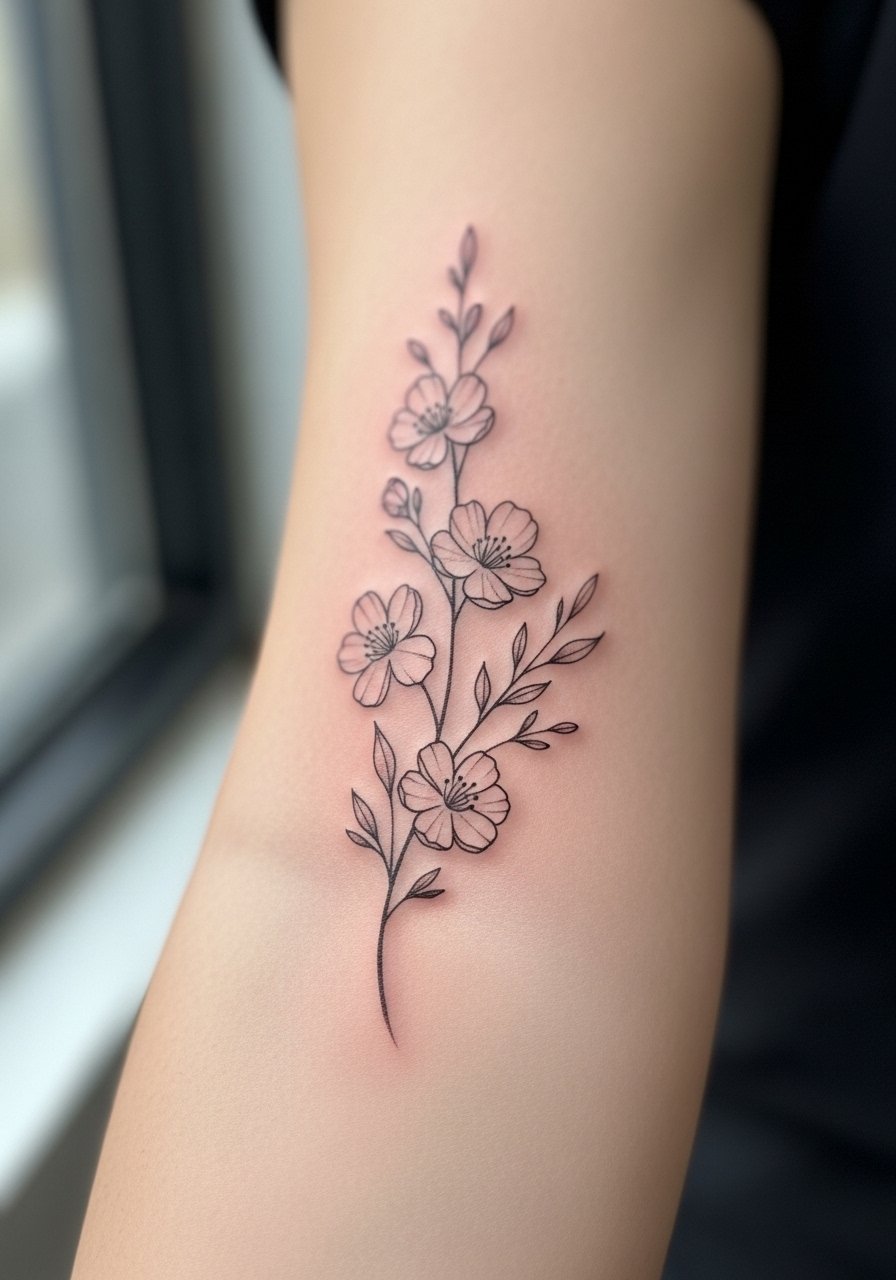
I recommend this if you want something organic that follows the arm's natural curve. Tell your artist to keep gaps between stems so the linework can breathe and not merge over time. Common mistakes are packing tiny leaves too close or asking for micro detail under two inches; those details tend to soften by year two. Pain here is low, a three out of ten for most people, and a single session usually does it. For showing it off, roll a chambray rolled cuff shirt to mid-forearm and add a thin gold chain bracelet opposite for balance.
2. Fine Line Geometric Arrow on Outer Forearm
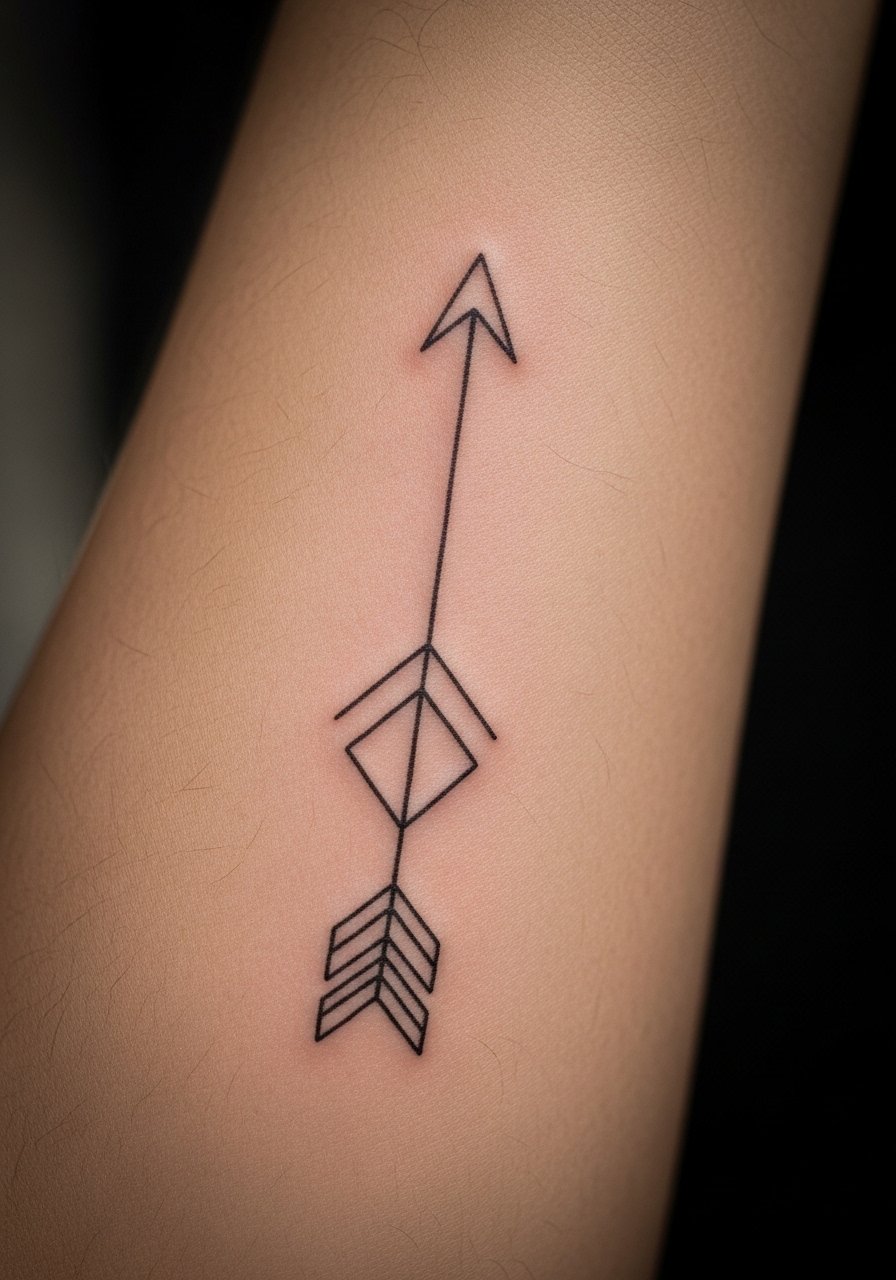
The arrow is great when you want symbolism without overwhelming detail. Ask the artist for a single-needle outline with a slightly thicker shaft so the head keeps its silhouette as the piece ages. The biggest mistake is placing it exactly on the muscle peak where flexing distorts a straight line. Expect a single session and low pain. For casual framing, pair it with a navy polo elbow slit or a minimal leather cuff opposite the tattoo.
3. Fine Line Wave Wrap Along the Forearm
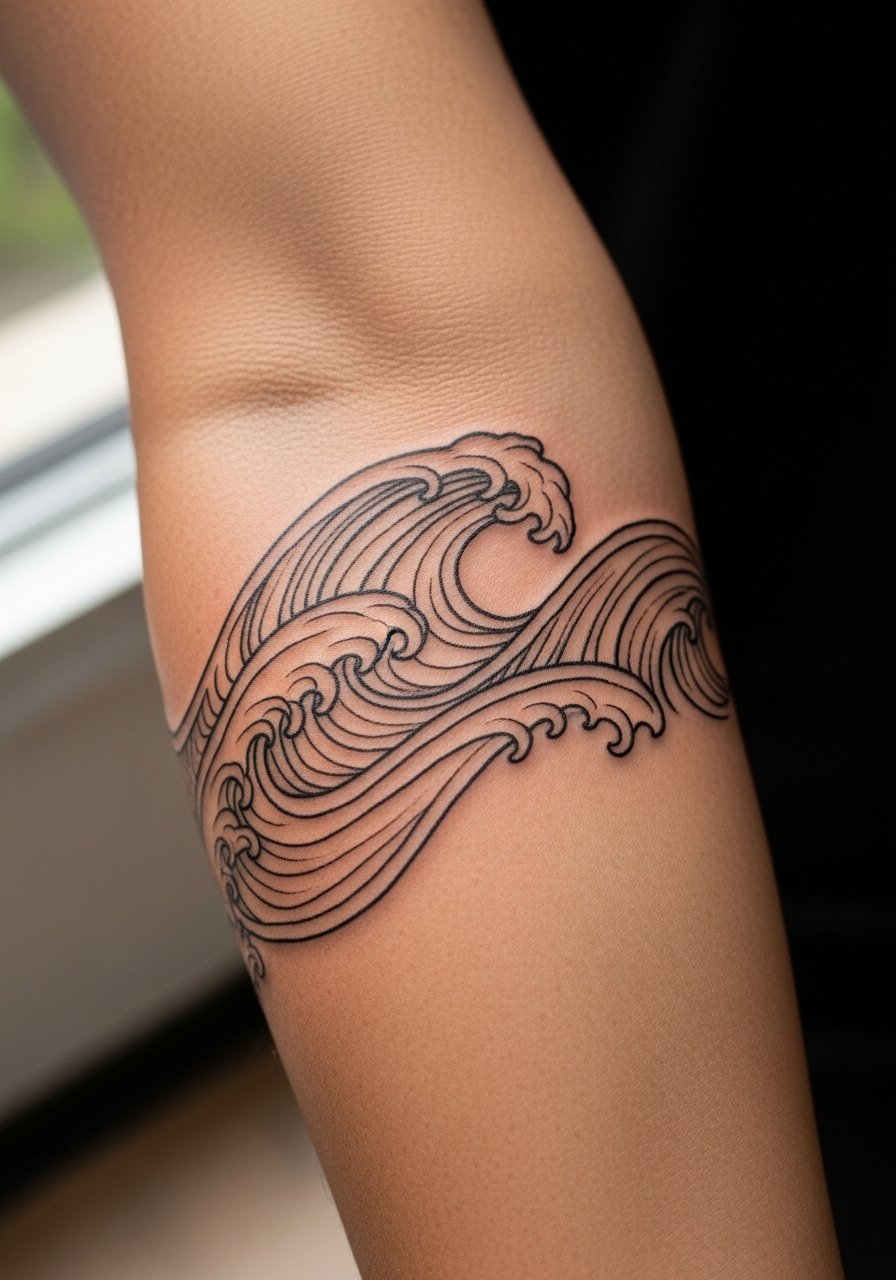
Waves that wrap around the arm read dynamic and fit summer wardrobes well. For longevity, scale the negative space between crests; too-tight waves can blur into a ribbon effect by year three. This style often needs two sessions if you want a continuous band without gaps. There is a debate in the community about fine line longevity. One camp says single-needle work on sun-exposed forearms fades faster and needs touch-ups. The other camp argues that with correct depth and spacing the lines settle fine. Ask the artist where they land on that before booking.
4. Fine Line Script Quote on Inner Forearm
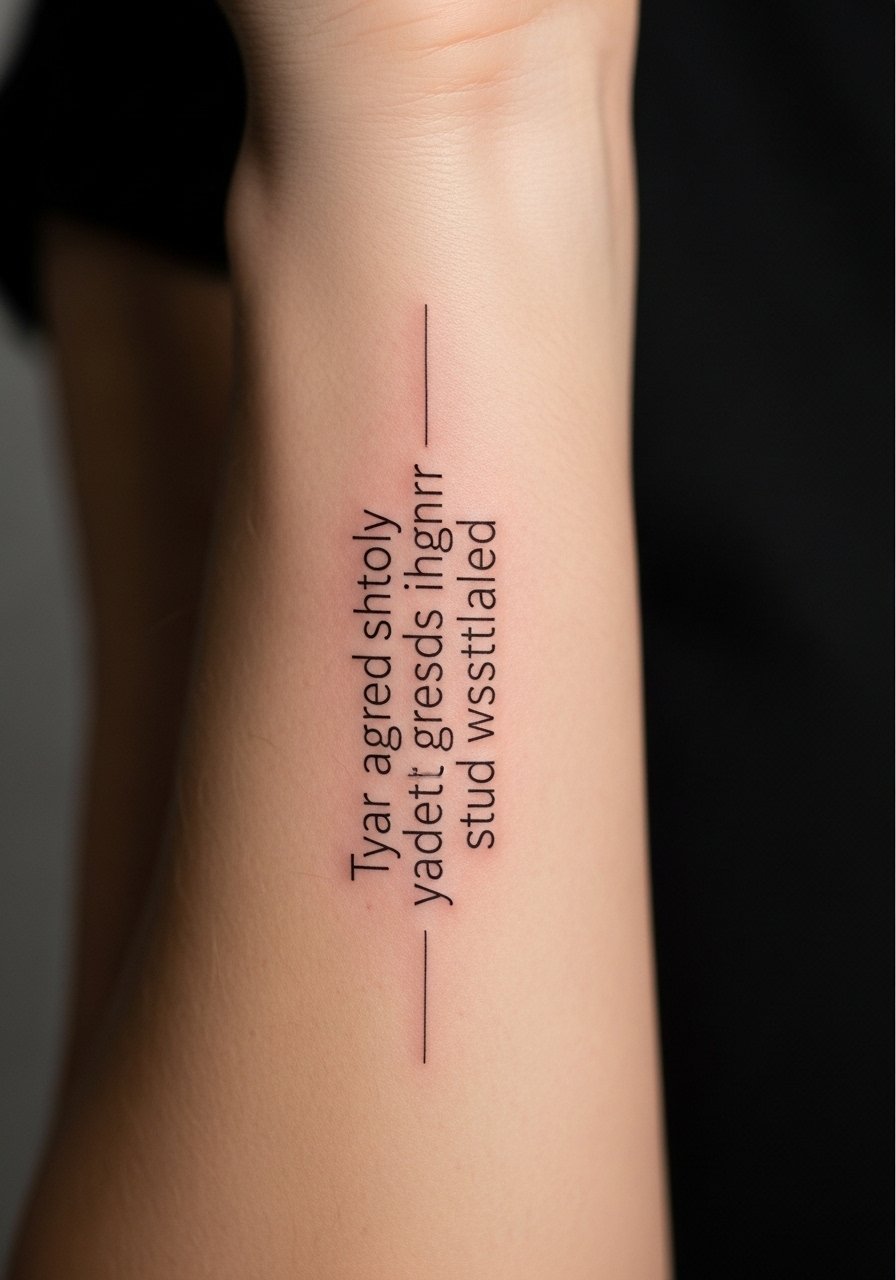
Script is a common first-timer choice because it reads intimate and visible. During consult, bring the exact font and request a mock stencil placed on the flexed arm to see how letters bend with movement. A frequent error is choosing a script that is too thin for small letters; the counters close down after healing. Pain is low and a single session usually suffices. For the session wear, try an ivory linen tank so the artist has easy access and you stay comfortable.
5. Fine Line Botanical Leaf Cluster on Outer Forearm
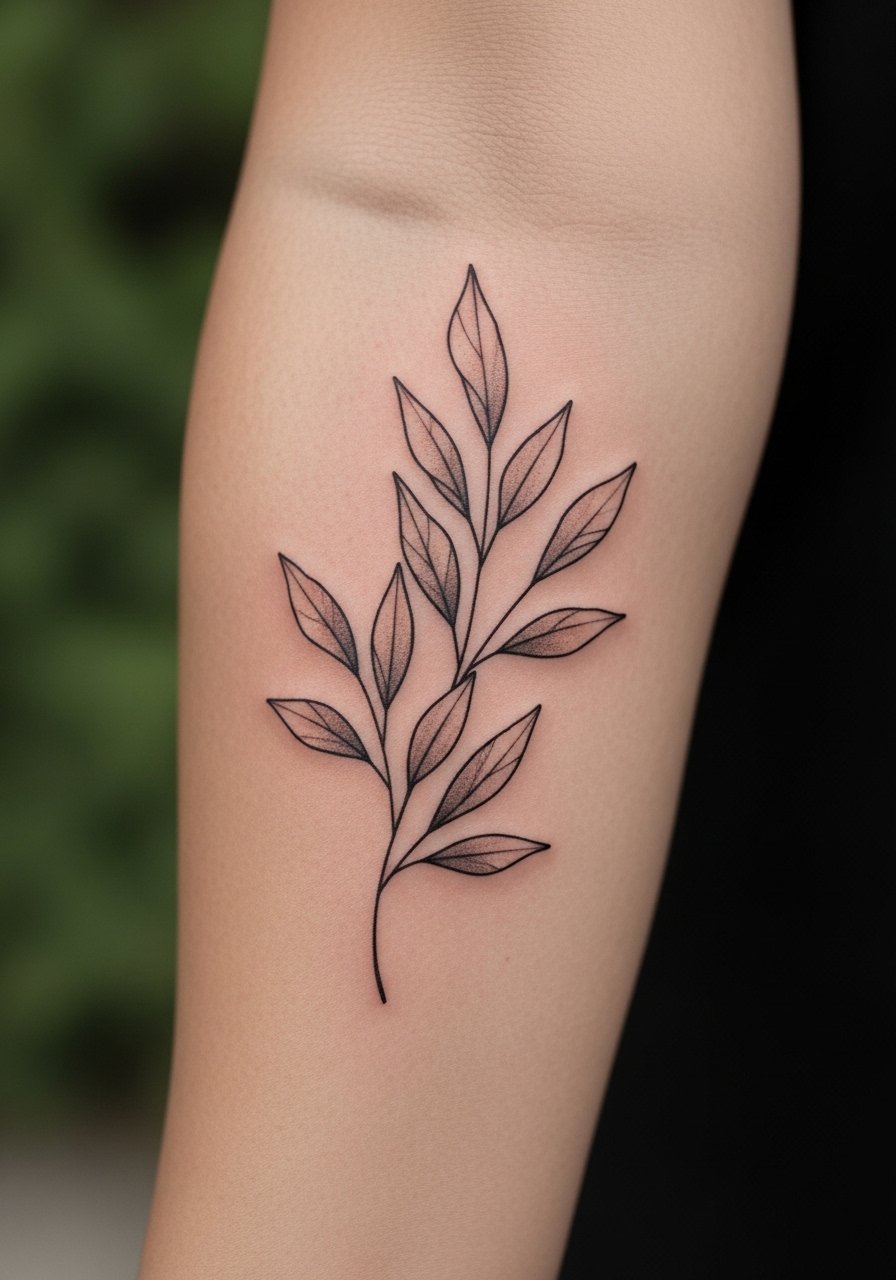
Clusters let you vary line weight so the piece reads layered rather than flat. Tell the artist you want light stipple shading and intentional negative spaces between leaf veins so the design ages like separate elements. A common version that ages poorly is full, crowded clusters with gray fill, which can muddle on thinner skin. Expect one to two sessions depending on size. For a casual finishing touch, pair it with rolled sleeves or a minimal leather cuff.
6. Minimalist Mountain Outline on Upper Forearm
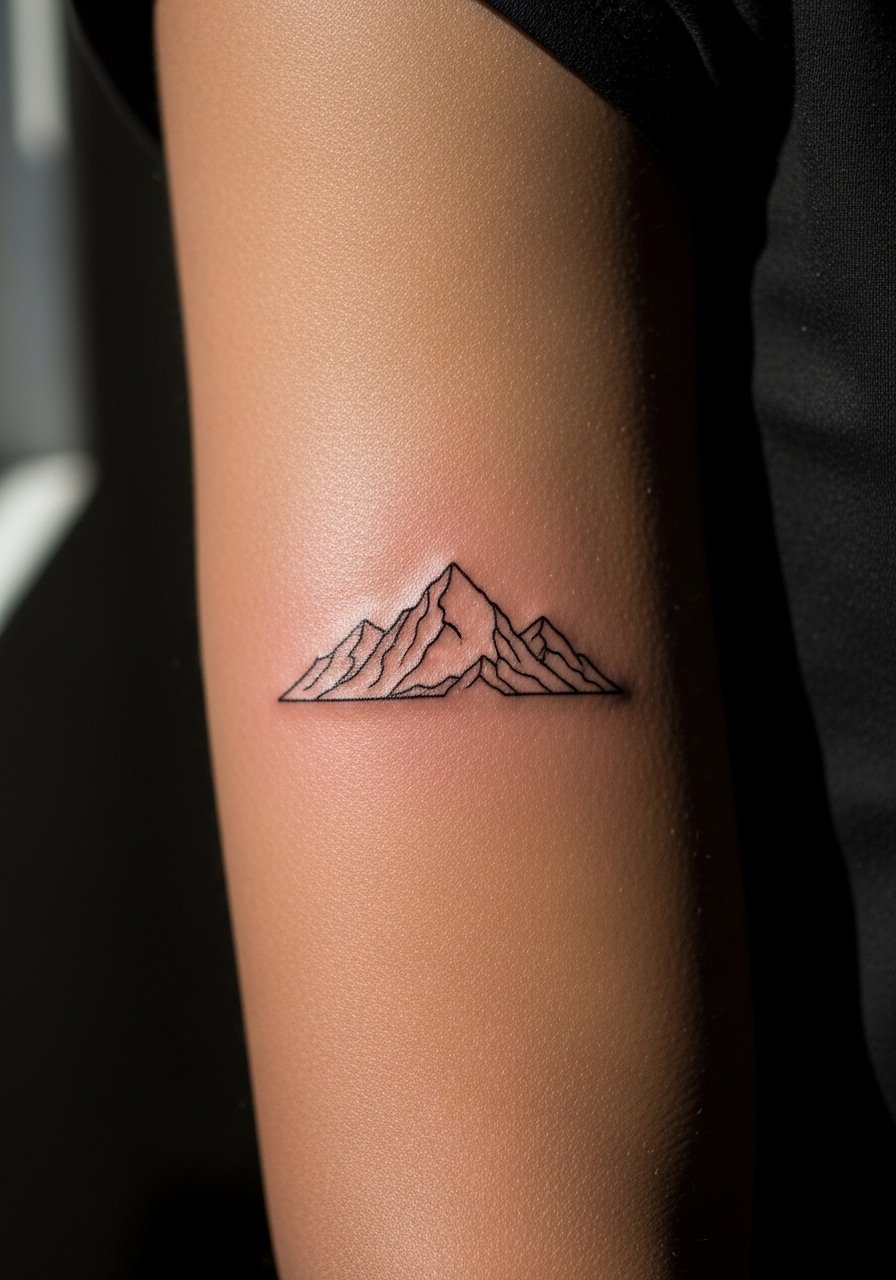
Mountains condense a lot of meaning into simple peaks and valleys. Ask for slightly bolder main ridgelines and lighter interior details to prevent the silhouette from diffusing. The upper forearm holds detail better than the inner wrist, so you can scale a bit larger if you want to keep crispness long term. Session time is short and pain is moderate when placed near the elbow crease. Show it off with a sheer cream blouse or a short-sleeve tee for summer peeks.
Studio Day Picks
The inner and outer forearm pieces above face different wear patterns, so a few prep and healing items smooth session day and the first week.
-
Stencil transfer paper kit. Lets you preview placement and letter spacing on the arm before the needle touches skin, which is especially useful for script and constellation layouts.
-
Topical numbing cream. Applied per instructions about 45 minutes before makes tight-wrist sessions more comfortable without affecting the artist's linework.
-
Thin protective film roll. Useful for the first 24 hours on forearm wraps and exposed wrist pieces to reduce friction from clothing.
-
Fragrance-free gentle body wash. Cleans the healed area without irritating fresh fine line ink while showers are necessary.
-
Aquaphor healing ointment. A thin layer for the early healing window helps keep fine needle channels hydrated without clogging.
7. Crescent Moon Phases Stack on Inner Forearm
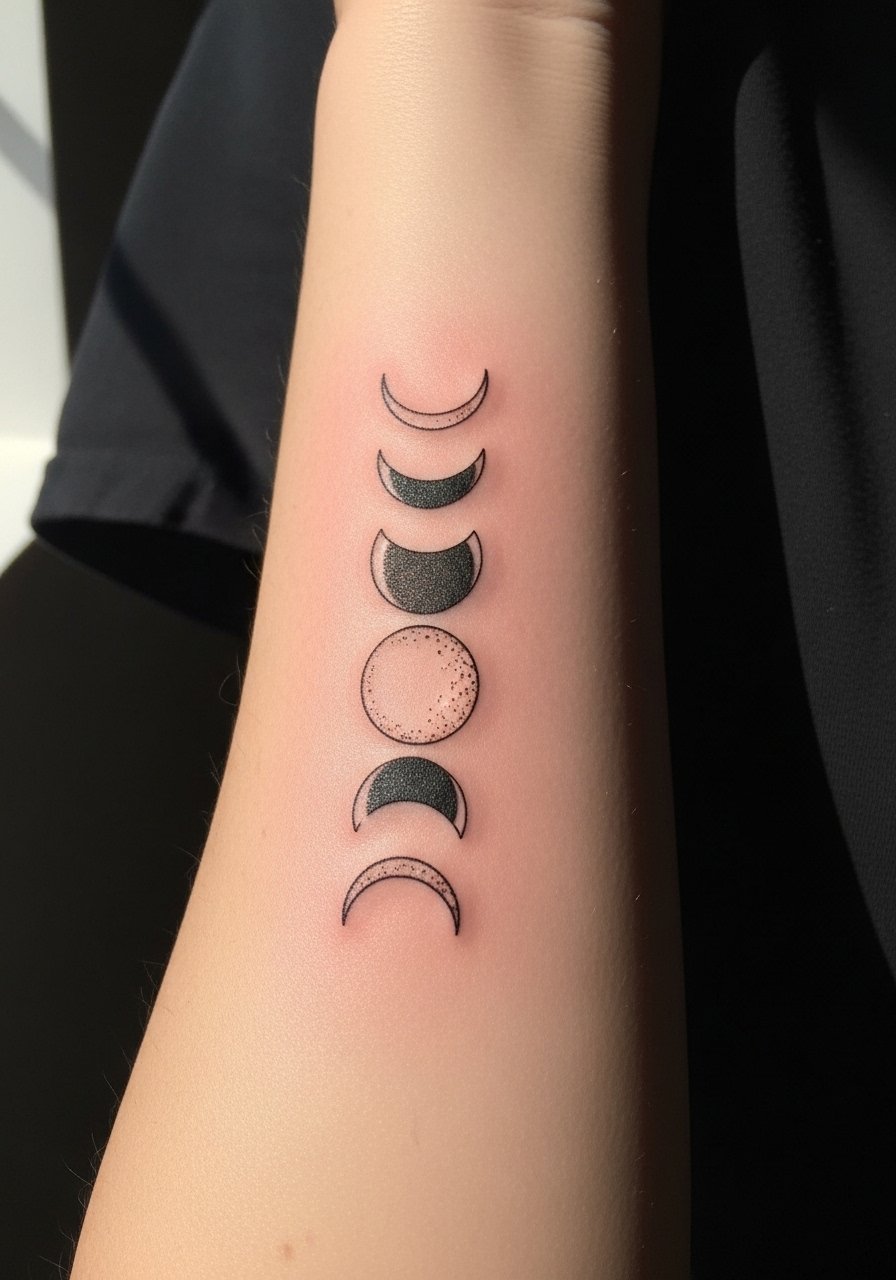
Stacked moons make a neat vertical composition that follows the inner arm visually. Ask for consistent spacing and a slight increase in apex thickness on the crescents so the negative space survives light fading. A common mistake is cramming too many phases into a small column, which reads as dots later. This placement is good for spiritual motifs and requires minimal aftercare beyond sun avoidance. To stage it for evenings, wear a thin bangle stack on the opposite wrist to keep balance.
8. Feather with Negative Space Along Forearm Side
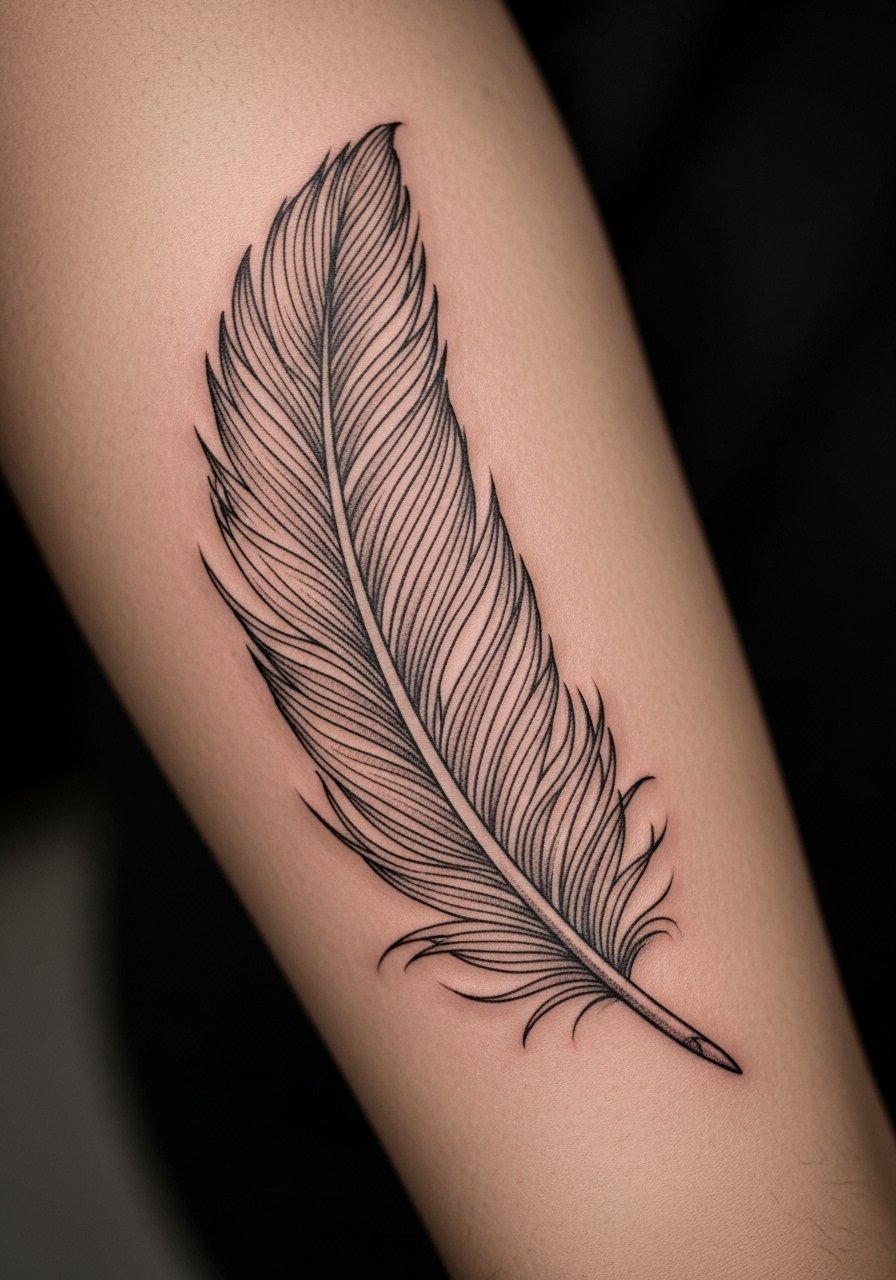
Feathers on the forearm side look light and directional because the negative space gives them lift. Tell the artist you want carved-out veins instead of filled shading so the airflow reads for years. There is a split opinion about fine line longevity on athletic or sun-exposed arms. One position cautions that single-needle work can thin faster in those conditions. The other says careful depth and spacing make negative space techniques durable. If you train a lot, plan a touch-up at the one-year mark.
9. Hourglass Horizontal on Outer Forearm
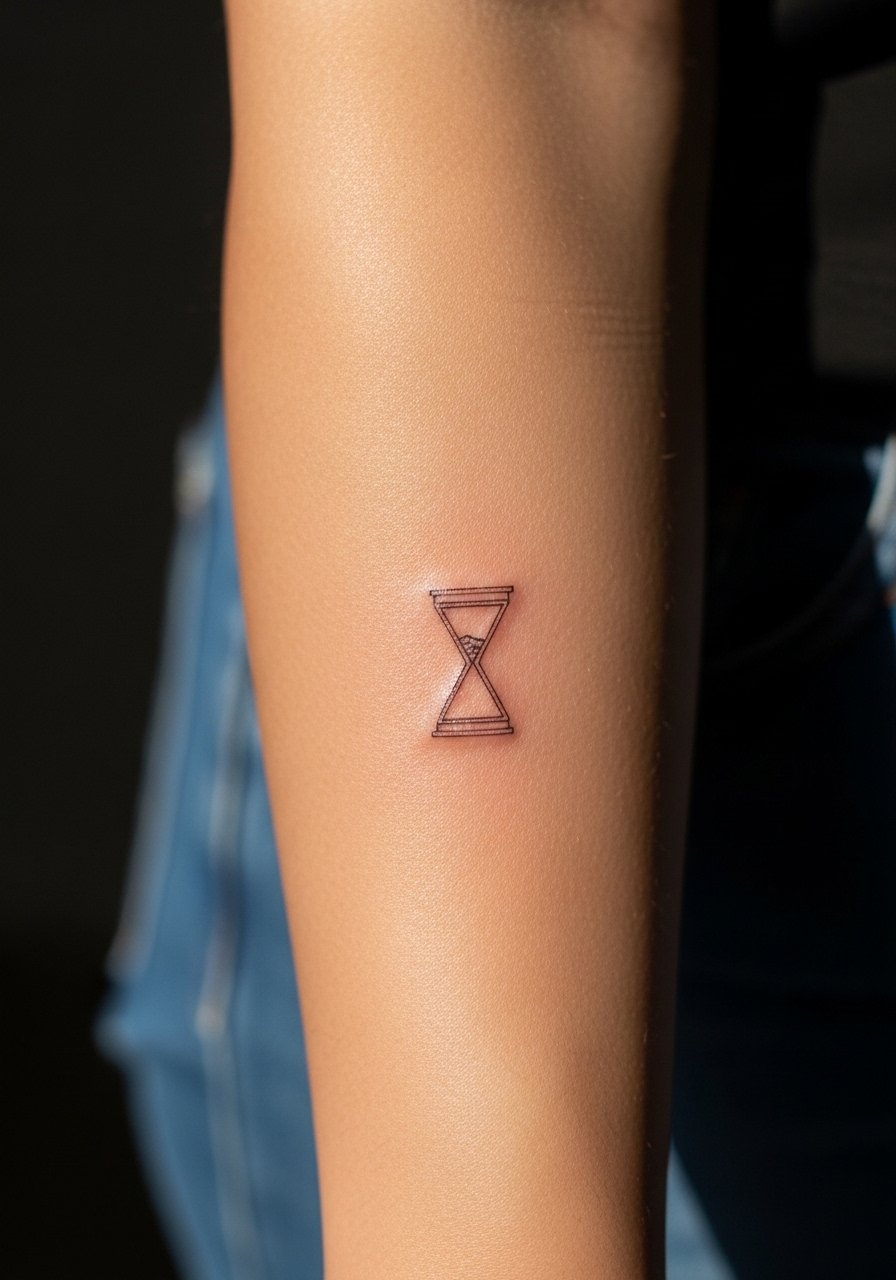
An hourglass makes a compact statement and fits narrow wrist-adjacent space without crowding. Request a slightly wider waist and crisp corners so the silhouette keeps reading when fine grain softens. The outer forearm is forgiving but watch for friction against watch bands which can abrade fresh ink. A single quick session usually covers this size. When wearing chinos or rolled sleeves, a thin minimalist watch on the opposite arm frames the hourglass without crowding it.
10. Dandelion Dispersing Seeds Up the Inner Forearm
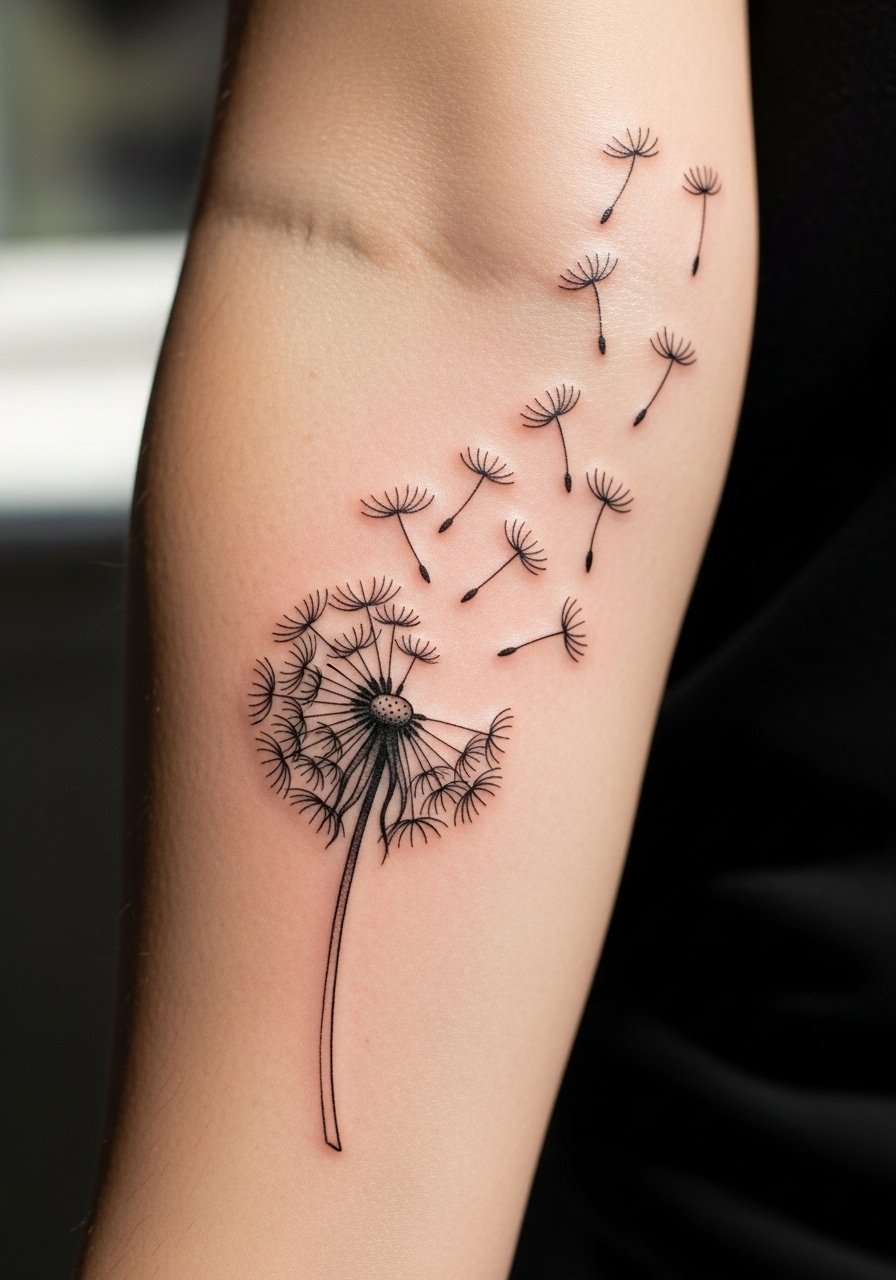
Dandelions use tiny dots and short trajectory lines to suggest motion. Ask for seed spacing that gets larger as they travel so the visual remains legible as dots soften. Common mistakes include too many tiny seeds clustered close to the stem which merge into a smudge. Expect low pain and one session. For a soft daytime look, roll sleeves or wear an ivory linen tank when you want to reveal the upward flow.
11. Constellation Map Stretching Along Forearm
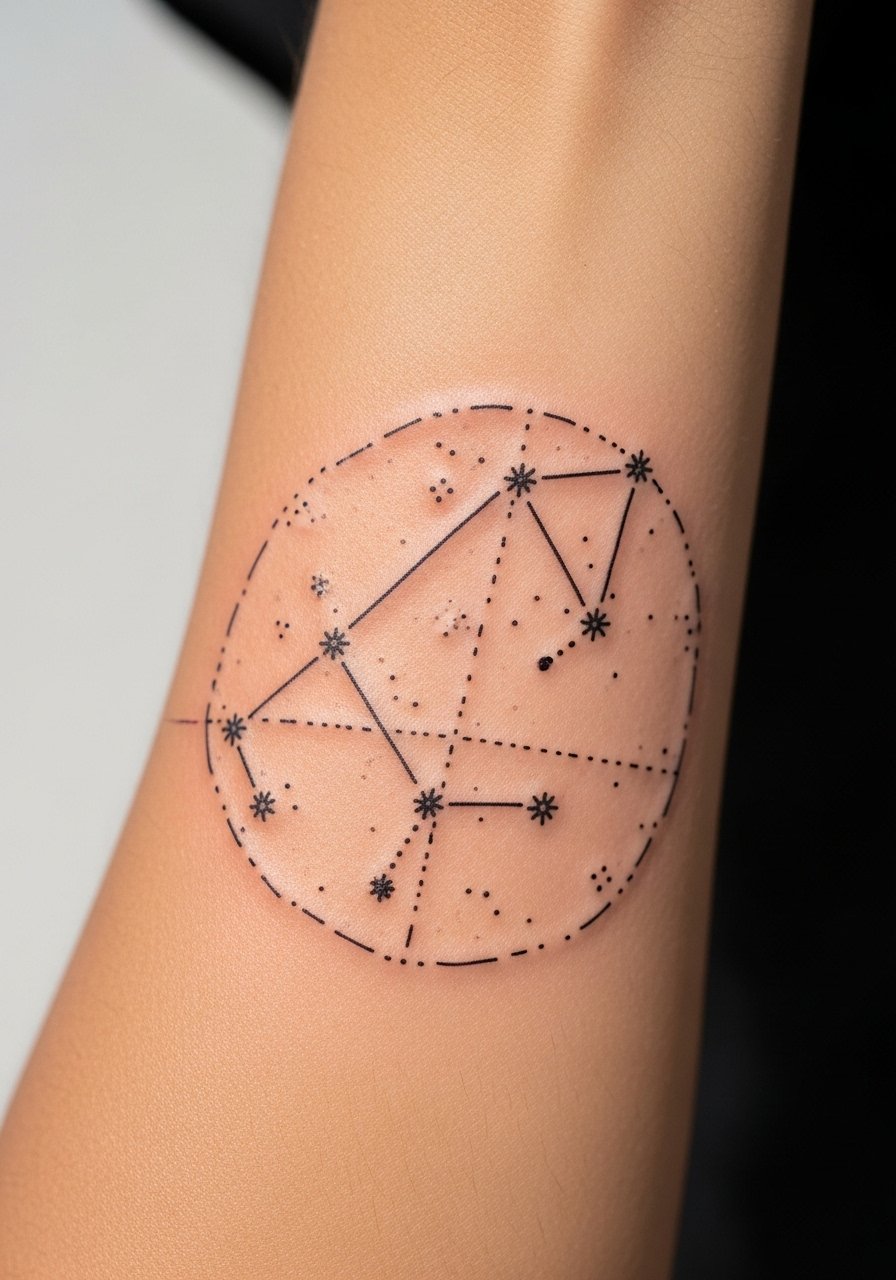
Personalize this with exact star placements or a zodiac pattern spelled out in tiny dots and connecting lines. Request a slightly larger dot size for primary stars so the map reads correctly after healing. A full wrap or partial map often needs two sessions if you want fine connecting lines and small dot clusters. Use hashtags and platforms to find a specialist who photographs healed dotwork well rather than fresh shots. For casual styling, pair with an open weave cardigan in sand for soft contrasts.
12. Bird in Flight Silhouette on Upper Forearm
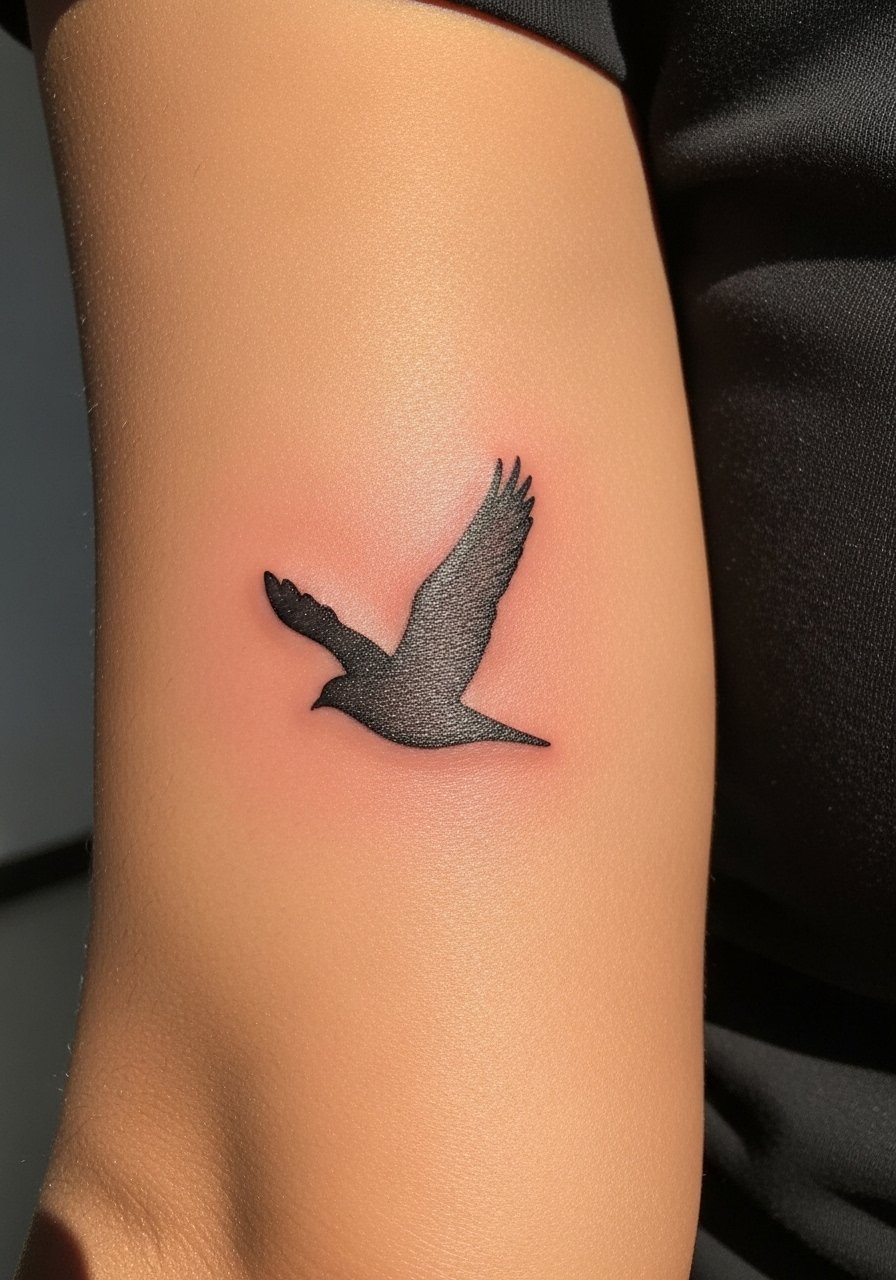
A small flock or single bird can be placed along the curve of the upper forearm to suggest lift. Ask for solid silhouettes with a thin outer contour so the form remains readable if interior lines lose contrast. This placement is good for easy cover-up if needed. Session time is brief and pain low. One real mistake is requesting a detailed feather texture in a tiny bird which disappears with healing.
13. Tiny Single Needle Compass Near Wrist
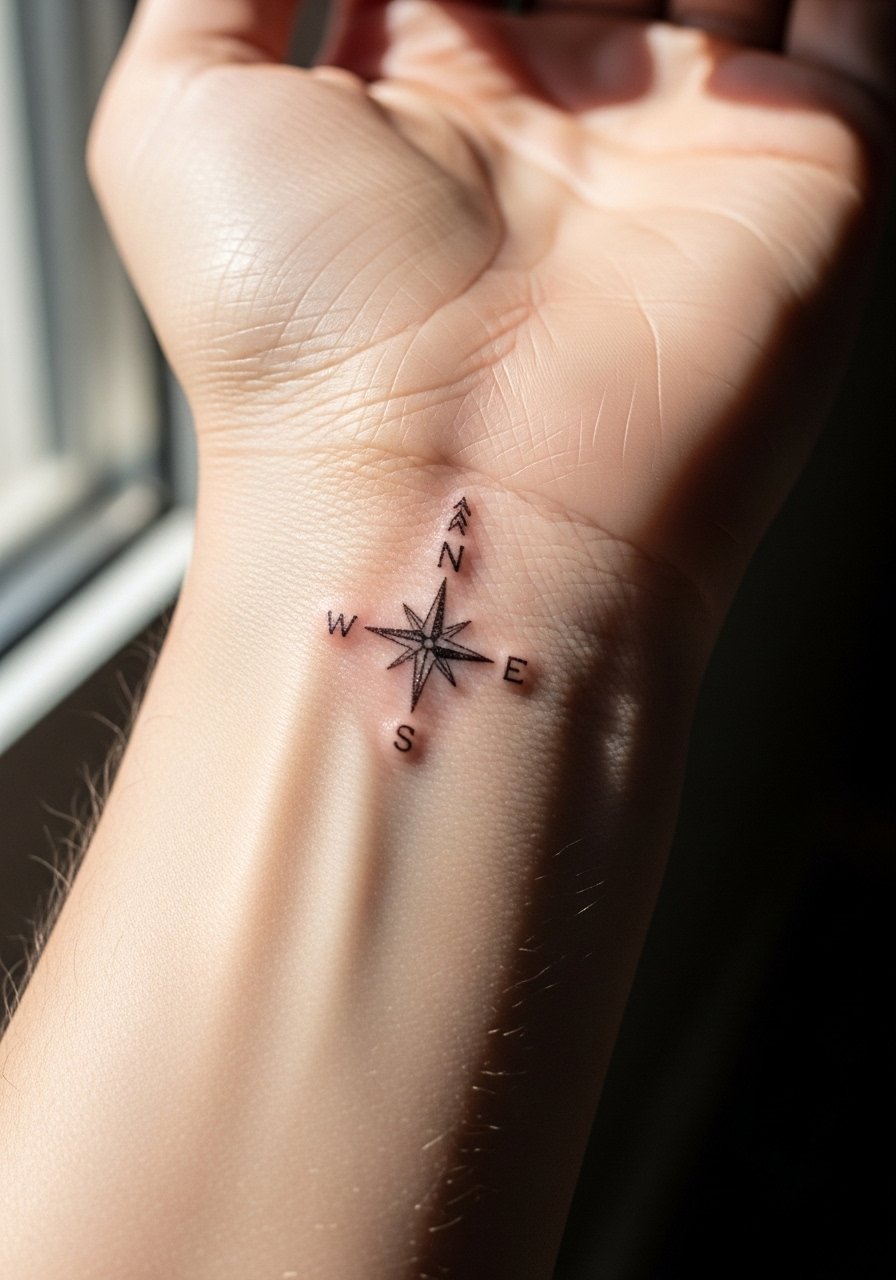
Micro compass pieces are a classic directional symbol that work well at wrist-adjacent areas. Tell the artist to keep the distance between cardinal points wide enough for the needle to place pigment without overcrowding. Small compasses on wrists face more abrasion from jewelry and handwashing so consider a slightly bolder center pivot. For showing off, a thin chain pendant necklace sits above a wrist script without competing.
14. Single-Contour Continuous Line Face Along Forearm
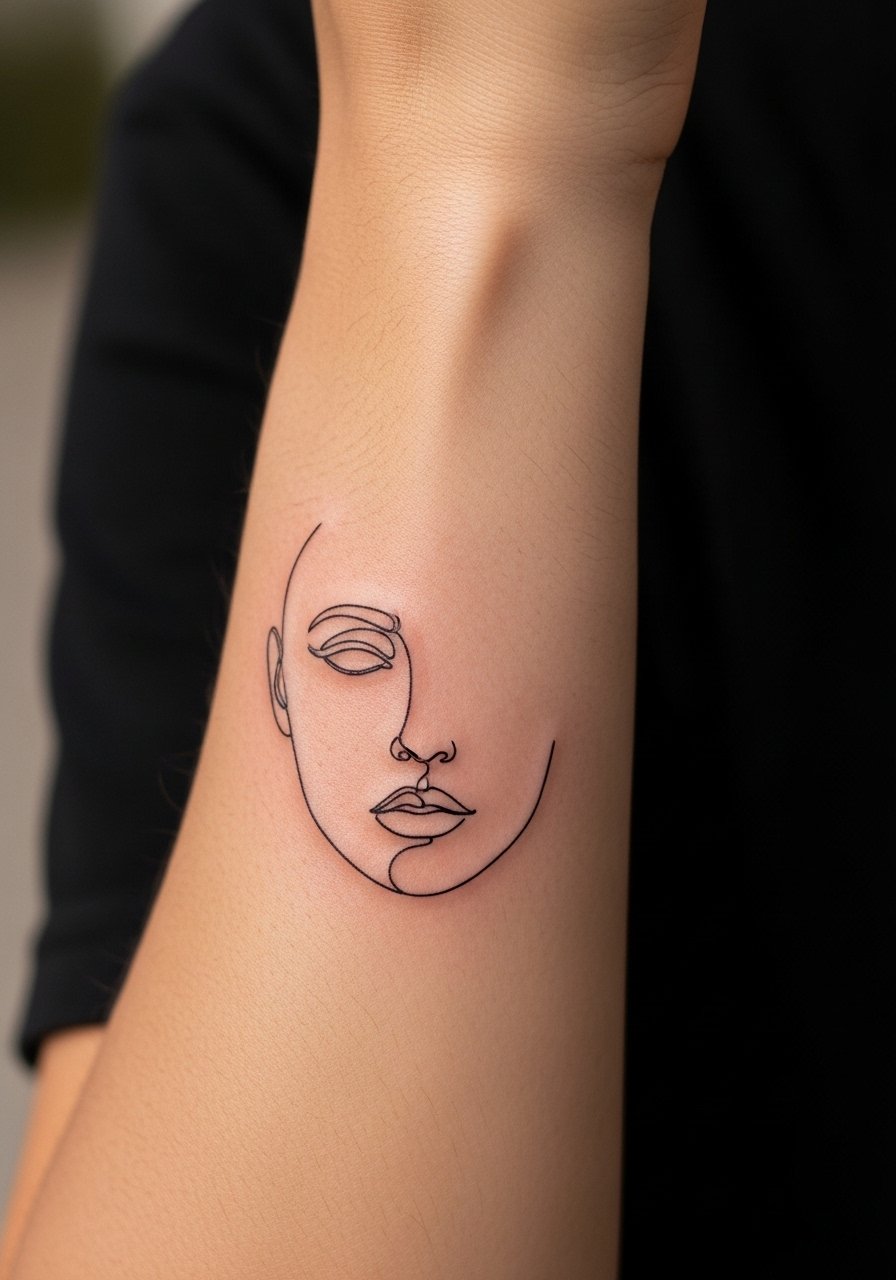
Continuous single-line portraits read modern and minimal, but they need intentional spacing so features do not collapse together. Ask your artist to mark the point-to-point distances on the stencil so you can approve how a nose or eye will sit once healed. The inner forearm keeps these lines clearer than the outer wrist. A common error is shrinking the design to fit a trim sleeve, which causes key features to merge after a year. Session pain is low and many artists do this in one sitting.
15. Tiny Wave Crest at Wrist-Adjacent Spot
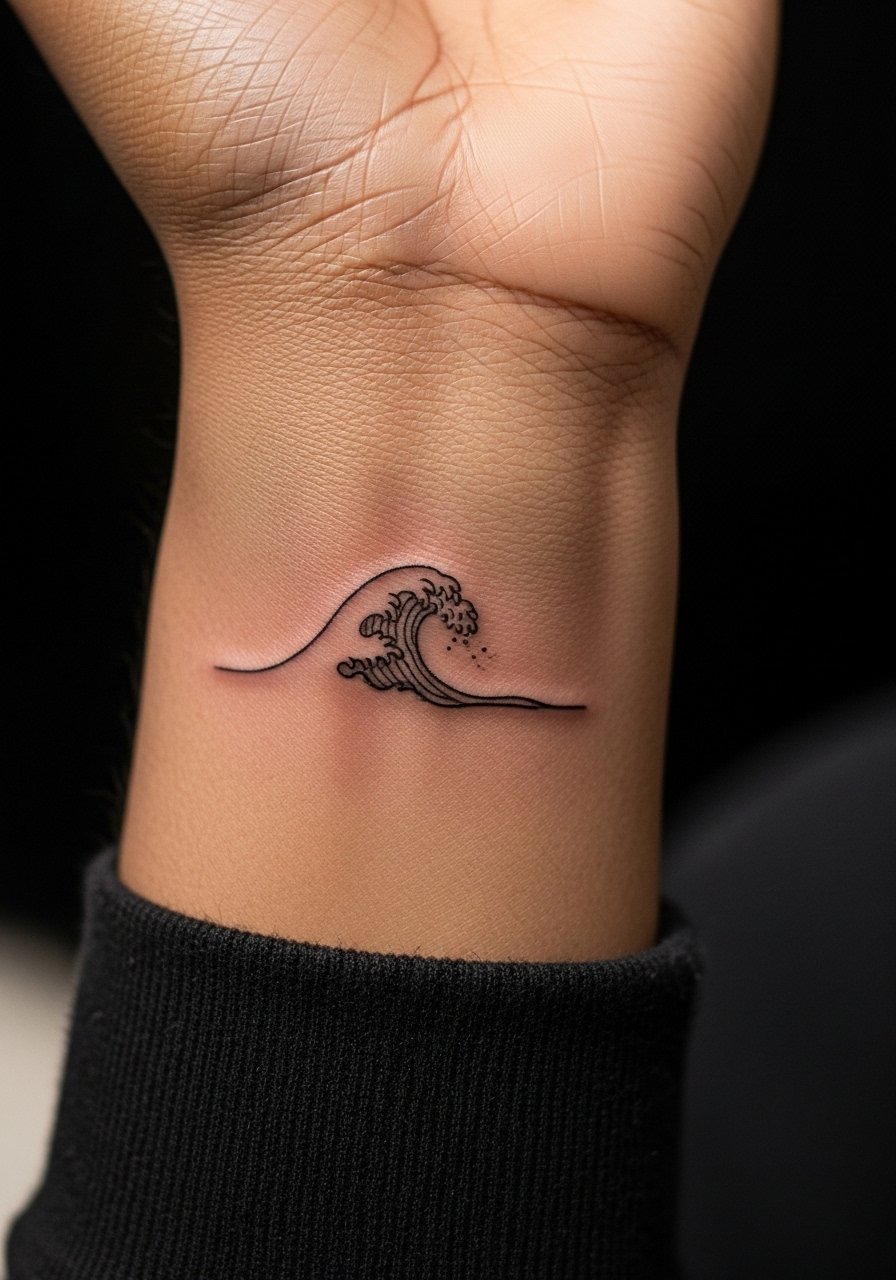
A tiny crest works well where you want a hint of motif without a full wrap. Request a slightly thicker crest tip so the curve reads when the small detail experiences daily friction. The wrist area takes extra care in the first week due to repeated movement and washing. For a relaxed look, wear rolled sleeves or pair the wrist piece with a thin minimalist watch on the opposite arm.
16. Stacked Semicolons or Minimal Symbols Up the Forearm
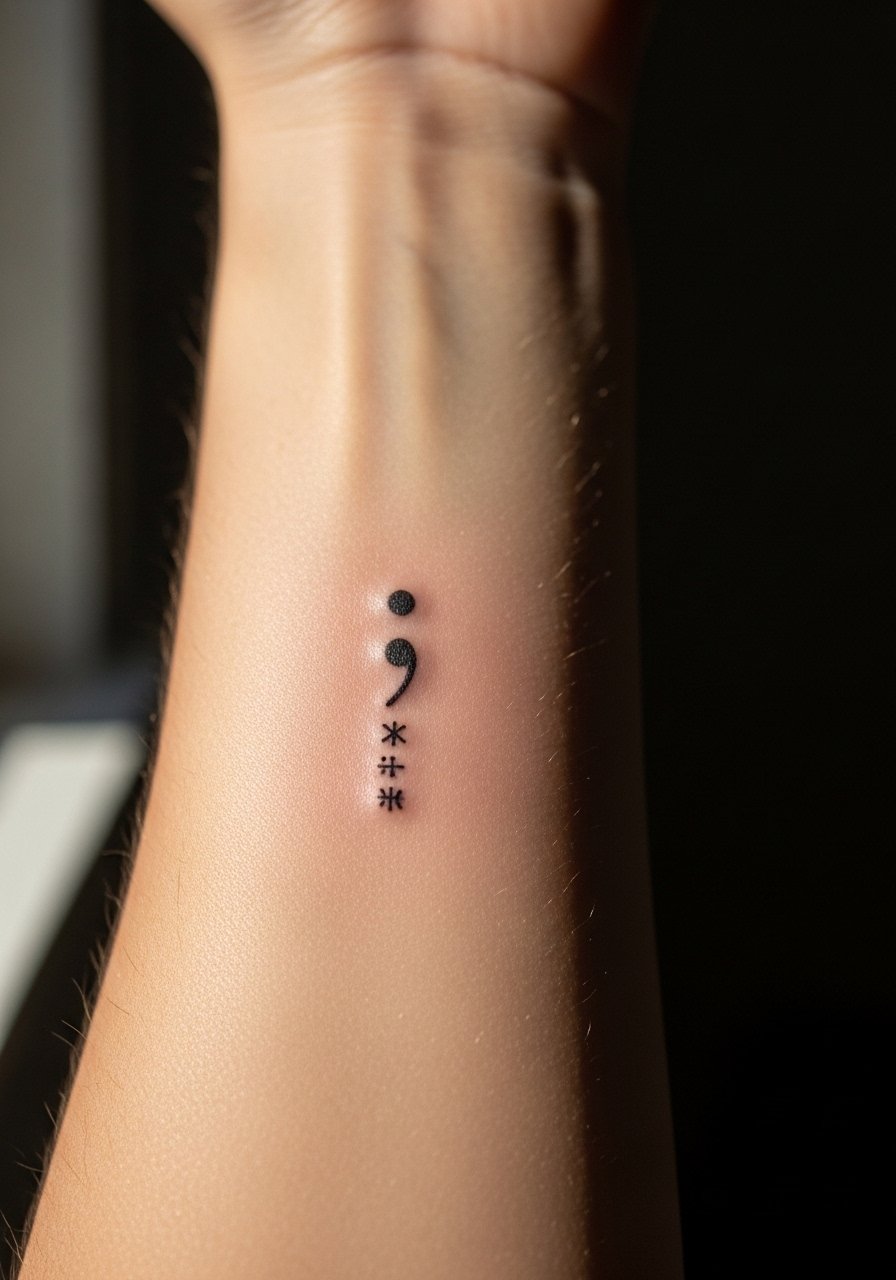
Stacked micros are a neat way to combine a few small meanings without a single large image. Ask the artist to keep at least three to four millimeters between marks so each symbol stays distinct as the skin shifts. A common mistake is pushing too many symbols into a one-inch column. These are low-pain and easy to hide under sleeves during healing. For session comfort, a loose button-down shirt you can pull aside is ideal.
17. Abstract Linework Band as a Forearm Bracelet
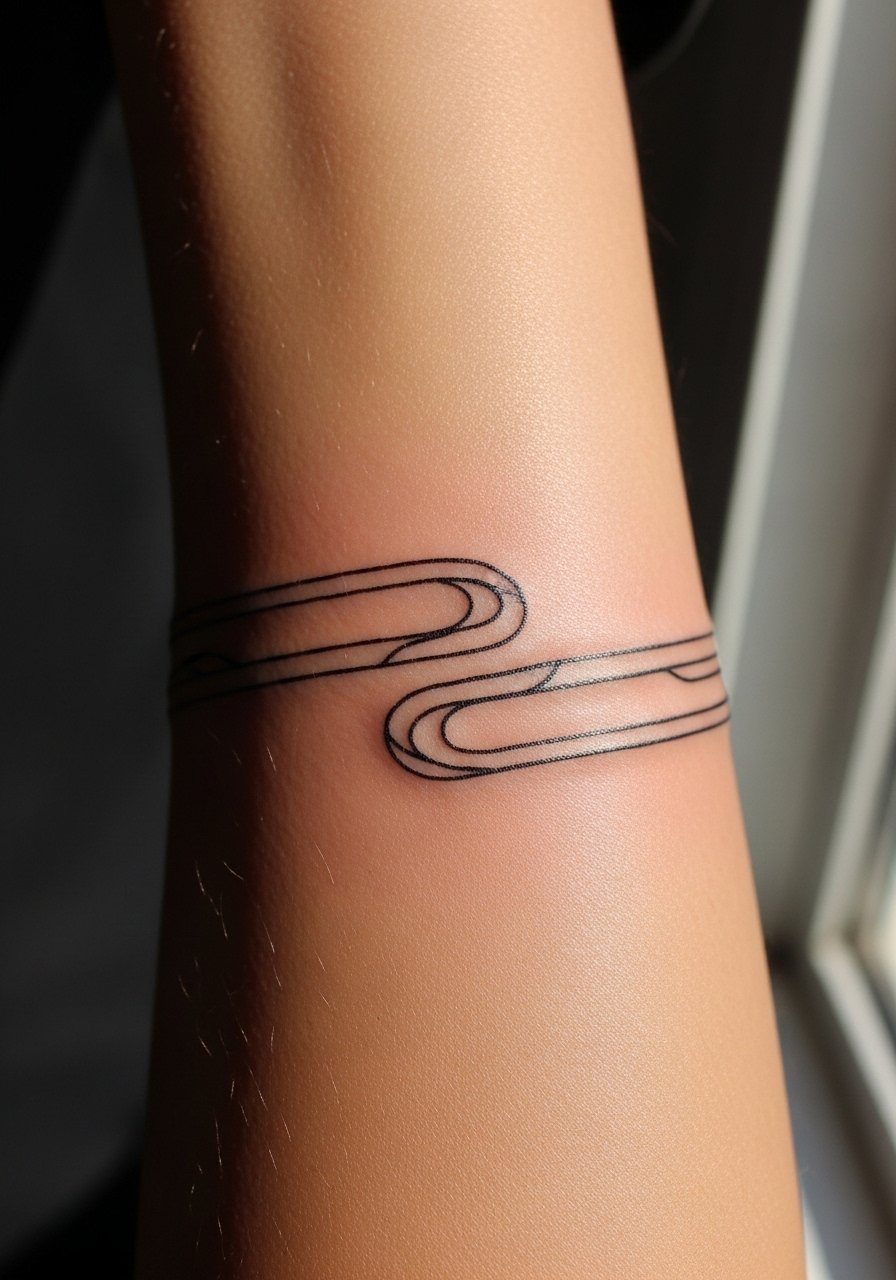
Abstract bands can mimic jewelry and read like a permanent bracelet when placed just above the wrist. Request intermittent breaks in the band so the negative space keeps the band from becoming a solid line that blurs into a band of saturation. Watch bands, watches, and repeating sleeve seams can rub fresh bands, so plan clothing accordingly. For discovery, search #finelinetattoo and Booksy for guest spots that photograph healed bands well.
Frequently Asked Questions
Q: Will fine line forearm tattoos fade faster than bold work, and what should I expect?
A: From what I have seen, fine line pieces can soften sooner than saturated blackwork because single-needle channels sit shallower. One camp argues they fade faster on sun-exposed arms. The other camp says correct depth and spacing prevent early blurring. Expect touch-ups around year one to three depending on sun exposure and friction.
Q: How should I prepare clothing for a forearm session with inner and outer placements?
A: Wear something that gives the artist clear access to the exact forearm zone. For inner forearm pieces, a loose tank or a loose button-down shirt you can pull aside is ideal. For outer forearm work, a short-sleeve tee keeps the area reachable without tugging.
Q: Do certain skin tones affect fine line visibility and touch-up needs?
A: Different skin tones interact with single-needle work differently. On medium and darker tones, slight adjustments in line weight and spacing help fine lines hold longer. If you have olive or dark skin, discuss single-needle experience with artists who post healed work on similar tones and plan for a possible touch-up at one year.
Q: If I want a small script, how do I avoid it stretching or looking odd when I flex?
A: Ask the artist to place the script following muscle flow and to test the stencil while you flex so letters sit naturally. Curved baselines work better than rigid vertical lines when the arm moves. Avoid tiny, ornate fonts in narrow spaces.
Q: Can I wear jewelry while my forearm fine line tattoo heals, and what should I avoid?
A: Avoid tight bracelets or watches that rub the fresh piece for the first two weeks. If you want to style the tattoo during the second month, thin chains and bangles are fine because they do not exert constant friction. Keep anything that presses into the skin away from the fresh tattoo.