
Fine line forearm pieces look effortless on saved boards, but what holds up over time is less about the design and more about placement and line spacing. Forearms move, rub against sleeves, and sit in sunlight more than people expect, so scale and needle depth matter more than flash trends. Read on for 21 Virgo-themed forearm ideas that balance detail with longevity, and what to ask your artist in the consultation.
1. Minimal Virgo Glyph on Inner Forearm
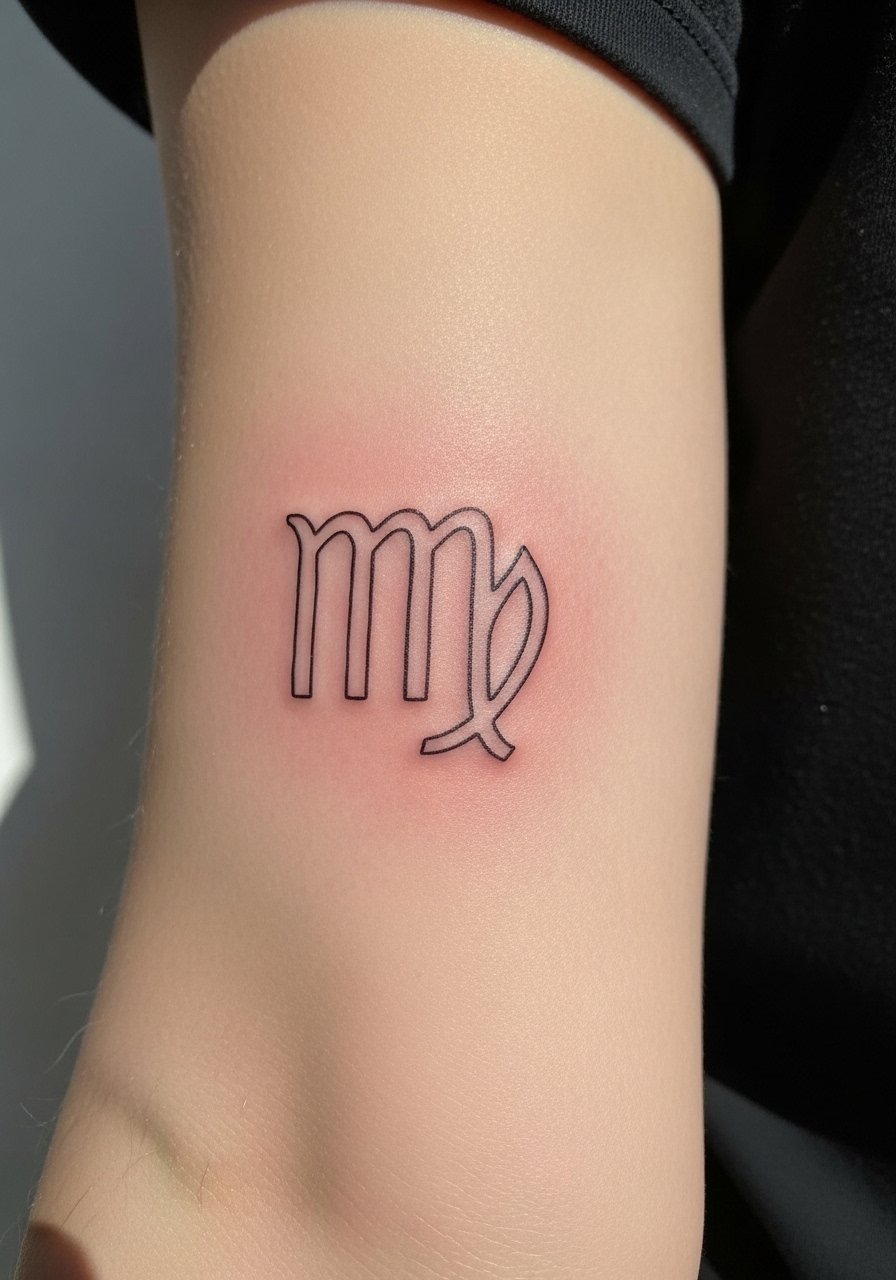
A tiny Virgo glyph drawn with clean single-needle linework reads like a quiet signature on the inner forearm. I recommend asking the artist for slightly heavier line weight than the thinnest option, because ultra-fine single-needle work tends to blur faster when exposed to sun and sleeve friction. Expect a quick session and mild soreness under the needle, with a likely touch-up around year two to three for most skin types. Styling-wise, rolled-up sleeves and a loose button-down shirt frame the glyph without overwhelming it.
2. Tiny Constellation Cluster Along the Forearm
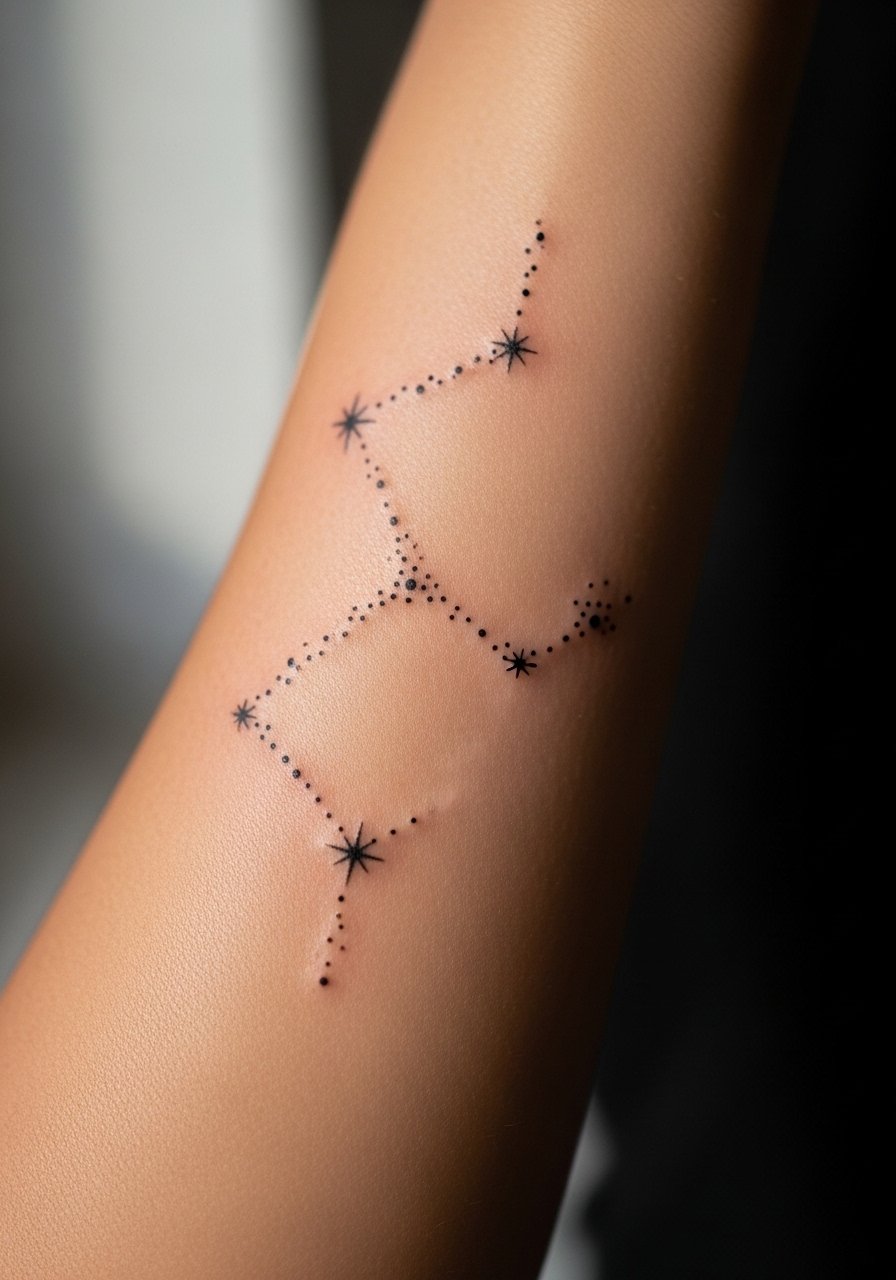
A delicate cluster of tiny stars arranged like the Virgo constellation uses dot work and micro-line spacing to suggest the sign without heavy black. Tell your artist you want negative space between the dots to preserve clarity over time. Common mistakes are packing the dots too close or scaling the stars too small, which leads to merging in two to five years. The session feels like repeated light pricks rather than long stretches of shading, so it is manageable for most people. Show this off with short-sleeve tees or a thin chain bracelet worn above the cluster.
3. Scripted Virgo Phrase Along the Forearm
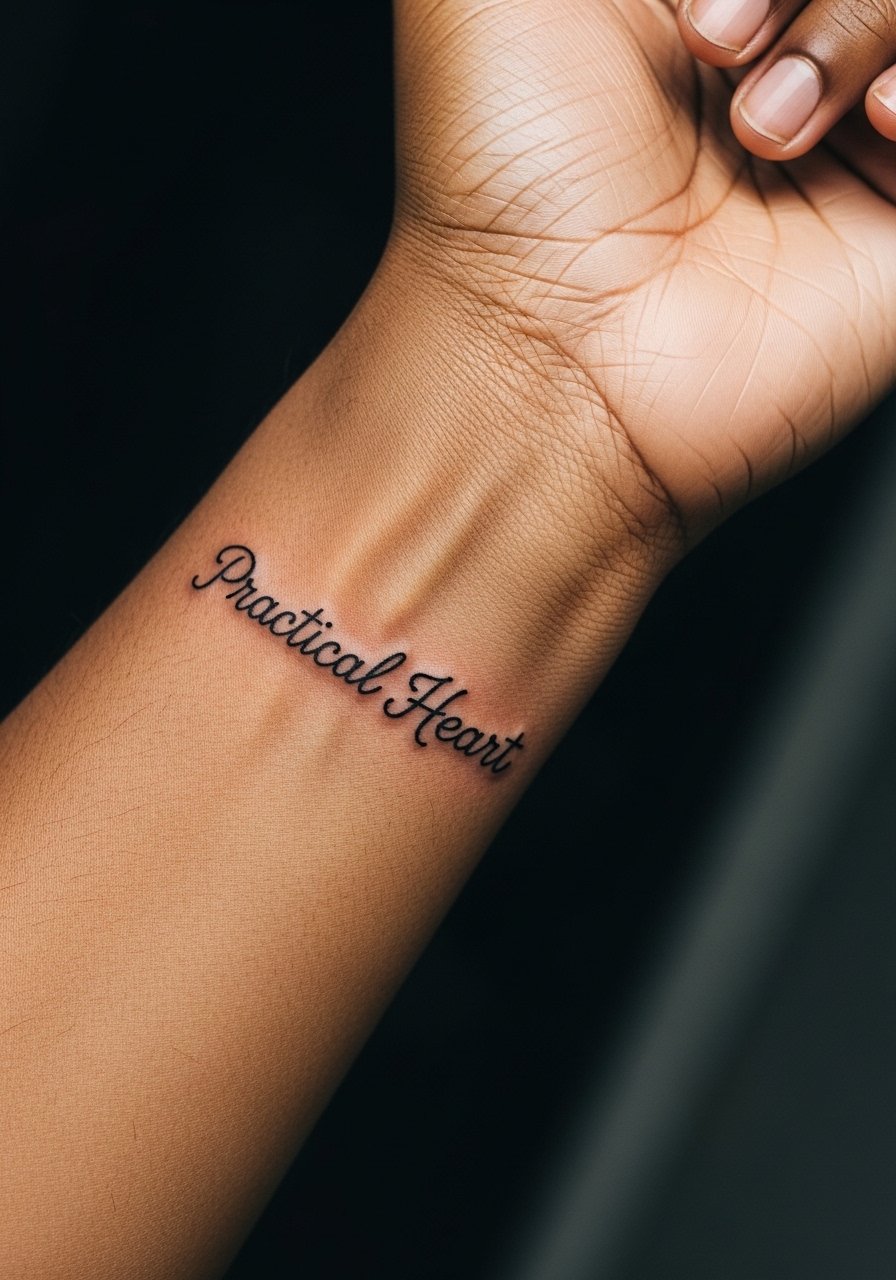
A short scripted phrase that captures Virgo traits can sit beautifully along the forearm. Bring exact lettering examples to the consult and request a stencil preview that sits on your skin for a few minutes so you can check flow before the needle hits. The biggest error is choosing tight cursive with lots of loops at a tiny scale, which blurs quicker than blockier scripts. Expect a single session of one to two hours and a touch-up window around year two if you prefer thin strokes. For session comfort, wear a short-sleeve tee you can roll up easily.
4. Botanical Virgo Sleeve Accent on Outer Forearm
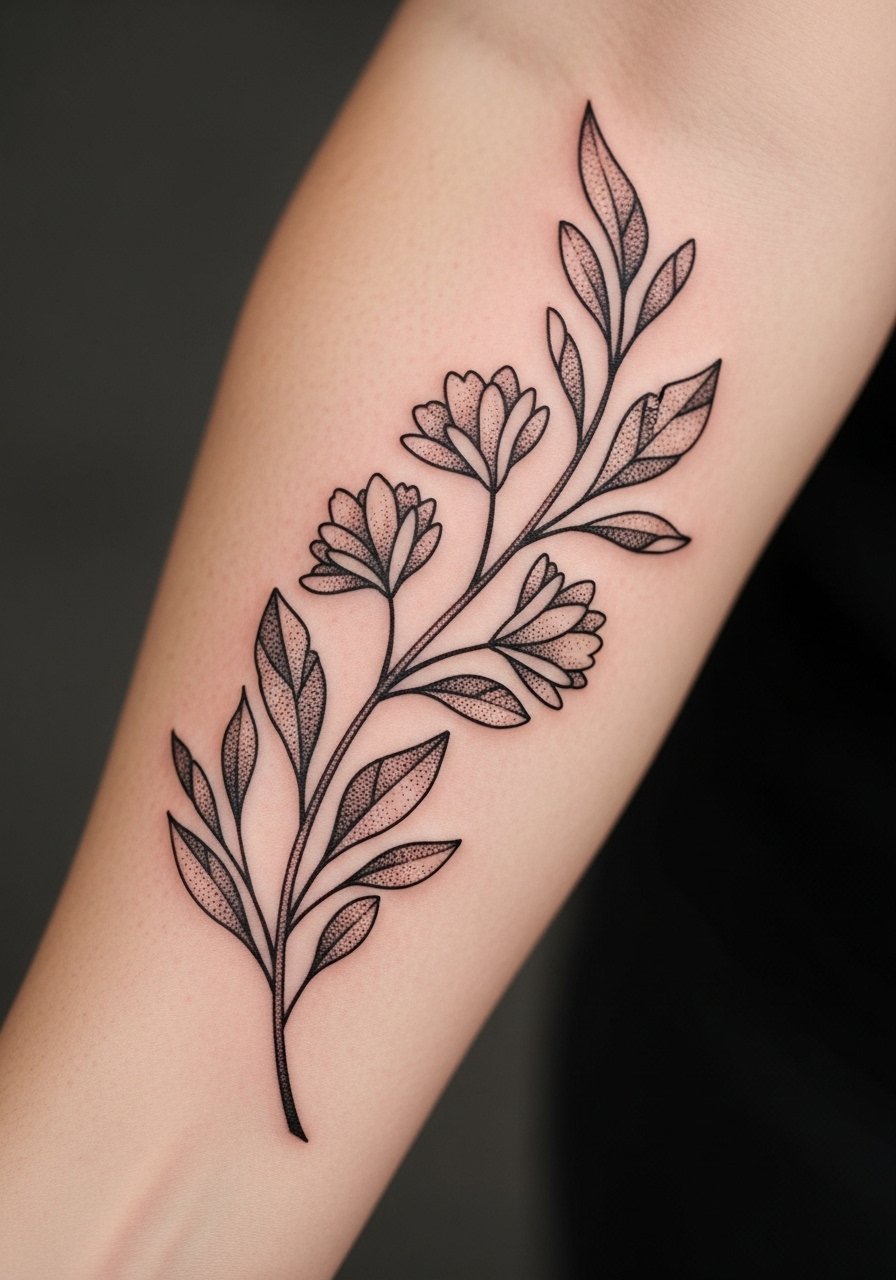
Botanical motifs pair well with Virgo themes because they read tidy and intentional. For an outer-forearm vine that looks composed in years, ask for stipple shading and negative space leaves instead of heavy solid fills. One camp favors dense blackwork for longevity, the other prefers airy stippling that keeps the design delicate. Name both viewpoints in your consult and ask the artist how they balance depth with spacing. This placement survives well with sun protection, and it looks great with rolled linen shirts or a casual blazer sleeve rolled once when you want to show it off.
5. Geometric Virgo Symbol on Top of Forearm
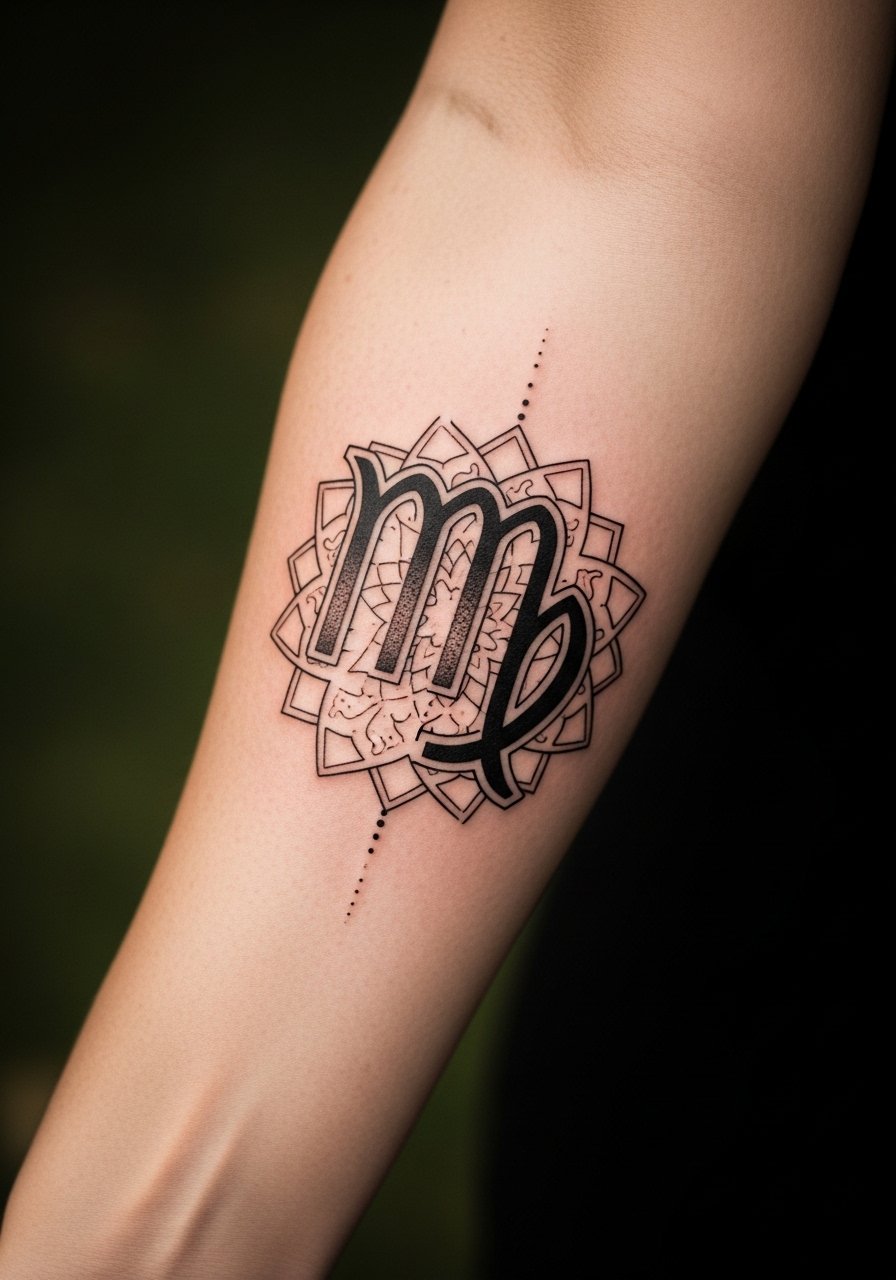
A geometric take on the Virgo glyph uses symmetry and spacing to stay readable. The consultation note is to ask for slightly wider spacing in dense mandala sections so small lines do not merge with healing. Artists split on whether tight geometry holds up on moving skin. State both sides and ask for examples of healed work in similar placement. Expect moderate pain as the top forearm is less fleshy, and expect a one to two hour session depending on complexity. Pair this design with short sleeves or a racerback tank to let the symmetry read cleanly.
6. Micro-Realism Virgo Maiden Portrait on Inner Forearm
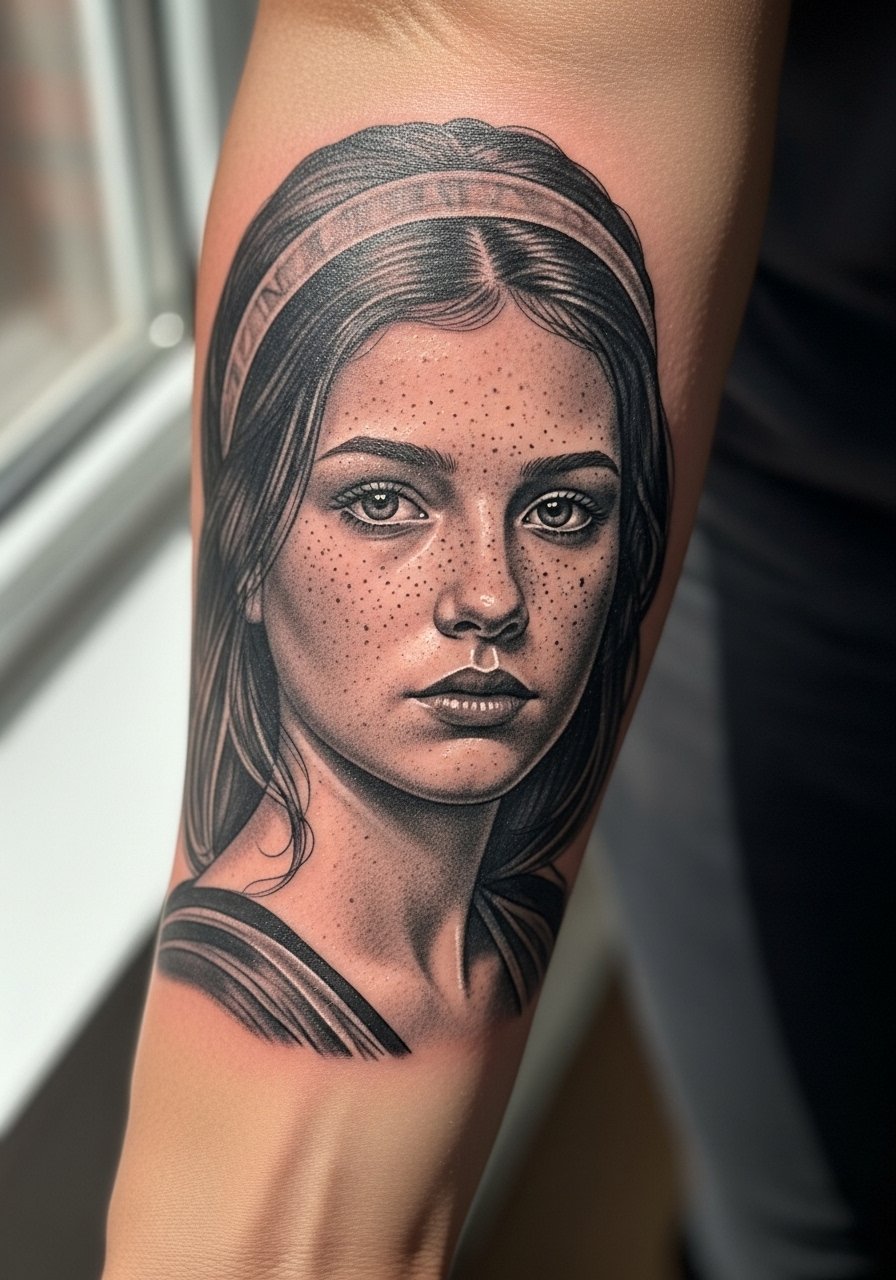
A tiny micro-realism portrait of the Virgo maiden requires an artist skilled in fine gradients and stipple shading. Tell your artist you want the focal detail slightly larger than the smallest thumbnail size so texture holds after healing. Common mistakes include over-compressing facial detail into too-small an area, which softens into blotchy shading over time. The session may take longer than expected because the artist needs to work carefully; expect sensitivity on the inner forearm. For the appointment, wear a loose button-down shirt you can pull aside to give clean access and avoid rubbing afterward.
Pre-Session Essentials
The inner forearm pieces and wrist accents above have different friction and sunlight exposure than larger sleeves, so a handful of items smooth out the session and the first week.
-
Stencil transfer paper kit. Lets you preview exact placement and size on the forearm, which is crucial for script and constellation work in the first six ideas.
-
Low-odor topical numbing cream. Eases the initial sting for inner-forearm portraits and dense stipple sessions without smearing stencil lines.
-
Disposable protective film roll. Useful for wrist and lower-forearm pieces that face constant washing and friction during the first few days.
-
Fragrance-free gentle body wash. Cleans the area without stripping the thin linework used in fine glyphs and script.
-
Aquaphor healing ointment. Apply a thin layer in the first days to keep fine line channels moist and reduce excessive scabbing for delicate forearm work.
7. Single-Line Virgo Symbol Along Wrist Edge
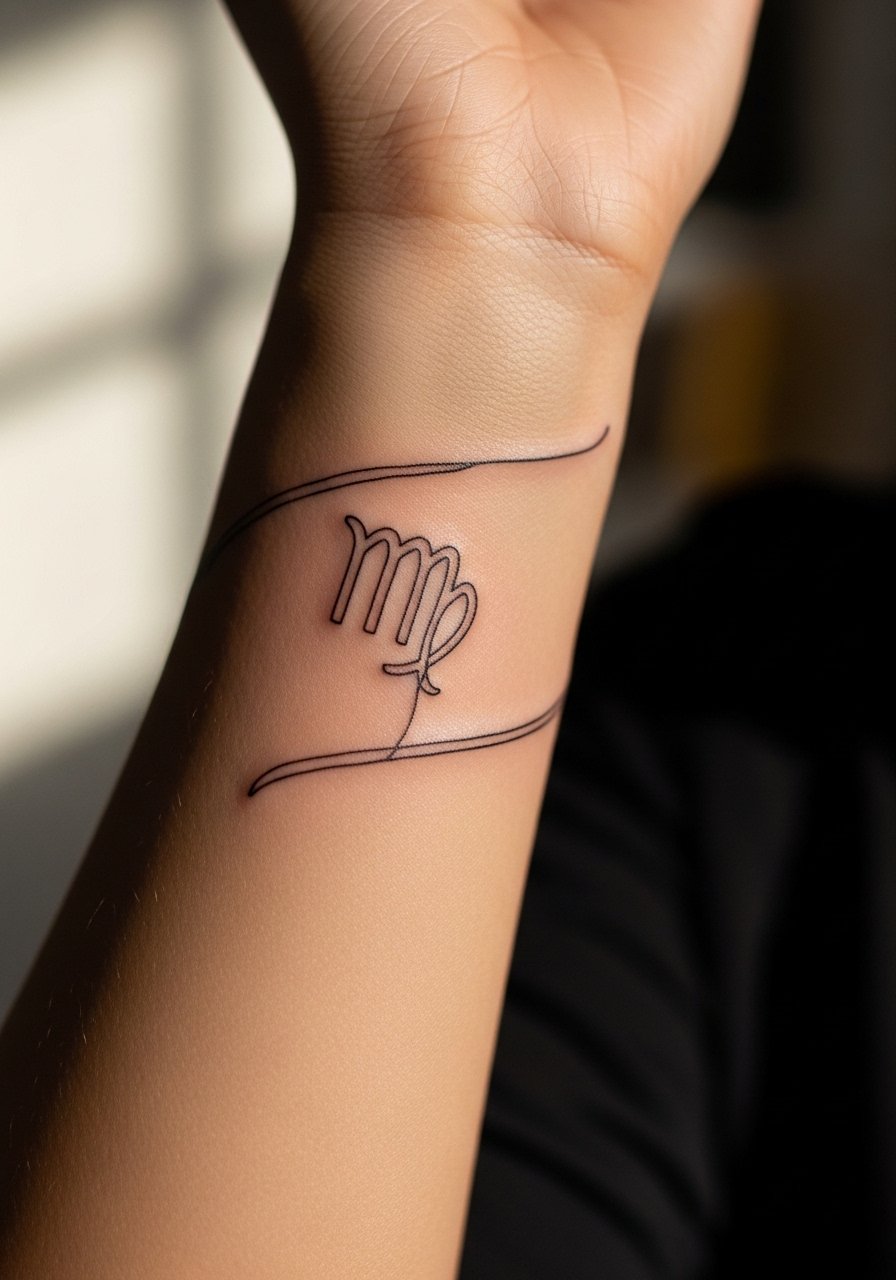
A continuous single-line glyph that skirts the wrist edge reads modern and minimal. Ask for a slightly bolder primary stroke so the shape remains legible when the thin tail softens. The wrist sees a lot of hand motion and washing, which increases the risk of fading and scabbing. The session is short, but plan for a possible touch-up in two to three years. For showing this off, stack with a minimalist watch rather than chunky bracelets, as heavy metal can rub the fresh lines during the healing window.
8. Virgo Constellation Bracelet Across Lower Forearm
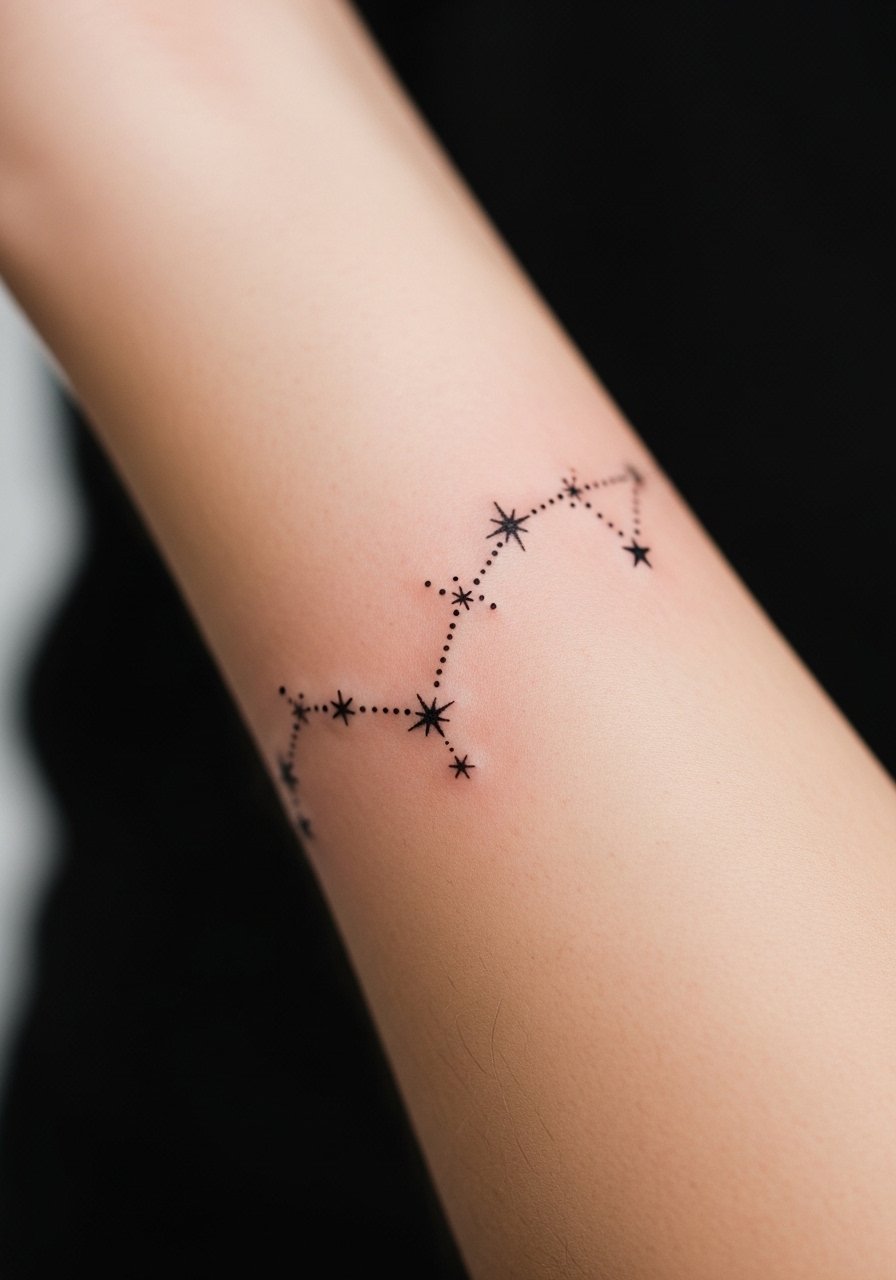
A constellation bracelet uses spaced dot work and small stars to suggest Virgo along the lower forearm. During consultation, ask the artist to map the dots around wrist creases to avoid placing detail directly on high-motion folds. A common mistake is running the design across the wrist crease, which speeds blurring. This style is low-pain but sensitive near the wrist bone. Pair it with rolled sleeve shirts or a delicate chain anklet worn on the wrist as cuff to keep attention on the tiny stars without crowding them.
9. Blackwork Virgo Symbol Framed by Geometric Lines
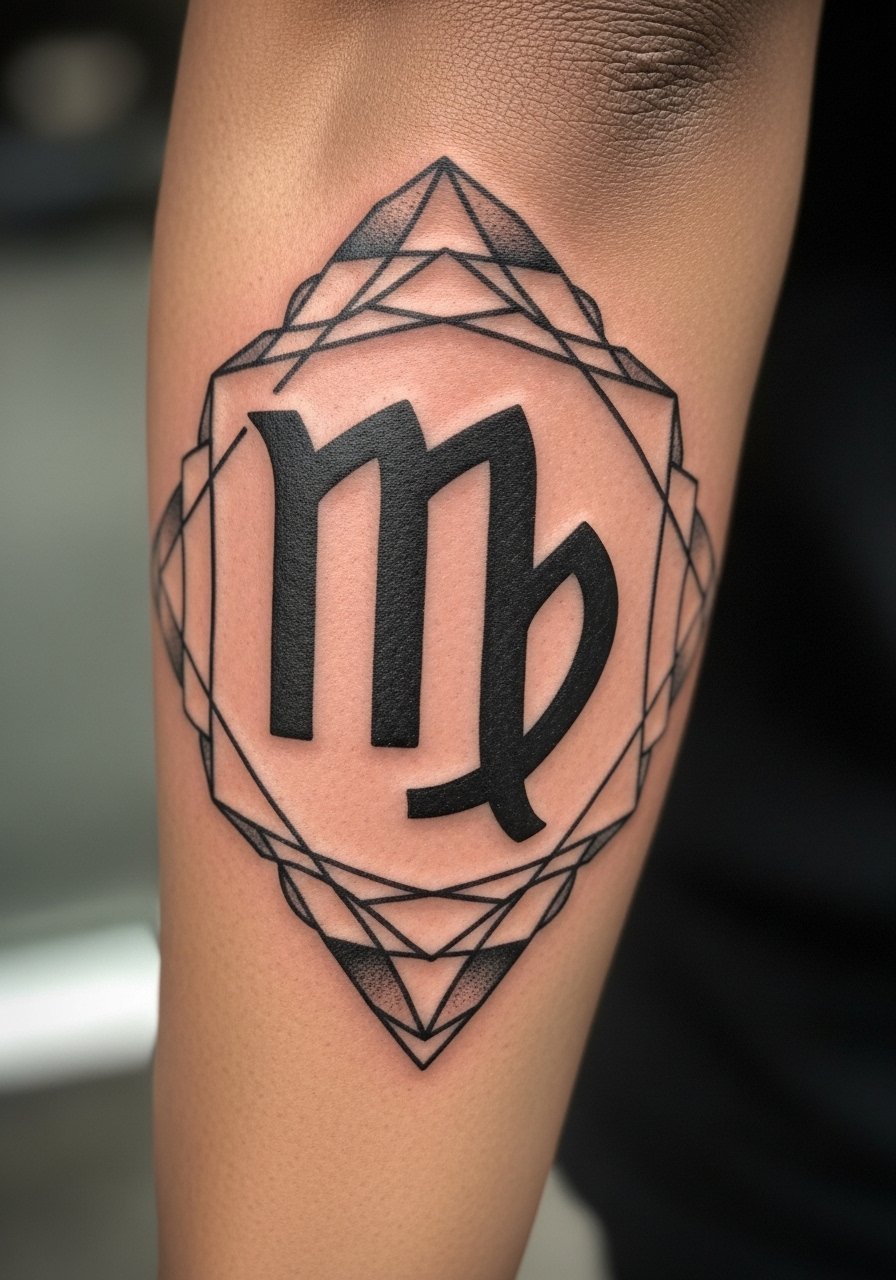
Bold blackwork glyphs framed by geometric lines age into a strong silhouette that reads from a distance. One advantage of saturation is longevity, because dense fills tend to hold better than ultra-fine strokes. The downside is heavier scabbing initially and a longer session time. Tell your artist you want clear negative space to prevent the framed geometry from becoming a block over time. Expect a higher saturation pain and a touch-up at the one to three year mark depending on sun exposure. This style pairs well with rolled blazer sleeves for evenings out.
10. Botanical Mandala Band on Top of Forearm
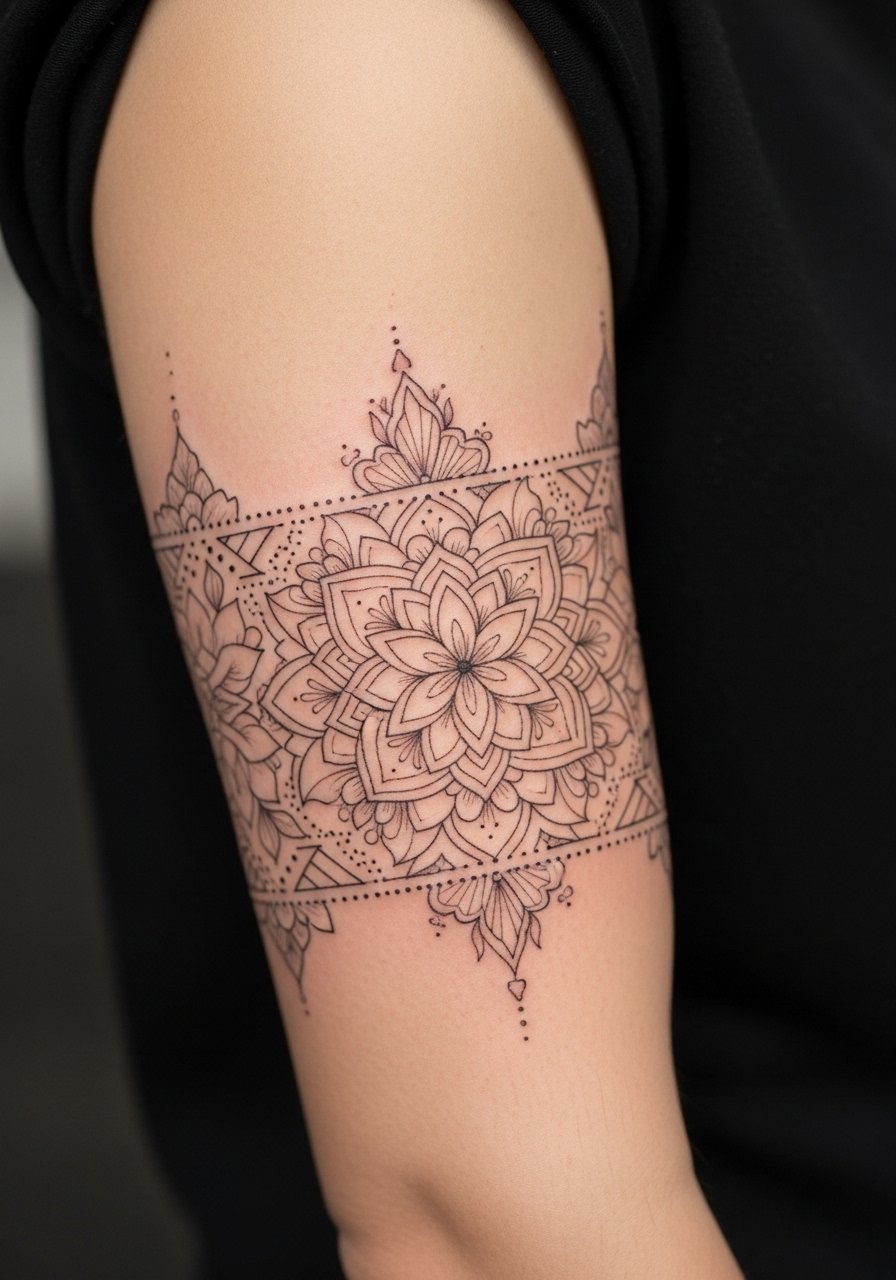
A mandala band that mixes botanical shapes with the Virgo glyph offers a balanced, ornamental look. Request that the artist leave breathing room between dense petals so the piece does not fill in as it heals. The top forearm endures moderate sun and clothing contact, so sunscreen is essential after healing. The session can run longer due to repetition of small motifs, and touch-ups are common where petals are packed tight. For wardrobe, a sleeveless linen top shows the band in a relaxed, seasonal way.
11. Single-Needle Script Name with Virgo Glyph Accent
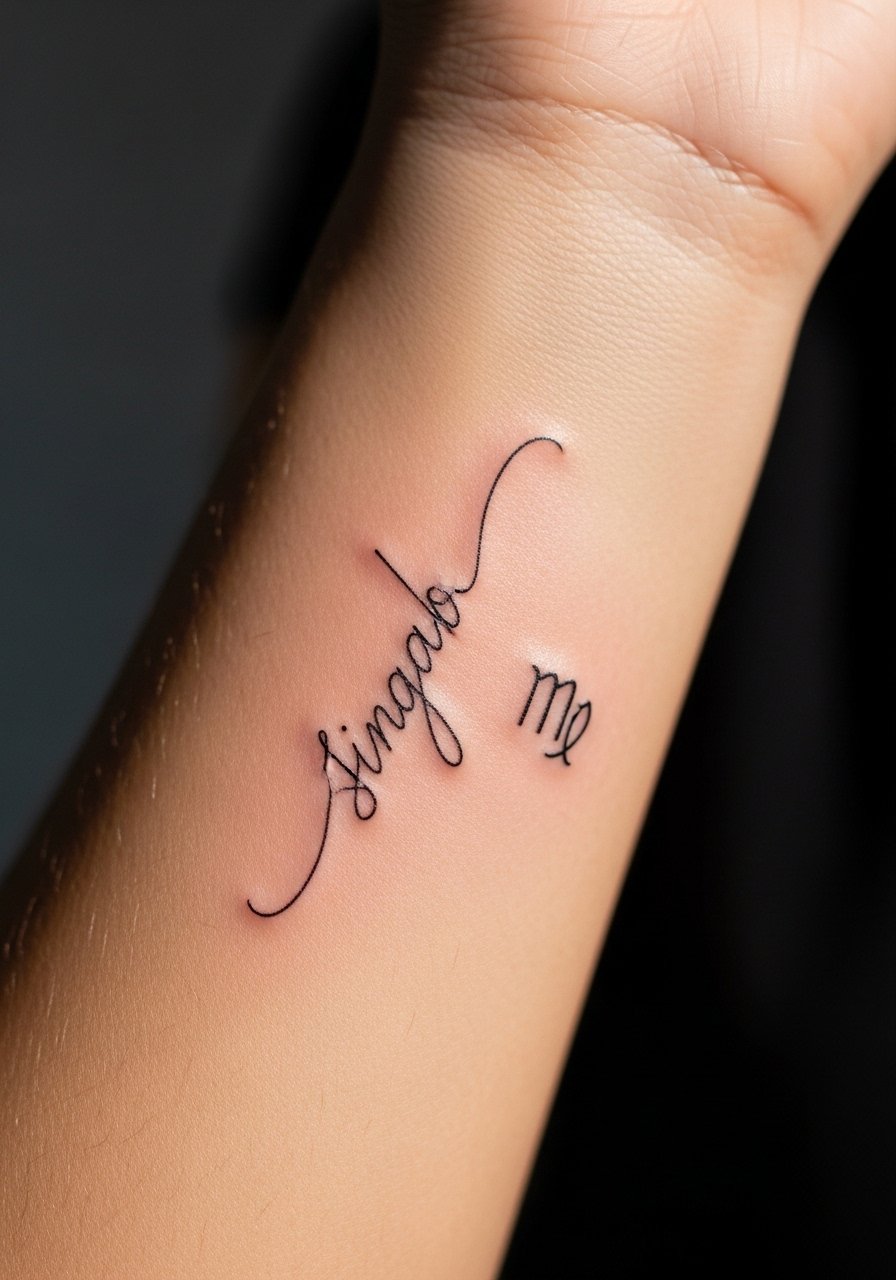
Pairing a name in single-needle script with a tiny glyph accent keeps the forearm look personal and understated. Ask the artist to space letters slightly wider than usual for readability after healing. A frequent error is taking an off-the-shelf cursive font too literally at small sizes, which can collapse into unreadable curls. Plan on a brief session, mild soreness, and a likely touch-up if you choose hairline strokes. For the appointment, a comfortable short-sleeve tee that you can roll up is practical.
12. Virgo Constellation with Tiny Planet Accents
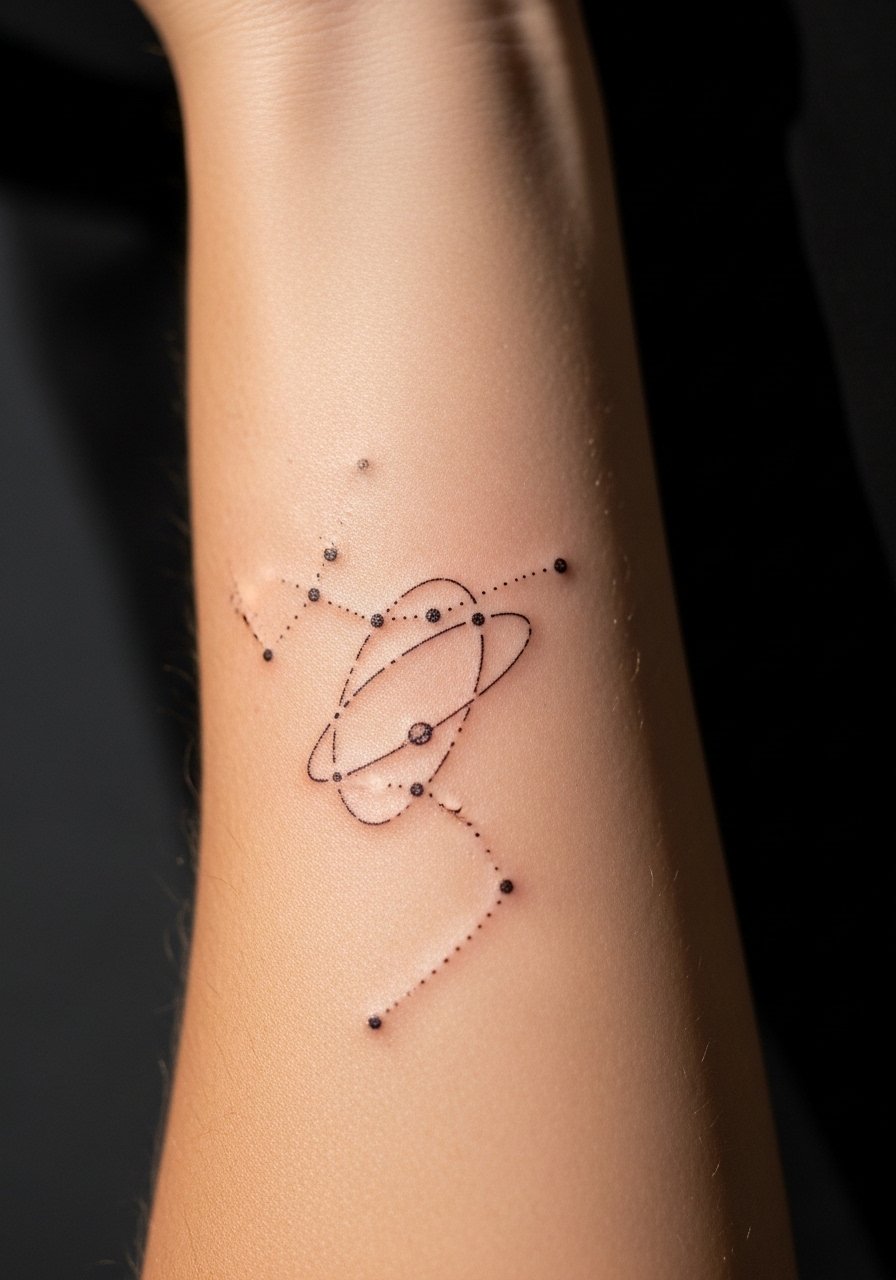
Adding tiny planet accents to a Virgo constellation creates depth without heavy shading. During consultation ask the artist to use varied dot sizes so the planets remain distinct at scale. A common mistake is making all dots identical, which loses the illusion of scale as the skin shifts with age. This tattoo is low on session time but higher on placement sensitivity near the wrist. Wear a loose sleeve shirt to the session to avoid pressure around the area afterward.
13. Linear Botanical with Virgo Glyph Hidden in Vines
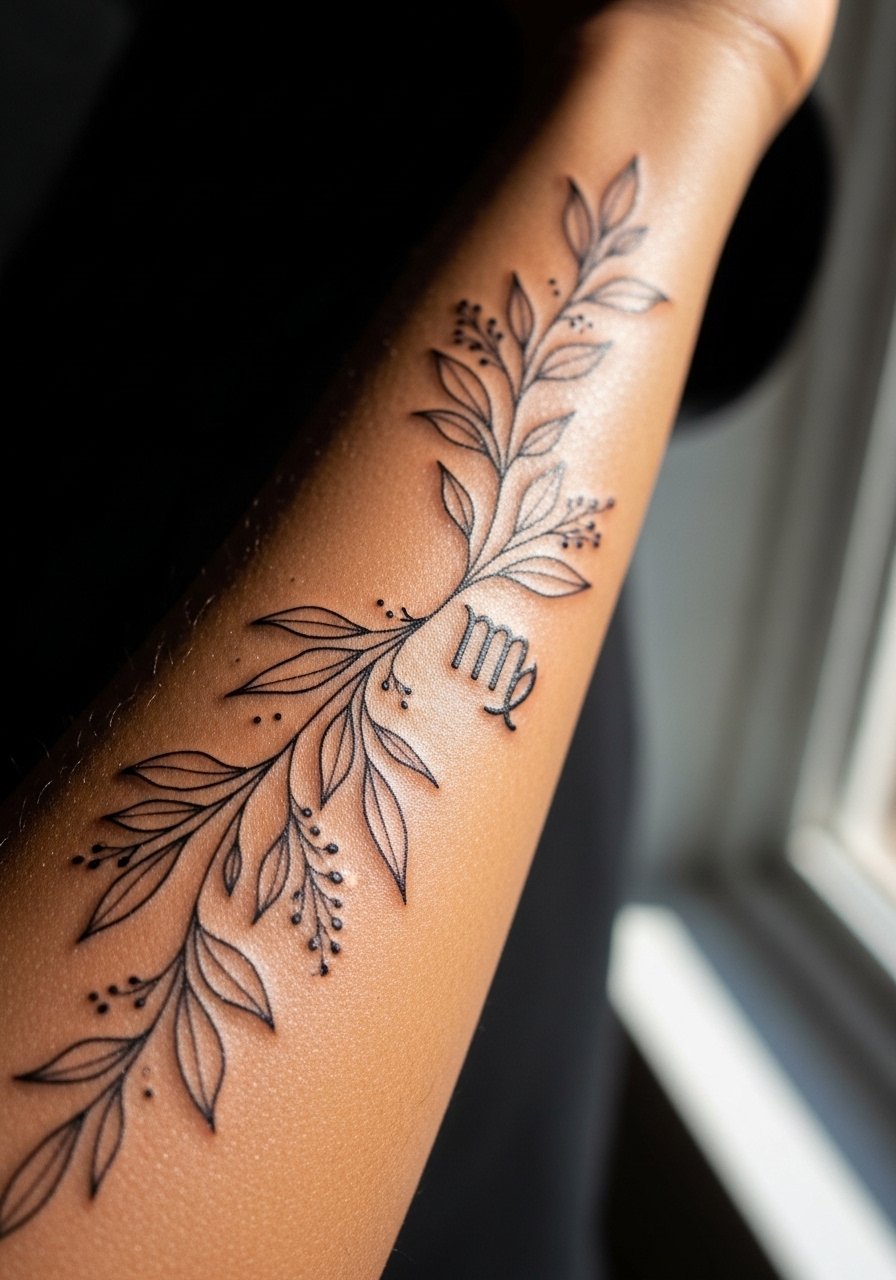
A hidden-glyph vine rewards a closer look and keeps symbolism private until you point it out. Tell the artist you want the glyph integrated through negative space rather than inked over with heavy black. The pitfall is over-ornamenting the vine which can obscure the glyph as lines spread. This placement ages predictably if leaves are spaced and shading is minimal. The session usually feels like light scraping for long stretches, and a touch-up may be required in three to five years for thin connecting stems.
14. Bold Script Virgo Word Along the Outer Forearm
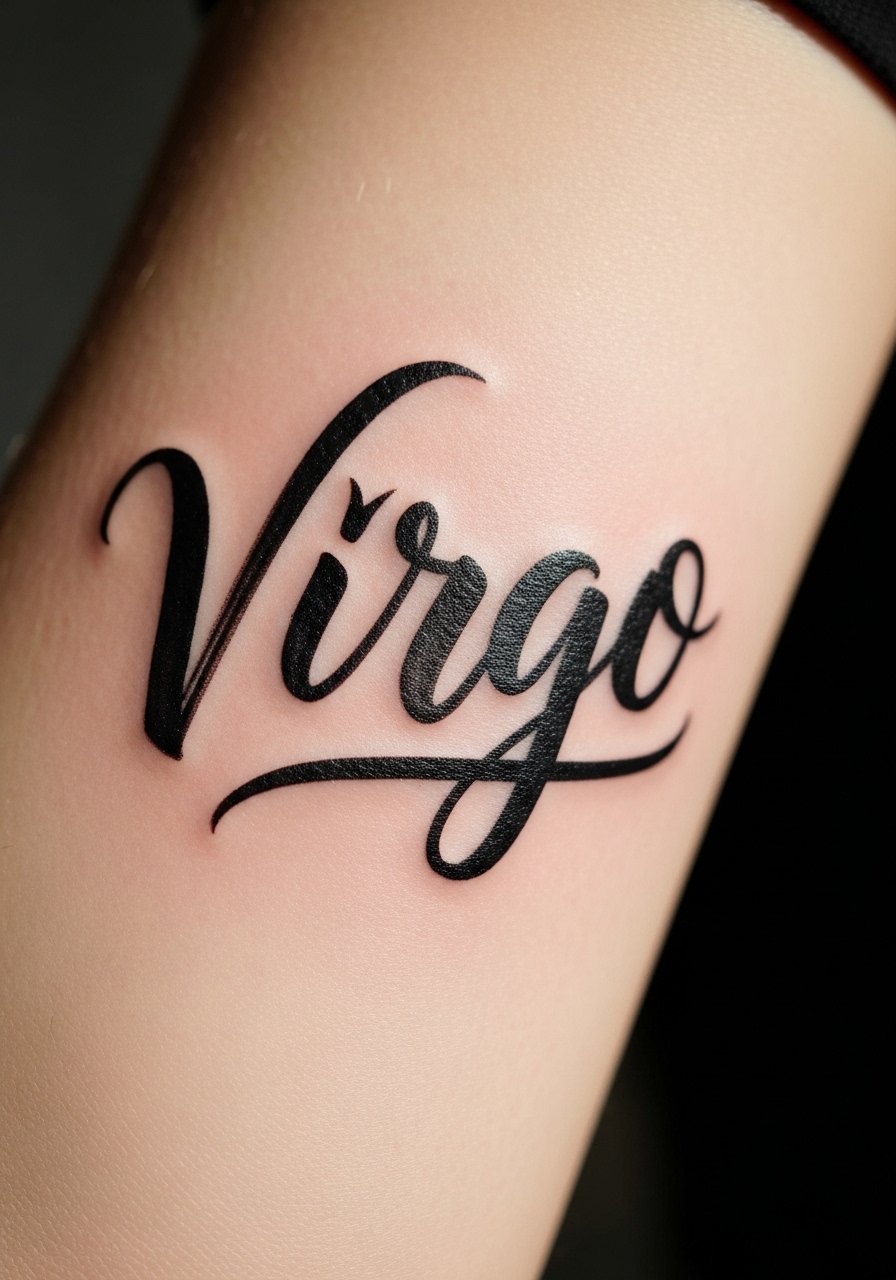
A bold script word gives a statement without intricate detail. Request a brush-style weight that reads well from a distance, because thin brush strokes can feather with time. The outer forearm tolerates heavier strokes and the result often ages gracefully if you protect it from sun. Sessions are shorter than portraits but longer than tiny scripts. Pair this look with a casual cuff bracelet rather than layered pieces, so the lettering remains the focus.
15. Delicate Vine and Glyph Interplay Near the Wrist
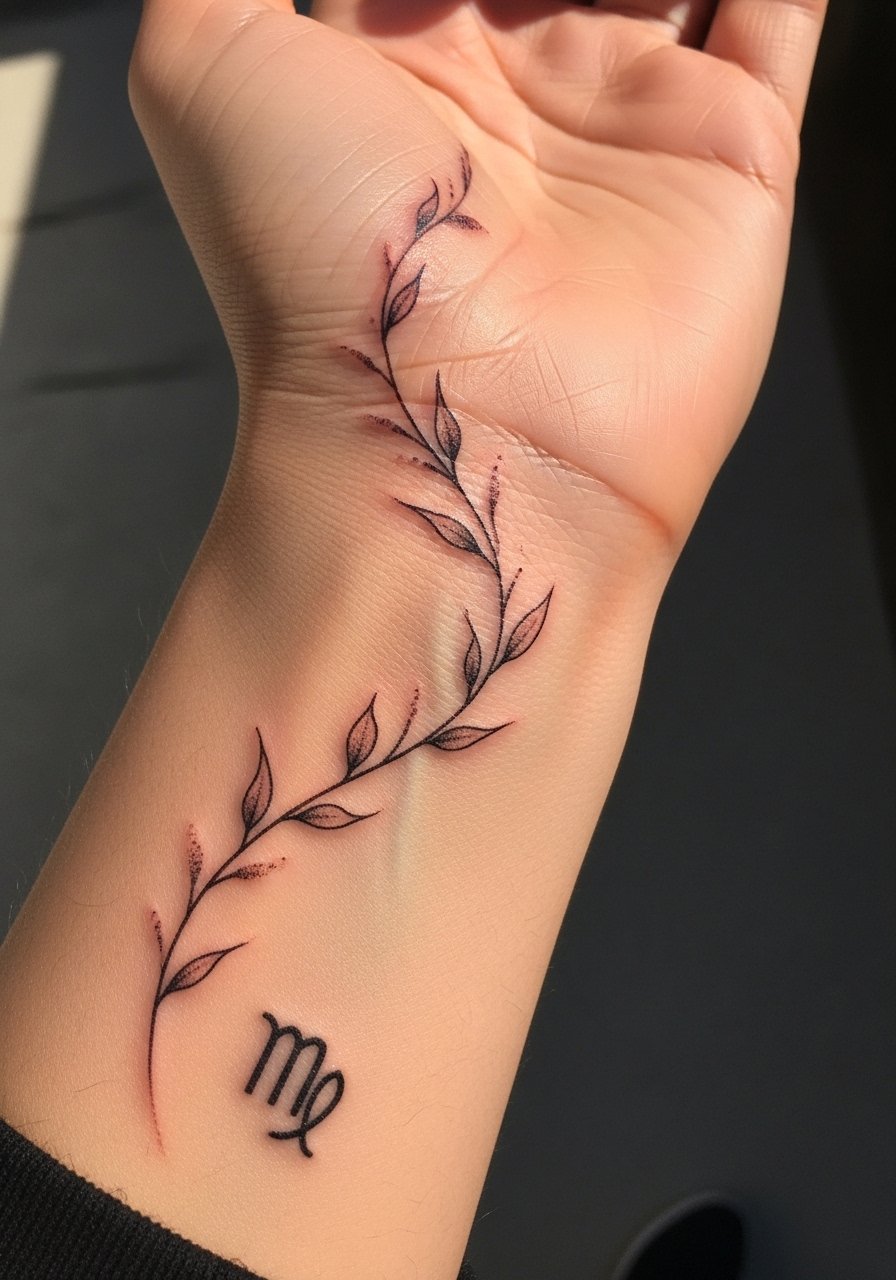
Placing an interplay of vine and glyph near the wrist needs careful mapping around creases. Ask the artist to avoid placing detailed elements directly on the wrist crease to reduce blowout risk. A typical mistake is running thin stems across high-motion zones, which leads to early blurring. Expect higher sensitivity and quick healing if you avoid tight bands or wrist jewelry for the first two weeks. For showing off, a delicate chain bracelet worn just above the vine complements the flow.
16. Negative Space Virgo Symbol with Thin Frame
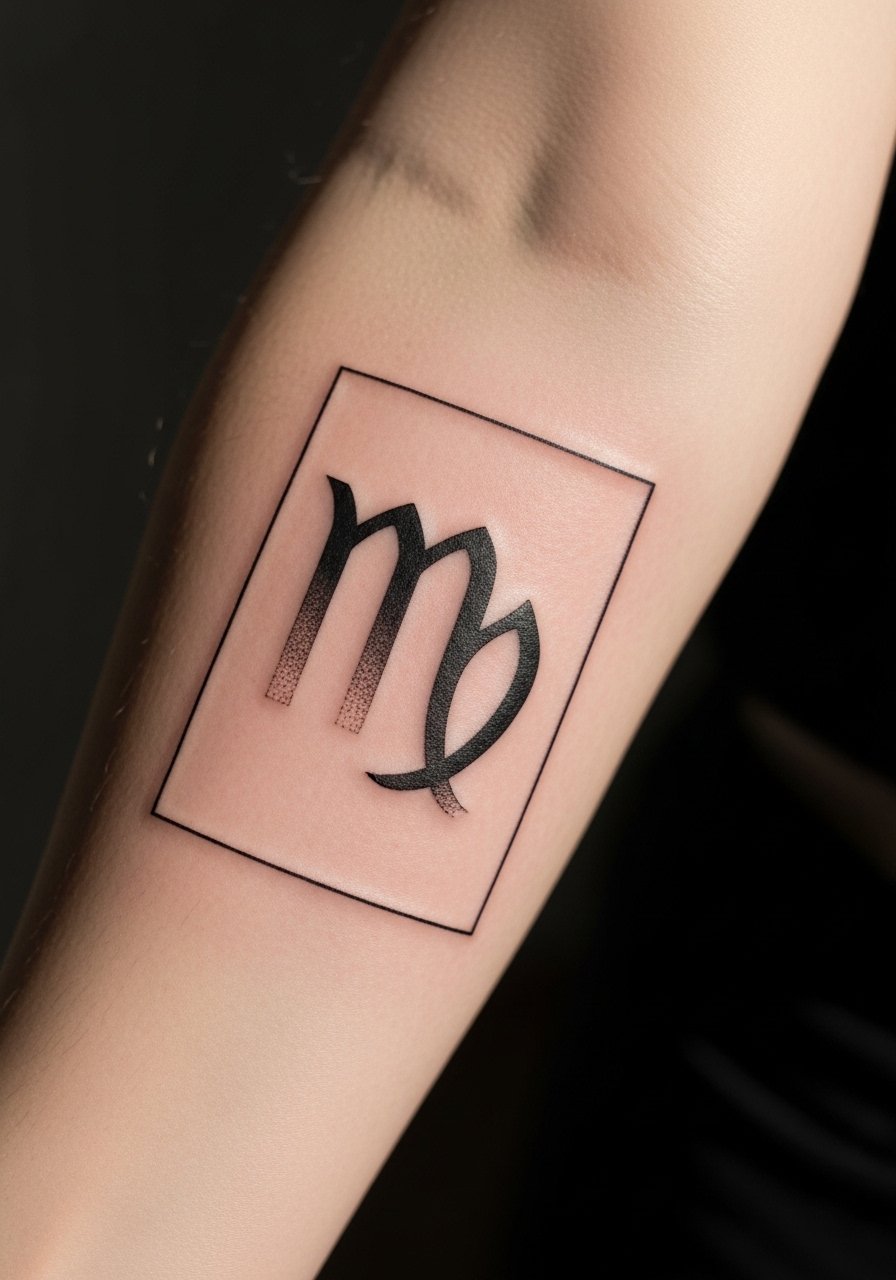
Negative space work relies on surrounding line clarity, so instruct the artist to keep the frame lines slightly thicker than the interior hairlines. The controversy among artists is whether negative space holds on moving skin. State both positions and ask for healed examples in similar placement. This piece typically has minimal pain and a straightforward session. Wear a rolled sleeve shirt to the appointment so the artist can access the area cleanly and you avoid rubbing the fresh frame.
17. Floral Script Wrap That Reads Along the Forearm
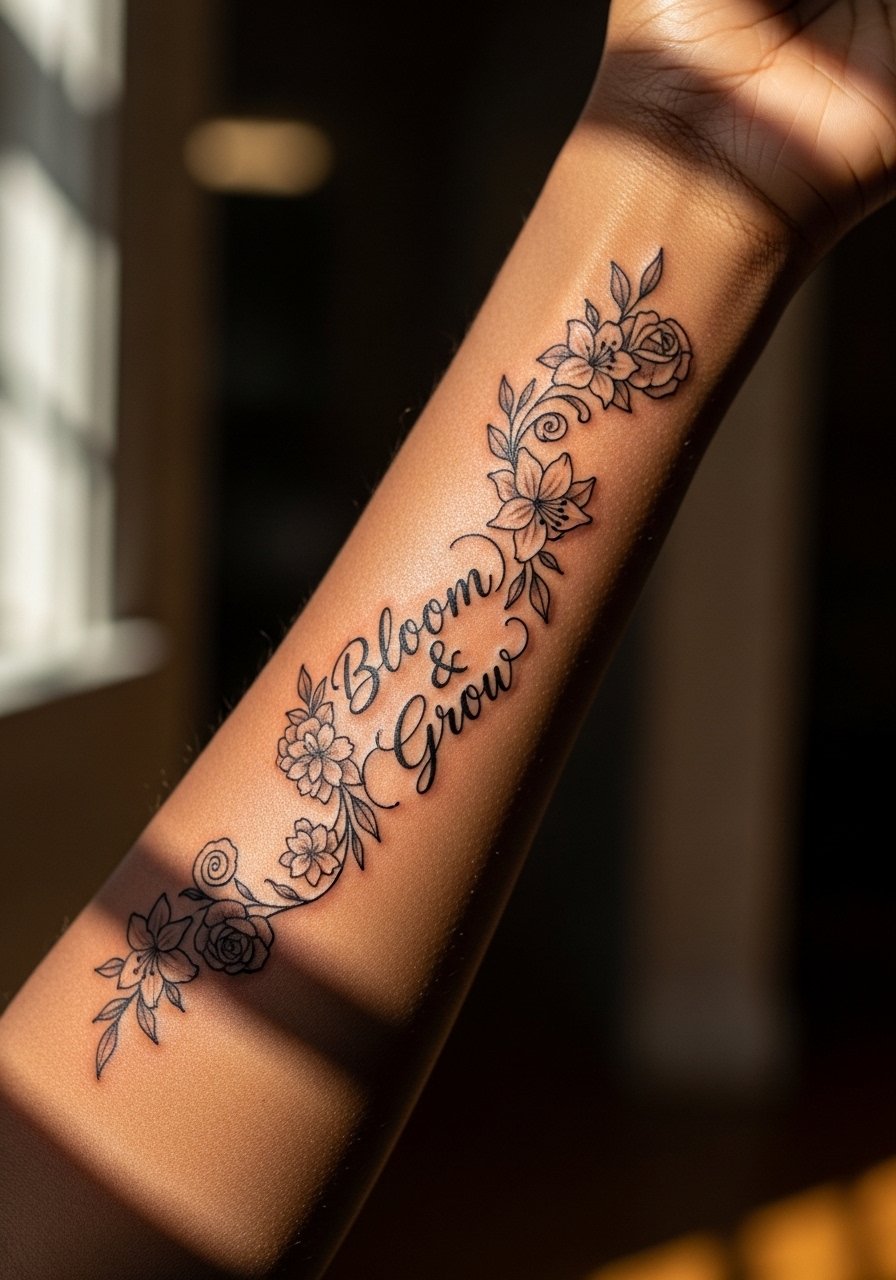
A floral script wrap combines botanical motifs with flowing type to create movement along the forearm. Tell the artist you want alternate spacing between florals and letters so both elements keep their identity over time. Overcrowding the florals is a frequent mistake that causes the text to become lost after healing. The session is medium length and feels like repeated small motions rather than long shading sweeps. This pairs nicely with a light linen shirt with sleeves rolled to highlight the flowing composition.
18. Fine Line Virgo Glyph Inside a Minimal Frame
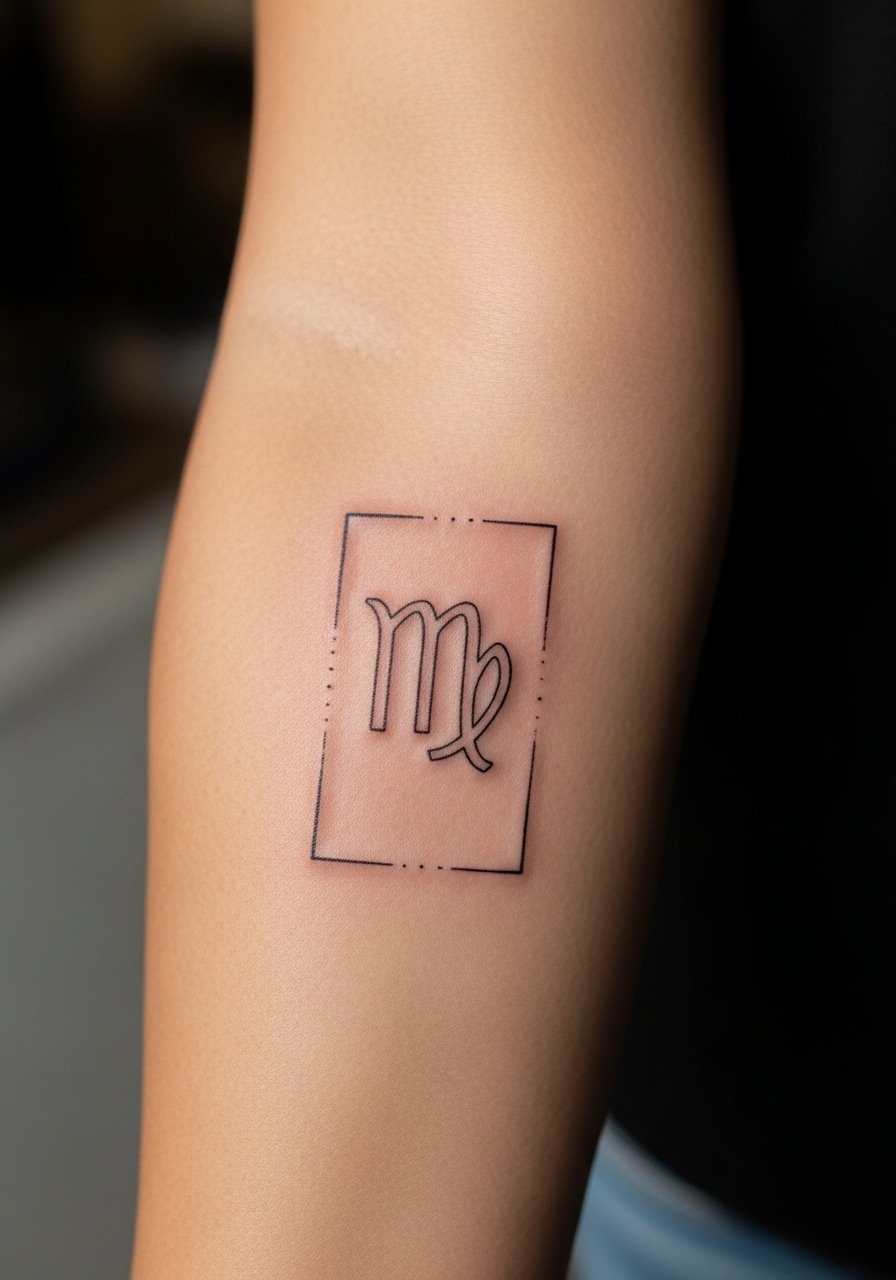
Framing a glyph subtly keeps the focus and adds structure for longevity. Ask your artist for a slightly wider gap between frame and glyph so the negative space remains crisp in a few years. A common issue is placing the frame too tight, which causes inner lines to blur together with time. Expect the session to be brief and mildly uncomfortable on the inner forearm. For session day, a crew-neck tee you can roll up works well to avoid fabric pressure.
19. Stipple-Shaded Virgo Maiden on Top of Forearm
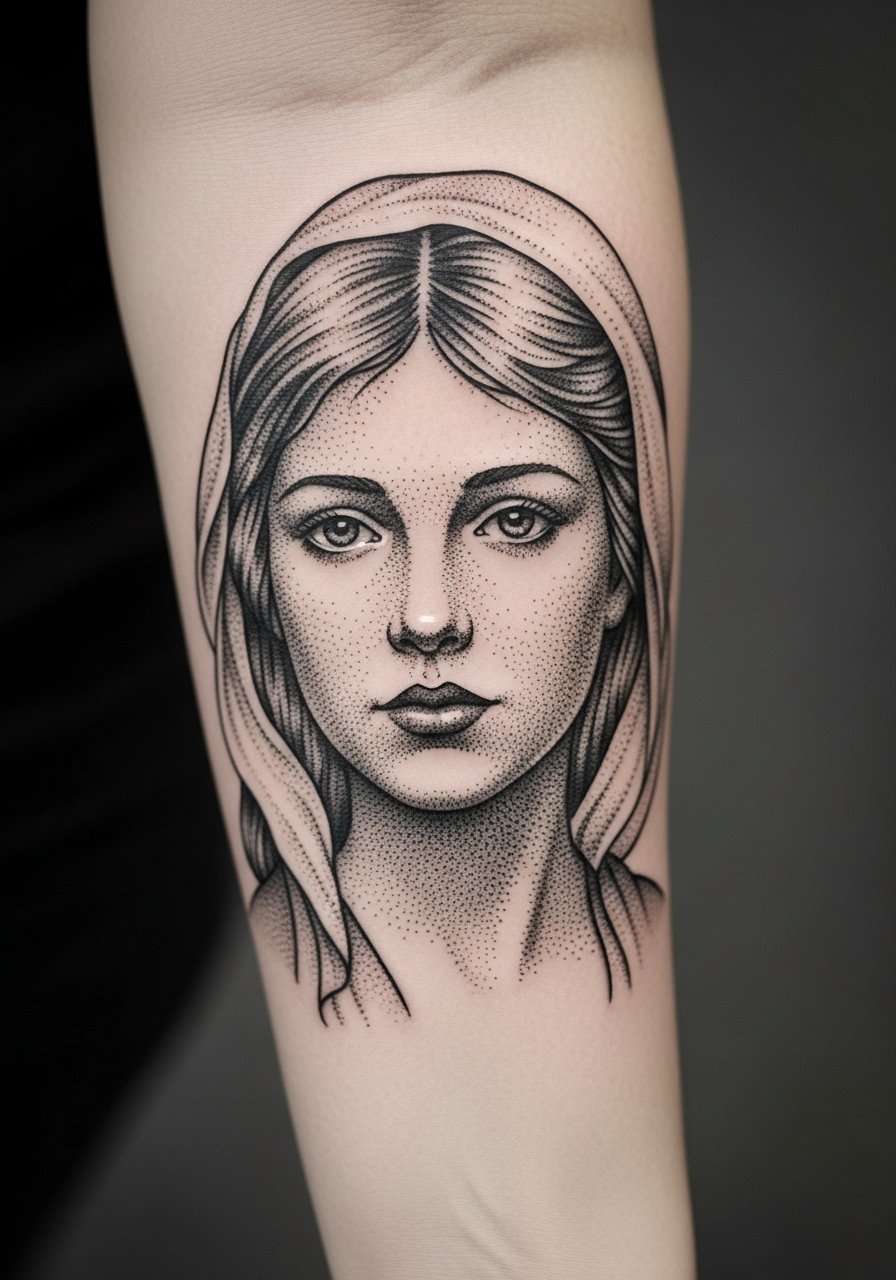
A stipple-shaded maiden portrait reads soft and textured because dot work heals in layers. Request that the artist use spaced stippling in shadow areas to prevent heavy blockiness after healing. The typical mistake is overworking dense stipple too close together, which creates muddy patches later. This takes longer than single-line work and feels like many tiny pricks, so bring patience to the session. It looks refined when paired with a [rolled blazer or open-sleeve shirt] (https://www.amazon.com/s?k=rolled+blazer+women&tag=inkeddoll-20) for evenings.
20. Geometry-Infused Virgo Glyph Near Elbow Crease
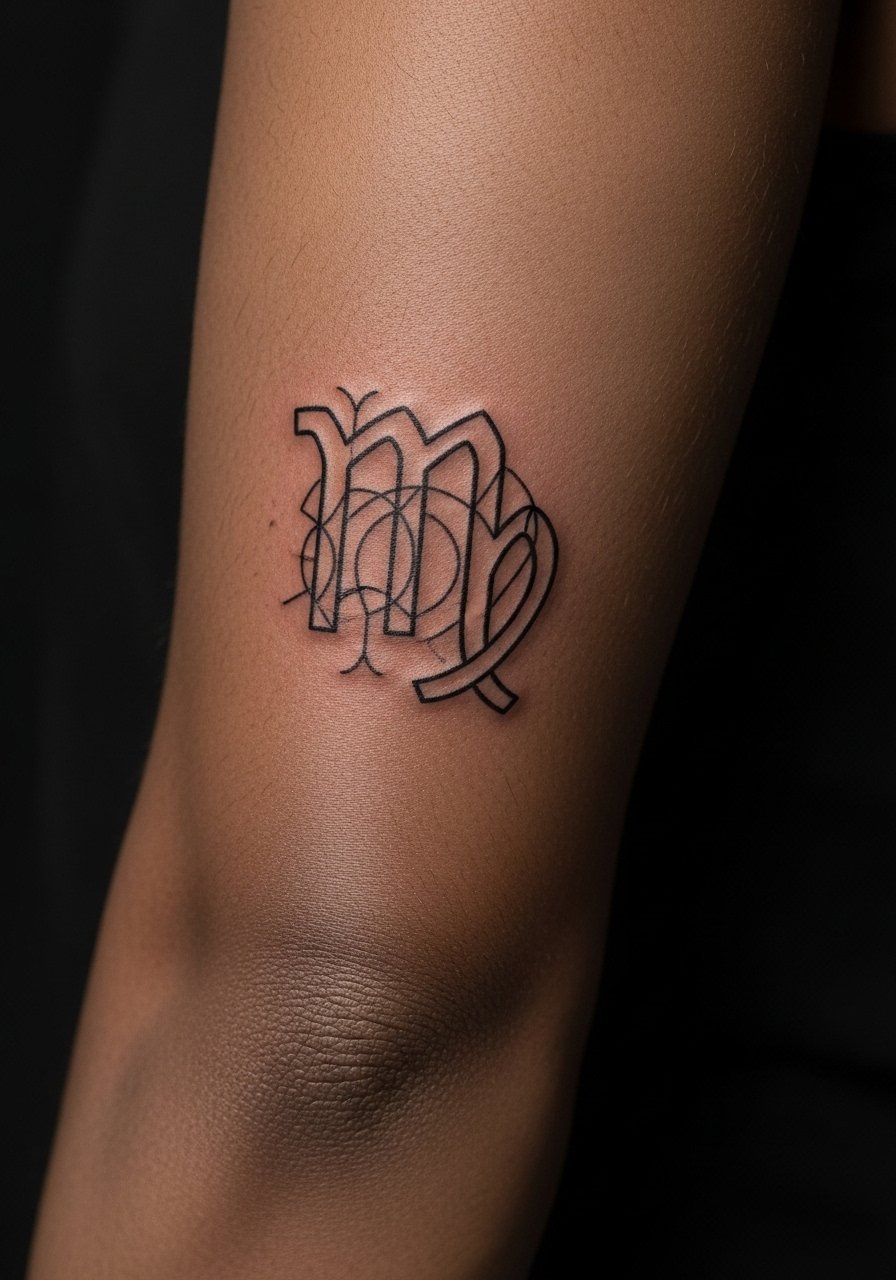
Placing geometry near the elbow crease demands a consult about movement and stretch. Ask your artist to test the stencil with the arm bent and extended so the lines fall correctly when you move. The mistake is ignoring joint movement and putting tight geometry right on the crease, which causes distortion and faster blurring. Expect more discomfort when needles cross the bony area near the elbow. For the appointment, avoid tight sleeves and wear a zip-up hoodie you can remove easily so the artist can access the joint without tugging.
21. Tiny Virgo Glyph Behind Forearm Wrist with Bracelet Accent
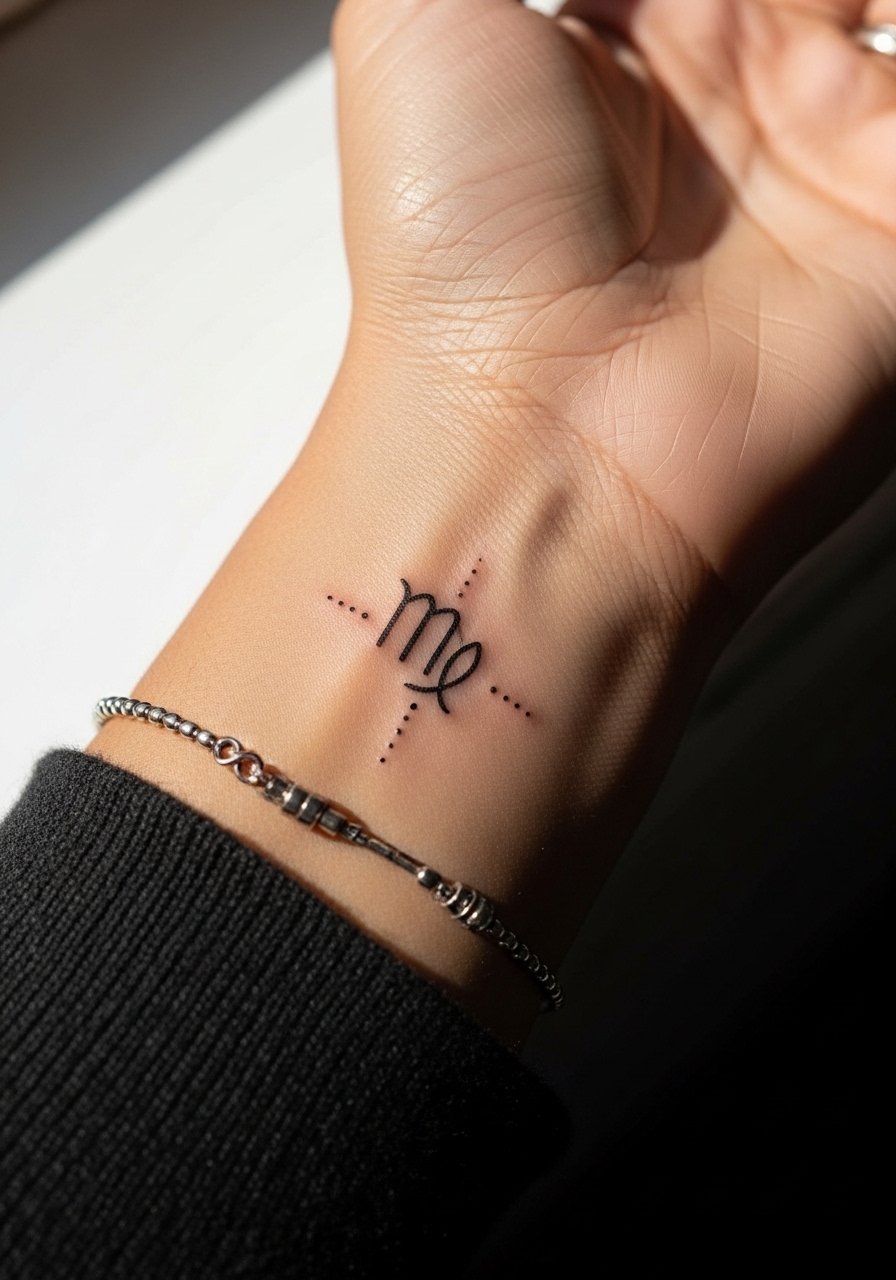
A tiny glyph placed just above the wrist paired with a bracelet motif reads like permanent jewelry. Ask for a slightly thicker anchor line for the glyph so it retains shape after washing and movement. A common issue is placing the piece too close to the wrist crease, which leads to early blurring and touch-ups. The session is short and the healing is quick if you avoid bracelets for the first ten days. For daily wear, a narrow cuff or thin chain watch complements the motif without obscuring it.
Frequently Asked Questions
Q: Will fine line Virgo glyphs on the forearm blur faster than bold blackwork?
A: Fine line work can soften sooner under heavy sun or friction because the ink sits in smaller channels. Bold blackwork tends to hold a stronger silhouette longer. If you prefer thin strokes, ask for slightly heavier line weight and plan for a potential touch-up at year two or three.
Q: How should I prep clothing-wise for an inner-forearm portrait session?
A: Wear a loose button-down or a short-sleeve top you can roll up so the artist has unobstructed access. A piece like a loose button-down shirt makes it easy to keep fabric off the fresh tattoo without exposing other areas.
Q: Are geometric mandalas a bad choice for the forearm because of movement?
A: Geometric mandalas can work on the forearm if the artist spaces lines with movement in mind. The debate splits into two camps. One camp prefers larger spacing for durability. The other says micro-precision keeps the design crisp if executed by someone experienced. Ask to see healed examples of similar placement before booking.
Q: How much does placement near the wrist or elbow affect longevity?
A: Wrist and elbow areas face more bending, washing, and friction, so tattoos there can blur faster than mid-forearm pieces. Expect a higher chance of touch-ups and discuss spacing and line weight with your artist during the consult.
Q: What is the realistic touch-up timeline for a Virgo forearm piece?
A: For fine line and micro-work expect a touch-up around two to four years in many cases. Bolder, saturated work often needs less frequent correction. Factors like sun exposure, skin type, and daily wear change that timeline, so consider them when choosing scale and density.