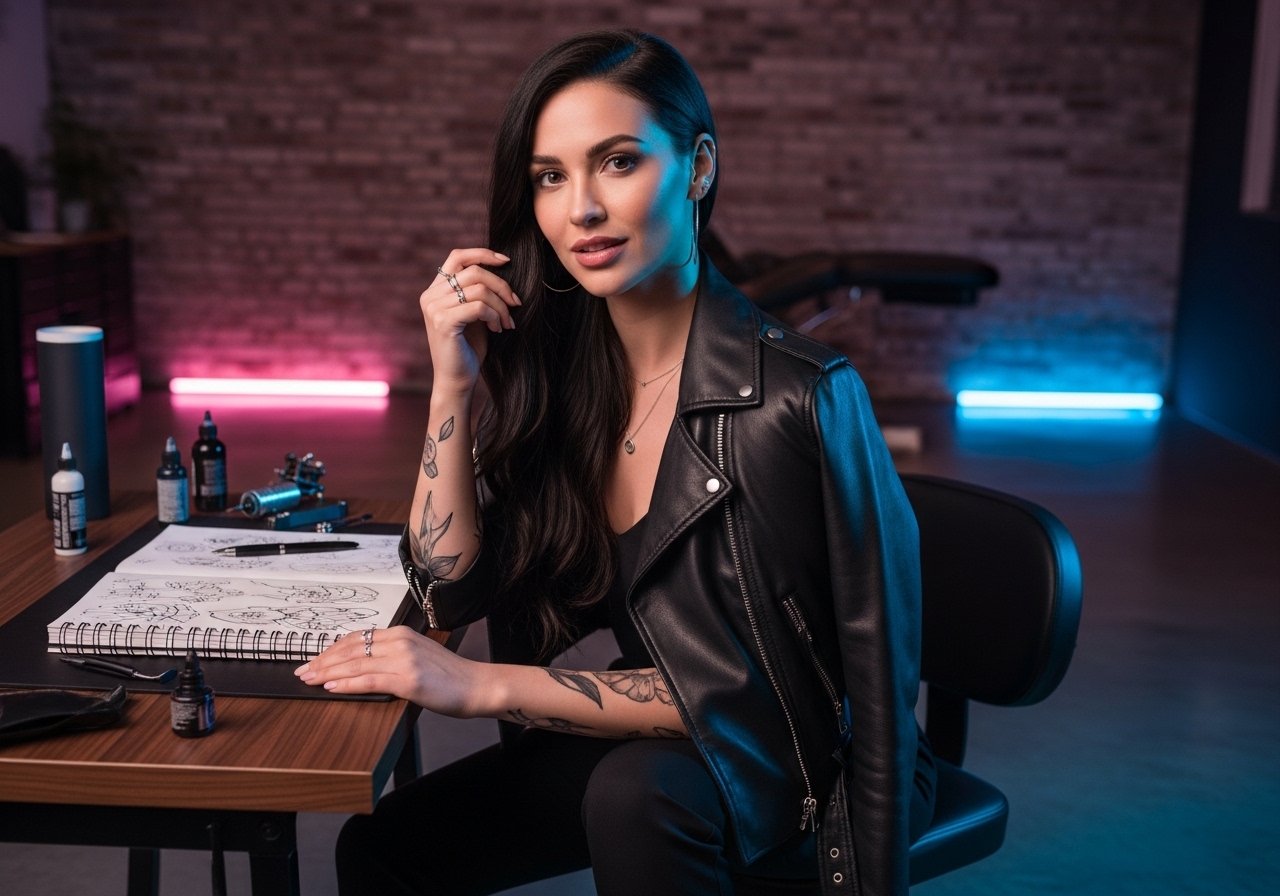
Hand tattoos age differently than anything else on your body. They live in sunlight, soap, and straps, and the designs that look the crispest a week after the session are often the ones that need touch-ups first. Read these 17 hand-specific Joker ideas with an eye for placement, how the piece will move when you make a fist, and what to tell your artist so the grin still reads in year three.
1. Neo-traditional Joker Grin on Back of Hand
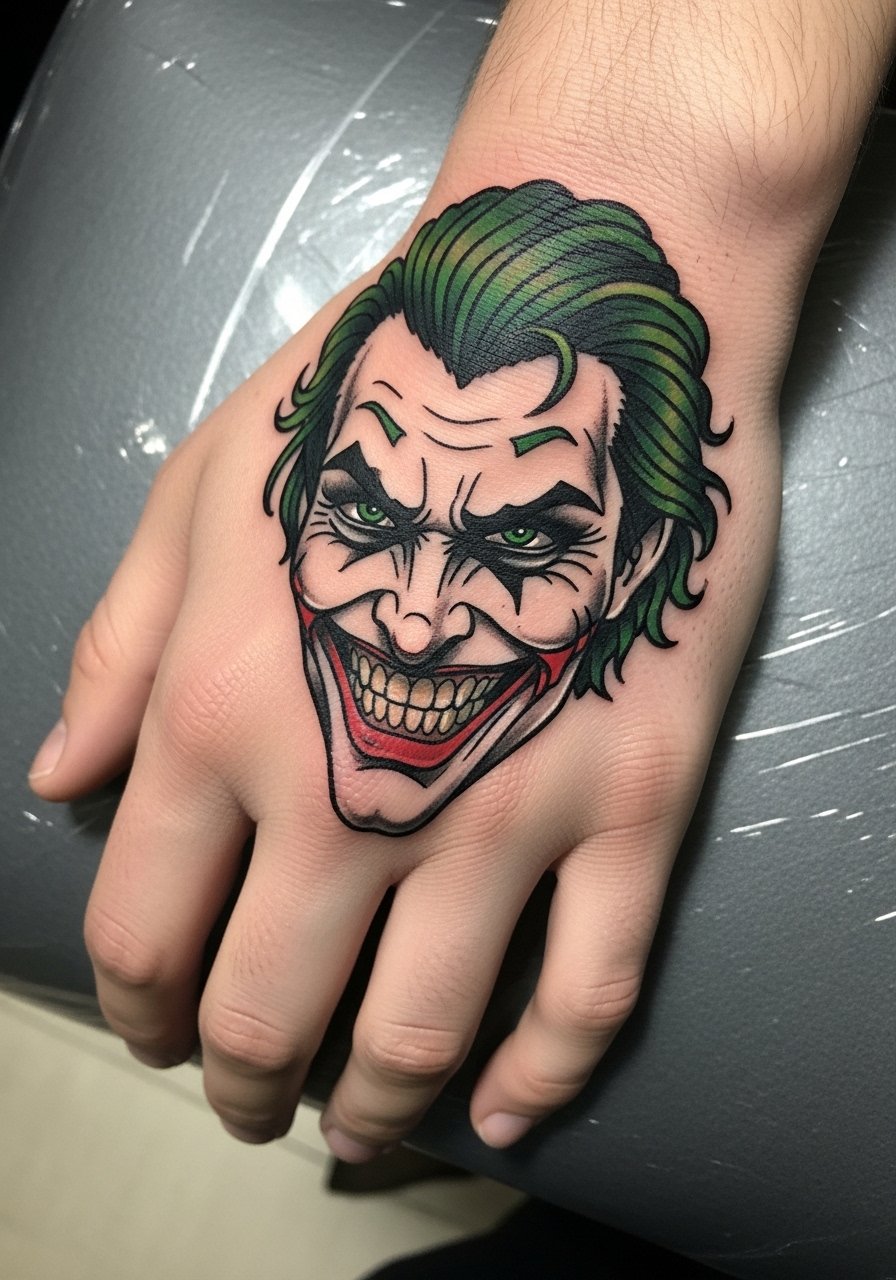
The full grin stretched across the back of the hand reads as a menacing focal point up close. Tell your artist you want slightly thicker linework around the teeth and jaw so the design survives heavy use and sunlight. Common mistake is asking for ultra-fine lines across knuckles where blowout and fading happen faster. Expect one to two sessions and a touch-up within two to three years for saturation. For showing this off, pair it with fingerless leather gloves and a thin silver ring stack on non-tattooed fingers to frame the artwork. Hand tattoos can affect hiring in some industries, so consider where you work before committing.
2. Playing Card Joker Held by a Skeletal Hand on Inner Wrist
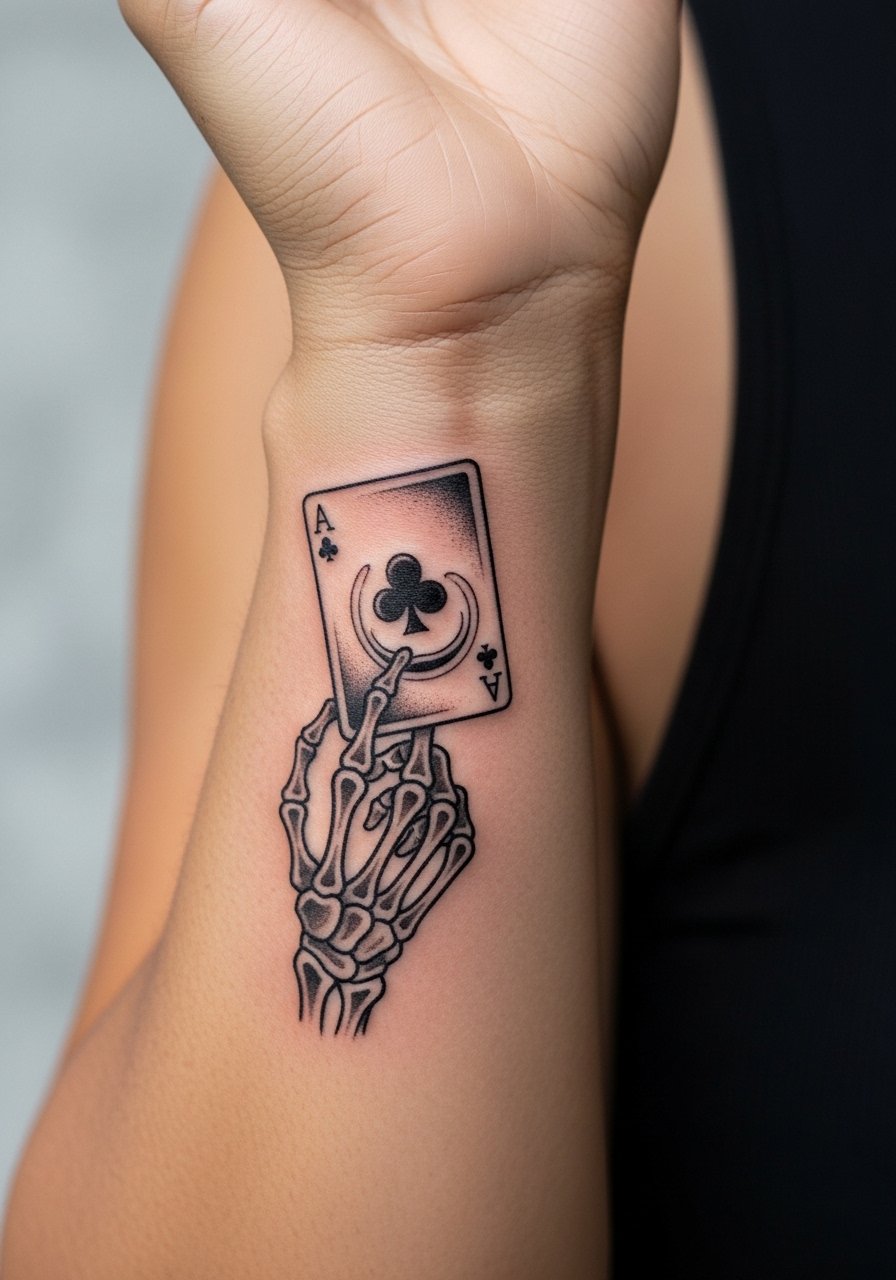
This compact wrist piece reads easily when you roll up a sleeve and works well as a single-session blackwork design. Tell the artist you want dense black saturation on the skeleton contrast to make the card pop. A common aging issue is faint gray wash that looks muddy if the black is not saturated deeply at first. For session comfort wear a rolled cuff chambray shirt so the artist can access your inner wrist without tugging. Pain is moderate and healing is quick because the area gets lots of sun and washing. Expect to check back at year two for a minor touch-up.
3. Minimalist Joker Smile Line on Side of Hand
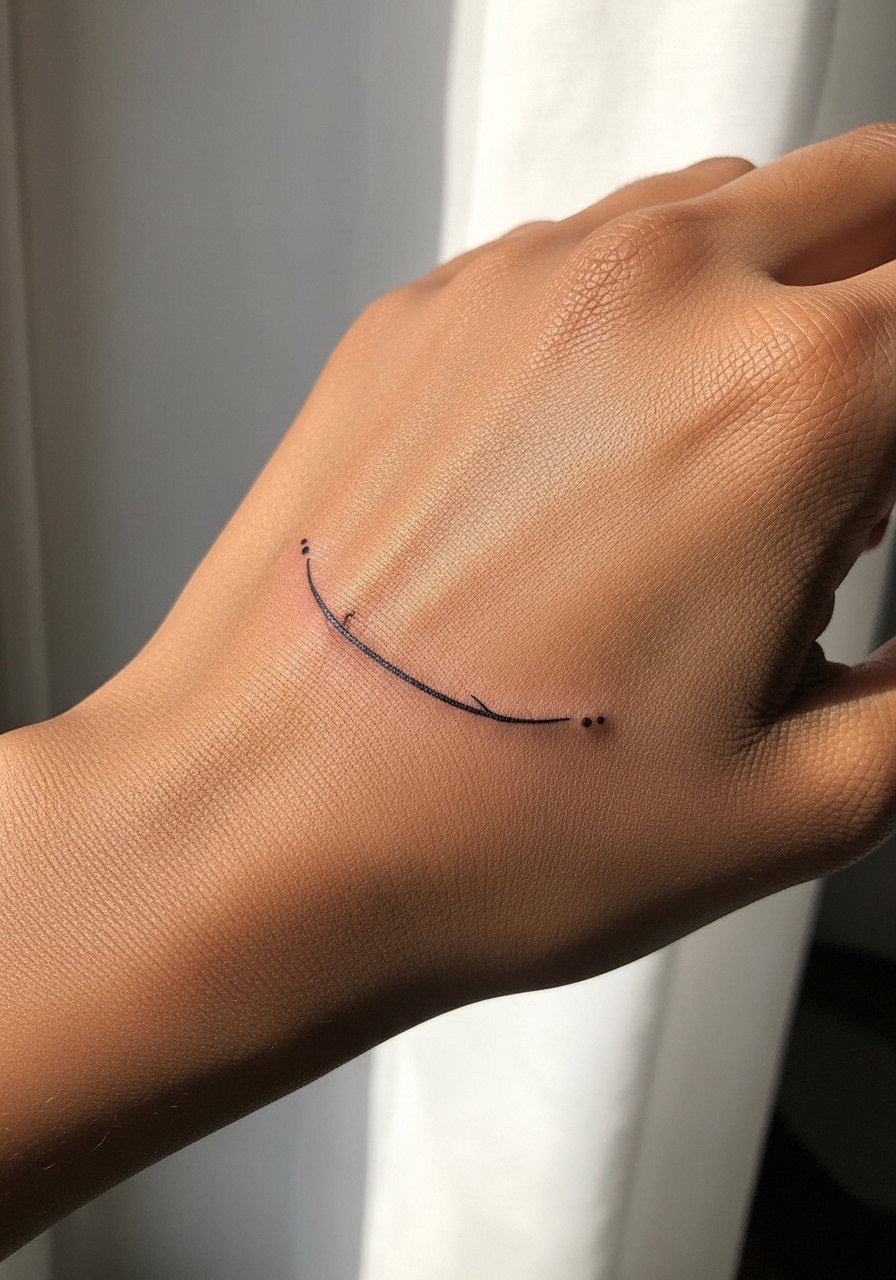
Fine line on the side of the hand is the go-to for people who want a subtle villain motif. Artists split on fine line longevity for hand placements. One camp says fine line on hands blurs quickly because the skin is thin and constantly moving. The other camp argues that with the right needle depth and slightly thicker primary strokes, minimal work can settle well. When you consult, ask which approach the artist uses and how they space the main contour. The biggest mistake is asking for needle-thin detail over joint lines. Expect touch-up sooner than on a forearm and plan thicker primary lines up front for aging.
4. Clown Face with Smeared Makeup Across Knuckles
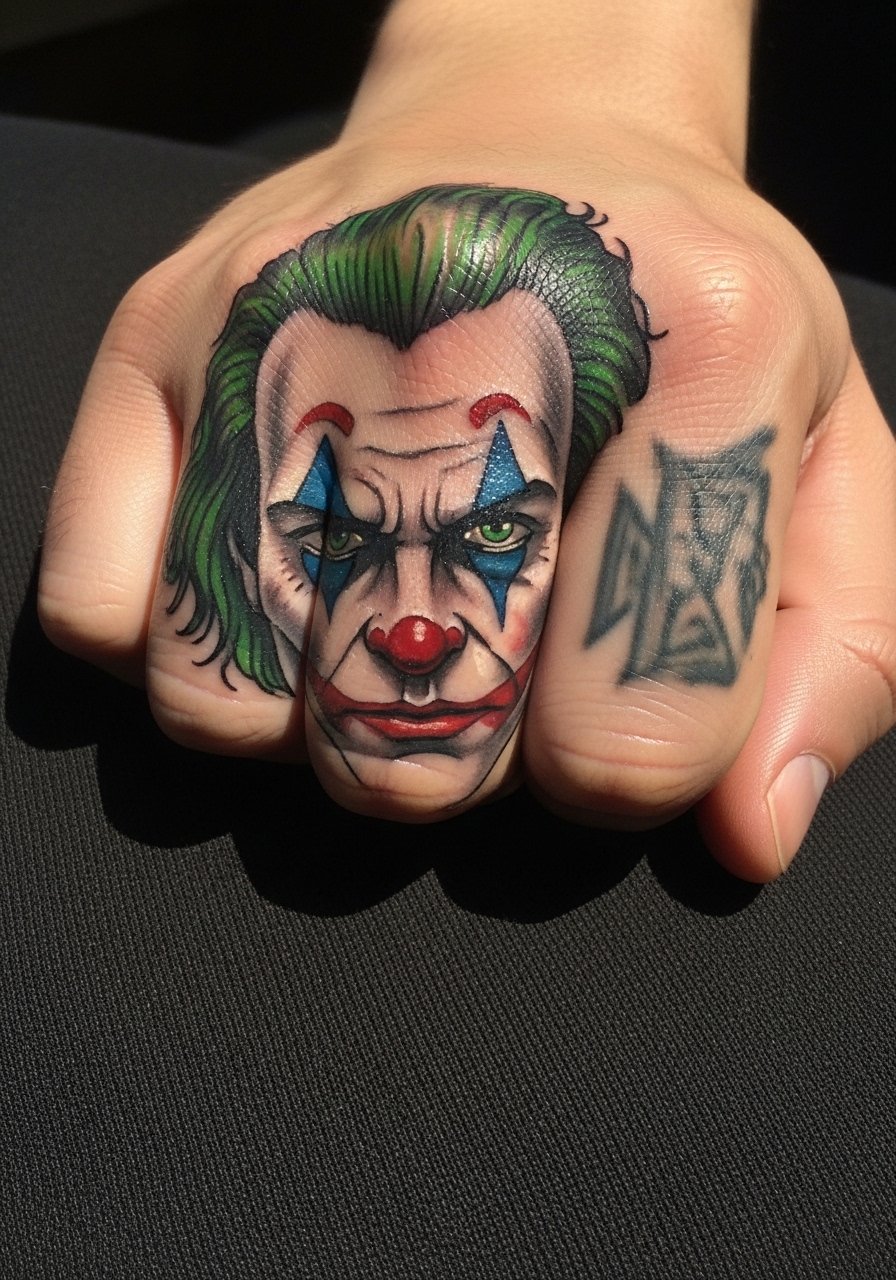
Knuckle pieces read when your fist is closed, which is their whole point. For smeared makeup, ask for low-contrast color work and strong black outlines on the facial features so they stay legible as the skin moves. Pain is higher at the knuckles and the session is short but intense. A common error is cramming too much fine detail into each knuckle panel. For showing this off, a solid black crewneck tee keeps attention on the hands and pairs with chunky rings on adjacent fingers. Knuckles see constant friction so expect touch-ups at year one or two.
5. Jared Leto–Style Micro-Realism Portrait on Upper Palm
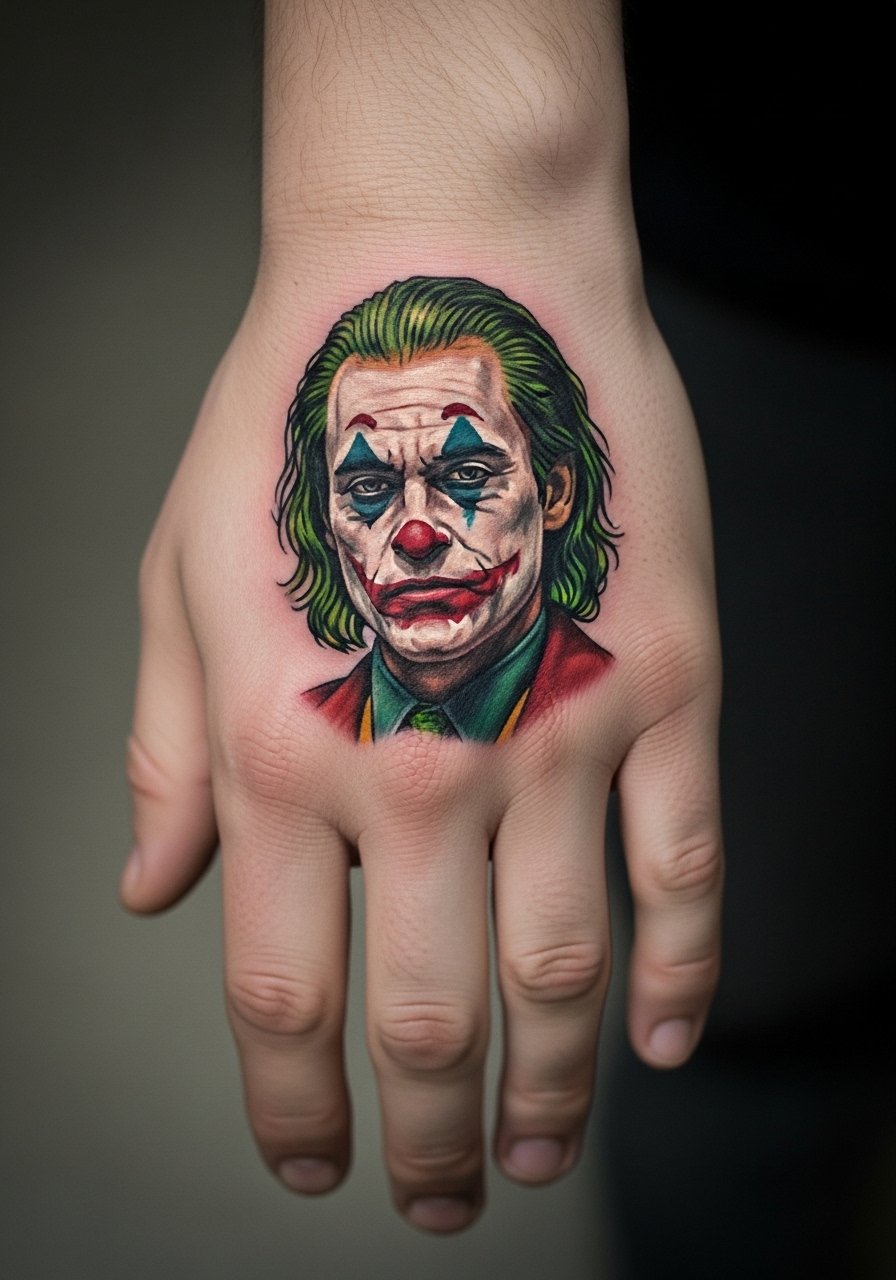
Palm portraits demand realistic depth and confident saturation because the skin there loses pigment quicker. This is not a beginner flash piece. Tell your artist you want reference shots at the same scale as the palm so they can translate facial proportions correctly. The common mistake is under-saturating; portraits then fade into blotchy patches. Expect multiple sessions and plan for a touch-up inside the first two years. Portraits on the palm call for a specialist who has documented palm work in healed photos. Use discovery pathways like style hashtags and local studio listings to find a micro-realism portfolio.
6. Joker Playing Card with Dripping Blood on the Thumb Web
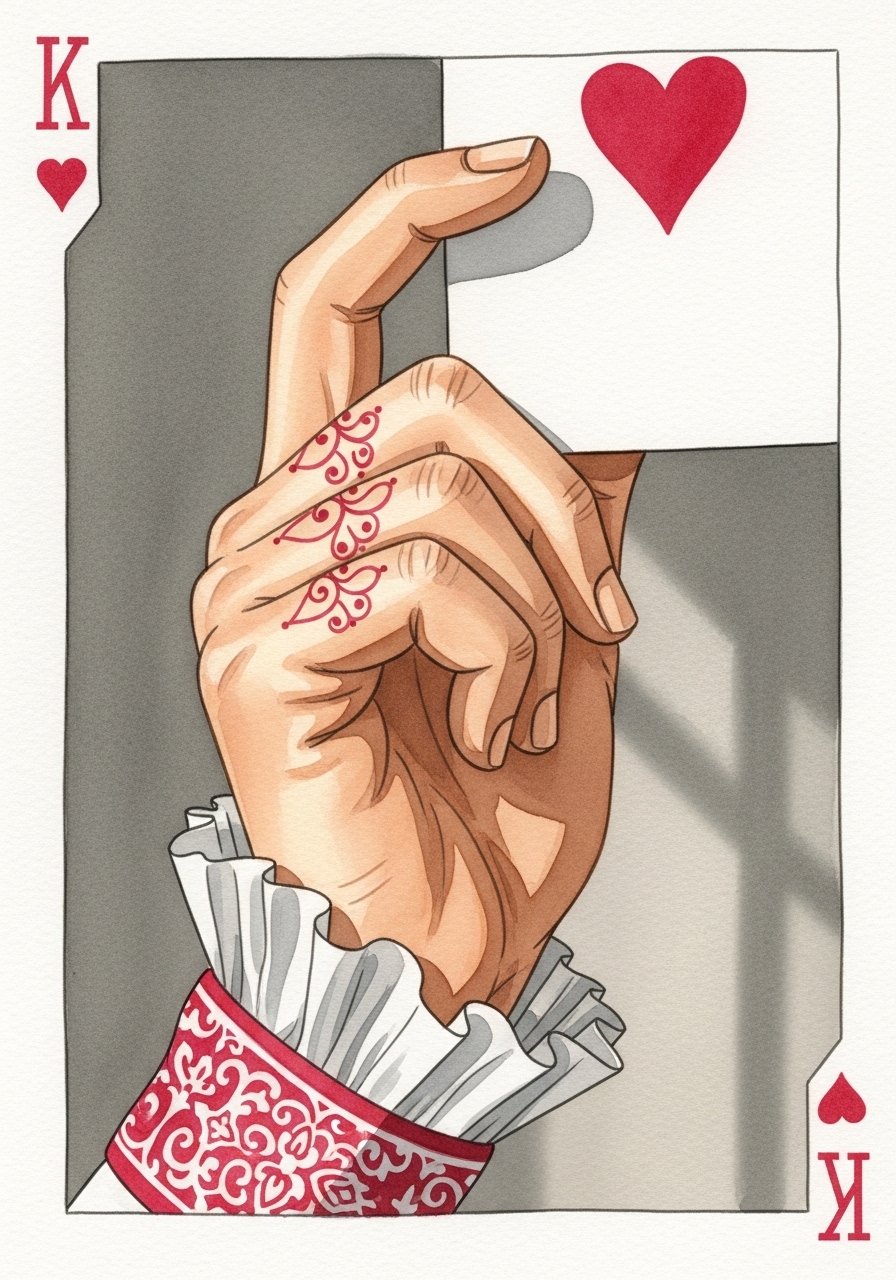
The thumb web is a small, high-motion surface. Ask your artist to keep the core motif compact and the watercolor bleed controlled to avoid too much wandering pigment. The common error is asking for large wash areas that fragment with hand use. For session day wear choose a baseball glove leather themed accessory or a wide cuff leather bracelet afterward when showing it off. Healing can be slower because hands touch surfaces constantly. Plan a protective film or careful covering for the first week.
Studio Day Picks
The small, high-friction placements above call for a tight prep kit. These items make session day and the first week simpler for wrists, fingers, and thumb webs.
- Stencil transfer paper kit. Use this in consults to preview how the Joker smile or card will bend across the hand before ink touches skin.
- Topical numbing cream. Apply as directed if wrist or knuckle sensitivity is a concern for the session.
- Thin protective film roll. Keeps finger and thumb-web tattoos cleaner through repeated handwashing and friction.
- Fragrance-free gentle body wash. Gentle cleansing matters when fine line work sits near frequent contact zones.
- Aquaphor healing ointment. Thin layers in the first days help hold moisture for small detailed work without suffocating the skin.
7. Ha! Ha! Ha! Text Arc Around Joker Eyes
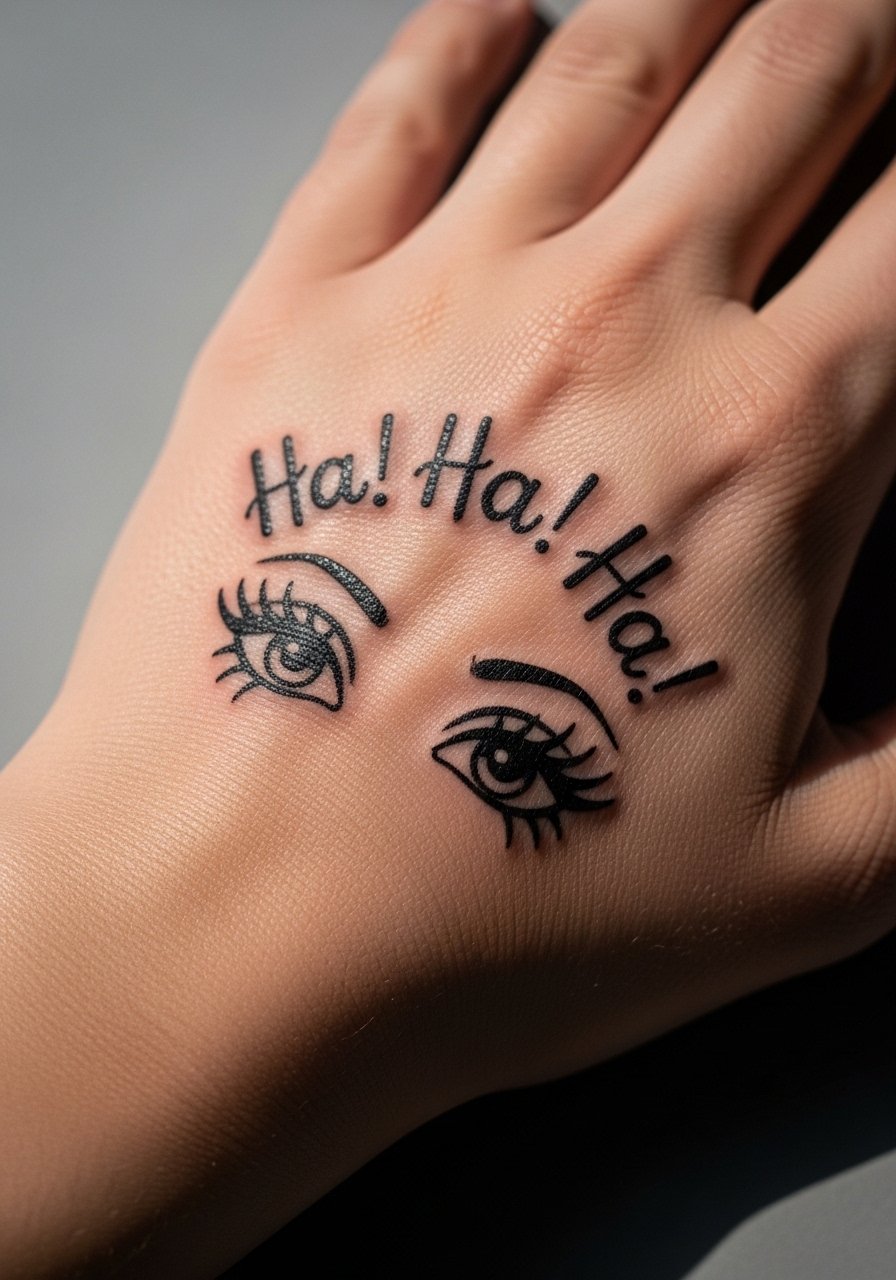
A text arc makes the laugh part of the hand's natural curve and works as a wrap that reads from multiple angles. Ask for slightly spaced lettering and bold primary strokes to avoid letters merging as they age. The common mistake is requesting hairline script too close to knuckle creases. Pain is moderate and touch-ups are usually cosmetic, focused on maintaining crisp edges. For session wear keep rings off and show off later with short sleeves. This is a strong choice if you want villain energy without a portrait.
8. Skull Joker Head with Green Hair on Inner Wrist
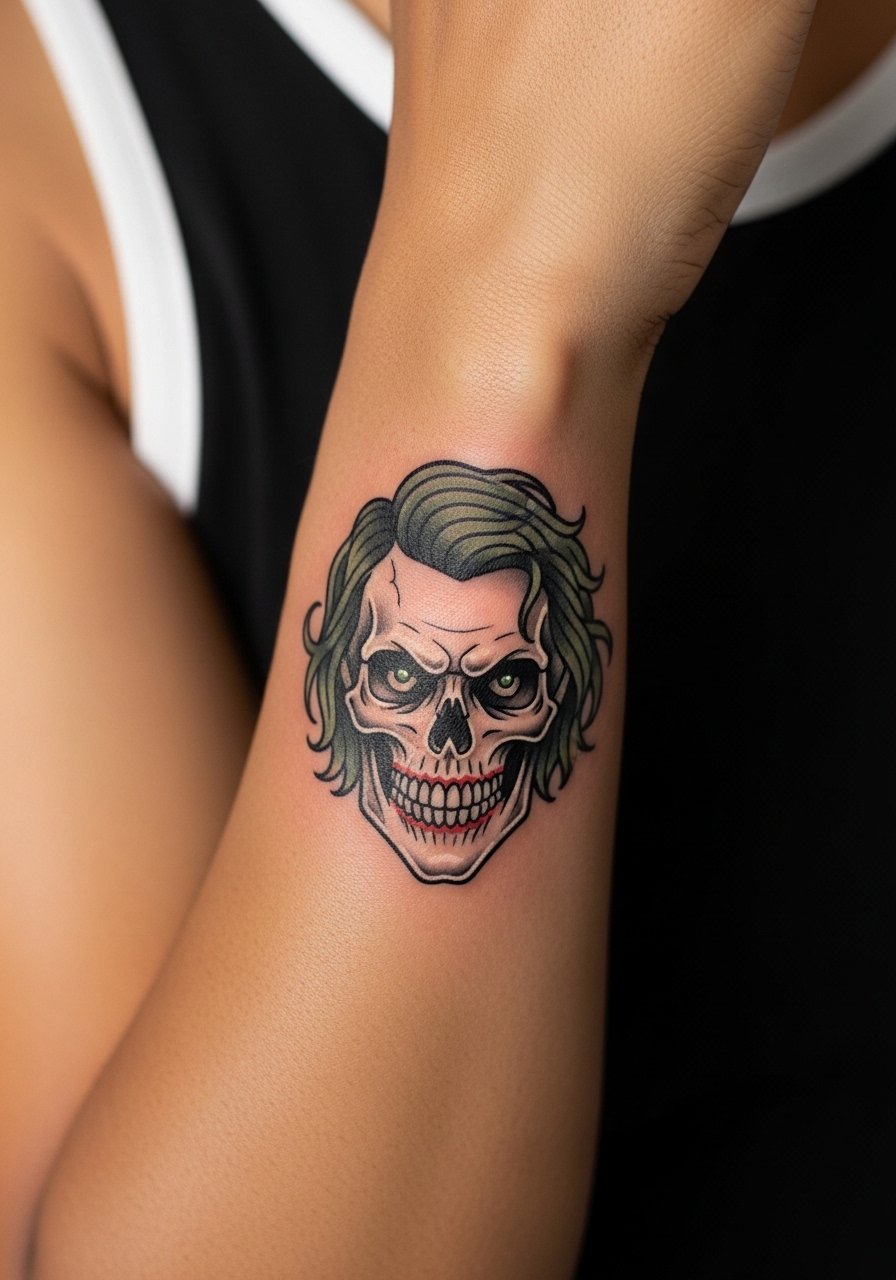
Inner wrist pieces are visible but concealable with long sleeves. For this skull-head, specify the hair green as an accent color rather than full saturation to keep it readable over time. A common mistake is overly thin hairline shading that disappears. Wear a thin leather bracelet on the opposite wrist for balance when showing it off. The inner wrist heals quickly but takes more sun exposure, so plan yearly checks.
9. Simple Outline Joker Mask Across Finger Knuckles
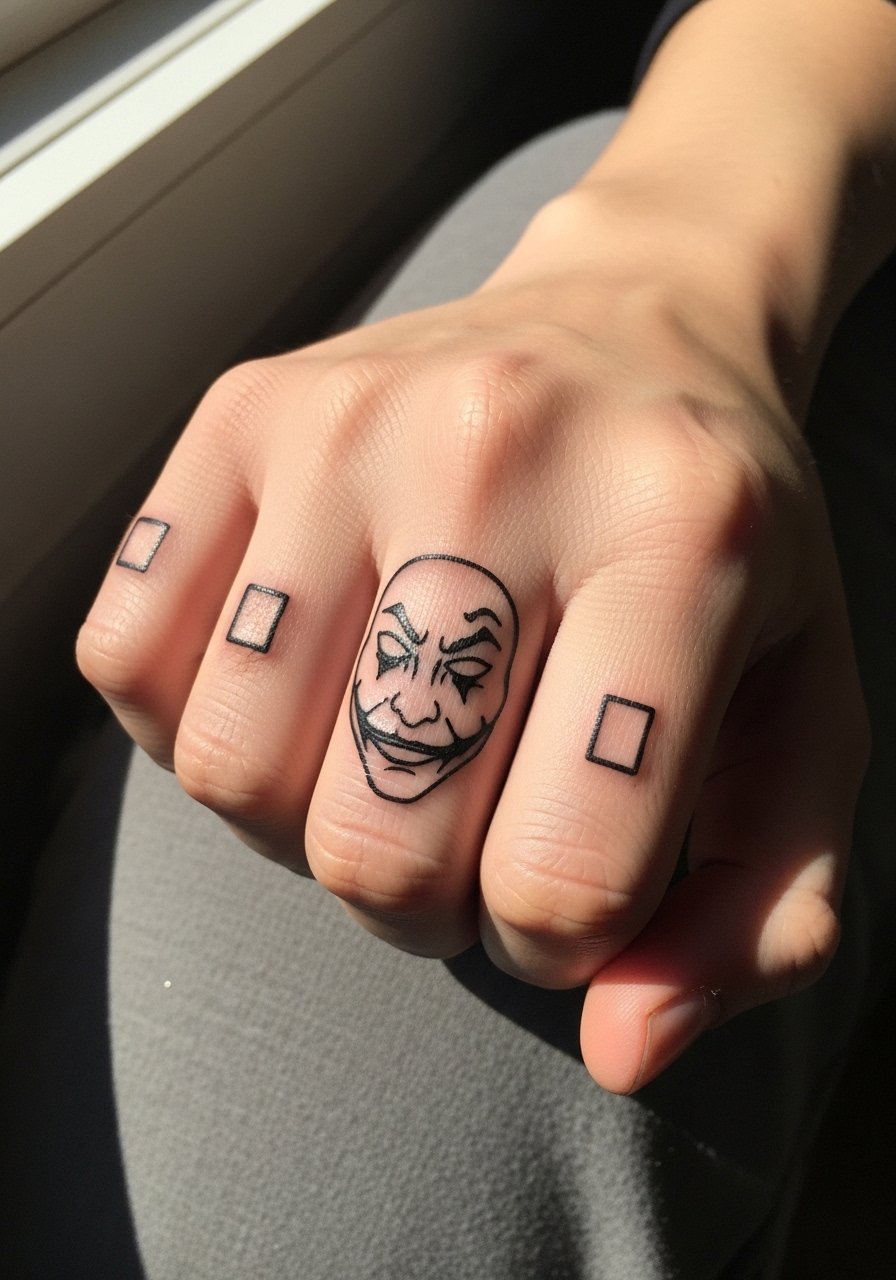
Tiny knuckle outlines are low-commitment villain ink that still command attention. For longevity ask your artist to slightly thicken the outermost contour and keep interior detail minimal. The biggest misstep is packing tiny letters or faces into each knuckle where skin flexes and blows out. Pain is brief and sharp. Pair this with a solid black crewneck tee and simple metal rings when you want to make the knuckles read as part of an outfit. Expect touch-ups within 12 to 24 months.
10. Chaos Symbol Blended with Joker Face Flowing to Forearm
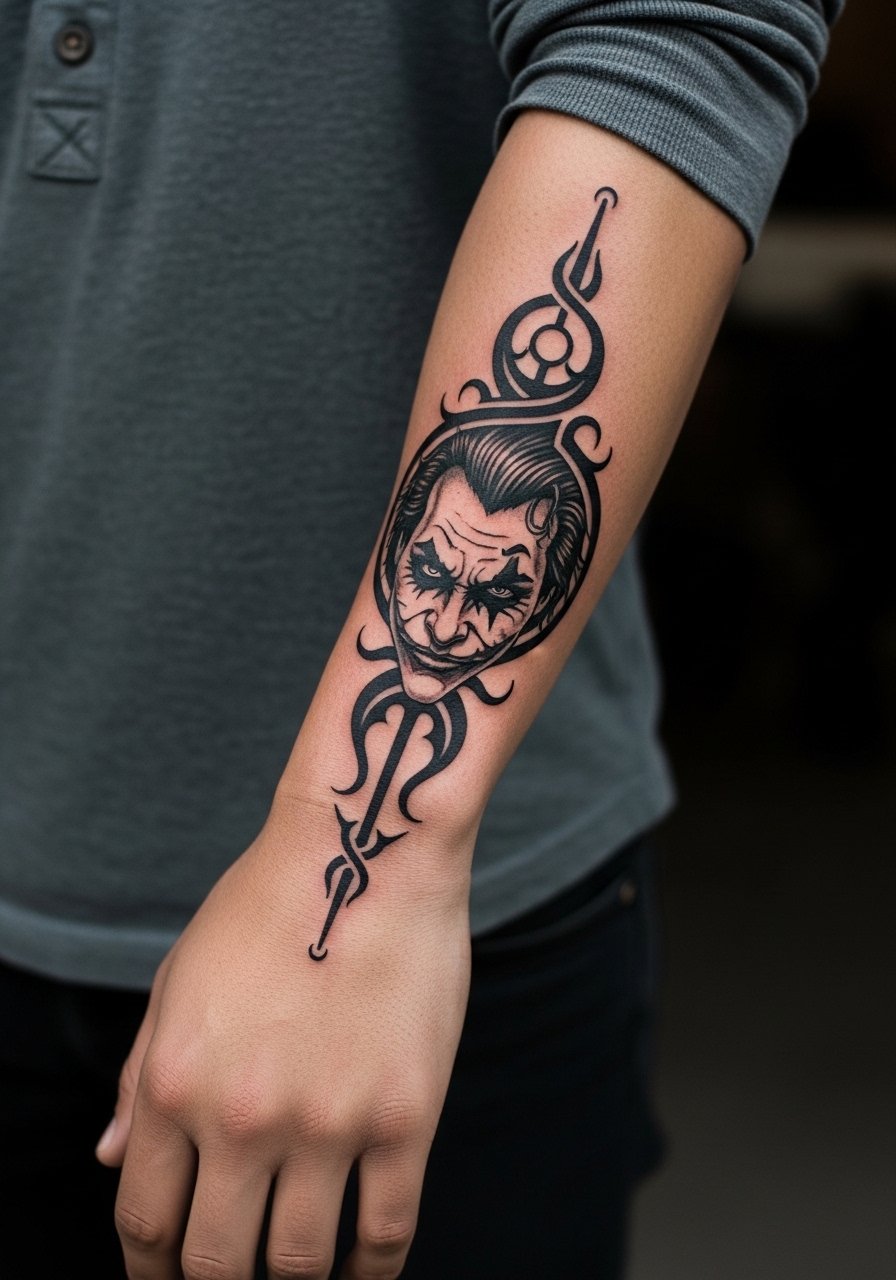
This is a sleeve-starter piece that uses the hand as a focal anchor. Tell your artist you want the design to read when your hand is relaxed and when your fist is closed. The crucial error is not compensating for hand curvature and joint compression. Ask for layout mockups that show the piece holding its proportions when the hand moves. Pair it with a henley shirt long sleeve with sleeves rolled to mid-forearm and a canvas snapback hat for a coordinated street look while showing off the forearm transition. Expect the forearm section to age slower than the hand core.
11. Harley Quinn and Joker Hand-Holding on Top of the Hand
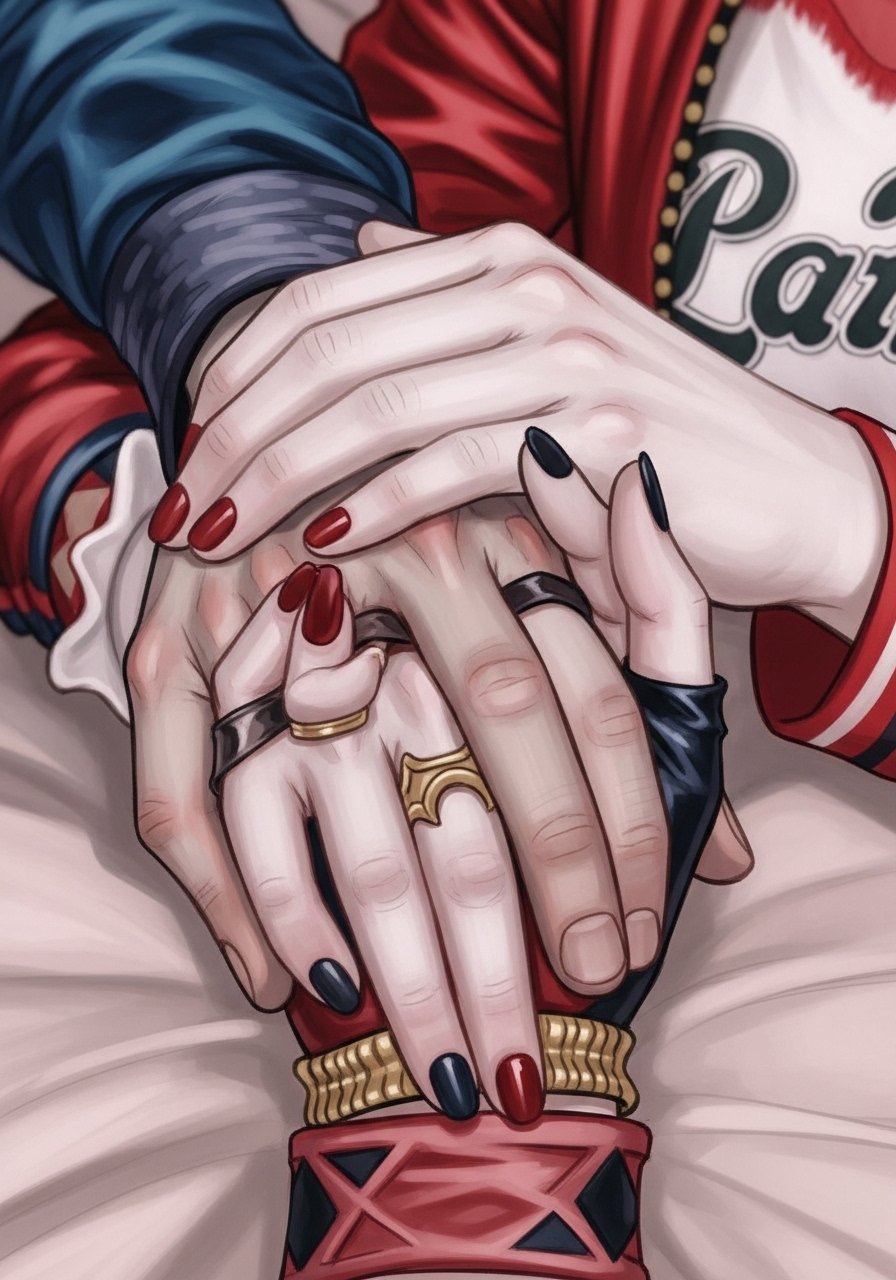
Couple or duet designs like this are emotionally loaded and visible. If you plan a matching piece, decide whether each partner wants identical scale or complementary orientations beforehand. A frequent mistake is mismatched sizing that reads awkwardly when hands meet. Session time is moderate because of color work and planning. Show it off with a distressed denim jacket and simple layers so the graphic colors read. Discuss long-term plans with your partner and your artist before booking.
12. Ignited Joker Card Stack Along the Wrist Bones
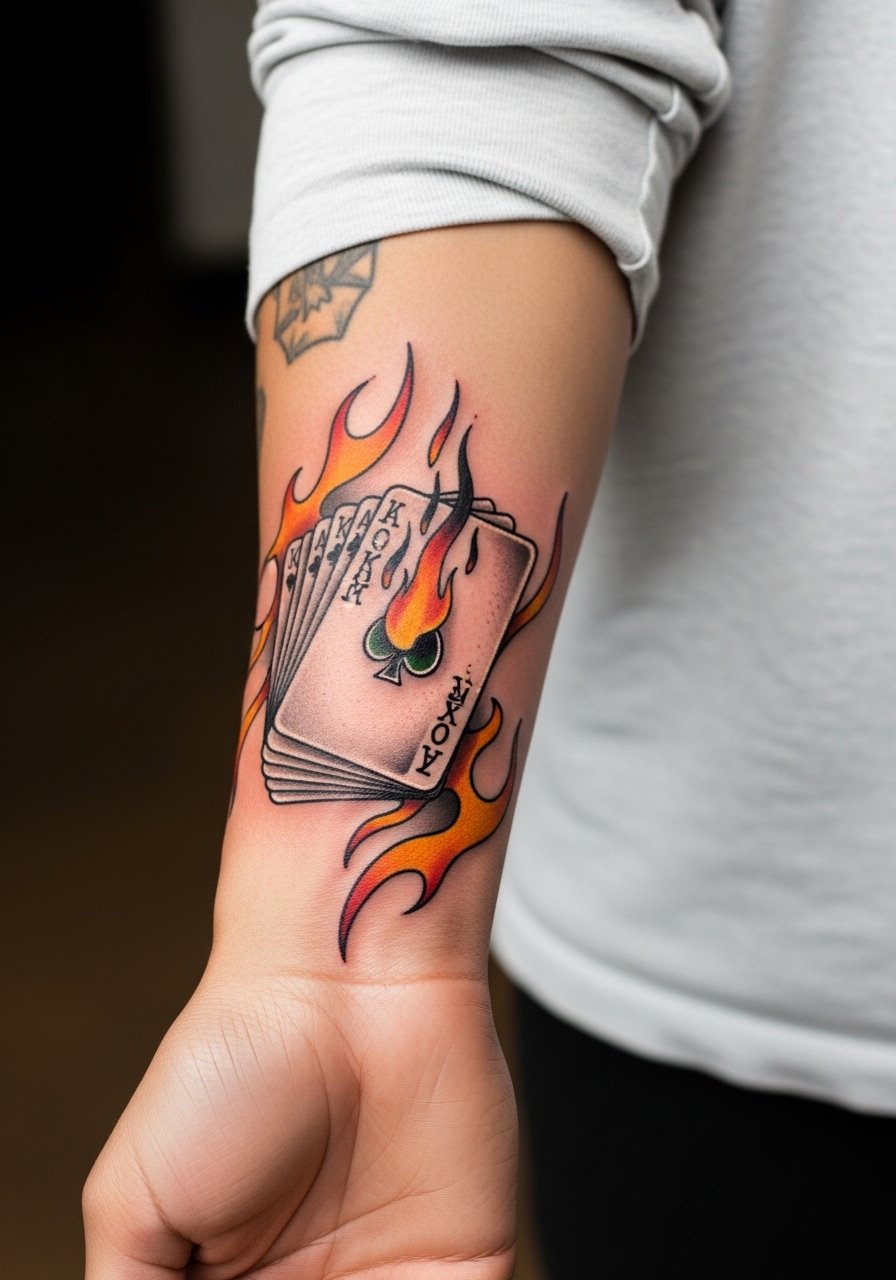
Designs that hug the wrist bones must follow bone contours to avoid warping. Tell your artist you want the stack angled so the flames flow toward the thumb when the hand is relaxed. The common mistake is forcing a straight card layout across a curved wrist. Pain is localized and healing needs patience because watches and bracelets often rub the area. Keep jewelry off during the first two weeks.
13. Knuckle-Grin That Aligns When Fist Is Closed
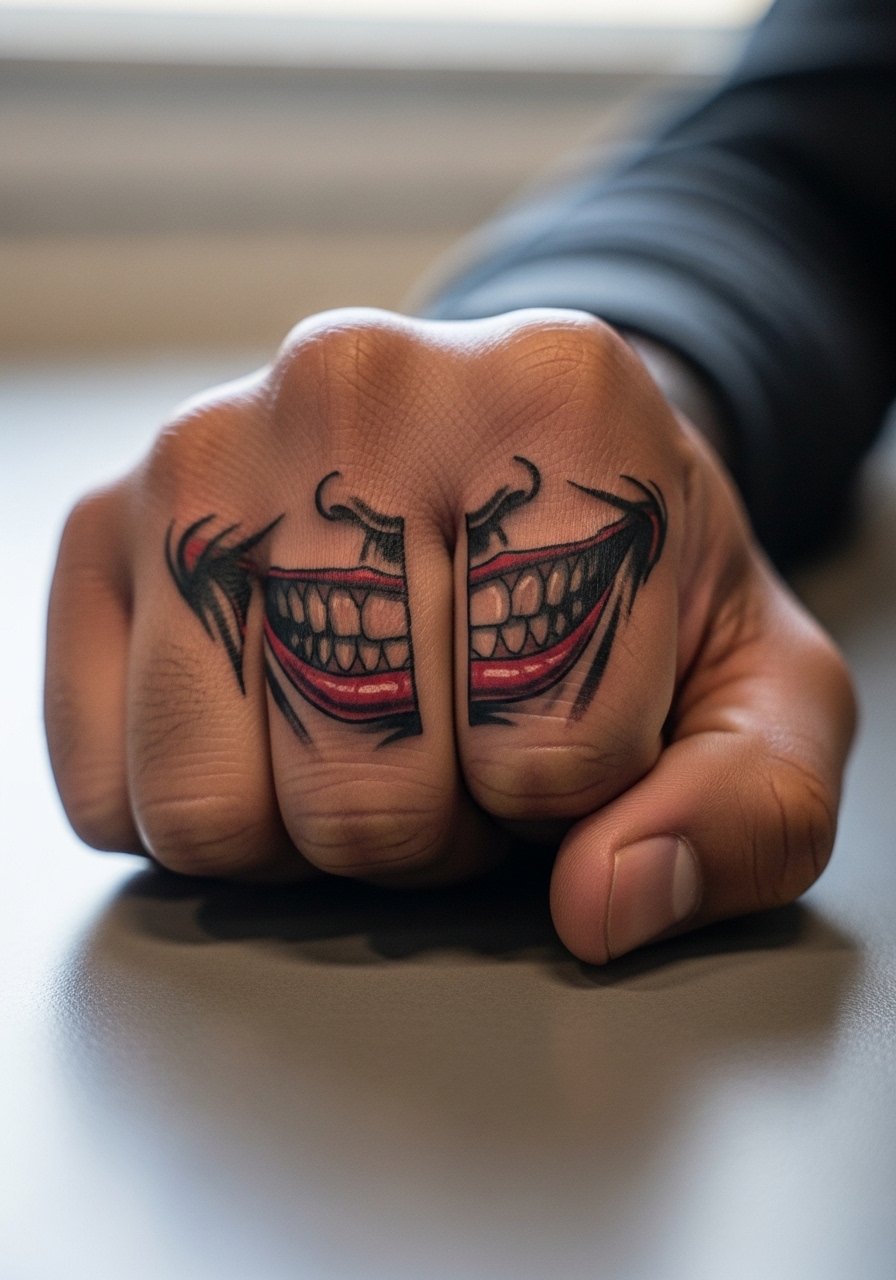
Designs that intentionally use hand curvature need a mockup that shows the closed fist view. Ask your artist to draw the stencil both open and closed. A common error is relying on a single flat stencil that looks correct open but collapses when you make a fist. Expect quick sessions but higher touch-up frequency because knuckles receive constant motion and abrasion. For session wear go with loose short sleeves and remove rings.
14. Forearm Extension Trick-Up-Sleeve Joker Motif
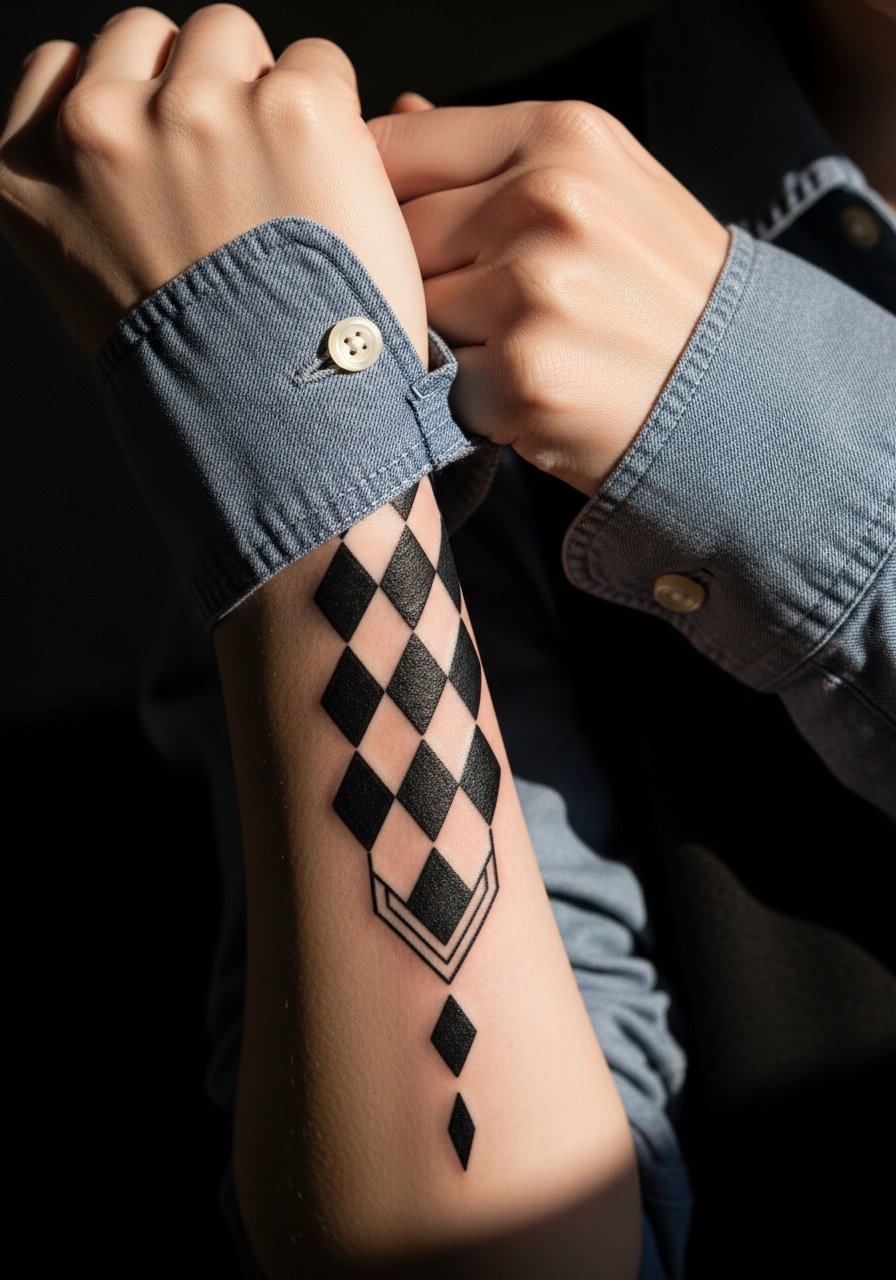
If you want concealability with the option to reveal, this trick-up-sleeve flow is ideal. Tell the artist you want the primary Joker face placed on the hand but the denser elements to sit on the forearm so you can hide them under a sleeve. The primary mistake is putting all the heavy detail on the hand where it ages first. This design gives flexibility for work and night looks. For show-off pairing use a rolled cuff chambray shirt you can open at the cuff.
15. Negative-Space Joker Smile on the Side of the Thumb

Negative-space work can read very cleanly on hands if the surrounding fill is saturated. Ask for a strong surrounding field to frame the smile so the void reads over time. The mistake is under-filling the negative area which allows natural skin texture to distract. This placement is low-pain and subtle, and it ages differently than full-line work; expect faint softening and a possible touch-up by year two.
16. Thick-Line Minimalist Joker for Darker Skin Tones
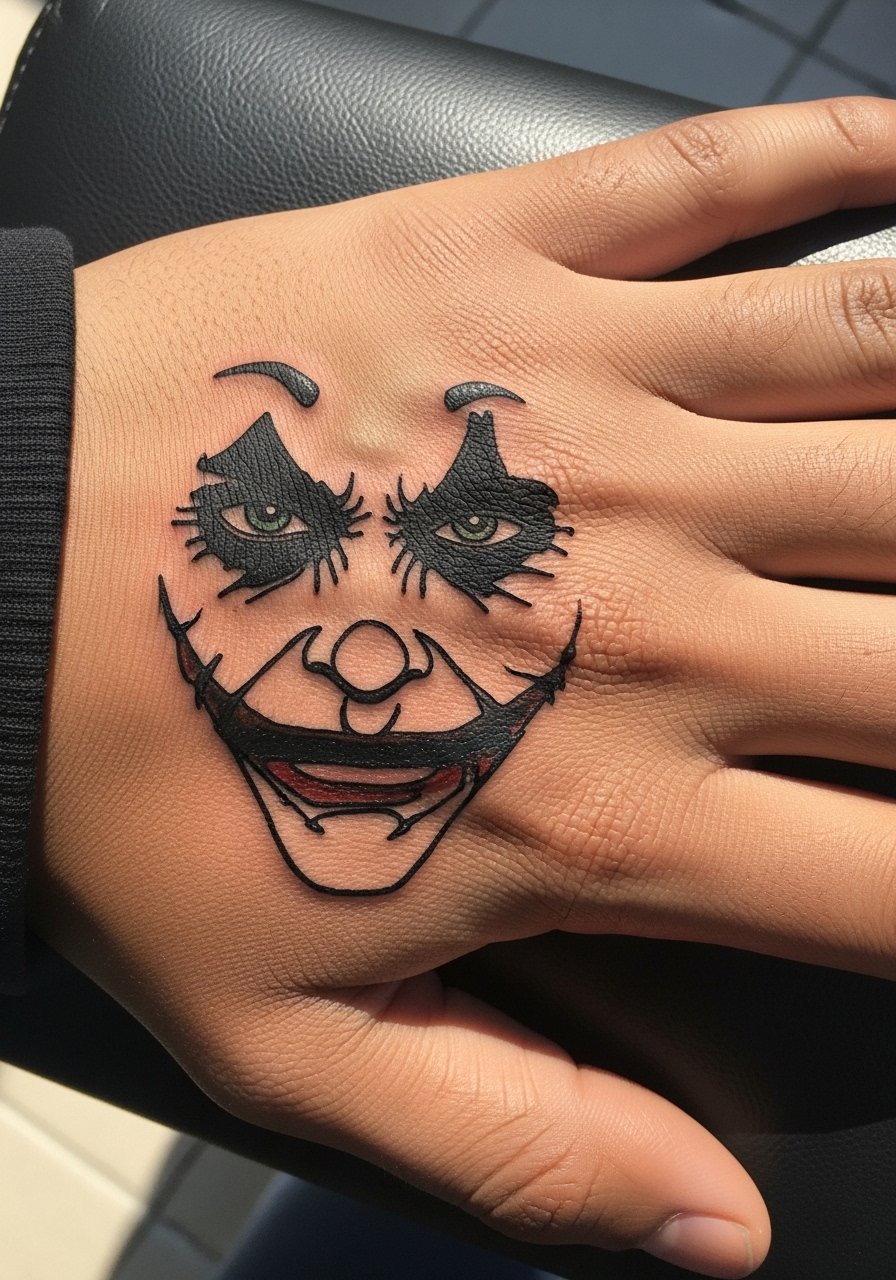
For darker skin it helps to opt for slightly heavier lineweight rather than hairline detail so the design maintains contrast. Tell the artist you prefer thicker primary strokes and minimal internal shading. The common error is copying fine-line references that do not translate across skin tones. This version reduces the need for early touch-ups. When booking, ask to see healed photos by skin tone. For session wear keep the hand accessible and clean.
17. Iconic Joker Card Fragment Near the Thumb Base
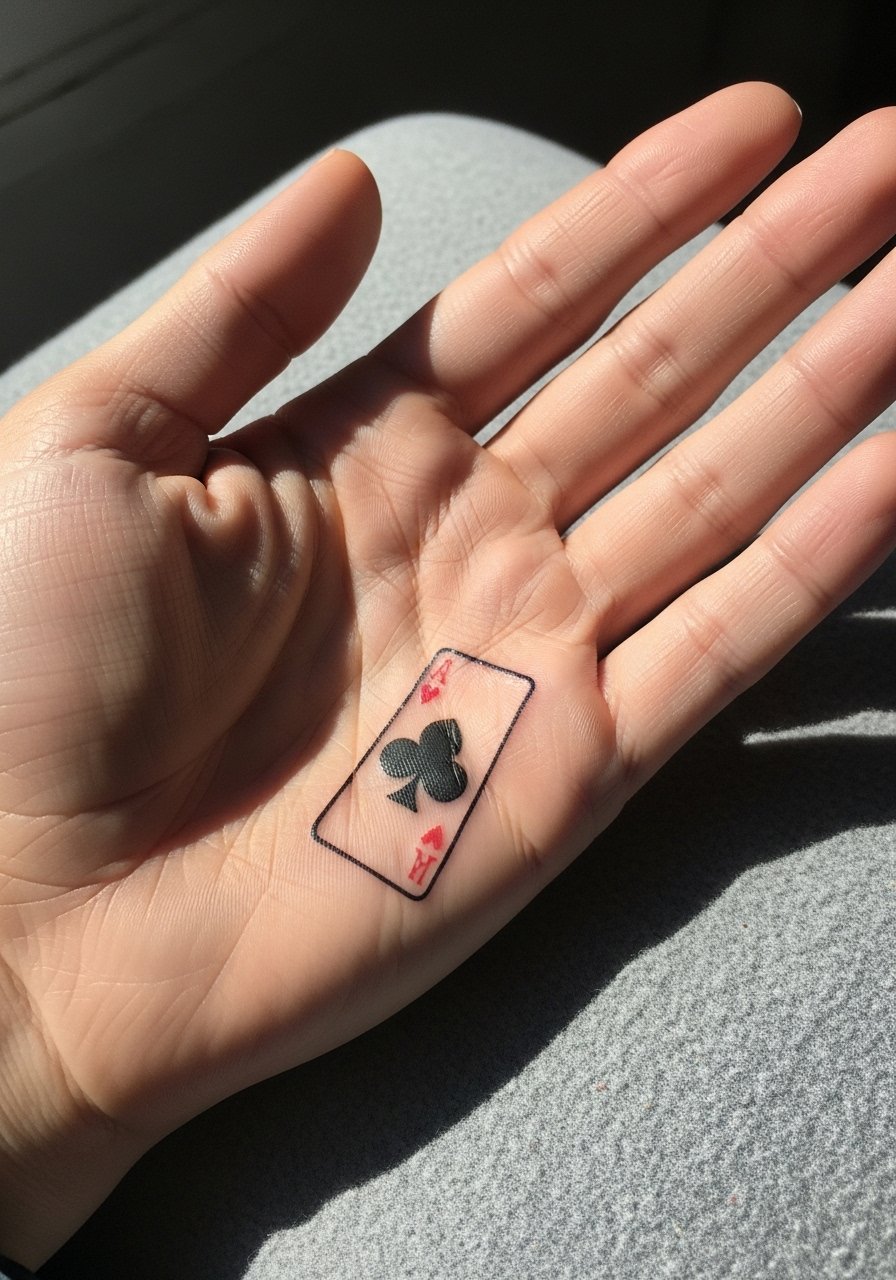
A fragment speaks to the motif without taking over the whole hand. Ask the artist to scale the face so linework avoids creases and to keep color accents minimal. A frequent mistake is wanting too much portrait detail in a tiny fragment. This placement is forgiving for first-timers and makes a compact single-session piece. For the appointment choose a sleeveless or short-sleeve top so the artist can easily position the hand.
Frequently Asked Questions
Q: How often do Joker hand tattoos need touch-ups?
A: It depends on placement and lineweight. Small thin-line pieces on knuckles or the thumb web often need touch-ups every one to three years. Heavier blackwork and forearm-to-hand transitions tend to hold color and line edges longer, often two to five years before a noticeable refresh.
Q: Will a fine-line Joker tattoo survive on darker skin tones?
A: Fine-line can work but usually requires slightly thicker primary strokes on darker skin to keep contrast. Ask to see healed portfolio photos of work on similar tones during the consult. If you want minimal detail, discuss a thicker minimalist approach to reduce early softening.
Q: Are knuckle and thumb-web Joker tattoos more likely to cause workplace problems?
A: Yes, visible hand tattoos still affect hiring in some fields. Knuckle and thumb-web work are highly visible. If your industry cares about visible ink, consider wrist-hidden placements or forearm extensions you can conceal under sleeves during interviews.
Q: What price range should I expect for a Joker hand tattoo?
A: For small- to medium-sized Joker hand pieces expect a session range from about $150 to $700 depending on complexity, color, and the studio. Portrait micro-realism and multi-session color pieces sit at the higher end of that range.
Q: How should I find an artist who understands hand curvature and knuckle layouts?
A: Use style hashtags and local studio directories to narrow portfolios. Look for healed photos that show the design both open and when the hand is closed. Ask the artist to mock up the stencil in both states and to explain how they adjust lineweight for joints.