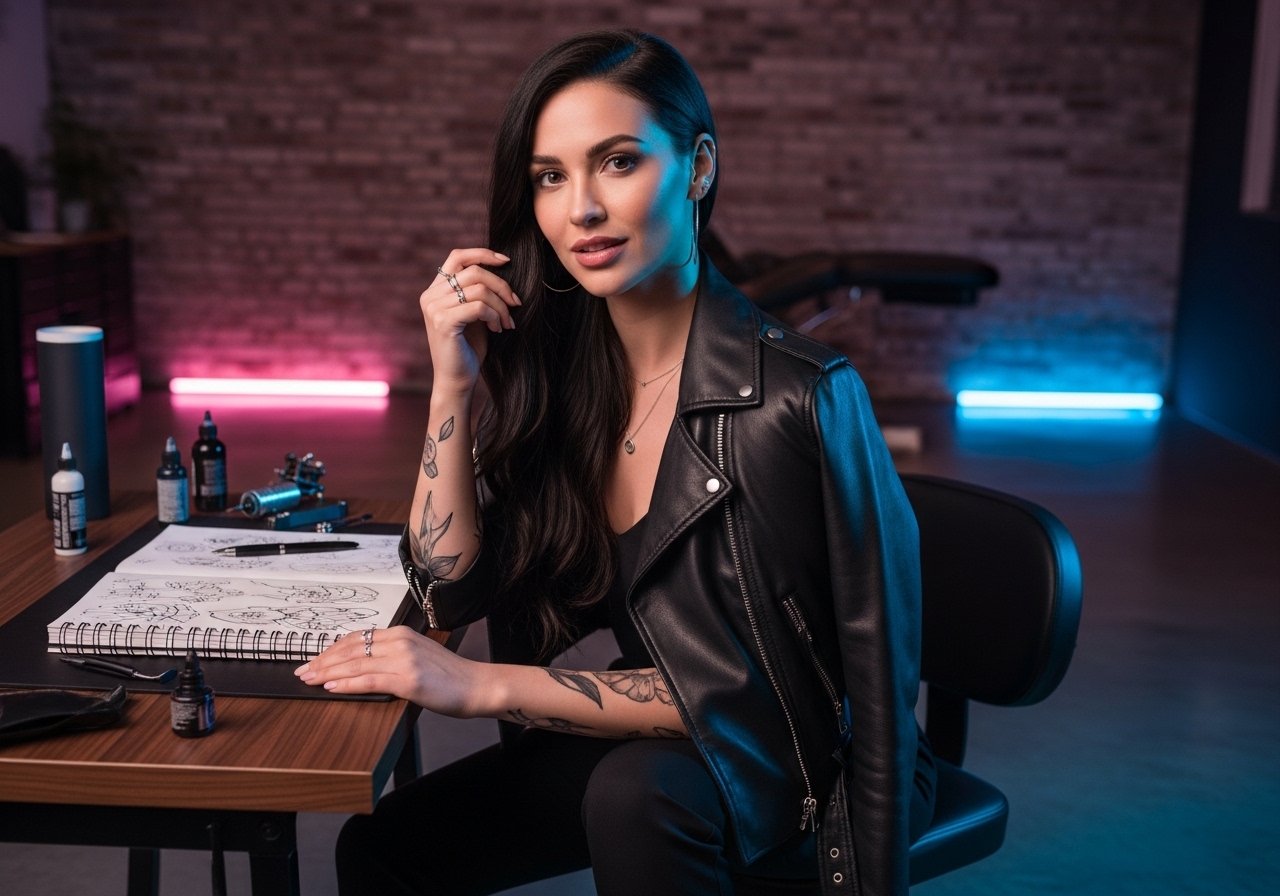
Fine line trends look perfect on a feed, and people commit without thinking about how they heal. I have seen hyper-detailed Ellie motifs that looked brilliant fresh and then softened into a fuzzy outline within a year. The trick is picking the right placement, modest line weight, and a realistic touch-up plan before you book. Below are 21 Ellie Williams tattoo ideas with what to ask for in consults, how they age, and how to wear them so they read like intent, not impulse.
1. Ellie Moth Wing Forearm Piece
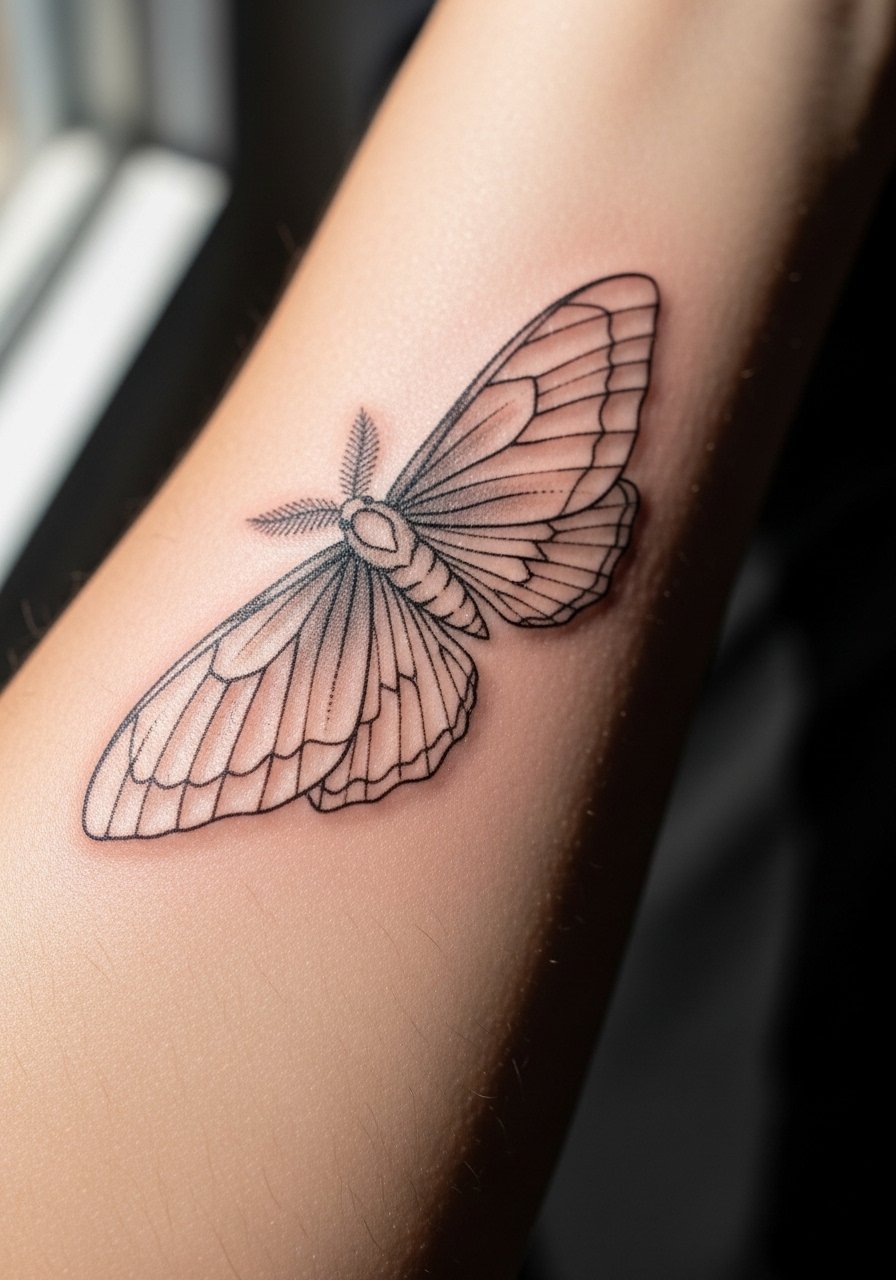
I recommend this when you want a clear Ellie nod that still reads like a classic insect piece. Tell your artist you want slightly thicker primary outlines and stipple shading in the wing veins so the pattern stays readable at year two and five. A common mistake is asking for hairline strokes everywhere which look crisp on day one and then merge within months. Expect low-moderate pain for the outer forearm and a single session for a 2 to 4 inch piece, with a likely touch-up at six to twelve months for fine line settling. Pair with a rolled cuff chambray shirt to show the wing without crowding it.
2. Porch Swing Quote Script on Ribcage
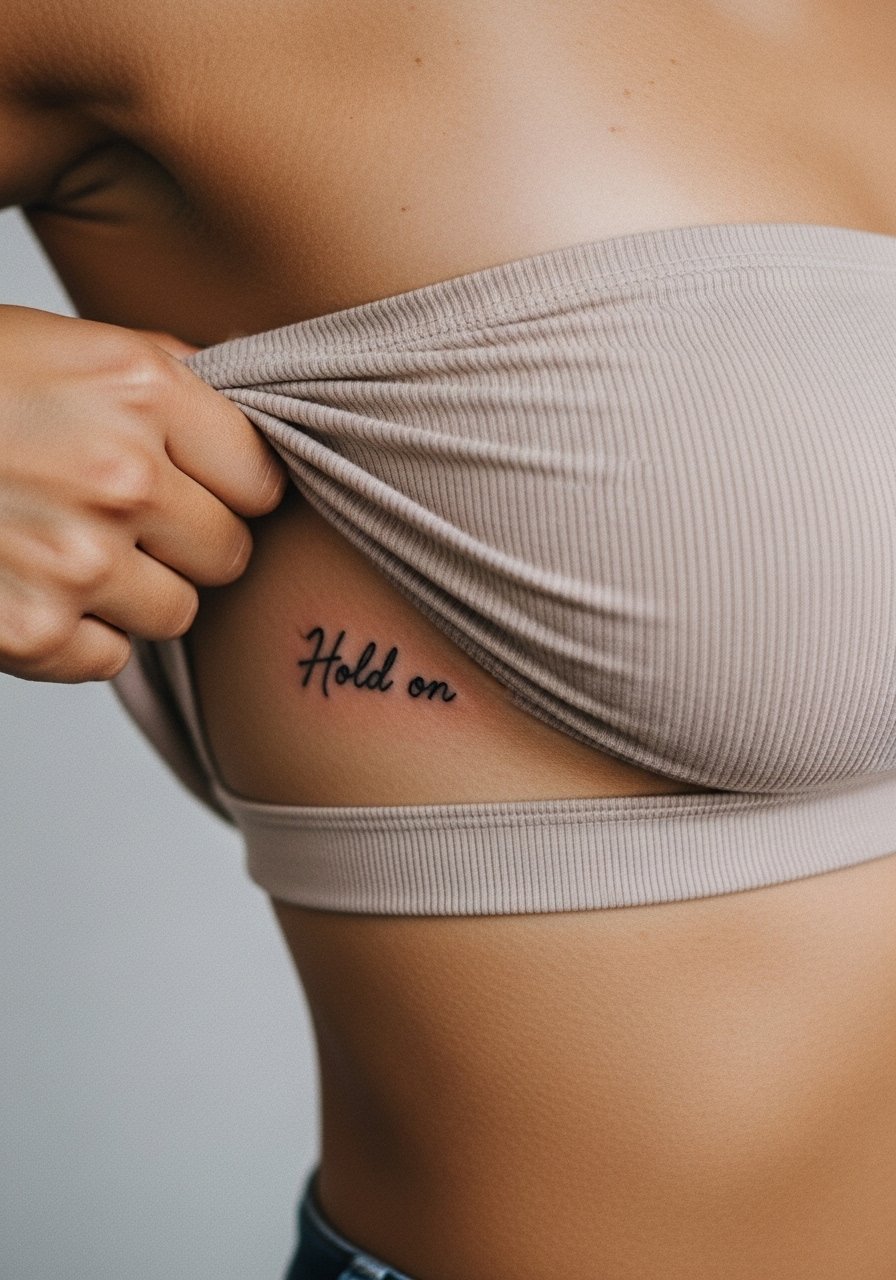
Fair warning: ribs run high on the pain scale but the emotional payoff is strong for people who want a private reference. Ask for slightly larger letter spacing and a simple serif or clean cursive to keep each word legible as the skin stretches. Artists split on whether very fine script holds on ribs. One camp says the stretch blurs tiny letters within two years. The other camp says deliberate spacing and shallow passes preserve readability. Tell your artist which camp they prefer and plan on a touch-up window around year two. For the appointment bring a strapless bralette or a button-front top you can pull aside easily, like a strapless bralette.
3. Breakroom Red Mushroom Cluster Thigh
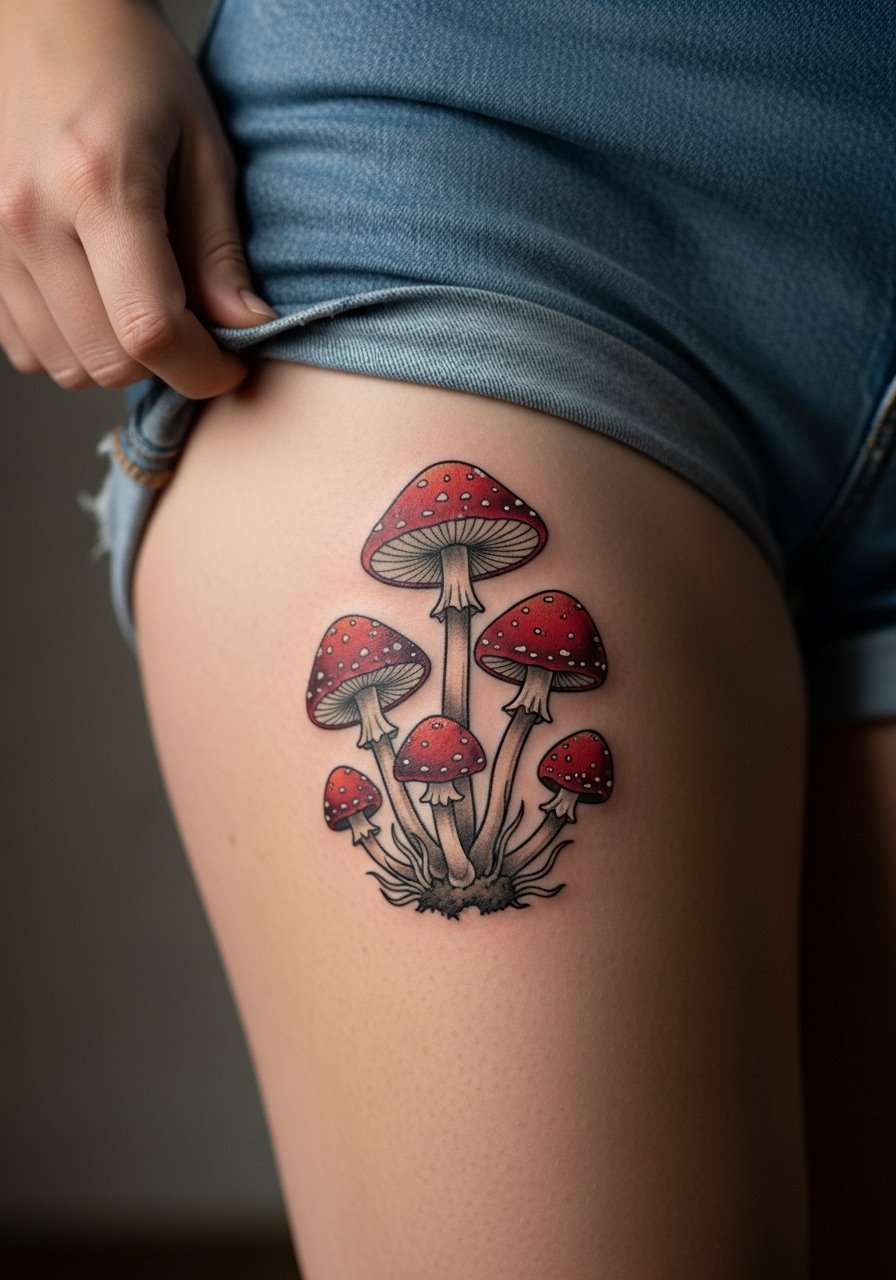
Micro-realism on the thigh is forgiving because there is room to scale and add saturation. Ask for saturated cap color with a thin darker rim to preserve pop in photos over time. A frequent mistake is trying to miniaturize complex caps too small which loses detail when the skin shifts. Expect one to two sessions for a 4×4 inch cluster and moderate pain because the area can be sensitive near bone. Summer sweat can affect initial peeling so some people prefer a dry-heal approach for thigh color. Show-off this placement with high-cut high cut athletic shorts or a slit skirt.
4. Fractured Motorbike Outline on Calf
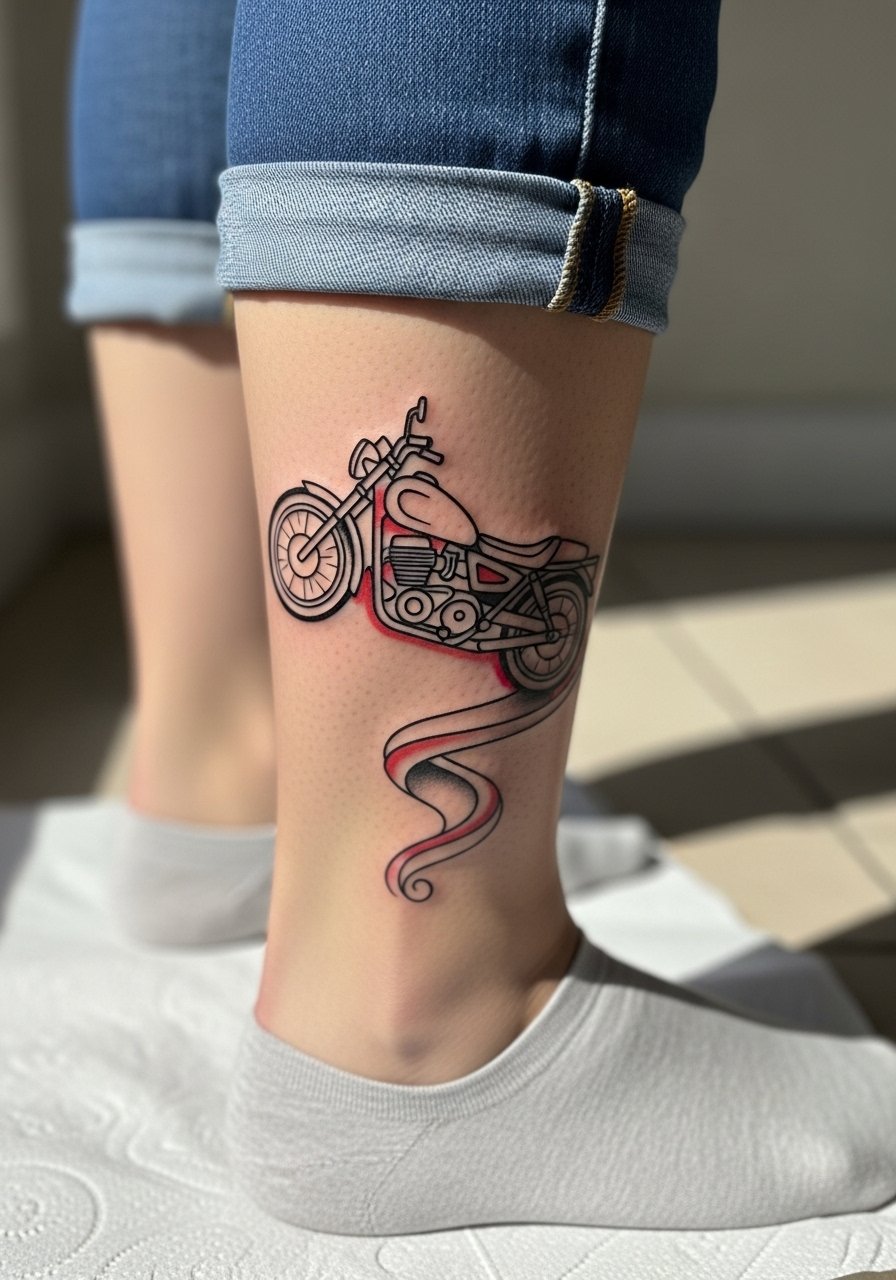
Calf pieces age well if the lines are scaled for movement and gym gains. Tell the artist you want a 5-inch wrap with confident linework and small blocks of color rather than tiny cross-hatching. The biggest mistake is going too thin and trusting the skin to stay the same through muscle changes. If you lift or bulk, expect slight distortions over time. Pain is low to moderate and a single session usually suffices. For showing it off, cropped black jeans or rolled ankle pants frame the outline, try cropped black jeans when you want it visible.
5. Space Mushroom Wrist Dotwork
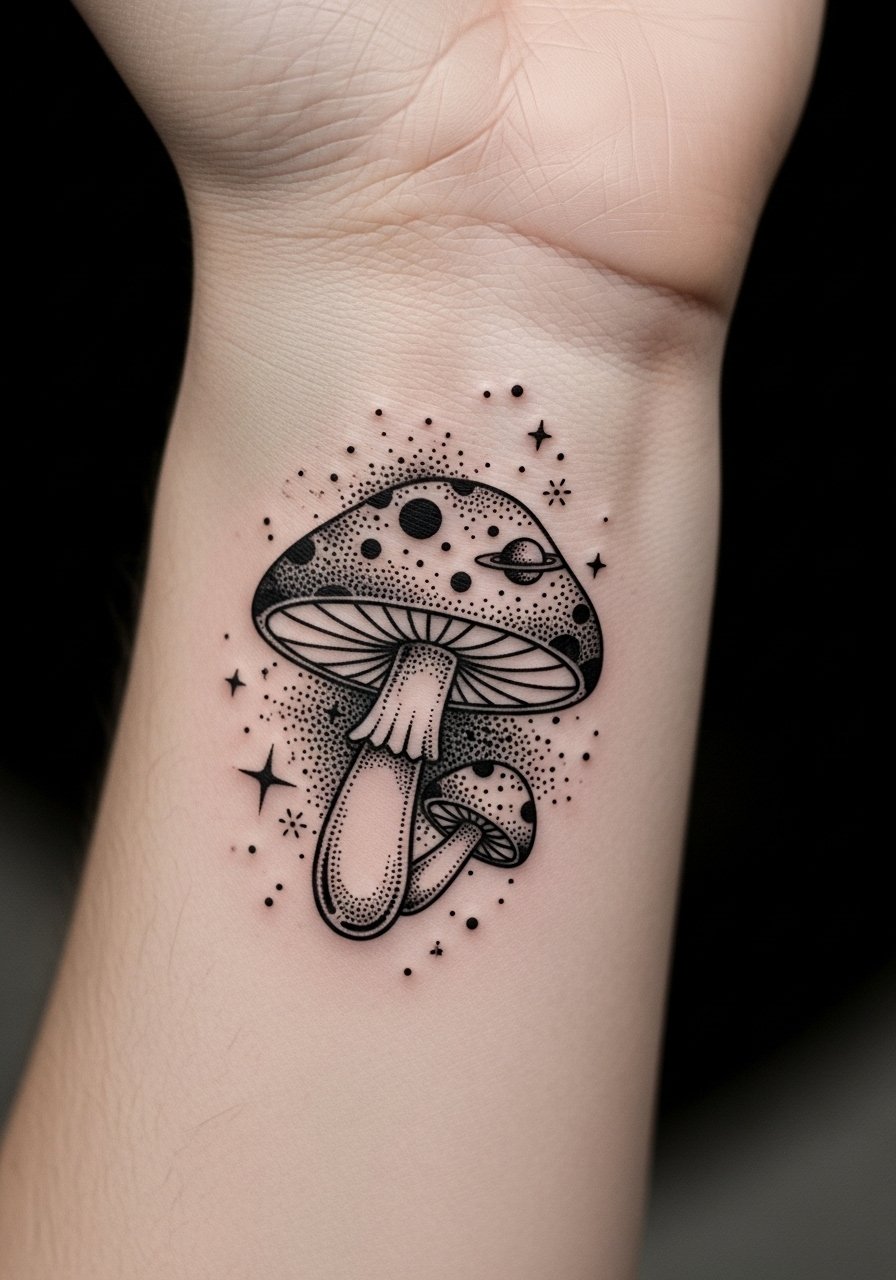
Wrist pieces are compact and social but they face a lot of friction from washing and bracelets. Ask for a dotwork composition with more breathing room between dots so stippling does not merge into blotches at six months. The common regret is tiny dense dot clusters that look great fresh and then soften into a muddy spot. Plan on a quick single session and a possible touch-up at six to twelve months. Wear it with a slim leather cuff watch opposite the tattoo, like a slim leather watch so the composition reads intentionally paired.
6. Rifle Stock Blackwork Shoulder
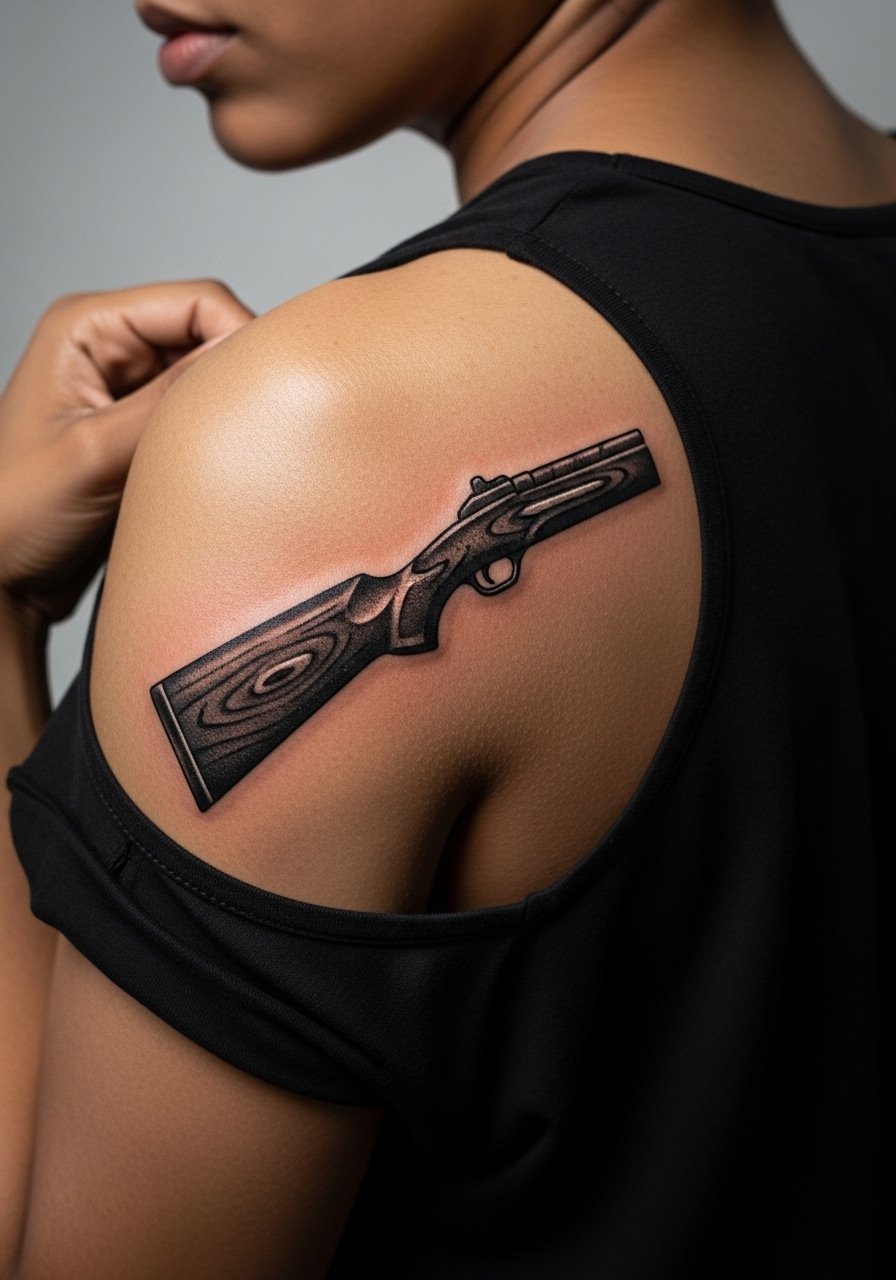
If you want a high-contrast piece that reads from across a room, this blackwork shoulder design is a go-to. Ask for even saturation and strong negative space so the silhouette remains readable as the skin ages. Some people with darker skin note that heavy blackwork can photograph differently, so ask for touch-up plans in the consult. This placement needs two sessions for larger scale and offers moderate pain. For the session wear a loose sleeveless muscle tank you can pull aside without feeling exposed.
Studio Day Picks
The forearm, wrist, and shoulder pieces above demand different prep from chest or thigh work, so these small kit items smooth the session and the first week.
-
Tea tree healing salve. Many people prefer a non-greasy salve for fine line forearm pieces because it adds moisture without a shiny film that attracts dust.
-
Manuka balm stick. A stick format is handy for calves and thighs where sweat can make creams slide off, and it stays put during short walks.
-
Rice bran oil serum. Gentle on color work, it helps keep red mushroom pigments from yellowing and it sits light on the skin for photos.
-
Indie tattoo healing paste. A thicker paste can be useful for inner thigh work where friction and sweat are common in the first week.
-
H2Ocean piercing aftercare spray. A thin spray is handy in humid climates for forearm or shoulder tattoos because it cleans without leaving a heavy, pore-clogging layer.
7. Porch Swing Silhouette Collarbone
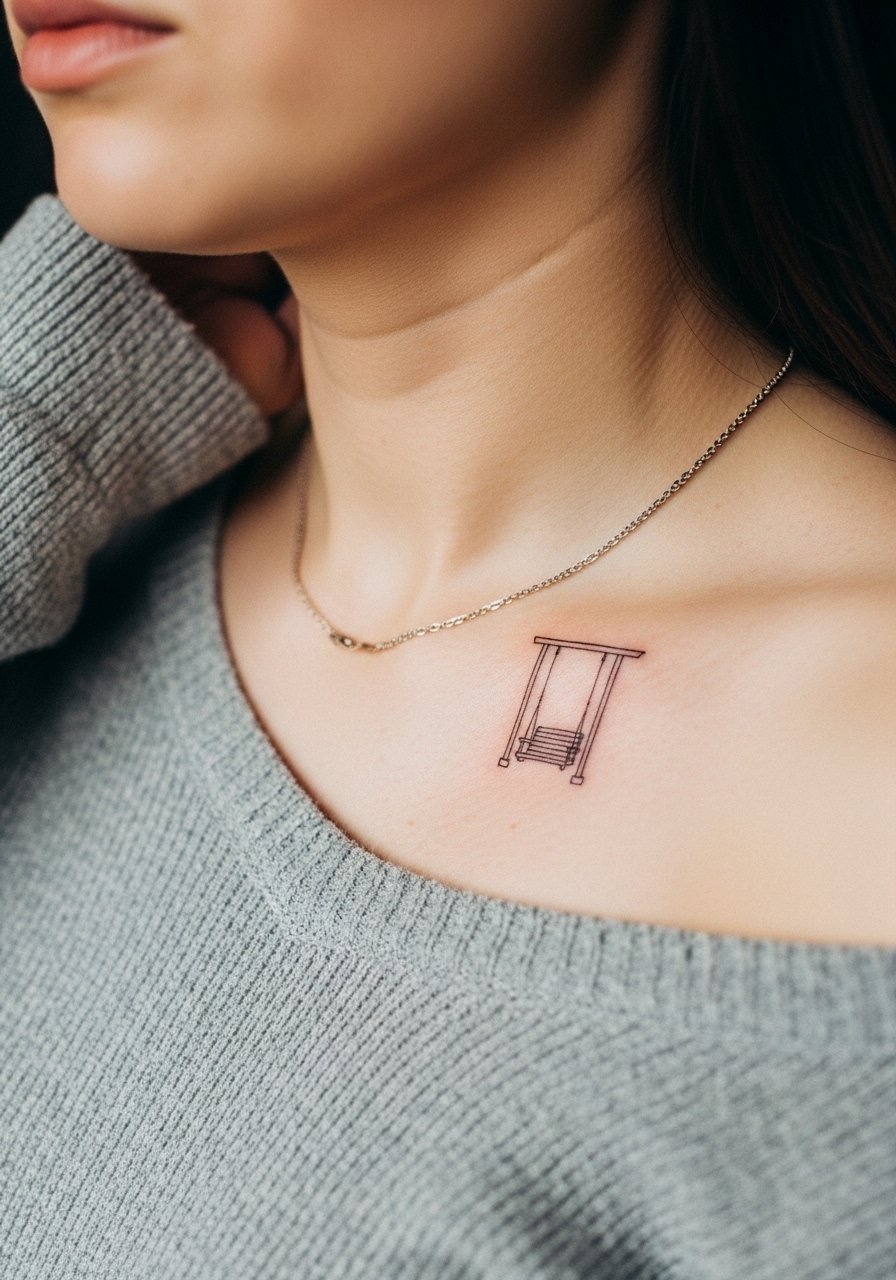
Collarbones are a sweet spot for visible emotional pieces that can also be subdued. Ask for the swing silhouette to follow the collarbone curve so it sits naturally when you wear tanks or wide-neck tops. The common error is centering the design too high or too small which makes it hard to see when clothed. Pain is moderate and healing is straightforward because the area gets air. Pair with an off-shoulder sweater in cream or off-white and a delicate chain necklace, for example off shoulder sweater cream to frame the silhouette without crowding it.
8. Moth with Farmhouse Fine Line Bicep
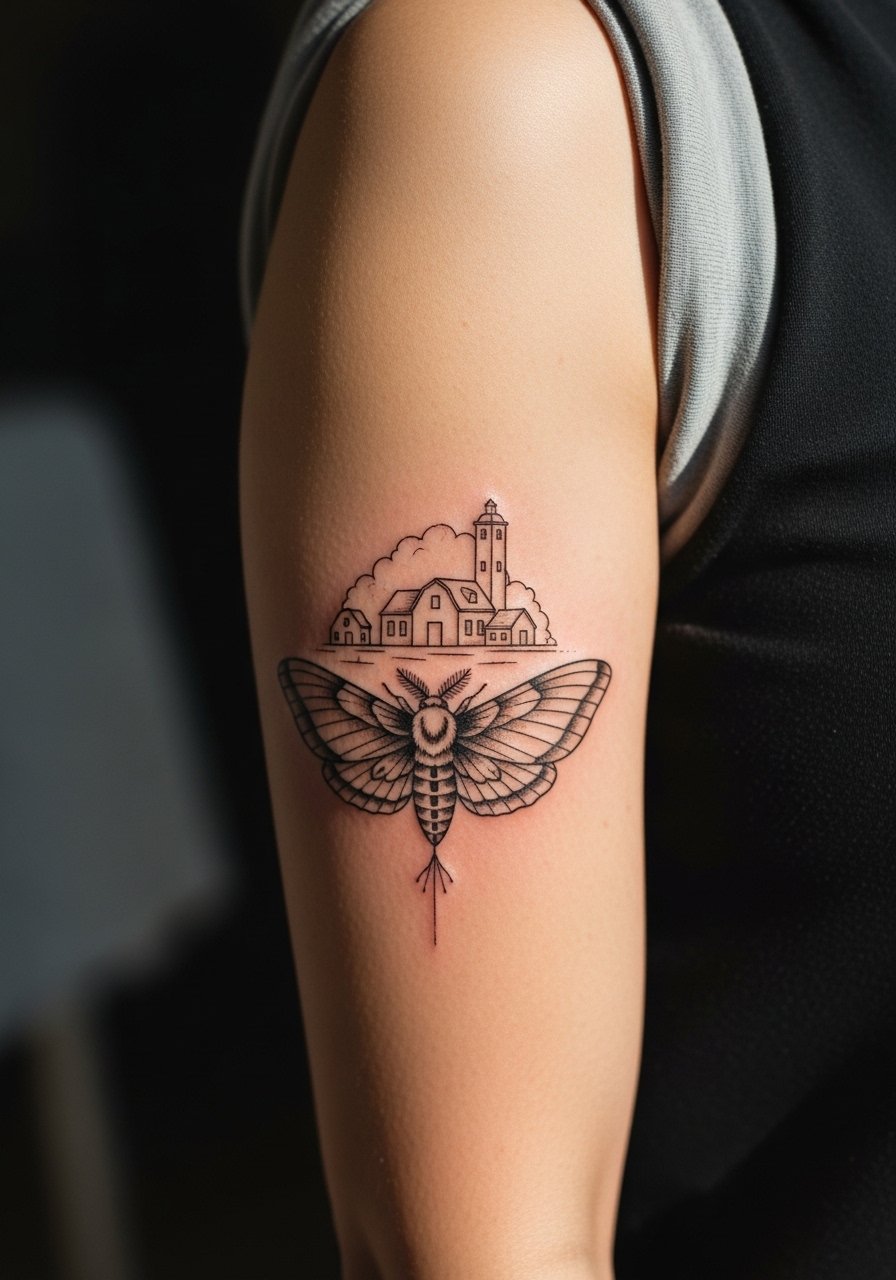
Inner bicep moths let you hide a heavy story and reveal it when you want. Ask your artist to scale the wings to a 4-inch wingspan and to use slightly stronger primary lines around the wing tips. A frequent mistake is using only hairline strokes across the whole piece which vanish on darker or moving skin. Inner biceps can be ticklish and the session may feel like light stinging with moments of more pressure near muscle insertions. For showing it off, a fitted tee with arm slits in a neutral sand tone pairs well, like an arm slit t-shirt.
9. Red Mushroom Patchwork Forearm
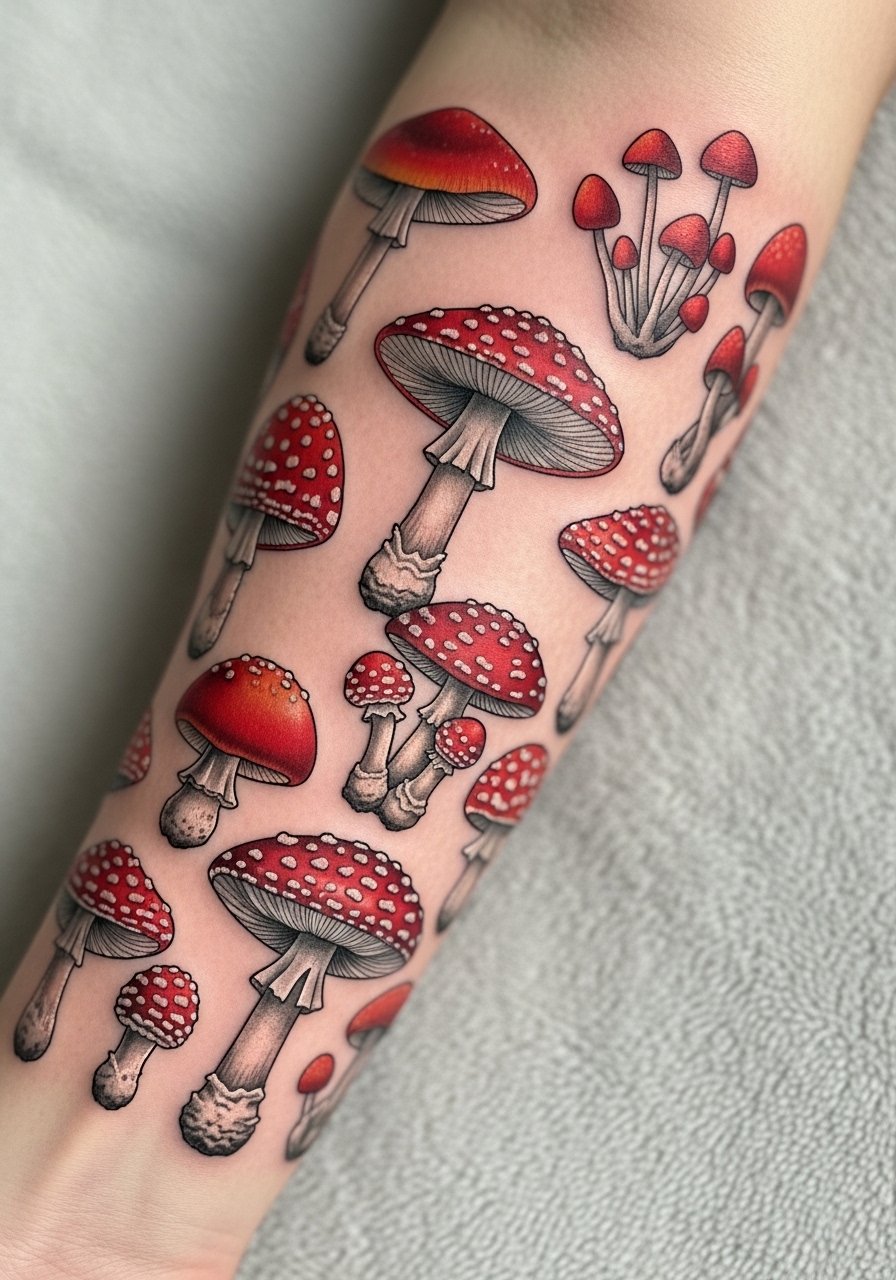
Patchwork forearm stacks work as sleeve starters because you can add pieces later. Tell your artist you want a cohesive cap palette and small shadow anchors so future elements can sit beside these clusters. The mistake is treating each mushroom like an isolated flash with no flow. With proper spacing this style heals beautifully at six months and remains legible at two years, though color touch-ups may be needed by year three. A rolled cuff chambray shirt in navy or khaki frames the patchwork nicely when you want to show it off.
10. Ellie Portrait Outline Ankle
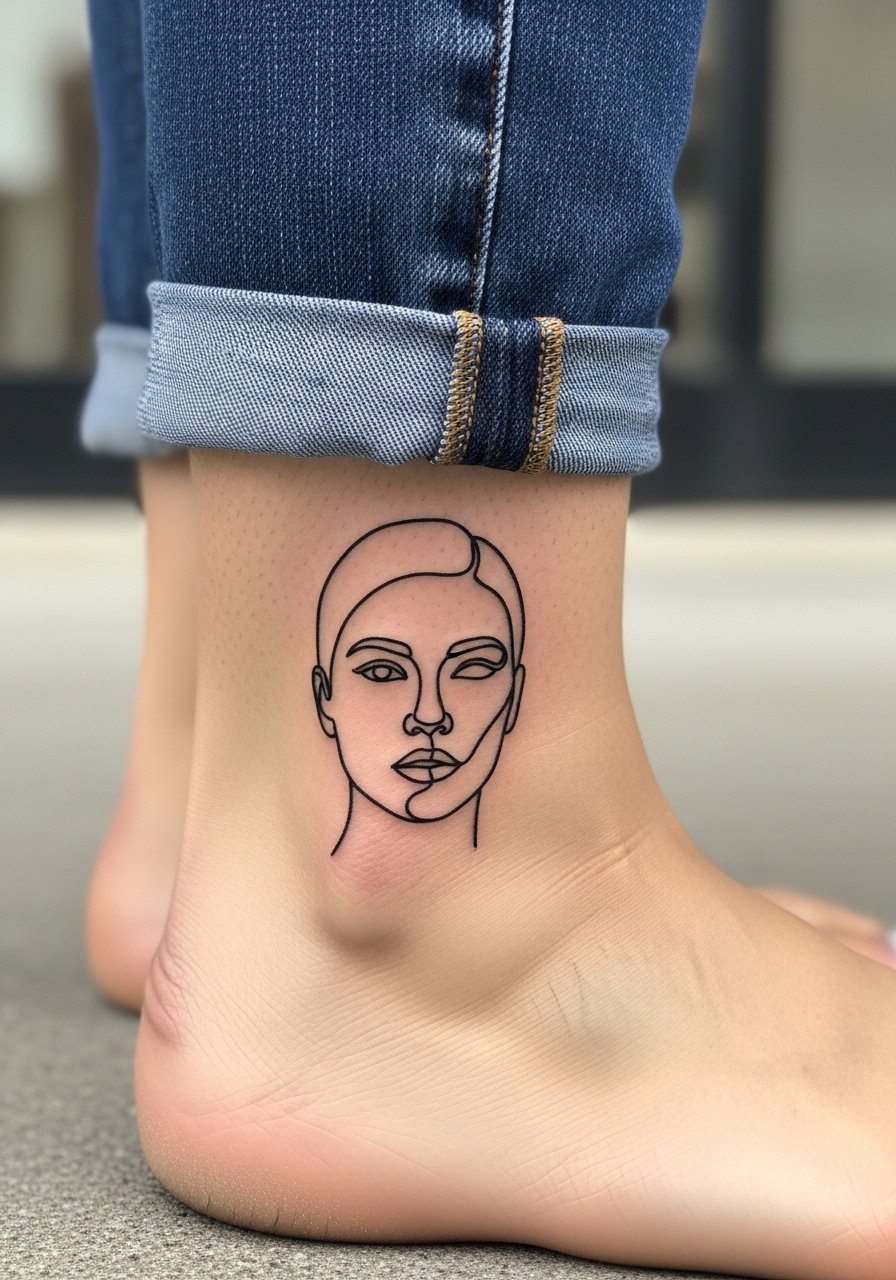
Tiny portrait outlines on the ankle read as a private symbol for many fans. Ask for a simplified silhouette rather than full facial detail to avoid early blurring. People often ask for ultra-small faces that age into ambiguous marks. The ankle is a high-friction zone and the piece will see wear from socks and shoes, so expect a touch-up at one year. Pain is low to moderate depending on bone proximity. Show it with jeans rolled up or sandals for casual visibility, try jeans rolled up.
11. Grass Stain Detail on Hand Back
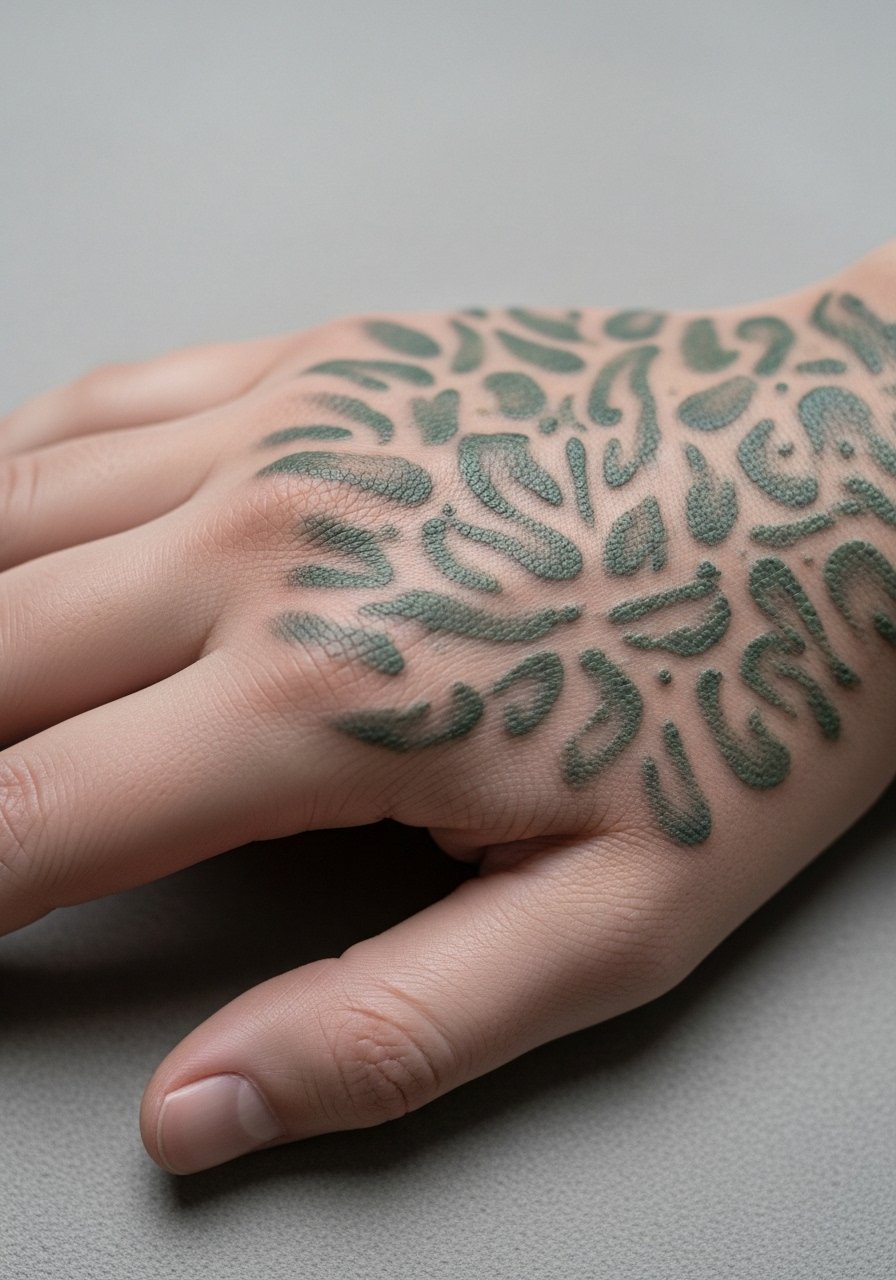
Hand tattoos are bold because the skin moves and takes a beating. The grass stain texture is a clever nod that reads as texture rather than a literal object. Tell your artist you want open negative space and a mix of stipple and light whip shading to reduce long-term smudging. The common regret is dense fill that turns patchy within months. Healing is fast but longevity varies, expect more frequent touch-ups than arm work. Think about career implications before committing and plan touch-ups accordingly. For session wear, keep the hand clean and bare so the artist can work without obstruction.
12. Synth Cover Art Mandala Spine
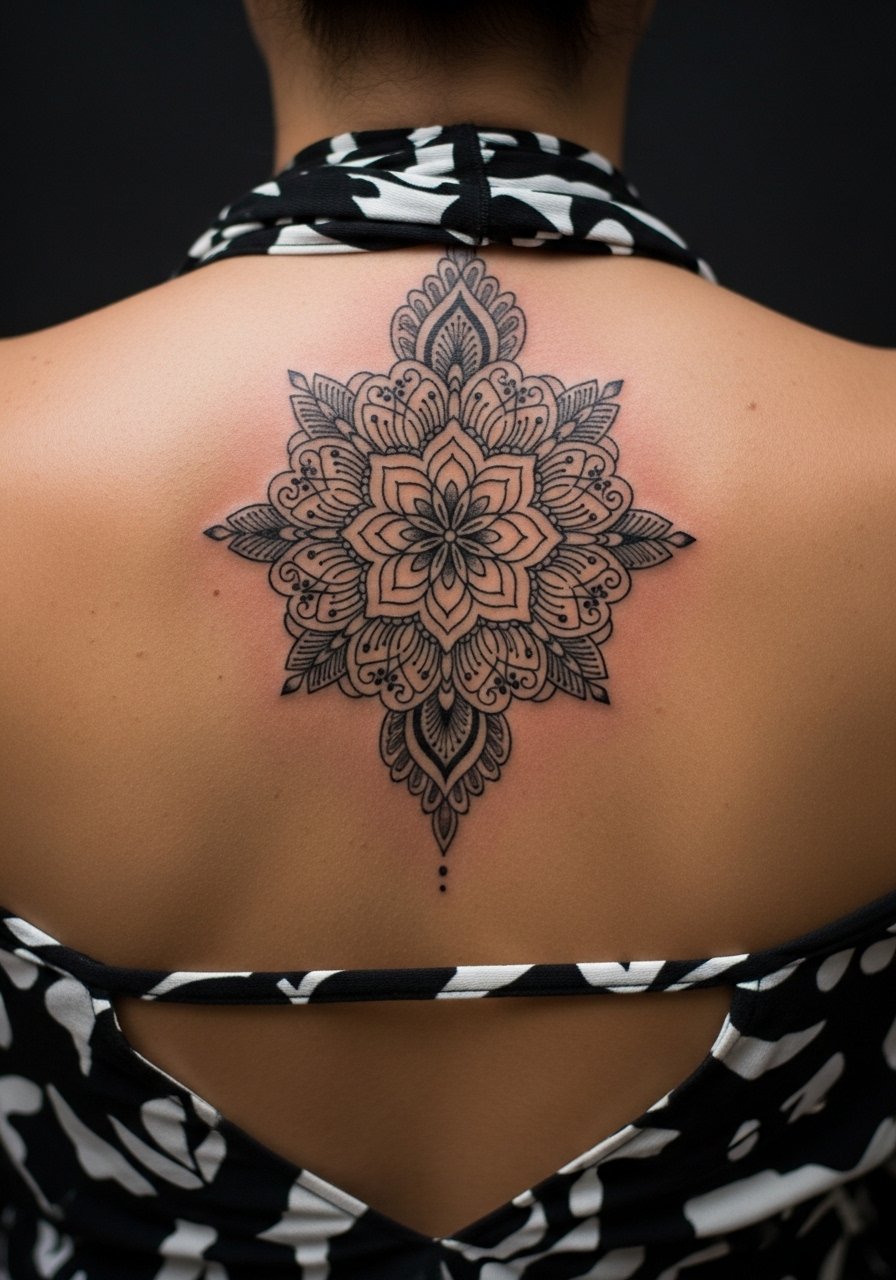
Spine mandalas require precise spacing so the concentric geometry does not compress during movement. Ask for clear ring spacing and a strong central focal point to keep the pattern from turning into dense shading over years. A niche approach is to integrate hidden track numbers in fine roman numerals in the outer rings for a personal touch. The sternum and spine areas can be sensitive and sessions may take two to three sittings depending on size. For showing this off, open-back or halter tops work well, pick an open-back midi dress for evening wear.
13. Bloater Armor Dots Thigh
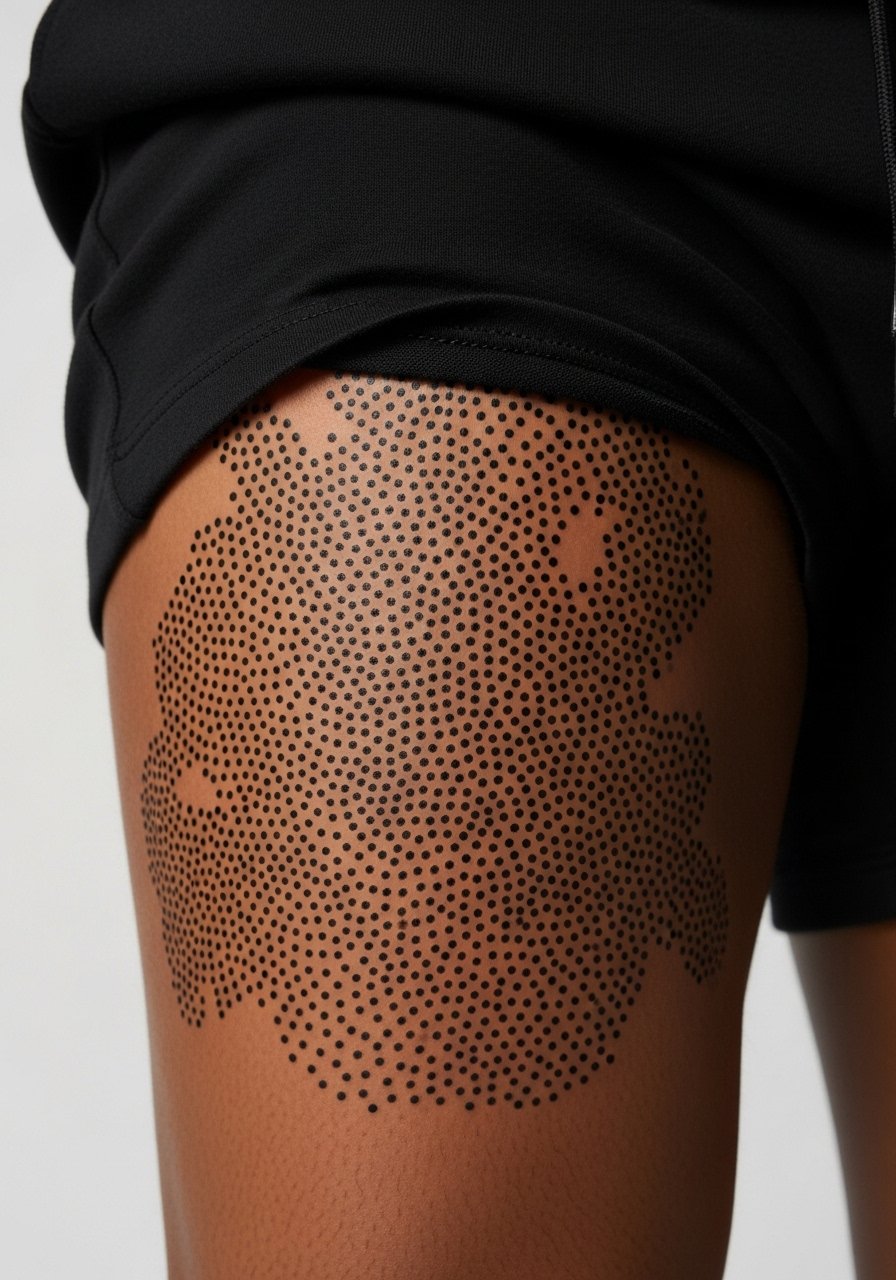
This horror-leaning piece translates grotesque texture into a repeatable pattern that reads well from a distance. Ask for gradated dot density with larger negative spaces at edges so the armor effect holds as an abstract pattern. A common mistake is too-dense dot packing near folds which can blend into a single black area when seated. Inner thigh sessions feel tender and require good positioning, plan for one to two sessions. Because of sweat and friction, some people prefer a thicker protective paste during the first week. For clothing, high-cut shorts in olive or minimal leg chains help the piece read like deliberate accessorizing.
14. Tiny Moth with Real Species Variant Wrist
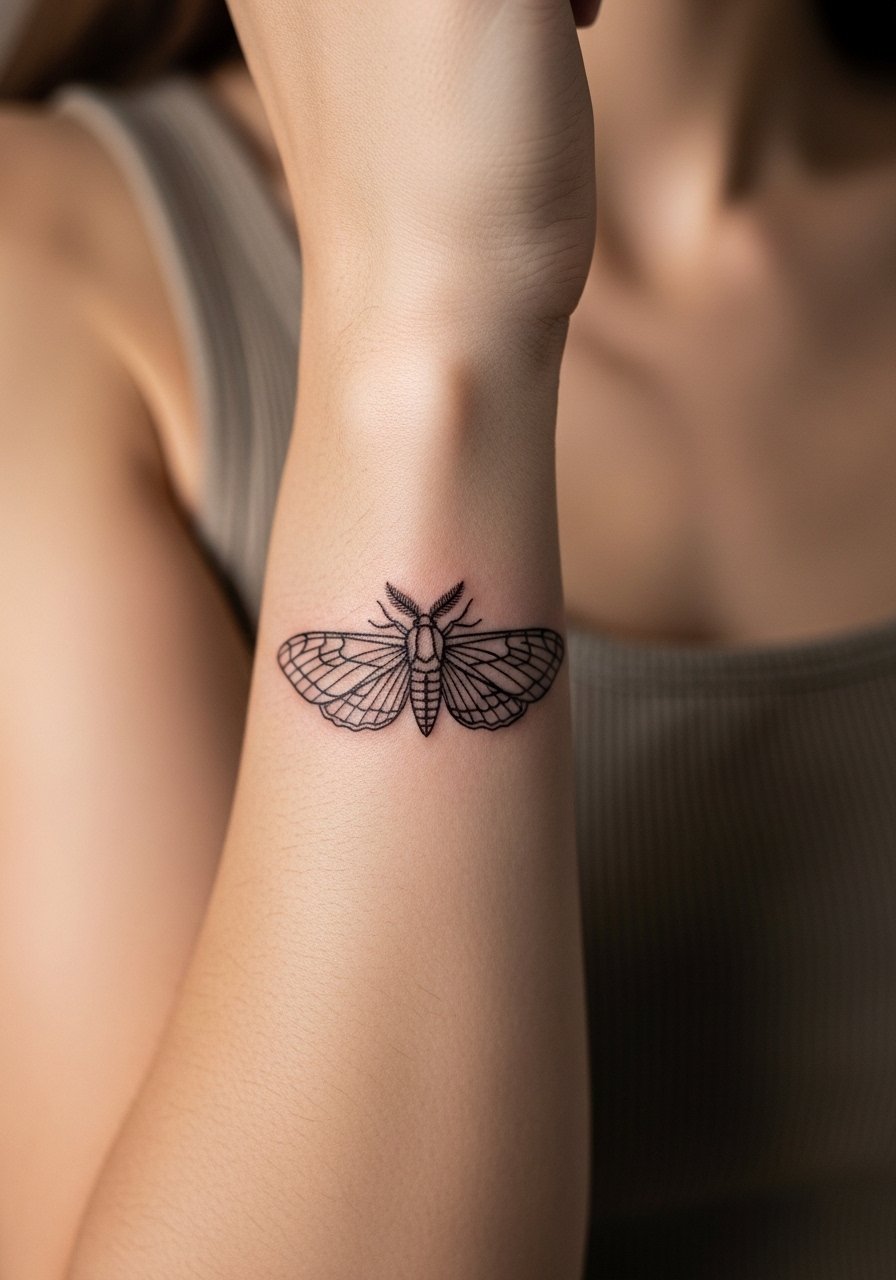
Pairing an Ellie moth with a real moth species is a neat biology-friendly twist that reduces the chance the design feels generic. Tell your artist which species features you want emphasized so antennae, wing veins, or body texture are accurate. People who ask for purely stylized wings without this direction sometimes end up with a look that resembles dozens of other moth tattoos. The wrist sees daily use and soaps, so plan for a small touch-up at six to twelve months. For showing it off, a neutral tank and a minimalist leather cuff look deliberate, try minimalist leather cuff.
15. Fractured Guitar Neck on Inner Forearm
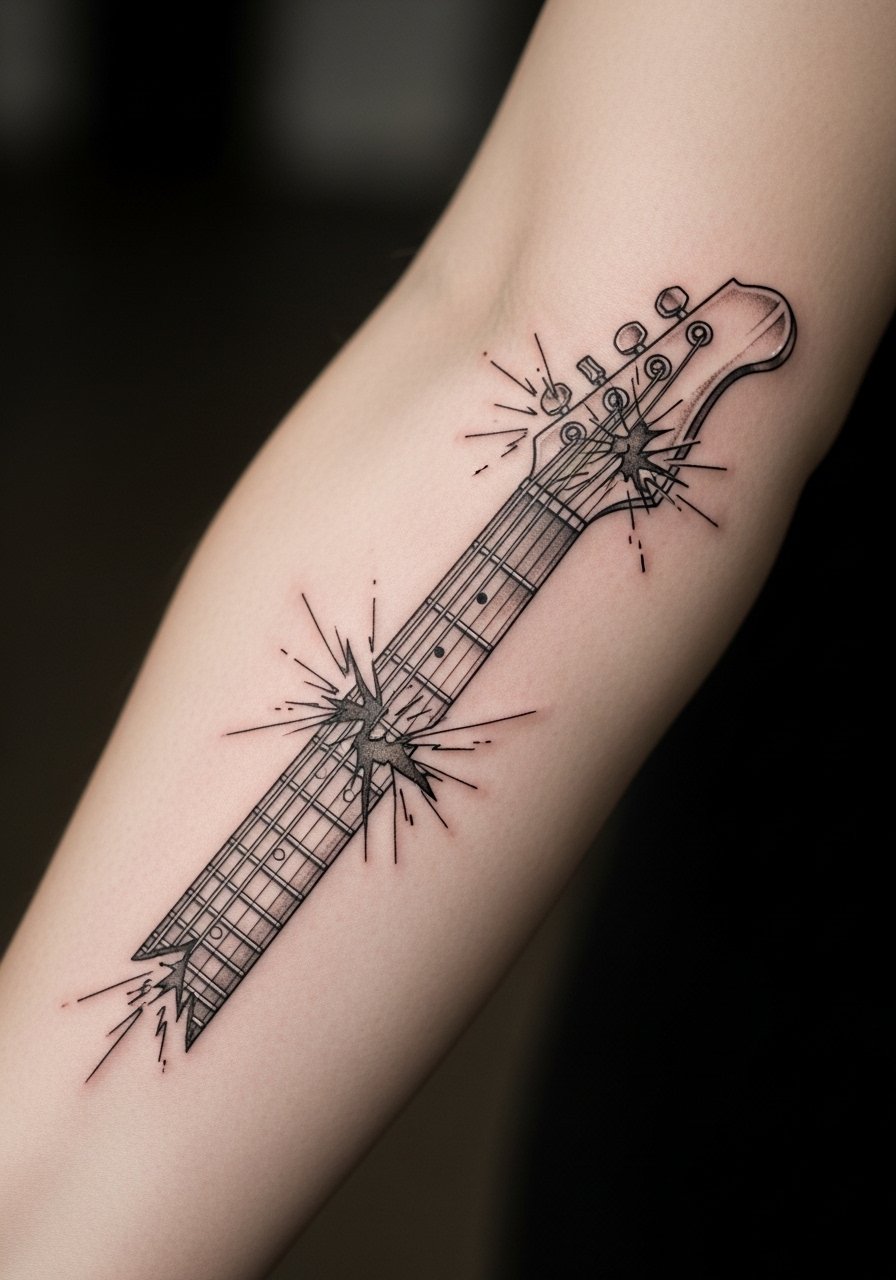
A guitar neck silhouette scaled across the inner forearm can be a subtle music nod linked to synth or track memories. Ask for slightly bolder main strings and minimal fret detail to avoid tiny elements blurring into one another. The mistake is over-filling the frets with tiny dots which age poorly. Forearm placement means easy visibility and low to moderate pain, and this is a single session piece with a likely touch-up at year one. Pair it with rolled cuffs or a thin chain pendant to balance wrist accessories.
16. Rifle Silhouette Collarbone Accent
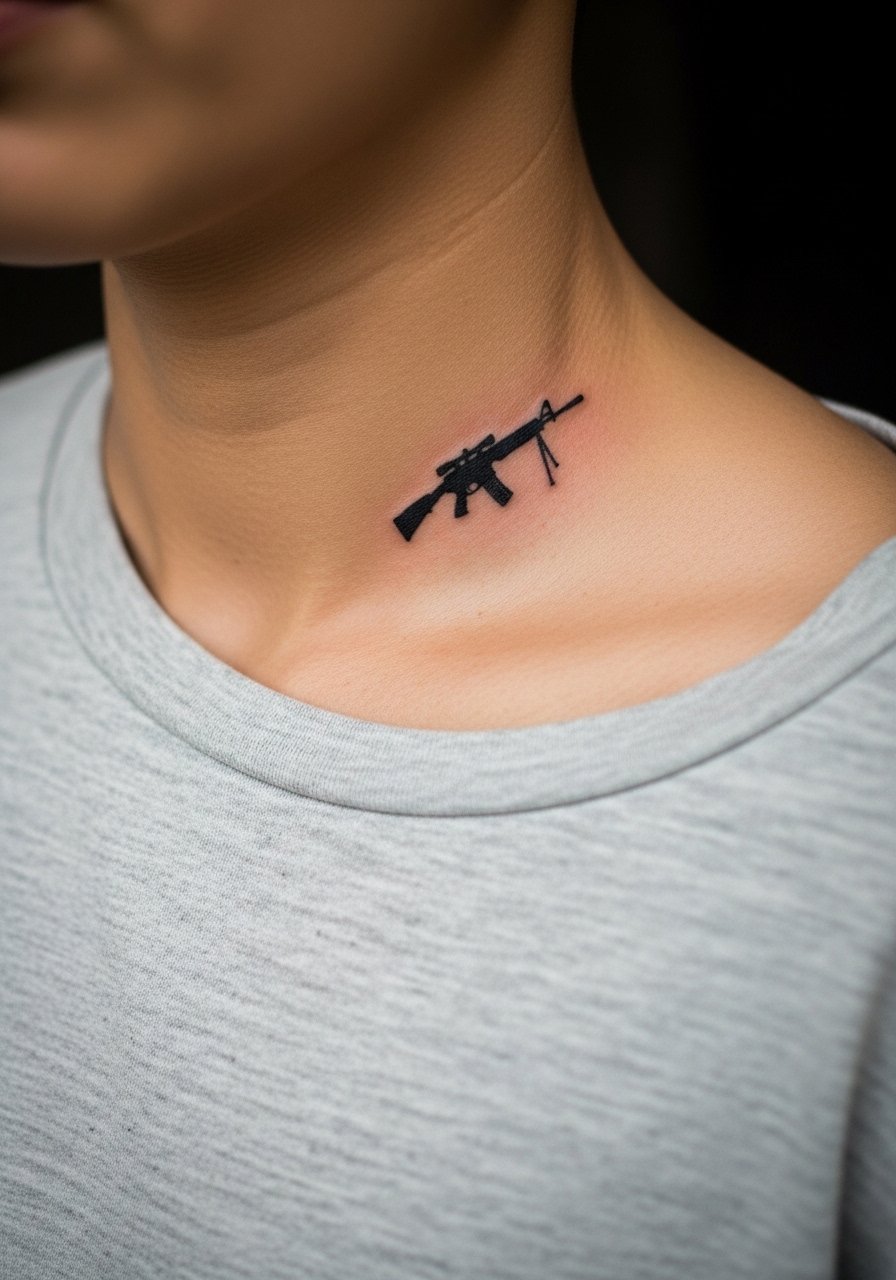
A compact rifle silhouette along the collarbone reads as a survival theme without overwhelming the chest. Specify silhouette scale and negative space so the piece reads clean against collarbone shadows. The common misstep is centering the silhouette too close to the sternum which makes it awkward with clothing. Collarbone healing is steady and pain is moderate, usually a single session. For showing it off, a wide-neck shirt or delicate pendant works, try delicate chain necklace.
17. Red Mushroom Accent Behind the Knee
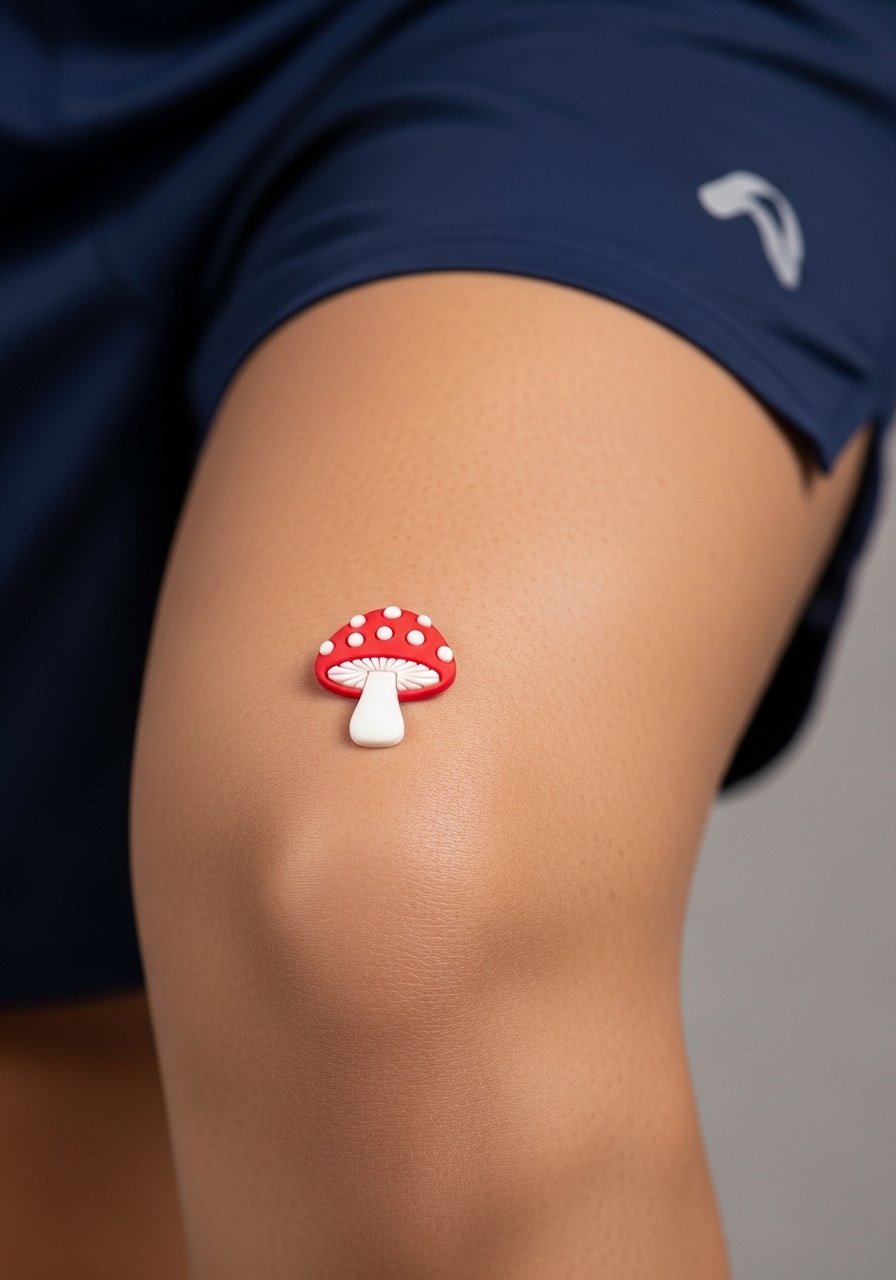
Behind-knee placements flex and compress which can blur fine textures if scaled too small. Ask the artist to place the cluster slightly above the crease and to avoid dense detailing across the fold. Many people request compact realism that then breaks apart when the knee bends. Sessions are short but plan on a touch-up after movement testing at three to six months. For session wear bring loose shorts you can shift, like loose drawstring linen pant alternatives that let the artist work without tight bands.
18. Pocket-Sized Portrait on Inner Wrist
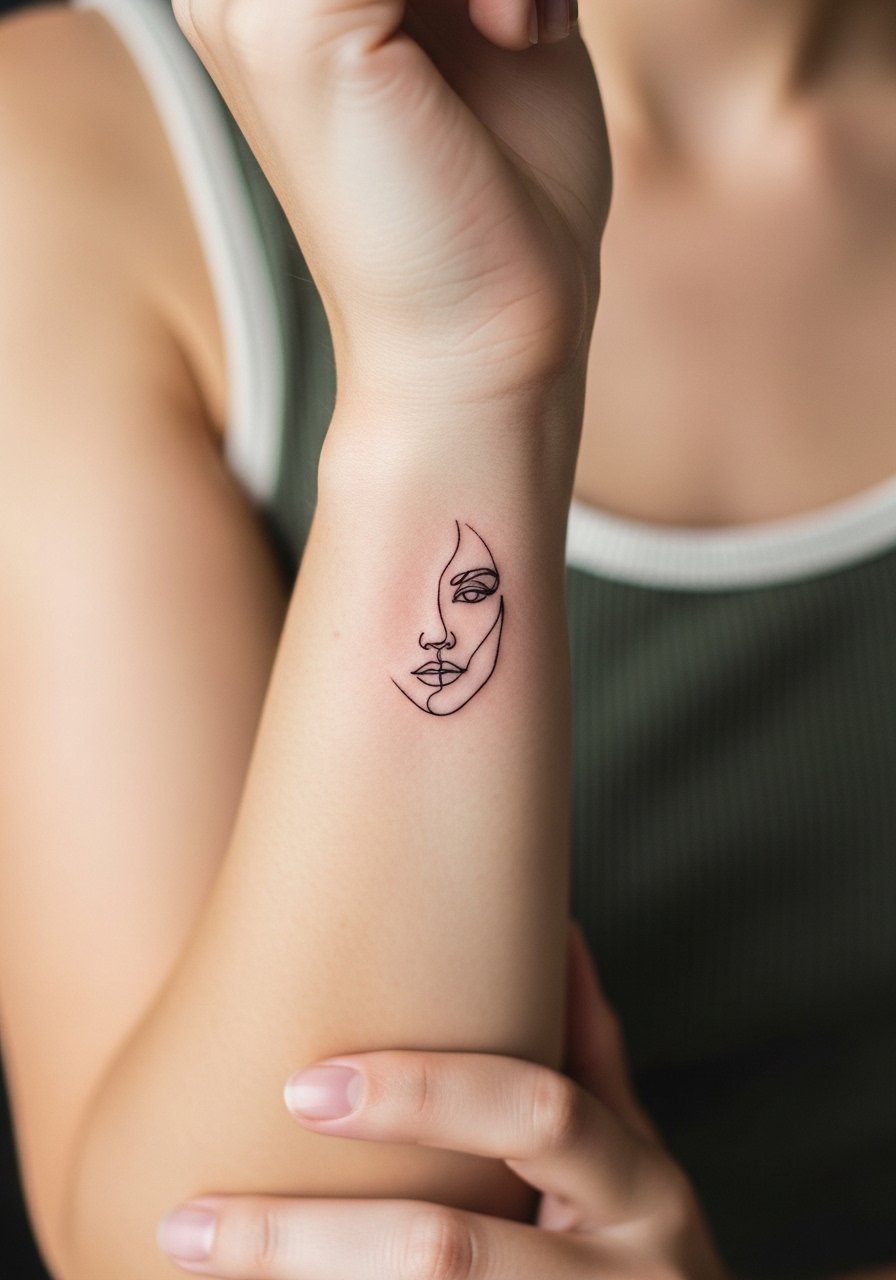
An inner wrist portrait is intimate and readable if simplified into a profile or silhouette. Tell your artist you want the portrait as a confident outline rather than a photo-real miniature. The common regret is requesting too much facial micro-detail which the wrist cannot hold over time. The wrist sees heavy use so expect higher fade and a touch-up possibility at the one-year mark. For showing it off, a minimalist chain or slim watch opposite the wrist keeps attention balanced.
19. Porch Swing Minimalist Rope on Upper Arm
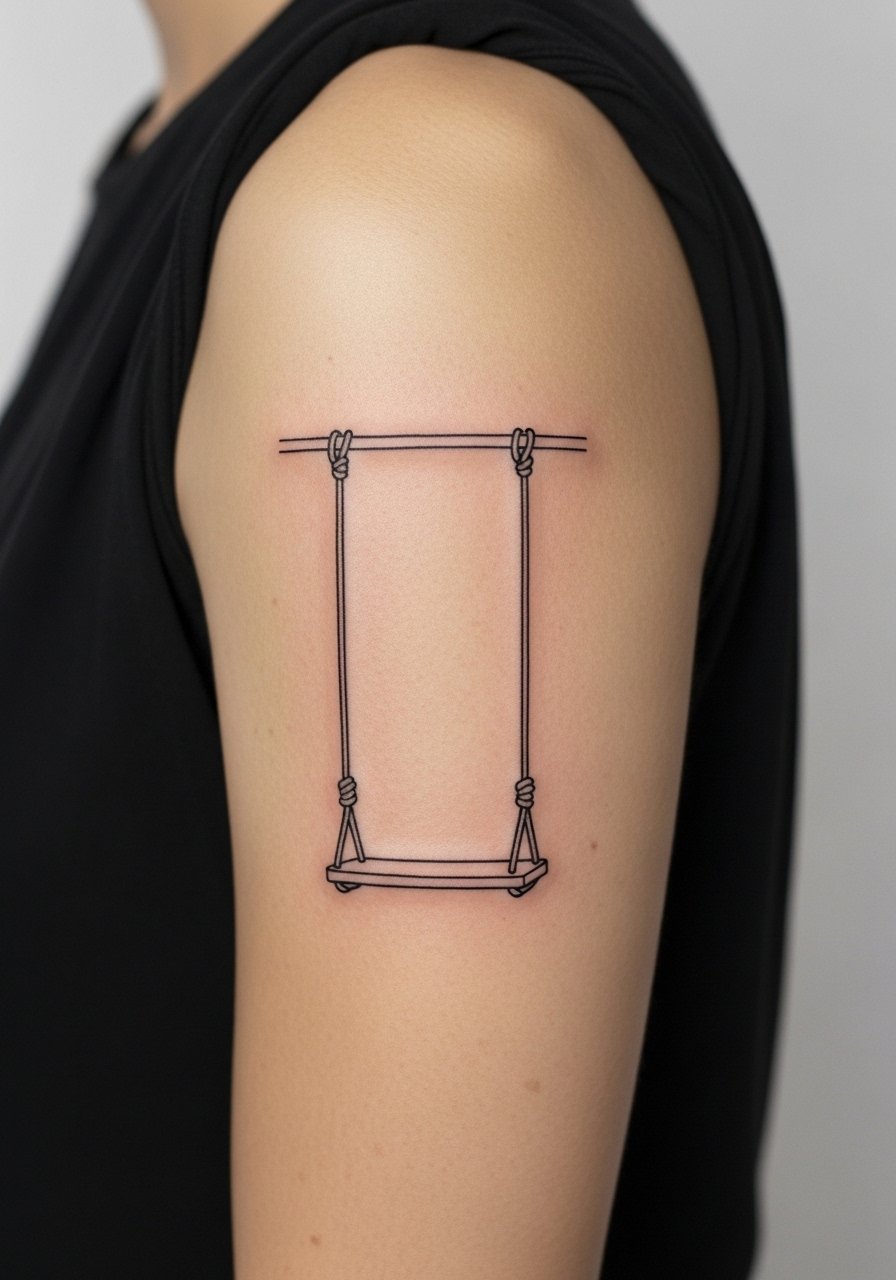
Upper arm placements are forgiving and great for a minimalist swing motif that can scale later into a larger scene. Ask for clear rope spacing and a slightly stronger seat outline so the silhouette reads long term. The widespread mistake is tiny ropes that soften into a single tonal line after repeated sun exposure. Upper arm pain is low and a single session usually covers this 2-3 inch piece. Fitted tees or tank tops with arm slits frame the motif, try sleeveless loose shirt options for easy showing.
20. Healed-Style Stipple Bloater Chest Accent
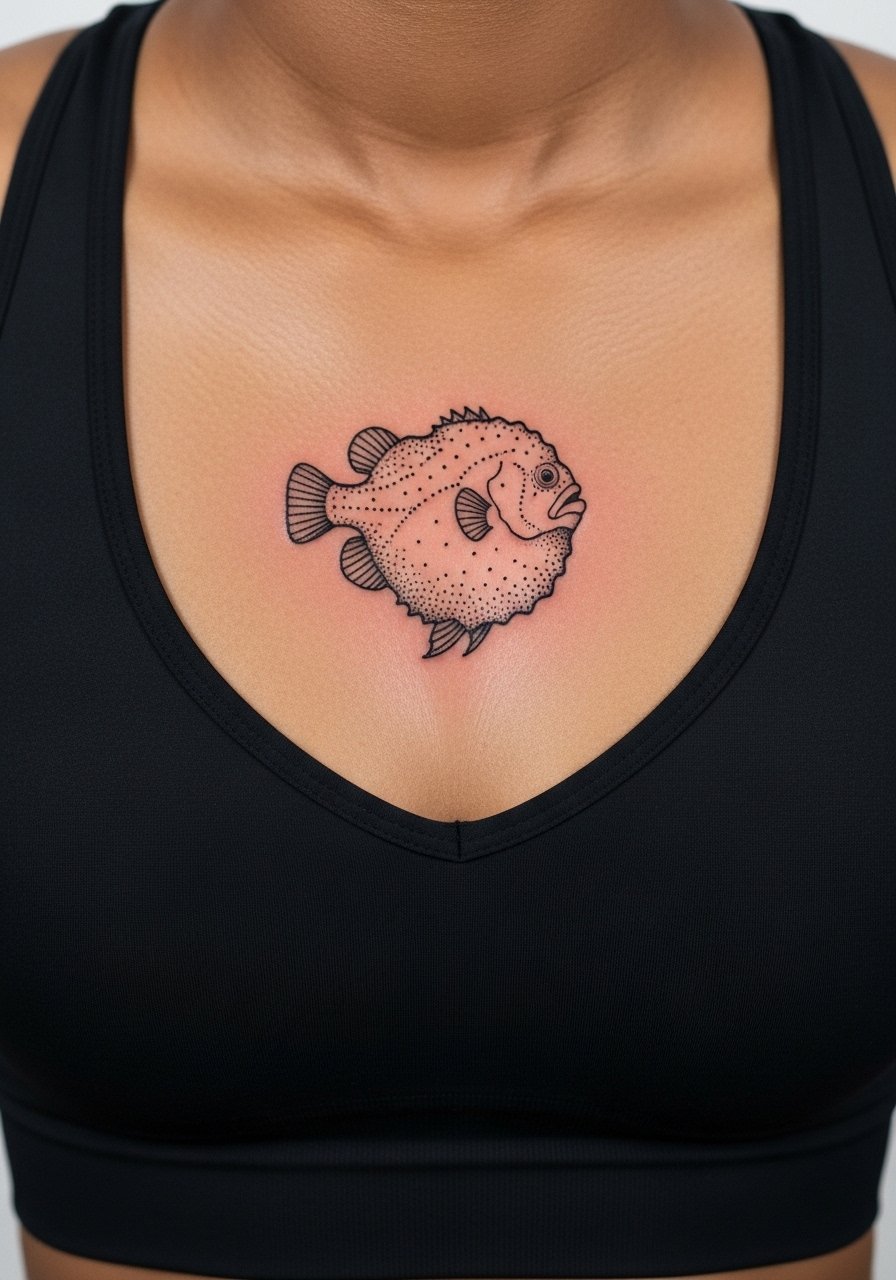
Sternum-adjacent dotwork must account for breathing and chest expansion. Ask for gradated stipple that leaves more open dots at the edges so the pattern breathes. The error is over-dense dot packing which can create heavy blocks when the skin stretches. Sessions are sensitive and may take two sittings for comfortable breaks. Wear a fitted sports bra to keep modesty during the session and to let the artist access the area easily. If you plan on visible chest work, mention any future pieces to the artist so spacing is consistent.
21. Temporary-to-Permanent Test Strip on Inner Arm
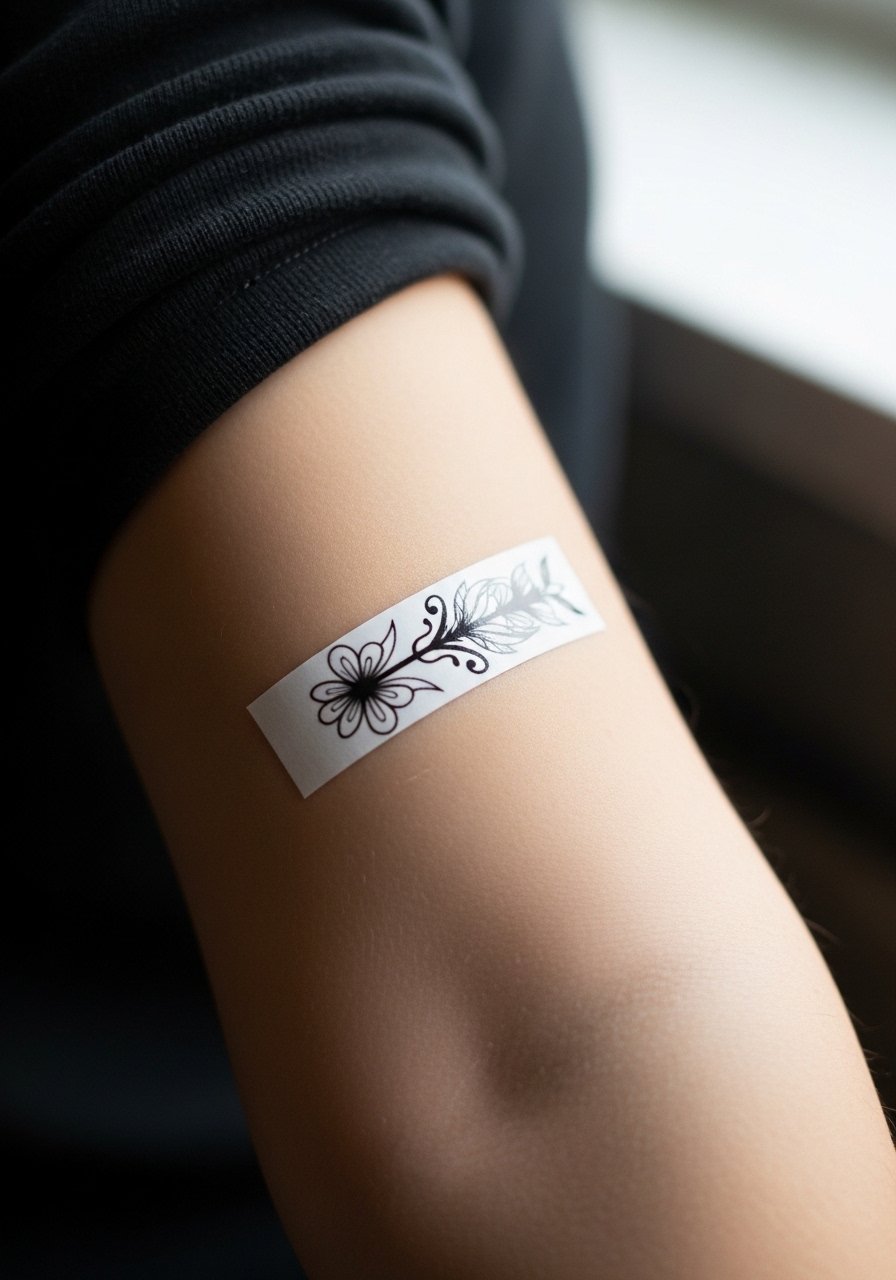
If you are unsure about a visible Ellie element, test it with a temporary tattoo strip first. I've seen people change placement after wearing a mock for a weekend and that one choice saved them a regret later. The test helps you judge scale, how jewelry interacts, and whether the piece sits well with sleeve lines. When you do go permanent, bring the exact temporary image to the consult and ask for the same scale but with a slightly bolder outline for longevity. This is a zero-pain dress rehearsal and a small investment in certainty.
Frequently Asked Questions
Q: Will fine line moths on forearms blur faster than blackwork pieces?
A: From what I've seen, fine line moths do tend to soften sooner than solid blackwork because the ink is distributed in thinner channels. The fix is deliberate line weight choices and planning a touch-up at six to twelve months. If you want longevity over the absolute hairline look, ask for slightly stronger primary lines during the consult.
Q: How should I prepare clothing-wise for a ribcage porch swing session?
A: Bring a strapless or button-front top you can move aside without feeling exposed. I recommend a strapless bralette or a shirt that unbuttons so the artist can work freely while you stay comfortable. Also bring a loose cover-up to wear after the session to avoid fabric rubbing during the first day.
Q: My skin is dark, will black and gray mushrooms photograph as intended?
A: Darker skin can change how black and gray read in photos, but subtle color highlights and higher contrast in the caps help. Ask your artist for slightly more saturation and a touch of rim color so the mushrooms maintain separation in photos and in natural light.
Q: How often should I expect touch-ups for wrist dotwork space mushrooms?
A: Plan on checking in at six to twelve months because wrist work gets a lot of washing and friction. Many people need a touch-up in the first year, then less frequent maintenance depending on sun exposure and activity levels. Ask your artist for a recommended follow-up when you book.
Q: Where can I find artists who specialize in Ellie motifs without paying sleeve prices?
A: Use discovery routes like #EllieWilliamsTattoo plus your city on Instagram, search the Tattoodo app with fine line filters, and check Reddit mega threads for local recommendations. Booking guest spots via platforms with cancellation policies helps avoid last-minute ghosting and lost deposits.
Q: Should I use Saniderm or dry healing for a fine line forearm moth?
A: Artists and healers split into two camps. One group prefers Saniderm for cleaner early healing and fewer scabs. The other group favors dry healing for better ink setting over time. The right choice depends on your skin type, activity level, and whether you are prone to sweating or friction. Ask your artist which method they recommend for your specific piece.