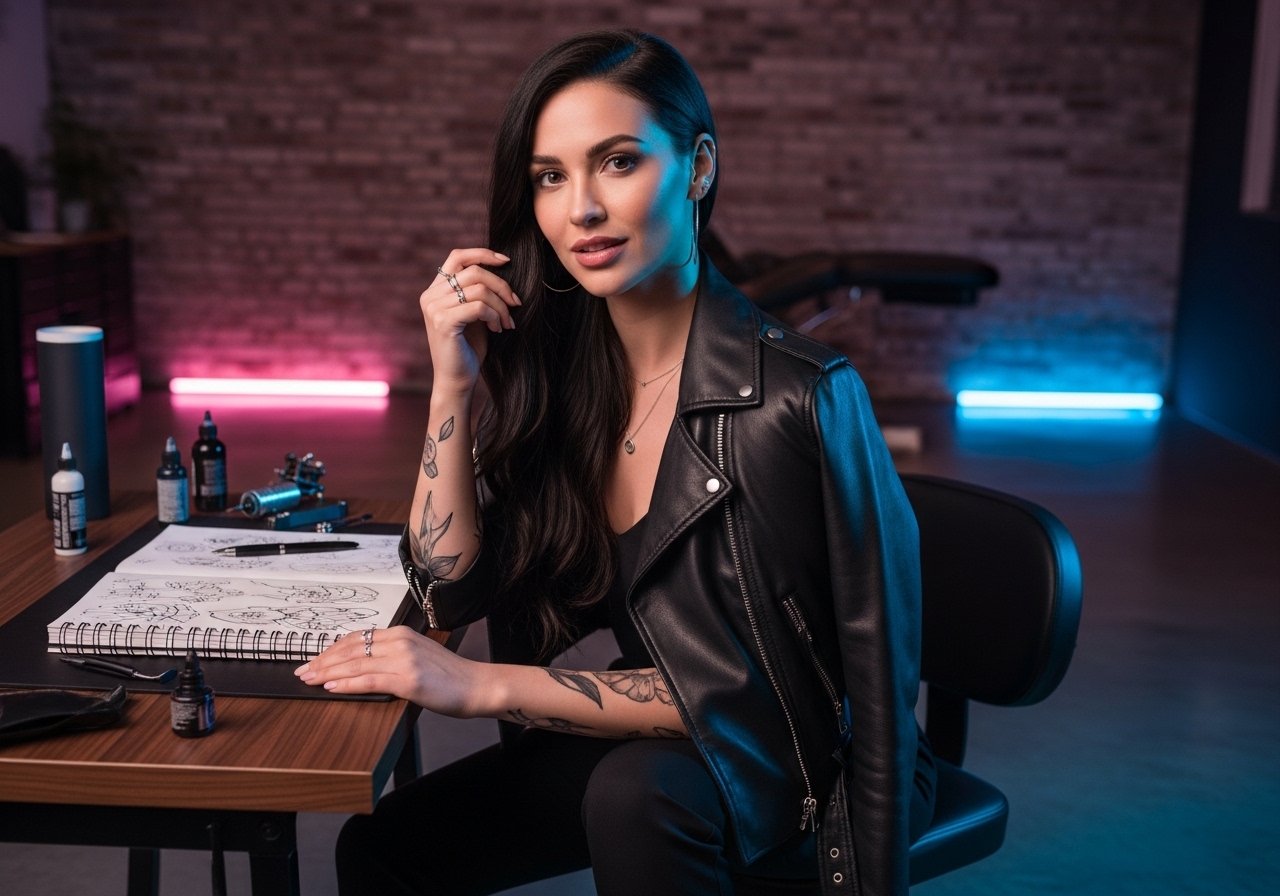
Fine line trends and splashy watercolor posts keep getting saved, but the tattoos that age best are the ones planned around placement and line weight. I keep seeing forearm herds and minimalist wrist silhouettes on feeds, then the same pieces pop up in healed threads asking for touch-ups. Read on for 27 specific wild horse tattoo ideas, where to place them, what to ask your artist, and how the design will look months and years later.
1. Neo-traditional galloping herd on the outer forearm
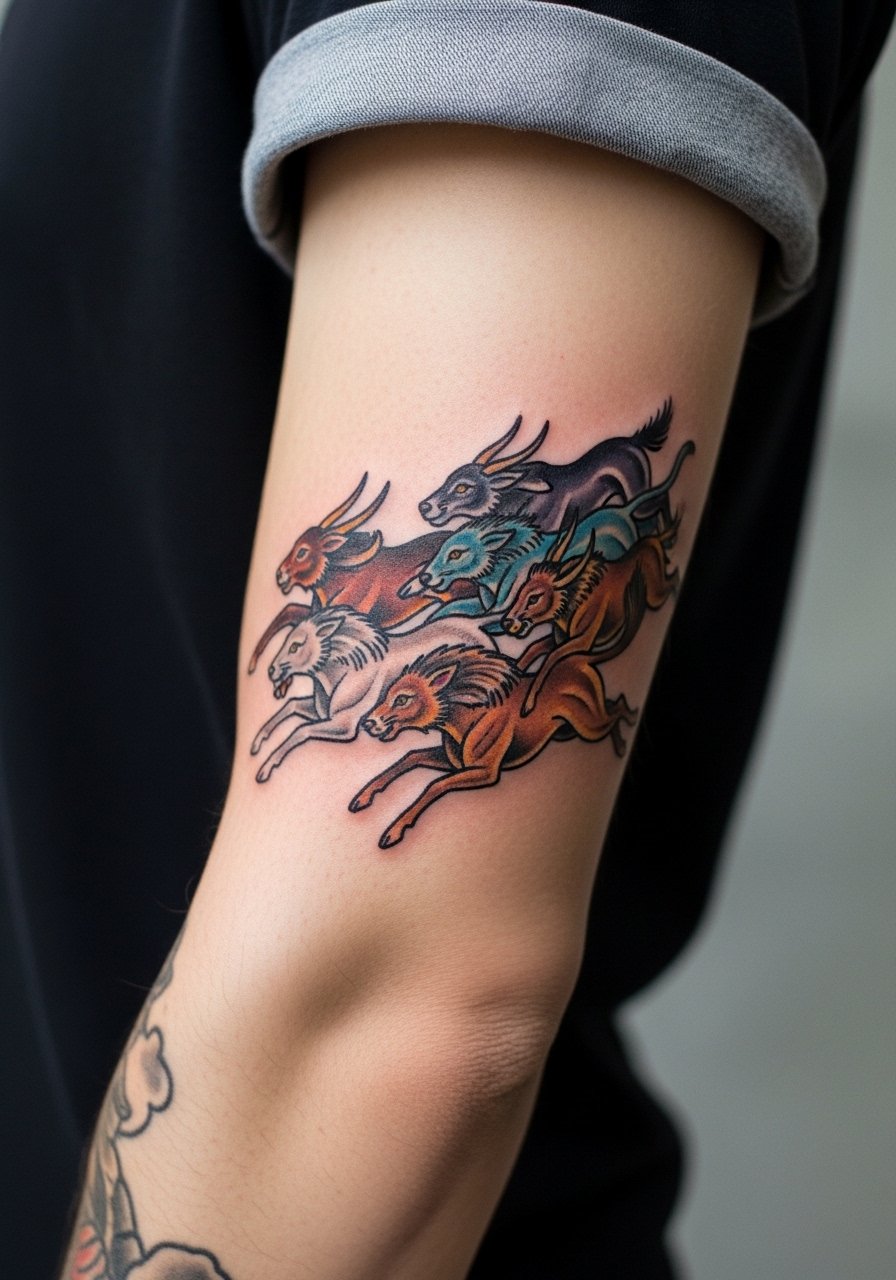
I’ve seen this placement age well when artists use slightly thicker outlines and medium saturation. Tell your artist you want 6-8 inches of positive space between each horse so the motion reads after a few years. Expect low pain and a single to two hour session depending on how many horses you want. Common mistake is cramming too many tiny figures into a forearm and ending up with visual mud at year three. For showing it off, pair the forearm with a rolled sleeve chambray shirt and a leather cuff on the opposite arm.
2. Minimal silhouette against a sunset on the wrist
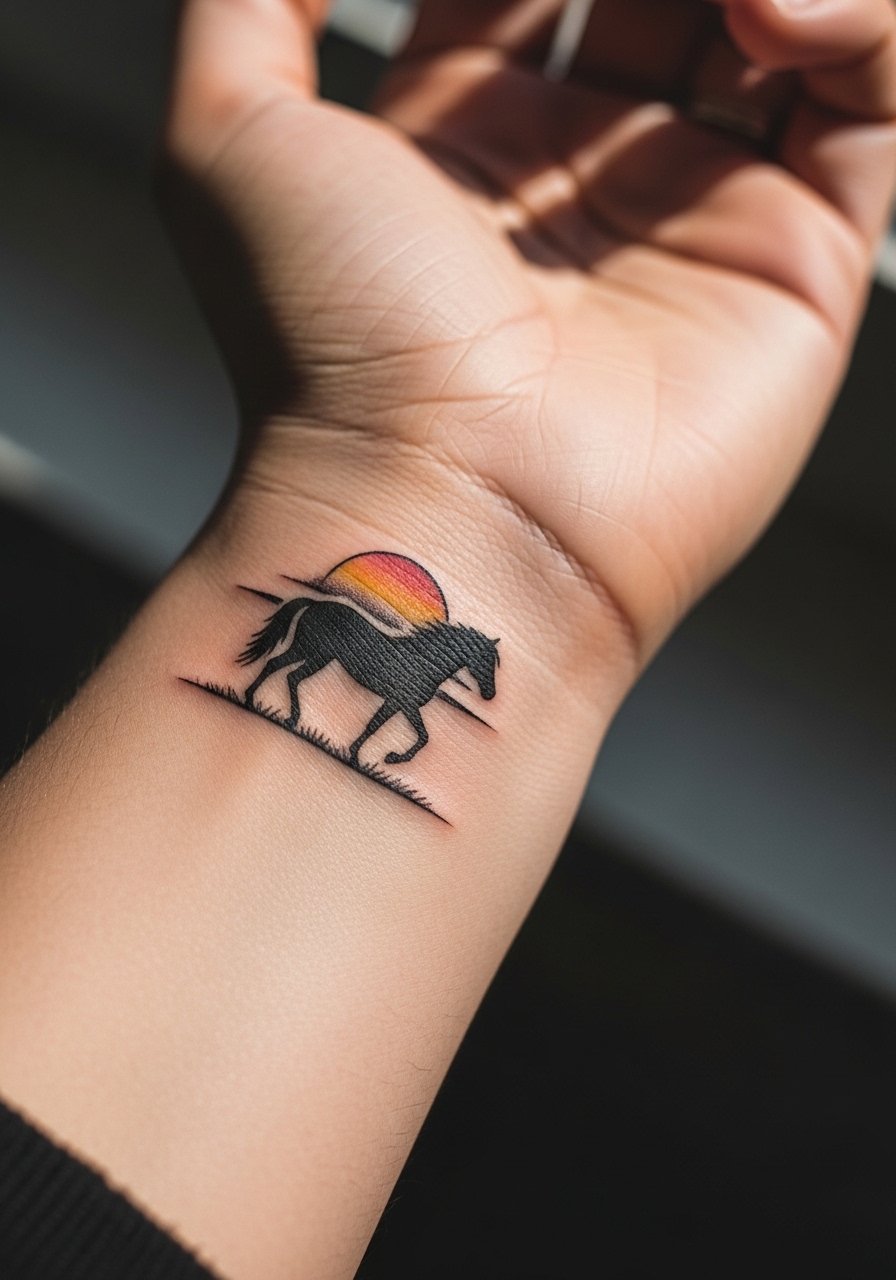
Fine line silhouettes on the wrist look clean fresh but can ghost within a year if the lines are too thin. I recommend a 3-5 inch silhouette with a bold top outline and softer interior shading to keep contrast. Tell your artist you want a solid rim around the silhouette and one-color fill only. Session-wise it is quick and low pain but the wrist experiences a lot of friction from bracelets. For show-off style, balance the wrist with a thin leather bracelet stack and a neutral linen cuff shirt when you want a cleaner look.
3. Micro-realism mane flowing across the shoulder blade
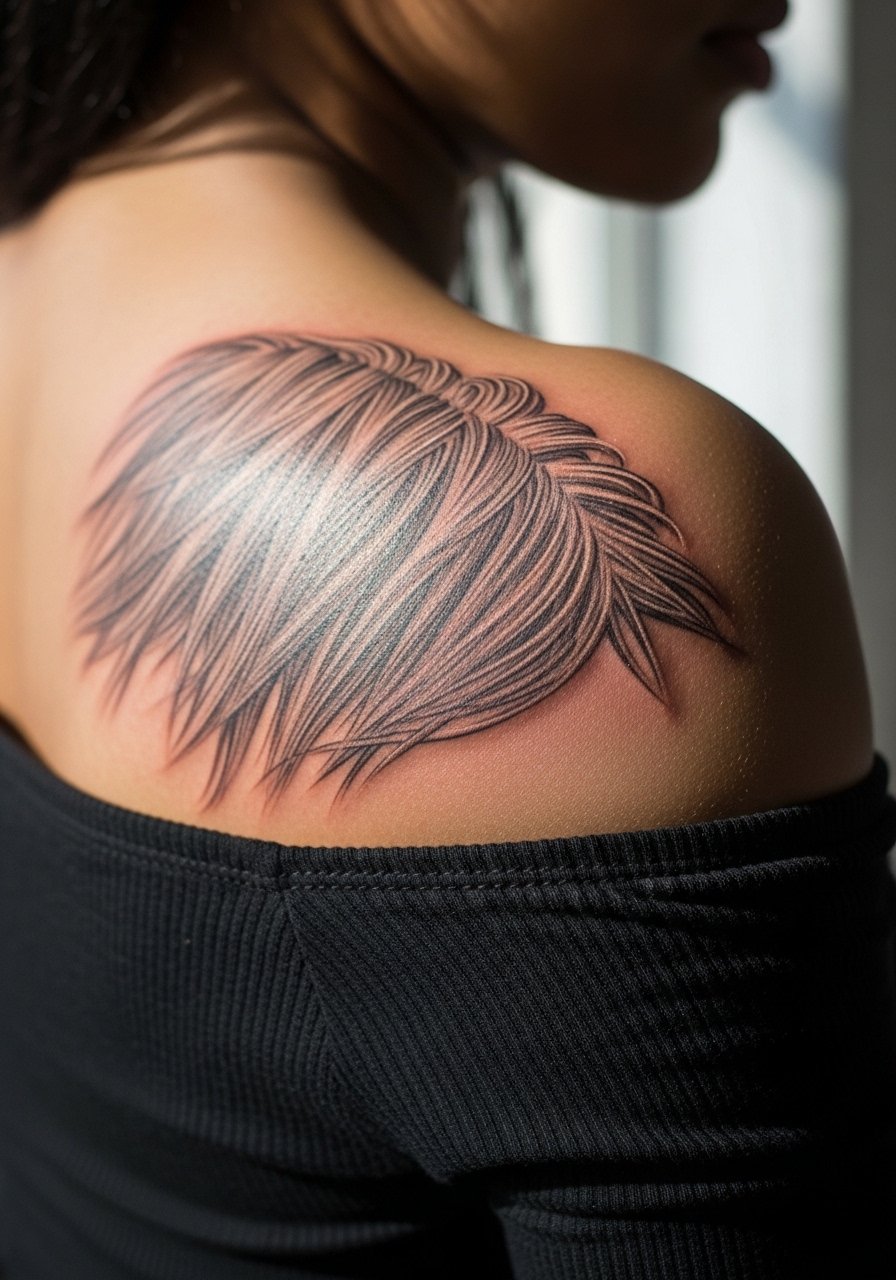
Shoulder blade is a forgiving canvas for micro-realism. Expect two to three sessions for 5-7 inches of detail, and plan for heavier black and gray saturation so the mane keeps its 3D depth as it heals. A common error is asking for hair-fine strokes without asking about touch-ups. Ask your artist for healed portfolio examples in similar skin tones. During sessions wear a strappy tank you can move so the artist has full access. Over five years this style softens but remains recognizable if saturation is solid.
4. Tribal geometric horse wrapping the calf
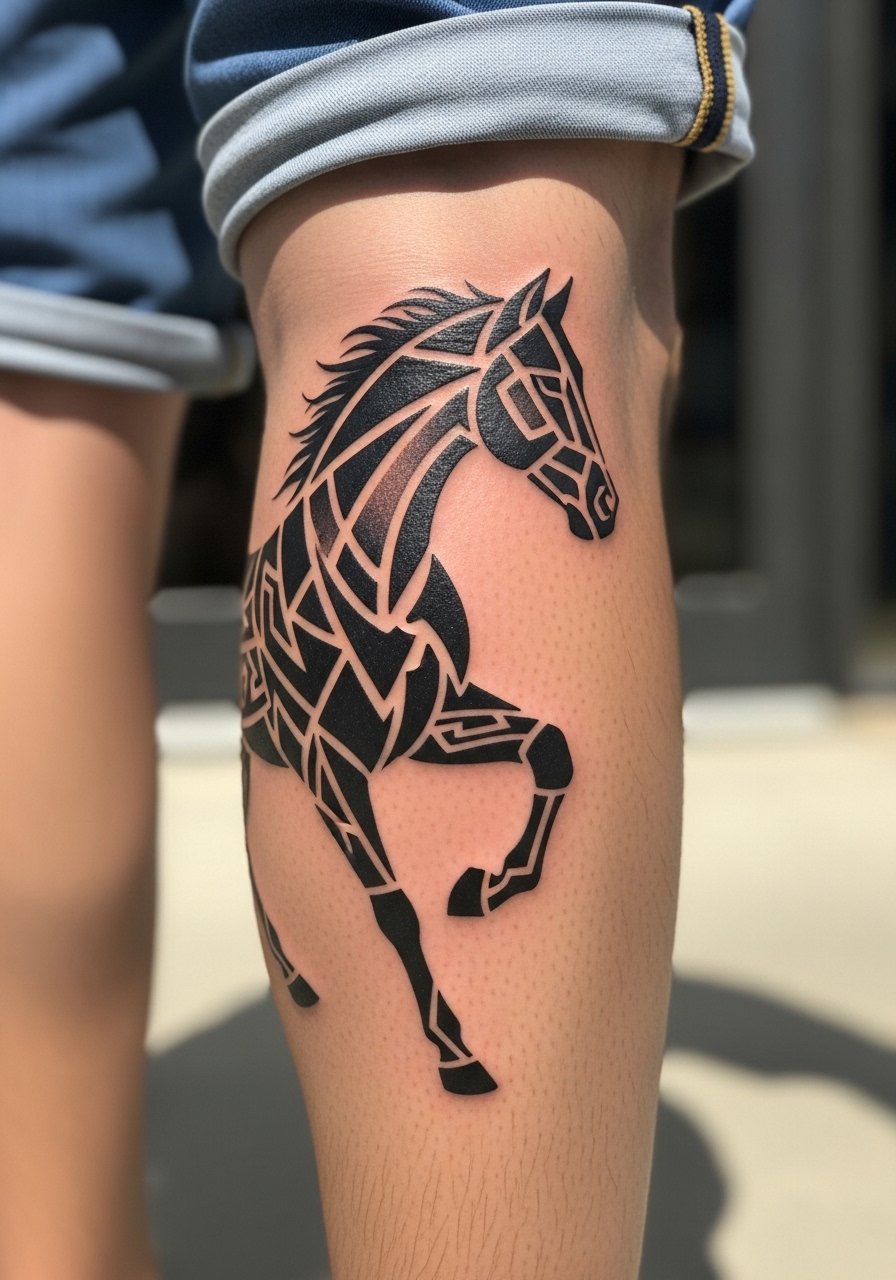
Calf pieces handle solid blackwork well. Bold fills age predictably and survive gym life and weight changes better than thin lines. Plan a 6-inch design with broad negative space inside geometry so the shapes do not blur together later. The main mistake is making the geometric elements too tight. For sessions pick loose athletic shorts you can pull up easily. To show the healed piece, wear rolled joggers or boat-ready shorts for summer.
5. Watercolor splash horse on the outer thigh
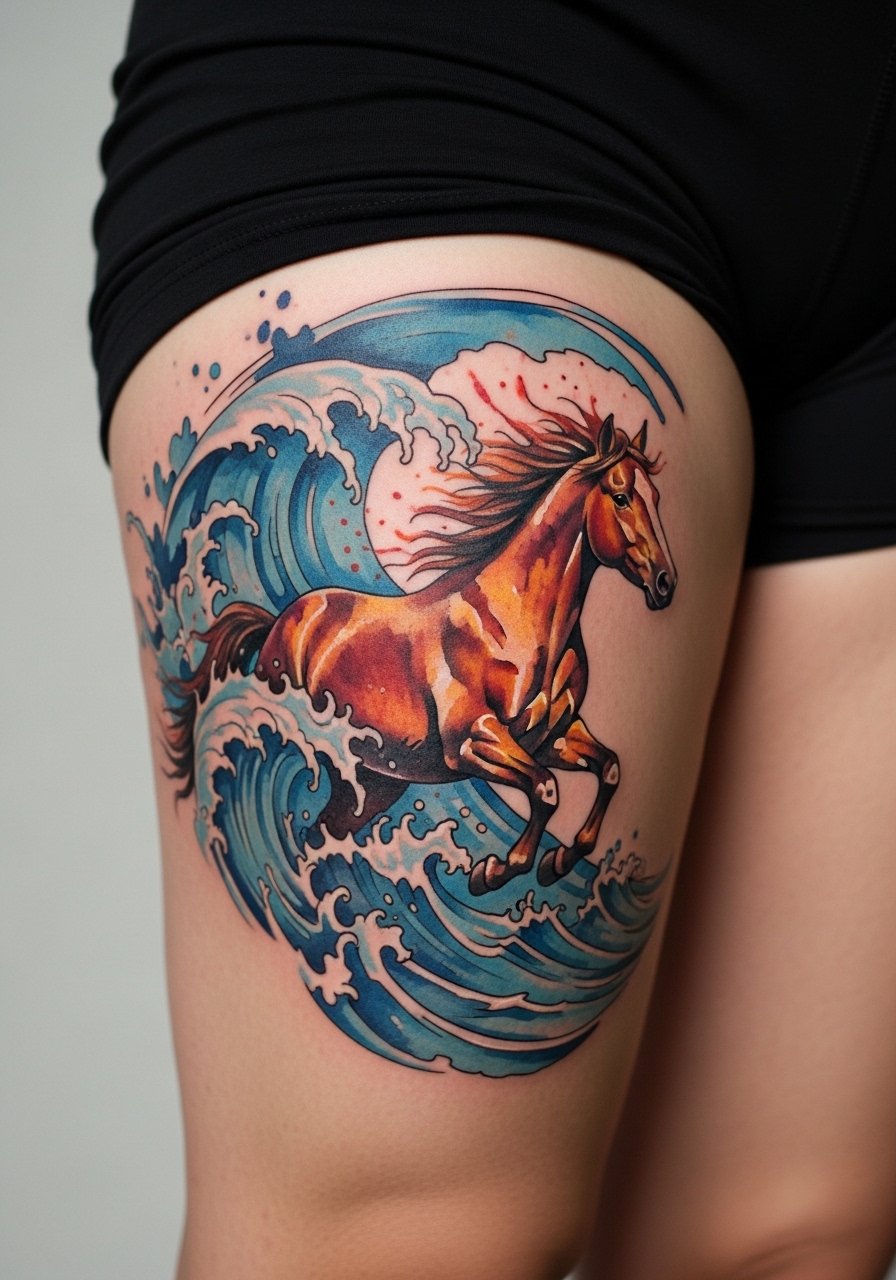
Watercolor looks spectacular fresh but risks muddying if saturation is too low or the artist drops pigment too shallow. I advise a single-session medium size, 4-6 inches, with deliberate color pooling and a stronger black outline to protect edges. Warn your artist if you expect weight fluctuation, because thigh stretching can distort shapes. Wear loose shorts for the session. For swim season, pair the tattoo with high-cut trunks or shorts in solid navy so the color feels intentional.
6. Fine line horse head profile on the inner bicep
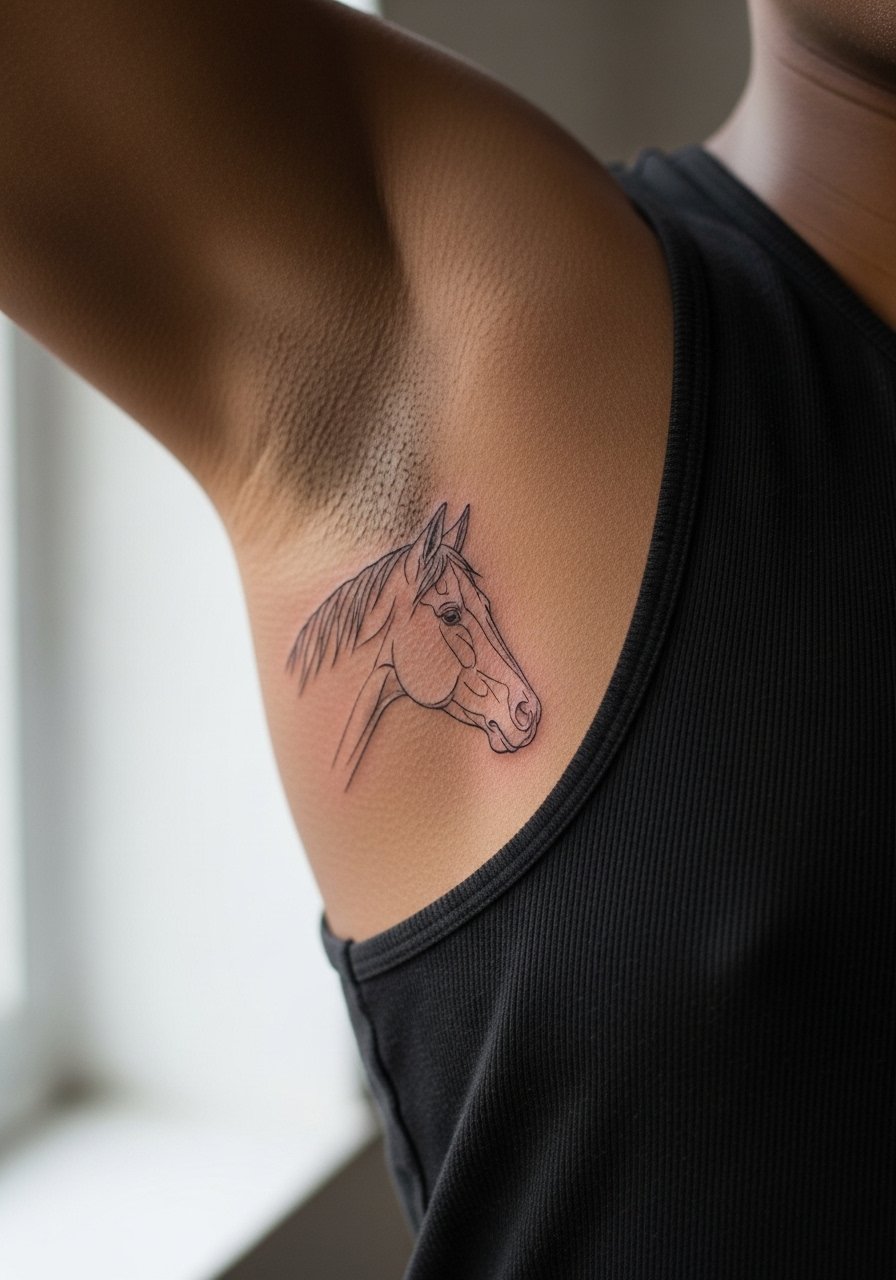
Fair warning, the inner bicep is tender but it is an elegant spot for a small 3-inch profile. Fine line works here if the artist spaces strokes and avoids hairline fills. The typical mistake is asking for single-needle detail without a portfolio of healed inner bicep work. Ask to see healed photos and expect a single session of under an hour for this size. During the appointment wear a sleeveless muscle tank you can adjust so the artist has room. Plan on touch-ups at year two if your skin is prone to fading.
Studio Day Picks
The first six ideas above include wrist, inner bicep, forearm, calf, shoulder blade, and thigh work. These products help manage sensitivity zones and the early healing window for those placements.
-
InkGuard balm. A non-greasy balm many artists recommend for active skin during sleeve or forearm work, it soothes without leaving a heavy film that attracts dust.
-
Second Skin Lite protective film. Lighter than standard protective films, it reduces bubble lift on calves and other areas that sweat a lot.
-
Tattoo Goo green tinted balm. A tinted balm users mention for darker skin to help reduce post-inflammatory hyperpigmentation while moisturizing the area.
-
CeraVe healing ointment. A low-clogging option for short-term moisturization during winter or dry skin healing phases.
-
Saniderm roll or sheets. For people who prefer a film approach in the first few days, this protects wrist and forearm work from rubbing and excessive showering.
7. Neo-traditional mustang with floral accents on the ribcage
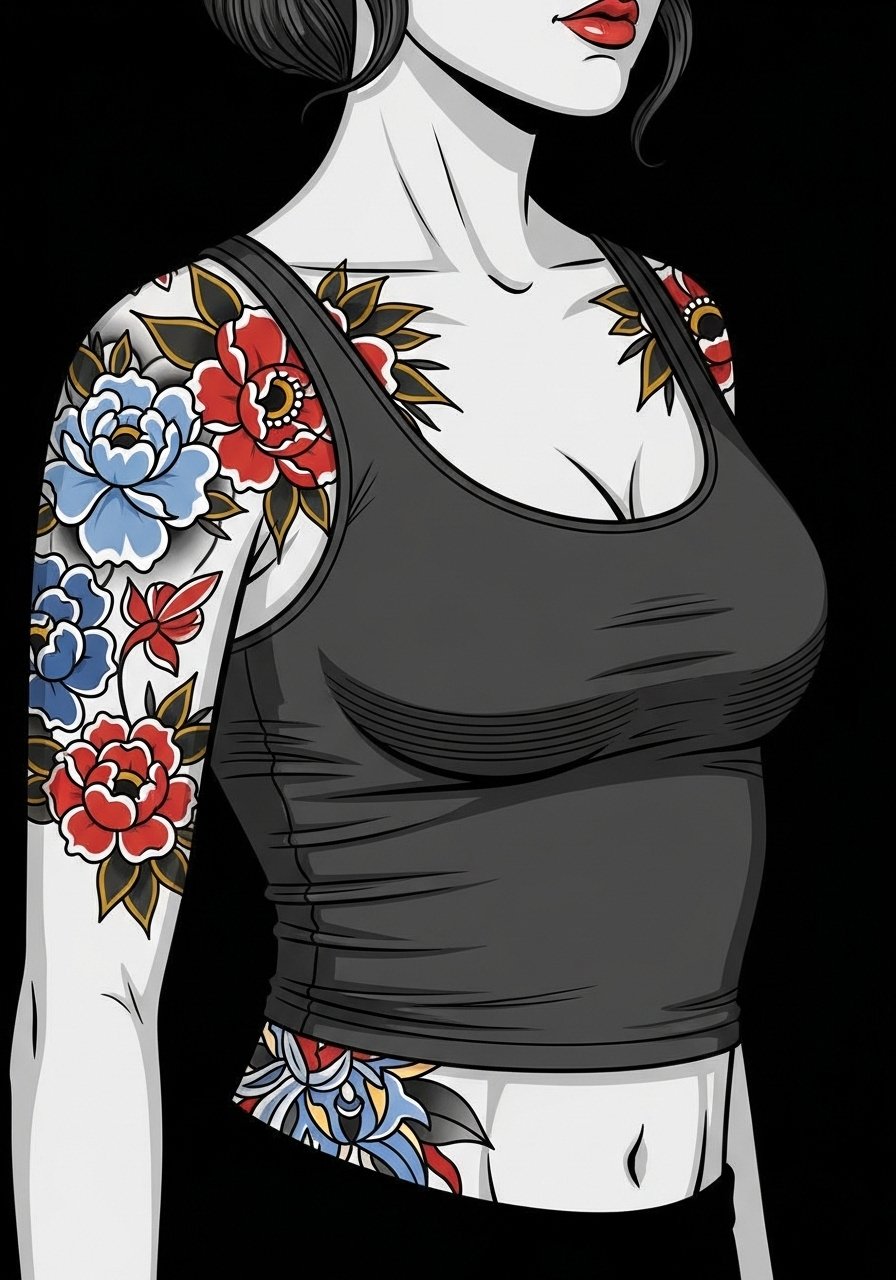
Ribcage sessions rank higher on pain charts but they read dramatic and intimate. I suggest two sessions for a 5×7 inch piece so color work and shadowing do not get rushed. Artists disagree on fine line here. One camp says the skin stretch blurs delicate lines faster. The other camp says with proper depth and spacing it holds up. Ask where your booked artist stands before committing and plan for touch-ups at year two if needed. For reveal outfits, a crop top with side slit or loose side-slit tank helps you flash the art without fuss.
8. Ornamental mandala-horse fusion down the spine
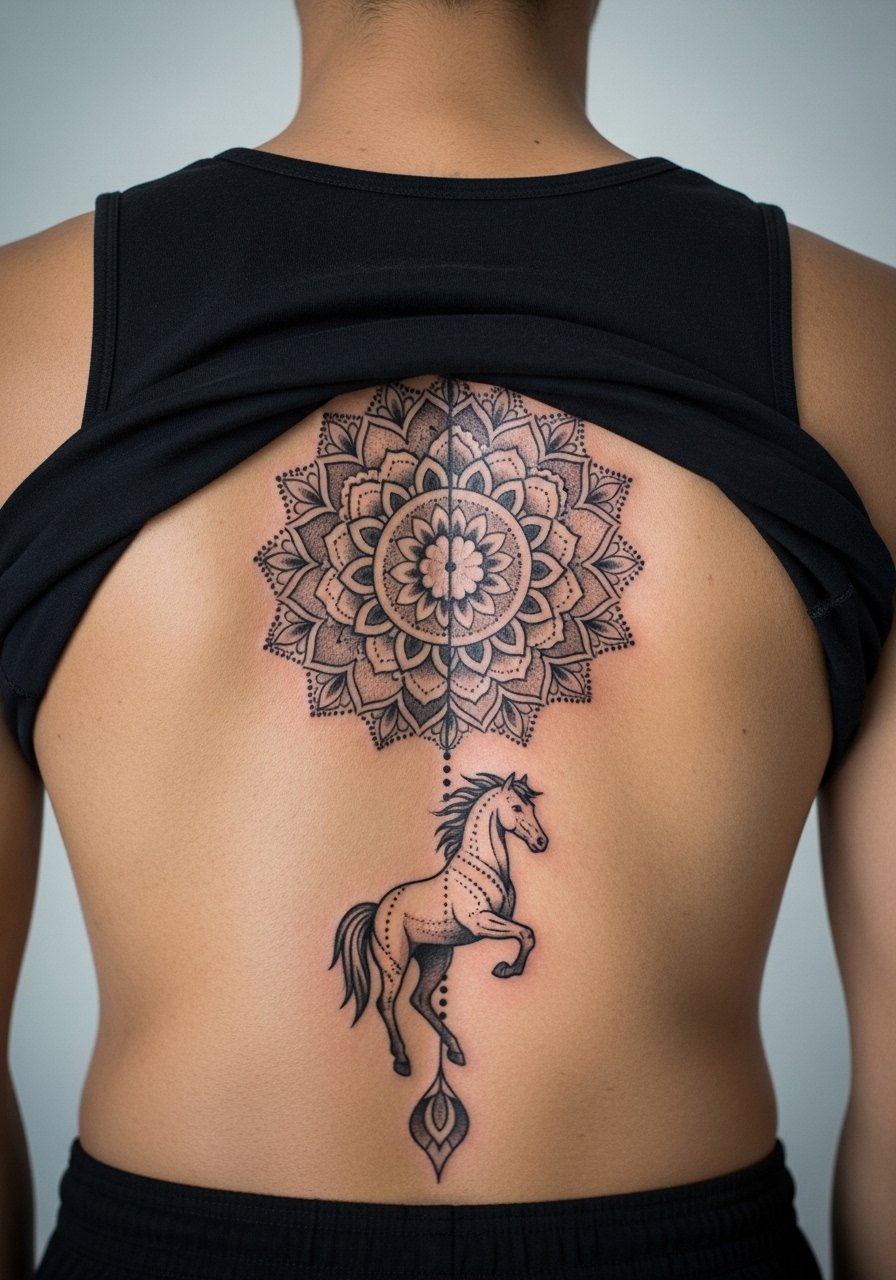
A spine piece carries meditative symmetry and shows best when scaled to the back length. Expect three sessions for an 8-inch vertical piece with dotwork and stipple shading. The common mistake is too small a mandala which becomes a blur as the dots pack. If you practice yoga or wear low-back tops, this placement is flattering. Be mindful of cultural origins if your mandala borrows from spiritual patterns and adapt elements respectfully rather than copying sacred symbols directly.
9. Playful ignorant-style cartoon horse on the outer ankle
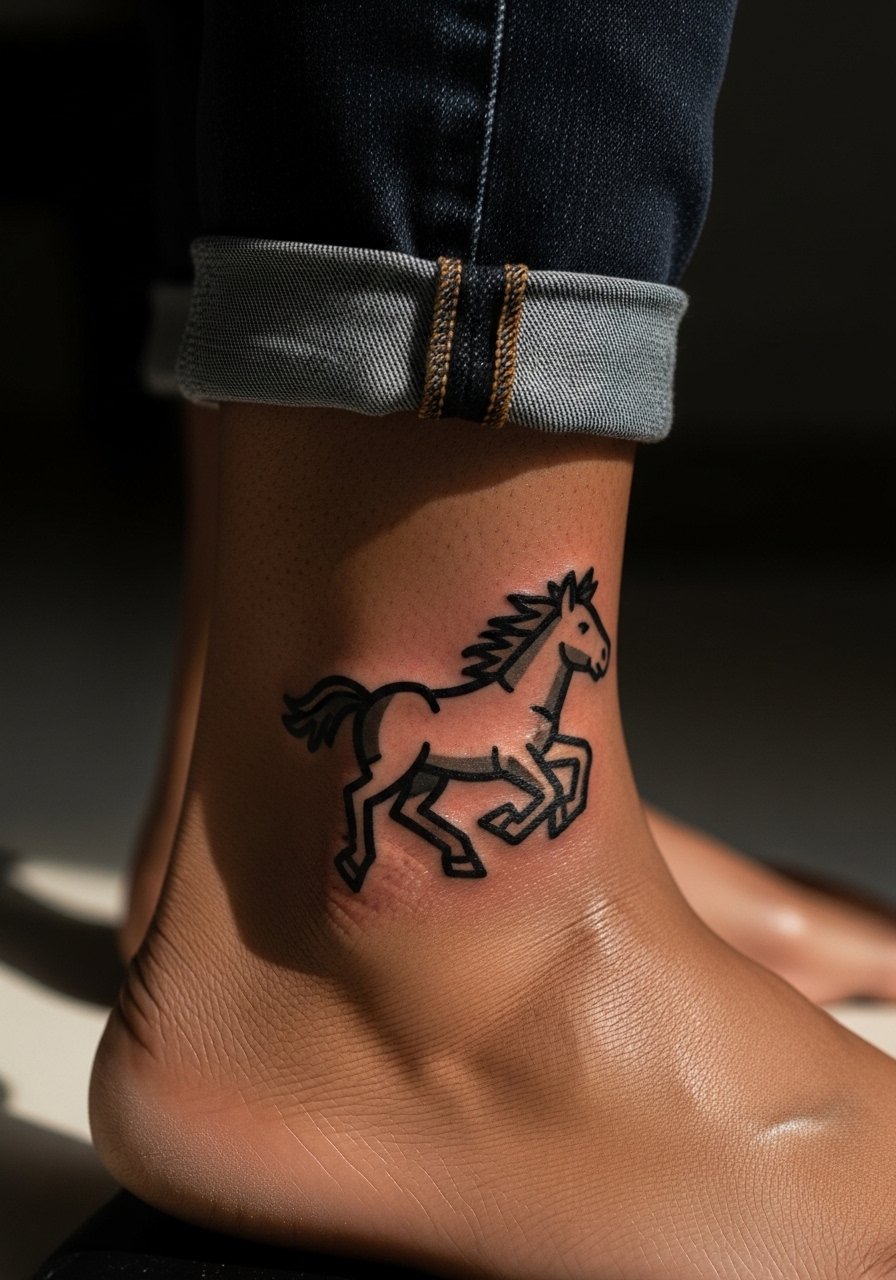
Ankle work is convenient but experiences a lot of rubbing from socks and shoes during the first weeks. This style benefits from strong black outlines and minimal interior detail to keep the playful vibe without smudging. Keep the design around 4 inches and expect a quick single session. The mistake is light, sketchy lines that vanish under footwear friction. For the session wear pants you can roll or a skirt so the artist has clear access.
10. Black-and-gray photorealistic herd for a full sleeve start
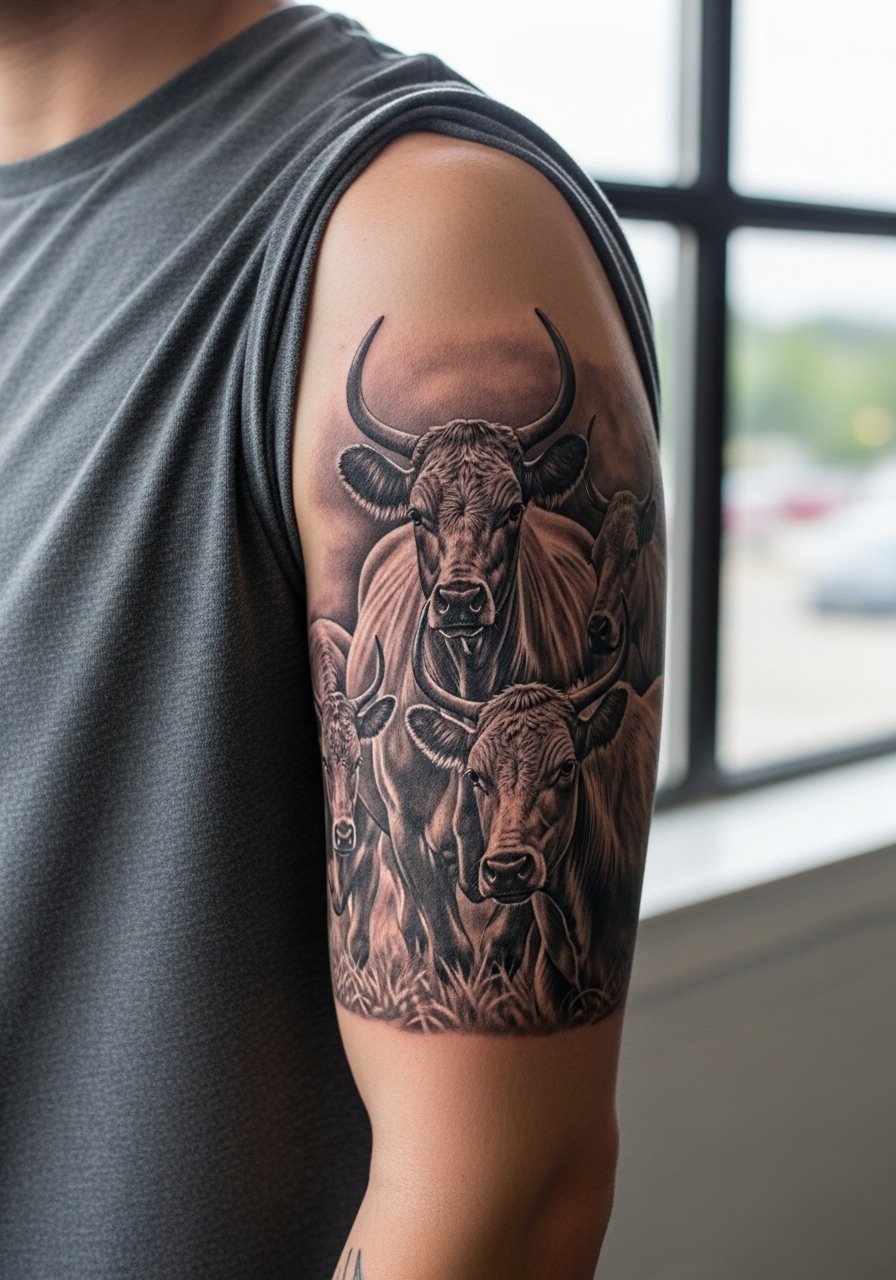
Photorealistic herd pieces demand time and patience. A dramatic 10-inch start across the upper arm will need multiple sessions and realistic shading to preserve depth. Expect heavier sessions, longer healing windows, and a clear touch-up plan over two to four sessions. A common error is booking a single marathon and expecting finished realism; better to break the work into defined sessions. This work reads gallery-level when healed and maintained with yearly sun protection.
11. Traditional American horse with stars across the chest
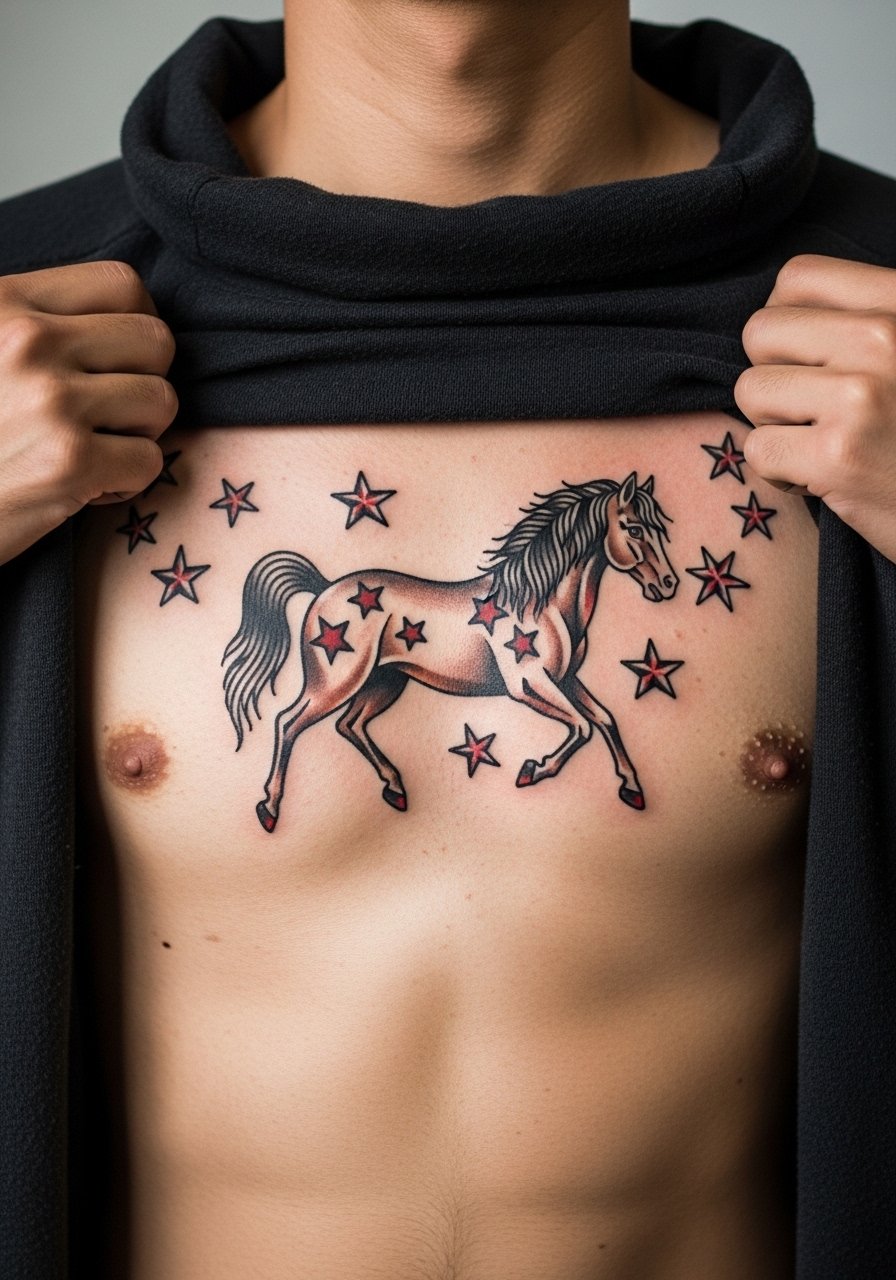
Chest pieces hold classic color saturation well because the skin has less constant friction. Go for a 5-inch focal portrait with solid red and blue accents and strong outlines that age predictably. Mistakes include over-detailing small chest pieces which bleed into each other as time passes. Chest sessions are moderate pain and usually resolve in one to two sittings. For staged reveals pick a wide-neck shirt you can open to show the area.
12. Minimalist single-line horse on the ankle inner curve
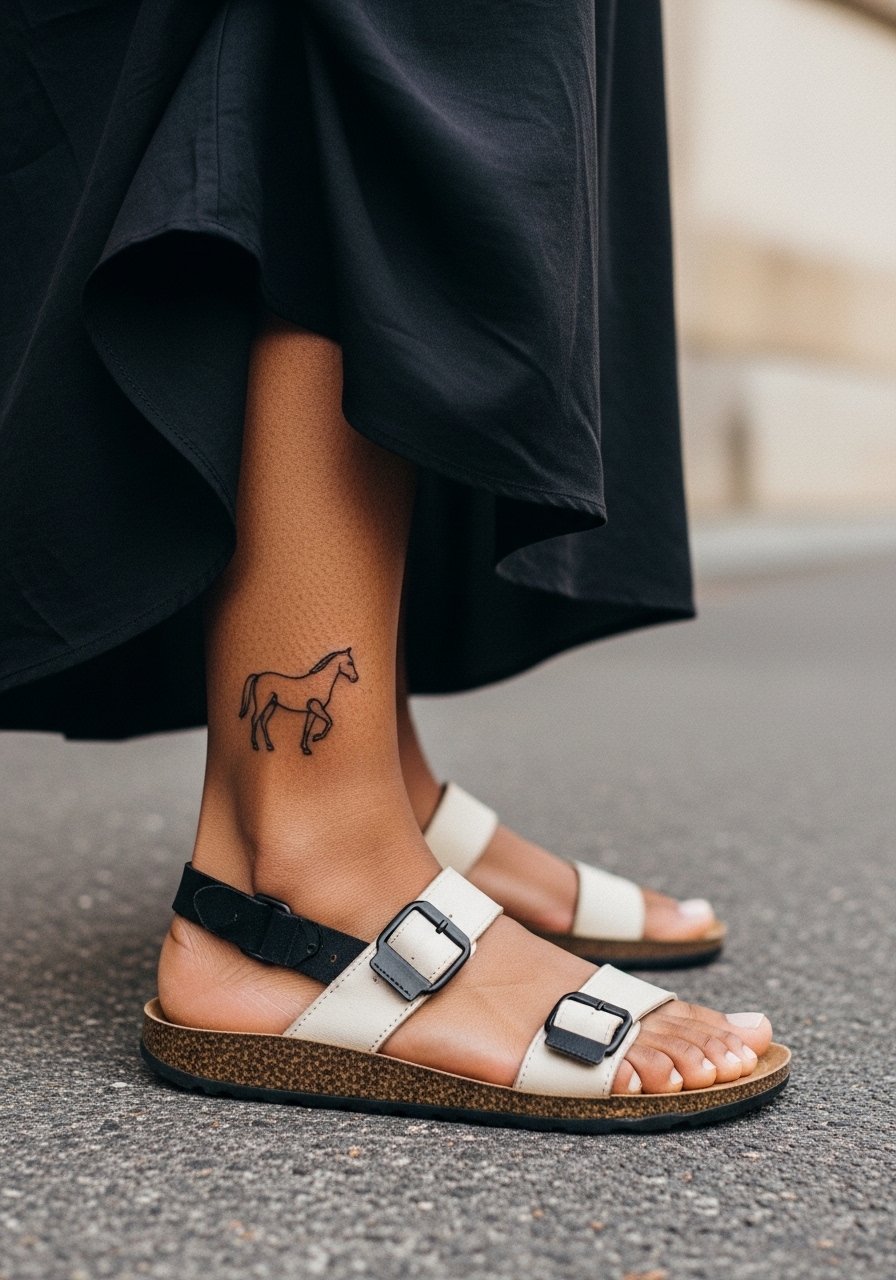
Continuous single-line tattoos read elegant but are highly dependent on needle consistency and healed portfolios. For ankle placements make the line slightly thicker than an ultra-fine single needle so it keeps shape through wash cycles. The session is quick and low pain for most people. The usual pitfall is asking for a hairline single line on the ankle which can vanish into time. Consider a slightly bolder single stroke for longevity.
13. Vertical spine stampede for yoga practitioners
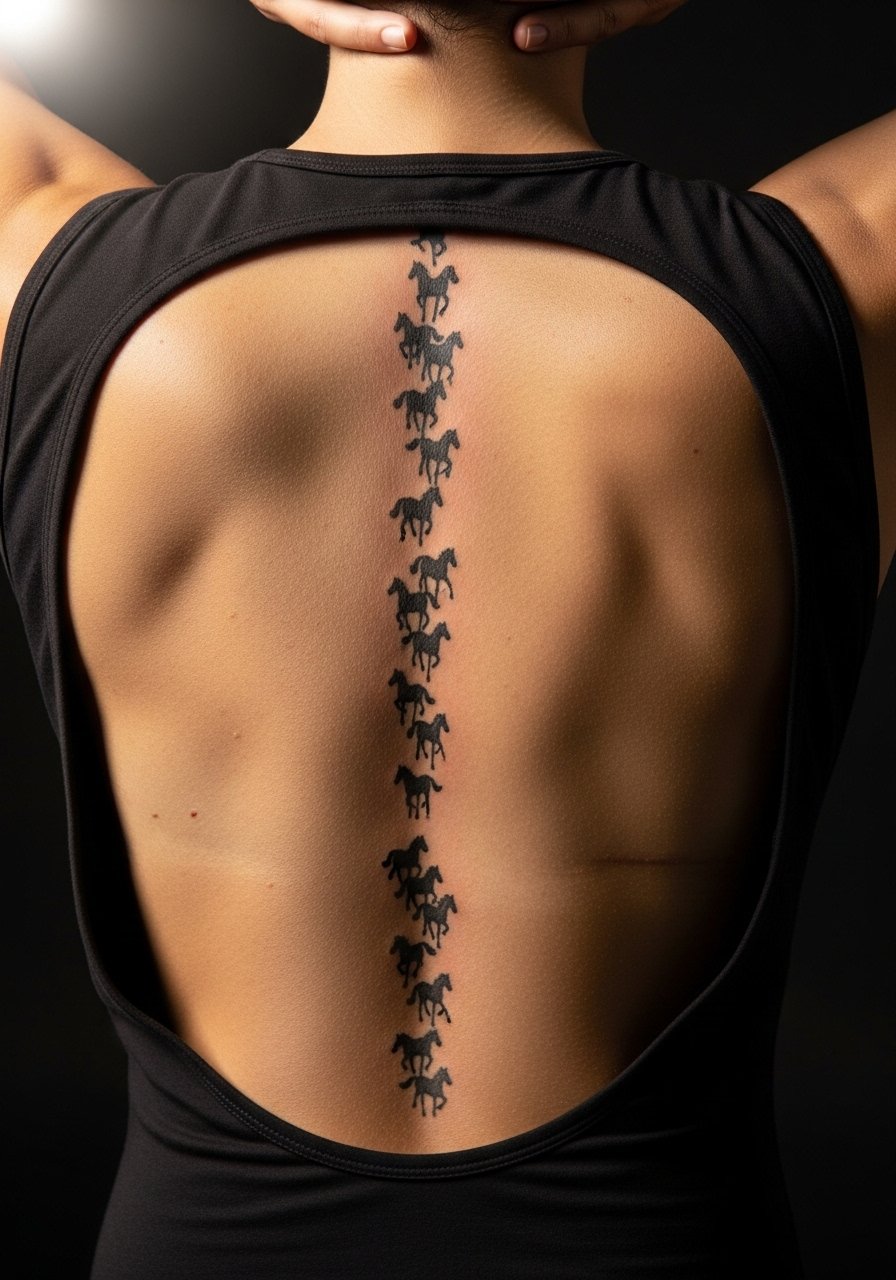
A vertical stampede pairs well with a practice that emphasizes flow. The piece should be spaced with breathing room so each silhouette reads as its own step rather than a crowd. Plan for two sessions for an entire spine run and tell your artist you want consistent spacing mapped from top to bottom. One under-considered risk is back movement during weight change. Keep elements slightly larger to avoid distortion. For classes a low-back top shows the motif without compromising modesty.
14. Scar cover-up using negative-space mane on the outer thigh
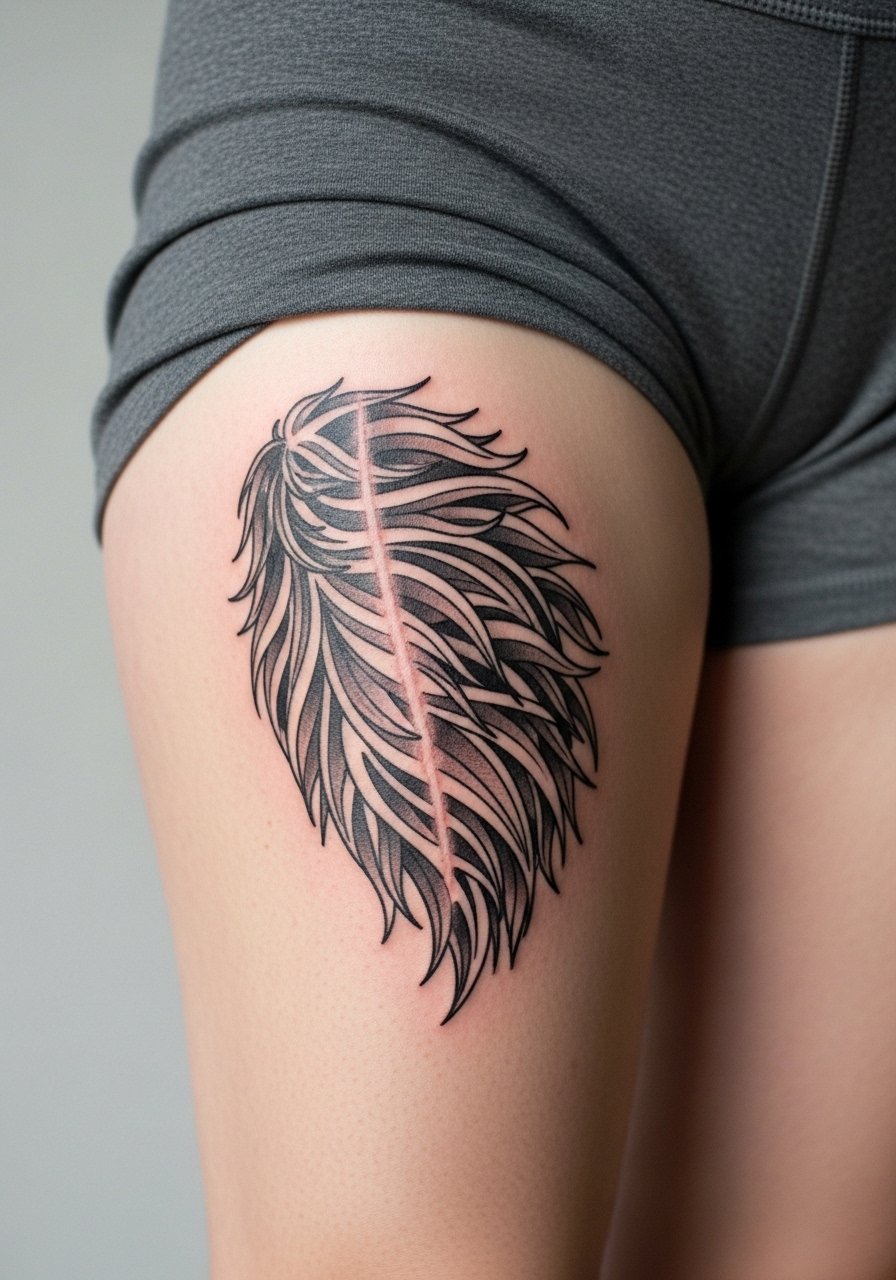
Scar cover-ups require a custom approach. A negative-space mane can work because the hair shapes hide linear disruption and create rhythm. Consult about scar age and texture first, because fresh scars need time before tattooing. The mistake is treating scars like normal skin and expecting identical saturation. For the session wear high-cut athletic shorts so the artist can access the area without pressure. Healing on scar tissue often needs a follow-up touch-up to lock the lines.
15. Horseshoe crab–wild horse coastal hybrid on the calf
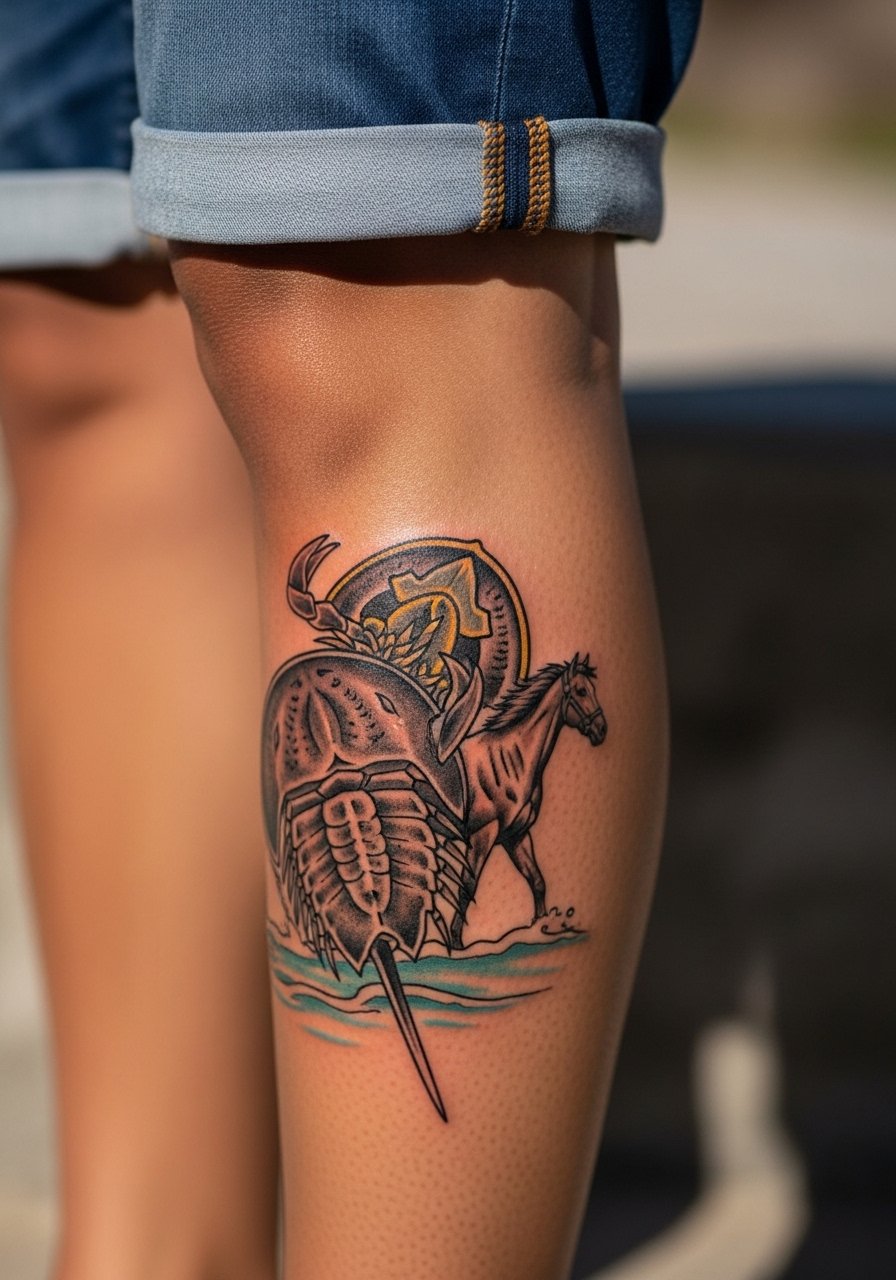
This coastal hybrid is a niche idea that converts well to blackwork or muted palettes. The calf accepts solid shapes and tends to heal clean when protected from sun. Ask for clear negative space where the shell motif meets the mane so the two elements do not merge during aging. Wear loose shorts to the session. The result pairs well with summer boat shoes or rolled joggers on casual days.
16. Dark-skin optimized blackwork herd on the outer forearm
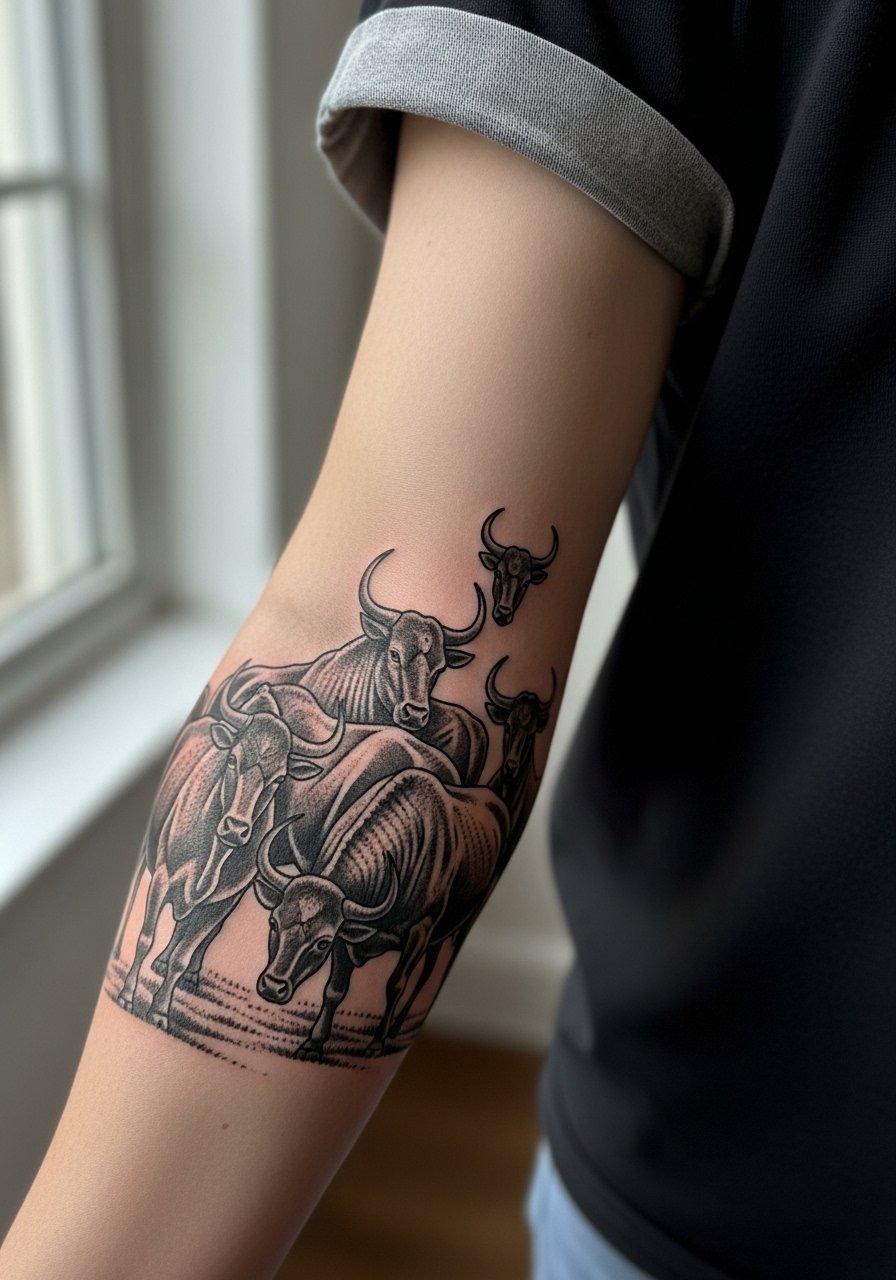
Designs for darker skin need higher contrast and bolder fills to remain legible over time. Ask the artist to show healed examples on similar skin tones and specify solid black fills with clear negative-space manes. Forearm placement keeps the piece visible and low maintenance. Avoid asking for tiny fine line interior details that can disappear. For wardrobe, a rolled sleeve linen shirt in denim blue or rust complements the blackwork without competing.
17. Micro-realism mane with 3D shading on the shoulder
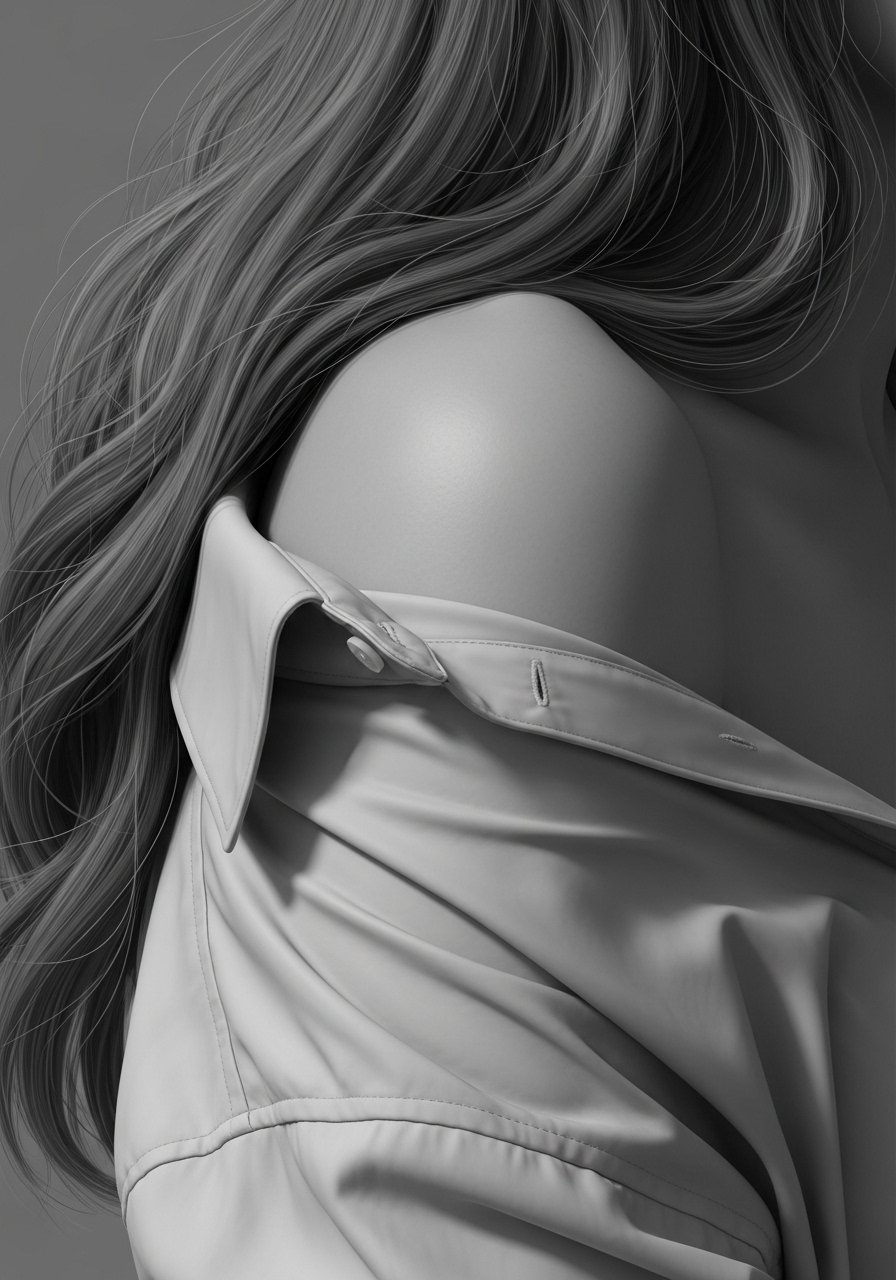
Micro-realism mane work needs depth and layered stipple or whip shading to mimic strands. Expect multiple sessions for a 5-7 inch composition. Common mistakes include asking for ultra-fine hair strokes without planning touch-ups. The shoulder tolerates movement and maintains shape well if saturation is solid. For sessions wear a loose button-down shirt you can pull aside so the artist has clean access.
18. Tiny silhouette with bracelet stacking on the inner wrist
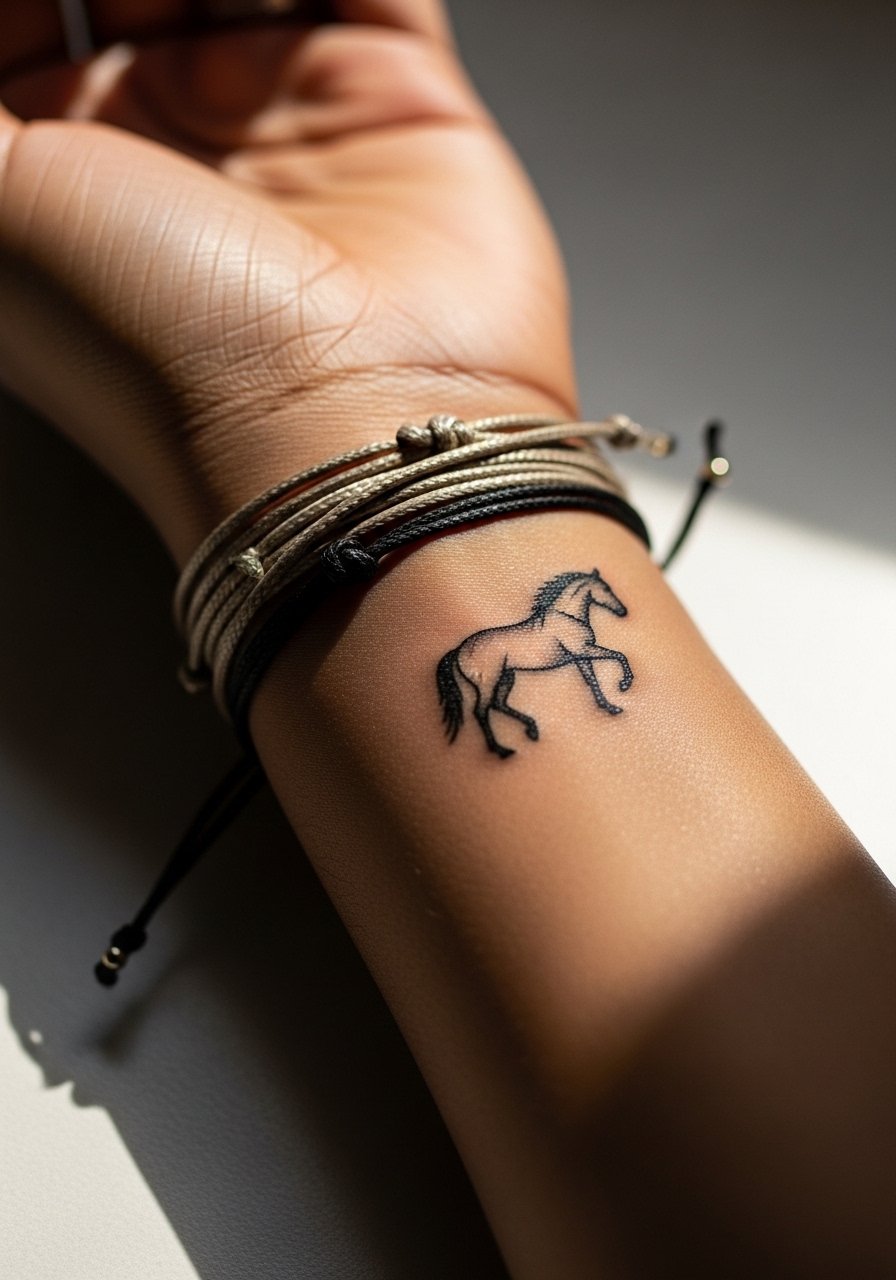
Inner wrist tattoos endure frequent washing and friction, so a 3-inch simple silhouette with a defined rim holds best. If you like stacking bracelets, go for spaced negative space around the design so accessories do not crowd the art. The session is short and low pain but expect touch-ups sooner than forearm work. Show-off pairing: layer a thin leather bracelet stack carefully so the metal does not rub the fresh lines.
19. Geometric blackwork herd wrapping the lower calf
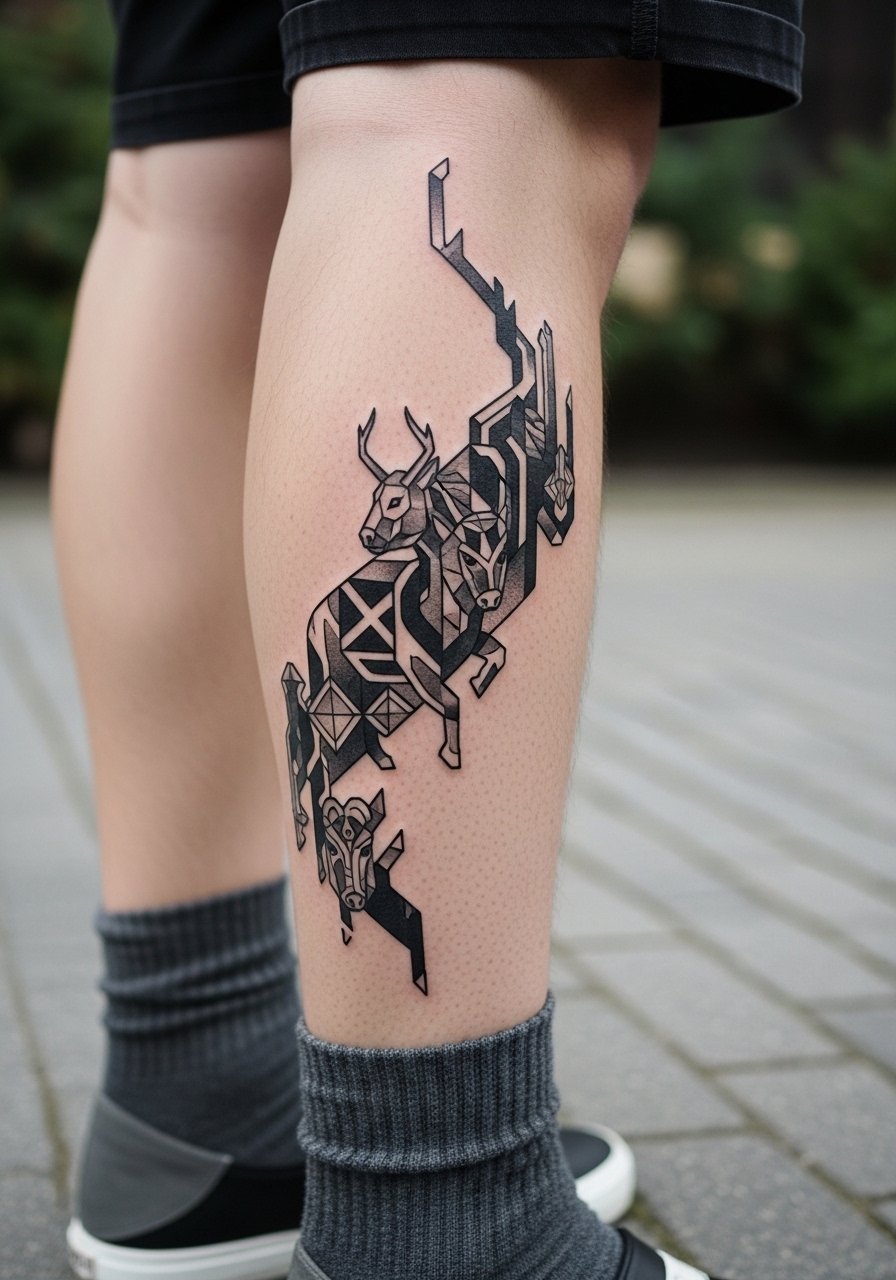
Geometric wrapping designs look modern and masculine. Keep elements large and use generous negative space to avoid line fusion later. Calf placement benefits from strong black saturation and will age consistently if you avoid tiny dot patterns that can blur. Sessions are usually quick and tidy. Pair the healed work with mid-calf chunky socks or boat-ready shorts when you want a peek.
20. Patchwork wild horse sleeve made via guest spots
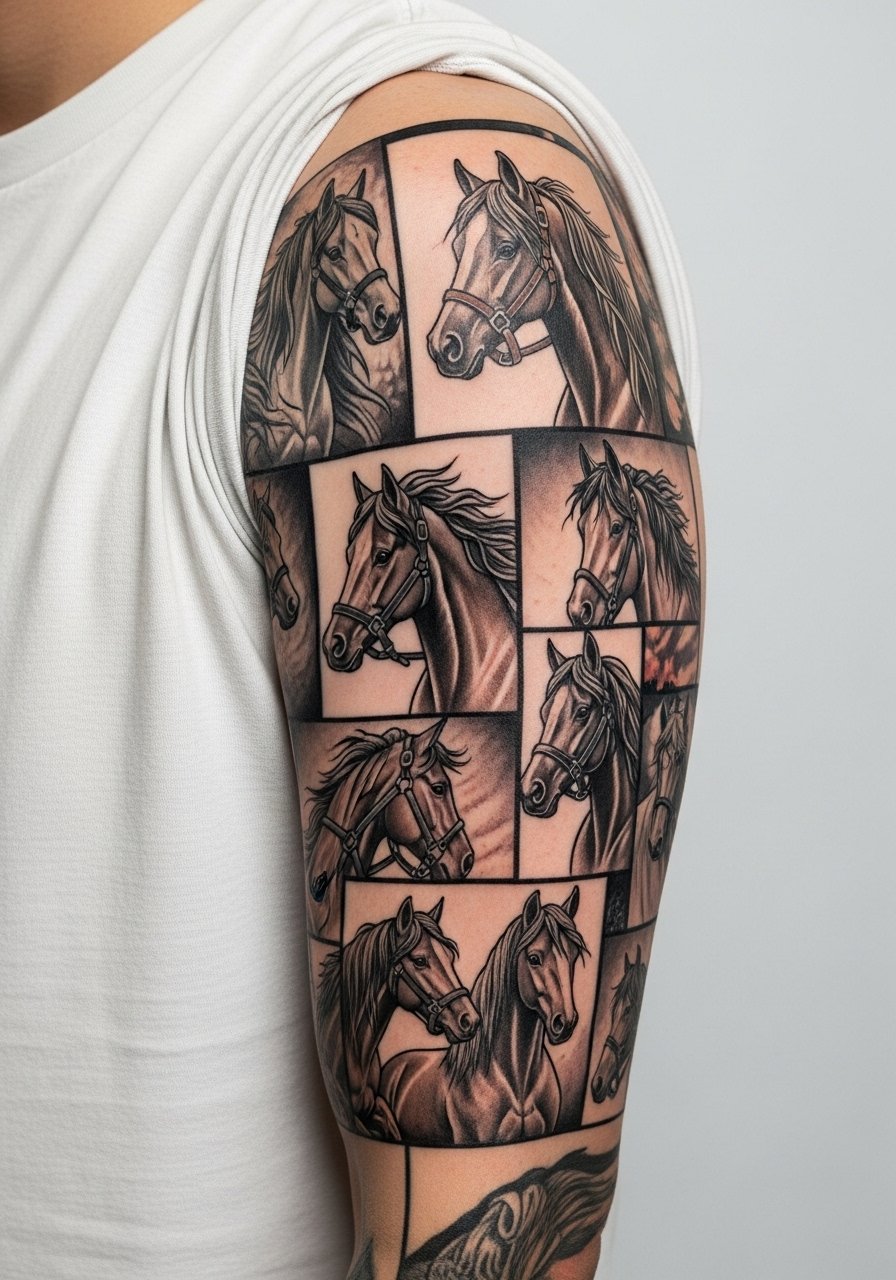
Building a sleeve from guest spots demands a plan. Each artist brings a style, so map anchors and background transitions in advance. I recommend starting with two anchor pieces and letting guests fill the gaps so the sleeve reads cohesive. Expect multiple sessions spread across months and a disciplined touch-up schedule. A common regret is jumping from style to style without a unifying element. Ask about color keys and a background flow during your first consultations.
21. Continuous single-line collarbone horse script
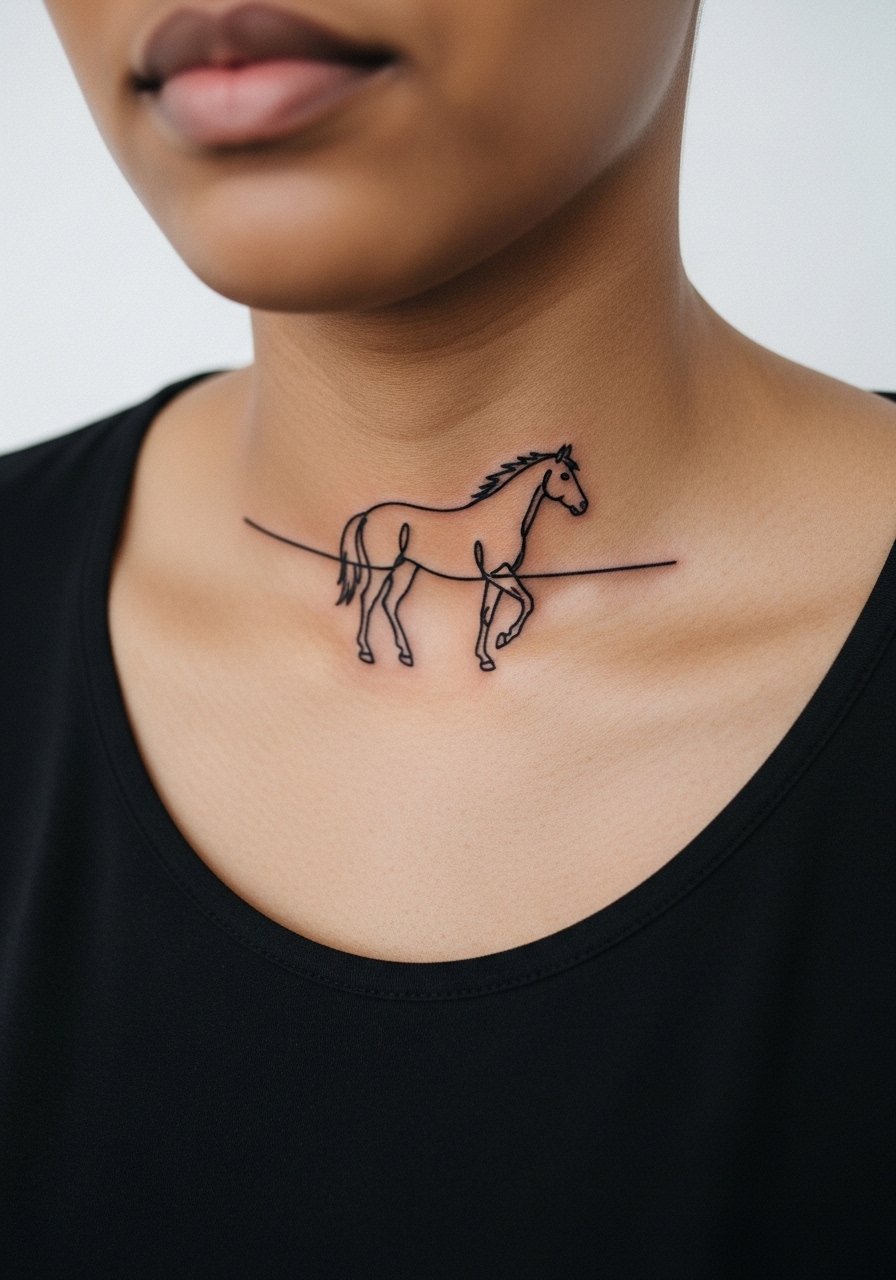
Collarbone tattoos move with the body and catch light beautifully. A continuous single-line piece should be slightly bolder than an ultra-thin stroke to resist blurring at the high-motion collar area. Pain varies but is moderate. The common misstep is undersizing the motif which makes it unreadable after two years. For reveals pick a wide-neck shirt you can pull aside to show the piece without exposing too much.
22. Ankle horseshoe motif with minimal lines
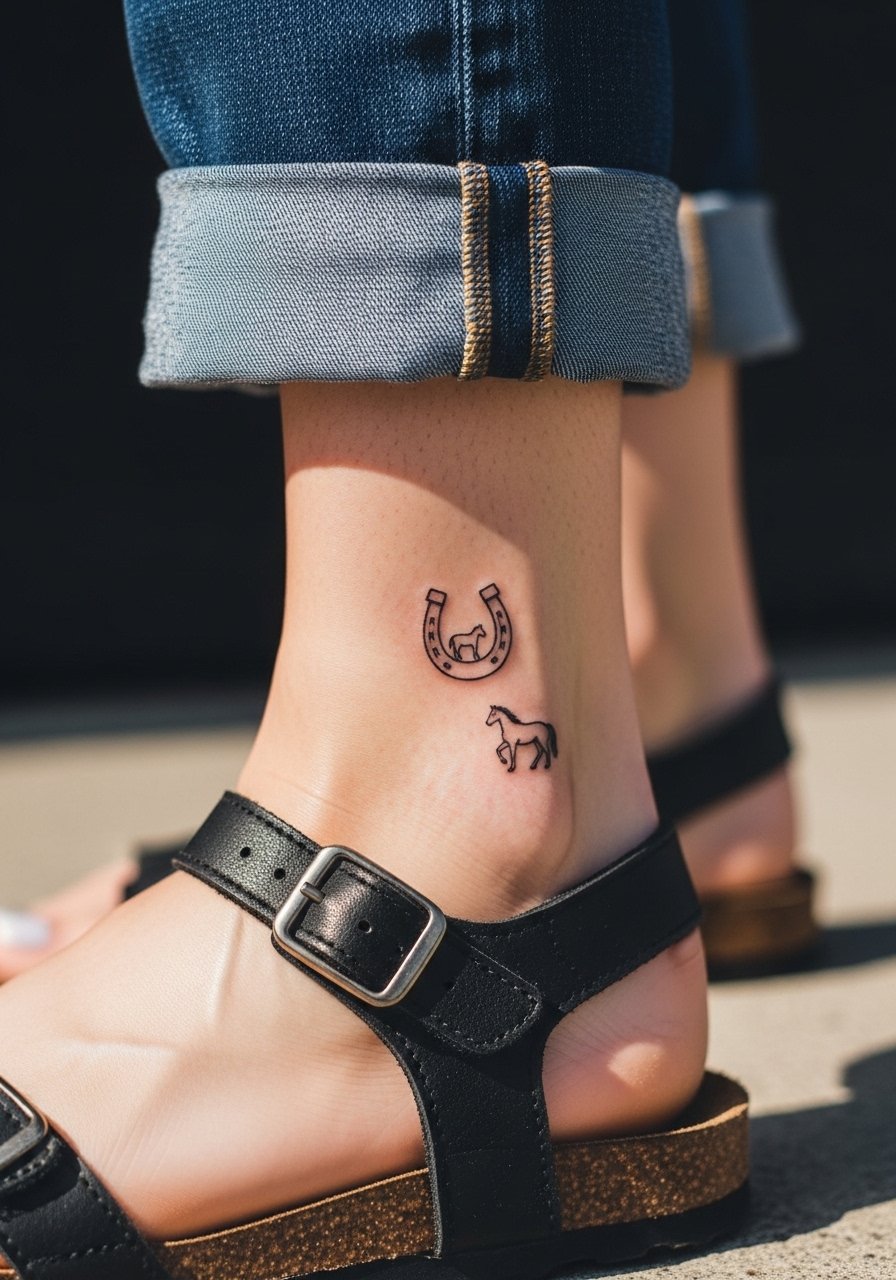
Ankle motifs need to account for shoe and sock friction. Keep the design tight and iconic, avoiding filigree that gets lost. Expect low session time. A frequent mistake is placing tiny decorative elements that the ankle cannot sustain. For foot-friendly styling, choose footwear that avoids rubbing the immediate area during the first two weeks.
23. Night-sky dotwork herd on the upper back
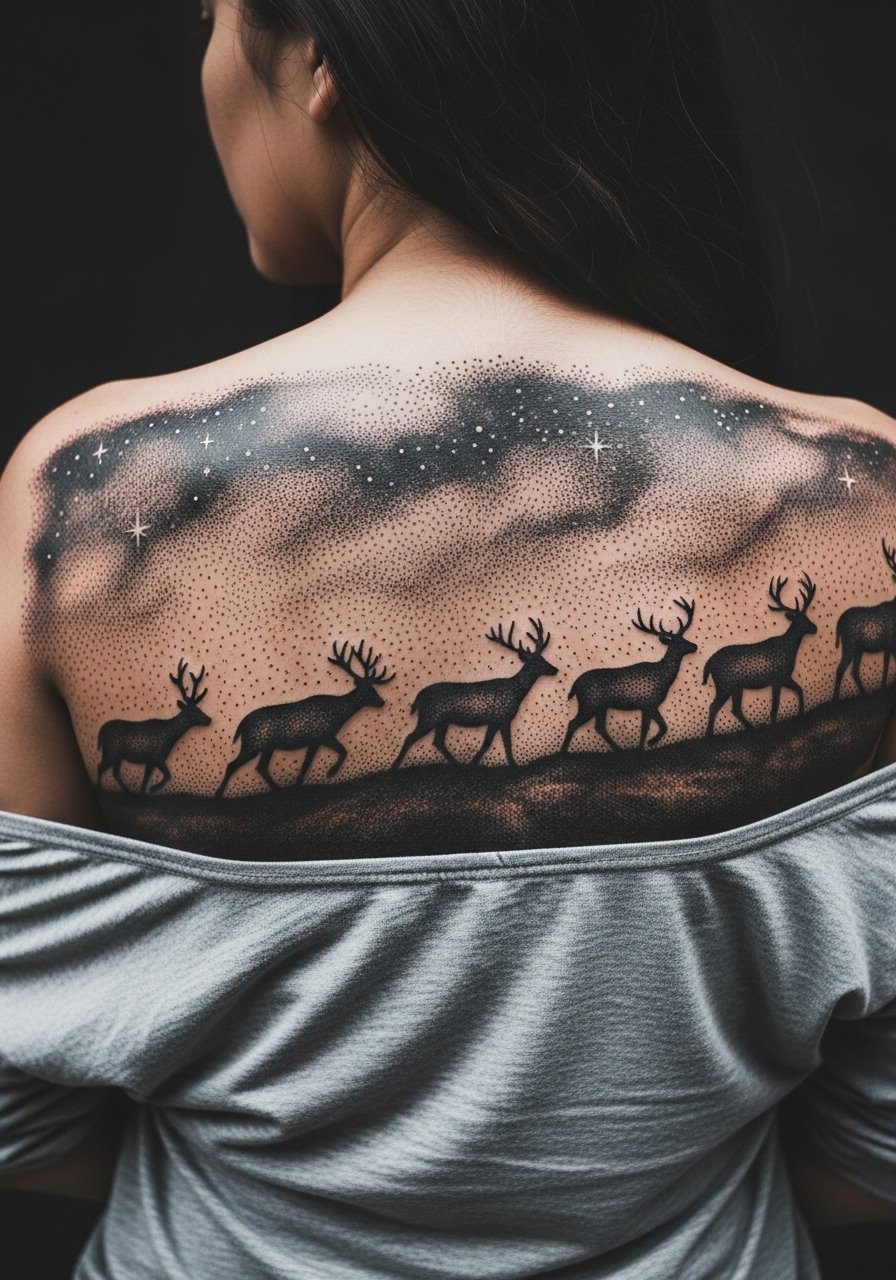
Dotwork night-sky pieces require consistent stippling and clear spacing to retain the starfield effect over time. Upper back is stable and accepts heavy dotwork well. The mistake is too fine a stipple density that compresses during healing. For show-off outfits use an off-shoulder top in black to frame the dark silhouettes and let the dots sit like a constellation across your shoulders.
24. Matching tiny hoofprint wrist tattoos for partners
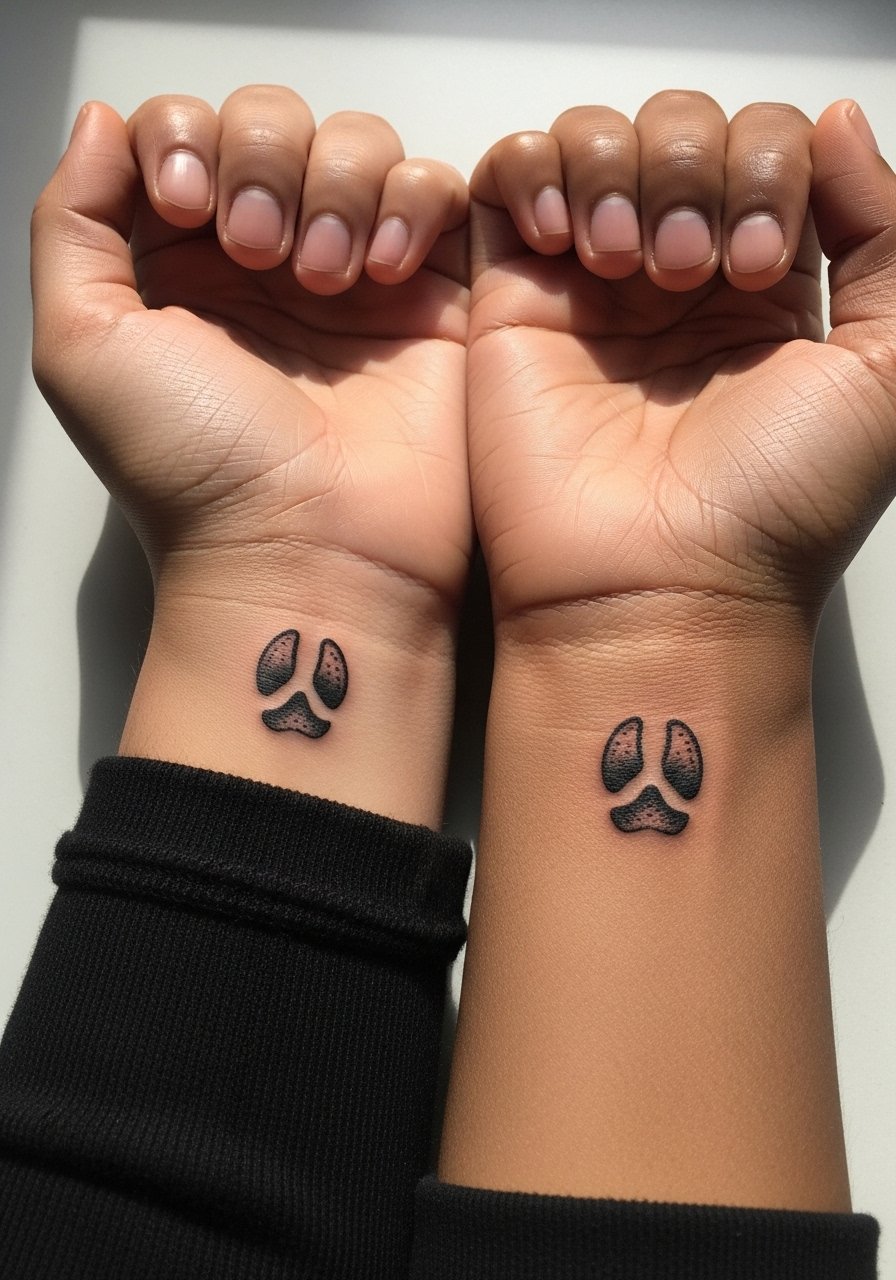
Micro matching tattoos are intimate and fast. For wrists choose a slightly bolder hoofprint outline so it stays visible after routine hand washing. The session is short and usually under twenty minutes per person. The common error is making the print so small it blurs into a smudge. Keep the design simple and pick a healed portfolio example that shows consistent healed size. Pair with minimal cord bracelets the day of the reveal.
25. Neo-traditional mustang portrait on the outer thigh
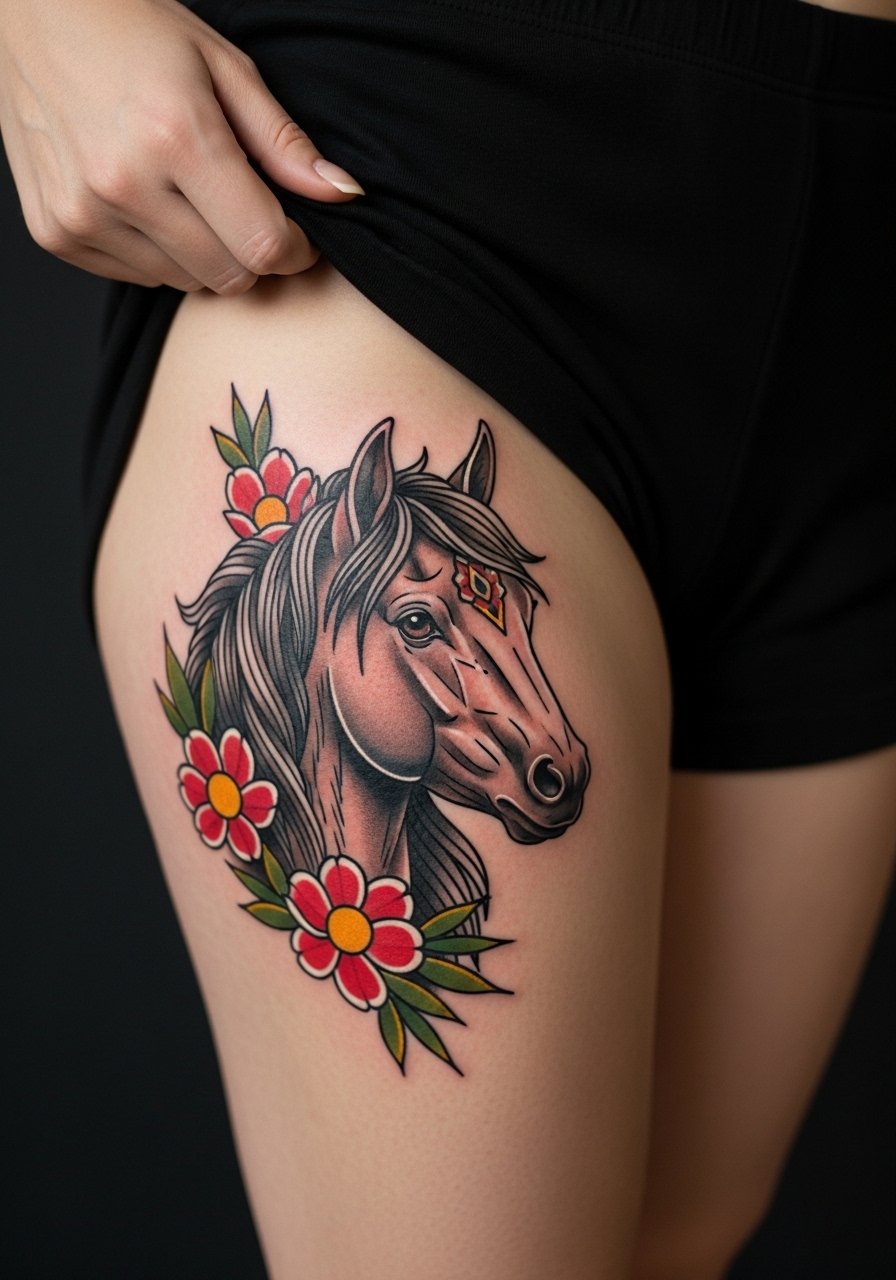
Outer thigh allows bigger canvases and holds color well when not exposed to daily friction. For a 6-inch portrait expect a single multi-hour session. Watch out for weight-change distortion and discuss your body plans with the artist. For session wear choose high-cut athletic shorts so the leg is easy to access and comfortable. Thigh pieces age gracefully if you protect them from heavy sunlight during the first year.
26. Vertical yoga-spine stampede for flow and practice
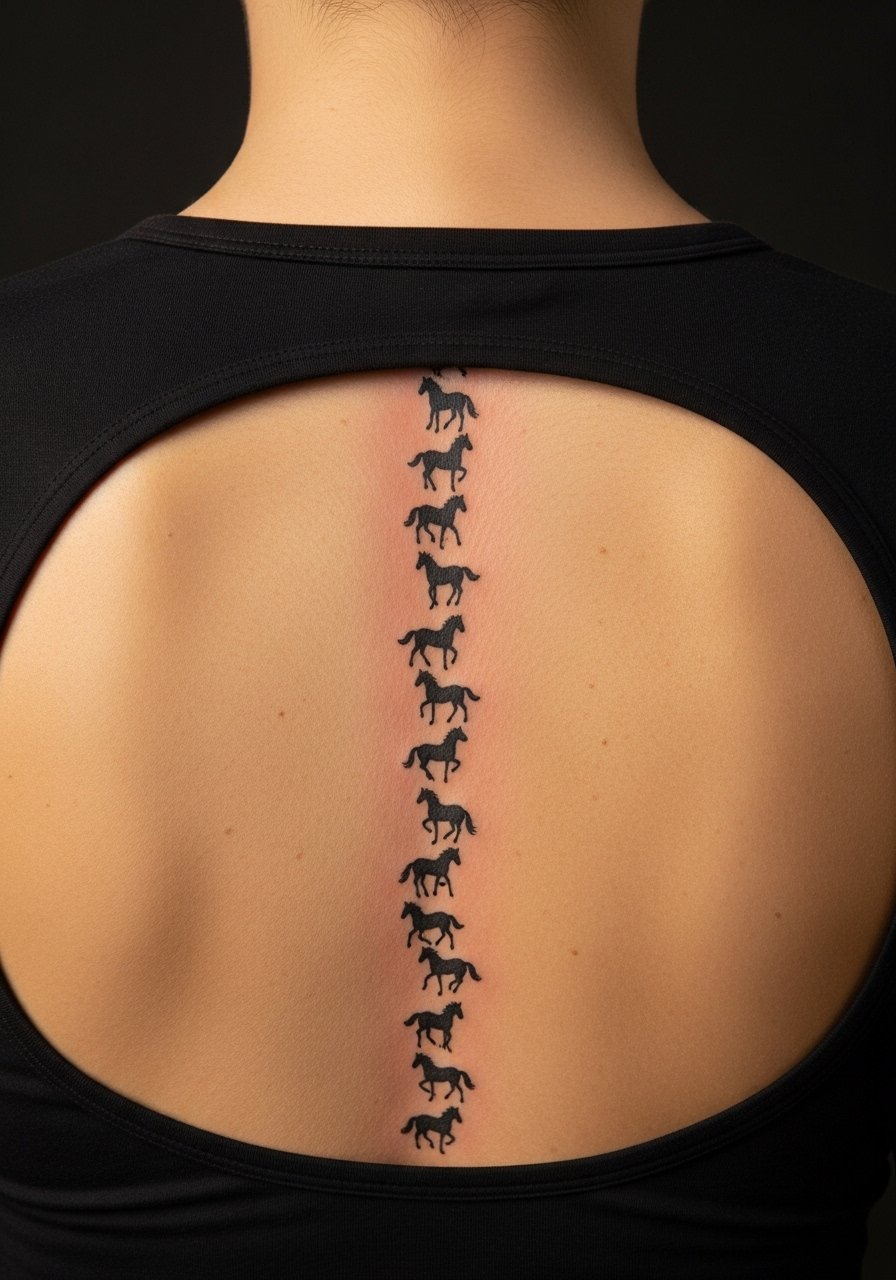
This rare vertical treatment works for people who practice yoga and want a motif that follows motion. Spacing is everything here so each silhouette breathes on its own. One to two sessions should get a clean vertical run. A common oversight is asking for too many figures too close together which compresses on movement. For show-off outfits pick an open back shirt to highlight the vertical composition in class or casual wear.
27. Blackwork tribal horse with geometric accents on the calf
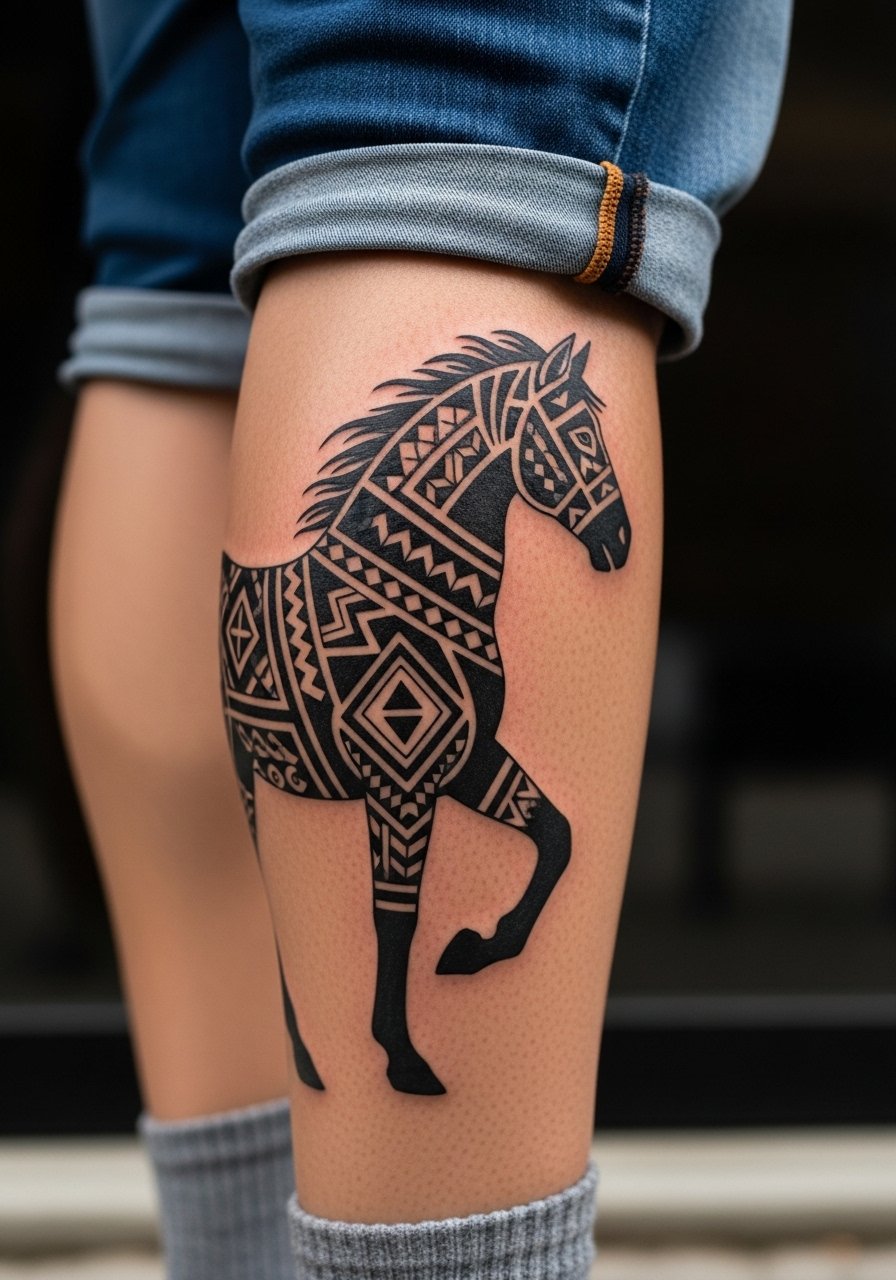
Tribal blackwork on the calf reads strong and holds through activity. Ask for clear transitions between solid fills and negative space so the geometry does not soften into one block over time. The main mistake is sizing geometric motifs too small for the calf curve. Sessions are comfortable and typically finish in one or two sittings. Keep the composition bold for longevity and plan simple footwear while it heals.
Frequently Asked Questions
Q: Will a fine line horse on my wrist blur faster than a neo-traditional piece on my forearm?
A: From what I have seen, fine line wrist work tends to need touch-ups sooner because the wrist sees constant movement and washing. A neo-traditional forearm piece with thicker outlines and stronger saturation usually holds its shape longer. If you love the fine line look, ask the artist for slightly heavier primary outlines and healed photos of similar placements.
Q: How should I prepare clothing for a ribcage or sternum session so the artist can work without interruptions?
A: Wear something you can remove or pull aside without fuss, like a crop top or side-slit tank for ribcage work. Sports bras that zip in front or bandeaus work for sternum pieces. The goal is clear access with minimal fabric rubbing the area during the session.
Q: Is Saniderm or dry healing better for calf and thigh horse pieces in summer sweat?
A: Artists and enthusiasts split into two camps. One camp likes protective film for active, sweaty skin since it cuts down on mess and friction. The other camp prefers dry healing, arguing it forms natural scabs. The best choice depends on your lifestyle during the first week and what your artist recommends for that placement.
Q: How do I avoid a horse tattoo distorting after weight gain on the thigh?
A: Discuss body fluctuation with your artist and prefer placements with stable skin when possible. If the thigh is a must, scale the design larger and use bolder shapes that tolerate stretch. A negative-space mane or ornamental patterns can hide mild distortion better than tight photo-realism.
Q: What questions should I ask during consultation to reduce the chance an artist ghosts me after deposit?
A: Ask about the booking and cancellation policy, get a written confirmation with expected session dates, and use booking platforms that track appointments. Confirm communication expectations and ask for a backup contact if the artist has guest spots. Those steps cut down on surprises and rescheduling.