
Fine line and abstract Dragon Ball Z riffs flood socials right now, but the pieces that still read clearly after five years are the ones that planned for motion, skin change, and daily wear. I write this from many shop conversations and a handful of healed tattoos I check in on. Below are 27 abstract ways to wear DBZ energy, with placement, aging notes, consultation lines, and outfit pairings to help you pick the one you keep.
1. Four-Star Orb As Minimalist Wrist Dot
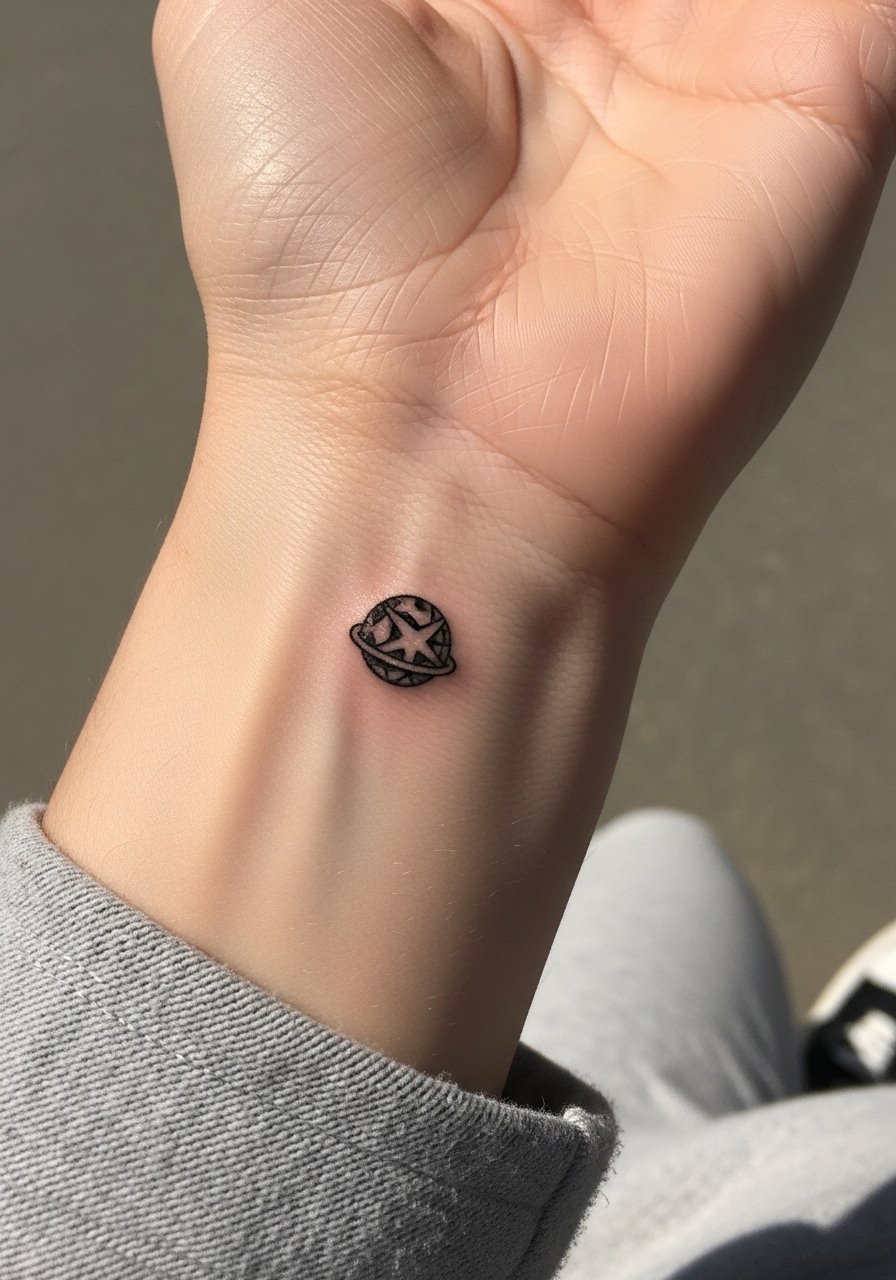
I recommend this when you want a private nod to the series that reads subtle in daily life. Fair warning, the inner wrist is a high-motion zone and fine dots tend to soften by year two. Tell your artist you want slightly heavier saturation at the edge so the core holds at six months and beyond. Session feels quick but sharp near tendons, expect a thirty to forty minute appointment. A common mistake is asking for too small a dot, which blends into skin texture. For showing it off, roll up sleeves and wear a thin chain bracelet that frames the dot without crowding it.
2. Kamehameha Brushstroke Across the Forearm
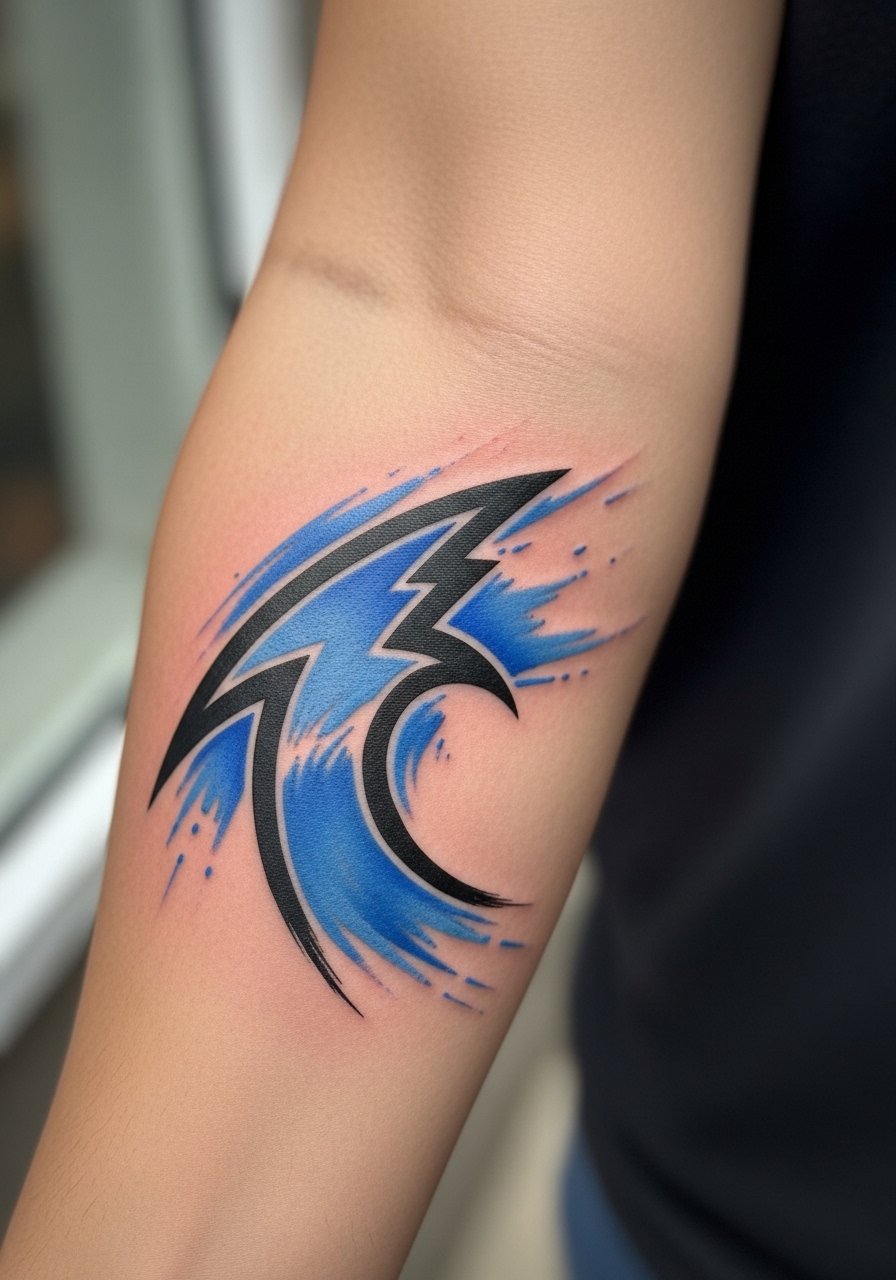
I've seen this design aged for three years and the wash holds if the black outline is bold enough. The forearm offers room for spacing, which prevents dense areas from merging. In consultation, ask for a single directional flow and stipple shading where the blue meets black to avoid muddying. The session runs about one to two hours depending on color. The main mistake is over-detailing the energy, which looks great fresh and blurs later. For outfit pairing, cuff a linen button-down to show the stroke in casual settings.
3. Shenron Spiral in Negative Space on the Ribcage
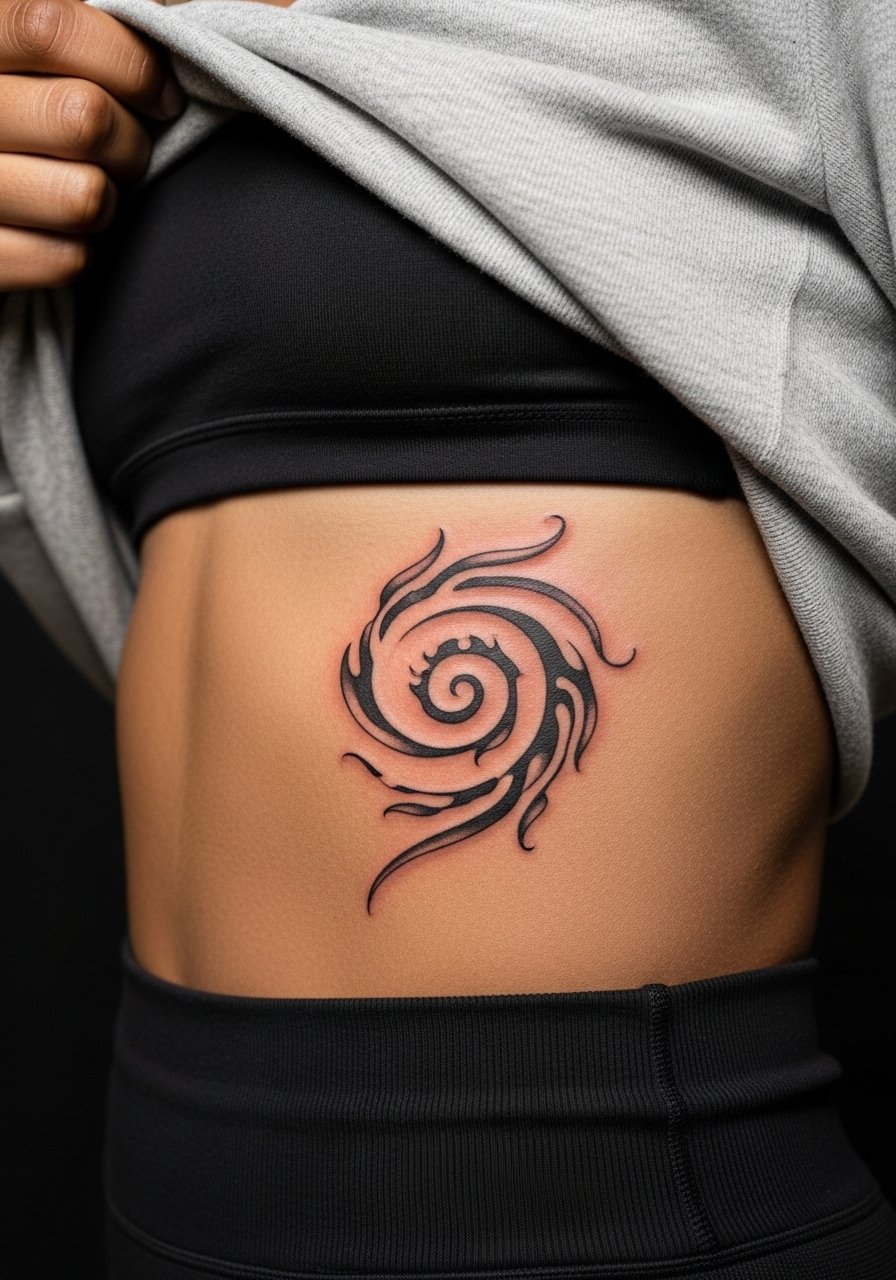
Fair warning, ribs are one of the more painful placements. The negative-space approach keeps the design elegant without relying on heavy lines that can blow out on this canvas. Artists split into two camps here. One camp says the rib skin stretches and small lines blur within two years. The other camp argues that with proper depth and spacing negative space holds fine. Ask your artist which camp they fall into and why. Sessions will likely be broken into two visits. Wear a zip-front hoodie to the shop so you can reveal the area without pulling fabric over the head.
4. Super Saiyan Hair as Abstract Flame on the Shoulder Blade
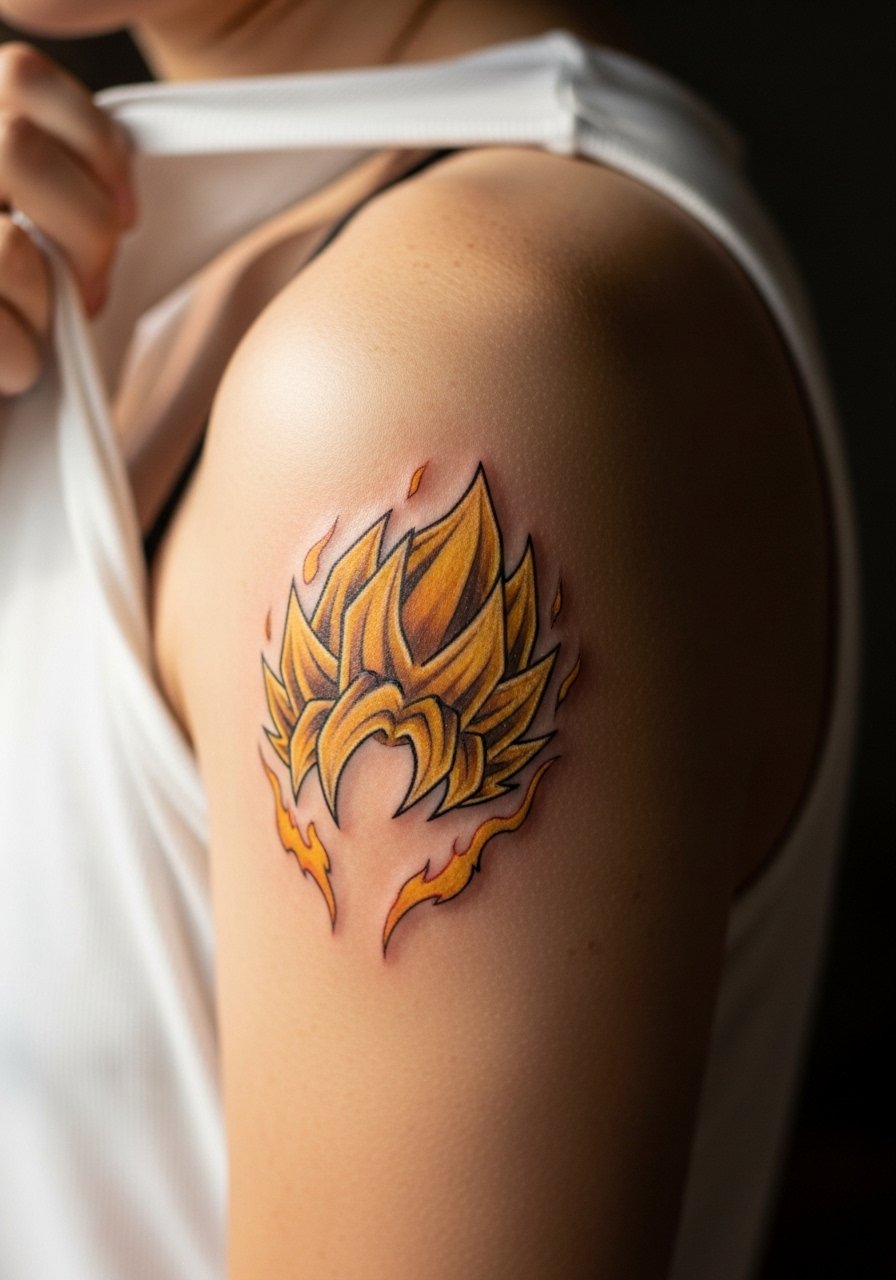
There's something about bold shapes on the shoulder blade that reads from across the room and keeps its silhouette as the skin ages. For this placement, tell the artist you want confident, single-pass linework and saturated fill in the core. Most sessions are one to two hours. A common mistake is asking for micro-detail inside the flame, which becomes noise after a few years. For showing it off, wear a scoop-back tank so the negative space around the flame breathes.
5. Capsule Corp Circuitry as Geometric Wrist Cuff
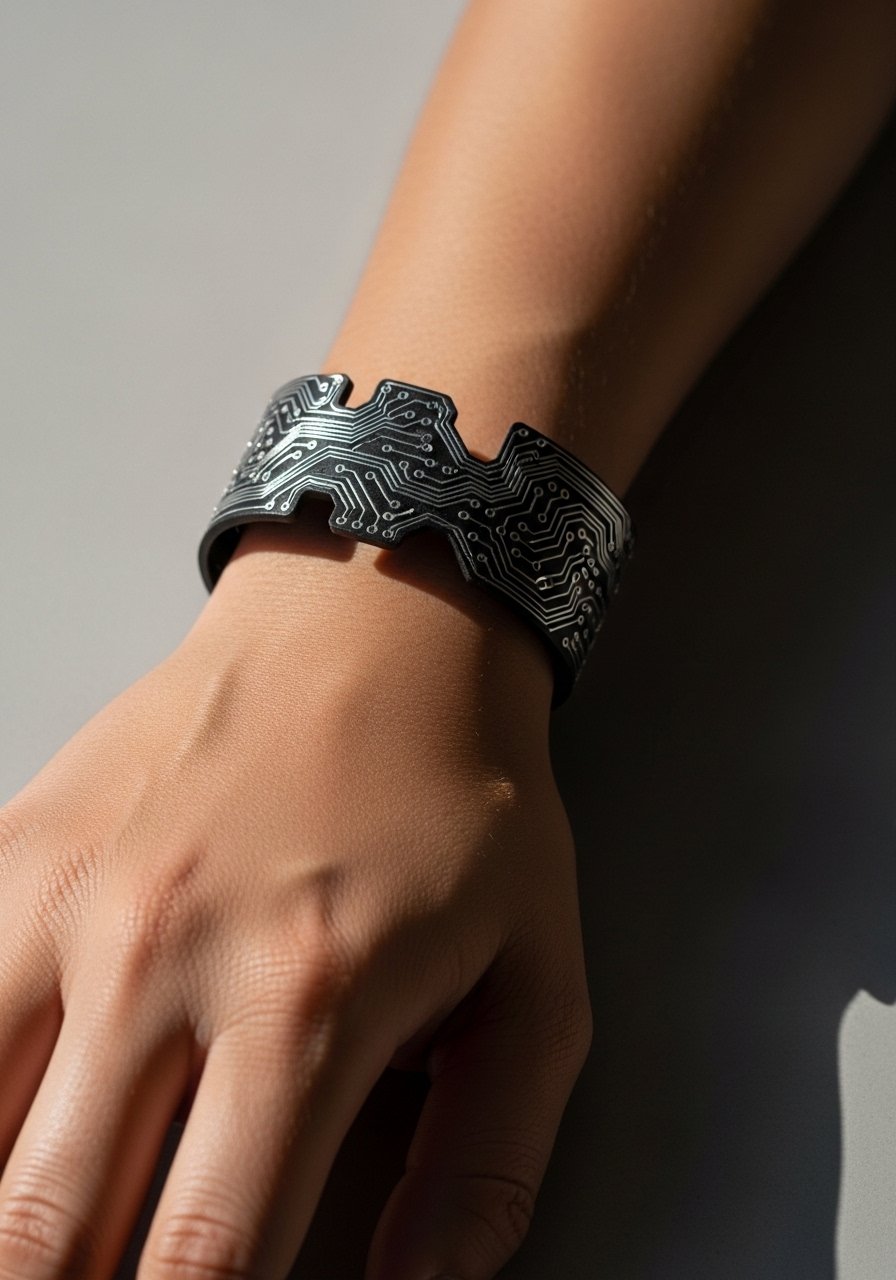
When you want techy energy that feels modern, this cuff reads like jewelry. Wrist cuffs face frequent wash friction and typing wear, so ask for slightly thicker connecting lines and small gaps between nodes to avoid merging. The session is typically under an hour. People often request ultra-fine connections that look fragile on day one and vanish later. For the appointment, slip on a loose cuff bracelet that you can remove without stretching the skin.
6. Minimal Shenron Scale Trail Along the Collarbone
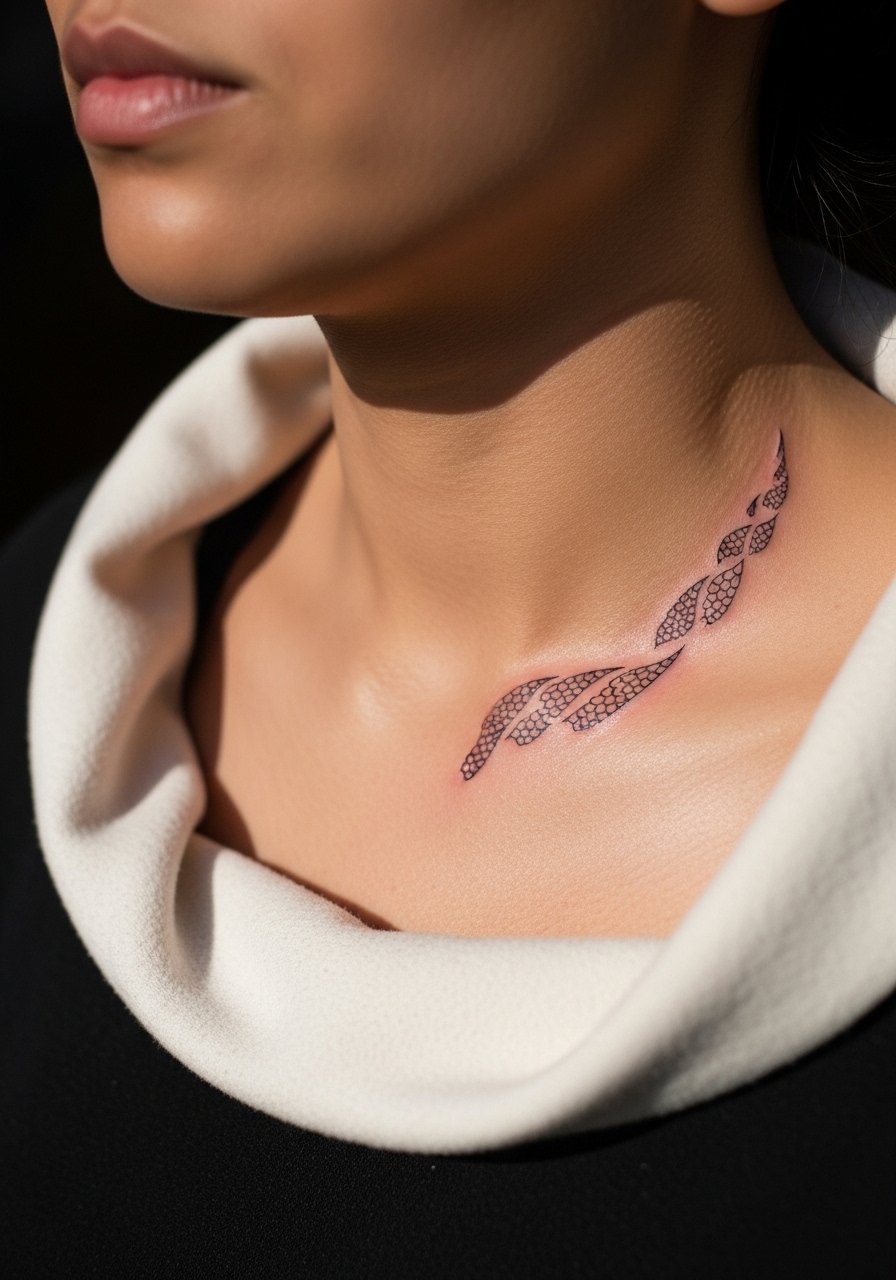
This feels personal and visible when you want it to be. Collarbone skin moves and sits under clothing edges, so ask for spacing between scales and conservative lineweight. The session usually takes forty-five to sixty minutes. The common mistake is placing too close to the clavicle edge where rubbing from straps speeds fading. For evenings out, pair it with an open-collar blouse that frames the trail without rubbing.
Studio Day Picks
That wrist cuff, collarbone trail, and forearm energy pieces above each have specific prep and healing quirks. A few thoughtful items smooth the session and the first week.
-
Stencil transfer paper kit. Lets you preview placement and line weight on skin before you commit, useful for the capsule and collarbone pieces above.
-
Topical numbing cream. Applied about forty-five minutes before can reduce rib and sternum shock without changing the artist's linework.
-
Thin protective film roll. Keeps small wrist and finger work clean during the first week of constant hand washing.
-
Fragrance-free gentle body wash. Cleans healing lines without stripping the natural barrier that fine work depends on.
-
Aquaphor healing ointment. A thin layer for the first few days helps retain moisture for tight linework, especially on the forearm and wrist.
7. Spirit Bomb Dotwork Orb on the Back of the Neck
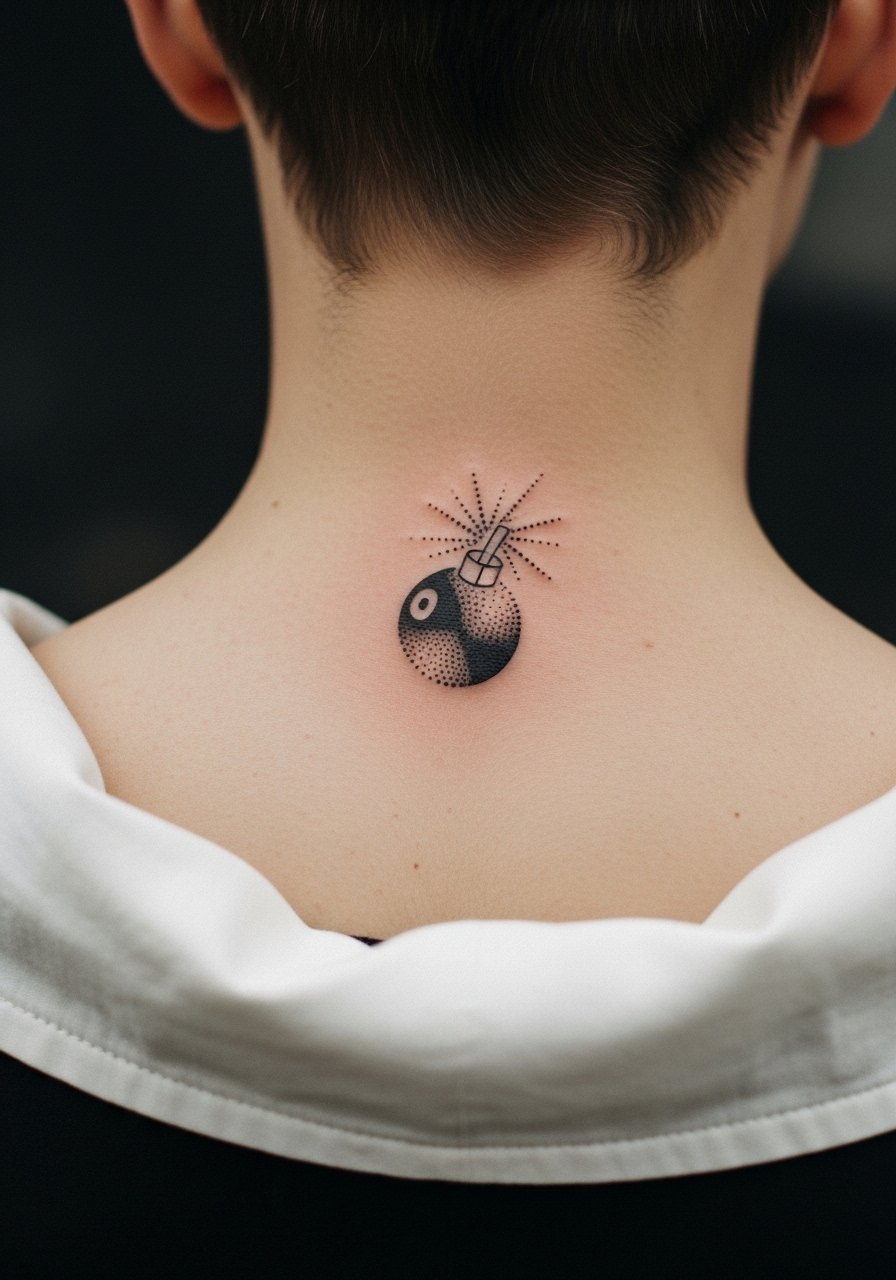
When you want a visible piece that can be hidden by hair, the nape is a smart pick. The back of the neck heals slower with motion, and dotwork demands patience. In consultation, specify dot spacing and a darker outer ring so the orb keeps structure at two years. Sessions are short but can feel abrasive as the needle crosses the tight skin. A common mistake is pushing for micro-dot clusters, which can merge into a smudge. If you plan to wear short hair, an open-back blouse shows the piece cleanly.
8. Abstract Nimbus Cloud Around the Ankle
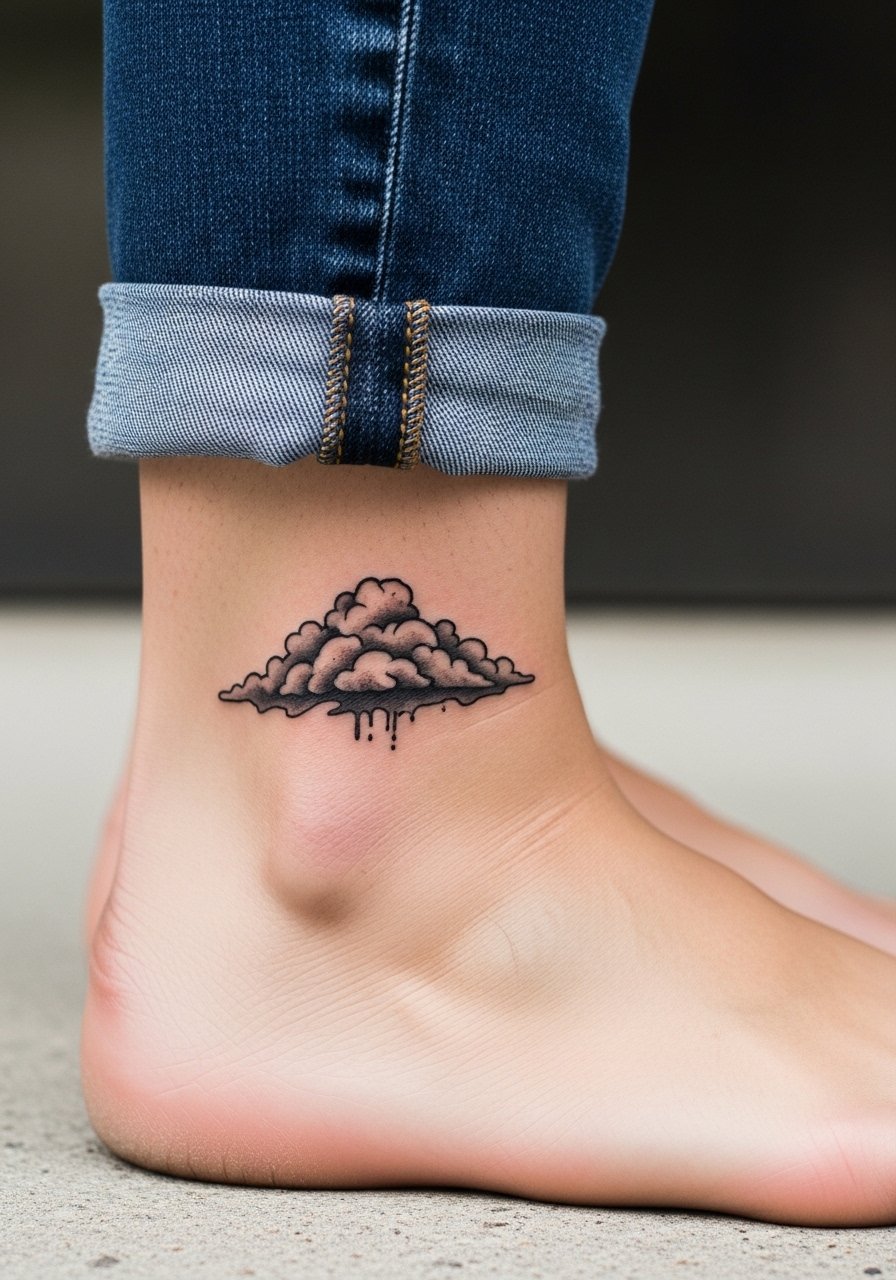
Ankle tattoos live under shoes and socks a lot, so soft washes can fade fast. Ask for a slightly higher contrast edge and shallow shading to avoid dense saturation that breaks down with friction. The session is quick but requires careful aftercare to avoid rubbing from footwear. The biggest mistake is asking for a full color fill that then disappears by year two. Pair with sandals or rolled jeans and a minimal ankle chain to highlight the cloud without bulk.
9. Vegeta Scowl Implied with Negative Space on the Inner Bicep
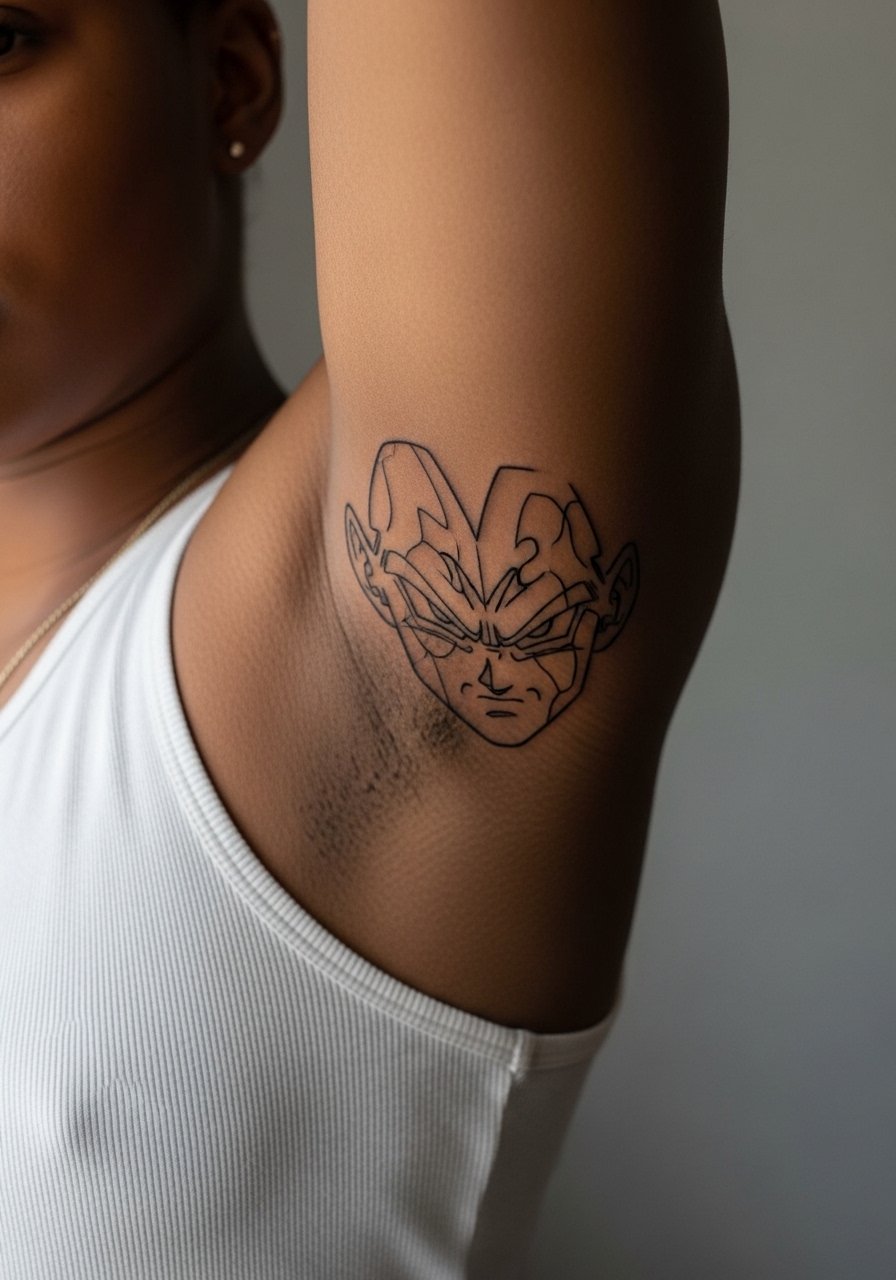
The inner bicep is a softer canvas. Negative space portraits work well here because bold outlines can blow out when the arm moves. In consultation, describe the silhouette rather than facial detail and request stipple shading around the voids. Sessions may be shorter but require comfortable arm positioning. Be aware that inner bicep work sees less sun and ages well, but fine cross-hatching can blur after a few years. For the appointment, choose a sleeveless top so the artist has clear access.
10. Abstract Dragon Radar As Tiny Finger Band
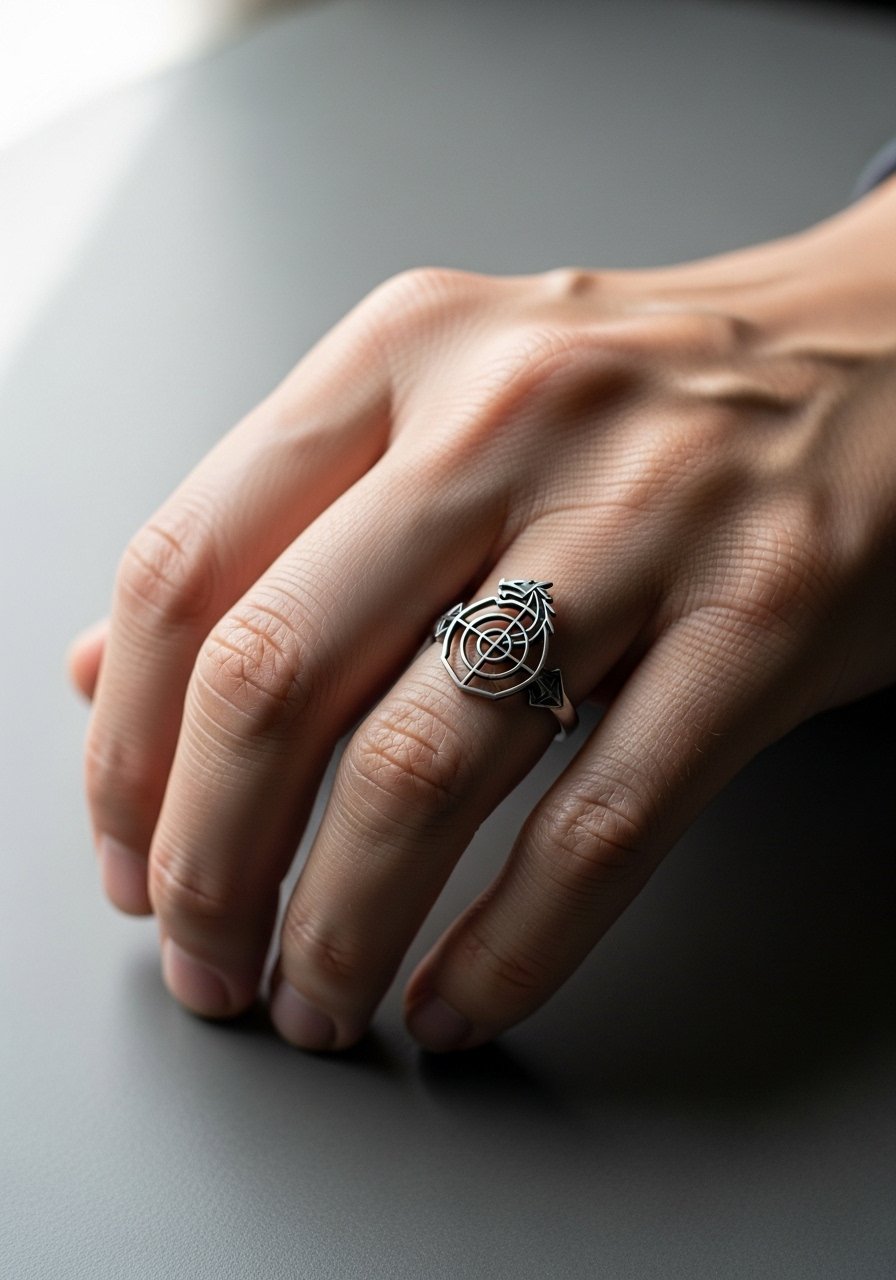
Finger bands are fashionable but high maintenance. The skin there sheds and rubs against surfaces constantly, so expect faster fading and touch-ups around year one. Tell your artist you want slightly bolder kerning between glyph elements and a clean negative gap around the band. The session is quick and can be sensitive. Common mistake is making the band too thin. For showing it off, wear a minimalist ring that complements the band without covering it.
11. Abstract Saiyan Crest as Upper Thigh Patch
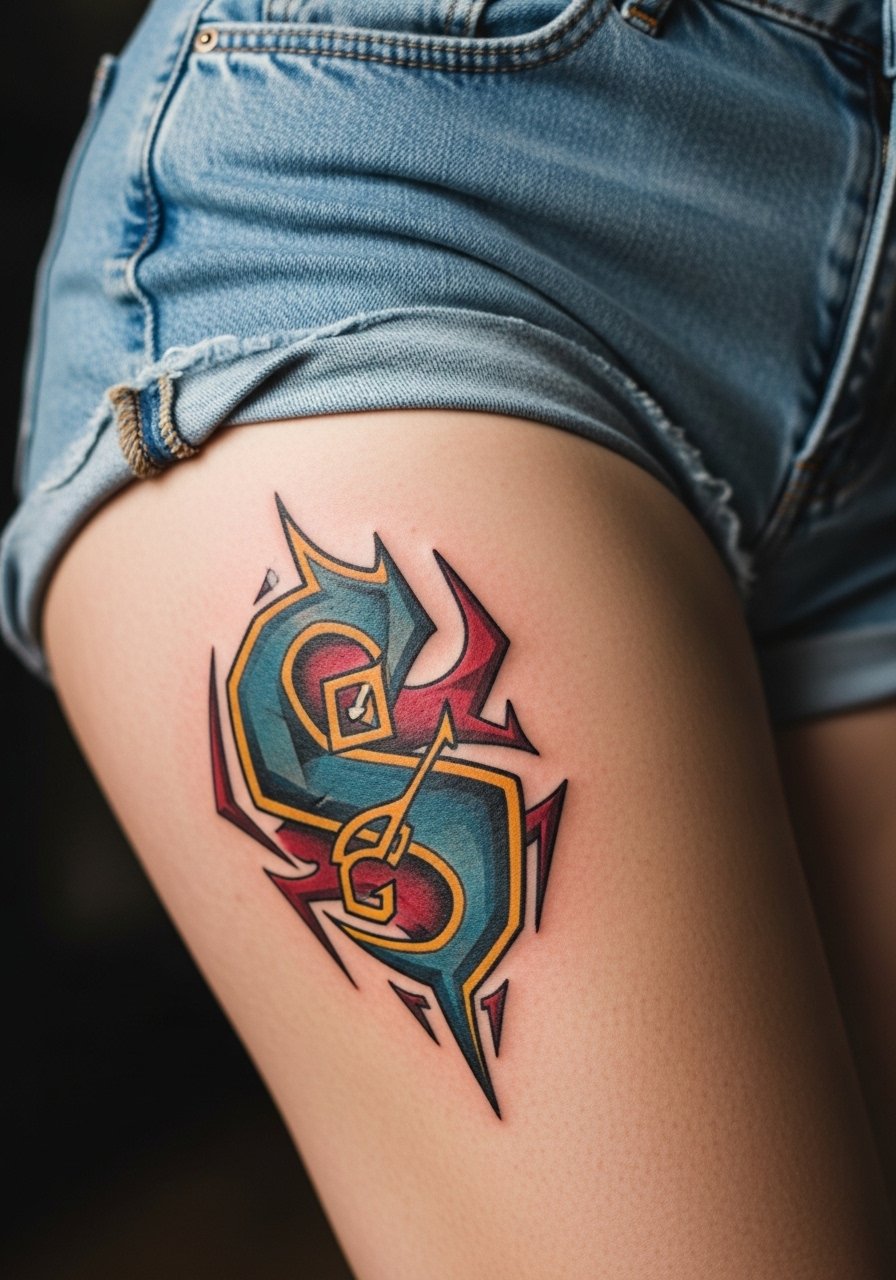
Upper thigh work enjoys low daily abrasion and typically ages well. Larger abstract patches let the artist breathe and avoid dense micro-details that blur. Sessions are comfortable and can be longer, often two to three hours. A common mistake is cramming too many tiny motifs into the patch, which reads cluttered after healing. For the session, wear loose high-waisted shorts so the artist can expose the area without discomfort.
12. Piccolo Cape as Flowing Blackwork Down the Spine
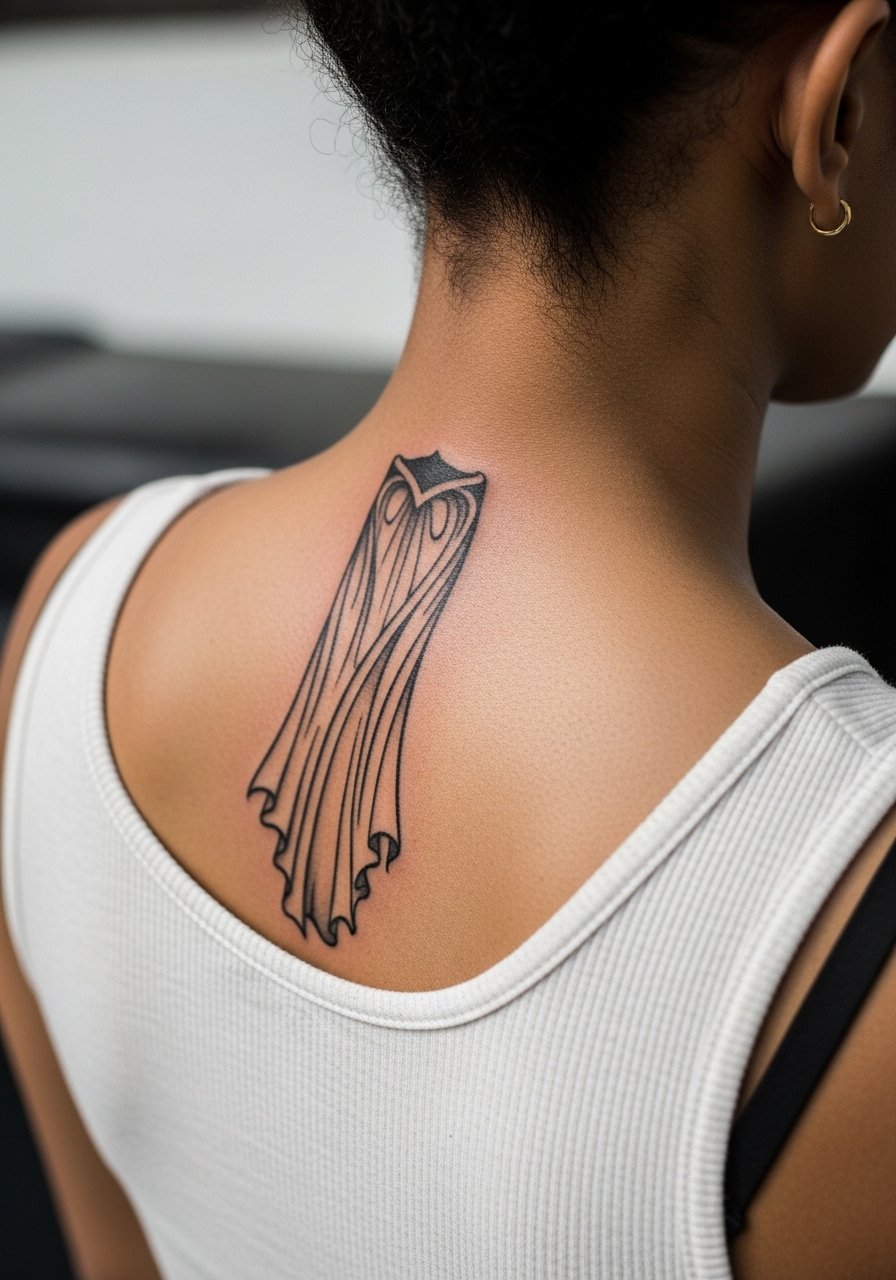
Spine pieces look dramatic but require planning for curvature and movement. Blackwork that follows vertebrae reads strong over time if the artist spaces large black fields with breaks. The session can be intense near the spine. A common mistake is dense black with no breaks, which can age into a blocky shape. For showing it off, choose an open-back dress that keeps attention on the vertical flow.
13. Krillin Dot Pattern as Minimal Chest Cluster
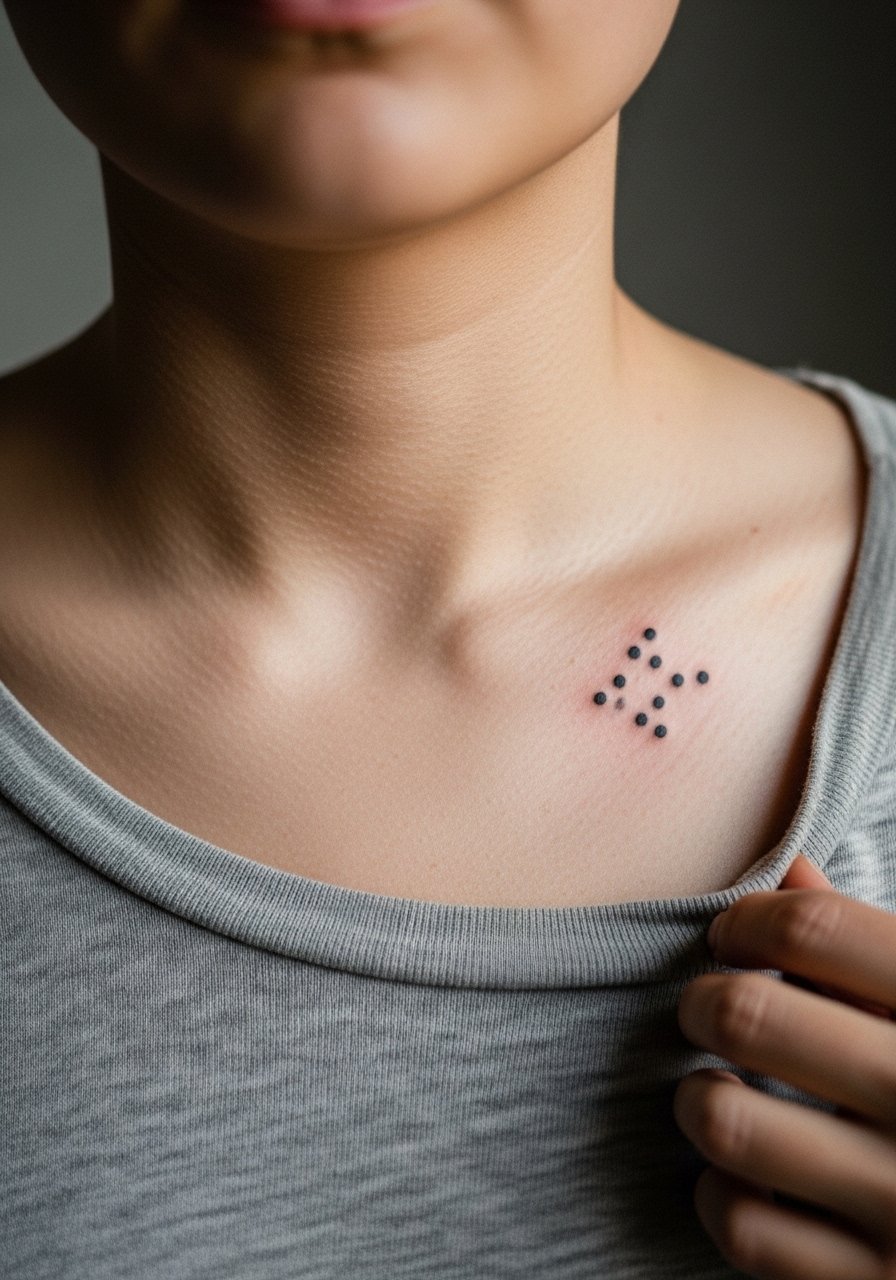
Chest clusters benefit from breathing room and a mix of dot sizes. Tell the artist you want a primary dot with supporting satellites that decrease in density outward, which helps the pattern age gracefully. Expect a session about forty-five minutes. The common mistake is forcing symmetry, which can look mechanical as the skin shifts. Pair with a lightweight crew tee with a wide neck to reveal the cluster.
14. Android Circuit Glyphs Across the Calf
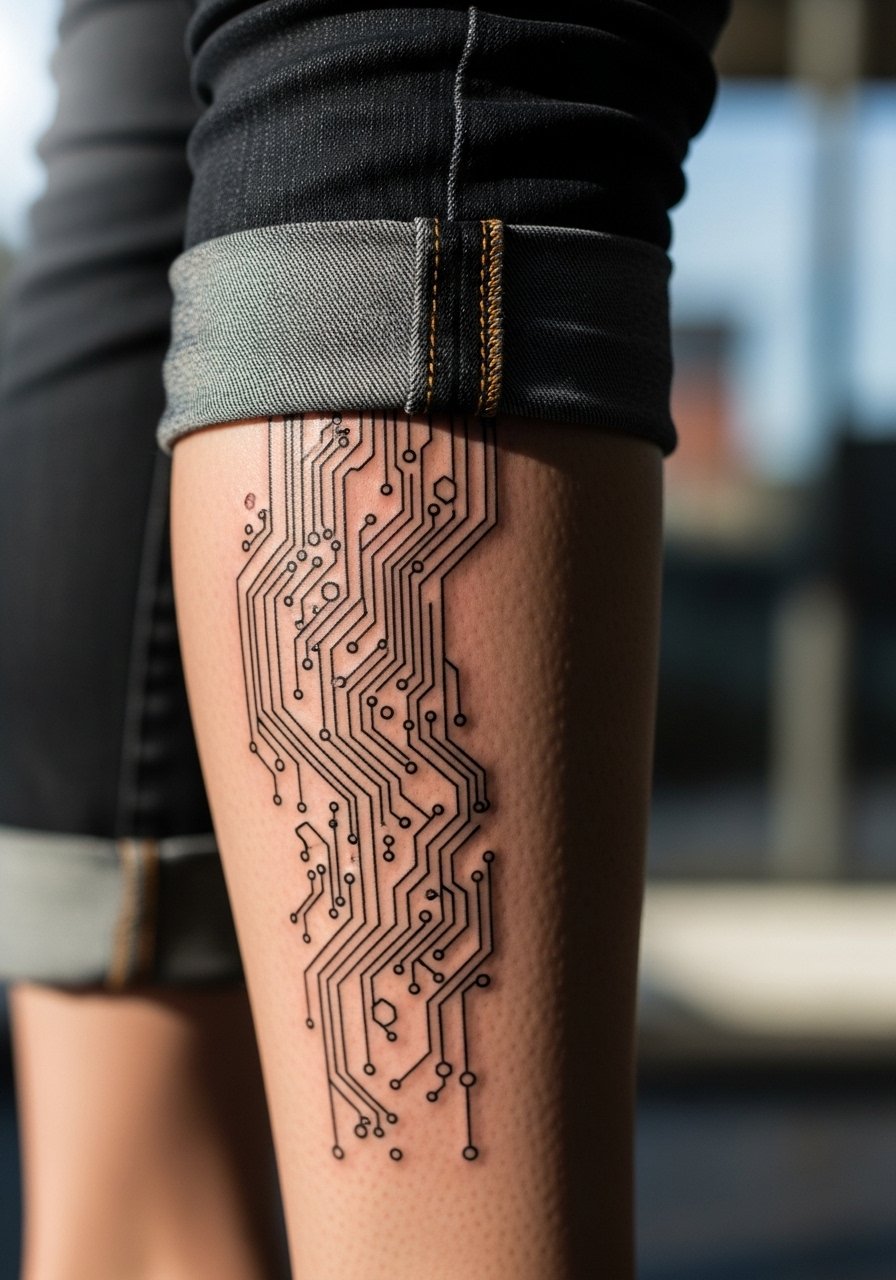
Calf placements tolerate saturation and bold linework well and often age cleanly. Circuit motifs should have spaced connections to prevent merging. Sessions usually last an hour to ninety minutes. A common mistake is cramming tiny glyphs into a narrow column, which becomes indistinct over time. For casual wear, roll up trousers and pair with a canvas sneaker so the lines remain visible.
15. Majin Mark as Subtle Sternum Curve
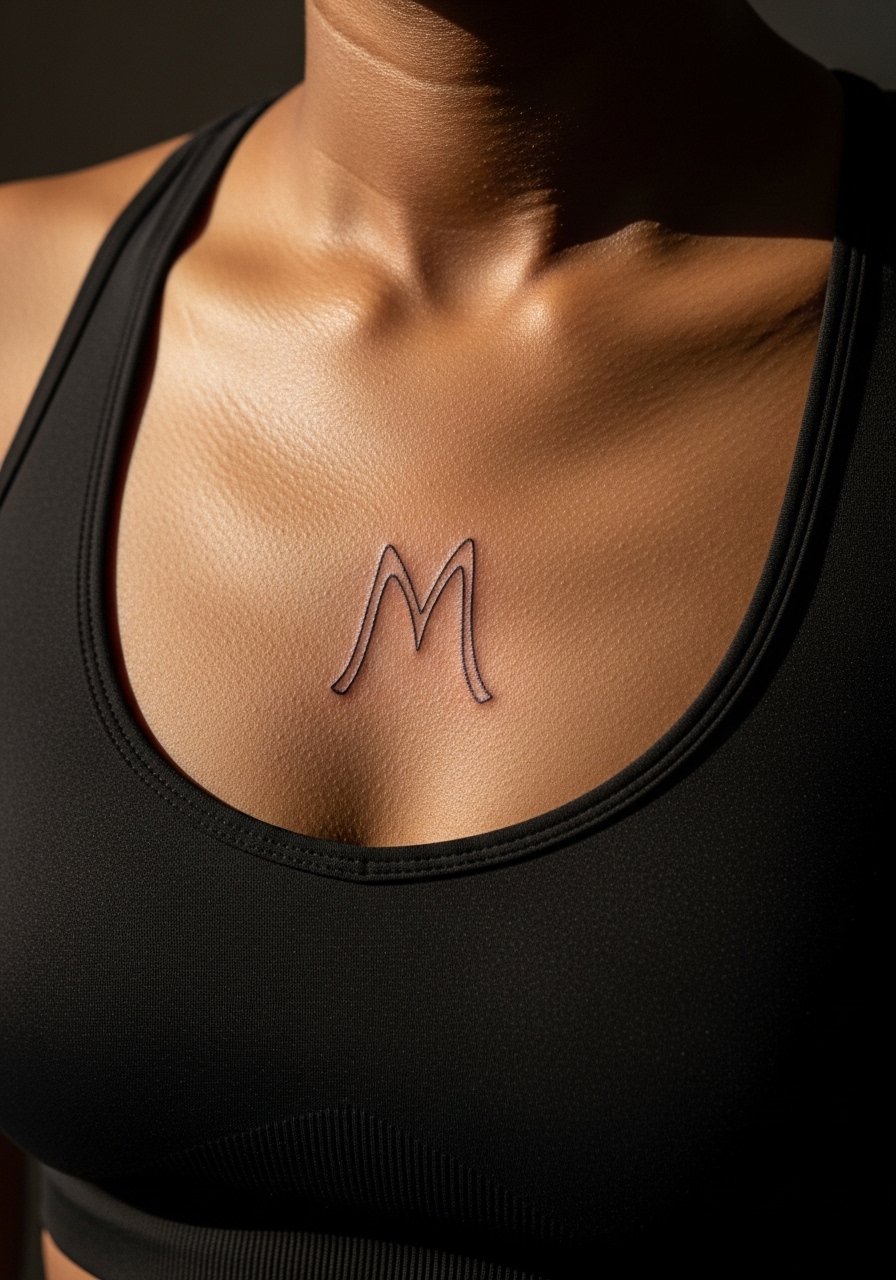
Sternum work can be tender and sits under clothing edges, so conservative lineweight is crucial. Artists are split on fine line here. One group warns that the sternum's motion and fabric friction blur thin lines quickly. The other group says careful placement and slightly deeper stroke preserves the design. Ask which approach they favor. Sessions are sensitive and may need breaks. The common error is requesting thin script in the exact center, where waistband and bra straps increase abrasion.
16. Fusion Dance Duality on the Outer Thigh
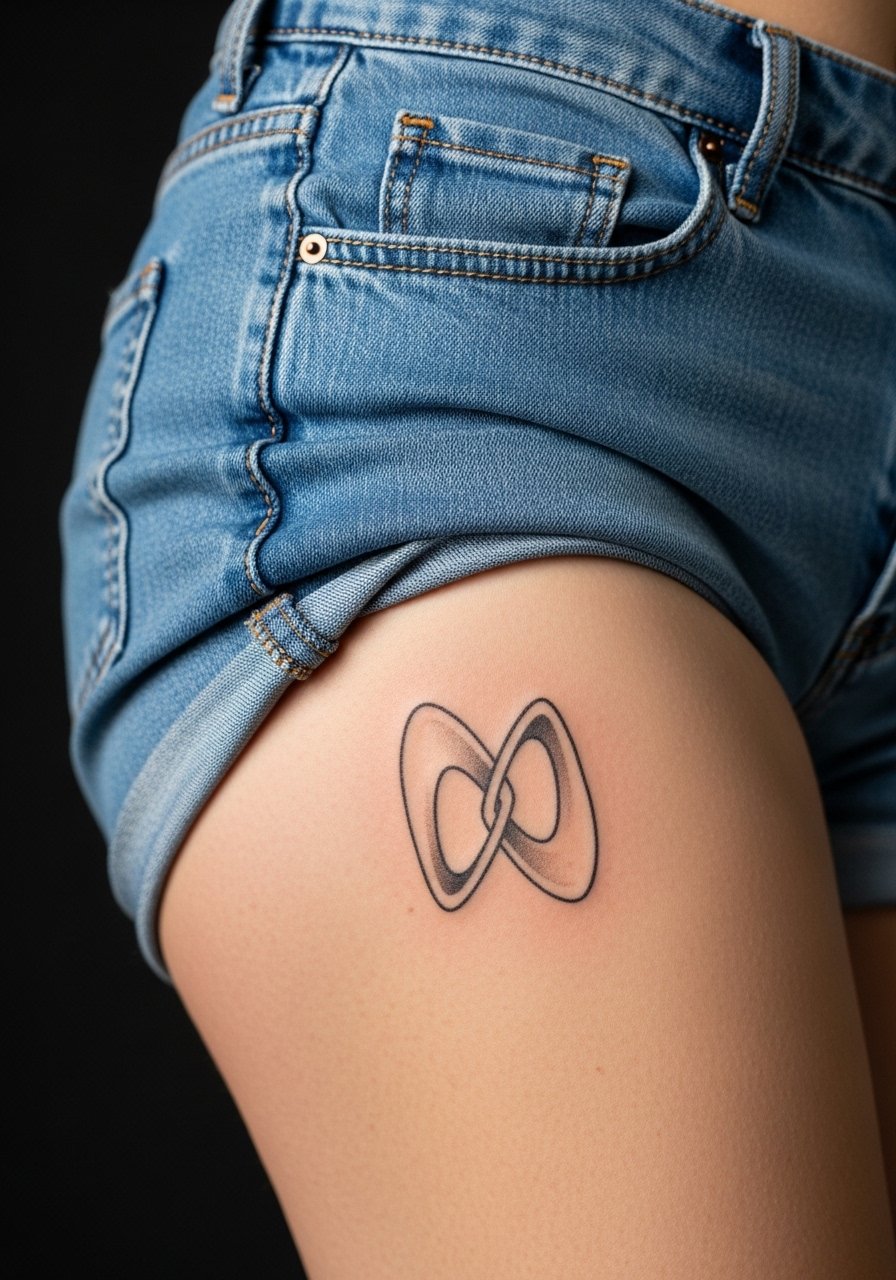
Thigh pieces have room for scale and usually age well if not overly detailed. Tell the artist you want clear separation between the two interlocking shapes and soft gradation where they overlap. A session can be long but comfortable. The mistake is tiny textures inside each shape that blur into a mottled patch later. For shows or festivals, wear a denim mini skirt to frame the interlock.
17. Namek Landscape as Horizontal Line Work Across the Rib
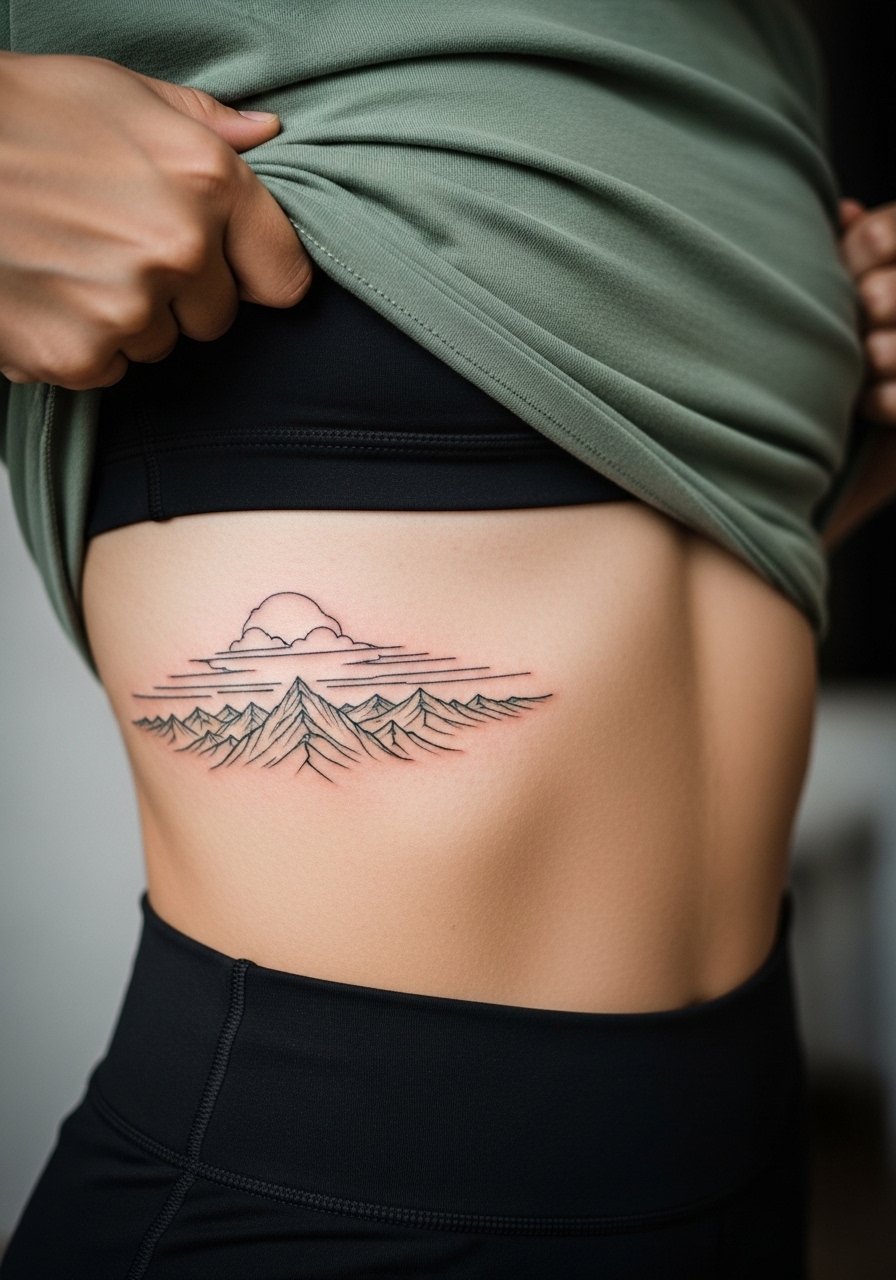
Rib landscapes are beautiful but demand spacing. Thin parallel lines can blur on the rib if placed too close. Ask for strategic breaks and a slightly heavier baseline to keep the horizon readable at two years. Sessions are painful and usually split. The biggest mistake is cramming a panoramic scene into a narrow rib panel. For the session, pick a cropped sports top that you can lift without tugging.
18. Goku Silhouette as Negative-Space Upper Arm Band
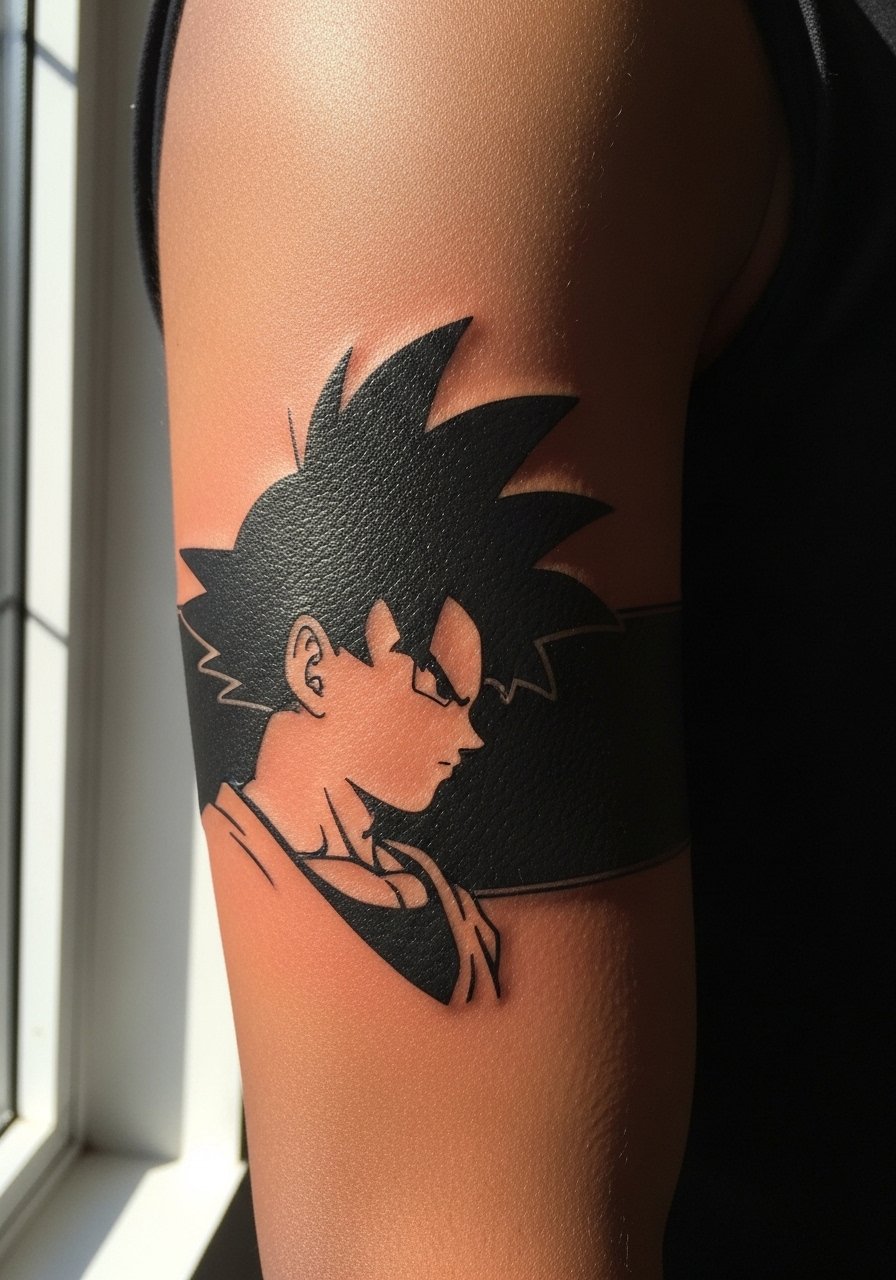
Upper arm bands sit on a stable canvas and age predictably when the negative cutout is spacious. Tell your artist to set the silhouette with a clean outer band and to avoid micro-detail inside the void. Sessions last about an hour. A common mistake is making the silhouette narrow and detailed, which loses definition with muscle change. For casual display, roll up sleeves or wear a short-sleeve henley.
19. Spirit Bomb Constellation Along the Side of the Hand
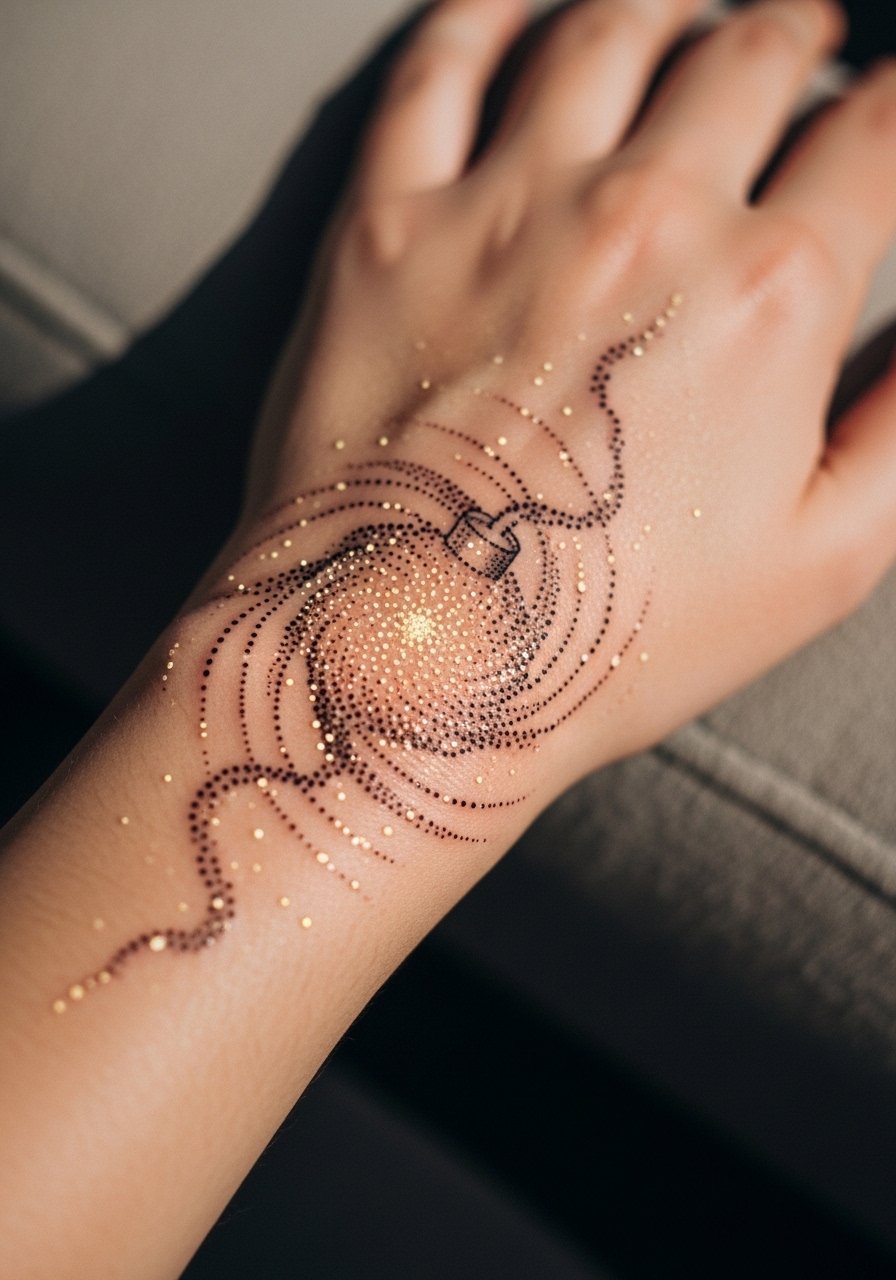
Hands are high-risk for fading and blowout because of frequent washing and skin thickness differences. If you want this, go for spaced dots and a simple orbit line rather than dense fill. Expect touch-ups sooner, sometimes as early as year one. The mistake is a full shaded sphere on the hand, which rarely holds up. For showing the work, wear a thin stretch glove for brief photos if needed.
20. Ultra Instinct Swirl Behind the Ear
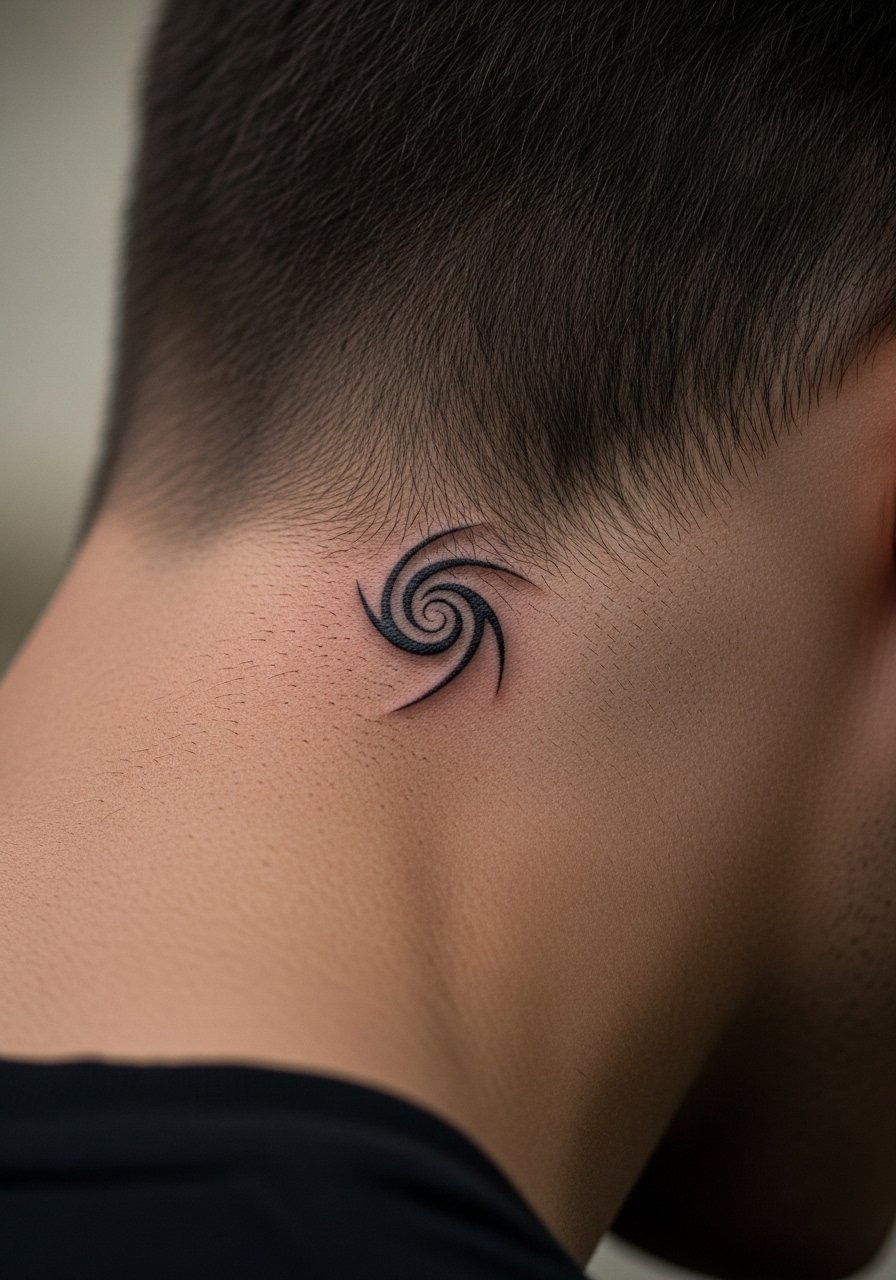
Behind-the-ear placements are intimate and often hidden by hair. The skin there is thin and lines can soften in a couple of years. Ask for a compact swirl with a dark anchor point so the motion reads even as dots fade. Sessions are quick but can be tender. A common mistake is insisting on a lot of micro-detail in that tight zone. If you want it visible with pulled hair, style with a textured hair clip that lifts strands without covering the area.
21. Capsule Silhouette as Lower Back Band
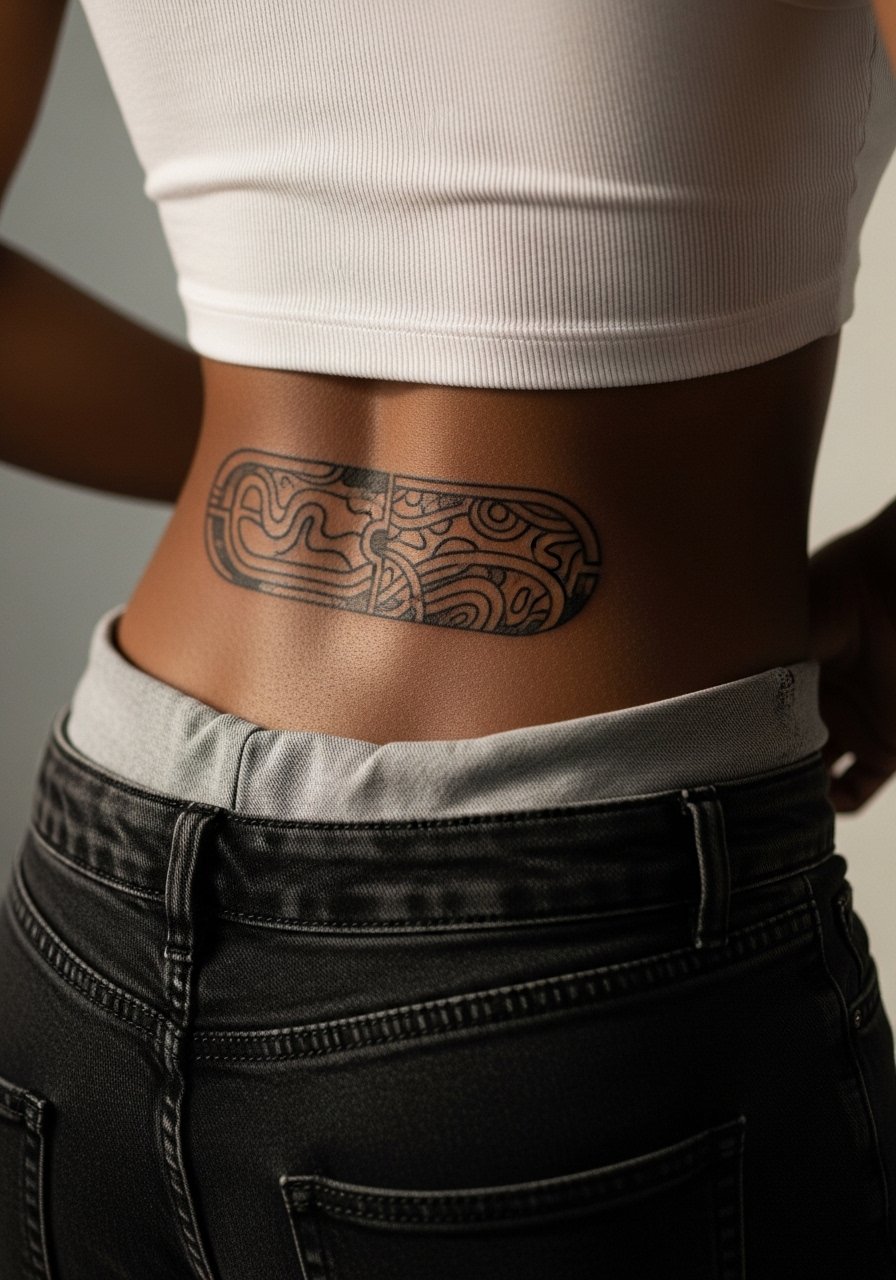
Lower back pieces can remain crisp with balanced negative space. Ask for an even horizontal flow and avoid ultra-fine fillers that age into noise. The session is typically comfortable and can be completed in one visit. A common mistake is loading too many micro elements into a wide band. For going out, pair with a cropped top that leaves the lower back visible.
22. Saiyan Tail Spiral on the Ankle Wrap
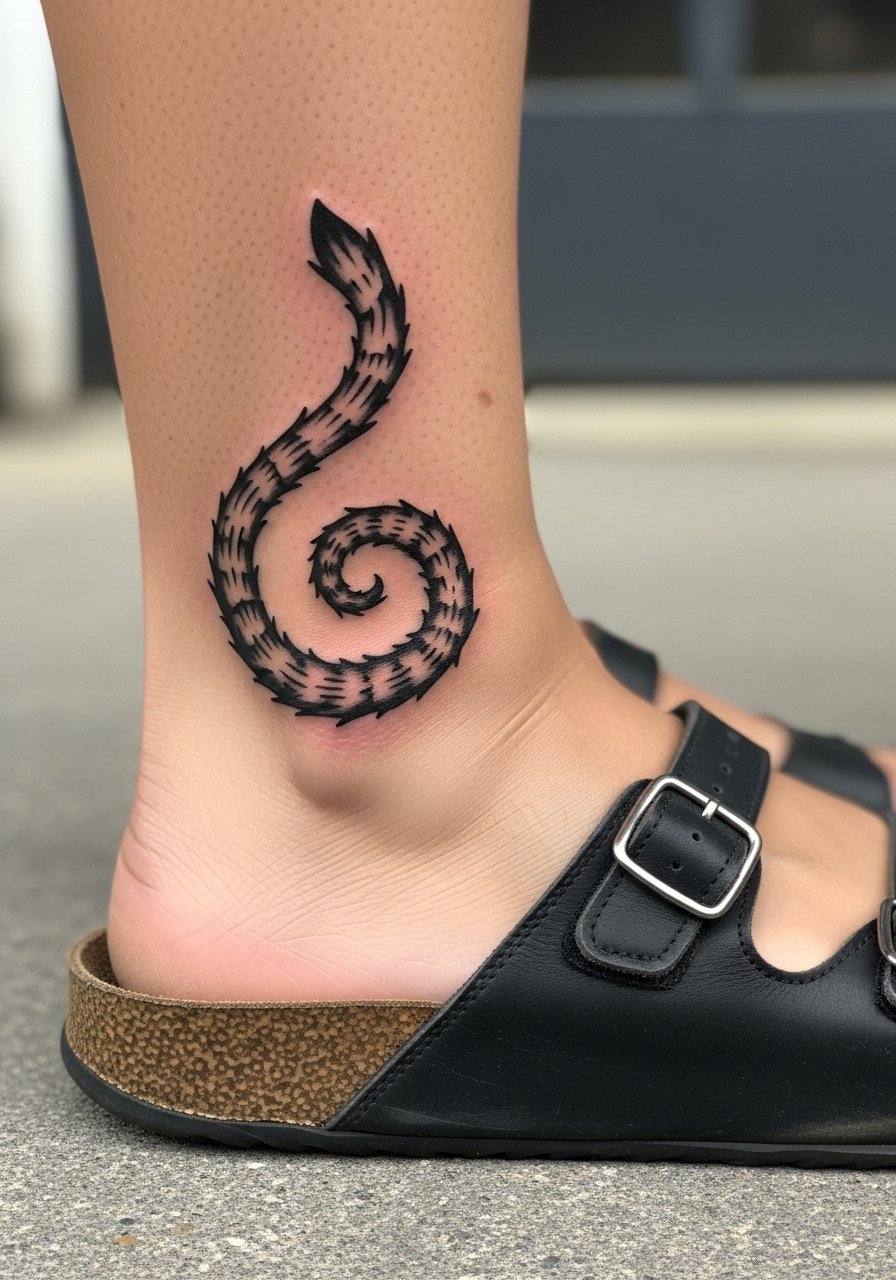
Ankle wraps can be playful and read like jewelry. Because the area sees friction from shoes, request a slightly thicker spiral line and spacing between coils. Sessions are short. A common mistake is putting the spiral too close to the heel where movement and footwear speed fading. Pair with sandals and a woven ankle bracelet to let the spiral read as an accessory.
23. Time-Skip Glitch as Fragmented Forearm Panel
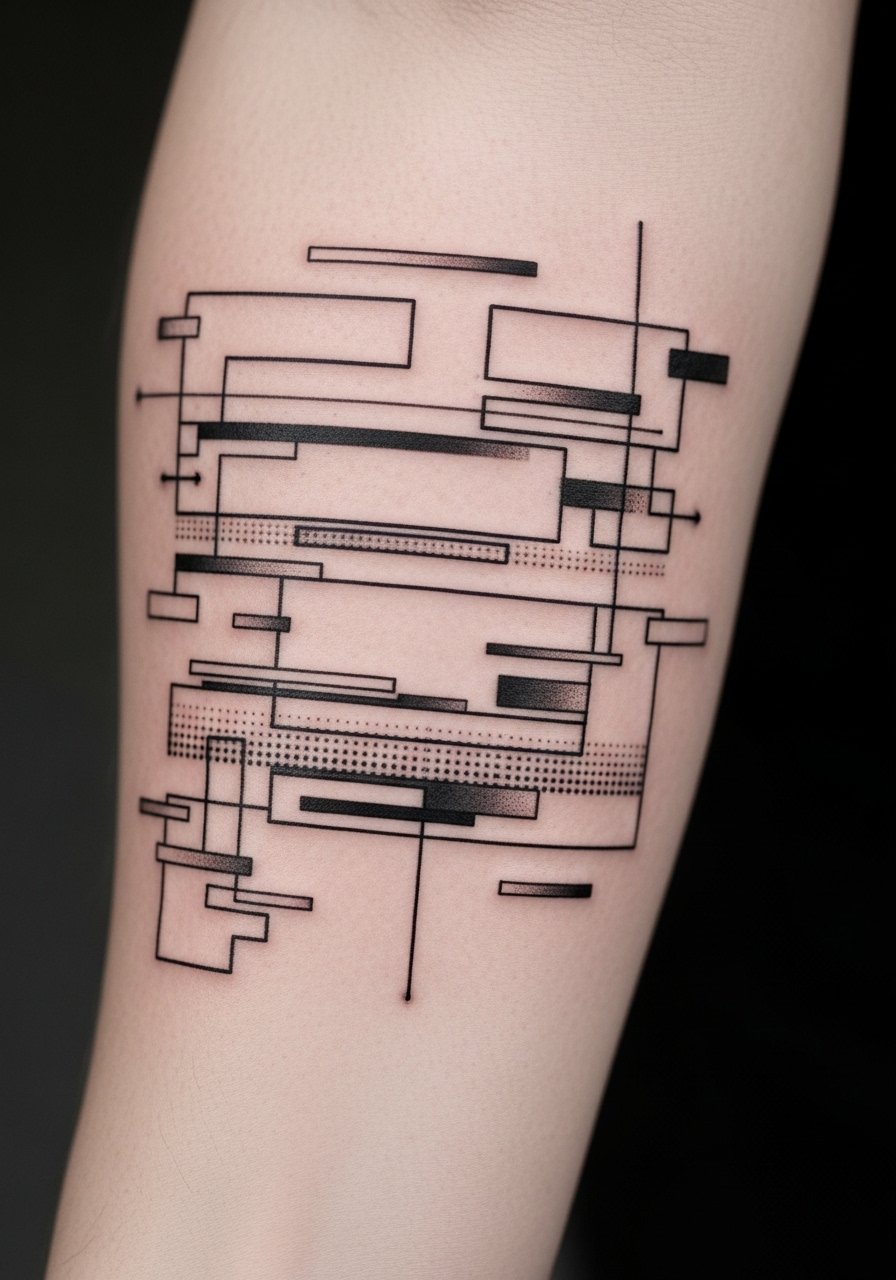
Forearm panels are versatile. The glitch aesthetic benefits from contrast and intentional breaks so the eye reads movement without small details collapsing. Tell the artist you want clear negative gaps and slightly bolder anchor lines. Sessions often last one to two hours. A common mistake is over-detailing tiny fragments that merge at six months. Roll up a cotton sleeve to frame the panel casually.
24. Dragon Ball Aura as Collarbone Sweep
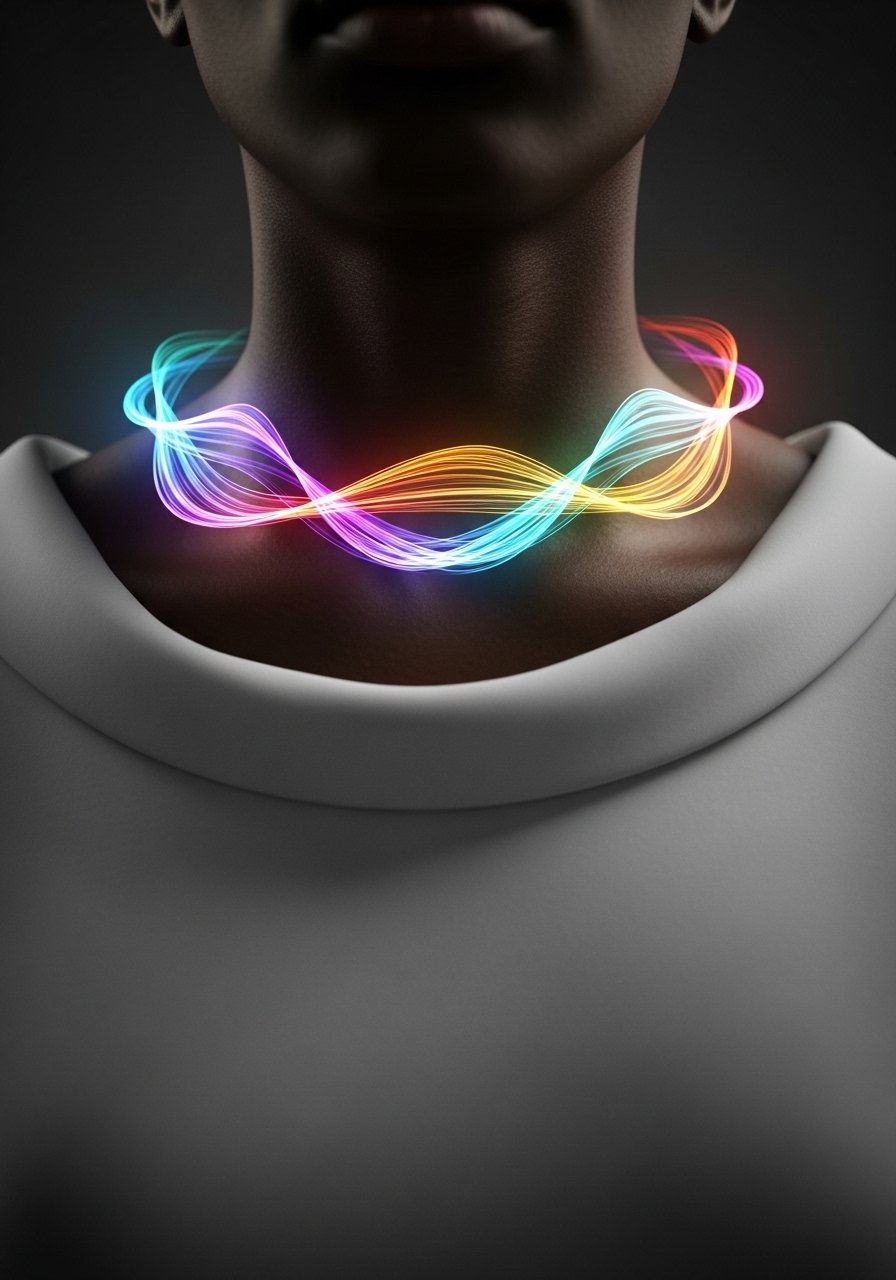
Sweeps across the collarbone look elegant when balanced with breathing space. Ask for diffused shading with a slightly darker leading edge to keep the motion defined over time. Sessions are moderate in length. A common mistake is making the sweep too fine, which loses presence after sun exposure. For nights out, pair with an open-shoulder top that exposes the sweep without rubbing.
25. Z Energy Wave as Inner Wrist Line
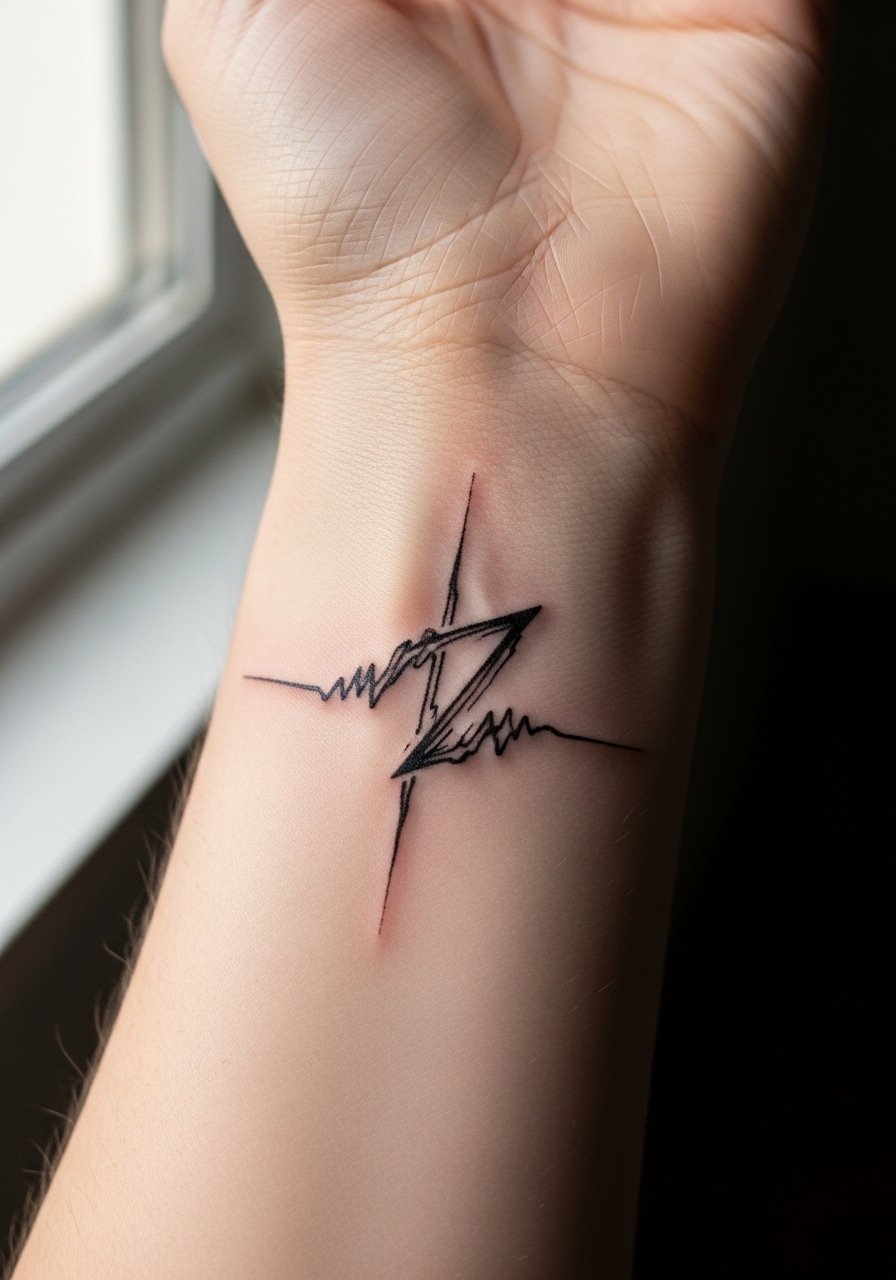
Inner wrist lines are delicate and show daily. If you want a wave there, ask for a slightly reinforced outer contour and spacing from veins. The session is quick but sensations can be sharp. The mistake is asking for micro-shading inside the wave which becomes patchy. For showing it off, roll sleeves and wear a delicate watch strap that frames the line.
26. Majin Symbol as Negative-Space Finger Glyph
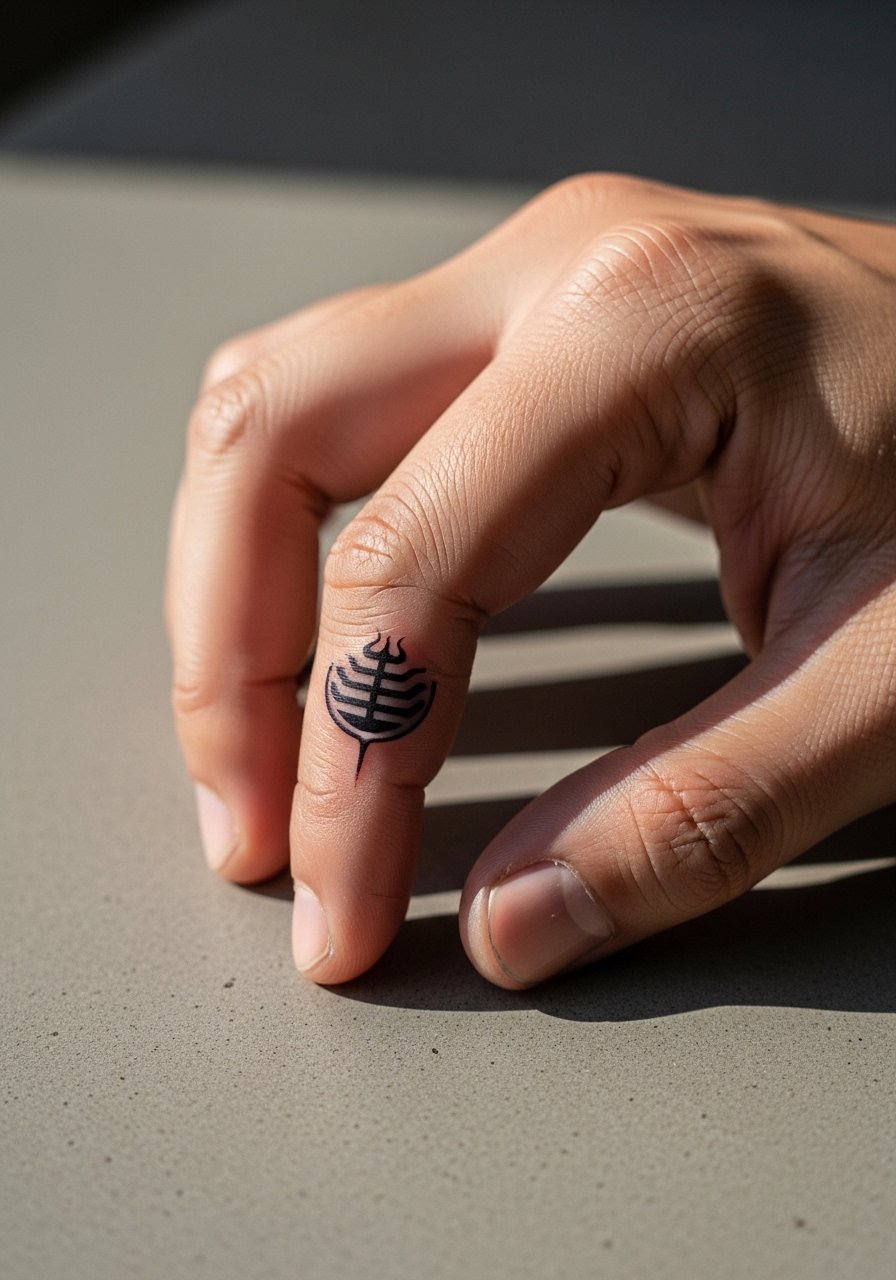
Finger glyphs risk rapid fade but make a bold personal statement. Use negative space to preserve shape and ask for small safety gaps around the glyph so the edges do not merge. Expect touch-ups within a year. People often underestimate hand product exposure. For photos, a thin band ring complements the glyph without covering it.
27. Cosmic Dragon Orb as Upper Chest Crescent
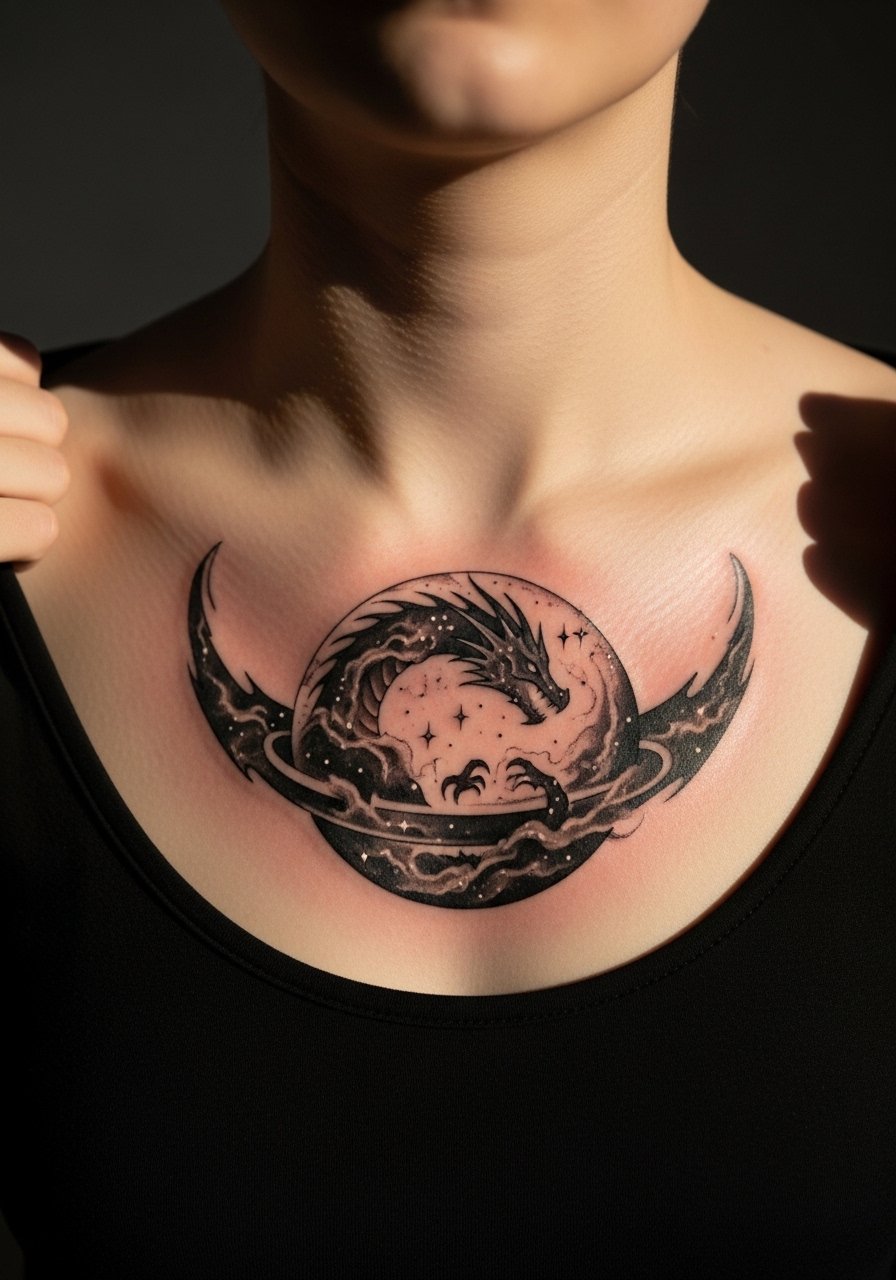
Upper chest crescents sit at an intersection of visibility and care. For longevity, request spaced dot gradients rather than continuous heavy fill so the crescent keeps shape as it fades. Sessions may be moderate and slightly uncomfortable near the bone. The common mistake is heavy fill that ages into a block. For styling, wear a wide-neck sweater that reveals the crescent but reduces strap friction.
Frequently Asked Questions
Q: Will abstract fine line Dragon Ball Z elements like wrist dots and finger bands need touch-ups often?
A: Yes, small high-motion placements like fingers and wrists usually require touch-ups sooner than larger panels. In my experience these areas face constant washing and friction, so expect maintenance around year one to three depending on your skin and lifestyle.
Q: Are watercolor or wash effects for energy a bad choice for ribs and sternum?
A: Watercolor washes can look amazing on ribs and sternum if the artist balances wash with anchor lines. The controversy splits artists into two camps. One group says those places shift too much and washes blur quickly. The other group says careful layering and spacing keeps them readable. Ask your artist which camp they follow and why.
Q: How should I dress for a ribcage or sternum session to make the artist's job easier?
A: Wear a cropped top, a sports bra that zips or snaps, or a button-down you can lift without tugging. Something loose avoids pressure on the area during the session and lets the artist access the spot cleanly.
Q: Can negative-space silhouettes stay crisp on curved areas like the shoulder blade and spine?
A: They can if the silhouette has generous negative margins and anchor lines. Curvature changes how negative space reads, so an artist will usually scale the voids up slightly in those zones to compensate for movement and thickness differences.
Q: What should I ask during consultation to avoid a design that blurs in two years?
A: Ask about lineweight choices for your placement, how the artist spaces dense areas, and whether they recommend breaks or negative space for longevity. Also request healed photos of similar placements from their portfolio.
Q: Any wardrobe tips for showing off healed chest and collarbone pieces without speeding fading?
A: Choose tops with wide necks or low straps that reveal the artwork without constant friction. Lightweight fabrics in natural fibers reduce rubbing. A breathable open-collar blouse or wide-neck sweater works well for occasional showing while keeping daily abrasion low.