
Fine line henna echoes are everywhere online, but what actually holds up after a year of sun, hand washing, and real life is a different story. Trends look gorgeous fresh, and some of them stubbornly soften into blurred marks while others age with clean character. This list focuses on small, abstract pieces you can live with, what to tell your artist, and how wardrobe choices change the way these motifs read months from now.
1. Abstract Mandala Palm Outline
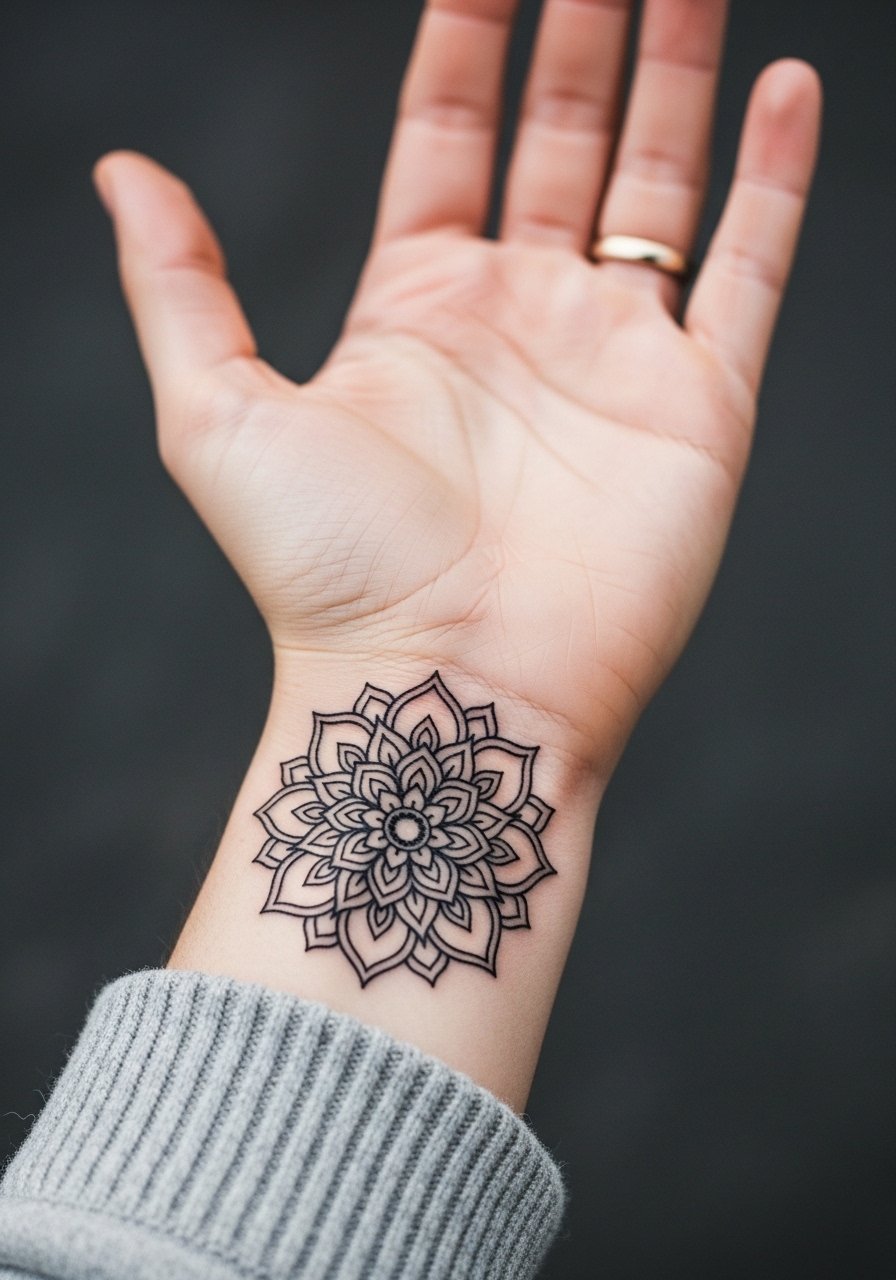
I’ve seen small mandala outlines on the palm read like a statement piece when done with spaced linework and conservative density. Tell your artist you want negative space between petals and a single-session dot center so the pattern does not fuse as it heals. Palm skin moves and flakes faster than forearm skin, so expect touch-ups sooner than with arm work. For showing it off, pair this with a sheer overlay top that lets a soft gesture reveal the mandala without competing with it. Common mistake is packing too many tiny details into a small palm area, which blurs into a blotchy look.
2. Fine Line Paisley Tendrils Forearm
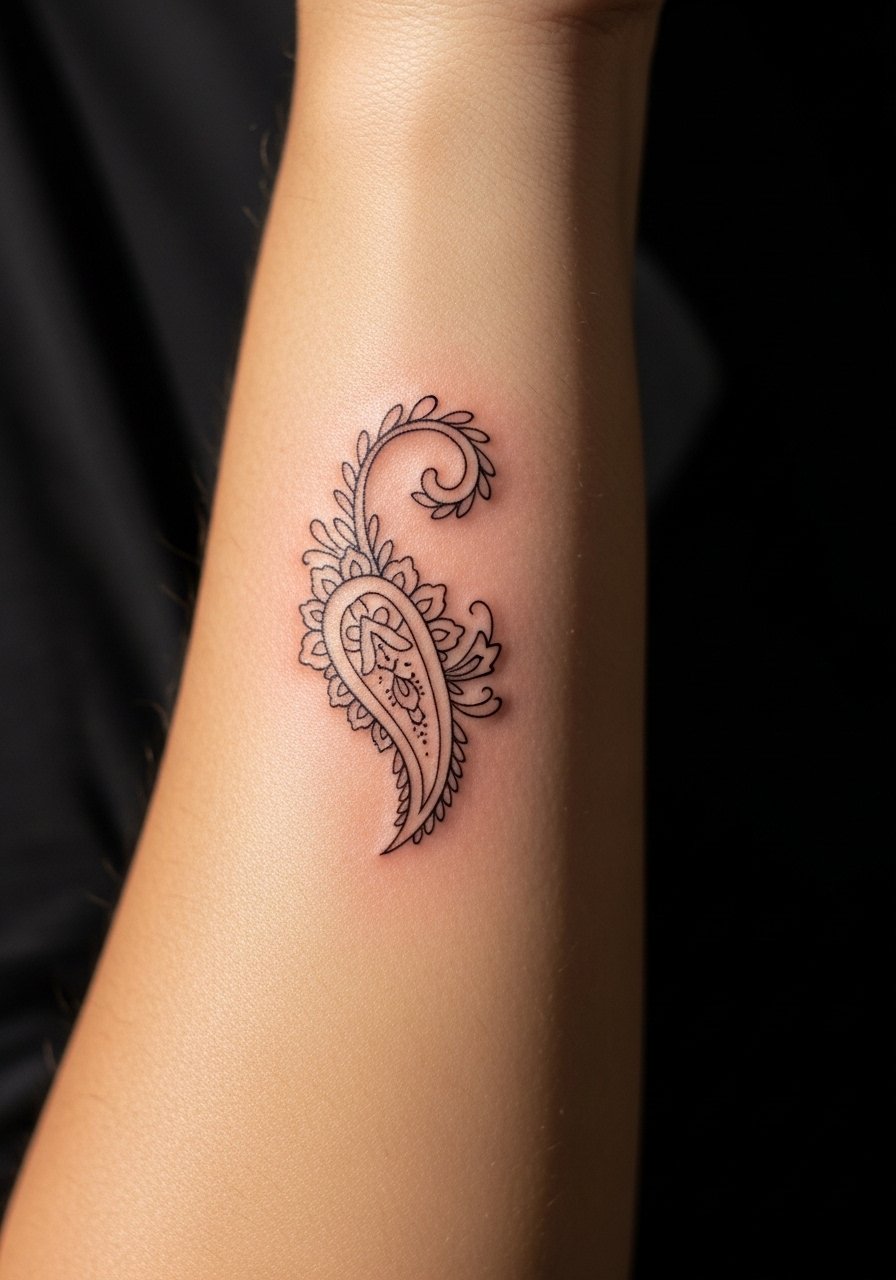
Fair warning: the inner forearm is forgiving but not immune to blur. I recommend a 3 to 5 inch length and slightly increased spacing between tendrils so linework keeps definition after a couple of years. In consultation ask for slightly bolder primary lines and stipple shading for texture rather than dense hatch marks. One common error is asking for super-fine lines packed tight, which looks great at first and then softens quickly. For the session wear a short sleeve button shirt you can slide up comfortably. Expect a single session for a piece this size and a touch-up maybe at year two.
3. Minimalist Spiral Finger Base
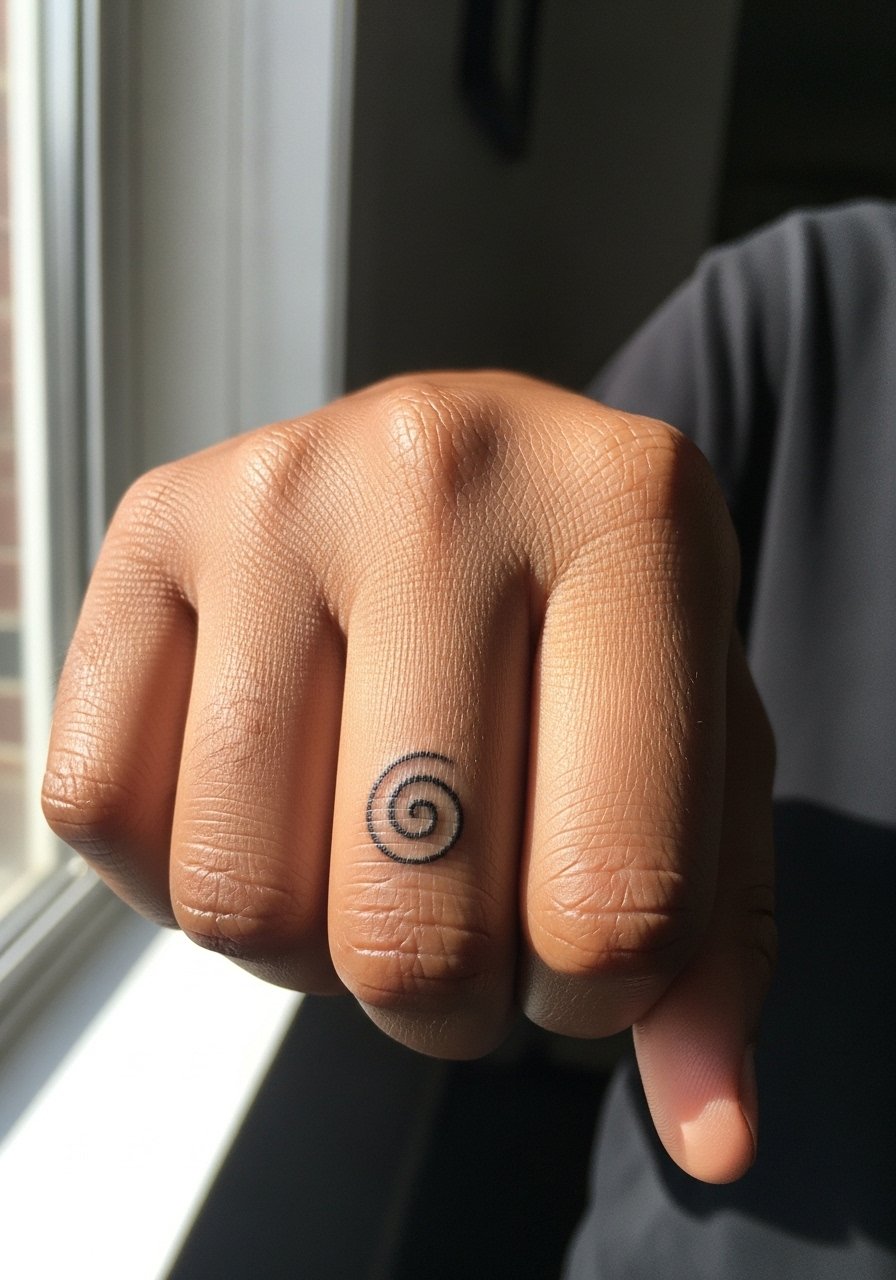
Most fingertip and base-of-finger pieces behave like micro jewelry, and they tend to keep shape if given room. For a one-inch spiral tell your artist you prefer a slightly open center and single-needle linework to avoid rapid ink spread. The pain is mild but the constant motion of fingers affects early healing, so expect scabbing that needs gentle care. At six months the line is crisp, at two years the spiral may soften depending on use and sun exposure. Styling note, this reads best with a minimalist ring stack on non-tattooed fingers to give a jewelry-like balance.
4. Dotwork Water Drop Wrist
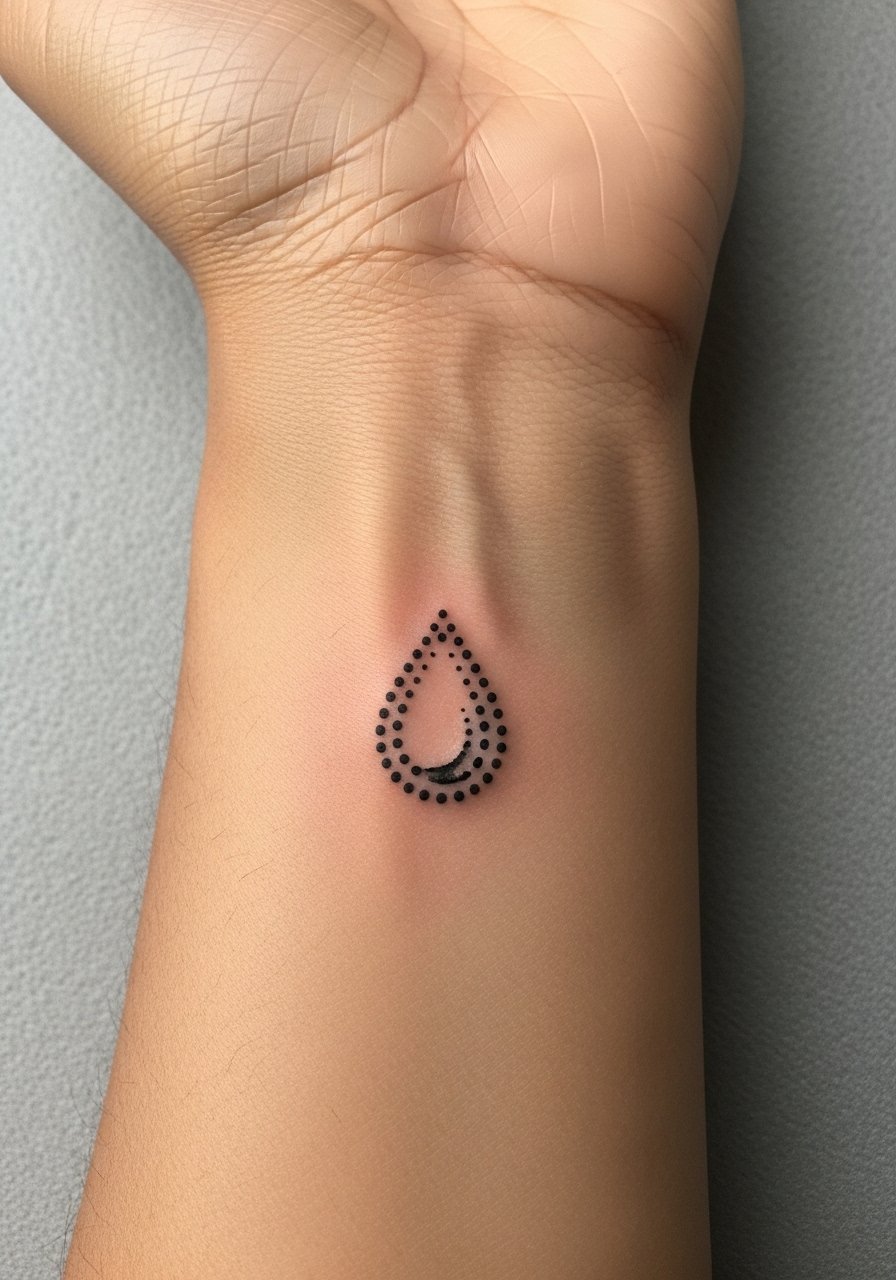
There is a tactile quality to dotwork that mimics henna drips without the mess. For a 2-inch wrist piece, ask for dispersed dot density and a soft taper to the edges so the texture does not compress into a muddy shadow. The inner wrist is sensitive but tolerable, and the session is usually quick. A common mistake is asking for packed dots in a tiny area, which can read like a gray patch after a year. For showing it off, wear a thin silver bangle set on the opposite wrist to create asymmetry that directs attention.
5. Wallpaper-Style Repeating Symbols Ankle
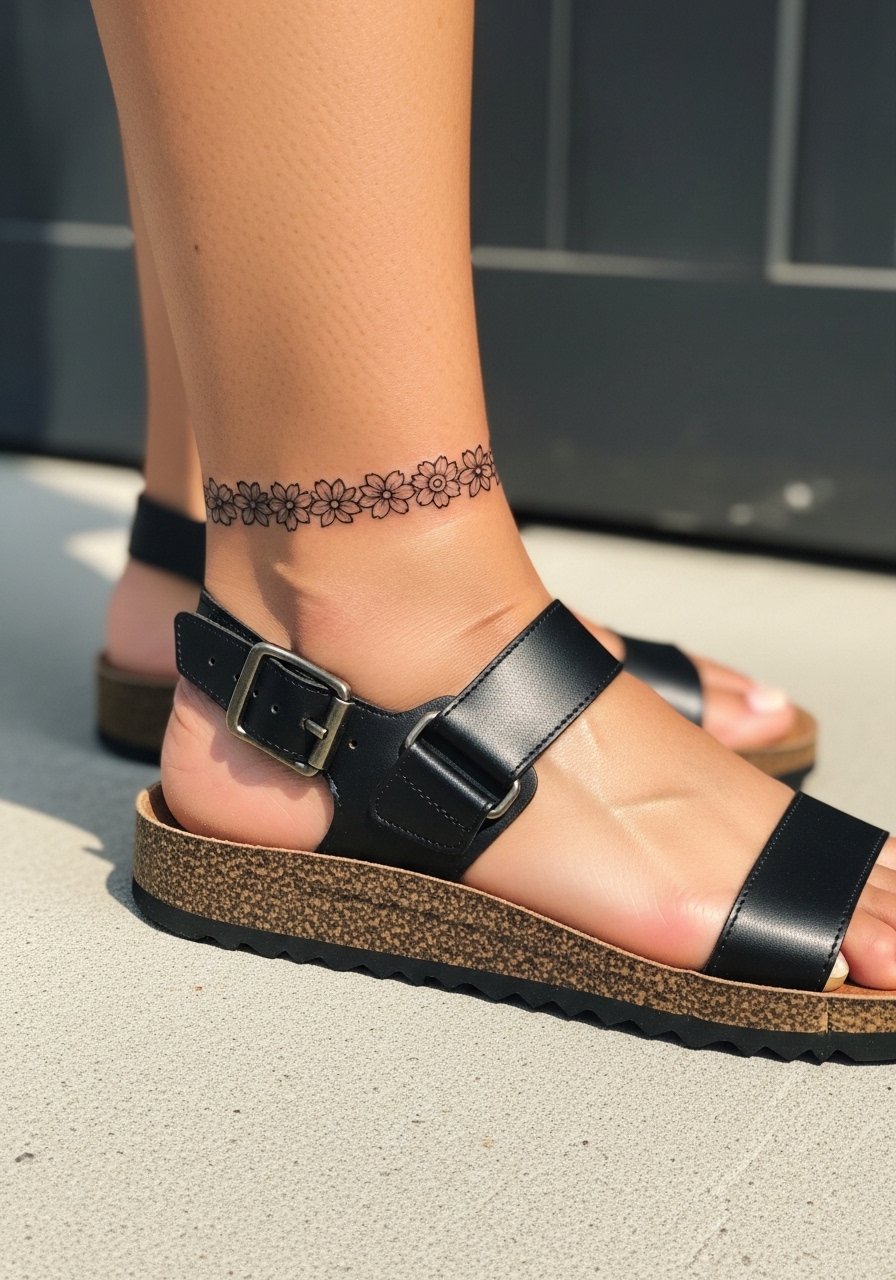
Ankle bands read like subtle jewelry, and repetition can age elegantly if spacing and scale are right. Ask for a 4-inch band with modest spacing between motifs so the pattern keeps its rhythm after walking and shoe friction. The ankle area gets rubbed by socks and shoes, so plan for minimal friction for the first week and expect a touch-up window at around year three if you wear low-cut shoes often. For evenings and summer looks pair this with cuffed ankle jeans to let the repeat breathe. The session is generally one to two hours depending on complexity.
6. Arabian Arch Collarbone
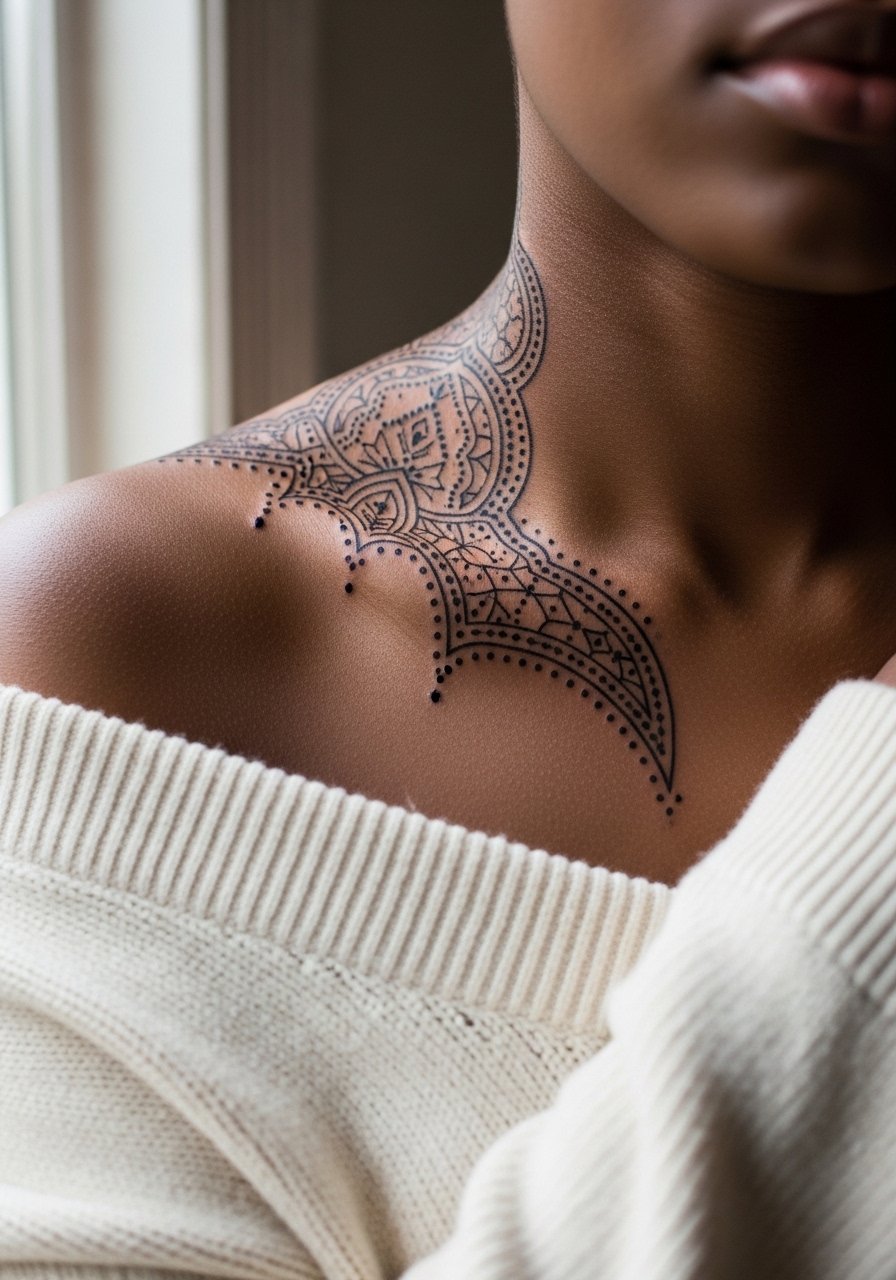
When arches sit on the collarbone they become architectural framing for the decollate. In consultation specify the negative space you want inside each curve and request single-session linework with modest primary line weight so the arches do not merge over time. Artists split on collarbone complexity. One camp says heavy detail crowds the area and blurs within a few years. The other camp argues that correct spacing and slightly stronger lineweight preserves form. Ask your artist where they land and look at healed examples on similar skin tones. For outfit pairing, an off shoulder sweater frames the curve without hiding it.
Studio Day Picks
The wrist and finger concepts above heal differently from ankle and collarbone work, so a few small things smooth the session and the first week.
-
Stencil transfer paper kit. Lets you preview how the mandala and arch compositions sit on skin before the needle starts, which matters especially for palm and collarbone pieces.
-
Topical numbing cream. Applied as directed before a short wrist or fingertip session can take the edge off without affecting linework.
-
Thin protective film roll. Ideal for finger and ankle pieces that get constant friction from daily routines.
-
Fragrance free gentle body wash. Mild cleansing that supports healing of fine line work without irritating the delicate channels.
-
Aquaphor healing ointment. A thin layer during the first days helps retain moisture for intricate linework while avoiding heavy buildup.
7. Lotus Petal Fingertip Cluster
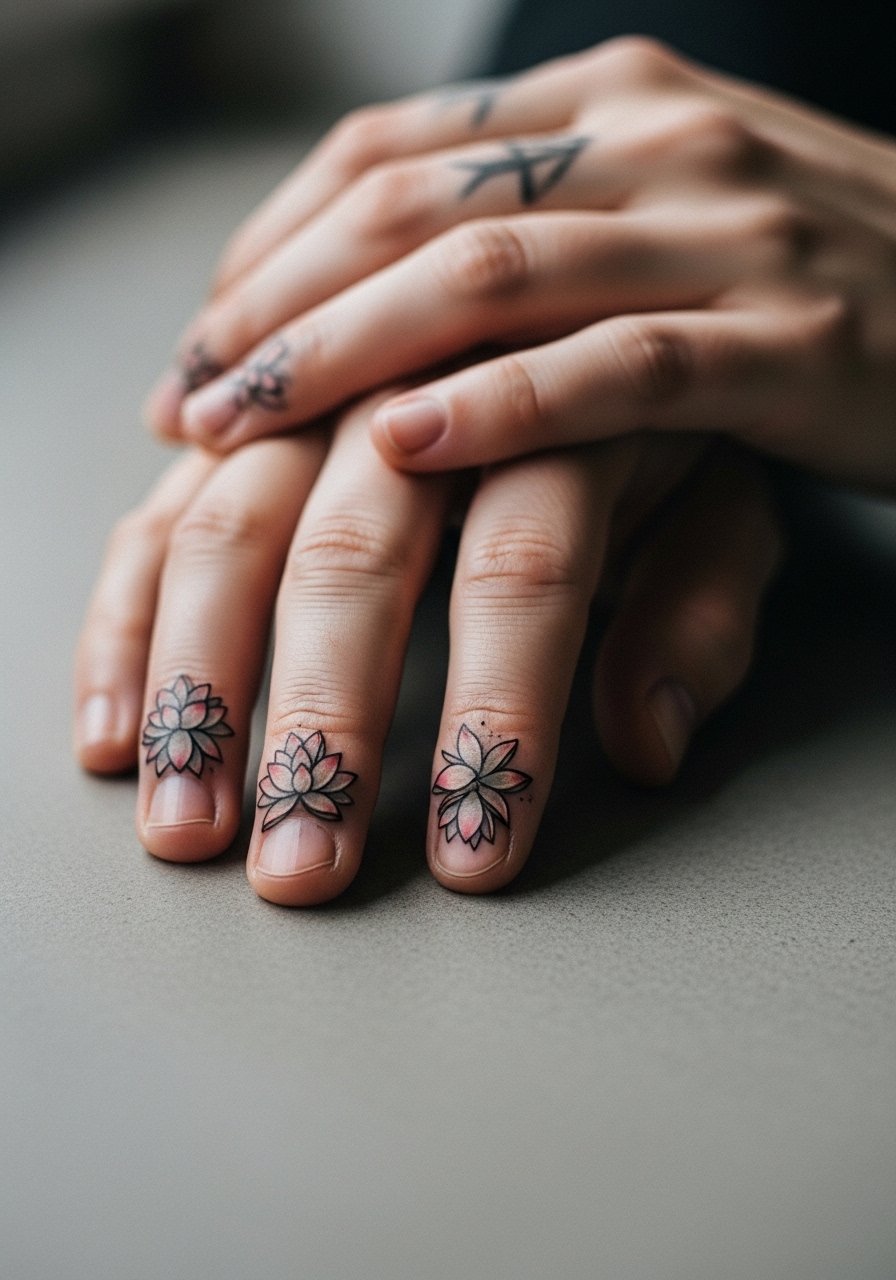
This micro-realism cluster reads like a manicure extension and tends to age similarly to small finger work. I recommend 0.5 to 1 inch petals with slight open centers so the shape remains legible as the skin moves. Tell your artist you want gentle color accents only if you accept possible early fading. Fingertip sessions are quick but the area scabs fast so drying time matters. For a polished finish wear a nude nail polish set when showing the cluster off, it keeps focus on the petal silhouette. Expect touch-ups around year two if the tips see heavy abrasion.
8. Criss-Cross Vine Inner Arm
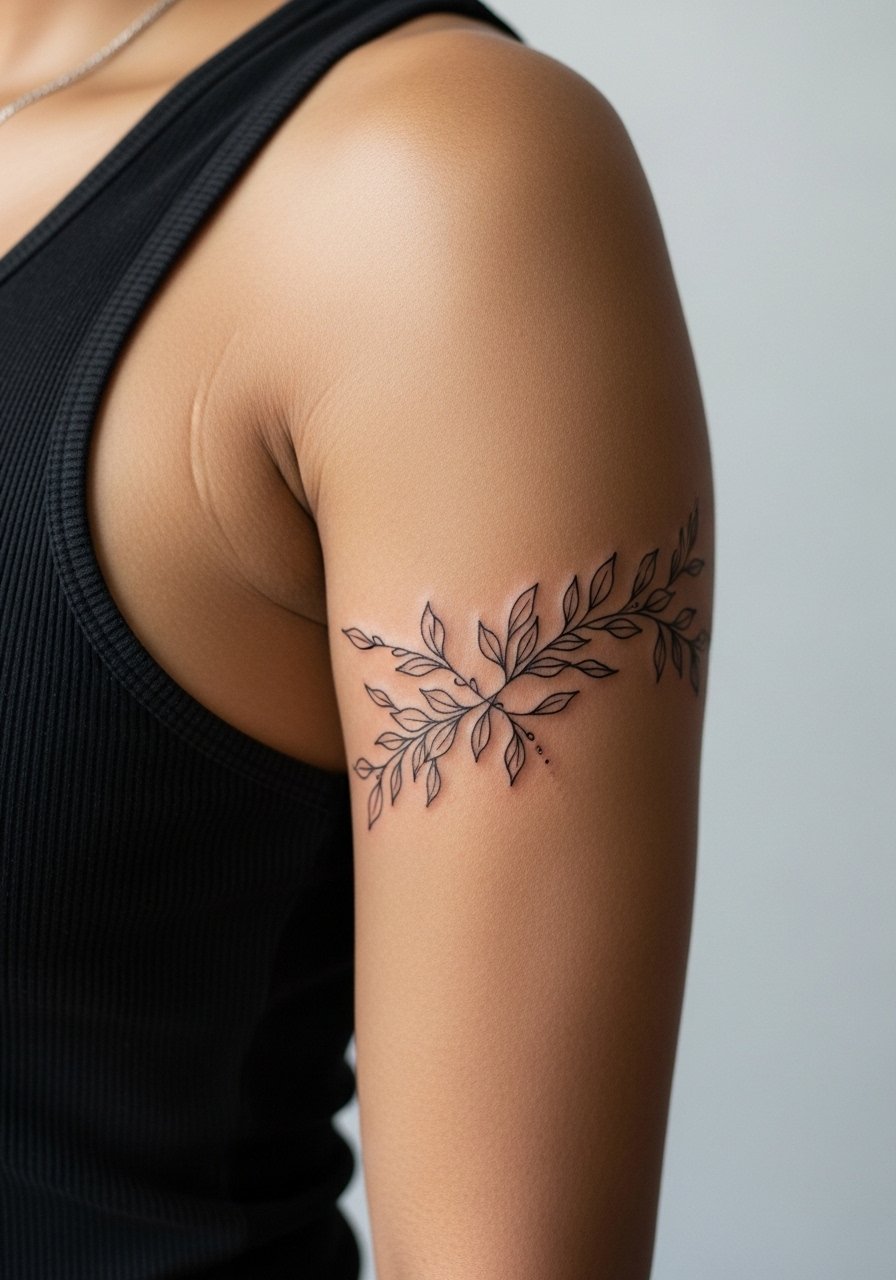
Artists debate inner arm spacing because the skin there stretches and can cause thin lines to soften. One camp says dense interlocks risk merging within a couple years. The other camp says spacing plus slightly bolder anchor lines solves the problem. For this piece, request open intersections and stipple shading rather than dense fill. The inner bicep can be sensitive depending on placement, expect a moderate pain level and a session that may need multiple short breaks. A common mistake is packing vines into a tight narrow band which leaves no room for aging.
9. Central Dot Radiating Waves Palm Side
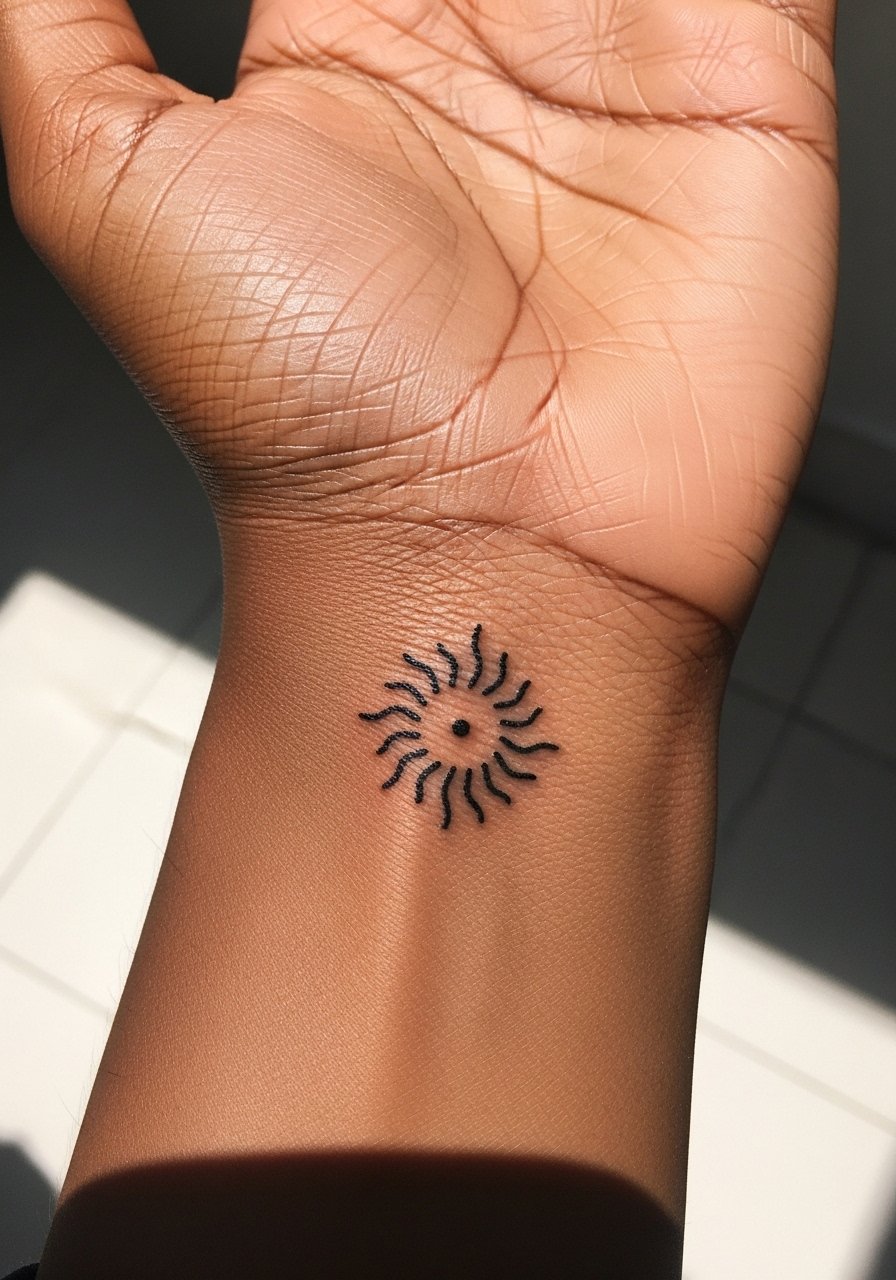
There is a meditative quality to a central dot that radiates into airy waves, and it works well where the hand gesture reveals it. For longevity ask for slightly spaced radiating lines and a centralized dot that is single-session bold to avoid fading into dashes. Palm-side placement is fast to tattoo but the constant flex of the hand accelerates wear. Expect sharper contrast at six months and potential softening by year two. For session wear choose a short sleeve button shirt so the artist can access the wrist without fabric interference.
10. Fingertip Splash Patterns
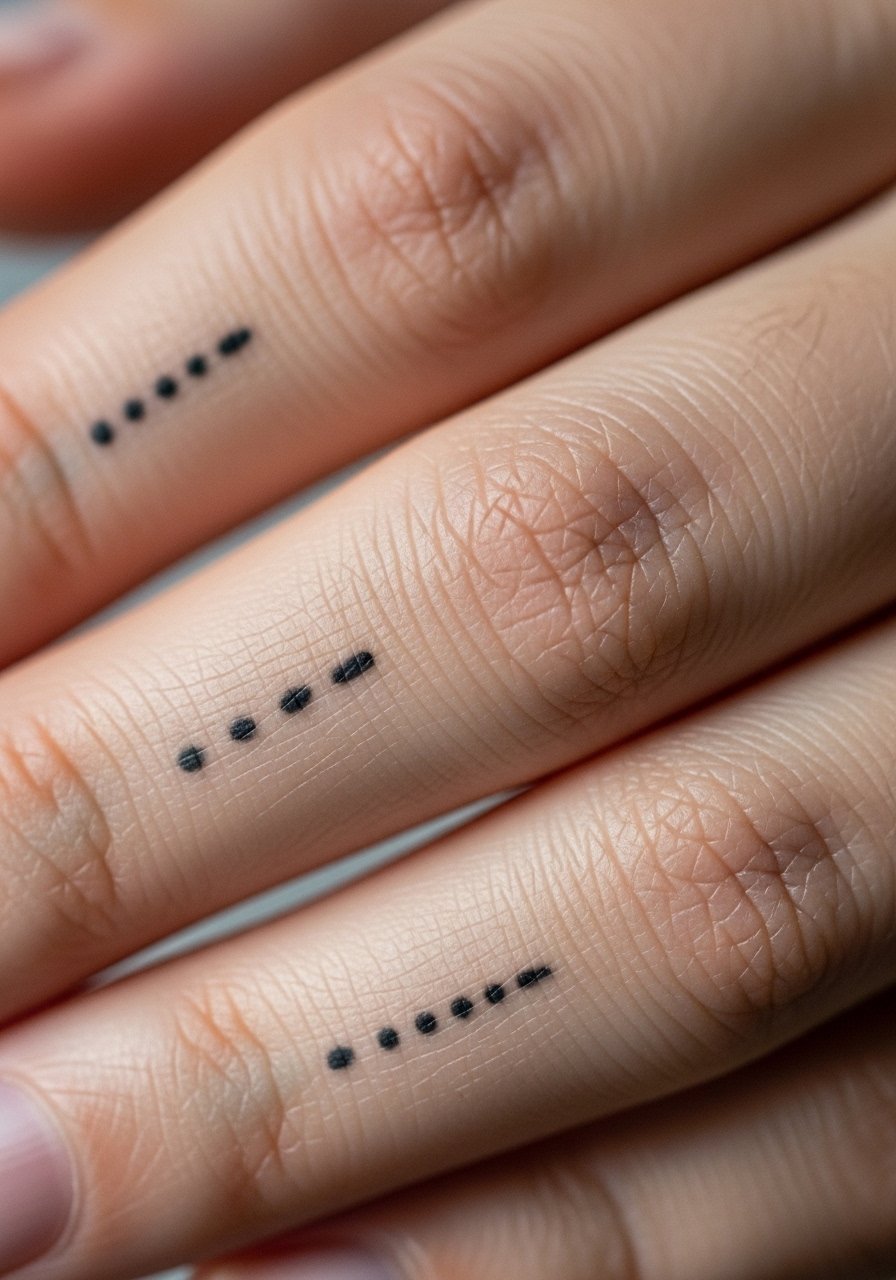
Fingertip splashes are customizable and fast. The real-life test is typing, dishes, and hand washing during the first week. Tell your artist you want discrete clusters rather than continuous bands so each little splash can heal independently. The session is quick and usually single-needle. A frequent error is placing identical splashes on every finger without considering how movement will age each mark differently. At two years some spots may need light touch-ups. For showing this style keep hands bare during photos and consider a simple manicure for contrast.
11. Star and Spiral Combo Ankle Wrap
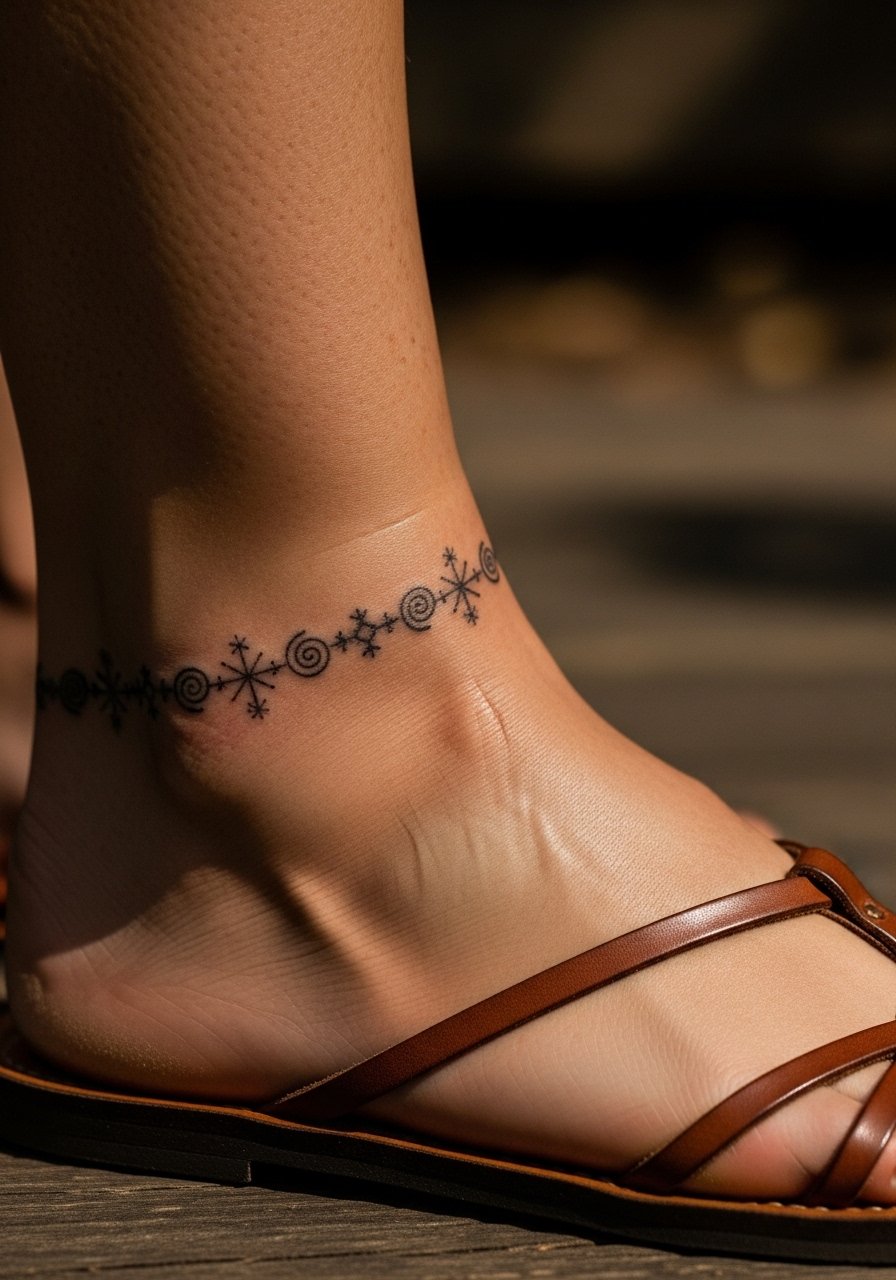
Celestial combos work well on the lower leg because they read as a delicate wrap rather than a single focal point. Ask for a 3 to 4 inch height with clear spacing between stars and spirals so the pattern does not blur with shoe friction. The ankle is a high-friction area, so expect a slightly higher chance of pigment loss where socks rub. For daytime looks cuff your jeans and add a gold anklet chain on the opposite side to balance visual weight. Touch-ups around year three are common if you wear low shoes frequently.
12. Bare Hand with Arch Frames
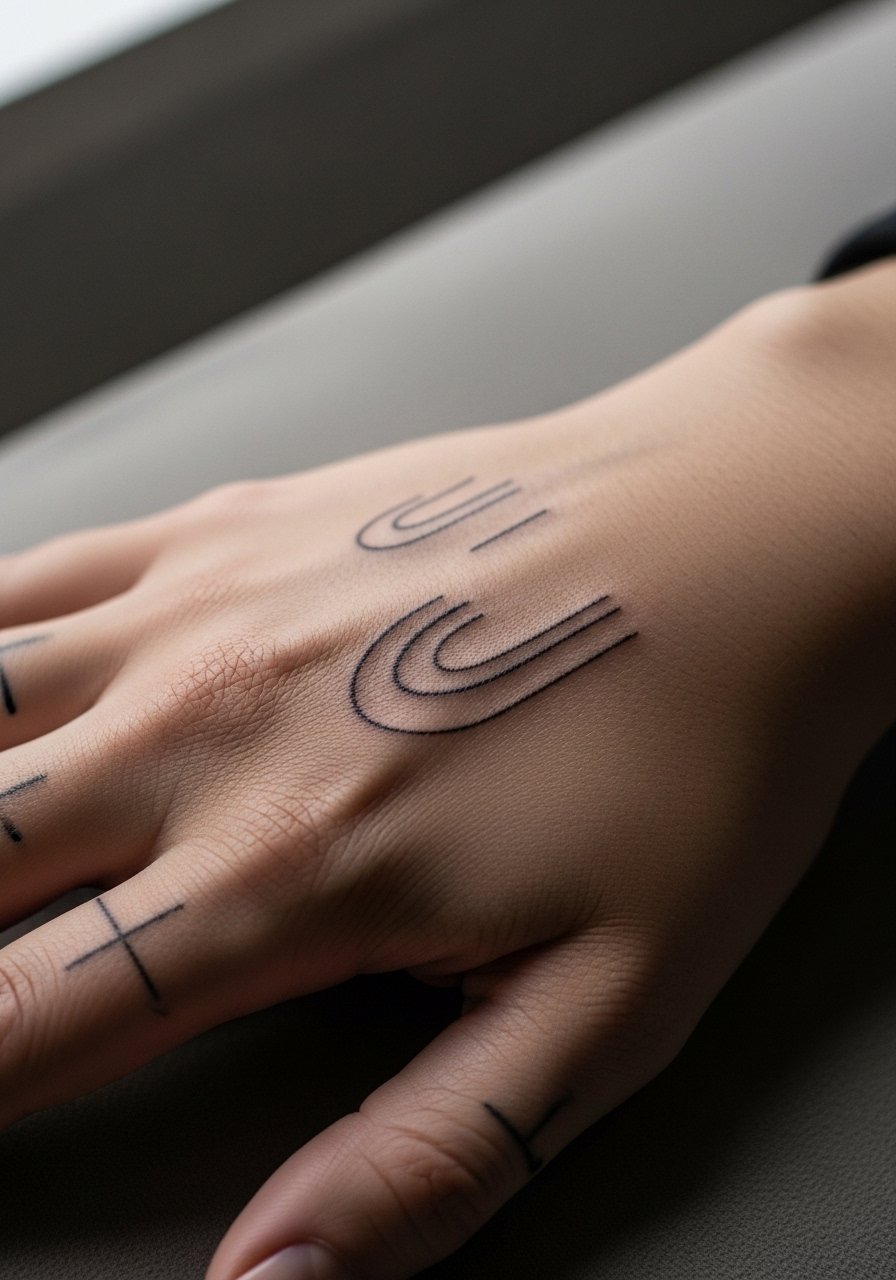
Back-of-hand arches rely on clean spacing to keep that framed negative space readable over time. I like recommending single, slightly thicker outer lines with internal negative space rather than filigree. Hands are one of the fastest aging zones for tattoos because of constant washing and sun exposure. A realistic expectation is crispness at six months and gradual softening by year two. For a finished look consider a wide cuff bracelet worn over healed ink for contrast and to protect the area in daily wear.
13. Ring-Like Patterns at Finger Bases
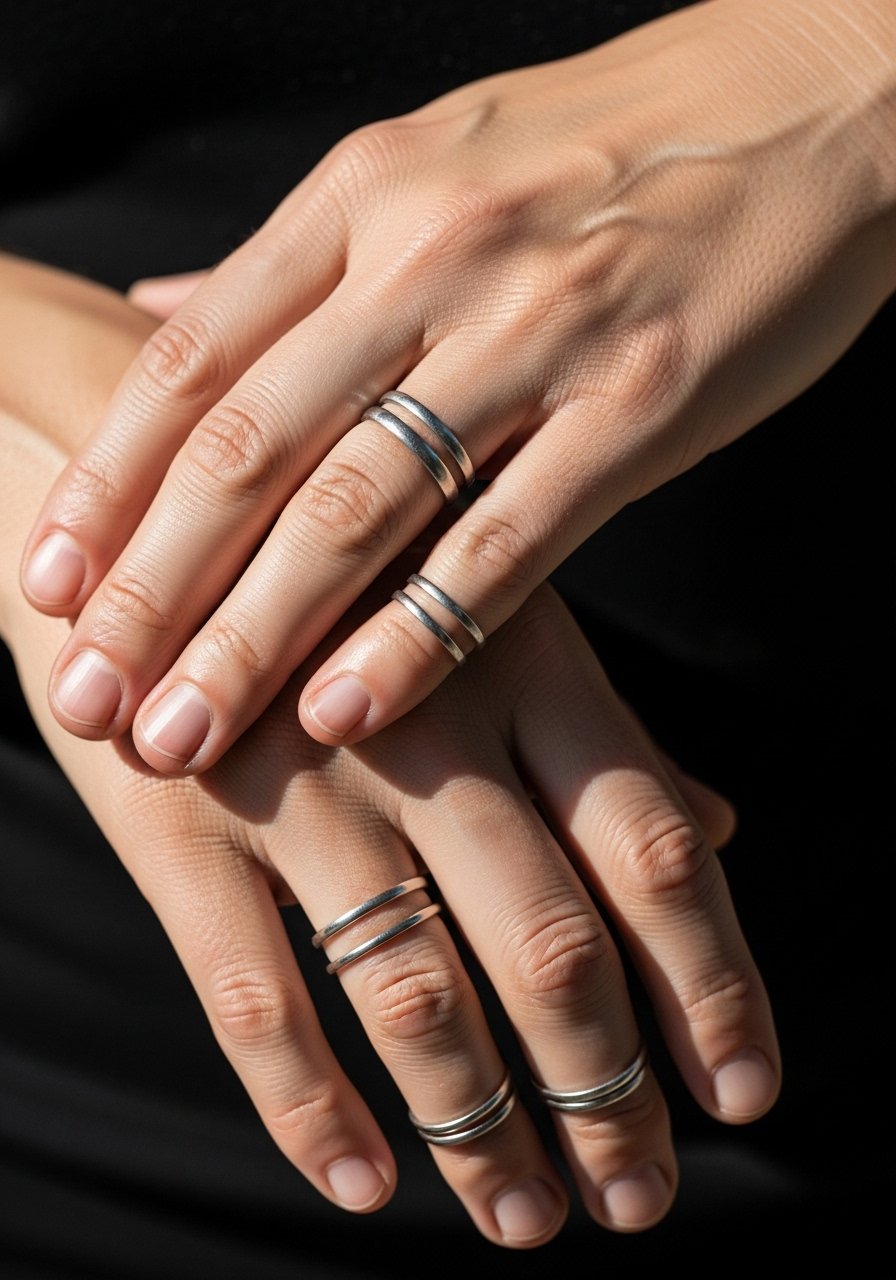
Ring-like finger bands are a clever way to test the permanence of jewelry motifs without commitment. For longevity suggest slightly broken bands or tiny spacing so the design does not disappear into blurred ligaments. A common mistake is asking for solid, tight black rings at small scale which almost always need touch-ups within two years. These pieces are session-light and tend to scab quickly. When showing them off stack non-tattooed fingers with dainty finger rings for editorial balance.
14. Glitter and Gem Embellishment Accents
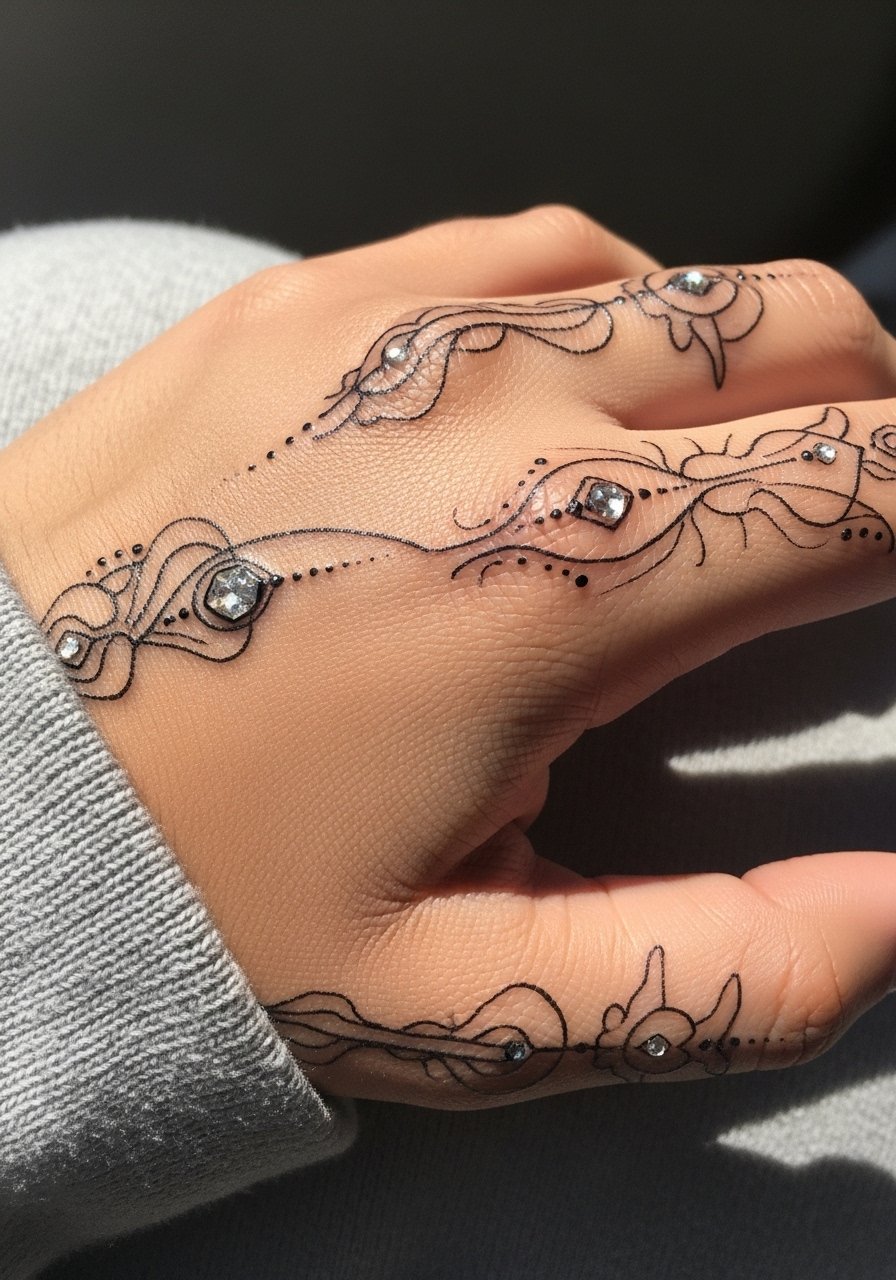
Adding dot placements meant to mimic gems is a rare crossover that reads three-dimensional when spaced correctly. If you want the gem effect ask for tiny white-ink highlights sparingly and a strong black anchor so contrast stays visible. One caution is that white ink ages differently by skin tone, and some artists avoid it. Sessions for small accents are short but require high precision. Avoid dense shading around the faux gems, it reduces the illusion. For nights out, pair the gems with simple nude polish for cohesion.
15. Minimalist Spiral Thumb Band
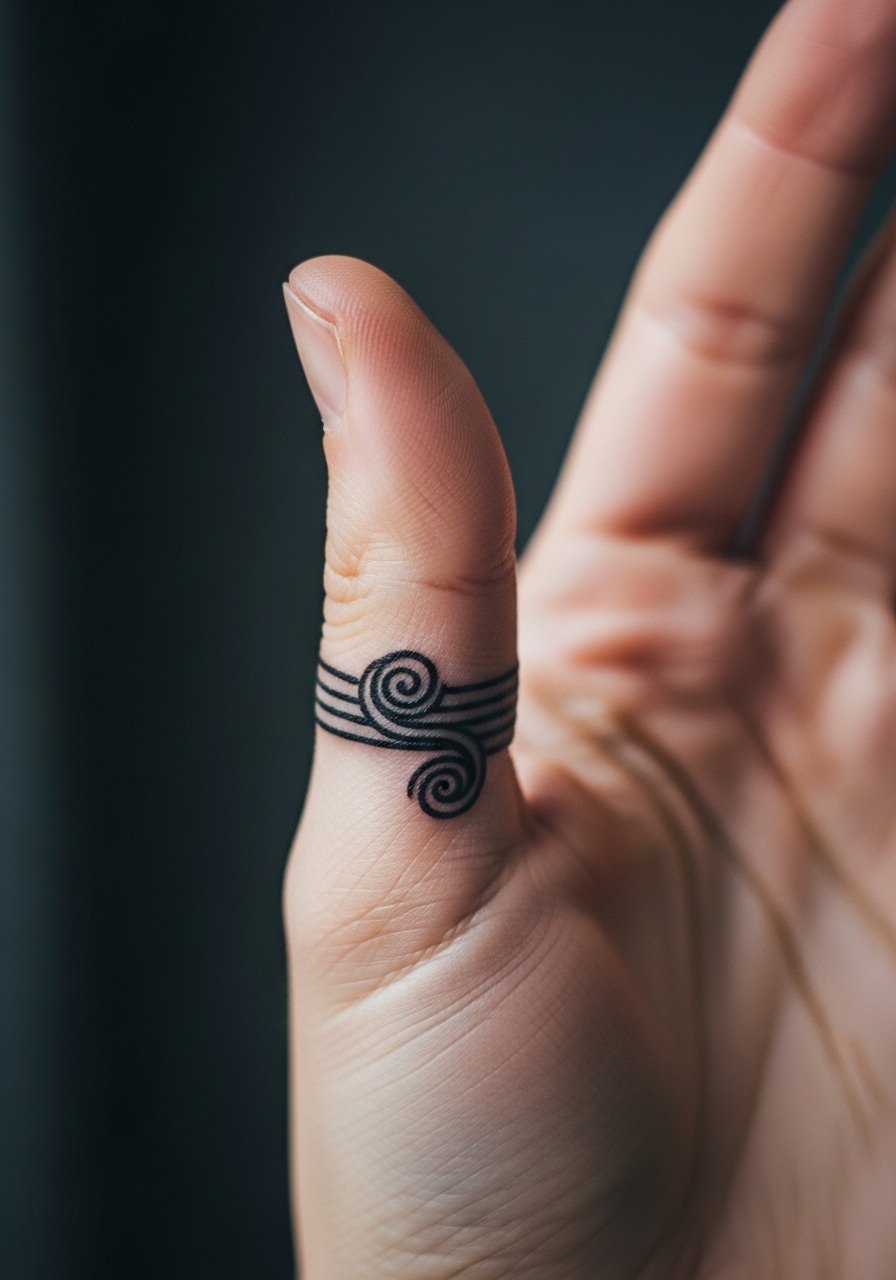
Thumb bands read like practical jewelry and age like other finger work, with extra abrasion from gripping. Ask for an open spiral rather than a closed solid band to prevent the mark from merging together as the skin moves. The session is quick and the pain moderate. A mistake I see is insisting on ultra-thin loops that vanish after a year on frequently used thumbs. For showing it off, keep the rest of the hand minimal and consider a dainty finger ring on the index finger to frame the spiral.
16. Wallpaper Repeats for Inner Forearm
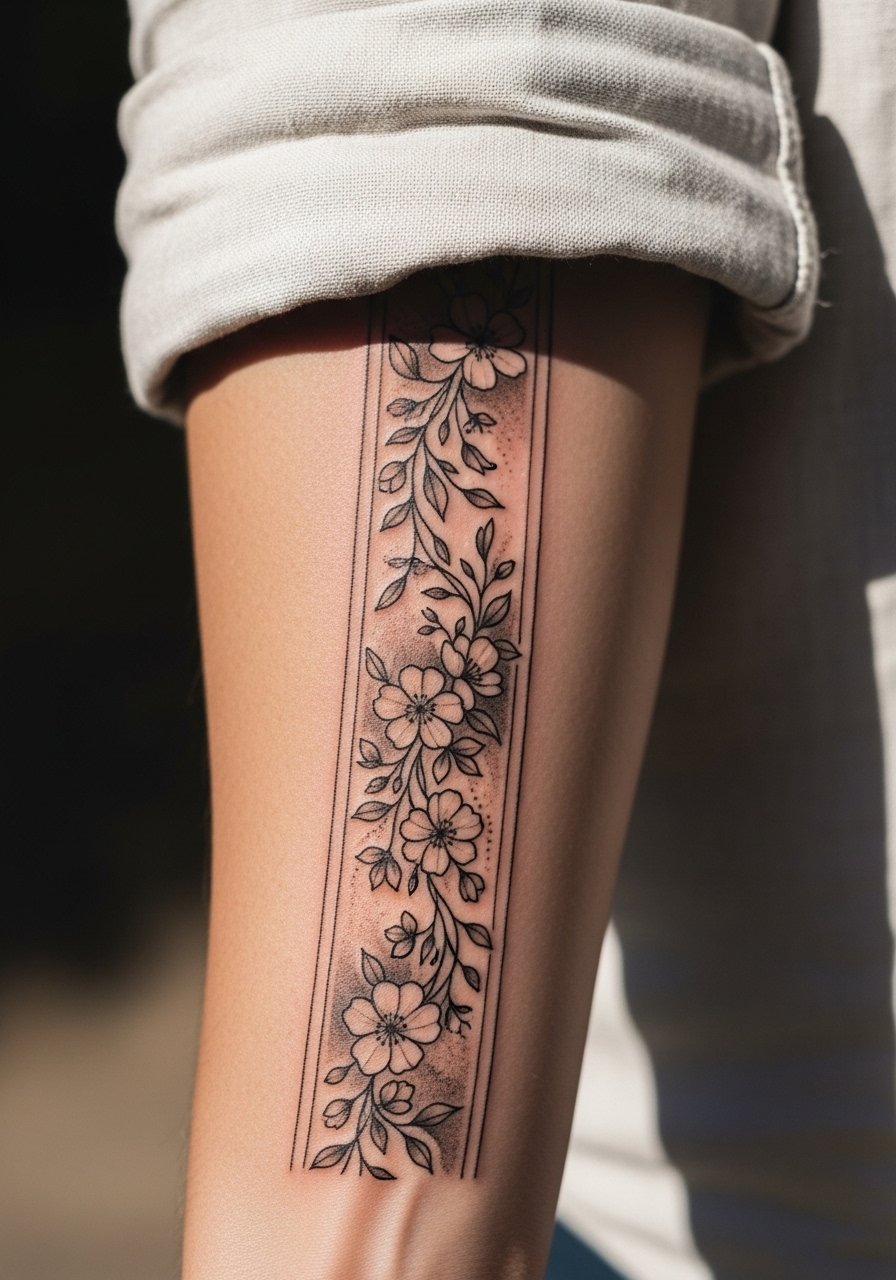
Patterned wallpaper bands on the forearm read intentional and calm when motifs are given breathing room. The visual trick is spacing and modest scale so the design does not condense into a gray mass at three years. In consultation ask for a repeat with predictable negative space and slightly stronger anchor lines. The forearm is forgiving, and sessions can be completed in one to two sittings for a band of this size. Wear a rolled cuff blouse women when showing it off, rolled sleeves frame the repeat without hiding it.
17. Cracked Dot Horizon on Outer Wrist
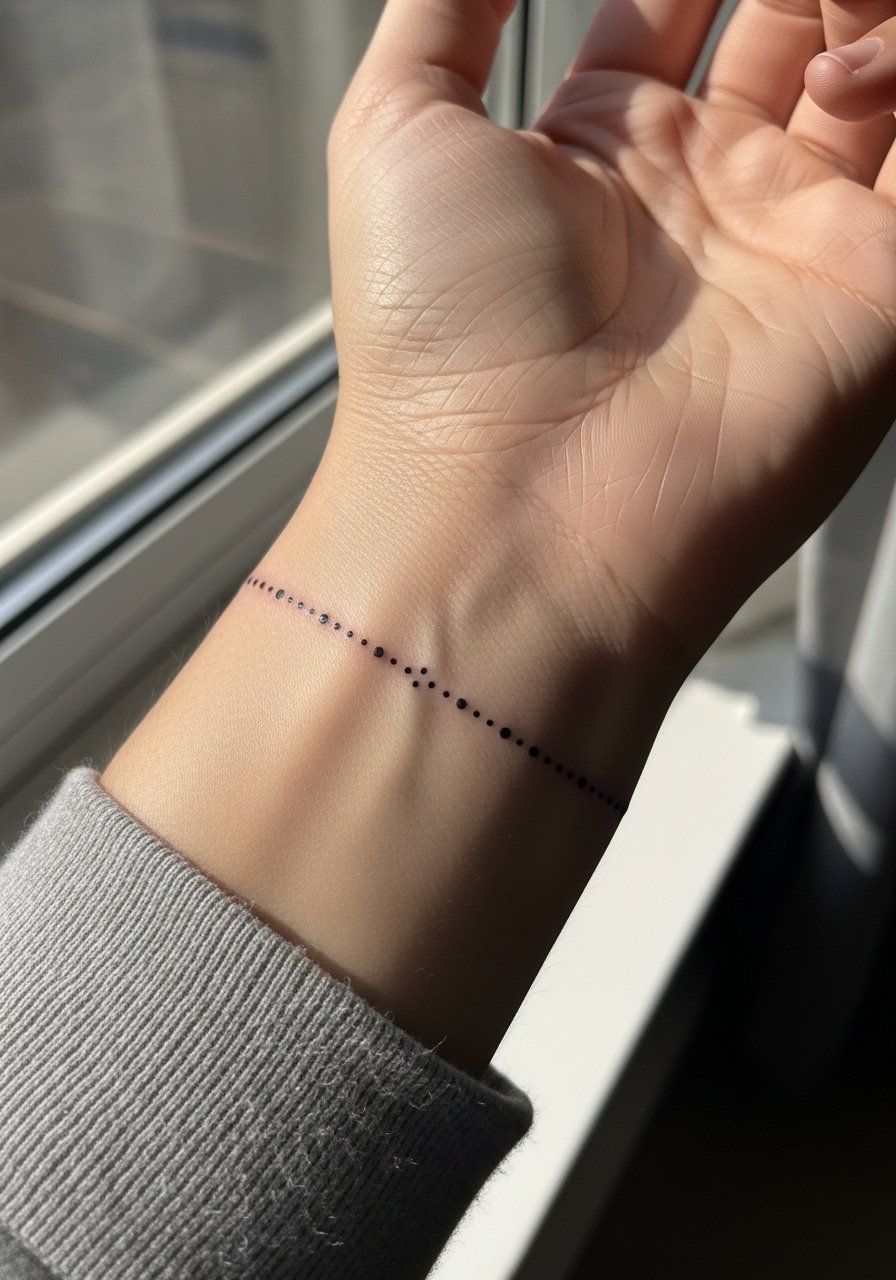
I've noticed minimal dot horizons become signature pieces because they are subtle and versatile. For a durable effect request slightly larger primary dots with reduced density in between. Wrist skin is thin which affects pigment retention, so the dots should not be hairline tiny. Artists are split on micro-dot longevity. One group says micro-dots on thin wrist skin blur faster. The other group argues that larger spaced dots with slight saturation keep a horizon readable for years. Expect a touch-up if you want pinpoint crispness after the first year.
18. Negative Space Chevron Underarm Curve
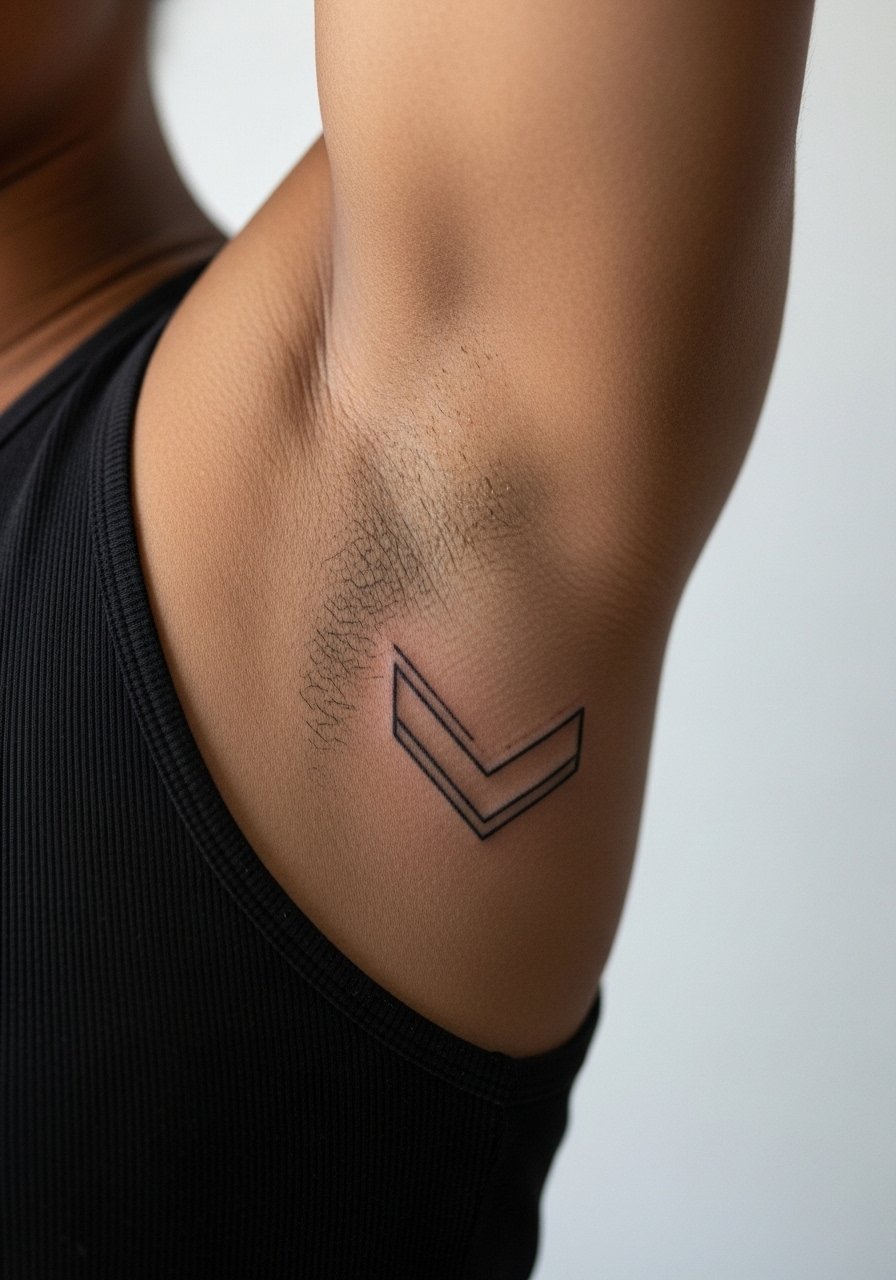
This curve plays with negative space and works well where clothing occasionally reveals it. Pain is moderate because the area flexes during the session and you may need short breaks. Ask your artist to map the curve onto your shoulder line so it follows natural anatomy. A common mistake is placing the chevron too flat against the seam of a sleeve, which makes it hard to appreciate. Sessions are short, and touch-up needs are low if the lines have room.
19. Dotwork Water Drop Wrist Variant
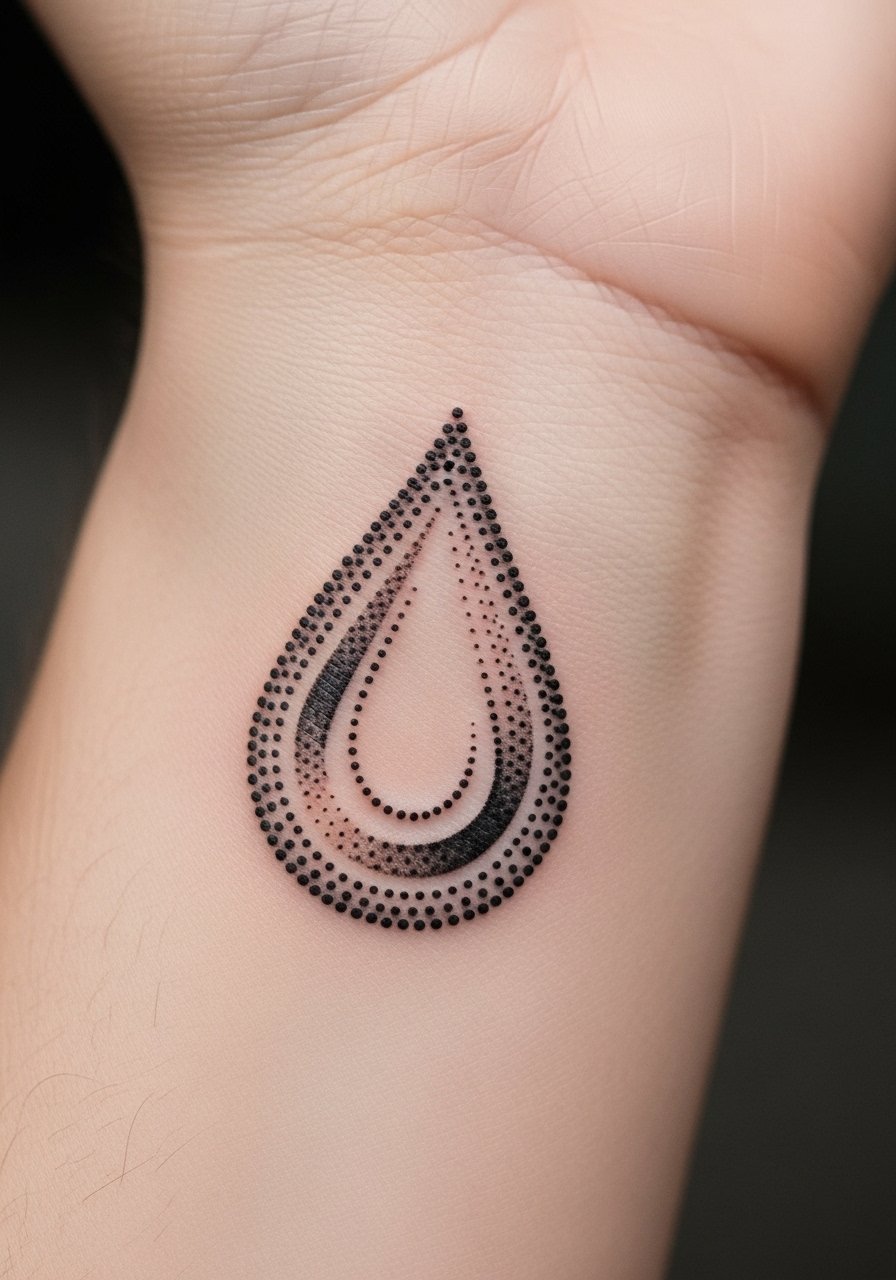
Most water drop variants look great fresh and they show their true durability after repeated washing. For this variant request dot shading that transitions outward and avoid dense fill. The wrist is a visible spot that sees sunlight and soap regularly, so UV protection matters for the first months. Artists debate whether delicate dot gradients survive heavy wrist use. One camp cautions that tiny dot gradients compress into gray over two years. The other camp says careful spacing and slightly bolder anchor dots prevent that. Expect to re-evaluate at year two.
20. Geometric Negative Space Palm Side Band
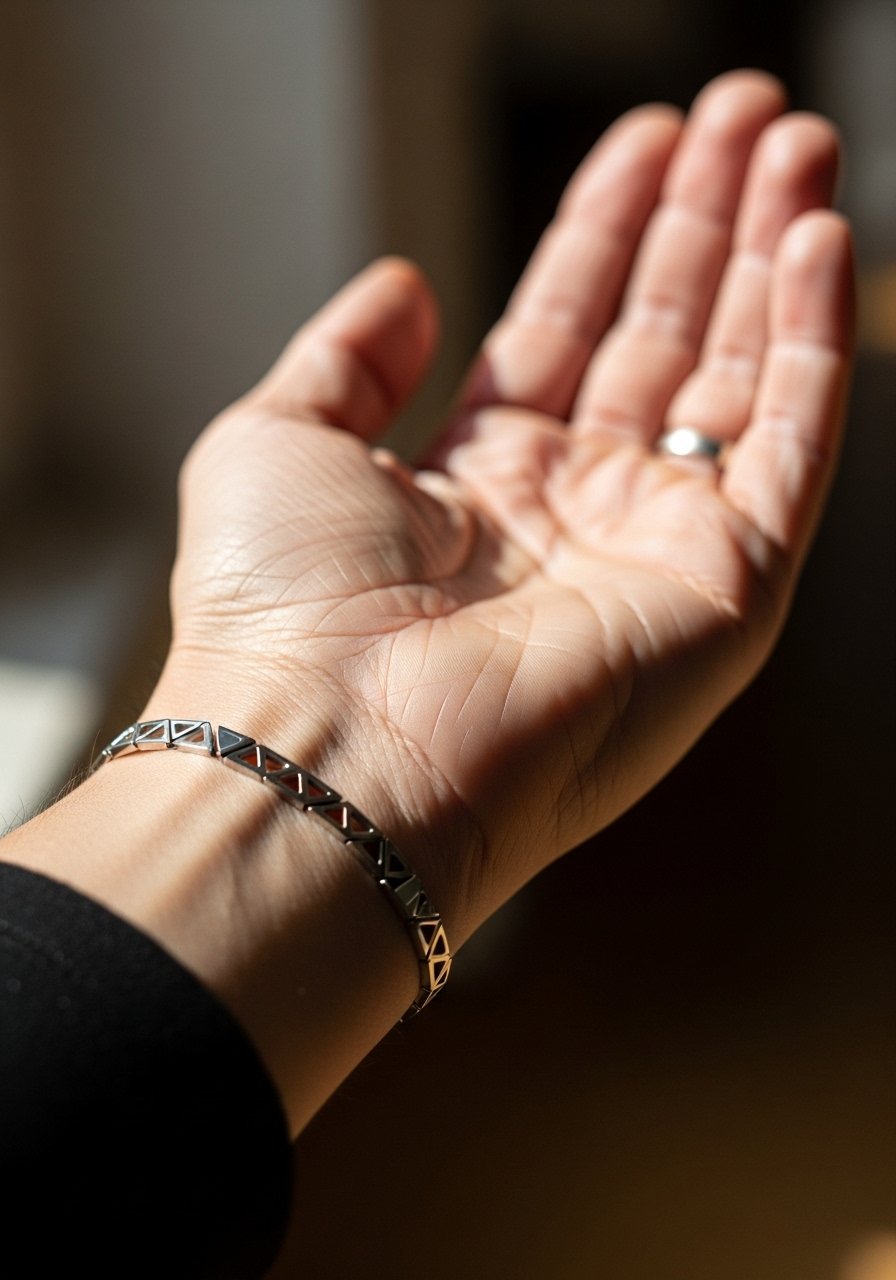
There is an arresting simplicity to a geometric band that uses negative space to form the shape. Ask for clear breakpoints and for the artist to print the stencil on your skin so you can see the rhythm before ink. Palm-side pieces need consideration for flex lines so keep geometry roomy. A frequent error is making the band too tight which causes line merging after repetitive movement. For wearable presentation, short sleeves and subtle bracelets work best. Sessions are usually under an hour for thin bands.
21. Tiny Mandala Behind Thumb Joint
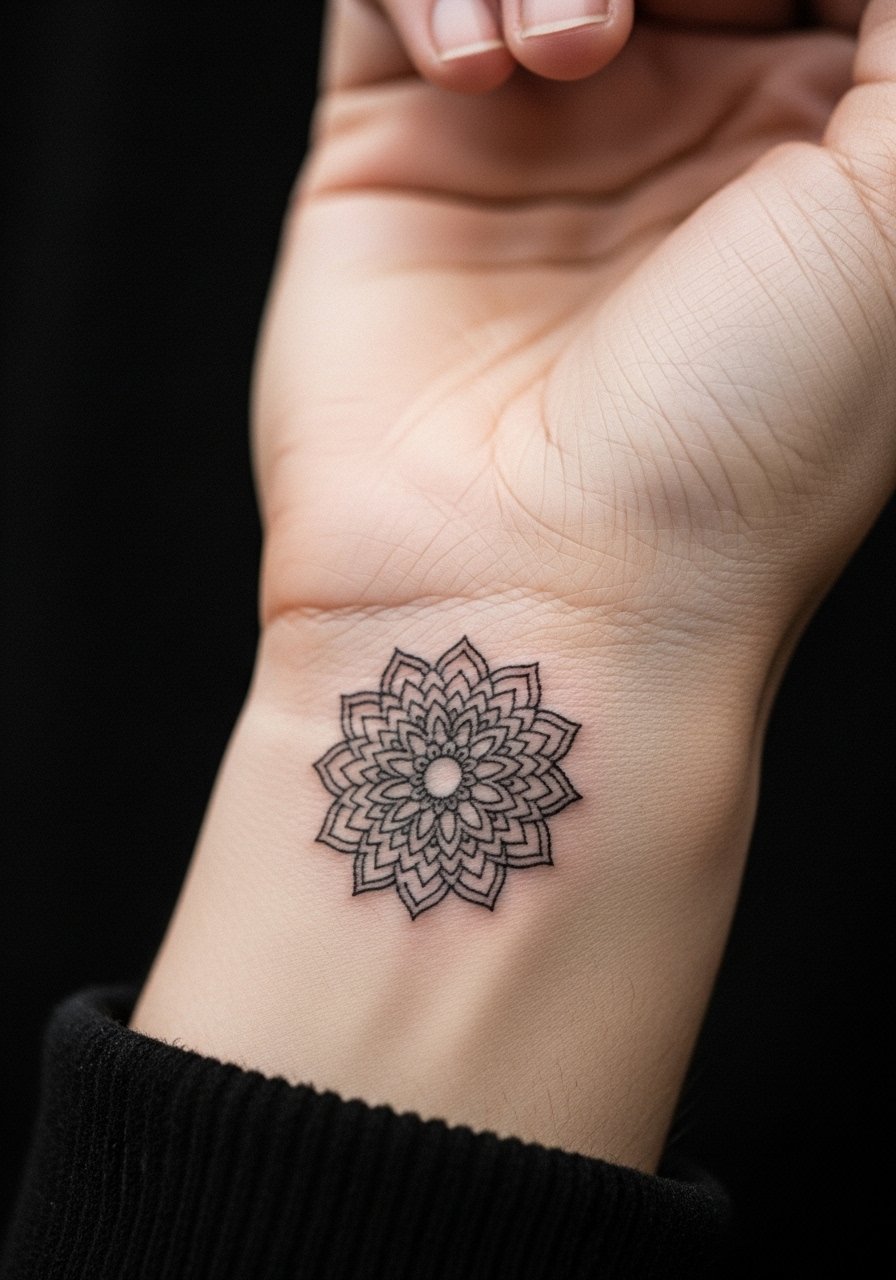
This placement is discreet and reveals itself with a certain gesture. Because the joint moves a lot, ask your artist to leave more negative spacing and to anchor the center with a slightly bolder dot. The healing can feel fiddly as scabs form across creases. Common mistakes include insisting on ultra-dense petal detail which rarely holds up where the skin stretches. Expect a short session and potential touch-up within the first two years if you use this hand heavily.
22. Tiny Constellation Ankle Cluster
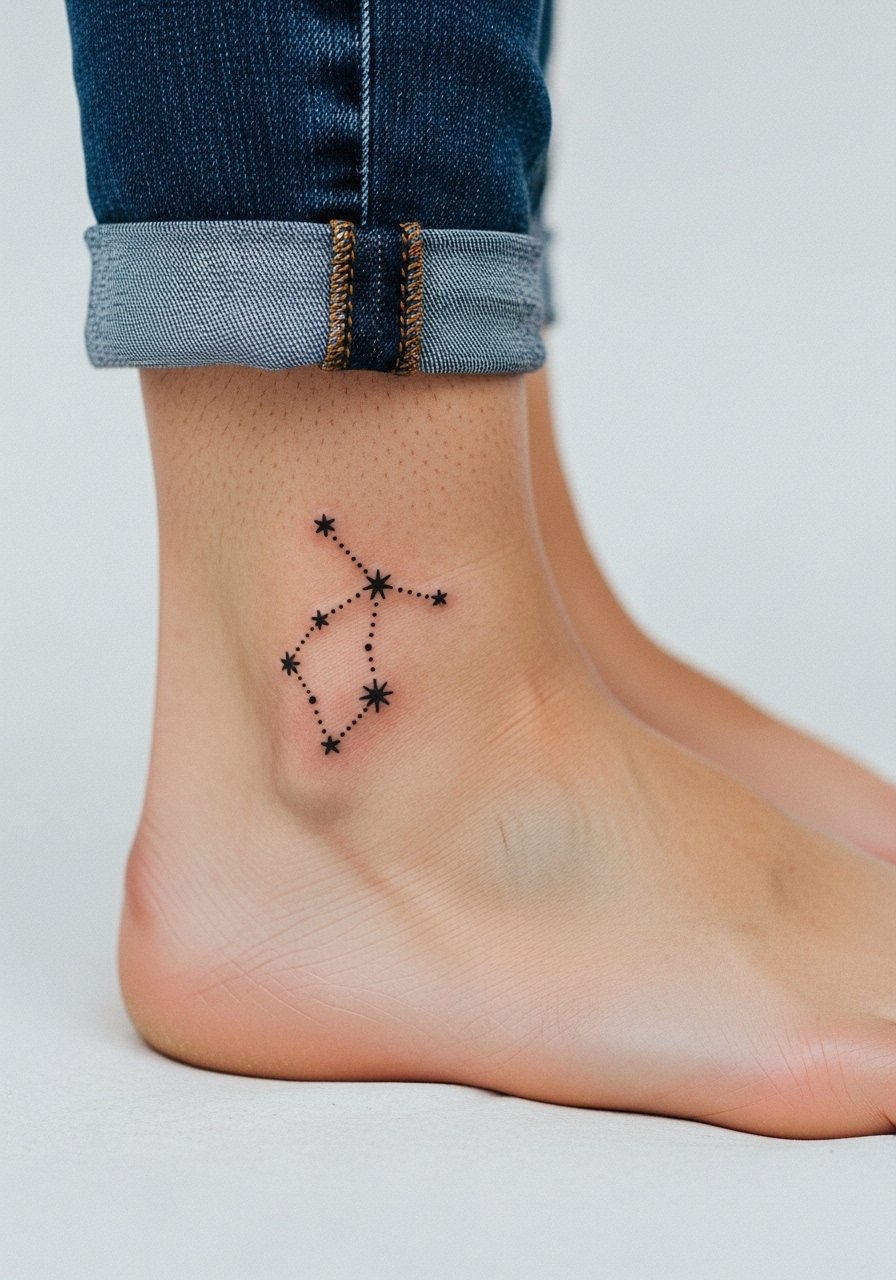
Constellation clusters can be spaced so each star stands alone, which helps longevity. Ask for micro negative spacing and slightly larger primary stars, not hairline dots. The ankle gets scuffed by footwear and socks, which increases fading risk. A session for a small cluster is quick, yet friction on the site can necessitate a light touch-up at year two or three. For showing it off, pair with cropped pants and minimalist sandals.
23. Palm Circle with Protective Symbolism
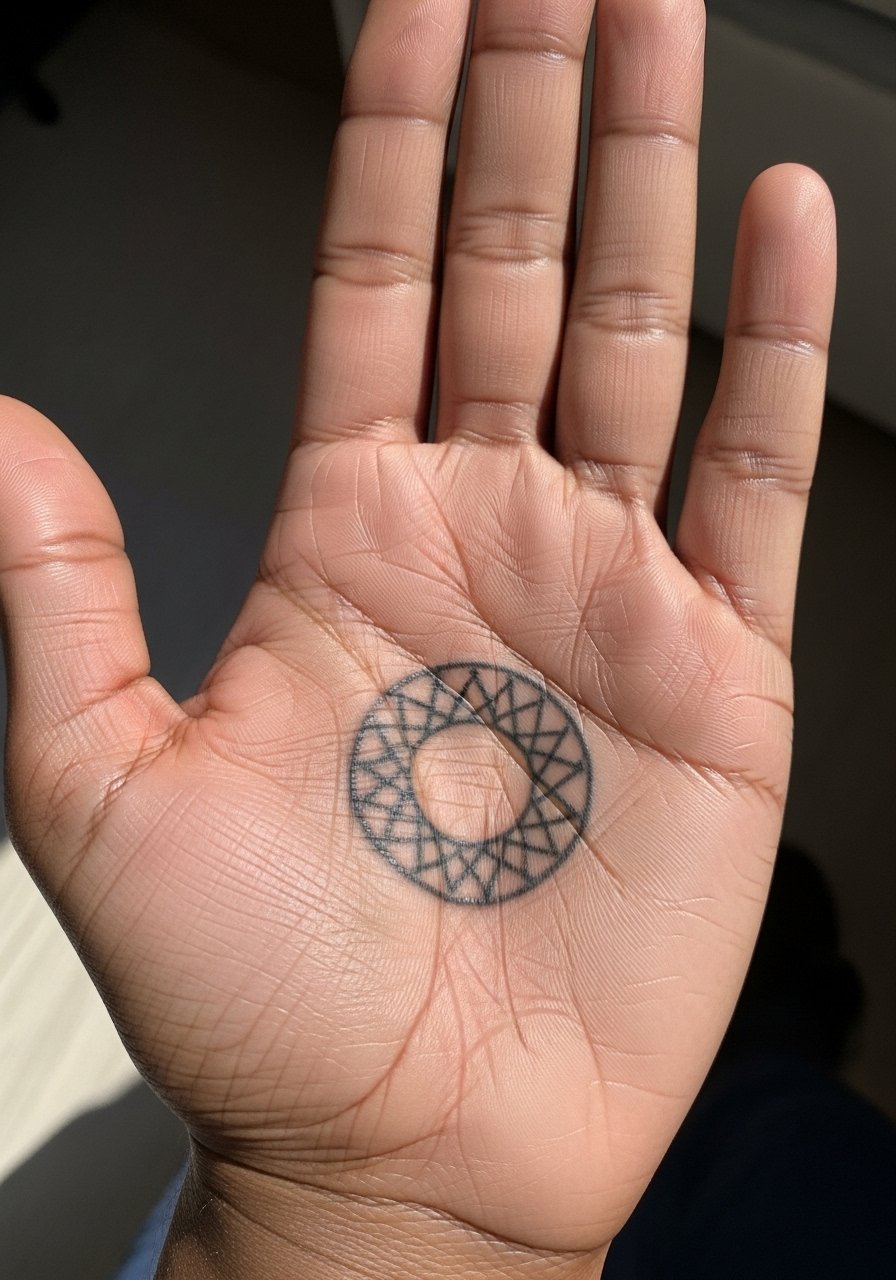
Central palm circles carry symbolic resonance in various traditions and they work as compact abstract anchors. When requesting this, say you want a single-session bold center with airy outward lines so ink does not migrate. Palm skin is transient and flakes quickly, so expect more rapid pigment loss than arm pieces. Because this design references cultural motifs, some people prefer subtle variations rather than direct replication. For session planning wear a short sleeve top so your artist can access the palm and forearm easily.
24. Abstract Vine Anklet with Negative Space
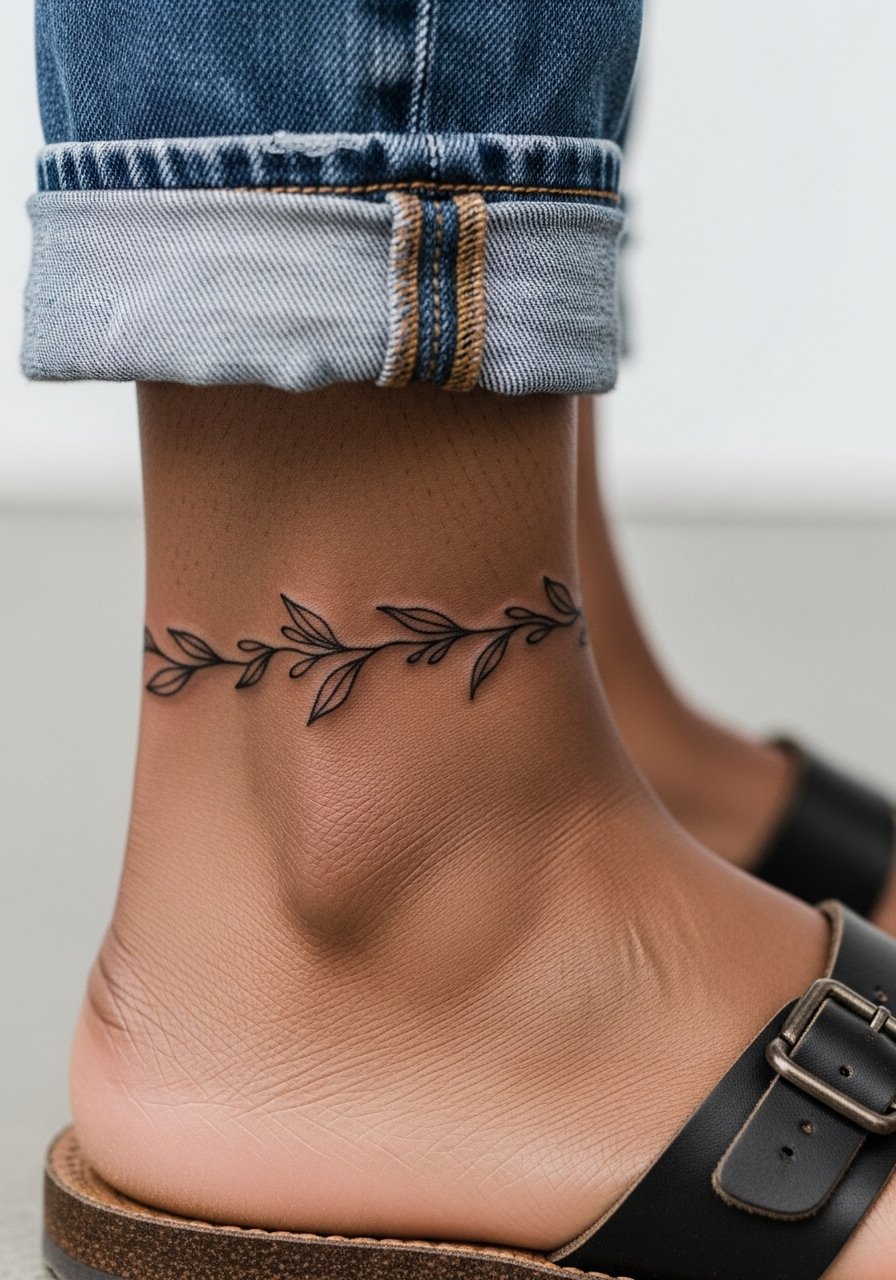
Vine anklets read as delicate jewelry when the repeats are loose and airy. A frequent mistake is tightening the weave too much which causes the pattern to merge in years of movement. Ask for one to two open breaks in the wrap to preserve shape over time. The ankle experiences friction from footwear, so plan for a touch-up if you wear tight shoes often. For summer outfits try a pair of straight leg crop pants that show the anklet without crowding it.
25. Micro Dots Along the Fingertip Crease
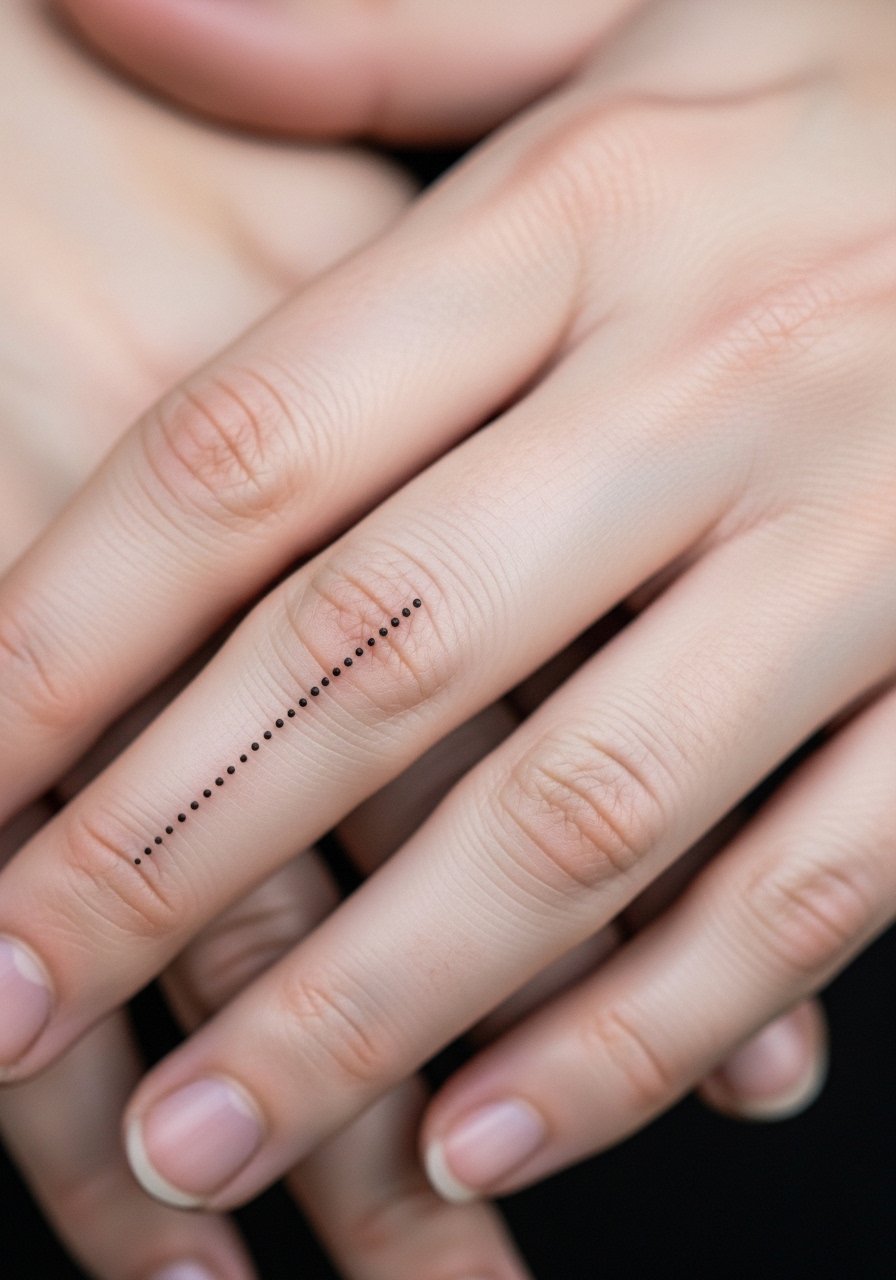
Dots that follow a fingertip crease look purposeful and understated. For this, request dots that step slightly away from each other so the line does not become continuous as the skin moves. Healing is quick but expect early scabbing with heavy use. People often over-compact the dot line painlessly during the session and then regret how quickly it softens. This motif pairs well with a minimalist manicure to draw the eye. Touch-ups are typical after a year if you use fingers heavily.
26. Tiny Script Elements Framed by Arches
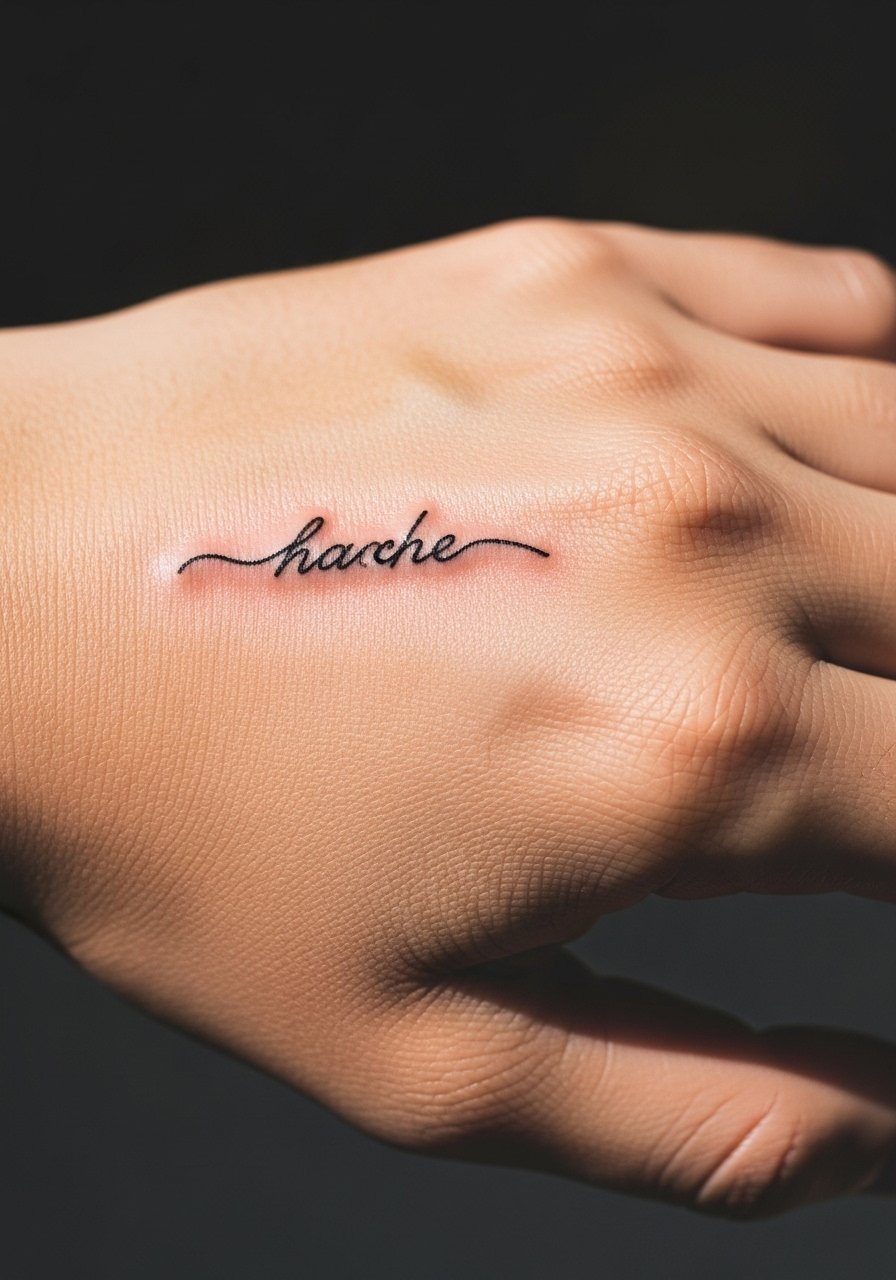
Text works if letterforms are bold and given room, and small script inside arch frames can add a classic feel. Always specify exact text to avoid errors in stencil transfer. The back of the hand takes a beating from sun and washing, so thicker strokes and slightly increased spacing prevent letters from bleeding into one another. A common error is choosing ultra-slim lettering at small scale. The session is short and a touch-up is often needed by year two.
27. Palm Motif with Evil-Spirit Protection Echo
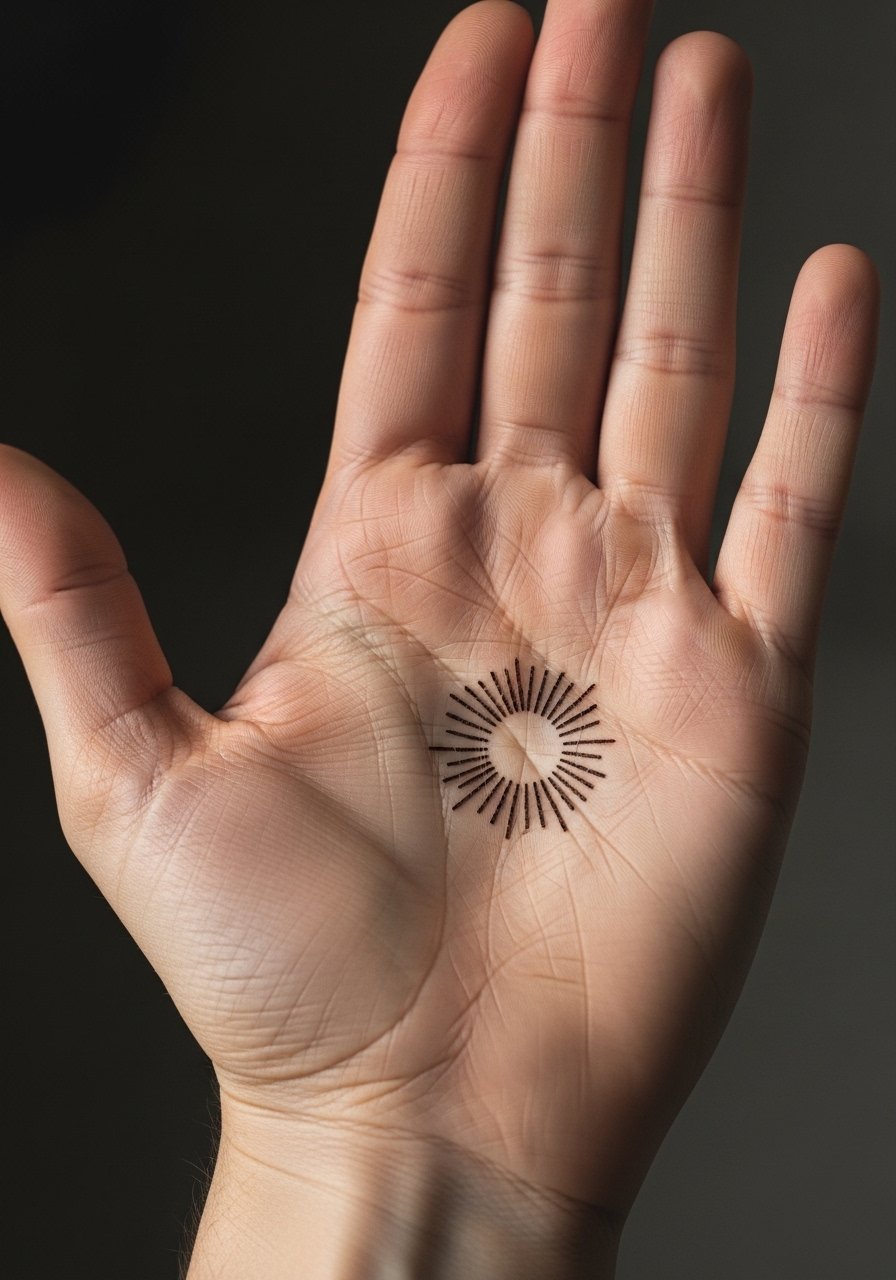
This motif taps into protective symbolism found in some traditions, and people often adapt it for personal meaning. Keep the circle simple and ask for airy radiating lines rather than dense patterns so the concept reads clearly after washing and movement. Because the symbol has cultural resonance, many choose a subtle reinterpretation rather than a direct copy. Palm placement means expect a faster fade than arm placements and a probable touch-up within a year or two depending on use.
Frequently Asked Questions
Q: Will fine line forearm pieces blur faster than bolder traditional work?
A: In my experience fine line can blur sooner because there is less pigment per stroke, but spacing and slight increases in primary line weight help them hold. Where the piece sits matters as much as the style. Ask the artist to show healed photos of similar work on the same placement and skin tone.
Q: How should I dress for a collarbone or chest session to make the artist's job easier?
A: Wear something that gives clear access like a strapless top or a wide-neck shirt you can pull aside. A v neck linen tee or a button-down you can open works well for collarbone pieces, and it keeps you comfortable during the session.
Q: Are fingertip motifs worth it if I type and wash dishes all day?
A: They are worth it if you accept higher early fading risk. Fingertips get more friction and scab irregularly, which can affect crispness. Plan for possible touch-ups and avoid heavy hand scrubbing during the first two weeks.
Q: Do repeat wallpaper motifs on ankles need special care in the first week?
A: The ankle sees shoe and sock friction, so keep the area protected and avoid tight footwear while it crusts. Protective film in the first days and loose sock choices after shows make a difference in early retention.
Q: How do I find an artist who understands these abstract henna aesthetics without naming specific people?
A: Search style-specific hashtags like #abstracthenna and #finehenna, check tattoo directories filtering for fine line ornamental, and read recent threads on tattoo community forums. Ask to see healed photos of small abstract pieces on similar skin tones during consultation.
Q: If a design references cultural motifs like mandalas or palm symbols, how should I address that with an artist?
A: Bring the reference and say you want a respectful adaptation rather than a direct replica. Many artists will offer slight variations or personal touches that honor the motif while keeping the work appropriate for everyday wear.