Fine line thigh pieces look incredible fresh, but longevity on the back of the thigh often surprises people. Trend feeds push delicate florals and watercolor fades, while the real test is sweat, friction from shorts, and skin stretch. I write this after seeing both bold blackwork that still reads crisp years later and tiny single-needle scripts that blurred. Below are 21 soft back of thigh tattoo ideas with notes on how each wears, what to ask your artist, and wardrobe tips to show them off.
1. Floral Mandala on Upper Back of Thigh
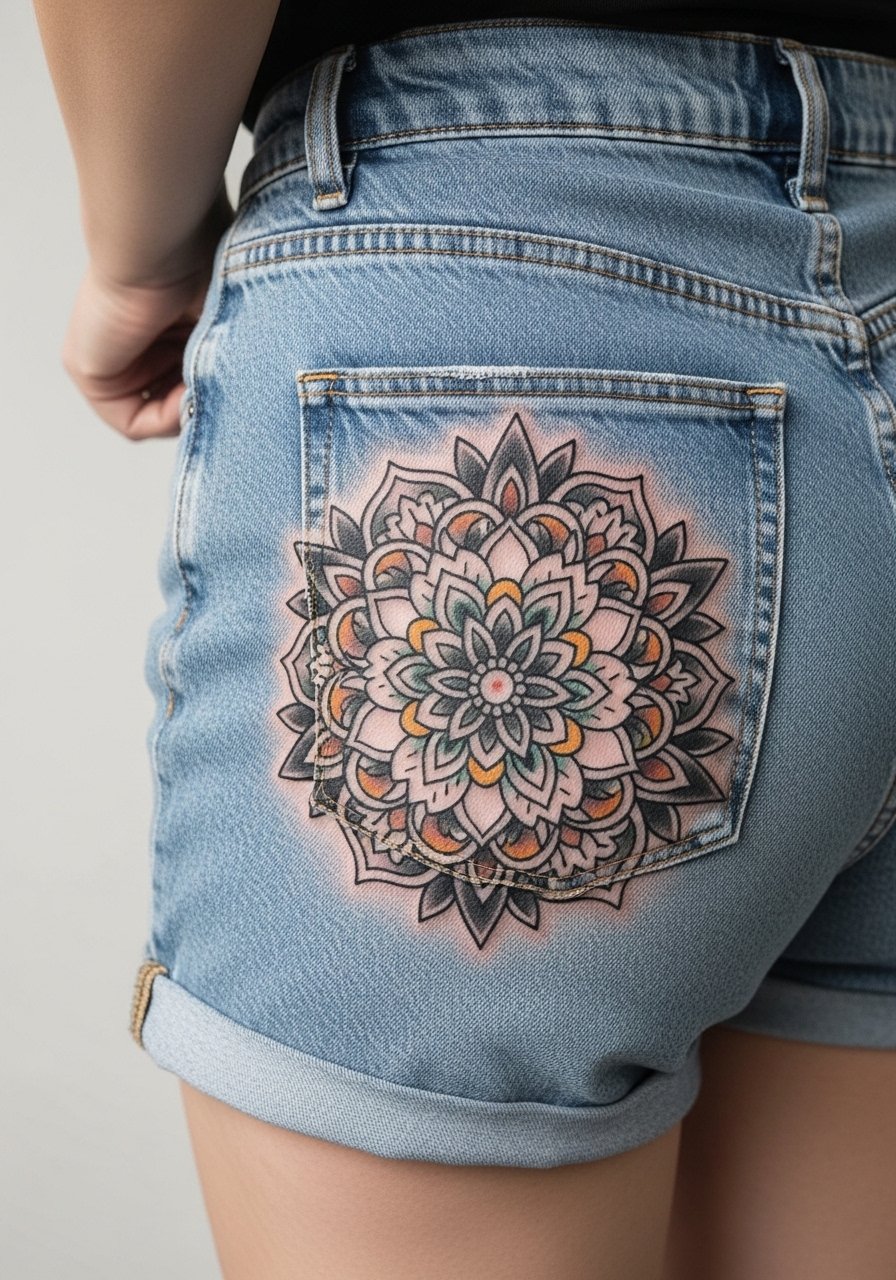
I recommend this when you want a meditative, centered piece that sits perfectly under hemlines. Tell your artist you want slightly wider spacing in the mandala rings so the dot work and stipple shading keep breathing room as it settles. A common mistake is asking for ultra-fine detail in a 4-inch piece, which can blur with weight changes or friction. Session time is usually two shorter passes, and pain feels like a persistent pressure rather than sharp stings. For showing it off, wear high-waisted denim shorts with a cropped tank so the pattern is visible without overexposure.
2. Geometric Lioness Outline Lower Thigh
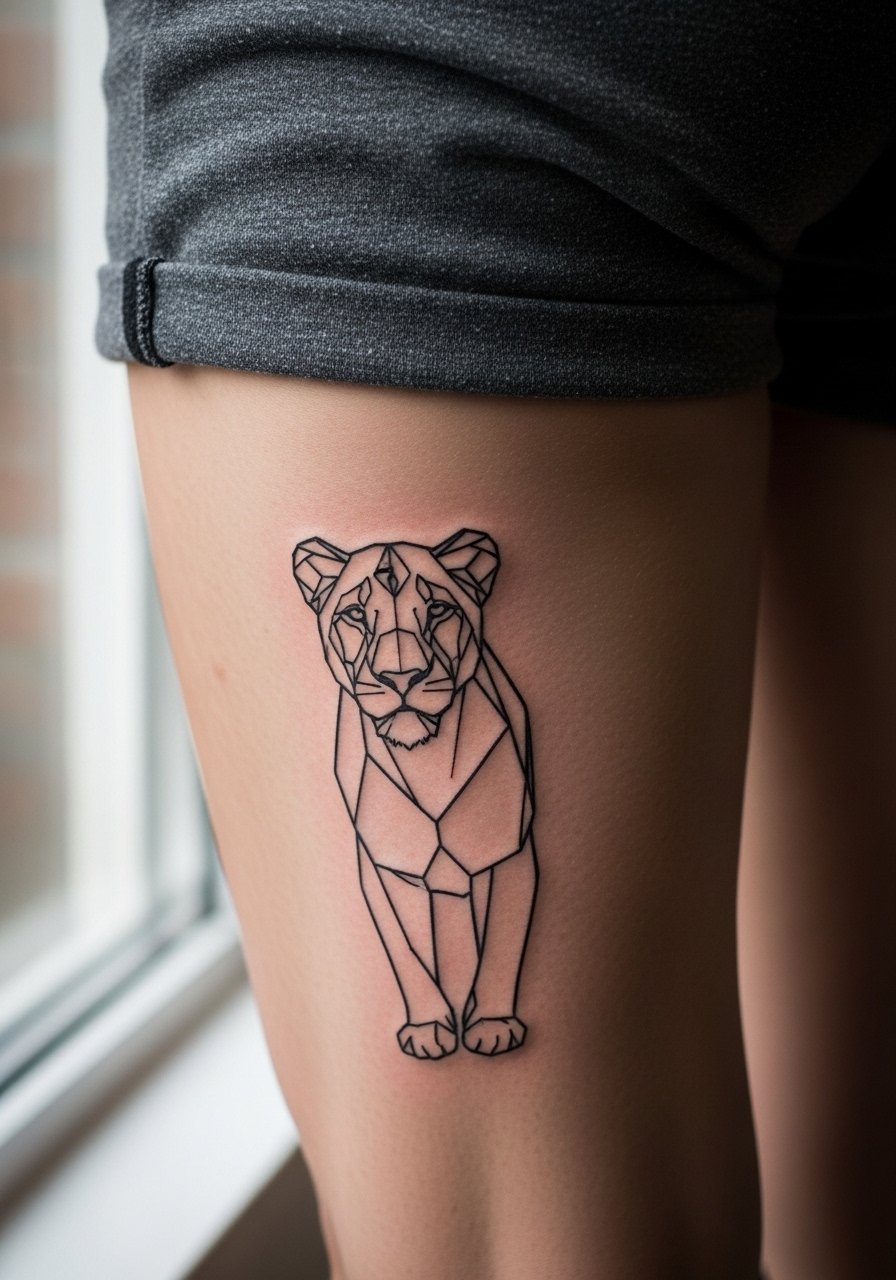
This minimalist blackwork idea reads fierce without heavy saturation. In consultation, ask for slightly bolder lineweight than your usual preference, because the lower thigh moves a lot and very fine lines can fade into soft shadows by year two. The session is quick, often a single pass under an hour. Expect a dull rubbing sensation and some tenderness when sitting. Blowout risk is lower here than on softer inner thigh skin, but ask about spacing so the geometric intersections do not crowd as the ink spreads. For session comfort, throw on rolled cuff athletic shorts you can shift without pressure.
3. Delicate Vine Wrap Around Thigh Back
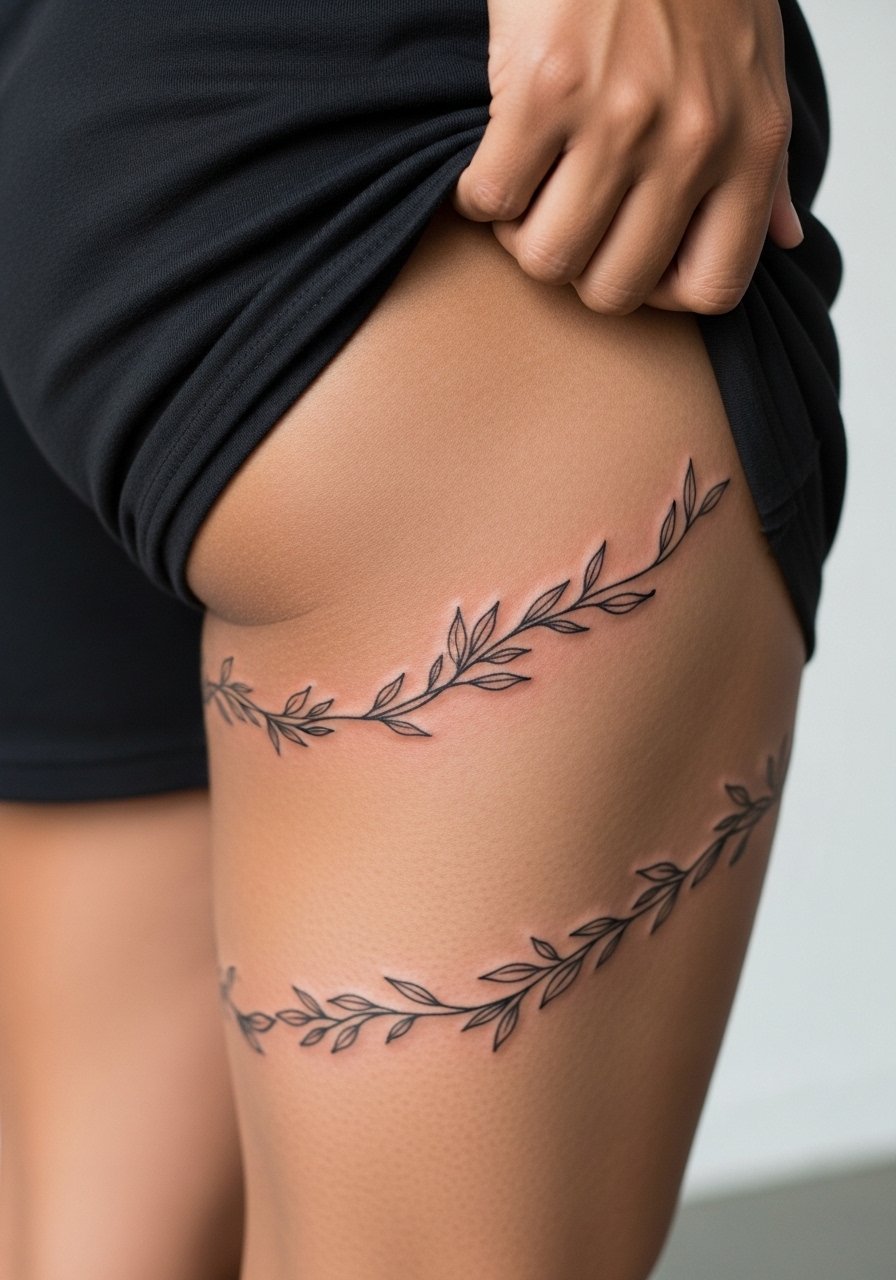
This wrap elongates the leg and hides well under clothing when you want discretion. I usually tell people to ask for slightly thicker connecting stems, because one common mistake is baking in single-needle stems that fade unevenly. Artists are split on whether fine line holds on thigh skin. One camp says single-needle can last with strict aftercare. The other camp warns it blurs in a couple of years on mobile areas. Bring photos showing the exact line weight you want, and expect a 1 to 2 hour session depending on length. For session day wear, pull on loose athletic shorts so the artist can roll the leg without tugging at the area.
4. Realistic Rose Cluster High Thigh
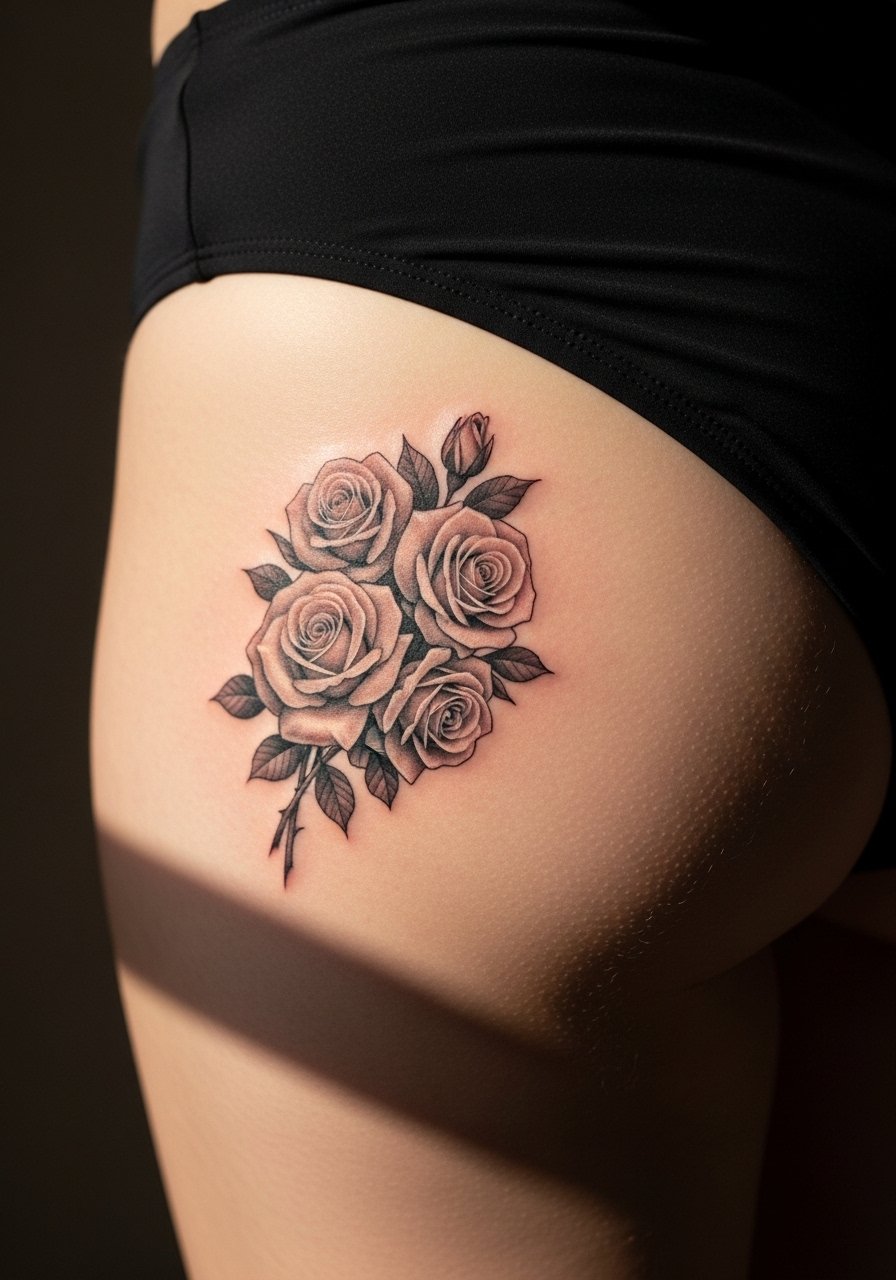
Micro-realism rewards patience. Tell the artist you want layered petals with soft stipple shading and selective color saturation in the deepest folds. A mistake I see often is requesting a hyper-detailed 3-inch cluster without allowing for the skin's natural texture, which makes the flowers turn muddy after a year. Expect multiple sessions totaling a few hours, and a heavier buzzing feeling near the glute seam. For photos and wear, pair with tailored chino shorts or plain swim bottoms so the detail is the focal point.
5. Ornamental Snake Coiling Back Thigh
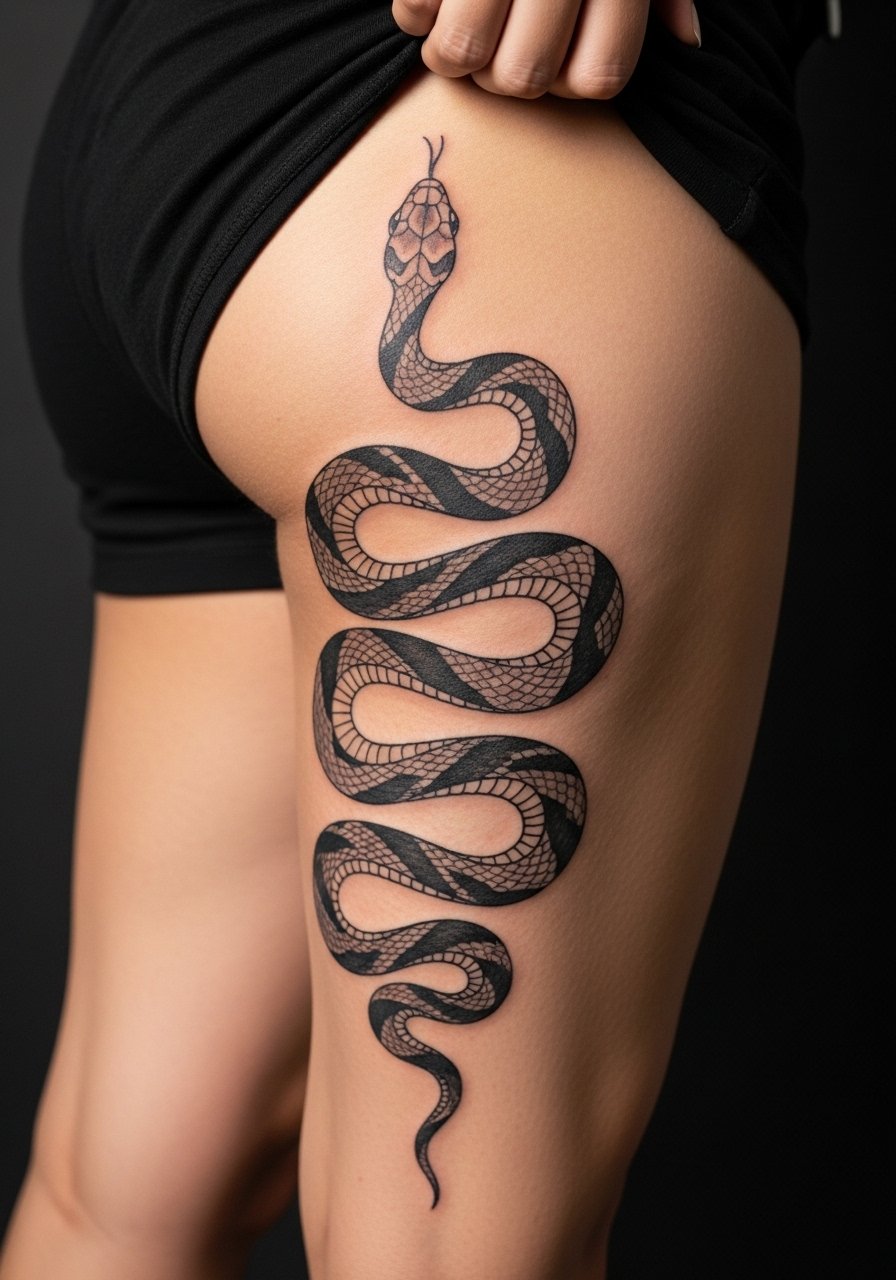
A coiling snake uses the thigh's curve to its advantage. Ask for gradated shading and negative space scales so the coil keeps definition as the leg moves. Common mistakes include wrapping too tightly into the crease where friction accelerates fade. Sessions run two to three passes and it feels like a long, rolling pinch more than sharp jabs. For athletes, bold contrast and solid saturation are less likely to distort with weightlifting. When showing this off, choose high-waisted shorts in denim or khaki that keep attention on the coil.
6. Watercolor Butterfly Mid-Thigh Back
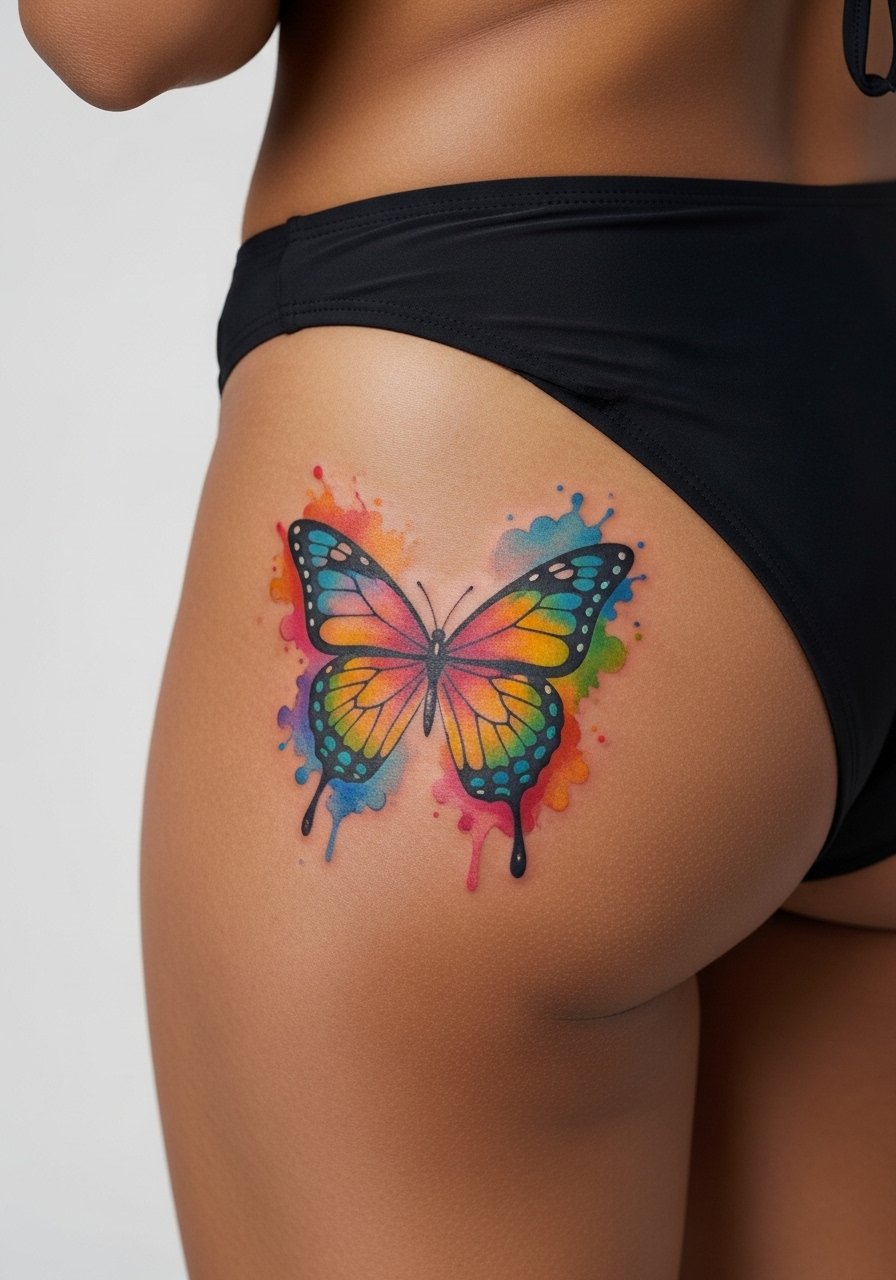
Watercolor techniques give a painterly feel but require artist expertise. Tell your artist you want the color edges anchored with faint linework so the wings do not diffuse too quickly. The controversy here is longevity versus look. Some artists say watercolor ages fine with proper saturation. Others prefer black outlines to preserve edges. Expect two sessions and lighter pain overall. For summer wear, neutral tones help the color pop without clashing. Try a cropped tank with high-rise bottoms for photos.
Pack Smart
The first six designs above all ask different things of your skin and wardrobe, so a compact kit for lower-body sessions makes the day easier.
- ThighHeal Serum. A non-greasy balm that forum users praise for thigh use, helpful when color heals without excess pore clogging.
- InkBreathe Wrap. Lightweight protective film aimed at humid climates, useful if you live somewhere hot while your thigh is healing.
- Fragrance free body wash. Gentle cleansing for the first week reduces irritation around fine lines and delicate shading.
- Thin protective film roll. Ideal to cut pieces for awkward curves like the glute seam and the coil shown above.
- Aquaphor healing ointment. A thin layer in the first 48 hours can protect delicate linework, especially the single-needle stems and mandala dots discussed earlier.
7. Traditional Anchor with Waves Lower Back Thigh
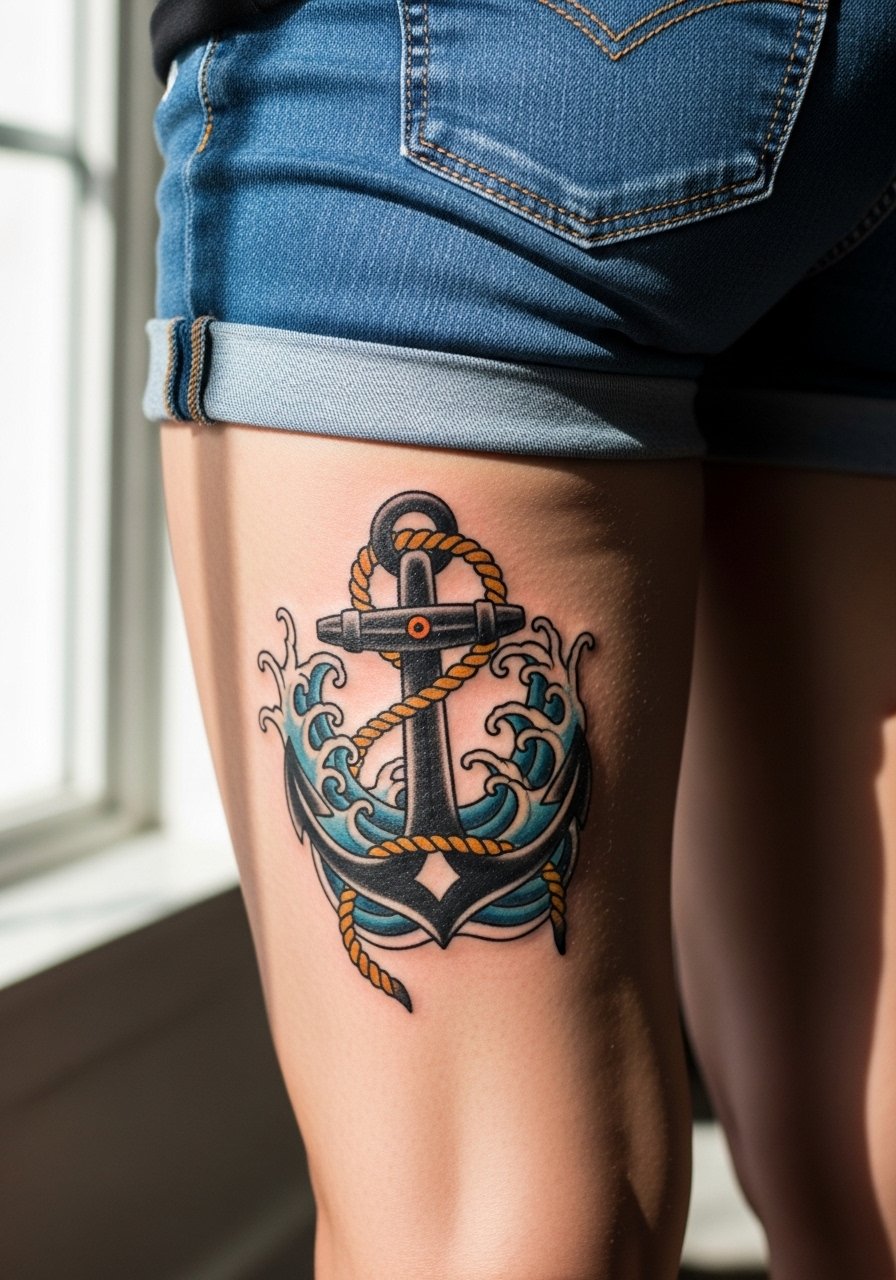
Traditional bold lines are forgiving on moving skin. Ask for stable outlines and solid color blocks rather than feathered shading. A rookie mistake is asking for washed color gradients that need constant touch-ups on an area that rubs against clothing. Expect around two sessions and a steady pressure sensation during color packing. For evenings out, a vintage-cut short or a leather belt frames the piece nicely, try a vintage style short to play into that look.
8. Minimalist Arrow Line Upper Thigh
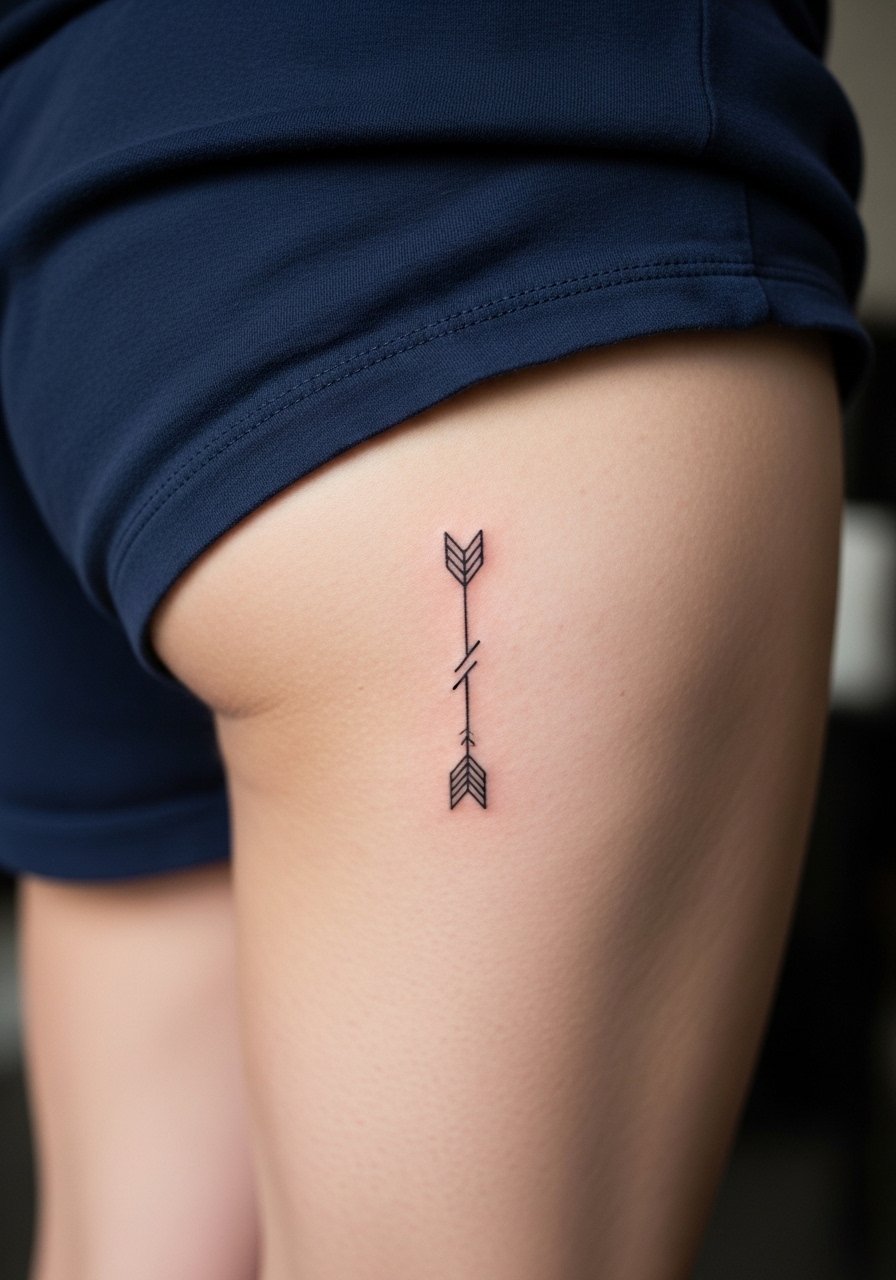
This is a great first thigh tattoo because it reads simple and sits away from high-friction zones. Ask the artist to use a slightly heavier line to resist early blurring. A common mistake is picking an arrow too thin, which can lose crispness when the skin stretches with sitting. The session is quick and the sensation is manageable. For show-off outfits, try rolled athletic shorts or a mini skirt in cream or olive so the line remains the focal point.
9. Blackwork Mandala Full Back Thigh
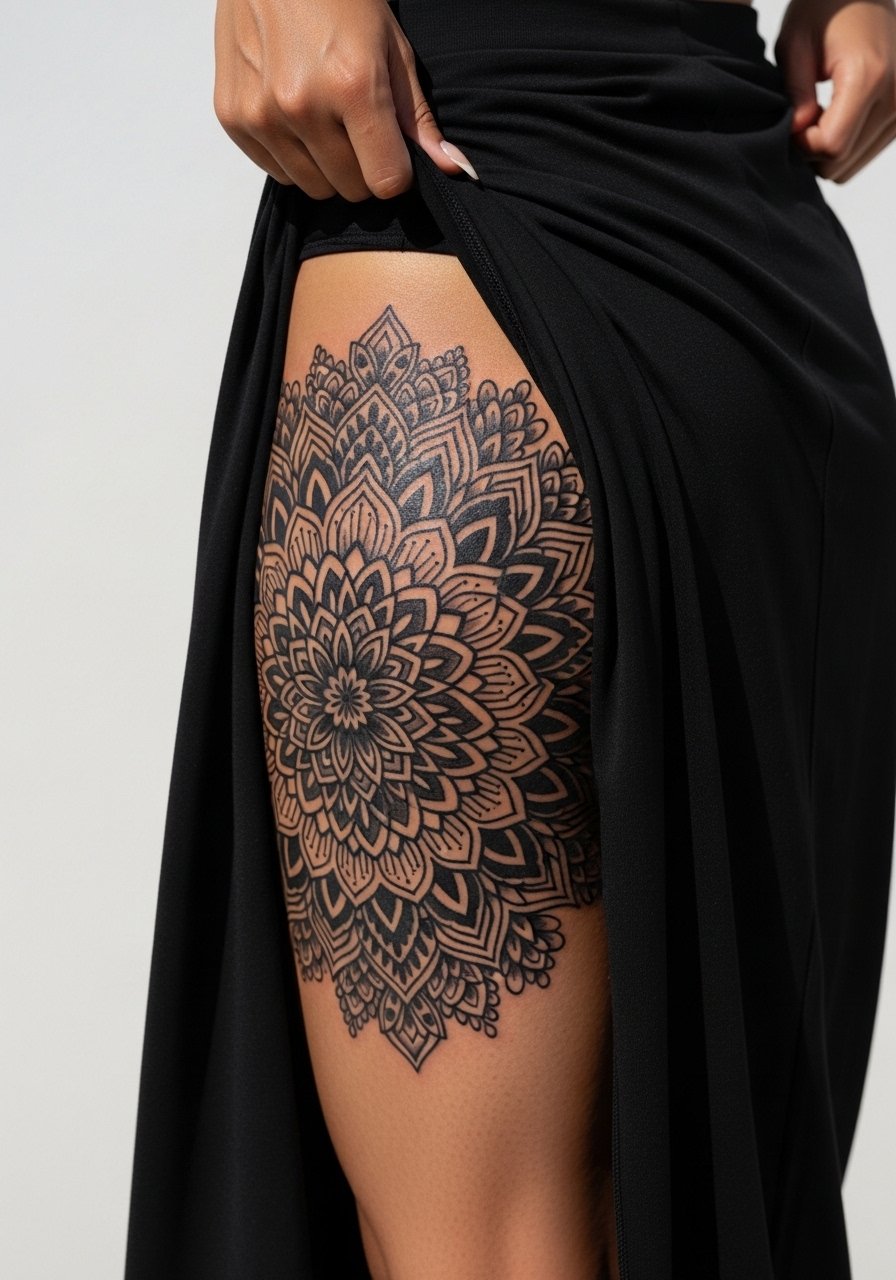
Full back thigh blackwork scales beautifully and gives the artist space to plan negative space that avoids blowout. Tell them you want sections of solid black but plenty of breathing gaps between motifs. The biggest mistake is trying to cram too many micro details into a dense block, which merges over time. Expect multiple long sessions and a firm pressure sensation during solid fill. For nights out, a slit maxi skirt shows off the scale without overexposing skin.
10. Neo-Traditional Fox Silhouette Mid-Thigh
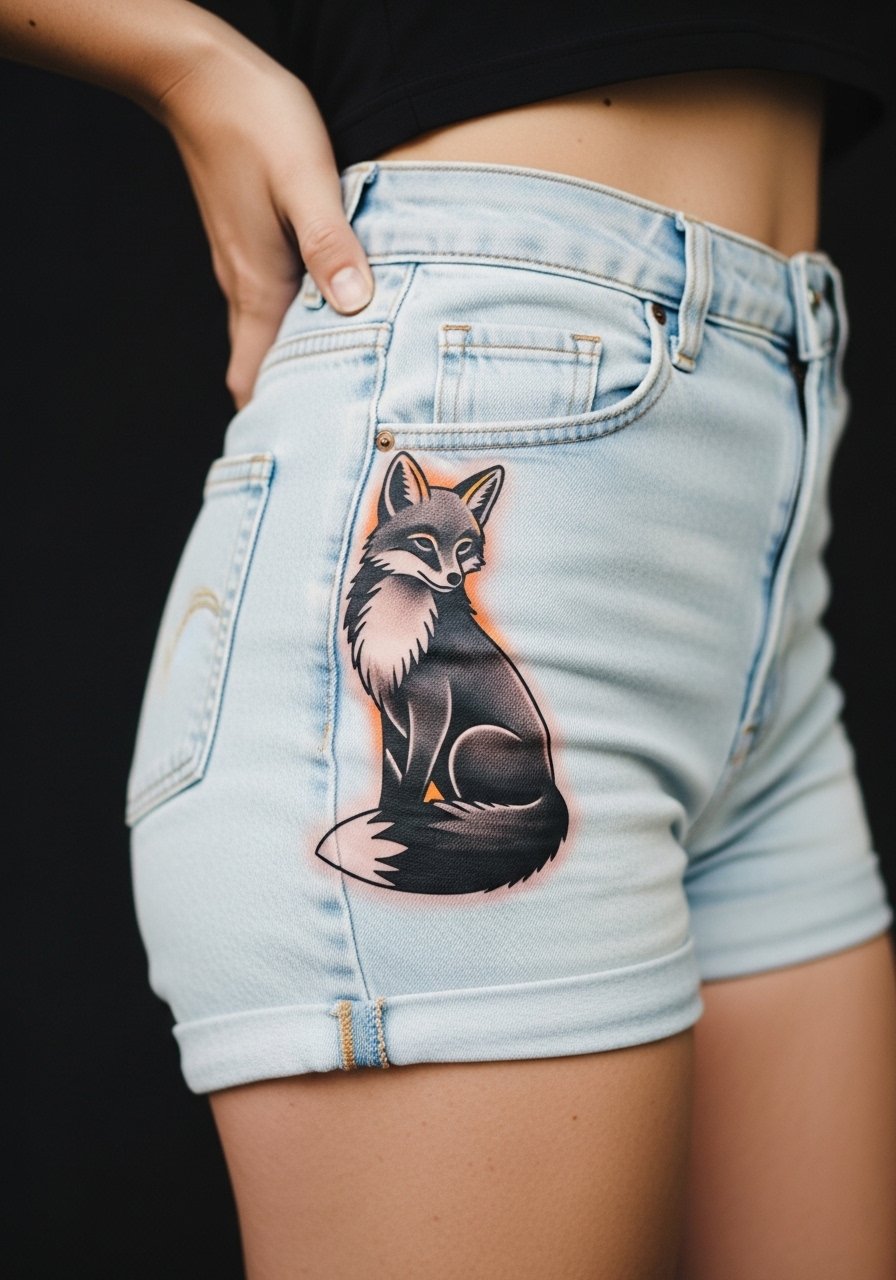
This silhouette works if you want storytelling without excessive detail. Ask for bold contours and selective saturation in the eyes or tail to keep photographic depth. A common misstep is asking for too many small symbols around the fox that distract from the silhouette. Session time is moderate and feels like rolling pressure with occasional sharper spots near the hamstring. Pair this with high-waisted denim shorts so the silhouette reads clean in photos.
11. Script Band Across Back Thigh
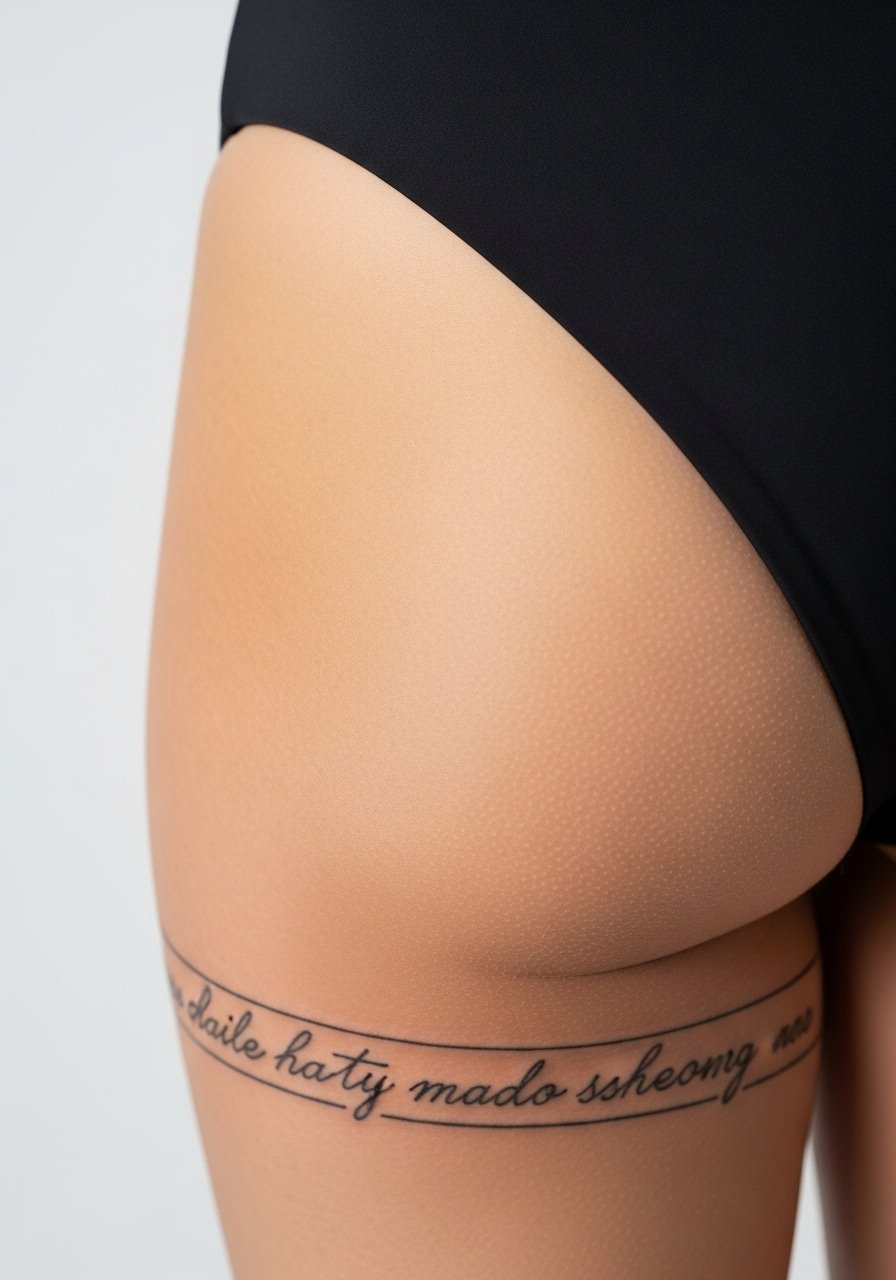
Script can be intimate and subtle, but the thigh stretches when sitting which affects letters. Tell your artist to increase letter spacing and slightly thicken stroke ends. The usual mistake is choosing a tiny, tightly kerned font that becomes unreadable as the skin relaxes. This is a short session with a gentle buzzing feeling. If you want it visible while out, wear a mini skirt cream or rolled shorts to keep attention on the band.
12. Asymmetric Drip Ink Curve
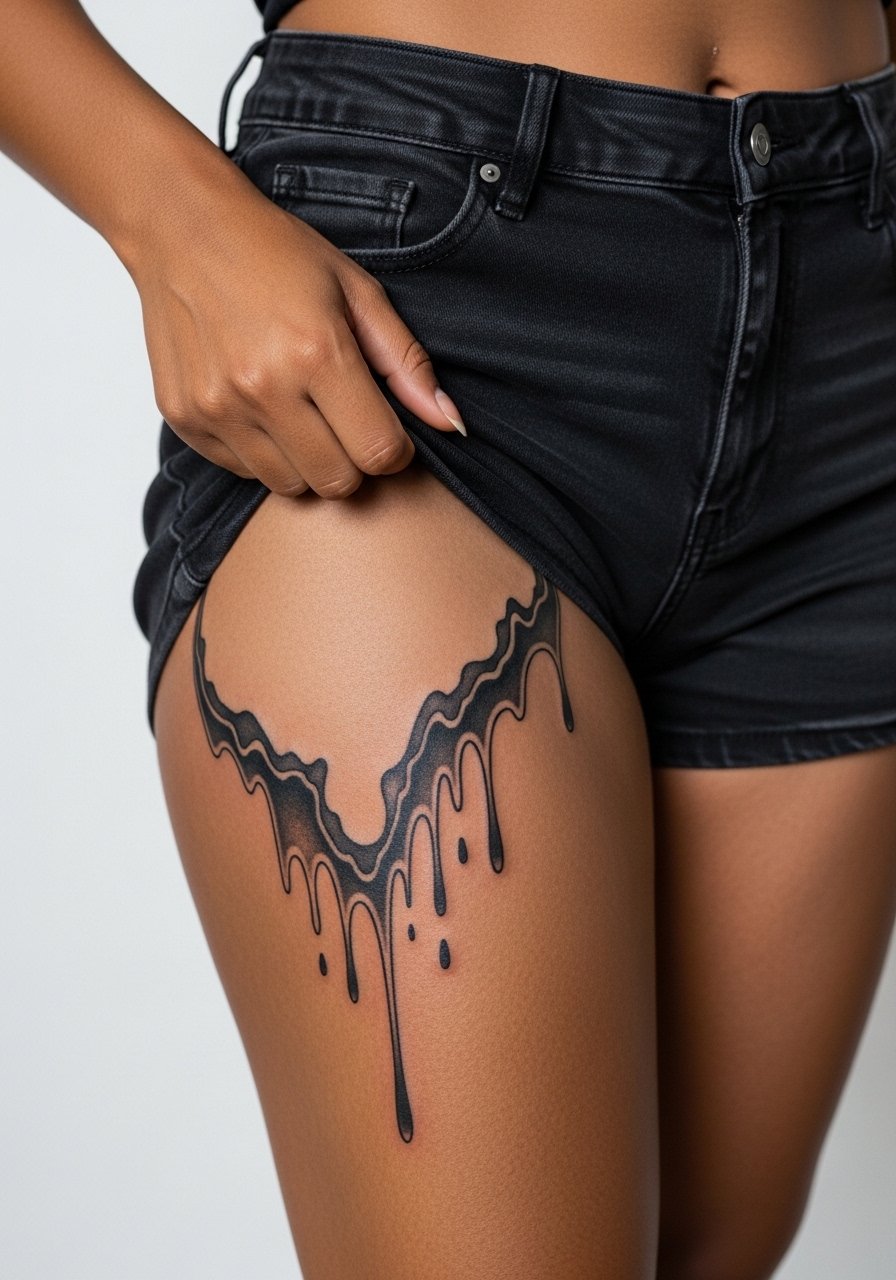
This asymmetric idea plays with the thigh curve for a modern edge. During consult, show side profiles so the artist maps the drip to your silhouette. A frequent error is mirroring the reference without contour adjustments, which looks off when you walk. Expect a 1 to 2 hour session and a dragging pressure along curved areas. It pairs unexpectedly well with tailored shorts or a swimsuit bottom that keeps the drip visually continuous, try plain swim trunks if you photograph the piece.
13. Yoga Pose Paired Thigh Motif
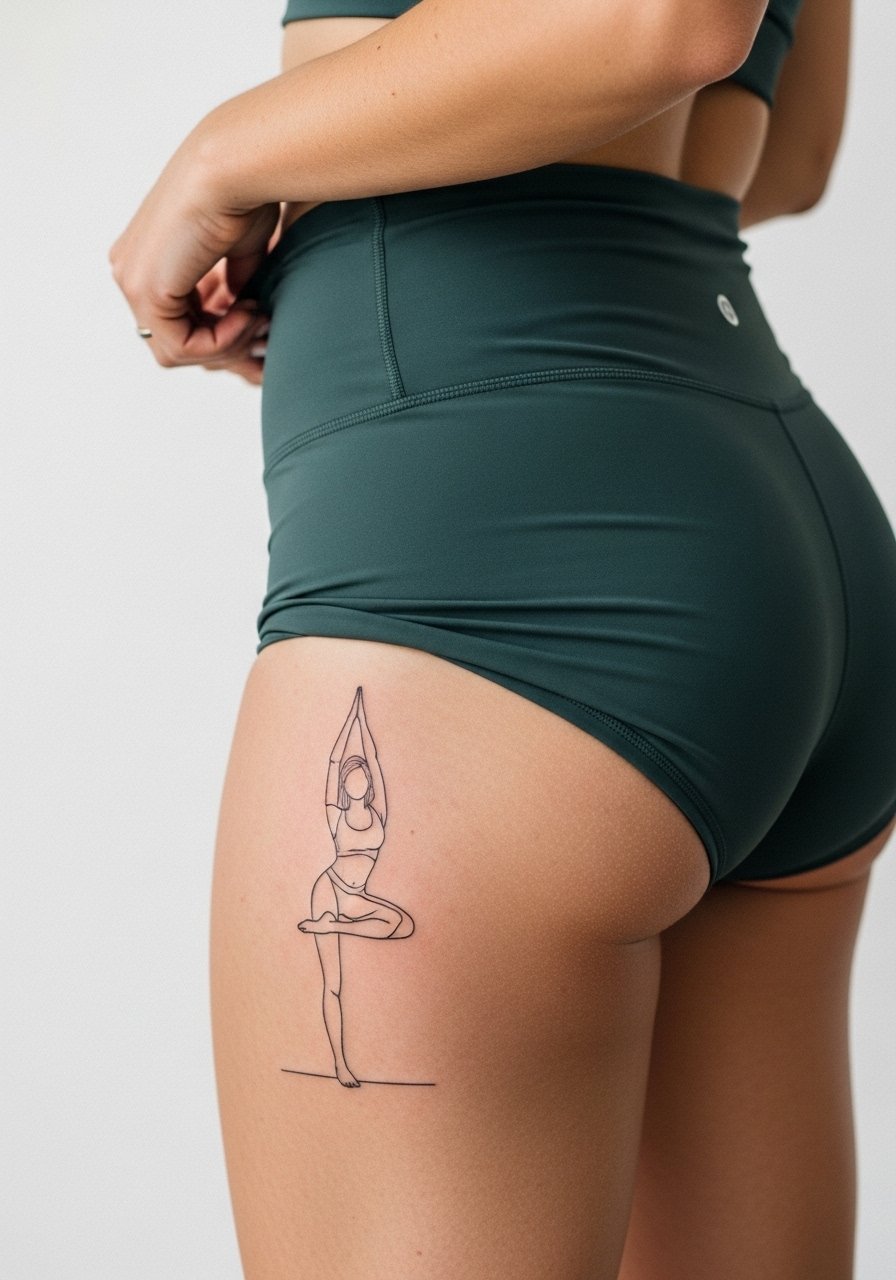
A design tied to specific poses is a fresh way to link movement and image. Ask your artist to test the stencil while you flex the pose so placement aligns with muscle movement. People often forget to simulate sitting or bending, which can relocate key elements after healing. Sessions are short and feel like steady pressure. For showing it off in practice, a bike shorts high waist keeps the line visible without adjusting your routine.
14. Tiny Constellation Cluster Near Knee
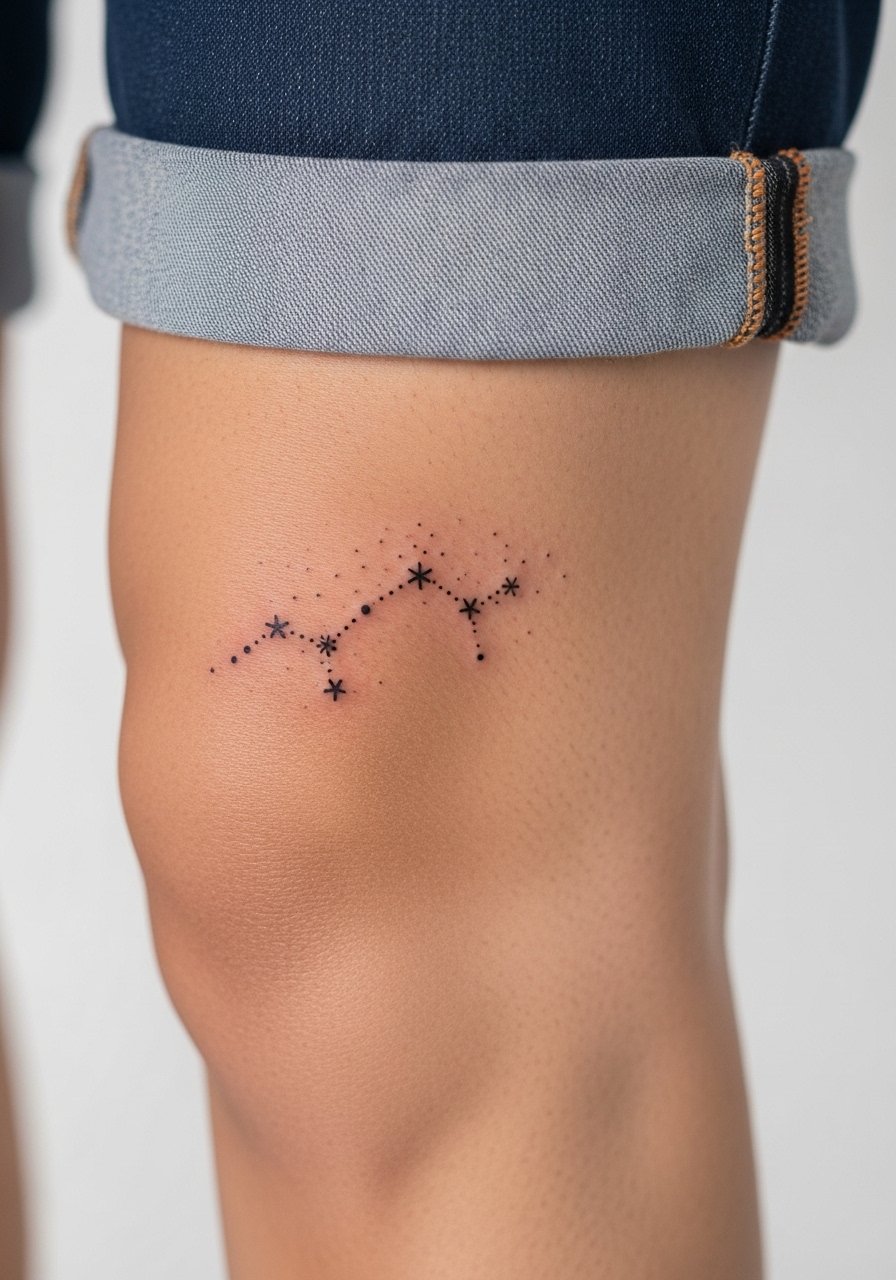
Tiny constellations are delicate and require careful placement because the knee area moves and folds. Tell the artist you want a slightly looser dot spacing and a few anchor stars to prevent merging. A common regret is requesting a high density of dots which softens into a blur. The session is quick but expect sharp flicks near thin skin. When you wear cropped pants or rolled cuff athletic shorts the constellation peeks out in motion.
15. Bold Tribal Band For Athletes
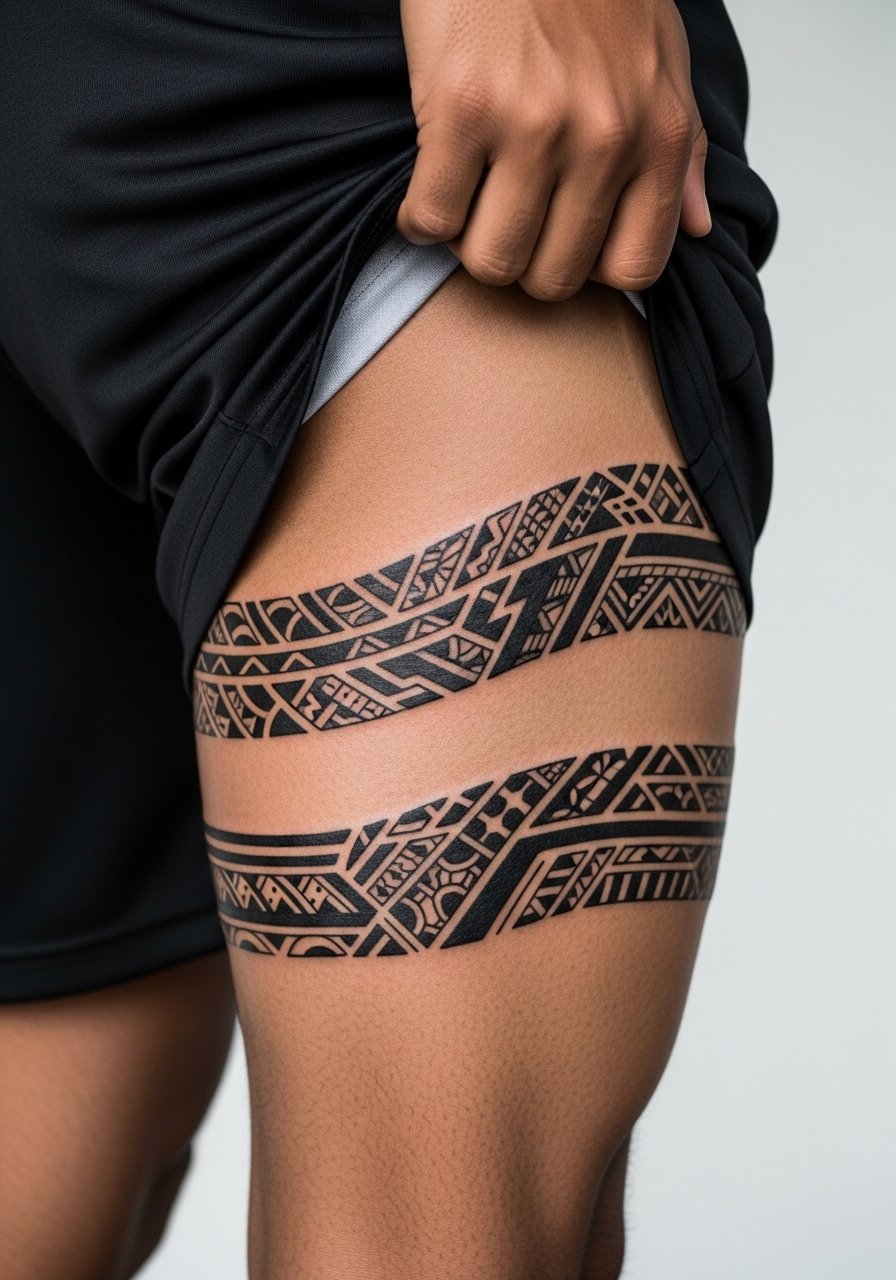
Designed for those who train, this band uses thick shapes that resist distortion from muscle growth. Tell the artist your typical range of motion and ask them to mock up the band while you flex. A bad move is choosing fine detail or thin filigree which will not survive repeated abrasion. Expect a medium-length session and a steady pressure. For gym days, a loose gym short that can roll up works best during healing.
16. Stipple Shaded Floral Fan Upper Thigh
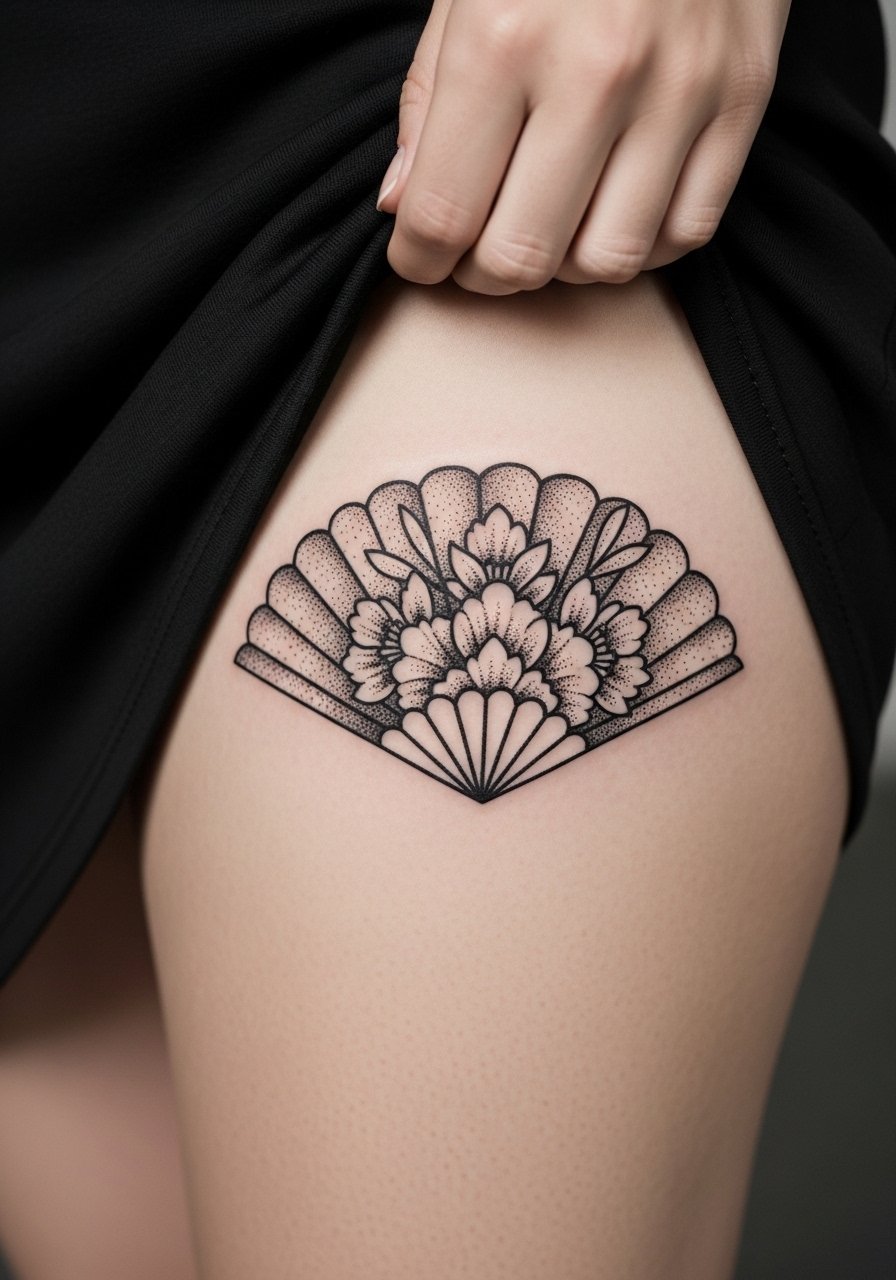
Stipple shading gives texture without heavy saturation. Ask for larger dot sizes than what looks ideal on an arm, because thigh skin benefits from bolder stippling to keep contrast over time. A common error is asking for micro-dot density in a small area which can compact. Sessions are patient work and feel like a steady hum. To frame this, try a slit maxi skirt black that lets the fan breathe without covering it.
17. Micro-Realism Insect Cluster Mid-Thigh
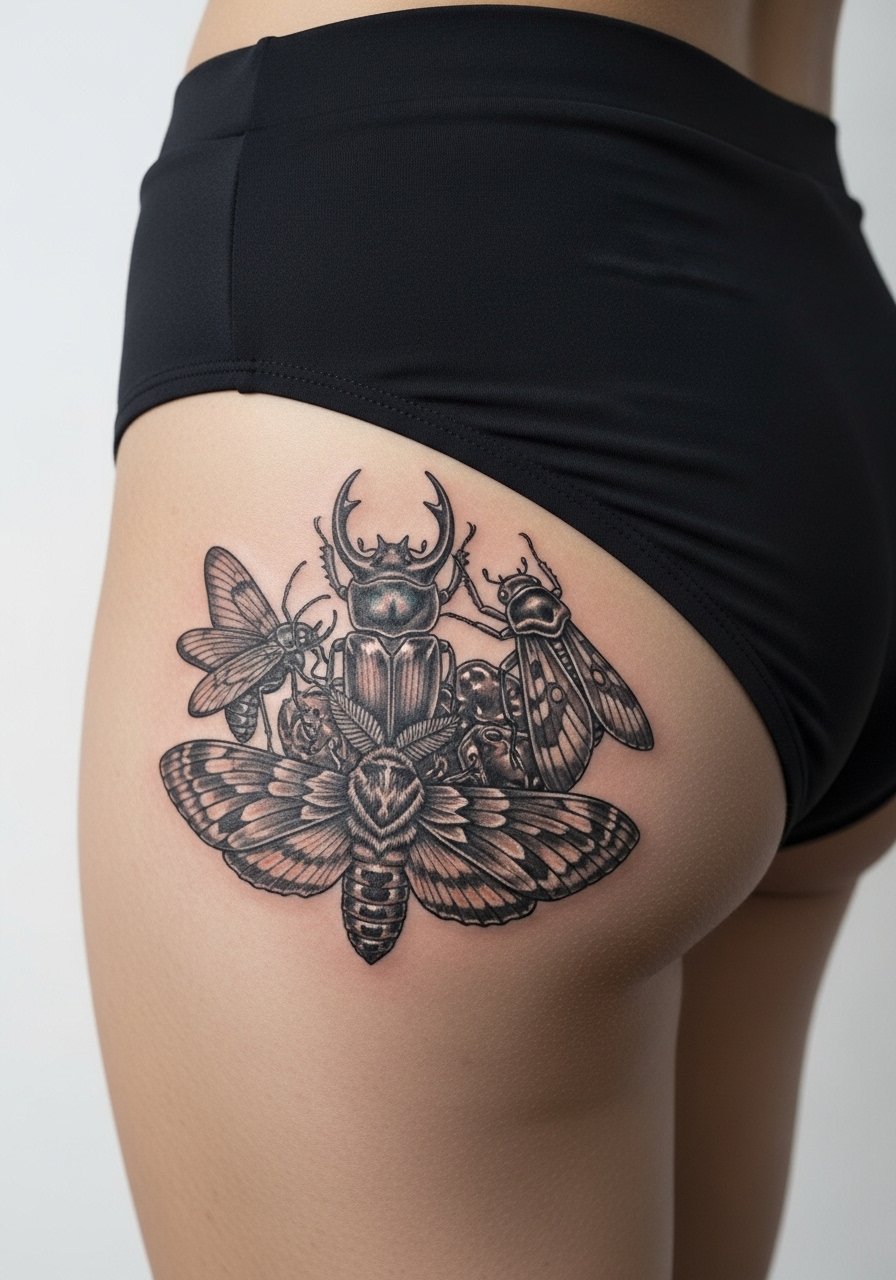
Tiny realistic insects need crisp contrast. Ask for slightly larger scale than your Instagram reference so fine legs and antennae hold. The mistake is compressing too much detail into an area that moves, which loses definition as it heals. Micro-realism takes multiple passes and can feel like sharp pinpricks in places. Pair with plain swim trunks when you want to photograph the details.
18. Minimalist Geometric Strip Lower Thigh
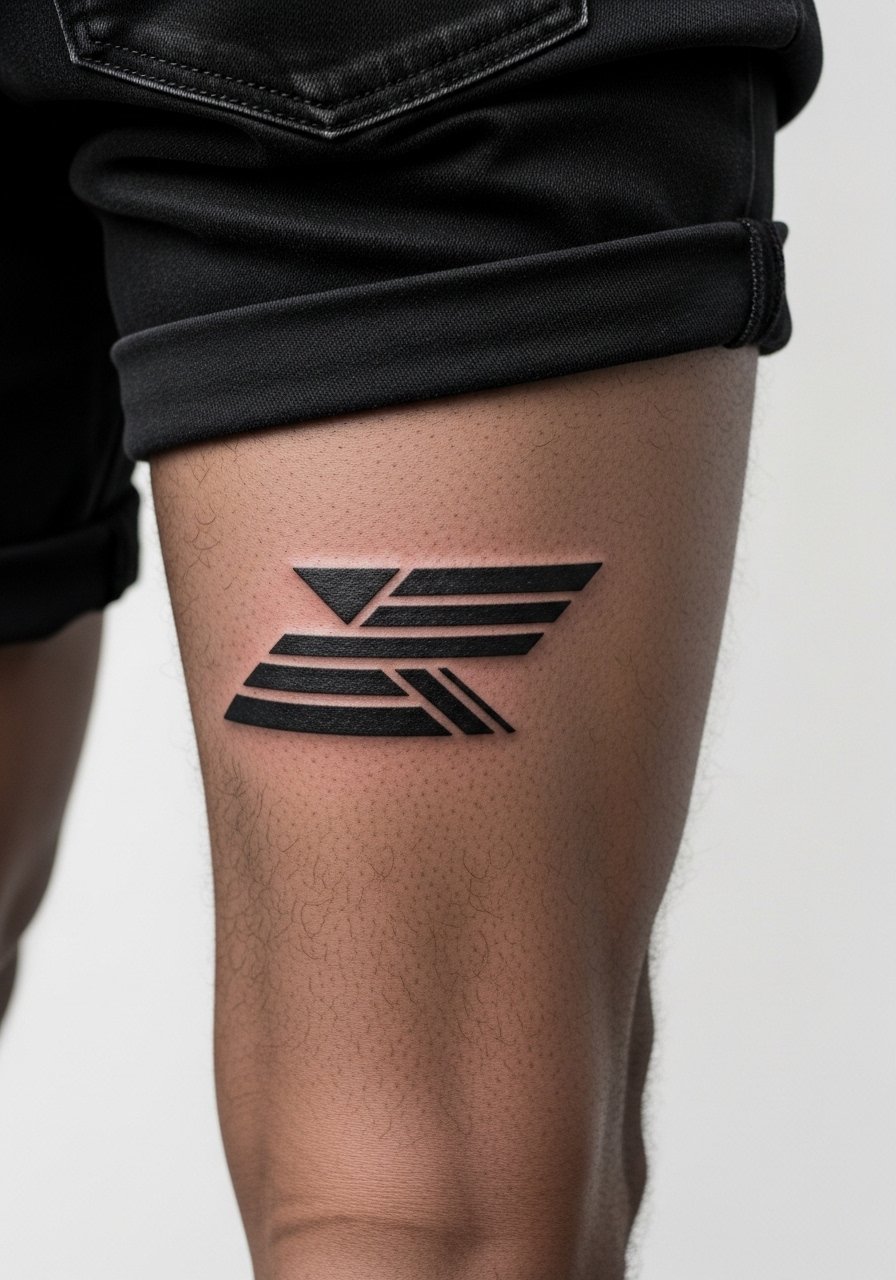
Geometric strips age well when given room. Tell your artist to leave measurable gaps between strips so they do not merge over time. A frequent error is stacking lines too close or too thin, which then softens. Sessions are short and feel like a firm dragging sensation. For casual wear, pair with mini skirt cream to keep the geometry visible.
19. Lace-Inspired Ornamental Panel Back Thigh
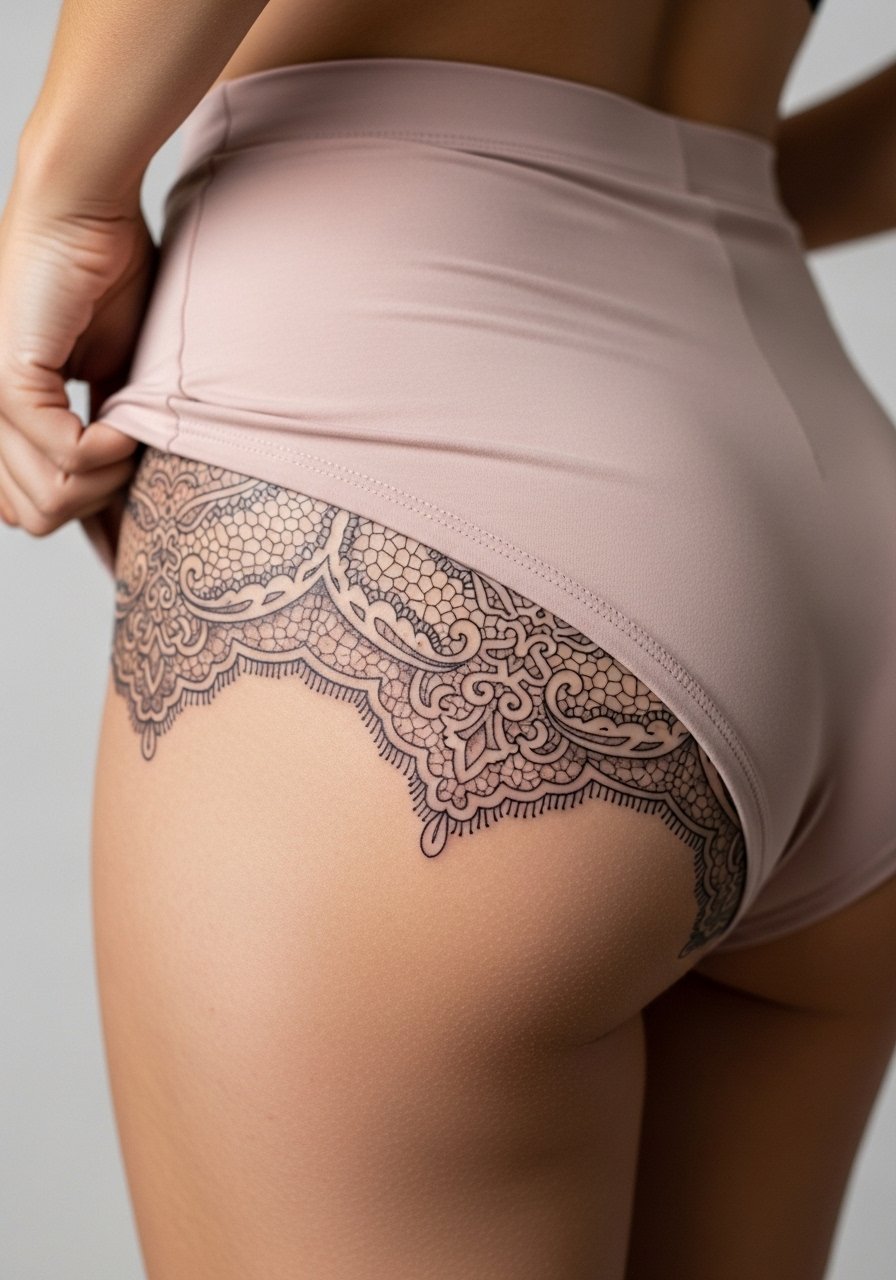
Lace panels can look delicate and intimate. When you consult, ask the artist to simplify the smallest intersections so they do not close up over time. Many people ask for ultra-fine filigree that disappears with months of wear. Expect longer shading passes and a gentle, consistent pain level. This one pairs well with high-waisted shorts or a swimsuit bottom for photos, try high cut swimsuit bottoms.
20. Botanical Half-Sleeve Back Thigh Wrap
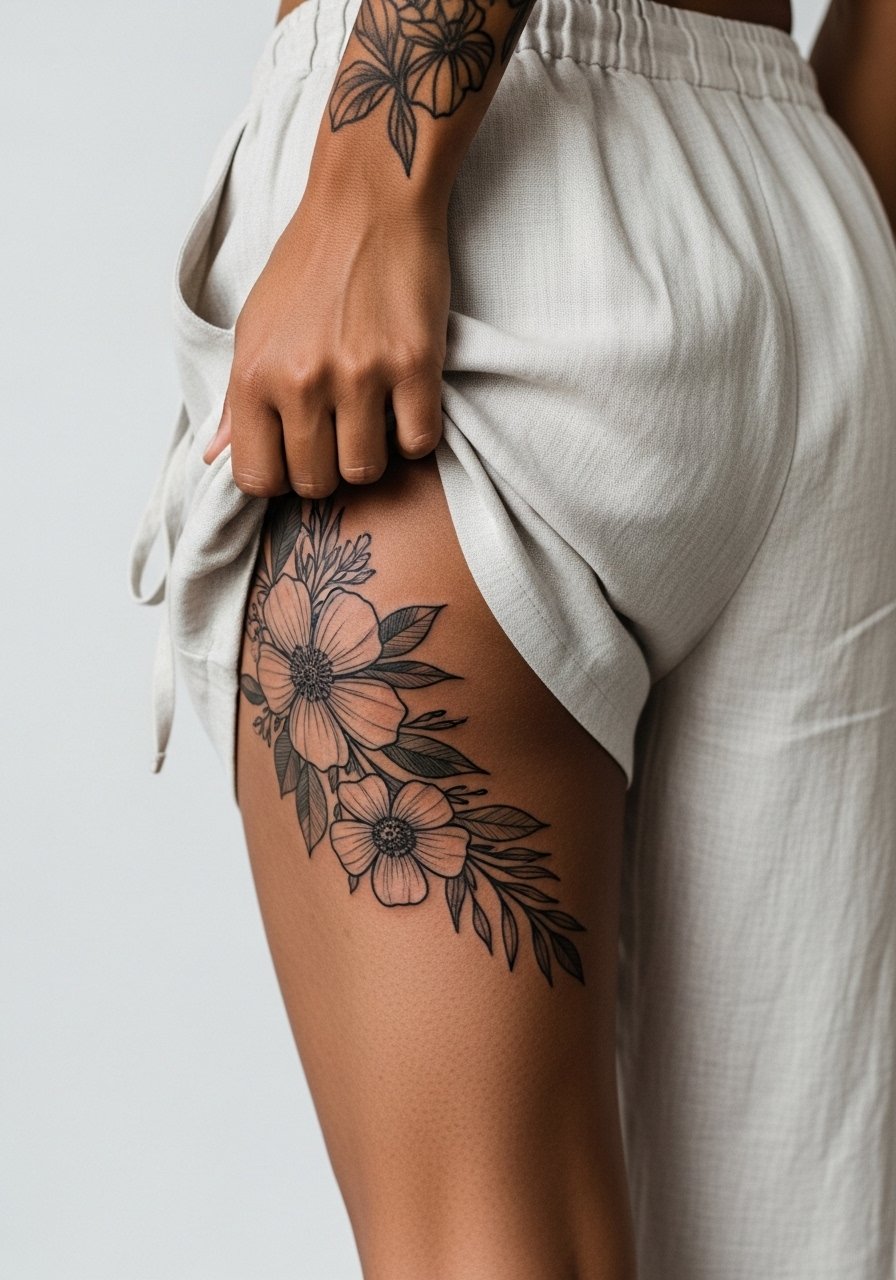
A half-sleeve leverages the thigh's canvas and suits those who want larger narrative work. Tell your artist to map the piece around muscle flow and clothing lines so focal blooms avoid constant rubbing. A mistake is treating it like a flat canvas and ignoring body movement. Expect multi-session scheduling and more pronounced soreness near the edges. For session ease, wear loose linen drawstring pants you can shift without pressure.
21. Petite Anchor and Rope Near Glute Seam
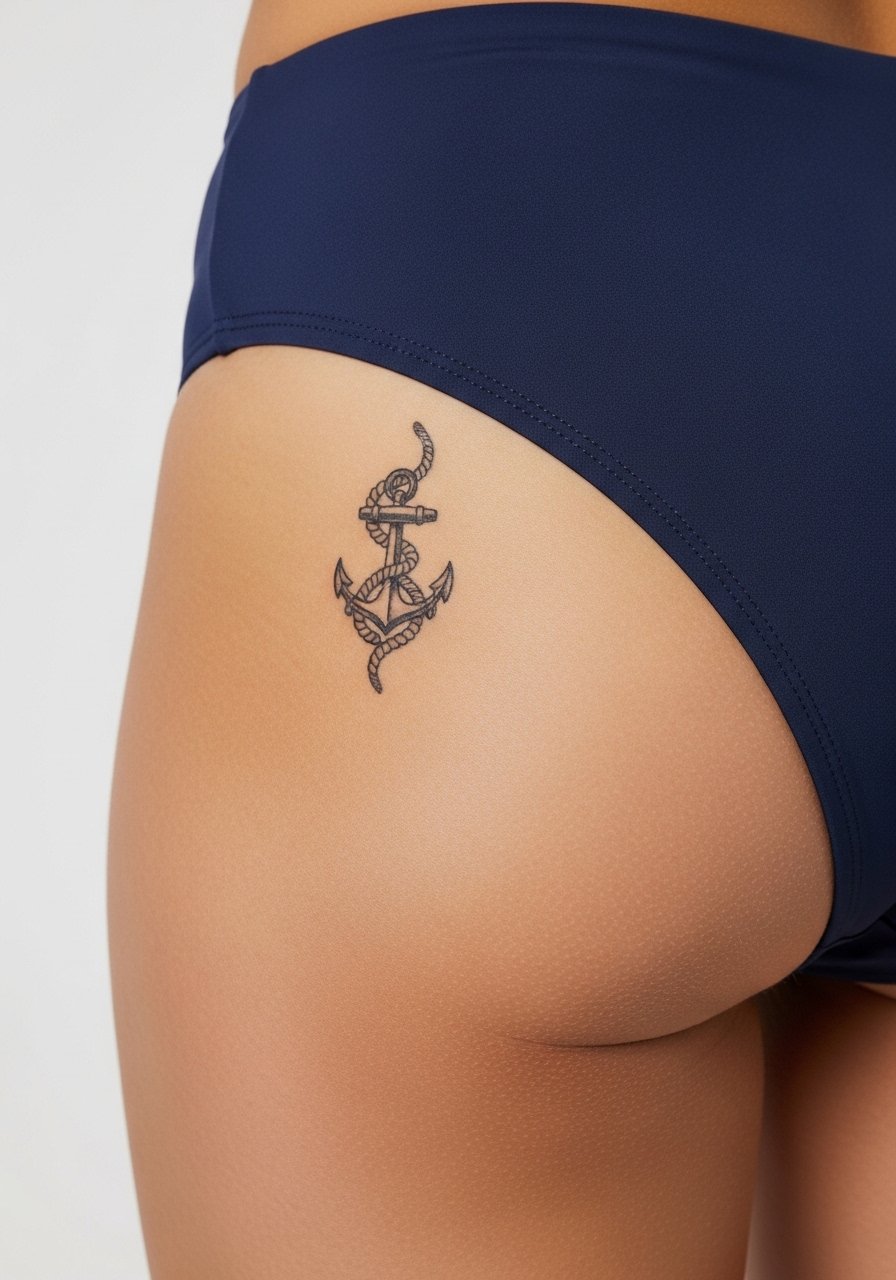
This petite piece sits where clothing lines often rest, so tell your artist to place the anchor just off the seam to reduce friction. People commonly place small flash too close to elastic, which accelerates fading. Sessions are quick and the sensation is a deeper press near the crease. For the appointment, a removable swim trunk or loose shorts make access easy.
Frequently Asked Questions
Q: How does fine line on the back of the thigh hold up compared with bold blackwork?
A: From what I've seen, fine line can look incredible at first but often needs touch-ups earlier than bolder work. Bold blackwork and solid saturation tend to age into a coherent shape that reads from a distance. If you love fine line, ask your artist for slightly heavier lineweight or strategic negative space so the design retains definition.
Q: Should I use protective film like Saniderm on a thigh piece or dry heal?
A: Artists split into two camps on this. One group prefers protective film for less mess and reduced chance of contamination. The other group favors dry healing or thin balm because they feel it promotes a more natural scab peel. It depends on your skin type and daily routine. If you sweat a lot or live in a humid place, many people find a breathable film helps the first 48 to 72 hours.
Q: Will a tattoo on the back of the thigh distort if I gain or lose weight?
A: Thigh skin can shift with weight changes, especially on outer curves. Designs with open composition and bold shapes survive better than tight micro-detail. If you expect fluctuation, favor slightly larger motifs or banded work where spacing compensates for stretch.
Q: How should I dress the day of a back of thigh session?
A: Wear something you can shift without tugging the area, like loose athletic shorts or a drawstring pant. That makes access comfortable for both you and the artist and reduces friction on the fresh work.
Q: Where can I find artists who specialize in back of thigh work?
A: Search style-focused hashtags like #backofthightattoo and #thighart on social platforms, filter by location on Tattoodo or Booksy, and scan local shop portfolios with the phrase "[City] thigh tattoo studio." Community forums like r/tattoos often list guest spots and traveling artists.
Q: Do watercolor thigh tattoos need different aftercare than traditional pieces?
A: The mechanics are the same, but watercolor relies more on subtle saturation. That means extra caution with sun exposure and friction for the first few months. Avoid abrasive fabrics and consider protective clothing during high-activity days.
Q: How often will a back of thigh tattoo need touch-ups?
A: It varies by style. Fine line and watercolor often need touch-ups sooner, possibly around year two to three. Bold blackwork and neo-traditional pieces can go longer before a refresh is needed. Skin type, sun exposure, and friction from clothing are the real factors here.