Bold blackwork often outlives the petals and pastels that get the most saves on a feed. The tattoos that still read crisp after five years are usually the ones planned with placement, line weight, and daily life in mind. Below are 21 cute ideas that balance immediate charm with how they age, what to ask your artist, and what to wear to show them off.
1. Fine Line Crescent Moon with Floral Wrist Tattoo
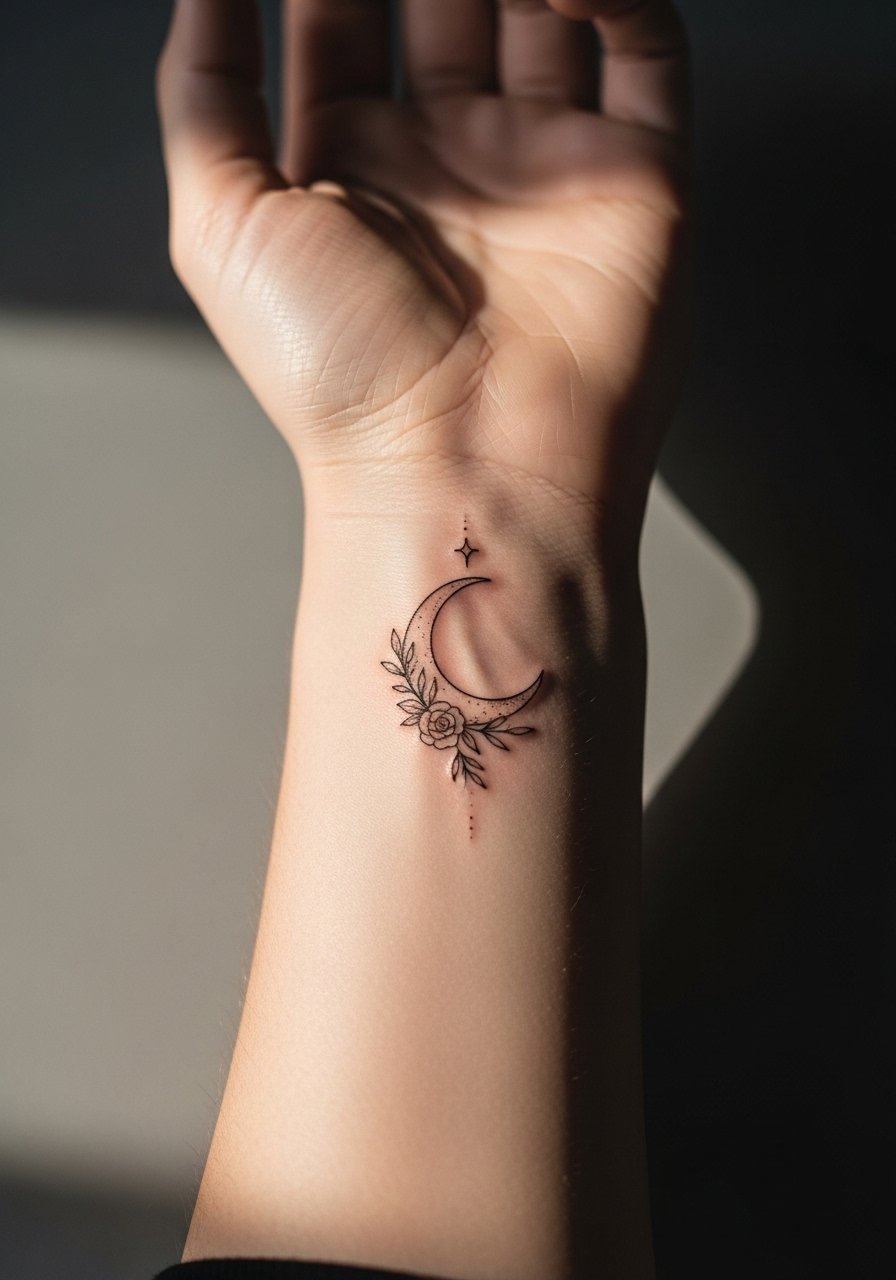
I recommend this if you want a tiny celestial emblem that reads delicate without being fussy. Pain on the inner wrist is usually a 4 out of 10, and a single short session often does it. Tell your artist you want slightly thicker primary strokes and thinner secondary strokes so the moon keeps its silhouette as it heals. Common mistake is asking for lines too close together, which blurs by year two. For the appointment, wear a sleeveless tank so the artist has clear access. Expect a light touch-up at year two if you want the moon to stay crisp.
2. Neo-Traditional Goddess Silhouette with Blooming Lotus, Collarbone
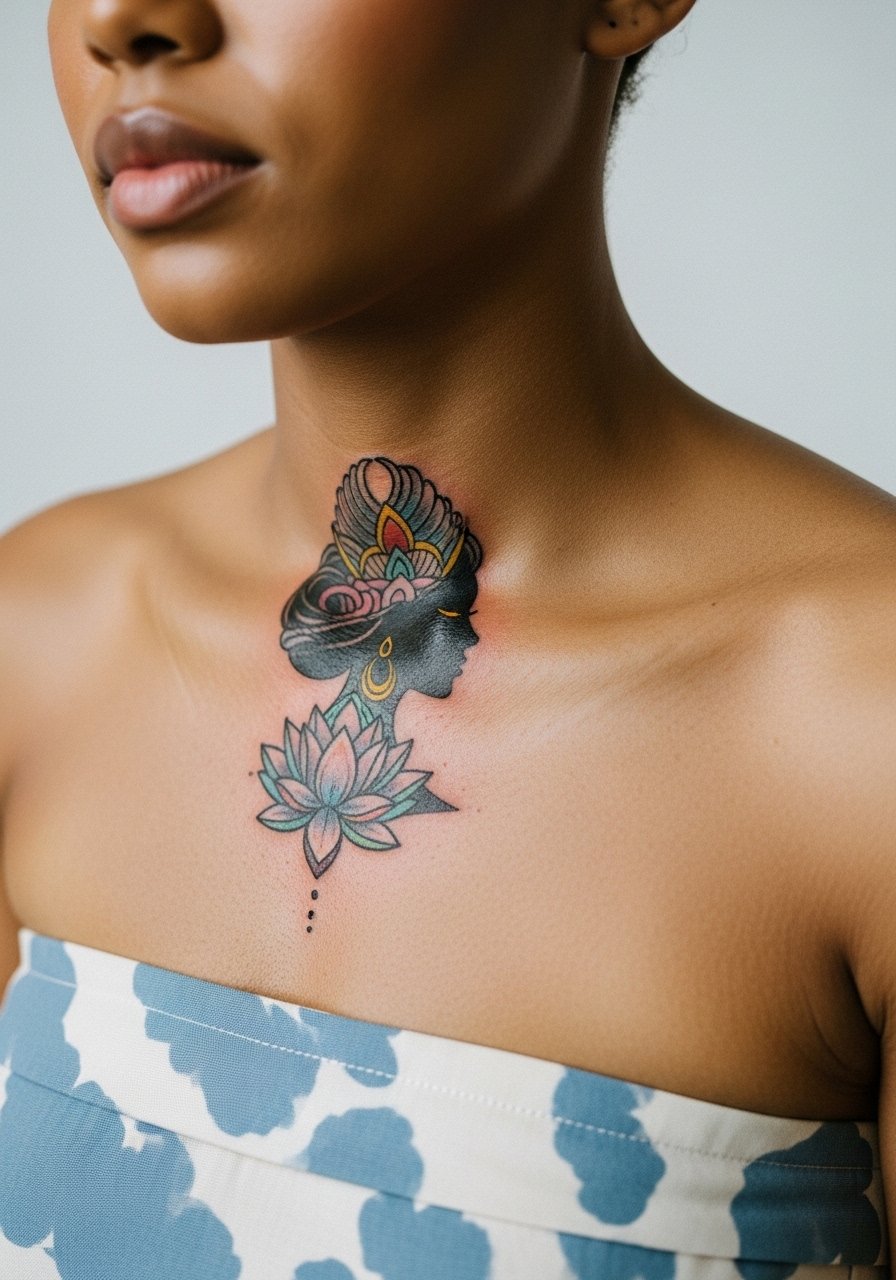
This collarbone piece reads like a small statement that lifts with clothing. Collarbone work is a 5 out of 10 for pain, and a 2-3 hour session will cover a 4-6 inch piece. Ask for bold outlines with saturation in the petals, that combo holds color longer than soft watercolor fills on this spot. A common aging error is too much pastel without contrast, which fades into a pastel stain. For show-off styling try a strapless midi dress. The session calls for a button-front or open cardigan so you can expose the shoulder easily.
3. Watercolor Triple Moon Phases on Upper Arm or Thigh
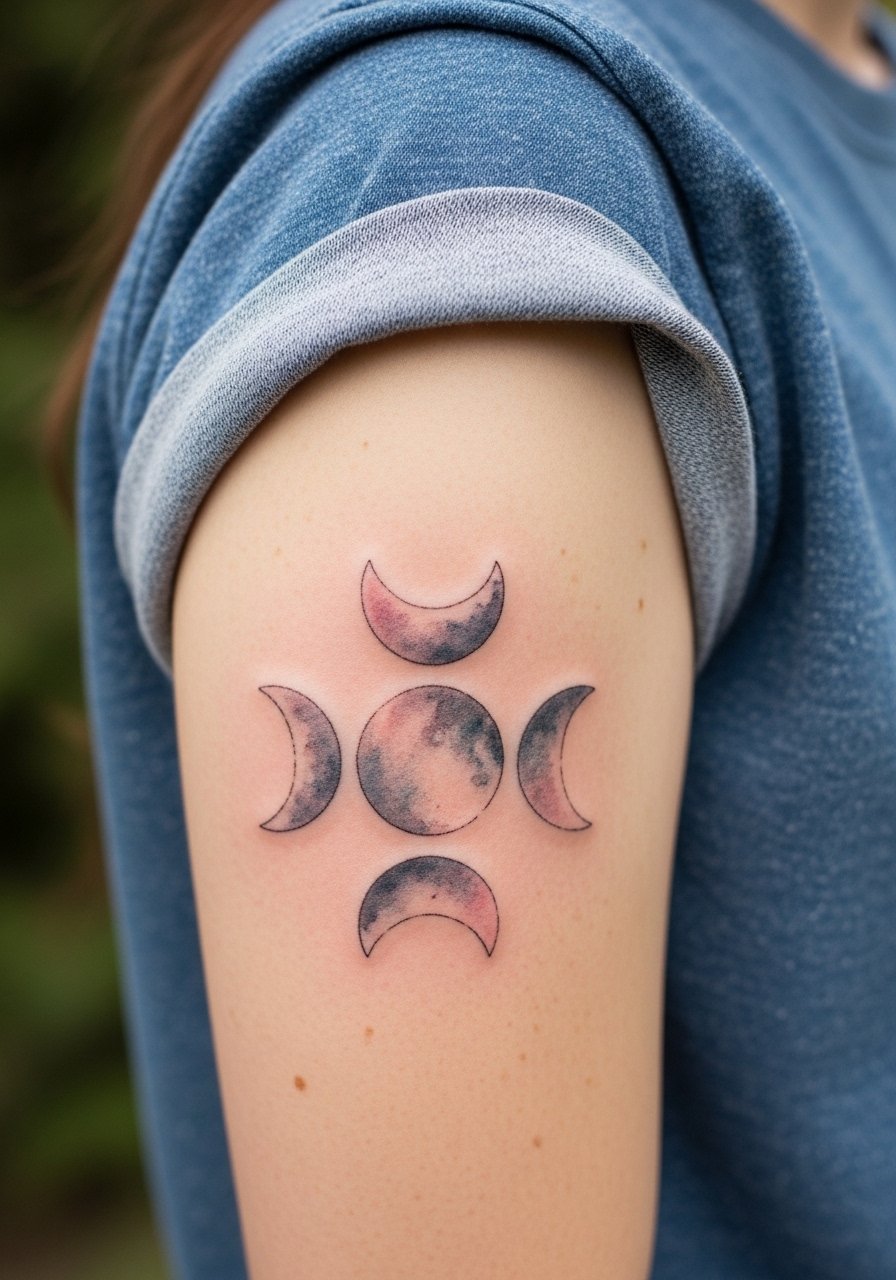
Watercolor gives a soft flow to the maiden, mother, crone motif but it requires realistic expectations. Pain on the outer upper arm is mild, often a 3 out of 10, and most artists finish a small set in one session. There is a real split in opinion about watercolor longevity. One camp prefers protective films and gentle balms to keep color vivid. The other camp says watercolor will always soften quickly and that blackwork is the option if you want decades of clarity. If you like the watercolor look, ask for a touch of linework around the moons so the shapes remain readable at year two. Showing it off pairs well with a high waisted A line skirt.
4. Minimalist Venus Symbol Integrated with Vines, Ankle or Finger
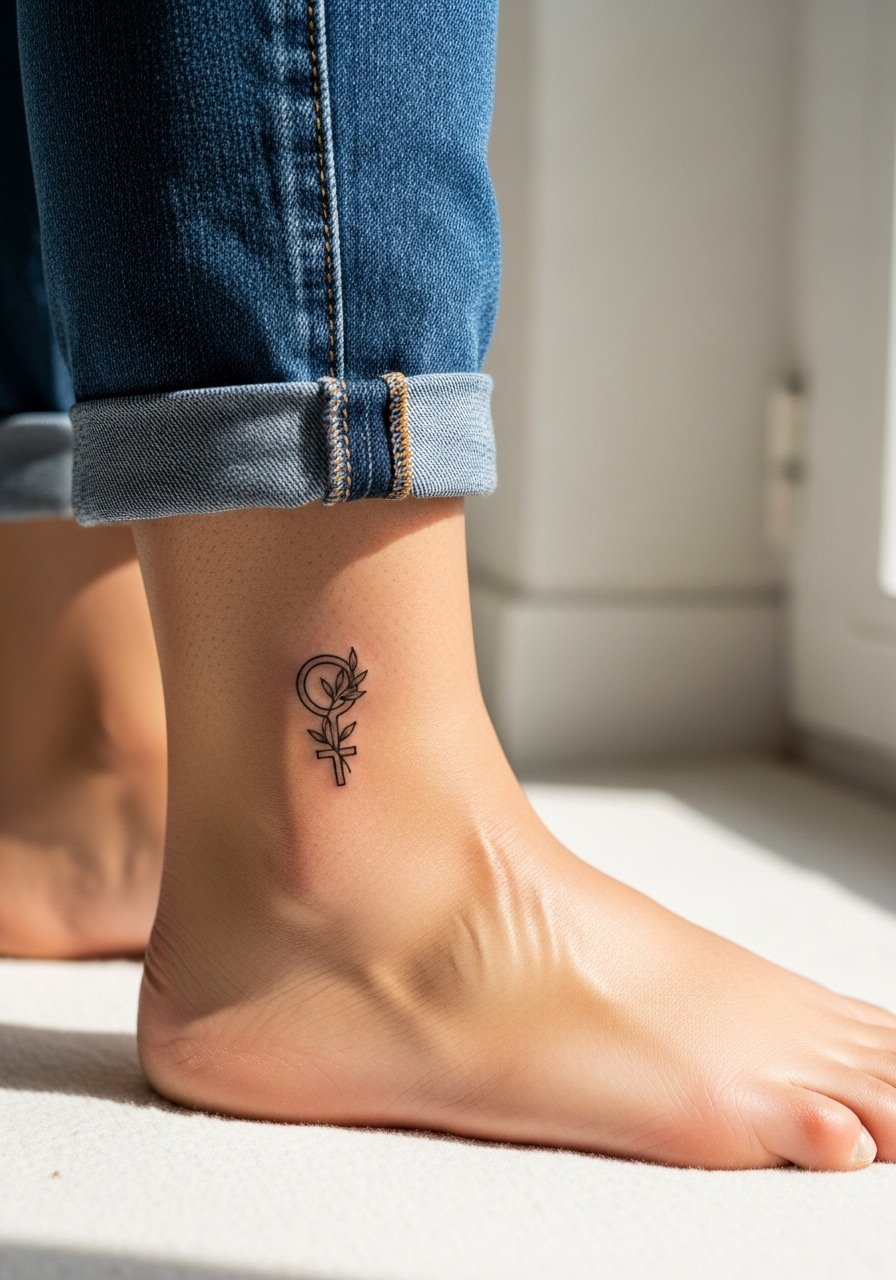
Tiny Venus motifs are an excellent starter piece for someone nervous about session length. Ankle and finger placements are visible daily so expect more friction and gradual softening. The ankle session is a 3 out of 10 but the finger can feel sharper and heals under constant washing. In consultation say you want reinforced primary lines and slightly more spacing in vine details to avoid premature blur. Avoid asking for micro hairline veins in the vines unless you are prepared for touch-ups. For summer outfits try cuffing wide-leg linen pants or pairing with strappy heeled sandals to frame the ankle.
5. Blackwork Ornamental Mandala with Goddess Eyes, Upper Back
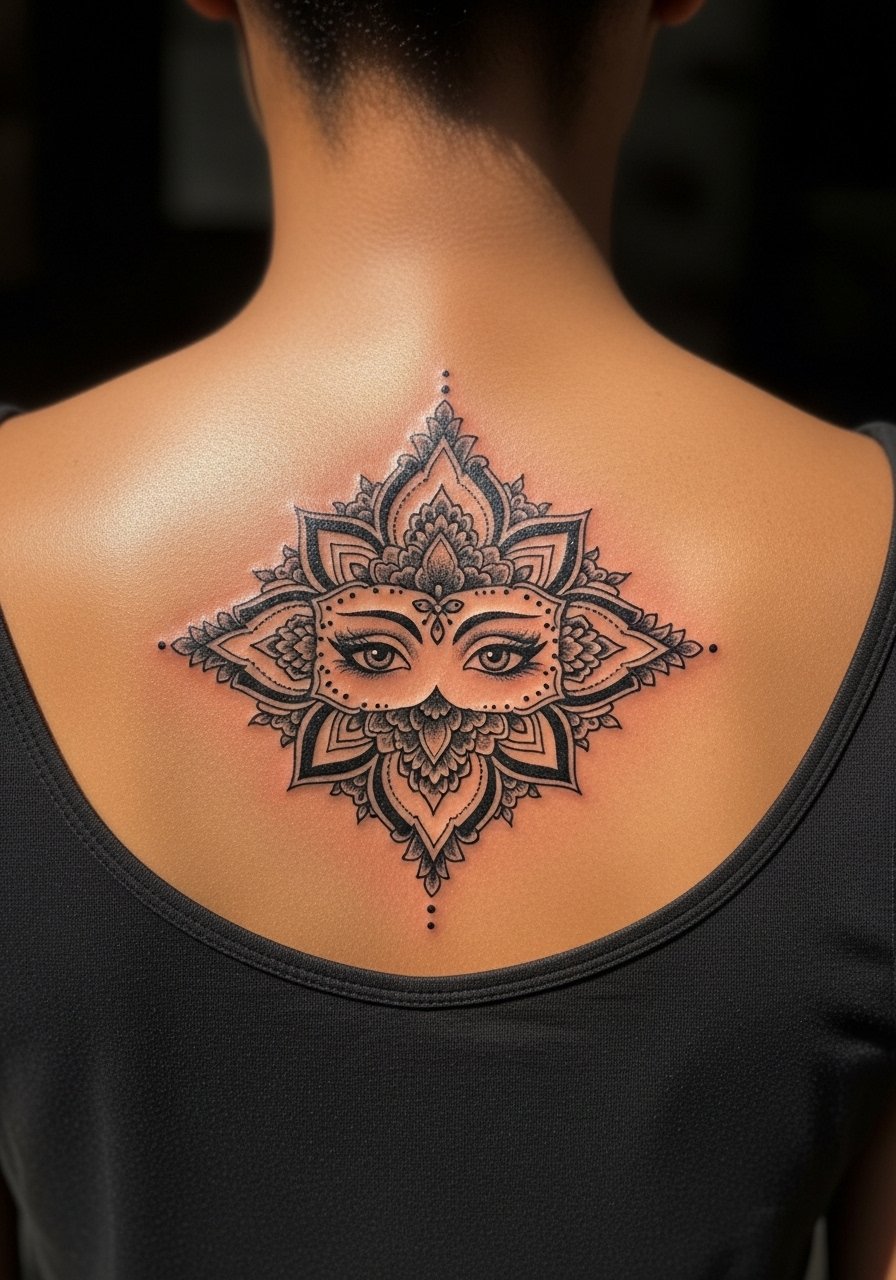
Upper back blackwork reads strong and meditative and it survives years of sun exposure if you commit to SPF. Sessions are medium length, expect 2-4 sessions for a 5-inch piece. Tell the artist you want high saturation in the dense fills and negative space breathing room around the eyes so the pattern does not merge. A mistake is packing too many tight dots in the center, which tends to muddy at year three. For showing off, an off-shoulder sweater or a halter top works well and keeps attention where the mandala lands.
6. Micro-Realism Blooming Rose with Halo, Inner Bicep
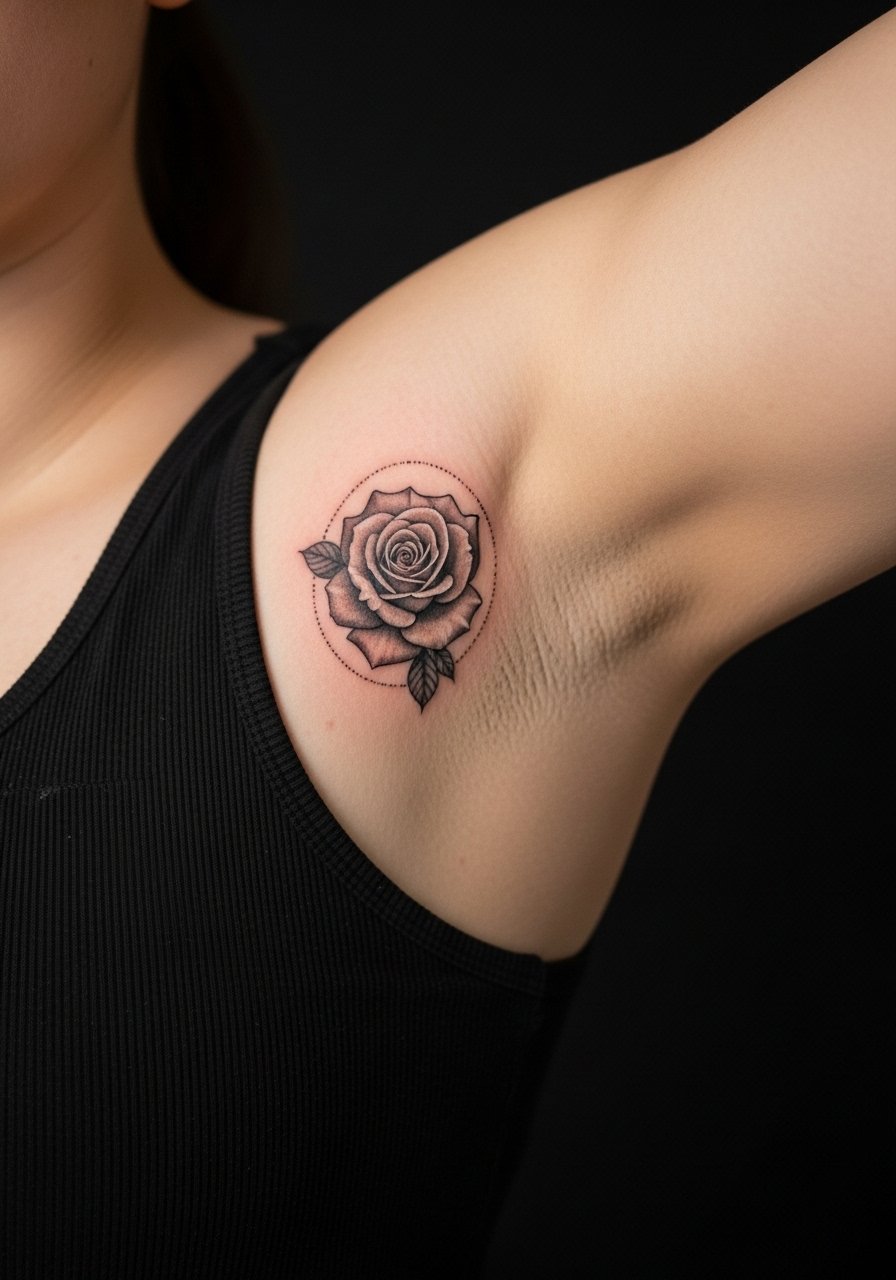
Inner bicep pieces hold detail nicely when placed and shaded for curvature. Expect a moderate pain level, often 5 to 6 out of 10, and plan a 1-2 hour session for a two-inch micro-realism piece. During consultation say you want contrast between the halo and the petals so highlights remain visible after healing. A common session mistake is asking for hyper-detail at too-small scale, which turns into a gray blot over time. Wear a linen button down shirt you can roll or pull aside during the session.
Studio Day Picks
The wrist and inner-arm pieces above heal differently from larger saturated work, so a few small items smooth the session and the first week.
-
Frida Kahlo herbal balm. Lighter texture than thick ointments helps watercolor and fine line pieces avoid clogged channels during the first few days of surface healing on wrists and ankles.
-
Tea Tree Tattoo Tint. Gentle antibacterial properties help prevent irritation on spots with friction like the ankle and finger placements in the ideas above.
-
No-Touch Aftercare Mist. Spray format reduces the need to rub lotions over fragile fine line areas, useful for inner arm and wrist pieces.
-
Rice Bran Oil Salve. Breathable plant-based salves are favored for darker skin tones where heavy greases can trap heat and cause irritation.
-
Aquaphor healing ointment. A thin layer in the first days locks moisture for small fine line work without over-saturating the skin.
7. Ignorant Style Abstract Feminine Curves with Stars, Outer Thigh
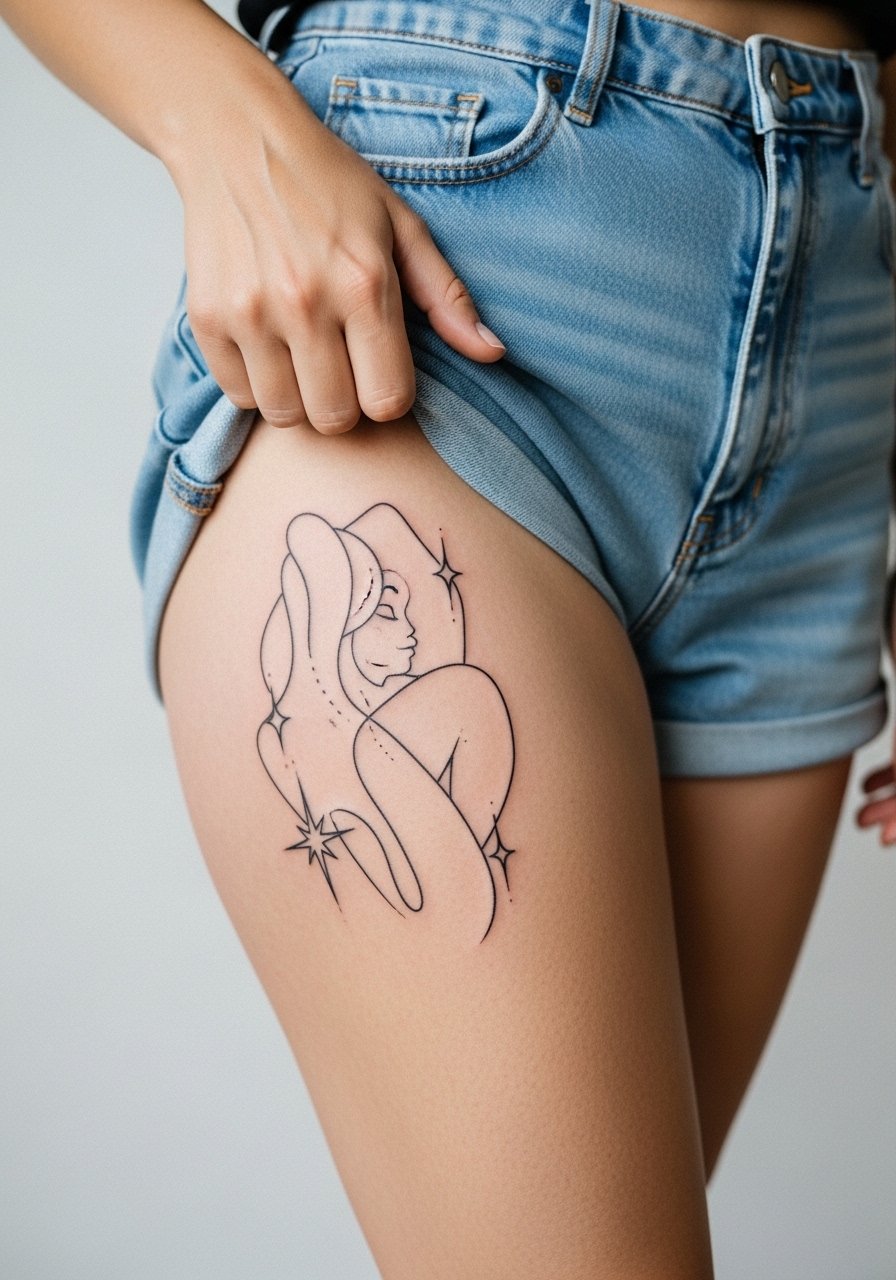
The outer thigh is forgiving for playful, graphic experiments that bend proportions. Pain is low in this fatty area and sessions can be spread across two appointments for 4-inch pieces. Ask for bold primary curves and lighter secondary strokes so the graphic keeps its shape if weight changes. A mistake is overly dense black near the curves, which can feel heavy and flatten the playful shape after healing. High-waisted A-line skirts or slit dresses make the thigh placement peek out without crowding the composition.
8. Fine Line Triple Spiral Goddess Knot, Wrist Wrap or Neck
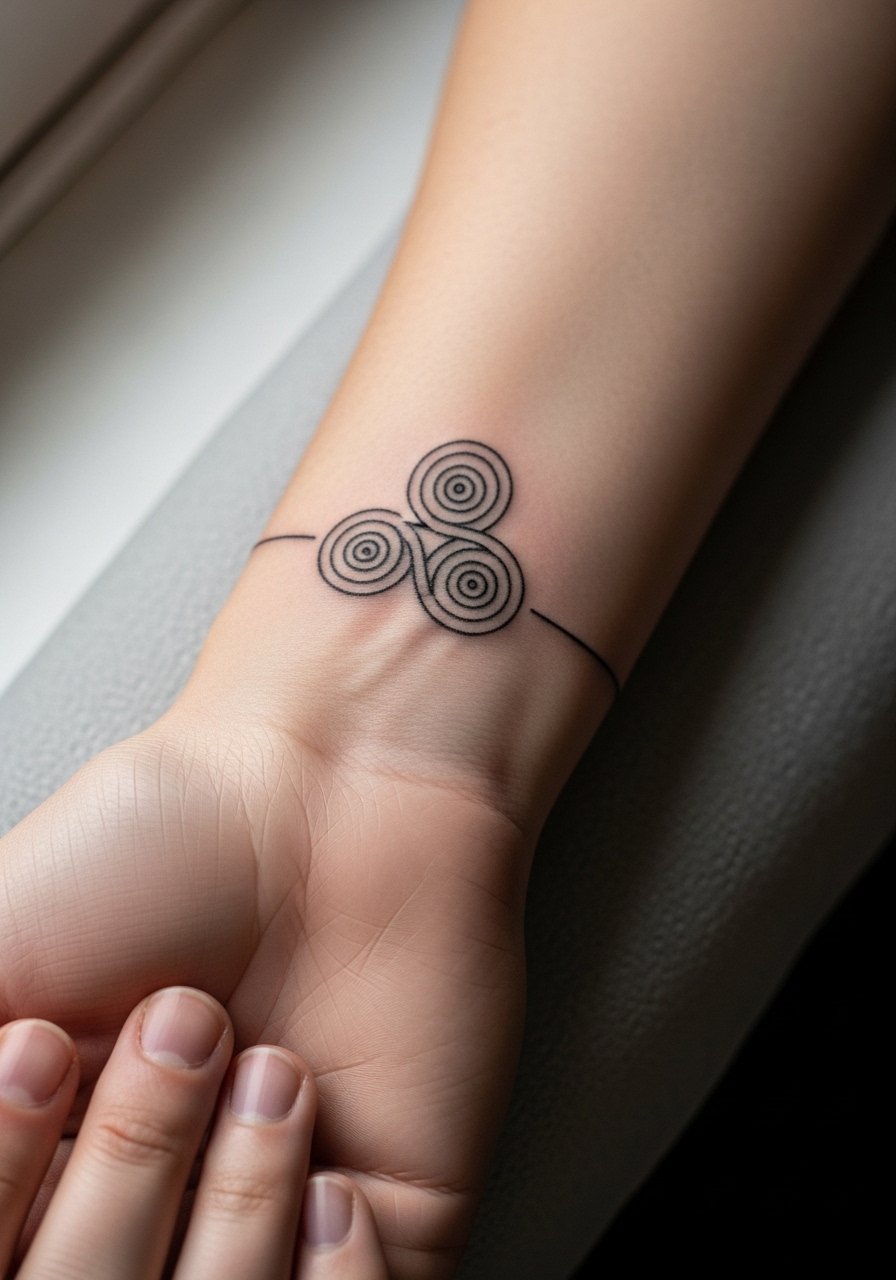
This Celtic-inspired knot is a neat option for someone who wants a cuff that reads symbolic, not ornamental. Wrist wrap pain is about a 4 out of 10 and one session usually does it. There is a debate in the community about fine line durability on wrists. One group says wrists soften and lines merge within two years. The other group says with correct depth and spacing a fine line cuff can remain readable for five years. Ask your artist which approach they use and request slightly heavier anchor lines if you prefer longevity. Pair the design with thin chain bracelets for a layered effect.
9. Neo-Traditional Angel Wings with Moon, Shoulder Blade
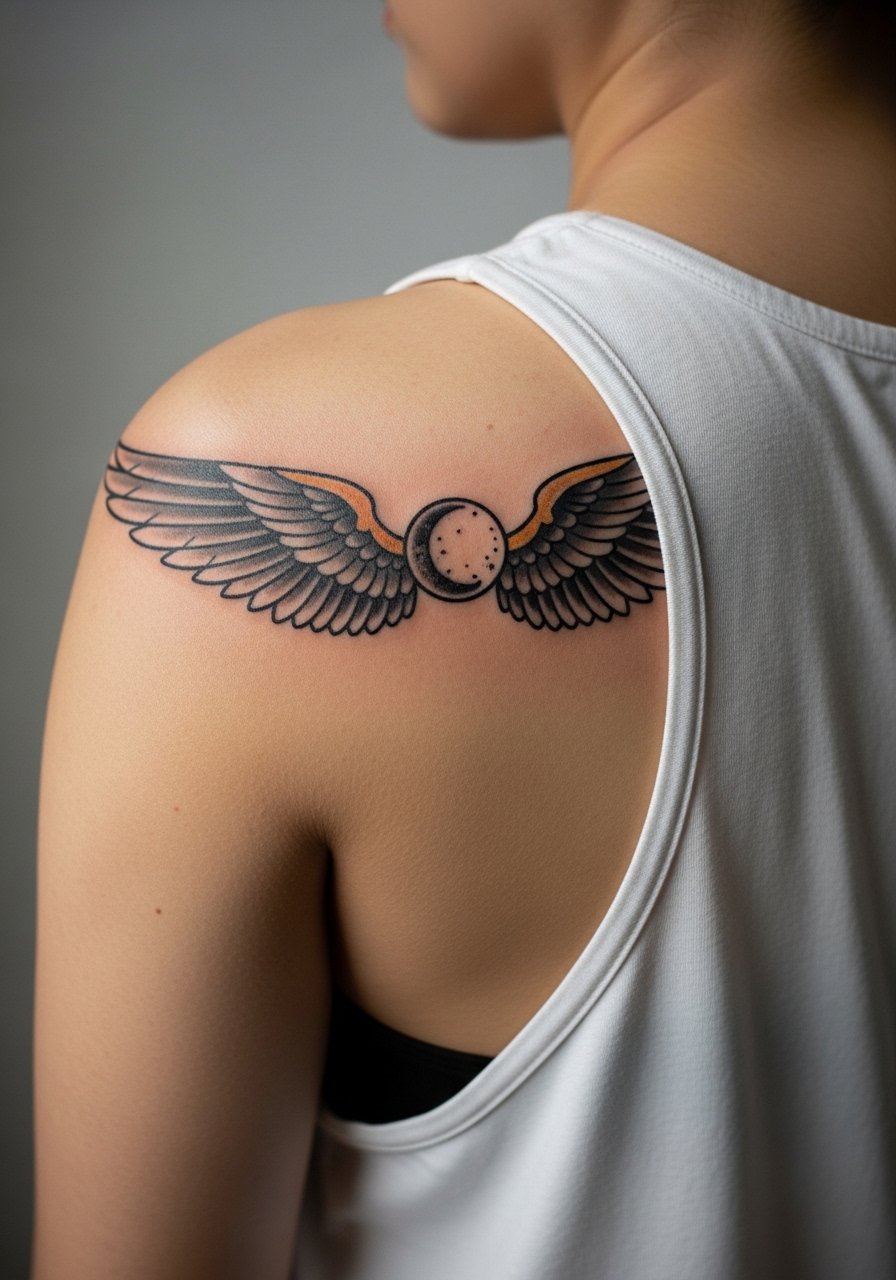
Shoulder blade canvas lets color breathe and avoids constant abrasion, so saturated neo-traditional pieces hold well. This placement rates a 3 to 4 on most pain charts and a single three-hour session can get a five-inch piece started. Ask for bold outlines around wing tips and a color palette with a darker anchor tone to avoid the washed-out look in a few years. A frequent mistake is tiny feather detail packed into too-small spaces, which loses definition as it heals. Show it off with off-shoulder tops or a halter neck top.
10. Watercolor Snake Coiling Around Pomegranate, Forearm
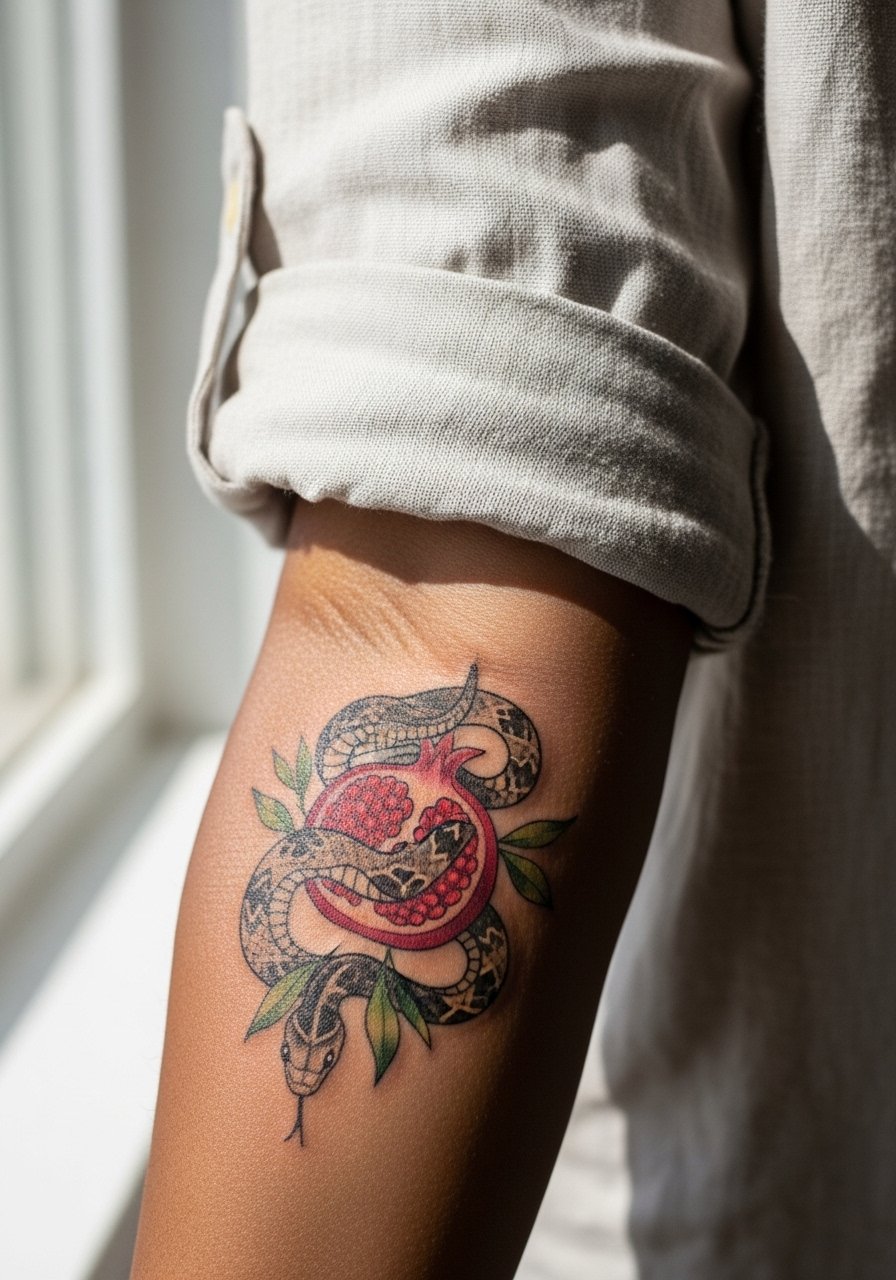
Forearm placement gives the snake motif a linear stage where motion reads well. Pain is moderate and sessions often last 1 to 2 hours depending on color complexity. Since watercolor can fade faster, ask for a dark outline or a micro-realism shadow to keep the silhouette intact. The common regret is too-soft fills without anchor lines, which bleed into a blur by year three. For the session wear a loose button-down you can roll, and for evenings pair the piece with rolled-up linen sleeves to frame the composition.
11. Minimalist Unicorn Horn with Crystal, Collarbone Accent
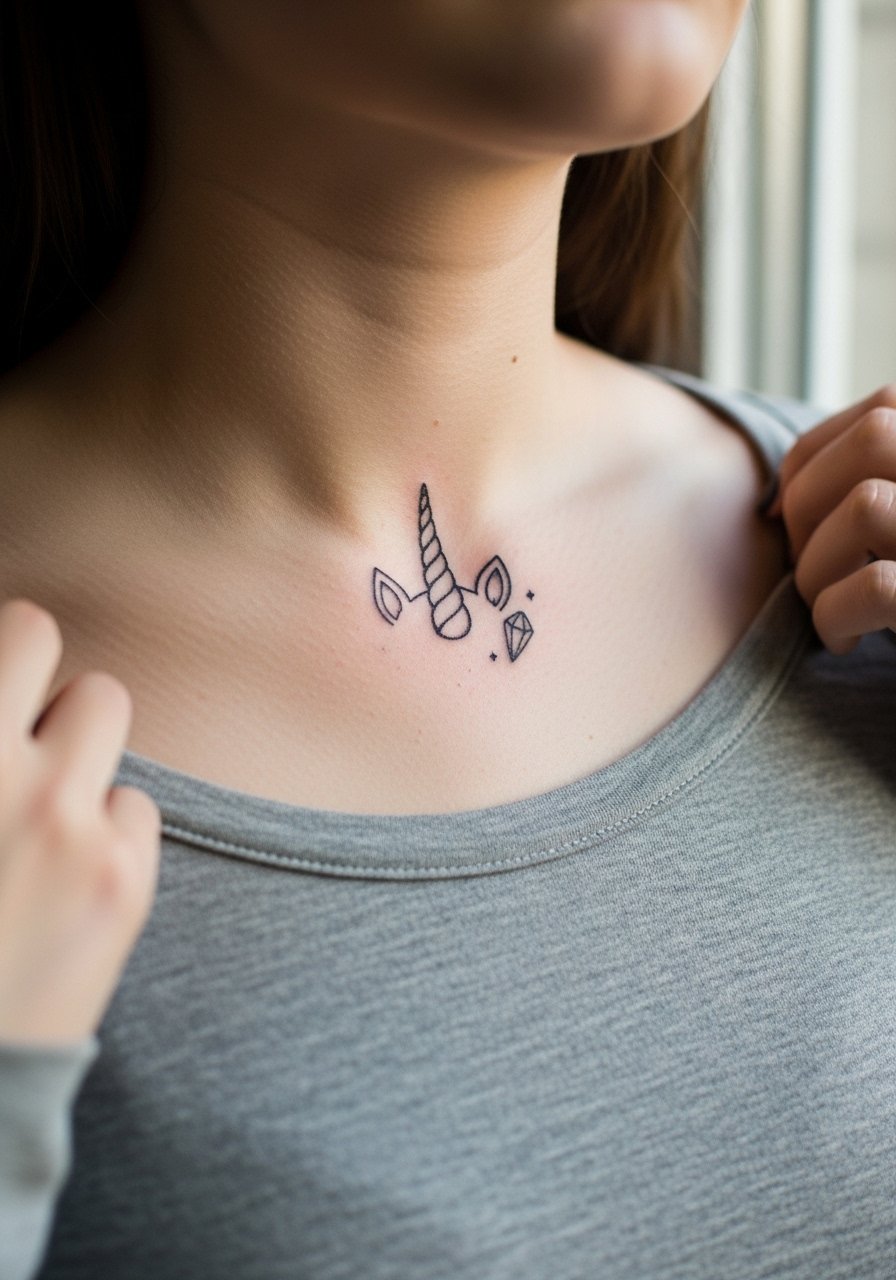
A tiny horn and crystal on the collarbone gives a little magic without a long session. Collarbone sensitivity is a 4 to 5 on most scales and a one-hour appointment typically suffices. Ask your artist for a clean outline and a tiny highlight dot in the crystal so it keeps a spark as the lines age. The mistake I see is too many internal facets in a very small crystal, which becomes color noise after healing. Pair with layered pearl necklaces that sit under the design for evenings out.
12. Blackwork Medusa Head with Serpents, Upper Thigh or Back
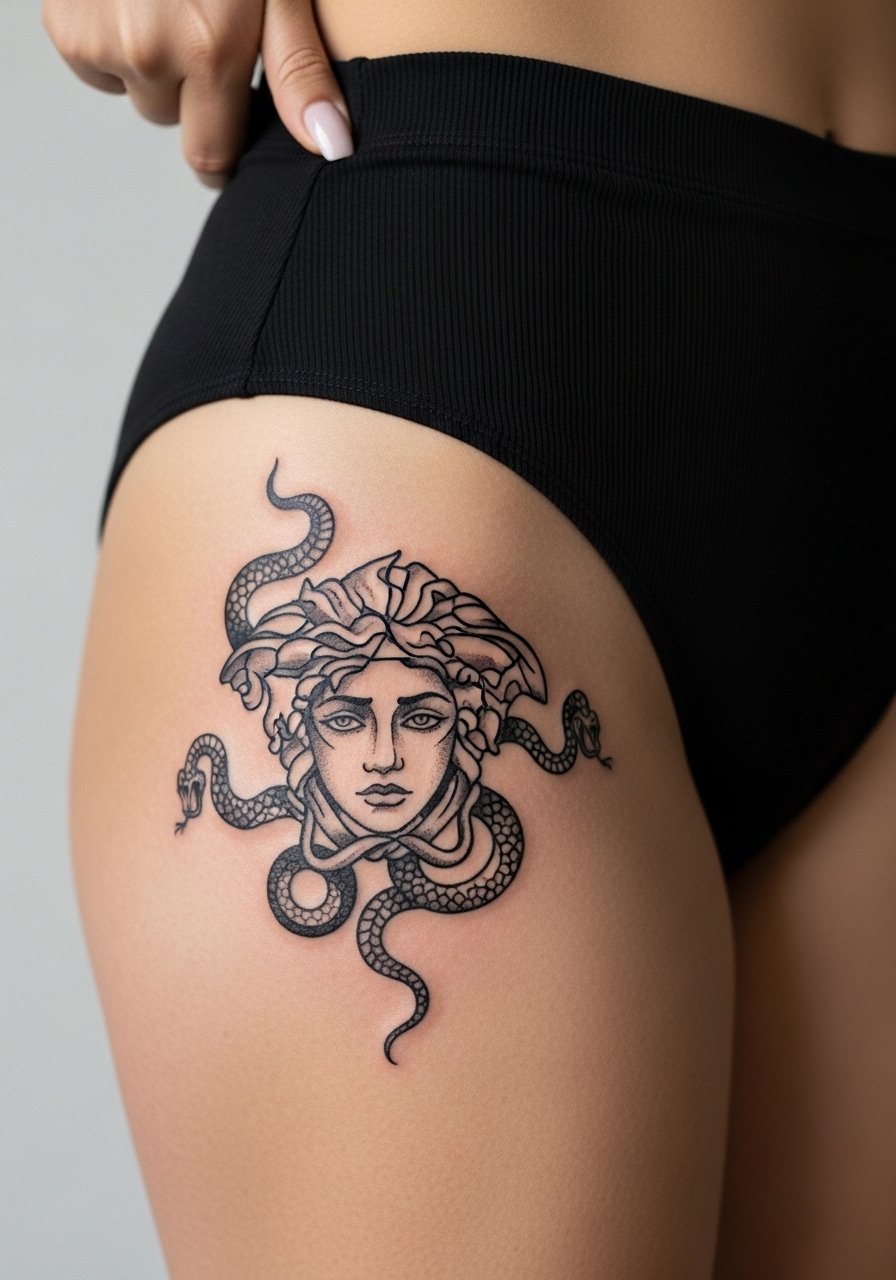
Medusa motifs read as reclamation pieces for many people and they need space to breathe. Upper thigh is ideal for a large blackwork Medusa because the skin stretches less frequently than ribs. Expect a heavier session, possibly 3 to 5 hours over multiple visits. Tell your artist you want negative space around the face so the serpents do not swallow facial definition. If you plan placement on the back, consult about mattress pressure while sleeping, which can affect healing. For cultural images like Medusa, make sure the design references roots without direct appropriation and consider small stylistic alterations.
13. Fine Line Peony with Watchful Eye, Inner Ankle
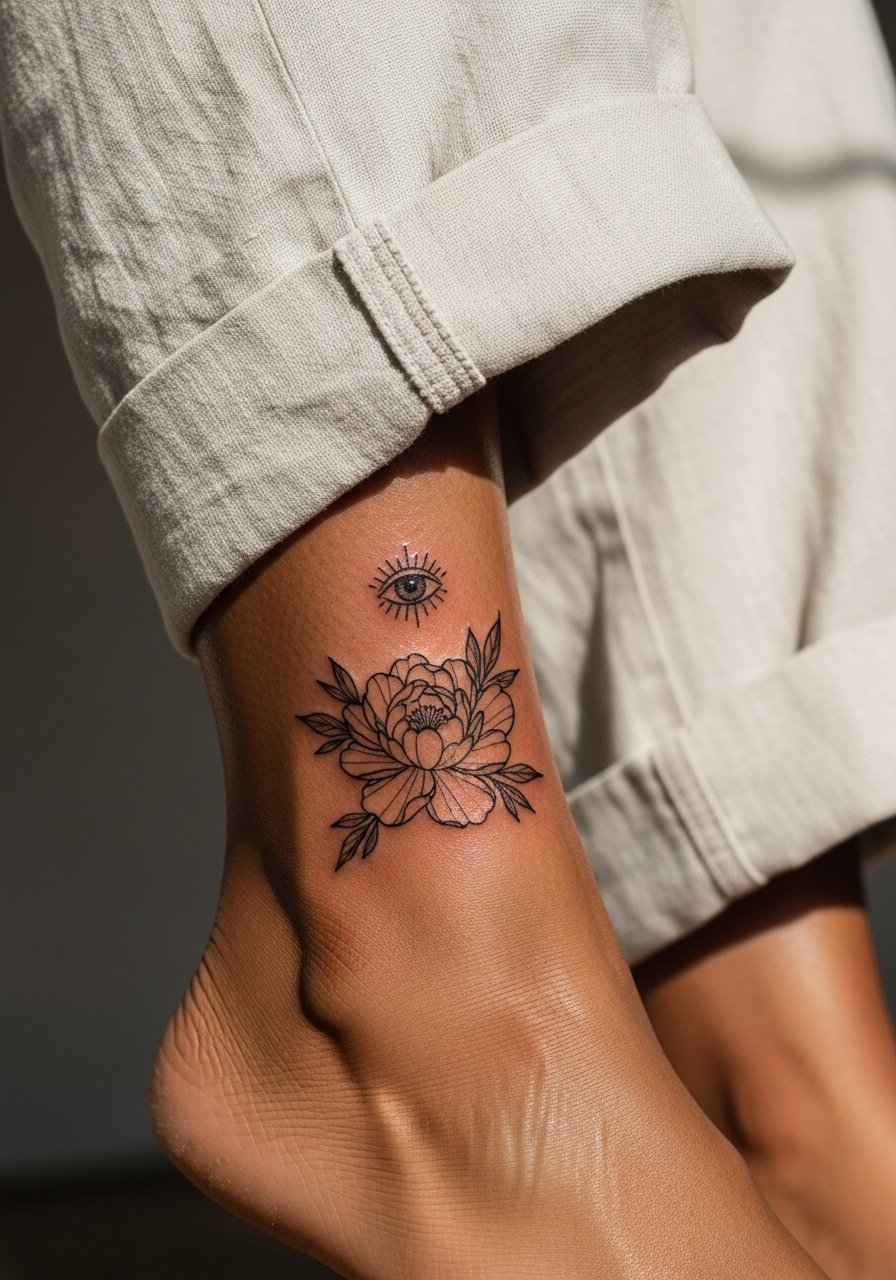
Inner ankle peonies are delicate and age depends heavily on footwear and friction. The ankle is a 3 to 4 on the pain scale and a one-session tattoo will usually finish a small peony. For darker skin tones ask to see healed examples on similar skin and consider slightly heavier main lines so the bloom keeps its shape. A common mistake is requesting ultra-thin stippling exclusively for shading, which can vanish on darker tones. Pair this with cuffed wide-leg linen pants or dainty sandals when you want to show it off.
14. Layered Holograph-Style Micro-Realism for 3D Feminine Energy, Outer Arm
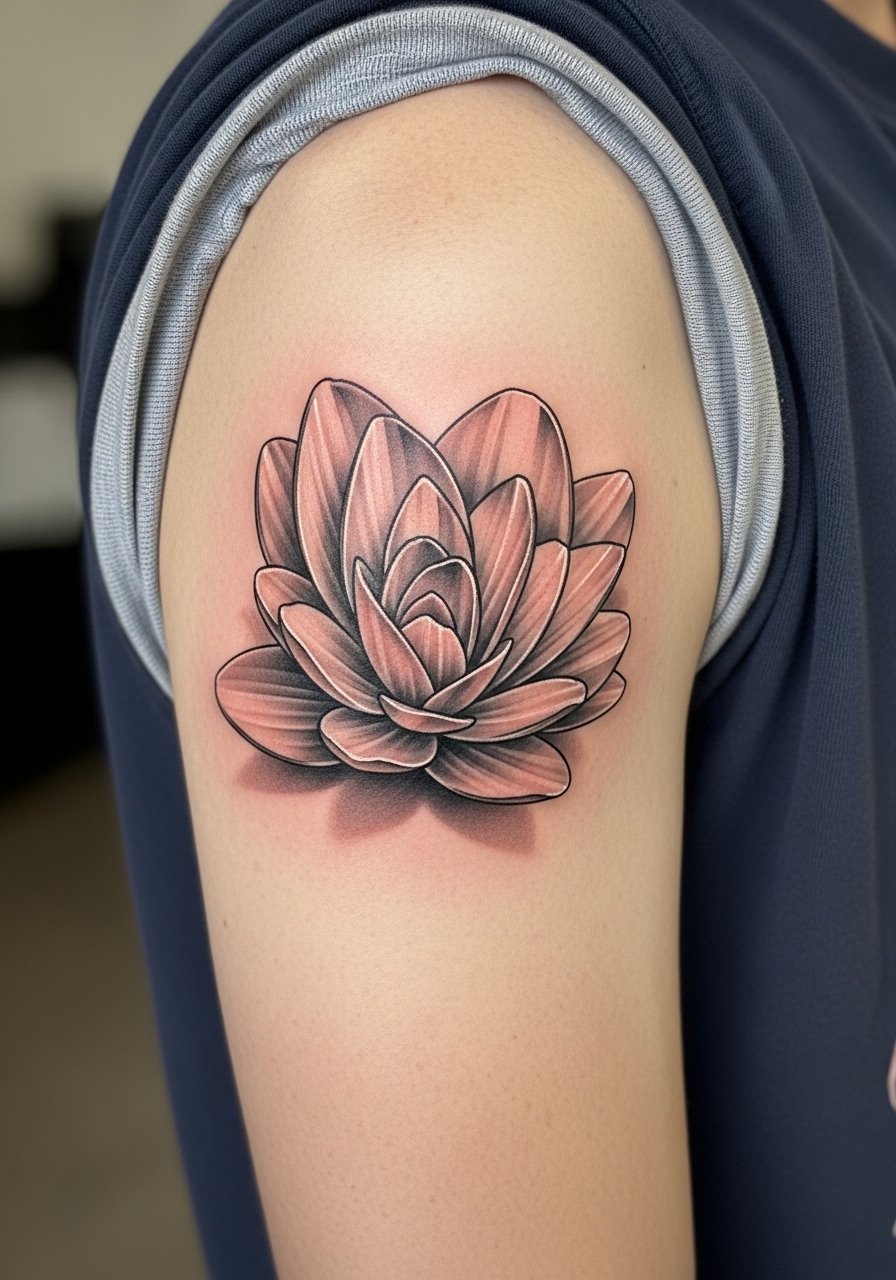
This is one of the more experimental ideas that plays with subtle highlights to read three dimensional. Outer arm placement keeps motion from distorting the illusion, and pain is mild. Sessions involve careful shading and often a verification photo from different angles so the layers read correctly. The usual misstep is over-saturating highlights, which flattens the effect. For consultation, show multiple reference photos and ask the artist to test a small patch first. This style looks striking when you roll short sleeves and let the layered effect peek out.
15. Heritage Symbol Integrated with Modern Florals, Knuckle or Hand Variant
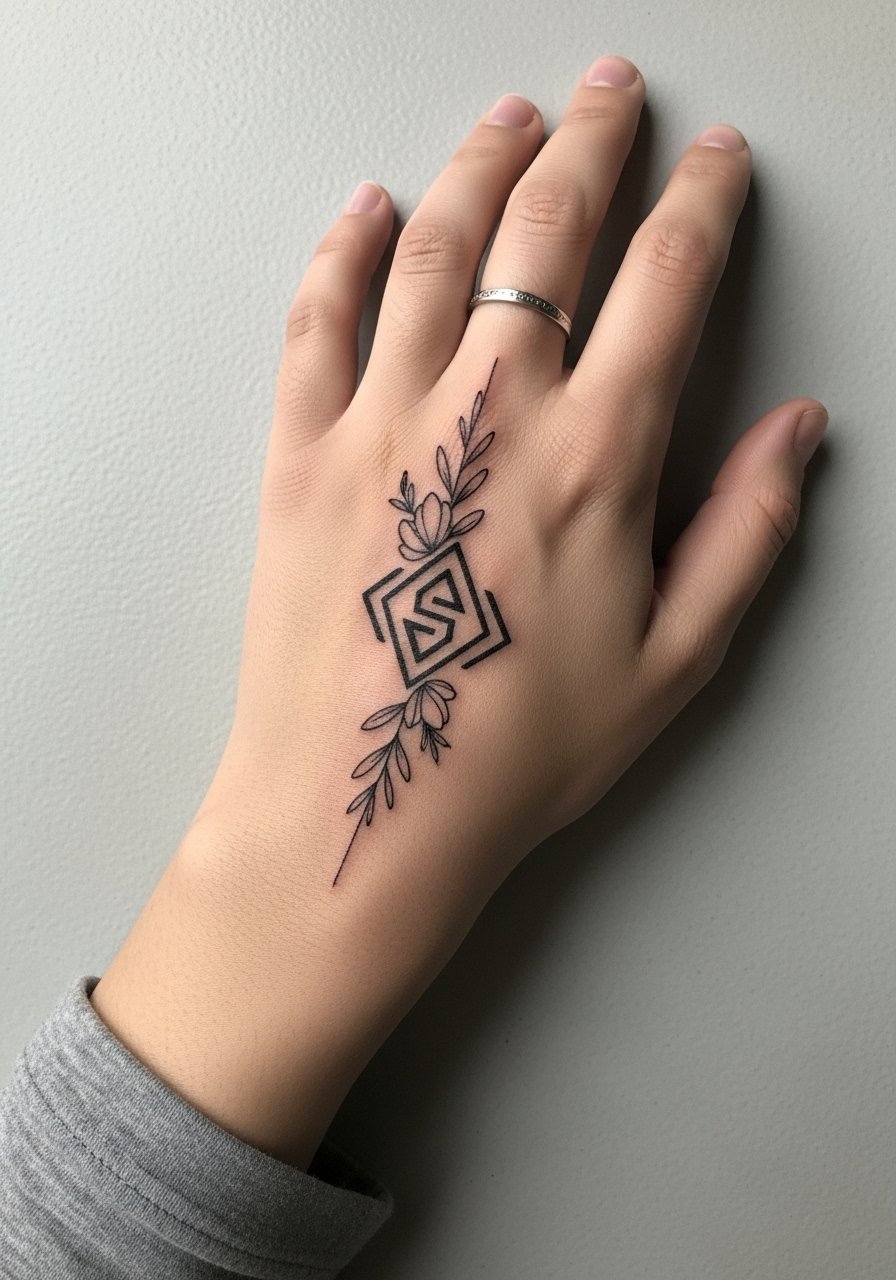
Knuckle and hand placements are visible constantly and they demand thought about career implications. Pain is higher here and sessions feel sharp because the skin is thin. When integrating cultural motifs, state the origin to the artist and request a respectful interpretation rather than a direct replica. A frequent mistake is shrinking a heritage symbol to a size that loses its identifying strokes. Hand tattoos also lose crispness fast because of washing and sun exposure, so plan for touch-ups. If you need discretion, consider the inner finger or side-of-hand placements instead.
16. Hidden Pomegranate Seed Pattern, Upper Hip or Inner Thigh
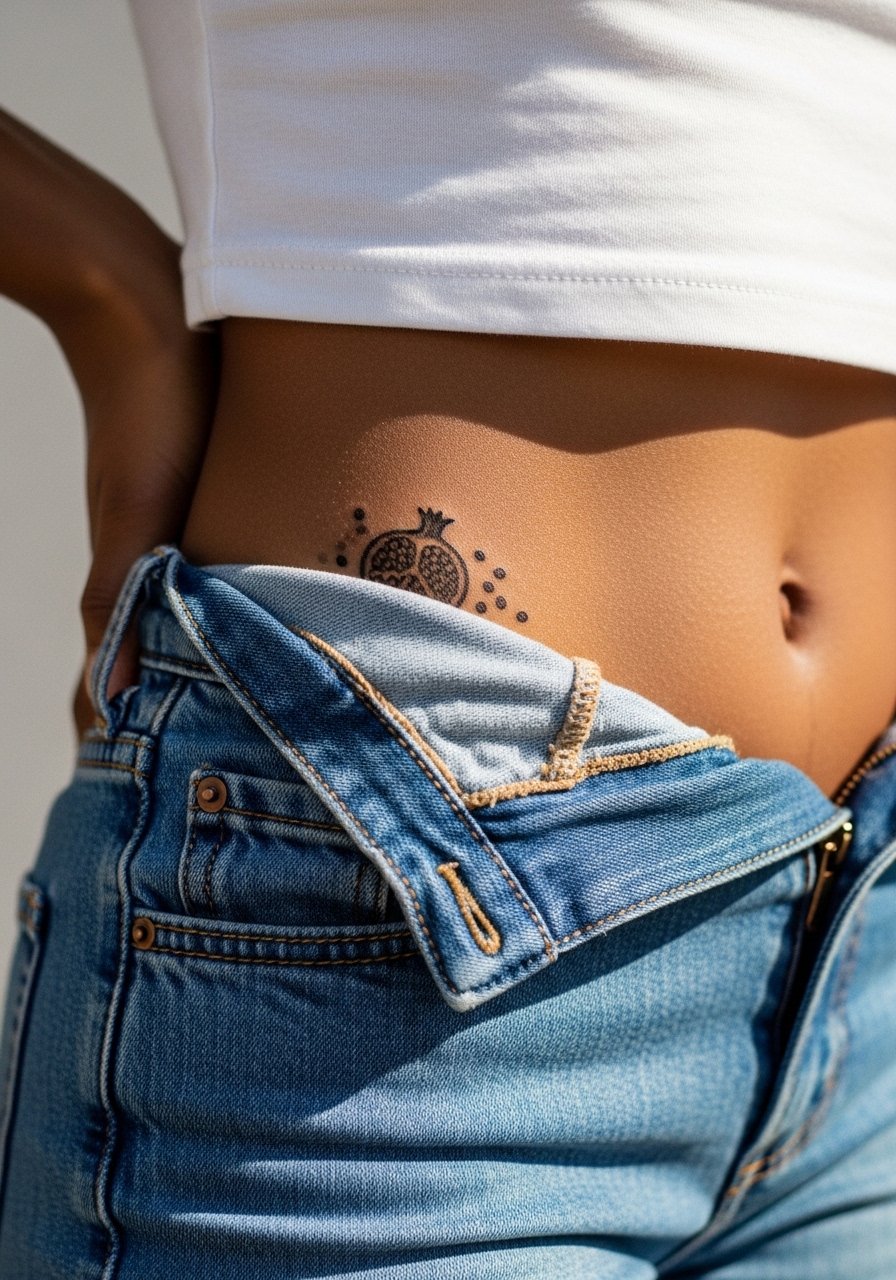
A concealed pomegranate pattern gives fertility references without front-and-center display. Inner thigh and hip sessions are higher on the pain chart, usually 6 out of 10 for the inner thigh, and may require a relaxed appointment environment. Ask your artist about placement relative to waistband seams to avoid long-term abrasion. The usual mistake is placing the design too close to seam lines that rub during daily movement. For evenings or photos consider pairing with a side-slit dress so the motif can remain hidden or visible depending on your outfit.
17. Micro-Minimalist Venus with Crystal, Tiny Wrist Accent
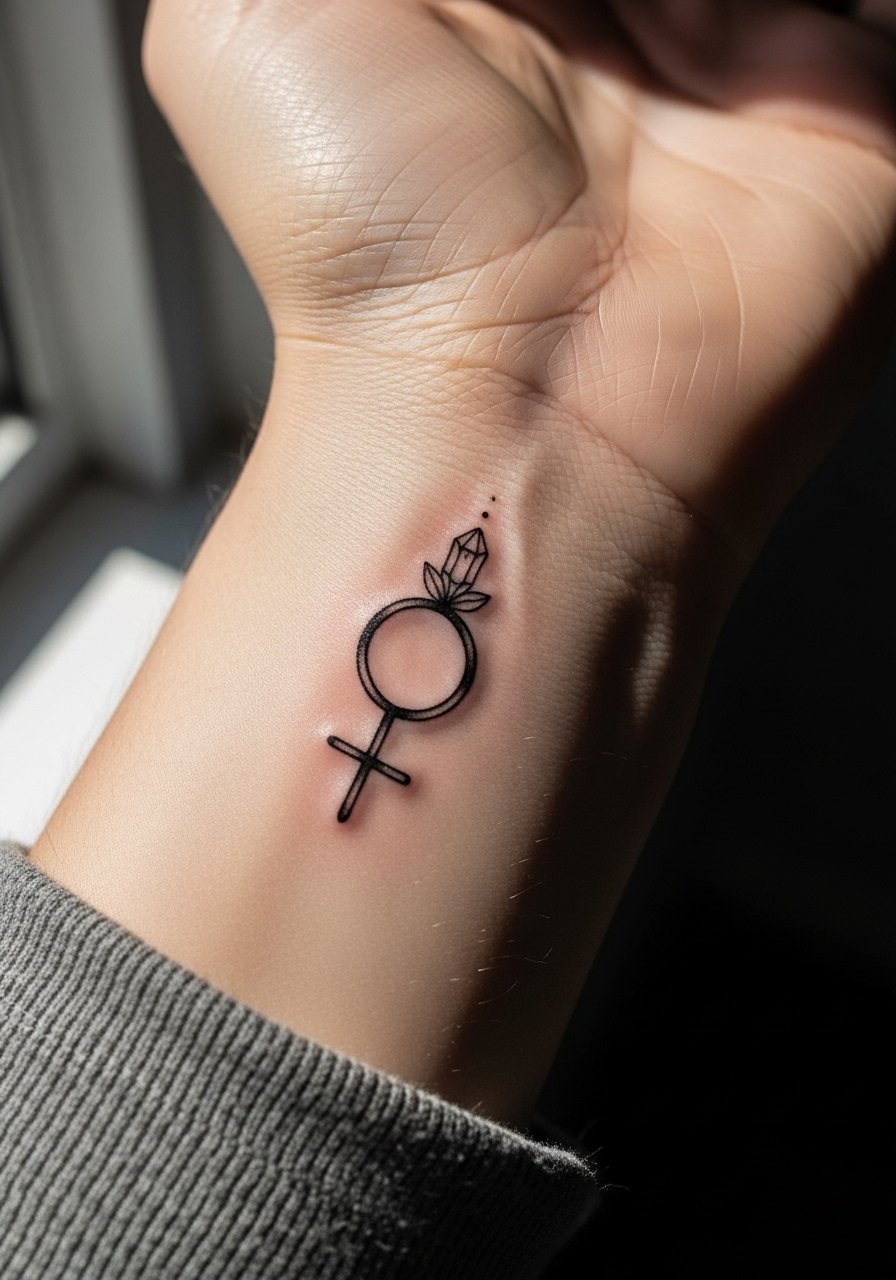
Micro pieces on the wrist are subtle and tend to demand gentle aftercare because of constant movement and washing. Pain level is 4 out of 10 and sessions are quick. Ask for a small anchor dot and slightly thicker main strokes to avoid diffusion of the symbol over time. People often make the mistake of packing too much micro detail into a 1-inch piece. Pair with a thin chain pendant or stacked dainty bracelets when you want to highlight rather than hide it.
18. Neo-Traditional Goddess Back Panel, Upper Back to Spine
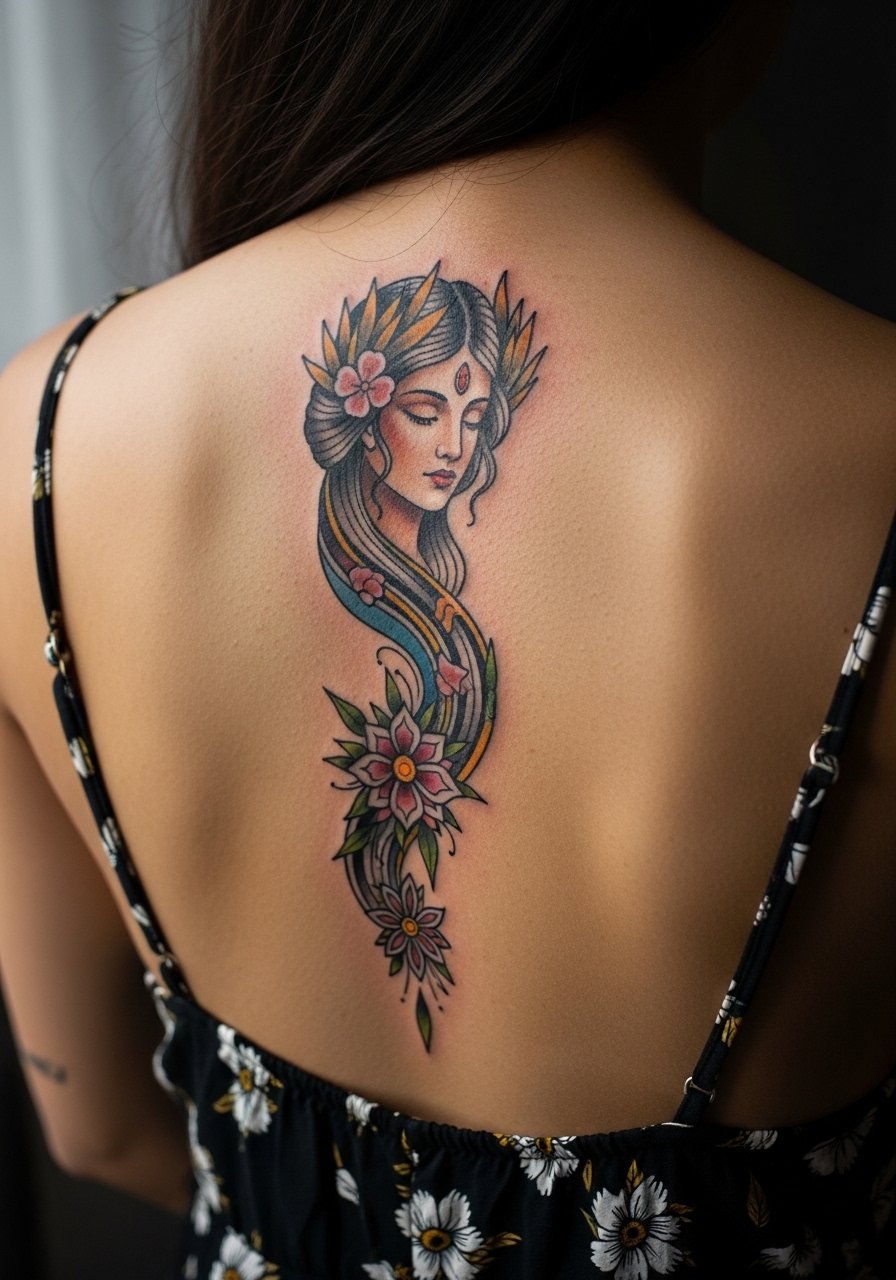
A vertical back panel reads dramatic and gives the artist room to mix florals, figures, and negative space. Back pieces have moderate discomfort and usually require multiple long sessions. Ask for anchor lines along the spine and a color palette with mid-tones so the piece keeps contrast in low light. A mistake is cramming the backbone with tiny elements that lose separation at distance. For show-off moments a backless sundress frames the panel without competing.
19. Blackwork Ornamental Ribcage Variant, Side Torso
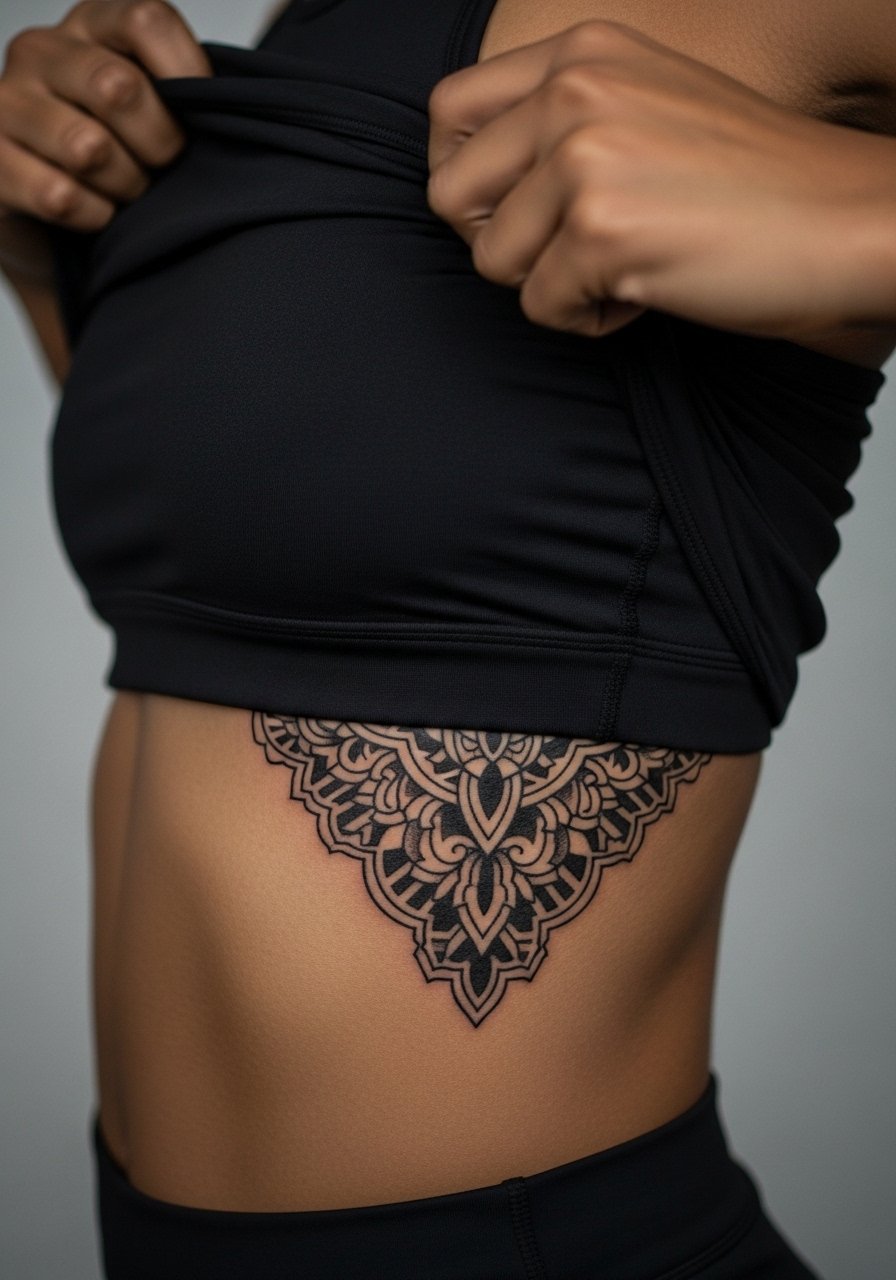
Ribcage placements create striking silhouettes but they are famously painful, often an 8 out of 10 for many people. Sessions may be cut into shorter appointments to manage tolerance. Artists differ on whether fine line belongs on ribs at all. One camp says skin movement and breathing will soften lines faster than elsewhere. The other camp believes with proper depth and spacing fine line can settle acceptably. If you pick ribs, plan for longer recovery and discuss session pacing with the artist. Consider a cropped top or sports bra for the session so the area is exposed safely.
20. Playful Ignorant-Style Curves with Stars, Outer Calf
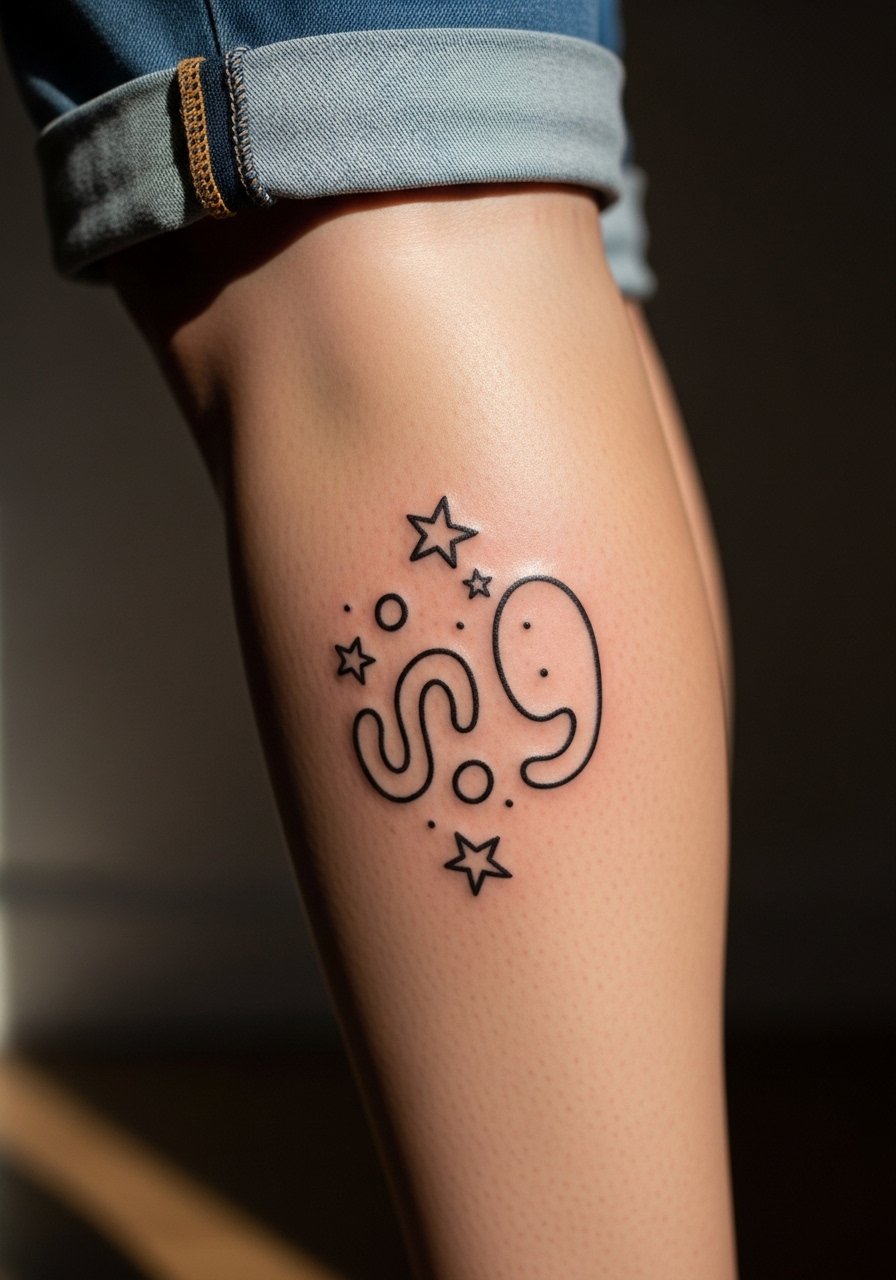
The calf gives good canvas for larger graphic experiments while staying discreet under pants. Pain is moderate and sessions are comfortable for most people. Ask for confident single-pass strokes for that loose, playful edge so the curves do not become mush when healed. Mistakes include reworking lines into multiple thin passes, which can create a feathered look later. For session wear, loose shorts or a skirt make access easy and keep pressure off the area immediately after.
21. Tiny Venus Spiral on Finger or Ankle, Visible Seasonal Piece
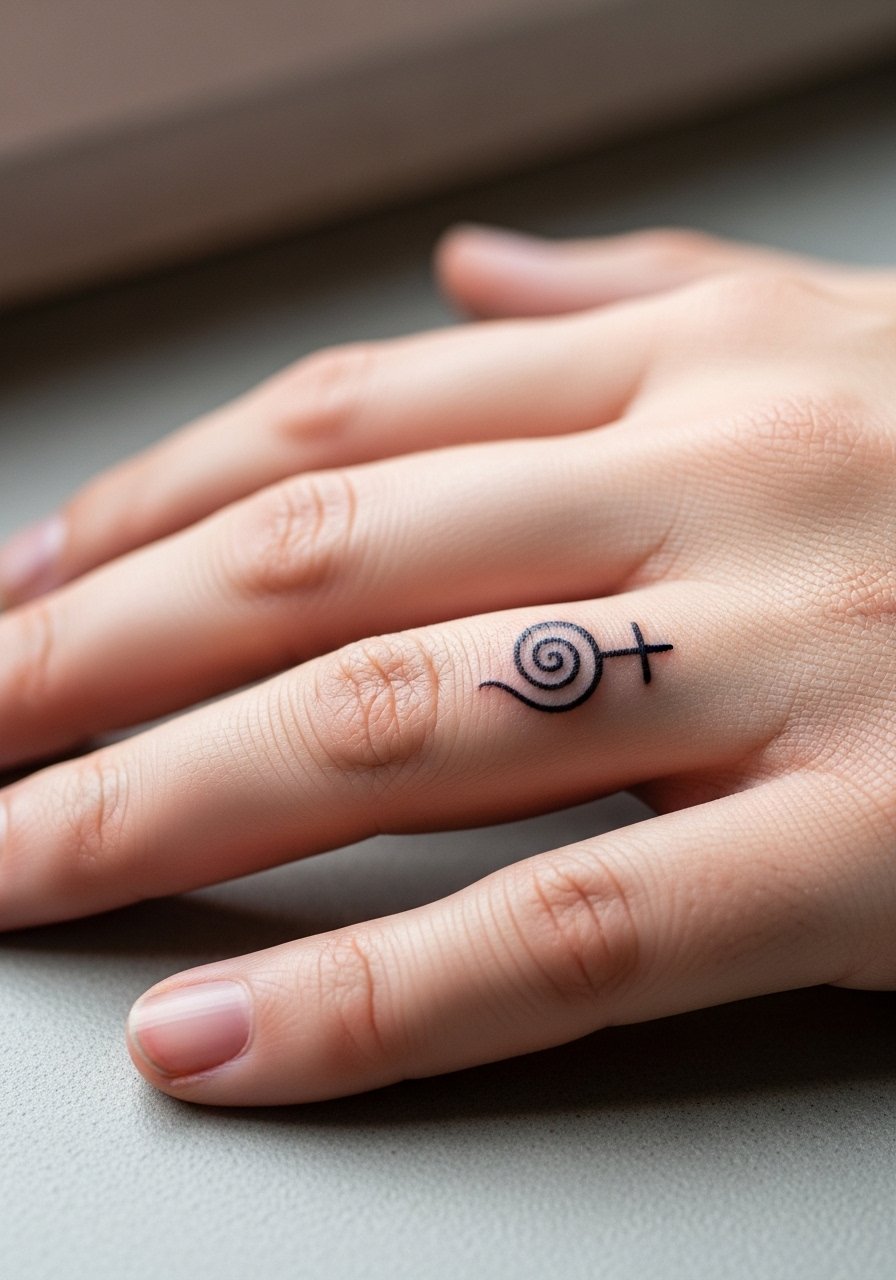
Small spirals on fingers or ankles look cute and can be great first tattoos if you accept the maintenance. Fingers see the most washing and contact, so plan for touch-ups. Pain on a finger is a 5 out of 10 and sessions are fast. Ask for slightly bolder main strokes because ultra-fine lines on knuckles and fingers often wash out first. Also consider placement on the side of the finger rather than the pad. For summer reveal pair with minimal rings or a dainty cuff so the spiral gets the spotlight.
Frequently Asked Questions
Q: How should I ask about fine line durability during a consultation?
A: Say you want to see healed photos on skin tones similar to yours and ask which line weight they recommend for year-three clarity. Mention your daily habits like frequent hand washing or tight clothing so the artist can advise spacing and anchor lines.
Q: Do watercolor tattoos need different healing than blackwork?
A: Yes, watercolor often relies on soft pigments without heavy outlines so avoiding direct scrubbing and heavy friction helps retention. Some artists and clients use protective film in the first 24 to 48 hours while others prefer dry healing. Ask the artist how they handle touch-up timing for pastels.
Q: What should I wear on session day for a collarbone or shoulder tattoo?
A: Choose a button-front top or a strapless piece that you can remove or shift without twisting your torso. A loose button-down or a loose tank top makes access easy and keeps the area clean after the stencil is applied.
Q: Should I expect touch-ups for wrist and ankle fine line pieces?
A: Yes, wrists and ankles see more movement and abrasion so a light touch-up at year two to three is common for those tiny types. Planning for that now avoids surprise later.
Q: How do I find artists who work with these styles without naming specific shops?
A: Search relevant hashtags like #FineLineGoddess and #NeoTraditionalFeminine on social platforms and filter by location. Use portfolio sites and booking apps that let you sort by style and past healed photos, then request a short video or healed shots on your tone before booking.