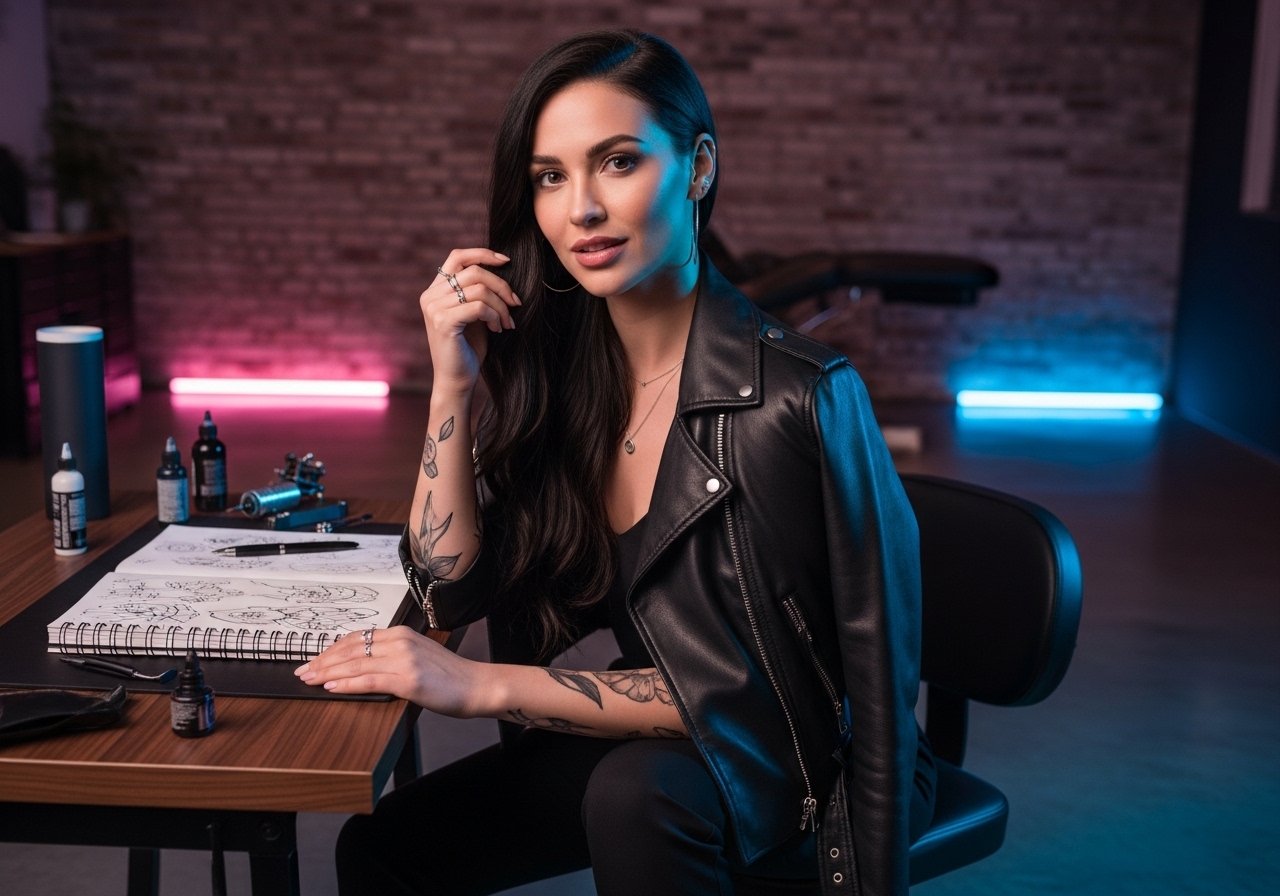
Fine line Ellie Williams tattoos are everywhere on feeds right now, but what shows up in a year rarely matches the screenshot. Small motifs read crisp when placed on low-friction skin and spaced properly. This list focuses on delicate, character-led ideas that keep their shape, what to ask for in consultation, and how to style them so the design still reads as Ellie-inspired after the first touch-up.
1. Tiny Guitar Pick on the Inner Wrist
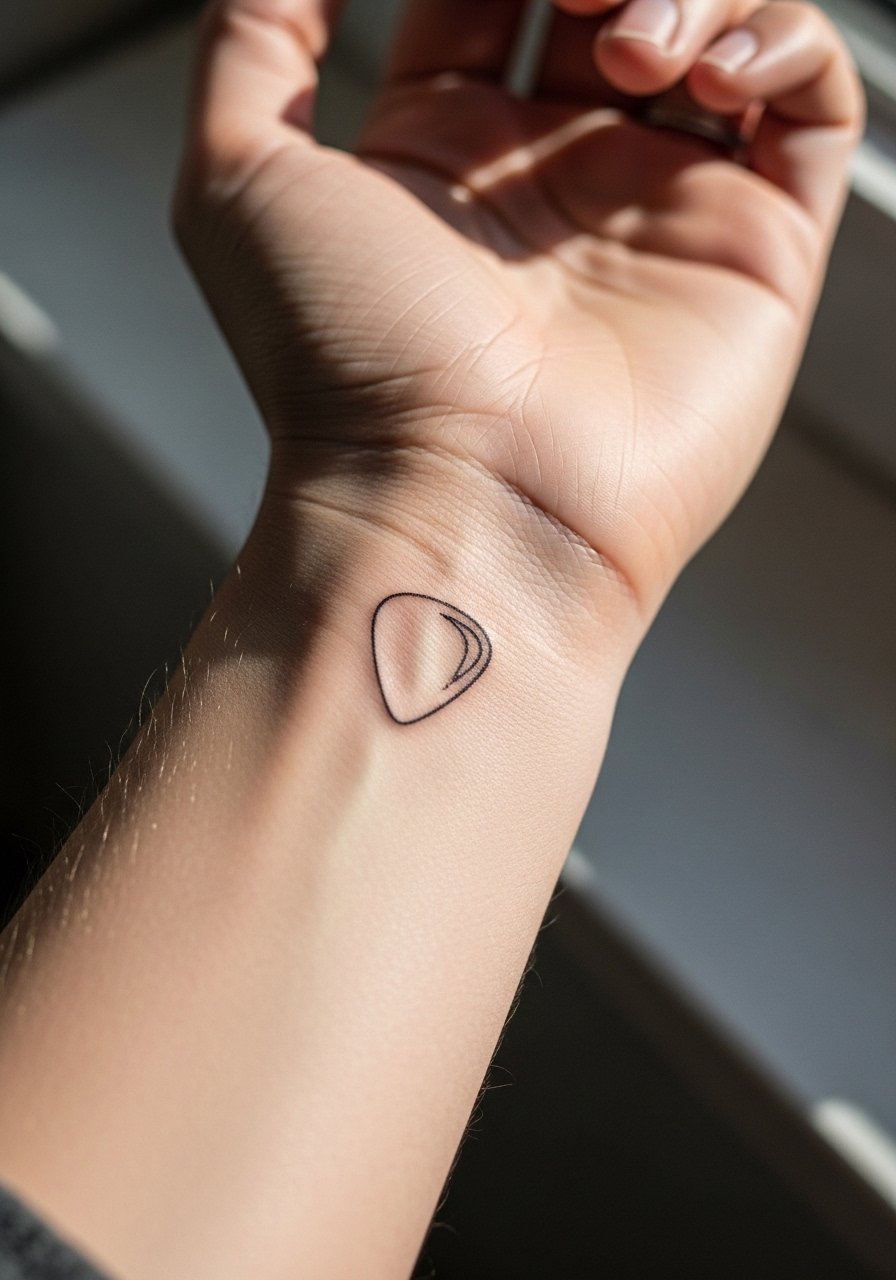
A guitar pick sketch is pure Ellie shorthand and reads especially well on the inner wrist. I recommend asking your artist for single-needle linework with a tiny negative-space highlight instead of heavy black fill. Fair warning, the wrist sees a lot of sun and friction, so expect a small touch-up around year two. For the session wear a loose button-down shirt you can roll or pull aside, and for showing it off a thin chain watch keeps attention on the pick without cluttering the wrist. The session is quick, usually under an hour, and pain is mild to moderate.
2. Mini Backpack Outline on the Outer Upper Arm
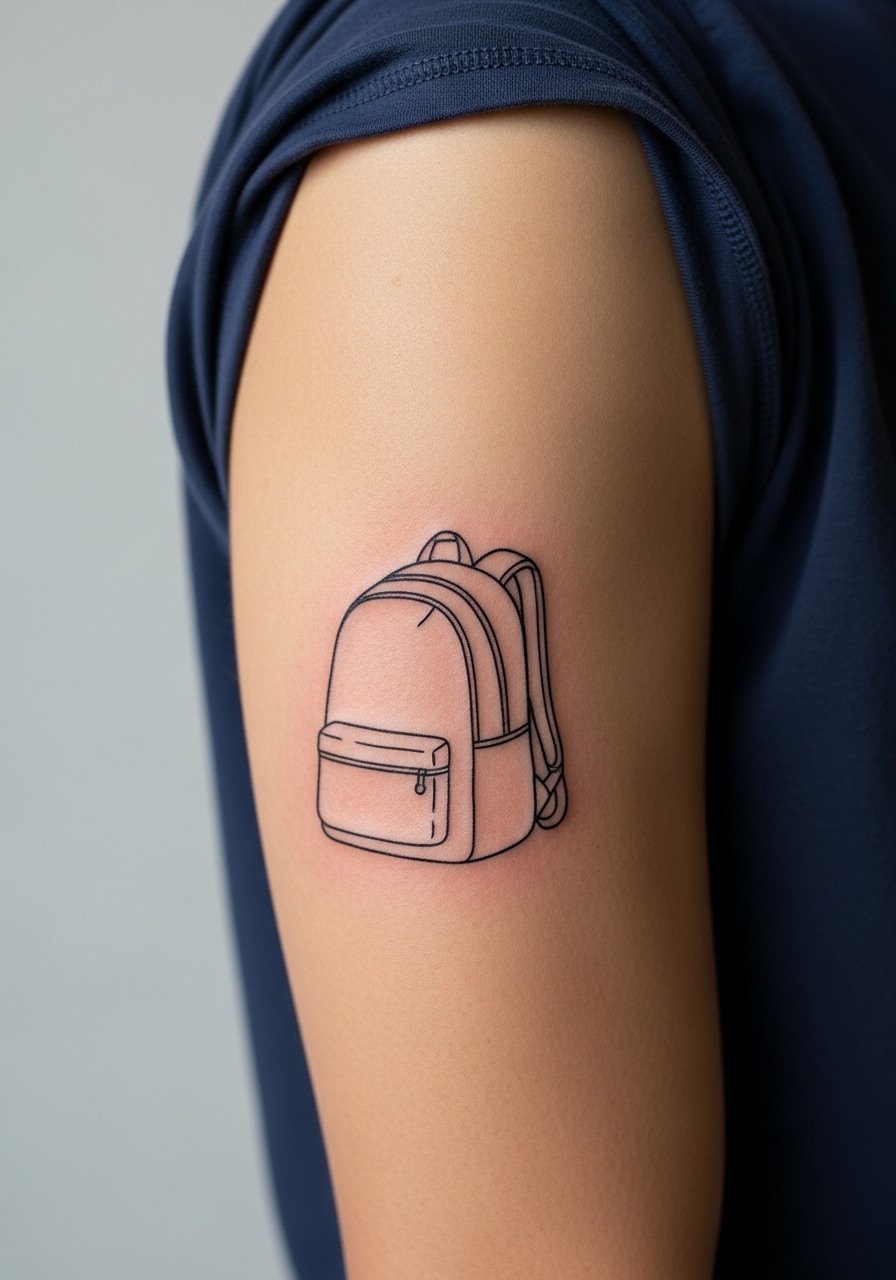
A small outline of a worn backpack captures Ellie’s travel-ready vibe without being literal. Tell your artist you want a slightly heavier outer contour and feathered inner lines so the silhouette holds as skin settles. The upper arm is forgiving on touch-up timing, and the design ages well if the linework has breathing room. For the appointment wear a sleeveless or loose button-down so the artist can access the shoulder easily. Common mistakes are asking for the design too tiny or too dense, which creates blur over time.
3. Micro Moth on the Collarbone
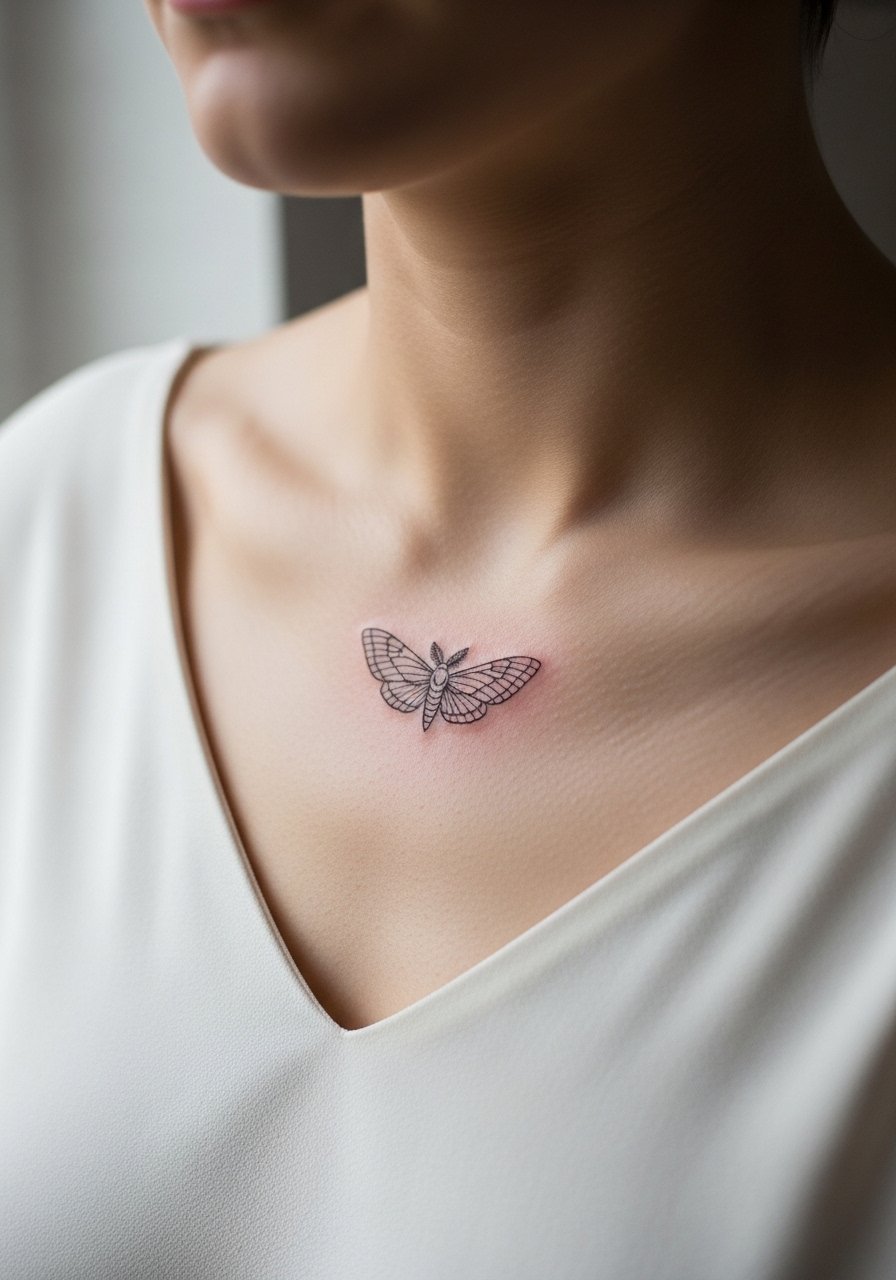
A moth drawn with light stipple shading keeps the reference gentle and wearable. In consultation ask for stipple shading rather than solid fill, and request a small margin between wing details to avoid merging later. The collarbone sees less stretch than the sternum, so the pattern holds up better, though touch-ups might be needed at year three depending on sun exposure. Pair this with an open-neck blouse to show it off. Pain is moderate because the collarbone registers the needle more than soft tissue areas.
4. Tiny Knife Outline on the Ribcage
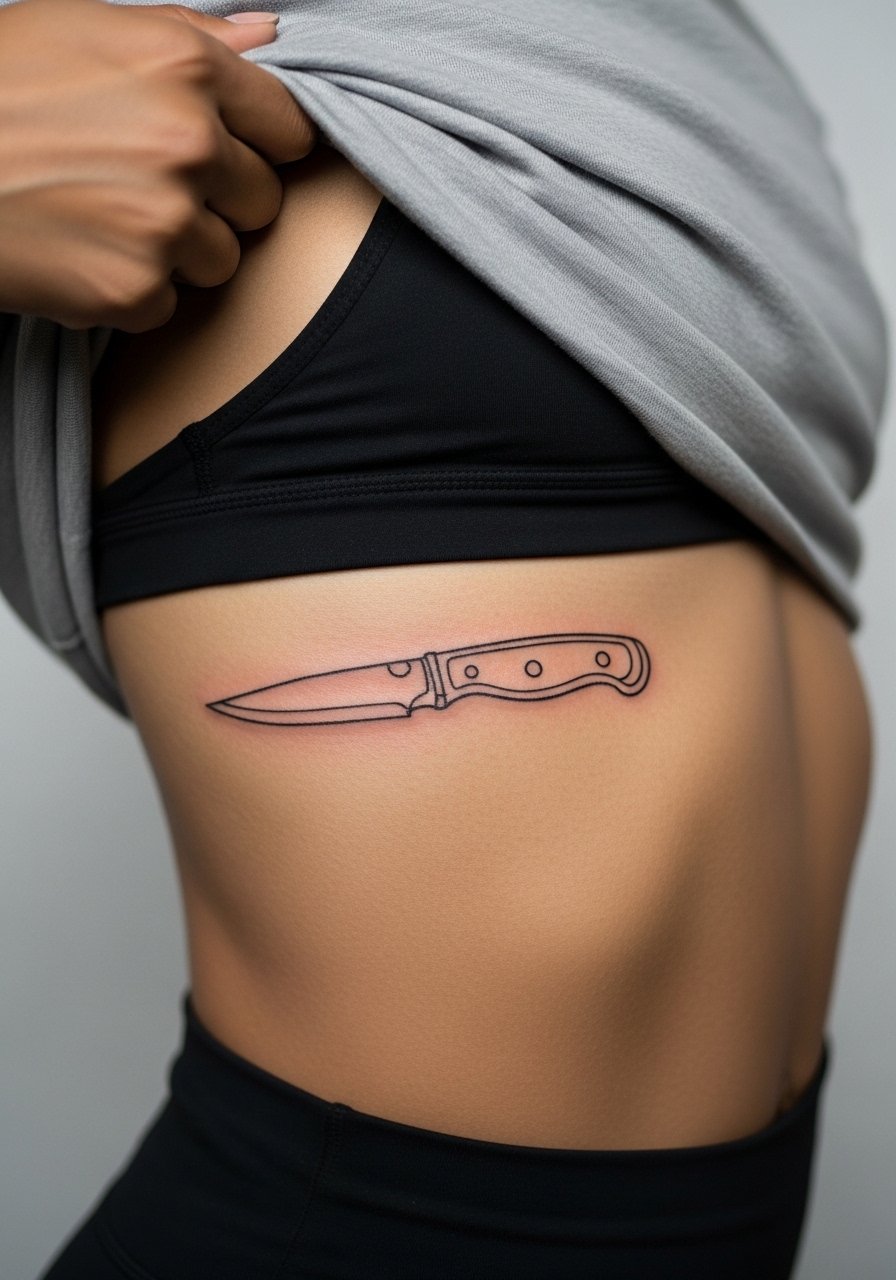
Ribcage pieces read intimate and character-driven, but they spark a real split among artists. One camp says fine line on ribs blurs fast because the area flexes and shears during movement. The other camp argues that with correct needle depth and spacing the lines can stay crisp for years. Ask your artist where they sit on that debate and for examples of healed rib work in a similar scale. Pain is high for ribs, and sessions tend to be longer or broken into two appointments. A common mistake is making the design too small in dense detail, which loses definition as the skin heals.
5. "Stay Safe" Finger Script in Ellie's Handwriting
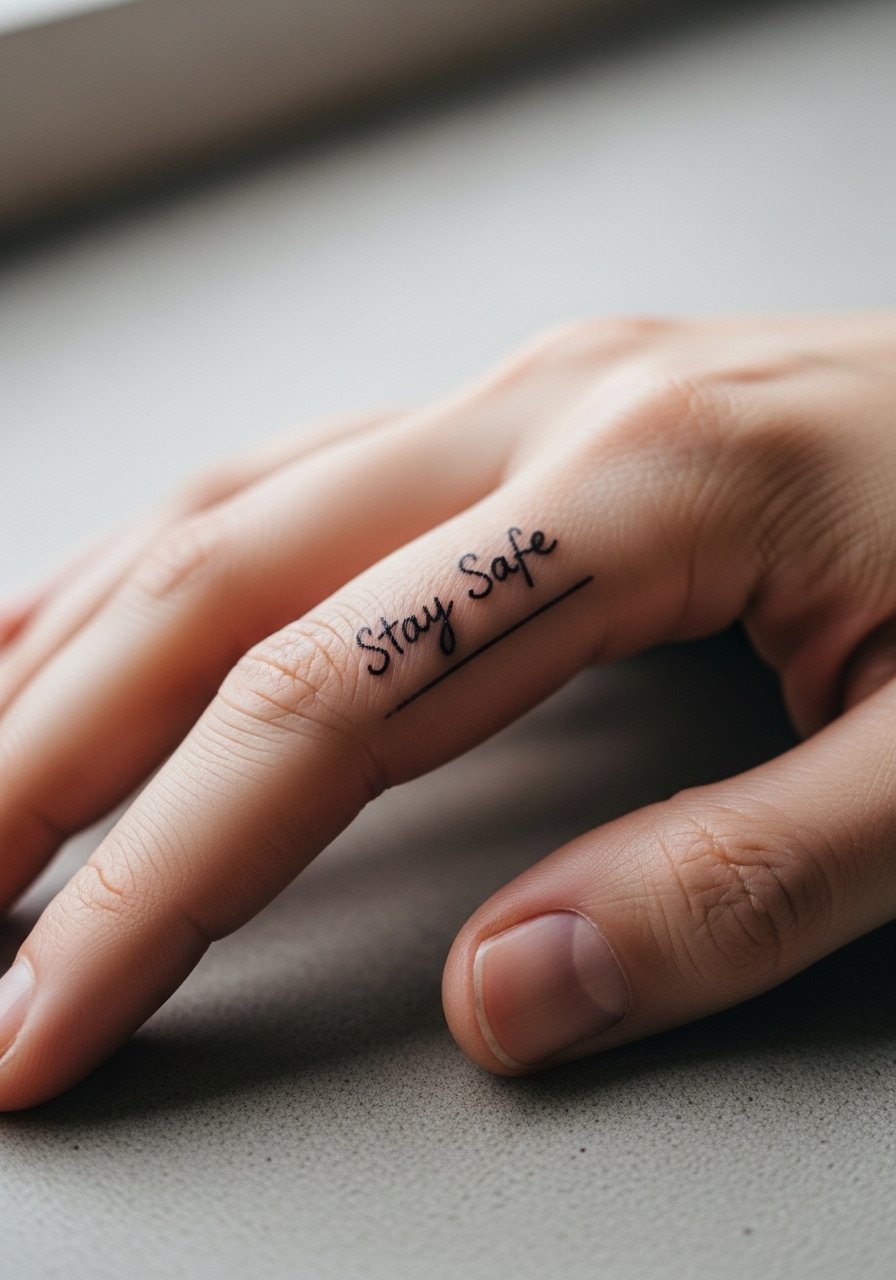
A short phrase in a handwriting style feels like a private nod. Fingers wear quickly because of constant washing and rubbing, so ask the artist to keep letters spaced and slightly bolder than you might want at first. Expect touch-ups within one to two years, and plan to avoid tightly fitting rings during the first month. For styling, pair this with a set of dainty stacking rings that sit above the script rather than directly over it. The session is brief but can sting more than the wrist.
6. Tiny Mushroom Cluster on the Skin Behind the Ear
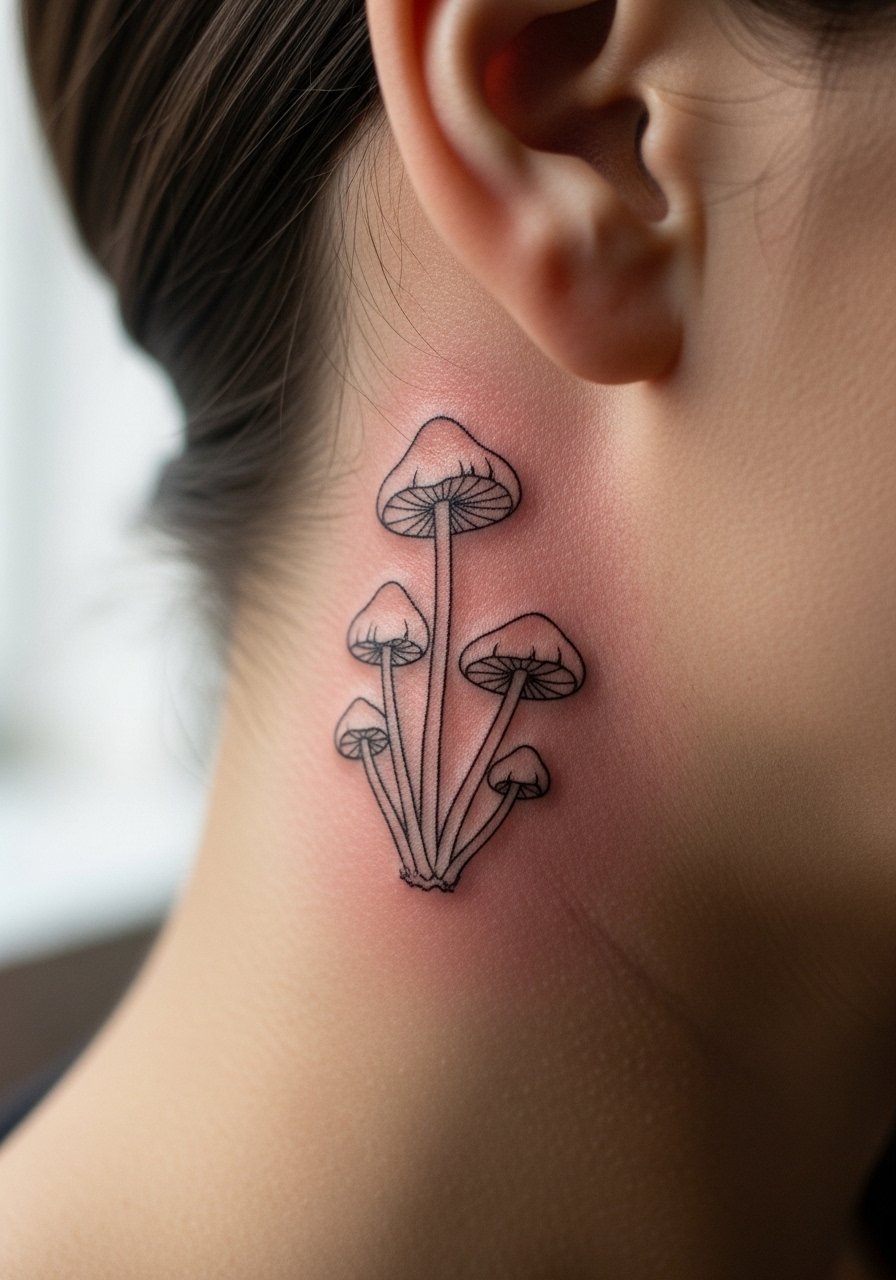
A discreet mushroom cluster behind the ear nods to Ellie’s scavenger aesthetic and reads like a secret. Because the area is small, specify simple silhouettes with clear spacing between stems and caps. This spot heals quickly but needs careful aftercare because hair oils can affect scabbing. For the session consider pulling your hair into a silk scrunchie so the artist has clear access without tugging at the hairline. Visibility is low unless you wear your hair up, which makes it a low-commitment option for workplace considerations.
Studio Day Picks
The six ideas above include wrists, shoulders, and a rib piece, so a small kit that handles low-friction wrist work and sensitive rib sessions keeps the day manageable.
-
Stencil transfer paper kit. Lets you preview placement on curved areas like the wrist and upper arm before the needle touches skin.
-
Topical numbing cream. Applied before a rib or sternum session eases the first intense minutes while still letting the artist work.
-
Thin protective film roll. Useful for finger and wrist pieces to reduce friction from daily tasks during the first week.
-
Fragrance-free gentle body wash. Cleanses healing skin without stripping moisture from delicate linework.
-
Aquaphor healing ointment. A thin layer for the earliest days protects fine line channels, especially on wrist and hand pieces.
7. Bow and Arrow on the Inner Forearm
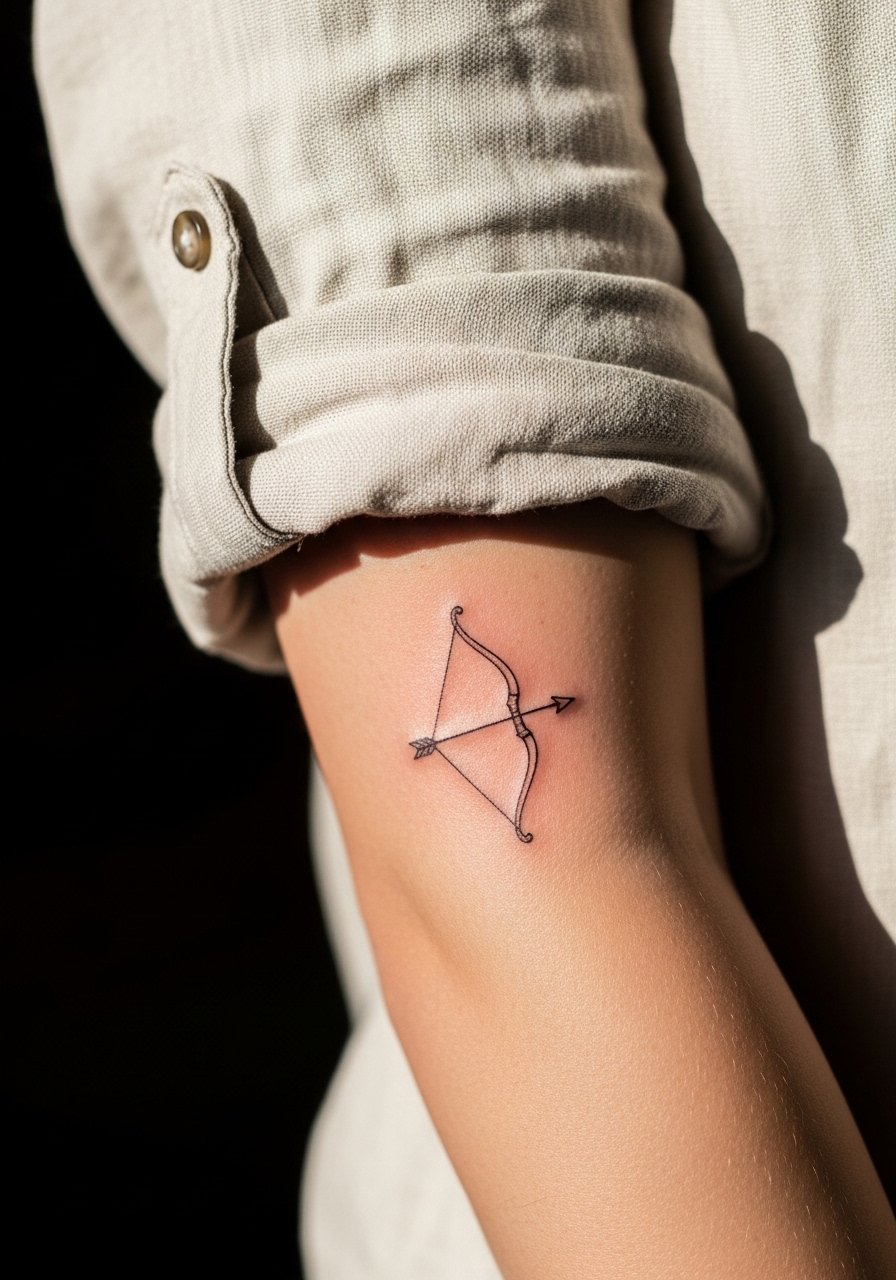
The inner forearm is a reliable canvas for elongated motifs like a small bow and arrow. Ask for slightly increased spacing in the arrow fletching so the tiny vanes do not merge as the skin ages. At six months expect crisp linework and at two years expect slight softening in the tightest areas, which can be refreshed with a modest touch-up. Wear a rolled linen shirt to show off the piece after healing. Pain is low on the inner forearm and session times are short, often under an hour.
8. Silhouette Portrait on the Side of the Neck
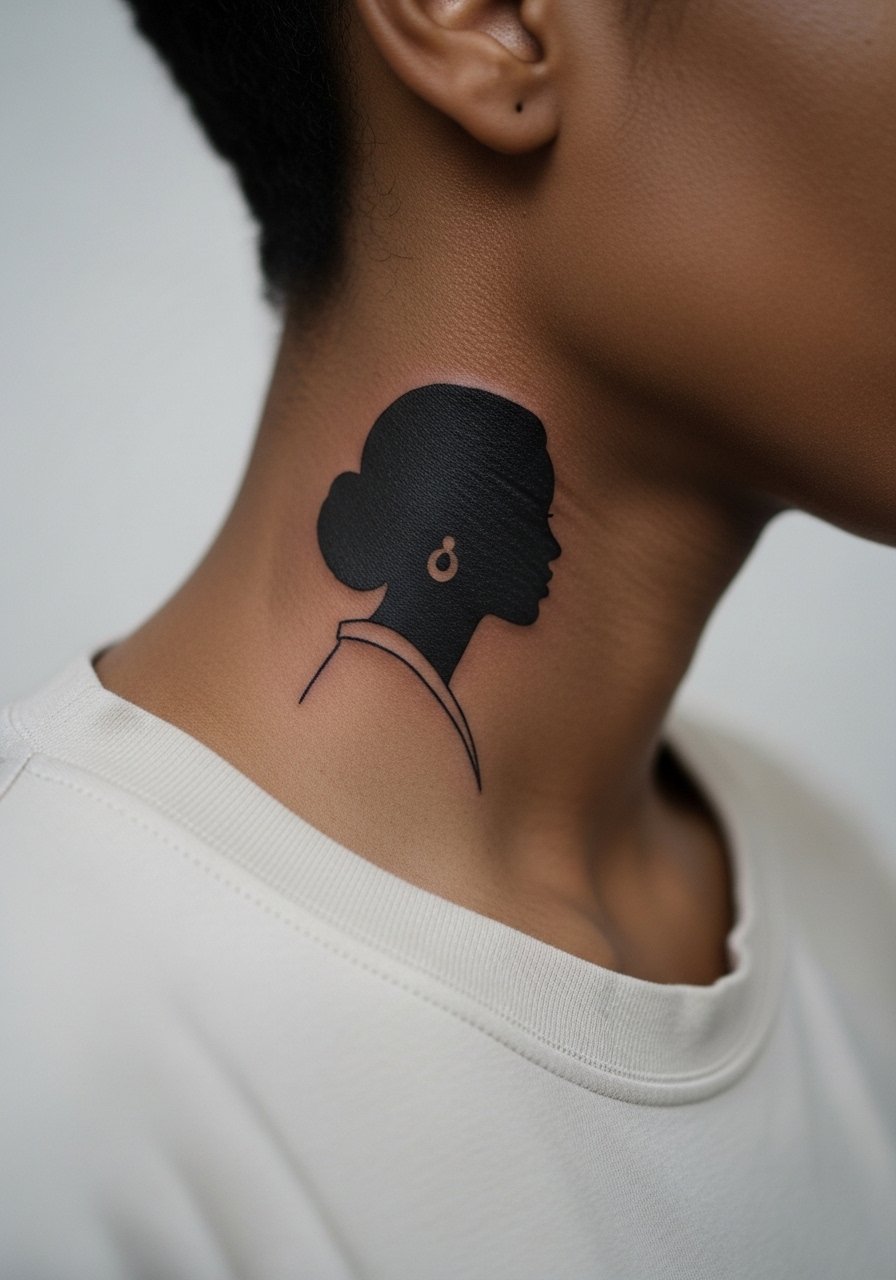
A small silhouette that reads like Ellie at a distance can be powerful without trying to be photorealistic. With neck pieces, ask for bold contour lines and limited interior detail to avoid early blur. There is also a cultural and professional consideration since neck work is visible; think about longer term exposure in certain workplaces. For the appointment choose a wide-neck shirt so the artist can access the area without discomfort. Expect touch-ups at year three depending on daily sun exposure.
9. Sternum Botanical Compass

Sternum pieces are intimate and must be treated as such during consultation. Tell your artist you want the compass points with negative-space highlights and thin botanical accents so the design breathes across the chest. Pain is high in this area, and sessions are often split. This placement ages well when spaced and avoids dense fine detail. For professional reasons some people choose a slightly off-center placement to keep the design personal. Specialized experience matters for sternum work, so ask where the artist has healed examples on similar skin.
10. Delicate Ankle Vine with Leaves
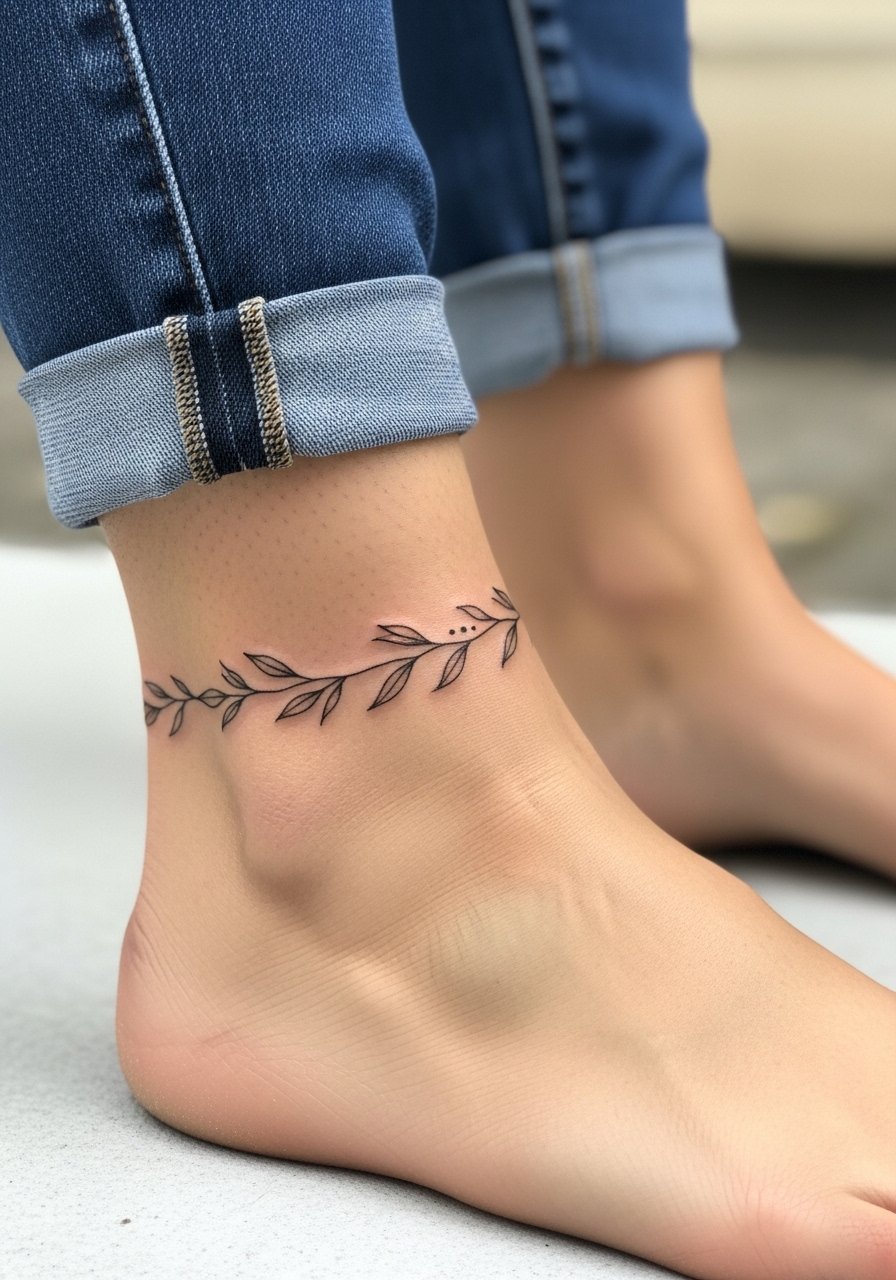
Ankle vines frame shoes and skirts naturally. Ask your artist for a light vine with small gaps between leaves so the pattern keeps structure when the skin moves. Ankle tattoos face friction from socks and shoes, so wear sandals during the first week where possible. For show-off looks pair it with minimalist sandals or cropped trousers so the vine is visible. Touch-ups are common around the two-year mark if you wear closed shoes frequently.
11. Micro-Realism Eye on the Inner Bicep

An inner bicep eye is quietly expressive and reads best at a slightly larger micro scale to maintain detail. The inner arm is softer skin and can hold delicate shading if the artist uses stippling or whip-shading rather than dense wash. Pain is moderate to high, depending on how long the shading takes, and sessions can run longer. A common mistake is asking for hyperfine lashes or tiny pupils that merge; request open negative space for the pupil and a soft stipple iris. Because the area is less exposed, it tends to age gracefully.
12. Firefly Constellation on the Shoulder Blade
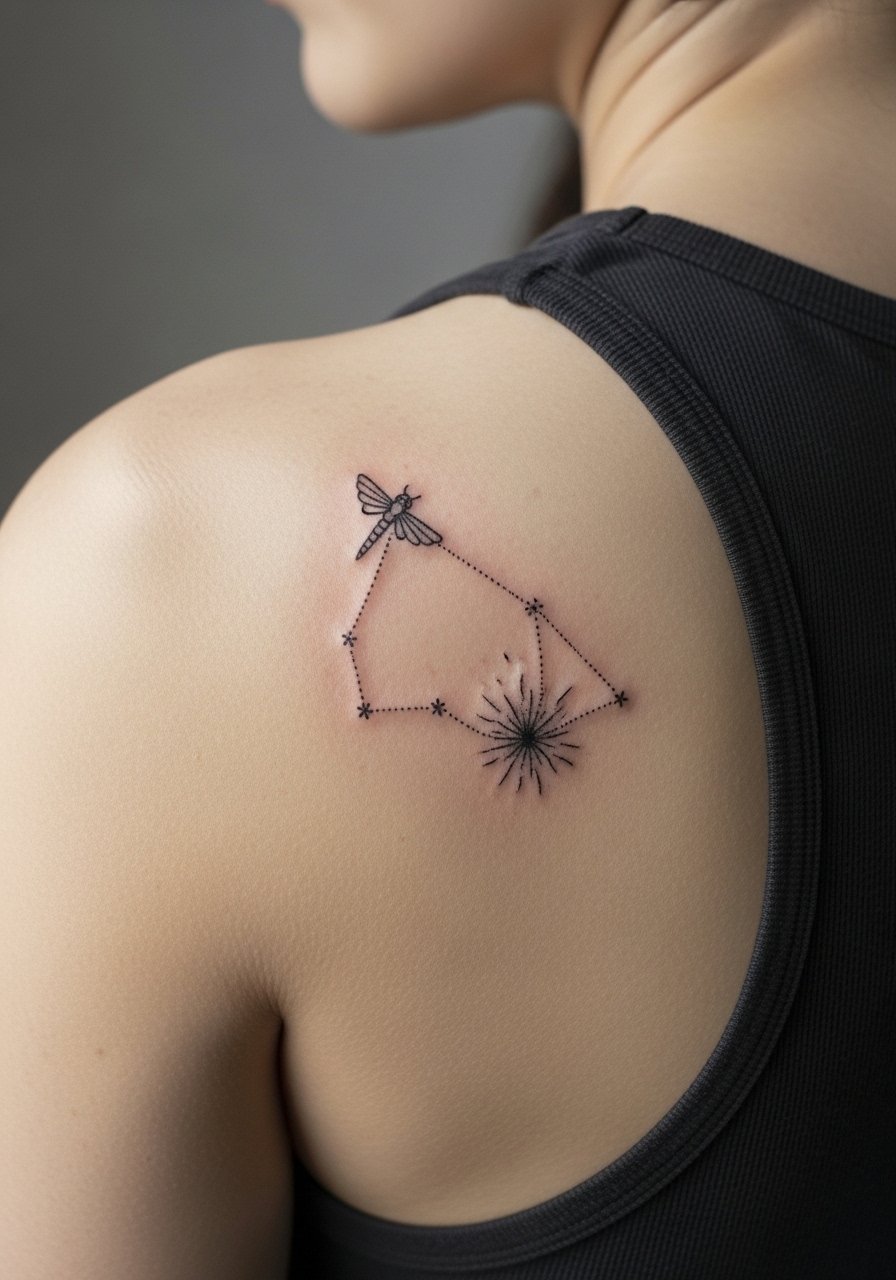
A constellation of tiny fireflies across the shoulder blade works well with open-back outfits. Tell your artist to space the dots and trails so stars do not fuse as the skin moves. For evenings out, an open-back dress frames the constellation without overshadowing it. Shoulder blade skin is stable, so this placement often requires fewer touch-ups than hands or feet. Session discomfort is low and the appointment is usually short.
13. Minimal Backpack Tag on the Upper Thigh
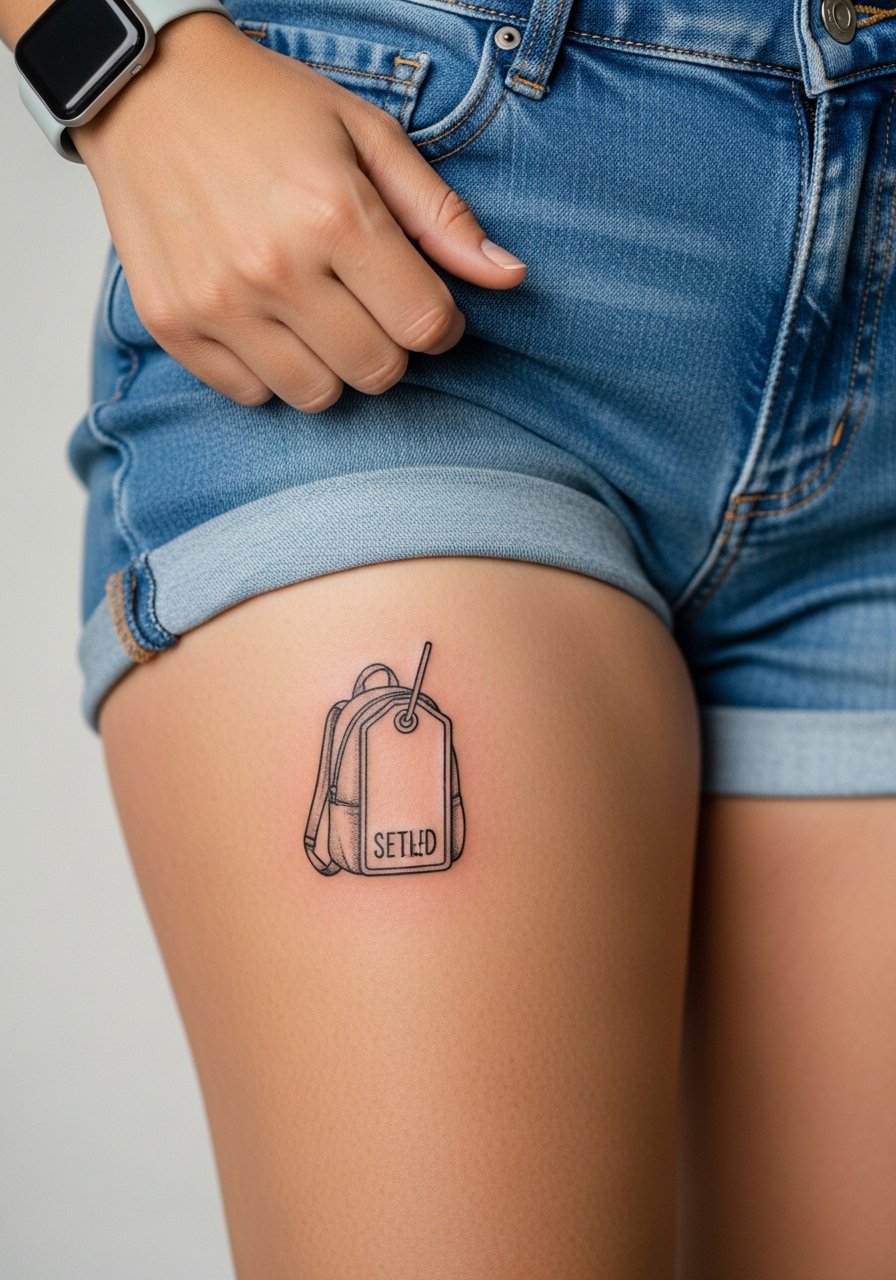
Upper thigh placements are private and versatile for sizing. For this piece ask for clear negative space around any letters or numbers so the tiny inscription does not bleed together. The skin here is thick and forgiving, which helps with fine detail, but healing requires attention because clothing can rub the area. For the session wear loosely fitted shorts or a wrap skirt so the artist can access the site without pressure. Expect low long-term fading compared with extremities.
14. Tiny Crescent Moon on the Lower Calf
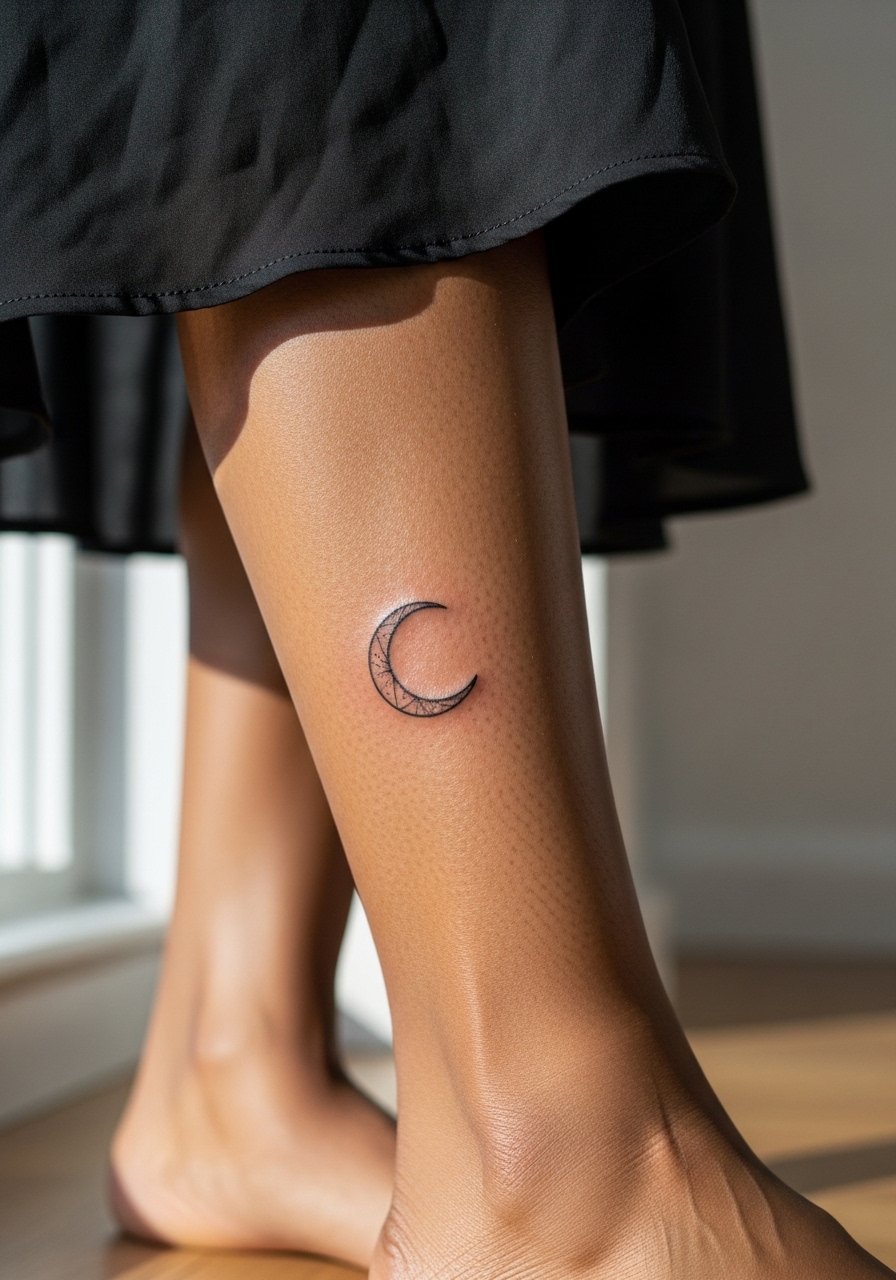
A small crescent on the calf sits between visibility and privacy. Ask for slight line weight variation so the curve reads from a distance. The lower calf tolerates a range of sizes, and touch-ups are usually only needed if your footwear rubs the area a lot. For showing it off wear cropped trousers or a mid-length skirt that lets the crescent peek out. Session pain is low and the area takes ink predictably.
15. Thin Chain Bracelet Tattoo Around the Wrist
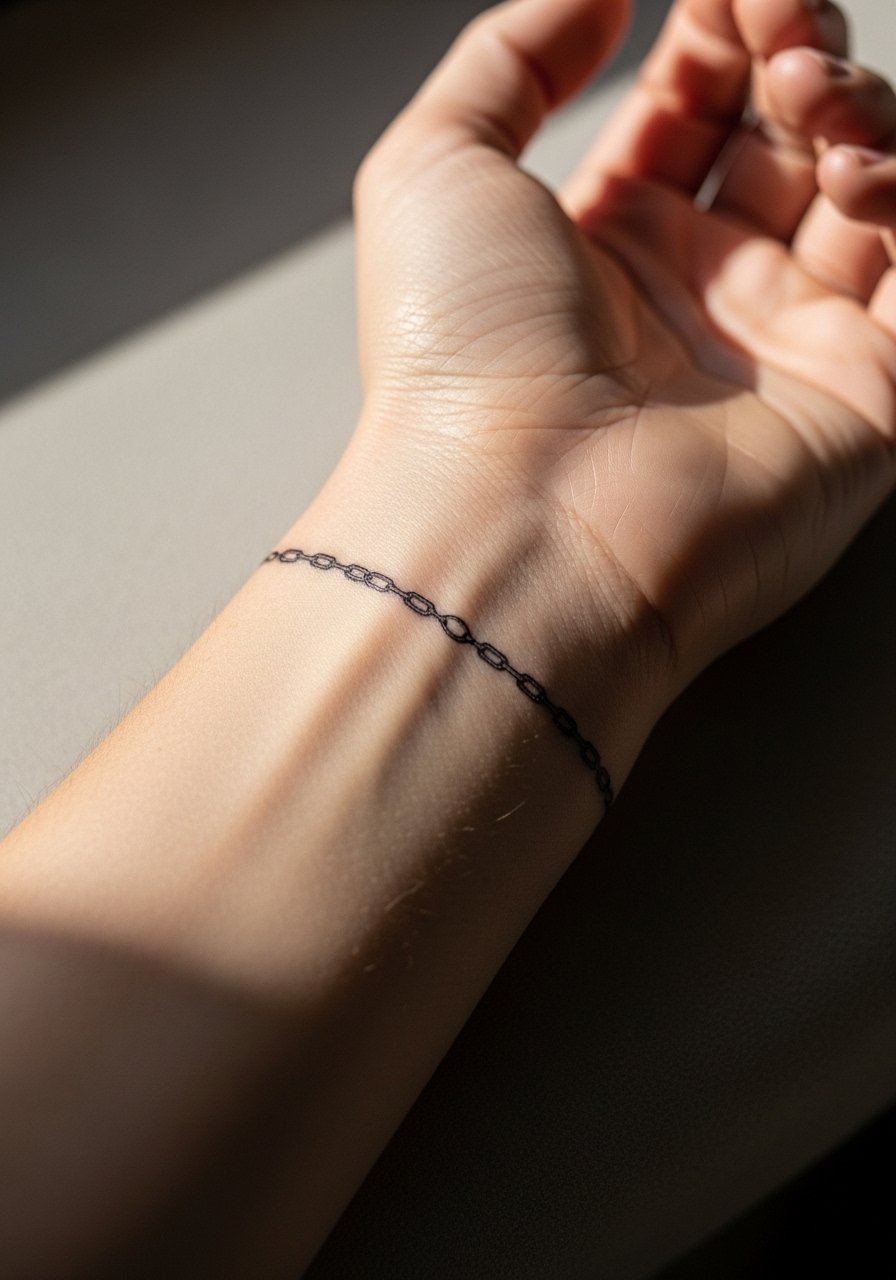
A bracelet tattoo is delicate but unforgiving when placed too tight. Ask for slightly larger links and small gaps so the chain reads rather than smudges over time. The wrist is active, so friction from watches and bracelets can dull fine detail during healing. If you already wear a watch, consider moving the tattoo slightly up the arm to avoid constant rubbing. Sessions are brief and pain is mild. Expect a touch-up within a couple of years for ultimate crispness.
16. Small Script Along the Collarbone Edge
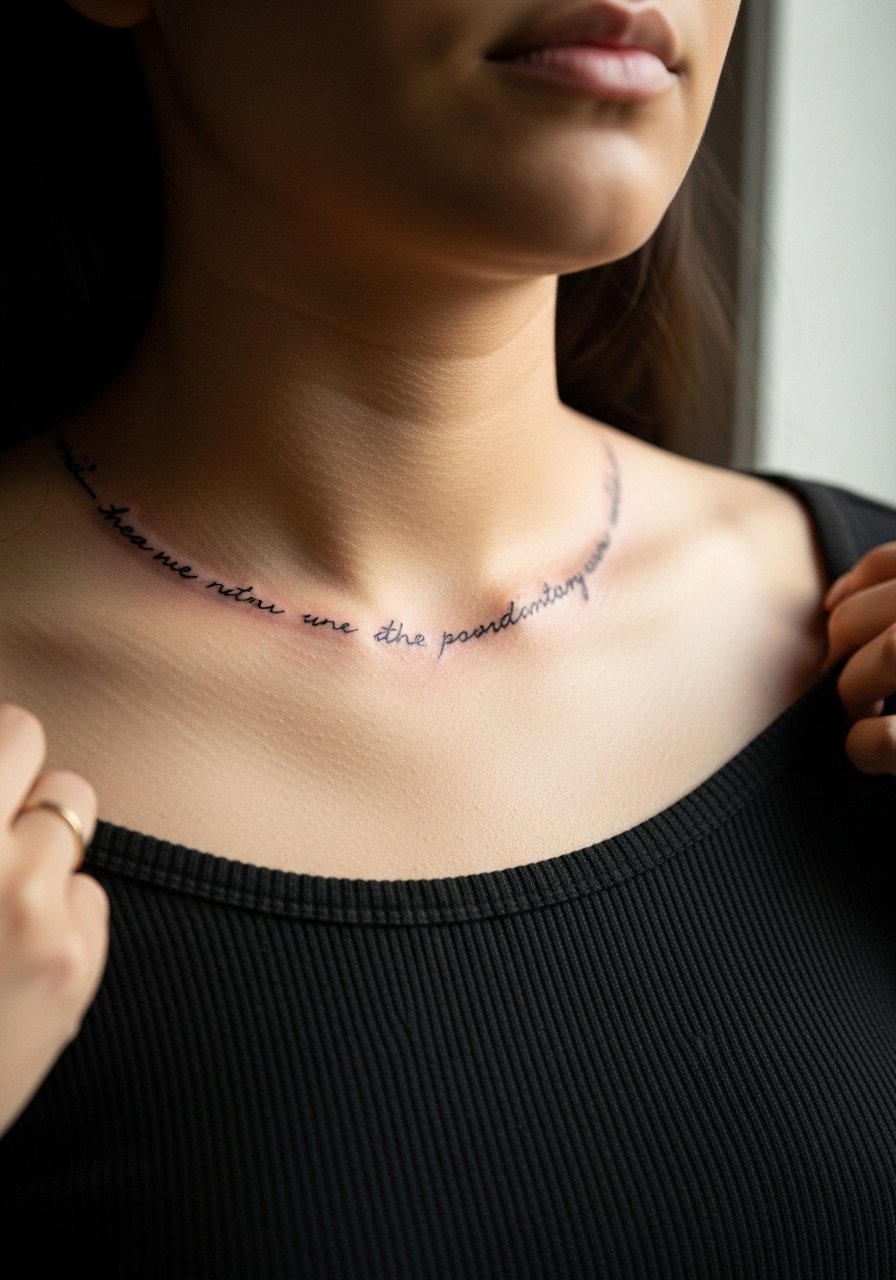
A short script along the collarbone looks like a personal note and pairs well with layered necklaces. Ask for open letterforms rather than compressed writing so each character keeps shape as the skin ages. The collarbone has less natural padding, so sensation during the session is higher than on the forearm. For showing it off keep necklaces minimal and consider a thin chain pendant that sits above the text without crowding it. Expect a small touch-up at three years if you spend a lot of time in the sun.
17. Micro-Realism Silhouette Portrait on the Outer Upper Arm
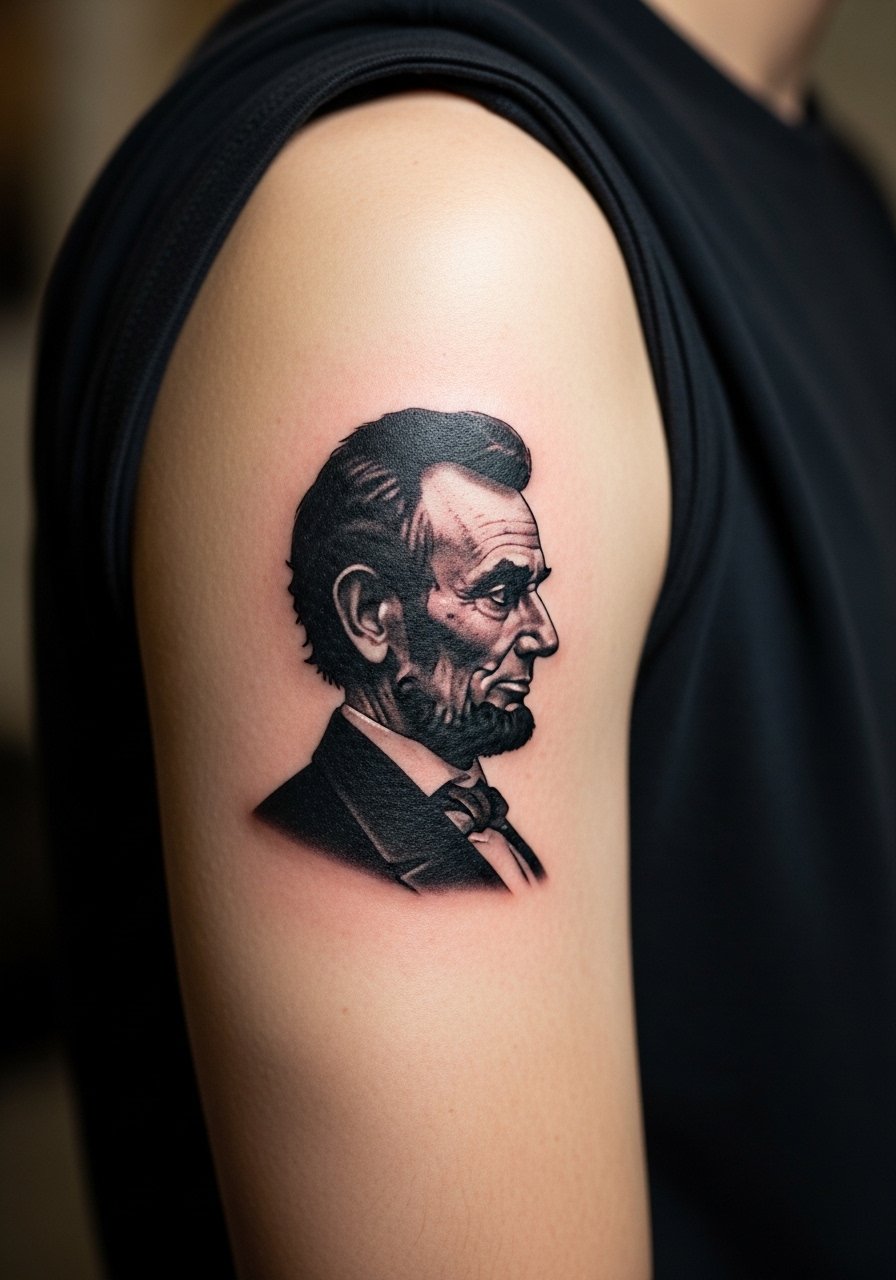
Portrait-inspired silhouettes are one of the most discussed directions for Ellie fans and they come with a couple of real complications. One debate centers on fidelity versus interpretation. One group wants near-photoreal likenesses, and another group prefers a simplified silhouette that captures character without tight facial detail. For durability pick simplified shapes with clear shadow areas, because fine facial lines often blur first. Ask the artist for healed examples in roughly the same dimensions. The outer arm is forgiving and the session feels moderate in pain. For finding the right artist use community paths like portfolio tags, convention lists, and local studio directories rather than a single social post.
Frequently Asked Questions
Q: Will fine line Ellie motifs blur on the ribs or sternum faster than on the arm?
A: Yes, areas like the ribs and sternum move and flex more, which increases the chance of tiny lines merging. That said, the outcome depends on spacing and needle depth, and many artists will suggest slight scale increases for those placements to avoid early blur.
Q: How often do finger and wrist scripts need touch-ups for thin handwriting pieces?
A: Fingers and wrists see regular wear so a touch-up at one to two years is common, especially for scripts. Keep letters slightly wider during consultation and expect to plan for maintenance if you want the script to remain crisp long term.
Q: Are portrait-style Ellie tattoos risky because of copyright or likeness concerns?
A: There is a loose debate in fan circles. One side treats fan portraits as personal homage and artists accept commissions. The other side cautions about public displays tied to commercial use. For private wear and personal meaning most people proceed, and if you plan to sell designs or use them commercially consult legal guidance.
Q: What should I wear to a sternum or ribcage session for comfort and access?
A: Wear a fitted sports bra or a cropped top that you can lift or pull aside to reveal only the tattoo zone. Comfortable, breathable fabrics make long sessions easier and limit unnecessary fabric contact with the fresh tattoo.
Q: How do I find an artist who heals delicate Ellie-style linework well?
A: Look for healed photos in portfolios that match your desired scale and placement, browse convention rosters for specialty lists, and check thread discussions in tattoo communities for first-hand reports. Prioritize artists who show close-up healed shots rather than only fresh work.