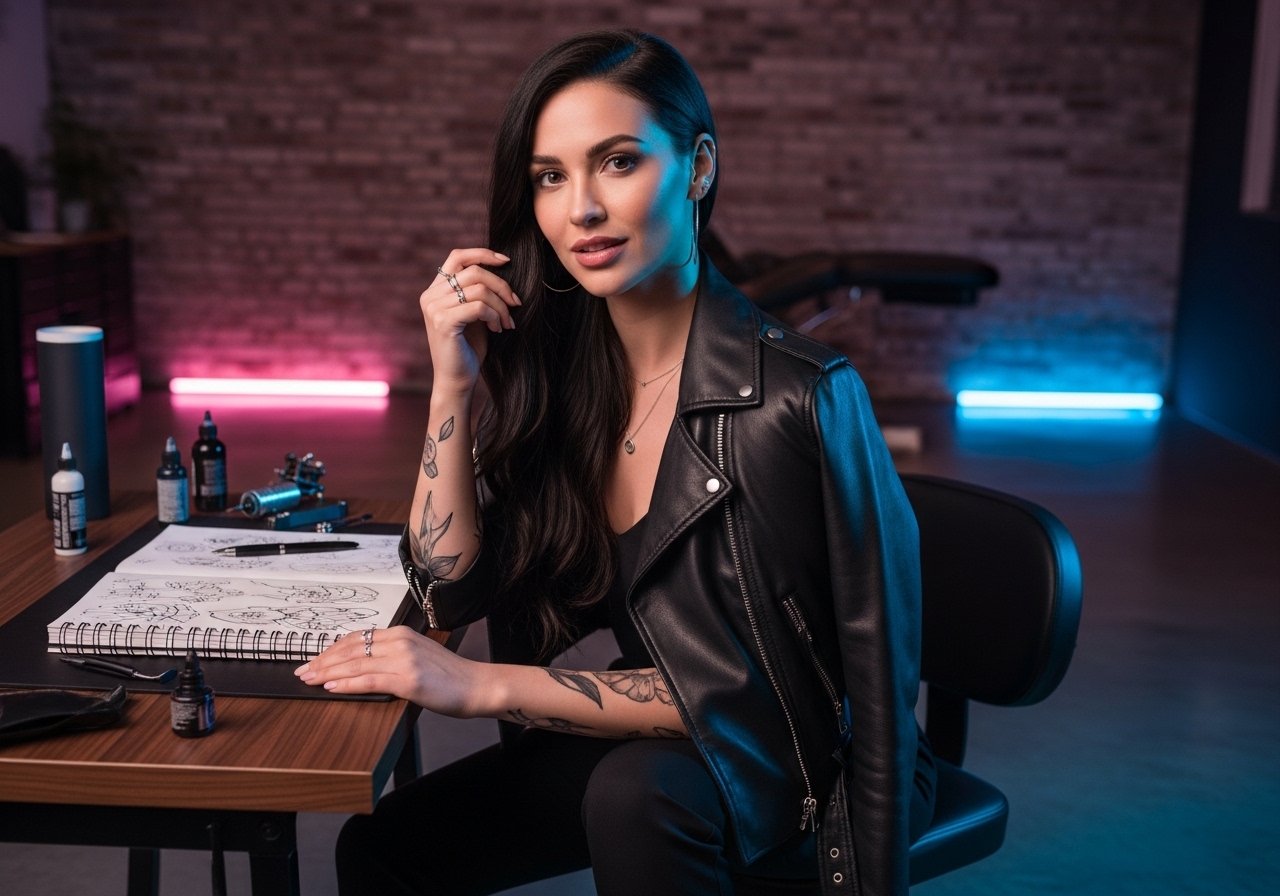
Fine line ink is trending online, but the pieces that still look crisp after a few years are not always the ones that got the most likes on day one. I see three recurring headaches in communities: fine line moons that blurred on medium brown skin, guest artists canceling and leaving touchups in limbo, and watercolor pieces that warped after weight shifts. The list below pairs practical options with what to ask for in the consult so your next piece actually ages the way you expect.
1. Fine line triple moon on the inner wrist
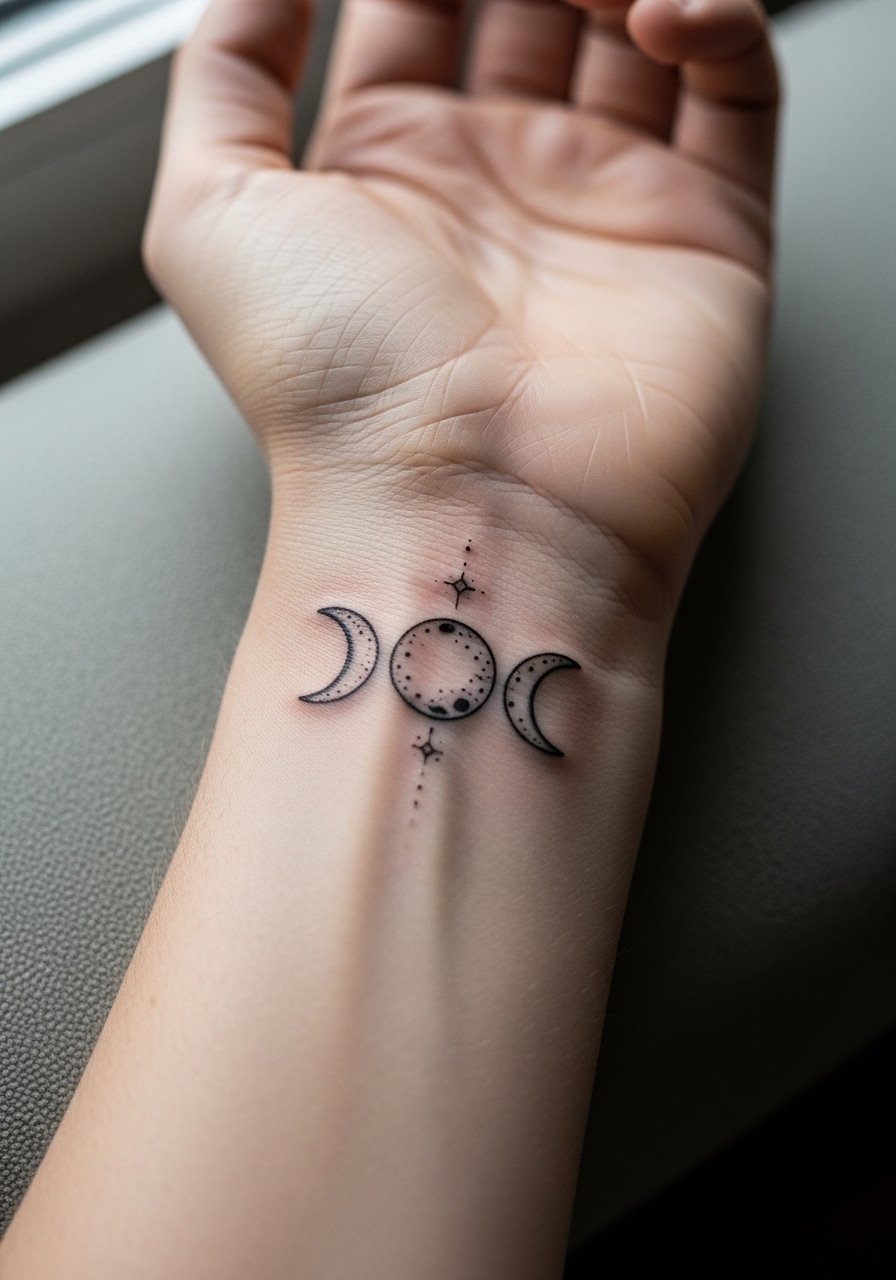
I recommend this when you want a discreet symbol that reads delicate without trying to be a miniature mural. Fair warning, the inner wrist is lower on the pain chart, but thin skin makes every line show during the session. Ask your artist to thicken the hairlines a touch compared with the iPad reference so the moons hold as the piece heals. The fine line versus bold debate comes up a lot. One camp prefers the delicate look and accepts yearly touch-ups. The other camp argues thicker blackwork preserves shape for years. Decide which outcome you want before booking. For showing this off, a rolled cuff blouse in sage tones and a dainty bangle keep attention on the wrist, try sage green rolled cuff blouse.
2. Watercolor lotus on the collarbone
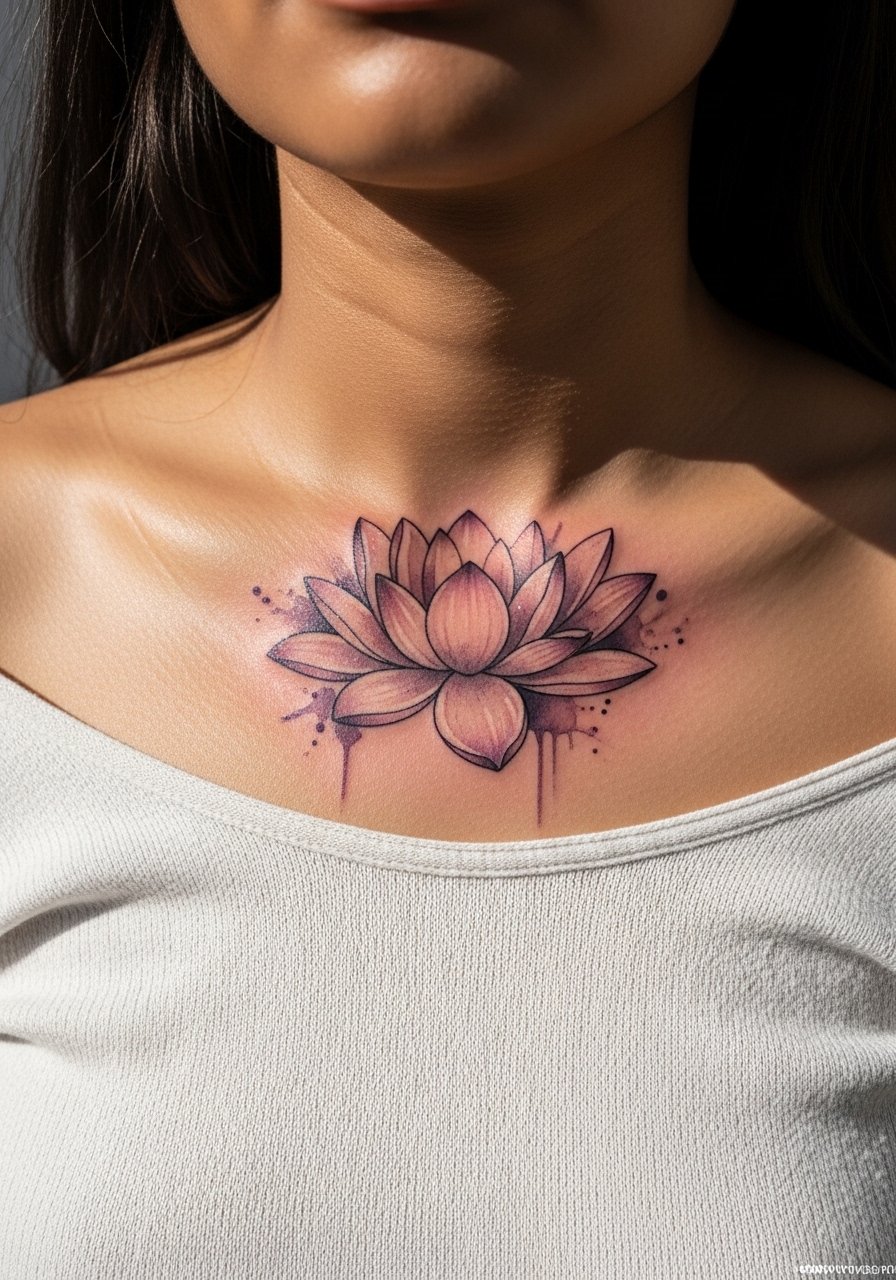
Collarbones are flattering for watercolor because the canvas moves less than the thigh. Expect two sessions if you want layered washes. Tell your artist you want soft edges rather than saturated blotches so the lotus ages into a faded wash rather than patchy rings. A common mistake is asking for ultra-saturated pastels without discussing how they will soften on medium to dark tones. For show-off outfits, an off shoulder sweater women frames the piece and a delicate chain keeps the neckline simple. For the appointment wear, pick a strapless bra or button-up that you can easily pull aside.
3. Neo-traditional Venus silhouette with stars on the forearm
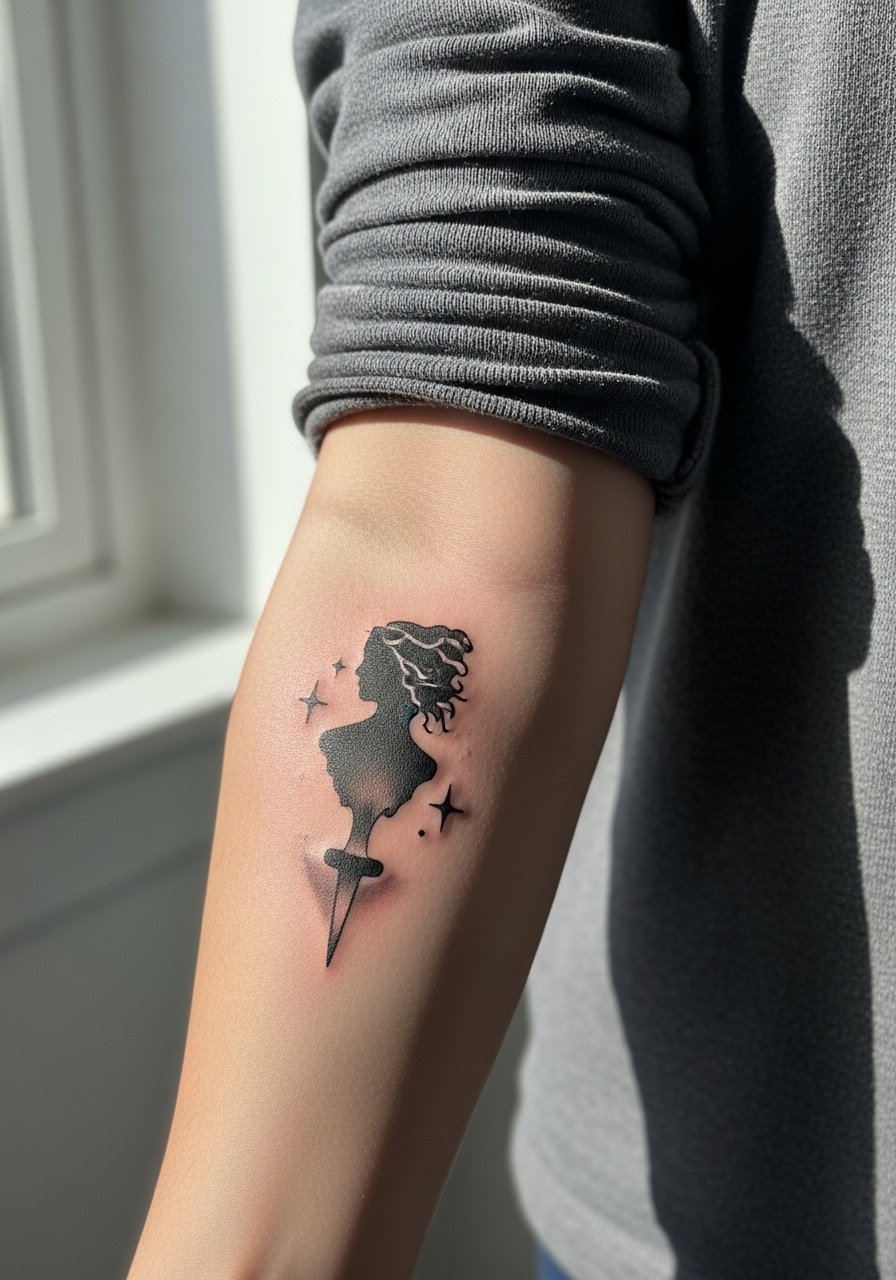
This balances bold outlines with decorative shading, so it reads strong from a distance and still has personality up close. Forearm sessions are low pain and usually fit into one to two sittings depending on size. During consults, bring references that show the exact red-to-black balance you want and ask how they handle skin tone contrasts. A mistake is requesting tiny neo-trad portraits and expecting the small details to survive five years without saturation. For styling, roll sleeves up or wear a loose button down women to frame and not cover the art.
4. Blackwork mandala with a yoni symbol on the upper thigh
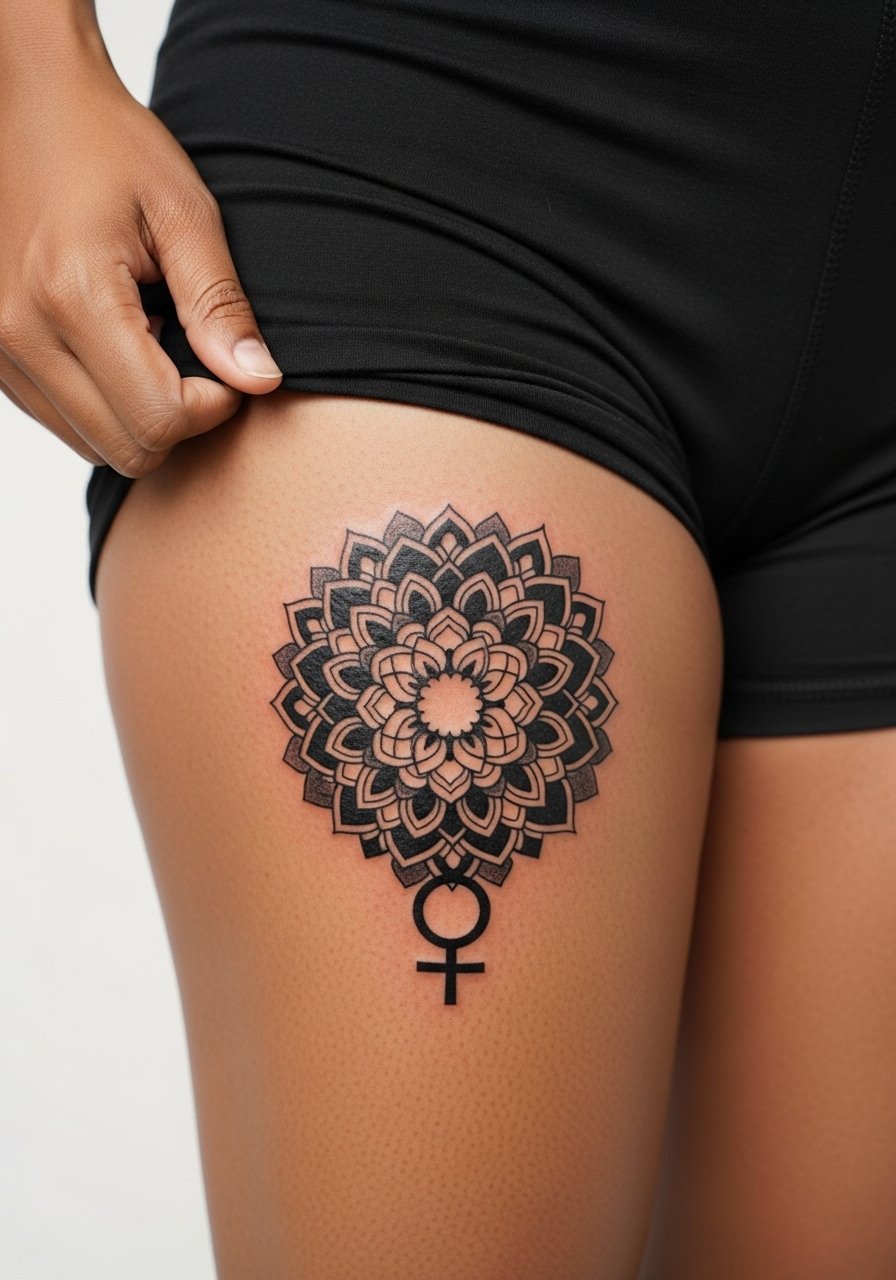
Thigh placements tend to tolerate heavier saturation and read beautifully through weight fluctuations if designed to follow the muscle lines. For a mandala-yoni combo, ask for negative space planning so the geometry breathes and does not blur into a solid block after healing. A common version that ages poorly packs too many tiny spokes into a small radius. Expect three sessions for a five-inch solid piece and plan touch-ups after the first year if you notice saturation loss. If you want to show it in summer, pair with black linen high waist shorts.
5. Micro-realism goddess eye on the ribcage
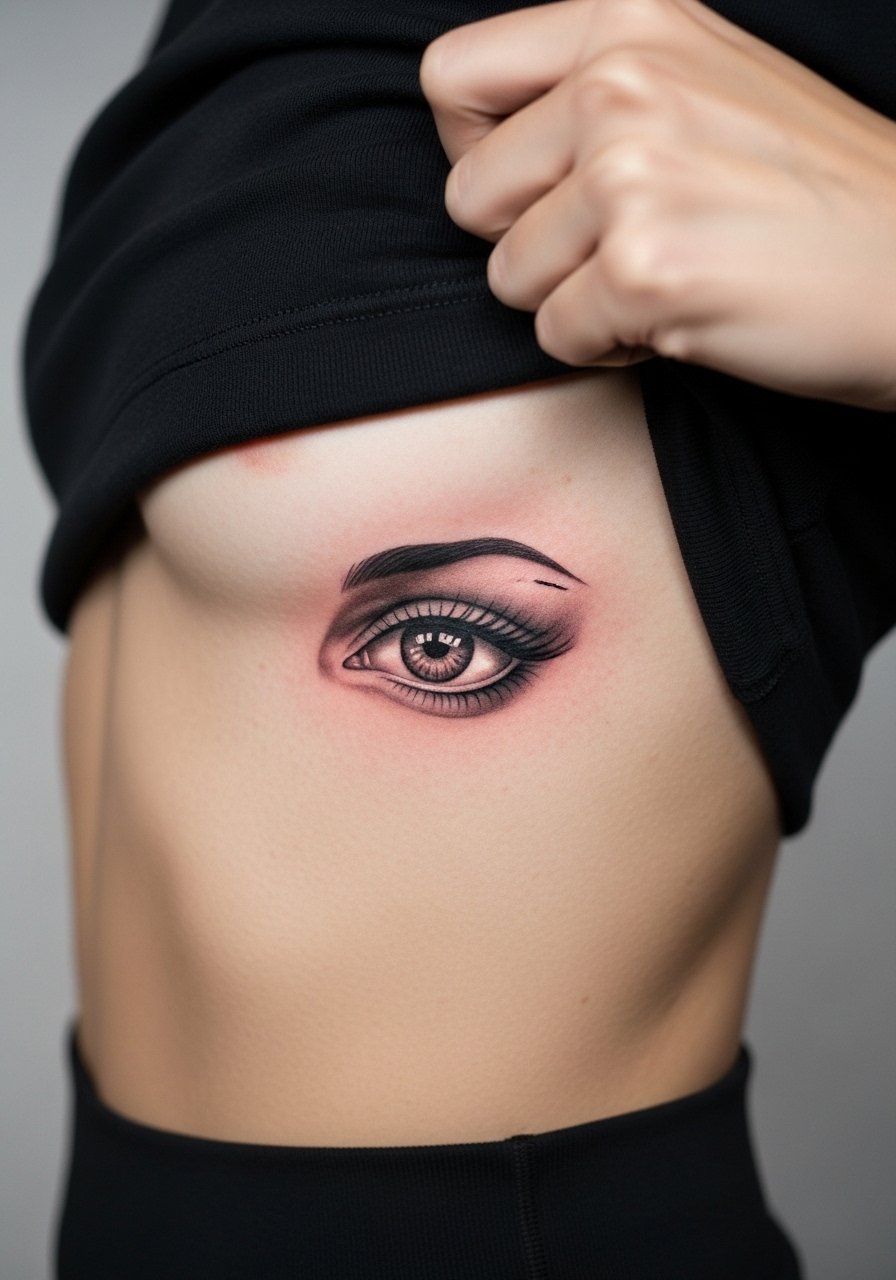
Heads up, ribs are among the more painful spots, and sessions are niche work for artists who do micro-realism. The payoff is an intimate, watchful piece that reads personal. In a consult, specify the eyelid crease and pupil crispness you want, and ask about planned depth for the first pass. The biggest mistake is overscaling tiny realistic pieces on ribs where stretch and motion can soften detail. Expect two sessions and a possible touch-up once the swelling settles. For sitting comfort, wear a sports bra that gives the artist clean access and supports you during longer passes.
6. Minimalist serpent coiled around a crescent moon on the ankle
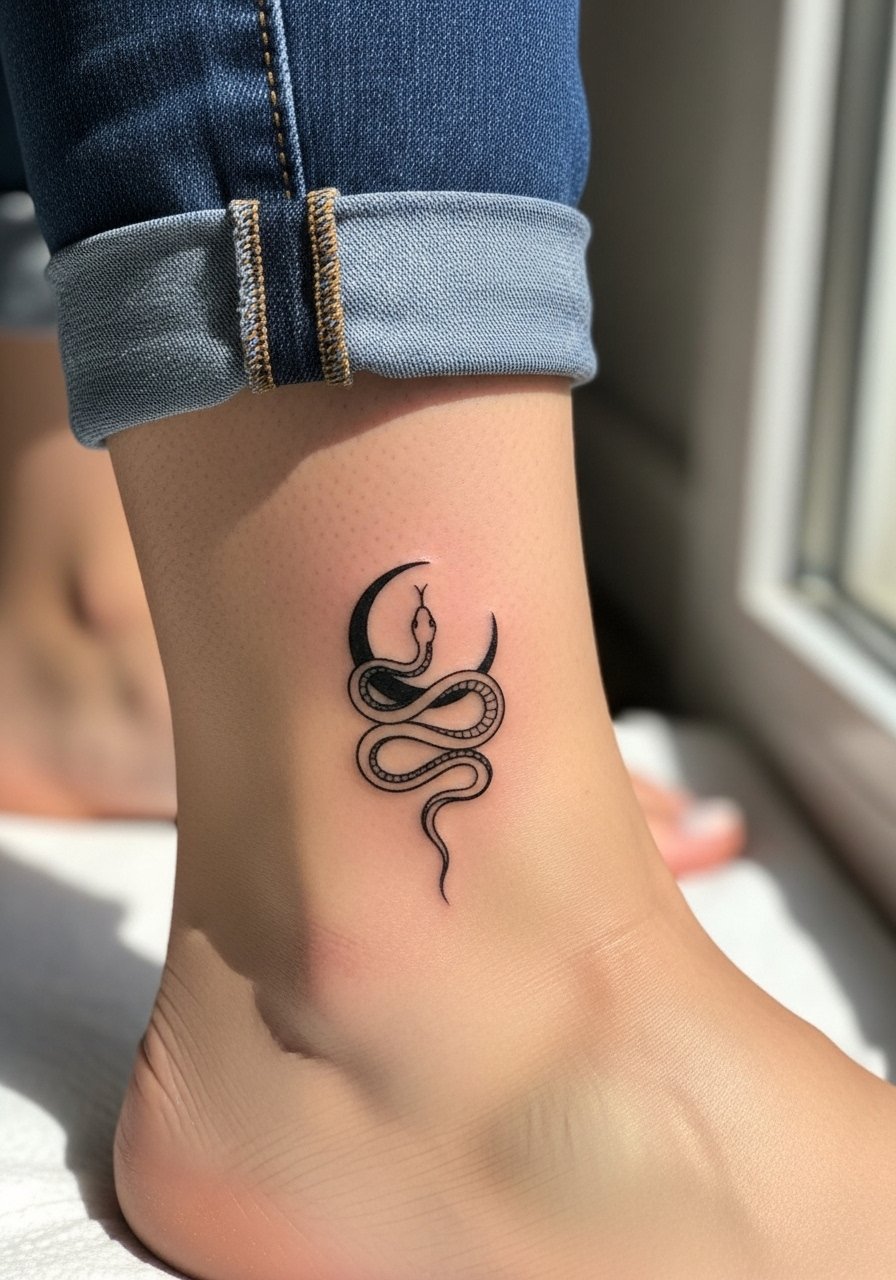
Ankles show detail well if the line weight is slightly bolder than you think you need. The area takes about one session and heals quickly, but friction from shoes and socks can rub the edges. Tell your artist you want single-line work with a slightly heavier anchor point where the serpent coils so the form remains readable after months of wear. A common error is asking for ultra-fine single strokes that get lost under daily abrasion. For seasonal wear, strappy heeled sandals or wide leg cropped pants complement the placement when you want it visible.
Studio Day Picks
Those first six entries include wrist, collarbone, forearm, rib, thigh, and ankle work, and they each have different prep needs on session day.
- Soybean-based aftercare balm. Reddit users favor a thinner soy balm in dry winters, which helps prevent cracking on fine line wrist work without leaving a greasy film.
- Ink-Ilicit tattoo serum. A lightweight serum some artists mention for helping fine lines look sharper on darker skin tones during the settled phase.
- Hada Labo hydrating lotion. Gentle hydration for dry-air healing windows, useful when you are doing a dry heal rather than an occlusive wrap.
- Lime Crime tattoo tint. A subtle water-based tint that people sometimes use for faded moon phases to brighten soft pastels without heavy salves.
- Hustle Butter Deluxe. A popular all-round balm for the first few weeks that many artists say preserves saturation while staying thinner than thick ointments.
7. Ornamental henna-inspired vines down the spine
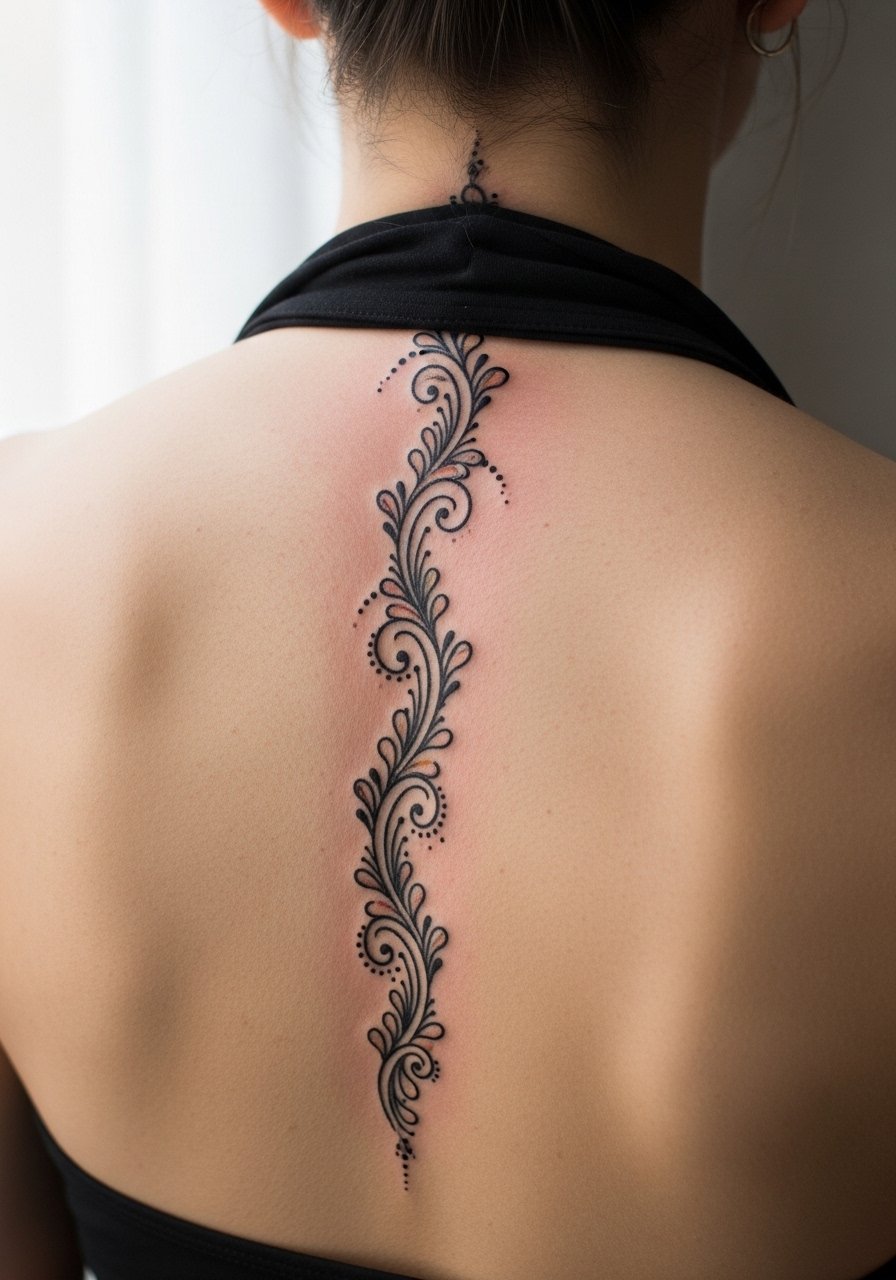
Spine pieces need careful flow planning so the pattern reads like it was made to move with the back. This design is great for elongating silhouette and is usually done across several sessions. Tell your artist to map the main nodes first and leave breathing room between repeats. A common misstep is crowding ornamentation too tightly, which can merge as skin settles. If you want to show it off, a backless halter top or a sheer blouse keeps the lines visible without distractions. For session wear, a front-open robe or tank makes the shop setup easier.
8. Ignorant style abstract womb portal on the lower back
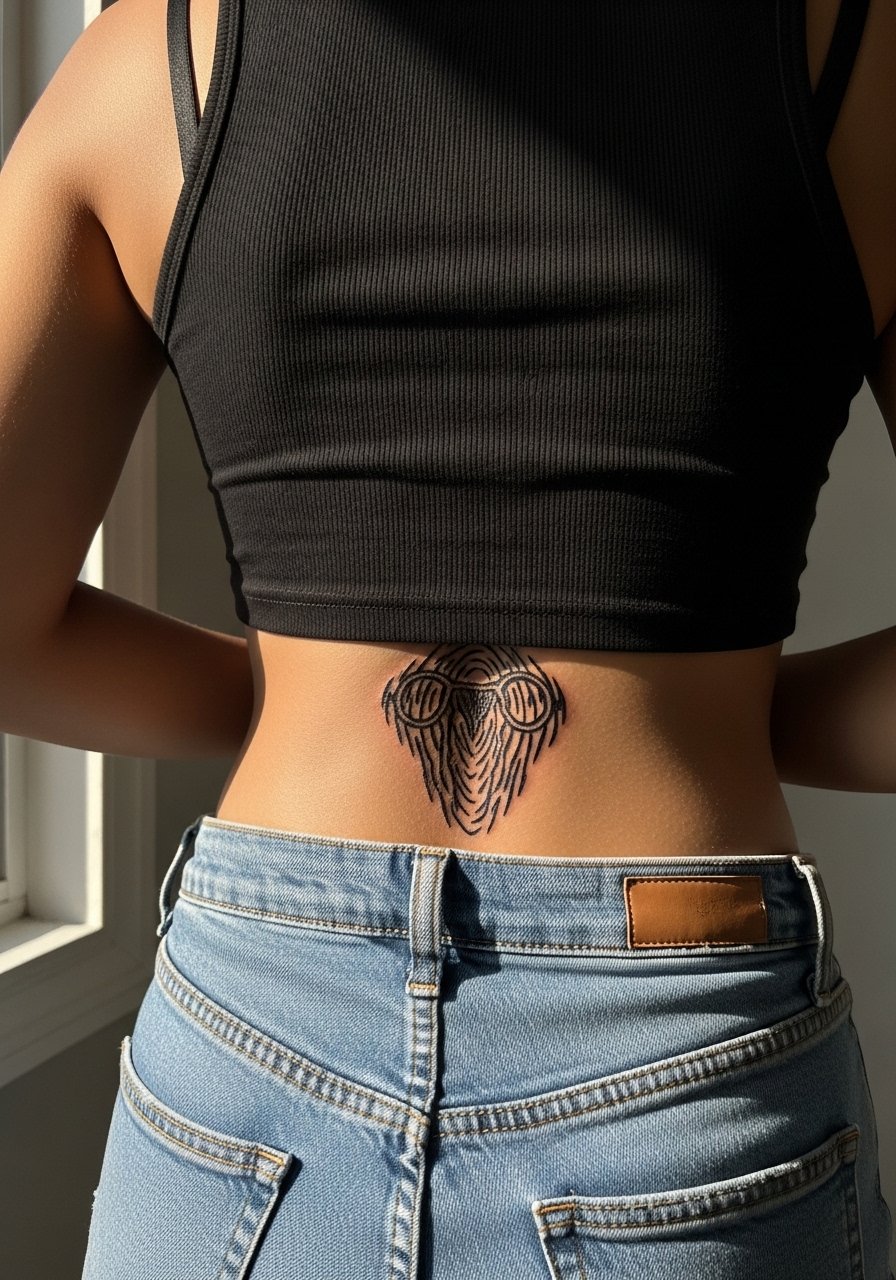
The lower back tolerates bold, rough marks, which is why the intentionally raw ignorant style works here. Expect two to three sessions for layering and to preserve the scribbled energy. Artists often treat this as a statement piece that ages into texture rather than a crisp icon. One practical point is to avoid tiny interior detail in this treatment, because the whole point is the unapologetic, graphic presence. For comfort, wear pants you can pull slightly down and a tank you can shift so the artist has clear access.
9. Fine line flower of life on the shoulder blade
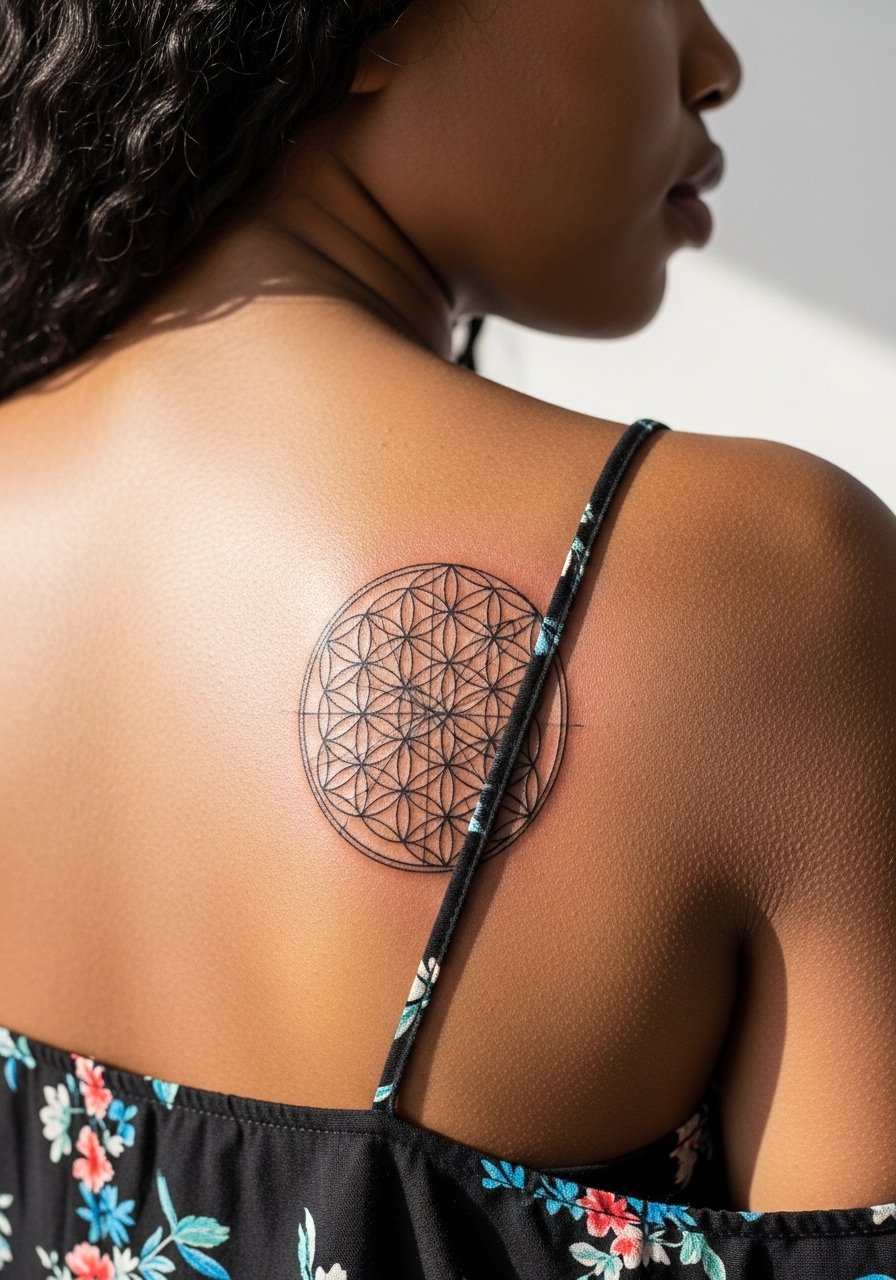
Shoulder blades are strong for geometric work if you give the shapes room. I have seen flower-of-life pieces fail when scaled too small. Ask for a minimum spacing between overlapping circles so the geometry keeps its airy look after two to three years. The debate about fine line longevity is relevant here. One camp says these patterns need bold outlines to remain consistent. The other camp trusts careful spacing and needle depth for long-term clarity. Plan for touch-up after year one if you notice dot work softening. Styling tip: wear spaghetti strap dress earth tone silhouettes to show the work.
10. Traditional American Aphrodite with waves on the calf
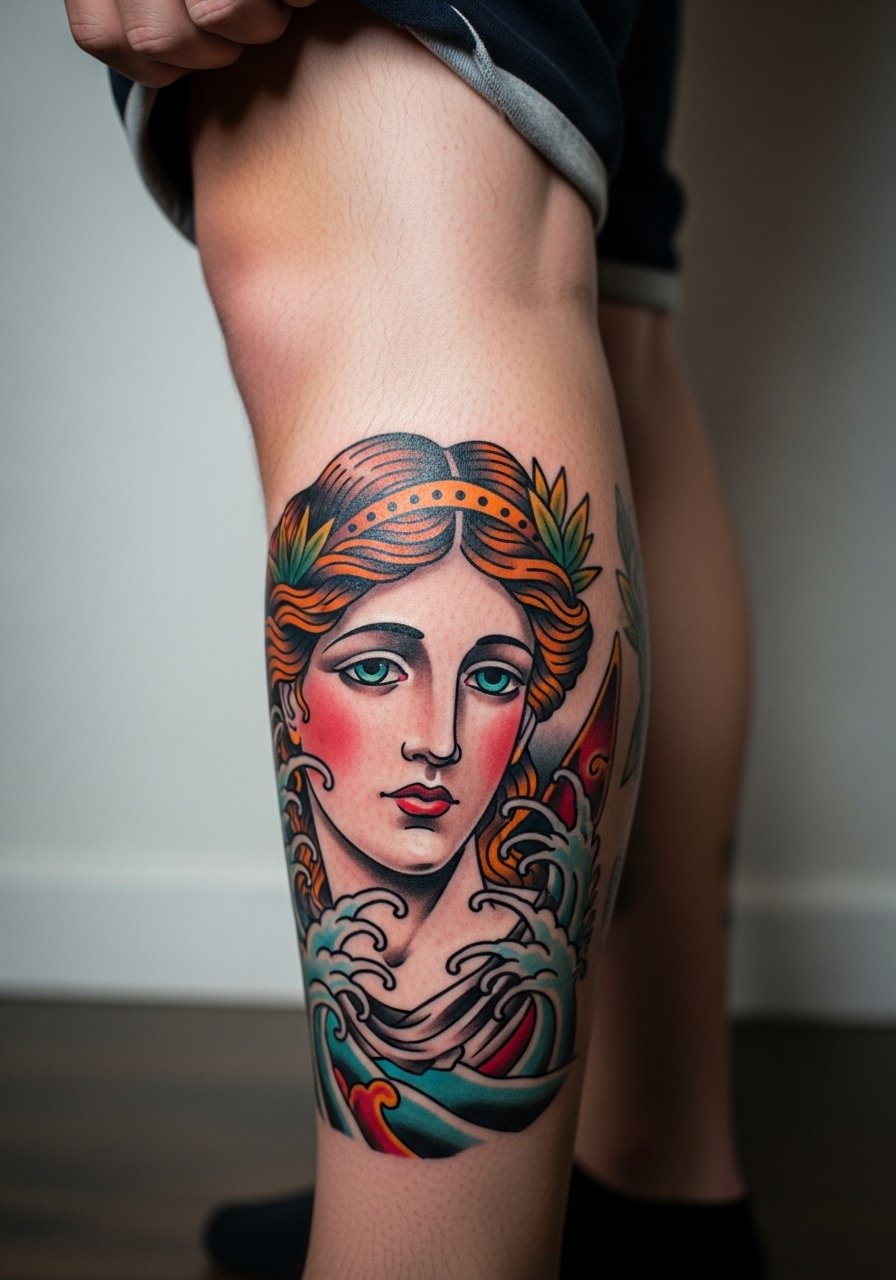
Calf pieces are forgiving with saturation and are great for a colorful revival of classic iconography. For a neo-traditional Aphrodite, ask the artist to block strong black outlines around key features so color areas keep their shape as tattoo aging softens small shading. This is a medium-pain placement and usually takes two to three sessions. A mistake is trying to cram photoreal detail into a traditional frame without enough saturation. For outfits, high socks or A-line skirts can frame the story, and a pair of strappy heeled sandals shows off the calf when you want to display it.
11. Black and gray realism Ishtar wings on the upper arm
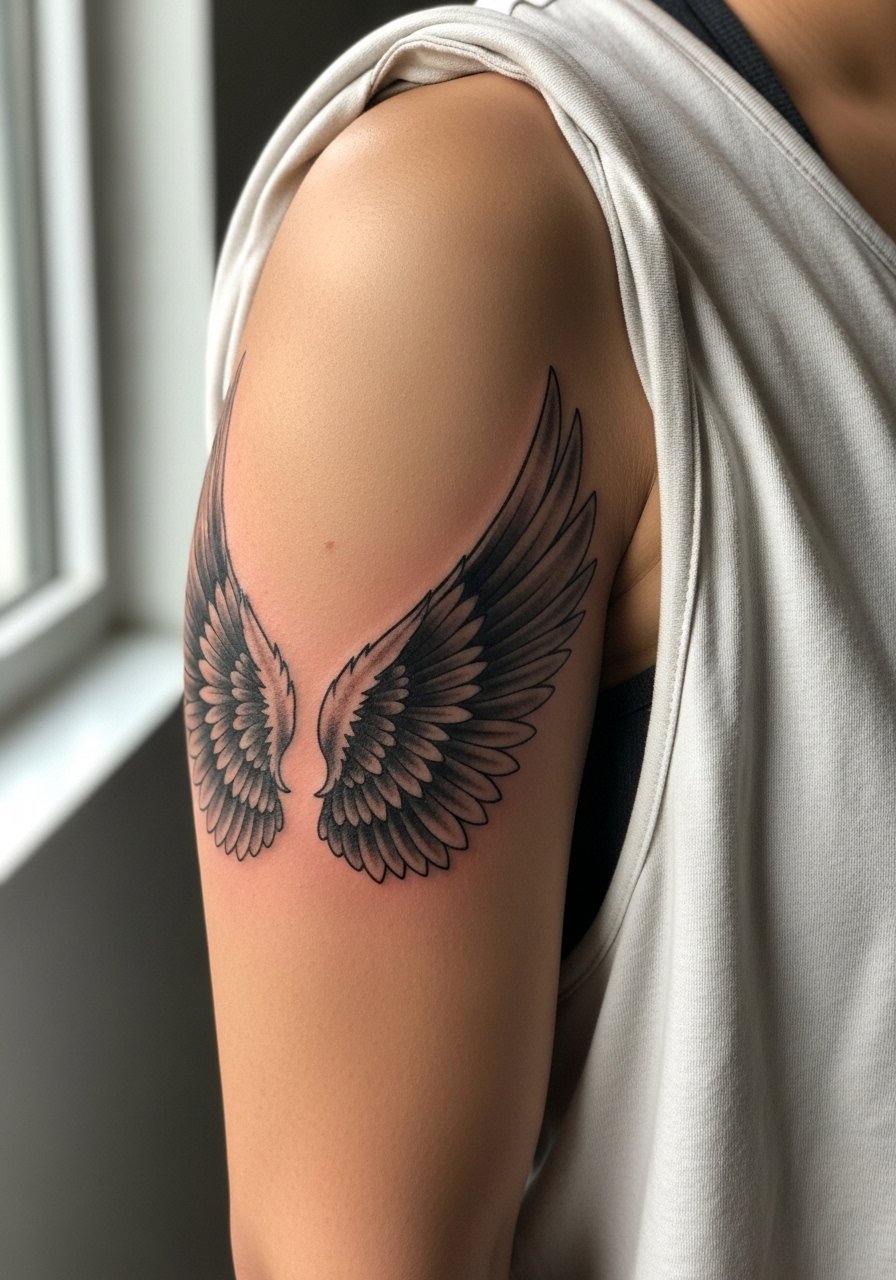
Upper arm shading absorbs detail well and is a good fit for large, dramatic black-and-gray wings. These need multiple sessions for saturation and depth so the feathers read in grayscale rather than flattening. A real mistake is asking for extreme micro-detail across a six-inch span in a single sitting. Artists will often stage this over several visits to preserve saturation. Upper arm tattoos tolerate heavier shading, and that means fewer touch-ups than ultra-fine linework. For session wear, a loose tank avoids fabric drag while the artist works.
12. Dotwork mandala with a triple spiral on the sternum
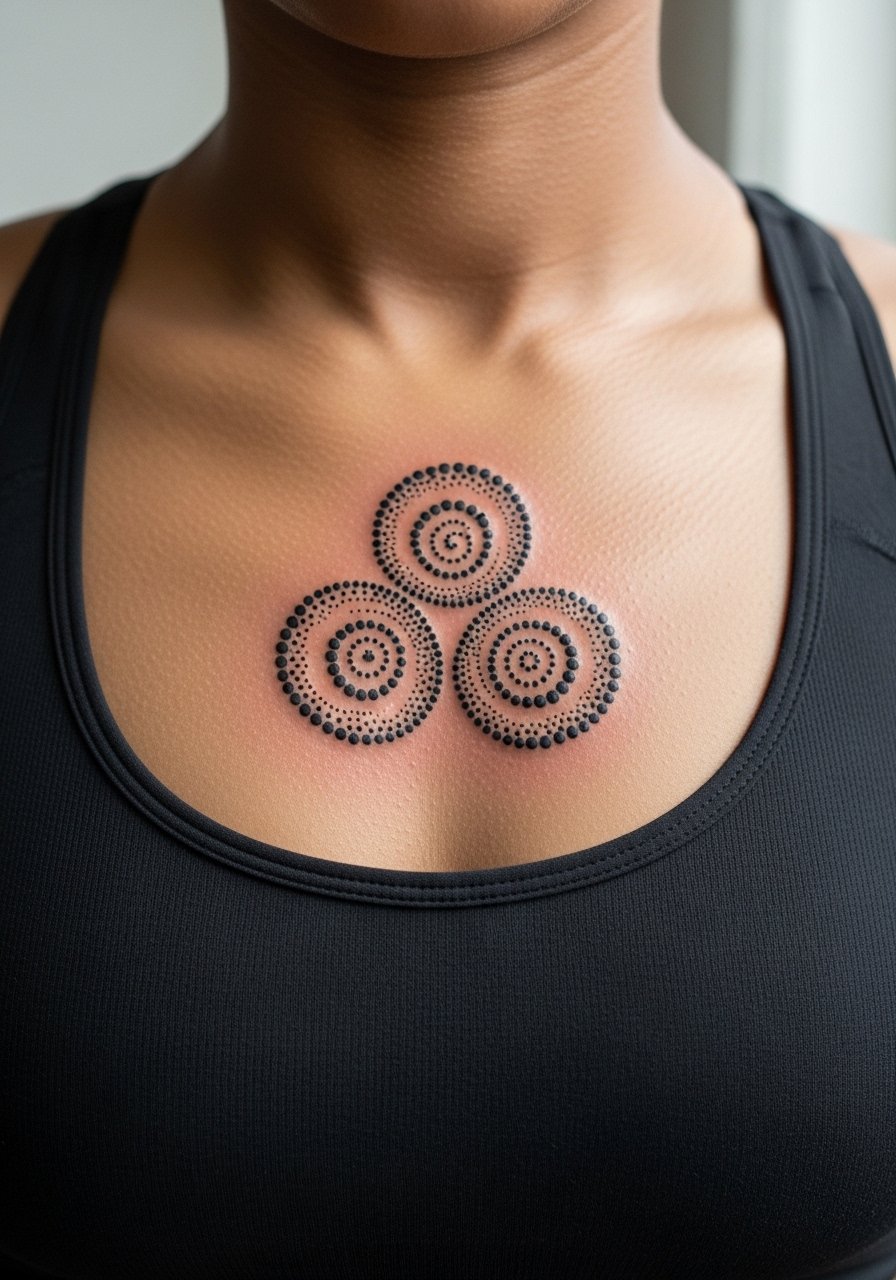
Sternum work is intimate and requires a steady hand for even dot placement. Expect three sessions for a four-inch mandala because the artist must let tissue settle between passes. One common regret is selecting a density that reads well fresh but becomes muddy as dots merge in high-contrast areas. If you plan a dry healing approach, know that some people find sternum scabs thicker and more persistent. Session wear recommendation is a fitted sports bra for both modesty and access.
13. Watercolor yoni flower blooming on the inner bicep

Inner biceps are a canvas hidden in motion and show watercolor washes beautifully when placed vertically. The area is moderately sensitive, and the skin flexes with muscle use, so plan for two sittings. Ask your artist to avoid extremely diffuse washes that rely on fading to create shape. A common mistake is asking for heavily blended watercolor without anchor lines, which can look like bruising after a few months. For the appointment, a loose tank top with the arm raised keeps access clean.
14. Patchwork sleeve starting with moons and mandalas
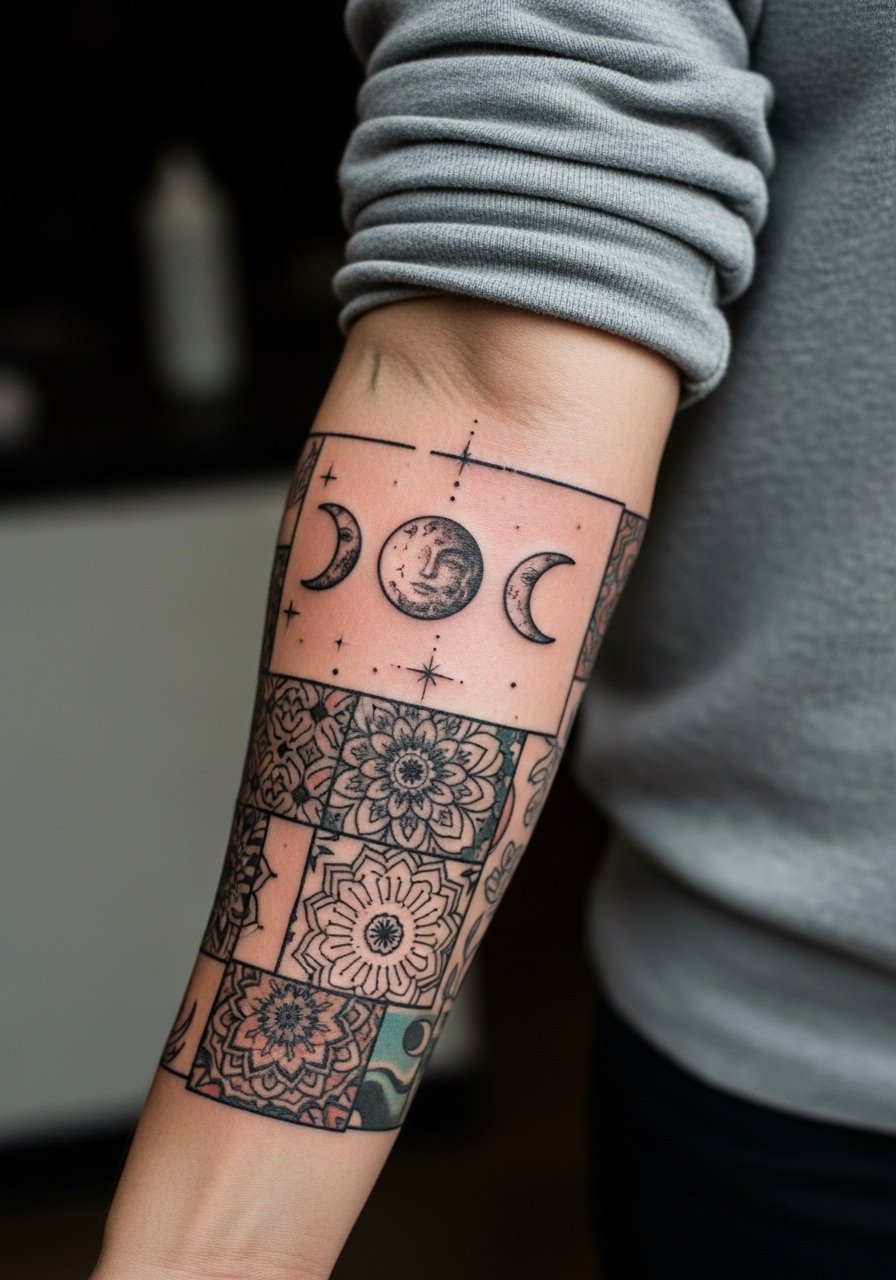
Building a sleeve over years lets you keep each mini motif readable if you plan spacing and scale. Start with larger anchors like moons or a mandala and leave strategic negative space so future fills do not overcrowd. During consults, ask about session spacing to avoid pigment saturation that forces future pieces into awkward overlap. The biggest mistake is starting small and tight without a long-term map. For showing this off, a flowy kimono or a rolled cuff works well, and a cream chiffon kimono sleeve frames the forearm without covering it.
15. Inverted yoni on the hip for dark skin

This is an under-covered approach that many in darker skin communities favor for optical pop. Using inverted negative space and strong black fields preserves contrast. Tell your artist you want crisp negative outlines rather than thin interior detail that disappears on deeper tones. A common mistake is asking for subtle gray shading that vanishes over time. Expect three sessions for solid black approaches and plan touch-ups at the year mark if you notice filling loss. For show-off looks, pair with black linen high waist shorts or a swimsuit bottom that frames the hip area.
16. Spine kundalini serpent with glow-in-the-dark accents
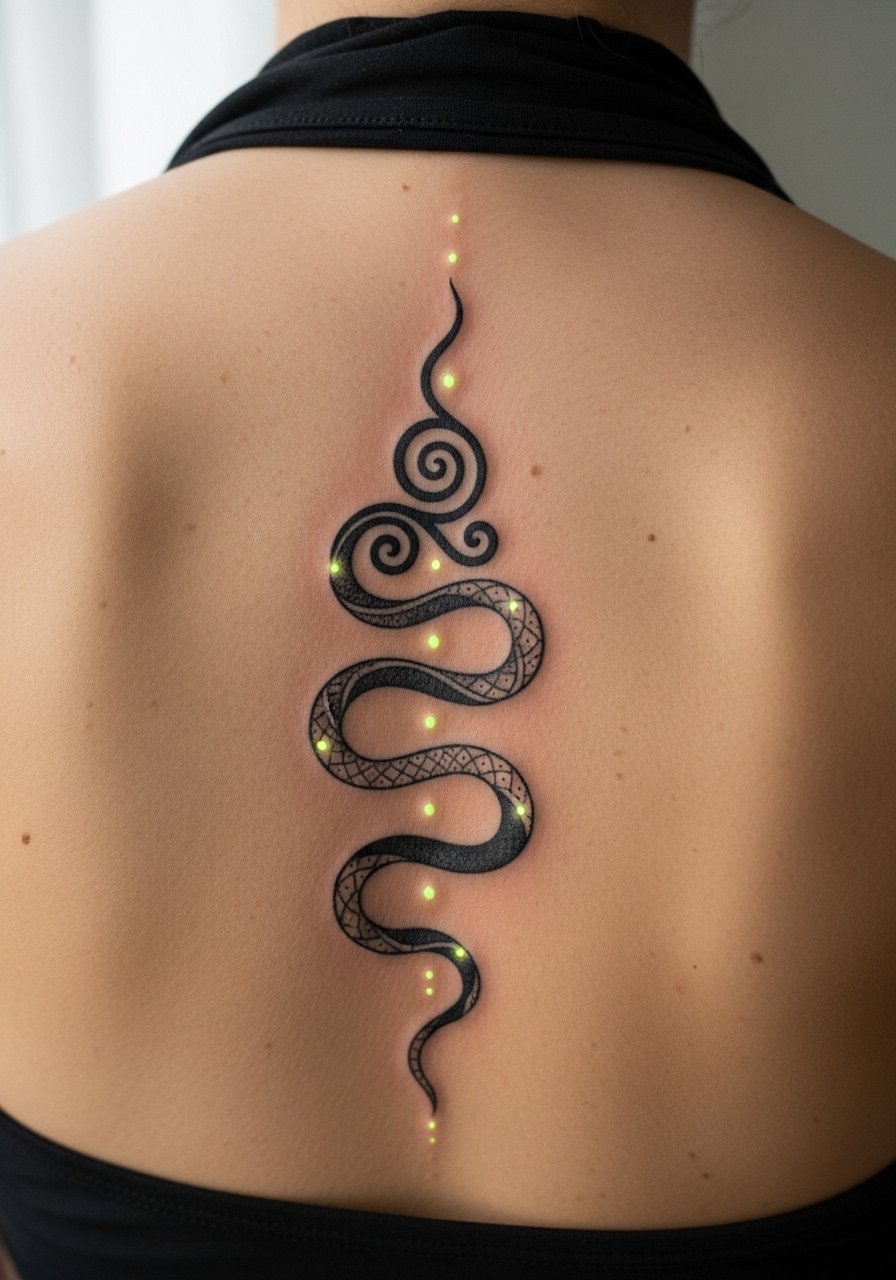
Spine flow matters for this concept. The glow accents are a novelty that one should treat as an accent, not a replacement for solid line work. Ask the artist about compatible glow pigments and whether they prefer to place them in negative space or as fine dots above the black. The practical downside is that glow pigments can fade faster than black, so expect occasional refreshes. This design usually runs across four sessions to keep the flow natural and to test the glow reaction on a small patch first.
17. Asymmetric thigh florals designed to flatter post-pregnancy curves
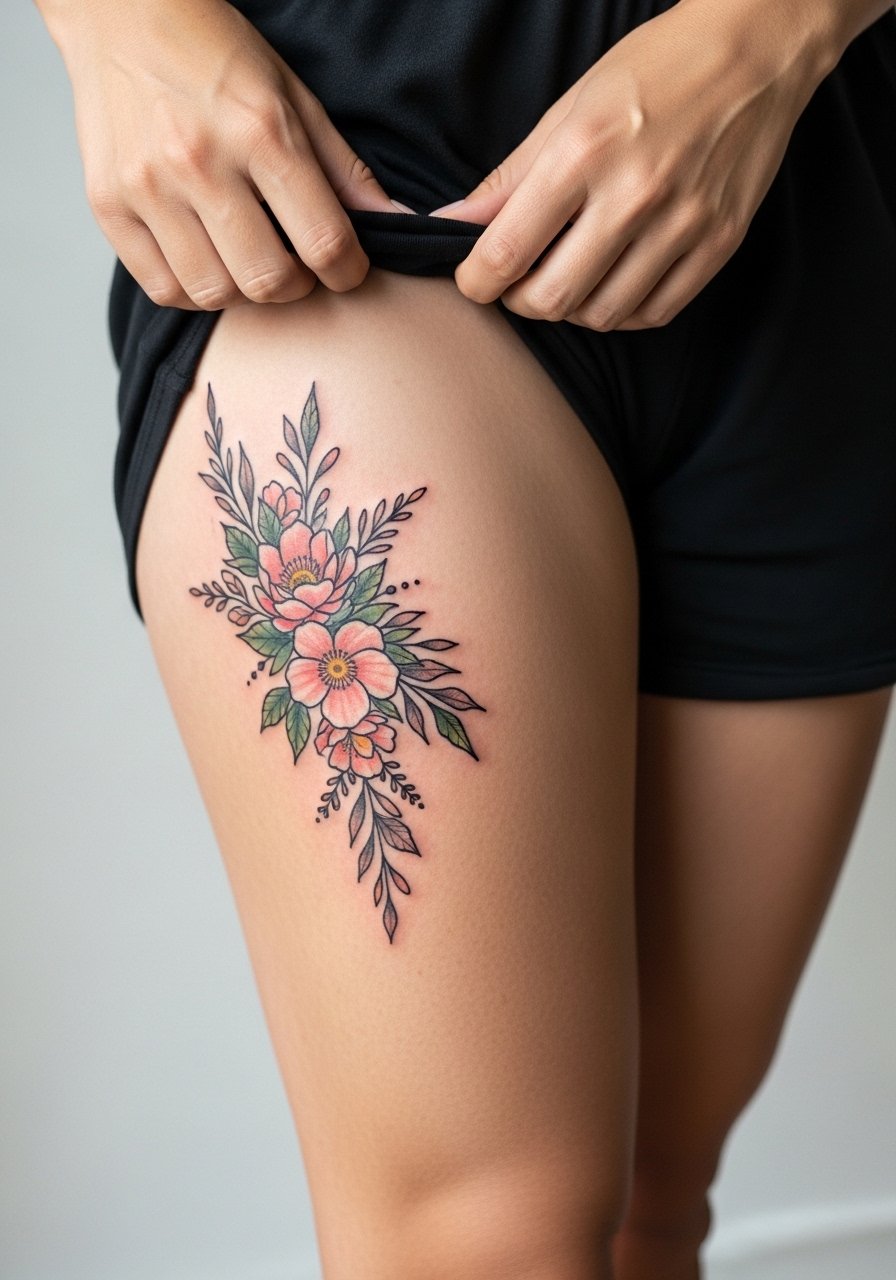
Designs that plan for future body change use asymmetry to flatter shifting contours. If you are thinking about pregnancy or significant weight changes, ask for paneling that follows natural muscle and fat distribution so the florals elongate rather than bunch. A common mistake is perfectly symmetrical motifs placed on the widest point, which can pull oddly after change. Artists who think long term will map the piece with you standing and sitting. For summer wear, high-waisted shorts or A-line skirts pair well, and a A line midi skirt gives coverage while showing the placement.
Frequently Asked Questions
Q: Will fine line triple moons blur faster on medium to dark skin than on light skin?
A: In my experience, ultra-fine single-pass lines can blur quicker on medium and dark tones if the pigment sits too shallow. Many people choose slightly thicker linework or small blackwork anchors to preserve shape. Ask for a test stencil and discuss touch-up timelines with the artist.
Q: Should I expect watercolor collarbone pieces to distort if I gain weight or during pregnancy?
A: Watercolor relies on soft washes, so where skin stretches a lot, the shapes can distort. Collarbone is safer than thigh for this reason. If you expect body changes, ask the artist to design with natural anchors and slightly stronger edges in key areas.
Q: Artists keep canceling guest spots for complex thigh and sleeve work. What are practical alternatives?
A: Use directory apps and hashtag searches to find local artists who list availability, and consider traveling to a convention where many artists take walk-ups. Booking a nearby artist for a smaller anchor session can also secure the line weight you want while you wait for a bigger appointment.
Q: Is Saniderm better than dry healing for these styles, especially fine line work?
A: The community splits here. One group prefers protective film because it limits friction and keeps the area clean. The other group argues dry healing forms natural scabs that harden well for certain linework. I recommend asking the artist which method they have seen succeed for the exact placement and style you are getting.
Q: How often should I expect touch-ups for micro-realism eyes on ribs or dotwork mandalas on the sternum?
A: Micro-realism and dense dotwork often need a touch-up within 12 to 18 months depending on your skin and sun exposure. The ribs and sternum move more, so plan a follow-up visit in the first year to lock in detail.
Q: What should I wear to the studio for an upper thigh or lower back session?
A: Pick loose shorts or a skirt that can be shifted without full removal. For lower back work, a tank with high-waisted bottoms shifted lower works well. For the upper thigh, wear underwear you are comfortable adjusting so the artist can access the area cleanly.
Q: I want a bold black yoni on dark skin but worry about cultural sensitivity. Any guidance?
A: This symbol has personal and cultural resonance for many people. Consider small variations rather than direct replicas of ritual designs if you are unsure, and discuss origin and intent with the artist so the piece is respectful and aligned with how the imagery is traditionally used.