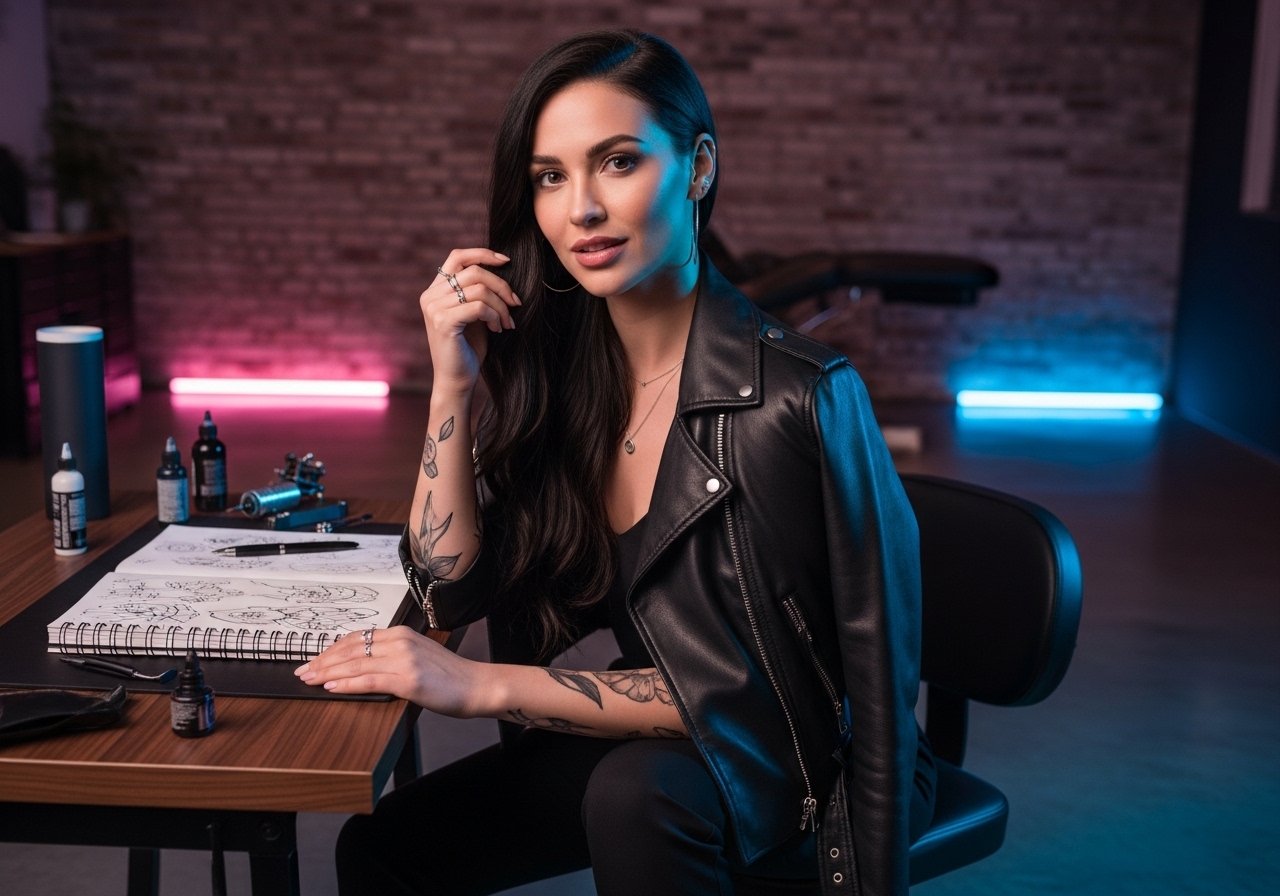
Fine line tattoos are everywhere on photo feeds, and the same trend that looks ethereal fresh often needs honest planning to last on a joint like the knee. The skin over the kneecap moves, rubs against clothing, and sits close to bone, so line weight, spacing, and wardrobe matter more than most people expect. Read these ideas and consultation notes so your kneecap piece still reads well after a few seasons of wear.
1. Fine Line Peony Curving Above the Kneecap
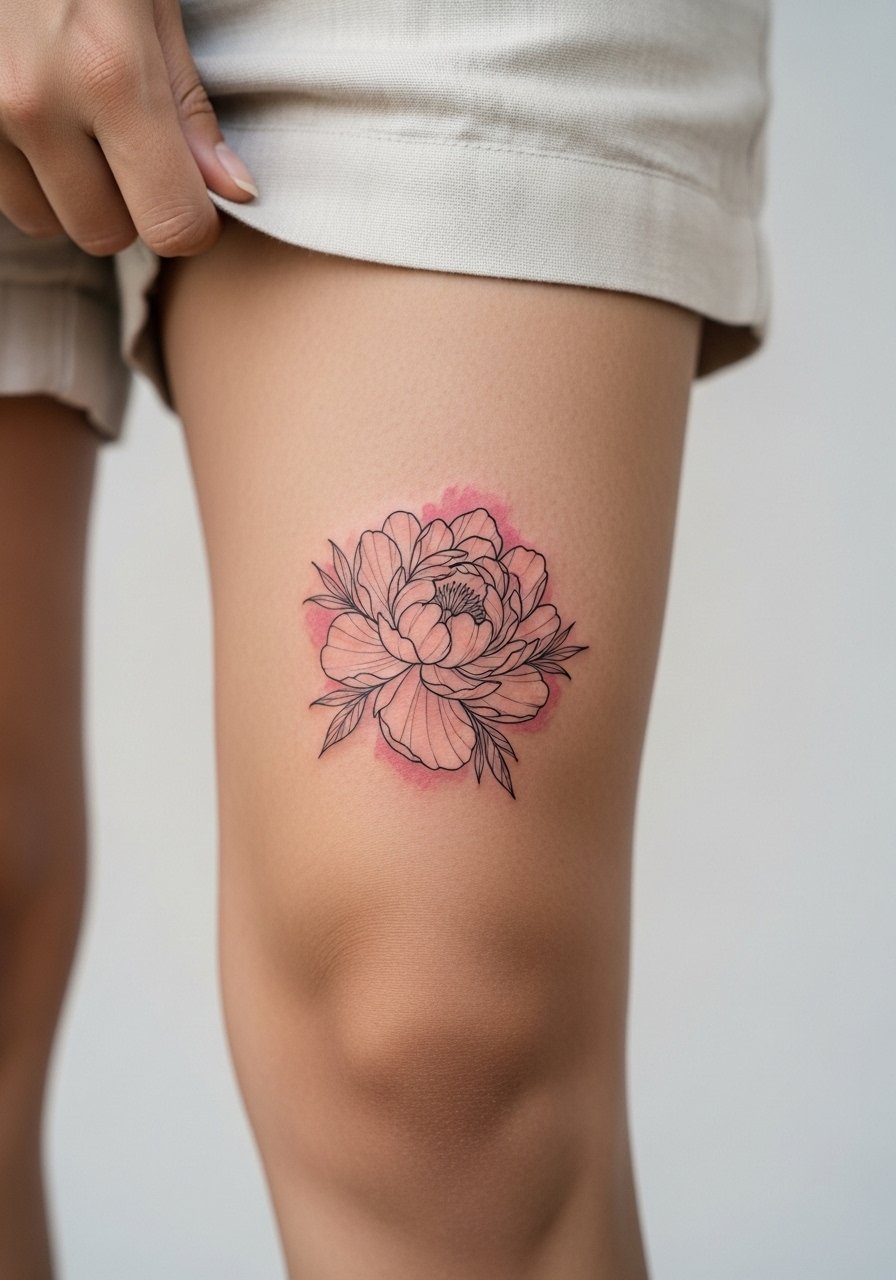
Peonies work on the knee because the petals can follow the joint curve and soften the silhouette. If you want this over the kneecap, ask your artist for slightly heavier outer linework and micro shading inside petals so the bloom holds up where friction hits. The biggest mistake is asking for ultra-fine outlines that disappear after a year. Expect a single-session piece that feels sharp on bone during inking. For showing it off, pair with high waisted linen shorts and strappy sandals so the bloom reads without competing silhouettes. Touch-ups are common at year two to refresh delicate tones.
2. Mandala Wrap That Follows the Knee Fold
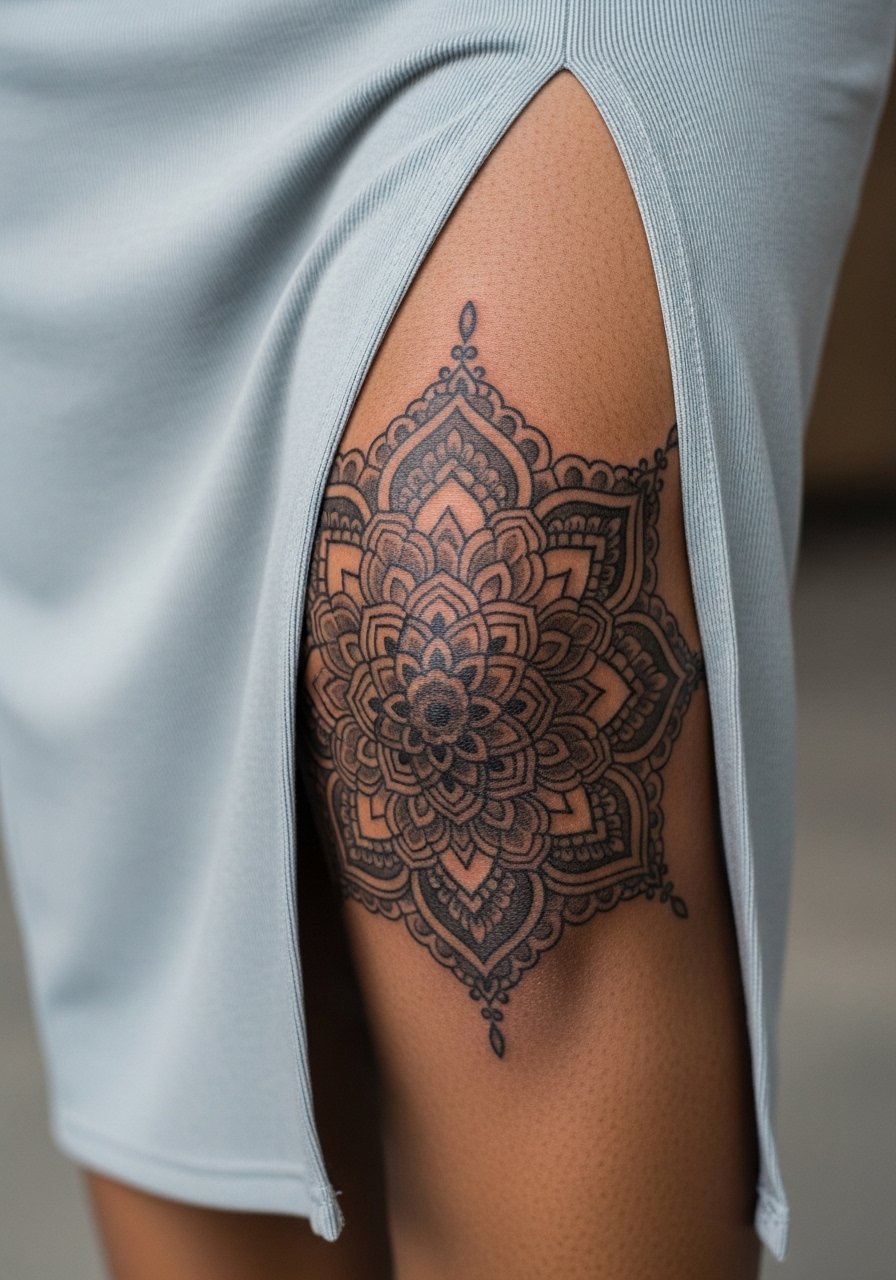
A mandala wrap uses symmetry to accentuate the joint, but scale matters. When done too small, dense linework merges as skin settles. Tell the artist to increase negative space in the center and move concentrated detail into the petals that sit off the bone. This style can be one or two sessions depending on diameter. Pain sits at the mid range because the needle hits thin skin over bone. If you plan to show it with skirts, a midi skirt with side slit frames the wrap without cutting off the flow. For cultural patterns that trace back to sacred geometry, ask about respectful variation rather than exact replicas.
3. Neo-Traditional Butterfly Spanning the Cap
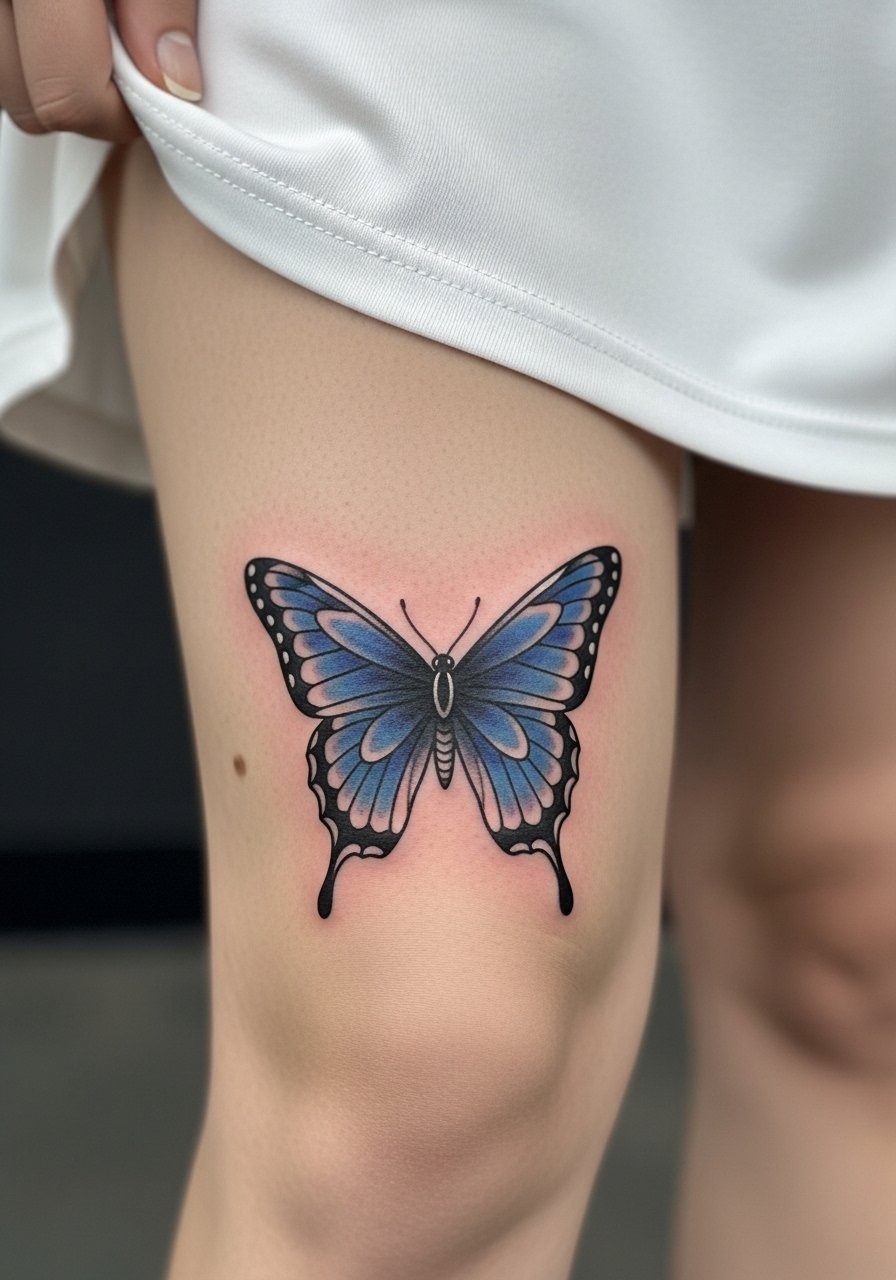
Butterflies animate with the knee bending, which is the real appeal. Ask for slightly bolder wing outlines and saturated fills so the color keeps presence as the skin ages. A common error is insisting on extremely thin veins in the wings that disappear early. Plan on one session for a medium-sized piece and expect moderate pain near the patella. Pair the design with an athletic skort or tennis skirt for sporty summer looks that make the wings read in motion. Touch-ups around year two are normal if you want the gradients vibrant.
4. Blackwork Geometric Knee Band
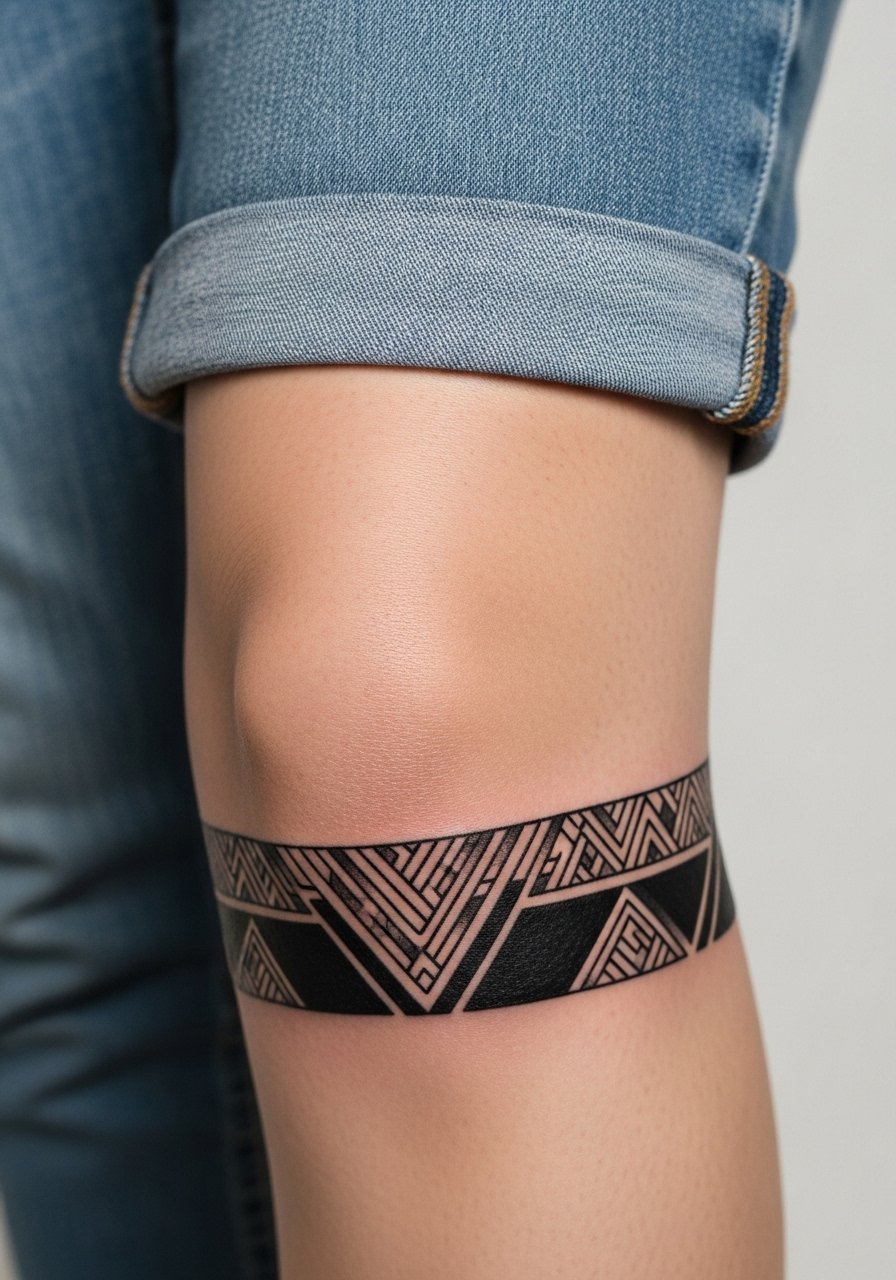
Geometric wraps emphasize the joint structure and often last better than delicate work because saturation resists friction. The common mistake is compressing too many small triangles into a tiny band. Tell your artist to lay out larger repeating motifs with clean spacing. Expect one to two sessions and a higher saturation level that feels more intense during the appointment. This style pairs well with bootcut jeans or cuffed wide-leg pants that reveal the band when you move. Blackwork tends to need fewer touch-ups than watercolor on high-friction areas.
5. Minimalist Lotus Centered on the Cap
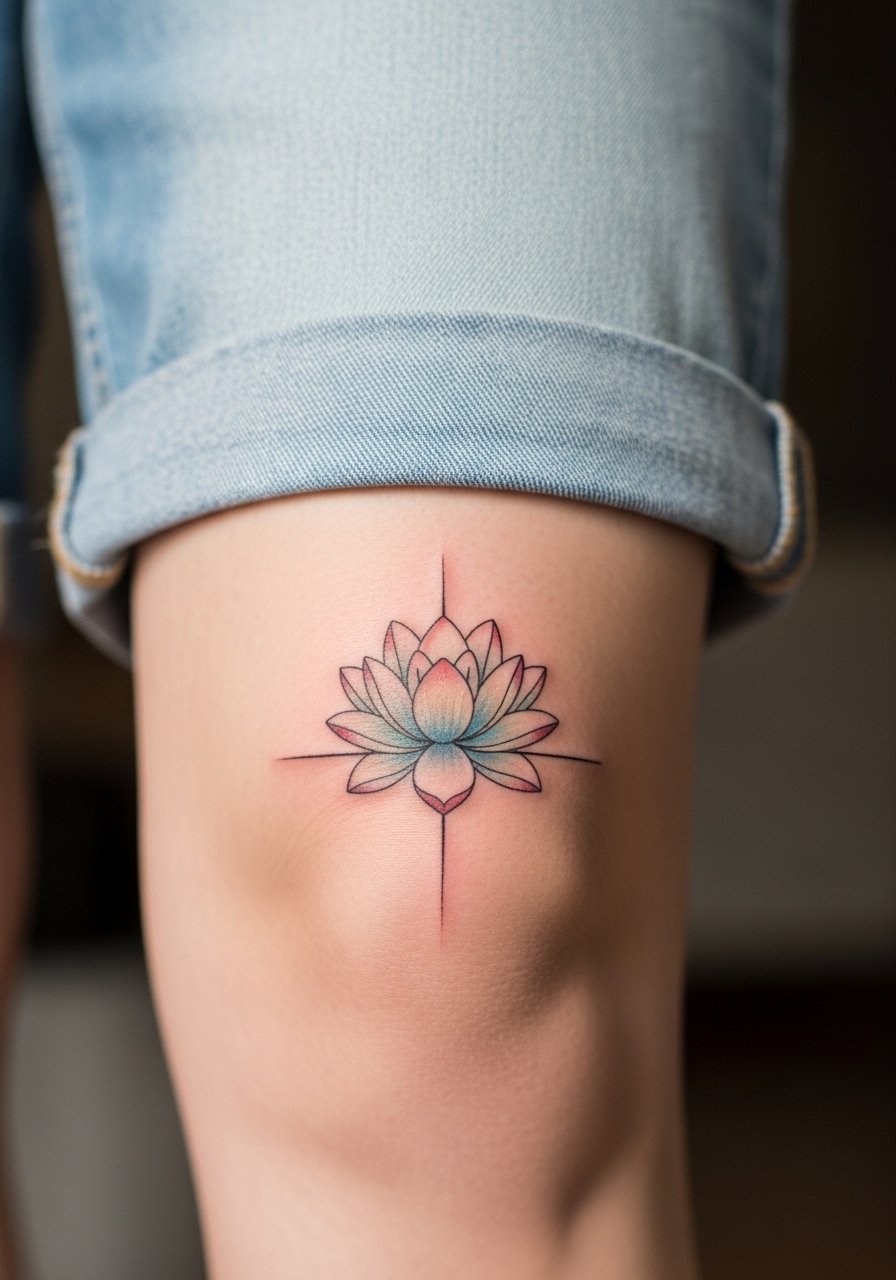
A small lotus reads fresh when it sits right on the patella because its radial symmetry follows the bone. The aging challenge is keeping the center clean. Ask for slightly increased petal spacing and soft stipple shading rather than continuous thin lines. Session time is usually short but the pain is noticeable over the bone. For outfit ideas, rolled cuff denim shorts or strappy sandals let the lotus be visible without competing color. Plan a touch-up at year three if you prefer crisp petal gaps.
6. Micro-Realism Bee Hovering Over the Knee
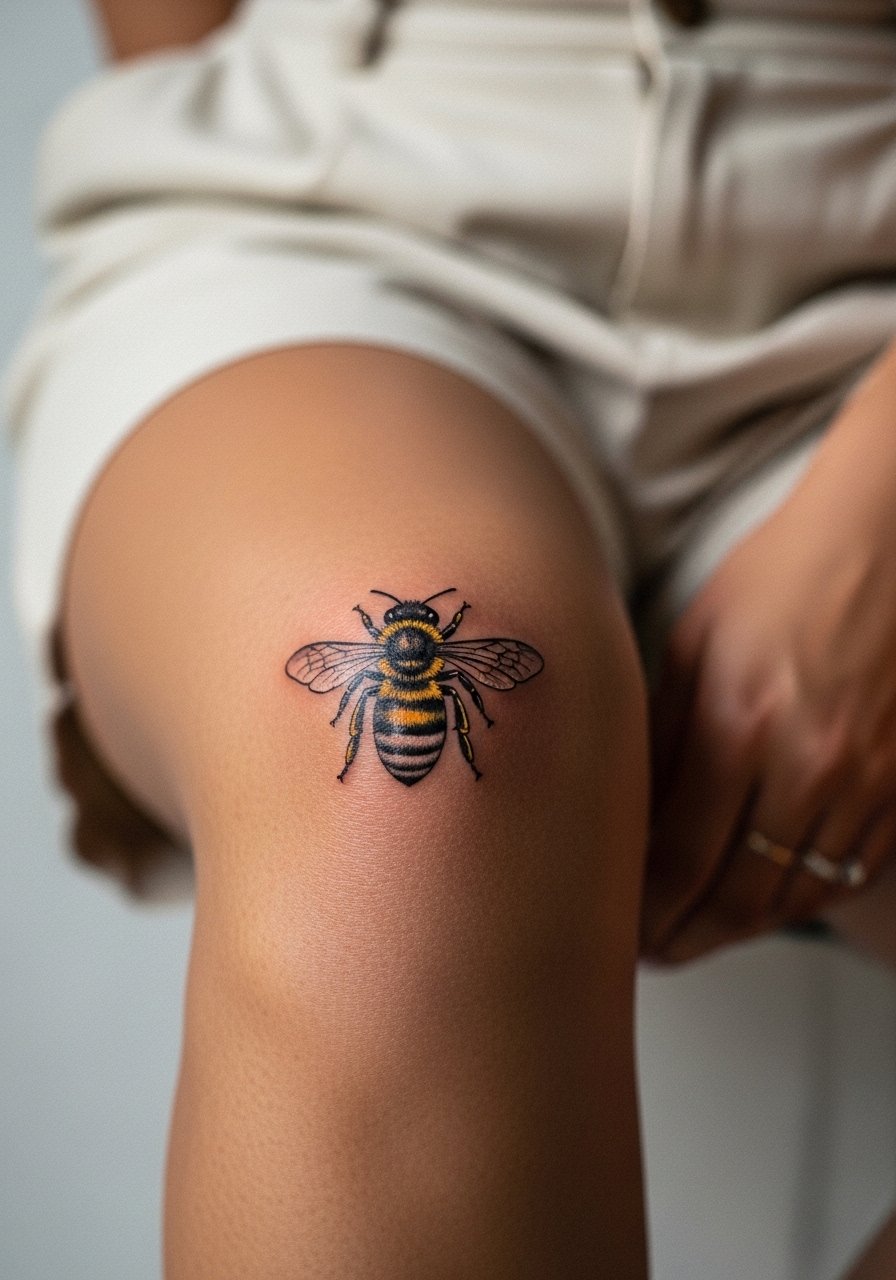
A tiny bee uses motion to your advantage; the thorax sits nicely off the bone so the wings catch the curve when you bend. The main mistake is demanding ultra-fine stippling for the body without stronger anchor lines. This increases blowout risk over time. Expect one session but a sharper sting during inking when the needle hits thin skin. Wear loose session clothes like high waisted linen shorts so the artist can access the area without pressure. Touch-ups can be required if the yellow fades faster than black.
Studio Day Picks
The mandala, mandala wrap, and floral pieces above all ask for clean stencils and careful session prep, while fine line and micro-realism designs need moisture control after the chair.
-
Stencil transfer paper kit. Lets you preview and reposition complex mandala or floral placement on the curved kneecap before the tattooing starts.
-
Topical numbing cream. Helpful for first-timers nervous about the bone contact during bee or butterfly pieces when applied as directed before the session.
-
Thin protective film roll. Shields fresh kneecap work from rubbing in the first day when mobility is unavoidable.
-
Fragrance-free gentle body wash. Cleans the healing knee without irritating color or delicate linework on floral and watercolor styles.
-
Aquaphor healing ointment. A thin layer in the first 48 hours can lock moisture into fine line details without clogging.
7. Star Cluster Orbiting the Patella
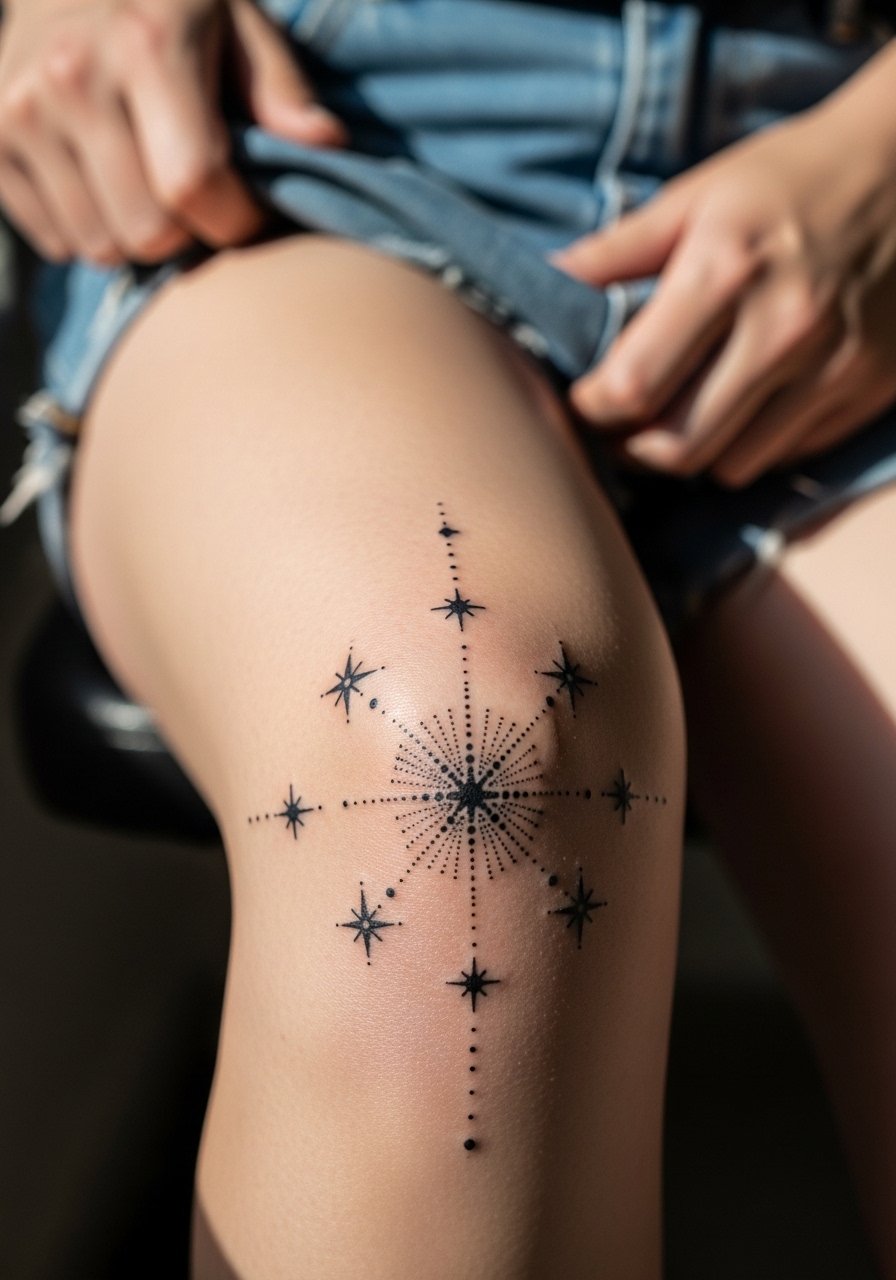
A star cluster is scalable and can be as sparse or dense as you like. The danger is clustering too many tiny dots right on the bone. Ask for slightly wider spacing near the patella and concentrate dots on the surrounding skin so the pattern survives movement. Session time is short but you may prefer breaks because the knee is sensitive. This motif ages by softening into lighter dots, and a small touch-up can restore contrast. For casual shows, pair the piece with rolled shorts or sandals so the scattered stars catch light.
8. Polynesian-Inspired Tribal Band Below the Knee
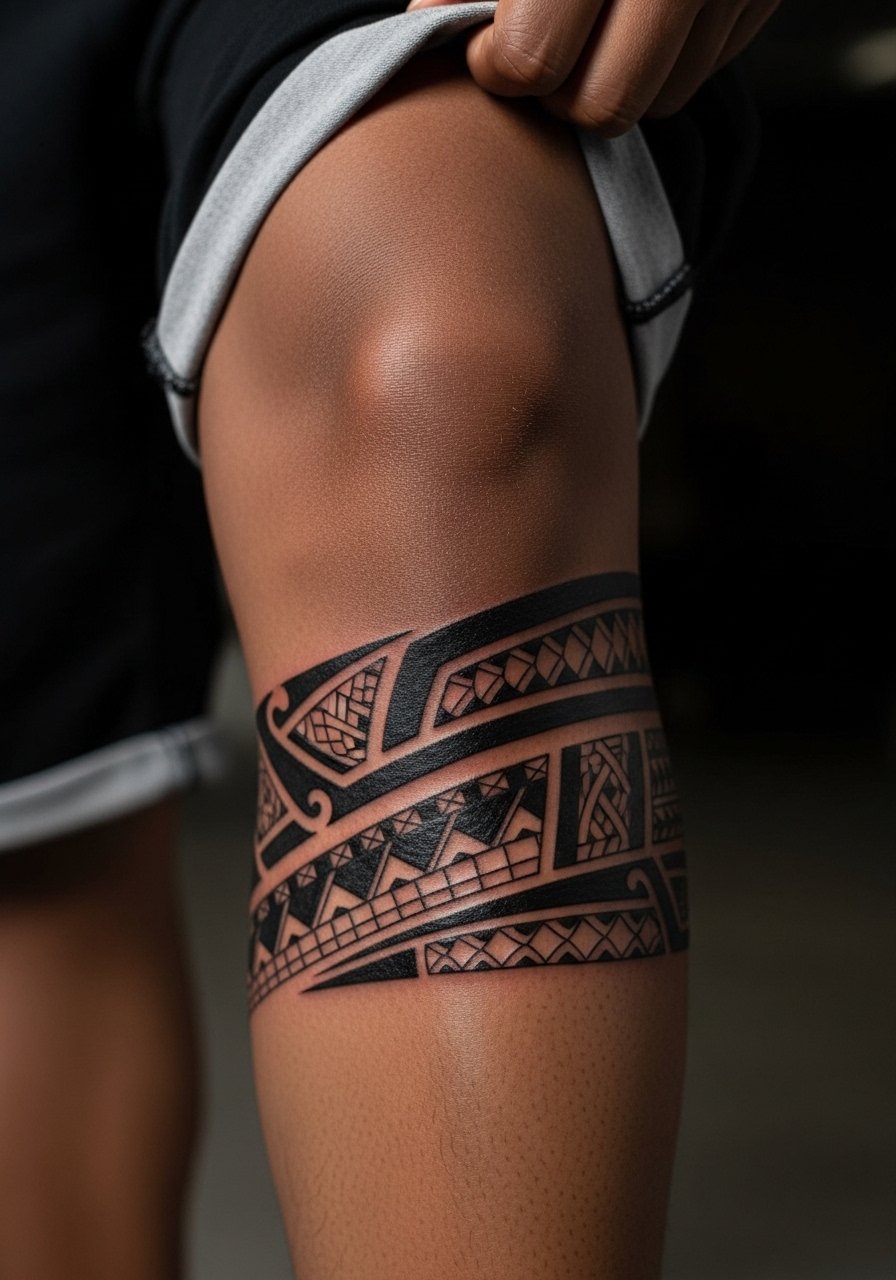
Tribal bands demand respect for origin and pattern language, so ask your artist about which motifs are traditional and which are stylized. This band should sit wide enough so the thick elements do not blur together as skin flexes. Expect heavier sessions and a solid pain score where lines cross. The common mistake is shrinking a band too thin to keep the pattern readable. For fall outfits, cuffed bootcut jeans draw attention to the band without covering it completely. Bold blackwork here tends to need less frequent touch-up than watercolor.
9. Phoenix Rising with Flames That Follow the Bend
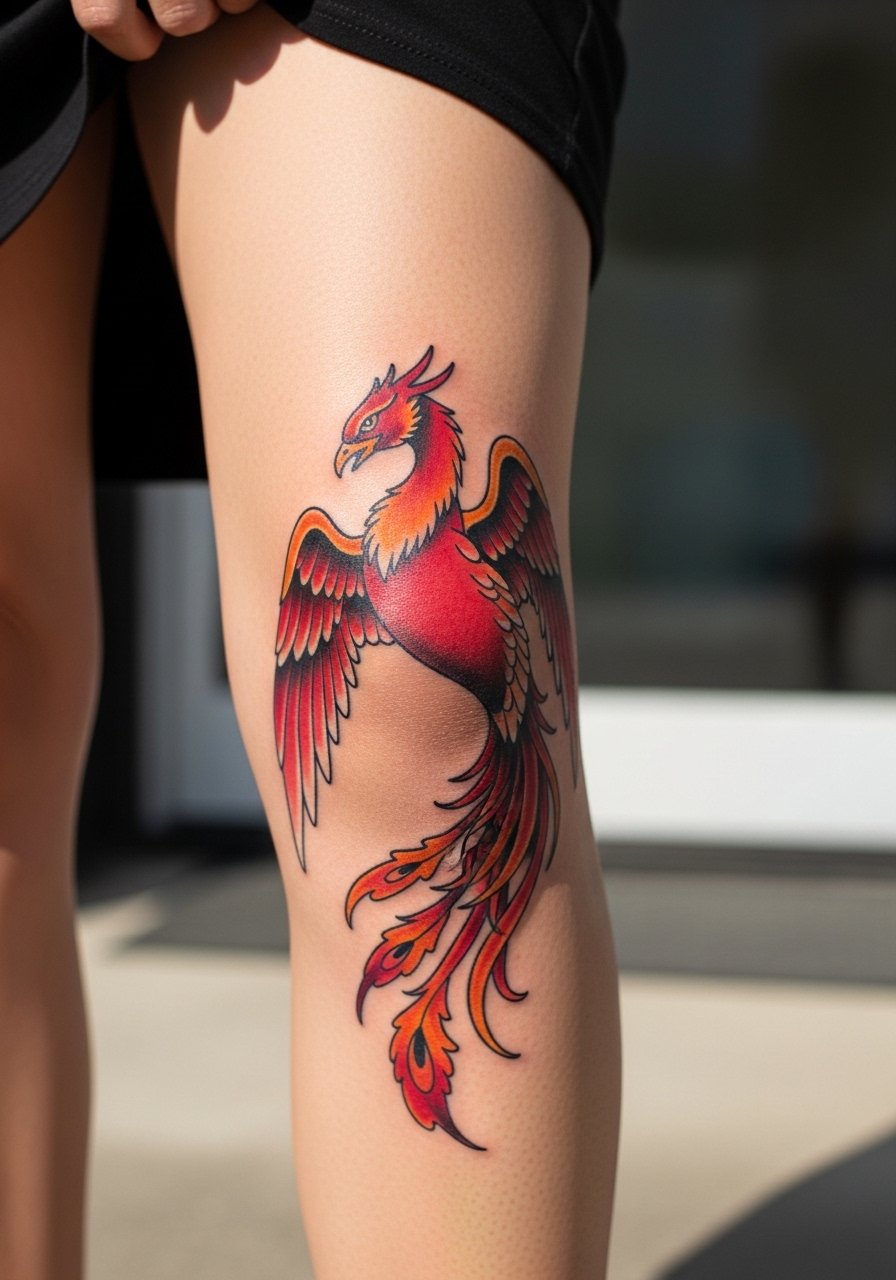
A phoenix plays with the knee motion when flames are laid along muscle lines. This piece usually takes two sessions because of color layering. Ask the artist to anchor the head with strong linework and let the flames wash into looser shading away from the bone. Expect a higher pain level where wings cross the bone. The mistake I see is compressing too much detail onto the patella instead of using the surrounding skin. Pair with wide leg cuff pants or skirts that reveal the full rise when you walk. Color touch-ups are common after year two to keep reds vibrant.
10. Watercolor Floral Wrap Across the Joint
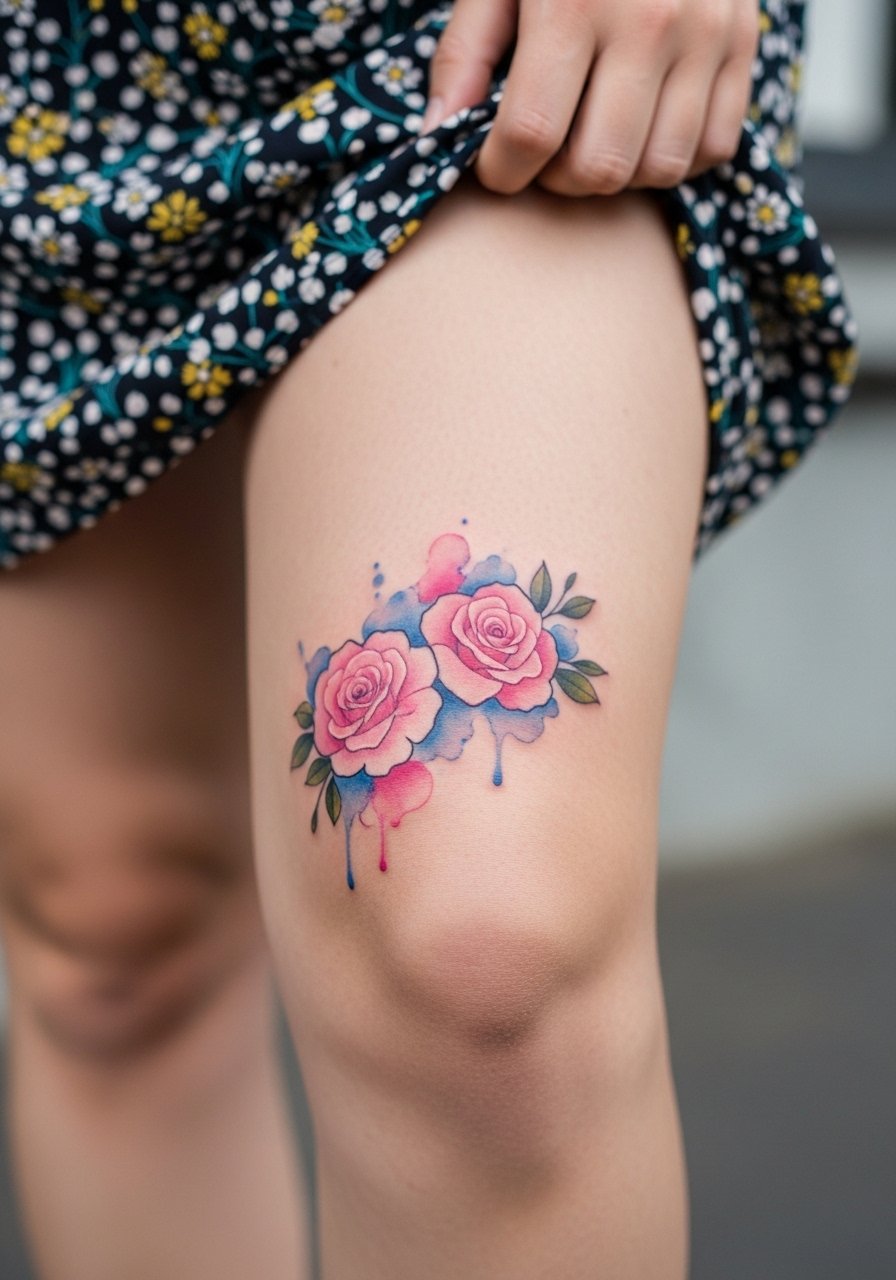
Watercolor looks painterly on the knee but fades faster because pigments sit superficially. If you want a watercolor effect, ask for strategic black anchors or thin outlines to hold shape as pigment softens. The debate over dry healing versus protective film shows up here. One camp says dry healing preserves saturated edges better. The other camp argues a protective film keeps moisture and bacteria out on mobile areas like knees. Name both approaches to your artist and decide based on their experience with watercolor on joints. Wear a summer mini dress to show off the bleed-effect while avoiding tight fabrics during healing.
11. Spider Web Centered on the Patella
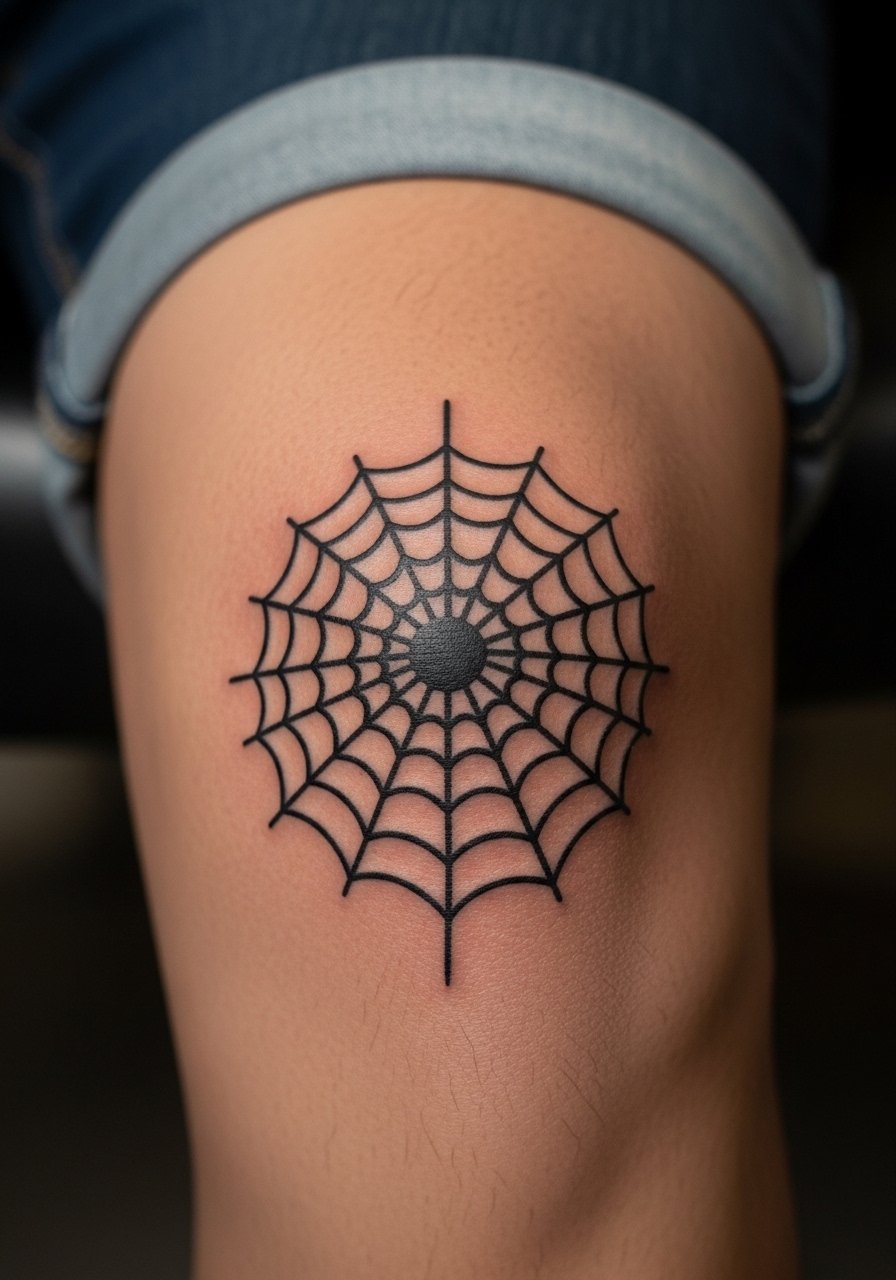
Spider webs hug the natural contours and can create a three-dimensional look. Ask the artist to place the web so the central node avoids the highest bone point, which reduces blowout risk. A common mistake is centering a dense web right on the most convex part of the patella. Session time is moderate and the pain is higher over bone. This style pairs with casual sneakers and rolled pants when you want a subtle reveal. Black outlines here are durable and often need fewer touch-ups than color.
12. Bird in Flight Skimming Above the Knee
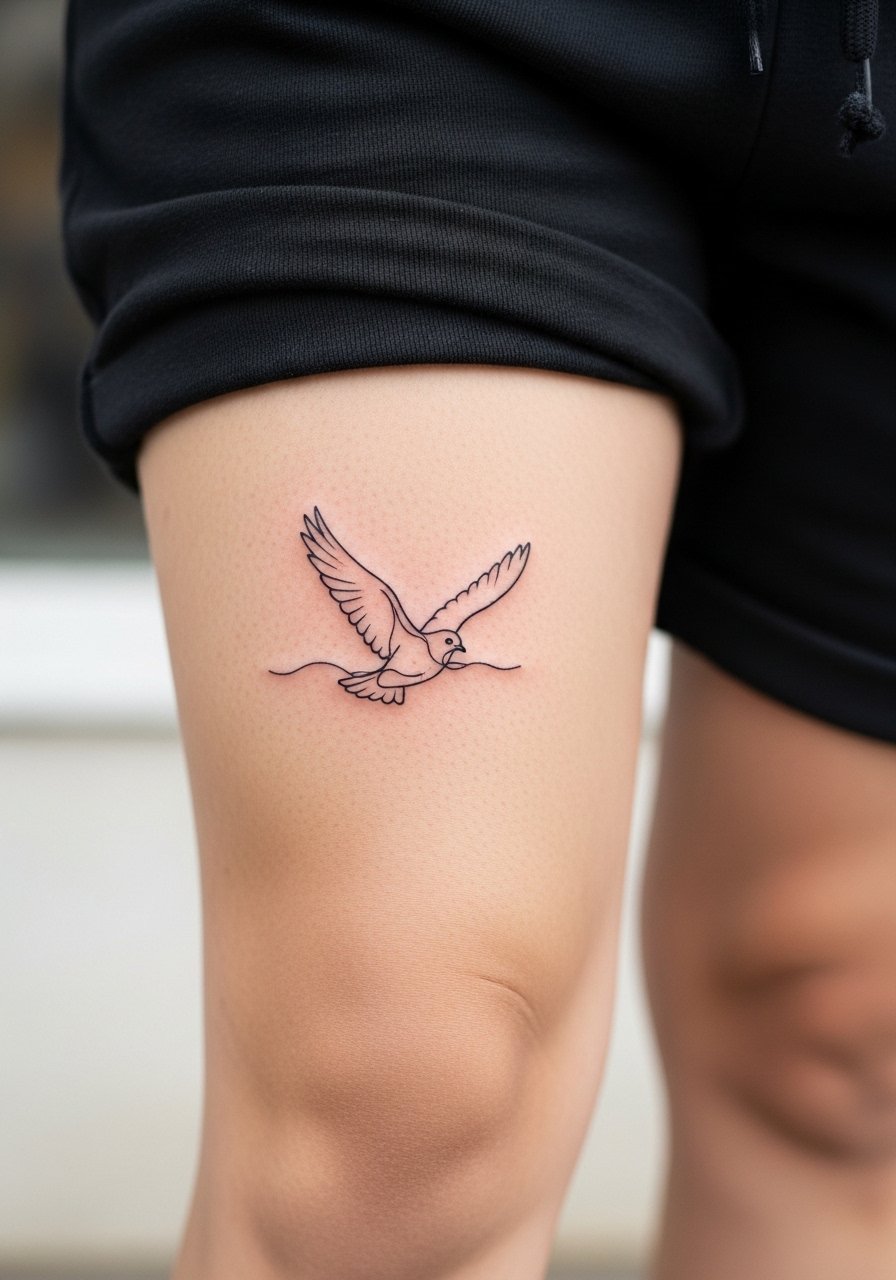
A bird silhouette uses negative space and reads well across movement. For longevity, ask for slightly stronger primary lines so the wings stay legible as the skin relaxes. The common client mistake is expecting single-needle work to behave like bold silhouettes on weight-bearing joints. Expect low session time but moderate sting on the bone. Wear elastic waist shorts for session comfort and to allow the artist clear access. Touch-ups can keep edges crisp if you want the silhouette defined for years.
13. Tiny Script Curving Under the Cap
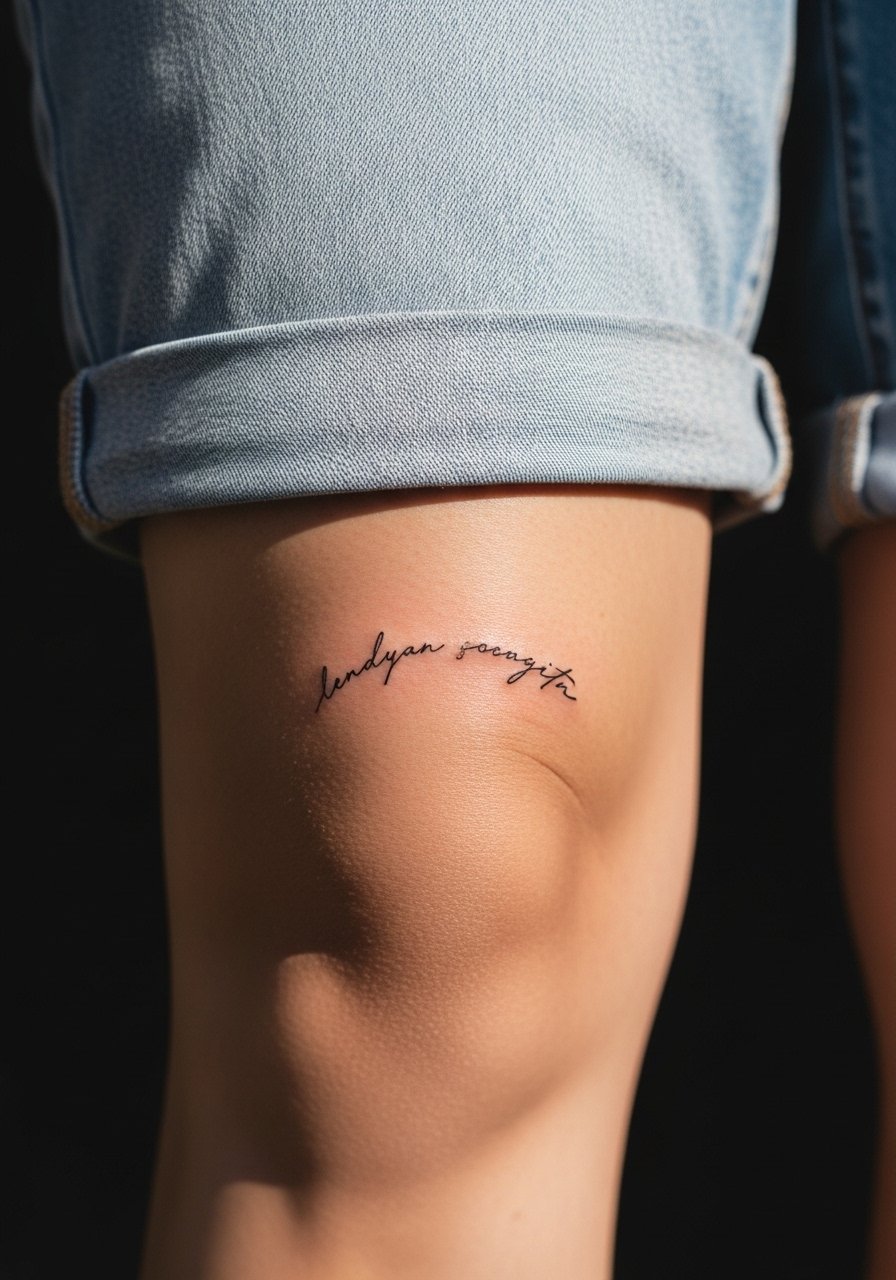
Text around a joint requires exact placement. When lettering curves, ask for a stencil that follows your knee bend and test it during a crouch so you see the motion. Mistakes happen when the font is too thin or the letters are packed tightly. Session time is short but accurate stencil placement takes patience. Think about showing it with mini skirts or shorts so the arc reads as intended. Letters often blur a little over the years, so plan a touch-up if you want legible long-term readability.
14. Moon Phases Orbiting the Patella
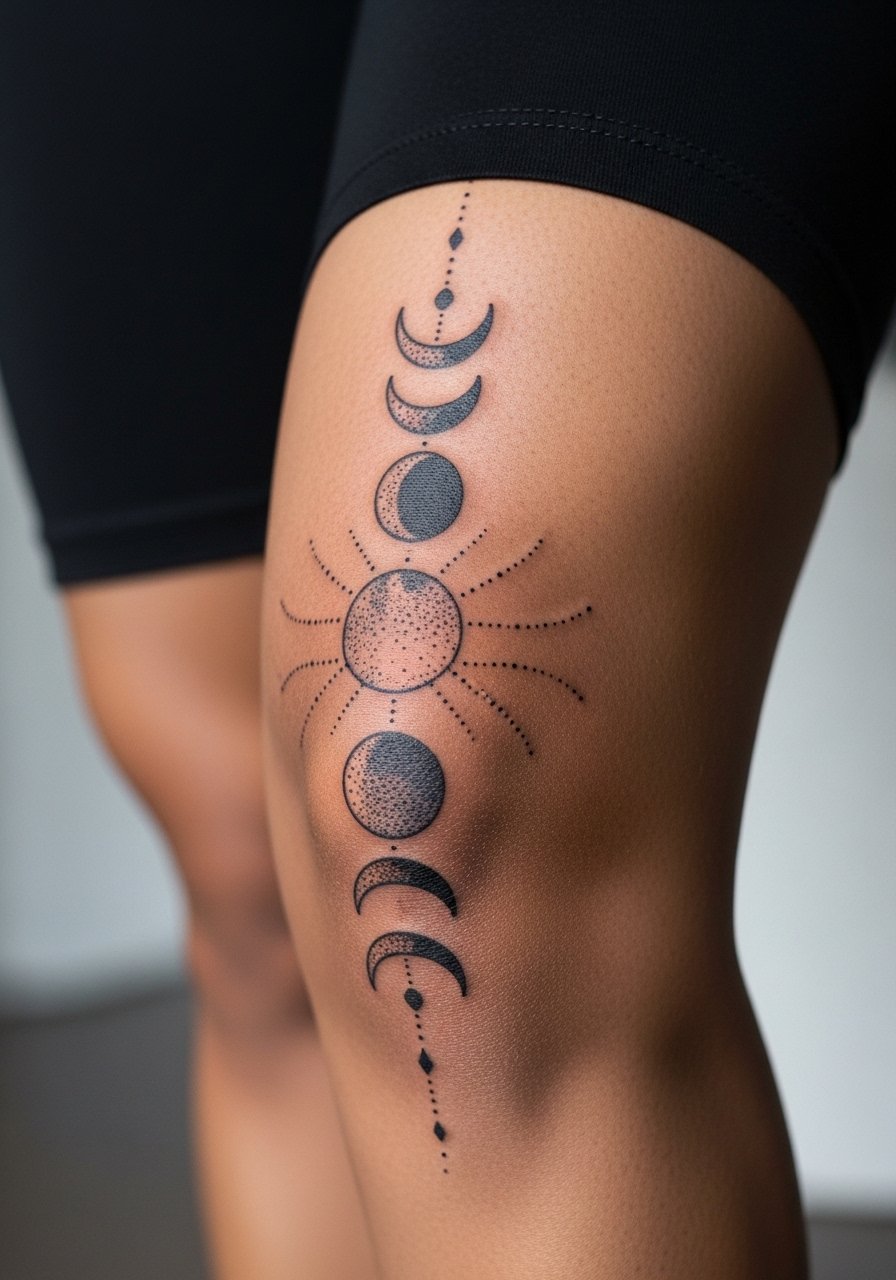
Moon phases scale well and can wrap subtly. The crucial design choice is spacing. Crowding phases tight to the bone causes merging as the skin settles. Ask for slightly larger phase spacing and dotwork to give each moon breathing room. Pain is comparable to other kneecap placements. For casual wear, pair with bike shorts high waist that let the sequence show during workouts. Touch-ups are straightforward when you want to restore crisp crescents.
15. Abstract Brushstroke Wash Crossing the Joint
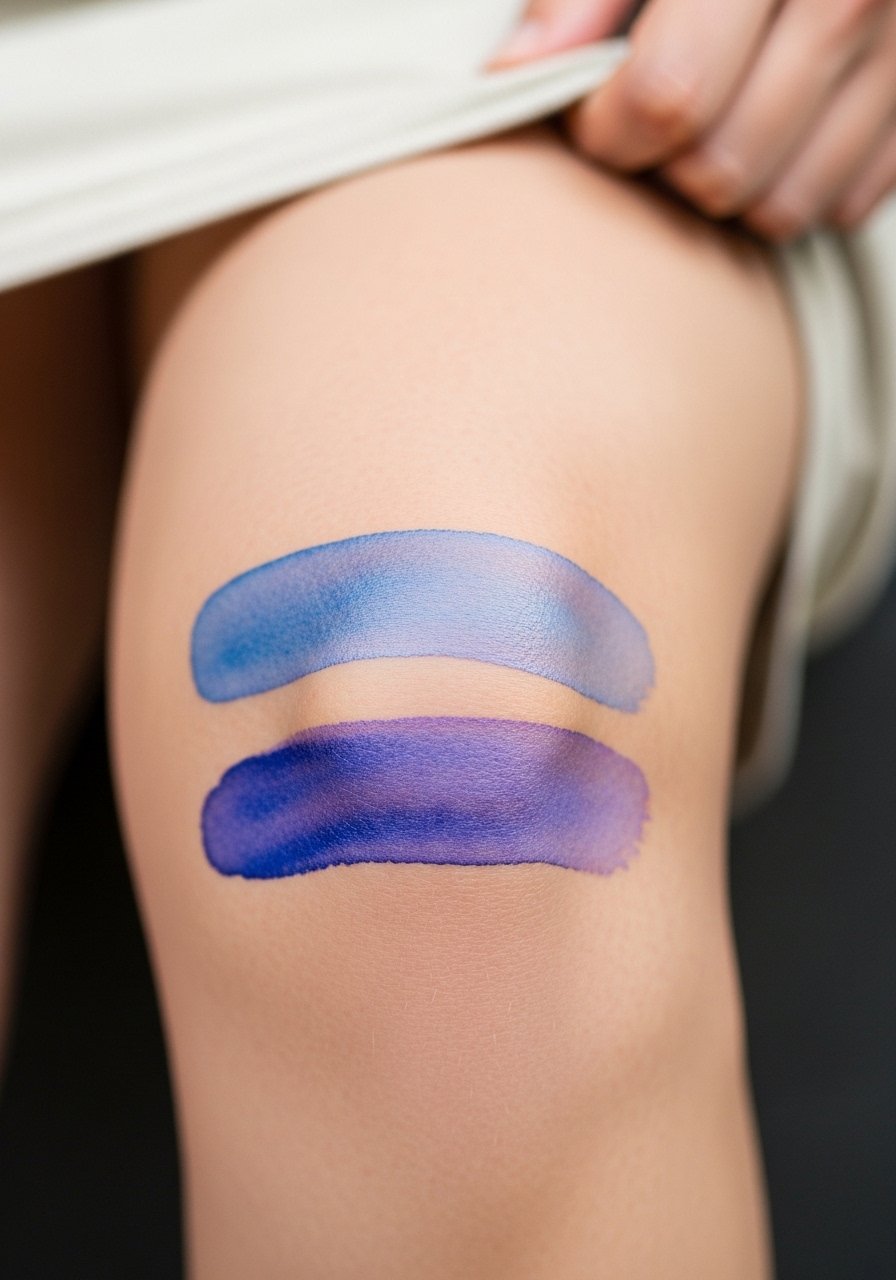
Abstract brushstrokes are expressive but require planning around friction. Artists split on how to approach washes on knees. One side argues that lighter pigment is more authentic and ages gracefully. The other side prefers bolder pigments with thin black anchors for longevity. Decide which aesthetic you want and ask the artist for sample healed photos of their similar work. Session length varies by coverage. Pair with a mini skirt pleated or flowy dress to highlight the painterly motion when you walk.
16. Constellation Chain That Trails Around the Knee
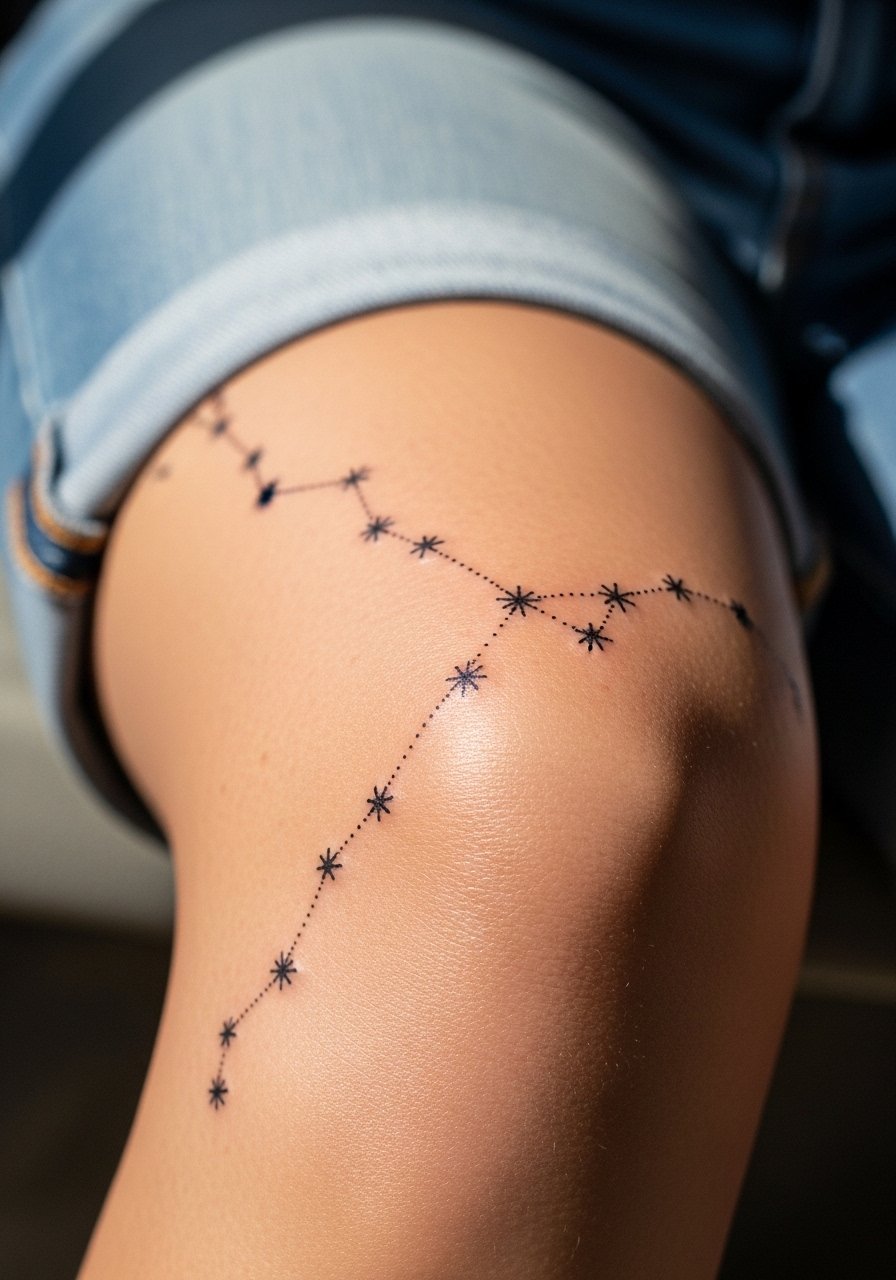
A constellation chain is inherently modular. The common error is using connector lines too thin across the patella where they can blur. Ask the artist to use tiny dots as anchors and slightly heavier connectors at key points. Session time is brief but placement testing while bending the knee makes a big difference. For easy styling, pair with rolled cuffs or sandals to show the linked stars. Touch-ups at year three can keep the connectors crisp if they have softened.
17. Ivy Vine Wrapping Into Thigh and Calf
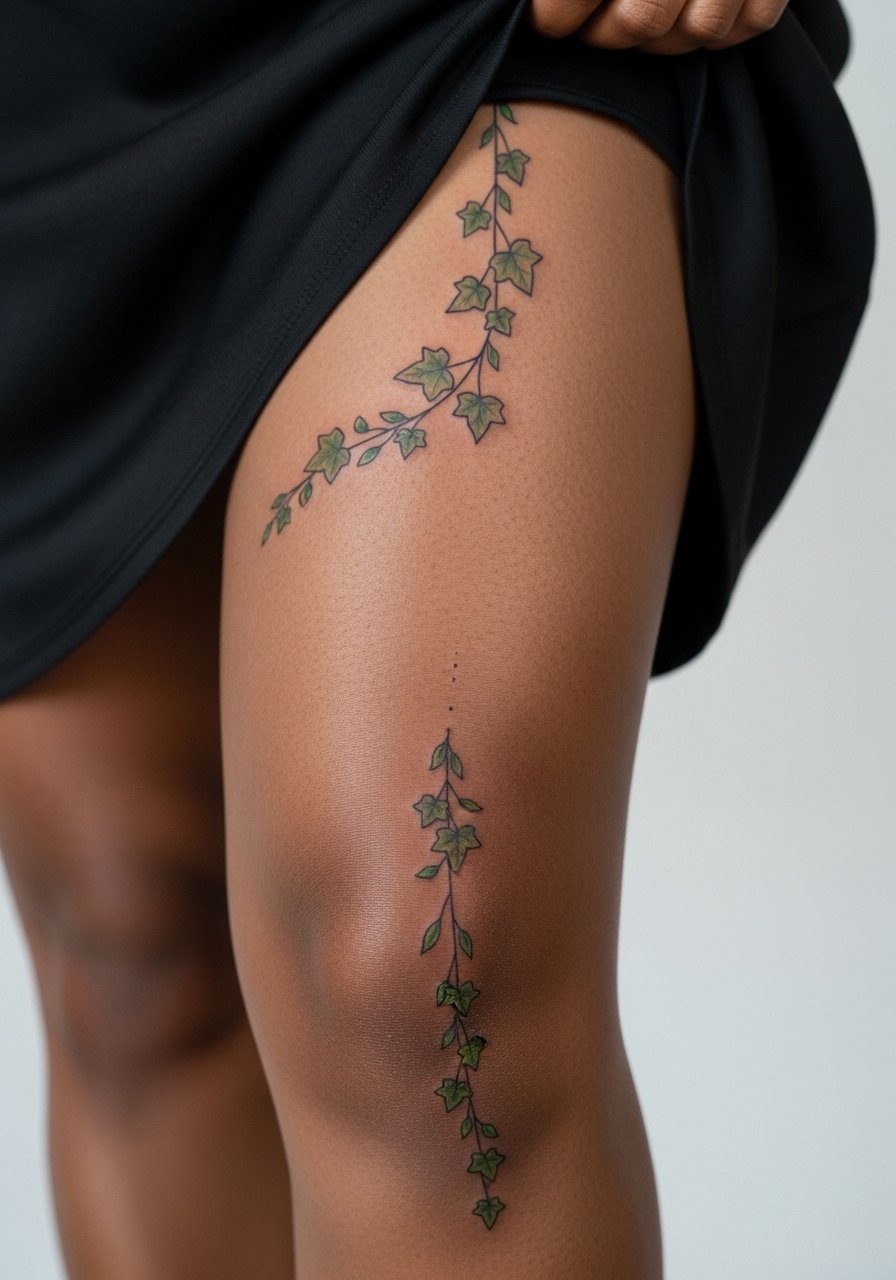
Vines that cross a joint need movement-aware composition. Tell the artist to stagger leaves so none sit directly on the most mobile fold or on the bone peak. A common mistake is a continuous thin stem that becomes a blurred band as you bend and stretch. Expect a longer session if the vine extends into thigh and calf. This design looks great with midi skirts and gold anklets that draw the eye along the vine line. Touch-ups may be necessary where the vine subjects to constant friction.
18. Compass Centered on the Patella with Subtle Florals
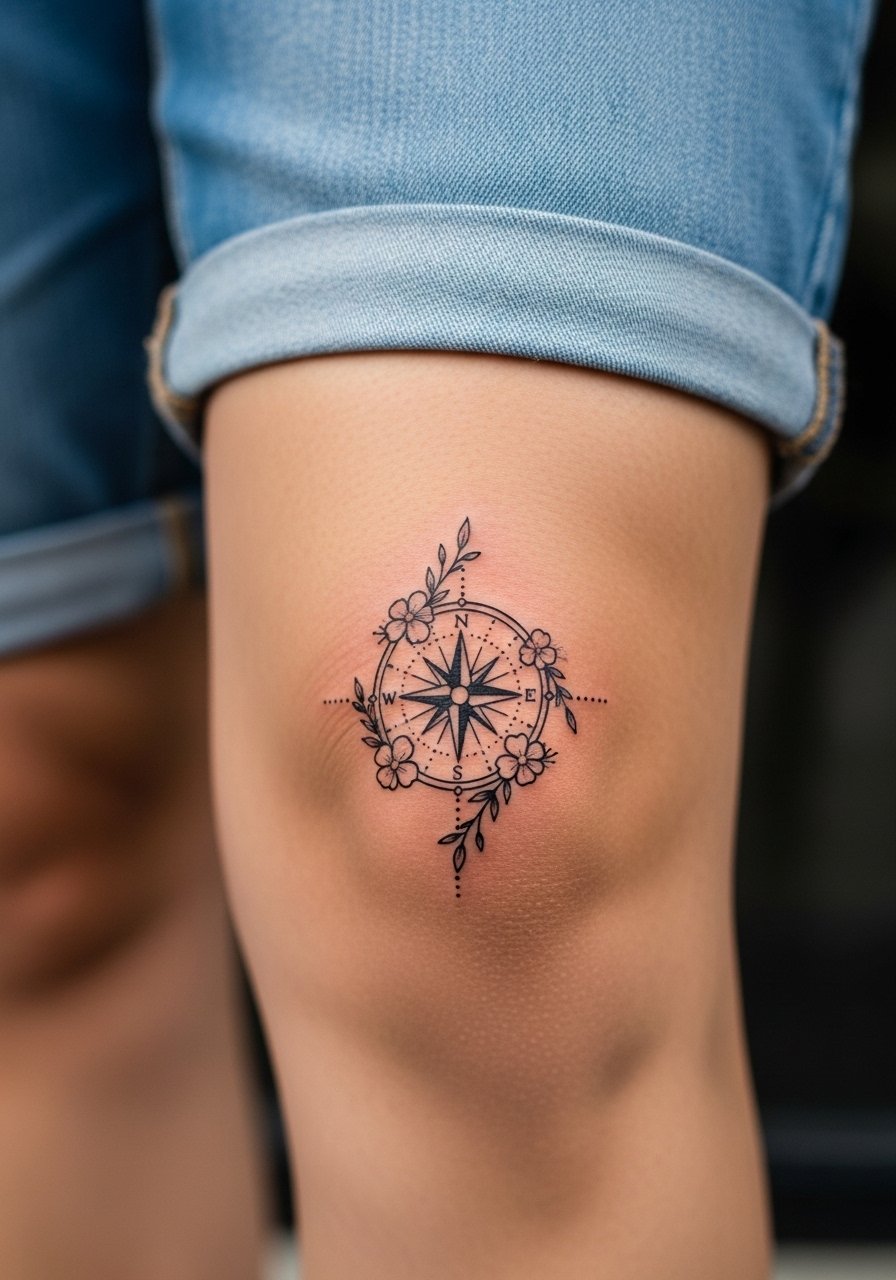
A compass suits people who want a clear focal point on the knee. The mistake is crowding directional points with tiny details that soften. Ask for bolder cardinal points and gentle stipple shading instead of micro lines toward the center. Session time is moderate and the bone contact can be sharp. For outfits, a simple pair of rolled denim shorts keeps attention on the compass without distraction. A small touch-up at year two will sharpen the directional points if they soften.
19. Koi Fish Arcing From Knee to Calf
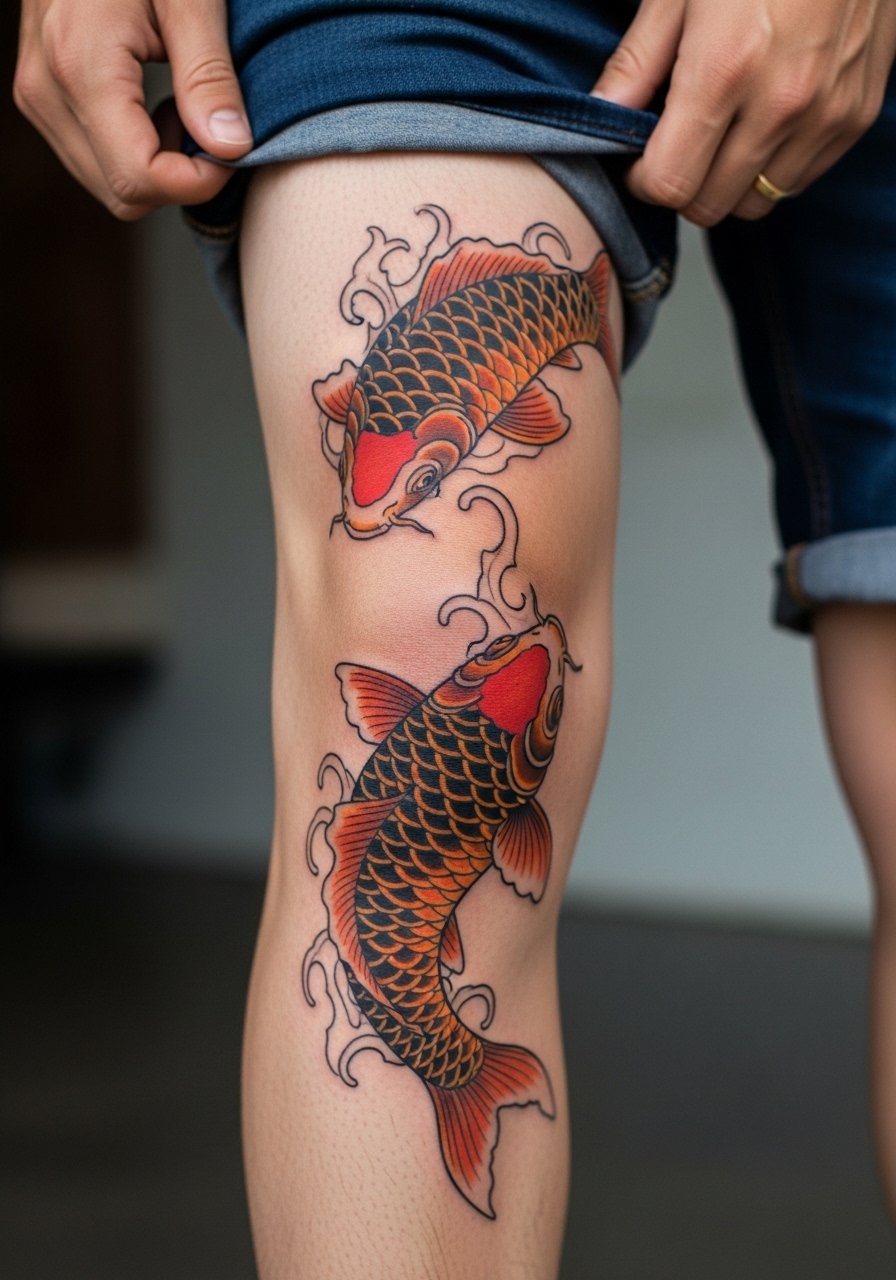
Koi fish use curve for motion, and when the head rests on the patella the tail flows with the calf. The typical mistake is squashing scale detail into the part over bone. Ask your artist to place the face on the patella with larger scale patterns away from the bone. Expect two sessions for color saturation and layering. This work pairs with wide-leg cuff pants or rolled jeans to reveal the full arc. Color touch-ups at year two or three keep orange scales lively.
20. Lace Garter Mandala Under the Knee
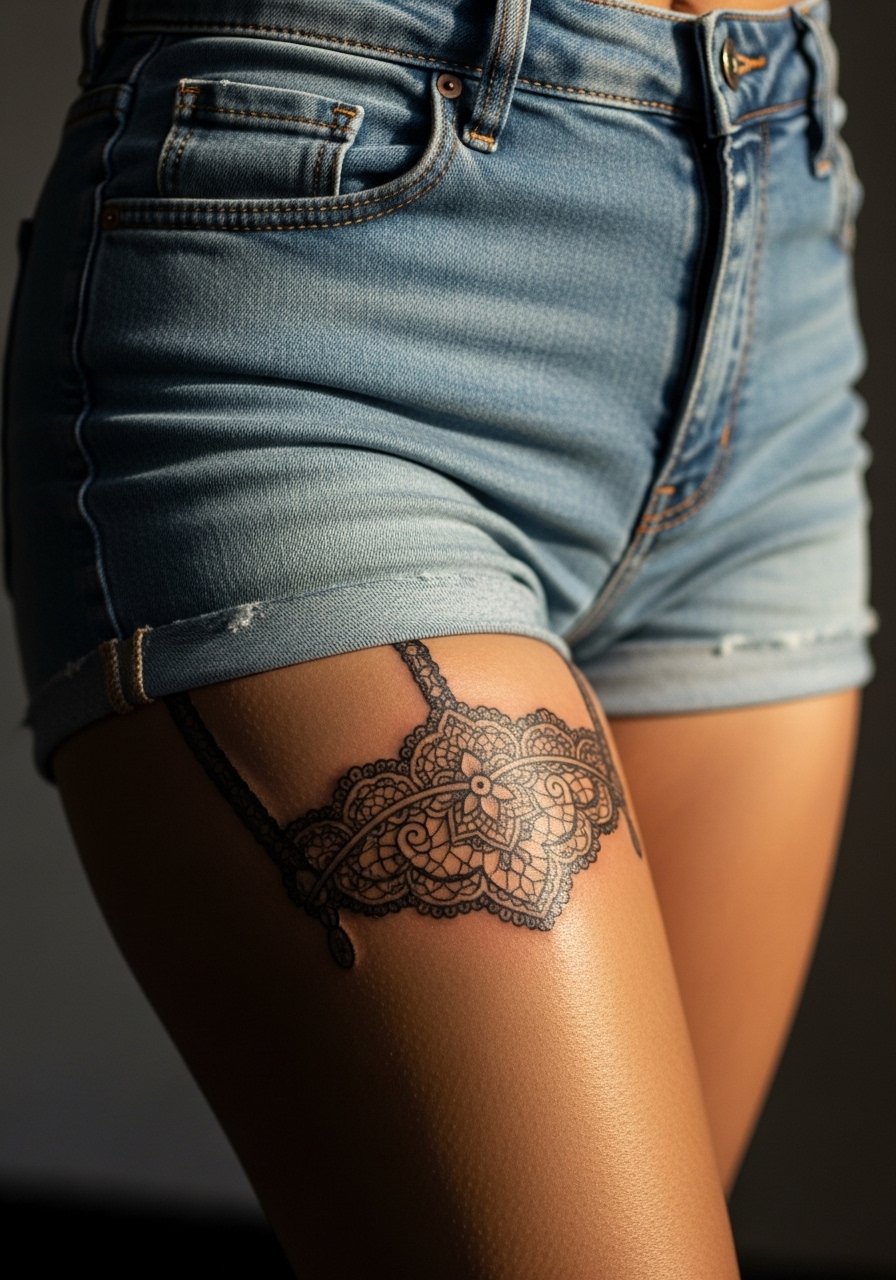
A lacy garter pattern reads feminine and frames the lower patella. For durability, avoid ultra-fine lace that sits directly on the bone. Ask for slightly bolder lace anchors and negative space between motifs. Session time is moderate and the lower placement away from the peak patella reduces blowout risk. Pair with high-waisted swimwear or short skirts to let the lace peek out tastefully. Touch-ups focus on reinforcing contrast in the lace edges.
21. Tiny Paw Print Nestled on the Outer Cap Edge
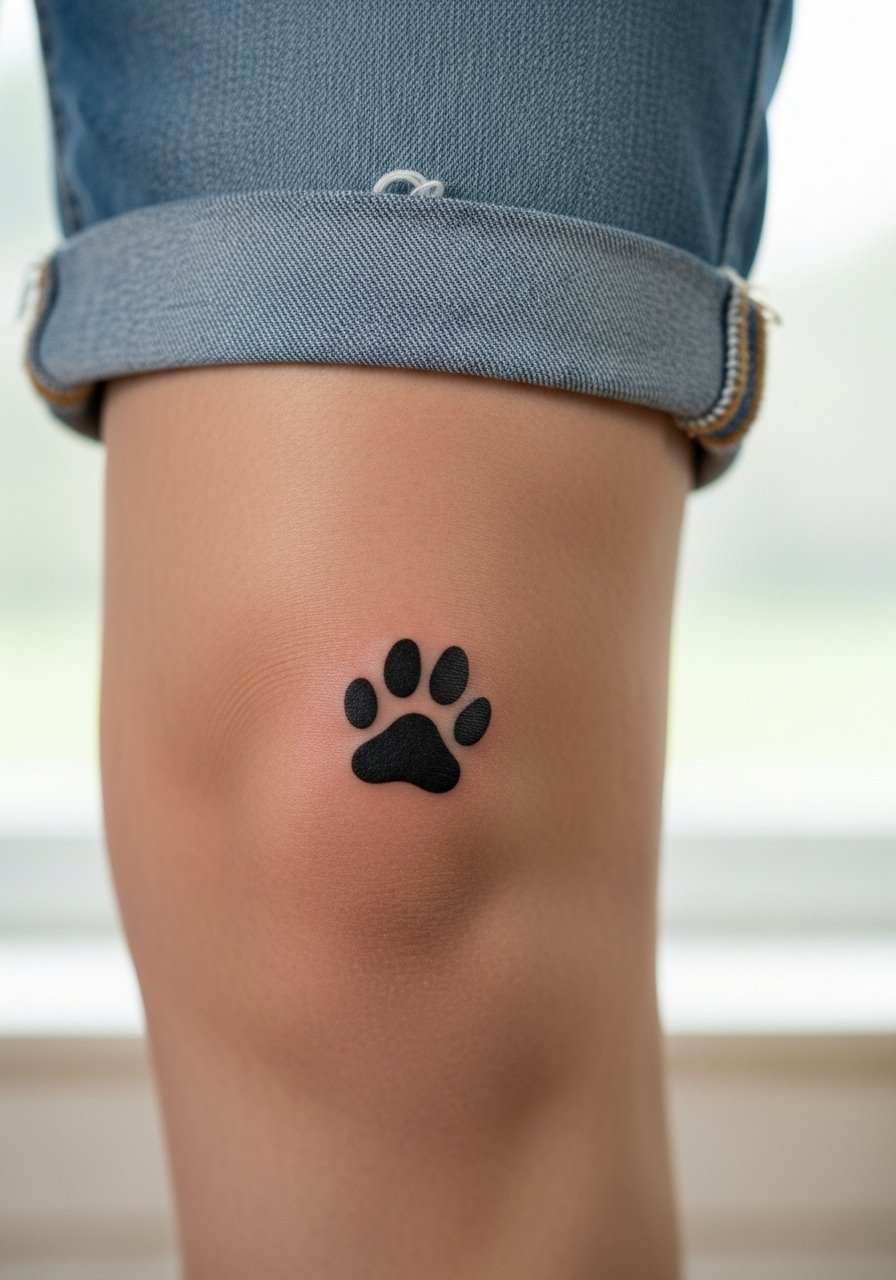
A tiny paw is a low-commitment option that can age gracefully if placed off the highest bone area. The mistake is putting the print directly on the patella peak where pressure and blowout risk are higher. Session time is very short but expect sharp sensation over bone. For the session wear choose loose shorts so the artist has easy access without pressure. This is a simple piece to refresh with a quick touch-up later if edges soften.
Frequently Asked Questions
Q: Will fine line peony and lotus tattoos on the knee fade faster than blackwork options?
A: In my experience, fine line and watercolor styles tend to soften faster on high-friction areas like knees because pigment sits more superficially. Blackwork and denser saturation usually retain contrast longer. If you want a soft look that ages gracefully, discuss slightly heavier anchors with your artist and expect a touch-up around year two or three.
Q: Which healing approach works best for knee tattoos, Saniderm or dry healing?
A: Artists split into two camps. One camp prefers Saniderm or protective film because it keeps movement-related contamination down on a mobile area. The other camp favors dry healing for bold line pieces, arguing scab formation can protect saturated ink. Ask your artist which method they have reliable results with on knees and follow their protocol for that style.
Q: How painful is a kneecap tattoo and should I use numbing cream?
A: Pain on the kneecap ranges higher than on fleshy areas because of bone proximity. Numbing cream can blunt the initial sting, and some clients use it for their first knee session. Traditionalists sometimes view numbing as unnecessary, so discuss options with the artist and test a small area if you are worried.
Q: Can I book a mandala wrap or geometric band if I do a lot of squats or workouts?
A: Yes, but tell your artist about your activity level during the consultation. Dense geometry can handle workouts if you allow for slightly larger spacing and stronger anchors. Also plan on moisturizer routines after the first two weeks to keep the ink from drying out under friction.
Q: What should I wear to a knee tattoo session and to show off my new piece after healing?
A: For the appointment wear something loose and easy to adjust like athletic skorts or loose shorts so the artist has clean access to the kneecap. To show it off, dresses with side slits, rolled jeans, and tennis skirts frame the knee without crowding the artwork.