
Fine line Jesus Christ tattoos have a quiet clarity that reads intimate even at arm's length. The appeal is not just the image but the way delicate linework, negative space, and subtle shading turn a familiar icon into a personal statement. Expect pieces that age faster than bold traditional work but reward careful placement, spacing, and realistic expectations. Below are 27 considered ways to translate that sacred subject into wearable, long-lasting fine line art and what to ask for in the chair.
1. Minimalist Christ Head on Inner Forearm
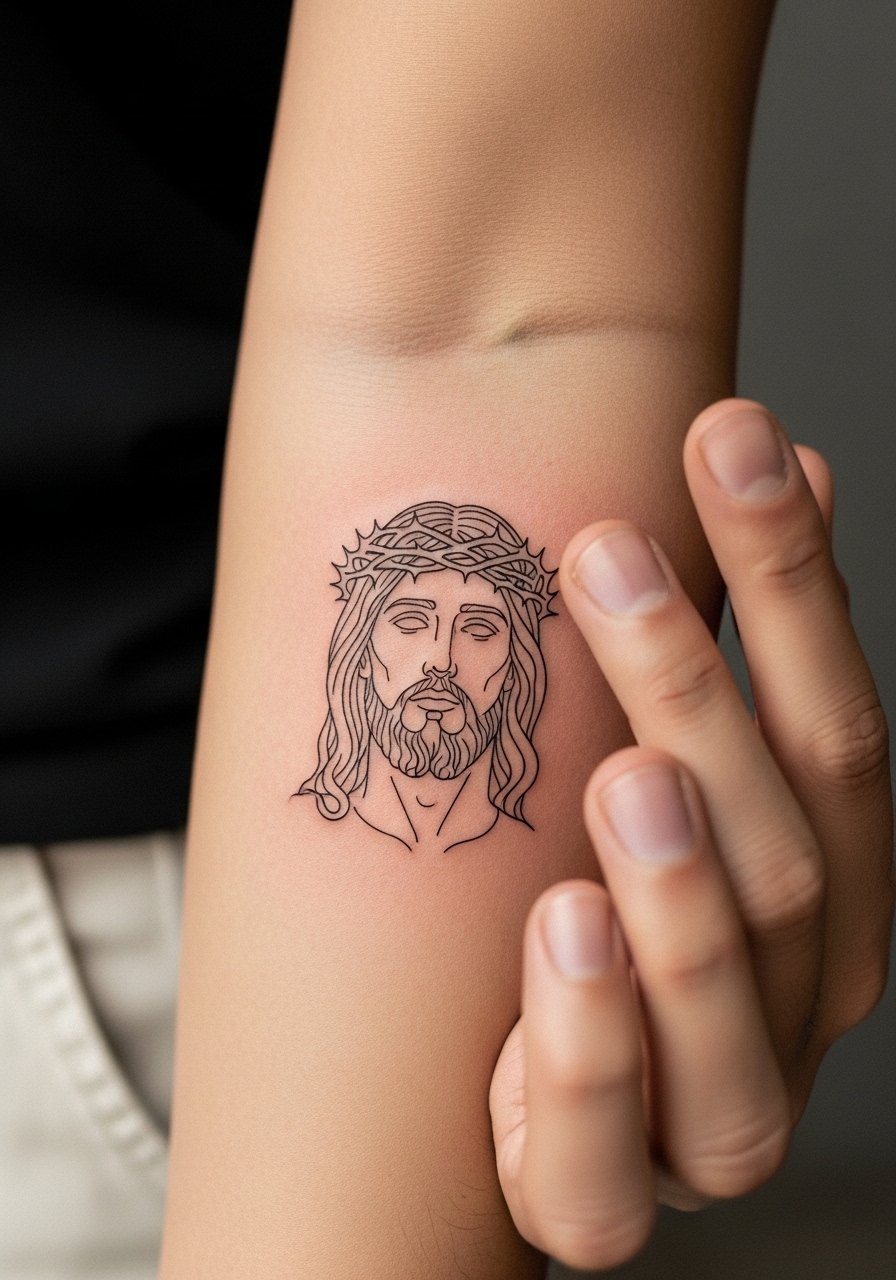
I've seen this placement hold up when the lines are given room and the portrait is scaled to the forearm's long axis. In consultation, ask for slightly heavier primary contours and feathered stipple shading instead of single thin outlines so the image stays readable after a few years. Fair warning, the inner forearm has consistent sun exposure if you roll up sleeves often, so plan for yearly touch-ups. Pain is mild, session time 45 to 90 minutes depending on reference detail. Styling tip: this reads well with a rolled-up linen shirt cuff that frames the piece.
2. Micro-Realism Christ Portrait on Upper Arm
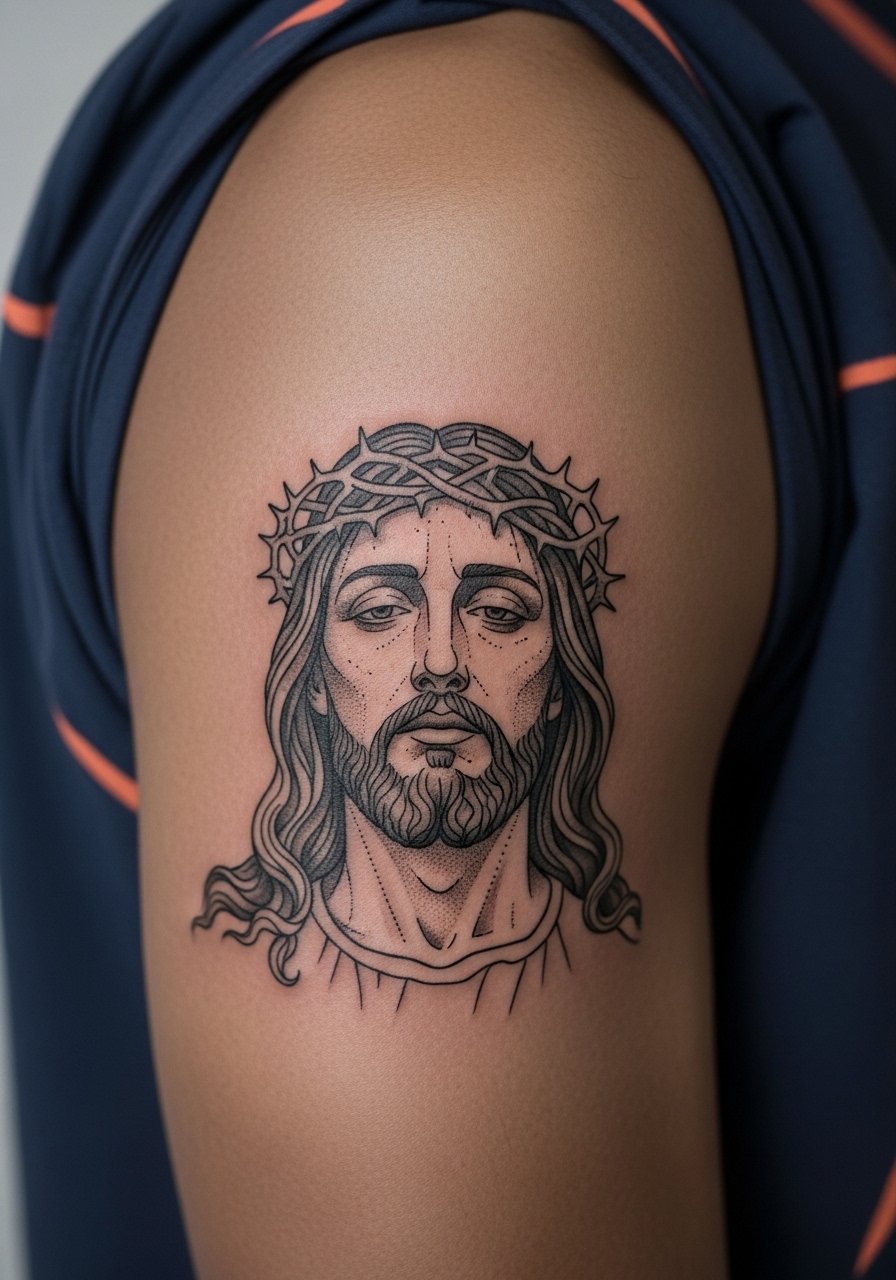
When someone wants a tiny realistic face on the upper arm, I suggest bringing three consistent references that match the light direction you prefer. The upper arm tolerates slightly tighter linework and holds saturation better than the forearm. The common mistake is asking for micro detail at finger-size, which blurs into a gray patch over time. Expect a one to two hour session with medium pain and a likely touch-up at year two for crispness. For showing it off, short sleeves and a simple leather cuff bracelet keep attention on the portrait.
3. Fine Line Crown of Thorns on Ribcage
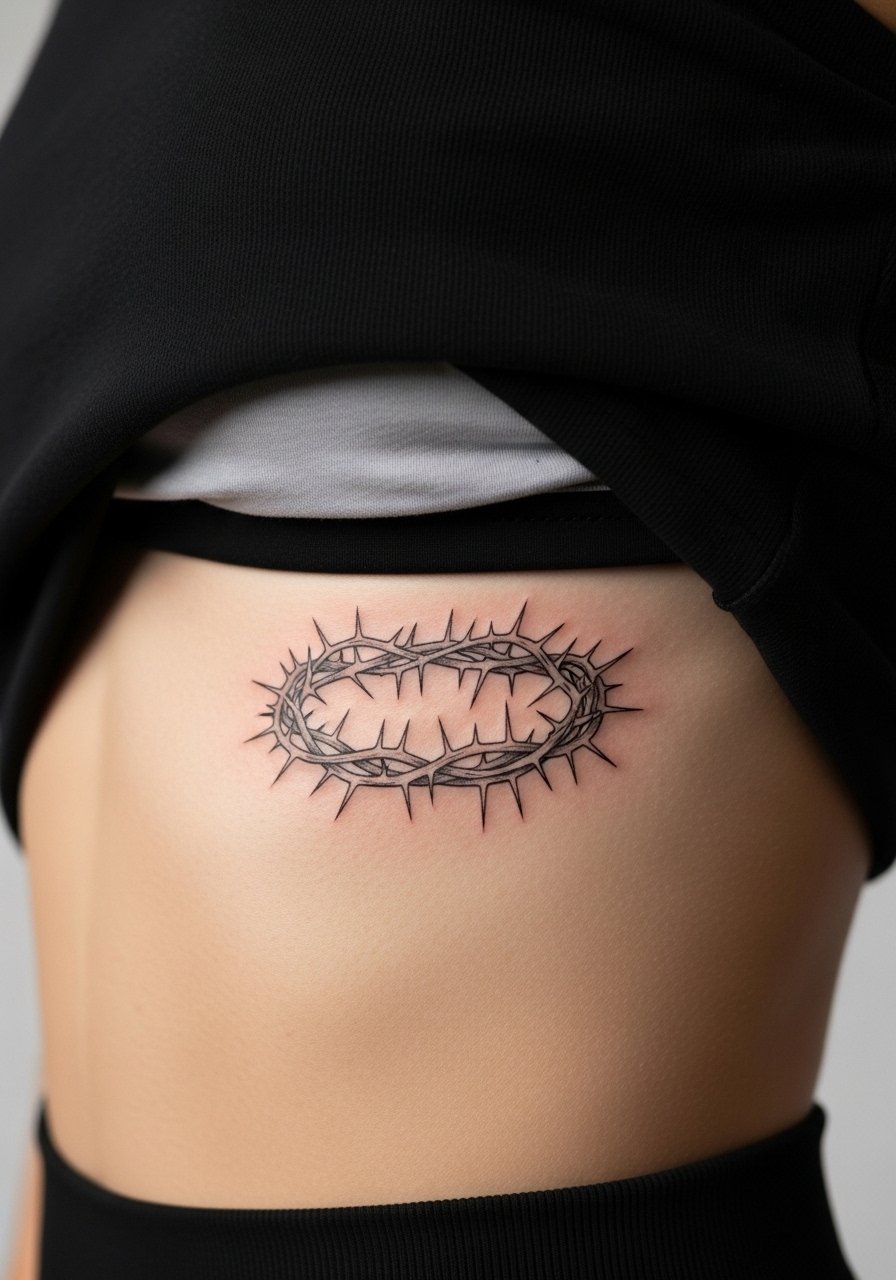
Fair warning, the ribcage is a 7 out of 10 on most pain scales, but it makes a private and dramatic placement for devotional pieces. Artists split on fine line on ribs. One camp says the skin stretch and motion blur lines within two years. The other camp argues that with slightly deeper needle depth and extra spacing, fine line settles acceptably. Ask your artist which approach they use and request a mock stencil with increased spacing. Session time varies by size, often 90 to 180 minutes with the option to break. For the appointment, wear a zip-up hoodie you can pull aside.
4. Small Sacred Heart on Sternum
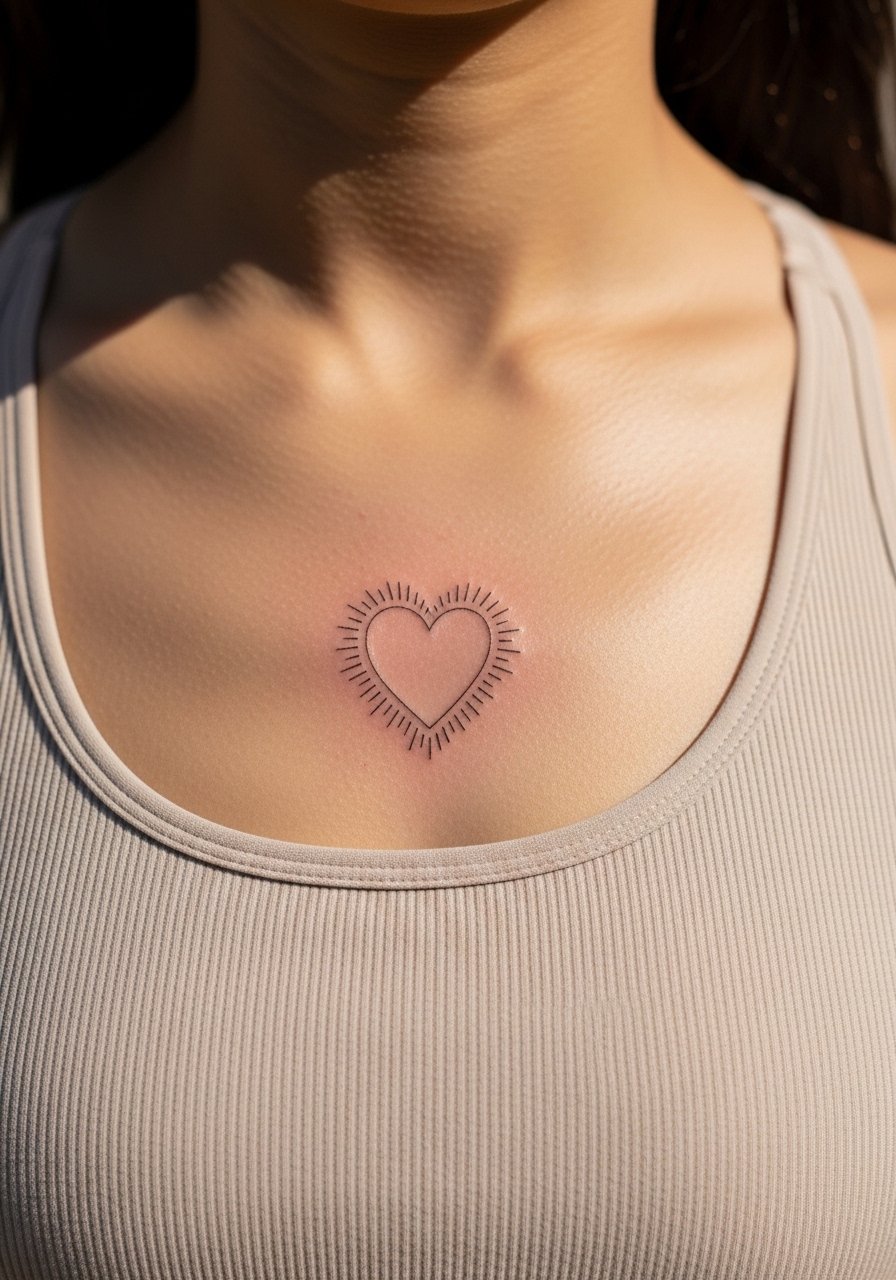
Sternum placements require a steady hand and an artist comfortable working over a bony plane. The biggest mistake is asking for dense cross-hatching too close to the sternum. That kind of detail tends to merge as the skin moves. Tell your artist you want open negative space inside the heart and soft stipple shading around it. Pain can be high and sessions are usually under two hours for small pieces. Many clients wear a strapless top or a loose zip front for the session. This area pairs subtly with a thin chain pendant necklace that sits above the piece.
5. Linework Christ Profile on Calf
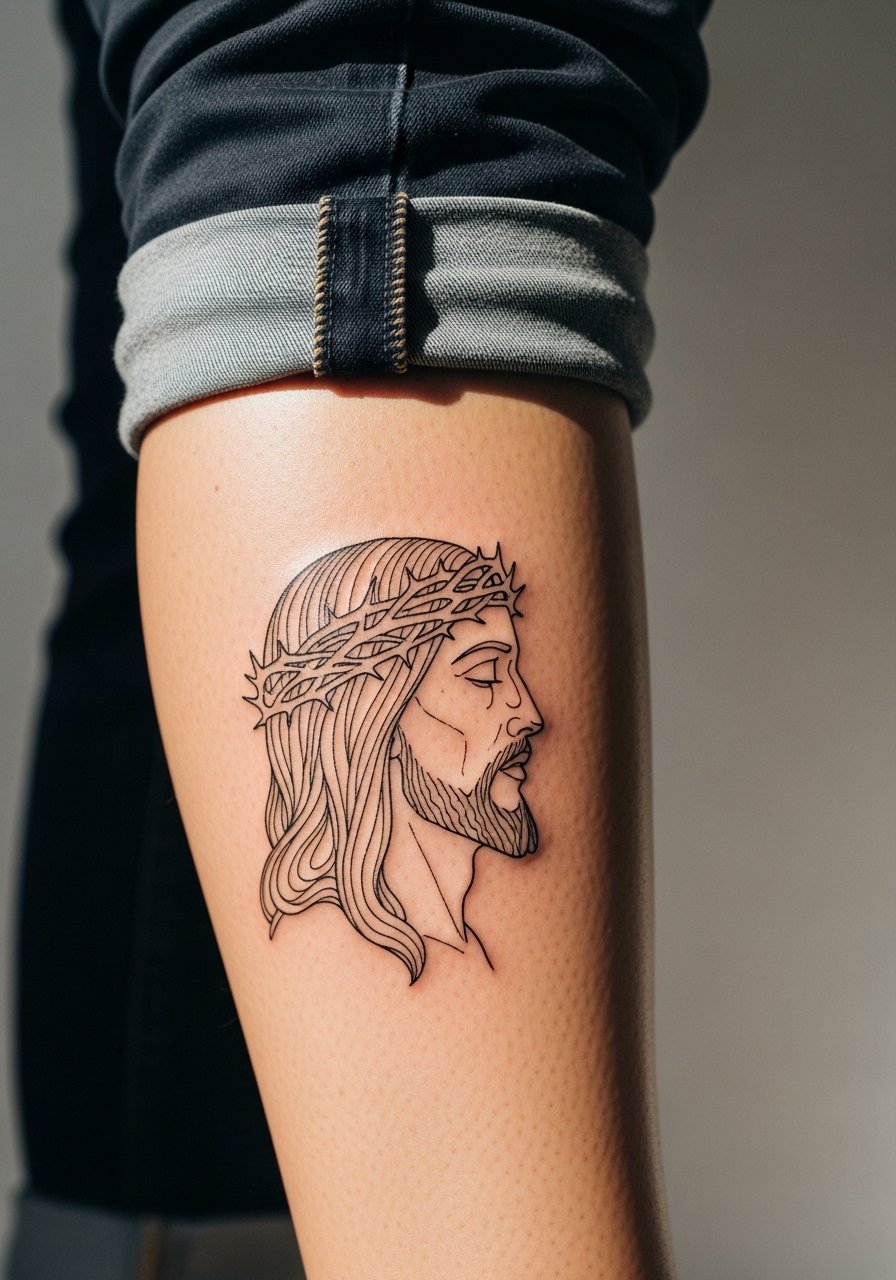
The calf is forgiving for vertical compositions and holds fine line detail well because the skin is thicker. A common mistake is placing a face too low near the Achilles where healing is inconsistent. Ask for the design to sit centered on the muscle belly and for slightly bolder key lines to keep the profile legible at distance. Pain is moderate and sessions run about 60 to 120 minutes. For showing it off, rolled-up jeans or a pair of canvas sneakers keep the area visible without overexposing the piece.
6. Tiny Crowned Christ on Finger Side
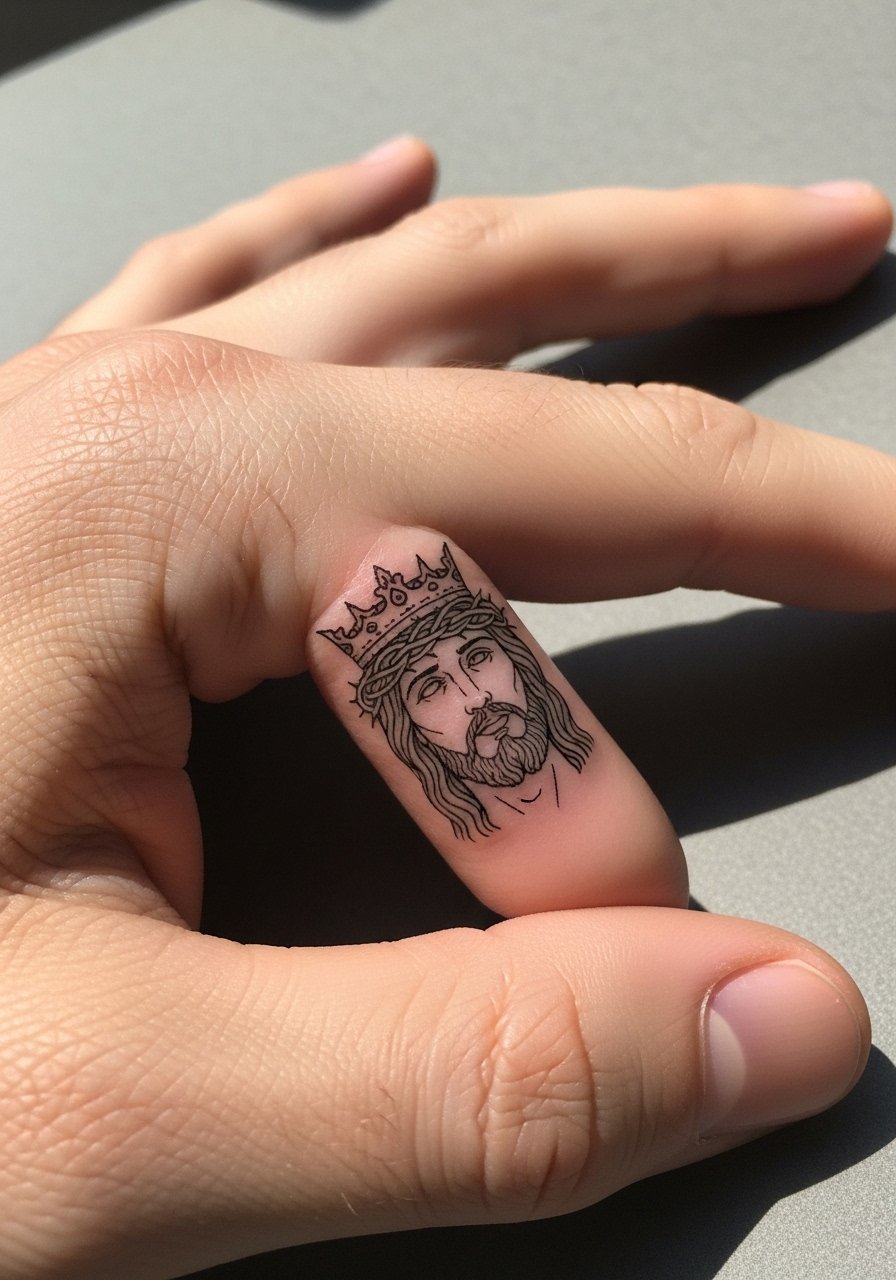
Finger work is high-maintenance. Expect faster fading and more frequent touch-ups with any fine line finger portrait. The common error is wanting micro detail in a space that moves and gets washed constantly. During consultation, request simplified forms, slightly thicker primary lines, and an acceptance of yearly touch-ups. Sessions are quick but painful because of thin skin. Hand tattoos can affect hiring in some industries, so think about career implications. For the session, wear a long-sleeve shirt you can roll up easily.
Studio Day Picks
The small, visible pieces above need different prep from larger portraits. A few specific items smooth the session and reduce early wear.
-
Stencil transfer paper kit. Lets you preview the exact placement and line density on skin before the needle touches it.
-
Topical numbing cream. Applied as directed eases rib and sternum sessions without altering linework when used conservatively.
-
Thin protective film roll. Useful for finger and wrist pieces to guard against friction during the first few days.
-
Fragrance-free body wash. Gentle cleansing keeps fine line ink from scabbing excessively in the initial wash stage.
-
Aquaphor healing ointment. A thin layer during the first 48 hours helps retain moisture for delicate line channels without suffocating the skin.
7. Fine Line Crucifix on Wrist
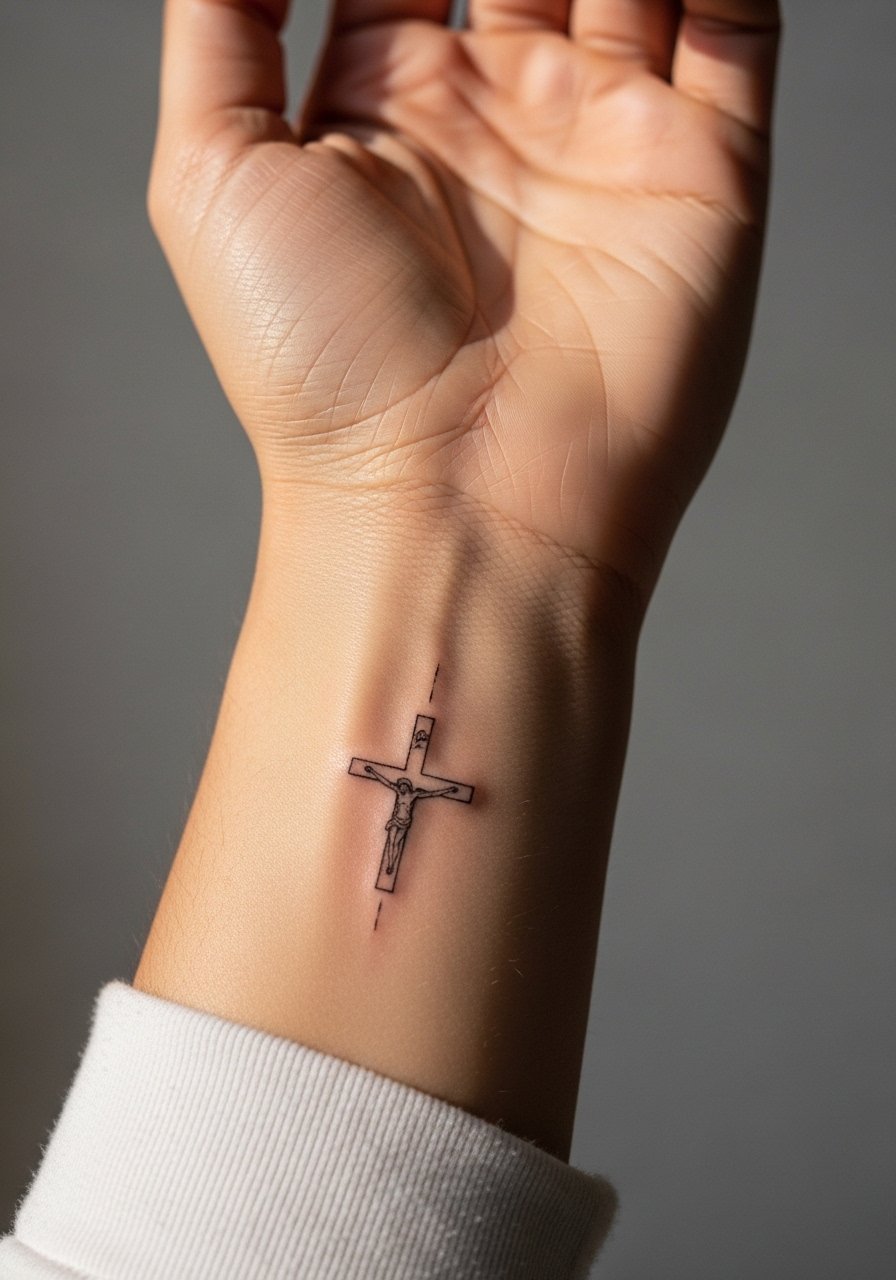
Wrist tattoos read quickly since the area is small and frequently seen. The usual mistake is asking for extremely thin contour lines with no secondary support. Ask for a slightly defined backbone line and soft shading that keeps the crucifix readable as it softens. Expect a short session under an hour and mild pain. Because the wrist gets high movement and washing, plan on a touch-up at year two rather than treating it as permanent perfection. For showing off, stacked dainty bracelets or a minimalist watch frames the piece without crowding the linework.
8. Micro Script "Memento" with Small Halo on Collarbone
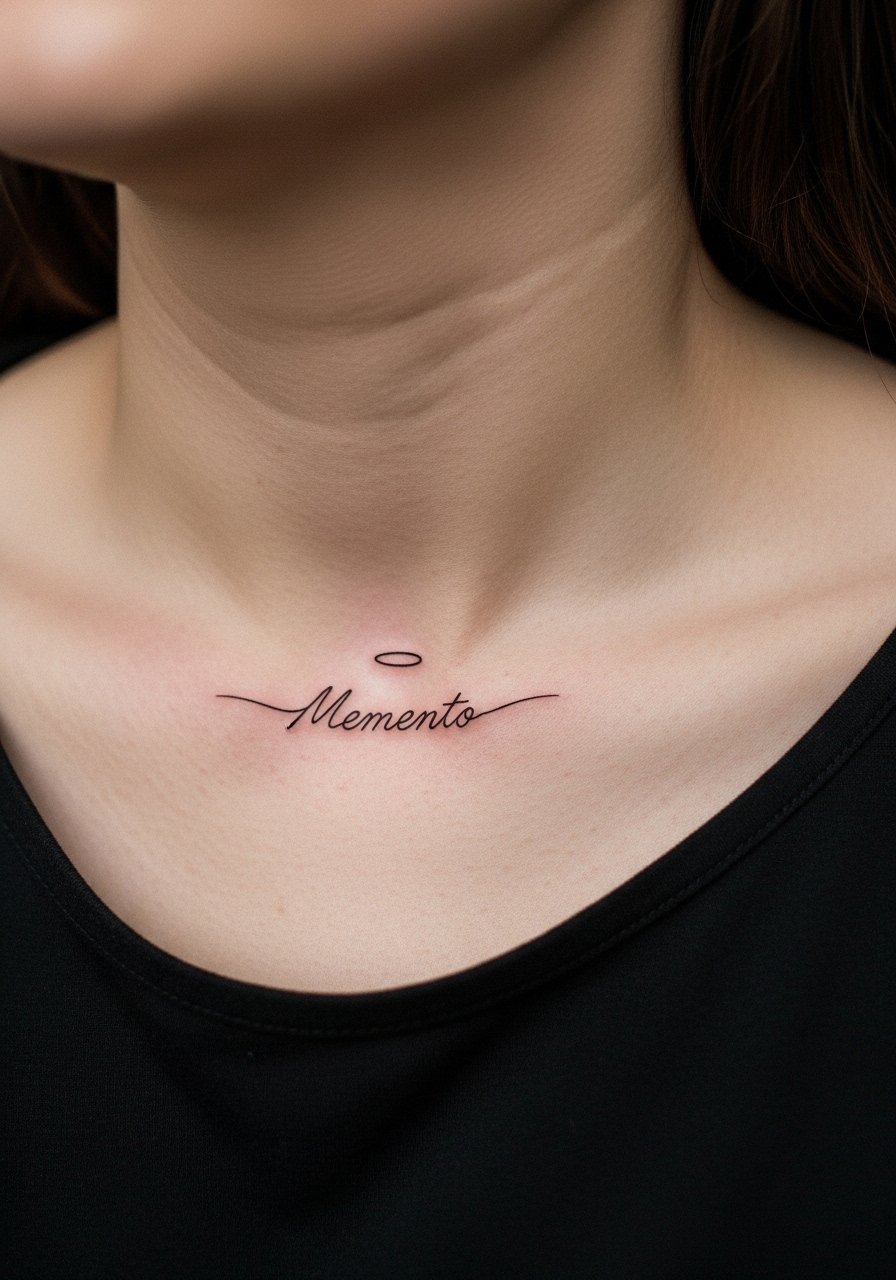
Script near the collarbone needs even spacing and clear letterforms. The mistake is choosing a hairline script at small scale, which often fills in along the curves. Tell the artist to use slightly larger x-height and thin hairlines only for flourishes, not core strokes. The collarbone can be tender and sessions are often under an hour. For show, a thin chain pendant necklace sits nicely above the letters without competing.
9. Negative Space Christ Silhouette on Back of Shoulder
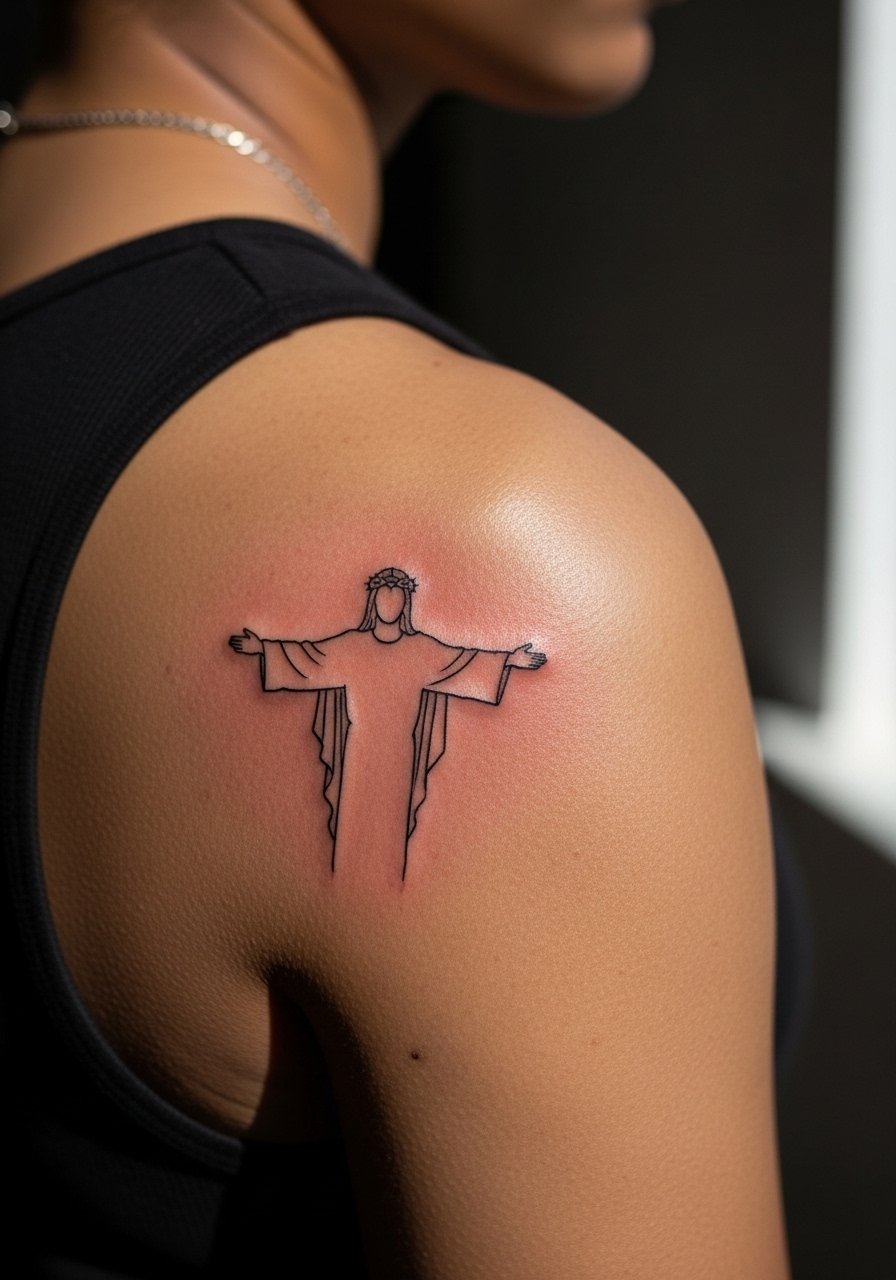
The back of the shoulder handles negative space well because the canvas is broad and the skin is stable. The aging advantage is that negative space avoids early blurring as there are fewer tight parallel lines. Ask the artist for a stencil shown in motion so the silhouette reads well with muscle movement. Sessions are comfortable and usually under two hours. For the appointment, a loose button-down shirt you can pull aside makes positioning easy.
10. Tiny Line Jesus on Behind the Ear Area
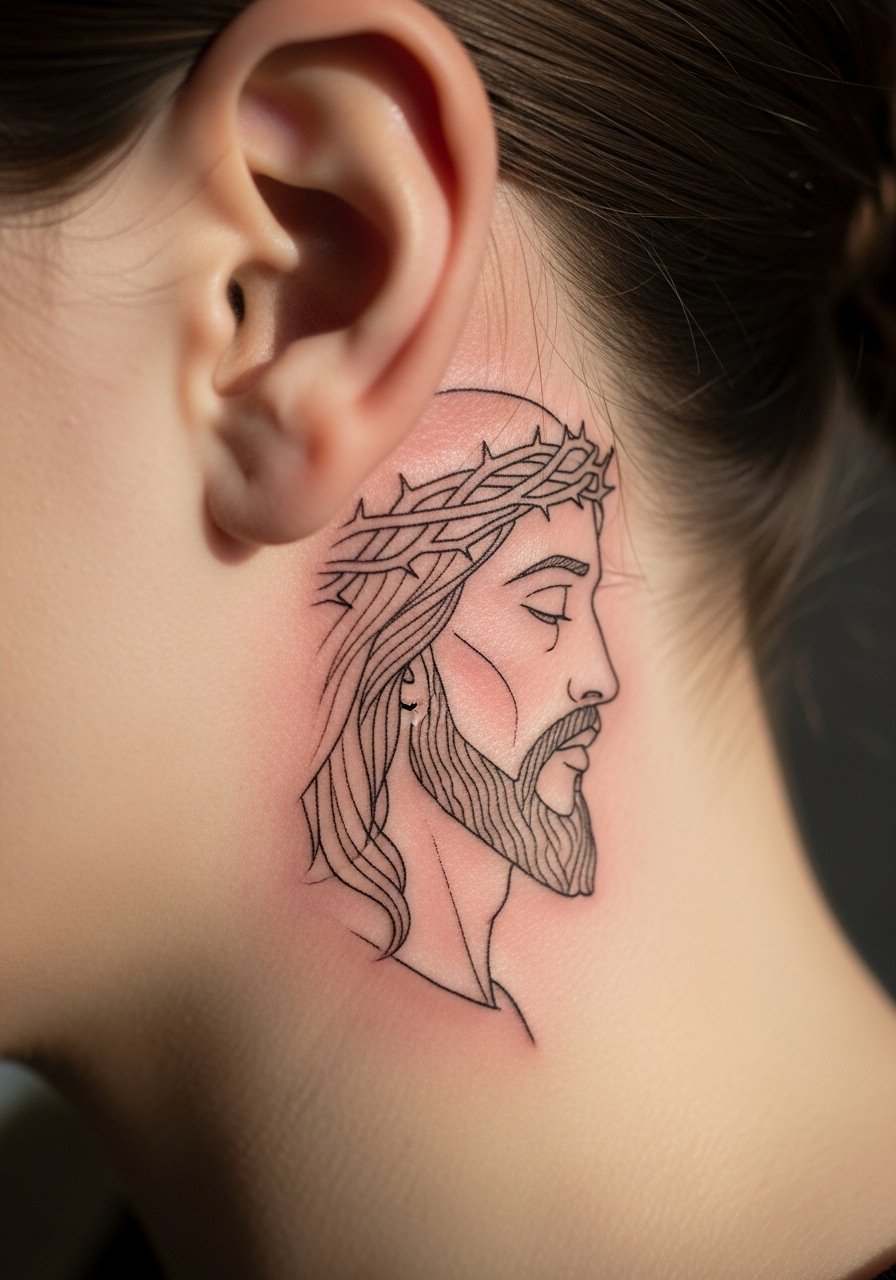
Behind-the-ear placements demand careful framing in the stencil because hair frequently covers them and the skin is thin. The common error is expecting high detail in this tiny zone. Ask for simplified contours and accept that this is a whisper piece that will need touch-ups sooner than an arm tattoo. Sessions are short but can be unexpectedly prickly. For discreet prep, wear a shirt that tucks hair back or use a thin headband to keep hair away during the session.
11. Line Etching Jesus on Shin
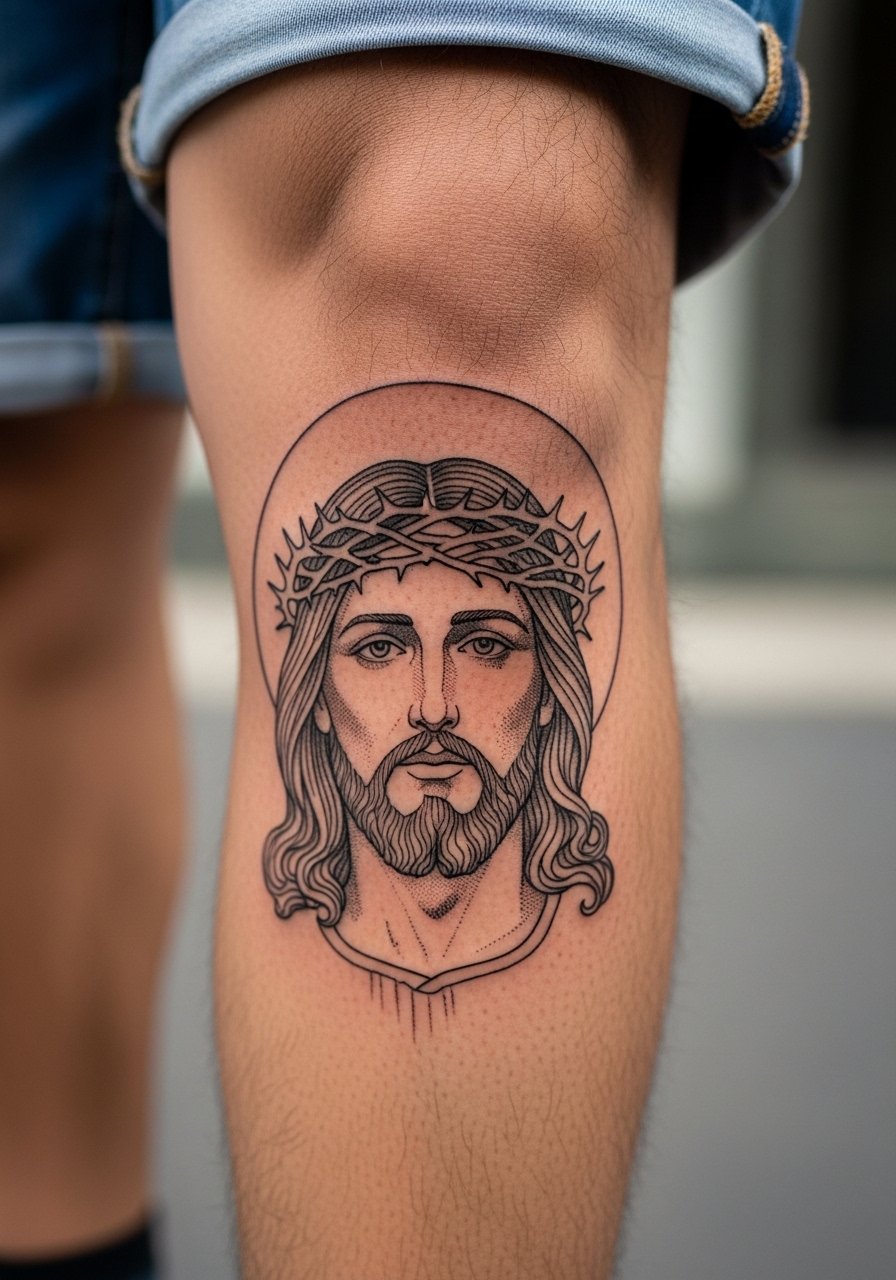
The shin can hold crisp vertical compositions because the skin is tight. However, it's prone to friction from pants and boots, so the typical mistake is placing a design too low near the ankle. Ask for the composition to center above the tibia and for moderate lineweight to resist early fading. Sessions are mildly painful and often under 90 minutes. For showing it off, pair with shorts and low-profile sandals.
12. Dot Work Halo Around a Small Christ Bust on Upper Back
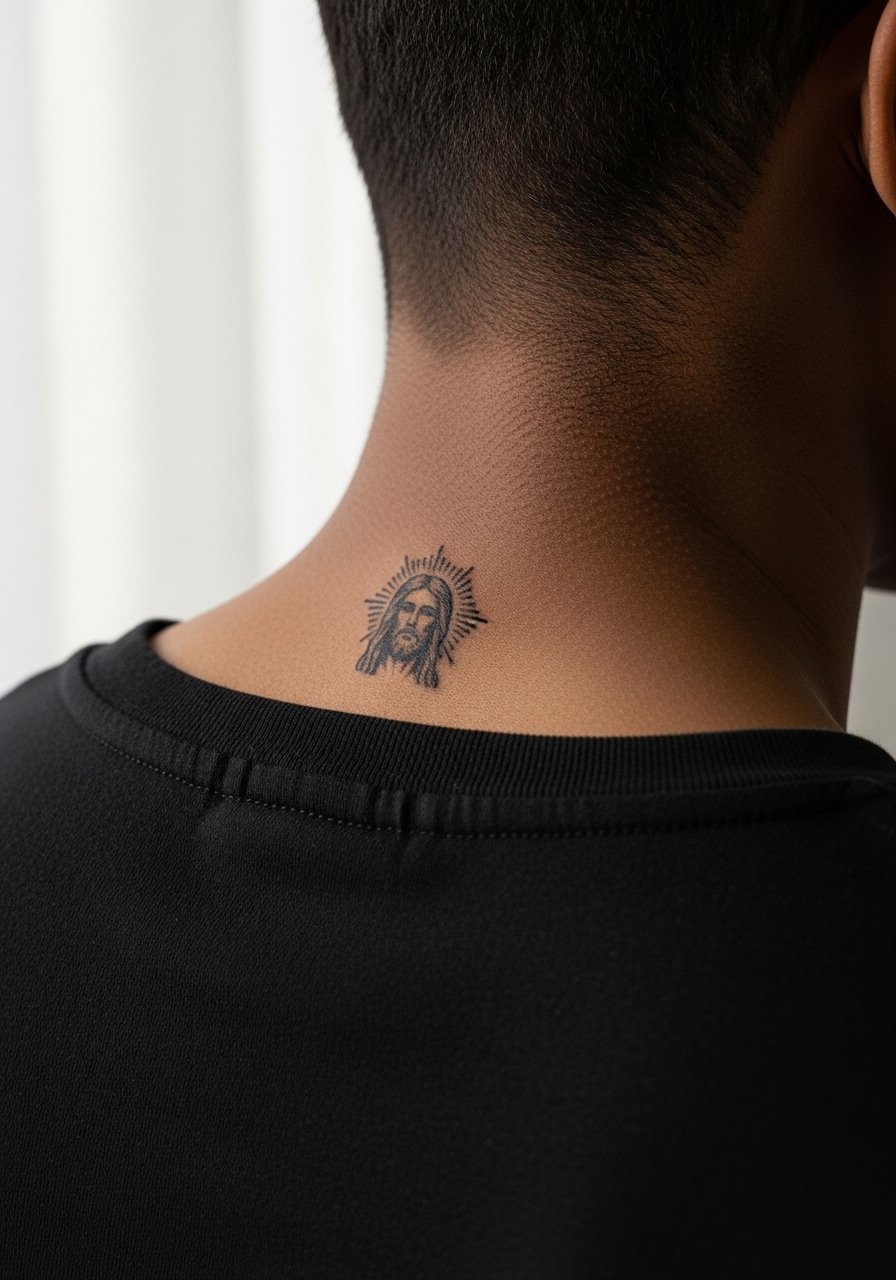
Stipple shading can prolong visual texture without relying on thin parallel lines that blur. Ask for stipple halo instead of solid gray wash for longevity. The upper back is low pain and ideal for larger halos that breathe. The mistake I see is compressing too much detail into the bust while overdoing background shading. Session length depends on size, often 90 minutes. For the appointment, a loose button-down worn backwards makes access easy.
13. Single-Line Continuous Jesus on Forearm
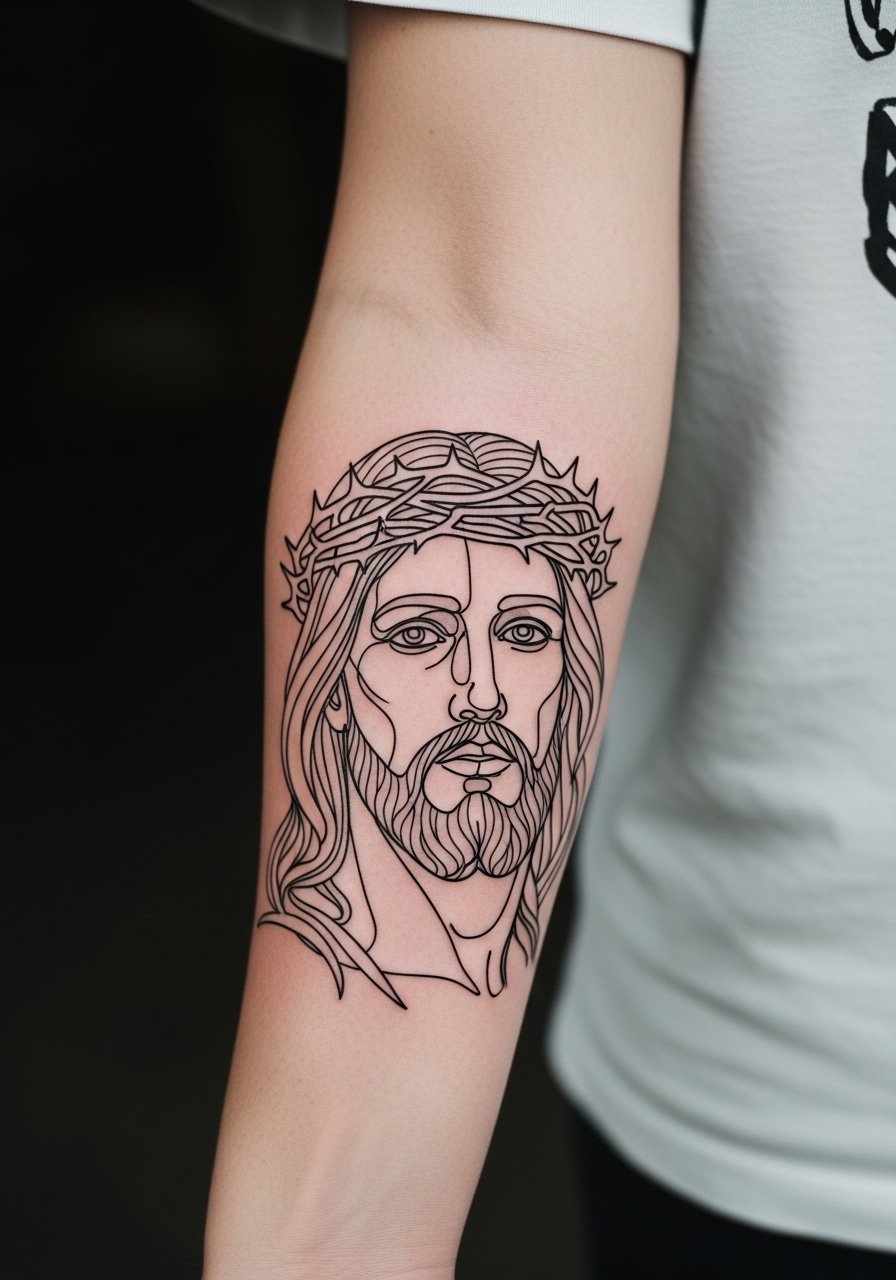
Continuous single-line pieces are striking but demand precise spacing. The common mistake is making the line too thin with no variance, which looks fragile after healing. Ask for measured line pauses and slightly thicker transitions at key points so the face still reads after softening. Forearm exposure to sun and clothing abrasion suggests a touch-up at three to five years. Sessions are usually under 90 minutes with low to moderate pain. For showing it off, roll sleeves or wear a short sleeve linen shirt.
14. Geometric Frame Around Jesus on Thigh
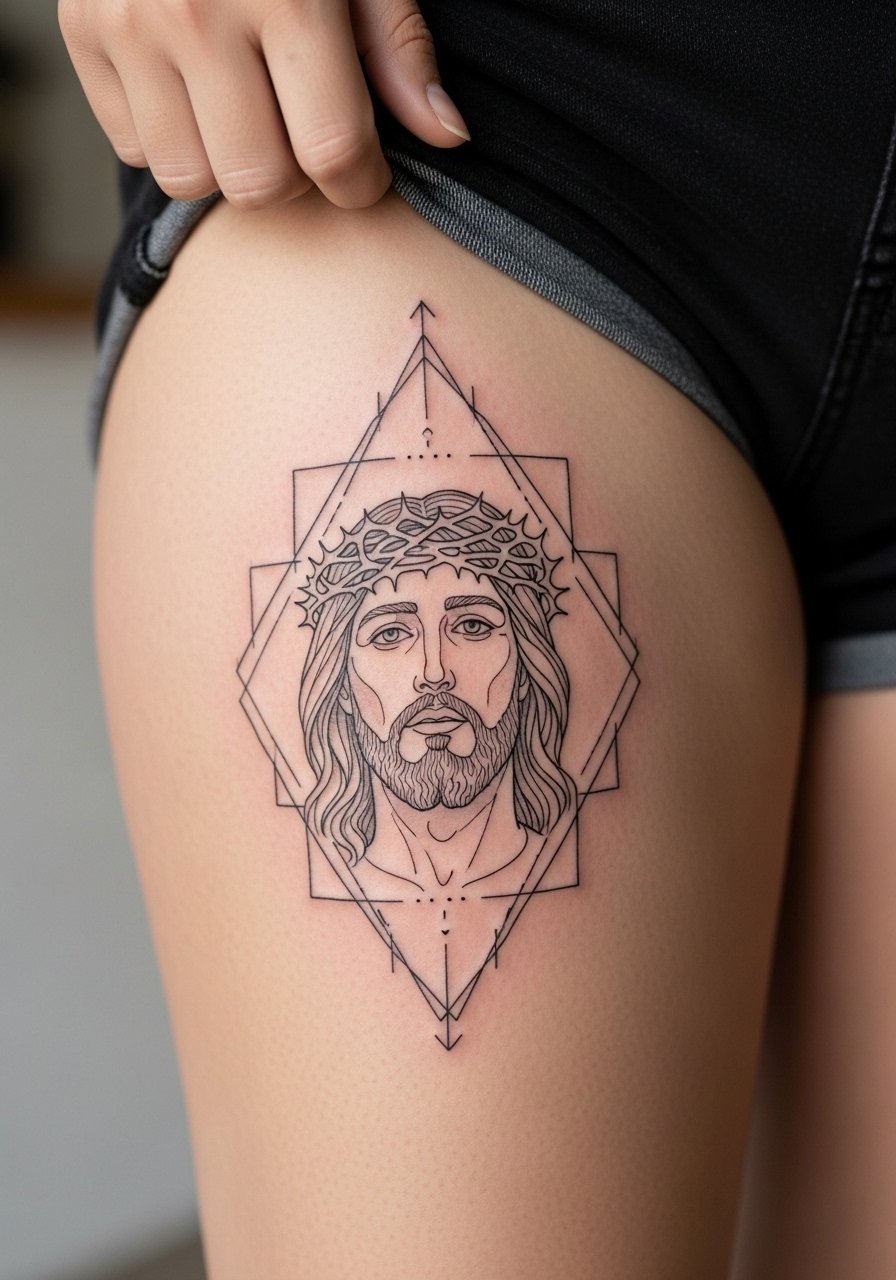
The thigh tolerates denser work and heals predictably because it is less exposed to sun. A common planning error is compressing intricate geometry too close to the portrait, which reads muddy as lines settle. Request increased spacing between geometry and portrait plus a soft edge where the two meet. Expect moderate pain and a session that can reach two hours for combined portrait and frame. For the session, choose loose shorts like high-waisted denim shorts for easy access.
15. Tiny Cross and Crown on Ankle
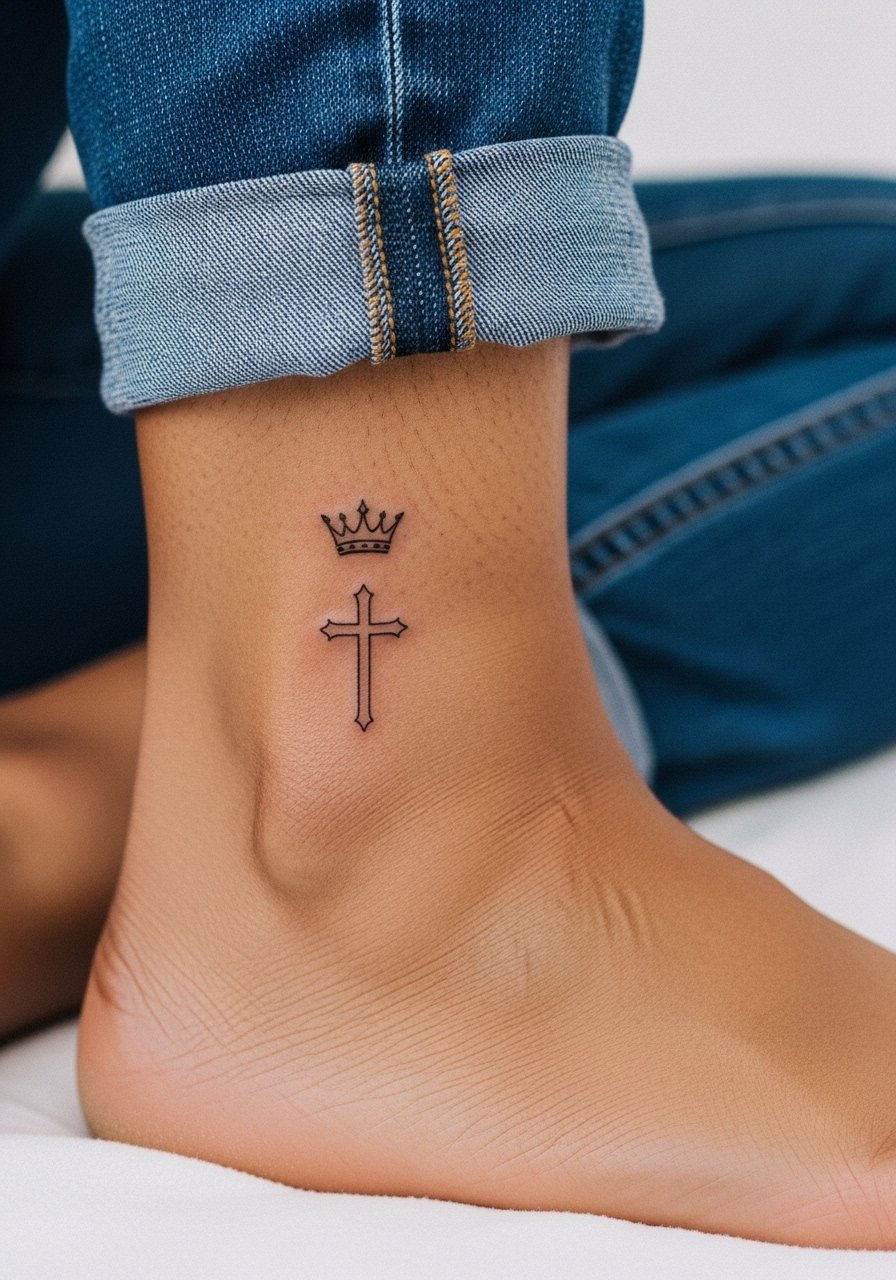
Ankle placements are exposed to socks and shoes, which causes scabbing and friction. The usual mistake is placing too much small detail where it will face constant abrasion. Ask for a slightly simplified crown and durable primary strokes. Sessions are quick but the area is sensitive. Plan on a touch-up around year two. Showing it off with rolled pants works, and a pair of ankle boots complements the look.
16. Scripted Prayer Line Below Clavicle
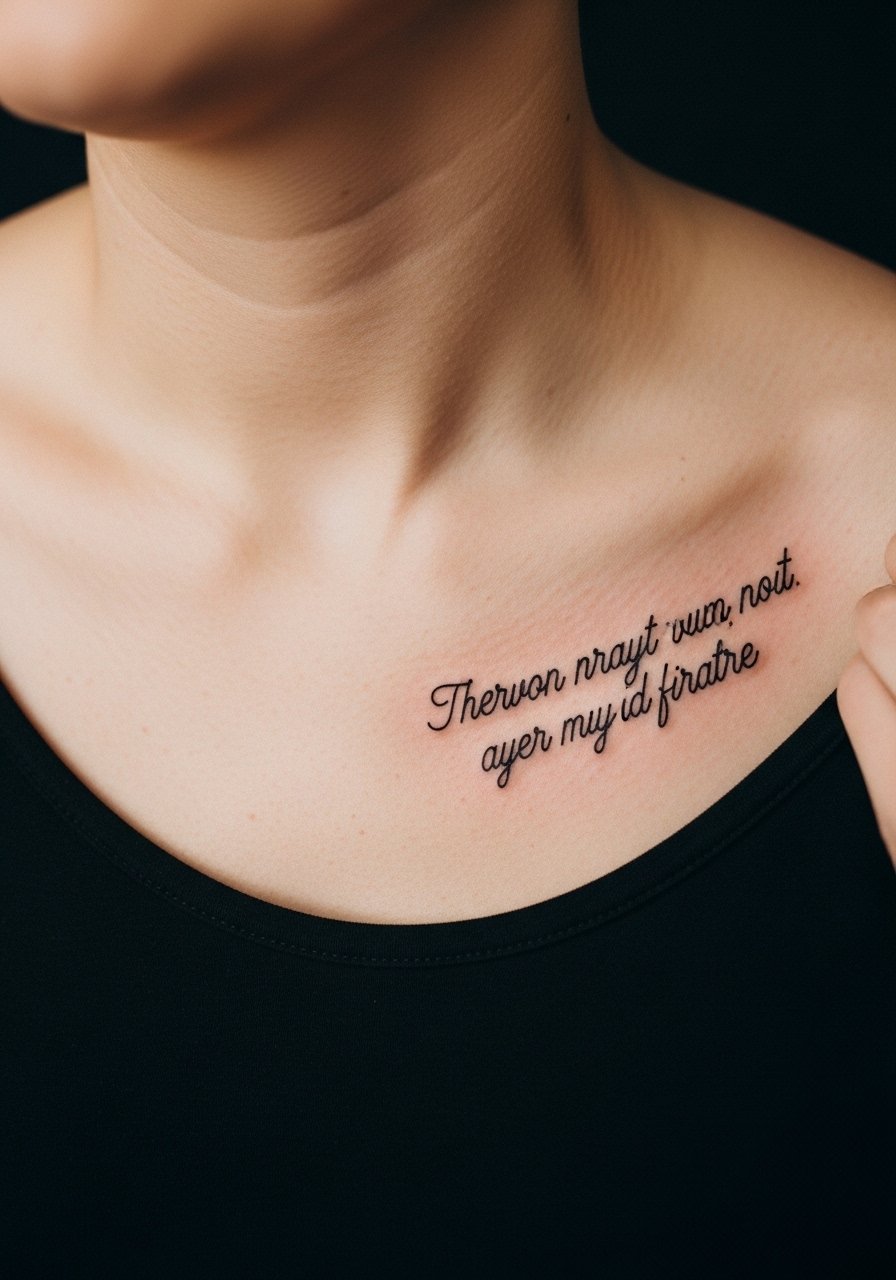
Script that follows the clavicle must respect the curve of the bone and breath of the letters. A narrow mistake is asking for tight kerning that the skin will not keep. Ask for increased letter spacing and slightly bolder core strokes for longevity. The clavicle is tender, short sessions are common, and a touch-up at two to three years is typical for fine script. Pair with open-neck tops and a soft cotton V-neck tee.
17. Line Portrait with Light Whip Shading on Upper Arm
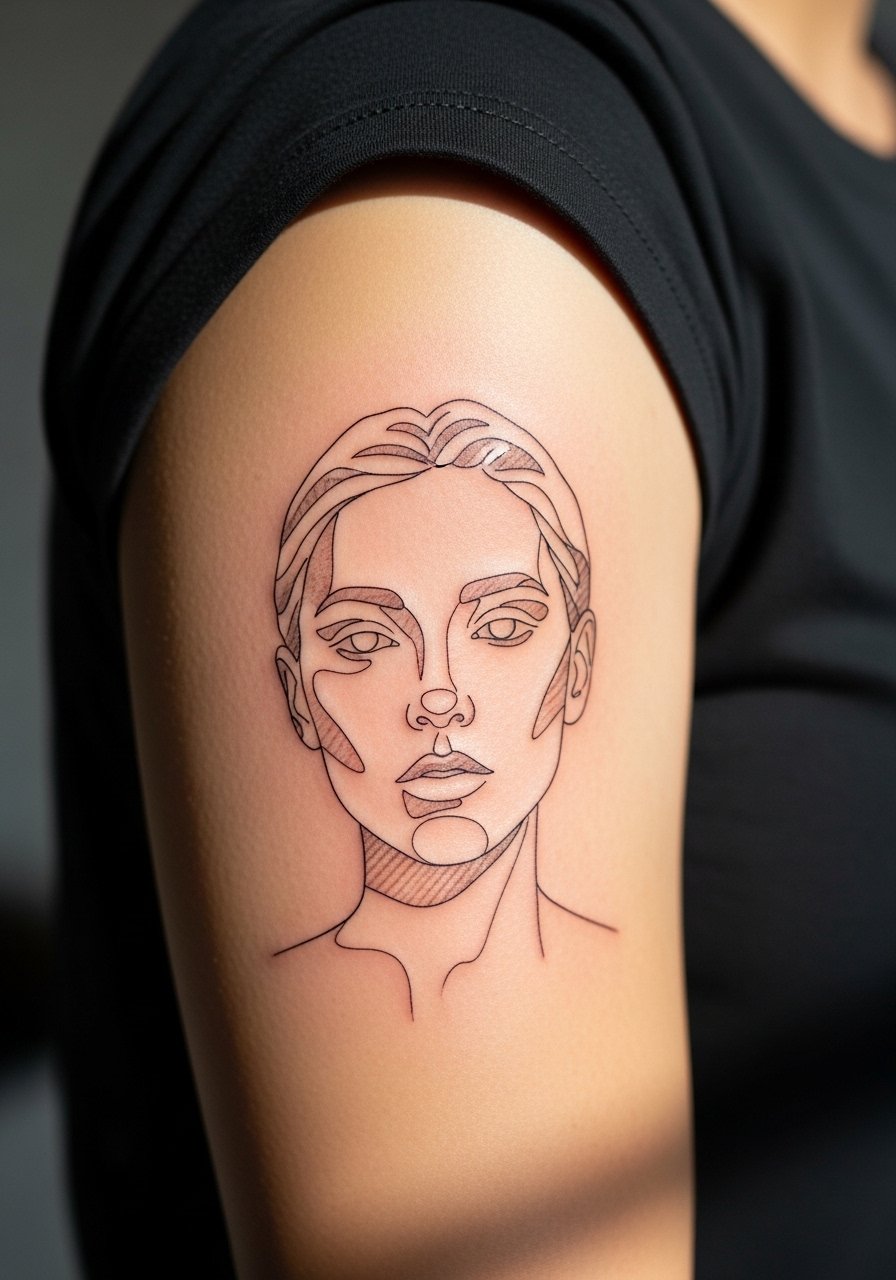
Whip shading adds motion without dense blocks of ink, which helps fine portraits keep contrast as they age. The common mistake is overusing whip in tight facial areas where it clumps. Ask for whip shading only in the hair and garment areas and stippling for cheeks. Upper arm sessions are comfortable and often under two hours. Wear a loose tank top for easy access during the session.
18. Micro Line Jesus on Side of Ribcage
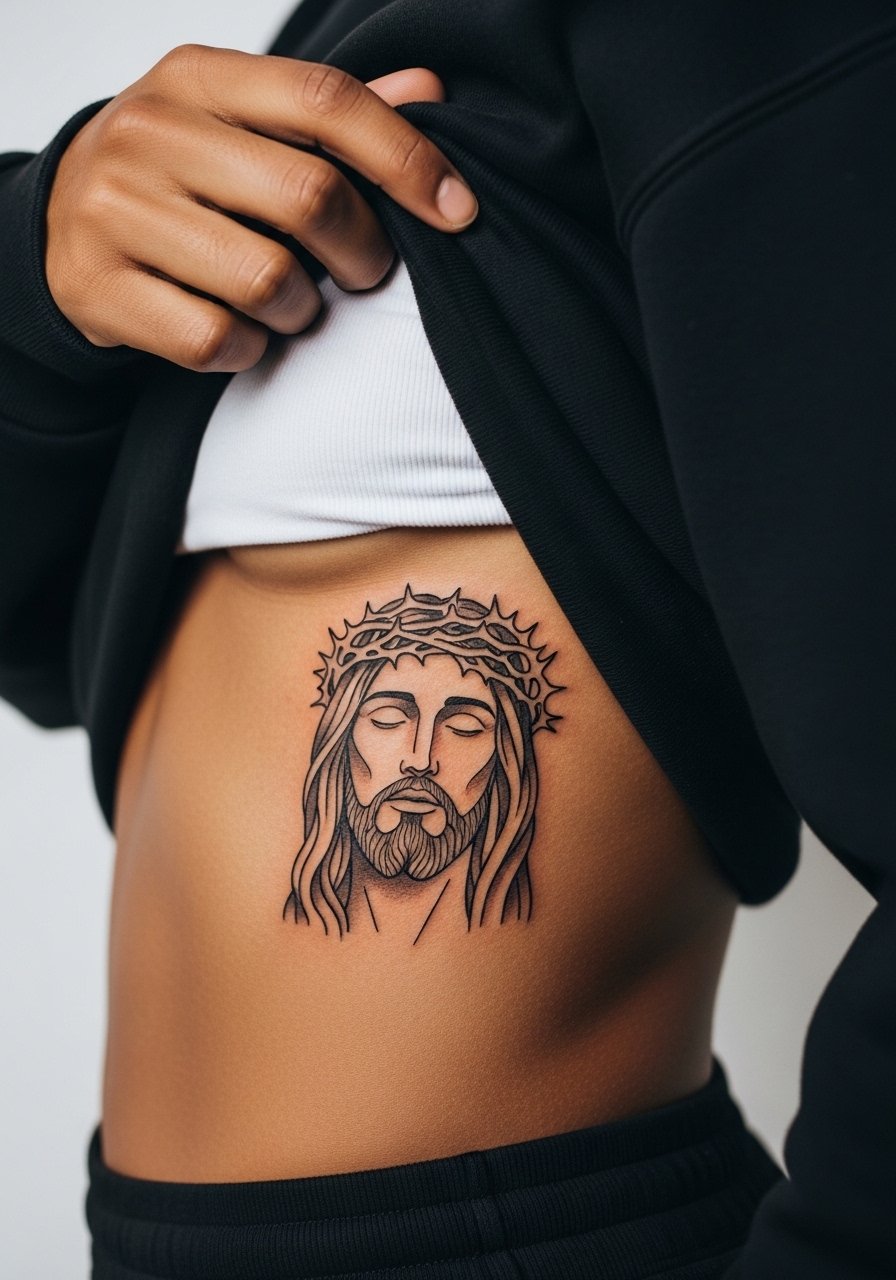
Side ribs are high contour and high sensitivity. The controversy is real for ribs and fine line. One camp warns that breathing and skin stretch cause lines to blur quickly. The other camp points to spacing and controlled depth as solutions. Before booking, ask the artist which camp they practice and to show healed examples on similar skin. Sessions can be split into short blocks if needed. For the appointment, wear a cropped sports top that gives clear access.
19. Delicate Jesus with Floral Frame on Hip
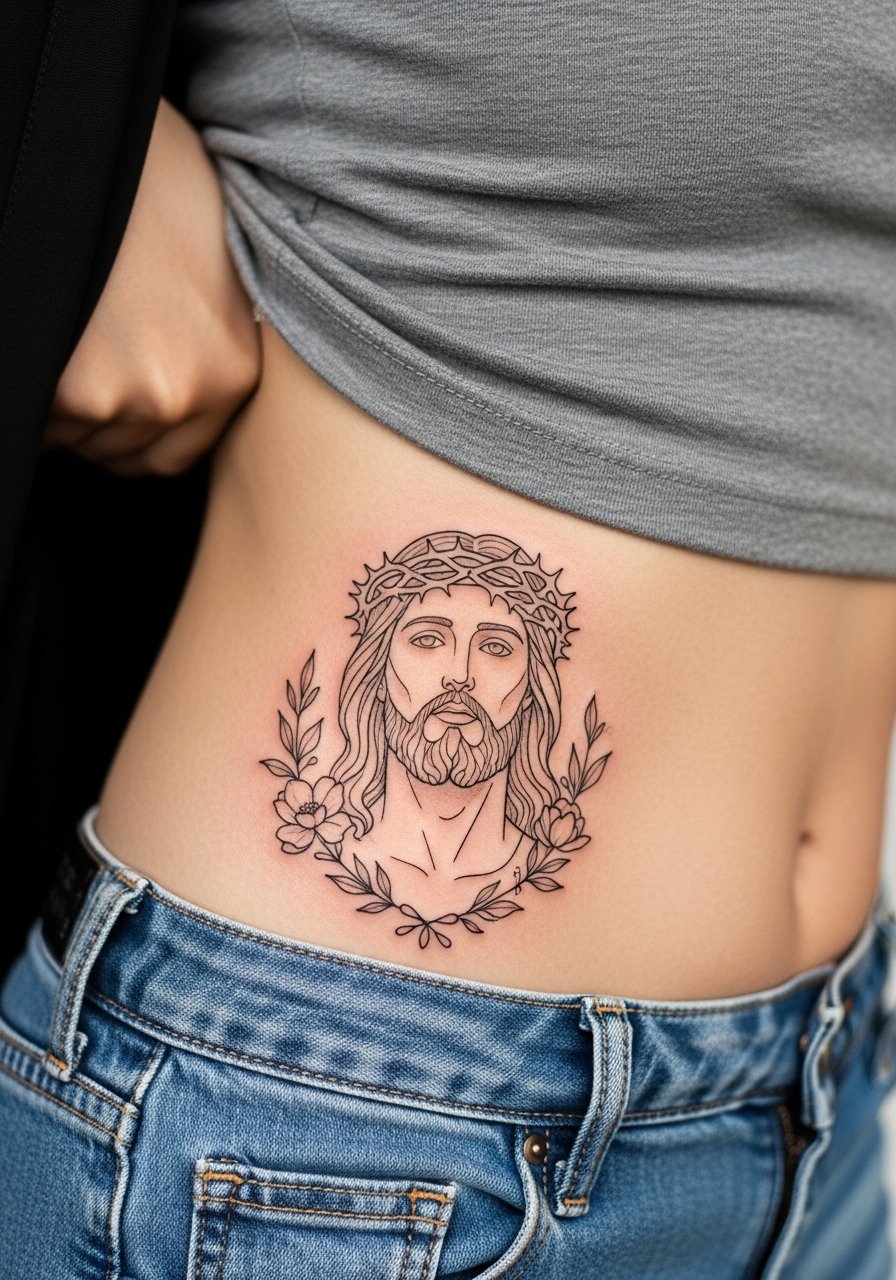
Hip tattoos sit on soft, mobile skin that tolerates medium detail but tends to shift. A common mistake is crowding the frame with heavy floral shading that competes with the face. Ask for thin petals and open negative space around the portrait. Sessions can be comfortable and often under two hours. For the session, high-waisted bottoms you can shift easily, like high-waisted leggings, make access simple.
20. Micro-Realistic Eye of Christ on Back of Hand
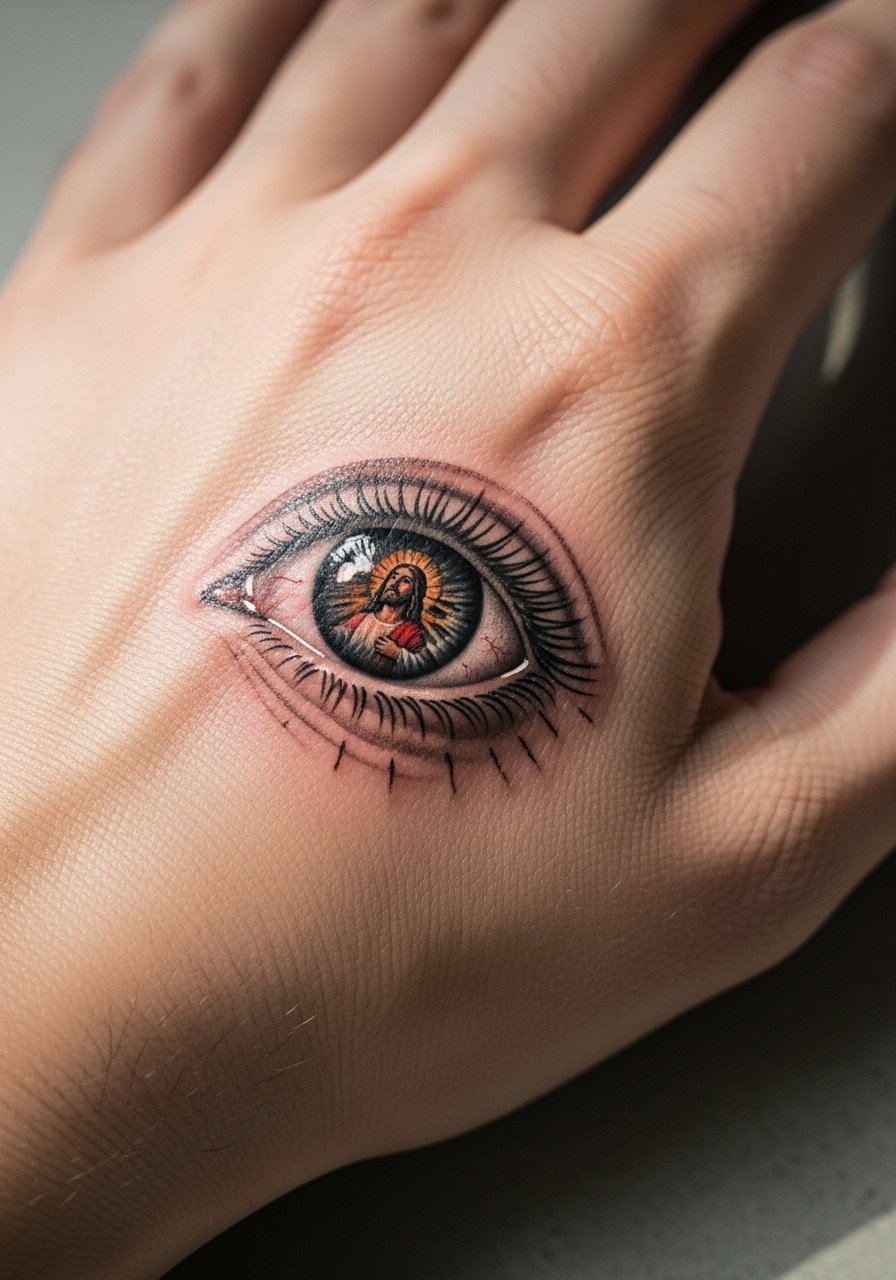
Hand tattoos fade and spread faster than most placements. The typical error is expecting micro-realism to stay crisp on the hands. If you choose this, scale up slightly and accept touch-ups as part of ownership. Artists often refuse intricate portraits on hands for this reason, so discovery via shop directories and guest lists helps find someone willing. Sessions are painful and quick. Wear clothing that keeps the hand accessible.
21. Tiny Jesus with Rays on Finger Side
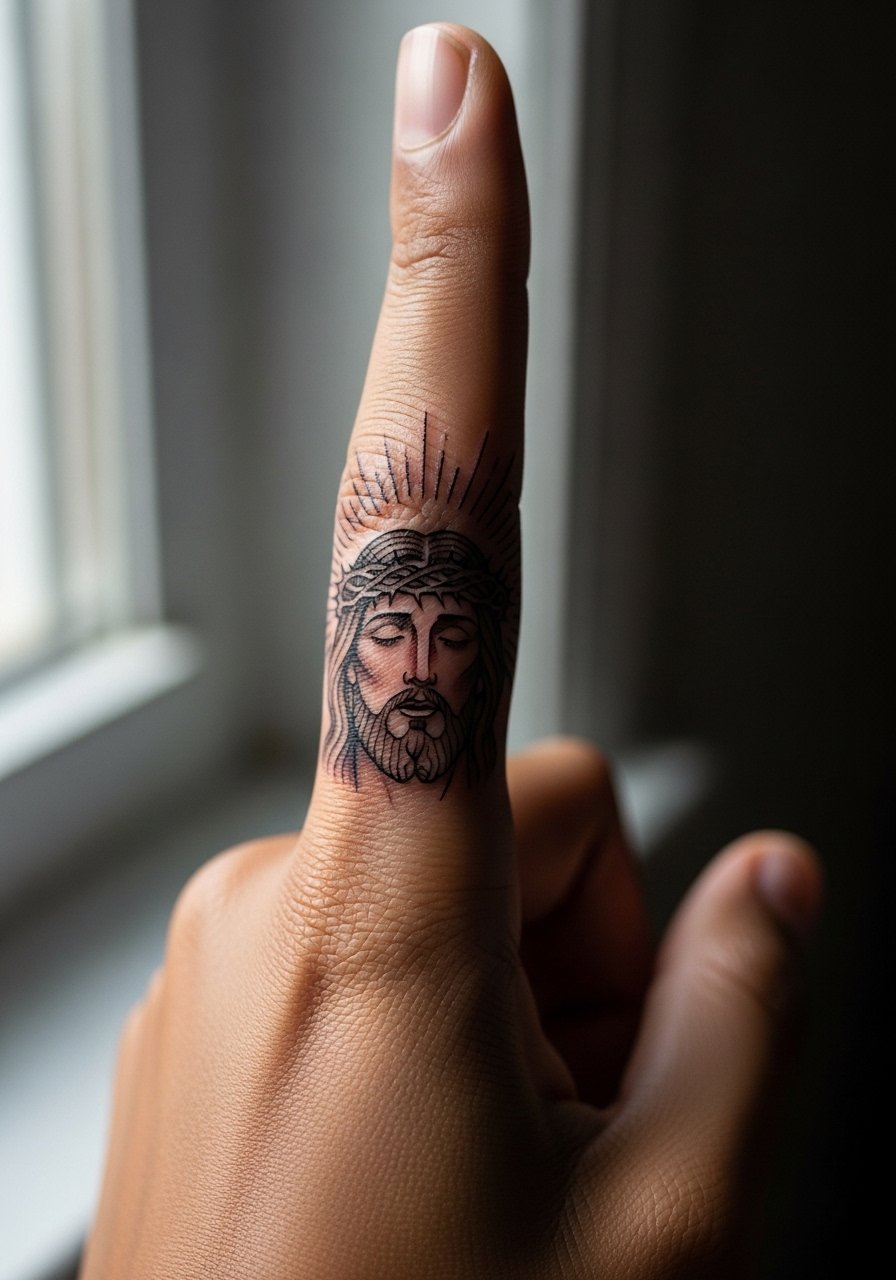
Finger pieces face constant washing and friction, which thins fine lines. The mistake is packing rays too close to the head. Ask for simplified rays and a slightly thicker outline to hold up longer. Sessions are fast and painful. Expect annual touch-ups. For the appointment, roll sleeves up and have a soft cotton long-sleeve shirt you can adjust.
22. Fine Line Jesus with Light Halo Behind Ear of Neck
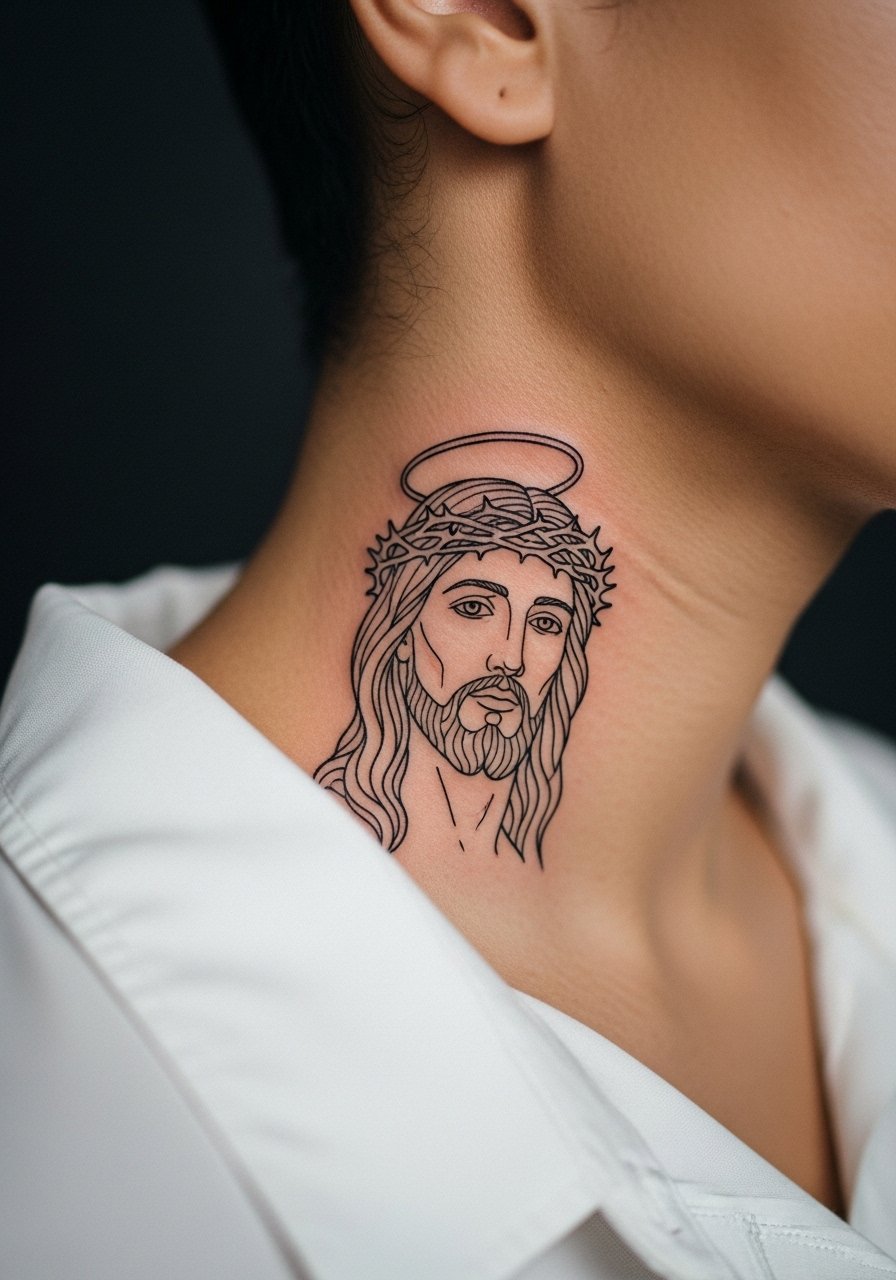
Neck placements demand a specialist and a conversation about visibility and career impact. The neck skin accepts fine line but needs bolder anchor lines to age well. The usual mistake is asking for hairline curls and tiny shading that blur in a year. Sessions can be brief but the area feels sensitive. For the session, wear a wide-neck shirt you can pull aside.
23. Fine Line Christ Medallion on Chest
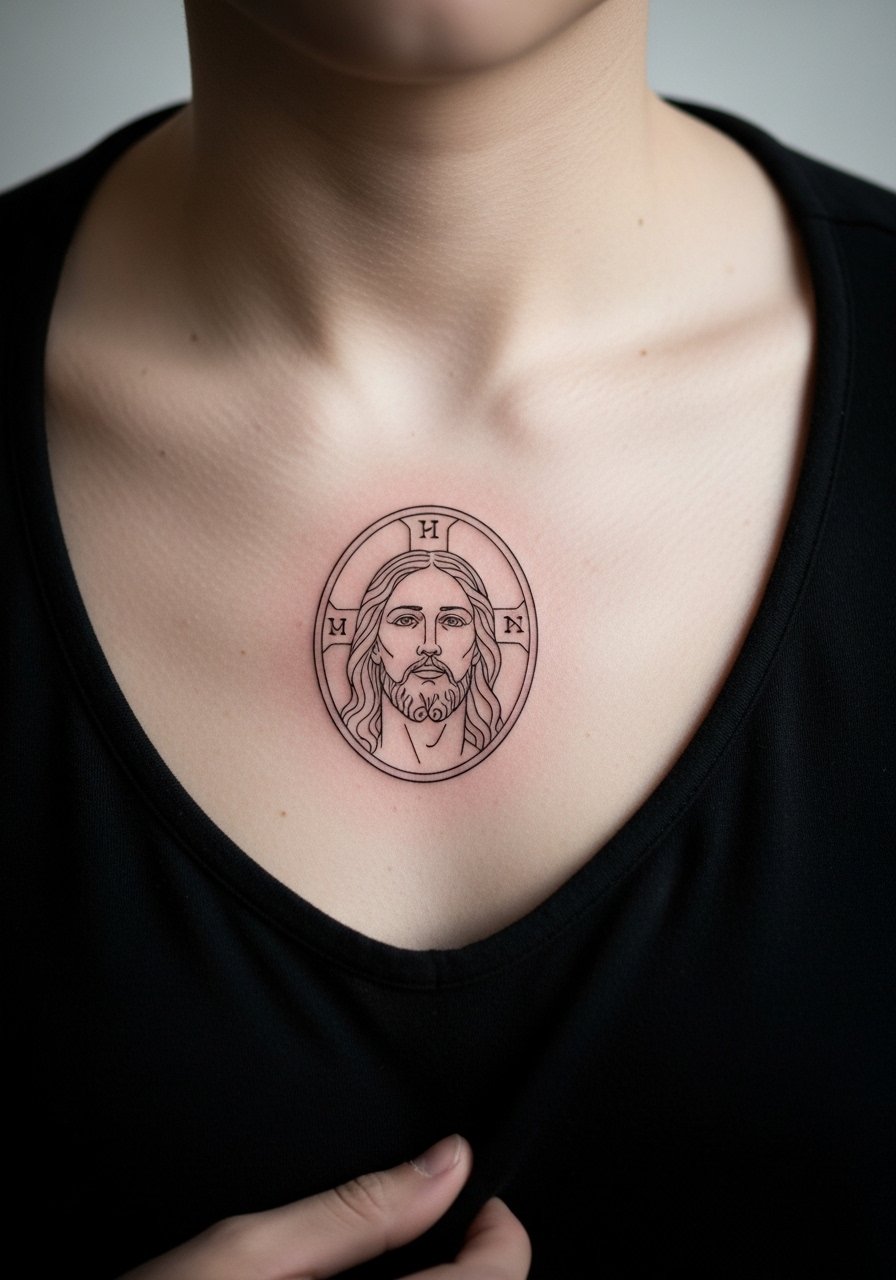
Center-chest medallions read bold when surrounded by breathing room. The mistake is making the medallion too small relative to the clavicle and sternum lines. Tell your artist you want clear negative space and to preview the scale with a mirror. Pain ranges from moderate to high depending on proximity to bone. Sessions usually under two hours for modest medallions. Pair with open-neck shirts or a classic button-down for evenings out.
24. Single Needle Jesus in the Groin Crease
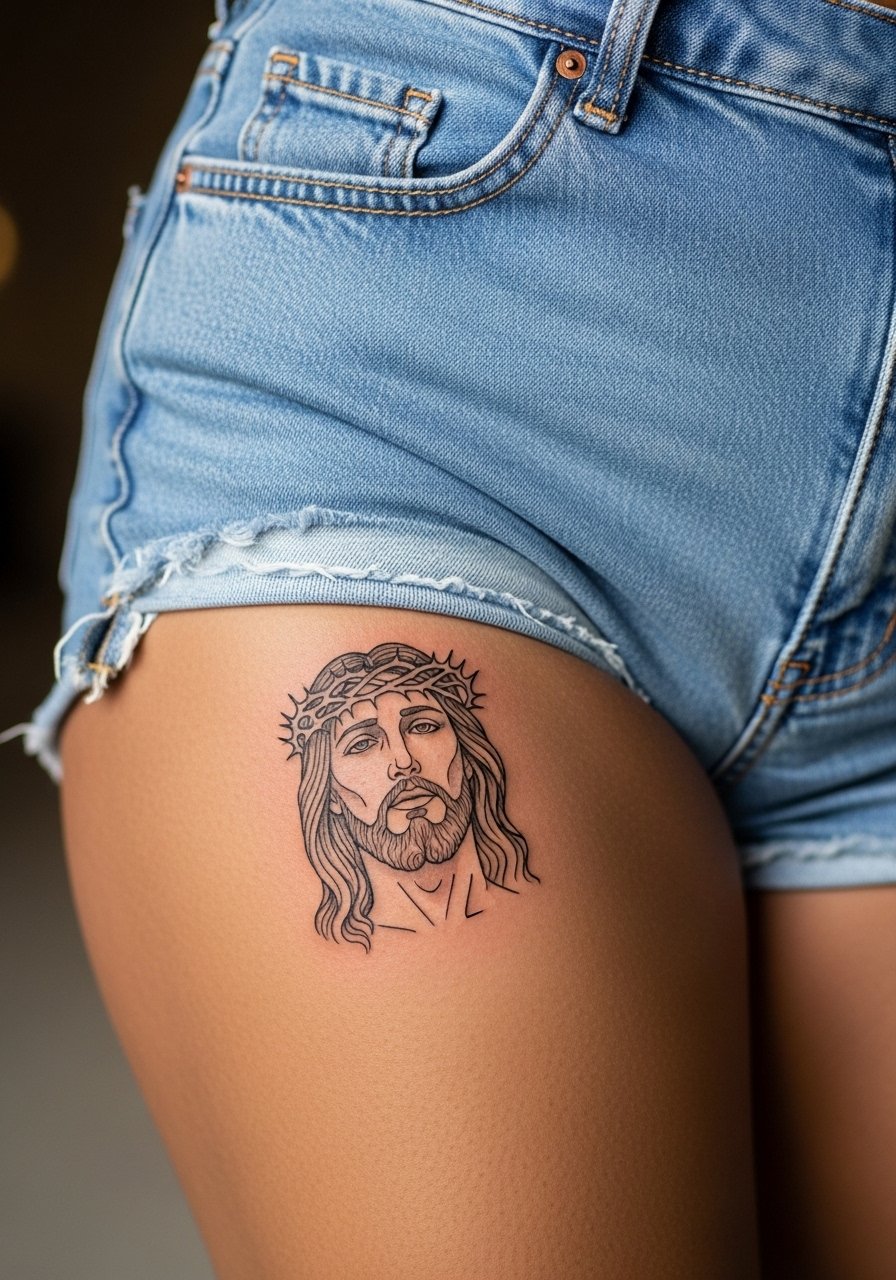
Work near the groin crease is intimate and requires an artist who is comfortable and experienced with the area. The common error is choosing single-needle micro detail where skin folds most. Ask for simplified contours and plan for a healing window that avoids heavy exercise. Sessions can be sensitive and best split if large. Wear loose bottoms during healing and a soft cotton boxer brief or high-waisted shorts for comfort.
25. Fine Line Jesus with Geometric Halo on Lower Back
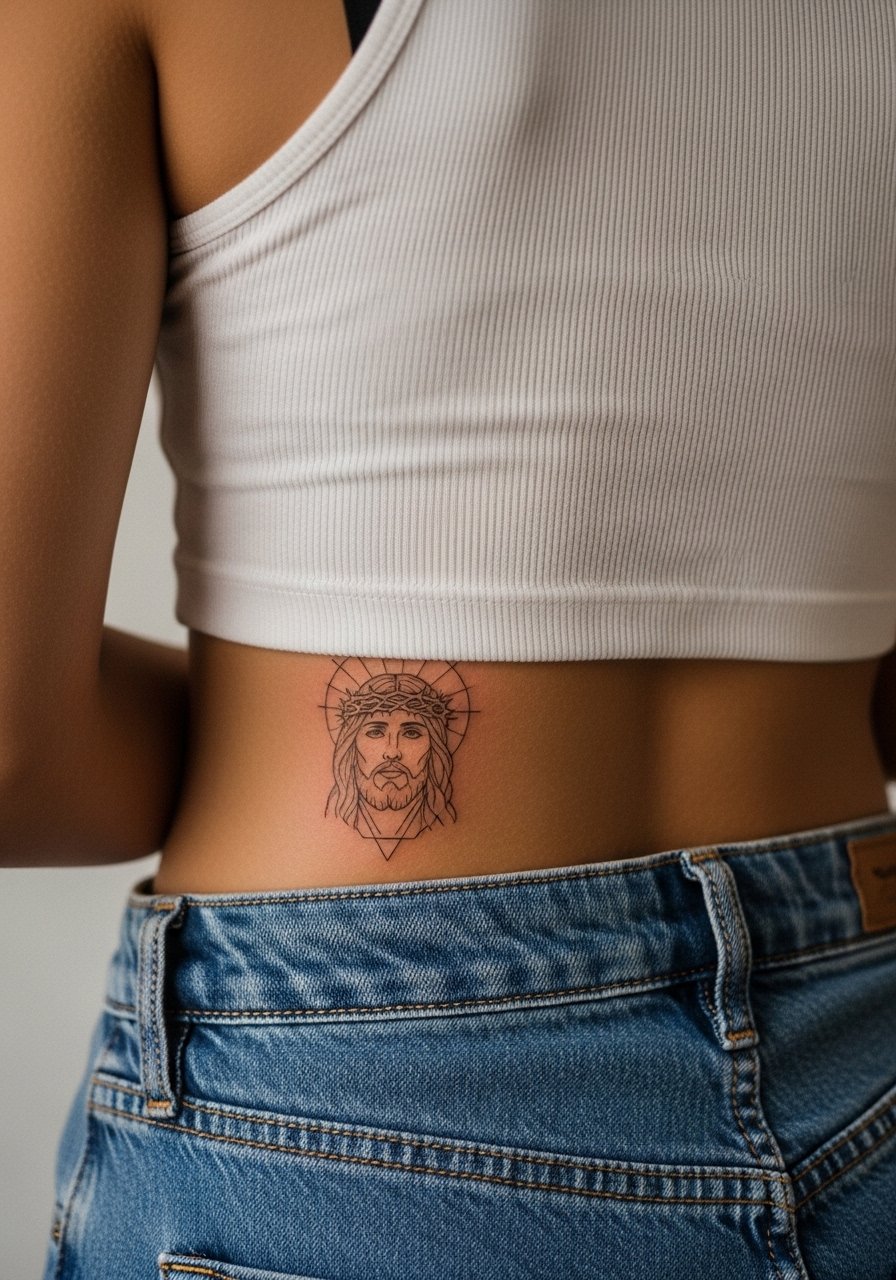
Lower back pieces can be discreet and powerful, and the geometry keeps the eye focused on the portrait. A common mistake is crowding the halo with too many intersecting lines. Ask for breathing room and larger shapes rather than micro geometry. Sessions are comfortable and often under two hours. For the appointment, a tank top and high-waisted jeans that shift easily help, like high-waisted jeans.
26. Micro Jesus in the Center of the Palm Edge
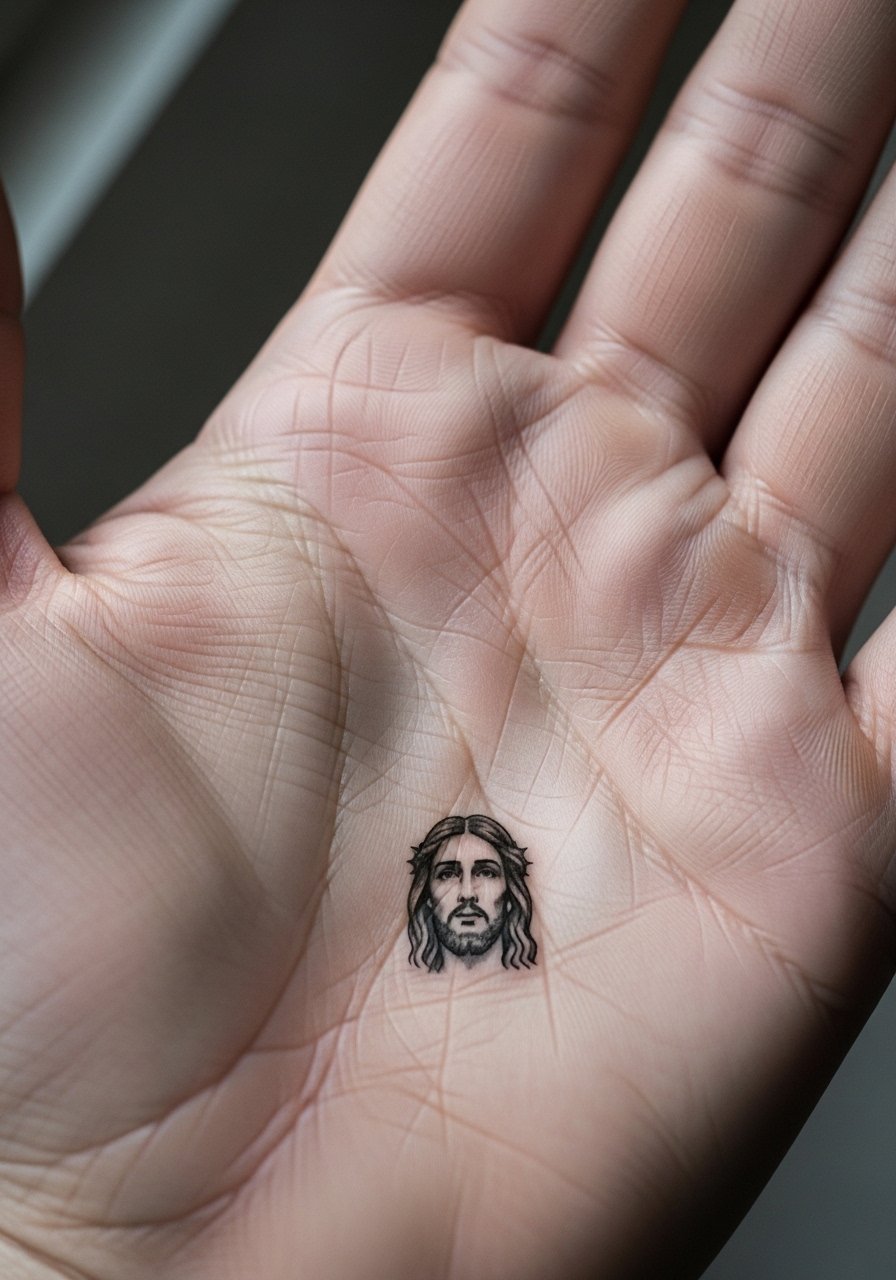
Palm tattoos are notorious for fast fading and inconsistent healing because the skin regenerates quickly. The biggest mistake is treating them like permanent fine line work. If you choose the palm, simplify the form dramatically and plan on frequent touch-ups. Sessions are short but more painful than expected. Discuss alternatives like finger-side or wrist placement that holds fine line better.
27. Longitudinal Jesus on Spine Near Upper Back
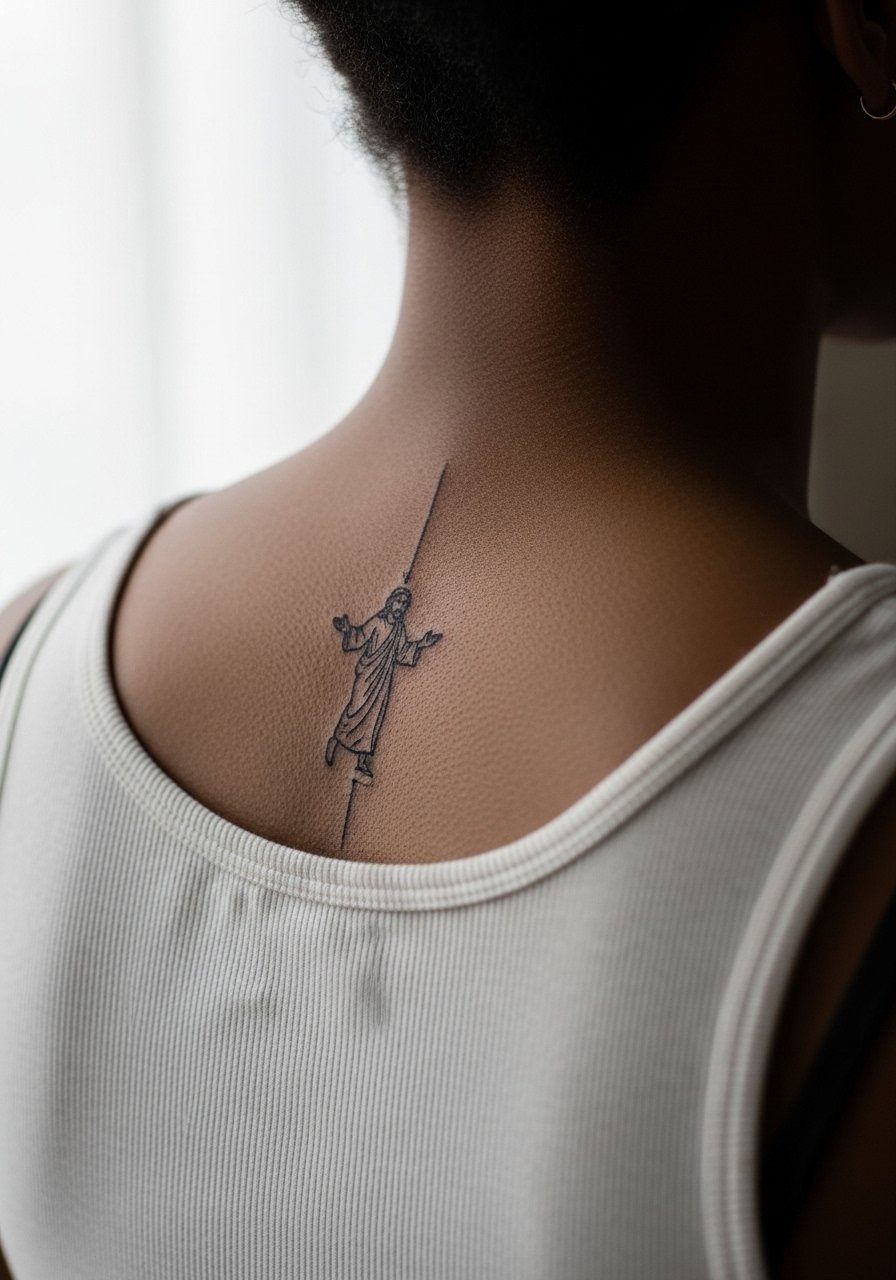
Spine pieces are dramatic because the line follows natural movement. The common mistake is compressing facial features vertically which reads distorted when standing. Ask the artist to map the design to your posture so the face and features sit naturally. Sessions can be longer and more uncomfortable near vertebrae. Plan for breaks and modest aftercare. For photos and evenings, open-back dresses or halter tops frame the piece well.
Frequently Asked Questions
Q: Will fine line Jesus tattoos blur faster than bold religious pieces?
A: Fine line work generally softens sooner because it relies on narrow channels of ink. From what I've seen, bold blackwork keeps contrast longer. Ask your artist about increasing primary line weight slightly or planning for a touch-up at year two or three.
Q: Is ribcage or sternum better for longevity of delicate Christ portraits?
A: Ribs move and stretch more, which raises blowout risk for ultra-fine lines. Sternum can be stable if the design avoids tight cross-hatching. Talk to an artist who shows healed rib and sternum examples before booking and ask how they manage depth and spacing.
Q: How often should I expect touch-ups for finger or hand Christ pieces?
A: Hands and fingers take the most wear from washing and friction. Plan on annual touch-ups as the normal maintenance. If you want lower upkeep, consider forearm or upper arm placements instead.
Q: What should I wear to a session for a chest or collarbone placement?
A: Wear a wide-neck shirt or a loose button-down that you can pull aside so the artist has clean access without you being uncomfortable. A loose button-down shirt is practical and keeps you covered during the session.
Q: Are there cultural concerns when using traditional Christ imagery in fine line styles?
A: This icon is central to many traditions. If you plan to reinterpret symbolism or combine it with other cultural motifs, consider subtle variations and ask your artist about respectful approaches. Many clients opt for personalized symbolism that nods to origin without copying sacred artifacts directly.