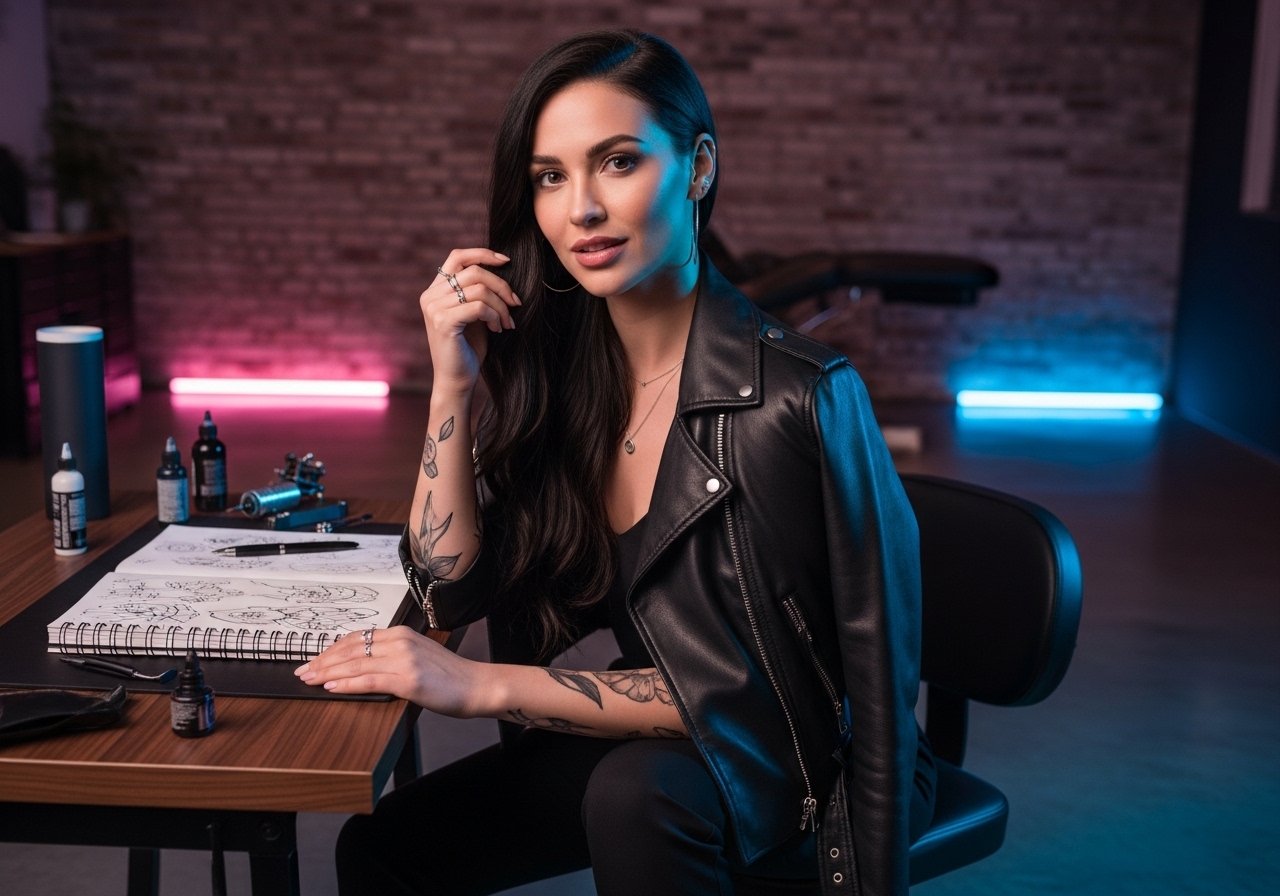
Fine line trends and watercolor feeds look beautiful on a screen, but the tattoos that age into clean shapes are often the ones that started with spacing, bold anchors, and realistic session expectations. I have seen people chase the airbrushed look only to book touch-ups sooner than they expected. This list balances the romance of Fleetwood Mac references with practical notes on placement, aging, and what to tell your artist at consultation.
1. Neo-Traditional Rumours Album Cover Portrait on Forearm
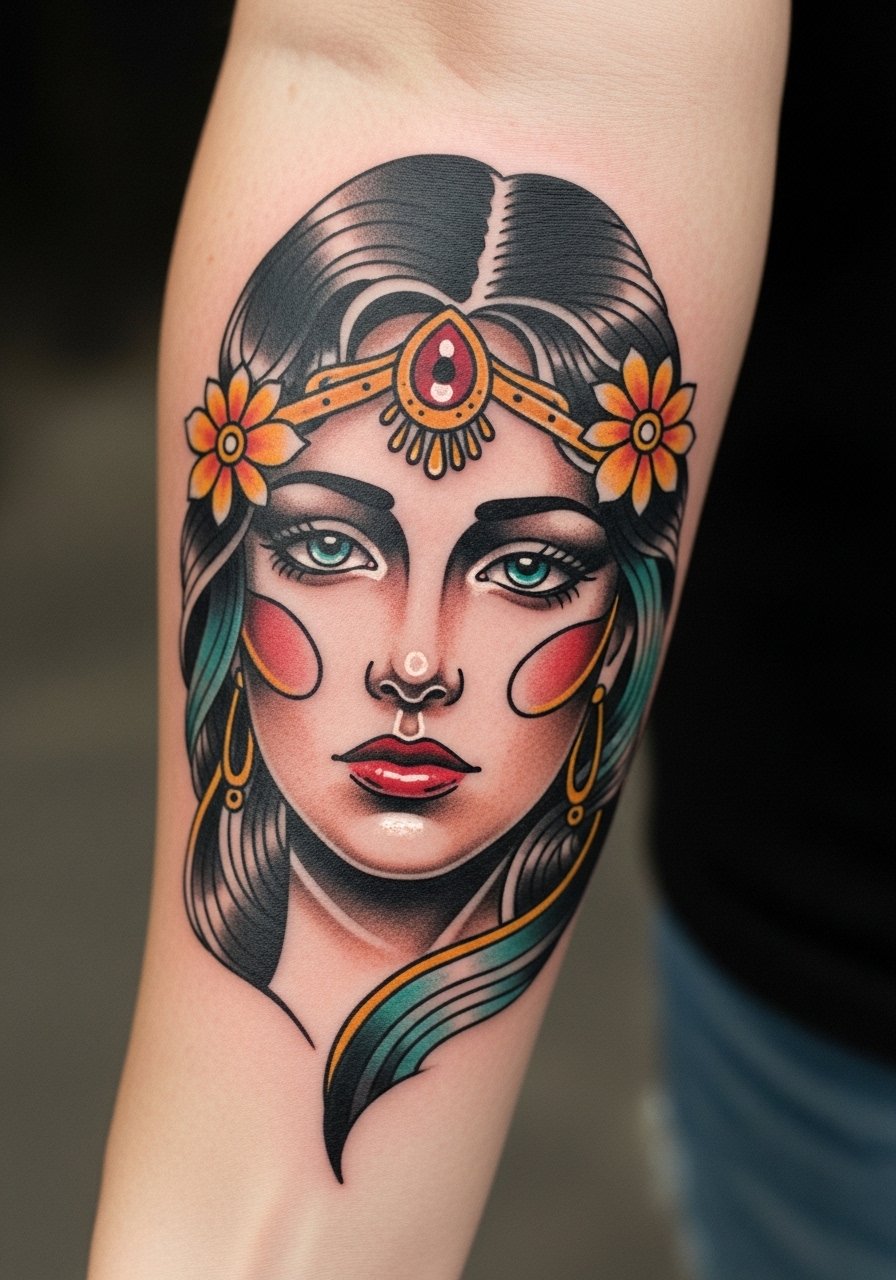
I have seen neo-traditional portraits hold up well on forearms when the composition is scaled to 4 to 6 inches. Tell your artist you want bold outlines around facial features and a clear focal point so the main elements keep definition as saturation softens. Common mistake is packing too much micro detail into a hand-sized piece, which blurs after a few years. Pain is mild to moderate, and most sessions fit into two blocks. For showing it off, roll sleeves and pair this with a rolled sleeve denim shirt that frames the forearm without covering the work.
2. Watercolor Feather from "Rhiannon" on Inner Wrist
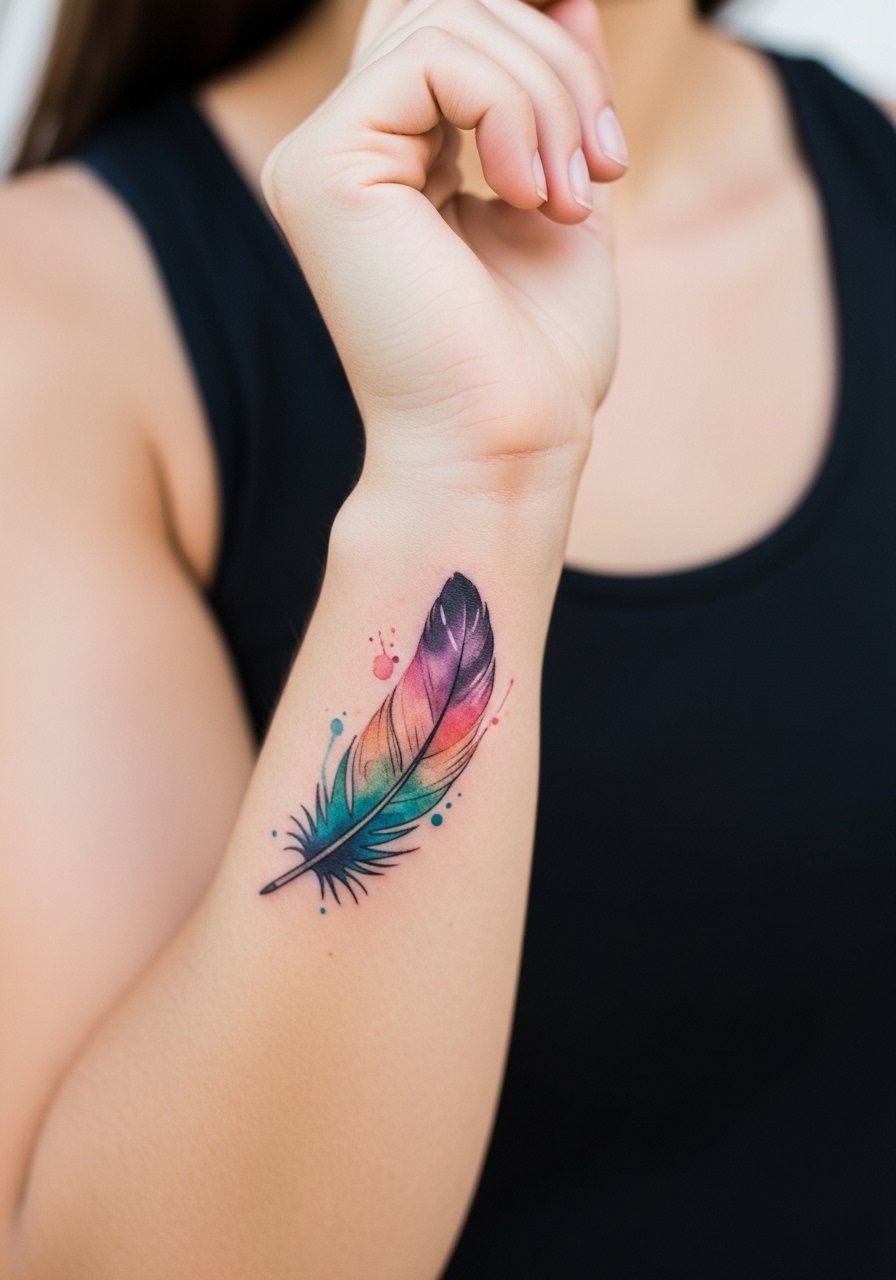
Fair warning, the inner wrist is a high-motion spot so delicate watercolor can blur faster than thicker work. Ask for gentle color washes with a slightly stronger anchor line where the quill meets skin, and expect a touch-up around year two for color refresh. The session is short, usually one hour, and pain is low to moderate. Avoid the common version that uses tiny stippling across the entire feather because it tends to lose contrast. For showing it off, a thin silver cuff works well and during your appointment wear a sleeveless tank so the artist has unobstructed access.
3. Blackwork Band Logo with Dreamy Waves on Upper Thigh
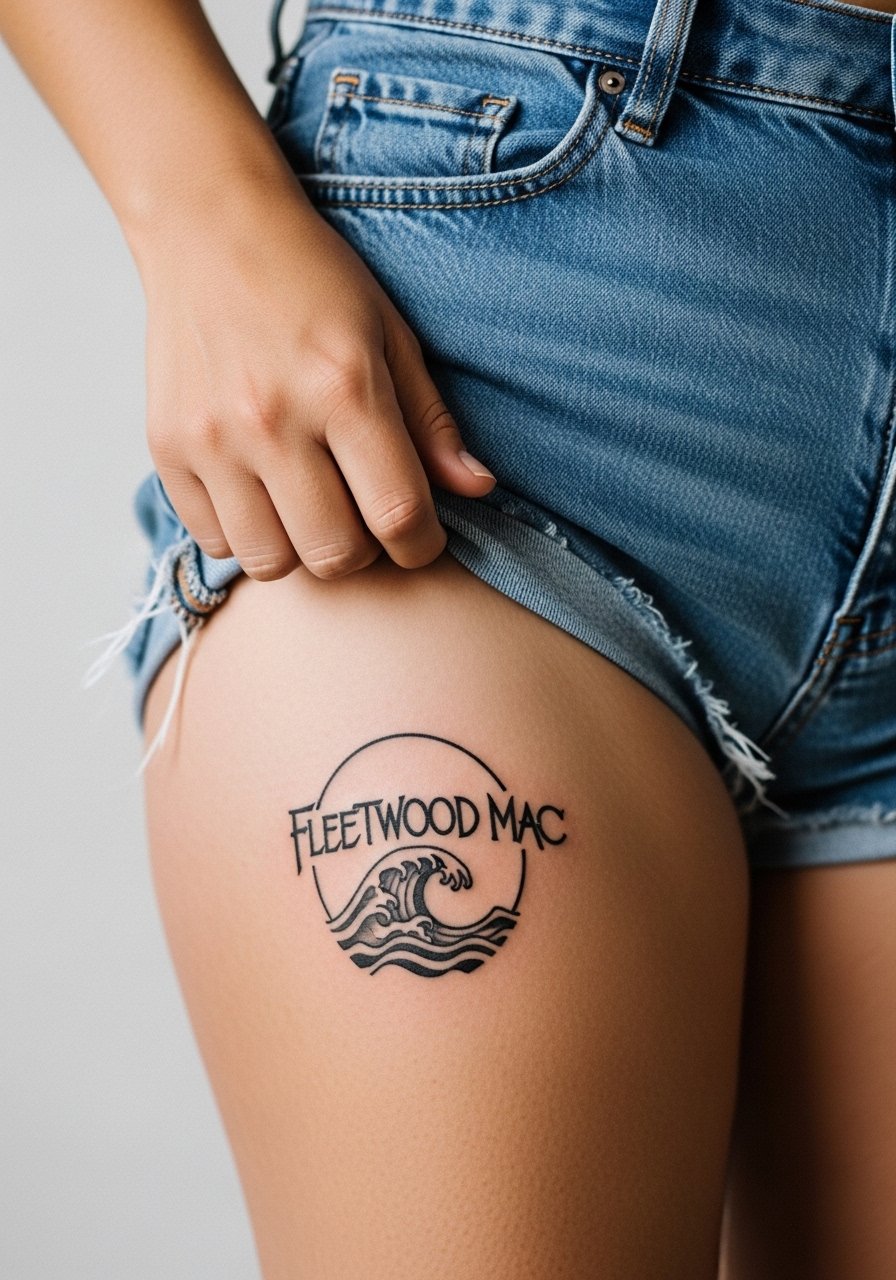
The upper thigh is forgiving for bold blackwork and it hides well when you want. For longevity, ask for solid saturation and slightly thicker linework so the waves do not feather into a gray wash with time. Blowout risk is low compared with thin lines on the hands, but weight gain or loss can distort large thigh pieces, so consult the artist about placement relative to stretch zones. Session time is one to two blocks depending on size, and pain is usually moderate. For warm-weather show-off, try high waisted denim shorts that reveal the area neatly.
4. Dotwork Stevie Nicks Silhouette on Shoulder Blade
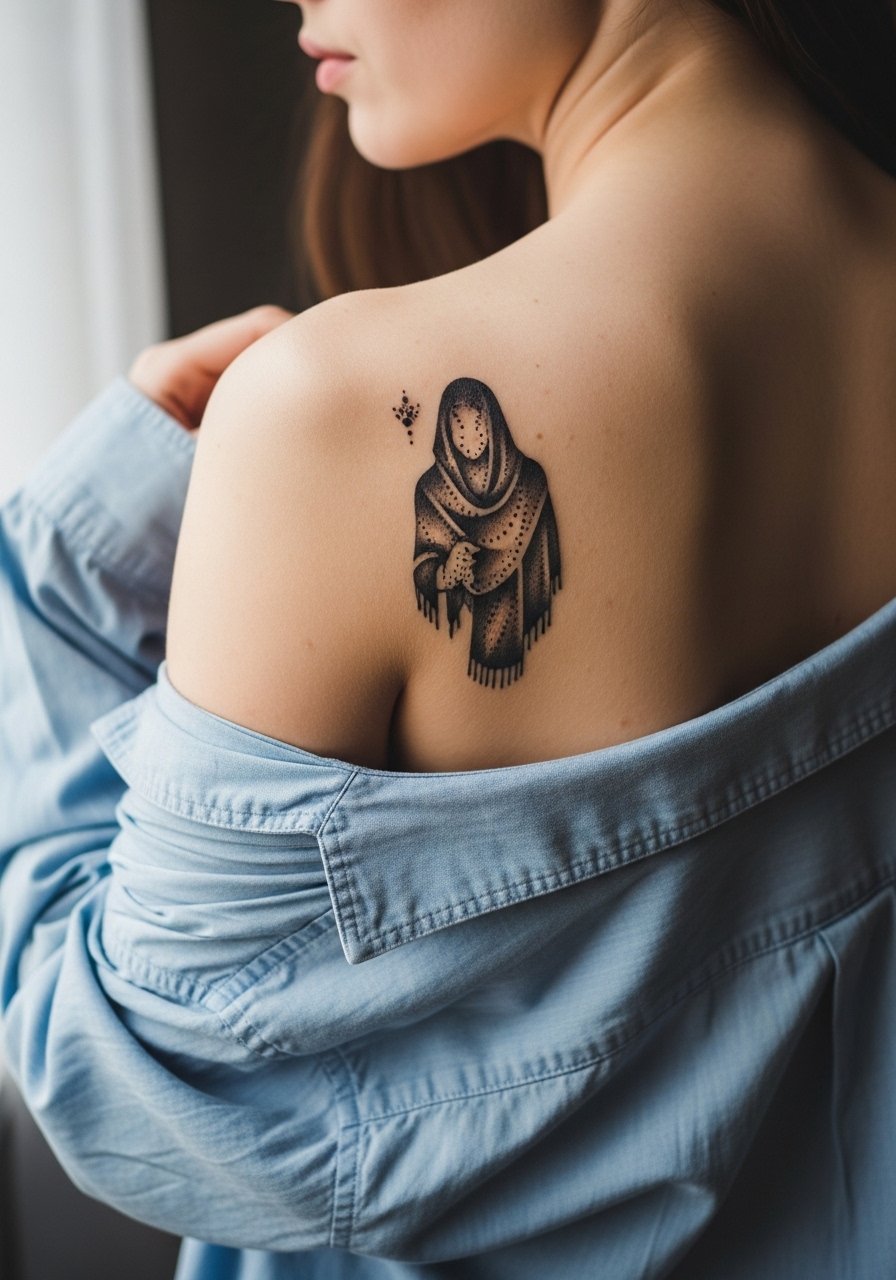
There is quiet power in dotwork on the shoulder blade because the skin there holds stippling nicely. In consultation, bring silhouette references with the exact shawl flow you want so the artist can plan dot density. A common mistake is crowding the silhouette with extra motifs that reduce the meditative quality. Expect two shorter sessions and mild to moderate pain when lying prone. For the session, wear a loose button-down shirt that you can slide aside without tugging the area.
5. Fine Line "Go Your Own Way" Script Banner on Inner Forearm
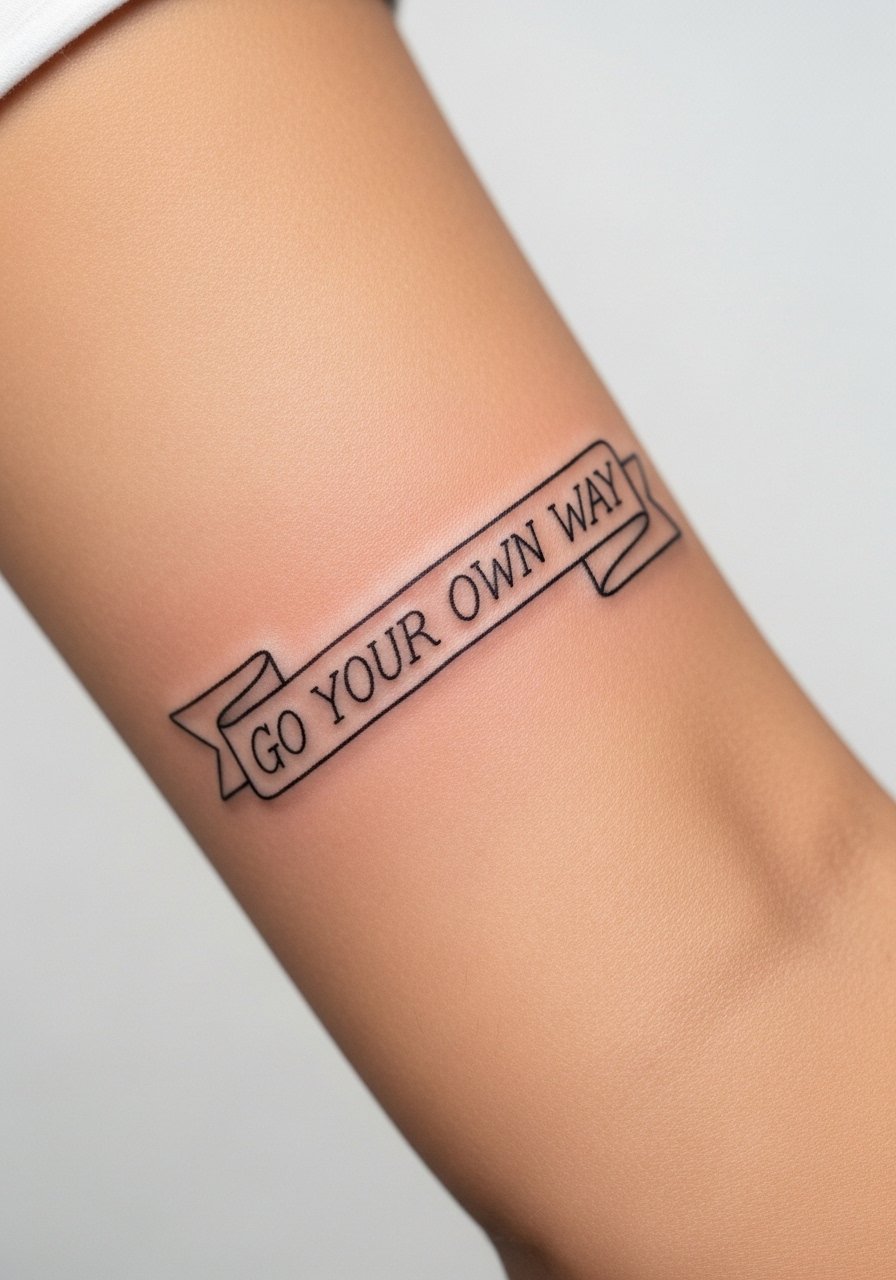
Fine line scripts split artists into two camps. One group says ribs and high-motion areas blur small scripts within two years. The other camp argues that with proper needle depth and spacing, fine line holds fine. For the forearm this usually works, but be explicit about line weight so the artist does not go too hairline thin. The typical mistake is asking for tiny lettering without leaving kerning or breathing room, which causes letters to merge as the ink settles. Expect one short session and a touch-up around year two if you want crisp letters long term. Pair it with v-neck tees when layering into outfits.
6. Watercolor Rumours Vinyl Record on Back
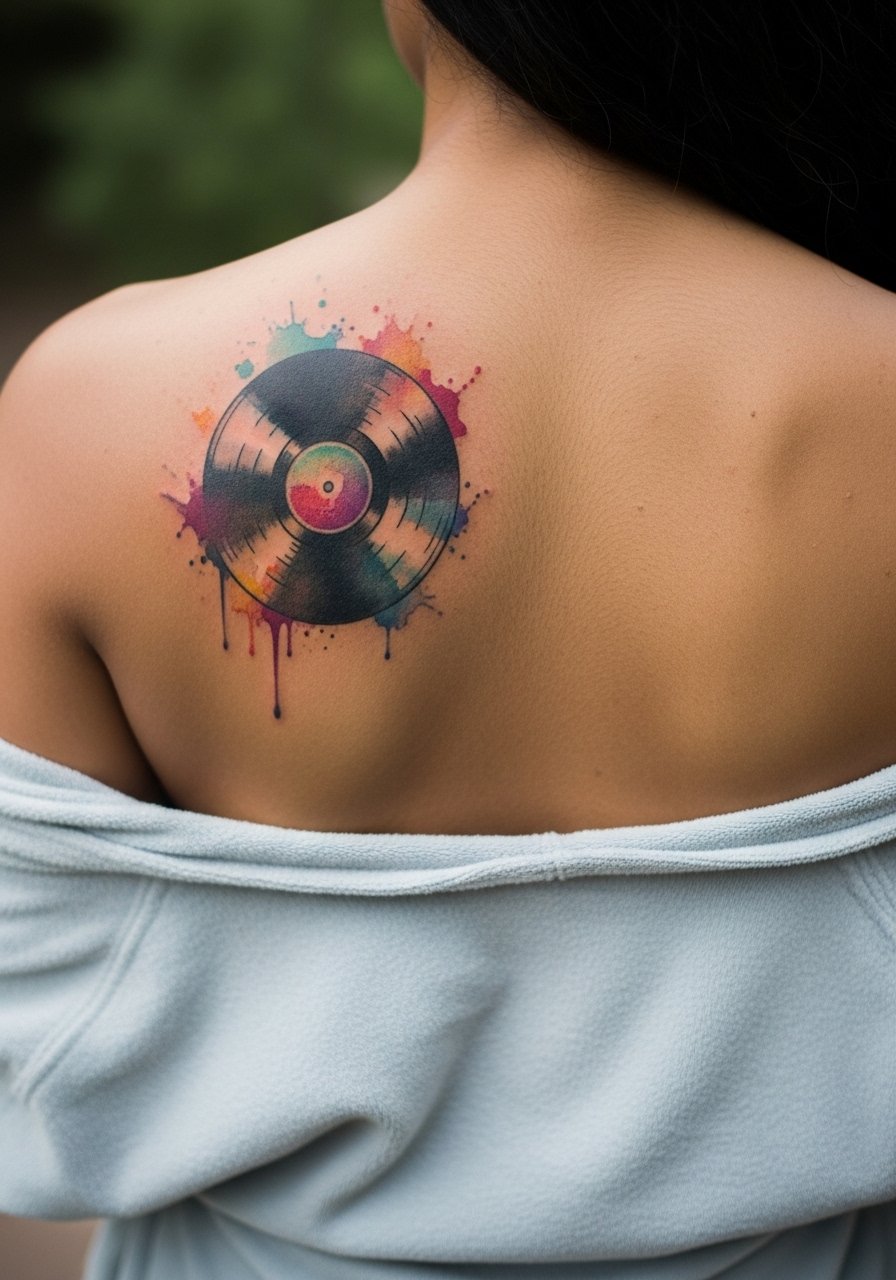
Back pieces let watercolor breathe because larger compositions age into a softer look rather than a muddled dot. Tell the artist you want broad washes around the record grooves and a bold central label to anchor the piece. Mistake to avoid is squeezing detailed type into the label; scale that element up so it remains legible after healing. Sessions are two to three, pain is low to moderate while lying face down, and the back tolerates large work. For the appointment wear a front-open robe or loose tank so you can lie comfortably without fabric pressing on fresh ink.
Pre-Session Essentials
The inner forearm, wrist, thigh, shoulder blade, and back pieces above need different prep and the right small items make session day smoother.
-
Stencil transfer paper kit. Lets you test placement on skin before the needle goes down, useful for the forearm portrait and script banner above.
-
Topical numbing cream. Applied about 45 minutes before can ease sensitivity for rib or thigh sessions without altering linework.
-
Thin protective film roll. Handy for thigh and back pieces to shield against clothing friction during the first week.
-
Fragrance-free body wash. Gentle cleansing helps the watercolor and fine line pieces recover without irritation.
-
Aquaphor healing ointment. A thin layer in the first days keeps fine line and dotwork areas hydrated without clogging needle channels.
7. Neo-Traditional Gypsy Heart Motif on Outer Calf
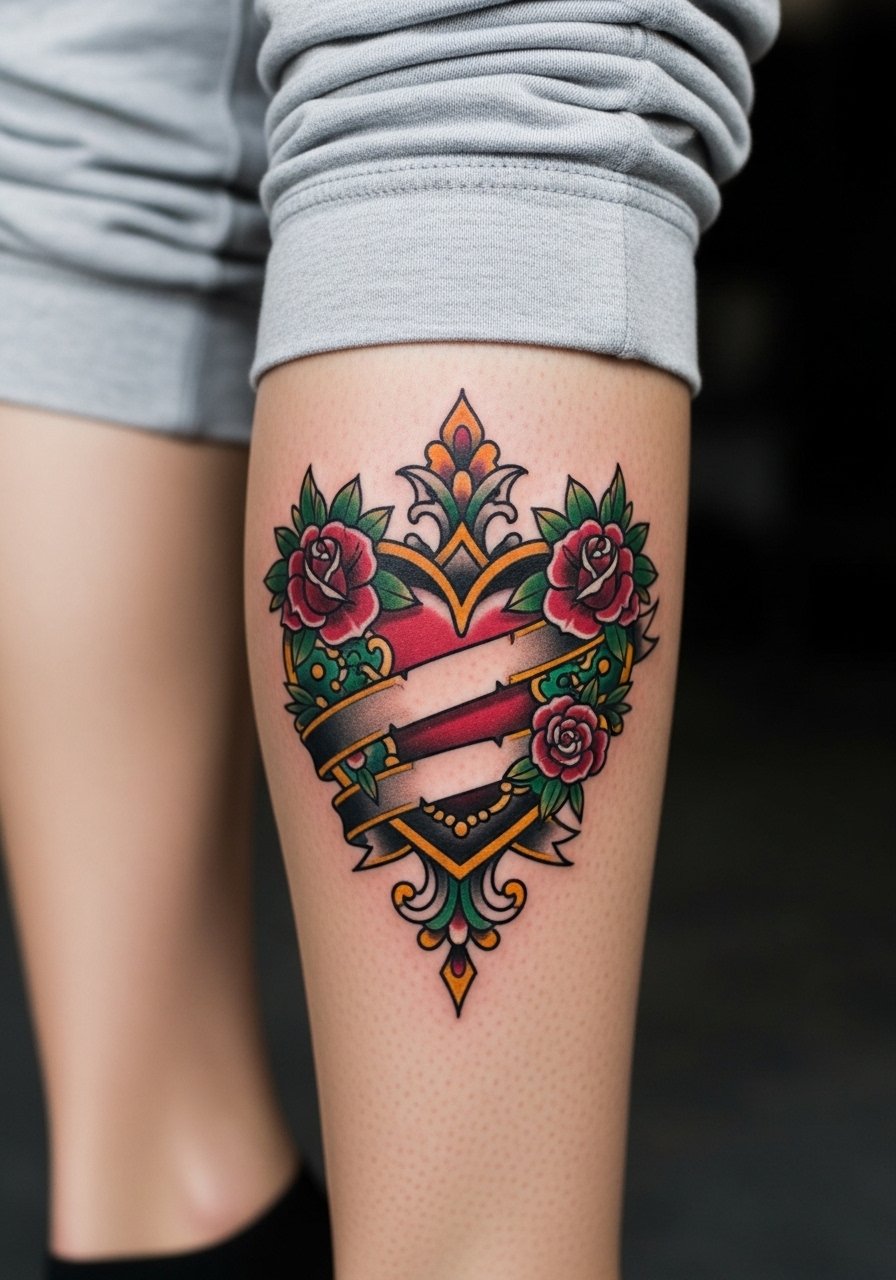
The outer calf is a forgiving canvas for neo-traditional pieces that use moderate color saturation. Tell the artist to keep the heart slightly compact and add solid outlines to prevent color loss into skin texture. A common issue is oversized detail for a 5-inch area which ends up muddy. Sessions are typically two, pain is low to moderate, and the calf keeps colors vivid longer than inner thigh. For summer reveals pair it with cropped jogger pants or midi skirts rolled at the hem.
8. Blackwork Chain Lightning Lyrics Outline on Ribcage
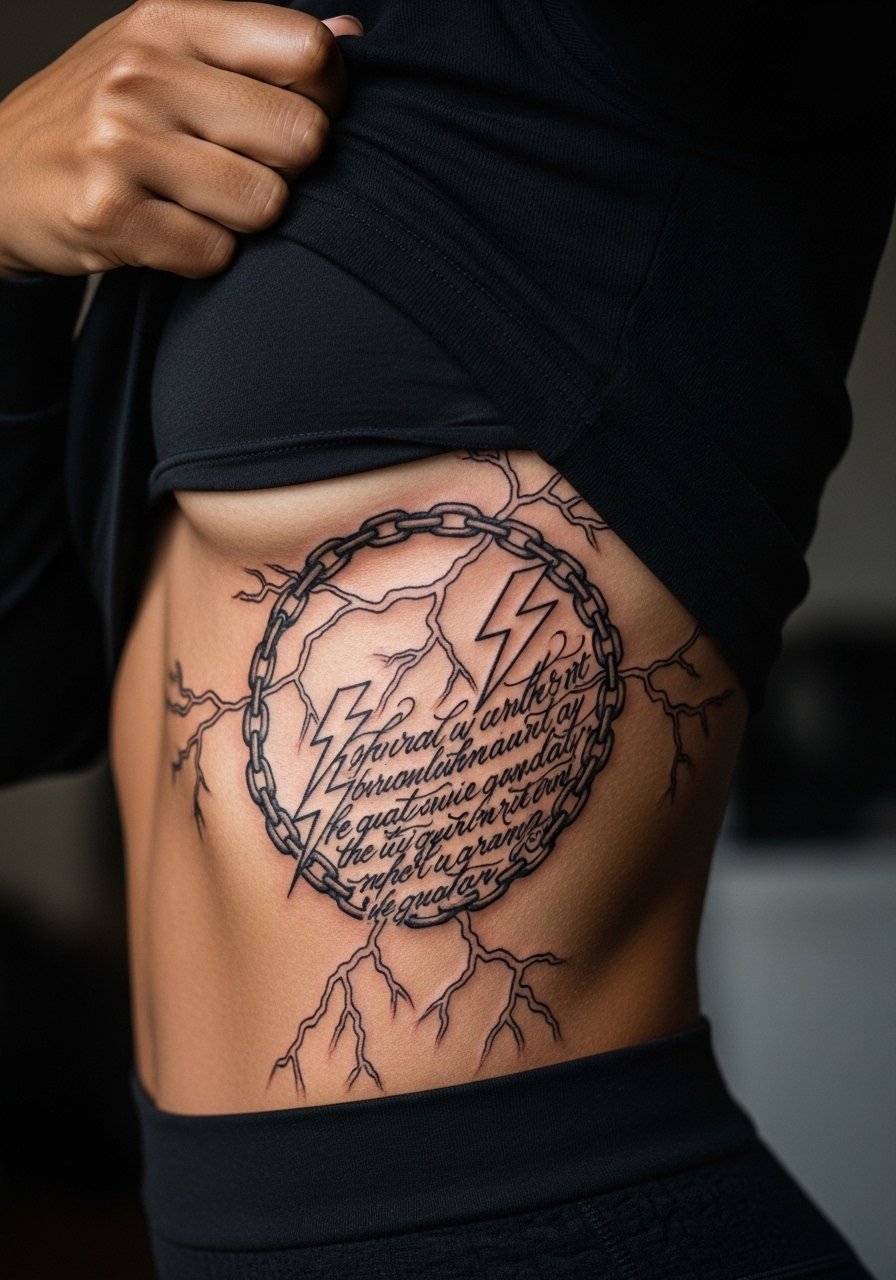
Fair warning, the ribcage rates high on most pain scales, often a seven out of ten, but it rewards with dramatic placement. Artists split on ultra-fine scripts on the ribs because skin stretch can blur lines. If you want a lyric outline, ask for slightly thicker line weight and spacing to let each word breathe. The mistake is requesting micro fonts that look good in photos but lose legibility when healed. Sessions are usually single long sittings or two blocks and plan for significant aftercare due to clothing rubbing. Consider a bandeau or wide crop top for the session so fabric does not press on fresh lines.
9. Minimalist Feather and Gold Dust Script on Ankle
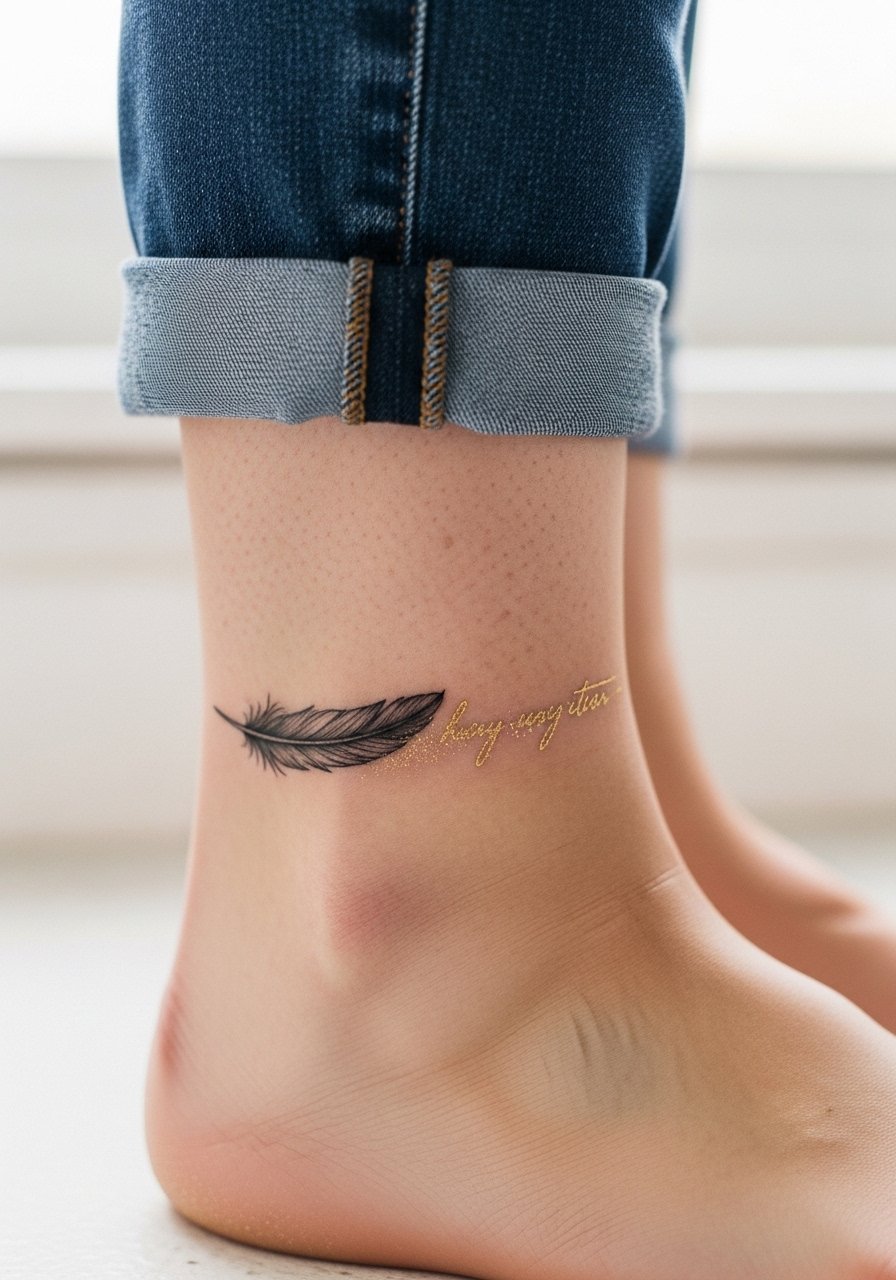
Ankle tattoos face constant friction from socks and shoes which accelerates fading. For this minimalist take, ask for a slightly bolder quill base and tiny, spaced dots for the gold dust so the pattern keeps reading. The typical mistake is making the feather too thin, which disappears under abrasion. Session time is short, pain is moderate, and touch-ups about every two to three years are common. For showing the piece, roll hems and try high waisted denim shorts or sandals that leave the ankle exposed.
10. Dotwork Album Artwork Mandala on Upper Arm
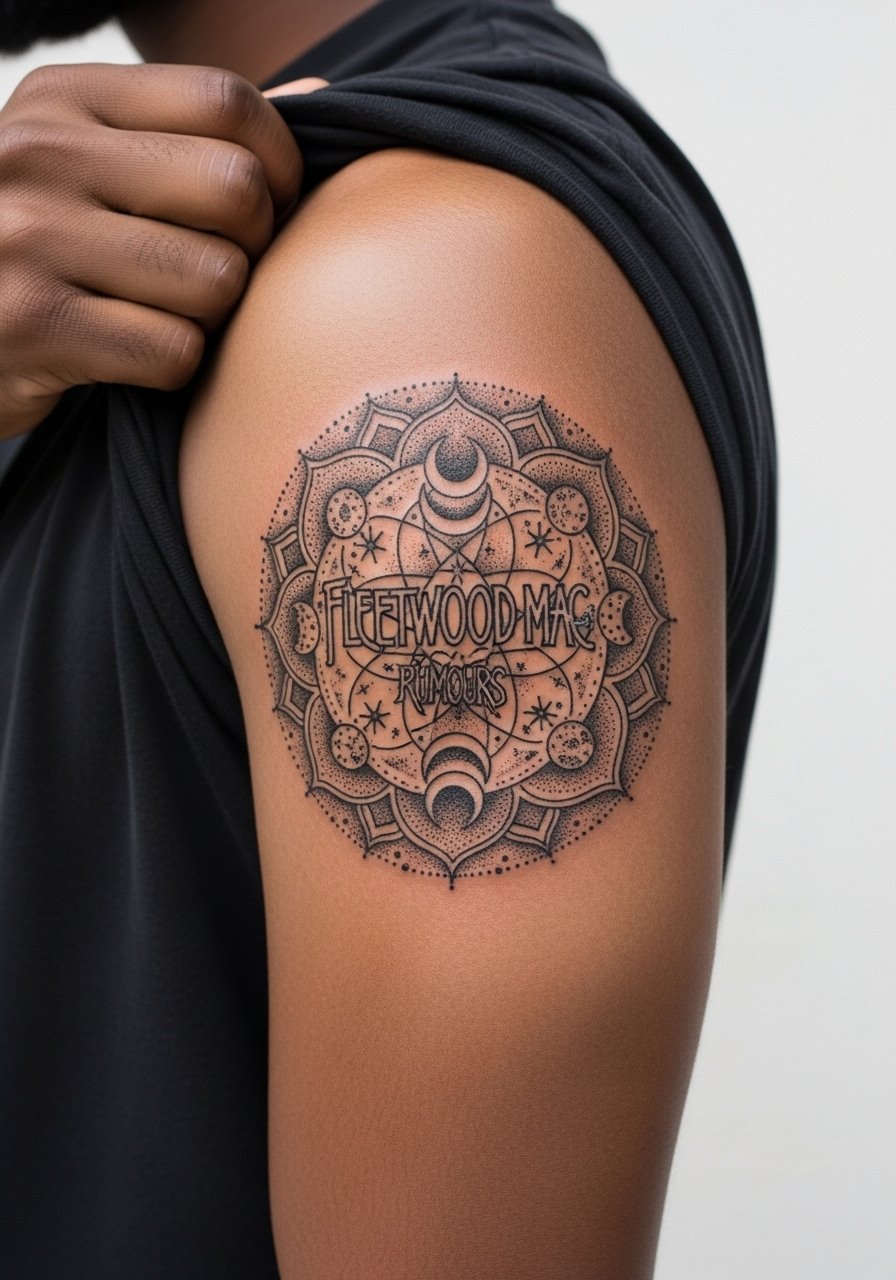
Mandala dotwork benefits from the upper arm because the skin there holds stippling without succumbing to blowout. In consultation, specify how dense you want the center versus the outer rings so the design breathes at all scales. A frequent error is compressing too many concentric rings in a small diameter, which merges over time. Sessions often take multiple appointments because stippling is time intensive, and pain is mild to moderate. During the appointment wear a short sleeve shirt you can slide off or pull aside for clean access.
11. Fine Line Band Members Portrait Montage on Full Back
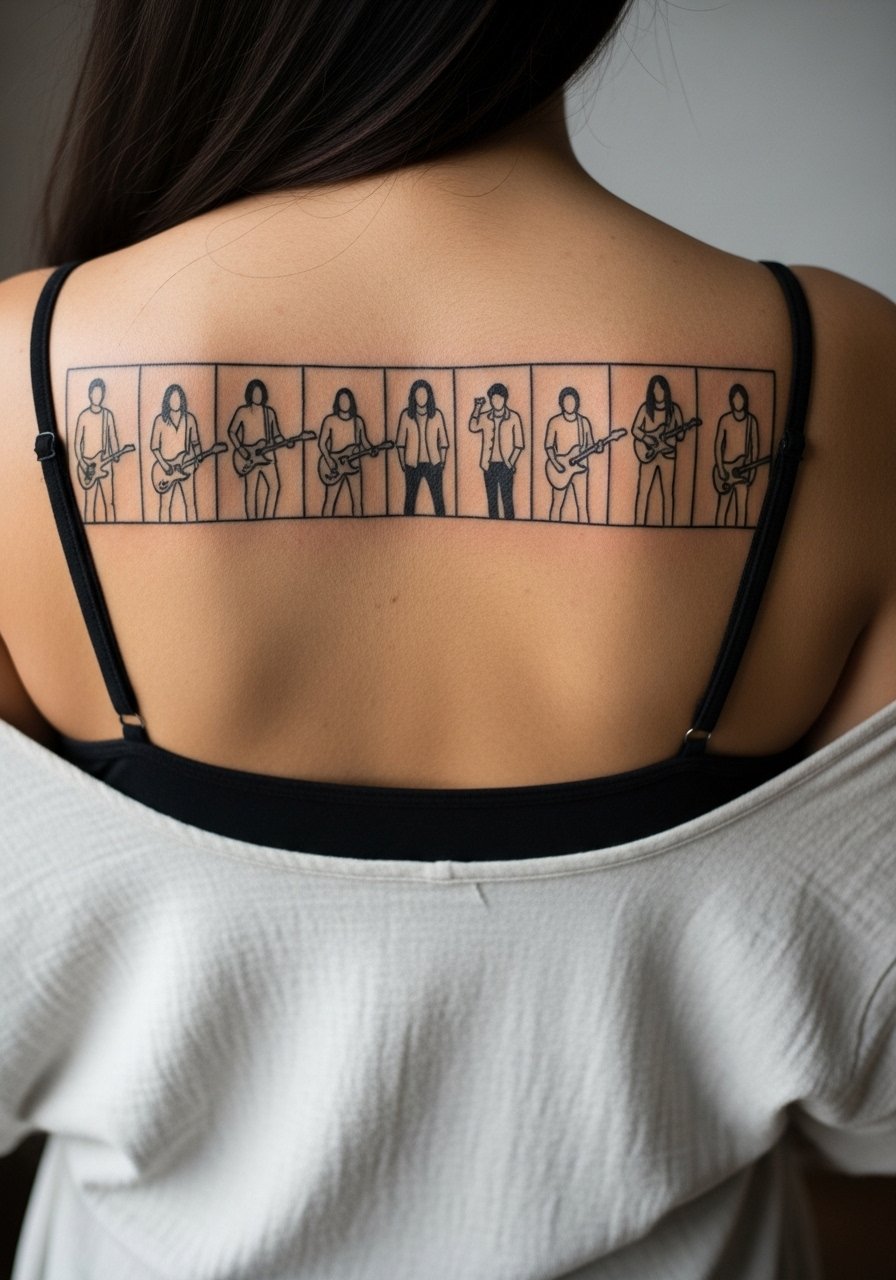
A full back montage lets you include multiple faces without overwhelming detail, but scale matters. Ask for stylized line portraits instead of photorealism so each face retains character at a distance. The common problem is squeezing in too much facial micro-detail which fades into gray with time. Expect four plus sessions for a large piece and moderate pain across extended sittings. For the session plan comfortable clothing like a front-open robe so you can lie face down without tugging on fresh ink.
12. Watercolor "Silver Springs" Heart Burst on Collarbone
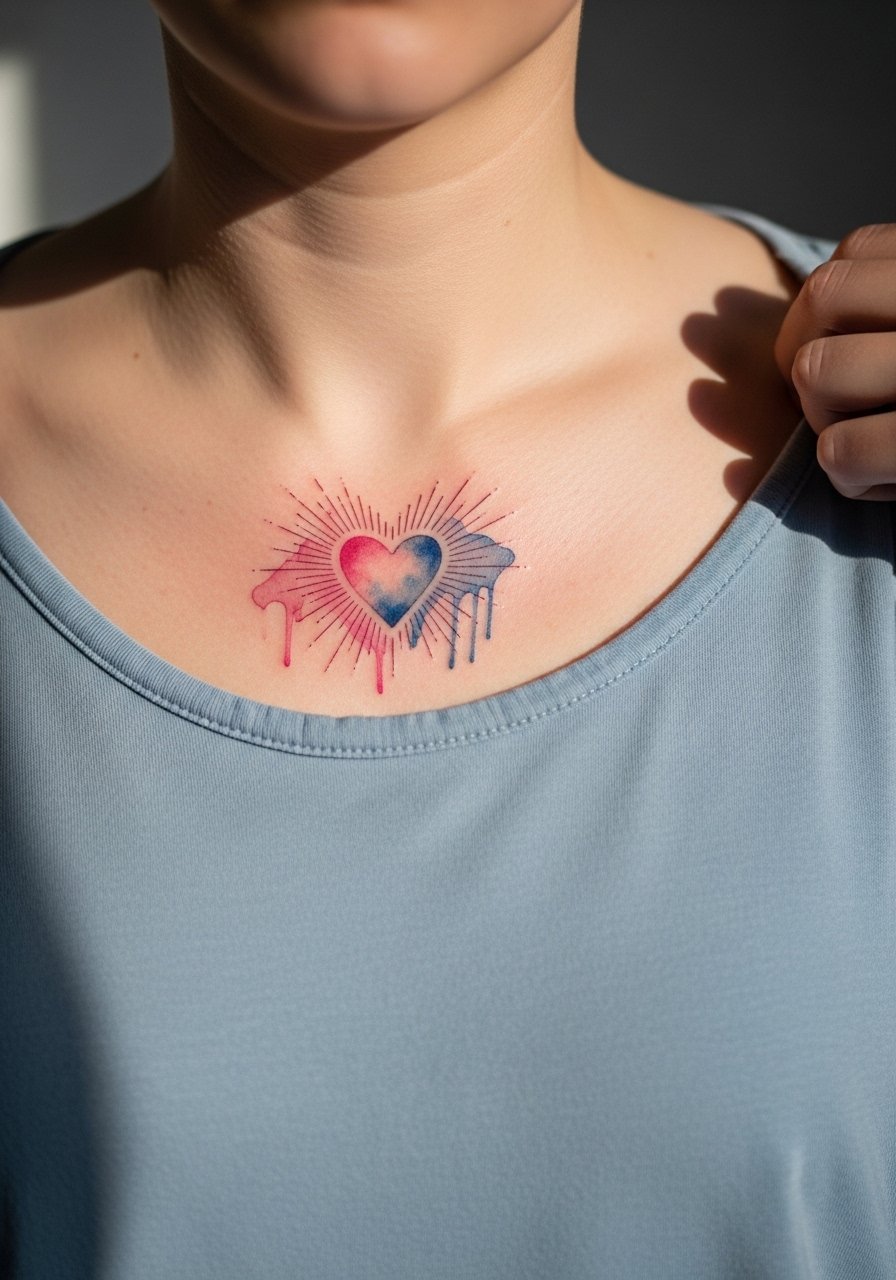
Collarbone pieces are visible and flattering but they sit near bone so placement depth matters for comfort and longevity. Request broader color fields and a slightly defined center so the burst reads even as edges feather. People sometimes ask for tiny details next to the clavicle and regret it when lines soften against the bone. Sessions are moderate length and pain ranges from moderate to sharp over the bone. Show it off with scoop neck dresses or V-neck tees that let the watercolor sit above the neckline.
13. Micro "Landslide" Mountain Silhouette on Inner Bicep
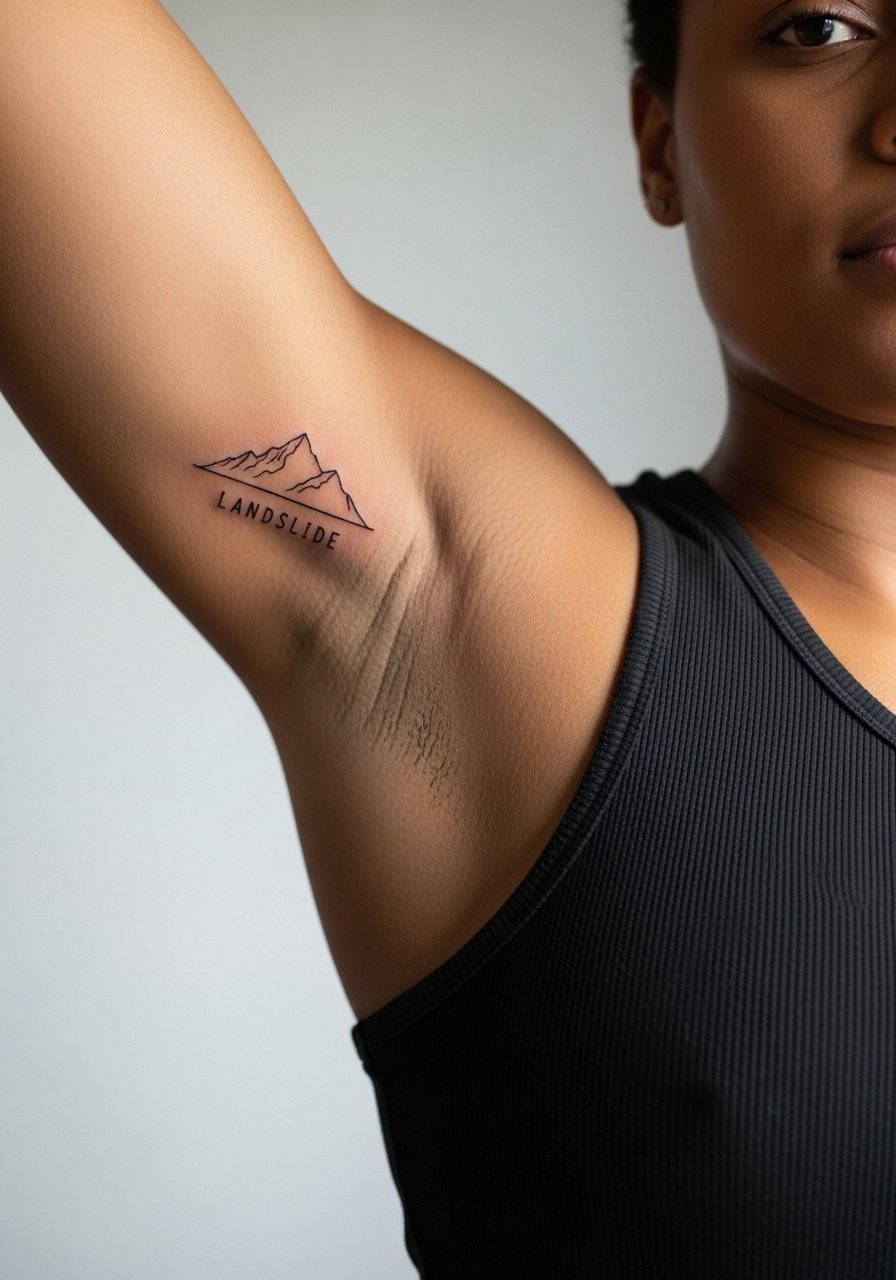
The inner bicep sees more stretch and movement than the outer arm which affects fine scripts and tiny silhouettes. If you want a micro Landslide motif there, ask for slightly increased spacing and a modest outline so that the mountain stays crisp after healing. The typical mistake is insisting on ultra-fine letters without allowance for skin movement, which leads to early merging. Sessions are short, pain is moderate, and touch-ups at year two are not uncommon. For the appointment a tank top keeps the area accessible without exposing other regions.
14. Rumours Ticket Stub Micro-Realism on Thigh
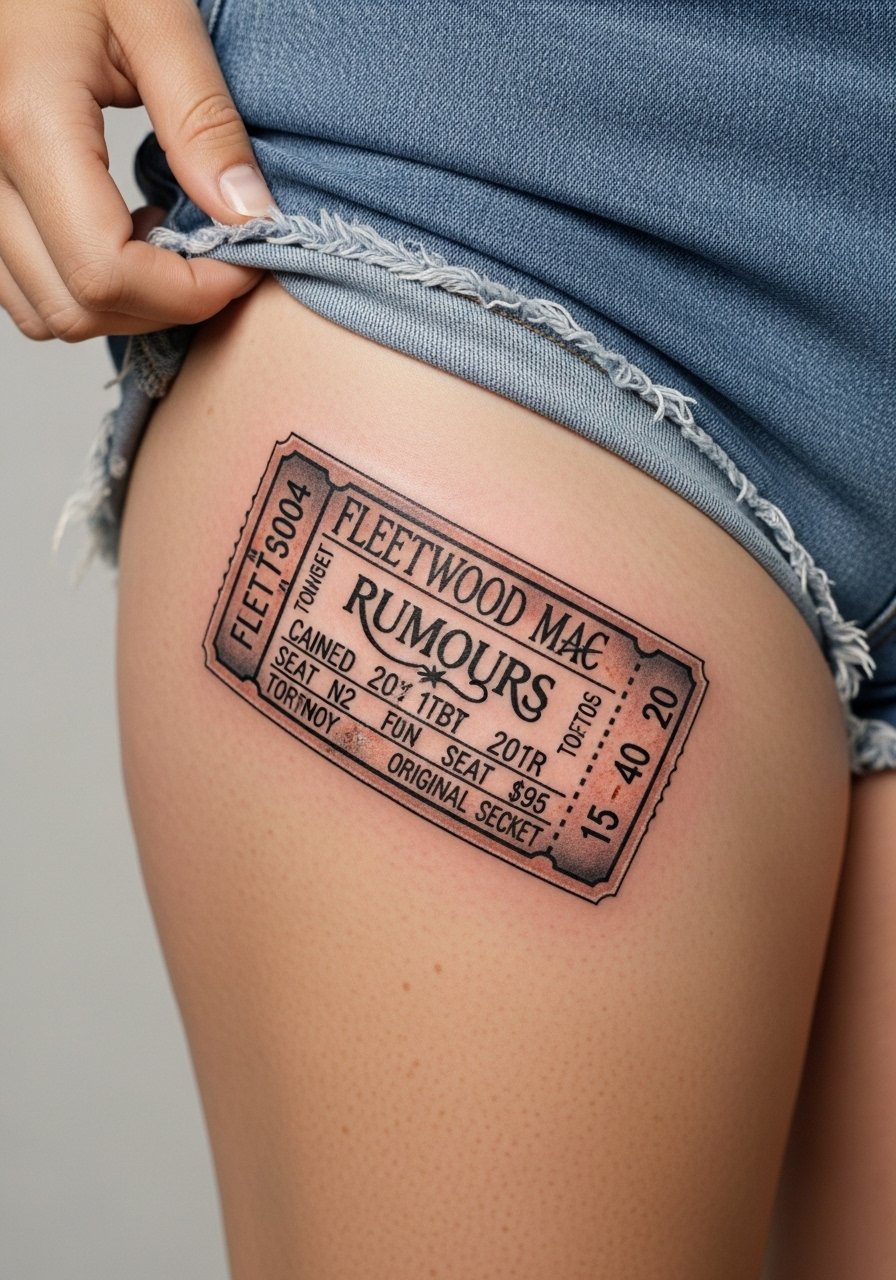
A ticket stub is a charming nod that reads best slightly larger than you might first sketch. Thigh placement hides the piece when needed but can stretch with weight changes. Ask the artist to design with a safety margin around edges and avoid tiny printed text that will blur. Sessions are moderate and pain is low to moderate. If you want it visible in summer, pair it with high waisted denim shorts that put the area on display.
15. Vinyl Groove Wrap Band on Upper Arm
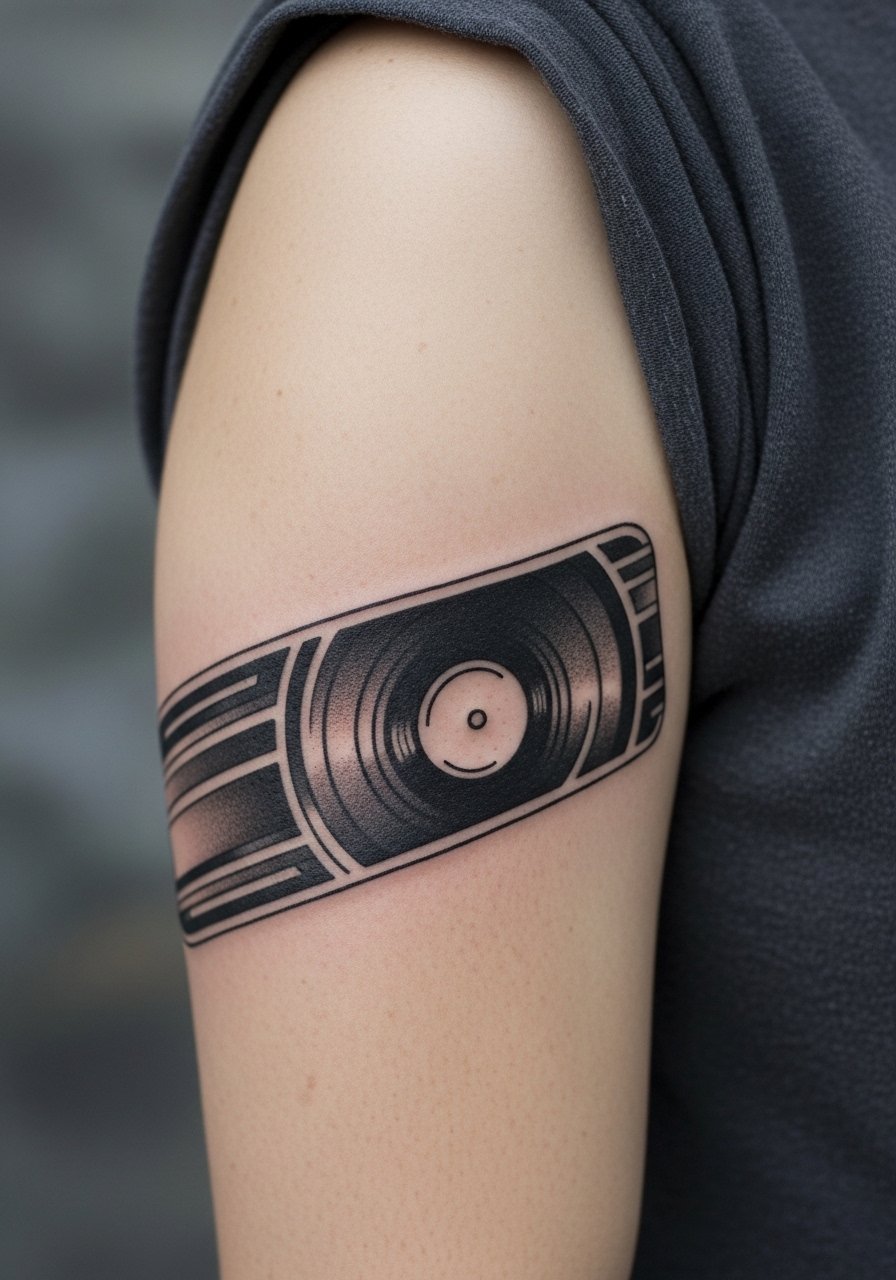
A groove wrap works as a subtle nod and resists aging if the grooves are given breathing room. Tell the artist you want space between etched lines and a stronger main rim so the pattern reads as a band rather than merging into a gray band. The common error is overfilling grooves which leads to muddy shading over time. Session time is short to moderate and pain is low. For showing it off wear a short sleeve shirt rolled neatly to the upper arm.
16. Stevie Shawl Pattern Strip on Shoulder Cap
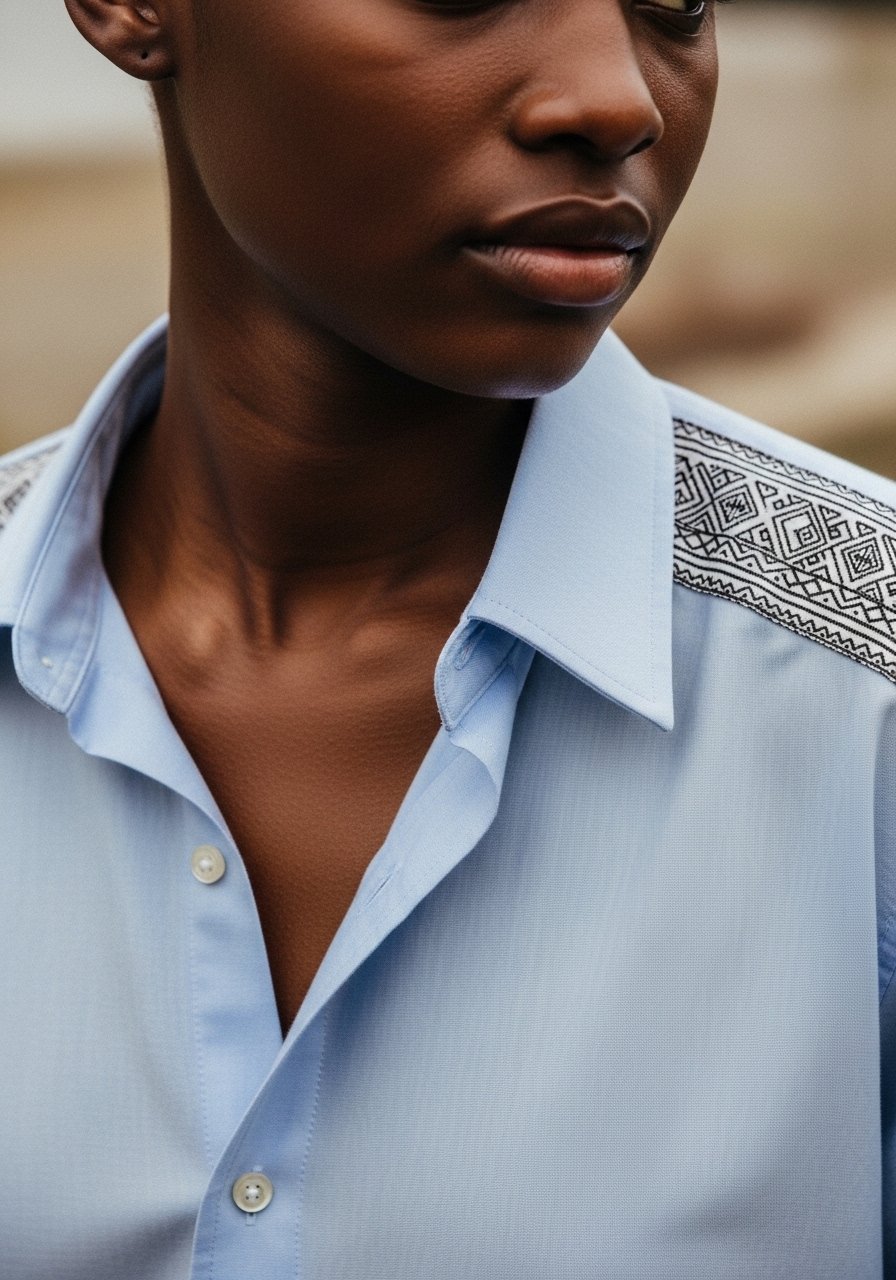
A shoulder cap strip mimicking shawl textures benefits from rhythm in linework so movement reads as fabric. When consulting, show multiple shawl images so the artist can translate texture into a band that reads at arm length. Mistake to avoid is over-detailing which flattens on curved areas. Sessions are typically short and pain is mild. Wear a loose button-down shirt for easy access during the appointment.
17. Stippled "Landslide" Tree Ring on Upper Arm Near Elbow
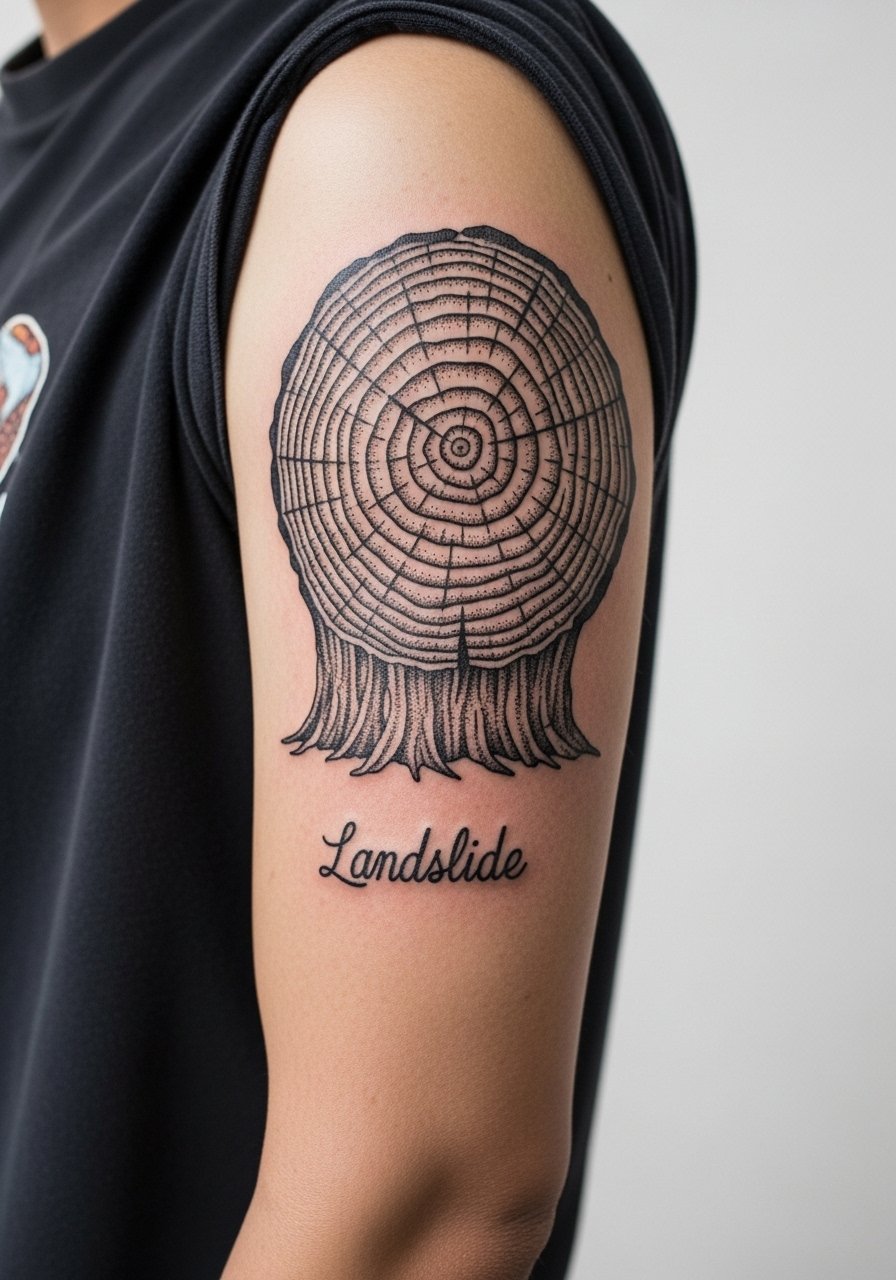
Stippled tree rings are a subtle way to reference aging themes in the song without literal lyrics. The upper arm holds stippling well, but dense stipple near the elbow can soften faster. Ask for graduated dot density that thins toward the edges to keep texture. A common mistake is too many concentric rings in a tight area, which becomes a gray blur. Sessions are moderate and pain is usually low. For the session keep a short sleeve shirt you can easily push up.
Frequently Asked Questions
Q: Will a fine line Fleetwood Mac lyric blur on my forearm within a year?
A: It depends on line weight and placement. Fine line on the forearm usually holds better than on high-motion spots, but if the artist uses hairline strokes it can soften within 12 to 24 months. Ask for a slightly heavier hairline and plan for a touch-up around year two.
Q: Do watercolor feathers need different aftercare than blackwork logos?
A: Watercolor and blackwork heal on the same timeline but watercolor benefits from gentle, non-abrasive cleansing and minimal friction while pigments settle. Blackwork asks for strong initial saturation so avoid aggressive scrubbing during the first two weeks.
Q: How visible do ribcage chain lyrics stay after weight change?
A: Ribcage work can distort with major weight fluctuation or pregnancy. The design can still look good, but lines and spacing may widen or compress. Discuss body changes with your artist and consider slightly larger lettering to allow for shifting.
Q: Where do I find artists who specialize in neo-traditional Fleetwood Mac portraits?
A: Search niche tags like #fleetwoodmactattoo and #neotraditionaltattoo on Instagram and TikTok, and check convention lineups in your city. Those discovery channels usually show healed photos and session examples so you can see real aging.
Q: Should I pick the thigh or the back for a Rumours album sleeve?
A: Both work, but the back is more stable for detailed album art and will show less stretching with body changes. Thigh hides more easily and is seasonal, but talk to your artist about how the piece will sit with your clothing choices.
Q: Any session wear tips for a collarbone watercolor or a shoulder blade dotwork piece?
A: For collarbone wear a wide-neck shirt you can pull slightly aside. For shoulder blade choose a front-open robe or loose tank so you can lie prone without fabric pressing on fresh ink.