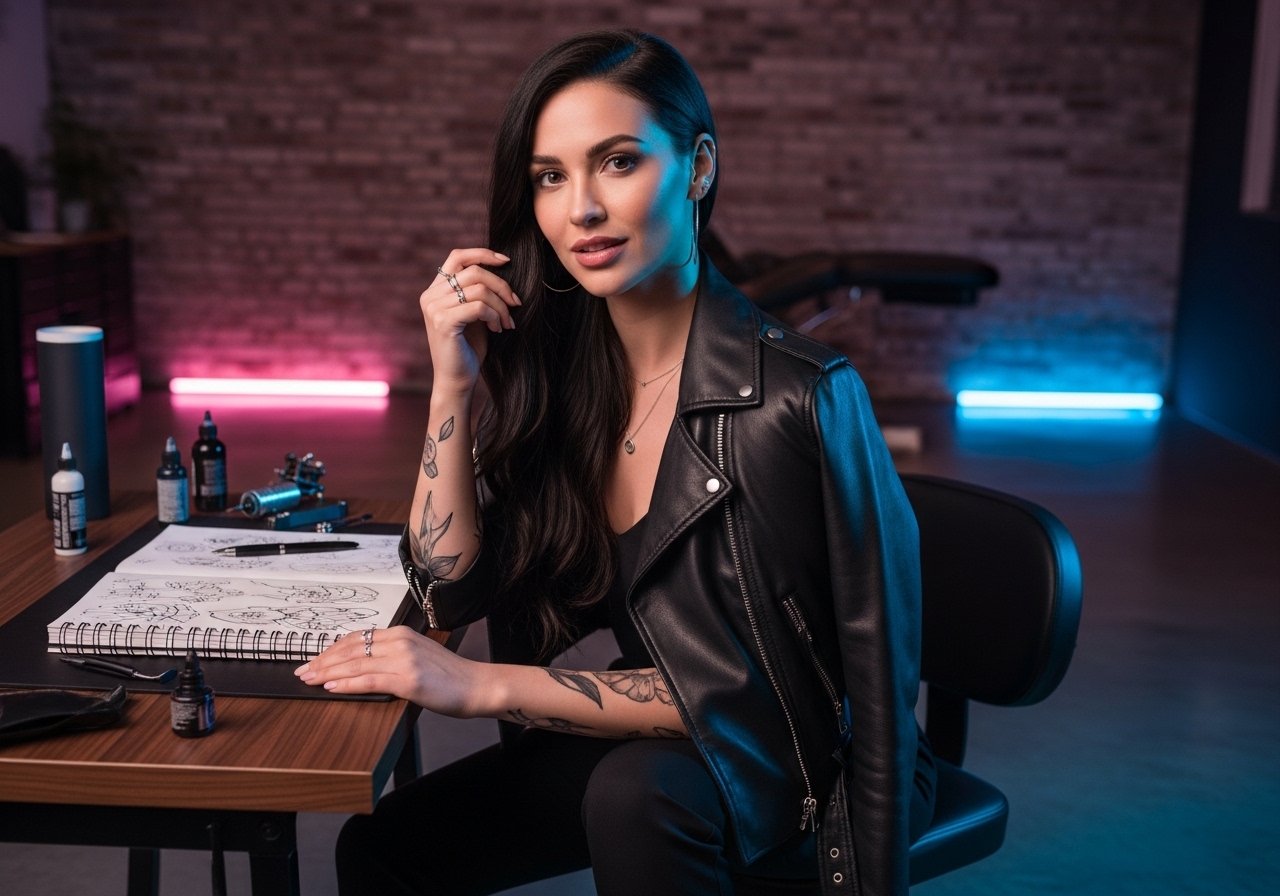
Fine line script is trending hard, but it does not always mean longevity. I see fresh wrist scripts every week that look delicate and perfect on day one and then ghost into a blurred whisper by year two. If you want the lyric or the line to still read as crisp at year three, placement, needle depth and realistic touch-up plans matter more than the prettiest stencil you saved. Here are 17 directions that balance the look you want with how it will age.
1. Fine Line "Forever Young" Script on Inner Wrist
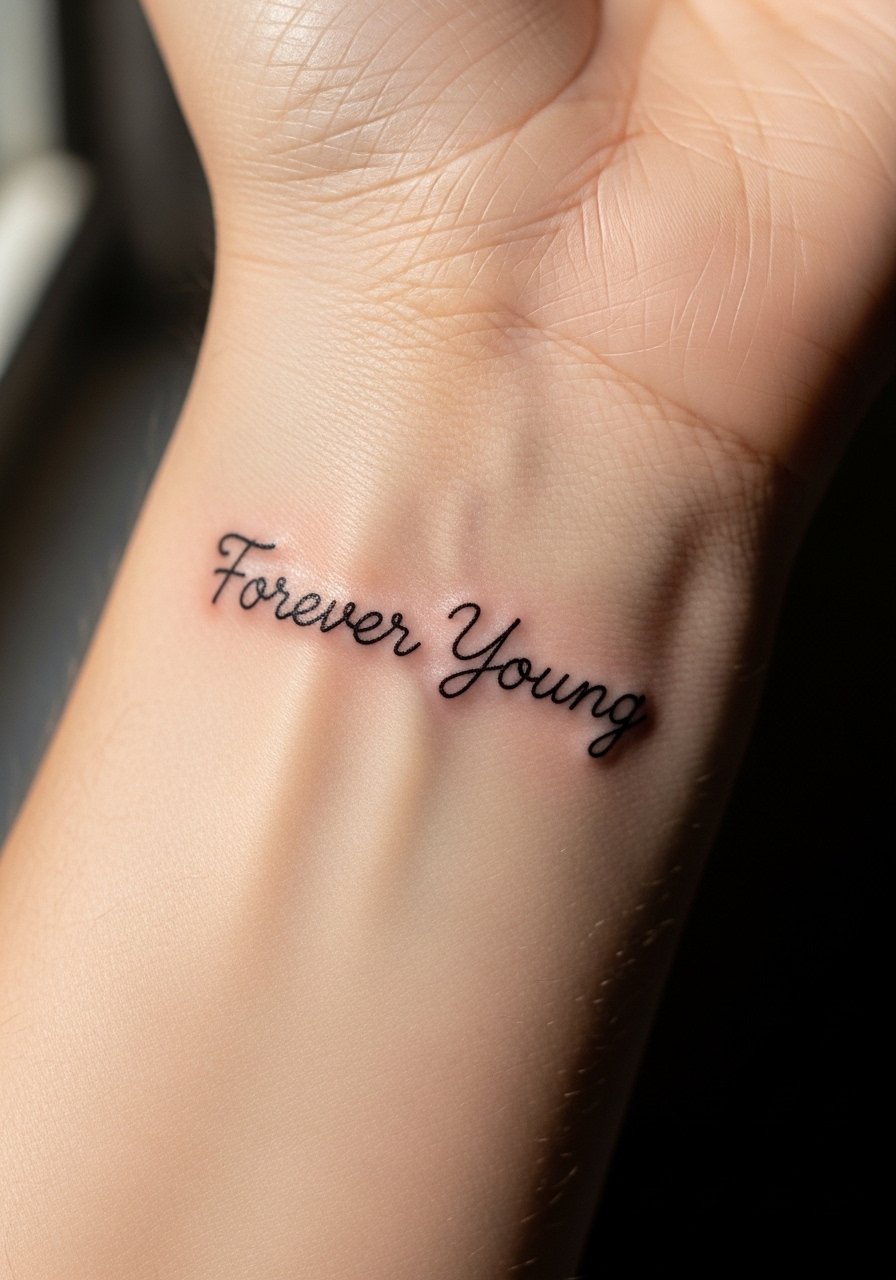
I have seen wrist scripts that read like a whisper at first and then bleed together if the artist went too deep or used too fine a needle. For this placement tell your artist you want slightly bolder single-needle weight and ask about reinforcement lines in the first touch-up. Fair warning, the wrist gets friction from watches and sleeves so expect a touch-up around year two to three. Pain sits around a moderate four out of ten for most people. For showing it off, a stacked thin silver chain bracelet on the opposite wrist keeps attention balanced without crowding the script.
2. Neo-Traditional Balloon Cluster with Stars on Inner Forearm
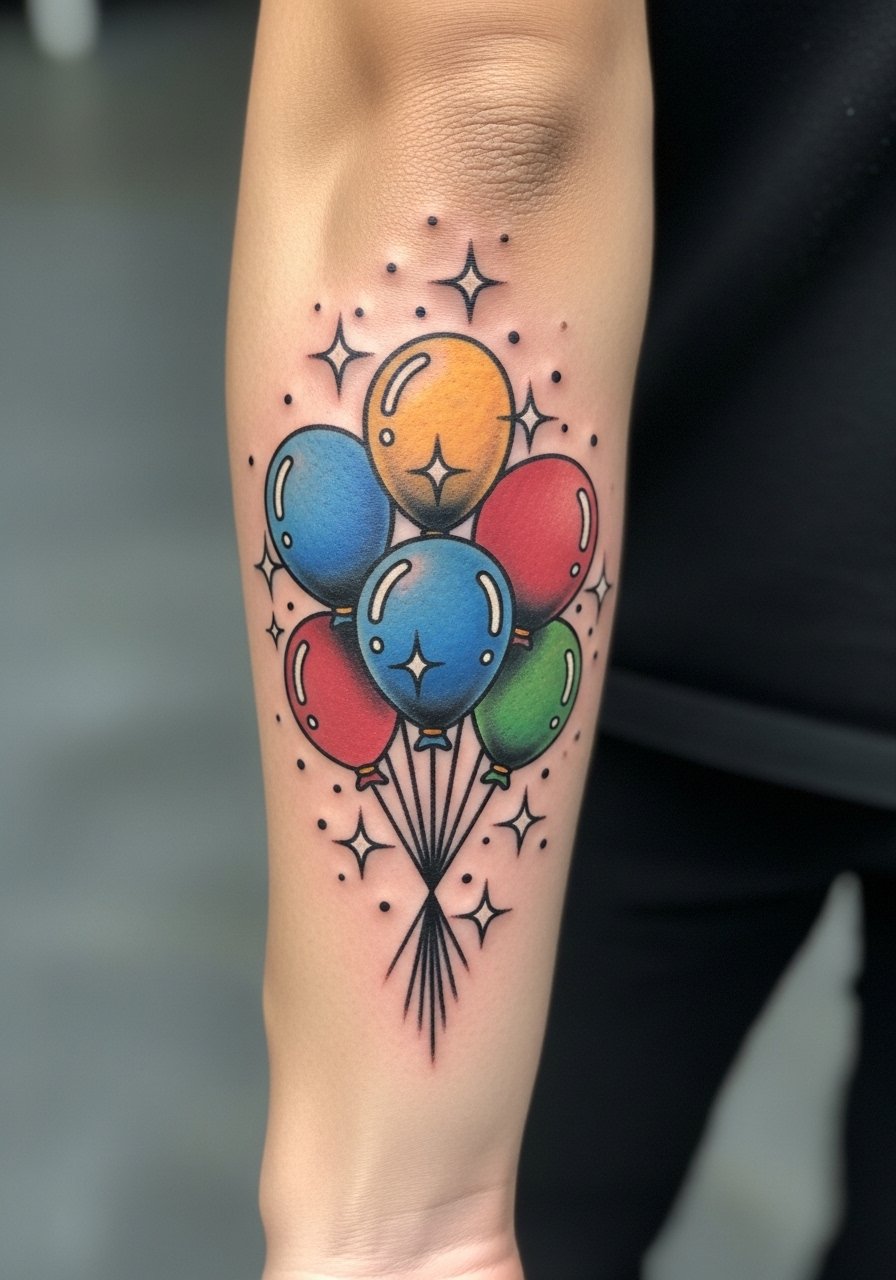
Bold outlines and saturation are why neo-trad balloons age better than loose watercolor in this spot. When you consult, bring reference photos that show the exact color palette and ask the artist to prioritize strong outlines and full saturation rather than soft washes. The inner forearm is forgiving for detail and typically heals well if you avoid sun for the first two weeks. Session time is often one to two hours depending on scale. For a casual way to show this off, roll up a linen button down shirt sleeve and let the cluster sit against neutral fabric that makes the colors pop.
3. Minimalist Hourglass with Blooming Flower on the Ankle
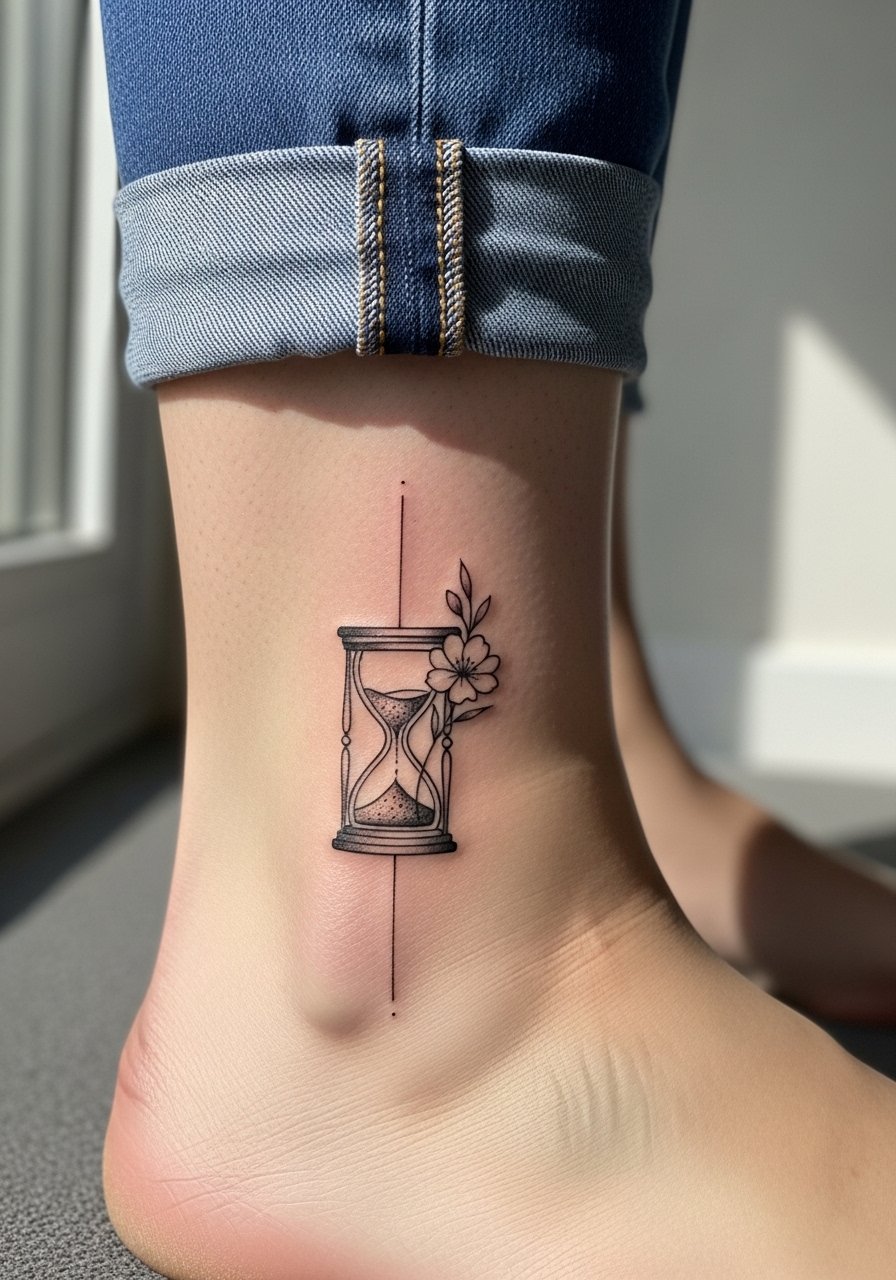
Ankle pieces are sublime for a small symbolic design but the area sees constant rubbing from socks and shoes. I tell people to place the hourglass slightly higher on the bone to avoid the worst of the friction. The session is quick and the pain is lower than the wrist for most. A common mistake is compressing too much detail into a 1.5 to 2 inch design. If you want it to remain legible at year five, keep spacing and let the flower read as shape rather than tiny petals. Show it off with cropped jeans or strappy sandals like strappy ankle sandals that leave the area visible.
4. Blackwork Star Trail Morphing into Balloons on Outer Thigh
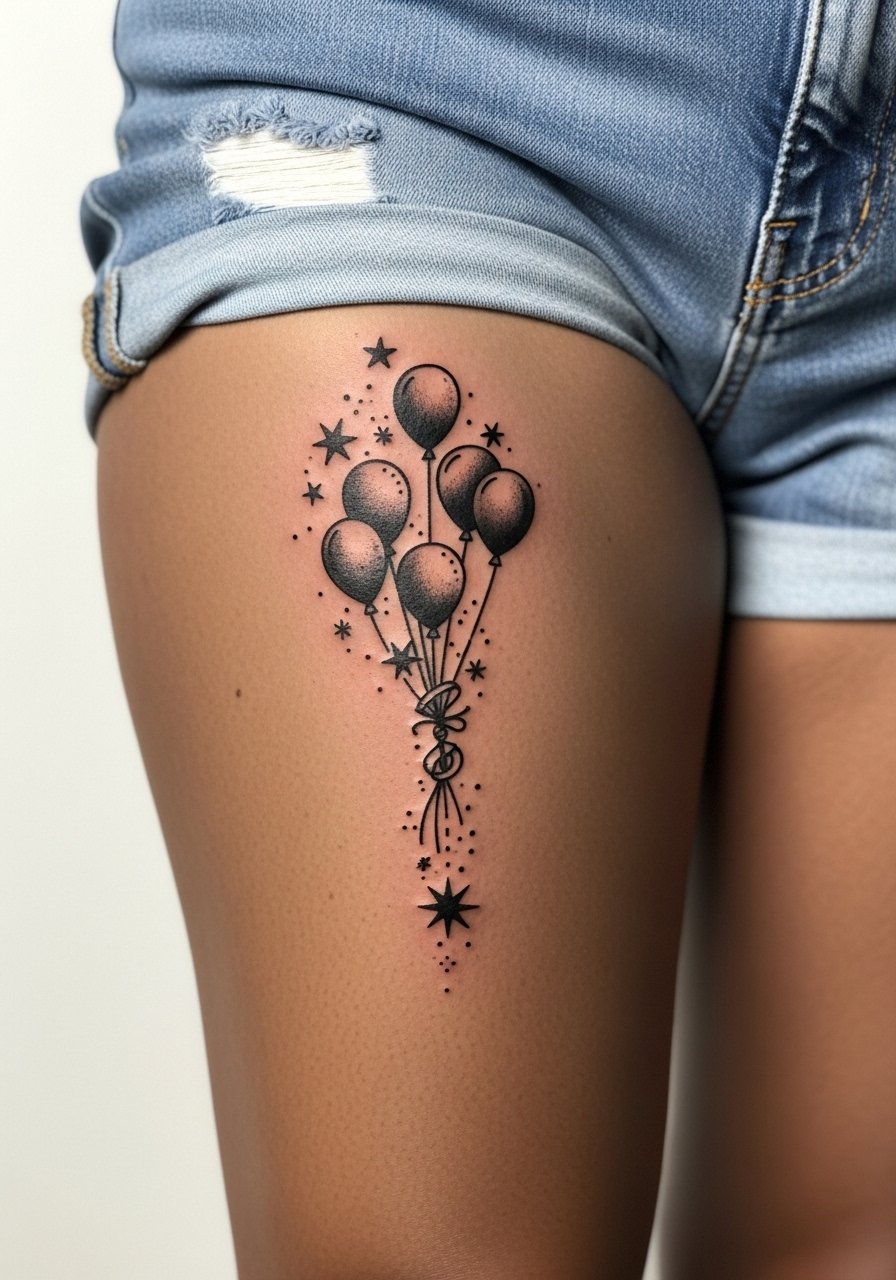
Blackwork is the go-to when longevity and contrast matter. I have seen this exact concept hold crisp edges for years because the saturation is heavy and the design avoids tiny open lines. For the outer thigh ask the artist for dense saturation and slightly larger negative spaces between stars so the trail does not visually merge as the skin moves. Sessions are often one to two hours and the thigh tolerates longer sittings. Pair the result with high waisted denim shorts or a slit skirt that frames the vertical flow without covering it.
5. Watercolor Wildflowers with "Forever Young" Banner on Upper Arm
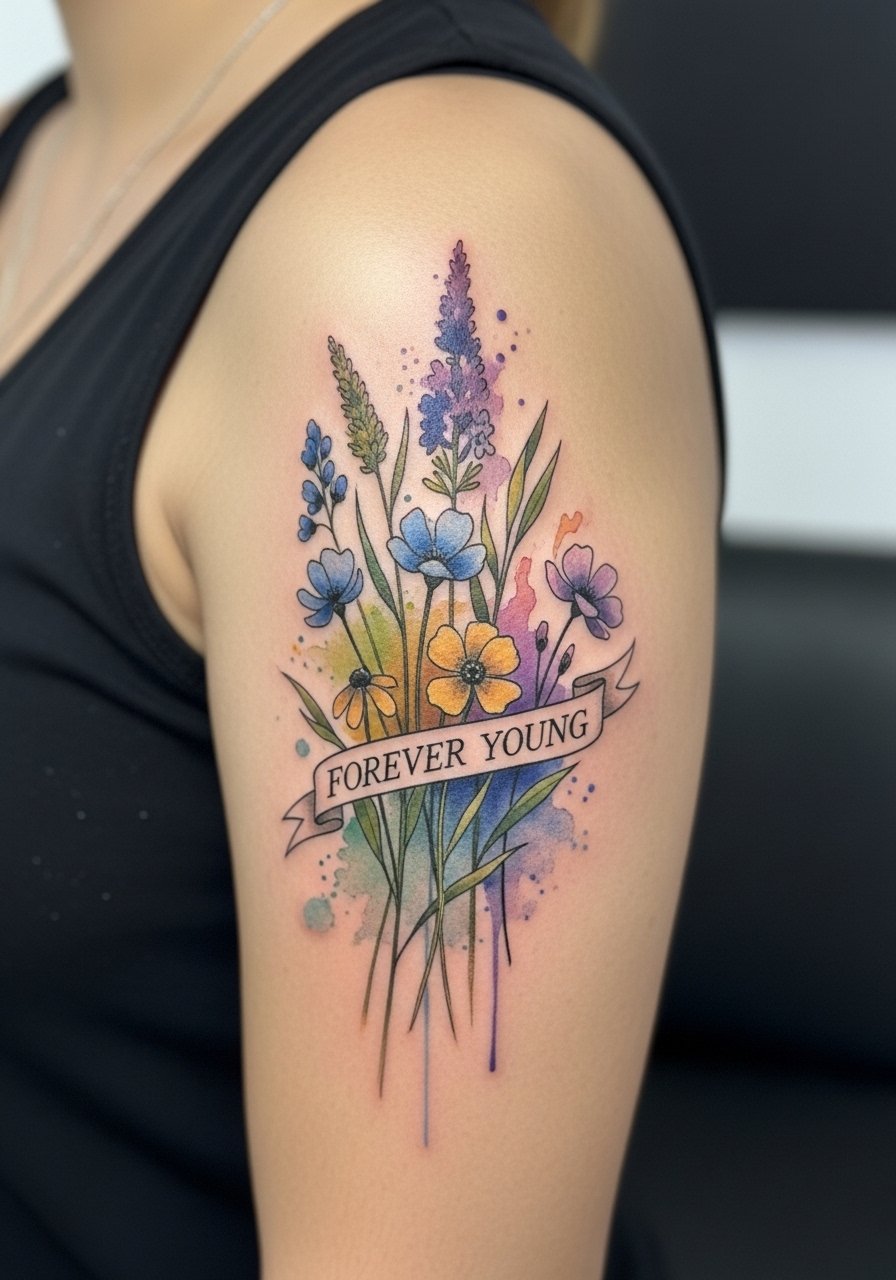
Watercolor pieces look gorgeous fresh but they demand location discipline. The upper arm is better than the forearm for soft blends because it sees less direct sun and less hands-on friction. If you want the banner text to remain legible, ask for a thin outline around the letters and slightly more negative space inside each letter. Explain to your artist that you prefer color placement that can be intensified in a touch-up rather than relying on subtle washes alone. For easy session access wear a sleeveless muscle tank so the artist can work without fabric in the way.
6. Micro-Realism Child Silhouette Holding a Balloon, Behind the Ear
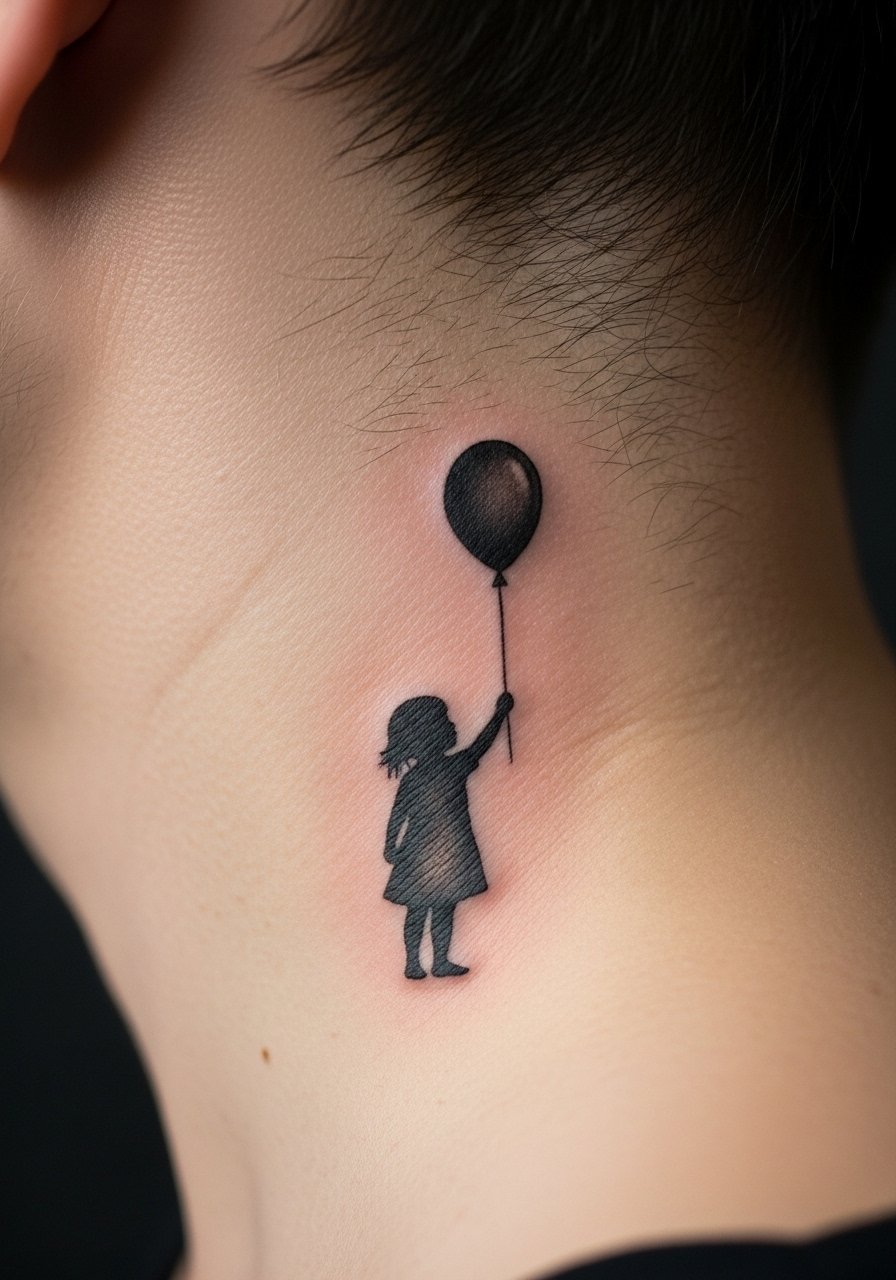
Tiny micro-realism pieces behind the ear have a powerful emotional impact but they need extremely experienced single-needle control. Size is the constraint here; too small and the silhouette will blur into a smudge. For the consultation ask the artist to show healed examples at similar scale and to plan a touch-up at six to twelve months. Note that behind-ear work needs careful hygiene and sterility because of hairline oils. For this sensitive placement you should expect short session times and a precise touch rather than a long sitting. If you are considering a memorial angle, the silhouette works especially well paired with a small, dated dot system elsewhere on the body.
Studio Day Picks
The first six ideas above include a lot of fine line and small-area work, so a few thoughtful items smooth the session and the first week of healing.
- Frida Repelonka Balm. Favored by people with winter-dry skin, it sits lighter than petroleum and can help tiny single-needle lines avoid clogged pores during the first week.
- Tattoo Goo. A balm that soothes blackwork areas without leaving a heavy shine, which helps ankle and thigh pieces that rub against clothing.
- H2Ocean Spray. A spray-on option for active people who hate messy balms, useful for forearm and calf work that needs gentle cleansing after workouts.
- Manuka Honey Balm. Natural antibacterial properties make this a good choice for small micro-realism spots that are prone to irritation around hairlines.
- Hustle Butter Deluxe. A thin, non-greasy ointment many people prefer for short-term moisture retention on fine line work without the heavy residue some report from heavier creams.
7. Handwriting "Forever Young" Tribute on the Collarbone
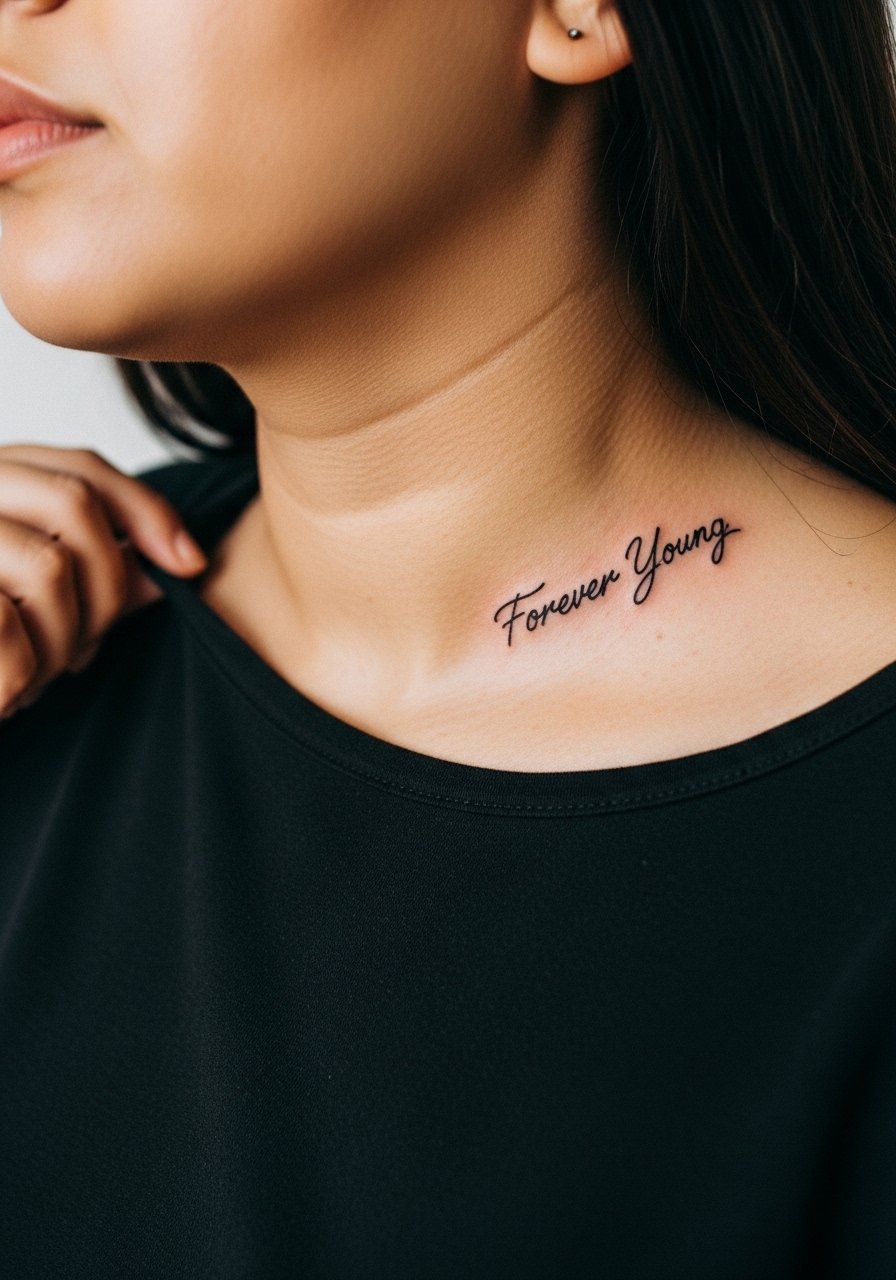
A parent's handwriting etched along the collarbone reads intimate and discreet. The collarbone is a great canvas for slightly longer script because the area lays flat and shows the text well. Wear a wide-neck top during the session and ask the artist to trace the original handwriting exactly so the signature quirks survive. Add a pair of tiny birthdate dots under the script for a memorial cue. For show-off pairing, an off shoulder sweater or a delicate layered necklace keeps eyes on the collar without overwhelming the linework. Expect touch-ups for any single-needle script in high-motion areas.
8. Ignorant Style Cartoon Child on the Calf
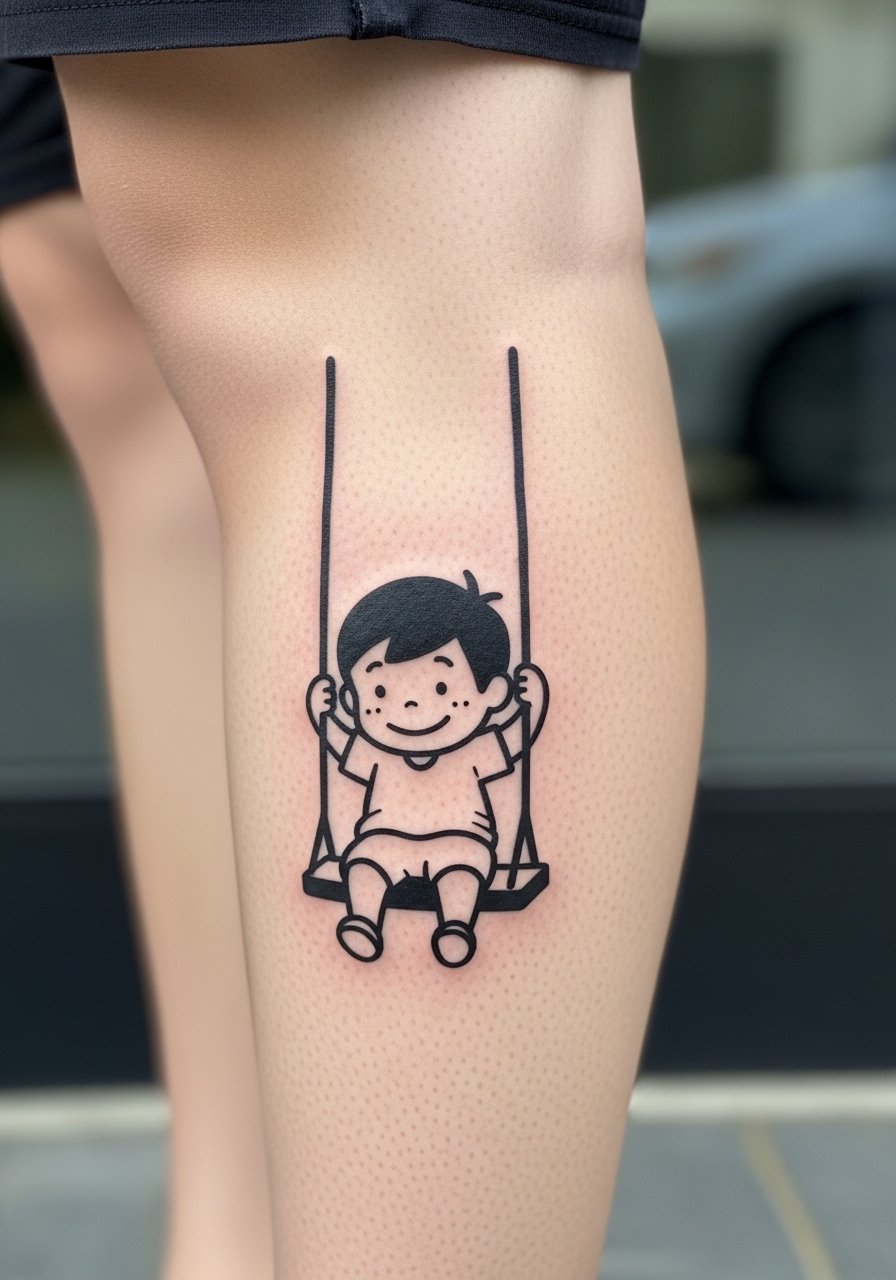
Ignorant style embraces bold outlines and a playful tone, which is perfect for a calf placement that ages without too much rubbing. A common mistake is asking for too many tiny colors in this style, which undermines the bold aesthetic. Tell your artist you want flat fills and clear black outlines so the silhouette still reads after a few years. The calf tolerates longer sessions and the pain is generally lower than ribs. For seasonal showing the design pairs well with rolled bootcut jeans or summer shorts and a pair of chunky sneaker low.
9. Traditional Anchor with "Young at Heart" Scroll on Inner Bicep
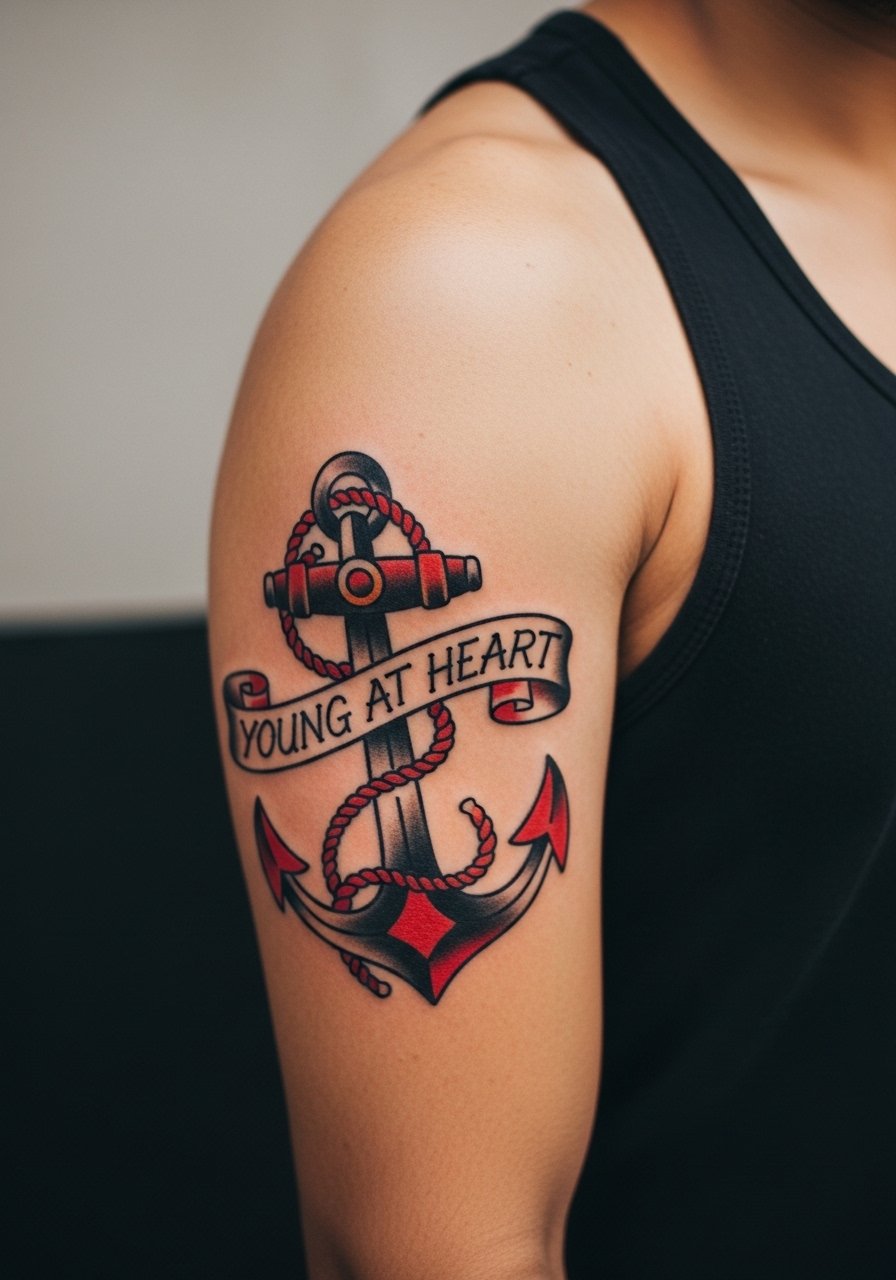
American traditional saturates well and the inner bicep shelter helps colors hold. If you want the scroll text to remain legible, ask the artist to space the letters and keep the banner border bold. Inner bicep sessions can be sensitive depending on your anatomy, and they sometimes require short breaks. The classic palette is forgiving in photos across skin tones when saturation is strong. Avoid cramming extra tiny elements into the banner; simpler letterforms last longer and need fewer touch-ups.
10. Fine Line Constellation Forming a Balloon Shape on the Shoulder Blade
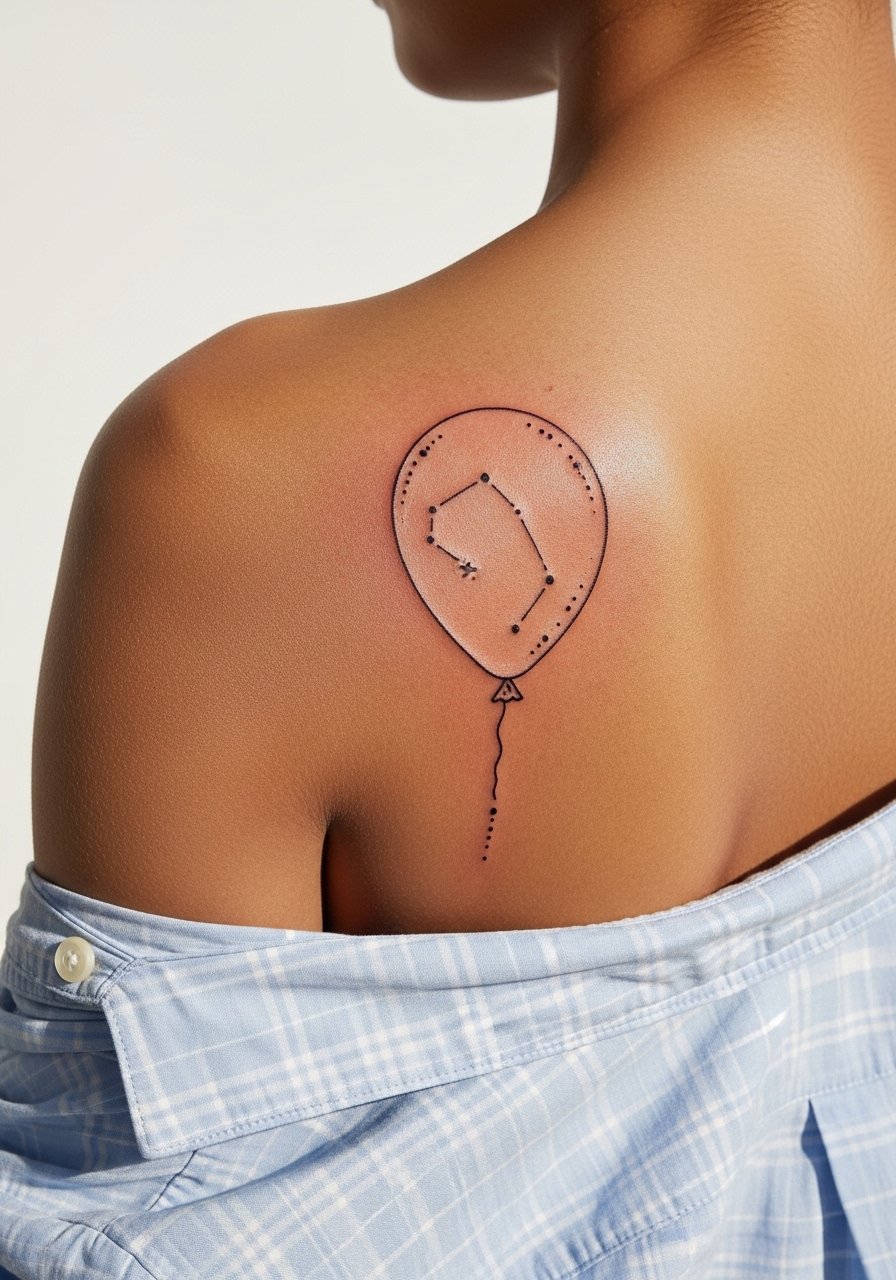
Shoulder blades are an excellent spot for subtle illustrative fine line work because they sit flat and under less daily abrasion. If you want constellations to remain crisp, ask for slightly larger star points and dot work that will not vanish as the skin settles. The biggest mistake is making connecting lines too dense; leave breathing room and the pattern will read at two years. For session wear bring a loose button-down shirt so you can expose the area without fuss.
11. Black and Gray Phoenix Rising as a Young Sprout on the Thigh
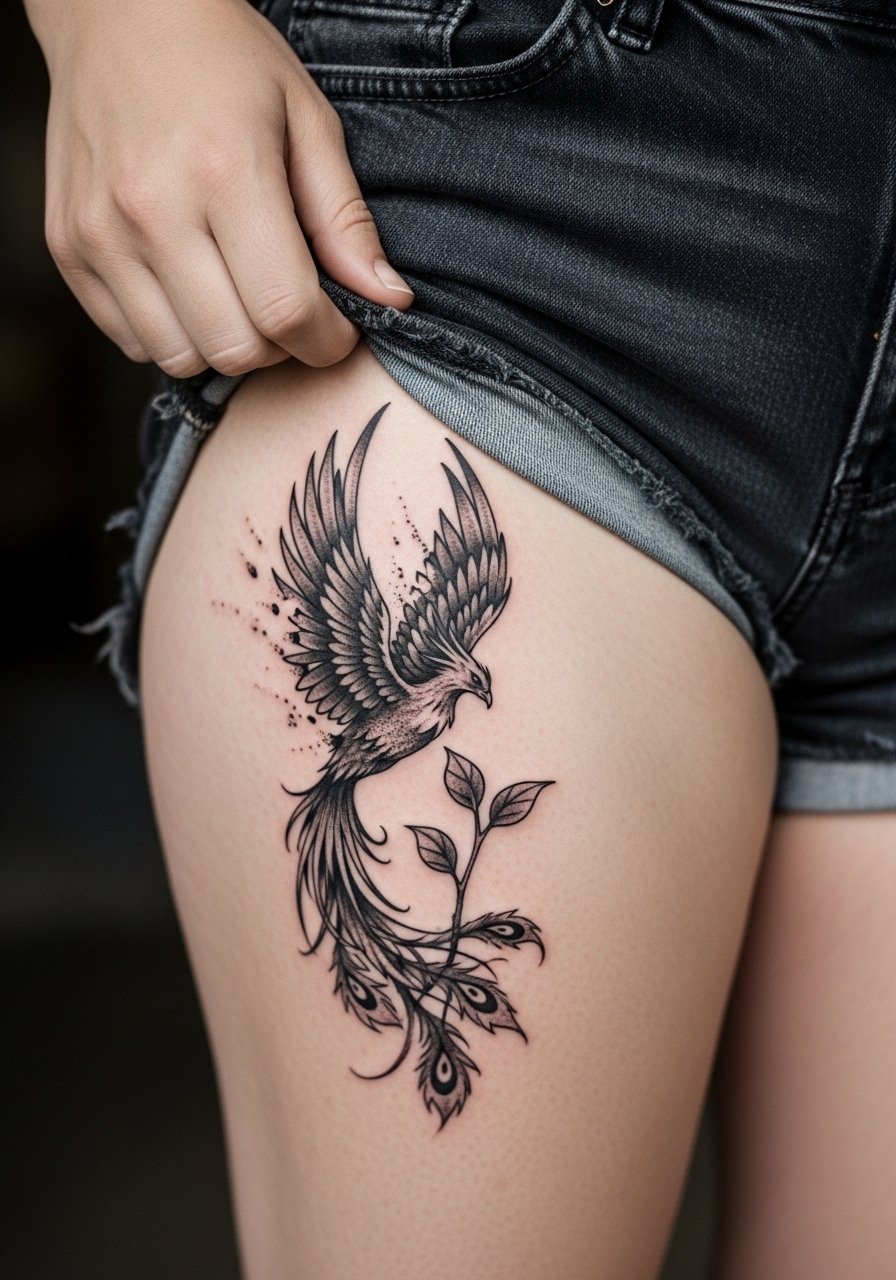
Large black and gray pieces use heavy shading to remain readable as they age. The phoenix-to-sprout metaphor benefits from clear separations between feathers and leaves so the composition does not flatten into a single mass. Expect multiple sessions for saturation and stipple shading, and plan a realistic touch-up timeline at around two years if you want the deepest blacks renewed. The thigh tolerates long sittings and is forgiving for heavier shading, but avoid tiny linework in the darkest zones.
12. Minimalist Script "Forever Young" with Tiny Starburst on the Nape
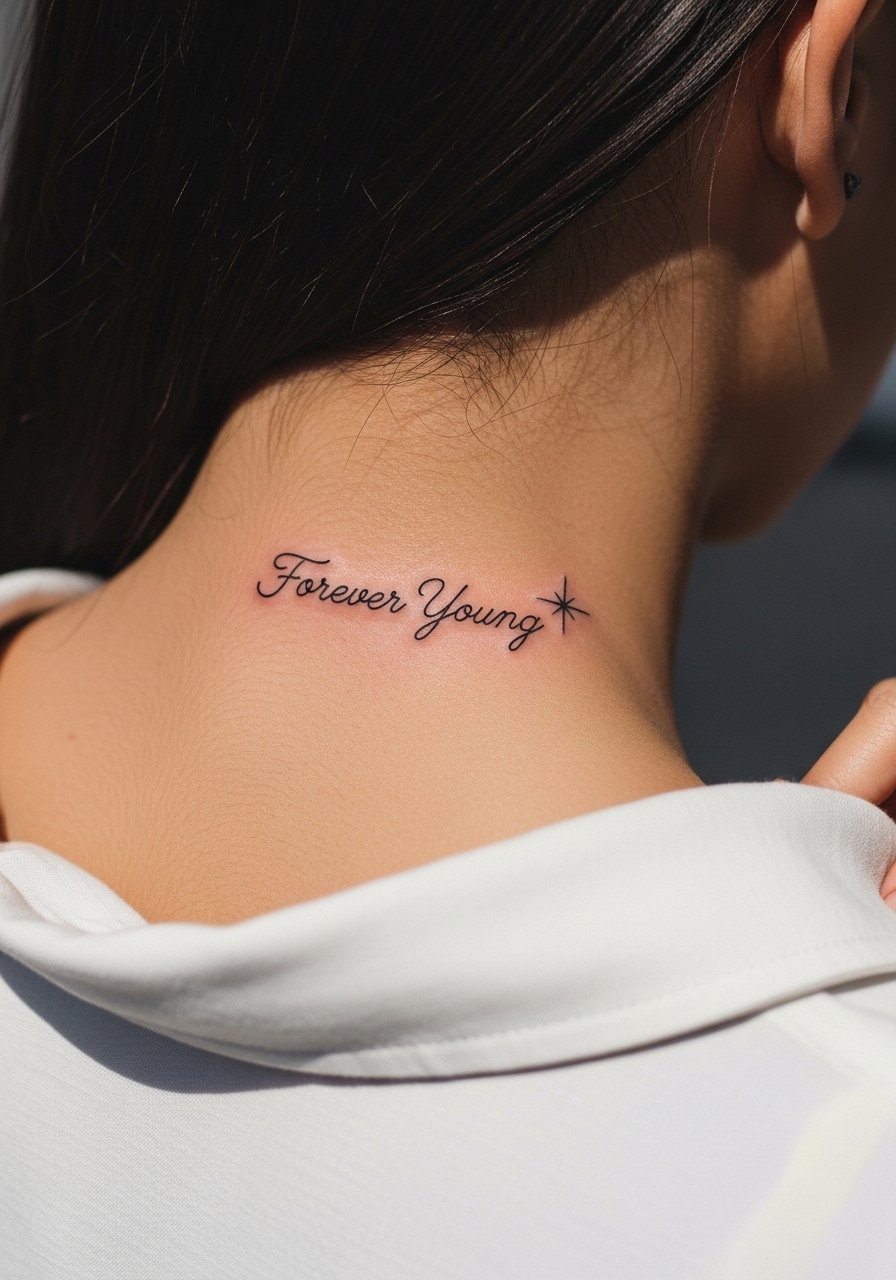
Nape scripts are discreet and catch the eye when hair is up. The nape is a sensitive area for movement, so instruct the artist to avoid ultra-fine loops that can blur with motion. A common error is placing script too low into the hairline where oils speed fading. For session prep put your hair up and wear a hair clips updo so the area is clean and accessible. Pain is mild to moderate and the result pairs well with buns and updos.
13. Balloon Strings Forming a Heartbeat Line on the Ribcage
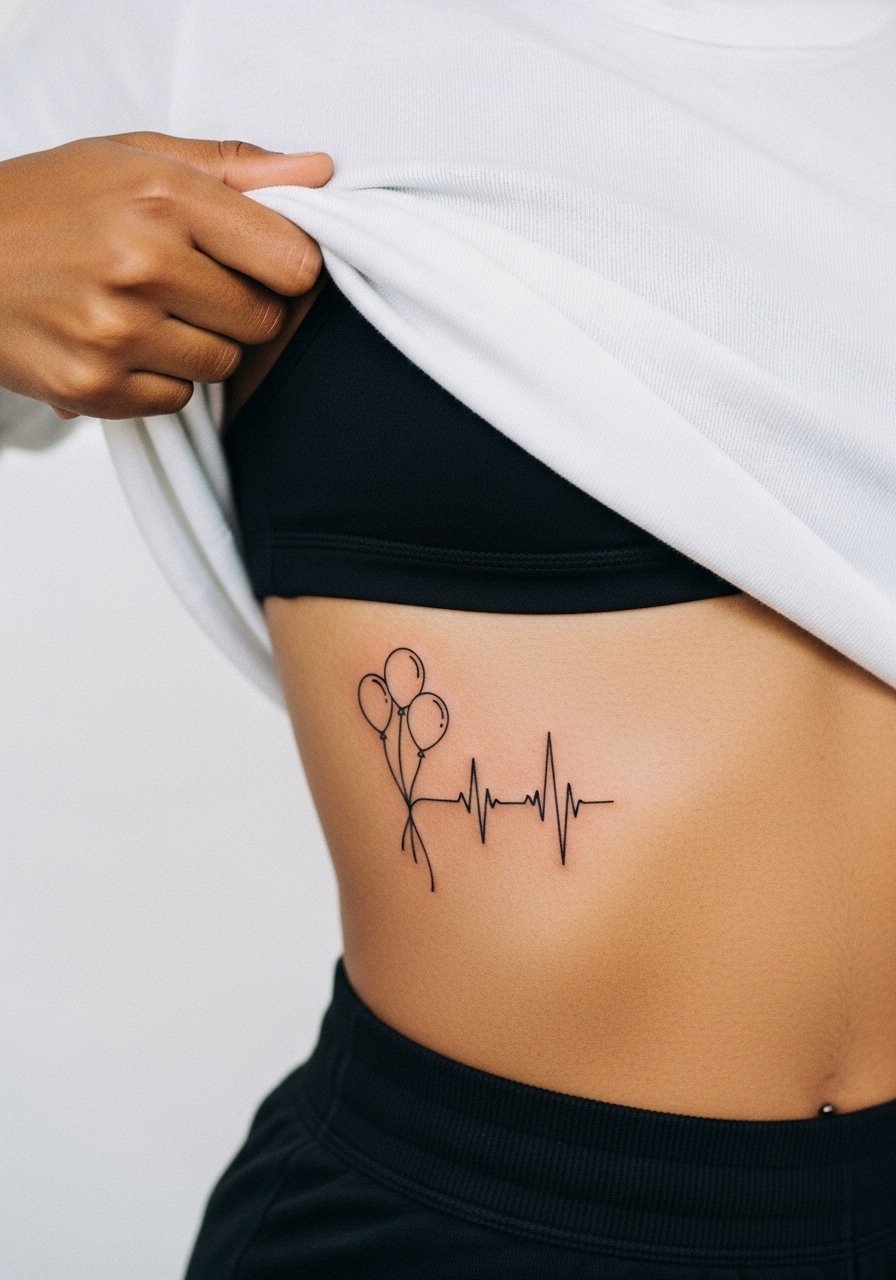
Ribcage work has a reputation for being painful and for unpredictable aging if the artist goes too shallow or too dense. There is a split among artists on technique here. One camp favors lighter spacing and dry-heal approaches to preserve subtle texture. The other camp recommends moderate saturation and protective film to prevent scabbing loss. I advise naming this debate in your consultation and asking your artist which method they use and why. For pain management plan short sessions and expect the area to need careful aftercare during the first two weeks.
14. Playful Motifs on Finger Knuckles with Aging Warnings
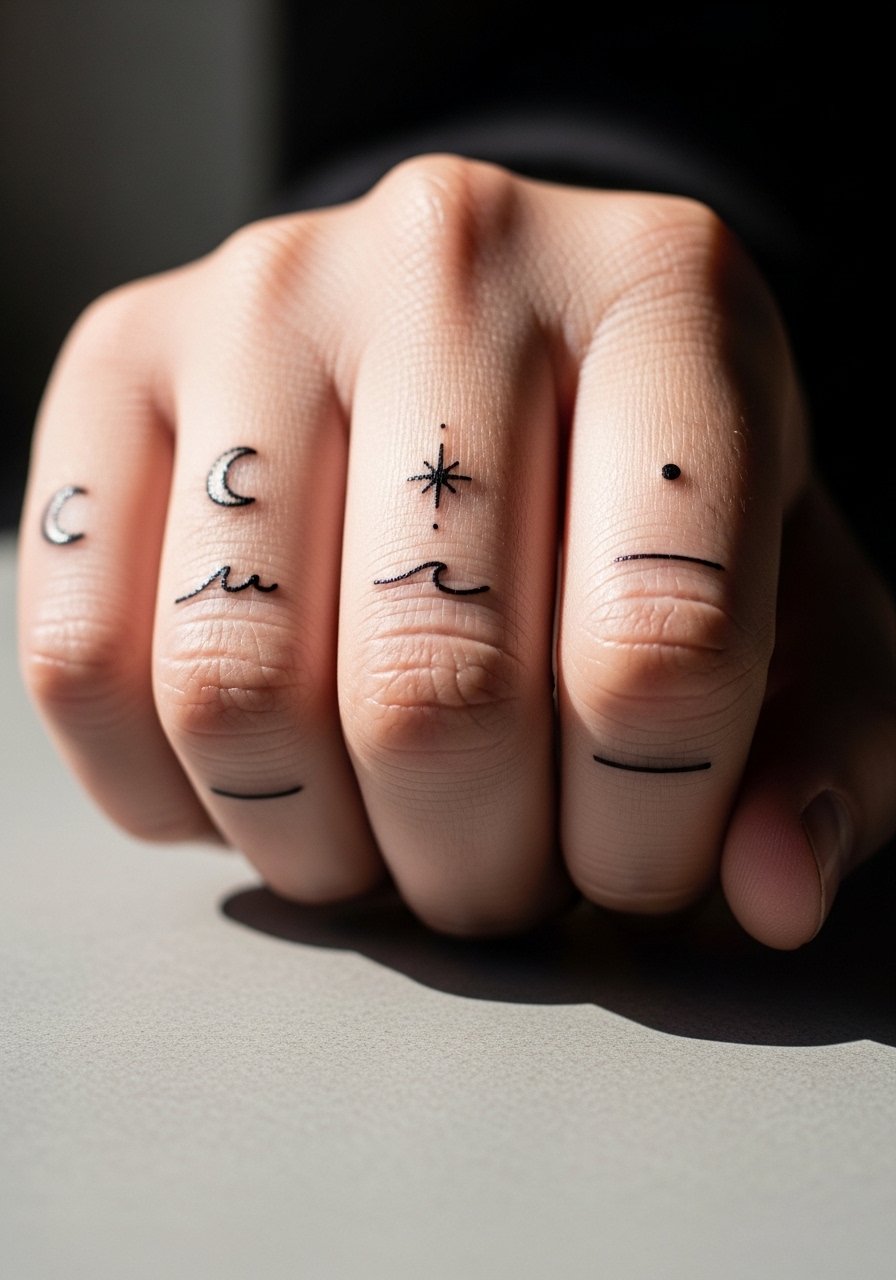
Knuckle tattoos are provocative because they sit where people always look, but they are also one of the fastest to soften and fade due to constant washing and friction. If you go this route pick bold, chunky shapes rather than detailed script so the design survives frequent wear. Ask for slightly thicker linework and plan a touch-up in the first year. A mistake I see often is requesting tiny type across four knuckles; that will likely become illegible and patchy over time.
15. Patchwork "Yearly Motif" Starter on the Inner Forearm
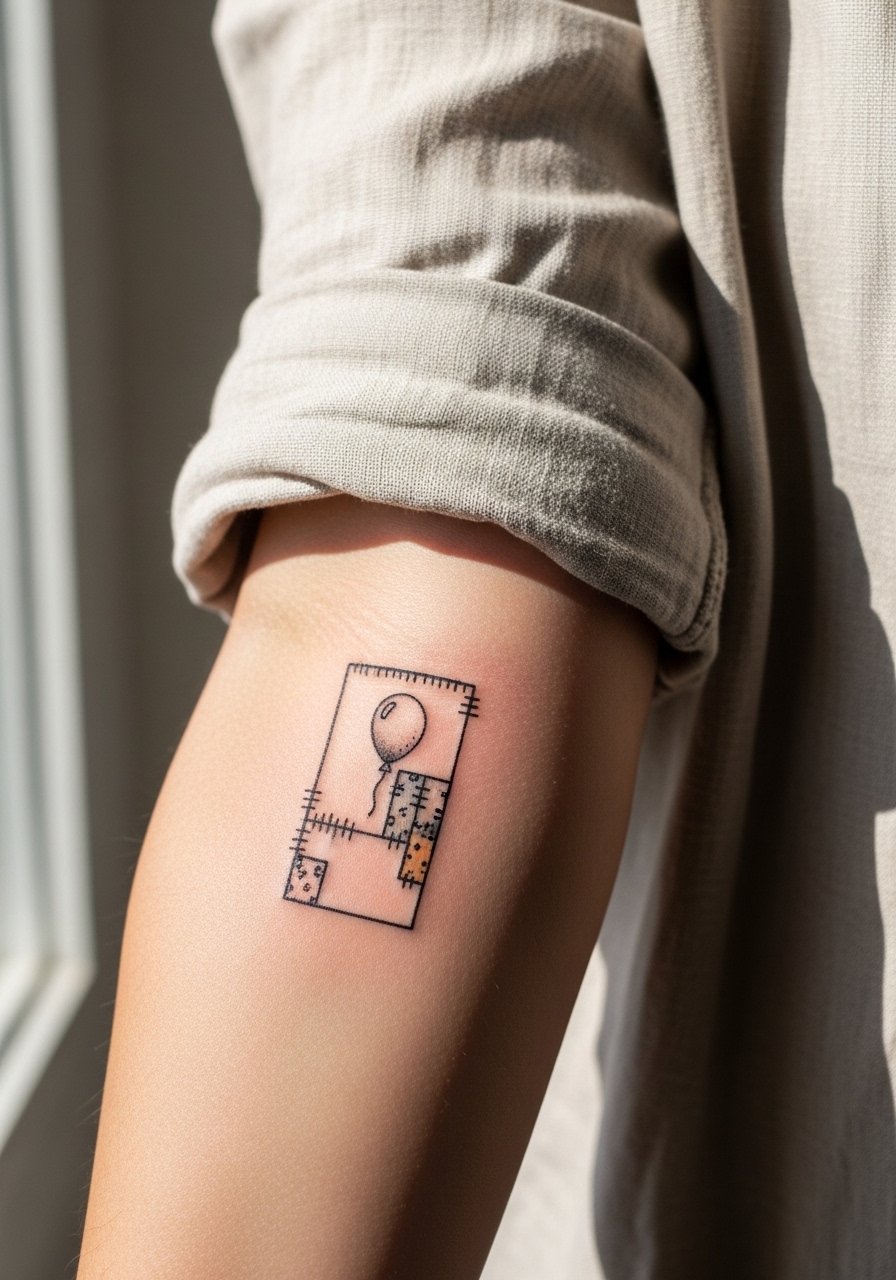
If you like the idea of an evolving collection, begin with a simple patch that has breathing room for annual additions. Tell your artist you plan a motif each year and ask them to map out negative spaces and anchor points so the composition reads as it grows. The inner forearm is smart for this because additions are easy to line up and the area heals consistently. For show-off styling, roll a sleeve on a linen button down shirt when you want a casual reveal.
16. Dark Skin-Optimized Black and Gray "Young Sprout" on Upper Arm
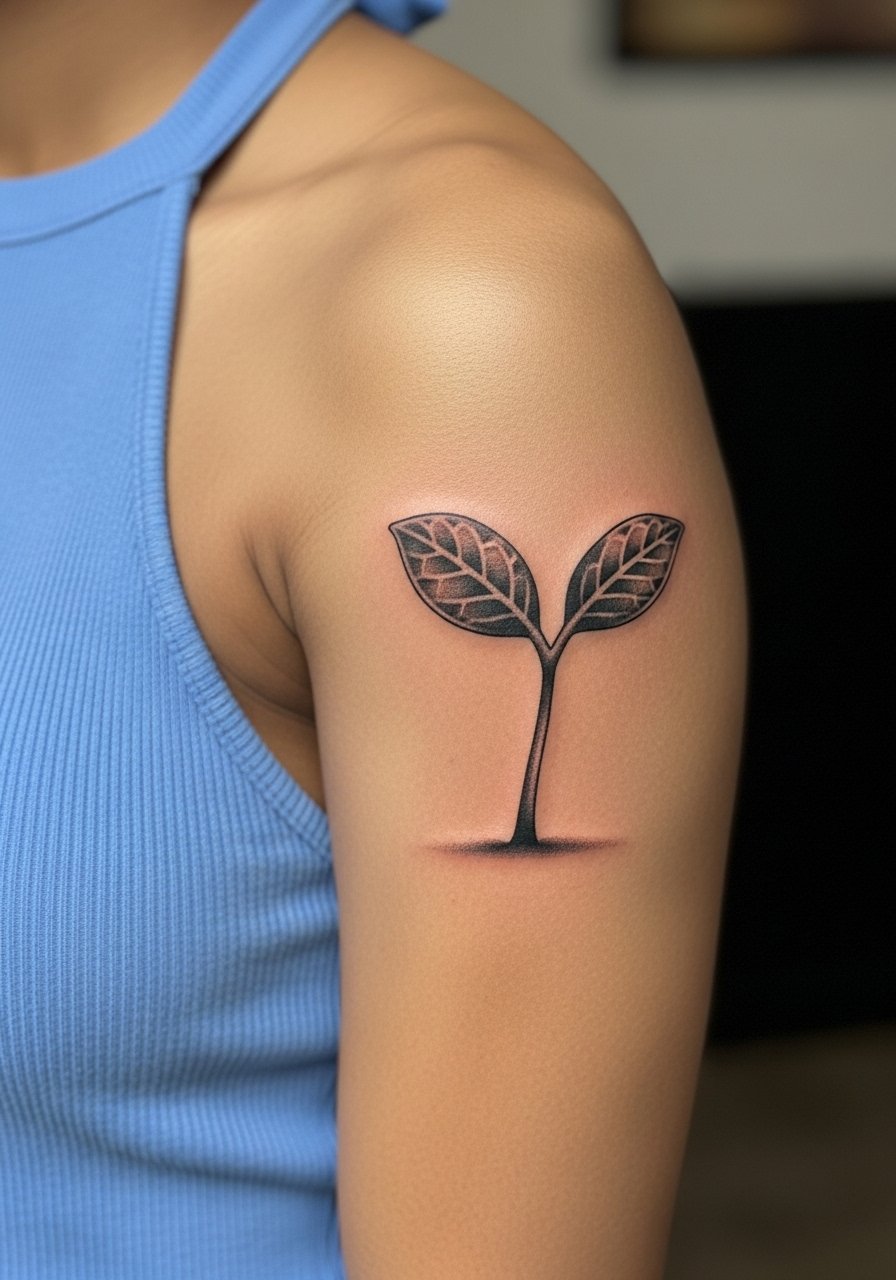
For darker tones, contrast matters more than subtle watercolor shifts. This black and gray sprout benefits from bold negative space and clear separation between shadow planes. Ask to see healed portfolios on similar skin tones and tell your artist you want saturation that reads in photos as well as in person. Avoid tiny gray washes that can disappear in photography. For showing off the upper arm choose a halter top cotton or sleeveless tank that frames the work.
17. Tiny Micro Script on the Side of a Finger
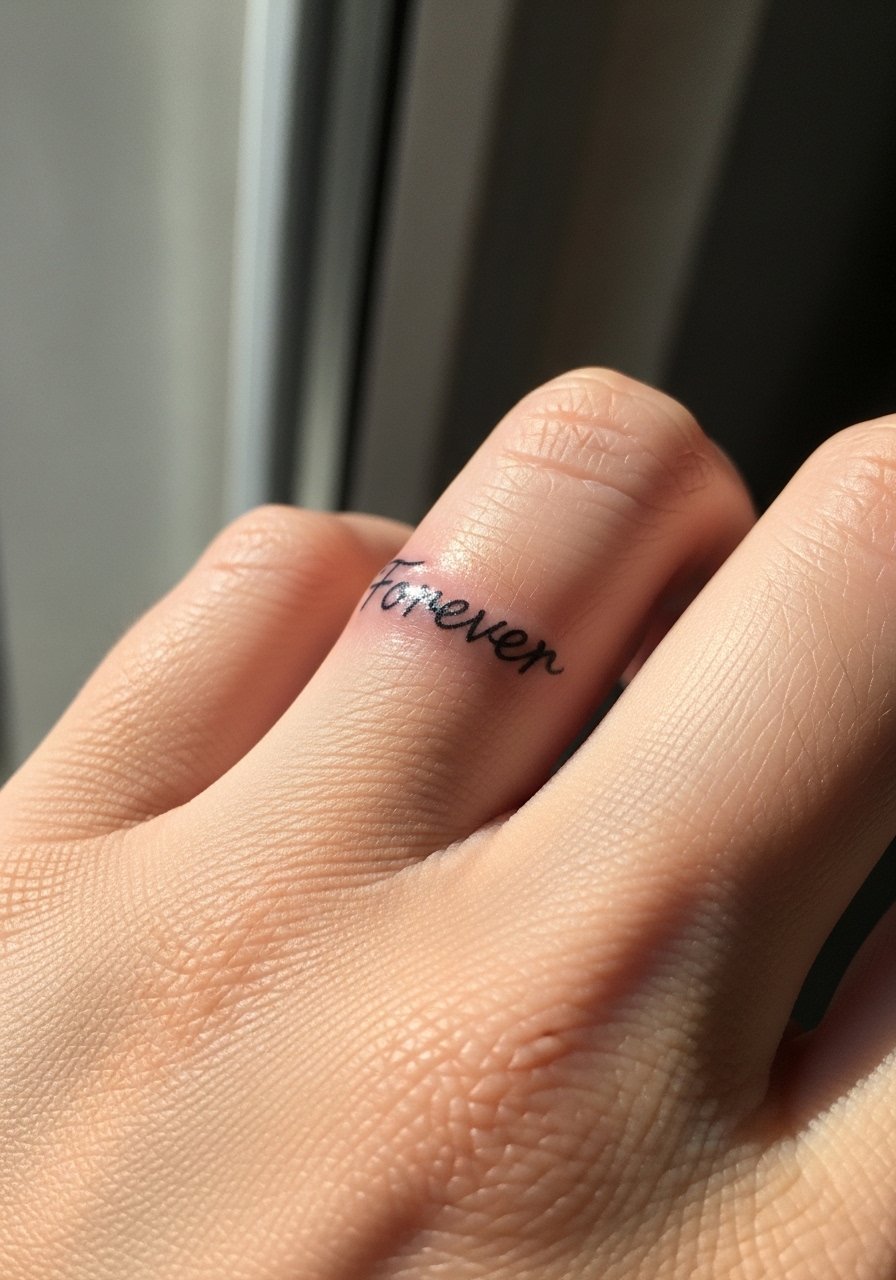
Micro script on the finger side is intimate and discreet but extremely vulnerable to wash-cycle fading and frequent abrasion. If you want a single-word reminder on a finger, choose slightly bolder letterforms and accept touch-ups as part of ownership. A common mistake is requesting minute cursive that the skin cannot hold. The session is short and the pain is low, but the design will require seasonal refreshes. Keep expectations realistic about longevity and plan a follow-up touch-up at six to twelve months.
Frequently Asked Questions
Q: Will a fine line wrist script blur faster than a blackwork piece?
A: From what I have seen, fine line on wrists tends to soften faster than bold blackwork because the lines are thinner and wrist skin gets more friction. If you prefer fine line ask for slightly heavier single-needle choices and plan a touch-up in year two or three.
Q: Is Saniderm better than dry healing for small script and fine line work?
A: Artists split into two camps on this. One camp uses protective film for a sealed, lower-mess week that reduces scabbing. The other camp prefers dry healing to let scabs form naturally and worry that film can cause maceration if left too long. Ask your artist which method they use and follow their timeline for film removal or scab care.
Q: How do I find artists who have healed photos on dark skin tones?
A: Search hashtags like #NeoTradYouth and #FineLineForever and check local app filters, plus community threads on r/tattoos. Look specifically for healed pictures rather than fresh shots and message shops about healed portfolios on similar tones before booking.
Q: What should I wear to a collarbone or upper chest appointment?
A: Wear a wide-neck top or an open button-down so the artist can easily access the area. A thin chain pendant necklace sits nicely above collarbone work for a finished look once healed.
Q: How often should I expect touch-ups for micro-realism or single-needle pieces?
A: Micro-realism and single-needle scripts often benefit from a reinforcement touch-up around six to twelve months and occasional refreshes every few years depending on sun exposure and location. Planning a touch-up upfront gives the piece the best chance to age cleanly.