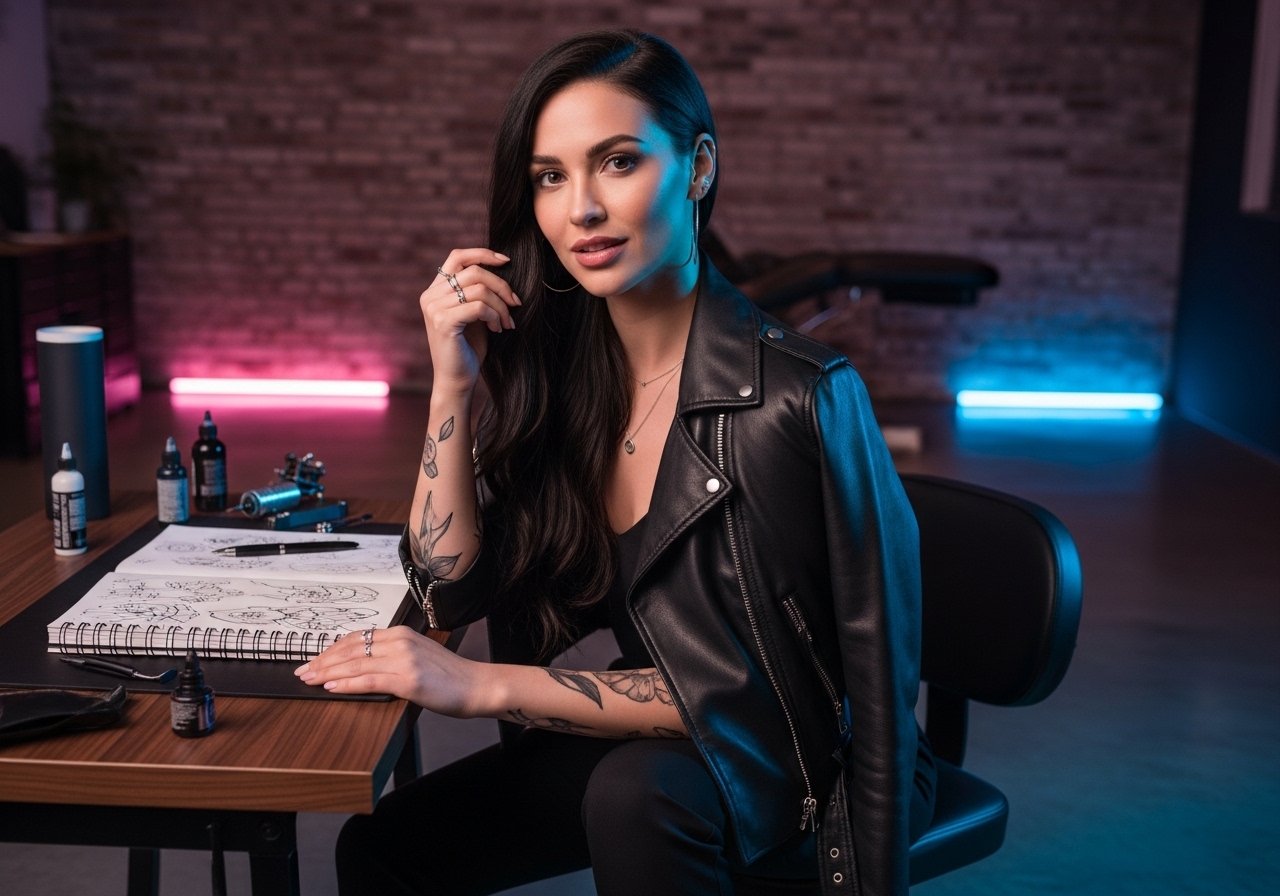
Fine line Arabic script is dominating saved boards, but trends and reality often part ways. Tiny quotes photograph clean, then face daily wear, washing, and sun. This collection pairs 17 Arabic lines with placements and practical notes, including what to tell your artist and simple wardrobe choices that actually help the tattoo read well months from now. First up is a wrist piece that works on almost anyone.
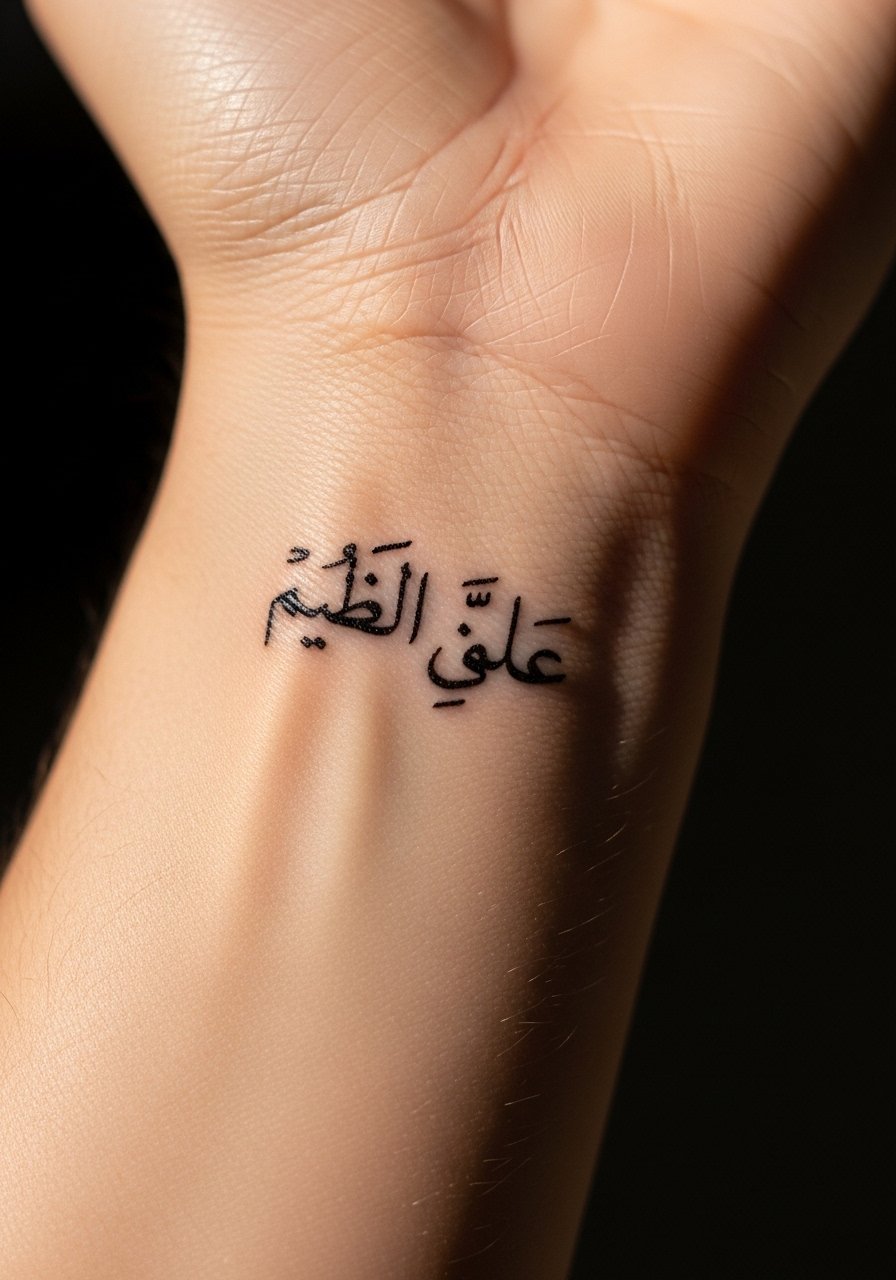
1. 'خذ نفس' on the Inner Wrist
I've seen this tiny phrase on wrists for years and it still reads clean when done with slightly bolder micro-line work. Tell your artist you want the script scaled to the bone width and not feather-thin, so the counters have room to hold. Pain is mild on the inner wrist but expect some sting near the crease. A common mistake is asking for the phrase too small, which causes letters to merge after a year. For the session wear, pick a loose button-down shirt you can slide up easily. Arabic script carries cultural weight, so double-check the exact translation before inking.
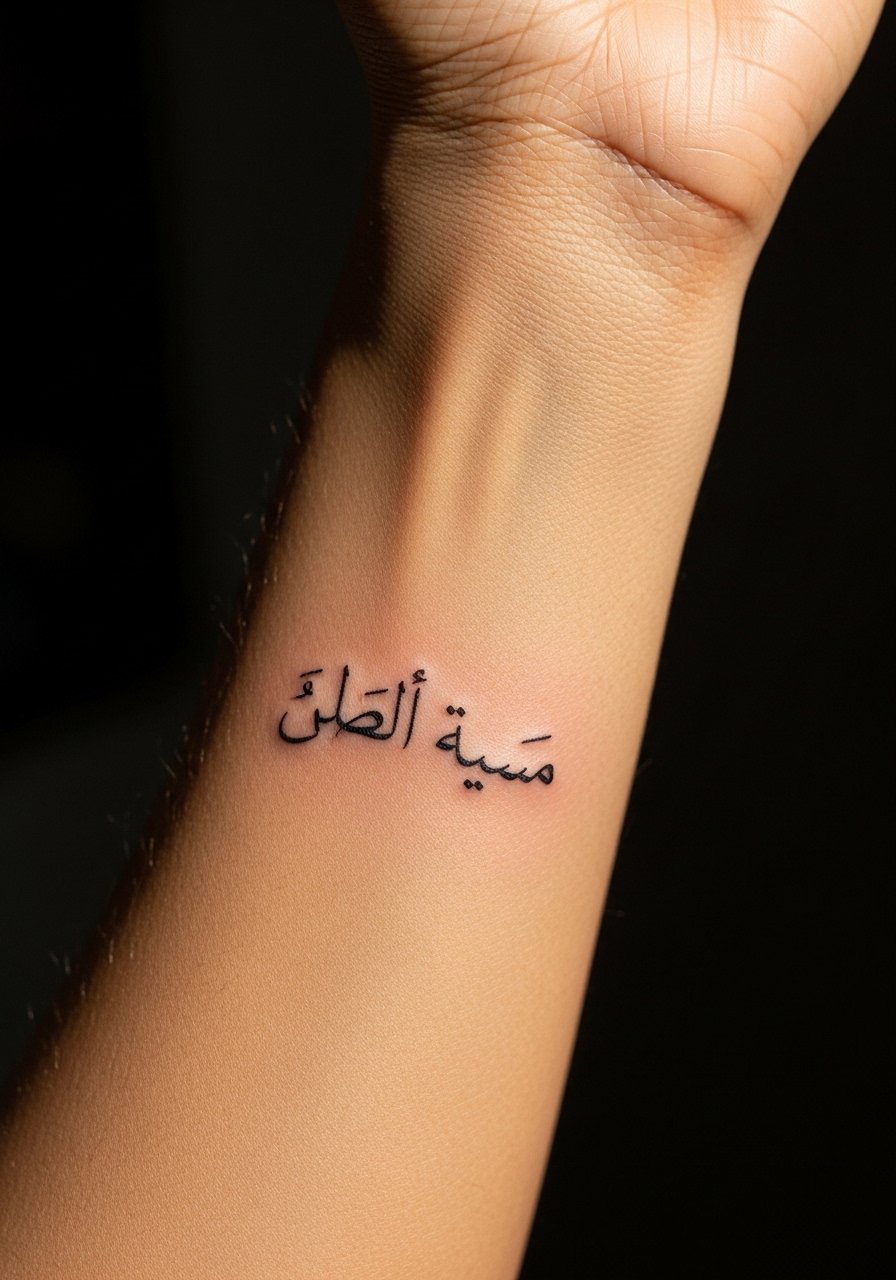
2. 'أنت كافية' on the Inner Forearm
Most people pick the inner forearm for visibility and touch-up convenience. In my experience a mid-weight line with a gentle baseline prevents the long horizontal strokes from filling in. Bring a clear reference showing where you want the baseline to sit on the arm so the phrase flows with muscle movement. Expect a medium pain level and a one to two hour session. For showing it off, an oversized linen shirt with sleeves rolled up frames the script without competing. Confirm the dialect and spelling to avoid an embarrassing mistranslation.
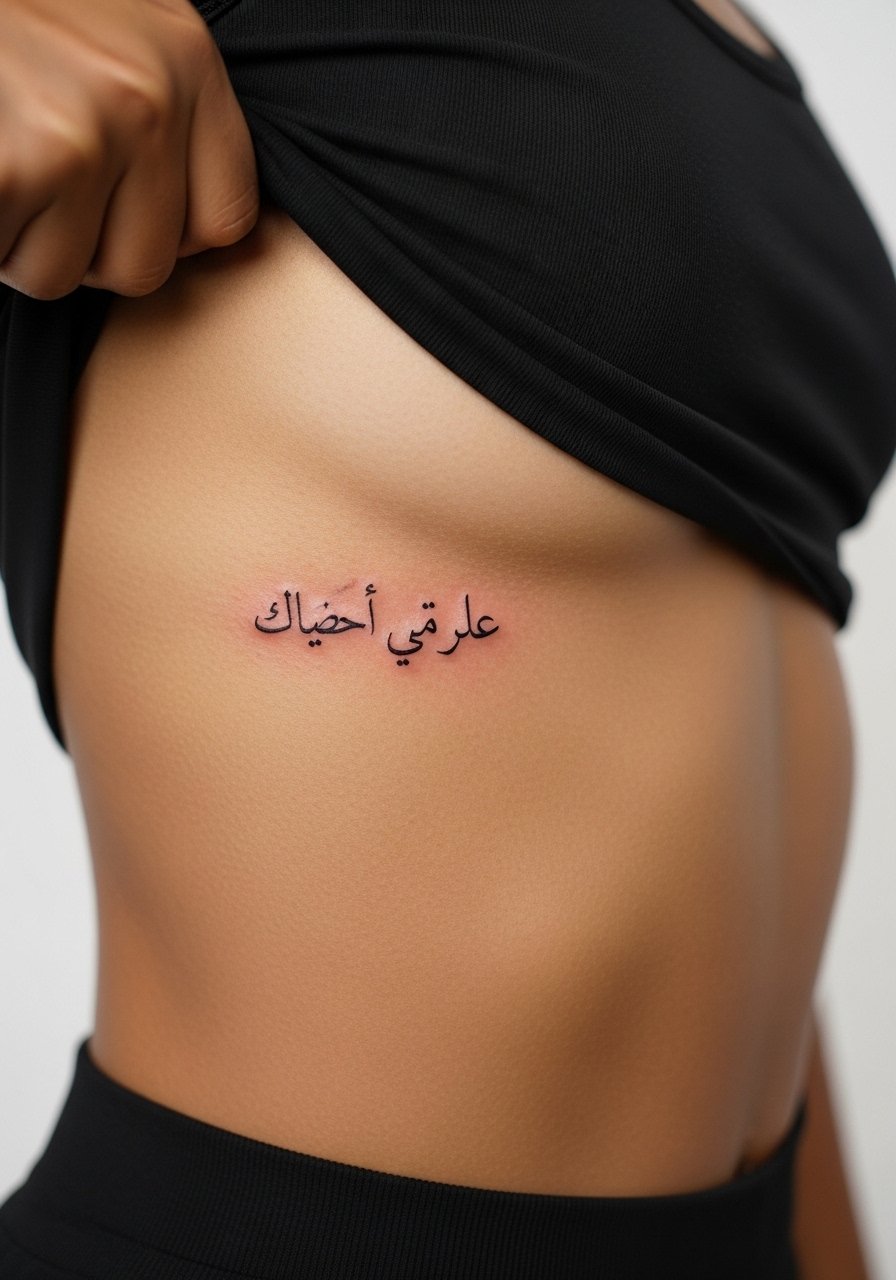
3. 'هذا ايضا سيمر' on the Ribcage
Fair warning, the ribcage is a high-pain area but it gives a long canvas for a flowing quote. Artists are split on fine line here. One camp says the skin stretch and breathing blur delicate lines within two years. The other camp says with slightly deeper placement and spacing the script settles fine. Ask about their ribcage portfolio and touch-up rate before booking. Most of these sit best at 6 months as defined, softening slightly at year two. Wear a cropped top or sports bra to the session so the artist can work without excess fabric. Respect the language and double-check the phrase in context to avoid literal mistranslation.
4. 'اتبع قلبك' Along the Collarbone
There is something about collarbone placement that makes short quotes feel cinematic. For this placement I recommend slightly heavier linework than you'd choose for a finger piece so the letters keep their shape when the skin stretches. The session feels like a moderate scrape along bone. A common mistake is centering the phrase too high; asking the artist to lay the baseline just below the collarbone gives a better balance with necklaces. Pair it with a thin chain pendant necklace that sits just above the text for evenings out. Make sure the Arabic phrasing you choose reads naturally and is not a word-for-word English swap.
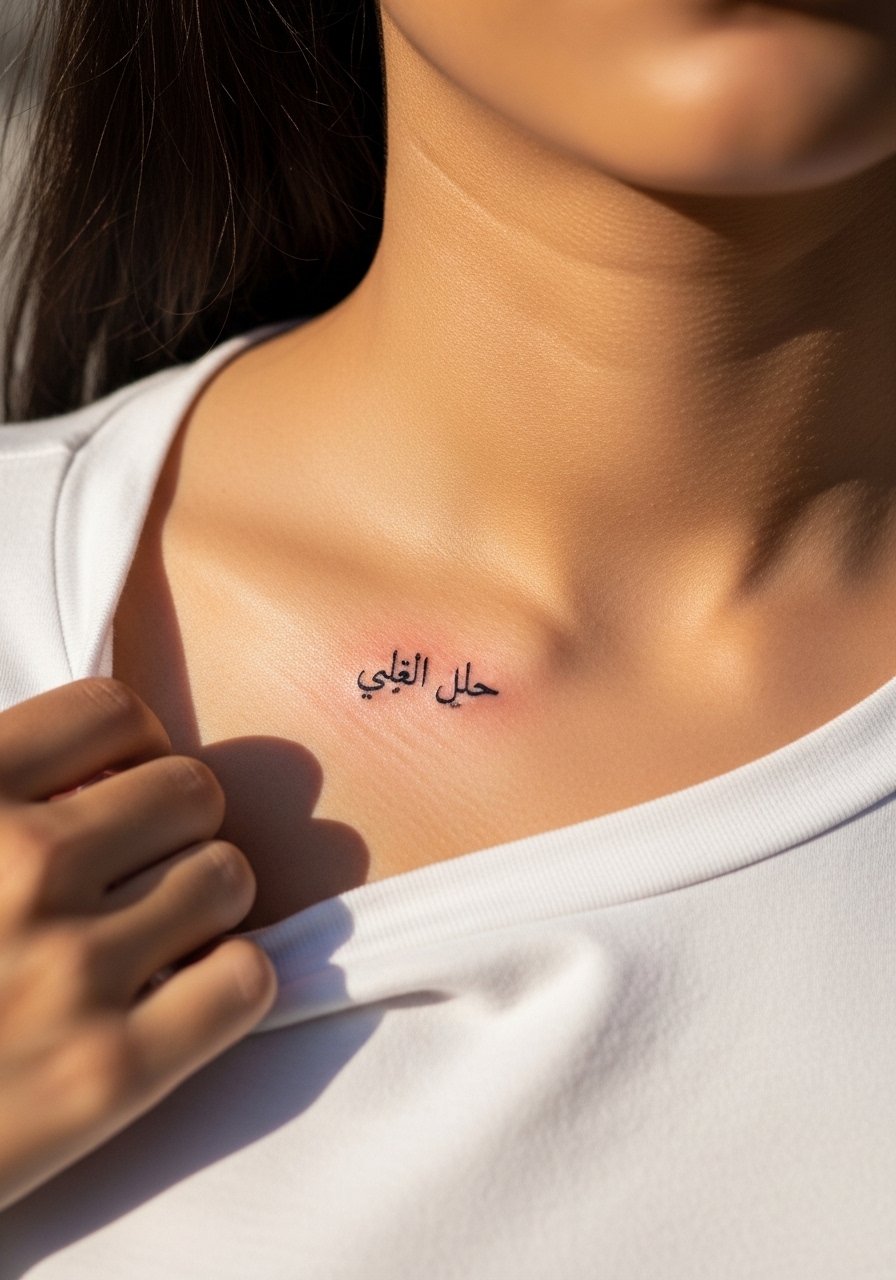
5. 'لا شيء مستحيل' on the Outer Bicep
Visual impact lead works here because bold script across the outer bicep reads across a room. This placement tolerates a heavier hand and wider spacing, which helps the long horizontal letters avoid merge over time. Session time is usually under two hours if you keep the phrase concise. A real mistake is asking for light single-needle script at this scale; the long strokes need saturation and contrast. Expect a touch-up around year three for saturation loss. If you plan on sleeveless looks, the outer bicep pairs well with a rolled-sleeve tee for casual wear. Confirm the script direction and diacritics when needed.
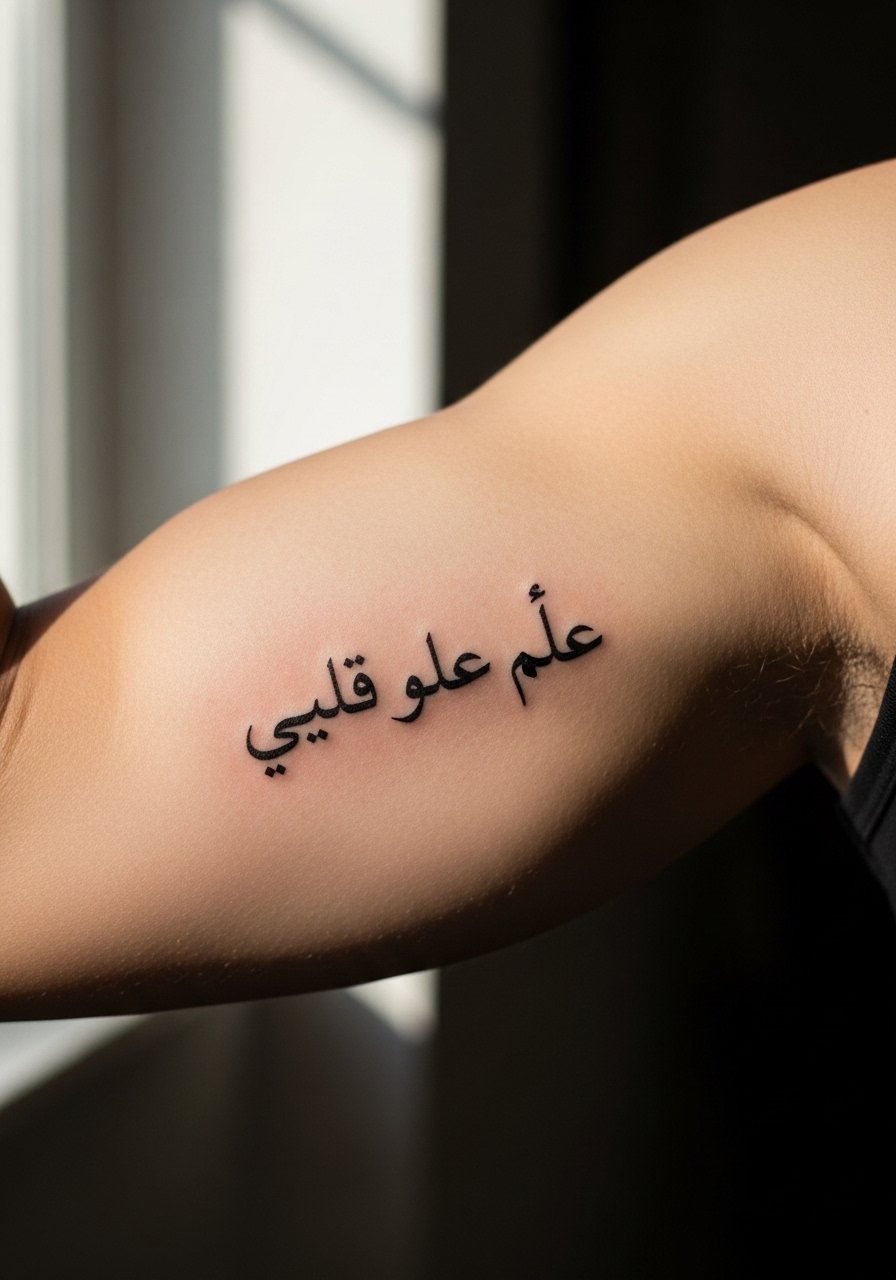
6. 'كن شجاعا' Behind the Ear / Side Neck
This small phrase behind the ear requires the one-sentence safety note professionals demand. Behind-ear shots must show the hairline and neck context so the image generator knows where the skin sits. Artists disagree on longevity here because of constant movement and hair rubbing. One camp thinks small script blurs fast. The other camp says careful spacing and slight bolding works. For session access wear your hair up and a wide-neck shirt so only the small target area is exposed. Expect a quick, sharp session and a touch-up sooner than for torso pieces. Respect the language and have a native speaker verify the wording.
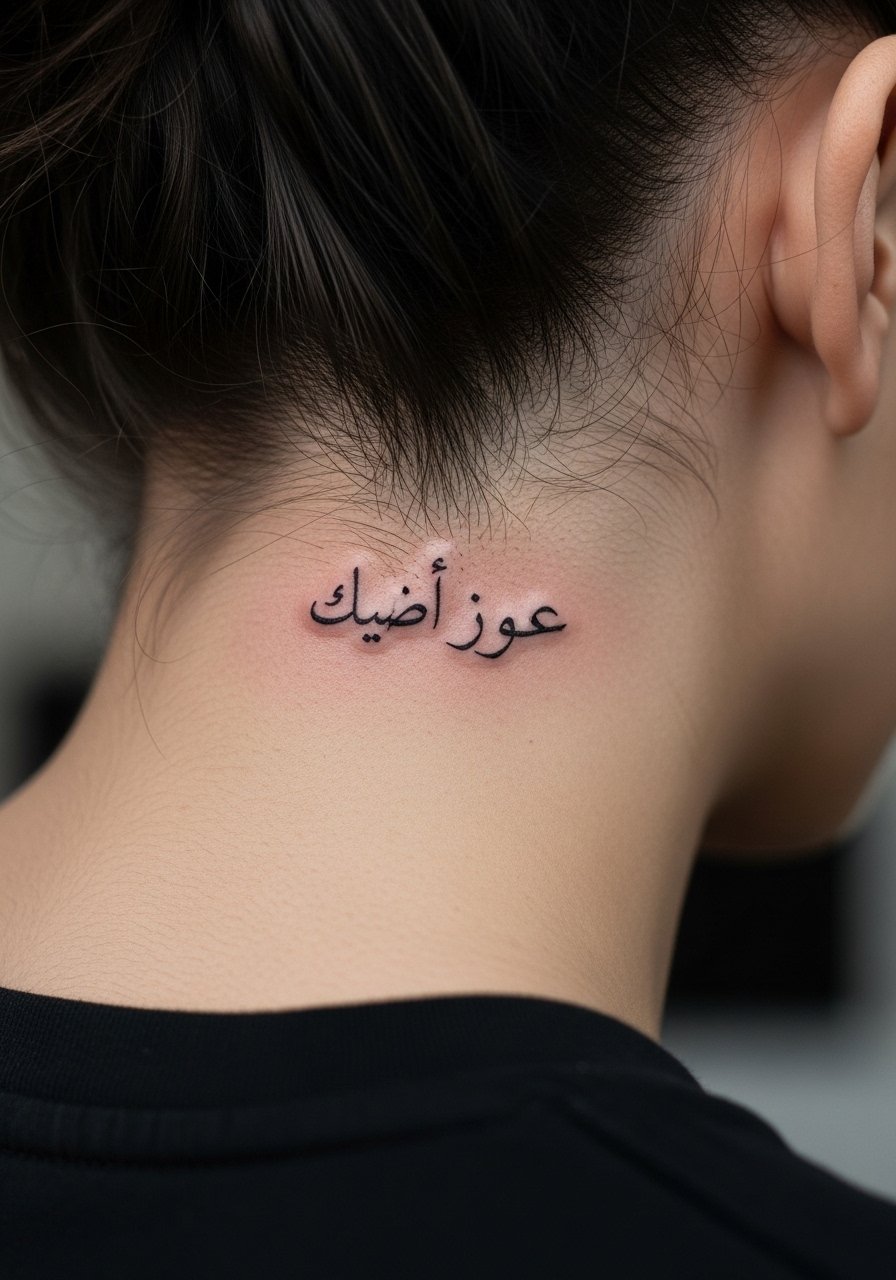
Studio Day Picks
The wrist, forearm, and behind-ear pieces above ask for different prep than torso work, so a few focused items smooth the session and the first week.
- Stencil transfer paper kit. Lets you preview exact placement on curved zones like the inner wrist or collarbone before the needle hits.
- Topical numbing cream. Applied as instructed takes the edge off tight areas like the ribcage and behind the ear for a more manageable session.
- Thin protective film roll. Helpful for finger and wrist tattoos that see a lot of friction in the first week.
- Fragrance-free body wash. Gentle cleansing reduces irritation for fine line work on the forearm and bicep.
- Aquaphor healing ointment. A thin layer during the first few days helps lock in moisture without suffocating delicate letterwork.
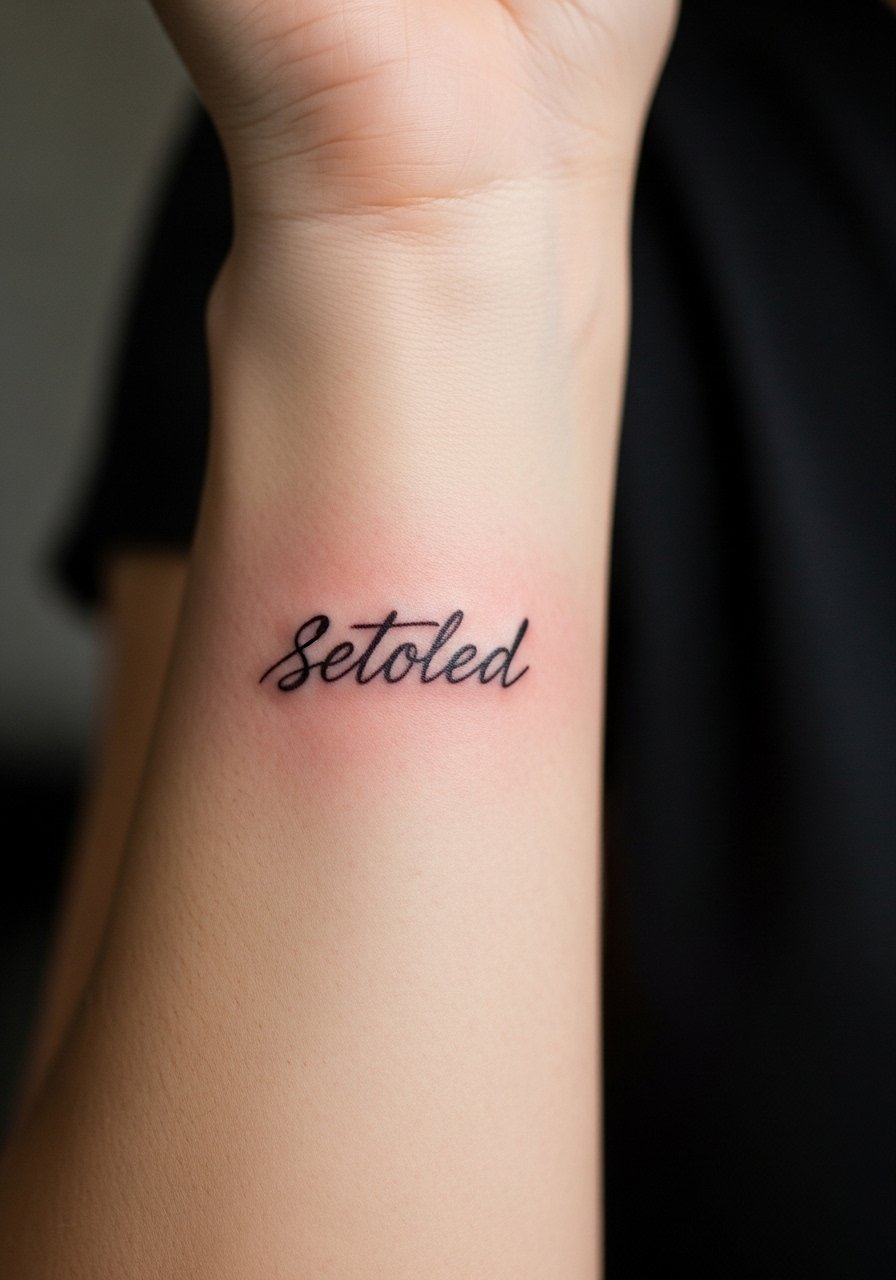
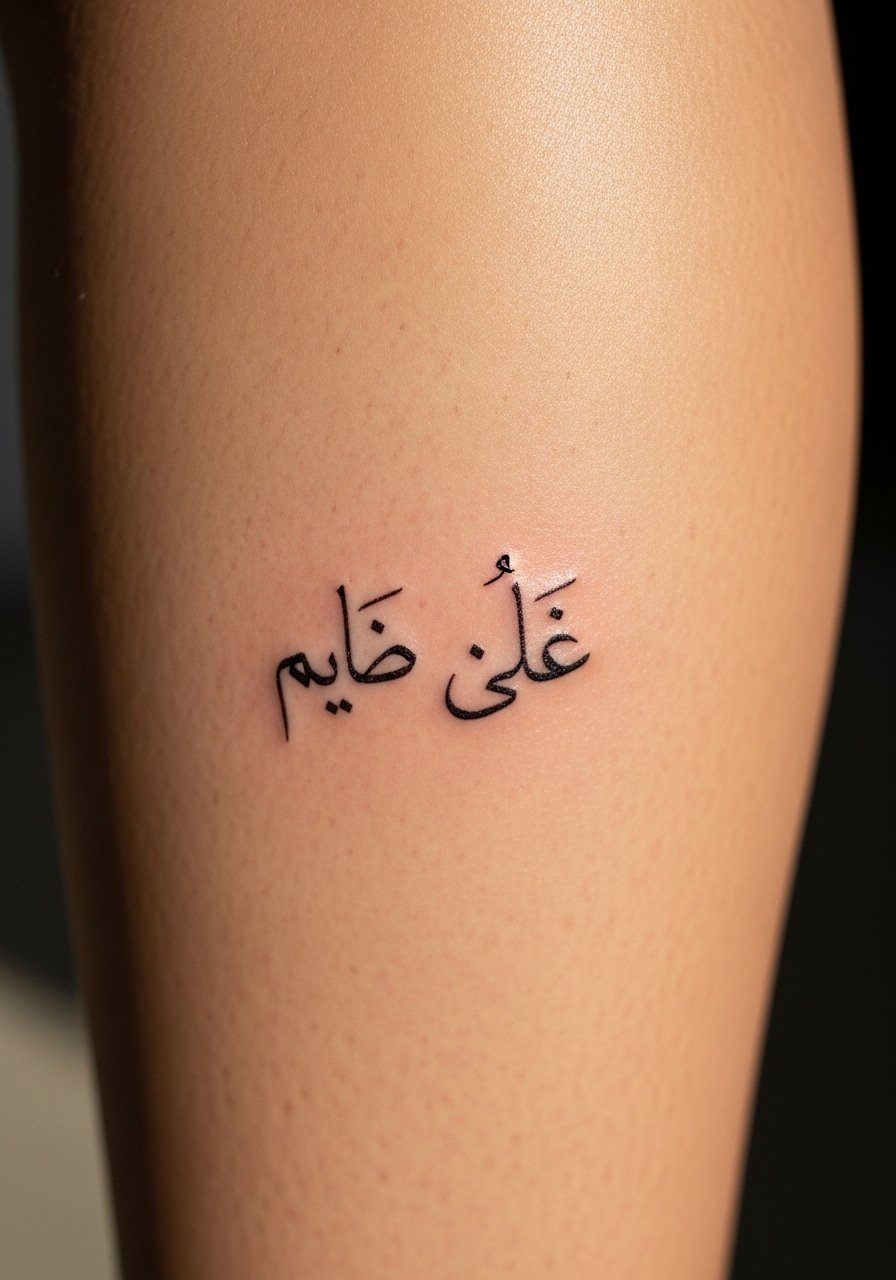
7. 'لا تتوقف' on the Calf
Personal observation leads this one. I see calf scripts hold up when the letters are given vertical breathing room. The calf is forgiving because the skin is thicker and there is less daily rubbing than ankles. Expect a moderate session and a small chance of swelling the next day. A common error is stacking words too tightly; ask for vertical spacing and slightly larger counters. Touch-ups are rarely required before year four. If you want to hide it for work the calf is easy to cover. Show respect for the phrase and confirm the exact wording before the stencil is finalized.
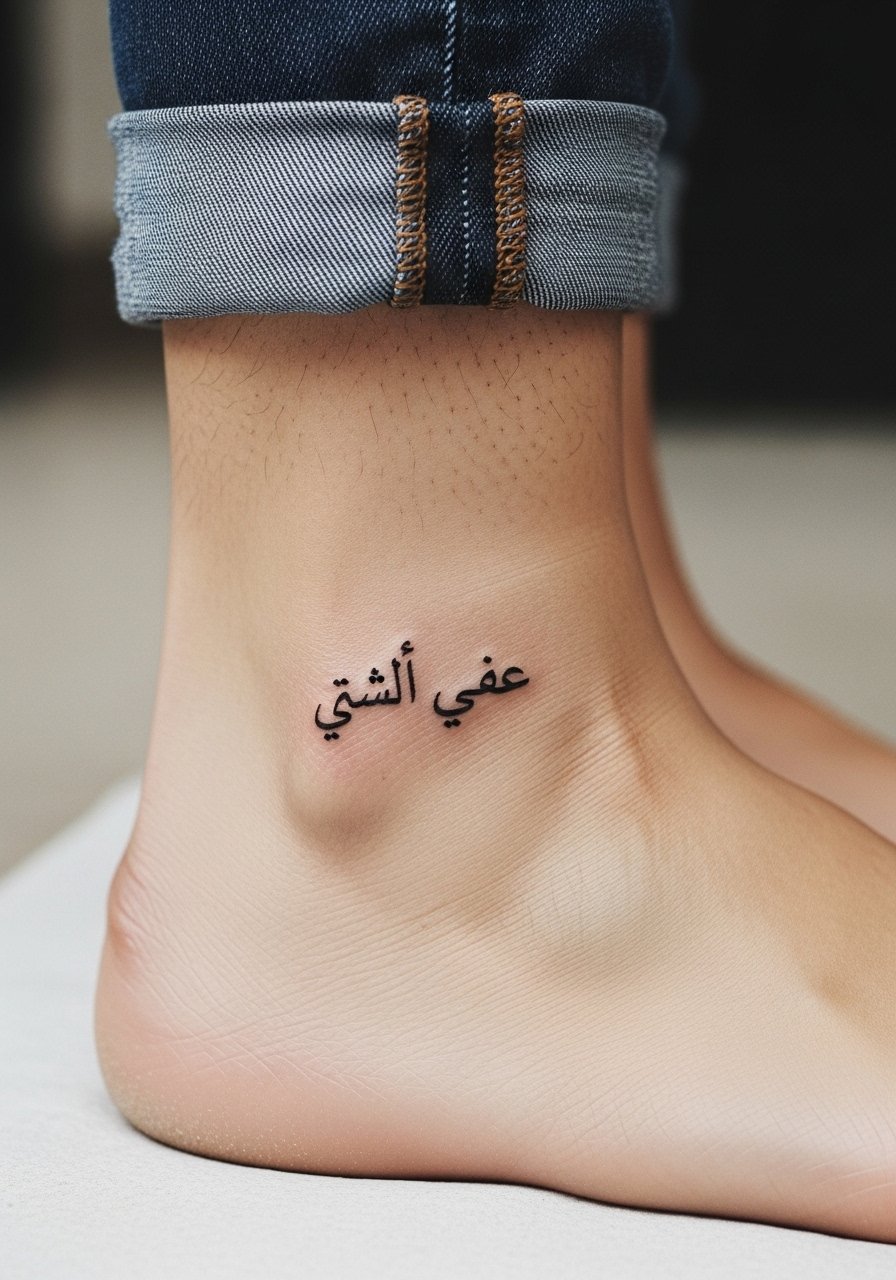
8. 'الحياة جميلة' Around the Ankle
Visual impact lead applies because ankle script reads differently with footwear. The ankle has frequent friction from socks and shoes, which speeds fading. Ask the artist to place the phrase slightly above the most rubbed area and to use a balanced line weight that can take wear. Session sensation is a sharp tickling followed by soreness for a day. For showing the design, wear jeans rolled up or strappy sandals that reveal the text cleanly. Expect a touch-up at year two depending on footwear habits. A quick language check keeps the sentiment clear in context.
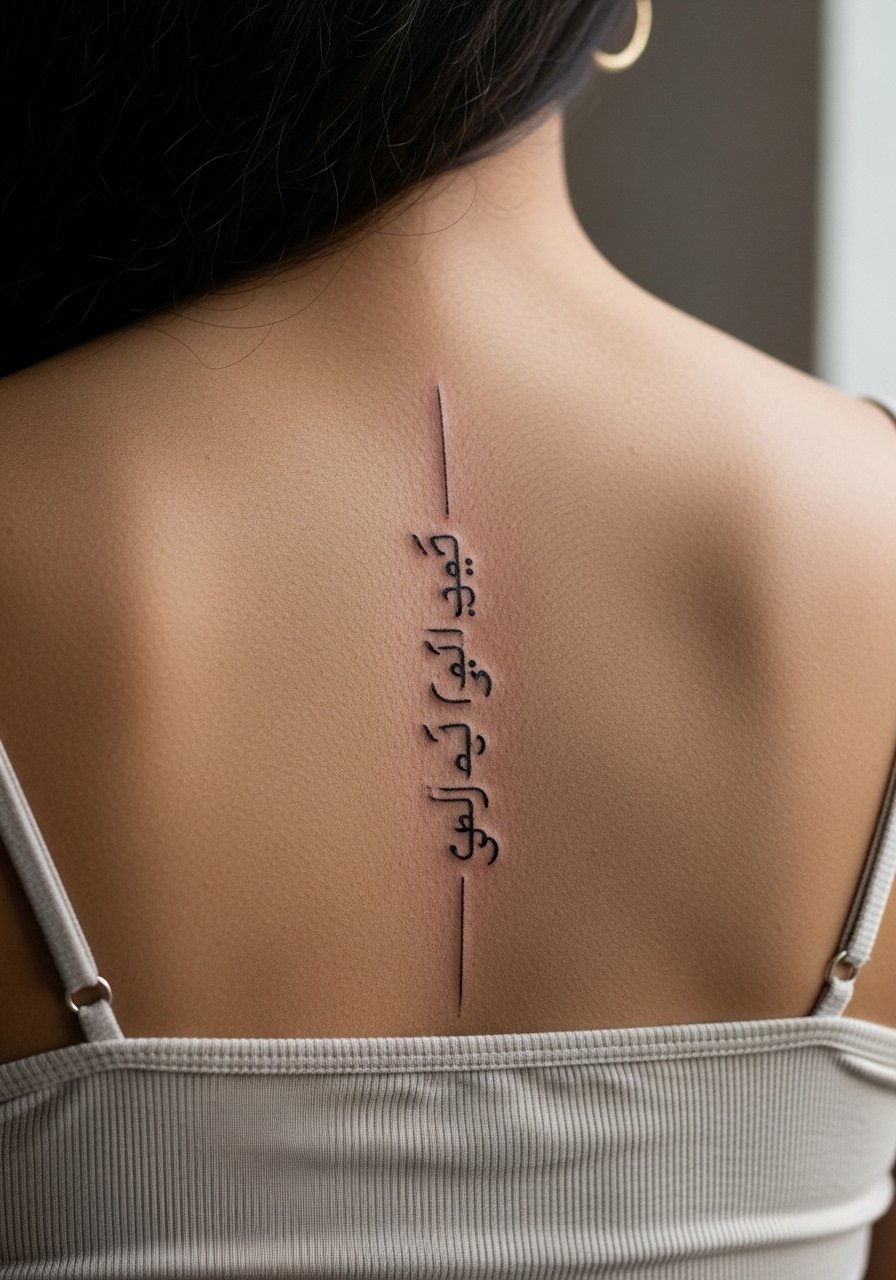
9. 'كل شيء مؤقت' Along the Spine
The spine gives a graphic vertical line that suits short Arabic phrases. For aging, vertical scripts on mid-back tend to hold better than dense horizontal scripts because gravity and movement spread ink less. Expect a longer session if the piece spans multiple vertebrae. The pain here ranges from moderate to high near bone. A frequent mistake is compressing too many words into a narrow column; leave breathing room. If you plan visible backwear, have the artist place the line where typical straps and collars will not cut across the text. Confirm cultural usage so the phrase does not sound stilted in Arabic.
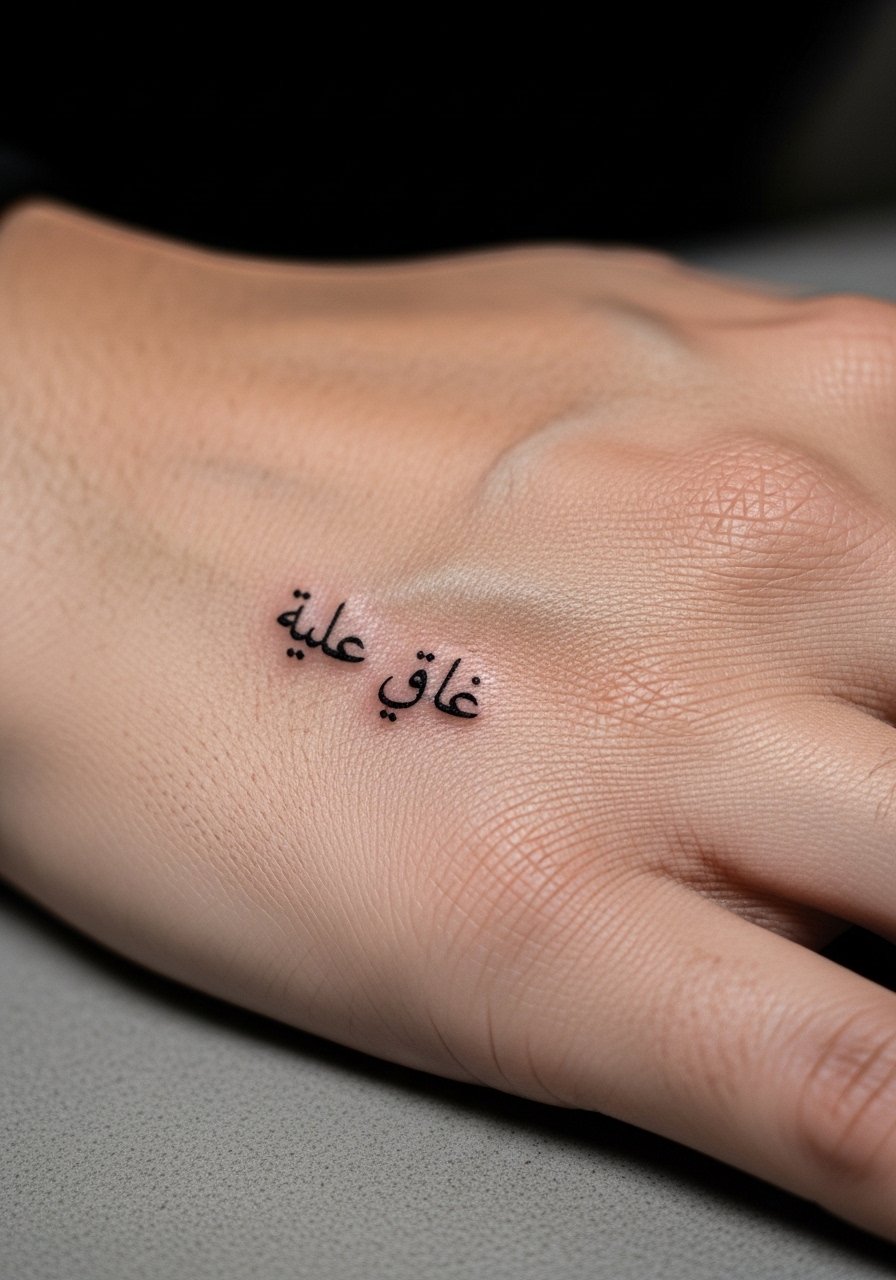
10. 'لا تندم' on the Side of the Hand
Pain warning lead is required here. Hand tattoos hurt more and may require a short session with a quick stencil check. The skin on the side of the hand and near the fingers exfoliates quickly, so letters can blur or fade fast. One common mistake is asking for hairline single-needle script on the hand. A slightly bolder outline with careful placement helps longevity. For the appointment wear a loose long-sleeve you can roll up to keep the area accessible. Be aware that hand pieces often need touch-ups sooner because of washing and sun exposure. Verify spelling carefully.
11. 'أحب الحياة' Over the Heart / Sternum
Aging and sensitivity lead works here because chest placement changes with movement and body shape. Sternum work can look striking but needs an artist who has experience with the area. For session access wear a fitted sports bra or bandeau so only the tattooed area shows. This placement can be more painful and swelling may last two to three days. A common error is doing extremely fine script directly on the sternum where the skin shifts; ask for slightly more spacing. Respect the phrase and know how it reads in full sentence form in Arabic.
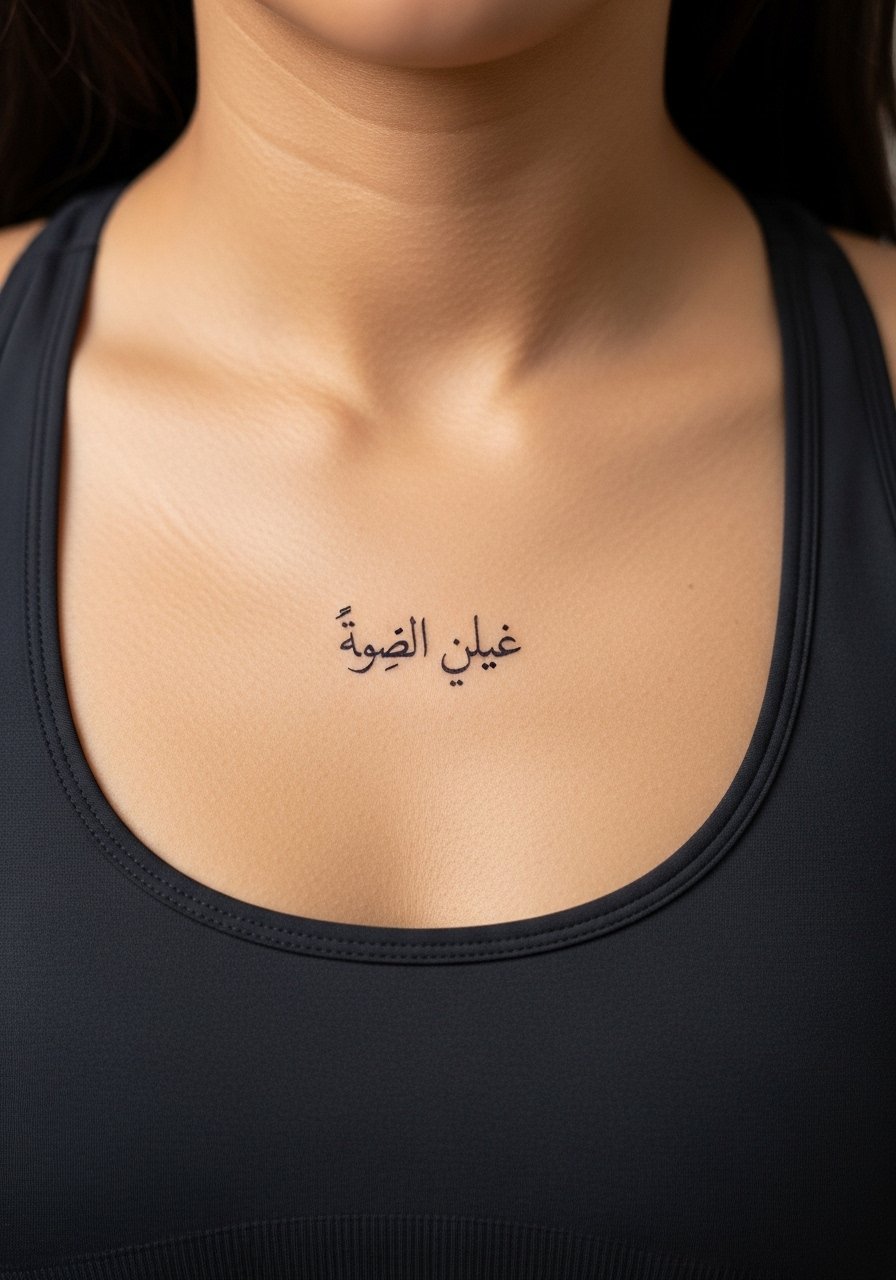
12. 'أنا حر' on the Side Hip
Consultation lead: when you sit with an artist for a hip phrase, show photos of the exact pant or swimsuit lines you most often wear. The hip is a playful spot that hides easily and ages well if not constantly rubbed by waistbands. During the session wear high-waisted shorts you can pull slightly down or a swimsuit bottom so only the tattoo area is exposed. Pair it with low-cut tops when you want to show the line. A mistake is putting the phrase where elastic bands will press directly on the letters. Double-check translation nuance so the sentiment matches your intention.
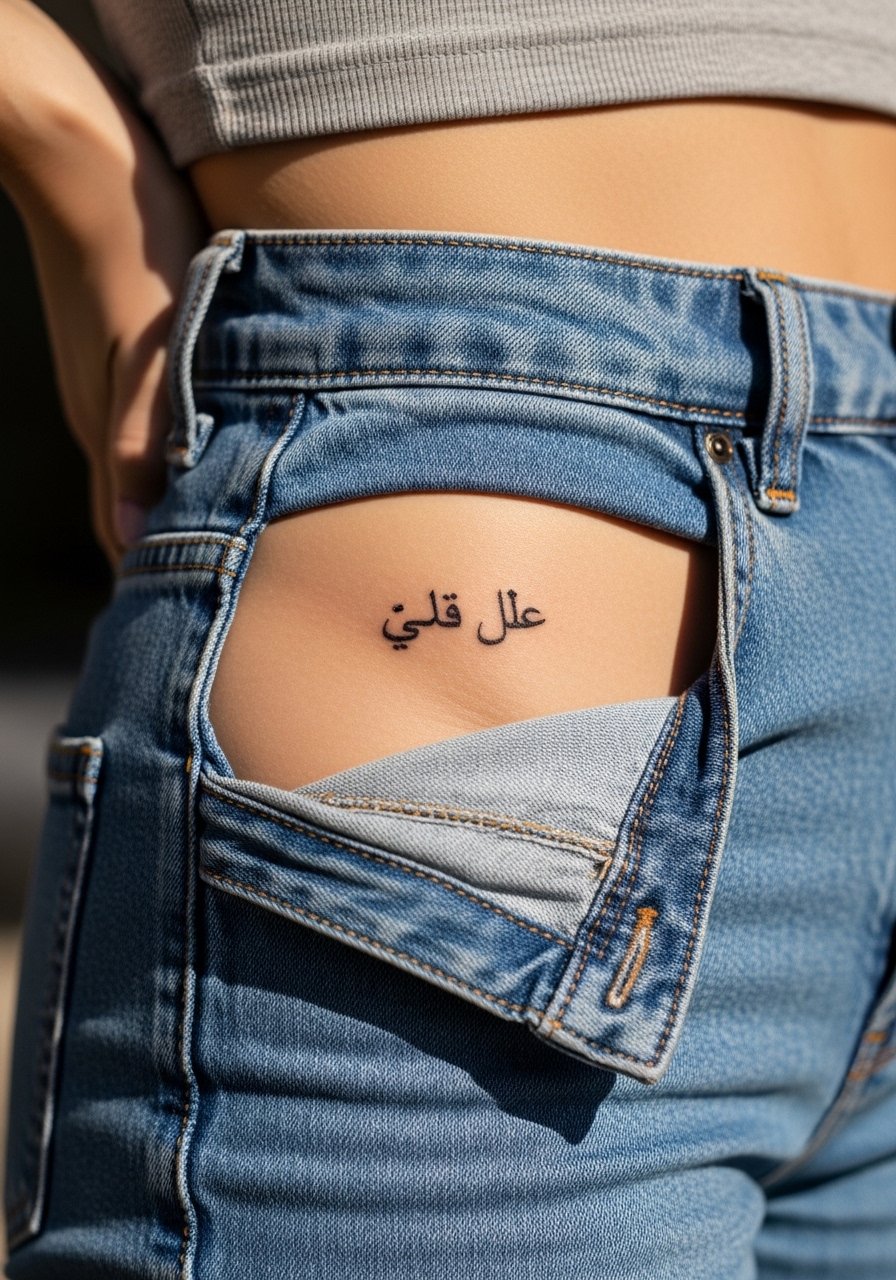
13. 'قوة في الهدوء' Over the Shoulder Blade
Visual impact and aging lead fits this one. The shoulder blade gives a flat canvas so intricate calligraphic flourishes survive longer than on curved limbs. This piece usually takes an hour to 90 minutes depending on size. A common mistake is adding too much ornament around the letters which competes with the quote. For session wear a loose tank top you can pull down slightly or a button-down worn backwards for easy access. Shoulder blade tattoos are low-friction and often need fewer touch-ups. As always, check the phrase with a native reader for tone and register.
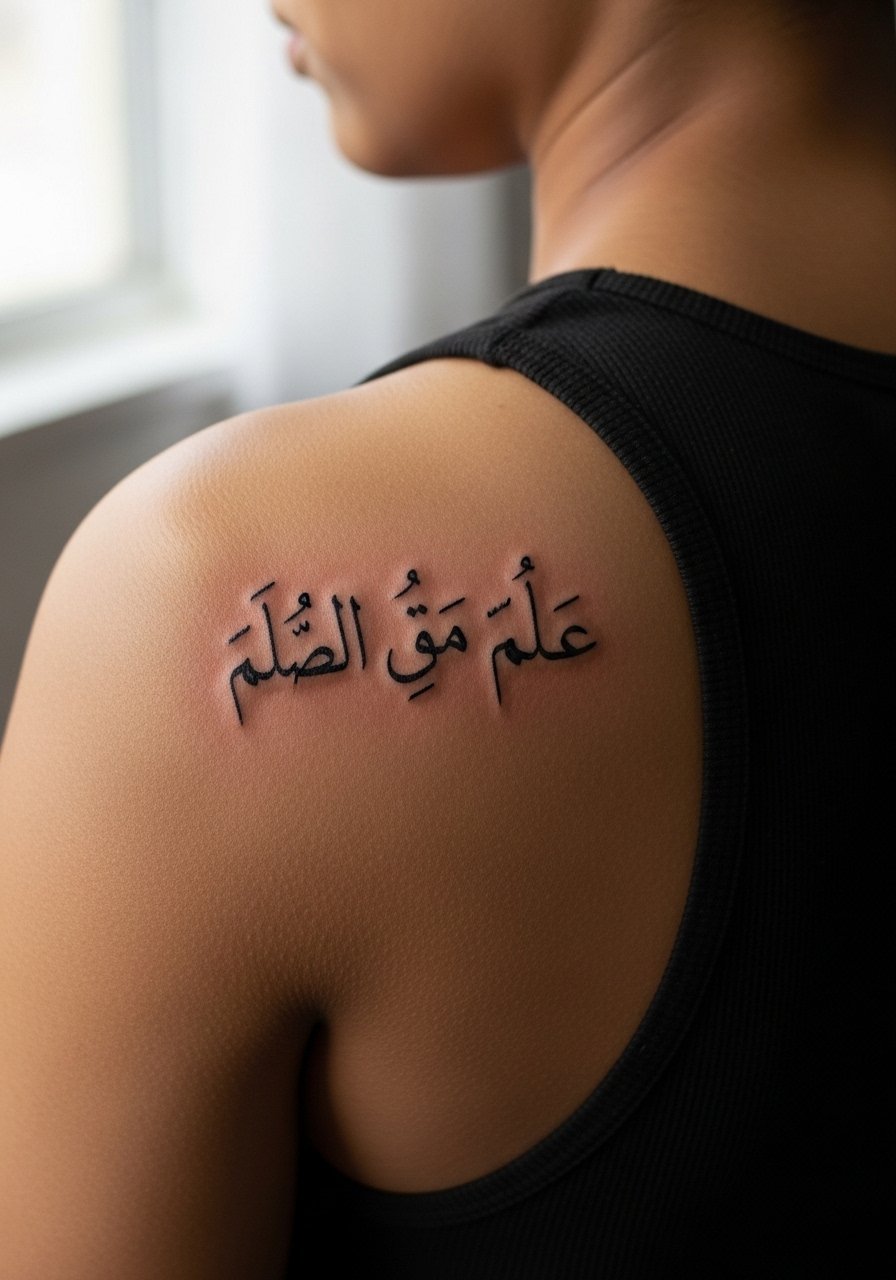
14. 'الصبر مفتاح الفرج' Across the Sternum
Mistake lead applies because long proverbs across the sternum are tempting and often too dense. If you want a proverb across the chest, ask the artist to break the phrase into two balanced lines and to place them just above or below the bra line. Sternum skin moves and stretches with breath, which affects tight calligraphy. For session comfort wear a fitted sports bra or bandeau you can adjust. This placement can be intense pain-wise and may need a staged session for larger scripts. Confirm the proverb phrasing and ask a native speaker if the phrasing feels colloquial or formal.
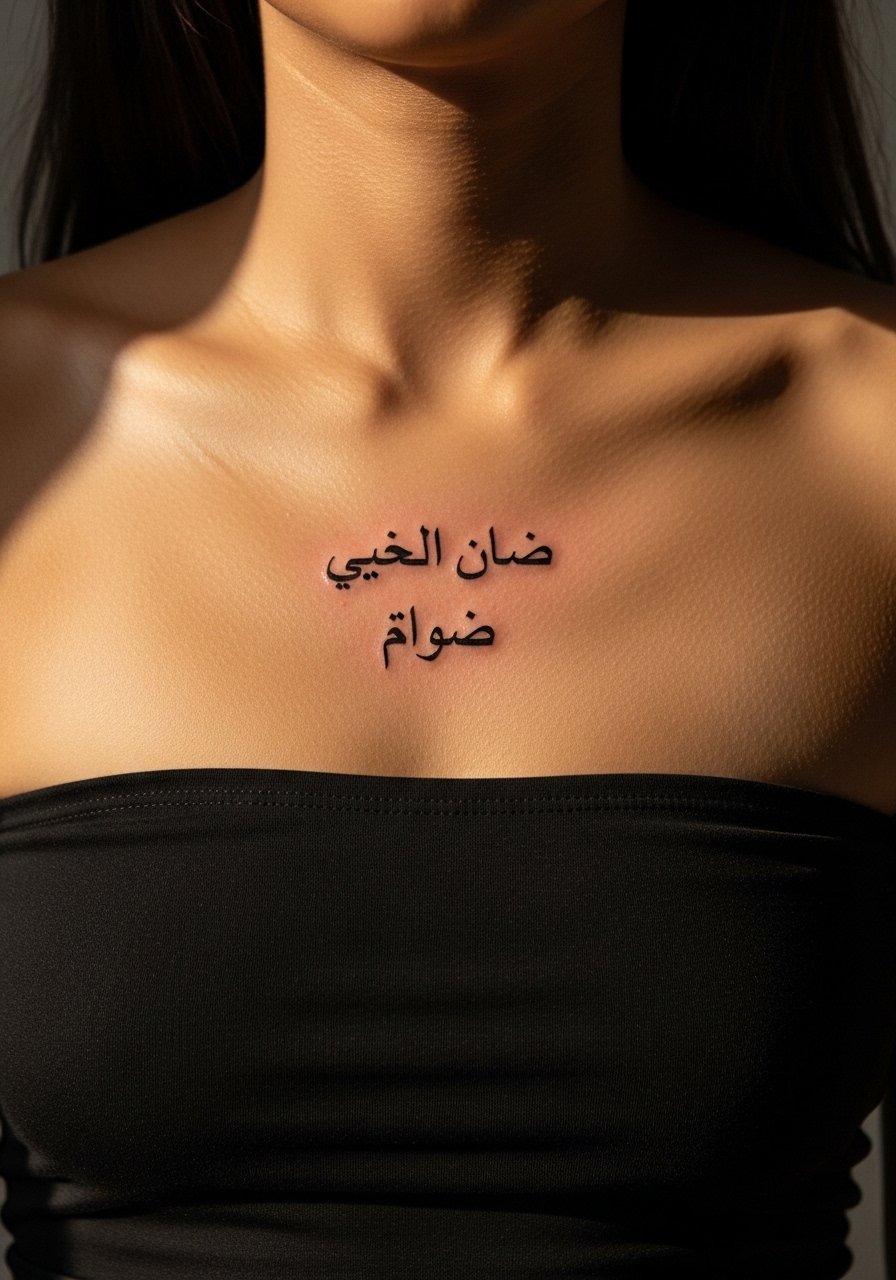
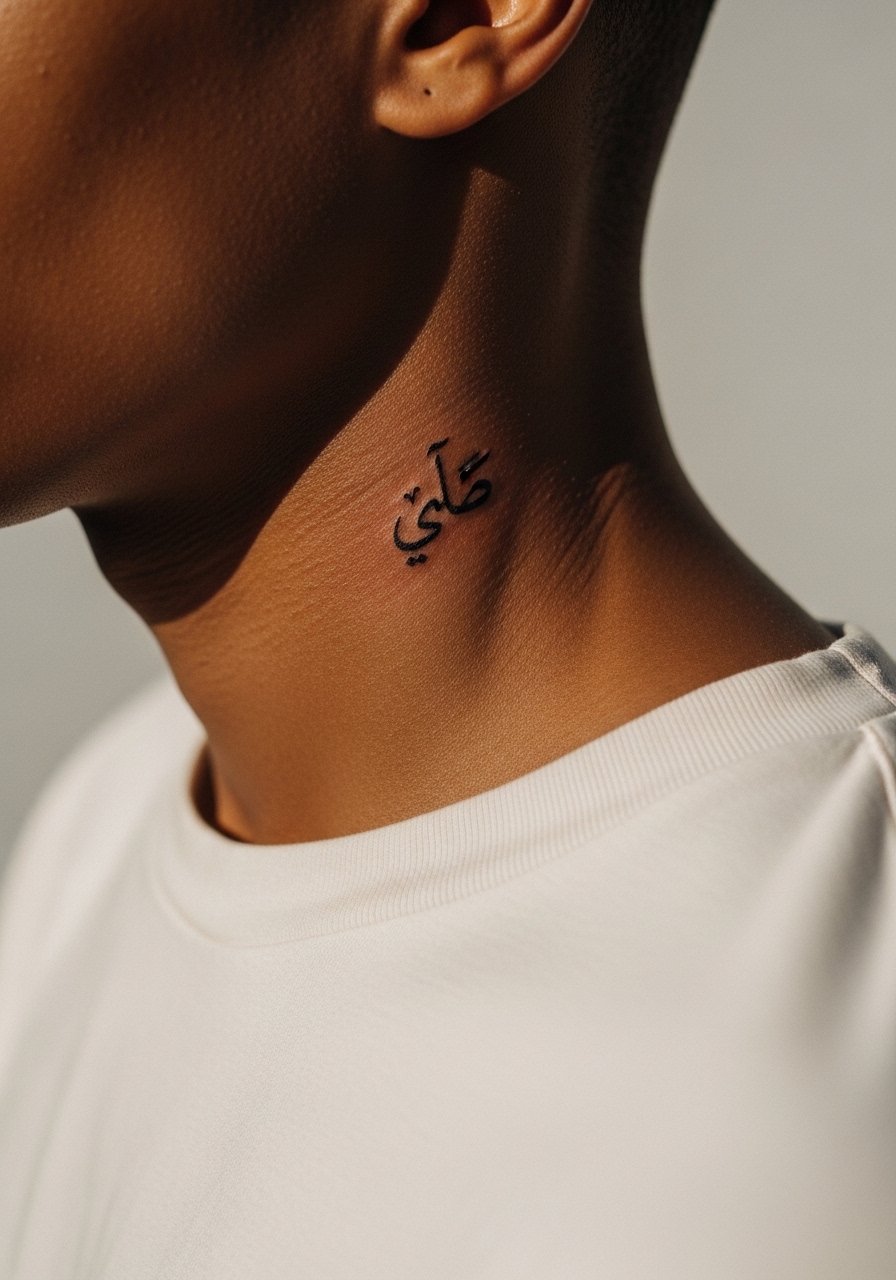
15. 'كن أنت' on the Collar of the Neck
Personal observation lead again. Side-neck script reads intimate and small, but it catches sun and fades faster than torso work. Ask for a slightly bolder baseline and less ornate flourishes that could blur. The session feels quick but stinging. A mistake is putting the phrase in a tight decorative script without spacing; choose clarity over ornament for small neck work. If your job is conservative, think about placement carefully. Verify spelling and tone to avoid an unintended formality or slang.
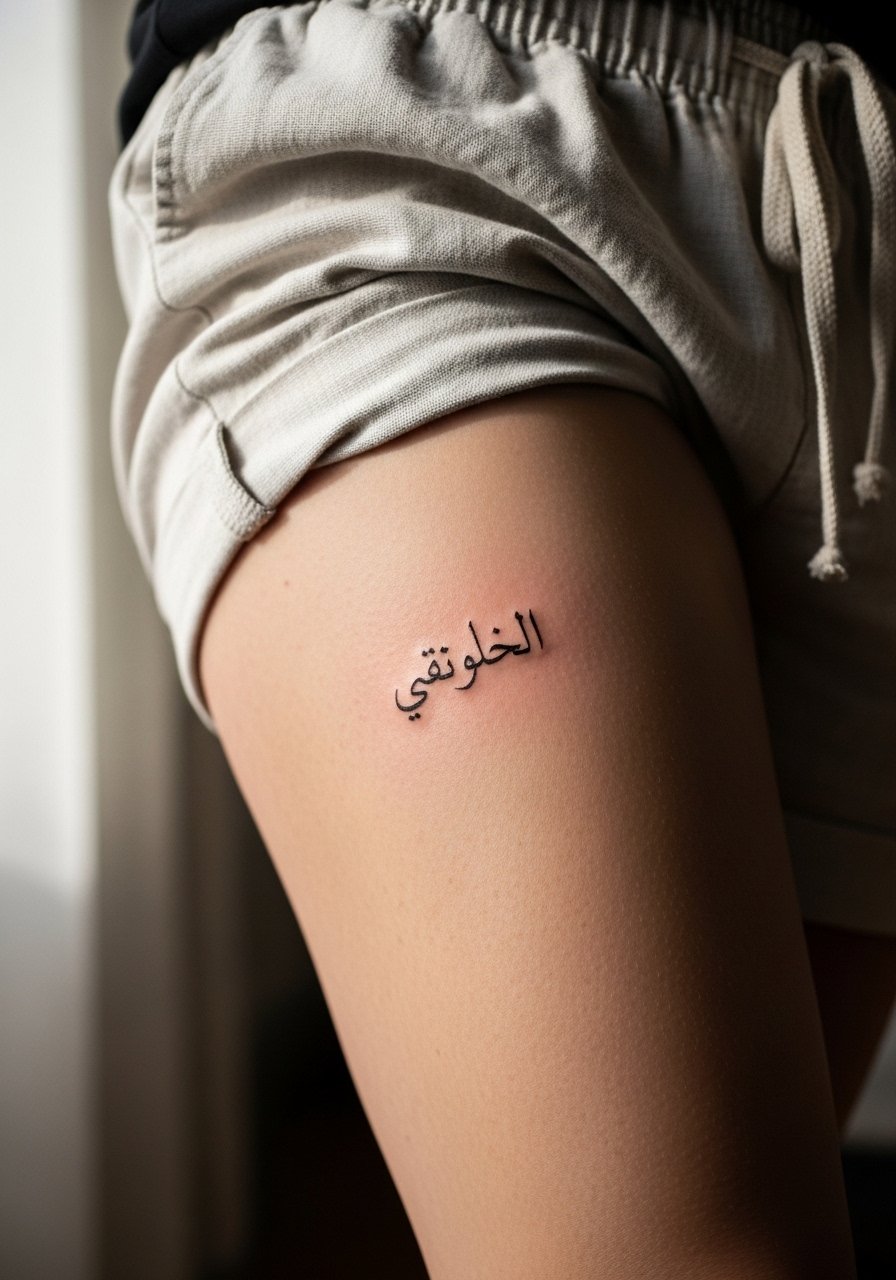
16. 'إلى الامام' on the Thigh
Aging lead applies because thigh skin holds ink well and is a forgiving spot for longer quotes. The inner thigh sees more friction than the outer, so pick the outer or side of the thigh for longevity. Session time can be longer if the phrase is long. For the appointment wear loose drawstring linen pants so the artist can roll the leg up without pressure. A typical mistake is choosing a tight script that the thigh will compress when seated. Thigh pieces age gracefully when spaced out and not cramped.
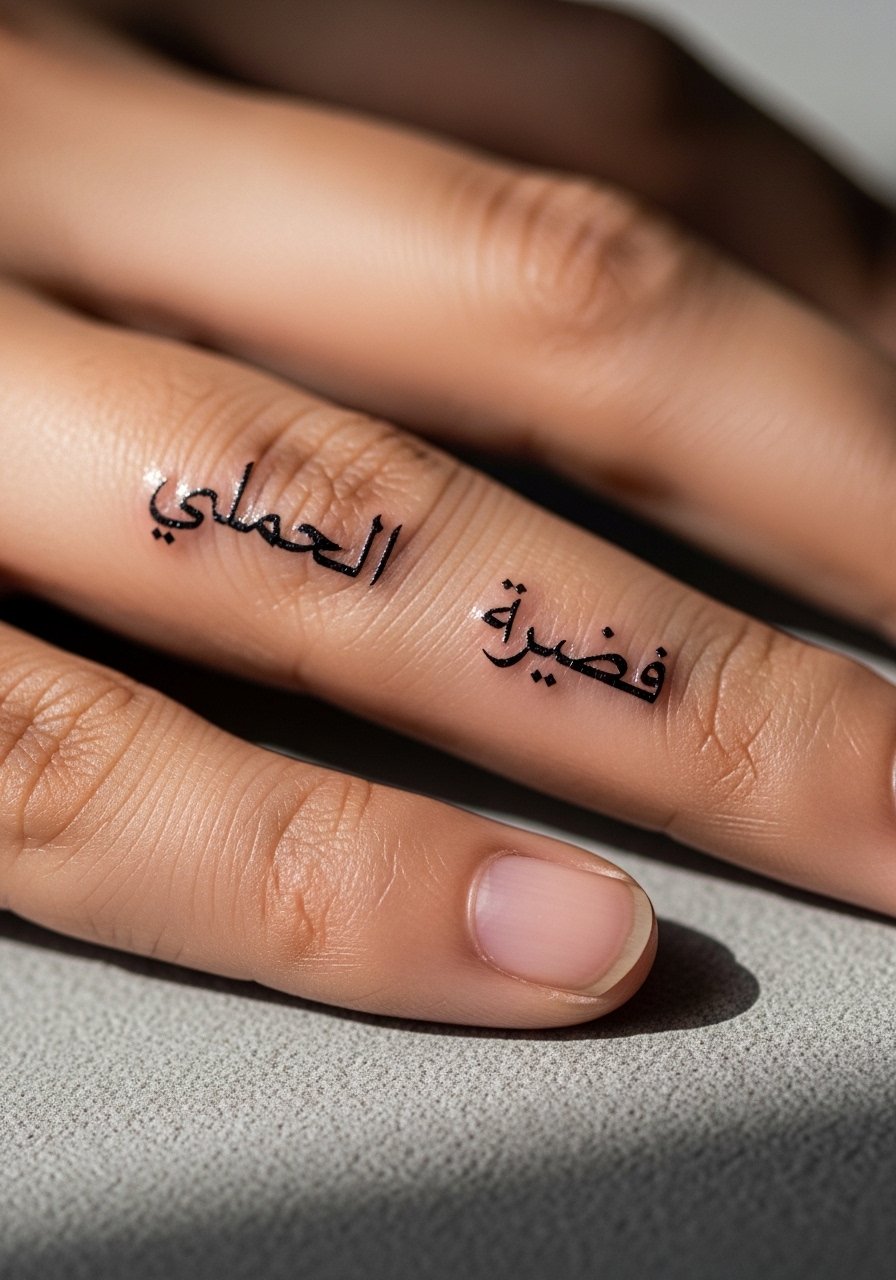
17. 'لا تستسلم' Across the Finger Spans
Mistake lead is needed here because finger and knuckle script is highly exposed and often blurs. If you choose a finger span, ask the artist for slightly thicker strokes and plan for touch-ups at year one or two. The session is short and sharp. A common error is using flowing calligraphy that does not translate well onto the small, flat surfaces of fingers. Keep the phrase short and place letters where joint movement is minimal. Hand pieces affect certain careers, so factor that into your decision. Confirm the Arabic lettering with multiple sources before committing.
Frequently Asked Questions
Q: Will fine line Arabic script on the ribs blur faster than on the forearm?
A: It depends on size and spacing. Ribs move with breath and stretch more, which can make ultra-fine single-needle work blur sooner. A slightly bolder line weight and more spacing helps the script on ribs last closer to what forearm work shows.
Q: How often should I expect touch-ups for hand or finger Arabic script?
A: From what I've seen hand and finger pieces typically need touch-ups sooner than torso or thigh work, often around year one to two. Frequent washing and sun exposure speed fading. Plan the budget and pick an artist experienced with hands.
Q: Can I get a direct English phrase translated into Arabic and tattooed without issues?
A: You can, but literal translations sometimes sound odd. Ask a native speaker or two to review the phrasing and have the artist write the script by hand for approval. That step prevents grammar or tone problems.
Q: What should I wear to a sternum or ribcage appointment?
A: Wear a fitted sports bra or bandeau you can adjust so the artist only exposes the target area. For thigh or hip work, high-waisted shorts or a swimsuit bottom makes access simple and preserves comfort.
Q: Are there ethical considerations for using Arabic script as a tattoo if it is not my native language?
A: Yes. Treat the language respectfully. Confirm exact meaning and context, avoid sacred or religious phrases unless you understand their use, and prefer translational accuracy over poetic paraphrase.
Q: How do I find an artist experienced with Arabic script without naming people online?
A: Use directories, regional hashtag searches, and local convention rosters to find portfolios showing clear Arabic work. Look for examples that match the scale and placement you want and ask about touch-up history in consultation.