Fine line illustrative pieces are everywhere on feeds, and the ones that still look intentional five years later often follow rules the trends ignore. What holds up is less about copying what looks best in a phone photo and more about spacing, placement, and realistic touch-up expectations. Read on for 17 illustrative ideas that aim to feel like repair rather than a trend, and what to ask for at your consultation.
1. Broken Stem Botanical on Inner Forearm
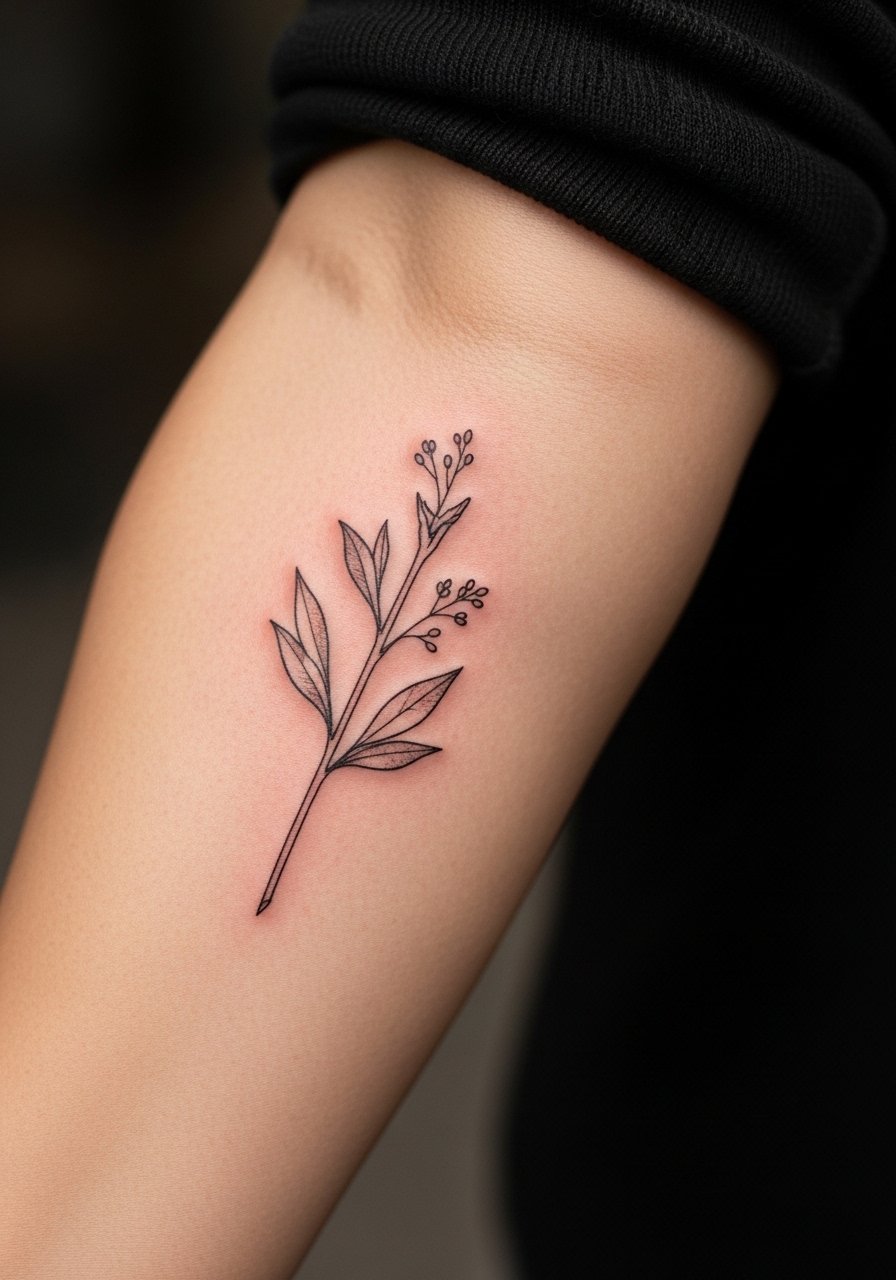
I pick this when someone wants a literal marker of recovery that still reads delicate at arm length. Fair warning, the inner forearm sees frequent sun and friction from sleeves so ask your artist for slightly thicker linework in the stem where bloom details cluster. A common mistake is asking for ultra-thin hairlines throughout, which tend to blur by year three. Tell your artist you want "breathing room" between elements and a soft stipple for shadow so the piece keeps definition as it heals. Session feels like low to moderate discomfort and usually wraps in one short appointment. For showing it off, cuff a rolled linen shirt to frame the forearm without covering the work.
2. Micro-Realism Scab-Healed Feather Along the Collarbone

Most people underestimate how collarbone placement moves with breath and posture. The visual payoff is high because the piece sits where a necklace would, but linework that hugs the bone too tightly often loses crispness as skin stretches. Ask for slightly more spacing near the quill and for the artist to sample ink depth on a small test patch. The session can be buzzy when the needle crosses the bony edge, so expect quick breaks. This placement ages well if given airy negative space. Hand this piece to a stylist who pairs it with a thin chain pendant so the tattoo and jewelry read like a set.
3. Stitched Heart Script on the Ribcage
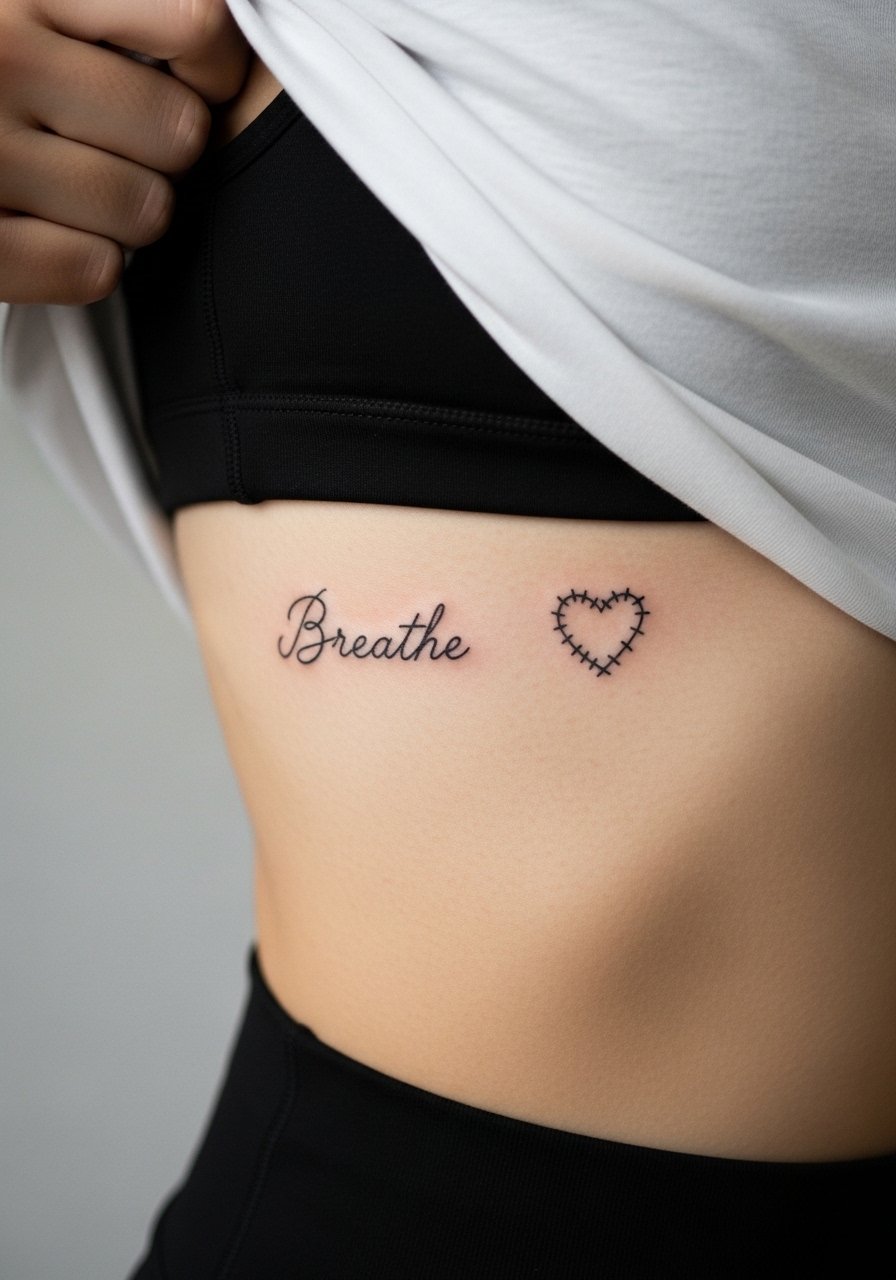
Fair warning, ribs rank high on pain charts but they also give a curved canvas that makes intimate script feel private. There is a clear split in opinion among artists about fine line on ribs. One camp says fine line blurs fast because of skin movement. The other camp says proper spacing and needle depth make it last. I suggest discussing both approaches in the consultation and asking for a slightly bolder hairline in the first pass. A common mistake is asking for dense lettering across a large curve, which compresses and breathes oddly when you move. Expect one to two sessions and a touch-up by year two for most clients.
4. Botanical Sternum Sprig

This placement reads as close to the chest and asks for planning around clothing and intimacy. The session often requires short breaks for breathing and shifting. The common mistake is dense composition that fights the sternum's natural symmetry. Tell your artist you want a centered composition with negative space along the ribs so it moves with the body. Expect moderate pain and a healing timeline that favors gentle clothing. For the appointment, wear a bandeau or fitted sports bra so the area is accessible without exposing more skin than necessary.
5. Healed Wave Linework on the Ankle
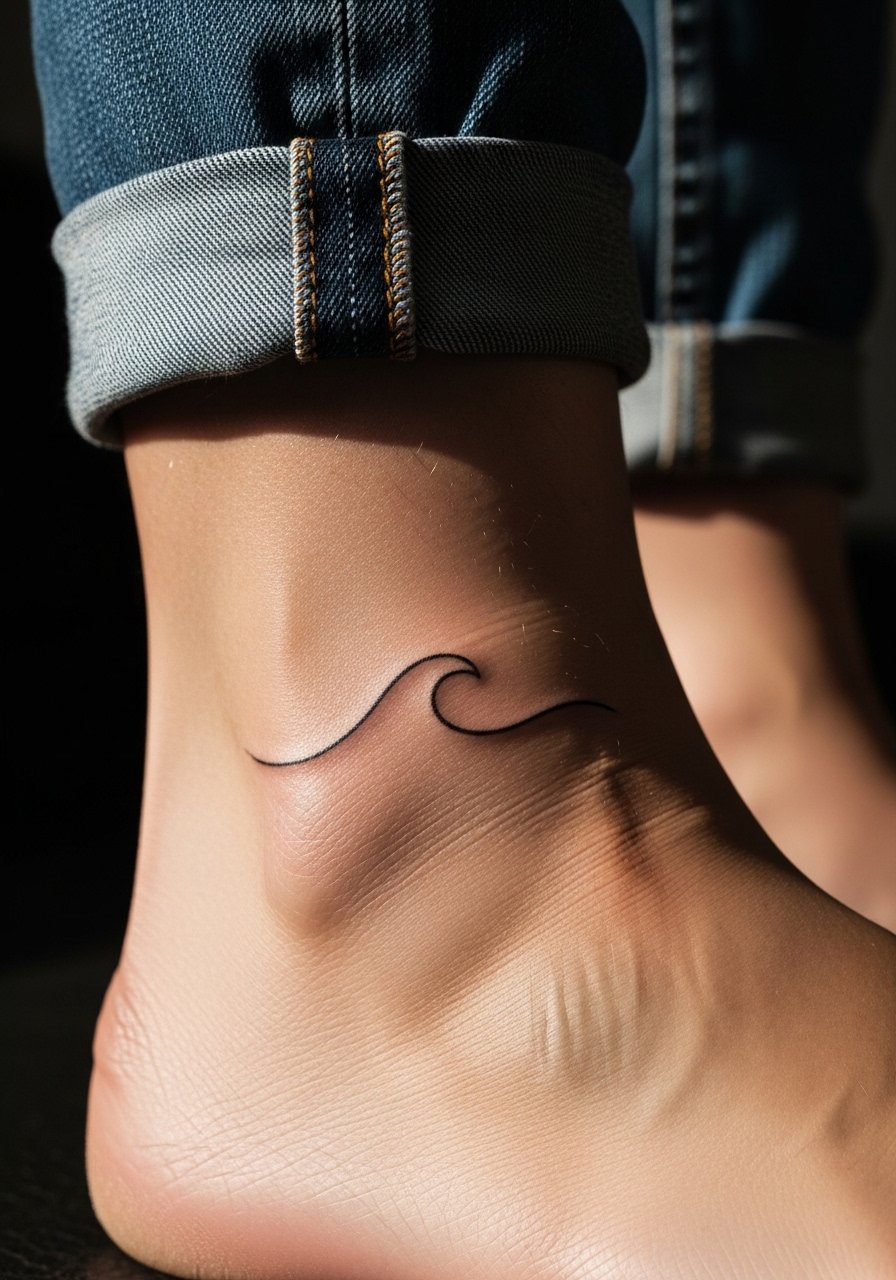
Ankle pieces are small, visible, and high friction. The biggest mistake is asking for extremely thin continuous lines around the bone. Lines can soften because of footwear rubbing and frequent washing. I recommend slightly more spacing in curves and a touch-up plan at the two-year mark. The session is brief but the area is sensitive above the bone so expect tattooing to sting more than the forearm. Show-off styling pairs the ankle piece with low-top sandals or rolled denim. Try a jeans rolled cuff to reveal the work without wearing uncomfortable shoes during the session.
6. Illustrated Phoenix Outline on Upper Back Shoulder
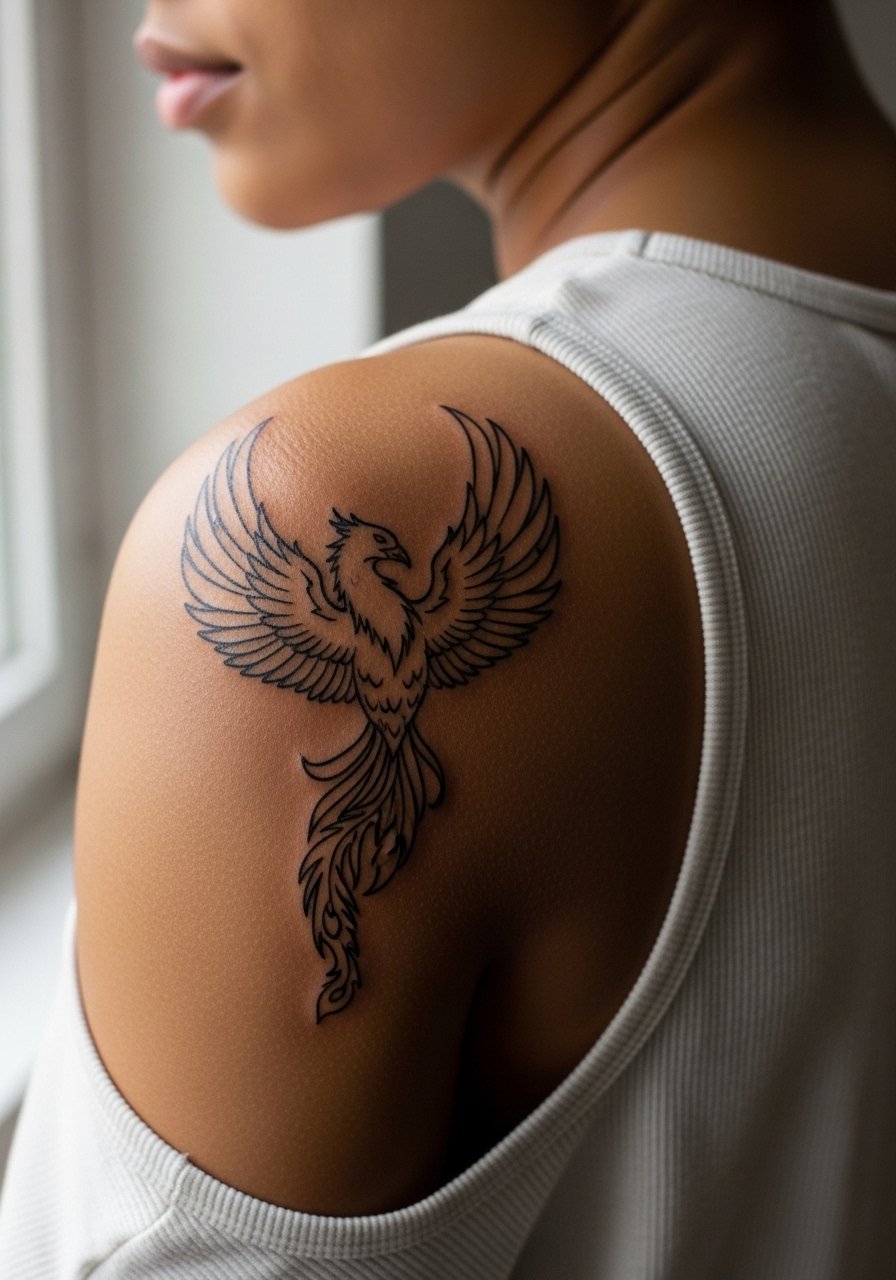
Visual impact lead works here because this placement reads across the upper back nicely. Shoulder sessions are often mid-level discomfort and allow for more saturation if you want color. A mistake is compressing too many small details into the wing tips. Ask for simplified wing clusters and clear primary feathers so the phoenix reads as a silhouette from a distance and keeps detail up close. This piece ages well with fewer touch-ups when the artist spaces elements and uses a combination of linework and stipple shading. For the appointment, wear a loose tank top you can pull aside without shifting the tattoo or chilling after the session.
Pre-Session Essentials
The forearm, ankle, and sternum pieces above ask for different prep. These five items smooth the session and the first week for the placements we just covered.
-
Stencil transfer paper kit. Lets you preview exact placement and line weight on skin, which is especially helpful for the forearm botanical and ankle line pieces.
-
Topical numbing cream. Applied as directed before a ribcage or sternum session to ease the sharper sensations without interfering with linework.
-
Thin protective film roll. Useful for ankle and wrist tattoos where friction from socks or bracelets can irritate fresh ink.
-
Fragrance-free gentle body wash. Cleanses healing areas without stripping moisture from fine line work on the collarbone and forearm.
-
Aquaphor healing ointment. A thin layer during the first few days helps protect delicate line channels, which benefits the small script and botanical pieces above.
7. Constellation Cluster on the Side of the Wrist
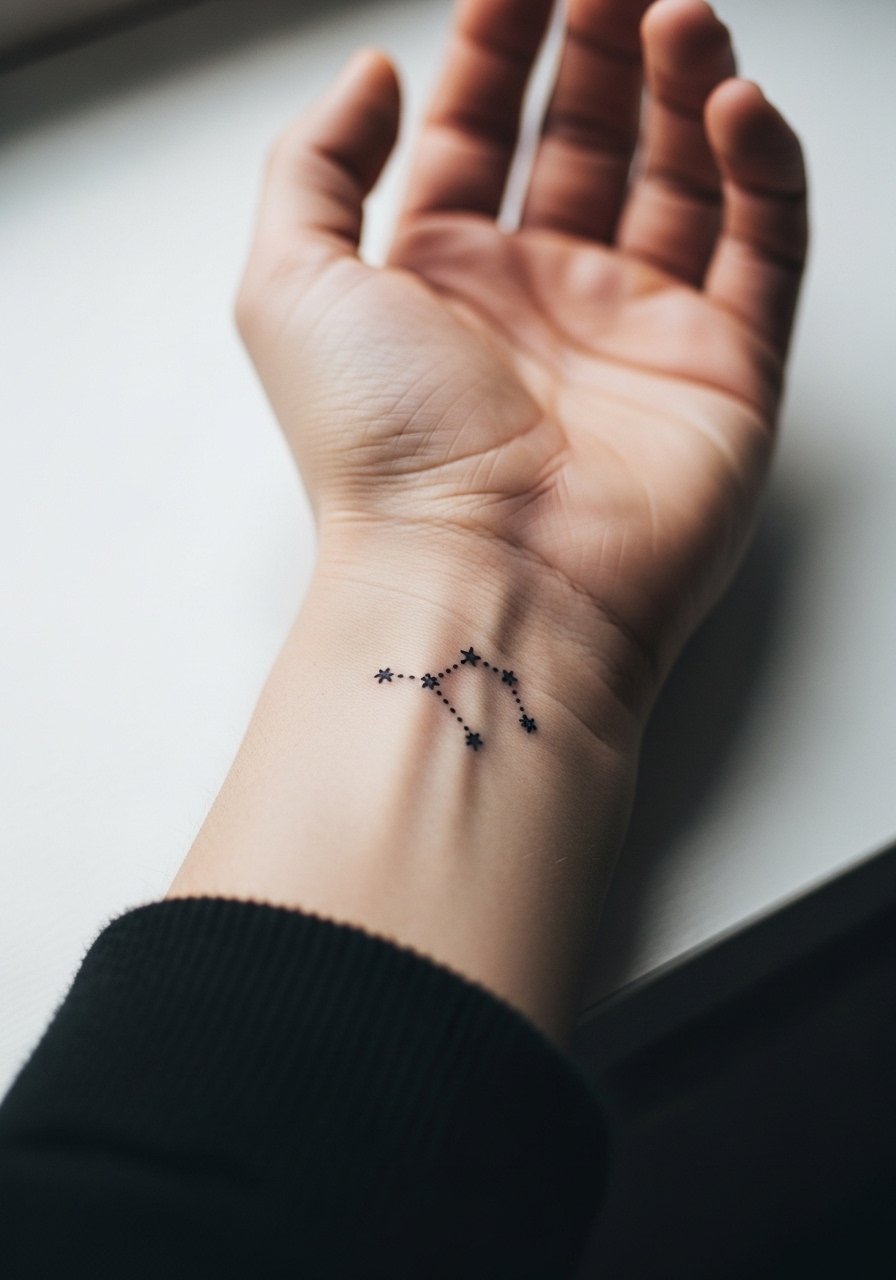
The wrist is a visibility sweet spot and also a high-motion area. I've seen tiny stars merge within two years when they are placed too close. The visual trick is to increase spacing between dots and to mix small dot work with short micro-lines for structure. Tell your artist you want deliberate negative space so the cluster keeps star separations as it ages. Sessions are short but you will notice sensitivity around the radial wrist. Expect a touch-up at year two if you want the crisp initial look preserved. For showing it off, pair with a minimalist watch or a slim bracelet that does not rub the ink directly.
8. Botanical Sleeve Fragment That Reads as Repair
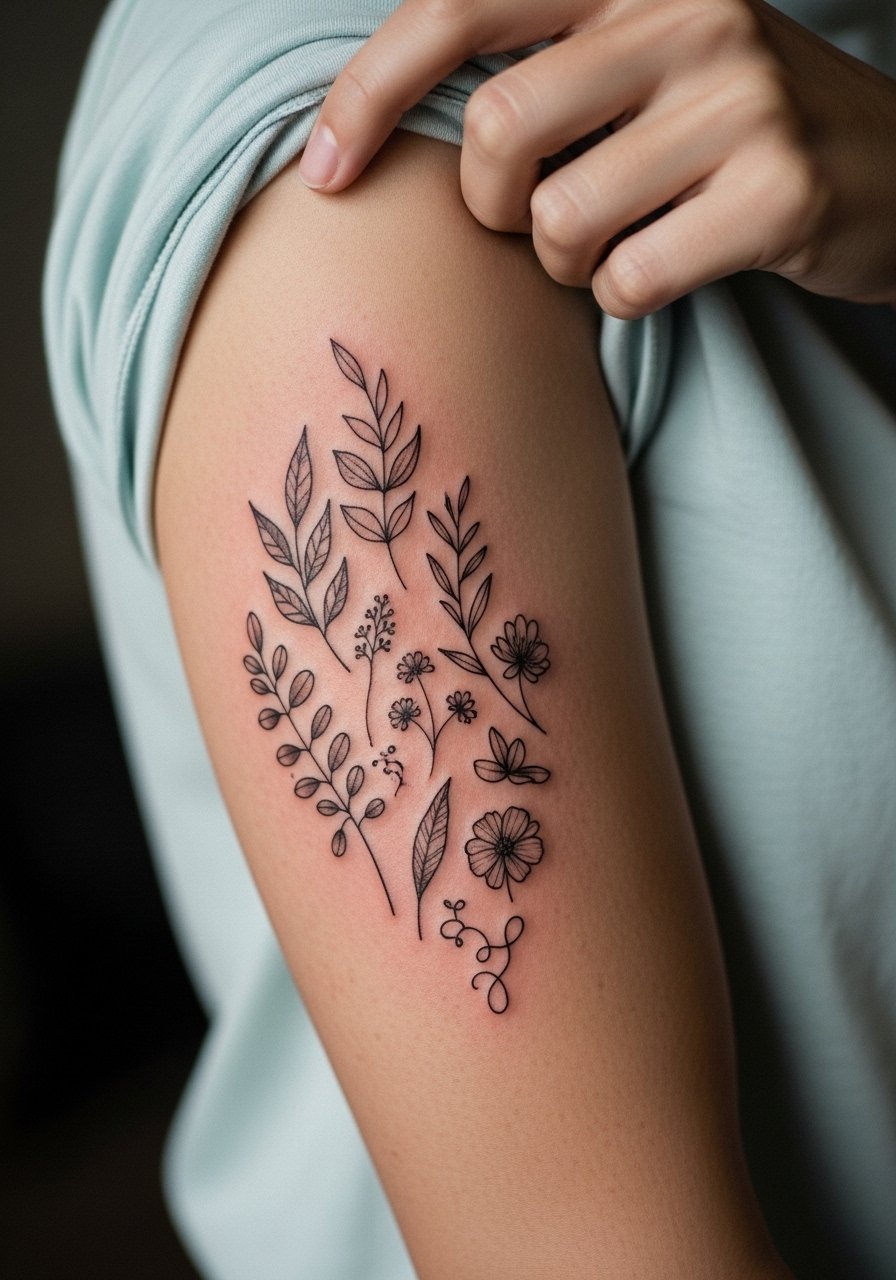
I recommend this when someone wants a piece that can grow into a sleeve over time. Consultation lead applies here. Bring references showing the exact line weight and tell the artist which sections you might expand later. A common mistake is starting with tiny filler leaves that age into a muddy patch when you eventually connect them. Choose bolder primary stems with lighter stipple for secondary elements so future additions sit cleanly. Sessions for a fragment are comfortable compared with dense sleeves. Expect touch-ups as you build the piece. If you plan wardrobe reveals, rolled sleeves or a short-sleeve linen shirt highlight the outer bicep without causing friction.
9. Geometric Mandala Over the Knee Cap
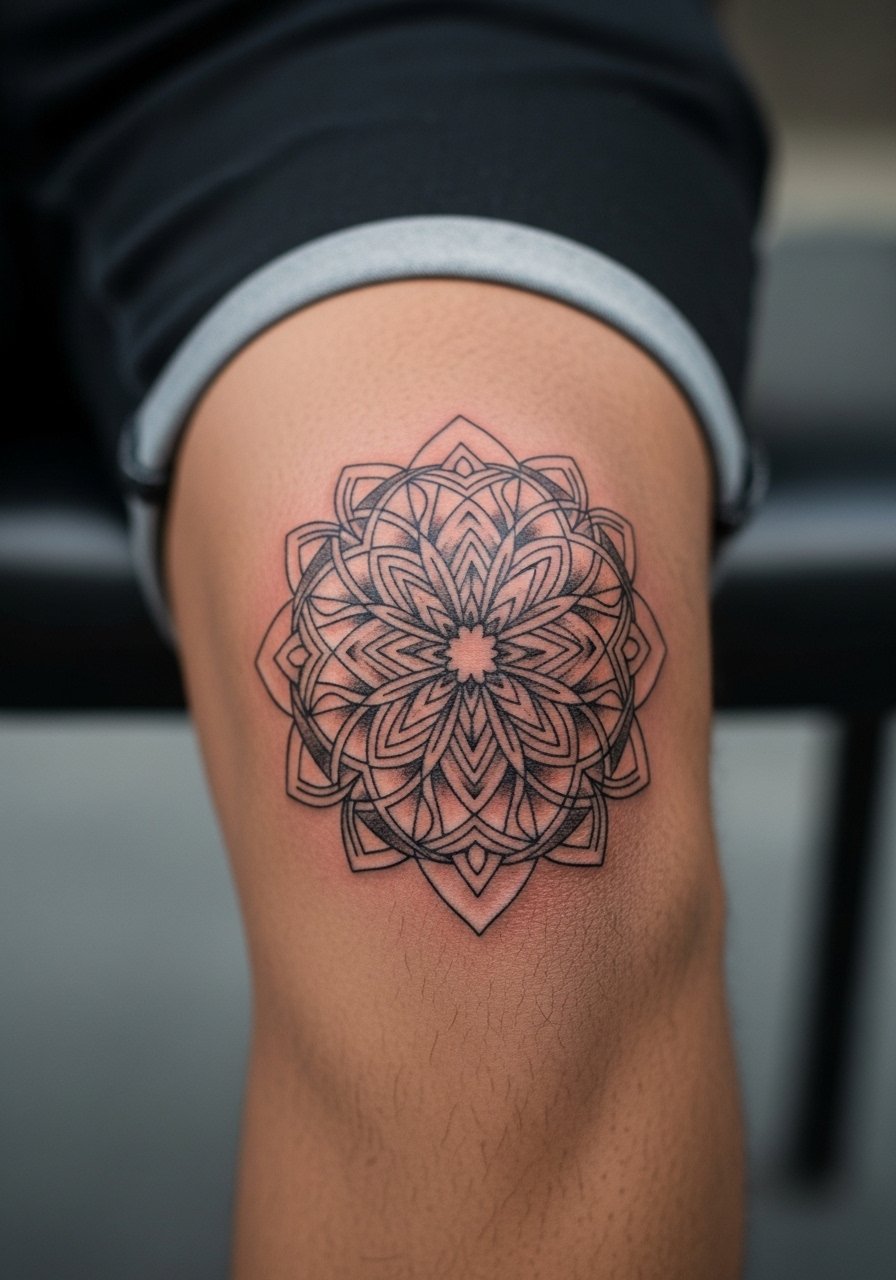
There is a real aging reality with dense geometry over joints. The knee moves constantly and heavy dot work compressed over the patella can blend. The right approach is to scale the mandala so the primary radial lines have space and to use stipple shading instead of tightly packed solid fills. The session can be uncomfortable when the needle crosses the joint line but it is doable in a longer sitting with breaks. Plan for a touch-up once the joint settles. For the appointment, wear loose shorts so the artist can access the knee without pulling at tight fabric.
10. Illustrated Anchor with Patchwork Fill on the Calf
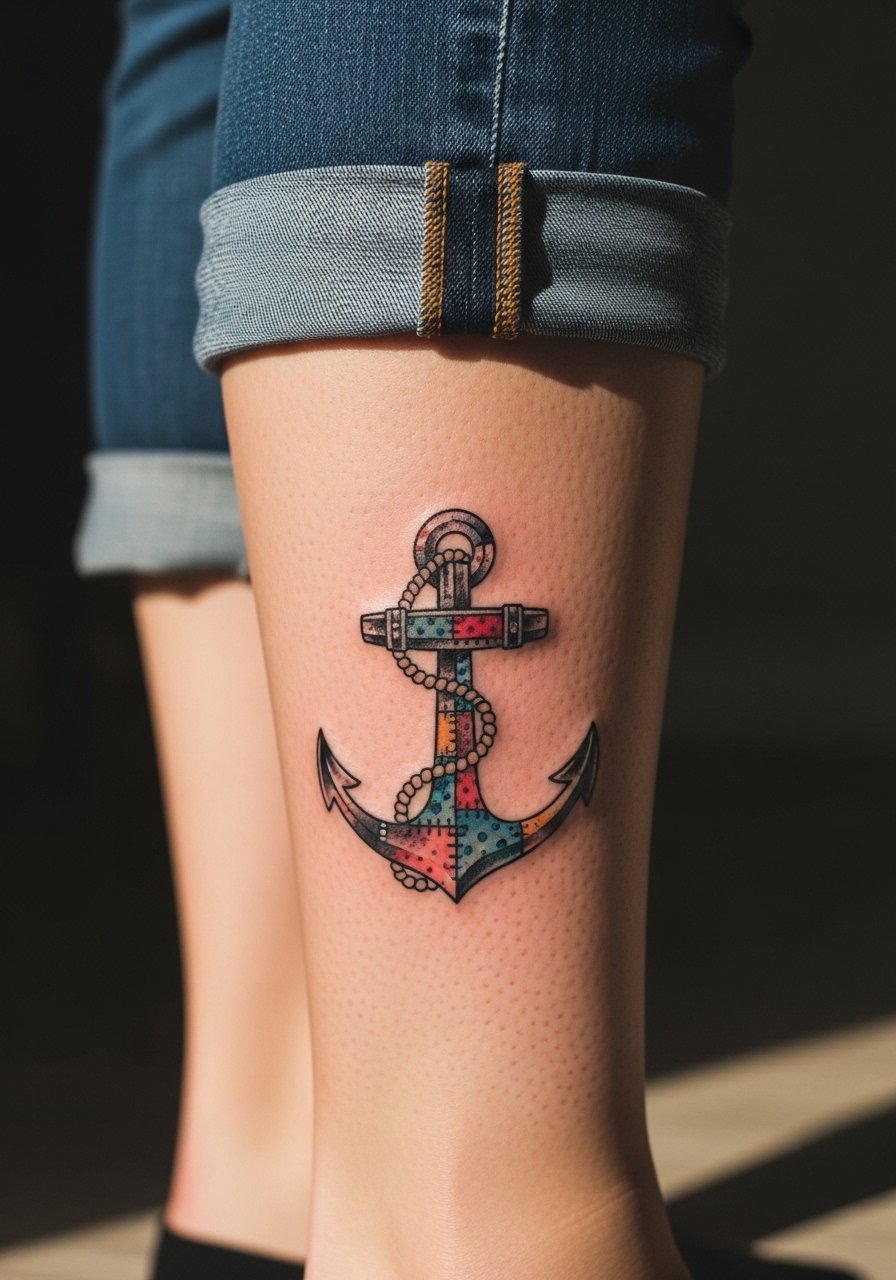
Visual impact lead suits the calf because it can carry mid-sized illustrative work that reads at a distance. The most common mistake is requesting busy interior patterns inside a small anchor outline. Ask for clean negative space inside the anchor with one or two patterned panels rather than full coverage. The session feels moderate and you may sit up or lie down depending on the shop setup. Calf tattoos tolerate saturation well so this is a good spot for slightly deeper blacks that age into strong silhouettes. Show it by pairing with rolled pants or a canvas sneaker that keeps attention on the lower leg.
11. Linework Crescent Moon Behind the Ear
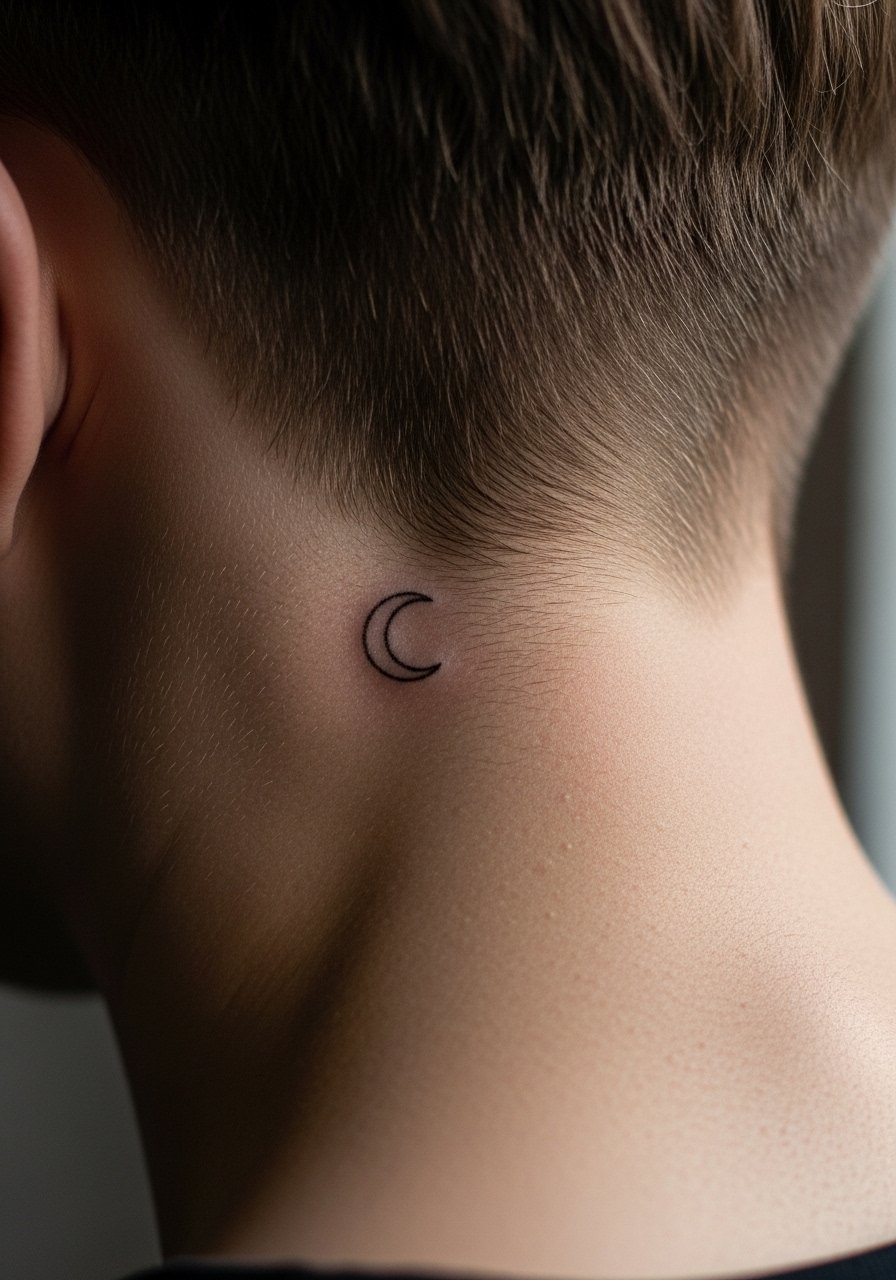
Behind-the-ear placements require precise framing and a skilled hand. The area is small and curved, and the biggest mistake is over-detailing the initial piece. Tell your artist you want a strong contour with minimal interior detail so the moon keeps shape as hair moves and texture changes. Sessions are quick but the spot is sensitive. If your work traces cultural or celestial symbolism, mention that respectfully in the consultation if there are specific origins you want acknowledged. Because of visibility considerations, the piece pairs well with short hairstyles that reveal the spot or with delicate stud earrings that sit near but do not crowd the tattoo.
12. Scripted Quote Along the Rib Line
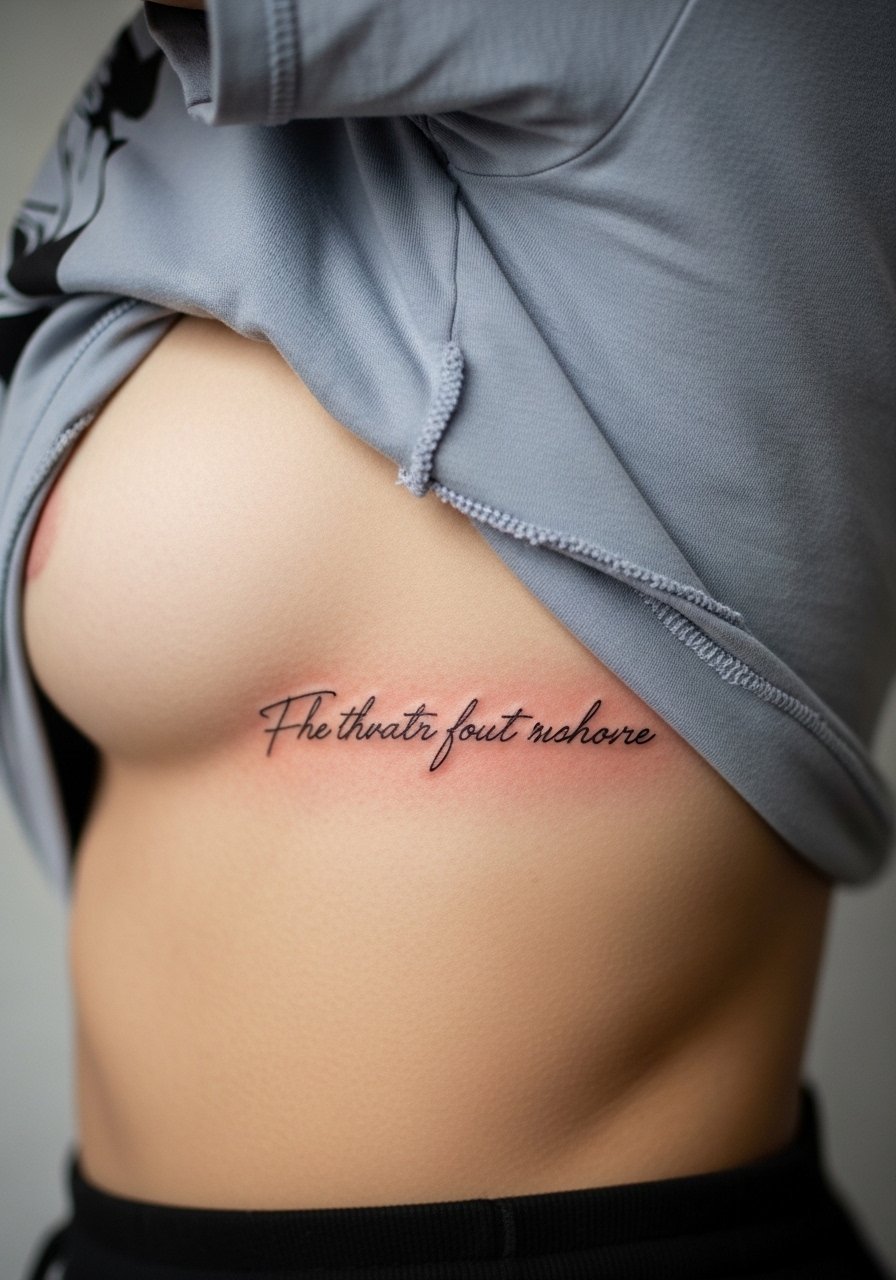
Script on the rib is intimate and often reads like personal repair. Mistakes happen when people ask for minute cursive across a curved surface without mapping how the letters will compress when they breathe. Use the consultation lead here and request a stencil that allows you to see the phrase while standing, sitting, and stretching. A realistic expectation is a single longer appointment with possible touch-up once healed. Because ribs move, expect letter spacing to need tweaking. If the quote has cultural weight, consider a small note to the artist about respectful rendering rather than literal replication.
13. Watercolor Wash Over a Black Outline Rose
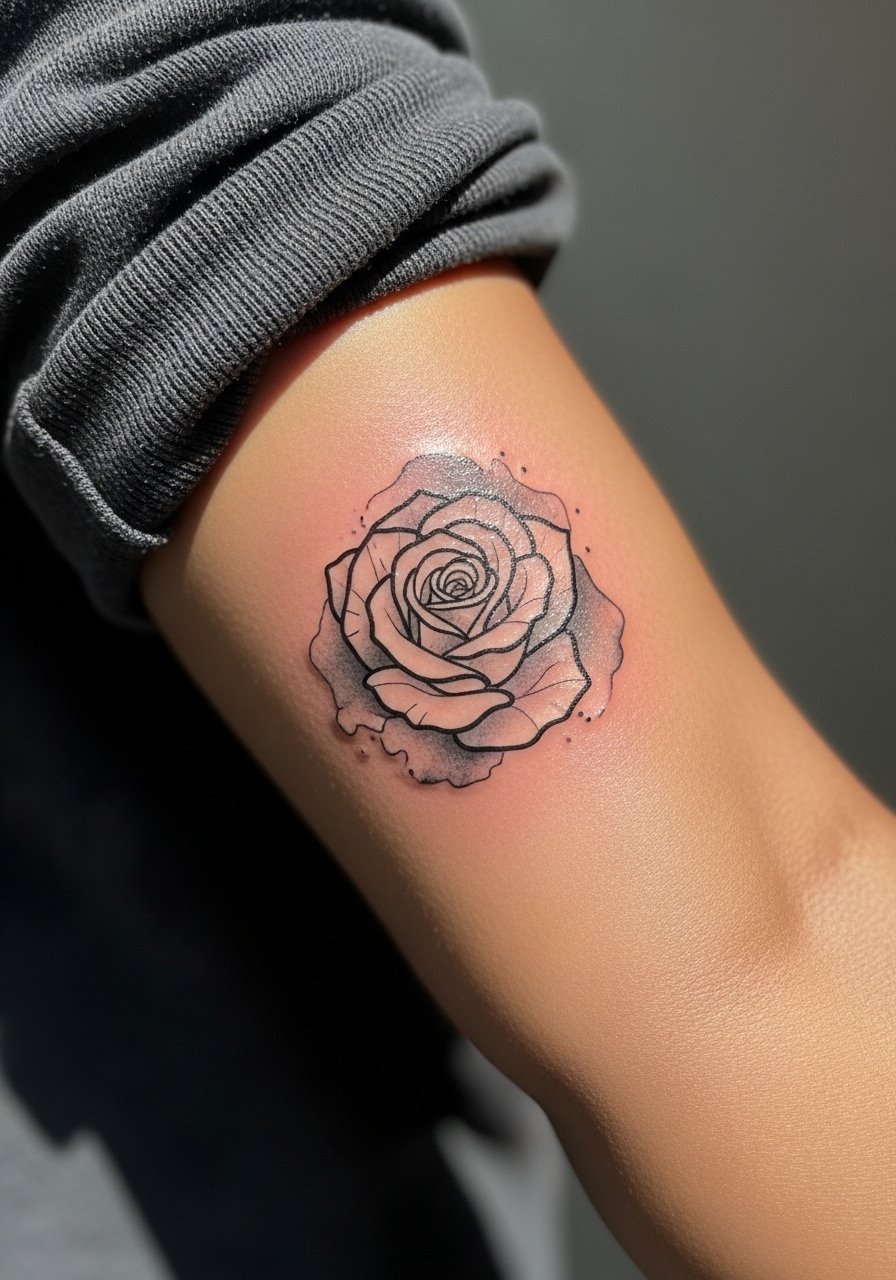
Controversy comes up with watercolor touches. One camp says watercolor effects are fragile and fade unevenly. The other camp uses controlled washes over solid outlines to make the color part of the structure, which holds better. I favor the hybrid approach if longevity matters. Ask for a solid black outline and light washes that do not rely on tiny scattered color points. The session can run longer because the artist layers washes carefully. For showing it off, a rolled sleeve or cropped top frames the forearm. Pair with a simple cuff bracelet that does not sit directly on the ink.
14. Tiny Anchor on the Side Finger
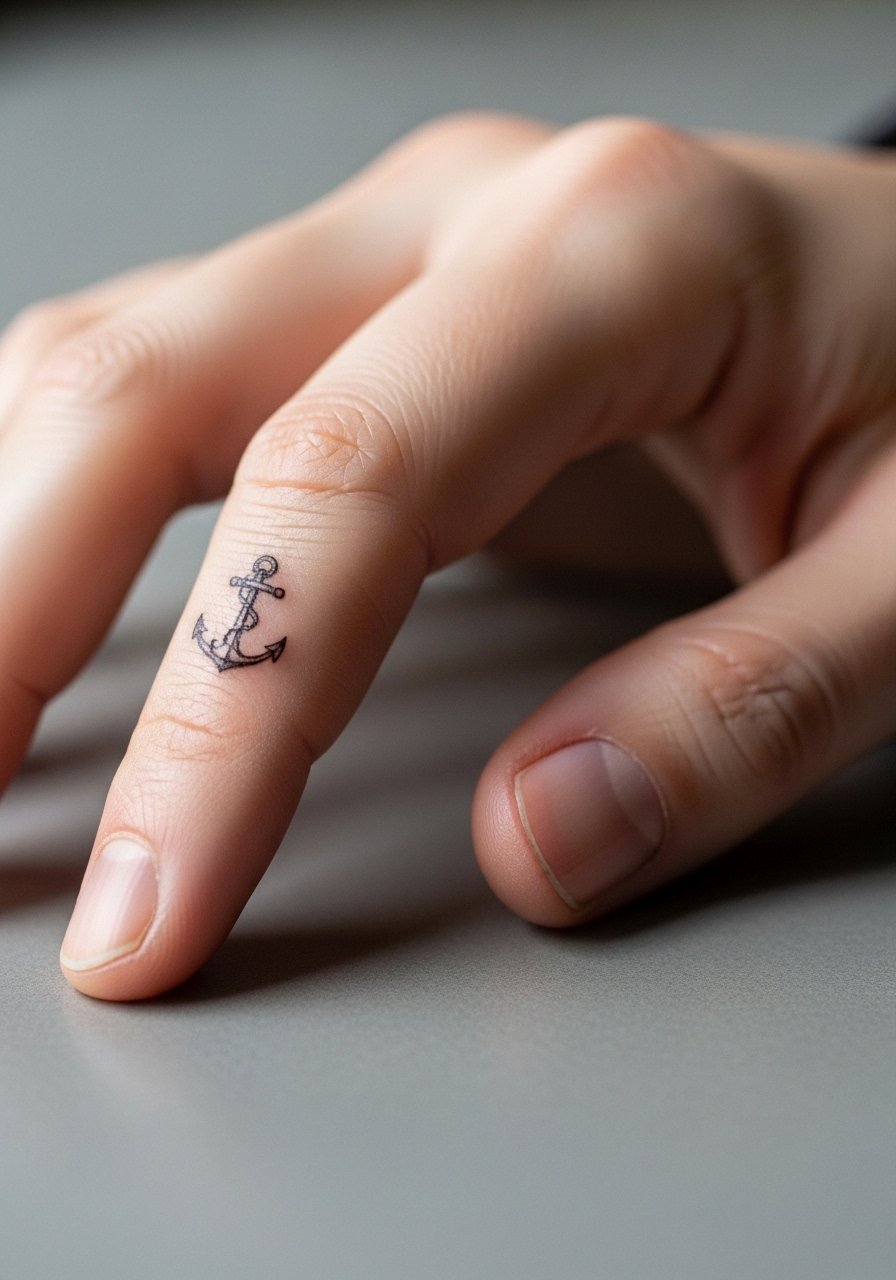
Finger tattoos are honest about expectations. The skin there regenerates faster and small anchors can blur without annual touch-ups. The typical mistake is asking for filled black on a narrow band, which often wears away unevenly. Tell your artist you understand the likely need for touch-ups and request a simple outline with a slight coat of saturation rather than heavy fill. Sessions are very quick but can feel sharp. Consider placement on the side of the finger away from knuckle creases to reduce friction from rings or typing.
15. Illustrated Small Boat Along the Forearm Ridge
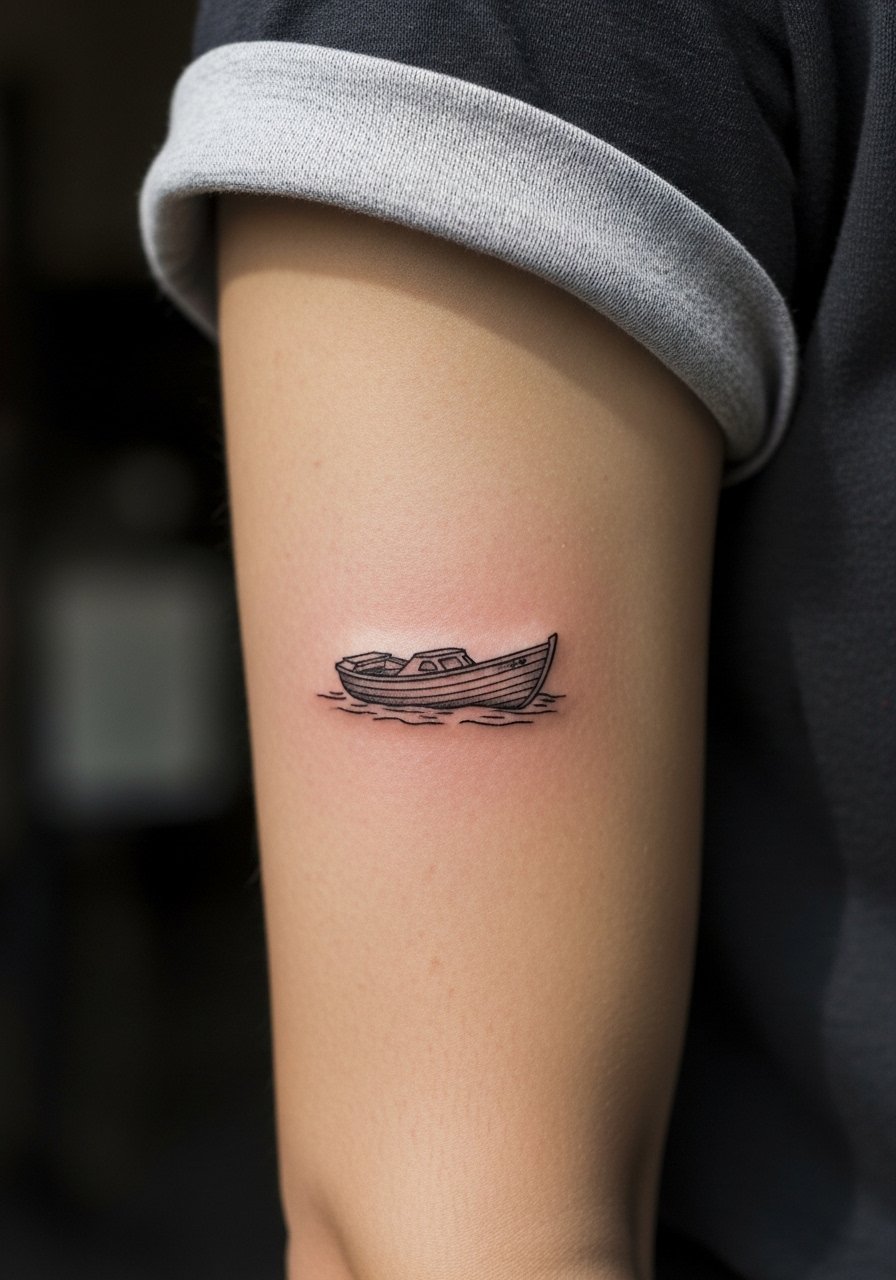
Personal observation lead fits this one because boats read like forward motion and repair. This placement benefits from a clear horizon line and limited interior detail so it holds cleanly through the day to day. A common mistake is asking for intricate waves inside a small hull, which gets lost. Session time is moderate and this is a comfortable spot for additions later. For showing the piece, roll sleeves or wear a button-up shirt with rolled cuffs that draws the eye to the forearm without covering the work.
16. Small Stippled Mountain Range on the Outer Thigh
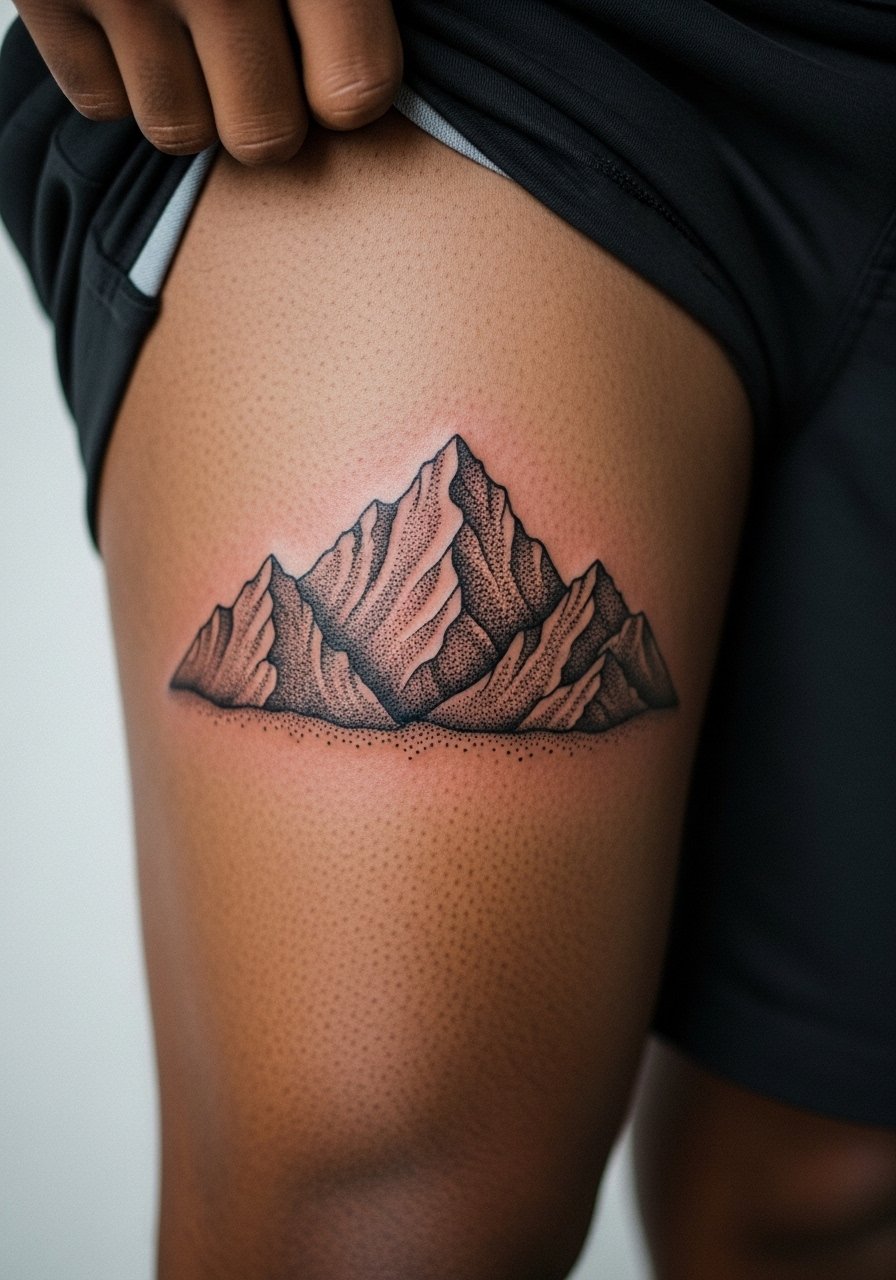
Mistake lead is useful because thigh work often gets over-compressed when people want too many peaks in a small band. The good version uses layered stipple and negative space so peaks keep separate definition. The session is comfortable and allows for longer periods of shading. Thigh tattoos tolerate heavier detail than wrists but may need occasional touch-ups if you carry a lot of sun exposure. For the session, wear loose shorts so the artist can access the area and you can move off the chair easily.
17. Healed Small Compass on the Upper Chest Near the Collarbone
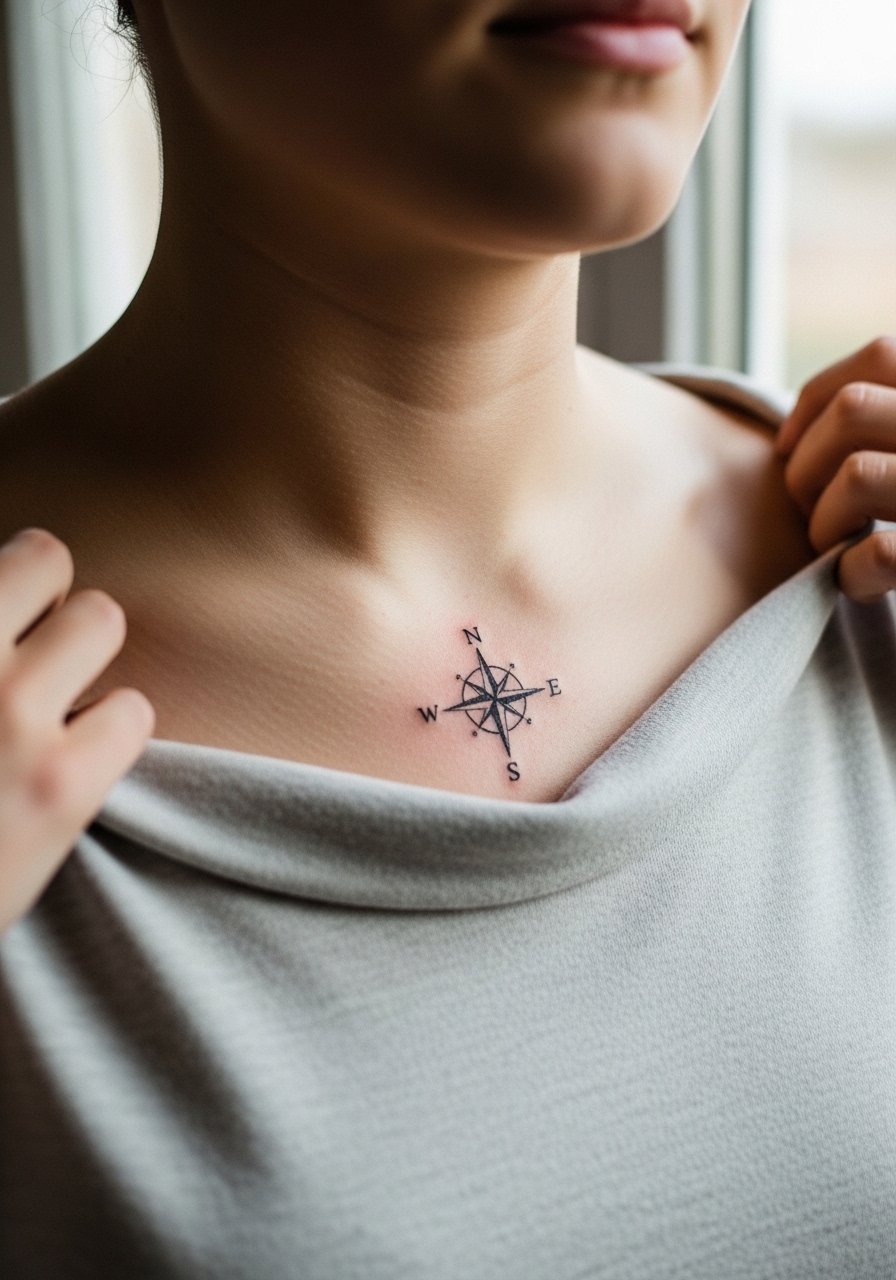
Decision-pressure lead fits this spot because people often change mind right when the stencil is placed. The collarbone area offers a strong focal point but the mistake is asking for a tiny compass exactly on the bone with no buffer. Ask the artist to place the compass slightly off the bone so the lines do not cross the sharp ridge. Expect moderate discomfort and a single appointment for a small piece. For showing it off, pair with an open-collar blouse that keeps the neckline low without exposing more than intended.
Frequently Asked Questions
Q: Will fine line tattoo details blur faster on ribs and sternum than on the forearm?
A: It depends on movement and skin thickness. Ribs stretch with breath and the sternum sits over bone, so very fine single-hair lines can soften faster there than on a forearm. Ask your artist for slightly more spacing and a sample stencil to see how the letters or lines sit on your body before inking.
Q: How often should I expect touch-ups for small illustrative wrist or finger pieces?
A: Expect a realistic touch-up window of two to three years for most fine line wrist and finger work. Finger pieces can need attention sooner because of constant washing and friction. Planning for a light touch-up rather than a full redo keeps the piece looking intentional.
Q: Are watercolor washes worth it if I want the tattoo to feel like it healed into the skin?
A: Hybrid approaches that combine solid outlines with restrained washes tend to hold better than loose, scattered color alone. If longevity matters, ask for the wash to sit behind a strong contour rather than as the piece's only structure.
Q: What should I wear to a sternum or ribcage session to make the process smoother?
A: Choose items that give access without exposing more than needed. A fitted sports bra or bandeau is ideal because it stays in place and the artist can work on the exposed strip. That keeps you comfortable and protects privacy during longer sessions.
Q: How do I find an artist who understands illustrative work that aims to age well?
A: Search shop directories and tag feeds for portfolios that show healed work at least two years old. Spend time in local forums and mention you want examples of healed pieces, not just fresh photos. Trust your artist once you see intentional healed examples, and ask about their touch-up policy.
Q: Will a collarbone or upper chest piece affect job prospects in professional settings?
A: Some industries remain conservative, especially when tattoos are easily visible. Collarbone work can usually be covered with a shirt or styled under a wide-neck top if needed. Think through visibility and wardrobe combinations before booking.