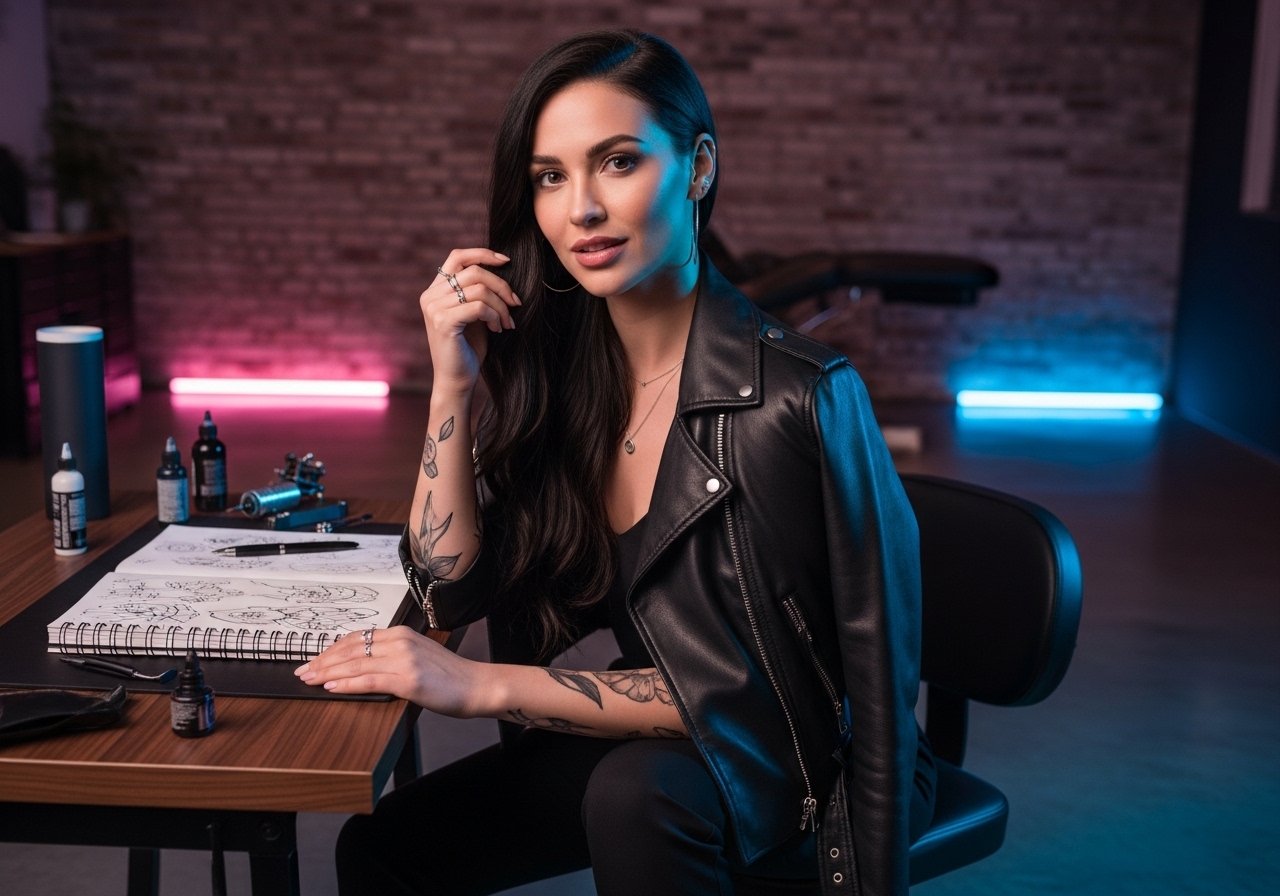
The stencil went on just inside the arm and the client tensed when the needle hit, then relaxed when the artist slowed and traced that first confident curve. The inner bicep takes those micro adjustments differently from an outer sleeve. Pick a line weight that reads strong close up and still separates over time, plan the session wear, and you get a piece that looks intentional every time you lift your arm.
1. Bold Script Name on Inner Bicep
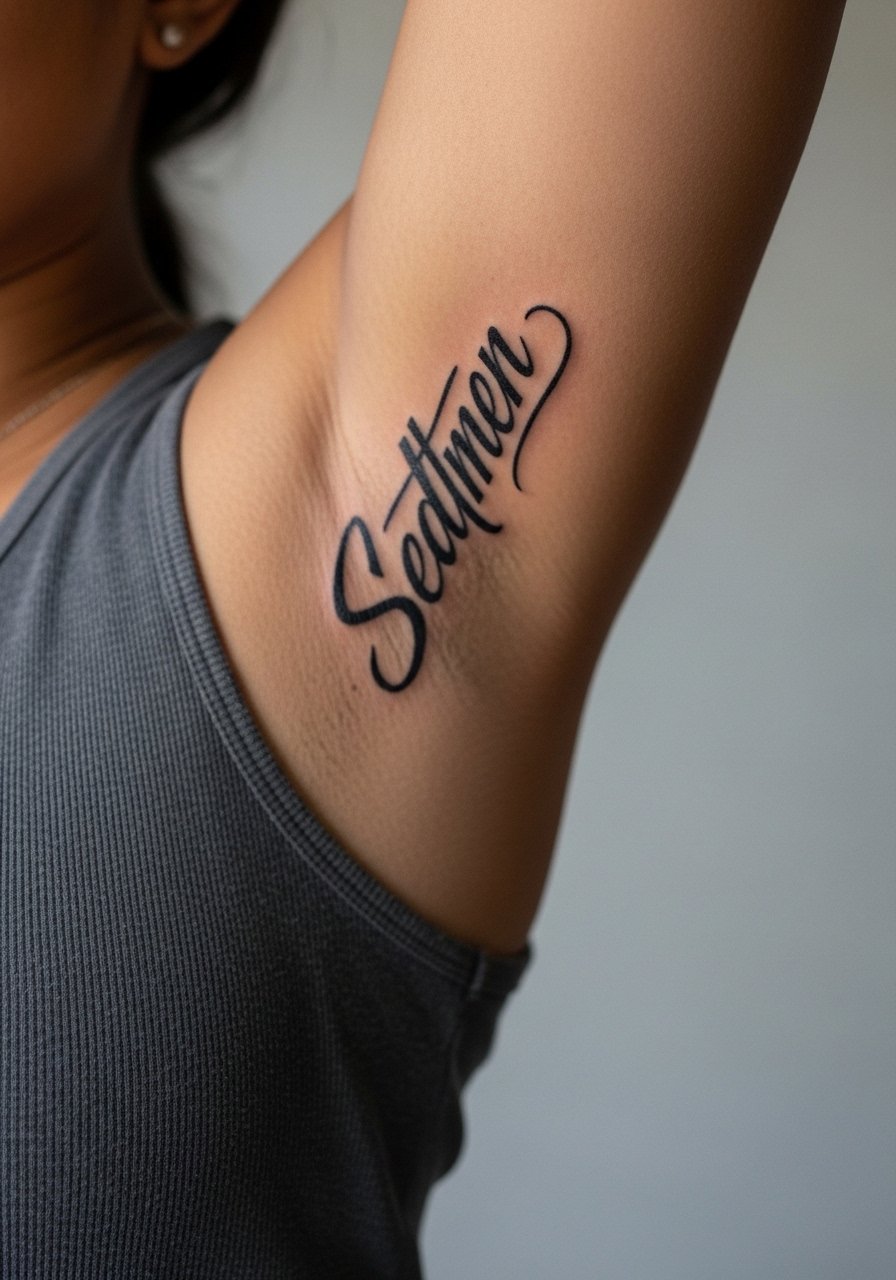
Start with a bold cursive or serif name when you want readable text that still feels personal. Fair warning, fine hairline scripts on the inner bicep can blur if the letters are too tight. Tell your artist you want letterforms with minimal cursive joins and slightly heavier downstrokes so the text ages as clean type. Session note, expect a 45 to 75 minute block depending on size and shading. Pain sits at a moderate level because the skin is thin there. For showing it off, roll up to a loose tank top that frames the script without cutting across the letters.
2. Minimalist Geometric Band
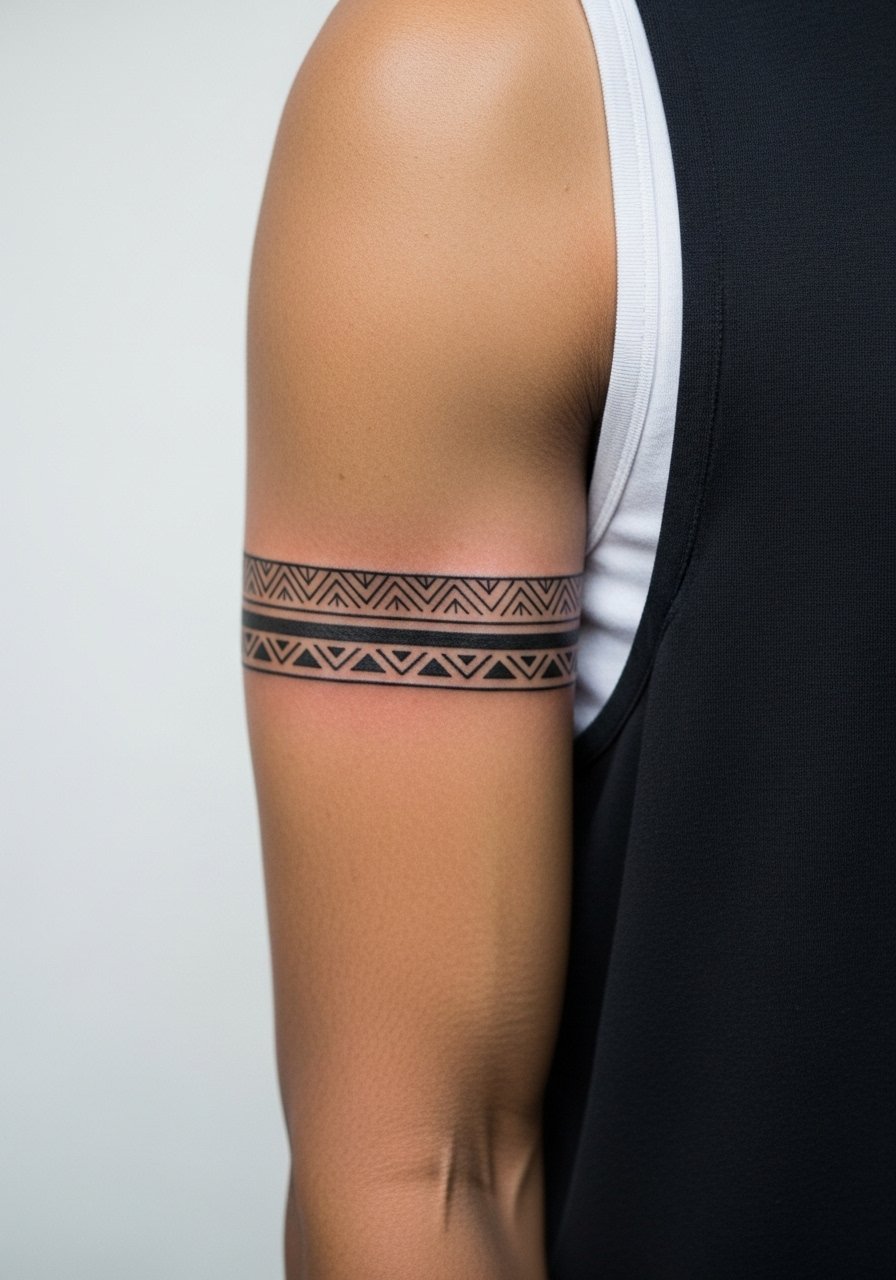
I've seen this band work best when proportional to the bicep contour rather than a flat repeat pattern. Ask for wider spacing between lines and a template drawn on while you flex so the pattern sits with muscle movement. Common mistake is making the lines too close, which causes merging after a few years. Session time is short, usually under an hour, and touch-ups are often requested at year two if spacing was tight. This placement handles bold blackwork well, but avoid tiny dot fills that risk blowout on softer skin.
3. Micro-Realism Portrait Slice
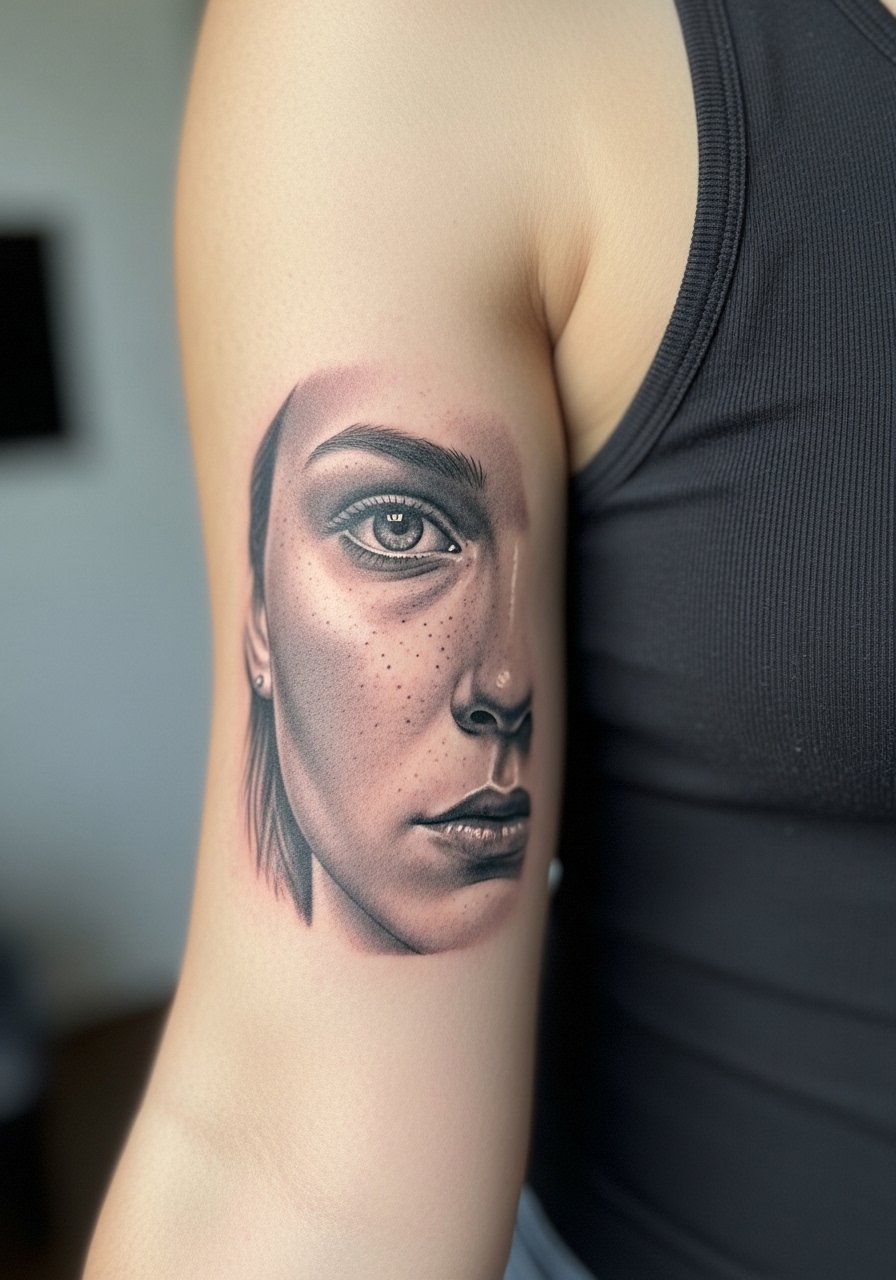
The inner bicep lets you place a narrow portrait that reads like a secret detail when your arm is down. For this, bring a high-contrast photo and ask the artist to simplify background tones so the face reads at arm's length. Artists split on whether micro-realism holds up here. One camp says dense tiny dots blur faster in soft tissue. The other camp says if the artist spaces dots and uses a mix of stipple and soft wash, it can hold for years. Expect a two to three hour session and plan a touch-up at year three for definition.
4. Blackwork Mandala Wedge
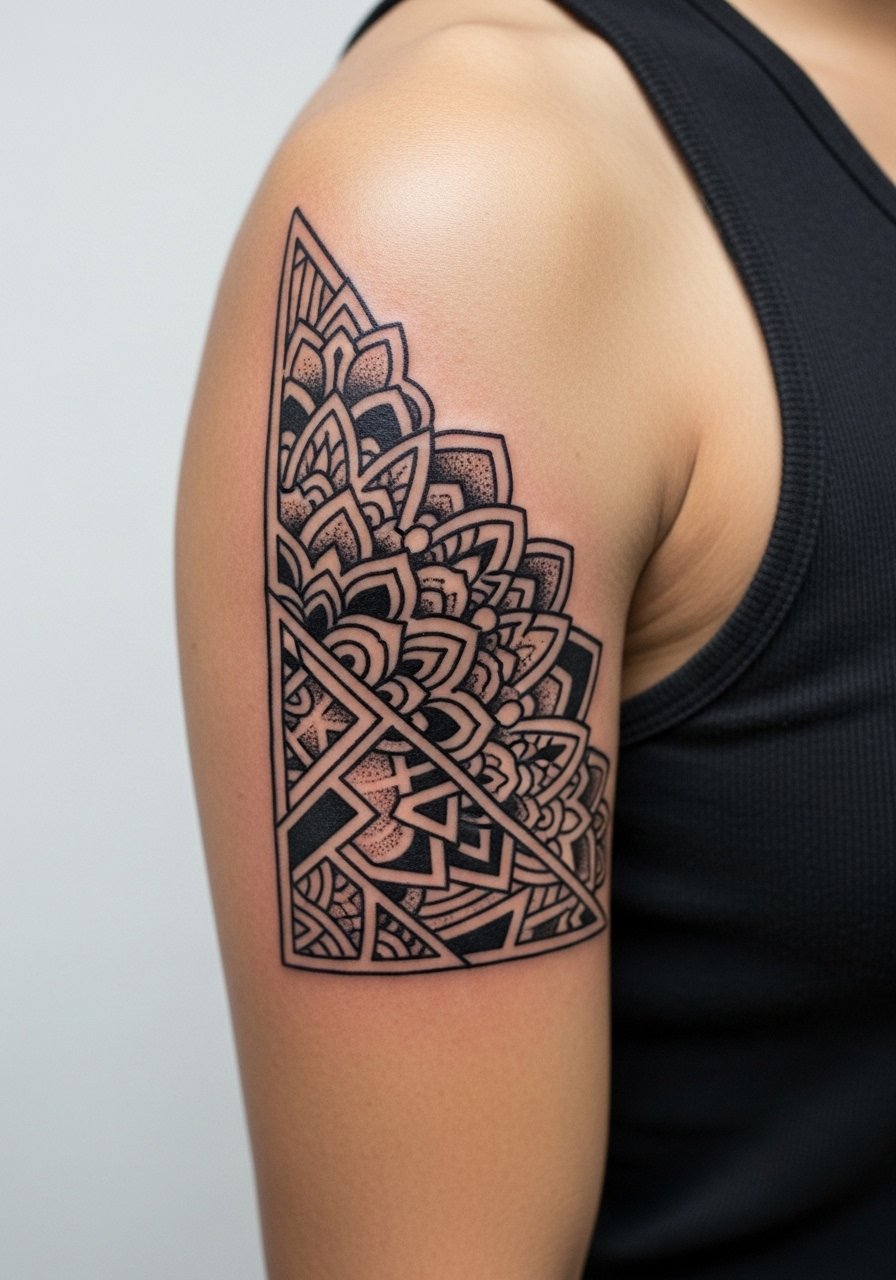
There is something about bold blackwork filling a curved inner arm that reads graphic from any angle. Tell your artist you want strong outer rings and open negative space near the crease so the pattern breathes. A common error is ultra-dense mandalas placed too close to the fold, which softens into a blob over time. Session time varies from one to three hours by scale. Pain is patchy because you cross different tissue types, so bring a loose sleeve or sleeveless button-down for easy access and modesty.
5. Single-Needle Floral Stem
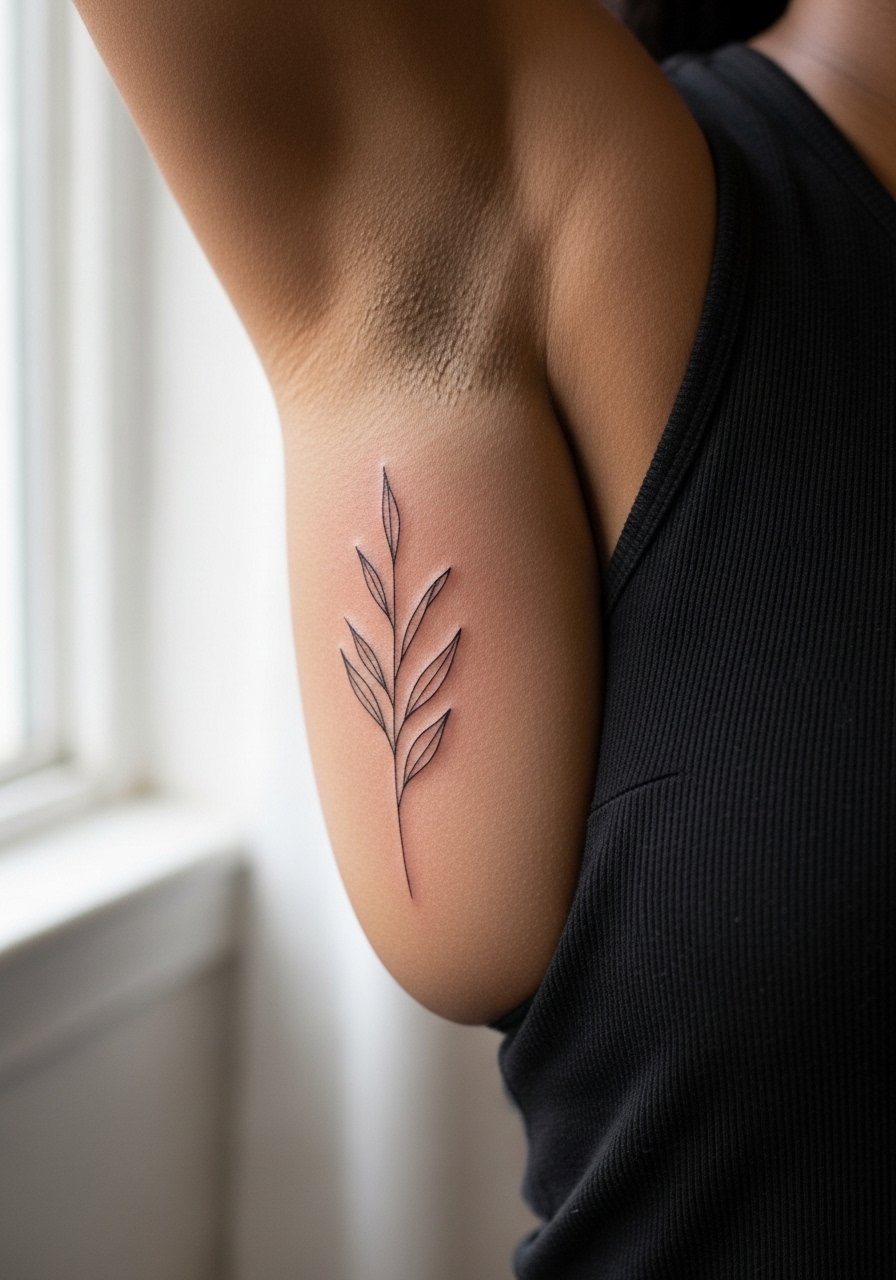
Fine single-needle stems look delicate and earned on the inner bicep. The trick is to ask for slight line weight variation and tiny stipple shadows instead of solid fill. Most mistakes stem from selecting hairline stems with no spacing, which leads to early blurring. Expect 60 to 90 minutes and a gentle sting when the needle passes along the soft inner arm. For show-off wear, pair the design with a rolled-sleeve linen shirt so the stem peeks out without feeling staged.
6. Micro-Constellation Cluster

Constellation clusters are perfect if you want a subtle nod that reads up close. When you consult, bring a layout that spaces stars by at least 6 millimeters so dots do not merge. The biggest mistake is compressing the cluster into a postage-stamp area. Session time is short, around 30 to 60 minutes, and touch-up at two years is common for tiny dots. During the appointment, wear a thin chain pendant if you plan to photograph the piece later; it gives scale without crowding the bicep.
Studio Day Picks
Those inner bicep sessions above range from quick constellation dots to multi-hour portraits, and a few small items smooth the process and the first week.
-
Stencil transfer paper kit. Lets you preview exact placement in the chair so names, scripts, and bands sit right when your arm is relaxed.
-
Topical numbing cream. Apply as directed before shorter wrist and inner arm sessions if you handle pain poorly.
-
Thin protective film roll. Useful for inner bicep pieces that rub against shirts during the first few days of healing.
-
Fragrance-free gentle body wash. Keeps freshly inked skin clean on shower days without stripping the area.
-
Aquaphor healing ointment. Thin application helps lock in moisture on fine line work without clogging.
7. Geometric Arrow with Negative Space
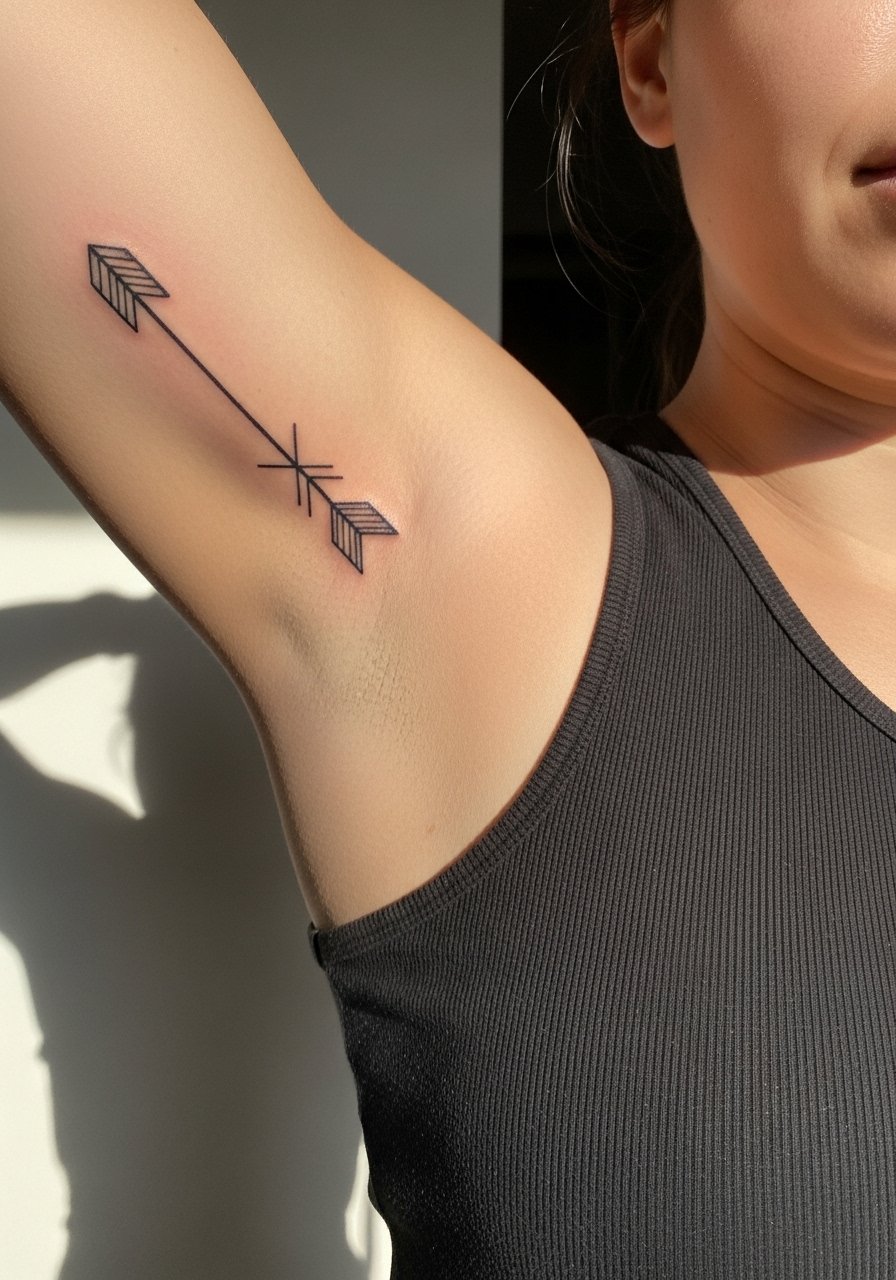
A geometric arrow uses the bicep curve to suggest motion. Ask for thicker anchor points and open negative fields rather than continuous cross-hatching. People often request tiny chevrons that lose definition; the safe choice is a modest scale that gives room for the shapes to separate over years. Session time is usually under 90 minutes. This placement feels impactful when paired with short sleeves, so bring a casual short-sleeve shirt for reveal shots.
8. Greek Key Band for Strength
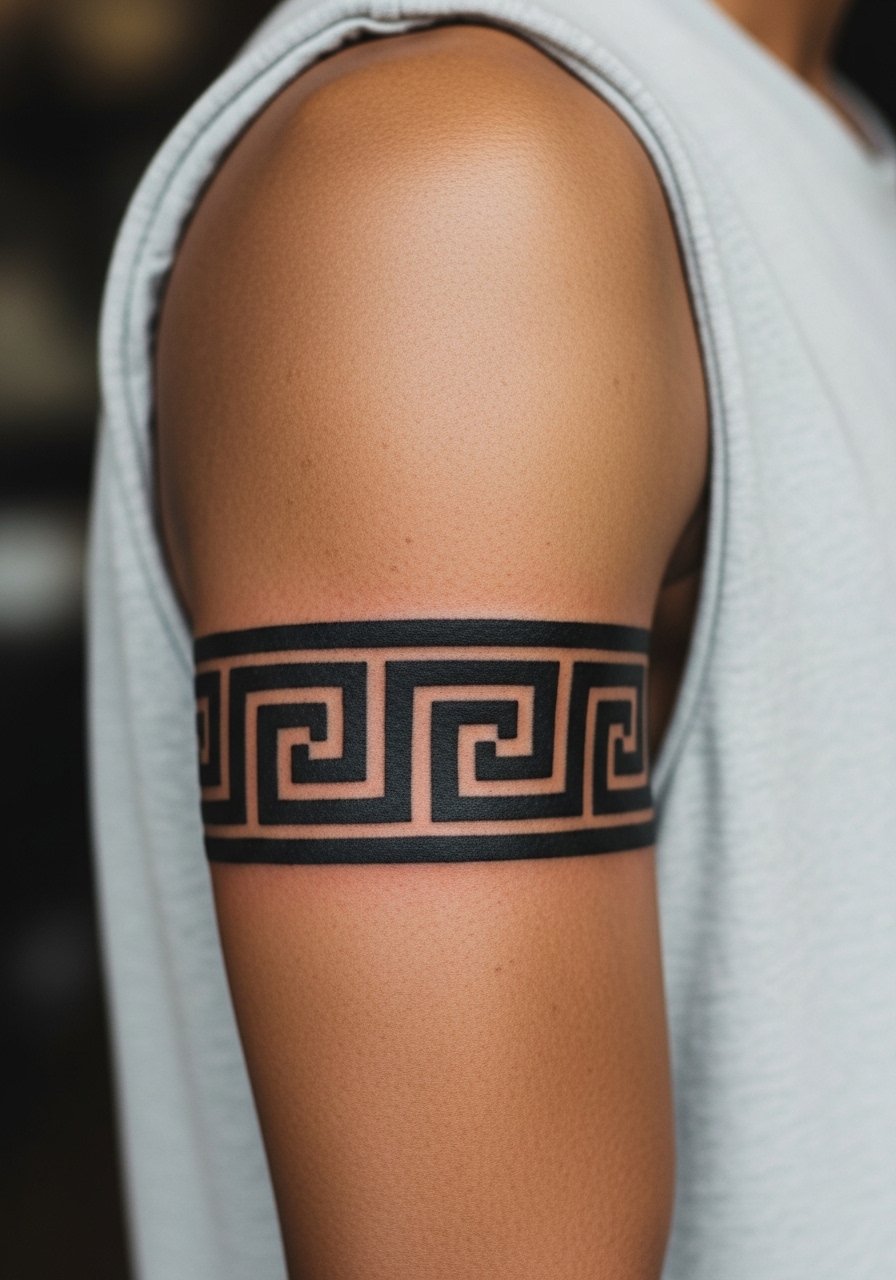
The Greek key or meander motif reads like a concise statement without words. Tell your artist to scale the repeats to your muscle width and to avoid tiny motifs that merge near the fold. A frequent problem is copying a full-wrap design without considering how the bicep bulge alters the pattern. Plan for one to two hours and expect touch-ups around year three if the band rides across active movement zones. For showing it off, a sleeveless muscle tee frames the repeat without cutting the pattern.
9. Linework Wave That Follows Muscle
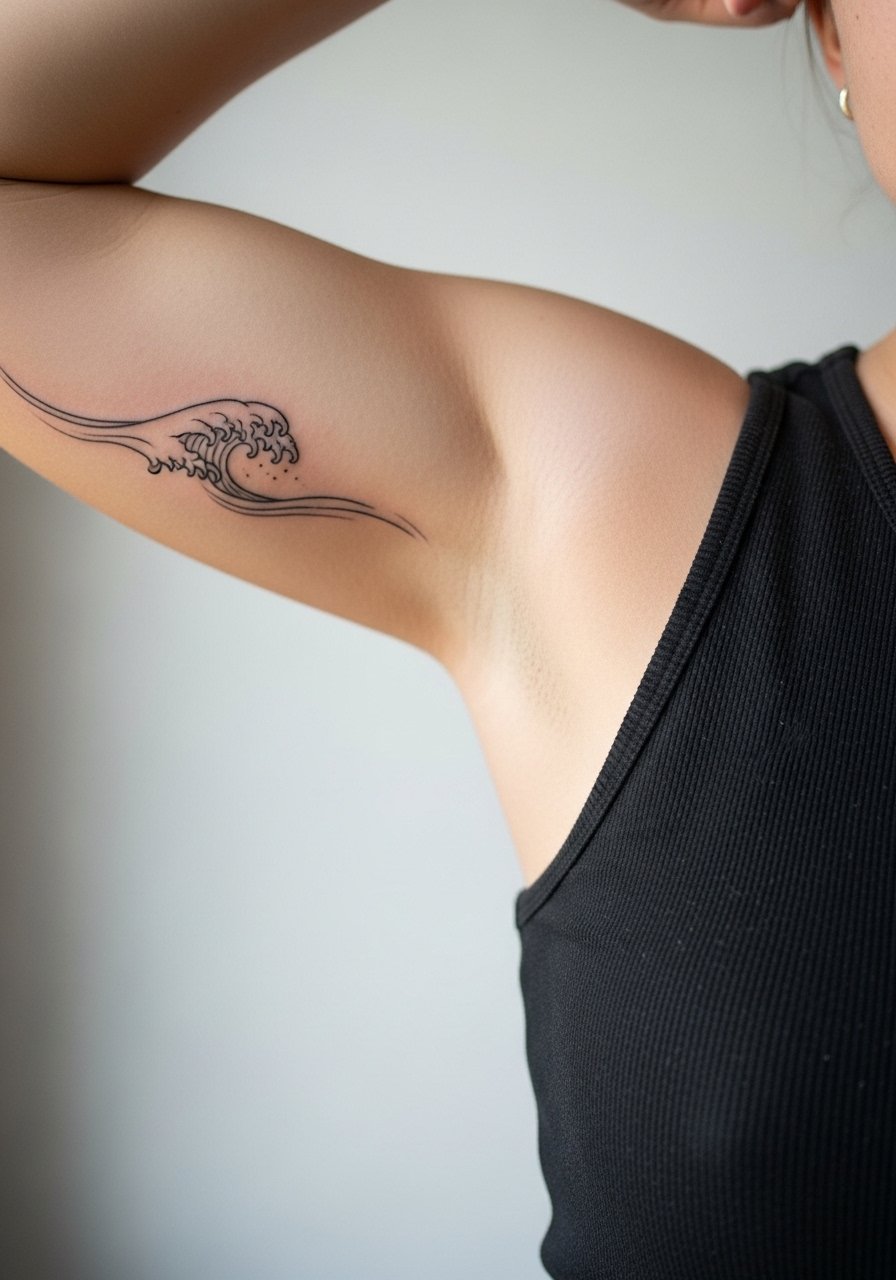
There is a visual reward when a line is allowed to follow the muscle rather than fight it. In consultation, ask the artist to mark the peak of your bicep and draft curves that flow with the shape. Mistakes happen when artists force symmetrical shapes on an asymmetric canvas, leading to odd bends when your arm flexes. Expect a one to two hour session. This design ages gracefully if line weight is medium rather than hairline.
10. Nautical Compass Mini
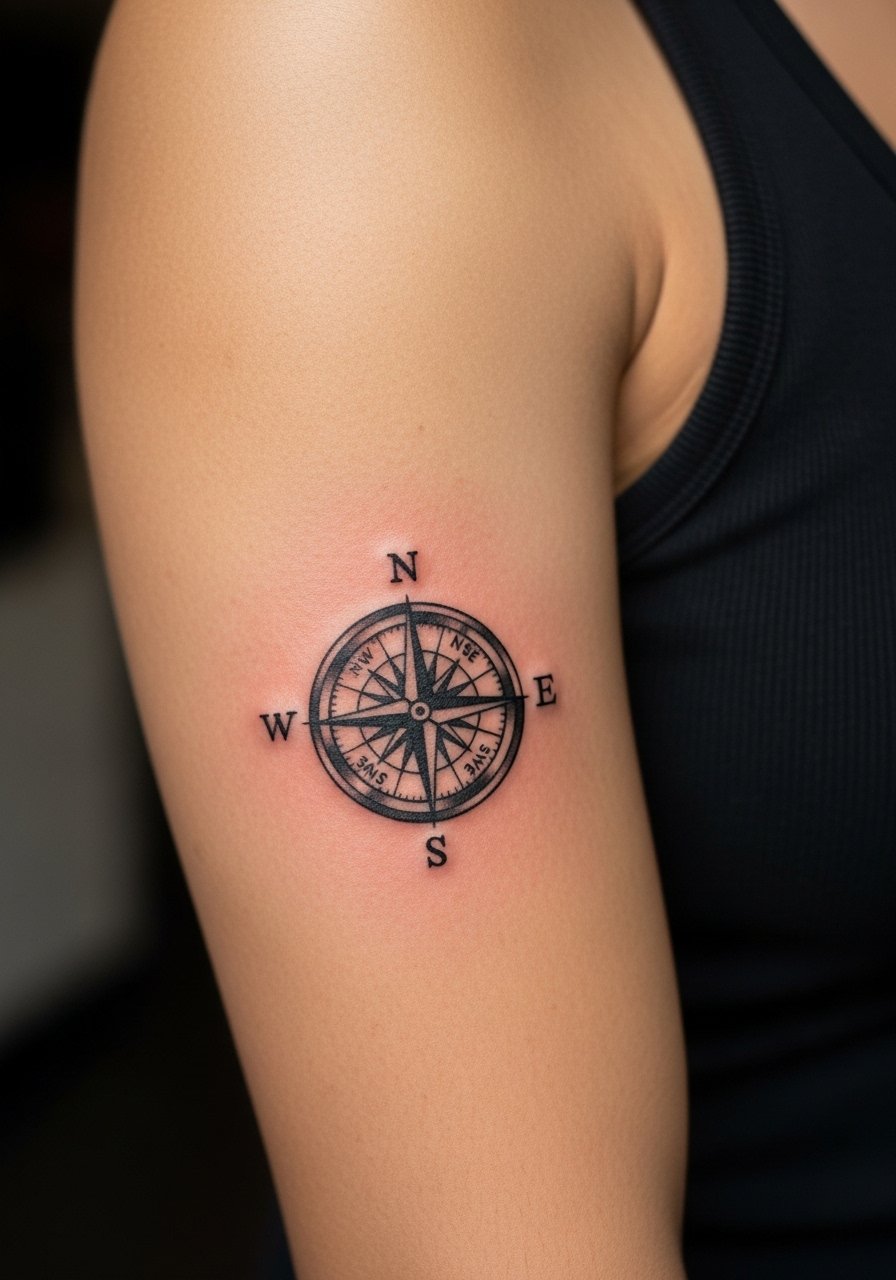
A compact compass reads as both symbol and tiny map. Ask the artist to increase the cardinal points slightly and to avoid tight filigree that blurs in soft tissue. Most clients like the compass centered where the bicep meets the underside to create a peekaboo detail. Session time is brief, under an hour. For session comfort and modesty bring a button-down shirt you can pull aside so the artist has clean access to the area.
11. Bold Iconic Animal Silhouette
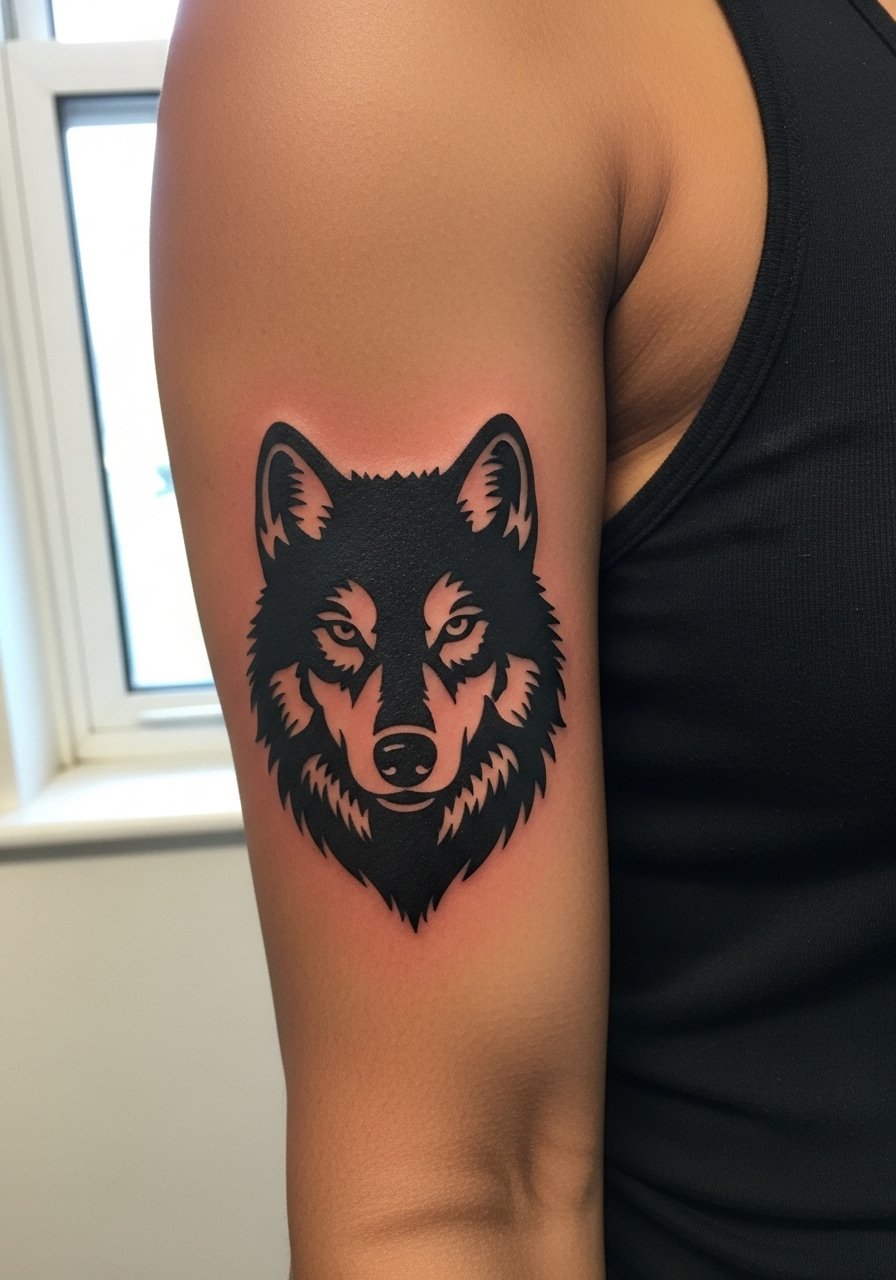
An animal silhouette reads strong when filled with solid black and placed to compliment the bicep arc. Tell your artist to keep the silhouette edges crisp and to avoid tiny tooth or fur details that disappear after healing. Session time varies with size but expect under two hours for a mid-sized silhouette. This placement gives a striking reveal in short sleeves and pairs well with a basic crew tee.
12. Stippled Crescent and Stars
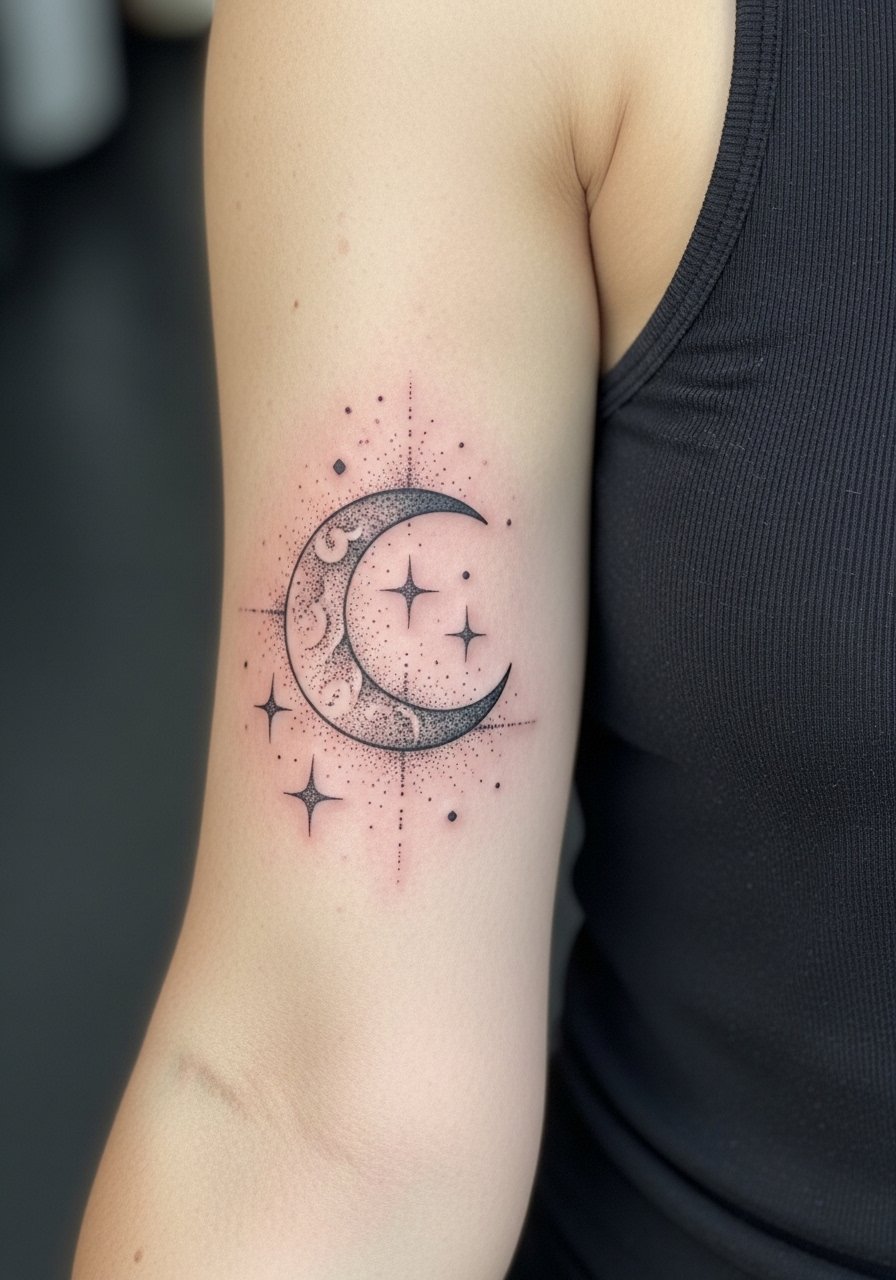
Stipple shading can create a gentle gradient that sits well on soft inner arm tissue. During consultation, specify dot density changes and ask for larger gaps near the fold so stipple does not compact. A common error is treating stipple like solid shading, which makes it look muddy after a healing cycle. Sessions can run one to two hours for smooth gradients. Show-off pairing includes a rolled-up long-sleeve shirt that lets the crescent peek out.
13. Single-Needle Script Quote
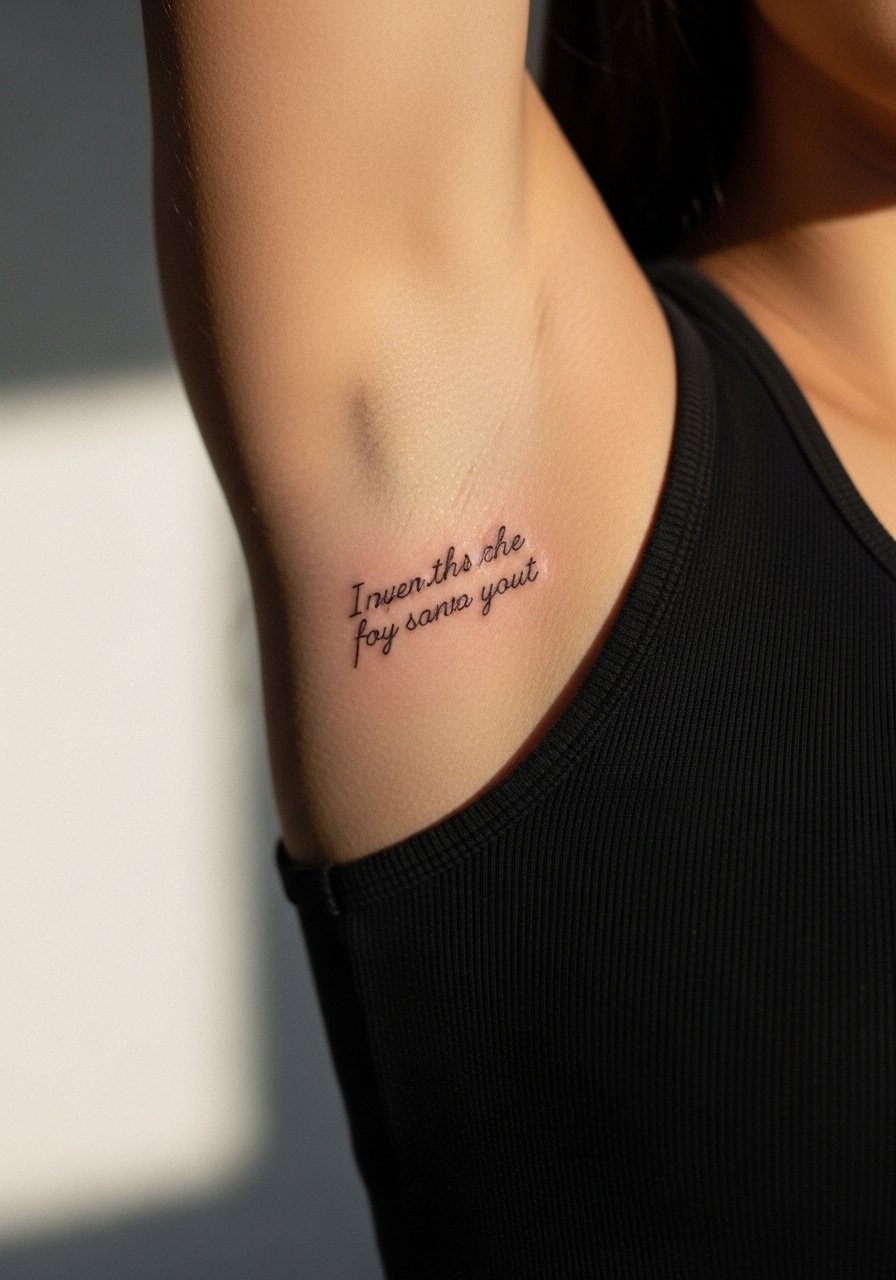
Fine script quotes look intimate on the inner bicep when spaced and weighted properly. Ask for slightly heavier endpoints and for letters to breathe with small counter spaces. The controversy here is clear. One group of artists argues single-needle script on soft tissue blurs quickly. The other group says with proper depth and slightly increased spacing it can last. Ask your artist where they stand and look for healed examples in their portfolio. Session time is brief but plan on a touch-up at year two for crispness.
14. Traditional Anchor with Bold Outlines
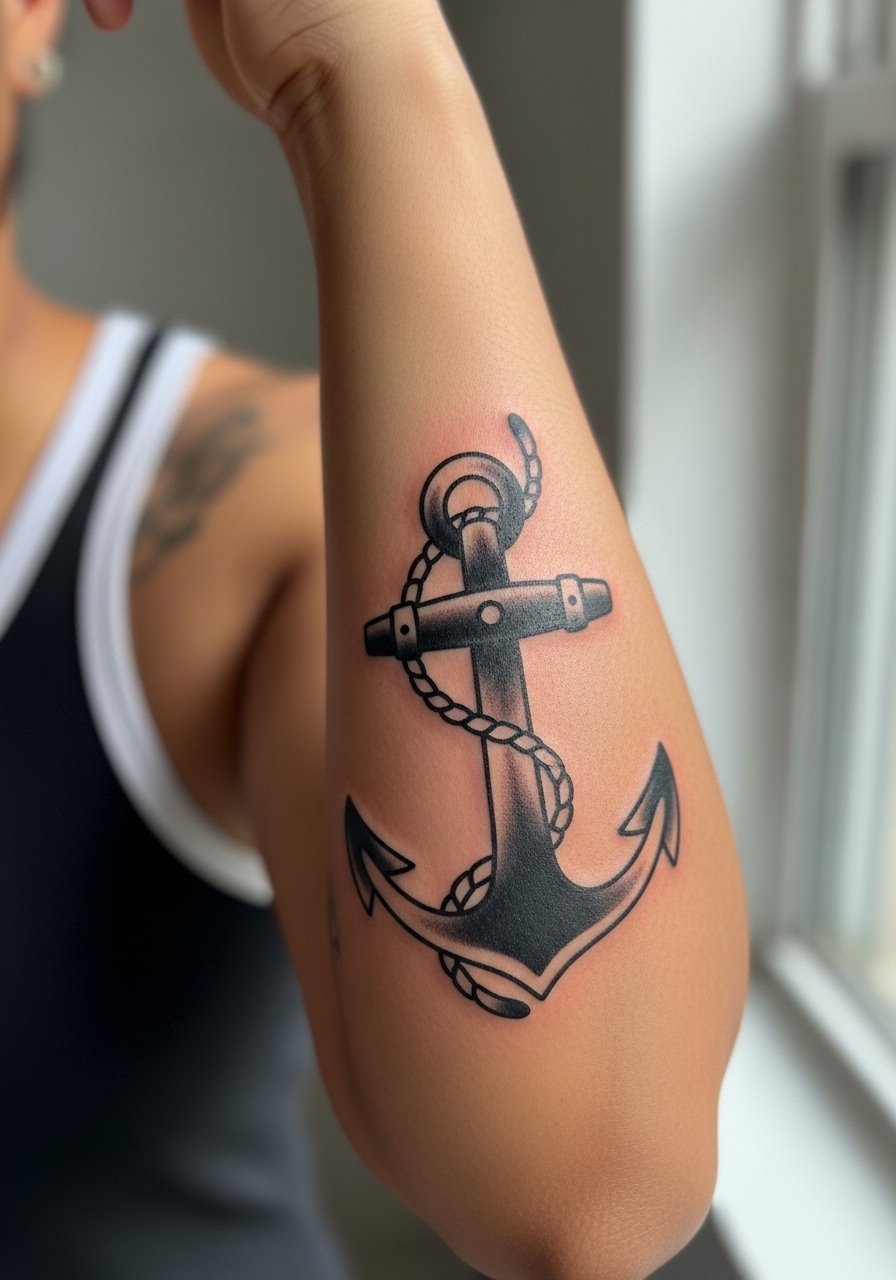
Traditional pieces age predictably because of bold outlines and strong saturation. Tell your artist you want classic linework and solid black fills, not micro shading. The error to avoid is shrinking a traditional motif down to thumb size. Keep it proportional to the bicep so the anchors and ropes remain distinct. Sessions average one to two hours. Pair with a navy casual tee for a maritime look that keeps attention on the piece.
15. Barbed Wire Wrap
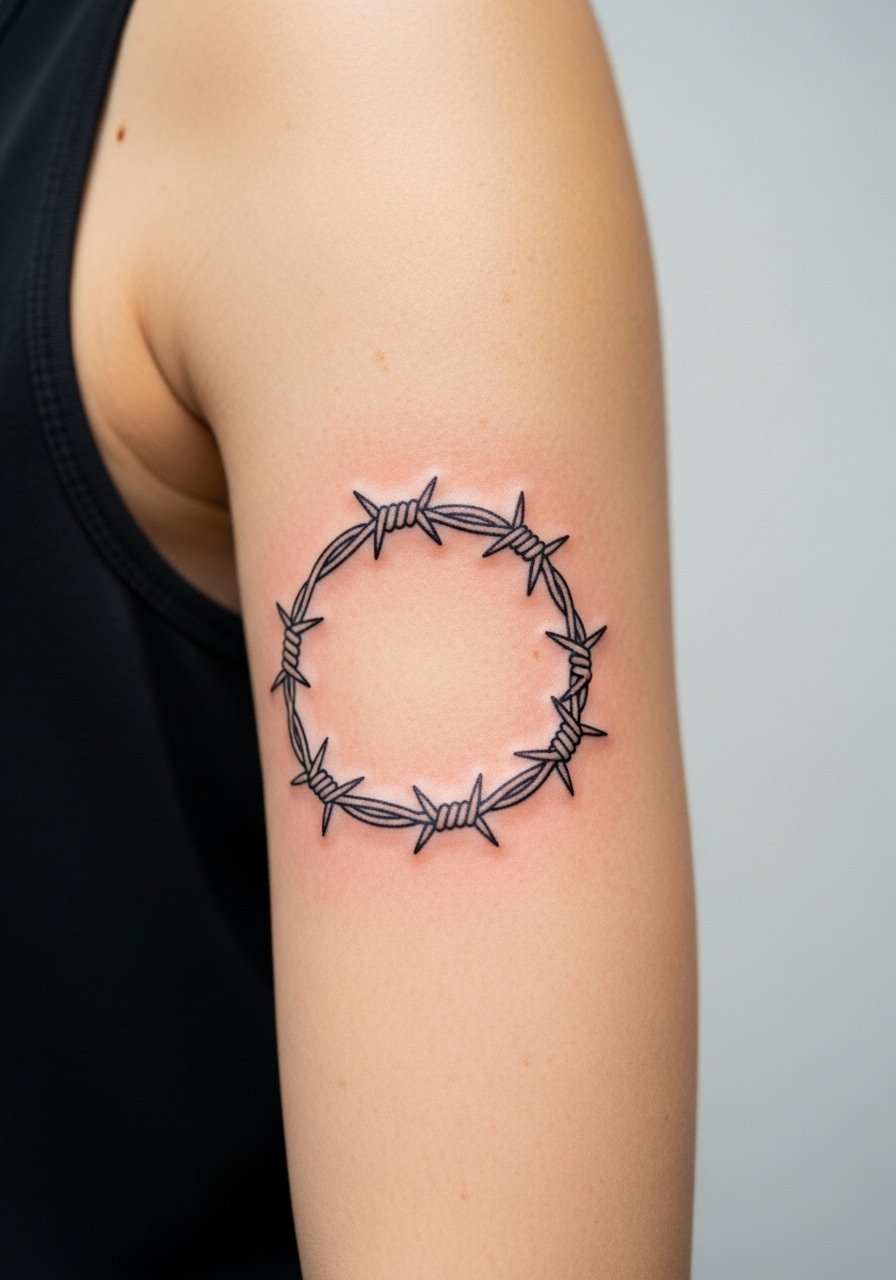
Barbed wire works as a discreet wrap that reads edge and intent. Ask for separation in the barbs and gentle spacing so metal points do not merge into a thick line over time. A common mistake is too narrow a wire that loses its silhouette. Session time tends to be 45 to 90 minutes. For the appointment, wear a sleeveless athletic top so the artist can check wrap symmetry while you flex.
16. Abstract Brushstroke Blackwork
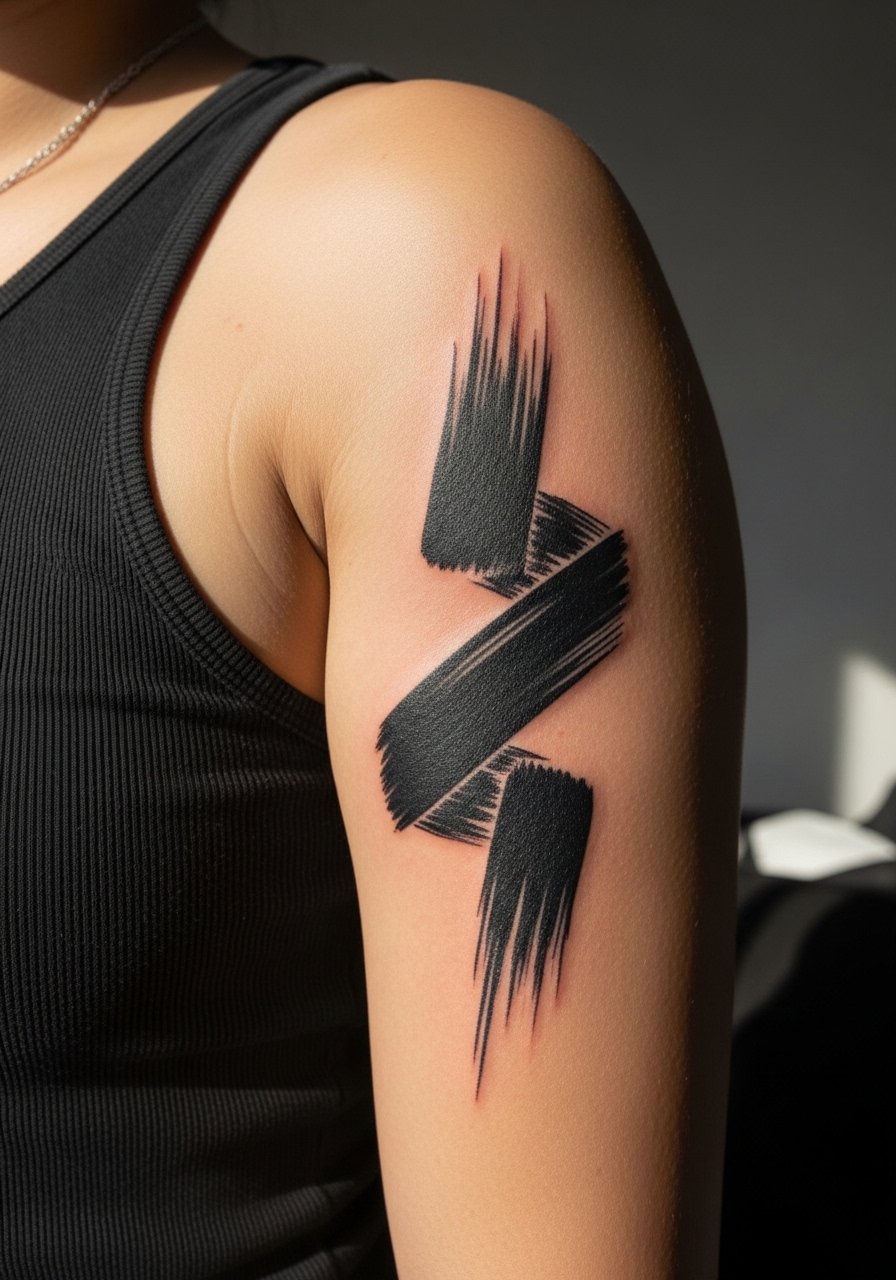
Abstract brushstrokes let the bicep act like a canvas for motion. Bring reference images that show scale and flow, and ask for a mockup on the skin while you rotate the arm. Problems arise when strokes fight the muscle curvature and look awkward when flexed. Sessions can range from short to multi-session depending on coverage. This design looks sharp with short sleeves or a fitted henley that keeps the arm silhouette clean.
17. Tiny Anchor and Wave Duo
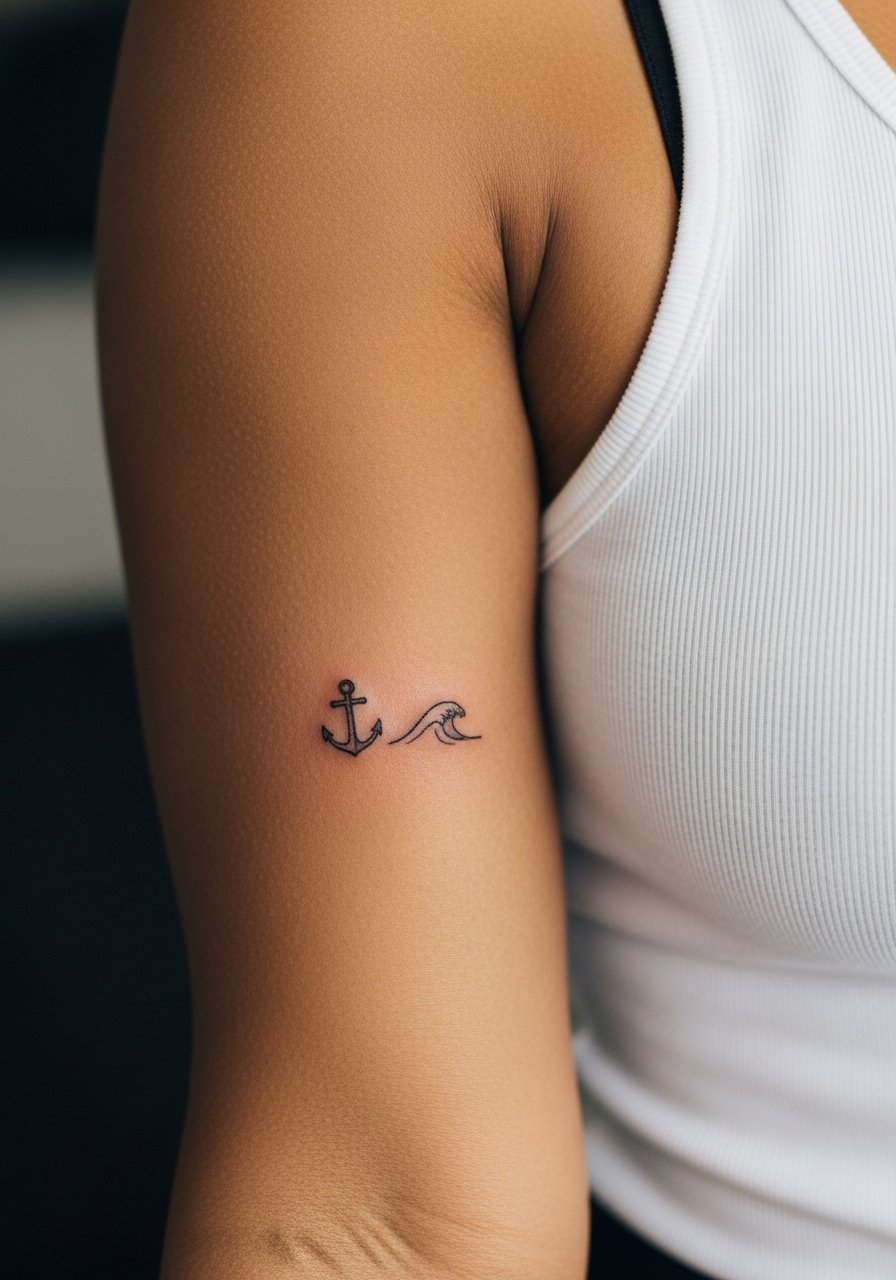
Pairing two micro elements gives the inner bicep a story without heavy commitment. Ask your artist to space the icons apart and to avoid tiny crosshatching that fuzzes. The main mistake is compressing symbols into one spot. Session time is short, often under an hour. Wear a casual short-sleeve shirt that lets both elements show when you lift the arm.
18. Heraldic Shield Slice
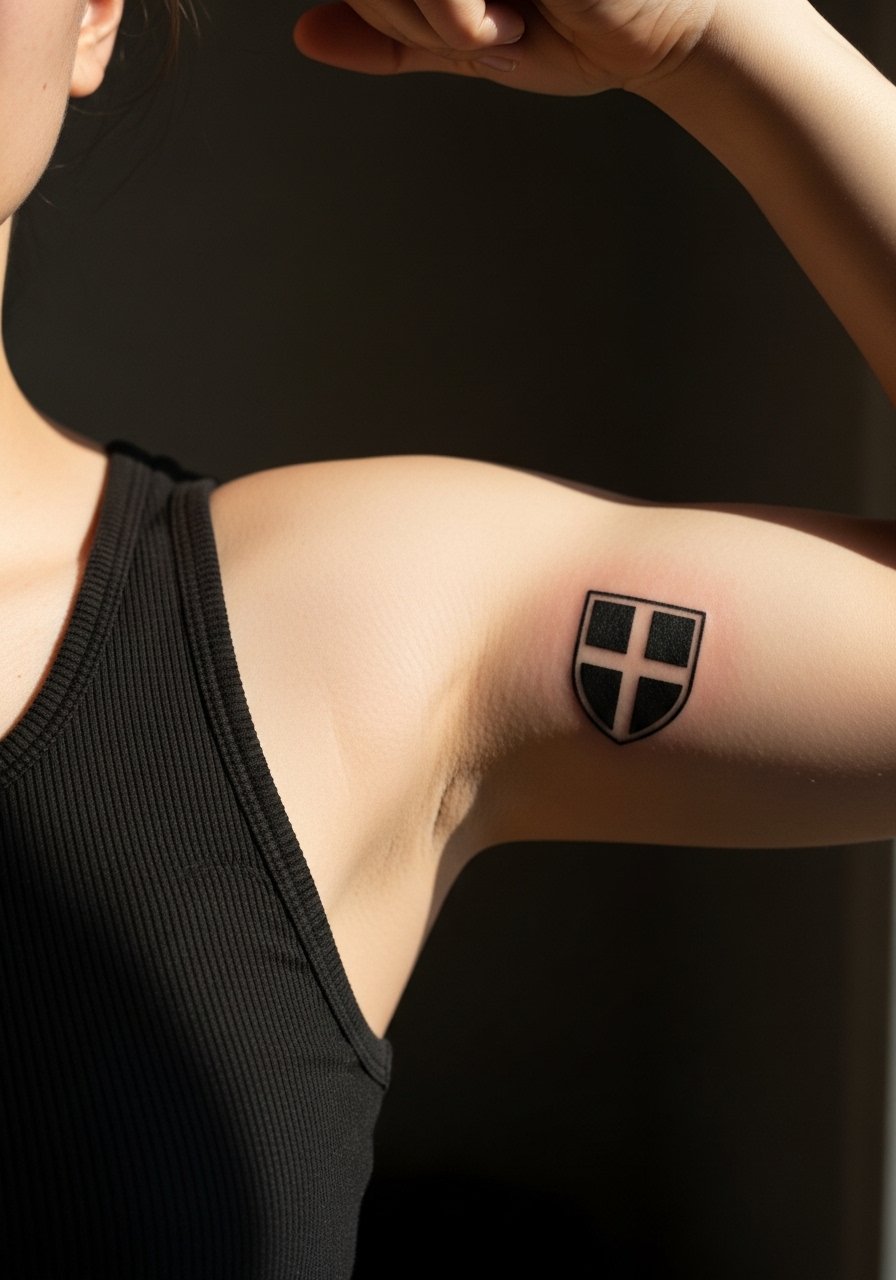
A shield gives a condensed emblem that reads strong in small formats. Ask for simplified iconography inside the shield so internal details remain legible at distance. Common errors include too much filigree or text inside the shield, which fades into a gray smudge. Sessions can be one to two hours. This design pairs well with a plain white tee that frames the emblem.
19. Single-Needle Pet Pawprint
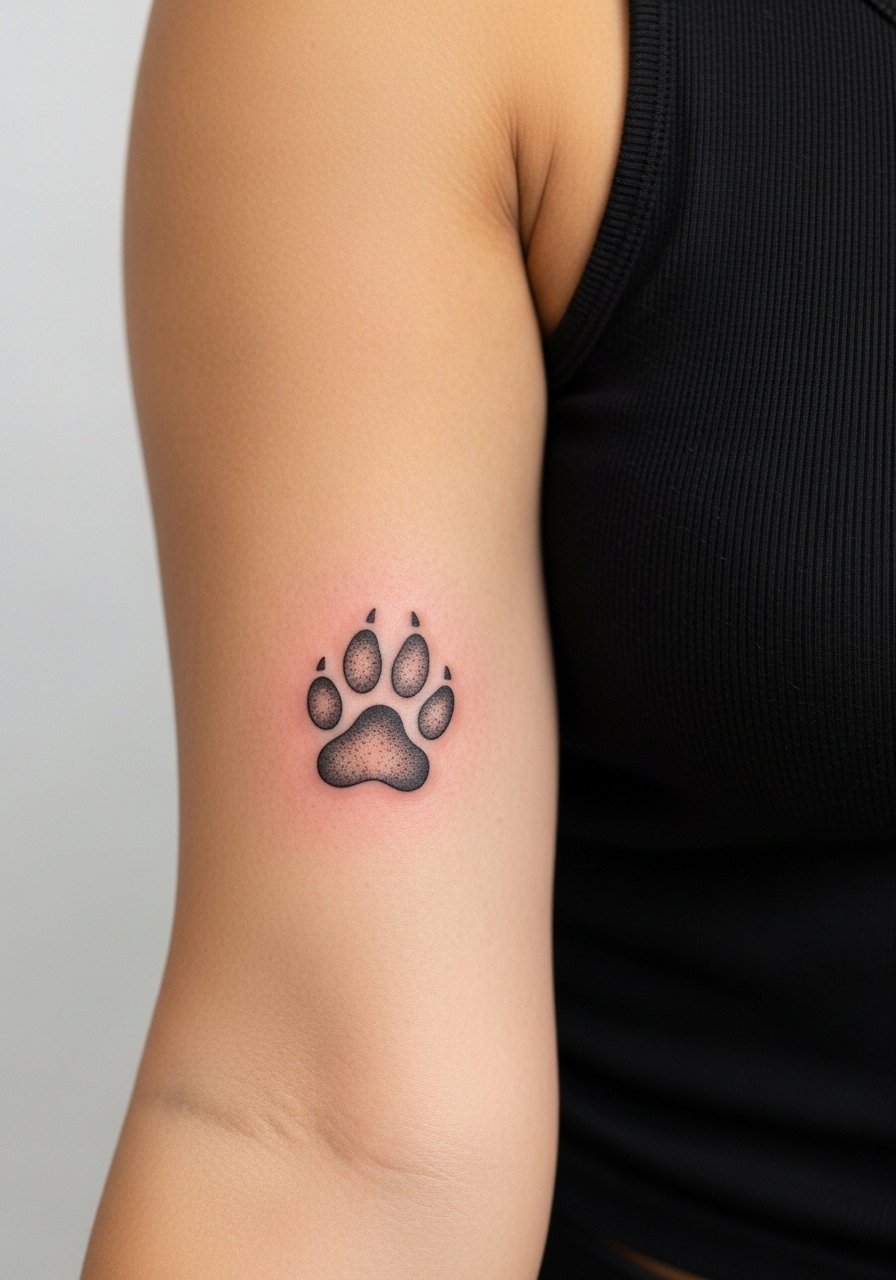
A pawprint reads intimate and fits neatly on soft inner skin. Bring a clear photo of the actual print and ask the artist to trace simplified pads to avoid tiny textures that blur. The session is quick and tender because the inner bicep is sensitive. Expect a touch-up at two years if the lines are very thin. For comfort, wear a loose cotton tee that you can easily roll up.
20. Minimalist Arrow and Date
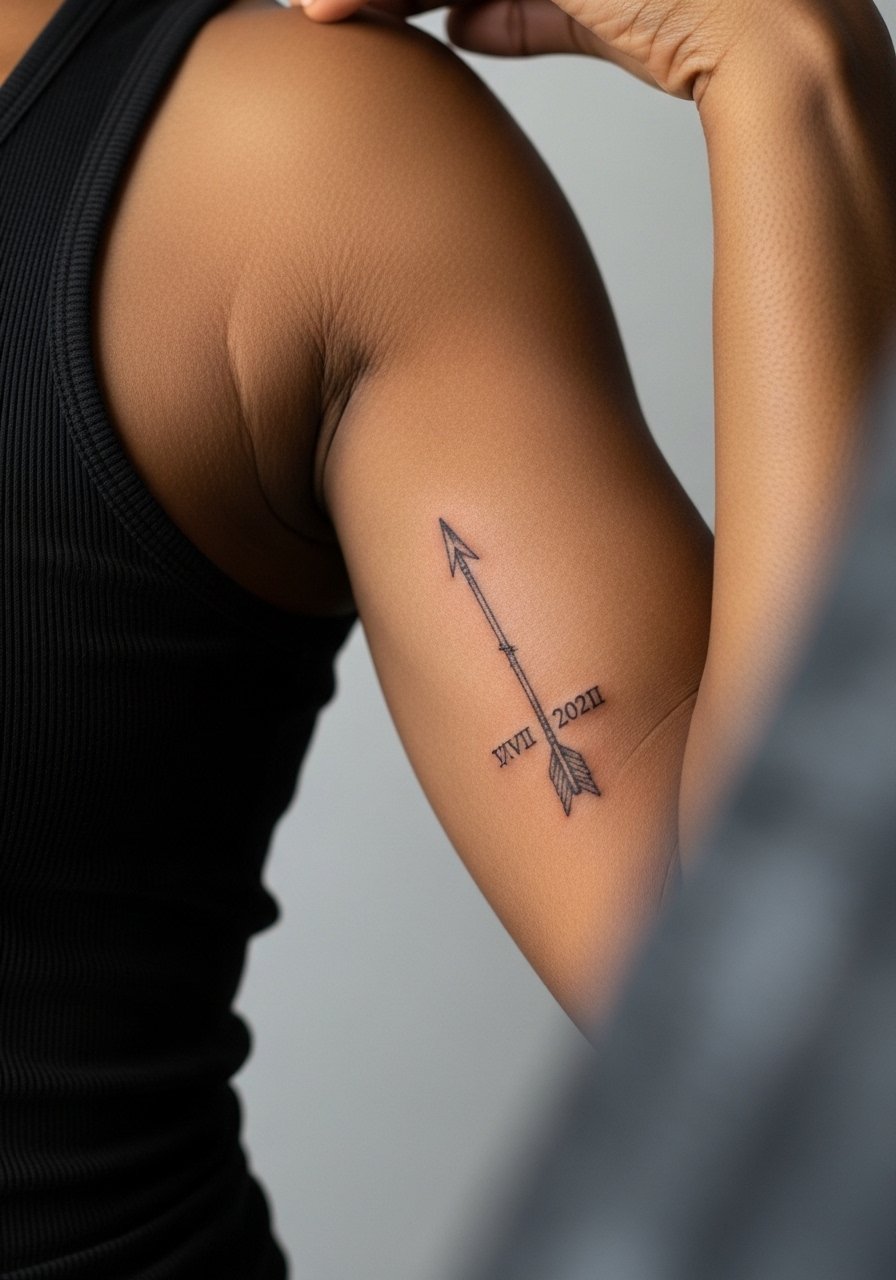
Combining an arrow with a compact date gives both motion and a timestamp. Insist on spacing between numerals and arrow elements to prevent merging. Mistakes often happen when numerals are too tight or styled in ornate type. Session time is brief, typically under an hour. For showing results later, a simple bracelet frames but does not crowd the design.
21. Scripted Short Mantra with Weight
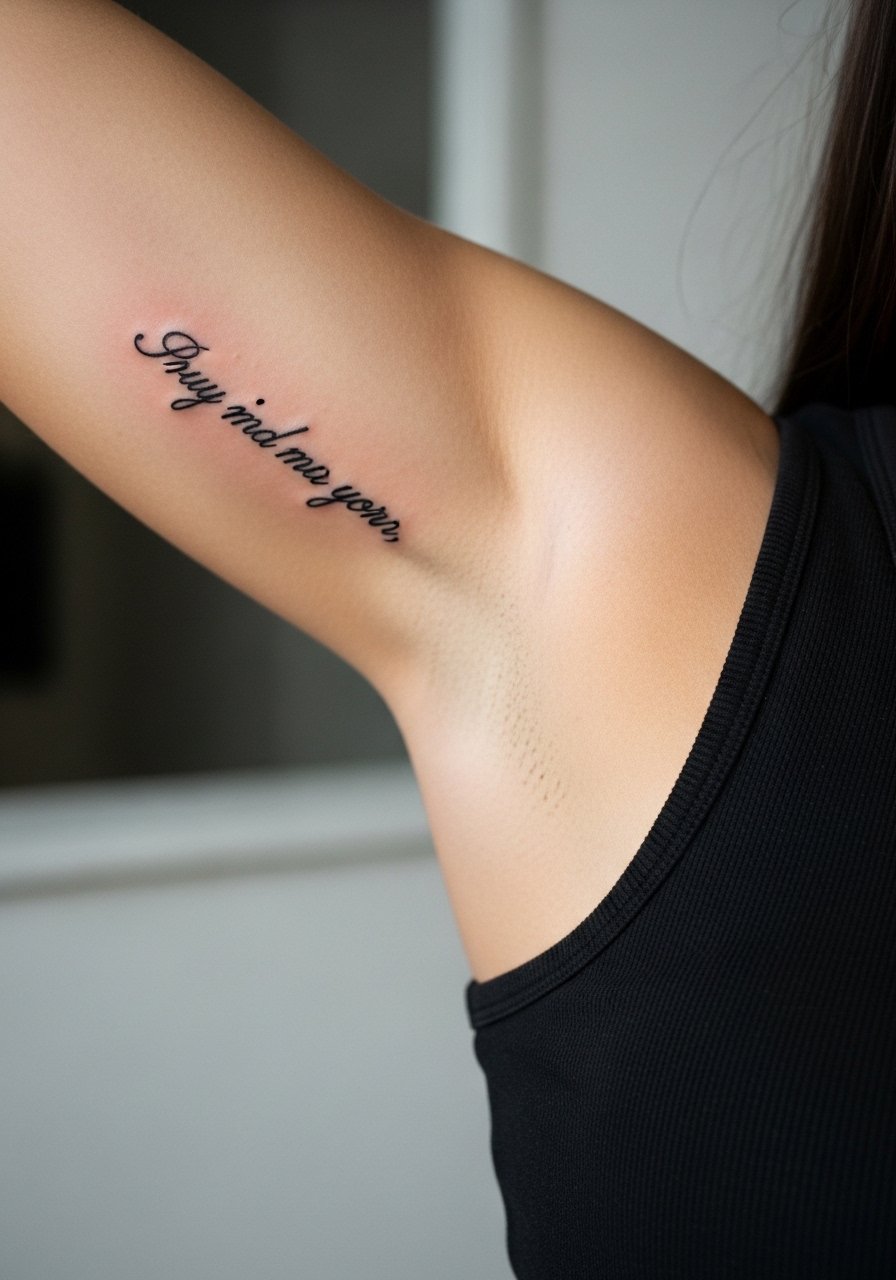
Short mantras hold power on the inner bicep when the script uses deliberate weight changes. Ask for thicker entry strokes and open counters in letters to delay blur. The common mistake is choosing an extremely flowing hand that tightens during healing. Sessions are usually under 90 minutes. Pair the mantra with a rolled-up sleeve blouse or tee for a casual reveal.
22. Etched Map Fragment
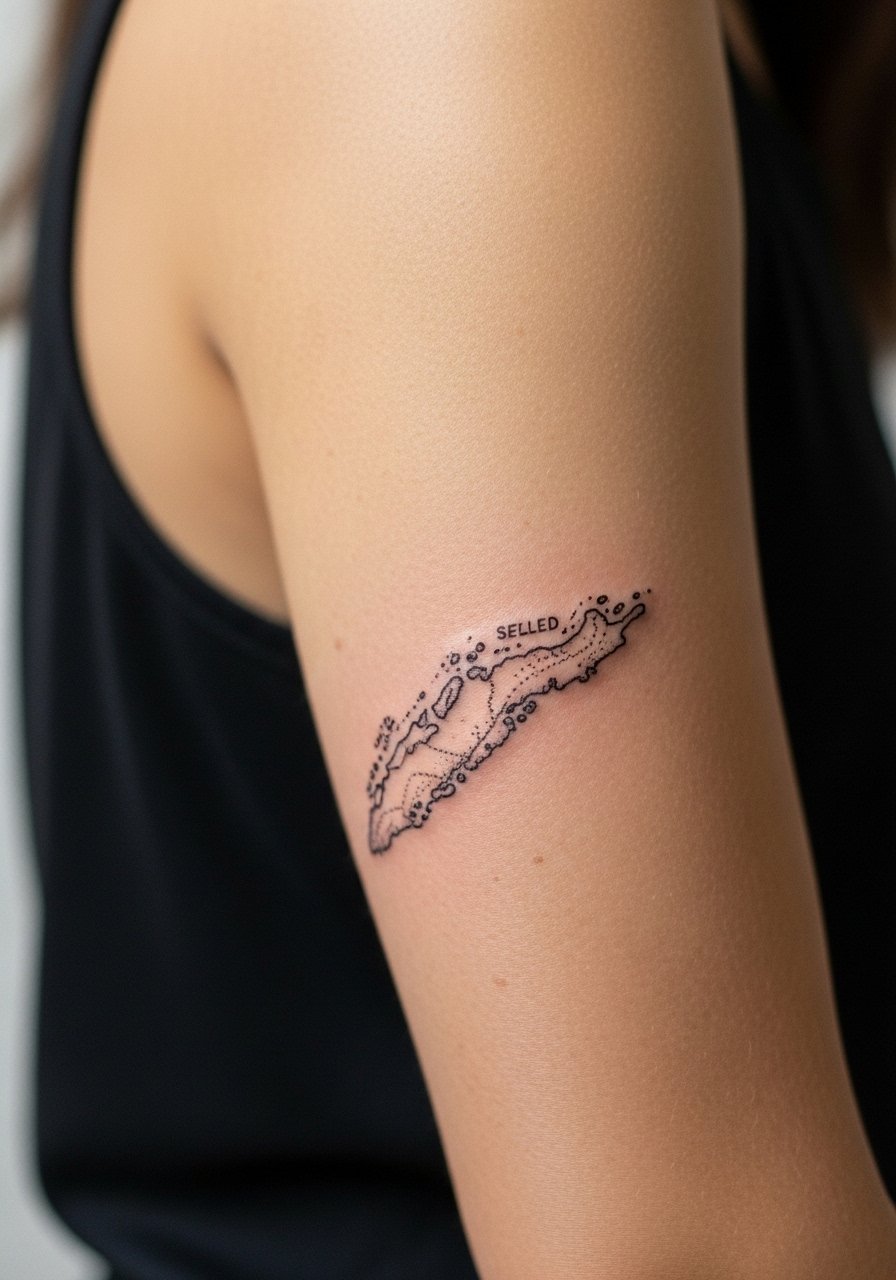
A tiny map fragment creates a private geography and works best when simplified into larger contour lines. Bring a cropped map photo and ask the artist to remove micro-details that will not hold. People often try to include text or tiny coordinates that become illegible. Expect a one to two hour session. For the appointment choose a lightweight zip hoodie so you can expose the area without jostling the skin.
23. Optical Illusion Linework
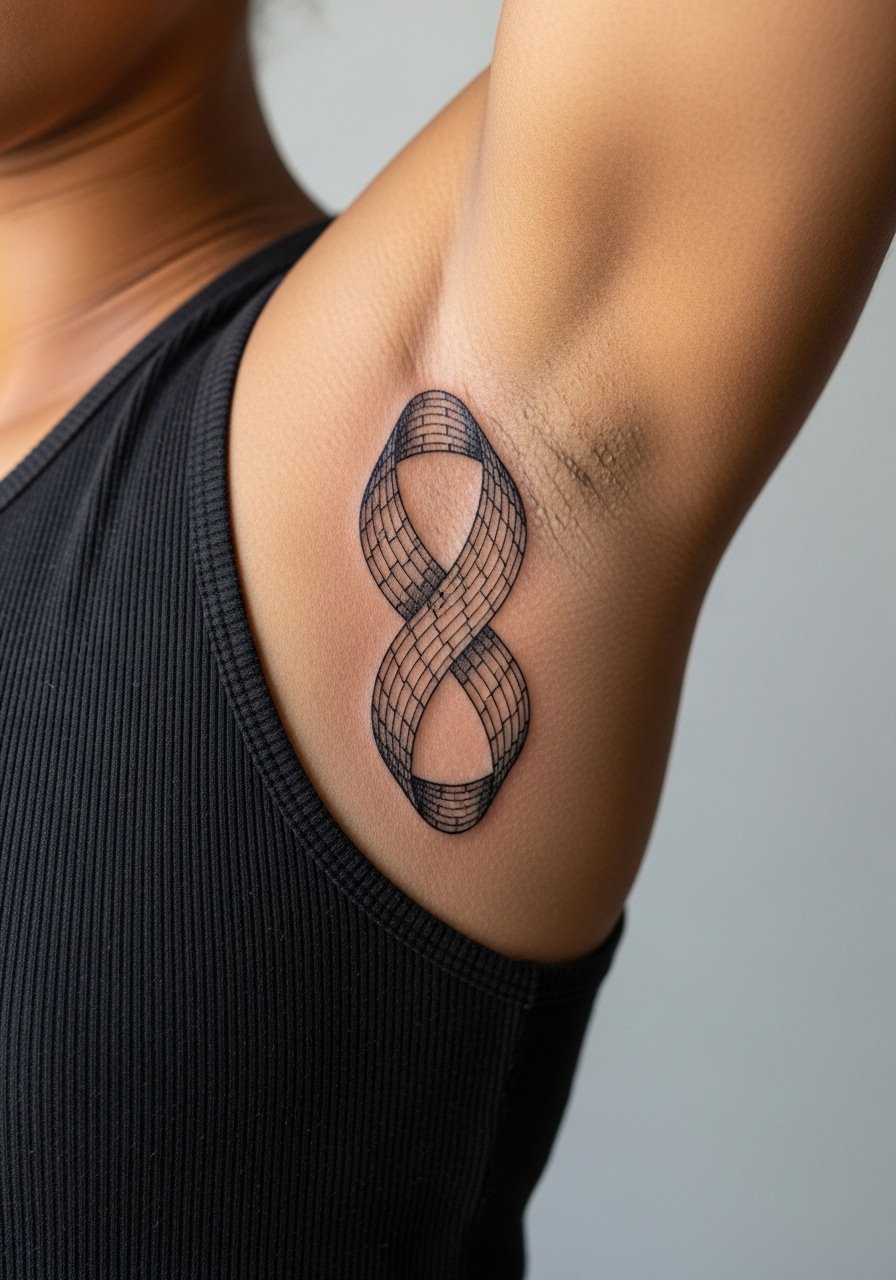
Optical pieces play with perspective and look best when composed to the muscle shape. Ask for mockups in different arm positions to ensure the illusion survives movement. A frequent error is overcomplicating the twist with too many lines, which blurs. Sessions vary, often one to two hours. This design makes a quiet statement with a fitted tee.
24. Tiny Lock and Key Pair
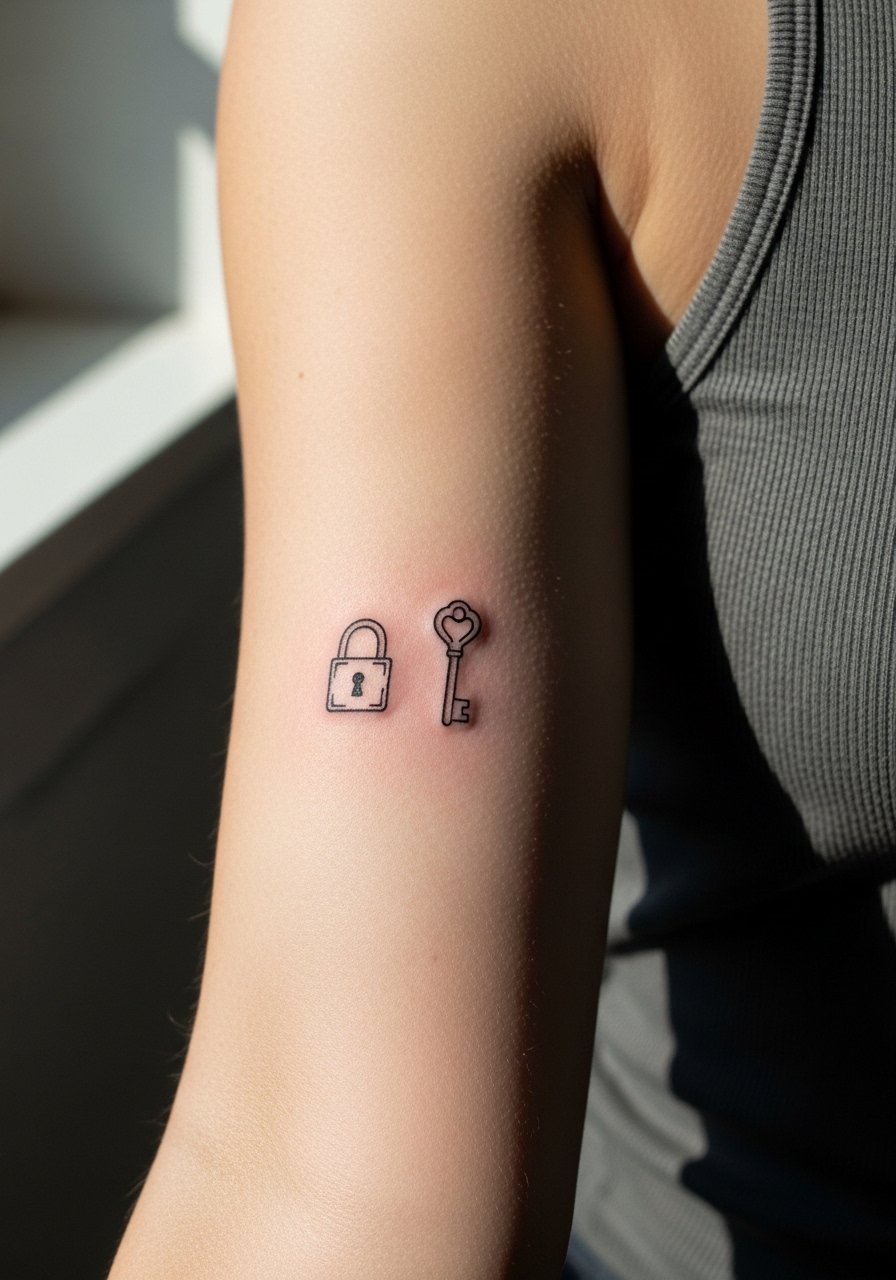
Lock and key duos work best when scaled so each piece breathes on its own. When booking, ask the artist to keep the key simple and the lock slightly bolder. People often cram decoration into tiny locks and lose clarity. Sessions are short, about 45 minutes for both. For reveal consider a short-sleeve button shirt that frames the pair.
25. Chain-Link Minimal Band
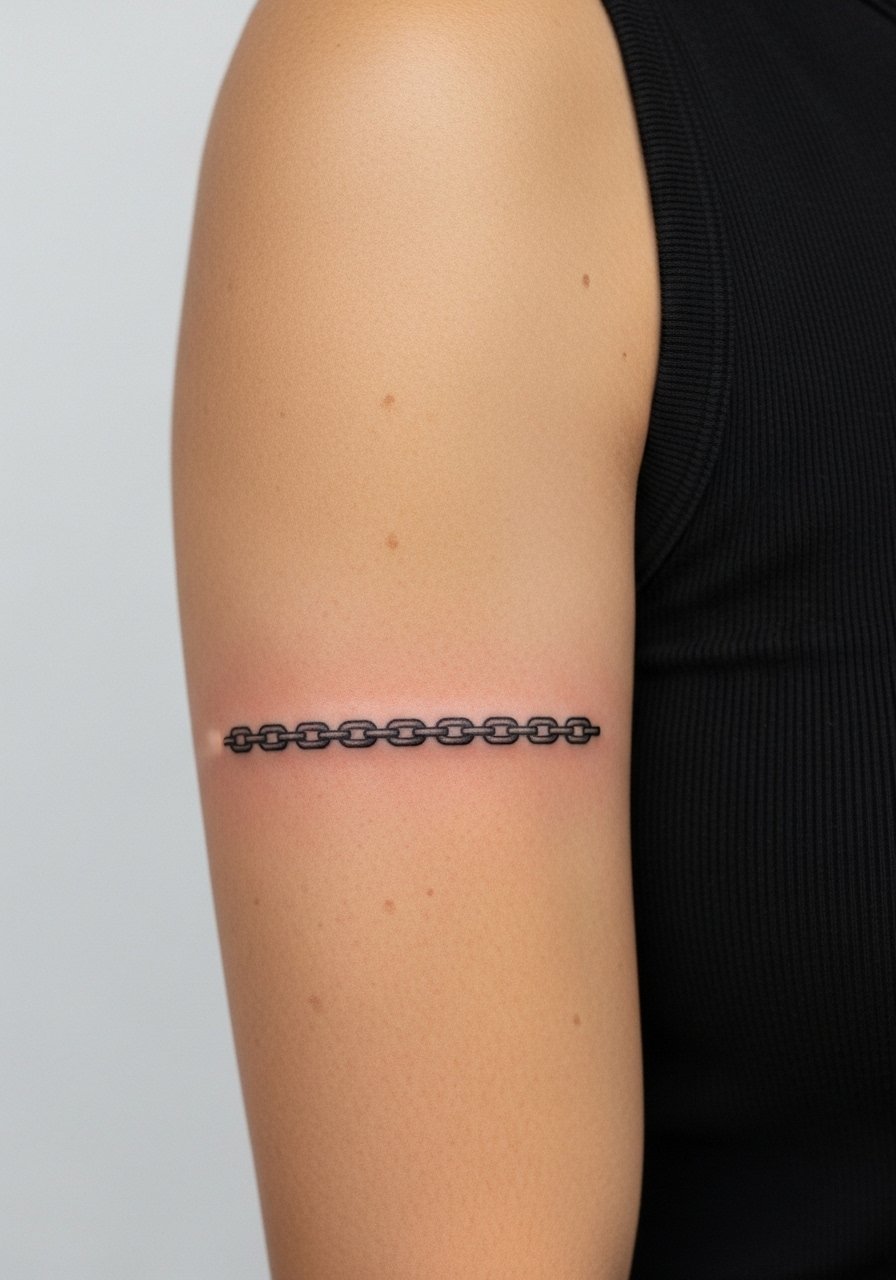
A chain-link band feels industrial and intentional when links are open and not too delicate. Request link spacing that accounts for swelling and movement. Small links are the common mistake because they lose contour. Session time ranges from 45 minutes to 90 minutes. This piece looks balanced with a casual henley that keeps the arm silhouette simple.
26. Neo-Traditional Eye Motif
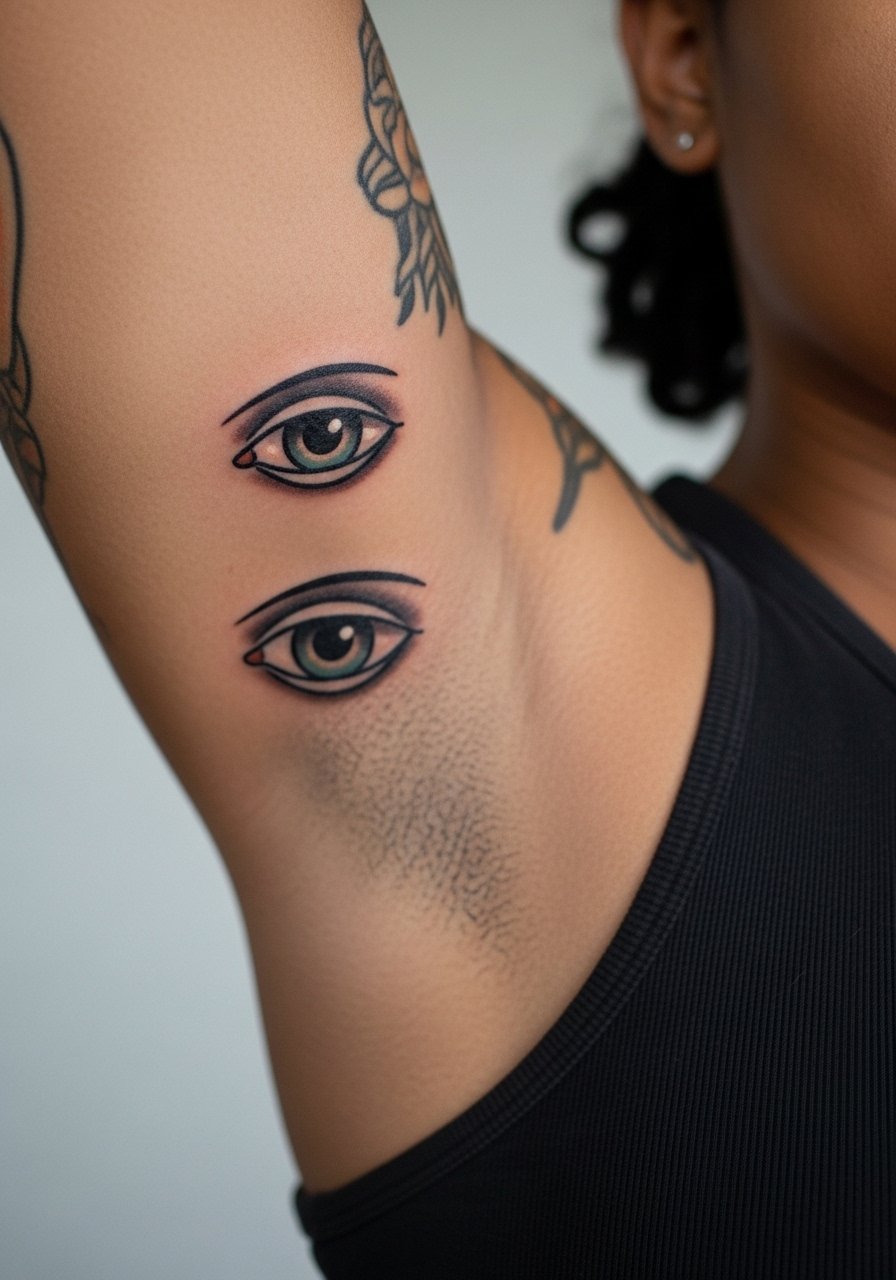
Neo-traditional eyes use contrast to stay readable over time. Ask for saturated darks and restrained mid-tones rather than busy textures. The mistake is packing too much tiny shading that fades into noise. Sessions may be one to three hours depending on color. For the appointment wear a sleeveless top that gives clear access and keeps the area calm during healing.
27. Split-Design That Reads Flat When Relaxed
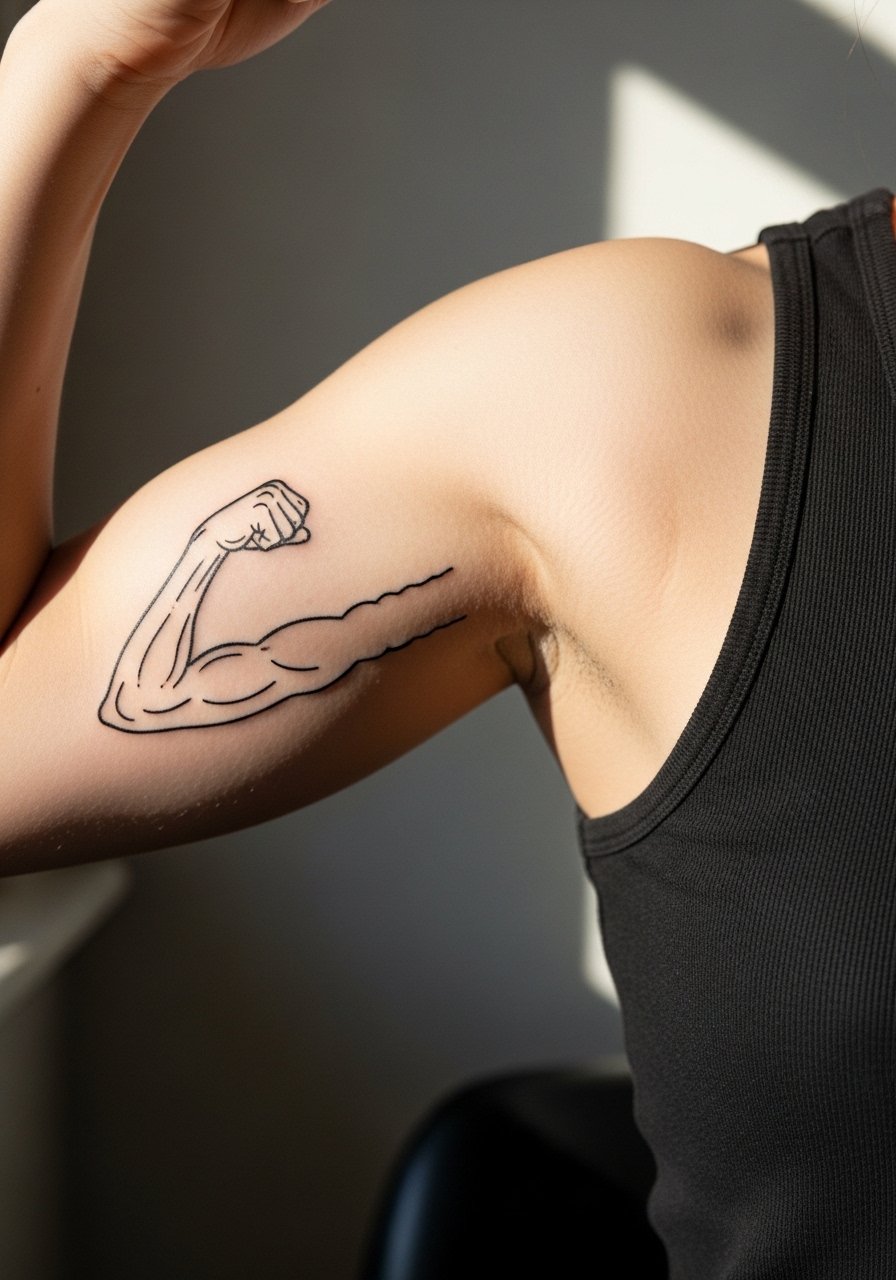
A split-design rewards motion by completing when you flex the bicep. During consultation, ask the artist to tattoo each half with a small overlap area so alignment remains readable. A typical error is poor registration that looks mismatched when relaxed. Plan for a one to three hour session depending on complexity. For photos and casual reveal, a fitted sleeveless shirt frames the effect without covering the halves.
Frequently Asked Questions
Q: How painful is an inner bicep tattoo compared with outer arm work?
A: The inner bicep tends to rate higher on most personal pain scales because the skin is softer and closer to nerves. Expect sharp moments during lines that cross the fold, but short sessions and breaks help. Using topical numbing cream for quick pieces is an option some people use after checking with their artist.
Q: Will fine line scripts on the inner bicep blur faster than bold work?
A: In my experience fine line scripts are more vulnerable especially if the letters sit close together. Bold outlines and medium line weight age more predictably. Ask your artist to draft slightly wider counters and to show healed examples of similar work from their portfolio.
Q: What should I wear to a session to keep the inner bicep area accessible and comfortable?
A: A sleeveless or loose tank top that you can pull slightly to expose the inner arm is the most practical option. A loose tank top or button-down you can shift provides access and keeps you covered in transit.
Q: How long before a tattoo on the inner bicep looks healed and settled?
A: Surface healing takes about two weeks for most people, and the piece continues to settle for several months. Fine detail can soften over the first year, so expect touch-ups in two to three years depending on line weight and how much sun or friction the area sees.
Q: Are there workplace considerations for inner bicep tattoos for men?
A: Inner bicep tattoos are easy to conceal under short sleeves and are less likely to affect professional situations than hand or neck work. That said, if your role has strict visibility rules check with HR policies first so you choose placement that stays private when needed.