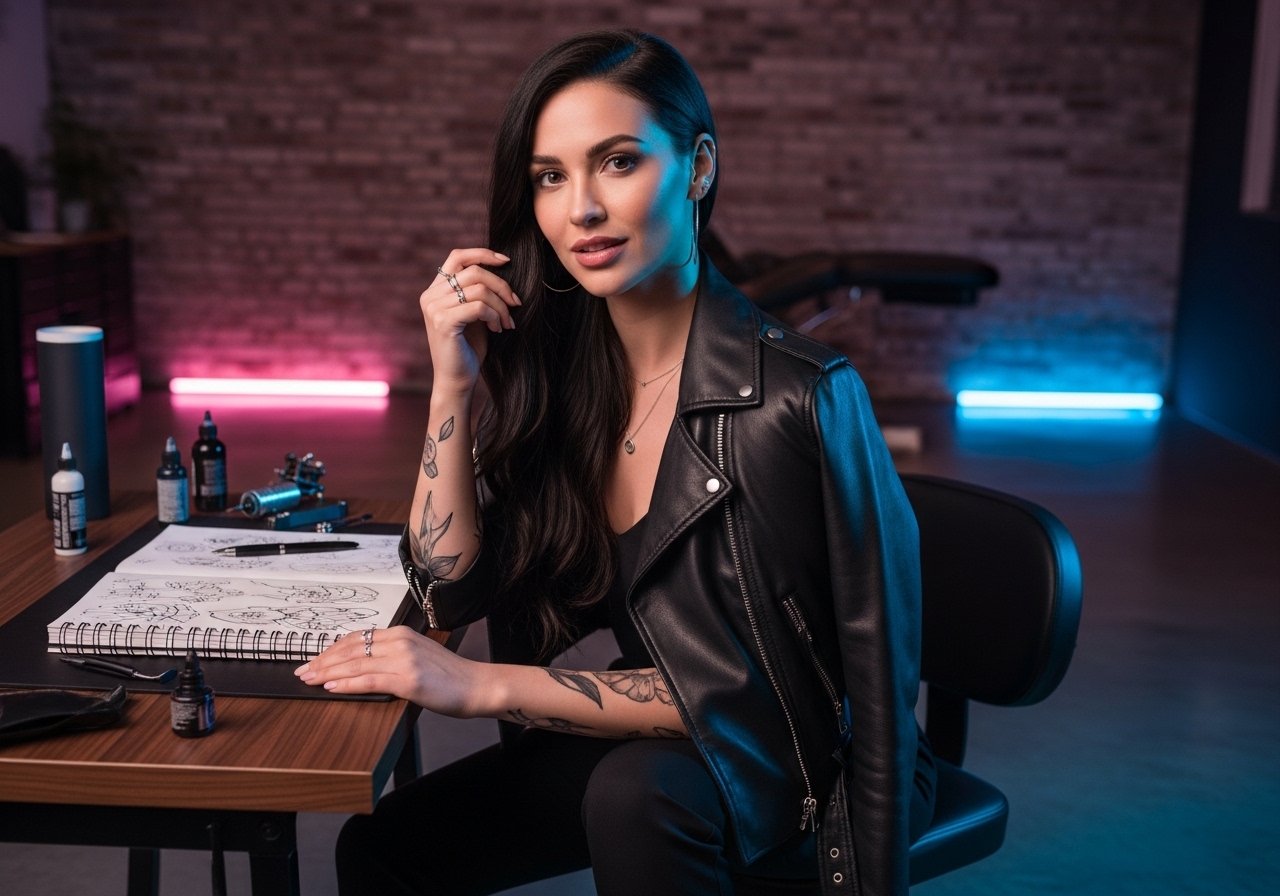
Fine line micro orbs are everywhere on feeds, but what holds up to daily life and sunlight is a different story. Fading, surprise touch-ups, guest-artist reschedules, and sticker shock on pricing are the real decisions you make before the needle hits skin. These 21 micro Vivienne Westwood tattoo ideas balance trend energy with practical choices so you can pick a tiny design that still looks clean in two years.
1. Micro Orb Logo on Wrist
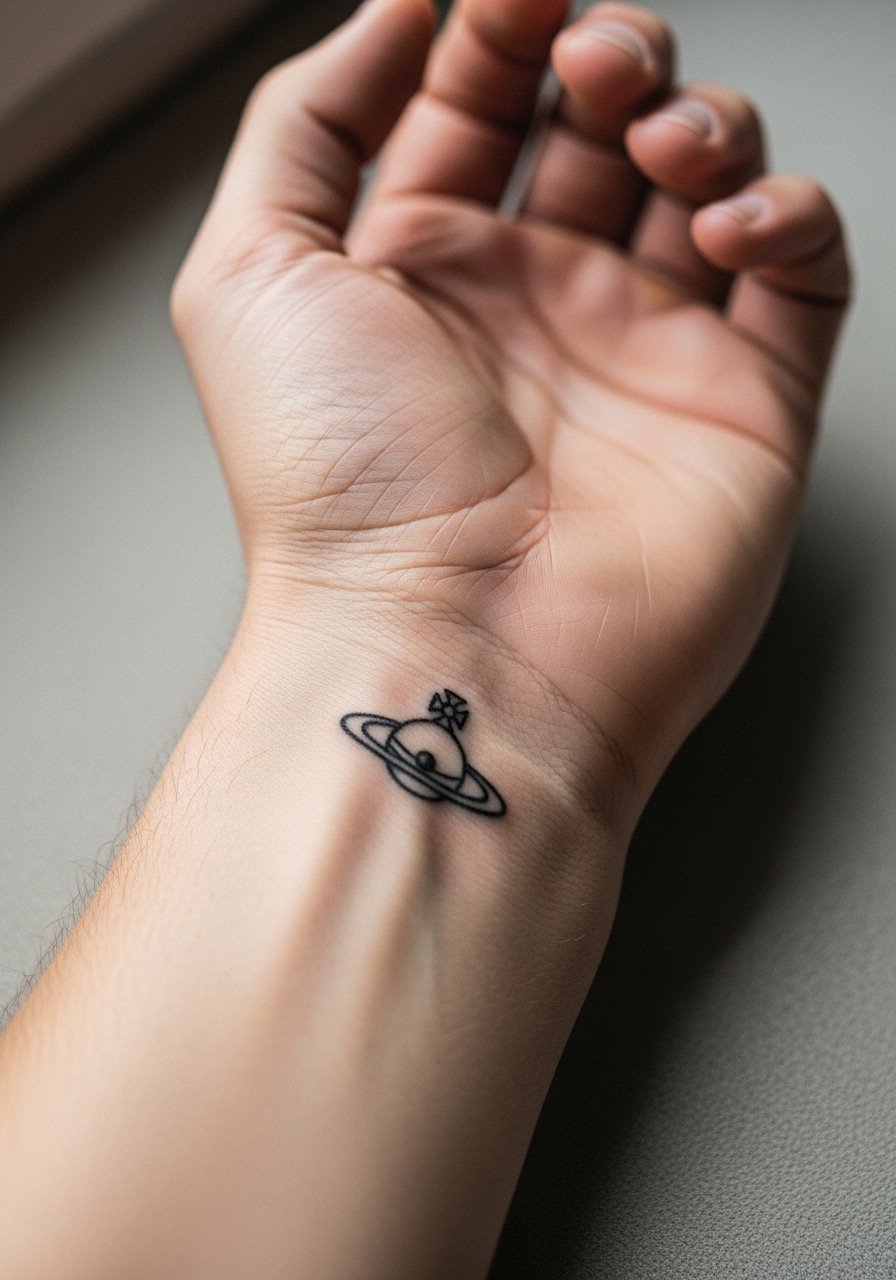
I've seen tiny orbs on wrists that read clean for years, and others that become a faded smudge inside a season. Wrist skin gets frequent sun and friction from watches and bracelets so ask your artist for slightly heavier linework than the thinnest fine line. Expect the session to be quick, under 30 minutes, and the pain to be low to moderate. A common mistake is asking for ultra-fine detail at 1 cm, which often blurs into a gray spot by year two. For showing it off, pair this with a thin silver chain bracelet on the opposite wrist and a cropped black hoodie for layered looks during cooler months.
2. Fine Line Pirate Skull on Inner Forearm

Fair warning, inner forearm is a high-visibility spot that photographs well but shows every tiny line. The fine line pirate skull works best at 3 to 5 cm so the jaw and eye sockets have breathing room. Tell your artist you want slightly bolder anchors on key contours and stipple shading for texture. Many people ask for hairline detail that vanishes after a year. At six months the stipple holds, at two years the thinnest hairlines may soften, and a touch-up at year three can restore crisp edges. For session wear, a linen button down shirt with rolled sleeves gives access without fabric drag.
3. Neo-Traditional Heart with Chains on Upper Arm
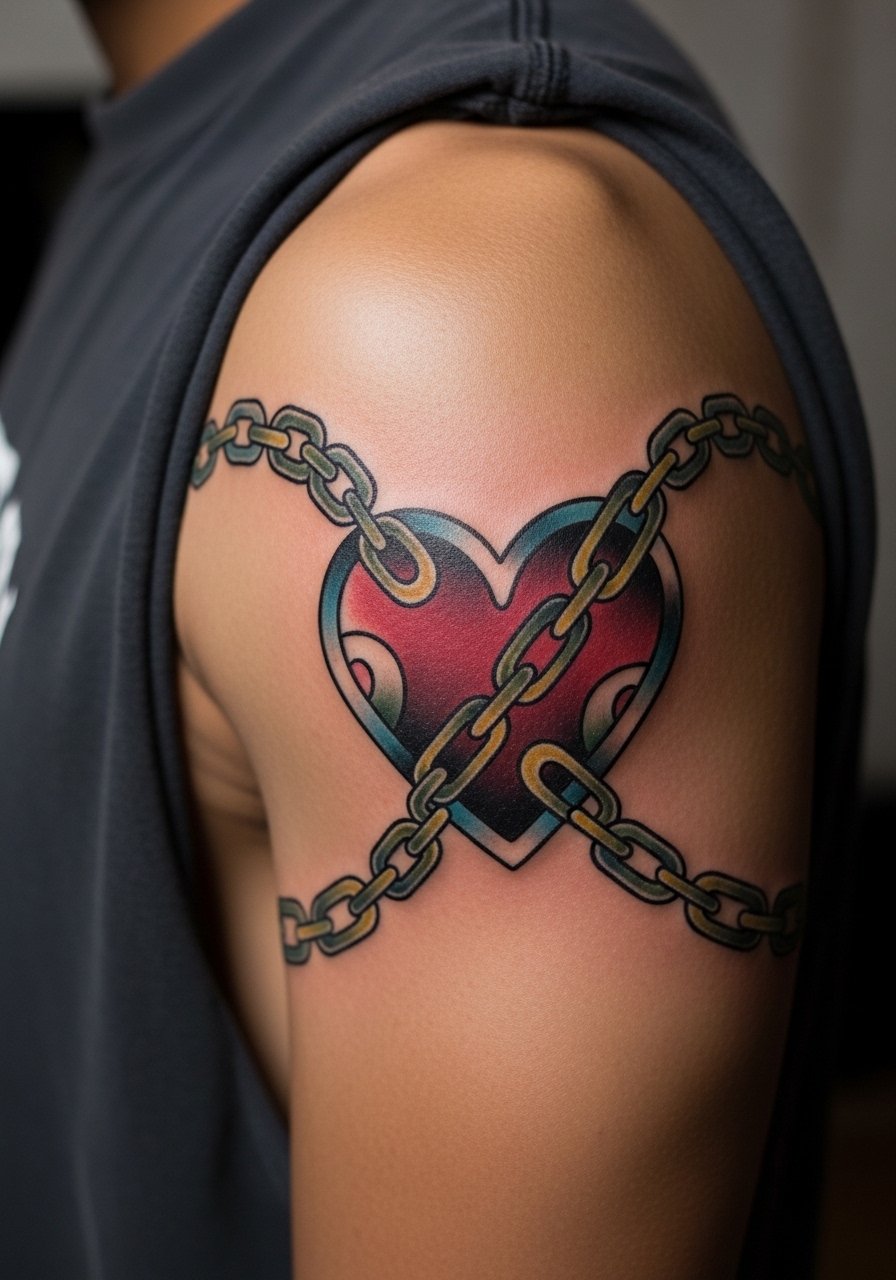
There is a strong visual payoff with neo-traditional color and bold outlines on the upper arm. The skin takes saturation well here so the reds and blacks stay punchy longer than on wrists or ankles. Plan for a two-session approach if you want layered color. The most common mistake is overcrowding the heart with tiny chain links; leave negative space around chains so they do not merge when healed. Expect moderate pain and a session of 60 to 90 minutes. For evenings out, this placement pairs with a cropped leather jacket unzipped to frame the piece and show color without overwhelming the silhouette.
4. Dotwork Globe Orb Mini on Ankle
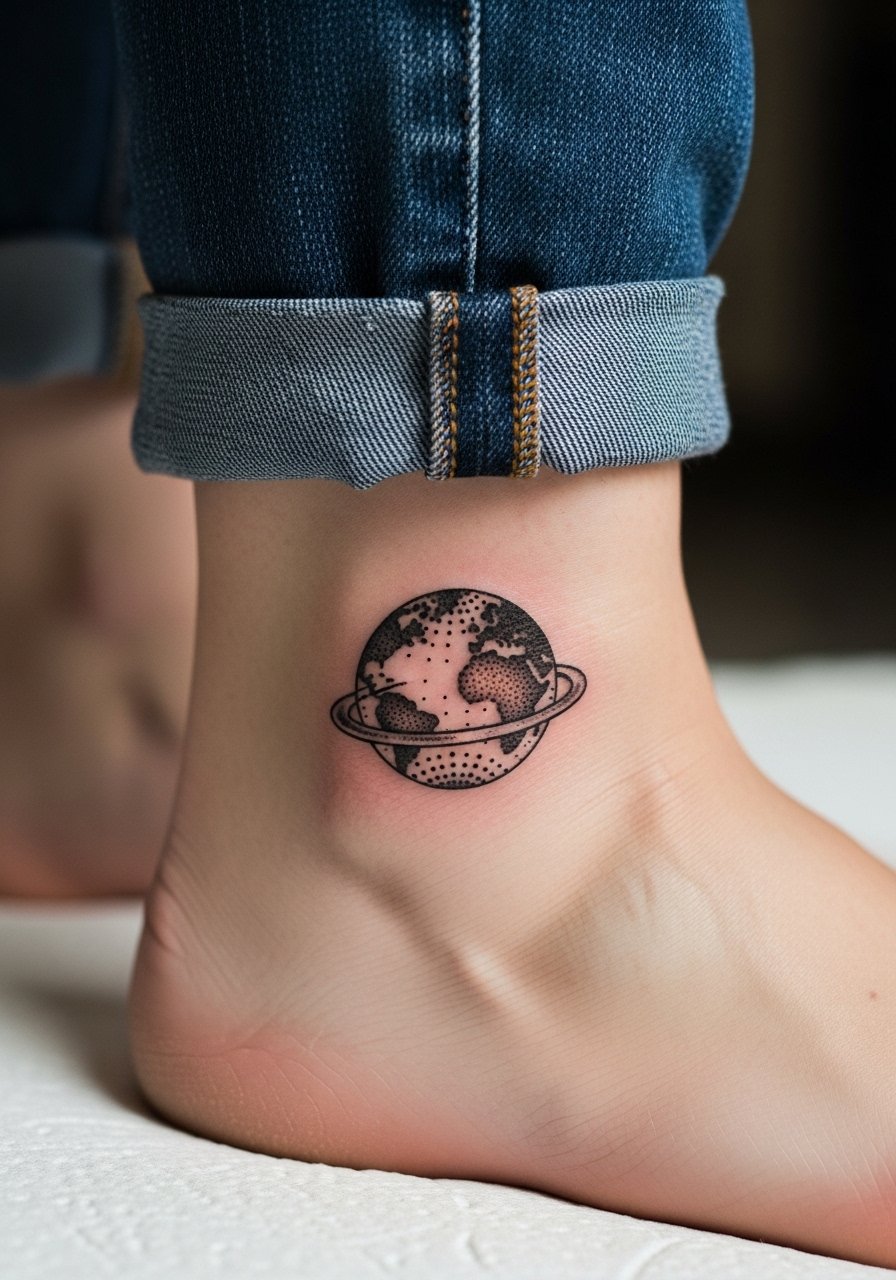
Ankle dotwork looks graphic and minimal but heals under a lot of friction from shoes and socks in summer. If you pick tiny stippling, expect slower saturation and possible partial loss in high-sweat months. Ask for slightly denser dot clusters on shadowed edges so the form reads at three months. The session is usually under 45 minutes and the pain is on the higher side because of thin skin near bone. A practical session tip is to wear cuffed ankle jeans or sandals so the artist can position your foot without fabric interference. Plan for a touch-up at 12 to 18 months if you live in a humid climate.
5. Watercolor Westwood Print Fragment on Shoulder Blade

Watercolor fragments read like a small painterly patch for people who want color without heavy outlines. On the shoulder blade, color sits well but thin watercolor washes can spread if the artist storms the skin too shallow. During consultation say you prefer color layering over washed streaks so the artist can plan saturation and session timing. Most watercolor minis take 60 to 90 minutes and feel like a prolonged mild sting. A regular mistake is asking for too many subtle hues at 5 cm which can blur into muddiness in five years. Show it off with an off shoulder blouse that reveals the area for parties while protecting it under tees during sun exposure.
6. Blackwork Chain Link Band on Forearm

Bold blackwork on the forearm is a reliable pick if you want a graphic, long-lasting micro piece. Line weight and saturation matter more than intricate negative spaces for longevity. Expect a single session of 45 to 75 minutes and moderate discomfort from long stretches of needlework. The biggest mistake is asking for a tight micro band under 2 cm wide; give the links room to avoid blurring. For outfits, a muscle tank top or an unzipped leather jacket shows the band cleanly. Artists split on Saniderm versus dry healing for bands, so ask where they stand before you book; one camp prefers protective film, the other swears by breathable air for stronger long-term healing.
Studio Day Picks
The wrist, ankle, forearm and shoulder pieces above all benefit from small prep items that keep the session clean and reduce friction during the first week.
-
Tea tree tattoo salve. A lighter salve option that reddens less than thick ointments, useful for micro linework on wrists and ankles where clogged pores are a worry.
-
Green Sheep tattoo balm. Breathable balm picked by many for micro pieces on oilier skin, it helps the dotwork and fine lines settle without a heavy greasy film.
-
Aftercare spray for tattoos. Spray formats dry faster than thick balms and reduce the peel on ankle dotwork that faces a lot of summer sweat.
-
Ink fixer oil. Niche oil some people use to help color retention on small pigment-heavy areas like watercolor fragments, especially when layered in two sessions.
-
Hustle Butter Deluxe. Thinner than heavier ointments, it can prevent clogged pores on micro linework during the first week and is popular for delicate collarbone pieces.
7. Micro-Realism Lipstick Kiss on Collarbone

The collarbone is one of those placements that resists major stretch and shows detail. Micro-realism lipstick kisses here look intimate and photograph well. Plan for black and gray shading at 2 to 3 cm so the shape reads from most angles. The session feels pricklier near bone but is short, 30 to 45 minutes. A common mistake is asking for full tonal gradients at 1.5 cm, which often lose depth by two years. For the appointment, wear a strapless midi dress or a wide-neck shirt you can pull aside so the artist has clean access and you stay modest during the session.
8. Ignorant Style Skull with Bow on Calf
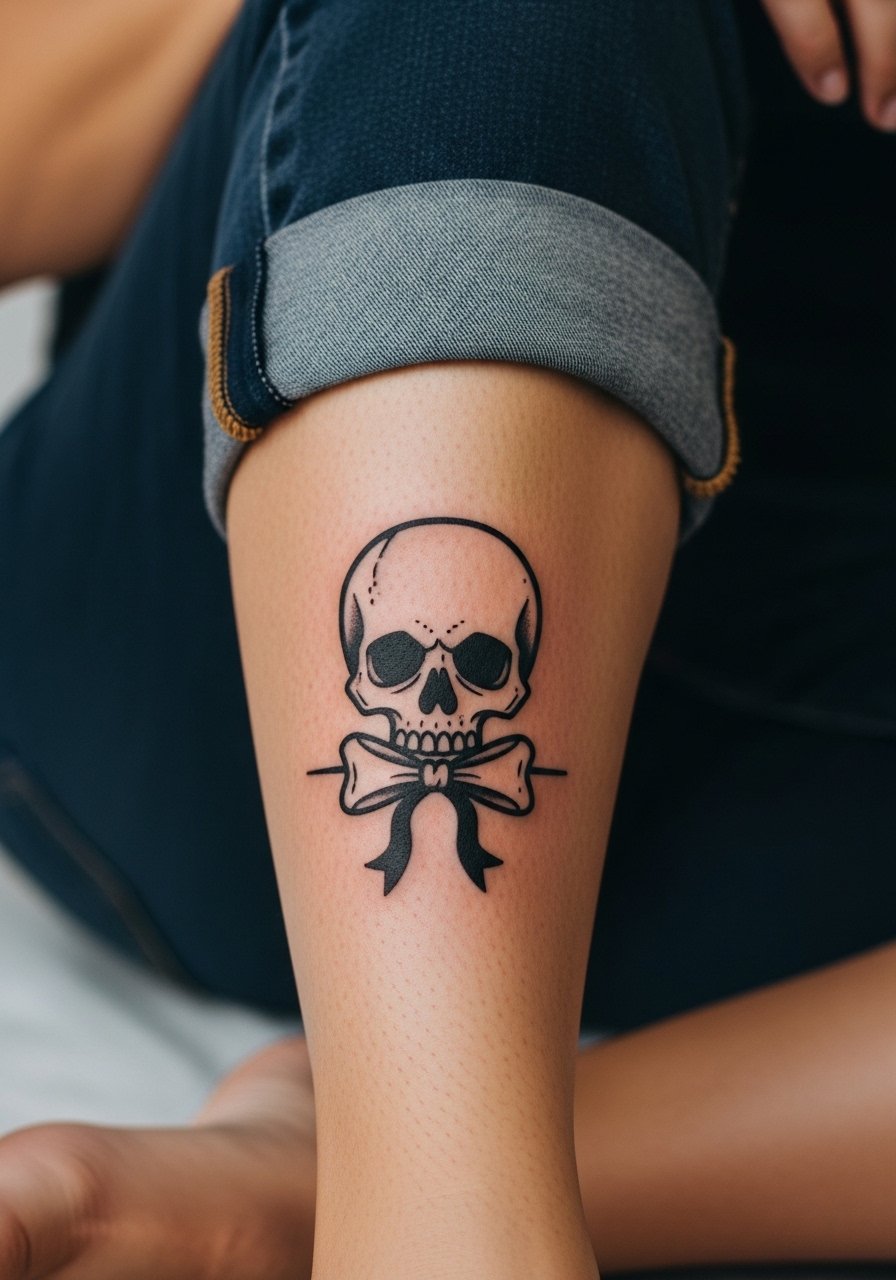
Ignorant style favors a sloppy, hand-drawn look that feels raw and playful. The calf is forgiving of bold single-pass lines so the style reads as intended. Sessions run 30 to 60 minutes with moderate discomfort. The mistake is asking the artist to smooth out the crude edges; that removes the whole point of the style. At six months the crude lines look lived-in, and at two years well-saturated blackwork still reads clear. For everyday outfits, roll bootcut jeans or wear crew punk print socks in sandals to show the piece without crowding it.
9. Ornamental Corset Lace Outline on Ribcage

Fair warning, the ribcage is a higher pain zone, usually a seven or eight on common scales, but the space gives lace patterns room to breathe. Artists disagree on fine line here. One camp says the thin lines blur quickly because the skin stretches and moves, and the other camp says careful needle depth and spacing make fine line hold. Name both positions when you consult a book-in artist and ask for sample healed photos on similar skin. The usual mistake is compressing too many lace curls into a 4 cm height. Plan for a single session of 60 to 90 minutes and expect a potential touch-up at year two if you keep lines superfine.
10. Minimalist VW Monogram on Neck

Neck placements are trendy but visible in most professional settings, so think about career context. A 1.5 cm monogram with bold single-line strokes lasts better than ultra-slim script. The session is quick and the pain moderate. A common mistake is asking for a micro serif script that becomes illegible after a year. Wear a dainty chain necklace that sits below the mark to frame the monogram without covering it. Touch-ups are common at year two if you live in high-UV areas.
11. Geometric Punk Spike Cluster on Thigh

Thigh flesh handles line density well so geometric spikes keep their crisp angles longer than wrists. The session is comfortable for most people because there is more padding, and you can expect 45 to 75 minutes depending on cluster size. The typical mistake is compressing too many small spikes into a 3 cm area, which causes merging over time. For showing off, choose high waisted denim shorts or a slit skirt that gives the pattern space to read. A touch-up may be worth it at year three if you want the points razor sharp again.
12. Traditional Westwood Orb Flash on Outer Bicep

Traditional flash is a solid choice when you want a small piece with longevity because the heavy outlines and saturated color age predictably. Outer bicep accepts saturation well and the design is readable in most social settings. Avoid requesting tiny internal shading that mimics watercolor inside a small orb; that fades faster. Sessions run 60 minutes and the pain is moderate. For wardrobe, a fitted graphic tee or an unzipped leather jacket complements the bold palette.
13. Micro VW Orb with Punk Relic Integration on Wrist

This is one of the under-covered ideas I recommend. Adding a micro relic like a tiny safety pin tied into the orb makes the design personal and adds visual interest without scaling up. Tell the artist you want the pin to read as a separate element at 1.5 to 2 cm, not a line inside the orb, otherwise it will wash out by year two. Sessions are short and the pain is low to moderate. The error people make is packing the wrist orb with micro-relief details that compete with daily wear. For session wear, keep jewelry off and wear a sleeveless tank so the artist can position your wrist easily.
14. Finger Knuckle Micro VW Ring

Finger and knuckle tattoos do not heal the same as skin on an arm. Expect faster fading and more frequent touch-ups because of constant washing and friction. If you want a ring-like punk statement, go slightly bolder than you think for the negative space between glyphs. The session is short but the pain is high due to thin tissue. A common mistake is asking for extremely thin script across the knuckle that becomes unreadable after months. For daily styling, a simple stack of non-tight rings helps frame the piece without rubbing the skin during healing.
15. Ornamental Corset Lace as Cover-Up Base on Ribcage

Using lace outlines as a cover-up base is a clever way to refresh dated trends while keeping scale micro. The ribcage gives room to rework old ink, but coverage depends on the existing saturation and colors. During consultation bring photos of the faded piece and be candid about what you want concealed. The usual mistake is expecting perfect concealment from a single micro pass; sometimes more sessions are necessary. This placement hurts more than an arm piece, and healed contrast may shift, so plan follow-up touch-ups after the first healing cycle.
16. Black and Gray Micro-Realism Kiss on Collarbone
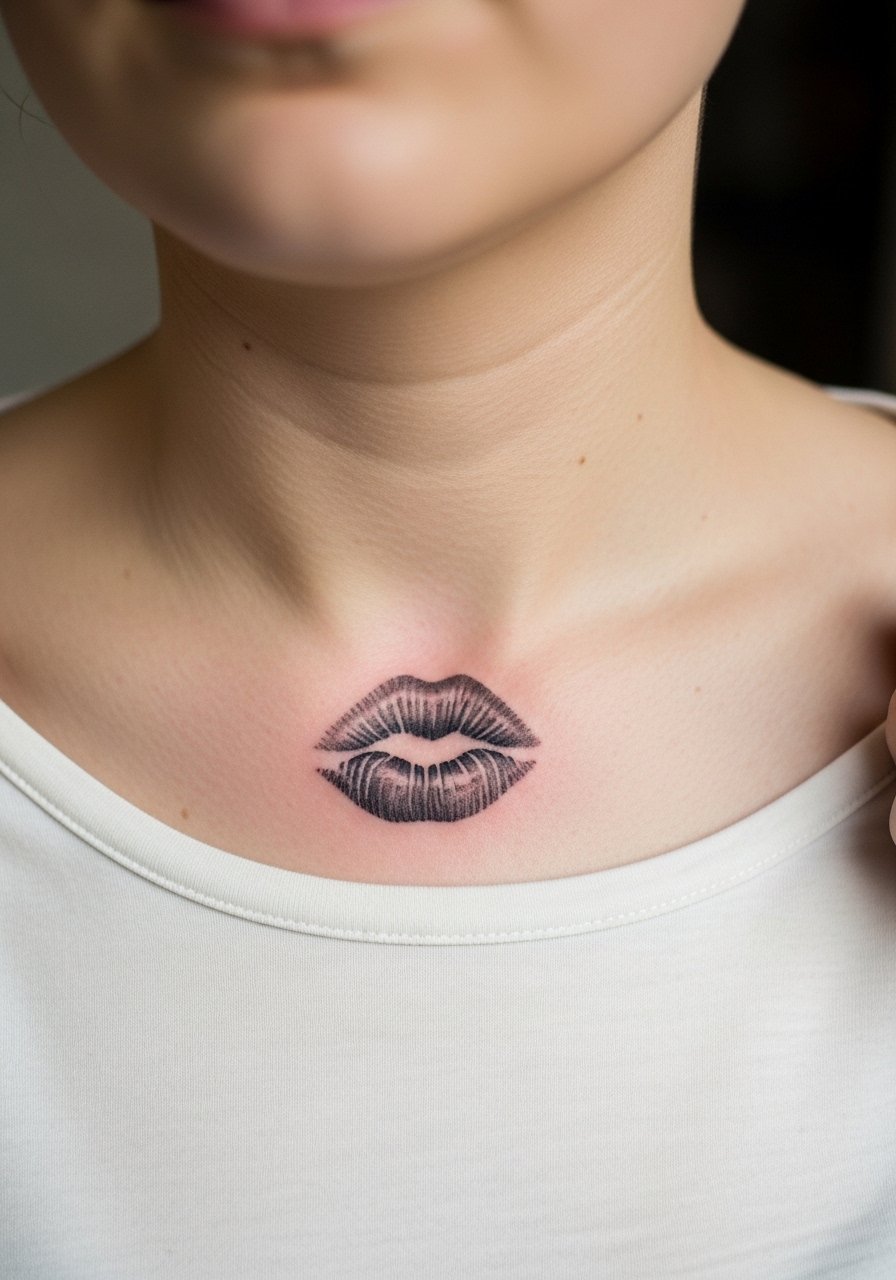
If you like the lipstick kiss but want neutral tones, micro-realism in black and gray reads like vintage makeup and resists color bleed. The collarbone shows detail well, but avoid ultra-thin gradients at very small scale. Sessions are short and the pain is localized near bone. A misstep is asking for feathered edges at 1.5 cm which often lose the soft gradient effect as they heal. For the session, a dainty chain necklace sits below without covering the piece and keeps focus on the micro image.
17. Geometric Spike Cluster as Thigh Accent

Inner thigh work is intimate and heals behind clothing, which gives it added protection from UV but raises friction concerns. Geometric spikes in this zone should be spaced so each point breathes, otherwise they merge under stretch. Expect a single comfortable session of 45 minutes. The common mistake is compressing details into a cluster that sits on the fold line, which increases blowout risk. For the appointment, wear loose shorts you can shift so the artist can access the area without pressure.
18. Ignorant Skull Mini as Calf Badge

Calf pieces tolerate bold, single-pass linework so ignorant style lands well here and keeps its attitude as it ages. Sessions are short and comfortably positioned. People sometimes ask to scale down a messy style too far which removes its charm, so keep the crude shapes at a readable 3 to 4 cm. For casual wear, rolled shorts or high socks let you show the badge without rubbing it raw during initial weeks.
19. Ornamental Mini Corset Lace for Rib Accent

A smaller lace motif on the ribs can be a subtle nod to Victorian influence while staying punk in attitude. Because ribs stretch, the safer call is to space elements and avoid micro-hatching that blurs. The session is in the higher pain range and typically under 60 minutes for a micro piece. Ask for sample healed photos on similar skin before booking and plan for a possible touch-up at year two if lines soften.
20. Micro Orb with Jewelry Overlay on Ankle

Pairing a tiny orb with drawn jewelry lines creates a hybrid look that reads like a real charm when placed at the ankle. The key is spacing the chain so it does not sit on a fold or friction zone inside shoes. Sessions are short and the pain moderate. A typical error is drawing the chain too close to the orb, making both elements compete when healed. For summer showing, cuffed jeans and strappy flat sandals work well to keep the area visible and reduce rubbing.
21. Minimalist VW Orb for Collar or Behind Collarbone
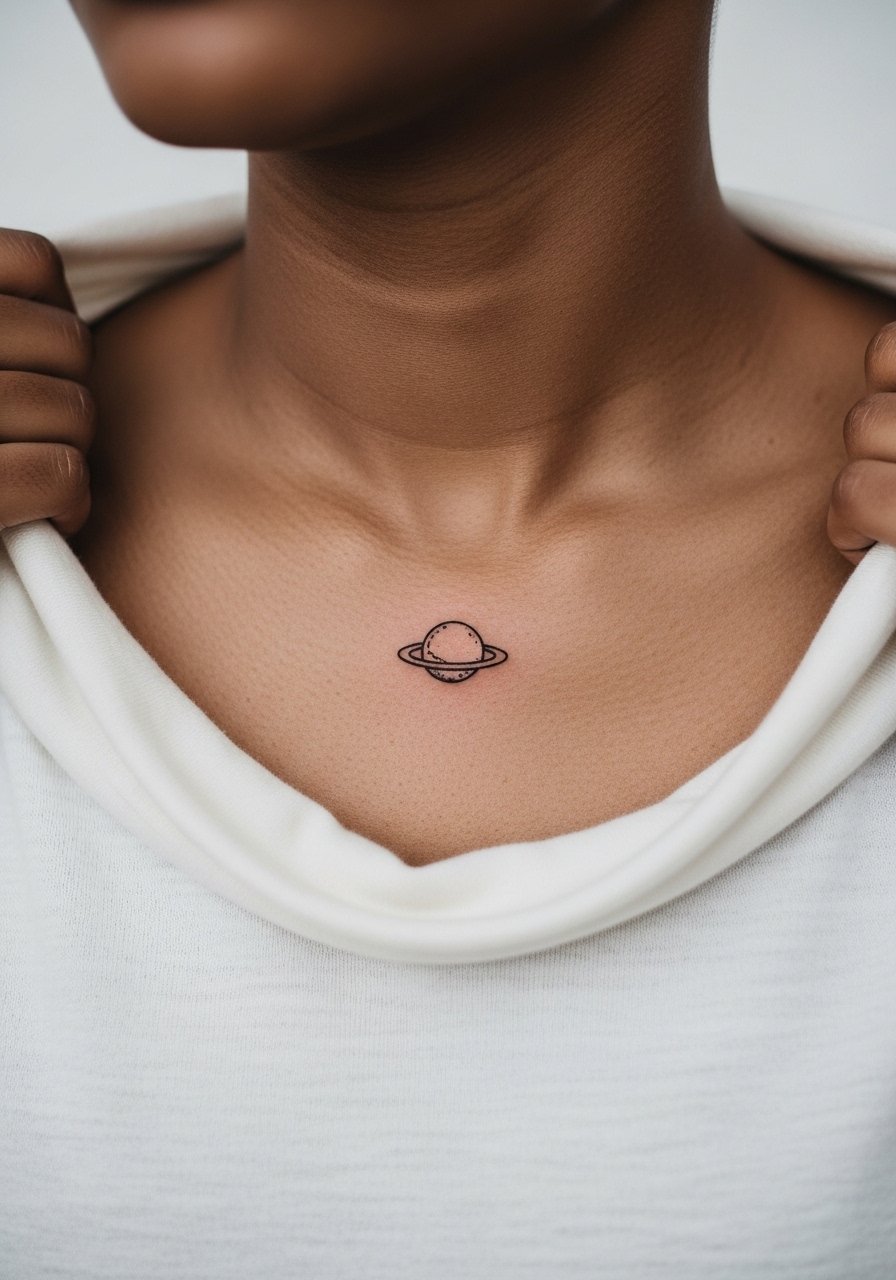
The narrow strip just under the collarbone resists body changes better than wrists, so small minimalist orbs stay readable longer. Keep the design at least 2 cm so the globe lines do not compress. This spot hurts mildly near the bone and the session is brief. The common mistake is choosing a micro orb under 1.2 cm that needs touch-ups quickly. For showing the piece, off-shoulder tops or simple pendants that sit below the mark let it be noticed without clutter.
Frequently Asked Questions
Q: How long before a fine line micro orb needs a touch-up on a wrist or hand?
A: It depends on placement and lifestyle. For fine line wrist work expect to look at a touch-up around 12 to 24 months if you spend lots of time in the sun or wash your hands frequently. Hands and fingers wear faster than collarbones or biceps, so plan budget and timing accordingly.
Q: Is blackwork better than watercolor for longevity on small Vivienne Westwood pieces?
A: In my experience blackwork holds up better over time because saturation and line weight endure sun and constant movement. Watercolor looks spectacular fresh but can lose crispness in two to five years unless the artist layers color strategically and schedules a follow-up session.
Q: Should I use Saniderm for an ankle dotwork orb or try dry healing?
A: Artists split on this one. One camp prefers Saniderm for ankles because it keeps out sweat and dirt, and another camp favors dry healing to let the skin breathe and form a stronger scab. Ask the studio where they have seen better healed photos and choose the method your artist has consistent results with.
Q: How do I find a Vivienne Westwood–style specialist without relying on individual artist names?
A: Search style tags like #MicroVivienneWestwood, #VWTattoo, or use filters on directories that let you pick style plus body part. Booking platforms and convention listings are helpful for guest spots, and community forums often flag artists who specialize in small logo and punk-motif work.
Q: What should I wear to a ribcage or sternum micro session to make the appointment smoother?
A: Wear a cropped athletic top or a strapless piece you can lift slightly to expose only the tattoo zone so the artist can work without you being uncomfortable. If you want one product to make the session easier, a fitted sports bra you can pull down slightly is the simplest choice and keeps coverage modest.