
Fine line fourth wing motifs look delicate on a saved board and tricky on real skin, and trends do not always match what lasts. Fans who want a tiny fourth wing need to balance scale, placement, and needle spacing more than they expect, because a size choice made in an app can mean a touch-up in a few years. Below are focused mini designs and practical notes to help you book the right session.
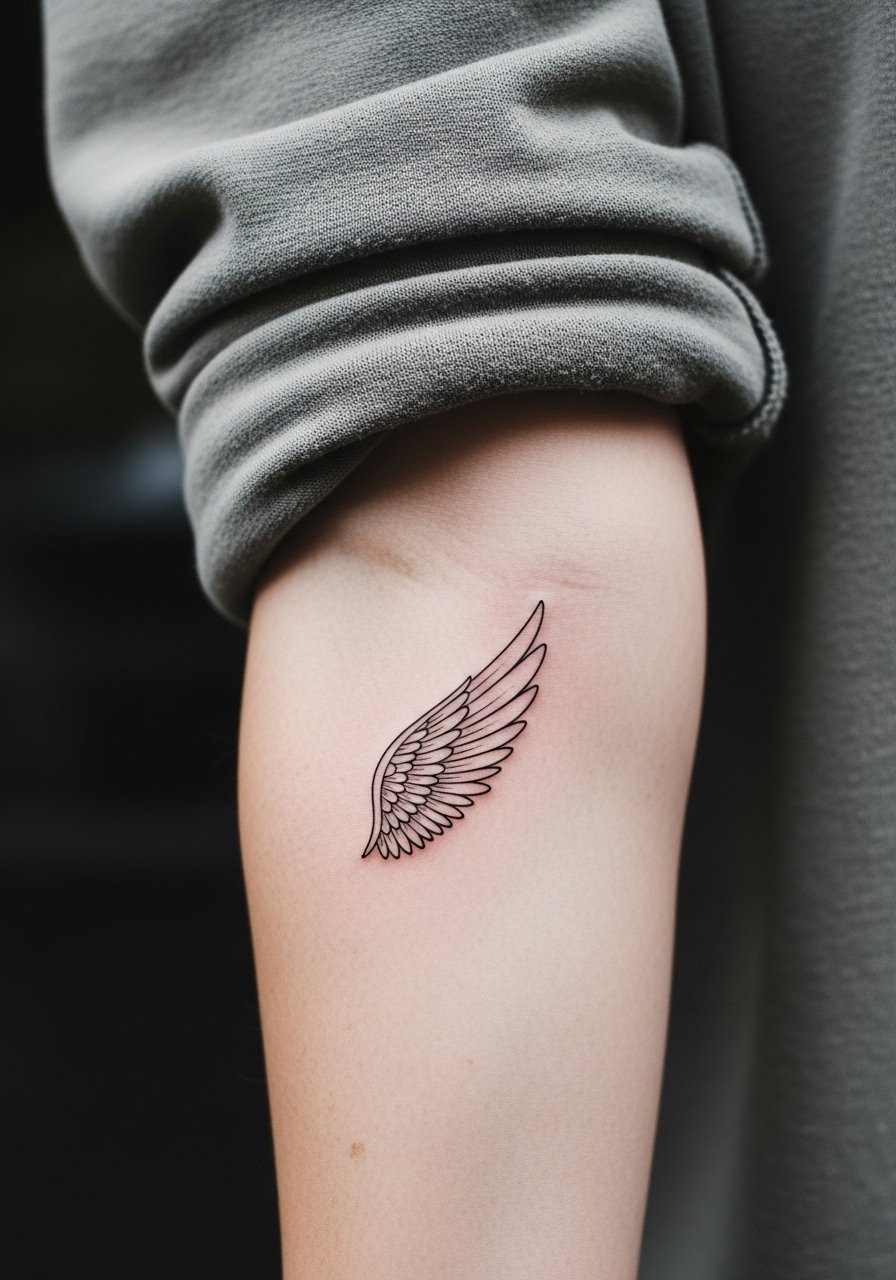
1. Fine Line Single Wing on Inner Forearm
I've seen this placement age well when artists leave breathing room between feathers. Ask your artist for slightly heavier primary feather outlines and very light stipple shading between them to preserve detail at year two. Fair warning, the inner forearm gets sunlight and abrasion from sleeves, so plan to protect the area. For the session wear a loose button-down shirt you can slide aside without stretching the skin. Expect a one-hour session, low to moderate pain, and a likely touch-up around year three for fine edge work.
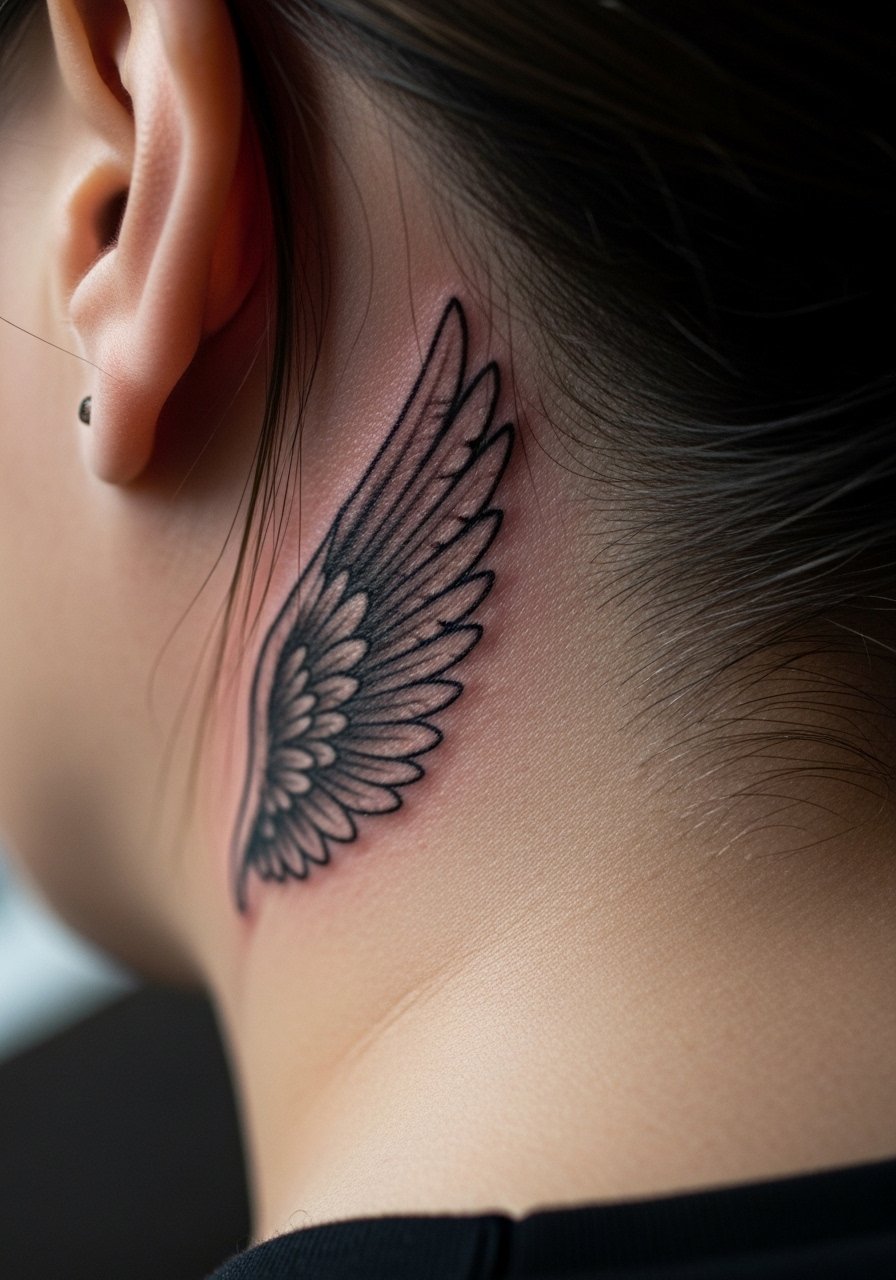
2. Micro Realism Mini Wing Behind the Ear
When tiny wings sit just behind the hairline they read like a secret detail rather than a statement. For this, tell your artist you want the stencil placed below the hairline on the neck so hair still frames the piece. Artists split on needle depth in this spot, so ask them how they handle thin skin before you book. For session comfort, bring a wide-neck shirt you can pull aside without exposing more than the small area. Expect flash-style work that heals quickly but can need a touch-up earlier than forearm pieces.
3. Minimalist Ankle Wing Tracing
A thin, arcing wing tracing the ankle reads delicate and travels well with sandals. The biggest mistake people make is asking for lines that are too close together, which leads to merging after healing. If you want longevity, ask for slightly more spacing and a clean outer contour so the silhouette stays readable. Session pain is low to moderate, and the constant friction from socks and shoes can cause early softening, so avoid tight footwear for the first two weeks. For show-off outfits choose a pair of strappy leather sandals that frame the ankle without rubbing the area.

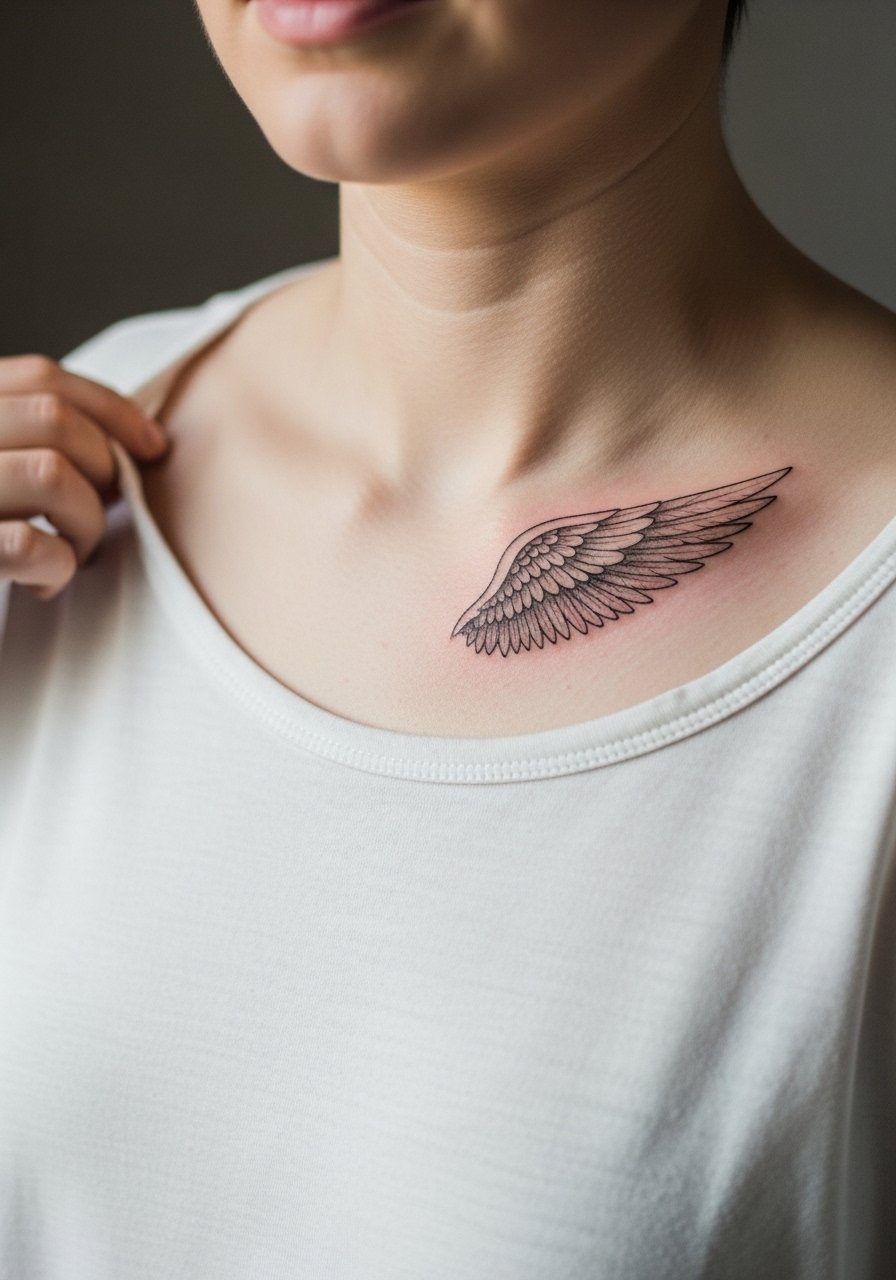
4. Tiny Fourth Wing Over the Collarbone
There's something about a small wing sitting near the collarbone that plays well with jewelry. For best results ask for a slightly wider baseline so the wing does not disappear into clavicle shadows over time. Pain is moderate because the bone is close to the surface, and shading should be light to avoid early blur. Pair the design with a thin chain pendant necklace to frame the work without crowding the collar area. Mention in consultation how you wear your necklaces so the artist can position the wing just above or beside a pendant.
5. Micro Dot-Work Wing on the Wrist
Dot-work stippling gives a soft texture that keeps a mini wing readable when lines are too thin. The common aging problem is over-dense stipple inside tight outlines, which merges over time. Tell your artist you prefer sparser dot clusters and stronger outer linework to maintain the silhouette. Wrist tattoos face frequent washing and bracelets rubbing, so wear a minimalist watch loosely during show-off periods and avoid stacking heavy bracelets for the first month. Expect 45 to 75 minutes of chair time and a likely touch-up window at year two.

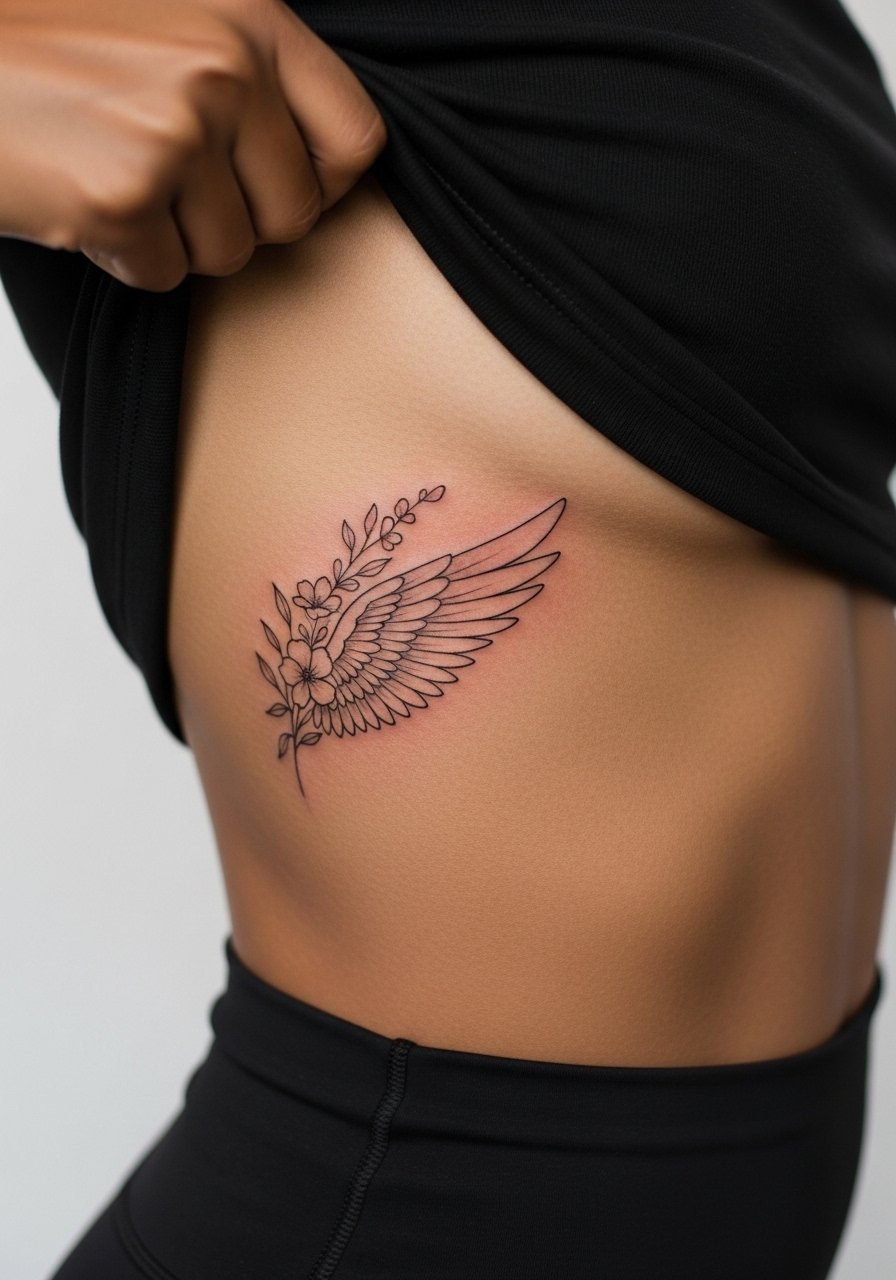
6. Tiny Wing on the Ribcage, Floral-Fused
Artists split on fine line work on ribs. One camp says the skin stretch there blurs thin lines within two years. The other camp argues that with proper needle depth and spacing fine line can settle fine on ribs. If you choose ribs, expect that decision to be about both placement and artist technique. For a mini floral-fused wing, ask for a slightly larger scale than you think you need so the petal details hold up. Rib sessions are higher pain and often need 1.5 to 3 hours depending on the intricacy. Wear a cropped athletic top that you can lift slightly so only the rib area is exposed during the session.
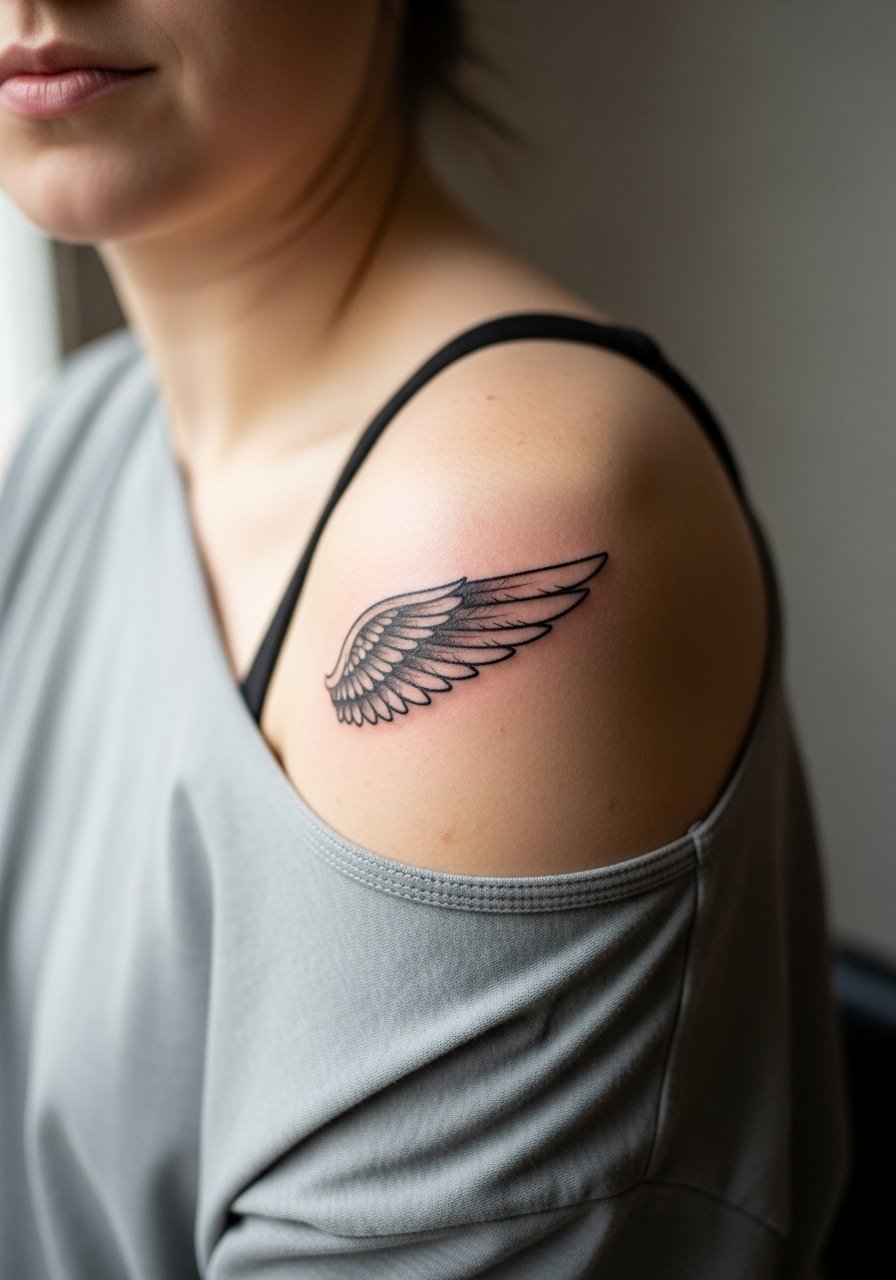
7. Micro Blackwork Wing on the Upper Shoulder
Visual impact lead works here because bold black silhouettes read from across a room even at a small scale. Ask for solid saturation in the primary feathers and lighter skin-tone negative space between them so the wing does not flatten over time. The upper shoulder is low on pain and shows well in sleeveless tops. For showing the design pick a loose tank top that drops the shoulder slightly to reveal the curve. Expect a single session under an hour for a compact silhouette and infrequent touch-ups if you keep sunscreen on the area.
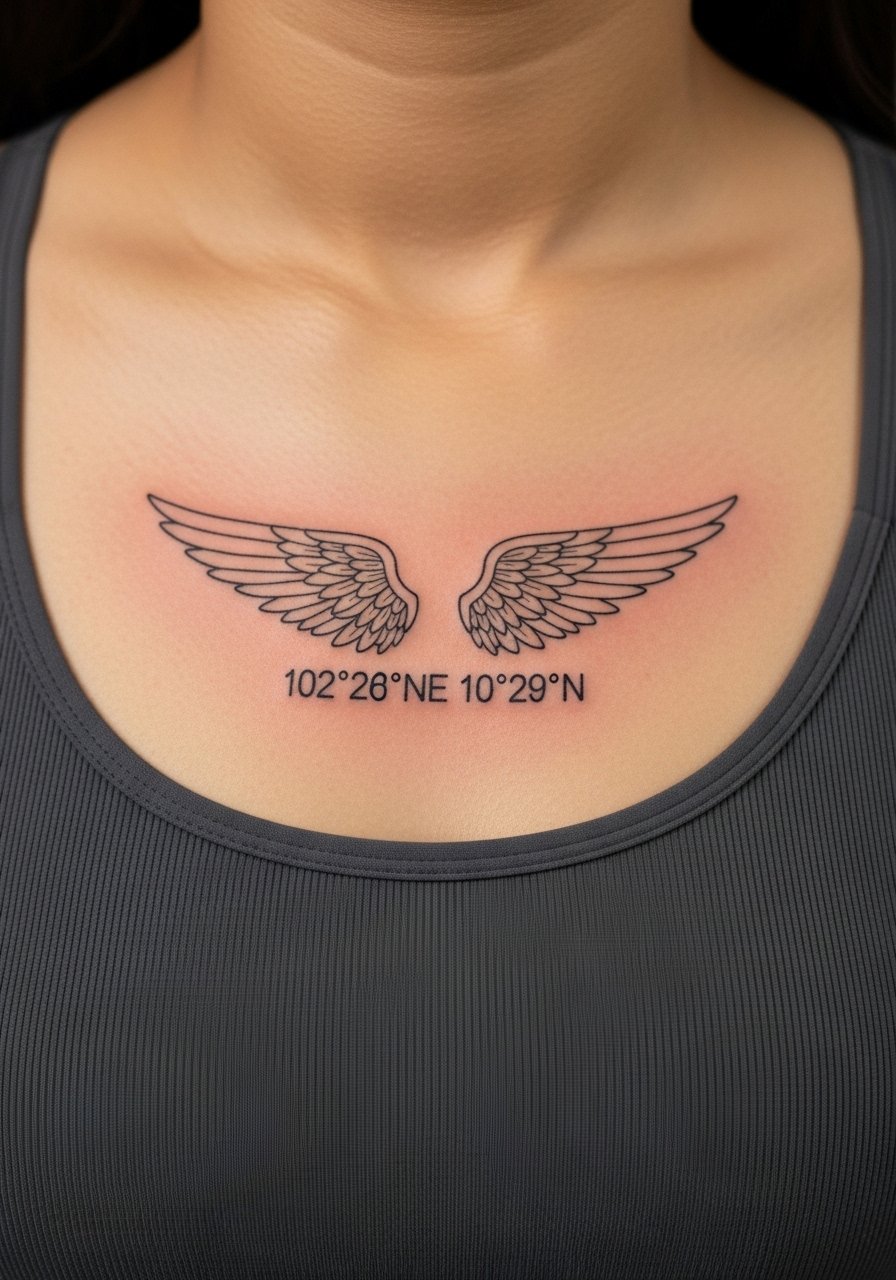
8. Micro Script Wing Combined with Coordinates on the Sternum
Consultation lead here matters because the sternum sits near movement and clothing lines. When you pair a tiny wing with coordinates or a single word, specify exact text so the spacing and font size balance with the wing shape. Sternum work is sensitive, so sessions feel longer than the clock suggests. Wear a fitted sports bra you can pull slightly down so only the sternum area shows. Also consider the visual of a bandeau or open-neck camisole when showing the healed piece. Expect touch-ups sooner than on flatter areas due to the skin movement.
9. Tiny Geometric Wing Near the Wrist Bone
Mistake lead is useful here because people often ask for intricate geometry too small for the wrist. The lines need breathing room or the angles will soften into ambiguous shapes. Tell your artist you want simplified geometry with one or two anchor lines rather than a dense lattice. Wrist bones create extra contour, so a slightly shifted placement toward the forearm can preserve the geometry longer. For showing it off, a stack of thin bangles worn loosely complements angular lines without rubbing them. Expect 45 minutes and a touch-up window around year two.

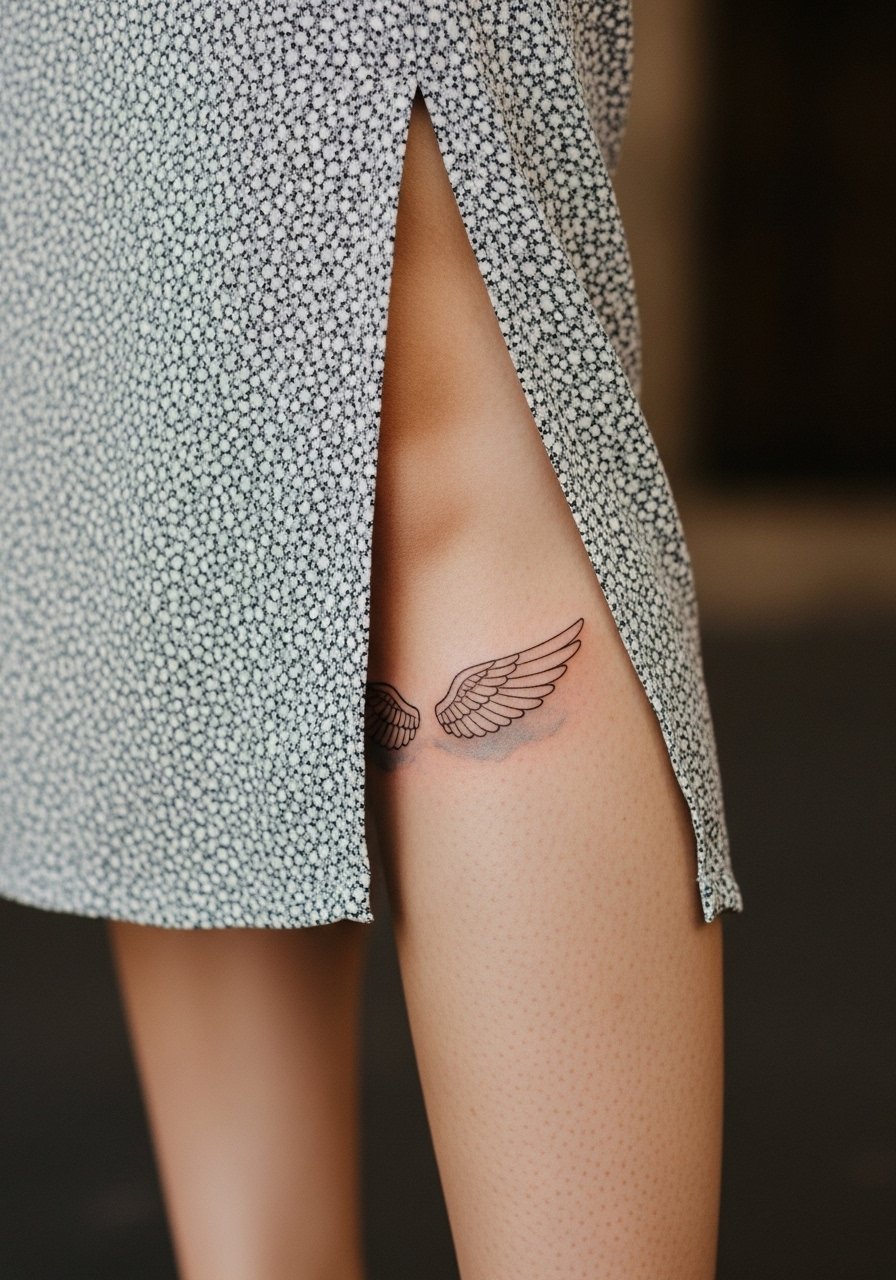
10. Micro Watercolor Accent Wing on the Outer Calf
Aging and color stability are the central concerns with watercolor accents. Most bright washes soften faster than saturated black, so keep the watercolor as a thin halo around bold black linework. The calf is a forgiving canvas with low blowout risk, and the session feel is comfortable while seated. For show-off looks pick a midi skirt with a side slit that reveals the calf, or roll up wide-leg pants when you want to display the piece. Touch-ups are more about color refresh than line repairs for this hybrid style.
11. Micro Traditional Wing on the Back of the Hand
Fair warning: hand tattoos are still evaluated differently in workplaces, so think about career impact before booking. Traditional bold outlines and saturated black fill can withstand frequent washing better than thin lines. The back of hand is high blowout risk if the design extends too far over knuckles, so keep the wing compact and centered. For session comfort wear a shirt with sleeves you can roll up and consider a drawstring linen pant if the shop has long seating sessions that make you want loose clothing. Expect a short session that may need touch-ups within 12 to 24 months because of constant exposure.

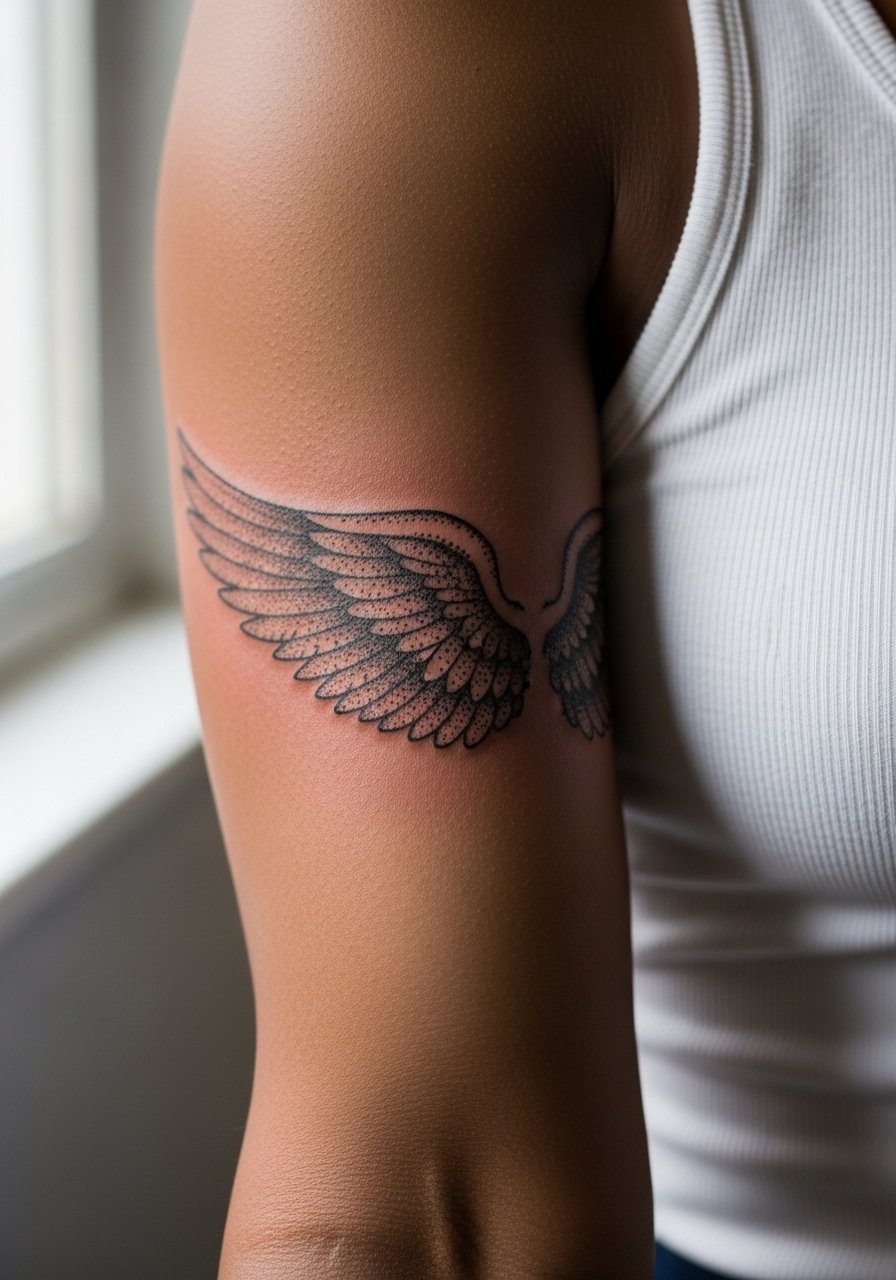
12. Tiny Stippled Wing on the Inner Bicep
Controversy lead is relevant to inner arm work. One group says the inner bicep's thinner skin causes dot work to blur quickly. The opposing group says that with proper needle choice and spacing stippling can hold for years. Accept that both views are true depending on technique, so ask the artist how they space dots for curved surfaces. Inner bicep sessions feel strange because you will be holding your arm in an elevated position sometimes for an hour. Wear a tank top you can raise so the artist accesses only the inner arm. Expect moderate pain and an occasional touch-up.
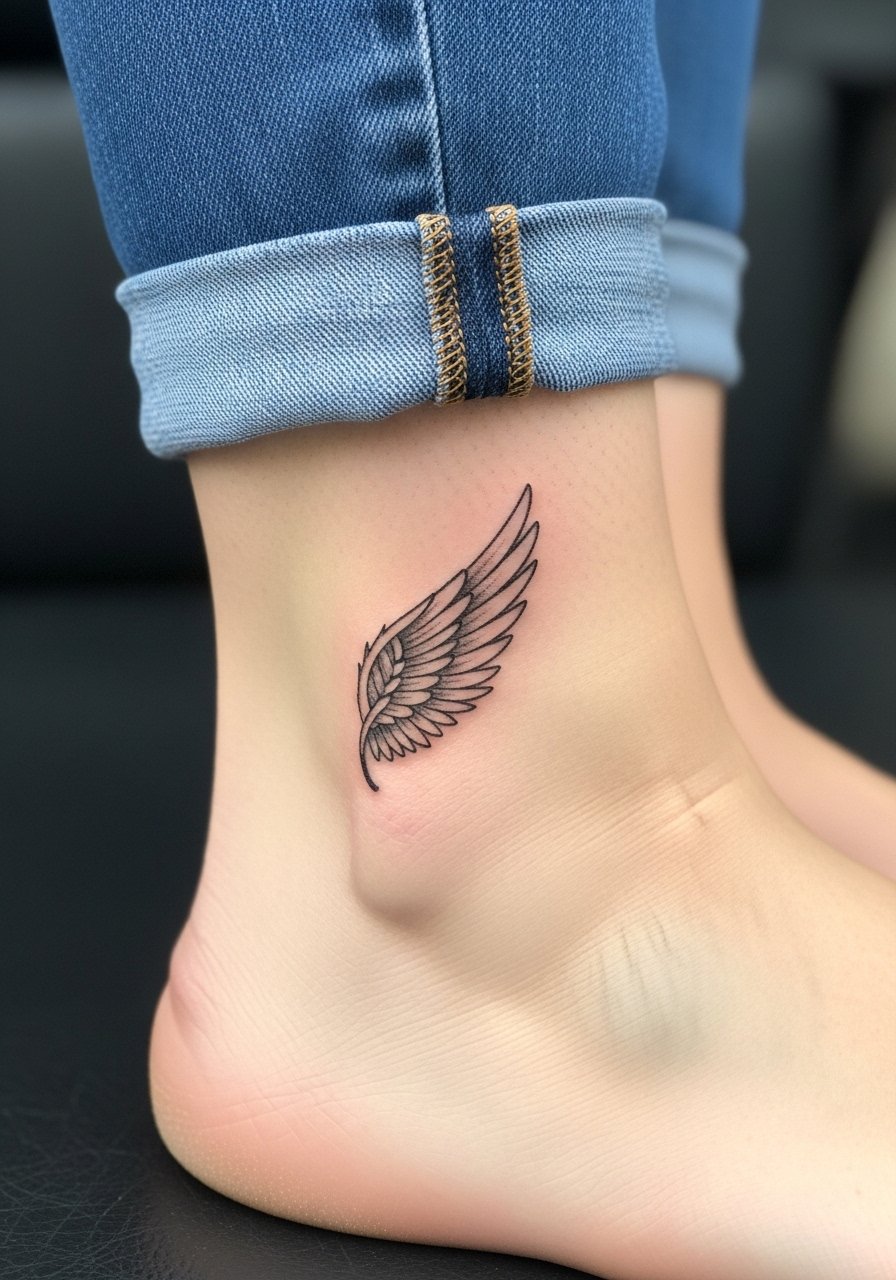
13. Tiny Overlapping Feather Wing at the Ankle Inner Side
Personal observation lead: I've seen inner ankle feather clusters last longer when artists avoid dense cross-hatching. Overlapping feathers should have one dominant contour line and lighter internal texture. The inner ankle is prone to friction from socks and shoe collars, so plan footwear choices after the session. For session wear pick a pair of slip-on sandals you can put on without rubbing the fresh ink. Expect 30 to 60 minutes and a higher chance of a small touch-up in 12 to 18 months.
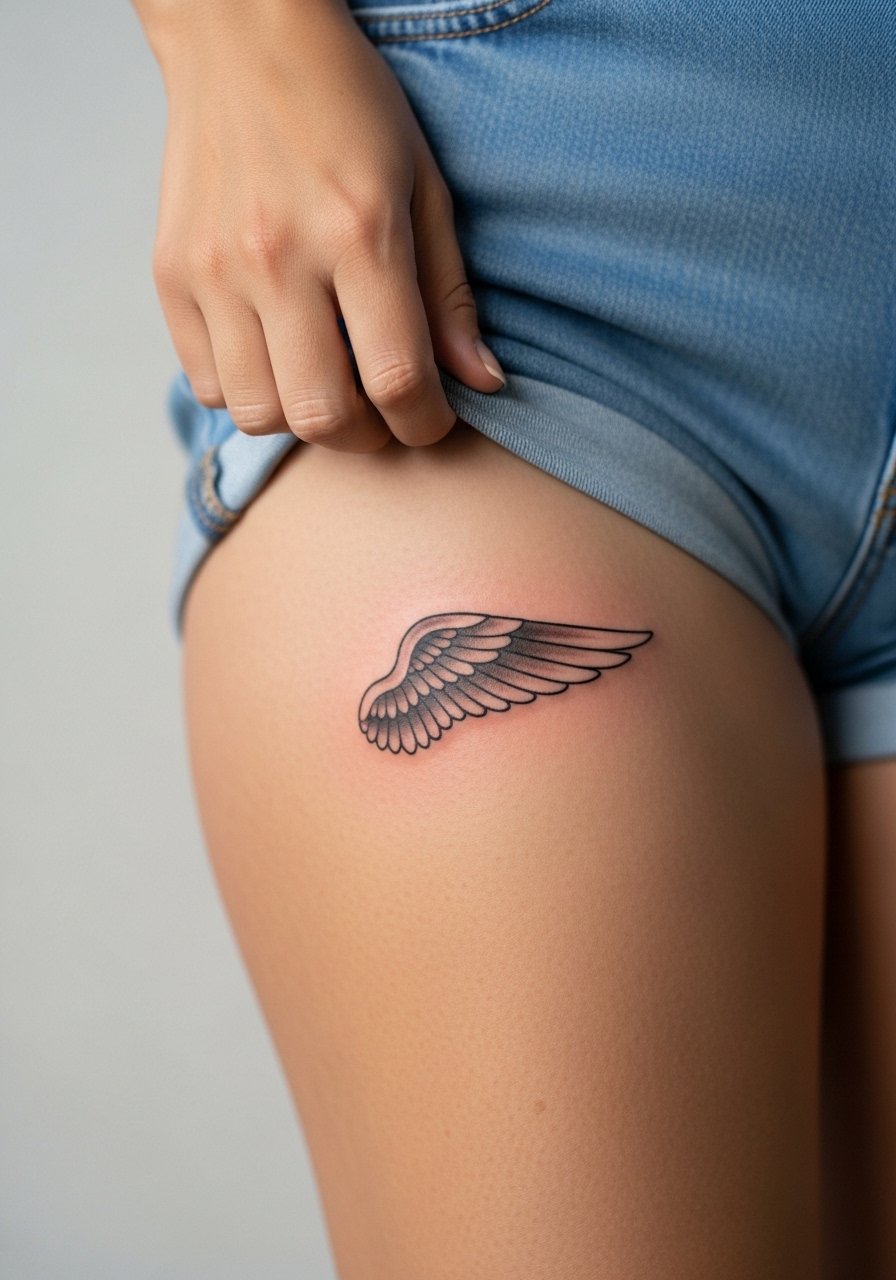
14. Micro Neo-Traditional Wing on the Upper Thigh
Visual impact lead again because the thigh takes color and shading well. Neo-traditional small wings can include a touch of saturation around the edges to keep the silhouette readable if the inner detailing softens. Thigh sessions are moderate on pain and roomy for longer pieces. For session comfort wear high-waisted shorts you can pull down slightly without exposing more than the tattoo zone. Expect solid healing and infrequent touch-ups if you avoid tight clothing that rubs the area during the first two weeks.
15. Tiny Linework Wing Along the Spine
Consultation lead: spine placement asks for exact alignment, so bring photos of your posture and the clothes you usually wear to help the artist place the wing where it will read best under your natural stance. The spine can produce longer sessions if the design is centered precisely. For showing off choose a dress or top with an open back, like an open-back midi dress that frames the worked area. Expect a moderate pain level and a touch-up window at year three if you plan on keeping the linework razor-sharp.

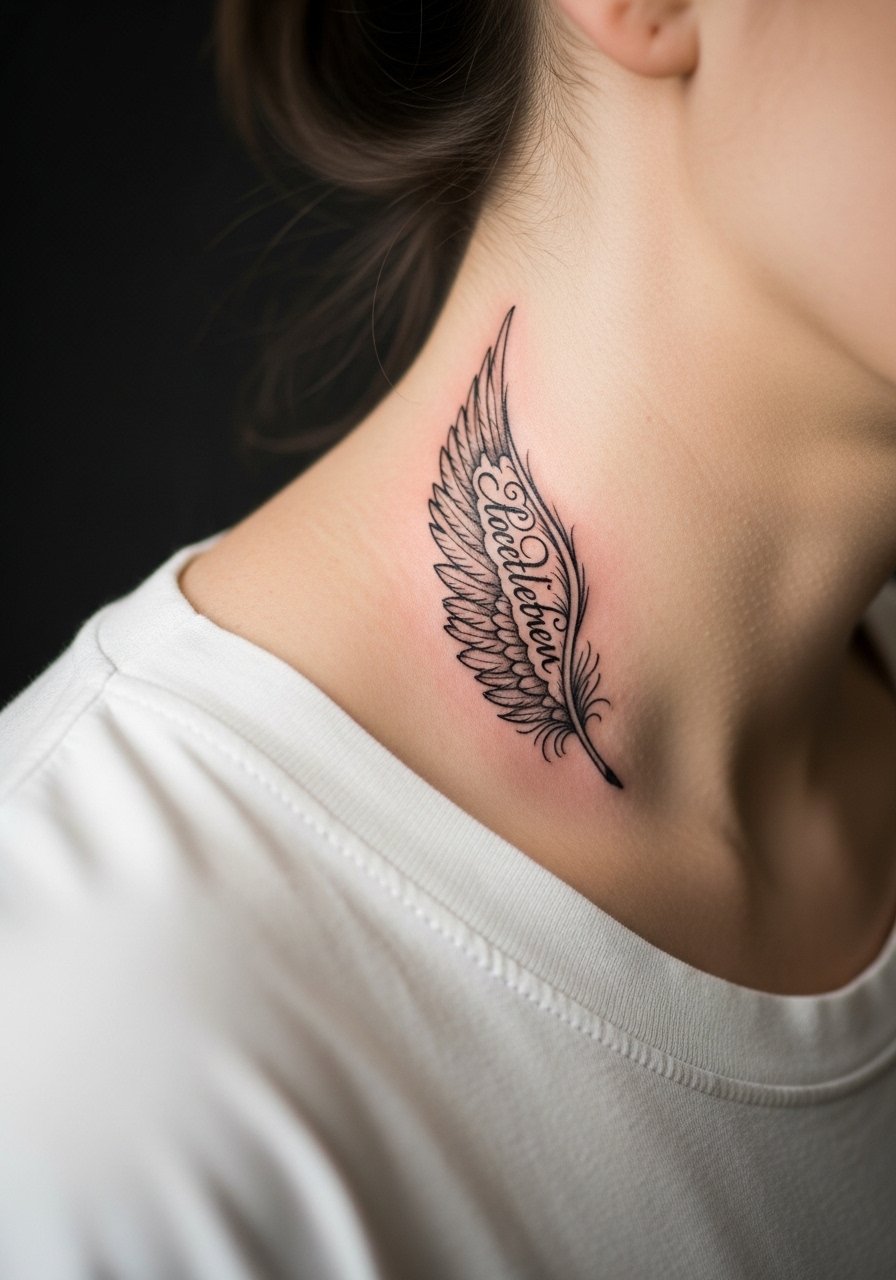
16. Micro Script Feather Wing on the Side of the Neck
Mistake lead: people often request tiny script near the neck without checking how necklaces or collars sit, which can crowd the text and the wing. Ask the artist to map the design relative to collars and hairlines so the wing keeps its negative space. Neck work is visible and can affect first impressions in some environments, so consider placement and dress choices accordingly. For session wear a wide-neck shirt you can pull to one side to reveal only the tattoo zone. Expect higher sensitivity and a short touch-up window.
17. Tiny Celestial Wing with Star Accents on the Finger
Aging/healing lead works here because fingers are among the fastest-fading spots. Tiny celestial wings with star dots can look great fresh and may require touch-ups as often as every year. Tell your artist you accept that finger ink often needs maintenance and ask them to place the main wing over a flatter area of the proximal phalanx to reduce distortion. Session time is short but expect more follow-ups than for arm work. Keep rings loose while the area heals and plan for seasonal fading if you wash hands frequently.

Studio Day Picks
The first six designs above include several high-exposure and sensitive placements, so a few small items smooth the session and the first week of healing.
-
Stencil transfer paper kit. Lets you preview the exact placement and line weight on skin for wrist and collarbone pieces before the needle touches you.
-
Topical numbing cream. Applied according to the artist's instructions it can reduce the initial edge on ribcage and sternum sessions.
-
Thin protective film roll. Useful for hand and finger tattoos to shield against friction during the first few days.
-
Fragrance-free gentle body wash. Cleanses sensitive areas like the inner forearm and ankle without leaving residues that can irritate fresh lines.
-
Aquaphor healing ointment. A thin layer during the initial window helps retain moisture for fine line work on collarbone and wrist without clogging the channels.
Frequently Asked Questions
Q: Will a fine line mini fourth wing on the ribs blur faster than on the forearm?
A: It depends on skin movement and needle spacing. Ribs stretch with breathing and have thinner skin, so many artists recommend slightly larger scale and more spacing there. If you want ribs, ask how the artist handles depth and spacing so you know their approach before booking.
Q: How often should I expect touch-ups for a tiny wrist or finger wing?
A: Fingers commonly need the most frequent touch-ups, often annually, while wrist pieces tend to hold longer if the lines are spaced properly. Plan for a potential touch-up at year one or two for fingers, and around year two to three for a well-spaced wrist piece.
Q: Are there styling choices that make collarbone or shoulder wings look better in everyday wear?
A: Yes. Open-neck tops and thin chain necklaces frame collarbone wings, and loose tank tops reveal shoulder work without pulling on the skin. A thin chain pendant necklace sits above small collarbone pieces and keeps the focus on the art.
Q: Should I avoid colorful watercolor accents for a tiny calf wing if I want long-term vibrancy?
A: Color will fade faster than black linework, but on the calf you have more forgiving skin and less constant sun exposure. Keeping watercolor as soft washes around bold lines helps the silhouette stay readable as the color softens.
Q: What should I tell my artist if I want a mini wing that will age cleanly?
A: Ask for slightly bolder anchor lines, thoughtful spacing inside feather details, and a realistic discussion about how the chosen placement affects longevity. Bring photos that show the exact scale and pose you expect so the artist can map the piece to your body.
Q: Is it okay to get a tiny wing on the back of the hand if my job has a conservative dress code?
A: Hand tattoos remain visible and some workplaces still respond conservatively. If that is a concern, consider the upper shoulder, inner forearm, or thigh placements instead, which are easy to cover during work hours.