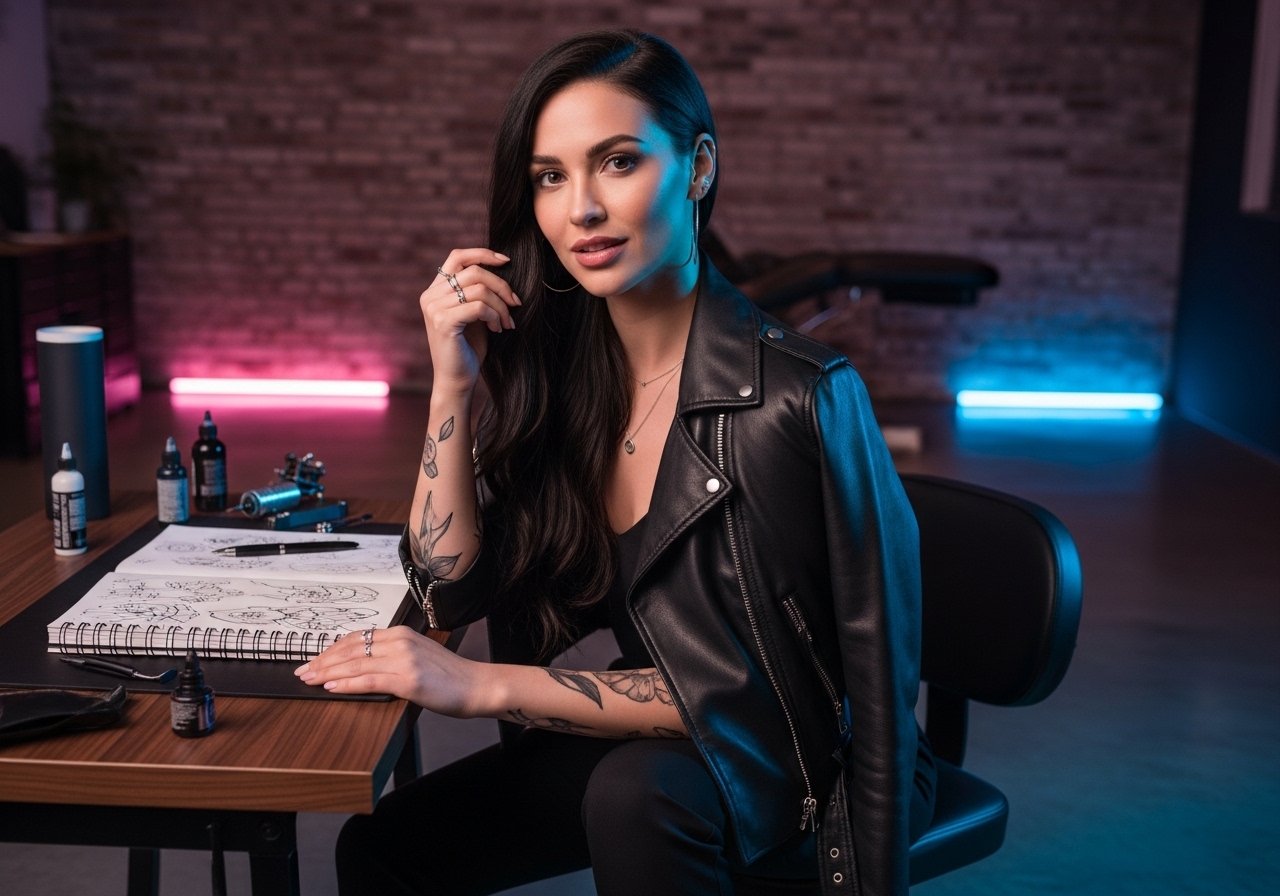
Fine line angel number tattoos feel like a private code you carry, but the ones that still read clearly after years are rarely the flashiest. Simple, well-spaced digits on low-friction skin often outlast micro-detail pieces on joints. I sorted through the trends and the practical bits most people miss so you can pick a minimalist angel number tattoo that actually holds its meaning and shape over time.
1. Fine Line 111 on the Wrist
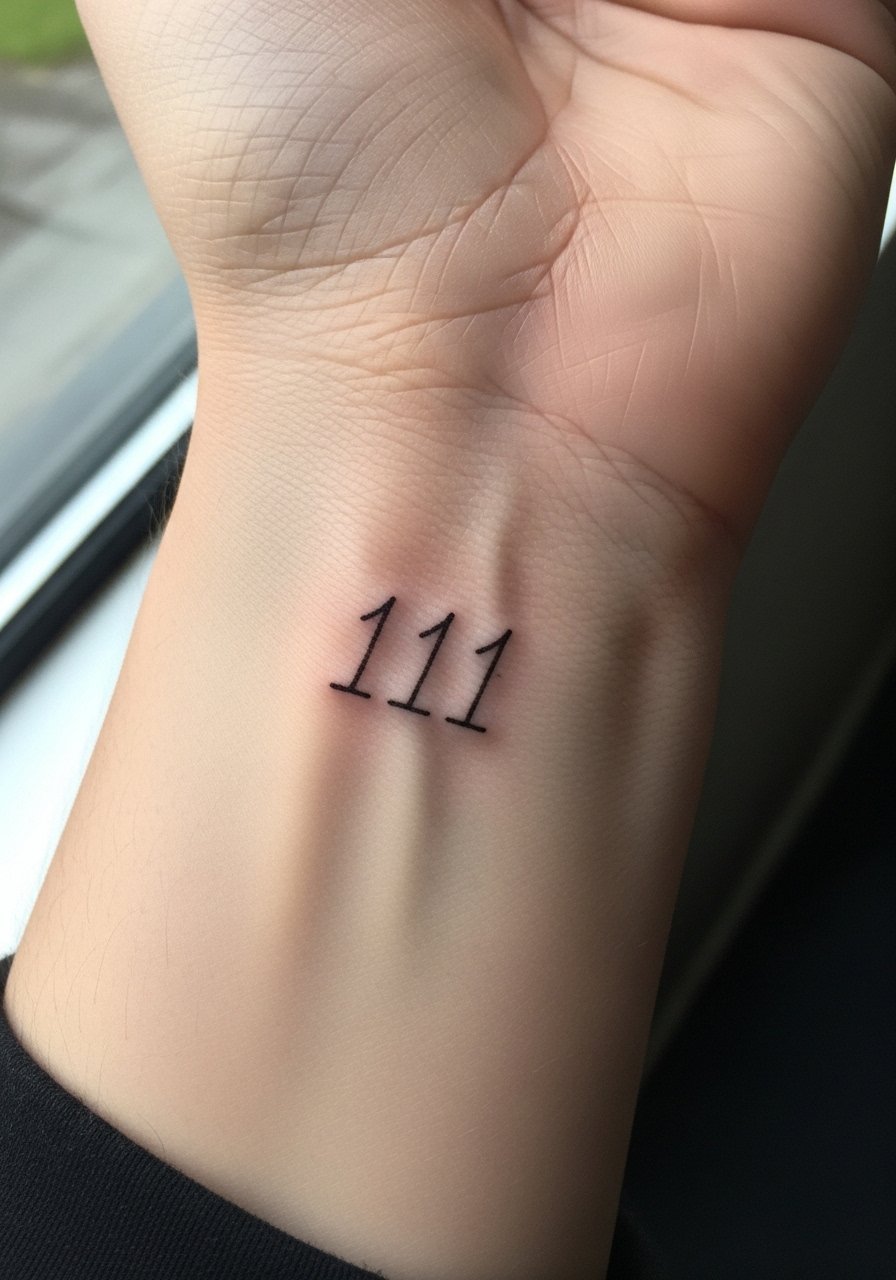
I recommend this for someone who wants a constant, subtle reminder without large flash. The wrist sees constant washing and sunlight, so ask your artist for slightly stronger line weight than a hairline finish. Artists are split on fine line in high-friction spots. One camp says the style is worth it for the discrete look even if touch-ups are needed. The other camp argues for bolder linework on wrists to avoid early fading. Bring that up in consultation and agree on line weight and depth before the needle starts. For a showing-off outfit, pair the piece with a thin chain bracelet on the opposite wrist so the tattoo reads without visual clutter. Expect light discomfort for 20 to 40 minutes and a likely touch-up around year two to three.
2. Minimalist 333 Behind the Ear
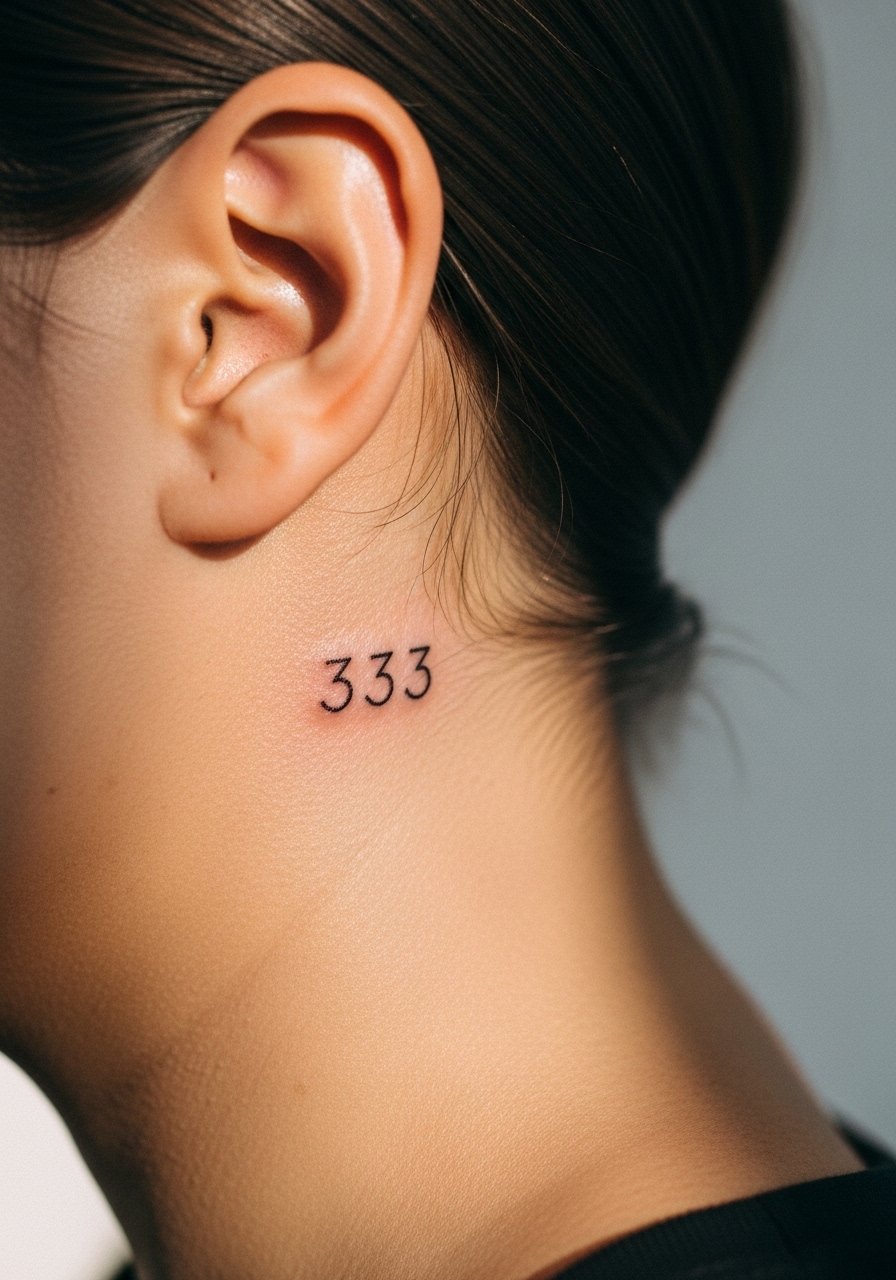
Behind-ear placements are perfect for a tiny, private mark that peeks free when hair is tied up. The session itself is quick and can feel like a sharp sting in a focused spot, so plan for a 15 to 30 minute appointment. Tell your artist you want the numbers slightly bolder than micro-hairline ink so they survive normal hair brushing and shampooing. For the appointment, wear a loose shirt with hair tied back and bring a few spare hair ties. To style the healed piece, pair it with stud earrings gold for a clean frame that keeps attention off the hair and on the tiny numerals.
3. Dotwork 222 with Stars on the Inner Forearm
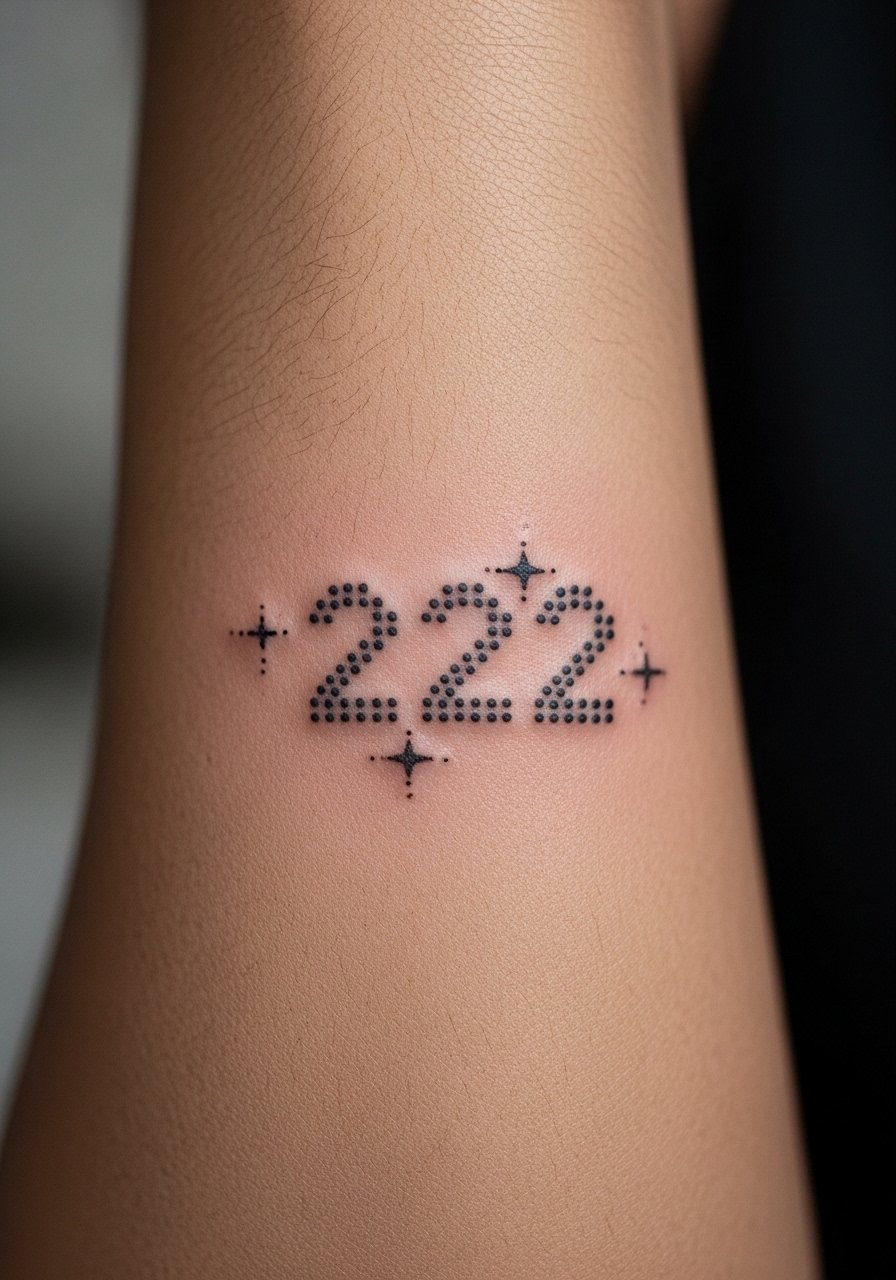
Dotwork adds texture that keeps a small number from feeling flat. This forearm version gives you two to three inches of space for spacing and negative space so the dots stay crisp. In the consult, show clear references for stipple density and ask the artist to plan negative space around the stars to avoid merging. Forearm pieces age well compared with hands because the skin moves less, but expect lighter wear at the outer edges in five years. For show-off outfits, roll up a linen shirt rolled sleeve to reveal the piece without competing prints. Session time is usually one to two hours depending on dot density.
4. Black and Grey 444 Script on the Collarbone
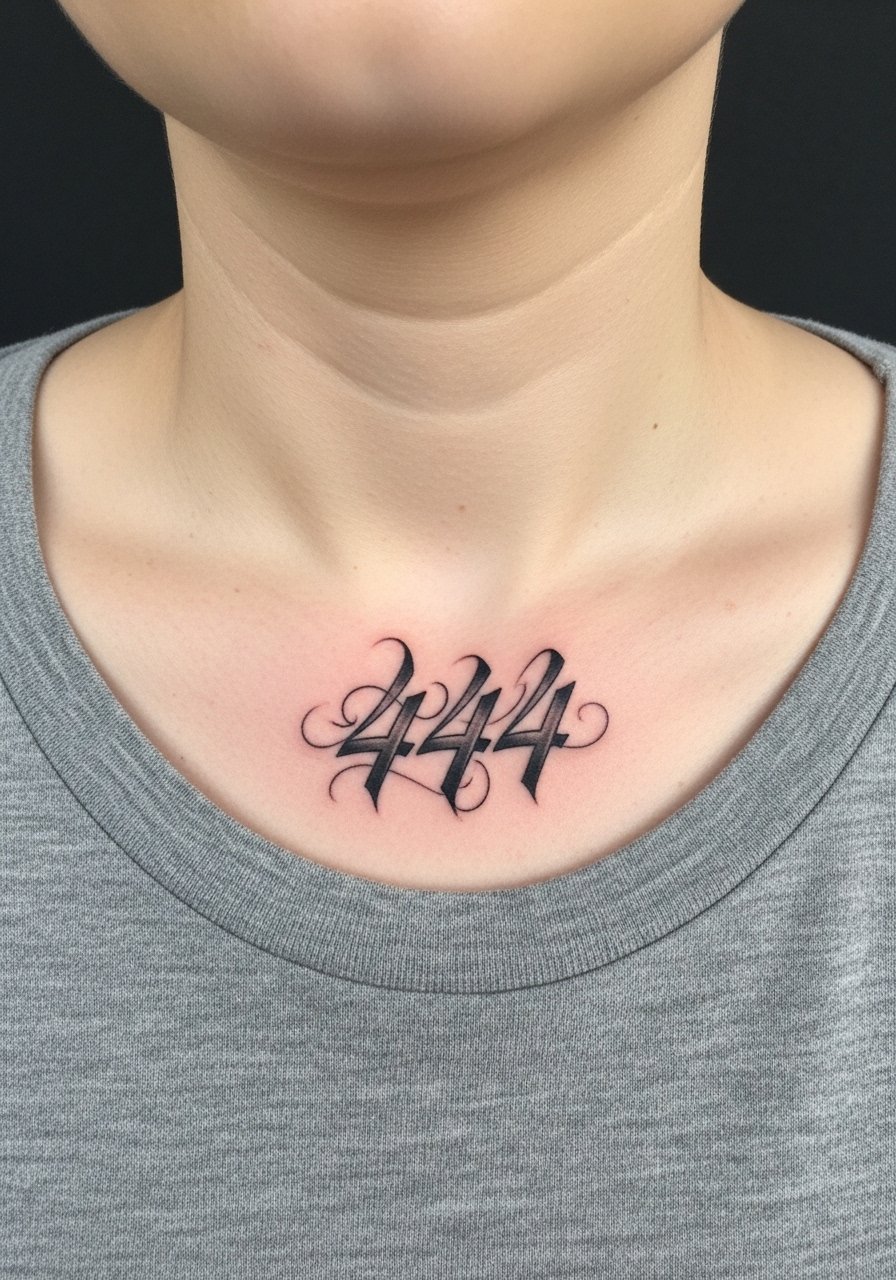
Collarbones make script feel elegant because the vertical space lets a sequence breathe. This placement calls for slightly heavier line weight than a finger tattoo, and for subtle shading to sit naturally over the bone. During consultation, ask for reference photos showing healed script on collarbones so you both agree on spacing. For showing it off, a delicate chain necklace that sits above the script keeps attention on the numbers instead of covering them. Pain is moderate around the bone, and a single session of under an hour usually does the job. Expect the piece to hold well with occasional touch-up depending on sun exposure.
5. Cursive 1111 with Halo on the Ribcage
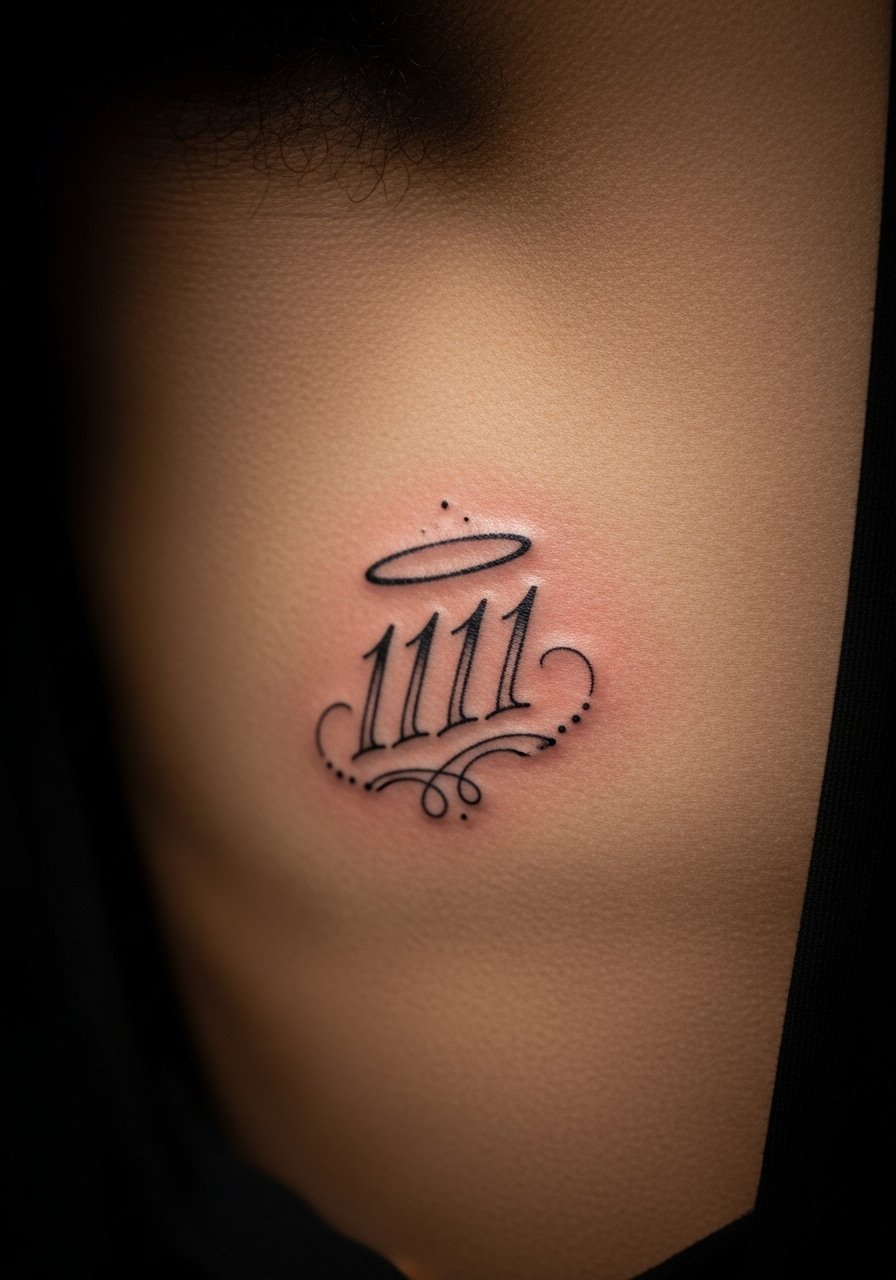
Fair warning, the ribs are high on most pain scales, but the vertical canvas is perfect for flowing script. Artists split on fine line there. One camp says the skin stretch and motion blur fine details within two years. The other camp maintains that with correct depth and spacing, fine line can settle and remain legible. Ask where your artist stands and request spacing that favors legibility over tight flourish. During the session, wear a loose tank you can lift easily so the artist has full access. Because the area moves with breathing and weight changes, expect a touch-up window around year two to four if you choose delicate cursive.
6. Fine Line 555 on the Ankle
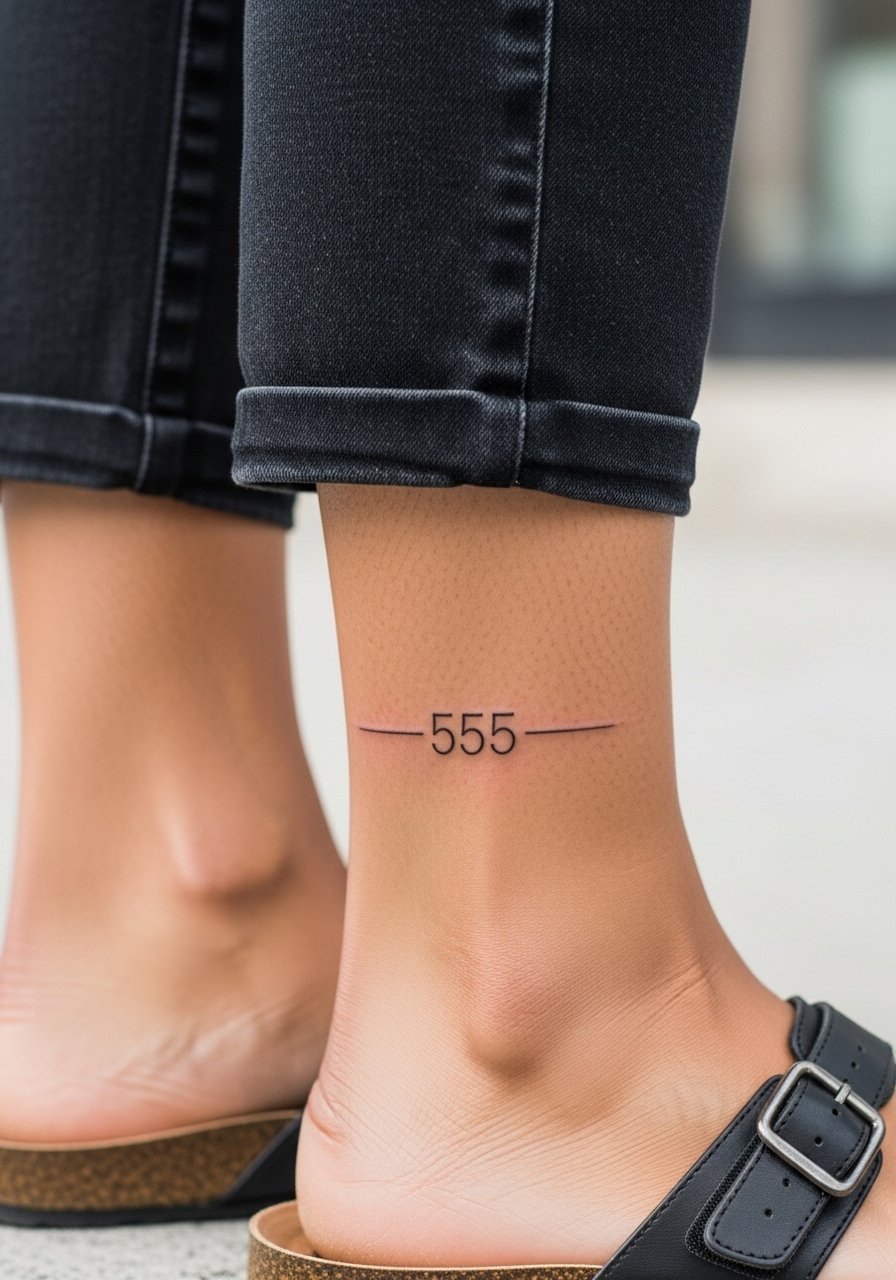
Ankle numbers read small and discreet. The skin there sees friction from socks and shoes so slightly stronger line weight helps. The session is short, typically 20 to 45 minutes, and the pain is sharp but tolerable for most. To show it off in warm months, try strappy sandals flat and cropped pants that stop above the ankle. For the appointment, wear pants you can roll up comfortably. Expect the outer edge to soften with time from shoe wear, and consider a touch-up at around year two if the edges start to blur.
Pre-Session Essentials
The wrist, ear, ribcage, ankle, and collarbone pieces above need different prep. These five items smooth the session and the first week of healing for small-number work.
-
Stencil transfer paper kit. Lets you preview how scale and spacing sit on skin before the needle ever touches ink, which is crucial for micro numerals on wrists and fingers.
-
Topical numbing cream. Apply as directed about 45 minutes before a sensitive session on ribs or inner bicep to reduce the initial sting.
-
Thin protective film roll. Useful for finger and ankle placements that deal with constant friction from washing and footwear during the first few days.
-
Fragrance free gentle body wash. Cleanses healing areas without irritating fine line edges, especially for wrist and forearm pieces that meet soap each day.
-
Aquaphor healing ointment. A thin layer in the first 48 hours helps hold moisture for delicate linework without clogging the channels.
7. Minimalist 777 Finger Tattoo
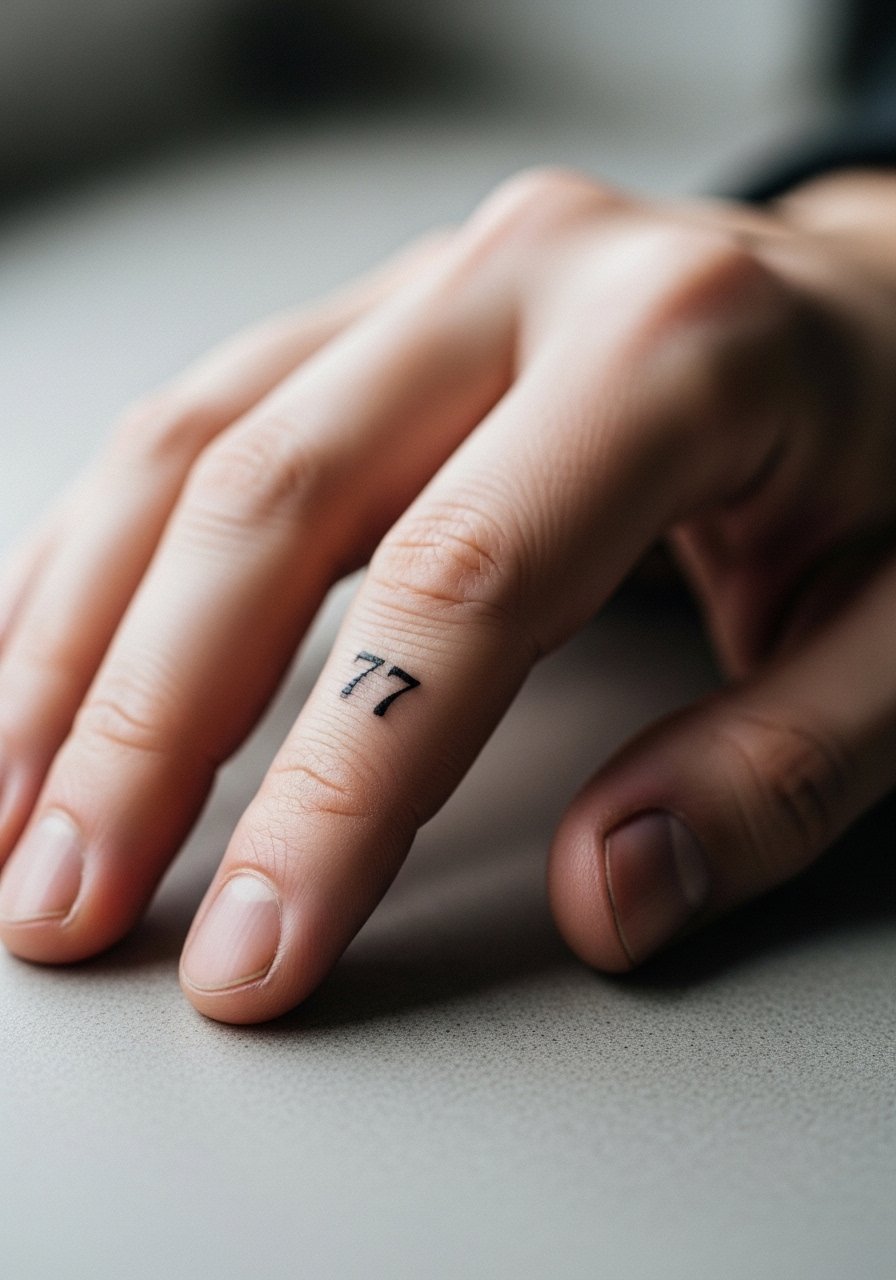
Finger placements are ultra-visible but also ultra-challenging for longevity. The skin renews faster and joints cause movement that can diffuse micro lines. Artists fall into two camps on fingers. One group still favors fine line for the discreet look and accepts touch-ups as part of ownership. The other group recommends bolder numerals or small blackwork bands for durability. Ask your artist which approach they take and consider a slightly thicker line or small negative-space frame. Keep the styling minimal on the hand, perhaps a single thin ring gold on an adjacent finger to keep attention balanced. Expect the first touch-up at six to twelve months.
8. Decorative 333 with Wings on the Shoulder Blade
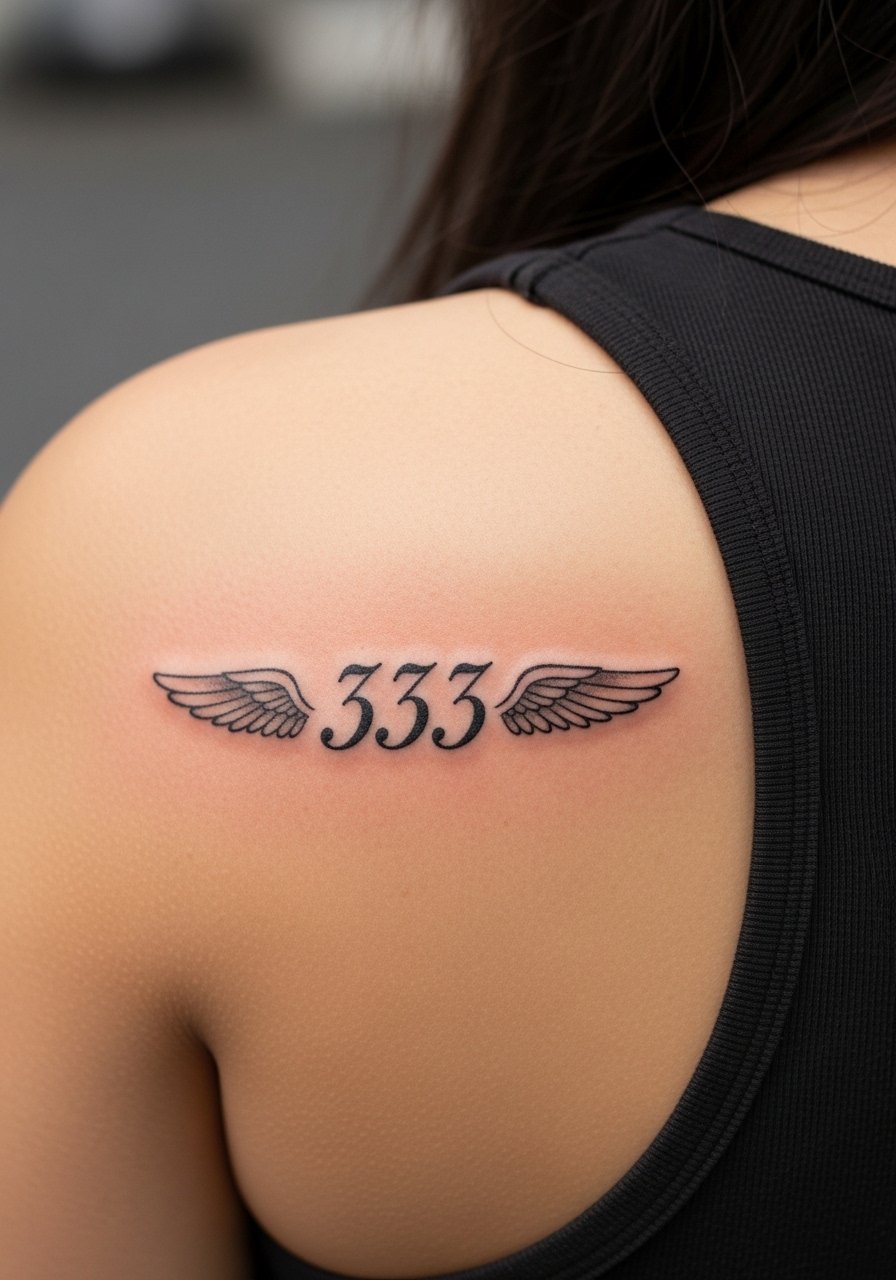
Shoulder blades give you breathing room for ornate details without crowding. The added wings make the number feel more like an emblem while keeping the minimal mindset. During consultation, ask for wings that use negative space and fine feather stipple to prevent heavy shading that can darken over time. For session wear, throw on a loose tank so the artist can work without tight fabric interfering. To show the healed piece, a racerback or racerback tank top frames the shoulder blade and keeps the design visible without bunching. Expect one to two sessions depending on detail.
9. Bold Block 444 on the Inner Bicep
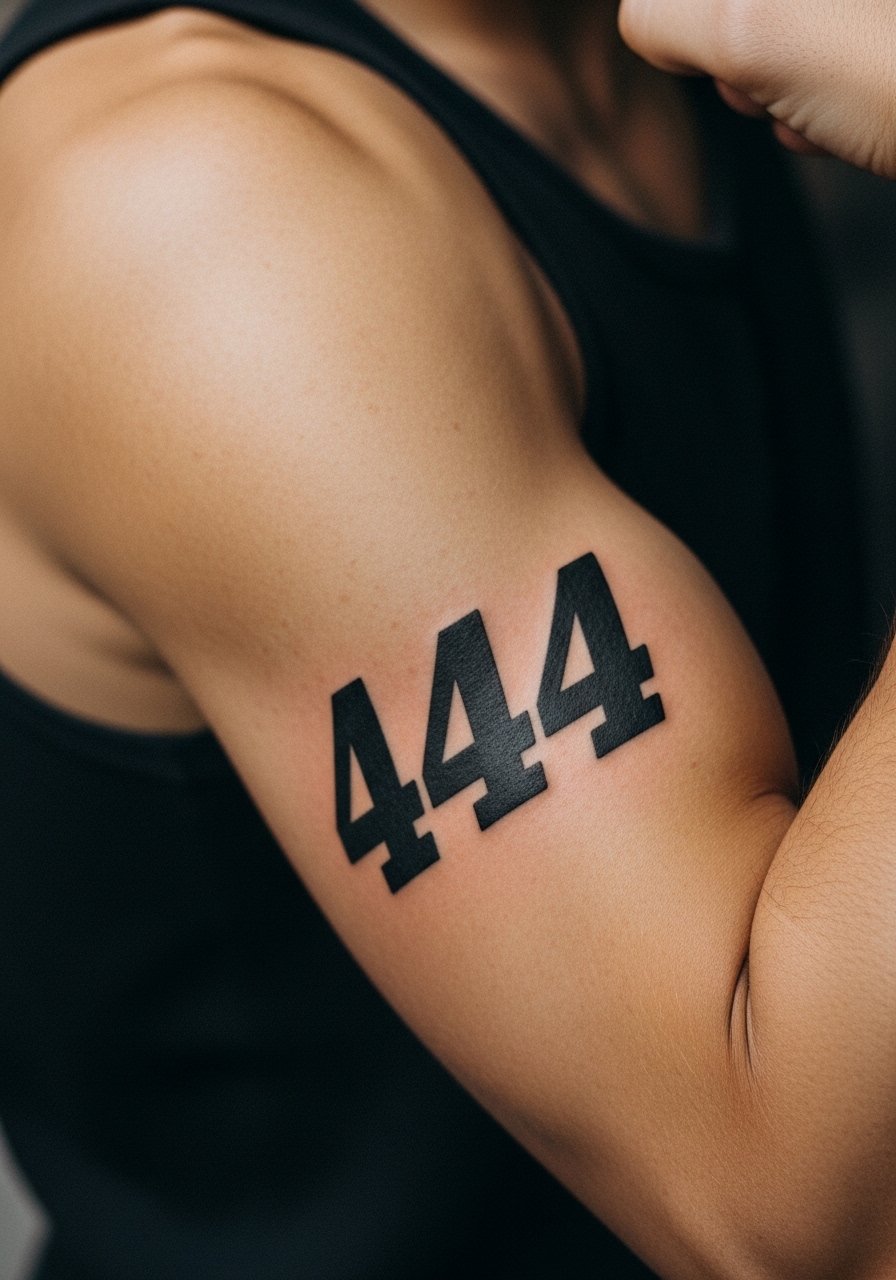
If you want a protective-feeling emblem that reads from a short distance, bold blackwork on the inner bicep is effective. The inner bicep can be tender, but the thicker lines age into a consistent silhouette. A common mistake is asking for block numerals too small. Keep the type large enough to rely on solid edges and avoid detail that will blur. Session time is usually under an hour for a two-inch piece. Because the area is tucked, sun exposure is limited and longevity is generally good. Mention your job or gym habits in the consult if that might expose the area to abrasion.
10. Micro-Realism 222 with Mandala Wristband
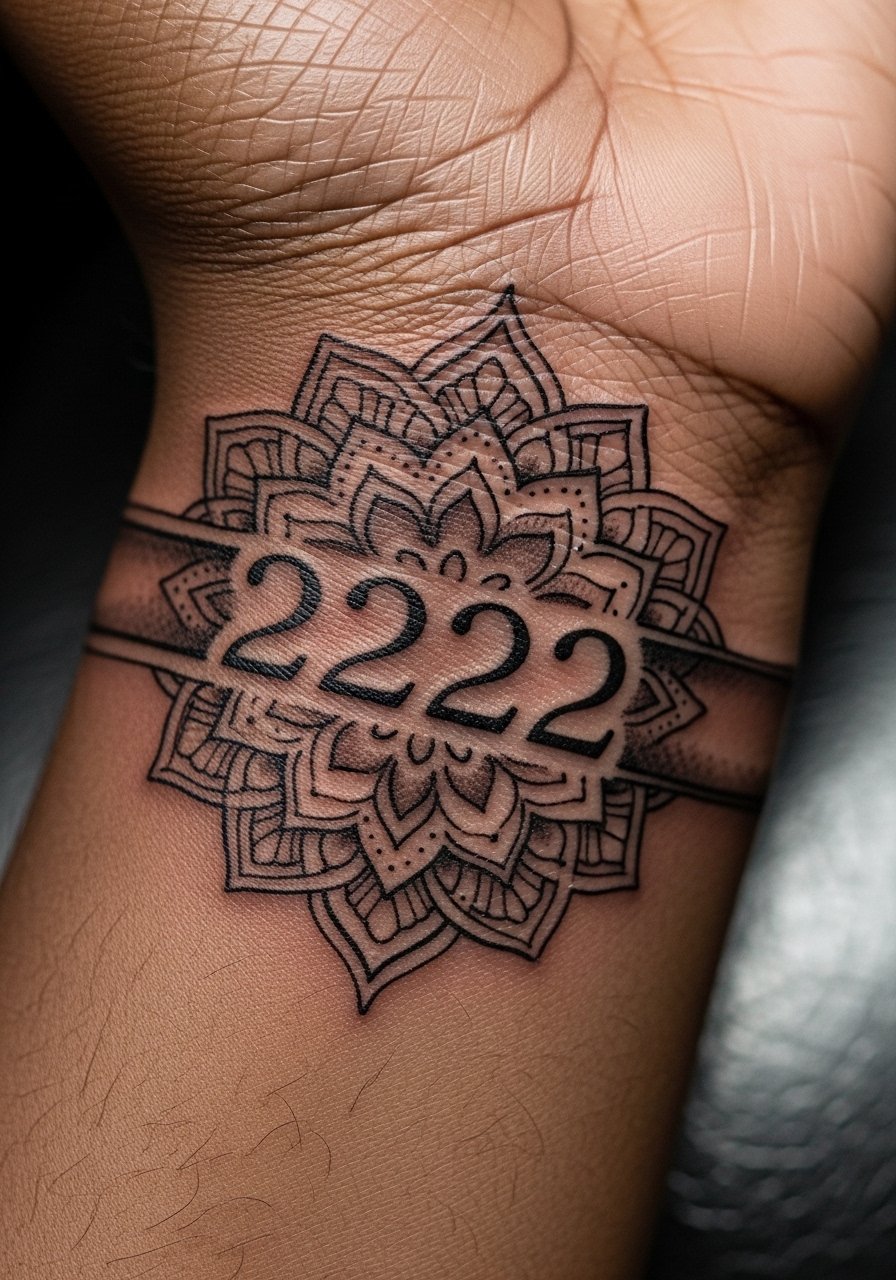
A wristband that wraps a number into mandala geometry gives a tactile, band-like feel without going heavy. Micro-realism demands spacing in the small shapes so stipple and shading do not collapse over time. Tell your artist to plan open negative spaces and to test a small healed-reference patch if you have darker skin. For showing the design, stack with a minimalist bracelet stack on the opposite wrist so both arms read as intentional. Expect one session for the band, and a check in at six months to confirm edge crispness.
11. Script 888 Down the Spine
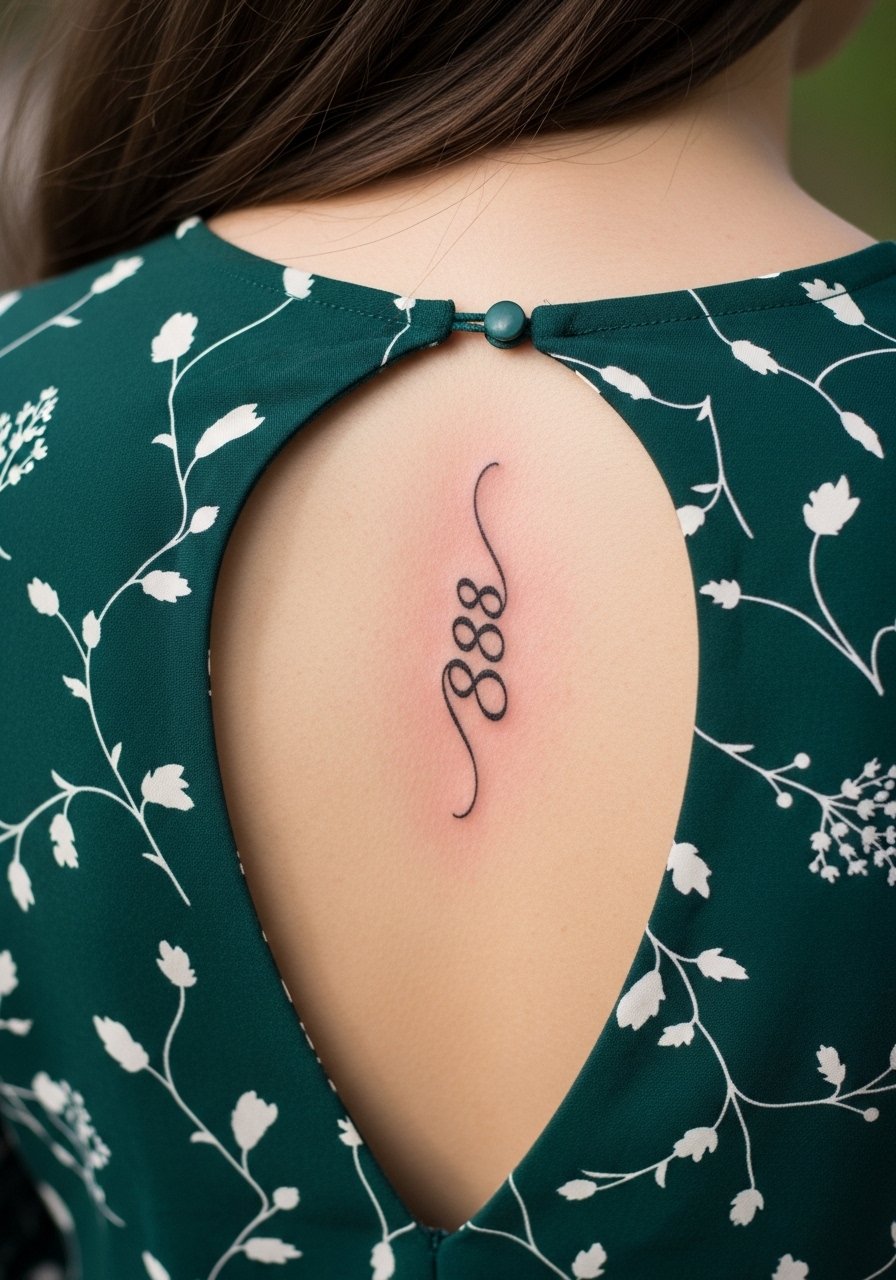
Spine placements let script breathe into a meditative vertical line that plays well with clothing that leaves the back visible. The pain varies by proximity to bone but the visual payoff is a clean vertical flow. Ask your artist to lay out the script so descenders clear the shoulder blades and do not bunch up. For evenings out, open-back or halter styles frame the vertical script nicely so it reads as part of an outfit. Sessions usually span two sittings if you want the script plus subtle shading. Keep in mind heavier shading near the spine can feel more intimate during healing.
12. Fine Line 111 on the Thumb
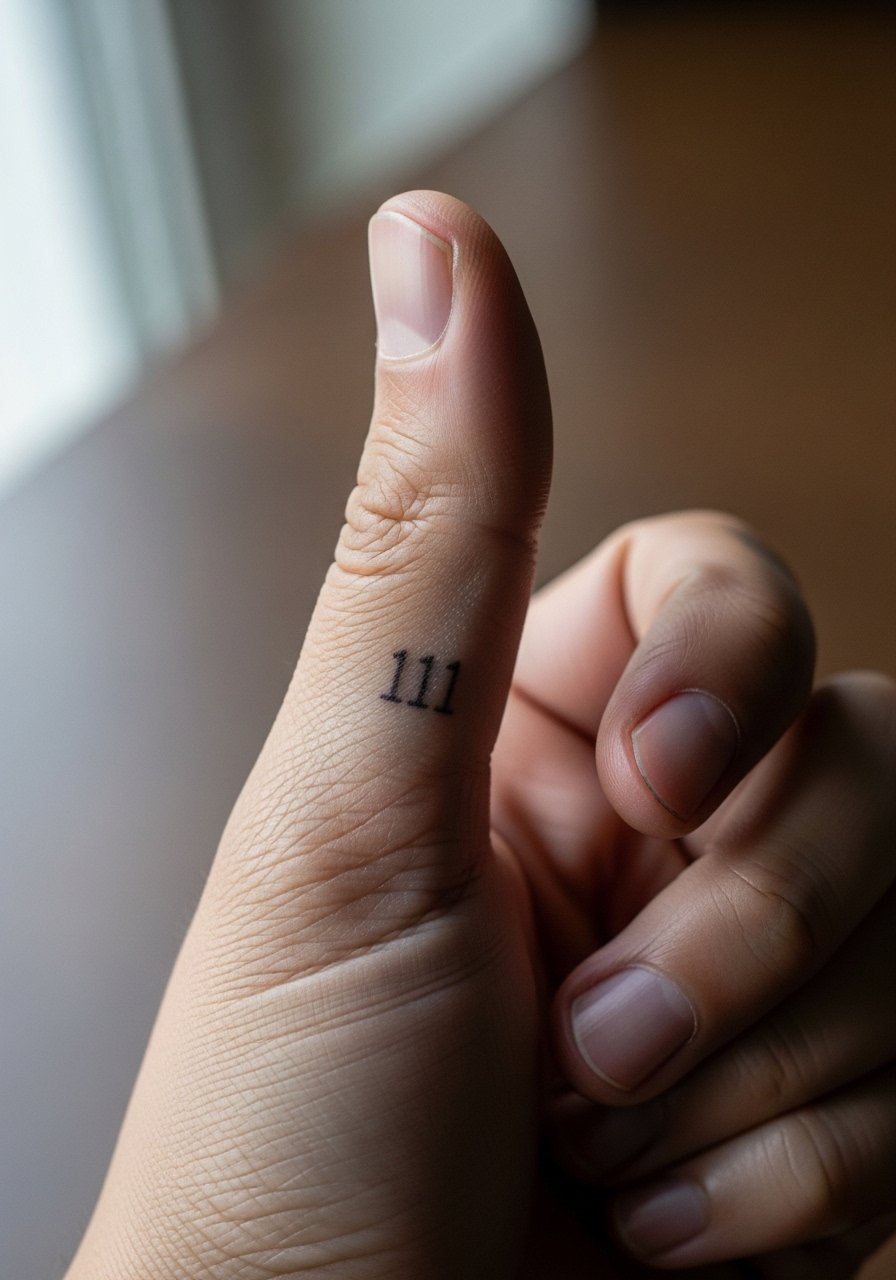
Thumb placements are in constant use and see frequent washing and friction, so they are among the fastest to fade. The session is quick and can feel like a sharp, surface-level sting. One common mistake is asking for overly thin script. If you want the thumb to carry a one-digit or three-digit sequence, compromise with slightly heavier contour lines or a small lined border to protect the numerals. Avoid heavy jewelry on that hand for the first month to reduce rubbing. Expect a touch-up at six to twelve months for most fine line thumb pieces.
13. Dotwork 555 Calf Wrap
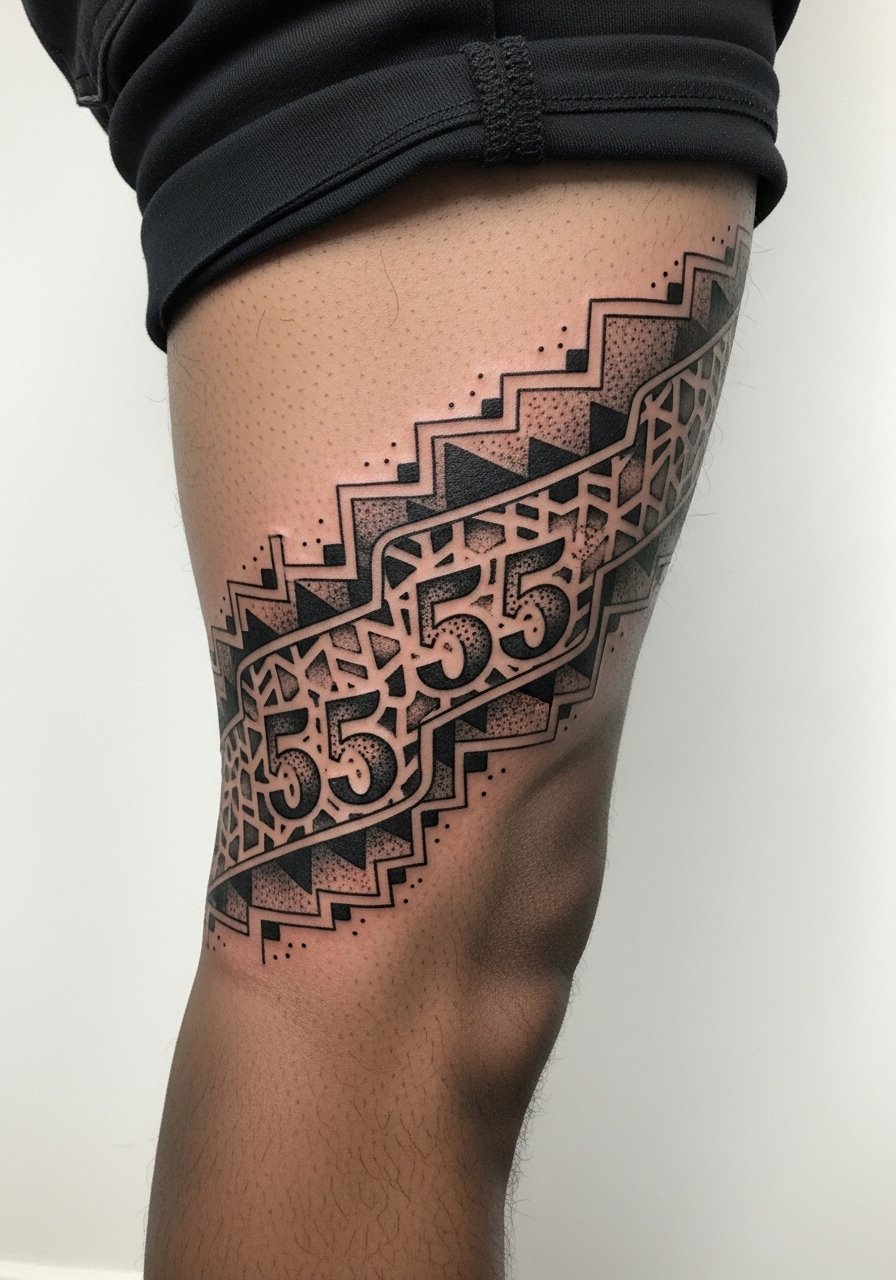
A calf wrap lets numbers move with the leg, which visually suits change-themed sequences. Dotwork adds motion and avoids a single hard edge that might feel static. Ask your artist for a spacing plan so the wrap does not compress when muscles flex. The session may take two sittings for full wrap detail and shading. For show-off styling, pair the healed piece with cropped ankle pants or shorts. Calf placements age well because they avoid constant friction from clothing, though a yearly check keeps dot density crisp.
14. Minimalist 333 Near the Side Neck
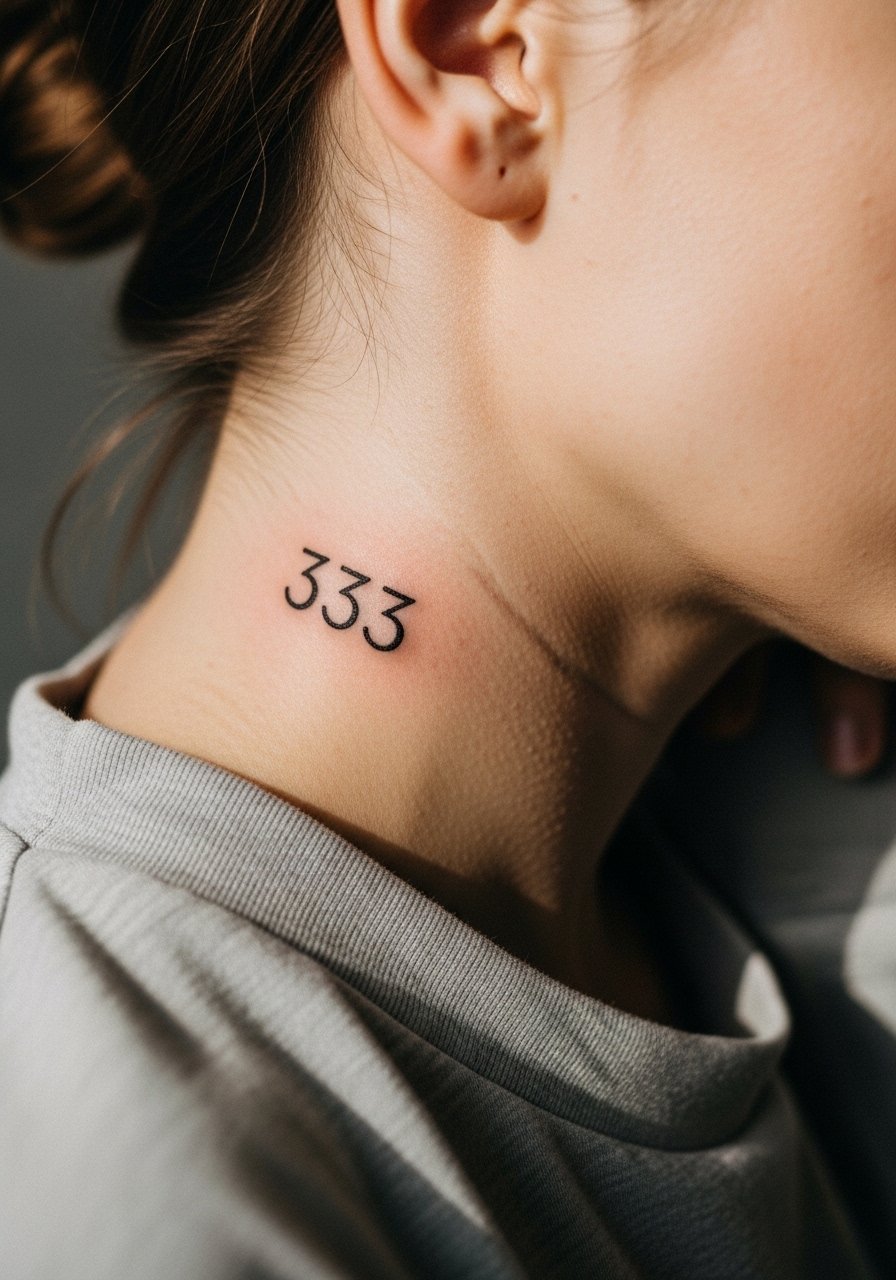
Neck pieces are visible and come with societal trade-offs to consider. The side neck tolerates a small vertical or slanted sequence and the session is quick but memorable. If you work in a conservative environment, consider placement lower on the nape or behind the ear instead. For session comfort, wear a wide-neck shirt you can pull aside easily. Because the neck sees sun and clothing contact, slightly bolder numerals will hold better than fragile hairline script. Ask for healed examples from the artist for similar skin tones so you know expected clarity.
15. Micro 1111 on the Ribcage Edge
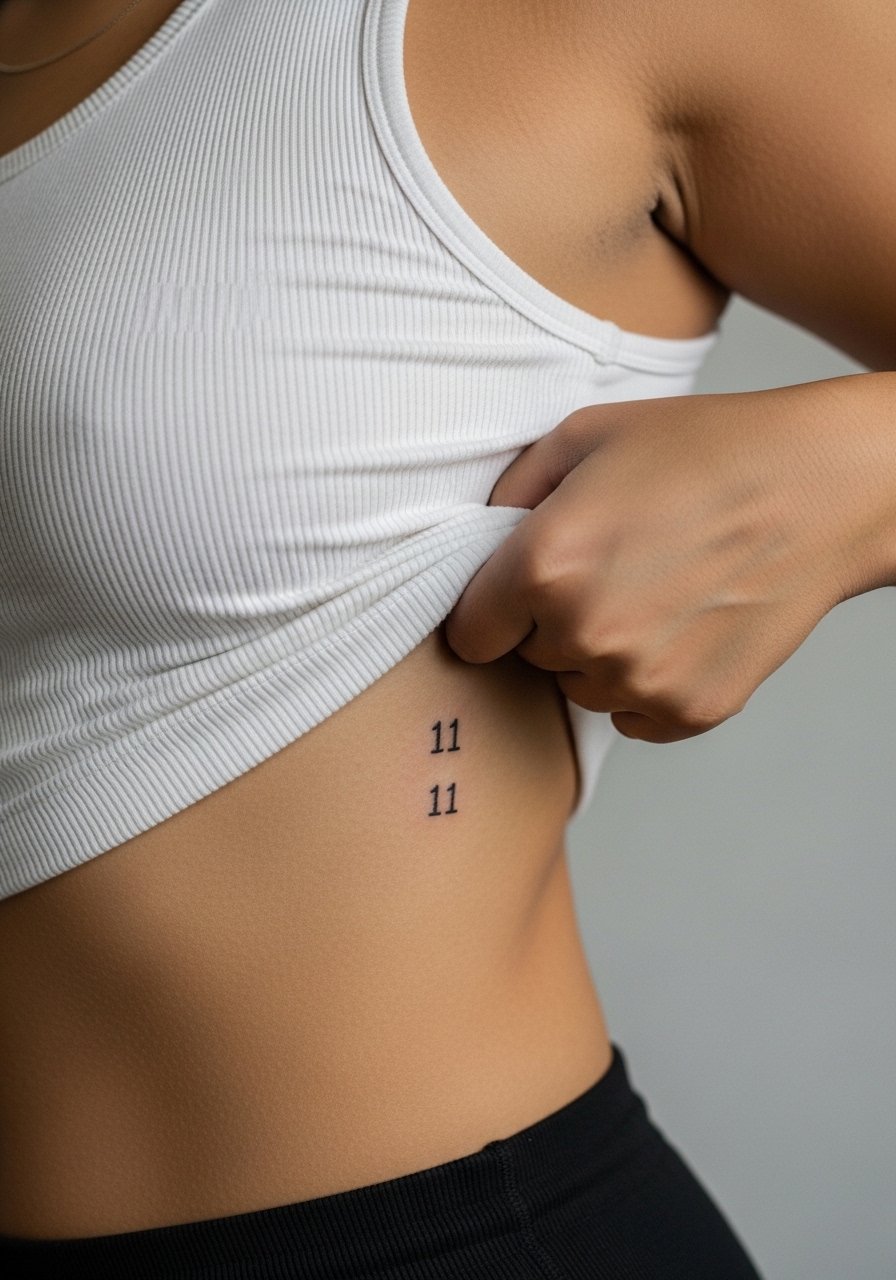
This narrow vertical spot reads like a secret column. The ribs are sensitive and movement can cause tight scripts to blur, so request increased letter spacing and modest line weight. One mistake is insisting on ultra-fine cursive that cannot survive the skin stretch. During the session, wear a loose lift tank so the artist can access the area without tugging. Because the area may sit under clothing edges, consider how fabrics will rub the healing skin in the first days. Expect a moderate pain level and a possible touch-up window in a couple of years.
16. Fine Line 222 on the Inner Wrist as a Band
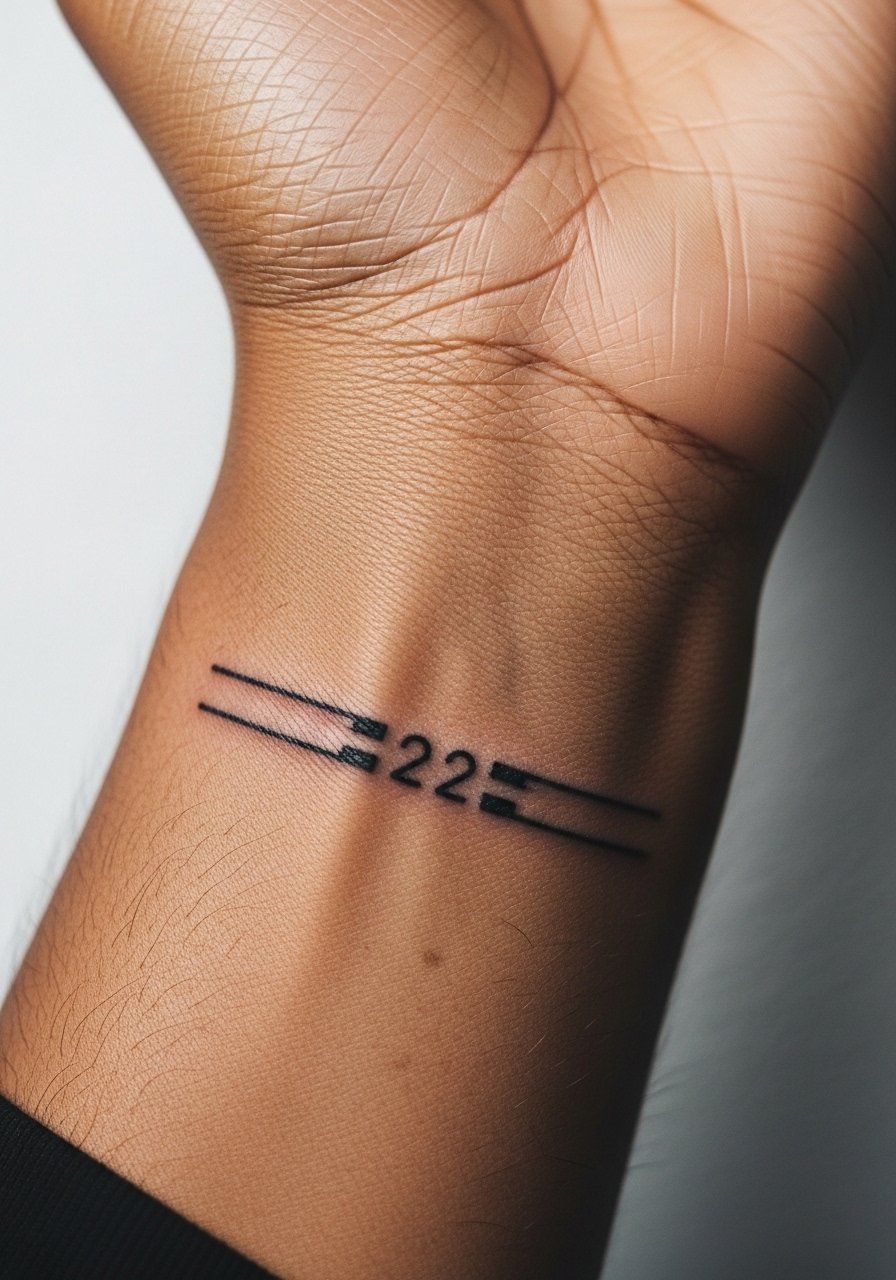
A wrist band version of a number wraps the sequence into a wearable motif. I usually tell clients to err on the side of slightly thicker linework so the band reads at arm's length. The inner wrist moves but is less abrasive than the outer hand so this version can hold for a few years before a light touch-up. During the consult, ask the artist to show how the negative space will age, especially if your lifestyle exposes the hand to solvents or repeated washing. For session wear, pick a sleeveless top so the area is easy to access. This placement works well for daily visibility without the job-impact concerns of neck pieces.
17. Dotwork 555 Calf Emblem with Movement
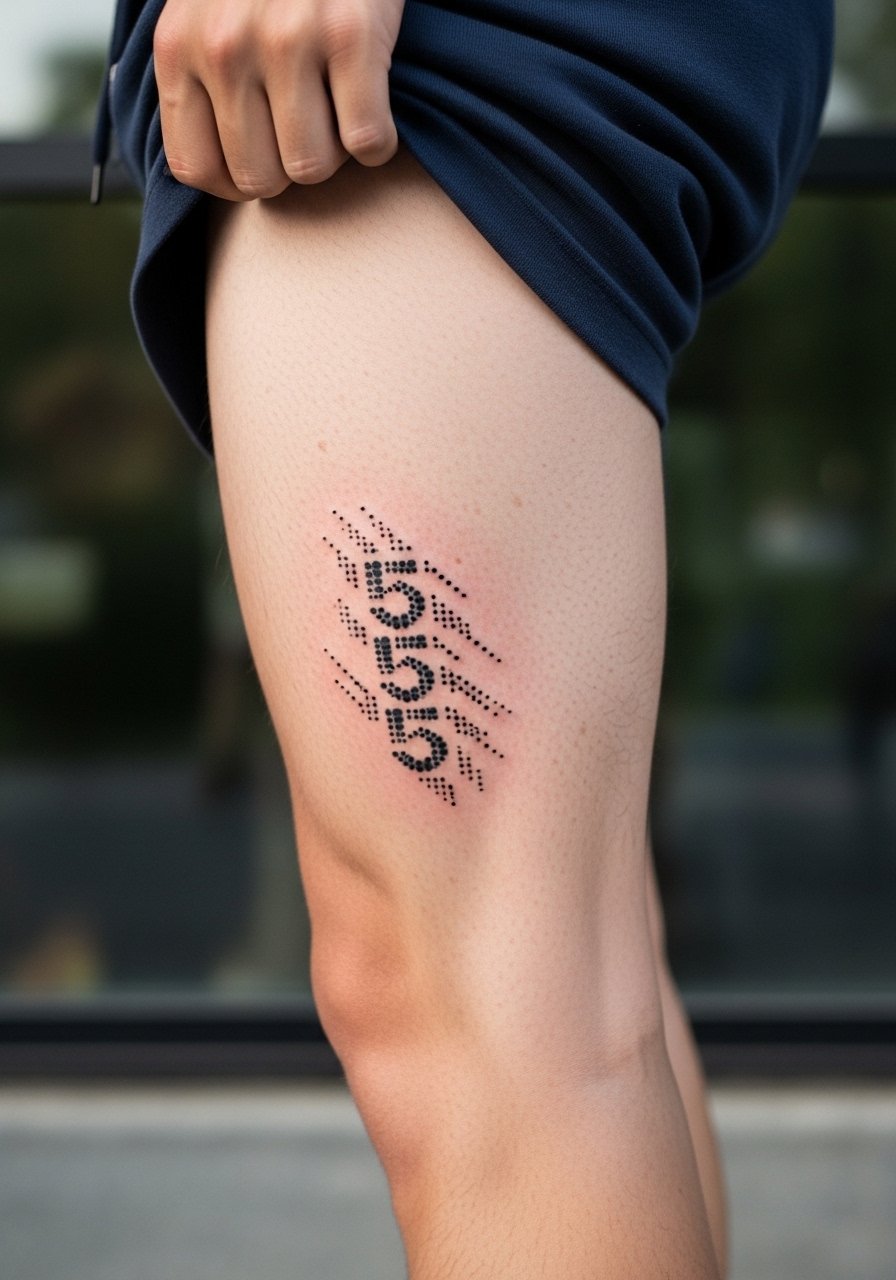
The calf is forgiving and suits designs that incorporate rhythm and movement. For a dynamic 555 wrap, plan the dot density so the emblem reads in motion when you walk. A frequent error is cramming too many tiny dots into narrow bands. Ask for a mockup and for the artist to test a strip of stipple density at life size. Sessions run one to two hours depending on the width and shading. For summer outfits, simple sandals and cropped pants showcase calf work without extra accessories. Longevity is good, and touch-ups tend to be infrequent.
Frequently Asked Questions
Q: How long will a fine line wrist or finger angel number stay legible?
A: It depends on placement and daily abrasion. Fingers and thumb are the fastest to soften because of constant washing and movement, usually needing a touch-up around six to twelve months. Wrist pieces last longer, often two to three years before a small refresh, especially if you protect them from sun and friction.
Q: Do I need a different aftercare routine for dotwork versus script numbers?
A: The basic routine is the same, but dotwork benefits from gentle drying and less rubbing because the stipple relies on tiny, separated points. Avoid heavy scrubbing and use a fragrance free gentle body wash during showers to keep granulated edges intact.
Q: Should I pick fine line or bold block if I have darker skin?
A: On darker tones, slightly stronger line weight or black and grey shading helps the numerals read cleanly after healing. Ask your artist for healed examples on similar skin so you can see expected contrast, and plan a possible touch-up in your booking.
Q: Are ribs a bad place for delicate script numbers?
A: Ribs are sensitive and the skin moves a lot, so ultra-fine script can blur sooner there. Some artists will still do it and take extra spacing precautions. The right compromise is slightly more open lettering and agreed touch-up timing.
Q: What should I wear to a collarbone or shoulder-blade session?
A: Choose something you can pull aside without exposing more skin than necessary. For collarbones, a wide-neck shirt that you can slip off one shoulder works well. For shoulder blade sessions, a loose tank is the easiest. If you want a small accessory suggestion for post-heal styling, a thin chain pendant necklace pairs nicely with collarbone script.