Fine line work and bold blackwork are both popular for parent tributes, but they age very differently. The pieces that still read clear at year five are usually the ones planned with placement and skin movement in mind. These 27 ideas focus on legible sentiment that holds up, from tiny wrist scripts to chest portraits, and include what to ask your artist during the consultation so the result lasts.
1. Fine Line Script on Inner Forearm
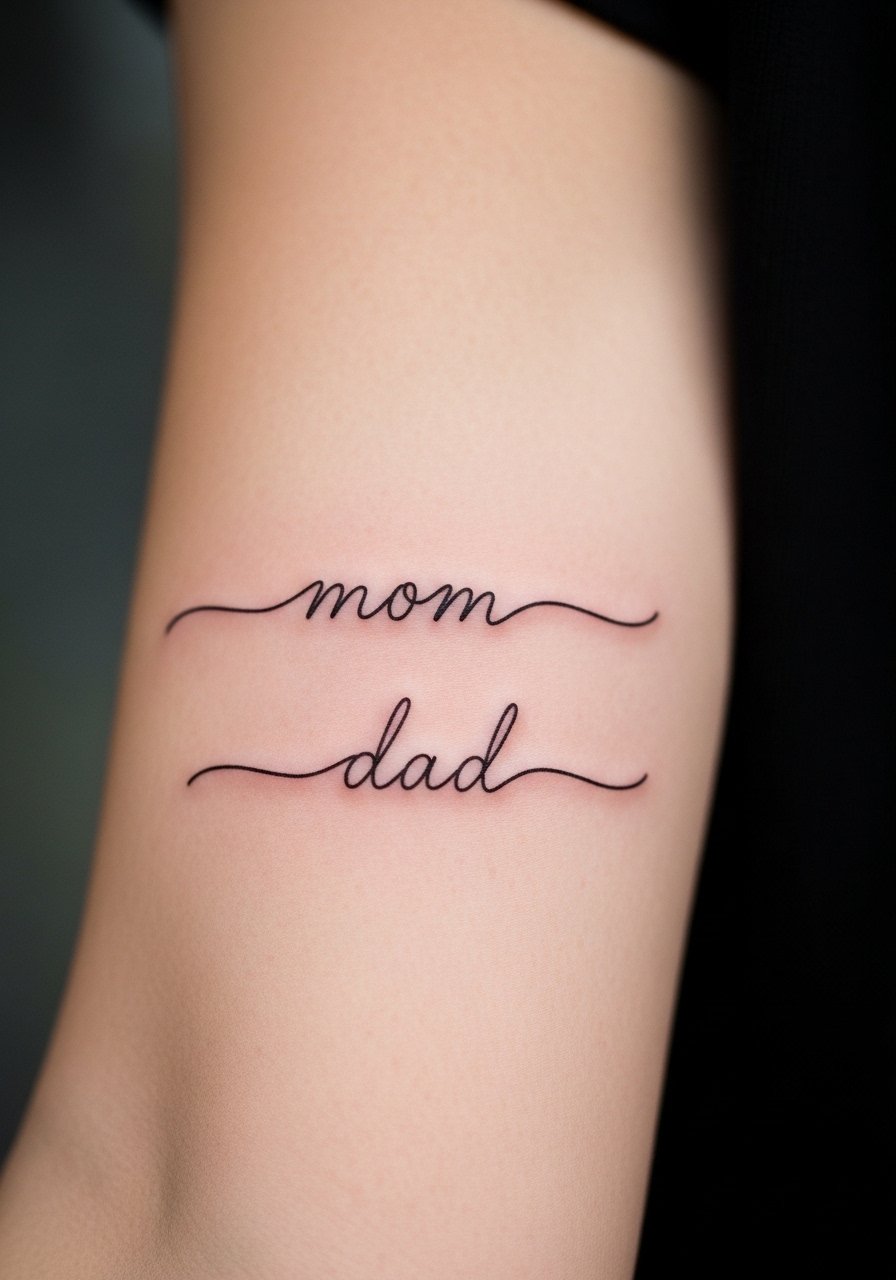
A small inner-forearm script reads like a private note you can show or cover. Pain is low on the inner forearm and most sessions run 20 to 45 minutes. Ask your artist to space letters slightly wider than the reference so the script does not fuse over time, and request slightly deeper placement of the linework to avoid early fading. A common mistake is asking for ultra-thin lettering without accounting for daily sun exposure. At six months the lines will look clean, at two years thin lines may soften, and at five years touch-ups are common for fine scripts. This piece pairs well with rolled sleeves and a loose linen button-down shirt so the text is visible without shouting.
2. Tiny Matching Hearts Behind Each Wrist
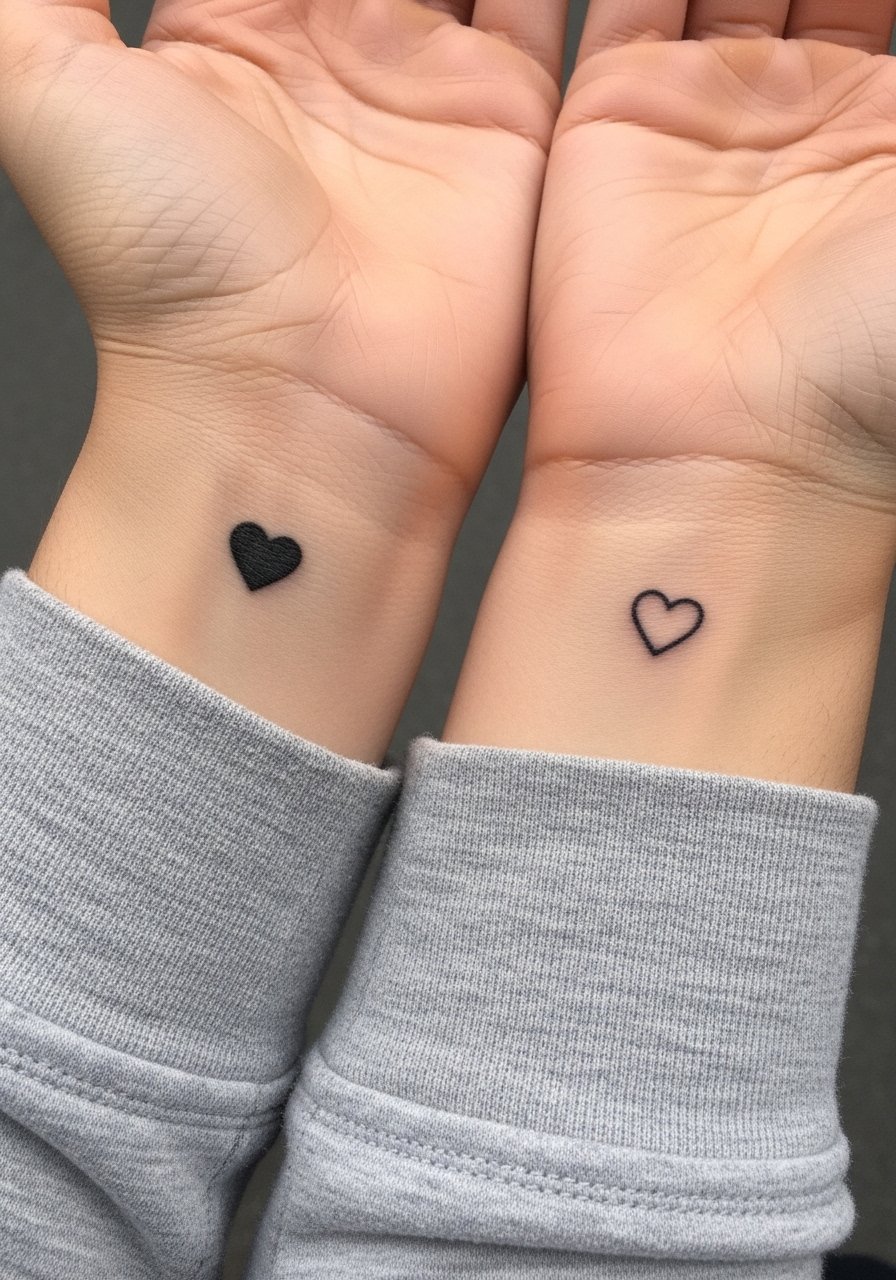
Matching tiny hearts behind each wrist is sentimental and subtle. Expect a 10 to 20 minute walk-in style session with mild pain from thin skin and frequent movement. Tell your artist you want a rounded fill rather than a tiny outline so saturation holds during healing. The common mistake is making the hearts too small which leads to blowout or feathering. After a year, the neatest hearts show slight softening around the edges. For showing them off, layered dainty bracelets can frame the area, but keep one wrist clear with a thin chain bracelet so the shape reads clean.
3. Micro-Realism Parent Portrait on Upper Arm
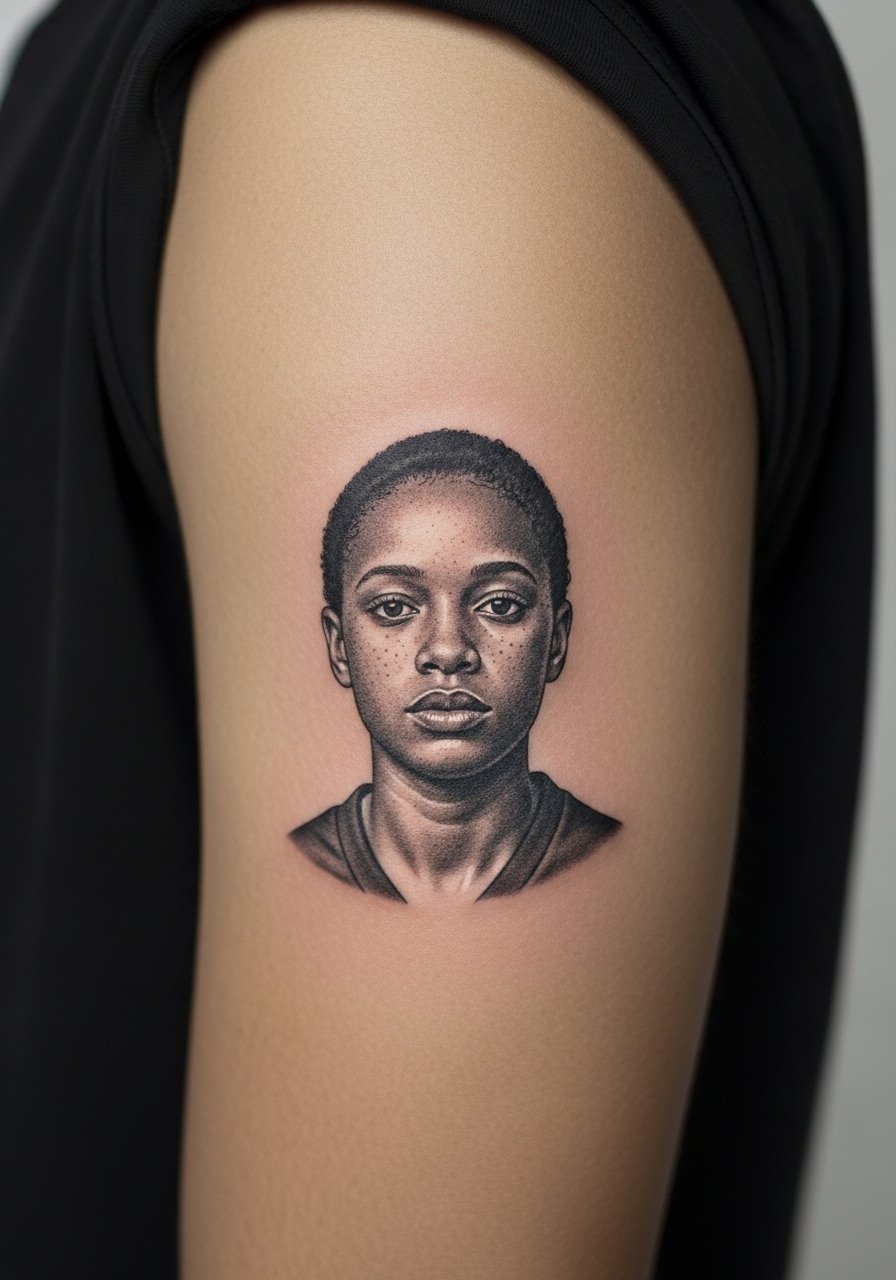
Micro-portraits capture a parent’s features without taking a full session. These usually take 1.5 to 3 hours depending on detail and are best on the upper arm where skin is stable. In consultation, bring a high-contrast photo and ask the artist to scale down features carefully, because tiny portraits that try to show too many details can look muddy once healed. A common error is requesting full face detail at postcard size. At six months the portrait should read clearly, by two years shading can soften, and a touch-up at year two keeps facial lines crisp. For career-sensitive visibility, upper arm placement is easy to conceal with a short-sleeve shirt during meetings.
4. Handwritten Note Script on Ribcage
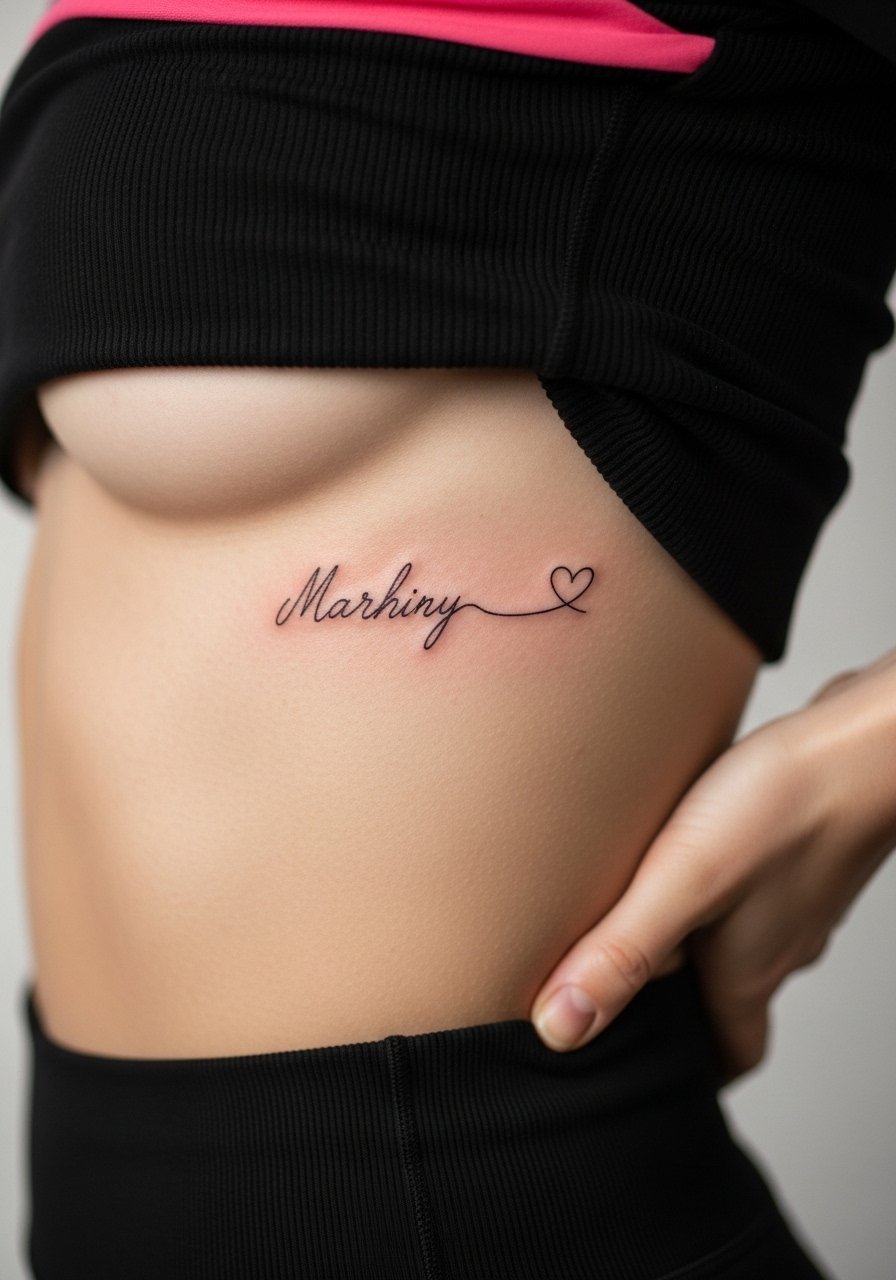
A loved one’s actual handwriting as a ribcage tattoo is deeply personal. Rib sessions rate high on the pain scale and can take one to three hours based on size. The main consultation point is to provide a clear scan of the handwriting and ask the artist to slightly enlarge the script lines so they do not blur as the skin stretches. Artists are split on fine line on ribs. One camp says the skin movement blurs delicate scripts within two years. The other camp argues that with correct spacing and needle depth it settles fine. Ask your artist where they stand before booking. For the session wear, a zip-up hoodie you can lift for access makes the process simpler.
5. Small Portrait Locket on Collarbone
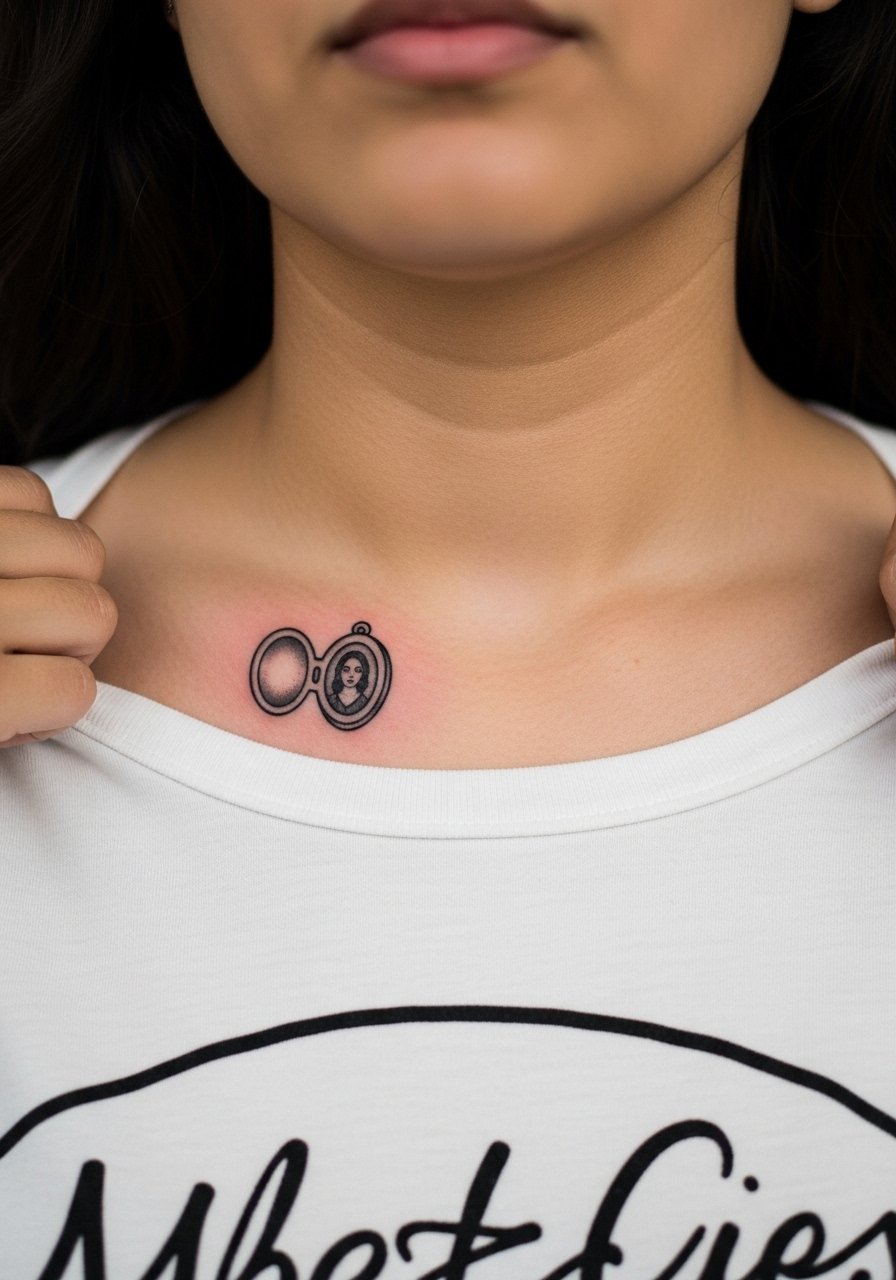
A locket tattoo frames a parent portrait and reads like jewelry without the weight. Sessions are often under two hours for very small pieces. Ask for slightly higher contrast inside the locket to keep facial features readable at small scale. The usual mistake is placing too much soft shading inside a tight frame, which can look like a dark blob later. Collarbone skin can be bony and twingy during the session, so expect moderate discomfort. For evenings out, the piece sits neatly above a thin chain pendant necklace so the tattoo and jewelry complement each other.
6. Tiny Roman Numerals for Important Dates on the Wrist
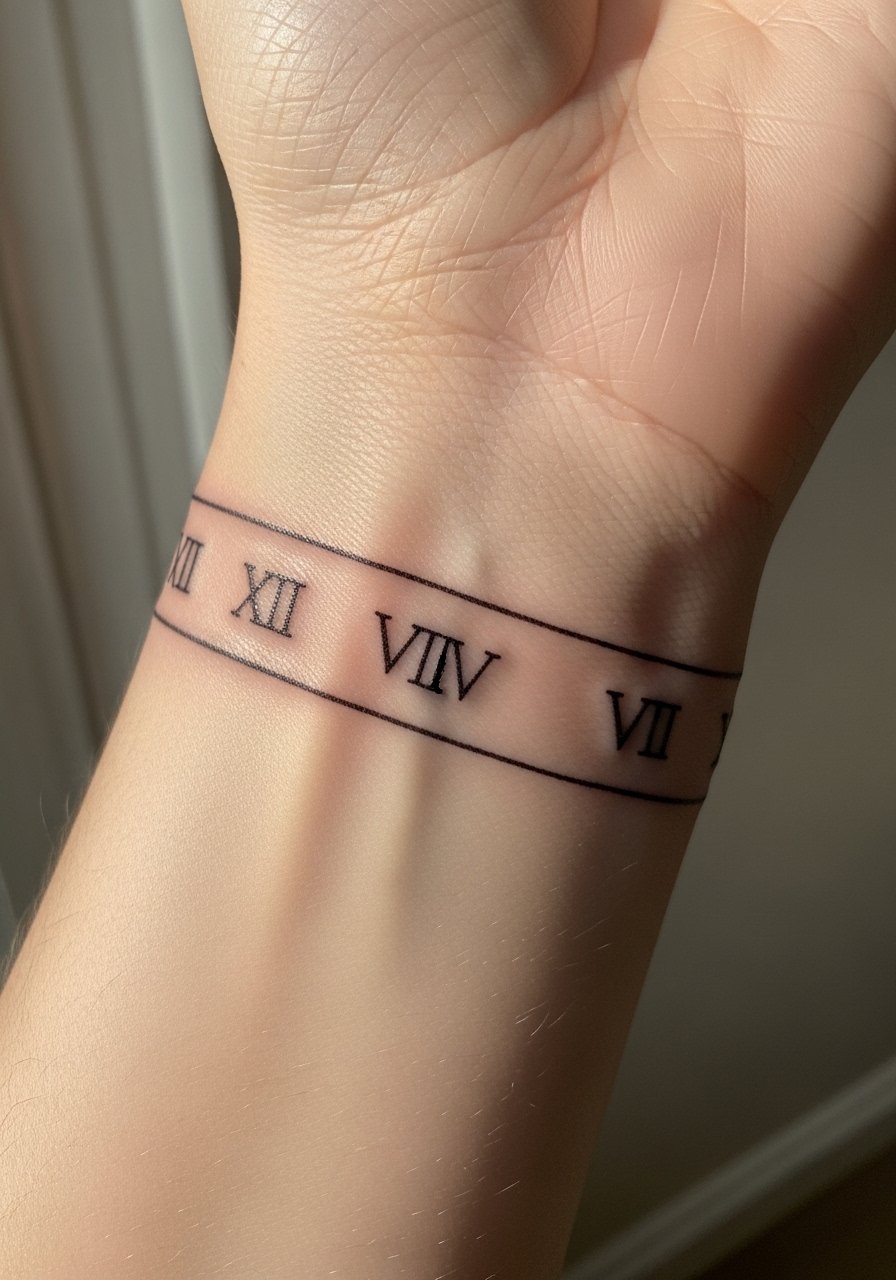
Roman numerals feel discreet and timeless for birthdates or anniversaries. Wrist placement has steady visibility and a session of 20 to 40 minutes. Tell your artist the exact numerals to avoid typesetting errors and ask for slightly wider spacing between numerals to prevent merging. The common mistake is copying a low-resolution font that looks cramped on curved skin. At six months the numerals look sharp, by two to three years thin strokes can soften. For everyday wear, a minimalist watch or bracelet can frame the numerals without covering them.
Studio Day Picks
Those first six pieces include wrist, collarbone, and rib placements that need different prep. A few targeted items smooth the session and the first week.
-
Stencil transfer paper kit. Lets you preview how lettering and small portraits sit on curved skin before the needle hits, which is crucial for wrist and collarbone pieces.
-
Topical numbing cream. Applied per directions about 45 minutes before reduces ribcage sensitivity without compromising linework for delicate scripts.
-
Thin protective film roll. Useful for wrist and hand tattoos to shield from friction during the first days of healing.
-
Fragrance-free gentle body wash. Cleanses healing areas without stripping delicate linework that small scripts depend on.
-
Aquaphor healing ointment. A thin layer for the initial days locks in moisture and helps fine line tattoos heal without excessive scabbing.
7. Matching Script on Opposite Ankles
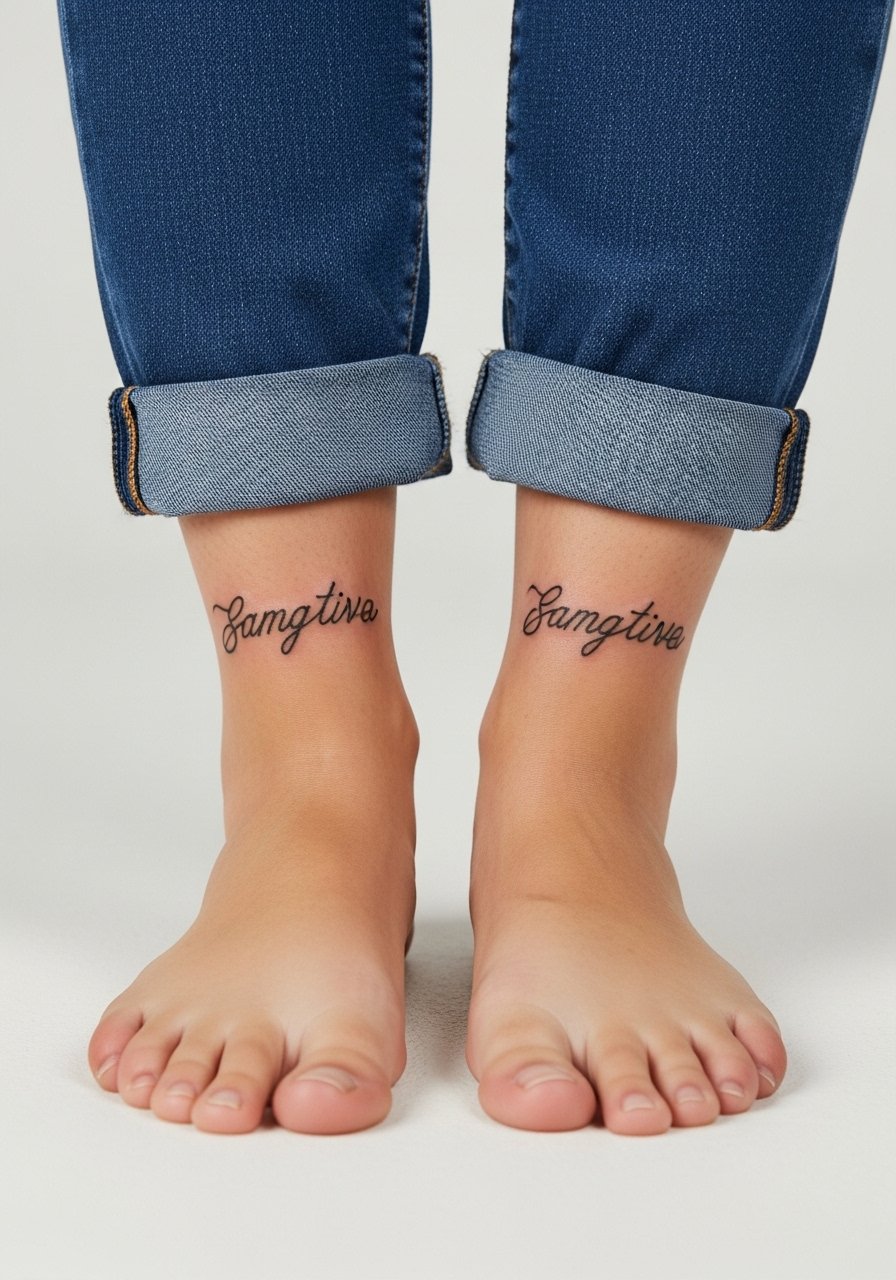
Ankle scripts are personal and easy to hide with shoes or socks. The session is short and pain is moderate because the area has thinner skin. Request higher contrast strokes so the letters resist fading from shoe friction and frequent washing. A frequent mistake is picking too-light ink weight that disappears under socks and shoes. At six months lines are still legible, by three to five years expect softening and potential touch-up. For summer showing, wear sandals or roll-up jeans and consider a linen drawstring pant for easy access during the session.
8. Small Silhouette of Two Figures on the Back of the Neck
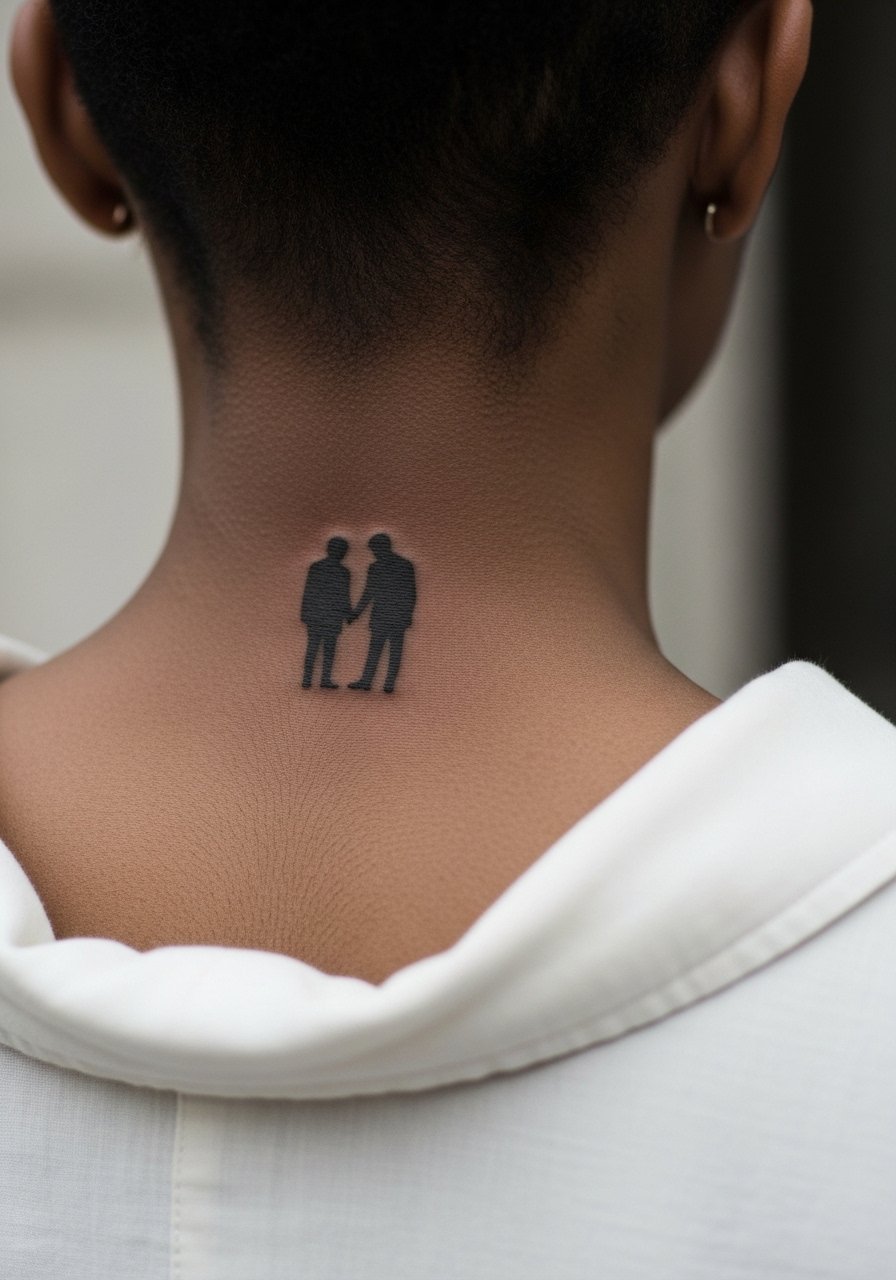
A tiny silhouette on the nape keeps the tribute private and accessible for display with pulled hair. Neck work requires an experienced hand because lines need consistent depth. Tell your artist you want crisp edges with minimal shading to avoid muddiness on this mobile spot. The mistake people make is trying to cram too much detail into a tiny nape piece. The session is short but the neck can be tender. Wear hair up and a wide-neck shirt you can pull aside for the appointment.
9. Matching Birth Flowers in Linework on the Forearm
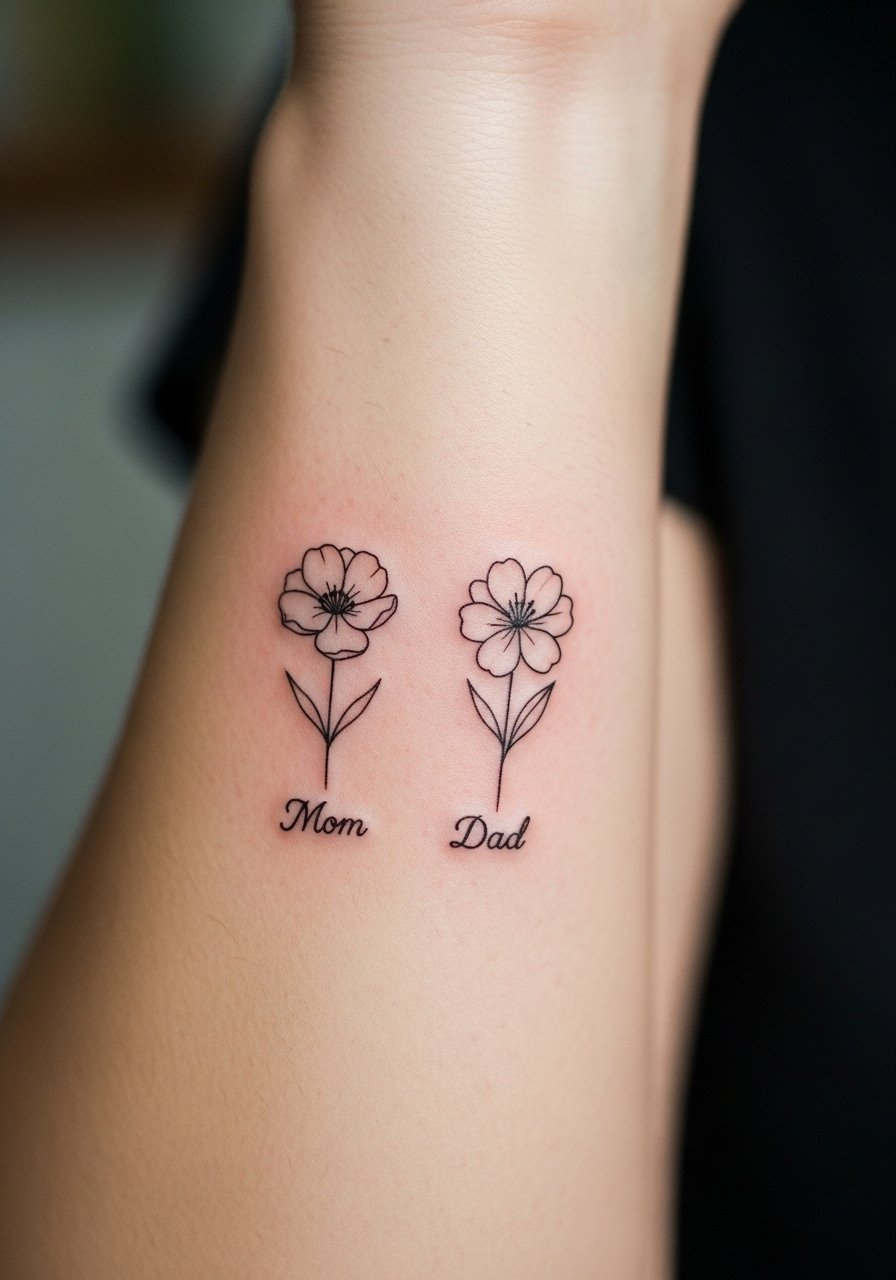
Botanical birth flowers combine symbolism with linework that holds well on the forearm. Sessions vary from 45 minutes to two hours depending on detail. Ask your artist for simplified petal shapes and slightly bolder stems so the design keeps structure as it ages. The common mistake is asking for hyper-detailed veins in very small blooms which can turn into blurred shading. At two years these designs generally maintain legibility with softer edges. Roll up a linen shirt sleeve for the session so the artist has clean access without stretching fabric over the area.
10. Soundwave of a Parent Saying "I Love You" on the Ribcage
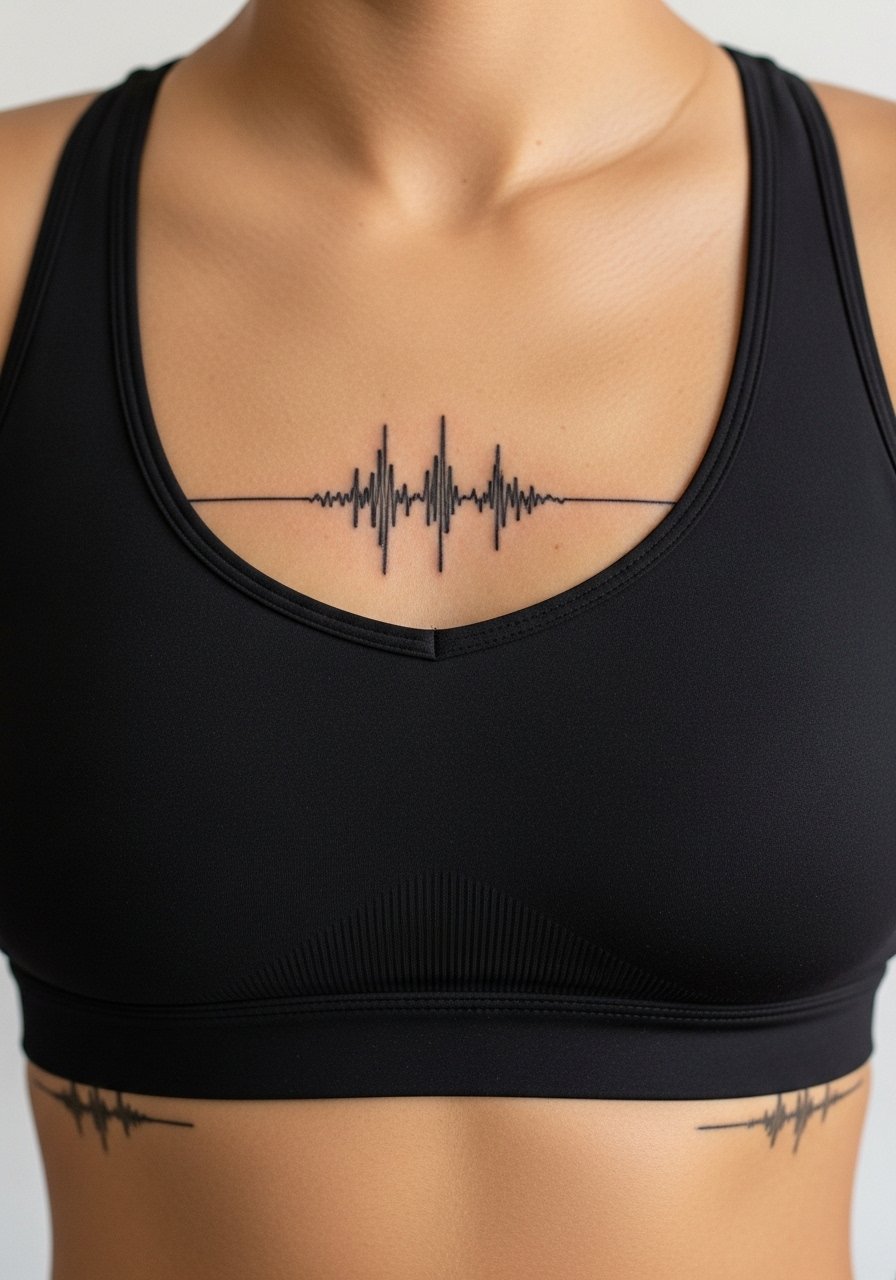
A soundwave captures a real voice in a modern way and reads as a private code. Ribcage placement requires a patient client because movement is constant during the session. Provide a clean audio clip and ask the artist to simplify the waveform into bold peaks and troughs so the pattern does not fuse into an indistinct bar after healing. The error is including every audio spike which becomes visual noise. Expect moderate to high pain and a 1 to 2 hour session. For session comfort, a sports bra you can adjust is ideal.
11. Interlocking Hands on the Inner Bicep
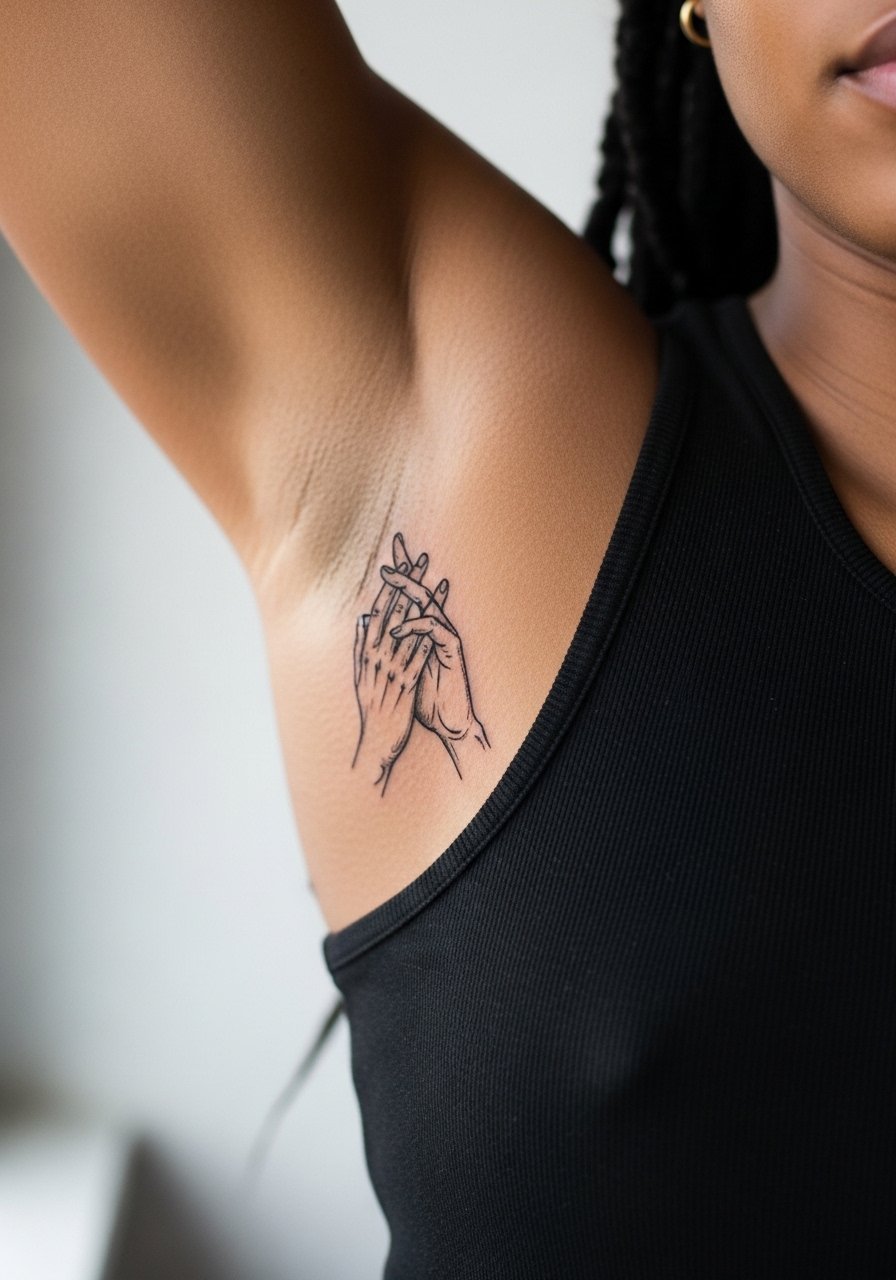
Hands holding is intimate and reads clearly on the inner bicep. The inner arm takes ink well but can be tender during the session. In the consult, describe how much negative space you want between the hands so the gesture retains shape over time. Mistakes include overloading small details like fingernails, which blur with age. At one year the gesture looks soft but distinct. For the session wear a tank top so your arm can be positioned comfortably without fabric bunching.
12. Tiny Portrait Silhouette Behind the Ear
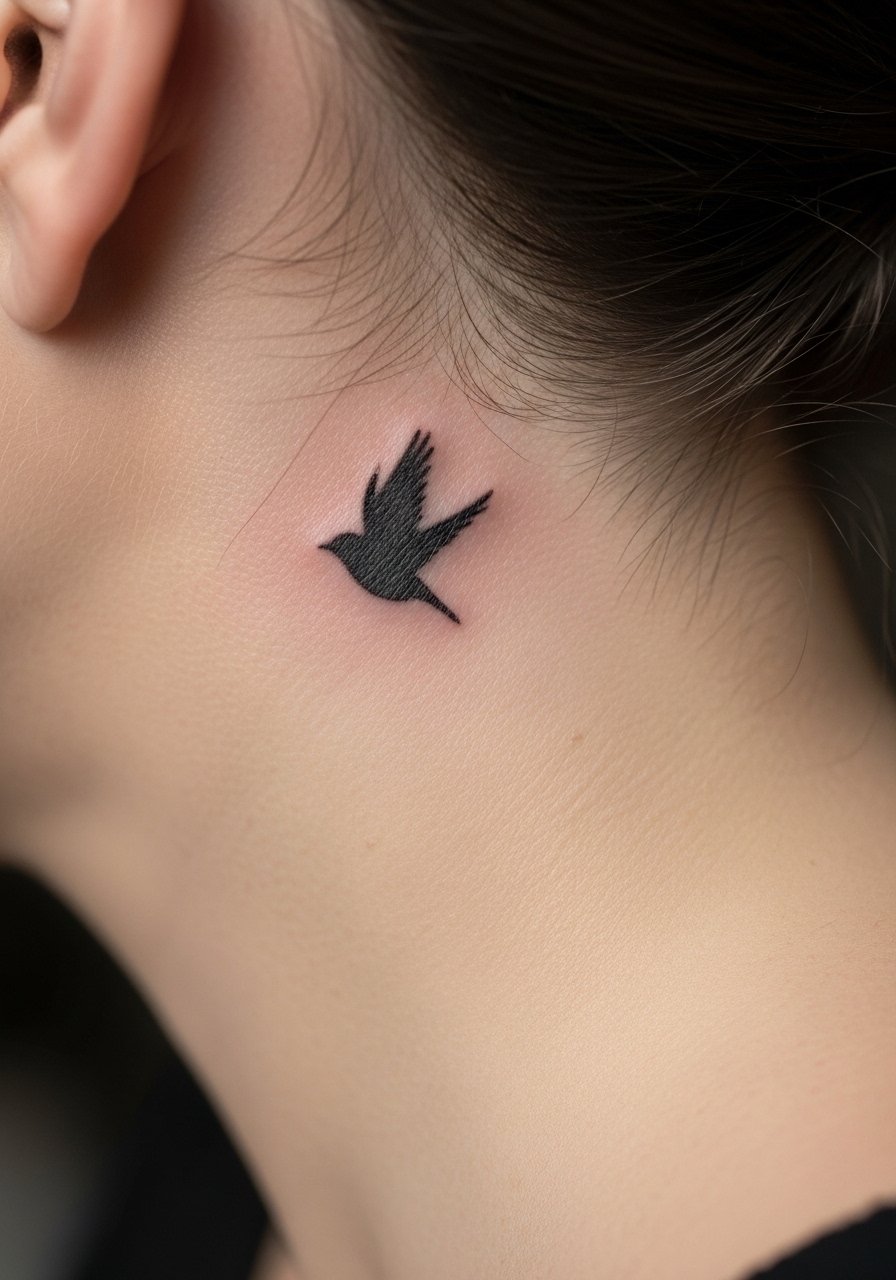
Behind-ear work reads as a whisper of an image and is discreet. The placement needs precise framing because the area is small and movement can cause early fuzziness. Bring a clear silhouette image and ask the artist to keep lines single pass and slightly bold. The common mistake is requesting intricate shading in this tiny spot which will not translate well. Sessions are quick and the area is sensitive. Consider loose hair styles the day of the appointment so the artist can access the spot with no tugging.
13. Heartbeat Line with Initials on the Chest
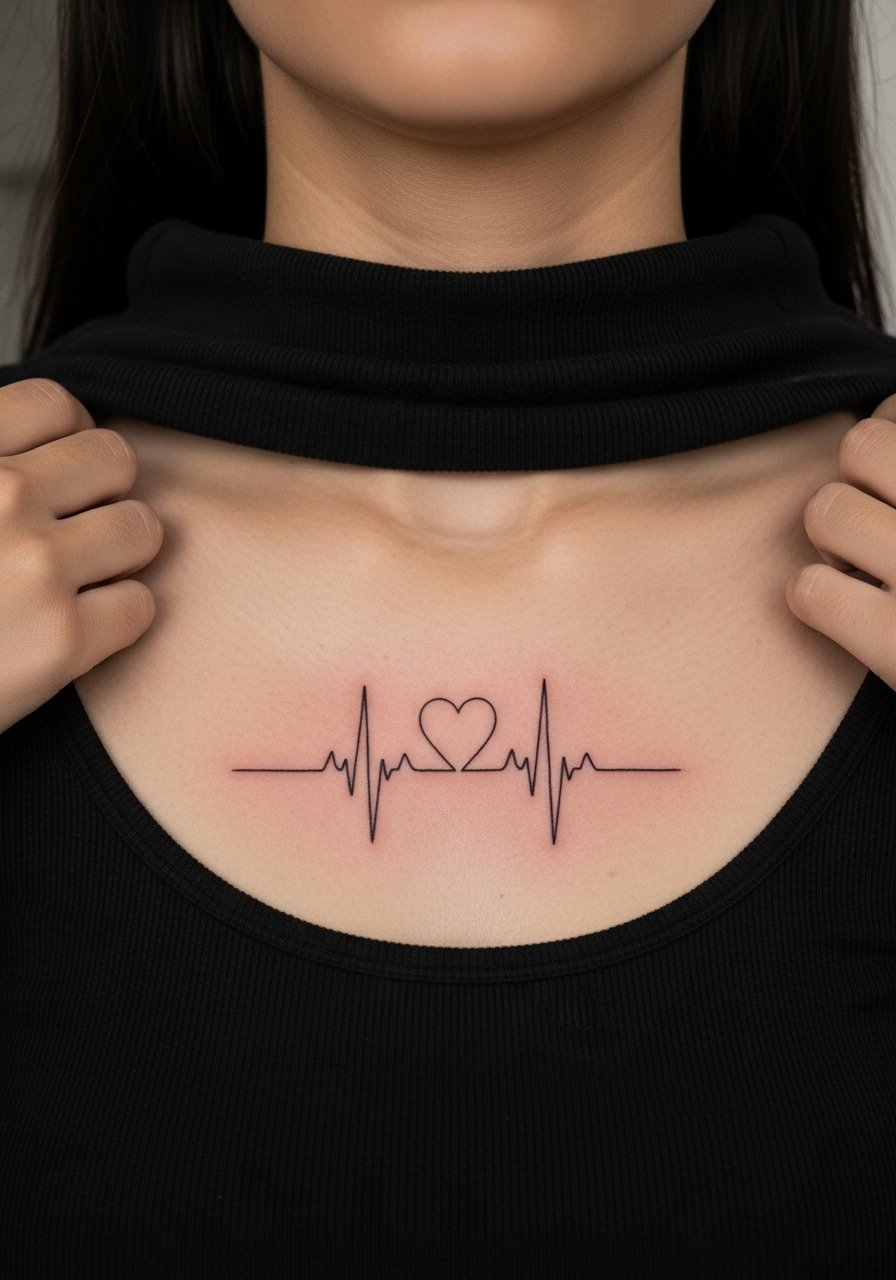
A heartbeat line with initials combines medical imagery with personal lettering. Chest placement across the upper sternum reads well under shirts and can be scaled from subtle to bold. Ask for stronger peaks rather than shallow lines so the rhythm stays readable after a few years. A mistake is placing extremely thin spikes that soften quickly from shirt friction. Pain is moderate and sessions are from 30 minutes to an hour. For showing this piece pair it with an open-collar shirt so the motif is framed without revealing too much.
14. Tiny Footprints on the Ankle Bone
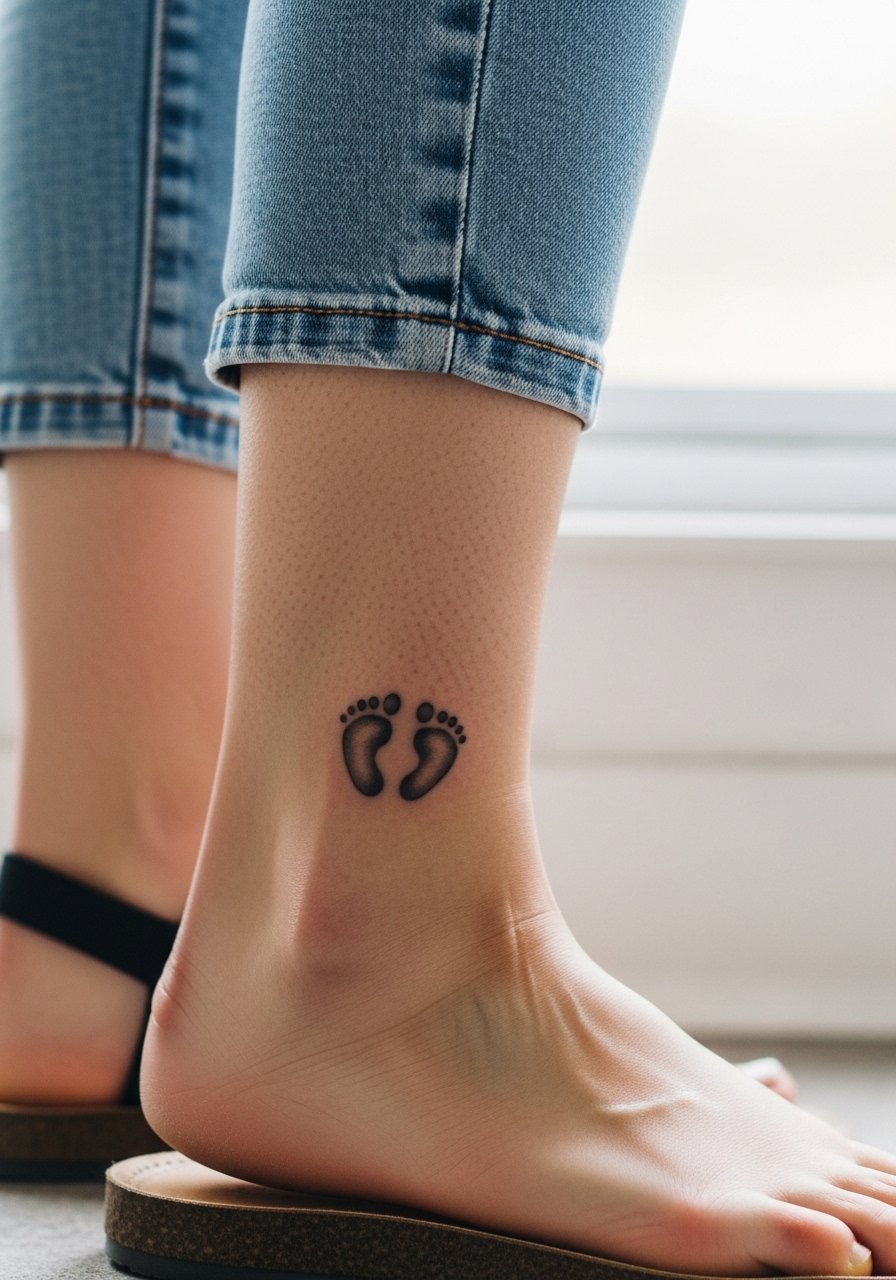
Baby footprints feel like a small, enduring record of family. The ankle bone is a high-motion area so request slightly bolder prints rather than faint outlines. The session is brief and comfort is moderate due to proximity to bone. A common mistake is making footprints too faint which leads to partial fading from shoe rub. At two to three years expect some softening and potential touch-up for crisp toe marks. For the appointment choose footwear that is easy to remove and a pair of sandals for minimal friction after the session.
15. Tiny Lock and Key on Opposite Wrists
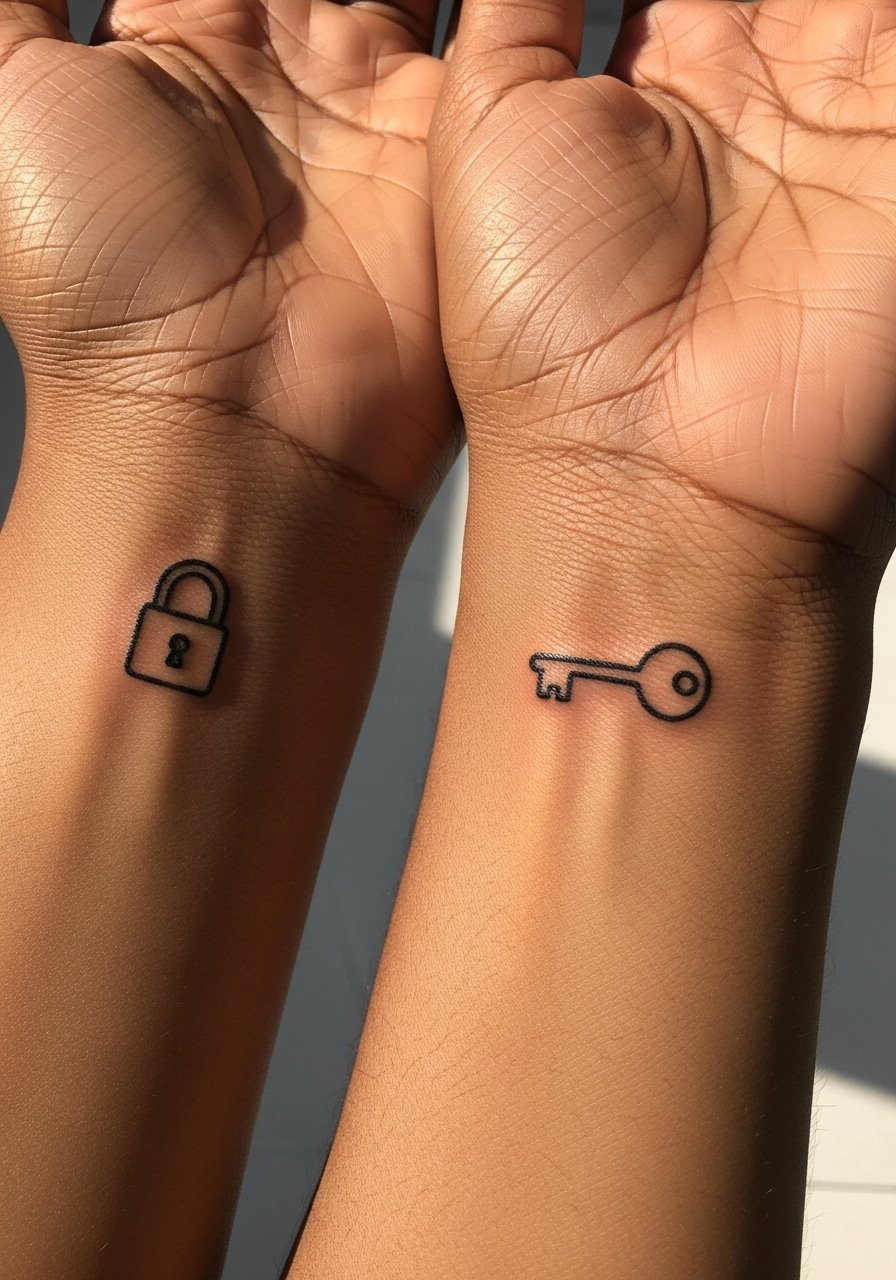
Lock and key pairs are metaphorical and read well as tiny wrist pieces. Sessions are short and pain is low. Ask for a slightly heavier outline on both pieces so they stay distinct under frequent hand washing. Mistakes include tiny filigree that blurs into a dark spot. After one to two years the images may need a touch-up if the lines soften. For everyday wear, stacked minimalist bracelets on one wrist and a simple watch on the other keep attention balanced.
16. Script Name Along the Collarbone
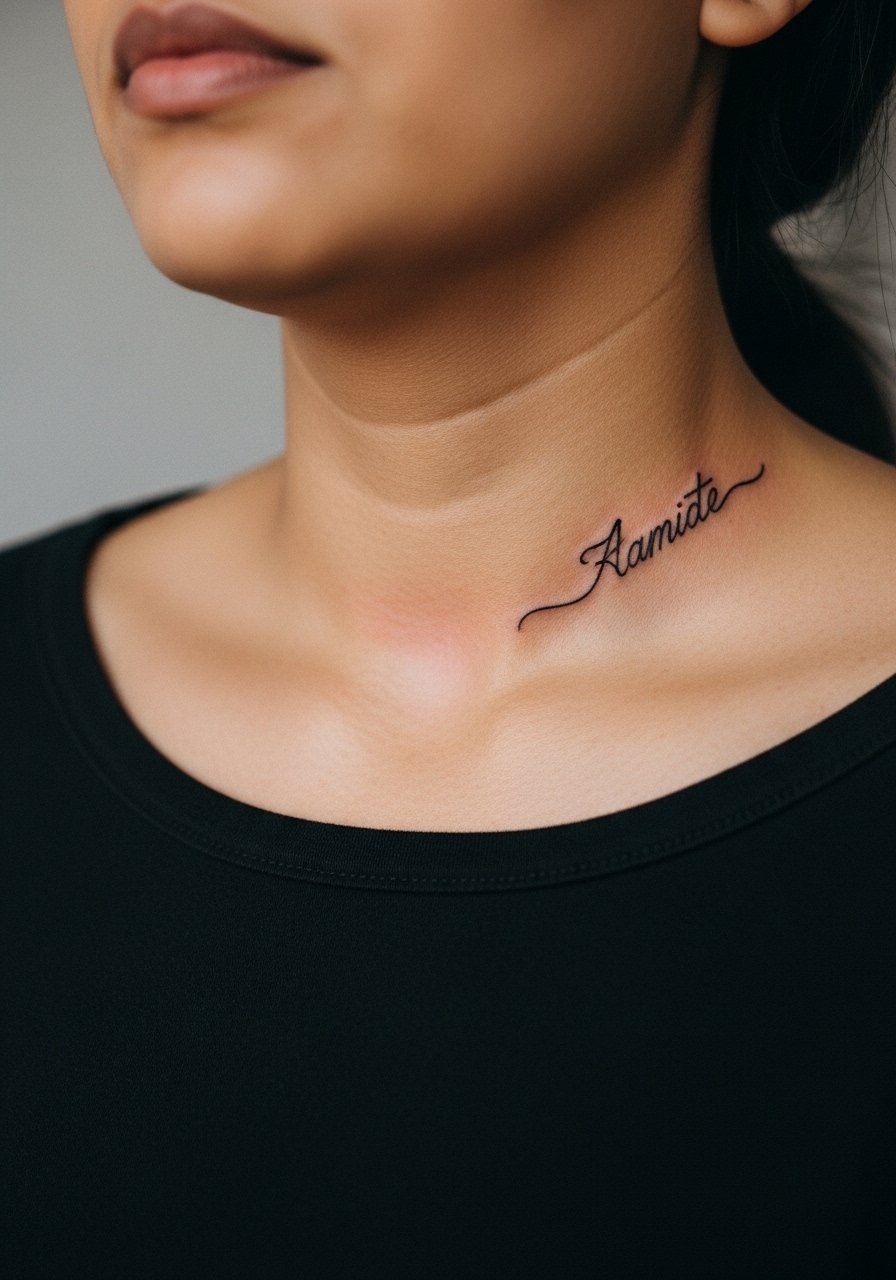
A name script across the collarbone sits where jewelry often rests and feels like a permanent necklace. Sessions are generally 30 to 60 minutes and collarbone skin can be bony and reactive. Request a midweight line rather than ultra-thin calligraphy so the name remains legible through years of wear. The typical error is choosing an ornate font that loses counters and spacing. At five years a medium-weight script ages into a soft, readable line. Pair it with a delicate necklace that sits just below the text to frame it elegantly.
17. Blackwork Rose with Banner Saying "Mom"
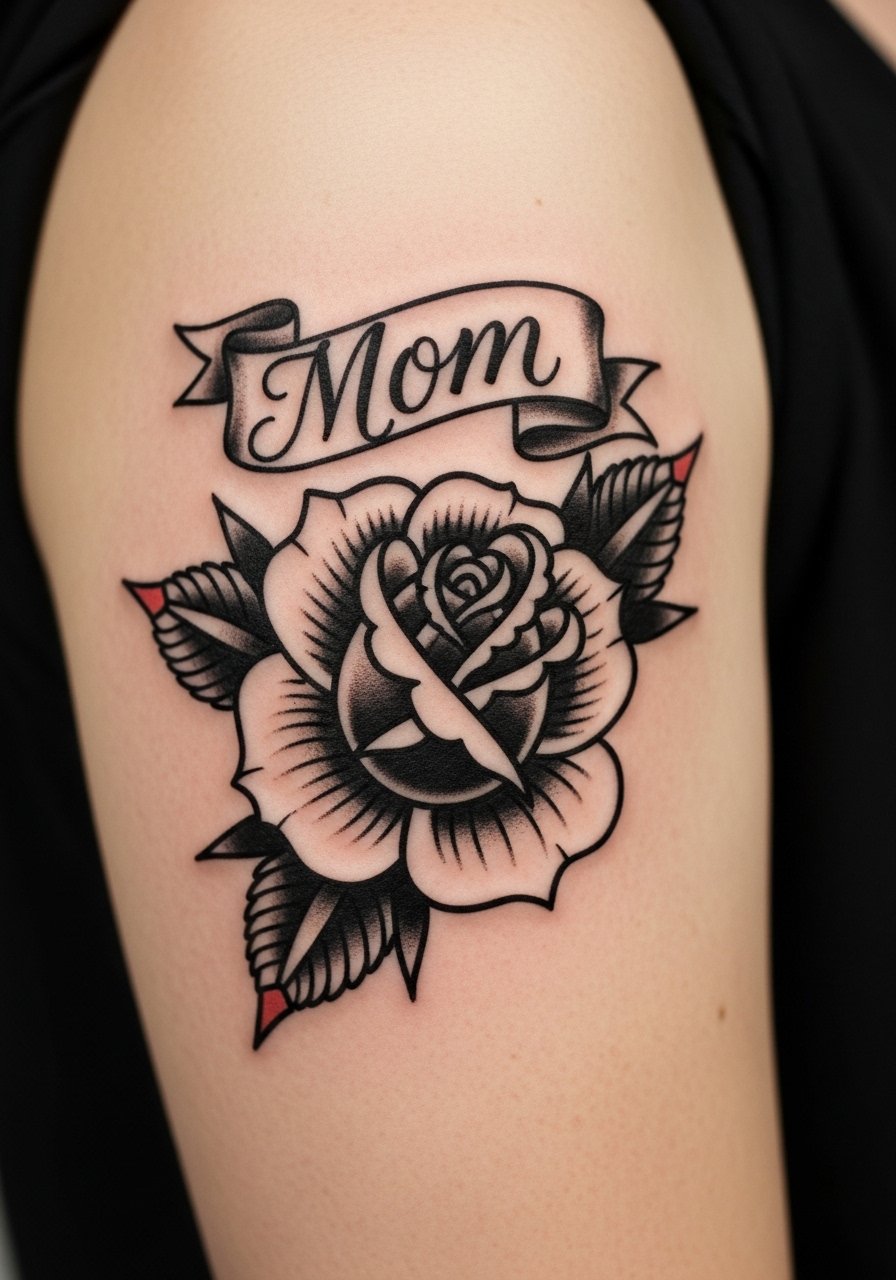
Traditional blackwork roses are built to last because of strong outlines and heavy saturation. Outer upper arm sessions run one to two hours and pain is low. Tell your artist you want saturated fills and clear negative space inside the banner so lettering does not leak into petals. A common mistake is choosing weak black fill that fades patchily. After five years this style often reads stronger than fine line pieces. For casual display wear a rolled sleeve tee to frame the rose without covering it.
18. Minimal Coordinate Line Under the Wrist
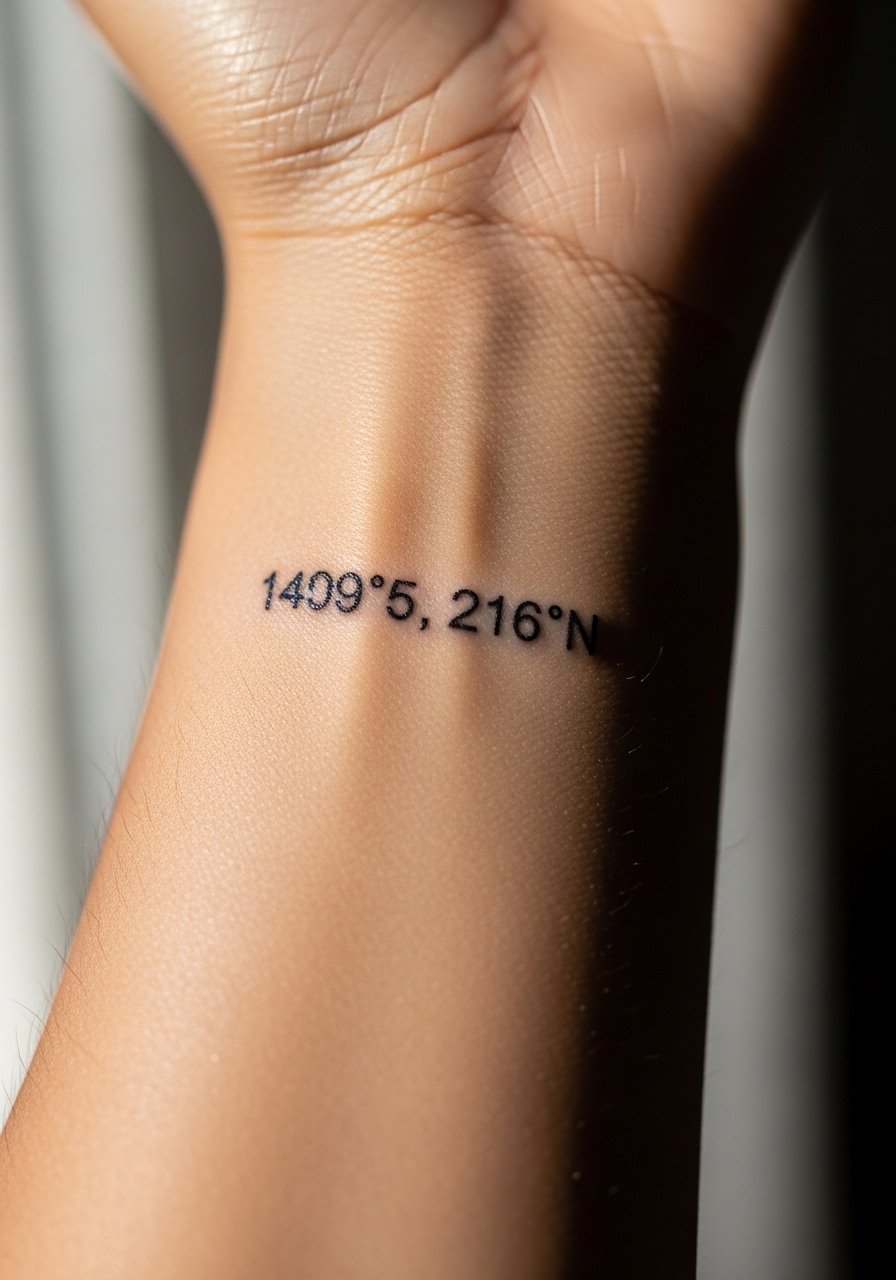
Coordinates mark a place tied to a parent, like a childhood home or hospital. Inner wrist placement calls for exact text in the image prompt because small numbers can blur. Keep numerals slightly larger and spaced to prevent merging. People often copy tiny fonts that end up unreadable after healing. Session time is short and discomfort is mild. At two to three years the coordinates remain legible if ink weight was planned correctly. This is an understated piece that does not require extra styling beyond a clean sleeve.
19. Tiny Memorial Dove Near the Shoulder Blade
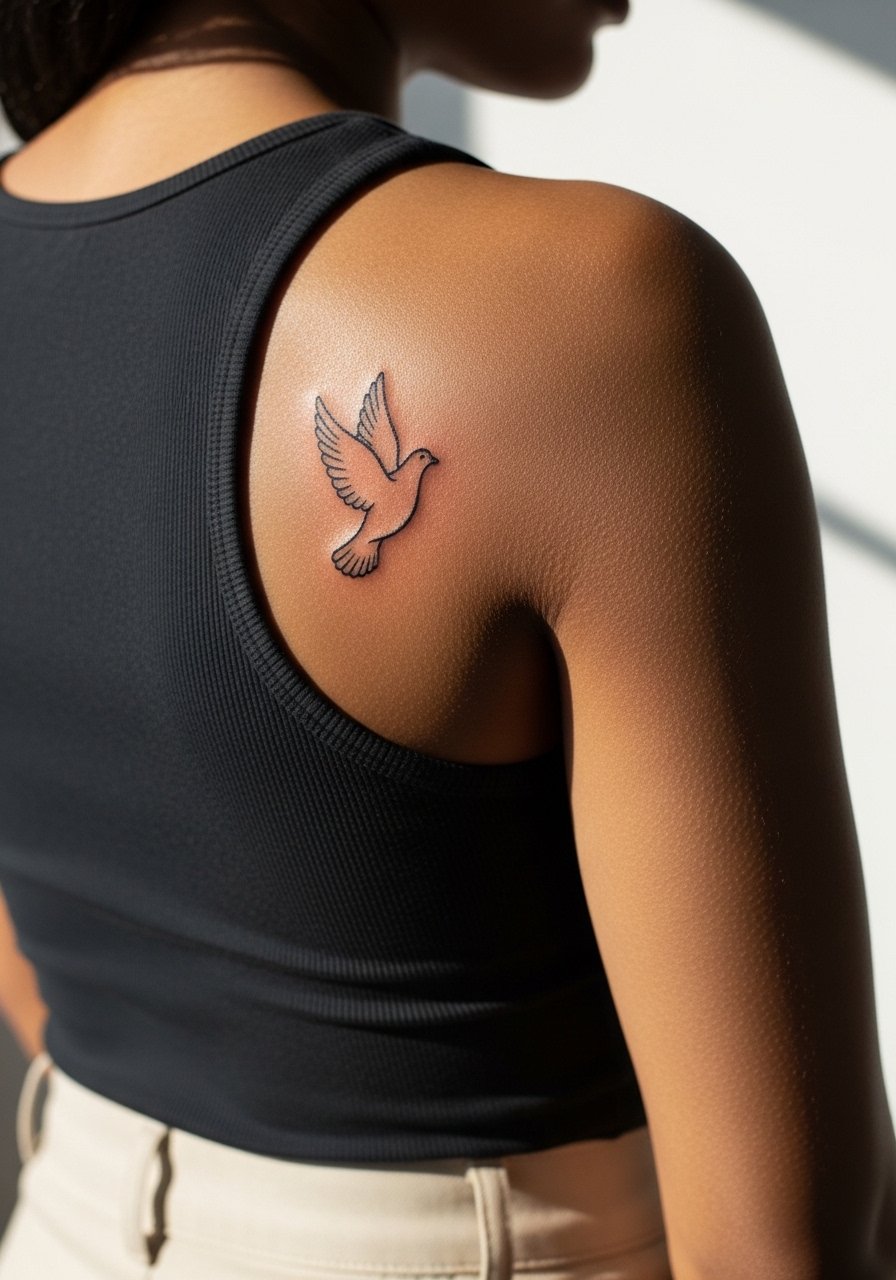
A dove symbolizes remembrance and sits well on the shoulder blade, a spot that heals with little friction. Sessions are brief and pain is low. The key consult point is to request simple contours without interior shading so the bird silhouette remains clear as it ages. Mistakes include tiny feather detail that disappears. At three to five years a clean silhouette still reads as intended. For the appointment wear a tank top you can pull to one side so the artist can work without fabric interference.
20. Tiny Crown with "Dad" in Script Above the Wrist
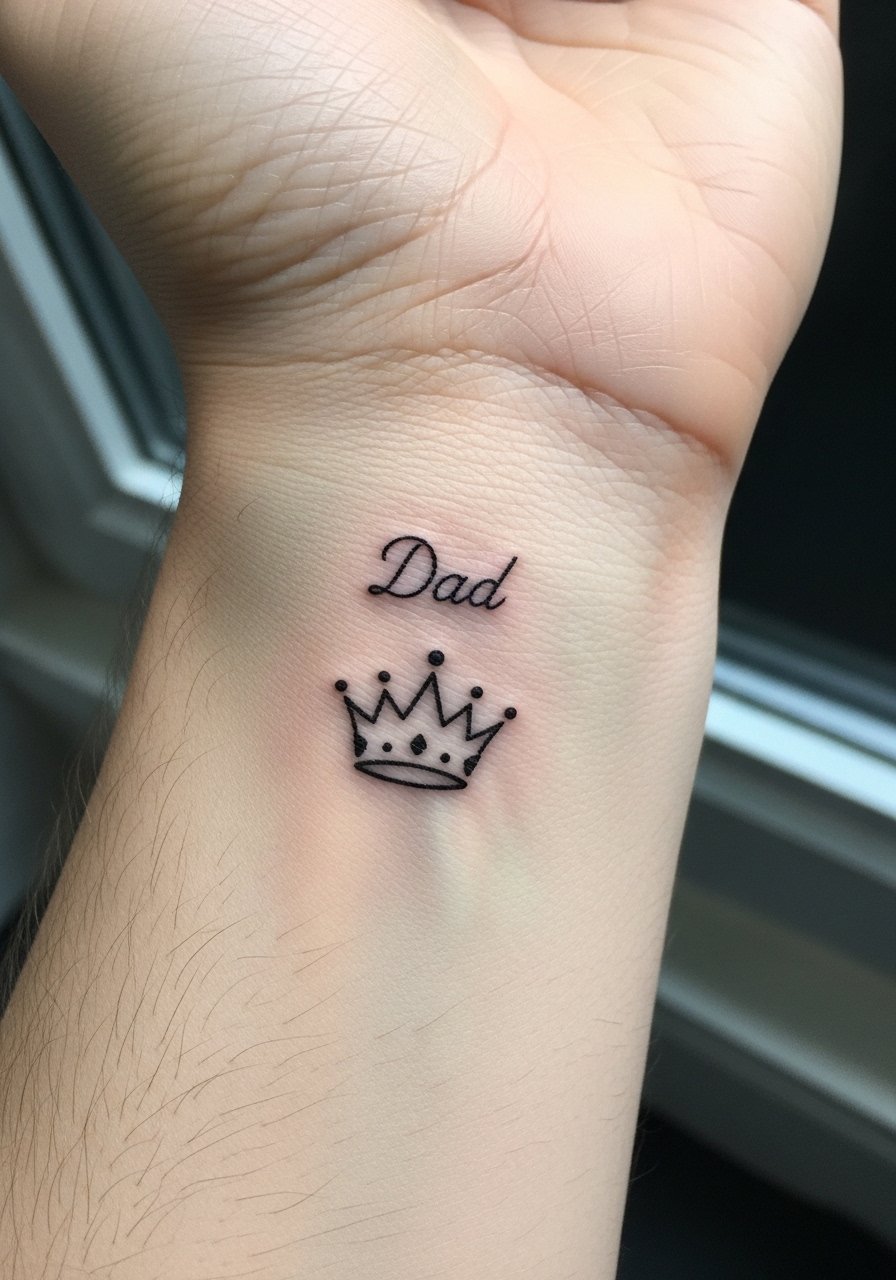
A miniature crown paired with a name nods to respect in a compact way. Wrist placement is visible and susceptible to friction so request denser ink saturation for the crown and midweight lines for the script. The mistake people make is pairing a heavy symbol with ultra-thin text which looks unbalanced after healing. Session time is short. Expect touch-ups earlier on if your job requires frequent hand washing. For everyday looks, a simple leather cuff or watch balances the crown visually.
21. Family Tree Ring on the Calf

A ring-style family tree works well on the calf where skin is stable and sessions are comfortable. This piece can take one to two hours depending on the number of initials. Consultation should cover spacing and whether you want initials or full names, because tight lettering in a curve tends to compress. A common mistake is adding too many names without enough negative space. Over time the ring keeps its form if the lines are bold enough. For the session wear shorts or a loose drawstring pant you can roll up without pressure.
22. Tiny Puzzle Pieces That Fit Together
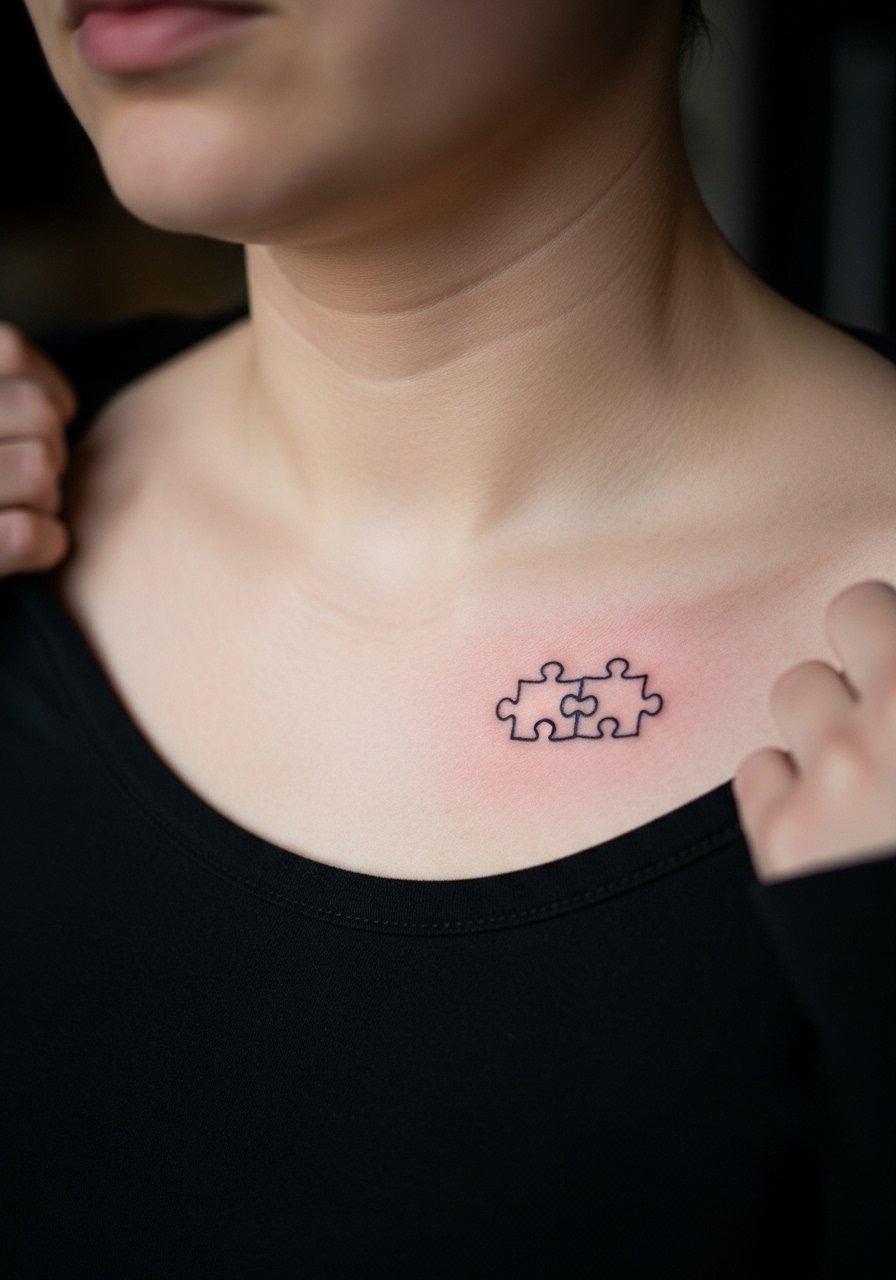
Puzzle pieces imply connection and can be split across halves of the chest or shoulder. For chest placement avoid ultra-small seams in the puzzle lines, because curved chest skin can make tight joins blur. Most sessions for matching pieces run under an hour. The error people make is trying to include micro texture inside each piece which muddies quickly. Over three to five years the shapes maintain recognizability if outlines are midweight. For display, an open-neck top complements this placement.
23. Tiny Script Inside a Wristband Tattoo
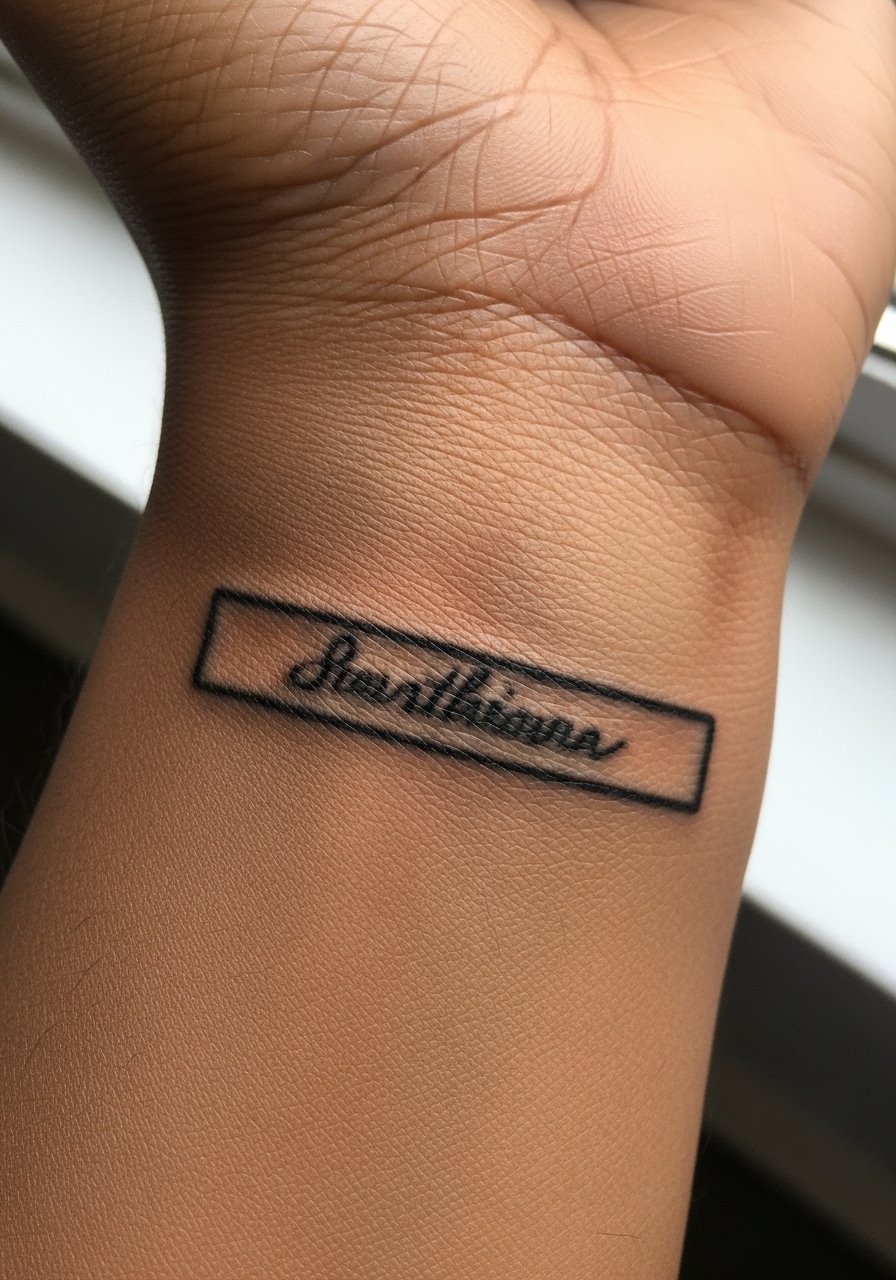
A wristband with inner script reads like a private inscription. The band should be bold enough to maintain its shape and the inner script slightly larger than you expect. People sometimes pick an overly delicate font for inner wording that becomes illegible. Sessions are brief and comfort is moderate. At two to three years the band will age gracefully if the fill was saturated. This sits well with a minimalist watch or bracelet.
24. Watercolor Birth Flower with Fine Line Outline on the Thigh

Watercolor washes can be beautiful for birth flowers but they require placement that tolerates softer saturation. The upper thigh is forgiving and sessions range from one to three hours based on color. Ask your artist to anchor the wash with a clear fine line outline so the shape remains recognizable as the pigments soften. A mistake is expecting watercolor to hold like dense blackwork in high-friction spots. For the session wear high-waisted shorts or jeans you can shift for access and consider a loose slip or shorts for comfort.
25. Tiny Lock of Hair Script Wrapped Around the Finger
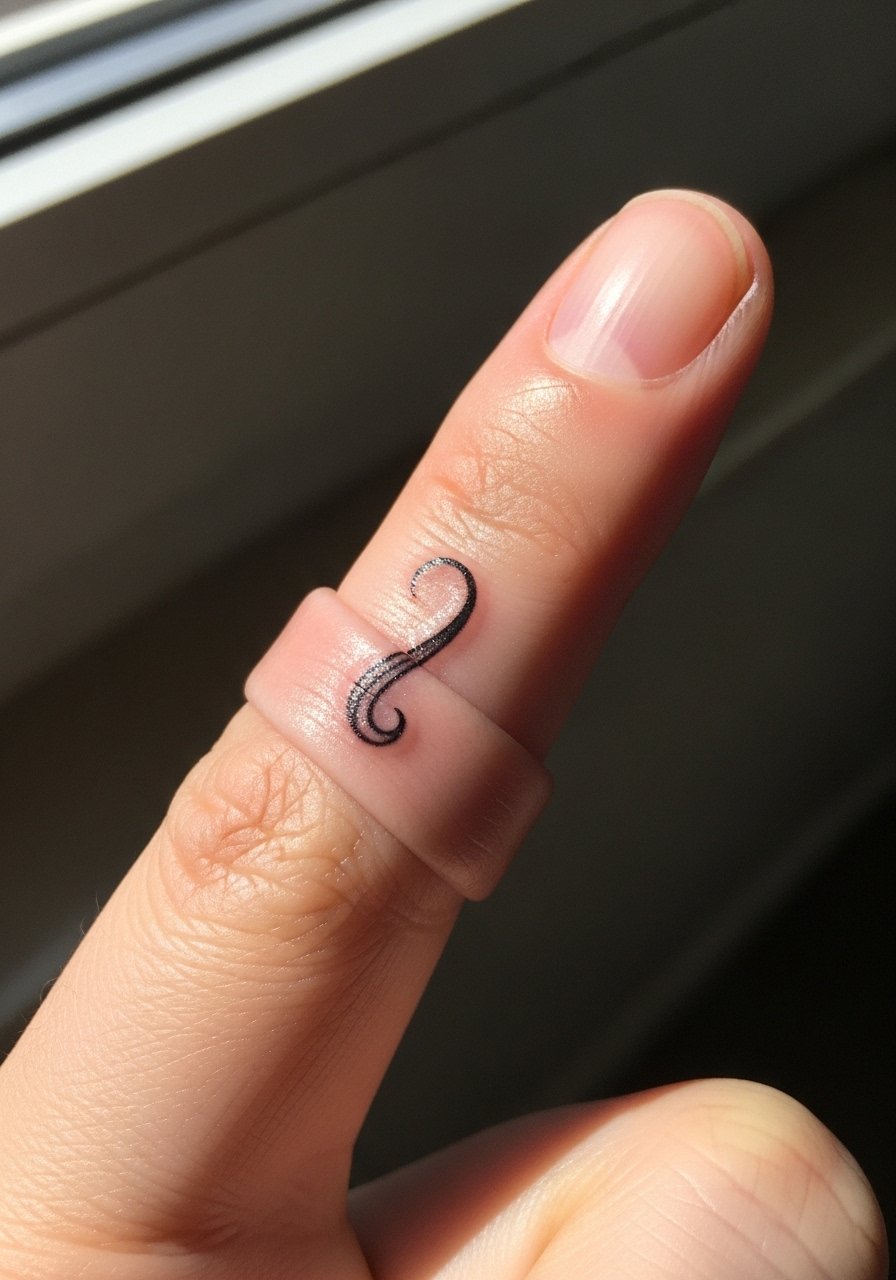
Finger tattoos demand planning because fingers face constant washing and friction. A lock-of-hair motif wrapped around the finger needs simple, bold lines to survive. The common mistake is relying on ultra-thin detail which disappears in months. Expect multiple short touch-ups over the first two years. Sessions are fast but the area is tender. A practical note is that employment policies sometimes limit visible hand or finger tattoos so consider placement carefully.
26. Tiny Soundwave Bracelet on the Wrist
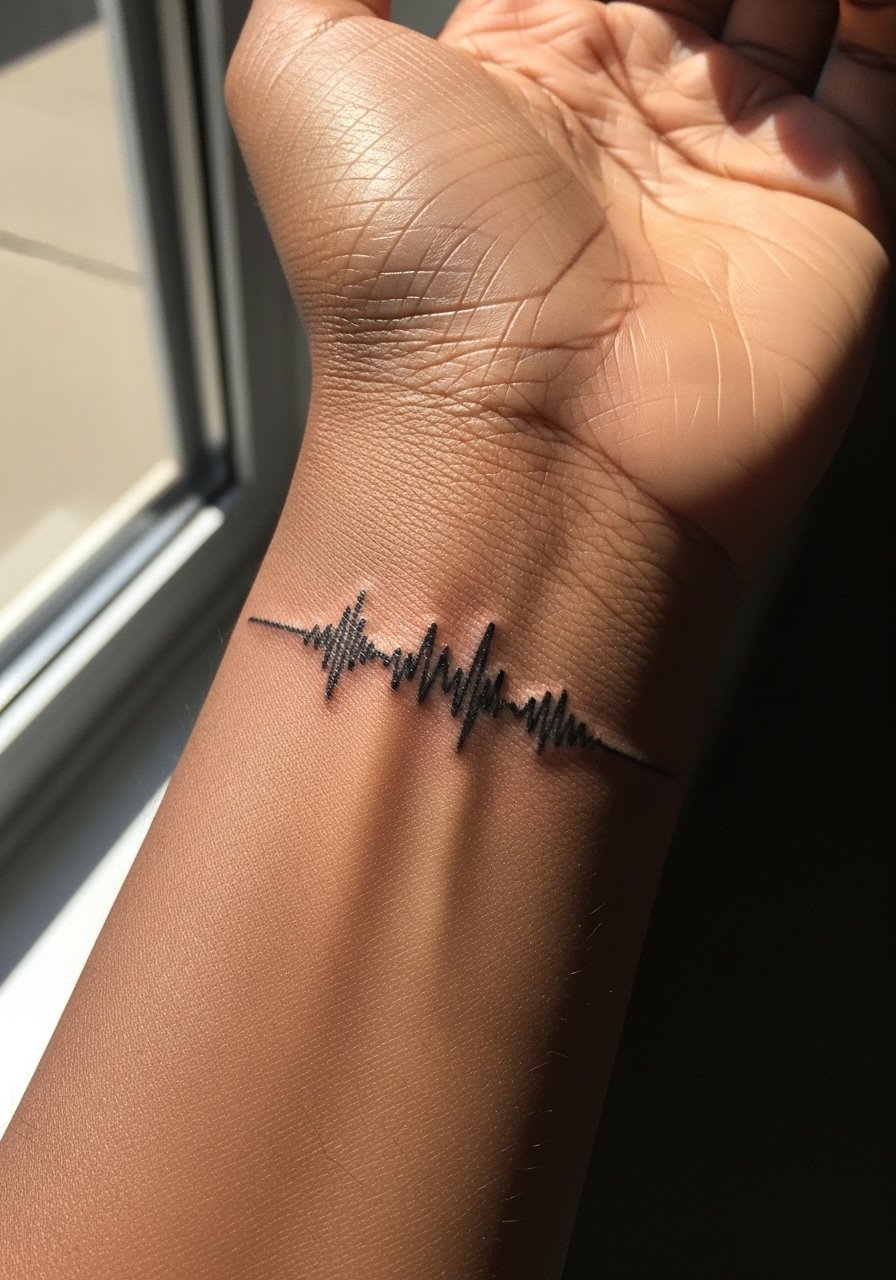
A circular soundwave band converts speech into a wearable loop. Wristwork takes frequent contact so request bolder peaks and consistent spacing to stop lines from merging. People sometimes copy dense waveforms that become noisy with wear. A short session gets the band done. For showing it off pair it with delicate bracelets that do not cover the waveform so the pattern is still visible.
27. Heirloom Object Line Drawing on the Upper Chest
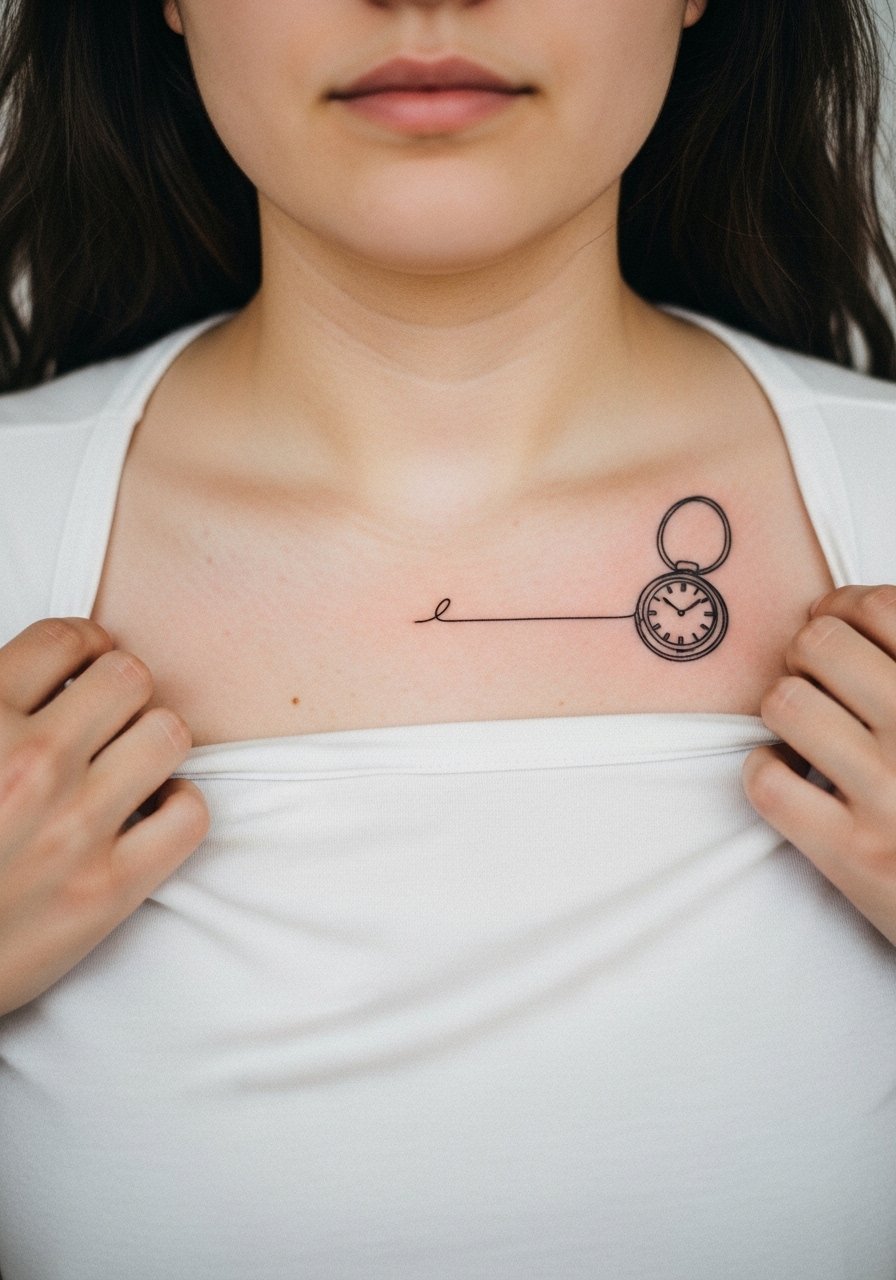
An heirloom object drawn in a simple line becomes a wearable keepsake. Upper chest placement allows for modest visibility and sits comfortably for a 30 to 90 minute session. Ask the artist to simplify mechanical parts into iconic shapes because tiny gears and teeth do not render well at small scale. The usual mistake is trying to cram in realistic texture on a space meant for symbol. Over five years the simplified object retains recognition far better than an intricate micro-realism attempt. For an evening look, pair this with an open-neck shirt that frames the piece without competing.
Frequently Asked Questions
Q: Will fine line scripts for "mom" and "dad" blur if I get a full sleeve of other work around them?
A: It depends on placement and the density of surrounding work. Fine line scripts hold best when given breathing room and when artists slightly enlarge counters and spacing. If the sleeve contains bold blackwork right next to a thin script, the heavy inks can visually dominate and make the script feel faint. Ask your artist to plan composition so the script sits on a clear panel or is framed by negative space.
Q: Are small portraits worth the risk on ribs or sternum?
A: Portraits on ribs or the sternum are high-risk because skin there moves and stretches. One camp of artists recommends against micro-portraits on those spots for longevity. The other camp says with proper spacing and skillful depth control they can last. If you choose ribs or sternum, expect a more conservative approach from the artist and plan for a possible touch-up at one to three years.
Q: I want a watercolor birth flower on my thigh. Will the color bleed or fade faster than black ink?
A: Watercolor fades differently than blackwork because pigments are often lighter and less densely packed. Thigh placement helps because it sees less sun and friction than hands or ankles. Ask your artist for anchored outlines so the form remains recognizable as the wash softens. Expect color refreshes more often than solid black pieces.
Q: How should I dress for a collarbone or upper-chest session to keep the area private but accessible?
A: Wear a wide-neck shirt or a button-up you can pull aside so the artist has clean access without you being exposed. A thin, easily adjustable top keeps you comfortable and makes those placements simpler to work on.
Q: Do matching small tattoos need to be exactly symmetrical to read as a set?
A: Not always. Slight variations in scale or spacing can make matching pieces feel intentional and personal. The key is visual balance so that the pair reads as a set even if they are not mirror copies. Discuss scale and spacing with your artist during the consult.
Q: If I choose a cultural motif like a mandala or lotus for a parent tribute, how should I approach authenticity and respect?
A: These symbols have specific cultural and spiritual roots so many people opt for a version that acknowledges origin while avoiding direct replication of sacred designs. Ask your artist about respectful adaptation and consider small alterations that honor the tradition without appropriating ceremonial forms.