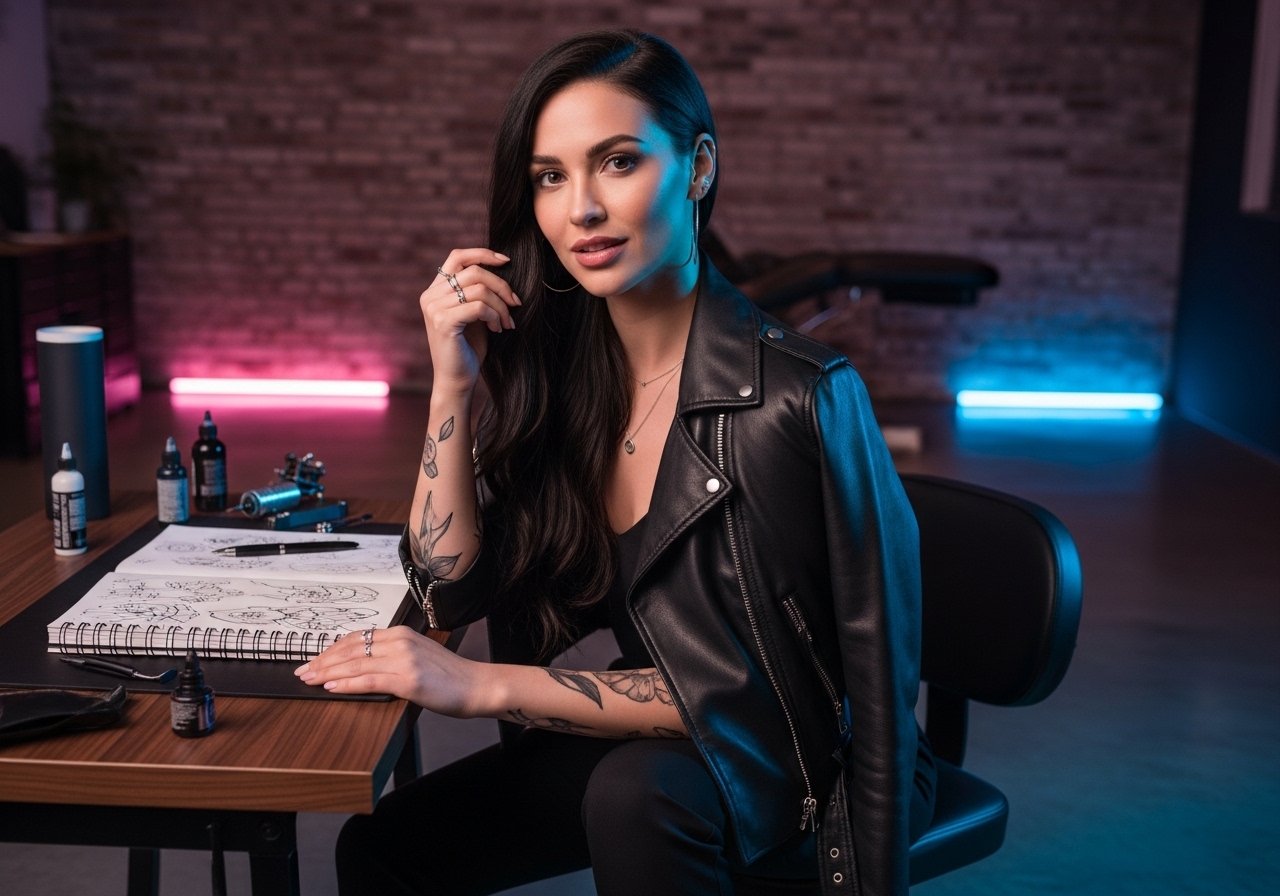
Fine line Sailor Moon motifs are everywhere on mood boards, but what holds up from year one to year five depends on placement, spacing, and how you translate the anime iconography into tattoo-friendly geometry. Below are 17 aesthetic references that balance fan detail with lasting linework, plus what to ask your artist at consultation so the designs age the way you want.
1. Minimal Crescent Moon on Inner Wrist
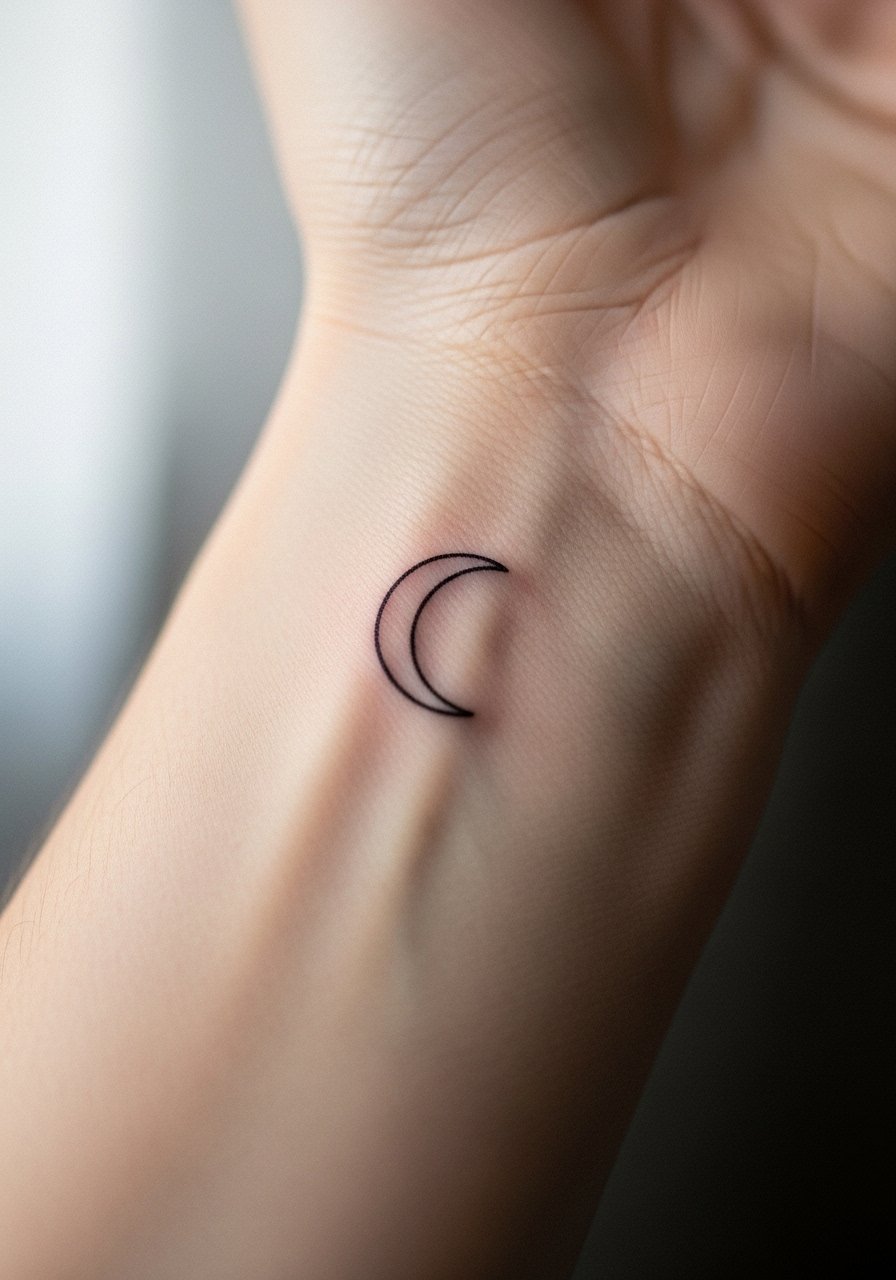
A tiny crescent reads delicate and personal on the inner wrist, but the area takes friction from watches and sleeve cuffs. Ask your artist to leave slightly more space between the crescent tips and to use modest line weight so the shape keeps its negative space as it heals. Expect a one-hour session with a 2 out of 10 pain level. Common mistakes include making the arc too narrow, which causes early merging of lines. For showing this off, a stack of dainty bracelets keeps attention on the wrist without hiding the moon. Plan a possible touch-up around year two depending on your daily friction.
2. Vintage Transformation Brooch on Inner Forearm
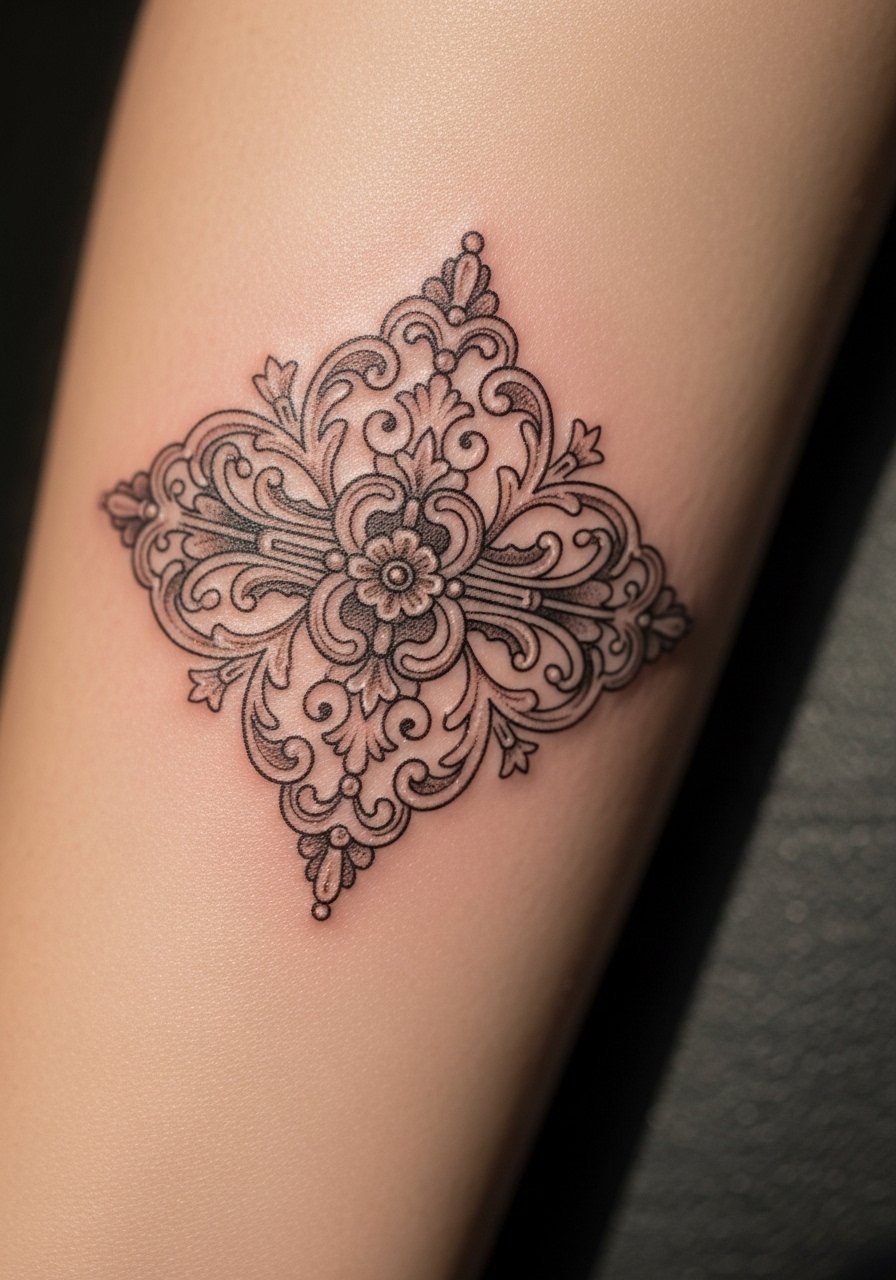
A brooch reference can be translated into a compact piece with linework and tiny dot shading to suggest sparkle, which reads better over time than micro color fills. The inner forearm is forgiving, so this one is a good spot for a mid-sized custom piece. Tell your artist you want stipple shading rather than watercolor fills, and to avoid tiny color dots that tend to fade into blur. Session time is around 1.5 to 2 hours and pain is usually low. A common error is crowding metallic details too close together, which ages into mush. For the appointment, wear a short-sleeve or a loose button-down shirt you can move aside without stretching the skin.
3. Tiara Script at the Collarbone
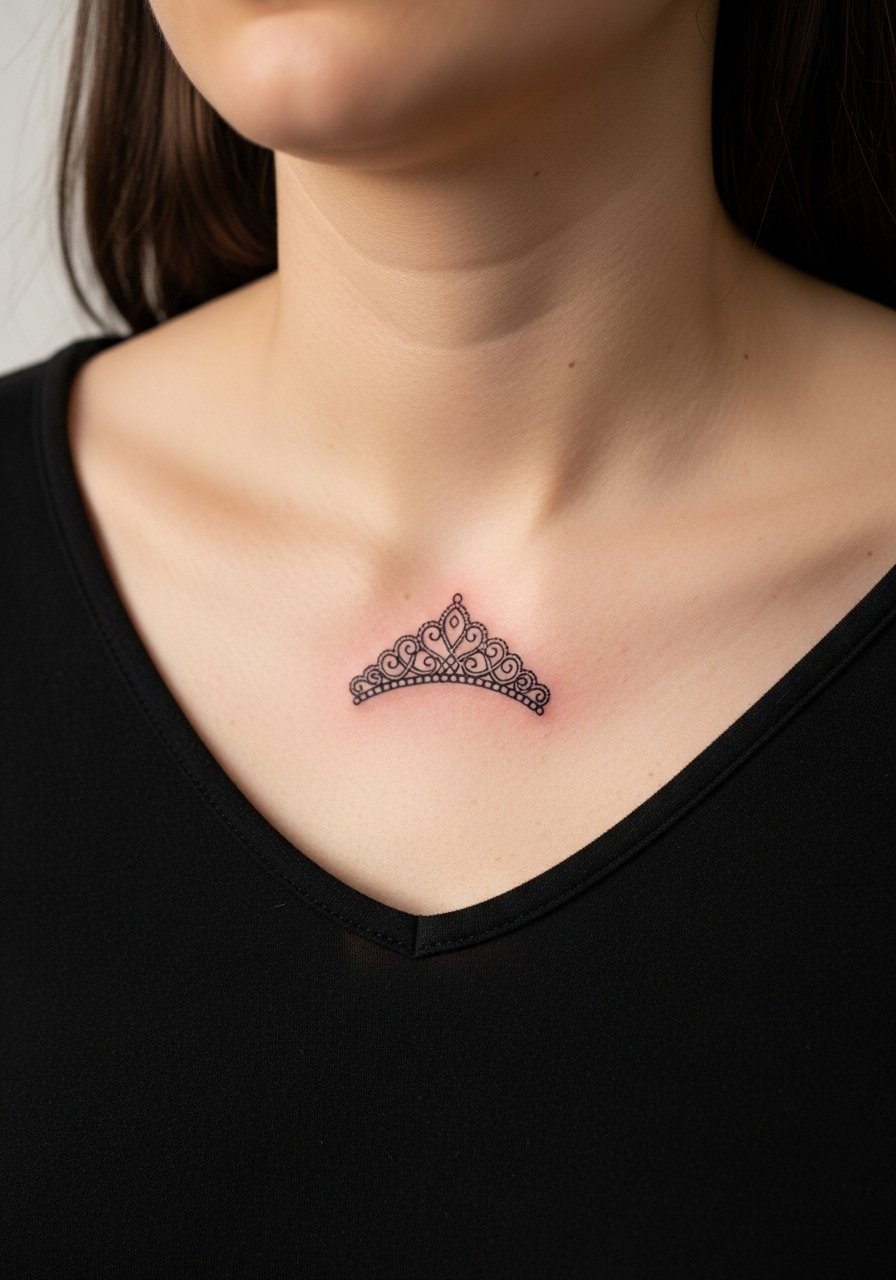
A small tiara with a short script line sits beautifully on the collarbone but the anatomy there moves with breathing and wardrobe. The session takes about 45 to 90 minutes. Ask the artist to mock up the size on your collarbone while you move so the placement stays flattering when you sit or stand. Be explicit about line weight and the font size for legibility at five years. A frequent mistake is placing script too close to the bone where touch-ups become awkward. Pair this with an open-back midi dress or a thin chain necklace to draw attention without covering the design.
4. Luna Silhouette Behind the Ear, Neck Framing
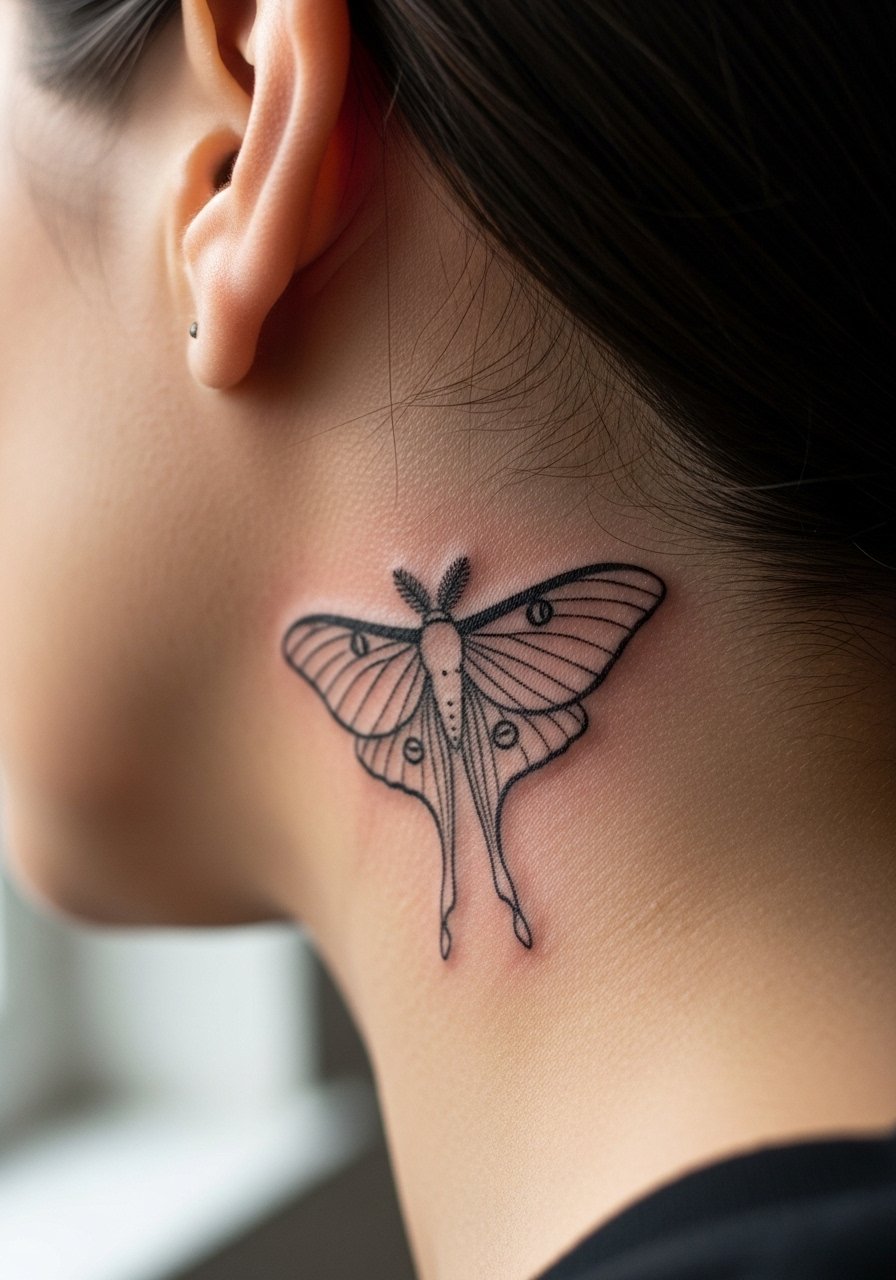
A tiny cat or moon silhouette behind the ear reads secretive and personal. The area needs careful placement because hair and collars can rub at the healing site. Keep the tattoo very small and ask for single-needle precision to avoid dense saturation. Expect a quick 20 to 40 minute session and low pain. Mistakes include overfilling the shape which increases blowout risk in that thin skin. For discreet showing, a lightweight earring or hair tuck reveals the piece without exposing a lot of skin.
5. Watercolor Nebula on the Upper Arm
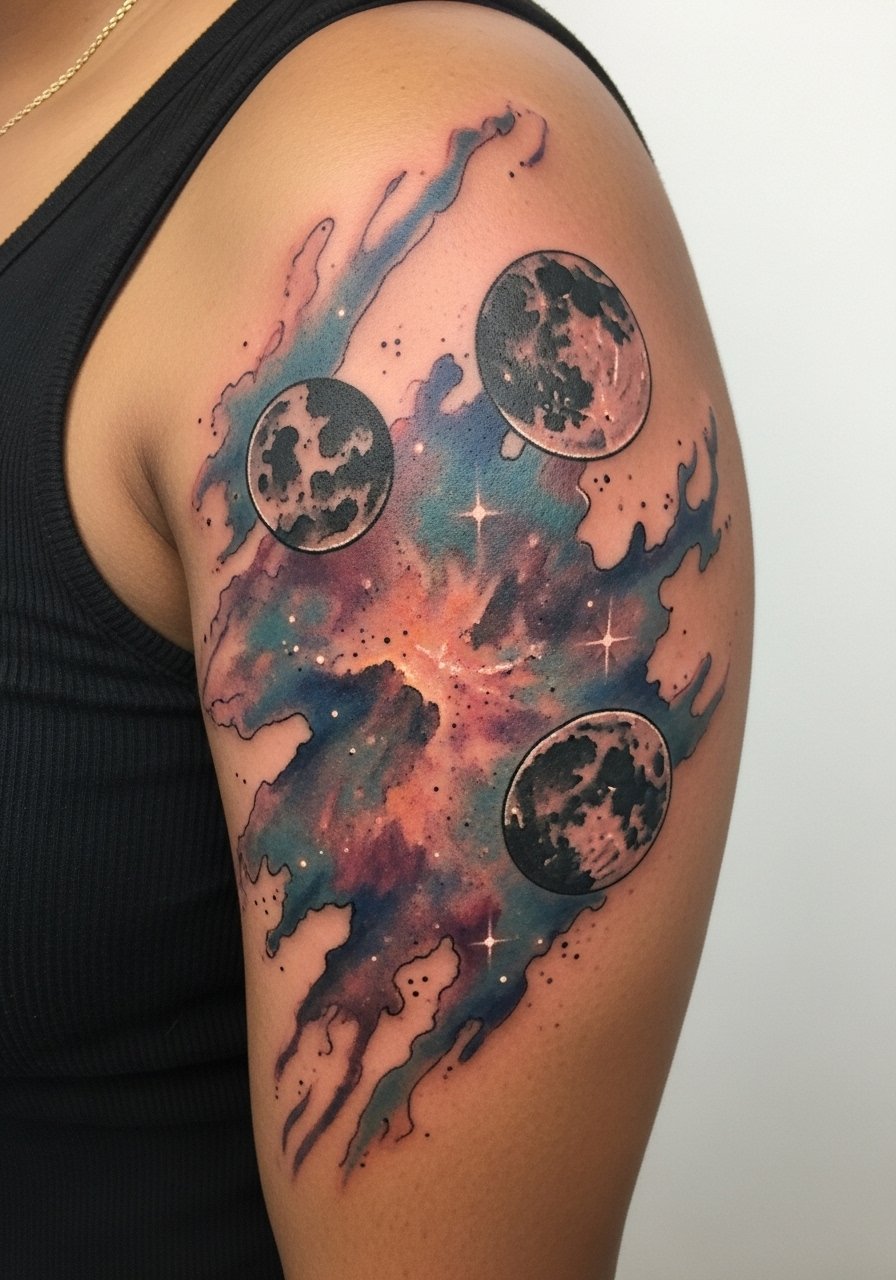
Watercolor styles look ethereal but they require artist experience to hold pigment without patchy fading. On the outer upper arm you get space for color transitions and the skin there tends to retain saturation better than the hands. Tell your artist you want the color applied with soft whip shading and to reserve tiny black anchors so the form stays readable. Sessions run 2 to 4 hours and pain is moderate. The common mistake is too little contrast, which becomes invisible after a year. Show this off with sleeveless tops and a racerback tank that frames the shoulder area.
6. Tiny Planet Glyphs Across the Knuckles
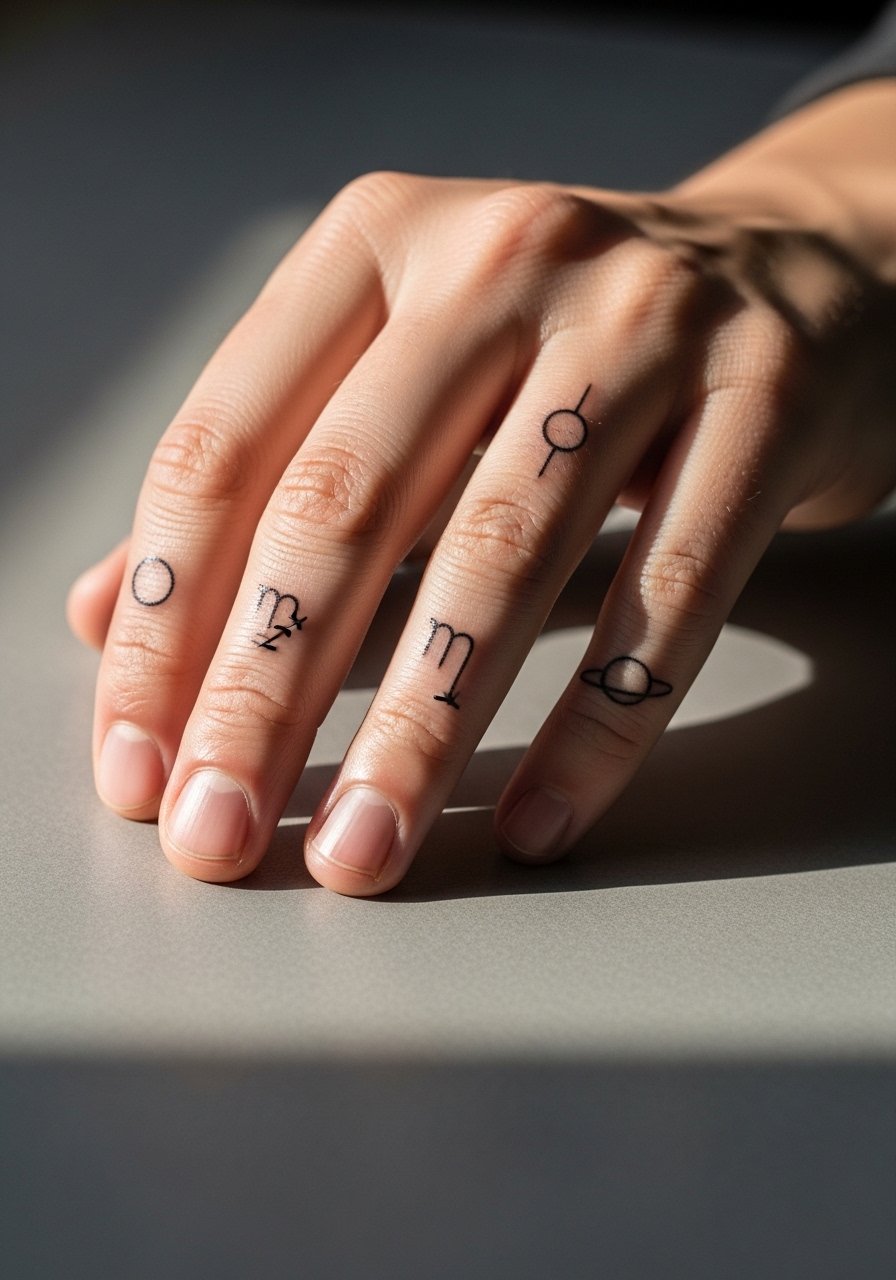
Finger and knuckle work is bold but high maintenance. The skin here regenerates quickly and ink fades faster, so expect annual or biennial touch-ups. For small planetary glyphs keep each symbol simple and slightly larger than you think you need. A 30 to 60 minute session per hand is typical and pain rates around 6 out of 10. A common mistake is trying to cram too much detail into each glyph. For the appointment, a thin ring or no jewelry makes stencil placement easier. Hand tattoos can affect certain workplaces, so consider that before booking.
Studio Day Picks
The first six ideas above include wrists, fingers, and collarbones, and those zones need different prep than larger arm pieces.
-
Stencil transfer paper kit. Lets you preview placement and line scale directly on the skin, which matters for micro motifs like planetary glyphs and tiny crescents.
-
Topical numbing cream. Use as directed before short, sensitive sessions to ease wrist and finger discomfort without compromising stencil clarity.
-
Thin protective film roll. Useful for keeping knuckle and wrist tattoos clean during the first days when friction and washing are frequent.
-
Fragrance-free gentle body wash. A mild wash avoids irritating fine line work while you follow the artist's cleaning routine.
-
Aquaphor healing ointment. Thin layers in the opening days can help secure color in delicate fine line areas without suffocating the skin.
7. Full Moon Backpiece with Floral Frame
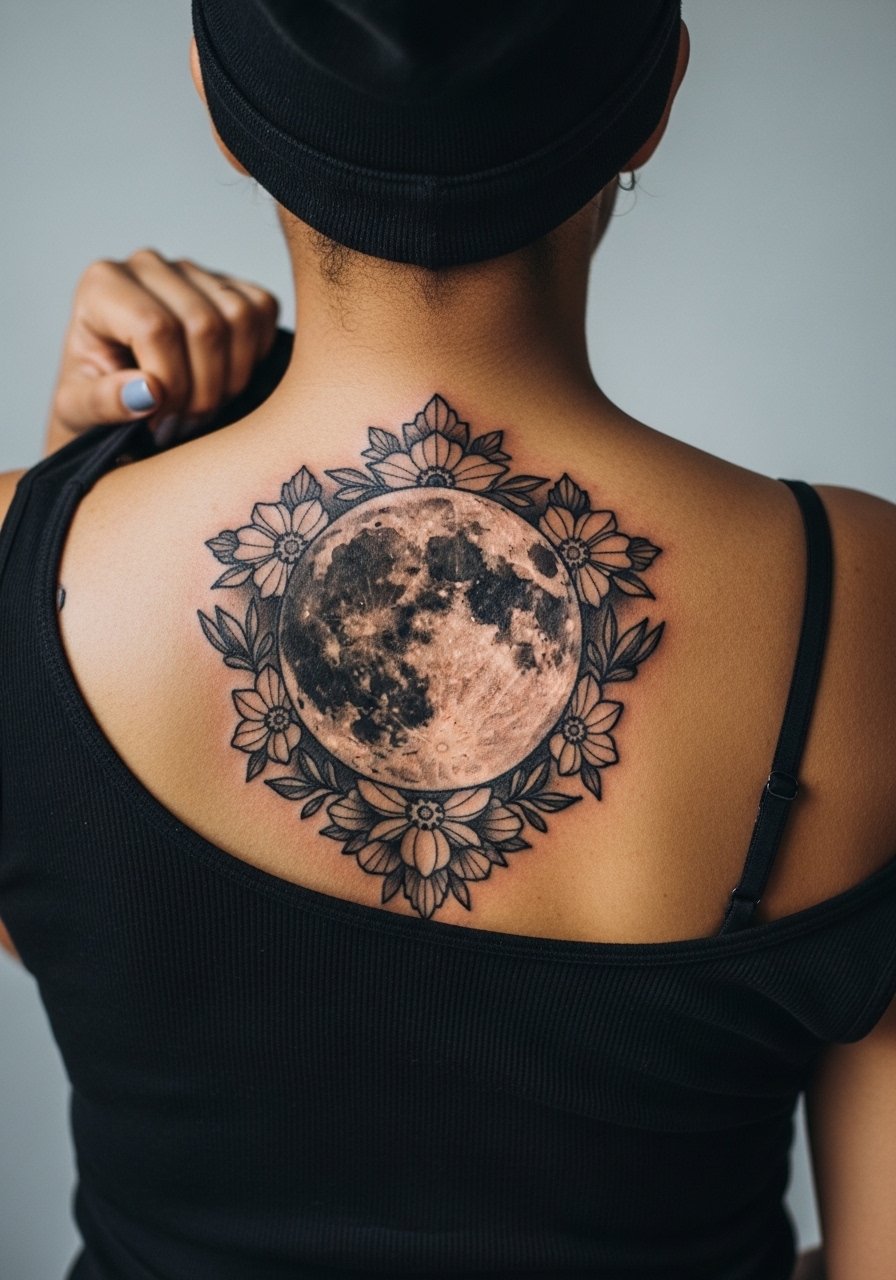
A backpiece lets you combine lunar iconography with florals and negative space to avoid overworking any dense area. For longevity stick to clear black outlines and controlled saturation in shadowed petals instead of heavy color fills. Sessions will be multiple hours and likely split across two or more sittings. The risk here is over-detailing small petals next to wide shaded moons, which can blur over time. During consultation say you want the moon to remain the focal point and ask about session pacing to reduce swelling. An open-back dress frames this piece when healed and keeps the composition visible.
8. Sternum Crescent with Dotwork, Sensitive Framing
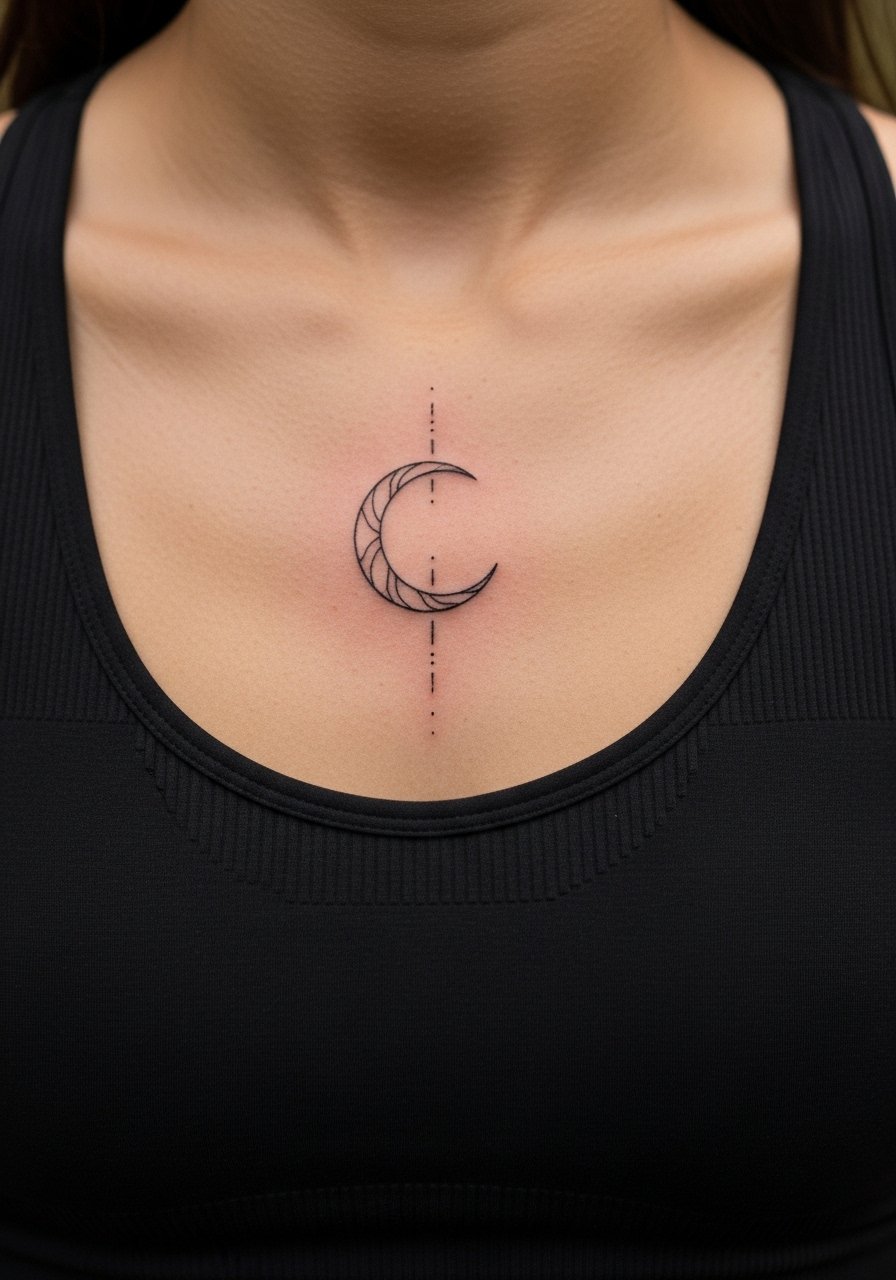
Sternum work is intimate and the skin moves with breathing. Artists divide on fine line here. One camp argues the sternum stretches and breath makes lines blur within a few years. The other camp says careful depth and spacing let fine line settle well. Ask your artist which camp they are in and request a slightly heavier outline if you want longevity. Sessions can be 1.5 to 3 hours and pain is higher than arms. A common mistake is placing the design too low where clothing rubs. For appointment access wear a fitted sports bra you can lower slightly so the artist has clean access, and avoid tight wires during healing.
9. Chibiusa Silhouette on the Thigh
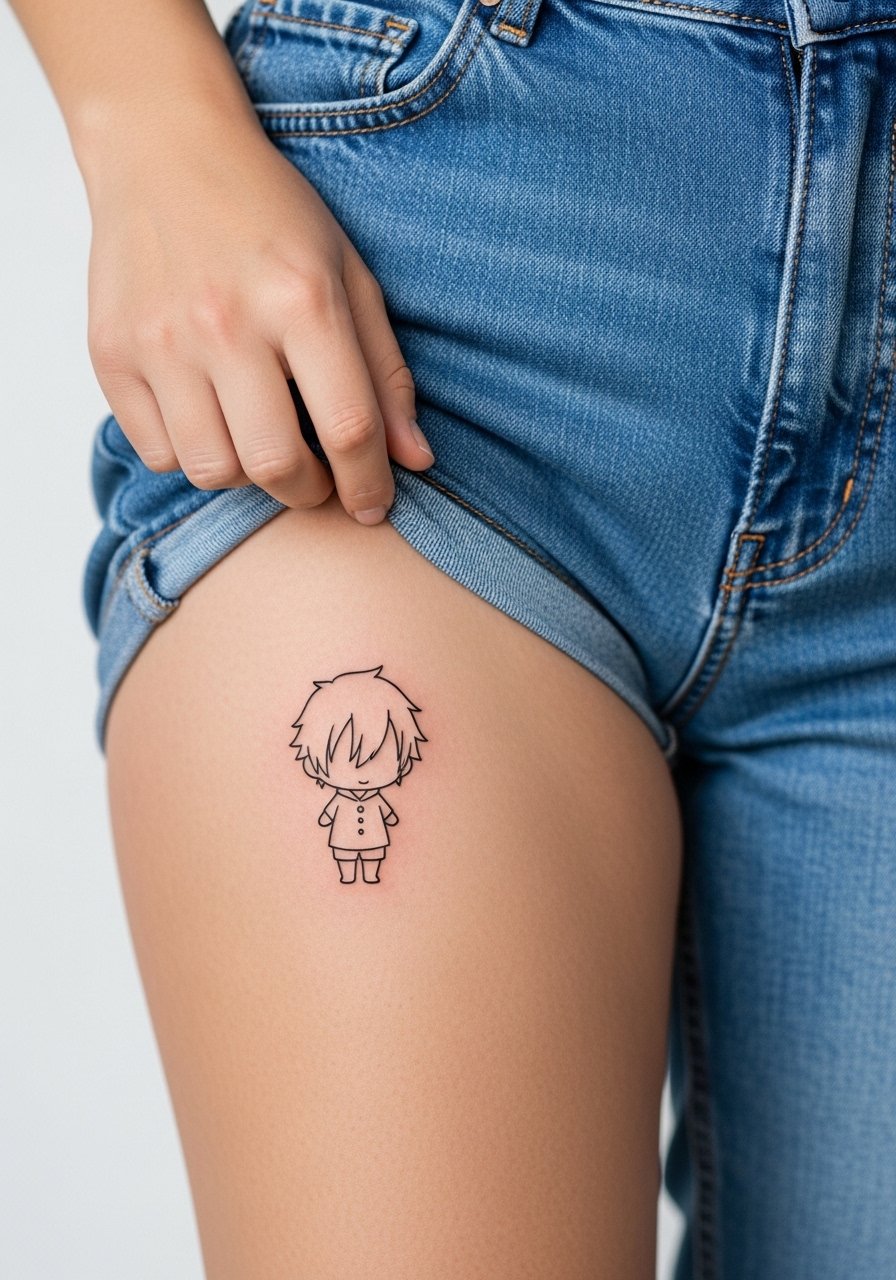
The upper thigh gives privacy and space for character silhouettes or small scenes. Thigh skin holds saturated black well and swells less than rib work. Tell the artist you want the silhouette bold enough to read from a few feet away, and avoid tiny interior detail. Session time is usually 60 to 120 minutes and pain rates moderate. A mistake is undercutting the silhouette with faint shading that disappears. For ease during the appointment wear high-waisted shorts that you can slide down slightly without exposing more than the tattoo zone.
10. Planetary Constellation Anklet
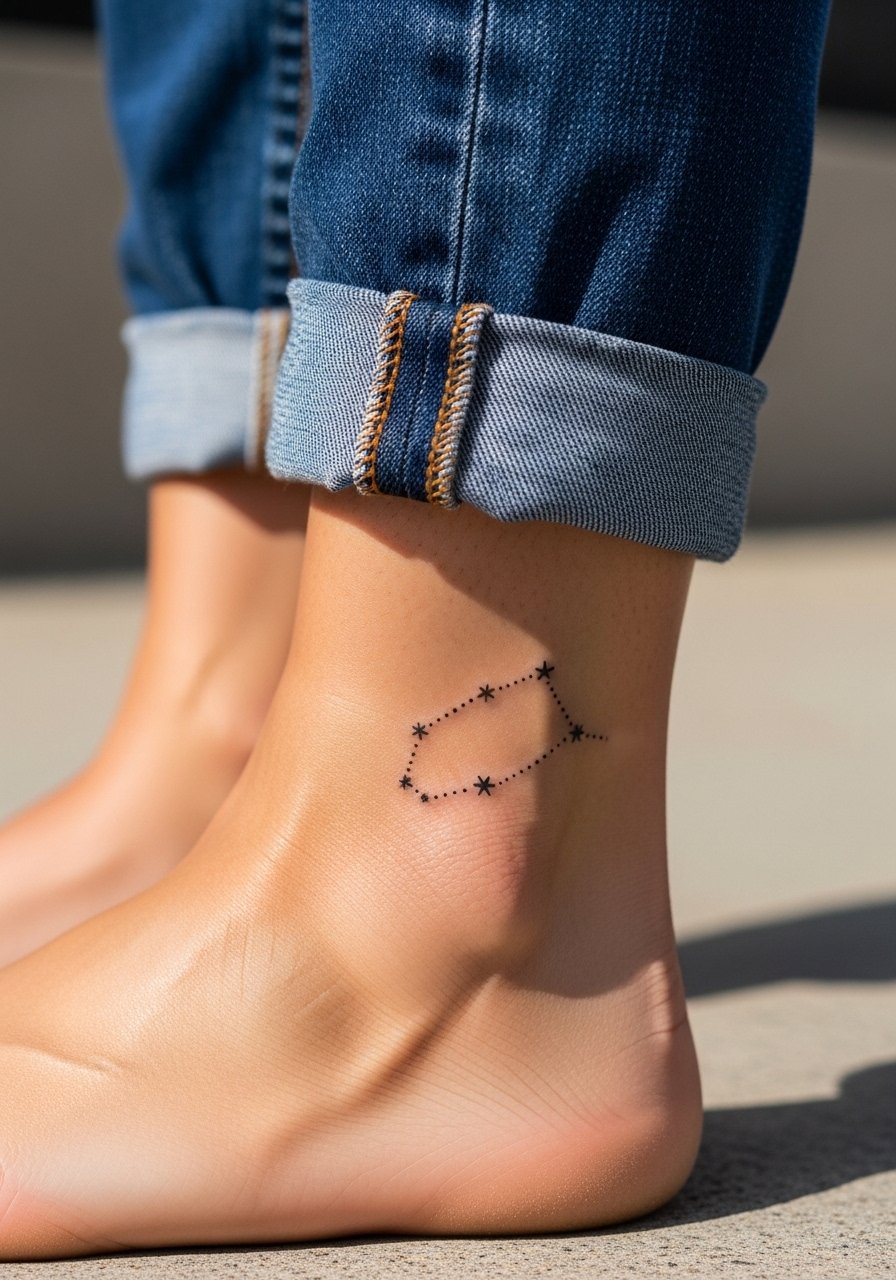
An anklet constellation feels whimsical and shows well with low shoes or rolled pants. The ankle is exposed to boots and socks so keep dots slightly larger than you want. Typical session is 45 minutes and pain is moderate. The common error is placing tiny stars too close together, which merges with time. For showing this off with summer footwear, try a pair of minimal leather sandals that frame the ankle without rubbing the area during healing.
11. Tiara Crest on the Shoulder Blade
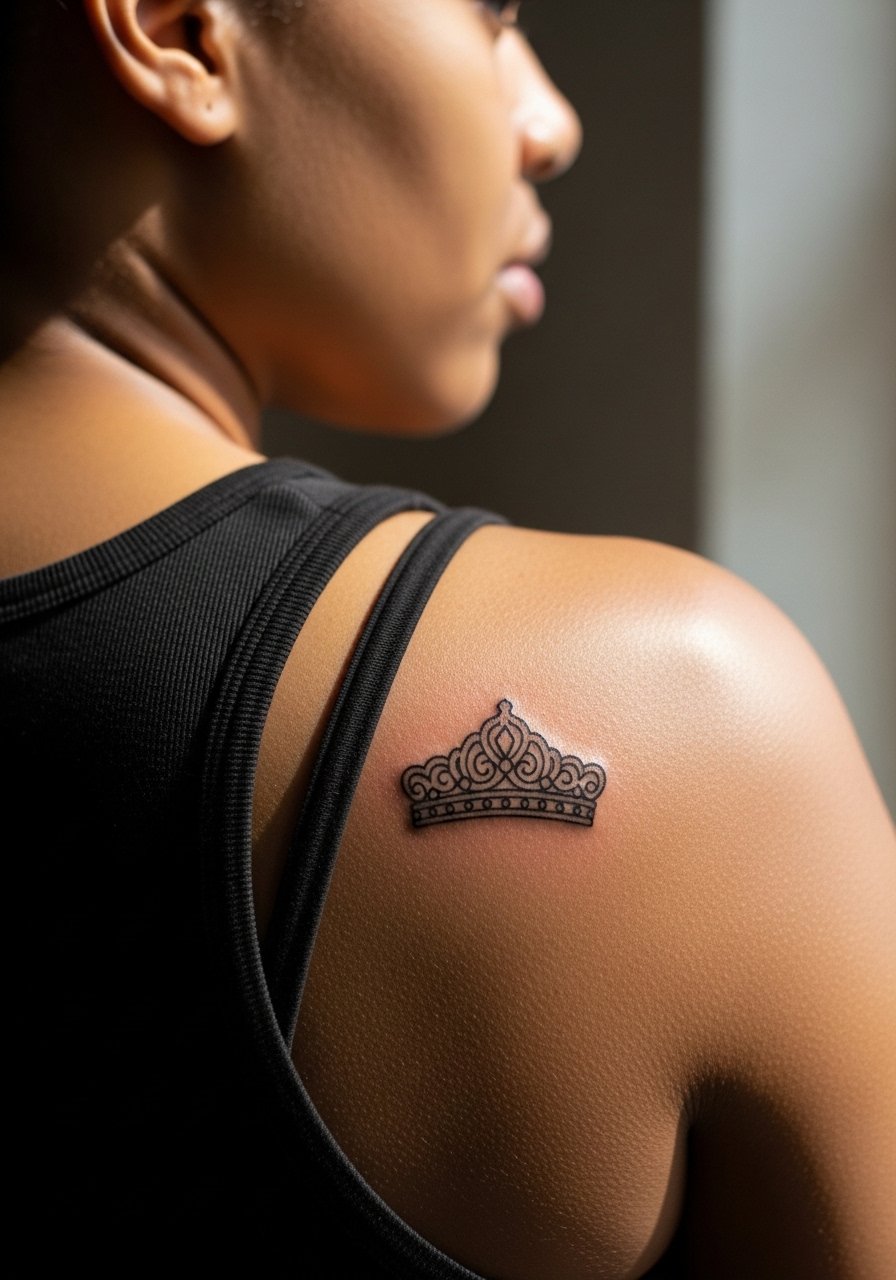
A shoulder blade placement gives subtle drama when shown in sleeveless looks. The skin here is stable so fine line and small dot shading do well. Sessions are about 60 to 90 minutes and pain ranges low to moderate. A mistake people make is requesting too many micro details for a small patch, which compresses over time. Ask for mockups at various sizes and test the shape while standing and reaching. For the session, a loose tank that you can tug aside helps with access and keeps the area comfortable.
12. Moon Prism Brooch on the Upper Arm Band
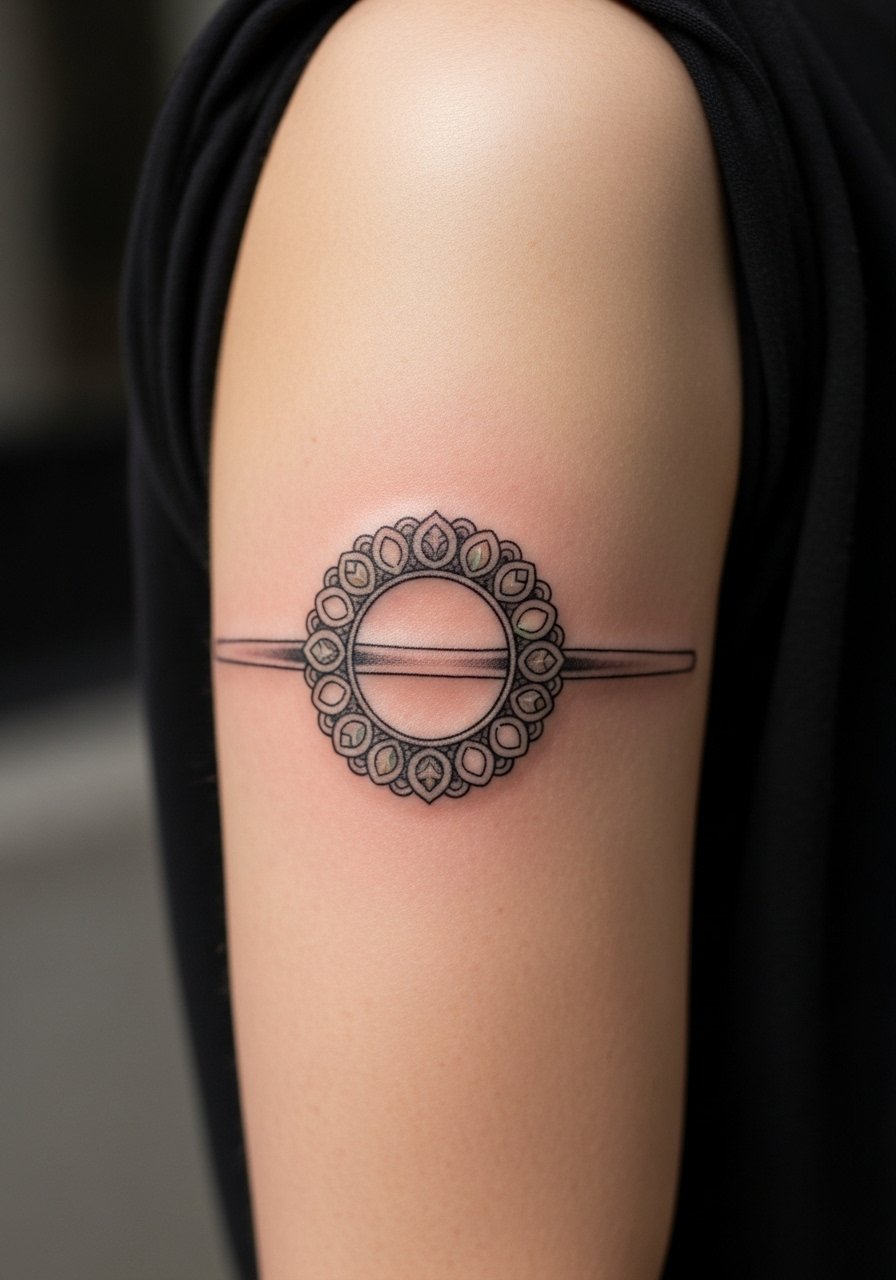
An upper arm band lets you turn Sailor Moon iconography into wearable flash that ages predictably. Ask your artist for clear negative space between motifs to prevent dense tattooing that blurs. Expect 1.5 to 3 hours depending on detail. The most common mistake is adding tiny gems that later vanish into the band. Ask for a test wrap on your arm so proportions sit right when you bend. A rolled-up short sleeve shirt keeps the area accessible during the session.
13. Moon and Rose Calf Portrait
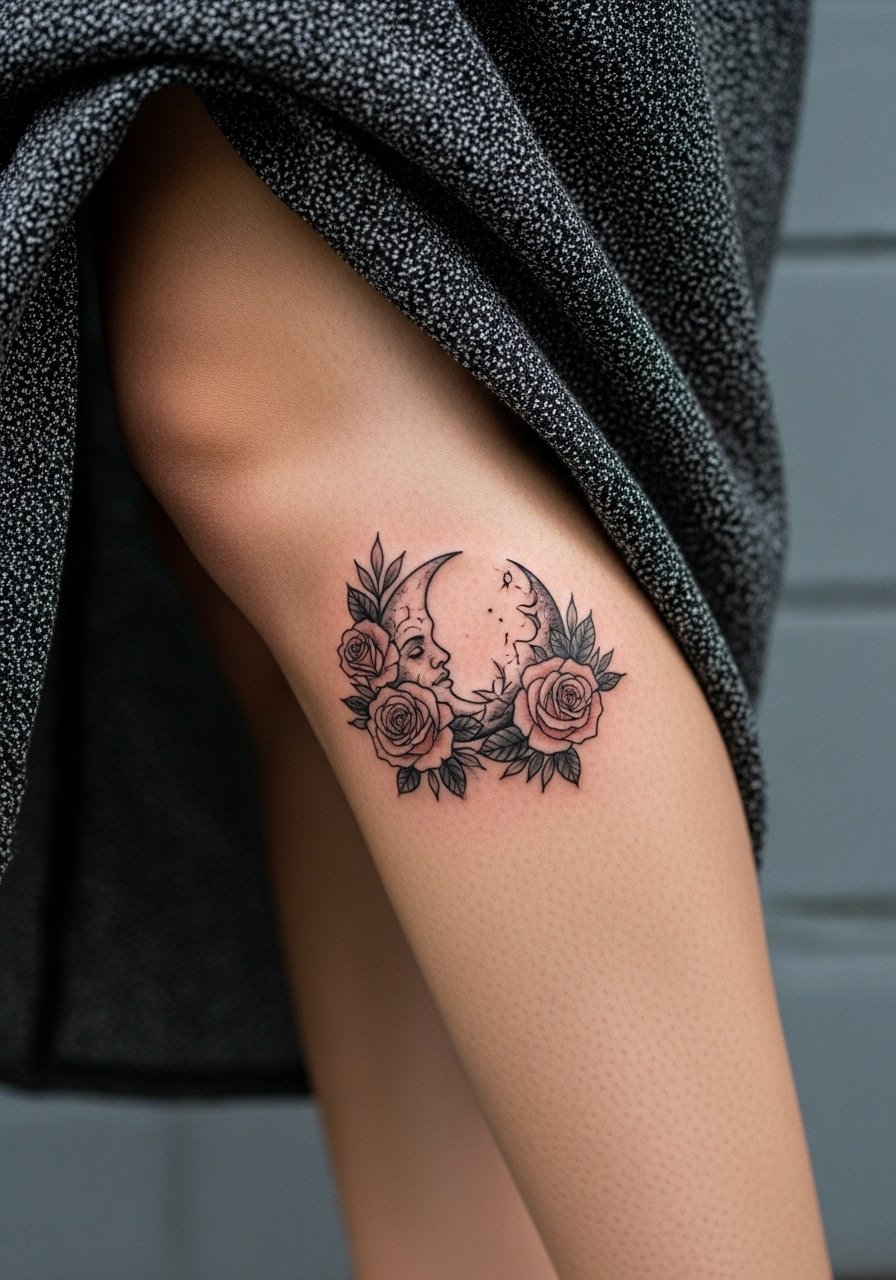
Calf tattoos get good healing conditions and show nicely when you wear skirts or shorts. Micro-realism here works because you can allocate enough space for distinct petals and moon shading. Sessions will likely be 2 to 3 hours. A frequent error is packing too much tiny stippling into a small calf piece. Tell the artist you prefer stronger anchors and slightly larger dot work for longevity. For the appointment wear loose drawstring pants so the artist can expose the calf without constraining circulation.
14. Collarbone Script "In the Name of the Moon"
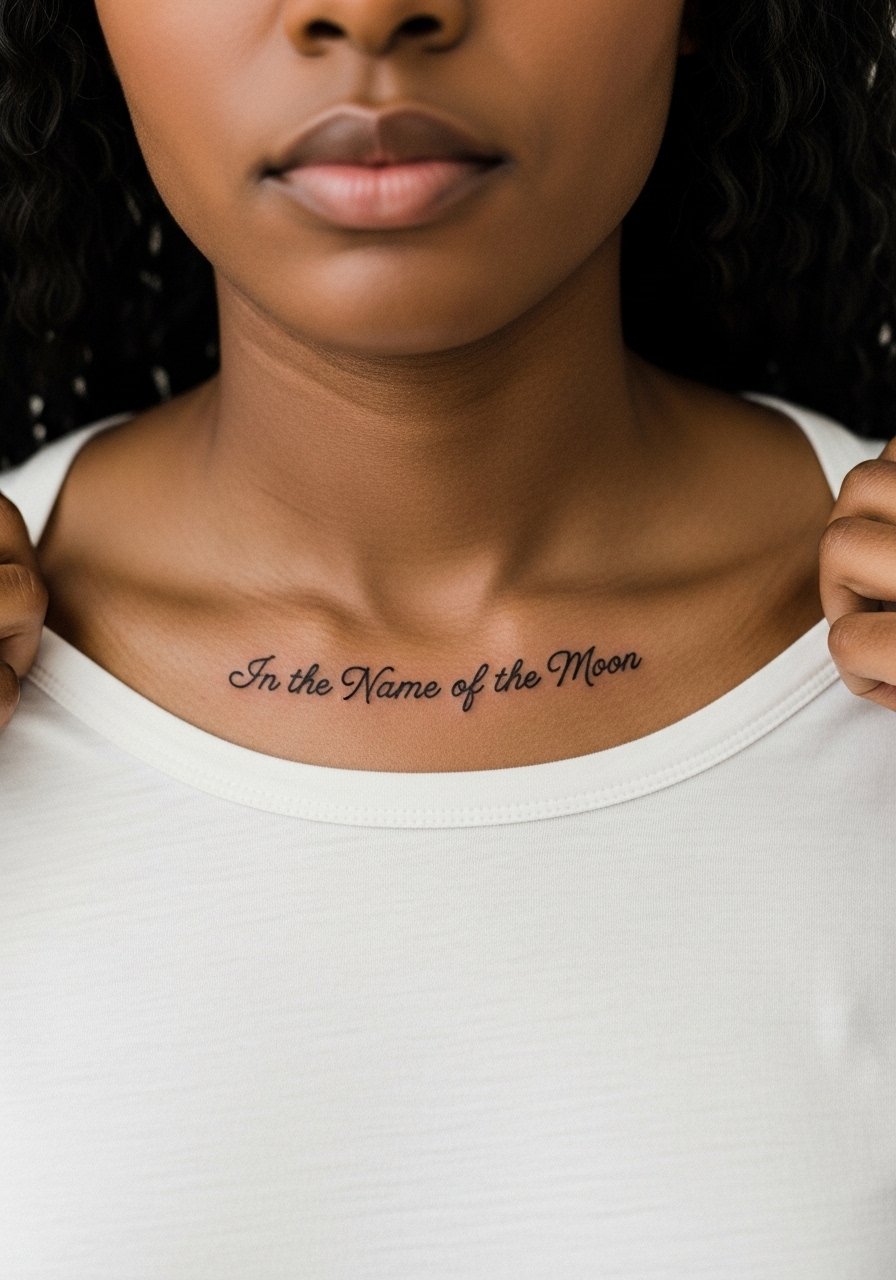
Text across the collarbone needs scale testing while you move. Specify the exact phrase "In the Name of the Moon" during the design stage and see a few font sizes on your skin. Session time is about 45 minutes and pain is mild to moderate. A common mistake is choosing a font too thin for this placement. Ask for slightly bolder letterforms so the words remain legible at year three. For outfits, a thin chain pendant or wide-neck tees show the script without covering it. Be aware of spelling and spacing before the needle touches skin.
15. Sailor Scout Planet Symbols Down the Spine
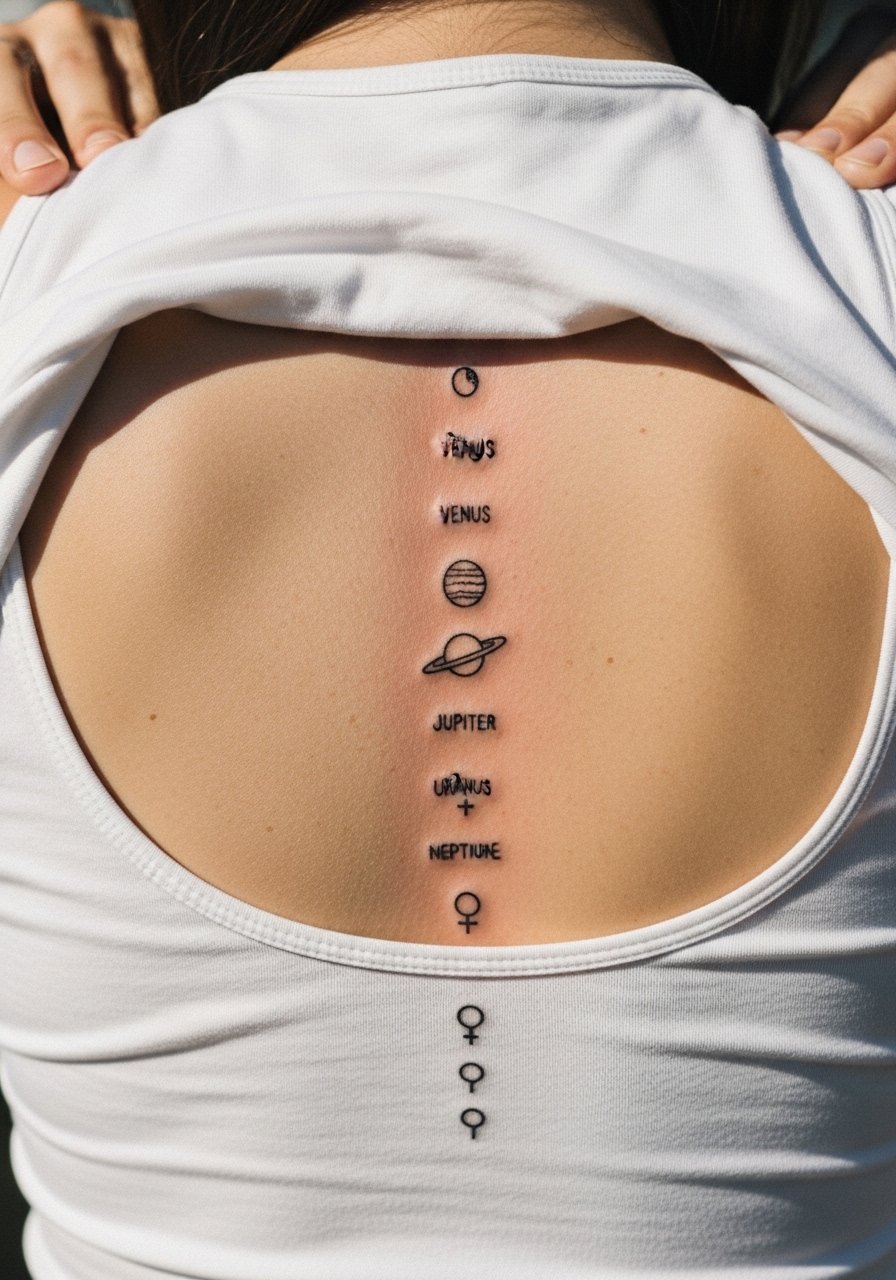
A vertical column of tiny symbols reads elegant on the spine, and the long canvas allows spacing that helps each symbol retain clarity. Spine work is more painful near the bone, so expect a higher pain rating and possibly two short sessions. A common mistake is making each symbol too small. Ask the artist to size them to at least a few millimeters wider than you imagine. Also discuss session breaks because swelling affects the needle depth. Pair with open-back tops to show the column once healed.
16. Watercolor Moon Bracelet on the Wrist
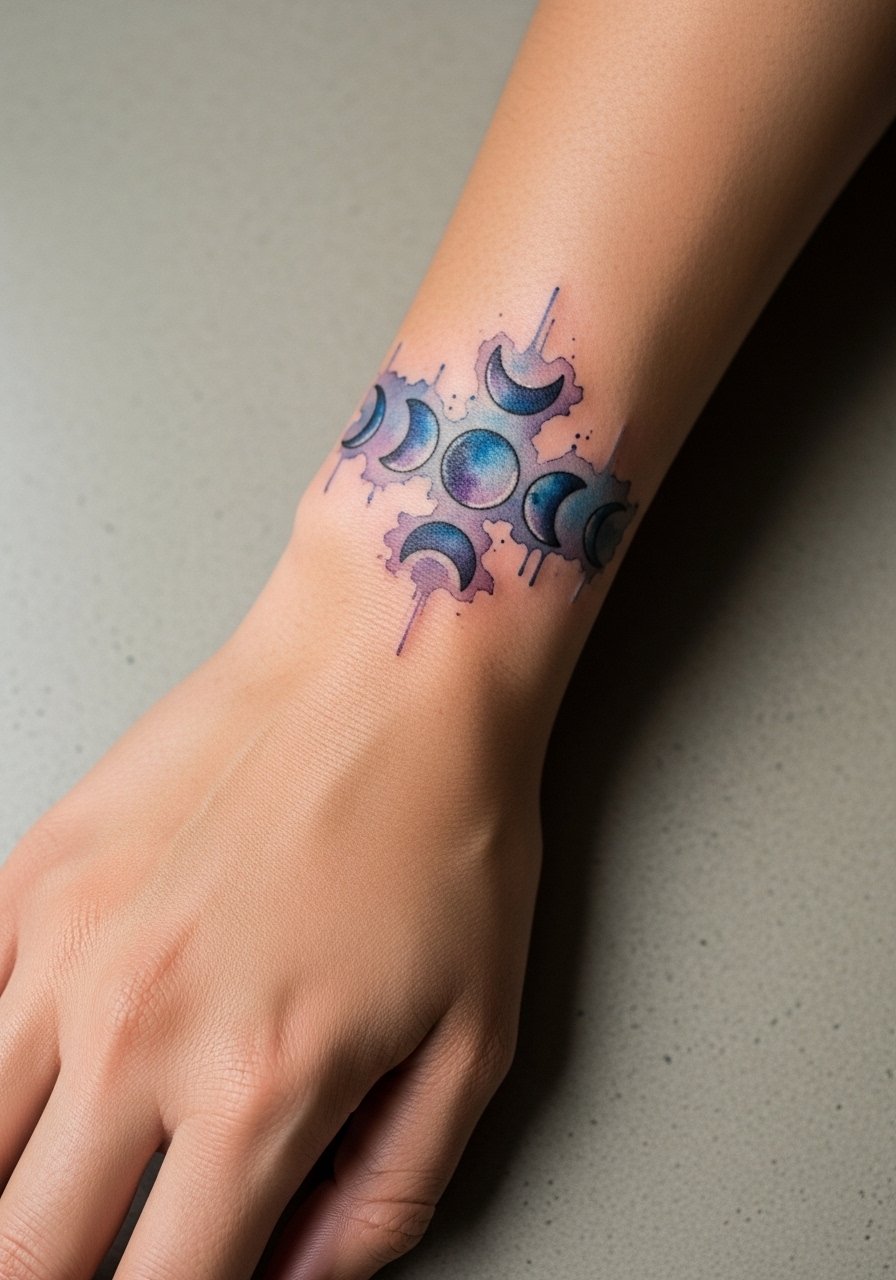
A watercolor bracelet around the wrist is eye-catching but needs careful anchor points in black or dark gray so the color does not wash away entirely. Wrist skin sees lots of sun and friction, so expect touch-ups sooner than on the upper arm. Sessions are 60 to 90 minutes and pain is mild to moderate. Mistakes include too much dilute color. For showing this off and protecting the area after healing, wear a lightweight racerback tank or rolled-up sleeves that do not constantly rub the wrist.
17. Moonlit Sleeve Concept Collage
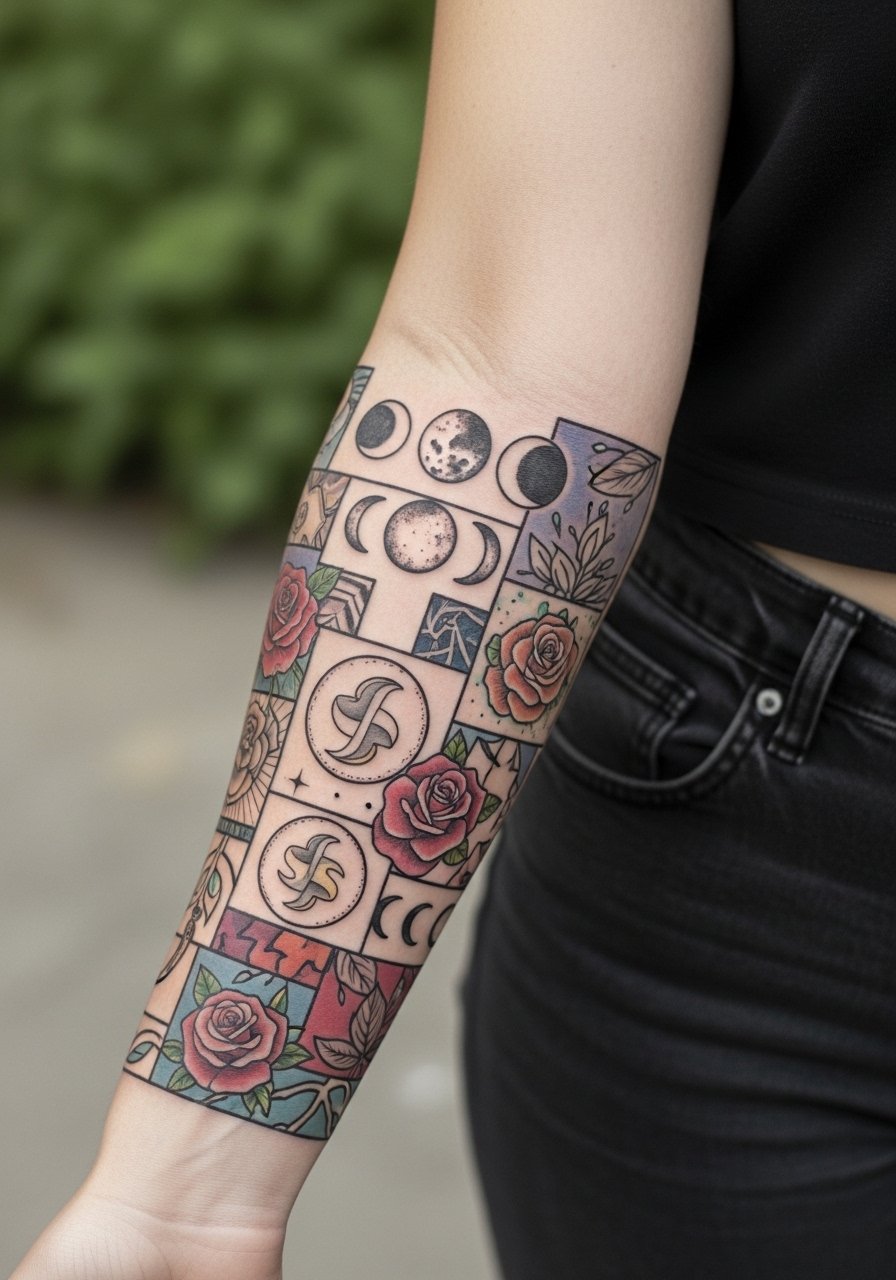
A sleeve lets you combine motifs so each element breathes with space between them. Start with a roadmap session that lays out placement using temporary stencils. Tell your artist you want clear negative space panels so textures do not merge in five years. Multiple sessions will be required, often spread across several months. A common mistake is asking for too many tiny focal points which makes the sleeve read noisy. For the first session wear a loose button-down you can pull aside easily and plan the sleeve staging over time rather than in a marathon day.
Frequently Asked Questions
Q: Do fine line Sailor Moon motifs fade faster than bolder traditional pieces?
A: From what I have seen, fine line work does tend to lose definition quicker, especially on high-movement or high-friction zones. Bolder outlines and reserved shading anchors help the composition stay readable longer. Expect possible touch-ups around year two to three depending on placement and sun exposure.
Q: How should I prepare for a sternum or ribcage Sailor Moon piece?
A: Wear a fitted sports bra or a top you can lower slightly so the artist only exposes the tattoo zone. These areas can be painful and may need breaks. Ask about session pacing and whether the artist prefers to split the work to reduce swelling and improve line consistency.
Q: Which placements are best for detailed brooch or gem work that needs to read for years?
A: Upper arm, outer thigh, and upper back are forgiving for detail because they allow larger real estate and less daily abrasion than fingers or the wrist. Ask for slightly larger gem shapes and clear black anchors so small color fields do not vanish into each other.
Q: Can I get planetary glyphs on my fingers and expect them to stay crisp?
A: Finger tattoos will require touch-ups. Make the glyphs larger than you think and keep detail minimal. Expect fading from hand washing and friction, and factor maintenance into your plan.
Q: How do I find a tattooer who understands anime-inspired translation rather than direct copying?
A: Look through portfolio galleries on tattoo directories, check convention artist lists, and read subreddit threads for in-person referrals. Search artists who show custom sketch pages and linework examples that match the longevity you want. Bring reference images and ask how they would adapt the piece for the body area you picked.