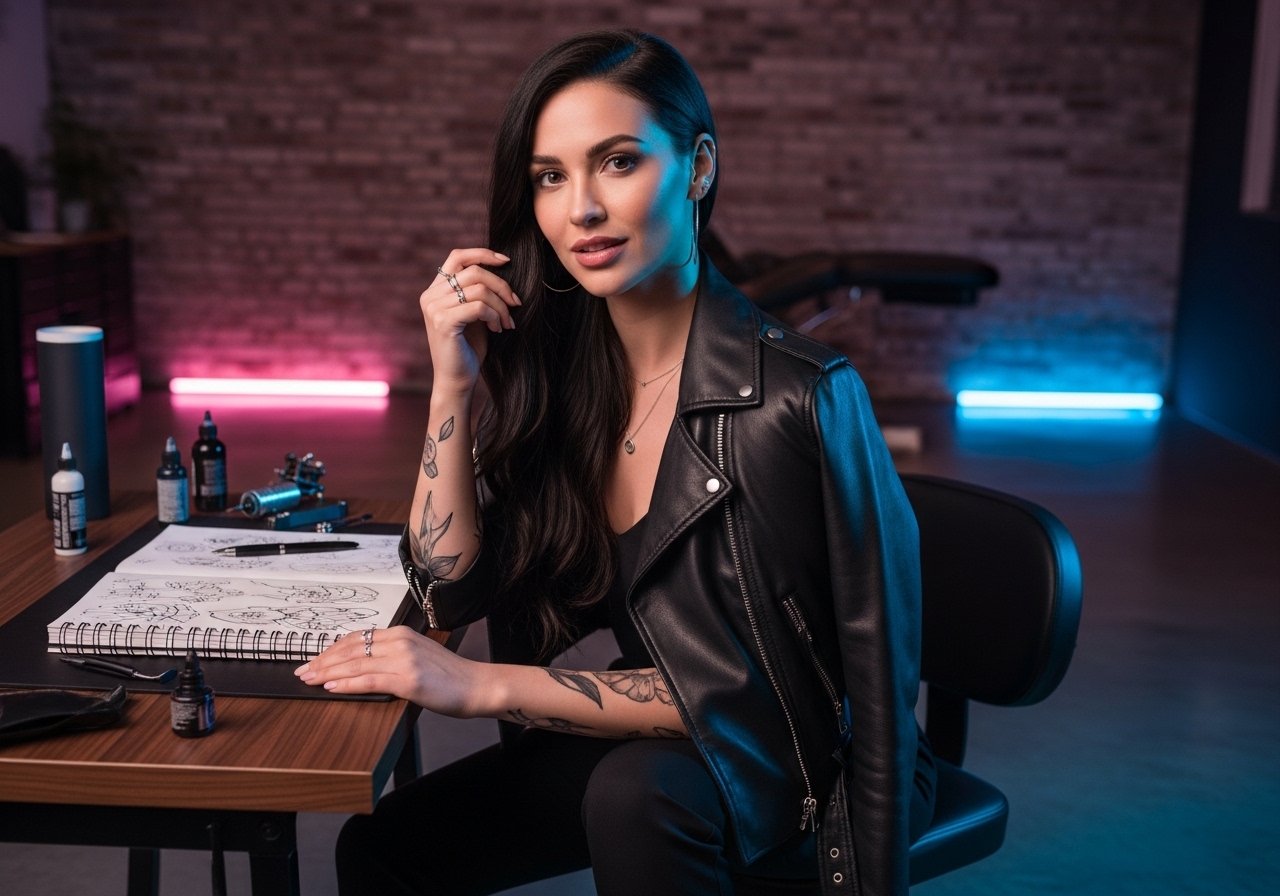
Fine line memorial tattoos are everywhere on saved boards, but the ones that still feel personal after a few years are usually the ones planned around skin movement and daily wear. Sketch style honors a dog with loose strokes that read like a quick portrait on paper, not an overworked painting. Below are 21 memorial sketch ideas that balance emotion with longevity, plus what to ask for in consults and how to show them off.
1. Inner Forearm Quick-Sketch Portrait

I recommend this placement when you want a memorial that you can easily see and touch. Tell your artist to focus on confident, varied linework and minimal fill so the strokes keep definition as they heal. Pain is low to moderate and a single session of 60 to 120 minutes usually does the job. A common mistake is asking for hair-level detail at too-small a size, which blurs by year two. Expect softening at six months and more diffuse edges by year three unless you plan a light touch-up then. For showing it off, rolled-up sleeves work well and a rolled linen shirt keeps the arm visible while feeling casual.
2. Tiny Wrist Pawprint Sketch with Date

Small wrist pieces look intimate and readable from short distance. Expect higher visibility and friction from sleeves and watches, so session time is short, often under 45 minutes, but touch-ups may be needed sooner than larger work. A mistake people make is compressing the date and paw into one tiny element, which makes numerals illegible over time. Tell your artist you want spacing around the digits and a light stipple for texture. For daily style, a minimalist watch or thin cuff keeps attention on the wrist without crowding the small sketch. Try a minimalist watch that sits above the tattoo rather than directly over it.
3. Sternum Heartfelt Line Portrait
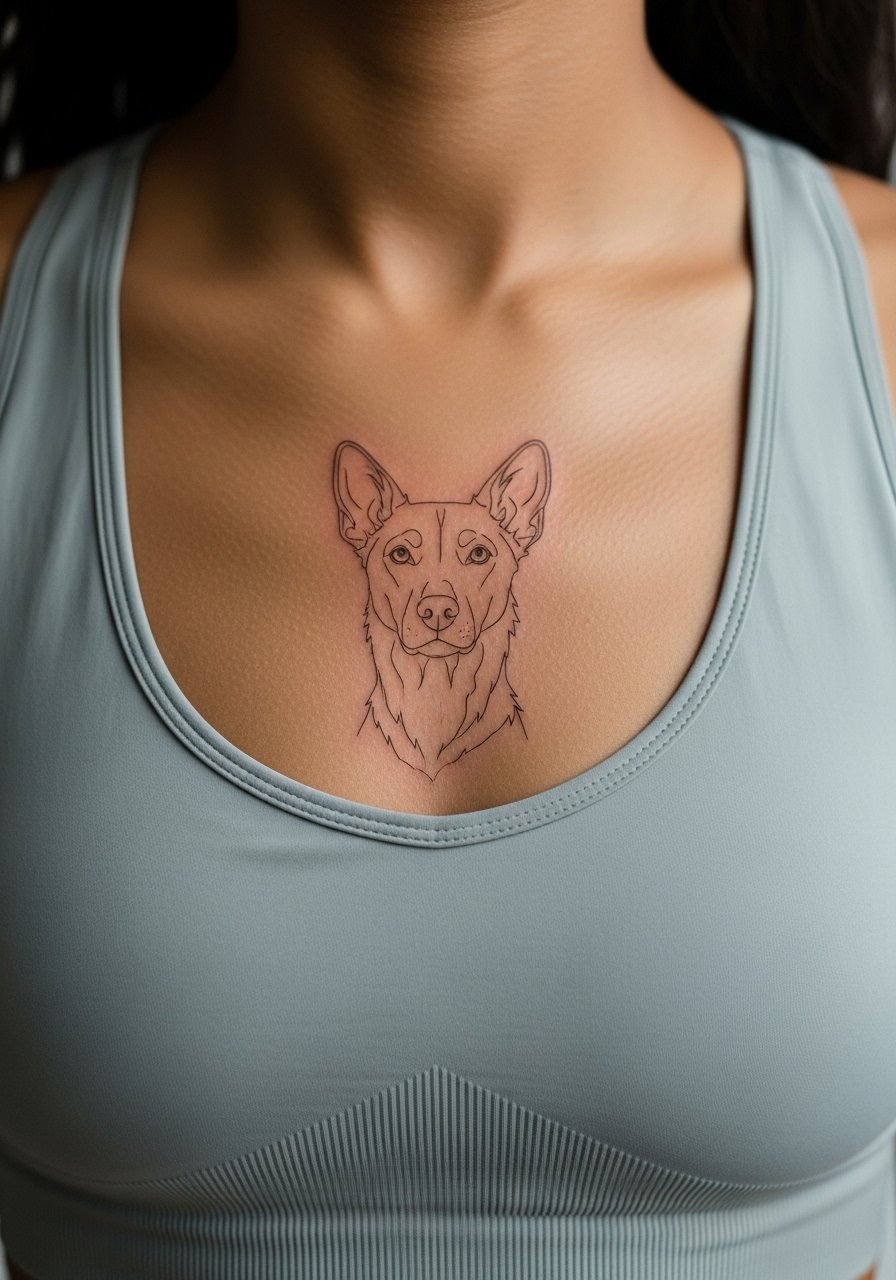
Sternum work reads very intimate and sits over the chest where movement and sweat matter. Pain can be high and sessions may run longer because the artist builds up confident lines slowly. The biggest mistake is asking for tiny facial detail on that curved area. Artists split on whether dense fine line holds here. One camp says the stretch blurs thin lines quickly. The other camp argues that careful depth and spacing let fine line settle fine. Ask your artist where they stand and consider a slight boldening of critical strokes. For the session, wear a fitted sports bra or bandeau so the artist can expose only the tattooed area without you being uncomfortable.
4. Ribcage Sketch with Name

Rib tattoos are emotional but tricky. Expect a higher pain score and a session split into two shorter sittings if shading is needed. The common failure is cramming a photo-real portrait into a small rib panel, which often blurs as the skin shifts. There is an active debate among artists over fine line on ribs. One group warns that breathing and weight change blur delicate lines within a few years. The opposing group says deliberate spacing and slightly stronger lines solve that problem. Tell your artist you want airy composition and clear spacing around the name to preserve legibility. Plan on a touch-up at year two for crispness.
5. Behind-the-Ear Paw Sketch

Behind-the-ear pieces read whisper-quiet and can be partially hidden by hair. Expect moderate pain and a quick session under 45 minutes. The usual mistake is asking for too much tiny detail in a tiny spot, which loses clarity quickly. Also consider career impact because even subtle neck-area tattoos can be noticed. For consults, request bold primary strokes and leave out micro-detail. If you want it visible only for certain looks, grow the hair out or plan styling that exposes the area intentionally. This placement needs an artist comfortable with tight linework on small curves.
6. Ankle Constellation Paw

Ankle tattoos work if you want a low-profile memorial you can show with sandals. Pain is low to moderate and sessions are short. The common issue is friction from shoes and socks that fades thin lines. Ask for slightly bolder linework on anchor strokes and a light stipple to protect the sketchy look as it softens. For showing it off, cropped jeans or ankle sandals let the piece read without constant rubbing. Expect a touch-up sequence around year two to refresh the fine strokes.
Pre-Session Essentials
The small placements above, like wrist, ankle, and behind-the-ear pieces, all ask for simple prep items that keep the session smooth and protect delicate linework during the first week.
- Stencil transfer paper kit. Lets you preview the linework on skin before committing, which is helpful for tiny paw and wrist placements above.
- Topical numbing cream. Applied 45 minutes before takes the edge off ankle and sternum sensitivity without affecting the artist's work.
- Thin protective film roll. Keeps small foot and wrist pieces clean during the first week of friction from shoes and daily washing.
- Fragrance-free body wash. Cleanses the healing area without irritating delicate linework that fine sketch pieces depend on.
- Aquaphor healing ointment. Thin layer for the earliest days locks in moisture for fine line work without clogging the tight needle channels.
7. Collarbone Single-Line Silhouette
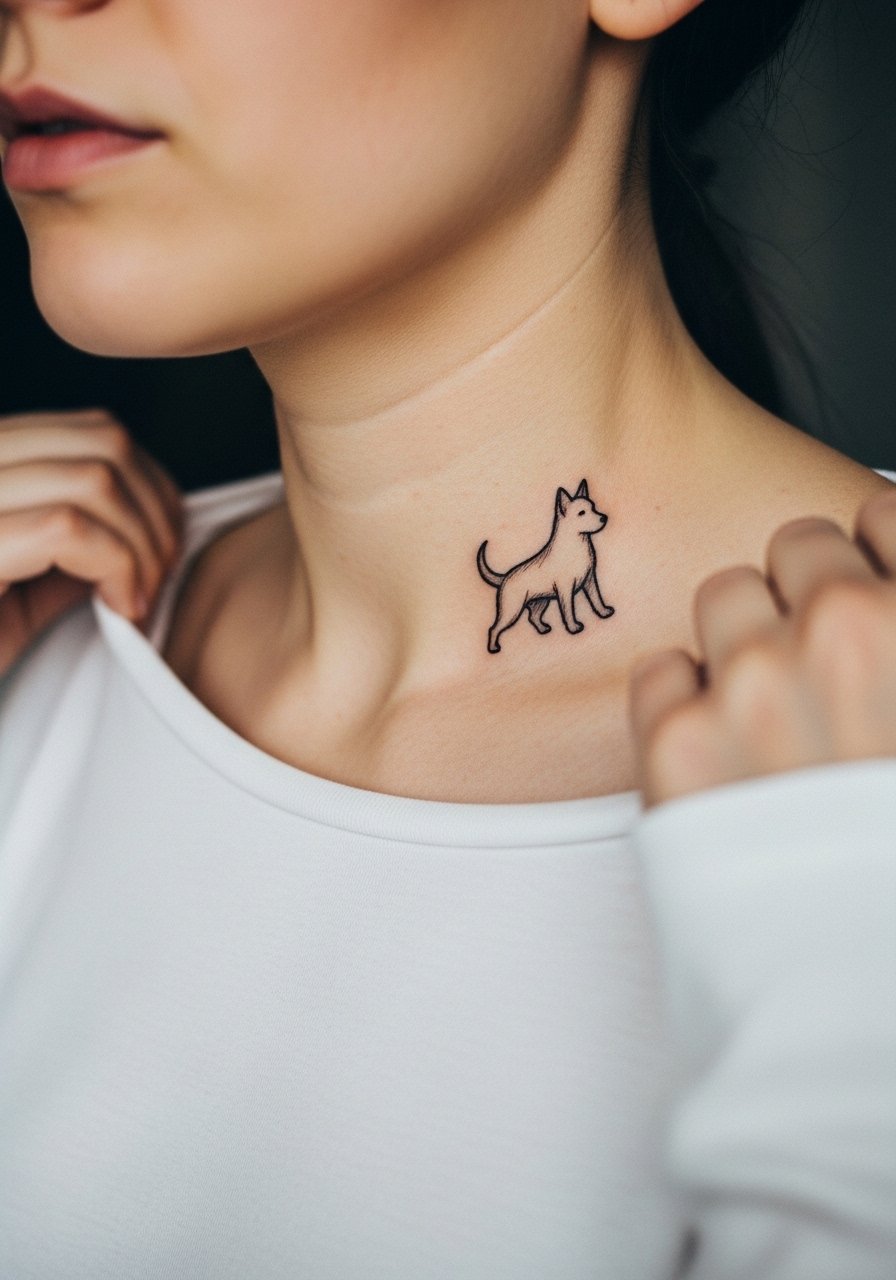
Collarbone pieces look delicate and read well with minimalist silhouettes. Pain is moderate and the session usually takes under 90 minutes. A mistake is placing too many tiny strokes in the tight collarbone plane, which ages into fuzzy lines. Ask for confident primary strokes and leave negative space to let the piece breathe. It pairs well with thin necklaces that sit above the line, so a thin chain pendant necklace frames the silhouette without crowding it. Expect the piece to soften on the edges by year three and consider a light touch-up then.
8. Shoulder Blade Loose Sketch Portrait
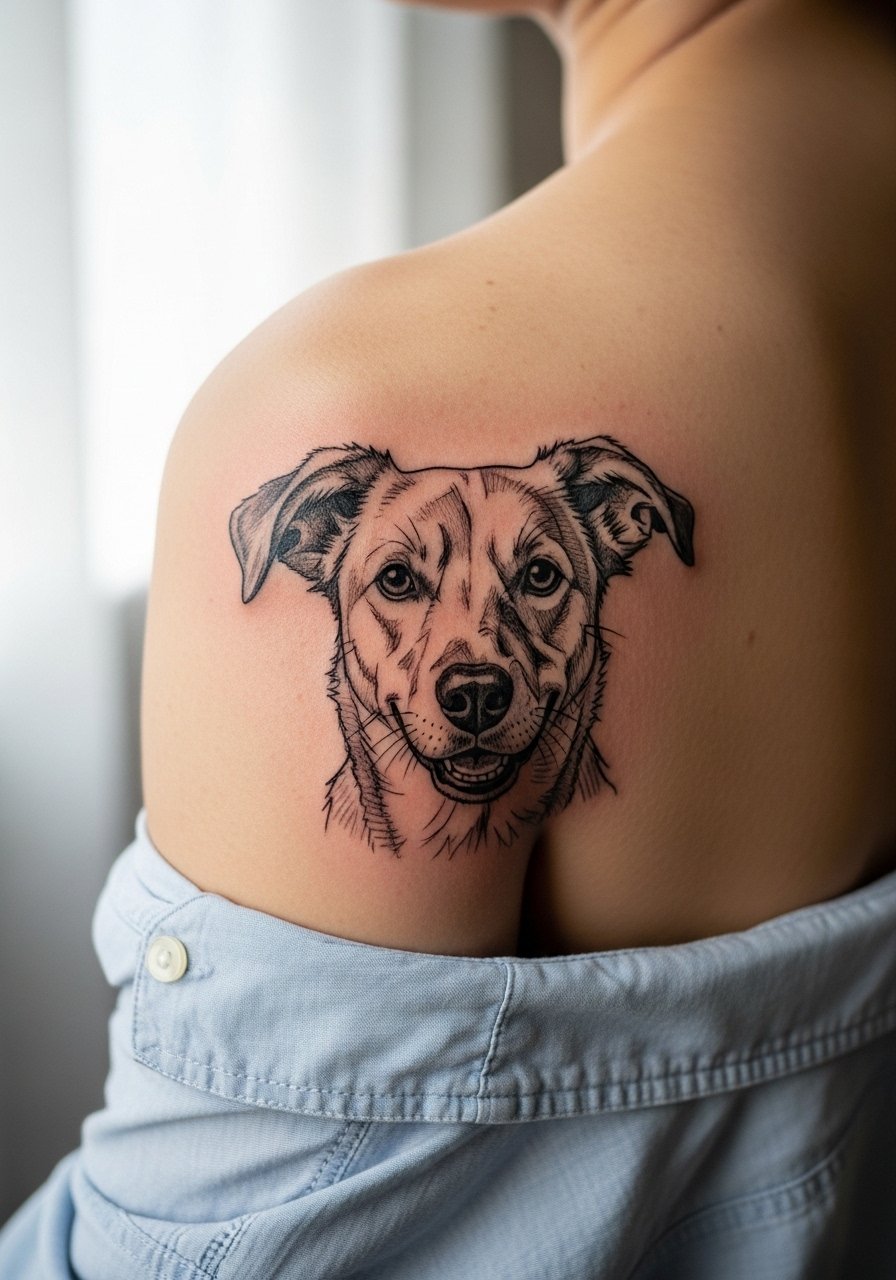
Shoulder blade tattoos are comfortable to sleep on and age relatively well because skin there moves less. Sessions moderate in length often run 90 to 180 minutes depending on size. The common error is over-detailing hair texture at a small scale, which loses readability. Tell your artist you want confident contour lines and airy cross-hatching for texture. For the session, wear a loose button-down shirt you can slip off to give clear access. Shoulder blade work heals with clean linework for years if you avoid heavy sun exposure.
9. Calf Running-Dog Sketch
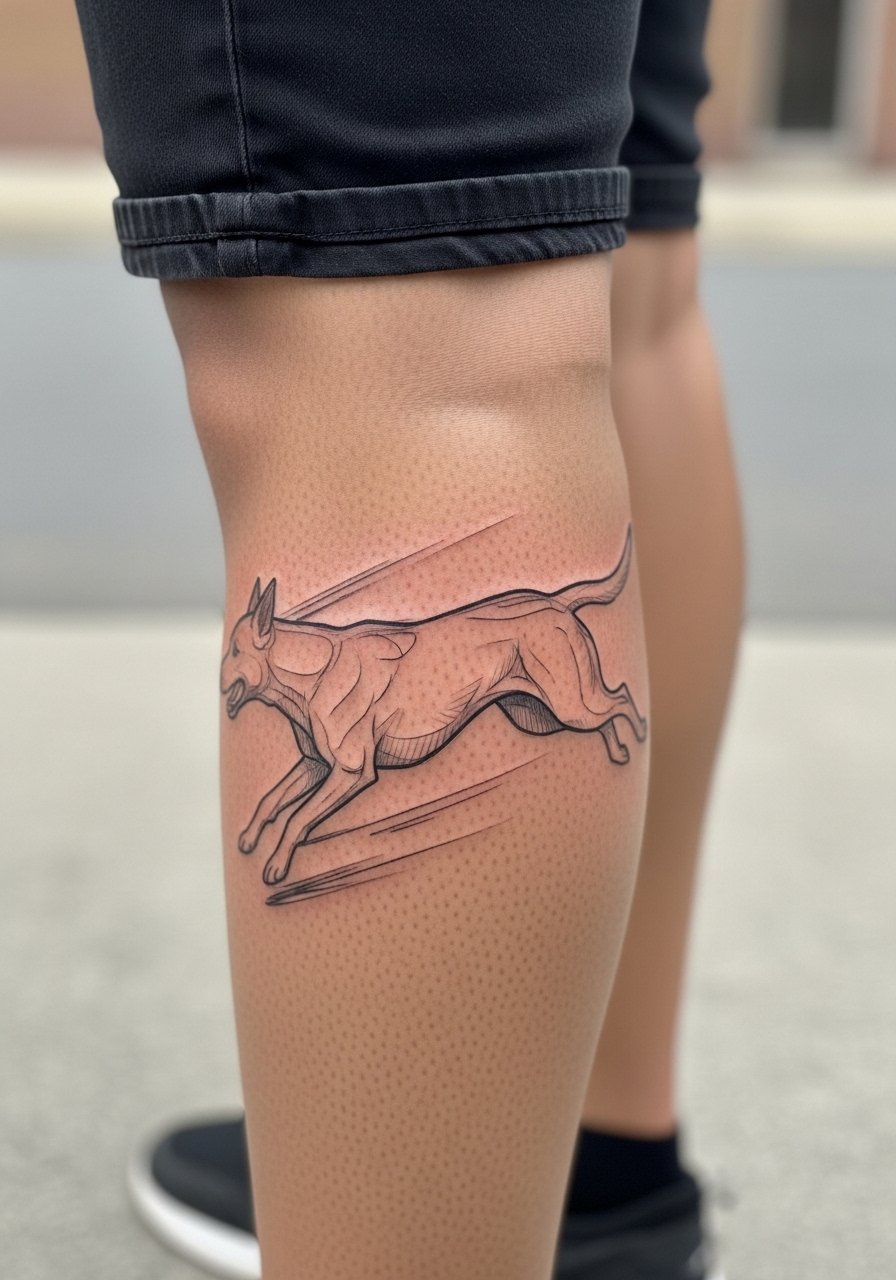
Calf placements let you go larger while keeping the sketchy energy of motion. Pain is low and sessions can stretch to two hours for larger compositions. A mistake is packing too much small detail into a long, narrow panel, which makes the piece look cluttered when viewed from a distance. Ask for clear focal strokes and directional linework that reads as movement at arm's length. Showing it off works best with shorts or cropped pants and a pair of running shorts that leave the calf visible. Expect the piece to settle into softer edges by year three and plan a touch-up if you want to keep crisp motion lines.
10. Inner Bicep Tender Sketch Portrait
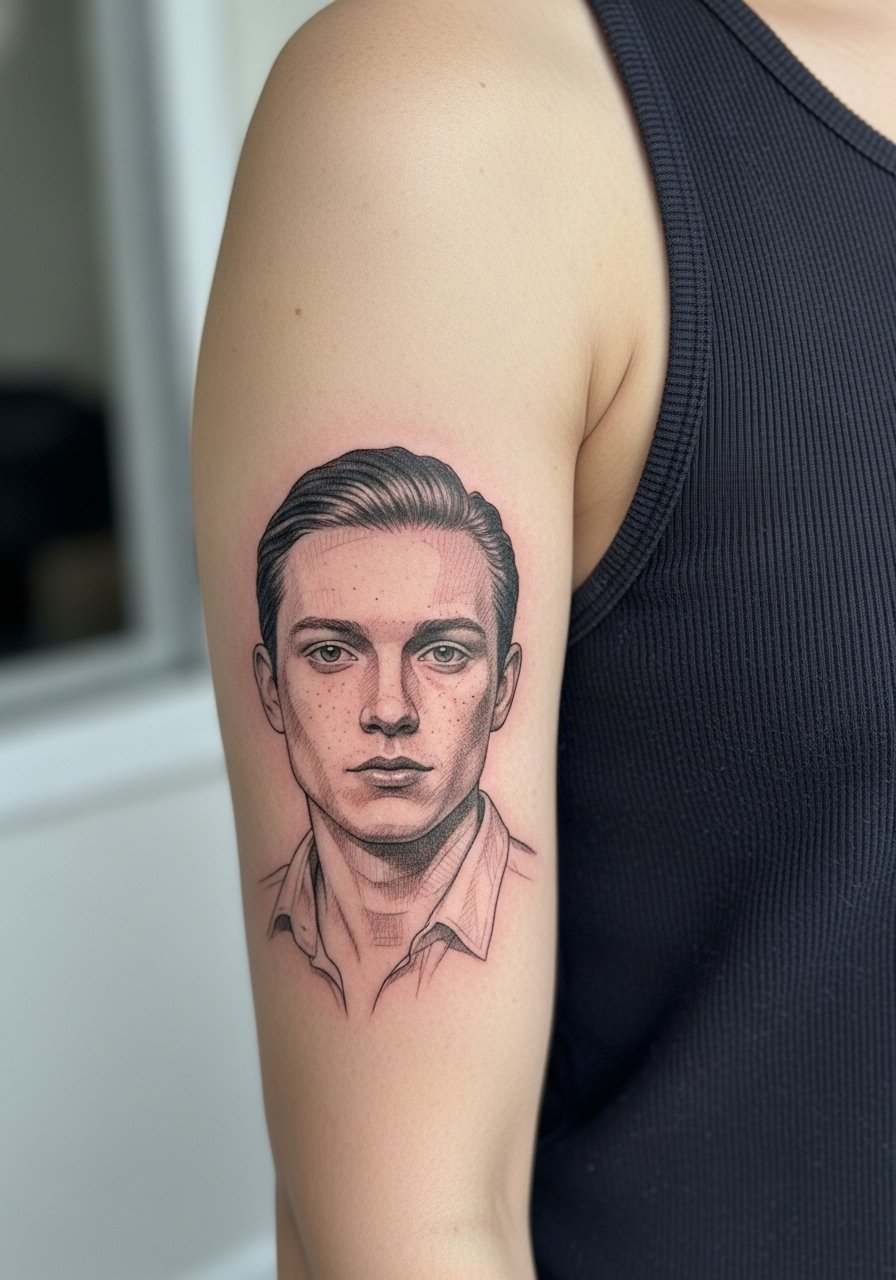
The inner bicep is sensitive and takes work to heal cleanly because of friction from arm movement. Sessions are moderate and the area bruises more readily. There is debate among artists about fine line here. One side warns that constant skin stretch and sweat cause lines to soften quickly. The other side says careful depth and spacing let detailed sketch work last. Tell your artist you want slightly bolder anchor lines and open shading to avoid early blur. For the session, bring a loose tank top you can pull aside so the artist has clear access. Count on a touch-up around year two for tight facial details.
11. Finger Edge Tiny Paw

Finger tattoos are highly visible and tend to fade faster because of constant hand washing and skin renewal. Sessions are quick but touch-ups are common. The biggest mistake is expecting a photo-quality portrait on a fingertip. Ask for bold contour strokes and avoid tiny numbers or scripts that will blur. Also think about job implications because finger ink is visible in many interactions. For styling, stacked dainty rings frame the finger without obscuring the paw and a set of dainty stackable rings complements the delicate sketch. Expect maintenance visits within the first two years.
12. Inner Thigh Quiet Memory Scene

Inner thigh placements feel private and can be large enough for a small scene. Pain is moderate to high and sessions often sit in the one- to three-hour range depending on shading. The common error is using heavy saturation in a space that rubs against clothing, which accelerates fading. For memorial scenes, ask your artist to compose with negative space and light stippling to suggest fur and grass. Session wear should be shorts or a skirt that you can adjust so only the tattooed area is exposed to the artist. Healing may be slower because friction resumes as you move normally.
13. Full Back Loose-Motion Portrait
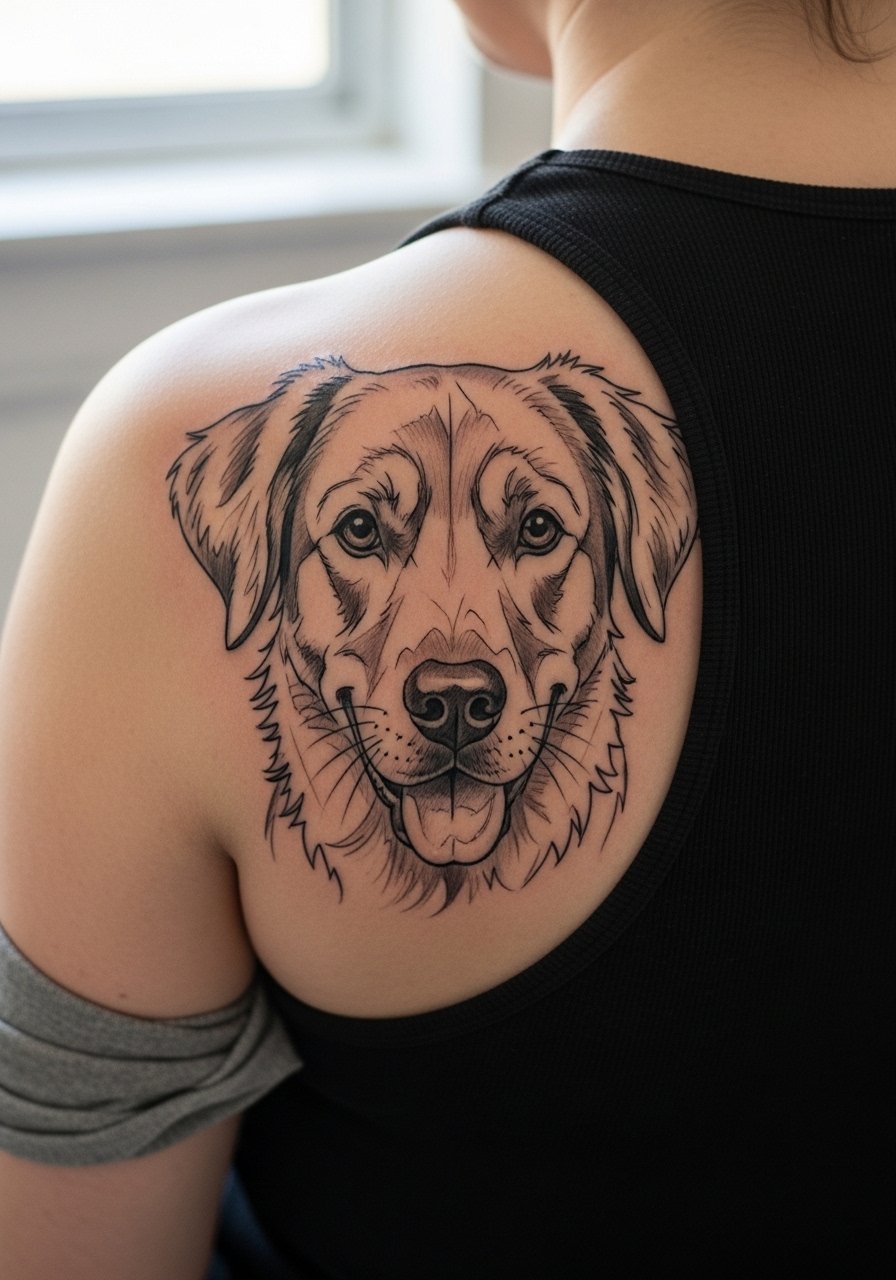
A full-back memorial gives space for expressive, sketchy strokes that read like a large charcoal study. Pain varies depending on placement across the back, and sessions are long so expect multiple sittings. New clients often try to cram too much tiny detail into one panel, which fades unevenly. Ask for broad gesture lines and layered stippling to keep texture without overworking. For showing it off, open-back dresses or tops make a statement. A loose tank top on session day helps the artist access the skin without you being uncomfortable. Touch-ups can refresh larger tonal areas after a few years.
14. Forearm Wrap Leash Sketch
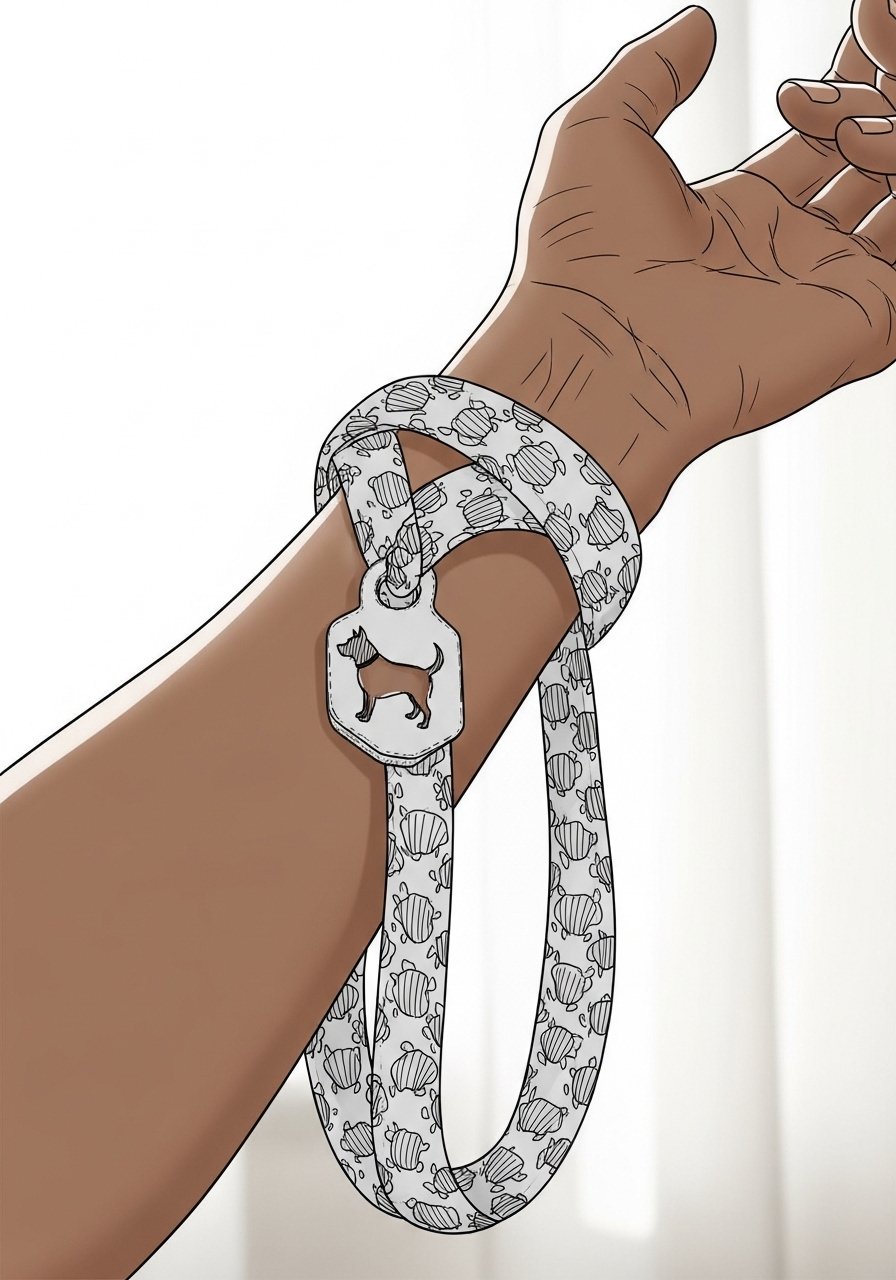
A wraparound leash design uses the forearm's shape to tell a short visual story. Pain is low and session time is typically one to two hours. The common mistake is overcomplicating the leash with tiny patterns that muddle in a year. Tell your artist you want clear directional lines and deliberate breaks where the leash "floats" to preserve the sketch quality. For outfits, rolled sleeves and short-sleeve shirts show the forearm best. A short sleeve button shirt keeps the piece visible in casual settings while protecting it when needed.
15. Wristband Pawprint Chain

A wristband made of repeating pawprints reads like a small memorial bracelet. Sessions are short, but the wrist sees constant movement and washing. A typical error is making the pawprints too small so they blur into a band of grease over time. Ask for slightly larger prints and consistent spacing. Pair the tattoo with real bracelets that sit above or below the ink rather than rubbing directly on it. A set of stacked bracelets complements the band without speeding wear. Expect higher touch-up needs if you wear watches or bracelets that contact the tattoo.
16. Nape of Neck Small Silhouette
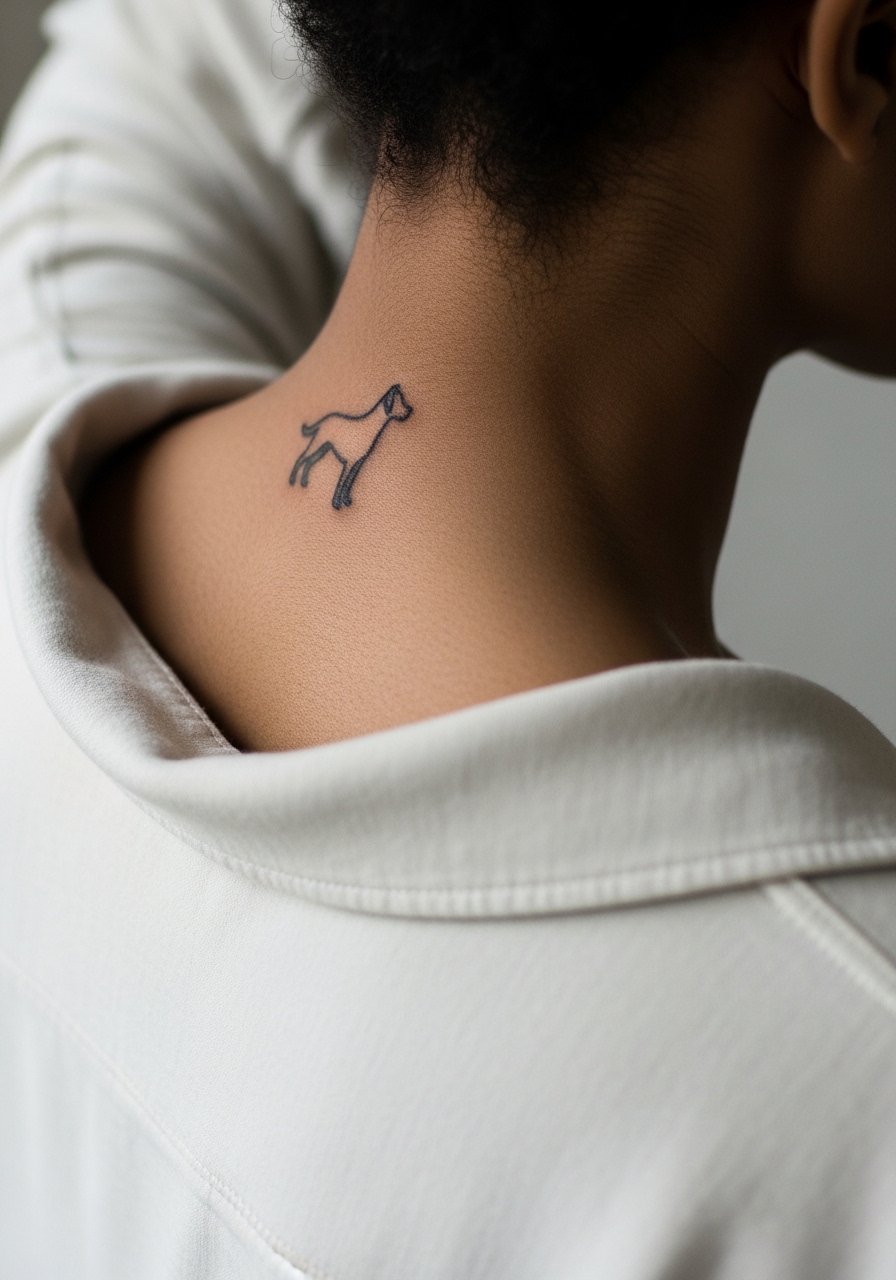
Nape placements are subtle and easy to hide with collars or hair. Pain is moderate and sessions are brief. The mistake is asking for tiny, fine details where the hairline and neckline compete. For consults, request bold silhouette strokes and avoid tiny scripts. Think about haircuts and how often you want the piece visible. A wide-neck shirt that can be adjusted for the session is practical. This area heals well for most people and usually needs a single light touch-up in the first couple of years.
17. Shoulder Cap Sketch with Floral Accent

Shoulder cap tattoos age nicely because the area sees less friction and sun than forearms. Sessions tend to be moderate in length. The mistake is adding dense shading next to fine sketch lines, which changes how the piece reads over time. Ask for separated values and airy stipple shading to preserve the sketch impression. For the session, wear a loose tank top you can pull aside so the artist has access without you disrobing. The floral accent gives the portrait visual contrast and helps the composition remain legible as it softens.
18. Rib-Edge Silhouette with Horizon Line
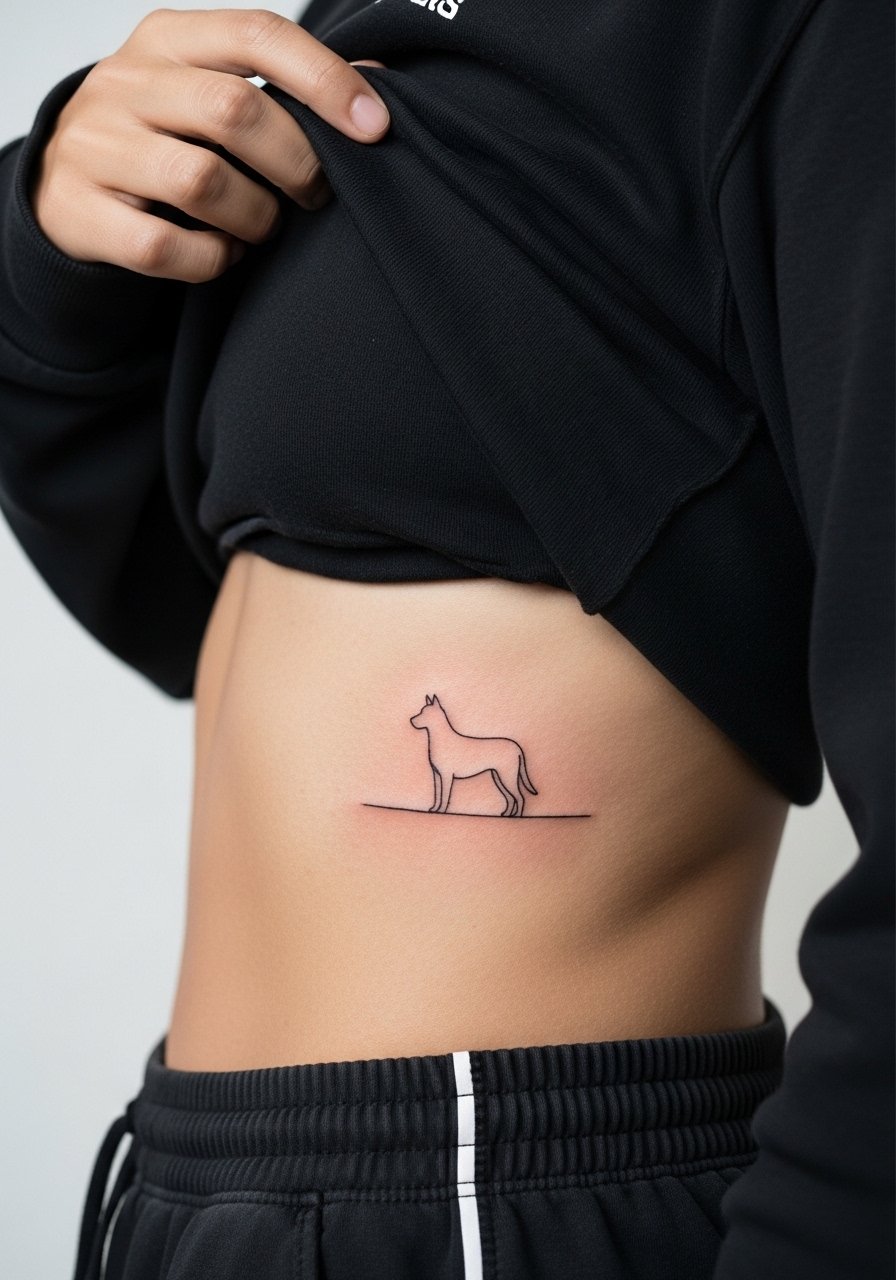
Placing a thin horizon line with a dog silhouette along the ribs looks poetic but carries the usual rib caveats. Pain is higher and sessions can be interrupted if needed. The common failure is using hairline strokes too close to the curve, which compress and blur. There is a split in the artist community on fine lines on ribs. One camp says breathing and body changes cause quick softening. The other camp says measured spacing with slightly stronger primary lines holds up. Ask your artist which approach they favor and consider slightly bolder anchor strokes. Expect a touch-up at year two for crispness.
19. Forearm Heartbeat into Dog Outline
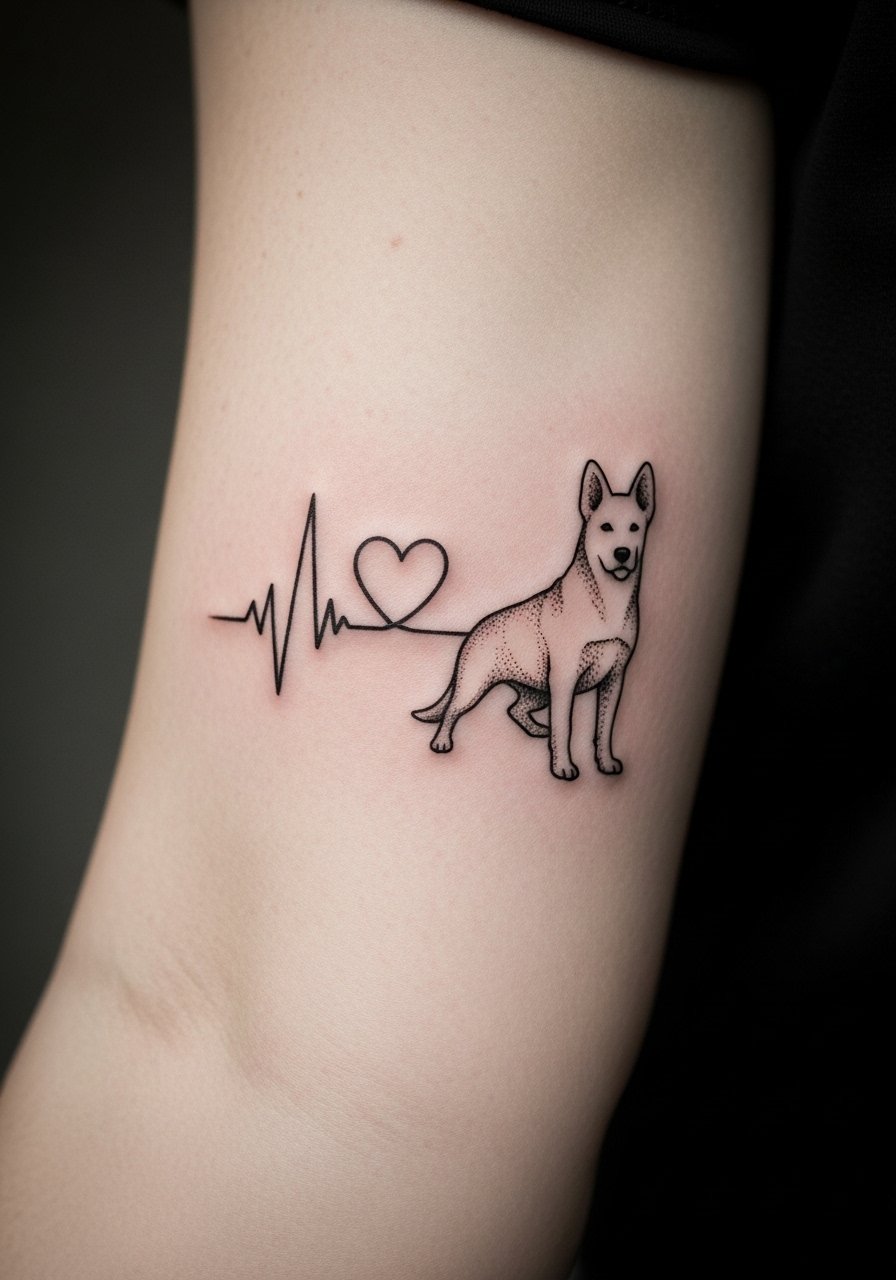
This motif reads clearly and connects visually to the memorial intent. Pain is low and sessions are usually under 90 minutes. A mistake is making the heartbeat too thin and the outline too faint, which blurs into an unclear shape. Ask for a clear primary heartbeat stroke and a slightly bolder dog outline so the morph reads at glance. For daily wear, a simple leather cuff or watch that sits above the piece keeps it visible without rubbing directly. A minimalist watch worn just above the tattoo frames the design and reduces direct friction.
20. Watercolor-Sketch Splash with Loose Line
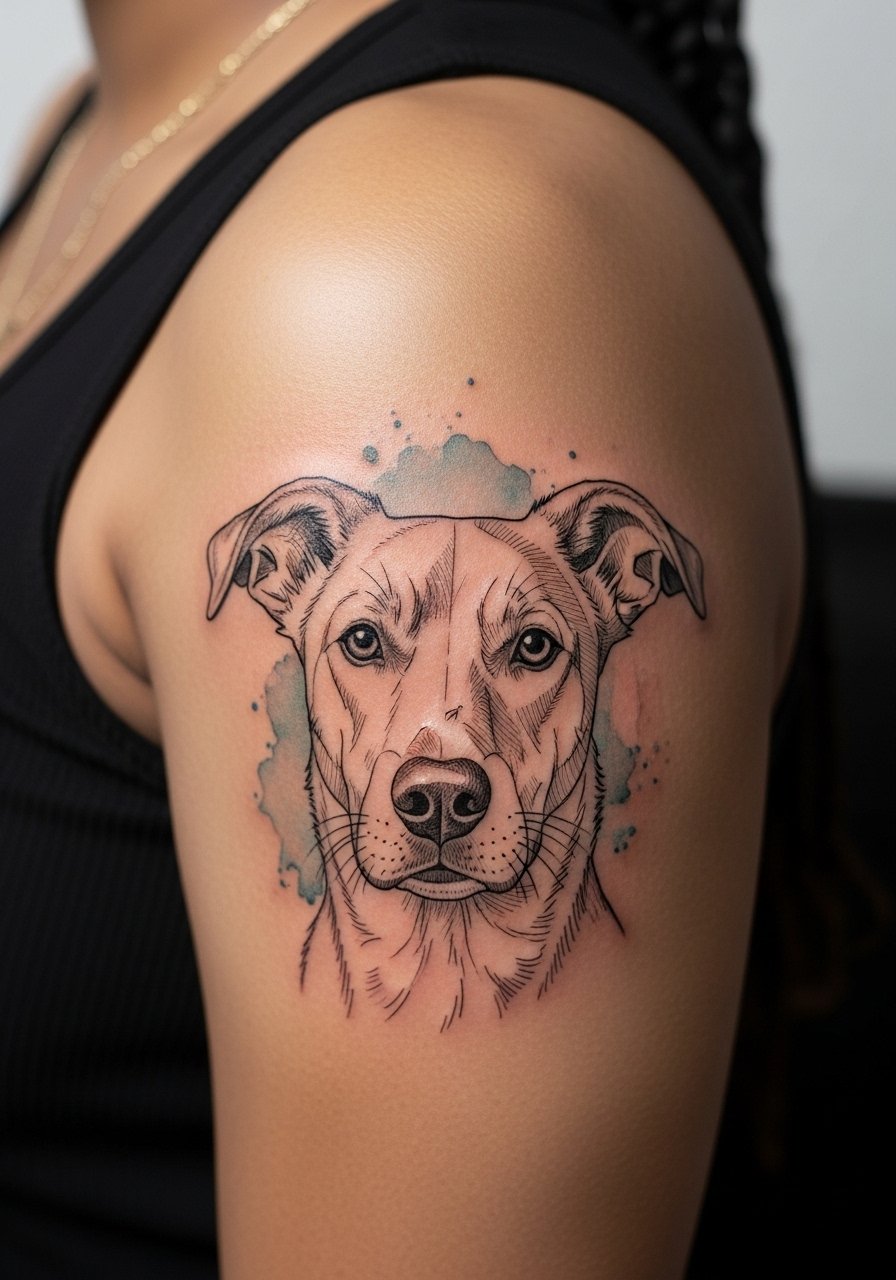
Mixing a sketch line with a faint watercolor wash adds emotion and keeps the linework as the anchor. Upper arm placements tolerate color and age better than hands or fingers. The main error is over-saturating the wash, which looks patchy as pigment fades. Ask your artist for a light wash that complements the sketch, not competes with it, and for the linework to be done first with confident strokes. For showing it off, short sleeves or rolled sleeves work well and a light short sleeve button shirt keeps the arm visible without constant sun exposure.
21. Continuous Line Embrace on Upper Arm
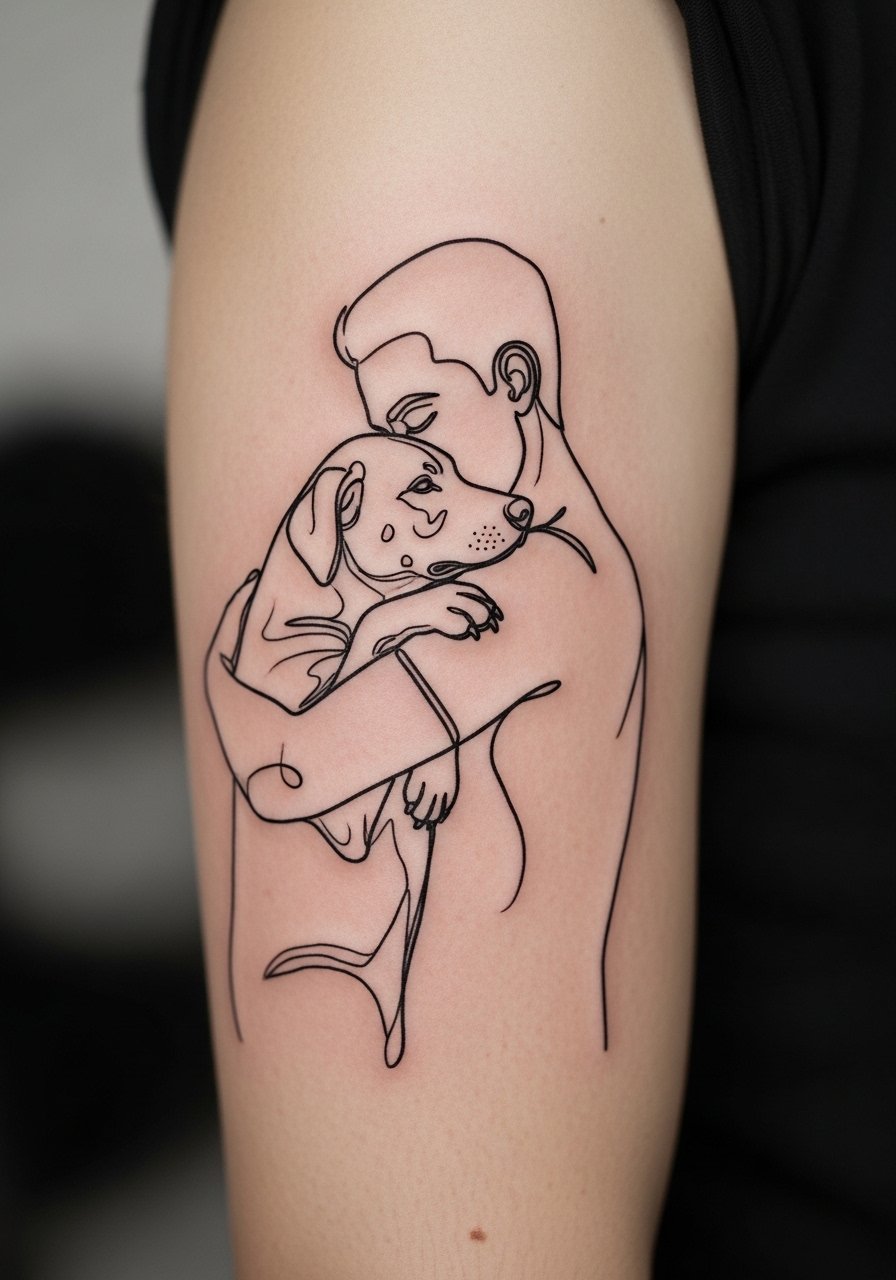
A continuous line piece translates emotion into a simple read and holds up because it avoids tiny details. Pain is low and sessions are usually quick. The typical mistake is trying to force too many elements into a single line which makes the rhythm awkward. Tell your artist you want the path to read clearly at arm's length and to preserve breathing space around the composition. For outfits, short sleeves and rolled cuffs show the embrace easily and a short sleeve button shirt keeps it visible without constant sun exposure. This kind of piece usually needs minimal touch-up if protected from UV.
Frequently Asked Questions
Q: How long will a sketch-style dog portrait stay legible on the ribs or sternum?
A: It depends on line weight, spacing, and your skin movement. In my experience fine sketch lines on ribs and sternum can start to soften by year two to three. One group of artists prefers slightly bolder anchor strokes for those zones, and another group still uses ultra-fine lines with tight spacing. Ask your artist which camp they work in and plan a touch-up at year two if you want the portrait to remain crisp.
Q: Will a watercolor wash ruin the sketch lines over time?
A: Not if the artist keeps the wash light and places it behind the linework. Heavy saturation can fade unevenly and compete with the sketch, but a soft wash tends to age gracefully while the ink lines remain the focal point. Request the lines first and a subtle wash layered behind them.
Q: What should I wear to an inner thigh or sternum session for comfort and access?
A: For inner thigh bring loose shorts that can be shifted to expose only the area, and for sternum wear a fitted sports bra or bandeau so the artist can access the chest without you feeling exposed. Session wear that gives clear access and keeps the rest of you covered makes the appointment easier.
Q: Are finger and ankle sketch tattoos worth getting as memorials if they need frequent touch-ups?
A: Yes if the placement matters emotionally. Fingers and ankles need more maintenance because of constant washing and friction. If you prefer minimal upkeep choose slightly bolder strokes and accept touch-ups as part of the plan. Styling with rings or sandals helps balance visibility and protection.
Q: How should I find an artist who understands sketch style without naming specific shops?
A: Use discovery pathways like local shop directories, tagged portfolios on community platforms, and dedicated subreddits that showcase healed work. Search hashtags that match your city plus "sketchtattoo" and review healed photos rather than only fresh shots. During consults show healed references and ask how the artist handles spacing and touch-ups.
Q: Can I pair a memorial sketch with jewelry and still keep it personal?
A: Definitely. Thin necklaces and stacked bracelets that sit above or below the tattoo frame the piece without rubbing it. If you plan to wear bracelets near a wrist or forearm tattoo, choose pieces that sit above the ink line. A set of stacked bracelets can complement a wrist memorial while minimizing direct contact with the fresh ink.