
Fine line medieval ink is everywhere on saved boards and short videos, but the pieces that still read sharp after a few years are not always the ones that looked best fresh. People complain about faded knights, guest-spot no-shows after deposits, and forearm designs stretching with body changes. Read on for soft medieval tattoo ideas that balance what trends love and what actually holds up, starting with a forearm classic.
1. Fine Line Knight Helmet on Inner Forearm
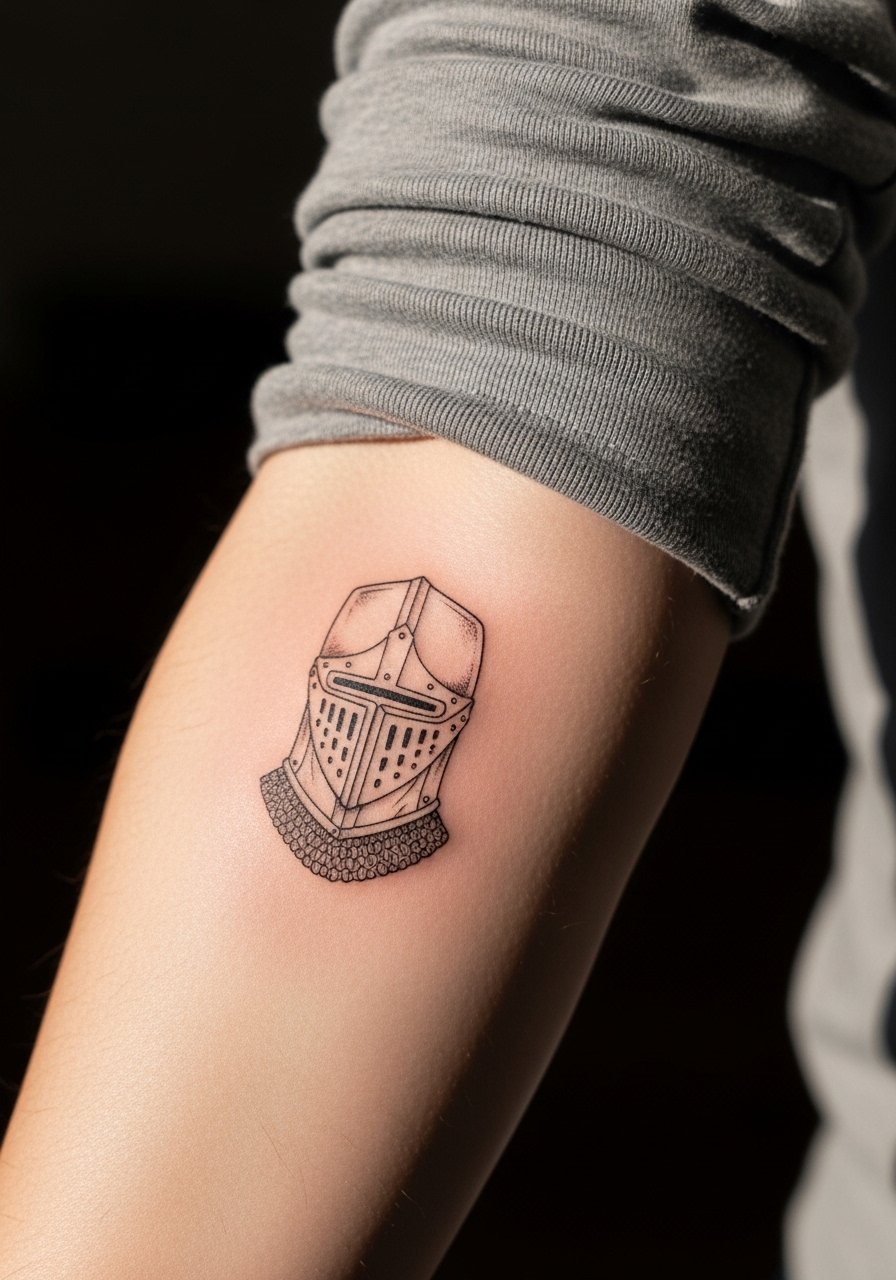
Most people pick a knight helmet because it reads like chivalry without bulk. I recommend this as a 2–3 inch inner forearm piece when you want history without a sleeve. Tell your artist you want a slightly heavier outline around the helmet, then subtle interior chainmail stippling. Fine line alone fades faster on the wrist and forearm. Ask for stronger outer linework and expect a touch-up by year two or three. Pain on the inner forearm is mild to moderate and the session usually runs one to two hours. Common mistake is asking for tiny minute details that blur with time. For showing it off, roll up a linen button up shirt so the helmet sits cleanly against neutral fabric.
2. Ornamental Gothic Arch on Collarbone
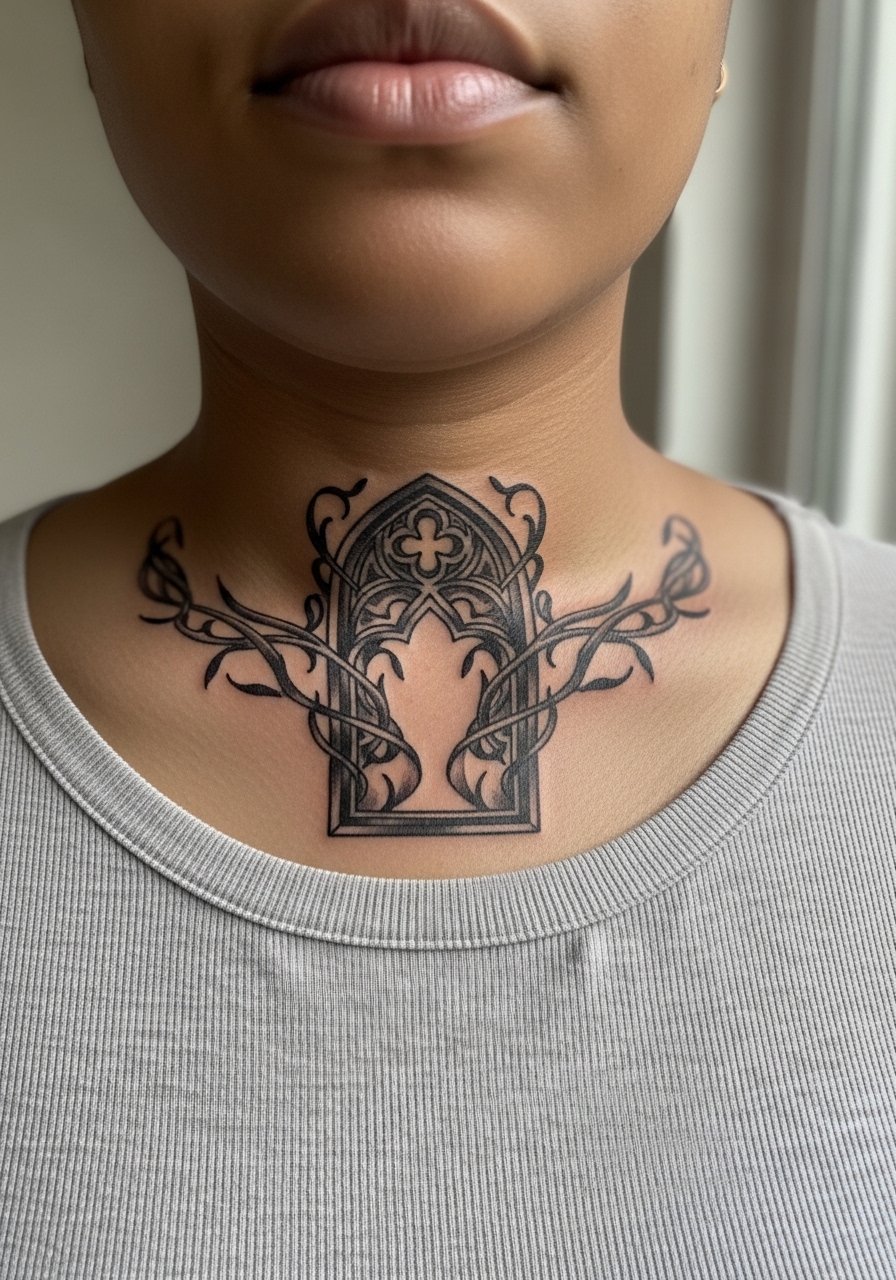
Collarbone work is a favorite for ornamental arches because the curve frames necklaces naturally. This small 1.5-inch design benefits from a single-session approach. In consultation ask for softened vine terminals rather than ultra-fine filigree that ages into fuzz. The collarbone sits in a medium pain range and heals clean when you avoid heavy shoulder straps. Expect the design to keep contrast for years if the arch uses high-contrast gray wash with a bolder outer contour. Avoid cramming text or tiny heraldry inside the arch. When you want to show it off, pair the tattoo with a strapless midi dress or a thin chain necklace that sits below the arch.
3. Blackwork Castle Silhouette on Outer Calf
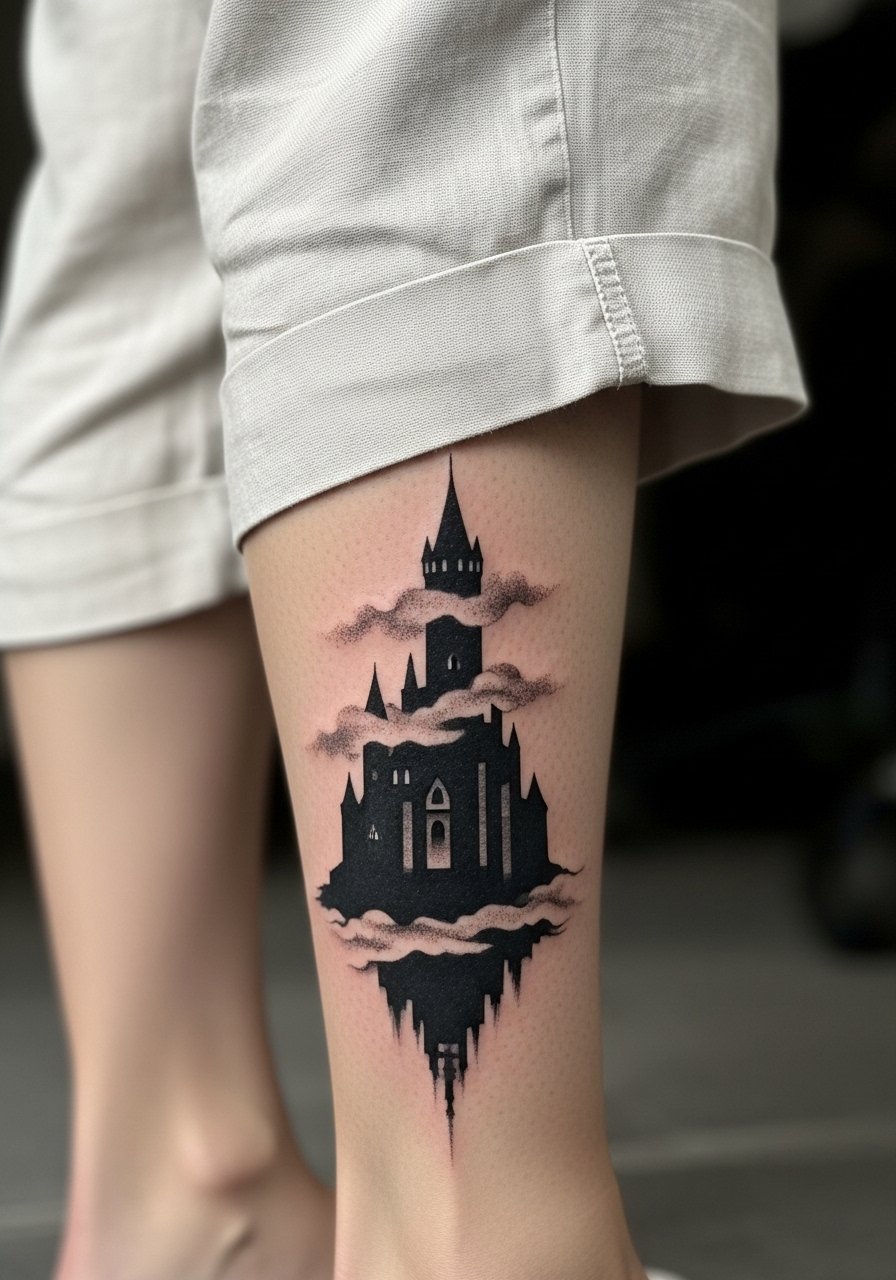
If longevity matters, blackwork castles are a reliable choice. The outer calf gives enough canvas for a 4-inch silhouette that reads from a distance. Tell your artist to block in strong negative space for mist and to avoid tiny crenellations that will merge later. The session often takes two hours and is moderate on pain. This style resists blur because of solid saturation, but aggressive weight changes can warp proportions. If you expect fluctuation, place the castle lower on the calf where skin shifts less. For seasonal showing, cuff a pair of cuffed straight leg jeans to frame the towers.
4. Neo-Traditional Dragon Coiled Around a Sword on Upper Arm
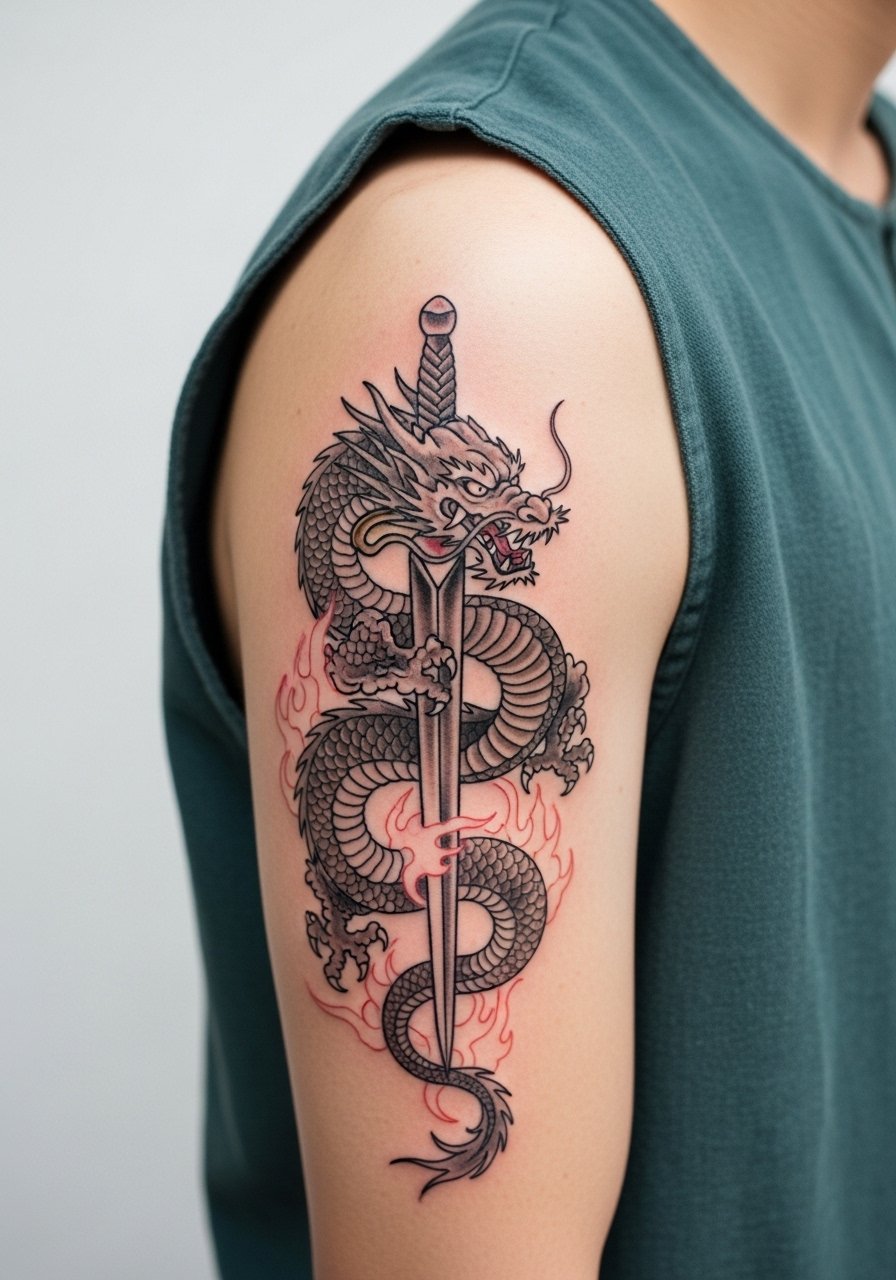
Neo-traditional designs let you keep medieval motifs but soften edges for modern taste. A dragon wrapped on the upper arm reads dynamic and is forgiving when scaled to 4–5 inches. In consultation request softer scale textures and ask the artist to favor gray wash over saturated red if you want subtler aging. Sessions are two to three hours and the upper arm is one of the least painful places. A common error is asking for ultra-dense color in small areas, which can grey out on darker skin. Wear a sleeveless tunic top to the session so the artist has clean access and you can check the wrap in the mirror.
5. Minimalist Griffin Wing Outline at the Ankle
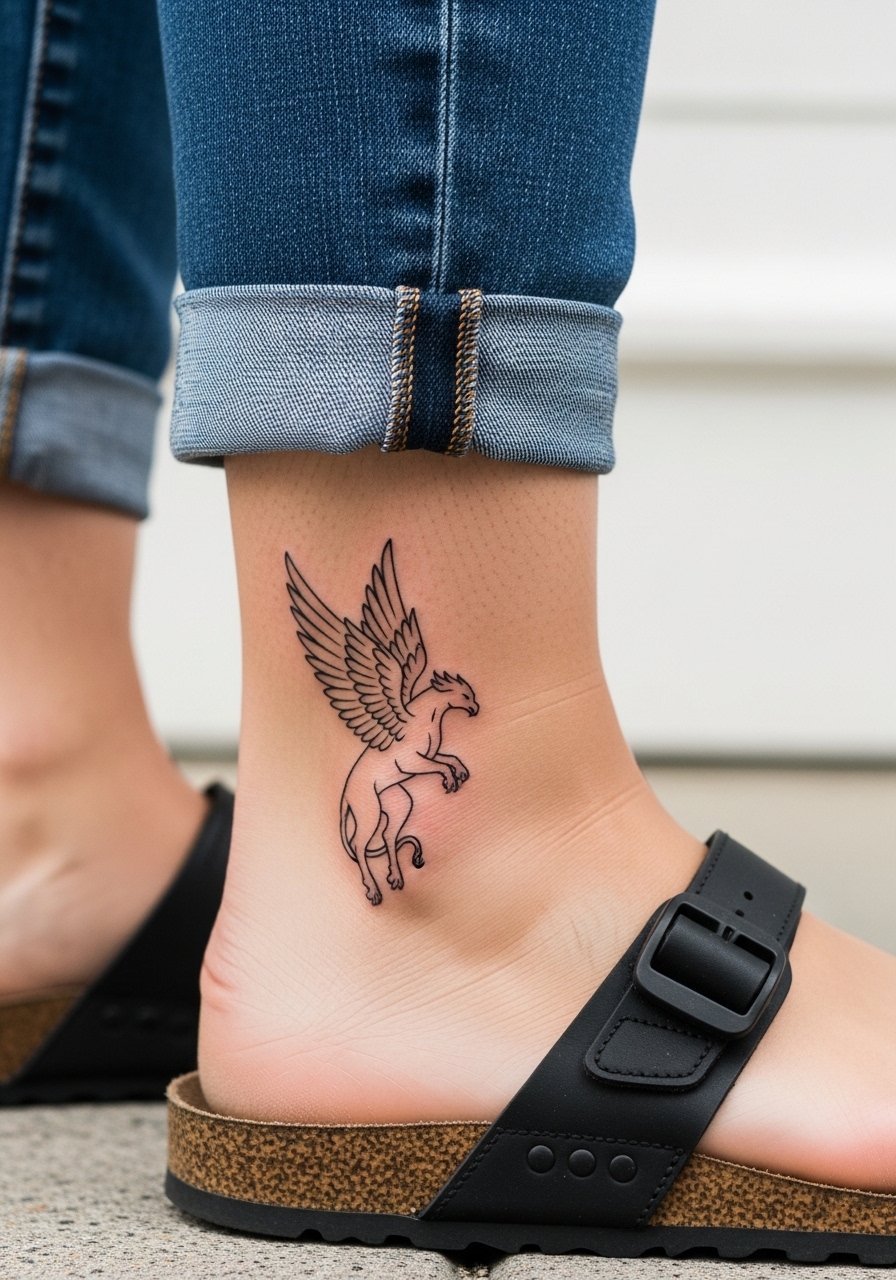
Ankle and micro pieces are delicate and need space to breathe. A one-inch griffin wing at the ankle works as a subtle symbol for movement and pairs well with stacked jewelry. Expect a 30- to 45-minute session with sharp initial linework that may need touch-up by year two, especially in high-friction shoe zones. Tell your artist to keep the wing slightly larger than you think so the negative space survives. The common mistake is asking for extra fine filigree in a micro size. For showing it off, a thin leather cuff bracelet on the opposite wrist balances the delicate vibe.
6. Watercolor Illuminated Manuscript Fragment on Ribcage
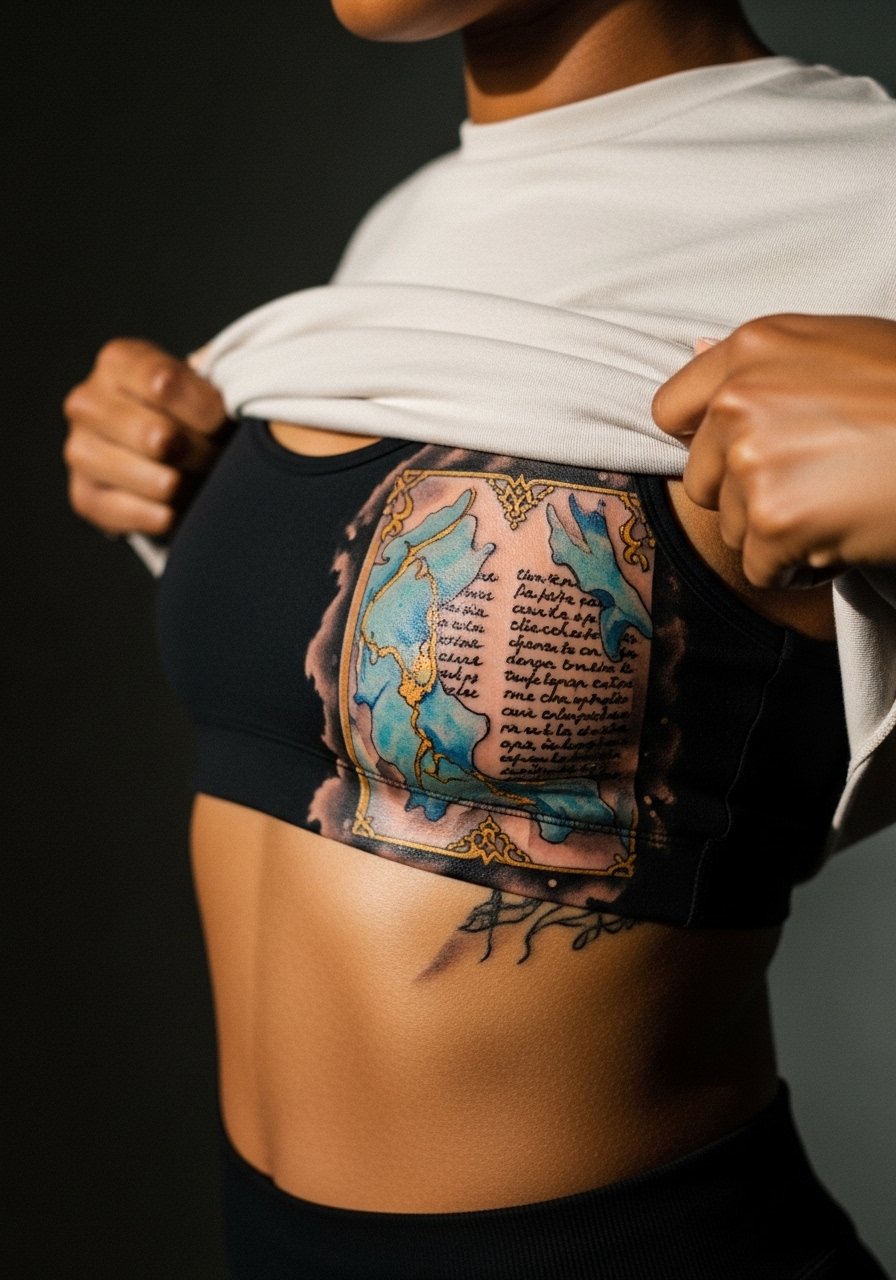
Ribcage sessions are painful for many, but they create expansive motifs that peek through clothing. A manuscript fragment with watercolor accents reads bookish and poetic, and usually fits a 3×4 inch layout. Artists split on Saniderm versus dry healing for ribs. One camp favors covered healing for cleaner pigment retention. The other camp says open air prevents trapped moisture and scabbing. Discuss your preference with the artist before booking. Expect itch in week two and plan a humidifier in winter to avoid cracking. For session comfort wear a loose sports bra or cropped top you can lift easily.
Studio Day Picks
The ribcage and ankle pieces above ask for different prep than forearm work, so these products cover session-day comfort and first-week healing.
-
CeraVe Healing Ointment. A thin, non-greasy option that forum users prefer for dry winter heals on fine line pieces, helpful for manuscript and helmet details.
-
Australian Gold SPF 30 Tattoo Aftercare. Lightweight sunscreen that protects exposed collarbone and calf tattoos once the initial healing window closes.
-
HealRite balm. Fast-absorbing balm praised for ornamental shading pieces and avoiding shiny residue during week one.
-
Japanese rice bran lotion. Handy for oily skin types to prevent blackwork from greying out in the first month.
-
Tattoo Goo. A thin balm useful for early moisture, especially on small wrist or ankle pieces that face daily friction.
7. Ignorant Style Knight's Gauntlet on Shoulder Blade
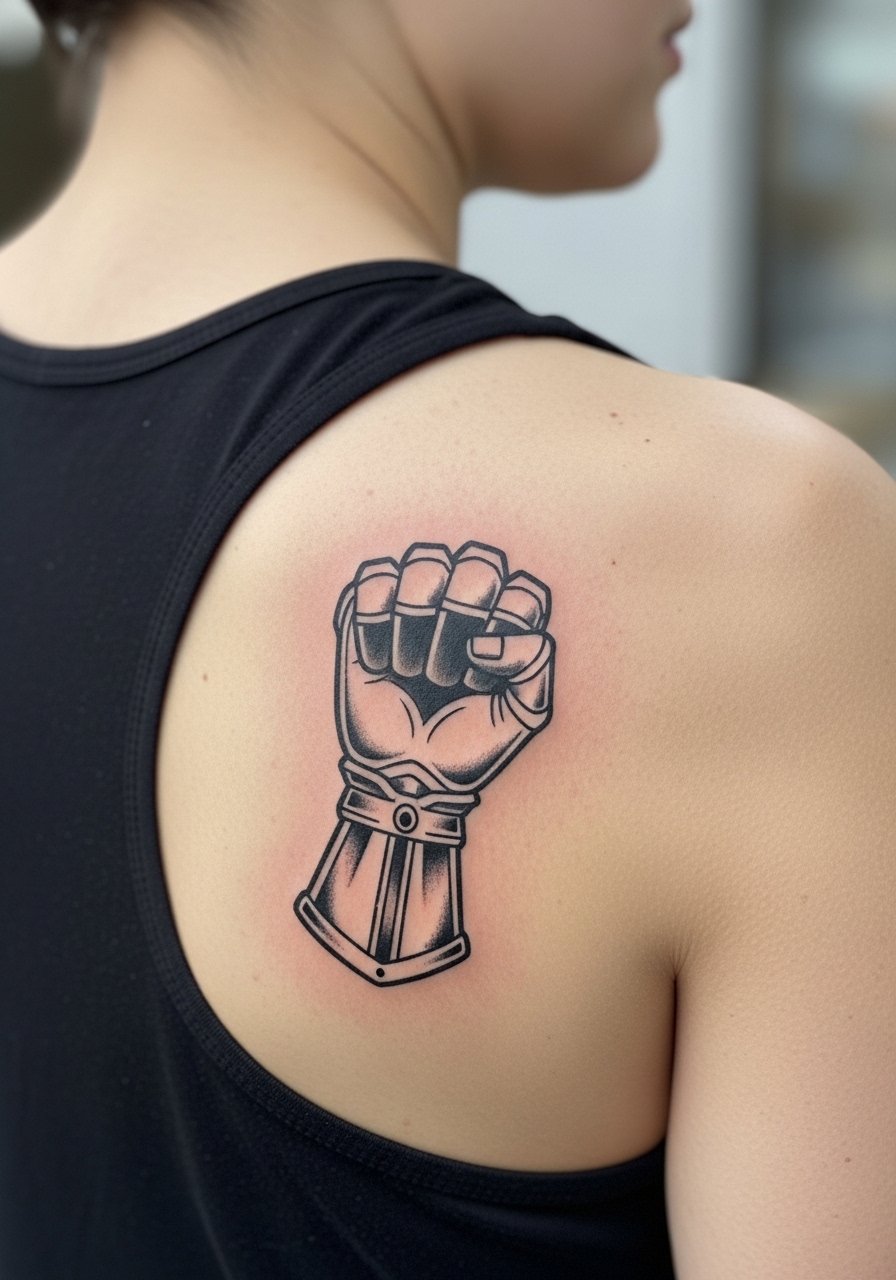
The ignorant or sketchy style is rising for those who want raw medieval sketches rather than polished heraldry. On the shoulder blade a 3-inch gauntlet looks bold without needing perfect symmetry. Tell your artist you want sketch marks and rough cross-hatching rather than smooth gradients. The shoulder blade heals moderately and is less prone to blowout than inner arm work. A common mistake is asking for tiny detail inside heavy outlines, which defeats the sketch aesthetic. Wear a racerback tank to the appointment so the artist can work without tugging fabric. Off-shoulder sweaters pair nicely when you want to reveal the piece.
8. Micro-Realism Fleur-de-Lis on Inner Bicep
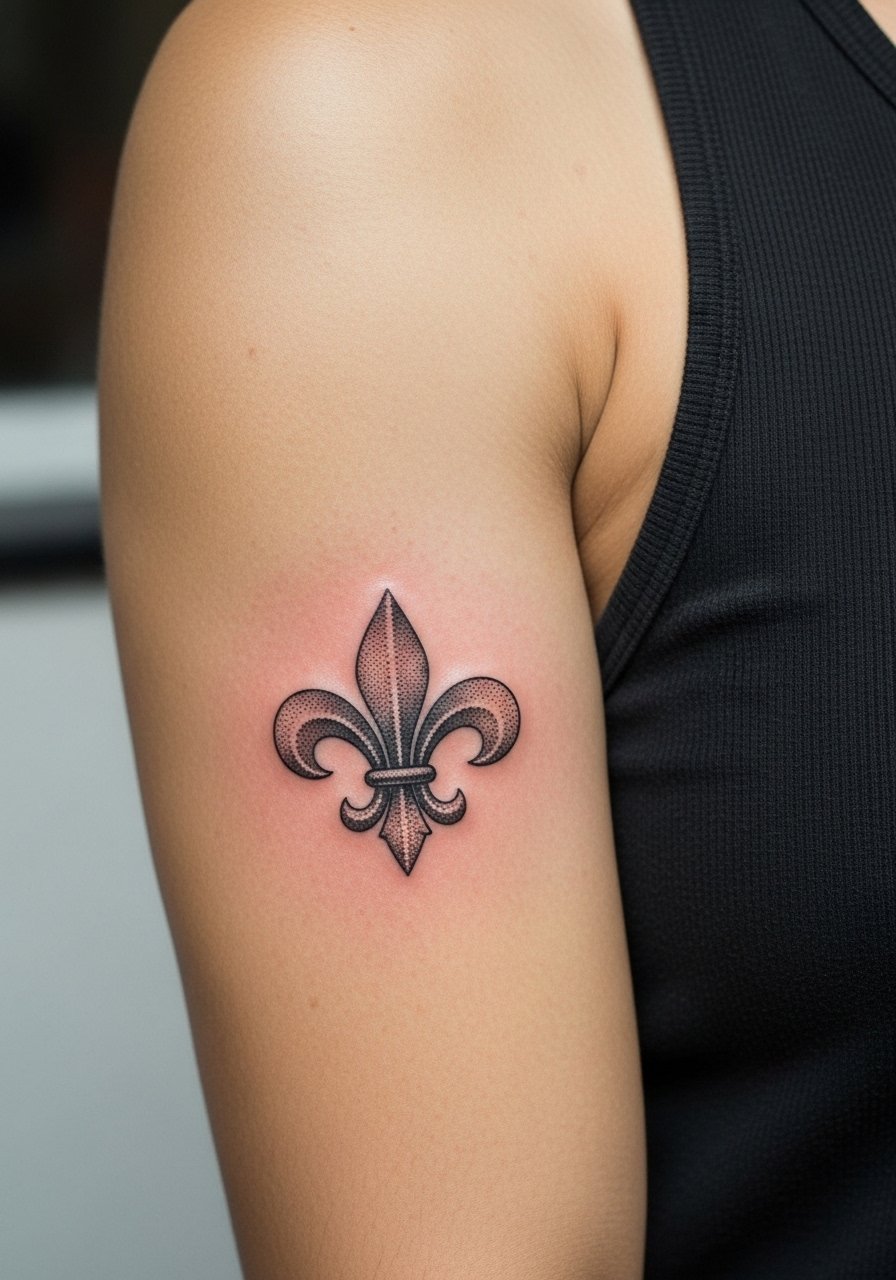
Micro-realism on the inner bicep can photograph sharply if contrast is prioritized. A 1.5-inch fleur-de-lis with dotwork looks crisp across skin tones when the artist uses high-contrast black and gray. Inner bicep sessions are moderate on pain and often completed in one hour. Watch for density mistakes. If too much dotwork is packed into a micro space it greys over time. Ask for a sketch mockup on your arm so you can judge scale. This placement pairs with a burgundy muscle tank when you want the curve of the design visible.
9. Fine Line Tapestry Border Pattern as Forearm Wrap
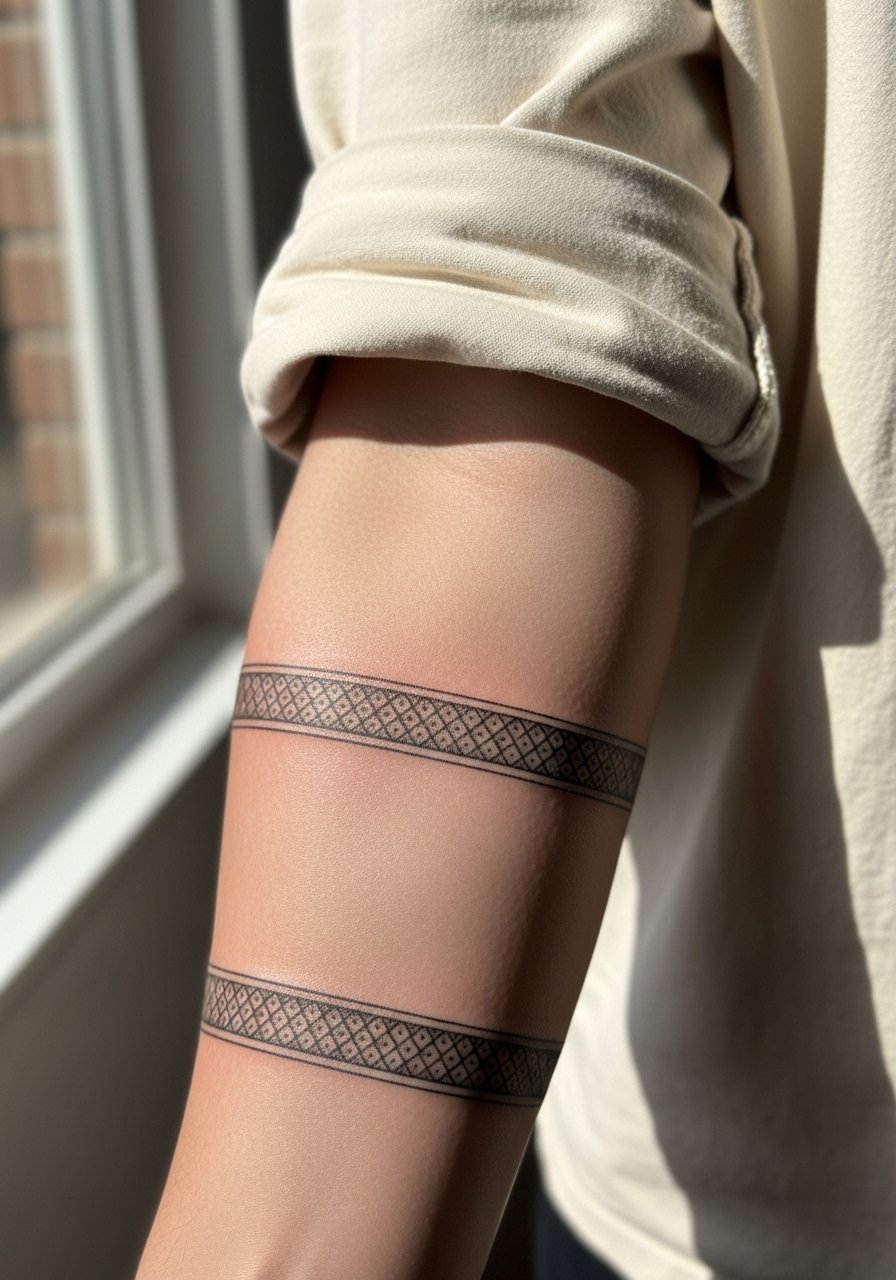
Tapestry borders work well as sleeve fillers or standalone forearm wraps. Because they repeat, they need consistent spacing to avoid line merging. If you want this as a 6-inch forearm band, ask your artist to space the pattern and use subtle stipple shading rather than micro filigree. Fine line fans love the look, but it does blur faster on high-motion areas. Expect touch-ups in two to four years depending on activity. For session wear pull on a cream rolled sleeve blouse so the artist can roll the fabric down without stretching skin.
10. Ornamental Sword Hilt with Gem Inlays on Thigh Outer
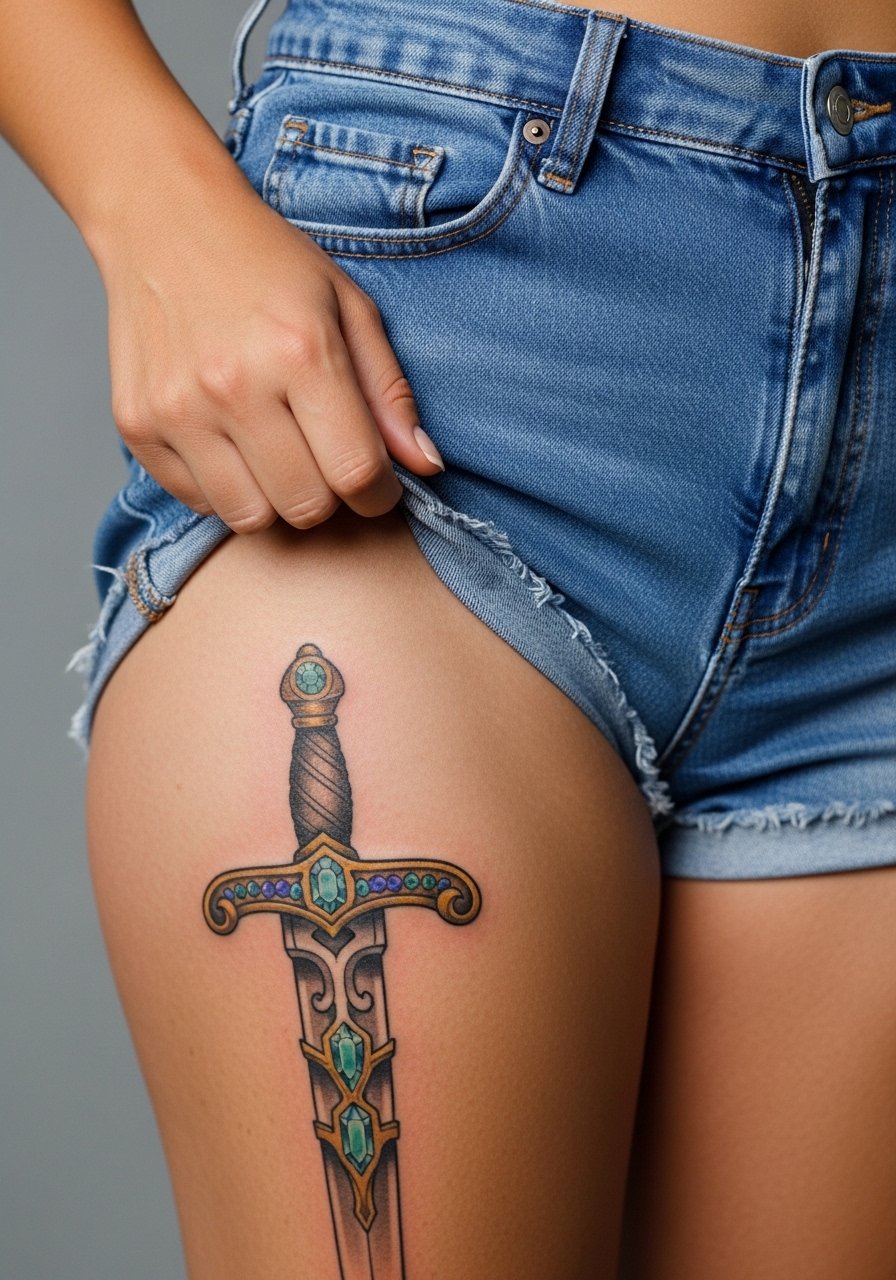
Outer thigh tattoos allow for more ornamentation and muted color accents without daily friction. A 3-inch sword hilt with gem shading benefits from a two-session plan so the artist can settle color gently. Thigh skin handles saturation well but can stretch with weight changes. If you plan major weight fluctuation, move the design slightly higher on the thigh where proportions hold better. Session comfort is high and pain is moderate. For summer show-off style try high-waisted shorts or an asymmetrical skirt. I recommend bringing loose athletic shorts for the appointment so the artist can access the area without fabric pressure.
11. Blackwork Spired Cathedral on Upper Back
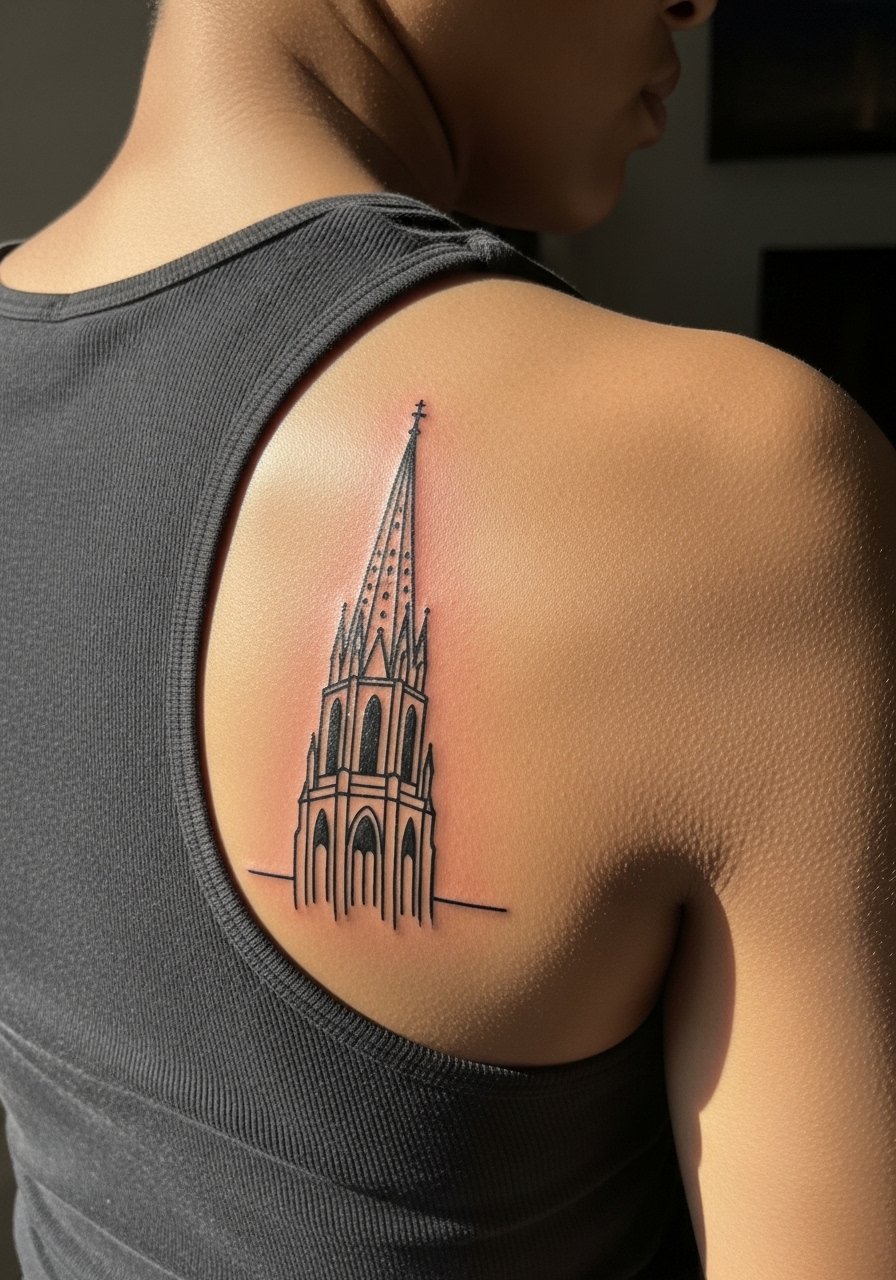
Upper back space is ideal for architectural pieces that need verticality. A 5-inch cathedral with solid black spires reads like an architectural silhouette and holds up because saturation is high. Expect two to three sessions with moderate pain when the needle runs near the shoulder blades. A frequent mistake is over-detailing small stained-glass windows, which wash out in time. Ask for simplified windows and strong negative space to maintain the silhouette. The design works under open-back dresses or a simple tank top for weekend wear.
12. Neo-Traditional Armored Horse Head on Collarbone Curve
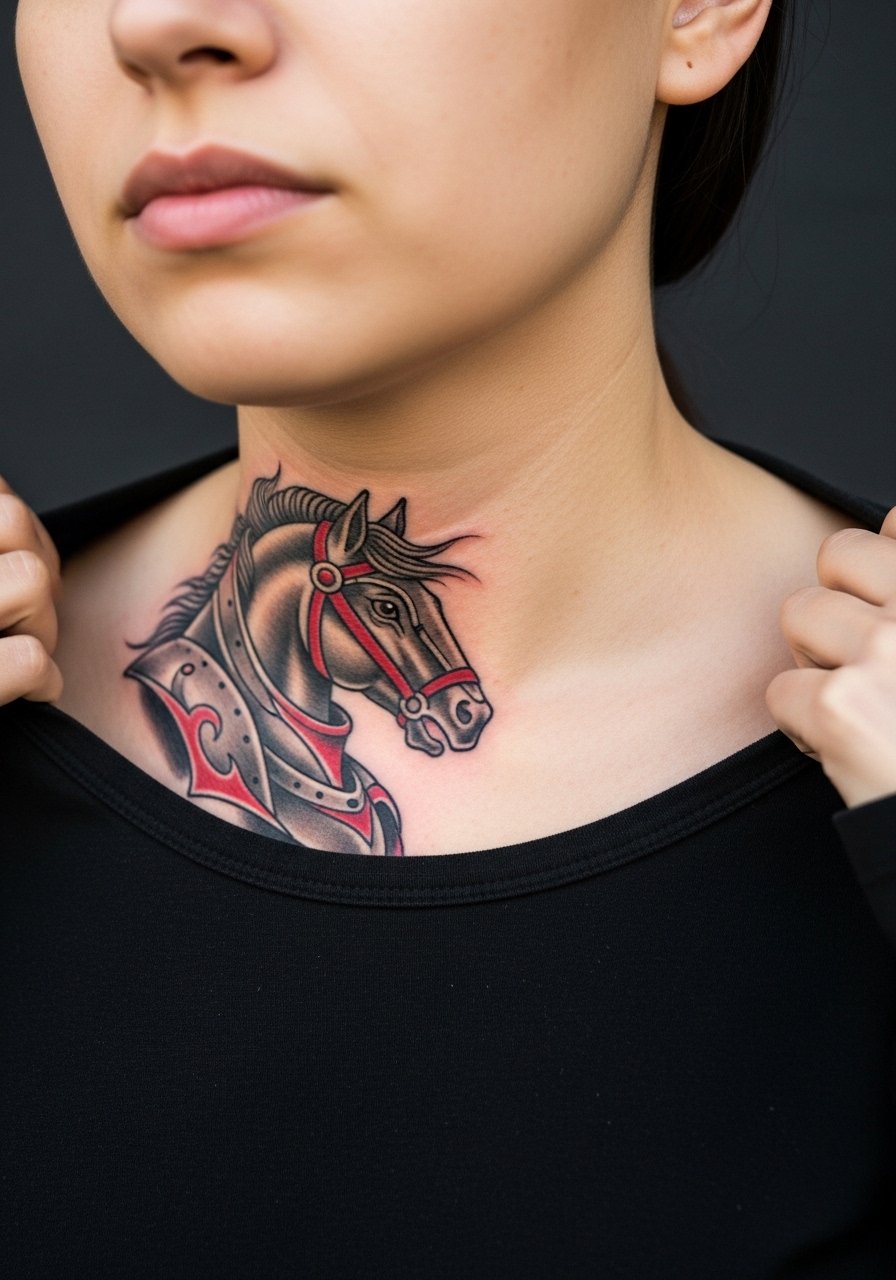
A horse head along the collarbone curve reads elegant and moves with the body. A 4-inch piece with gray wash and minimal red highlights looks softened rather than heavy. The main consult note is to keep highlights sparse so they do not muddy on darker skin. Collarbone pain is higher than the upper arm but tolerable for most. The common error is insisting on high-saturation red in small areas. For showing it off, layer a thin chain pendant necklace below the design so both elements sit together without competing.
13. Minimalist Manuscript Initial with Thorns on Neck Side
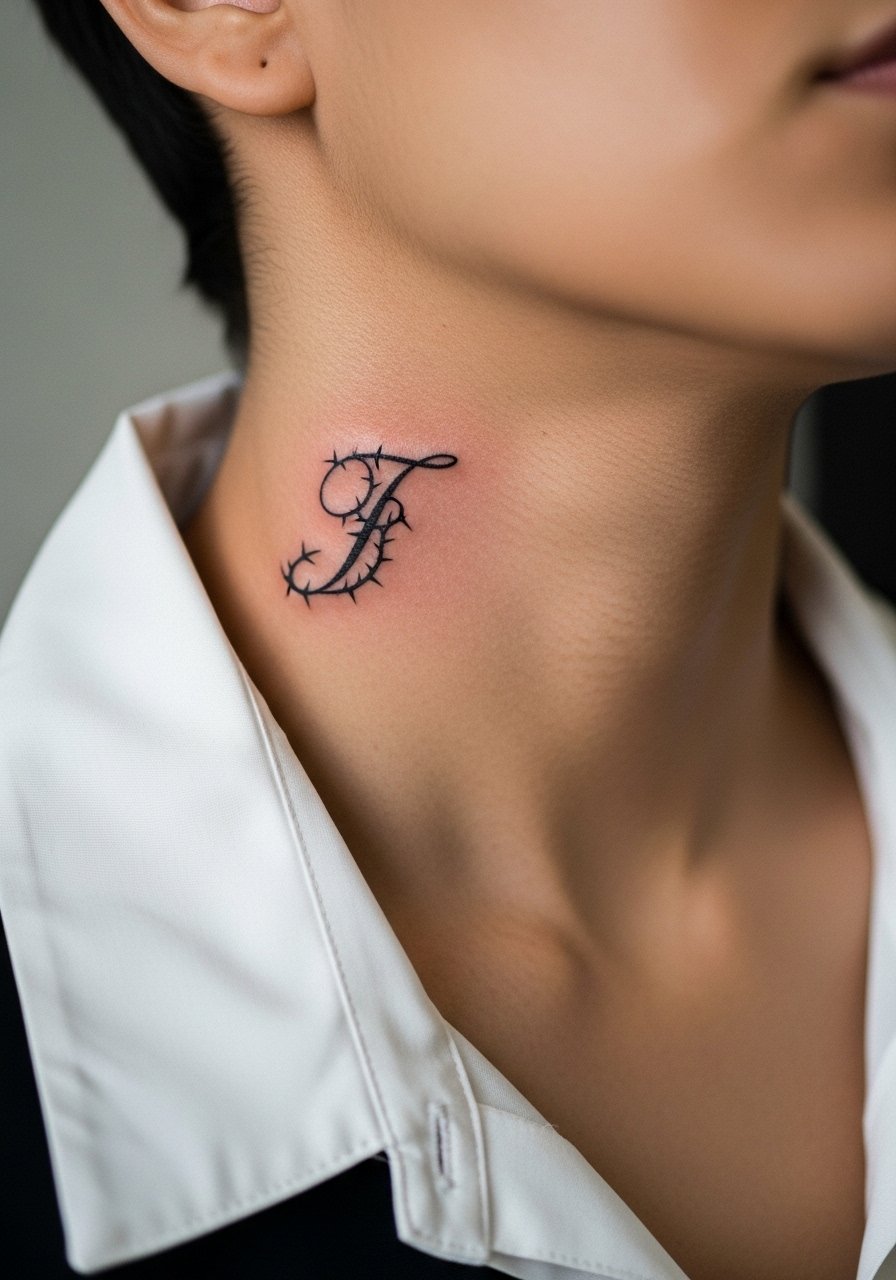
Neck side pieces are intimate and visible, so scale matters. A one-inch initial with thorn accents reads guarded and refined when the lines are bold enough to survive movement. Expect a short session and a sharp first week for healing. Artists debate fine line on the neck for longevity. One camp worries about movement and early blur. The other says with proper needle depth the lines settle fine. Check portfolios showing healed neck work before booking. For session wear pull your hair up and use an open-collar shirt so the artist can access the area easily.
14. Watercolor Manuscript Page Fragment on Ribcage (Alternate)
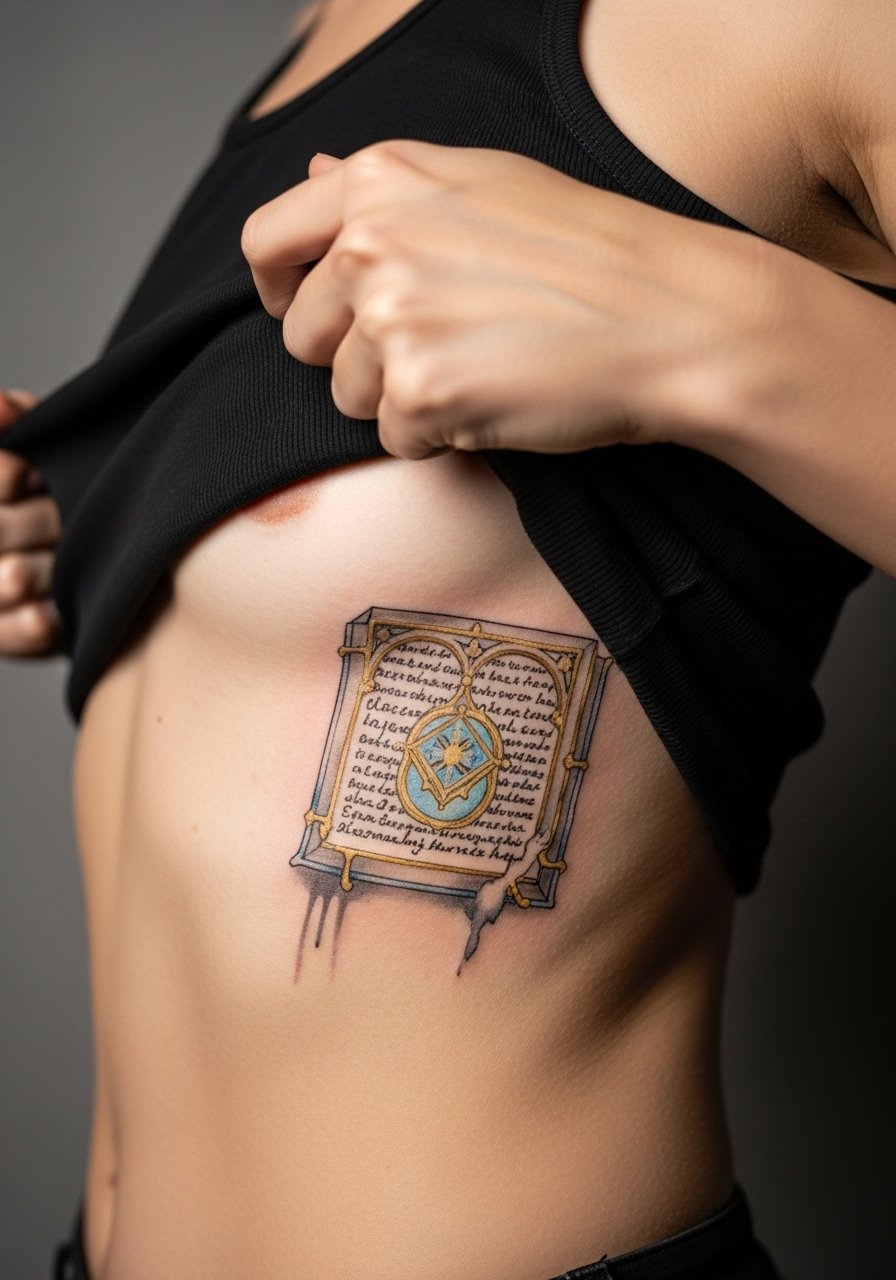
This alternate ribcage version leans into color fade as a design feature. The watercolor should be placed so the edges are supported by black anchor lines to avoid patchy fading. Sessions are one to two hours and ribs usually score higher on pain charts. The biggest mistake is asking for dense color washes in a single pass. Plan for touch-ups to soften and blend pigment over months. Keep a humidifier nearby during winter healing. For the appointment, wear a loose crop or sports bra you can lift without twisting.
15. Minimalist Castle Outline Behind Ankle
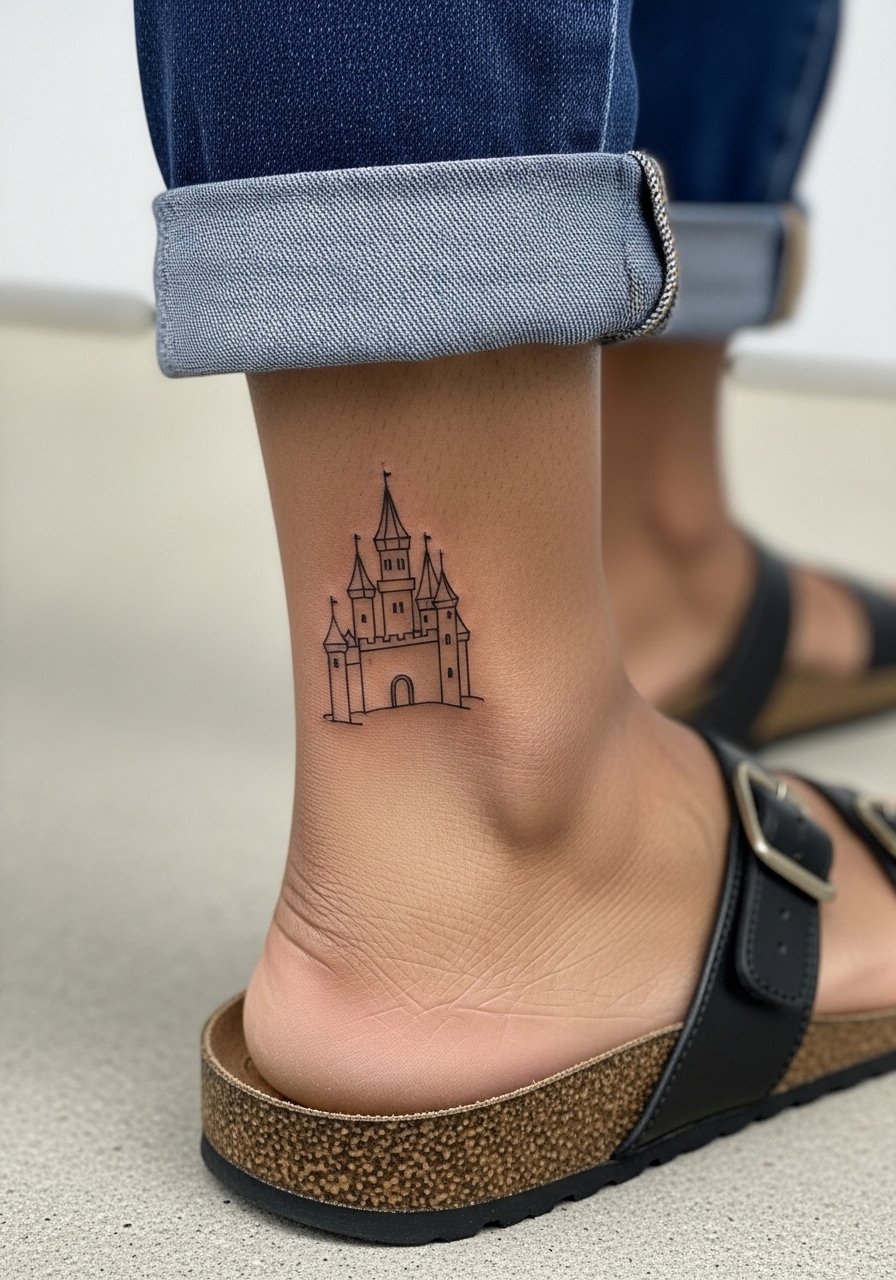
Behind-ankle placements need careful sizing because footwear rubs the area. A small castle outline looks crisp when placed slightly above the bone and kept simple. Sessions are short and pain varies depending on bone proximity. A frequent error is putting too many tiny windows and towers into a micro space. Ask your artist for simplified geometry and plan on annual check-ins. For showing it off, roll your jeans and wear minimal sandals or cuffs that do not press on the tattoo.
16. Fine Line Heraldic Shield on Inner Bicep
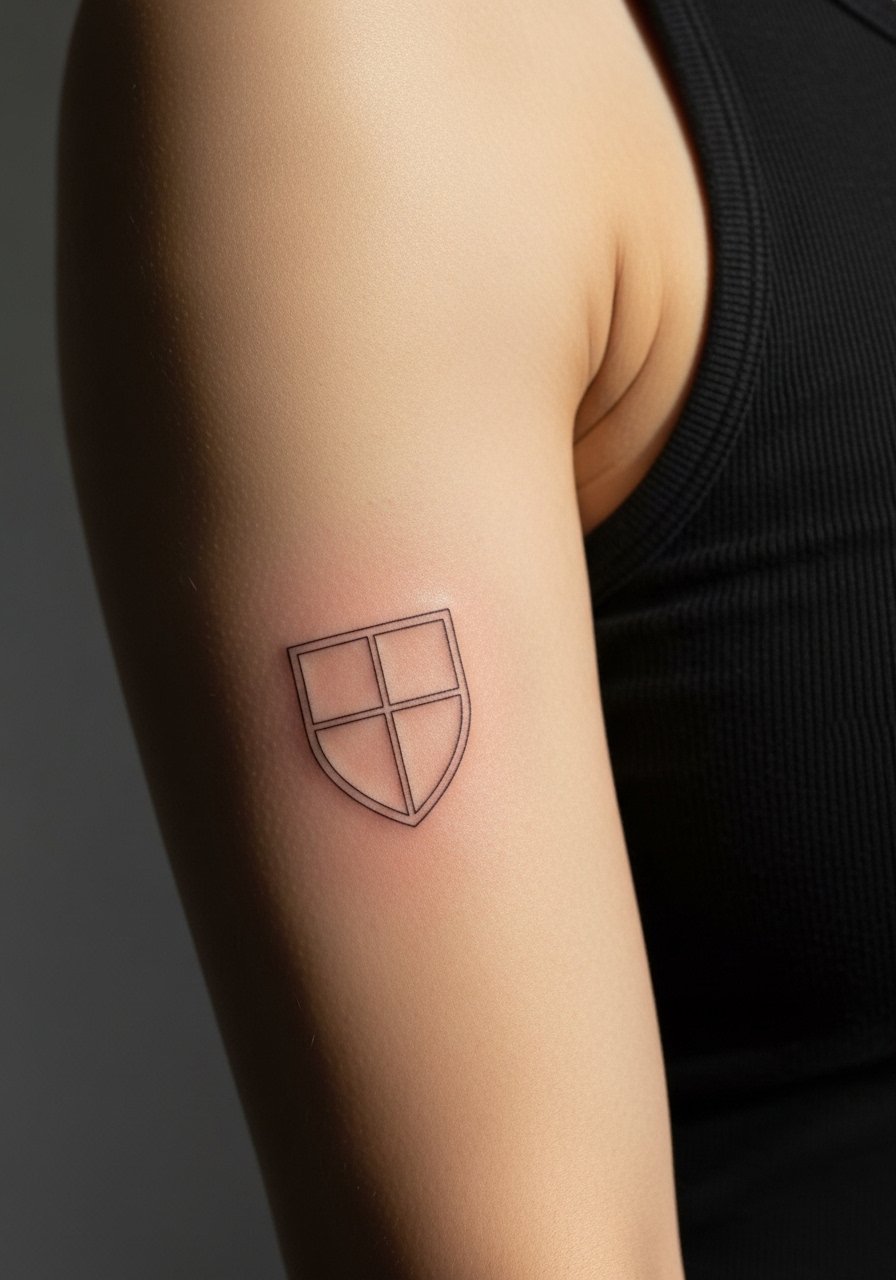
Inner bicep shields read private until you lift your arm to show them. This placement works for a 2-inch shield with restrained internal motifs. Tell your artist to favor negative space over tiny interior flourishes. The inner bicep can be sensitive and often needs steady handwork at a modest pace. Avoid dense shading that will grey. Expect touch-up timing in two to three years for fine details. Bring a loose button-down to the session so you can remove it without tugging the area.
17. Tapestry Pattern as Negative Space Sleeve Filler
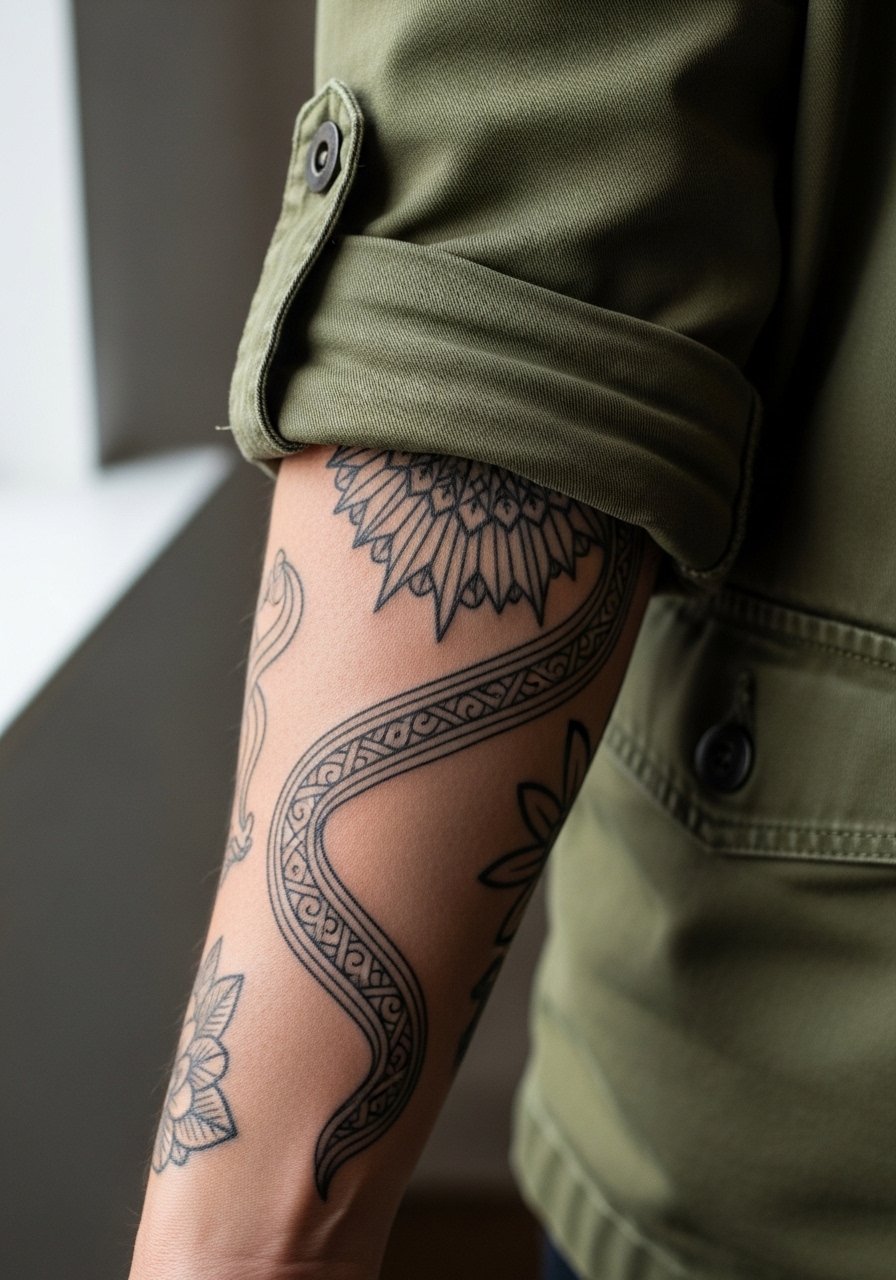
Turning old bold pieces into cohesive arms with tapestry negative space is a clever salvage move. These border patterns work as repeat elements that breathe around heavier blackwork. Plan multiple sessions and ask for mockups that show healed spacing. The common mistake is trying to hide everything in one sitting. This approach helps integrate regret pieces without covering them outright. Forearm motion accelerates blur, so keep the borders open. For show-off style, roll a olive green utility jacket so the tapestry band reads like a cuff.
18. Minimalist Griffon Wing on Wrist
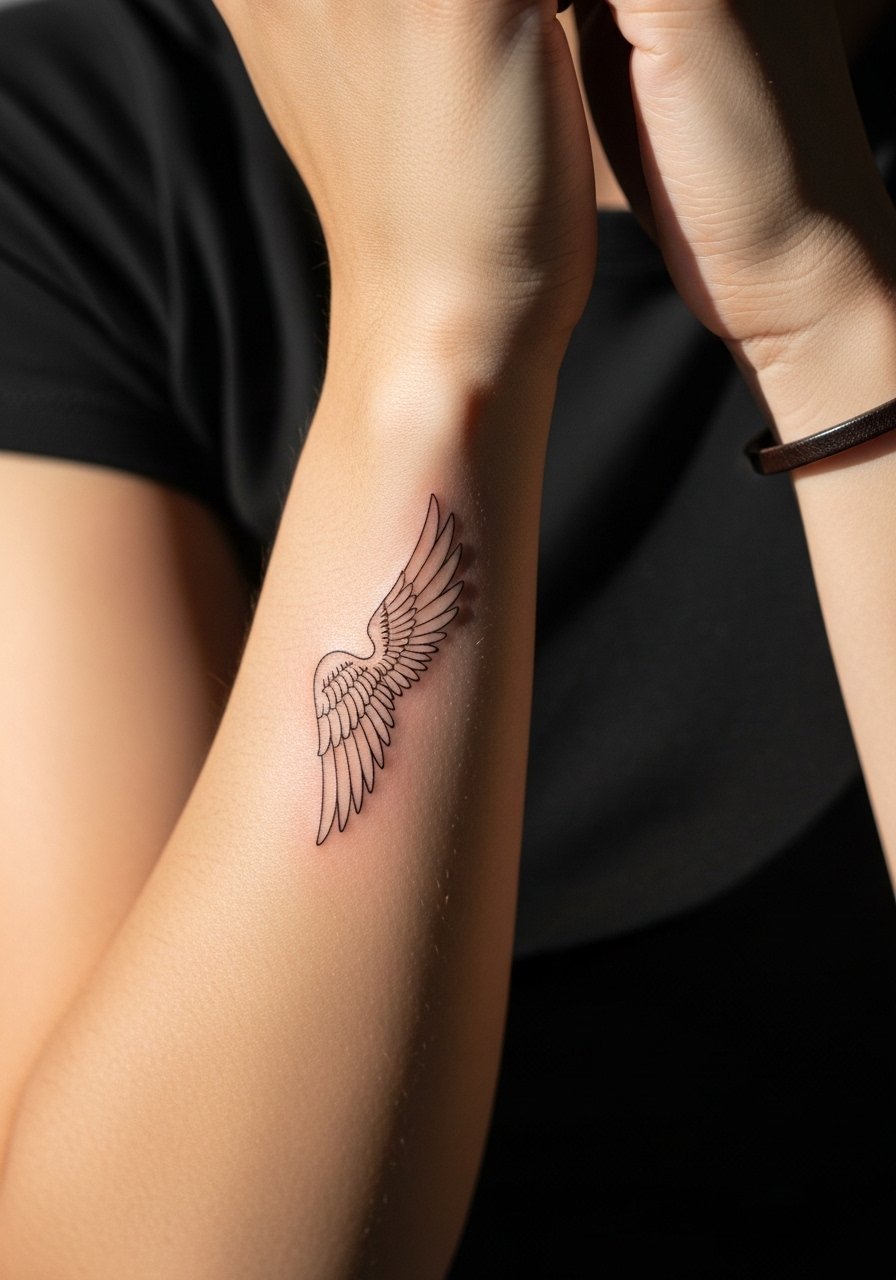
Wrist tattoos face daily washing and friction, so scale up tiny lines to survive. A micro griffin wing looks delicate but needs a slightly bolder outer contour than pure hairline to stay legible. Sessions are quick but expect touch-ups earlier than for larger pieces. Common mistakes include tiny interior shading that greys with soap and sunlight. For showing it off pair with a dainty leather wrist cuff instead of stacked heavy bracelets that press on the area.
19. Ornamental Sword Hilt as Thigh Patch (Vertical)
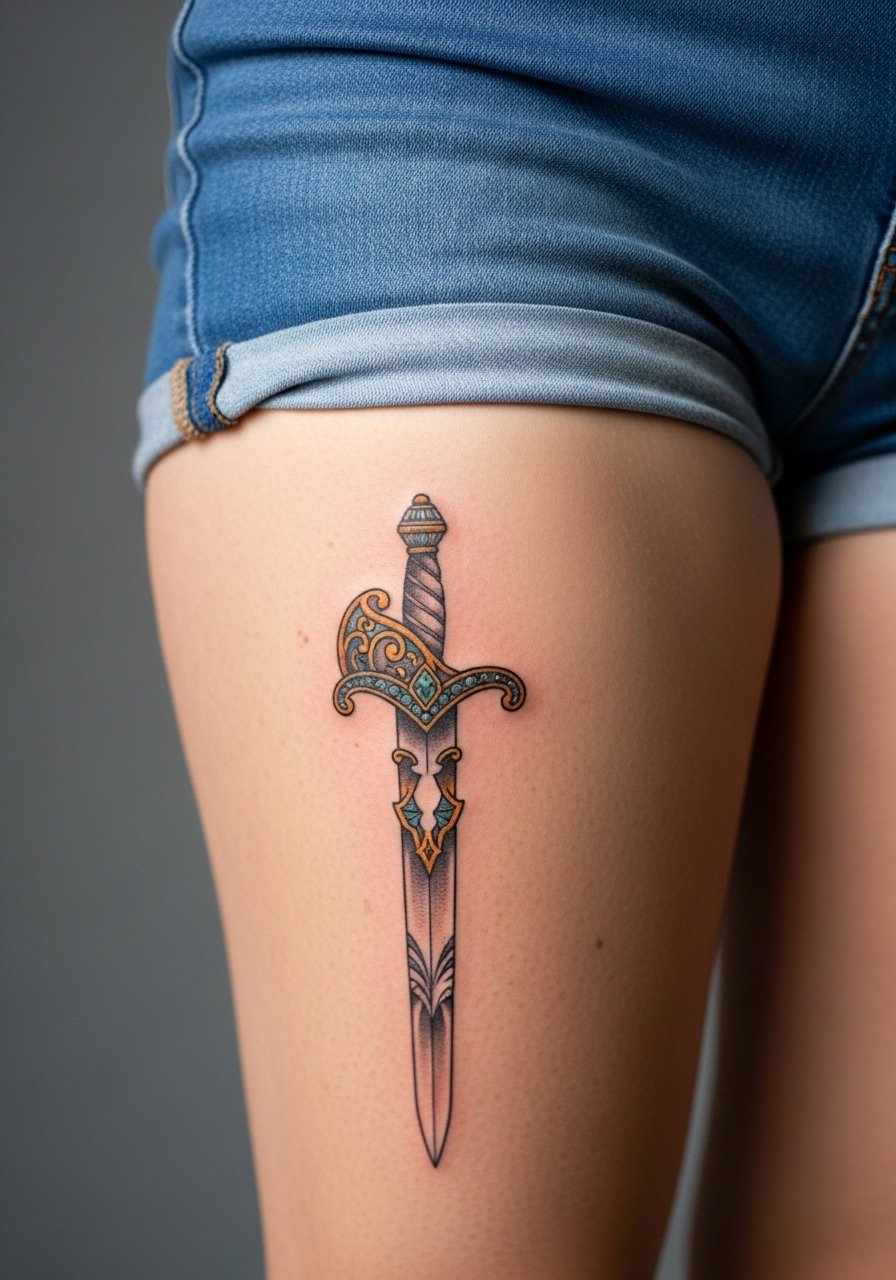
A vertical sword hilt on the thigh works well as a statement that stays private unless shown. Thigh skin tolerates shading and color, so muted gem highlights age more gracefully here than on hands or feet. Sessions are two hours and pain is lower than ribcage work. Watch for placement near seams where jeans sit. The typical mistake is oversizing the hilt which can distort with weight changes. During the session wear loose shorts so the artist can lift the fabric without bunching.
20. Micro-Realism Heraldry as Inner Wrist Accent
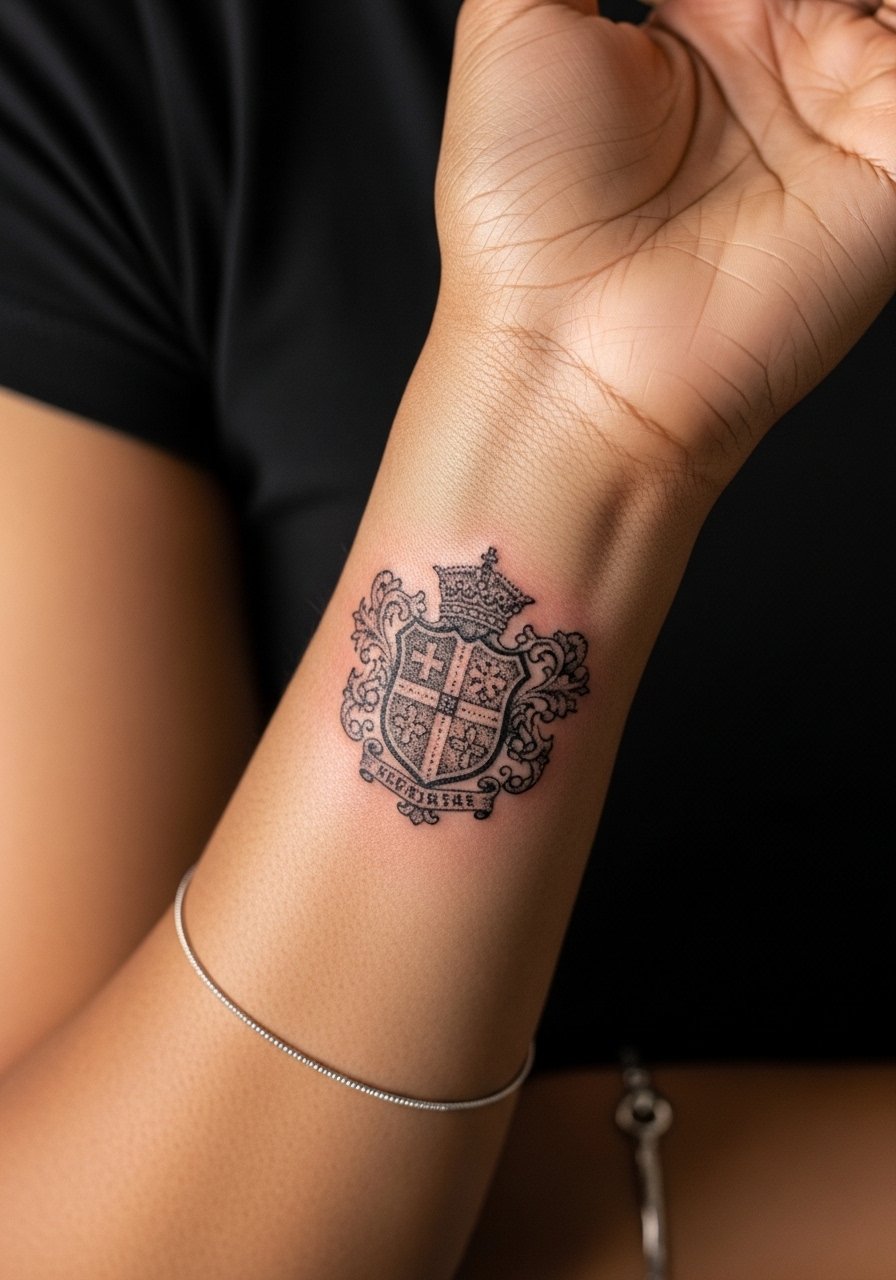
Inner wrist heraldry photographs well when contrast is prioritized. Micro-realism dotwork can look sharp across skin tones if the artist balances negative space. This placement is subject to daily sunlight exposure so expect color softening unless protected. Sessions are short and mildly sensitive. A common error is placing the motif too near the crease where motion blurs lines. For the appointment avoid wrist jewelry and wear a short-sleeved top for easy access.
21. Fine Line Manuscript Ribbon on Side Torso
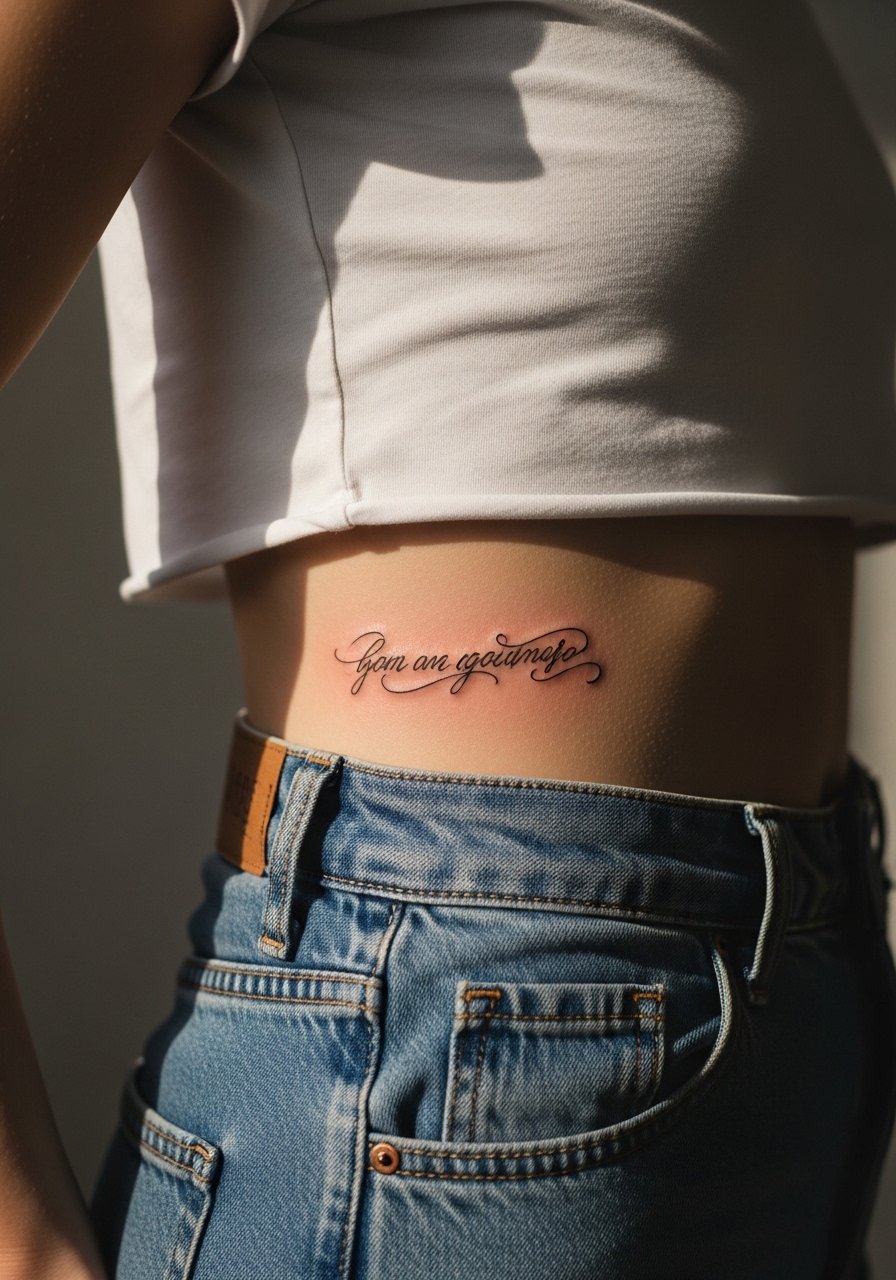
Side-torso manuscript ribbons are intimate placements that hide under clothing comfortably. The rib area will shift with breath and movement, so the ribbon design should be slightly larger than your reference to avoid merging. Sessions are moderate on pain and often completed in one longer visit. Artists differ on dry heal versus protective film here. One camp prefers breathable film to limit friction. The other favors dry healing to avoid trapped moisture. Tackle this in consultation and plan touch-ups as the area settles.
Frequently Asked Questions
Q: Will a fine line knight helmet on the forearm blur faster than a small blackwork castle?
A: Fine line on high-motion areas like the forearm tends to soften sooner than solid black silhouettes. If longevity is your priority ask for a slightly bolder outer contour around the helmet and plan for a touch-up around year two or three.
Q: How do I avoid being ghosted after I pay a deposit for a guest spot or rare ornamental specialist?
A: Book through platforms with clear cancellation policies and confirm travel dates two months out. Use Tattoodo filters or look for guest spot announcements on TikTok and Instagram hashtags to verify schedules. Ask the shop for a backup contact so you are not left waiting.
Q: Which healing method should I choose for a ribcage watercolor piece given the Saniderm debate?
A: Artists are split. One camp says breathable film speeds a clean heal and reduces scabbing. The other argues that dry healing prevents trapped moisture. Discuss the pros and cons with the artist and pick the method they use successfully in their own healed portfolio.
Q: Do blackwork castles hold up better on darker skin tones than fine line griffins?
A: Blackwork typically reads stronger across skin tones because of high contrast. Micro-realism can also succeed if the artist uses heavy contrast and dotwork techniques that show up in photos. For delicate fine line griffins consider slightly bolder outlines if you want photos to pick up the detail.
Q: What should I wear to a thigh or ribcage session to make the appointment smoother?
A: For thigh work bring loose high-waisted shorts or athletic shorts you can lift without pressure. For ribcage pieces a cropped top or sports bra you can lift is helpful. These choices let the artist access the area without stretching skin.
Q: How many of these soft medieval styles need touch-ups and when should I budget for them?
A: Expect micro and fine line pieces to need touch-ups sooner, often in two to three years. Larger blackwork or neo-traditional pieces usually hold longer but may still benefit from a refresh by year five depending on sun exposure and body changes.
Q: Can I find specialty medieval stylist guest spots or studios without naming artists?
A: Yes. Search hashtags like #softmedievaltattoo and #finelinemedieval, check the Tattoodo app for medieval filters, and scan convention calendars on the Inked app. TikTok search for "medieval tattoo guest spot [city]" is also useful to spot short schedules.