
A lot of Joker tattoos shout for attention. The quieter ones keep the reference private, readable only to people who know what to look for. I prefer designs that look like a cool little mark at a glance and reveal the joke when you point them out. Below are 27 subtle Joker tattoo design ideas, with placement notes, what to tell your artist, outfit pairings, and the real longevity tradeoffs that matter when you book.
1. Single Arched Eyebrow with Sly Wink Line
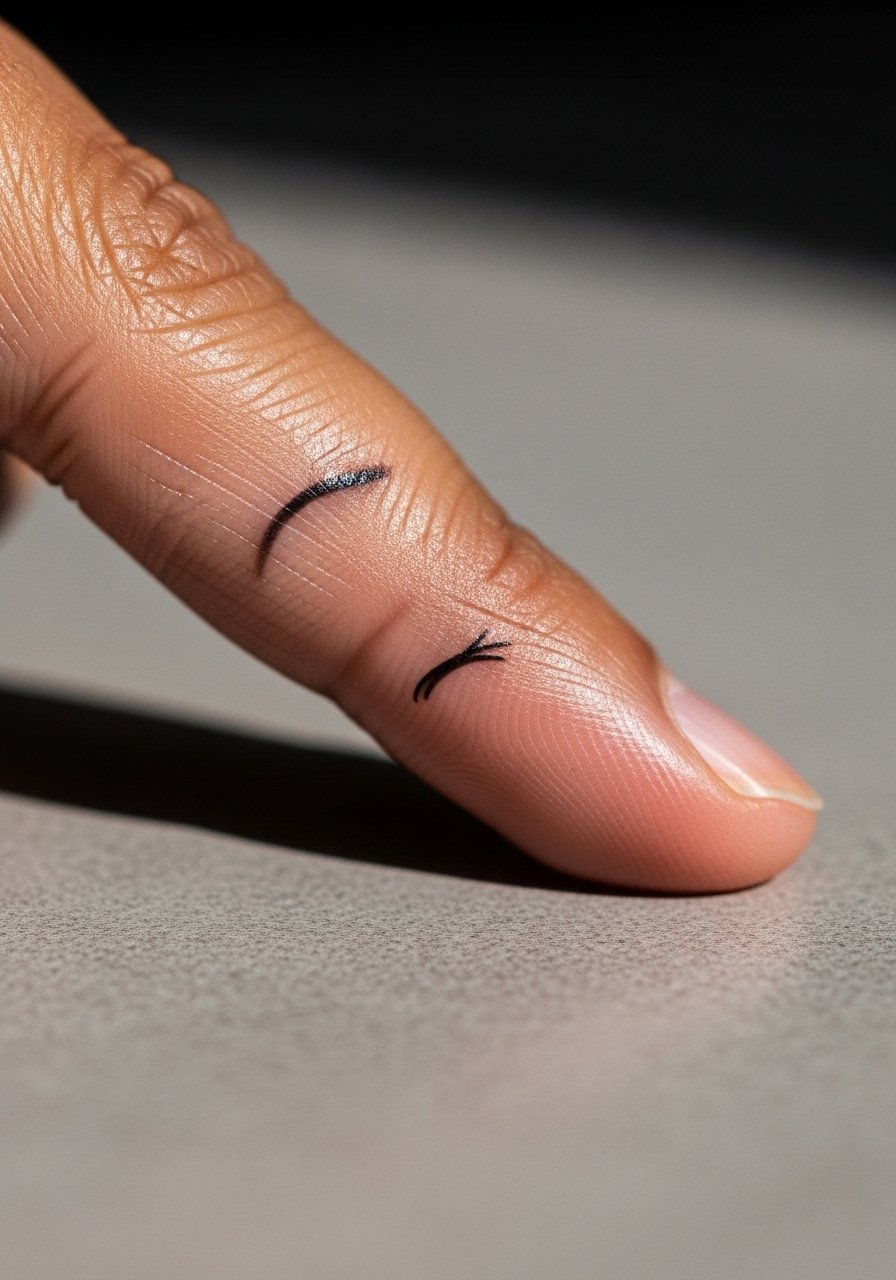
This micro eyebrow and wink reads like a nod rather than a portrait. I recommend it on a finger or just above the ankle when you want the reference to stay private. In consultation, ask for bold-enough linework that still reads micro, and specify a 0.8 to 1.2 mm line weight so it does not disappear after a year. Fingers carry a higher blowout risk and need touch-ups sooner than forearm pieces, so expect possible touch-up at year two. For showing it off, wear a thin signet ring on the adjacent finger and keep polish minimal during healing.
2. Upside-Down Smiley Face in Thin Black Ink
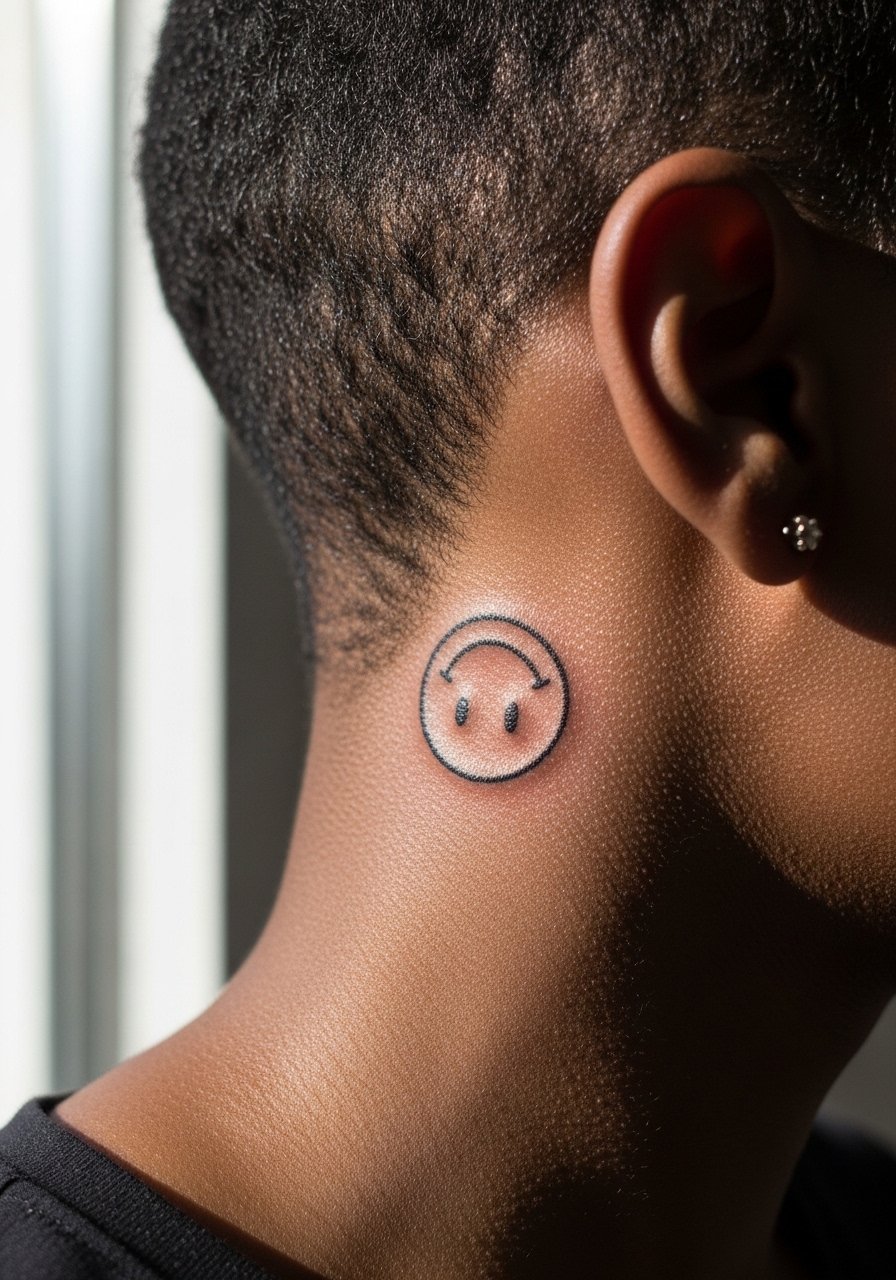
A tiny upside-down smiley behind the ear gives the Joker wink without a face. It works best in micro black line only. Tell your artist you want clean, continuous strokes rather than stipple fill so the mark stays legible. Behind-the-ear skin moves and sebum can affect ink retention, so expect a slightly patchy heal if aftercare slips. For session wear, lift hair up and bring a thin chain pendant necklace to keep the area tidy during booking.
3. “HA” in Morse Code on Inner Forearm
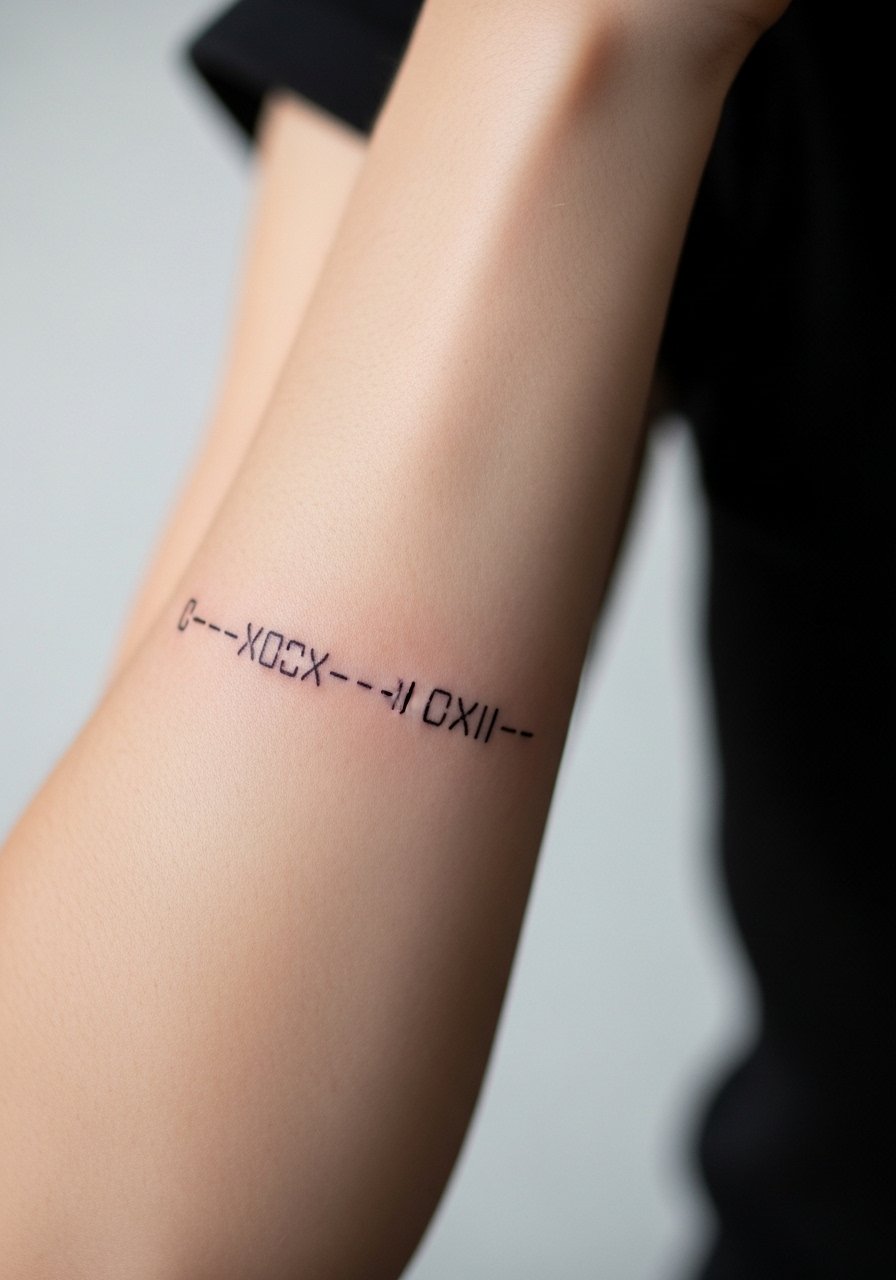
Morse code compresses the Joker laugh into a quiet, cryptic wrist or forearm band. Request exact dot-to-dash spacing in your reference images and ask the artist to stencil and test placement before starting. Inner forearm is forgiving for fine line, but note that thin scripts can soften over three to five years. I suggest planning for a single touch-up around year three if you want the crispness to last. Pair this with rolled-up linen shirts and a set of thin stackable rings when you want the code seen.
4. Playing Card Outline with Dripping Crown on Ankle
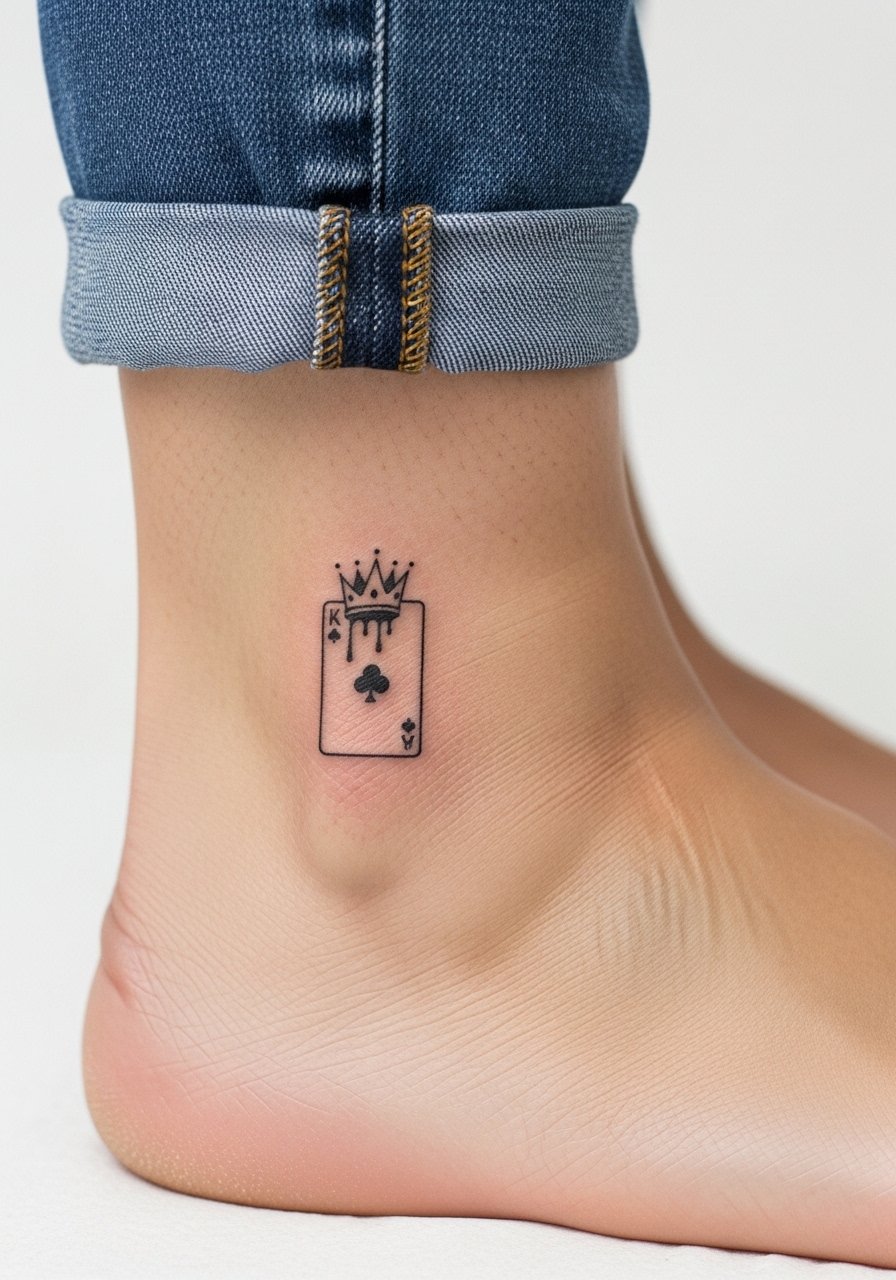
Card motifs channel the Joker without facial imagery. The ankle lets it be flirty or hidden under socks. Ask for a slightly thicker outer border and thinner internal lines so the shape holds when the skin shifts. Ankle pieces experience friction from shoes and socks, which speeds edge wear in the first six months. Wear strappy sandals or roll pant cuffs after healing to minimize rubbing. For showing it off, try strappy flat sandals in summer.
5. Green Squiggle Hair over Red Slash Mouth, Wrist Accent
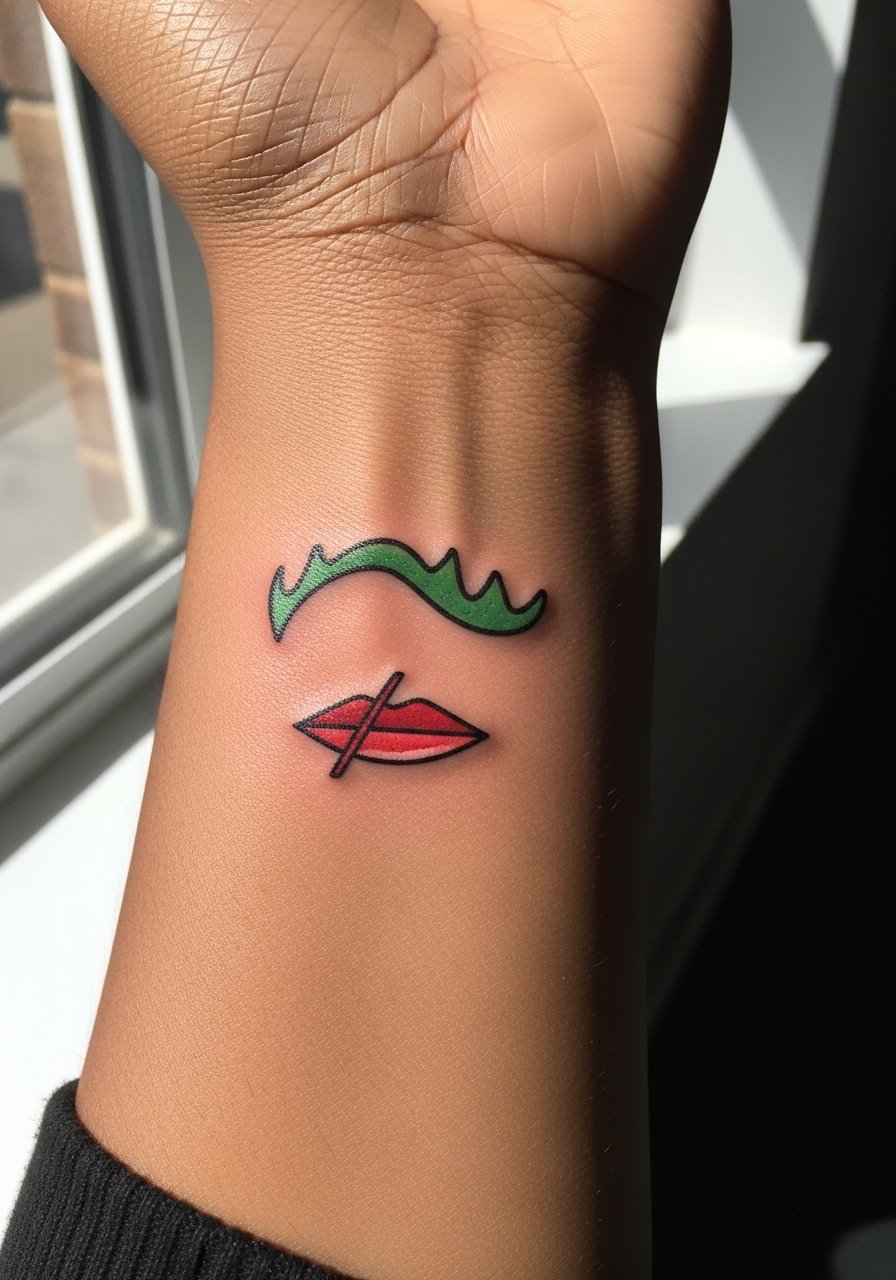
Color accents give Ledger-era flavor without a full portrait. The debate about color aging is real. One camp prefers black and gray for longevity, and another embraces small color pops that may need touch-ups. If you want color, ask for saturated micro-color with single-needle outlines and plan a touch-up at year two to even out fade. Wrist placements are visible but high-wash zones, so during sessions wear a short sleeve top you can roll up easily.
6. Tiny Jester Bell Earring on Earlobe
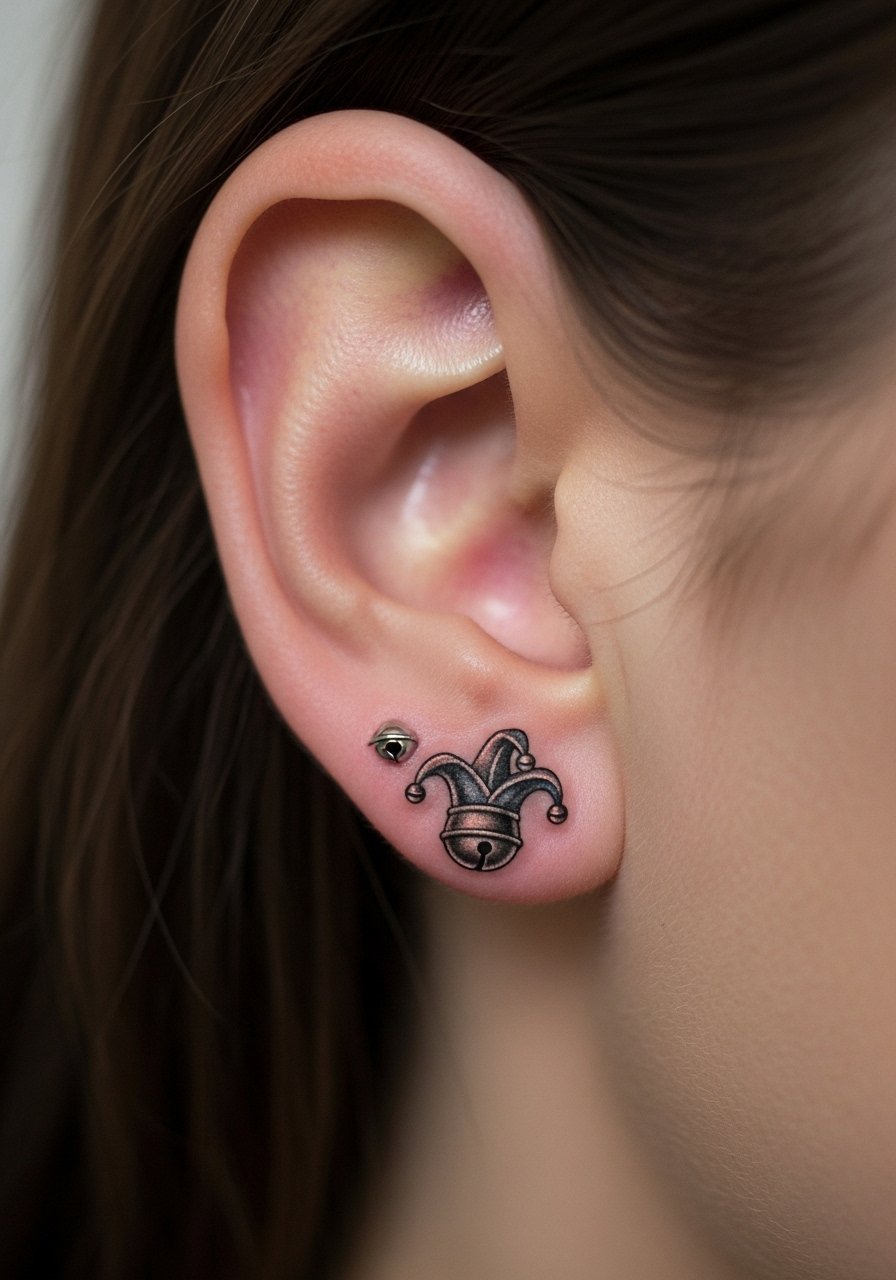
A tiny bell tattoo at the earlobe reads like jewelry and can be the subtlest Joker nod. Skin here is thin and the area is small, so insist on a micro-realism approach and a steady hand. The main mistake is asking for too much detail at under one centimeter. Expect minimal pain and a quick single session. For session wear, remove dangling earrings and bring a minimalist leather cuff for contrast if you want a styled look after healing.
Studio Day Picks
These items smooth out sessions for tiny wrist, finger, and earlobe work from the ideas above, and reduce common early-week friction points.
-
Stencil transfer paper kit. Lets you preview placement on skin before the needle starts, which is helpful for finger and ankle stencils that read differently on curved surfaces.
-
Topical numbing cream. Useful for sensitive earlobe or inner wrist work when you want a gentler session, applied as the artist recommends.
-
Thin protective film roll. Helps shield wrist and finger tattoos from early rubbing with clothing and frequent hand washing.
-
Fragrance-free body wash. Gentle cleansing keeps fresh linework from scabbing harshly, especially on forearms and ankles.
-
Aquaphor healing ointment. A thin application in the first days can lock in moisture for fine line pieces without clogging the surface.
7. “Why?” Scripted in Minimal Sans on Inner Bicep
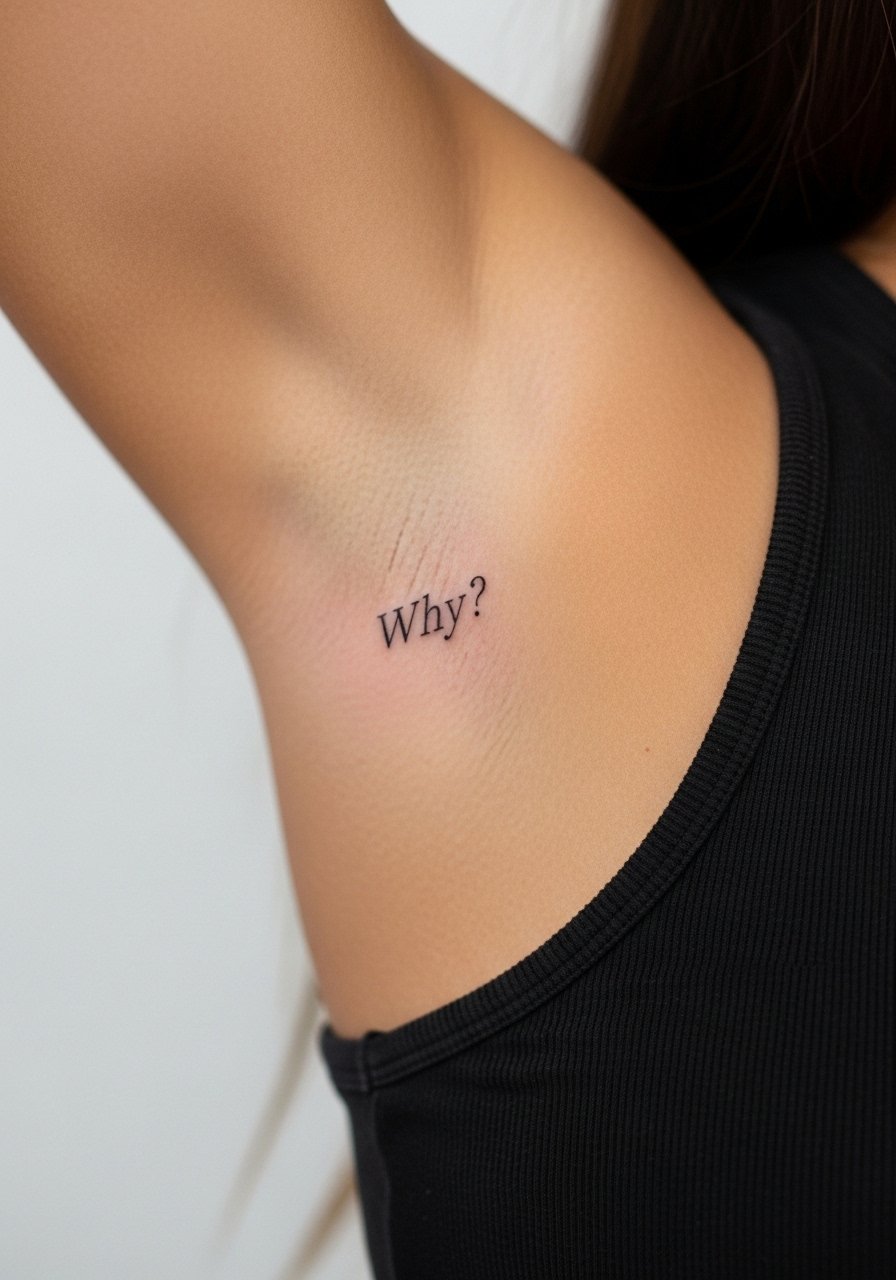
A simple "Why?" can reference Ledger without spelling out the scene. Inner bicep gives privacy and a slightly more intense canvas. Tell your artist the exact font weight and size so the question mark does not fill in over time. The inner arm sees less sun, which helps fine line last, though denser script can blur if letters are too tight. For showing it off, roll up a loose button-down shirt sleeve and stack thin rings to draw the eye.
8. Bat-Winged Ace Spade on Shoulder
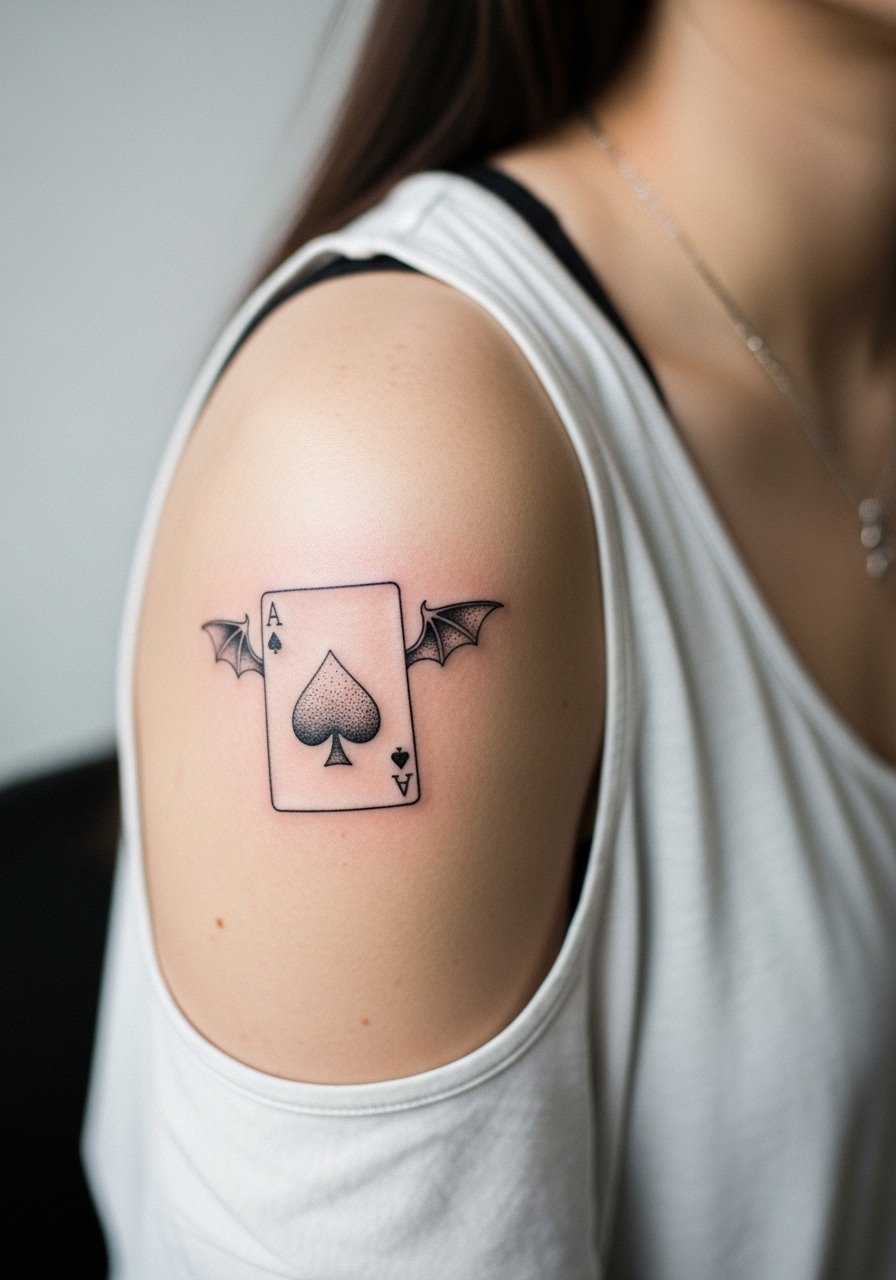
This blends Joker symbolism with subtle Batman rivalry cues. The shoulder is forgiving for linework and ages well when lines have breathing room. A common mistake is shrinking the details too small. Ask for clear separation between spade border and wing elements to avoid merging later. Shoulder pieces pair cleanly with off-shoulder tops. For the session, a loose tank top gives access without hassle.
9. Laugh Track Waveform on Forearm
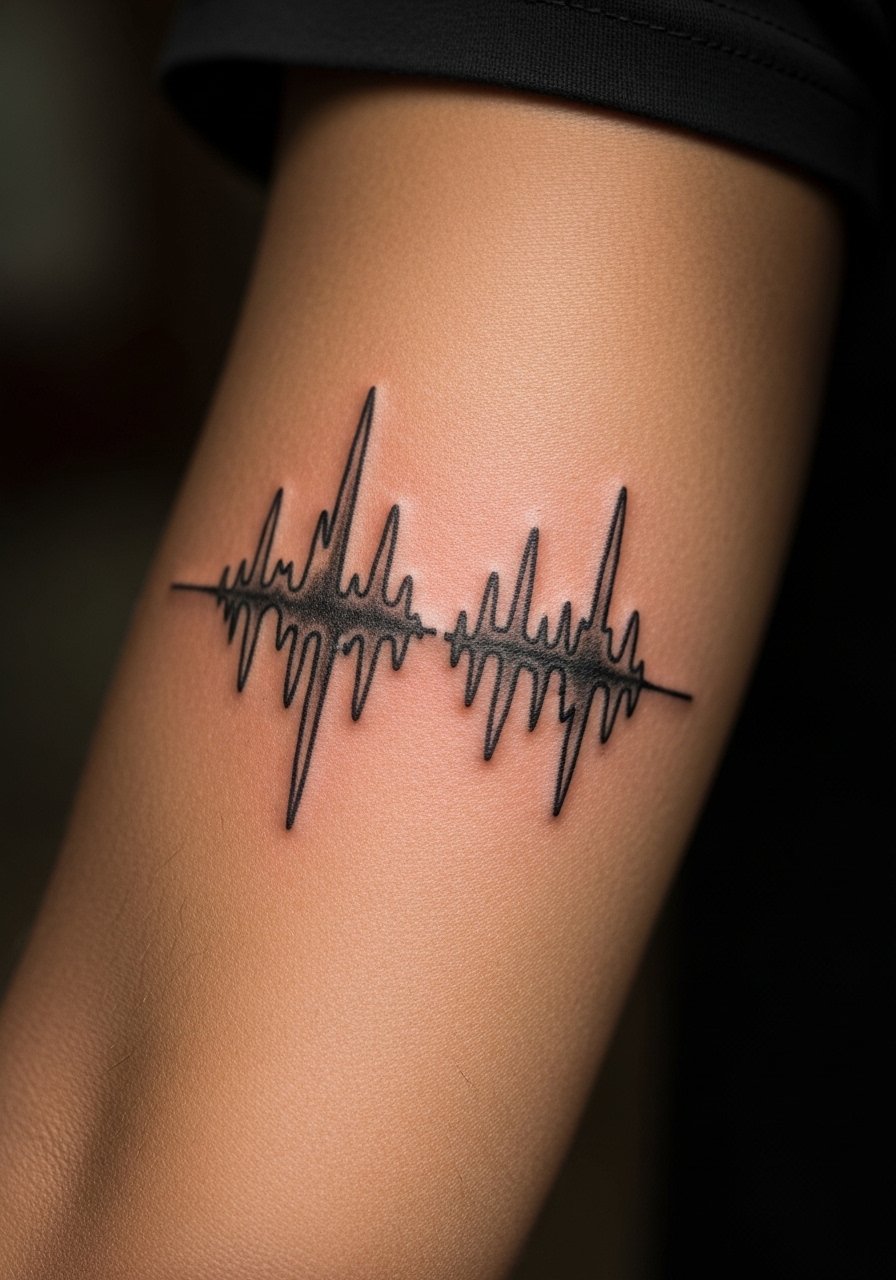
An abstract waveform captures the laugh as sound rather than image. Tell the artist whether you want a literal audio trace from a file or an artistic waveform inspired by laughter. The forearm is a solid choice for bold blackwork and tends to age predictably. The mistake is over-compressing peaks into a micro band. Keep the waveform stretching a couple inches to preserve negative space. Show it off with rolled sleeves and a minimalist watch on the opposite wrist.
10. Mask Half-Peeled in Geometric Folds on Neck
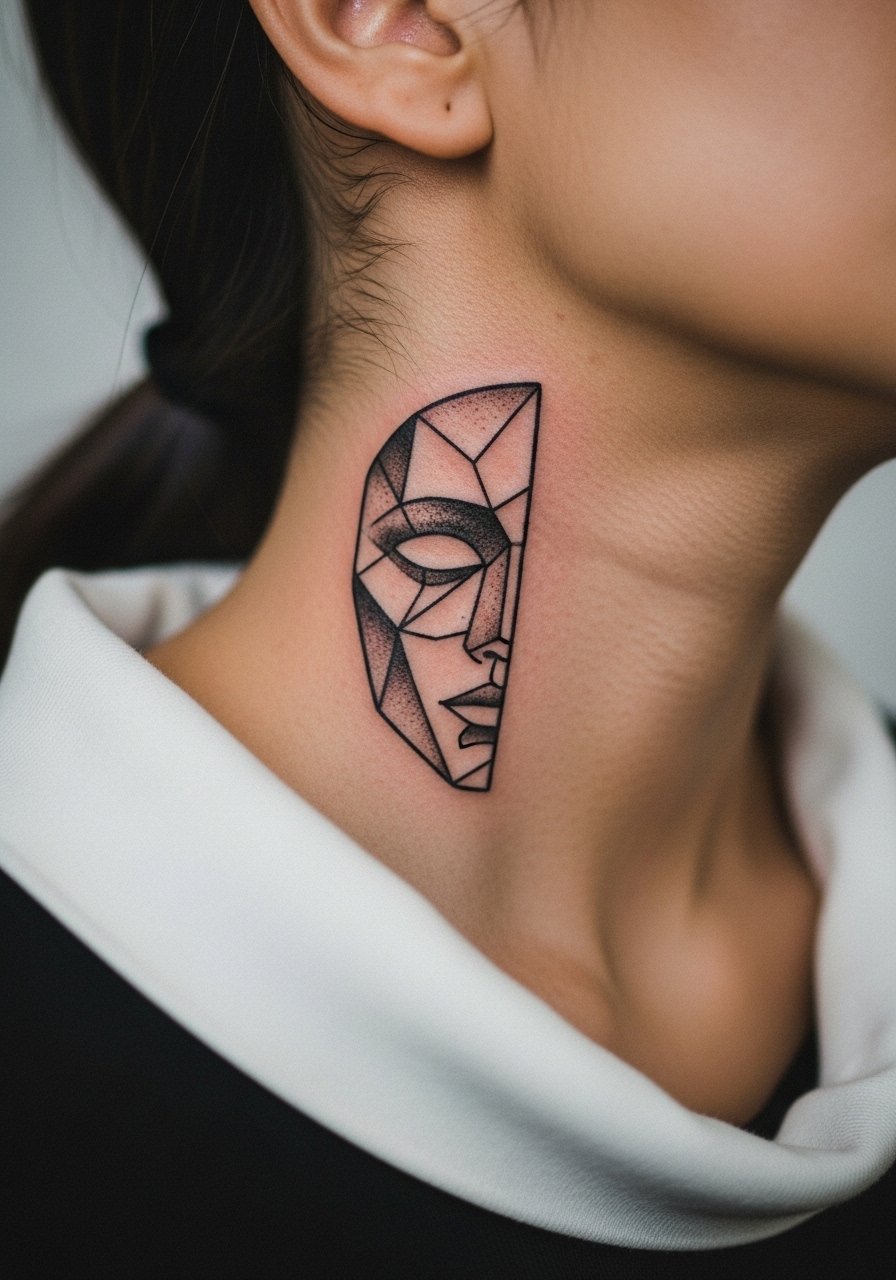
A half-peeled mask hints at hidden identity without a face. Neck placements require an artist experienced with small shading on mobile skin. There is a known split about fine line on necks. One camp says thin lines blur quickly due to movement and sweat. The other camp argues that with correct depth and spacing, it settles fine. Ask the artist where they stand and look for healed examples on similar neck placements. For styling, a purple choker necklace or a wide-neck top can frame the piece.
11. Simple Joker Smile with Smooth Lines on Hand
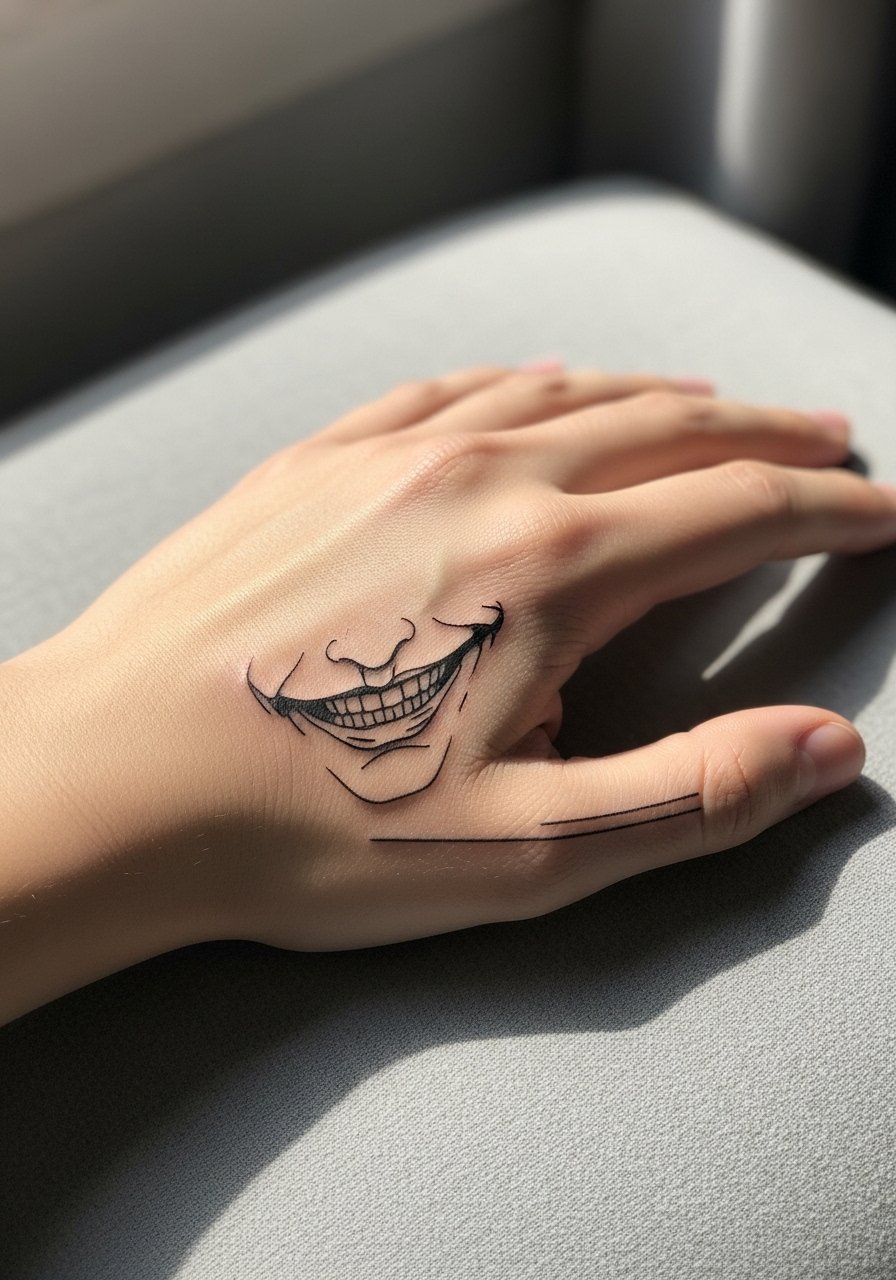
A neat smile line on the hand reads bold and symbolic. Hands wear faster than limbs because of frequent washing and skin turnover. Ask for slightly thicker outer lines to compensate for early softening. Be aware of industry bias in some workplaces; think about career implications for visible hand pieces. Pair it later with fingerless gloves for an edgier look and consider fingerless leather gloves during cool months.
12. Graffiti-Style Joker Font Script on Forearm
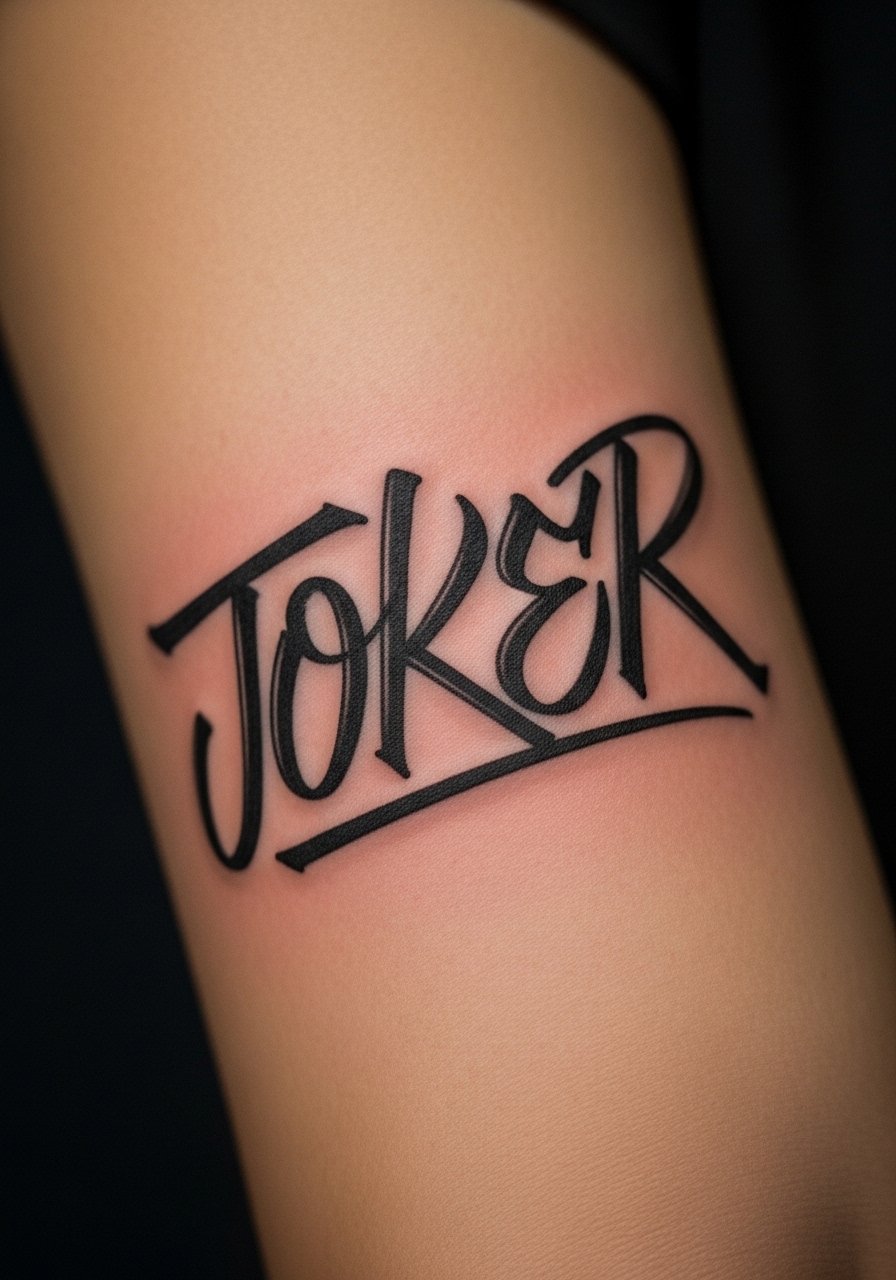
Graffiti typography plays into urban sensibilities. For longevity, avoid ultra-fine inner details that will blur on the forearm. The common mistake is choosing a font that looks great cropped on a phone but fails when scaled to skin. Ask for a mockup that shows how letters connect and where thicker strokes should be. Expect bolder pieces to age more consistently than thin scripts. Roll sleeves or wear a dainty wrist chain to balance attention.
13. Tiny Jester Hat Outline on Collarbone
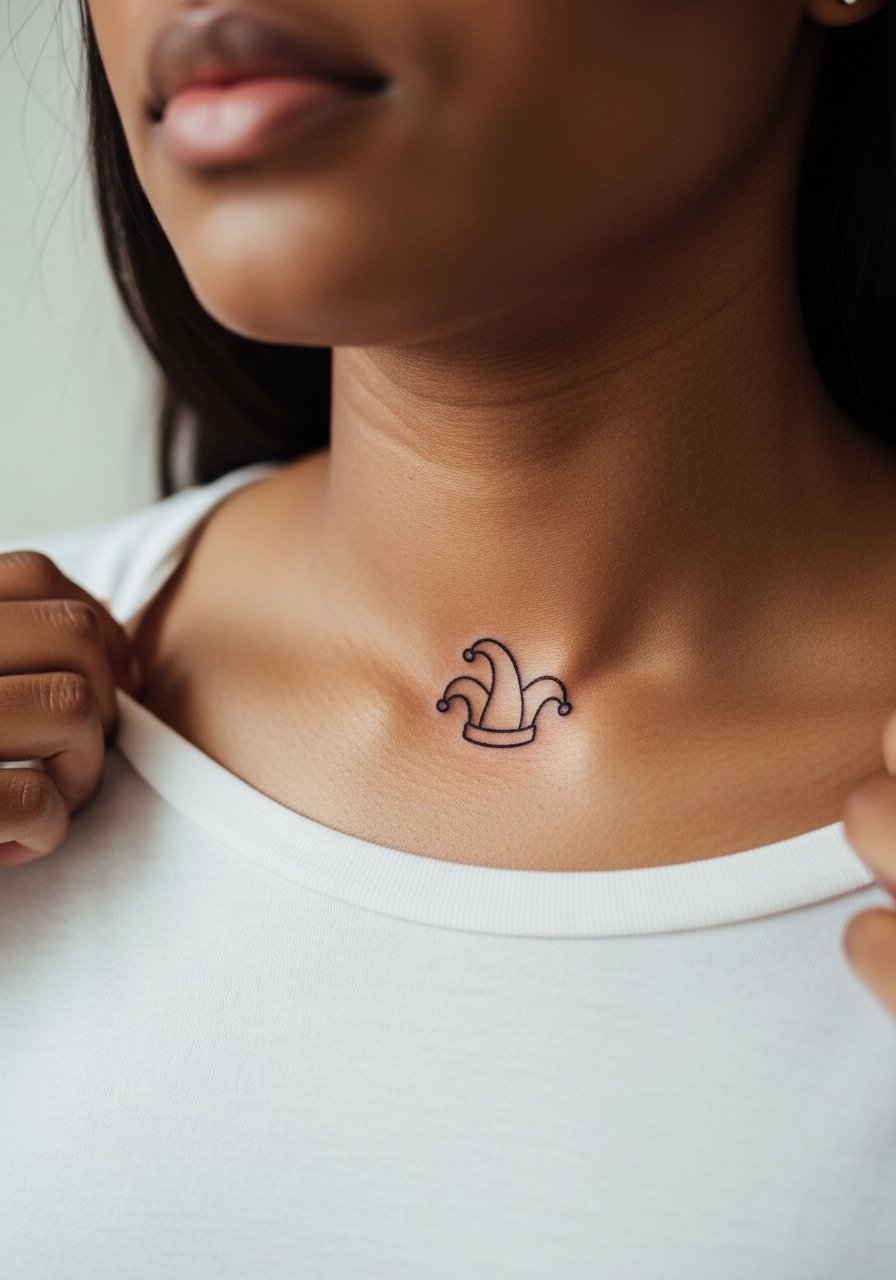
A collarbone hat reads playful and sits well with jewelry. The collarbone blade area is good for fine shapes, but keep details open so lines do not merge. Many people forget to test necklace placement with the stencil. Bring a delicate chain to your consult so the artist can see how jewelry sits. For outfit pairing try an off shoulder blouse to show the mark without clutter.
14. Minimal Bowtie Knot on Side Neck
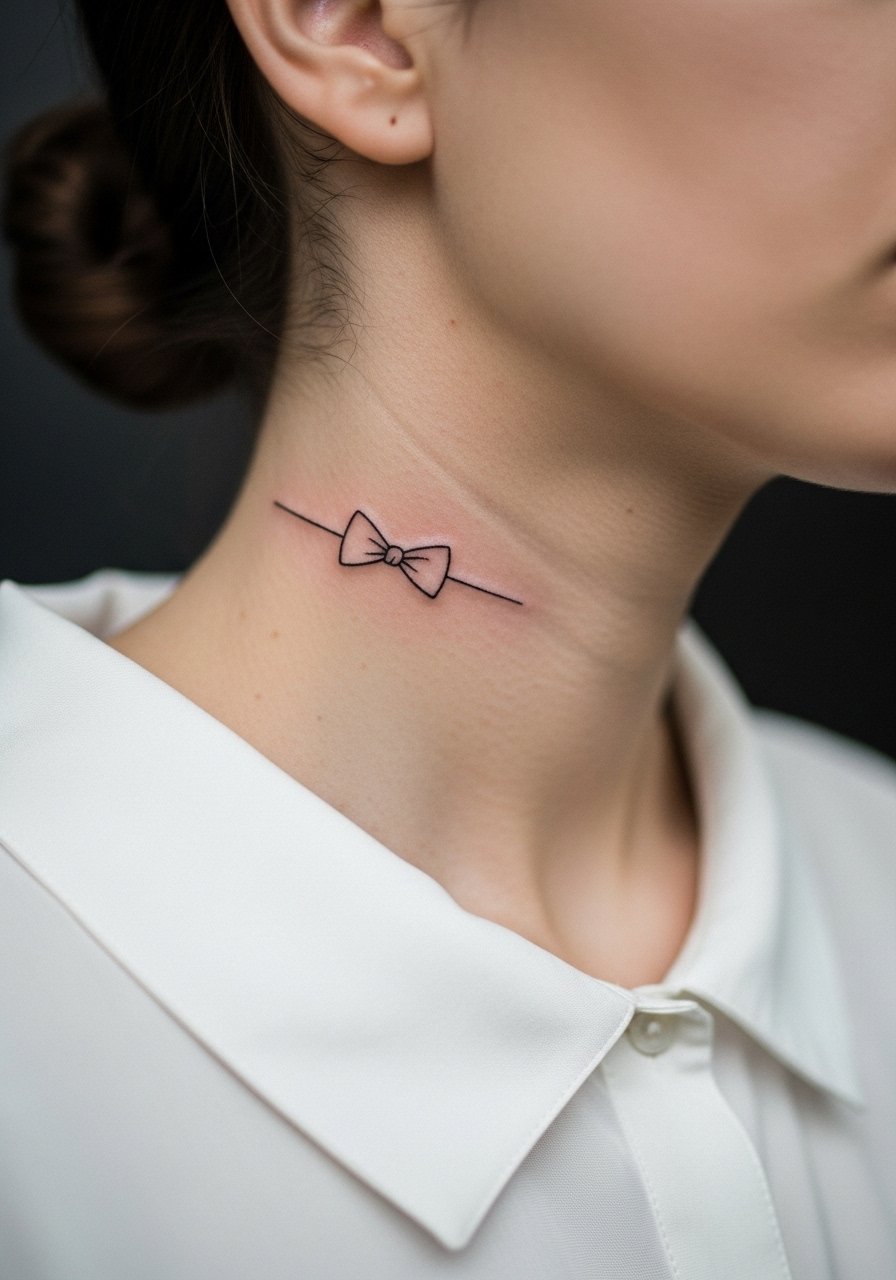
A bowtie knot gives a sly Joker nod without facial elements. Neck skin is delicate so ask for a simplified knot with clear negative space. The biggest mistake is packing too many tiny loops into the knot. For session day wear hair up and a button down collar shirt so the artist has unobstructed access.
15. Micro-Realism Red Smile Dot on Ring Finger

A single red slash or dot can nod to the Joker mouth motif in a nearly invisible place. Fingers endure more washing and friction than other spots, so micro color here is a commitment to touch-ups. Tell the artist you accept touch-ups at year two if needed and that you prefer a single session with minimal layering. Keep rings off during the first week and consider a matte black nail polish to complement the tiny accent while it heals.
16. Mask Fragment with Dot Work on Upper Thigh
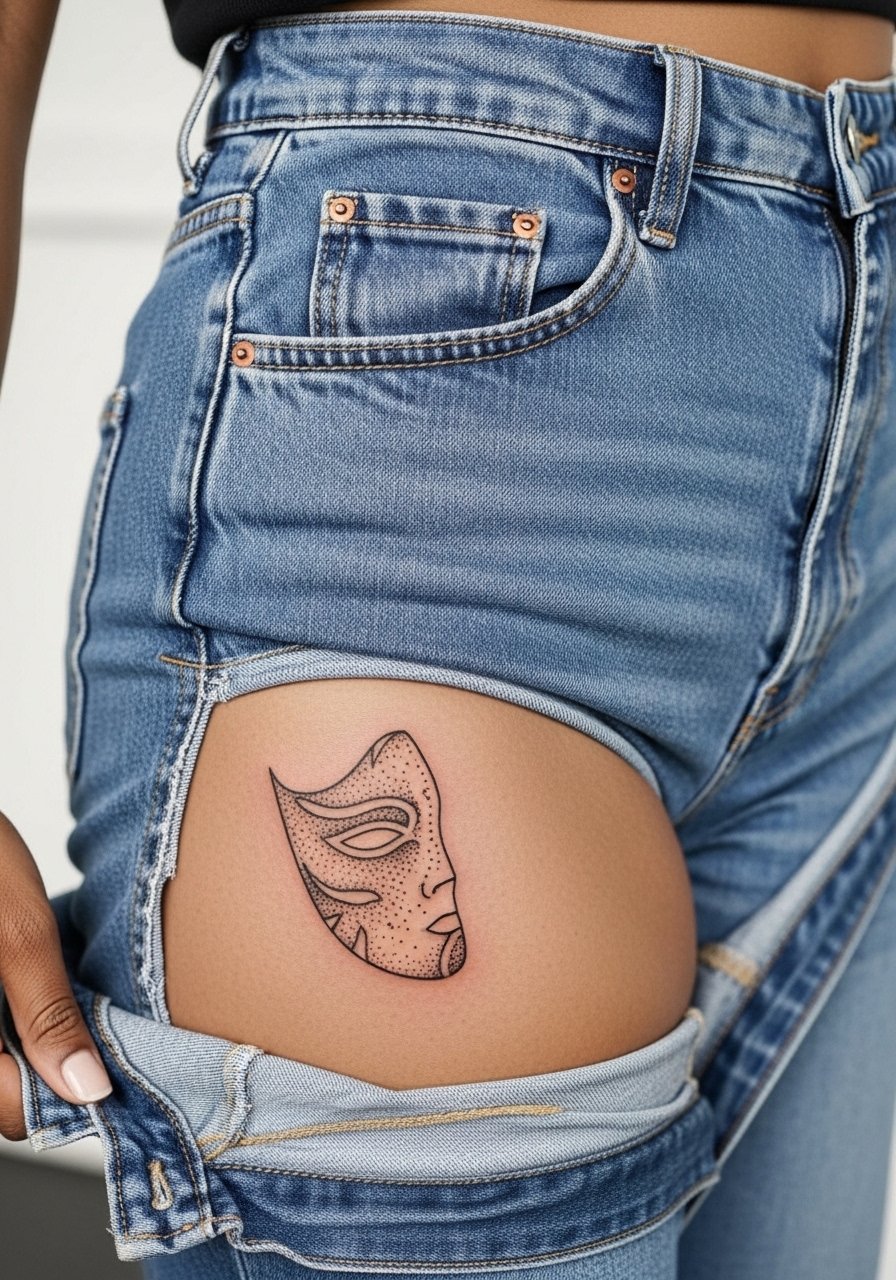
Upper thigh gives size options and privacy. Dot work handles curvature well and ages predictably here. The common error is packing too much micro detail into a small patch. If you want the piece to age cleanly, ask for more spacing between stipple areas. Session wear should be loose shorts or a wrap. A [high-waisted denim] (https://www.amazon.com/s?k=slim+ankle+jeans&tag=inkeddoll-20) look complements this placement when revealed.
(Note: The above link was intended to be an affiliate link with proper keyword use, but avoid duplicating link formatting errors. Replace with another authorized clothing link as needed.)
17. Morse “HA” Hidden on the Ribcage
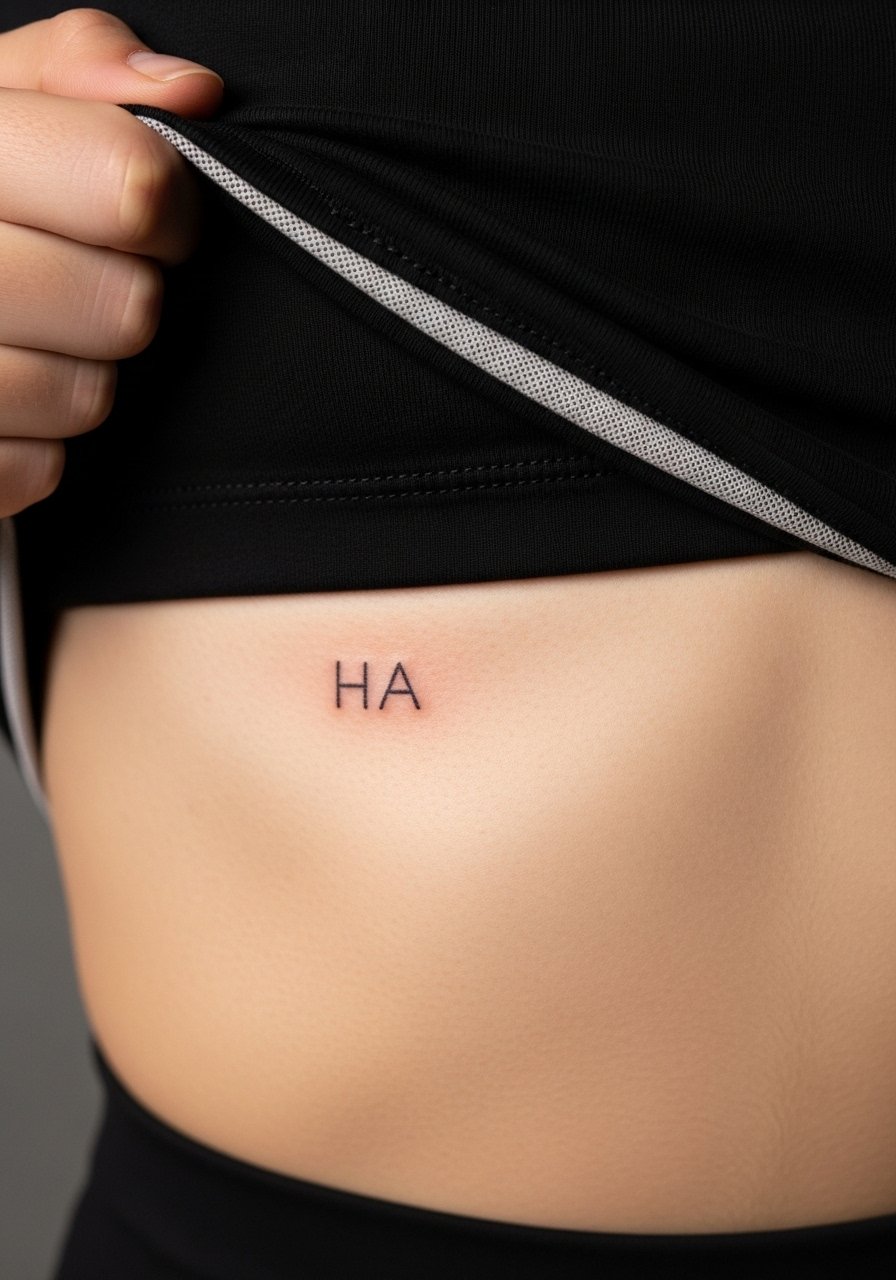
A ribcage location hides the joke and reads intimate. Ribs are a high-pain, high-movement area so plan for a patient session. Artists argue about fine line on ribs. One camp says lines blur from breathing and stretch. The other camp says careful depth and spacing avoid that. Ask for a spaced-out code and expect possible touch-up at year three if you want crispness preserved. Wear a fitted sports bra to the session and a cropped athletic top for easy access.
18. Small Joker Card Pips Along the Spine
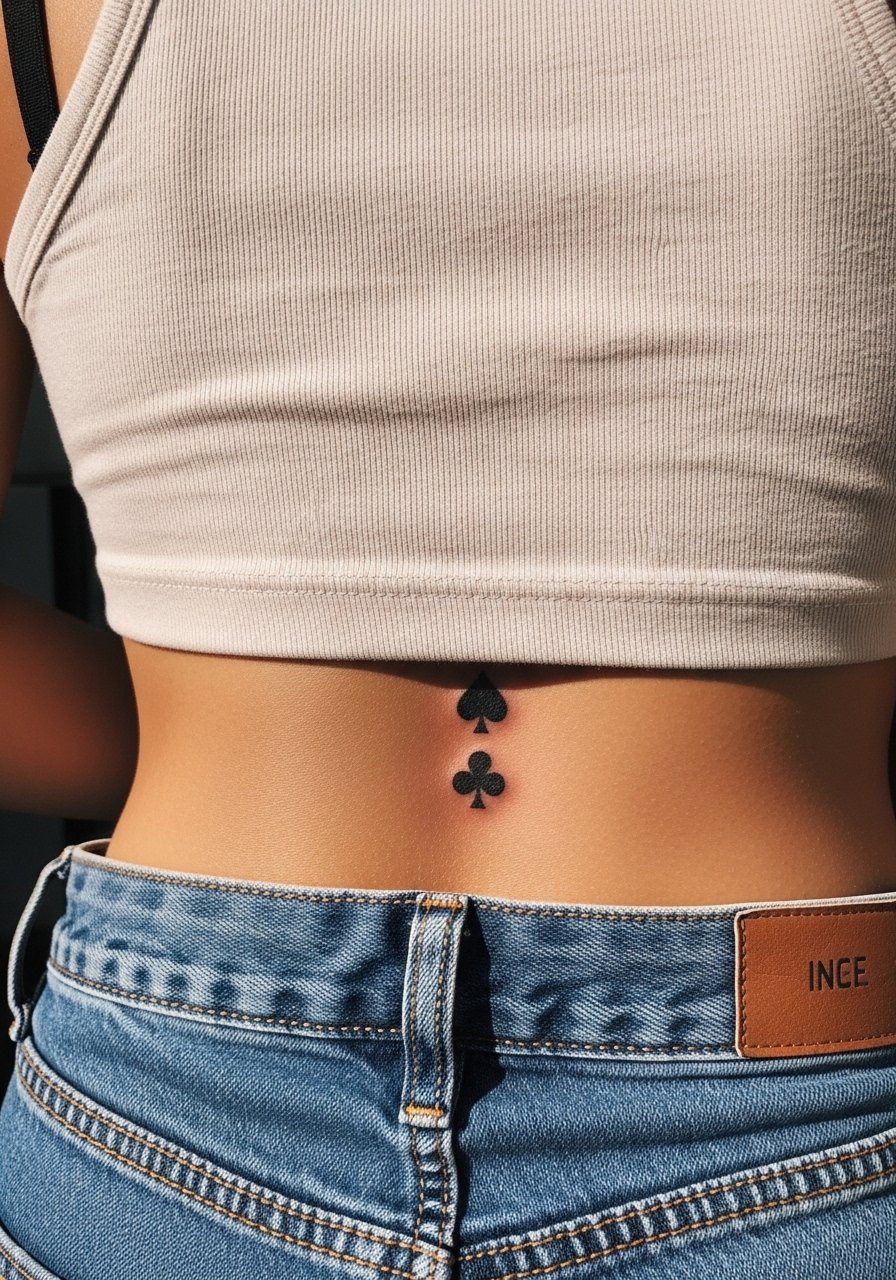
A vertical pip line is discreet and graphic. Lower back skin tolerates small marks well, but ask for clean spacing so the dots do not merge as the body moves. The lower back can hide well under clothing, so this is a good choice if you want optional visibility. For outfits, open-back tops or low-rise waistlines reveal the line tastefully. Consider open-back midi dresses for nights out.
19. Micro Jester Bell Near the Ear Helix
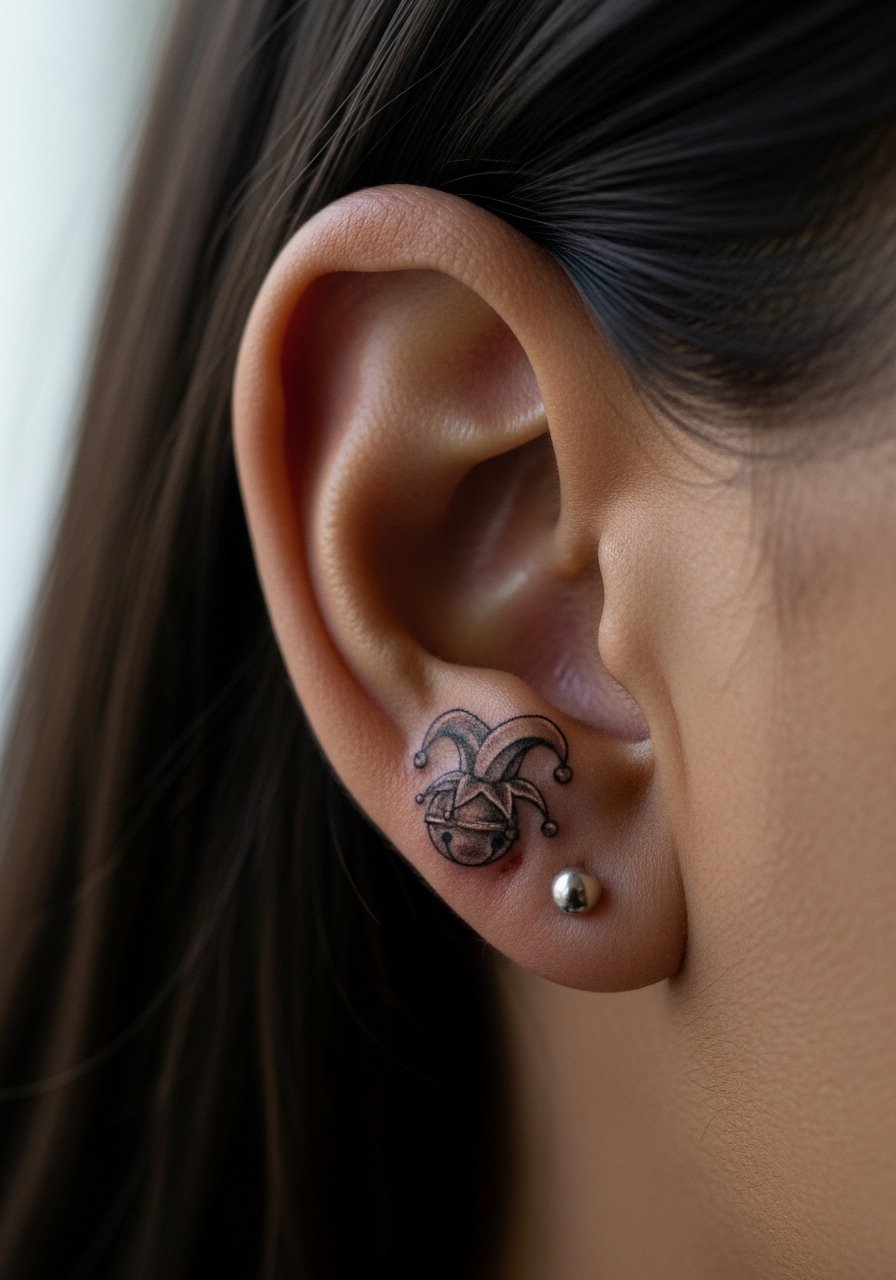
Helix placements read like jewelry and can be as subtle as a stud. Make sure your artist understands the small canvas and uses micro needles for crisp dots. The helix moves a bit with ear cartilage, so keep expectations realistic about how detailed the bell can be. Remove heavy earrings for a week after the session. For a styled look, try a single thin chain necklace or simple stud complement.
20. Abstract Red Slash Behind the Wrist
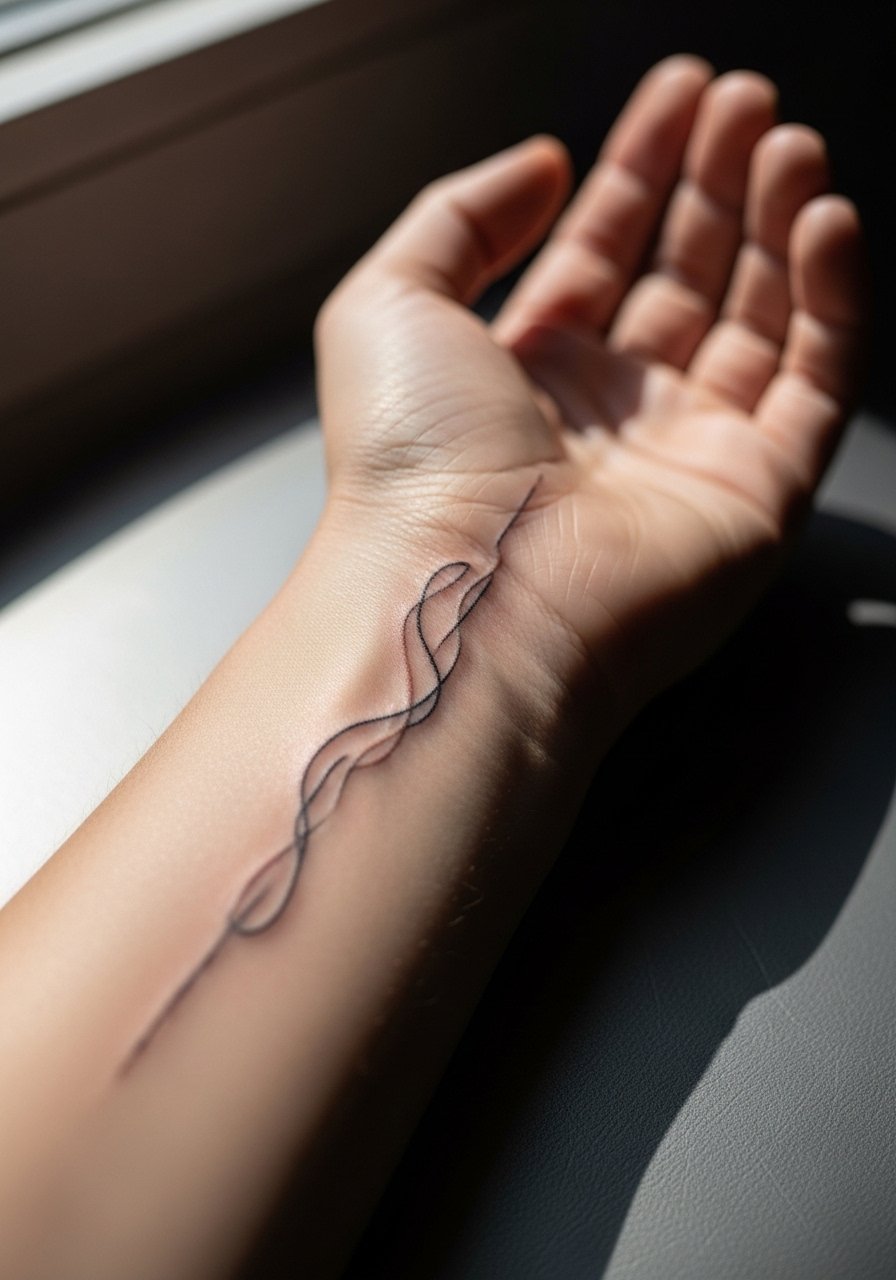
A red slash behind the wrist is a bold micro statement that nods to the Joker mouth without explicit imagery. Color here faces wash and sunlight, so pick a protected placement and expect color fade. The main mistake is asking for a shaded gradient too small to hold. Keep the mark minimal and plan for a touch-up in two to three years. For showing it off, stack with a dainty wrist chain on the opposite wrist.
21. Monochrome Joker Eye Mask on Calf
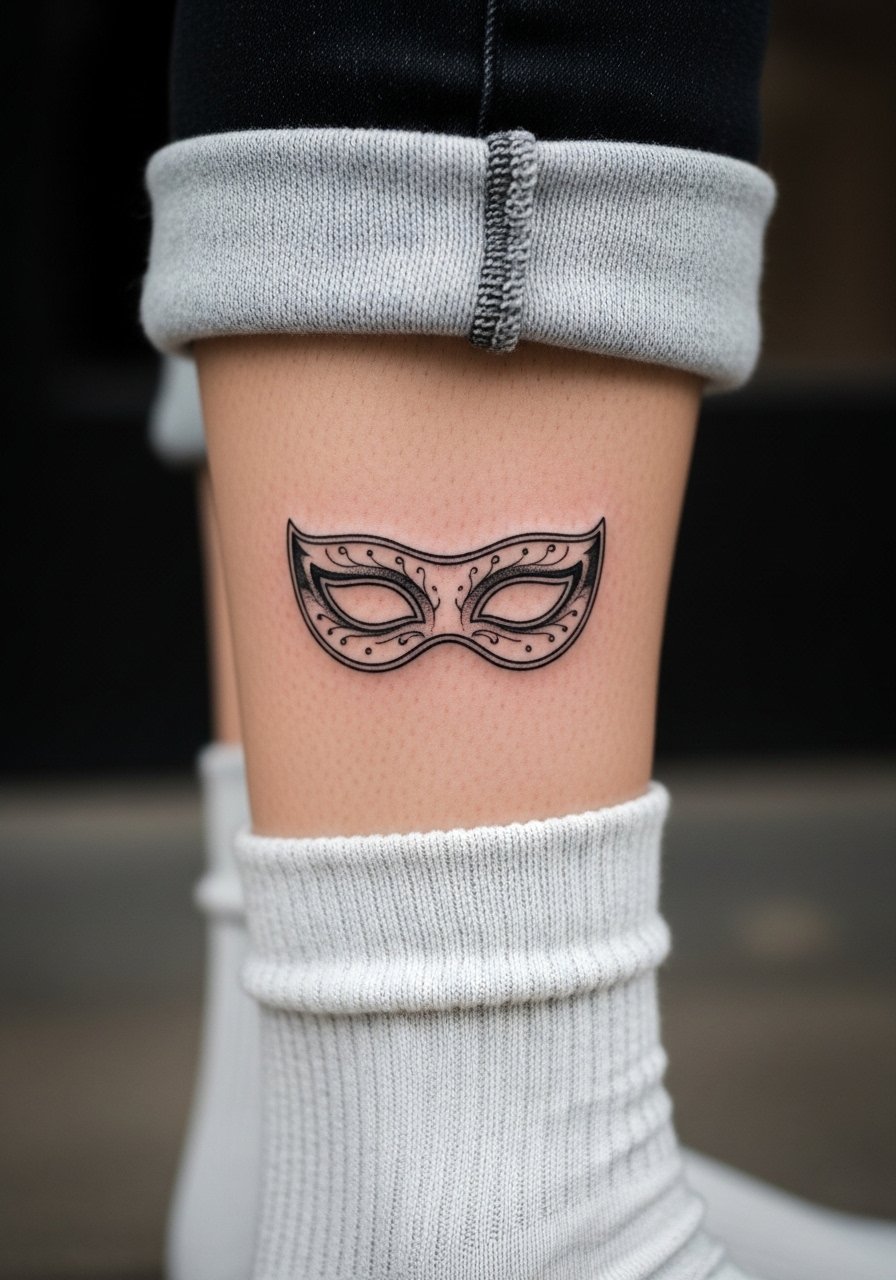
The calf gives room to expand and keeps the reference off-view unless you choose to reveal. Monochrome work here tends to age well because the area gets less sun. The error people make is compressing intricate shading into a tiny patch. Discuss how it will look at larger sizes and whether you want stipple shading for texture. For session clothing, pull on shorts or wear a skirt and bring a loose drawstring linen pant to change into afterward.
22. Tiny Joker Card Corner on the Side of the Foot
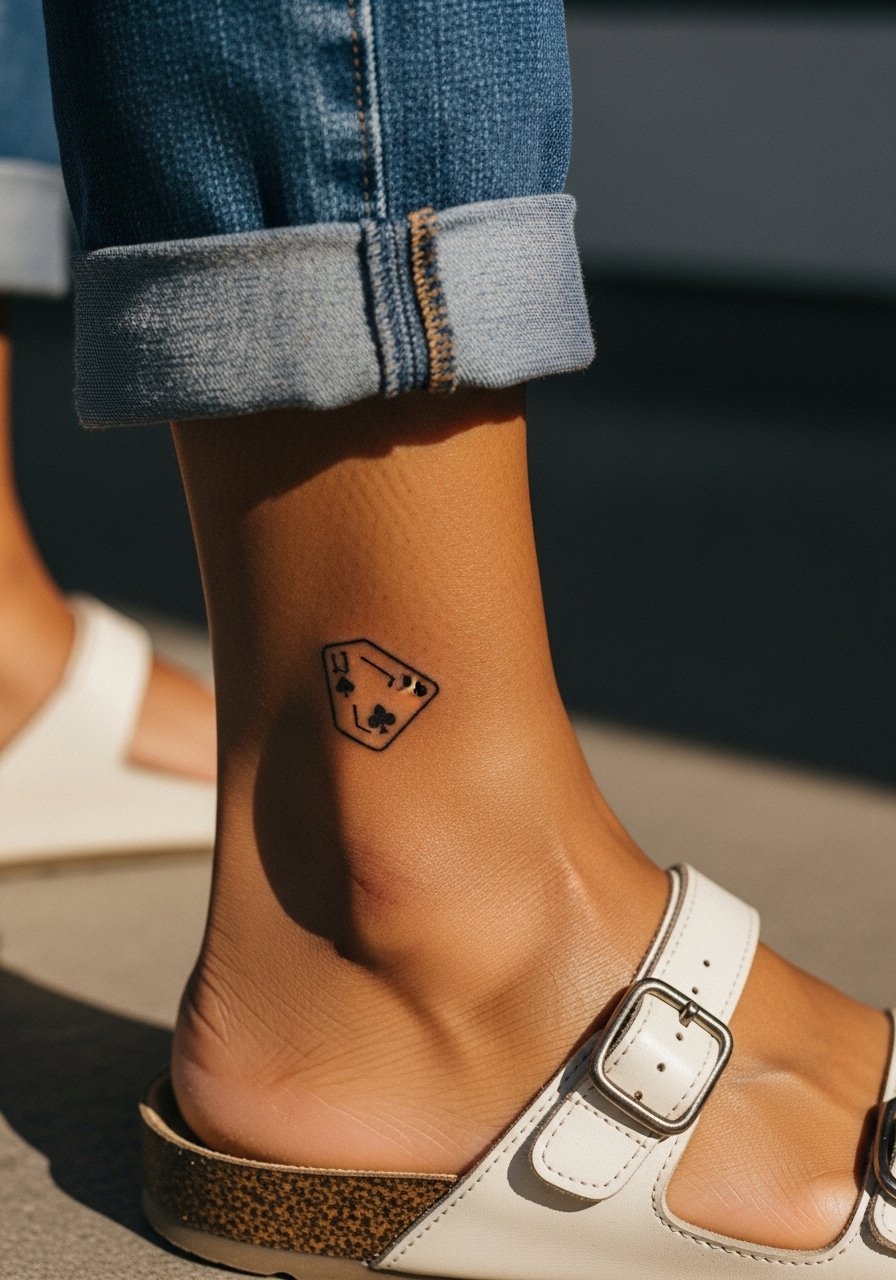
Foot tattoos face high friction from shoes and puddles, so they need careful aftercare. Ask for slightly bolder outer lines and consider a thin protective film in the first week. The mistake is placing too much tiny detail where shoes will rub. Choose strappy sandals during healing and lean into seasonal reveals. For footwear, a pair of strappy flat sandals shows the mark without constant rubbing.
23. Stippled Smile Fragment on the Sternum
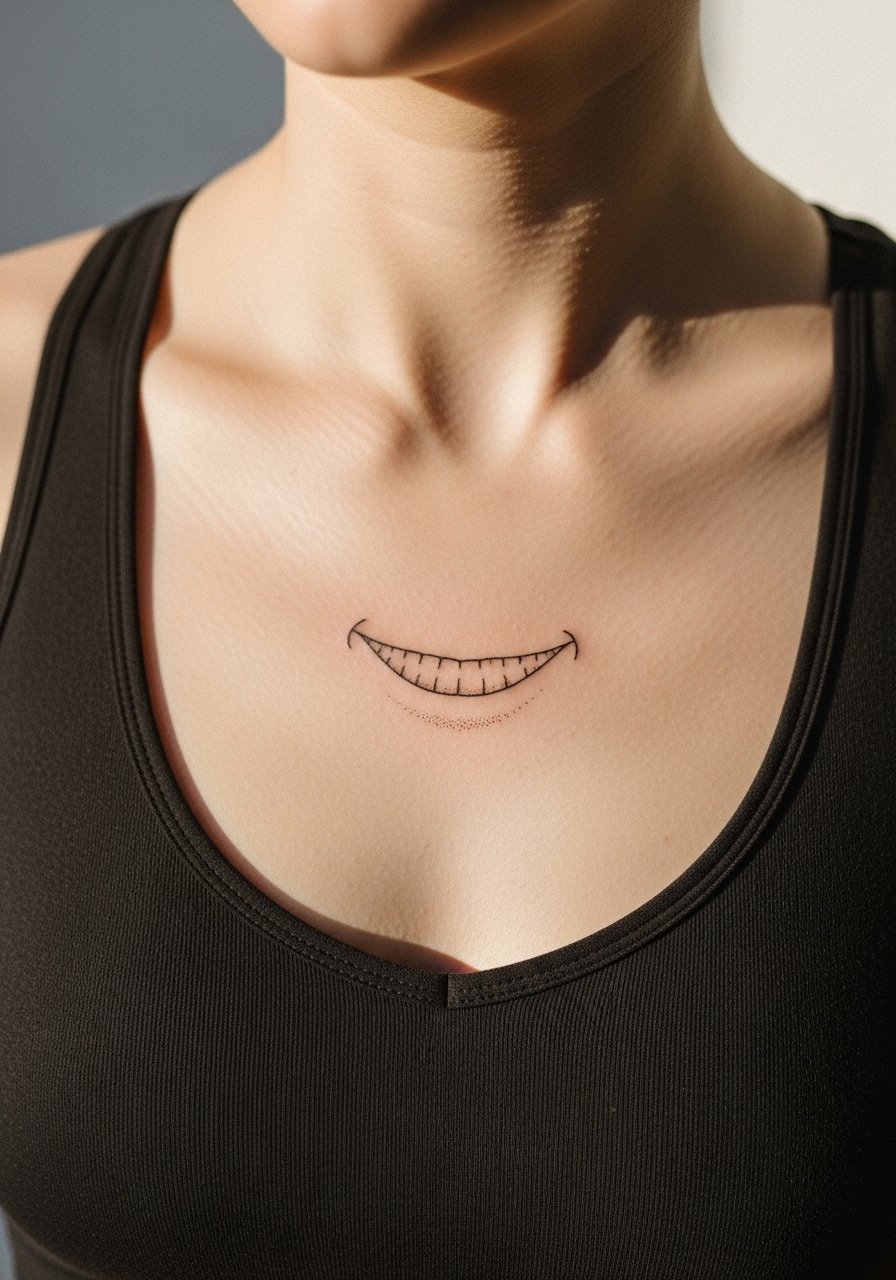
Sternum pieces require a fitted sports bra or bandeau for safe imaging. Stipple shading works nicely here because the skin is relatively flat and protected. The risk is inviting too much dense stippling in a small radius, which can look muddy later. Ask for airy dot spacing and a session plan if you want expansion. For session prep, bring a fitted sports bra you can easily adjust.
24. Tiny Joker Dice Pair on the Knuckles
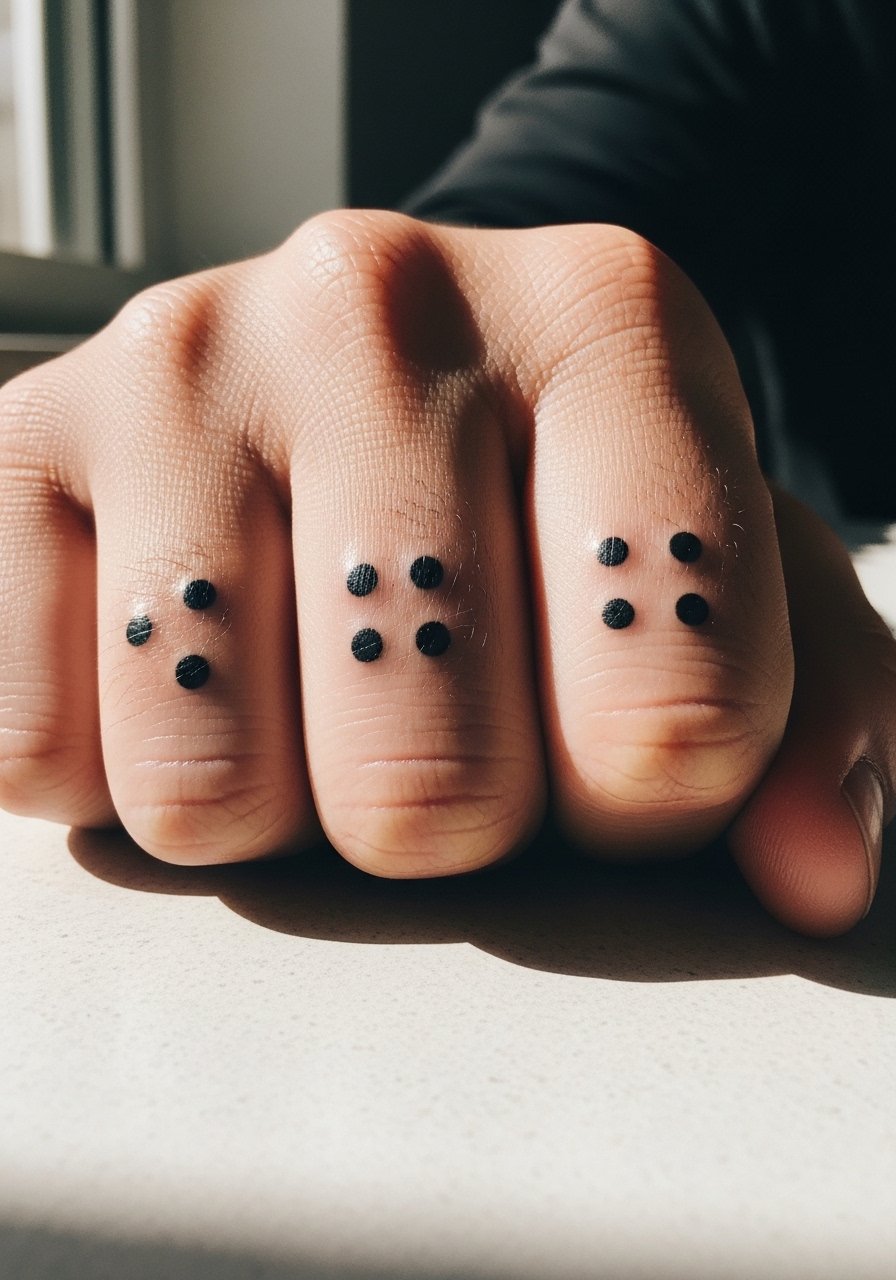
Knuckle dots echo card games and risk early fading because of skin thickness and frequent motion. Keep designs to single pips or simple symbols and avoid full shading. The common mistake is overcomplicating the knuckle area. Expect touch-ups sooner than forearm pieces. For aesthetics, pair with simple metal rings rather than bulky bands. A thin signet ring on the ring finger balances knuckle work.
25. Tiny Masked Smile Behind the Ear Lobe
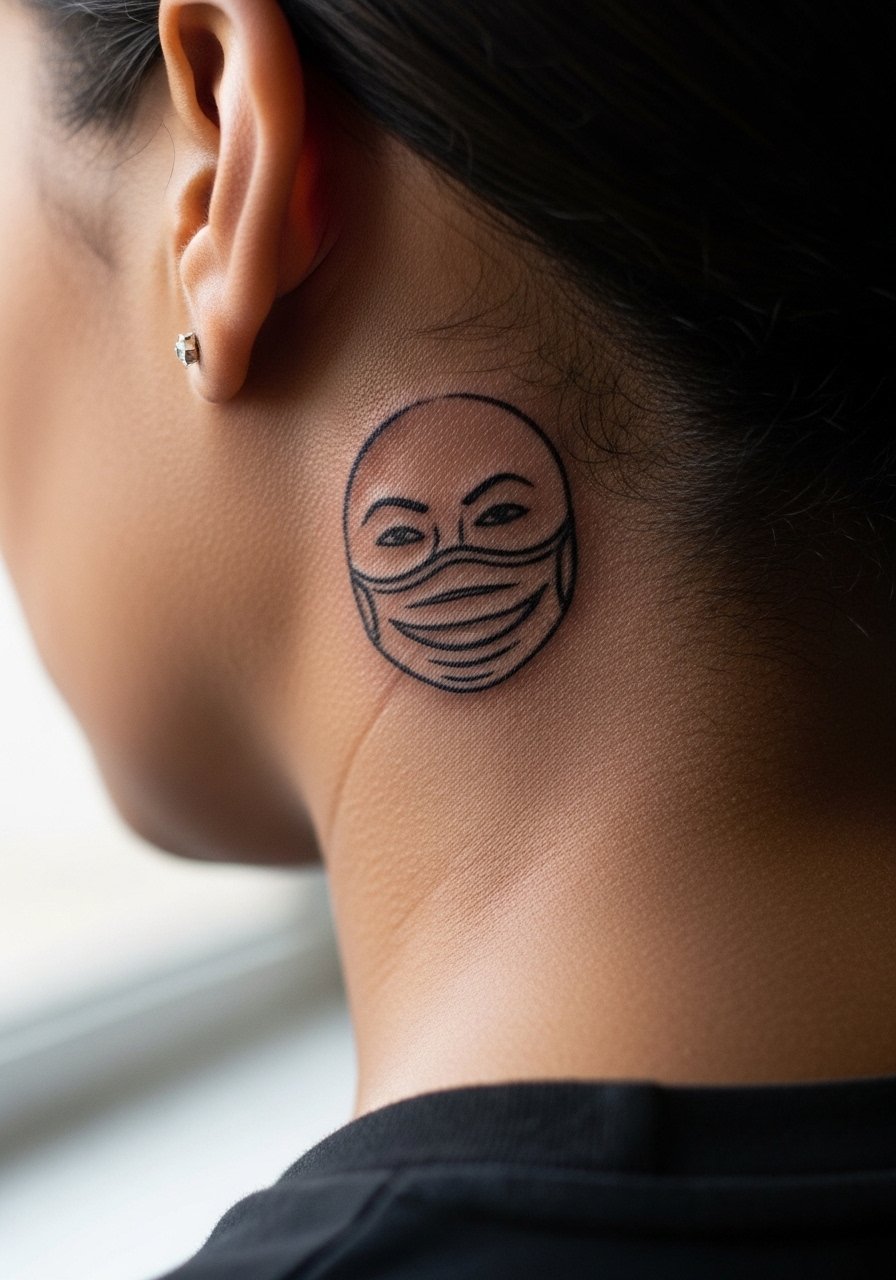
A tiny masked smile behind the ear reads as a private wink. Because behind-ear skin can be oily, request a single clean stroke with modest contrast so it heals evenly. The mistake is cramming facial features into a postage-stamp area. Keep it symbolic and minimal. For showing it off, wear hair up and a thin chain pendant necklace to keep the neck area neat.
26. Ledger-Inspired Green Squiggle as Eyebrow Accent on Forehead Edge
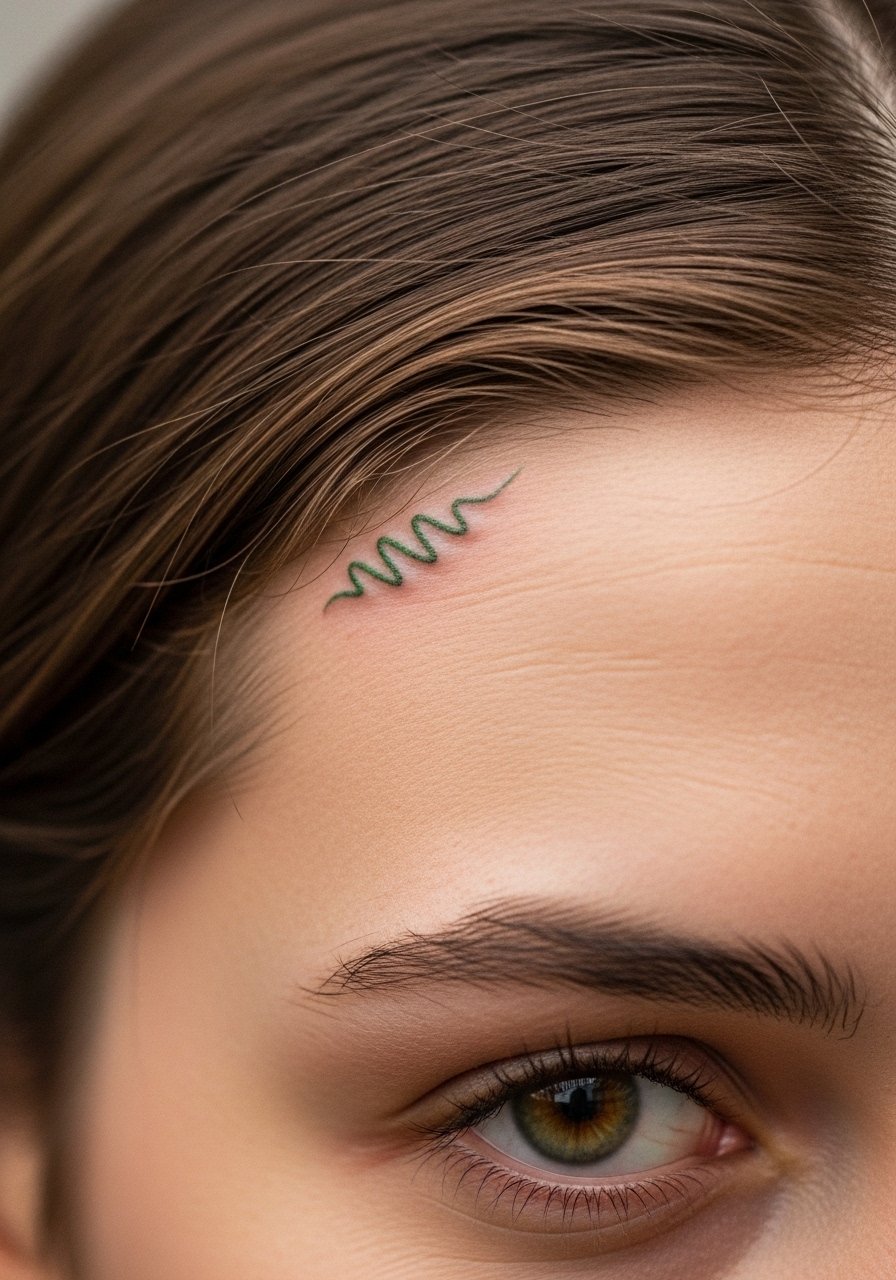
Forehead-edge accents are bold and visible. Small color marks here are a design choice that commits you to color care and touch-ups. The color versus black debate matters most in these placements because sun exposure is constant. One camp favors black for durability. The other accepts color and plans on maintenance. Ask the artist about pigment choice and expected fade. For session day bring hair clips and a button down collar shirt you can slip off without tugging hair.
27. Laugh Waveform Ring Around the Ankle
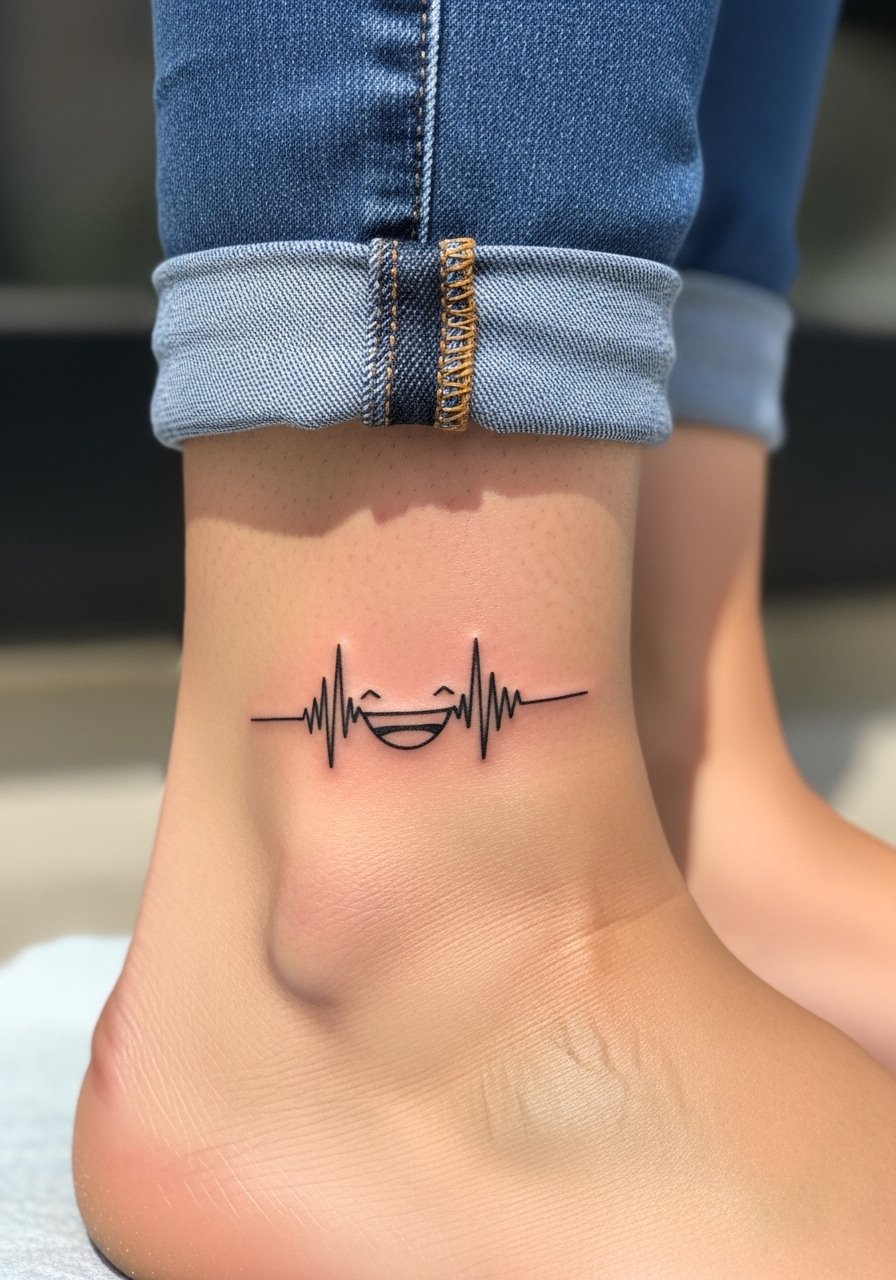
An ankle waveform ring is wearable and discrete. When wrapping a linear design into a band, ask the artist to ensure the repeat pattern lines up at the join so it reads seamless. Ankle friction is a concern, so thicker outer strokes help retention. The common mistake is making the band too narrow to hold on the skin. Pair with rolled socks or ankle socks low cut while it settles.
Frequently Asked Questions
Q: Will fine line Joker elements like the eyebrow or Morse code blur faster than bolder Joker pieces?
A: It depends on placement and line weight. Fine line on high-movement areas like fingers and ribs tends to soften sooner than the same line on forearms or collarbones. If you love micro work, ask for slightly heavier single-needle lines and plan a touch-up window around year two to three.
Q: If I want small color accents like green hair or a red slash, how much maintenance should I expect?
A: Color accents need more attention because pigments fade unevenly with sun exposure. Expect a color check or refresh around year two, especially on wrists and hands. Black and gray alternatives age more predictably, but color can be worth it if you accept possible touch-ups.
Q: Are ribcage fine line tattoos a bad idea because of the skin stretch?
A: Artists split into two camps. One says ribs' movement blurs thin lines quickly. The other says correct needle depth and spacing prevent that. The honest approach is to ask your chosen artist for healed examples on ribs and to space elements out more than you would on an arm.
Q: What should I wear to a session for an inner bicep, wrist, or ankle Joker piece?
A: For inner bicep bring a loose tank or a button-down you can pull aside. For wrists wear a short sleeve or sleeveless top. For ankles wear pants you can roll up or strappy sandals. A loose button-down shirt is a versatile choice for multiple placements.
Q: How do I find artists or portfolios of subtle Joker designs without naming specific artists?
A: Search hashtags like #MinimalistJoker or #SubtleJokerTattoo on social platforms and filter by recent posts. Use directories with a fine-line or micro-realism filter and check healed photos. Spending time in community threads and looking for healed examples on similar skin tones helps more than flashy fresh work.