
Bold, saturated traditional Japan work holds up in ways a lot of people do not expect. The pieces that age cleanest are the ones that respect spacing, use confident linework, and leave room for the skin to move. In this list you will get practical takes on classic motifs, what to ask your artist in the consult, and how each idea tends to look at six months, two years, and beyond.
1. Koi Carp Half-Sleeve on Upper Arm
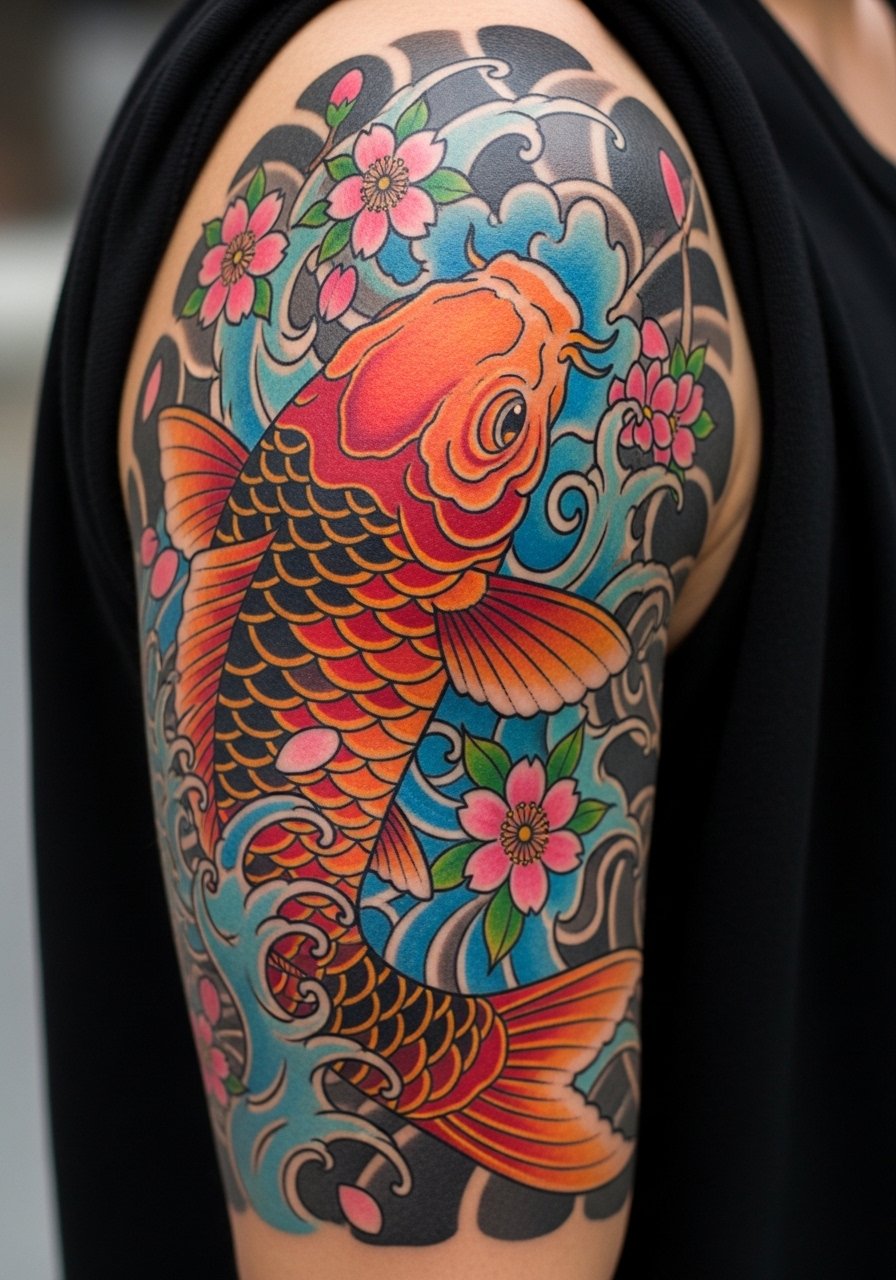
A Koi half-sleeve reads like a story across the bicep and outer arm. I recommend this when you want a statement piece that still tucks under sleeves for work. Ask your artist to plan negative space around the fins so the scales do not merge as the skin settles. Expect the session to be medium intensity and take two to four hours per sitting. Common mistakes include crowding small details into the scale pattern, which blurs by year three. For showing it off, roll up sleeves and try a loose button-down shirt that frames the arm without hiding the silhouette.
2. Stylized Wave Cuff on Forearm
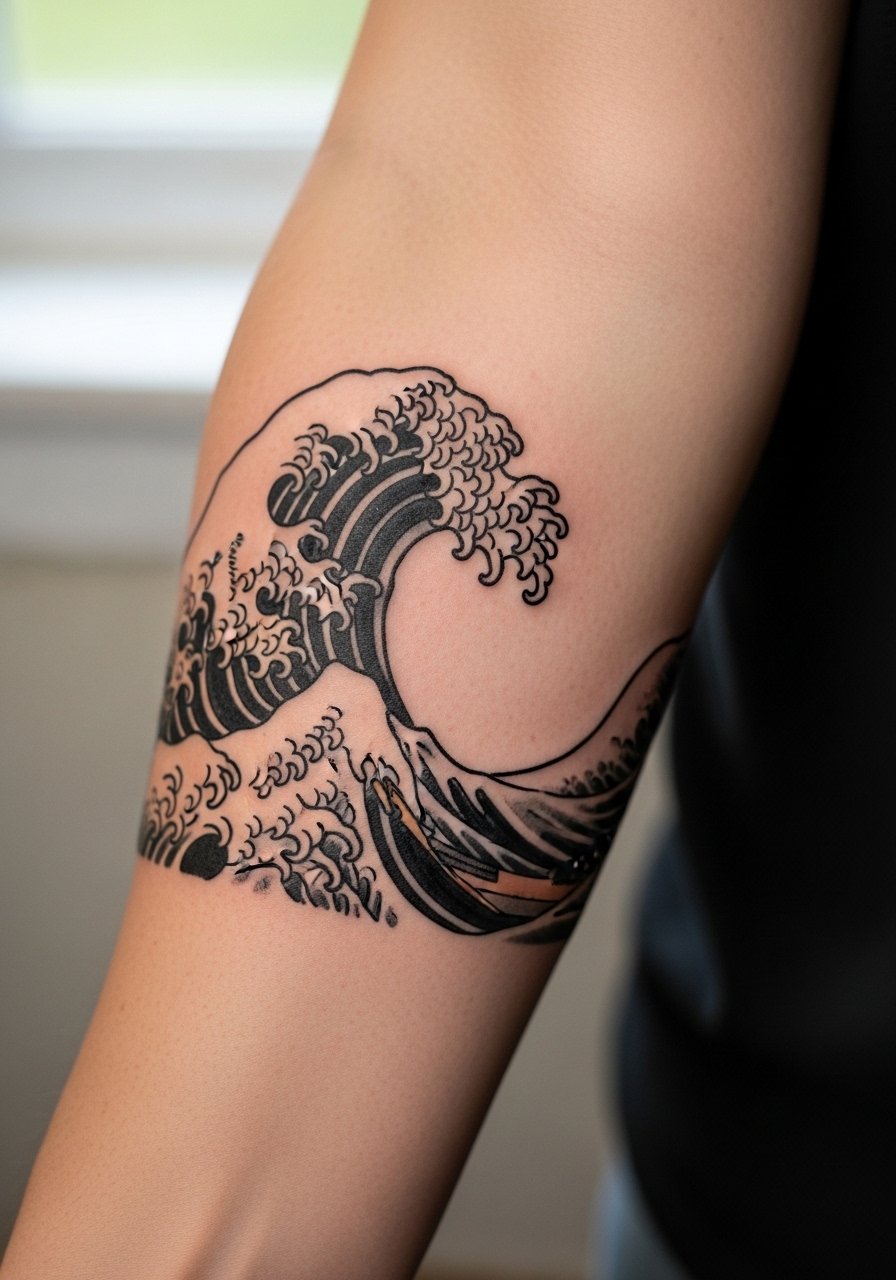
This wave cuff works as its own flash piece or as a connector between other elements. Fair warning, the forearm is visible and gets daily sun exposure, so insist on deep saturation and thicker outlines during consultation to preserve the contrast at year two and five. The session feels brisk, one to two hours if done as a cuff. A common error is using too-fine wave lines, which lose definition under movement. Pair it with rolled-up sleeves or a racerback tank to keep the cuff visible without overexposing the skin to sun.
3. Hannya Mask Near Sternum
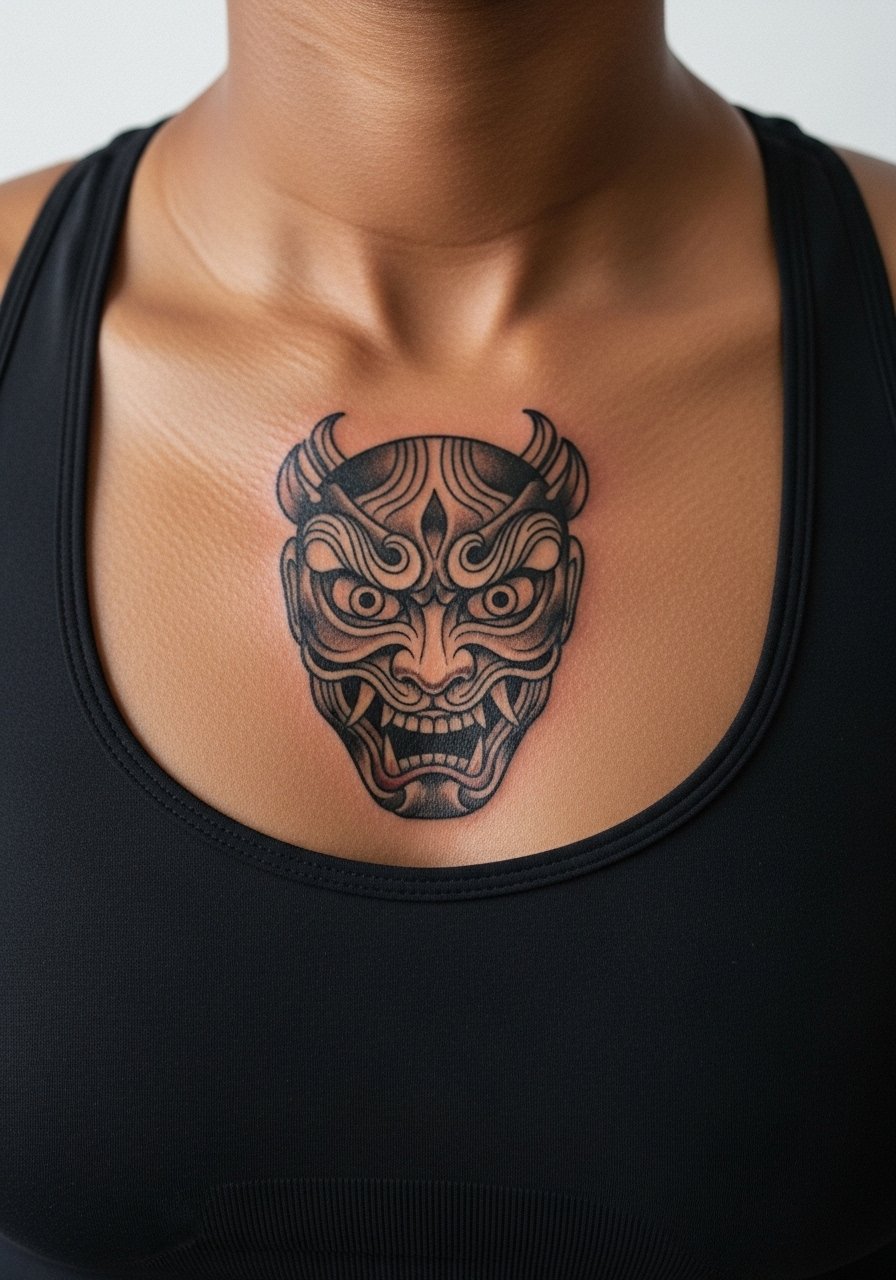
A sternum Hannya has theatrical impact but requires a sensitive consult. Pain on the sternum is higher, expect a longer session with breaks. Artists and collectors split into two camps on direct cultural replication. One camp urges strict historical accuracy and ritual respect. The other camp supports contemporary reinterpretation by artists from outside the tradition. If you choose this motif, discuss symbolic elements with your artist and consider subtle personal touches rather than a verbatim copy. For session wear, bring a zip-up hoodie or a strapless top to give the artist access without full exposure.
4. Peony and Maple Leaf Wrist Band
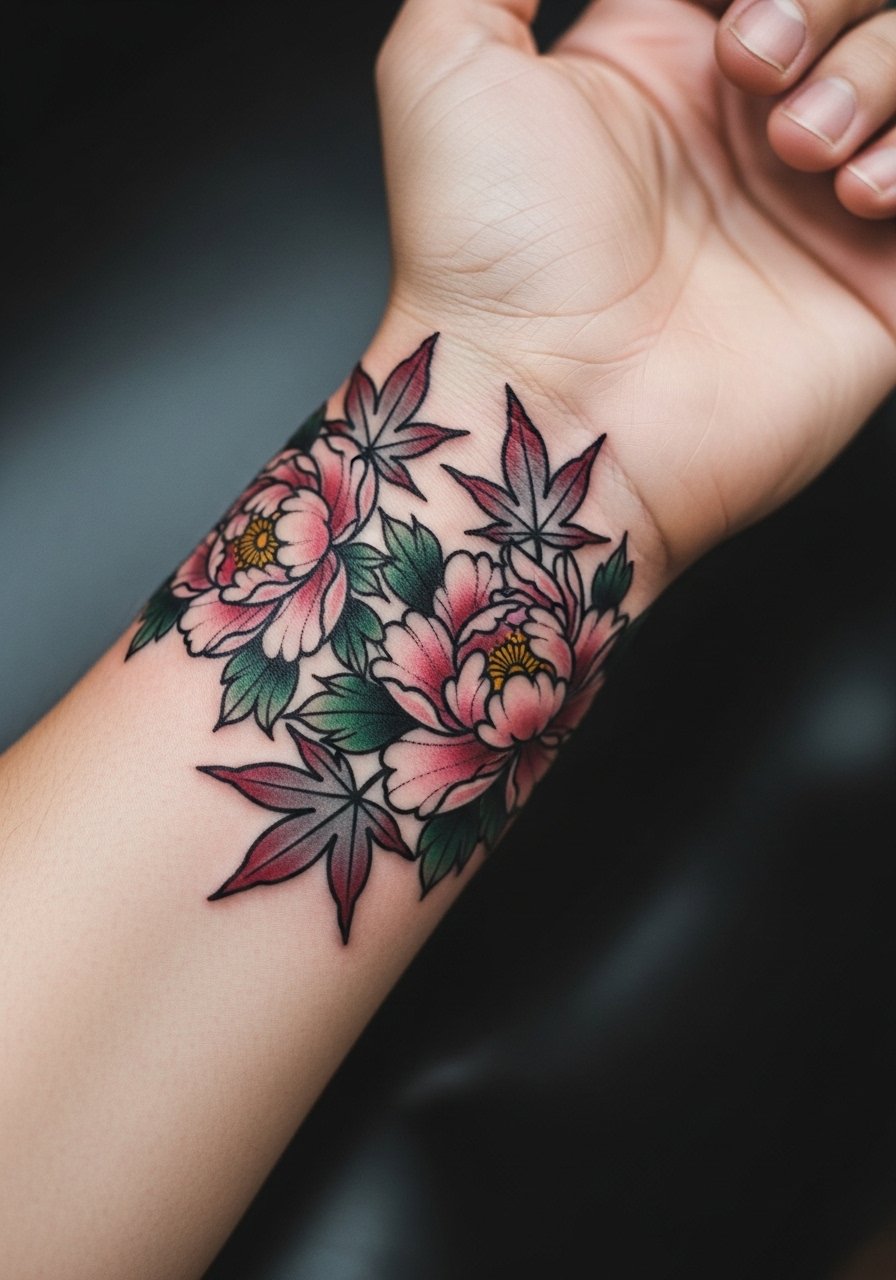
Wrist bands read delicate on day one and can soften fast if the linework is too fine. Most wrist pieces I see that hold at year three use slightly heavier outlines and careful spacing between petals. The wrist is a high-friction area, so expect touch-up conversations in the consult. Common mistakes include cramming a full back-style composition into a wrist band. For showing this design, stack with a thin chain bracelet or a minimalist watch, both of which frame the art without crowding the floral detail.
5. Dragon Full-Back Panel
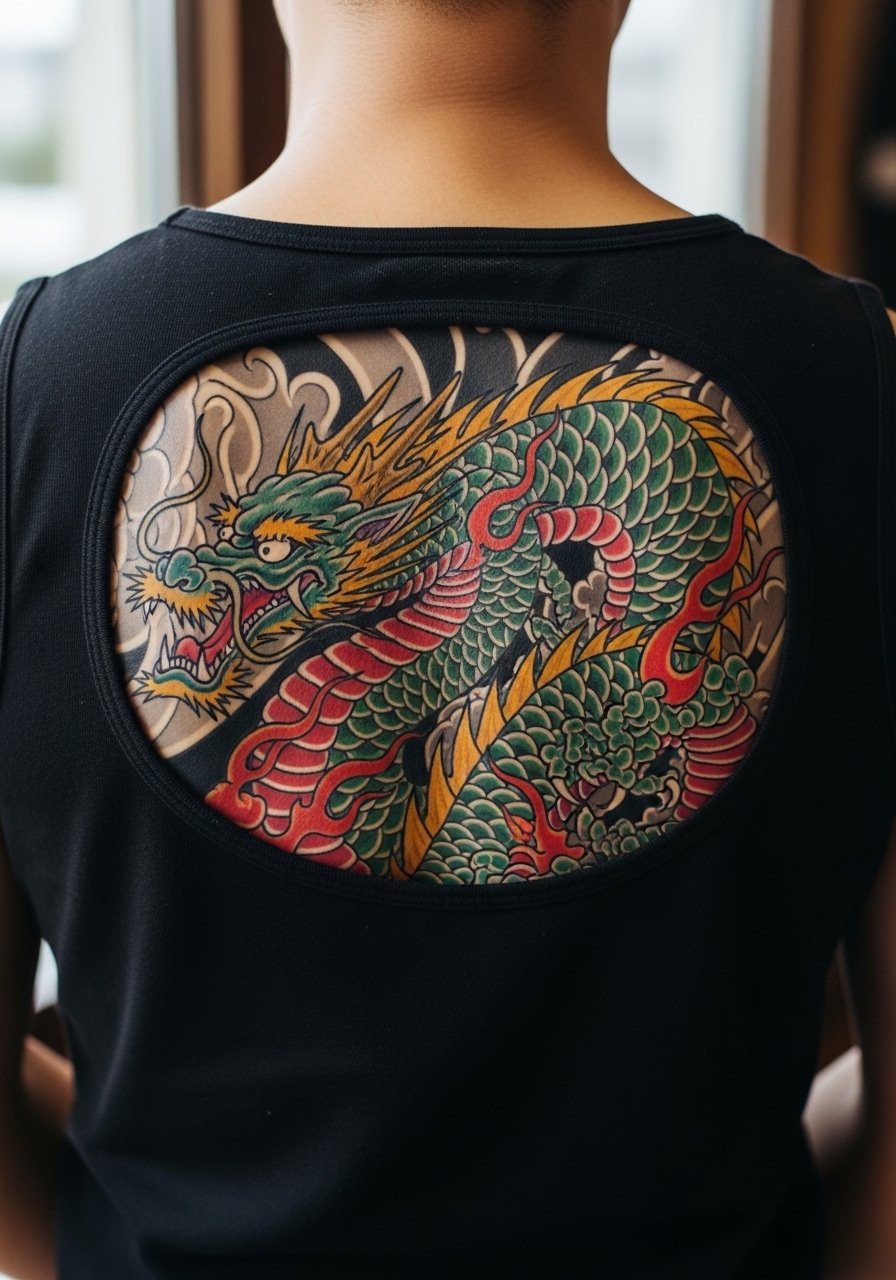
A full-back dragon is pacing and planning more than a single session. Expect multiple long sittings across months. For longevity, insist the artist plan broad swaths of dark saturation for the body and leave highlights for the scales. A frequent mistake is over-detailing scales at too-small a scale, which reduces legibility after a couple of years. This piece ages into a cohesive silhouette if the composition respects muscular movement. For booking, search local convention guest lists and studio directories to find artists who regularly do large traditional panels.
6. Crane and Bamboo Shoulder Cap
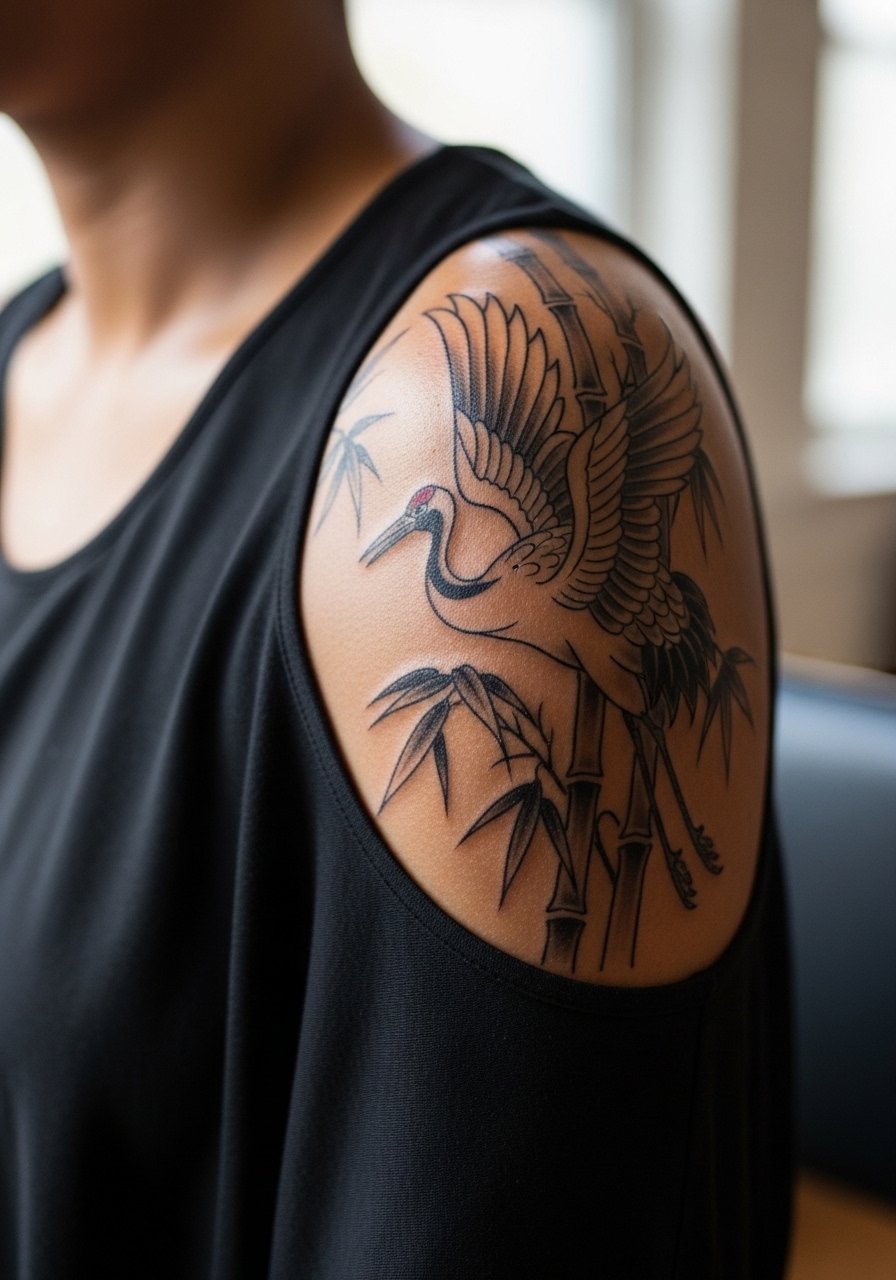
A shoulder cap is ideal if you want a visible piece that layers into a sleeve later. The shoulder tolerates saturation well, and the crane motif benefits from graceful negative space around wings. Tell your artist you want wing tips to remain airy rather than filled with dense stipple, that choice preserves motion over time. Expect a one to two hour session for a shoulder cap. For the session, wear a loose button-down shirt you can slip off one arm for easy access.
Pre-Session Essentials
The clavicle, forearm, and chest pieces above each have different needs on chair day, so a few targeted items make the session smoother.
- Stencil transfer paper kit. Lets you preview line placement on skin, especially helpful for the wrist band and shoulder cap above.
- Plant-based healing balm. Gentle for sensitive collarbone and forearm skin during the first few days.
- Thin protective film roll. Useful for finger or wrist placements that face constant friction from clothing and desks.
- Topical numbing cream. Applied per product directions before sternum or rib sessions to ease the first hour.
- Aquaphor healing ointment. Thin layers help lock in moisture on tightly inked lines without clogging small needle channels.
7. Pagoda and Wave Calf Piece
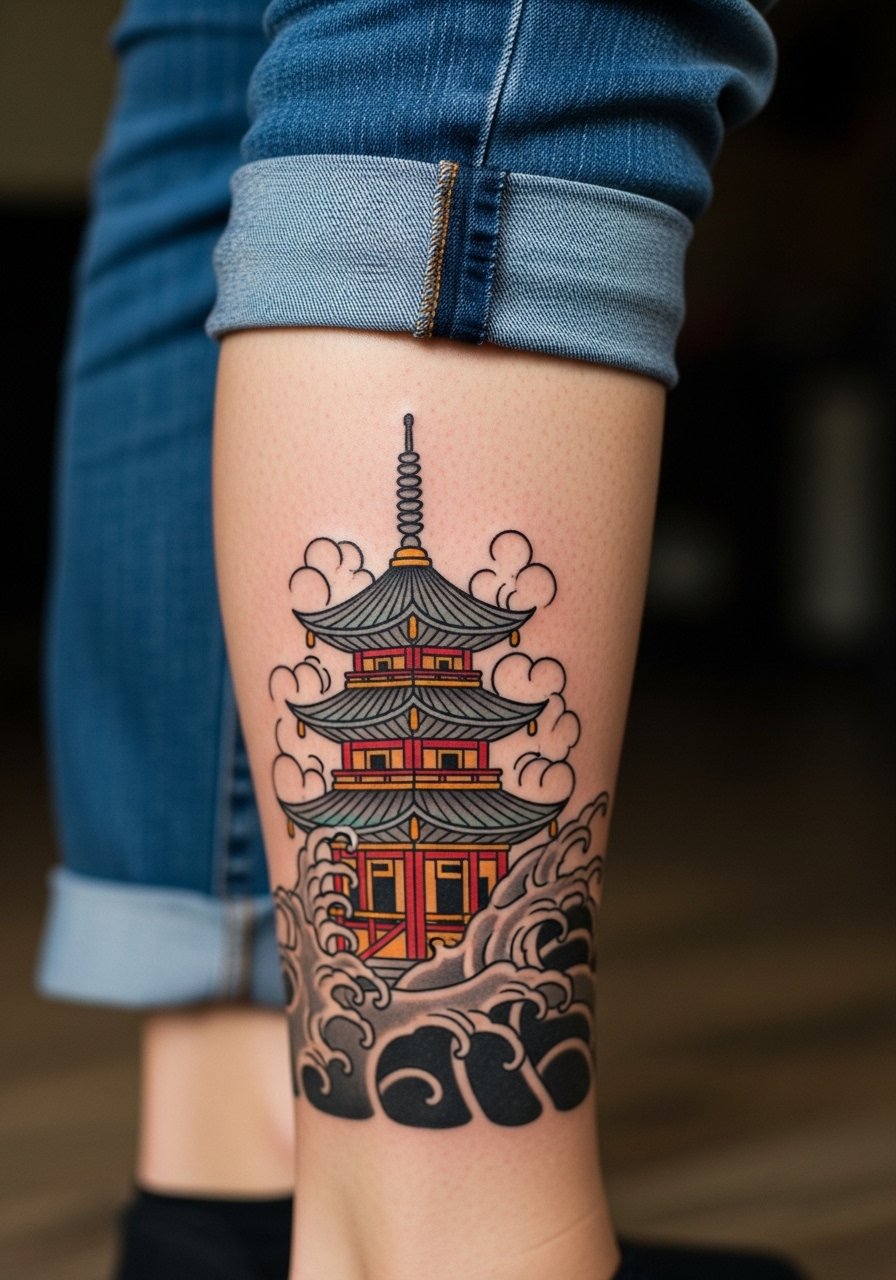
The calf is a forgiving canvas for vertical scenes like pagodas and waves. Sessions are tolerable for most people and usually finish in one or two sittings. A common mistake is squeezing too many tiny background elements into the mid-ground, which becomes visual noise by year five. Ask for layered contrast, with the pagoda silhouette set against darker waves so it reads from a distance. For show-off outfits, try cropped denim or high-cut sneakers that keep the calf visible and complement the vertical composition.
8. Minimalist Kanji on Ribcage
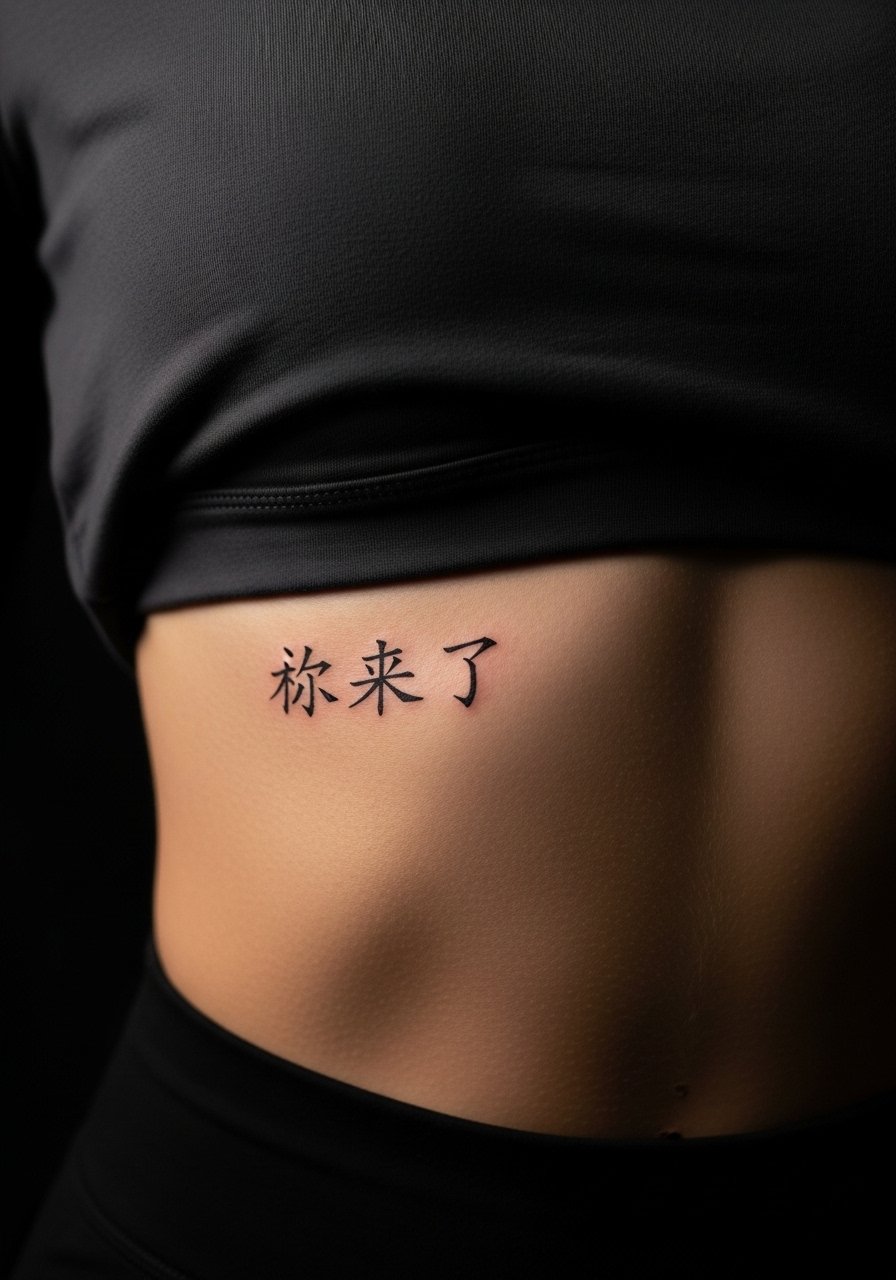
Ribcage text is intimate and painful, but the area can preserve simple kanji well if sized correctly. The biggest mistake is making characters too small or cramped. Expect heavier sensation and a shorter session time for a simple line of text. Artists split on whether extreme fine line holds on the ribs. One camp insists the skin stretch blurs lines quickly. The other camp says with proper depth and spacing, the kanji settles fine. Ask which side your artist is on and request a test stencil to check scale on the body.
9. Komainu (Guardian Lion) Thigh Panel
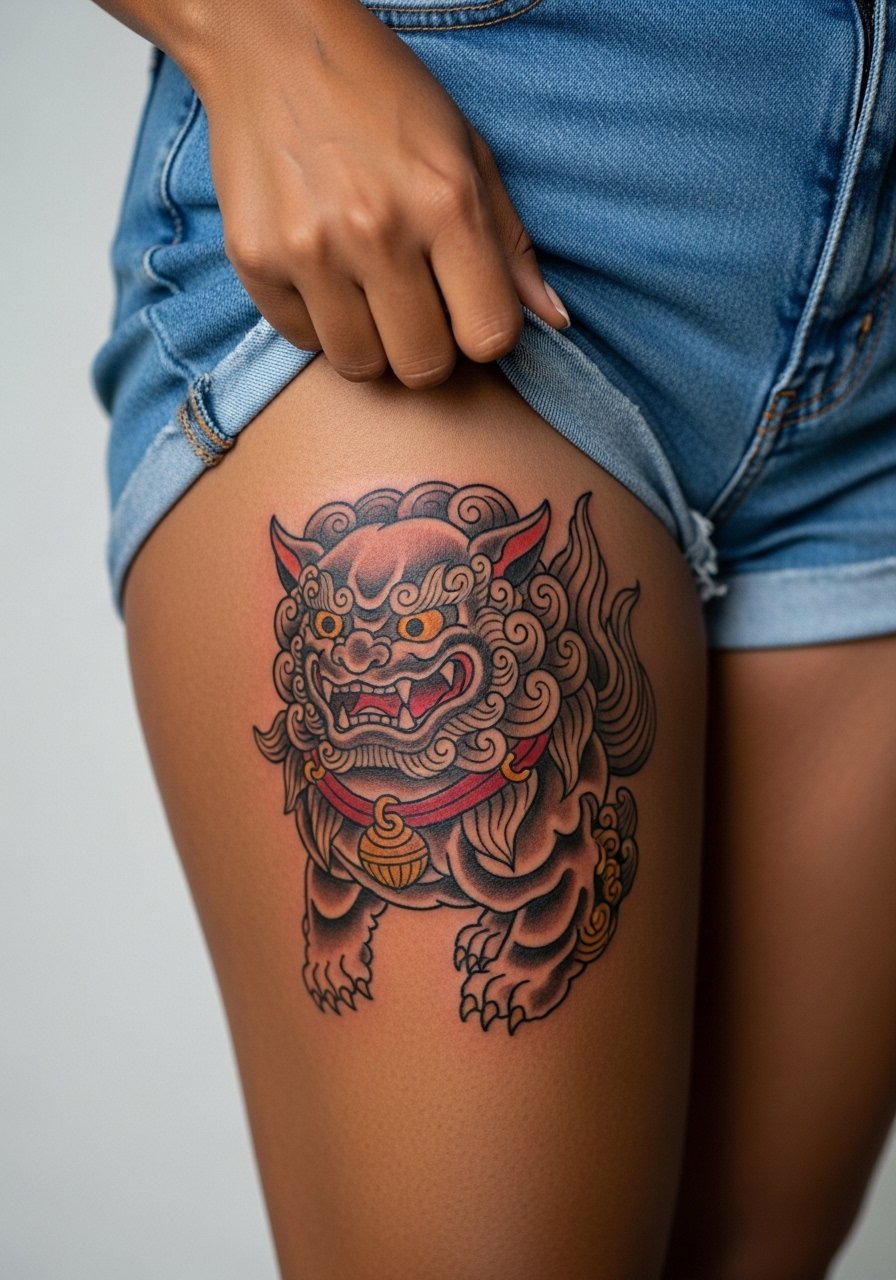
Thigh panels let artists work at a larger scale and avoid constant sun exposure. Sessions can be long but are more comfortable because the area tolerates longer needles-on-skin time. A mistake I see is asking for dense, high-contrast background fill immediately. Let the artist stage the piece across sessions so the linework settles before adding saturated fills. For the appointment, wear shorts or a wrap skirt to make access easy and reduce fabric rubbing on fresh ink.
10. Small Torii Gate Behind the Ear
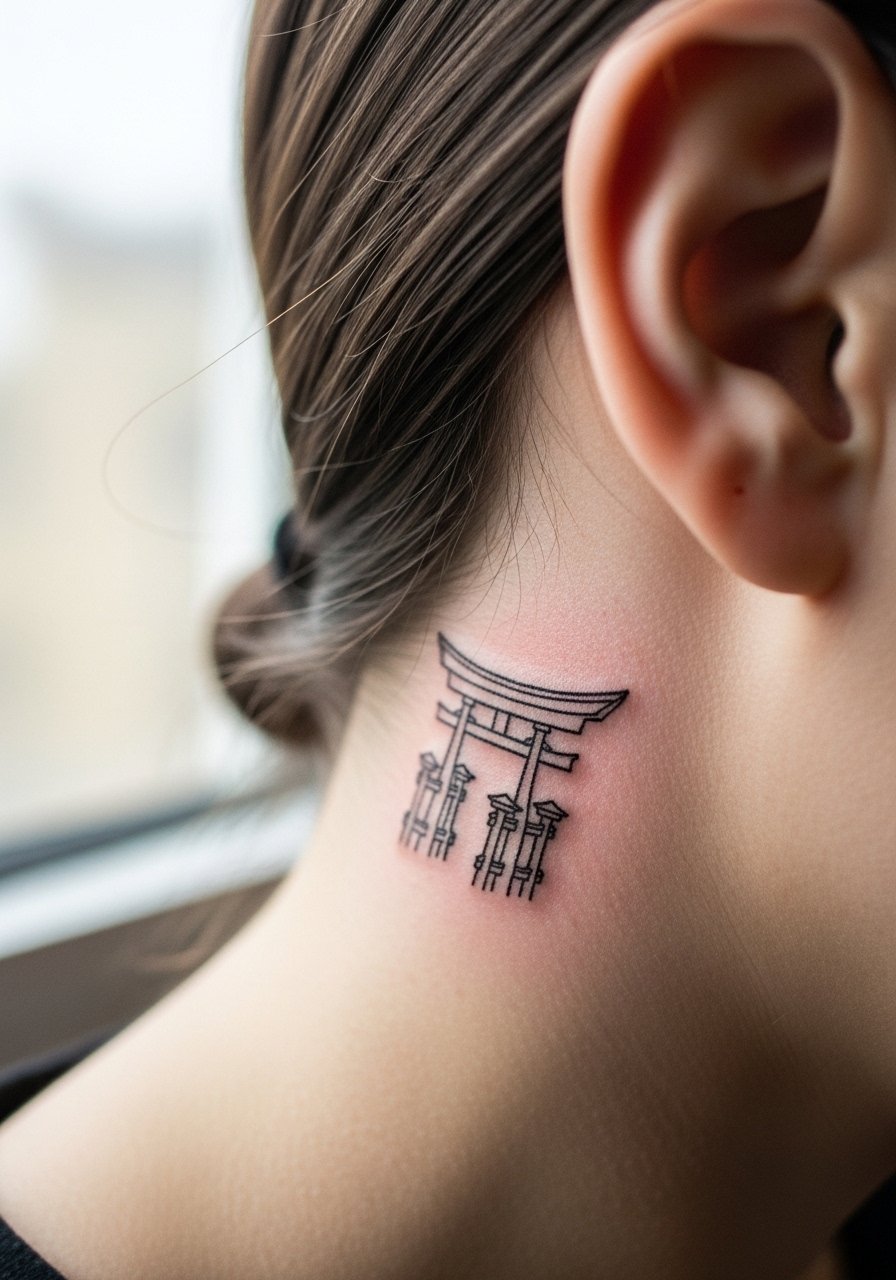
Behind-the-ear pieces are tiny and discreet, so line precision matters. The skin there is thin and the risk of blurring is higher if lines are too close. Keep the design minimal and slightly larger than you think it needs to be. Sessions are very short, often under 30 minutes, but healing requires careful hair management to avoid snagging. For the session, style hair up or wear a collared shirt you can tuck the hair behind to keep the area clean.
11. Peony Sleeve Transition Over Elbow
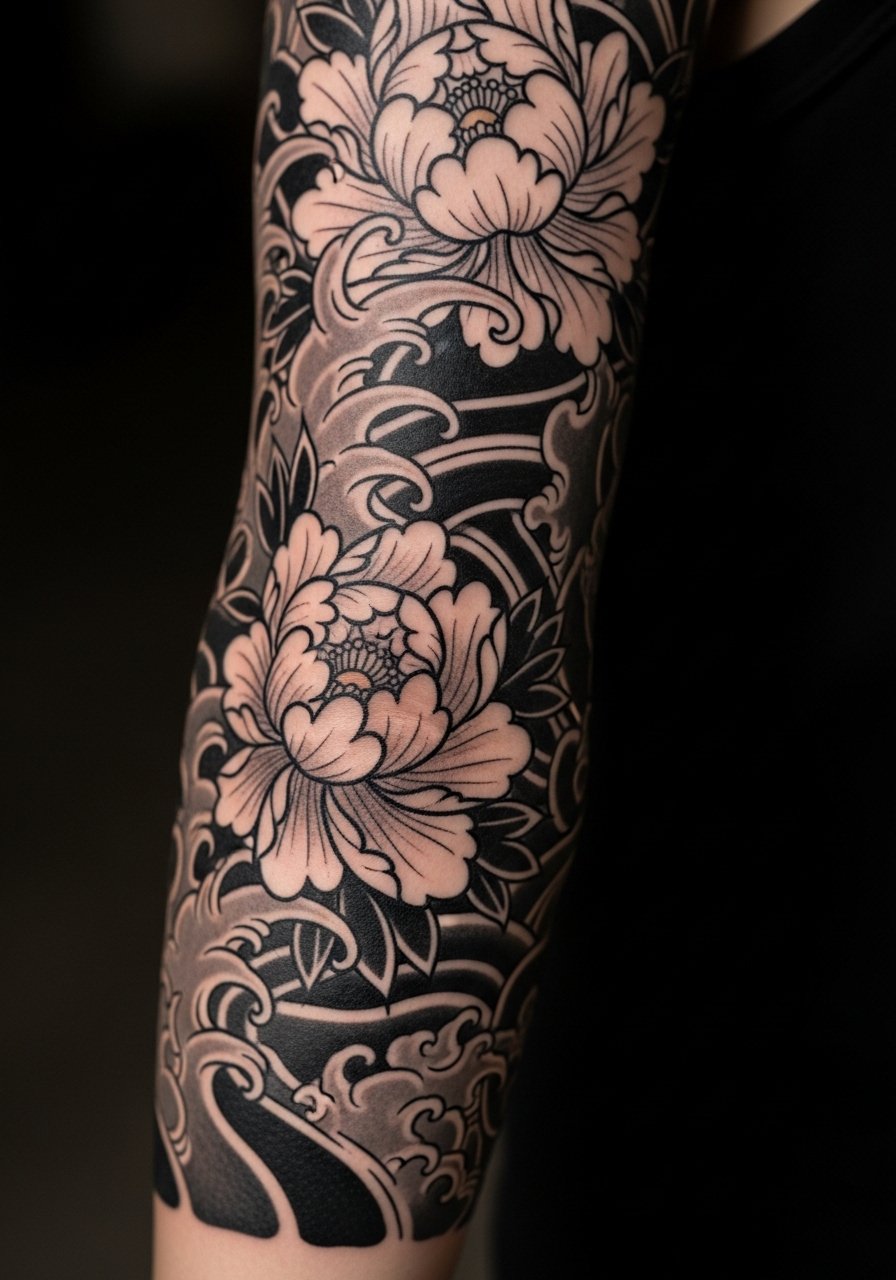
Elbow transitions test an artist's sense of flow because the joint moves and stretches. Avoid cramming a lot of detail exactly on the elbow joint. Instead, ask for a composition that uses negative space and bold shapes over the joint so the image remains readable as you bend your arm. Expect longer, staged sessions and a touch-up conversation at year two. For showing this type of sleeve, roll sleeves to just above the elbow or choose cropped knitwear that highlights the transition.
12. Phoenix Across the Sternum and Upper Abdomen
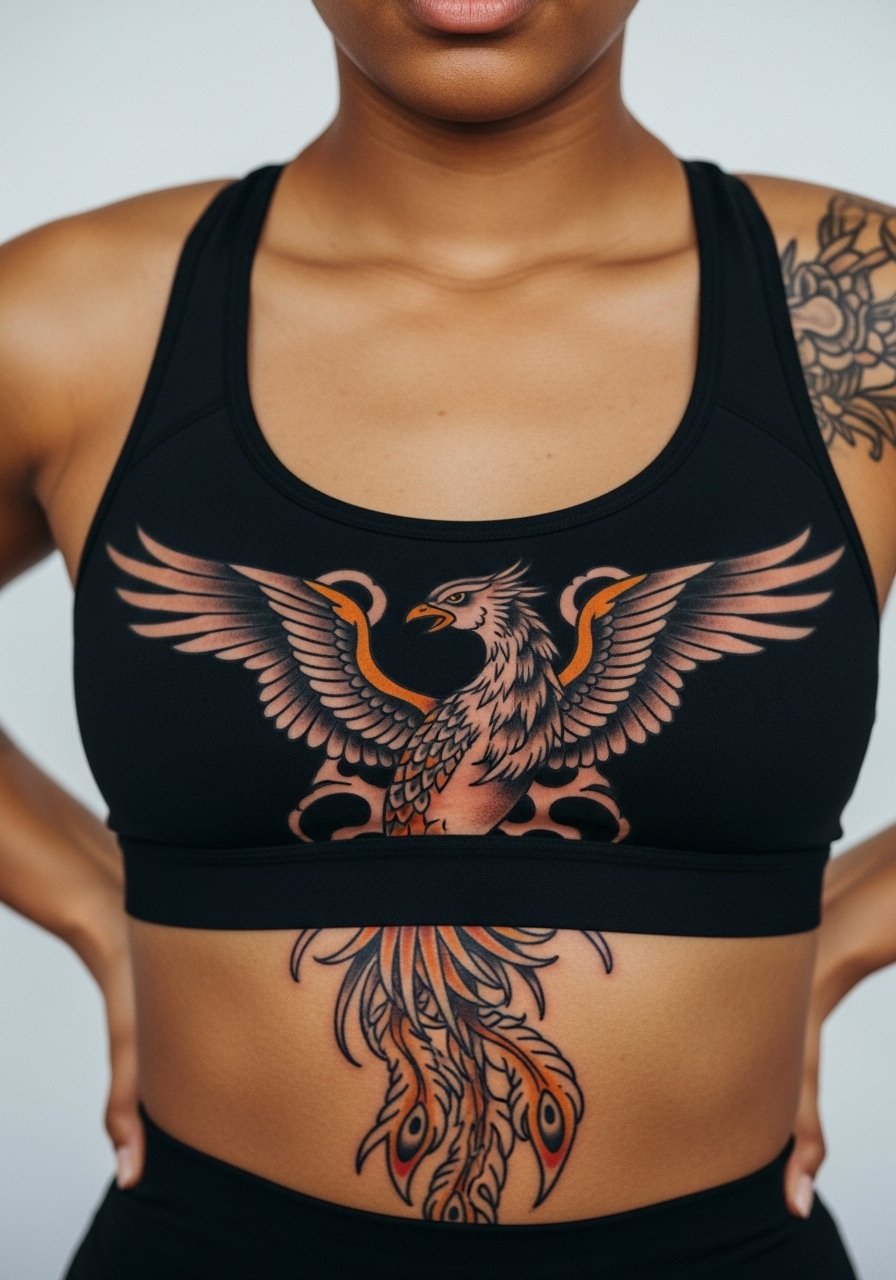
A phoenix spanning the sternum into the upper abdomen reads dramatically but demands careful placement. The sternum and upper abdomen expand and contract with breathing and weight changes, so ask the artist to map the design while you breathe normally in the chair. Sessions are intense and may require multiple short sittings. A common long-term issue is detail compression across the sternum, so favor bold contours over fussy filigree. Consider a fitted bandeau for session day to allow access without full exposure.
13. Chrysanthemum Collarbone Accent
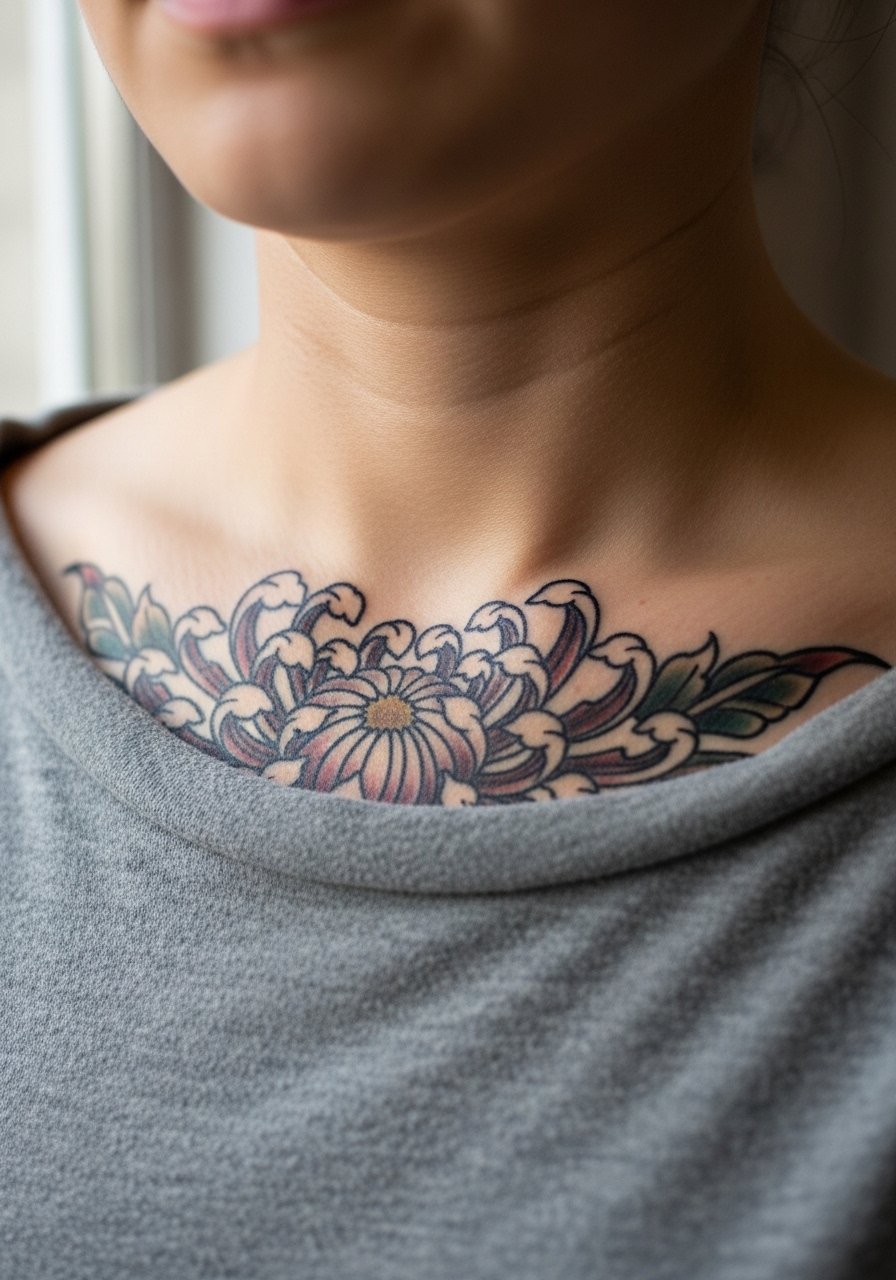
Collarbone pieces read elegantly when kept slightly asymmetric. The collarbone is thin and bony, so the session can be more painful than the shoulder. Avoid tiny dot shading right on the bone, which fades unevenly. Ask for slightly heavier linework where the design meets the bone so it keeps shape at six months and two years. Pair this with open-neck tops or a thin chain pendant necklace that sits above the chrysanthemum without competing.
14. Samurai Helmet (Kabuto) Upper Arm Portrait
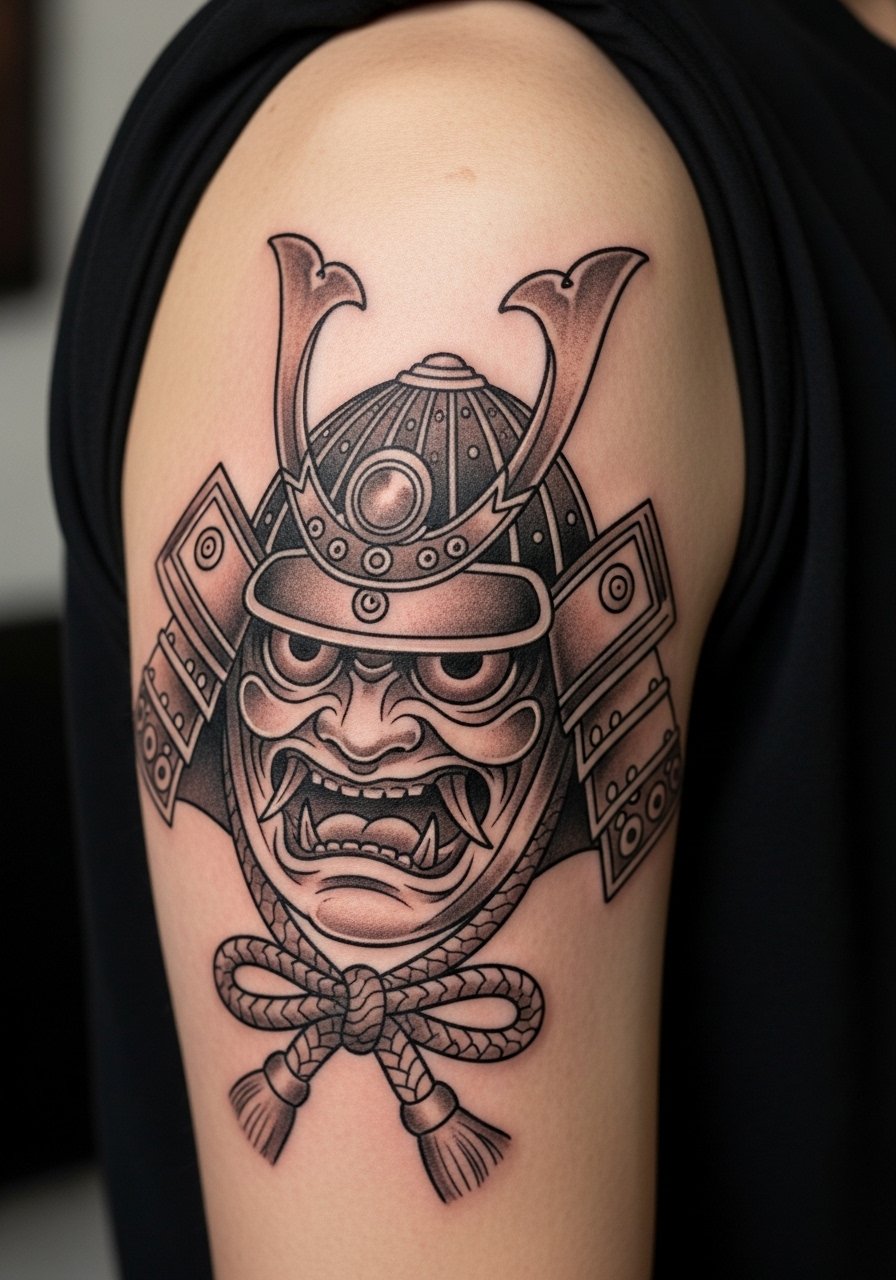
A kabuto portrait carries weight and suits the rounded surface of the upper arm. The piece benefits from strong silhouette and careful negative space around the helmet horns. Common mistakes include overworking facial micro-details that soften into noise. Expect two to three hour sessions depending on size. If you plan a future sleeve, discuss how the kabuto will connect to future motifs. Use studio directories or convention rosters to find an artist comfortable with portrait-scale traditional work.
15. Lotus and Wave Ankle Band
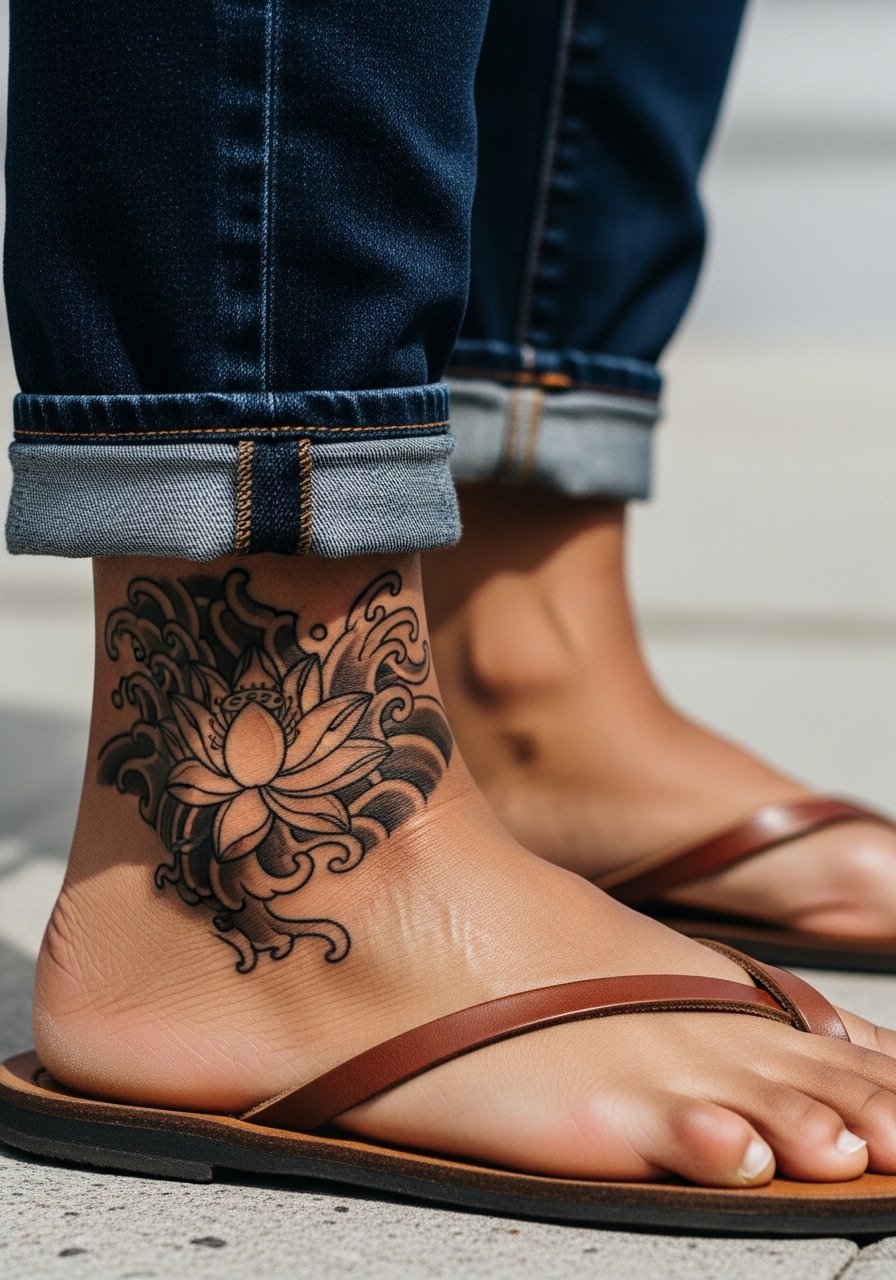
An ankle band is charming and vulnerable to rubbing from shoes and socks. Keep the band a touch wider than you expect so the lines do not spread into blur. The session is short but healing needs attention because shoes can irritate fresh ink. For showing this off, choose low-profile sandals or roll pants to highlight the ankle. I recommend discussing footwear and daily routine with your artist so they can plan placement away from high-friction zones.
16. Small Fan with Cherry Blossom on Wrist
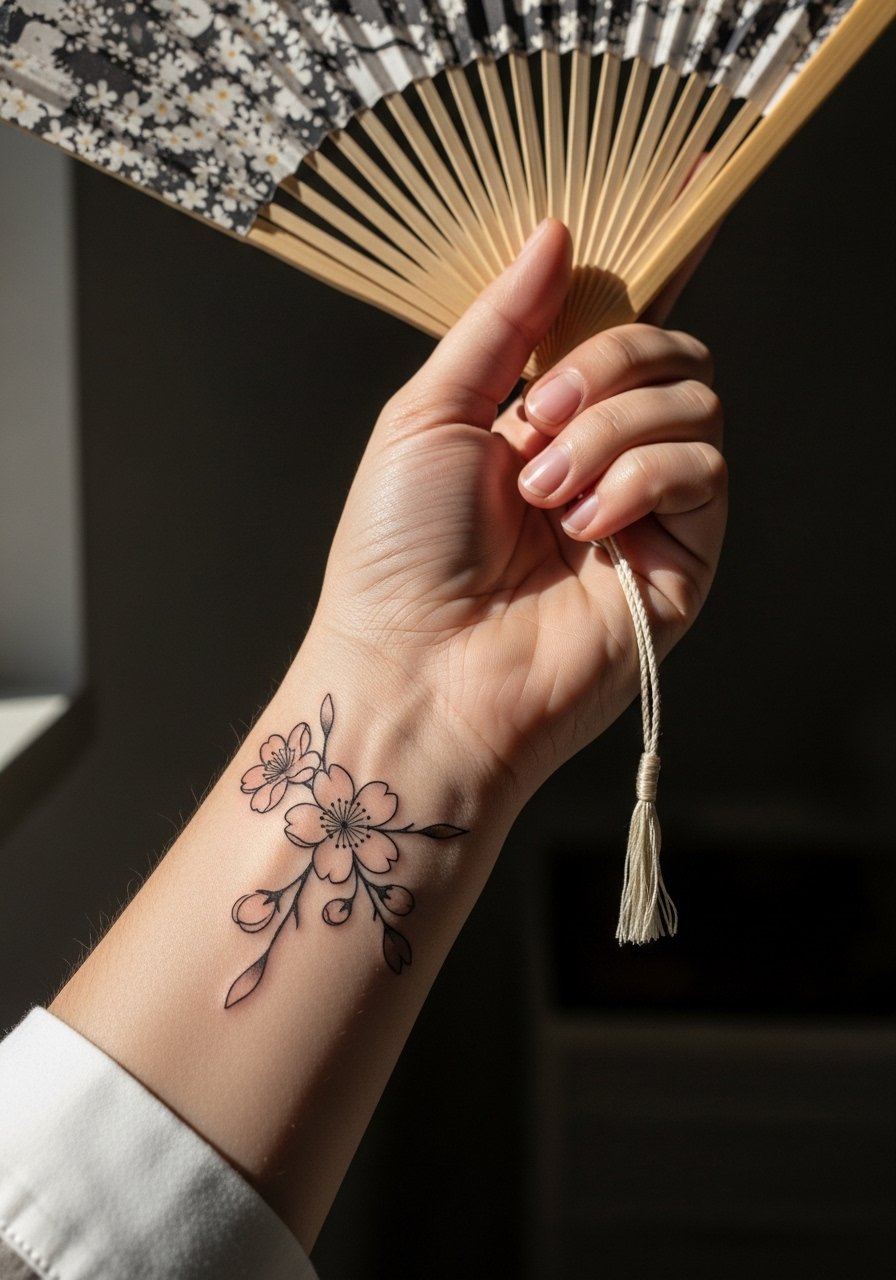
Inner wrist pieces are visible and heal under constant movement. The fan motif benefits from slightly bolder contours to keep the blossom readable at year two. A common error is insisting on micro-detail within the fan ribs, which smudges. This session is quick but you should plan light activity afterward so the area is not constantly flexing. Pair this design with a delicate bracelet positioned below the tattoo, not over it, to avoid rubbing the fresh lines.
17. Wave and Koi Ankle to Calf Connector
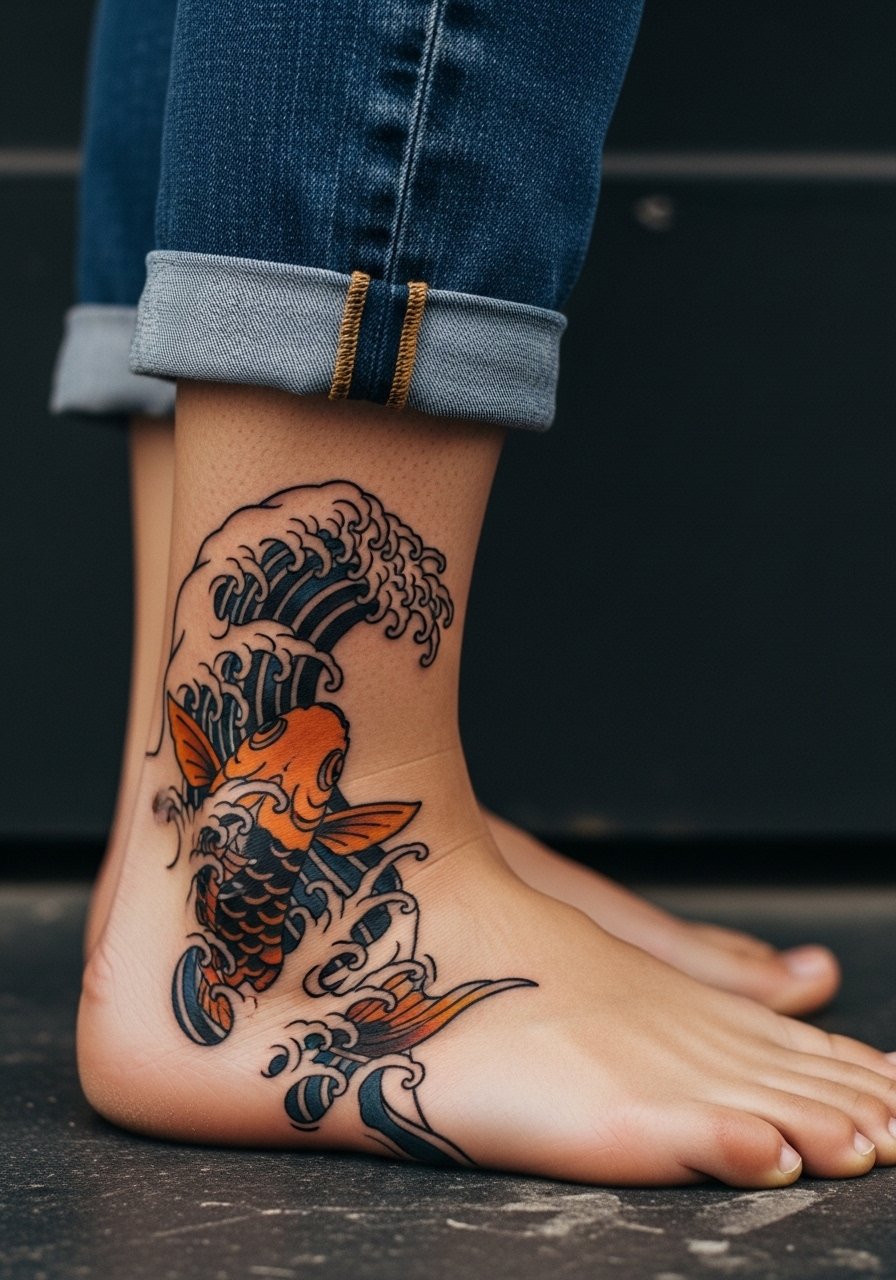
Connector pieces that span ankle to calf need coordinated line weight so the image reads as one continuous flow. The ankle area has higher blowout risk if the artist pushes too deep on thin skin. Ask the artist for consistent outline thickness and staged fills. Expect two sessions if you want bold saturation and detail. For footwear while healing, avoid high-friction boots and opt for sandals or loose sneakers to limit irritation.
18. Tiny Wave Finger Tattoo
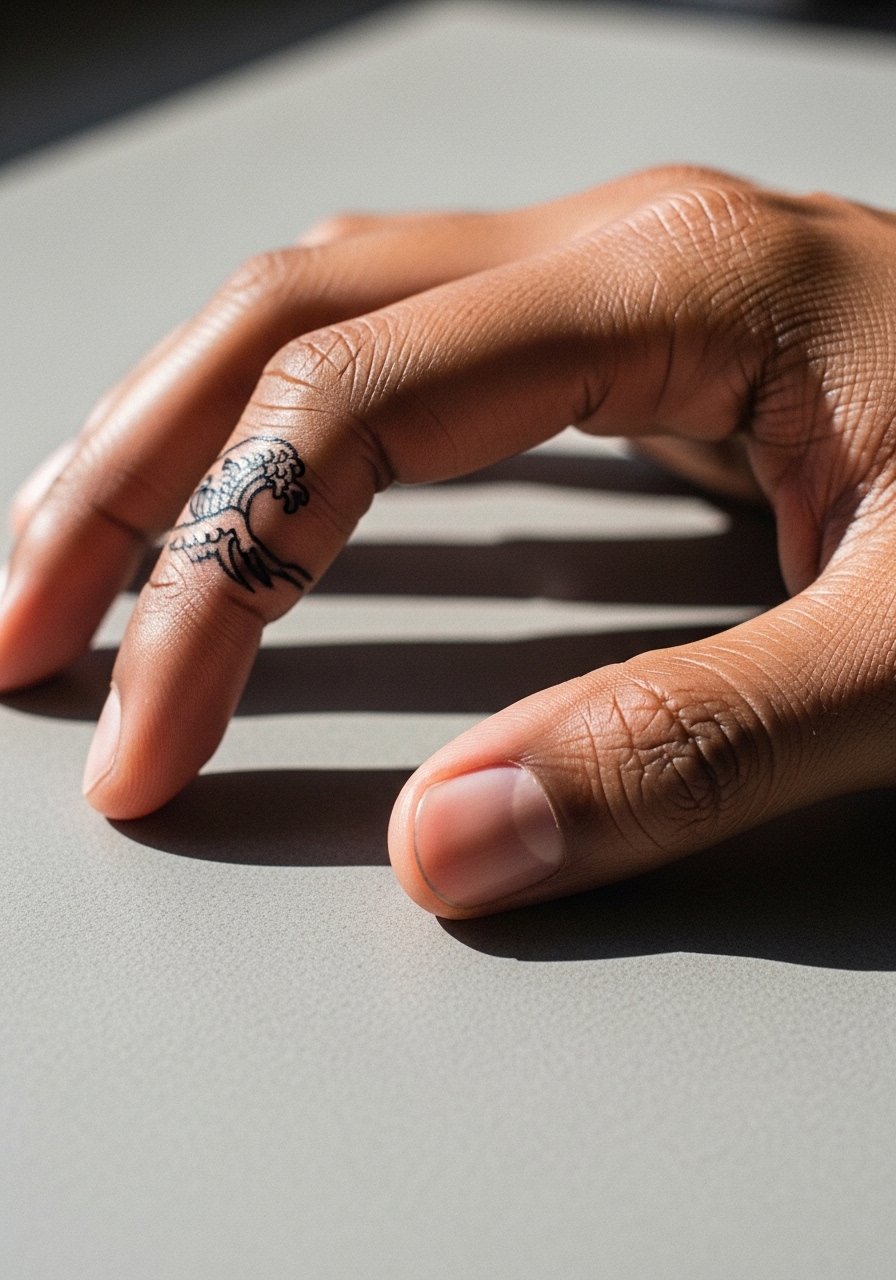
Finger tattoos are convenient but notorious for fading and blur. The skin on fingers regenerates faster and gets the most wash and sun exposure. If you want longevity, pick a bold, simplified wave symbol and accept periodic touch-ups. The session is short and the healing window involves frequent movement that can scab more noticeably. Before booking, search local shop walk-in policies because many artists prefer scheduled touch-up timelines for finger work.
19. Geisha Silhouette on Upper Thigh
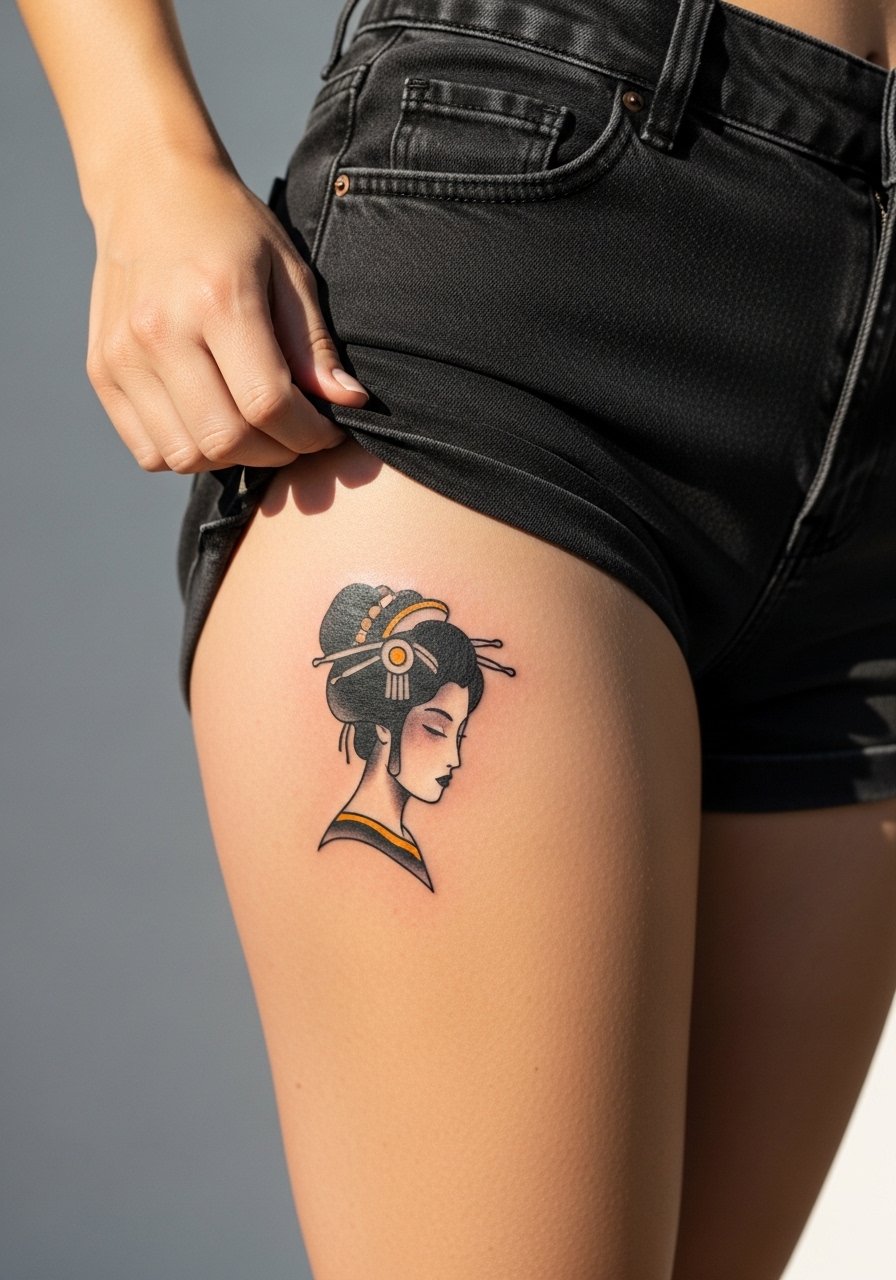
Thigh pieces offer privacy and longevity since the area is low-exposure. Silhouettes work especially well because they age into a clean visual shape. A mistake is over-detailing kimono patterns in small areas, which can blur. Sessions are comfortable and can be longer, so plan for a few hours. For appointment day, wear loose shorts or a wrap skirt for easy access and minimal rubbing afterward.
20. Wave and Chrysanthemum Half-Sleeve Wrap
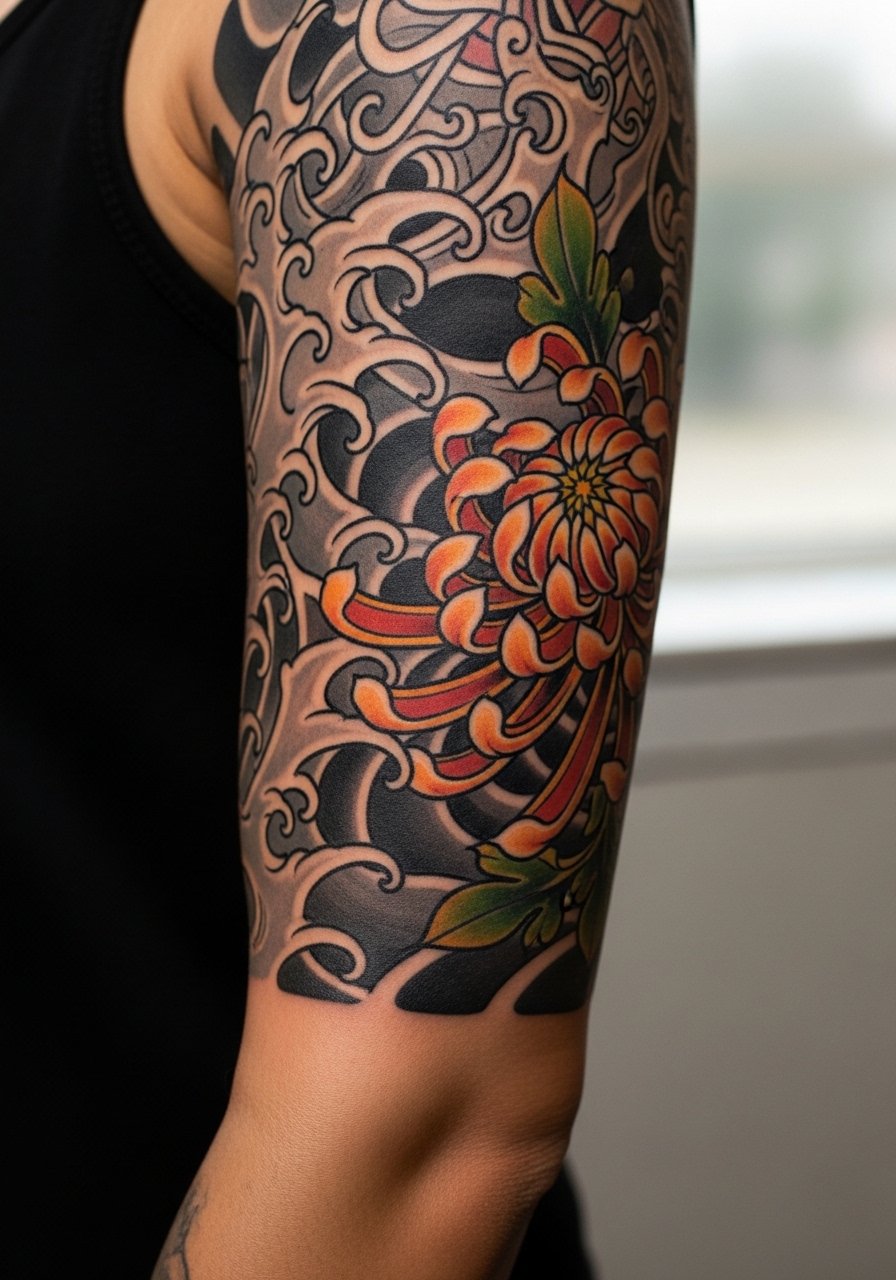
Half-sleeves that wrap need rhythm between the floral and wave motifs. Ask for spacing that prevents dense chrysanthemum petals from collapsing together under arm movement. Sessions will be multi-stage and you should plan for touch-up at year two, especially where the sleeve meets the elbow. When showing it off, short sleeves or sleeveless knits work best to highlight the wrap without exposing the whole arm.
21. Small Torii and Moon Nape Tattoo
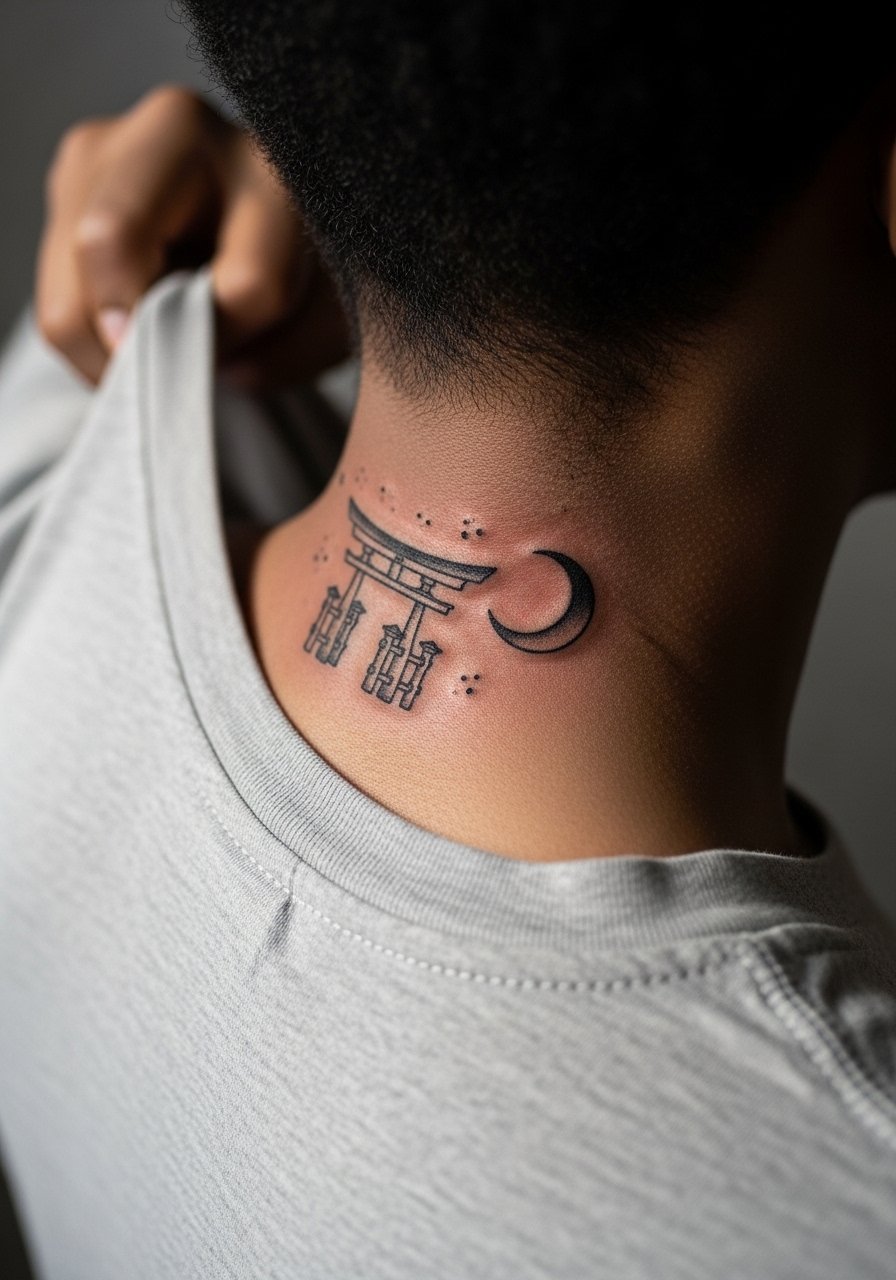
Nape tattoos are discreet and show in updos. The skin is relatively stable but movement from neck rotation can slightly soften very fine lines. Keep the Torii and moon simple and bold enough to read at arm's length. Sessions are quick, often under an hour. For the appointment, wear a wide-neck shirt you can pull aside to give the artist clean access without exposing other body parts.
Frequently Asked Questions
Q: How does traditional Japan tattoo saturation hold up on darker skin tones compared with lighter skin tones?
A: From what I have seen, saturation and contrast need to be planned differently across skin tones. Darker skin can still show bold black outlines and bright reds if the artist uses confident saturation and spacing. Ask the artist to show healed photos on similar skin tones during your consult and request a test stencil placement so you can judge visibility in natural light.
Q: Are there cultural appropriation concerns with Irezumi motifs like Hannya and geisha, and how should a client approach them?
A: Yes, opinions split into two camps. One camp says these motifs carry cultural and religious history that deserves careful regard and often prefers artists rooted in the tradition. The other camp supports adaptation and respectful reinterpretation by artists across backgrounds. My suggestion is to discuss symbolism with your artist, consider personal meaning, and avoid direct replicas of sacred or ritual objects without clear context.
Q: Will a detailed peony sleeve need touch-ups sooner than bold traditional work?
A: Detailed peonies with lots of tiny stipple will typically require touch-ups sooner than pieces that prioritize bold outlines and saturated fills. If you want fine texture, plan on a touch-up around year two or three. Ask the artist to balance detail with solid shapes so the composition remains cohesive after a few years.
Q: How should I pick an artist for full-back dragons or large panels without naming specific people?
A: Use discovery pathways like studio directories, convention guest lists, community forums, and curated portfolios on tattoo-specific platforms. Look for healed photos of large panels, not just fresh work. If possible, speak with artists in-person at conventions to gauge their pacing and how they stage multi-session projects.
Q: What should I wear to a sternum or ribcage session to make access easy and keep the area modest?
A: A fitted sports bra or a bandeau top that you can slightly shift is practical. For upper chest work, a wide-neck shirt you can pull aside works. If you want a specific option, a sports bra with front zip can be handy because it offers coverage while giving the artist clear access.