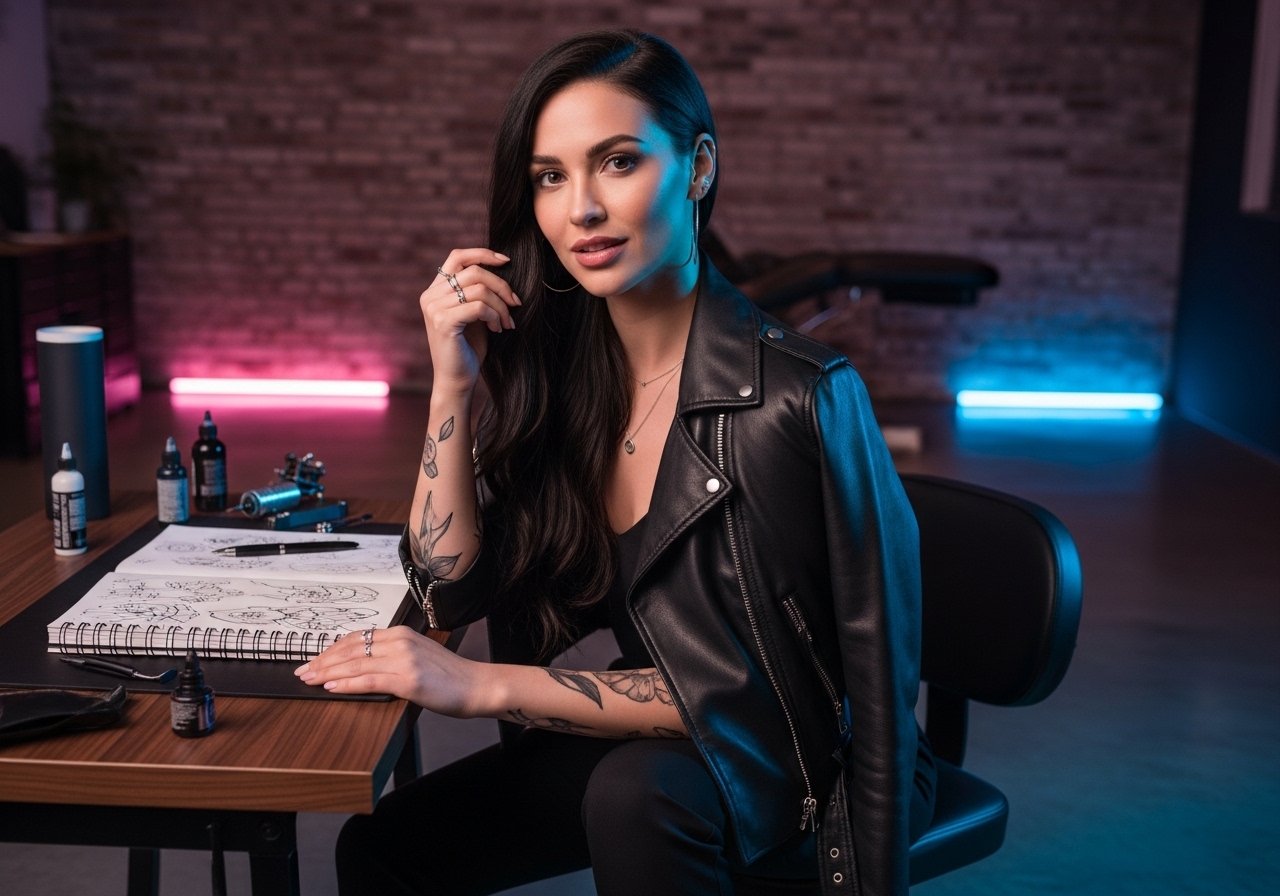
Fine line tattoos are all over Pinterest and TikTok, but they do not always age like the photos make them look. I see fresh scripts and micro details that look gorgeous on session day and then soften into blur within a couple of years. Studio no-shows, summer healing nightmares, and tiny pieces on high-friction spots are the three things people ask me about most, and the ideas below lean into what holds up while still feeling personal.
1. Neo-traditional vintage microphone with musical notes on the forearm
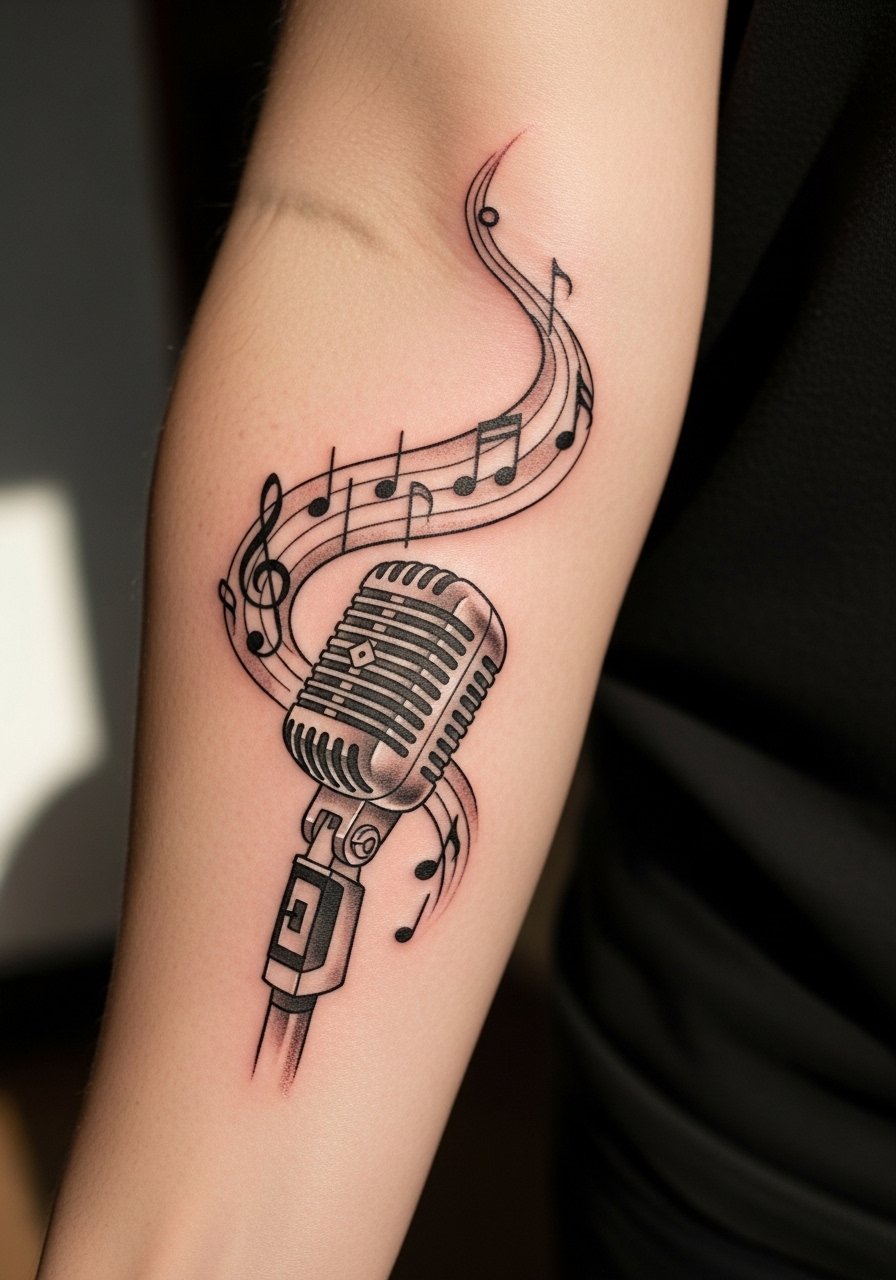
I've seen this design hold up when artists use bold outline and subtle stipple shading rather than ultra-fine script. Forearm pieces are low to medium pain and usually done in a single session for a 2 to 4 inch piece. The common mistake is asking for hairline detail that looks dreamy fresh but blurs by year two. During consults, tell your artist you want heavier linework around the mic and lighter dot work in the notes so the melody reads at arm's length. For showing it off, pair the piece with a rolled sleeve chambray shirt and a cropped denim jacket. For the session wear, bring a loose short-sleeve tee so the artist can roll sleeves up without tugging.
2. Classic car silhouette on the upper arm
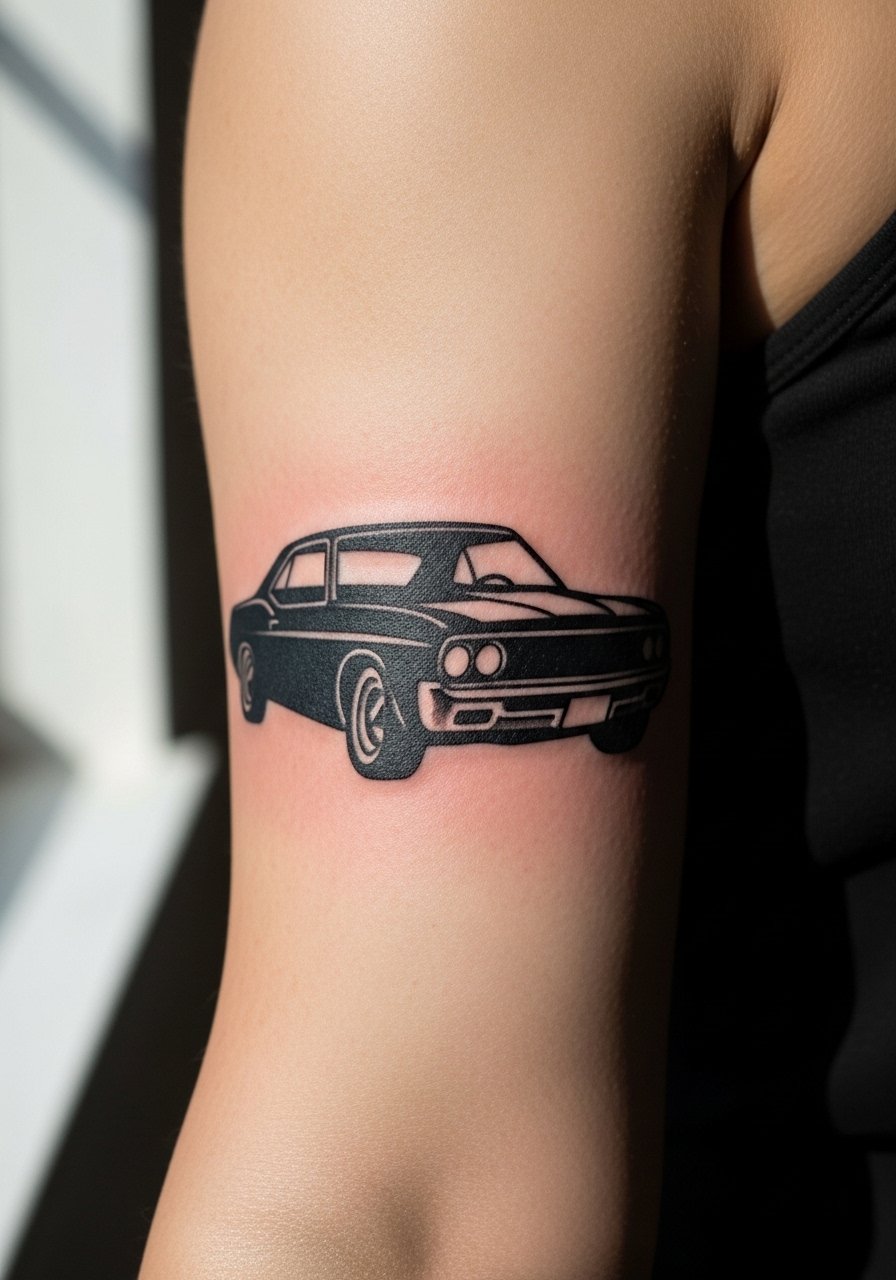
Blackwork silhouettes are forgiving for aging because solid fills maintain contrast through summers and washes. Upper arm placement is a low-pain spot and usually finishes in a single session for a 3 to 5 inch silhouette. People often try to cram motion blur and micro-detail into a small outline and then wonder why it softens. Ask for a clean single-shade fill and negative-space highlights to keep the car readable from a distance. For evenings out, this looks great with a sleeveless muscle tank in gray or olive. Wear a loose tee to the appointment, so straps do not interfere with the stencil.
3. Lyric script in sketch style on the inner forearm
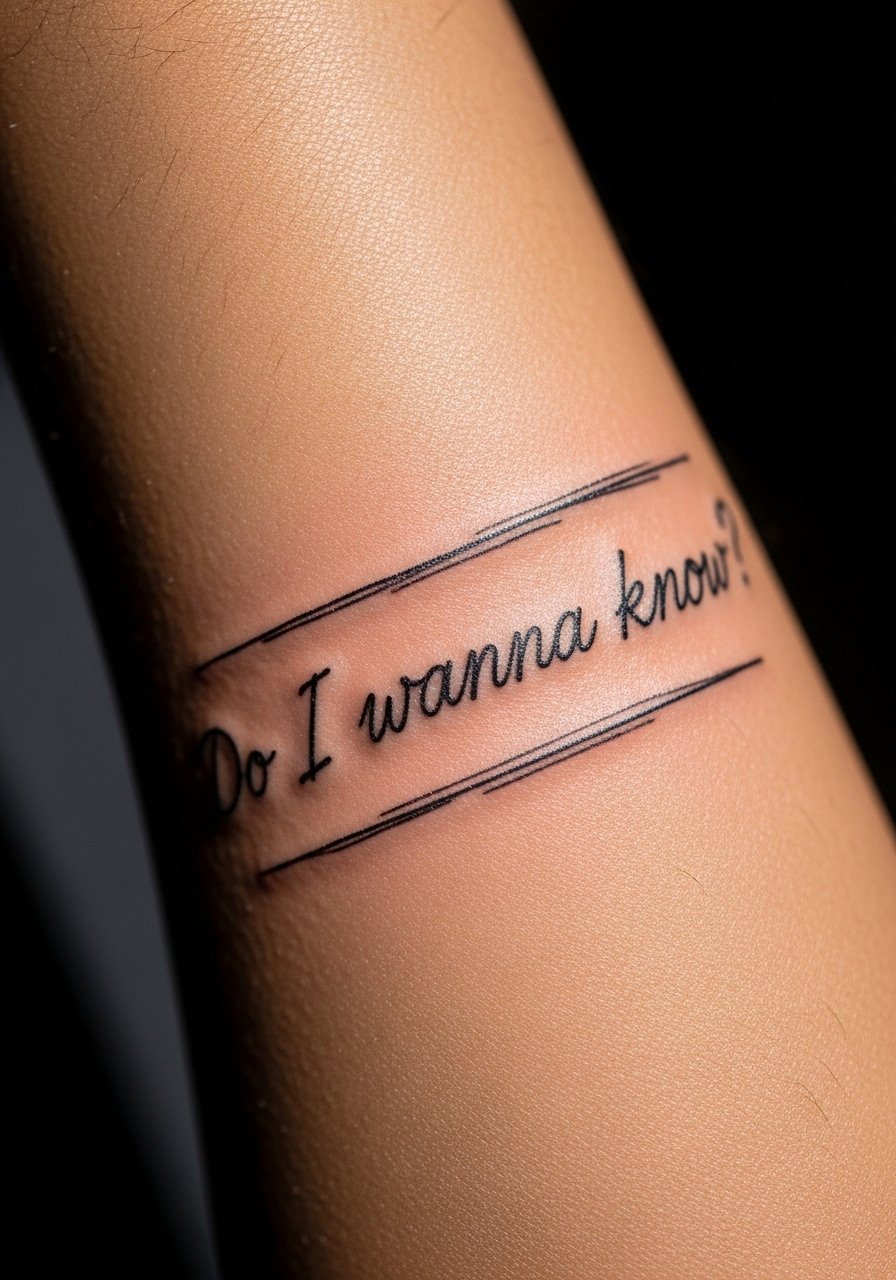
Fine line lyrics are emotionally direct but they trigger the biggest debates in the community. One camp says subtle, hairline scripts age with charm and soften gently. The other camp insists fine line fades too quickly and pushes heavier gauge for music tattoos. I think the choice depends on placement and skin tone. Inner forearm is visible and friction friendly, so request slightly thicker strokes than what looks perfect on screen. Expect touch-ups at 12 to 36 months for most lyric scripts. For showing the line without crowding it, wear a vintage band tee under a denim jacket to frame the arm without compressing the design during the session.
4. Abstract geometric microphone on the shoulder
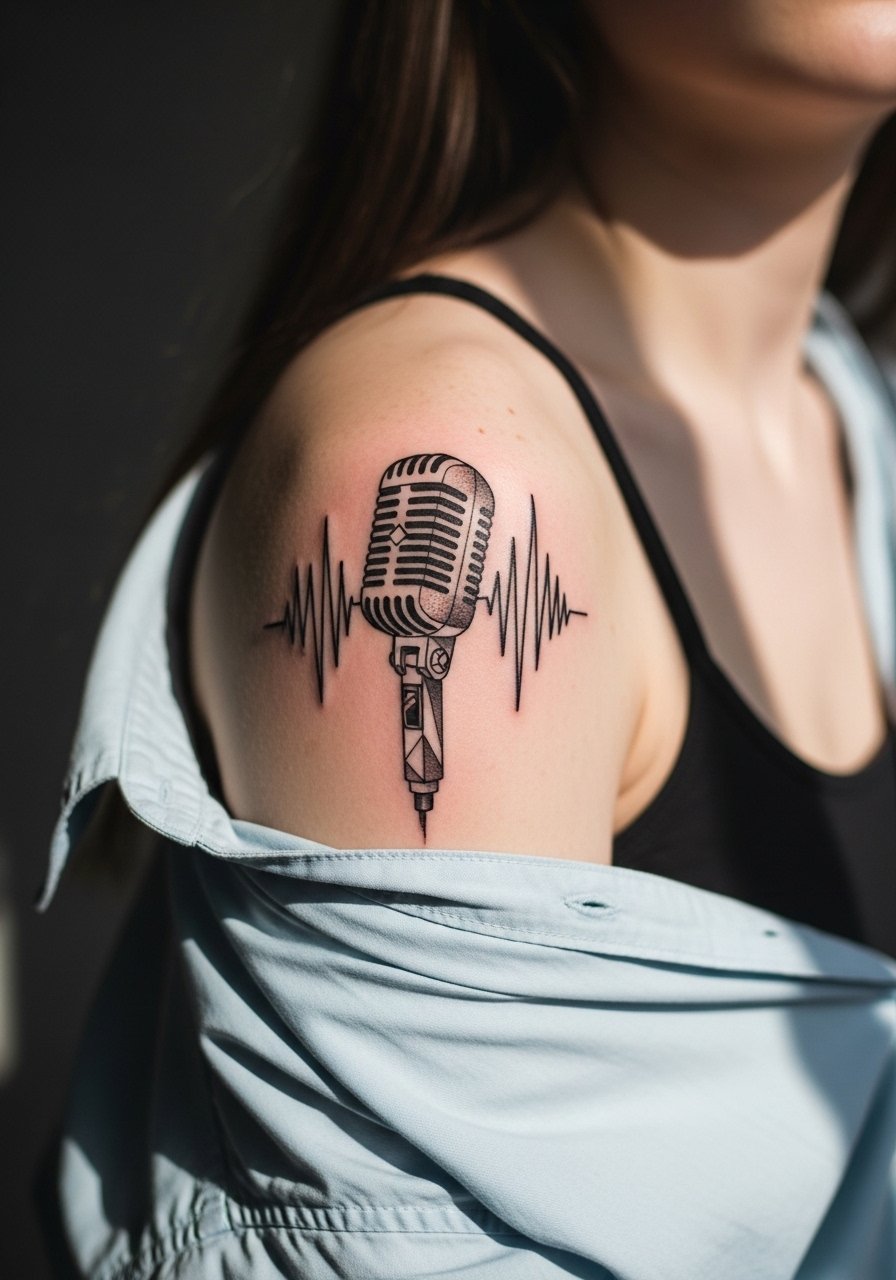
Geometric takes on band iconography read modern and might be smarter for people who want a less literal mic. Shoulder placement gives the work room to breathe and lowers blowout risk compared with tight wrist pieces. The usual mistake is scaling these too small. The lines need spacing to keep geometry distinct as it heals. A one to two session approach gets the saturation right without overworking the skin. For the consult, show grid references and ask for equal spacing between angles. For session wear, bring a button-down or strapless tank you can pull aside so the artist has clean access.
5. Watercolor album cover elements on the upper arm
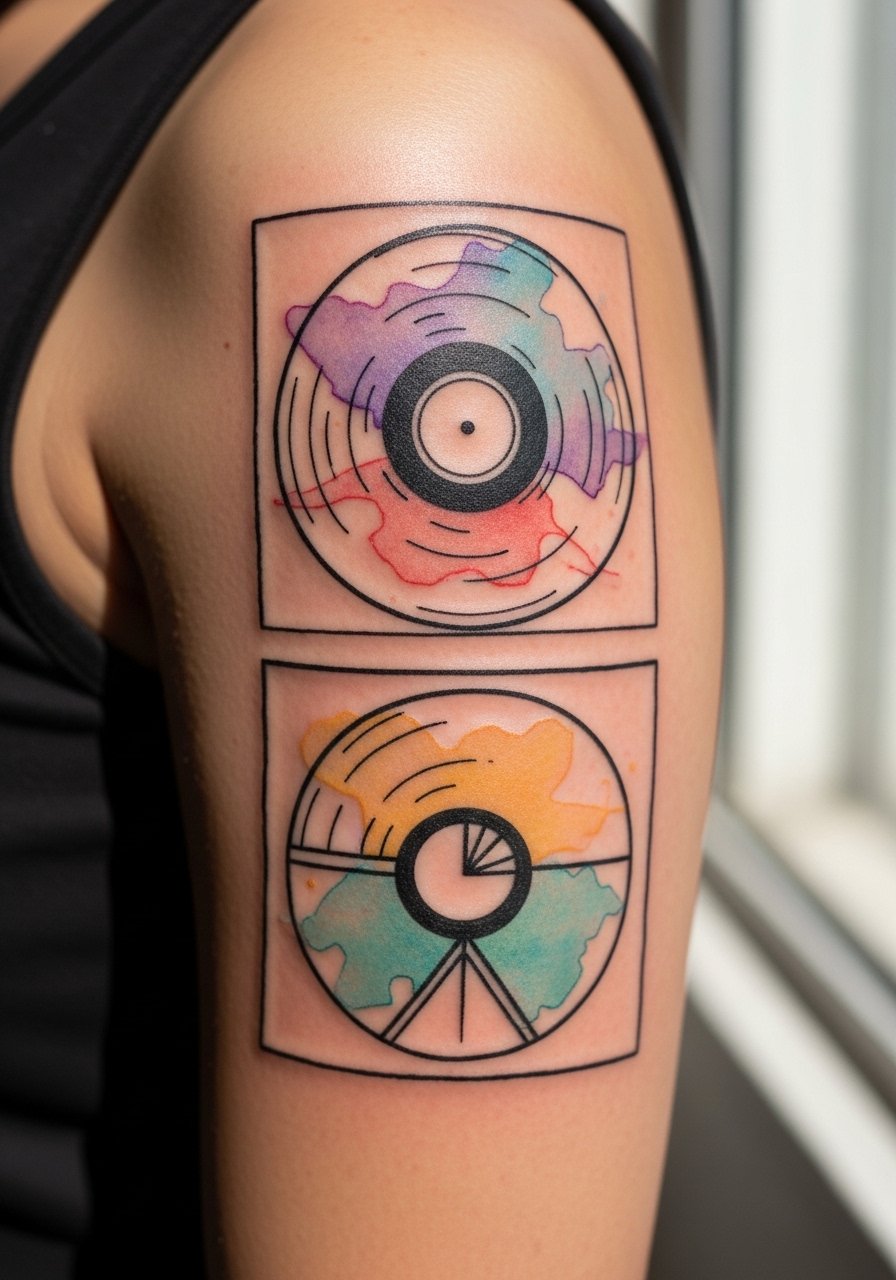
Watercolor is tempting for AM album nods, but color washes tend to fade faster, especially on forearms and shoulders. The trend has shifted toward using black outlines under watercolor to protect shape and readable elements as pigments settle. If you want this style, plan for color refresh sessions and pick placements that avoid constant sun exposure. Describe to your artist which album moments matter most and ask them to preserve those in the darkest pigment. For session comfort, wear a loose tee or button-up you can slide off rather than a tight sleeve that rubs the fresh ink.
6. Minimalist AM logo on the wrist
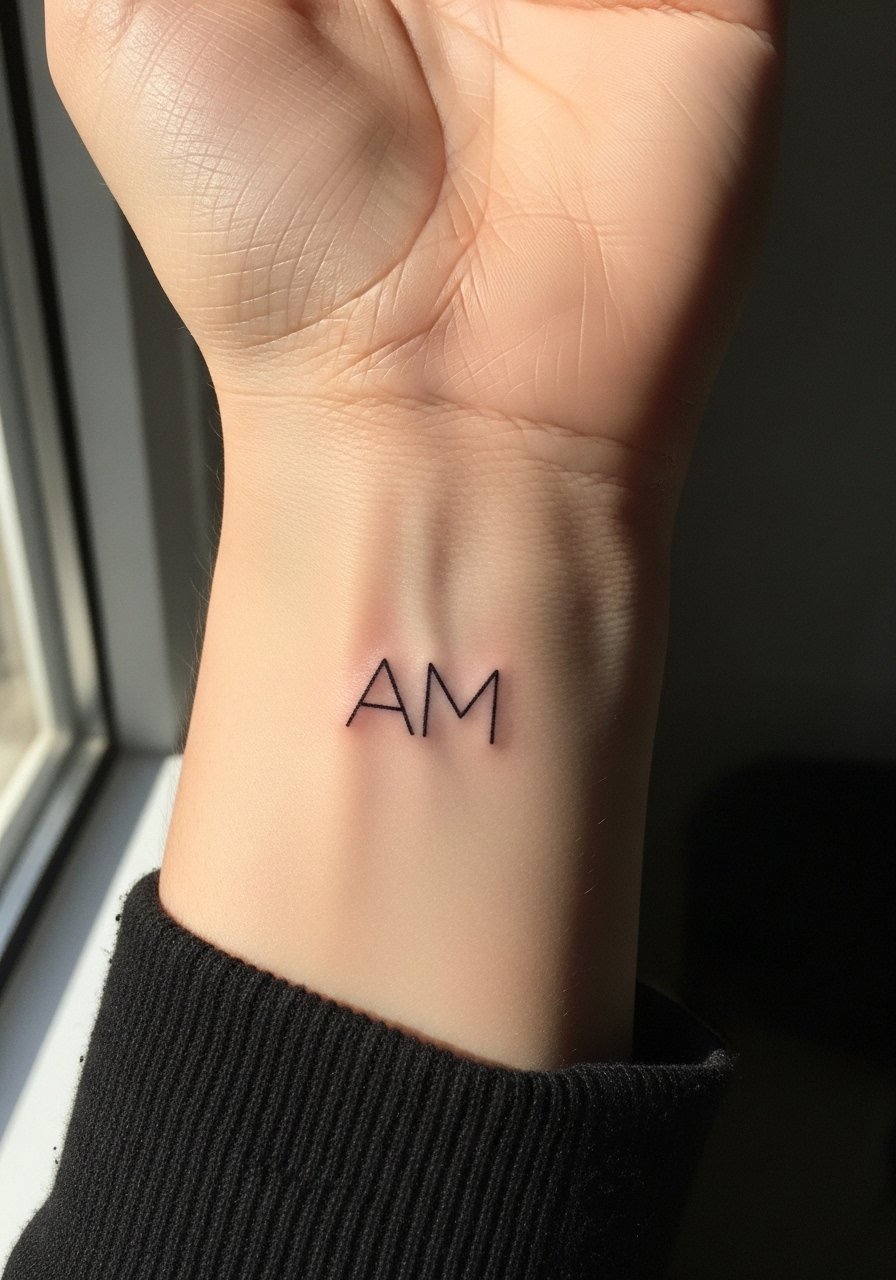
A tiny AM logo is a low-commitment way to nod to the band but wrist pieces live in a high-wash, high-friction zone. Fine line logos can ghost quickly unless the line weight is balanced. Ask for a slightly bolder outline than a typical micro logo so it maintains contrast in photos and under darker skin tones. Expect a short session and a likely touch-up within 12 to 24 months if you wear watches or bracelets. For styling, a thin silver chain bracelet opposite the tattoo and a rolled linen cuff shirt make the wrist read intentional rather than crowded.
Studio Day Picks
The wrist, inner forearm, and upper arm pieces above need different prep than thigh or calf work, so a few niche items make studio day and the first week smoother.
-
Ink-Ich tattoo balm. A thin, non-greasy balm replacement for heavier ointments that some folks prefer for forearms that rub clothing.
-
Recovery Ink patches. Breathable second-skin film that helps color stay put on high-friction shoulder and wrist zones during the first 48 hours.
-
Kuro Sumi aftercare spray. Alcohol-free spray that soothes blackwork areas without stripping pigment on heavily shaded pieces.
-
Indie Bod Butter. Lighter texture for dry winter healing when heavy greases feel sticky and trap sweat.
-
Hustle Butter Deluxe. A mainstream balm alternative many people find less clogging than petroleum-based options, handy after dense blackwork like the mic and car silhouettes above.
7. Black and gray Humbug owl on the calf
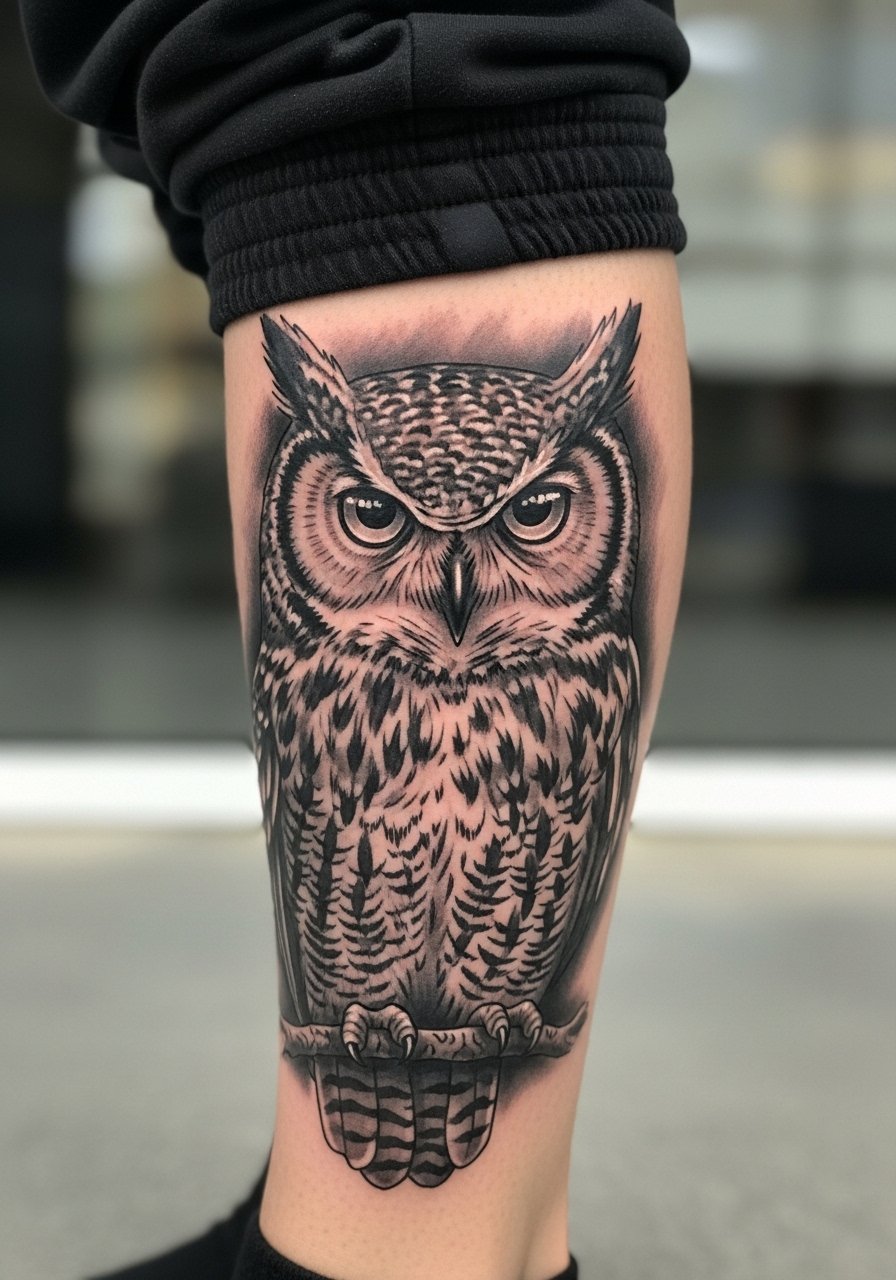
Calf placement is forgiving on blowout and it keeps heavier shading looking dense over years. An owl in black and gray works well here because the flesh does not stretch as much and the piece has room for heavy shading. The common error is compressing too many fine feathers into a 2 inch space. Tell your artist you want clear feather separation and wider negative-space gaps for longevity. For showing it off, cuffed joggers or summer shorts make this read clean, so consider wearing cuffed joggers after it heals.
8. Neo-traditional scorpion with color accents on the thigh
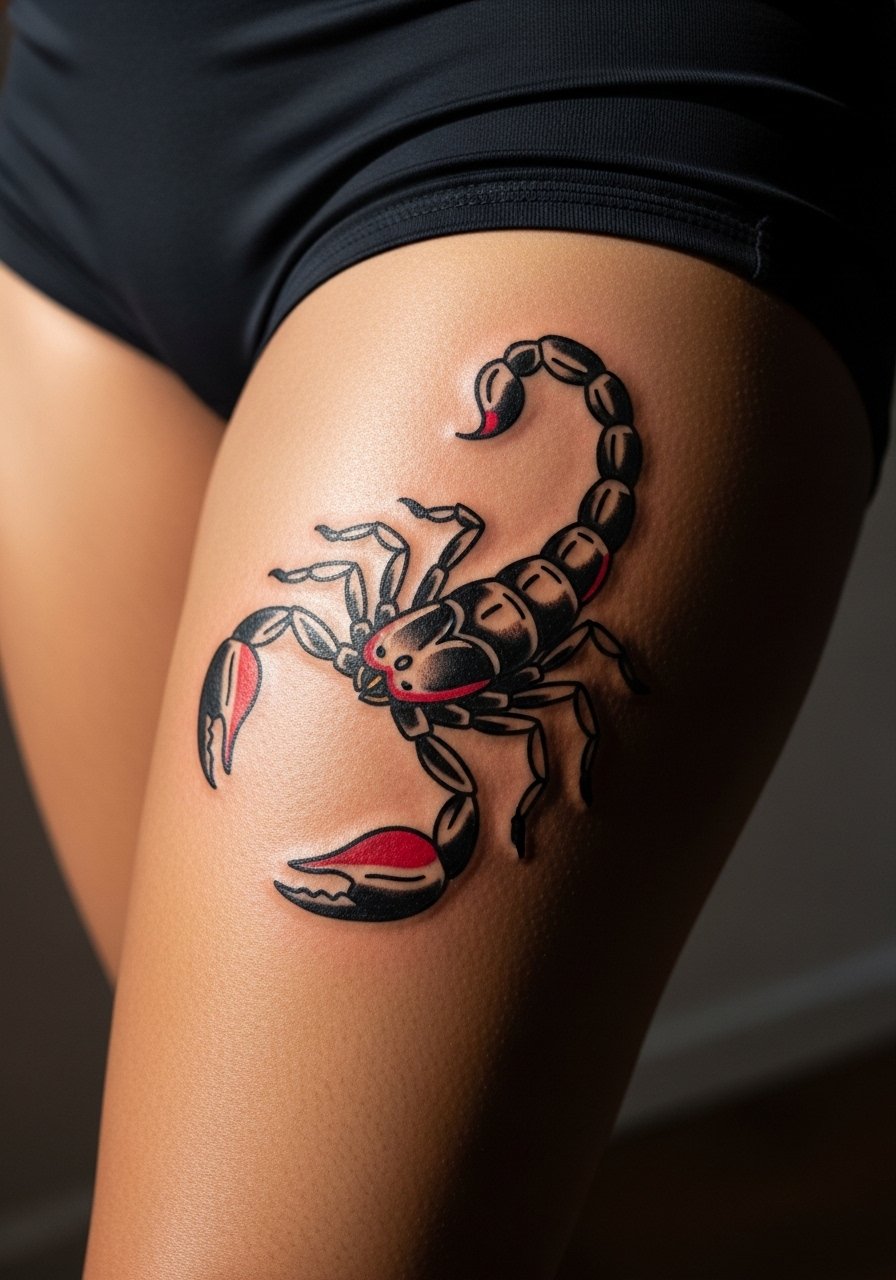
Thighs are forgiving for saturated neo-traditional pieces, but body changes like muscle gain and weight fluctuations can distort motion lines. The error I see is people asking for extreme motion blur on a curved zone. If you want movement, ask the artist to orient flow along the muscle so it reads with the body rather than against it. Expect two sessions for color accents and touch-up timing depends on how often you hit the gym. For showing the piece, high-waisted shorts or swim trunks in neutral tones frame the art without competing, so try a pair of high waisted swim shorts for summer visibility.
9. Fine line cassette on the collarbone
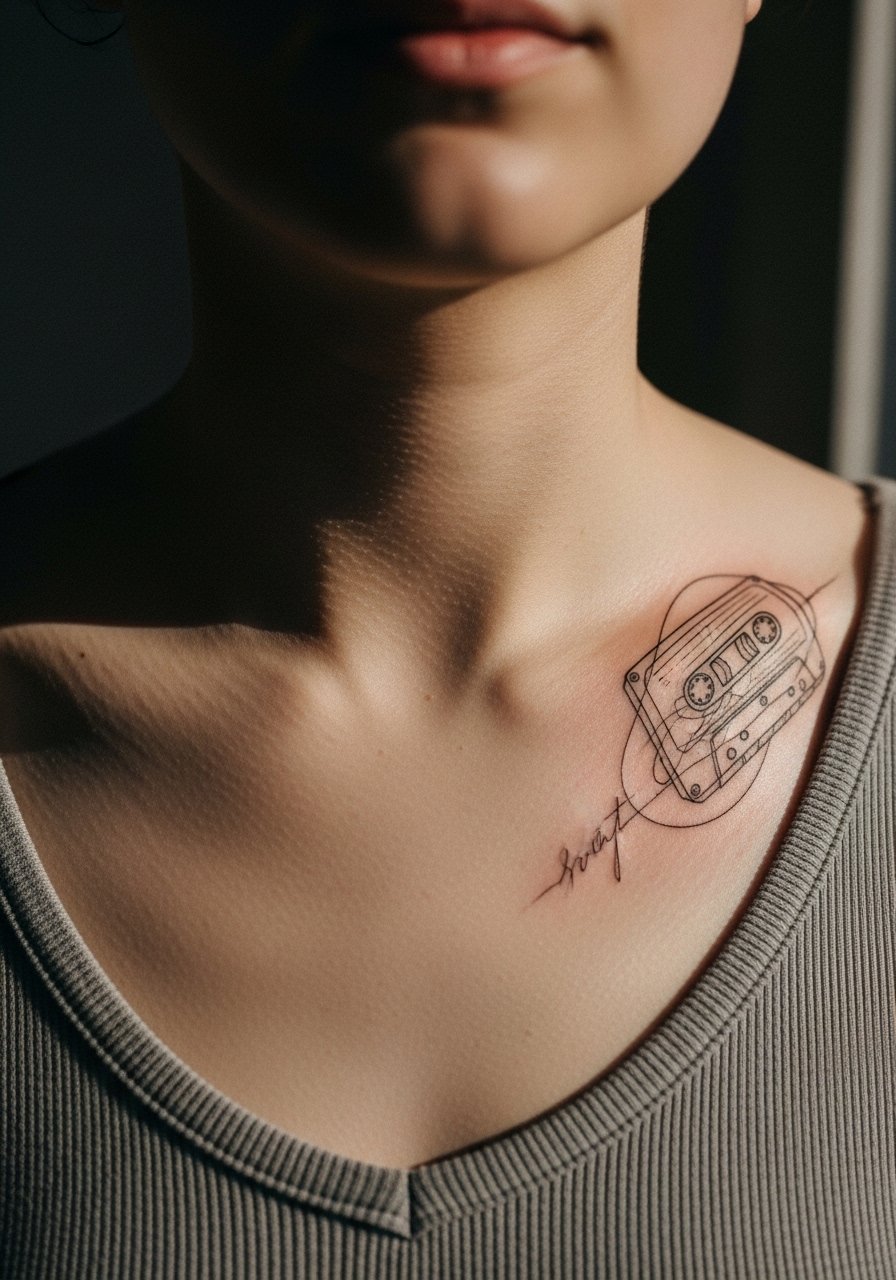
Collarbones read delicate and they photograph well, but skin here can be thin and move with breathing. The mistake is requesting the smallest micro cassette possible. Increase the cassette to at least three inches across so the spools and tape remain legible after settling. One session typically does it, but expect a quick touch-up window if edges soften. For outfits, a simple v neck tank top or layered pendants keep attention on the collarbone area without crowding the tattoo.
10. Ornamental mic with soundwaves on the shoulder blade
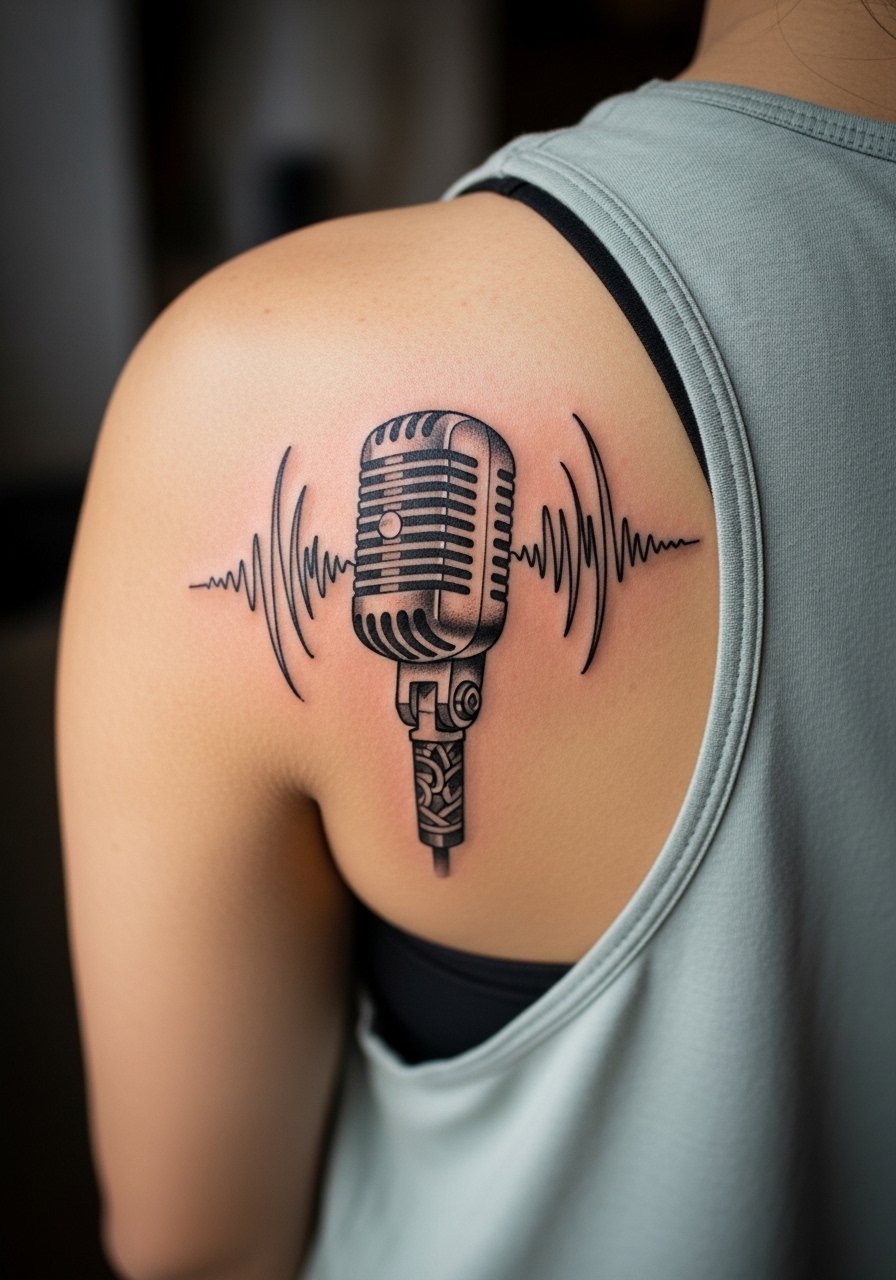
Shoulder blade pieces allow for bold negative space and ornamental detail without the same sun exposure as forearms. The big misstep is packing tiny dot work into a small patch that blurs when the skin relaxes. Ask for slightly larger dots and open spacing so stippling holds up. This area heals well if you avoid sleeping on it for the first week. For appointment day, wear a loose tank or button-down you can shift to grant access.
11. Micro-realism Alex Turner portrait on the inner bicep
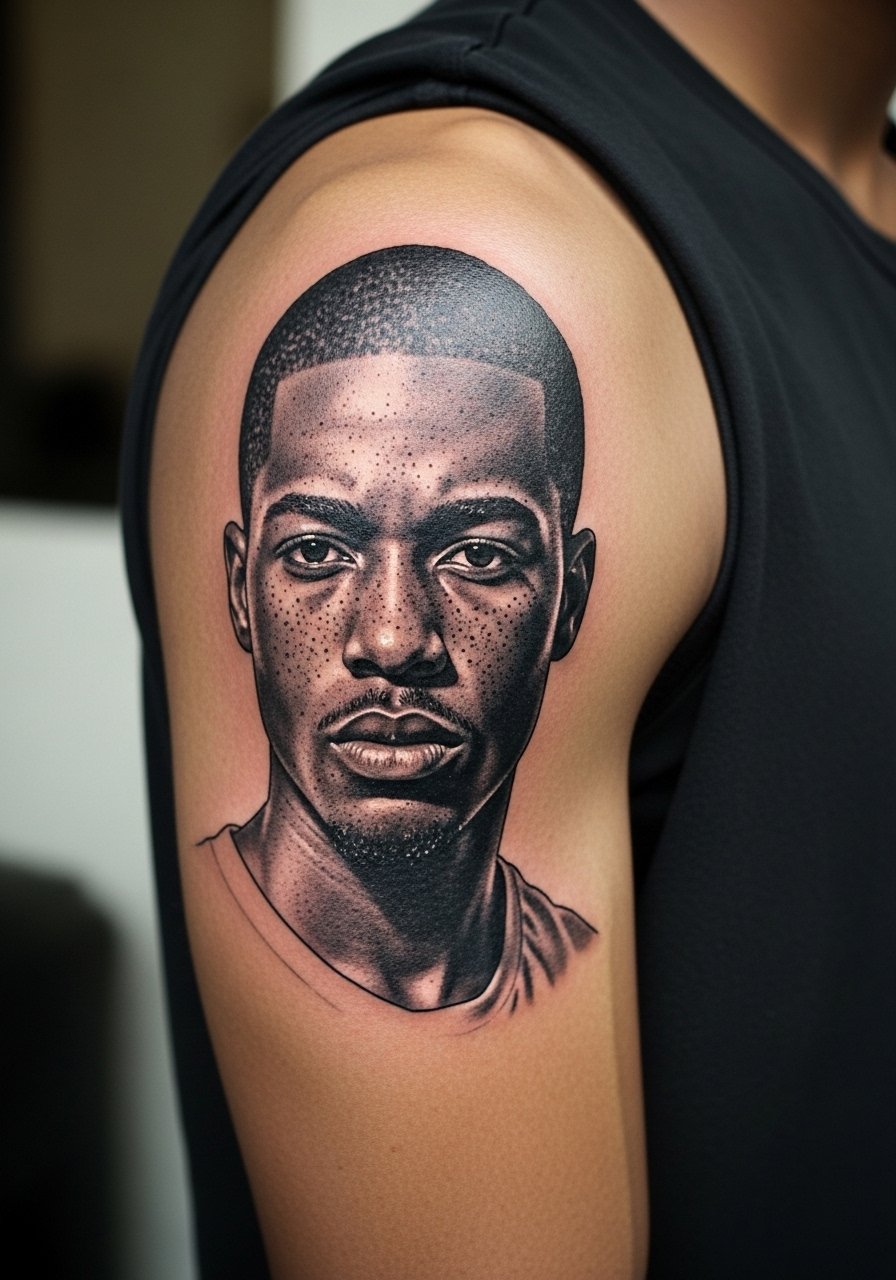
Portrait work at micro scale is high-risk for loss of detail. The typical regret I hear is people choosing a tiny face that becomes unrecognizable once settling occurs. Inner bicep gives a protected canvas but needs artist skill and multiple sessions to preserve highlights. If you want a small Turner face, plan for a larger starting size and an extra touch-up on shadowed areas. For the session, wear a tank top so the arm can be raised and the artist can work the inner bicep without stretching cloth across the area.
12. Ignorant style monkey silhouette on the ankle
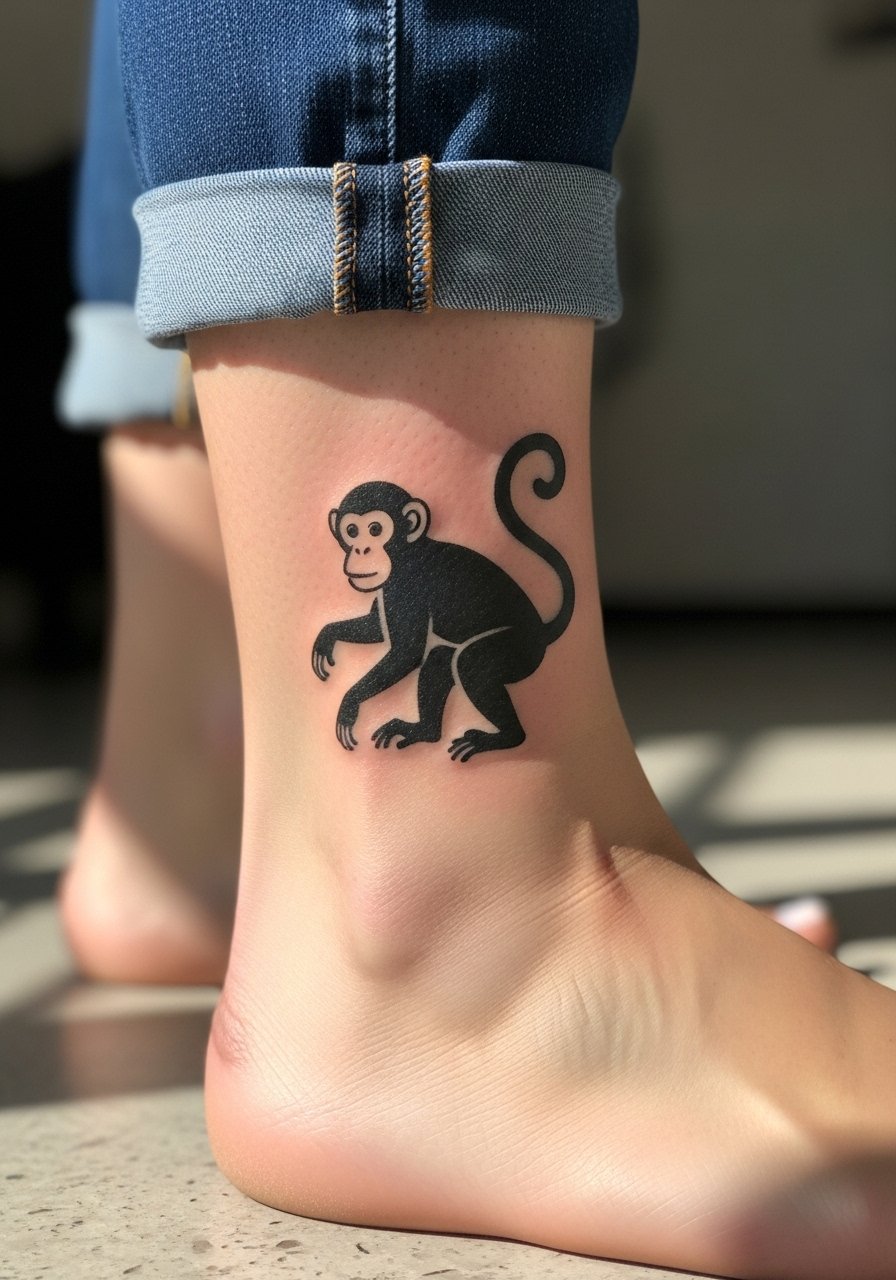
Ignorant style uses playful, naive lines that read well on small zones like the ankle because the bold strokes resist fade. The ankle sees a lot of friction from socks and shoes, so the piece should be bold enough to tolerate that wear. People sometimes pick thin naive strokes that disappear after seasonal footwear. Ask for thick single-pass lines and plan for a quick touch-up if you wear high socks regularly. For casual visibility, roll jeans to reveal the area and pair with low-cut socks like ankle crew socks to keep the silhouette in view.
13. Cassette tape unwinding into soundwaves along the spine
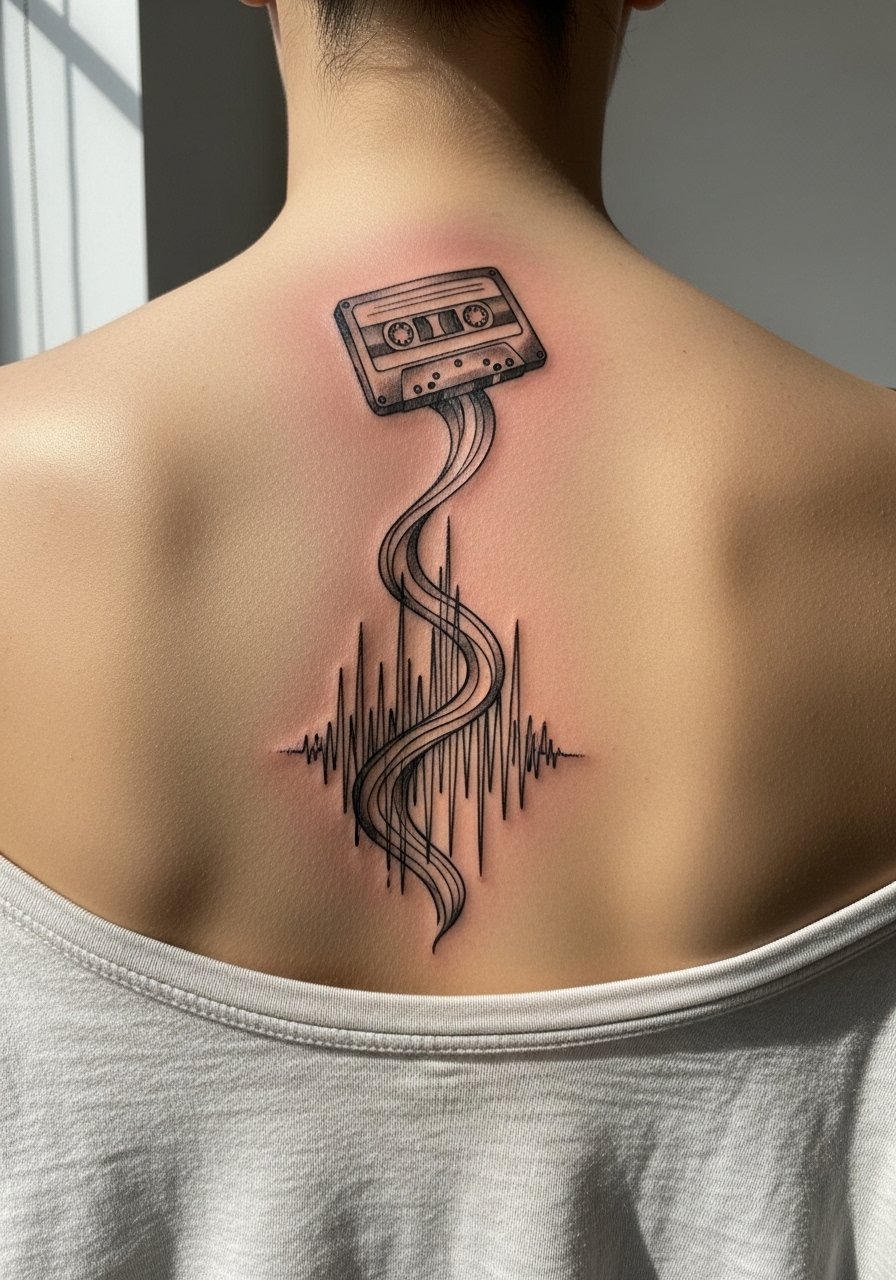
A vertical cassette-to-soundwave piece reads cinematic along the spine and suits fans of more conceptual album tributes. Spines can be sensitive depending on proximity to bone, so plan for breaks and shorter sittings if you are nervous about pain. The major mistake is winding the tape too tightly into filigree that loses clarity on motion areas. Ask for more open waves and bolder separators so the tape reads in photos even after a couple of years. Bring a wide-neck top you can shift to expose only the upper spine area during the session.
14. Ignorant monkeys climbing mic stands on the shoulder cap
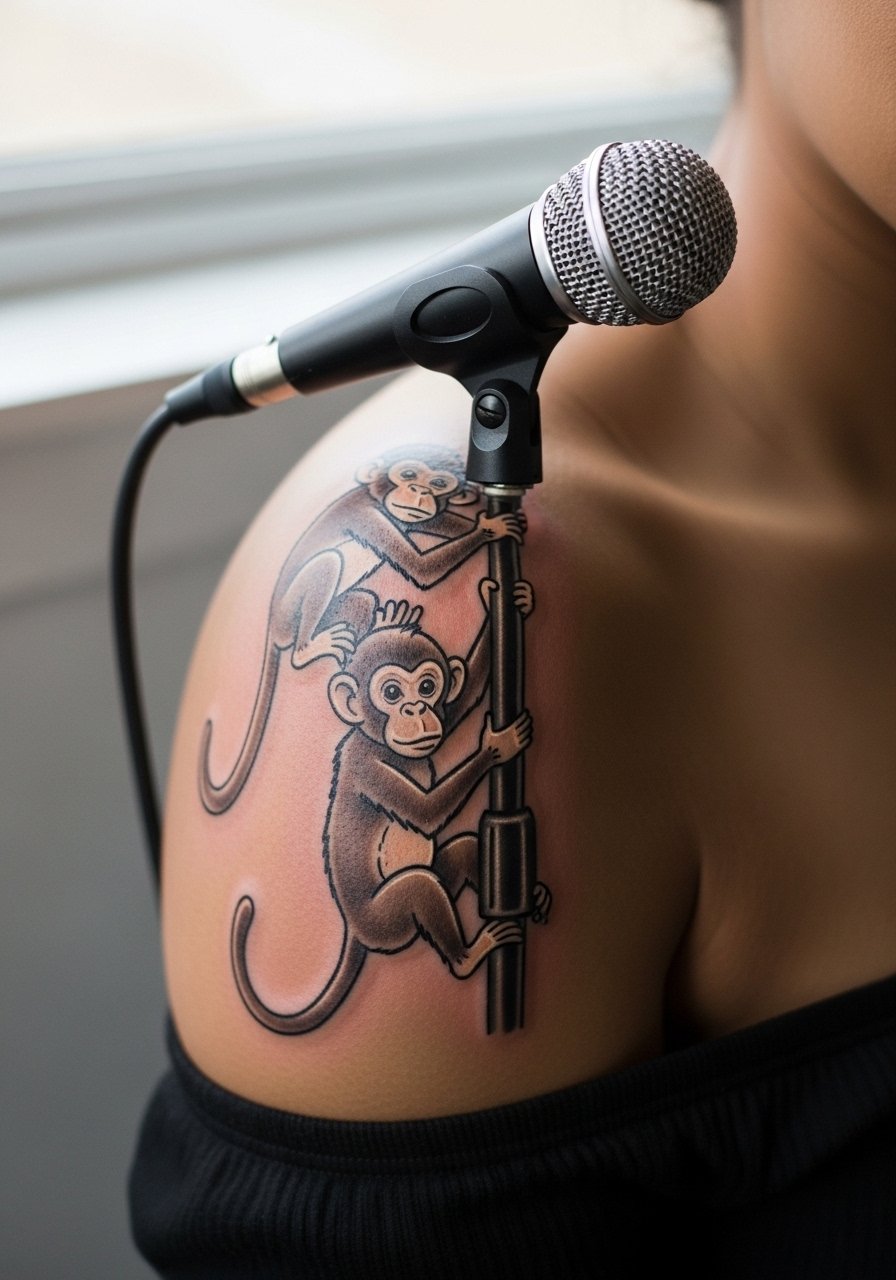
This whimsical take pushes the band-name pun into a collectible flash vibe. The shoulder cap gives the piece room to climb and keeps the bold lines from merging. The common error is requesting many tiny monkeys; keep the cast small and scale individual figures to the placement. Sessions are short for this style and it makes a good first tattoo for people who want something graphic. For showing it off, an off-shoulder blouse frames the top of the shoulder without covering the artwork.
15. Sheffield map outline paired with a lyric on the thigh
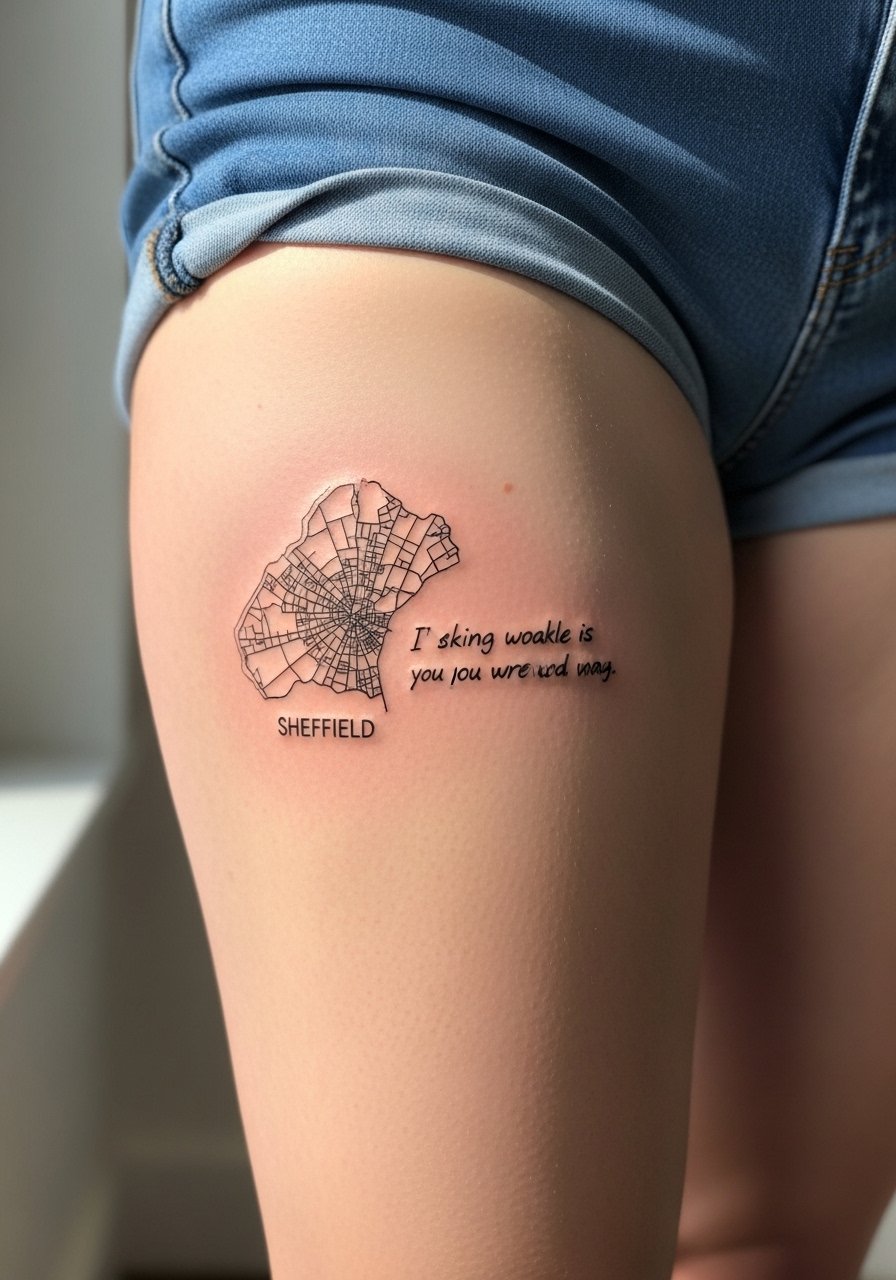
Pairing local geography with a lyric creates a hyper-local nod that reads like an inside line to fellow fans. Thigh placement allows for larger type and map detail while avoiding the stretch issues smaller thigh pieces sometimes face. The big mistake is tiny script next to a tiny map. Use wider lettering with clear spacing so both elements remain legible after settling. For show-off outfits, high-waisted shorts or swim trunks let the design breathe, so consider a pair of high waisted swim shorts when you want the piece on display.
16. Dark-skin-optimized lyric script on the inner forearm
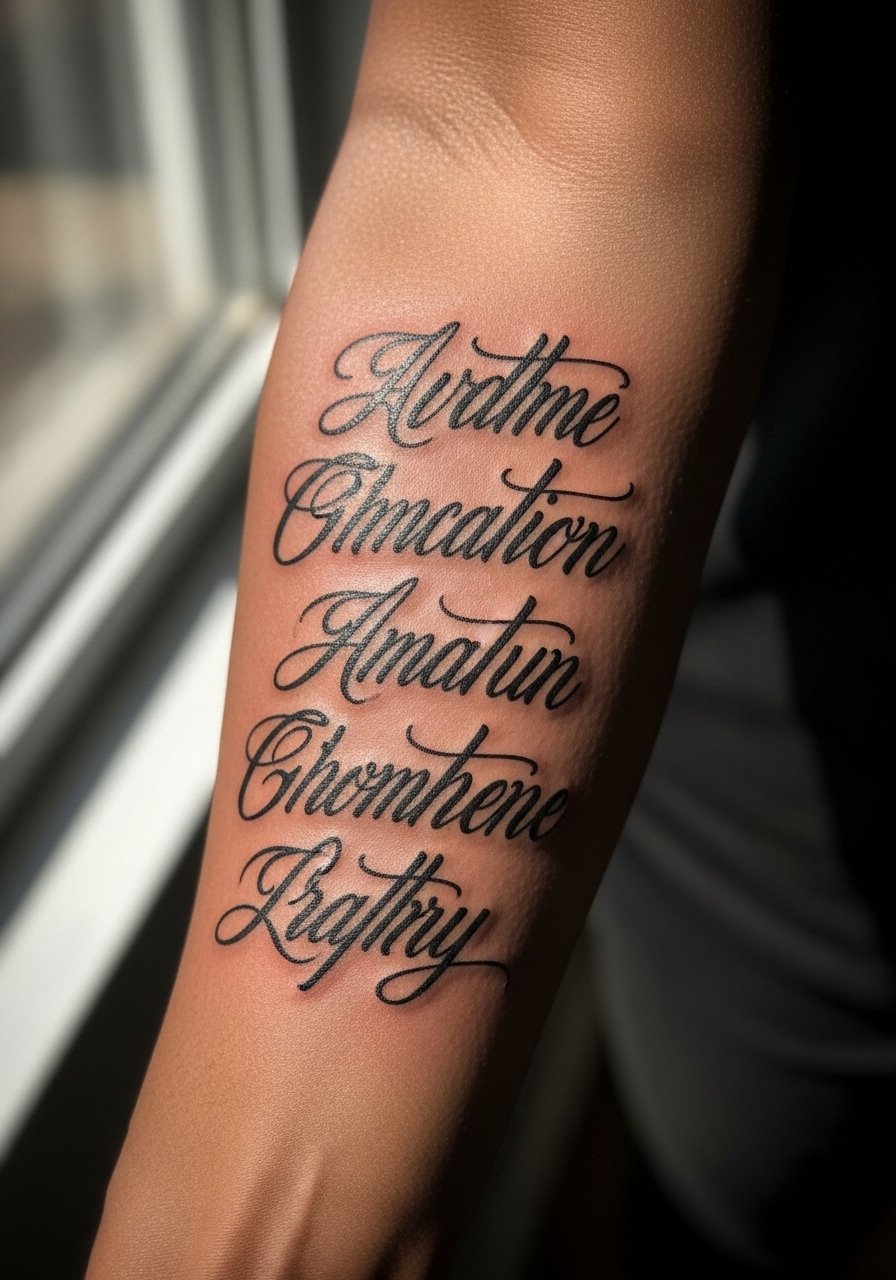
Many dark-skin clients report that ultra-thin script photographs as a ghost. The practical fix is heavier gauge script and stronger contrast around key letters. Test a henna stencil to preview visibility and ask for thicker strokes in the consult. For aging, bolded script resists washout better and usually demands fewer touch-ups. This idea is not about losing elegance; it is about choosing a technical approach that keeps lyrics readable in photos and at shows. If you want, discuss placement alternatives like collarbone or upper arm where contrast is easier to preserve.
17. Thigh car design with motion blur effect
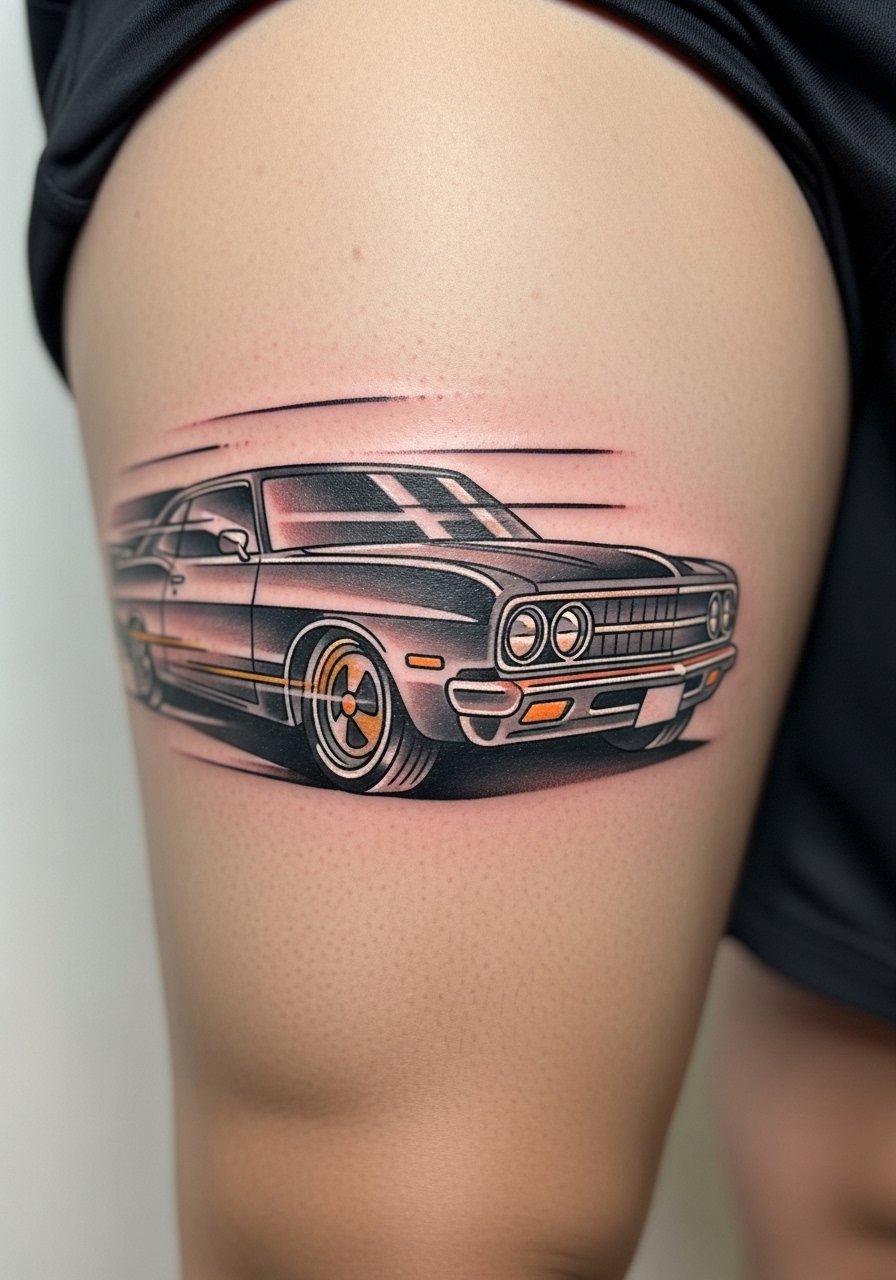
Taking the classic car motif and adding motion cues works on the thigh because the surface can accept longer lines without distortion. The main error is forcing motion blur into an area that curves too much, which creates odd-looking stretch when the leg moves. Orient blur along the direction of travel and allow negative space to separate motion lines. Expect two sessions for color accents, and consider gym plans when deciding exact placement so you avoid distortion after muscle gain. For session comfort, wear loose shorts you can shift so the artist can access the outer thigh cleanly.
Frequently Asked Questions
Q: Will a fine line lyric like "Do I wanna know?" blur on my forearm after two years?
A: It depends on line weight and placement. Forearms see frequent sun and friction, so slightly thicker strokes and a touch-up at 12 to 36 months make a big difference. If you want subtle aging, accept that the piece will soften. If you want longevity, ask for bolder linework and plan to avoid daily sunscreen abrasion during the first month.
Q: How should I prep for a wrist or collarbone session so healing is easier in summer?
A: Hydrate well and plan clothing that gives clear access without rubbing the area post-session. For collarbone work, a v neck tank top you can shift helps both during and immediately after the appointment. Keep the area shaded for two weeks and avoid tight straps that can scuff fresh ink.
Q: Artists cancelled my guest spot once. How do I reduce the chance of being ghosted?
A: Ask for availability windows and confirm a written booking policy before you pay a deposit. Use booking platforms that show artist schedules and send a reminder 72 hours before. If driving long distances, pick a date with a small buffer so rescheduling does not cost you an entire travel day.
Q: On darker skin, what tattoo styles photograph best for Arctic Monkeys motifs?
A: Bold blackwork silhouettes and slightly thickened script tend to read best. Micro-realism can work but it needs larger scale and strong contrast. Try a henna stencil first and look at photos under different lighting to confirm visibility before the needle hits skin.
Q: If I want a Turner portrait, how big should I go to keep detail over time?
A: Bigger is safer. Micro-realism portraits under two inches often lose key facial details as they settle. A slightly larger starting size and allowance for an extra shading touch-up will preserve likeness much longer.