Fine line and watercolor trends often look perfect on a screen, but what holds up on skin months and years later is not always what racks up the most likes. Watercolor on the outer forearm can be luminous or a soft blur, depending on placement, saturation, and how you dress it. Start here for real-world watercolor ideas that photograph well and age more gracefully.
1. Sailboat Wash on the Outer Forearm
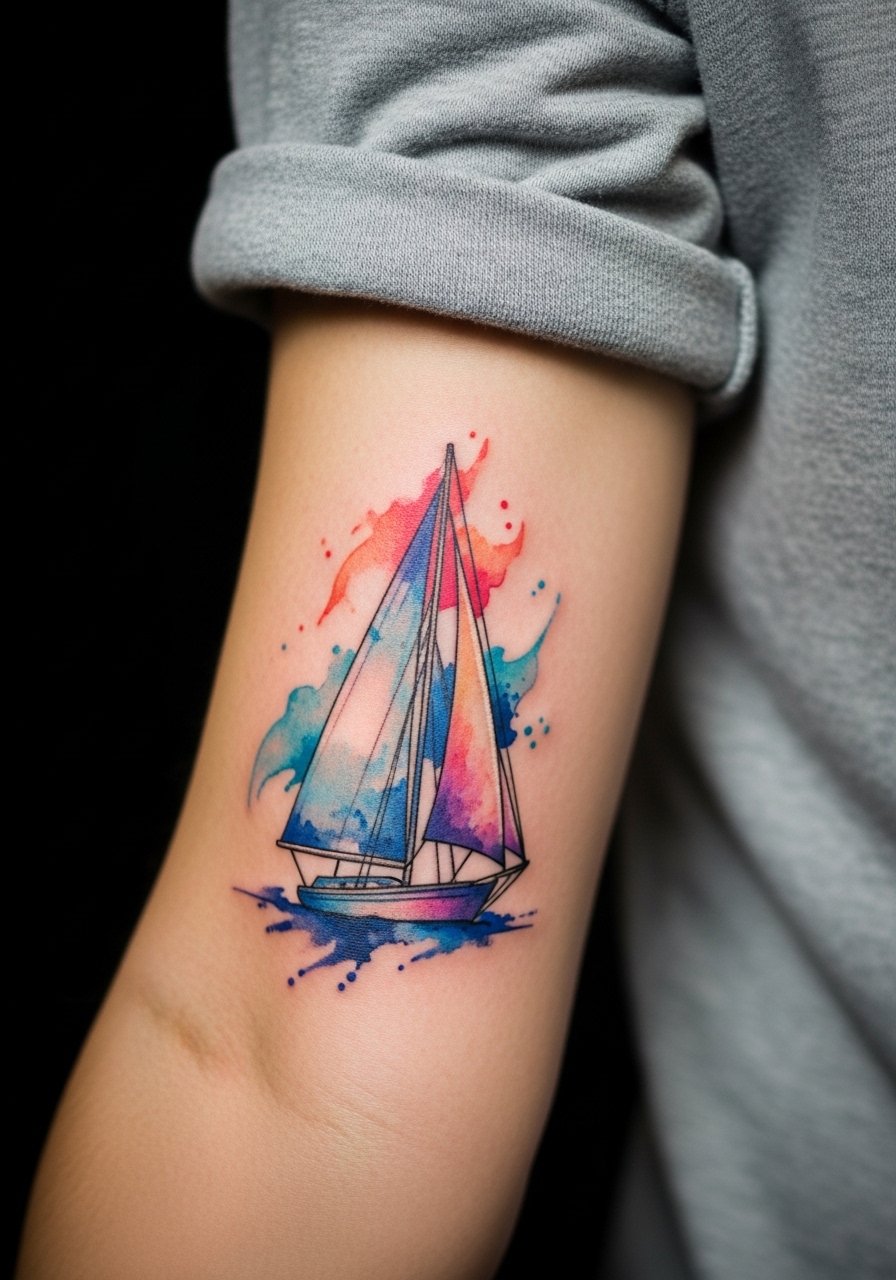
I recommend this for someone who wants motion without rigid outlines. Tell your artist you want soft edges and selective saturation so the mast and hull read for years. Pain is mild on the outer forearm and most sessions run 60 to 90 minutes. The common mistake is asking for too many tiny details inside the washes, which turns into muddy color at year three. At six months the pigment sits bright, and by two to five years the edges soften. For showing it off, roll your sleeves up with a loose button-down shirt that frames the forearm.
2. Single Peony Bloom, Soft Color

I suggest a single peony with muted reds and blush tones for a bold feminine-leaning contrast that still reads masculine on men who prefer floral work. Ask for dot work in the center to keep texture without heavy outlines. Expect a 90-minute session and low to moderate pain. Common aging issue is oversaturated thin petals that feather. The tweak that helps is leaving negative space between petals so the piece keeps its shape as saturation fades. Wear a short-sleeve linen tee to keep attention on the bloom.
3. Mountain Range in Faded Blues

The pared-back mountain works when you want landscape energy without a full sleeve. In consultation, ask for hard contour on the peaks only and soft washes below. Session time is usually 90 minutes and pain is low on the outer forearm. A common mistake is tiny cross-hatching in the wash, which ages into a mottled look. At two years expect the blues to soften, so plan touch-ups then if you want to maintain crisp color. Show this off with a rolled-sleeve chambray shirt.
4. Abstract Brushstroke Band
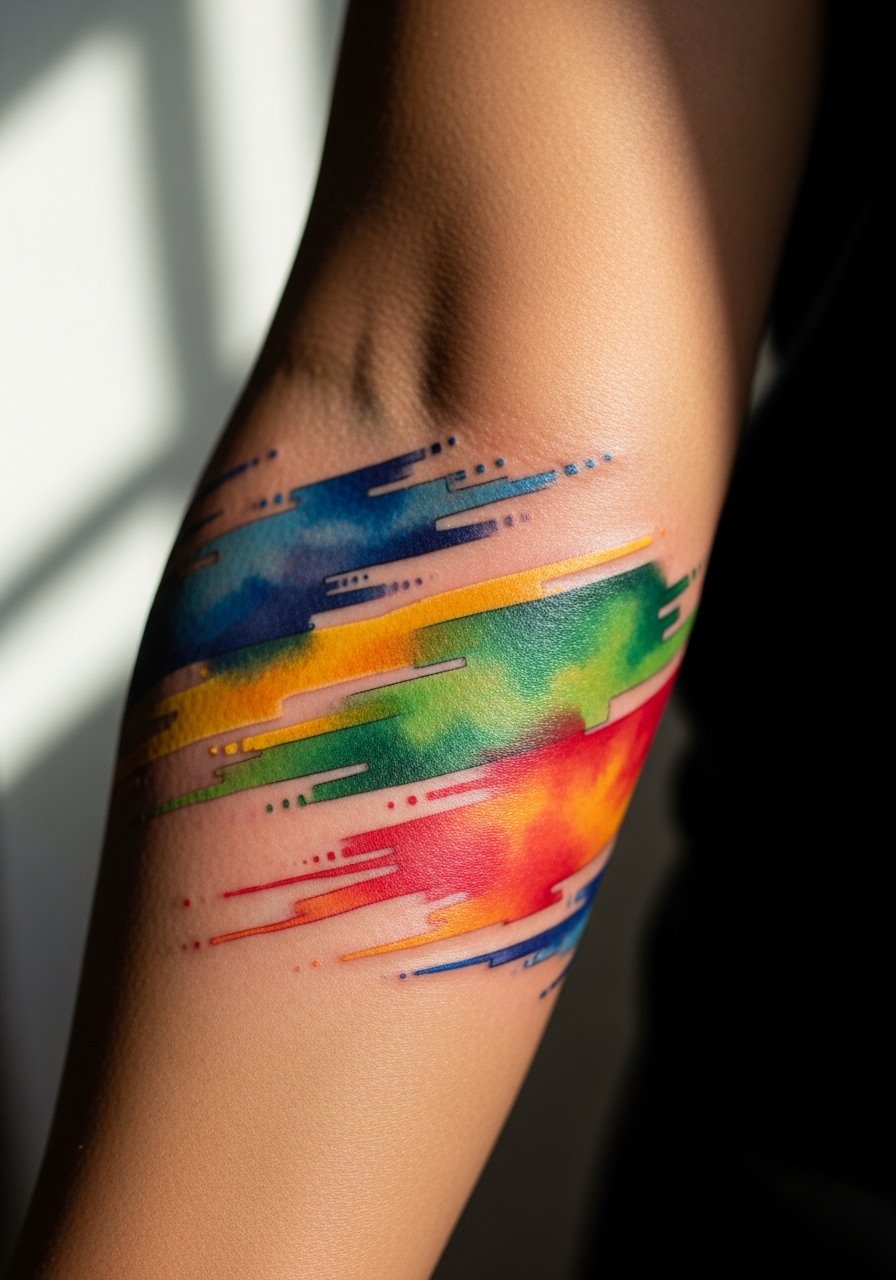
This design reads graphic from a distance and painterly up close. Tell your artist you want broad passes of color, not dense saturation, so the skin shows through the wash. Session time depends on length but plan for 90 to 120 minutes. The common mistake is stacking too many overlapping colors in a narrow band, which can create muddiness as it heals. Over time the edges will feather slightly, which suits this abstract look. For evenings, a short-sleeve linen shirt or rolled cuffs frame the band without hiding it.
5. Koi Fish Swim
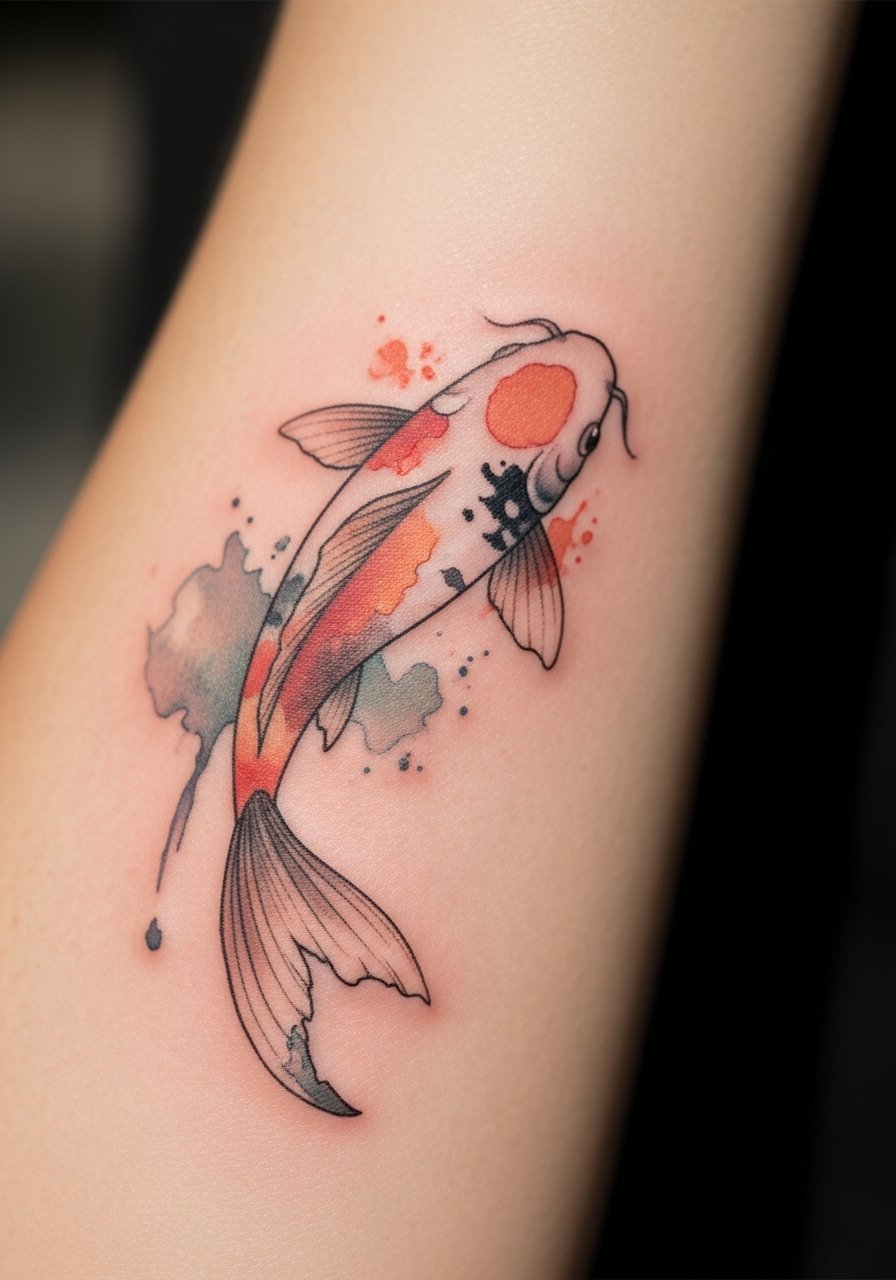
A koi reads best when the color sits behind a thin, deliberate line rather than free-floating washes. Ask for controlled saturation around the head and fins to keep the focal point sharp. Sessions often fall around 120 minutes and the outer forearm tolerates the work well. Mistakes I see are too much tiny detail in the scales, which softens into blotches after a year. Plan a touch-up around year two if you want the orange to stay vivid. Pair this with a simple leather bracelet that frames the wrist without covering the art.
6. Celestial Wash with Constellation Overlay

The wash gives atmosphere while dot-work constellation provides longevity. Tell the artist to lock the dots in with single-needle dot work and keep the wash feathered. Session time is usually 60 to 90 minutes and pain is low. A key mistake is placing dense dot work inside heavy washes. Dots hold up if they sit on clear skin or sparing color. At two years the wash will fade into a soft background, leaving the constellation readable longer. For showing it off, a rolled-sleeve henley highlights the forearm without competing.
Pre-Session Essentials
The outer forearm pieces above heal differently depending on saturation and edges, so a few items smooth the session day and the first week.
-
Stencil transfer paper kit. Helps you preview placement on the forearm so scale and flow match your arm before the needle touches skin.
-
Topical numbing cream. Applied per instructions about 45 minutes before can reduce discomfort for longer outer forearm sessions.
-
Thin protective film roll. Useful for keeping fresh watercolor edges cleaner during the first few showers and daily friction.
-
Fragrance-free gentle body wash. Cleanses the forearm area without stripping color or irritating sensitive washes.
-
Aquaphor healing ointment. Thin application during the initial healing window keeps delicate watercolor channels from drying into flakes.
7. Minimalist Wave Edge
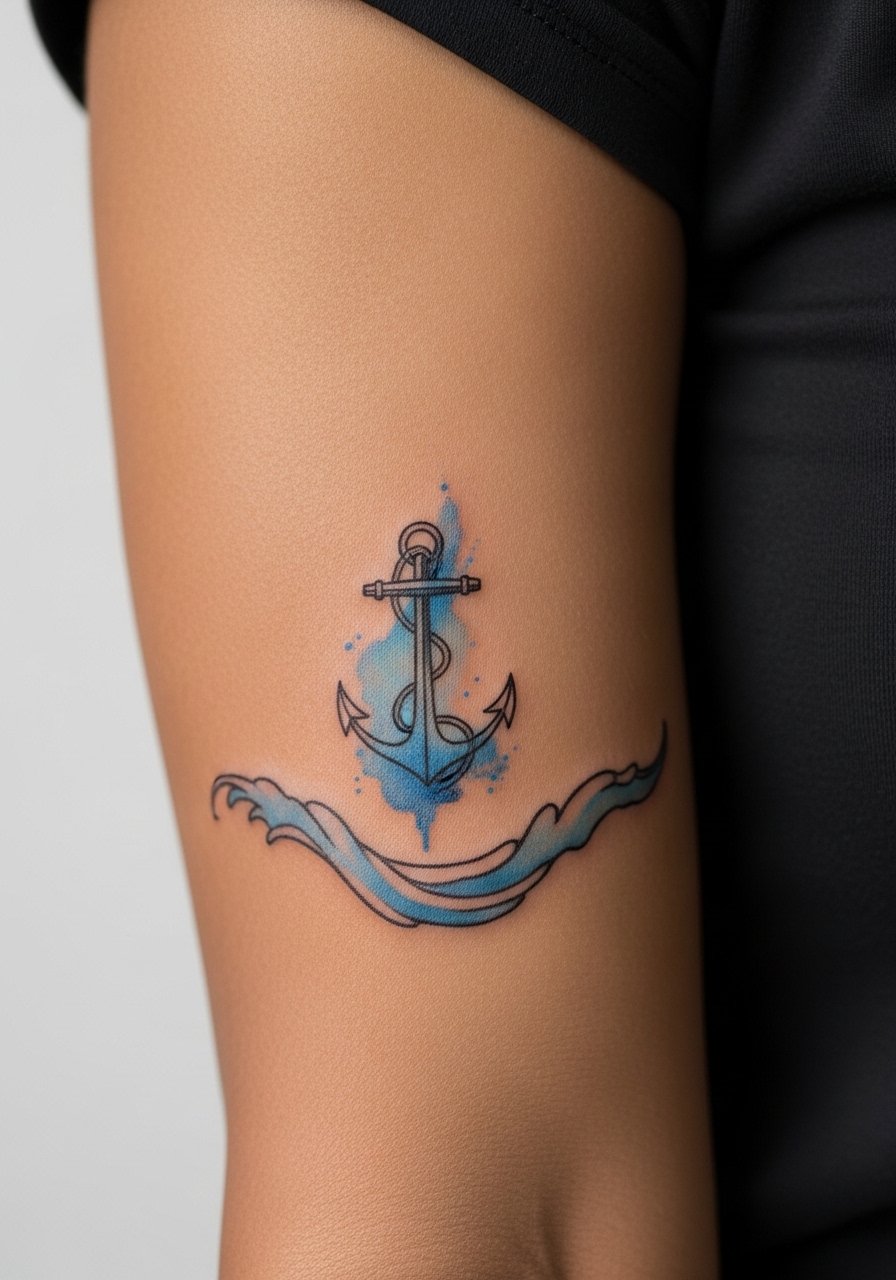
This reads like a single motion across the arm. I tell clients to avoid tiny curls inside the wash because those details flatten as pigments settle. Expect 45 to 75 minutes in the chair and mild pain. A controversy worth naming appears here. One camp says watercolor on low-stretch areas like the outer forearm fades into an unappealing bruise within three years. The other camp argues that with layered saturation and strategic negative space, watercolor can stay readable much longer. Ask your artist which camp their technique follows. For the session wear, a short-sleeve tee keeps access easy.
8. Abstract Floral Watercolor Cluster
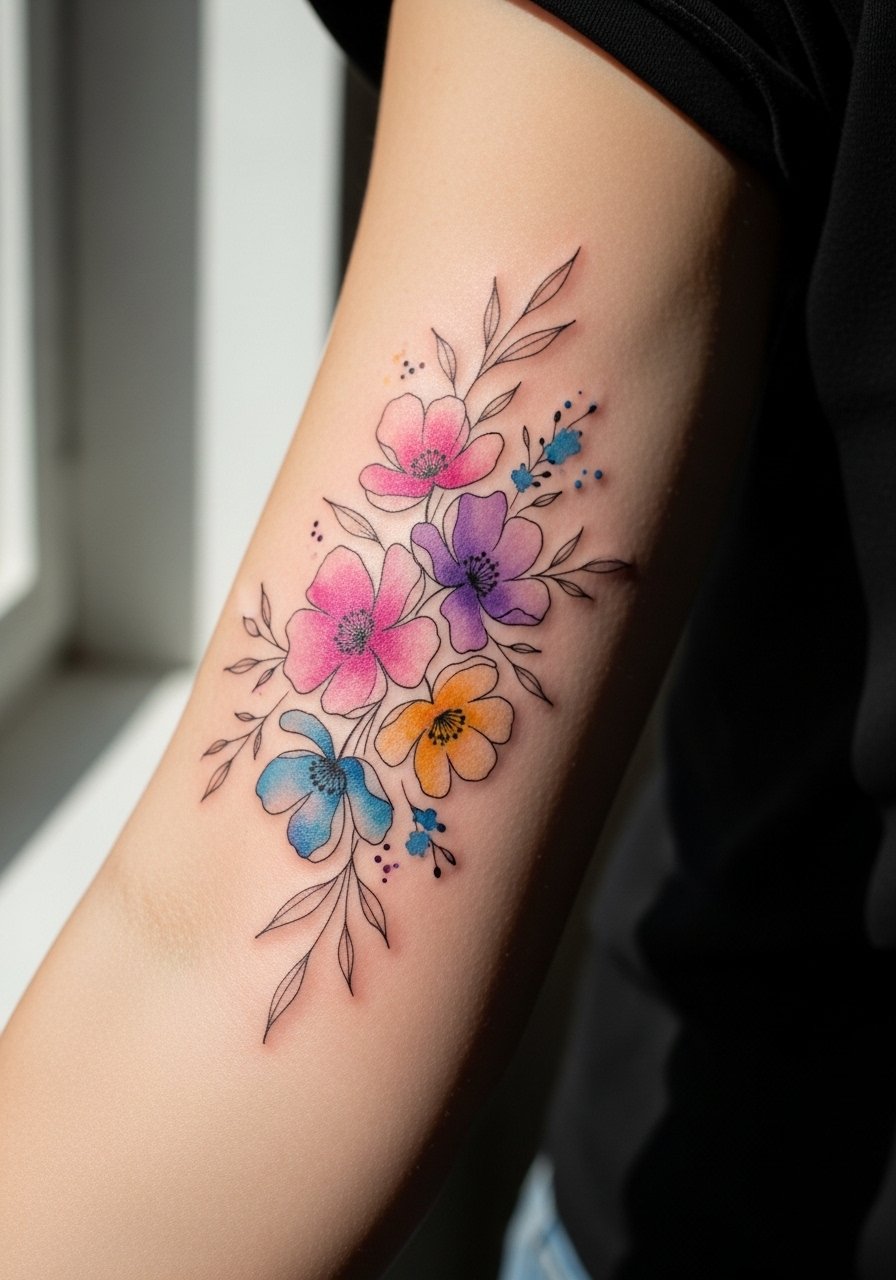
Clusters read like a patch of garden and scale well on the forearm. Tell your artist you want leaf veins in stipple shading rather than heavy lines to preserve air between elements. Sessions can run 90 minutes and pain is low. The mistake I see is cramming too many blossoms into a narrow strip. Let elements breathe. At six months the colors will look integrated, and around year three the edges will soften. Style this with a rolled cuff Oxford shirt to let the cluster peek out.
9. Lone Wolf Silhouette with Wash
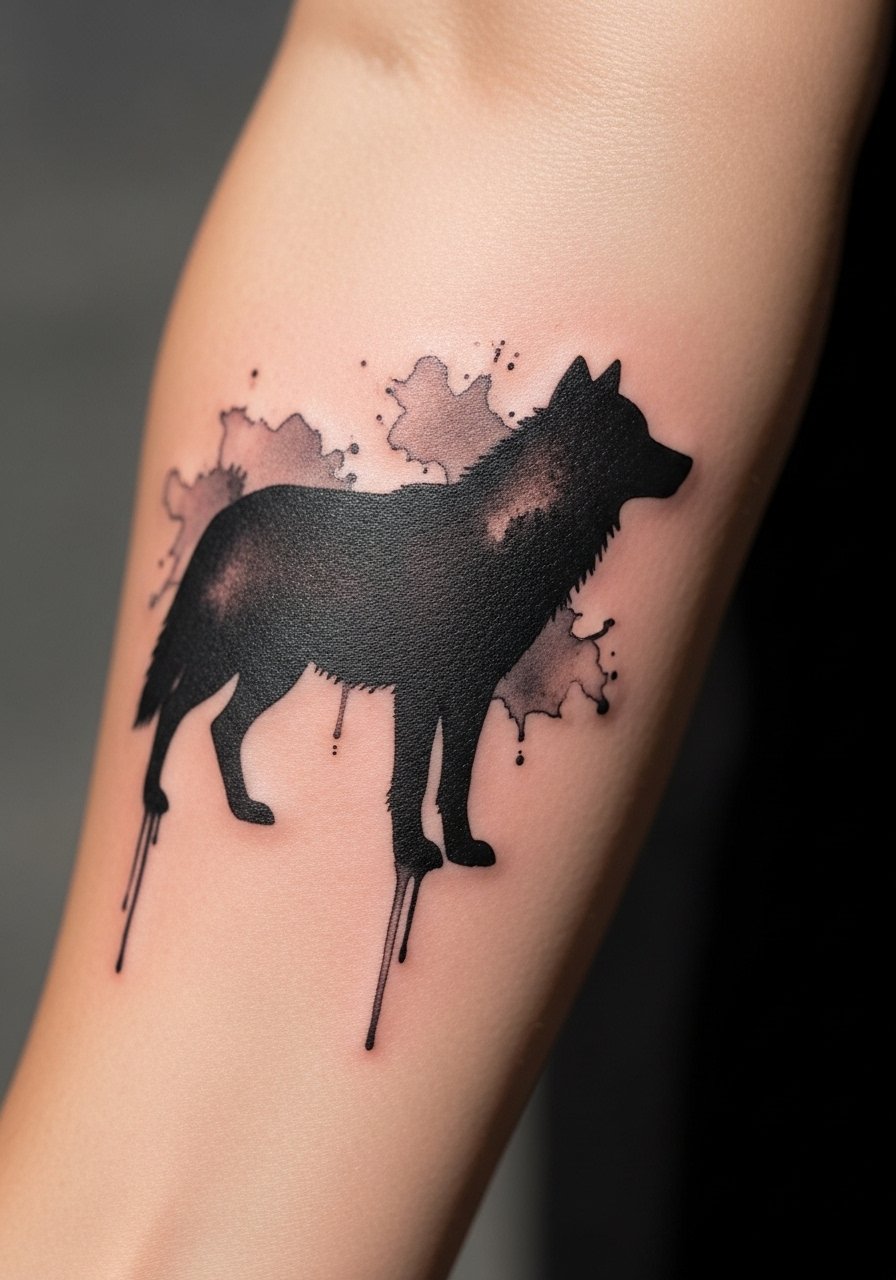
A silhouette married to a wash balances boldness and painterly texture. Specify that the silhouette remains dense while the background uses dilute ink. Expect 60 to 90 minutes and moderate pain if the artist layers saturation. A common error is softening the silhouette too much, which loses the wolf's form. A touch-up timeline is realistic at year three for the wash, sooner for the silhouette if you want it stark. Pair with a woven cuff bracelet that frames the wrist without obscuring the image.
10. Geometric Overlay with Watercolor Fill

Combine precision and painterly work by asking for sharp geometric borders with watercolor fills left intentionally loose. Session time is 90 to 120 minutes and pain is mild to moderate depending on line repetition. The common mistake is making the geometry too small. Keep shapes large enough to avoid line merging over time. At two years the fills will fade before the borders do, so expect touch-up on color. Show it off with a short-sleeve blazer or rolled sleeves for a clean look.
11. Botanical Stem with Color Bleed

A vertical stem suits the forearm's natural lines. I advise artists to use stipple shading at the base of leaves and to keep leaf edges soft. Expect around 90 minutes and low pain. The mistake is tight edges on small leaves. Over time those edges can merge. The piece will age into a softer silhouette, which works if you plan composition with that in mind. For session comfort wear a linen button-down you can roll up cleanly.
12. Electric Guitar Splash

This design pairs iconography with bold color. Tell your artist you want a saturated pickguard area and softer splashes around the neck. Session time 90 to 120 minutes and pain ranges moderate for dense color patches. The common mistake is filling tiny instrument details that do not hold against washes. At two years the splashes will soften and might need a top-up to recapture neon. Style it with a short-sleeve band tee that shows off the forearm.
13. Watercolor Compass with Fine Markers
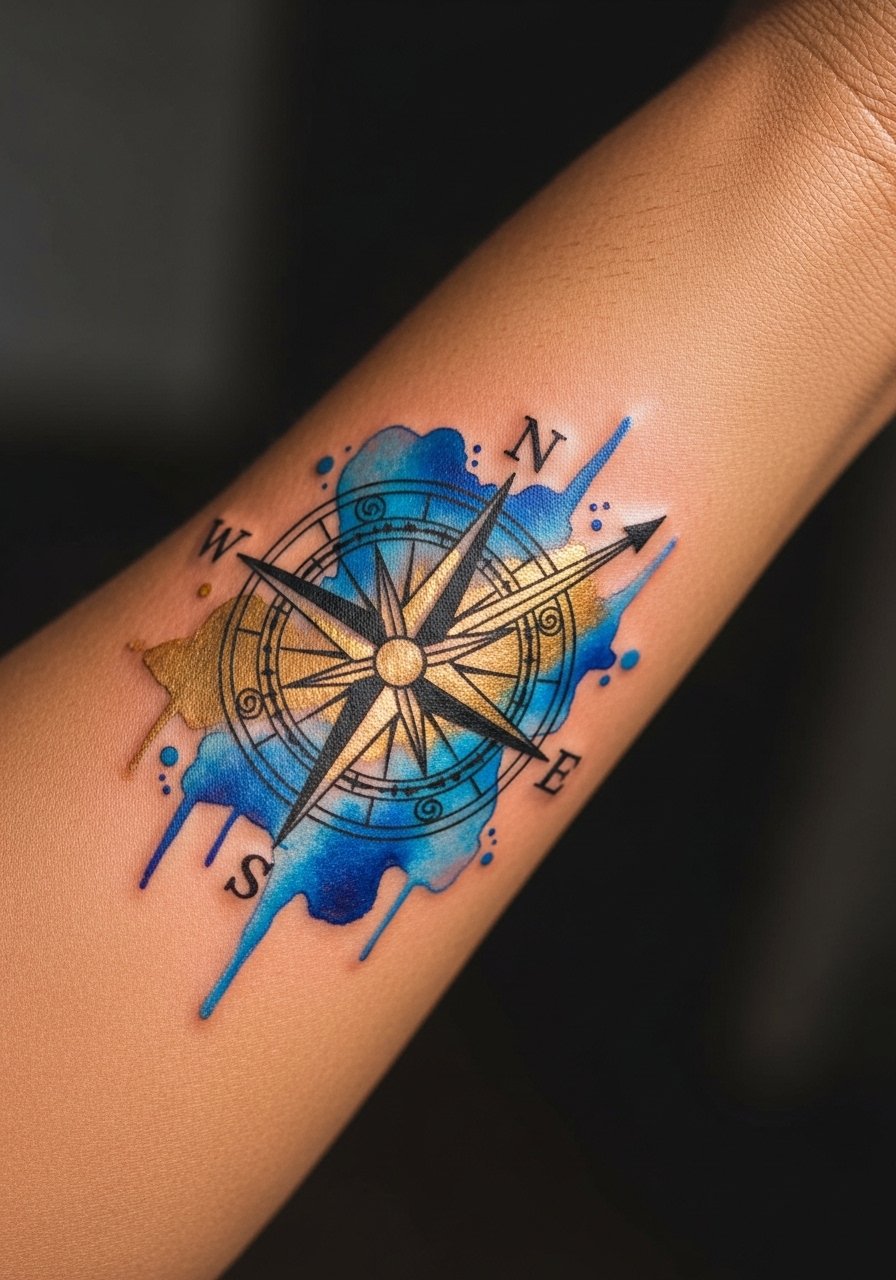
A compass benefits from tiny anchor points rather than busy ornamentation. In consult, ask for thin fine markers and light washes that do not sit over the markers. Sessions are 60 to 90 minutes and pain is low. A common error is heavy metallic tones suggested by flash photos that do not translate into lasting pigment. This design ages well if the markers stay readable, with color touch-up possible at year three. For the appointment wear a casual button-up shirt with sleeves you can roll up easily.
14. Celadon Lotus in Mist

A lotus in pale green and blue reads serene and holds expression when negative space supports the petals. Ask for light stipple under the petals for longevity. Sessions usually last 90 minutes with low pain. The mistake is over-detailing the inner petals. Those micro-details can blur into the wash. At five years the shape will remain if spacing is respected. Pair with a minimalist silver cuff that sits above the wrist.
15. Controversial: Fine Line Script with Watercolor Halo
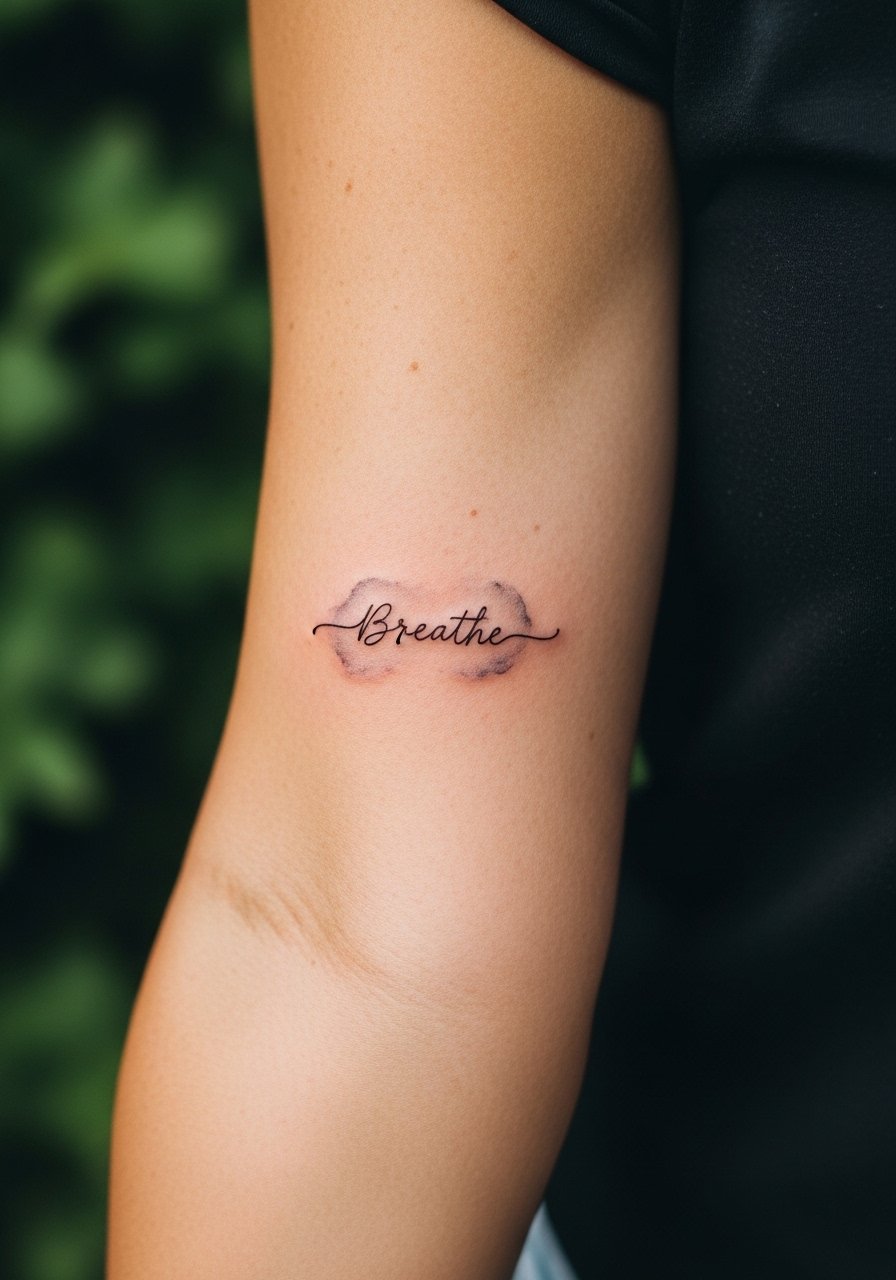
This one hits a controversy directly. One camp says fine script within a watercolor halo loses legibility fast because the halo bleeds into hairline serifs. The other camp says careful needle depth and micro-spacing protect script for years. I advise asking your artist to write the word at several sizes on your skin with a marker before committing. Session time is 30 to 60 minutes and pain is low. Expect touch-ups sooner if you want the script razor sharp. For showing it off, wear a fitted short-sleeve tee that keeps the arm visible.
16. Painterly Rose with Negative Space

The trick here is to let skin form petal edges instead of outlining everything. Tell your artist to plan the rose around negative space from the start. Sessions are 90 minutes and pain is low. A common mistake is adding too many tiny veins that do not hold. At two years the rose will read softer but still readable. Pair with a rolled-sleeve denim shirt to show the piece without hiding it.
17. Nebula Splash with Tiny Stars

This cosmic piece works when the stars are placed on clear skin rather than buried in color. Ask for the dots to be single-needle dots that anchor the composition. Sessions run 60 to 90 minutes and pain is low. The mistake is packing stars into dense washes. Stars last longer if they sit on negative space. Over time the nebula will fade into a soft backing for the dots. Wear a short-sleeve hoodie or tee that keeps the forearm visible.
18. Abstract Map Fragment
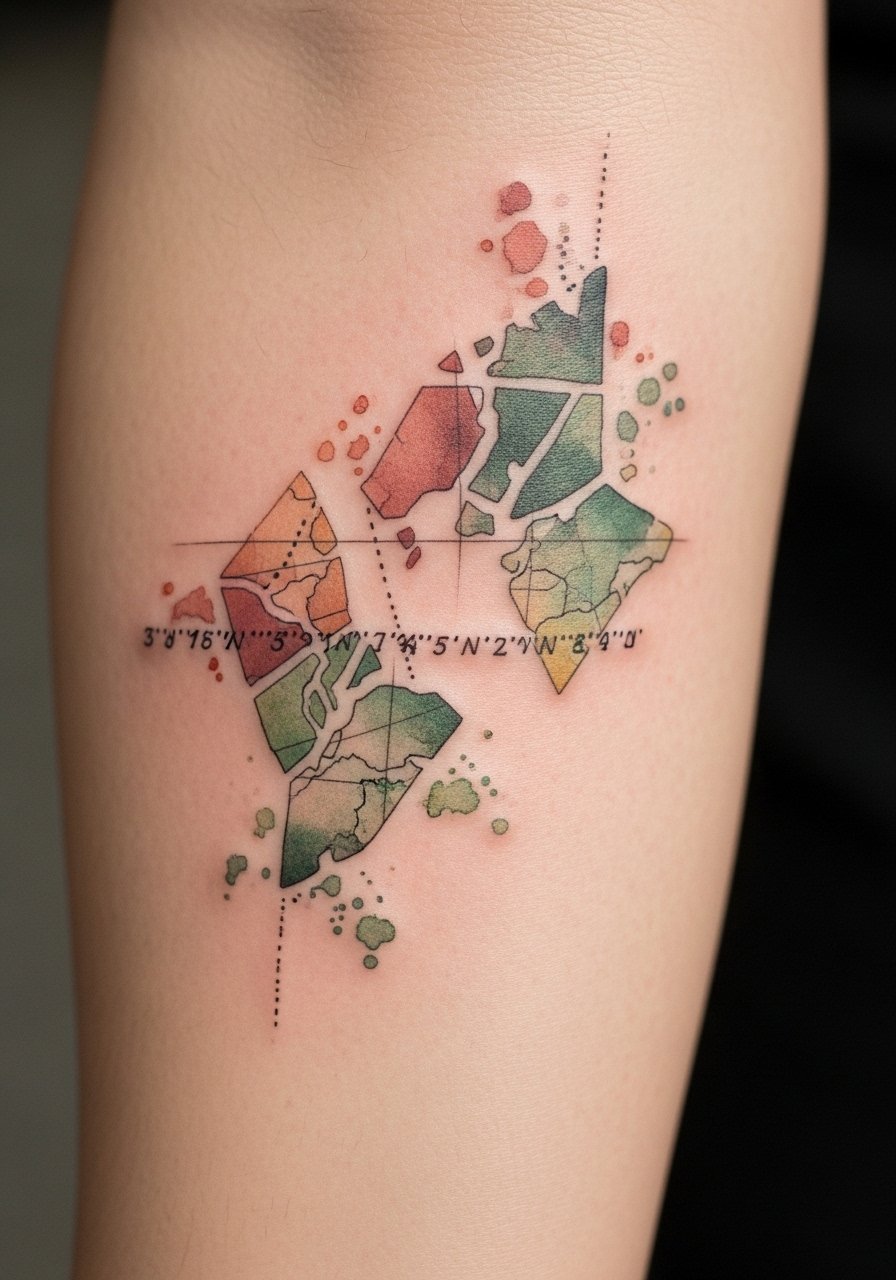
A map fragment is personal without copying full cartography. When you consult, give exact coordinates or a small place name to the artist for fidelity. Session time is 60 to 90 minutes and pain is low. A mistake is cramming too much topography into a narrow space. Let the map breathe so features remain recognizable as color shifts. For showing it off, a rolled-sleeve flannel frames the graphic without hiding it.
19. Single Feather with Gradient Wash

Feathers read best with a clear spine and gradient that follows it. In the consult, request a denser spine and feather barbs that fade into wash rather than heavy edges. Sessions are about 60 minutes and pain is low. The common error is over-stippling which can look grainy after healing. At two years expect a soft fade that still preserves the central spine. Pair with a minimalist leather watch that leaves the forearm visible.
20. Watercolor Arrow with Motion Blur

This design uses direction and energy. Ask for a solid arrowhead and translucent tail passes that suggest speed. Expect 45 to 75 minutes and mild pain. A mistake is detailing the tail too much. Motion should be implied by wash, not by tiny lines that will blur. Over the years the arrowhead will hold more than the tail. Style with a short-sleeve button-down.
21. Watercolor Portrait Accent
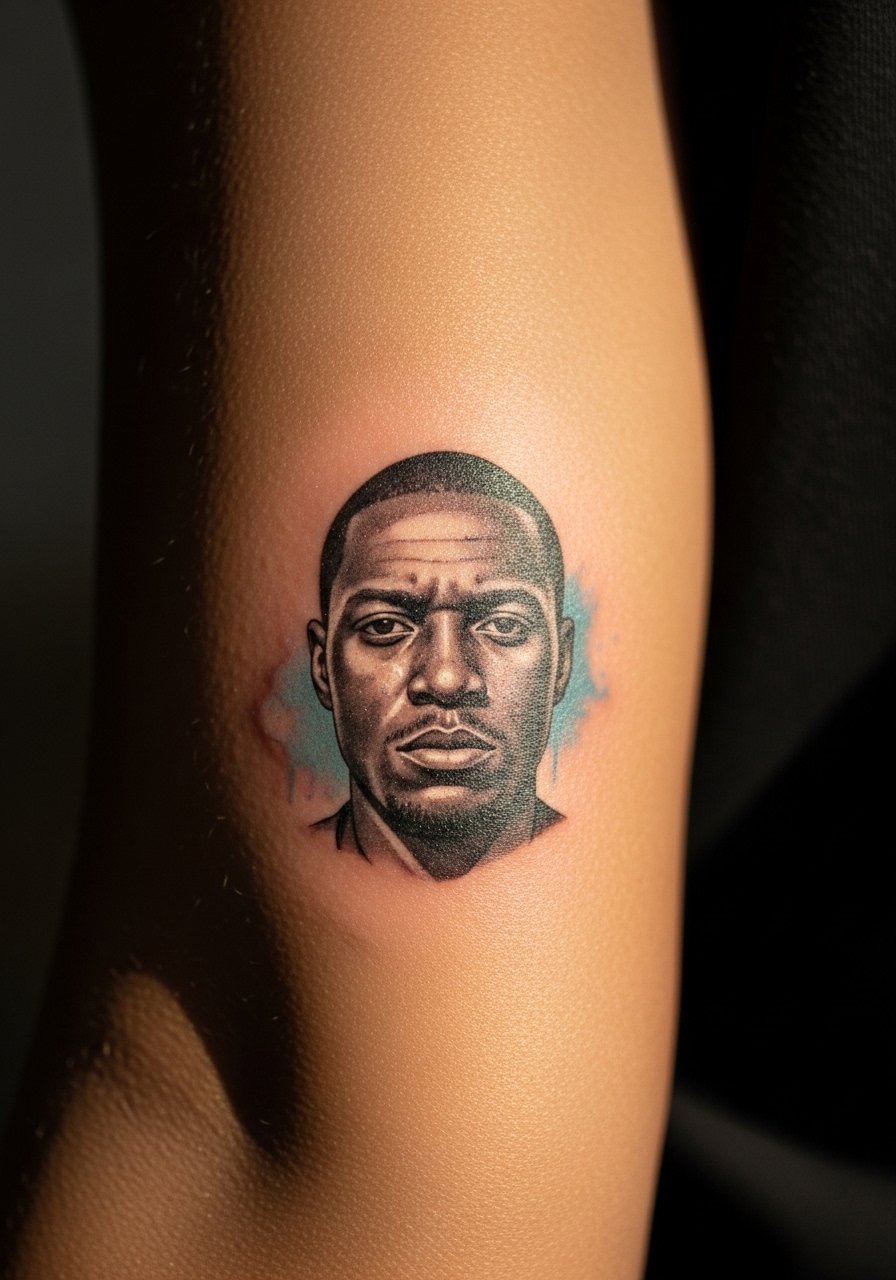
Using color as an accent for a small portrait keeps focus on the face. In consultation, agree which areas get color and which stay monochrome. Sessions vary from 90 to 150 minutes depending on portrait size and detail. The common mistake is over-saturating color across the face area. That makes the portrait lose contrast. At two years the halo will soften and the portrait will remain readable if the value contrast is strong. Wear a fitted short-sleeve tee to frame the area.
22. Botanical Band with Watercolor Background

A partial wrap should respect anatomy so the band does not squeeze at the elbow crease. Tell your artist to stop the band short of pivot points. Sessions are 90 to 120 minutes and pain is moderate for longer wraps. A mistake is extending dense color into high-movement areas. That leads to faster fading and blowout. Plan touch-ups at year two if you want dense color to persist. Pair this with a linen blazer with rolled sleeves for nights out.
23. Watercolor Arrow Cluster

Clusters of small arrows work when spaced deliberately. Ask the artist to leave consistent gaps between arrows so each reads on its own as color fades. Sessions often break into short sittings of 30 to 60 minutes. A common error is placing arrows too close, leading to merging after pigment settles. At five years well-spaced arrows retain separation without heavy touch-ups. For showing it off, wear a short-sleeve hoodie or rolled shirt.
24. Watercolor Clock Face with Washed Hands

If you want legible timepieces, keep numbers simple and hands thin but bold enough to outlive the wash. Tell your artist to avoid ornate numerals buried in color. Sessions are usually 90 minutes and pain is low. The mistake is tight numeral flourishes that blur. Over time the wash becomes a soft halo for the clock. Style it with a minimalist leather band watch that sits just above the tattoo.
25. Origami Crane with Pale Wash

Origami forms need crisp folds. In the consult, insist on clear fold lines and light washes that do not sit over them. Sessions are 60 to 90 minutes and pain is low. The common mistake is blending washes across folds so the crane loses its geometry. If maintained, the crane's silhouette lasts even as color becomes softer. Pair this with a casual rolled-sleeve shirt to show off the length.
26. Color-Blocked Skull Accent

This reads best when the skull is kept monochrome and color blocks provide mood. Tell your artist to isolate color blocks away from fine face details. Sessions vary 90 to 150 minutes. The mistake is wrapping color too tightly around facial features. The skull ages well if contrast remains. For showing it off, a short-sleeve leather jacket or tee frames the piece.
27. Horizon Line with Gradient Sky

A thin horizon reads long and elegant on the forearm. Ask for a single continuous line for the horizon and a soft gradient sky that does not sit over the line. Sessions take 45 to 75 minutes and pain is low. The common mistake is putting dense detail along the horizon which can blur into a band. Over time the gradient will mellow and keep the horizon readable. For casual wear, a rolled-sleeve denim shirt highlights the line.
Frequently Asked Questions
Q: How long do watercolor outer forearm tattoos usually hold their color?
A: From what I have seen, watercolor pieces on the forearm keep a recognizable form for several years but the vibrant edges tend to fade faster than traditional saturated work. Expect the washes to soften by year two to three. Planning touch-ups around that window keeps the pieces bright without overworking the skin.
Q: Are watercolors riskier for blowout on the forearm than lined tattoos?
A: Not inherently. Blowout depends more on needle depth and skin type than on style. Watercolor often uses softer passes which can be gentler, but thin single-needle work layered over washes can increase blowout risk. Ask your artist about their needle depth strategy and look for healed photos in skin types similar to yours.
Q: Should I pick larger shapes rather than tiny details for longevity?
A: Yes. Larger shapes and clear negative space age more predictably than dense micro-detail inside washes. If you love detail, plan those elements in areas with less movement and discuss touch-up timelines with your artist.
Q: How should I dress on the session day for an outer forearm watercolor?
A: Wear a shirt with sleeves that you can roll or pull up cleanly so the artist has unobstructed access. A lightweight button-down or short-sleeve tee works well. If you plan to show the piece off afterward, bring a loose button-down shirt to let the forearm peek out.
Q: Can I get a watercolor forearm tattoo if I work in a conservative environment?
A: It depends on the workplace. Watercolor forearm tattoos can be subtle if you choose muted colors and smaller scale. If concealment is a concern, consider placement slightly higher on the arm or choose tones that are less conspicuous under long sleeves.