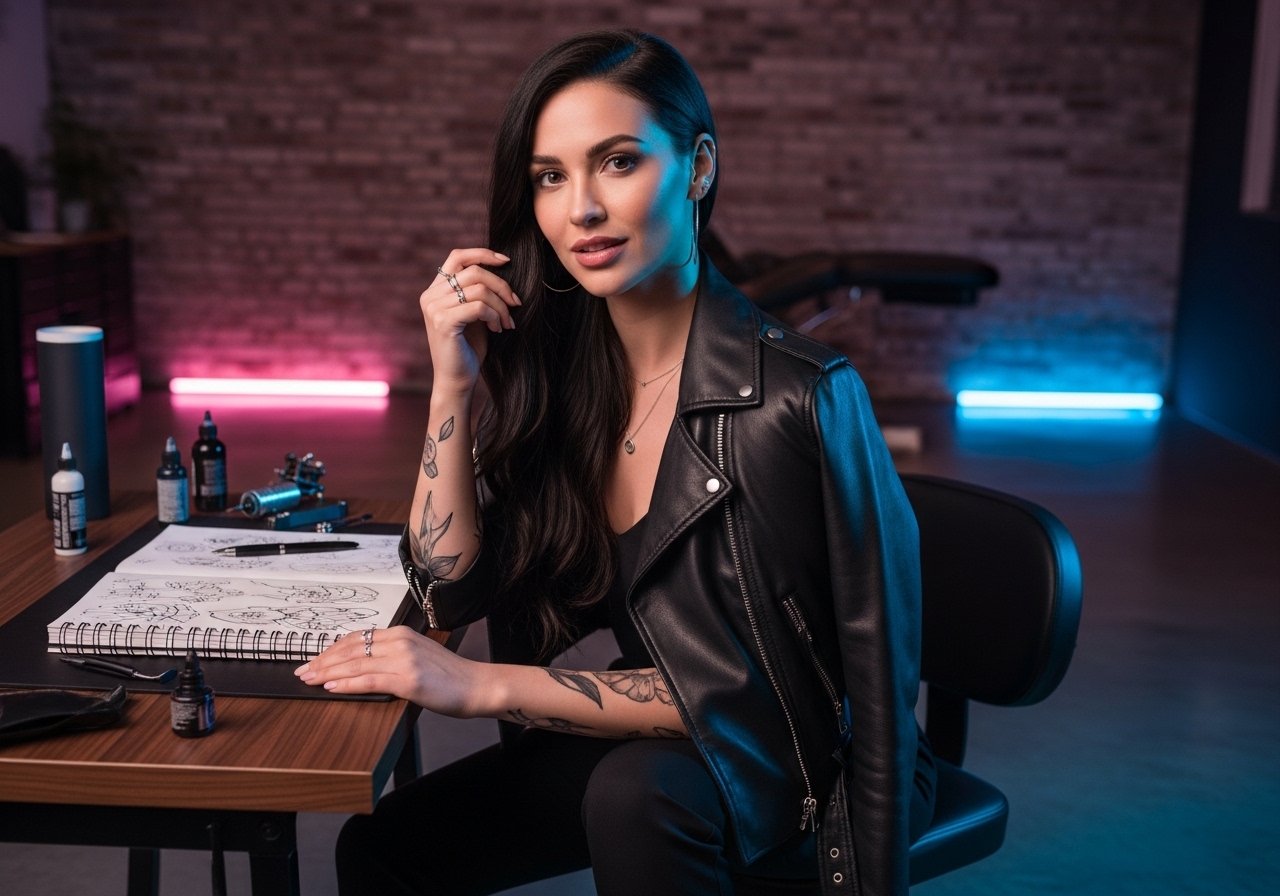
Fine line watercolor looks like paint breathed into skin, but it behaves like ink once healed. Trends push saturated washes and feathered edges that look incredible in photos, yet the real test is how those soft edges hold up over years. Read these stencil-friendly ideas with notes on placement, consultation cues, and what to wear to the session so the result lasts and still reads like art.
1. Delicate Botanical on Inner Forearm
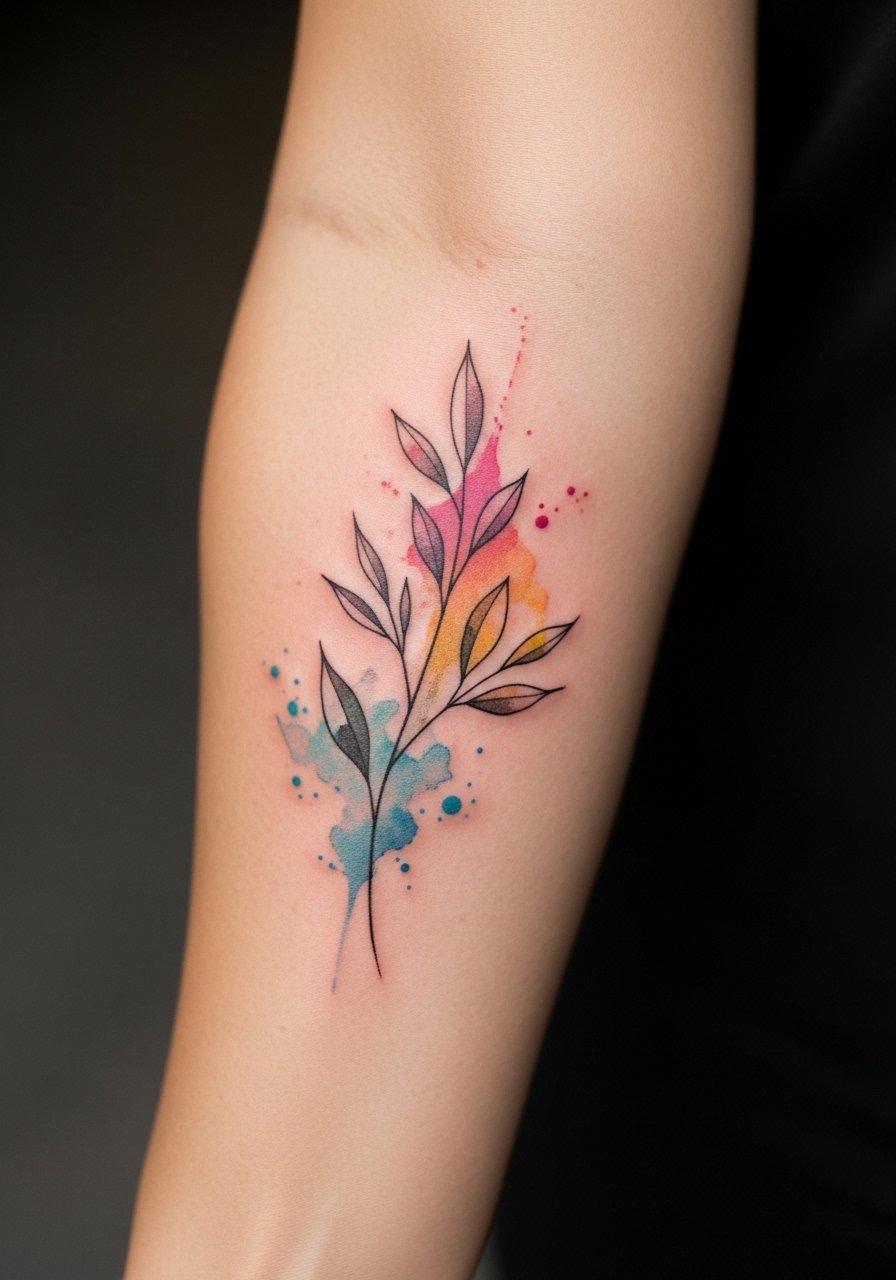
I've seen this version hold up better than busy watercolor sleeves because it gives the color room to breathe. Ask your artist for slightly heavier linework around stems and very light stipple shading inside petals. Fair warning, the inner forearm sees a lot of sun, so plan for sunscreen once healed to slow fading. Session feels like steady buzzing, moderate pain, usually one to two hours depending on size. For the appointment wear a loose button-down shirt so the sleeve can roll up cleanly.
2. Tiny Watercolor Constellation on the Wrist
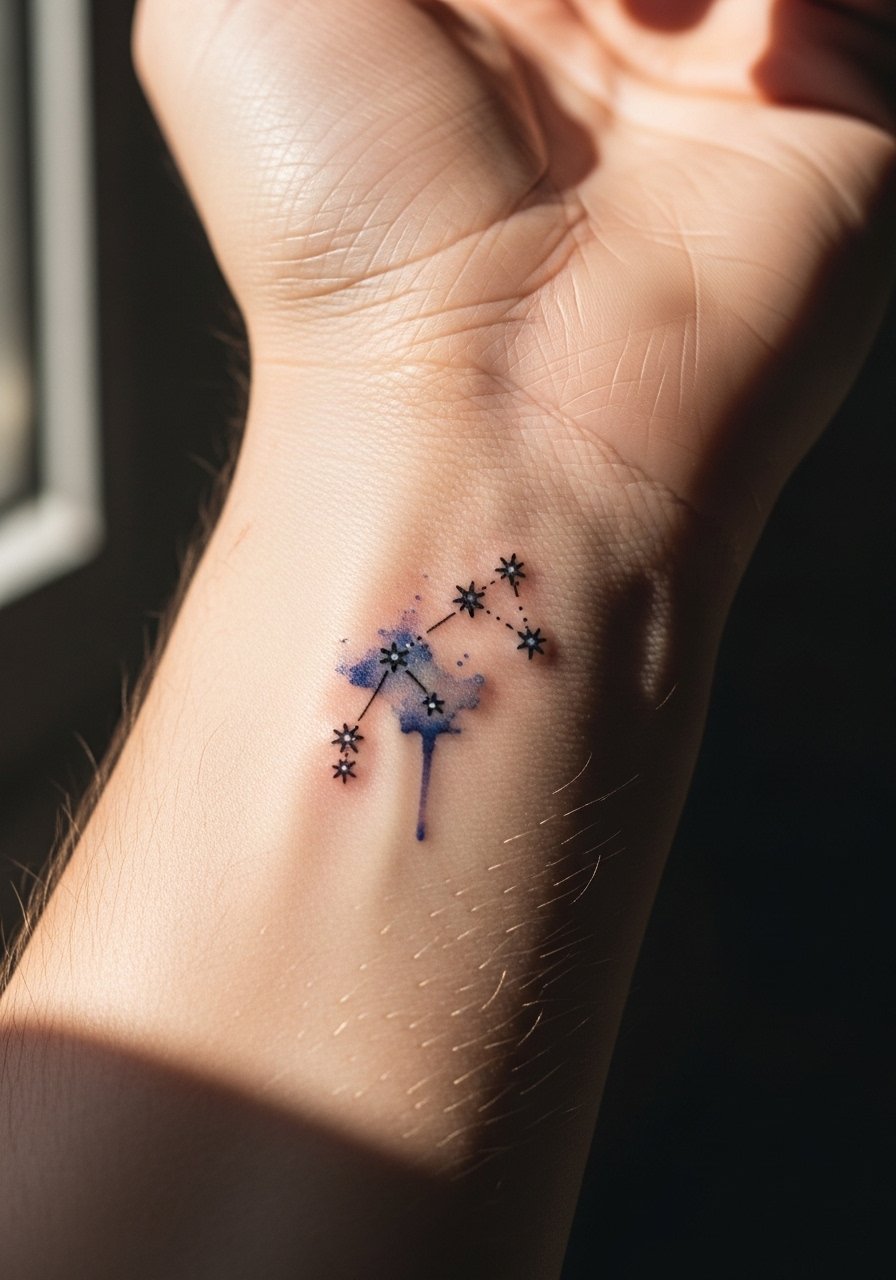
Wrist constellations read delicate when done with a light wash and minuscule stars. The biggest mistake is going too many tiny dots close together, which raises blowout risk on the shallow skin there. Expect a short session under an hour and a possible touch-up at year two for the faintest dots. Because the wrist rubs against clothing, I recommend pairing it with a minimalist chain bracelet to frame the piece, and wear a loose cuff sweatshirt to the studio so the artist can reach the area without stretching skin.
3. Collarbone Watercolor Script with Splash
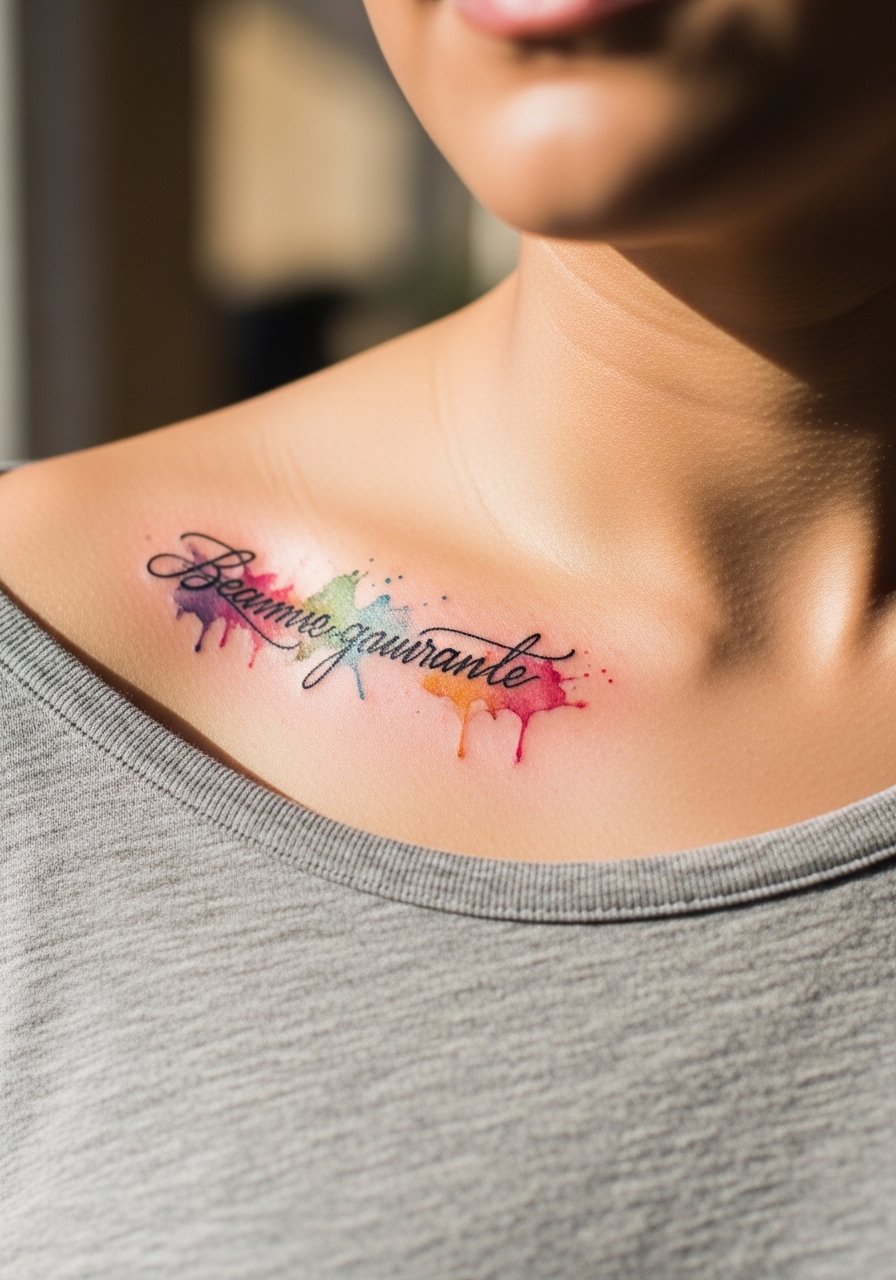
The collarbone gives a dramatic sweep for script paired with a color wash. Pain is higher near the bone, so expect 45 to 90 minutes for a small piece. A common error is asking for ultra-fine lettering right over the collarbone. Lines there can blur if too thin. Instead ask for modest line weight and negative space in the color wash to let letters breathe. For the session wear a wide-neck tee so the artist can shift fabric without full exposure. If you want to show it off, a thin chain pendant sits just above the splash without competing.
4. Ribcage Watercolor Galaxy
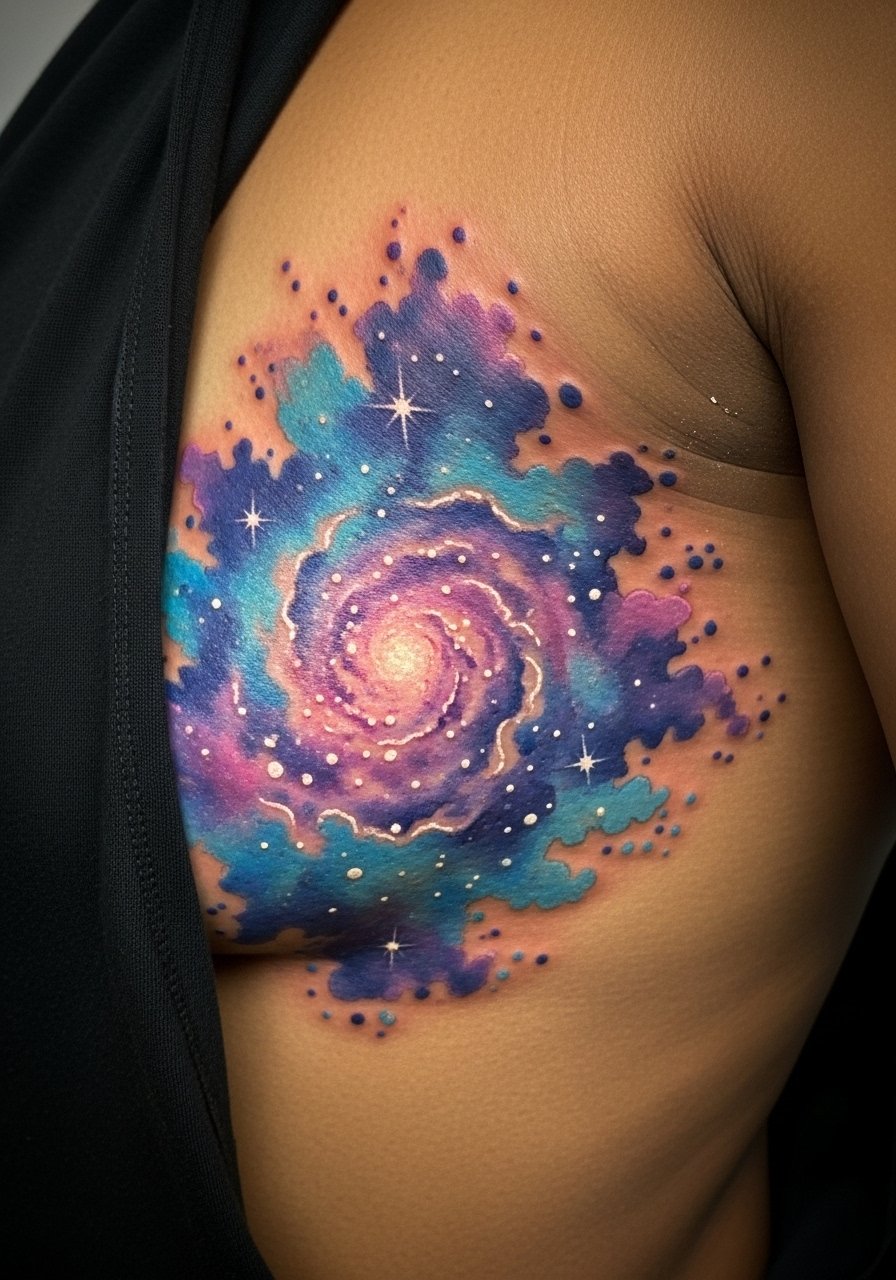
Controversy is alive around ribs. One camp says the ribcage stretches and lines blur fast. The other camp argues that with correct depth and spacing, ribs can hold fine line work for years. I tell clients ribs are worth it only if they accept a realistic touch-up timeline. This placement is painful, expect long sessions broken into parts, and the color wash will fade faster than on arms. Wear a cropped athletic top you can lift slightly so the artist has clear access. Plan for a calmer recovery day since deep breaths make the session feel sharper.
5. Thigh Watercolor Koi with Stencil Flow
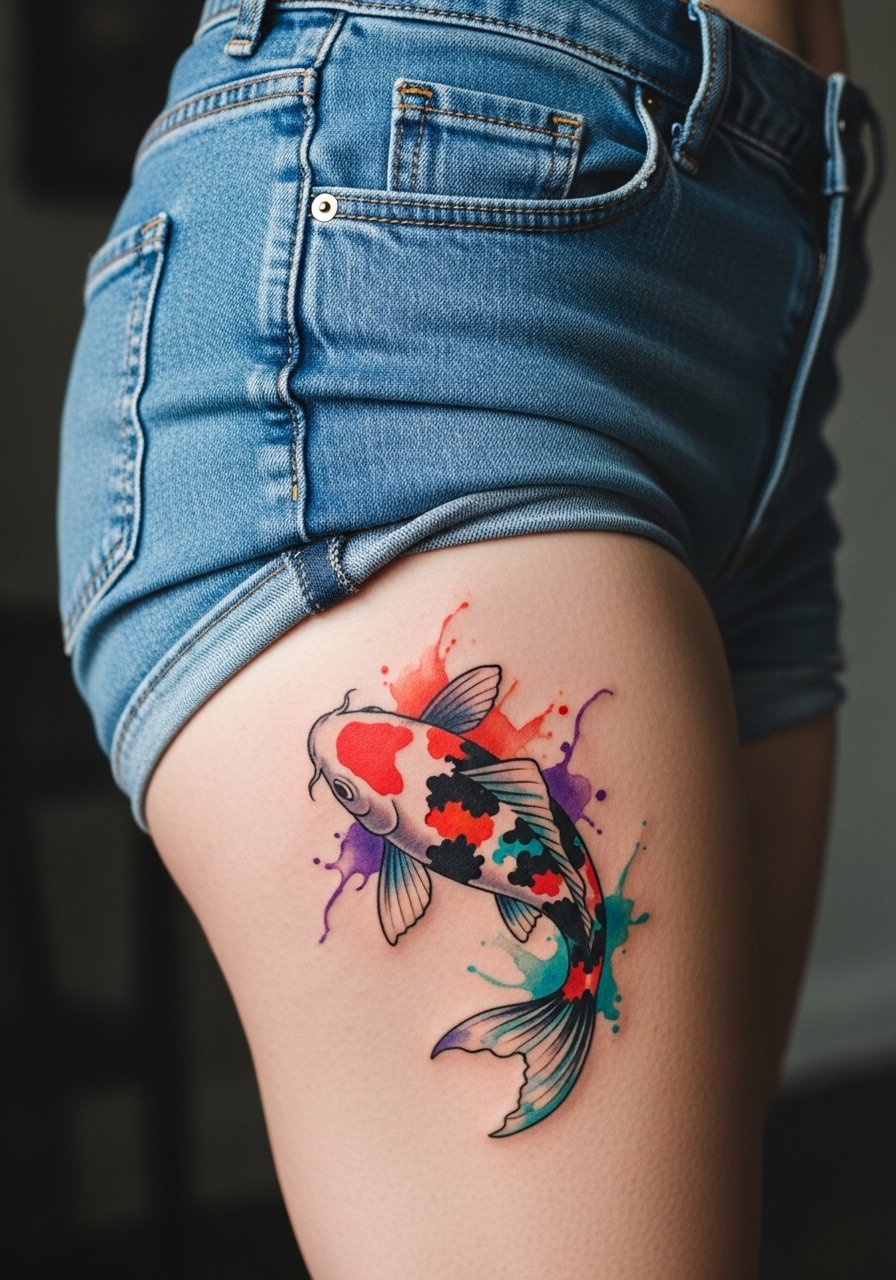
Thighs are forgiving for saturated washes because they get less sun and have thicker skin. I recommend a stencil that follows the muscle curve so the koi seems to swim with your body. The common mistake is centering the design flat across the leg. Tell your artist to angle the stencil along the outer thigh for movement. Sessions feel moderate and can run two to three hours. For the appointment bring loose drawstring shorts so the leg can be exposed without pressure. For nights out, a flowy midi skirt frames the piece beautifully.
6. Shoulder Blade Watercolor Bouquet
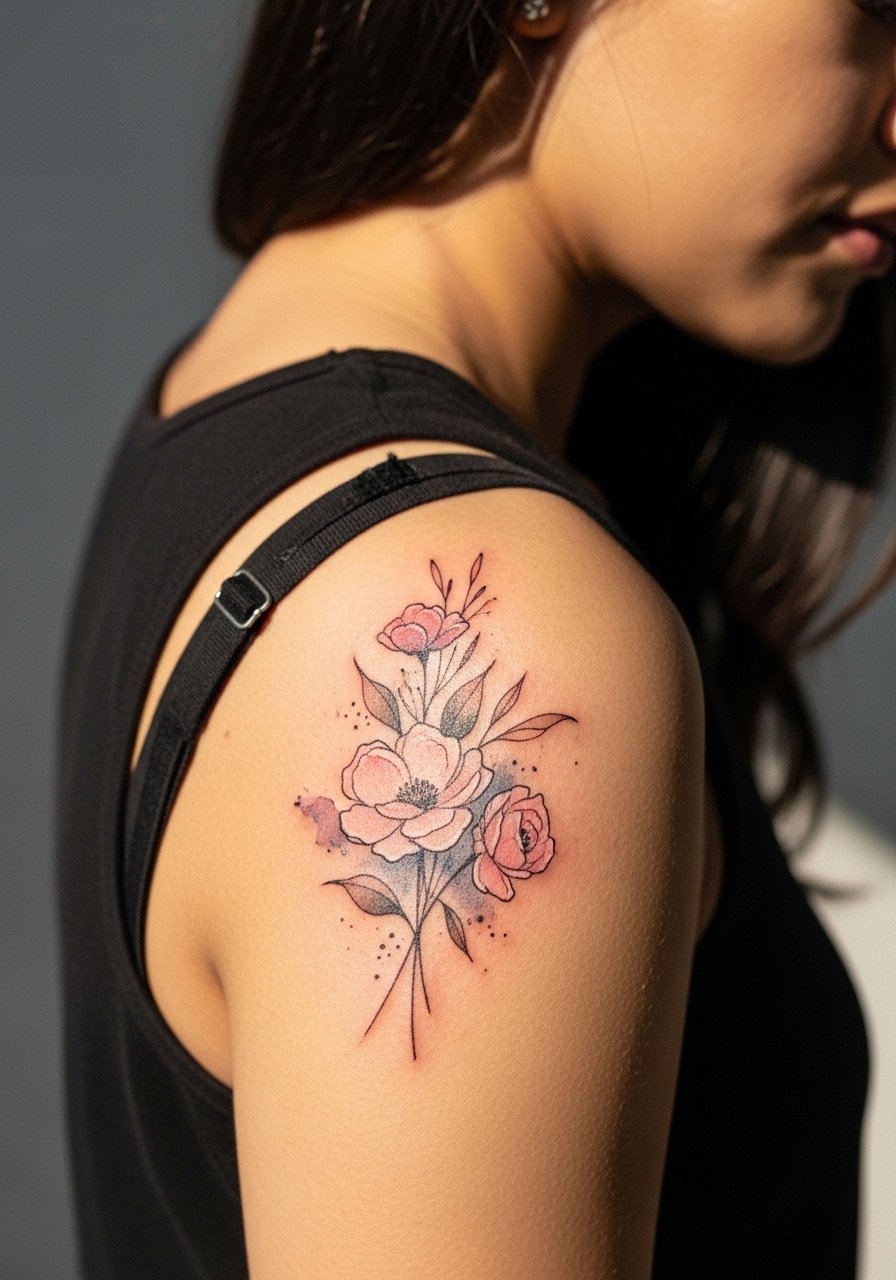
Shoulder blades are ideal for medium-sized watercolor bouquets because they move with clothing and sit away from constant friction. The main mistake is packing too many tiny blooms into the same area, which compresses color and invites muddiness after a few years. Ask for varied saturation and intentional negative space. Pain is mild to moderate and sessions often end between one and three hours. For the studio wear a tank top you can shift easily. This placement shows well with open-back tops, but think about career dress codes before committing.
Studio Day Picks
Those shoulder, thigh, rib, wrist, collarbone, and forearm pieces above ask for different prep. A few targeted items smooth the session and the first week of healing.
-
Stencil transfer paper kit. Lets you preview placement and line weight on skin, which matters for the collarbone and forearm pieces above.
-
Low-residue topical numbing cream. Helpful for sensitive ribcage or sternum sessions without leaving a heavy film that artists dislike.
-
Thin protective film roll. Useful for ankle and finger tattoos above, where friction from clothing and shoes is constant during the first days.
-
Fragrance-free gentle body wash. Cleanses the healing area without stripping the delicate pigment in fine watercolor washes.
-
Aquaphor healing ointment. Thin layers during the initial days help retain moisture for small linework and color washes without clogging needle channels.
7. Ankle Watercolor Sprig
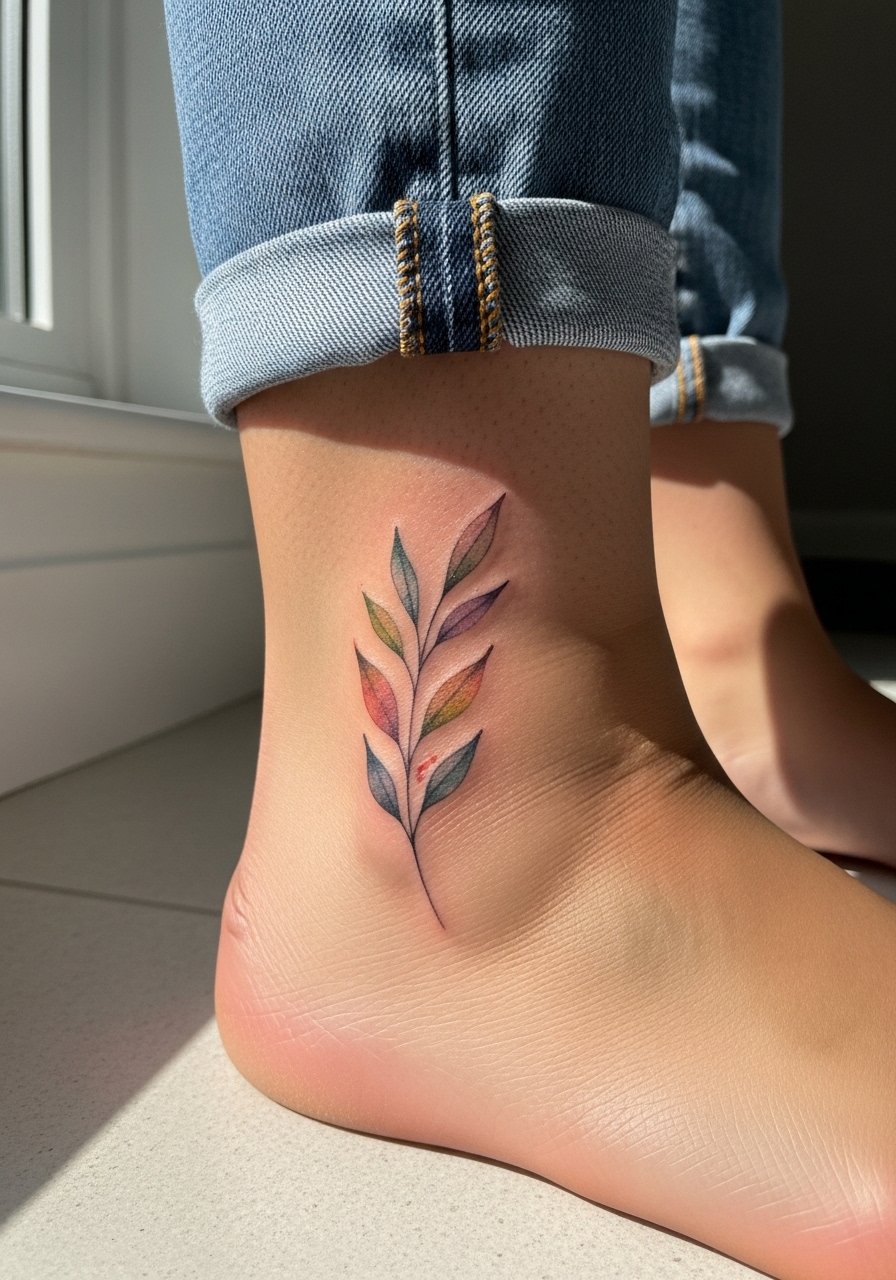
Ankle tattoos age differently because of shoe and sock friction. Small watercolor sprigs look fresh when placed on the outer ankle rather than directly above the bone. The common mistake is too much watercolor around a tiny outline, which fades into a smear. Expect a 30 to 60 minute session and possible touch-up at year two. For the studio wear jeans to roll up and bring a pair of slip-on sandals so shoes don't rub the area during the first week. A delicate anklet helps draw focus without covering the art.
8. Underbust Watercolor Crescent
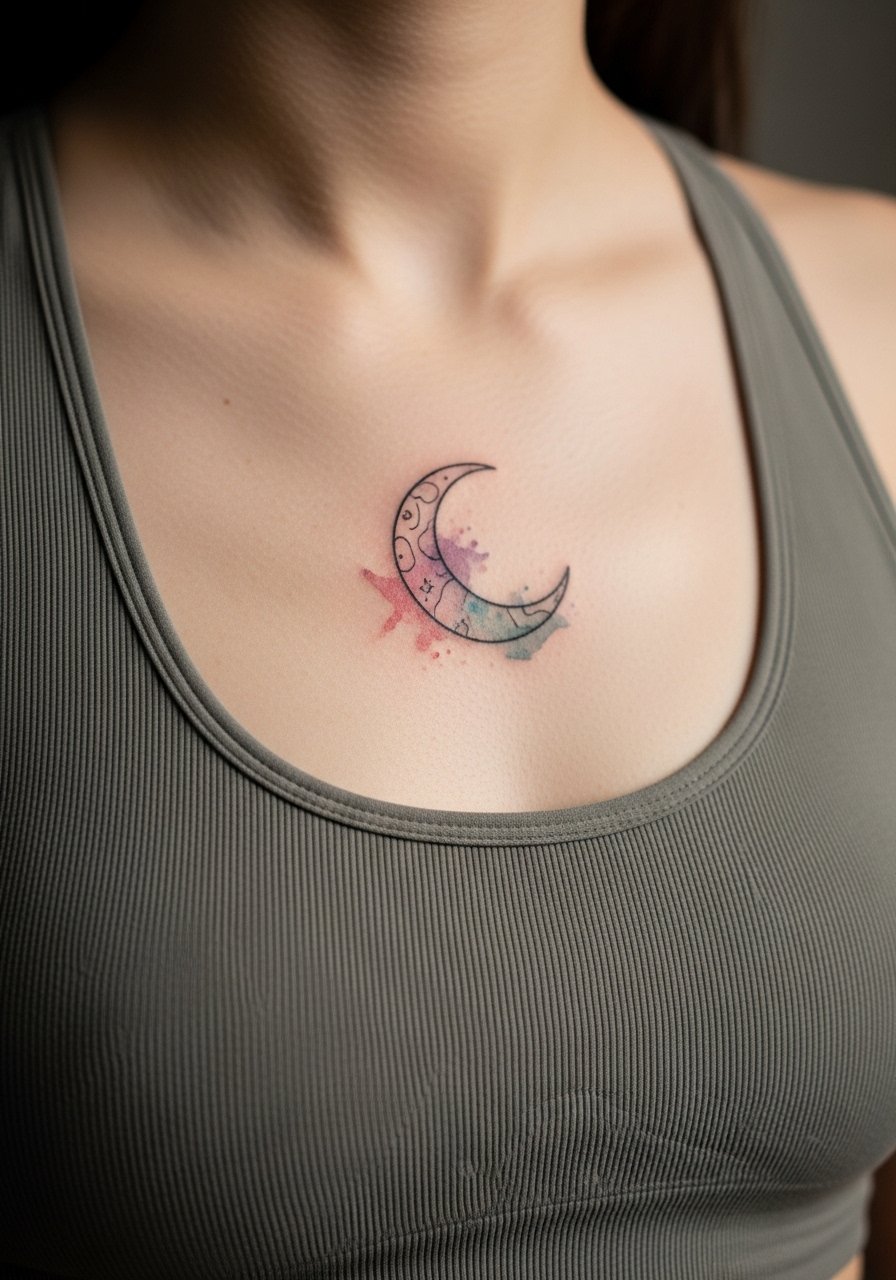
Underbust placements need careful clothing planning and a patient artist. The pain can be moderate and sessions feel longer because of breathing and movement. Many people ask for heavy saturated color here, but that can migrate with movement if packed too densely. I advise a lighter wash that reads well when wearing open-front tops. Wear a fitted sports bra to the session so the artist sees how the piece will sit with typical garments. This spot sometimes intersects with personal comfort and cultural considerations, so consider a slight custom tweak rather than a direct replica of traditional motifs.
9. Back of Neck Watercolor Script
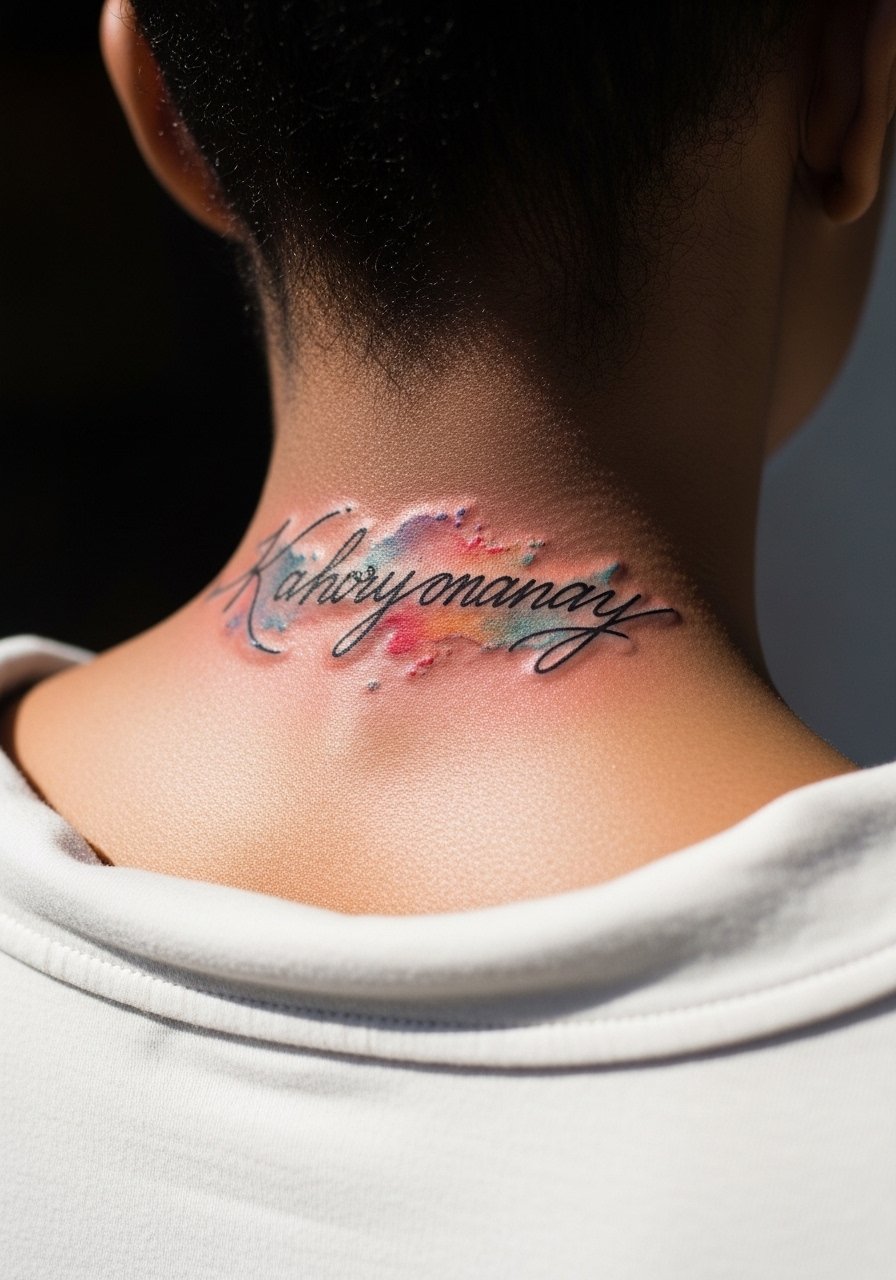
Neck pieces are visible and can affect job conversations in some fields. The back of the neck holds watercolor washes well if kept small. A frequent mistake is asking for very fine script there. Lines can blur with collar friction. Keep letter spacing open and ask the artist about touch-up plans. Sessions are short but the area is sensitive. For the session, a wide-neck shirt is ideal. If you plan to show it off, a high ponytail or a low bun frames the wash without covering it.
10. Sternum Watercolor Mandala
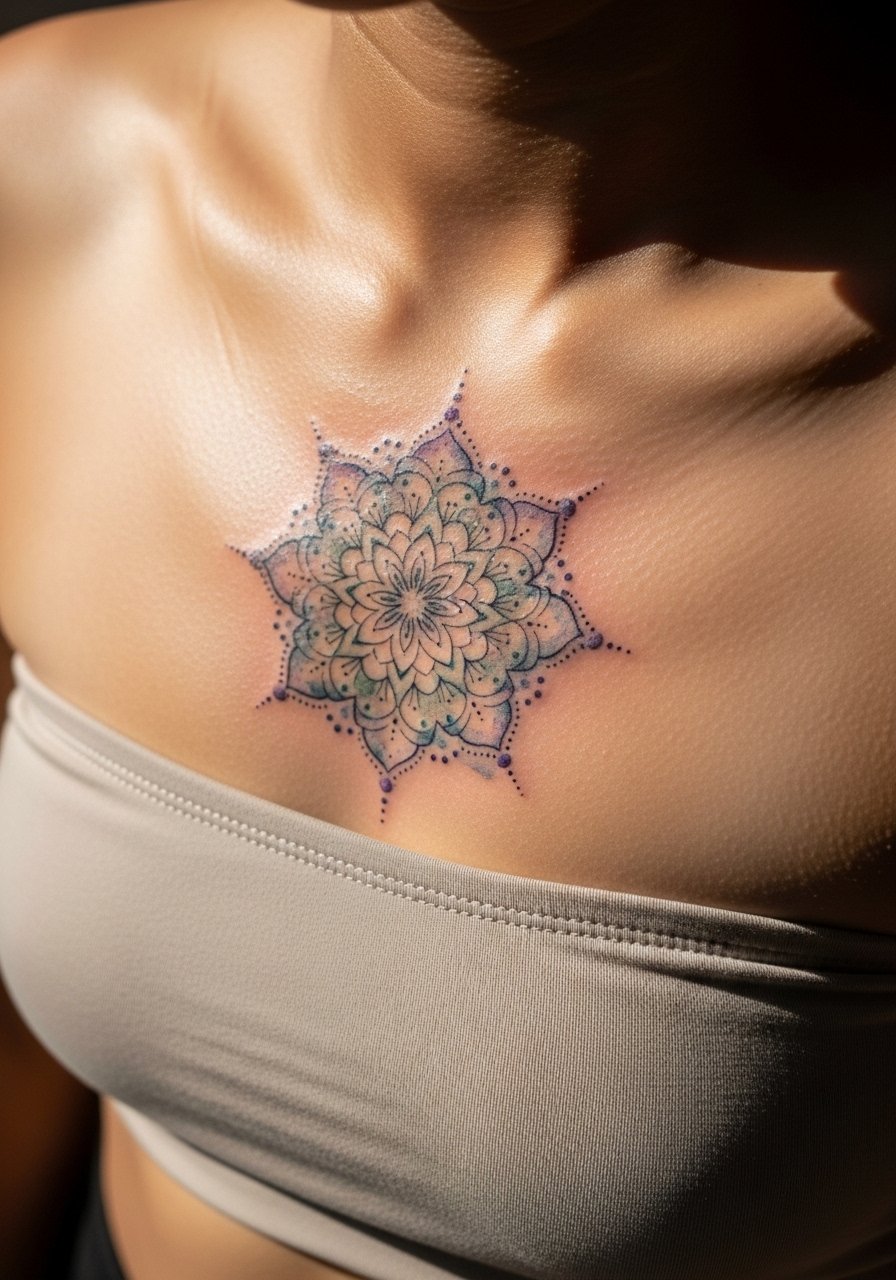
Sternum work demands a steady artist and a calm client. Sessions can be intense because the area is close to the bone and breathing affects the stencil. Artists differ on how dense to make the mandala. One school pushes tight detail, the other prefers open spacing to avoid blur. Ask where your artist stands and see healed work with similar placement. Wear a bandeau or zip-up hoodie you can shift easily. Because the area sits under clothing, plan wardrobe for the first week that avoids tight bands.
11. Calf Watercolor Landscape
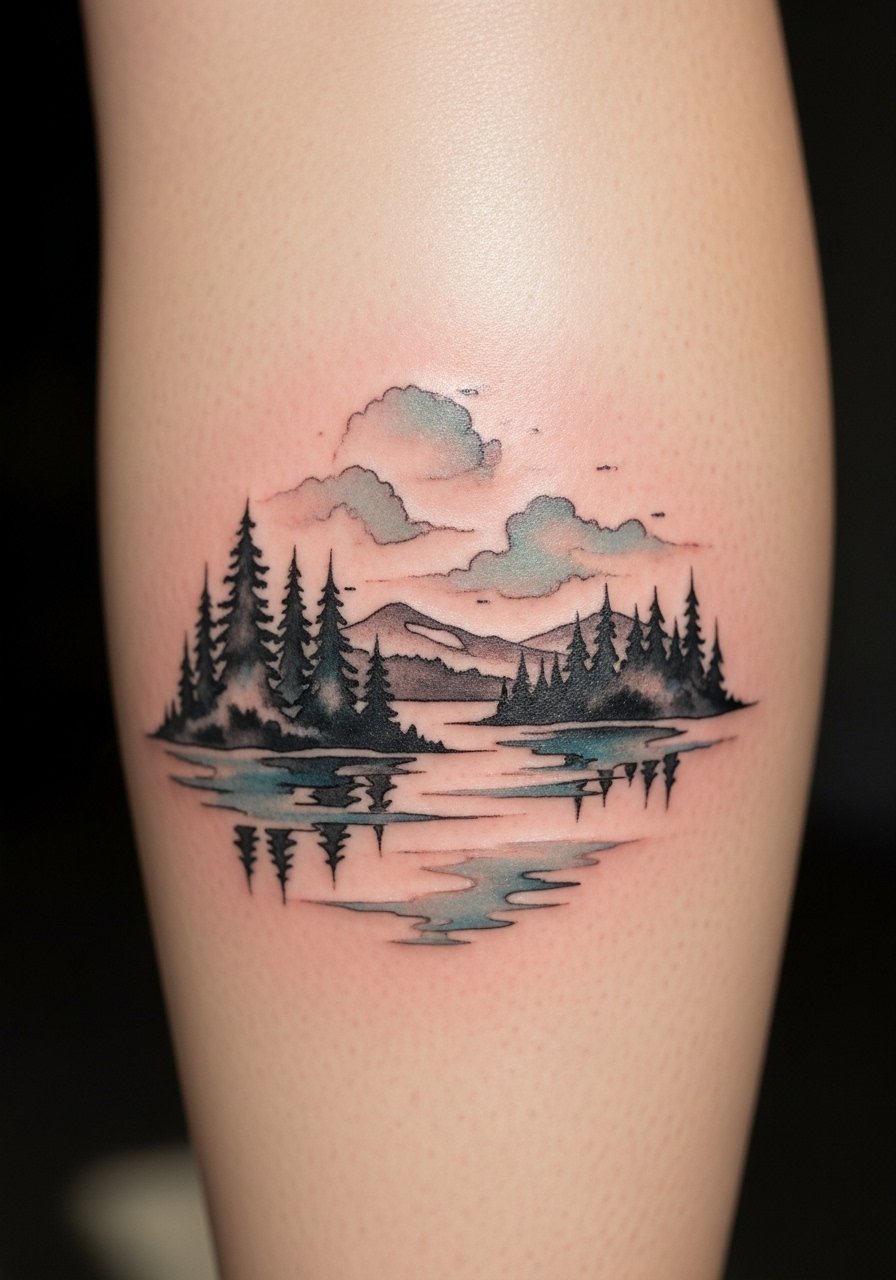
Calf pieces are great for longer horizontal compositions like miniature landscapes. The thicker skin and lower sun exposure help washes hold color. A common error is compressing too many tiny details into a narrow band. For a clearer long-term read, ask for broader washes with selective linework for focal points. Sessions run one to three hours based on length. For the appointment wear loose drawstring linen pants so the leg can be exposed without tight seams. Pair the tattoo with ankle boots or sandals to show it off in warmer months.
12. Inner Bicep Watercolor Petal Cluster
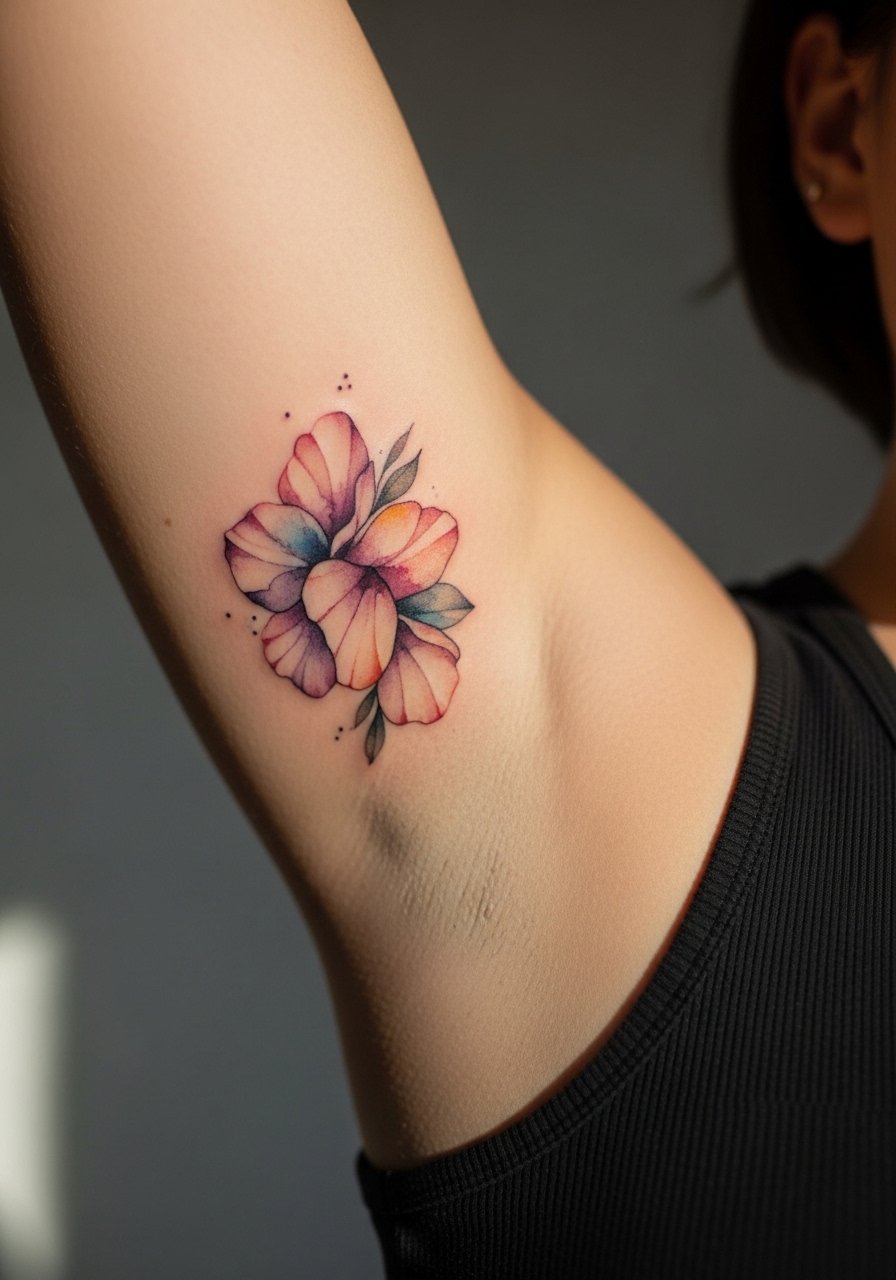
The inner bicep is sheltered from sun but stretches with movement. That can turn tight washes into blotches if the stencil is too busy. I suggest moderate saturation and slightly larger petals. Pain is moderate and sessions are shorter than chest pieces. Wear a tank top you can raise without pulling fabric tight. This placement sometimes shows better with off-the-shoulder tops, but think about how often you want the piece visible.
13. Finger Watercolor Accent
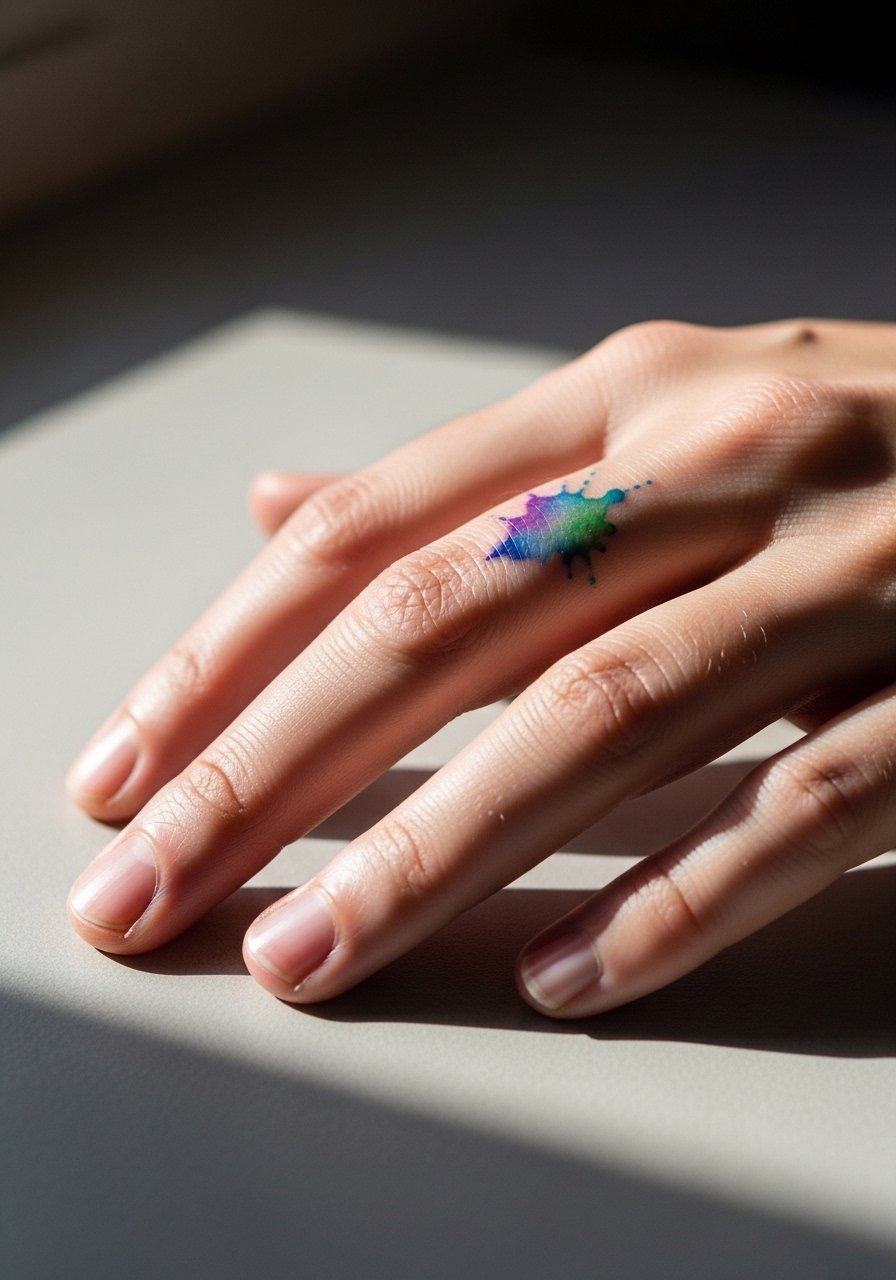
Finger tattoos are high-maintenance. Watercolor pigments especially fade fast there because of constant washing and friction. The debate is clear. One camp avoids fingers for watercolor entirely. The other suggests micro-saturated spots with frequent touch-ups. If you choose a finger, ask for a simple stencil and expect yearly refreshes. Sessions are quick but the healing window demands care. For showing off, pair with a thin stacking ring set that doesn't sit directly over the ink.
14. Shoulder Cap Watercolor Wave
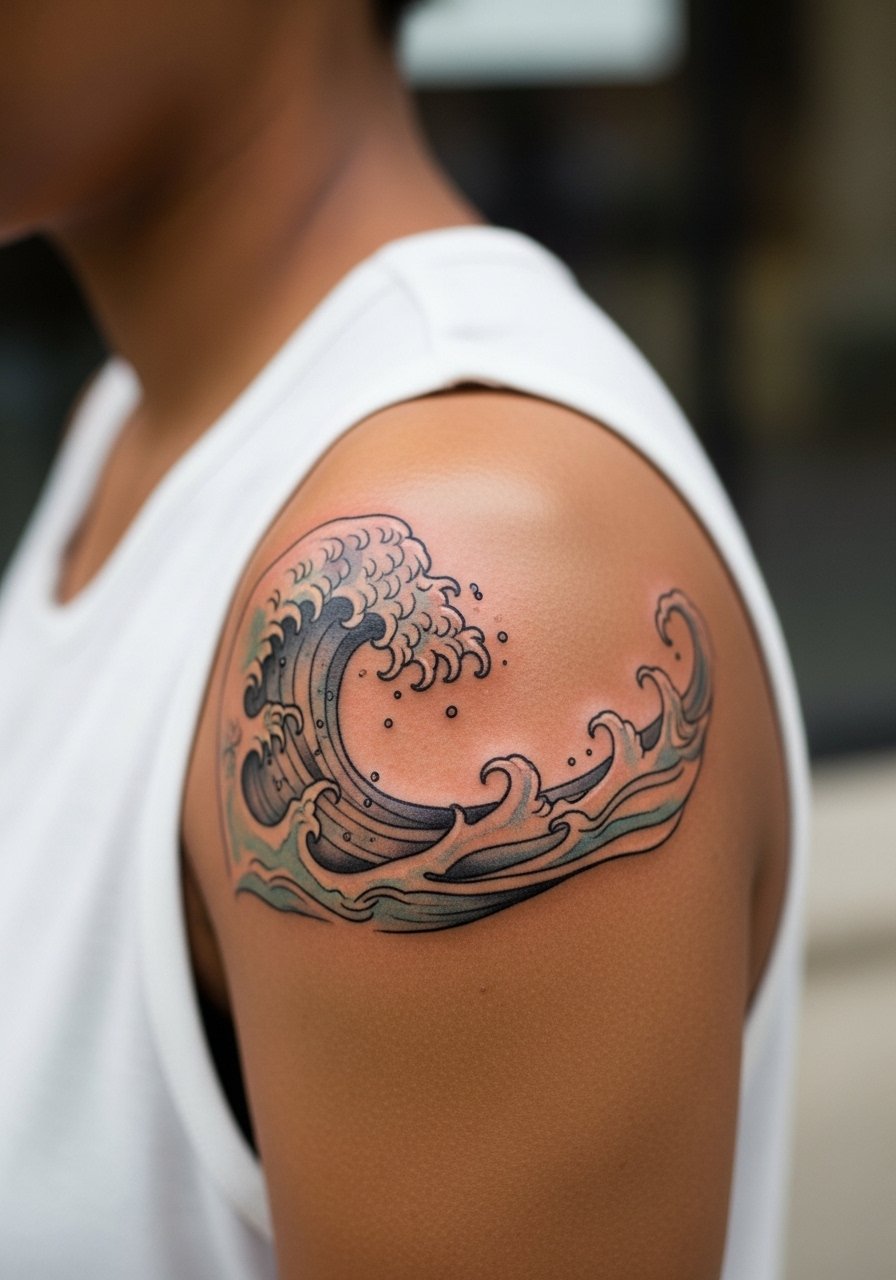
The shoulder cap handles medium washes well and reads across from different angles. A common mistake is pushing saturated gradients that end up pooling in the same area. Ask for a stencil that follows muscle shape and slightly muted edges. Pain is mild and sessions often finish in one sitting unless you scale up. For the studio, wear a loose tank top you can shift. The piece pairs well with sleeveless tops that let the wash breathe.
15. Hip Watercolor Bloom
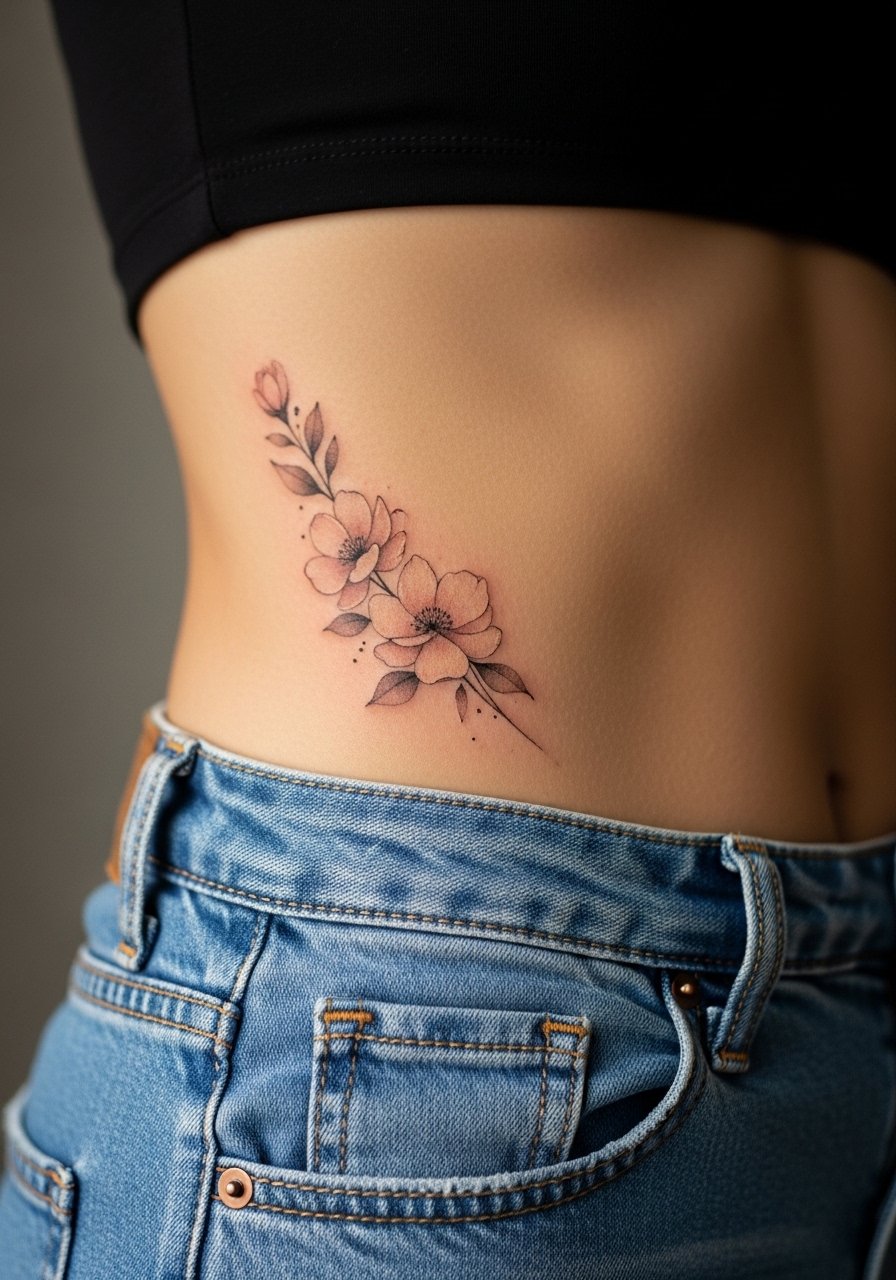
Hip tattoos age favorably because they get less daily abrasion, but they shift with weight changes. The mistake is tight, intricate watercolor there. I recommend a stencil with clear negative space between color fields. Sessions are moderate in time and can be broken into two if you want extensive color layering. For the appointment wear high-waisted jeans you can lower slightly, and a wrap skirt makes it easy to reveal the area without full exposure. Consider how swimwear will sit over the piece if you wear bikinis often.
16. Spine Watercolor Feather
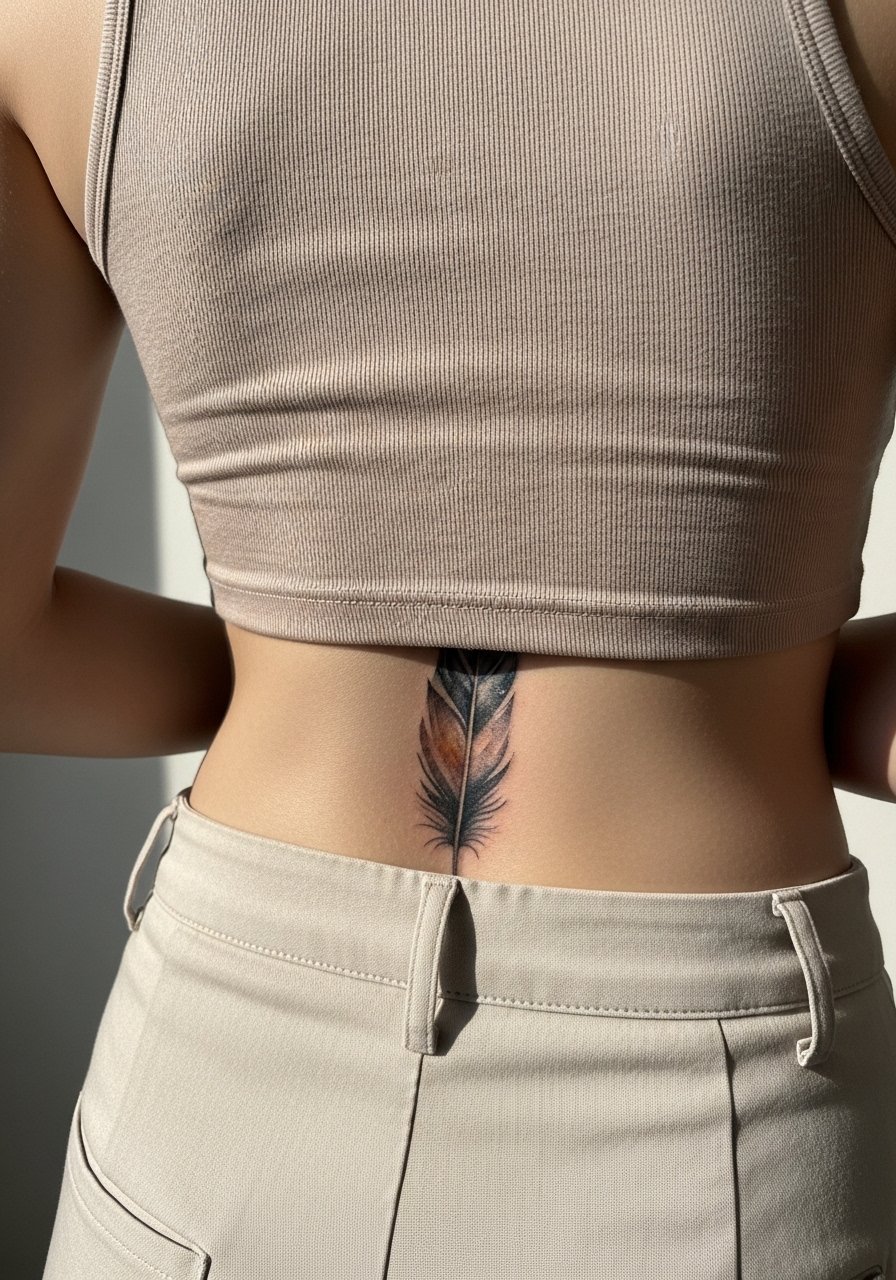
Spine pieces look dramatic with vertical washes, but symmetry matters. The typical error is misaligned stencils that make the feather read crooked when you stand naturally. Ask for precise vertical alignment and a mockup while standing. Pain varies depending on proximity to the spine and can be intense in spots. Sessions may require breaks. For clothing, a button-down worn backwards in the studio gives access without full exposure. Open-back dresses frame the piece well once healed.
17. Behind-the-Ear Mini Bloom
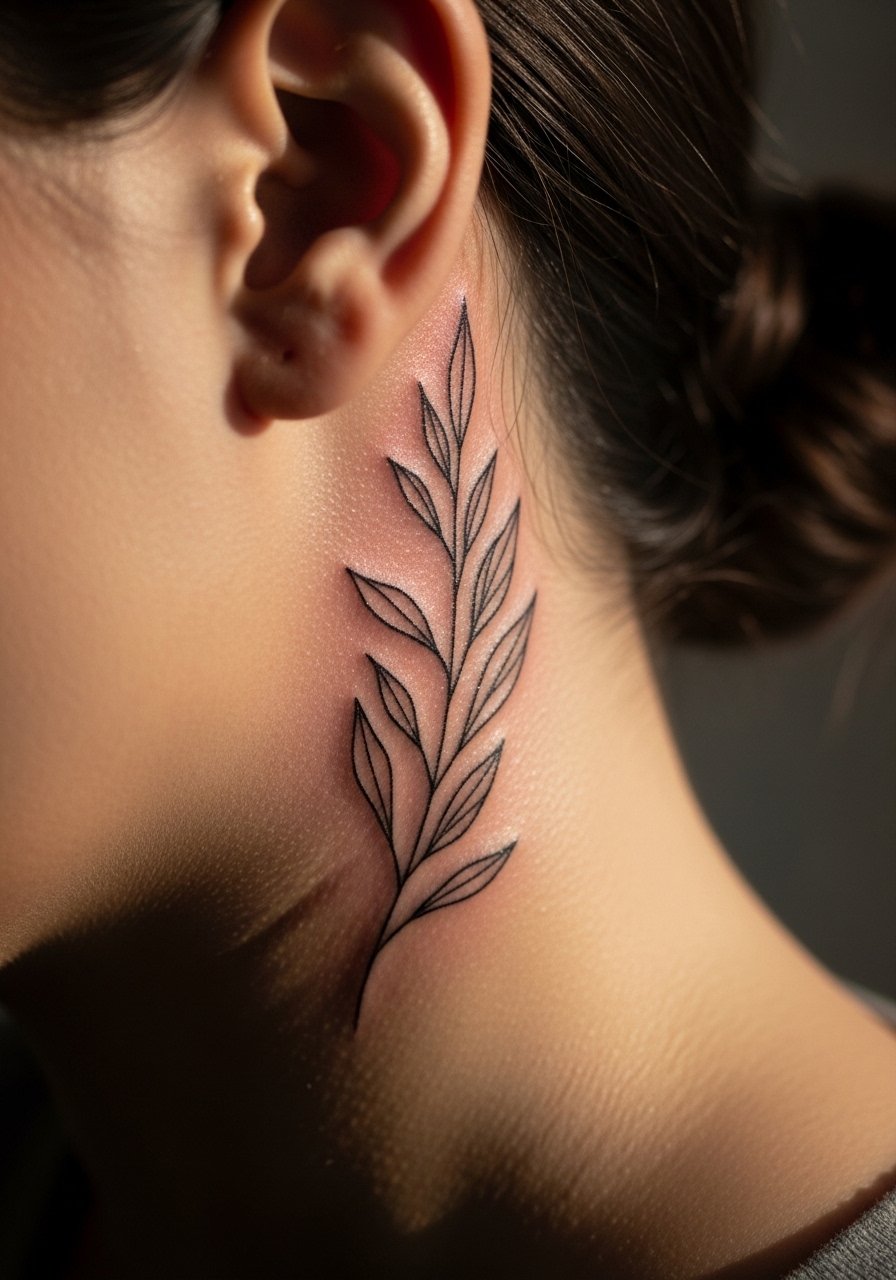
Behind-the-ear tattoos need careful framing because hair can hide or irritate the area. The common mistake is asking for a large watercolor wash there. Keep it tiny with a single color spot and defined linework. Sessions are brief but the area is sensitive. For the studio, come with hair up and a claw clip so the artist can access the skin easily. Remember workplace visibility and how often you plan to show the piece.
18. Calf-to-Ankle Watercolor Vine
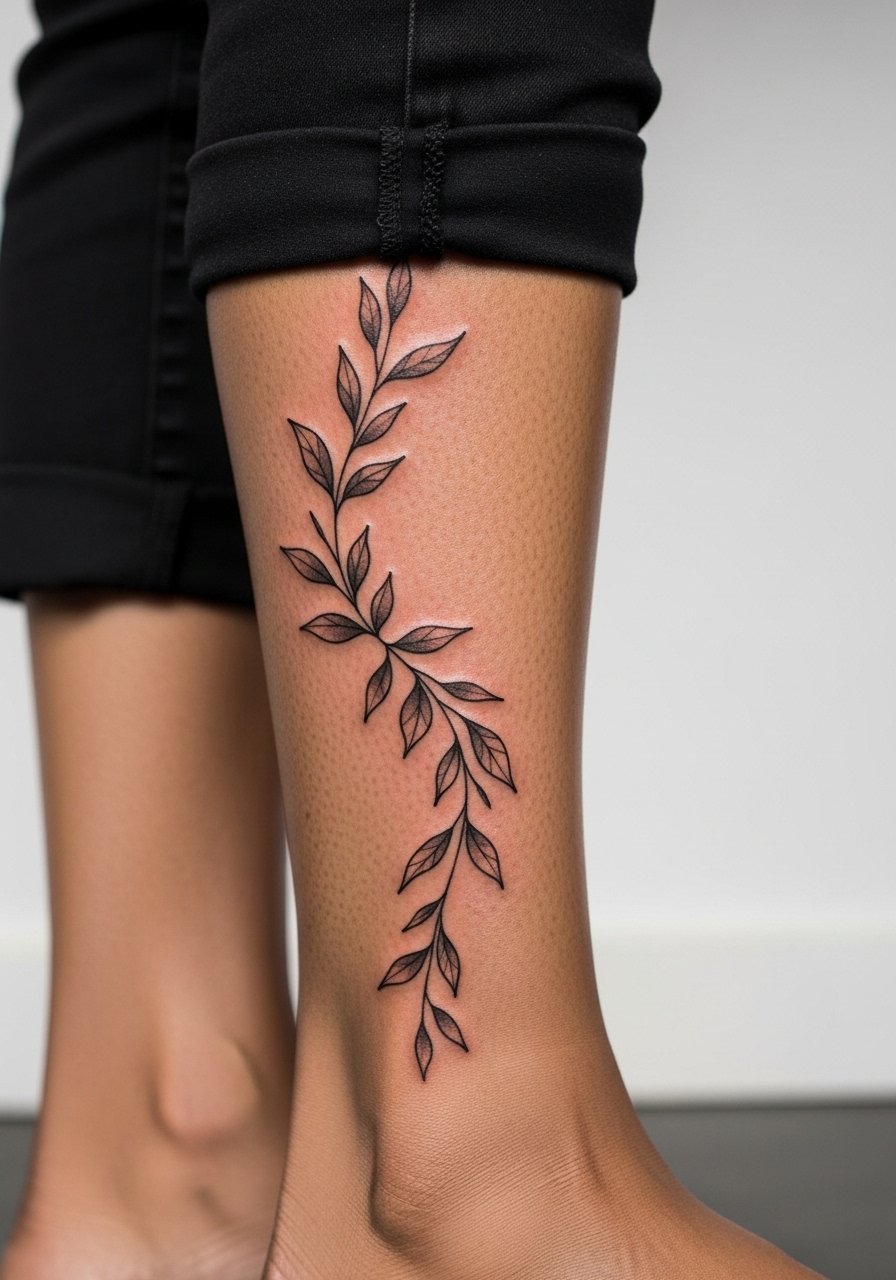
A wrap gives motion, but watch for scale. Tiny vines that snake into the ankle can blur if lines are too thin. I advise slightly bolder stems with light color washes. Sessions will be longer when the piece extends, so expect two sittings for more coverage. Wear pants you can roll and bring slip-on sandals so shoes do not irritate the ankle during healing. Pair the finished vine with cropped trousers to show it off.
19. Watercolor Ribcage Script Band
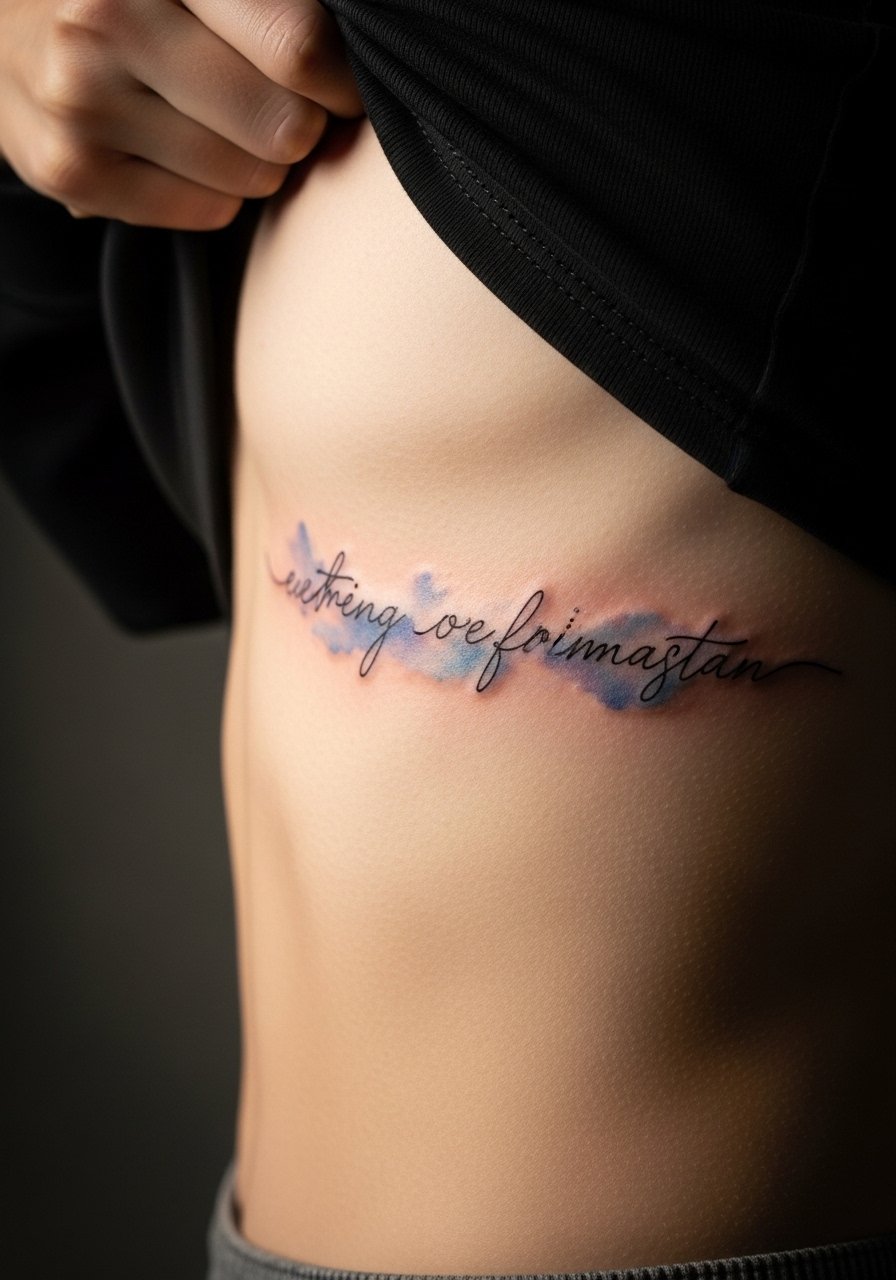
Ribcage scripts are intimate and can stretch with movement. Here the controversy again matters. One group warns that scripts there will blur quickly without heavy spacing. The other says careful depth and line weight solve the issue. Ask your artist which camp they follow and see healed examples at similar placements. Sessions are painful and often split. For the session wear a cropped top you can lift easily. Think about how often you want the band visible before committing.
20. Upper Thigh Watercolor Peony
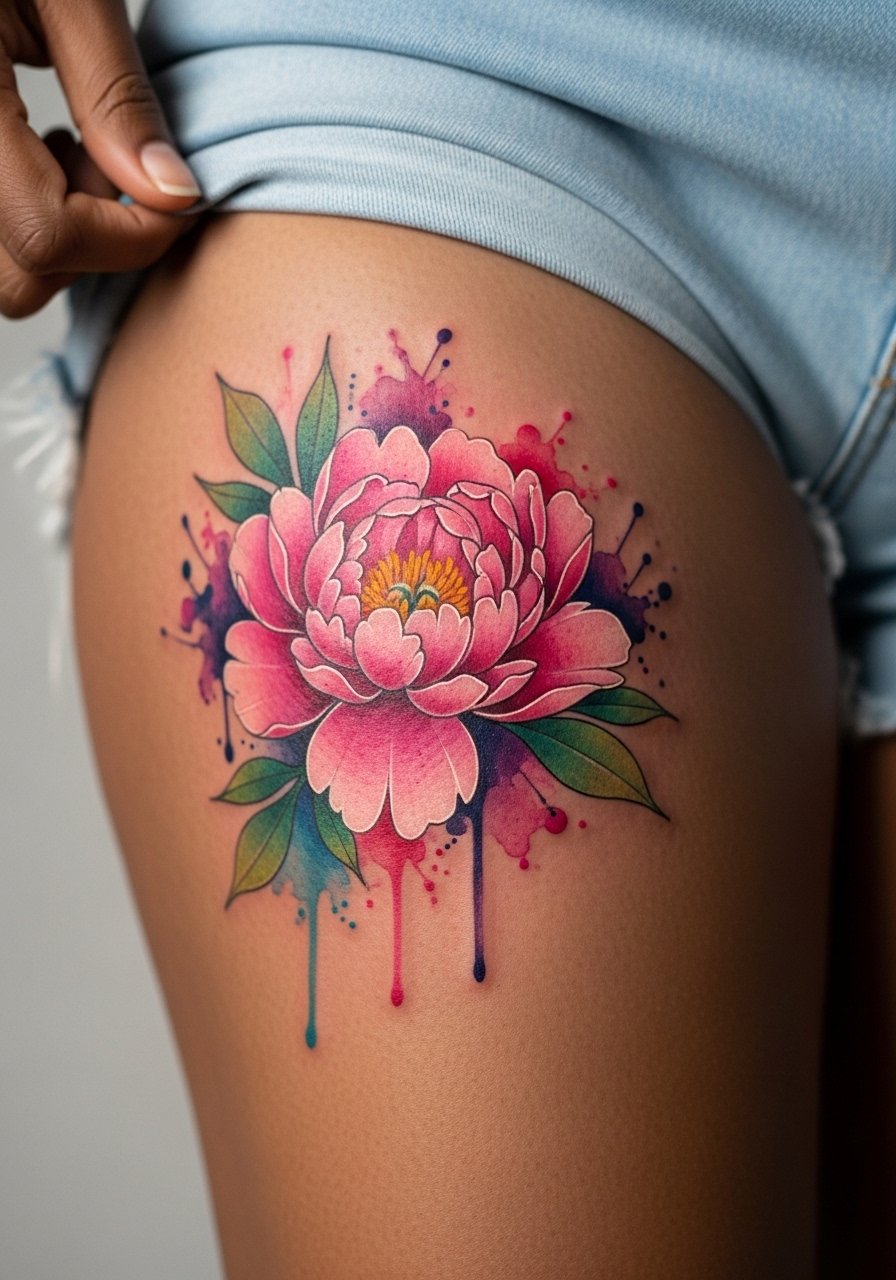
Upper thighs tolerate saturated color because they get less sun. The mistake is requesting hyper-detailed stipple that disappears under color washes. Ask for selective dot work and broader petals in watercolor. Sessions feel moderate and are usually comfortable, but the area can bruise. Wear loose shorts for the studio so the artist can roll fabric without tugging. A flowy slip skirt shows the peony elegantly.
21. Shoulder-to-Chest Watercolor Ribbon
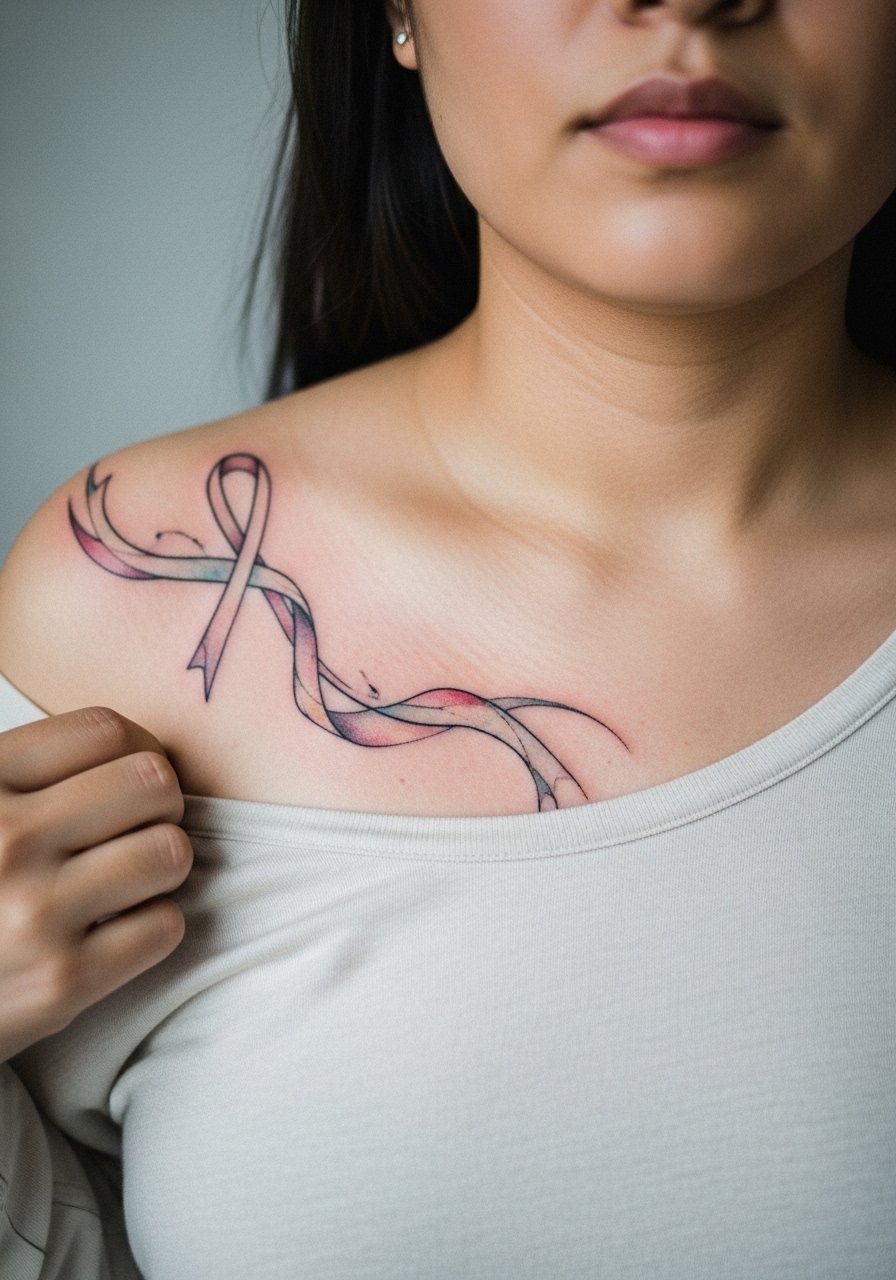
This sweep reads well across clothing and photographs, but placement intersects with collarbones and muscle movement. The common error is overworking the chest area with dense pigment, which can migrate. I recommend a softer wash on the chest side and more defined color on the shoulder cap. Sessions can be split if you want more layering. For the appointment wear a wide-neck shirt you can shift easily. If visibility matters to your job, consider how the piece shows under blouses and blazers.
Frequently Asked Questions
Q: Do watercolor-style tattoos need a different touch-up schedule than traditional pieces?
A: In my experience, yes. Watercolor washes tend to fade more noticeably because they rely on soft saturation instead of heavy black outlines. Expect touch-ups earlier, often around year two to three for high-friction placements like hands or ribs, and later for sheltered spots like thighs or calves.
Q: Will a stencil-style watercolor translate well into a custom piece?
A: Stencils help lock down composition, but watercolor benefits from an artist who adapts washes to your skin and movement. Use the stencil as a starting point and ask the artist how they plan to layer color. If you want a hybrid, bring reference stencils and request custom color adjustments in consultation.
Q: How should I dress for a rib or sternum session to stay comfortable and give the artist access?
A: Wear a fitted sports bra or a cropped top you can lift without exposing more than the tattoo area. A zip-up hoodie or loose button shirt also works. For rib and sternum sessions the goal is easy access without full exposure, and the right top makes breaks more comfortable.
Q: Are there wardrobe pieces that help show off wrist, forearm, or collarbone watercolors?
A: Yes. Lightweight rolled sleeves and open-neck tops frame forearm and collarbone washes. Consider a racerback tank for shoulder pieces, and slim chain necklaces for collarbone accents. These choices let the color sit visually without covering it.
Q: If I want a watercolor tattoo but worry about longevity, what should I ask in consultation?
A: Ask the artist about spacing, line weight, and realistic touch-up timelines for your chosen placement. Request to see healed photos of similar work on comparable skin tones. If longevity is a priority, pick sheltered placements and slightly stronger linework around focal points.
Q: How much does sun exposure affect watercolor tattoos compared with traditional blackwork?
A: From what I've seen, color washes suffer more from UV than dense blackwork. Sunscreen and clothing coverage matter more for watercolor pieces. Expect color shifts if the piece spends a lot of time in direct sunlight without protection.